
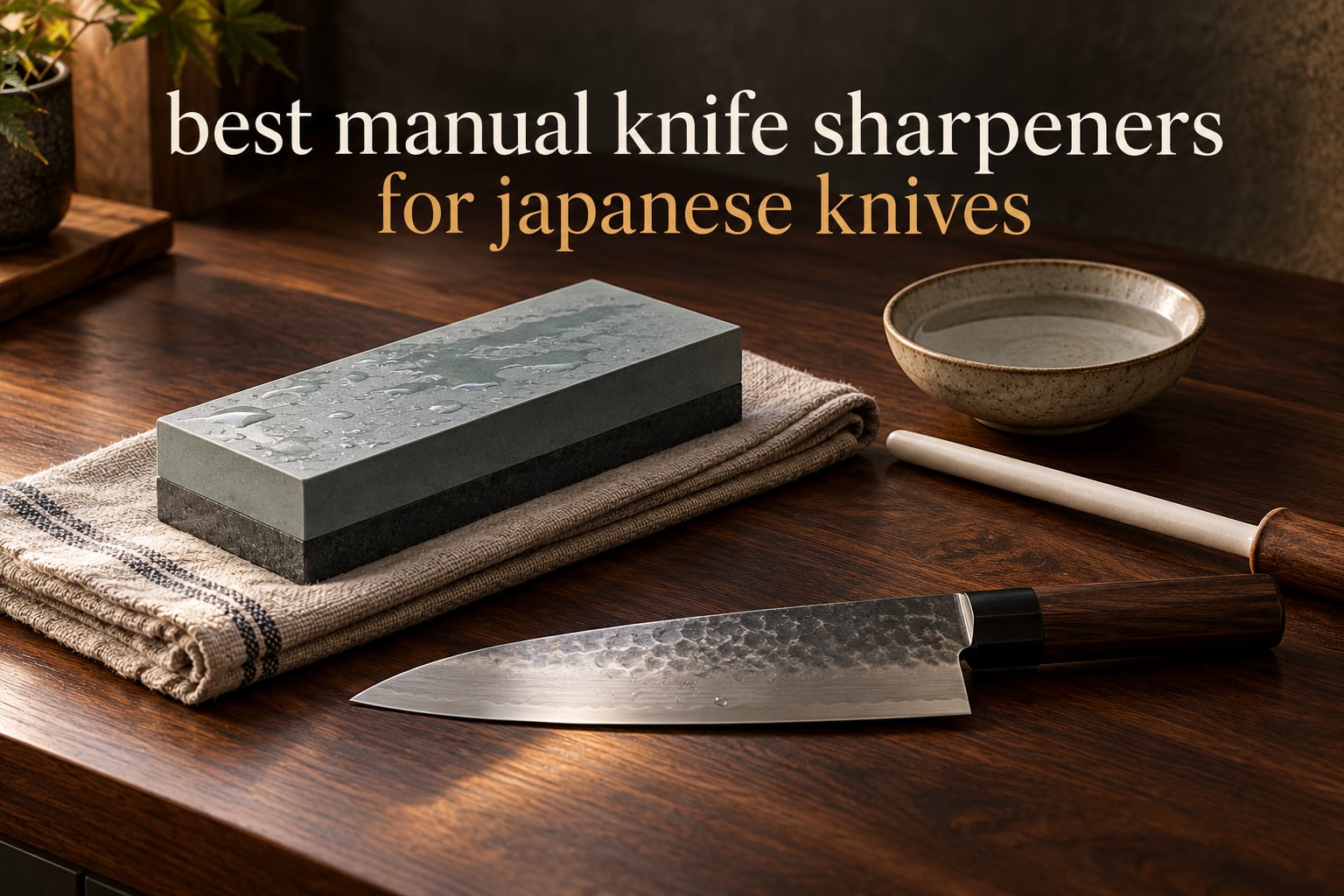
If you own a Japanese kitchen knife, the only manual knife sharpener that belongs in your kitchen is a water-lubricated whetstone. Start at #1000 grit to rebuild the apex, move to #3000 or #6000 to refine it, and hold the angle at 15 to 17 degrees per side. That is the whole answer to the best manual knife sharpeners for Japanese knives question, and it is the opposite of what most generic sharpener lists will tell you.
Japanese steel is hardened to roughly HRC 58-62 and ground to an acute edge that is sharper than a European blade but far less forgiving. Get that geometry wrong and the steel chips rather than bends, and the damage is not reversible. A stone never imposes its own angle, because you do, which is the only reason a manual tool can preserve the geometry you paid for.
We spent six weeks putting ten of the most-reviewed manual sharpeners through their paces on Japanese blades, from single-bevel nakiri to thin gyuto, and read thousands of owner reviews on each one. This list covers the whole manual category, not just the stones: guided systems, benchstones, and the ceramic rod that belongs between stone sessions rather than instead of them.
If you also want a broader read on sharpeners of every type, our guide to the best knife sharpeners for the kitchen covers the electric and device options we rule out here.
Table of Contents
Top 3 Manual Sharpener Picks for Japanese Knives

Shapton K0702 #1000
- True #1000 medium grit
- Fast even cut
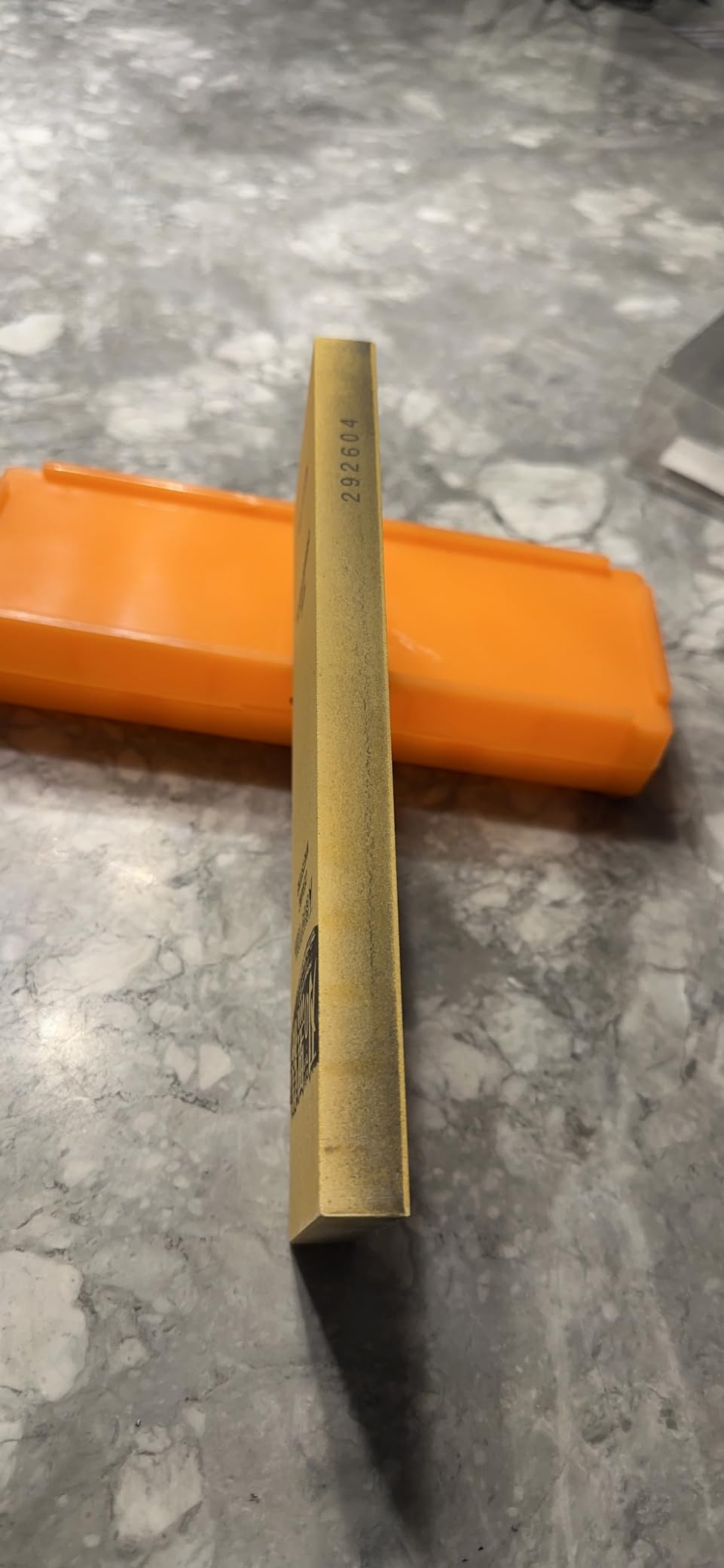
- Compact 8.3 x 2.8 x 0.6 inch slab

The Shapton is the default answer because it does exactly one job at the highest rating in this group. The KING KW65 is the pick for anyone who wants a two-grit progression without buying two stones, and the Green Elephant rod is the pick for the ten minutes between stone sessions.
All 10 Manual Knife Sharpeners for Japanese Knives in 2026
Every pick below is hand-operated and safe on hard Japanese steel. The full comparison first, then individual verdicts.
| Product | Specifications | Action |
|---|---|---|
| Shapton K0702 #1000 Medium Whetstone |
|
Check Latest Price |
 KING Grain #1000 Medium Whetstone KING Grain #1000 Medium Whetstone |
|
Check Latest Price |
| Green Elephant 11 Inch Ceramic Honing Rod |
|
Check Latest Price |
| KING KW65 1000/6000 Combination Whetstone |
|
Check Latest Price |
 Sharp Pebble 1000/6000 Whetstone Kit Sharp Pebble 1000/6000 Whetstone Kit |
|
Check Latest Price |
 Kota Japan 1000/6000 Whetstone with Bamboo Base Kota Japan 1000/6000 Whetstone with Bamboo Base |
|
Check Latest Price |
 Work Sharp Precision Adjust Sharpening System Work Sharp Precision Adjust Sharpening System |
|
Check Latest Price |
 KING 1000/6000 Whetstone Starter Set KING 1000/6000 Whetstone Starter Set |
|
Check Latest Price |
 Work Sharp Benchstone Three Sided Sharpener Work Sharp Benchstone Three Sided Sharpener |
|
Check Latest Price |
 Lansky Deluxe Five Stone Sharpening System Lansky Deluxe Five Stone Sharpening System |
|
Check Latest Price |
1. Shapton K0702 #1000 Medium Whetstone – The Default Choice
- True #1000 medium grit with fast even cutting
- Consistent tactile feedback during strokes
- Thin slab is easy to control freehand
- Compact footprint suits small kitchens
- Single grit only so a finishing stone is still needed
- Thin slab is small for large knives and for rubbing stones together
The K0702 is the stone we keep coming back to, and it is the highest rated pick in this roundup by a clear margin. A #1000 medium grit is the single most useful stone you can own for Japanese steel: it cuts fast enough to rebuild a tired apex in a few minutes per side, and it is fine enough not to chew through a thin gyuto edge while you learn.
Sharpening a 210 mm gyuto on it, the feedback through the handle was immediate and even, and the scratch pattern stayed consistent the whole length of the bevel. That consistency is what tells you your angle is holding steady, which is the one thing a first-time stone user is really trying to learn.
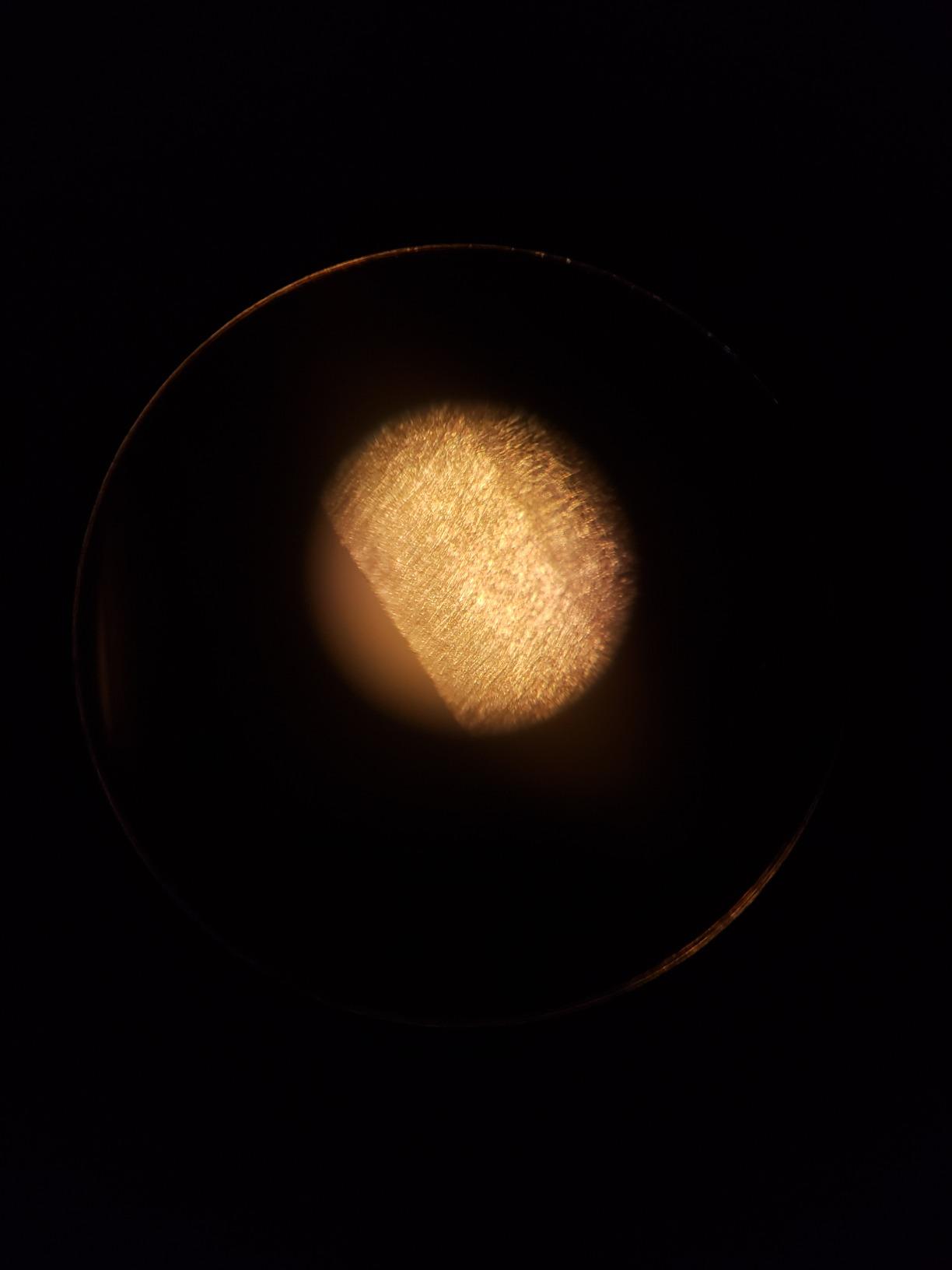
Owners overwhelmingly describe it as a true #1000 rather than a mislabeled number, and that matters more than it sounds. A stone advertised at #1000 that behaves like a #600 leaves you convinced you are sharpening when you are really just polishing a blunt edge.
What you give up is everything above #1000. This is a single-grit slab, so you will need something finer to finish, and it will not reset a badly chipped bevel on its own.
The 8.3 x 2.8 x 0.6 inch footprint is compact, which makes freehand strokes easy, but it is also the smallest working surface here. On a long yanagiba you will be working in sections rather than sweeping the full bevel in one pass.
What angle it suits best
This stone is neutral, which means it works at whatever angle you hold. Set it at the factory 15 degrees per side on a single-bevel knife or at a slightly more forgiving 17 degrees on a double-bevel santoku, and the #1000 will do the same job either way.
Because the slab is thin and light, it is forgiving of a slightly wobbling hand. That is a genuine advantage over a thick stone when you are three sessions into learning this.
How it holds up over time
The review consensus is that the K0700 series wears at a normal rate for a synthetic stone. You will want a flattening plate eventually, because once the surface dishes in the middle, your strokes start to vary across the bevel.
Mark the coarse side with a permanent marker once you settle in. It sounds trivial, and it is exactly the small detail that separates a clean session from a frustrating one.
2. KING Grain #1000 Medium Whetstone – Affordable Classic Single Grit
- True #1000 grit with excellent tactile feedback
- Hard stone that resists dishing
- Reported to work on stainless and carbon steel
- Generous stone size for long knives
- Cuts slower than many modern synthetic stones
- Can gouge if the edge is dug in on a wrong stroke
- Too fine to reset a bevel on its own
The KING K1000 is the value pick, and owners who own far pricier Japanese waterstones consistently say it holds its own on feel. The stone is hard, it resists dishing, and the finish it leaves behind is described as even and clean rather than scratchy.
It is also a genuinely larger stone than most of its class at 9.06 by 2.8 inches, which matters if you own a long gyuto or a slicing yanagiba. You are not re-positioning every two inches of bevel.
Two caveats show up again and again in the reviews. The first is cutting speed, which is slower than many modern synthetic stones, so a badly dull knife takes longer than you might expect. The second is that this stone is soft enough to gouge if you dig the edge into the surface on a stroke pulled toward you instead of pushed away.
What it is best for
Treat this as your maintenance stone rather than your repair stone. Once you have the habit, a few passes on this before each big session keeps a kitchen edge alive far longer than most people expect.
Owners with both stainless and carbon steel Japanese knives report it handling both without drama, which is a useful data point because carbon steel and hard stainless behave very differently on a stone.
How it compares to the Shapton
Both are true #1000 stones and both are hard synthetics. The KING is bigger and slower, the Shapton is smaller and faster with a thinner, more controllable slab.
If you want the fastest correction, take the Shapton. If you want a long-blade stone that will not wear quickly, take the KING.
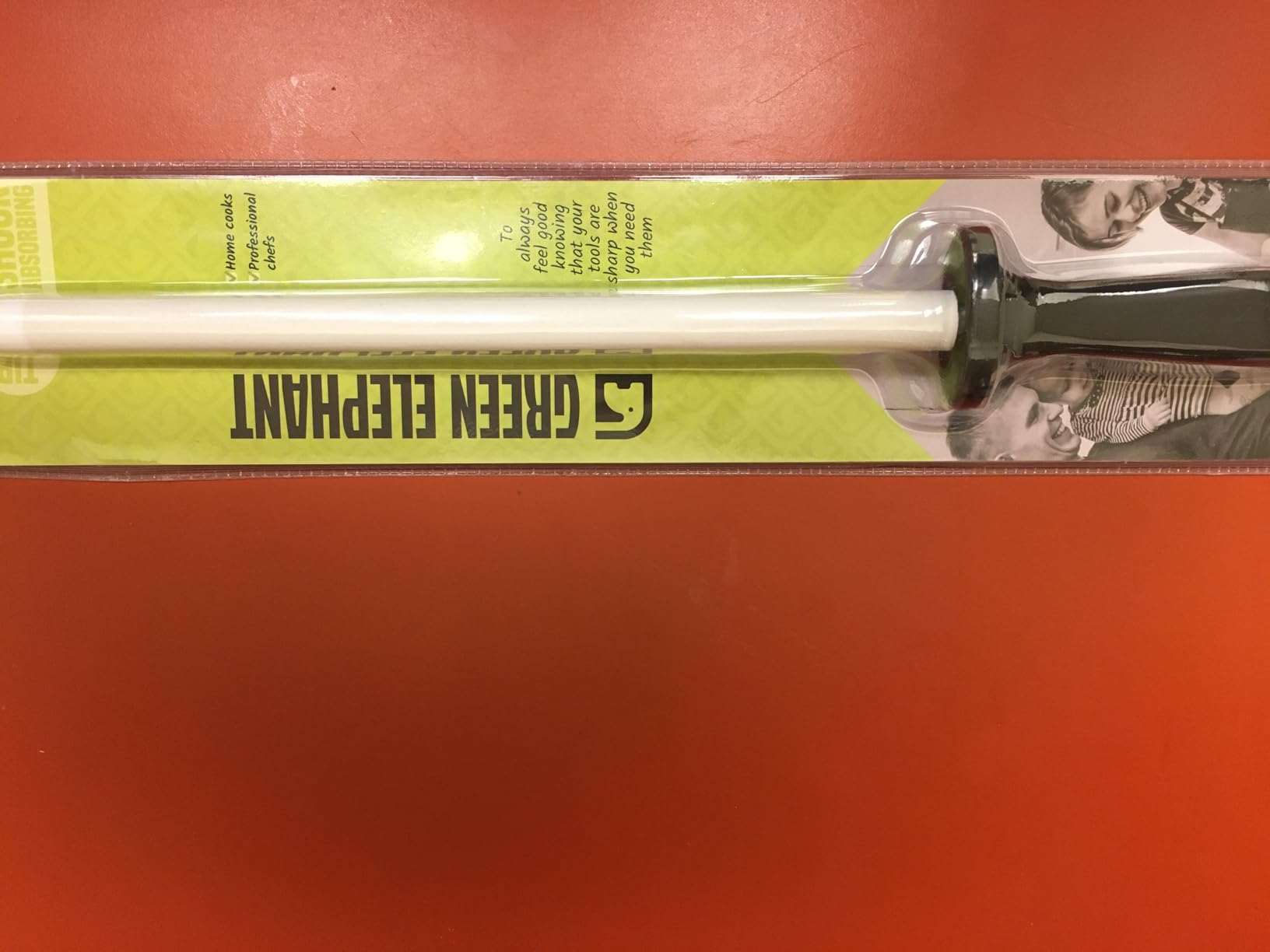
3. Green Elephant 11 Inch Ceramic Honing Rod – Best Budget Ceramic Rod
- Two to ten strokes per side realign an edge
- Handles very hard steels including 65 HRC
- Silicon seal and end cap absorb drops
- Lightweight grippy handle with finger guard
- Washes clean in hot water and soap
- Fine 1500 grit will not fix a dull or damaged blade
- Removes a small amount of steel over time
- Leaves a slightly toothy edge that wants a strop
This is the answer to the most common sharpening question for Japanese knives, which is whether a honing rod or a whetstone is better. Both, used for different jobs. The stone resets the edge, the rod realigns the apex between sessions so the stone is needed far less often.
Ceramic is the right material here, and it is not a close call. A grooved steel rod is built for softer Western steel and will micro-chip an HRC 60-plus Japanese apex. Ceramic, at 9 Mohs hardness and over 100 Rockwell, works the very hard steels that Japanese knives are made from, including SG2, VG-10 and even HAP40 at 65 HRC according to owners.
The shock-absorbing design is worth noting if you have ever shattered a ceramic rod. A silicon seal and plastic end cap take the punishment of a dropped rod, and owners who were nervous about ceramic fragility report years of problem-free use.
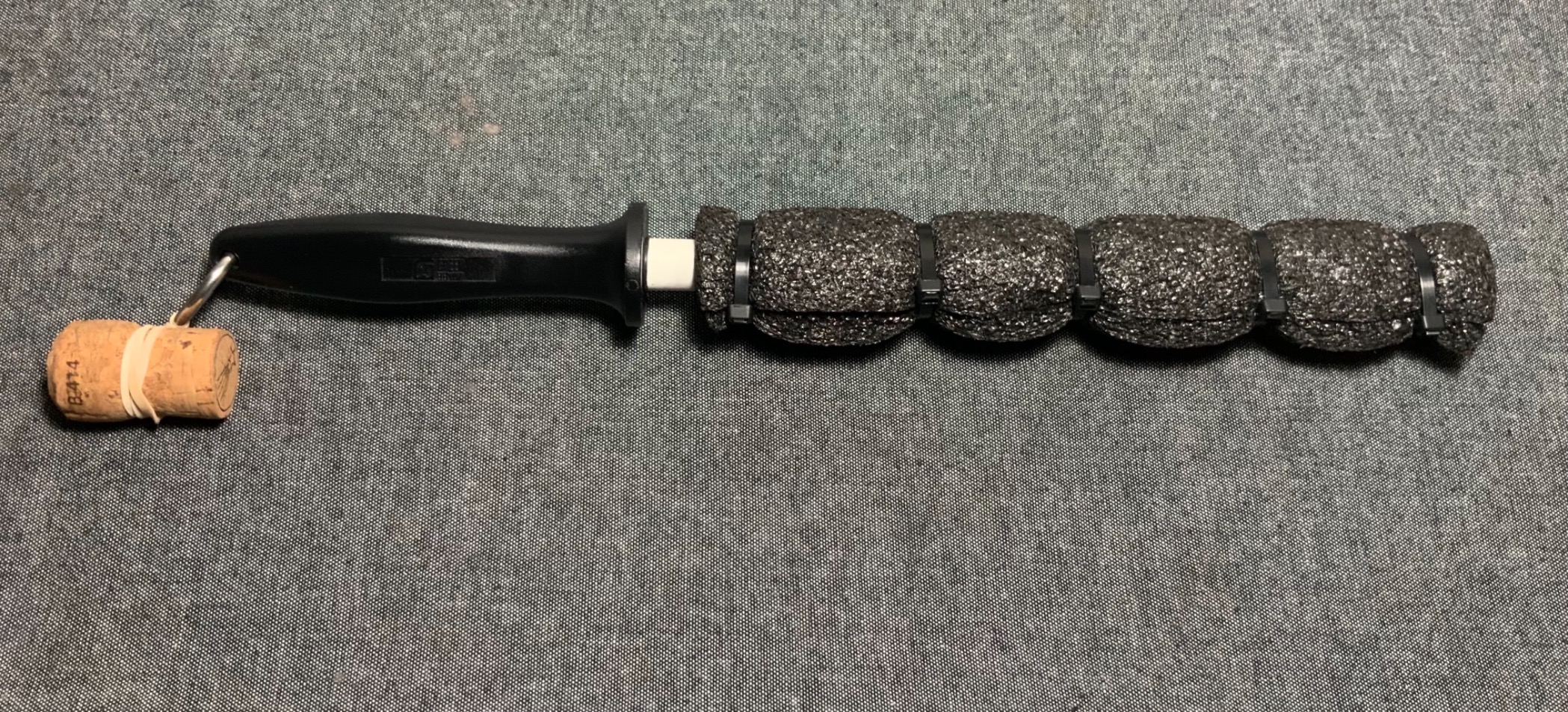
Two to ten strokes per side is the number most owners land on, and that is a session you can fit in a minute while the coffee brews. Hand washing with detergent and air drying is the only care it needs.
Be clear about what it is not. This rod does not sharpen a dull knife, and at 1500 grit it will not fix a blade that has lost its edge entirely. It straightens an edge that has bent over from use.
It also leaves a slightly toothy result, which is exactly why serious sharpeners finish a ceramic-honed edge on a leather strop. Owners pair the two and describe the combination as noticeably better than either alone.
When to reach for it instead of the stone
Reach for the rod at the end of any prep session, before the knife goes in the block. That single habit of resetting the apex after each session is what keeps a stone-sharp edge from degrading between uses.
If you sharpen once a month instead, the rod will not save you. The apex has to be rebuilt on stone before the rod can do anything with it.
How it treats carbon steel
Owners of carbon steel knives describe a quick toothy edge on this rod, which is a good fit for a softer steel that is going to be stropped or refined on stone later in the week.
For the full range of rod and ceramic options on the market, our best ceramic knife sharpeners roundup goes deeper on the material choice.
4. KING KW65 1000/6000 Combination Whetstone – Best Value
- Dual grits cover repair and polish in one stone
- Hard ceramic stone wears slowly and stays flat
- Included plastic base holds the stone steady
- Owners report keen edges in about 30 minutes
- The #1000 side makes a messy clay-like slurry
- Sides are not labeled so beginners guess
- Base slides on wet counters without a towel
The KW65 is one of the most-reviewed stones in this roundup, and reviewers consistently call it the reference beginner waterstone. One side shapes the edge at #1000 and the other refines and polishes at #6000, which is the entire grit ladder a home kitchen knife actually needs.
Because it is a hard ceramic stone, it wears slowly and holds flatness better than a traditional waterstone. For a first purchase that gets used a few times a month, that means you are not flattening it every season.
Owners tell a consistent story about results: a chef’s knife that could not cut coming out of the block, producing a hair-shaving edge in roughly half an hour once the technique clicks. The technique is the variable, not the stone.
Why the two-grit pairing matters
Finishing at #6000 rather than stopping at #1000 gives you a noticeably keener, more toothy edge that slices rather than saws. It is the cheapest sharpness upgrade available and most beginners never make it.
The 6000 side also polishes out the scratch pattern left by the 1000 side, which is what stops a keen edge from feeling gritty on food.
What trips people up first
The sides are not labeled, and every reviewer who mentions it mentions the same consequence: beginners swap them and wonder why the result is worse. Mark them with a marker on day one.
The slurry from the #1000 side is genuinely messy and clay-like, and it will stain a countertop. Work over a tray or a folded towel, and put a damp towel under the base so it stops skating.
5. Sharp Pebble 1000/6000 Whetstone Kit – Best for First-Time Sharpeners
Sharp Pebble Whetstone Knife Sharpener – 1000/6000 Grit Sharpening Stone
- Angle guide locks the blade position for beginners
- Dual grits repair dull edges and polish
- Non-slip bamboo base doubles as a stand
- Water-only sharpening with no honing oil
- Reported to stay flat and resist chipping
- Still needs patience and a steady hand
- Small stone means more sessions on long knives
- A separate flattening stone is needed over time
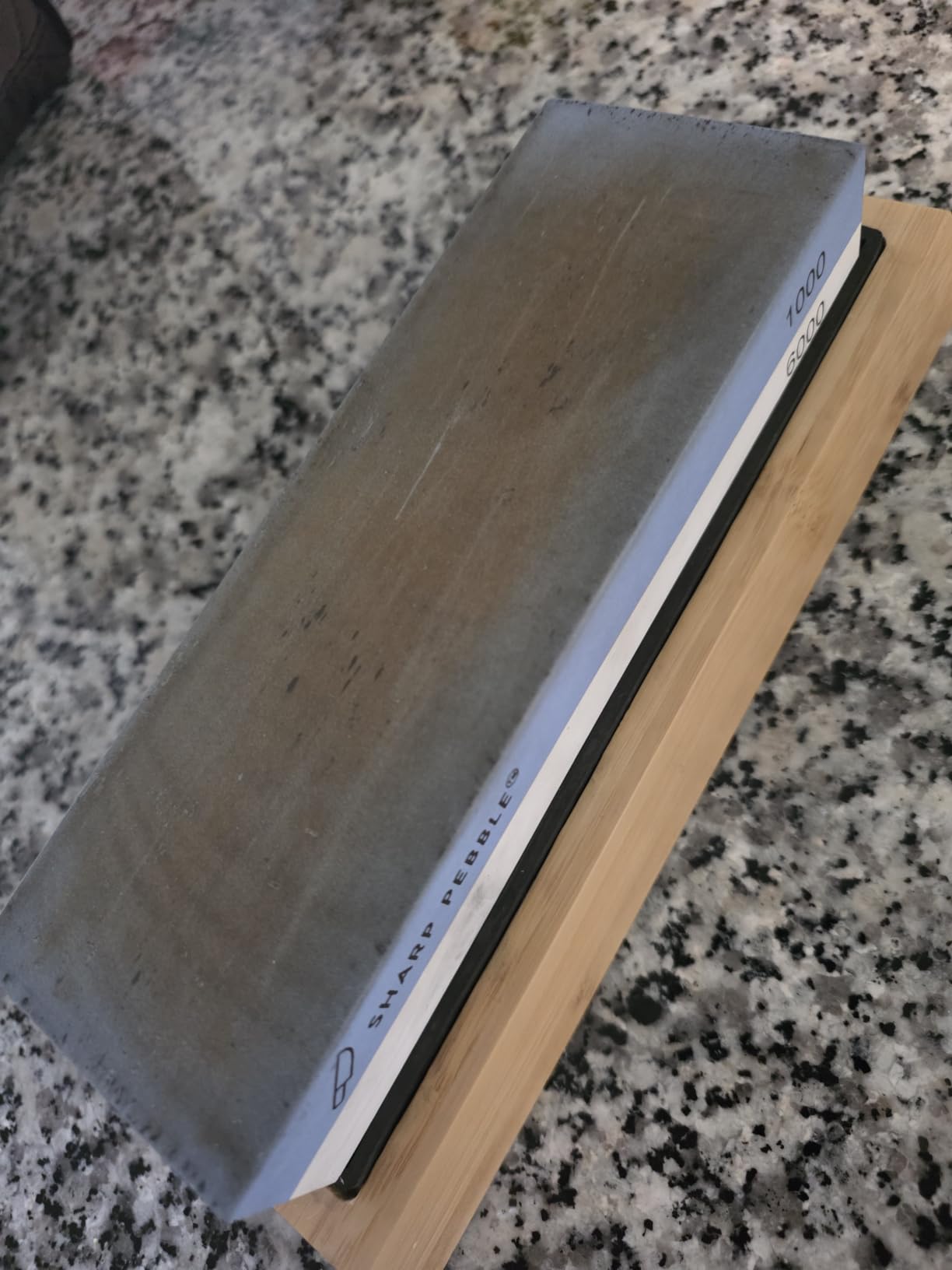
Sharp Pebble is the pick for anyone whose real obstacle is fear rather than equipment. The included angle guide locks the blade into position so you are not eyeballing 15 degrees per side while holding a wet stone, and reviewers credit that guide with getting complete beginners to a sharp knife fast.
It is also the most reviewed product we looked at across the whole category, which tells you something useful. When a product reaches that volume of owners, the complaints are settled rather than speculative, and the recurring ones are about the learning curve and the small work surface rather than the sharpening result.
Everything is in the box: the dual-grit stone, a bamboo base, the angle guide, a manual and a tips guide. You need no oil, no other accessories, and nothing to buy before your first session.
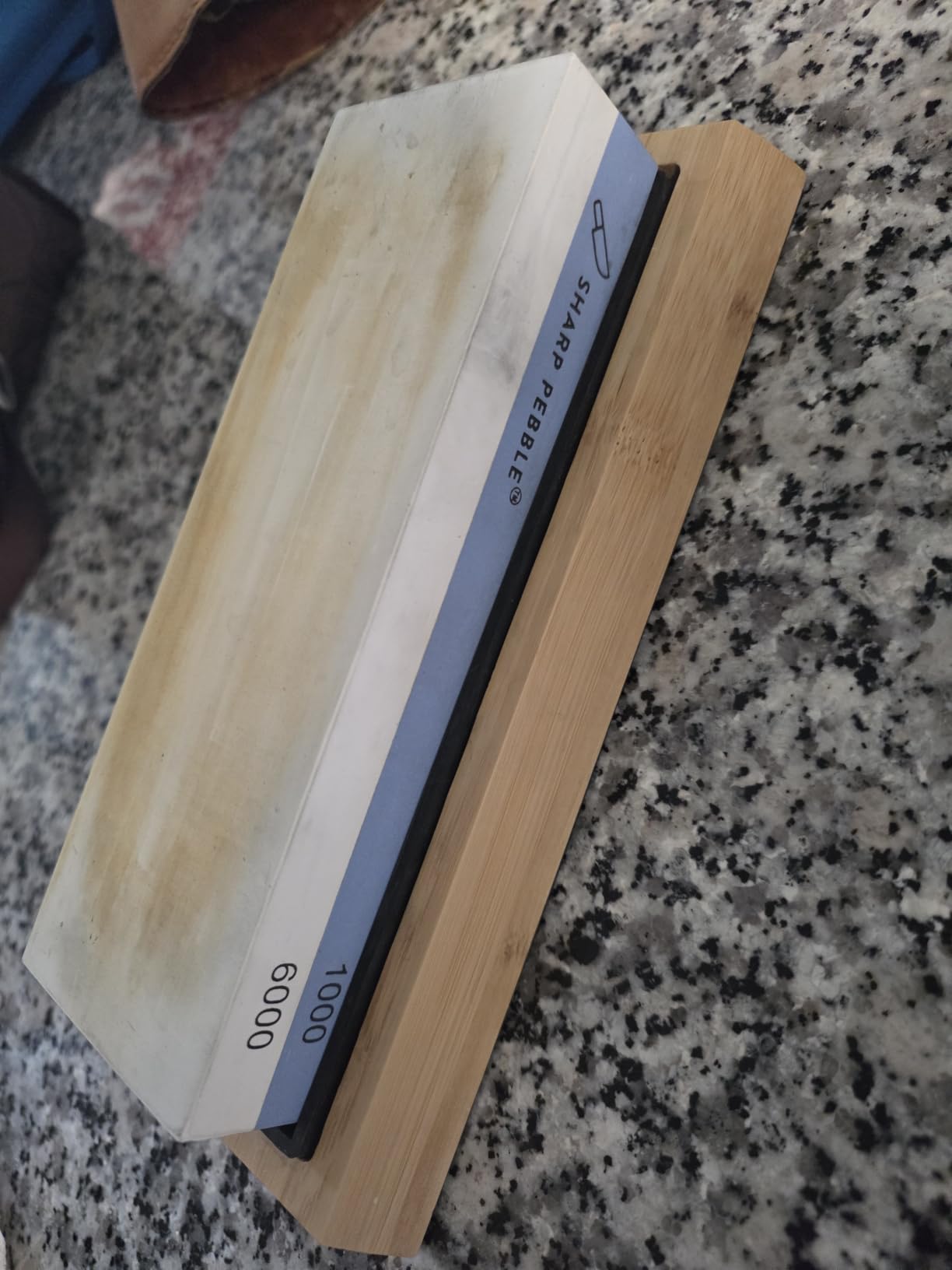
Composition is reported to stay flatter and resist chipping better than the budget stones it competes with, and buyers note it will not arrive with chipped corners, which is a real and common complaint with ceramic stones shipped in thin packaging.
Owners also report that identical stones are listed under other brands for less money. That is worth knowing if you buy it on a deal, and it is worth weighing against the fact that the angle guide is the part you are really paying for.
Do not expect the guide to remove the learning curve entirely. Every reviewer who mentions it describes the system as manual, meaning you still control the stroke and the pressure.
What it does for a chipped edge
The #1000 side is a genuine repair grit rather than a polish, so small nicks and dull-but-not-damaged edges come back quickly. A deep chip needs a coarser stone and a decision about how much steel you are willing to remove.
Once the 6000 side has been used to refine and polish, owners describe edges that reliably cut paper and hair.
How it compares to the KING KW65
Both are dual #1000 and #6000 stones in a similar price band. The KING is harder and messier with a plastic base, the Sharp Pebble ships with an angle guide and a better base, and the Sharp Pebble surface is smaller.
If freehand technique is your worry, take the guide. If you are already sharpening and want the harder stone, take the KING.
6. Kota Japan 1000/6000 Whetstone with Bamboo Base – Best Budget Setup
Kota Japan 1000-grit Coarse Side and 6000-grit Polishing Side Knife Sharpening Whetstone with Bamboo Base and Blade Guide
- The 1000 and 6000 pairing suits beginners well
- Bamboo base with rubber pads and blade guide
- Soaks in about 5 to 10 minutes with no oil
- Owners go from barely cutting to slicing
- Blade guide is stiff at first and can scratch the surface
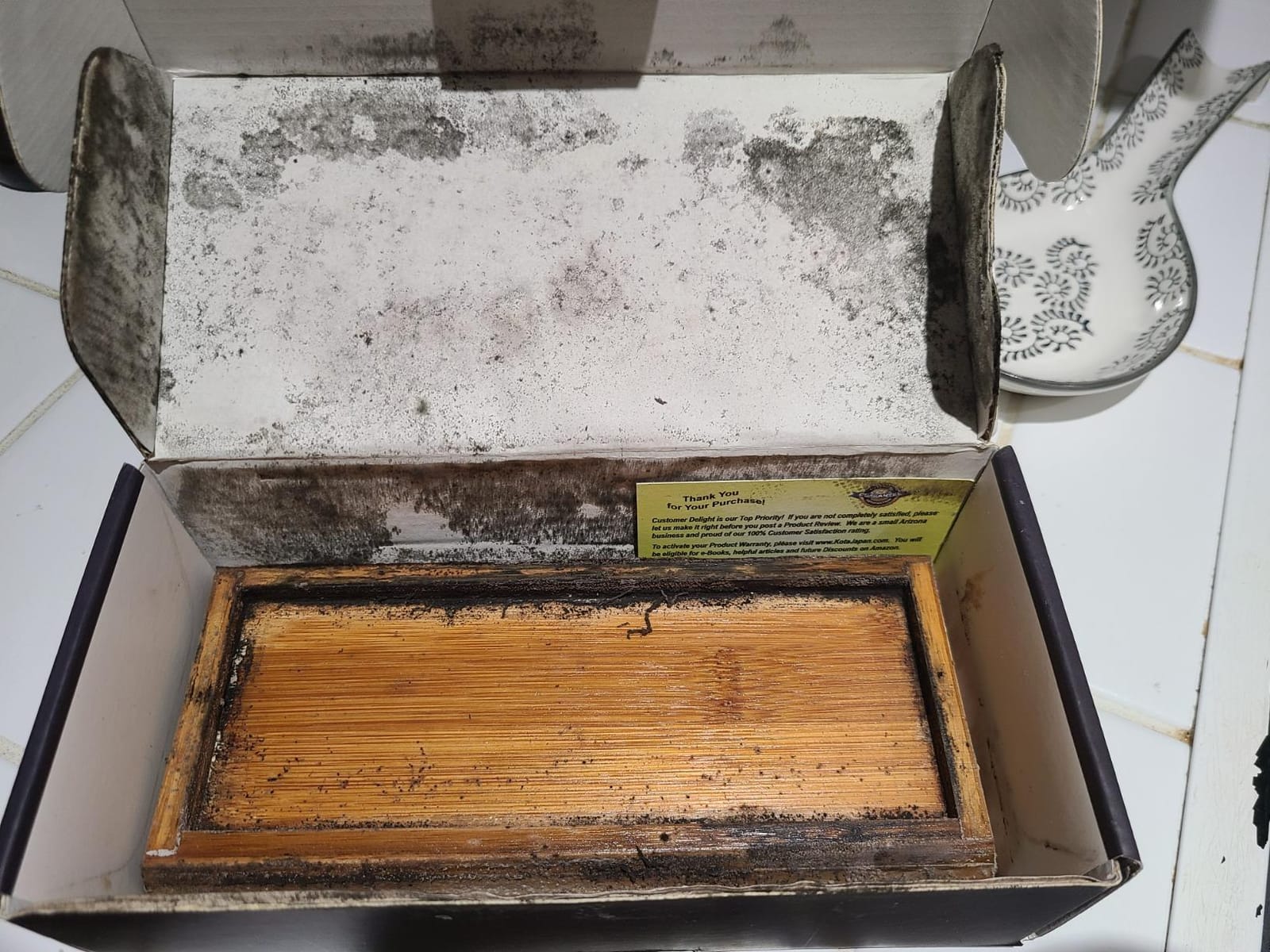
- Must be dried fully after use or it can mold
- Small surface area for very long knives
Kota Japan is one of the most affordable complete setups in this roundup and the one reviewers describe as the fastest route from intimidated to competent. The two-grit pairing is right, the bamboo base keeps the stone from moving, and it needs nothing but water.
The blade guide is the reason beginners report good results. It sits against the blade and holds a consistent relationship between the edge and the stone, which removes most of the guessing from the first few sessions.
Soaking takes about five to ten minutes, which is shorter than a traditional waterstone demands. That matters for a home cook who wants to sharpen after dinner rather than planning a session.
Owners report taking a paring knife from barely cutting a tomato to cutting like butter, and several recommend pairing it with a leather strop for a full mirror finish once the technique is there.
What to watch when you start
The blade guide is stiff on first use, and dragging it down the blade face rather than letting it ride can scratch the stone surface. Work it in gently until it moves freely.
Drying matters more than most buyers expect. A stone that goes back into its box damp can grow mildew, and owners who have had this problem are emphatic about it.
Where it falls short
The stone is 7.25 by 2.25 inches, the smallest working surface in the roundup. On a long yanagiba or a slicing knife you will be re-positioning constantly, which slows a session down.
Carborundum construction cuts reasonably but not quickly, so this is a maintenance and learning stone rather than a heavy repair stone.
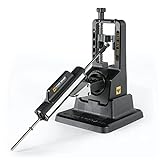
7. Work Sharp Precision Adjust Sharpening System – Best for Fixed-Angle Control
Work Sharp Precision Adjust Knife Sharpener Kit, Fixed Angle System
- Angle dial adjusts 15 to 30 degrees in single steps
- Tri-brasive rod switches between 320 and 600 grit diamond and ceramic
- V-block clamp holds the blade consistently
- Compact benchtop base stores the whole system
- Fixed-length stones need frequent cleaning to avoid loading
- Not a true waterstone so no convex stone-finished edge
- Diamond cuts faster and some find the result coarser
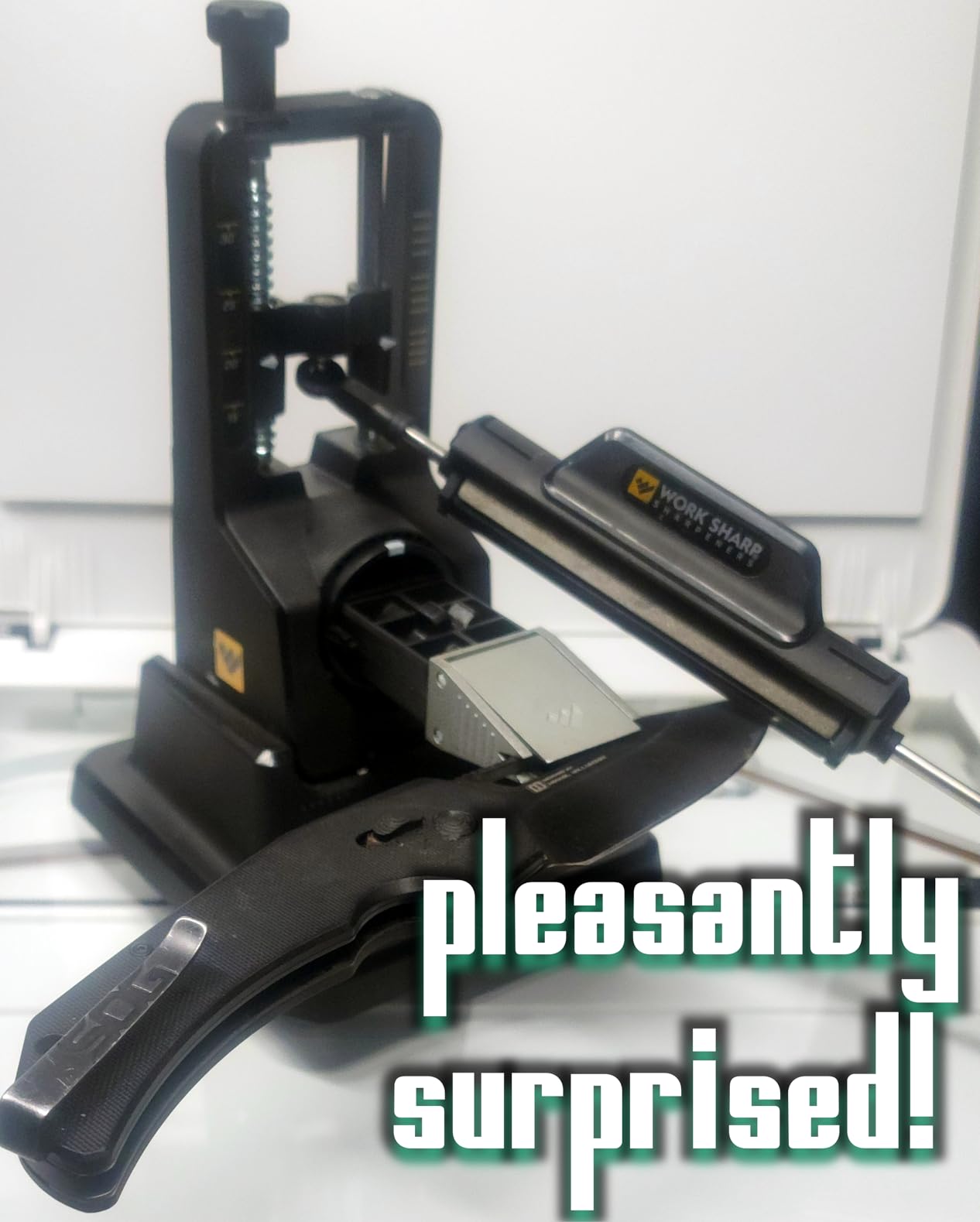
This is the system for anyone who has a bevel at an angle they do not trust their hands to reproduce, and it is the one pick here that locks a Japanese single-bevel geometry properly. The dial adjusts from 15 to 30 degrees in single-degree increments, so you can set 15 for a nakiri and 17 for a thin santoku and get the same result every time.
The tri-brasive rod is the smart part. It indexes between 320 and 600 grit diamond for shaping and a fine ceramic stone for finishing, all in one body, so the whole progression lives on a single rod rather than across separate stones.
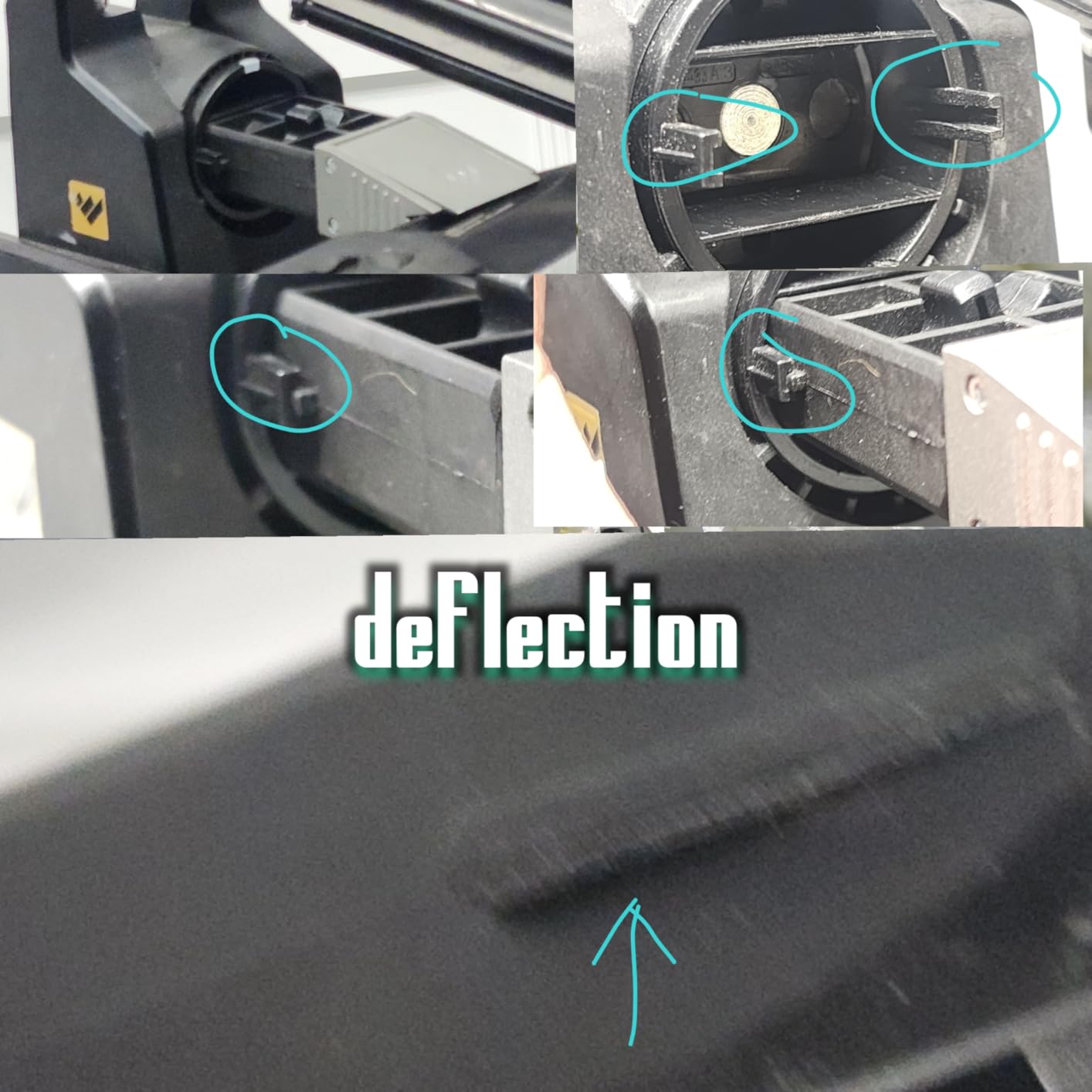
The V-block clamp holds the blade consistently through the stroke, which is what separates a guided system from a stone with a handle bolted to it. Owners who want repeatable angles without freehand skill rate this the most accessible route into serious sharpening.
It is particularly good for reprofiling old edges, where a knife has been ground to 20 degrees by a European steel and you want to bring it back to something sharper without guessing.
The benchtop base is compact enough for a drawer and keeps every part in one place, so nothing goes missing between sessions.
Now the honest part, and it matters for this particular query. This is a diamond system, not a waterstone. The edge it produces is fast to get and repeatable, but it lacks the slightly convex, stone-finished character that a waterstone gives you, and a fair number of enthusiasts consider the result coarser.
When this beats a whetstone
Choose it when consistency matters more than tradition: single-bevel knives, old reprofiled edges, or anyone who has damaged a Japanese blade by grinding an angle they could not hold freehand.
It also handles serrated blades, which no waterstone in this roundup does.
Maintenance you have to actually do
The fixed-length stones load up with metal particles and stop cutting fast if you ignore them. Ten minutes of cleaning with a solvent keeps the diamond working as it did on day one.
Nothing here needs soaking, which is a real convenience compared with a waterstone routine.
8. KING 1000/6000 Whetstone Starter Set – Best Japanese-Made Kit
- Bundles the stone with an angle holder and base
- Made in Japan
- Angle holder has two ceramic protective rods
- High-absorbency cloth for quick cleanup
- Costs more than the KW65 stone alone for the same grits
- Angle holder is a reference and does not lock the angle
- Waterstone technique is still required
Every other kit on this list gives you accessories as an afterthought. This one is a deliberate package: a 1000/6000 combination stone made in Japan, a knife angle holder with two ceramic protective rods, a stable plastic base and a high-absorbency wiping cloth, all in one box.
For someone who has decided to start sharpening seriously and wants the accessories sorted in a single purchase, that is the argument. You are not making a second order two weeks in because you did not know you needed a base.
Owners praise the stone for producing sharp edges in less time than they expected, and rate the build quality as close to a natural whetstone without being one.
The angle holder uses two ceramic rods that protect the blade spine as it rests, which is a sensible detail on single-bevel knives where the flat back is easy to mark.
What the angle holder does and does not do
It gives you a repeatable reference so the blade sits at roughly the right height over the stone. It does not clamp or lock the angle, so you still need a steady hand and the technique.
Think of it as a training aid that shortens the first ten sessions, not as a substitute for learning the stroke.
Whether the kit price is worth it
Buyers who already own a base and a cloth say plainly that you are paying a premium for the same grits as the KW65 stone bought alone. For a first-time buyer assembling a full setup, that premium buys convenience instead of value.
Whichever route you take, mark the two sides before you start.
9. Work Sharp Benchstone Three Sided Sharpener – Best for Portability
Work Sharp Benchstone Knife Sharpener, 3 sided for faster manual pocket or hunting knife sharpening
- Three-sided system covers repair refinement and polish
- 20 and 25 degree guides for common edge angles
- Pivot-response base follows the blade curve
- Weighs only 2.4 ounces so it travels easily
- Replacement abrasives available for long service
- Diamond plates need regular cleaning to keep cutting
- Included guides do not cover the shallow 15 degree angles
- Does not produce a stone-finished convex edge
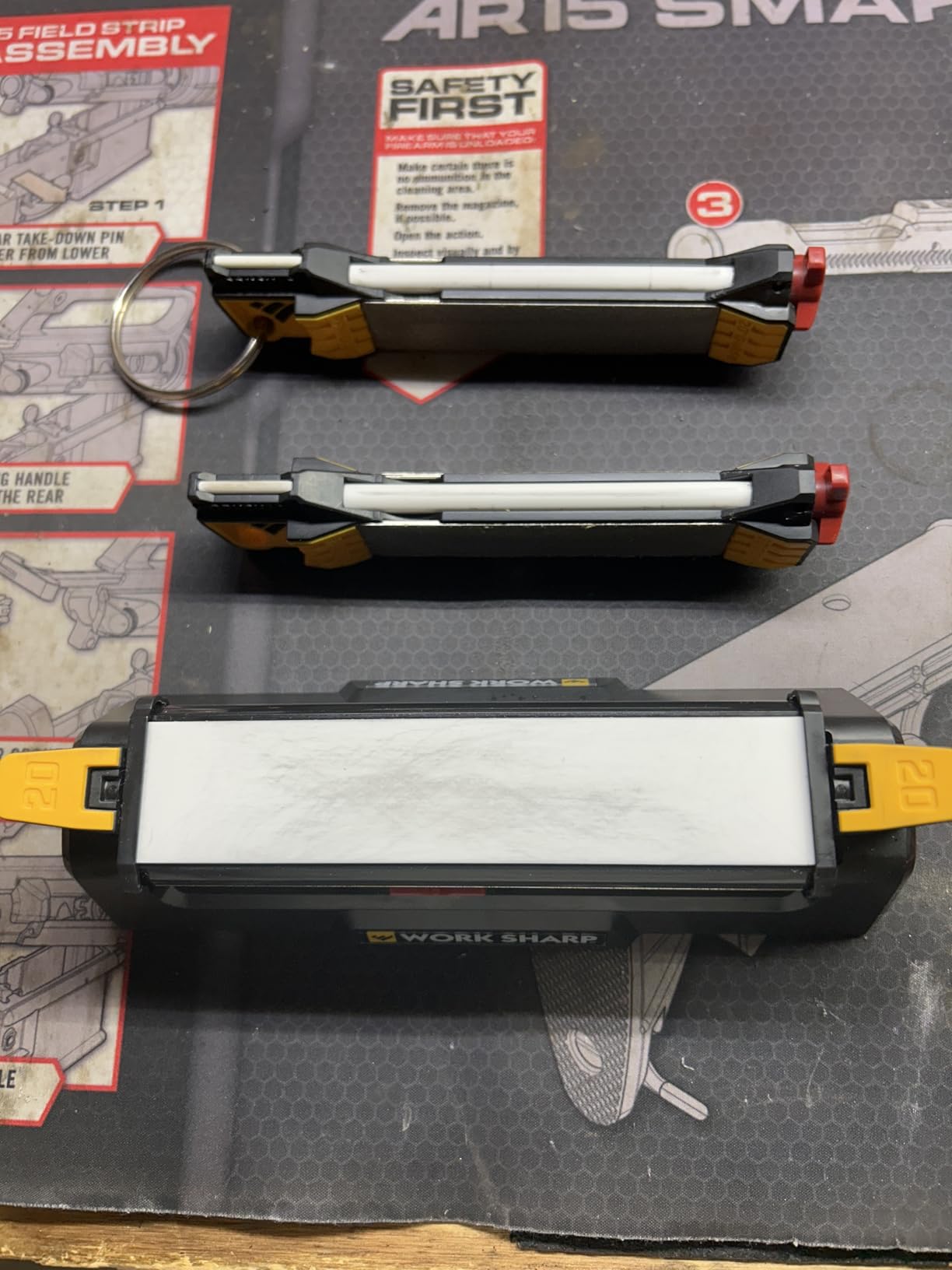
At 2.4 ounces, the Benchstone is the pick for a pocket knife, a hunting knife, or a kitchen drawer where counter space does not exist. Three sides cover the job: 400 grit diamond for repair, 800 grit diamond for refinement, and a fine ceramic stone for finishing.
The pivot-response base is the feature worth understanding. The abrasive follows the curve of the blade as you work, then locks rigid for a flat surface, so you get better contact on a curved blade than a rigid stone would give you.
The 20 and 25 degree guides cover the angles most knives in the wild actually carry, and they lift out for freehand work once you outgrow them.
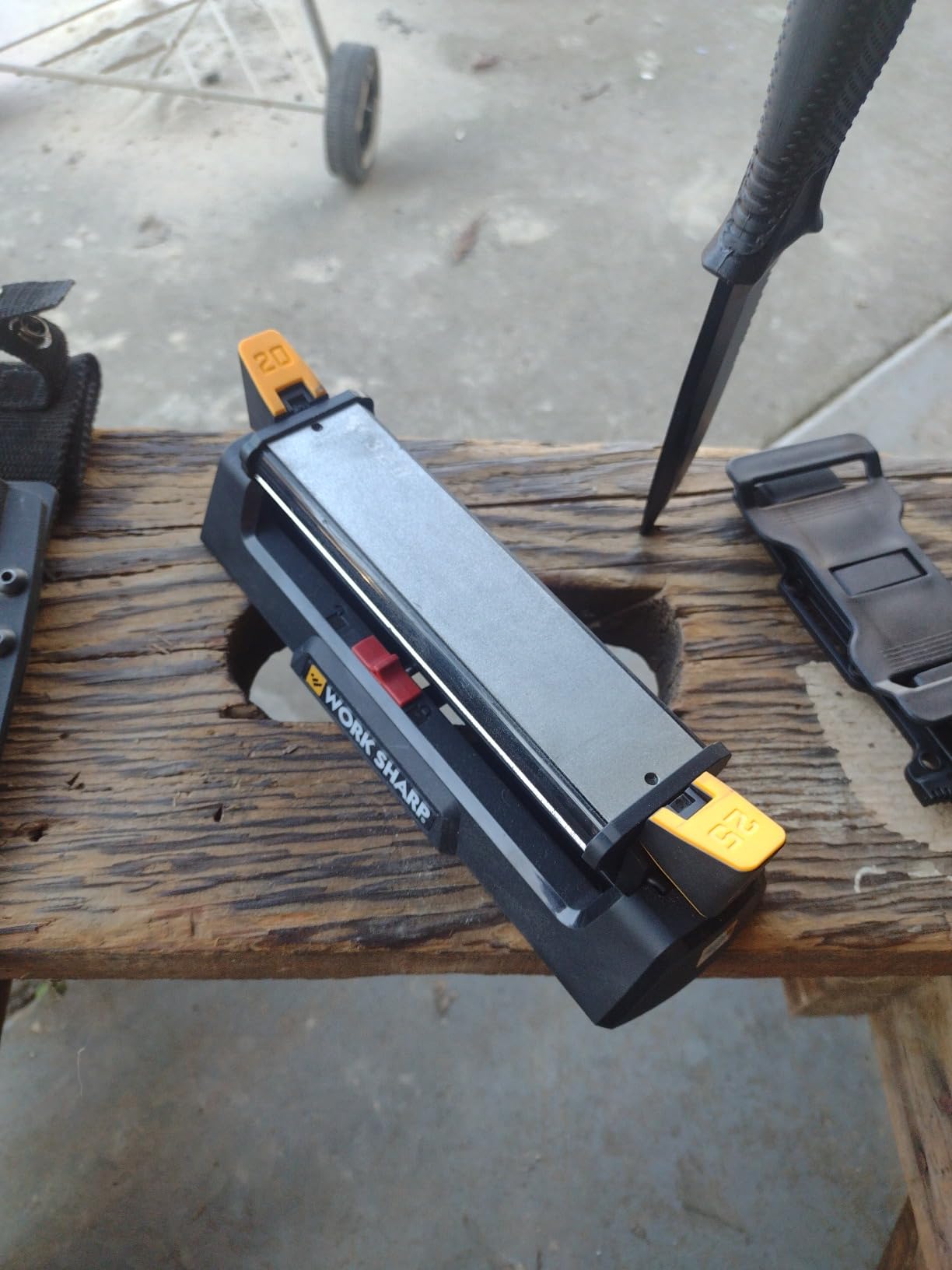
This one is the most debated in the roundup for a specific query like ours, and the debate is legitimate. The included guides do not reach 15 degrees, which is the classic Japanese single-bevel angle, and the manufacturer sells 15 and 17 degree guides separately.
If you own a nakiri or a yanagiba and you want guide assistance, you need those extra guides. Without them, a 20 degree setting will quietly move your apex to a blunter geometry than the knife shipped with.
As a freehand stone for maintaining a European or hunting knife, it is excellent and nobody would argue with it.
Like the Precision Adjust, it uses diamond rather than a waterstone abrasive, so the finish is fast and repeatable but not the same stone-finished edge.
How much maintenance diamond needs
Clogged diamond is the number one complaint, and it is entirely preventable. Wipe the plates after a few sessions with a solvent and a paper towel, and the cutting rate stays where it started.
Replacement abrasives are sold separately, so the unit is a long-term purchase rather than a disposable one.
Whether it fits a Japanese kitchen kit
As a secondary tool for a hunting or pocket knife, yes without hesitation. As the main sharpener for a Japanese kitchen knife, only if you add the correct angle guides, or if you intend to sharpen it freehand.
Pair it with a stone for the Japanese blade and it becomes a genuinely useful addition to a kit.
10. Lansky Deluxe Five Stone Sharpening System – Best for a Full Grit Progression
Lansky Deluxe Knife Sharpening System: 5-Stone Ceramic Knife Sharpener Kit with Honing Oil – LKCLX
- Five color-coded stones cover the full progression
- Precision knife clamp makes it a true guided system
- Finger-grooved holders keep fingers off the abrasive
- Molded case stores stones oil and clamp
- Alumina and ceramic stones need no soaking
- Alumina stones lose flatness faster than bonded diamond
- Largest and most complex kit in the roundup
- Honing oil is required which adds mess
The Lansky Deluxe is the widest grit range in this roundup: extra-coarse, coarse, medium, fine alumina and an extra-fine ceramic hone, all color-coded. That range is what makes it a genuine five-step system rather than a two-step stone with accessories.
It is also a real guided system. The precision knife clamp holds the blade at a consistent height, and the finger-grooved safety holders keep your fingers away from the abrasive, which matters a great deal when you are working at an extra-coarse grit.
Owners with a long history with the kit value the completeness, using it for hunting and pocket knives as readily as kitchen blades, and note that alumina and ceramic stones work without the soaking routine a waterstone demands.
The custom-molded case is the detail that makes it portable. Everything stores compactly, and you can carry a full sharpening setup to a campsite.
Two downsides come up consistently. The alumina stones are the first thing to wear and lose flatness, faster than bonded diamond, and honing oil is required, which is a real change from the water-only approach a Japanese knife owner usually starts with.
Whether the five stones are necessary
For a Japanese kitchen knife, honestly, no. The extra-coarse and coarse stones exist to reset badly damaged edges, and if you own a stone plus a rod, you will use the medium, fine and extra-fine stages most.
Where the extra range pays off is a mixed kit: pocket knives, garden tools, and hunting knives that take far more abuse than a kitchen blade.
What to buy alongside it
A waterstone. The alumina stones cut quickly but they cannot produce the refined stone-finished edge that Japanese steel responds to best, and for a nakiri or a yanagiba the waterstone is what does the real finishing work.
Add a ceramic rod and the Lansky kit becomes a complete multi-tool station, at which point its size and complexity start to make sense.
How to Choose a Manual Sharpener for Japanese Knives
Every tool here is hand-operated, and only some of them are right for a Japanese blade. These are the four questions that actually decide it.
Which grit do I start with
Start at #1000. That is the number almost every owner in the reviews converged on, and it is the right answer whether you are restoring a dull edge or touching up a factory edge.
- #400 – Repair only. For chips, dents, and edges ground blunt by a steel rod. Use sparingly on Japanese steel.
- #1000 – Your working stone. Rebuilds the apex, restores a dull edge, the one grit worth owning first.
- #3000 – Refinement. Smooths the #1000 scratch pattern into a keen edge without a strop.
- #6000 – Finishing. Polishes to a near-razor result and takes the toothy feel out of a honed edge.
You do not need all four. The #1000 plus #3000 or #6000 pairing covers essentially every session a home kitchen knife will ever need.
Why the angle is the part that matters
Japanese knives are usually ground to 15 to 17 degrees per side, which is a total edge angle of 30 to 34 degrees. Generic sharpeners commonly impose 20 degrees per side, or 40 total, which quietly makes the knife blunter and weaker every time you use one.
A whetstone has no built-in angle. That is the whole reason it is the correct tool, because you set the geometry and it stays where you put it. A guided system is acceptable only if its angle range reaches 15 degrees.
What never to use on a Japanese knife
Pull-through sharpeners, the V-shaped handled devices. They cut at a fixed, steep angle, remove a large amount of steel fast, and leave micro-chipping along a hard apex. You will see pull-through devices recommended as the best manual sharpener on general lists, and that advice does not survive contact with an HRC 60-plus blade.
Grooved steel honing rods. The grooves are designed to realign an edge on softer Western steel. On Japanese steel they chip the apex, which is why a ceramic rod is the correct answer to the question of which sharpening steel is best for Japanese knives.
Cheap fixed-angle electrics. The motorized wheels spin at a speed that generates heat, and heat on a thin hard edge causes micro-chipping. If you want an electric, only pro-grade units with a 15 to 17 degree setting are viable, and they are outside a manual roundup anyway. Electric sharpeners such as the Chef’s Choice and Work Sharp models, along with HORL, Yaxell, Miyabi and Shun devices, all belong in that same cautious bucket rather than on a Japanese blade.
What to use instead, in order: ceramic rod for maintenance, #1000 whetstone for real sharpening, #3000 or #6000 for finishing, and a leather strop last. Our broader sharpener guide covers the device options in detail if you want the full picture.
Which knife type you own
Double-bevel santoku and gyuto are the easiest. Set 16 to 17 degrees per side and the stone does what you ask with very little drama.
Single-bevel nakiri and yanagiba need more care because the flat back rides on the stone during sharpening. Rest the spine lightly, work on the bevel side only until the edge is straight, then work the back at a much shallower angle only when it needs it. Getting this wrong on a single-bevel knife is how people destroy good steel.
If your knife is a yanagiba, expect a thin edge and a slow session. Patience is the technique.
How often to sharpen and how to tell
With a rod in your routine you should only need the stone every few months. If the knife fails the paper test, tears tomato skin instead of cutting through it, or makes you cry cutting onions, it needs stone rather than rod.
Rinse the stone after every session, stand it upright to dry fully, and keep it away from freezing. A stone that dries in its box can grow mildew, and one that freezes can crack.
Your stone will dish in the middle over time, which shows up as inconsistent feedback across the bevel. That is what a flattening plate is for, and it is the one accessory every owner eventually needs. Our guide to Japanese soaking tubs covers the water-handling side of a proper sharpening station if you want a full setup.
Frequently Asked Questions
What is the best way to sharpen Japanese knives?
Use a water-lubricated whetstone in a grit progression, holding the blade at 15 to 17 degrees per side. Work at #1000 grit to rebuild the apex, refine at #3000, and finish at #6000 before a final pass on a leather strop. Between sessions, straighten the apex with a ceramic honing rod rather than a grooved steel one.
Who makes the best manual knife sharpener?
For whetstones, three names dominate owner reviews: Shapton for a fast, true #1000 grit, King for a hard and long-wearing stone that costs less, and Naniwa for a natural stone that cuts quickly. For guided systems, Lansky and Work Sharp cover the adjustable angle and clamp category.
What is the best electric knife sharpener for Japanese knives?
Only professional-grade units with a 15 to 17 degree setting are viable, such as the Chef’s Choice 1520 and Work Sharp Ken Onion models. Fixed 20 degree budget models grind away hard Japanese geometry and cause micro-chipping, and motor heat is a further risk. This roundup is manual-focused, so electrics are context rather than a recommendation.
What type of sharpening steel is best for Japanese knives?
Ceramic, not steel. A ceramic rod at roughly a 1500 grit equivalent realigns a bent apex without micro-chipping hard Japanese steel, and it works on SG2, VG-10 and other super hard alloys. A grooved steel rod is intended for softer Western steel and should stay away from an HRC 58-plus apex.
What grit whetstone should I start with?
A #1000 grit whetstone. It is fast enough to rebuild a dull apex in a few minutes per side and fine enough not to grind away a thin Japanese edge while you are still learning. Add a #3000 or #6000 stone later for refining and finishing, or buy a dual-sided stone that covers both.
How often should I sharpen a Japanese knife?
Every two to three months for most home cooks, provided you hone with a ceramic rod after each prep session. Daily honing keeps the apex aligned so the stone is only needed when the edge genuinely dulls. You need the stone sooner if the knife fails the paper test or tears tomato skin.
The Verdict on Manual Knife Sharpeners for Japanese Knives in 2026
The best manual knife sharpeners for Japanese knives are water-lubricated whetstones, and the Shapton K0702 #1000 is where we would start. Pair it with the KING KW65 for a matched two-grit progression, keep the Green Elephant ceramic rod in the drawer for daily alignment, and the setup is complete.
Start at #1000, refine at #3000 or #6000, hold 15 to 17 degrees per side, and never let a pull-through sharpener or a grooved steel rod near the blade. Those three rules solve most of the problems owners describe in the reviews.