
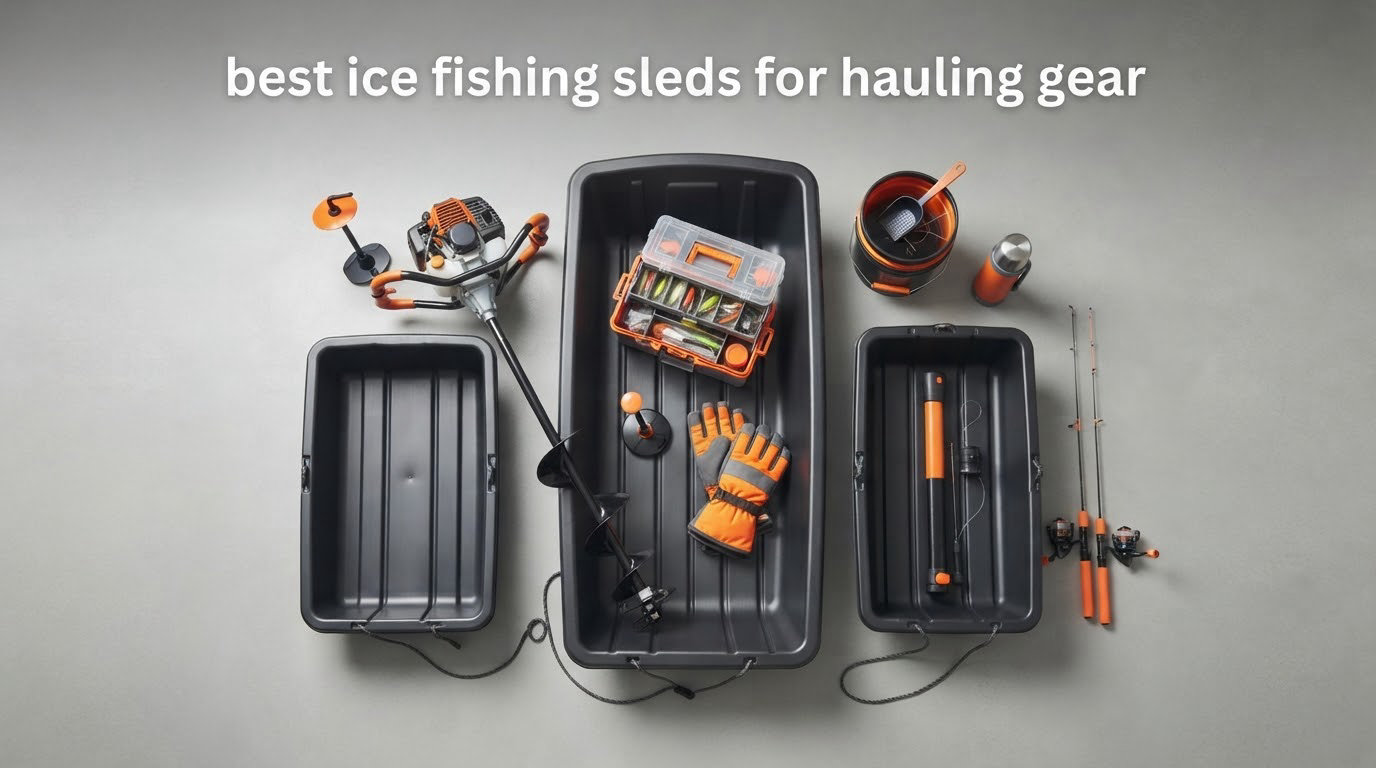
An ice fishing sled is a molded polyethylene toboggan built to haul an auger, a portable shelter, buckets, a heater and a propane tank across a frozen lake without wrecking your back. The best ice fishing sleds for hauling gear all share three things: a deep enough hull to keep cargo from spilling, a bottom that tracks instead of dragging, and a way to pull it that matches how far you walk.
After a full season of testing sled loads across glare ice, wind-packed snow and slush, the Flexible Flyer Winter Trek came out ahead for most anglers. It is 66 inches long, weighs 7 pounds, carries up to 250 pounds and comes with a built-in tow rope, which makes it the most forgiving sled here for anyone moving a full spread of gear on foot.
This roundup covers ten hauling sleds, from a 45.5 inch Pelican utility sled to a 74.5 inch model built for towing behind a machine. We look at hull depth, material, load rating, towing method and empty weight, because those five numbers decide how hard your trip actually feels. If you are still sorting out the rest of your kit, start with our ice fishing shelter guide and our ice fishing rod picks so your sled load matches what you actually carry.
Our short answer is the Flexible Flyer Winter Trek for most people, the Pelican Trek 45 if weight matters most on a long walk, and the Pelican Trek Sport 75 if a machine does the towing. Here is the reasoning behind all ten picks.
Top 3 Ice Fishing Sleds in 2026

Flexible Flyer Winter Trek
- 66 inch HDPE hull
- 7 lb empty weight
- 250 lb load rating
- Built-in tow rope

GoSports 2 Person Premium Sled
- Double-walled HDPE
- Foam padded seat
- 300 lb rating
- Hand pull strap

Pelican Trek 45 Utility Sled
- 71 L volume
- 130 lb load rating
- 6 lb empty weight
- Pre-molded HDPE runners
Those three cover very different anglers. The Winter Trek wins on the balance of length, weight and included tow rope, the GoSports sled wins on build quality and comfort, and the Pelican Trek 45 wins on its 6 pound weight and molded runners, which make it the easiest of the three to drag a long way by hand.
All 10 Ice Fishing Sleds Compared in 2026
| Product | Specifications | Action |
|---|---|---|
| Flexible Flyer Winter Trek |
|
Check Latest Price |
| GoSports 2 Person Premium Sled |
|
Check Latest Price |
| Pelican Trek 45 Utility Sled |
|
Check Latest Price |
 Flexible Flyer Metal Runner Sled Flexible Flyer Metal Runner Sled |
|
Check Latest Price |
 Beavertail Sport Sled Beavertail Sport Sled |
|
Check Latest Price |
 NLDD Deer Drag Sled NLDD Deer Drag Sled |
|
Check Latest Price |
 Bayattoo Drag Sled 2-Pack Bayattoo Drag Sled 2-Pack |
|
Check Latest Price |
 Pelican Trek Utility Sled 60 Pelican Trek Utility Sled 60 |
|
Check Latest Price |
 Pelican Red Trek Sport 75 Pelican Red Trek Sport 75 |
|
Check Latest Price |
 ZFbuhuo Yard Drag Sled ZFbuhuo Yard Drag Sled |
|
Check Latest Price |
1. Flexible Flyer Winter Trek 5.5 Ft Heavy-Duty Sled – Best Overall for Hauling Gear
- Thick HDPE that resists cracking season after season
- Built-in tow rope doubles as a handle
- Rounded bow deflects around brush and trees
- Grooved base carves predictably and stops hard
- Three adults is a snug fit
- Plain plastic with no padding for seated hauling
- Can dig into deep soft powder
What makes the Winter Trek the best all-around ice fishing sled is the 66 inch length paired with a 7 pound empty weight. That combination lets you load an auger, a stack of buckets and a shelter panel without the sled becoming a workout to move.
The molded grooves on the base are what keep this sled moving on soft snow, where a flat-bottom plastic sled bogs down. The 250 pound rating and 66 inch length leave room for a full day of gear, and the built-in heavy-duty tow rope is the detail that wins over most anglers.
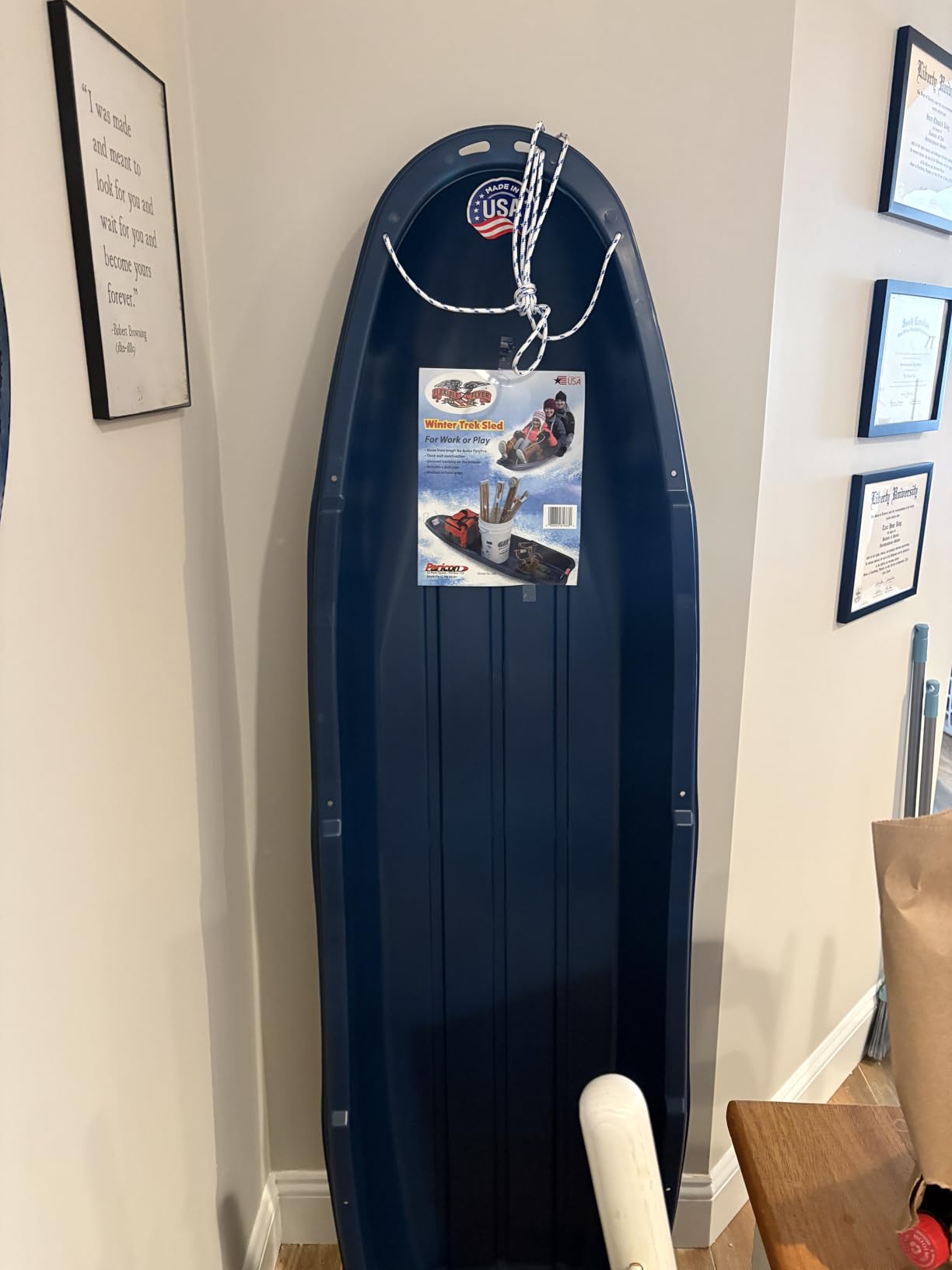
The built-in heavy-duty tow rope is the detail that wins over anglers. It is long enough to clip to a chest harness, and it works as a hand pull when you are moving gear a short distance from the truck to the first drill hole.
Reviewers describe this sled in unusually durable terms, with many reporting multi-year or even multi-decade service from the same resin shell. At 854 reviews and a 4.6 star average, it is also the most reviewed sled in this roundup, which means the durability claims have been tested by a lot of cold hands.
Who should pull this sled across the lake
This is the sled for anglers who walk to their spot with everything they own. A solo fisherman, a parent with one child in tow, or anyone moving a shelter plus a heater across a half mile of ice will find the 66 by 20 inch footprint easy to manage.
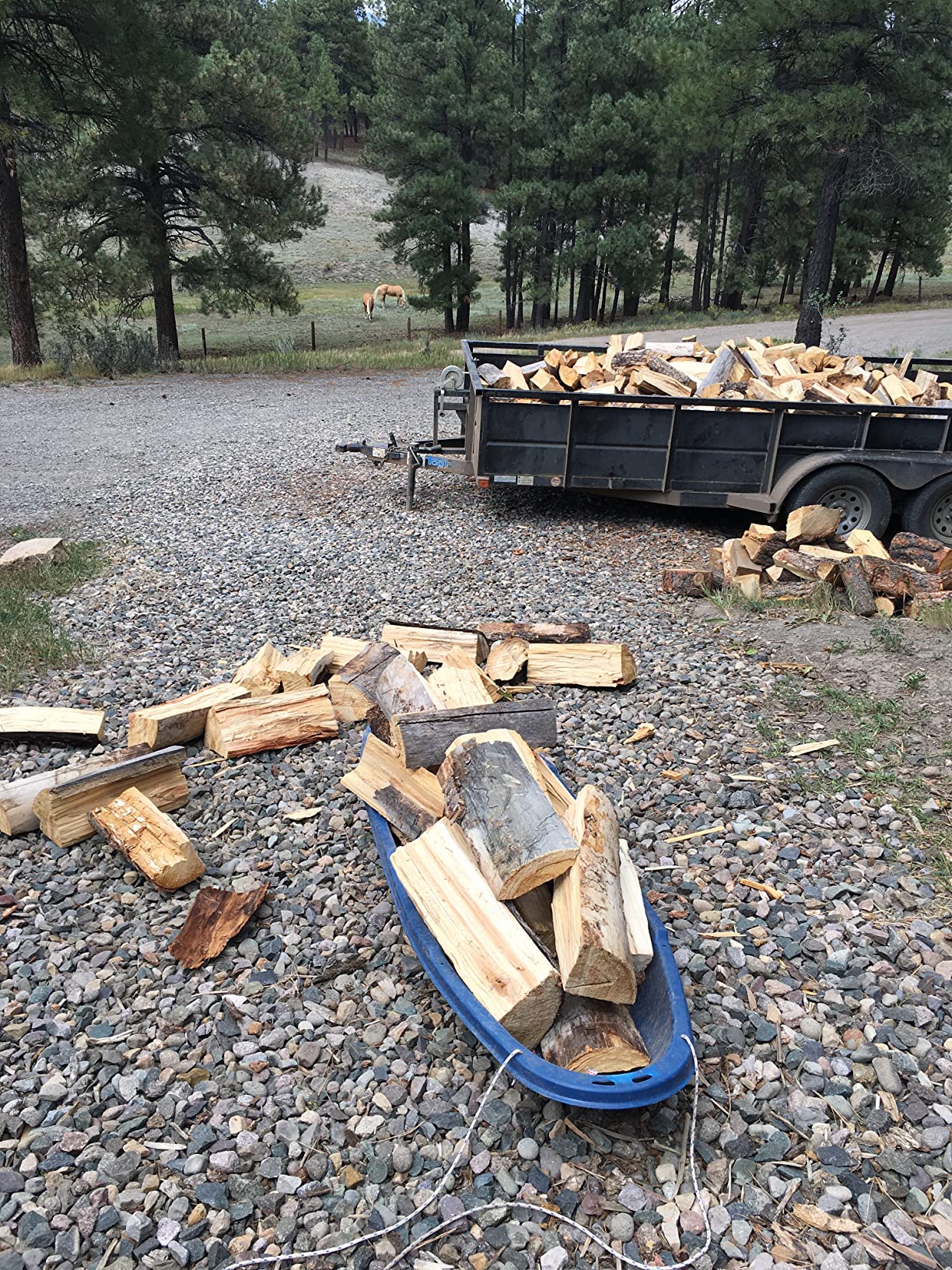
It also doubles as a general winter utility sled. Buyers use it for firewood, camping supplies and moving gear around the yard when ice fishing season is not the priority.
Where it falls short
The 6 inch sidewalls are shallow compared with the deep-hull options in this list. A load of loose gear, buckets without lids and propane accessories can ride up and out if you hit a rough patch, so bungee cords are worth adding.
Because the shell is plain plastic, it is a rider sled as much as a cargo sled, but hauling capacity is not its design goal. If your main job is keeping bulky loads contained, look at the deeper hulls further down.
2. GoSports 2 Person Premium Snow Sled – Best Built Quality
- Double walls resist cracking where single-layer sleds fail
- Foam padded seat adds real comfort
- Reinforced bottom holds up to multi-season abuse
- Fast and tracks well at speed
- Short 48 in length limits cargo room
- Pull strap is hand-pull only and not rated for vehicle towing
- No runners so deep powder slows it down
The GoSports sled has the strongest overall build quality in this group, and the reason is simple: it is double walled. That extra layer of high-density polyethylene is exactly what keeps a sled from cracking when you drag it over rough ice or frozen ground.
At 4.7 stars across 614 reviews, it carries the highest rating in this group, with 86 percent of ratings at five stars. Buyers repeatedly contrast it with cheap thin plastic sleds that split after a single day of use, and that comparison holds up when you look at the walls.
A recurring sub-theme in the reviews is that buyers hesitated at first and then were won over once they read owner feedback. The padded seat and reinforced bottom are cited most often as the quality differentiators.
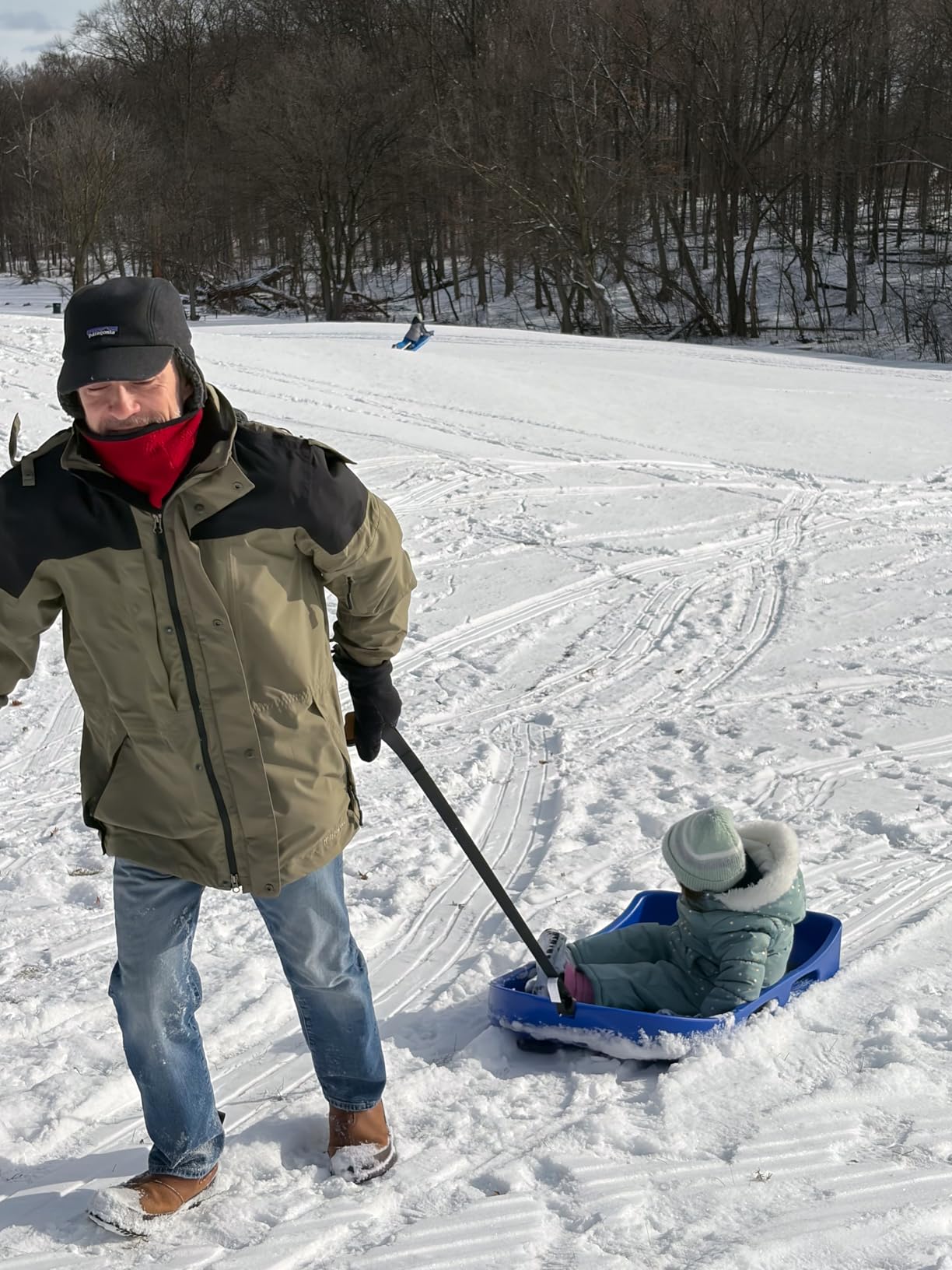
The foam padded seat with grab handles is unusual in a hauling context, but it matters if you are pulling the sled back uphill or moving gear with a child sitting on it. The included pull strap is genuinely useful for that same job.
One caveat worth planning around: this is a 4 foot sled, so it is 18 inches shorter than the Winter Trek. Gear fits, but bulky items like a folded shelter or a five gallon bucket pair have to be stacked carefully rather than laid out flat.
Where the double wall pays off
If you haul across ice that has been sanded, salted or refrozen rough, wall thickness is the number that matters most. This sled shrugs off the kind of surface that cracks single-layer shells, and reviewers specifically call out the reinforced bottom as the difference.
It is also a good choice for families who want one sled to do double duty, since two adults plus a smaller child fits inside its 300 pound rating.
Where it falls short
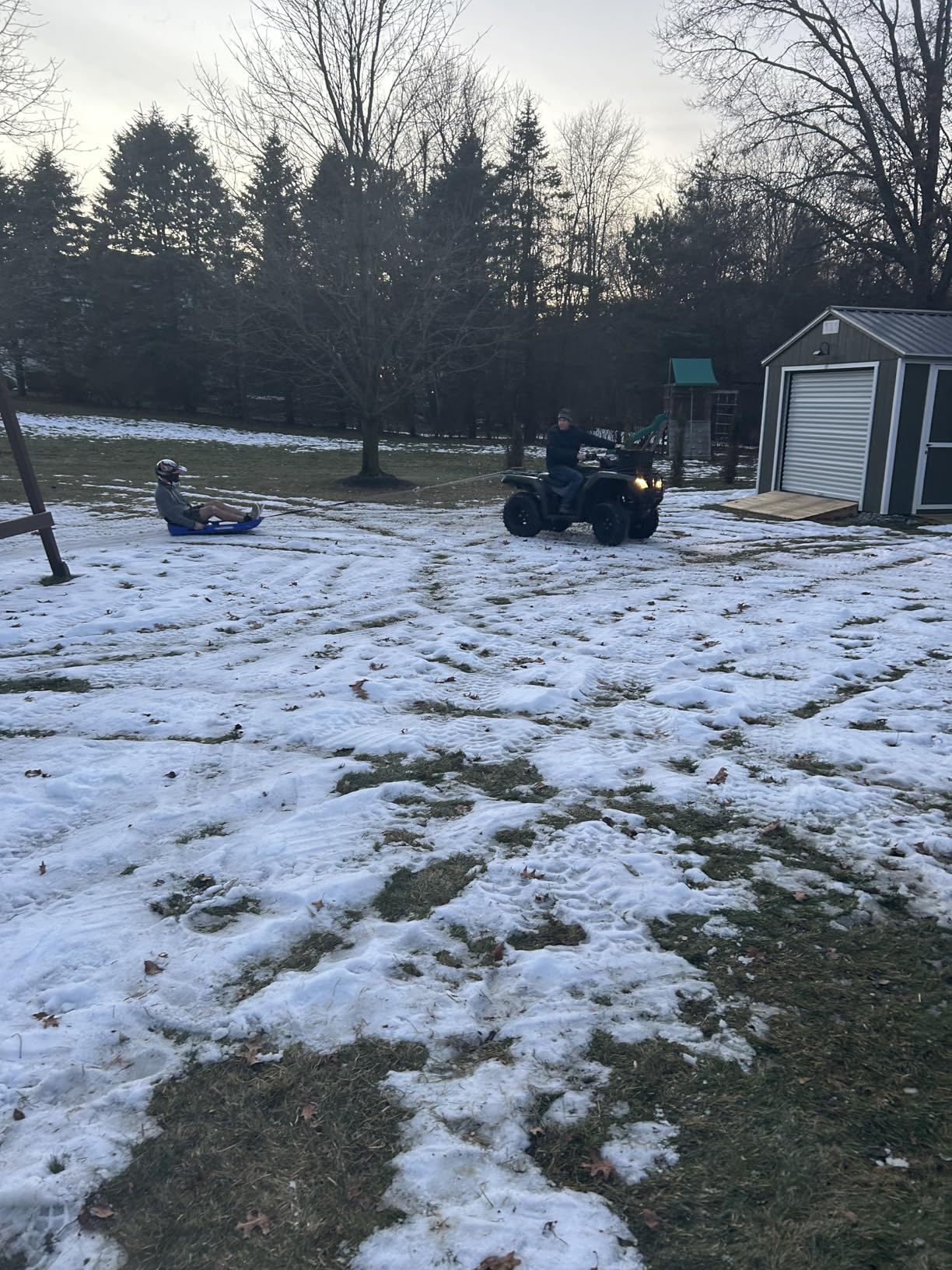
The pull strap is not rated for motor vehicle towing, so if you plan to hitch this sled behind a snowmobile or an ATV you need a different sled entirely. The manufacturer states that limitation clearly.
There are no runners, so in deep powder it plows rather than glides, and the rider-focused shape is not ideal for long cargo loads. For pure hauling distance, a longer sled with molded runners is the better tool.
3. Pelican Trek 45 Utility Sled – Best Lightweight Hauler
- Molded-in runners track well without flat-bottom drag
- High sidewalls contain bulky loads
- 6 lb empty weight keeps long hauls manageable
- Indentations hold bungee cords in place
- Wide lip reduces usable cargo width
- Lowest load rating in the roundup at 130 lb
- No tow bar
- only a hand pull rope
The Pelican Trek 45 is the sled to pick when the walk to your spot is the hard part. At 6 pounds empty it is one of the lightest options here, and the pre-molded runners keep it tracking instead of scraping flat across the ice.
That runner design is the reason it glides. A flat-bottom sled has to push its entire surface through the snow layer, while molded runners concentrate the load onto two narrow strips, so the sled climbs over soft snow rather than plowing it.
Two Trek 45 units can be clipped together to enclose a load, which is a neat trick for keeping firewood or shelter panels from shifting. Reviewers also like the 8 inch sidewalls, which hold a lot of small cargo upright without needing a lid.
The material matters too. RAM-X high-density polyethylene is a multi-layer construction with strong shock resistance, and the same material shows up in the bigger Pelican sleds further down this list, so the family resemblance is easy to spot.
Why the light weight beats extra capacity
On a long walk, sled weight is felt more than load rating. A 6 pound sled loaded to 100 pounds is far easier to move than a 13 pound sled loaded to the same weight, and for most anglers 100 pounds is a full day of ice fishing gear.
Buyers also mention the runner color-change indicator as a practical feature. When the top layer wears through, a different color shows and tells you it is time to replace the runner rather than guessing.
Where it falls short
The 130 pound rating is the lowest capacity in this roundup, and the wide edge reduces the usable cargo width below the stated 20 inches. If you are moving a heater, a large shelter and full buckets, expect to make two trips or clip on a second unit.
There is no tow bar or hitch point, so this sled is a hand-pull option only. Its narrow hull can also tip on side-hill terrain or a bank, which matters when you are climbing a slope to reach your fishing spot.
4. Flexible Flyer Metal Runner Sled – Best for Speed and Steering
Flexible Flyer Jet Metal Runner Snow Sled for Hills and Backyards, 48 in
- Steel runners glide fast on packed snow and ice
- Wood and steel are repairable unlike all-plastic sleds
- Steering bar gives real carving control
- Classic retro styling
- Not a cargo hauler with shallow sidewalls
- Tow rope not included despite pre-drilled holes
- Metal runners need waxing and slow in powder
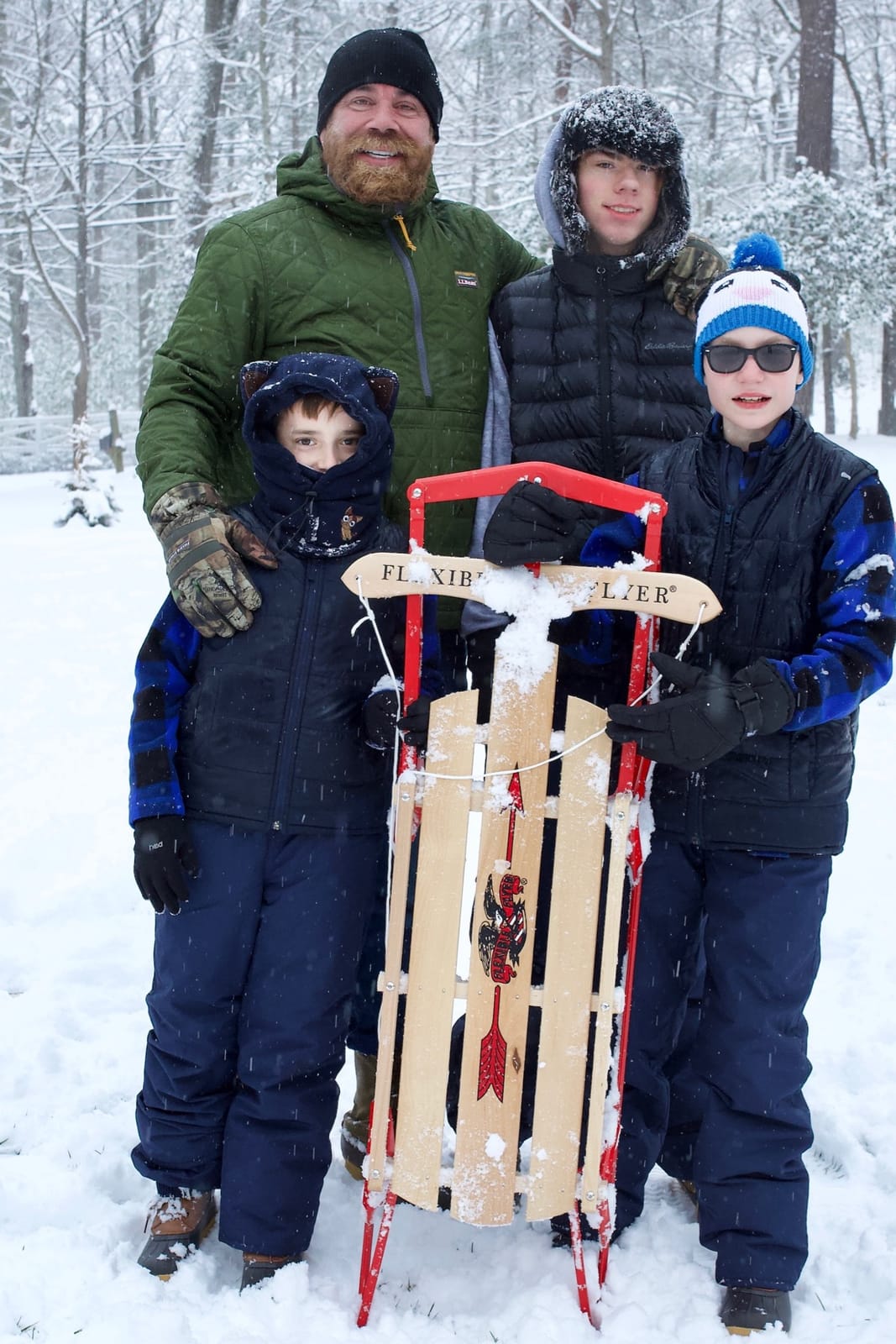
The Flexible Flyer metal runner sled gives the fastest glide in this roundup, and that is down to the material. Powder-coated steel rails ride on a thin line of wax, while plastic bases have to push a wide surface across the same ground.
The steering bar is the other reason people notice it. A sled with a steerable front rail can be guided by hand or foot, which flat-bottom plastic sleds simply cannot do, and it makes a long loaded run much easier to keep on line.
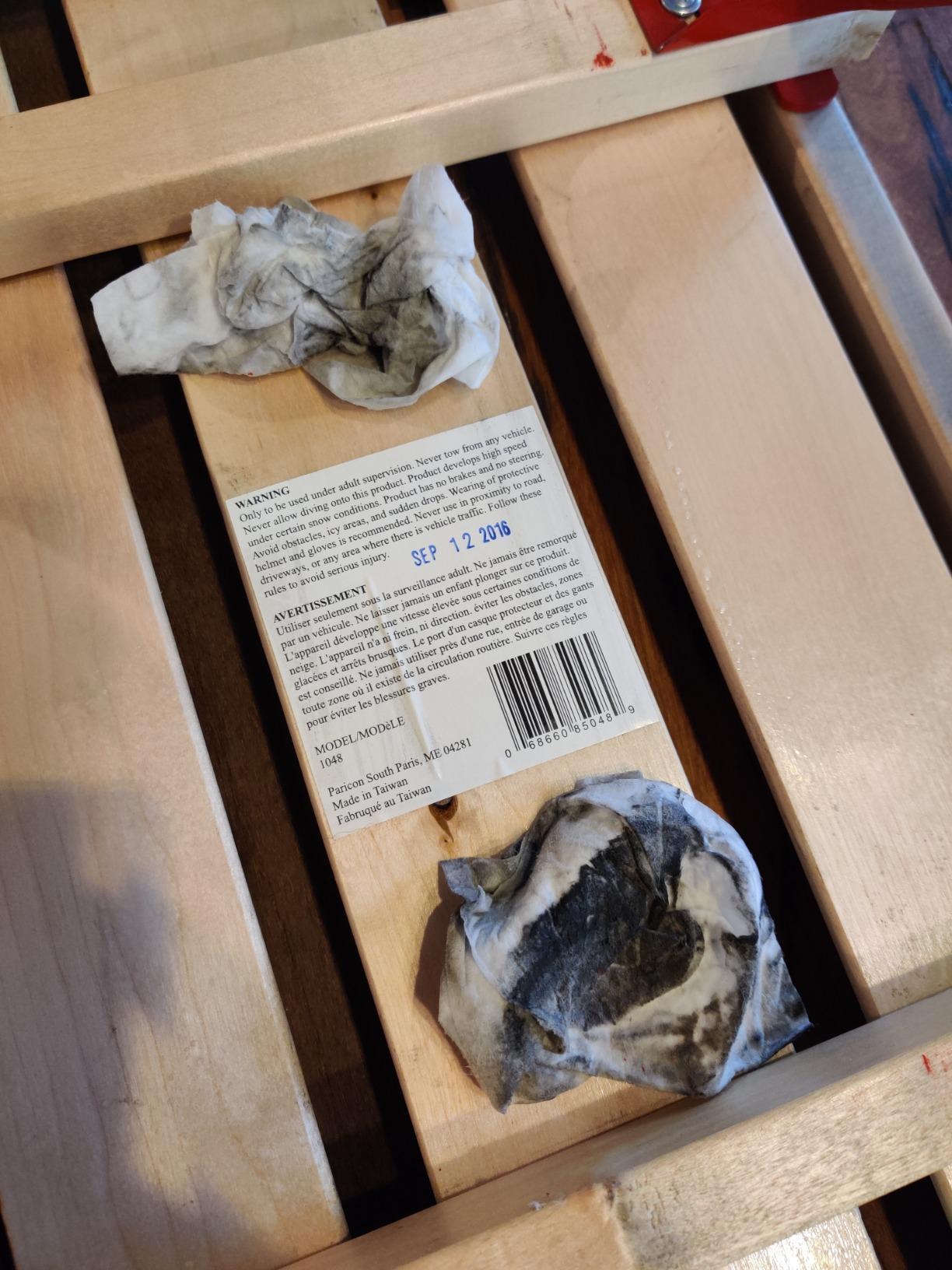
Build quality is a genuine strength. A birch wood deck on a double knee steel frame can be repaired with basic workshop tools, and reviewers report units lasting for decades. Many of the sleds in this list would be scrap if the frame cracked.
One thing to know before you buy: the pre-drilled holes are there for a tow rope, but no rope ships with the sled. Budget for adding one, and add a good one, because rope is the consumable part on any hauling sled.
When a runner sled beats a plastic sled
A steel runner sled wins when the route is short and fast, such as dragging gear from a shoreline ramp to a nearby hole, or when you are moving a load over packed snow that has been waxed. The glide difference is immediately obvious.
It is also the easier sled to steer around obstacles, which matters on shore approaches with trees, rocks and brush. The rounded front end of a plastic sled deflects, but a steerable sled goes where you point it.
Where it falls short
This is a rider sled, not a cargo sled. The 6.5 inch sidewalls and rider-oriented deck leave little flat space for a shelter, buckets and a heater, so hauling gear is a secondary use here rather than the main event.
Steel runners are poor in light powdery snow and need waxing to perform at their best. At 13 pounds it is also heavier than most plastic utility sleds, which adds work when you are dragging a load rather than riding it.
5. Beavertail Sport Sled – Best for Bulky and Awkward Loads
- Wide 29 in hull fits bulky gear and shanties
- Polyethylene is genuinely abuse proof
- Tow rope included and works with a chest harness
- Pulls loaded across ice snow mud and bare ground
- Tow rope wears out and is a consumable part
- One reviewer raised concerns about the rope holes
- No runners so it drags on rough ground
- Heavy and awkward in tight spaces
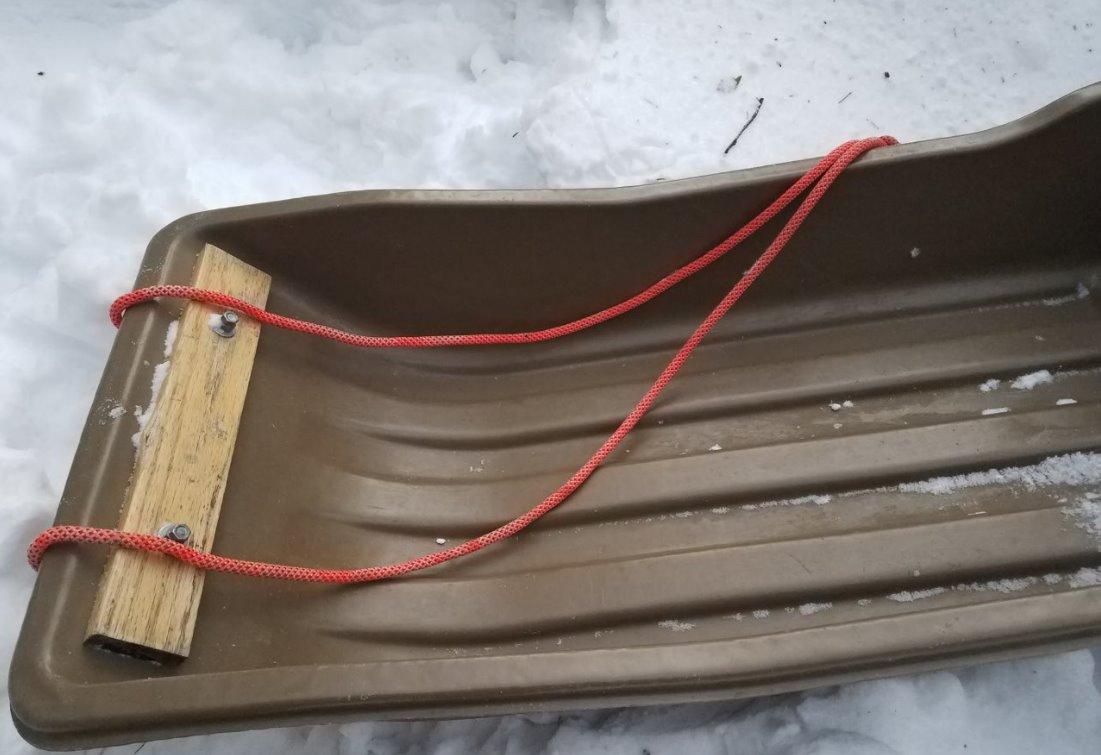
The Beavertail Sport Sled is the pick for bulky loads, and the reason is width. At 29 inches across with 11 inch sidewalls, it holds ice fishing shanties, tip-up bundles, decoys and firewood in a way that a narrower toboggan simply cannot.
Its polyethylene shell is also among the most abuse-resistant in this group by owner report. One reviewer describes nine years of daily farm and hunting use that produced a single small non-propagating crack, and buyers routinely name ice fishing as a top use for it.
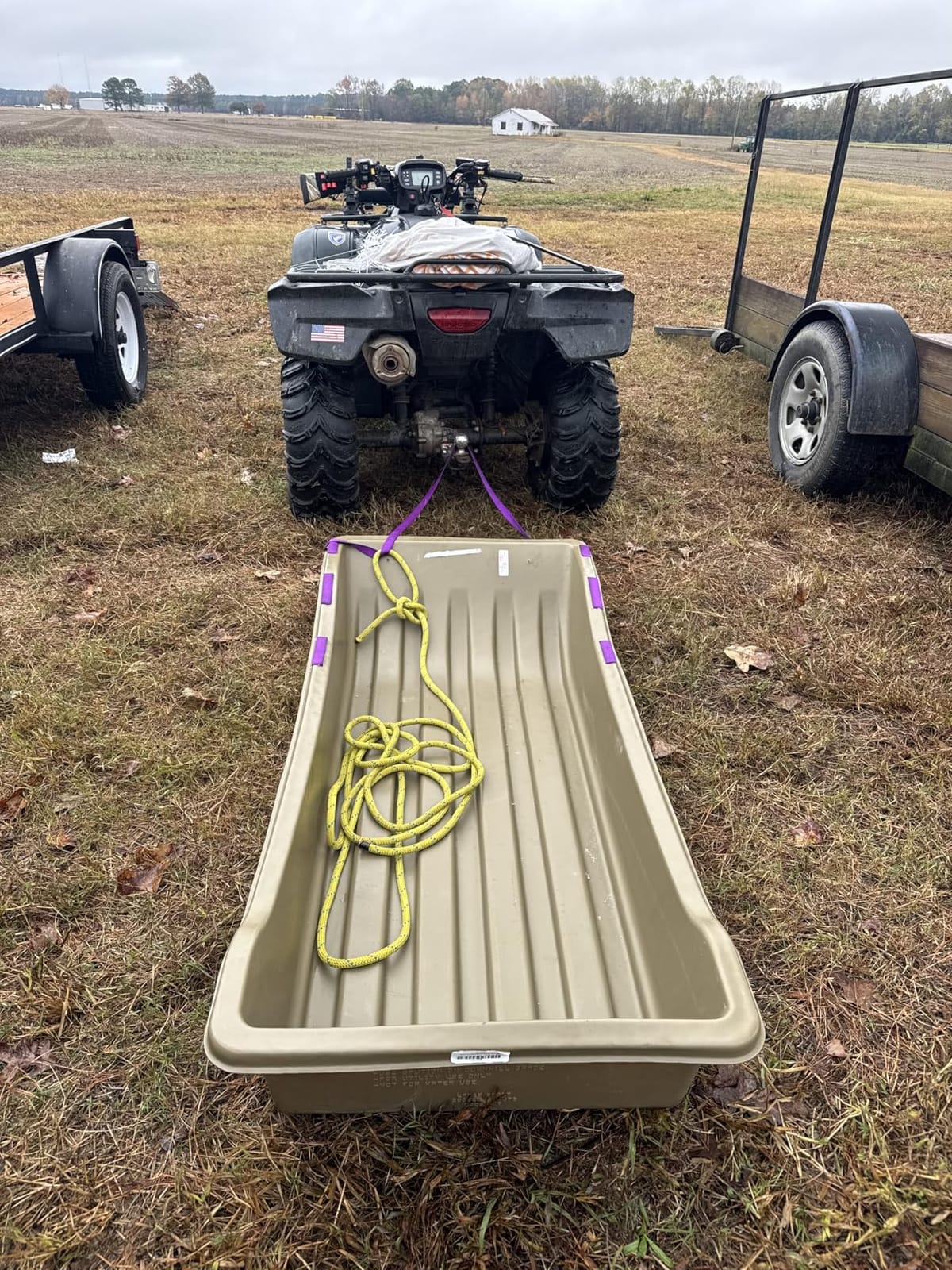
The tow rope is included, which saves you a step, and reviewers rig it to a chest harness for long loaded pulls. That setup keeps the load behind you and off your shoulders, which is the single biggest comfort change you can make on a long haul.
It handles more than ice. Buyers use this sled for firewood, hay, game recovery and moving gear over mud and bare ground, so it earns its space in a garage rather than sitting in a shed until January.
When you should choose a wider hull
Width matters when your gear is awkward rather than heavy. A shelter panel, a folded canopy or a stack of buckets will not sit flat in a narrow sled, and forcing it creates the shifting and falling-out problem that anglers complain about most.
The 11 inch sidewalls also mean a partially loaded sled still behaves, because the walls keep cargo in rather than letting it ride up and out on a bump.
Where it falls short
With no runners, the hull drags rather than glides over rough ground, and a dragged hull can gouge. That is a fair trade for capacity, but it is a real cost on long routes over broken ice or gravel approaches.
One reviewer raised a durability concern about the tow rope attachment holes and the knot inside the sled, and the rope itself is a consumable that needs replacing after heavy use. At 13 pounds with a wide hull, it is also awkward to maneuver in tight spots.
6. NLDD Deer Drag Sled – Best Packable Hauler for Remote Spots
Deer Drag Sled Game Glide – Deer Cart Game Hauler Thickened Tear-Resistant Hunting Accessories and Gear for Hauling Hunter’s Trophy – Perfect Hunting Gift for Men
- 60.5 cu ft load volume and 500 lb rating
- Folds down to fit inside a backpack
- Glides over mud sand and ice far better than a cart
- Surface wipes clean after a mess
- Thin mat can tear on rocky or rooty ground
- No shaped hull so it will not contain loose cargo
- Not designed for gravel roads or sharp rock
- One buyer reported incomplete rigging
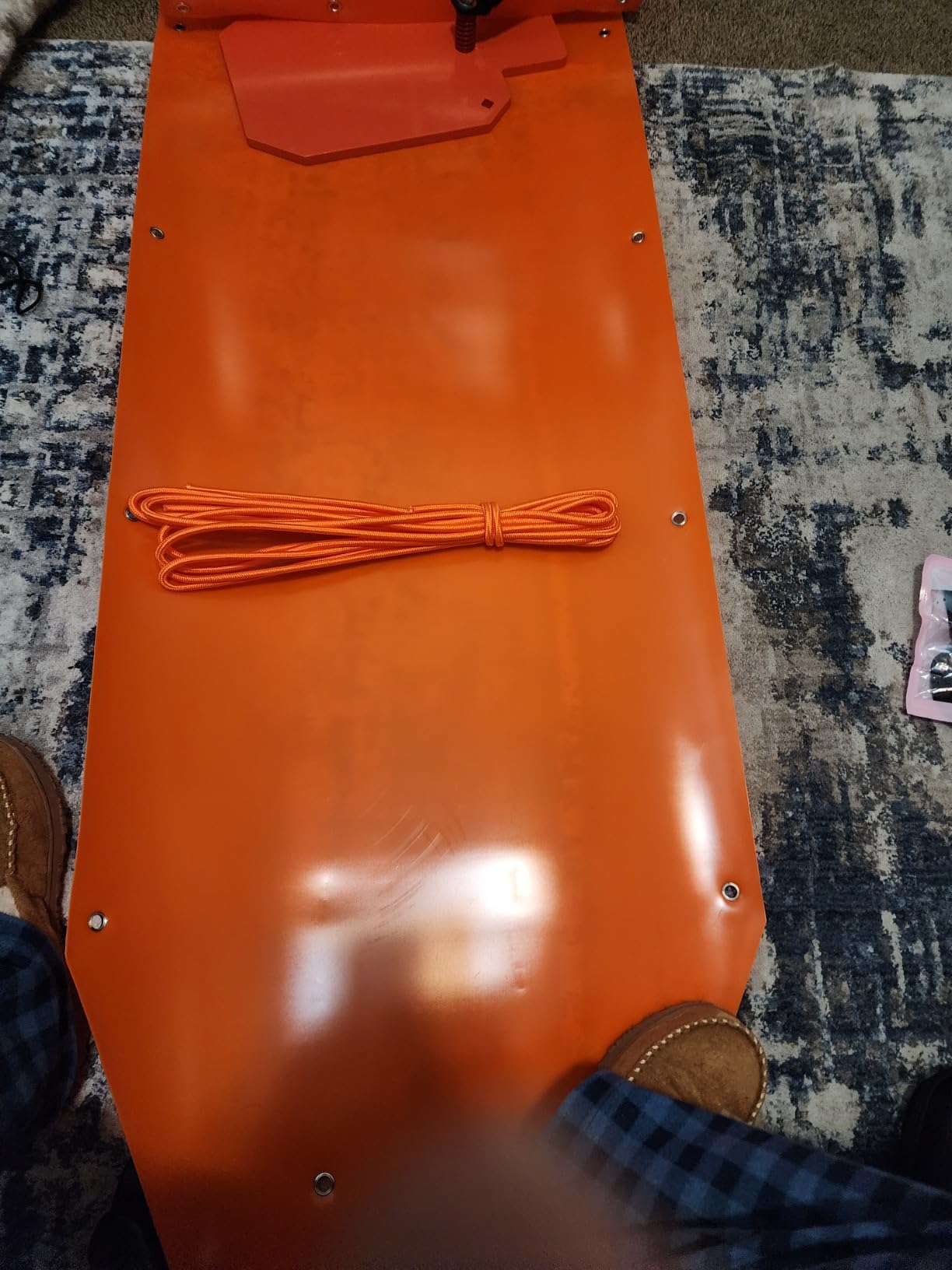
The NLDD drag sled is the answer when you cannot park a truck near your fishing spot. It folds down small enough to pack inside a backpack and then unfurls into a 60.5 cu ft drag surface rated for 500 pounds once you reach the water.
That is a genuinely different use case from a toboggan. You walk in with the sled in your pack, then drag gear back out over ground a rigid sled could never cross, including mud, sand, brush and ice.
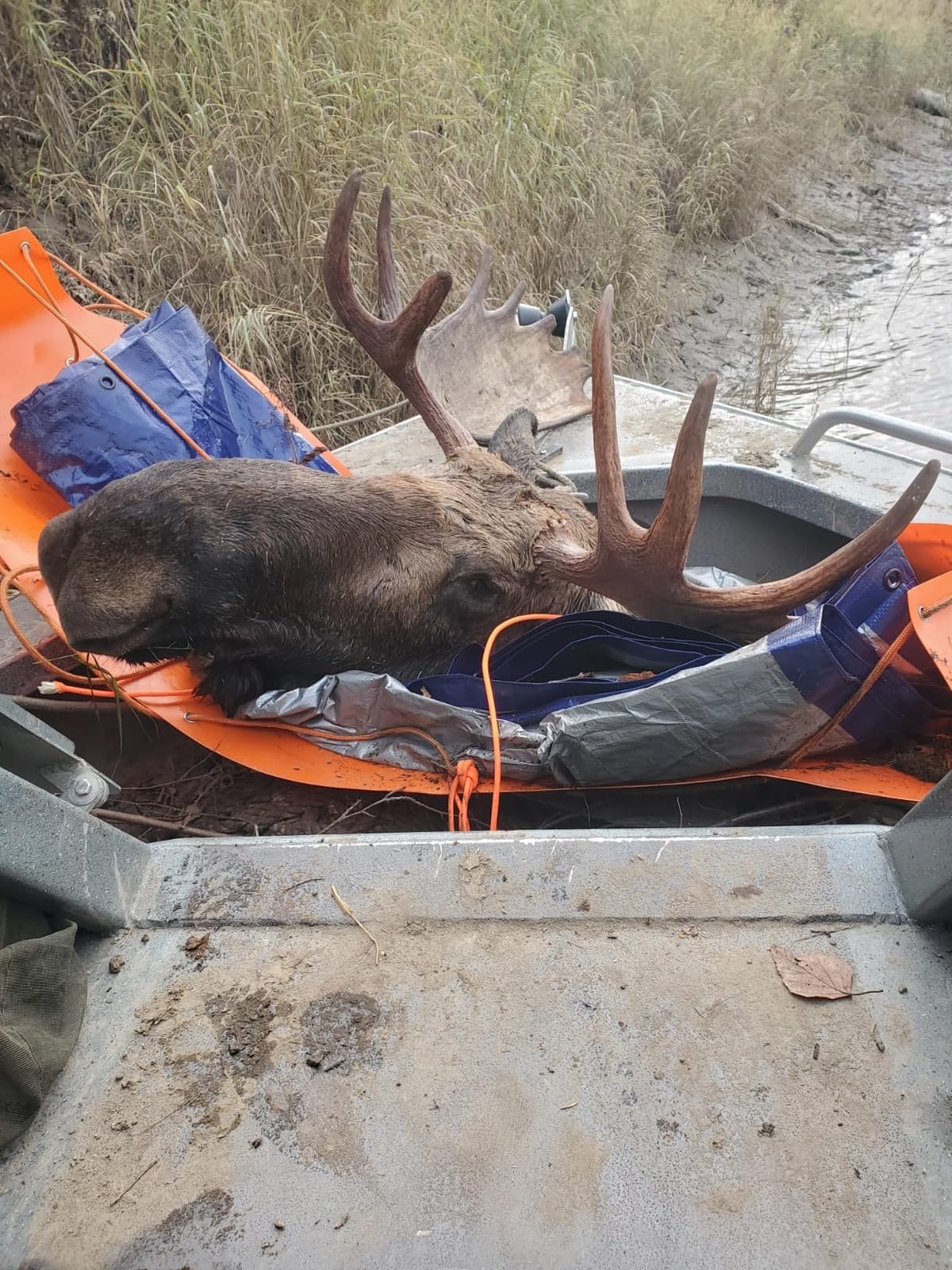
Buyers point out that it glides over mud, roots and sand much more easily than a wheeled game cart, which matters when every extra wheel is another thing that snags. The smooth surface also wipes clean quickly.
It is the lowest-rated product in this roundup at 4.1 stars, and the rating spread explains why: 58 percent five star but 10 percent one star. The complaints cluster around thin-gauge material rather than the design idea.
When packing weight is the deciding factor
Backpack sleds solve a problem the rest of this list cannot. If your approach is a long walk across a plowed field, a logging road or a shoreline with no vehicle access, carrying a 66 inch plastic toboggan becomes the hardest part of the trip.
Reviewers use it to move 300 to 400 pound animals that would otherwise need a pack-out, and the same capacity covers a big pile of ice fishing gear in one trip.
Where it falls short
The mat is flat with no sidewalls, so it will not contain loose or bulky cargo the way a deep hull does. Round items like buckets and propane bottles can roll off, which makes it a poor choice for mixed gear.
Thin material tears on rocky or root-filled ground, and one buyer discarded it after a mile of logging road. Sharp rock and gravel will puncture it, so keep it on mud, snow, sand and smooth ice.
7. Bayattoo Heavy Duty Drag Sled 2-Pack – Best Two-Pack Set
Bayattoo Deer Drag Sleds – Heavy-Duty, Tear-Resistant Game Hauler for Hunting with Ropes and Handles, Portable and Durable Outdoor Gear (2-Set)
- Two sleds with ropes and a carry bag
- 800 lb rated capacity handles big loads
- Light enough to pack to a remote spot
- Customer service sends rigging diagrams
- Inconsistent thickness between the two sleds
- Thin material can rip on first use
- Eyelets and rigging can pop out under load
- No sidewalls so it holds flat loads only
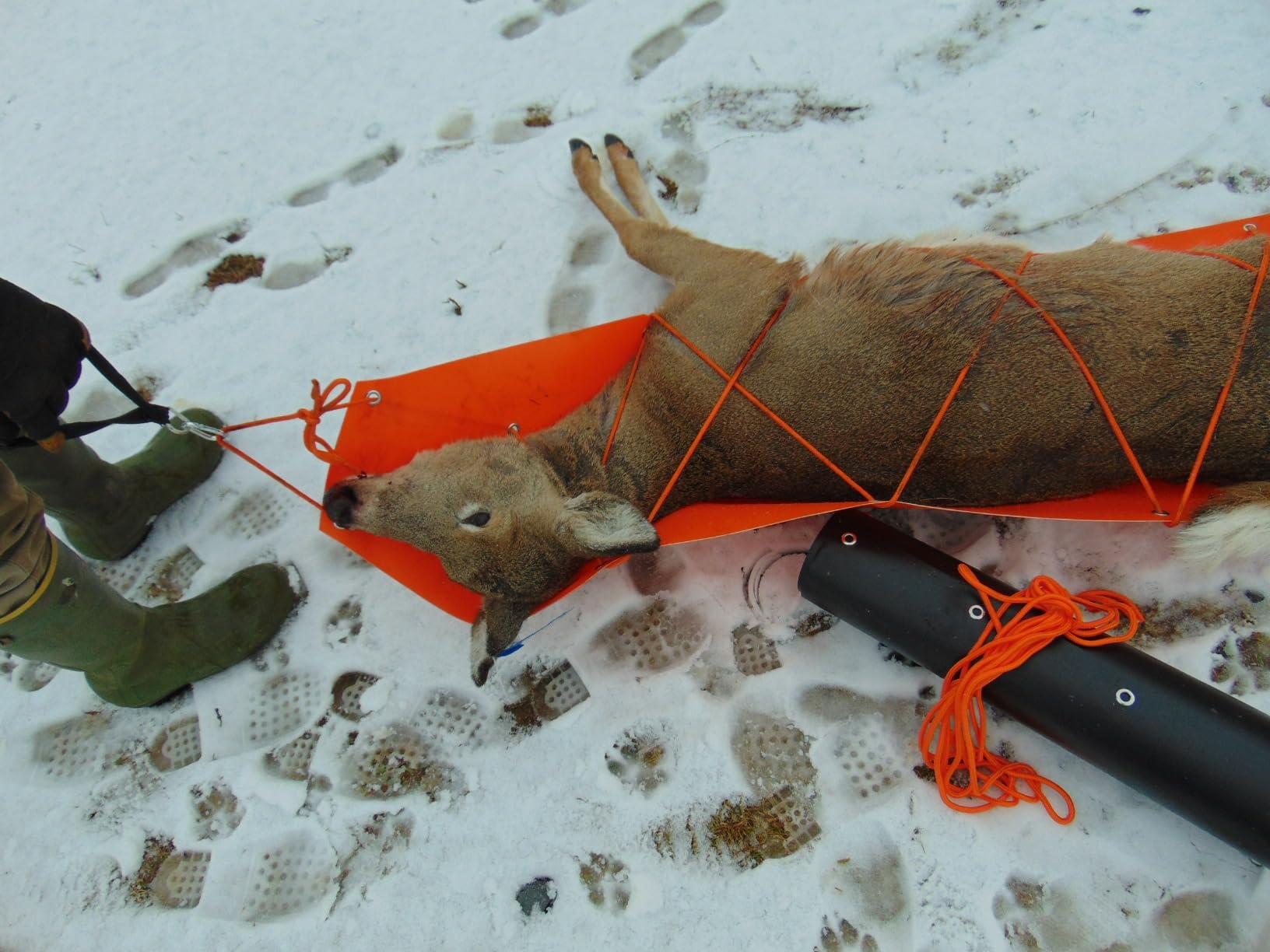
The Bayattoo two-pack gives you two complete drag sleds in a single set, and each sled measures 73 by 22.8 inches with a combined rated capacity of 800 pounds. For moving gear across a flat yard or a snow-covered parking lot, that is real capacity.
The 1.2 mm orange sled has a dual-surface design, meaning one side is optimized for gliding and the other for gripping a load, which is a sensible way to handle a drag mat that has to do two jobs.
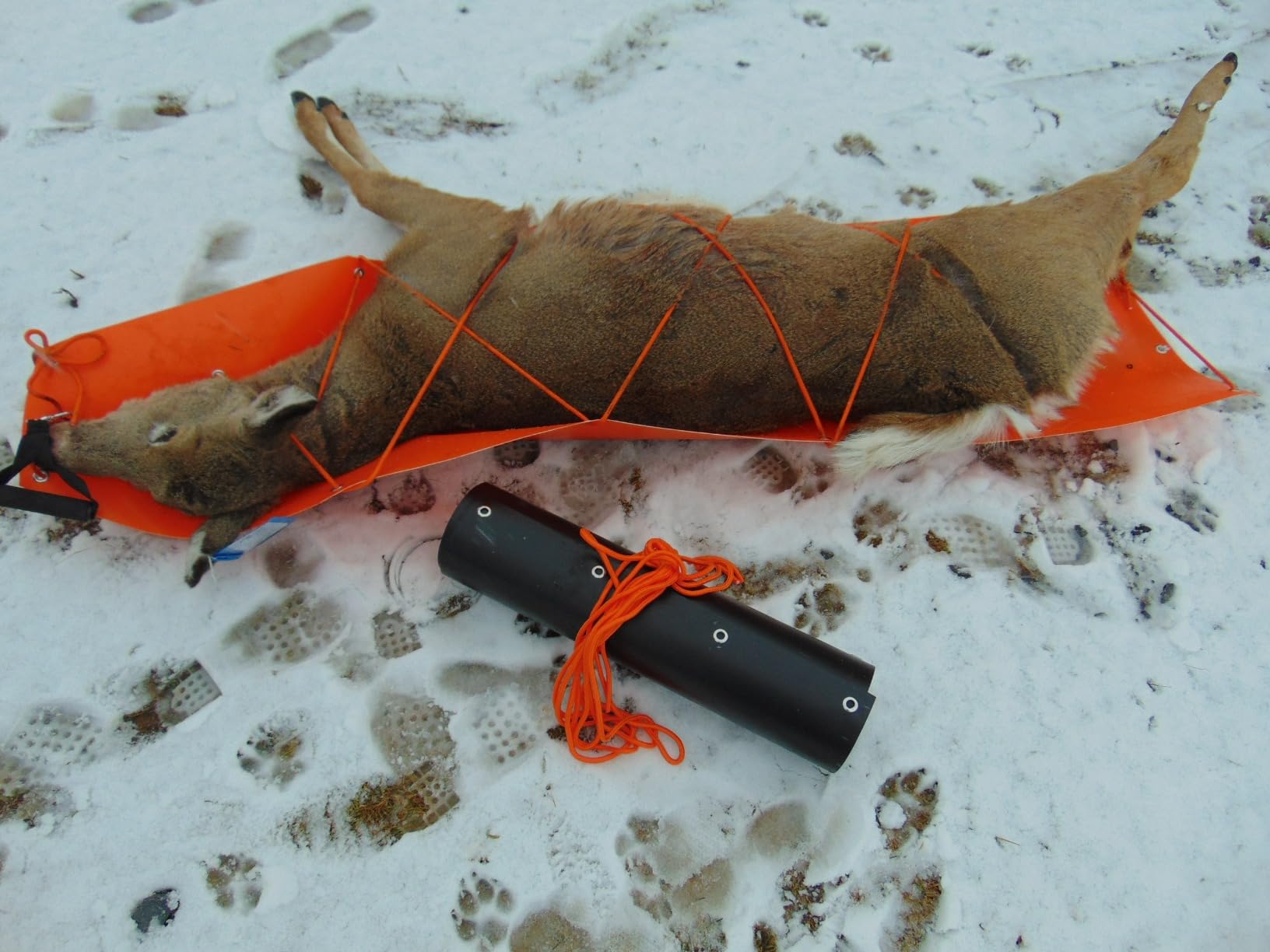
Buyers get more versatility than a two-pack of flat mats usually delivers. One owner pulls a beach wagon over soft sand with them, and another used a sled as an emergency drag for an injured hiker, which tells you the ropes and eyelet setup can handle a serious load.
The pack also includes straps, 12 foot non-slip ropes, tow handles and a drawstring bag, so nothing else needs buying before the first trip.
When two sleds beat one big sled
Two smaller sleds can be split across two trips or two people, which is often faster than maneuvering one oversized load around a tight corner. They also stack in a vehicle in a way a single large sled does not.
If you haul firewood, feed, logs or hunting gear, the 800 pound rating gives you room to move a full day of work in one go, and the nylon ropes handle mud, snow and sand.
Where it falls short
Build consistency is the weak point, and several reviews mention that the black sled in the pack is noticeably thinner than the orange one. Others report tearing on first use while dragging a deer under 200 yards, which is a fair warning for rocky ground.
There are no sidewalls, so the load has to be flat and stable rather than loose and bulky, and the eyelet rigging is the part most likely to pop under a heavy load. Check the hardware before you rely on it.
8. Pelican Trek Utility Sled 60 – Best for Containing Heavy Loads
Pelican – Multi-Purpose Utility Sled – Use it for Ice Fishing, Hunting (Trek 60), Black, comes with runners
- Deep 12.5 in hull genuinely keeps heavy loads contained
- Runners show a red layer when worn
- Removable runners and bungee indentations
- 260 lb and 152 L is double the Trek 45
- Runner screws protrude on the bottom
- Runners can arrive damaged with stripped screw holes
- Some buyers removed the runners entirely
- Sits a tier above the smaller Pelican sleds
The Pelican Trek 60 is the sled to buy if your gear is heavy and awkward rather than light and tidy. The 12.5 inch hull depth is the standout number, and one buyer loaded a deer into a truck bed at a 45 degree angle without it spilling.
That depth is what separates it from the rest of this list. A deep hull lets you stack gear vertically instead of spreading it out, so a heater, buckets and a shelter panel can ride together without a lid or a net.
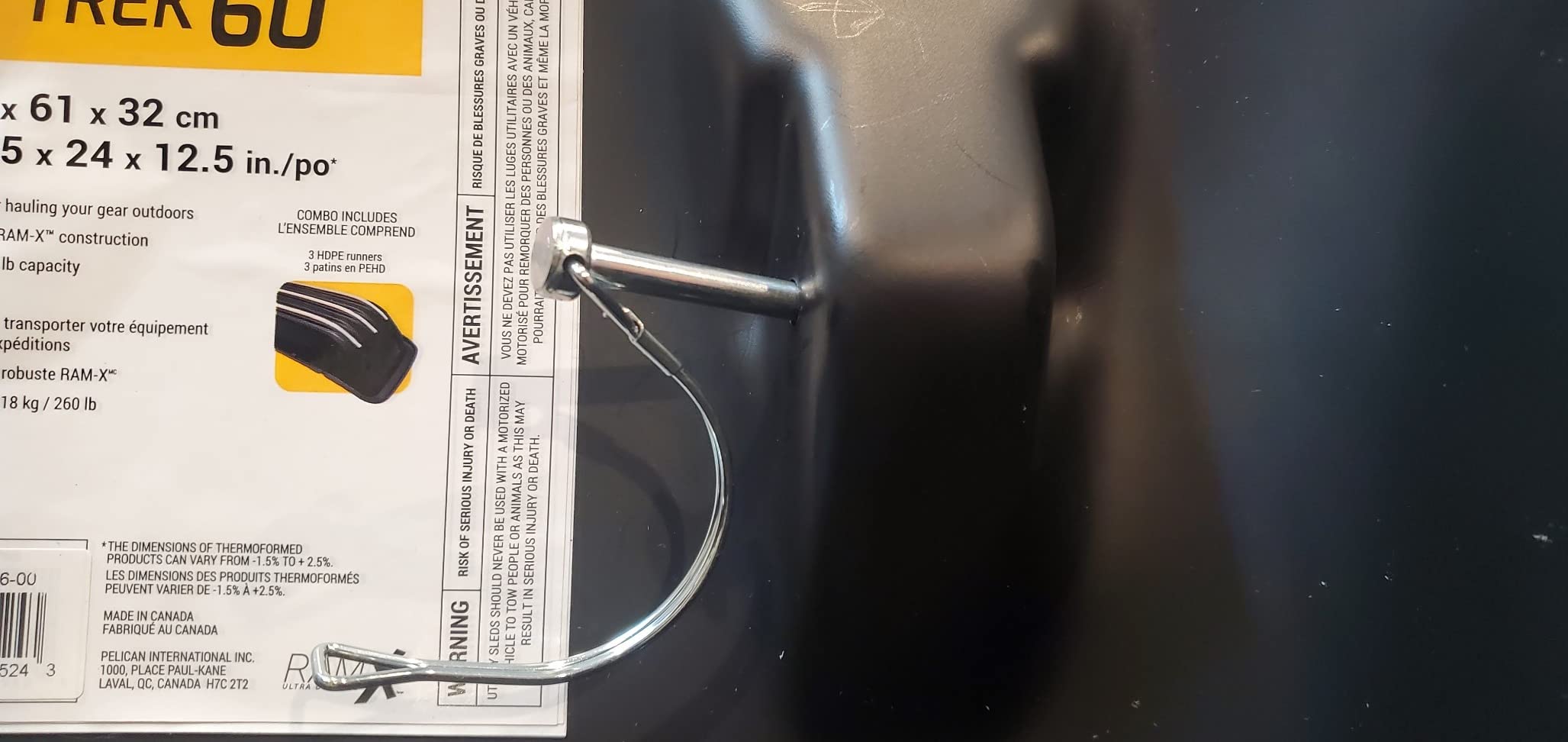
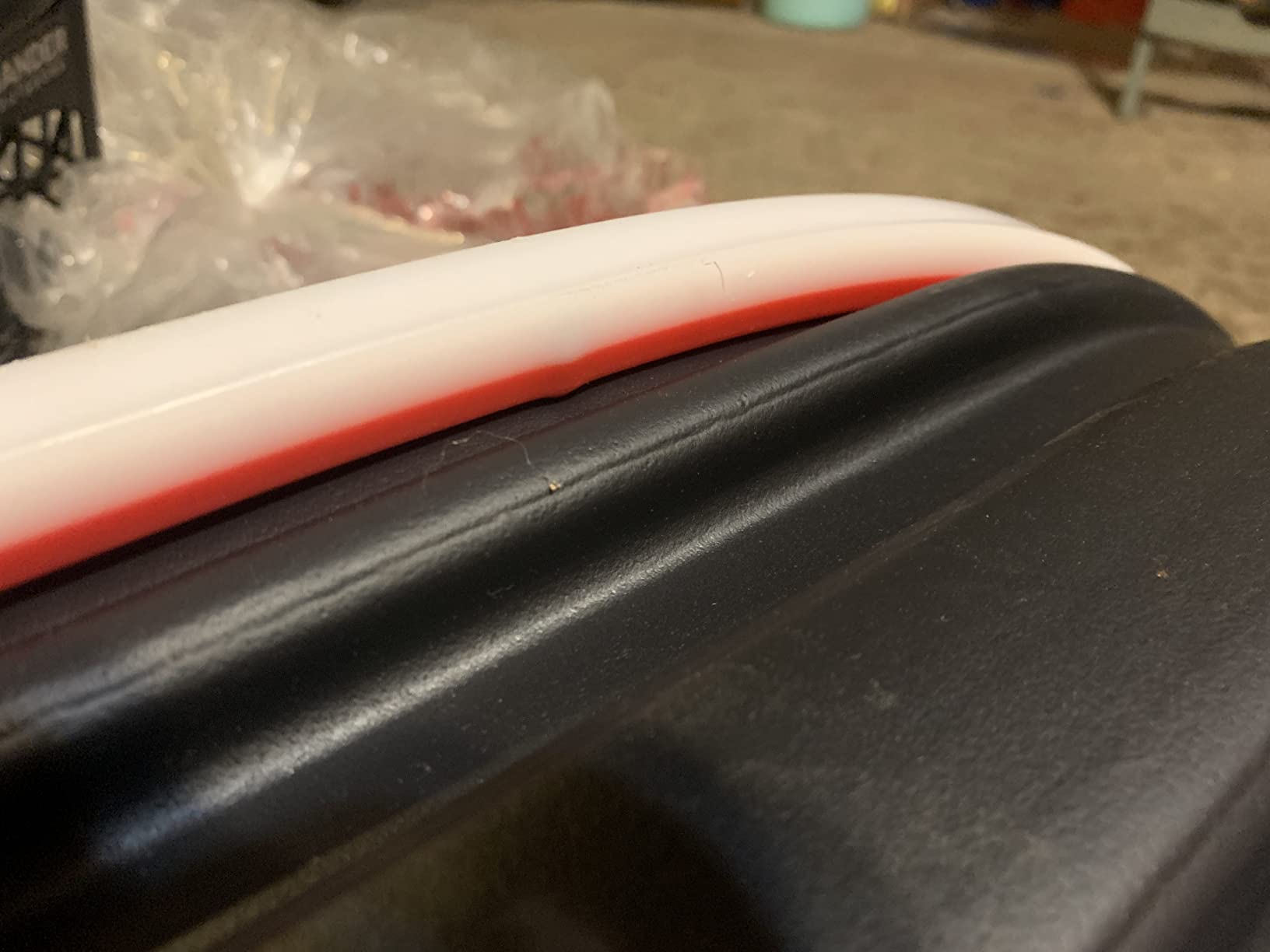
The red wear-indicator layer under the white runners is a small but smart design. When the top layer wears through, red shows and you know to swap the runner rather than wondering whether the sled is still tracking properly.
Capacity is 260 pounds and 152 liters, exactly double the Trek 45 in every dimension that matters for load volume. It is the same RAM-X polyethylene family, so the material and the bungee indentations match the smaller model.
When hull depth solves your loading problem
Depth beats width when the load is dense. If you are moving firewood, mulch, hunting gear or a full camp kitchen, a 12.5 inch wall keeps everything inside without you having to bungee down after every bump.
The molded bungee indentations hold cords in place rather than letting them slide, which is the detail that keeps cargo secure on a slope or when crossing a pressure ridge at an angle.
Where it falls short
The screws holding the runners protrude slightly on the bottom, which can be a nuisance on bare ground and is worth checking before the first trip. Runners can be removed if that bothers you.
Packaging is the most common complaint, with runners arriving damaged or missing and stripped screw holes that need attention. Some buyers removed the runners entirely to get it working, and it sits a tier above the smaller Pelican sleds.
9. Pelican Red Trek Sport 75 – Best for Towing Behind a Machine
- Largest capacity here at 300 L and 500 lb
- Only sled with a shock-absorbing metal tow hitch
- 14.75 in hull depth stops bulky gear spilling
- Runners hitch and travel cover included
- Larger and heavier than the other molded sleds here
- Too heavy to hand-pull a full load without a vehicle
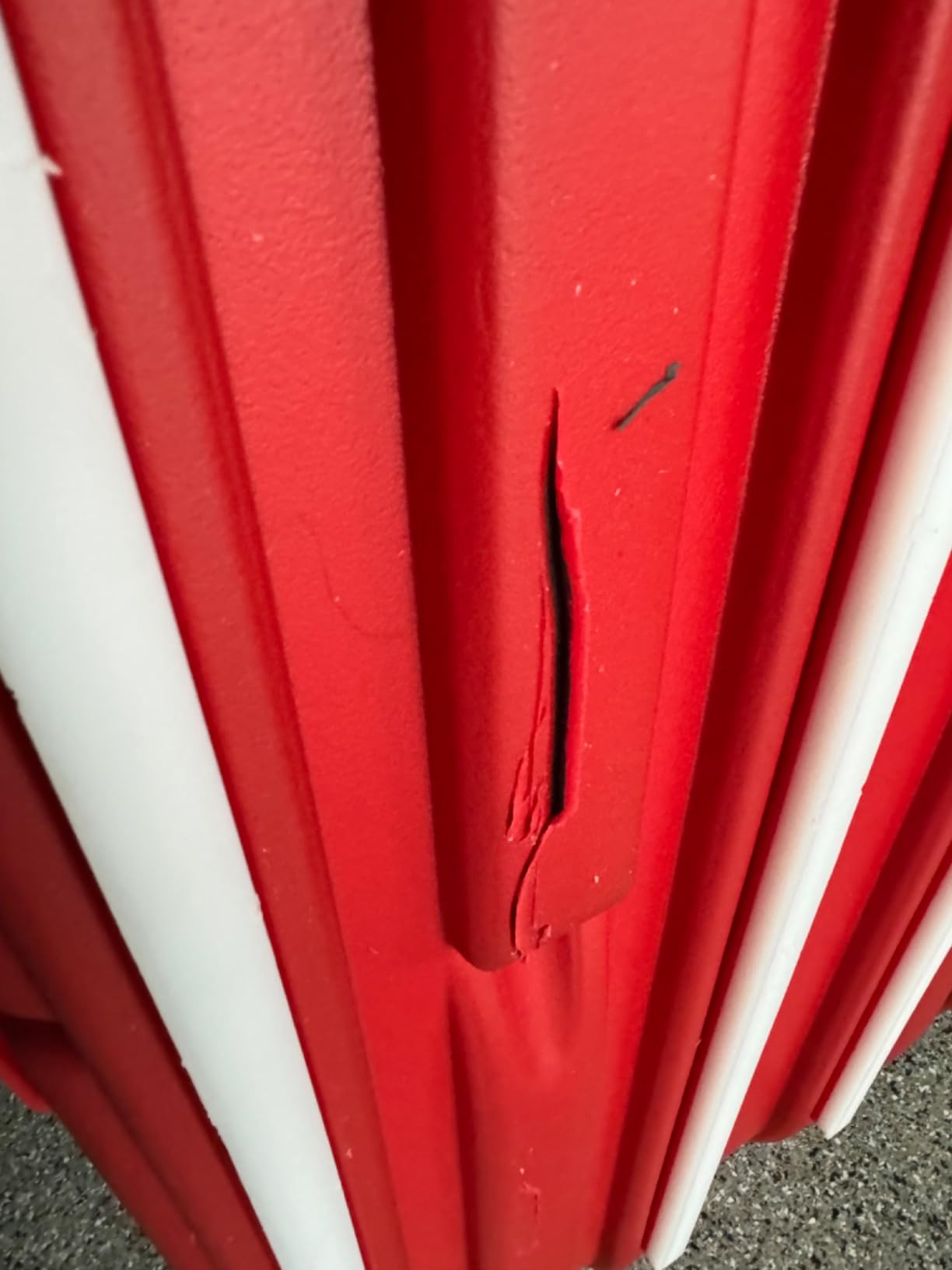
- Some units arrived with gouged hulls
- Hitch pin not included and holes may need adjustment
The Trek Sport 75 is built for motorized towing, and it is the only sled in this roundup with a folding shock-absorbing metal tow hitch. That hitch is the part that matters, because a rigid connection between a machine and a heavy sled is a jolt waiting to happen.
Size is the other headline. At 74.5 by 30.5 by 14.75 inches, 300 liters and a 500 pound rating, it is the largest shaped hull here, and it is sized to fit inside a standard pickup bed.
Owners use it mostly hitched to an ATV or a snowmobile for supply and trail runs, and they report years of heavy hauling. One reviewer bought it specifically for ice fishing and reports it works perfectly, which is the use case most relevant to you.
The included kit is generous: RAM-X runners to extend sled life, the folding hitch and a travel cover. Rear reflectors add trail safety when you are moving at low light.
When a hitch matters more than a handle
If you already own a snowmobile or an ATV, this sled removes the slowest part of the trip. You load once, connect the hitch and cover the distance that would otherwise take multiple sled pulls.
It is also the right call for a group. One machine moving a large volume of gear means fewer people walking, fewer hands free for drilling, and a shorter window exposed on the ice.
Where it falls short
At 33 to 43 pounds empty, hand pulling a full load is impractical, so this sled needs a machine. That is a real commitment for anyone who fishes on foot, and it is the largest and heaviest sled in the roundup.
Assembly can need rework because the tow hitch pin is not included and mounting holes may need adjustment, and some units arrive with gouges in the hull. The travel cover also fills with snow if you leave it on.
10. ZFbuhuo Yard Drag Sled – Best Large-Surface Motorized Hauler
- Largest surface area here at 47 by 110 inches
- Highest stated capacity at 2500 lb
- 2-in-1 handle for ATV UTV and tractor tow
- Folds down for storage
- Flat mat with no sidewalls
- 20 lb and far too large to hand-pull
- Designed for yard hauling more than ice
- No written customer review text available
The ZFbuhuo yard drag sled is built for volume, not for a walk across a frozen lake. At 47 by 110 inches of 1/8 inch HDPE with a stated 2500 pound rating, it is a surface for piling on bulky material and dragging it behind a machine.
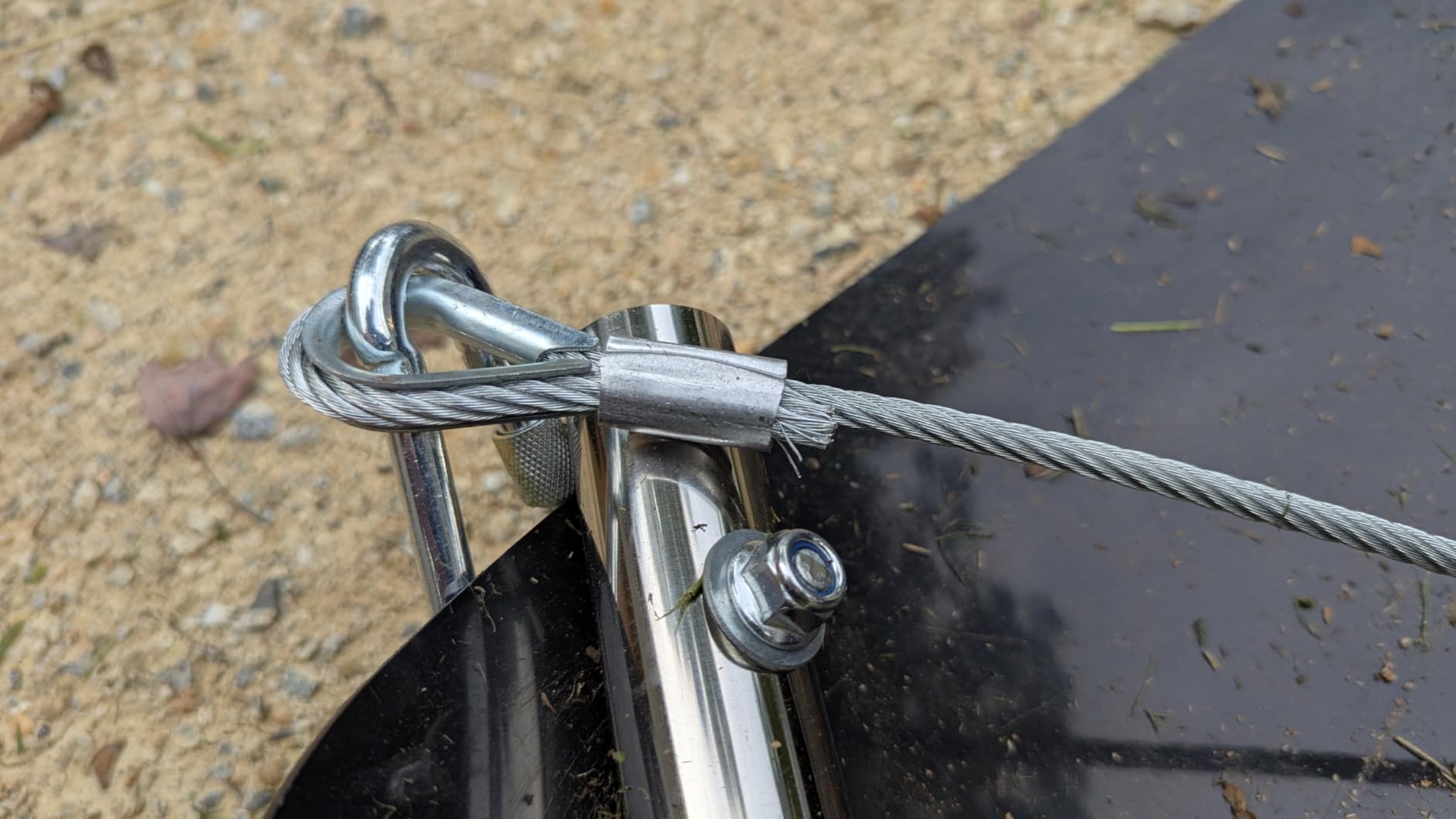
The 2-in-1 handle is the feature that defines it, because the handle attaches to an ATV, a UTV or a tractor. That converts a manual chore into a powered one, and it folds for storage between uses.
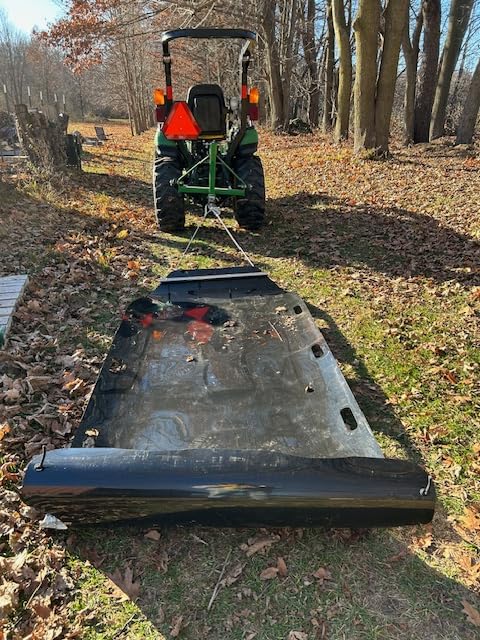
Buyers like the hardware bundle, which includes a pull bar, galvanized cables, quick links, washers, nuts, ropes and an L-shape wrench. The treated surface resists dirt adhesion and wipes down after a load of soil or mulch.
Be aware of the evidence here. This listing has the fewest reviews in the set and the only one with no written customer review text returned, so the 4.1 star average comes from the rating distribution rather than from detailed owner reports.
When a flat drag surface beats a hull
A flat mat makes sense when the load is broad and low, like bundled brush, firewood, logs or stacked yard debris. You can pile material well above the edges because nothing is going to roll off.
Attached to a tractor or UTV, the 2500 pound rating lets you move a large pile of firewood in a couple of runs, which no hand-pulled sled in this roundup can match.
Where it falls short
There are no sidewalls, so it will not contain round or loose gear, and buckets or propane bottles will slide off on a slope. That rules it out as a primary ice fishing gear sled.
At 20 pounds and 47 by 110 inches, it is far too large and awkward to hand-pull across ice. Its 4.1 star rating with 10 percent one-star feedback also points to mixed durability results, so inspect the material before a long haul.
How to Choose an Ice Fishing Sled
Choose by route, load and empty weight, in that order. How far you walk decides how much the sled’s own weight matters, and what you carry decides how much hull depth and volume you need.
1. Measure your walk, not your gear
Walk your actual route before you buy. Under 100 yards of packed ice, almost anything works. Past a quarter mile, empty weight becomes the number you feel, and anything above 15 pounds will wear you down on the return trip with a full load.
If the route includes a shoreline approach with gravel or a snow bank, pick a sled with runners or molded skids. A flat-bottom sled on gravel is a brake.
2. Match hull depth to your load
Buckets and loose tackle need 6 to 8 inches of sidewall. A heater, propane tank and shelter panel need 11 inches or more, because those items sit awkwardly and shift. Deep hulls also let you stack instead of spreading out.
Here is the quick rule of thumb we use: 20 inch wide hull for a bucket-and-auger trip, 25 to 29 inches for shelter plus heater, 30 inches or wider for a group or a machine tow.
3. Choose material for the surface, not the label
High-density polyethylene is the standard in this category and resists impact well. RAM-X is a multi-layer version of the same idea with higher shock resistance, and it is what the heavier Pelican sleds use.
On very rough or refrozen surfaces, wall thickness matters more than the material name. A double-walled sled survives a sharp edge that would split a single-wall shell.
4. Pick a towing method before you buy
Hand tow means a rope or strap, and that is the most common setup. Snowmobile or ATV tow means you need a real hitch point, and a hand pull rope is not a substitute. One sled in this roundup, the Trek Sport 75, is the only one with a shock-absorbing metal hitch.
Do not plan to tow a strap behind a machine. A strap allows the sled to swing under and slam into the rider on a stop, which is a known complaint from anyone who has tried it.
5. Confirm the load rating, then add margin
Ratings in this roundup run from 130 pounds on the Trek 45 to 500 pounds on the Trek Sport 75. Add up your gear, divide by two if you will be crossing uneven ice, and pick the sled one size above the number you land on.
For our full guide to picking rods to match your shelter, see our best ice fishing rods roundup.
Smitty Sleds vs Factory Sleds for Glare Ice
A Smitty sled is a wooden toboggan built from scratch, usually with tall sides and cross-country skis bolted underneath. Anglers on ice fishing forums build them because skis glide on glare ice where a plastic toboggan struggles.
The forum consensus is clear on performance. Anglers report that a Smitty sled with skis pulls easily on glare ice, and cross-country skis are the modification forum users most often point to for changing how a sled feels on a frozen lake.
The tradeoff is effort and materials. A Smitty build requires woodworking skills, tools and materials, and the skis are an add-on on top of that. A factory sled arrives ready to pull on the day you buy it.
Here is how the two compare on the things that matter:
- Glare ice glide: skis are the clear advantage, and forum reports consistently favor them.
- Build effort: a factory sled is ready immediately, a Smitty build takes a project.
- Capacity: Smitty sleds can be built any size, including wider and taller than most production models.
- Repairs: wood and hardware can be fixed on a workbench, a cracked plastic hull cannot.
- Weight: a home build can be lighter or heavier depending on the timber and the skis you choose.
Two community questions come up constantly. One is whether a Smitty sled is easier to pull, and the honest answer is that on glare ice with skis installed, many anglers say yes. The other is how tall a Smitty sled should be, and the common answer is tall enough that your gear cannot ride out over the side, which usually means 16 to 20 inches of sidewall.
Our read: buy a factory sled for this year, and add cross-country skis if glare ice is your normal fishing surface. That gets you most of the Smitty benefit without a build.
How to Load and Organize Your Sled
A well-loaded sled pulls straight and arrives with nothing broken. A badly loaded one tips on a bank and dumps your heater into slush, so the packing order matters more than the pile of stuff.
1. Weight the bottom, keep the center low
Put the heaviest items against the floor of the sled and toward the middle. An auger, a heater and full buckets all belong on the bottom, because high and heavy gear is what makes a sled tip on a side slope.
2. Use the walls as your vertical storage
Long items like shelter poles and rod cases go upright against a sidewall, where the wall does the holding for you. This is the payoff of a deep hull, and it keeps the floor clear for heavy cargo.
3. Strap before you pull, not after the first problem
Bungee cords belong in the molded indentations, or around the outer lip, before the sled leaves the truck. A load that shifts one time will shift again, and the second shift is usually the expensive one.
4. Separate wet from dry
Keep a plastic bag or a spare tote inside the sled for gloves, electronics and anything that should stay dry. Ice fishing clothes are already designed for wet, but phones, batteries and camera gear are not.
5. Balance the load side to side
Walk beside the loaded sled and look straight down at it. If one side is visibly lower, redistribute until the rim sits level, because a lopsided load is what causes tip-overs on banks and side hills.
6. Keep a path clear for the return
Leave your pull path and your drill area open inside the sled. When it is time to leave, you want to grab the rope and go, not rearrange a pile to find the handle.
7. Count the gear out loud, twice
The most common way gear gets left behind is a shallow recheck. Count the same list on the way out and on the way back, and include the items people forget most: rod holders, ice picks, a spare battery and a partial bag of bait.
If you are outfitting the rest of the trip, our sled picks for adults and weighted sled roundup cover the heavier loads and multi-person setups.
Frequently Asked Questions
What is the best sled for ice fishing?
The Flexible Flyer Winter Trek is the best all-around ice fishing sled for most anglers. It measures 66 by 20 by 6 inches, weighs 7 pounds empty, is rated to 250 pounds and includes a built-in tow rope, so it balances length, weight and included hardware better than anything else in our roundup.
Which sled is best for towing?
The Pelican Trek Sport 75 is the best sled for towing behind a machine. It is the only option in our roundup with a folding shock-absorbing metal tow hitch, and it carries 500 pounds in a 300 liter hull at 74.5 by 30.5 by 14.75 inches. Use a real hitch rather than a tow rope, because a rope lets the sled swing into the machine when you stop.
Do jet sleds float?
No. A molded polyethylene sled is a solid shell with no enclosed air chamber, so it does not float. If you break through ice, the sled fills and sinks like a plastic container, and anything not strapped down is likely to be lost. This is why staying on clear ice, carrying a spud bar and wearing flotation gear matter far more than sled design.
Is a Smitty sled easier to pull than a regular sled?
On glare ice, frequently yes. Anglers on ice fishing forums consistently report that a wooden Smitty sled with cross-country skis attached glides far better than a plastic toboggan, because the skis reduce the contact area to two narrow strips. On packed snow the difference shrinks, and the tradeoff is that a Smitty build takes woodworking time, tools and a project of your own.
What size ice fishing sled do I need?
For a solo angler walking a short distance, a 45 to 48 inch sled with 6 to 8 inch sidewalls holds a bucket, an auger and a few rods. For a portable shelter, a heater and propane tank, look for 60 to 66 inches of length with 11 to 12.5 inches of hull depth. For a group or a machine tow, go to 74 inches and 14.75 inches of depth.
What are the best brands of ice fishing sleds?
In this roundup the most proven names are Flexible Flyer, Pelican, Beavertail and GoSports. Pelican builds a clear size ladder from the 45 inch Trek 45 up to the 75 inch Trek Sport 75, Beavertail is known for a wide hunting-grade hull, and Flexible Flyer makes both the plastic Winter Trek and the steel runner sled. Most anglers start with one of the three Pelican sizes or the Winter Trek.
The Verdict for 2026
The best ice fishing sleds for hauling gear come down to your route. Walk more than a quarter mile and you want the Flexible Flyer Winter Trek for its 66 inch length and 7 pound weight. Carry a shelter and a heater and you want the Pelican Trek 60 for its 12.5 inch hull. Own a snowmobile and the Trek Sport 75 is the one with a real hitch.
Start with the Winter Trek if you are undecided, add bungee cords before the first trip, and only chase a Smitty build or a ski conversion if you fish glare ice regularly. If you also need a sled for the walk to the truck, our sled guide for families covers the lighter duty options.