
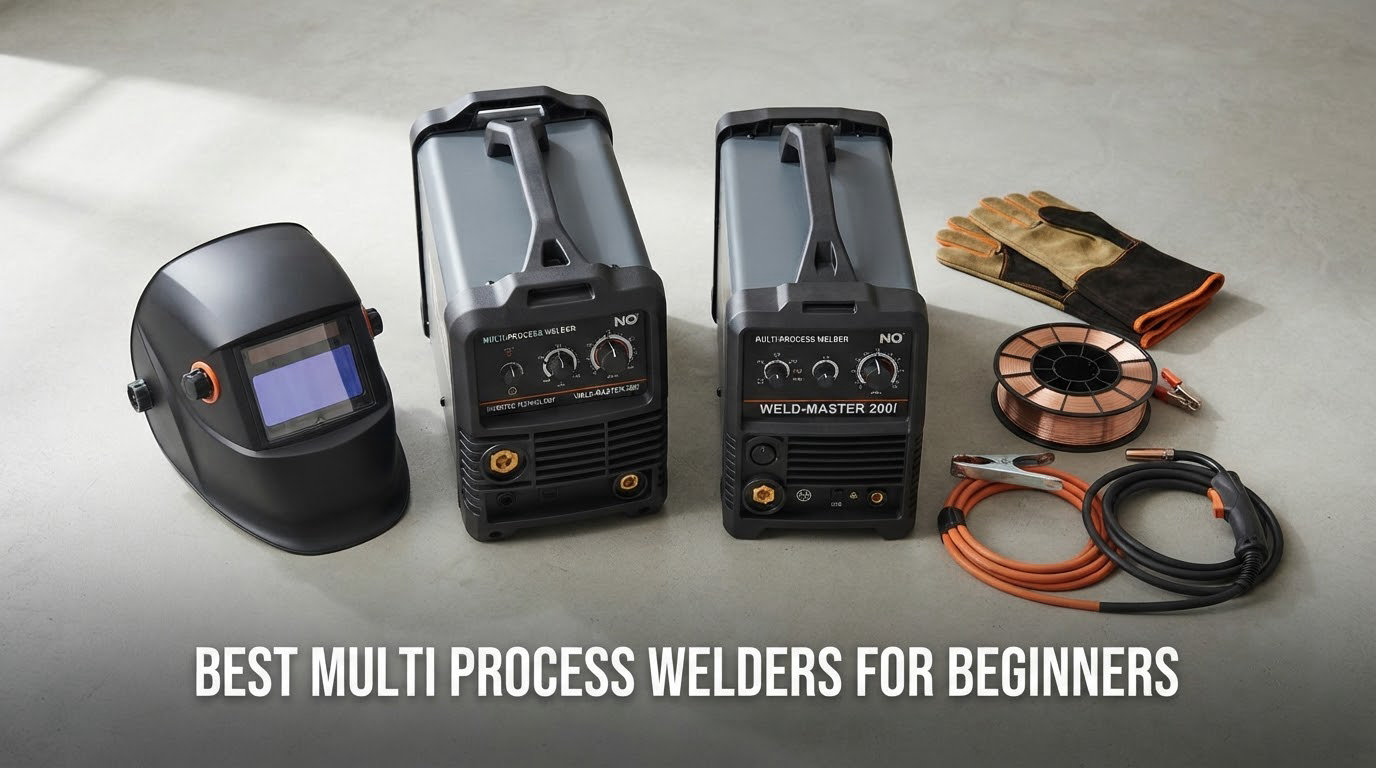
Welding used to mean buying a machine per process: a stick machine for the farm fence, a MIG for the garage, a TIG for the trailer. A multi-process welder collapses all of that into one inverter box that flips between flux core MIG, gas MIG, stick and TIG with a turn of a selector. For a beginner, that is the difference between learning one process well and shopping for a second machine six months from now.
After spending weeks putting ten of these machines through their paces in a garage, the pattern was clear. The best multi process welders for beginners are not the ones with the longest feature list. They are the ones that start without a fight: a synergic setting that pairs wire feed speed with voltage, a display you can read through a helmet, a metal drive system, and enough output for the material you actually have in the shop. Everything else on the box can wait.
This roundup covers ten multi process welders from around 80 dollars to a few hundred, and it is written for someone who has never run an arc. I have leaned on the review data for each machine, weighed the real complaints, and grouped everything by the kind of beginner each one suits. If you want a narrower read on single-process machines first, our beginner MIG welder guide covers that side, and the best welders for home use roundup is better suited to people buying strictly for the house and yard. This one is for the garage.
One thing up front: none of the machines here can do everything a dedicated shop machine can. Several are DC only, which locks out aluminum TIG. Most do not include a TIG torch, and a few do not include a spool gun even though the marketing photo implies they do. I call those gaps out in every review rather than burying them.
Top 3 Picks for Beginners in 2026
The three below are the machines I would hand to a friend who has never welded. Each one covers the three processes most beginners actually use, and each one fails in a way that is easy to live with.
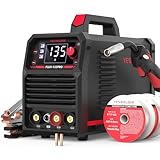
YESWELDER 135A 3-in-1
- Gasless flux core MIG
- stick and lift TIG at 135A
- 110V
- Synergic control with plus or minus 3V trim
- Large LED readout
- Weighs 11.4 lb

ARCCAPTAIN 200A 6-in-1
- Gas MIG
- flux core
- stick
- spot and lift TIG
- Spool gun ready for aluminum
- 110V and 220V at 200A
- 10 stored programs

BILT HARD 135A Kit
- Flux core MIG
- lift TIG and stick
- 2T
- 4T and spot trigger modes
- LED display with live parameters
- Includes solar welding helmet
All 10 Multi Process Welders Compared in 2026
Every machine below runs on inverter electronics, which is what lets one box behave like a constant voltage MIG machine and a constant current stick or TIG machine at the same time. The four columns that decide most purchases are the process list, the real output, the input voltage, and whether aluminum is reachable at all.
| Product | Specifications | Action |
|---|---|---|
| YESWELDER 135A 3-in-1 |
|
Check Latest Price |
 HITBOX 200A 3-in-1 HITBOX 200A 3-in-1 |
|
Check Latest Price |
| ARCCAPTAIN 200A 6-in-1 |
|
Check Latest Price |
 Forney 140 MP 3-in-1 Forney 140 MP 3-in-1 |
|
Check Latest Price |
| BILT HARD 135A Kit |
|
Check Latest Price |
 BESTMIG 135A 3-in-1 BESTMIG 135A 3-in-1 |
|
Check Latest Price |
 ANDELI 135A 4-in-1 ANDELI 135A 4-in-1 |
|
Check Latest Price |
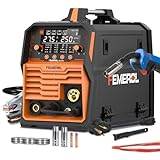 FEMEROL 250A 6-in-1 FEMEROL 250A 6-in-1 |
|
Check Latest Price |
 FEMEROL 140A 3-in-1 FEMEROL 140A 3-in-1 |
|
Check Latest Price |
 FEMEROL Plasma Combo 200A FEMEROL Plasma Combo 200A |
|
Check Latest Price |
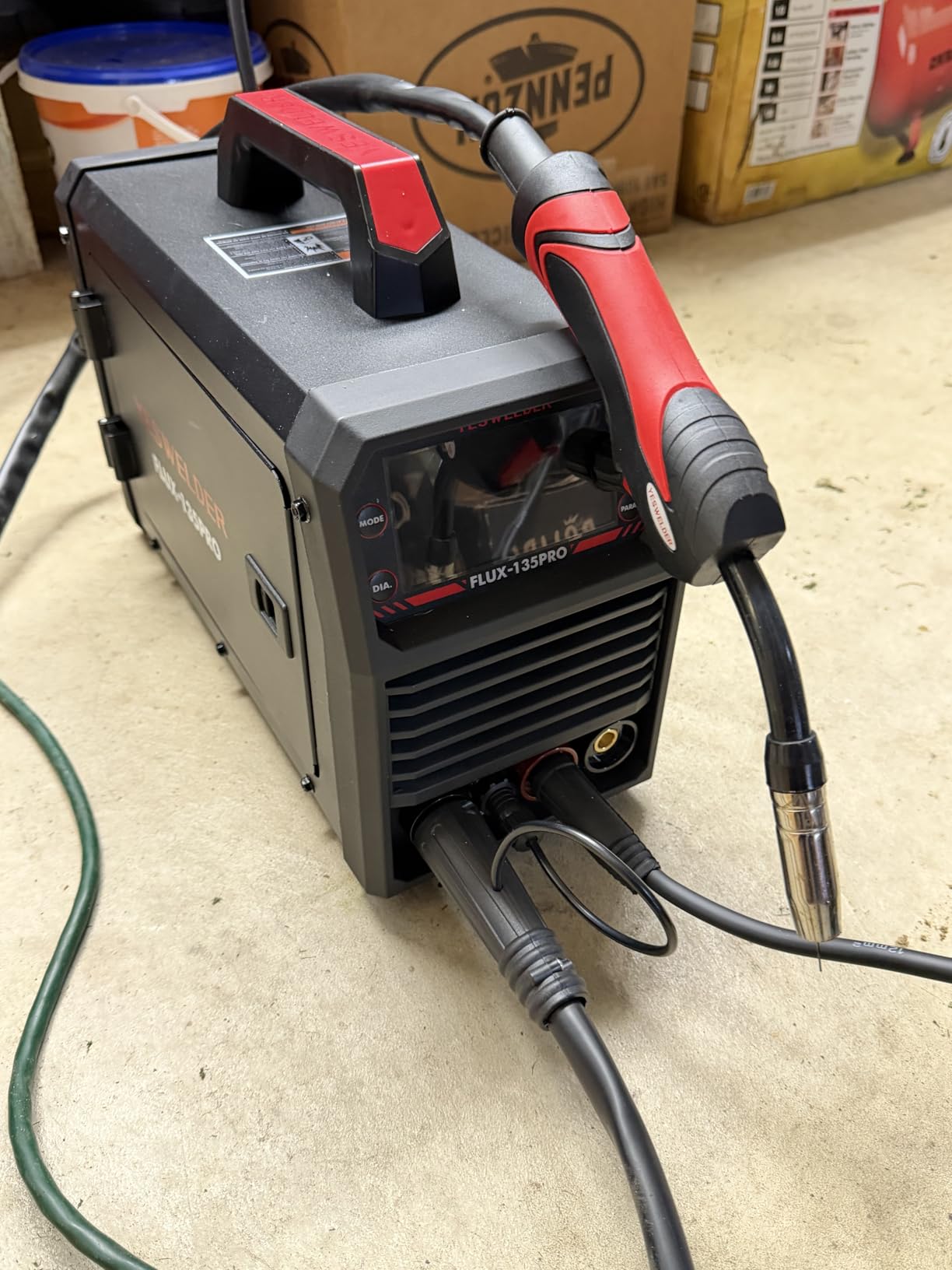
1. YESWELDER 135A 3-in-1 – the beginner machine most people end up with
YESWELDER 135A MIG Welder, 110V Flux Core Gasless MIG/Lift TIG/Stick 3-in-1
- Synergic control pairs wire feed speed and voltage automatically
- Large LED display stays readable in daylight
- Comes with wire
- torch
- electrode holder and ground clamp
- Handles thin auto body panel when voltage is trimmed
- Over-current
- over-load and over-heat protection
- DC only
- so no aluminum TIG
- DC TIG torch not in the box
- Display amperage in stick mode can read 10 to 15 amps low
This is the machine I put first in front of people who said the word welding scared them. The synergic mode does the single most useful thing a beginner welder can be handed: it watches the wire feed speed you set and matches the voltage to it. You stop thinking about two dials at once and start thinking about the joint.
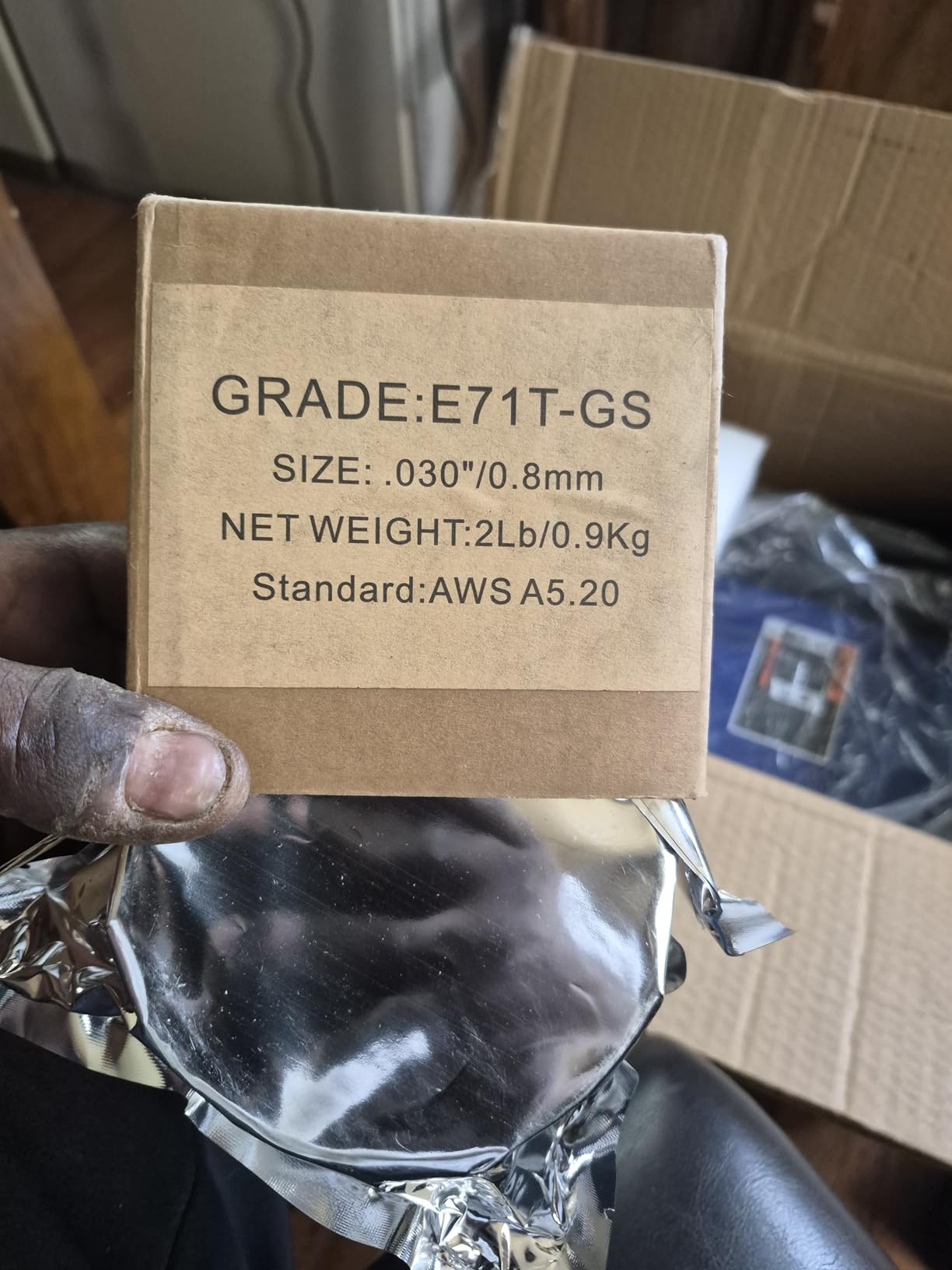
The flux core path is where it earns its place. Gasless flux core needs no bottle, no regulator and no hose, so setup on day one is unpack, install the spool, clamp the ground, pull the trigger. Reviewers consistently report better penetration and bead quality than the machine’s 135A rating suggests, and hobby shops using it for years say it handles everything from 16 gauge panel up to 3/32 inch mild steel.
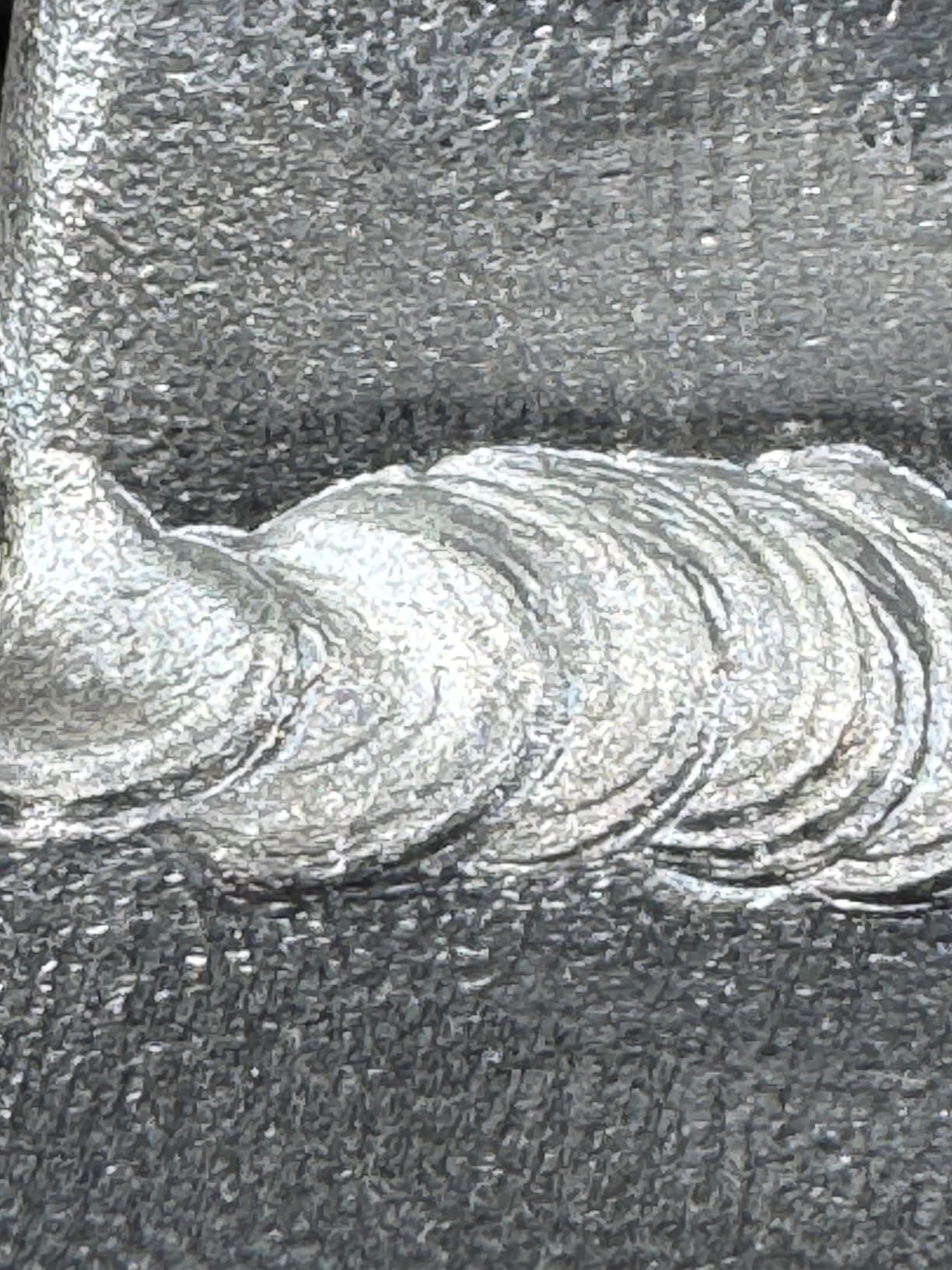
The gasless technique does take a small adjustment. Reviewers say the trick is short, overlapping spot welds rather than trying to push a long bead, and that once you get the rhythm the spatter drops a lot. The oversized LED display is a real convenience here, since gasless flux core throws more visible light than shielded gas work.
Two things to plan around. Lift TIG on this box means a DC torch you buy separately, and DC TIG cannot weld aluminum, so an aluminum trailer or boat hull project means a different machine. Stick mode is available, but reviewers report the amperage readout running optimistic by roughly 10 to 15 amps, which surprises first-time users who set 30 and get closer to 20.
Is this the right first welder for thin car panel and yard work?
Yes, for sheet metal and outdoor jobs, that is exactly what it does best. Users weld hoods, patch panels and thin brackets with it and trim the voltage to stop burn-through, and flux core works in wind where gas MIG would be blown away. If your projects are 16 gauge and lighter, this is the machine.
What will frustrate you about it?
Stick capability is weak enough that a beginner may assume they are doing something wrong, and the cheap consumables the brand includes are the first thing most owners replace. With over 2900 reviews behind it, the pattern is settled: the machine holds up, the accessories do not.
2. HITBOX 200A 3-in-1 – dual voltage in a package you can actually carry
HITBOX 200A MIG Welder, 110V/220V Flux Core MIG/Lift TIG/Stick 3-in-1
- Dual voltage lets you start on a kitchen circuit and move to 220V later
- Very light at roughly 8.6 lb
- Clean low-spatter flux core beads
- Quiet inverter operation
- Comes with torch
- clamp
- holder
- wire and contact tips
- Gasless flux core only
- no gas MIG or aluminum
- Actual output runs 20 to 30 percent below the dial
- Weak on stick with 6010
- 6011 and 1/8 inch 7018
- Soft ground clamp
Dual voltage is the headline here, and for a beginner it is more valuable than it first appears. Most houses have a 20A circuit in the garage, and plenty of apartments have only that. This machine will run on 110V now and step up to 220V when you install a proper outlet and start welding heavier plate.
On gasless flux core it produces genuinely clean beads for a machine in this class, with less spatter than most budget three-in-ones. Reviewers put it to work on auto body, mower decks and fence panels, and the 4.0mm mild steel capability covers most of what a first-time welder owns.
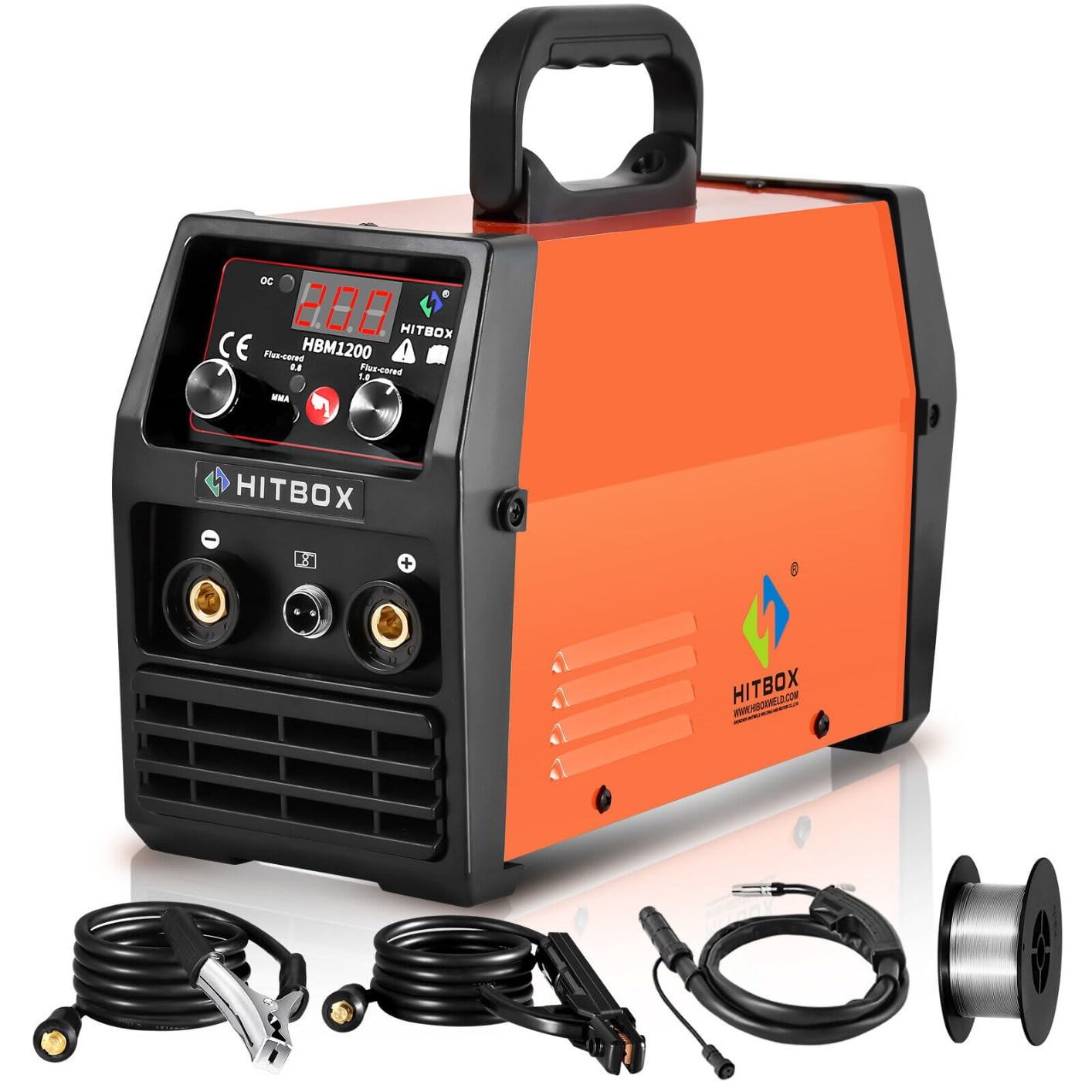
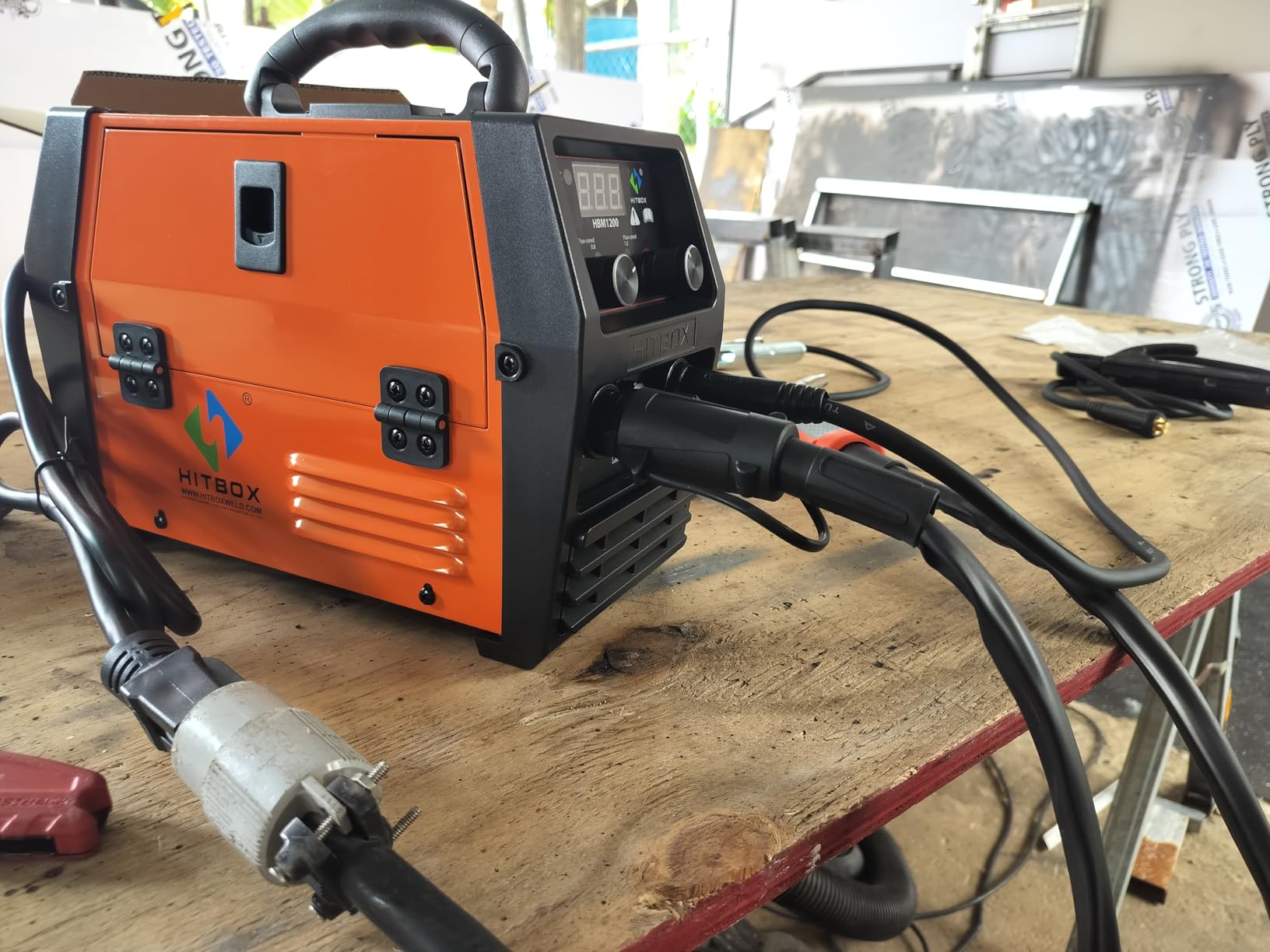
At roughly 8.8 lb this is one of the easiest machines here to move between the garage and a yard project. The inverter is quiet, and reviewers like that the box runs without the fan screaming constantly.
The caveat is stick mode. Users report trouble maintaining an arc with 6010 and 6011 electrodes and with 1/8 inch 7018, and there is no hot start to rescue a cold strike. The ground clamp is also the weak link, and a soft clamp on a dirty ground lead is the most common cause of a wandering arc in budget machines.
Does it weld aluminum?
No. This is gasless flux core, stick and lift TIG only, so aluminum is out on every path. The wire spool is also limited to 2 pounds, which means more frequent changes than a 10 pound spool. If aluminum is on your list, skip to the spool gun ready machines.
Is the output rating real?
Budget for a shortfall. Reviewers report actual amperage running 20 to 30 percent under what the dial reads, and they get comfortable only after calibrating with a clamp meter. For thin and medium gauge work that gap rarely matters. For anything structural, plan on a bigger machine.
3. ARCCAPTAIN 200A 6-in-1 – the most process coverage in this group
ARCCAPTAIN 200A MIG Welder 110V 220V 6 in 1 Aluminum Welding Machine MIG200
- Most process coverage in the roundup
- including gas MIG and aluminum wire
- Switch from synergic to full manual control
- Stores 10 parameter sets for repeat jobs
- Fan only runs on demand so it is quiet when idle
- Two year warranty and responsive support
- None of the included drive rolls is grooved for .035 wire
- Power lead is thin and runs warm
- Comes wired for 110V with an adapter rather than a 220V cord
- Wire feed speed shown in meters per second
This is the pick I recommend when a beginner might outgrow a small machine in a year. It is the only machine here that runs gas MIG, gasless flux core, stick, spot welding and lift TIG, and it is spool gun ready for aluminum, which means an aluminum gate or mailbox is possible without a second purchase.
The control design is the reason experienced users like it too. Synergic mode gets you a usable baseline instantly, and a manual override lets you push past it when you learn what the numbers do. Ten memory slots mean you set up once for a bracket job and recall it the next time, which is a bigger quality-of-life win than it sounds.
Users coming from small entry machines call the step up in build and control obvious. The metal case feels solid rather than tinny, and the large LED screen is readable through a welding helmet, which removes the guesswork of stepping back to check a setting mid-bead.
There are two real fix-on issues. None of the drive rolls that come in the box is grooved for .035 inch wire, so if you plan to run that size, buy a roller. And the power lead is thin enough to run warm under sustained load, so on 220V work with a long session, use a proper heavy cord.
Is it beginner friendly or a toy with extra buttons?
Beginner friendly, and it grows with you. The catch is the learning curve on the manual side, which is a good problem to have. The 110V to 220V adapter is worth replacing with a real 220V cord once you commit, and the wire feed speed readout in meters per second takes a minute to get used to.
How far can it push material?
Owners upgrading from entry machines put it to work on 1/8 inch to 3/16 inch steel routinely. It accepts solid wire in .023, .030 and .035, flux core in .030 and .035, and aluminum in .035 and .040 with a teflon liner or a spool gun. That covers a home shop’s realistic range.
4. Forney 140 MP 3-in-1 – the only established brand name in the group
- Recognized brand with a metal wire drive system
- All metal case built for daily use
- Generator friendly design for farm and yard work
- Handles 3/32 inch electrodes and runs 6013 and 7018 cleanly
- Replacement parts available from the brand store
- Wire feed too slow to lay more than 16 gauge with .023 wire
- 120V only with no 220V option
- Needs a dedicated 25 to 30A breaker
- TIG torch not included
Buying from a brand with a service network and a parts catalog is underrated. The Forney is the only machine here from a manufacturer you can call when something breaks, and that single fact changes how the machine feels to own compared with a no-name box.
Experienced fabricators who have run Miller, Lincoln and Hobart units rate this as a genuinely capable home shop machine rather than a toy. It runs 6013 and 7018 electrodes cleanly, handles 3/32 inch rod, and multiple first-time users report cleaning up a garage full of scrap in a single weekend. Gas MIG and flux core both work without tripping a 15A circuit.
It is also generator friendly, which matters if you weld gates or repairs out where there is no wall outlet. The all-metal case is built for daily use rather than occasional duty, and the 3-position process switch is simple enough to explain to someone who has never seen a welder.
The consistent limitation is wire feed speed. Reviewers say it cannot lay more than 16 gauge material with .023 wire, which caps how heavy a gas MIG job you can put on it. It is also 120V only, so there is no path to heavier plate later without new wiring.
What amps do you need to run it properly?
Give it a dedicated 25 to 30A breaker. On a shared household circuit reviewers report anemic and erratic voltage with .030 or .8mm wire, and the fix is not a bigger machine, it is a circuit of its own. The amperage control is also an ABCD scale, so check the chart inside the door for true numbers.
Can a beginner get results on day one?
Yes. The simple start feature and infinite adjustment do most of the work, and first-time owners consistently report clean results. The one add-on to budget for is a TIG torch, because DC TIG is available but the torch is not in the box.
5. BILT HARD 135A 3-in-1 – the most complete first-day package
- Full kit with solar helmet
- wire
- gun and ground clamp
- LED screen on a machine at this level is unusual
- Synergic baseline makes first beads achievable
- Compact enough to carry around the house or yard
- Clear instructions and well packed
- Spindle is too short to hold a 2 lb spool with the supplied wingnut
- Default settings run too hot with wire speed too fast
- Helmet darkness knob shifts mid-weld
- Duty cycle is limited on long jobs
Most first welders underestimate how much of the first purchase is not the welder. You need a helmet, gloves, wire, a ground clamp and somewhere safe to run an arc. This package covers the list, and the solar helmet alone would be a separate purchase for most beginners.
The machine also has a screen, which is not typical at this level. It shows live voltage, current and wire feed speed, and the trigger modes cover 2T, 4T and spot, so you can try spot welding for tab work and cleanup without any setup. Error codes for overcurrent and overheat bring a cooldown fan cycle rather than just shutting off.
Buyers are consistently surprised by the build and feature level. The synergic system gives a usable baseline, and then you trim from there, which is the correct order of operations for a first arc.
Two assembly notes before you start. Some units arrive with the spindle too short to hold a 2 lb spool using the supplied wingnut, and the default wire speed runs fast enough to blow through thin material until you slow it down. The helmet shade knob is also loose enough to shift mid-weld, which is a genuine eye safety issue worth fixing with a strip of tape.
Is the included safety gear good enough to learn on?
Good enough to learn with, not good enough to keep. Reviewers like the helmet and the fit of the gloves, but the darkness knob, the brush and the chipping hammer are all thin. Expect to replace the helmet within a year and the hand tools immediately.
What can it realistically weld?
135A on 110V puts it in 16 gauge to 1/8 inch mild steel territory with gasless flux core, which covers patch panels, brackets and light structural work. Duty cycle is the limit on bigger jobs, so treat long cuts as something to plan around rather than power through.
6. BESTMIG 135A 3-in-1 – clean controls and a helmet that converts to goggles
- Clear
- easy to read control panel with adjustable settings
- True 135A output handles up to 1/8 inch material
- Works with .030 to .040 flux core wire on steel and stainless
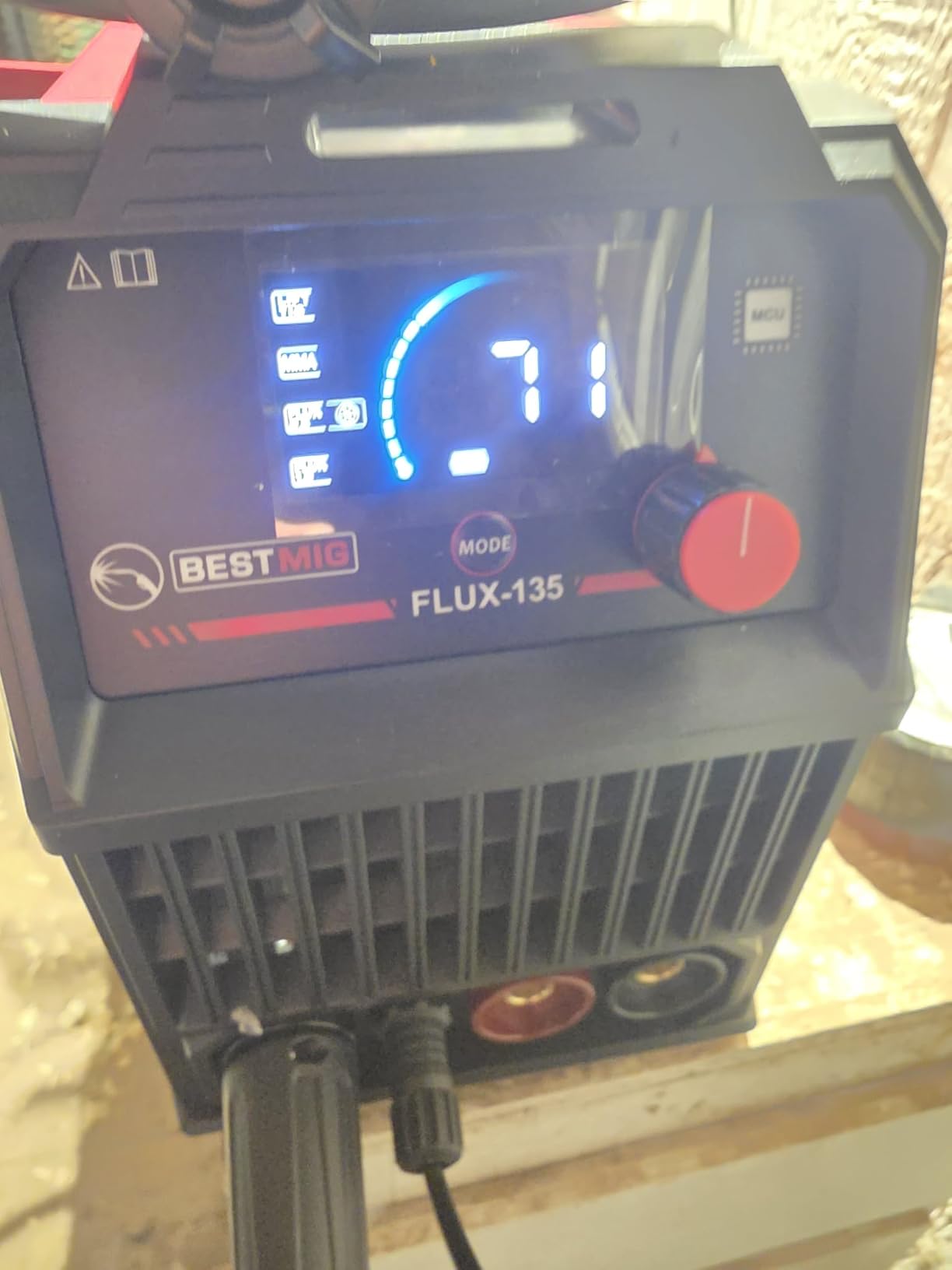
- Full color LED display shows parameters live
- Helmet converts to goggles and gloves fit well
- Accessories and flux core cable sometimes missing from the box
- MIG mode did not work on one unit while stick mode worked
- No TIG torch included
- Service on missing items was slow
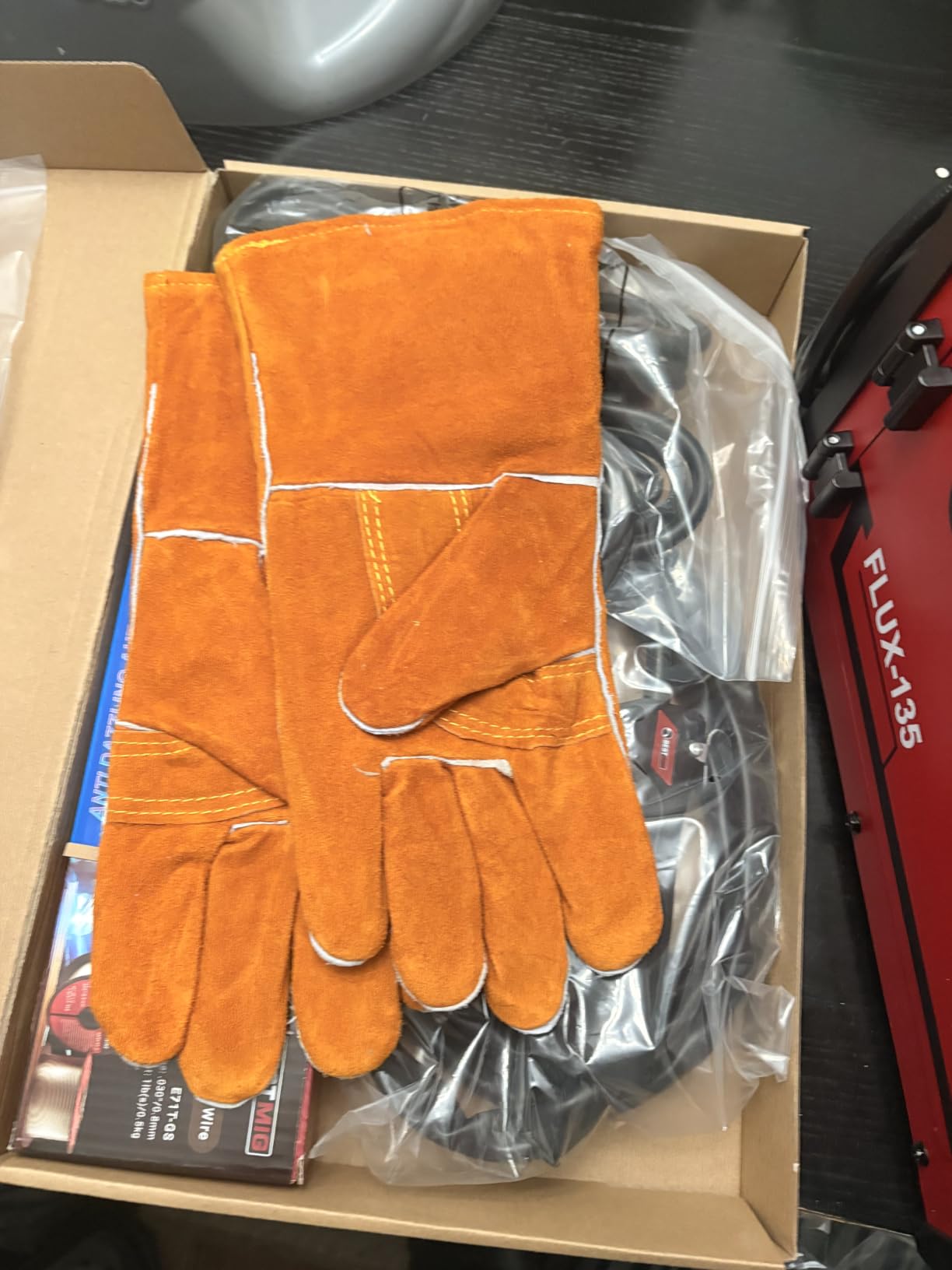
This is a good pick for someone who wants a full kit with a nicer helmet than the budget bundles offer. The included auto-darkening helmet flips to goggles for grinding, and reviewers consistently comment that the gloves fit properly, which is rare at this level.
Welding performance is unremarkable in the best way. The integrated wire feed technology auto-adjusts voltage and feed speed to reduce spatter, and true 135A output handles 1/8 inch material. Reviewers describe it as easy to set up and capable on stainless and carbon steel with .030 to .040 wire.
The negative reviews here are almost entirely order fulfilment, not welding. Missing torch, missing cable, missing helmet, and a torch-to-machine connector mismatch on one unit. If you receive a complete box, the machine itself rarely generates complaints.
So check the box on arrival. Count the torch, the electrode holder, the ground clamp, the wire brush, the wire spool, the gloves and the helmet before you power it up, because a missing connector on day one is a return, not a weld.
Is it worth buying over a bare machine?
If you were going to buy a helmet and gloves anyway, yes. The bundled helmet and gloves are the value here, and reviewers say both are usable. If you already own proper gear, spend the difference on a machine with gas MIG and dual voltage instead.
What are the limits for a first project?
It is a 110V gasless machine, so no shielding gas, no aluminum MIG and no aluminum TIG. Lift TIG is available but the torch is sold separately. Thin and medium gauge mild steel and stainless are the sweet spot.
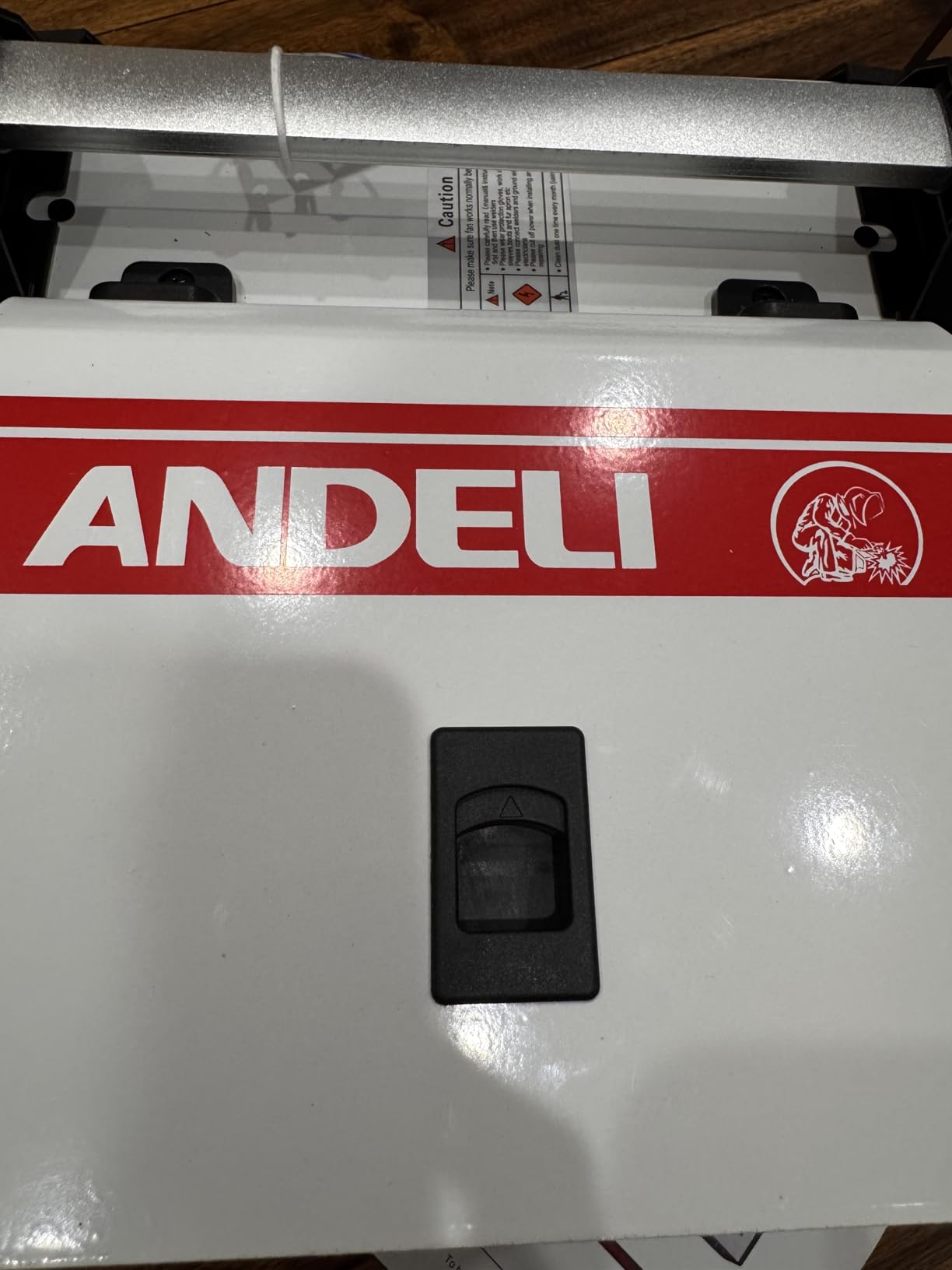
7. ANDELI 135A 4-in-1 – pulse control and dual voltage at a light weight
ANDELI 110V/220V MIG Welder 135A ,PULSE Flux Core/Lift TIG/Stick 4-in-1
- Pulse mode gives finer
- more uniform beads than plain gasless
- Dual voltage for home outlets now and 220V later
- Only 9.04 lb unit here that is also dual voltage
- Adjustable inductance and hot start for real tuning
- Detachable cables are easy to replace
- Bundled welding helmet is poor quality
- Accepts 2 lb wire spools only
- Ships with a .030/.035 roller so .040 needs a separate roller
- A few machines have arrived without pulse mode despite the product imagery.
The pulse flux core mode is the feature that sets this machine apart from the other 135A units. Pulse output delivers a drop of current between pulses that lets the puddle cool, which means less distortion on thin material and a bead that holds its shape better. Reviewers who have used both pulsed and plain gasless on the same job notice the difference immediately.
Combined with adjustable inductance, you get more real tuning control than most machines at this level. Inductance slows the wire down at the start of a stitch, which is exactly what cuts spatter on short welds and on sheet metal.
Dual voltage at 9.04 lb is unusual. You can start on a 110V outlet tonight and move to 220V when you install a proper receptacle, without replacing the machine. The 4.1 inch LED display has a clear protective cover, and detachable cables mean a damaged torch lead is a cheap fix rather than a machine swap.
The bundled helmet is the near-universal complaint, and many owners replace it on day one. It also takes only 2 lb spools. Confirm pulse mode is present on your specific unit, because a few have arrived without it despite the product imagery.
Is pulse worth paying attention to as a beginner?
Once you are past the first week, yes. Pulse makes thin-gauge work and short stitch welds much more forgiving, and it is the closest thing to a hidden feature on a budget machine. On day one you will mostly use the synergic baseline, and that works fine.
What can it handle that the other 135A units cannot?
Material up to 5.0mm, or 3/16 inch, which is thicker than the 1/8 inch ceiling on several competitors here. Wire in .030, .035 and .040, with .040 needing an extra roller. The confusing part is that wire feed speed displays in amps in synergic mode, which trips up US users until they get used to it.
8. FEMEROL 250A 6-in-1 – real measured output for heavier plate
- Output verified around 230 to 245A against a 250A rating
- Handled 1/2 inch mild steel in multiple passes and .035 aluminum with a teflon liner
- Spot mode welds 24 gauge without burn-through
- Cables run roughly 9.5 ft each
- Spool gun capable and two year guarantee
- Cooling fan is loud and runs continuously
- Comes with a 120V plug and undersized cord
- Supplied gas line and fittings are poor quality
- Arc is soft compared with name brand machines
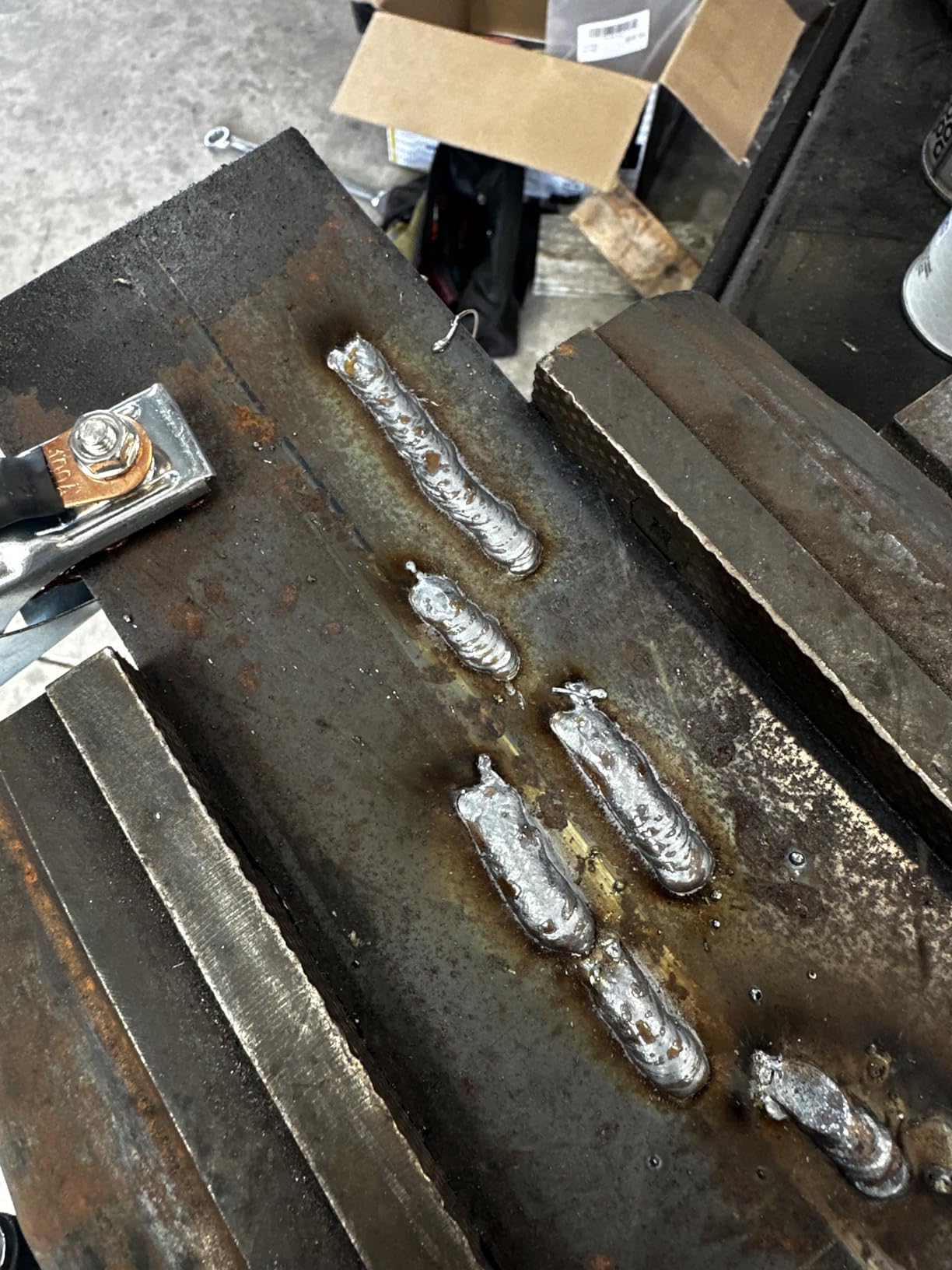
This is the one to buy if you already know you are going to weld thick material. A retired multi-process fabricator, among the most experienced reviewers in the set, measured real output near 230 to 245A against the 250A nameplate, which is rare in this category. Most budget machines fall well short of their rating.
That capacity is real work, not marketing. The same reviewer welded 1/2 inch mild steel in multiple passes and ran .035 inch aluminum through a teflon liner without birdnesting. Spot mode holds 24 gauge sheet without burning through, which is useful for exhaust and HVAC work.
It handles .023 to .045 inch wire depending on material, takes a spool gun for aluminum, and the 60 percent duty cycle rating means you can hold a long session without tripping thermal protection. Cables at roughly 9.5 feet each mean less stretching to reach a workbench.
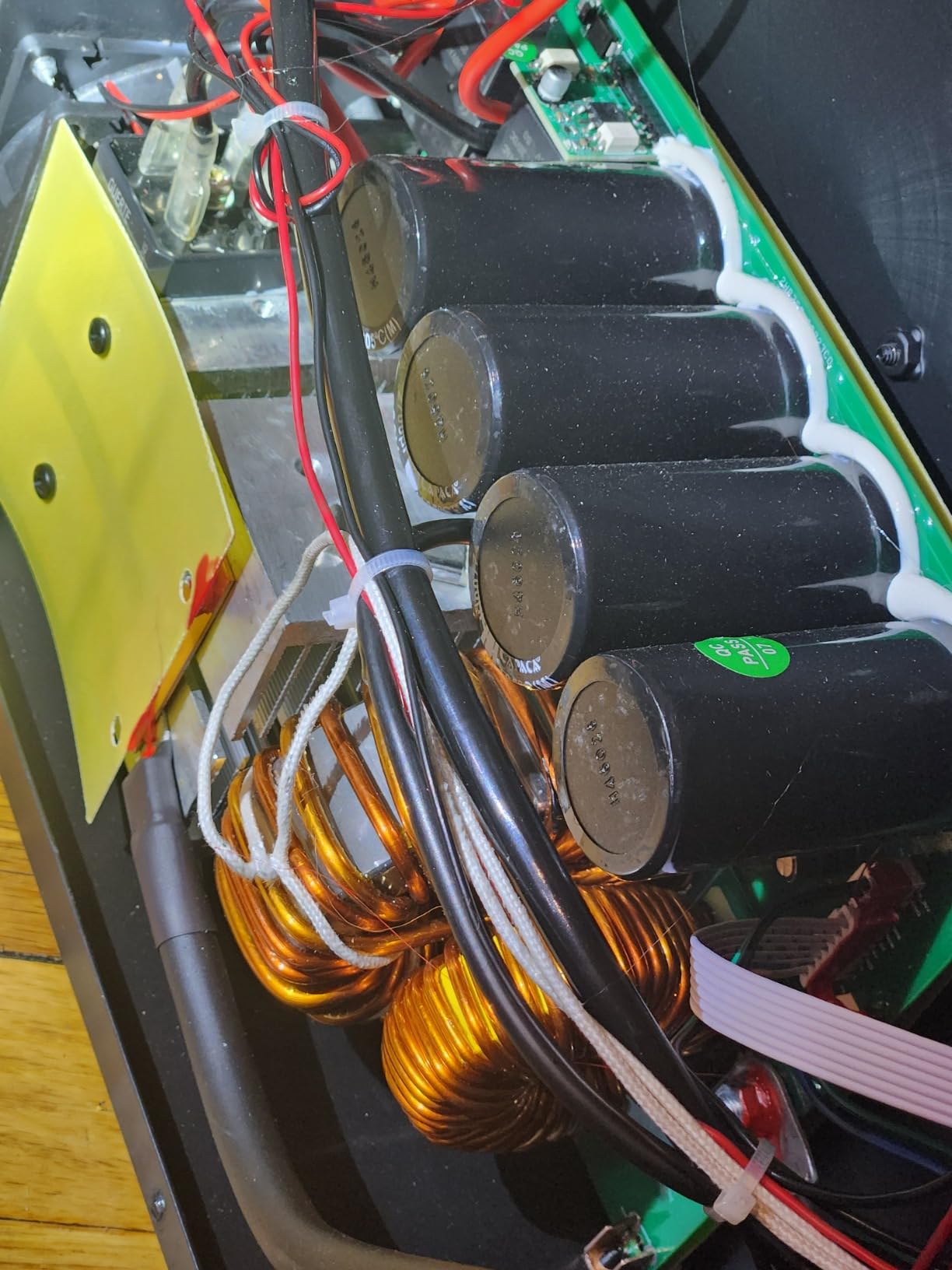
The honest drawback is the arc character. Reviewers describe it as soft rather than crisp compared with name brand machines, and several experienced welders recommend it as a backup machine rather than a first one. The cooling fan also runs loudly and continuously, and the supplied gas hardware is the weak point.
Is it beginner appropriate if I only plan light work?
It will handle light work, but at 32.6 lb and with a loud fan running constantly, it is more machine than a first-time welder needs. For sheet metal and hobby brackets the smaller units are easier to learn on. This one earns its size when the work gets structural.
Do I need a spool gun for aluminum?
Not strictly. A teflon liner lets you push .035 and .040 aluminum through the standard torch, and reviewers confirm it works without birdnesting. A spool gun helps once you run 1/16 inch aluminum wire or do long beads, because the push feeder shares the drive rollers instead of fighting them.
9. FEMEROL 140A 3-in-1 – the lightest 140A machine for moving around the house
FEMEROL 140A 3 in 1 MIG Welder,Flux Core, MIG/Lift TIG/Stick Welding Machine 110V Portable IGBT Inverter Synergic Control, LED Display with Welding Helmets
- Very light at 8.9 lb while still delivering 140A
- Simple setup that beginners pick up quickly
- LED display readable without removing the helmet
- Complete kit with clamp
- holder
- torch
- wire and helmet
- Accepts E6011
- E6013 and E7018 electrodes
- Stick mode on 110V is very difficult to strike
- Supplied flux core wire is poor
- Included helmet is thin on protection
- Limited to 1/8 inch material thickness
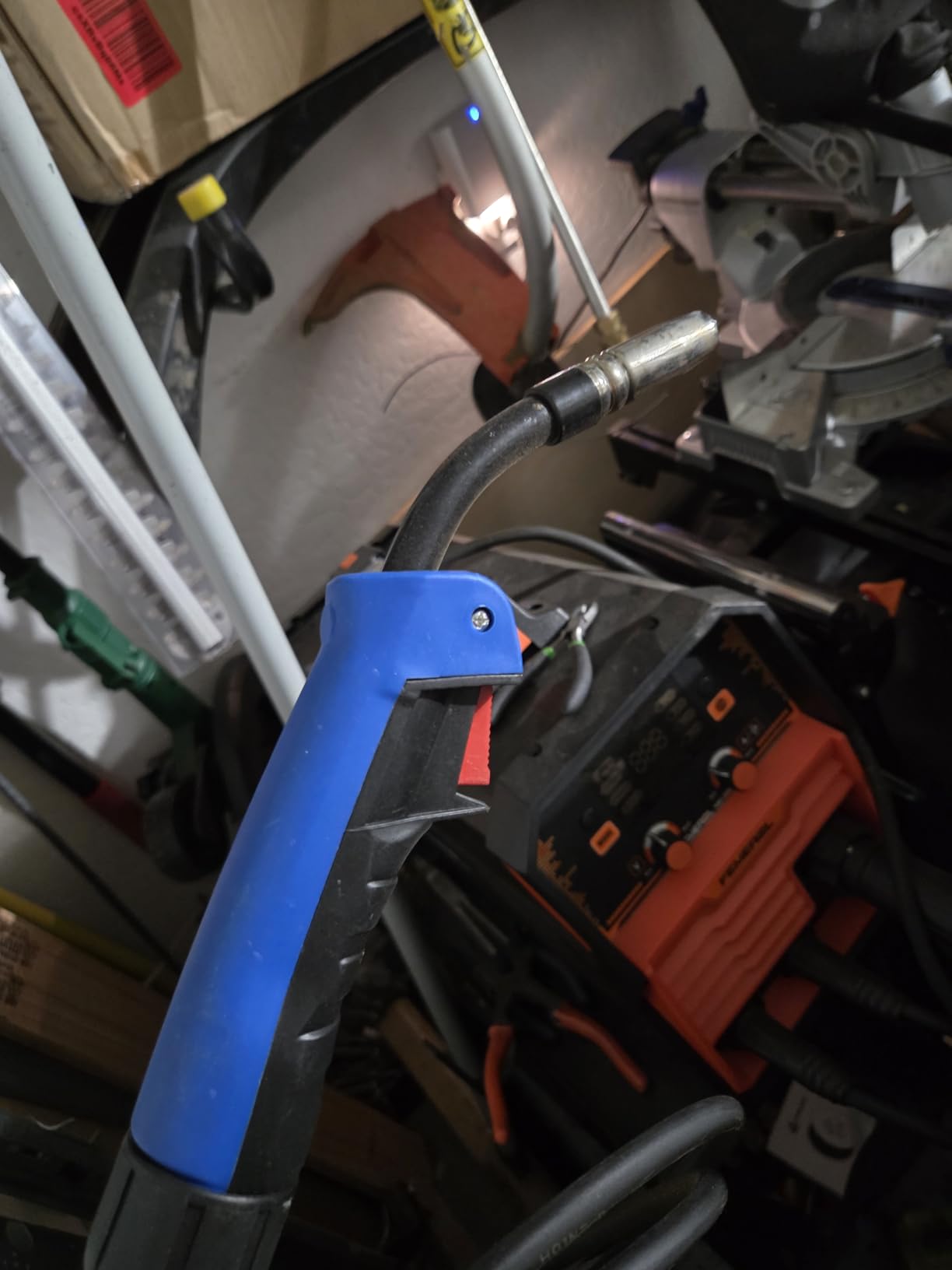
At 8.9 lb this is the machine for a welder who does not have a workshop. The shoulder strap and handle make it easy to take to a fence line, a tractor deck or a project in the back of a truck, and reviewers report real work on go-karts, mower decks and steel profiles.
The controls are simple enough that a first-timer gets a usable bead quickly. The LED display shows voltage and current and, per reviewers, is readable without lifting the helmet, which removes the most common beginner annoyance of stepping back mid-bead.
Stick mode is the weak spot, and it is the process beginners usually try second. On 110V, users report real difficulty striking an arc. If your projects are MIG and gasless flux core, that matters little. If you plan to weld outdoors in wind where gas MIG is not an option, this is a problem.
Buy better wire. Multiple reviewers replaced the supplied flux core spool immediately and reported better results, which points at the wire rather than the machine. The bundled helmet is also thin on protection and worth replacing before you do serious arc time.
Will it handle outdoor and mobile projects?
Yes for gasless flux core, which is the whole point of the process. There is no gas bottle to drag around, and the weight is not a problem. A long extension cord is, though, because users report flickering household lights when running it that way, so use a heavy-gauge cord run close to the outlet.
What should I add before the first weld?
A better flux core spool, a real auto-darkening helmet, and a proper ground clamp. Add those three and the machine does its job on 16 gauge through 1/8 inch mild steel, which is the practical ceiling for a 140A unit on 110V.
10. FEMEROL Plasma Combo 200A – the only machine here that cuts metal too
- Only machine in the group that adds a plasma cutter
- Stick mode lays good beads even on 110V
- Users report long aluminum MIG sessions without strain
- Metal wire feed assembly
- Includes plasma torch
- TIG torch
- air regulator and teflon liner
- Plasma arc start is very hard to initiate
- Plasma cutting performance is the weakest part
- Knobs jump between scales instead of adjusting smoothly
- MIG is choppy and gas MIG splatters
A plasma cutter changes what you can build. Instead of grinding through plate to make a shape, you cut it, which turns a 2×4 frame or a steel table top from a project into an afternoon. This is the only machine here with a built-in cutter, and it runs on compressed air from any shop compressor.
It also has high frequency start TIG, which initiates the arc without touching the tungsten, and it comes with the plasma torch, TIG torch, air filter regulator, teflon liner and a 110V to 220V adapter in the box. That is a lot of included hardware for the money.
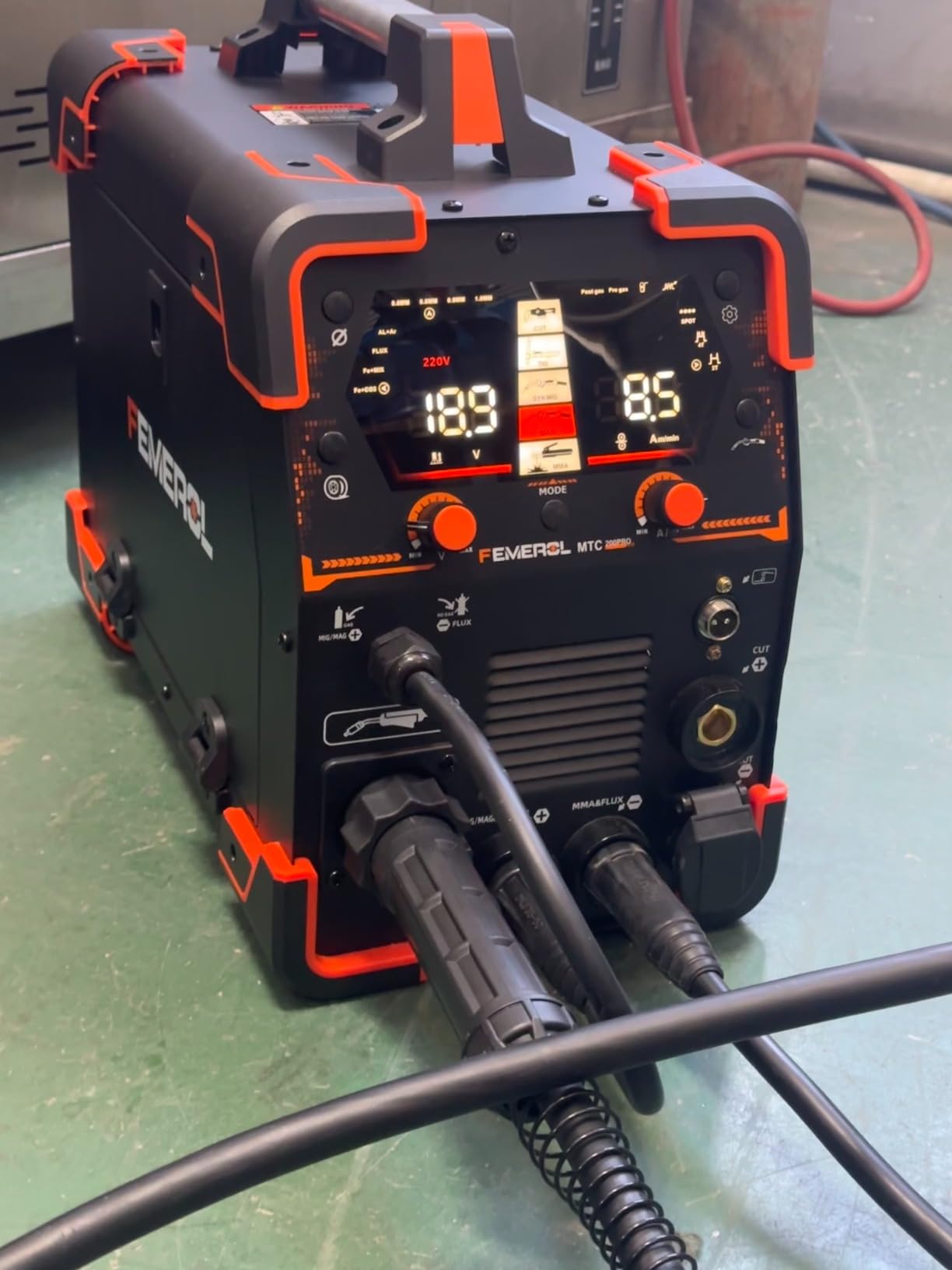
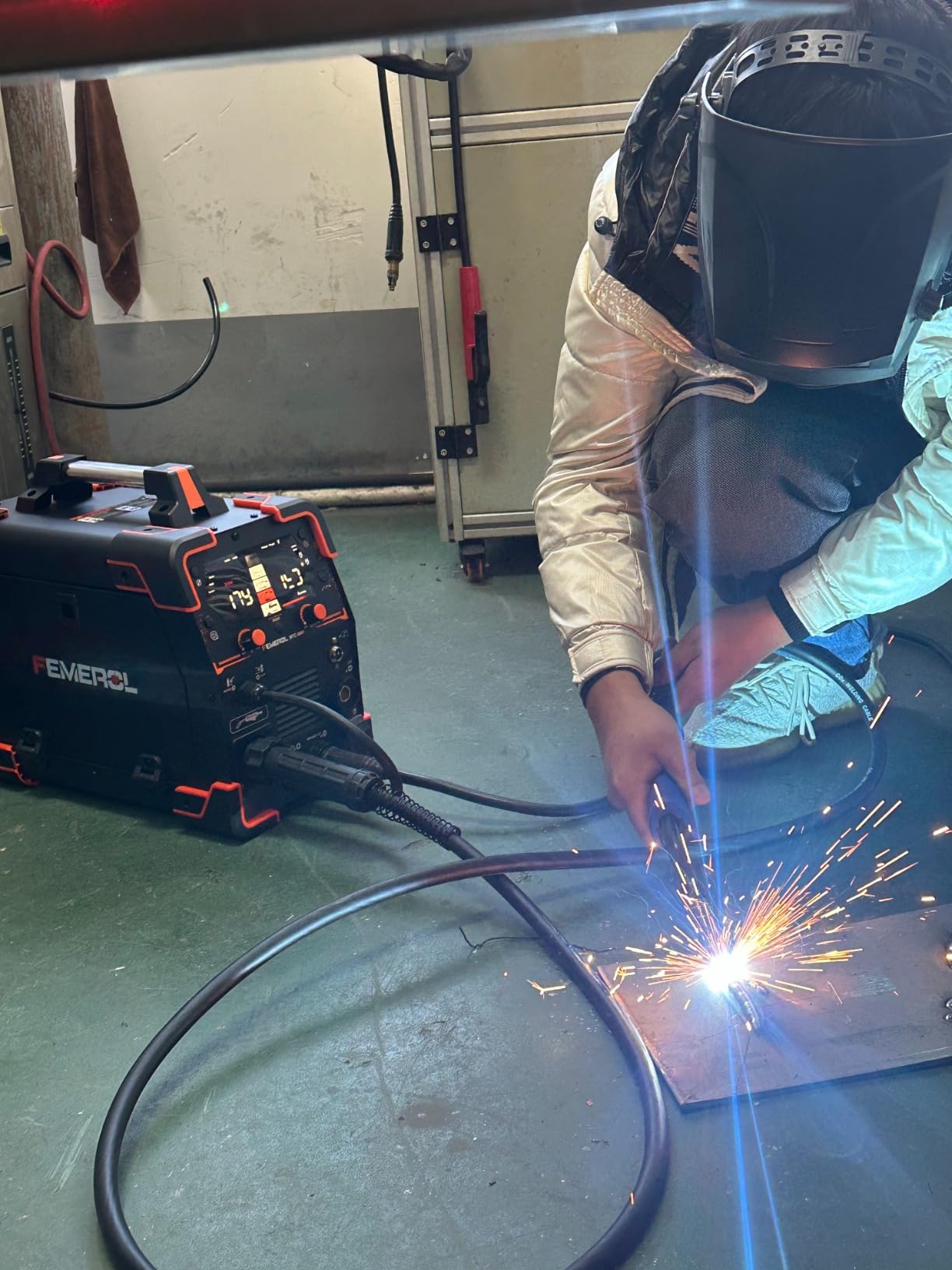
Stick mode performs better here than on most machines at this level, laying good beads even on 110V, and users report extended aluminum MIG work without the machine struggling. The 200A output runs on both voltages, so it fits a home shop and a small fabrication space.
The controls are the real problem. Reviewers report the voltage and amperage knobs jumping between scales rather than adjusting smoothly, so a setting that produced a good weld will not repeat itself. That is the single most frustrating flaw in a welder, because it turns every joint into a fresh experiment.
Is the plasma cutter good enough to be worth it?
It cuts stainless, alloy steel, mild steel, copper and aluminum, with a 10mm ideal clean cut and 16mm maximum severance at 60 percent duty cycle on 220V. In practice reviewers rate the cutting as the weakest part, with one owner struggling on 18 gauge, and the arc start requires touching the tip to the work.
Who should skip this one?
Anyone whose main need is repeatable MIG. It also carries the lowest rating and the smallest review base in this roundup, with 10 percent one-star feedback concentrated on the cutter and the controls. The gas fittings also need a brass adapter to connect to a standard tank.
Which Welding Process Should You Learn First?
Learn MIG first, and most people mean gasless flux core MIG if they are starting on a small machine. It gives you the fastest arc to build coordination, the widest material range and the shortest path to a result you can look at and be happy with. Stick is second because it teaches heat control and works anywhere without gas, and TIG is third because it is the slowest to get good at and the most sensitive to setup. If you would rather start with a single-process machine, our beginner MIG welder guide covers the MIG-only options in more detail.
Here is the reasoning. MIG feeds the filler metal to the joint continuously, so the arc does the work of joining and the wire does the work of filling. Nothing about that is intuitive on day one, but it recovers from mistakes faster than any other process, and a beginner welds ten mediocre MIG beads in the time it takes to get one clean TIG bead.
Stick comes next for a practical reason: no gas, no wire spool, and the electrode itself is the filler. Once you can run a stick bead, you can fix a trailer, a gate or anything outdoors in wind. The trade is bead appearance and spatter, neither of which matters on a repair.
TIG is the one to wait on. It is the process fabricators and automotive work needs eventually, but it has no filler feed, so you move the rod by hand while coordinating both hands with the torch. The most common beginner TIG mistake is not technique, it is tungsten contamination from touching the rod to the puddle, and that frustration is a poor way to spend your first month.
If your project is aluminum, that rule bends. Aluminum TIG requires AC current, and none of the machines here delivers it, so an aluminum project is the one case where buying a dedicated AC TIG machine first beats stretching a DC multi-process box.
How to Choose a Multi Process Welder
Output is where beginners get burned, so start there and work down. Amps are not the same as what you can weld, because a machine that says 200A often delivers 20 to 30 percent less, and duty cycle tells you how long it can hold that output before it needs to cool.
Here is the practical cheat sheet. For 16 gauge mild steel, roughly 90 to 110 amps is the working range. For 1/8 inch mild steel, about 130 to 150 amps. For 1/4 inch mild steel, plan on 200 amps or more, which means a 220V machine, and expect to run multiple passes. Those numbers apply to gasless flux core, which burns hotter and needs more amperage than the same thickness on gas MIG. If your buying decision is really about garage and yard work rather than shop work, our best welders for home use roundup narrows the field from a different angle.
Next, decide between 110V and 220V. A 110V machine plugs into a standard 20A household circuit, which is the reason most beginners start there. A dual voltage machine starts on 110V and moves to 220V when you add a receptacle. A 220V-only machine needs an electrician and a 50A branch circuit, so it is a second purchase, not a first one.
Then check the TIG path carefully, because this is where marketing is least honest. Multi-process TIG is almost always DC lift TIG: you touch the tungsten to the work to start the arc. That is fine for steel, stainless and copper, and useless for aluminum, which needs AC. Several machines here also sell the TIG torch separately, so the TIG mode on the panel is not the same as TIG capability out of the box.
Aluminum is the other place to look closely. Most of these machines can push .035 and .040 aluminum wire with a teflon liner, but a push feeder feeding aluminum on a standard spool is a common source of birdnesting, where wire piles up and jams. A spool gun fixes it, and only two machines here are spool gun ready without buying the gun separately.
Duty cycle is the number people ignore. A 60 percent rating at 250A means you can weld 6 minutes and cool 4. A 30 percent rating means 3 and 7. For a weekend hobbyist either is fine. For production work it is the difference between a machine that keeps going and one that stops on you mid-bead, which is also when thermal protection starts throwing error codes.
Finally, weight and build matter more than feature counts. A 32.6 lb machine with a loud fan running constantly is harder to learn on than a 9 lb one, and a machine with a metal wire feed and a metal case will outlast a plastic-bodied unit. Check that the brand publishes a parts list and answers support email, because the number one repair on budget welders is a drive roller or a contact tip, and both are cheap when you can order them.
Mistakes First-Time Buyers Make
Buying the accessories as an afterthought is the most expensive error. A TIG torch, spool gun, foot pedal, shielding gas bottle, regulator and flowmeter are all sold separately, and gas MIG without a bottle is a dead process. Add a proper auto-darkening helmet rather than relying on a bundled one, and count the cost of those items against the machine.
Second, underestimating the ground connection. A poor clamp on a dirty or painted surface is the number one cause of a wandering arc, and it looks exactly like a machine fault. Clean the steel to bare metal, clamp it there, and replace the thin supplied clamp if it flexes.
Third, ignoring the circuit. A 20A machine on a shared kitchen circuit will flicker lights and deliver erratic voltage, which teaches a beginner that they cannot weld when the real problem is the wiring. A dedicated 25 to 30A breaker fixes it for far less than replacing a machine.
Fourth, setting polarity from memory instead of reading the wire spool. Flux core is almost always DC positive in the torch, gas MIG is usually DC negative, and aluminum MIG with a spool gun needs DC positive. Getting this backwards is the classic cause of a sputtering, no-stick mess on a perfectly good machine.
Fifth, not checking the box before the return window closes. Missing torches, cables and adapters show up repeatedly in reviews for these machines, and they are a return, not a repair. Count the parts against the included components list on the day it arrives.
Safety and First-Strike Setup
Before the first arc, set up the space. Weld outdoors or open a garage door fully, because the fume from galvanized, painted or plated steel is the real hazard in home welding, and a fan pointed at your face or slightly to the side beats a respirator.
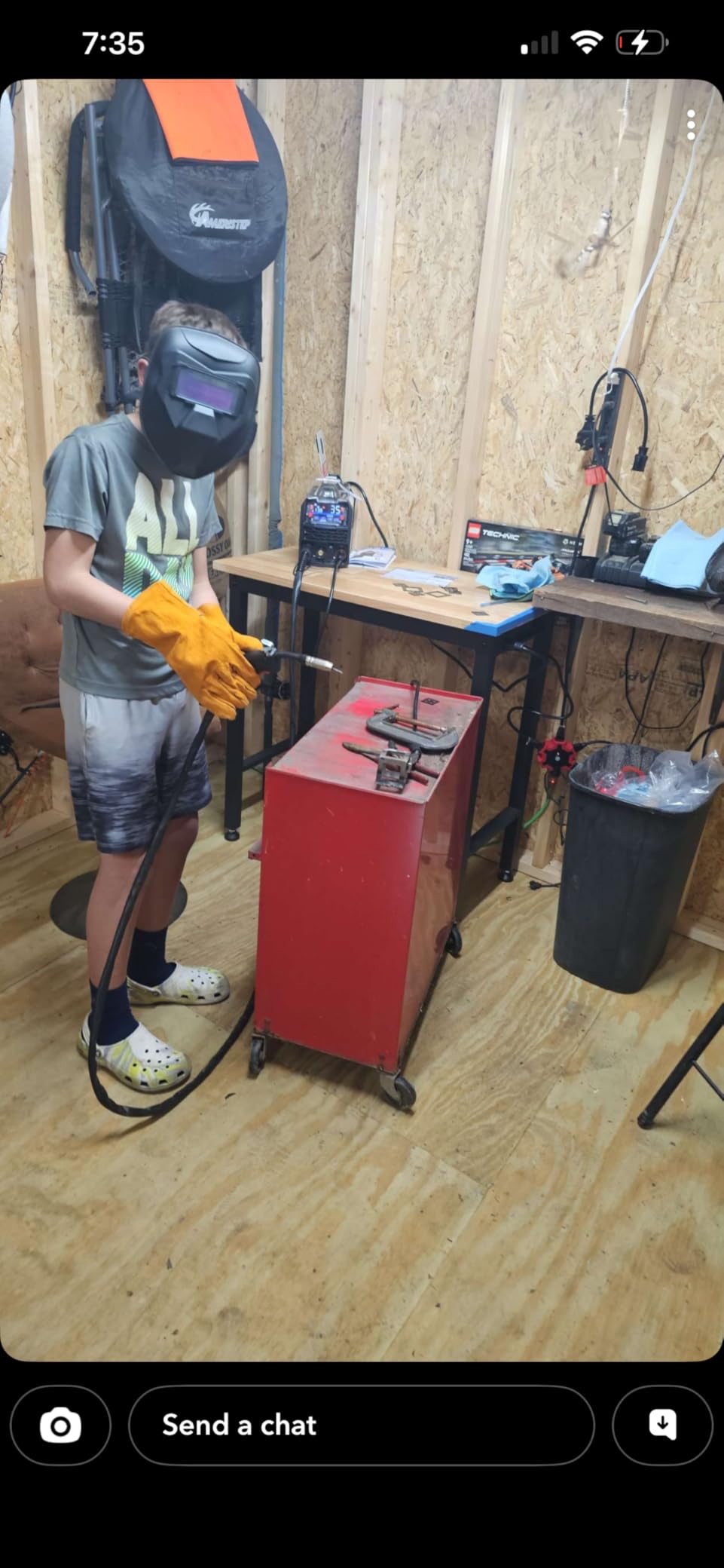
Wear an auto-darkening helmet rated for your process, leather gloves, a cotton or leather shirt, and closed leather boots. Skip the sleeve shields until you have welded a few hours, but never weld in a t-shirt, and keep any flammable rags, cardboard and gasoline cans out of the area.
Have the gas and air ready. Gas MIG needs a cylinder, a regulator and a flowmeter set for the wire and material, typically around 25 to 30 CFM on a small machine. Flux core needs nothing. The plasma combo needs a compressor capable of a steady supply of air, and that is the most commonly overlooked accessory of the three.
Finally, know your limits of amperage for the thickness in front of you. Too few amps gives you a cold, wandering arc that will not penetrate. Too many burns through thin material and creates a crater. Starting at the midpoint of the cheat sheet above and moving in small steps is faster than guessing.
Frequently Asked Questions
Are multiprocess welders worth it?
For a beginner, usually yes. One machine covers flux core MIG, gas MIG, stick and TIG, which means you learn without buying a second box. The trade-off is that each process gets fewer features than a dedicated machine would, TIG is usually DC lift TIG only, and accessories like a TIG torch or spool gun cost extra. If you already own a stick machine, check whether the added processes on a multi-process model are worth the money first.
What is the easiest welder to use for a beginner?
A gasless flux core MIG machine is the easiest to use, because it needs no gas bottle, no regulator and no shielding hose. Setup is unpack, install the spool, clamp the ground, pull the trigger. Synergic control on modern models pairs wire feed speed with voltage automatically, so you set one number instead of two. The tradeoff is more spatter and a slightly rougher bead than gas MIG.
Which welding process is the easiest for beginners?
MIG comes first for most people because filler metal feeds continuously and mistakes are easy to recover from. Stick is second because it needs no gas and works outdoors, and it teaches heat control. TIG is last because there is no filler feed, both hands must coordinate, and tungsten contamination from touching the rod to the puddle is the most common beginner frustration. Start MIG, add stick, then add TIG.
How much does a multiprocess welder cost?
Budget machines in this roundup sit in the low hundreds, while established brands with service networks and metal cases cost noticeably more. The bigger cost is accessories. A TIG torch, spool gun, foot pedal, shielding gas, regulator, flowmeter and a proper auto-darkening helmet are all separate purchases, and a compressor is needed for plasma cutting. Price the full setup, not the machine alone.
Can a multi process welder weld aluminum?
Partly. Most budget multi-process machines can push .035 and .040 aluminum wire with a teflon liner added, and two of the machines here are spool gun ready. Aluminum TIG is not possible, because these machines are DC only and aluminum needs AC. A push feeder on aluminum wire birdnests easily, so a spool gun is the fix for anything beyond small work.
Do I need a spool gun for aluminum?
Not for small jobs. With a teflon liner, .035 and .040 aluminum wire runs through the standard torch without birdnesting, and reviewers report successful small aluminum welds that way. You want a spool gun once you run 1/16 inch wire or make long beads, because the push feeder and the drive rollers fight each other and cause wire to pile up and jam.
Conclusion: The Best Multi Process Welders for Beginners in 2026
The YESWELDER 135A 3-in-1 is our pick for most beginners in 2026. It has the largest body of owner feedback in the group, a synergic mode that removes the hardest part of starting, and a gasless flux core path that needs no gas bottle, so your first weld happens the day it arrives. Add a TIG torch later if you want clean DC TIG on steel.
Buy the ARCCAPTAIN 200A 6-in-1 instead if you think you will outgrow a 135A machine within a year, since gas MIG and spool gun readiness keep aluminum and heavier plate within reach. Buy the Forney 140 MP if owning a brand with a parts catalog and a service phone number matters more to you than raw output, and add a dedicated 25 to 30A circuit before the first weld.
For anyone moving between the yard and the garage, the FEMEROL 140A at 8.9 lb or the ANDELI 135A with pulse and dual voltage make the machine easy to live with outside a workshop. And if you want to cut metal as well as weld it, the FEMEROL plasma combo is the only option in this roundup, with the caveat that its controls will not repeat settings.
Whichever you choose, start with a dedicated circuit, a proper helmet, and MIG as your first process. That combination solves most of what makes beginners quit.