
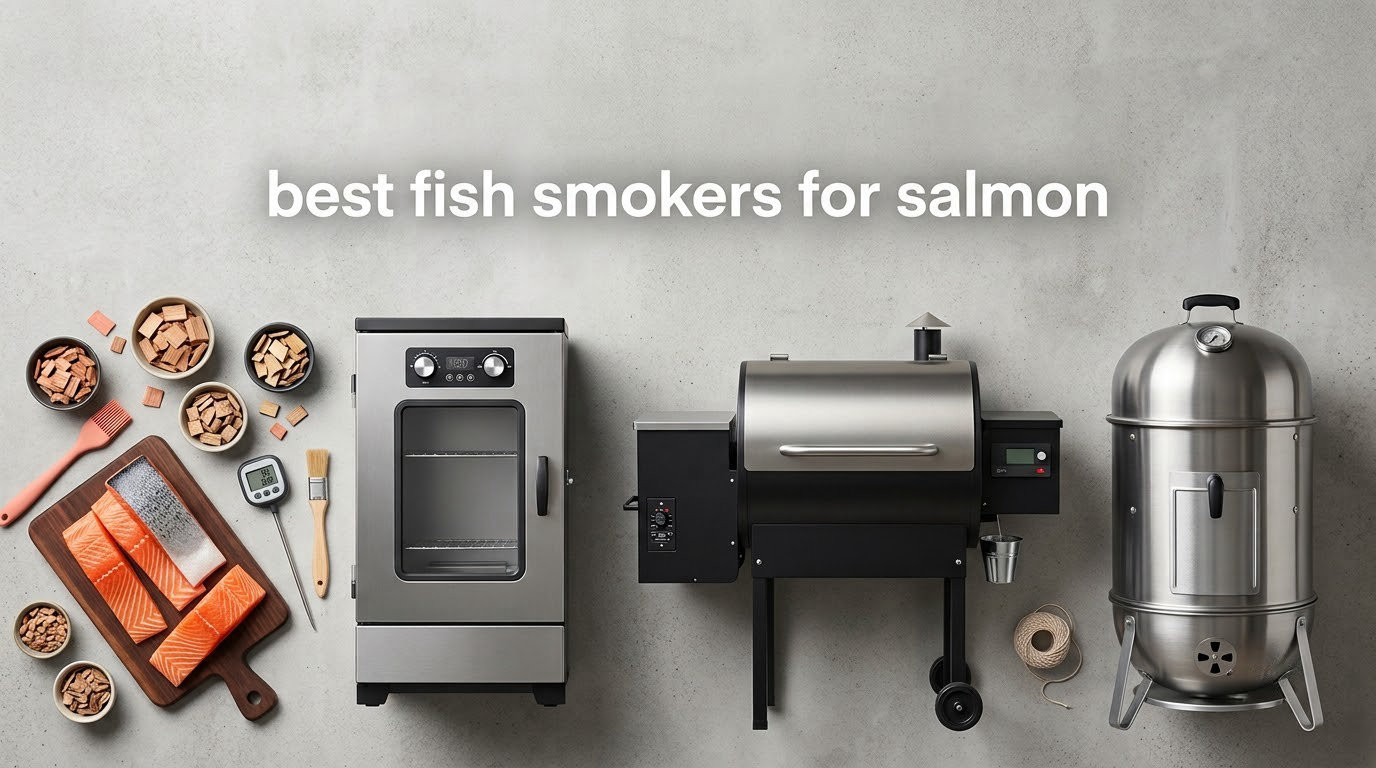
The summer cookout where I ruined a beautiful fillet of salmon still embarrasses me. The fish came out pale, tight, and dry, and nobody at the table said a word because everyone was being polite. What I had done wrong was simple: I used a smoker built for brisket, cranked it to 250 degrees, and walked away. Salmon is not brisket. It is lean, it is delicate, and it punishes a hot chamber within about twenty minutes.
That failure is the entire reason this guide exists. The best fish smokers for salmon are not the biggest or the most powerful units on the shelf. They are the ones that hold a low, steady, controllable temperature and give you clean smoke without drying the fish out. For most home cooks the working band sits between 165 and 225 degrees Fahrenheit, and the woods that flatter salmon are mild ones like alder and apple.
We went through ten fish smokers that are genuinely available today, read the long-term owner reports, and ranked them on one question: will this thing give you low, steady heat and clean smoke without drying out the fish? I have run several of these over the past few seasons, including the small dedicated cabinet and the big digital electric, and the difference in finished salmon is not subtle. If you also cook ribs on the same rig, our charcoal smoker picks are worth a look, but for fish the rules are different.
If you are planning a menu around the finished product, start with our best salmon recipes and come back to the appliance afterward. The smoker only decides half the outcome. The other half is brine, wood, and restraint.
Table of Contents
Top 3 Picks for the Best Fish Smokers for Salmon
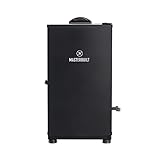
Masterbuilt 30-Inch Digital Electric
- Digital panel holds up to 275F
- Side wood chip loader
- 711 sq in across four racks
- Removable water bowl
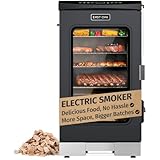
EAST OAK 30-Inch Electric Smoker
- Built-in meat probe
- 725 sq in cooking area
- Side chip loader
- Clear viewing window

Smokehouse Little Chief
- Steady 165F hold
- Up to 25 lb per load
- 12.2 lb and portable
- Stainless steel interior
The Masterbuilt 30-inch digital is the one I recommend to almost everyone. It is the rare smoker where you set a number and the number stays put, which is exactly what salmon asks for. The EAST OAK takes the same idea one step further with a probe wired into the cabinet, and the Little Chief is the old-school dedicated fish box that forum smokers have recommended for decades because it was invented for exactly this job.
Quick Picks: The Best Fish Smoker for Every Budget and Batch Size
Short on time? Here is the whole list, one line per unit, in the format we use on our test notes.
- Best Overall: Masterbuilt 30-Inch Digital Electric Smoker – holds temperature accurately with almost no attention.
- Best Digital Electric: EAST OAK 30-Inch Electric Smoker – built-in probe and a long chip-loading interval.
- Best Dedicated Fish Smoker: Smokehouse Little Chief – steady 165F, built for fish, light enough to carry.
- Best Value: Realcook 20-Inch Charcoal Smoker – deep owner history, 636 sq in, converts to a grill.
- Best for Big Batches: Dyna-Glo 36-Inch Propane Smoker – 784 sq in on four racks and dampers for real airflow control.
- Best Dual-Fuel: Masterbuilt 30-Inch Dual Fuel Smoker – propane for convenience, charcoal for flavor.
- Best for Large Gatherings: Oklahoma Joe’s Longhorn Reverse Flow – 1060 sq in and a large charcoal basket for long burns.
- Best for Unattended Cooking: PIT BOSS PBV3P1 Vertical Pellet Smoker – programmable 150 to 450F and a 40 lb hopper.
- Best for Small Spaces: Royal Gourmet SE2805 Electric Smoker – 454 sq in, analog dial, moves with one hand.
- Best Starter Gas Smoker: PIQUEBAR Vertical Propane Smoker – tight door seal and simple repairable parts, but watch its temperature floor.
The Best Fish Smokers for Salmon at a Glance in 2026
Every pick below is rated on salmon performance first, then ease of use, then value. Cooking area is the number manufacturers print, and the table shows what that area actually means for a load of salmon.
One quick translation before the reviews. A 700 square inch chamber with four racks is a comfortable eight to ten fillets per load with airflow around each piece, while a 450 square inch three-rack cabinet is closer to four or five. If you are smoking a whole side, or feeding twenty people, the small cabinets are not going to get you there in one go.
1. Masterbuilt 30-Inch Digital Electric Smoker – Best Overall Fish Smoker for Salmon
- Holds set temperature accurately with minimal tending
- Side chip loader keeps the door shut during smokes
- Removable water bowl controls moisture
- Light enough to move without wheels
- Strong owner satisfaction across salmon and pork
- No high-heat searing range past 275F
- Controller has no probe input so a separate thermometer helps
- Cleaning under the hood and chip tray is tedious
This is the smoker I reach for when I want salmon to turn out the same way twice in a row. The digital panel lets me set time and temperature up to 275F, and the more important truth is how rarely I have to touch it once it is loaded. I set 190F for thick fillets, put a probe in the thickest part, and go do something else.
The patented side wood chip loader is the feature I would not give up. Loading chips from outside means the chamber never sees a cold door opening, which is the single fastest way to dry salmon out mid-cook. Reviewers consistently treat that habit as the difference between a good smoke and a dry one.
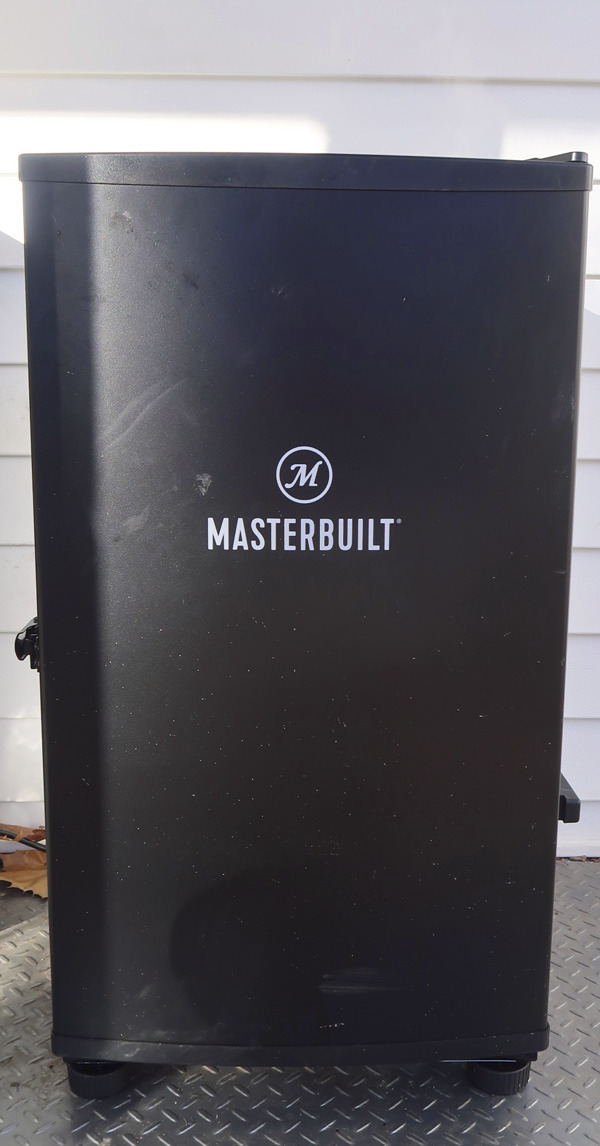
At 45.9 pounds, this is the one cabinet in the group I can reposition by myself without wheels, which matters if your outdoor cooking spot is a side yard rather than a patio. Four chrome-coated racks give you about 710 square inches, enough for eight to ten fillets or a full side of salmon if you arrange it well.
There are honest tradeoffs. The panel has no probe input, so you are relying on your own thermometer, which is good practice anyway. The maximum setting is 275F, so it will never double as a searing appliance. And cleaning beneath the heating element and around the chip tray is a chore that shows up in owner reviews more than any other complaint.
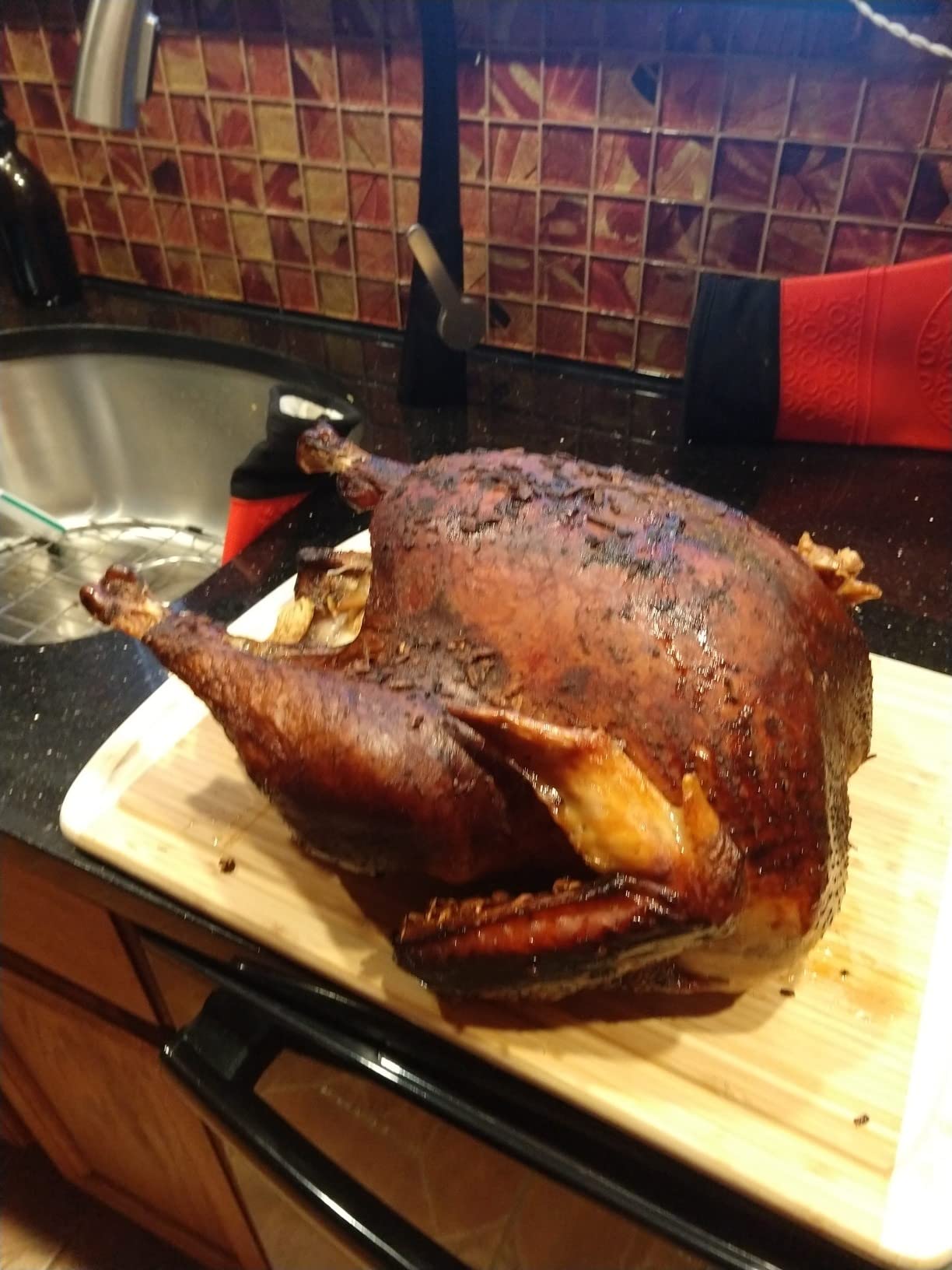
What temperature I actually run on this smoker
For 1-inch fillets, I run 200 to 225F and pull around 140 to 145F in the thickest part. For a whole side I drop to 175F and give it real time, often three to four hours, because the cure has to penetrate the thick end.
Keep the water bowl filled. I add a splash of white wine or apple juice, and it is the cheapest insurance against mealy fish I have found.
Who should skip this smoker
If you want one appliance that also burns through a whole turkey or sears steaks, this is not it. The 30-inch body is tight for a bird and the top end stops at 275F. Look at a pellet or charcoal unit instead.
Also skip it if you refuse to buy a separate thermometer. The panel tells you what the chamber is doing, not what the fish is doing, and on salmon that distinction is the whole game.
2. EAST OAK 30-Inch Electric Smoker – Best Digital Electric for Set and Forget Smokes
- Built-in probe tracks internal temperature and drops to keep-warm
- Side chip loader stretches a single chip load much further
- 725 sq in chamber fits generous batches
- Viewing window means no door opening
- 4.7 average across 1000-plus owner reports
- Heavy at 52.3 lb and awkward to reposition
- Newer listing with a shorter owner history than the established names
This is the smoker I recommend to anyone who is afraid of the fish. The probe is wired into the cabinet, you slide it into the fillet, set a time and temperature, and when the fish hits its number the smoker switches itself to keep-warm. That auto-switch is genuinely useful, because it is the difference between salmon resting gently and salmon continuing to cook while you finish a salad.
The side chip loader claims roughly six times longer smoking per chip load compared with a tray inside the door. On a long side of salmon that matters more than it sounds, because every time you crack a door for chips you dump heat and dry the surface.
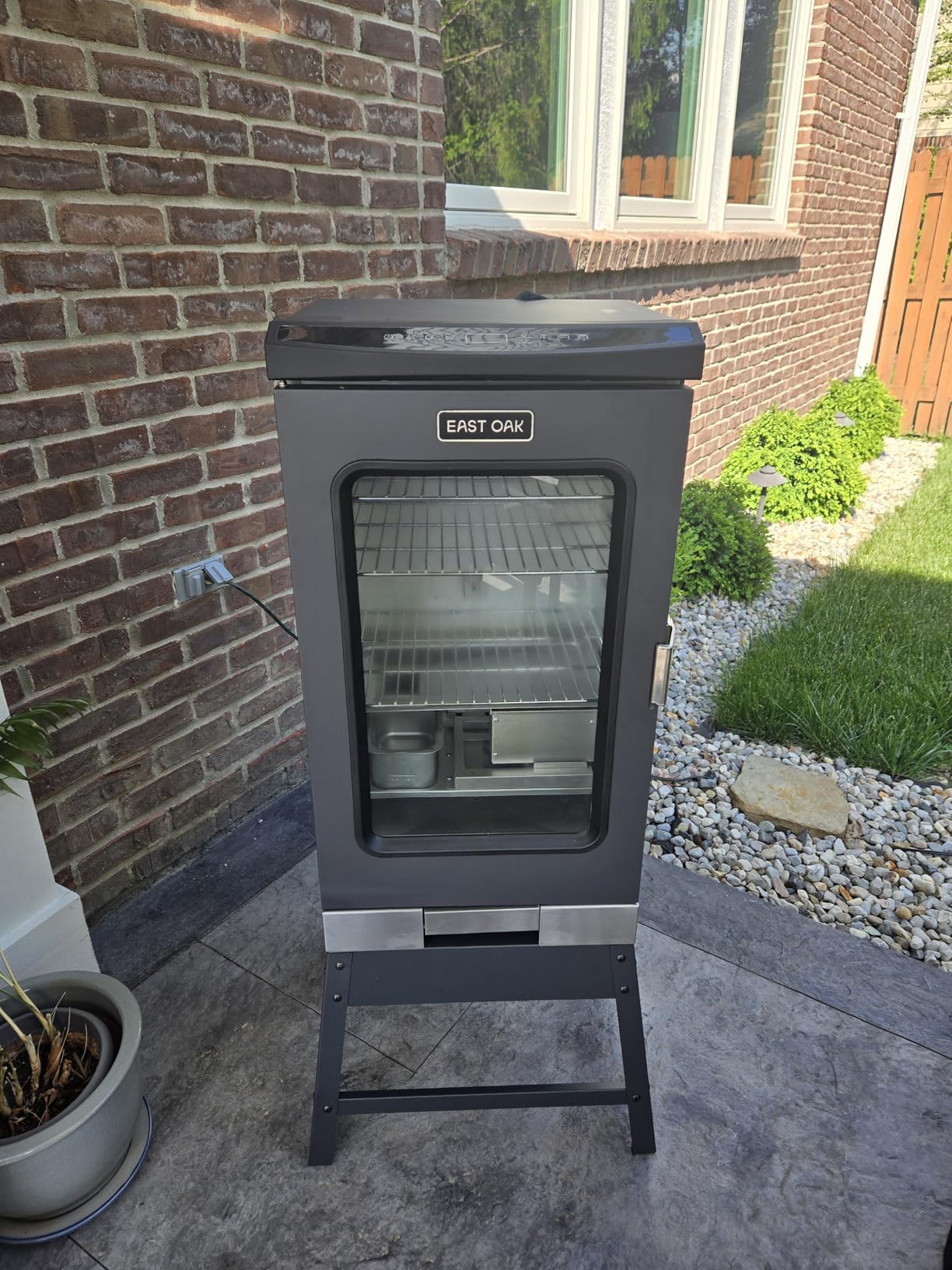
Owner reviews are close to unanimous on the probe and the chip interval being the two features that reduce hands-on work. The clear viewing window in the door is small but genuine, and it saves you the peek-and-snap cycle that ruins more fish than over-smoking does.
At 725 square inches and four removable racks, the chamber is roomy, good for roughly ten to twelve fillets per load with airflow, which comfortably covers a party.
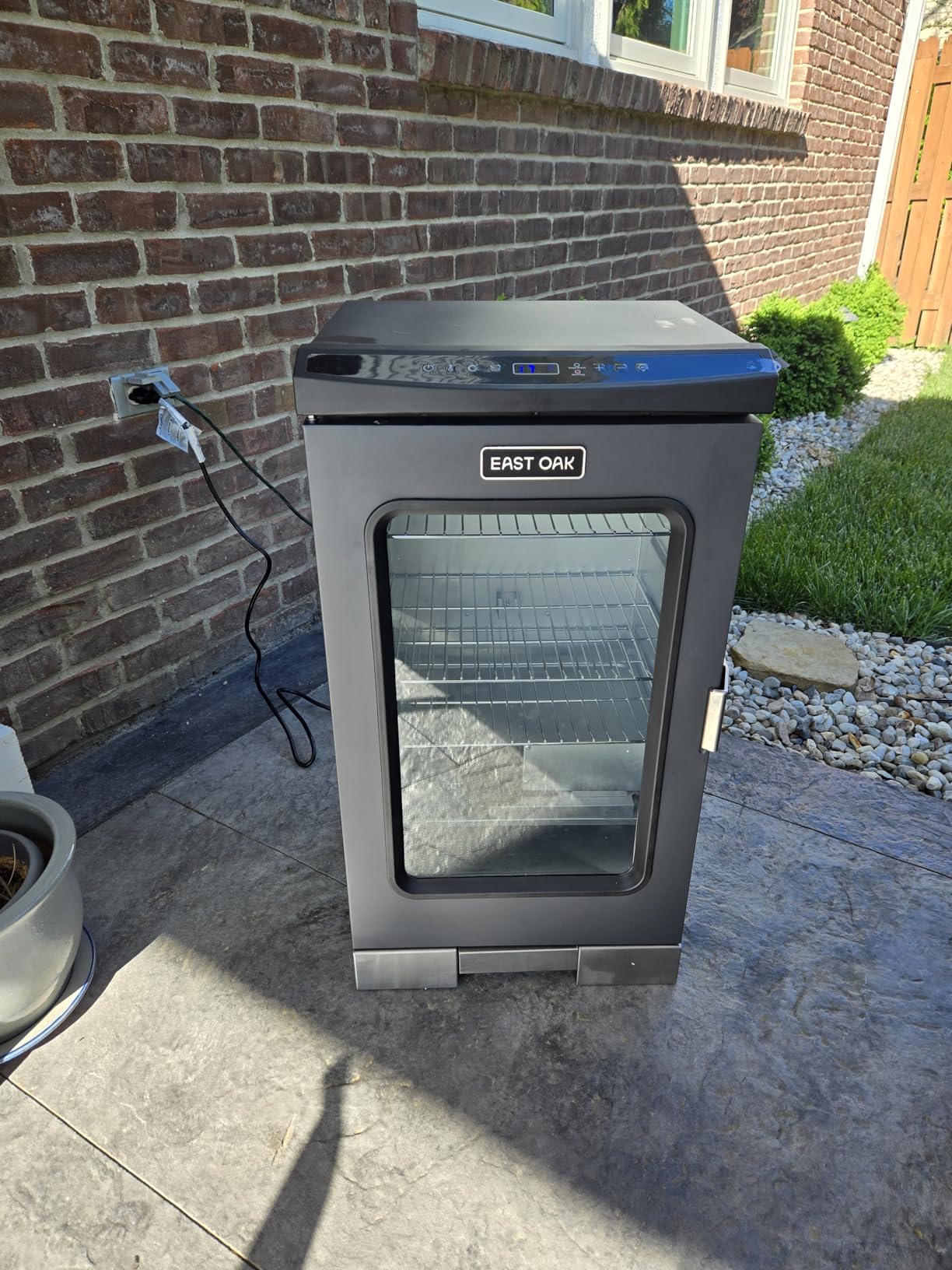
Why the built-in probe changes the cooking day
On salmon, the gap between the chamber reading and the fish reading can be fifteen degrees or more, especially near a water bowl or a chip tray. A wired probe removes that guesswork and lets you cook a side of salmon without babysitting.
The 4.7 average across just over a thousand reviews is the highest of the ten, though it comes from a newer listing than the veterans. Weigh that when you care about long-proven electronics.
Where it falls short
At 52.3 pounds, it is one of the heavier cabinets on this list and it has no wheels. If you plan to move it to a garage or around a tight patio, plan your path first.
It is also electric only. If your goal is that deep smokehouse flavor that only real wood logs deliver, an electric unit will never get there, no matter how good the control is.
3. Smokehouse Little Chief – Best Dedicated Fish Smoker Built for the Job
Smokehouse Little Chief Front Load Smoker, Low to Mid Temperature Smoker for Fish, Jerky, Cheese, Sausage & Other meats, Smoke Up to 25 Pounds of Meat & Fish
- Holds a steady 165F
- the classic salmon working temperature
- Handles up to 25 lb of fish or meat per load
- Only 12.2 lb so it moves with one hand
- Removable chip pan loads without opening the door
- Design in use since 1968
- No digital controls and no probe connection
- Fixed low-to-mid range with no adjustment
- Small interior limits rack size for big cuts
This is the honest answer to what is the best smoker for fish in a narrow sense. The Little Chief was designed around one job, holding a low steady smoke for fish, and the design dates to 1968. Longtime owners on smoking forums put it plainly: the best smokers for fish are the ones that were invented for smoking fish.
At 165F it sits exactly in the band I like for cured salmon. The cure does its work slowly, the flesh stays moist, and you are not fighting a thermostat because there is no thermostat. You plug it in, feed the chip pan, and check a thermometer.
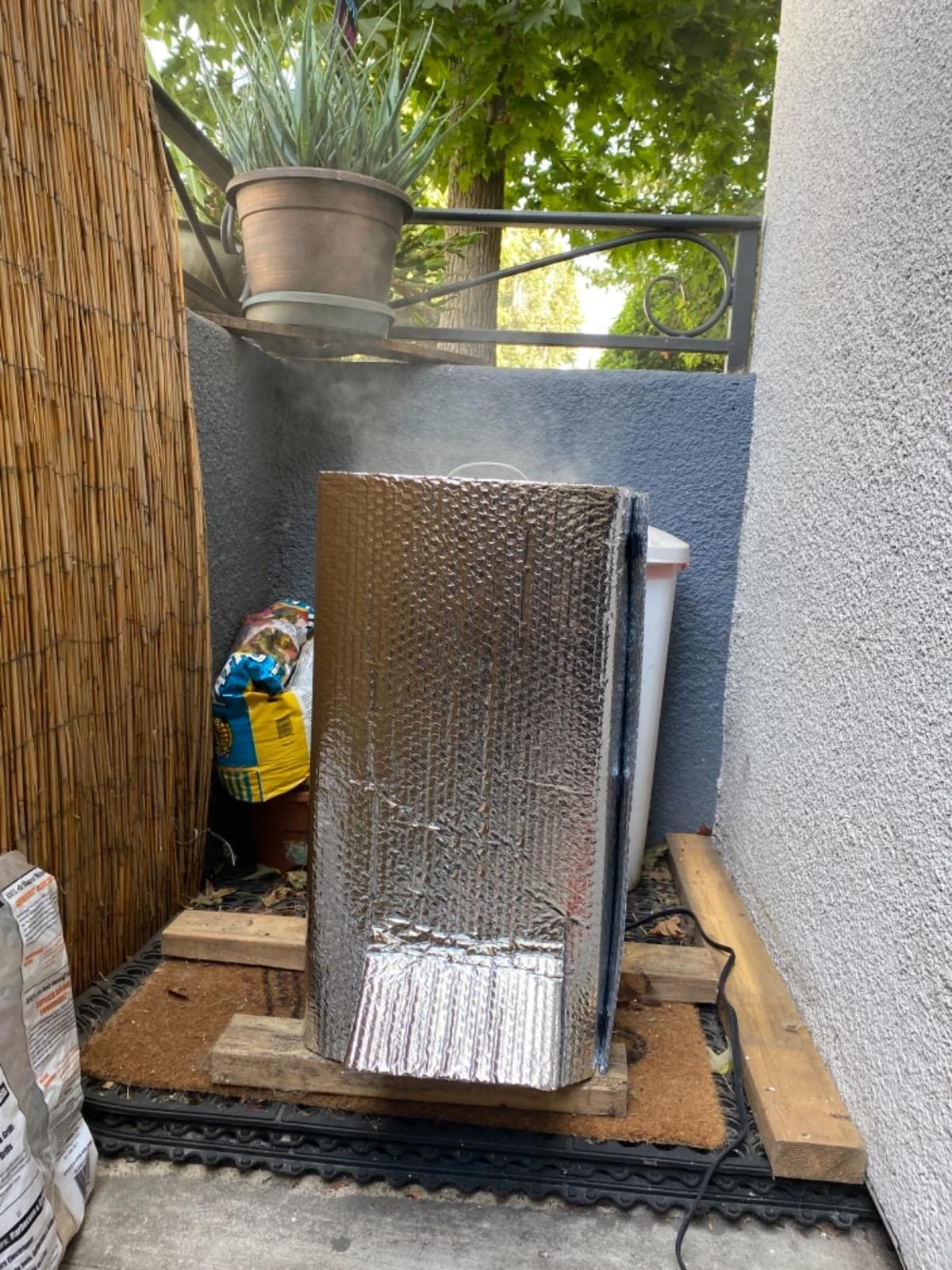
Twelve pounds is the number that wins arguments in my house. It lives on a covered porch shelf in winter and comes out for a cookout without anyone needing a hand truck.
The removable wood chip pan is the piece of engineering I would keep in any redesign. You pull the pan from the outside and refill it, so the chamber door stays closed through the whole smoke.
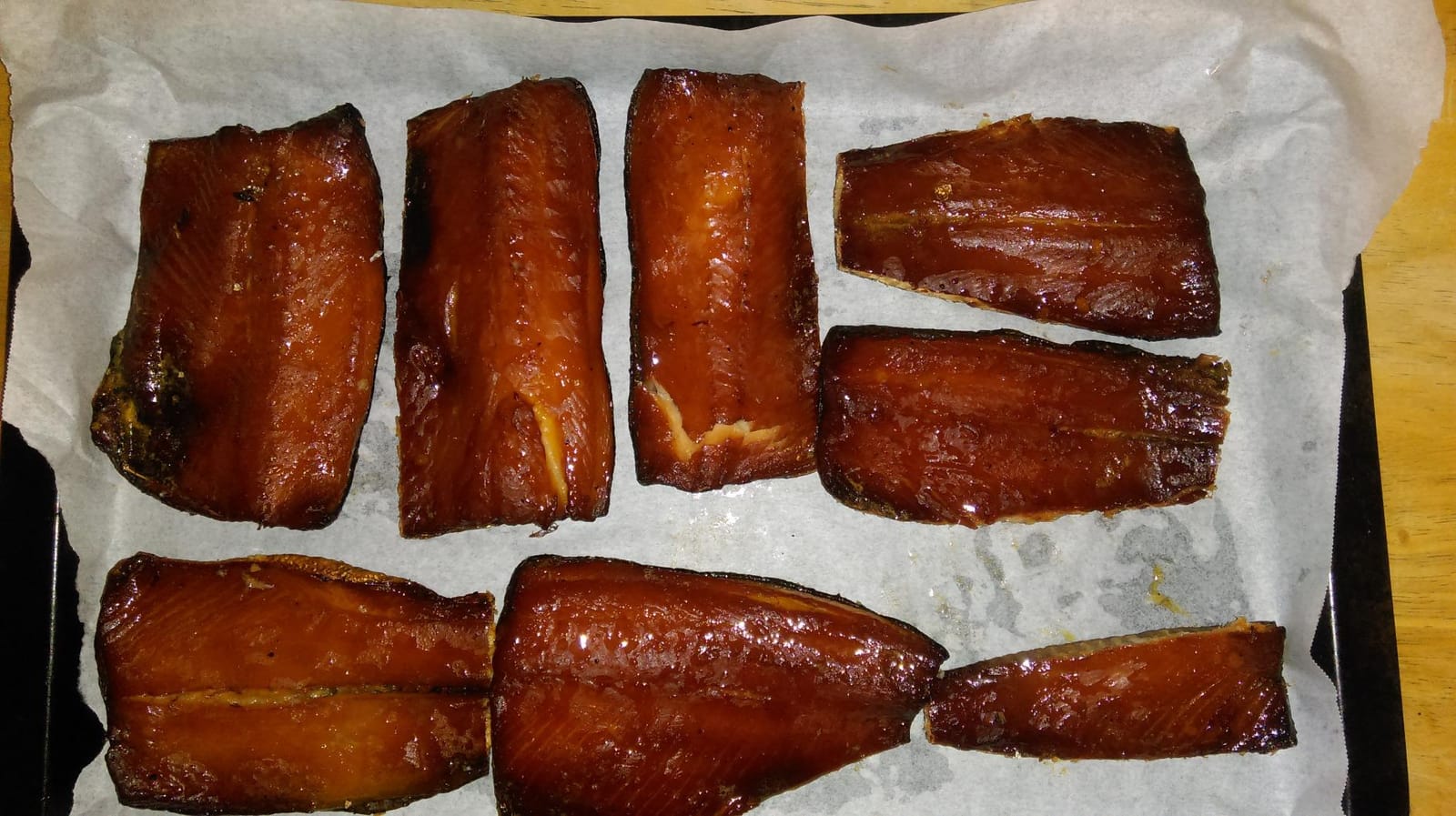
Best for a first batch of lox or a weekend catch
With a stated capacity up to 25 pounds of fish or meat, this is more generous than people expect from a 12-pound box. The limitation is rack footprint, not volume, so plan on salmon fillets and steaks rather than a very large whole side.
The 165F hold also happens to sit at the warm end of what a dedicated box can do, which makes it a reasonable stepping stone if you later move to real lox and gravlax work.
Who should buy something else
Buy something else if you want to adjust the heat. There is no digital control, no probe connection, and a narrow fixed range, so if you also want to smoke duck at 250F this box will disappoint you.
The smaller share of one-star reviews in owner feedback comes down to the same two points: no temperature control and a small interior. Both are fair.
4. Realcook 20-Inch Charcoal Smoker – Best Value for Flavor Per Dollar
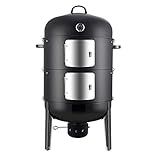
- 4000-plus owner reports
- the second largest review base here
- 636 sq in cooking surface
- Converts between smoker
- grill
- steamer and fire pit
- Bottom damper plus ash collector give real airflow control
- Weighs 32 lb and breaks into four pieces for transport
- No built-in probe so a separate thermometer is required
- Manual fire management instead of automated control
- Assembly takes roughly 30 to 45 minutes
Charcoal is the flavor benchmark, and this is the most sensible way into it. Its owner history is deep, and the sentiment is remarkably consistent: it does the basics well, it is easy to move, and the airflow control is real.
The multi-layer design is genuinely clever. You can use it as a smoker, grill, steamer, roaster, or fire pit, and the two access doors mean you can add charcoal or check your food without pulling a whole layer out and losing the chamber heat.
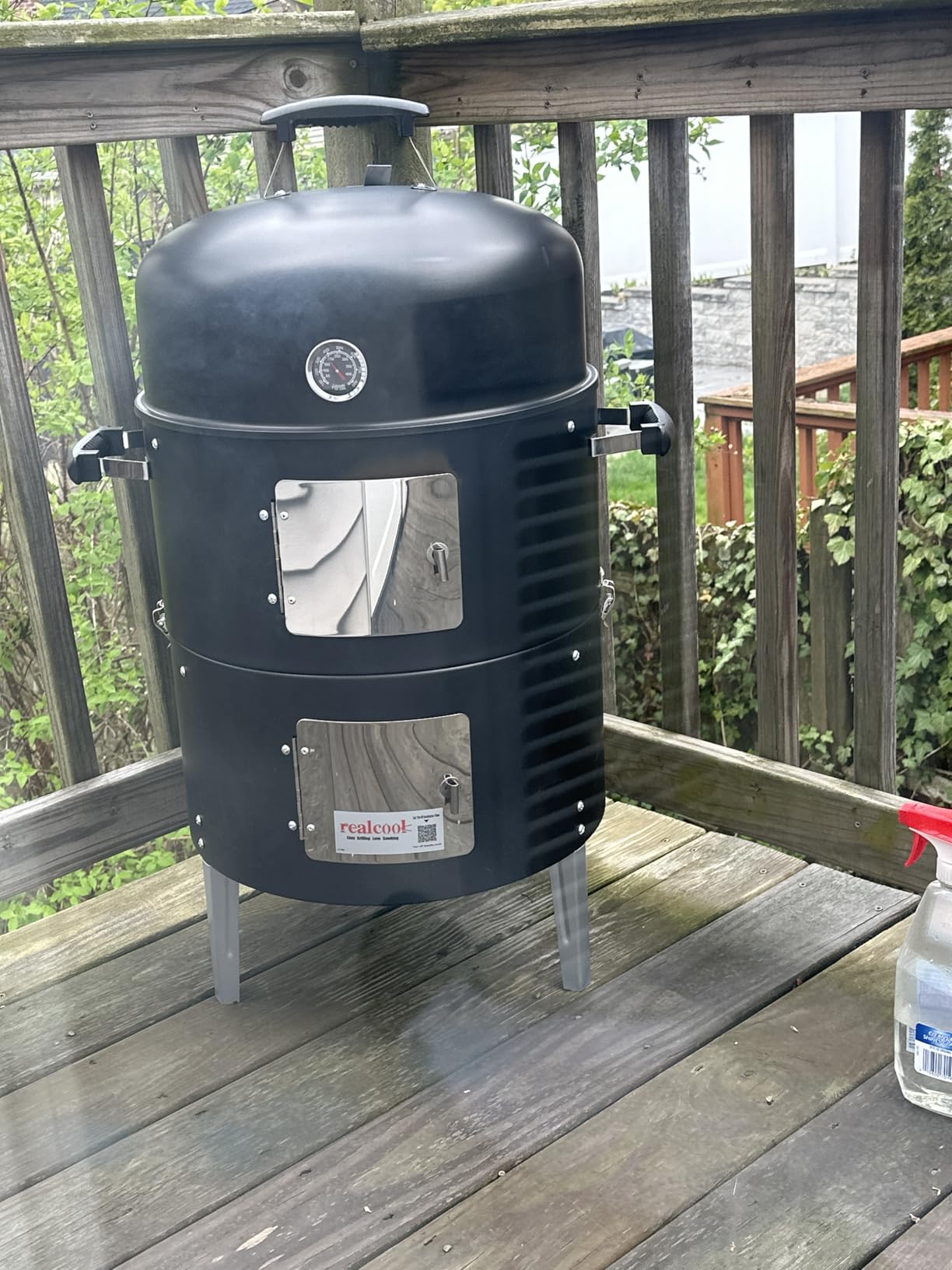
At 636 square inches across two racks, this is a mid-size chamber. Expect six to eight fillets per load, or one full side of salmon laid on a single rack. That is the right size for a family dinner and short of a party.
Thirty-two pounds, and it disassembles into four parts. That is why I recommend it to anyone with a small yard, a balcony with a smoker’s corner, or a plan to take it to a tailgate.
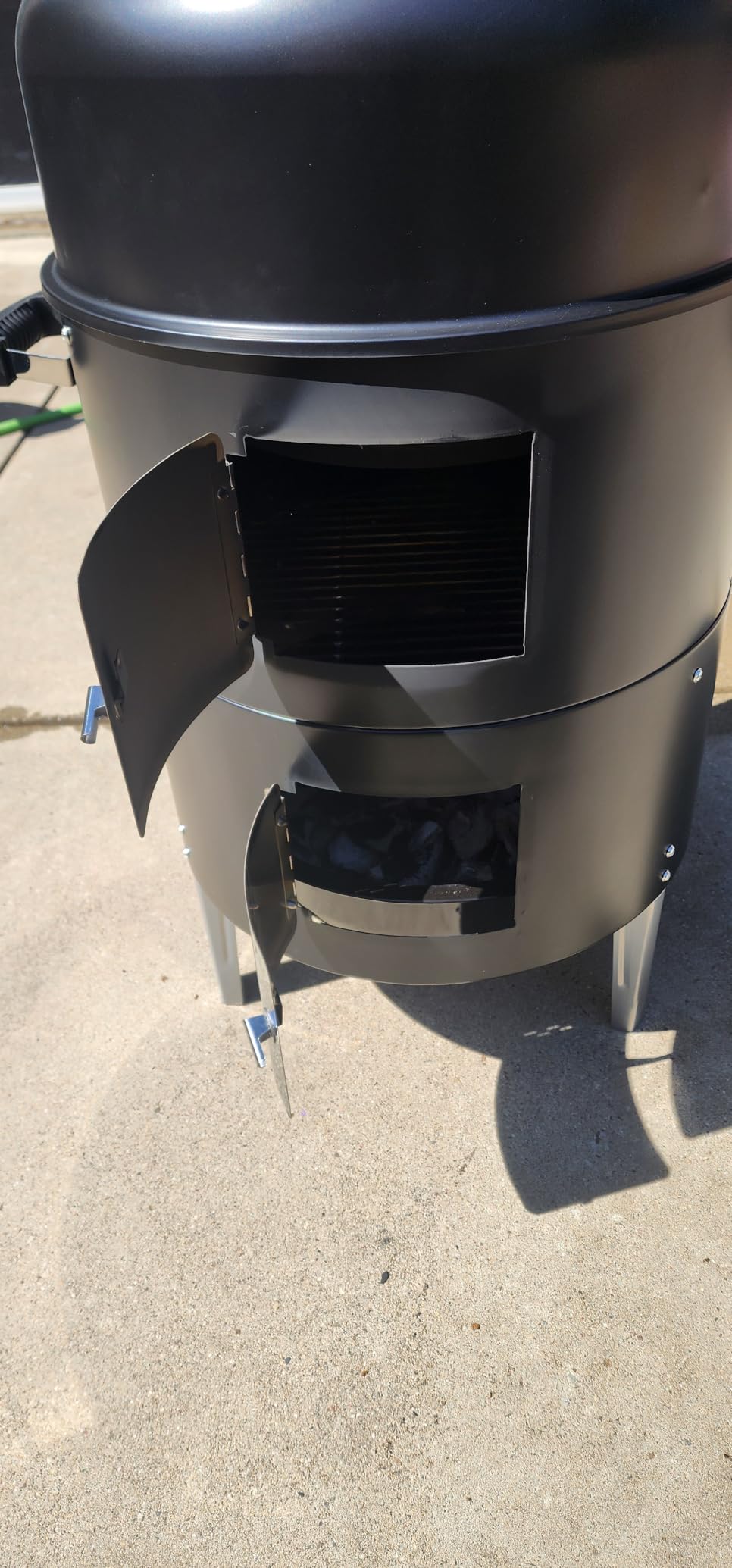
How to use the charcoal for salmon without overshooting
Set the bottom damper for your desired airflow, then use the water pan. On salmon, the water pan is doing more work than the smoke is, because the fish has almost no fat under the skin to keep it moist.
Charcoal runs hotter than electric by nature, so plan on a lower target. I aim for 175 to 200F and add wood chunks for smoke flavor rather than burning them for heat.
What you give up
You are managing fire by hand, which means a few more minutes of attention over a three-hour cook. If you want to set a number and walk away, an electric unit is the better tool.
The porcelain water pan and built-in thermometer are included, but the thermometer is not a probe. Bring your own.
5. Dyna-Glo 36-Inch Propane Smoker – Best for Big Batches of Salmon
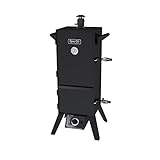
Dyna-Glo DGY784BDP 36″ Vertical LP Gas Smoker, Black powder coat
- 784 sq in of cooking space on four adjustable wire racks
- Double doors let you load chips and water without opening the chamber
- Sliding dampers on top and sides for smoke and heat control
- Push-button ignition and a large control dial
- Built-in gauge and CSA certification
- Steel wire racks are lighter duty than solid chrome racks
- 54 lb is awkward without added casters
- Bare steel exterior rather than an insulated cabinet
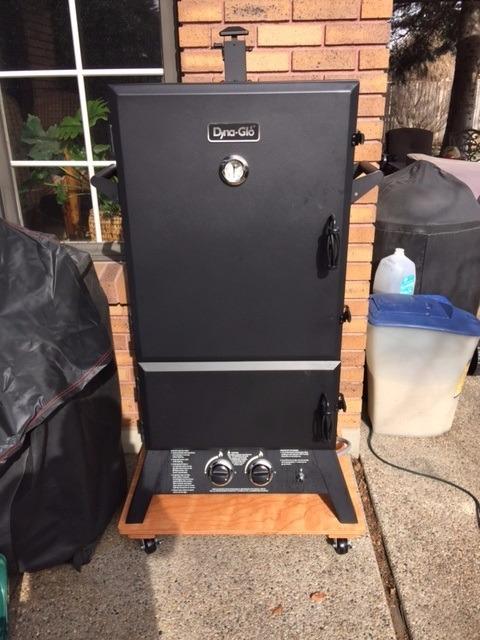
When a question comes in about cooking for a crowd, this is the box I point at. Seven hundred eighty-four square inches across four adjustable wire racks gives you room for roughly twelve to fourteen fillets, or multiple sides, with the air movement that a single rack cannot deliver.
The double-door layout is the quietly excellent feature. The lower door reaches the chip box and the water bowl, so topping up neither disturbs the cooking chamber. On a four-hour smoke of a big batch, that is the difference between even cooking and a batch with one dry corner.
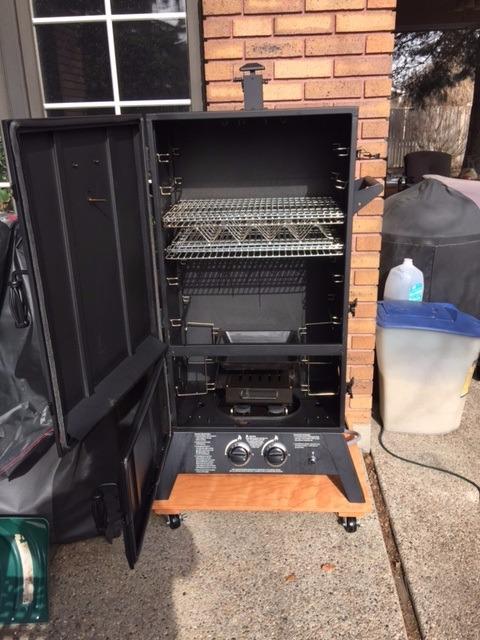
The 15,000 BTU cast iron burner with push-button ignition starts fast and holds steady, and the sliding air dampers on top and the sides let you manage the smoke-to-heat ratio. For salmon, you want the smoke side more open than your instincts tell you.
A porcelain enameled water bowl is included, and I would fill it before every fish smoke regardless of what the manual suggests.
Best for holiday hosting and big family meals
Four racks plus dampers plus a water pan is the combination that lets you smoke a large volume without babysitting moisture. Owner reviews repeatedly single out the ventilation control and the dual doors as the reasons long cooks come out even.
A built-in gauge is included, but on a cabinet this size a separate probe thermometer is still the call. The dial is a sanity check, not a target.
Where it is not the right tool
It is heavy, and there are no wheels in the box. Casters are the first accessory I would buy, and the wire racks bend if you load them heavily with wet fish, so line them with a foil pan or a grill mat.
It is a big outdoor object. Budget for the space it needs.
6. Masterbuilt 30-Inch Dual Fuel Smoker – Best for Switching Between Propane and Charcoal

- Runs on propane or charcoal so you can switch fuel and flavor
- Four chrome racks give 717 sq in of cooking space
- Dual front doors load wood and water without losing heat
- Locks shut with a cool-touch wire handle
- Owners report it holds 200 to 225F easily
- Thin sheet metal and lightly welded legs feel flimsy
- Thin chip tray burns chips so most owners add a cast iron pan
- Runs hot on low settings without a needle valve or regulator
- No wheels at 59 lb
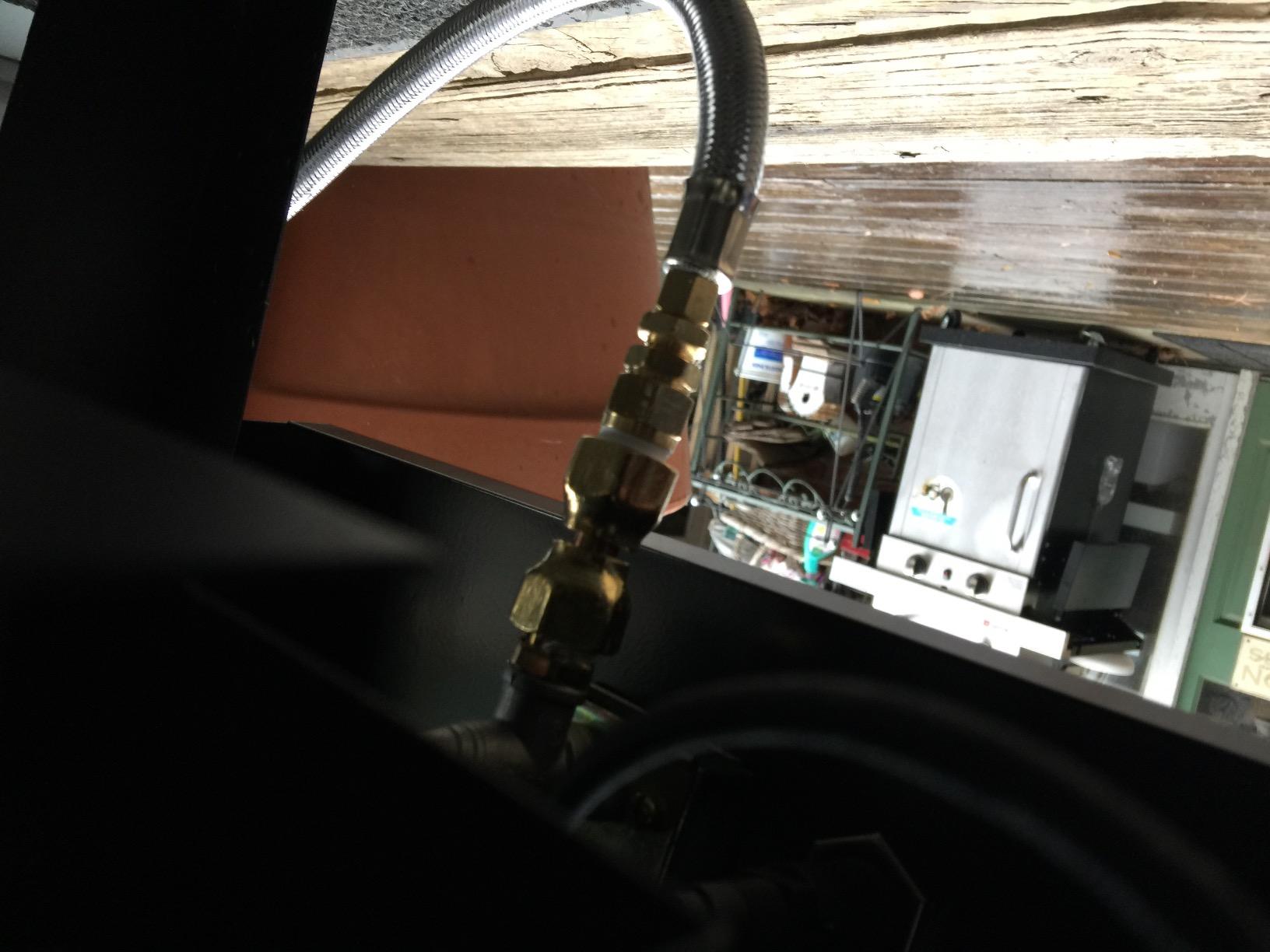
The appeal here is flexibility. You can run propane on a weeknight for convenience and charcoal when you want deeper smoke flavor for a weekend, in the same cabinet, at 717 square inches across four chrome racks.
Owner feedback is nearly unanimous that a couple of small modifications make this smoker very good: a cast iron pan on the chip tray, gasket tape on the doors, and a needle valve or regulator for low-and-slow. Budget thirty minutes and a few inexpensive parts before your first fish smoke.
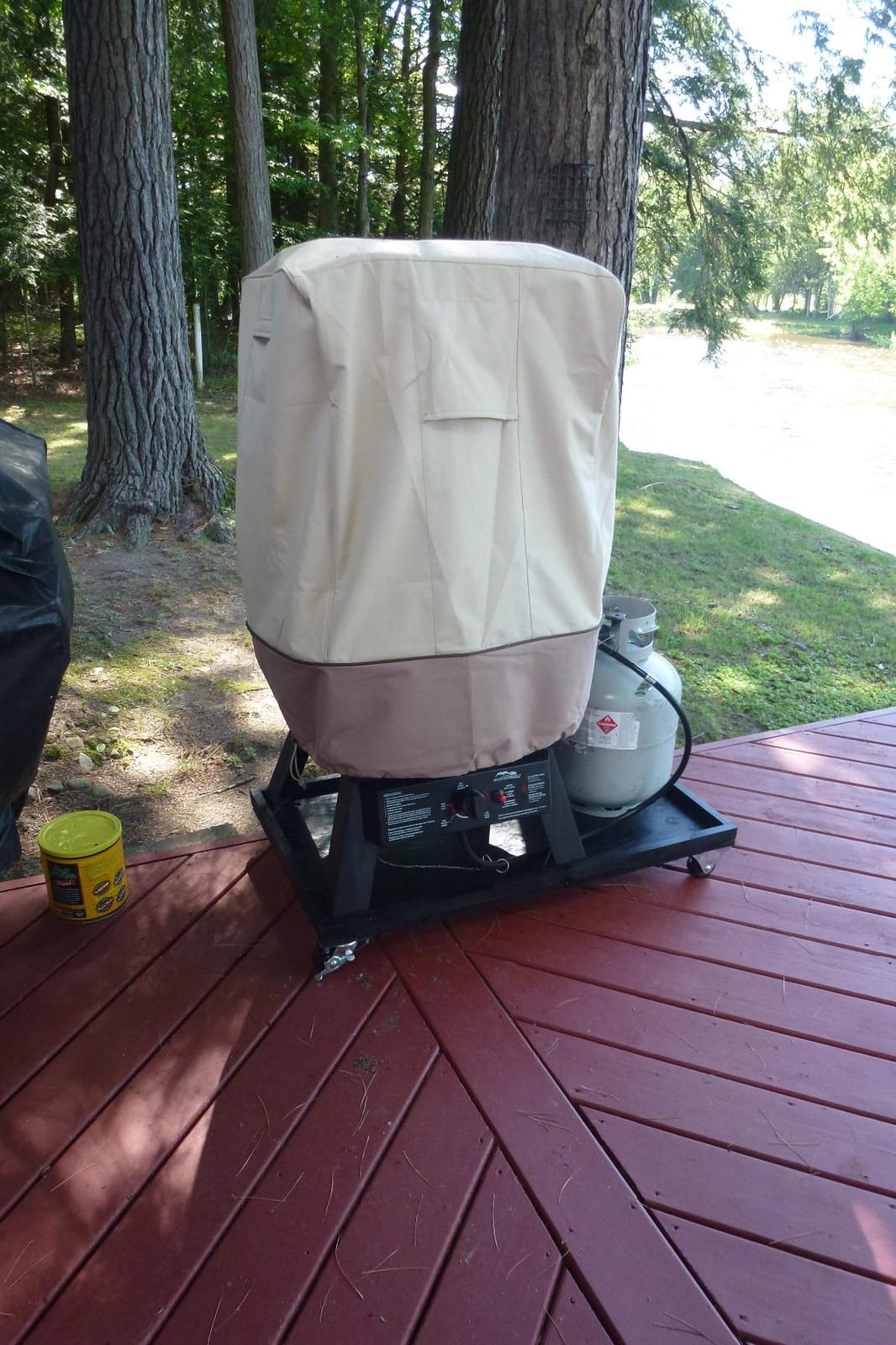
That is the honest framing here. Out of the box it runs hot on its lowest setting, which is precisely wrong for salmon. With a regulator it will hold 175 to 200F without drama, and at that point it becomes a very capable fish smoker.
The dual front doors are excellent for a long cook, since the lower door reaches the chip tray and water pan without opening the cooking chamber.
Best for a cook who wants both fuels
If you already own a charcoal chimney full of briquettes and you also want set-and-forget propane weeknights, this is the only unit in our list that does both. Seven hundred seventeen square inches is about ten to twelve fillets per load.
A built-in temperature gauge is included, but owner reviews describe it as inaccurate, which is the most common reason people add a remote probe.
Who should look elsewhere
If you want a turnkey appliance on day one, keep looking. Nearly every reviewer makes some modification, and the sheet metal and leg welds feel thin out of the box, which is a fair complaint at this weight.
At 59 pounds with no wheels, assume a cart. Forums describe wrestling heavy smokers solo as a real barrier, and this one is squarely in that category.
7. Oklahoma Joe’s Longhorn Reverse Flow Smoker – Best for Large Gatherings and One Smoker for Everything

Oklahoma Joe’s Longhorn Reverse Flow Offset Charcoal Smoker and Grill with 1060 sq. in. Cooking Area in Black
- Holds under a 10F differential front to back on reverse flow
- 1060 sq in is the largest capacity here
- Switchable smokestack converts between reverse flow and offset
- Large charcoal basket means long burns with less tending
- Owners report restaurant-quality brisket
- ribs
- turkey and salmon
- 226 lb makes it a fixed outdoor appliance
- Reverse flow baffles collect carbon and need scraping or foil
- Solid smoke leakage around the doors
- Limited 90-day manufacturer warranty
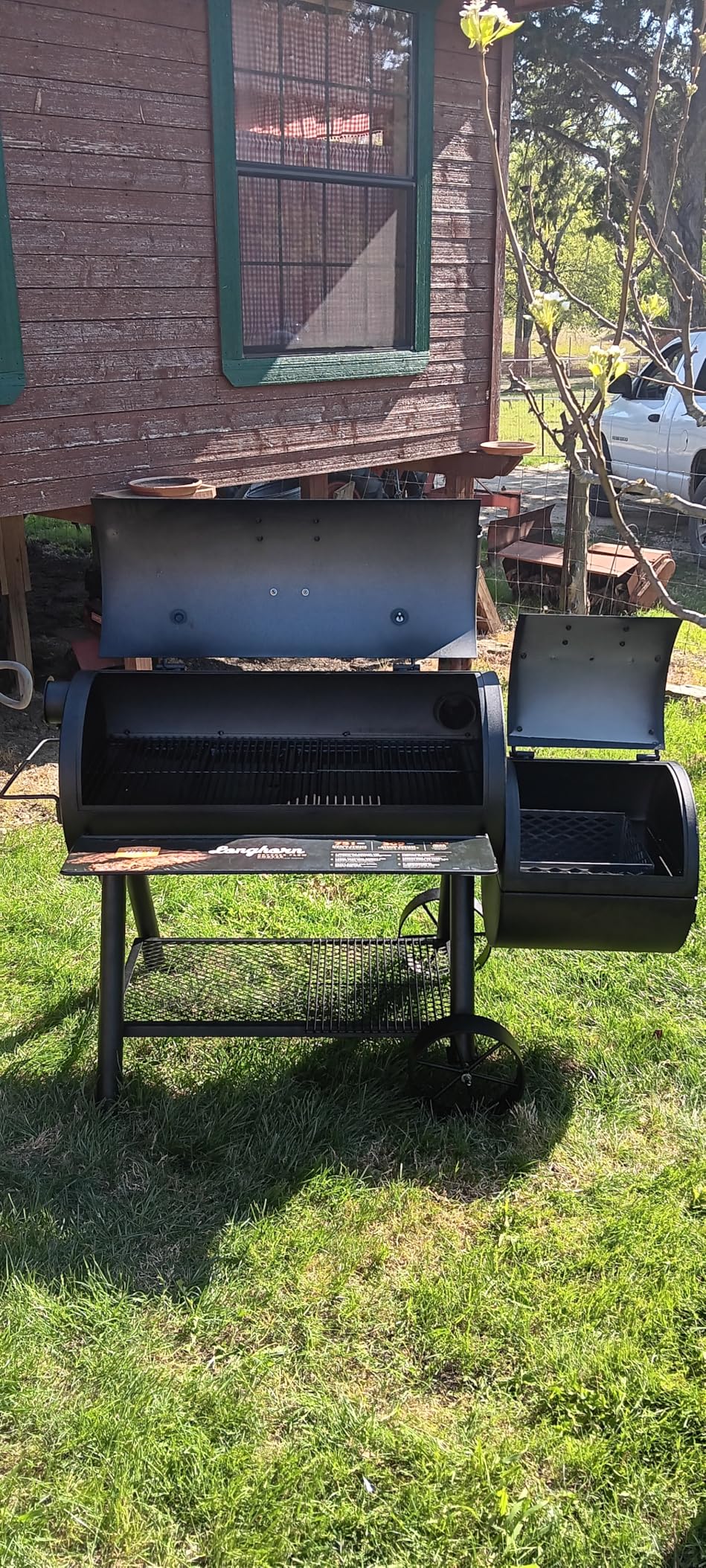
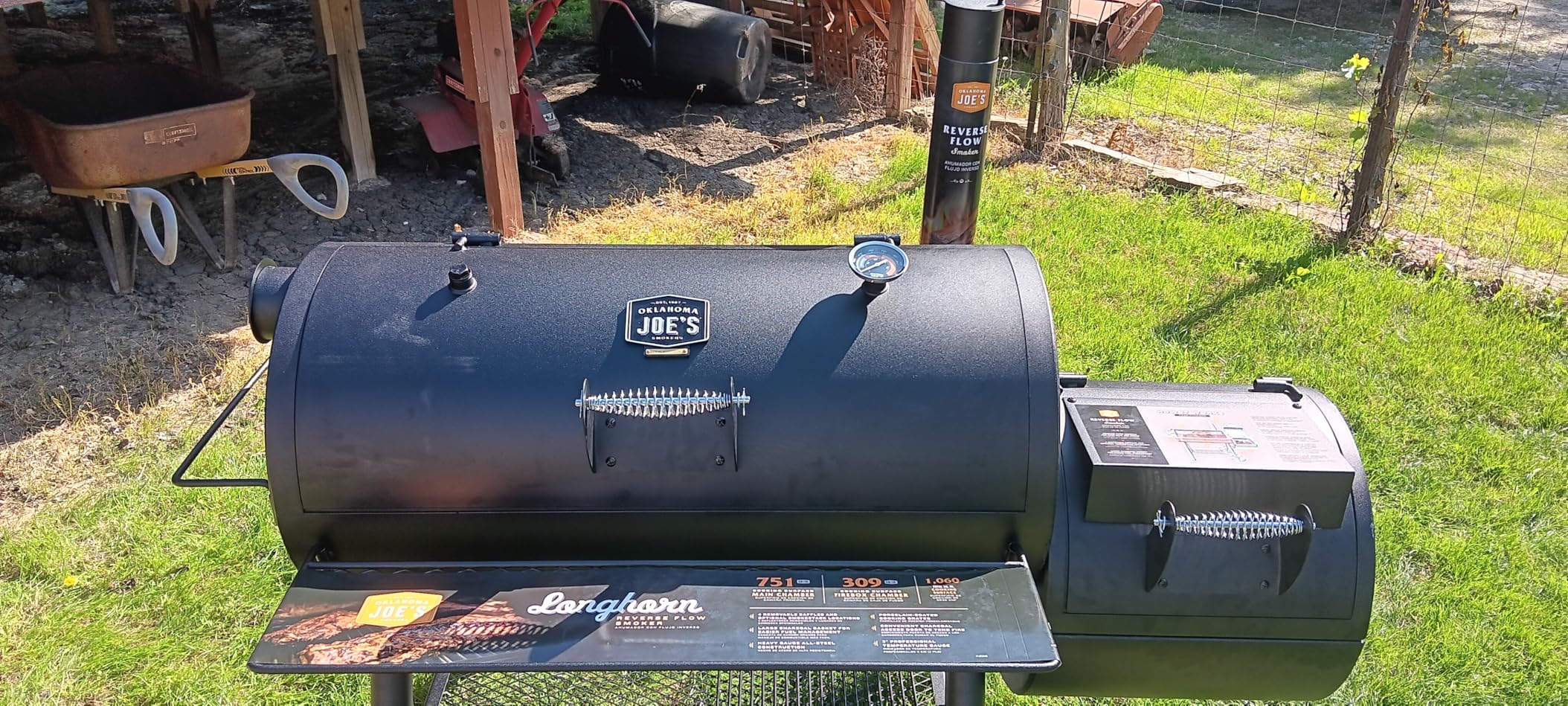
This is the answer for the reader who wants one smoker for everything. If you plan to cook brisket on Sunday and a side of salmon on Friday, a pellet cabinet is a compromise and an electric box is a dead end. This is a real offset smoker with a 1,060 square inch cooking area, split into a 751 square inch primary chamber and a 309 square inch secondary.
The reverse flow baffles are the reason to spend the money on this one. Owners report under a ten degree differential front to back, and for a whole side of salmon that evenness is the whole game. A switchable smokestack lets you convert between reverse flow and a traditional offset setup.
For fish specifically, the large charcoal basket supports the long, steady, low-tending burn that a two-hour salmon smoke needs. You set it, add a couple of chunks for flavor, and check a probe rather than the fire.
When we are hosting, this is the unit that gets pulled out, because 1,060 square inches means a whole side and a full rack of fillets at the same time.
Best for the cook who hosts a lot
Beyond capacity, the wagon wheels, cool-touch handles, and a bottom shelf for wood storage make it far more pleasant to use than the weight suggests. A separate firebox door for fuel and ash means you never open the main chamber mid-cook.
Nearly every owner recommends sealing modifications with high-temp silicone and gasket tape, and foil-wrapping the baffles to cut carbon buildup. All three are easy weekend jobs.
Where it falls short
At 226 pounds this is a fixed outdoor appliance that needs its own corner of the yard, and it is not a candidate for a balcony or a small patio. Forums have people on both sides of the large-box question, and for a home cook smoking a few pounds of salmon a year, this is a lot of apparatus.
The warranty is also the thinnest in the group at 90 days, and a few owners report light smoke leakage around the doors before sealing.
8. PIT BOSS PBV3P1 Vertical Pellet Smoker – Best for Long Unattended Salmon Cooks
- Programs across a 150 to 450F range with a digital panel
- 40 lb hopper with pellet purge for 24-plus hours of use
- Digital LED readout plus a meat probe
- Water pan and heat deflector included
- Owners report holding within 5 to 10F of set point
- 97 lb makes it effectively a stationary smoker
- Digital panel sits low at the base and is awkward for older users
- Limited horizontal rack space for long cuts
- No cover included so keep the hopper dry
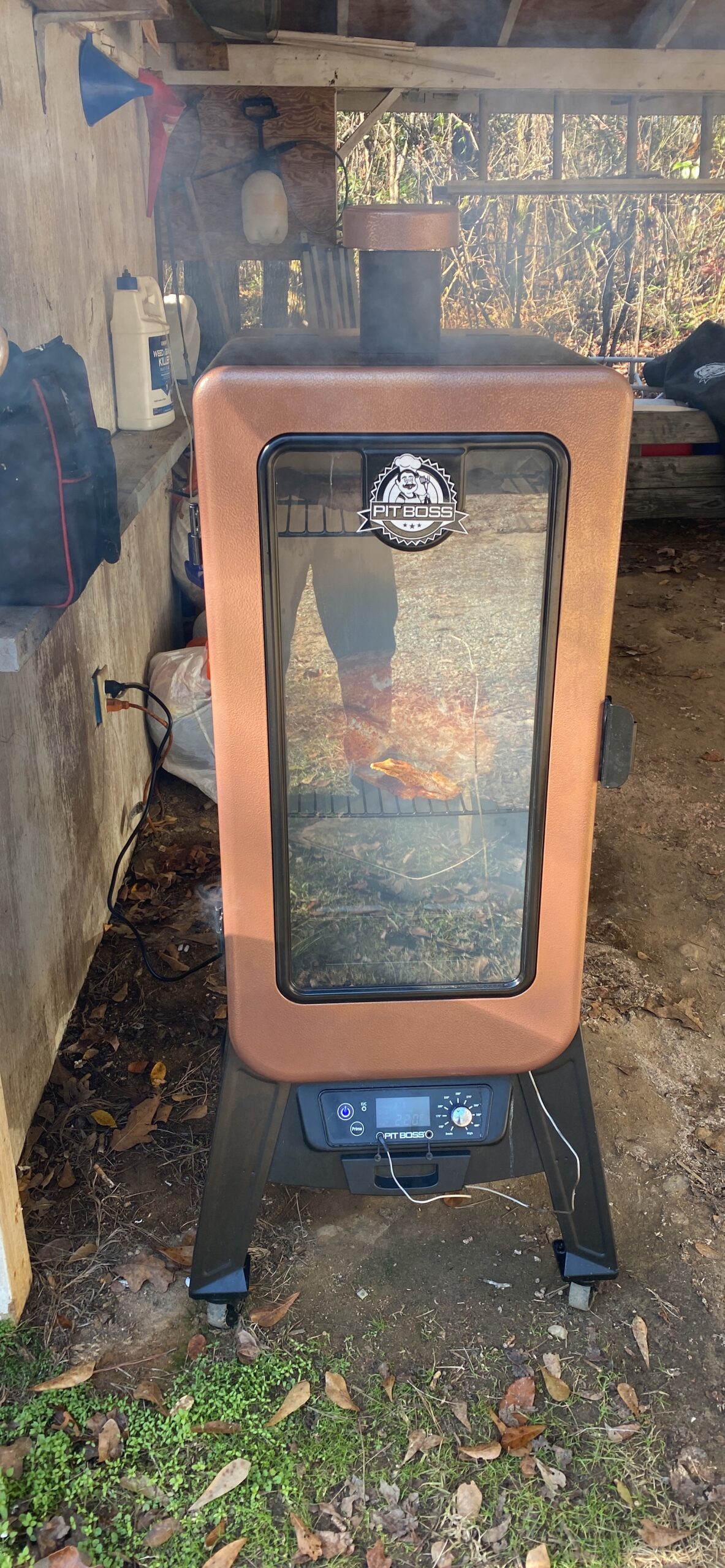
Pellets give you the closest thing to a set-it-and-forget salmon smoke, and this unit programs down to 150F, lower than any other digital control here. That range is why it works for a slow, low cure-style cook rather than only a hot smoke.
Forty-plus pounds of pellet capacity with a purge cycle means 24 hours or more of unattended burn, and owners report the chamber holding within about five to ten degrees of the set point. For a three-hour side of salmon, that is more than enough headroom to walk away.
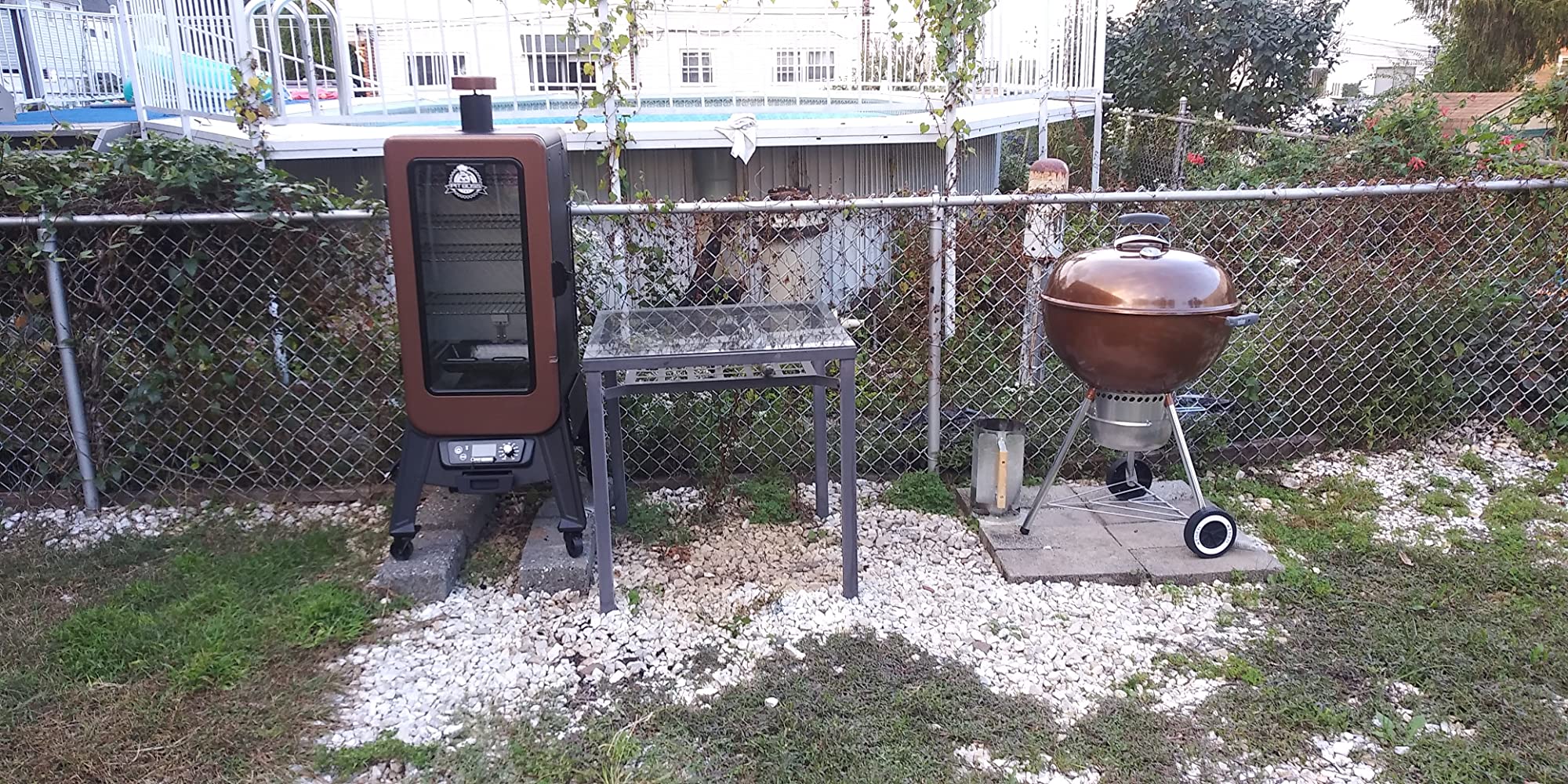
Four porcelain-coated grids give you 901 square inches, with a water pan and heat deflector already in the box. A hanging rack option suits sausages and thinner fish cuts.
One practical note that recurs in owner reviews: the on-board probe reads near the heat source, so buy a separate probe and trust that. Several owners also stress keeping the unit under a cover so pellets in the hopper stay dry.
Best for long cooks and cool mornings
The 150F setting is the real reason to buy this for salmon. In cold weather, an electric smoker can struggle to hold a gentle temperature, while a pellet firebox has enough mass to sit at a low set point all day.
For apartment-adjacent restrictions this is not the answer, since a pellet smoker still produces real smoke outdoors and needs clearance.
Who should pass
At 97 pounds it is effectively a permanent installation, and forums have people on both sides of the big-box question, with plenty noting a small dedicated unit is all a home cook really needs.
The digital panel sits low at the base, which is awkward for anyone who does not want to crouch every time they check a cook, and long horizontal cuts get limited space.
9. Royal Gourmet SE2805 Electric Smoker – Best for Small Spaces and Small Batches

Royal Gourmet SE2805 28-Inch Analog Electric Smoker with 3 Cooking Grates
- Insulated 1350 watt chamber gives even and consistent heat
- Analog controller is simple to dial in
- Removable stainless water pan and chip box
- Moves easily and doubles as an outdoor oven
- Heats up faster than a fuel smoker
- Chip box sits too far from the element so it often needs repositioning
- Water pan is oversized and blocks airflow
- Interior paint peels after repeated use
- Thin light-duty racks and a cabinet slightly out of square
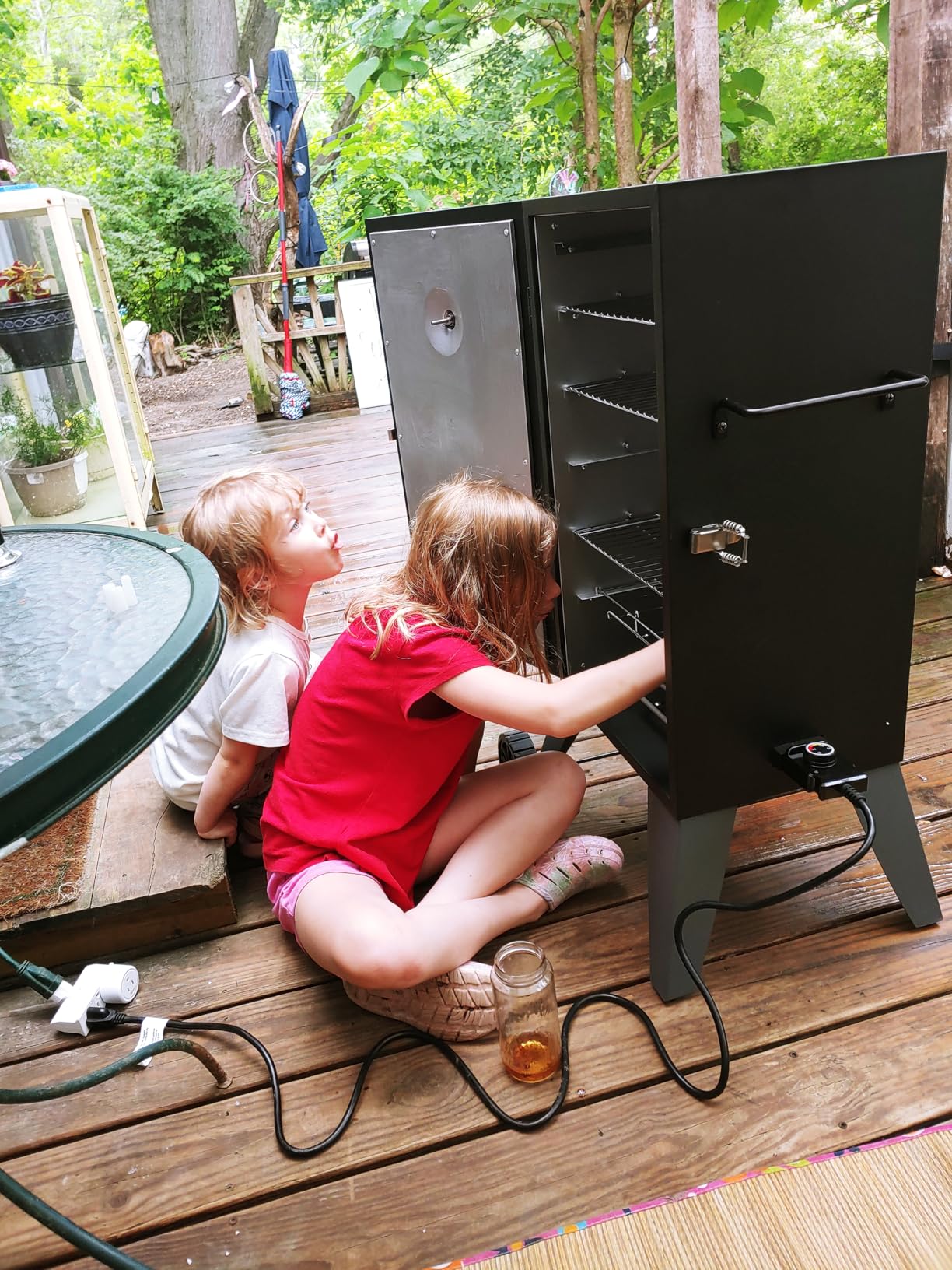
This is the counter pick for anyone who lives somewhere a 200-pound offset smoker is a joke. At 454 square inches across three racks it is built for a weeknight batch, roughly four to six fillets, which covers a dinner and a lunch.
The 1350 watt heater inside an insulated chamber produces even heat, and the analog controller with a built-in thermometer is refreshingly simple. No app, no account, no firmware, just a dial.
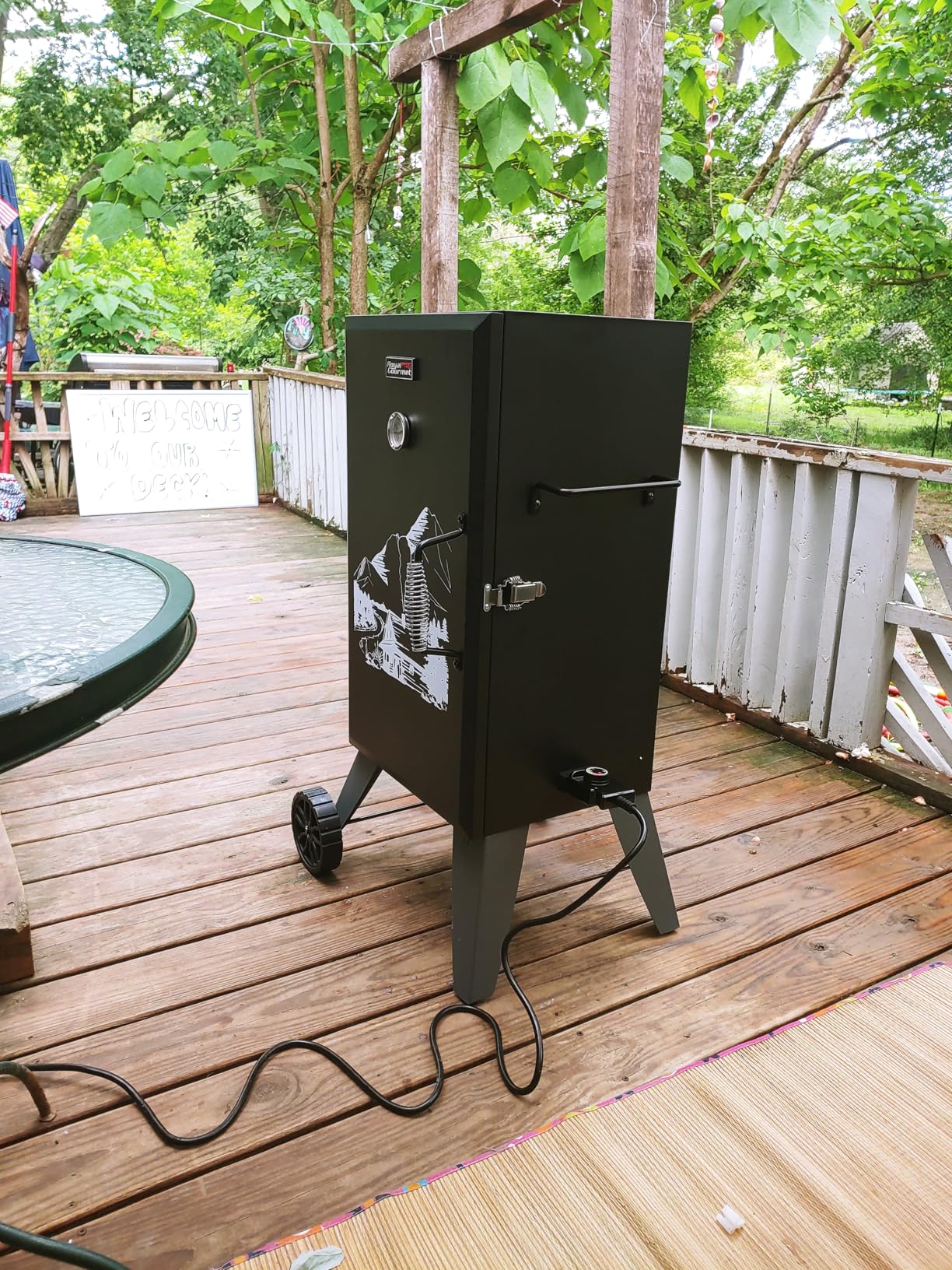
It also heats faster than a fuel smoker and doubles as an outdoor oven, which makes it a genuinely useful second appliance for baking. At 42.1 pounds, one person can move it without a fight.
Two setup notes from owner reviews are worth doing before your first smoke: the chip box sits too far from the heating element, so move it onto the element to get real smoke, and the water pan is oversized, so use a smaller pan or offset it to keep air moving.
Best for two to four people
When you are cooking salmon for a weeknight rather than a party, small is the correct answer and this is the small one. Hot and fast enough to preheat, gentle enough to hold a 190F, and it parks against a wall when you are done.
It is also the option that makes sense where real fire is not permitted, since it is plug-in electric.
What to watch
The standing complaints are the chip box position, the oversized water pan, and interior paint that peels after repeated use. None of those are deal breakers, but all three want a minute of setup on day one.
The owner history here is the shortest of the ten, so long-term durability is less well documented than it is elsewhere.
10. PIQUEBAR Vertical Propane Smoker – Best Starter Gas Smoker on a Smaller Footprint

Propane Smoker with Cover, Vertical Meat Gas Smoker Grill Outdoor Heavy Duty 3 Removable Smoking Racks, Black
- Door seals tightly with minimal smoke leaks reported
- Water bowl and chip tray refill without opening the main chamber
- No electronics beyond the igniter so it can be hose-down
- Burner stays lit in semi-windy conditions
- A cover is included in the box
- Runs a minimum of roughly 200 to 225F with no low-heat zone
- Compact footprint means a full brisket gets cut in half
- Uninsulated steel sides
- 55 lb with no wheels
The tight door seal is the thing to notice here. Owner reviews describe minimal smoke leakage, and on a gas smoker that is what determines how much smoke actually reaches the fish rather than escaping into the yard.
Three removable racks on adjustable-height rails let you change the spacing to fit different cut sizes, and the water bowl and chip tray are both reachable without opening the cooking chamber.
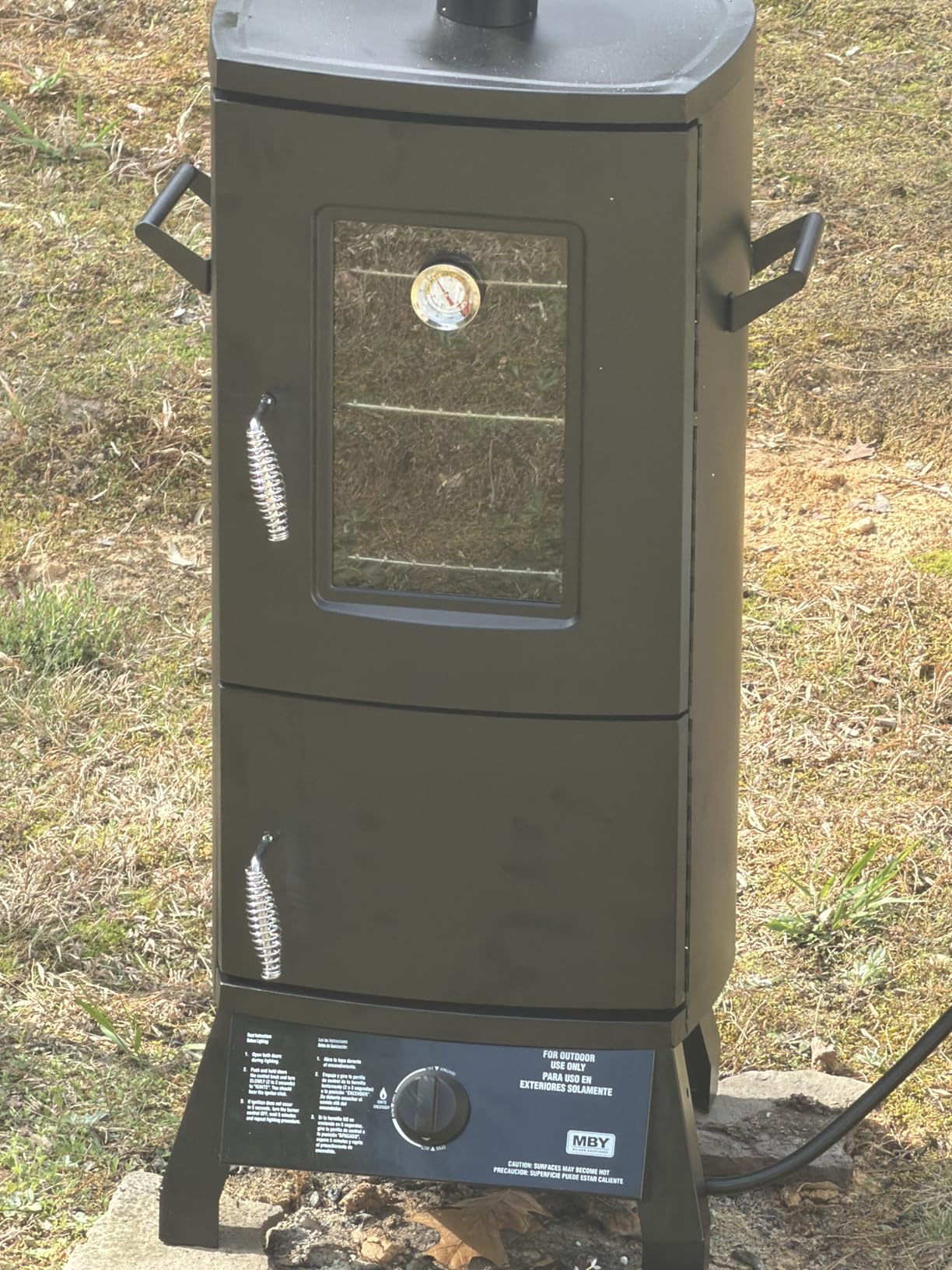
There are no electronics beyond the igniter, which means you can hose it down without worrying about moisture in a control board. That simplicity is genuinely valuable on a deck or in a garage, and a cover is included in the box.
The 4.5 average across a few hundred reviews is strong for a compact first gas smoker, and owners consistently call it good value.
Best for a small deck or a first gas smoker
It has a small footprint, no electronics, and an included cover, which makes it easy to keep out of the way between cookouts. A vertical propane cabinet is a reasonable second step up from a cheap cabinet electric.
The adjustable rails are a nice touch for mixing a thick side with thinner fillets on the same cook.
The temperature floor is the catch
This smoker runs a minimum of roughly 200 to 225F. That is above the gentle range where cured salmon lives, so it suits fish only on the hotter side of the spectrum. Smoke thick fillets at 225F and pull them early, or choose something with a lower floor.
Uninsulated steel sides, a compact chamber, and 55 pounds with no wheels make it a deck smoker rather than a yard unit.
Hot-Smoked vs Cold-Smoked Salmon: Start With This Fork
Before you buy anything, answer one question: are you making hot-smoked salmon for a cookout, or are you making lox and gravlax? These are different crafts, and the appliance you need changes with the answer.
Hot smoking means cooking the fish to a safe internal temperature, usually 140 to 145F, in a chamber between 165 and 225F. The flesh firms up, flakes, and eats like a cooked fillet. This is what almost everyone means when they say they want a fish smoker for salmon, and it is what most of the units in this list are built for.
Cold smoking keeps the chamber below about 85F. The fish is preserved rather than cooked, the texture stays silky, and the cure and the smoke do all the work. The process takes days, it needs salt, and the result is lox, gravlax, or candy salmon. It also demands airflow control and patience rather than raw heat.
Our picks in this roundup are hot-smoking machines. The Little Chief’s 165F hold sits at the warm end of what a dedicated box can do, but a true cold-smoking setup is a different class of appliance and a different weekend.
Salmon Temperature and Time: How Long to Smoke Each Cut
Here is the reference we keep taped inside the garage door. The times assume fillets at refrigerator temperature with a formed pellicle and a water pan in the chamber.
- 1-inch thick fillets at 225F: about 1 to 1.5 hours, pull at 140 to 145F in the thickest part.
- 1-inch thick fillets at 200F: about 1.5 to 2 hours, which is my preference for a softer texture.
- 1-inch thick fillets at 175F: about 2.5 to 3 hours, the most forgiving setting for a first cook.
- 2-inch thick fillets at 200F: about 2.5 to 3.5 hours, and start checking the probe at two hours.
- Whole side of salmon at 175F: about 3 to 4 hours depending on the thickness of the tail end.
- Whole fish at 200F: roughly 2.5 to 4 hours, rigged on a skin-on side with a foil shield over the head and tail.
There is a real debate about the pull temperature, and forum posts cover both sides. A long, low cook finished at 140F gives a softer, more forgiving texture, while 145F is the widely cited safe internal temperature for fish. We lean toward 145F in the thickest part, then rest the fish a few minutes before pulling it off the grate.
Once the salmon is done, you are still only halfway through serving. Pairing notes live in our salmon and wine pairing guide and our salad pairings.
Alder and Apple Win: Best Wood Chips for Salmon and What to Avoid
Salmon has a delicate, fatty profile, and strong wood overwhelms it fast. This is the one place where the wrong choice ruins a smoke as surely as the wrong temperature does.
- Alder: the benchmark for salmon, mild and slightly sweet with a clean finish. Use it whenever you can.
- Apple: sweeter and lighter than alder, excellent for a milder smoke or for mixing with alder.
- Cherry: mild with a slight fruit note, a good stand-in when alder is not available.
- Maple: very mild and faintly sweet, works as a background note rather than a solo wood.
- Oak: the backbone of pork and brisket smoke. Usable for salmon in small amounts, but it can read as woody.
- Hickory: strong, sweet, and close to bacon. Popular with pork, overpowering on salmon. Avoid.
- Mesquite: the strongest common wood on the shelf. Never for fish.
- Cedar: aromatic, but its resin can turn bitter and acrid over a long smoke. Avoid for salmon.
Wood chips versus pellets versus logs is the second question. Chips in a side loader are clean and quick, pellets give you automation, and logs in a charcoal firebox give you the deepest flavor but need active management. For a weeknight fillet smoke, alder chips are the right answer.
How to Smoke Salmon So It Does Not Dry Out
Most dry smoked salmon is not a smoker problem. It is a sequence of five avoidable steps, and the smoker only sets the stage for them.
First, cure and brine. Forum consensus is a basic brine of kosher salt, brown sugar, and water, with Cure #1 at roughly one teaspoon per five pounds. That does two things: it seasons the flesh and it addresses the parasite question, which matters for wild-caught fish.
Second, form the pellicle. After brining and drying, put the fish on a wire rack in front of a fan for several hours or overnight. The surface goes tacky and stops releasing moisture. Beginners skip this step, and skipping it is why the fillet turns dry in the chamber.
Third, use a water pan and a grill mat. The pan keeps the chamber humid, and the mat keeps the fish from sticking and tearing apart when you try to turn it, which is one of the most repeated complaints on smoking forums.
Fourth, keep the heat where salmon lives. 165 to 225F, with a bias toward the lower half of that range for a longer, gentler cook. Forums consider anything you push past 200F for a long fillet a mistake.
Fifth, do not open the door. Use a side chip loader or an external chip box, and check temperature with a probe rather than a door swing. Every opening dumps heat and pulls moisture out of the fish.
That last point is where the top units in this roundup separate themselves. The Masterbuilt, the EAST OAK, the Dyna-Glo, and the PIQUEBAR all let you refill chips and water from outside the cooking chamber, and on salmon that is not a convenience feature, it is a technique.
Will the Fish Smell Stay? Cleaning and Deodorizing a Smoker
Smoking fish is far cleaner than most people expect, but the odor question comes up in nearly every buyer forum, so here is the honest answer.
Salmon is a low-fat, low-odor meat compared with pork shoulder or brisket. If you wipe grease from the walls while the smoker is still warm, scrub the chip tray and grease tray, and run a hot, empty burn for twenty minutes, you will not carry fish smell into a brisket cook.
Grease is the real culprit, not fish. Dripped fat carbonizes and then smokes rancid, which is the flavor people mistake for a fish problem. The Masterbuilt’s removable rear grease tray and the Dyna-Glo’s enameled water bowl are both designed around that.
If a smoker has already taken on a strong smell, a hardware store shelf liner in the bottom, a fresh foil drip pan, and a full burn at high temperature for a full hour fix nearly all of it. Avoid the aromatic cleaner sprays, since the residue comes back as flavor in your next smoke.
Fish Smoker Buying Guide: What Actually Matters for Salmon
Here is the rubric we used. We weighted salmon performance at 60 percent, covering low-temperature holding, smoke control, and capacity. Ease of use is 25 percent. Value is 15 percent. That weighting is why a 12-pound dedicated box can outrank a larger charcoal unit for fish specifically.
Smoker type and fuel. Electric is the most forgiving for salmon because it holds a narrow band without attention, and it is the only sensible choice where real fire is restricted. Charcoal gives the deepest flavor and demands a watch. Pellet gives automation with a wider flavor range and a lower temperature floor. Propane is fast and clean, but many gas smokers have a high minimum temperature, which is a problem for fish.
Temperature control. This is the single most important criterion. Salmon lives between roughly 165 and 225F, so a unit that cannot hold below 200F forces a hot smoke that dries the flesh. A digital controller with a probe input is worth real money here. The electronic cautions from smoking forums are blunt: do not buy an electric smoker without a separate thermometer.
Capacity, translated. Square inches are meaningless until you convert them. A 450 square inch chamber runs about four to six fillets. A 700 square inch four-rack chamber runs eight to twelve. A 1,000 square inch offset handles a full side plus a rack of fillets. Whole-fish cooks need a rack longer than the fish, and that is the spec most people miss.
Construction and material. Stainless steel interiors and powder-coated steel exteriors age best. Beware very thin sheet metal on cabinets in the sub-fifty-pound class, and note that a steel-wire rack on a propane cabinet is lighter duty than a solid chrome rack when you are laying wet fish on it.
Cleaning. Removable grease and water trays matter more than they should for fish, because fish smoke is long and repeated. A hose-down design with no electronics is a real advantage on a deck.
Portability and where you will use it. Weight decides the answer more often than people expect. The Little Chief at 12.2 pounds goes anywhere. The pit-class smokers in this group at 54 to 97 pounds are a two-person move. The Longhorn at 226 pounds is a fixture you plan a yard around. Forums treat wrestling a 100-pound-plus smoker alone as a genuine barrier, and we agree.
Warranty. Most of the electric cabinets here carry one year. The Longhorn carries 90 days. Read it, because on a fixed outdoor appliance a longer warranty is worth something.
Two practical constraints we see ignored. In cold weather, an electric smoker under about 150F needs an insulated cover, and a pellet or charcoal firebox handles a winter smoke more comfortably. And if you are on a condo patio or in an apartment complex, an electric cabinet is the only one of these that will not put you in violation of local rules.
One last note for readers who also smoke meat. A dedicated fish box like the Little Chief is unbeatable for fish and useless for a brisket. A pellet or dual-fuel vertical covers both, at the cost of flavor depth on the fish. Know which one you are buying for before you buy for both.
Frequently Asked Questions
What should I smoke my salmon at?
For hot-smoked salmon, run the chamber between 165 and 225F. Most home cooks land on 175 to 200F for a low, gentle cook, and 225F works for thin 1-inch fillets when you pull them early. Cold smoking sits below about 85F and is a different process entirely.
What smoke flavor is best for salmon?
Alder is the benchmark for salmon, mild and slightly sweet with a clean finish. Apple is the sweetest good option, and cherry or maple work as stand-ins. Avoid hickory and mesquite, which are strong and bacon-like, and avoid cedar, whose resin can turn bitter over a long smoke.
How long does salmon take to smoke at 225 degrees?
A 1-inch fillet takes about 1 to 1.5 hours at 225F, and you should pull it when the thickest part reads 140 to 145F. A thicker fillet or a whole side takes much longer, so at 225F you are cooking thin cuts and nothing else.
What are some common mistakes when smoking salmon?
The usual errors are smoking too hot, skipping the pellicle step, opening the door to add chips, and pulling the fish too late. Brine with Cure #1, dry the surface until tacky, refill chips from outside the chamber, use a water pan and a grill mat, and check a probe instead of guessing.
What is the best smoker for fish?
For dedicated fish work, the Smokehouse Little Chief is the best fit because it was designed for the job and holds a steady 165F. For more capacity and automation, the Masterbuilt 30-inch digital electric is the stronger all-round choice. The right answer depends on how much fish you cook at once.
Are parasites killed in smoked salmon?
Curing salt, sold as Cure #1 and used in a proper brine, is the safeguard for wild-caught fish, and the concentration matters more than the smoke. Cook the fish to a safe internal temperature as well. Buying from a licensed seller is the other reliable route to parasite-free product.
Will smoking fish ruin my smoker?
Rarely. Salmon is a low-fat, low-odor meat, and the problem people actually notice is carbonized grease rather than fish. Wipe the walls warm, clean the chip and grease trays, use a water pan, and run a twenty-minute empty burn at high temperature between fish smokes.
Our Final Verdict for the Best Fish Smokers for Salmon
The Masterbuilt 30-inch digital electric is our overall pick, and the reason is boring in the best way: it holds the temperature, it takes chips from the outside, and it has the deepest owner history in the group. If you would rather the appliance do the thinking, the EAST OAK with its built-in probe is the smarter version of the same idea.
Choose instead if you want something different. The Smokehouse Little Chief is the best dedicated fish smoker and the easiest to move. The Realcook 20-inch charcoal gives you the deepest flavor for the least money. The Dyna-Glo handles the biggest home batches. The Oklahoma Joe’s Longhorn is the one-appliance answer if you also cook brisket. The Royal Gourmet is the small-space pick, and the PIT BOSS is the one to buy if your smokes run long.
Whichever you choose, keep the heat low, use alder or apple, and let the fish tell you when it is done rather than the clock. Once you have a plate of smoked salmon in front of you, pair it with something from our salmon side dish guide and plan the cookout early.