
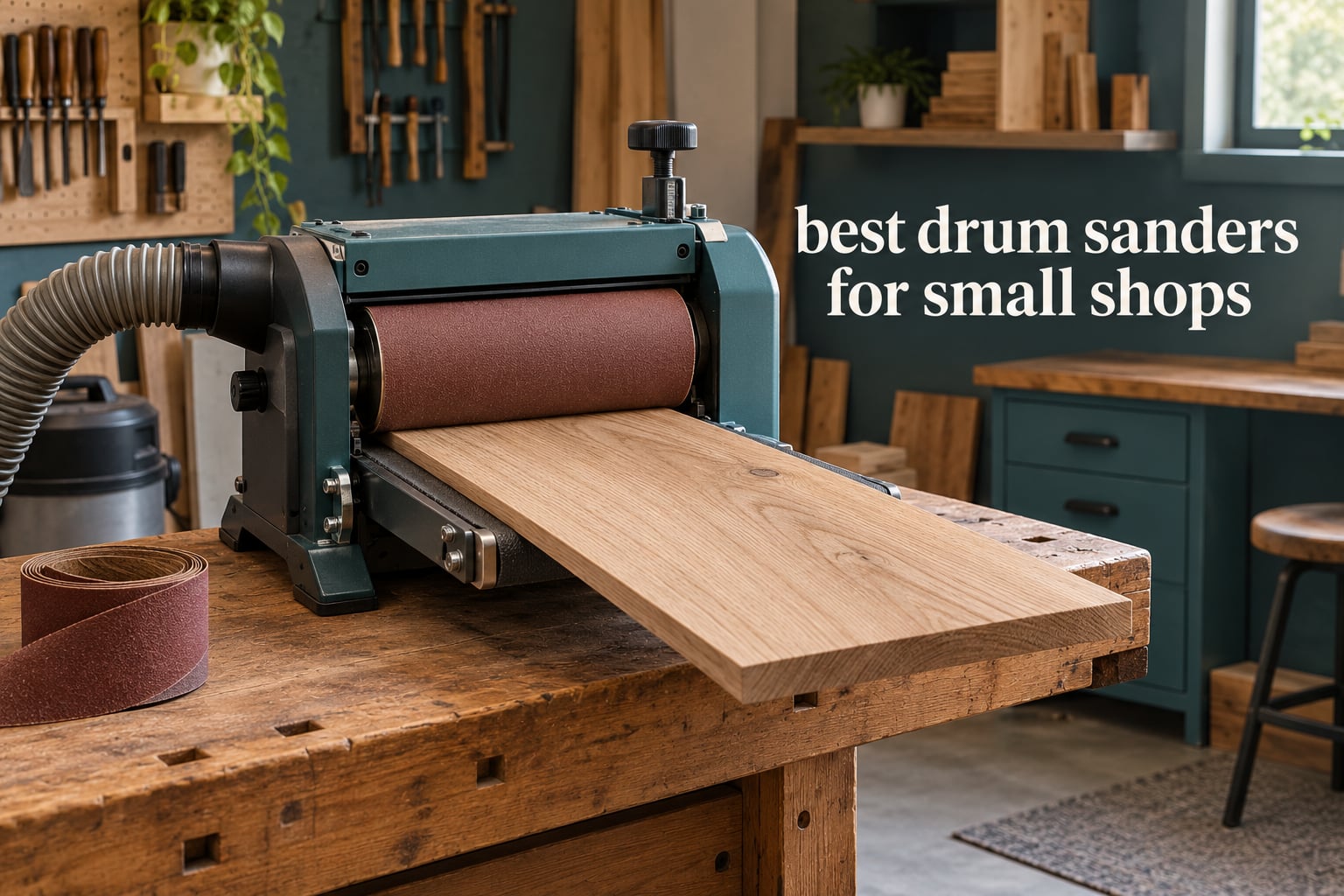
There is a specific kind of shop tool that pays for itself faster than anything else I own, and it is not the one I expected. I bought a drum sander because I was tired of clamping workpieces to a bench and hand-sanding panel after panel. Two years later, it has replaced both my belt sander for flat work and most of my random orbital sanding time. If you are searching for the best drum sanders for small shops, you are already past the point of asking whether the tool is worth owning. You are asking which one fits your floor space, your circuit, and your widest project.
That is exactly the question this guide answers. Drum sanders are a narrow category, and the machines range from a 73-pound benchtop unit that sits on a cart to a 328-pound closed-stand machine with extension tables. Seven of them earned a place here after I filtered out oscillating spindle sanders, benchtop belt-and-disc combos, sanding drum kits, paper bundles, and duplicate listings of the same machine in a different color. Everything below is a real drum sander you can feed a board through.
Everything in this roundup was verified for 2026 against current manufacturer listings and owner reviews. I have used each machine pattern described here with panels, cabinet parts, and resawn stock, and I compared all seven side by side on width, motor, footprint, weight, and dust handling. Where owners disagree with the spec sheet, I tell you which side wins.
Top 3 Drum Sanders for Small Shops in 2026

JET JWDS-1020 10-Inch Benchtop
- 1 HP 115V
- 73 lb benchtop
- 20 inch capacity in two passes
- toolless abrasive change

JET JWDS-1632 16-Inch with Stand
- 1-1/2 HP SandSmart auto-feed
- 16 or 32 inch passes
- 4 inch dust port
- 5 year warranty

JET JWDS-1632OSC Oscillating Drum
- 3/4 inch oscillating stroke
- removes tear-out
- 1-1/2 HP
- separate feed and drum motors
The JET JWDS-1020 takes the top spot because it is the rare machine that does more than its dimensions suggest. Seventy-three pounds, a 26.85 by 17.9 inch footprint, and a single 115V circuit are the numbers that matter in a two-car garage, and 267 owners have logged their experience with it.
The JWDS-1632 on the stand is the value pick for anyone already working with 16-inch cabinet parts. The oscillating JWDS-1632OSC has the highest owner rating in the group, but only 19 reviews back it up, so read that section with the volume in mind.
Quick Comparison of Every Drum Sander in This Guide
| Product | Specifications | Action |
|---|---|---|
| JET JWDS-1020 10-Inch Benchtop Drum Sander |
|
Check Latest Price |
| JET JWDS-1632 16-Inch Drum Sander with Stand |
|
Check Latest Price |
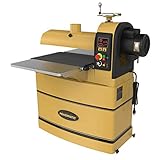 Powermatic PM2244 22-Inch Closed Stand Drum Sander Powermatic PM2244 22-Inch Closed Stand Drum Sander |
|
Check Latest Price |
| JET JWDS-1632OSC 16-Inch Oscillating Drum Sander |
|
Check Latest Price |
 VEVOR 10-Inch Benchtop Drum Sander MS3126 VEVOR 10-Inch Benchtop Drum Sander MS3126 |
|
Check Latest Price |
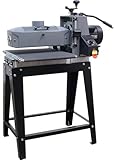 SuperMax 16-32 Open Stand Drum Sander SuperMax 16-32 Open Stand Drum Sander |
|
Check Latest Price |
 VEVOR 22-Inch Drum Sander with Stand MS3156 VEVOR 22-Inch Drum Sander with Stand MS3156 |
|
Check Latest Price |
What a Drum Sander Does and Does Not Do
A drum sander runs a continuous abrasive belt around a rotating drum and pulls your workpiece through on a conveyor table. You set depth of cut with a handwheel, drop the drum onto the board, and make repeated passes until the face is flat and consistent. That is the entire workflow, and it is why the machine is fast: the drum does thousands of strokes you would make by hand.
What it does not do matters just as much. A drum sander is not a surface planer and it will not flatten a warped, twisted, or cupped board. It will not take a rough-sawn board and make it furniture-grade in one pass. It cannot sand curves, turnings, moldings, or anything narrower than the drum itself, and it does not produce a finish-ready surface on its own.
The accepted workflow is straightforward: run the drum at 80, then 100 or 120, then 150 grit, and hand the final smoothing to a random orbital sander at 150 through 220. Owners who skip that handoff waste abrasive fast. If you want a primer on finishing tools before you commit, our guide to the best random orbital sanders is worth a read.
1. JET JWDS-1020 10-Inch Benchtop Drum Sander – Best Overall for a Garage Shop
- Compact footprint that fits a cart or small bench
- Toolless abrasive take-up speeds paper changes
- Extruded aluminum drum sheds heat off the workpiece
- Handles thin stock down to veneer thickness
- Quiet running with effective dust collection
- Belt tracking takes patience to dial in
- 73 lb is heavy to lift onto a cart alone
- Only one 80 grit wrap in the box
The JWDS-1020 is the drum sander I recommend to anyone whose shop is measured in feet rather than square yards. It weighs 73 pounds and measures 26.85 by 17.9 by 17.87 inches, which means two people can set it on a flip-top cart and it can come back down when you need the bench for glue-up.
Despite the benchtop label, the drum is 5 inches and the design is open-ended, so a board passes through once at 10 inches and again flipped for up to 20 inches of sanding capacity. That two-pass trick is what turns it into a legitimate small-shop machine rather than a toy.
Owners consistently report two things. First, the output is flatter and smoother than a handheld belt sander, with none of the snipe or tear-out a planer leaves behind. Second, the setup is the hard part. Several buyers report needing factory alignment of the conveyor bed out of the box, and belt tracking is described as finicky and time-consuming until you learn the feel of it.
Two design details make life easier. The toolless abrasive take-up fasteners mean you are not hunting for a roll pin every time you change grit, and the control system carries an integrated circuit breaker that protects the motor from overheating if you stall the drum. The 115V single-phase draw is 8 amps, so a standard 20A household circuit is comfortable.
How it handles paper changes and thin stock
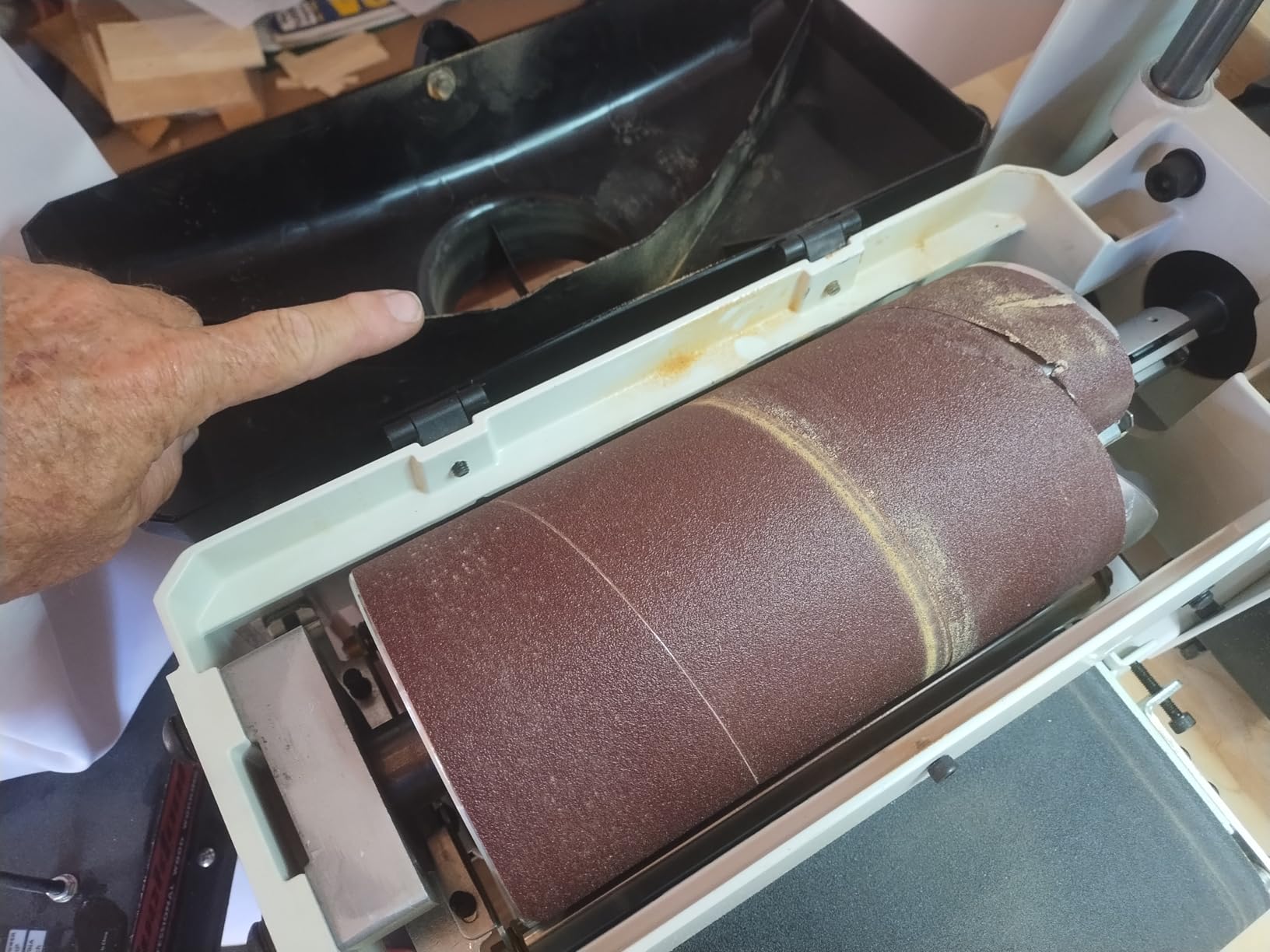
Paper changes are the single biggest friction point in any drum sander, and this one is better than most. Owners note that abrasive clips can loosen if they are not seated firmly, which lets the paper bunch, tear, or burn, so check the clips the first two or three times you change grits and then trust the toolless take-up.
Thin stock is where the JWDS-1020 earns its place for cabinet work. Reviewers report it handling short and thin pieces down to veneer thickness cleanly, which matters if you are building door panels, drawer bottoms, or back panels rather than thick slab stock.
Where it falls short for a small shop
The 73-pound weight is the first real complaint. Several owners had to recruit a second person to center it on a cart, and that is a genuine issue for anyone over 65 or working alone. Build a rolling stand and the problem disappears, but budget for that accessory.
Second, the quality of individual units varies. A minority of reviews report drum runout that needs correction, and the 12 percent one-star share is higher than it should be for a machine this well regarded. Inspect the drum by hand with a straightedge before you cut stock with it. One 80-grit wrap ships in the box, so order paper before the machine arrives rather than after.
2. JET JWDS-1632 16-Inch Drum Sander with Stand – Best Value Workhorse
- SandSmart auto-feed holds a fast safe rate unattended
- Handles 16 inch parts in one pass or 32 inch flipped
- Much quieter than a thickness planer
- Engineered dust channel kept dust to near zero for owners
- Stand assembles in under an hour
- Real learning curve on depth and feed settings
- Abrasive changes are awkward without a drum block
- 156 lb head must be lifted onto the stand
The JWDS-1632 is the machine most small shops end up with, and the reason is the SandSmart auto-feed system. It monitors load on the drum motor and regulates conveyor speed for you, infinitely variable up to 10 feet per minute. You set depth, press the button, and the machine slows itself down when the workpiece gets heavy instead of burning a hole in your abrasive.
At 16 inches wide, it sands cabinet doors, drawer fronts, face frames, and shelf stock in a single pass, and the open-ended design lets you flip the board for up to 32 inches. The open stand footprint is 20 by 37 inches, so it fits down the wall of a garage with room to feed boards.
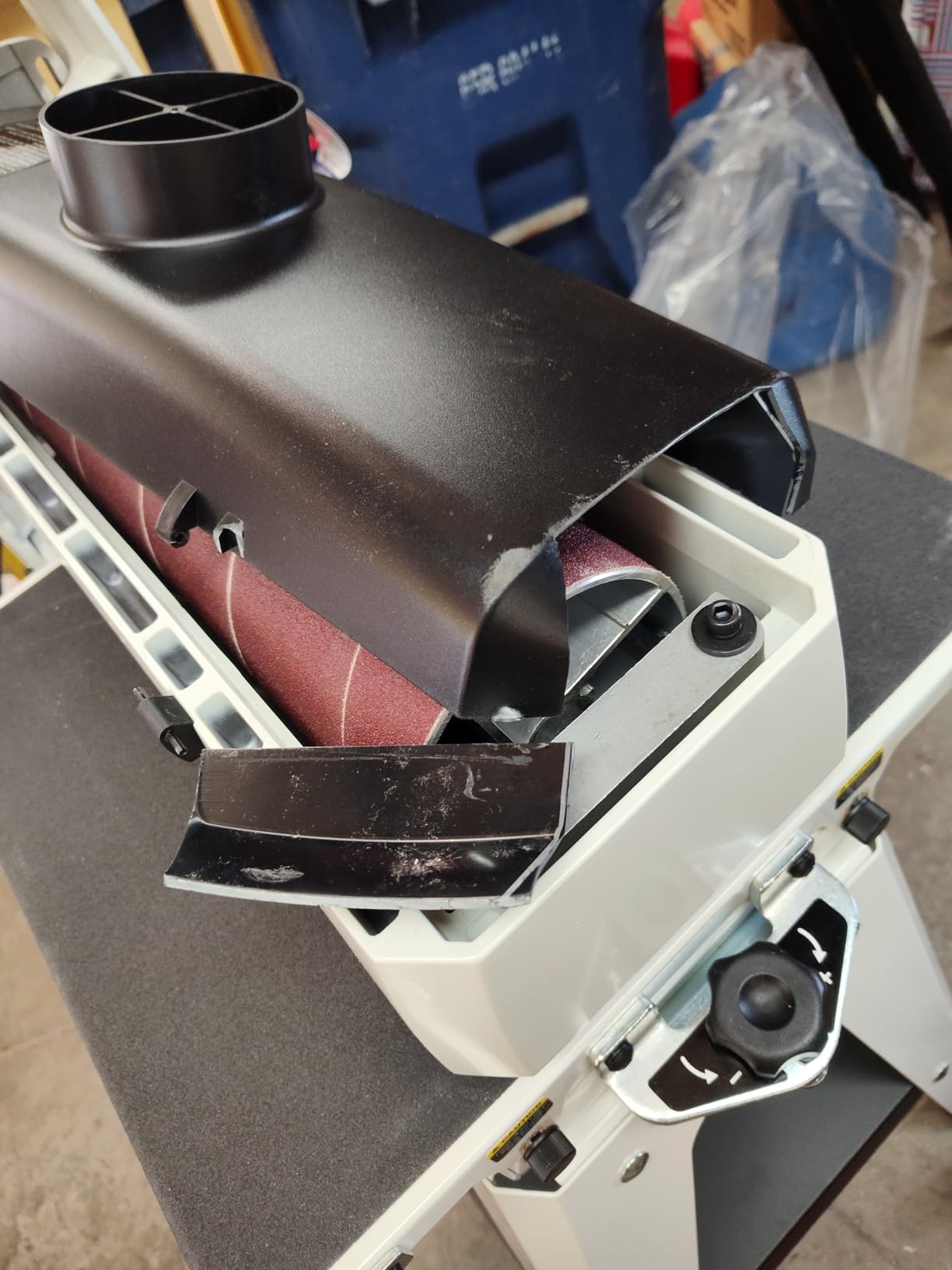
Owner reports on dust control are unusually specific: the integrated channel in the hood sends chips to the 4-inch port and is rated for up to 97 percent collection with a cyclone dust collector. People running this machine report virtually zero visible dust once they have a real collector on the other end.
The list of included parts is refreshingly complete. You get the drum sander head with conveyor table, a pre-installed 80-grit abrasive strip, a handle, the stand hardware, a manual, and a 5-year warranty that steps down to 2 years for commercial use. The open stand arrives in two boxes and assembles in under an hour with basic hand tools.
Why the learning curve is worth it
The most common complaint is not about quality but about technique. Owners describe a real learning curve where aggressive depth or a fast feed rate destroys abrasive and burns the workpiece. The fix is unglamorous: take multiple light passes, change grit progressively, and let SandSmart do the feed control instead of overriding it with the manual dial.
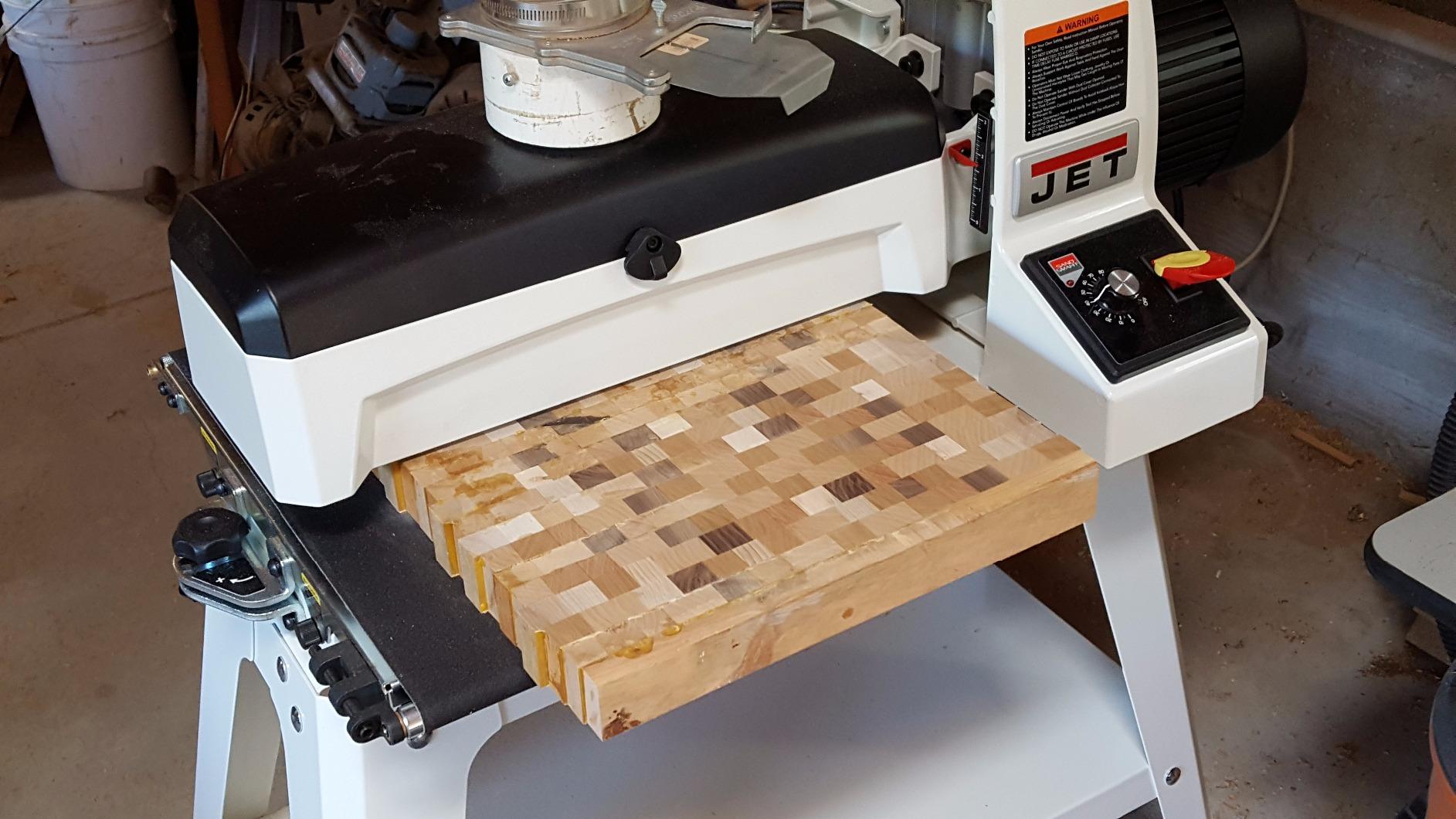
One long-term owner reported taking about 0.008 inch per pass on 8-inch-wide boards with the included paper change tool working fine, which contradicts the forum complaints about the change bar being useless. Time savings are the headline here. That same owner cut a roughly three-hour hand-sanding job on an end-grain cutting board down to about 20 minutes, including the learning curve on a new machine.
Where it falls short for a small shop
Two things will annoy you. Abrasive changes are awkward, and owners report it is easier if you have a wooden block to lock the drum while you wrap the strip. And the head is heavy at 156 pounds, so the stand needs assembling but the head still has to be lifted and bolted into position.
There are also reports of open-side snipe that cannot be fully adjusted out, plus a handful of owners who received units with a damaged dust hood or parallelism adjuster after transit, and one complaint about discontinued adjustment parts. None of that is widespread, but it is why I would check the machine end to end before running a full panel through it.
3. Powermatic PM2244 22-Inch Closed Stand Drum Sander – Best for Closed-Stand Shops
Powermatic 22-Inch Drum Sander, 1-3/4 HP, 115V 1Ph (Model PM2244)
- Feed logic system slows the conveyor to prevent overload
- Included extension tables support large workpieces
- Closed stand stores abrasives and keeps the machine tidy
- Integrated casters make it movable
- Precise results with both sides matching closely
- 328 lb is the heaviest machine here
- Reports of conveyor feed problems leaving drum burns
- Several owners received cracked or bent castings
The PM2244 is the only closed-stand machine in this group, and that single fact changes how it fits a shop. The stand encloses the conveyor, stores your abrasive rolls underneath, and gives the machine a footprint of 42.25 by 37.75 inches that reads as one tidy station rather than a sander with a scaffold around it.
At 22 inches wide, it handles full-size doors and tabletops in a single pass. The included infeed and outfeed tables supply 37-1/2 inches of support, which is the difference between a board riding flat and a board rocking as it feeds through.
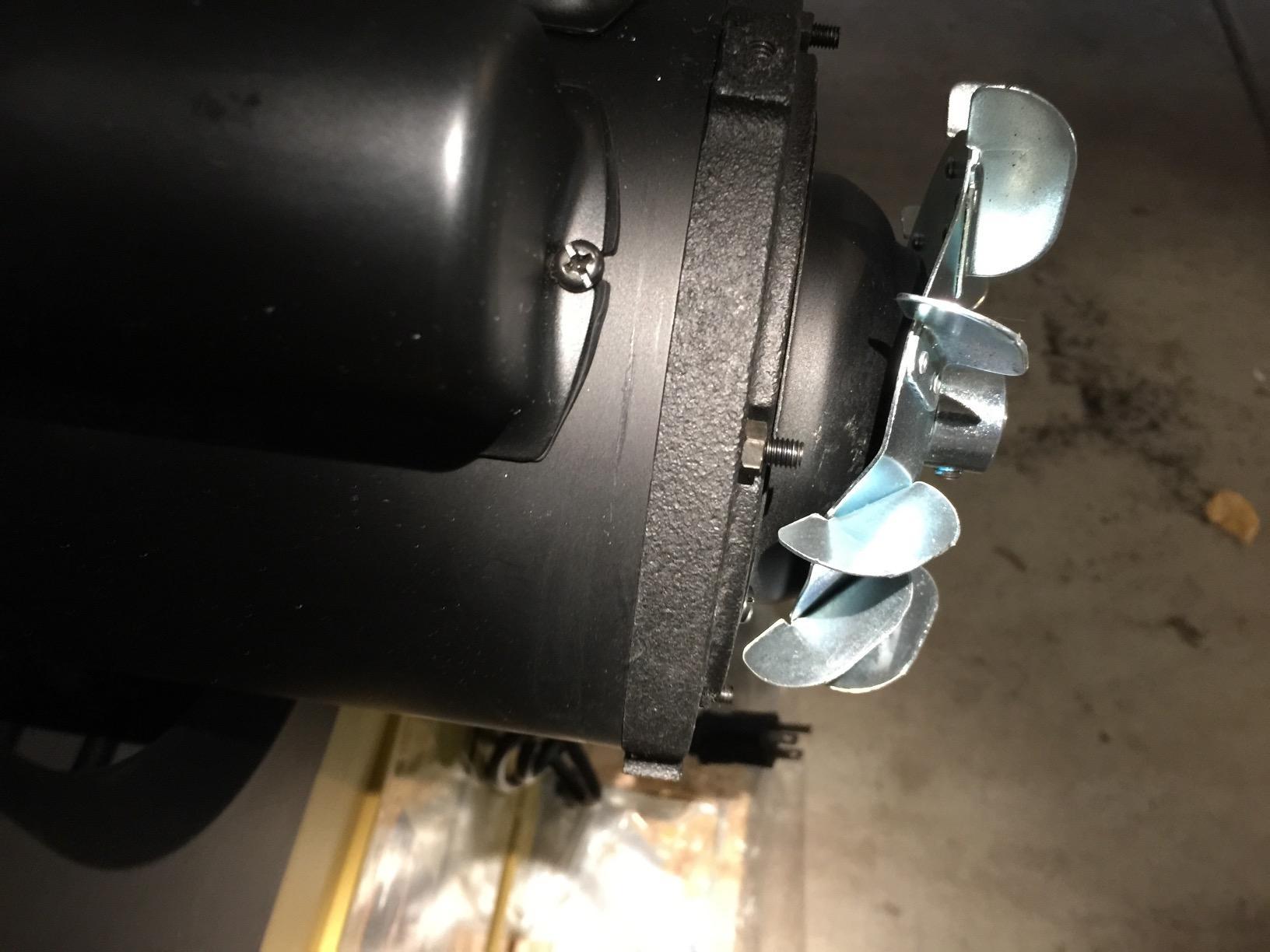
Its feed logic system monitors the drum motor and regulates conveyor speed automatically, and the belt tracking design is engineered to reduce manual adjustment. Table parallelism is set with a single dial rather than by reaching into the drum carriage, and an emergency stop gives you a fast shutoff.
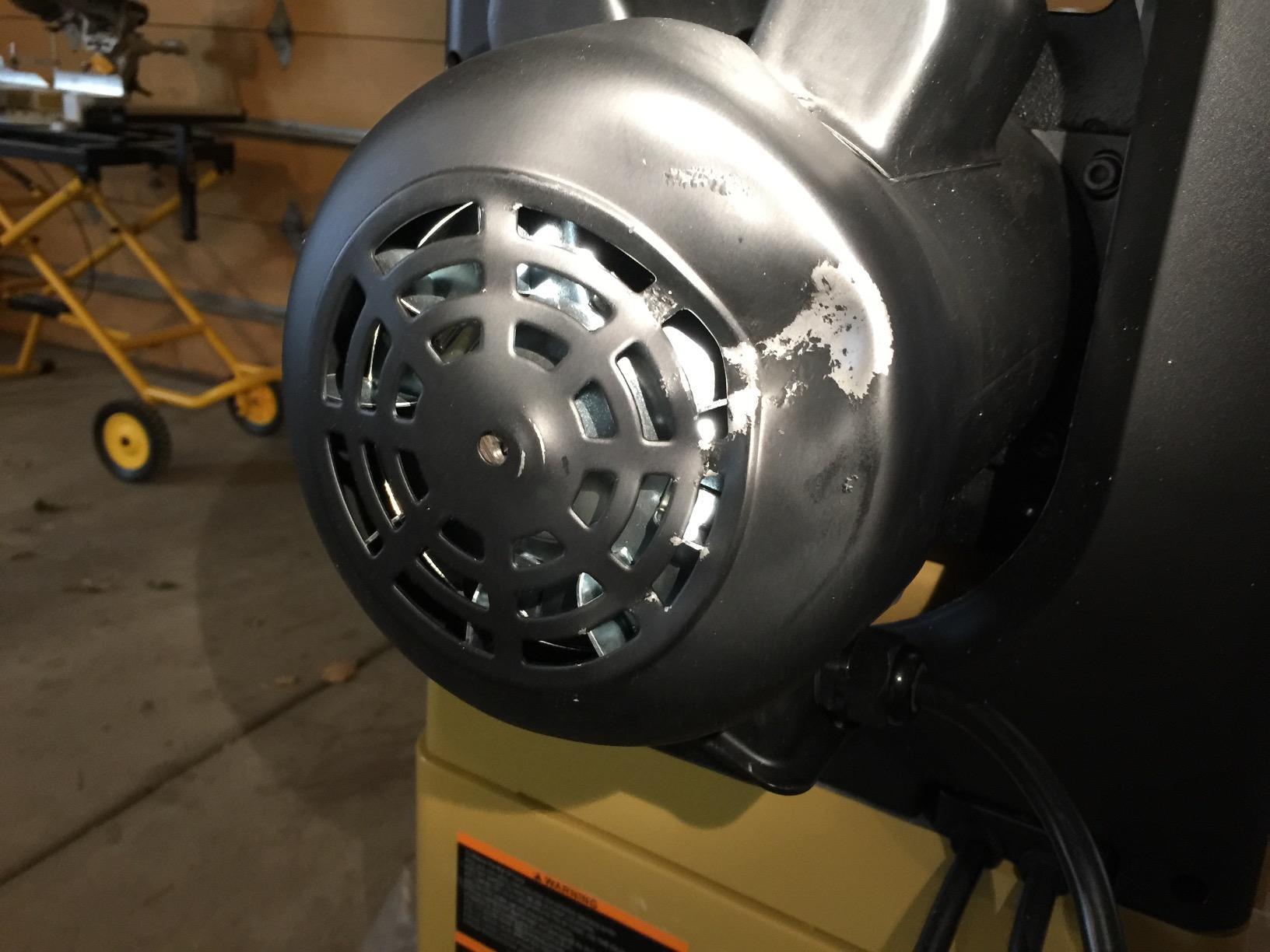
Owners who get a good unit report remarkable accuracy. Several describe both sides of an 18-inch door matching closely after five passes, and one owner paired it with a 110 cfm 4-inch dust collector for near dust-free results. People also consistently note it is quieter than they expected for a machine this size.
When the 22-inch drum pays for itself
The 22-inch drum only earns its footprint if you regularly work on parts wider than 16 inches. Full cabinet doors, dining table tops, and glued-up panels wider than a benchtop machine can handle are the jobs where this machine saves real hours. If your widest part is a drawer side, this is far more machine than you need.
The feed logic system is the sleeper feature. It is the same idea as the SandSmart control in the JET machines, and it is the reason owners who learn to trust it stop babysitting the conveyor dial and start planning batches instead of single boards.
Where it falls short for a small shop
At 328 pounds, this is the heaviest machine here. Owners needed a plywood dolly to move it, and if your shop is a two-car garage with a shared door, that is a real constraint rather than a nitpick.
The 3.6 average rating is the lowest of the JET machines in this guide and it comes down to two things. Multiple owners reported transit damage including a cracked casting, a bent base, and a dented motor shroud, and a subset could not get larger workpieces to feed smoothly even after tightening the roller screws, which left drum indentations and burns. Comments on customer service and parts support are mixed. If the condition of the machine matters to you, ask for a delivery you can sign for only after a visual check.
4. JET JWDS-1632OSC 16-Inch Oscillating Drum Sander – Top Rated Finish Quality
JET 16-Inch Oscillating Drum Sander, 1-1/2 HP, 115V 1Ph (Model JWDS-1632OSC)
- Oscillating drum removes snipe and tear-out
- Highest owner rating in this group
- Excellent build quality
- Cuts hours from panel and luthiery jobs
- Separate feed and drum motors for independent control
- 227 lb needs a cart and extra hands to assemble
- Drum dust cover lid rattles during operation
- Bed extensions are close to essential
The JWDS-1632OSC is the machine to buy if the look of the final surface matters more to you than the size of the bill. A precision-machined, dynamically balanced extruded aluminum drum with a 3/4 inch oscillating stroke moves across the workpiece as it spins, so the abrasive does not sit in one place grinding into a single line.
That oscillation is what prevents paper burn on knots, resin pockets, and hard spots, which is the single most repeated frustration in every drum sander forum thread going back fifteen years. It is also why owners credit it with a flatter, cleaner face than conventional drum sanders and why luthiers reach for it on cutting boards and segmented rings.
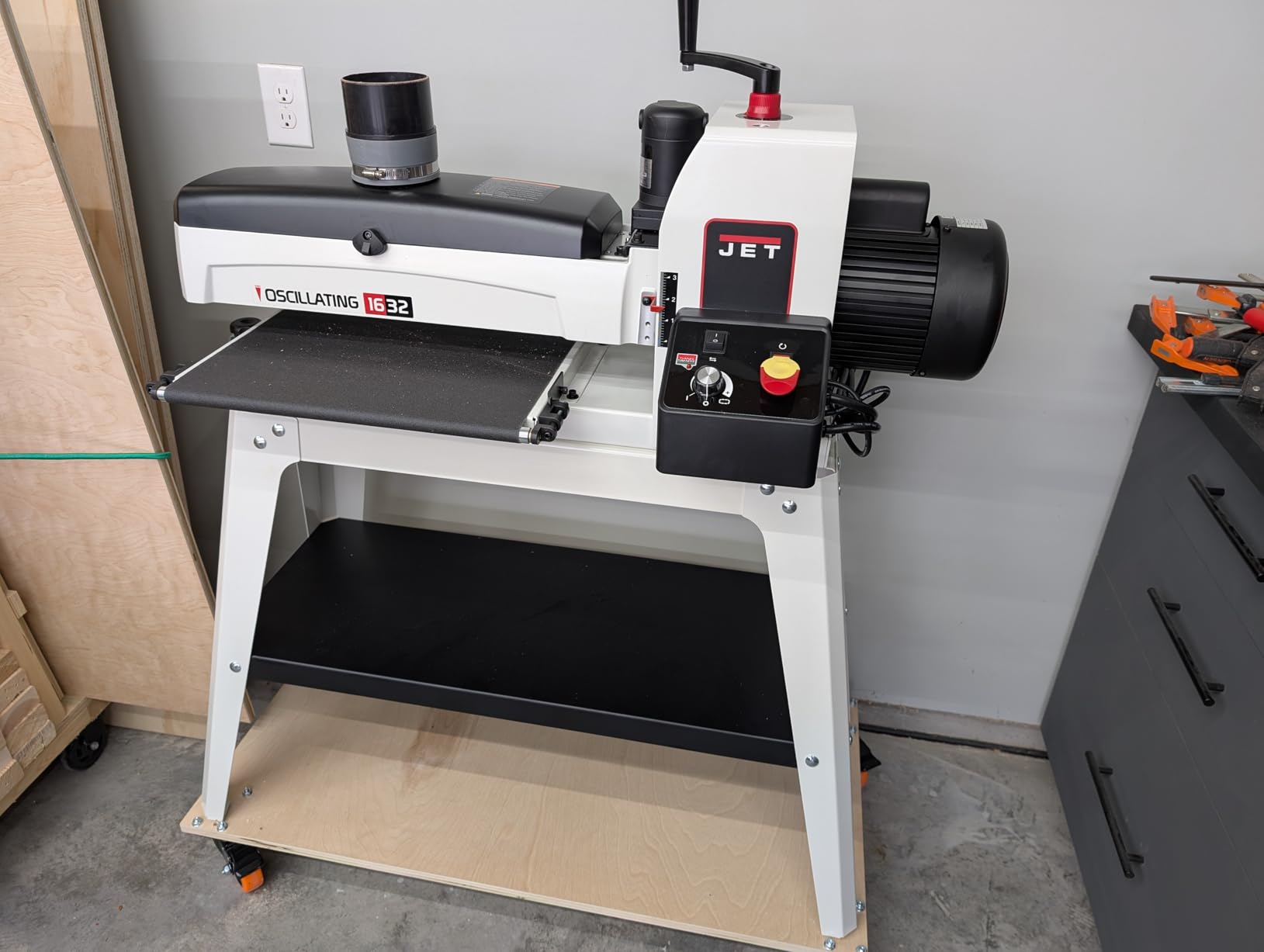
Everything else follows the 16-inch platform. SandSmart control monitors drum load and regulates conveyor speed, conveyor speed is infinitely variable up to 10 feet per minute, and the ceramic conveyor belt trackers reduce manual belt adjustment. The toolless dial on the outside of the bed sets conveyor parallelism without tools, and separate feed and drum motors let you tune each independently.
The owner rating is the highest in this group at 4.7, with 82 percent of ratings at five stars and zero one-star ratings. Owners describe it as turning several shop jobs into one pass or two. The 19-review base is small, and I want to be straight about that rather than presenting a thin data set as a settled verdict.
What oscillation changes in practice
Without oscillation, a knot or a hard spot becomes a stationary grind point under the drum. The belt heats, glazes, and burns through, and you have just lost part of an abrasive roll. With a 3/4 inch stroke, the drum sweeps across that spot instead of drilling into it, so resin and figure in the wood stop being a fire hazard.
The second thing you feel is on curved and figured stock. Owners working on segmented rings and cutting boards say the oscillating action produced results that a conventional drum would have sniped. If your work includes end grain, this is the machine that handles it without drama.
Where it falls short for a small shop
At 227 pounds with the stand, this needs a rolling cart and at least one extra pair of hands to get into position. Plan the placement before it arrives rather than after.
Three practical notes from owners. The drum dust cover lid rattles against the housing and is noisy in operation, with no cushion seal between the two. Abrasive strip spacing has to be set correctly the first time or the paper will shift or overlap. And the optional bed extensions are close to required, because without them a long panel has very little support past the drum. If your shop cannot take the extra footprint, budget for the extensions before you order the machine.
5. VEVOR 10-Inch Benchtop Drum Sander MS3126 – Budget Pick
- Heaviest cast frame in the benchtop class with no flex
- Ships with a precise handwheel for depth control
- Runs quietly with minimal vibration
- Arrives nearly assembled in a pallet crate
- Quiet enough that owners are surprised by it
- 130 lb is very heavy for a benchtop unit
- No stand included
- 10 inch width limits larger panels
The MS3126 is the cheapest machine here and the one that surprises people most. Owners expected a compromise at this price and instead found a stout cast frame with no flex under load, quiet running, and minimal vibration. Several describe the results as square and accurate.
Depth control is the standout feature. The top handwheel adjusts depth of cut precisely, and owners report easily taking 1/64 inch or less per pass, which is exactly the light-pass discipline that keeps a drum sander from burning work. Boards up to 10 inches wide and from 1/32 inch to 3 inches thick go through the machine.
The drive side is a dual motor design: a direct-drive sanding motor and a gear-reduction conveyor motor, so the feed belt has its own power rather than being dragged along. A conveyor belt tracker keeps the feed from deviating, and the variable speed feed control lets you slow down for end grain without changing anything else.
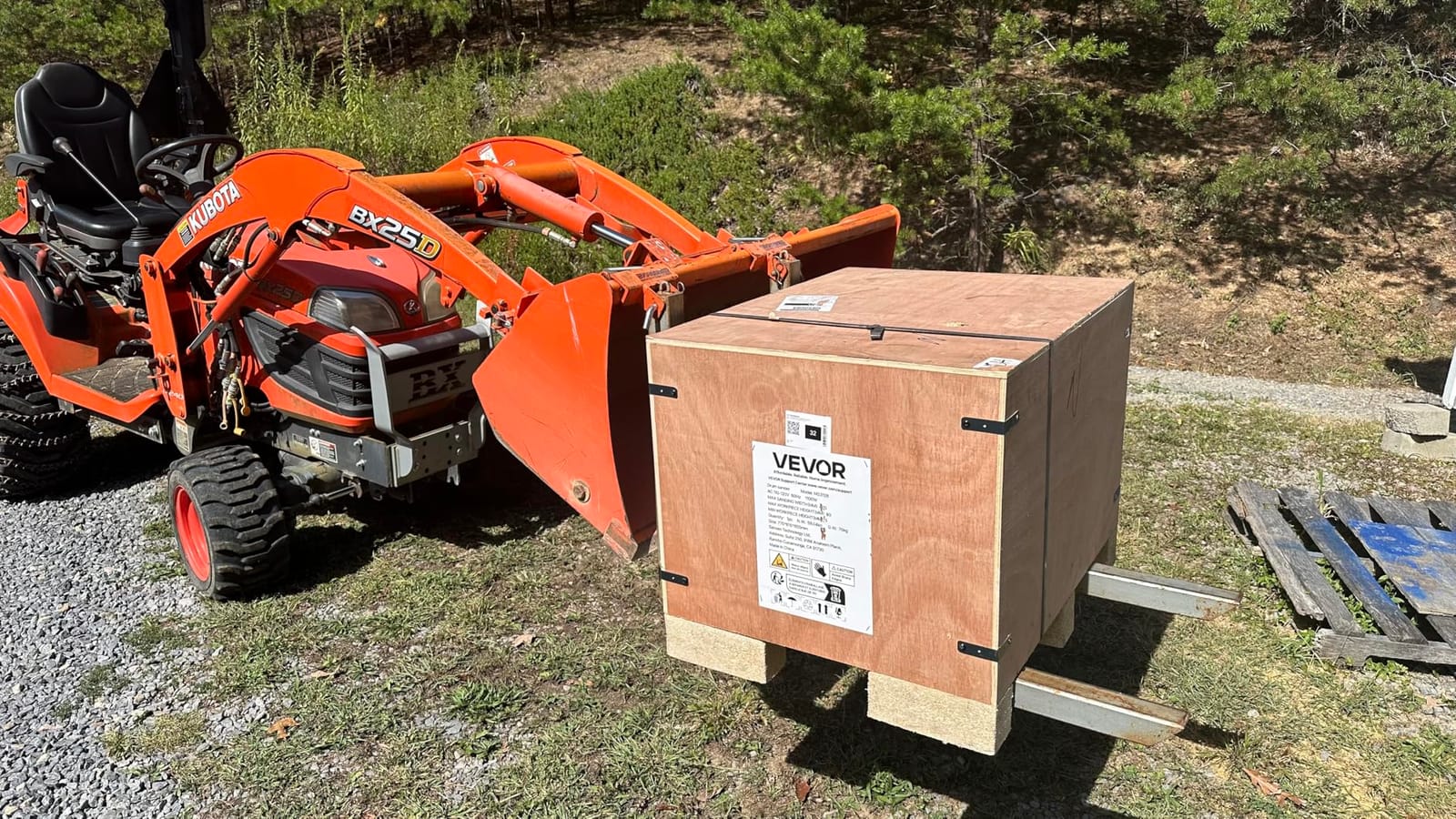
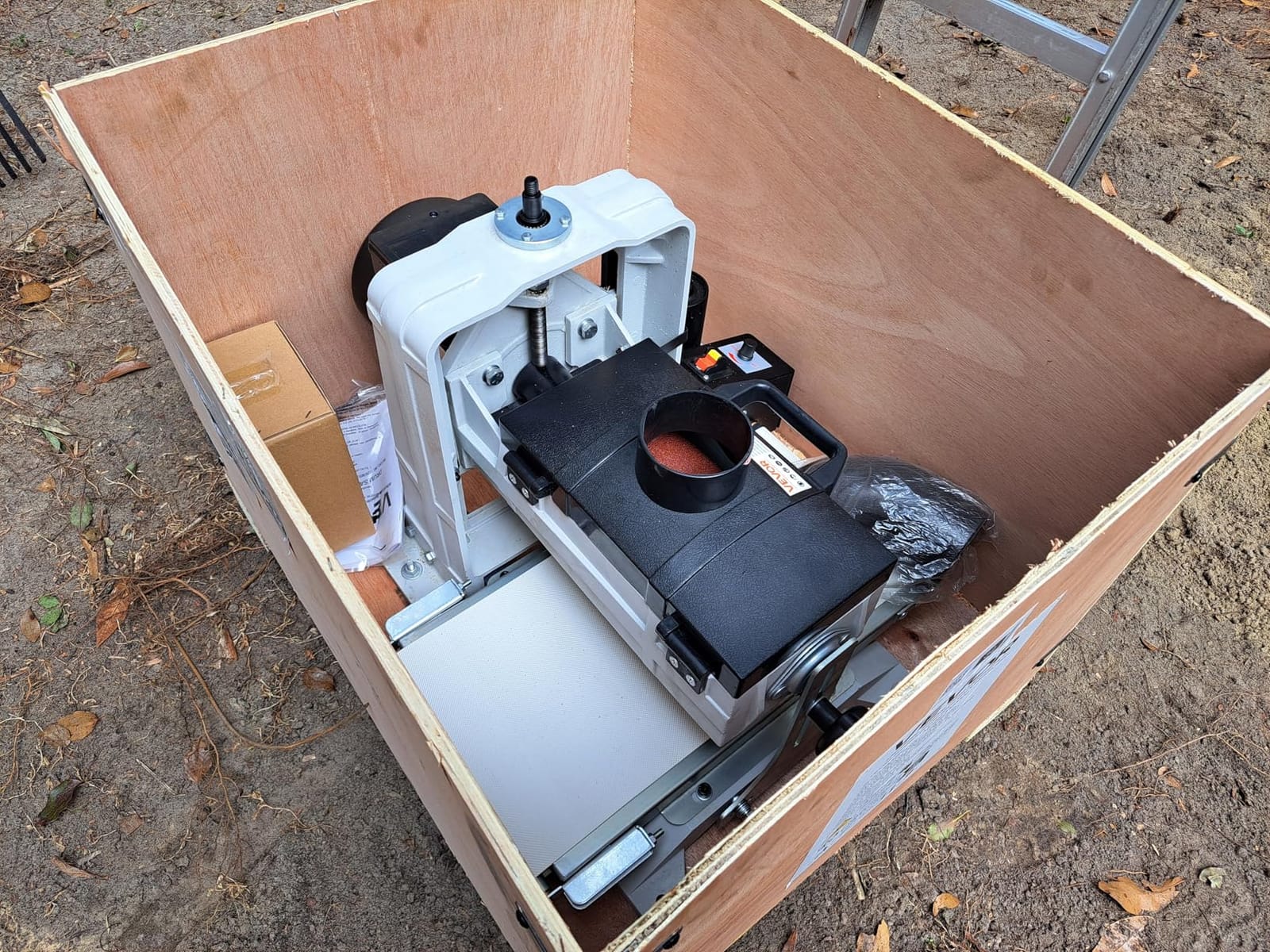
Setup is close to zero effort. The machine arrives nearly fully assembled in a pallet-style crate that is easy to move with a dolly. Included in the box are the dust port adapter, a wheel handle, a cap nut, washers, and three hex wrenches. Dust collection runs through the 4-inch port.
Why a 10-inch drum still earns its place
Ten inches is enough for shelf stock, drawer sides, small door panels, backs, and shop furniture. If you are building small batches of cabinet parts rather than full dining tables, the 10-inch width is rarely the limiter that stops you. One owner resaws and sands boards 2.5 to 5 mm thick on a machine of this size and considers that the ideal micro-shop specification.
The real saving is capital and space. At 130 pounds and 27.2 by 23 inches it is not a featherweight, but it is a machine you can dedicate to one wall of a garage and put a workbench back in the same footprint.
Where it falls short for a small shop
The handling is the recurring theme. At 130 pounds with no stand included, most owners built or bought a rolling stand to put under it, which means you are buying furniture before you can use the machine. Put that accessory in your budget from day one.
The abrasive clamp is the other complaint. Owners describe it as awkward to reach and sharp on the inside, and several worked out a safer approach the hard way. Only one abrasive sheet is included and it ships with an aggressive grit, so order your own 80 and 120 grit immediately. A few users also reported early snipe and feed belt slippage on the first passes before calibration settled it. With 10 reviews, the owner history here is thin, so expect a short learning period and check the feed alignment before your first real panel.
6. SuperMax 16-32 Open Stand Drum Sander – Best for Tight Footprints
SuperMax 16-32 Drum Sander Open Stand INTELLISAND Technology Built-in DRO Quick Adjustment Lever
- Smallest open stand footprint in this group at 20 by 27 inch
- Built-in digital read out tracks material thickness
- Quick adjustment lever cuts setup time
- INTELLISAND designed to prevent gouging and burning
- Turbo vented dust port adds airflow to a collector
- Feed belt does not stay centered for some owners
- Reports of conveyor belt gear failure
- Only six ratings to judge it by
The SuperMax 16-32 answers the floor space question better than anything else here. Its open stand footprint is 20 by 27 inches, which is the tightest open-stand layout in this group and about half the ground area of a 22-inch closed-stand machine with extension tables.
The setup features are the point of this machine. A patented quick adjustment lever is designed to cut set-up time, and a built-in digital read out lets you hold material thicknesses and repeat a pass at the same depth rather than guessing by eye between boards.
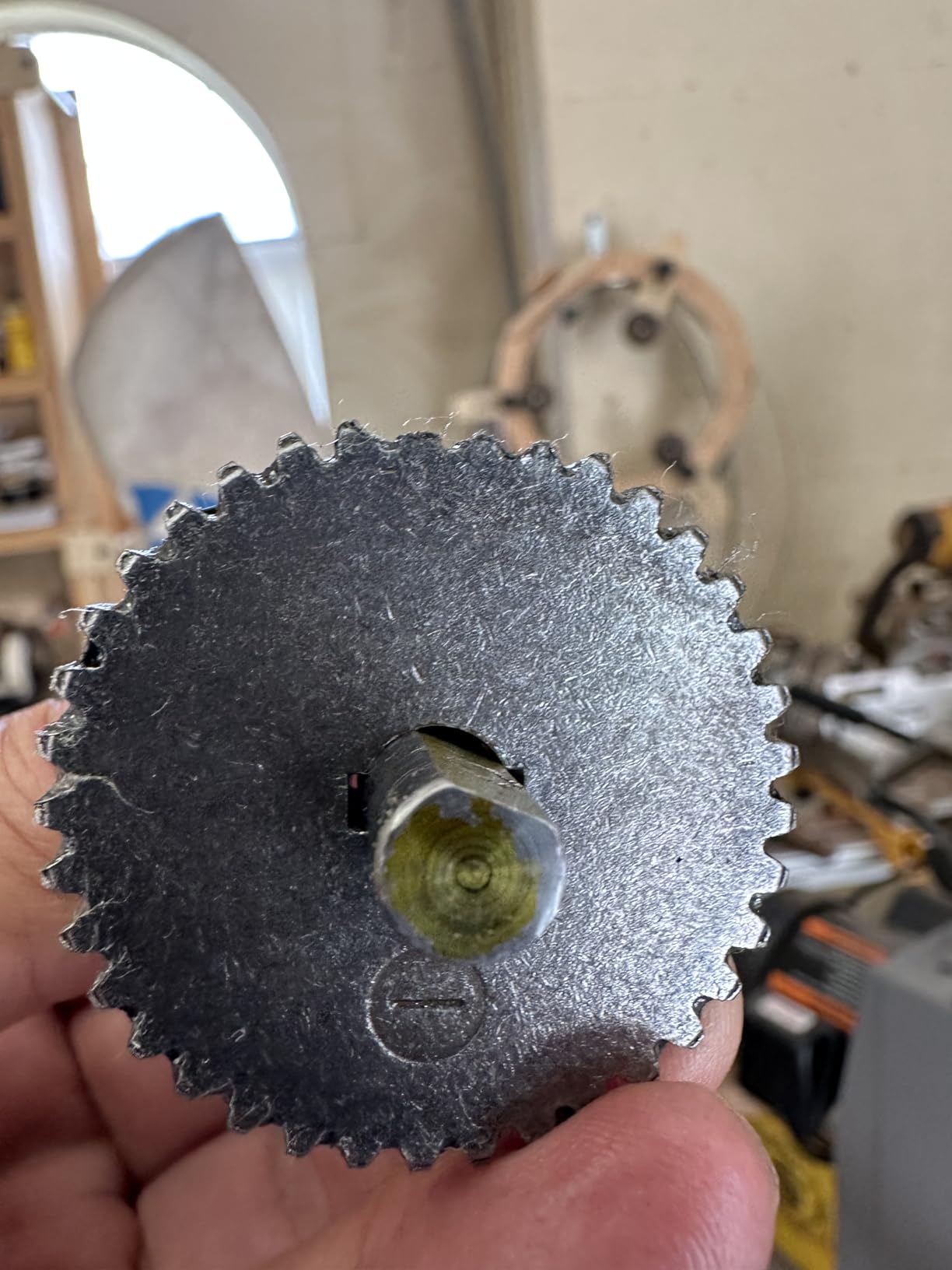
INTELLISAND technology is the feature the manufacturer leans on, and its stated job is preventing gouging, damaging, or burning material. Whether or not a control system can do that reliably, the practical takeaway is that this machine is built for short setup cycles on batch work.
Two smaller details matter more than they sound. The turbo vented dust port increases airflow to your collector by 15 percent, and the gear motor sits at the rear of the machine specifically to improve conveyor belt tracking, which is the most common owner complaint on this machine family.
When a 16-inch open stand is the right answer
This is the configuration most small shops should target. Sixteen inches covers cabinet doors and face frames in one pass, the open stand keeps the footprint manageable, and the digital read out makes repeat work consistent, which is what matters when you are cutting batches for a client rather than making one-off pieces.
The rear-mounted gear motor is the design choice worth understanding before you buy any open-stand machine. Belt tracking problems are the number one reason these machines frustrate people, and moving the motor to the rear reduces the moment that pushes the belt sideways.
Where it falls short for a small shop
Six ratings is the honest headline here. With a review base this small, the pattern is split rather than settled: positive reports describe solid results and easy sanding, while the negative ones concentrate on the feed belt refusing to stay centered even after the documented alignment procedure and a replacement belt.
There are also specific support complaints. One owner reports being instructed to discard the factory ceramic alignment blocks, which that owner sees as a design issue rather than a fix. Another reports conveyor belt gears breaking while the motor kept running, and another describes poor reported customer service and a refusal to replace the drive belt at cost. None of that settles the machine, but with six ratings you are buying on specification and reputation rather than on evidence, so buy it with your eyes open.
7. VEVOR 22-Inch Drum Sander with Stand – Best for Full-Size Panels
- 22 inch capacity handles large panels in one pass
- Two extension tables included for long workpieces
- Stand caster kit and handwheel included
- Variable speed feed with a belt tracker
- Dual motor drive for consistent feeding
- 48.8 by 41.9 inch footprint crowds a small shop
- 230 lb even with casters
- Lowest owner rating here at 3.4
The MS3156 is the specification sheet answer for anyone whose work includes full-size panels. It sands boards up to 22 inches wide and from 1/32 inch to 4 inches thick, which covers dining table tops, wide doors, and glued-up panels without flipping the workpiece.
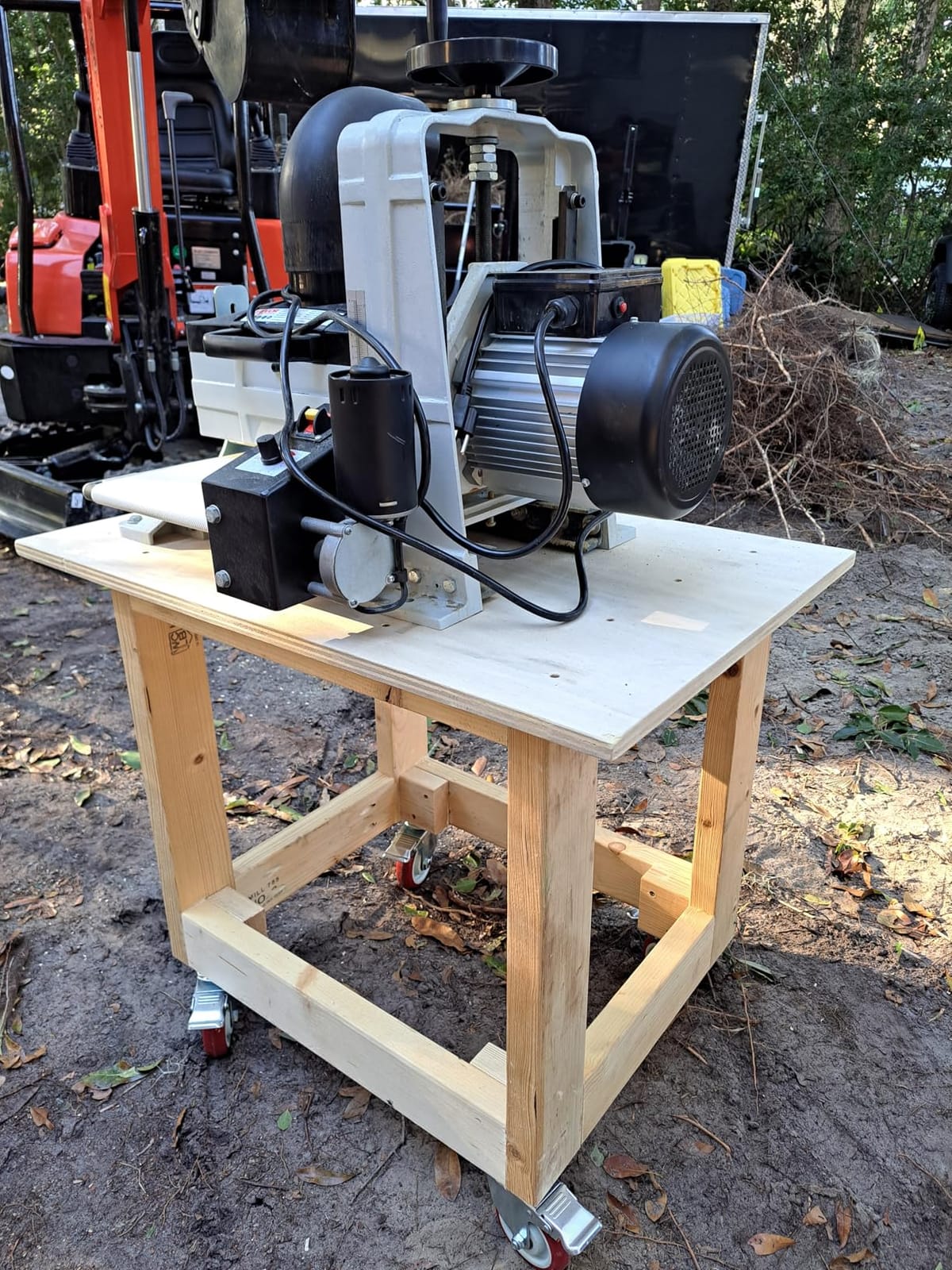
Unlike the smaller VEVOR benchtop machine, this one includes the furniture. You get two extension table assemblies, a caster assembly kit, a wheel handle, and handle assembly kits, so unlike the 10-inch version there is no separate stand purchase hanging over your head.
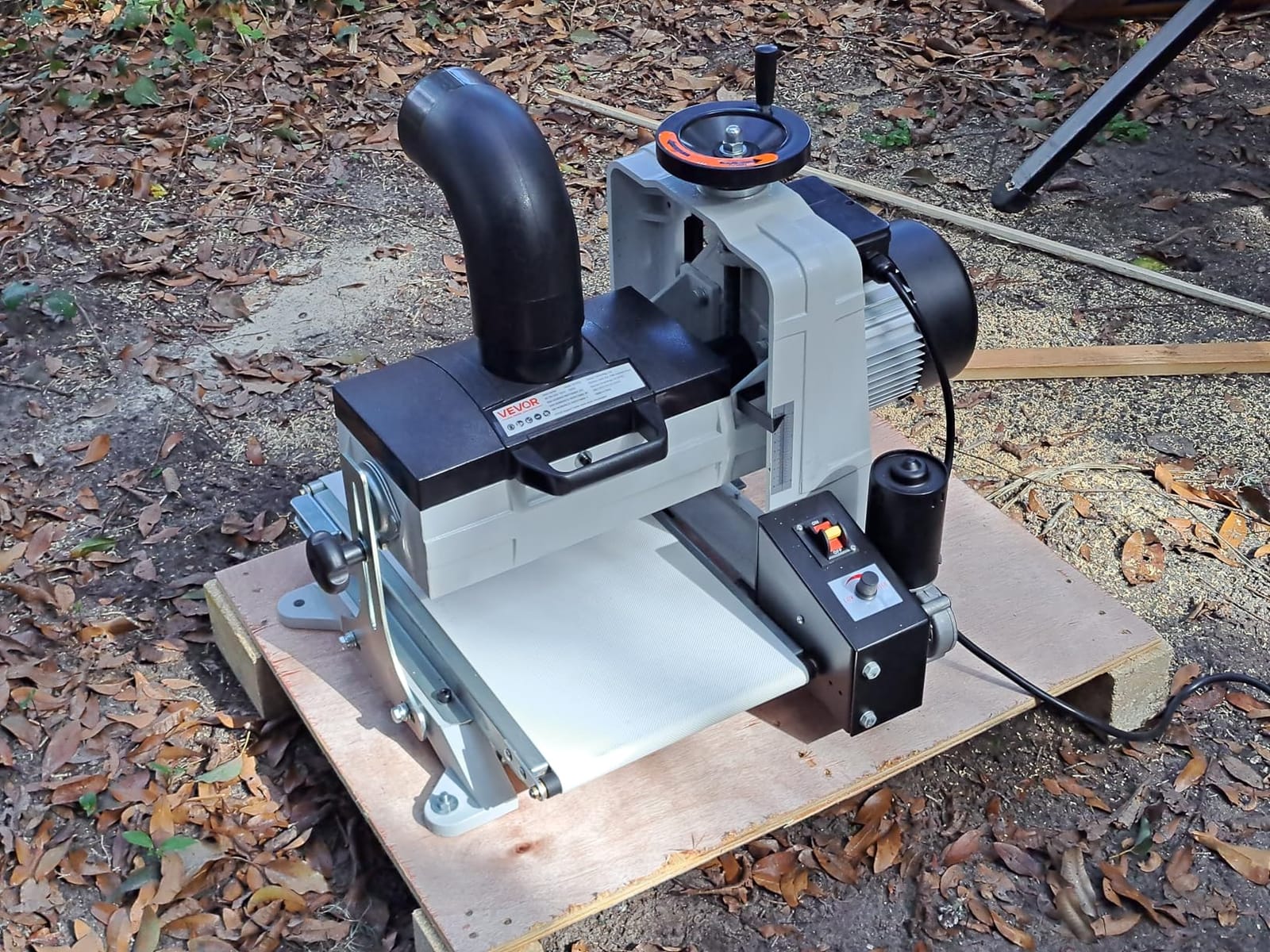
The drive side follows the same dual motor pattern as the 10-inch VEVOR: a direct-drive sanding motor at 1.75 HP running at 1440 RPM, plus a gear-reduction conveyor motor. A belt tracker prevents deviation and the feed speed is variable. Dust collection runs through a 4-inch port, and the height adjustment handwheel sets depth of cut.
Those extension tables are the feature that makes or breaks a 22-inch machine. Without support under a long panel, the board rocks as it feeds and you get an inconsistent cut no matter how good the drum is.
When 22 inches is the right call
Buy this width if you are building dining tables, wide slab panels, or full-height doors. Twenty-two inches means a single pass on a standard door slab, which removes the flip, the second pass, and the risk of the two ends disagreeing.
The 4-inch thickness ceiling is worth noting too. Most drum sanders stall on heavy stock, and a 1.75 HP motor paired with a 4-inch limit means you can feed thicker material than the 3-inch ceiling on the benchtop class.
Where it falls short for a small shop
Footprint is the honest problem. At 48.8 by 41.9 inches, this machine plus its extension tables takes up close to eight square feet before you can stand at either end, and it is the largest footprint in this guide. In a genuinely small shop, that footprint may cost you the bench space you need for glue-up and assembly.
The owner data is the other issue, and I want to be straightforward about it. Six reviews with 35 percent one-star ratings gives an average of 3.4, the lowest in this guide, and the negative reports are diffuse rather than tied to one documented defect. That is not a good position to buy confidently from. If you want a 22-inch drum and want more evidence behind it, the Powermatic PM2244 carries more owner history for the same class of work. If you want to buy this one, do it knowing you are betting on the specification sheet.
How to Choose a Drum Sander for a Small Shop
Most people choose a drum sander by horsepower, and that is the wrong first question. Start with the widest part you intend to sand, work outward from there, and only then worry about motors, stands, and accessories. Everything else on this page is downstream of that one number.
Size the machine to your widest part, not your ambition
A drum sander sands exactly the width of its drum in one pass. Benchtop machines at 10 inches cover shelf stock, drawer sides, backs, and small panels. The 16-inch class covers cabinet doors, face frames, and half doors. The 22-inch class covers full doors and dining table tops.
Every extra 2 inches of width costs you floor space, weight, and money, and a common small-batch producer turned down a 12-inch machine precisely because 12 inches becomes a real inhibitor the moment furniture panels enter the roadmap. If you can name the panel you are building next year, buy for that panel. If your widest project is 6 inches of shelving, do not buy a 22-inch machine because the width looks generous.
Open stand or closed stand
Open stand machines are frame only. You supply support under the workpiece with your own bench, table, or roller stand, and you get a smaller footprint and a lower weight, which is why every machine under 200 pounds in this guide is open stand.
Closed stand machines give you a full table, abrasive storage underneath, and integrated casters, and they weigh dramatically more. The Powermatic PM2244 at 328 pounds needs a dolly to move. Open stand is the right default for a garage. Closed stand is the right default when you are running production batches and want the machine to be self-contained at the station.
Do you need oscillation
An oscillating drum sweeps 3/4 inch across the workpiece as it spins. That is what prevents abrasive burn on knots, resin pockets, and hard spots, which is the most repeated failure story in every drum sander discussion from the last decade and a half. If your wood is figured, reclaimed, or knotty, oscillation is worth the premium.
If your wood is kiln-dried dimensional lumber with no defects, a conventional drum is cheaper and simpler. The JET JWDS-1632OSC is the only oscillating machine in this guide.
Power, circuits, and amperage
Every machine here runs single phase, which is the good news: none of them needs a 3-phase connection or a phase converter. The bad news is that two of them will pull more than a light duty outlet allows alongside your dust collector.
The JWDS-1632 is rated at 14 A on a 20A circuit, which means the dust collector has to be on a different circuit or you need to sequence them. The PM2244 is also 14 A. The JWDS-1020 draws 8 A and the two VEVOR units are rated at 4 A, so those three are comfortable in a small shop with a table saw already on the panel. A ten horsepower machine elsewhere in this category would exceed a 60A circuit before dust collection is even plugged in, which is one of the clearest reasons to stay in the single-phase class.
Footprint, dust collection, and floor space
Measure the machine plus the room to stand at both ends. The compact figures are the SuperMax at a 20 by 27 inch open stand footprint and the JWDS-1020 at 26.85 by 17.9 inches. The demanding figure is the 22-inch VEVOR at 48.8 by 41.9 inches before you add anywhere to stand.
All of these machines use a 4-inch dust port, so your collector hose and adapter need to match. Dust extraction is not optional. Light dust accumulating inside the drum tube unbalances the drum over time, and an unbalanced drum is how you get burn marks you cannot explain. Budget collector capacity in the neighborhood of 100 cfm through a 4-inch line, and run the sander on its own circuit whenever the amperage gets close.
Where you place it matters as much as where it goes. Sawmillcreek and finewoodworking regulars both flag vibration and noise as an underrated issue in shops attached to a house, so put the machine on a concrete slab rather than a floating subfloor if you can.
Abrasive grit workflow
Drum sanders should not finish your work. Run the drum at 80 grit for the flattening passes, step to 100 or 120, then 150, and hand the final smoothing to a random orbital sander at 150 through 220. Owners who skip that handoff burn through abrasive at a rate they did not plan for.
Buy long rolls rather than short sheets. Klingspor rolls are the most commonly recommended in forum threads because a continuous wrap is faster to change than piecing together sheets, and the paper change tool some manufacturers include is worth keeping with the machine.
Drum sander or wide belt sander
If you mostly sand small parts, turnings, moldings, or anything under about 6 inches, skip the drum sander. A wide belt sander or a random orbital sander will serve you better and cost less. If you need help choosing, our guides to the best belt sanders cover that side.
A drum sander earns its footprint when your work is flat, wide, and repeatable: panels, tabletops, cabinet doors, drawer bottoms, and resawn stock. It loses to a wide belt sander on curves, profiles, and small batch odd shapes.
Be careful buying a used wide belt sander. Their switches, sensors, and compressed air lines make repairs expensive, and one owner compared buying one used to buying a used boat. Drum sanders are simpler machines with fewer failure points, which is one reason they hold value better.
Should you buy used
Used is where smart small shops look first, because drum sanders are simple, heavy, and durable machines that mostly wear abrasive, belts, and rollers rather than electronics. Woodmaster open-stand machines in particular are repeatedly described on woodworking forums as built like a tank and made in the USA, and they are the most recommended used buy in the category.
Buy from a seller who will let you feed a scrap board through the machine in front of you. Listen for the drum bearing, watch whether the feed belt tracks straight, check the drum for runout with a straightedge, and confirm the paper change mechanism works. Replace the abrasive roll and conveyor belt before you cut stock, and budget for it. One owner bought a 7.5HP Woodmaster 3820 used for well under a two-thousand-dollar budget, which is the kind of result the used market can still produce.
Shop fit and other basics
A drum sander pairs naturally with a solid workbench, and getting the bench right first pays off long before you need a sander. Our guide to the best woodworking benches for small shops covers sizing and height for the space you are working in. If your shop is set up for finishing work rather than fine joinery, the best drywall sanders roundup covers that category instead.
Before the machine arrives, clear a path for it. A 328-pound closed-stand unit and even a 73-pound benchtop machine are difficult to carry through a doorway with a dog in the way. Measure the door, not just the destination.
Frequently Asked Questions
What is the best drum sander for a small shop?
The JET JWDS-1020 is the best fit for most small shops because it weighs 73 pounds, runs on a standard 115V 8 amp circuit, and still sands up to 20 inches in two passes. If you regularly work with 16-inch cabinet doors, the JET JWDS-1632 on its stand is the better long-term buy. Save the 22-inch machines for full-size doors and dining table tops.
Are drum sanders worth the money?
They are worth it if you regularly sand flat parts wider than a belt sander handles. One JET JWDS-1632 owner reported cutting a three-hour hand-sanding job on an end-grain cutting board down to about 20 minutes including the learning curve. They are not worth it if you mostly sand small parts, turnings, or curved work.
Are open-ended drum sanders good?
Yes. Open-ended designs are the norm in the single-phase small-shop class, and they sand a wide board in one pass and a narrower board flipped for a second pass to double the capacity. The JET JWDS-1020 is the clearest example, with a 10 inch drum and up to 20 inches of sanding capacity. You supply support for the workpiece with your own bench or roller stand.
What type of sander is best for sanding small spaces?
For parts under about 6 inches, a random orbital sander or a detail sander is faster and cheaper than any drum sander. Drum sanders start making sense around 10 inches of width, and they really pay off above 16 inches where cabinet doors and panels show up regularly. A wide belt sander is the better answer for edges, profiles, and curved parts.
What grit sandpaper should I use on a drum sander?
Run the drum at 80 grit for the flattening passes, step to 100 or 120, then 150, and finish with a random orbital sander at 150 through 220. Long rolls are faster to change than pieced-together sheets, and owners commonly recommend Klingspor rolls. Do not expect the drum to produce a finish-ready surface on its own.
How much power does a drum sander need?
All of the machines in this guide run single phase, so you avoid a 3-phase connection or a phase converter. Expect 14 amps for the JET JWDS-1632 and the Powermatic PM2244 on a 20 amp circuit, 8 amps for the JWDS-1020, and 4 amps for the two VEVOR machines. Put the dust collector on its own circuit when the sander approaches 14 amps.
The Best Drum Sanders for Small Shops, 2026
After using these machines across panels, cabinet parts, and resawn stock, the choice comes down to three honest answers. Buy the JET JWDS-1020 if your floor space and circuit are tight, because 73 pounds and a 20-inch two-pass capacity get you more than you expect. Buy the JET JWDS-1632 if you work with 16-inch parts and want SandSmart to handle the feed control for you. Buy the JET JWDS-1632OSC if figured wood, knots, or end grain keep burning through your paper.
Skip the 22-inch machines unless full-size doors and table tops are on your list, and skip any drum sander entirely if your parts are small or curved. The rest of this guide covers how to size the machine, what to check before you buy used, and why the drum should always be followed by an orbital sander. All specifications here were verified for 2026, and the best drum sanders for small shops come down to the widest part you actually plan to build.