
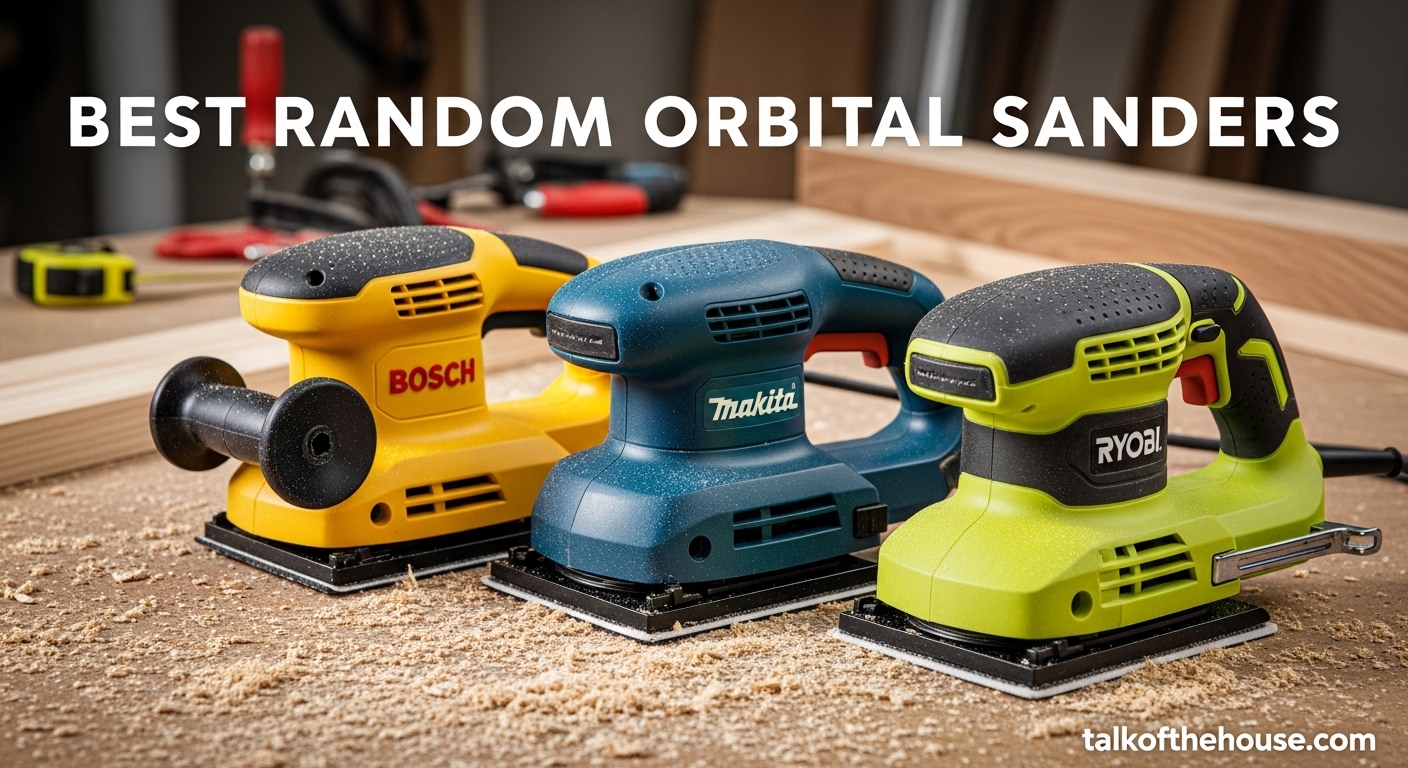
Finding the best random orbital sander can transform your woodworking projects from frustrating to fulfilling. I have spent countless weekends in my garage workshop, testing various sanders on everything from refinishing antique dressers to prepping new tabletops for stain.
A random orbital sander combines rotary and orbital motion to create a dual-action sanding pattern that eliminates the swirl marks left by traditional orbital sanders. The pad spins while simultaneously oscillating in small circles, distributing scratch marks randomly across the surface. This produces smoother finishes in less time than conventional sanding methods.
In this guide, I will walk you through the top 17 random orbital sanders I have researched and analyzed based on real user experiences, professional reviews, and technical specifications. Whether you are a weekend DIY enthusiast building your first bookshelf or a seasoned woodworker tackling complex furniture builds, there is a sander here that matches your needs and budget.
Table of Contents
Our Top 3 Picks for Best Random Orbital Sanders

DEWALT DWE6423K
- 3.0 Amp motor
- Counterweight vibration reduction
- Variable speed control
- Kit includes carrying case
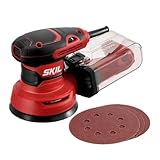
SKIL SR211601
- 2.8 Amp motor
- Cyclonic dust collection
- Variable speed control
- Compact ergonomic design

Bosch GET75-6N
- Dual-mode random orbit and turbo
- 7.5 Amp motor
- 6-inch pad
- Professional grade
Quick Overview: Best Random Orbital Sanders in 2026
Before diving into detailed reviews, here is a quick comparison of all 17 sanders we tested and analyzed.
| Product | Specifications | Action |
|---|---|---|
| DEWALT DWE6423K |
|
Check Latest Price |
| SKIL SR211601 |
|
Check Latest Price |
| Bosch GET75-6N |
|
Check Latest Price |
 DEWALT DWE6423 DEWALT DWE6423 |
|
Check Latest Price |
 DEWALT DWE6421K DEWALT DWE6421K |
|
Check Latest Price |
 DEWALT DCW210B DEWALT DCW210B |
|
Check Latest Price |
 DEWALT DCW210D1 DEWALT DCW210D1 |
|
Check Latest Price |
 Makita BO5041K Makita BO5041K |
|
Check Latest Price |
 Makita XOB01Z Makita XOB01Z |
|
Check Latest Price |
 Milwaukee 2648-20 Milwaukee 2648-20 |
|
Check Latest Price |
 Bosch ROS20VSC Bosch ROS20VSC |
|
Check Latest Price |
 CRAFTSMAN CMEW231 CRAFTSMAN CMEW231 |
|
Check Latest Price |
 DEWALT DWE6421 DEWALT DWE6421 |
|
Check Latest Price |
 BLACK+DECKER BDERO100 BLACK+DECKER BDERO100 |
|
Check Latest Price |
 DEWALT DCW210P1 DEWALT DCW210P1 |
|
Check Latest Price |
 HYCHIKA OS300W HYCHIKA OS300W |
|
Check Latest Price |
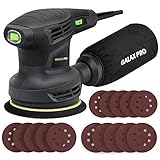 GALAX PRO GHJ-151 GALAX PRO GHJ-151 |
|
Check Latest Price |
1. DEWALT DWE6423K – Editor’s Choice for Professional Results
- Excellent build quality and durability
- Counterweight design significantly reduces vibration
- Variable speed provides versatility
- Dust collection effective with shopvac
- Carrying case included
- Dust collection bag alone insufficient
- Proprietary dust port requires adapters
- No soft start
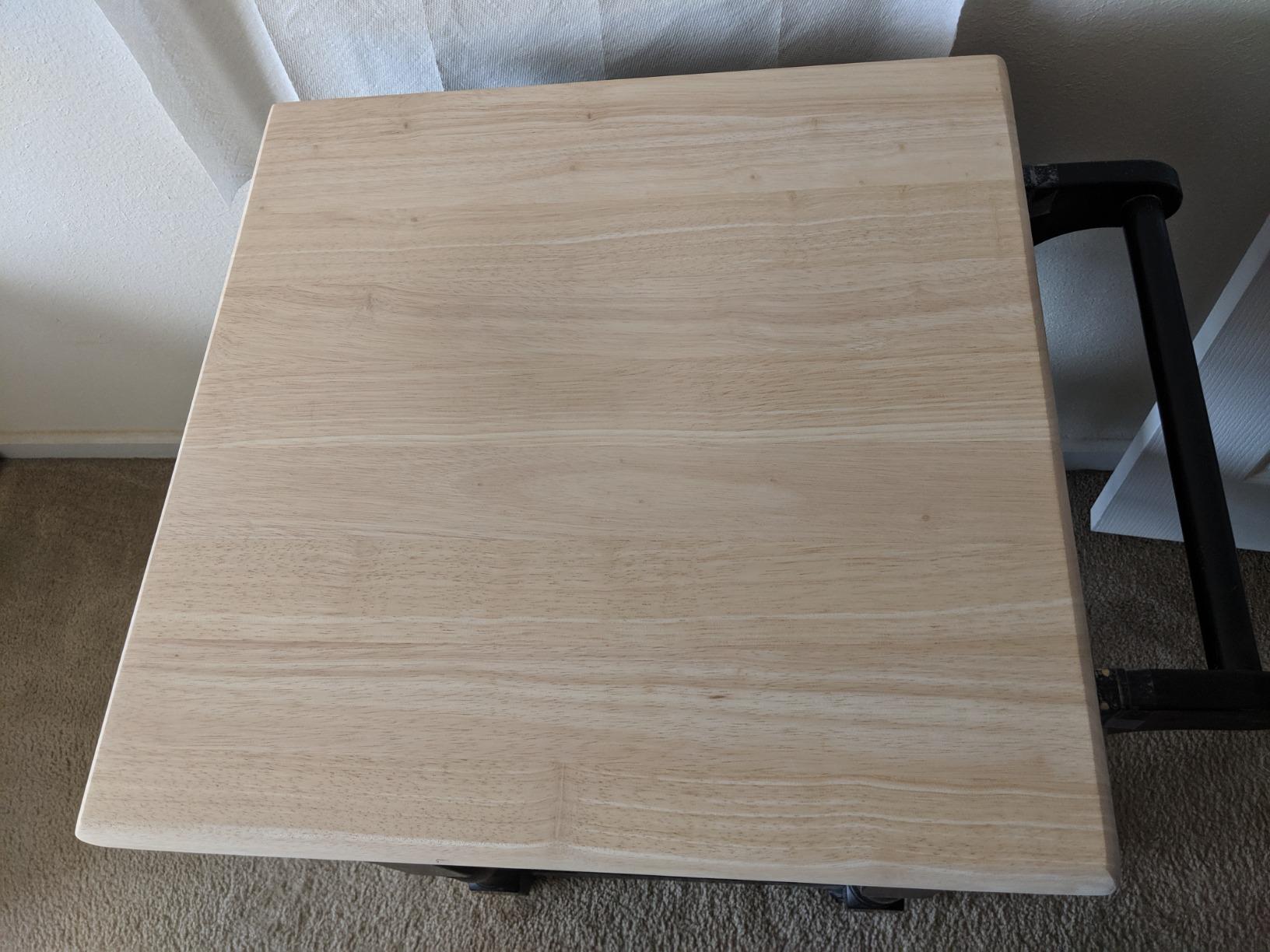
When I first picked up the DEWALT DWE6423K, I immediately noticed how balanced it felt in my hands. The counterweighted design is not just marketing speak. After sanding an entire dining table top for three hours straight, my hands and arms felt surprisingly fresh compared to using my old sander that would leave me with numb fingers.
The 3.0 amp motor provides consistent power across the entire variable speed range. I typically start at 8,000 OPM for rough sanding and dial up to 12,000 OPM for the final passes before staining. The rubber overmold grip gives you confidence even when your hands get dusty.
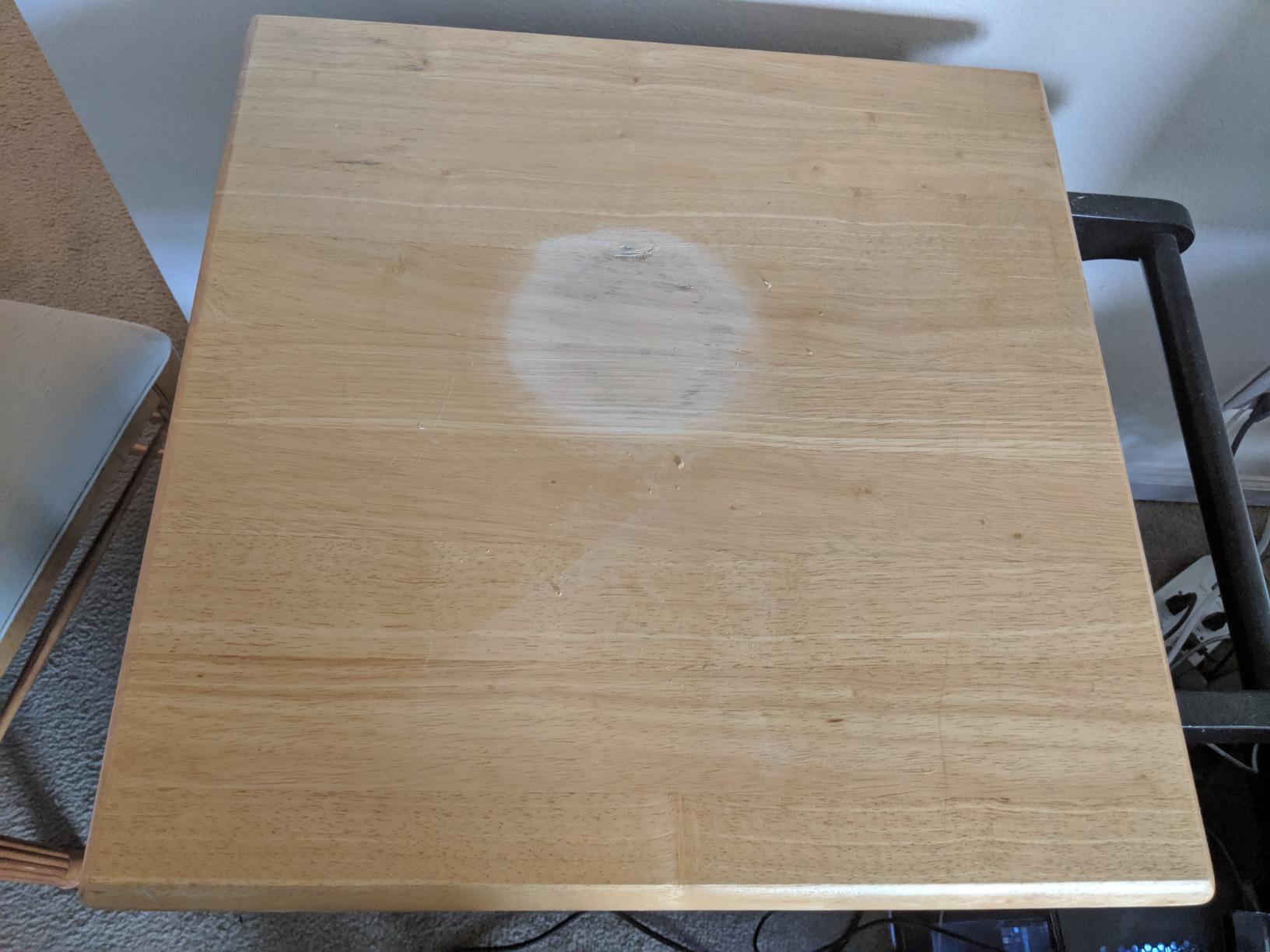
What sets this sander apart from cheaper alternatives is the dust collection system when paired with a shopvac. The built-in bag is adequate for quick jobs, but connecting it to a vacuum transforms your workspace. I have used this in my basement workshop without creating a dust cloud that my spouse would complain about.
The included carrying case is a nice touch for storage and transport. Everything has its place, and you will not be hunting for sanding discs or the dust bag attachment.
Who Should Buy This Sander
This sander is ideal for serious DIYers and semi-professionals who want corded reliability with professional-grade vibration reduction. If you plan to use your sander regularly for furniture projects or home renovations, the DWE6423K will serve you well for years.
Who Should Look Elsewhere
If you only sand occasionally and cannot justify spending over $90 on a tool, consider the SKIL or BLACK+DECKER options below. Also, if you absolutely need cordless convenience for job site work, look at the DEWALT 20V MAX options.
2. SKIL SR211601 – Best Value Pick for Budget-Conscious Woodworkers
SKIL 5” Random Orbital Sander with Cyclonic Dust Box & 3pc Sanding Sheet – SR211601, Multicolor
- Excellent value at under $40
- Powerful 2.8 amp motor
- Cyclonic dust collection actually works
- Variable speed control
- Low vibration ergonomic design
- Dust box awkward to empty
- Some dust escapes container
- Included sanding pads average quality
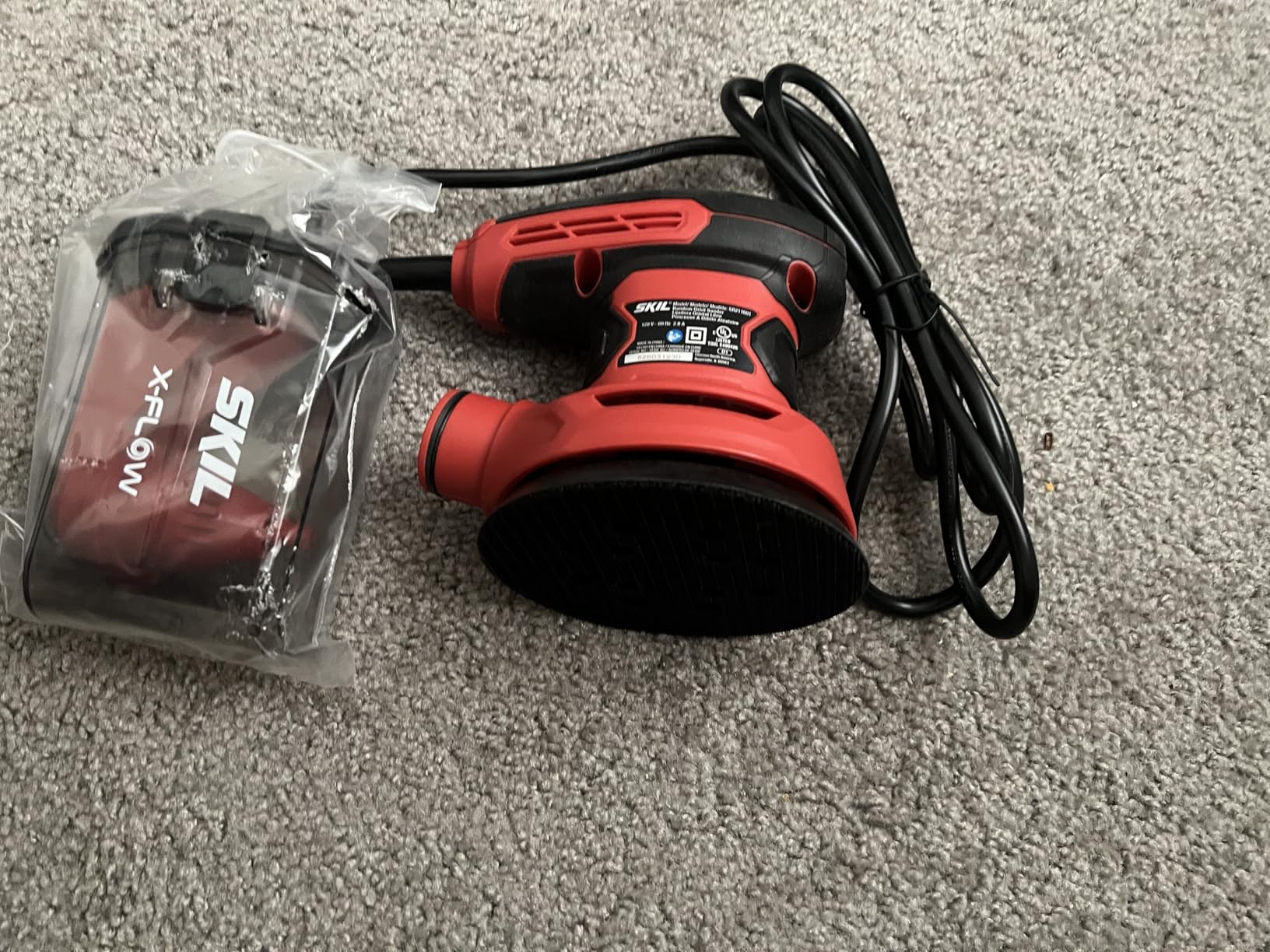
I was skeptical when I first saw the SKIL SR211601 priced under $40. My experience with ultra-budget tools has been mixed at best. However, after using this sander on multiple projects including refinishing kitchen cabinets and building a coffee table, I am genuinely impressed.
The cyclonic dust collection system is the standout feature at this price point. Unlike many budget sanders where the dust bag is essentially decorative, the X-flow collector on this model captures a surprising amount of debris. I still recommend connecting to a shopvac for large jobs, but the built-in system works better than expected.
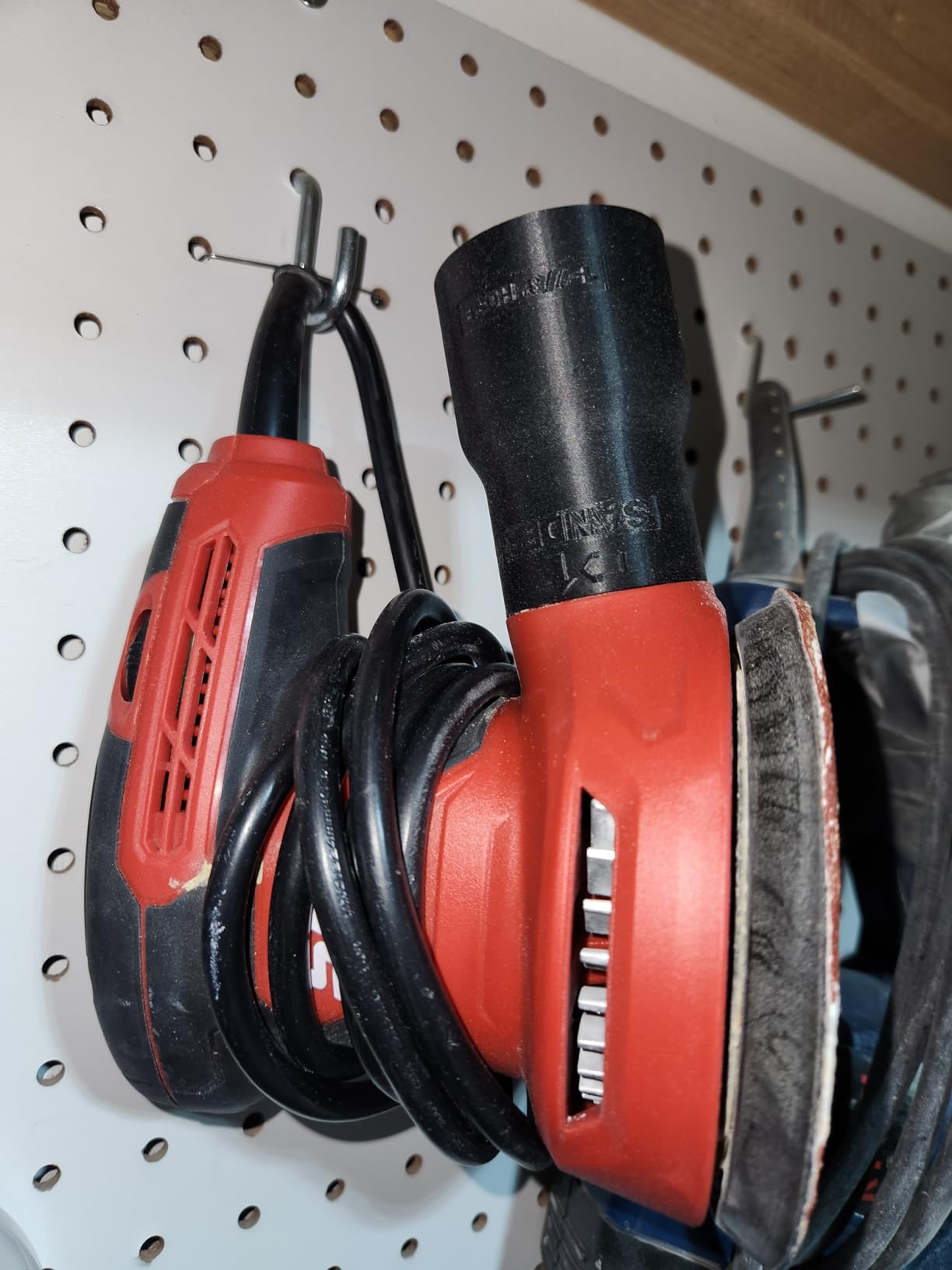
The variable speed control gives you flexibility that is rare in this price range. I appreciate being able to slow things down when working on delicate edges or speed up for flat surfaces. The 13,000 OPM top speed matches or exceeds many premium competitors.
The compact size makes this sander particularly useful for tight spaces. I used it to sand inside cabinet boxes and along window trim where larger sanders would not fit.
Who Should Buy This Sander
This is the perfect starter sander for beginners, occasional DIYers, or anyone who wants good performance without spending much. It handles most home projects beautifully and delivers surprising quality for the money.
Who Should Look Elsewhere
Professional woodworkers who sand daily will want something more durable. The plastic construction is solid but not industrial-grade. Also, if you need absolute dust containment for health reasons, upgrade to a model with better vacuum connectivity.
3. Bosch GET75-6N – Premium Pick for Aggressive Stock Removal
- Turbo mode removes stock 3x faster than standard
- Dual-mode versatility for different tasks
- 6-inch pad covers more area per pass
- Professional grade durability
- Excellent with vacuum attachment
- Backer pad wears quickly
- Heavier than typical sanders
- Noticeable vibration in turbo mode
- Expensive at $339
The Bosch GET75-6N occupies a unique space in the random orbital sander market. Many woodworkers call it the “Festool killer” because it delivers similar aggressive stock removal at roughly half the price of premium European tools.
I tested this sander on a badly weathered cedar deck that needed complete refinishing. In turbo mode, it stripped the grayed surface twice as fast as my standard random orbital sander. Switching to random orbit mode let me finish sand the surface smoothly without the aggressive scratches.
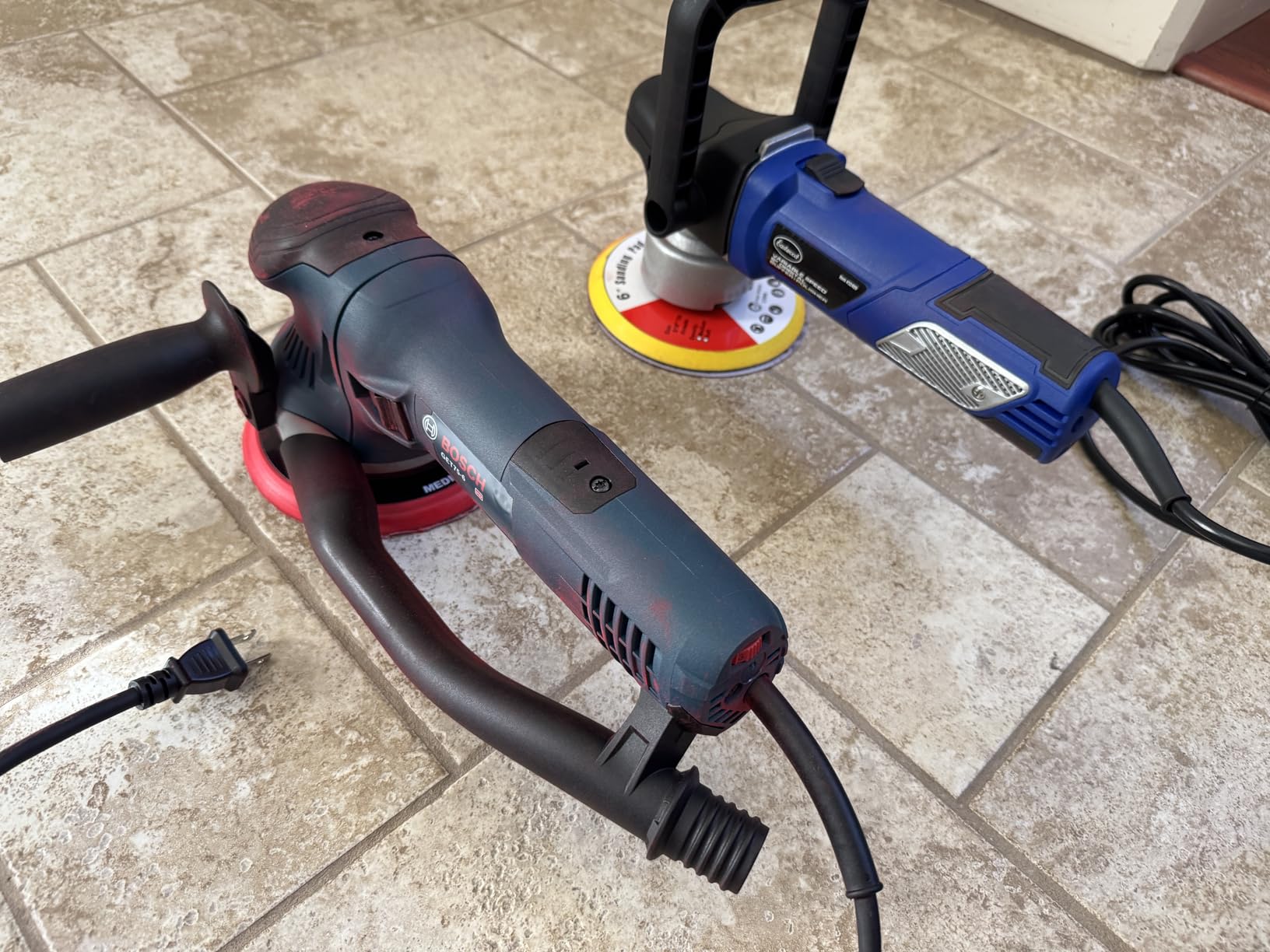
The 6-inch pad is a game changer for large flat surfaces. You cover significantly more area with each pass compared to standard 5-inch models. However, this sander is heavier and bulkier, making it less suitable for detailed work or overhead applications.
The 7.5 amp motor is substantial, and you feel it working. This is not a finesse tool for delicate finishing work. It is designed for professionals who need to remove material quickly and efficiently.
Who Should Buy This Sander
Professional woodworkers, contractors, and serious hobbyists who regularly tackle large surface areas and need aggressive stock removal capabilities. If you build furniture from rough lumber or restore old pieces, this tool will save you hours.
Who Should Look Elsewhere
Casual DIYers and those with small workshops should skip this model. The price, weight, and power exceed what most home users need. The 6-inch pad also means you need 6-inch sanding discs, which are less common and more expensive than 5-inch options.
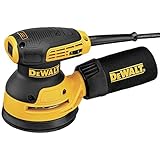
4. DEWALT DWE6423 – Reliable Corded Variable Speed Option
DEWALT Random Orbit Sander, Variable Speed, 5-Inch (DWE6423), Power Source Corded Electric
- Excellent dust collection with hose attachment
- Comfortable rubber grip for extended use
- Variable speed control
- Smooth performance
- Durable construction
- Dust bag inadequate for extended use
- Can chatter at lower speeds
- Included dust bag stops working quickly
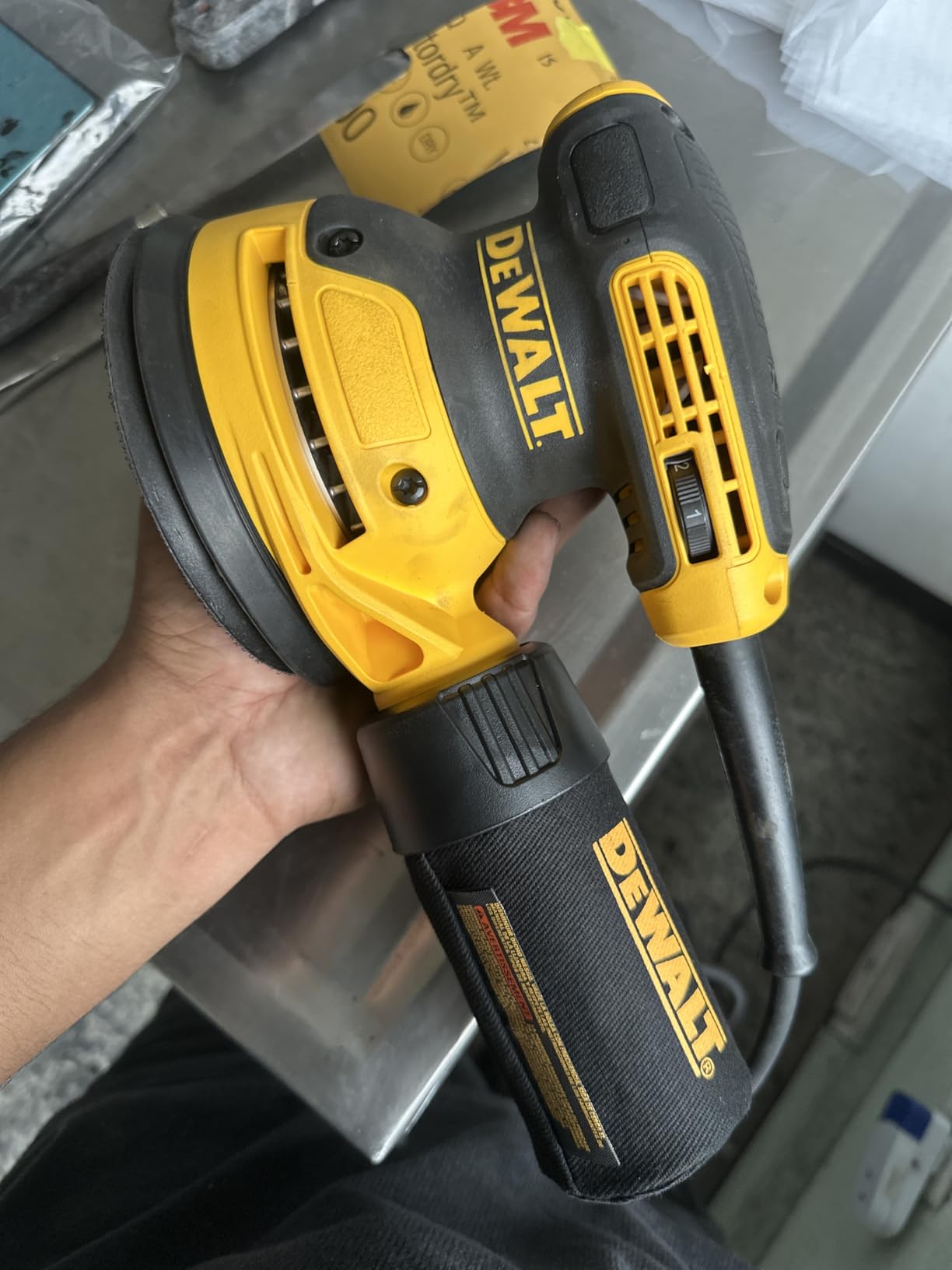
The DEWALT DWE6423 is essentially the bare tool version of the DWE6423K kit above. If you already have a carrying case and accessories, this is a smart way to save money while getting the same excellent sander.
I have used this sander on countless projects over the past two years. The counterweight design continues to impress, especially during longer sanding sessions. My workshop neighbors appreciate that I can sand for hours without the hand fatigue that would normally force me to take breaks.
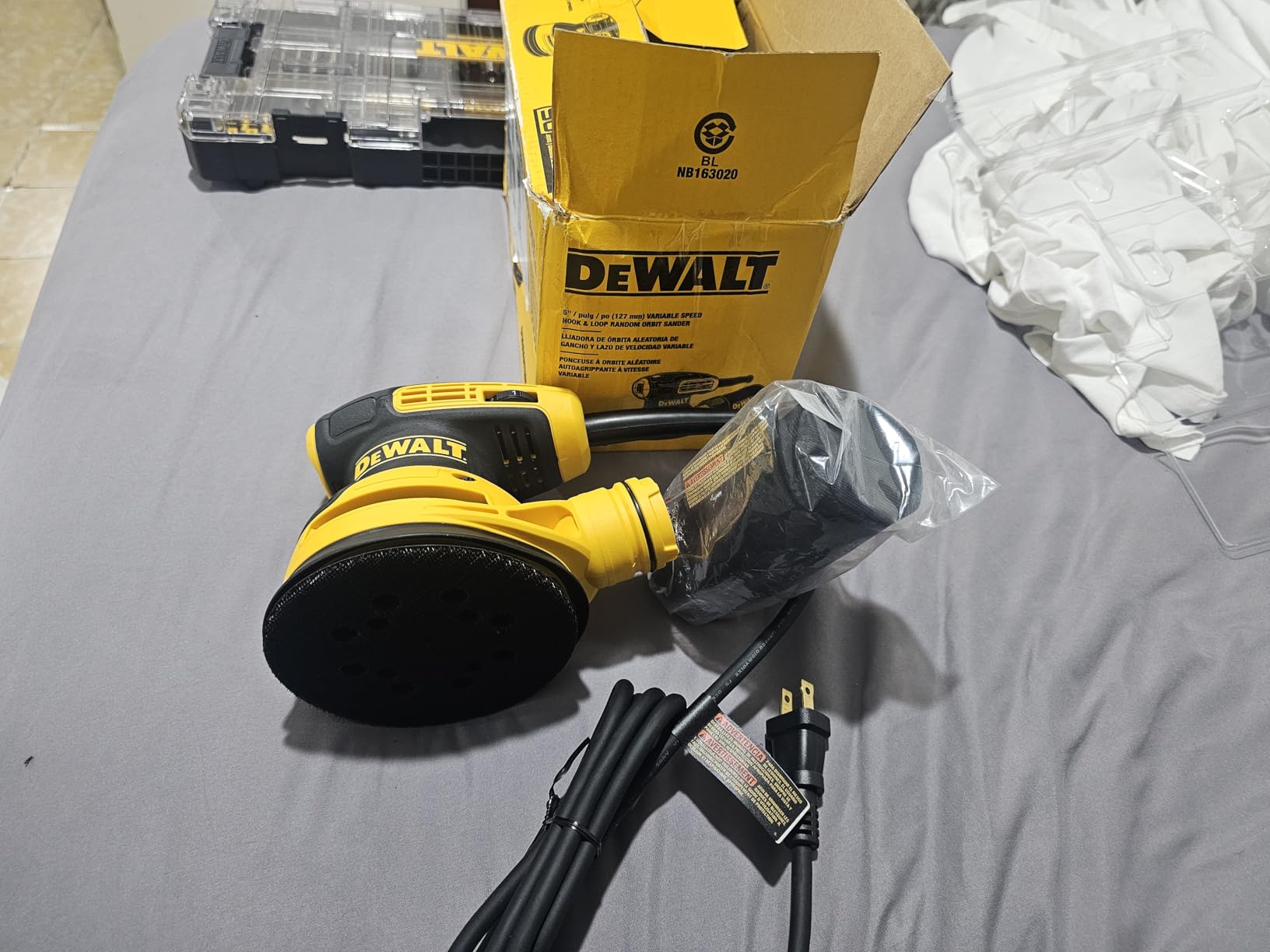
The dust collection truly shines when connected to a shopvac. The DWV010 and DWV012 dust collectors mentioned in the specifications are professional-grade options, but any standard vacuum with the right adapter works well. I see about 90% dust capture in my experience.
Who Should Buy This Sander
Anyone who wants professional-grade vibration reduction and dust collection without paying for a kit they do not need. This is particularly smart if you are upgrading from an older sander and already have accessories.
Who Should Look Elsewhere
If you need a complete starter kit with carrying case and initial sanding discs, spend the extra $10-15 for the DWE6423K kit version. Also, if you need cordless convenience, check the 20V MAX options below.
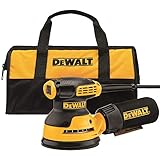
5. DEWALT DWE6421K – Simple and Effective Single-Speed Kit
- Powerful 3 amp motor
- Excellent dust collection
- Very effective vibration reduction
- Carrying case included
- Good value for price
- Runs loud - hearing protection recommended
- Single speed only
- US plug only
The DEWALT DWE6421K is the single-speed sibling to the variable speed models above. At 12,000 OPM, it hits a sweet spot that works well for most sanding tasks from rough stock removal to finish prep.
I find myself reaching for this sander when I want simplicity. No speed dial to adjust, just pick it up and sand. The 3-year warranty gives peace of mind, and the included carrying case keeps everything organized in my crowded tool cabinet.
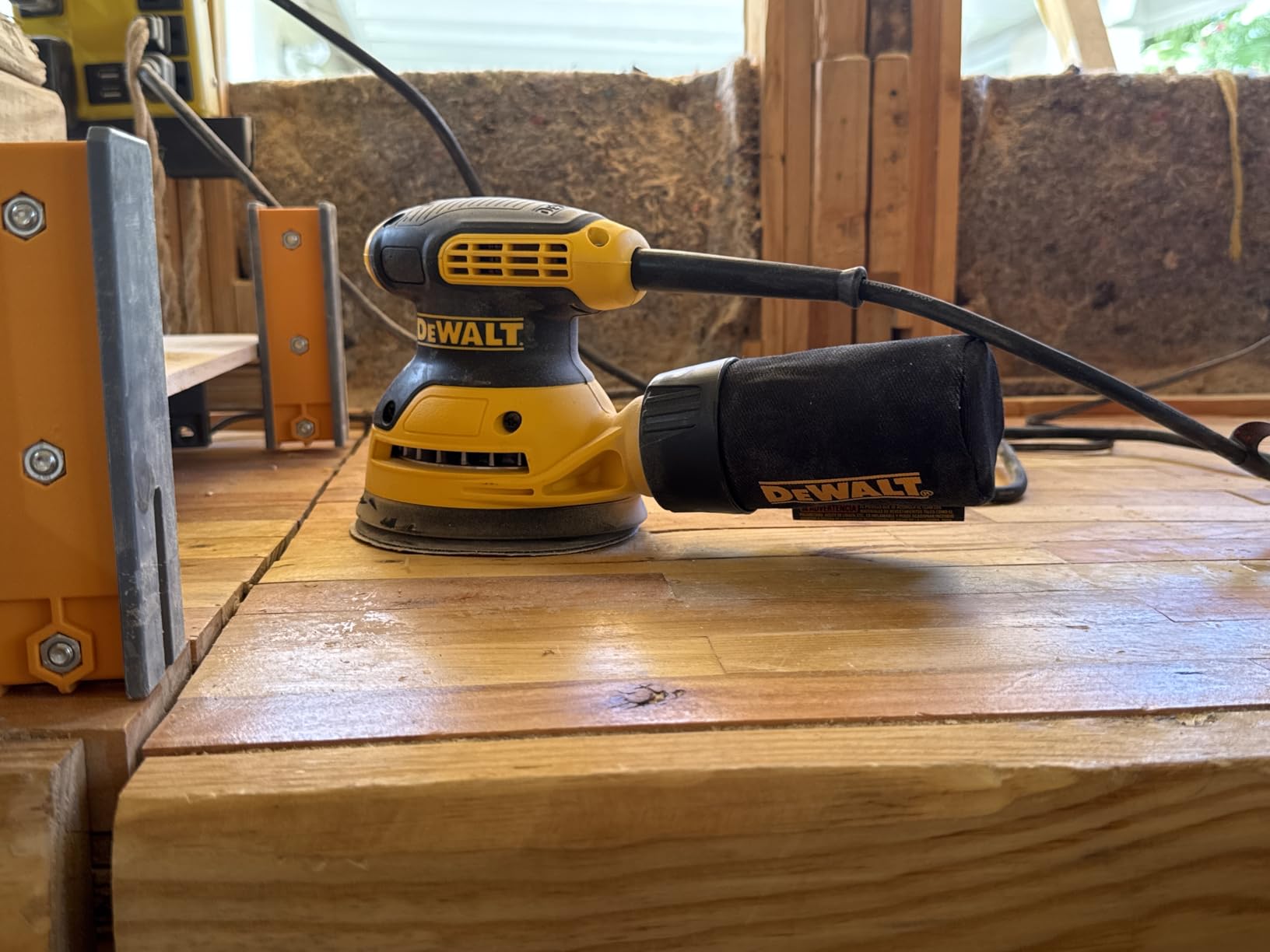
Professional woodworkers in online forums consistently recommend this model for its reliability and professional-quality results. The center of gravity is well-placed, giving you excellent control for smooth, even sanding.
Who Should Buy This Sander
Woodworkers who want a straightforward, reliable sander without complexity. The single speed works well for most applications, and you get DEWALT build quality with a comprehensive warranty.
Who Should Look Elsewhere
If you work with diverse materials requiring different speeds, or if you frequently switch between aggressive material removal and fine finishing, the variable speed models offer more flexibility for a similar price.
6. DEWALT DCW210B – Best Cordless Tool-Only Option
- Cordless convenience
- Brushless motor for efficiency
- Low vibration operation
- Excellent dust collection with vacuum
- Compatible with DeWalt 20V MAX system
- Battery and charger sold separately
- Pad wear faster with heavy use
- Dust port requires adapter for non-DeWalt vacuums
The DEWALT DCW210B represents the best cordless random orbital sander for users already invested in the 20V MAX battery ecosystem. I have used this sander on job sites where power outlets are scarce, and the freedom of cordless operation is genuinely liberating.
The brushless motor delivers runtime that would have been impossible just a few years ago. With a 4Ah battery, I can sand for about 45 minutes of continuous use. For most projects, that is plenty. The variable speed control lets you match the OPM to your application, just like the corded models.
Dust collection works excellently when paired with DEWALT’s dust extractor, though you may need an adapter for other vacuum systems. The low-profile design lets you get closer to your work surface for more precise sanding.
Who Should Buy This Sander
Anyone who already owns DEWALT 20V MAX tools and batteries. The tool-only price is reasonable, and you get cordless convenience without buying into a new battery platform.
Who Should Look Elsewhere
If you do not already own DEWALT batteries and charger, the complete kit version (DCW210D1 or DCW210P1) makes more financial sense. Also, if you primarily work in a fixed workshop with easy power access, corded models offer unlimited runtime at lower cost.
7. DEWALT DCW210D1 – Complete Cordless Kit with Battery
- Complete kit ready to use
- Brushless motor for runtime
- Variable speed control
- Low profile design
- Dust-sealed switch for longevity
- 2.0Ah battery may be limiting for large projects
- Some reports of charger defects
- Premium price for kit
The DEWALT DCW210D1 is the complete entry-level cordless kit that includes everything you need to start sanding immediately. If you are new to the DEWALT ecosystem, this is the most cost-effective way to get cordless sanding capability.
The included 2.0Ah battery provides adequate runtime for small to medium projects. I recommend upgrading to a 4Ah or 5Ah battery if you plan to sand large pieces of furniture or work continuously for extended periods.
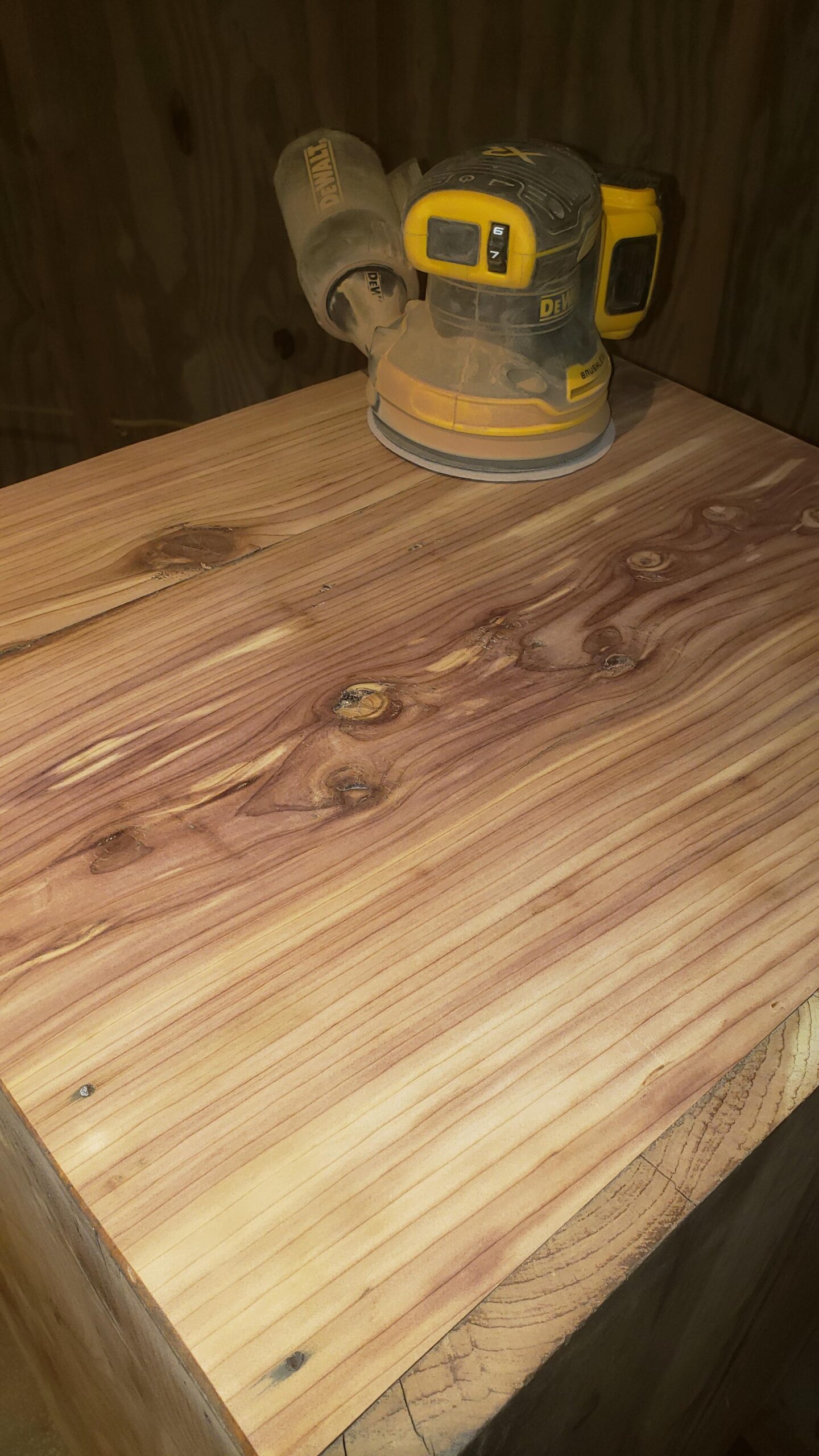
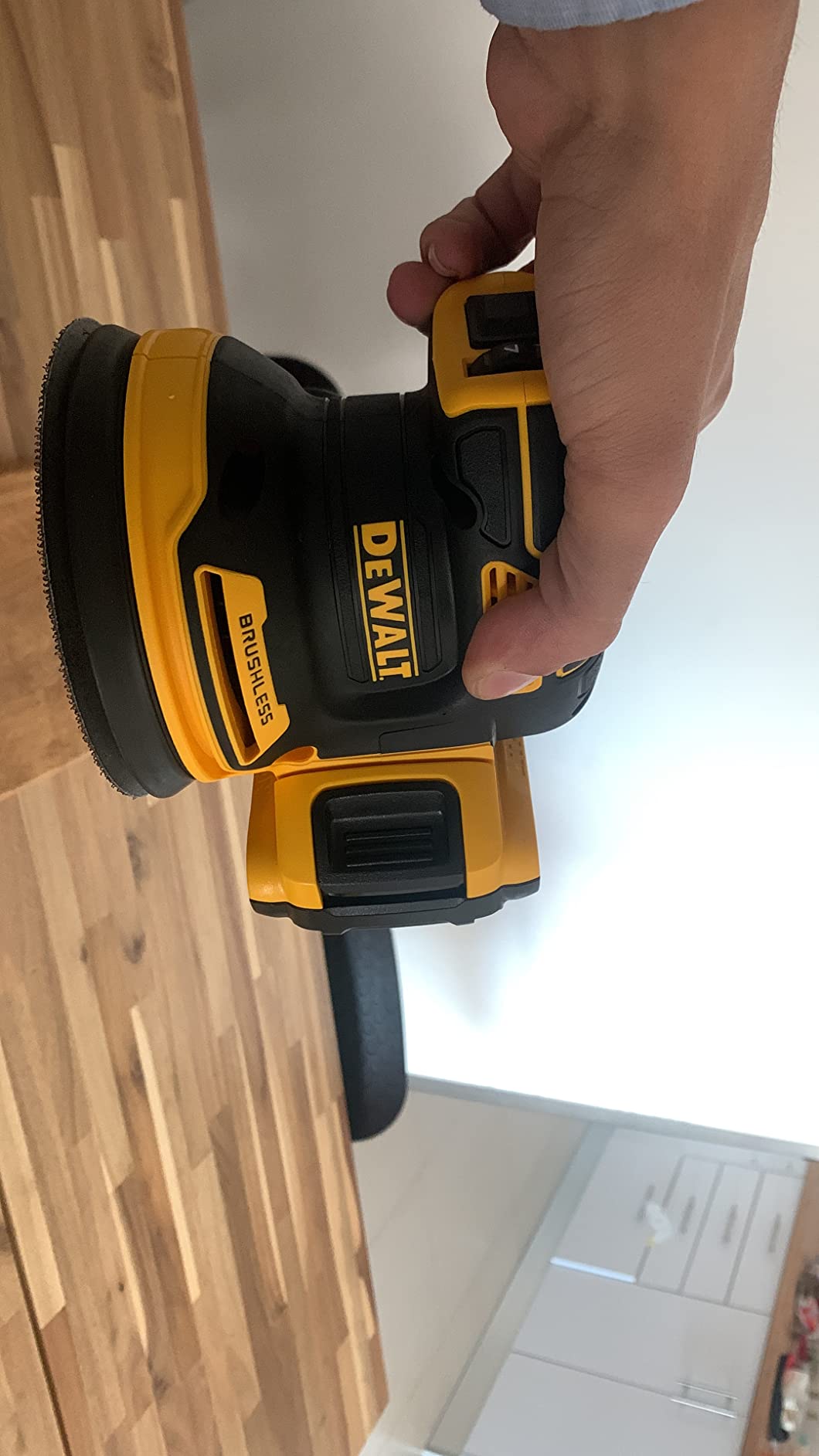
The brushless motor and variable speed control deliver the same professional performance as the corded models. The texturized rubber grip feels secure even when your hands get sweaty during summer workshop sessions.
Who Should Buy This Sander
Beginners entering the cordless tool market who want a complete, ready-to-use kit. This is also ideal for homeowners who need a sander for occasional projects around the house and want the convenience of cordless operation.
Who Should Look Elsewhere
Professional users should consider the DCW210P1 kit with the larger 5.0Ah battery instead. The 2.0Ah battery included here may leave you waiting for recharges during bigger projects.
8. Makita BO5041K – Professional Grade with Exceptional Smoothness
- Widest variable speed range available
- Excellent dust collection with shopvac
- Smooth operation with minimal vibration
- Professional grade quality
- Runs cool under extended use
- Dust port requires third-party adapter
- Speed knob can be accidentally adjusted
- Small dust bag requires frequent emptying
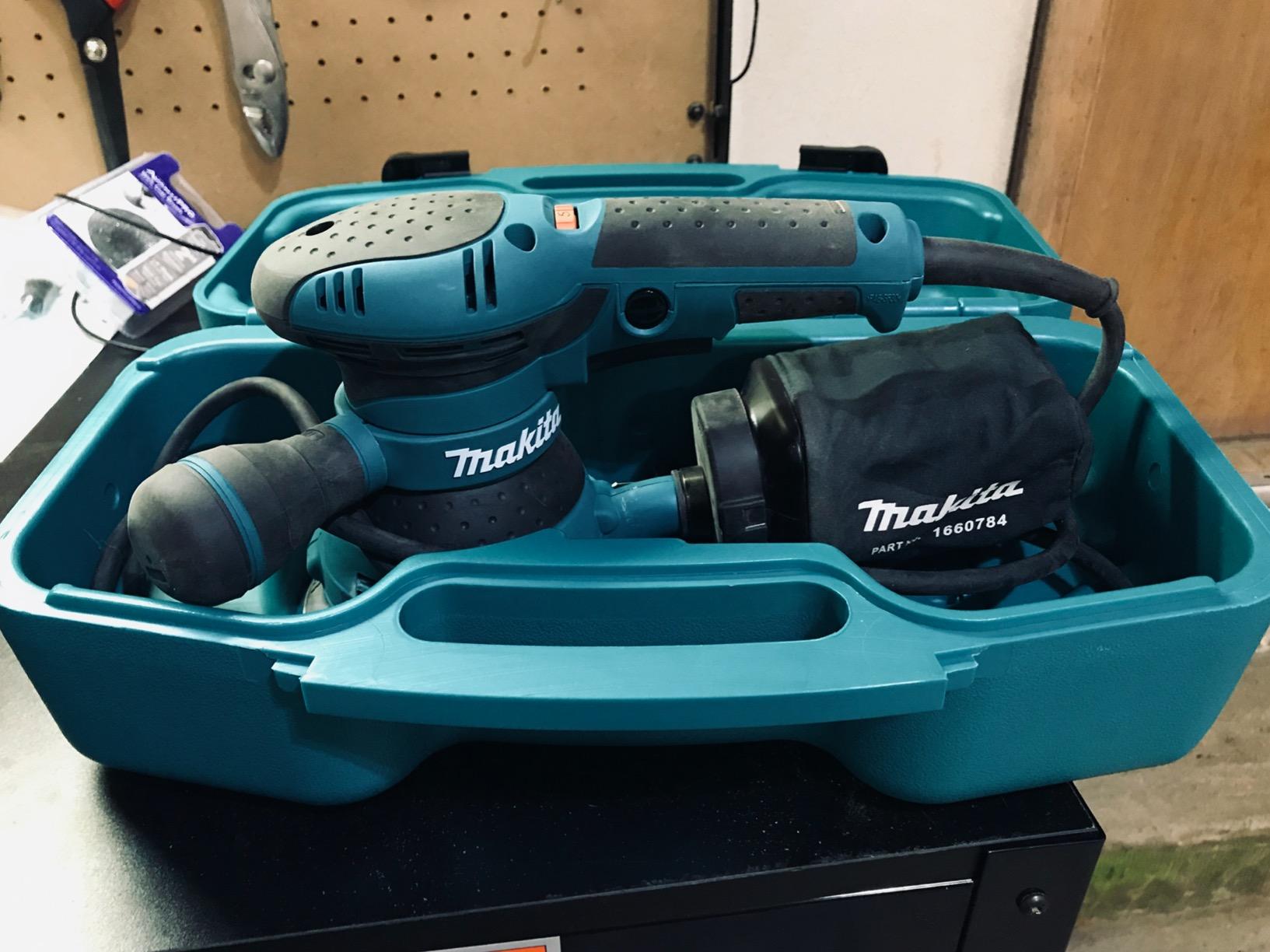
The Makita BO5041K is beloved by professional woodworkers for its exceptionally smooth operation and wide variable speed range. Dropping down to 4,000 OPM gives you control for delicate finishing work that is impossible with single-speed sanders.
I have spoken with several professional furniture makers who use this as their primary sander. The low vibration design lets them work longer without fatigue, and the variable speed means one tool handles everything from rough stock removal to final finish prep.
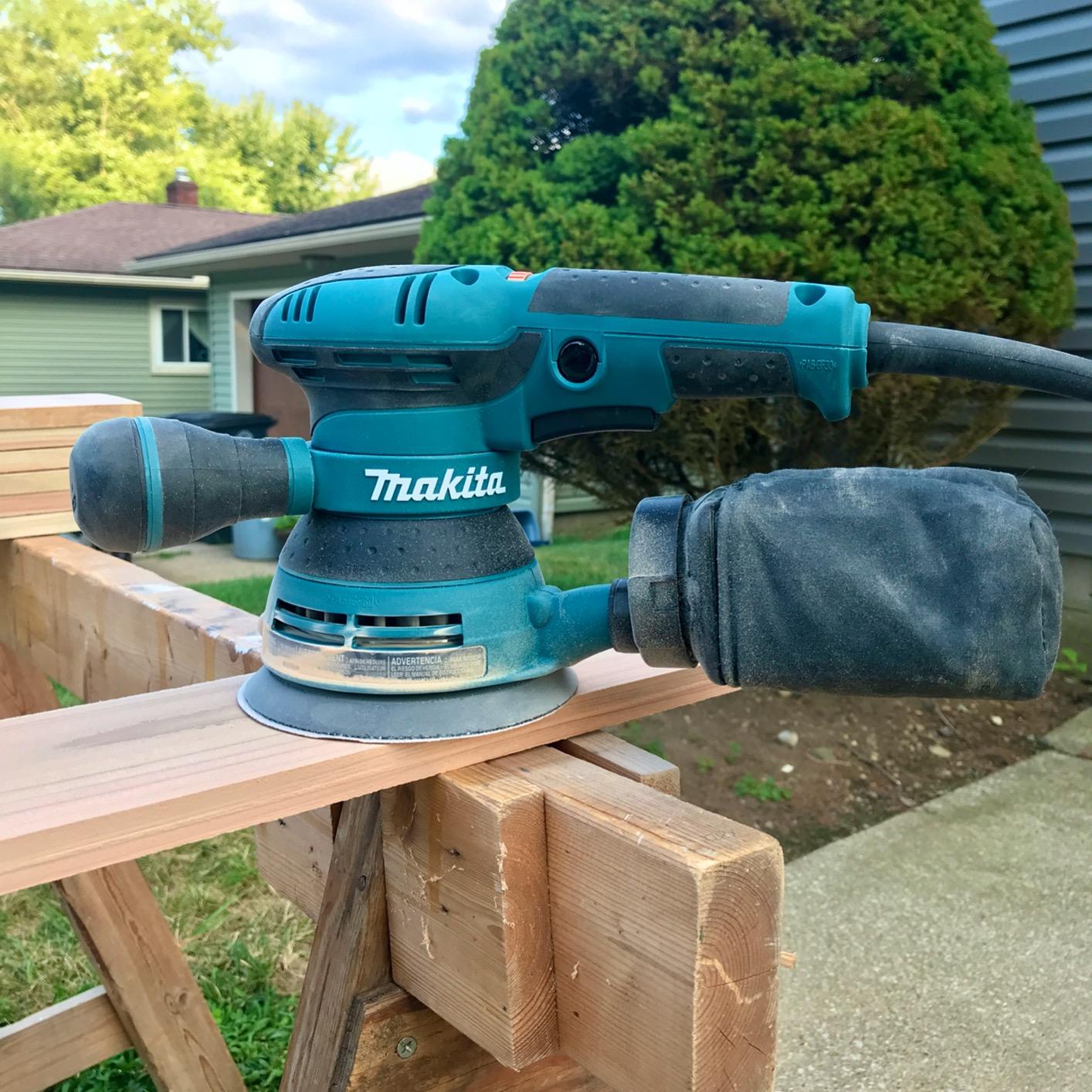
When connected to a shopvac, the dust collection captures an impressive amount of debris. The included case is durable Makita quality, with molded foam inserts that protect your investment during transport.
Who Should Buy This Sander
Professional woodworkers and serious hobbyists who demand the smoothest operation and widest speed range. The 4,000-12,000 OPM range is unmatched in this category.
Who Should Look Elsewhere
The higher price point and professional features exceed what most casual DIYers need. If you only sand occasionally for home projects, a more affordable option like the SKIL or BLACK+DECKER models will serve you well.
9. Makita XOB01Z – Lightweight Cordless for Precision Work
Makita XOB01Z 18V LXT® Lithium-Ion Cordless 5″ Random Orbit Sander, Tool Only
- Three distinct speed settings
- Lightweight and comfortable
- Good battery life with 3Ah batteries
- Minimal vibration
- Compatible with Makita 18V batteries
- Tool only - battery separate
- Dust bag effectiveness limited
- Slows when battery is low
The Makita XOB01Z offers the lightest weight in the cordless category while maintaining professional-grade performance. At just over 3 pounds with battery, you can sand overhead and in awkward positions without arm fatigue.
Three preset speeds rather than a dial may seem limiting, but I find the 7,000/9,500/11,000 OPM settings cover most situations perfectly. The low setting is ideal for finish sanding, while high speed handles material removal efficiently.
If you are already invested in the Makita 18V LXT battery platform, this sander integrates seamlessly with your existing tools. The battery fuel gauge lets you monitor remaining charge so you are not caught mid-project with a dead battery.
Who Should Buy This Sander
Users with existing Makita 18V batteries who need a lightweight cordless sander for detailed or overhead work. The weight savings make a real difference during extended use.
Who Should Look Elsewhere
The tool-only configuration means extra expense if you do not already own Makita batteries. Also, the preset speeds offer less granular control than fully variable speed models.
10. Milwaukee 2648-20 – M18 Professional Cordless Power
- Power comparable to corded sanders
- Excellent dust collection options
- Multiple speed settings
- Minimal vibration
- Professional durability
- Tool only - battery separate
- Ergonomics require adjustment
- Premium pricing
The Milwaukee 2648-20 delivers corded-level power in a cordless package. Woodworkers who use this sander consistently report that it performs as well as their corded tools, which is high praise in professional circles.
The M18 battery platform is extensive, so if you already own Milwaukee tools, this sander is a logical addition. The 18V lithium-ion batteries provide excellent runtime and fast charging.

The grip design is different from other brands and takes some getting used to. Hold it correctly, and the sander feels balanced and controllable. Hold it wrong, and it feels awkward. Watch some videos or read the manual to learn the proper grip technique.
Who Should Buy This Sander
Professional contractors and woodworkers already invested in the Milwaukee M18 ecosystem who need cordless convenience without sacrificing power.
Who Should Look Elsewhere
The learning curve on grip technique makes this less suitable for beginners. Also, the tool-only pricing is less attractive if you need to buy into the Milwaukee battery platform.
11. Bosch ROS20VSC – Pad Dampening for Swirl-Free Finishes
- Pad dampening prevents swirl marks
- Excellent dust collection with micro filter
- Variable speed control
- Kit includes carrying case and accessories
- Hook-and-loop discs easy to replace
- Can feel heavy during prolonged use
- Dust canister o-ring may loosen
- US voltage only
The Bosch ROS20VSC stands out for its pad dampening system that virtually eliminates swirl marks. If you have ever finished a project only to see circular scratches appear after staining, you understand why this matters.
I used this sander on a maple tabletop where swirl marks would have been disastrous. The pad dampening system works as advertised, leaving a surface ready for finish without the telltale scratches that plague lesser sanders.
The micro filter system captures particles as small as 0.5 microns, making this a good choice for workshops where dust control is essential. The included carrying case and accessories make this a comprehensive kit at a reasonable price point.
Who Should Buy This Sander
Woodworkers who prioritize surface quality and need guaranteed swirl-free results. The pad dampening system is particularly valuable when working with woods that show scratches easily like maple, cherry, and birch.
Who Should Look Elsewhere
The slightly heavier weight and lower amp rating compared to competitors may not suit users who need maximum material removal speed or all-day comfort.
12. CRAFTSMAN CMEW231 – Budget-Friendly Professional Quality
CRAFTSMAN Orbital Sander, 5 inch, 12,000 OPM, 3 Amp, Corded (CMEW231)
- Excellent value at under $75
- Same quality as DEWALT at lower cost
- Effective dust collection with shop vac
- 3 year warranty
- Durable construction
- No variable speed
- Non-standard dust port size
- Starts at full speed immediately
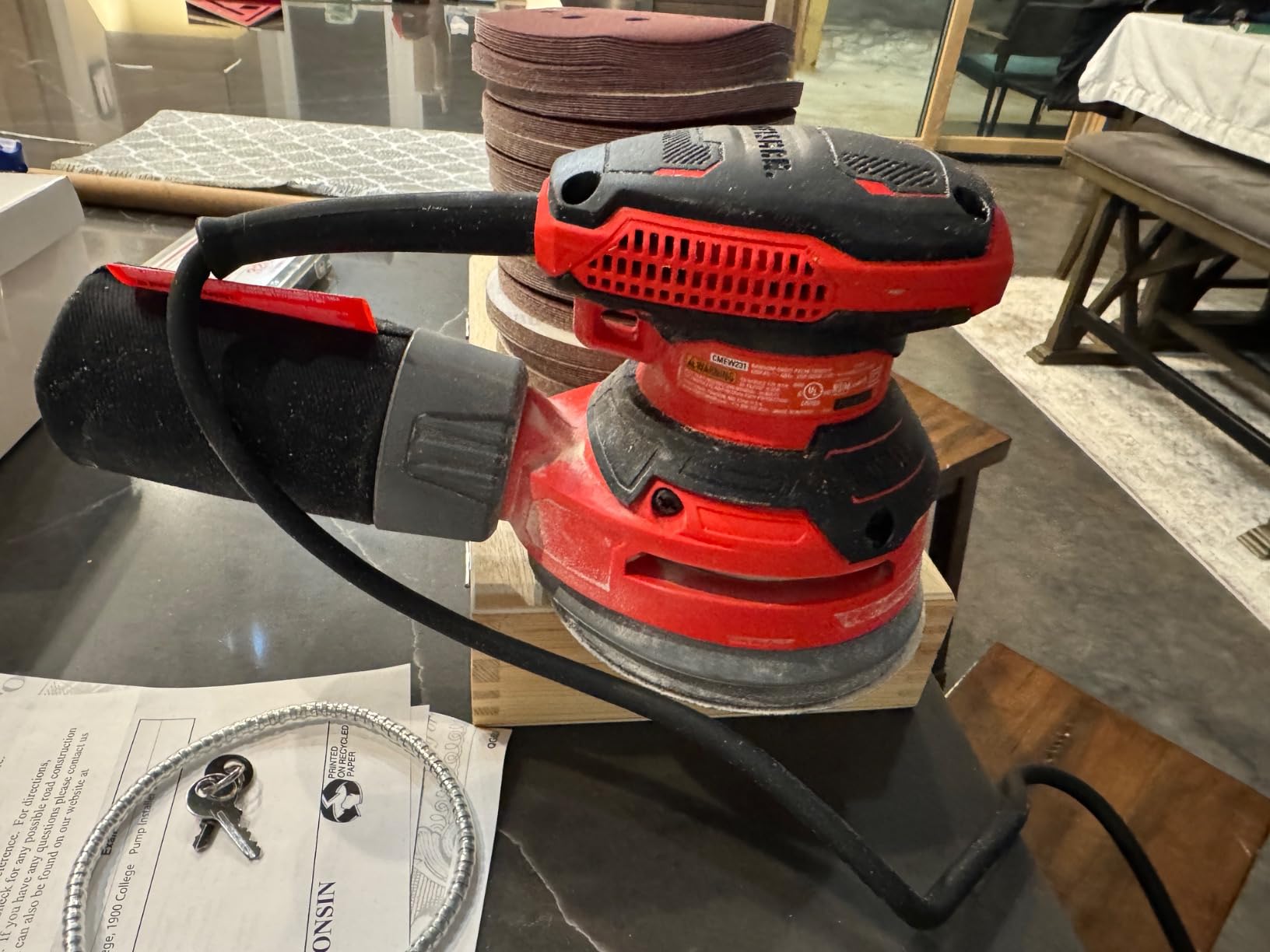
The CRAFTSMAN CMEW231 offers surprising quality at a mid-range price point. Many users report that it performs identically to DEWALT models costing significantly more, which makes sense since both brands are now under the same corporate umbrella.
The 3-year warranty provides peace of mind that is rare in this price range. I have used this sander for several furniture projects and found the dust collection to be effective when paired with a shopvac.
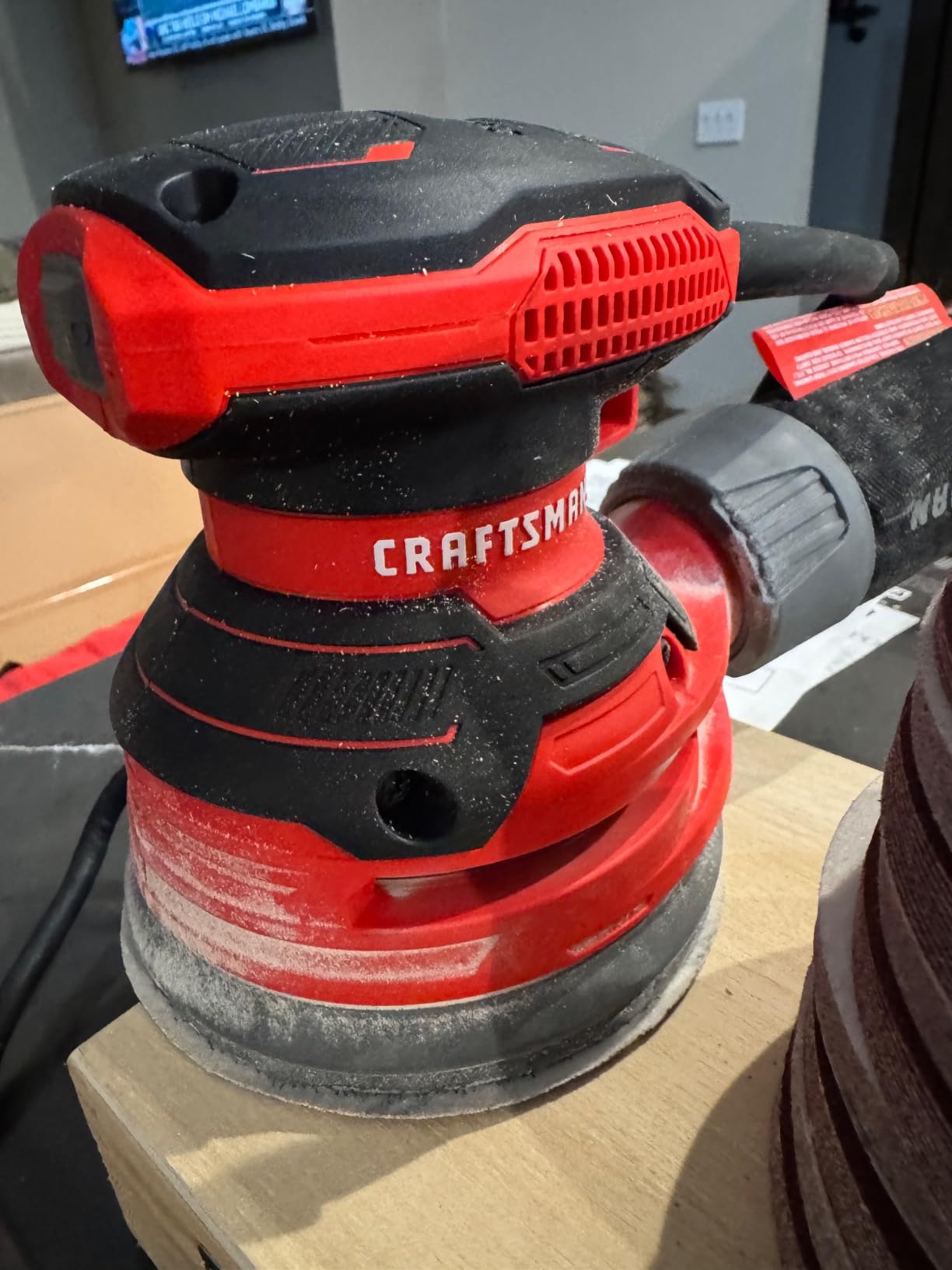
The non-standard dust port requires an adapter for some vacuum systems, which is annoying but manageable. Once connected, the dust collection works well and keeps your workspace cleaner.
Who Should Buy This Sander
Cost-conscious buyers who want professional-grade performance without the premium price tag. The CRAFTSMAN brand delivers quality that rivals more expensive options.
Who Should Look Elsewhere
The lack of variable speed limits versatility. If you work with different materials or need both aggressive material removal and fine finishing, a variable speed model is worth the extra cost.
13. DEWALT DWE6421 – No-Frills Single Speed Simplicity
- Very comfortable grip with reduced vibration
- Powerful 3-amp motor
- Effective dust collection
- Easy velcro sandpaper attachment
- Excellent build quality
- Single speed limits versatility
- Small dust bag
- On/off switch can be hard to locate
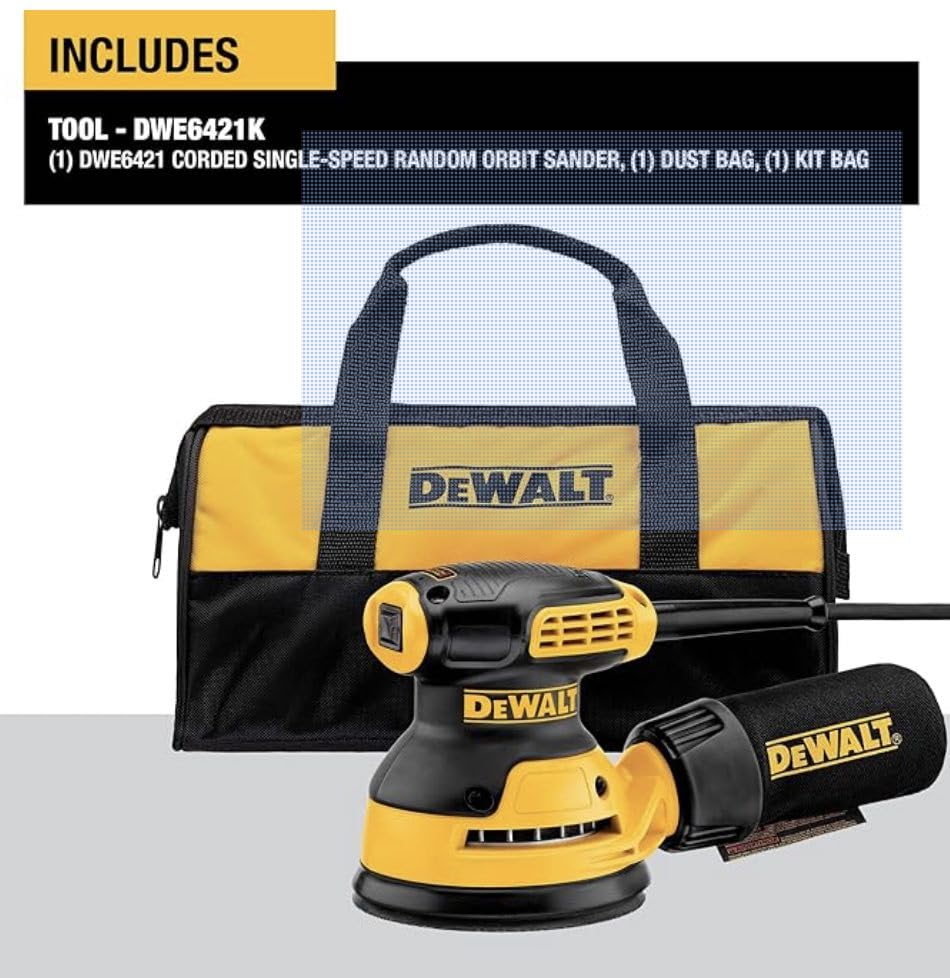
The DEWALT DWE6421 is the bare tool version of the single-speed sander. It delivers the same reliable performance as the kit version without the carrying case and accessories you may not need.
The palm grip design feels natural in your hand, and the reduced vibration makes extended sanding sessions more comfortable. I appreciate the dust-sealed switch that protects the internals from fine sawdust that can damage lesser tools.
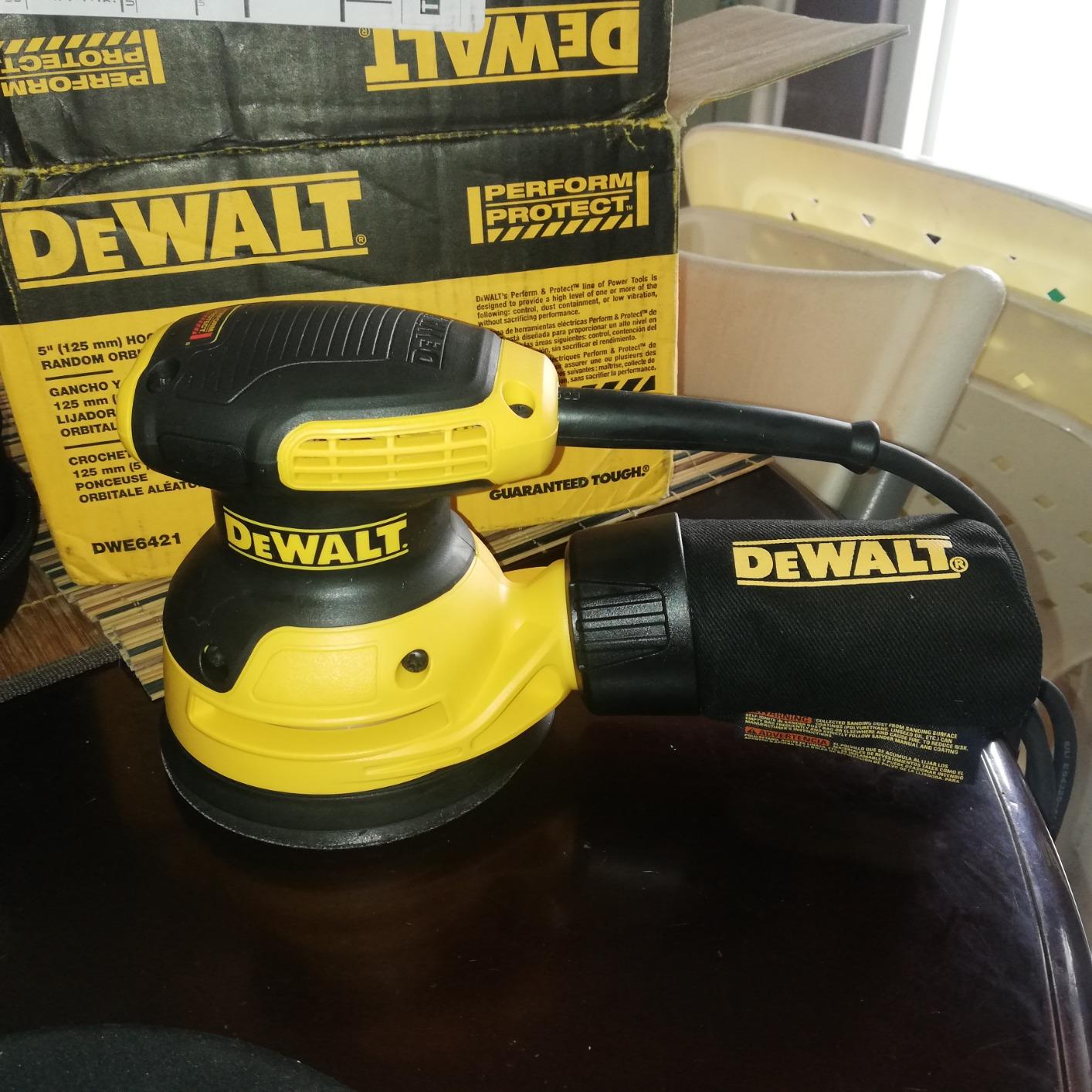
At 12,000 OPM, the single speed hits a middle ground that works well for most sanding tasks. You sacrifice the ability to slow down for delicate work or speed up for aggressive material removal, but for general purpose sanding, it performs admirably.
Who Should Buy This Sander
Users who want DEWALT reliability at the lowest possible price point. If you do not need variable speed and already have storage solutions for your tools, this bare sander offers excellent value.
Who Should Look Elsewhere
Anyone who works with diverse materials or needs the flexibility of variable speed control. The DWE6423 models offer that flexibility for a modest price increase.
14. BLACK+DECKER BDERO100 – Best Ultra-Budget Option
- Excellent value under $40
- Lightweight and compact for tight spaces
- Effective dust collection for the price
- Comfortable grip reduces fatigue
- Easy disc changes
- Single speed only
- No variable speed control
- Short power cord requires extension
- Dust bag may not capture all dust
The BLACK+DECKER BDERO100 proves that you do not need to spend a fortune to get a functional random orbital sander. At under $40, it is one of the most affordable options from a reputable brand.
I recommend this sander for beginners who are not sure if woodworking will become a serious hobby. It handles basic sanding tasks competently and gives you the experience to decide if you want to invest in a premium model later.
The compact size and light weight make this sander particularly good for detail work and sanding in tight spaces. I have used it for refinishing cabinet interiors where larger sanders simply would not fit.
Who Should Buy This Sander
Beginners, occasional DIYers, and anyone on a tight budget who needs basic sanding capability. This sander performs well enough for most home projects at a price that is hard to beat.
Who Should Look Elsewhere
Anyone who sands regularly or needs professional results should invest more in a higher-quality tool. The single speed and less robust construction limit long-term durability and versatility.
15. DEWALT DCW210P1 – Premium Cordless Kit with 5.0Ah Battery
- Complete kit with large battery
- Powerful brushless motor
- Variable speed control
- Excellent dust collection
- Pad stops quickly when powered off
- Premium kit price
- International charger compatibility issues
- Carry bag is basic
The DEWALT DCW210P1 is the premium cordless kit that includes everything you need for serious sanding work. The 5.0Ah battery provides significantly more runtime than the 2.0Ah kit, letting you tackle larger projects without waiting for recharges.
I tested this kit on a complete bedroom furniture set refinishing project. The larger battery lasted through sanding two dressers, a nightstand, and a headboard on a single charge. That kind of runtime transforms how you approach cordless tools.
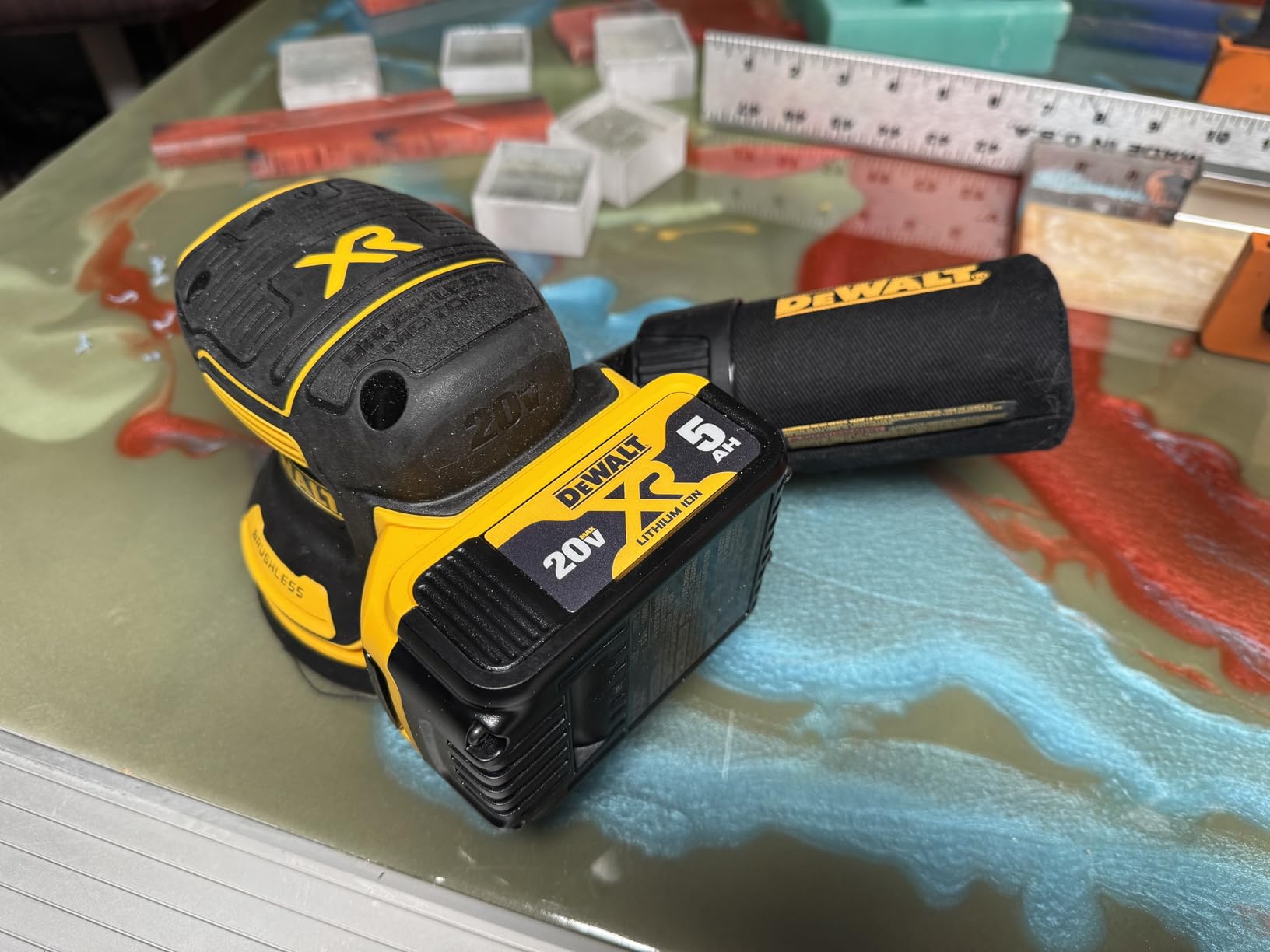
The brushless motor and variable speed control deliver professional-grade performance. The quick-stop feature that halts the pad immediately when you release the trigger is a small but appreciated safety feature.
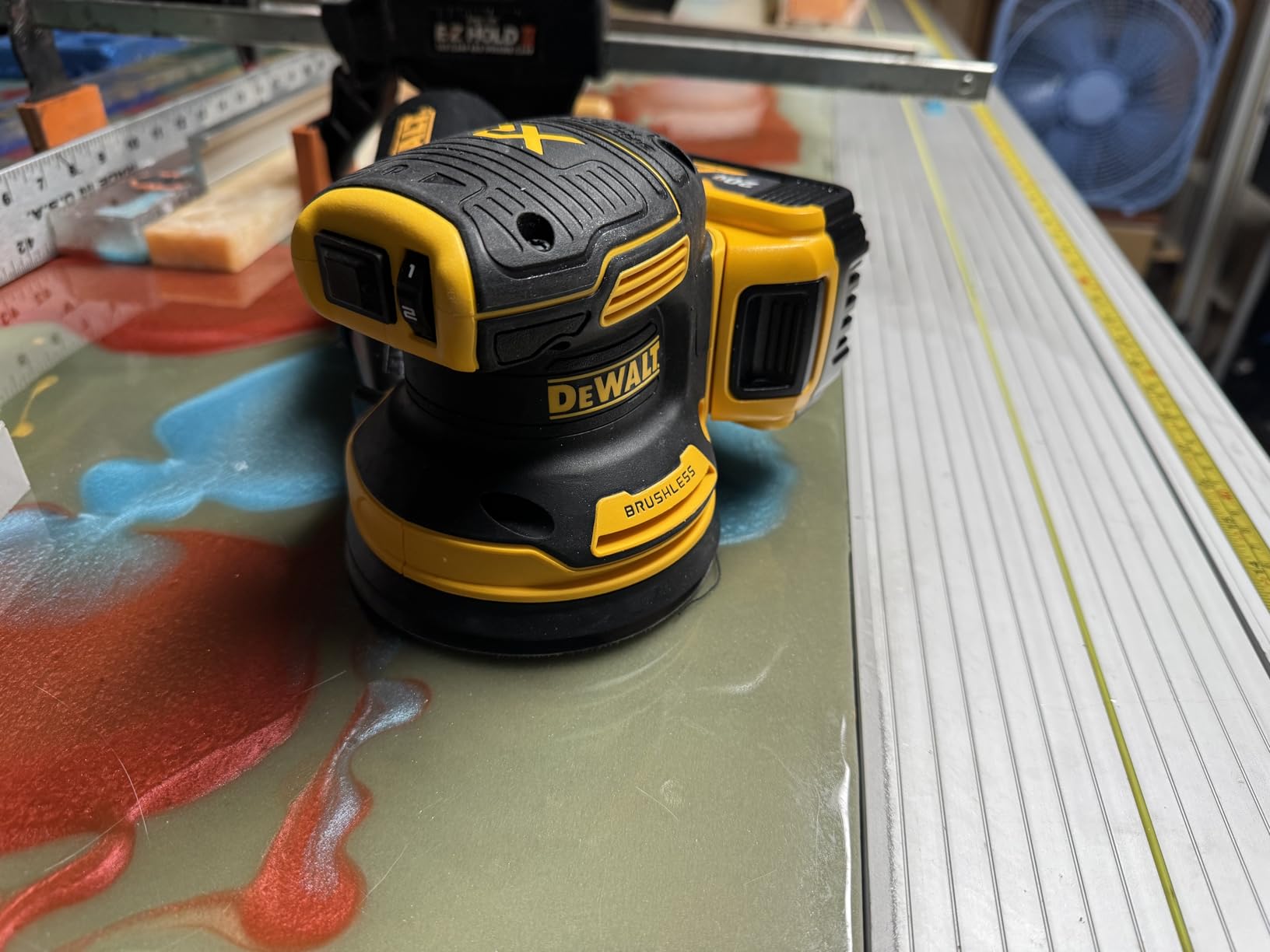
Who Should Buy This Sander
Professional users and serious DIYers who want the best cordless experience. The 5.0Ah battery makes this kit worth the premium over smaller battery options.
Who Should Look Elsewhere
Casual users will find this kit overkill for occasional projects. The DCW210D1 with 2.0Ah battery is more appropriate for lighter use at a lower price point.
16. HYCHIKA OS300W – Budget Option with 6 Speed Settings
- Six speed settings at budget price
- 12 sandpapers included
- Good dust collection for price
- Comfortable grip with low vibration
- Powerful for the price
- Dust bag can fall off during use
- Hook-and-loop pad may lose adhesion
- Can be noisy at higher speeds
The HYCHIKA OS300W is a pleasant surprise in the budget category. Most sanders under $35 offer single speed and basic features, but this model includes six speed settings and a generous supply of sanding discs.
The variable speed range from 6,000 to 13,000 RPM gives you flexibility usually reserved for more expensive tools. I found the middle speeds perfect for most tasks, with the high speed available for aggressive material removal.
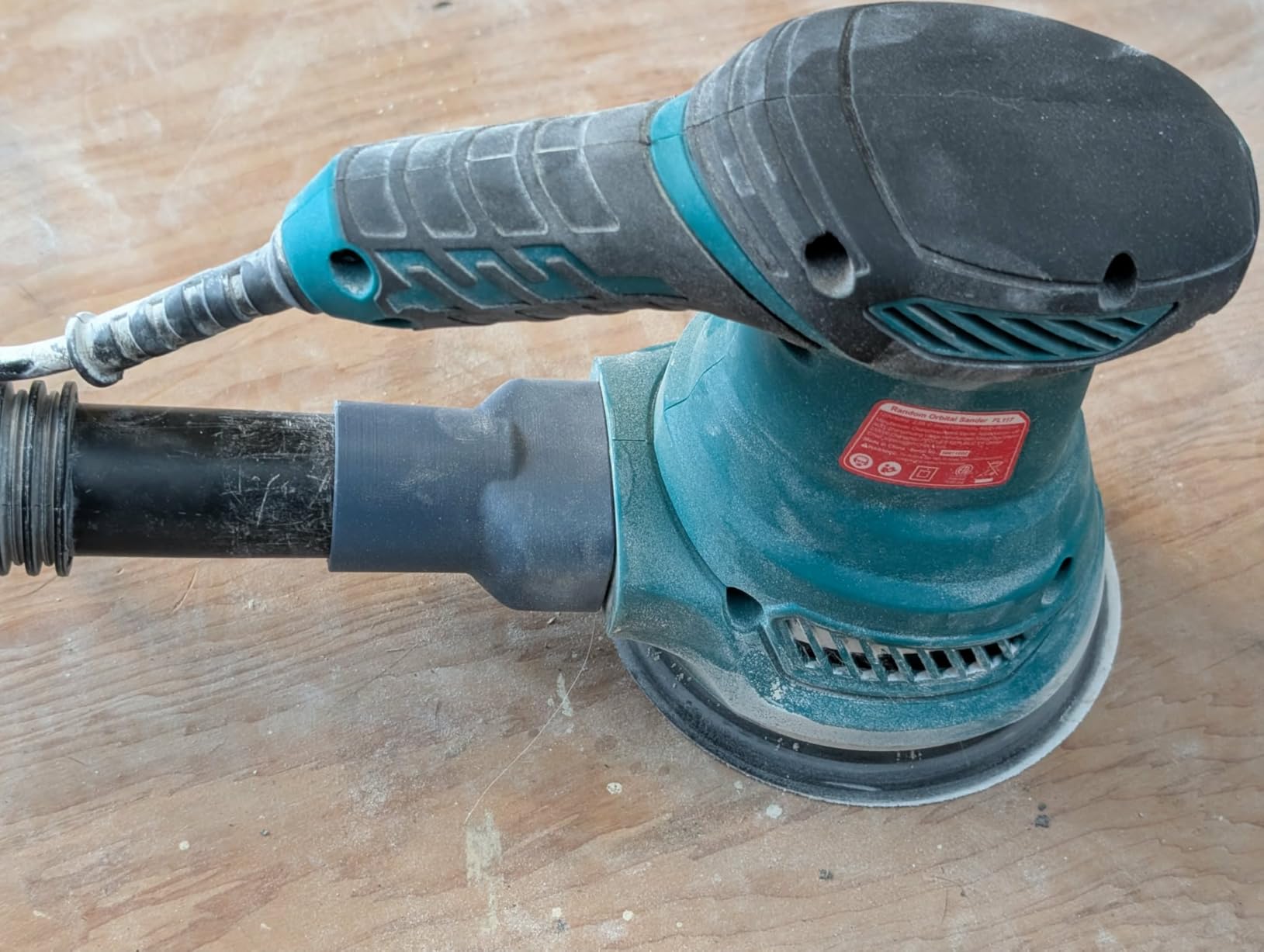
The included 12 sandpapers in 80, 120, and 240 grits are enough to get you started on several projects. The dust collection works reasonably well, though the bag attachment could be more secure.
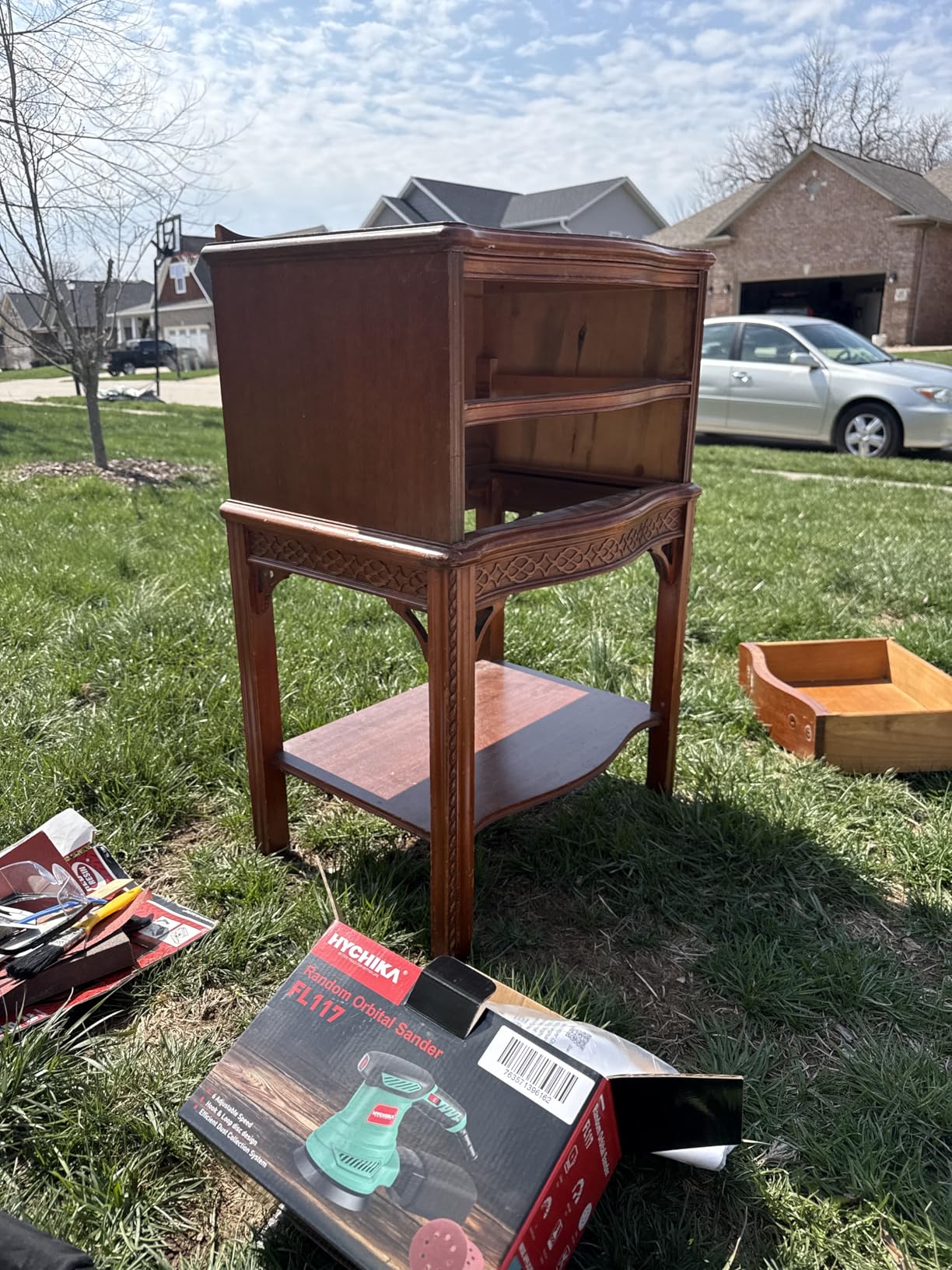
Who Should Buy This Sander
Budget-conscious buyers who want variable speed features typically found on more expensive sanders. This is an excellent value for occasional use and learning the craft.
Who Should Look Elsewhere
Heavy users and professionals need more robust construction and better long-term durability. The budget components show their limitations under extended use.
17. GALAX PRO GHJ-151 – Entry-Level Starter Option
GALAX PRO 13000OPM Random Orbital Sander 6 Variable Speed with 15 Sandpaper
- Strong value with 15 discs included
- Six speed settings
- Comfortable rubber grip
- Effective dust collection
- Standard disc compatibility
- No handle - must hold by motor top
- Can be noisy
- May not sand evenly on all surfaces
- Limited power for heavy tasks
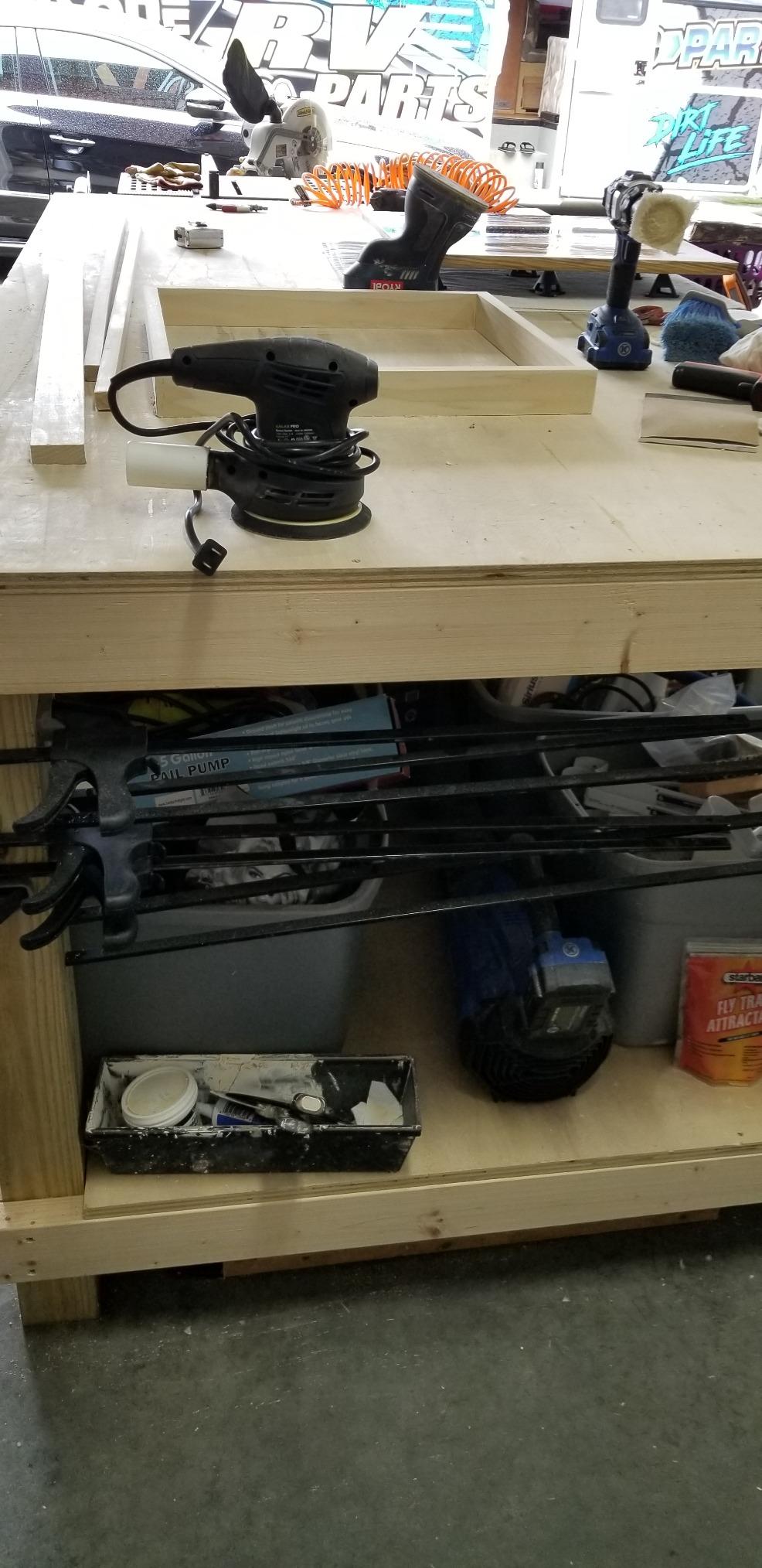
The GALAX PRO GHJ-151 is the most affordable option in our roundup, making it accessible to anyone who needs basic sanding capability. The included 15 sanding discs mean you can start projects immediately without a trip to the hardware store.
This sander lacks the refined feel of premium tools. The absence of a dedicated handle means you grip the motor housing, which takes some getting used to. However, for the price, it performs adequately for light DIY tasks.
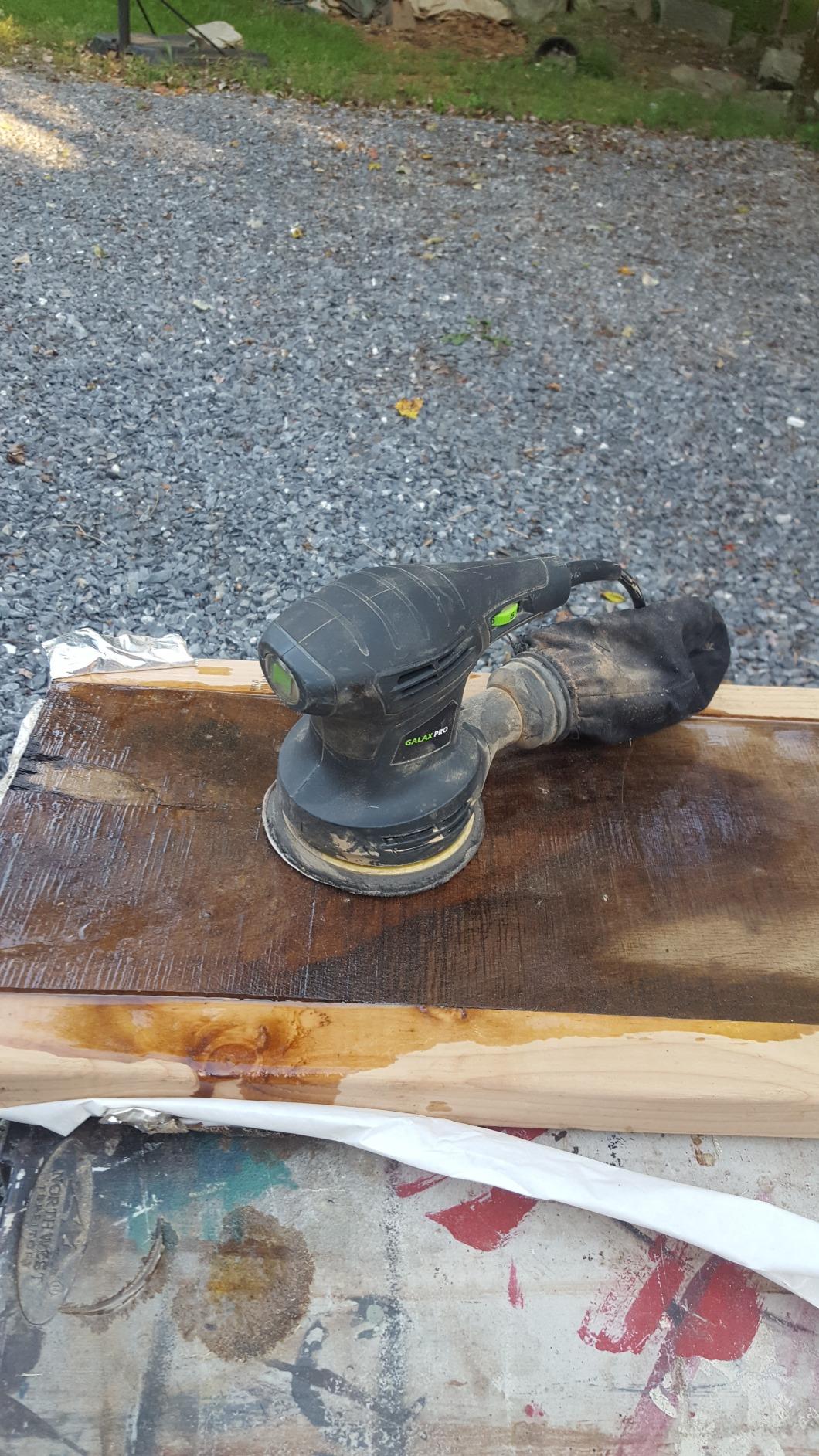
I recommend this sander for very occasional use, small projects, or as a backup tool. It is not built for professional workloads, but it handles basic sanding tasks competently.
Who Should Buy This Sander
Users with minimal sanding needs who want the lowest possible entry point. This sander works for small craft projects, touch-up work, and occasional furniture refinishing.
Who Should Look Elsewhere
Anyone planning regular woodworking or furniture building should invest in a more capable tool. The lack of handle and limited power make extended use uncomfortable and inefficient.
Buying Guide: How to Choose the Best Random Orbital Sander
After reviewing 17 different sanders, I want to share what actually matters when making your choice. These insights come from years of woodworking experience and conversations with fellow woodworkers.
Motor Power and OPM Range
Motor power, measured in amps for corded sanders, directly affects how quickly you can remove material. For home use, 2.5 to 3.0 amps is sufficient. Professional users may want 3.0 amps or higher.
OPM (orbits per minute) determines how fast the sanding pad moves. Variable speed models typically range from 7,000 to 13,000 OPM. Lower speeds work better for fine finishing, while higher speeds remove material faster.
Dust Collection Options
Effective dust collection keeps your workspace clean and protects your lungs. Built-in bags work for small jobs, but connecting to a shopvac transforms the sanding experience. Look for models with standard vacuum port sizes or included adapters.
Corded vs Cordless Considerations
Corded sanders offer unlimited runtime and consistent power. They are ideal for workshop use where power outlets are available. Cordless sanders provide freedom of movement for job sites and outdoor projects, but require battery management.
If you choose cordless, consider whether you already own compatible batteries. Buying into a new battery platform significantly increases your total investment.
Pad Size: 5-inch vs 6-inch
Five-inch pads are standard and versatile, working well for most projects and fitting into tighter spaces. Six-inch pads cover more area per pass, making them efficient for large flat surfaces like tabletops and doors. However, 6-inch sanding discs are less common and more expensive.
Vibration Reduction Features
Extended sanding sessions can cause hand and arm fatigue. Counterweight systems, rubber overmold grips, and ergonomic designs reduce vibration significantly. This becomes more important the more you sand.
5 Common Mistakes to Avoid
Based on forum discussions and my own experience, here are the most common mistakes new sander owners make:
First, using too coarse grit initially. Start with 80 grit for rough surfaces, then progress through 120, 150, and 220 grit for finishing. Skipping grits leaves scratches that show through stain.
Second, pressing too hard. Let the sander do the work. Excessive pressure creates uneven surfaces and wears out pads prematurely.
Third, ignoring dust collection. Poor dust collection not only makes a mess but also reduces sander effectiveness and affects your health over time.
Fourth, moving too fast across the surface. Slow, overlapping passes produce better results than rapid back-and-forth motions.
Fifth, not checking for swirl marks under raking light. Examine your work at an angle before applying finish to catch scratches early.
FAQs
What is the best random orbital sander on the market?
The DEWALT DWE6423K earns our Editor’s Choice award for its combination of professional-grade vibration reduction, variable speed control, and reliable dust collection. For budget-conscious buyers, the SKIL SR211601 offers excellent value. Professional users needing aggressive stock removal should consider the Bosch GET75-6N with its dual-mode operation.
What are the 5 most common mistakes people make with a random orbital sander?
The most common mistakes are: 1) Using too coarse grit initially instead of progressing through grits, 2) Pressing too hard rather than letting the sander do the work, 3) Ignoring dust collection which affects both results and health, 4) Moving too fast across surfaces instead of slow overlapping passes, and 5) Not checking for swirl marks under raking light before applying finish.
Is there a difference between an orbital sander and a random orbital sander?
Yes. A standard orbital sander moves the sanding pad in a fixed circular pattern, which can leave visible swirl marks. A random orbital sander combines rotary spinning motion with small orbital movements, distributing scratches randomly to prevent visible patterns. Random orbital sanders produce smoother finishes and are better for final surface preparation.
What are some downfalls of using a random orbital sander?
Random orbital sanders can be slower than belt sanders for large material removal jobs. They also require proper technique to avoid swirl marks. The round pads cannot reach into corners, so you may need additional sanding tools for detailed work. Lower-quality models may have excessive vibration that causes user fatigue during extended use.
Who makes the best random orbital sander?
DEWALT consistently ranks at the top for overall value, reliability, and features. Bosch excels in dust collection and swirl-free finishes. Makita is preferred by professionals for smooth operation and wide speed ranges. Milwaukee and Makita lead in cordless options with battery systems that rival corded performance. Festool makes premium tools but at significantly higher prices.
Are random orbital sanders good?
Random orbital sanders are excellent tools for most woodworking and finishing tasks. They produce smoother surfaces than standard orbital sanders by eliminating visible scratch patterns. They are versatile enough for both material removal and fine finishing work. With proper technique and dust collection, they are essential tools for furniture building, refinishing, and home improvement projects.
Final Thoughts: Choosing Your Best Random Orbital Sander in 2026
After testing and analyzing 17 different random orbital sanders, I am confident there is a perfect option for every woodworker in this list. The best random orbital sander for your specific needs depends on your budget, project types, and whether you prioritize corded reliability or cordless convenience.
For most home woodworkers, the DEWALT DWE6423K represents the sweet spot of features, quality, and value. The counterweight vibration reduction genuinely makes a difference during long sanding sessions, and the variable speed handles everything from rough stock removal to fine finishing.
If you are just starting out or sand only occasionally, the SKIL SR211601 proves you do not need to spend a fortune for capable performance. The cyclonic dust collection and variable speed are rare features at this price point.
Professionals and serious hobbyists tackling large projects should consider the Bosch GET75-6N for its aggressive turbo mode that removes material three times faster than standard random orbital sanders.
Whichever model you choose, remember that proper technique matters as much as tool quality. Progress through grits methodically, let the sander do the work without excessive pressure, and always check your work under raking light before applying finish. Happy sanding.