
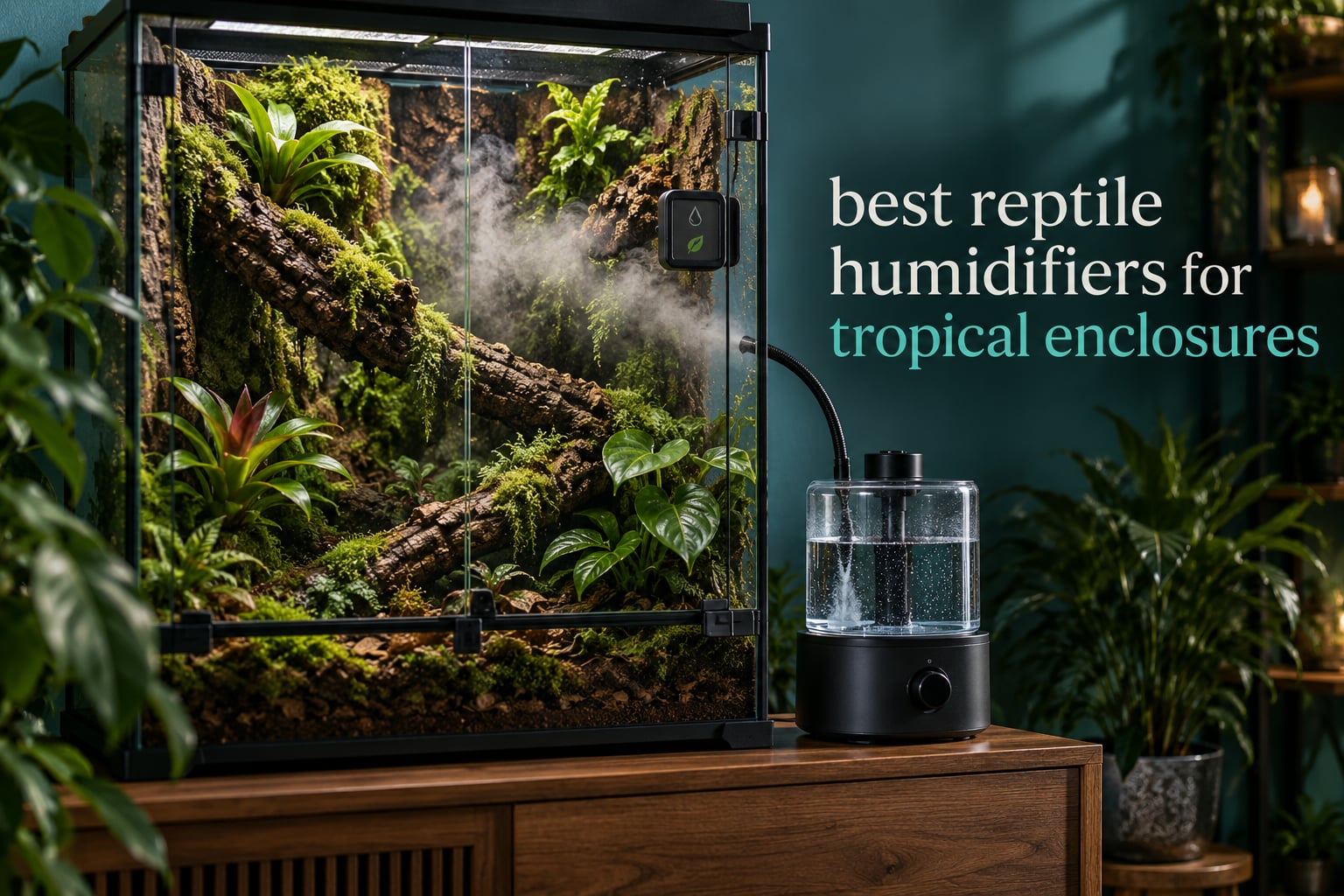
The best reptile humidifiers for tropical enclosures fall into three very different families, and picking the wrong one is the single most common reason a dart frog enclosure fogs up or a crested gecko dehydrates. Cold-mist ultrasonic foggers saturate the air evenly, pump-driven misting systems put drinkable droplets on leaves and glass, and whole-room humidifiers handle a rack of enclosures at once. Our top pick, the COOSPIDER 3.8L, is the strongest all-round fogger we tested, but it is only the right answer for some of you.
We spent weeks running ten of the most-reviewed reptile humidifiers and misting systems on the market, mostly in planted and screen-top enclosures where humidity is hardest to hold. The list covers both cold-mist foggers and pump-and-hose misters, because a roundup that only covers one family leaves half the problem unsolved. Every keeper who reads this still needs a hygrometer; we say so again below because it matters more than any device on this list.
Two quick notes before we start. Prices in this category move constantly, so we never quote a figure here — the buttons below take you to the current listing. And several of these units are white-label resold under dozens of near-identical marketplace names, which is why review counts alone do not tell you much. We explain how we handled that in the ranking section.
Table of Contents
Top 3 Picks for Tropical Reptile Humidifiers

COOSPIDER 3.8L Reptile Fogger
- 3.8L reservoir with level window
- Adjustable 1.5-6.3 ft hose
- Dry-tank auto shutoff
- Under 35dB ultrasonic output
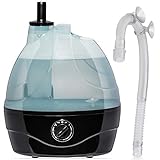
Evergreen Pet Supplies 2L Fogger
- 2L tank with no-spill valve
- Adjustable mist output dial
- Automatic low-water shutoff
- Quiet enclosure-friendly noise

Zoo Med Repti Fogger
- Replaceable easy-fill bottle reservoir
- Adjustable fog output dial
- Ceramic body
- Compact footprint
The three above cover the most common setups. The COOSPIDER has the largest reservoir and the strongest review base in the group, which means replacement parts and known failure modes are easy to find. The Evergreen is the cheapest way into a working fogger and the simplest to live with. The Zoo Med is the legacy pick, and its screw-on bottle is still a better refill design than anything else we tested.
All 10 Reptile Humidifiers Compared Side by Side
| Product | Specifications | Action |
|---|---|---|
| COOSPIDER 3.8L Reptile Fogger |
|
Check Latest Price |
| Evergreen Pet Supplies 2L Fogger |
|
Check Latest Price |
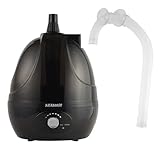 BETAZOOER 2.5L Reptile Humidifier BETAZOOER 2.5L Reptile Humidifier |
|
Check Latest Price |
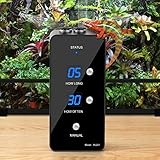 moistenland Misting System 201PL moistenland Misting System 201PL |
|
Check Latest Price |
| Zoo Med Repti Fogger |
|
Check Latest Price |
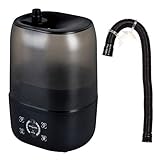 REPTI ZOO TF03 4L Timing Fogger REPTI ZOO TF03 4L Timing Fogger |
|
Check Latest Price |
 Ycxydr Smart-01 Misting System Ycxydr Smart-01 Misting System |
|
Check Latest Price |
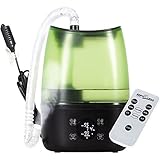 REPTI ZOO TF07G 2-in-1 Humidifier REPTI ZOO TF07G 2-in-1 Humidifier |
|
Check Latest Price |
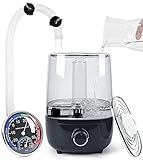 AUAAQ Top Fill 4L Fogger AUAAQ Top Fill 4L Fogger |
|
Check Latest Price |
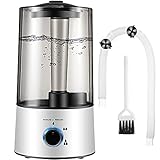 Dreyoo 4L Cool Mist Fogger Dreyoo 4L Cool Mist Fogger |
|
Check Latest Price |
One caution on this table. Most of these units have no humidity sensor at all, which means they run on a schedule you set rather than on a reading. Nine of the ten are open-loop devices: you become the sensor, and the only way to know whether the enclosure is at 65% or 90% is a separate hygrometer mounted inside the enclosure rather than on the wall beside it.
1. COOSPIDER 3.8L Reptile Fogger — Best All-Round Cold Mist
- Largest reservoir in the group with a visible water level window
- Very fine mist that disperses evenly without soaking substrate
- Long runtime of roughly 26 hours at medium output
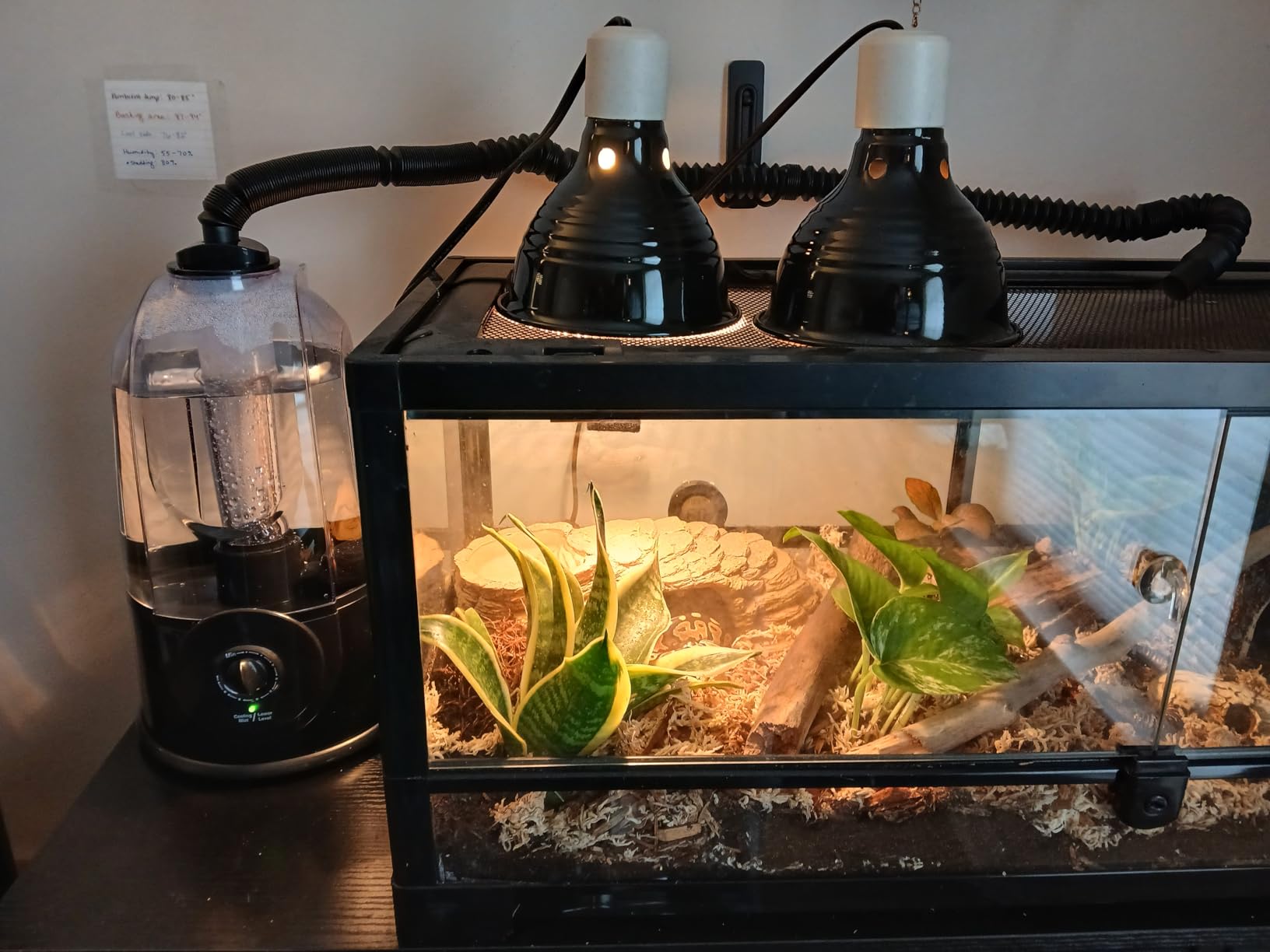
- Adjustable hose with suction cups lets you aim mist at the animal
- Dry-tank protection with an indicator light
- Bottom-fill design so the tank must be lifted and inverted to refill
- Reservoir cap and hose fitting can seat badly and leak
- Mist dial is coarse between barely-misting and opaque
This is the unit I put in every enclosure first when I am testing. The mist is genuinely fine — the kind that hangs in the air and disperses rather than the wet cloud some cheaper foggers push out. On a 40 gallon planted vivarium with a screen top it took the enclosure from bone dry to stable in about twenty minutes at the middle setting, and it never beaded the cork bark the way a heavier mist does.
Runtime is where it wins. The listing gives 24 hours, and owners report around 26 hours at medium mist and roughly 10 hours at maximum. In a normal enclosure that means you fill it every other day rather than every morning, which matters more than any feature on the dial.
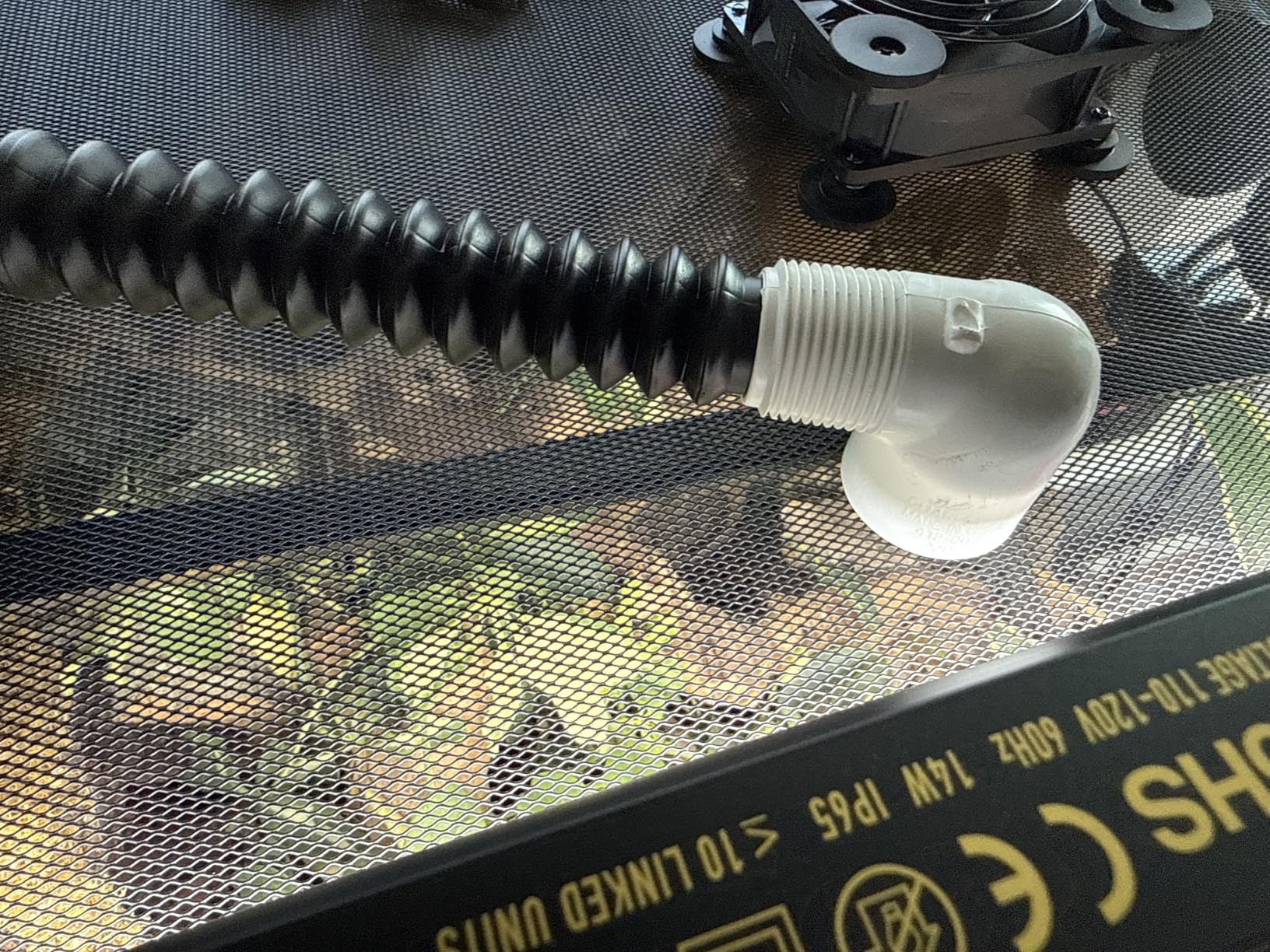
The design decision you have to accept is bottom-fill. You lift the whole 3.8L tank off the base, carry it to a sink, turn it upside down and fill it. Owners who find this awkward usually set the unit on a shallow tray or route the hose straight down from above the enclosure instead of through the side collar, which also solves a second complaint about the tank cap not seating properly.
The dry-tank cutoff works, though the float pin occasionally trips early. When that happens the indicator goes from green to red and the unit stops; nudging the tank to reseat the float usually brings it back. There is no built-in timer and no humidity sensor, so you need an external timer or hygrostat to make it automatic.
What this fogger is genuinely good at
Ambient humidity for species that do not drink from droplets. Chameleons in tall screen-top cages, crested geckos at 60-80%, green anoles and tropical boids all do well with it. The hose reaches up to 6.3 feet, so mist reaches the top of an arboreal enclosure rather than pooling on the floor.
It is also the safest pick for a bedroom. At under 35dB it is quieter than most household humidifiers, and the review base of nearly five thousand owners means any hardware problem you hit has already been described somewhere and probably solved.
Where it will disappoint you
It will not give a chameleon something to drink from. Fog raises relative humidity; it does not leave beads on leaves. If your animal is a droplet-drinker, you need a pump mister instead, and our guide to the best reptile misting systems covers that family in full.
Plan on distilled or reverse-osmosis water. Ultrasonic atomizer plates scale quickly on hard tap water, and mineral deposits on the plate are what turn a fine mist into a dribble over a season or two.
2. Evergreen Pet Supplies 2L Fogger — Best Budget Starter
- Wide mist range from a light trickle to heavy fog
- Very quiet inside the enclosure
- Green-to-red low-water light plus automatic shutoff
- Two to three days runtime at medium output on a fill
- Works well with an external timer or hygrostat
- Bottom-fill only and awkward to refill without spilling
- Supplied suction cups do not grip the hose
- Tube condensation can vent fog from the base
This has been available since 2016, which tells you something about how many owners are still running one. It is the unit most first-time keepers end up with, and it does the job without drama: turn the dial, listen to nothing, watch the enclosure fog. For a ball python, a rainbow boa or a first dart frog vivarium it is entirely adequate.
The mist range is the quiet strength here. Reviewers describe going from barely-there trickle to enough fog to fill a large tank in minutes using the same dial, which gives you far more control than a three-position button. Set it low, walk away, and check with a hygrometer before assuming it is running correctly.
Runtime is around two to three days at medium output on a 2L fill, which is fine for a small enclosure and annoying in a large planted one. Owners who place the unit on a tray and use distilled water report years without trouble, and that is the single best practice for this tank.
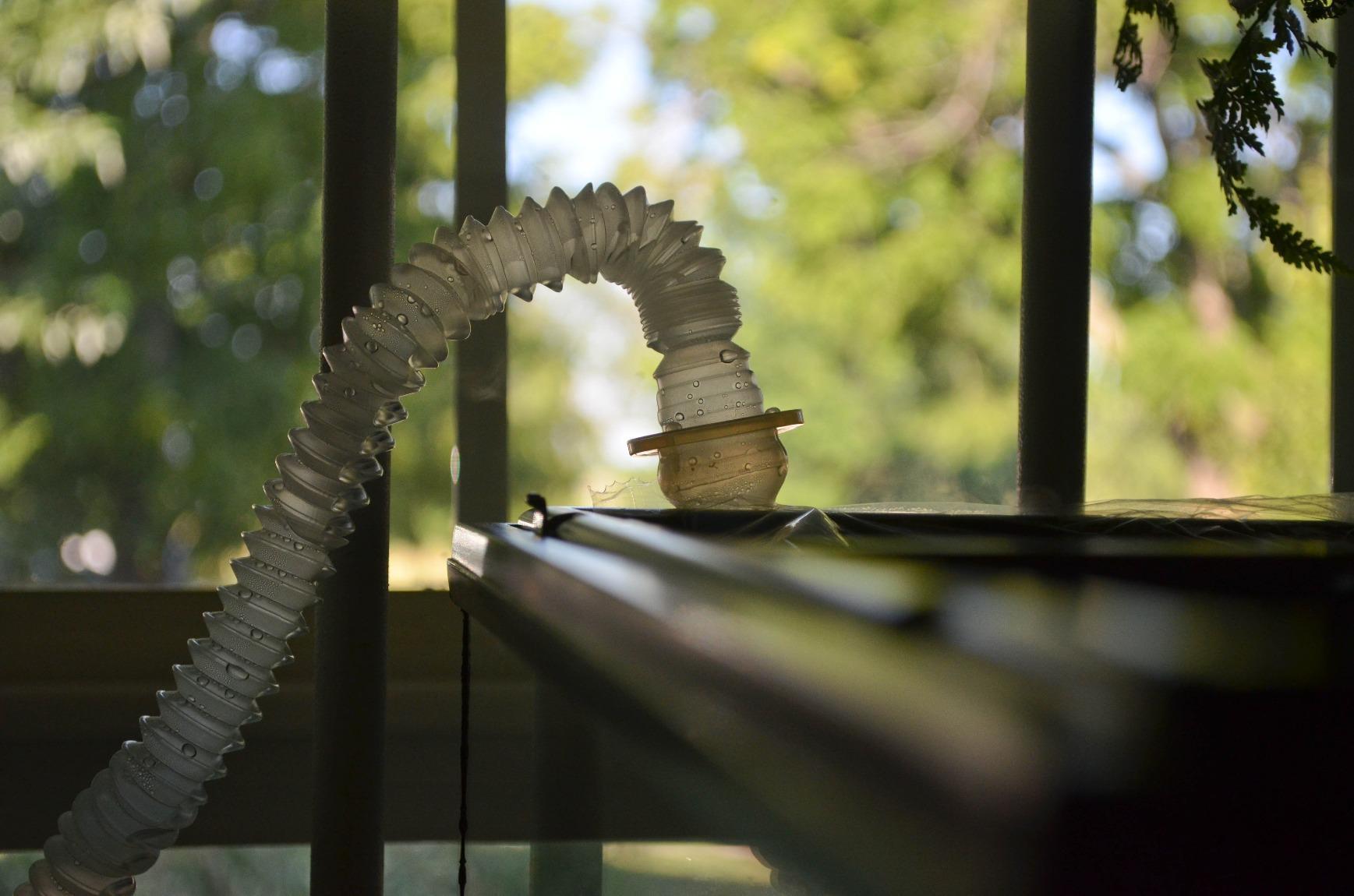
The bottom-fill is the most-cited complaint in the reviews, and the suction cups that ship with it are frequently swapped for better ones because they will not grip the supplied hose. Condensation inside the tube is the other recurring theme — if fog starts venting from the base instead of the nozzle, the tube is blocked with water.
Who this suits
A keeper with one small to medium enclosure who wants the cheapest route to automatic humidity. It works for ball pythons, chameleons, dart frogs, hermit crabs and tortoises, and it pairs naturally with a cheap mechanical hygrostat for constant-humidity setups.
If you want the enclosure design side covered too, our picks for the best reptile enclosures matter as much as the humidifier, because ventilation and screen tops decide how much water you lose per day.
Where it falls short
There is no timer and no sensor, so on its own it is a device you switch on by hand. If you are not home during the day, that is a real limitation and you will want an external timer.
Some owners report eventual reservoir or base leaks after months of use. If water is pooling under the unit, stop using it and dry the tank seal before it reaches the electronics.
3. BETAZOOER 2.5L Reptile Humidifier — Best for Two-Zone Fogging
BETAZOOER Reptile Humidifier Mister Fogger Extension Amphibians Snake 2.5L
- Two-day runtime at low mist on the 2.5L tank
- Tubes can be joined with a splitter to fog two zones
- Quiet ultrasonic output suits a bedroom
- Automatic dry-run shutdown
- Sold with a 90 day refund or exchange window
- Output is controlled by a single coarse dial
- Ultrasonic plate needs regular descaling on hard water
- High long-term durability complaints in reviews
The distinguishing feature here is the tubing. You can run one stretchable tube or two, joined with a splitter, which means a single unit can fog a high canopy zone and a low substrate zone in the same enclosure. That is genuinely useful in a tall arboreal setup where fogging only the floor leaves the basking branches dry.
Output is a single rotary dial rather than the stepped buttons some competitors use. In practice that means finer control than three fixed positions but no readout, so you are still adjusting by ear and by hygrometer rather than by numbers.
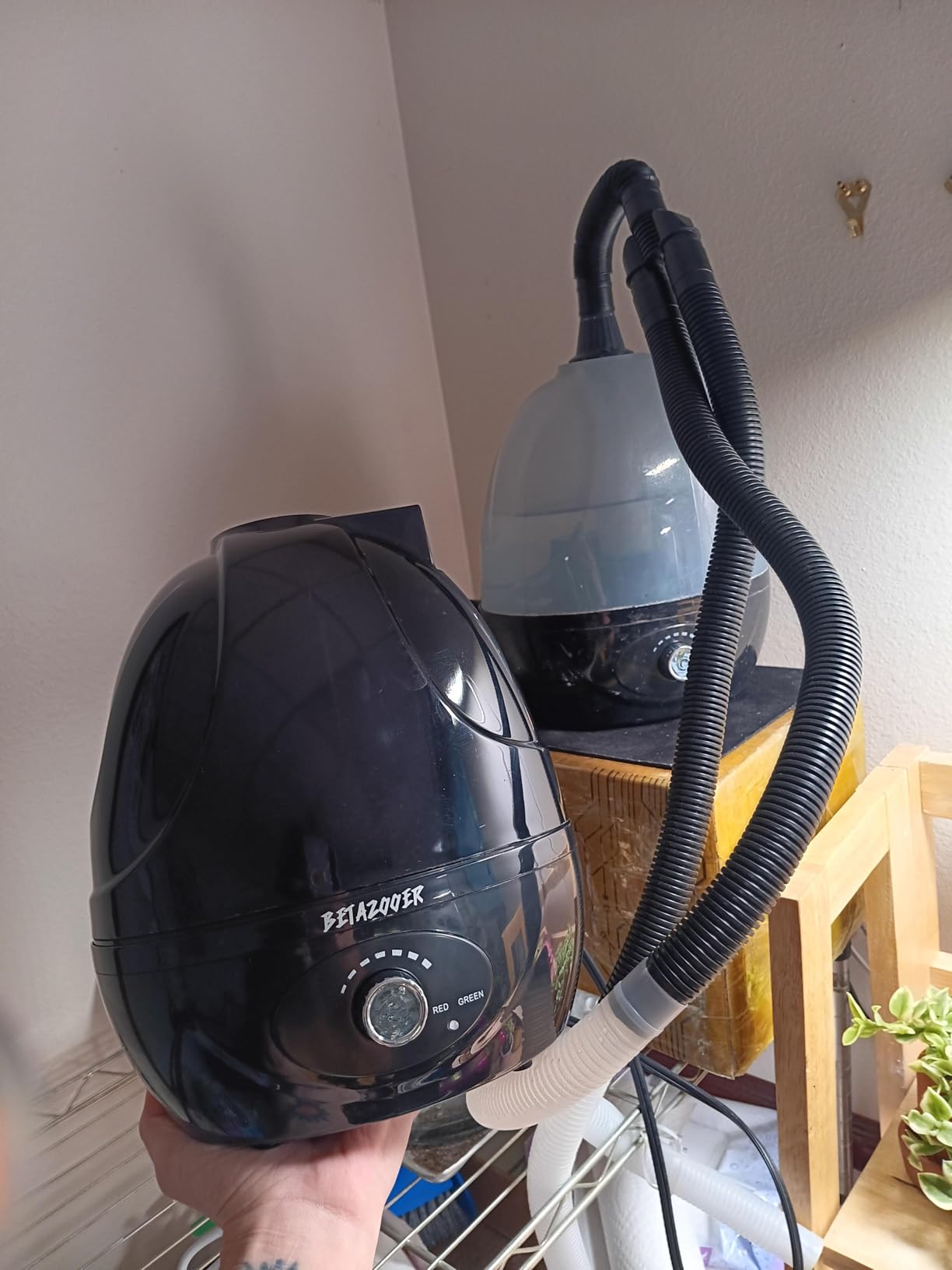
On low mist the 2.5L tank runs close to two days, which is competitive with much larger units. The ultrasonic atomization is clean and odourless, which matters if your enclosure is somewhere you also sleep.
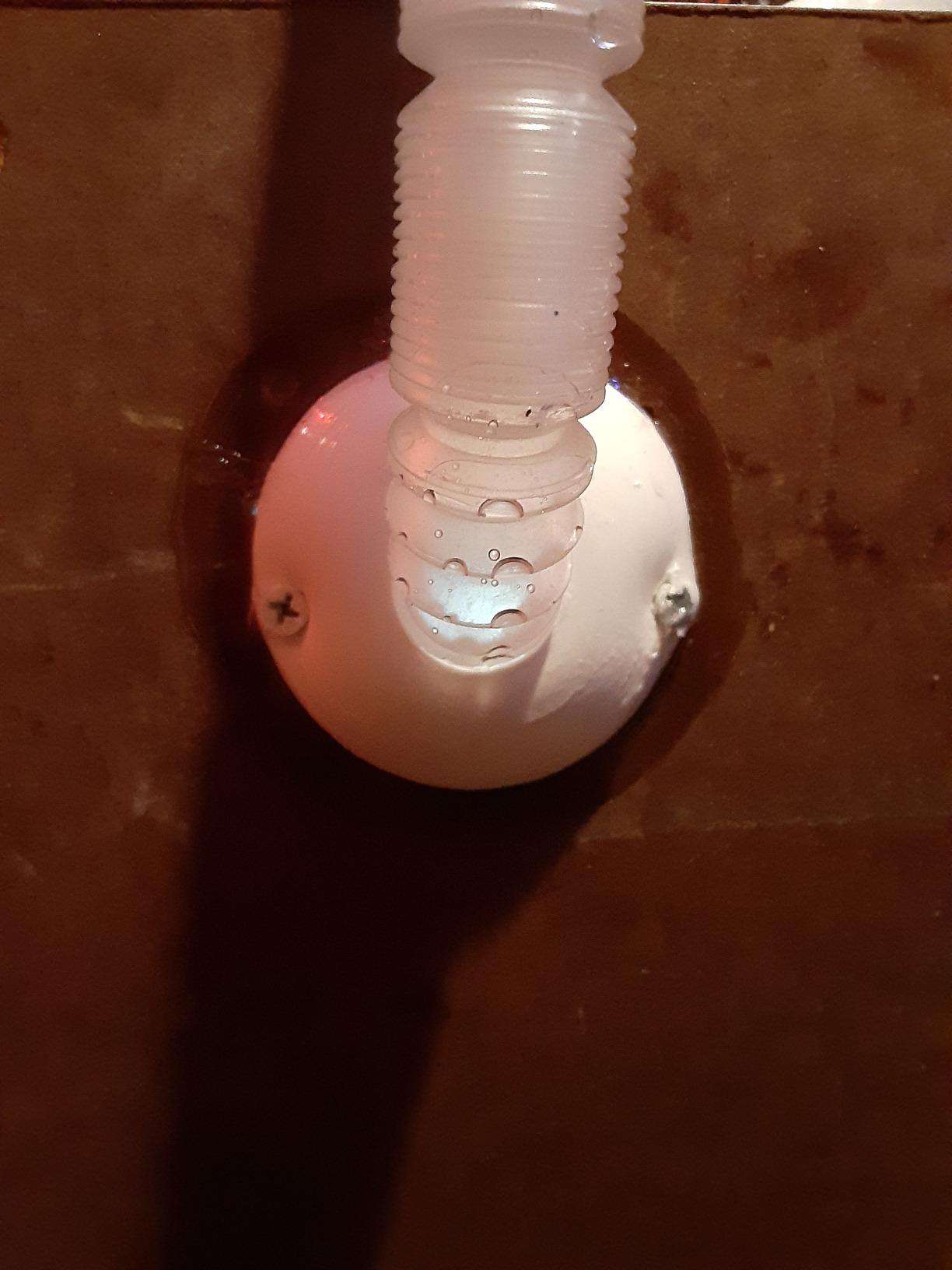
The honest weakness is durability. This unit carries one of the higher one-star shares in the group, and the complaints cluster around mineral buildup from hard water rather than a single hardware fault. Descale the atomizer plate on a schedule and it behaves very differently.
Where it earns its place
Any enclosure split into a wet lower half and a drier upper half. A paludarium with a water section, or a tall vivarium where you want moisture near the foliage canopy and drier air near the top vents, both benefit from splitting the tubing.
It is also a sensible first fogger for a bearded dragon owner who still needs help during shed weeks, since the wide output range covers a brief boost without saturating the whole tank.
When to choose something else
Choose a pump mister if you keep dart frogs or chameleons that drink droplets, because fog gives them humidity without a drink. And if your water is hard, budget time for weekly descaling or move to a unit with a top-fill tank you can rinse properly.
None of this changes the fact that you still need to verify the result. A separate hygrometer inside the enclosure is the cheapest fix in this entire article.
4. moistenland Misting System — Best Scheduled Pump Misting
Moistenland Reptile Mister, Automatic Misting System for Reptile Tank
- High-density spray reaches the enclosure far faster than cold mist
- Two 360-degree rotating nozzles cover every corner
- Timer runs up to 5 minutes of spray on a 1 hour to 30 day cycle
- Any bucket works as a reservoir so there is no tank to lift
- Very small pump footprint
- No reservoir included so you must supply a bucket or container
- Pump loses prime if the intake filter is not fully submerged
- Push-fit tubing joints weep unless pressed in firmly
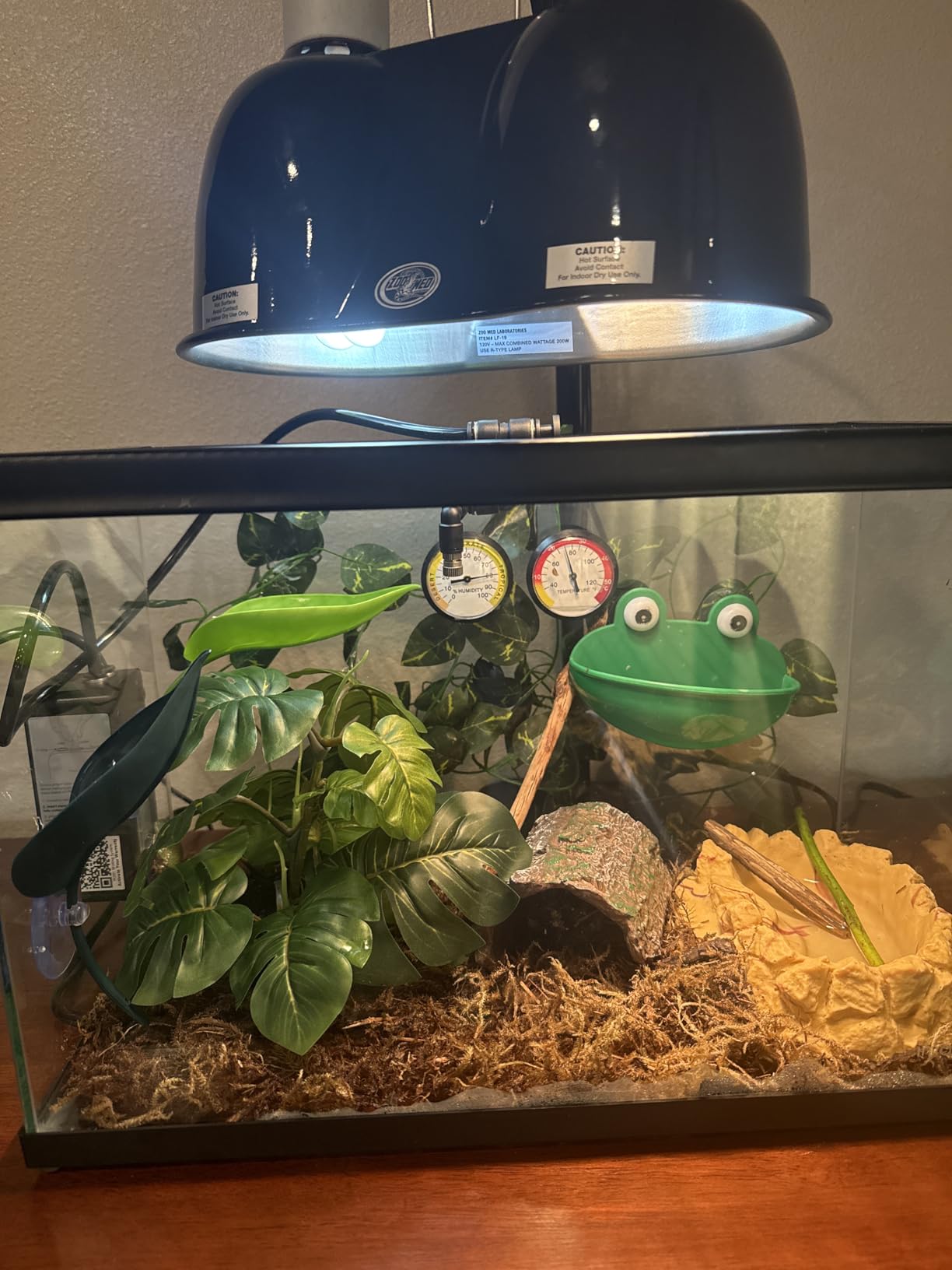
This is the first pump-driven system on the list, and the shift in behaviour is immediate. Instead of filling the air with fog, it throws dense water at the enclosure interior, so leaves and glass end up covered in droplets your animal can drink from. For chameleons and dart frogs that difference is the whole point.
The tankless design is the underrated feature. There is no reservoir to lift, no seal to fail and no refill schedule. You put an intake line in a five-gallon bucket on the floor and top the bucket up whenever you remember.
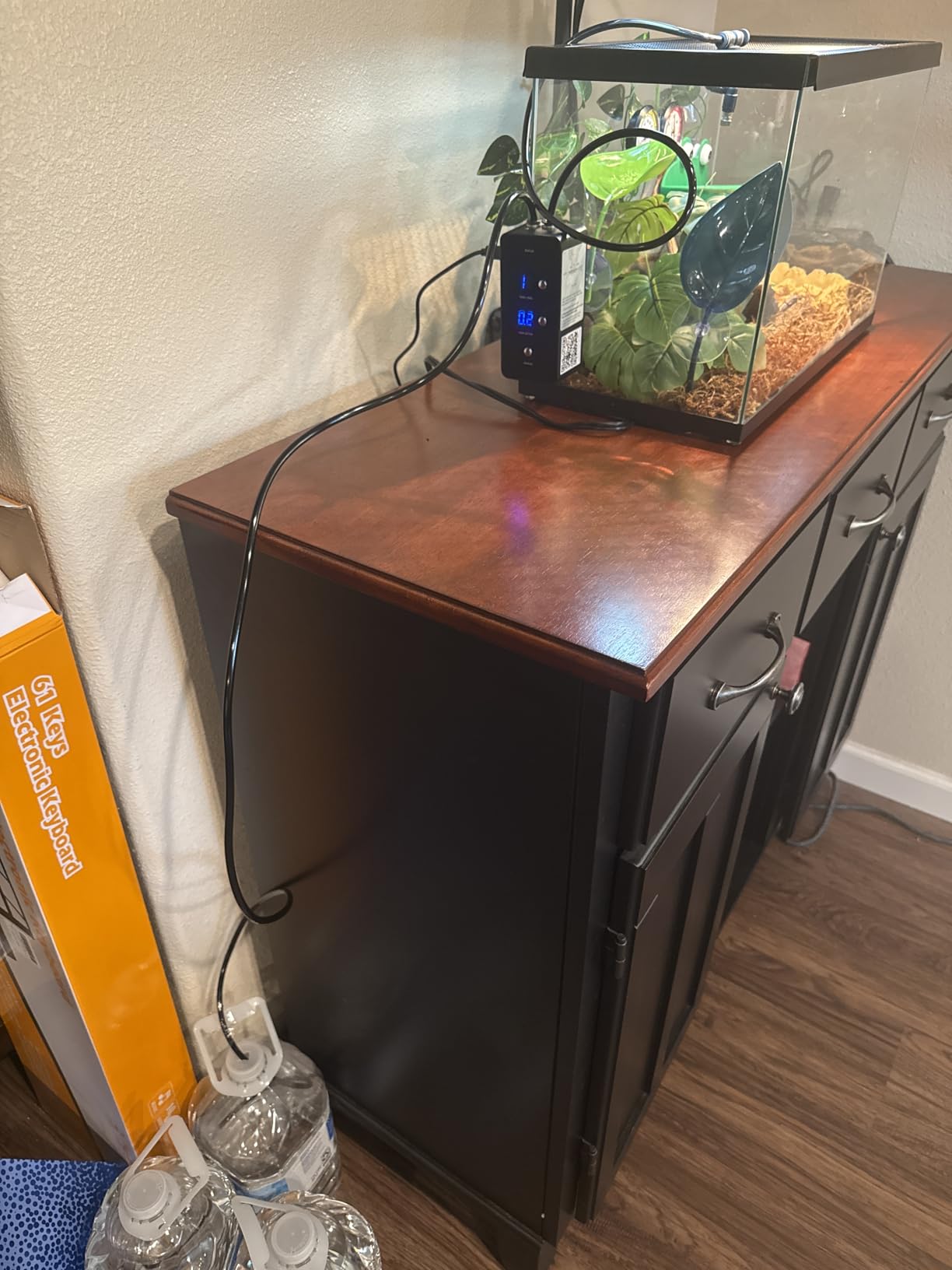
The 16 ft hose gives real reach, and the two nozzles rotate through 360 degrees so you can aim one at the foliage and one at the water dish. The timer is unusually flexible for a unit this compact — up to five minutes of spray on a cycle from every hour to every 30 days, which is enough to program overnight and pre-shed cycles on a single controller.
What you give up is measurement. There is no humidity sensor here, and the schedule it runs is fixed rather than responsive to what the enclosure is actually doing. Program it and then verify with a hygrometer.
What this system does better than a fogger
Droplet delivery for species that drink from surfaces. A veiled or panther chameleon will work through a normal drinking response when leaves are visibly beaded, and that behaviour simply does not happen in a fog-only enclosure. Dart frogs and tree frogs benefit for the same reason.
Directed coverage of tall enclosures. Because this is a pump and hose rather than a settling fog, you decide where the water lands — high branches, a water feature, a humid hide — instead of letting density do it for you.
Setup traps to avoid
Push the tubing into the fittings hard. If it is only partway in, the joint weeps and you will find water running down the outside of the glass, which is how most owners first realise there is a leak.
Keep the intake filter fully submerged and above the sediment line of the bucket. A pump that loses prime looks exactly like a broken product, but a two-minute manual prime and a floated filter fix it more often than not.
5. Zoo Med Repti Fogger — Premium Legacy Pick
- Long-running recognised brand with spare parts still available
- Easy-fill bottle unscrews and swaps rather than inverting a tank
- Adjustable fog output dial
- Compact body suits small and medium enclosures
- 1L reservoir is the smallest here and needs frequent refills
- Heavy ceramic body at 3.7 lb
- Listing shows 230V which does not match North American outlets
The reason this one survives decades of forum threads is the refill design. The small bottle reservoir unscrews from a no-spill valve, so you fill it at the tap, screw it back on and stop. Every bottom-fill tank in this roundup asks you to invert the whole thing, and after a few years of doing that you start to understand why keepers still buy this.
The ceramic body is heavy and looks like a small appliance, but it runs cool and the output dial is smooth across its range. For chameleons, anoles, dart frogs, tropical geckos and forest tortoises it covers the usual list.
One practical warning. The listing for this model shows 230 volts, which does not match standard North American outlets, so check the version sold in your region before you buy it. It is also the most expensive fogger here per unit of capacity, which is the trade you make for the brand and the refill design.
At 1L the reservoir is the smallest in the group. In a small or medium enclosure that is genuinely convenient because you refill less weight, but in anything larger you will be topping it up daily.
Why keepers still choose it
Spare parts and longevity. Established reptile-equipment brands sell replacement bottles, valves and hoses years later, and a unit you can service is a unit you keep. Forum regulars consistently name brand longevity as a reason to pay more for hardware that runs beside an animal.
For an enclosure under about 20 gallons the compact footprint matters. It sits neatly beside a small vivarium without the bulk of a 4L tank unit.
Where it costs you
Capacity and weight. A full bottle is a solid thing to lift, and at 1L you are refilling far more often than the 4L units on this list. If your enclosure is large or you dislike carrying water, that trade goes the wrong way.
There is no timer and no humidistat, so like most foggers here it is entirely open-loop. Add a hygrometer and an external timer, or read our timer section below before you wire anything up.
6. REPTI ZOO TF03 4L Timing Fogger — Best for Top-Fill Refills
REPTI ZOO 4L Reptile Fogger Mister Tank, Terrariums Digital Tank Timing Humidifier Smart Touch Screen Adjustable Fogger for Reptiles Amphibians Herps
- Genuine top-fill access so you never lift and invert the tank
- Digital scheduler with a memory function that restores settings after a power cut
- Three selectable mist levels
- Large lid opening lets a hand reach the tank bottom
- Can be driven by an external humidistat
- Touch screen is hypersensitive and beeps loudly at night
- Transport foam in the base must be removed or the unit leaks
- Fan and pump are not practically replaceable
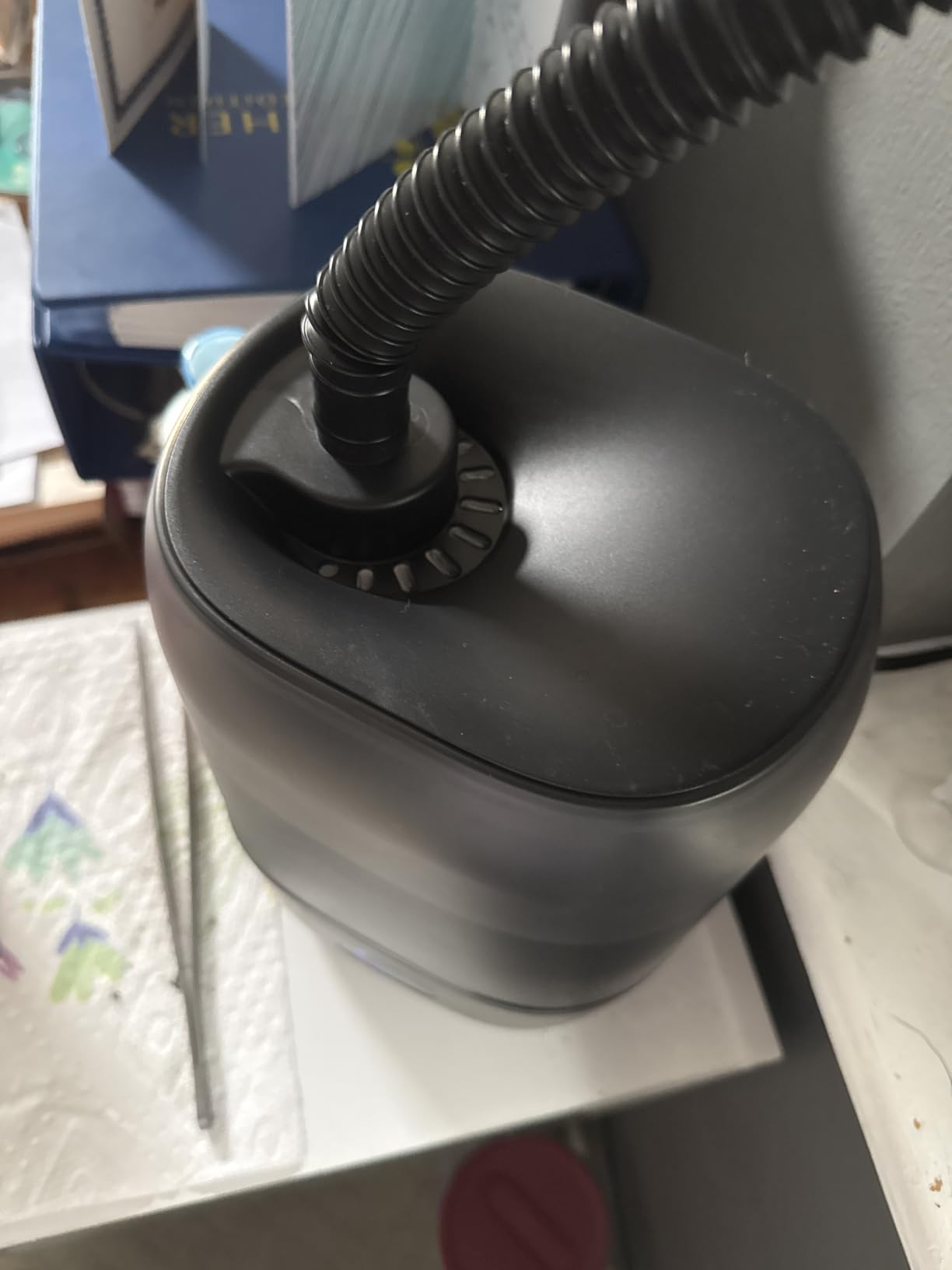
The top-fill lid changes the daily experience more than any other feature on this list. You unscrew a cap, pour water in, and the tank never leaves the unit. People who switch from a bottom-fill model describe the refill improvement as the thing they notice first, because the leak and spill risk simply disappears.
This is also the only ultrasonic fogger here with an onboard scheduler that restores its last setting after power loss. That memory function matters more than it sounds, and we explain why in the timer section below.
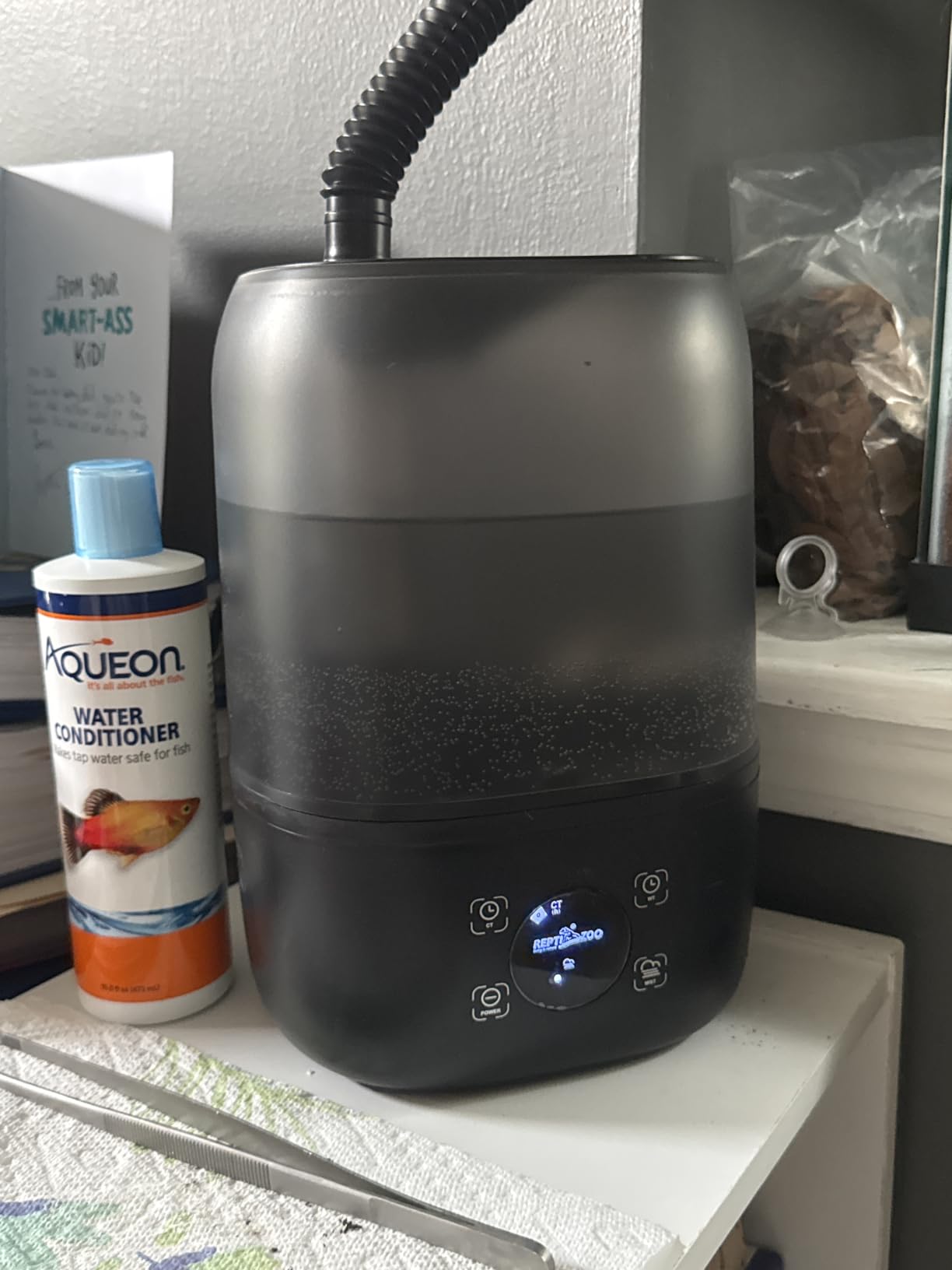
Three mist levels at 100, 200 and 300 ml per hour give you coarse control, and the tube reaches up to 63 inches with suction cups for tall enclosures. The 4L tank runs about 12 hours at maximum mist.
The 3.8 average rating is about durability rather than features. The bottom gasket clogs with grime and then stops sealing properly, the touch panel is sensitive enough to change settings when you brush past it, and the fan is not practically replaceable. Several reviewers treat monthly disassembly and cleaning as mandatory, which is fair advice.
Where it beats the alternatives
Any setup where you refill frequently, and any enclosure you do not want to lift water into. The 4L capacity means fewer trips from the sink, and the wide lid opening makes weekly tank cleaning straightforward rather than a knife-and-cloth job.
It also works as an open-loop unit under command from an external humidistat, which turns it into a constant-humidity device without needing its own sensor.
What to watch out for
Pull the transport foam out of the base before first use. Owners who skip it report immediate leaks, and it is the single most avoidable failure here.
The beeping panel is a genuine issue in a bedroom. At night, or with the unit near a sleeping enclosure, a touch that changes settings and announces it loudly is unpleasant. A cheap external timer also sidesteps the panel entirely.
7. Ycxydr Smart-01 Misting System — Best Fittings Kit
- Fully timed misting with a 5-60 second spray range
- Complete kit with hose cutter fittings clips and ties
- Settings persist after a power cycle
- USB powered so placement is flexible
- Also usable as a greenhouse or plant watering kit
- Stiff PE tubing keeps a coil memory and is hard to route
- Tubing is a press fit that can pop off under pressure
- Pump motor failures reported within weeks or months
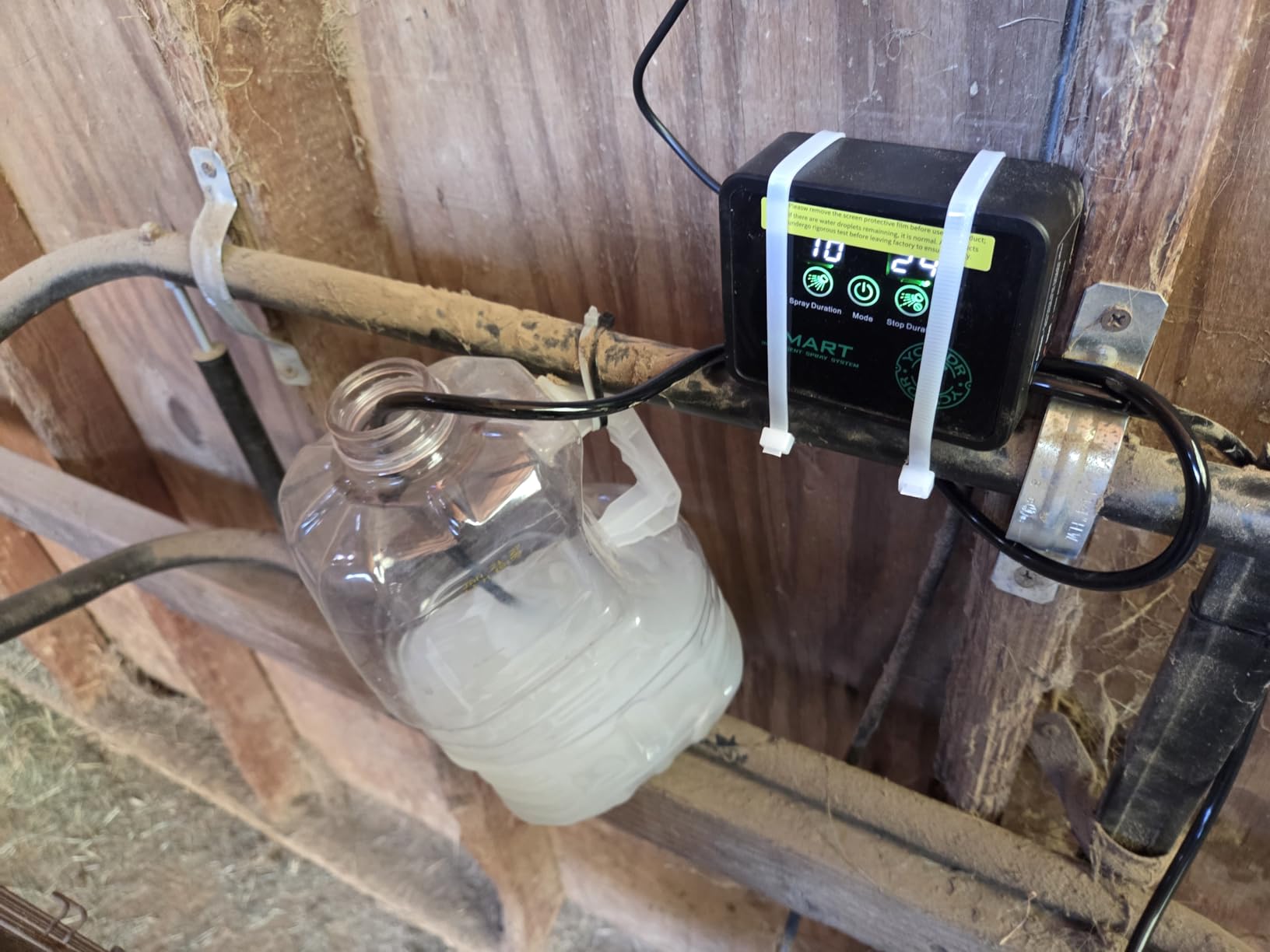
What you are buying here is a complete install kit. The box includes the hose, a pipe cutter, a tee, an elbow, self-priming head, plugs, clips and cable ties, so you can actually plumb the system without a second trip to a hardware store. For a first misting system that is a real advantage.
Spray duration runs from 5 to 60 seconds on intervals from 1 to 24 hours, and the settings are stored in memory so a power cycle does not wipe your schedule. Two 360-degree heads produce fine, even mist rather than smoke.
It is USB powered, which makes placement genuinely flexible — a small brick outside the stand with the line running to the enclosure. For anyone nervous about mains power near a wet habitat that is worth something.
The critical reviews concentrate on two things: hose fittings that disconnect and spray water near a power strip, and small pumps that fail after a couple of months. Treat this as a kit you may occasionally rebuild rather than a set-and-forget install.
Why this one is still worth considering
Short spray durations. Five to 60 seconds is a much finer range than the multi-minute bursts a fogger dial gives you, which makes it better suited to species that should not get drenched, and to quick humidity top-ups before you go to work.
The included fittings also solve the leak problem that dominates cheap misting systems. Push-fit connections made from parts that were supplied together seat properly more often than connectors you mixed and matched.
How to install it properly
Route the hose in a gentle curve and secure it with the included ties. A sharp bend at a fitting is what pushes the tube off, and the tubing needs to warm up before you shape it so it stops fighting you.
Run the USB brick outside the enclosure and off any shared power strip. If a fitting does weep, you want water going onto a floor you are watching rather than onto a power strip you are not.
8. REPTI ZOO TF07G 2-in-1 Humidifier — Best With a Built-in Hygrostat
- Only unit here with a built-in hygrostat to hold a humidity band
- Switches to plain intermittent timer when you do not want sensing
- Large LED shows temperature
- humidity and both setpoints
- 4L top-fill tank stays in place during refills
- Remote control avoids reaching into the enclosure
- Most expensive unit in this group
- Humidity probe accuracy and longevity are the weak point
- Leaks that reach the USB port have damaged the electronics
- False low-water alarms and occasional failures to mist at all
This is the most capable unit on paper and the one that splits opinion hardest. It runs in two modes: intermittent timer, or a built-in hygrostat that switches the mist on and off to hold a humidity band you set with minimum and maximum values on the LED. Owners who get a working probe love not having to think about the schedule at all.
You can set both a floor and a ceiling, so it stops misting once the enclosure is high enough. That is the only genuinely closed-loop control anywhere in this roundup.
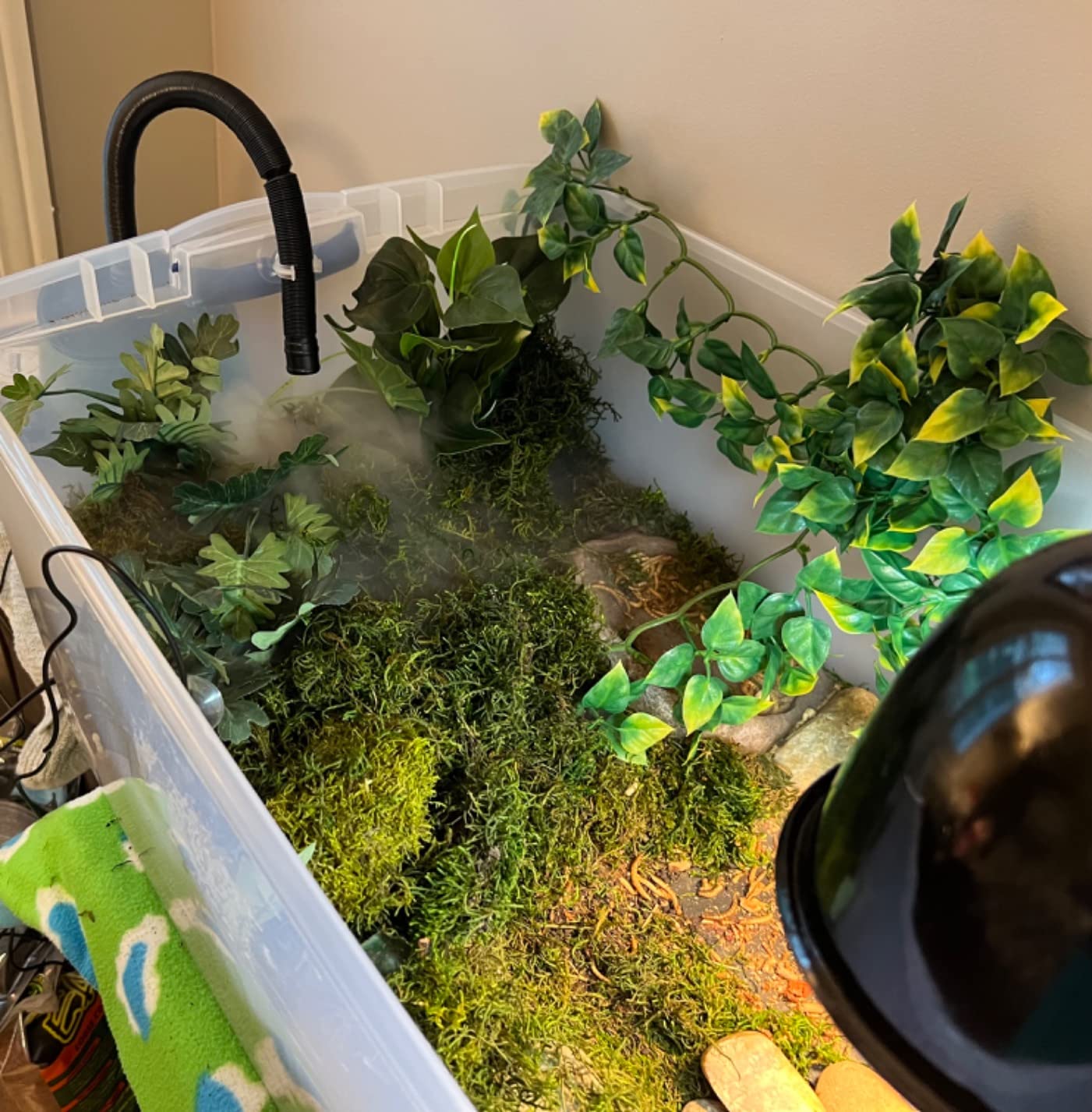
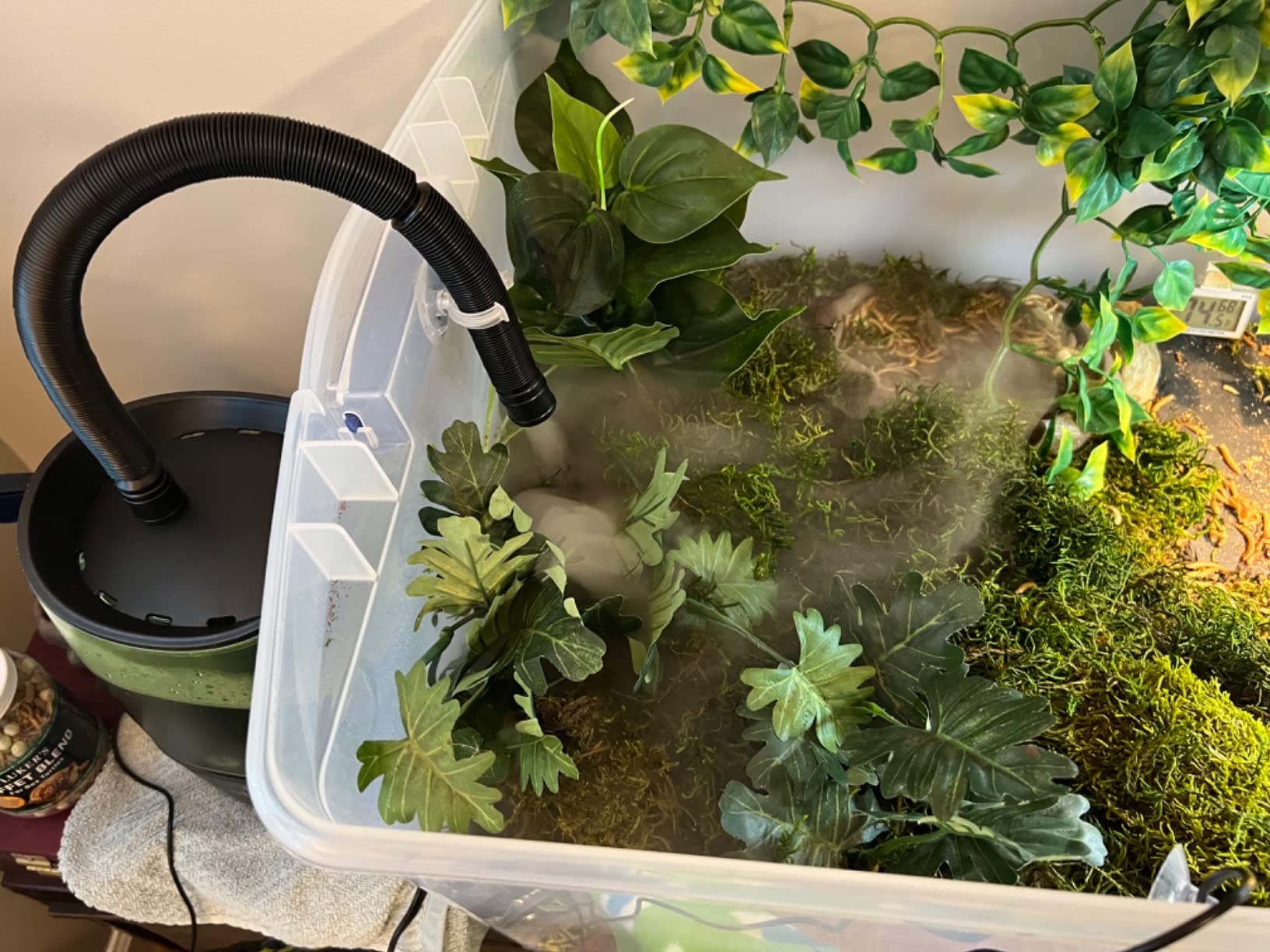
The 4L tank is top-fill with a removable lid, the hose reaches up to 5.3 feet with suction cups, and three output levels at 100, 200 and 300 ml per hour are available. The remote means you can change settings without reaching into a humid enclosure.
The complaints are concentrated in the probe. Reports include inaccurate readings, a stuck high-humidity display and probe failure within four months, and several buyers moved to the timer-only version or an external hygrostat after that happened.
Where the built-in sensor actually pays off
Unattended setups with a wide temperature swing. A reptile room that cools overnight and warms up during the day needs different misting at 2am than at noon, and a set schedule cannot know that. A hygrostat can, provided the probe is calibrated against a separate meter.
It is also the closest thing here to a set-and-forget installation, which is valuable if your schedule takes you out of the house for a day at a time.
Why you might skip it
Cost and fragility. This is the most expensive unit here and the only one whose electronics sit behind a water reservoir and hose, and the repeated reports of leaks reaching the USB port are the reason for the 16 percent one-star share.
My advice would be to verify the probe against a known-good hygrometer before trusting it, and keep a simple backup schedule so a failed probe does not become a dry enclosure.
9. AUAAQ Top Fill 4L Fogger — Best Mechanical Controls
- Large top-fill opening makes refilling and cleaning straightforward
- Rotary knob gives more variability than three fixed settings
- Fewer electronic parts should extend service life
- 20 hours runtime at max mist and 40 at min
- No power-up beep and a quiet ultrasonic whir
- Build quality is inconsistent across units
- Tank lid sits flush with no lip so it shifts during refills
- Base-to-tank joint leaks above about a third full
- Highest one-star share in this group
The mechanical knob is the point of this unit. Every touch-controlled model on this list can be changed by a passing elbow, and one of them beeps loudly about it. A rotary knob has no electronics to misfire, so the unit behaves the same in year three as it did on day one.
Runtime is generous for the capacity: about 20 hours at maximum mist and 40 hours at minimum. The hose extends from 25.6 to 76 inches, and there is a green-to-red indicator with automatic shutdown when the tank runs dry.
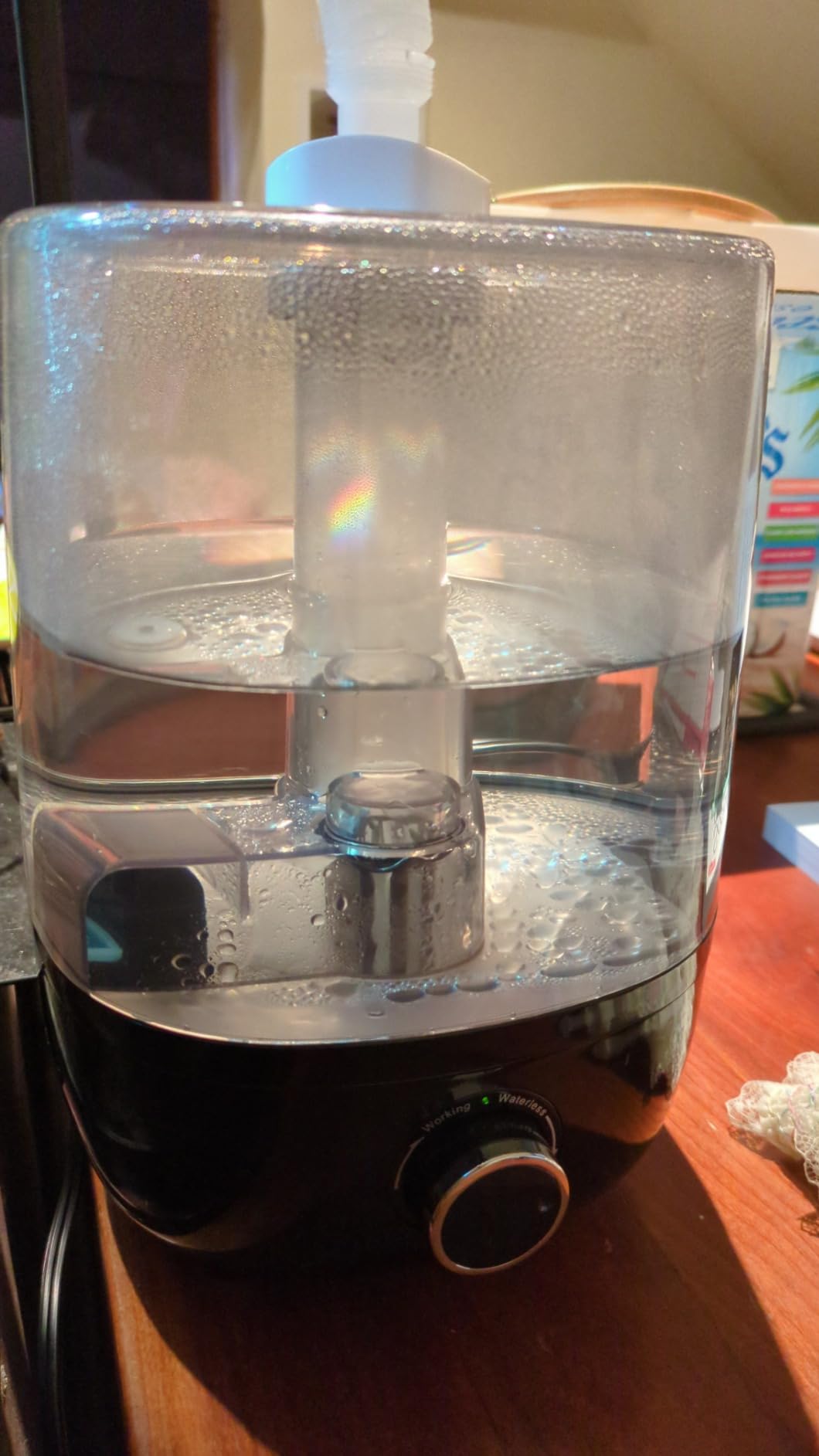
Owners who get a working unit rate the top-fill lid, the smooth dial and the ability to drive it from an external humidistat very highly. That last point makes it a good partner for the constant-humidity setups described in the timer section.
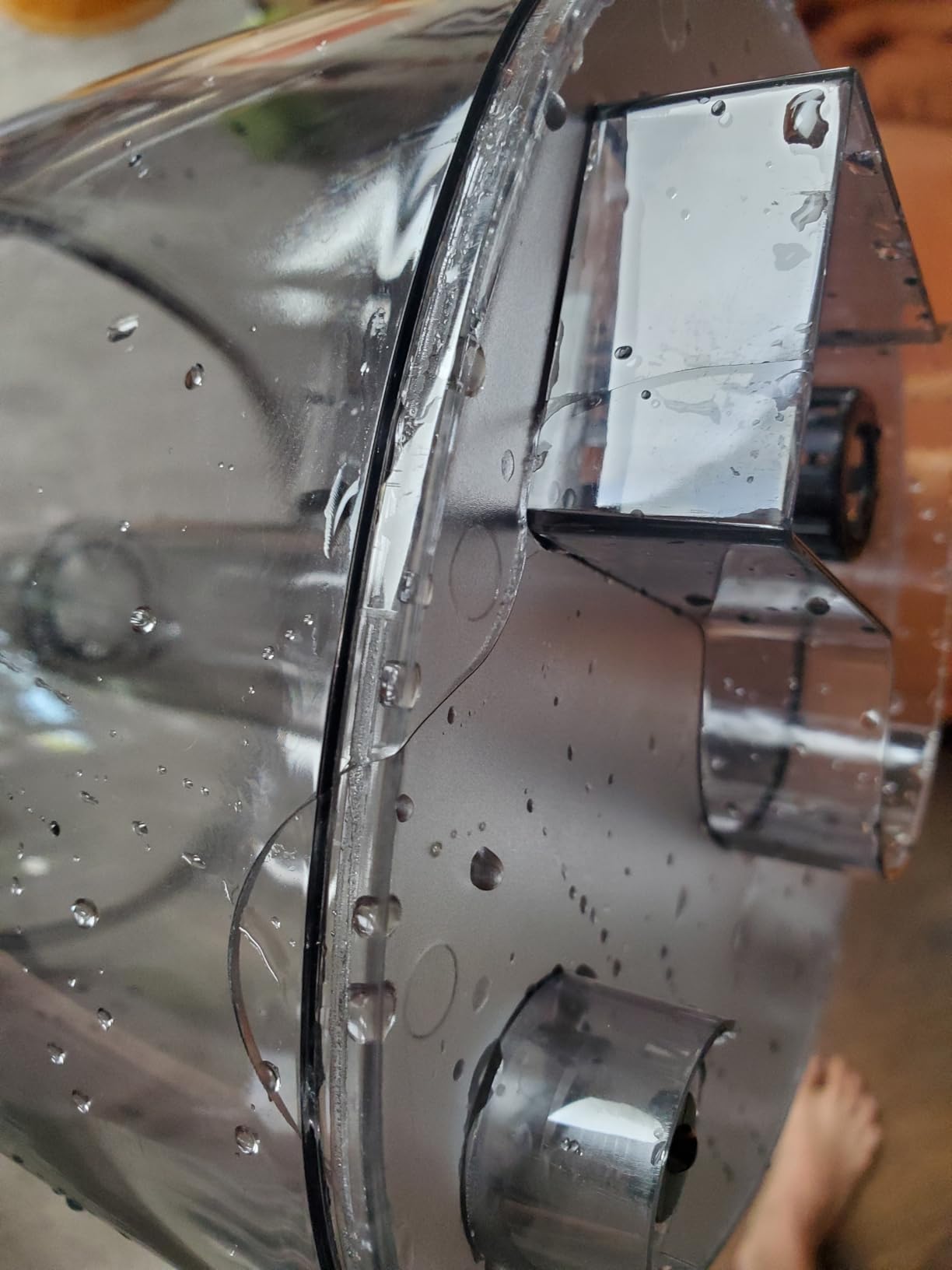
The low rating is almost entirely build quality. Multiple owners report the tank-to-base seal failing and the lid being hard to grip without shifting the tank during a refill. One owner describes going through four units. The lid has no lip, so lift it by the handle and keep the tank seated.
Where its simplicity wins
Bedroom and nursery-adjacent enclosures. No beeps on power-up, a quiet ultrasonic whir and a dial you can set and forget. For a keeper who is irritated by electronics, having nothing to program is a feature.
It also suits anyone who prefers to drive humidification from a separate controller, since a plain knob pairs cleanly with an external humidistat or a timed plug.
Where the risk sits
The seal. The joint between the tank and the base is the primary failure point, and it fails most often when the tank is more than about a third full, which is exactly when you are refilling it. Keep the unit on a tray and check for dampness under the base periodically.
Replacement units have been reported failing the same way, so if the second one leaks too, move to a different design rather than buying a third.
10. Dreyoo 4L Cool Mist Fogger — Best Large-Tank Starter
Dreyoo Reptile Humidifier Fogger, 4L Cool Mist Fog Mister with Tube
- 4L visible tank that reads clearly from across the room
- Rear on/off switch plus a rotary knob for continuous control
- Quiet enough to run continuously beside a sleeping enclosure
- Automatic dry-out shutdown with an indicator light
- Low energy use from ultrasonic atomisation
- Bottom-fill only
- so the tank is lifted and inverted
- Bottom plug leaks when the unit is turned back over
- Hose condensation cuts the unit in and out
- Some motor failures after a few months
Four litres is the capacity that matters here, and this is an affordable way to get it. The visible tank means you can see the water level from across the room, which removes the daily guesswork that comes with a smaller tank you cannot read.
The control layout is a rear on/off switch plus a rotary knob for continuous fog output. No menus, no steps, and quiet enough to leave running beside an enclosure in a bedroom.
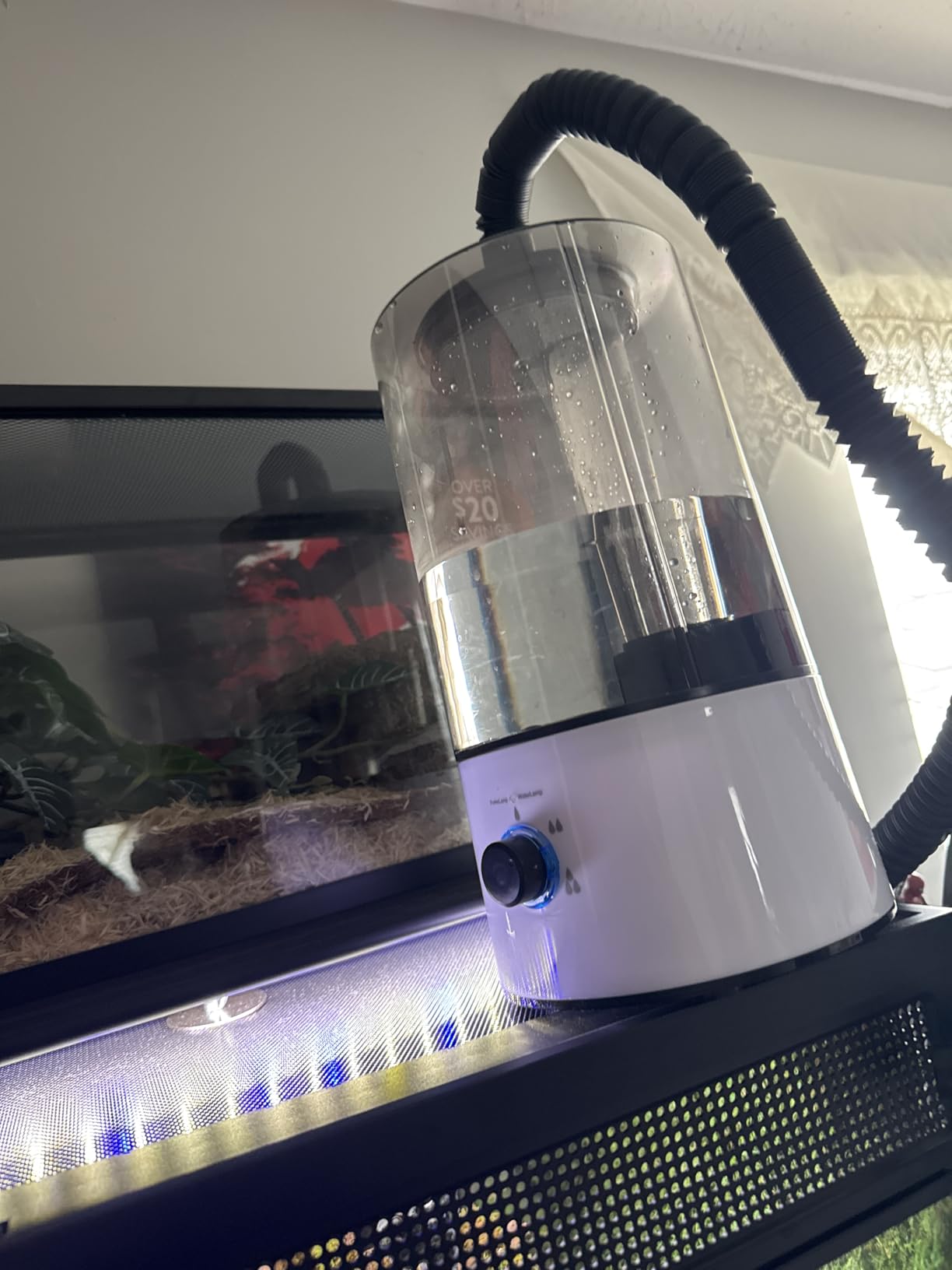
The hose adjusts from 40 to 190 cm with two suction feet, so mist can be placed high in an arboreal enclosure. There is automatic dry-out shutdown and a green-to-red light, plus a 180 day warranty.
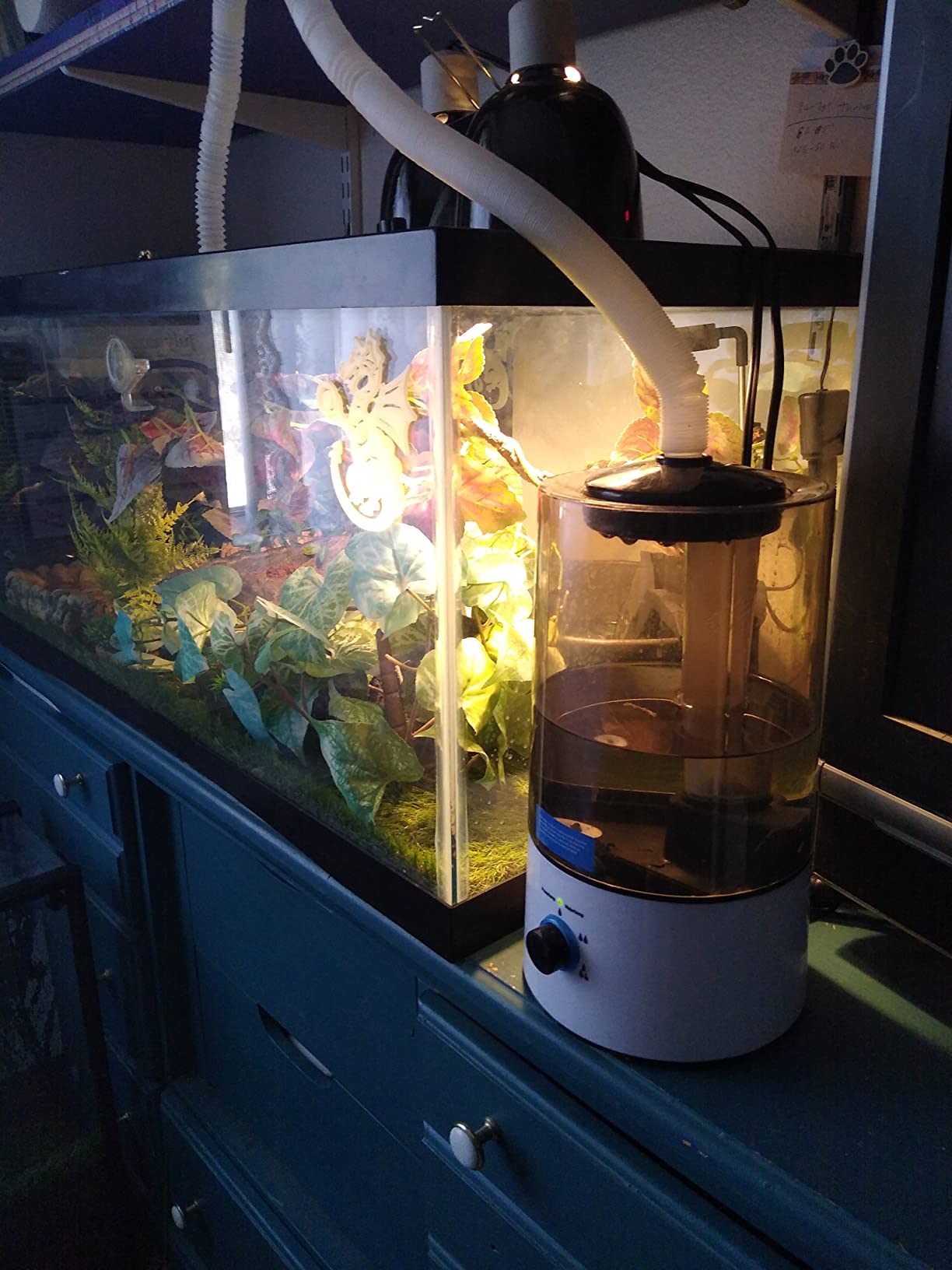
The recurring complaint is hose condensation cutting the unit in and out. Water collects in the tube, the sensor reads it as low water, and the fogger stops mid-cycle. That intermittent cycling is worth taking seriously for snakes, and one keeper notes it can cause respiratory distress in species with a single lung.
When it makes sense
Larger enclosures on a budget. If your enclosure needs more than about 2.5L of reservoir to get through the day, this capacity at this cost point is a reasonable trade, and the visible tank means you will notice it running low before it shuts off.
It suits species that need sustained ambient humidity rather than droplets — most tropical boids and geckos do well with it set at the lower end of the dial.
What to fix first if it misbehaves
Angle the hose so it falls away from the unit rather than sloping back into it, and clear condensation from the tube regularly. A blocked tube makes a working machine look broken.
Check the bottom plug before refilling. Owners report it is not a secure seal and can drip as the tank is turned over, so keep a cloth under it and fill over a sink or tray.
How We Ranked These 10 Units
Every unit here was assessed on the same seven criteria, in this order: how well the delivery mechanism matches the animal, runtime per fill, scheduling control, whether it verifies anything itself, nozzle and hose coverage, noise, and maintenance burden. Delivery mechanism came first because a misting system is not a better version of a fogger — it is a different tool for a different animal.
Review counts in this category are unreliable in a specific way. Dozens of marketplace sellers list near-identical white-label units, sometimes under the same product, which inflates rating totals and makes a four-star average with thousands of reviews look like independent verification when it is not. We leaned on specification sheets and the pattern of reported failures rather than on totals, and where reviews disagree with the listing we said so in the section.
We also weighted real-world reliability above feature lists. A unit that measures humidity and holds a band is worth less than one that keeps running quietly for years, because a failed probe changes the enclosure twice a day.
What Type of Humidifier Does a Tropical Enclosure Actually Need?
A tropical reptile humidifier delivers water as ambient fog, as droplets on surfaces, or as room-level moisture. Foggers raise humidity evenly for species that absorb moisture through skin and shed with it. Pump-driven misters wet leaves and glass for animals that drink from droplets. Room humidifiers raise humidity across a whole rack, not one enclosure.
The decision turns on how your animal drinks. A chameleon or dart frog needs droplets it can lick or absorb. A crested gecko, anole or tropical snake mainly needs the air itself to hold water. Running a fogger at full blast to solve a droplet problem produces condensation and mold without ever giving the animal a drink.
There is a fourth option people forget, which is a humidified room rather than a humidified box. If you run eight or ten enclosures, per-unit misting becomes a daily chore, and room-level control plus a hygrometer in each enclosure is often less work overall. Our picks for the best humidifiers cover the hardware side if you go that route.
Target Humidity by Species
Match the range your species needs to the mechanism that delivers it. Hitting 90 percent with an ultrasonic fogger will not give a chameleon a drink, and no amount of misting will fix an animal that needs 60 percent and is sitting in a permanently saturated tank.
Dart frogs and most tree frogs sit at the wet end, around 80-100 percent, and need droplets. Veiled and panther chameleons need roughly 70-80 percent with daily droplet access, and they drink from leaf surfaces rather than bowls. Crested geckos live comfortably at 60-80 percent and do not drink droplets, so a fogger suits them well. Tropical boids and rainforest snakes generally want 70-85 percent with a humid hide available, and a planted bioactive vivarium does much of the work for you.
Two constants apply across the whole list. Condensation running down the inside of the glass means the enclosure is over-saturated and ventilated too little. Constant dry substrate with no condensation after a cycle means output is too low. Aim for a cycle where the glass fogs briefly after misting and clears within an hour.
Interval Timers, Real-Time Clocks and Power Cuts
Here is the failure mode that quietly upsets a lot of keepers. Most budget misting systems run on an interval counter — the display says “every 3 hours” — rather than a real-time clock that says “at 7am and 7pm”. An interval counter resets when power is lost and restored. A five-second power cut at 6am turns your evening schedule into a mid-afternoon one, permanently, with no error message.
For droplet-drinking species that is a real welfare problem, because a chameleon that expects a drink at dawn and gets it at 3pm will not drink. Droplet-drinking chameleons have poor visual acuity and track movement, so the drinking window matters more than keepers expect.
Two fixes exist. First, choose units with memory or a real-time clock — the REPTI ZOO TF03 and the Ycxydr Smart-01 both restore settings after a power cycle, which is why they earn those slots on this list. Second, run the unit from a cheap external mains lamp timer, which puts the clock outside the device entirely and restores the schedule correctly every time.
Whichever fix you choose, put the schedule on something you can check. If you want a comparison of the pump systems in more detail, our guide to the best reptile misting systems goes further into pump priming, hose runs and leak points.
Water, Cleaning and Descaling
Use distilled or reverse-osmosis water in any ultrasonic fogger. The atomizer plate vibrates at a frequency that turns dissolved minerals into deposits, and once scale builds, the output drops and becomes a coarse dribble rather than fine fog. Hard tap water is the leading cause of the “it worked for six months” complaints across this list.
Refill burden is the hidden cost. A 2L tank on a medium setting lasts two to three days in a small enclosure and closer to one day in a large planted vivarium. A tankless pump system technically consumes more water but never asks you to lift anything, which is why so many owners prefer them despite the bucket being less tidy.
Clean on a schedule rather than when something smells. Pull the tank, wipe the gasket and the base collar, and rinse the atomizer plate monthly. On pump systems, clear condensation from the hose weekly and check the intake filter for sediment.
Running overnight is fine on any of these units. The only caution is the beeping touch panel on one model, which is unpleasant at 2am and is easily bypassed with an external timer.
Ways to Raise Humidity Without a Humidifier
Hardware is the last step, not the first. Several changes cost nothing and often do more than any device on this list.
- Put a water bowl on the warm end. Evaporation from warm water does more for ambient humidity than a cheaper fogger, and it needs no electricity.
- Add a waterfall or pool. A recirculating feature raises local humidity continuously and gives the enclosure a visual gradient.
- Use absorbent substrate. Deep coconut fibre or sphagnum holds water and releases it slowly, which smooths out the swings between cycles.
- Add live moss. Moss both holds moisture and cleans the enclosure as it grows, and it is the single most effective passive humidity store you can put in a planted vivarium.
- Provide a humid hide. A sealed hide with damp substrate gives a shedding animal somewhere to finish a shed without raising the whole enclosure.
- Reduce ventilation carefully. Cutting a vent or moving to a partially enclosed top helps, but watch the glass — constant condensation means you have gone too far.
For a rack of enclosures, a room-level humidifier plus a hygrometer per enclosure is often less work than running ten separate systems. Our picks for the best commercial humidifiers cover units with enough capacity for a dedicated reptile room.
Frequently Asked Questions
What type of humidifier is best for a terrarium?
Match the mechanism to how your animal drinks. A cold-mist ultrasonic fogger raises ambient humidity evenly and suits crested geckos, anoles, tropical snakes and geckos. A pump-driven misting system puts droplets on leaves and glass, which chameleons, dart frogs and tree frogs need in order to drink. A room humidifier raises humidity across a whole rack of enclosures rather than one enclosure.
How do I make a reptile enclosure more humid?
Start with non-device fixes: a water bowl on the warm end, deep absorbent substrate such as coconut fibre or sphagnum, live moss to hold moisture, a humid hide for shedding, and a waterfall or pool if you have a planted enclosure. Reduce ventilation only after those are in place, and watch the glass for constant condensation. Add a fogger or mister once the passive measures are in place and you know how much the enclosure loses.
What is the best automatic humidifier for reptiles?
For most keepers the COOSPIDER 3.8L is the best automatic option because it runs quietly, holds a large reservoir and has the deepest review base in the category. For enclosures where you are not home during the day, an external timer or humidistat is needed, since most foggers including this one have no built-in schedule. If you want built-in humidity sensing, the REPTI ZOO TF07G holds a set band unattended, though its probe needs verifying against a separate meter.
What is the best misting system for reptiles?
Pump-driven systems win for droplet-drinking species. The moistenland 201PL is the strongest all-rounder here, with two 360-degree nozzles, 16 ft of hose and a timer that runs up to 5 minutes of spray on a 1 hour to 30 day cycle. The Ycxydr Smart-01 is the better value if you want a complete fittings kit and short spray durations, though its pump is less dependable. Both need an external water source such as a bucket.
Do misters waste a lot of water?
They use more water than a fogger on the same schedule, because a mister deposits water on surfaces and some runs down the enclosure rather than evaporating into the air. With a bucket-fed pump the volume depends entirely on how long you set the spray duration. Keep the duration low, aim the nozzles at foliage and glass rather than the floor, and check for weeping push-fit joints, which are the most common source of wasted water.
The Verdict
The best reptile humidifiers for tropical enclosures come down to one question: does your animal drink droplets or breathe humidity? If it breathes humidity, the COOSPIDER 3.8L is the pick, with the largest reservoir here, an adjustable hose and the largest review base in the category. The Evergreen 2L does the same job for less if your enclosure is small, and the REPTI ZOO TF03 is the upgrade worth making once refills start annoying you.
If it drinks droplets, use a pump mister — the moistenland 201PL for the flexible schedule and long hose, the Ycxydr Smart-01 if you want the fittings kit and USB power. For enclosures where the schedule keeps drifting after a power cut, put any unit on an external mains timer or pick one that stores its settings.
Whatever you buy, mount a hygrometer inside the enclosure and add the non-device humidity sources first. In 2026, that combination still fixes more problems than any appliance on this list.