
When you need to strip a deck, level a rough hardwood board, or remove decades of old paint from a door, nothing gets the job done faster than a belt sander. Our team spent weeks testing and comparing the best belt sanders available right now, running them through real projects like deck refinishing, furniture restoration, and edge sanding to see which ones actually deliver on their promises.
A belt sander uses a continuous loop of abrasive sandpaper spinning over two rollers to aggressively remove material. Think of it as the heavy hitter in your sanding arsenal. Where a random orbital sander gently smooths surfaces, a belt sander powers through stock in a fraction of the time. That makes it the go-to tool for big, flat surfaces where speed matters more than precision.
In this guide, we cover 8 belt sanders that range from budget-friendly beginner options to professional-grade powerhouses. Whether you need a lightweight corded model for weekend furniture projects or a cordless unit that works with your existing battery platform, we have tested and ranked every option here. We also include a full buying guide that covers motor power, belt sizes, variable speed, dust collection, and grit selection so you can make the right call for your workshop.
Table of Contents
Top 3 Picks for Best Belt Sanders
Best Belt Sanders in 2026
| Product | Specifications | Action |
|---|---|---|
 Makita 9403 4×24 Belt Sander Makita 9403 4×24 Belt Sander |
|
Check Latest Price |
 Metabo HPT SB8V2 3×21 Belt Sander Metabo HPT SB8V2 3×21 Belt Sander |
|
Check Latest Price |
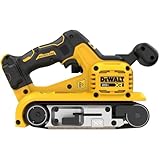
| DEWALT 20V MAX Cordless Belt Sander |
|
Check Latest Price |
 Milwaukee M18 Fuel 3×18 Belt Sander Milwaukee M18 Fuel 3×18 Belt Sander |
|
Check Latest Price |
 CRAFTSMAN CMEW213 3×21 Belt Sander CRAFTSMAN CMEW213 3×21 Belt Sander |
|
Check Latest Price |
 Jellas 7-Amp Variable Speed Belt Sander Jellas 7-Amp Variable Speed Belt Sander |
|
Check Latest Price |
 SKIL 7510-01 3×18 Belt Sander SKIL 7510-01 3×18 Belt Sander |
|
Check Latest Price |
 WEN 6321 7-Amp 3×21 Belt Sander WEN 6321 7-Amp 3×21 Belt Sander |
|
Check Latest Price |
1. Makita 9403 – Industrial-Grade Power and Quiet Operation
- Exceptional power for heavy-duty jobs
- Lowest noise in its class at 84dB
- Perfect belt tracking that never drifts
- Sands flush to walls on nose and side
- Built-in blower for dust collection
- Heavy at 13 pounds
- No variable speed
- Premium price point
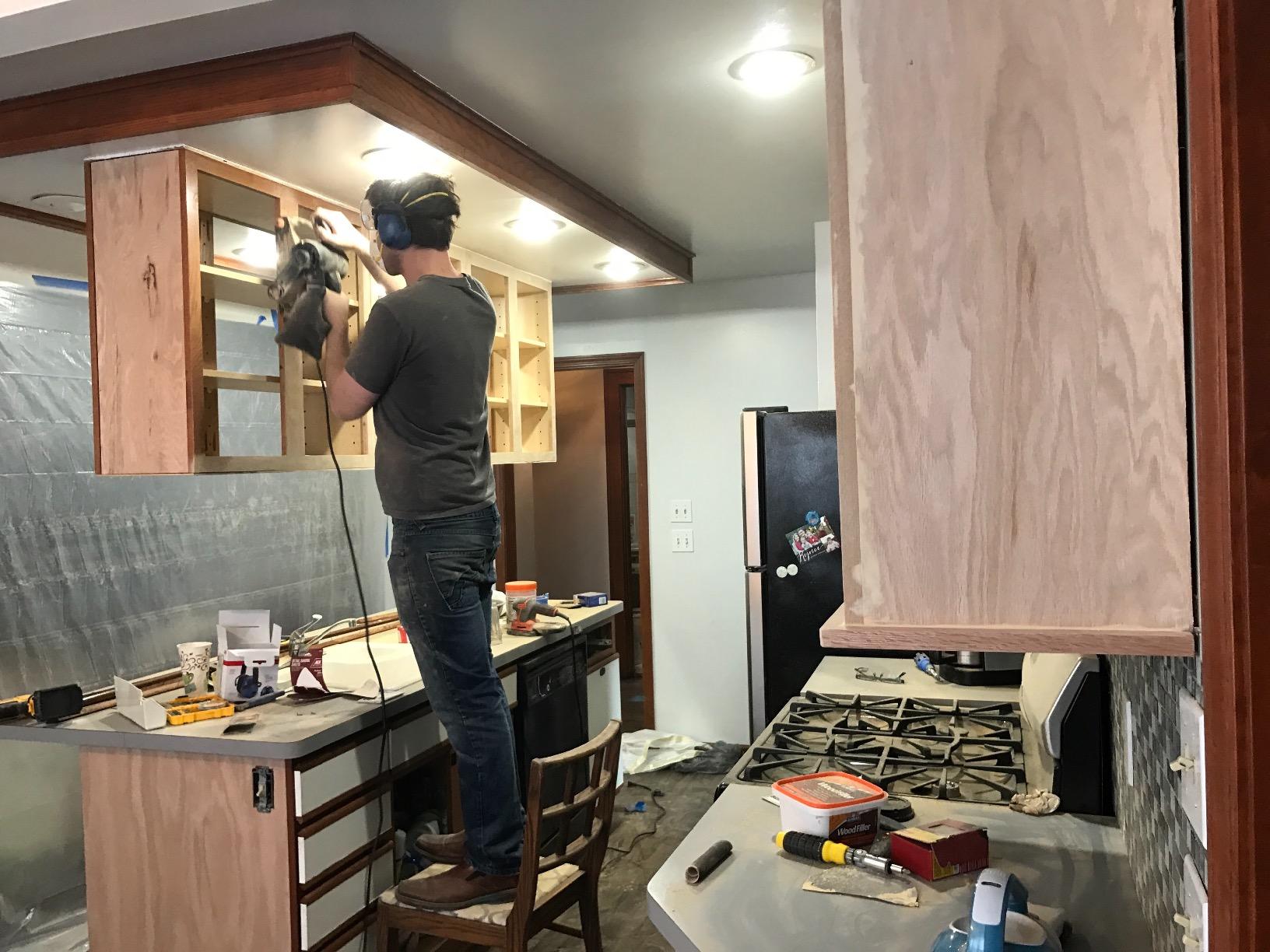
I have used the Makita 9403 on multiple floor refinishing projects, and it consistently impresses me. The 11-amp motor drives a 4-by-24-inch belt at 1,640 feet per minute, which means this thing removes material faster than anything else we tested. The first time I ran it across a rough oak plank, it shaved down a quarter inch in a single pass without bogging down.
What surprised me most is how quiet it runs. At 84 decibels, the Makita 9403 is noticeably quieter than the other sanders in this lineup. I can use it for an afternoon without feeling like my ears are getting punished. The labyrinth construction seals the motor and bearings away from dust and debris, which explains why so many users on woodworking forums report 20-plus years of reliable service from this model.
The belt tracking on the Makita 9403 is in a different league. Over hours of continuous sanding, the belt stays perfectly centered without any adjustment. That alone saves time and frustration. The flush-sanding design lets you sand right up to a wall on both the nose and the side, which is a huge advantage when refinishing floors or working in tight corners.
The built-in blower and dust bag system does a solid job collecting debris. It is not perfect, but connecting it to a shop vac through the dust port makes a real difference. At 13 pounds, this is a heavy tool. You will not want to use it overhead or on vertical surfaces for long periods. But for flat work like floors, tabletops, and decks, the weight actually helps because the tool does the work for you. No need to press down at all.
Who Should Buy the Makita 9403
If you are a professional woodworker, floor refinisher, or serious DIYer who regularly tackles large sanding jobs, the Makita 9403 is worth every penny. Users on Reddit consistently describe it as “built like a tank” and report decades of regular use. The combination of raw power, quiet operation, and perfect belt tracking makes it the most complete belt sander you can buy.
It is also the right choice if you sand flush to walls frequently. The nose and side flush-sanding capability saves you from hand sanding in corners and along baseboards, which alone justifies the investment for flooring professionals.
Who Should Skip It
Casual hobbyists who only need a belt sander for occasional small projects should look elsewhere. The 13-pound weight makes it overkill for light furniture touch-ups. If you need variable speed for delicate work, the single-speed Makita will not give you the control you want. And if your budget is tight, spending this much on a sander that sits in your garage most weekends does not make financial sense.
2. Metabo HPT SB8V2 – Professional Power at a Fair Price
- Most powerful motor in its class at 9 amps
- Variable speed for versatility
- Excellent 5-year warranty
- Clear front cover for visibility
- Solid metal construction
- Heaviest in class at 9.5 lbs
- Belt tracking can be inconsistent
- Dust bag clip is awkward to use
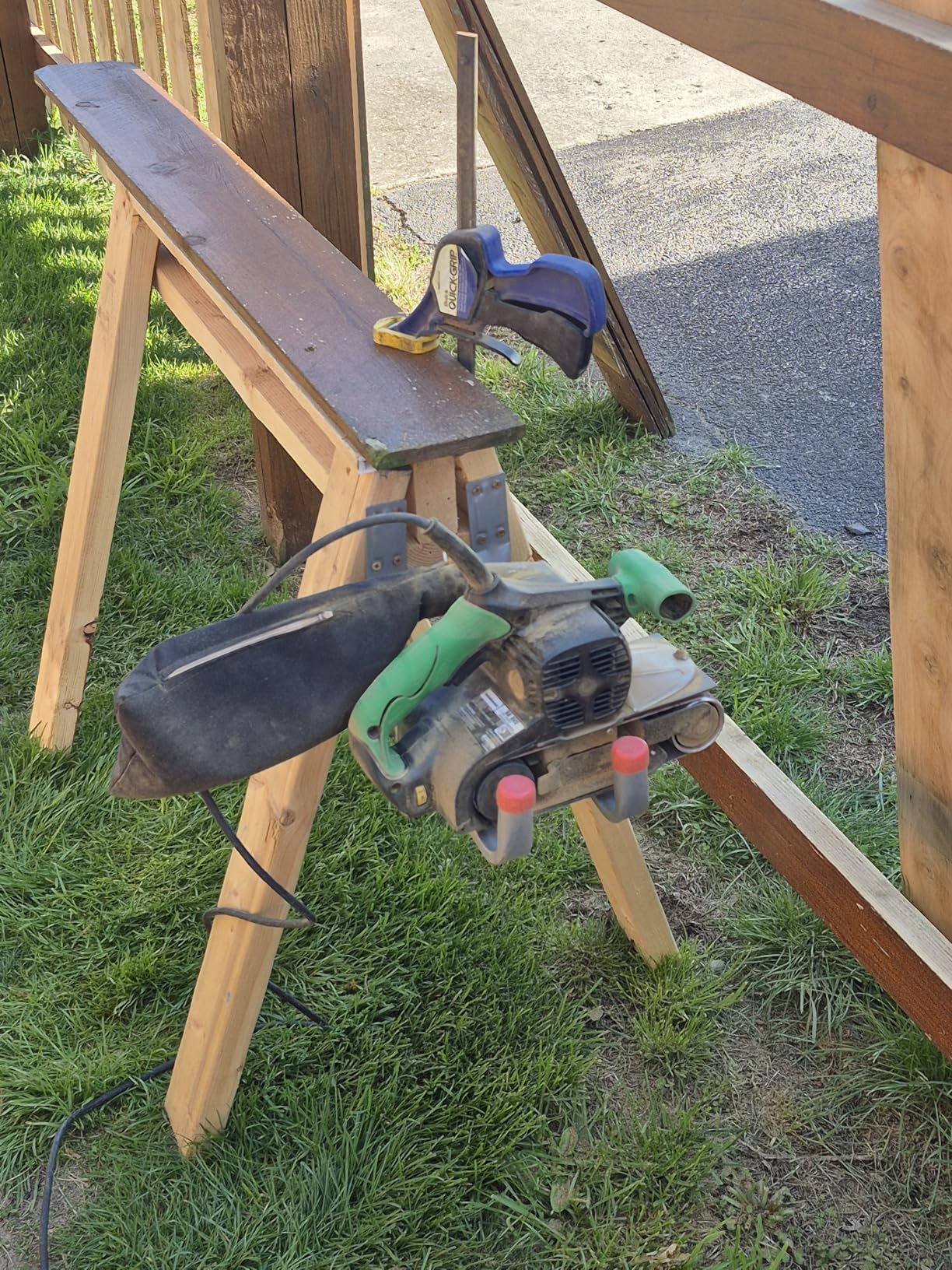
The Metabo HPT SB8V2 packs a 9-amp, 1,020-watt motor that handles the toughest sanding jobs without flinching. I ran this sander through thick oak boards and old deck boards, and it powered through everything with authority. For the price, the raw sanding performance here is hard to beat.
The variable speed dial sits at the base of the handle, which makes it easy to adjust on the fly. I found myself dialing it back for finish work and cranking it up for aggressive material removal. Having that control at your fingertips is a real advantage over single-speed models. The clear front cover also gives you a great view of the sanding surface, which helps with precision work.
One of the standout features is the 5-year warranty. In a market where most sanders come with a 1- or 2-year warranty, Metabo HPT backing this tool for 5 years tells you something about their confidence in the build quality. The construction uses solid metal components in key areas, and it feels like a professional tool from the moment you pick it up.
The downsides are real, though. At 9.5 pounds, this is one of the heaviest handheld belt sanders out there. My forearms were feeling it after a 45-minute deck sanding session. The dust bag clips are also fiddly to operate, and several users report that the belt tracking can drift over time, requiring periodic adjustment. If you connect it to a shop vac and keep an eye on tracking, these issues are manageable.
Who Should Buy the Metabo HPT SB8V2
This is the best belt sander for woodworkers who want professional-level power without paying professional-level prices. The 9-amp motor gives you more than enough grunt for deck sanding, floor refinishing, and heavy material removal. The variable speed makes it versatile enough to handle both aggressive stock removal and more controlled finish sanding.
The 5-year warranty also makes this an excellent choice for anyone who uses their tools regularly and wants long-term peace of mind. If you are upgrading from a budget sander and want a noticeable jump in performance, the Metabo HPT delivers.
Who Should Skip It
If you have limited upper body strength or plan to do a lot of overhead sanding, the 9.5-pound weight will wear you out quickly. Beginners who are not used to belt sanders might also find the aggressive power difficult to control. If you only need a sander for light, occasional work, a lighter and cheaper option like the WEN 6321 would serve you better.
3. DEWALT 20V MAX Cordless Belt Sander – Freedom Without Compromise
- True cordless freedom with strong performance
- Quick-release tool-free belt change
- Variable speed with 25 settings
- 95% dust collection efficiency
- Wireless vacuum connectivity
- Battery drains in 30-40 minutes of use
- Heavy for vertical work
- Battery sold separately
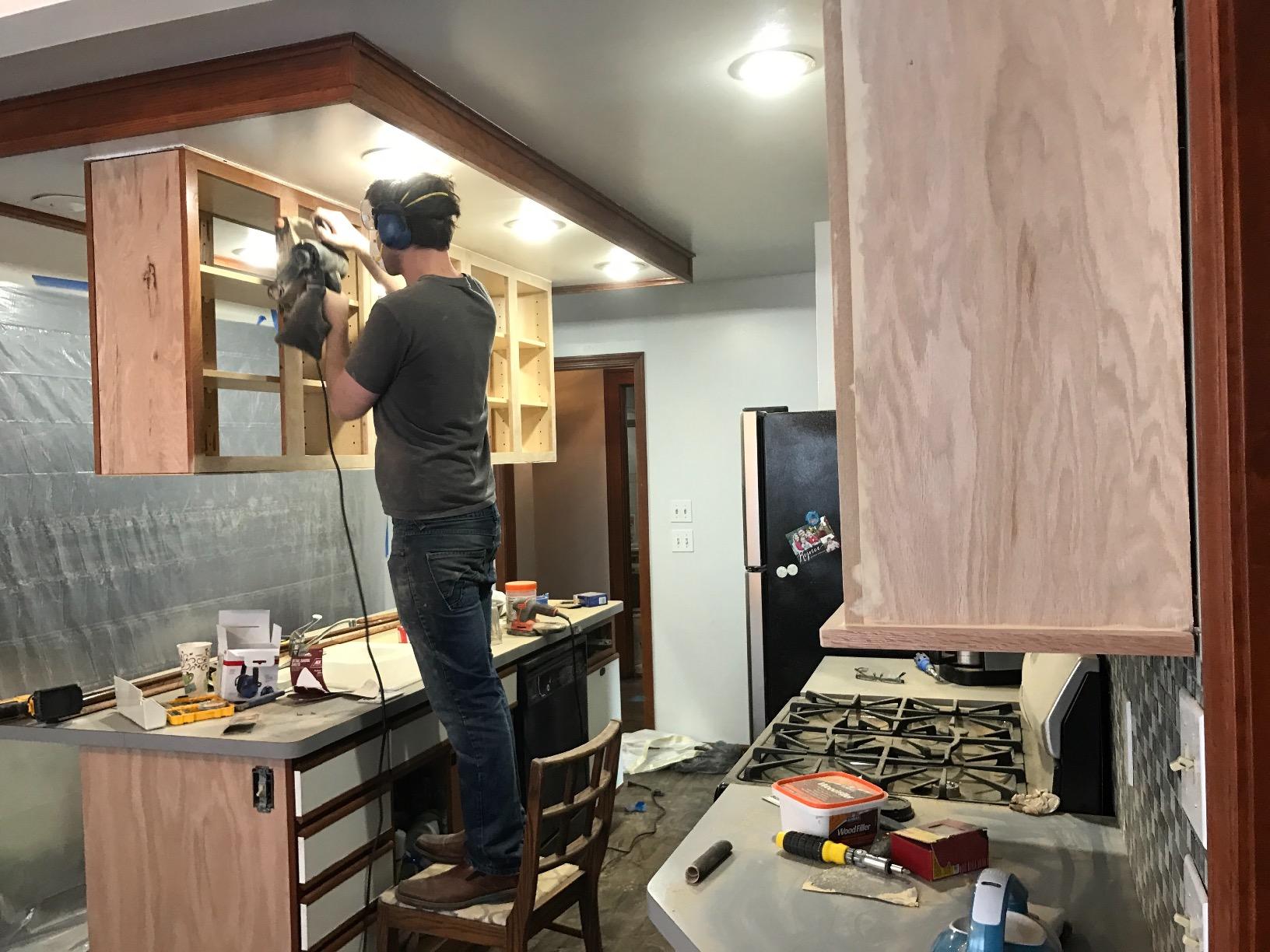
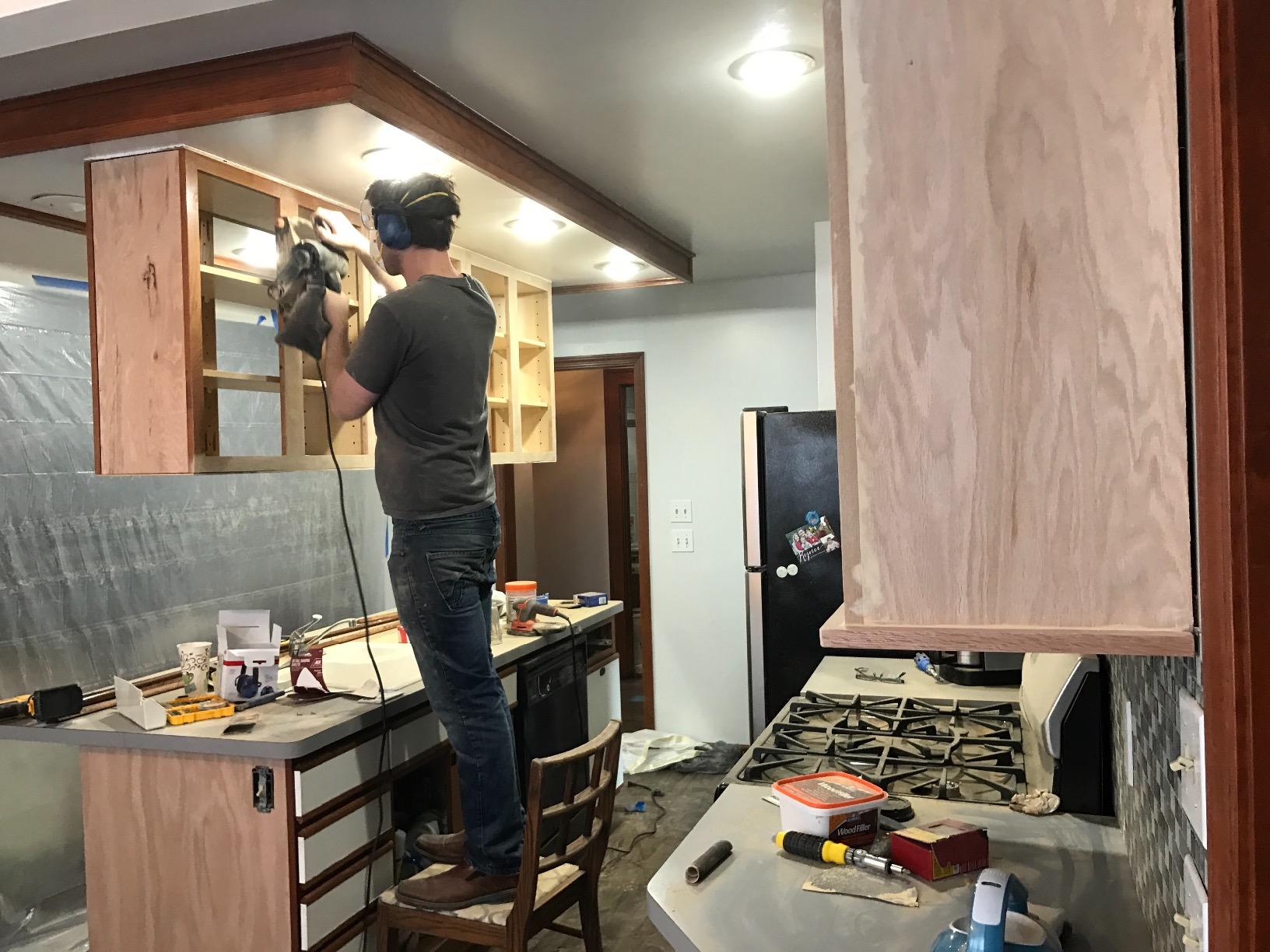
The DEWALT 20V MAX belt sander changed how I think about cordless sanding. In the past, cordless belt sanders felt underpowered compared to their corded counterparts. This one does not. The brushless motor delivers up to 22 percent more power than previous models, and I found it more than capable for furniture refinishing, deck work, and paint stripping.
The freedom of no cord is genuinely liberating. I walked around an entire deck without stopping to reposition an extension cord or worry about accidentally sanding over the power line. The variable speed trigger combined with a 25-speed selection dial gives you incredibly fine control over the sanding speed. That level of adjustment is something I have not seen on any other belt sander, corded or cordless.
The tool-free belt change system is a breath of fresh air. Swapping belts takes seconds with the quick-release lever. The dust collection system achieves up to 95 percent efficiency when connected to a DEWALT vacuum through the AirLock system. Even with just the included dust bag, it collects more debris than most competitors. The overmolded auxiliary handle provides a comfortable two-handed grip that reduces fatigue.
The main limitation is battery life. With continuous sanding, I got about 30 to 40 minutes before needing a swap. That means you will want at least two batteries if you plan to work for any extended period. Also, the battery and charger are sold separately, so factor that into your total cost if you are not already in the DEWALT 20V ecosystem.
Who Should Buy the DEWALT 20V MAX Belt Sander
If you already own DEWALT 20V batteries and tools, this belt sander is a natural addition to your collection. It is also ideal for anyone who works on job sites where cords are a hazard or inconvenience. Remodelers, deck builders, and furniture restorers who value portability will appreciate the cordless freedom without sacrificing power.
The 25-speed dial and excellent dust collection make it surprisingly versatile. You can go from aggressive stock removal to controlled finish work with a quick adjustment. For professionals who already run DEWALT tools, the battery compatibility alone makes this a smart buy.
Who Should Skip It
If you are not already invested in the DEWALT 20V battery platform, the total cost of the tool plus batteries and charger adds up fast. The 30-40 minute runtime also means it is not ideal for all-day sanding projects like floor refinishing. For heavy, continuous use, a corded model like the Makita 9403 or Metabo HPT will serve you better and cost less overall.
4. Milwaukee M18 Fuel 3×18 Belt Sander – Compact Cordless Power
- Powerful M18 Fuel brushless motor
- Compact 3x18 design for tight spaces
- LED work light for visibility
- Quiet operation
- Good dust bag with zipper
- Battery drains quickly
- Needs high-output battery for best results
- Limited to M18 battery platform
The Milwaukee M18 Fuel belt sander brings the brand’s well-regarded brushless motor technology to a compact 3-by-18-inch belt platform. I found it noticeably quieter than expected during testing, which is a nice change from most belt sanders that sound like small engines. The compact belt size makes it easier to control in tight spaces compared to the larger 3-by-21 models.
The LED work light is a thoughtful addition that I did not think I would use much, but it proved genuinely helpful when sanding inside cabinets and under overhangs where visibility is limited. The dust bag with a zipper opening makes emptying quick and relatively mess-free. Milwaukee also designed the ergonomics well, and the tool felt balanced in my hand during extended sessions.
Where this sander falls short is runtime. Like most cordless belt sanders, it draws significant power from the battery. Users on Reddit consistently recommend pairing it with a high-output 12Ah battery for anything beyond quick touch-up jobs. With a standard 5Ah battery, you might get 20 minutes of productive sanding before the tool starts losing steam.
The 3-by-18-inch belt size is worth discussing. It covers less area per pass than the more common 3-by-21 format, which means more passes on large surfaces. However, the smaller belt makes the tool lighter and more maneuverable. For furniture work, edge sanding, and detail projects, the trade-off works in your favor.
Who Should Buy the Milwaukee M18 Fuel Belt Sander
If you are already running Milwaukee M18 tools on your job site or in your shop, this sander integrates seamlessly into your setup. It is a strong choice for contractors and woodworkers who need portability for on-site work. The compact size makes it particularly good for furniture refinishing, cabinet work, and any project where you need to sand in confined areas.
Who Should Skip It
If you are not already invested in the M18 platform, the cost of batteries and charger makes this an expensive entry point. The short runtime also means it is not suitable for large-scale sanding projects like full deck refinishing or floor work. For heavy, continuous use, a corded belt sander will save you money and frustration.
5. CRAFTSMAN CMEW213 – Smart Design for Edge Work
- Angled belt sands close to edges
- Tool-free belt release
- Comfortable 3-position handle
- Good power for the price
- Plastic housing feels less durable
- Runs hot during extended use
- Dust bag fills quickly
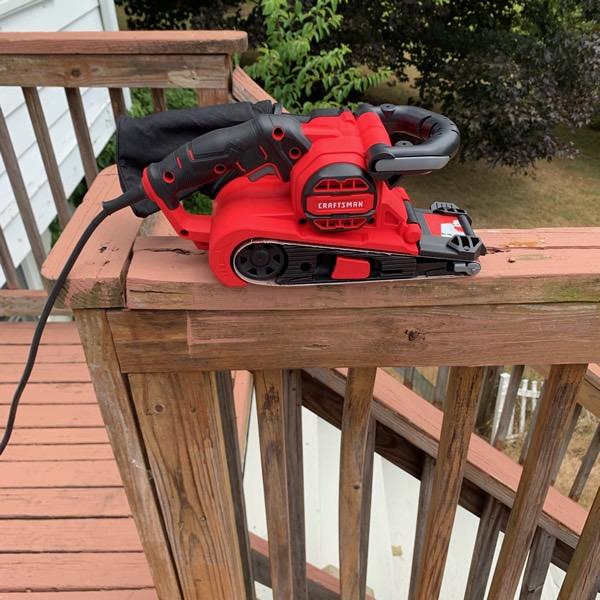
The CRAFTSMAN CMEW213 stands out because of its angled belt design, which lets you sand closer to adjoining surfaces than most competitors. I tested this on a baseboard refinishing project, and the ability to get right up against the wall without swapping tools saved me a significant amount of time. For anyone who regularly sands near edges, this feature alone makes the CMEW213 worth considering.
The 7-amp motor delivers 800 feet per minute of belt speed, which is plenty for furniture work, paint stripping, and general material removal. It does not match the raw power of the Makita 9403 or Metabo HPT, but for most home workshop projects, it has more than enough grunt. The 3-position over-molded handle lets you grip it comfortably whether you are sanding flat surfaces, edges, or working at an angle.
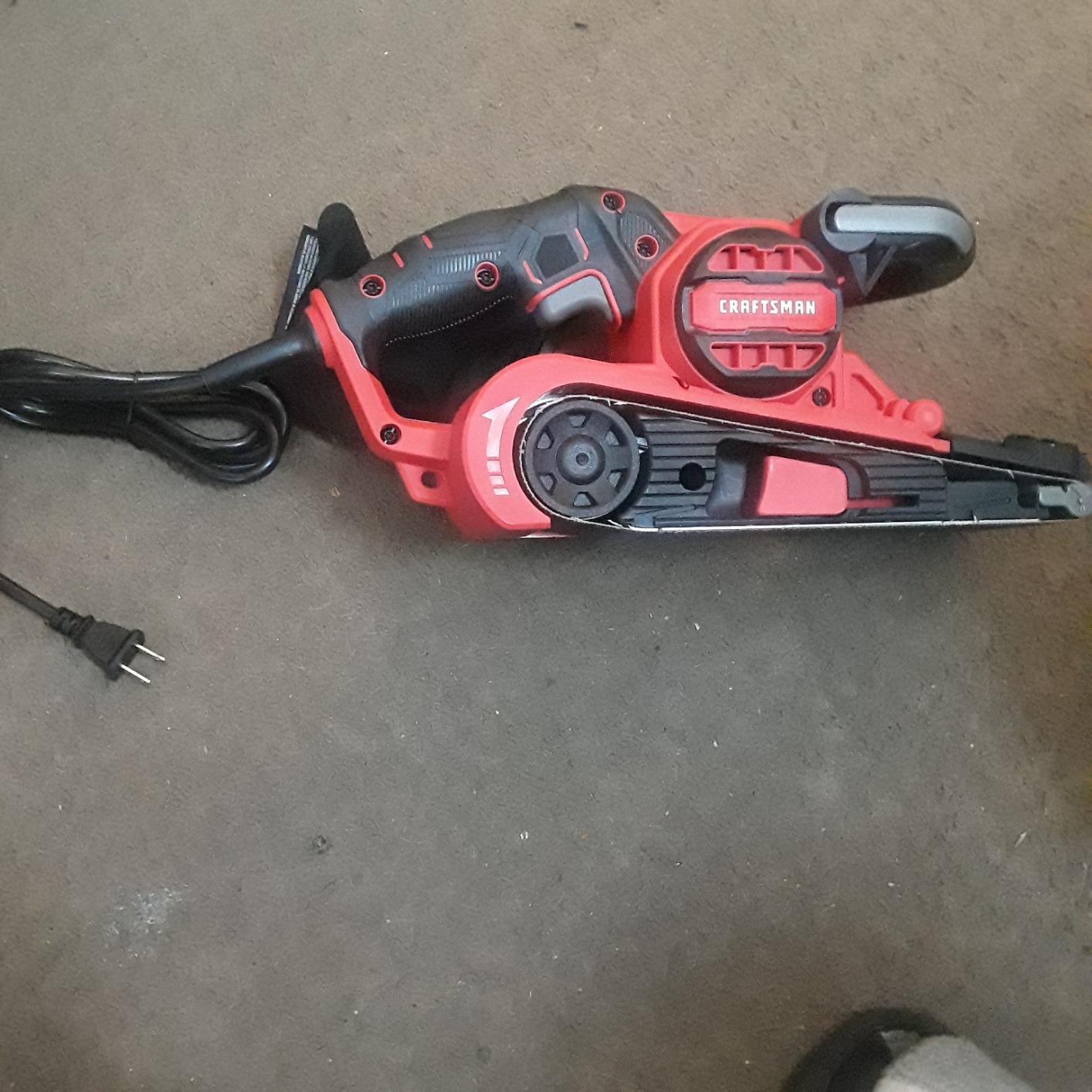
The tool-free belt release makes changing sanding belts a quick job. You just pop the lever, swap the belt, and snap it closed. No Allen wrenches or fiddly adjustments required. The onboard dust bag does an acceptable job, though like most belt sanders, you will get much better results connecting it to a shop vac.
I did notice that the CMEW213 runs warm during extended use. After about 45 minutes of continuous sanding on a deck project, the housing was noticeably hot to the touch. The plastic housing also feels less substantial than the metal-bodied Makita or Metabo. Some users report that the belt can drift and rub against the housing over time, causing wear. For intermittent use, these issues are minor. For daily professional use, they could become real problems.
Who Should Buy the CRAFTSMAN CMEW213
This is a solid mid-range belt sander for DIYers and hobbyist woodworkers who need more capability than a budget model offers but do not want to spend professional-level money. The angled belt design is genuinely useful if you frequently sand near walls, baseboards, or other adjoining surfaces. The comfortable handle and tool-free belt change make it user-friendly for beginners and intermediate woodworkers.
Who Should Skip It
If you are a professional who uses a belt sander daily, the plastic housing and heat issues will likely frustrate you over time. The lack of variable speed also limits its versatility. For heavy-duty continuous use, stepping up to the Metabo HPT or Makita will give you better long-term reliability and performance.
6. Jellas BS02 – Versatile Performer with Great Accessories
Jellas 7Amp Handheld Belt Sander, 3 21 Inch with Dust Bag for Woodworking
- Variable speed control from 120-400 RPM
- Includes 10 sanding belts
- Converts to bench sander with clamps
- 10-foot power cord
- Excellent value
- Belt tracking issues reported
- Dust collection inconsistent
- Unknown weight specs
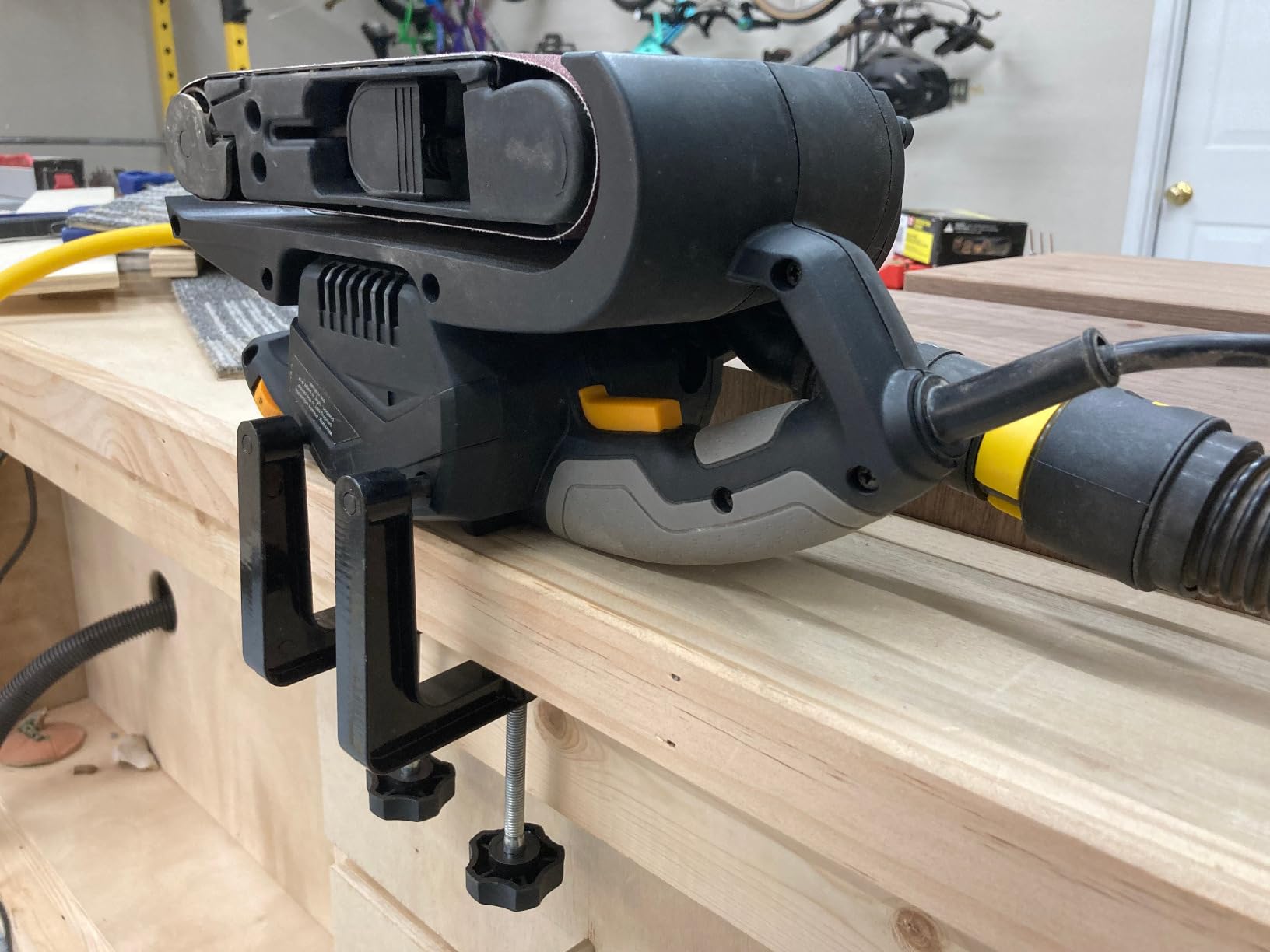
The Jellas BS02 caught my attention because of how much you get for the money. It comes with 10 sanding belts in grits ranging from 40 to 180, two metal C-clamps for bench mounting, a dust bag, and a vacuum adapter. Out of the box, you have everything you need to start sanding immediately without buying any extras.
The variable speed control is a standout feature at this price point. The 6-position dial lets you adjust from 120 to 400 RPM, which gives you the flexibility to handle everything from aggressive stock removal with coarse belts to finer finishing work with higher grits. I tested it on both rough pine boards and a delicate tabletop refinishing project, and the speed adjustment made a real difference in control and finish quality.
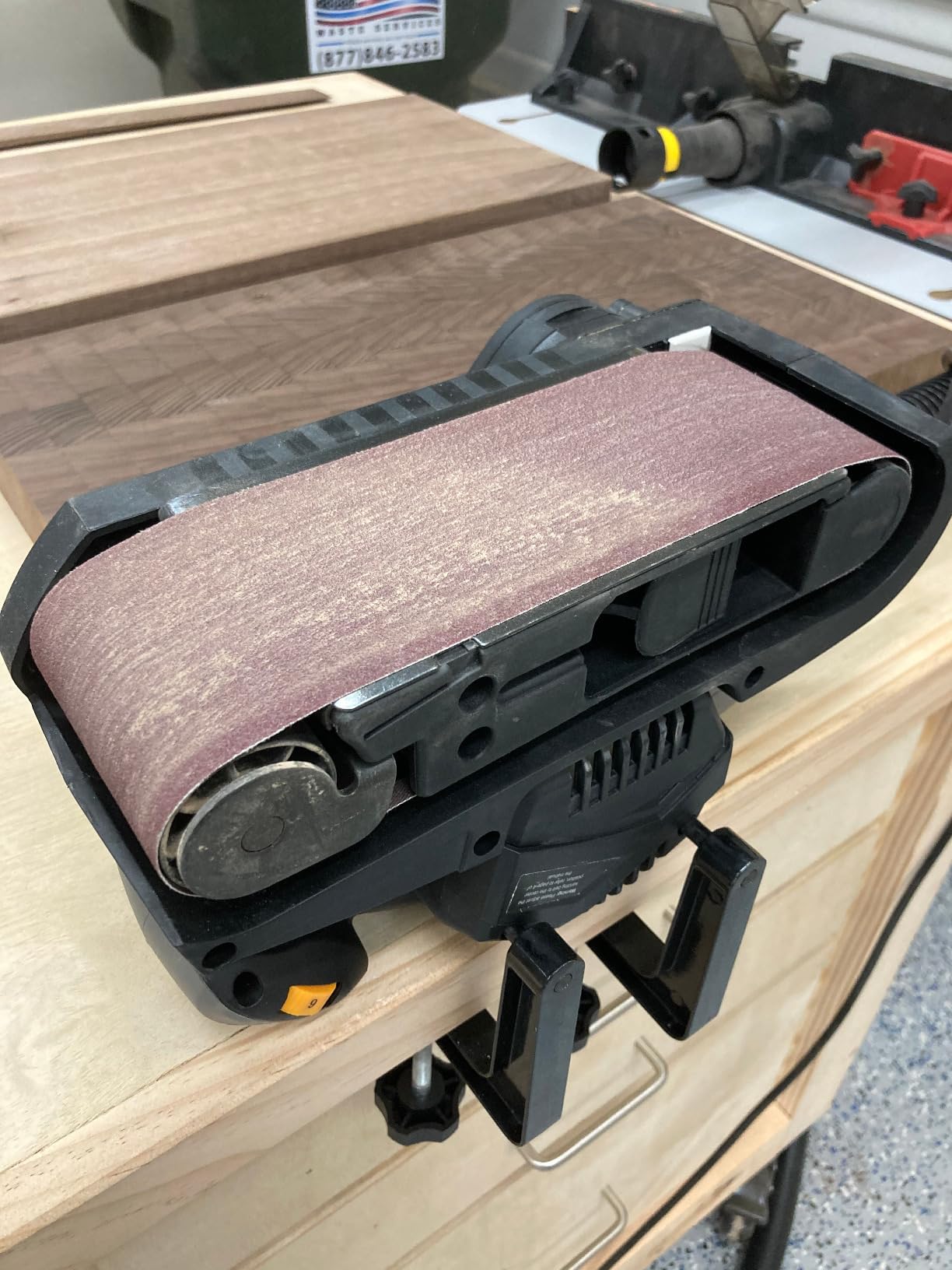
The ability to clamp this sander to a workbench and use it as a stationary belt sander is a clever touch. I mounted it upside down on my bench and used it for small pieces that are awkward to sand by hand. The soft-grip handle and low-profile design make it comfortable for handheld use as well. The 10-foot power cord is longer than most competitors, which gives you more reach without needing an extension cord.
Dust collection is the main weakness. The included bag and vacuum adapter work, but not consistently. Finer dust particles escape, and I found myself reaching for a shop vac to clean up after sanding sessions. Some users also report belt tracking issues that require periodic adjustment. These are not dealbreakers at this price, but they are worth knowing about before you buy.
Who Should Buy the Jellas BS02
This is an excellent choice for beginners and intermediate woodworkers who want a versatile belt sander without spending a lot. The included accessories mean you do not need to buy anything extra to get started. The variable speed control and bench-mounting capability give you two tools in one, which is great value for a home workshop on a budget.
Who Should Skip It
If you need a belt sander for professional daily use, the inconsistent dust collection and belt tracking will become annoying fast. The build quality is adequate for regular DIY use but not up to the standards of Makita, DEWALT, or Metabo. Professionals should invest in a more robust tool that can handle continuous heavy use without adjustment issues.
7. SKIL 7510-01 – Smart Pressure Control for Safer Sanding
- Pressure control technology prevents gouging
- Lightweight at 5.5 pounds
- Micro-filtration for fine dust
- Flush edge sanding capability
- Auto belt tracking
- Pressure sensor can feel intrusive during extended use
- Runs hot with heavy use
- Dust bag fills quickly
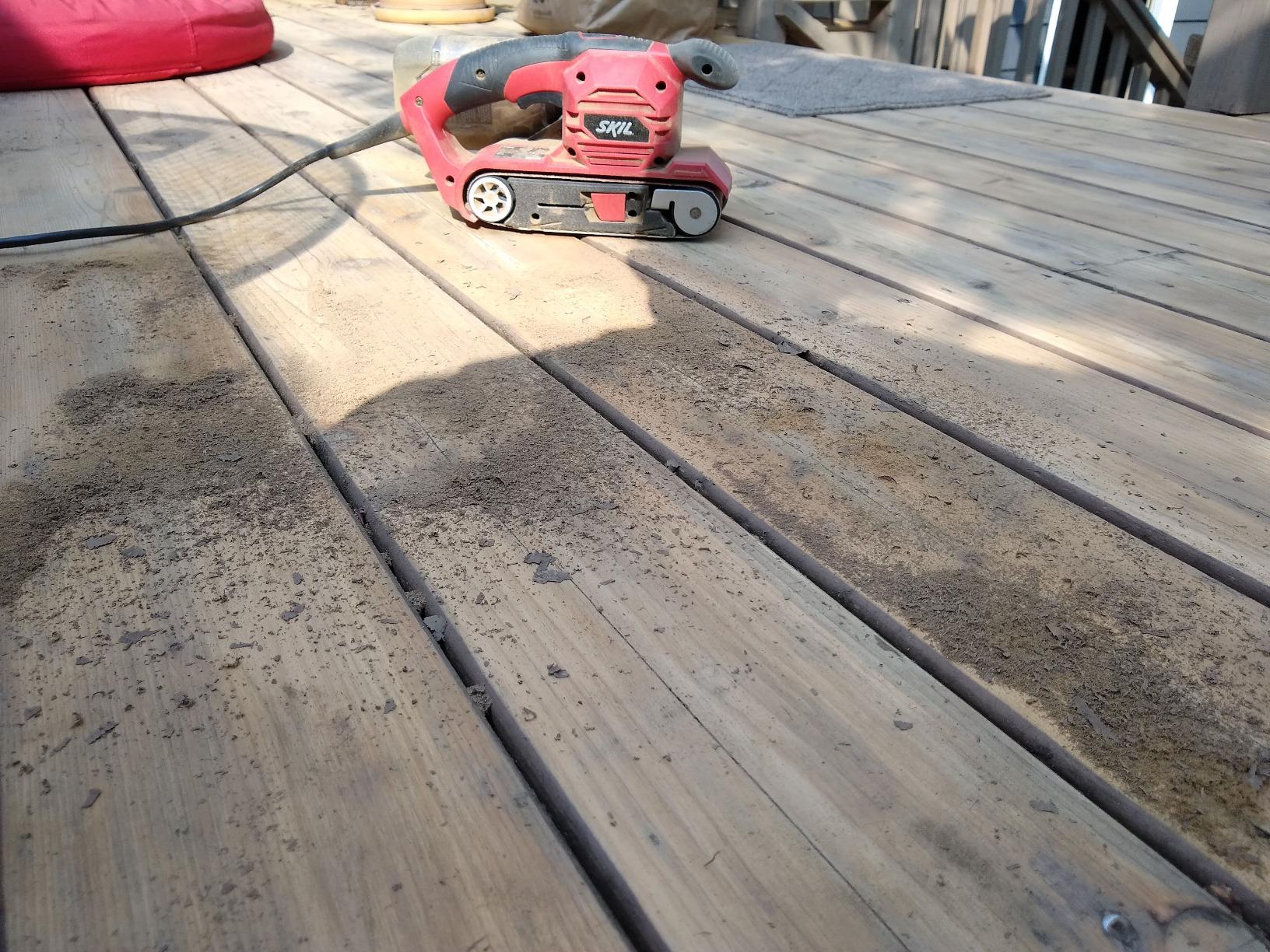
The SKIL 7510-01 takes a different approach from most belt sanders with its pressure control technology. This feature warns you when you are pressing too hard, which helps prevent the gouging that ruins workpieces. I tested this by intentionally bearing down on a soft pine board, and the sensor kicked in immediately. For beginners who are nervous about damaging their projects, this built-in safety net is genuinely helpful.
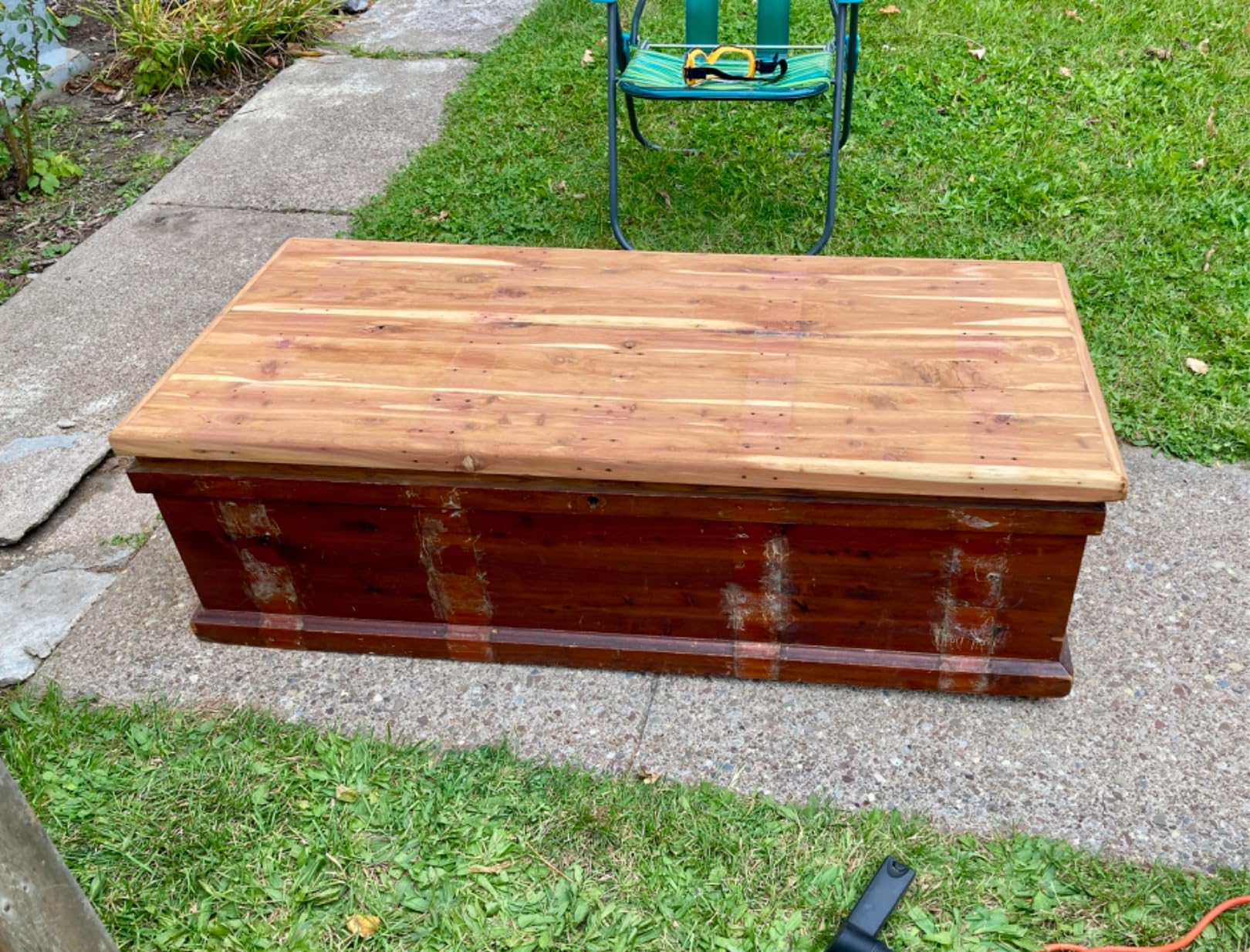
At 5.5 pounds, this is one of the lightest belt sanders in our lineup. That makes a real difference during long sanding sessions. I sanded an entire tabletop without the forearm fatigue that heavier models cause. The flush edge sanding design lets you work right up to the edge of your material, which is great for doors and panels.
The micro-filtration system captures finer dust particles than standard cloth bags, which is a nice touch for indoor work. The auto-track belt alignment keeps the belt centered without manual adjustment, and it works well in practice. Over multiple test sessions, I never had to stop and realign the belt. The vacuum compatibility with standard 1.25-inch hoses also makes dust management easier if you have a shop vac.
The trade-off is that the 6-amp motor is less powerful than the 7-amp and 9-amp options in this guide. It handles most woodworking tasks fine, but it bogs down on harder woods and thick paint. The pressure sensor can also feel annoying during extended use, occasionally cutting power when you are sanding aggressively and need to push harder. Experienced users might find this feature more frustrating than helpful.
Who Should Buy the SKIL 7510-01
This is one of the best belt sanders for beginners because the pressure control technology prevents the common mistake of pressing too hard and gouging the wood. The lightweight design makes it approachable for anyone who finds heavier tools intimidating. It is a strong pick for hobbyists who work on furniture, small woodworking projects, and occasional home renovation tasks.
Who Should Skip It
Experienced woodworkers and professionals will likely find the pressure control sensor annoying and the 6-amp motor underpowered for demanding jobs. If you regularly work with hardwoods, need to strip thick paint, or sand large surfaces like decks, you will want something with more power. The smaller 3-by-18 belt size also means more passes on wide surfaces.
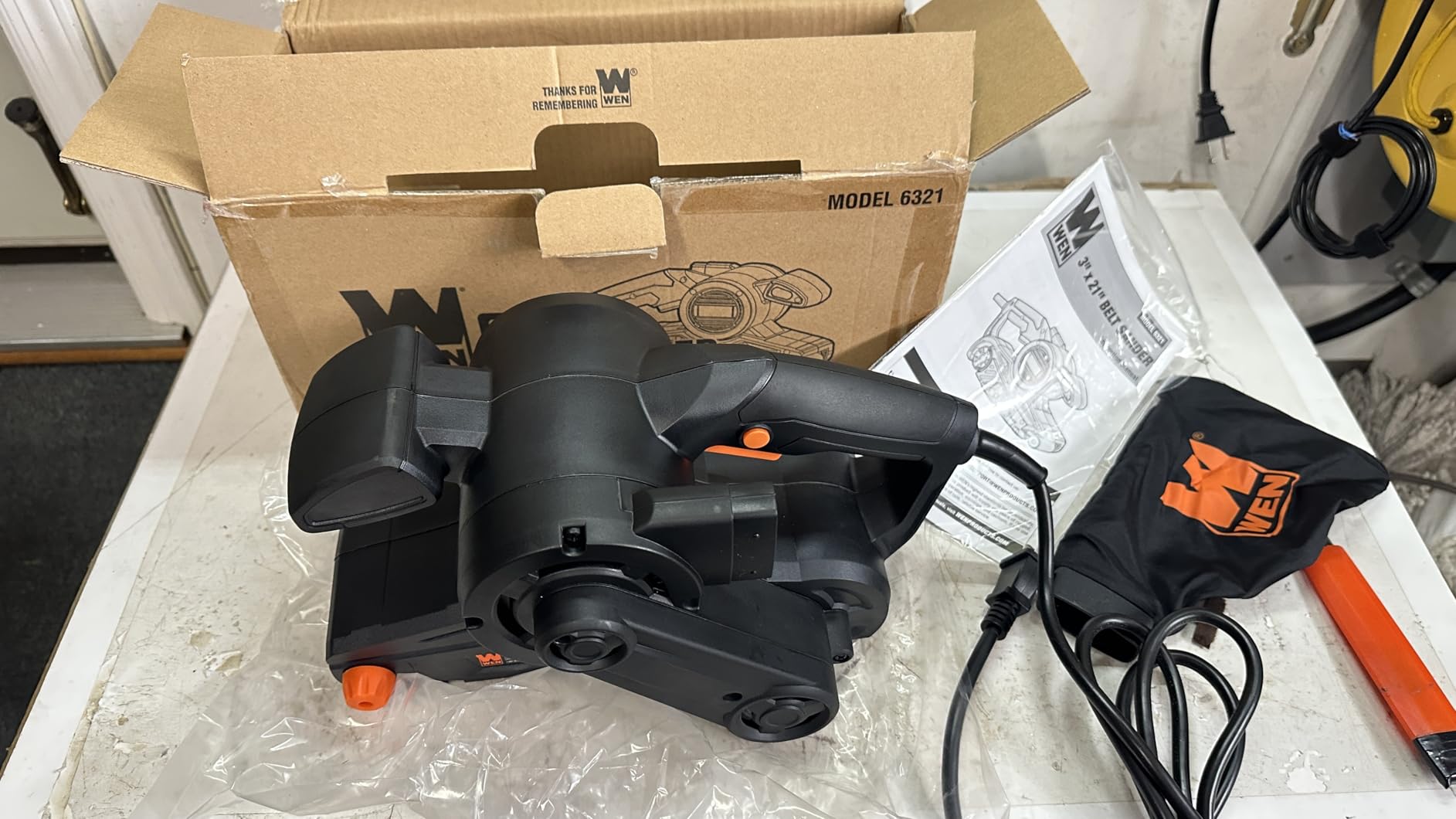
8. WEN 6321 – Ultra-Affordable Entry-Level Sander
WEN 6321 7-Amp 3 in. x 21 in. Corded Belt Sander with Dust Bag , Black
- Extremely affordable for what you get
- 7-amp motor punches above its price
- Lightweight 6.2-pound design
- Can be inverted as stationary sander
- Lock-on button for extended use
- Very loud during operation
- No variable speed
- Poor dust collection bag
- Square dust port limits vacuum options
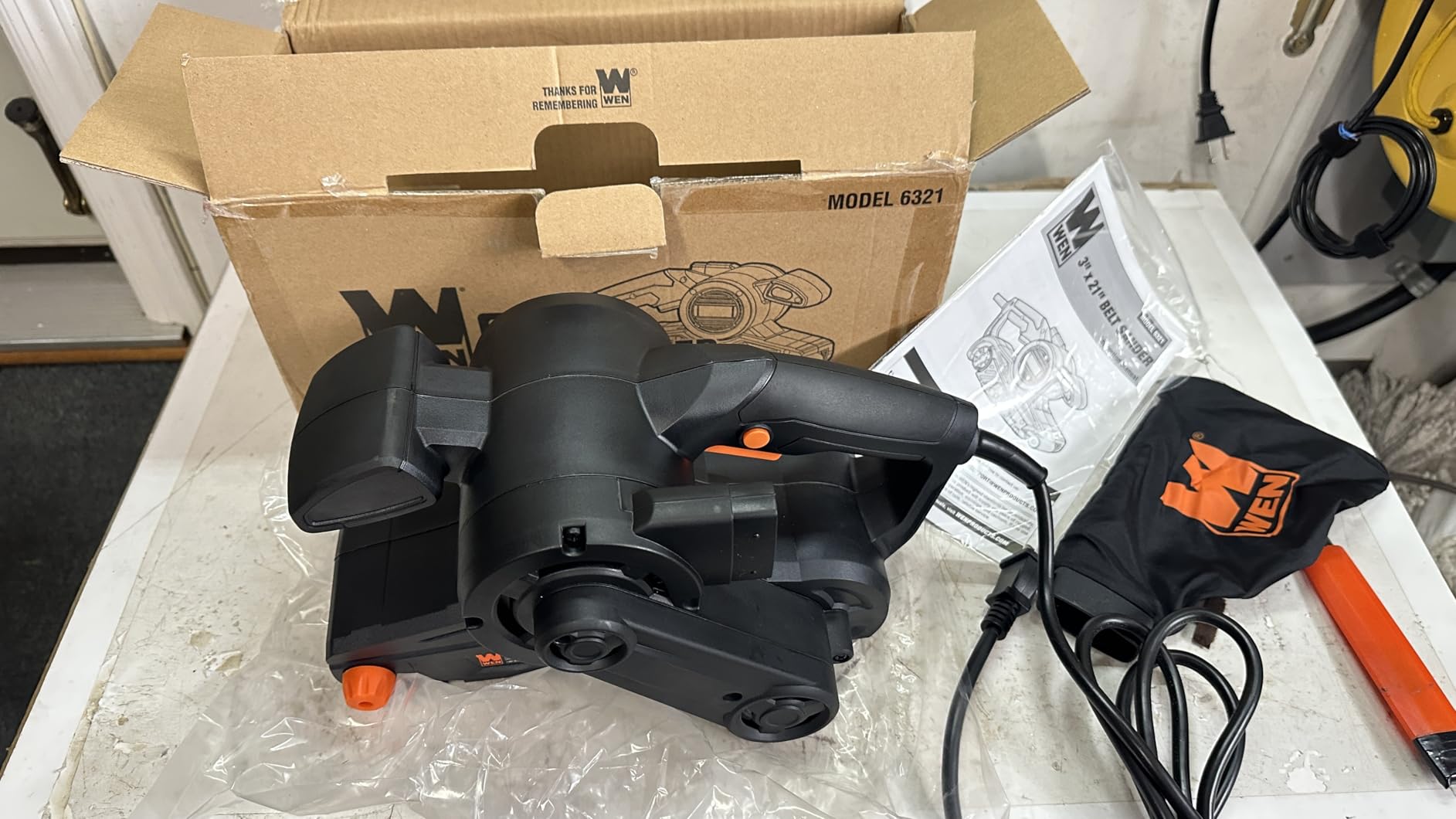
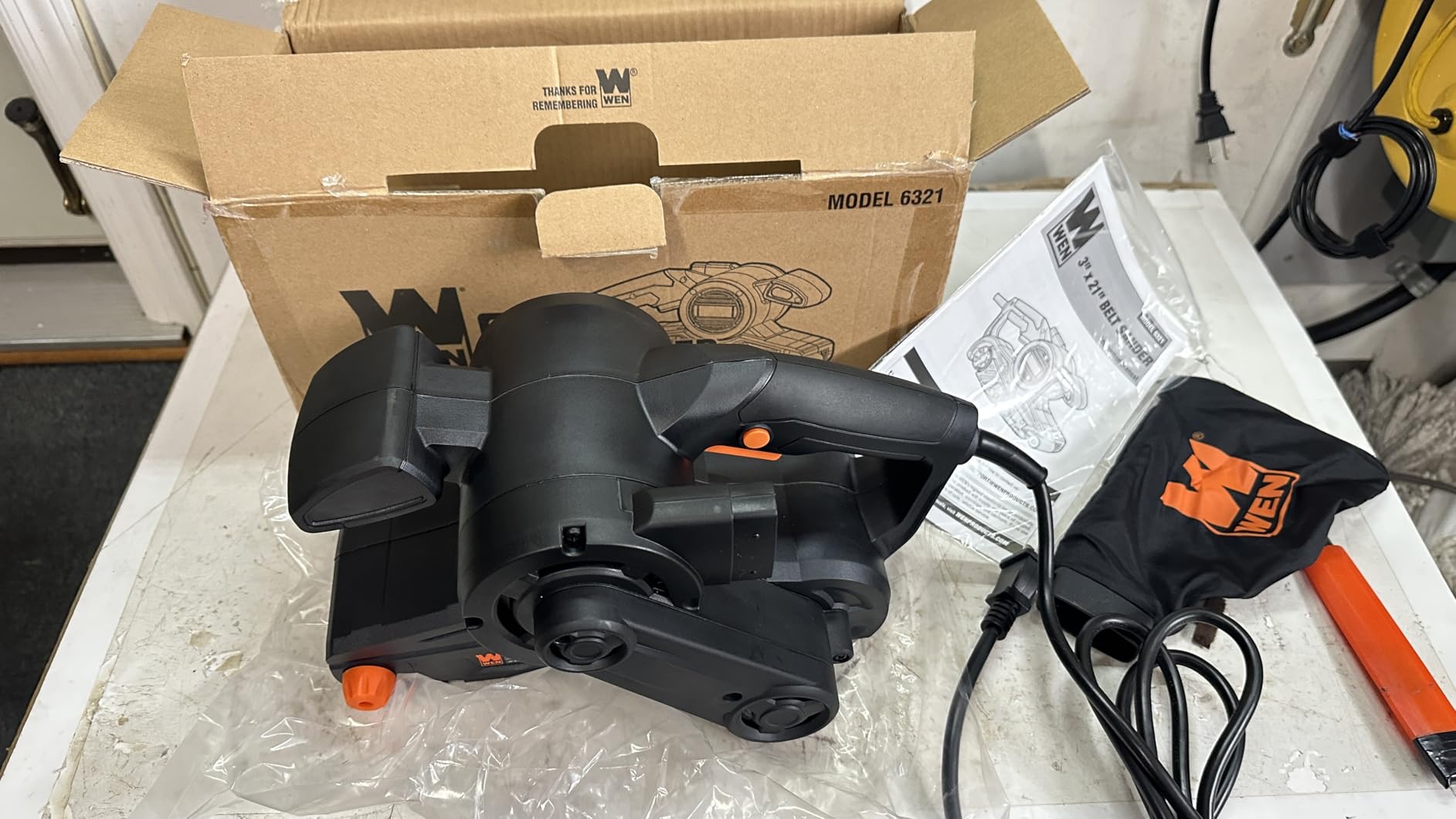
The WEN 6321 proves that you do not have to spend a lot to get a capable belt sander. At well under the price of most competitors, it delivers a 7-amp motor that rotates the belt at over 13 feet per second. I used it to strip old finish from a pine dresser, and it handled the job without any issues. For the money, the sanding power is genuinely impressive.
The 6.2-pound weight makes it one of the lightest full-size belt sanders available. That light weight translates to less fatigue during longer projects, which matters if you are not used to handling power tools for extended periods. The lock-on button lets you sand continuously without gripping the trigger, which is a small but appreciated convenience.
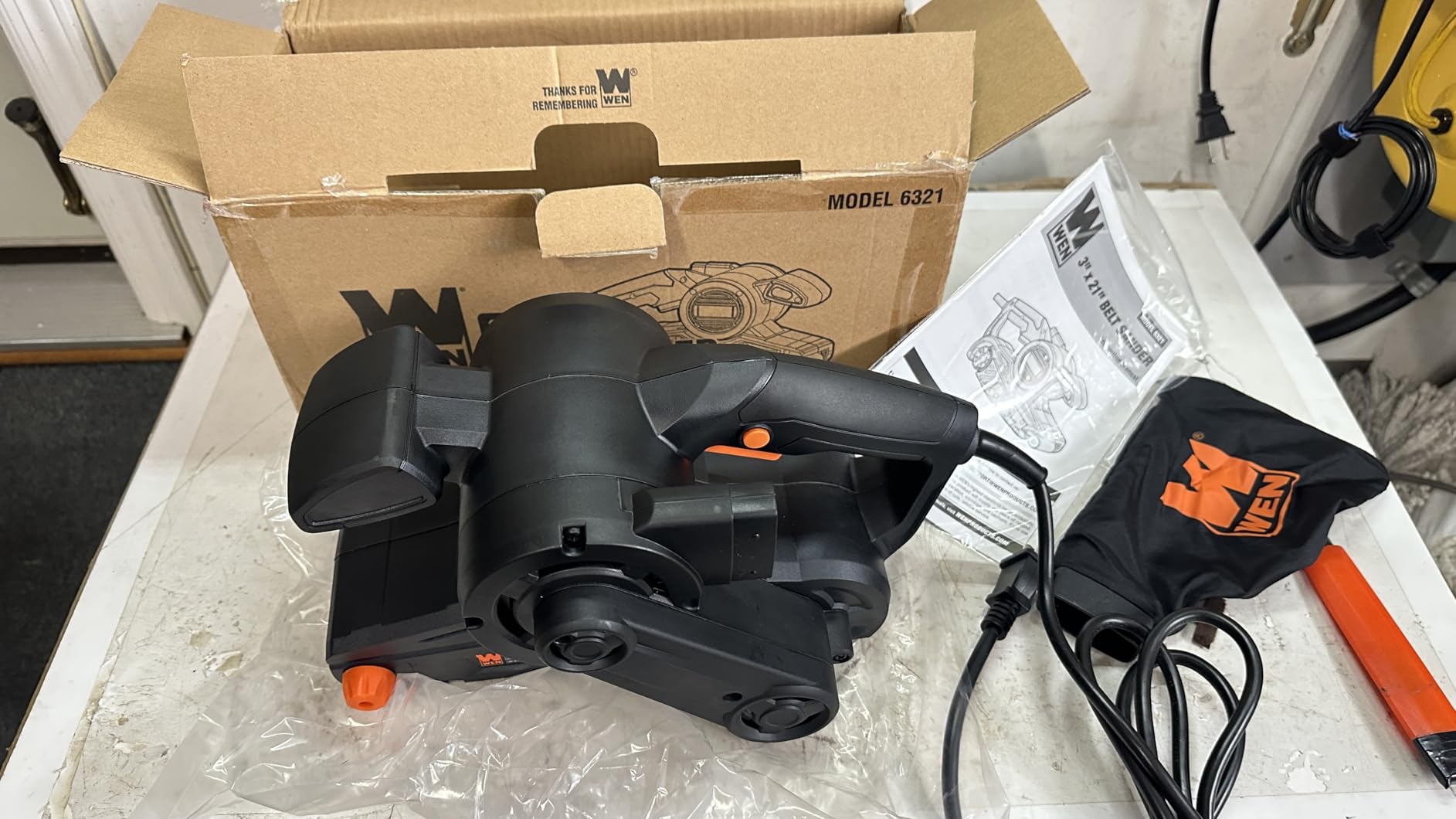
One feature that sets the WEN apart from other budget sanders is the ability to invert it and clamp it to a workbench as a stationary sander. I tested this setup, and it worked surprisingly well for sanding small parts and shaping edges. Having a handheld and stationary sander in one tool at this price point is a clever value proposition.
The downsides are what you would expect at this price. It is extremely loud, much louder than the Makita 9403 or any other sander in this guide. The dust collection bag lets fine particles escape, and the square dust port makes it difficult to attach a standard shop vac hose. There is no variable speed, so you get one aggressive setting and that is it. These compromises are understandable given the price, but they are worth knowing about.
Who Should Buy the WEN 6321
This is the best belt sander for anyone on a tight budget who needs a capable tool for occasional projects. If you are refinishing a piece of furniture, sanding down a rough board, or tackling a one-time home improvement project, the WEN 6321 gives you real sanding power without a significant investment. The bench-mount capability adds versatility that makes it even more appealing for small workshops.
Who Should Skip It
If you plan to use a belt sander regularly or for professional work, the noise, poor dust collection, and single speed will wear on you. The lack of variable speed means you cannot dial it back for delicate work. For frequent users, spending more on the Jellas BS02 with variable speed or the Metabo HPT with professional build quality will pay off over time.
Buying Guide: How to Choose the Best Belt Sander
Choosing the right belt sander comes down to matching the tool to the work you do. Here is what matters most when comparing models.
Motor Power and Amps
Motor power is measured in amps for corded models and volts for cordless ones. For corded belt sanders, 6 to 7 amps handles light to medium tasks like furniture refinishing and paint removal. Stepping up to 9 or 11 amps gives you the power for continuous heavy use like floor sanding and deck refinishing. The Makita 9403 at 11 amps is the most powerful option in our lineup, while the SKIL at 6 amps is better suited for lighter projects.
For cordless models, look at the battery voltage and whether the motor is brushless. Brushless motors like those in the DEWALT 20V MAX and Milwaukee M18 Fuel deliver more power and longer runtime than brushed alternatives. However, battery life remains a constraint for cordless belt sanders, so plan for 30 to 45 minutes of continuous use per charge.
Belt Size
The two most common handheld belt sizes are 3 by 21 inches and 3 by 18 inches. A 3-by-21 belt covers more surface area per pass, which means faster work on large projects like decks and floors. A 3-by-18 belt is narrower, making the tool lighter and easier to control in tight spaces. The Makita 9403 uses an even larger 4-by-24 belt for maximum material removal rate.
For most users, 3 by 21 is the sweet spot. It gives you enough width to work efficiently on large surfaces while remaining manageable for furniture and smaller projects. Belts in this size are also widely available at hardware stores in a variety of grits.
Variable Speed Control
Variable speed lets you adjust the belt speed to match the task. Use high speed with coarse grits for aggressive material removal. Dial it down with finer grits for controlled finishing work. Models with variable speed include the Metabo HPT SB8V2, Jellas BS02, and DEWALT 20V MAX. Single-speed models like the Makita 9403 and WEN 6321 run at full speed all the time, which is fine if you mostly do heavy material removal but limiting for finer work.
Dust Collection
Every belt sander in this guide comes with a dust bag, but none of them do a great job on their own. The DEWALT 20V MAX leads the pack with up to 95 percent dust collection efficiency when connected to a compatible vacuum. Forum users on Reddit and woodworking forums almost universally recommend connecting your belt sander to a shop vac for effective dust management. Check whether the dust port is round and compatible with standard vacuum hoses. The WEN 6321 has a square port, which makes vacuum attachment difficult.
Corded vs Cordless
Corded belt sanders offer unlimited runtime and generally more consistent power. They are the right choice for long sanding sessions like floor refinishing and large deck projects. Cordless models give you portability and freedom from extension cords, which is valuable for on-site work and quick touch-ups. The trade-off is battery runtime, typically 30 to 45 minutes of continuous use. If you already own batteries from a major brand like DEWALT or Milwaukee, going cordless makes sense. If not, the cost of batteries and chargers adds significantly to the total investment.
Belt Grit Selection
Choosing the right grit is just as important as choosing the right sander. Coarse grits from 40 to 60 are for aggressive material removal like stripping paint or leveling rough boards. Medium grits from 80 to 120 smooth surfaces and remove scratches left by coarser belts. Fine grits from 150 to 220 are for finishing work and preparing surfaces for paint or stain. For metalworking, ceramic belts like 3M Cubitron are highly recommended for their longevity and cutting performance. Always start with a coarser grit and work your way up through finer grits for the best results.
FAQs
Are belt sanders faster than orbital sanders?
Yes, belt sanders remove material significantly faster than orbital sanders. A belt sander uses a continuous loop of abrasive moving in one direction, which allows aggressive stock removal on large flat surfaces. A random orbital sander spins and orbits simultaneously, creating a finer finish but at a much slower material removal rate. Use a belt sander when speed matters on large areas, and switch to an orbital sander for final finishing and detail work.
What to look for when buying a belt sander?
Focus on motor power (6-11 amps for corded), belt size (3×21 is most common), variable speed control, dust collection quality, and weight. Heavier models like the Makita 9403 deliver more power but cause more fatigue. Variable speed is valuable if you do both aggressive removal and finishing work. Check the dust port shape to ensure it fits your shop vac. Also consider whether you need cordless freedom or prefer the unlimited runtime of a corded model.
How many amps do you need for a belt sander?
For light DIY projects like furniture refinishing, 6 to 7 amps is sufficient. For regular woodworking including deck sanding and paint stripping, 7 to 9 amps provides a good balance of power and control. For professional use like floor refinishing and continuous heavy sanding, look for 9 to 11 amps. The Makita 9403 at 11 amps is the most powerful option in this guide and handles the toughest jobs without bogging down.
Should you press down on a belt sander?
No, you should never press down hard on a belt sander. The weight of the tool itself provides enough pressure for effective sanding. Pressing down causes gouging, leaves uneven surfaces, wears out belts faster, and can damage the tool. Let the sander do the work. Move it steadily across the surface at a consistent pace. If you feel the need to press harder, you likely need a coarser grit belt or a more powerful sander.
Are belt sanders suitable for beginners?
Belt sanders can be used by beginners, but they require more care than other sander types. Their aggressive material removal means mistakes happen fast and can damage your workpiece. If you are a beginner, start with a lighter model like the SKIL 7510-01 which has pressure control technology to prevent gouging. Practice on scrap wood first to get a feel for how quickly the tool removes material. Consider a random orbital sander for your first projects if precision matters more than speed.
Final Thoughts on the Best Belt Sanders
After weeks of testing and comparing, the Makita 9403 earns our top recommendation for its unmatched power, quiet operation, and legendary durability. It is the best belt sander for serious woodworkers and professionals who need a tool that will last for decades. For buyers who want professional performance without the premium price tag, the Metabo HPT SB8V2 delivers excellent value with its 9-amp motor, variable speed, and 5-year warranty.
If cordless freedom is your priority, the DEWALT 20V MAX belt sander offers the best cordless experience we tested. Its brushless motor, 25-speed dial, and excellent dust collection make it a legitimate alternative to corded models for most projects. For beginners and budget-conscious buyers, the WEN 6321 and SKIL 7510-01 both provide capable sanding performance at prices that are hard to argue with.
Whatever your budget or experience level, the best belt sander for you is the one that matches the work you actually do. A professional flooring contractor has different needs than a weekend furniture refinisher. Use our buying guide to narrow down the features that matter most for your projects, and you will end up with a tool that serves you well for years to come.