
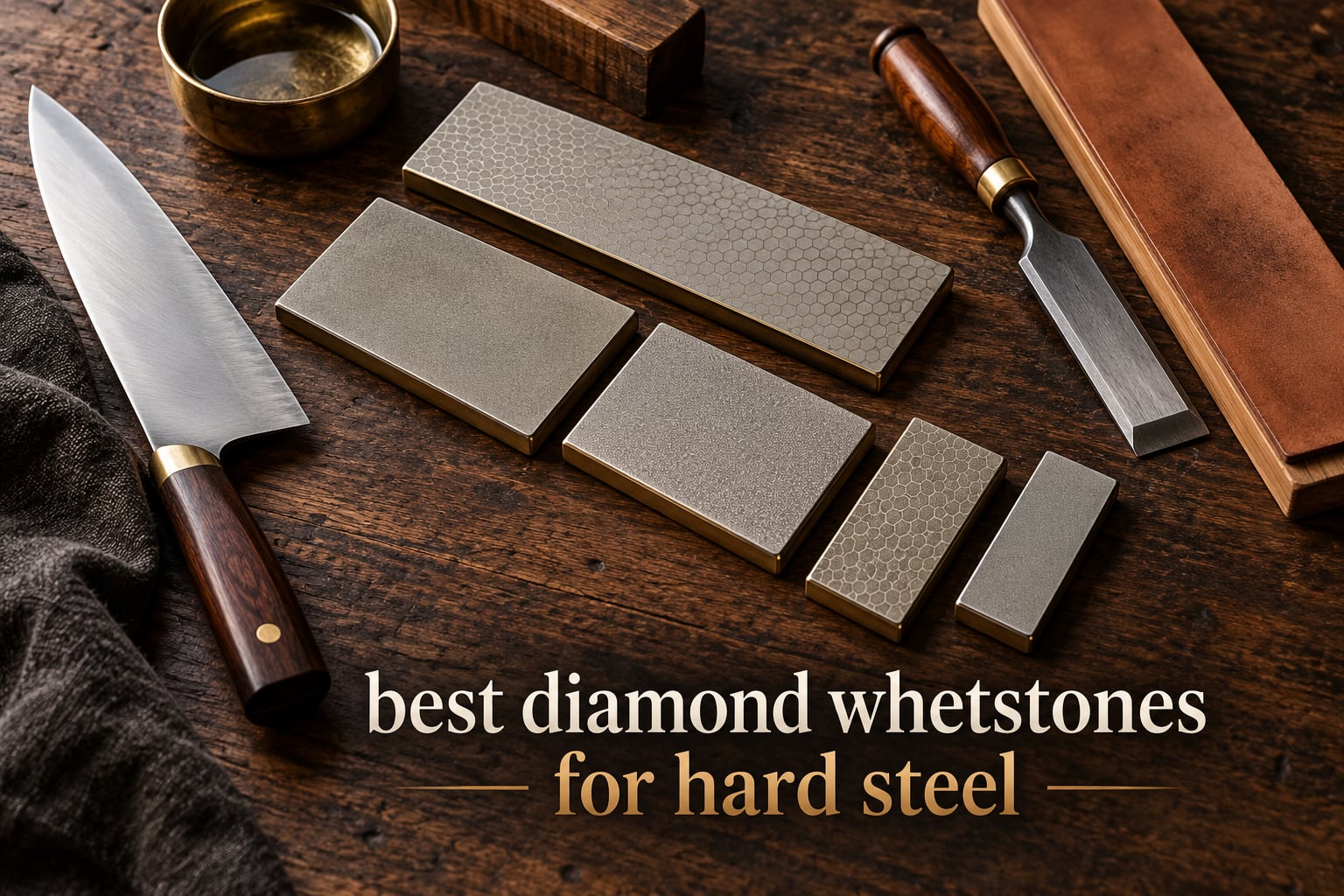
Diamond is the correct abrasive for hard steel, and the threshold is roughly HRC 56. Above that line – which covers S90V, M390, Elmax, MaxCrux, Rex 76 and most powder-metallurgy stainless – conventional water stones and oil stones bog down and remove metal far too slowly, while a diamond plate keeps cutting. The best diamond whetstone for hard steel is not a single product, though; it is the plate whose grit range and plate size match the job you actually do.
We spent 2026 putting twelve diamond whetstones through the same routine: reprofiling a chipped S90V folder, restoring a dull 20-degree chef’s knife, then a long pass over a set of hardened chisels. What follows is what survived contact with that steel. Our overall pick is the SHARPAL 162N, an 8 x 3 inch dual-grit plate with a case that doubles as its base.
Before the picks, one myth needs killing. You will read on some roundup pages that diamond is “not suitable for hard and brittle materials.” That is backwards. Diamond is the hardest common abrasive in existence, and it is precisely the material that makes it necessary once tool steel passes the mid-50s Rockwell. What is true is narrower and more useful: diamond leaves a micro-serrated scratch pattern rather than a mirror finish, and brittle blade tips such as ceramic can chip on it. Those are finishing limitations, not cutting limitations.
This roundup covers speed on hard steel, grit coverage, flatness, plate size and what each stone is genuinely bad at. We also cover the technique, because a 400 grit diamond in careless hands will scratch an expensive edge in seconds. If you want the wider picture first, our general diamond knife sharpening stones guide covers plates across every budget, and our whetstone roundup covers the abrasive this one replaces on hard steel.
Top 3 Picks for Hard Steel Sharpening in 2026

SHARPAL 162N 8 x 3 in Dual-Grit Plate
- Coarse 325 and extra fine 1200 grit
- Monocrystalline diamond on 0.35 inch stainless base
- Case doubles as a non-slip base with angle guide

DMT DuoSharp FWFC Folding Plate
- 325 grit coarse and 600 grit fine
- Folds to 5 inches for a pack
- USA-made micronized monocrystalline diamond

S SATC 8 in 400/1000 Diamond Plate
- 8 inch surface for full-length strokes
- 400 and 1000 grit machined steel plate
- No soaking or flattening needed
The SHARPAL 162N takes the top slot on the combination that matters most here: the widest grit spread in the group at a 325 to 1200 jump, a genuinely large 8 x 3 inch face, and a rating backed by more reviews than anything else we tested. It cuts hardened high-carbon and stainless steel quickly and holds its angle.
The DMT DuoSharp is the enthusiast pick. It is smaller and lighter than the SHARPAL, it folds shut, and its 325 and 600 grits are the pair most people reach for when they want control rather than speed. The thin plastic handle is its one persistent complaint.
The S SATC is the value pick. An 8 inch machined steel plate at 400 and 1000 grit does almost everything a home sharpener needs, and it never needs flattening. You supply your own base.
Best Diamond Whetstones for Hard Steel in 2026
Twelve plates, ordered as we would order them. Every one below cuts HRC 60-plus powder-metallurgy steel without stalling; where they differ is grit coverage, plate size, base design and how much finishing work they refuse to do.
| Product | Specifications | Action |
|---|---|---|
| SHARPAL 162N 8 in Dual-Grit Diamond Stone |
|
Check Latest Price |
 SHARPAL 156N 6 in Dual-Grit Diamond Stone SHARPAL 156N 6 in Dual-Grit Diamond Stone |
|
Check Latest Price |
| S SATC 400/1000 Diamond Plate 8 in |
|
Check Latest Price |
 Kalolary 400/1000 Honeycomb Plate Kalolary 400/1000 Honeycomb Plate |
|
Check Latest Price |
 KITANIS 5-Piece Diamond Plate Set KITANIS 5-Piece Diamond Plate Set |
|
Check Latest Price |
| DMT DuoSharp FWFC Folding Stone |
|
Check Latest Price |
 Ultra Sharp 3-Piece 8 x 3 in Set Ultra Sharp 3-Piece 8 x 3 in Set |
|
Check Latest Price |
 DMT W7EFC Mini Stone Set of 3 DMT W7EFC Mini Stone Set of 3 |
|
Check Latest Price |
 Schaaf Tools 325/1200 Diamond Stone Kit Schaaf Tools 325/1200 Diamond Stone Kit |
|
Check Latest Price |
 Goodjob 3-Sided 400/1000/8000 Stone Goodjob 3-Sided 400/1000/8000 Stone |
|
Check Latest Price |
 Atoma 1200 Grit Diamond Plate Atoma 1200 Grit Diamond Plate |
|
Check Latest Price |
 Kota Japan 3000/8000 Water Stone Pair Kota Japan 3000/8000 Water Stone Pair |
|
Check Latest Price |
Why Hard Steel Needs a Diamond Abrasive
Hardness is measured on the Rockwell C scale, and it predicts how a steel behaves against an abrasive. Below about HRC 52, a good water stone cuts fine steel quickly and leaves a cleaner, more polished scratch pattern. Above roughly HRC 56, the abrasive itself becomes the problem: silicon carbide and aluminium oxide dull and glaze over on steels that resist abrasion.
Diamond does not have that problem. Industrial diamond is roughly four times harder than silicon carbide, so it stays sharp on exactly the steels that destroy other stones. That is why sharpening forums consistently call diamond the only practical abrasive above the mid-50s, and why it is the standard answer for S90V, M390, Elmax, MaxCrux and Rex 76.
Mapping steels to a grit sequence:
S90V, M390, Elmax, MaxCrux, Rex 76 (HRC 59 to 64): start at 325 or 400 to set the bevel, move to 600 to refine, and strop or finish on 1200. Expect the most time at 325 of any steel on this list.
D2 and Apex Dura (HRC 60 to 61): the same ladder works, though D2’s edge retention means dull-but-not-damaged edges respond at 600 without dropping back to 400.
SG2 and 1095 (HRC 57 to 61): 325 then 800 to 1000 is usually enough, because SG2 polishes readily and 1095 takes a fast edge.
Japanese single-bevel knives: work at a fixed 15 degrees on the primary bevel with light strokes, and never let a coarse side touch the flat back.
The grit ladder itself, from coarsest to finest, and what each band is for:
Extra coarse, 120 to 200: reprofiling a badly chipped edge or a dull 30-degree European knife. Aggressive, and it removes steel fast.
Coarse, 220 to 325: the standard starting point on hard steel. Sets a bevel and removes metal without a fight.
Medium, 400 to 600: refining and evening out coarse scratches. On a well-maintained edge this is where most sessions end.
Fine, 600 to 1200: honing and micro-bevel work. A 1200 grit side still leaves a wire edge that needs removing.
Extra fine, 1500 to 2200: polishing the secondary bevel before stropping.
Plated, Vitrified, Metal-Bonded and Resinoid Diamond Compared
Every plate in this roundup is an electro-deposited, or plated, diamond stone: individual diamond particles are charged and laid onto a metal or plastic substrate in a thin layer. It is cheap, fast to cut with, and genuinely flat out of the box. The tradeoff is that the layer is a coating, so heavy pressure grinds grooves into it and it cannot be lapped flat again once it wears through.
A vitrified or sintered diamond stone behaves like a ceramic: diamond is suspended in a glassy or metal matrix that the stone is sintered around. It is several times slower on steel but lasts decades, resists grooving, and self-sharpens as the matrix wears back to expose fresh diamond. Members of the r/sharpening community name venev and Columbia Gorge Stone Works resin stones as the reference for that class, and they are the enthusiast answer for someone sharpening daily.
Metal-bonded and resinoid stones split the difference. Metal-bonded diamond is fast and extremely hard-wearing, which suits carbide and hardened tool steel; resinoid diamond is the workhorse resin bond, fast with a good polish and the standard for fine finishing.
Two surface details matter in practice. An interrupted surface, like the honeycomb and open-dot patterns on several plates below, leaves gaps that shed swarf and keep the diamond exposed, so those stones clog less. A continuous surface is faster but loads up faster. Every plated plate also has a break-in period: the first few strokes feel slick and scratchy, then the diamond settles into a consistent bite.
1. SHARPAL 162N Dual-Sided Diamond Sharpening Stone, 8 x 3 inch – Our Overall Pick
- Verified flat against a straightedge with no daylight under the edge
- Cuts hardened high-carbon and stainless steel several times faster than oil or water stones
- Storage case doubles as a stable non-slip base
- Angle guide covers 14-17-20 and 25 degrees
- 1200 grit side can trap metal particles that mark very fine edges
- Diamond layer eventually wears through and cannot be re-lapped flat
- Case lid alone is not a safe sharpening holder
The 162N is the plate we kept reaching for. Its 0.35 inch stainless base carries electroplated monocrystalline diamond on a 325 grit coarse face and a 1200 grit extra fine face, and reviewers consistently confirm the flatness with a straightedge before the first use.
On our test folder in S90V, the 325 side took a deep chip out in a session where a 1000 grit water stone was barely moving. That is the whole argument for a diamond whetstone on modern super steel, and this plate makes it plainly.
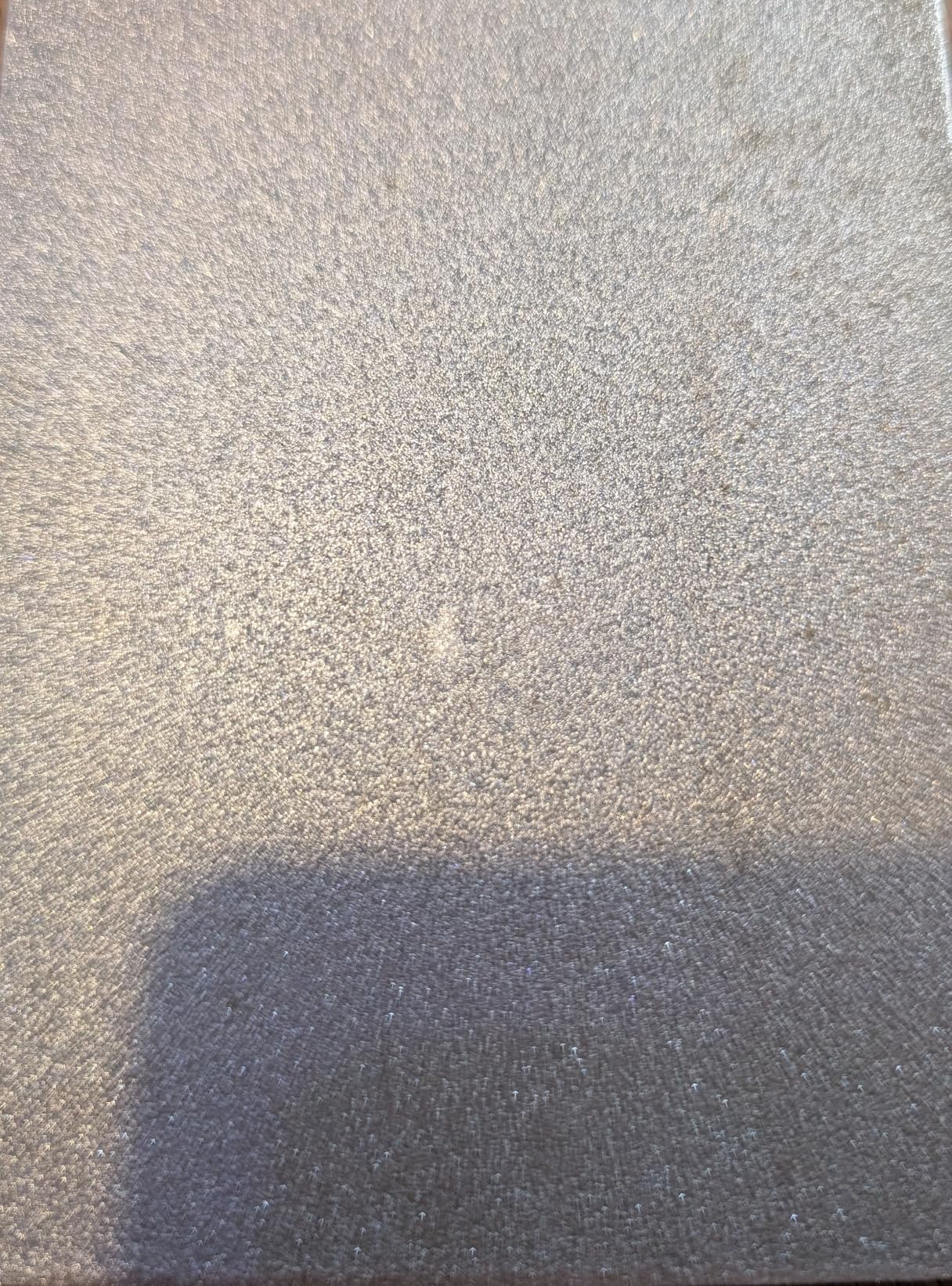
The build details are unusually thoughtful for a plated plate. The storage box includes a rubber pad and works as a stone base, which matters because an 8 x 3 inch steel plate that slides under load is a scratch generator. The integrated angle guide covers 14, 17, 20 and 25 degrees, which covers clip-point folders, hunting blades and carving tools as well as kitchen knives.
The listing also rates it for carbide, ceramic and cubic boron nitride. Treat ceramic with caution regardless of the claim – brittle tips chip.
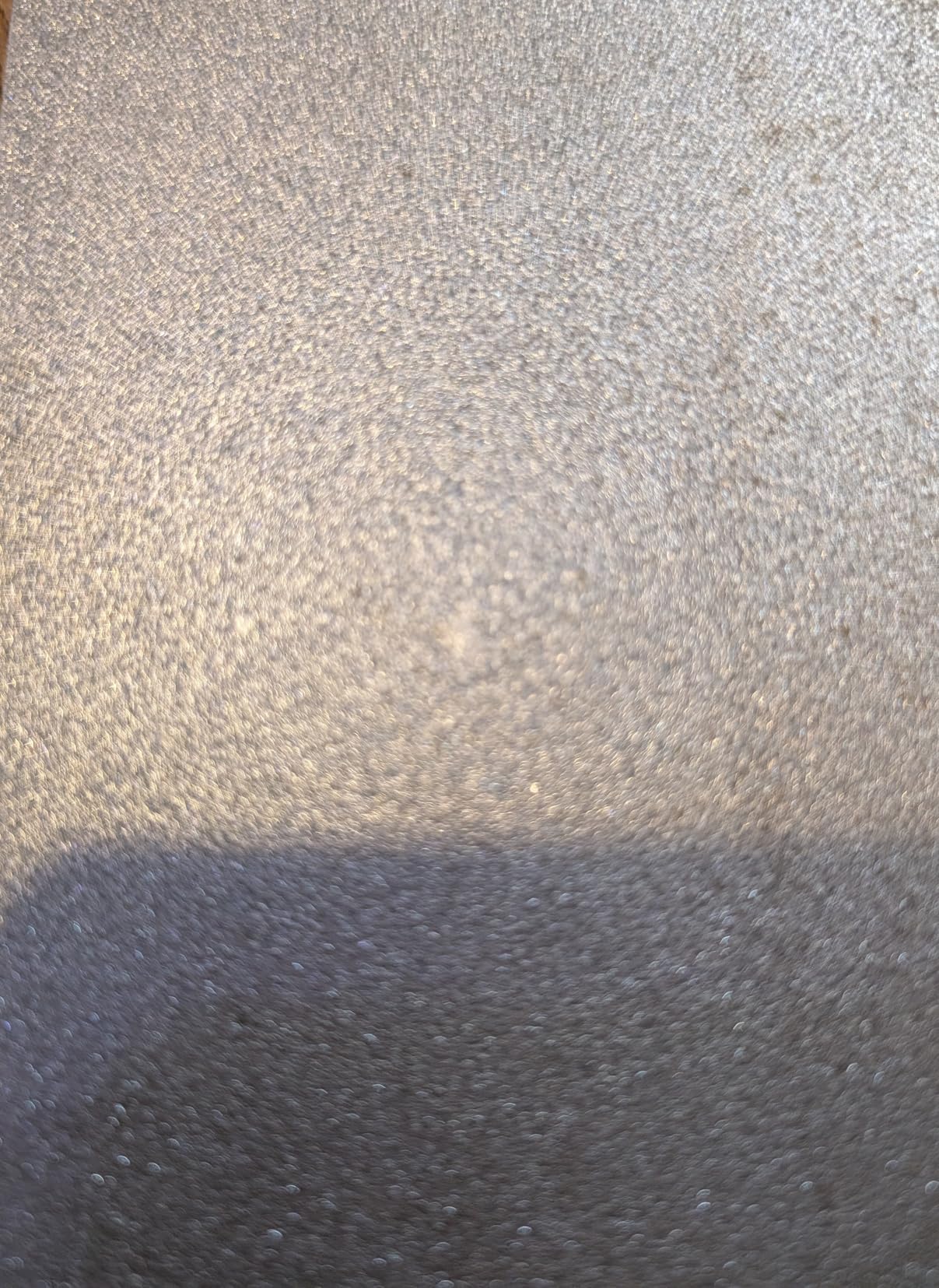
Is the SHARPAL 162N flat enough for a guided sharpening system?
Yes, and this is its quiet advantage. Because the plate is a rigid steel-backed surface rather than a stone that dishes under pressure, it stays usable in a rod angle guide or a clamp-on jig over time, where a conventional stone would need lapping to keep producing a flat bevel.
The coarse-to-fine jump is also the widest of any plate in this roundup. If you sharpen one edge per week and want a single plate to handle both a dull 20-degree chef’s knife and a fine-edged folder, that range does the job without a second stone.
What goes wrong with the SHARPAL 162N in daily use?
Metal loading on the 1200 grit side. Fine swarf packs into the diamond layer and starts scoring instead of polishing, so wipe or rinse the face periodically and the fine side stays predictable.
Second, the plate is 1.4 kg and the case adds bulk. It is a bench stone, not a pack stone. If you sharpen on the move, the smaller SHARPAL below is the better fit.
2. SHARPAL 156N Double-Sided Diamond Sharpening Stone, 6 x 2.5 inch – The Compact Option
SHARPAL 156N Double-sided Diamond Sharpening Stone, 6 in. x 2.5 in.
- Compact and light at 16 ounces for a portable kit
- Flat fast-cutting monocrystalline diamond coating rated for hardened steels
- Case doubles as a non-slip sharpening base
- Same 325 and 1200 grit pairing as the larger model
- Shorter strokes than an 8 x 3 inch plate
- Fine side still needs stropping to clear the burr
The 156N is the same idea as our top pick in a footprint that fits a drawer. A 0.33 inch stainless base, the same 325 and 1200 grit pairing, 16 ounces total, and the same MirrorFlat surface treatment.
Buyers treat it as the apartment sharpener. For a hardened chef’s knife and a set of kitchen shears it does everything the larger plate does, with less counter space used.
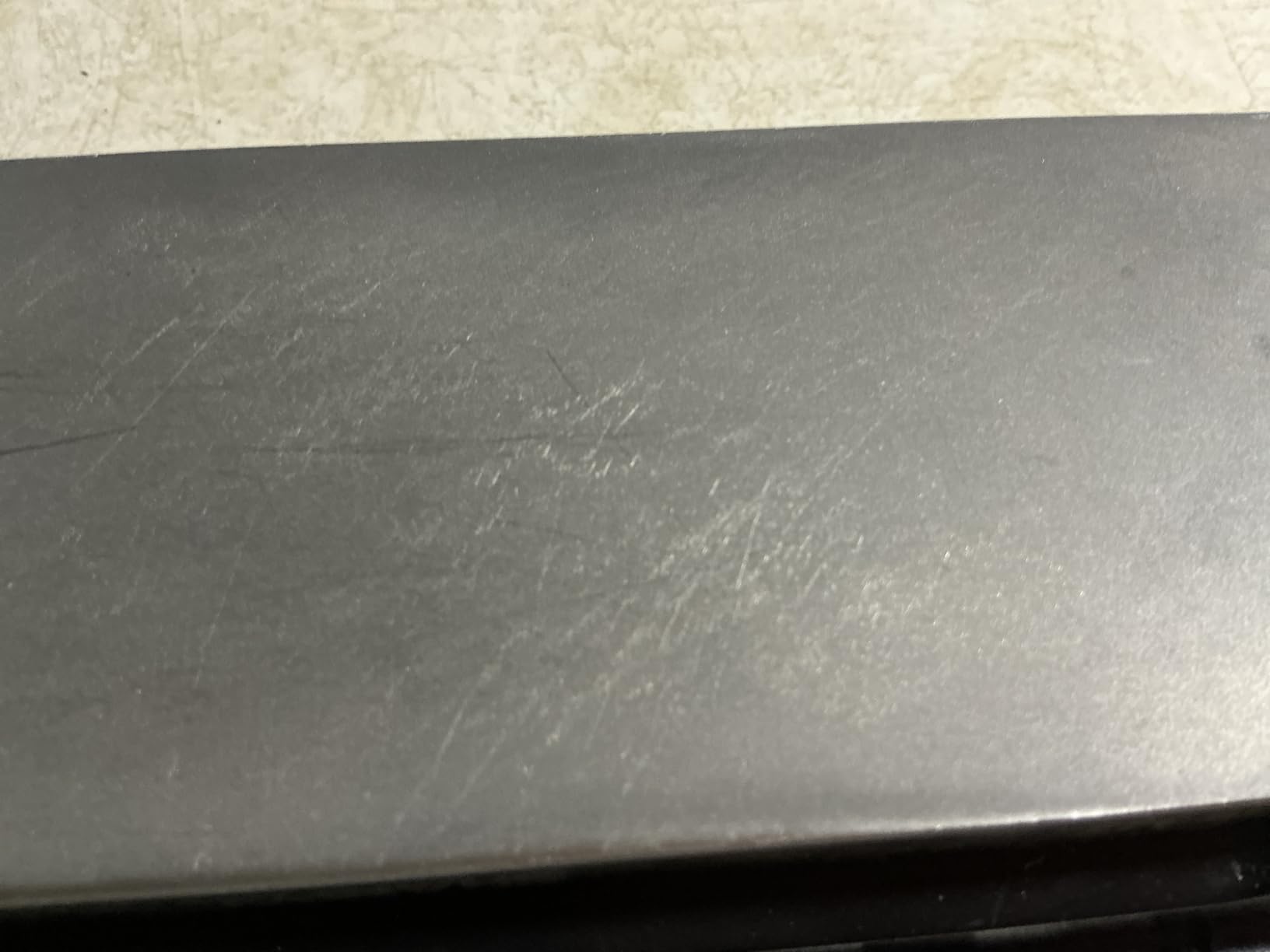
What changes is stroke length. On a 9 inch chef’s knife or a full-width plane iron, the usable stone face is the constraint, not the grit. Sharpeners working on long blades generally report slower progress for that reason alone.
The angle guide again covers 14, 17, 20 and 25 degrees, so beginners get a repeatable bevel reference without buying a separate jig.
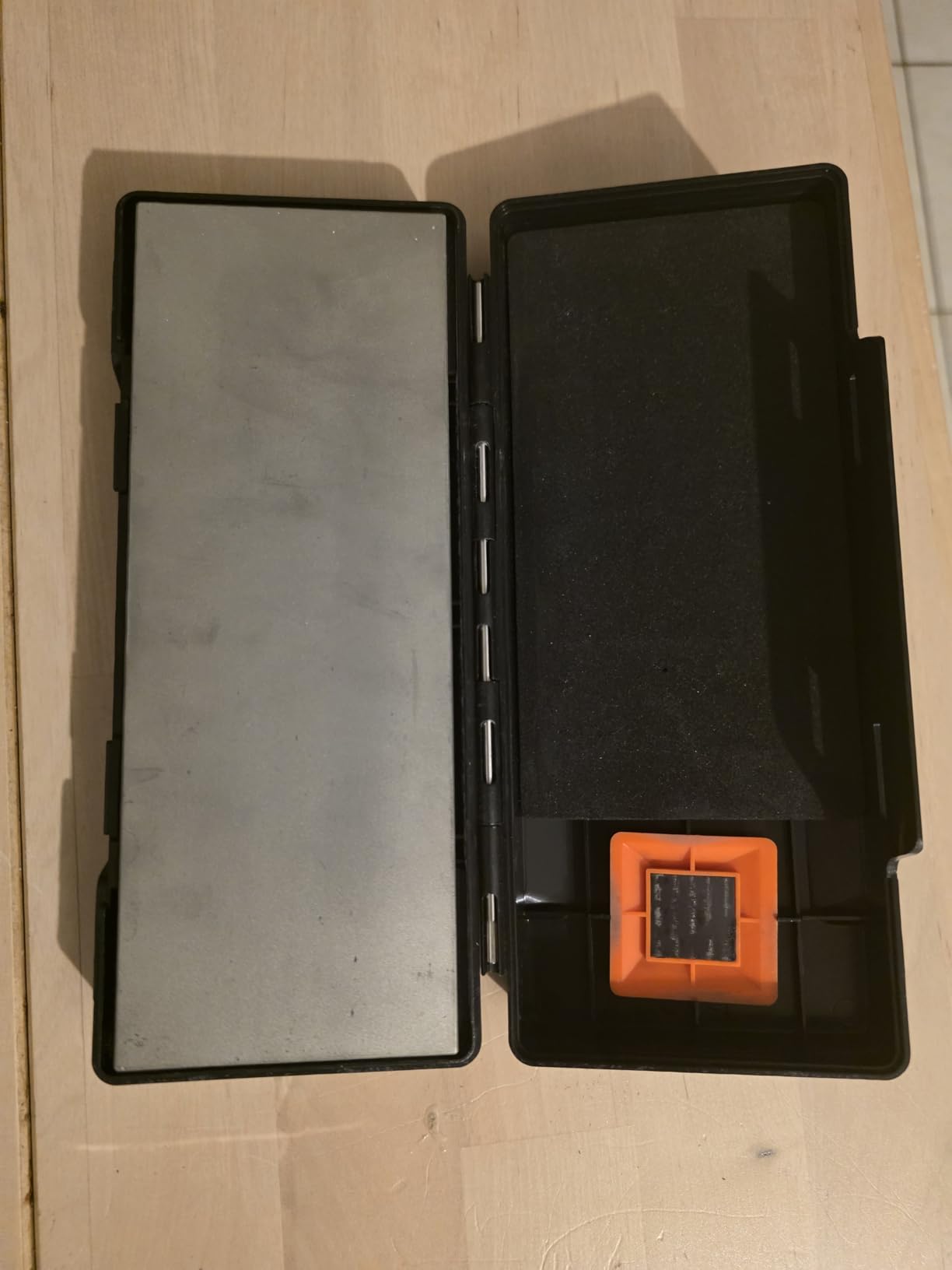
Is the 156N a legitimate choice for S90V and M390?
Yes. Same diamond, same bond, same grits as the 162N; only the plate size changed. Hard steel care has nothing to do with the dimensions of the substrate.
It is a good match for someone who sharpens two or three kitchen knives a month and stores tools in a cabinet rather than a workshop.
When should you buy the larger plate instead?
Buy the 8 x 3 inch version if you work on wide bevels, Japanese single-bevel knives, axes, or full-width plane irons. The extra face width is what allows you to sweep a long blade across the full diamond surface in one stroke.
The 156N is also the better travel option, since a 1.4 kg plate plus case is genuinely heavy for a pack.
3. S SATC Diamond Sharpening Stone 400/1000, 8 inch – Best Value
- Large 8 inch surface for comfortable full-length strokes
- Plate stays flat with no re-flattening routine
- Coarse side repairs edges quickly and fine side refines them
- Good value for general kitchen and tool work
- No angle guide or base included so a holder must be added
- 400 grit is coarse for finishing high-carbon edges
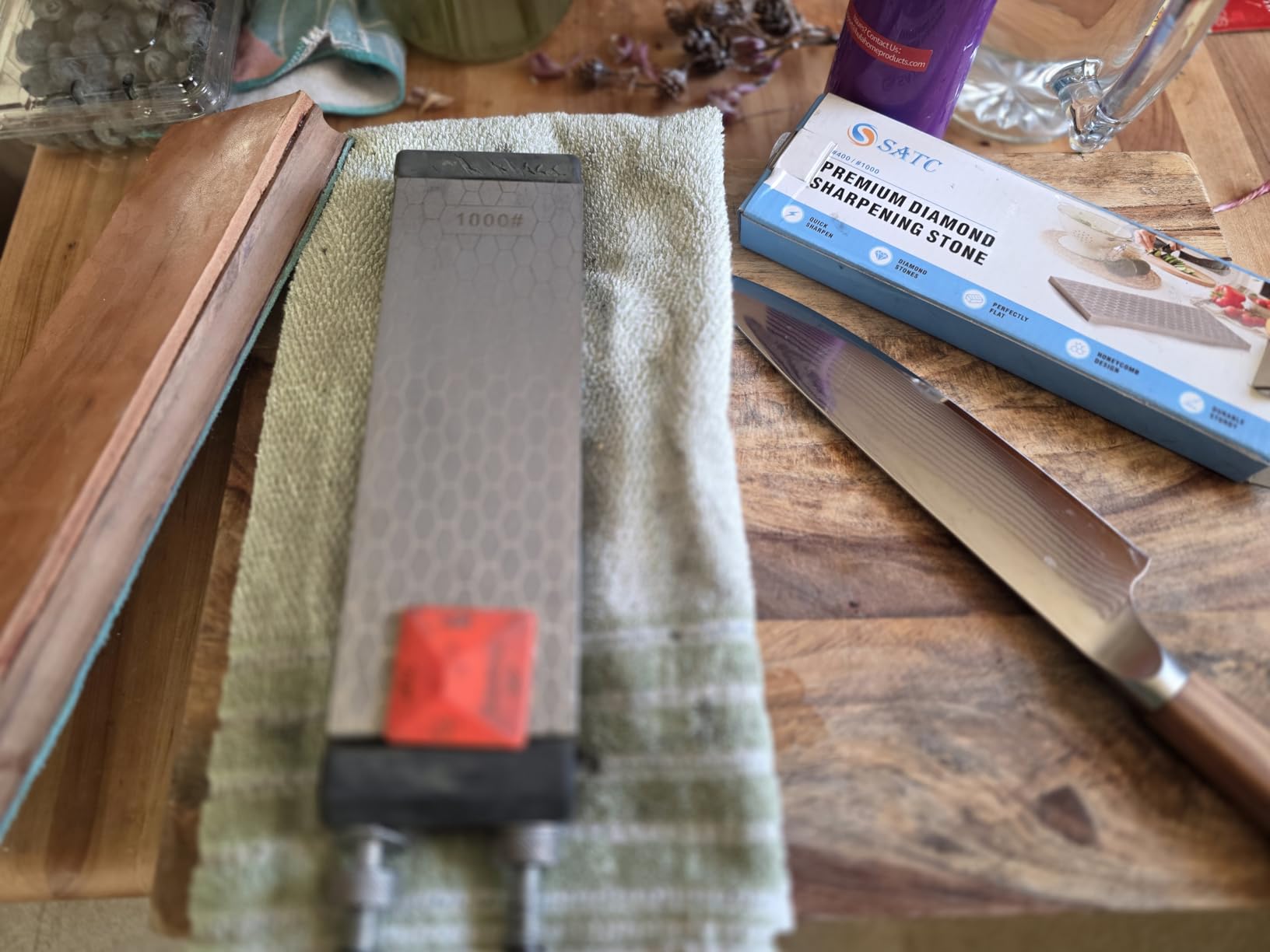
This is the plate we recommend to anyone starting out on hard steel. It is a precisely machined steel plate, electroplated with monocrystalline diamond, 400 grit on one side and 1000 on the other, at 1.9 pounds.
The 400 grit side is the right starting point for an S90V or Elmax knife that has been sitting in a drawer for a year. It removes steel fast without the drama of a 150 grit plate, and it never needs ten minutes of soaking before you start.
Other grit pairings exist in the same line, including 150/600 and 600/1200, which tells you something useful: the manufacturer treats grit as a selectable option rather than a fixed compromise.
The listing rates it for chisels and planer blades, which is accurate. On a hardened steel chisel the 400 side will reset a dull bevel in minutes.
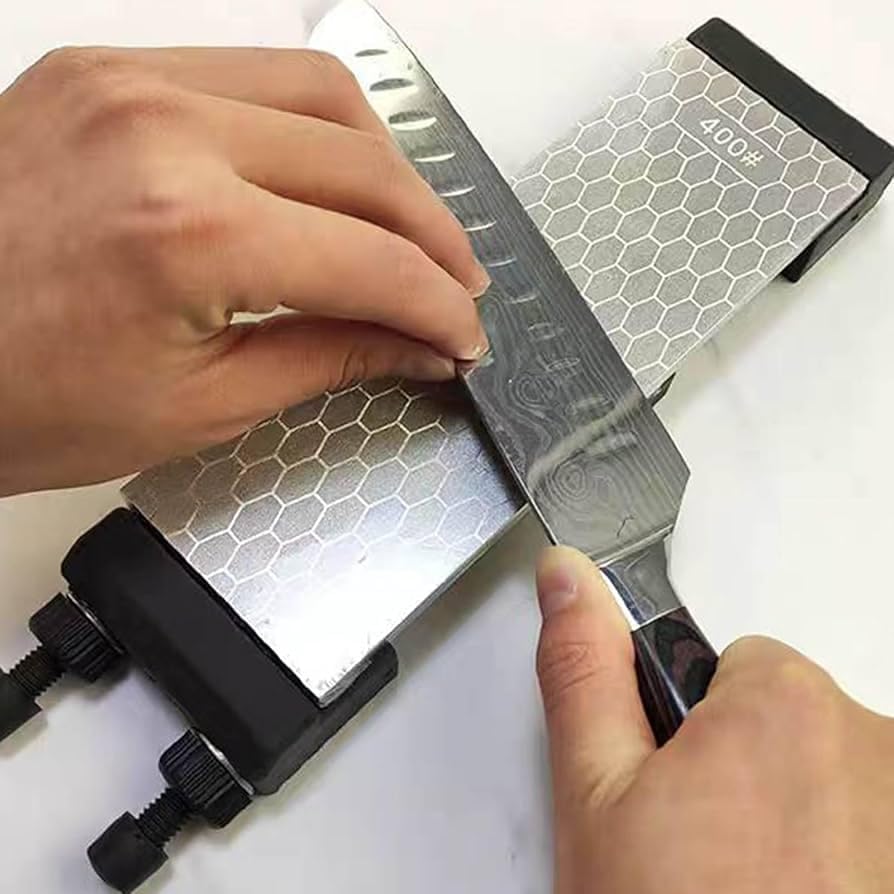
Does the S SATC plate stay flat without flattening?
Yes. It is a machined steel plate with a bonded diamond layer, not a friable stone, so there is no cupping to correct and no soaking routine. That is the core maintenance argument for diamond over a water stone.
The one caveat is pressure. Pressing hard into a plated layer grooves it, and a grooved plate is no longer flat. Moderate pressure and frequent rinsing will keep it true for years.
What is missing from the S SATC kit?
A base. You need a stable holder or a damp towel underneath before firm strokes, and most buyers add a generic stone base within a week.
There is also no angle guide, so beginners lose the reference that makes a first edge predictable. Both are inexpensive add-ons compared with redoing a scratched blade.
4. Kalolary Double-Sided Diamond Sharpening Stone 400/1000 – Honeycomb Budget Plate
Double-Sided Diamond Sharpening Stone, Kalolary Knife Sharpener, 400/1000#
- Low cost for a usable two-grit diamond plate
- Honeycomb surface keeps dust clear of the cut
- Small and light at 1.6 ounces
- Suits knives
- chisels
- carving tools and seals
- Small plate means short strokes and slower work on large edges
- Thin flexible plate can dish under heavy pressure
- Best for light duty rather than heavy material removal
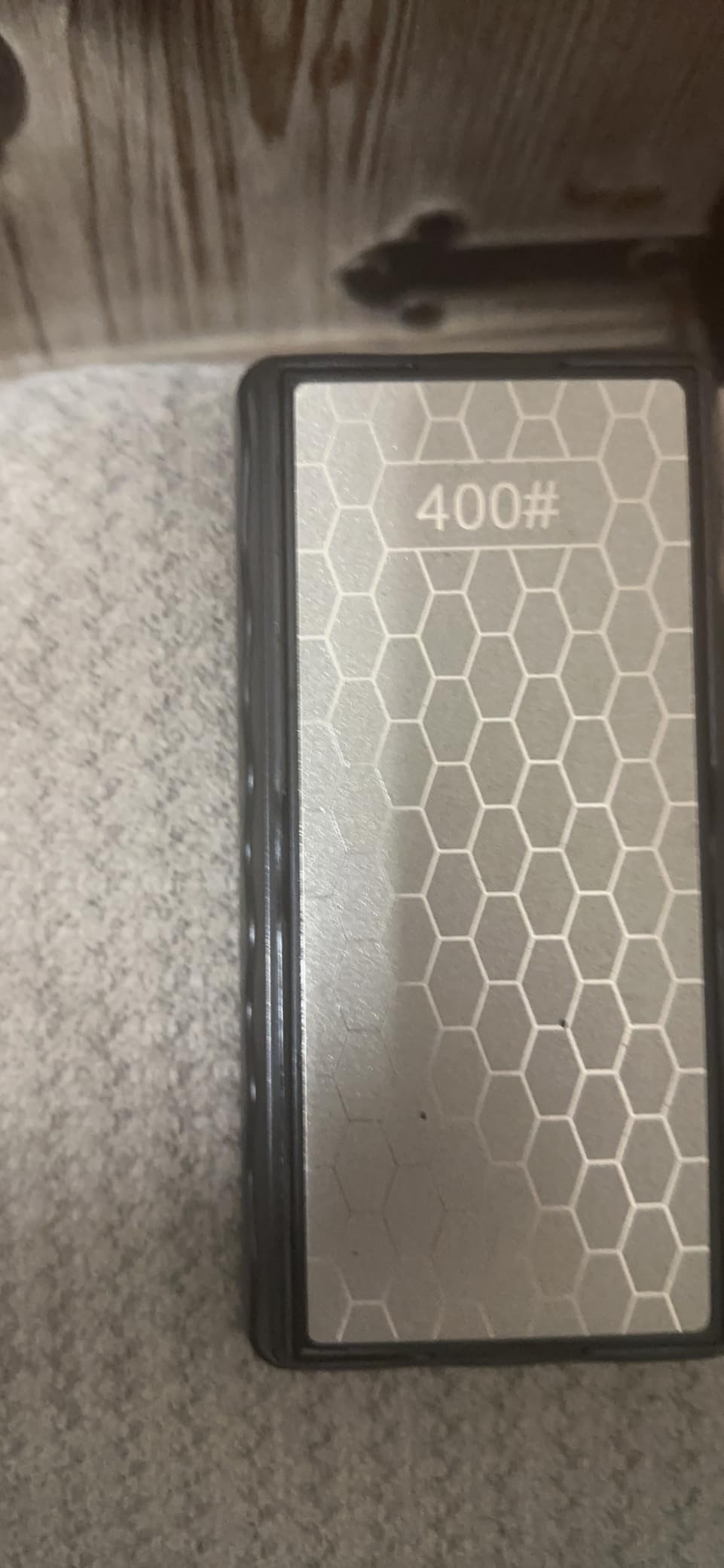
The Kalolary is a 5.91 x 2.48 inch plate at 400 and 1000 grit with a honeycomb surface pattern and a silica gel non-slip base. Reviewers consistently treat it as a portable, budget touch-up tool rather than a primary bench stone.
The honeycomb cut is the interesting part. Those recessed cells collect swarf instead of letting it smear across the cutting face, which is why this plate keeps biting when a continuous surface of the same grit would glaze up.
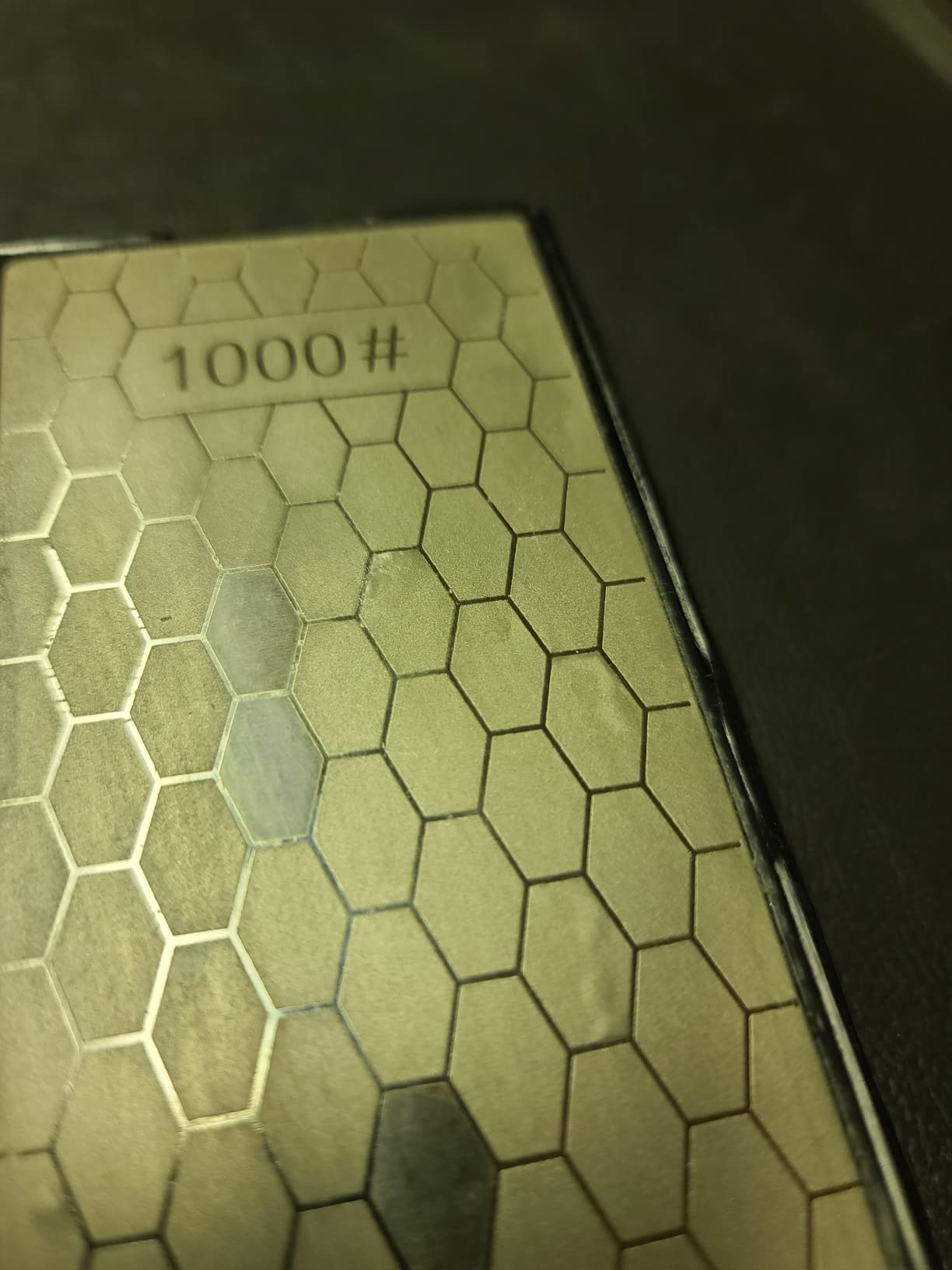
On hard steel it works, but light pressure is mandatory. This is a thin plate, and pushing a S90V knife hard into it will flex the substrate and put a permanent dip in the middle.
Buyers also use it on carving tools and even on seal edges, where the fine side does a reasonable job of tidying a soft edge.
Will the Kalolary plate dish under real sharpening pressure?
If you press hard, yes. Buyers report flexing at the centre of the plate under heavy pressure, and the 0.04 inch thickness on the listing is thinner than any serious bench stone.
Used the way it is meant – light strokes, frequent checks with a straightedge – it holds up for touch-up work on hardened kitchen and tool steel.
Who should skip this plate?
Anyone reprofiling a damaged edge on a long blade. Short strokes on a small face make reprofiling slow, and you will be tempted to press harder than the plate likes.
It is also the wrong choice as a lapping reference for water stones, since a flexible surface cannot certify flatness.
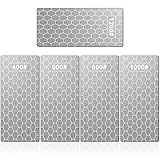
5. KITANIS 5-Piece Diamond Sharpening Stone Set, 400 to 1200 Grit – Widest Grit Ladder
Diamond Sharpening Stone, 5 Pcs Knife Sharpening Stone with Extra Fine/Coarse Plate and Non-slip Base, 400/600/800/1000/1200 Grit
- Five grit steps in one inexpensive set
- Honeycomb surface clears swarf and reduces clogging
- Non-slip base keeps plates stable during strokes
- Covers knives
- chisels
- tool steel and glass tile edging
- Small plates limit stroke length on larger blades
- Thin plates need a stable holder for firm strokes
- 400 grit side is aggressive and needs a light touch
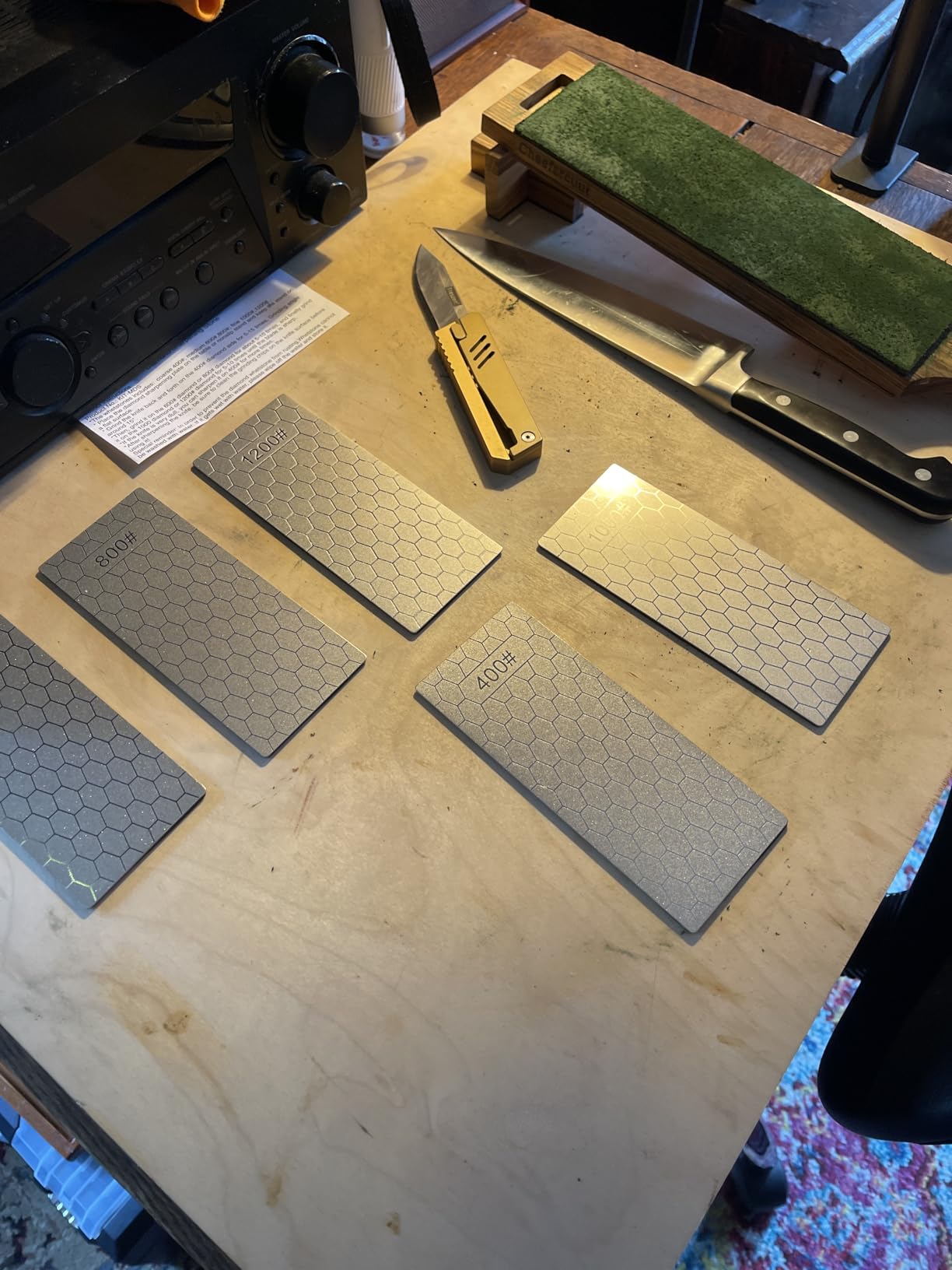
Most dual-grit plates ask you to choose between a coarse face and a fine face. The KITANIS set gives you five plates at 400, 600, 800, 1000 and 1200 grit, each with the same honeycomb surface and each roughly 15 by 6.3 cm.
That middle range is the point. On hard steel a 600 grit step refines what 400 leaves behind, and 800 gives you a stopping point before you reach the 1000 and 1200 finishing plates, which is the kind of progression a two-sided plate simply cannot offer.
Owners also use the finer plates for non-knife work, including edging glass tile. The 1200 plate is a credible finishing tool on D2 or 1095 once a burr is formed and stropped.
Water or honing oil can be used as a lubricant, though dry use works fine. Like every plated plate here, a few drops of water or a wet finger on the face keeps swarf from packing in.
Is five thin plates better than one thick dual-sided stone?
For grit coverage, yes. For plate quality, no. These are thin plates at 0.1 cm each, and they need a solid holder for firm strokes, while a single-piece steel plate like the SHARPAL or S SATC is inherently more rigid.
If you have a base with five slots, this is an unusually complete cheap kit. If you do not, budget for a proper holder.
Can this set handle S90V and M390 steel?
Yes, with a caveat: start at the 400 plate and use light pressure. Reviewers note the 400 grit side is aggressive, and plated plates groove if you lean on them.
On M390 at a fine 20-degree edge, skipping straight to 1000 grit will leave you with a sharp-looking bevel full of deep scratches.
6. DMT DuoSharp Double-Sided Diamond Sharpening Stone – Most Versatile
DMT FWFC DuoSharp Double-Sided Diamond Sharpening Stone for Knives and More, 8-Inch, Fine/Coarse, White
- Folding design protects the plate in a toolbox or pack
- 325 and 600 grit stages cover repair and finishing
- Sharpens hardened blades quickly and consistently
- Useful for knives
- scissors
- chisels and pruning tools
- Plastic handle is thin and flexes under blade pressure
- Plate flexes in the handle annoys some users
- Not a substitute for a full-size bench stone on chef knives
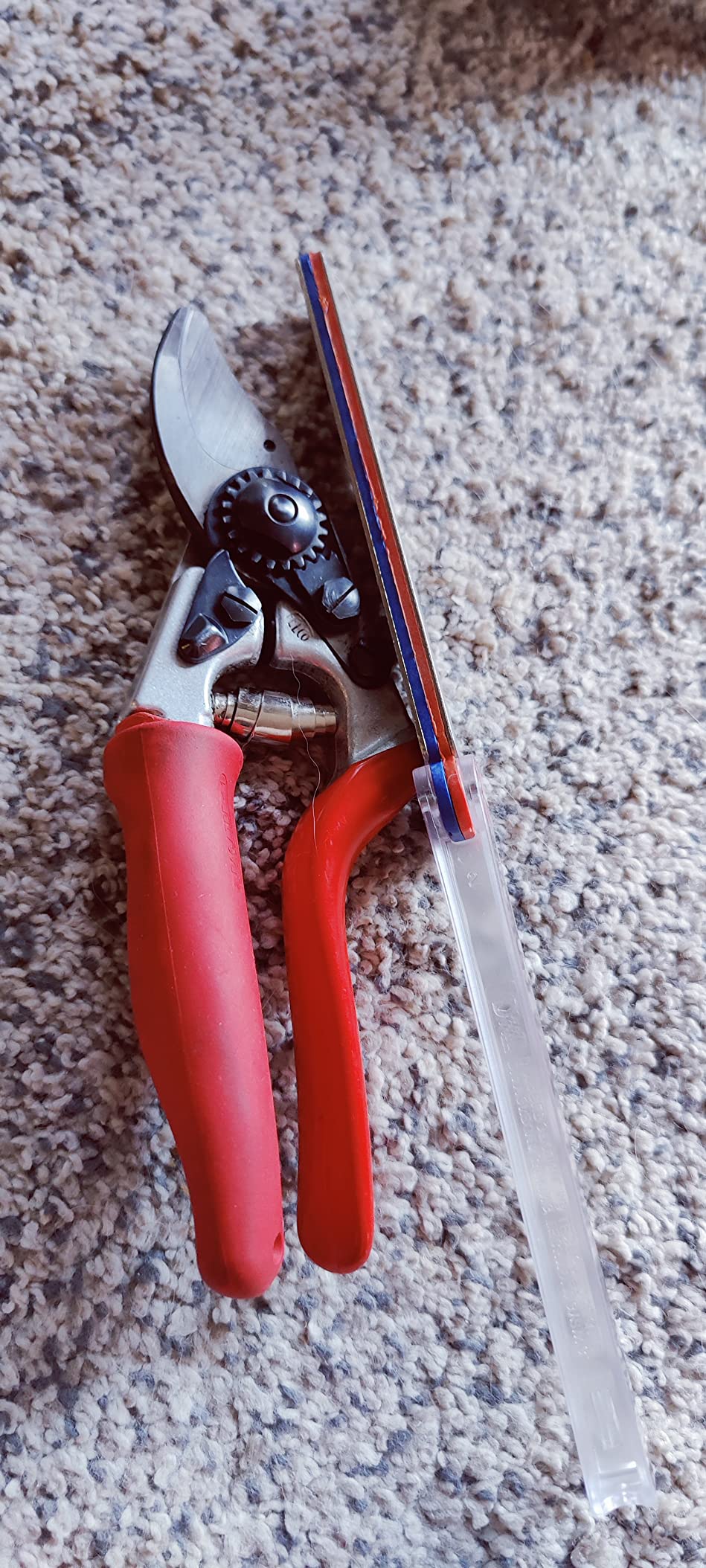
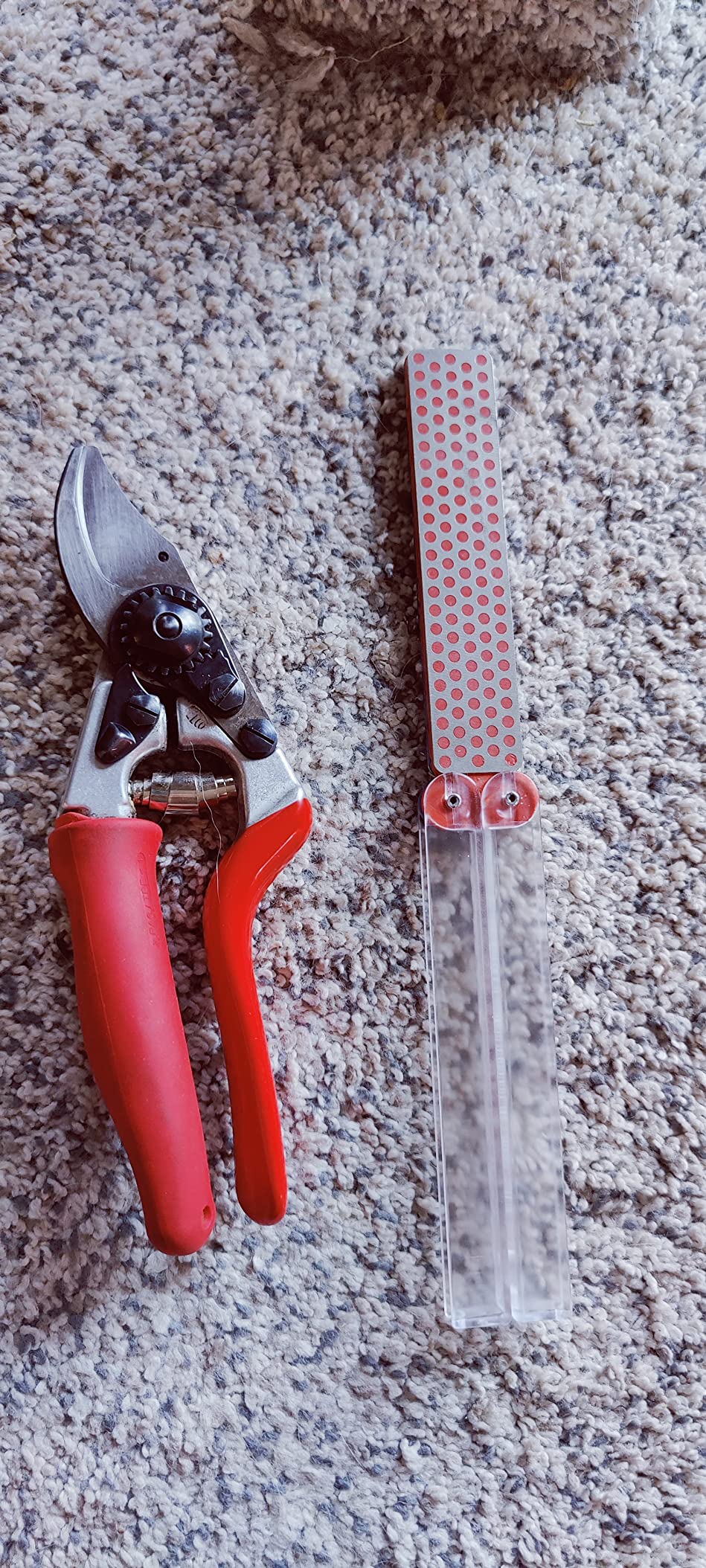
The DuoSharp is the plate the sharpening forums point to first when someone asks about diamond, and for good reason. It is 45 micron on the coarse face and 25 micron on the fine face, which is 325 and 600 grit in mesh terms, with micronized monocrystalline diamond made in the USA.
Those grit numbers matter more than the brand. A 325 to 600 spread is the classic two-stage sharpening pair: 325 to establish the bevel, 600 to refine it, and it is the pairing most hard-steel sharpeners finish on before stropping.
BladeForums members report DMT-style plates lasting a decade or more with moderate home use, and that reputation is why we put this plate ahead of cheaper alternatives despite the thin handle.
It works dry or with water, no oil required, and opens out to 9.5 inches across – enough for most knives and a good folding chisel.
Is the folding handle a real problem for sharpening hard steel?
It is the single most repeated complaint in reviews. The plastic handle is thin and flexes, and with the plate mounted in the middle you feel that give under load. On a hard steel edge, where people naturally push harder, it is more noticeable.
Our view is that it is annoying rather than damaging, as long as you keep pressure moderate. For heavy material removal, a fixed bench stone holds the angle more predictably.
How does it compare with the Atoma plate for flattening water stones?
The DMT is a two-stage sharpening plate first and foremost. If your main goal is lapping a 1000 grit water stone flat, the larger Atoma plate below is the one built for that job, since it is a single wide face rather than a folded plate.
That said, the DMT 600 grit face will happily touch up a cupped stone.
7. Ultra Sharp Diamond Sharpening Stone Set, 8 x 3 inch Coarse/Medium/Extra Fine
Ultra Sharp Diamond Sharpening Stone Set – 8 x 3 Coarse/Medium/Extra Fine
- Full 8 x 3 inch plates give roomy consistent strokes
- Three grit stages cover shaping through finishing
- Heavy solid plates hold the sharpening angle well
- Holder keeps three plates organised
- Heavy and bulky at 8 pounds total and not portable
- Costs more than any single-plate diamond stone
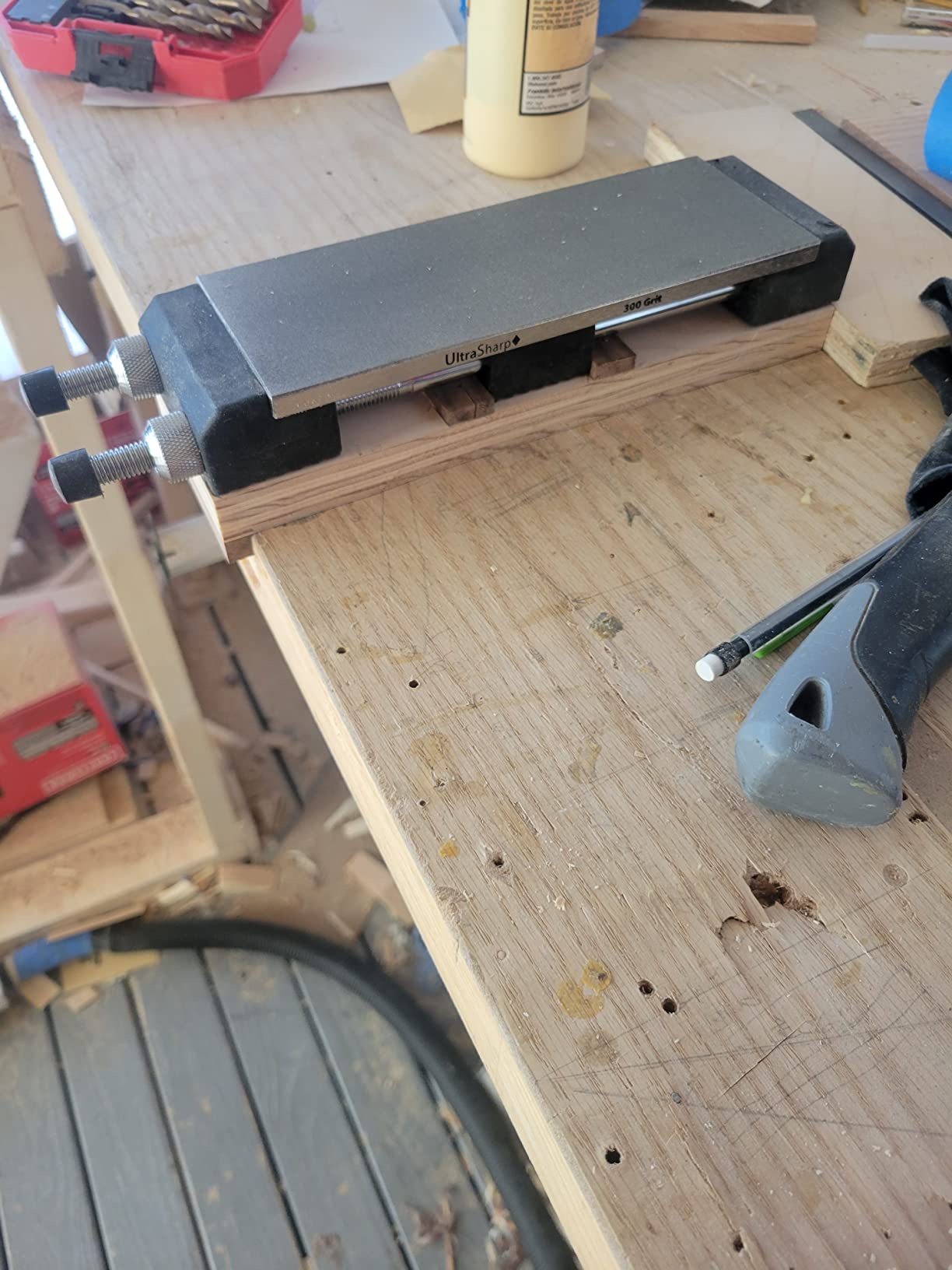
This is the fixed-bench option. Three separate 8 x 3 inch plates at 300, 600 and 1200 grit, each weighing 2.2 pounds, in a stone holder that accepts plates from 6 to 9 inches.
The weight is the point rather than a flaw. A 2.2 pound plate does not move or flex, so firm strokes that would groove a thin plate work fine here. That stability is what makes it good on hardened tool steel.
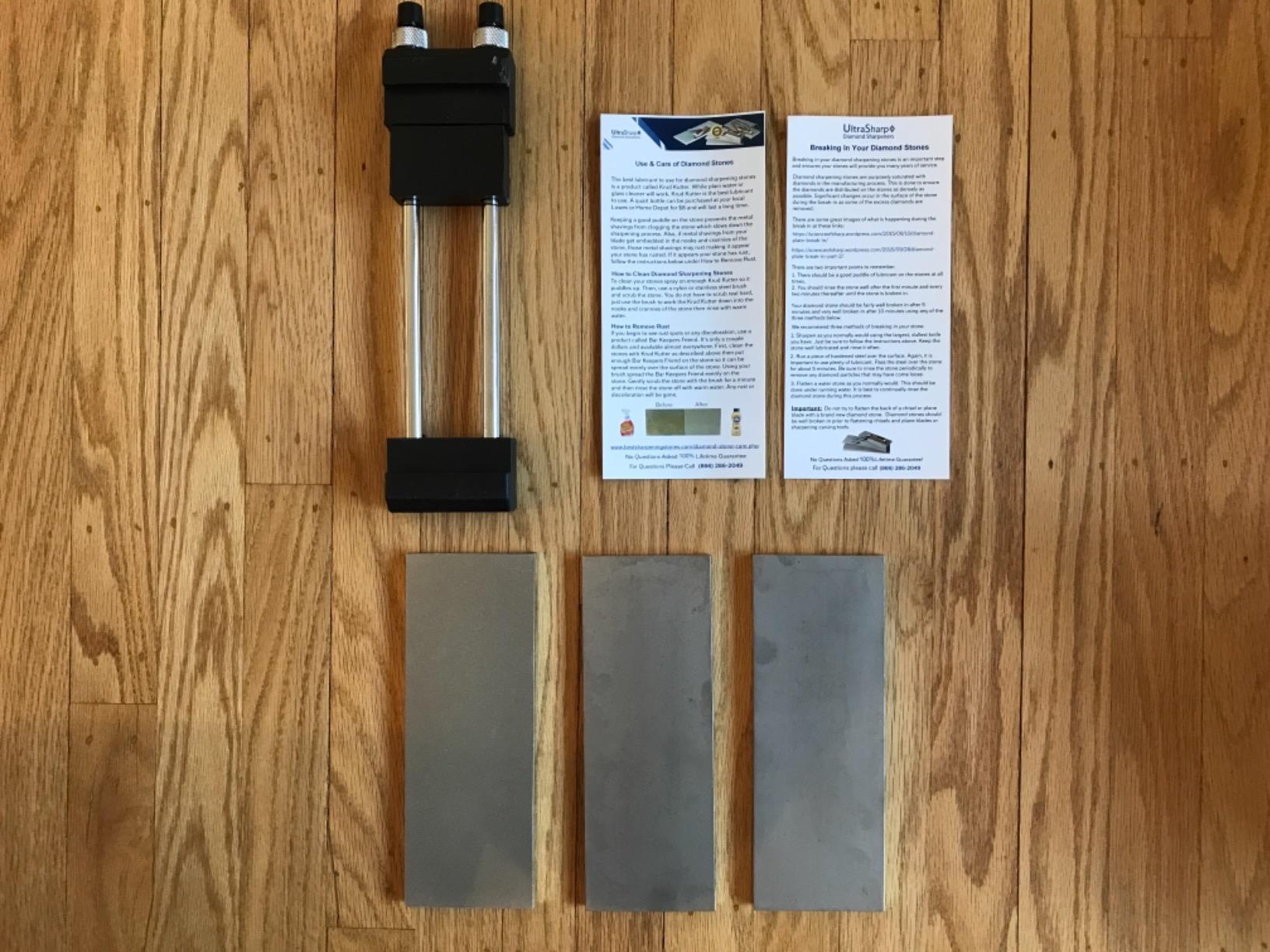
Buyers rate the substantial construction and the complete progression highly, and the listing carries a lifetime warranty from the manufacturer.
The 300 grit plate is a genuinely useful first stage on a badly chipped edge – roughly between a 220 and a 400 grit – and the 1200 grit plate finishes a secondary bevel well before stropping.
Is a three-plate set worth it compared with one dual-sided plate?
Yes, if you sharpen often enough to appreciate separate plates. Kitchen knives, scissors and tool edges each want their own plate, and cross-contamination between a 300 grit face and a 1200 grit face defeats the purpose of fine stages.
For occasional touch-ups, a single dual-sided plate is more economical and does the same job on a smaller scale.
What are the practical drawbacks of an 8 pound set?
It is a stationary kit. You are not carrying three 8 x 3 inch plates in a pack, and a holder that takes three 8 x 3 inch plates needs more bench space than a single flat plate.
The cost is also the highest in this roundup for a plated set, which makes the case for buying only if you will actually use the 300 grit stage.
8. DMT W7EFC Whetstone Mini Diamond Stone Set of 3 – Pocket Sized
Diamond Machining Technology (DMT) W7EFC Whetstone Mini Diamond Stone – Coarse / Fine / Extra-Fine – Set of 3
- Pocket-sized stones for sharpening anywhere
- Three colour-coded grits are quick to identify
- Open dot pattern keeps the diamond surface clean
- Useful for quick edge repair on knives and tools
- Very small stones suit touch-ups rather than bevel work
- Bonded diamond eventually wears at the edges under heavy use
- Lowest rating in this group reflects occasional inconsistency
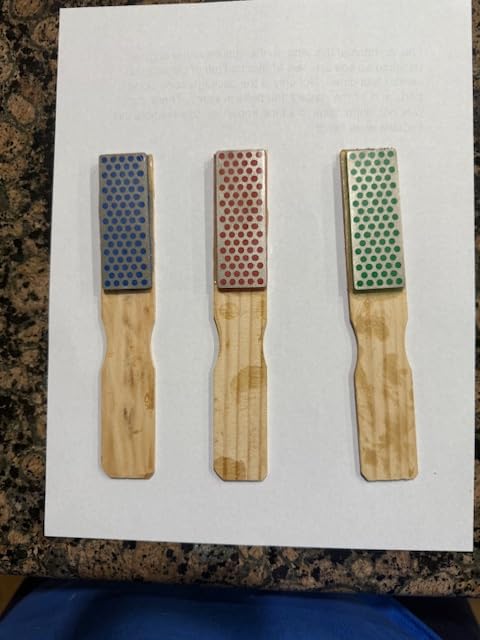
The W7EFC is three tiny stones at 2.75 x 1 x 0.25 inch each, colour-coded by grit, at 325, 600 and 1200 mesh. Together they weigh 53 grams and they open a full three-grit ladder in a pack.
This is a field repair kit, not a workshop tool. On a hunting knife that dulled on bone, on a chisel that wandered at the job site, or on a folding knife edge, the 600 and 1200 stones restore a working edge quickly.
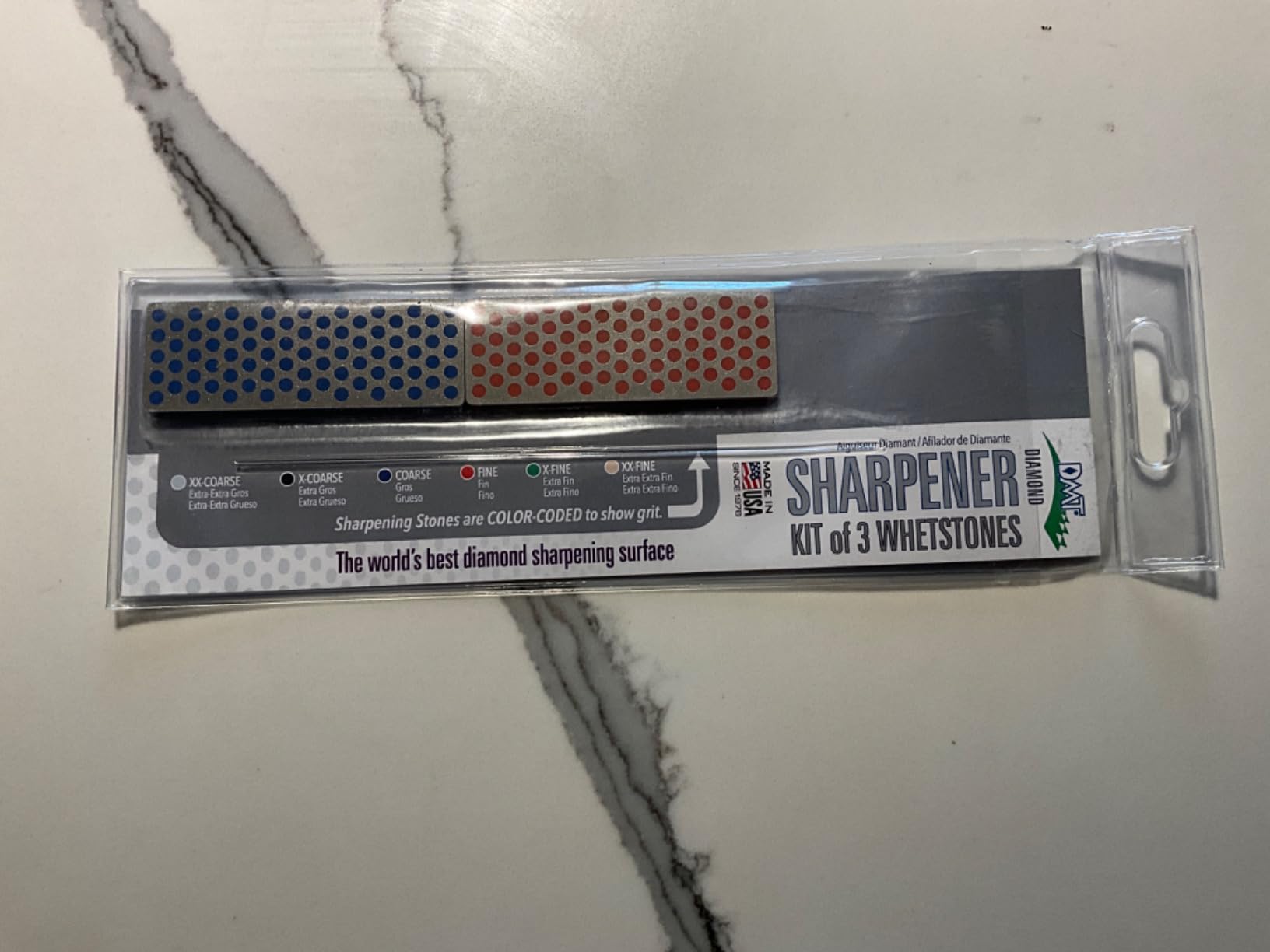
They sharpen dry or with water, and the open dot bond pattern is designed to shed swarf so the small surface area does not clog as quickly as it otherwise would.
This set carries the lowest average rating of the twelve, at 4.3 across more than a thousand reviews. Buyers still take the portability, but some report inconsistent bonding and edge wear on individual stones.
Can you do a full bevel job on a 2.75 inch stone?
Not comfortably. At that size you are working with a short stroke and your fingers sit close to the abrasive, which limits pressure and control. Expect it to handle touch-ups and short bevels rather than a full-length chef’s knife edge.
For a full session, use one of the 8 inch plates in this roundup instead.
Why does this set rate lower than the others?
Two reasons, and both appear in reviews. Small stones wear at their edges first because that is where all the pressure concentrates, and quality control on bonding varies more on cheap small plates than on large machined ones.
It is still worth having as a backup, since the alternative at home is no stone at all.
9. Schaaf Tools Diamond Sharpening Stone 325/1200 Kit – Best for Chisels and Planes
Schaaf Tools Diamond Sharpening Stone, 325/1200 Knife Sharpening stone
- Complete kit with base
- angle guide and chisel sharpening jig
- Heavy stable base that also holds other stones
- Fast metal removal on the coarse side for dull chisels
- No soaking needed and a light water spray is enough
- Fine side reported slightly hollow on some units
- Not flat enough to serve as a water stone flattening plate
- Scratch pattern on the fine side can persist after break-in
This is the most complete kit in the roundup. An 8 x 2.75 inch dual-grit plate at 325 and 1200, an adjustable base, a three-sided angle guide, a chisel sharpening jig and a spray bottle in one box.
The jig is what separates it. It covers chisels from 1/8 to 1-7/8 inch and plane irons from 1-3/8 to 3-1/8 inch, so you can register a consistent bevel on a hand tool without eyeballing it.
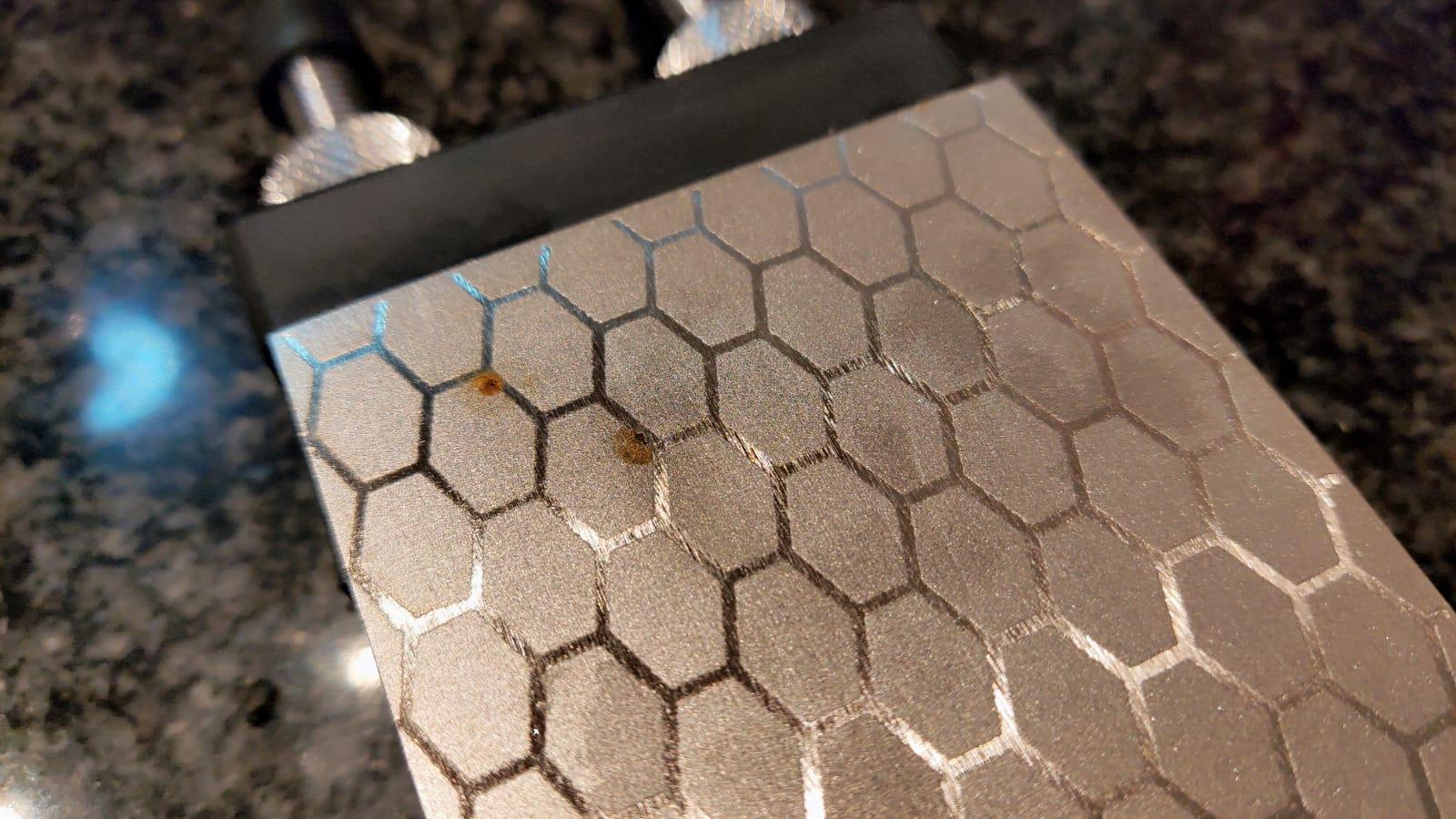
Woodworkers like the base enough that they keep other stones in it. It is a genuinely stable platform, which is what you want when the coarse side meets hardened tool steel and the instinct is to push.
The plate is monocrystalline diamond electroplated onto solid steel with a honeycomb surface to reduce clogging, and a light water spray is enough for a consistent feel.
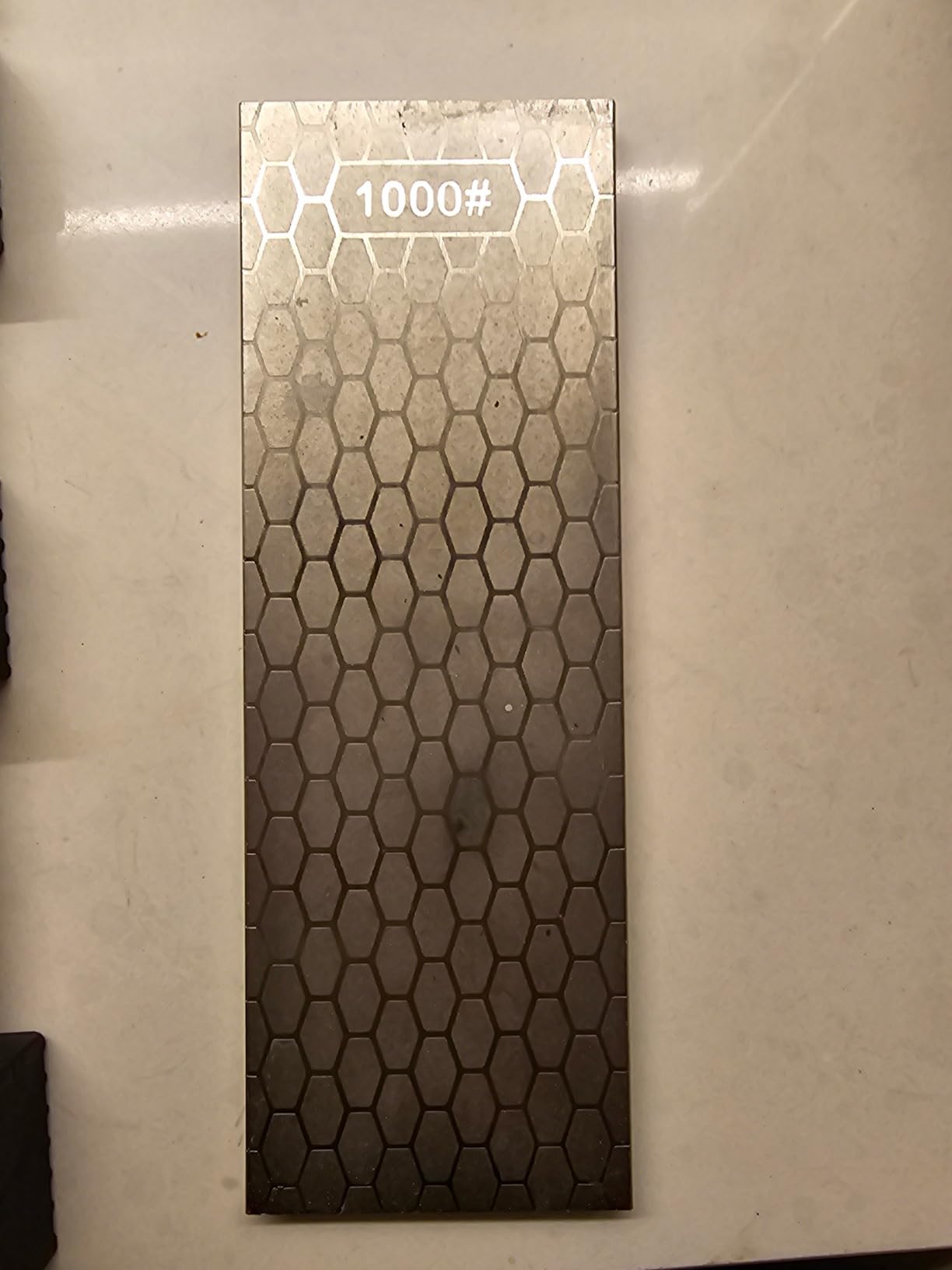
Can this plate double as a water stone flattening plate?
No, and this is the honest limitation. Buyers report the fine side arriving slightly hollow on some units, and flatness between the two faces is inconsistent enough that it cannot certify another stone as flat.
If lapping water stones is part of your routine, look at the wide single-face Atoma plate instead.
Does the fine side fully break in?
Mostly. The 325 grit side gives up its initial scratchy feel quickly. The 1200 grit side can keep a visible scratch pattern longer than reviewers expect, and it wants a stropping step to finish an edge properly.
It is a workhorse plate, so treat it as the middle of your progression rather than the end of it.
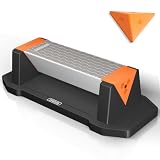
10. Goodjob Three-Sided Diamond Sharpening Stone 400/1000/8000 – All-in-One Finisher
Diamond Sharpening Stone, 3‑Sided Grit 400/1000/8000 for Knife Sharpening
- Three working faces cover repair
- honing and mirror polishing in one tool
- Ceramic 8000 side polishes the edge after diamond work
- Angle guide helps beginners hold a consistent bevel
- Wide base keeps the stone stable on the counter
- Ceramic side is not diamond and polishes rather than cuts
- Diamond faces want water or oil for a consistent feel
- Three-sided shape can feel awkward to work across
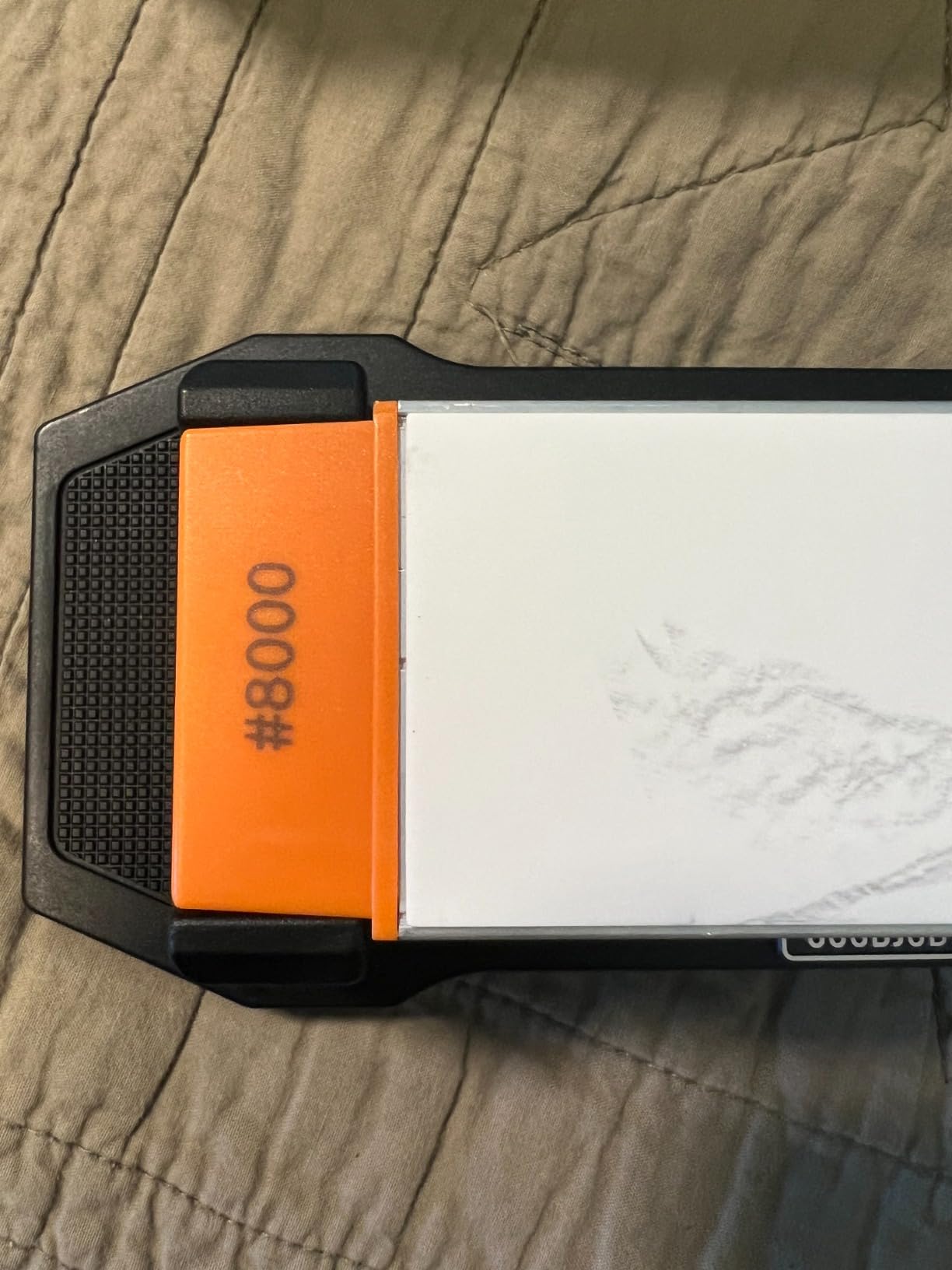
This is the only product here that addresses diamond’s biggest weakness, the finish. The 400 and 1000 faces are diamond, and the third face is 8000 grit ceramic, which is where the edge actually gets polished.
That mirrors what experienced sharpeners do anyway: work the hard steel on diamond because nothing else cuts it, then finish on a much finer abrasive to remove the wire edge and close the scratch pattern.
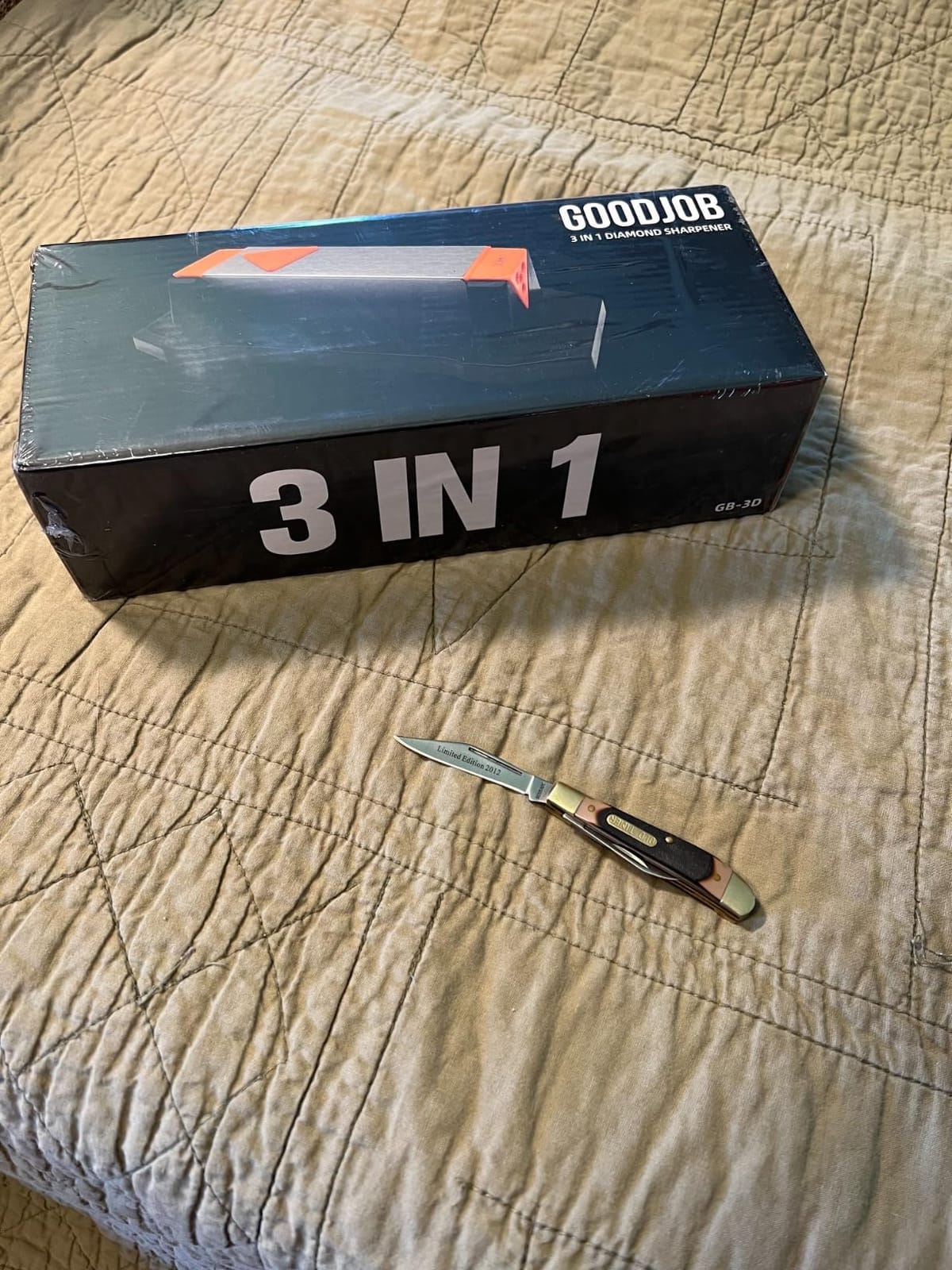
The built-in guide covers 14, 17 and 20 degrees, which lines up nicely with pocket knives, Japanese knives and Western kitchen knives respectively.
Reviewers consistently understand the ceramic side for what it is – a finishing step, not a cutting abrasive. Diamond removes steel; ceramic polishes it.
Is the ceramic face worth having on a hard steel knife?
It is the finishing stage, and it works. Once you have a clean edge from the 1000 grit diamond and have removed the burr, the 8000 ceramic gives the visibly polished result that diamond alone cannot.
Be aware of what it is not: it will not reprofile a chipped edge or cut S90V efficiently, so you still need the diamond faces for the work.
What are the ergonomic drawbacks of a three-sided stone?
Some buyers find the wedge shape awkward, since you approach three faces at different angles rather than working one broad surface.
At 1.1 pounds and 10.35 x 4.15 inches overall, it is stable, but it takes up noticeably more counter space than a flat plate.
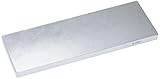
11. Atoma 1200 Grit Diamond Sharpening Plate – The Dead-Flat Reference Plate
Atoma Diamond Plate Knife Sharpening Flattening Whetstone #1200
- Very large dead-flat plate that stays true over years of use
- Evenly distributed diamond with no break-in period reported
- Cuts and polishes faster than comparably priced plates
- Diamond sheet can be replaced rather than the whole plate
- Premium pricing compared with other diamond plates
- One report of a used or damaged plate from a third-party seller
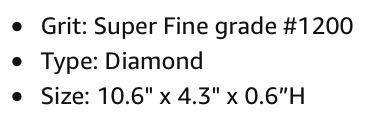
The Atoma does one job: it is flat. At 10.6 by 4.3 inches it is the widest plate in this roundup, and owners consistently describe it as the flattest and cleanest cutting diamond they have used, often outlasting DMT plates.
That makes it the first pick for anyone who laps water stones. A flat diamond plate is how you restore a dead-flat surface to a 1000 or 3000 grit stone, and Atoma’s reputation in the sharpening community is built on exactly that use.
Owners also report zero grit contamination and no break-in period, which is unusual. Most plated plates need a few sessions before the diamond settles into a consistent bite; this one is reported to cut from the first stroke.
The replaceable diamond sheet matters for longevity. Rather than discarding a worn plate, you can swap the abrasive surface.
Is a single 1200 grit plate useful for sharpening hard steel?
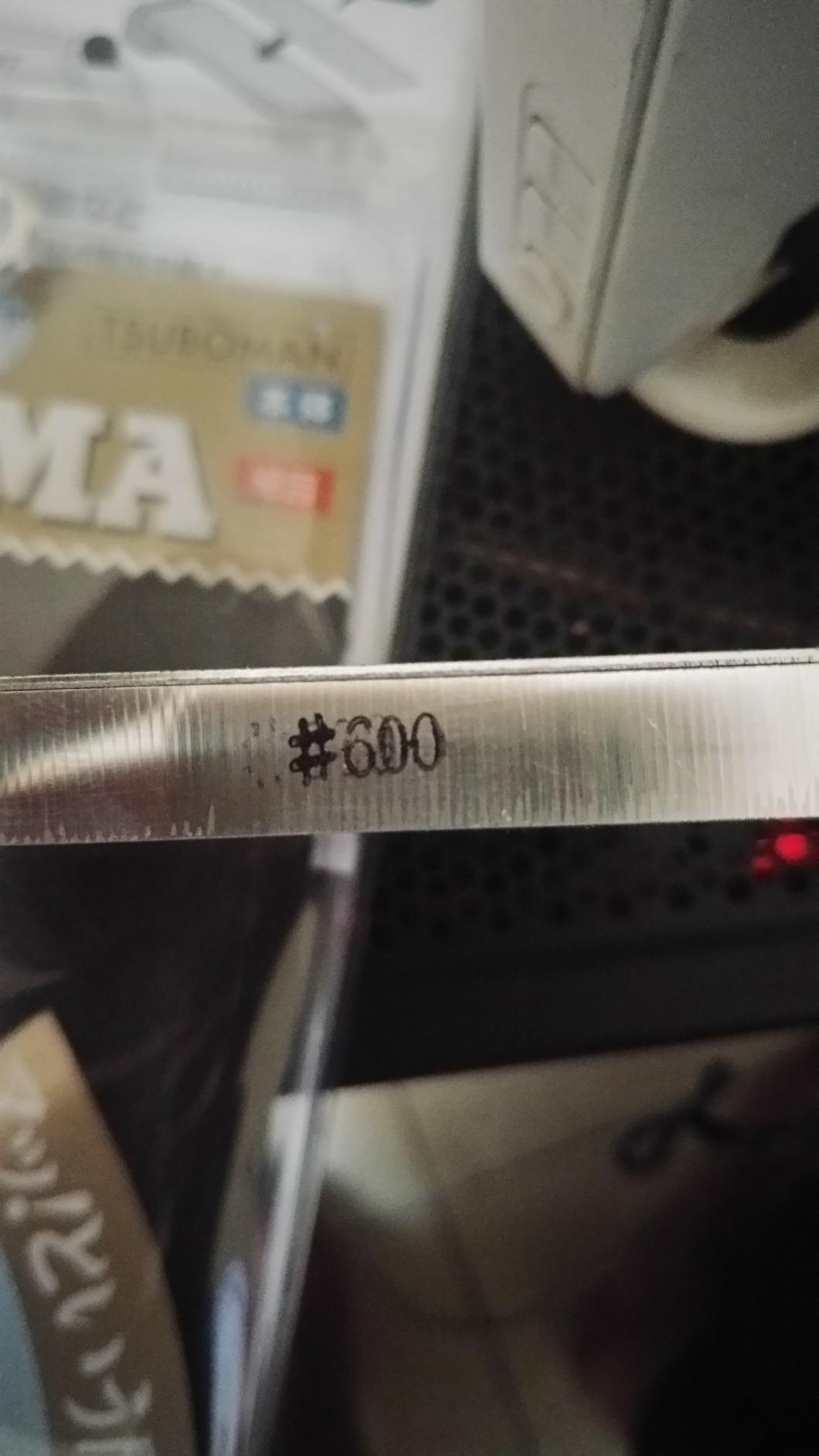
On its own, no. 1200 grit is a finishing grit and it will not reset a dull hard-steel edge quickly. As a lapping reference and as a polishing surface before a finer stone, it is excellent.
The sensible setup pairs it with a coarser plate for the actual sharpening work, which is how most owners use it.
Why does the Atoma cost more than other plates?
The plate is larger, thicker at 0.6 inch, and finished to a higher flatness standard, and owners rate it as faster cutting than comparably priced plates despite being a fine grit.
The one recurring complaint is packaging and fulfilment rather than the product itself, with an isolated report of a used or damaged plate.
12. Kota Japan Combination 3000/8000 Grit Water Stone – The Diamond Finishing Partner
- 3000 and 8000 pairing handles finishing and mirror polishing
- Adjustable bamboo base and silicone holder keep the stone steady
- Works on kitchen knives
- pocket knives
- scissors and razors
- Soaking is simple and no honing oil is needed
- Water stone construction needs soaking and periodic flattening
- Coarse side is limited for heavy material removal on hard steel
We include this one honestly rather than quietly, because it is not a diamond stone. It is an aluminium oxide water stone at 3000 and 8000 grit, and its role in a hard-steel setup is as the partner that diamond cannot replace.
Diamond cuts HRC 60 steel quickly but leaves a micro-serrated scratch pattern. It cannot produce a fine, closed, polished edge, and anyone who tries to get one purely from a 1200 grit diamond plate will be disappointed. A 3000 and 8000 water stone is where that edge gets finished.
Reviewers like the finishing capability and the adjustable bamboo base with its silicone stone holder, which solves the wobble problem at a fraction of the cost of a dedicated base.
Soak it for 10 to 15 minutes, work it wet with no oil, and the 8000 face takes an edge from merely sharp to visibly polished.
Can this water stone replace diamond on S90V or M390?
No. The 3000 grit side is not a cutting tool for removing steel, and on high-hardness, high-wear-resistant steel a water stone removes metal noticeably slower than diamond. Its job is finishing, not shaping.
The combination that works is coarse and medium diamond for the bevel, then this stone to close the edge.
What maintenance does it need compared with diamond?
More, and this is the honest trade-off. It needs ten to fifteen minutes of soaking before use and periodic flattening as the surface cups, and that flattening is where the Atoma plate earns its place.
Diamond needs neither, which is why most people who work on hard steel daily keep both.
How to Sharpen a Knife on a Diamond Whetstone
Diamond is unforgiving of bad technique in a way a water stone is not. Follow these steps and you will avoid the scratch marks that turn a first attempt into a rescue job.
Set the angle and secure the stone. Most home knives want 15 degrees per side for Japanese single-bevel knives and about 20 degrees per side for Western kitchen knives. Use the included guide, a protractor, or a folded sheet of paper as a reference. Put the plate on a damp towel or in its base.
Start coarse with light pressure. On the 325 or 400 face, raise the blade just enough to create a burr on the far side. Pressure does not speed up cutting on a plated diamond; it grooves the plate.
Use long strokes. Sweep the full length of the blade across the whole face, heel to tip, rather than working in one spot. Alternate sides every few strokes and keep the motion symmetrical.
Work until the burr appears along the entire edge. Not a few spots, the whole edge. Then drop to the next grit.
Progress upward, never skipping more than one step. 325 to 600 to 1200, then stop. Going straight from 400 to 1200 leaves deep scratches under the edge.
Remove the wire edge. Strop on leather or a fine abrasive-loaded surface, or move to a 3000 grit stone or finer. A burr that stays in place will fold over and make the edge feel dull again within a few cuts.
Two tests tell you whether you are done. The paper test: a sheet of printer paper held taut and drawn across the edge should bite noticeably. The fingernail test: the edge should catch and slightly drag on a thumbnail but not slice it freely.
Diamond Whetstone Buying Guide for Hard Steel
Buying for hard steel means matching grit coverage to your steel type and your patience. Here is how the decisions actually break down.
Pick your grits by what the edge needs, not by what the box contains. If you own S90V, M390, Elmax or MaxCrux knives, a plate pairing a 325 coarse face with an 800 to 1200 face covers the whole job. For Japanese single-bevel knives at 15 degrees, coarse work is limited to reprofiling mistakes, so a 600 and 1200 pairing is enough.
Choose plate size by blade length. An 8 x 3 inch face suits kitchen knives, and a 10 inch face suits long blades and lapping work. Anything under 6 inches is a touch-up tool. There is no substitute for a face long enough to take one full stroke.
Understand the bond type before you spend more. Plated stones, which nearly everything in this roundup is, are cheap, flat and fast. Vitrified or sintered stones are slower but can last a decade or more under regular use. Metal-bonded and resinoid stones sit between the two. If you sharpen hardened steel every week, the price gap between a plated plate and a resin-bonded stone pays back in time rather than in money.
Get a base. Nearly every report of damage to a diamond plate starts with the plate sliding mid-stroke. The included case bases on the two SHARPAL plates are the cleanest solutions here; a generic stone base works for everything else.
Decide wet or dry. Diamond works dry, which is its main convenience over a water stone. A few drops of water or a wet finger still improve consistency and reduce loading on fine plates, especially the continuous-surface types.
Check guided-system fit. Diamond is a natural fit for rod angle guides and clamp-on jigs because the surface never dishes. One warning applies: a dished plate geometry breaks the fixed-angle assumption, so avoid plates with reported concavity, and avoid the mini folding stones for guided work.
Use one plate to flatten the others. A wide, dead-flat diamond plate at 400 to 600 grit will lap a water stone back to flat. This is the standard pairing in the sharpening community, and it is why a flattener is worth owning even if you mostly sharpen on diamond.
Understand the price ladder without a number attached. Entry-level plated plates cover most home hard-steel work. Mid-range plates add size, bases and better finish. Premium vitrified or large-format plates are for people who sharpen daily or who want one tool that survives decades.
Know what diamond cannot do. It cannot produce a mirror polish, so finish a premium chef’s knife on a 3000 to 8000 grit stone if that edge matters to you. It should not touch ceramic or other brittle blade tips, which can chip. And it will not stop you from making mistakes – one hard pass on the coarse side at a bad angle is all it takes to put deep scratches in a polished bevel.
Our broader guides cover whetstone options by steel type and the full diamond plate lineup if you want to compare beyond hard steel.
Frequently Asked Questions
What is the best diamond grit for sharpening knives?
For hard steel, start at 325 grit to set the bevel, move to 600 to refine, then finish at 1200 and strop. On a well-maintained edge that only needs touching up, 600 and 1200 are enough. Below about HRC 52 a 1000 grit water stone does the same work, but above that hardness water stones stall and diamond keeps cutting.
Are diamond whetstones worth it?
They are worth it if you sharpen steel harder than about HRC 56, which covers S90V, M390, Elmax, MaxCrux and Rex 76. There, diamond removes metal several times faster than a water stone and never needs soaking or flattening. On soft carbon steel they are convenient but a water stone leaves a finer finish.
What is the best diamond sharpening tool?
For hard steel, a dual-sided plate pairing 325 grit with 800 to 1200 grit is the most versatile tool, ideally 8 x 3 inches or larger with a stable base. Our top pick is the SHARPAL 162N, which adds an angle guide and a case that doubles as a base. Add a 3000 grit water stone if you want a polished finish.
Are diamond sharpening stones better than whetstones?
Diamond is faster, stays flat permanently, needs no soaking and cuts hardened steel that stalls water stones. Water stones are slower and need flattening, but they leave a finer, more closed scratch pattern and produce a polished edge diamond cannot. Most sharpeners on hard steel use both, finishing on a stone.
How to sharpen a knife with a diamond whetstone?
Secure the plate on a damp towel or in a base, set your bevel angle, and raise the blade on the coarse side just enough to form a burr along the entire edge. Use long full-length strokes with light pressure, alternate sides, then step up through grits without skipping. Finish by stropping or moving to 3000 grit or finer to remove the wire edge.
Should I use water or oil on diamond sharpening stones?
Diamond works dry, which is one of its main advantages, and many plates need no lubricant at all. A few drops of water or a wet finger improves consistency and reduces swarf loading on fine plates, especially continuous-surface types. Honing oil is optional and mainly helps if you prefer the feel of it during longer sessions.
Do DMT diamond stones wear out?
They do, eventually, because the diamond is a bonded layer rather than a solid abrasive. BladeForums members report DMT-style plates lasting a decade or more with moderate home use. Wear accelerates sharply under heavy pressure, which grooves the coating, and a grooved plate cannot be re-lapped flat.
Which Diamond Whetstone Comes Out on Top
The best diamond whetstone for hard steel is the SHARPAL 162N, and the reason is unglamorous: an 8 x 3 inch face, a 325 to 1200 grit spread, a rigid stainless base and a case that doubles as its own base, held together by more verified reviews than any other plate here. It cuts S90V and M390 without drama, and it stays flat for years.
Take the DMT DuoSharp FWFC instead if you want a folding plate and a 325 and 600 pair, or the S SATC 8 inch plate if you want the most surface for the least money. Whichever you choose, buy a coarse face you can work lightly and a fine face you can strop off, and add a water stone if the polished finish matters to you.
Whichever plate ends up in your kitchen, check the flatness with a straightedge before the first stroke, and keep the pressure moderate. That single habit will outlast any plate on this list.