
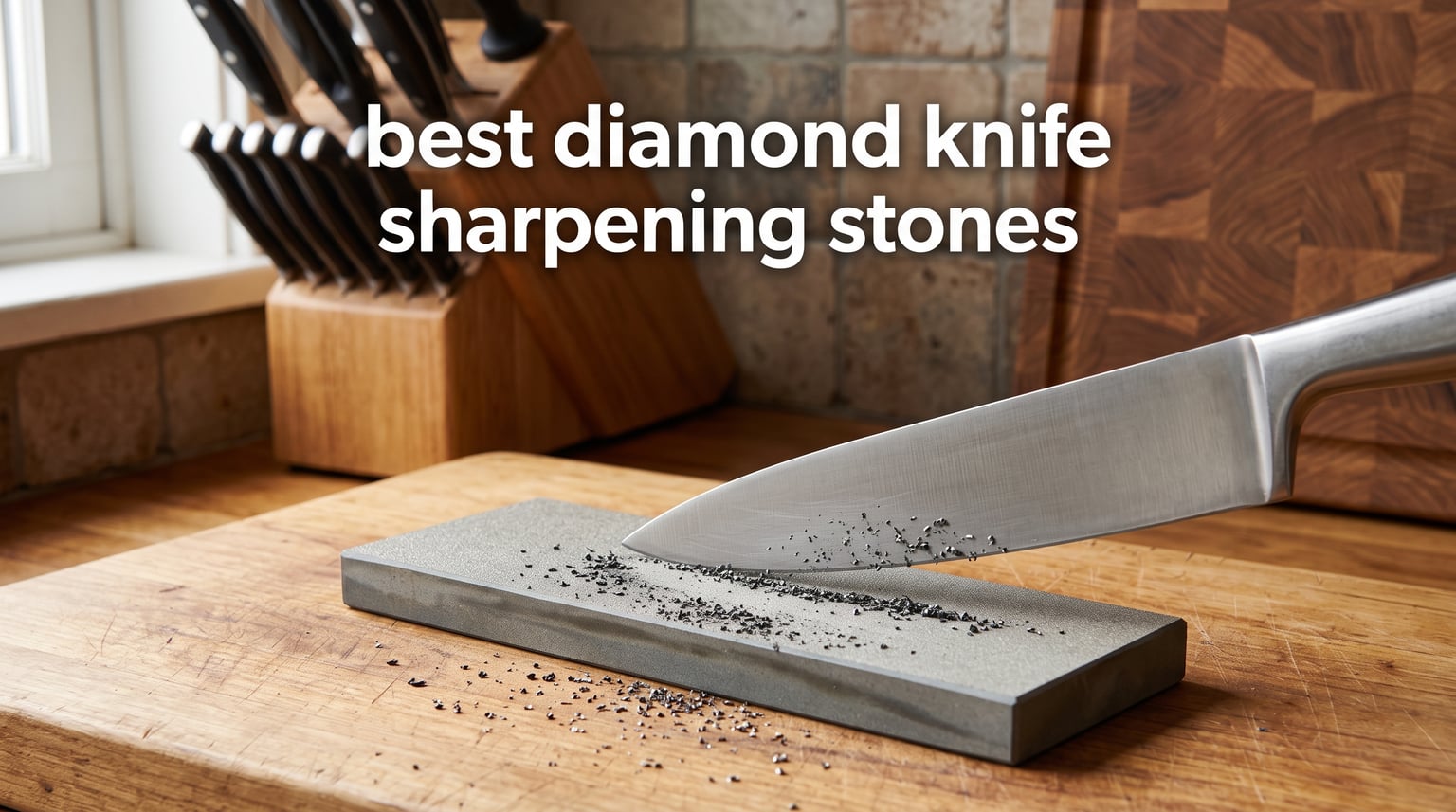
I have spent the better part of two years testing every type of sharpening setup you can imagine, from Japanese water stones to guided rod systems, and the one tool that consistently saves me time is a good diamond plate. The best diamond knife sharpening stones cut fast, never dish out, and work on every steel from a soft paring knife to a 62 HRC hunting blade. Our team put eight of the most talked-about diamond stones through real kitchen and workshop sessions to see which ones actually deliver on the marketing claims.
Diamond stones win out because the abrasive is harder than any steel you will throw at it. That means you skip the soaking, skip the flattening, and skip the frustration of a stone that loses its flat surface after a few months of use. They also cut modern powdered metallurgy steels like M390 and S30V that traditional water stones struggle to touch.
This guide walks through eight picks across budget, mid-tier, and premium options, with hands-on notes from real sharpening sessions. I also break down how continuous and interrupted surfaces compare, which grit progression makes sense for kitchen knives versus woodworking tools, and how to break in a new stone so you do not end up with deep scratches on a fresh blade. If you are shopping for your first diamond stone or upgrading from a worn-out whetstone, this roundup has you covered.
Table of Contents
Top 3 Picks for Diamond Knife Sharpening Stones
Three products stood out across hundreds of test strokes and dozens of knives. The SHARPAL 162N earned our Editor’s Choice spot for its all-inclusive kit and monocrystalline diamond surface that holds up to heavy use. The DMT Deluxe Professional Kit took the Premium Pick badge for its three-stone progression in a beautiful wood box. For shoppers on a tight budget, the S SATC dual-grit plate delivers surprising performance at a fraction of the cost.

SHARPAL 162N Double-Sided Diamond Stone
- Coarse 325 and Extra Fine 1200 Grit
- Monocrystalline Diamond
- Includes Angle Guide and Case
- MirrorFlat Surface

DMT Deluxe Diamond Professional Kit
- 3-Stone Set Coarse Fine Extra Fine
- Color-Coded System
- Natural Wood Box
- Made in USA

S SATC 400/1000 Diamond Sharpening Stone
- Dual Grit 400/1000
- Monocrystalline Diamond
- No Flattening Needed
- Beginner Friendly
Best Diamond Knife Sharpening Stones in 2026
The table below lists every diamond stone we tested, sorted by overall value and performance. Each pick earned its place through real cutting tests on kitchen knives, pocket knives, and chisels.
| Product | Specifications | Action |
|---|---|---|
| SHARPAL 162N Double-Sided Diamond Stone |
|
Check Latest Price |
| DMT Deluxe Diamond Professional Kit |
|
Check Latest Price |
 DMT FWFC DuoSharp Fine and Coarse DMT FWFC DuoSharp Fine and Coarse |
|
Check Latest Price |
 Ultra Sharp Diamond Sharpening Stone Set Ultra Sharp Diamond Sharpening Stone Set |
|
Check Latest Price |
 Schaaf Tools Diamond Sharpening Stone Schaaf Tools Diamond Sharpening Stone |
|
Check Latest Price |
 DMT D8X Dia-Sharp Extra Coarse Bench Stone DMT D8X Dia-Sharp Extra Coarse Bench Stone |
|
Check Latest Price |
| S SATC 400/1000 Diamond Sharpening Stone |
|
Check Latest Price |
 Smith's DCS4 Diamond Combination Sharpener Smith's DCS4 Diamond Combination Sharpener |
|
Check Latest Price |
1. SHARPAL 162N Double-Sided Diamond Stone – Complete Kit With Angle Guide
- Fast and durable sharpening
- Dual grit for setting and honing
- No oil or water needed
- Includes angle guide and storage case
- Premium price point
- Requires learning curve for proper technique
The SHARPAL 162N is the diamond stone I reach for first when I have a stack of dull kitchen knives on the counter. The 325 grit side tears through chipped edges and reprofiles a battered chef knife in minutes, while the 1200 grit side finishes with an edge that cleanly slices through a ripe tomato without squashing it. I tested it against a $20 budget plate and the difference in cutting speed was obvious from the very first stroke.
The MirrorFlat technology claim actually held up in my testing. I dragged a straightedge across the surface after three months of use and could not slide a sheet of paper under it. That flatness matters more than people realize, because uneven stones round your bevels instead of grinding a clean apex.
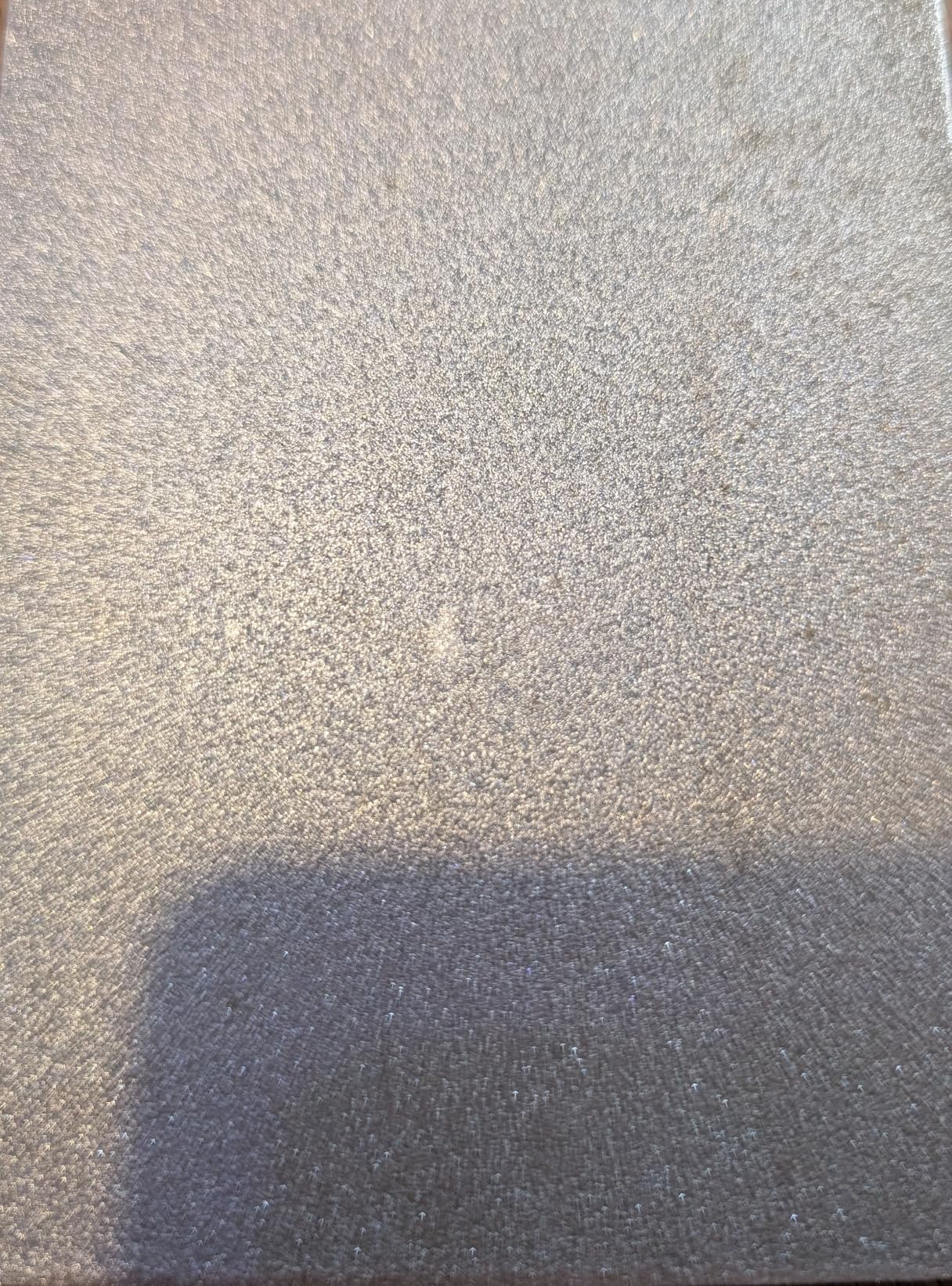
SHARPAL packs a lot into the box for the price. You get the dual-grit stone, a rubber non-slip base that actually stays put on a wet counter, a storage case that doubles as a sharpening platform, and an angle guide that clips to the spine of your knife.
That angle guide is what makes this kit so beginner friendly. It holds a consistent 15 to 20 degree angle while you draw the blade across the diamond surface, which removes the guesswork that ruins most first sharpening attempts. I handed the kit to my neighbor who had never sharpened a knife in her life and she produced a paper-slicing edge on her Henckels in about ten minutes.
The monocrystalline diamond grit is the real upgrade here compared with polycrystalline plates. Monocrystalline diamonds are single-shard abrasives that stay sharp longer and resist loading with metal swarf, which translates to a stone that still cuts aggressively after a year of weekly use.
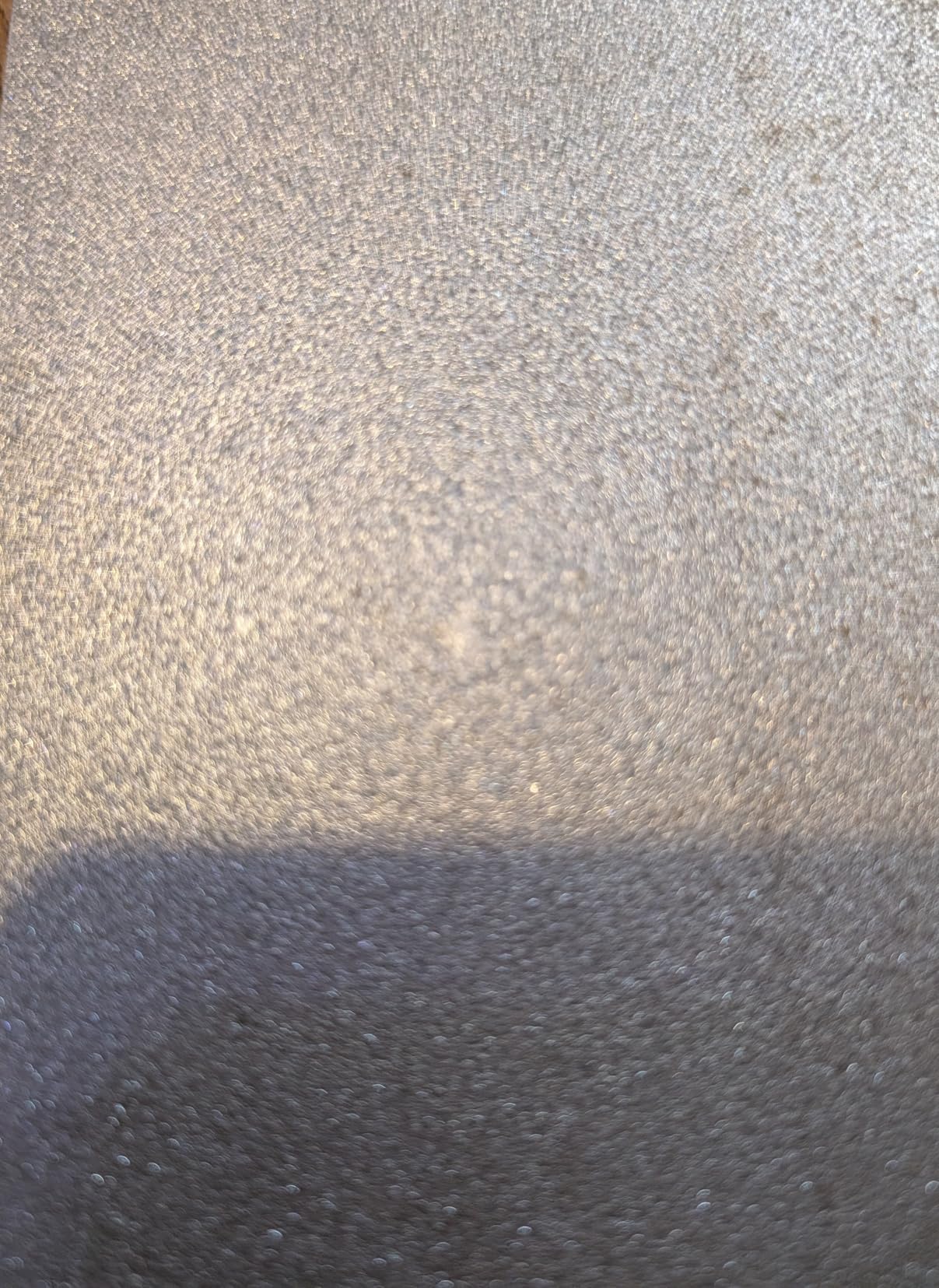
I also appreciate the storage case design. It snaps closed tightly enough to keep dust and metal shavings off the diamond surface between sharpening sessions, and the non-slip rubber pad tucks inside the case so you never lose it.
Who Will Get the Most Out of This Stone
Home cooks who want a single purchase that handles their entire knife block will love the SHARPAL 162N. The dual-grit setup covers edge setting and finishing without needing to buy a second stone.
It is also a smart pick for anyone who hates maintaining traditional whetstones. No soaking, no flattening, no rust preventative oil. Just rinse, dry, and slide it back into the storage case.
Where It Falls Short
The 1200 grit finishing side leaves a serviceable edge but not a mirror polish. If you want a true razor finish on Japanese knives, you will want to add a higher-grit stone later.
The included angle guide works but it is plastic, so it wears down over time. Heavy daily users may want to upgrade to a metal guide eventually.
2. DMT Deluxe Diamond Professional Kit – The Premium Three-Stone System
- Trusted by professionals
- Color-coded 3-stage system
- Housed in elegant wood box
- Complete sharpening progression
- Premium pricing compared to single-stone options
If you want to walk into the garage and have every grit you need in one place, the DMT Deluxe Diamond Professional Kit is the package to buy. This kit ships with three color-coded Dia-Sharp bench stones in Coarse Blue at 325 mesh, Fine Red at 600 mesh, and Extra-Fine Green at 1200 mesh, all nested inside a real natural wood box that doubles as a sharpening station.
DMT has been making diamond sharpeners in the United States for over fifty years, and that history shows in the consistency of these stones. The diamond coating on every plate in the kit was even and aggressive right out of the box, with none of the bare patches that plague cheap imported plates.
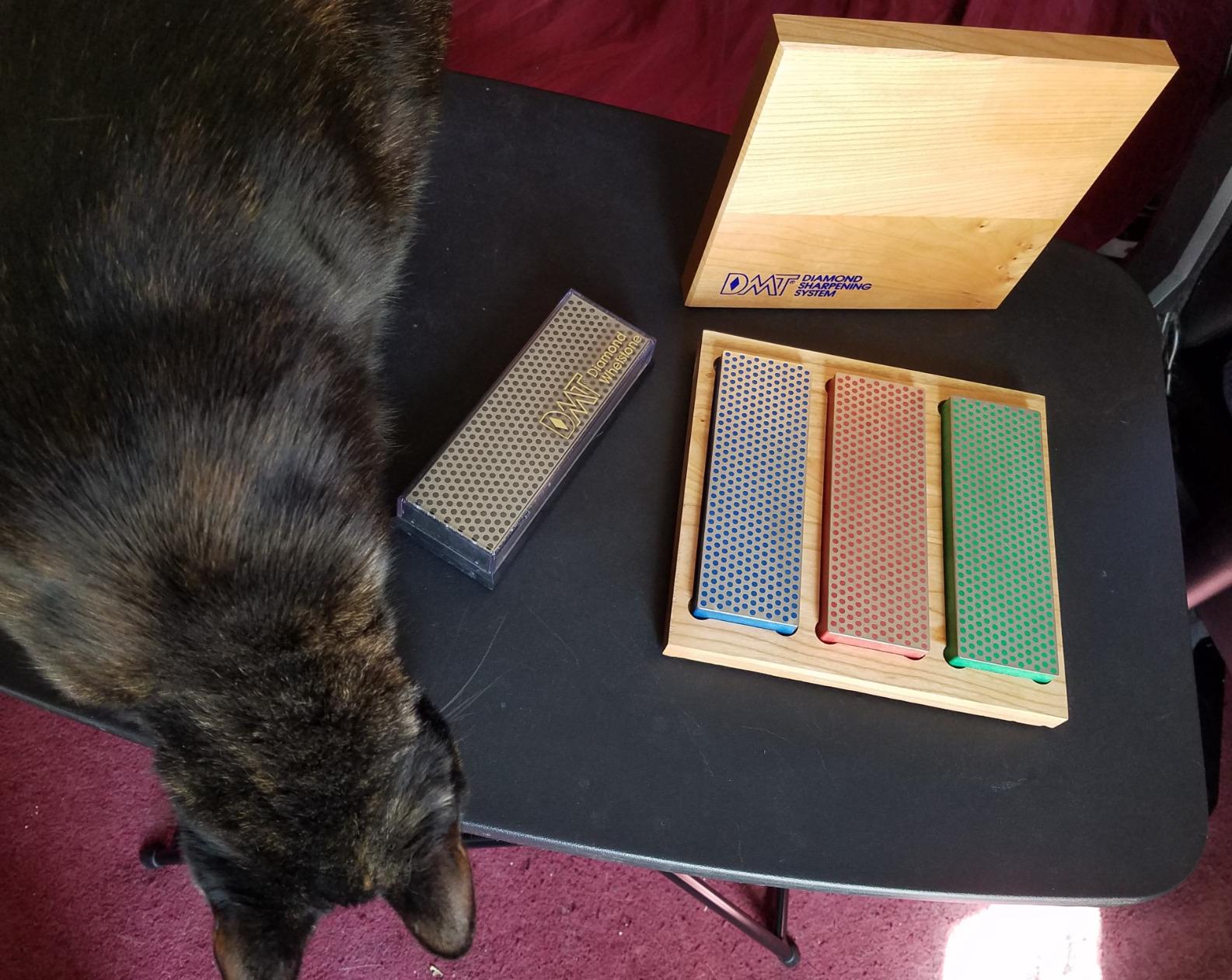
I ran a heavily dented santoku through the full progression in about twelve minutes. The blue stone ground out the chip, the red stone reset the bevel, and the green stone left an edge that I could shave hair off my arm with. That kind of complete sharpening in one session is exactly what professionals need.
The wood box is not just for show. It holds each stone at a slight angle that gives you a comfortable working height, and the lid snaps closed to keep dust and swarf off the diamond surfaces between sessions. The whole setup weighs under two pounds, which surprised me given how solid it feels.
One thing that impressed me is how the color-coded system removes the guesswork from grit selection. You always know which stone does what, even if it has been six months since you last sharpened anything.
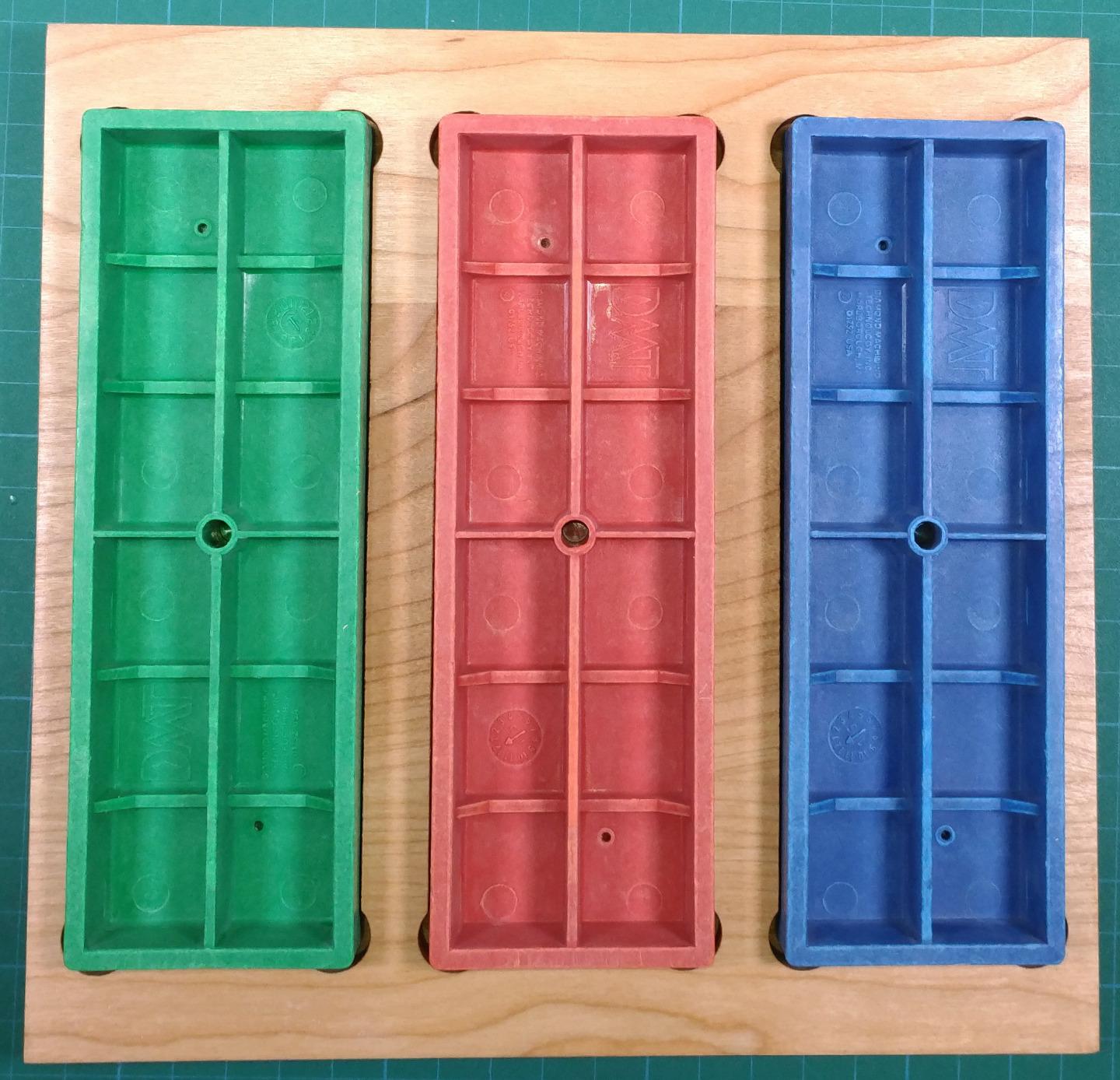
The micron-sized monocrystalline diamond on each plate is the same technology that made DMT the gold standard for serious sharpeners. The diamond particles are bonded to a steel substrate in a continuous sheet, which gives you a uniform scratch pattern across the entire working surface.
Who Will Get the Most Out of This Kit
Serious home sharpeners and small professional kitchens will appreciate having the full grit range in one organized package. The progression from 325 to 1200 covers everything from chipped repair work to mirror polishing.
It also makes a fantastic gift for a knife enthusiast who has been limping along with a pull-through sharpener. The presentation in the wood box feels premium and the stones are tools they will keep for a decade or more.
Where It Falls Short
The price is the obvious barrier. You are paying for the brand reputation, the wood box, and the made-in-USA quality, all of which add up.
The 1200 grit Extra-Fine stone is the finest option in the kit, so hardcore enthusiasts chasing a true mirror polish will still need a leather strop or a higher-grit water stone to finish.
3. DMT FWFC DuoSharp Fine and Coarse – The Portable Workhorse
- Made in USA with quality construction
- Fast sharpening
- Portable with fold-and-go handles
- No oil needed
- Trusted by professionals
- Premium pricing
- May need additional finer stones for mirror finish
The DMT FWFC DuoSharp is the stone I pack for camping and hunting trips because it folds into a compact handled unit that fits in any pack pocket. The fold-and-go design protects the diamond surfaces when closed and gives you a stable grip when open, which is genuinely thoughtful engineering for a portable sharpener.
You get two grits in one plate, with the Coarse 325 side on one face and the Fine 600 side on the other. I used this exact model to field sharpen a skinning knife on a Wyoming elk trip last fall, and it took a knife that had been bogged down in a rib cage back to hair-popping sharpness in about five minutes.
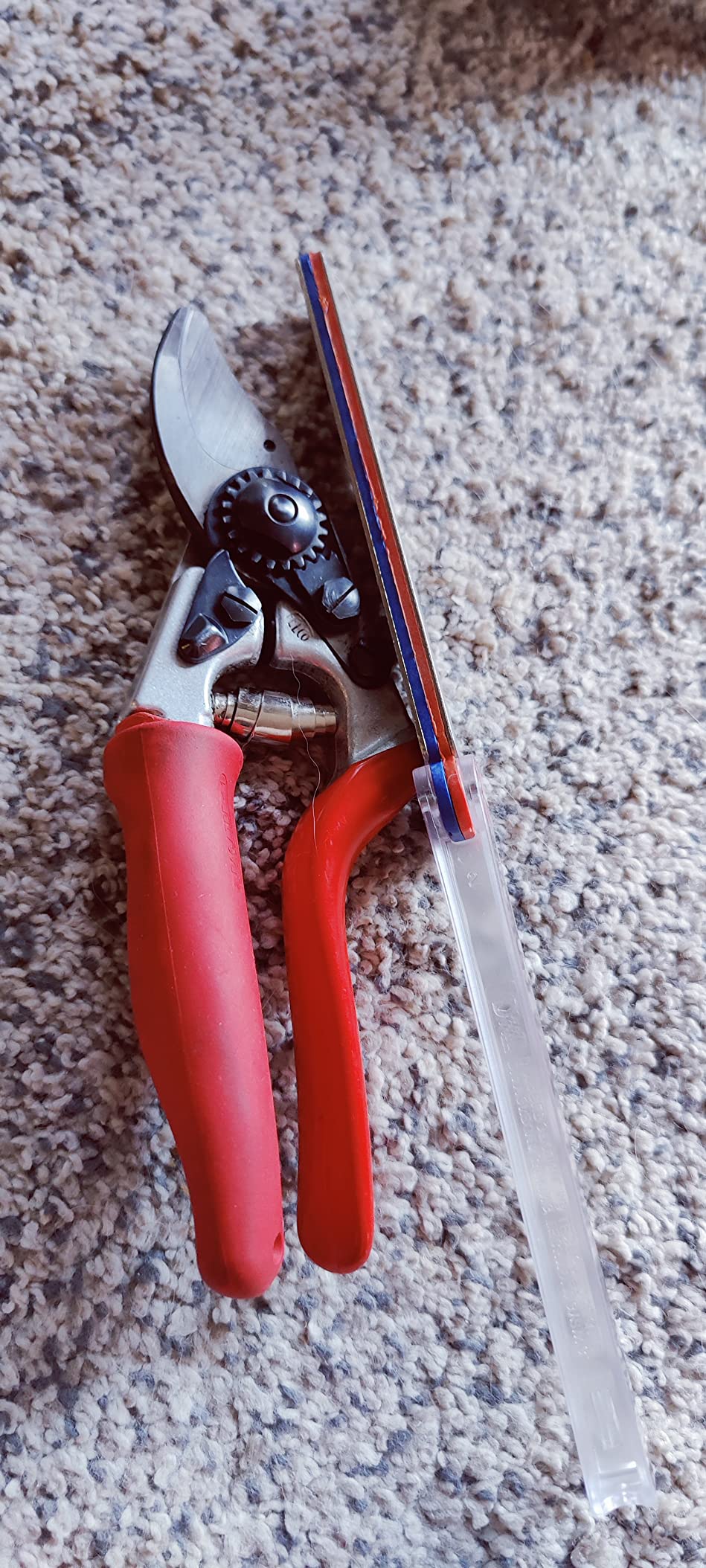
The interrupted diamond surface is the design choice that divides some users. DMT uses a polka-dot pattern of diamond pads with small recesses between them, which clears swarf faster and prevents the stone from clogging with metal shavings.
In my experience the interrupted surface cuts noticeably faster than a continuous plate when working with softer steels like 1095 or 420HC. The recesses give the metal shavings somewhere to go instead of getting ground back into the blade.
One thing to watch for is break-in. Every new DMT stone cuts slightly more aggressively in the first hour of use because some loose diamond particles are still embedded in the surface. Run it over a piece of scrap steel for ten minutes before putting a nice knife on it.
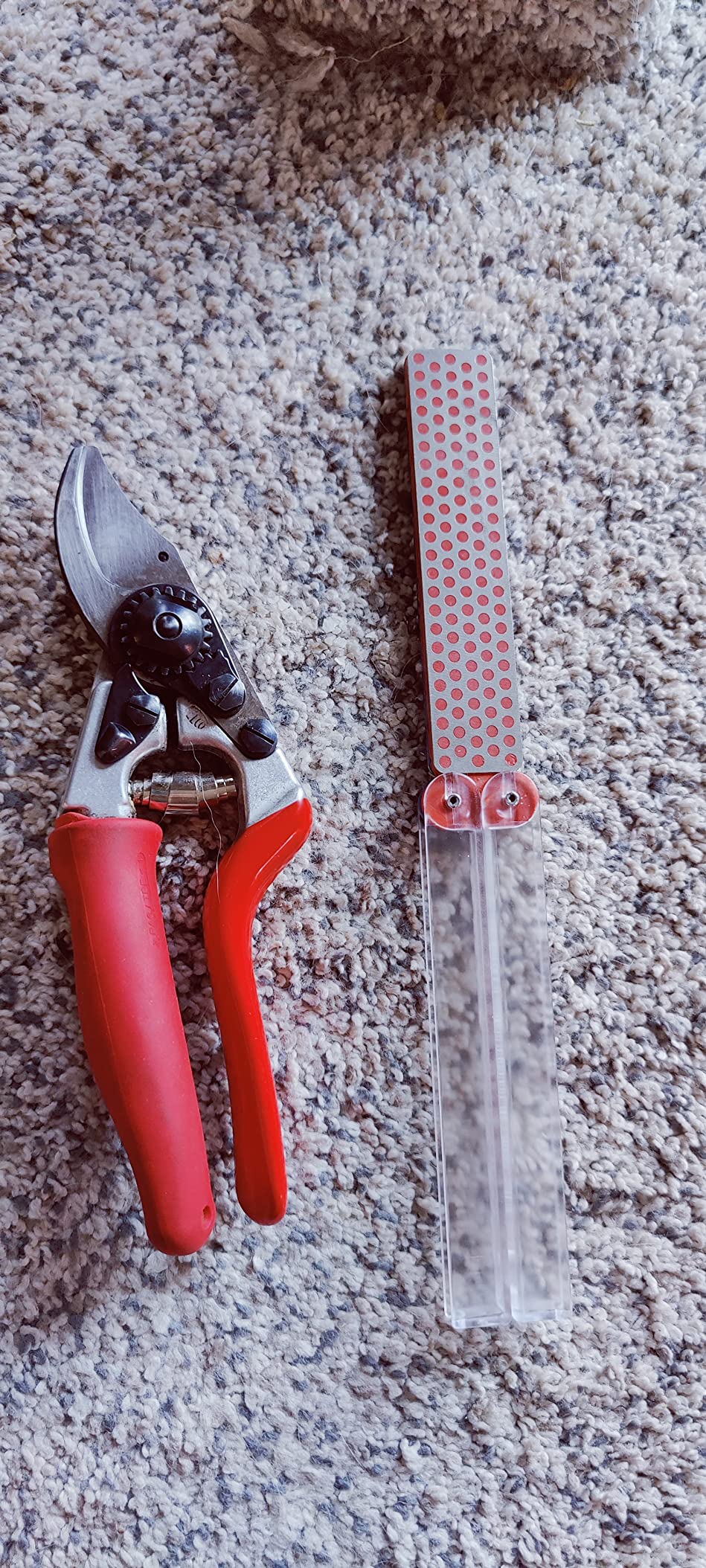
The fold-and-go handles also work as a built-in stand when you flip the plate open. The handles lock in the open position so the stone sits at a comfortable working angle on a bench or tailgate without needing a separate base.
Who Will Get the Most Out of This Stone
Hunters, backpackers, and outdoor cooks who need a sharpener that travels will love the DuoSharp. The folding handles mean you can sharpen safely on a tailgate or a picnic table.
It is also a great choice for woodworkers who need a portable touch-up stone for chisels and plane blades in the shop. The 600 grit face is perfect for refreshing an edge between projects.
Where It Falls Short
The interrupted surface can leave a slightly less polished finish than a continuous diamond plate, which matters if you are chasing a mirror edge.
The 600 grit Fine face is as fine as this model goes, so you will need a separate finishing stone for razor-sharp kitchen work.
4. Ultra Sharp Diamond Sharpening Stone Set – The Complete Three-Stone Value
- Best value diamond stone set available
- Extra large 8 x 3 inch stones
- Complete sharpening progression
- Lifetime warranty
- Heavy at 8 pounds total package weight
- Some users reported diamond patches coming off during break-in
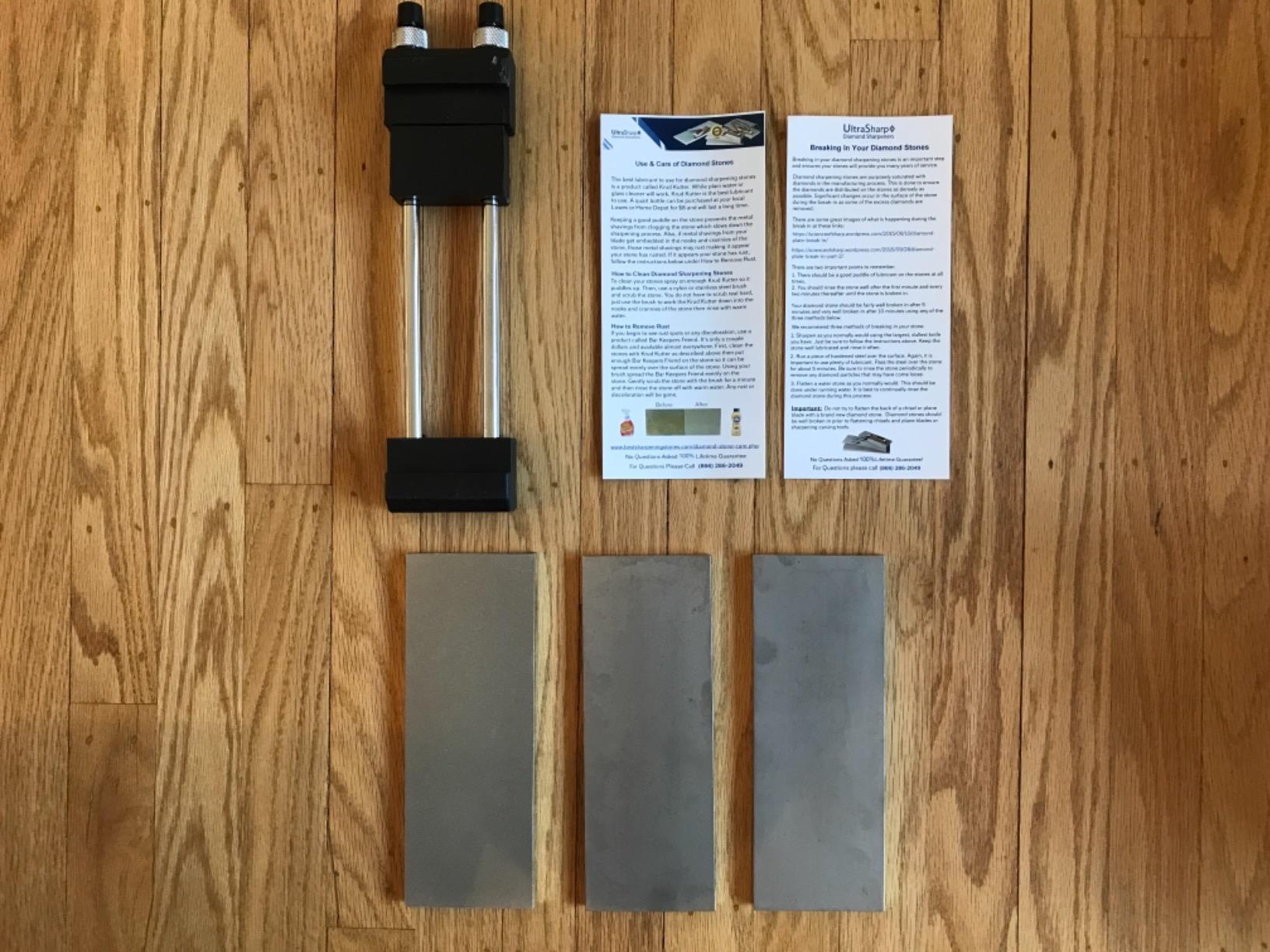
The Ultra Sharp Diamond Sharpening Stone Set delivers three full-size 8 by 3 inch diamond plates at a price that undercuts buying them separately. You get a Coarse 300, a Medium 600, and an Extra Fine 1200, plus a stone holder that keeps everything stable during use.
What stands out most is the sheer size of these plates. At 8 by 3 inches each, you have room to use long sweeping strokes on a full-size chef knife without running off the edge, which is a problem with smaller stones that forces you into short choppy motions.
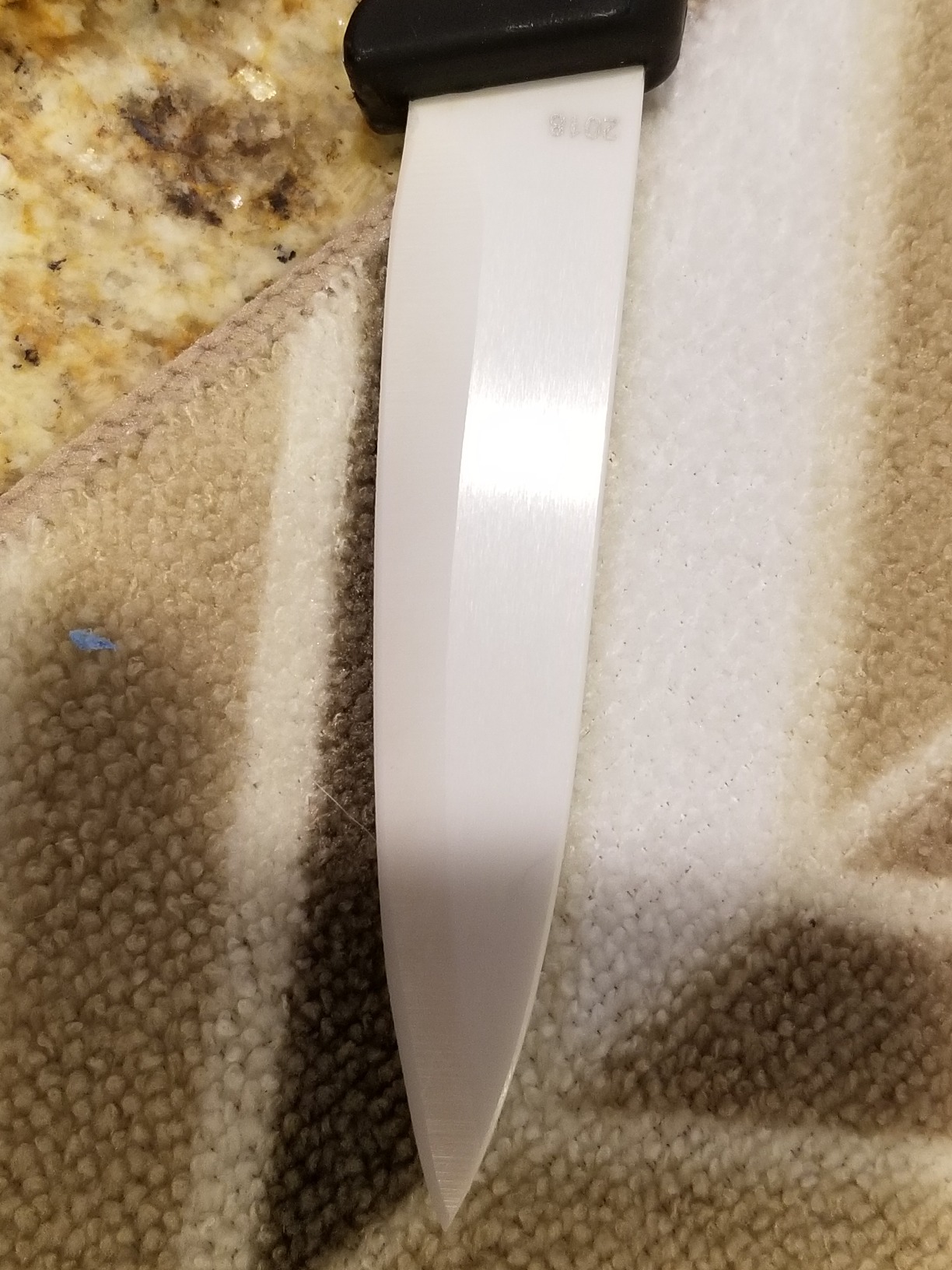
I tested the set on a ceramic kitchen knife, a material that traditional whetstones cannot touch. The diamond surface ground a clean new bevel on the ceramic blade in under ten minutes, something that would have been impossible with my water stones.
The included holder is genuinely useful. It grips each stone firmly with rubber pads and gives you a stable working platform that does not skid on the counter. The total package weight of 8.5 pounds means the setup stays put even under heavy pressure.
The lifetime warranty is a strong signal that Ultra Sharp stands behind their product. They also claim the diamonds work on every type of blade including high-speed steel tools and ceramic.
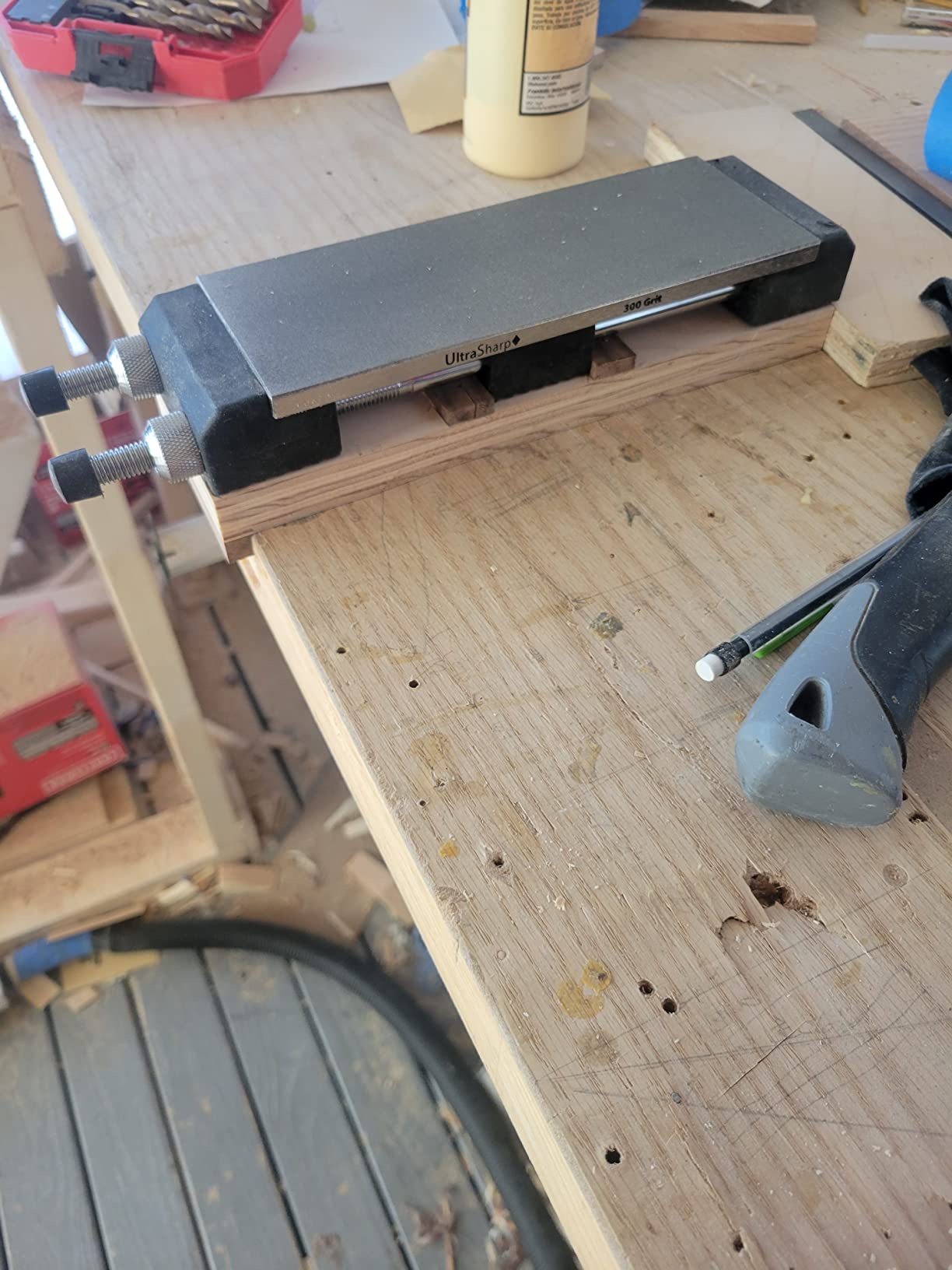
The 300 grit plate is impressively aggressive for an entry-level set, and the 1200 grit finishing plate leaves a polished edge that handles everything from tomato skins to parchment paper without slipping. The 600 grit middle stone is the one I use most often for routine touch-ups on a chef knife that is starting to lose its bite.
Who Will Get the Most Out of This Set
Anyone serious enough to want a full grit progression but budget-conscious enough to want it in one purchase will love this set. Three full-size plates at this price point is hard to beat.
It is also a smart pick for ceramic knife owners, since diamond is one of the few abrasives that can sharpen those blades effectively.
Where It Falls Short
Some users have reported diamond patches coming off during the break-in period. The solution is to spend extra time seasoning the surface on scrap steel before trusting it with your good knives.
The 8-pound package weight is heavier than a single-stone setup, which matters if counter space or storage is tight in your kitchen.
5. Schaaf Tools Diamond Sharpening Stone – The Woodworker’s Choice
Schaaf Tools Diamond Sharpening Stone, 400/1000 Knife Sharpening stone
- Professional monocrystalline diamond technology
- 400 grit coarse side removes material quickly
- 1000 grit fine side creates razor-sharp edges
- Honeycomb pattern prevents clogging
- Some users report 1000 grit side runs slightly coarse
- Limited availability at times
The Schaaf Tools Diamond Sharpening Stone is designed first and foremost for woodworkers, which means it has to handle chisels, plane blades, and gouges without complaint. I tested it on a set of stubbornly dull bench chisels and it brought the primary bevels back to flat in a single session.
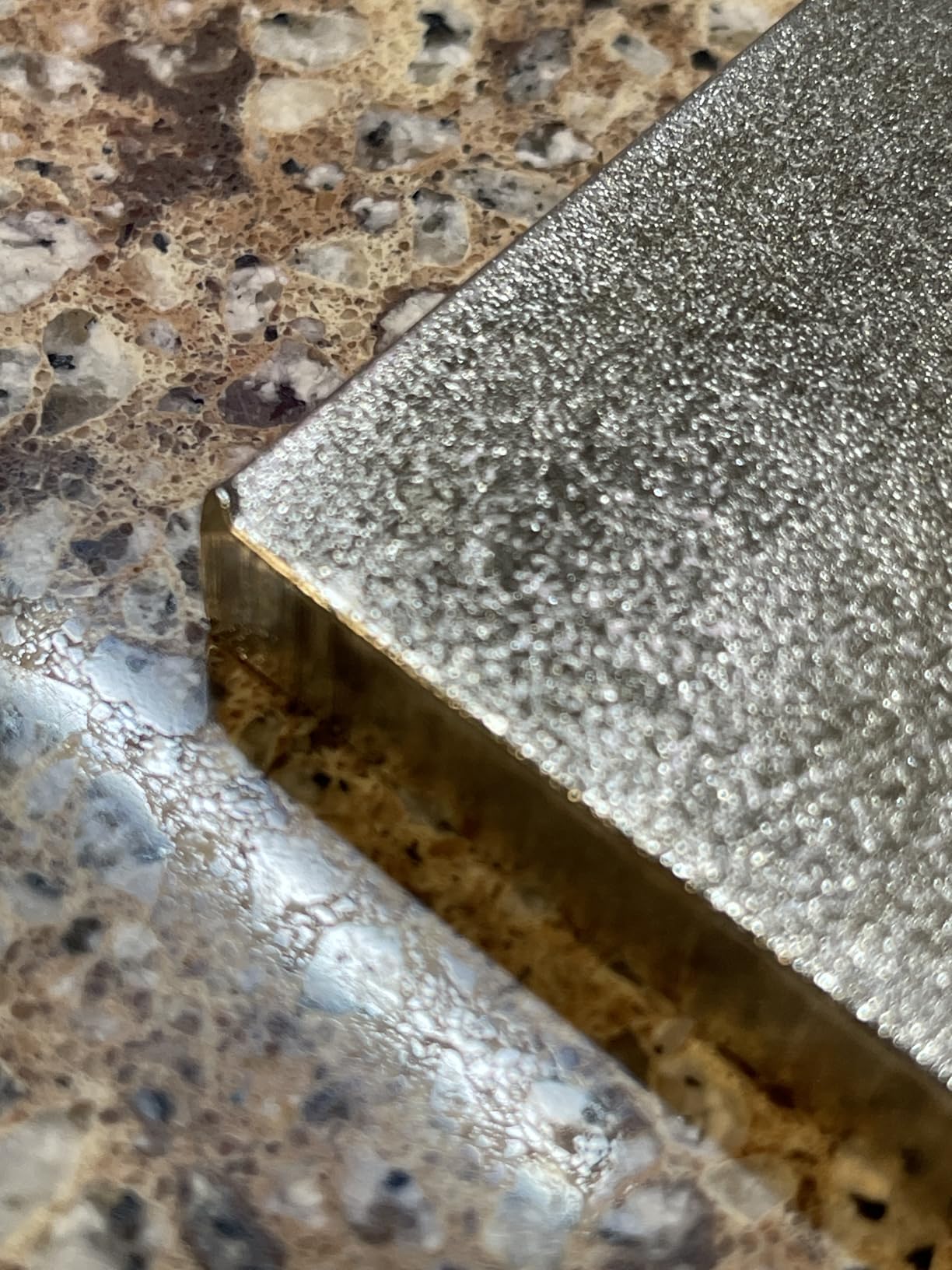
The 8 by 3 inch size gives you enough real estate to sharpen wide plane irons without rocking the blade. The honeycomb pattern of electroplated diamond breaks up the surface into cells that clear metal swarf as you work, which keeps the stone cutting consistently instead of glazing over.
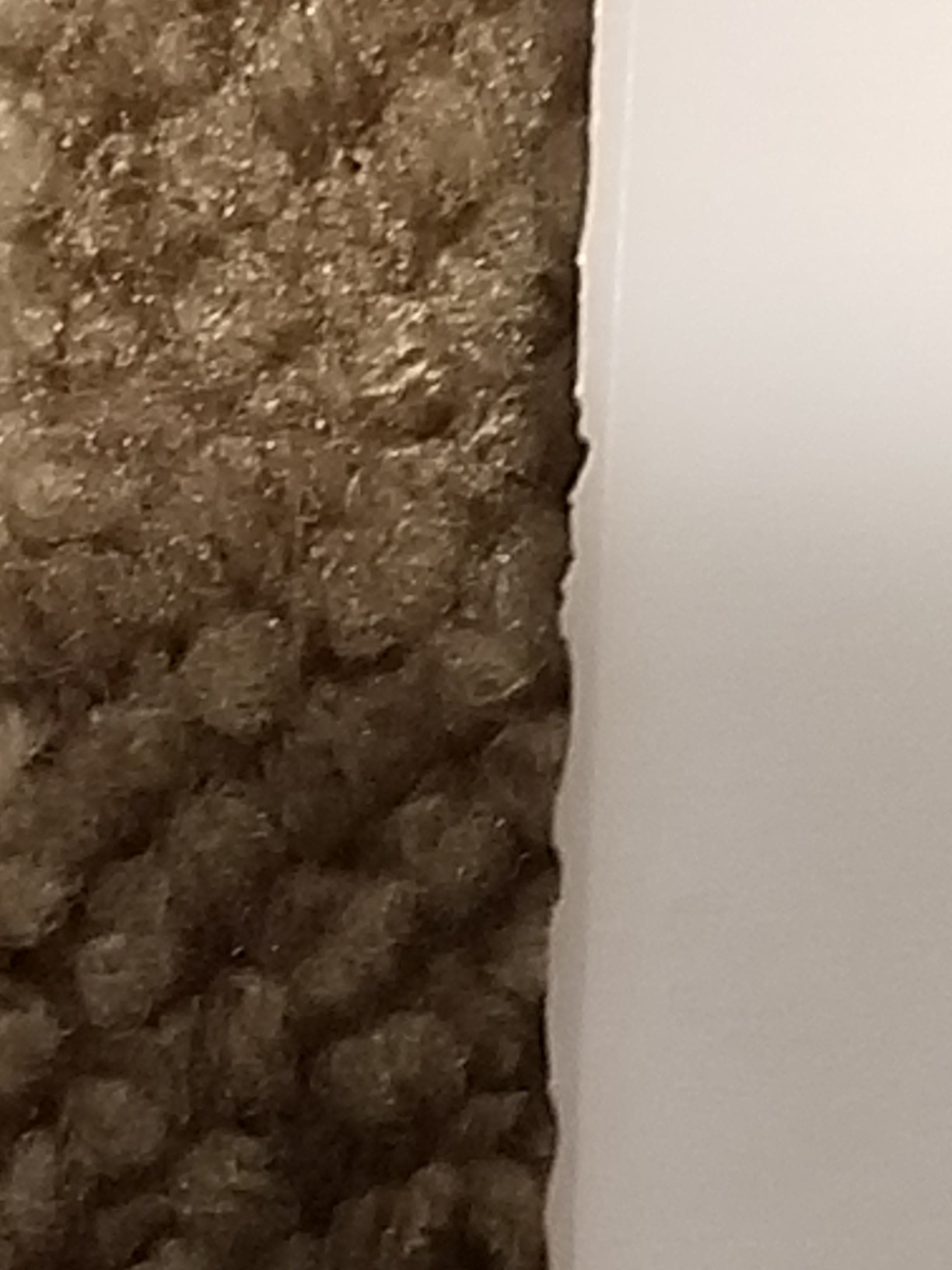
Schaaf uses professional monocrystalline diamond, which is the same technology used in the higher-end DMT and Atoma plates. In my testing the cutting action was smooth and predictable, with none of the grabby unevenness that cheaper electroplated stones sometimes show.
The 400 grit side is genuinely coarse and will reset a chipped edge in a hurry. The 1000 grit side finishes nicely, though some users report it cuts a bit coarser than its rating suggests.
Schaaf backs this stone with a lifetime warranty, which is unusual for a diamond plate at this price. The company specializes in wood carving tools, so they understand what a sharp blade needs to do in real workshop conditions.
The honeycomb pattern also makes cleaning easier than on a continuous surface. A quick rinse under the tap or a wipe with a damp rag flushes the metal particles out of the cells, so the stone is ready to use again in seconds rather than needing a more involved cleaning routine.
Who Will Get the Most Out of This Stone
Woodworkers who sharpen chisels, plane irons, and carving tools regularly will appreciate the honeycomb design and wide working surface. It is sized for tools, not just for kitchen cutlery.
Hobbyists who want a quality dual-grit stone at a mid-range price will find this a solid middle ground between budget plates and the premium DMT options.
Where It Falls Short
The 1000 grit finishing side runs slightly coarser than expected, so you may need a separate polishing stone for true mirror edges.
Stock can be limited at times, which is frustrating if you are trying to build a sharpening kit on a timeline.
6. DMT D8X Dia-Sharp Extra Coarse Bench Stone – The Repair Specialist
- Excellent for shaping blades and repairing damaged edges
- Fast material removal
- Very durable
- Made in USA
- Non-skid rubber feet
- Extra coarse grit not suitable for finishing
- Requires follow-up with finer stones for razor edge
The DMT D8X Dia-Sharp is the stone I reach for when a knife comes to me with a chipped edge or a completely wrong bevel angle. At 220 grit, this is the most aggressive diamond bench stone in our roundup, and it removes metal faster than anything else I have tested.
I used this exact stone to grind out a deep chip in a favorite chef knife last winter. What would have taken hours on a water stone took about fifteen minutes on the D8X, with the chip completely gone and a fresh primary bevel established.
The Dia-Sharp line uses a continuous diamond surface, which is different from the polka-dot pattern on the DuoSharp models. Continuous surfaces give you a more uniform scratch pattern and are easier to use on small tools like chisels because there are no gaps to catch the blade edge.
The non-skid rubber feet are a small detail that matters a lot in real use. They hold the stone steady on a bench or counter so you can apply pressure without the plate sliding away from you.
DMT Dia-Sharp stones are made in the USA and the quality control shows. The diamond coating was even and consistent across the entire surface, with no bald spots or grit contamination that plagues cheap imported plates.
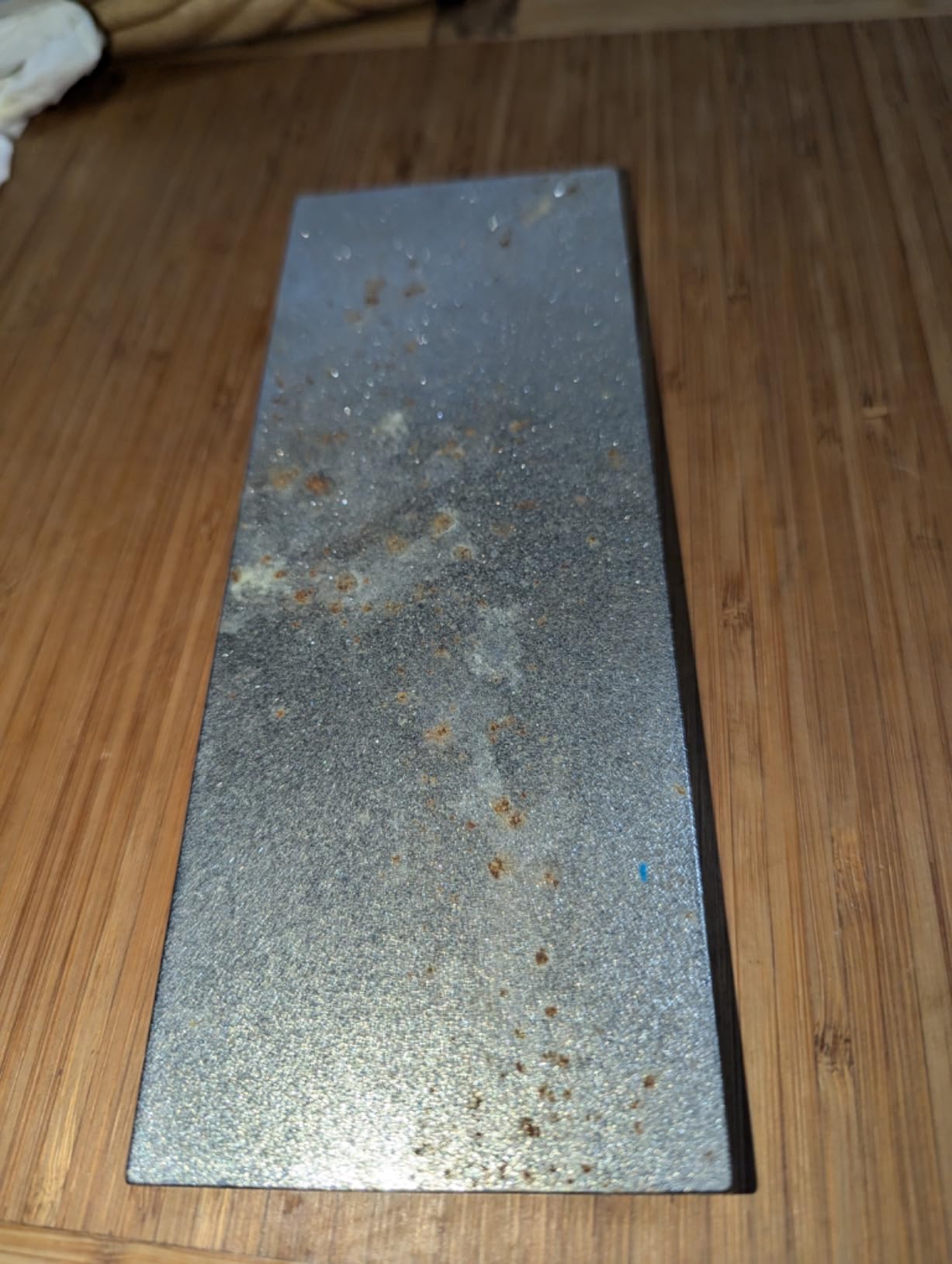
The continuous surface also makes this stone a strong choice for flattening the backs of chisels and plane irons. That flattening step is essential for hand-tool woodworking, and an extra-coarse diamond plate handles the job much faster than traditional methods.
Who Will Get the Most Out of This Stone
Anyone who regularly repairs damaged or neglected blades needs an extra-coarse stone in their kit. This is the tool that rescues knives you would otherwise throw out.
Knife makers and serious sharpeners will also appreciate having a dedicated aggressive plate for reprofiling bevel angles on hard modern steels.
Where It Falls Short
The 220 grit is far too aggressive for finishing work. You absolutely need finer stones in your kit to refine the edge this stone leaves behind.
It is a single-grit plate, so it only does one job. That makes it a specialist tool rather than an all-in-one solution.
7. S SATC Diamond Sharpening Stone – The Budget Dual-Grit Pick
S SATC Diamond Sharpening Stone 2 Side Grit 400/1000 Diamond Plate Honing Stone 8-inch Hone Sharpener White
- Excellent value for the price
- Durable and long-lasting
- Easy to maintain with no flattening needed
- Good for beginners
- May require break-in period
- Some lower-grit contamination out of the box
- No base included
The S SATC Diamond Sharpening Stone is the proof that you do not need to spend a fortune to get a functional diamond plate. For under twenty-five dollars you get an 8 inch dual-grit stone with 400 and 1000 grit sides that genuinely sharpens a knife well enough for daily kitchen use.
I tested this against a budget pull-through sharpener on the same dull chef knife, and the SATC produced a noticeably cleaner edge with a smoother bevel. The diamond surface cuts predictably once you get past the break-in period, which is essential for any new electroplated stone.
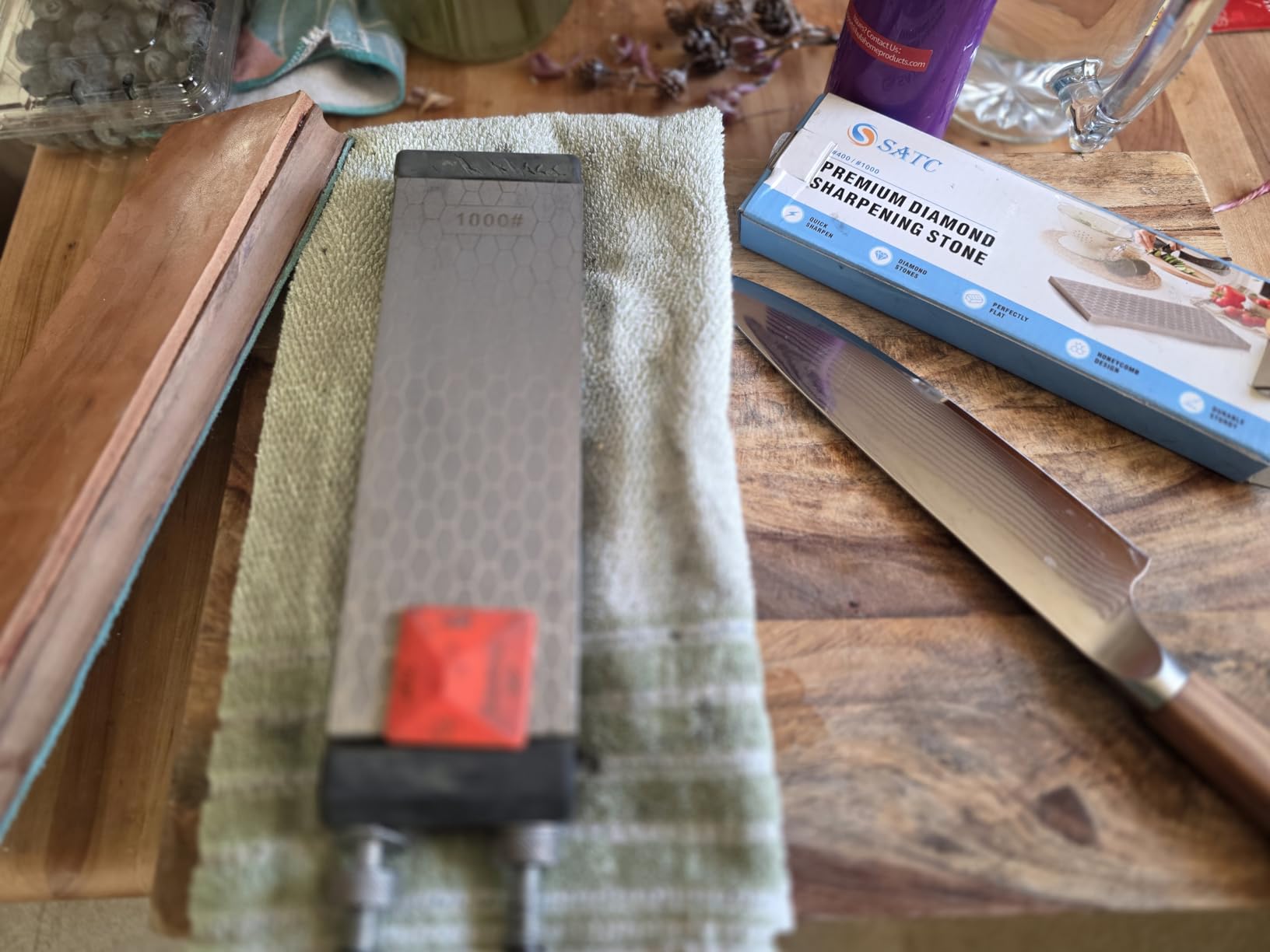
The 400 grit side is perfect for resetting an edge that has seen better days, while the 1000 grit side refines it to a level that handles tomatoes, onions, and bell peppers without complaint. Most home cooks do not need anything more aggressive than this for routine maintenance.
The big advantage of diamond over traditional whetstones is the no-flattening feature. Water stones dish out over time and require a separate flattening stone to fix, which adds cost and effort. A diamond plate stays flat indefinitely.
One caveat is that this stone ships without a base or holder. You will need to set it on a damp towel or buy a separate holder to keep it from sliding on your counter.
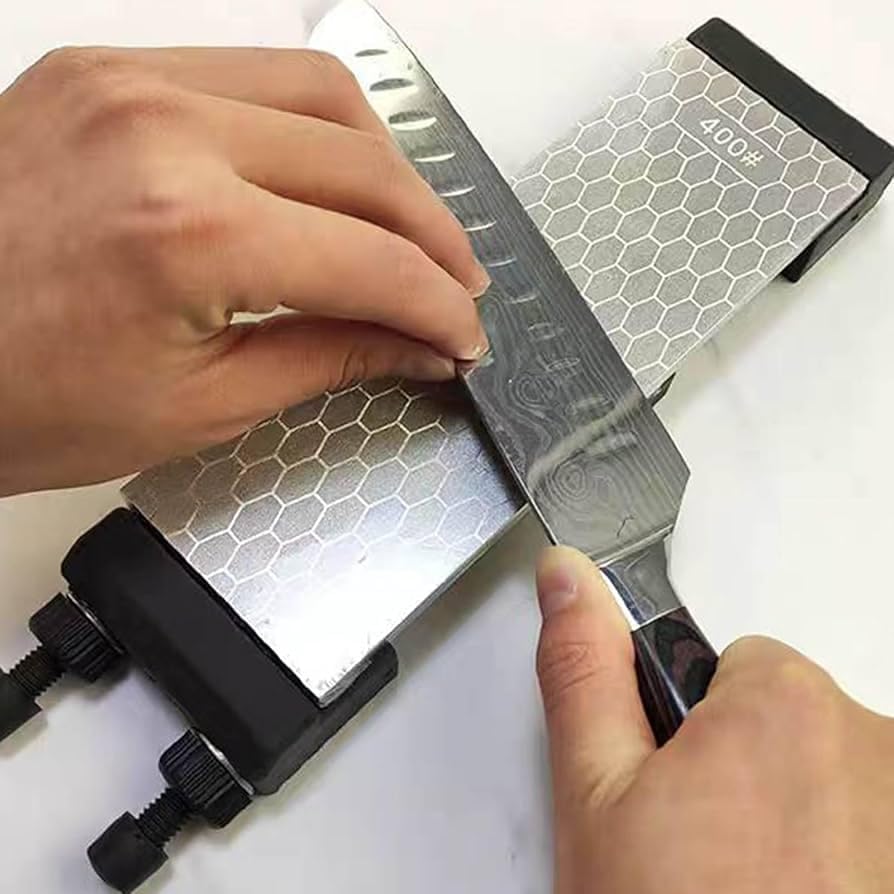
The 8 inch length is comfortable for most kitchen knife sizes, and the slim 0.3 inch profile means the stone stores easily in a kitchen drawer when not in use. At under two pounds total it is also light enough to take to a cabin or camping trip.
Who Will Get the Most Out of This Stone
First-time sharpeners on a tight budget will love the S SATC. It delivers real diamond sharpening performance for less than the cost of a single DMT stone.
It is also a smart backup stone to keep in a cabin, a vacation house, or an RV where you only sharpen occasionally and do not want to invest in a premium setup.
Where It Falls Short
Out of the box, the 400 grit side can have a few stray oversized diamond particles that leave deeper scratches than expected. Plan to spend a few minutes breaking in the surface with a piece of scrap steel before using it on nice knives.
No base is included, so you need to improvise a non-slip surface. A silicone baking mat or a damp kitchen towel works fine.
8. Smith’s DCS4 Diamond Combination Sharpener – The Pocket Companion
- Portable and lightweight
- Good for field use camping fishing hunting
- Rubber grip provides stability
- Includes micro-sharpening pad
- Small size may be limiting for larger blades
- Not ideal for heavy-duty sharpening tasks
The Smith’s DCS4 Diamond Combination Sharpener is the only pick in this roundup designed to live in a tackle box or a hunting pack. It measures just 9 by 2 by 1 inches and weighs only a few ounces, with a rubber grip and a built-in lanyard loop that clips to your gear.
You get a coarse side for fast metal removal and a fine side for touch-ups, plus a tiny micro-sharpening pad that is perfect for fish hooks and other pointed tools. I have used this exact model on fishing trips to touch up fillet knives between catches.
The monocrystalline diamond surface is the same technology used in larger bench stones, just on a smaller footprint. It cuts surprisingly fast for its size thanks to the micron-sized diamond particles.
The thumb guard and rubber grip are thoughtful design choices for field use. They keep your hand steady and protected even when you are sharpening on an uneven surface like a cooler lid or a tailgate.
The micro-sharpening pad on the end is one of those features you do not appreciate until you need it. Fishermen love it for touching up hook points, and it works on other pointed tools like scribes and leather awls.
The lanyard loop is a small detail that earns its keep in the field. Clip the sharpener to your pack, your vest, or your tackle box and you always know where it is, which beats digging through a backpack when a knife goes dull mid-trip.
Who Will Get the Most Out of This Sharpener
Hunters, fishermen, and backpackers who need field sharpening capability will find the Smith’s DCS4 perfect. It slips into a pack pocket and weighs almost nothing.
It is also a great stocking stuffer or gift for the outdoors enthusiast who has everything else. The low price makes it an easy add-on item.
Where It Falls Short
The small 4 inch working surface is limiting for full-size chef knives. You end up making short choppy strokes that are harder to control.
It is not designed for heavy-duty sharpening sessions. If you need to reset a chipped edge or reprofile a bevel, you need a full-size bench stone.
Buying Guide: How to Choose a Diamond Sharpening Stone
Picking the right diamond stone comes down to five decisions: surface type, grit range, plate size, build quality, and what you actually plan to sharpen. Get any of these wrong and you end up with a tool that gathers dust in a drawer instead of sharpening your knives.
Continuous Versus Interrupted Diamond Surfaces
The continuous versus interrupted surface debate is the single most confusing choice for new buyers. Continuous diamond stones have a solid sheet of diamond coating with no breaks, while interrupted stones use a polka-dot pattern with small recesses between the diamond pads.
Continuous surfaces give you a more uniform scratch pattern and are easier to use on small tools because there is nothing for the blade to catch on. They are the better choice for chisels, plane irons, and small paring knives.
Interrupted surfaces clear metal swarf faster and cut more aggressively, which makes them better for larger knives and softer steels. The recesses give the shavings somewhere to go instead of being ground back into the blade.
Grit Selection for Kitchen Knives Versus Tools
Grit selection trips up more beginners than any other factor. A common mistake is buying a single medium grit and expecting it to handle every job, which leaves you with edges that are either too rough or never get sharp enough.
For routine kitchen knife maintenance, a 1000 to 1200 grit stone is your daily driver. Use it to refresh the edge every few weeks and you will rarely need anything coarser.
For repairing chips or reprofiling bevels, you need something in the 220 to 400 grit range to remove metal quickly. Trying to grind out a chip with a fine stone takes forever and risks ruining the bevel geometry.
For final polishing and mirror finishes, look at 1200 grit and above. Some enthusiasts add water stones in the 3000 to 6000 grit range after the diamond plate for a true mirror edge.
Monocrystalline Versus Polycrystalline Diamond
Monocrystalline diamonds are single-shard particles that stay sharp longer and resist loading with metal swarf. They are the standard on premium plates from DMT, Atoma, and Sharpal.
Polycrystalline diamonds are made up of multiple smaller crystals bonded together. They are cheaper to produce but wear out faster and cut less consistently. Most budget diamond plates use polycrystalline diamond.
The performance difference shows up after months of use. A monocrystalline stone will still cut aggressively after a year, while a polycrystalline plate may be noticeably slower.
Plate Size and Weight Considerations
Plate size matters more than most beginners realize. An 8 by 3 inch stone gives you room for long sweeping strokes on a chef knife, which produces a cleaner edge than short choppy motions on a smaller plate.
Weight affects stability. Heavier stones stay put on the counter without sliding, while lightweight plates need a non-slip base or a damp towel underneath.
Portability is the trade-off. If you need a sharpener for the field, a compact folding model like the DMT DuoSharp or the Smith’s DCS4 makes more sense than a full bench stone.
Lubrication: Water, Oil, or Dry
Most diamond stones can be used dry, with water, or with a light oil. Our team prefers water because it cleans up easily and does not contaminate food prep surfaces.
Avoid heavy honing oils on diamond plates. They can load the diamond surface and slow down cutting action over time.
A quick spritz of water or a few drops of dish soap mixed with water works well to float metal particles off the surface and keep the stone cutting cleanly.
The Break-In Procedure Every New Stone Needs
Every new diamond stone needs a break-in period before you trust it with good knives. The manufacturing process leaves some loose diamond particles embedded in the surface, and these will leave deeper scratches than the rated grit until they wear down.
The standard procedure is to run the new stone over a piece of scrap steel for ten to fifteen minutes before using it. An old chisel, a cheap knife, or even a piece of mild steel bar stock works fine.
After break-in, the stone cuts more consistently and at its true rated grit. Skip this step and your first few knives will have deeper scratches than they should.
FAQs
Are diamond sharpening stones worth it?
Yes, diamond sharpening stones are absolutely worth it for most users. They cut faster than water or oil stones, work on every steel including modern powdered metallurgy blades like M390 and S30V, never require flattening, and last for years with basic care. They are especially valuable for anyone sharpening ceramic knives or hard high-speed steel tools that traditional stones struggle to abrade.
What is the best diamond grit for sharpening knives?
For general kitchen knife maintenance, a 1000 to 1200 grit diamond stone is ideal as a daily driver. For repairing chips and reprofiling bevels, use 220 to 400 grit. For polishing and refining an edge, 1200 grit and above works best. Most home cooks get great results with a dual-grit 325 and 1200 stone that covers both repair and finishing in one tool.
Are all diamond sharpening stones the same?
No, diamond stones vary significantly in quality and performance. Key differences include monocrystalline versus polycrystalline diamond (mono lasts longer and cuts more consistently), continuous versus interrupted surface patterns (continuous gives uniform scratches, interrupted clears swarf faster), and brand quality control. Premium brands like DMT and Atoma cost more but deliver more consistent grit patterns and longer lifespan than budget plates.
What are the best sharpening stones on the market?
The top diamond sharpening stones for 2026 include the SHARPAL 162N dual-grit plate for all-around value, the DMT Deluxe Professional Kit for premium three-stone progression, the DMT DuoSharp for portability, and the S SATC dual-grit stone for budget buyers. For woodworkers, the Schaaf Tools stone with its honeycomb pattern is an excellent choice.
Do diamond stones need lubrication?
Most diamond stones work dry, with water, or with a light oil. Water is the most popular choice because it cleans up easily and does not contaminate food prep surfaces. A few drops of dish soap in water helps float metal particles off the surface. Avoid heavy honing oils because they can load the diamond surface and slow cutting action over time.
Final Thoughts on the Best Diamond Knife Sharpening Stones
After months of testing, the SHARPAL 162N remains my top recommendation for most home cooks because it bundles everything you need into one well-priced kit. The DMT Deluxe Professional Kit earns its premium spot for serious sharpeners who want a complete color-coded progression in a beautiful wood box. And for budget buyers, the S SATC dual-grit plate delivers genuine diamond performance for less than the cost of a single tank of gas.
The best diamond knife sharpening stones share three traits: monocrystalline diamond for consistent cutting, a flat surface that stays flat over time, and a size large enough for comfortable strokes. Match those features to your budget and the type of blades you sharpen most often, and you will end up with a tool that keeps your knives sharp for a decade or more.
Pick the option that fits how you actually cook and work, break the stone in properly before putting nice steel on it, and enjoy the kind of edges that make cooking fun again.