
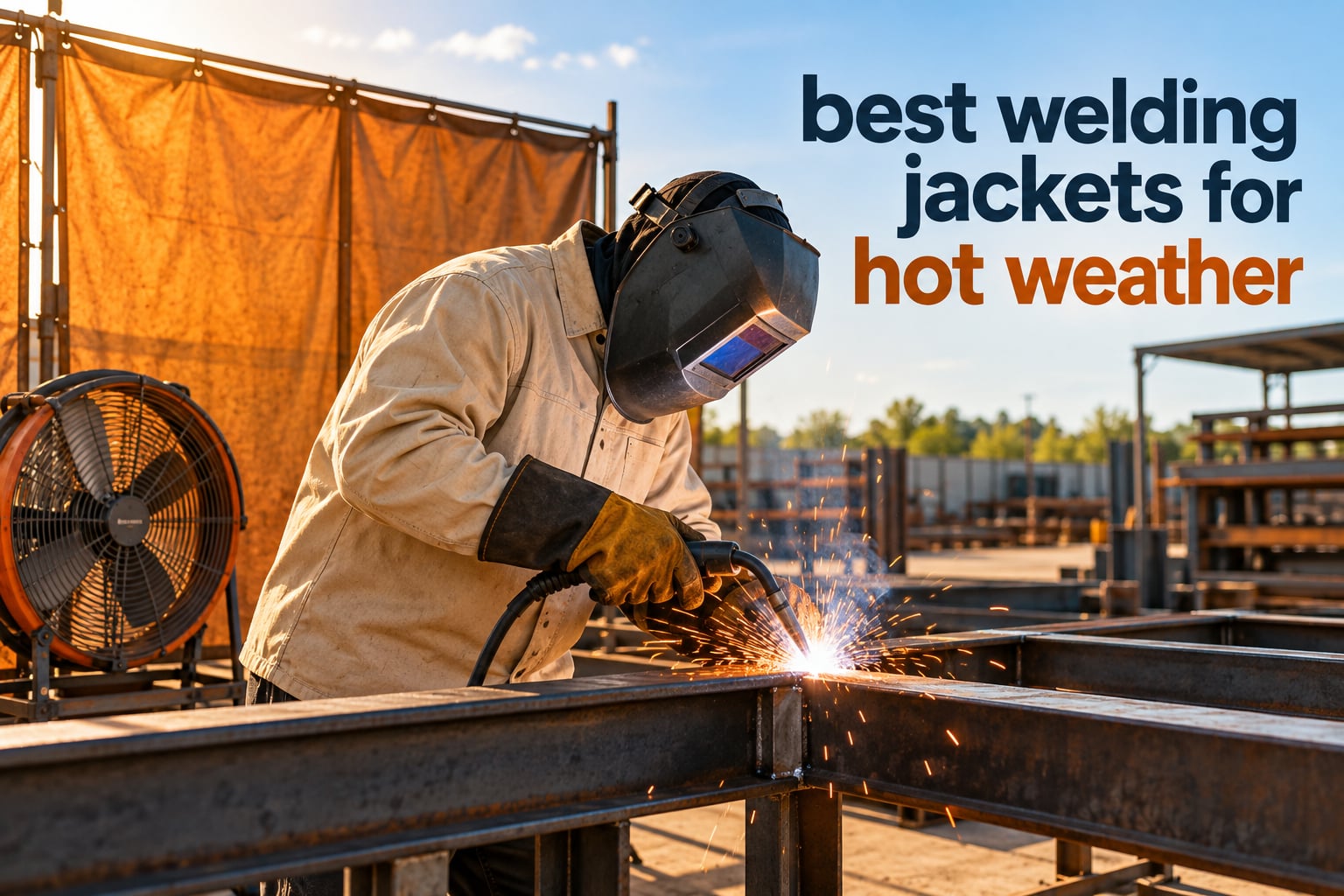
Most welding jackets are engineered for a cold garage in February, not for a July afternoon with the shop door open. That mismatch is why welders end up soaked, exhausted, and still cold in the shade. Finding the best welding jackets for hot weather comes down to fabric weight, flame-resistance certification, and whether the pattern actually lets air move through it.
I spent weeks reading owner reviews across these ten jackets, comparing stitch-level details, and mapping each one to the welding process it can honestly handle. What follows is a lineup that leans almost entirely on flame-resistant cotton in the 7.5 to 9 oz range, plus an honest note on where leather and heavier cloth still win.
This guide also covers what to wear underneath, how to read NFPA 2112 and ASTM D6413 labels without a chemistry degree, and how to manage heat on the day of a long summer weld. Updated for 2026.
Table of Contents
What Is the Best Welding Jacket for Hot Weather?
The best welding jacket for hot weather is a flame-resistant cotton jacket in the 7.5 to 9 oz weight class that carries an NFPA 2112 or ASTM D6413 label, has a stand-up welder’s collar, snap cuffs, and enough cut to let air move. Lighter than leather, cooler than 11 oz cloth, and safe for MIG, TIG, and light stick work at normal amperage. For heavy spatter, grinding, or overhead welds, a leather or hybrid jacket is still the correct call.
That 50-word answer matters because heat is the single complaint that shows up in nearly every review of a heavy jacket. A welder in full leather in a non-air-conditioned shop loses heat slower than the shop does, and the gap between what you can give and what you can give safely narrows fast.
Top 3 Welding Jackets for Hot Weather in 2026
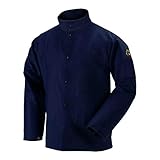
Black Stallion FN9-30C
- 9 oz FR cotton
- 30 inch length
- welder's collar
- leather-reinforced snaps

Miller Classic Cloth 9 oz
- Pre-shrunk 9 oz cotton
- stand-up collar
- fold-in cuff snaps
- true-to-size fit

Lincoln Electric K2985
- ASTM D6413 9 oz FR cotton
- anti-static coating
- flip-up collar
- 50 wash cycles
The Black Stallion FN9-30C leads the list because it has the deepest owner history of any jacket here and holds its rating across thousands of reviews. The Miller Classic Cloth is the top-rated pick and the easiest to size online, and the Lincoln Electric K2985 is the safest default if your employer or welding school hands you a paperwork checklist.
Best Welding Jackets for Hot Weather in 2026 at a Glance
| Product | Specifications | Action |
|---|---|---|
| Black Stallion FN9-30C 9 oz FR Cotton |
|
Check Latest Price |
| Miller Classic Cloth 9 oz Navy Cotton |
|
Check Latest Price |
| Lincoln Electric K2985 FR Cotton |
|
Check Latest Price |
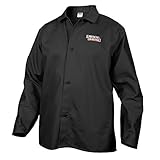 Lincoln Electric Black FR Cloth Jacket Lincoln Electric Black FR Cloth Jacket |
|
Check Latest Price |
 Revco Black Stallion BXRB9C Revco Black Stallion BXRB9C |
|
Check Latest Price |
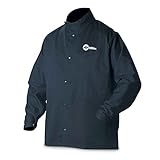 Miller Cotton Nylon 30 inch Jacket Miller Cotton Nylon 30 inch Jacket |
|
Check Latest Price |
 BOCOMAL 7.5 oz FR Shirt Jacket BOCOMAL 7.5 oz FR Shirt Jacket |
|
Check Latest Price |
 QeeLink 9 oz FR Cotton Jacket QeeLink 9 oz FR Cotton Jacket |
|
Check Latest Price |
 IRONCAT 9 oz FR Cotton Sateen IRONCAT 9 oz FR Cotton Sateen |
|
Check Latest Price |
 MAGID SparkGuard 9 oz FR Cotton MAGID SparkGuard 9 oz FR Cotton |
|
Check Latest Price |
Every jacket below sits in the same narrow band: flame-resistant cotton, 7.5 to 9 oz, full sleeve coverage. The differences that matter day to day are collar height, cuff closure, pocket layout, and whether the cut runs generous or trim, because that last one decides how much air actually moves through the garment.
1. Black Stallion FN9-30C 9 oz FR Cotton Jacket: The All-Rounder
- Most-reviewed jacket in the lineup
- 3400+ ratings
- Comfortable weight that moves with you
- Shrugs off everyday sparks with few burn holes
- Sturdy leather-reinforced cuff and collar snaps
- Scribe pocket plus inside pocket
- Slag and heavier sparks burn through over time
- Not rated for overhead or heavy stick work
- Fit runs loose
- size down for a regular fit
Verdict: The best welding jacket for hot weather overall, because it is the one owners keep buying year after year rather than the one with the best spec sheet.
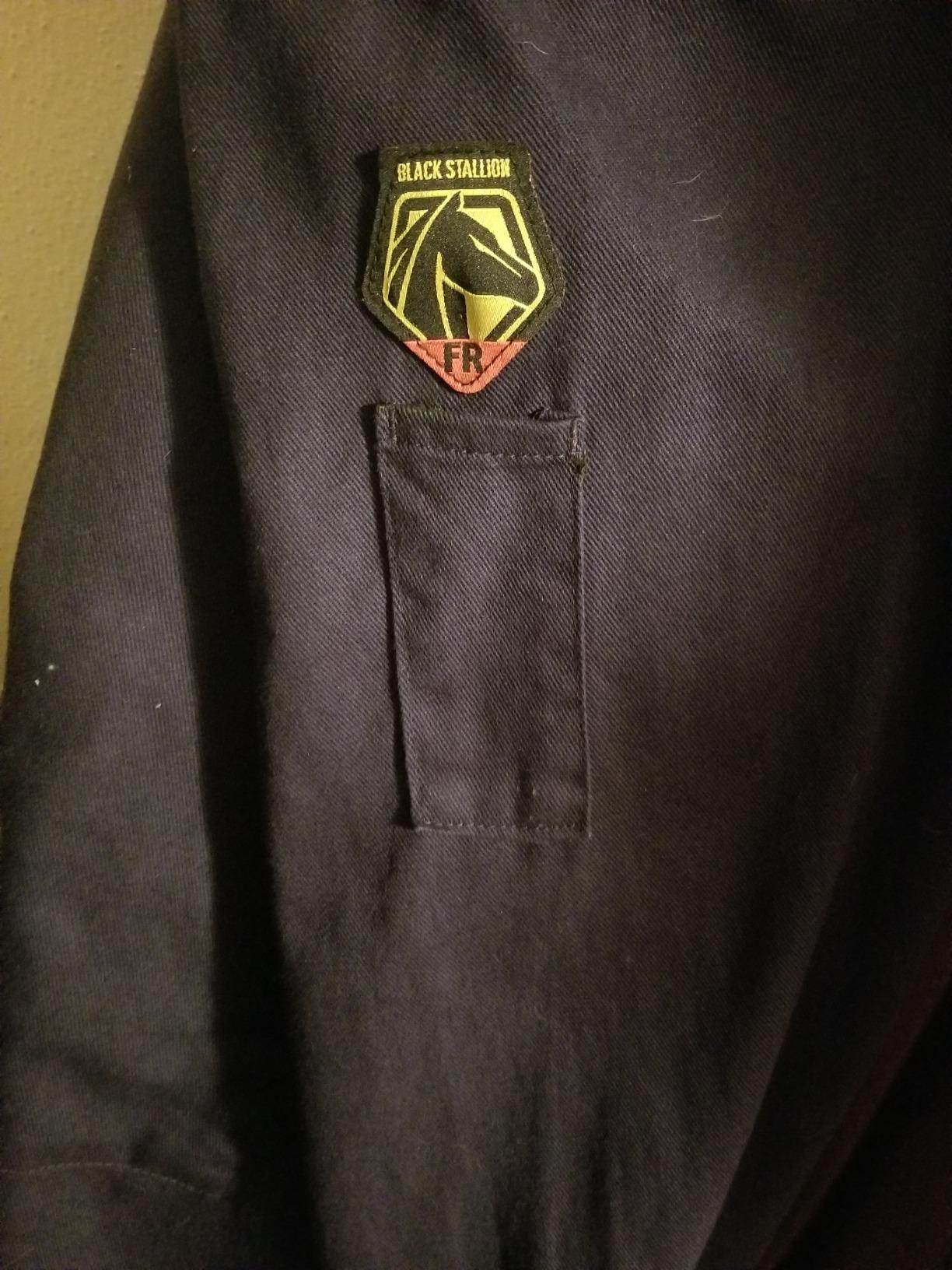
This is a 30-inch 9 oz flame-resistant treated cotton jacket with a welder’s collar, six snaps with leather reinforcement, a scribe pocket for pencils and soapstone, and an inside pocket. It weighs in at a normal work-shirt-plus-jacket feel, not a coat.
What stands out in the reviews is the comment pattern around sparks. Multiple owners describe laying the sleeve across a stack of hot plate ends and finding no burn-through, which is the everyday reality of MIG and light flux-cored work. The fabric also stretches with movement rather than fighting you at the elbow.
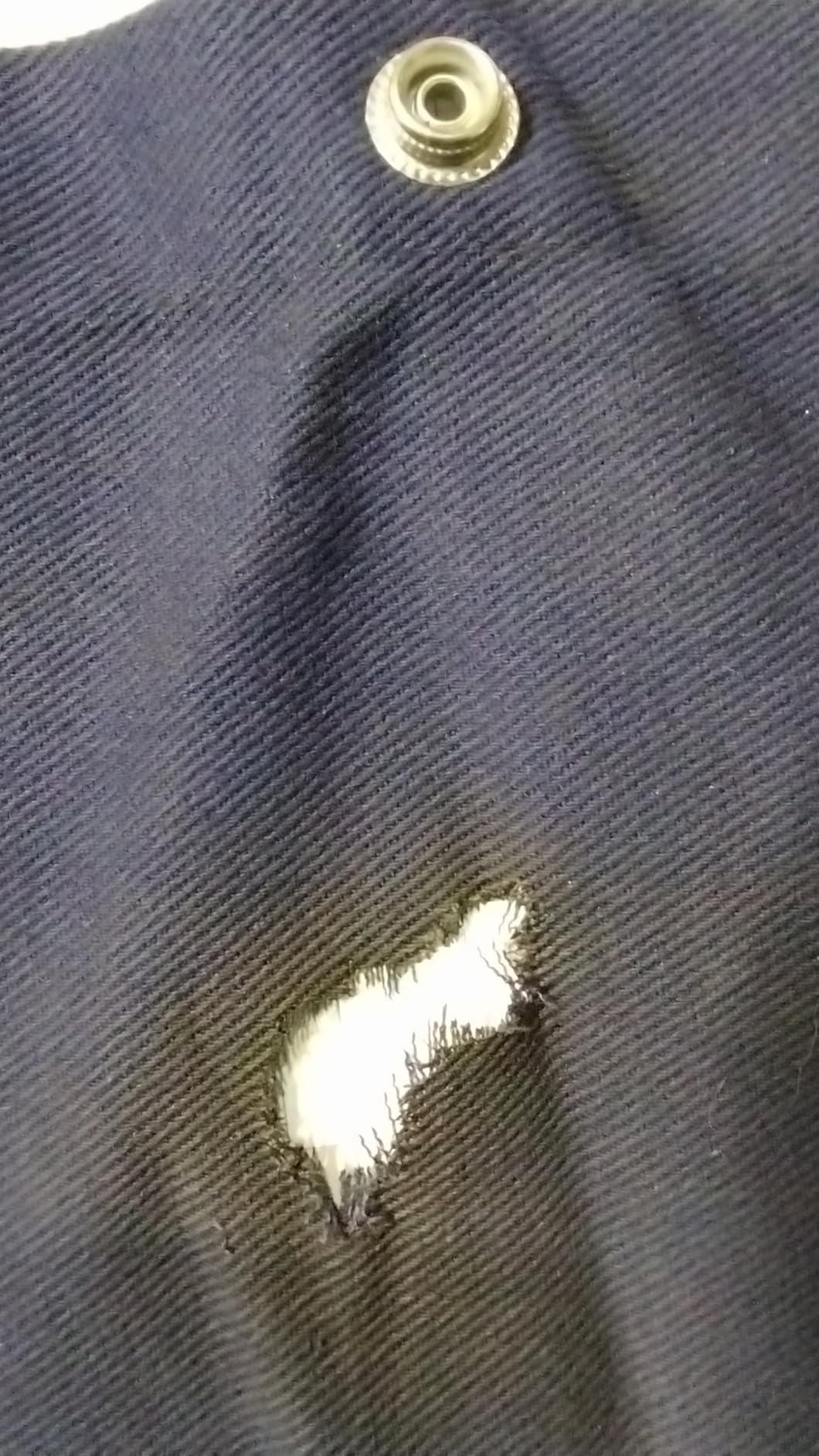
The main limitation is the one every light cotton jacket shares. Slag and heavier spark showers will eventually punch through the arms, and nobody should be overhead welding in it. Owners also note the fit runs loose and long, which sounds like a cooling advantage until the front hem flares away from the boot tops.
Cleaning is straightforward. It is a treated cotton garment that tolerates repeated machine washing, and owners who wash it rather than living in it tend to report fewer finishing problems over time.
Why it fits hot-weather work well
At 9 oz in treated cotton, the fabric is thin enough to move air and dense enough to turn an ember. The welder’s collar and cuff snaps close the two gaps that let sparks travel, which is what separates this from a heavy-duty FR shirt with the same weight.
Where it falls short
Rough structural work, heavy grinding, and out-of-position welding are outside its design window. If your summer job is mostly overhead or spatter-heavy, add a leather apron or sleeves rather than pushing this jacket past its rating.
2. Miller Classic Cloth 9 oz Navy Cotton Jacket: Top Rated and True to Size
- Highest average rating in the lineup
- Fits true to size and suits larger builds
- Folds flat enough to pack for field work
- Stand-up collar works with a helmet
- Snaps are easy to open and close one-handed
- Heavy spatter and grinding will burn holes
- Not adequate for overhead welding
- Life of roughly five to six months under heavy grinding
Verdict: The best pick for anyone who has been burned by ordering a jacket that runs small, and the highest-rated jacket in this roundup.
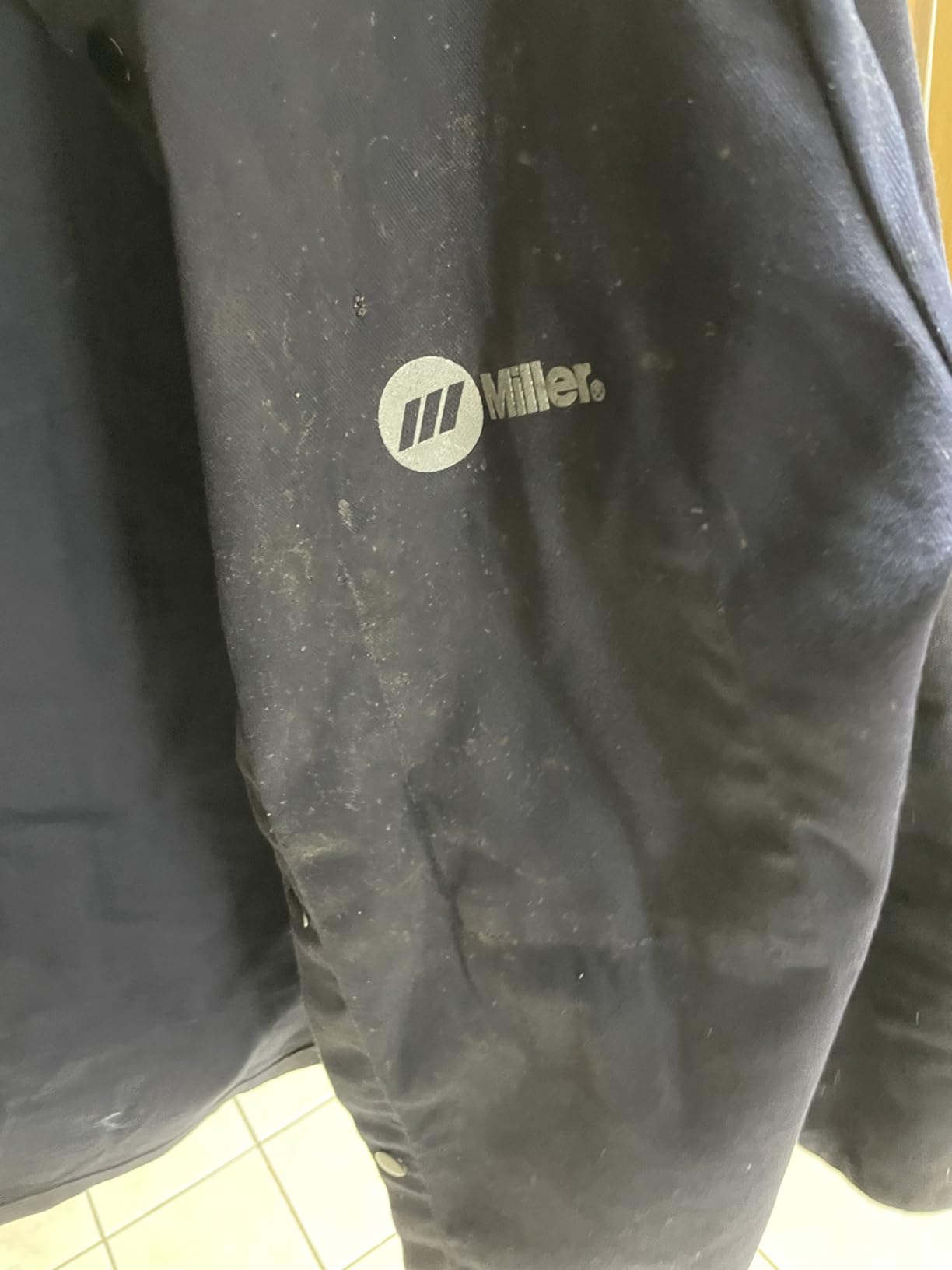
Miller’s Classic Cloth is pre-shrunk 9 oz cotton with reinforced stitching, a Barracuda-style stand-up collar, fold-in sleeve snaps, and an inside pocket. The listed size chart is unusually generous for this category: the XL carries a 54 inch chest and 34 inch sleeves with a 30 inch torso length.
Owners point to two things repeatedly. The first is that it looks like an ordinary jacket, so nobody insists you strip off an apron in front of a customer. The second is how little space it takes in a bag, which matters for anyone driving to a site in a hot van.
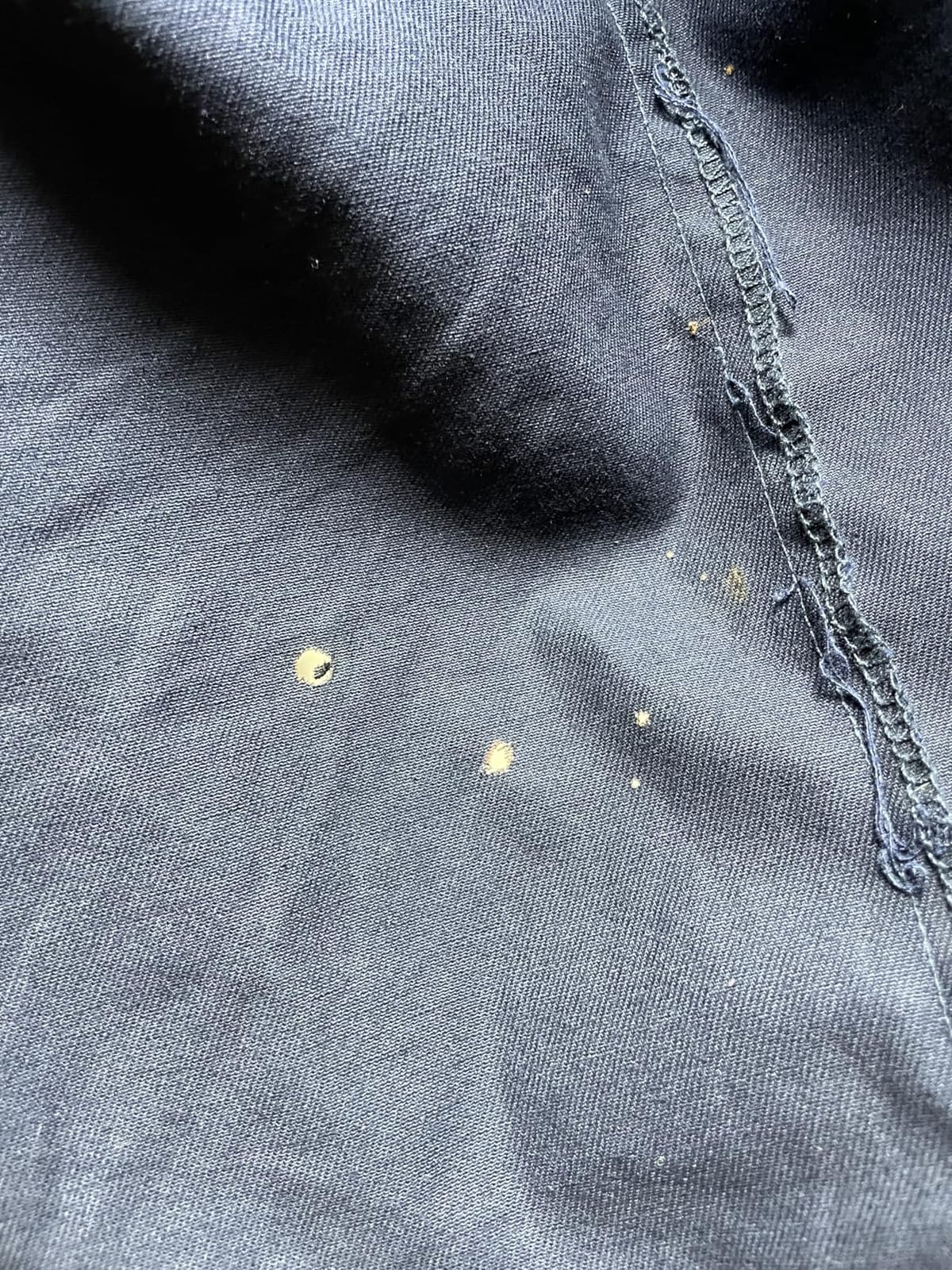
The honest limit is heat duration. Owners doing heavy grinding report a service life in the range of five to six months before the inside sleeves give out, and big spark showers leave small holes rather than stopping them. For flat and low work it is extremely comfortable.
Care instructions say hand wash. In practice owners wash it in a machine on gentle settings and report no meaningful shrinkage, but following the label keeps the finish predictable.
Best for larger builds and everyday wear
Almost every sizing complaint across this category disappears with this jacket. The chest and sleeve measurements mean you can order your normal size and still get the airflow gap you need for cooling, rather than a body-hugging fit that traps sweat.
Where it falls short
This is a cloth jacket, not an armor plate. Spatter, slag, and overhead positions call for leather, and anyone grinding for a living will replace it faster than a hobbyist will.
3. Lincoln Electric K2985 Premium FR Cotton Jacket: The Paperwork-Safe Pick
Lincoln Electric Premium Flame Resistant (FR) Cotton Welding Jacket | Comfortable | Black | Medium | K2985-M
- Widest review history of any jacket here
- 2700+ ratings from welders
- Anti-static coating adds a layer of protection
- Machine washable through 50 commercial cycles
- Large inside pocket for protected storage
- Does not stop heavy spatter or sustained flame exposure
- Costs more than comparable 9 oz jackets
- Unsuitable for overhead welding
Verdict: The best choice when your employer, school, or safety officer wants a documented ASTM D6413 standard and a recognized brand name.
The K2985 is a 9 oz flame-resistant black cotton jacket with an anti-static coating, chrome-plated snaps on both cuffs, a flip-up collar, and a large inside pocket. It carries an ASTM D6413 compliance label and is machine washable through 50 commercial cycles while keeping its flame retardancy.
The number that matters here is the review count. With more than 2,700 ratings, this is the most thoroughly tested garment in the lineup, and the comments are consistent: lightweight enough to wear all day, breathable in a hot shop, and it holds up under repeated washing without going stiff.
Owners also single out the flip-up collar. It shields the neck from arc rays and stray spatter while staying out of the way of a helmet, which is the same benefit the fixed collars on the other cotton jackets offer.
Why welders pick this one repeatedly
Brand loyalty runs strong in welding, and Lincoln is one of the names that comes up most often in welder forums when people describe a jacket they have owned for years. Having a documented standard and a wide size range from Medium through 3X-Large matters when a whole crew needs matching gear.
Where it falls short
The cloth is light by design. It will not stop heavy spatter, sustained flame contact, or slag, and it is the wrong choice for out-of-position work. The price also sits above most 9 oz cotton jackets, which is a fair trade for the certification and the review history.
4. Lincoln Electric Black Flame-Resistant Cloth Jacket: The Simple Workhorse
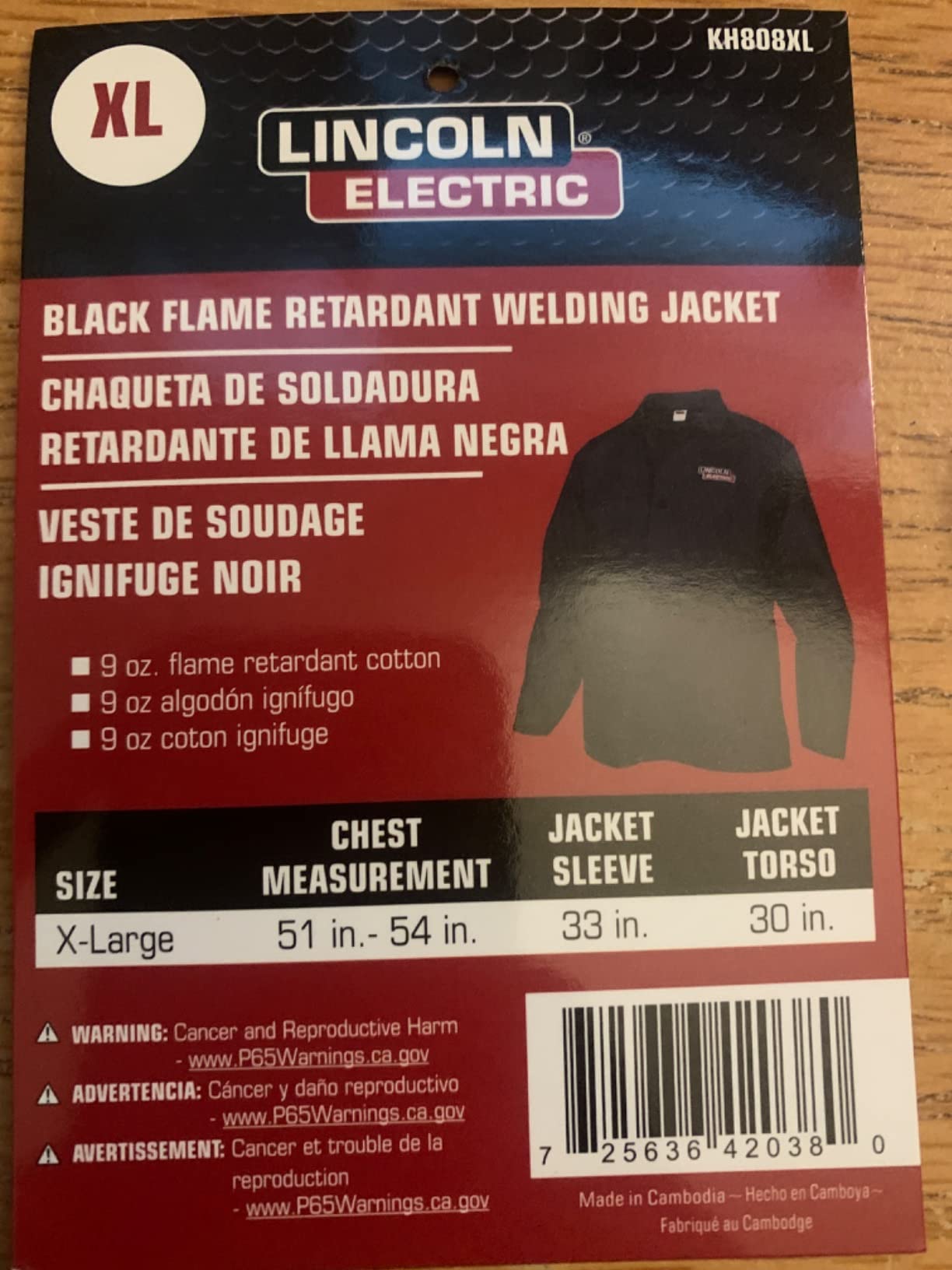
Lincoln Electric Black X-Large Flame-Resistant Cloth Welding Jacket,KH808XL
- Thin enough to wear comfortably in hot weather
- Cotton construction promotes airflow and perspiration
- Black hides soot and spatter
- Snap buttons are good quality
- Machine washable and handles repeated shop use
- No front chest pocket for pens
- Not sufficient protection for overhead welding
- Runs small
- larger wearers may size up
- Spatter protection is below leather
Verdict: The best pick for someone who welds flat and low every day and wants a jacket that disappears on the body.
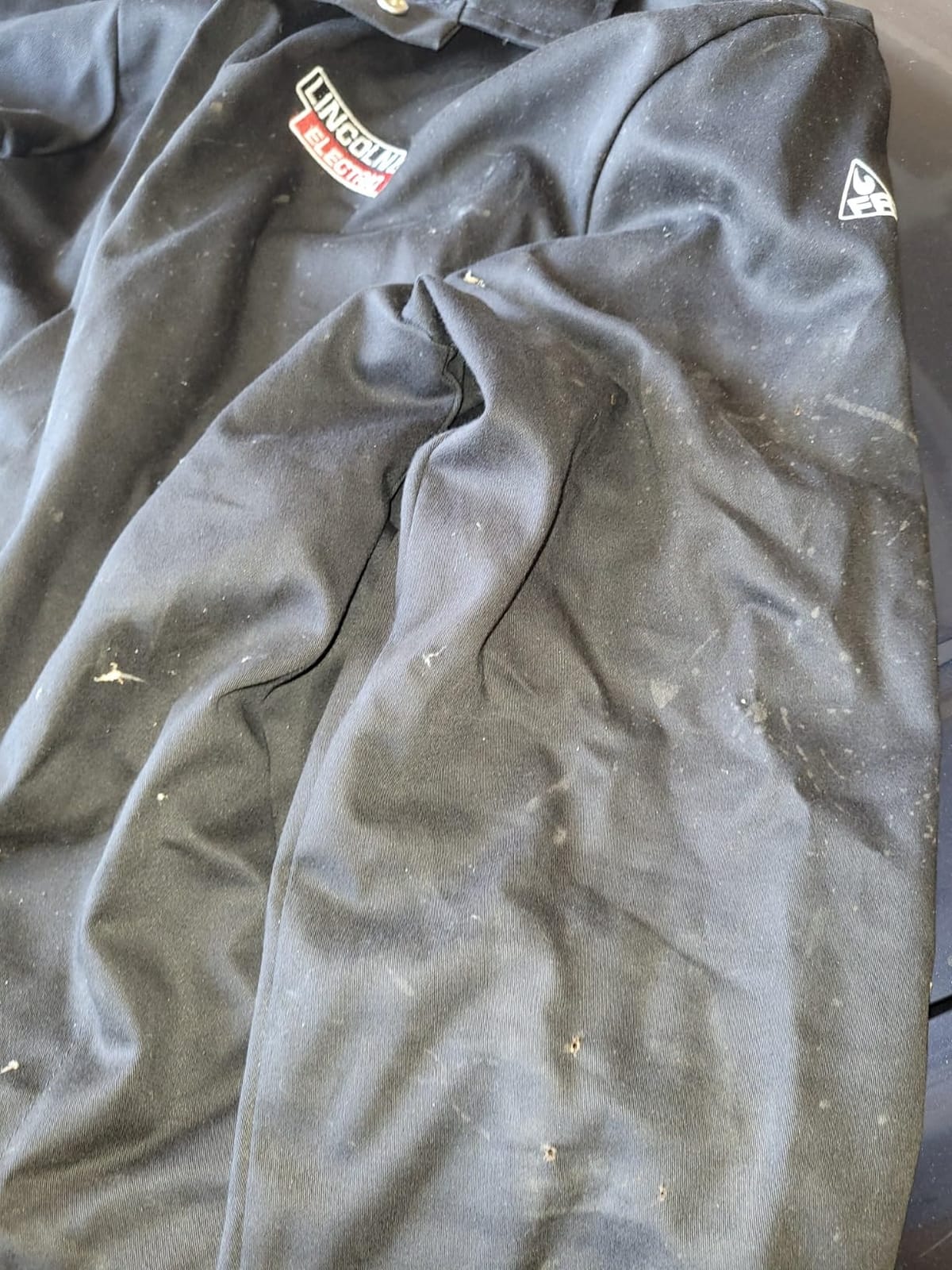
This is a 9 ounce flame-resistant cotton jacket with snap sleeves for form-fitting cuffs and an inside pocket for protected storage. Owners describe it as their go-to for staying cooler on lower and flat welding, with no burn-through from everyday sparks.
It is the plainest garment here, and that is the point. No waist straps, no gussets, no collar hardware. The 1,900-plus ratings describe a jacket that gets worn, washed, and worn again without drama.
The missing front chest pocket is the most common small complaint, and it is a real annoyance for anyone who keeps soapstone, soap holders, or a pencil in a chest pocket rather than a pocket bag. The second is the same one every light cotton jacket carries: it is not enough for overhead work.
Sizing runs slightly small according to several owners, so if you are between sizes and want the airflow gap, order up.
Why it works for warm weather
Cotton construction with snap sleeves is the least restrictive setup on this list. There is no waist cinch pulling the garment tight across the ribs, which means the torso can billow slightly as you move and shed heat.
Where it falls short
It is a light garment with light-garment limits. If your summer work involves grinding, chipping slag, or reaching overhead, this is the wrong tier and a leather hybrid or apron will serve you better.
5. Revco Black Stallion BXRB9C Contoured FR Cotton Jacket: Most Pocket Layout
- Contoured fit moves well through the shoulders
- Extended 32 inch front length
- Adjustable waist snaps for a trimmer profile
- Dual scribe pockets plus two inside pockets
- Raised welder's collar for neck coverage
- 9 oz cotton is light-duty for heavy spatter
- Listed as medium weight rather than ultra-light
- Hand wash only care
Verdict: The best pick for fitters and structural work who need tool storage and a trim fit rather than maximum looseness.
The BXRB9C is a contoured 9 oz flame-resistant cotton and denim jacket with a raised welder’s collar, an extended 32 inch front length, two-position adjustable waist straps, dual scribe pockets on the sleeves, and two inside pockets including a zippered one. The listed climate suitability is extreme heat.
That waist adjustment is the interesting part for summer use. Rather than hanging loose, you can pull the jacket in at the waist and open the front or back at the top, which is a common way to convert a mid-weight garment into something that moves air.
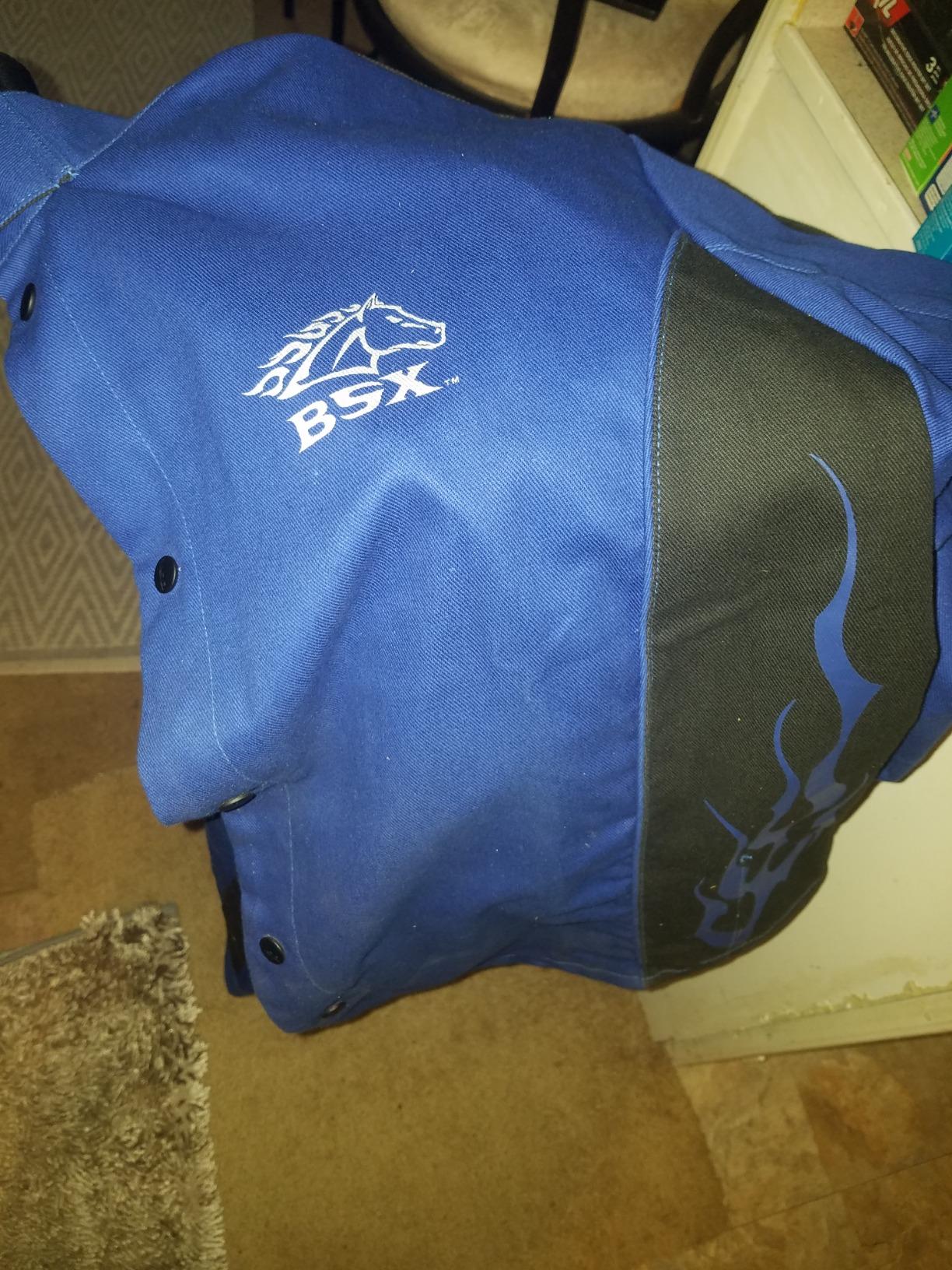
Owners rate the contoured fit and the collar highly, and the review pool is close to a thousand entries, so the pattern is well established. The pocket layout is genuinely the most complete in this roundup.
The trade-off is weight class. This is a 9 oz garment listed as medium weight, which puts it above the truly hot-weather end of the range, and the hand-wash-only label adds friction in a shop where a machine is easier.
Why it earns a place on a hot-weather list
The extra front length covers more of the leg on vertical work, and the adjustable waist gives you control over how sealed the torso is. For a fitter who needs a pen, a pocket, and airflow at the same time, that combination is rare in cloth.
Where it falls short
It is not a spatter jacket. Any grinding, slag catching, or heavy flux-cored work will find the 9 oz cotton, and the waist straps add a little bulk that a plain jacket does not have.
6. Miller Cotton Nylon 30 inch Jacket: The Blend That Handles Wear
- Cotton-dominant blend stays comfortable in heat
- Blend adds abrasion resistance versus pure cotton
- Secure snaps and fold-in cuffs
- Sizing sentiment is positive across buyers
- Regular fit with 30 inch length
- Limited protection against heavy spatter
- Not suitable for overhead welding
- Regular-length sleeves may run short for taller wearers
Verdict: The best pick if you want more durability than cotton gives you without moving up to leather.
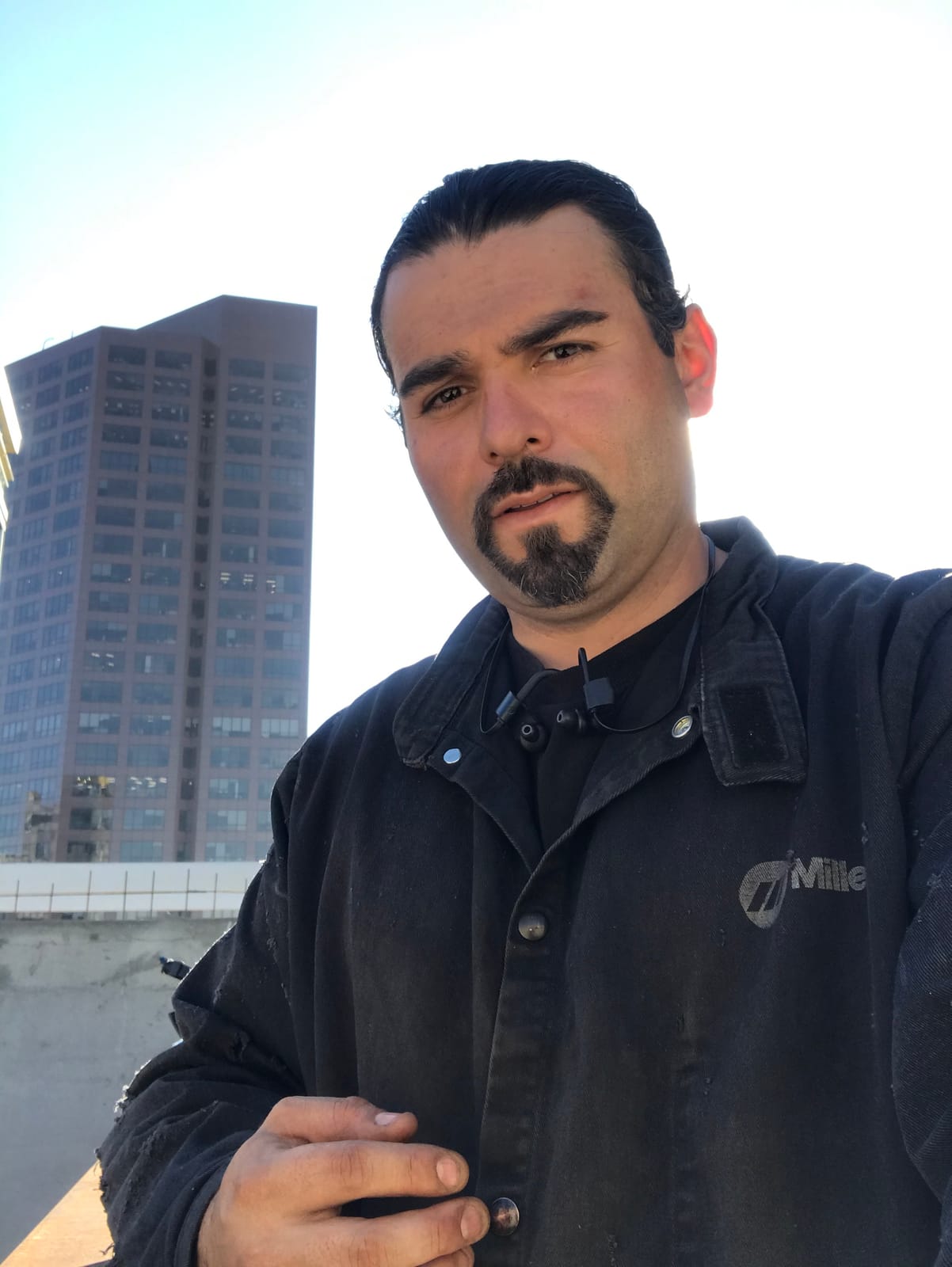
This Miller jacket is an 88 percent cotton and 12 percent nylon blend with a snap button front closure and fold-in cuff snaps. The Large carries a 46 inch chest with a 30 inch shoulder-to-hem length, and the listed weight is 1.4 pounds.
The nylon content is the point. A small percentage of synthetic fiber meaningfully improves abrasion and tear resistance in a cotton-heavy fabric, which is exactly where pure FR cotton fails first. Owners report it holds together better through routine handling without feeling like a heavy synthetic shell.
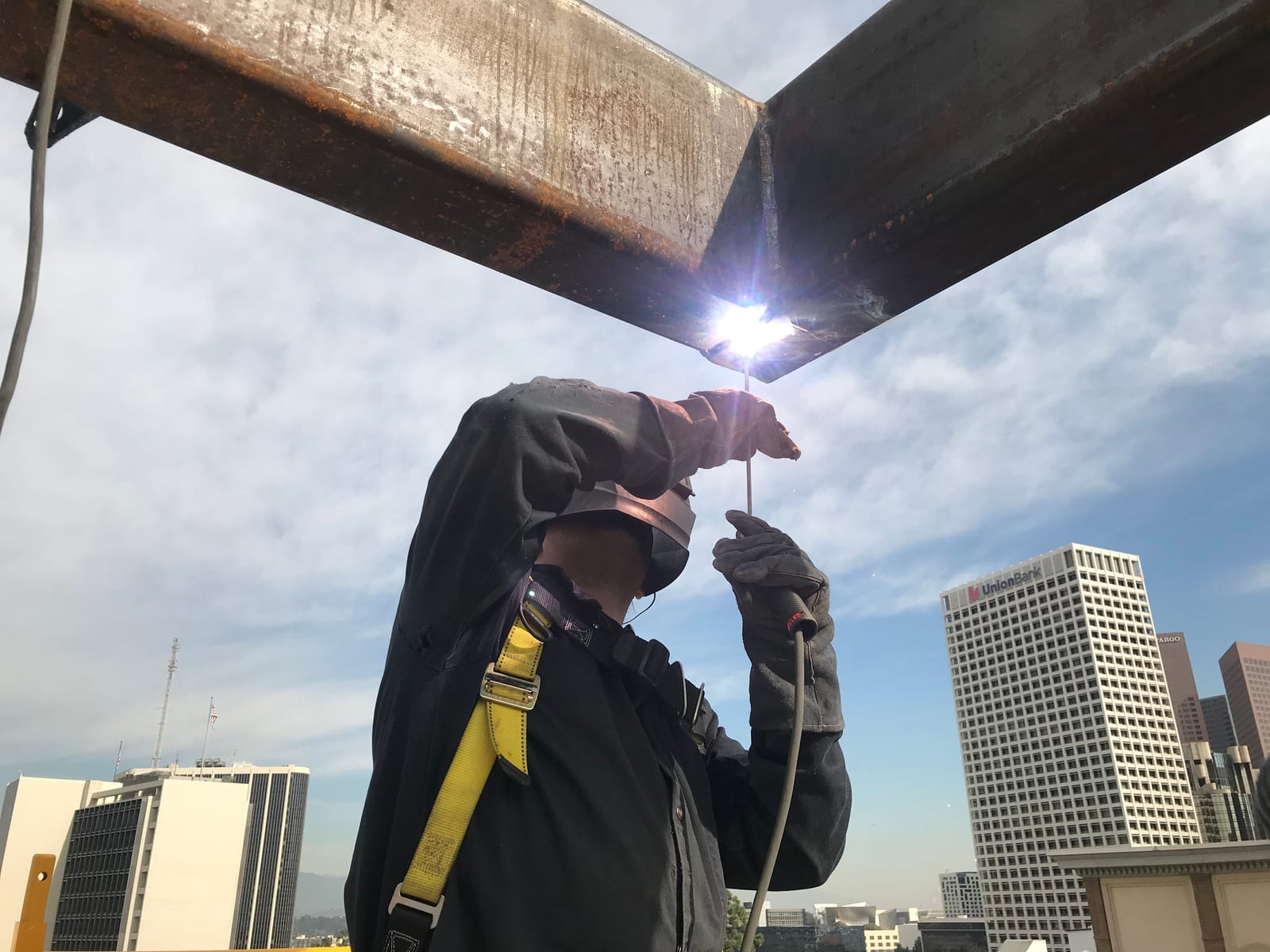
It is described in the listing as a lightweight fabric weight class, and that is consistent with owner comments about comfort through routine MIG and TIG work. The blend breathes a little less freely than pure cotton, but the durability difference is worth knowing about if you catch your sleeves on things constantly.
Regular-length sleeves run short for some taller wearers, so check the sleeve measurement against a jacket you already own rather than trusting the size letter.
Why it suits summer shop work
Snap closure, fold-in cuffs, and a light fabric weight class give you the same ventilation levers as a cotton jacket. The difference is that this one will still be serviceable after a season of dragging over steel and metal slats.
Where it falls short
It is a light jacket with light-jacket limits. Heavy spatter, grinding, and overhead positions are outside its range, and the nylon content makes it slightly warmer than the pure cotton options here.
7. BOCOMAL 7.5 oz FR Shirt Jacket: The Lightest Certified Option
- Lightest certified jacket in the lineup
- Only garment here with an HRC2 arc rating
- Preshrunk and prewashed
- FR aramid thread throughout
- Stands up to spatter and abrasion on tubing
- Runs warm for midsummer at peak heat
- Regular sleeves can come up short
- Loose fabric debris reported in the package
Verdict: The best pick if you need the lowest possible fabric weight with a real arc rating behind it.
This is a 7.5 oz brushed and softened 100 percent cotton twill with an FR treatment, aramid thread, and a water repellent finish. It carries NFPA 2112 and NFPA 70E compliance, ASTM F1506 classification by UL, and an HRC2 arc rating at 9.2 cal per square centimeter. It is prewashed and preshrunk, with performance held through 100 washes.
That is the most complete documentation on the list. It is also the only jacket here with an arc thermal rating rather than a flame-resistance standard alone, which matters if you work around energized equipment as well as hot metal.
Owners treat it as an everyday garment, mentioning that it is soft and stylish enough to wear to casual gatherings, with a large drop chest pocket for markers and small tools.
Why it works when it is hot
At 7.5 oz it is roughly a pound lighter in fabric than the 9 oz jackets here, and the brushed twill is soft rather than stiff against the skin. It is the closest thing here to wearing a work shirt.
Where it falls short
Even at 7.5 oz, owners report it runs warm at the peak of midsummer and suits spring and fall better. Regular-length sleeves can come up short, so tall sizes are the safer order. It is also not a spatter or grinding jacket.
8. QeeLink 9 oz Flame-Resistant Cotton Jacket: Best for Spark Control
QeeLink Welding Jacket – Premium Flame Resistant (FR) Cotton Welding Clothes – Light Weight Welder Jacket for Men & Women (X-Large, Black)
- Exceptionally light for a 9 oz jacket
- Good spark and ember protection for MIG and TIG
- Holds up through repeated machine washing
- Meets welding school PPE requirements
- Anti-release stainless steel snaps
- Sizing runs small
- order up one or two sizes
- Thin canvas can burn through with heavy spatter
- Not for sustained or heavy-duty welding
Verdict: The best pick for hobby and light-duty welders who want ventilation and a legible NFPA 2112 label at the same time.
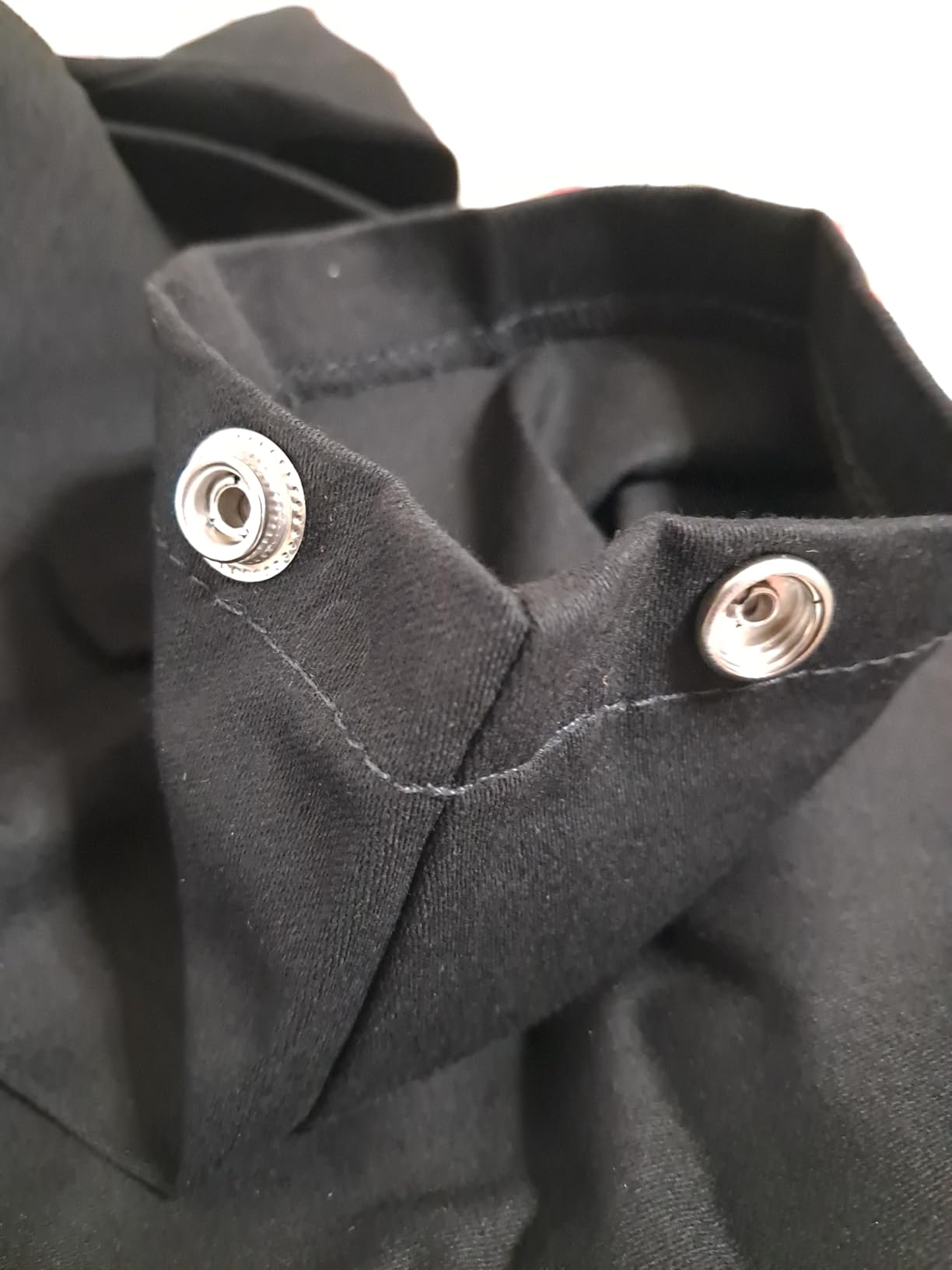
The QeeLink is a 9 oz flame-resistant cotton jacket with anti-static technology, snap-button adjustable cuffs, anti-release stainless steel snaps, and US Kevlar heat-resistant thread. It is certified to NFPA 2112 and is unisex.
Owners consistently call it one of the coolest jackets they have worn, which is a slightly surprising result for a 9 oz fabric and comes down to the light weave and the cuff adjustment letting heat dump from the forearms.
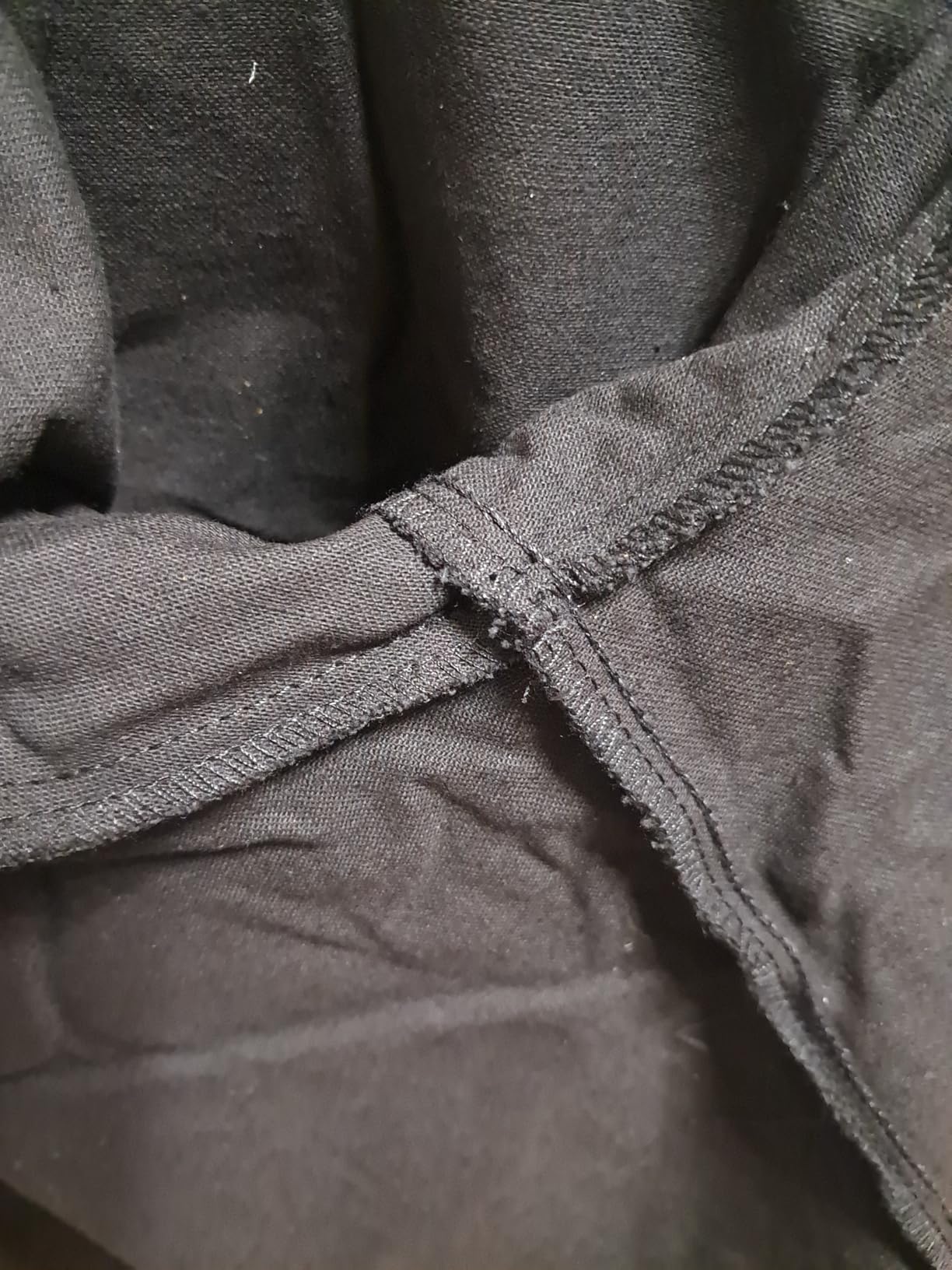
The listing is explicit about scope: brief, intermittent exposure to sparks, spatter, and radiant heat. It is not designed for electric arc flash or firefighting, and owners confirm that heavy spatter, grinding, and angle-grinder work will burn through the thin canvas.
Sizing is the other recurring theme. Multiple buyers recommend ordering up one or two sizes, which is worth doing here since the extra room is exactly what helps with airflow.
Why it earns a place on a summer list
Adjustable cuffs are the underrated feature. Rolling a sleeve up to the elbow and snapping it tight lets a lot of heat escape while keeping the wrist covered, and no heavy fabric gets that specific form of airflow.
Where it falls short
It is a light-duty garment by design, not by accident. The thin canvas is the trade for the cool feel, so treat it as summer shop wear and put on something heavier when the work changes.
9. IRONCAT 9 oz FR Treated Cotton Sateen Jacket: Budget With Collar Coverage
- Inexpensive and light for daily sparks and cutting
- Pop-up collar keeps sparks off the neck and out of the helmet
- Interior lower pocket plus scribe pocket
- High-visibility color options
- Handles everyday torch and cutting work
- Sizing runs small for several buyers
- Inside elbows wear through catching slag
- Heavy sparks can burn straight through
- A front snap failed for one buyer
- Strong treatment odor on arrival
Verdict: The best budget entry for light shop work, provided you size up and air the jacket out before the first weld.
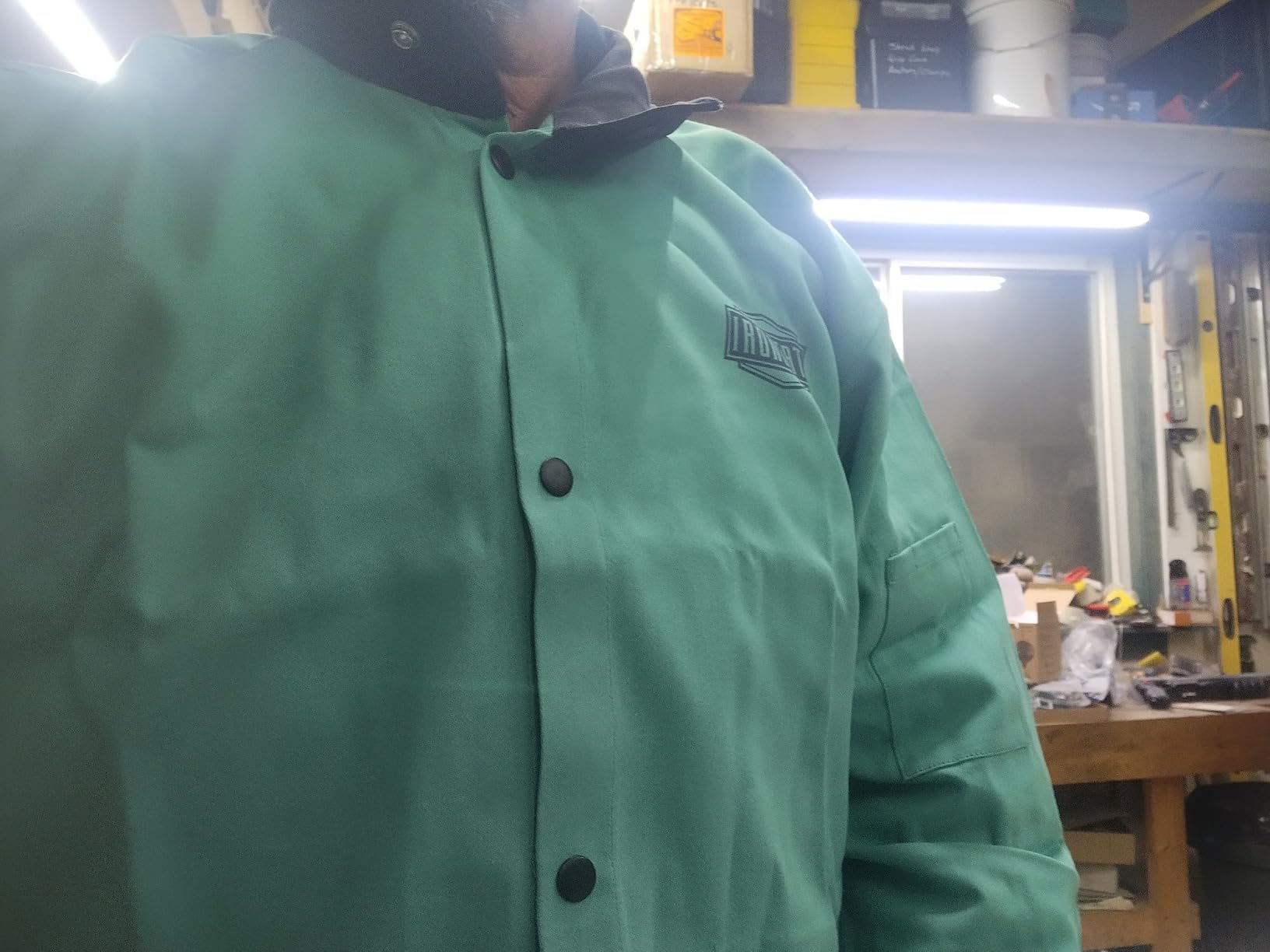
The IRONCAT is a 9 oz FR treated cotton sateen jacket built for sparks and light flame exposure, with anodized leather-reinforced snaps that resist corrosion and flashback, a black pop-up welder’s collar with snap closure, an interior lower pocket, and a scribe pocket. Sizes run from Small through 5X-Large.
Owners value it as a cheap, light jacket that handles everyday sparks and cutting work. The anodized snaps are a nice detail at this tier, since a plain steel snap that flashes back onto the jacket defeats the whole point of the garment.
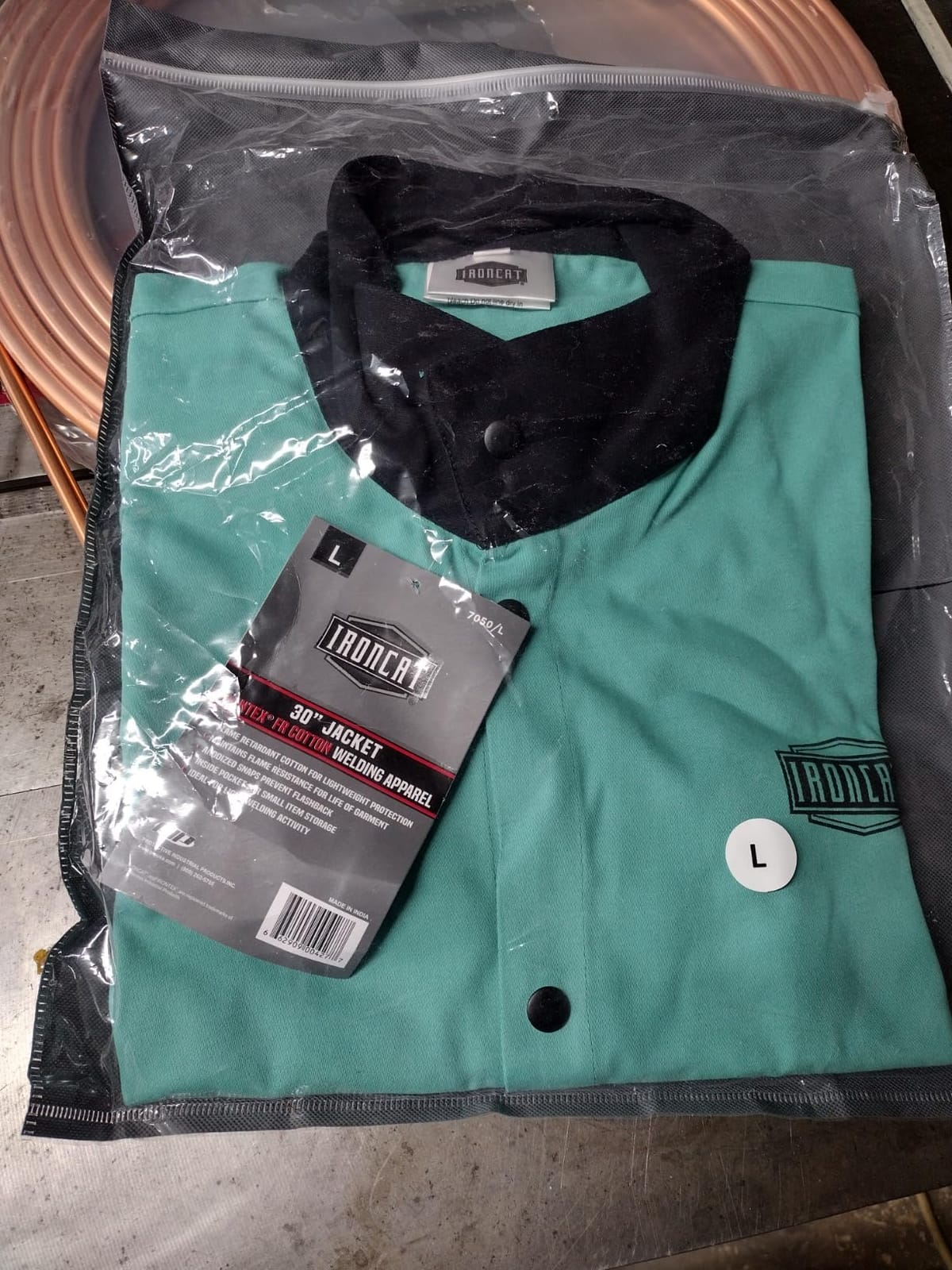
The complaint list is worth reading before ordering. Several buyers needed to size up, inside elbow areas wore through from catching weld slag, and one buyer had a front snap break on first use. The chemical treatment also arrives with a noticeable odor that needs airing out.
Heavy sparks will burn through the sateen, so it is a garment for lighter work rather than a shop workhorse.
Why it works in warm weather
Cotton sateen at 9 oz is smooth and light against the skin, and the pop-up collar gives neck coverage without permanently standing up around your ears when you are not welding.
Where it falls short
The elbow wear-through is the real limitation. If you catch slag or grind often, you will burn holes near the inside of both sleeves long before the rest of the jacket gives up.
10. MAGID SparkGuard 9 oz FR Cotton Jacket: The High-Visibility One
- Lighter than leather on long shifts
- FR treatment survives 50 plus industrial washes
- Roomy cut with good spark protection
- Distinctive light green color is easy to spot
- Leather-reinforced non-reflective metal snaps
- Only semi-breathable
- fabric degrades with intense heat and radiation
- Runs smaller than expected
- size up
- Limited protection for heavy grinding or spatter
Verdict: The best pick when a supervisor or site rule makes personal protective equipment easy to spot at a glance.
The MAGID SparkGuard is a 30-inch 9 oz 100 percent cotton sateen jacket certified to ASTM D6413, with an FR treatment guaranteed through 50 plus industrial washes. It has leather-reinforced non-reflective metal snaps on the placket and wrists, a lay-down collar, and a riveted inside breast pocket.
Owners treat it as an affordable lightweight alternative to leather that still stops sparks, with a comfortable roomy fit. It is a made-for-welding garment rather than a work shirt with an FR label added, and the listed use cases cover welding, metal fabrication, maintenance, and steel industry work.
The non-reflective snaps are a genuine safety detail in shops with strong lighting, where a reflective snap can throw a hot particle back toward your arm.
Why it suits hot weather
At 1.21 pounds listed weight, it is one of the lighter full-length jackets here, and the sateen weave is smooth rather than coarse. For a welder who wants a proper jacket rather than a shirt, the extra layer still moves better than leather.
Where it falls short
Owners describe it as only semi-breathable, with the fabric deteriorating over time under intense heat and radiation. Sizing runs smaller than expected, so order up, and keep it away from grinding and heavy spatter work.
How Fabric Weight Changes Summer Comfort
Fabric weight is measured in ounces per square yard, and it is the single most useful number for judging coolness before you buy anything. A 6 oz fabric is roughly a thick T-shirt, 9 oz is a canvas work shirt, and 11 to 12 oz is heavy duck cloth that belongs in fall and winter.
Below about 6 oz you lose spark protection. Above 10 oz you lose the airflow that made summer welding survivable. The 7.5 to 9 oz band in this roundup is not a compromise; it is where the protection and the cooling overlap.
Weight also interacts with weave. A brushed 7.5 oz twill can feel warmer than a 9 oz sateen, while a 9 oz cotton denim with a tight weave blocks more radiant heat than a loose canvas of the same weight. If you are between two jackets, the weave matters as much as the number on the label.
What Do Welders Wear in Summer? FR Shirts vs Jackets
The most common summer setup is a flame-resistant shirt for the torso and a jacket for the arms, and it is the most efficient option for light TIG and MIG work in real heat. An FR shirt moves air across your chest and shoulders, where a jacket body would sit flat and seal.
Second is a full lightweight FR jacket, which is what most of this roundup recommends for anyone who wants one garment. It covers the neck and forearms, both of which take sparks from a stick or flux-cored pass.
Third is a hybrid: a lightweight FR jacket for the body plus leather sleeves or an apron for the spatter-heavy work. Forum consensus among welders has moved strongly this way, with leather reserved for the jobs that actually need it.
What to wear underneath matters more than most people expect. A cotton undershirt holds sweat against your skin and stays wet long after you stop welding, which can feel worse than no layer at all. A moisture-wicking base layer moves that moisture outward so it can evaporate.
Never put a meltblown or synthetic fleece under a welding jacket. It can melt into your skin during a flash, and it traps far more heat than cotton in a hot shop.
FR Cotton, Leather, and Aramid: What to Wear and Why
Flame-resistant cotton is the hot-weather default for a reason. Cotton is cheap, soft, washable, and available in a wide range of weights. Treated cotton and inherently flame-resistant cotton behave differently: the treated version relies on a chemical finish that washes out over time, while inherent aramid keeps its protection for the life of the garment.
Split cowhide leather is the most durable option and the hottest. It blocks the most radiant heat of any material here, which is exactly why it belongs on the top of the list for spatter, grinding, and overhead work, and exactly why it is absent from this list.
Aramid and aramid-cotton hybrids split the difference. The aramid fiber adds thermal stability and abrasion resistance while the cotton keeps the hand soft and cool. The BOCOMAL jacket in this roundup is an aramid-thread cotton, and several popular hybrid jackets pair a FR cotton body with leather sleeves and shoulders.
For summer, treat any leather panel as a heat zone you can vent by working around it, not a mistake. Many welders deliberately choose the hybrid with the leather on the arms because that is the part that takes the heat from the workpiece.
Reading Flame-Resistance Labels: NFPA 2112, NFPA 70E, ASTM D6413, HRC
ASTM D6413 is the vertical flame test. It measures how fast fabric ignites, self-extinguishes, and chars when a flame is applied. Nearly every jacket in this roundup carries it, and it is the baseline for a welding jacket. It tells you the fabric will not stay lit, not that it will block a heavy spark shower.
NFPA 2112 is the standard for flame-resistant clothing for welding and fabric cutting. It tests the whole garment, closures included, which is why a jacket with plastic buttons or a nylon zipper should worry you and a jacket with metal snaps and aramid thread should not. BOCOMAL and QeeLink carry NFPA 2112 in the data here.
NFPA 70E is the electrical safety standard for the work itself, and it brings arc-rated categories. HRC1 through HRC4 describe how much incident energy a garment can take before a second-degree burn reaches the wearer through it. An HRC2 rating, as the BOCOMAL jacket carries, is a meaningfully higher guarantee than a flame test alone.
ANSI Z49.1 is the welding safety standard covering the process, including ventilation and PPE guidance. It is worth knowing because a jacket that passes a flame test but has no arc rating may not be the right garment for a job with energized equipment nearby.
QeeLink states plainly that its jacket is not designed for electric arc flash or firefighting. That kind of honest scope statement is a better sign than a vague flame-resistant label, and it is worth looking for on any jacket you consider.
How to Stay Cooler While Welding in Summer
Position your body out of the radiant heat line. The arc is not the main heat source, the workpiece is, and stepping to the side so the glow is off your chest and forearms makes a visible difference within minutes.
Schedule water breaks like you schedule weld passes. A bottle within reach, a five-minute break every half hour, and shade or a fan pointed at your station will outperform any single garment purchase.
Wear the jacket open or unbuttoned when the process allows it. Sparks fall, they do not rise, so an open jacket front on MIG and TIG work is far safer than the instinct suggests. Save the closed configuration for stick and flux-cored.
Use the vents your jacket already has. Snap cuffs down to the forearm, stand the collar up when sparks are flying and fold it down when you are repositioning, and pull in any waist adjustment so the torso is not sealed.
Know the symptoms of heat stress. Heavy sweating followed by a dry patch, headache, nausea, dizziness, or the sudden sense that you have stopped sweating are all reasons to stop immediately and cool down.
If your shop has no ventilation plan, tracking local heat conditions at the start of a shift helps you plan around the worst window of the day. A basic indoor thermometer or a home weather station is enough to know when the afternoon peaks. Shops tracking a wider set of conditions can compare readings the same way, and our guides to the best professional weather stations and the best wireless weather stations cover the options. That is as much a work-safety decision as a comfort one.
Washing and Caring for FR Cotton Jackets
Wash jackets before they look dirty. Sweat and body oils build up in the weave, cut airflow, and are the main reason a jacket that felt cool on day one feels clammy by week three.
Follow the care label rather than the category. Some of these jackets are labeled hand wash only, and machine washing on a hot cycle is the fastest way to shrink a treated cotton shell or loosen a collar snap.
Use cold or warm water, a mild detergent, and skip the dryer where you can. Air drying takes longer but keeps the finish intact, and tumble drying is the usual culprit behind complaints about tight shoulders after a wash.
Expect treated cotton to lose some flame resistance over many cycles. Manufacturers here rate performance through 50 or 100 washes, so replace rather than repair a jacket that has been in service for years of daily work.
Store leather-trimmed jackets away from direct sun and heat. A summer garage or a vehicle trunk is exactly the environment that ages leather trim and snaps faster than normal wear.
Choosing a Summer Welding Jacket: What to Look For
Start with the process, not the brand. Note whether you spend your time on flat and low work, whether spatter and grinding are part of the job, and whether you weld overhead at all. Those three answers rule out most jackets before you compare fabrics.
Then check the fabric weight and aim for 7.5 to 9 oz. Below that, protection gets thin; above it, cooling suffers. If a listing does not state a weight, treat that as information you are missing rather than a detail to skip.
Look for a stand-up or welder’s collar and snap closures. Those two features close the paths that sparks actually travel, and metal snaps resist the flashback that can ruin a lighter jacket.
Confirm the certification label and that it covers the garment, not just the fabric. Adjustable cuffs, a non-snap closure, and a nylon zipper are three quick reasons to keep looking.
Then size for airflow rather than for appearance. A jacket one size up with a loose torso moves far more air than a fitted one, and the sizing complaints in these reviews point the same direction across several brands.
Matching a Jacket to Your Welding Process and Amperage
The process decides the fabric faster than the weather does. Low-amperage TIG at 60 to 120 amps produces a narrow, controlled arc with almost no spatter, which is exactly the situation where the lightest certified garment in this roundup works well. The BOCOMAL 7.5 oz shell and the QeeLink 9 oz jacket both sit comfortably there.
MIG with thin wire and shielding gas is the next step up. Spatter is moderate and mostly lands low on the front of the jacket, so a 9 oz cotton with a welder’s collar handles it without turning the wearer into a furnace. Six of the ten jackets here are built for exactly this band.
Stick and flux-cored are the demanding pair. Both throw heavier spatter, hotter slag, and more radiant heat, and neither cares how light your summer fabric is. If either is your primary process, buy the lightweight jacket for the other six months of the year and keep leather for this one.
Overhead and out-of-position work changes the geometry entirely. Sparks and slag fall toward your shoulders and forearms, which is precisely the area any lightweight cloth protects least. A leather jacket or sleeves are not optional in that position.
Grinding and chipping are not welding tasks, but they happen on the same shift. Reviewers repeatedly report elbow holes, arm holes, and general wear-down on any of these 9 oz jackets after a season of grinding, so plan for replacement or keep a separate cover.
When a Lightweight Jacket Is the Wrong Call
A few situations rule out every jacket on this list, and pretending otherwise is how people get burned. Heavy spatter from thick-wall work, grinding, chipping slag, and any overhead or out-of-position welding are all cases where the correct answer is split cowhide leather, usually 8 ounce or heavier, or a leather apron and sleeves worn over a cloth jacket.
The reason is mechanical rather than thermal. A light cotton jacket works by being dense enough to quench an ember before it reaches your skin. A heavy spark shower deposits far more energy than that barrier can absorb, and the fabric simply gives up. Leather does not quench embers; it blocks them, which is why it survives the same hit that holes cloth.
Avoid mesh vent panels as a shortcut. Ventilation features in a certified jacket are engineered as part of the garment’s tested construction. A rolled sleeve or an open jacket front on a low-spatter process gives you the same airflow without compromising the barrier.
Also treat unrated marketplace listings with suspicion. A jacket that says flame-resistant on the tag but carries no ASTM D6413 or NFPA 2112 statement has not been tested, and cheap FR fabric is where the savings came from.
Frequently Asked Questions
What is the best welding jacket for hot weather?
A flame-resistant cotton jacket in the 7.5 to 9 oz weight class that carries an NFPA 2112 or ASTM D6413 label, with a stand-up welder’s collar and snap cuffs. It is lighter and cooler than leather or heavy duck cloth while still turning sparks and embers. Use leather or a hybrid for heavy spatter, grinding, and overhead welds.
What do welders wear in the summer?
Most welders use a moisture-wicking base layer under either a flame-resistant shirt or a lightweight FR jacket. A FR shirt on its own suits low-amperage TIG and light MIG work, while a 7.5 to 9 oz FR jacket adds neck and forearm coverage. Cotton undershirts hold sweat against the skin, and synthetic fleece can melt into skin, so both are poor choices.
Are cotton welding jackets good?
Yes, for the right work. Treated FR cotton in the 7.5 to 9 oz range stops sparks, embers, and light spatter and washes far more easily than leather, which is why welders in hot shops reach for it in summer. Cotton is not enough for heavy grinding, slag, or overhead welding, and treated cotton loses some protection over many wash cycles.
Who makes the best welding jackets?
Lincoln Electric, Miller, Black Stallion, Revco, Tillman, and West Chester are the names welders repeat most often in forum threads about shop jackets. The deciding factor is usually process fit rather than reputation: a certified lightweight FR cotton model from a major brand beats a heavier leather jacket when you are welding flat in summer.
What happens if I weld too hot?
Heat stress builds quietly. The usual sequence is heavy sweating, then headache, nausea, dizziness, and slower reactions, and at the worst stage the body stops sweating entirely. Radiant heat from the workpiece is the biggest contributor in a lot of summer shop work, which is why positioning, water breaks, and airflow matter as much as the jacket.
What does NFPA 2112 mean for welding jackets?
NFPA 2112 is the standard for flame-resistant clothing used in welding and fabric cutting. It tests the finished garment rather than a fabric swatch, so it also accounts for closures, which is why a metal snap or an aramid thread is safer than plastic hardware. NFPA 70E is the related electrical standard that adds arc ratings such as HRC1 through HRC4.
The Best Welding Jackets for Hot Weather in 2026: Final Word
The Black Stallion FN9-30C is the pick to beat for most people, with the deepest review history and a collar, snaps, and pockets that do the job. The Miller Classic Cloth is the better buy if you need true-to-size roomy fit, and the Lincoln Electric K2985 is the safe answer when documentation matters.
For the lightest certified layer, the BOCOMAL 7.5 oz shell wins on weight and arc rating. For a spatter-heavy shop, keep your leather and add one of these for the summer months rather than trying to make one garment do both jobs.
Check the process before you check the price, and size up for airflow. That single decision does more for a hot weld than any feature on the spec sheet.