
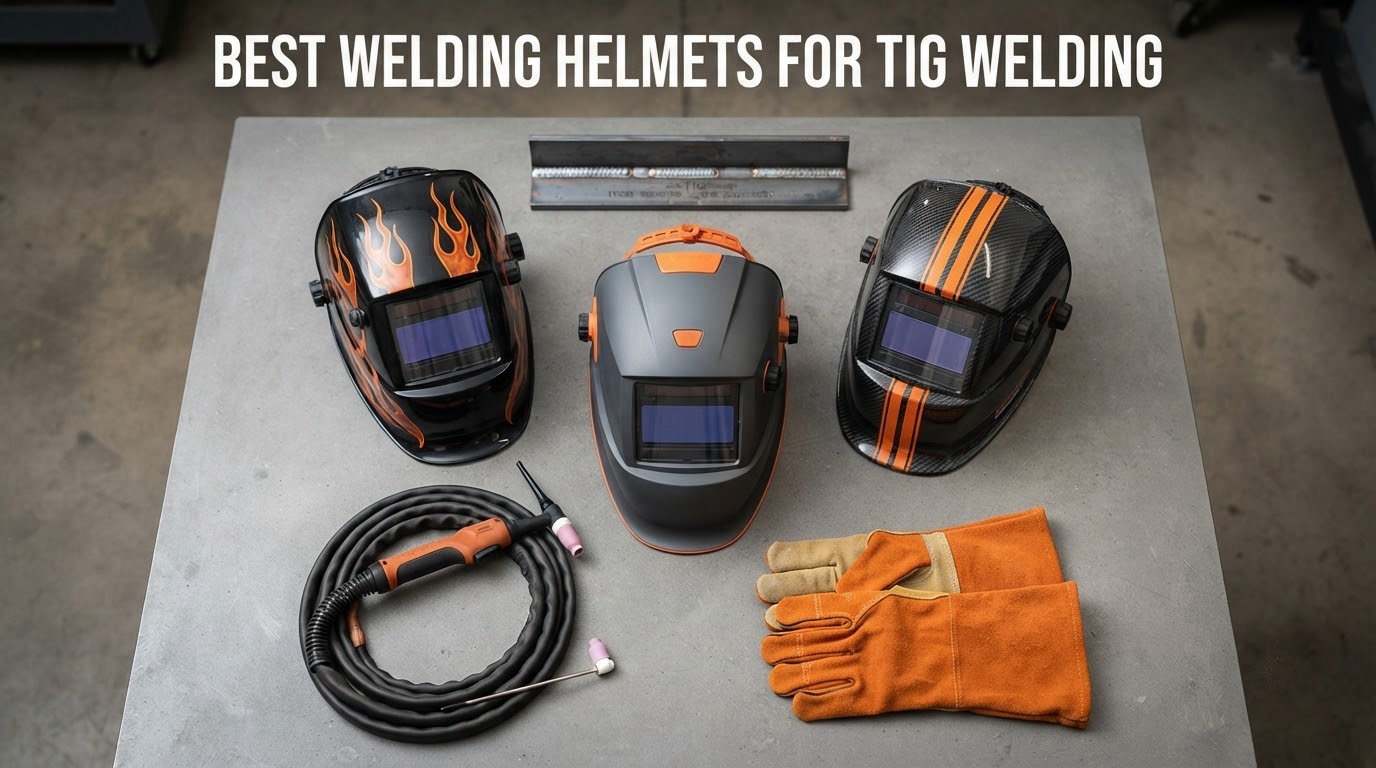
If you have ever run a TIG pedal down into 4 amps and watched your lens stay bright, you already know that picking the best welding helmets for TIG welding is not the same job as picking one for MIG. MIG throws a fat, steady flood of light. TIG throws a small, fierce point source that shrinks the instant you ease off the foot pedal, and many auto-darkening filters simply lose it at that point.
That is why the number that decides this purchase is the published minimum TIG current, alongside the arc sensor count. Everything else — true color, viewing area, headgear, solar panels — matters, but it matters second. We put the ten best welding helmets for TIG welding below in that order of importance.
One honesty note before we start: this is a specification-driven roundup. Every rating, review count, sensor number and optical figure here comes from manufacturer-published listings and the customer review record, not from a bench test of ten hoods. Where a manufacturer does not publish a minimum TIG current, we say so rather than guess. We have also kept the same discipline around price that you will find in our other gear roundups, such as our best bike helmets for adults and best MTB helmets guides: no stale numbers, just the fit and the specs.
Top 3 Picks for TIG Welding in 2026
Three helmets stand out if you read the spec sheets carefully. The YESWELDER LYG-L600A is the value pick, the Lincoln Electric Viking 3350 is the premium pick, and the YESWELDER LYG-M800H is the wide-view workhorse. The

YESWELDER LYG-L600A
- 1/1/1/1 true color
- 2 arc sensors
- 1/30000s switching
- Shade 3/7-13 for TIG MIG and grind

Lincoln Electric Viking 3350
- 4C lens 1/1/1/1 clarity
- 12.5 sq inch viewing area
- X6 headgear
- 5 year warranty
All 10 TIG Welding Helmets Side by Side in 2026
| Product | Specifications | Action |
|---|---|---|
| YESWELDER LYG-L600A |
|
Check Latest Price |
 YESWELDER LYG-M800H YESWELDER LYG-M800H |
|
Check Latest Price |
| Lincoln Electric Viking 3350 |
|
Check Latest Price |
 YESWELDER LYG-Q800D YESWELDER LYG-Q800D |
|
Check Latest Price |
 ARCCAPTAIN HSH-S800 ARCCAPTAIN HSH-S800 |
|
Check Latest Price |
 ARCCAPTAIN XK-LY800H ARCCAPTAIN XK-LY800H |
|
Check Latest Price |
 TOOLIOM E600A TOOLIOM E600A |
|
Check Latest Price |
 Hobart 770890 Hobart 770890 |
|
Check Latest Price |
 Miller Classic Series ClearLight Miller Classic Series ClearLight |
|
Check Latest Price |
 Jackson Safety Insight Jackson Safety Insight |
|
Check Latest Price |
How to read the minimum TIG current column
Minimum TIG current is the lowest amperage at which the auto-darkening filter is guaranteed to trigger. Below that number the lens stays light and your eyes are exposed to the arc. Most manufacturers simply do not publish it, which is why forum welders keep asking the same question: will this lens track a 3 amp downslope on 0.035 inch stainless?
Only one helmet in this roundup publishes that number. The Miller Classic Series ClearLight is rated for precision welding at five amps or below, and the Lincoln Viking 3350 is the model most often credited with tracking down to very low amperage by owners who moved off flickering budget hoods. Treat everything else as unverified on the low end, and dial the sensitivity up to maximum before you judge it.
1. YESWELDER LYG-L600A – Editor’s Choice True Color Helmet for TIG
YESWELDER Auto Darkening Welding Helmet 1/1/1/1 True Color, LYG-L600A
- Natural color view of the puddle
- Fast 1/30000s darkening
- External shade knob
- 16 ounces with adjustable headgear
- Spare lenses and battery included
- Small viewing area
- Light duty shell for daily shop use
- Non replaceable ADF
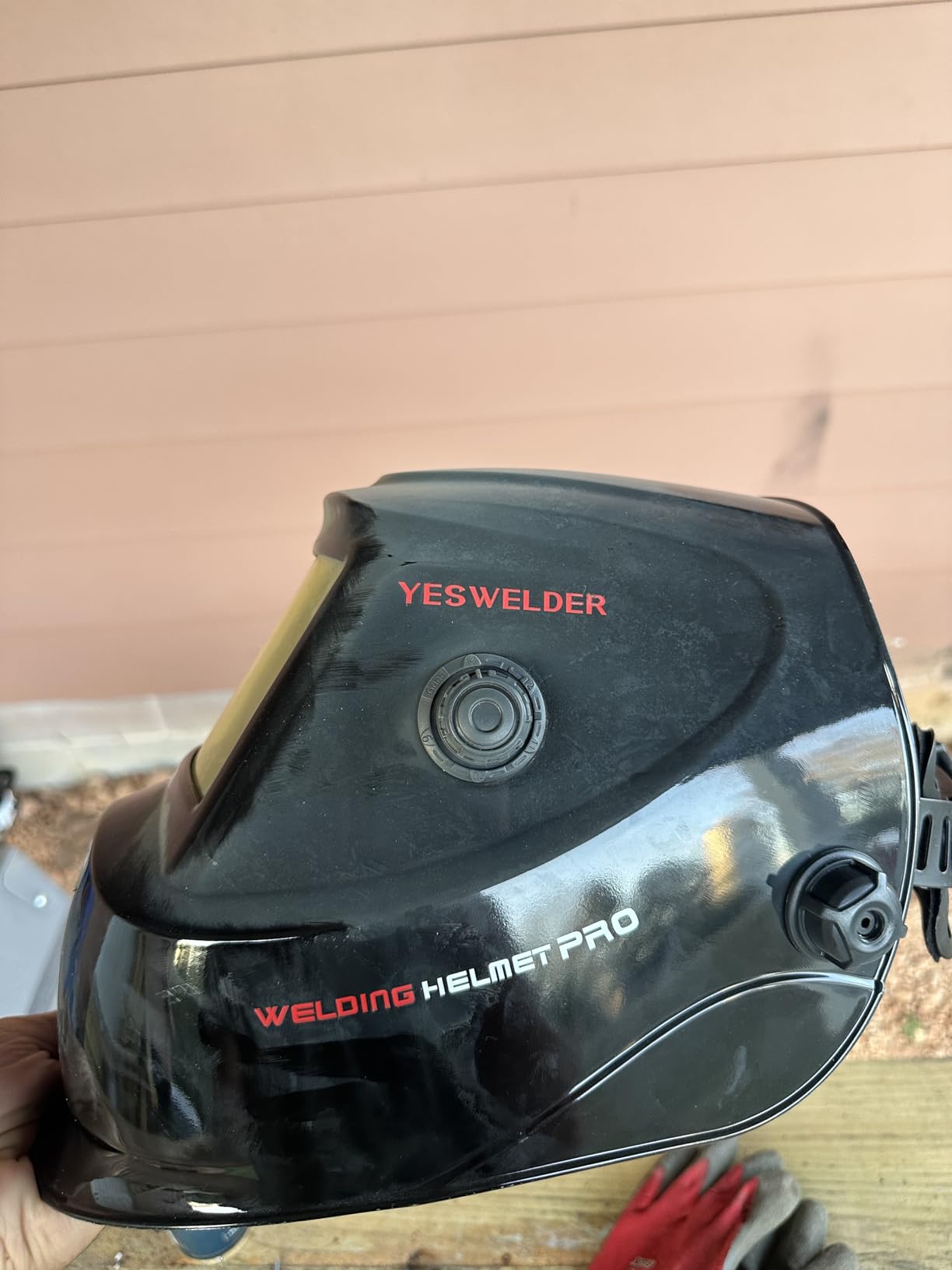
The LYG-L600A is the helmet we keep coming back to, and the reason is unglamorous: it has more verified owners than anything else on this list. It holds a 4.6 average across more than 13,900 ratings and ranks at the top of the welding helmet category.
The optics are the reason it earns the top slot in a TIG roundup. It is a 1/1/1/1 lens in a small 3.64 by 1.67 inch window, which means the leading edge of the puddle reads in natural color instead of the green wash older filters throw at you. Two arc sensors switch in 1/30000 second, and the shade range of 3/7-13 covers TIG, MIG, stick and grinding on one external knob you can turn with a glove on.
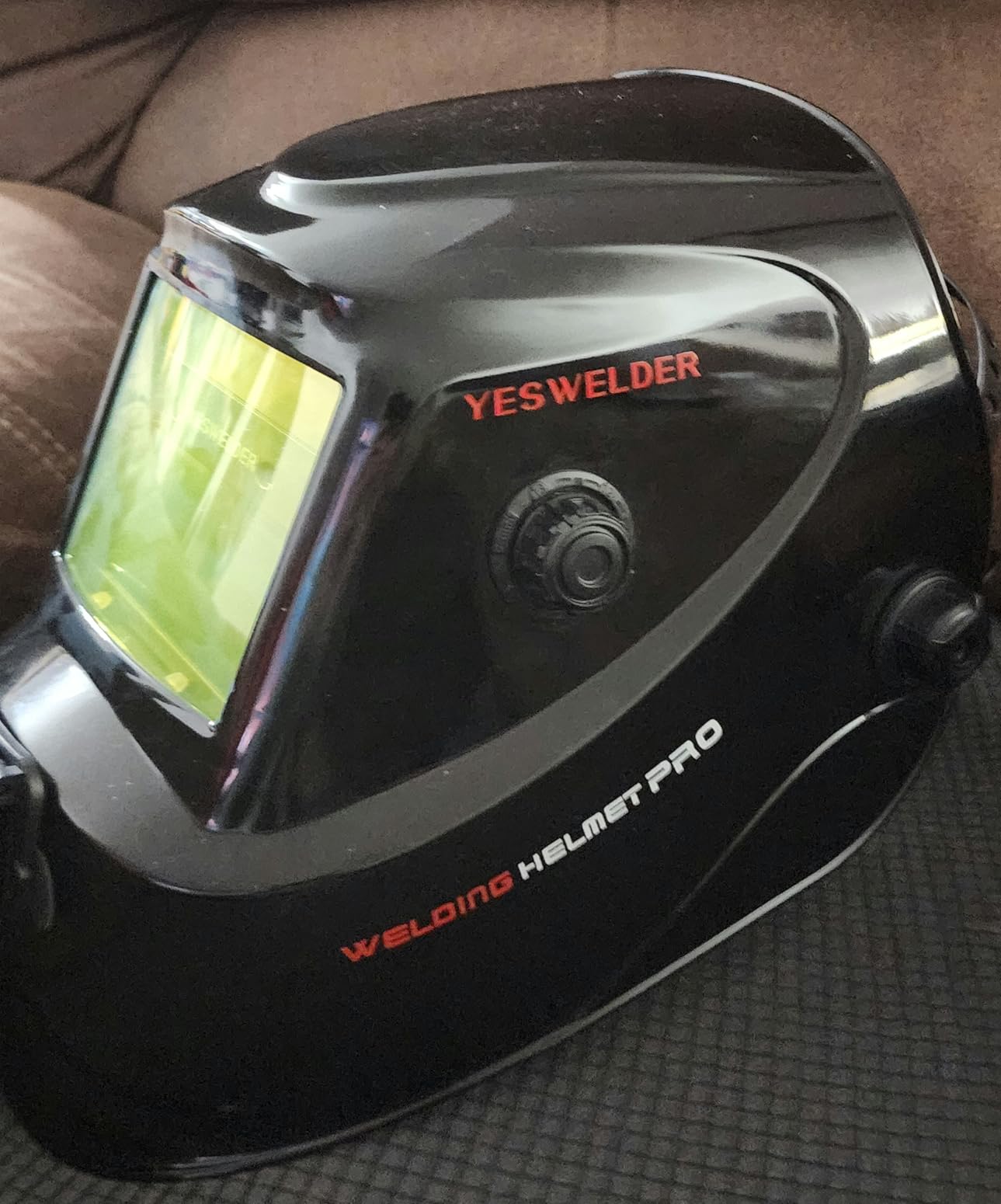
What we like most for TIG specifically is the control layout. Switching between stick and TIG is a twist of the external shade knob rather than a trip to a menu, which matters when you are changing filler material every few minutes. It runs on a solar panel with a replaceable CR2450 coin cell, so it is not dead in a cold garage in February.
The trade-off is the window. At 3.64 by 1.67 inches it is tied for the smallest view here, and if you routinely tack up a large frame with the hood down you will feel the difference against the Viking 3350. The shell is ABS and plastic, which is fine for a weekend and thin for a fabrication shop.
Who the LYG-L600A suits
It suits a hobbyist or student learning TIG on stainless or mild steel at ordinary amperages, and it suits a garage welder who wants a lid for TIG, MIG, stick and grinding without spending serious money. With 16 ounces of shell and pivot-style adjustable headgear, it is the one you will actually leave on all day.
The lens accepts magnifying cheater lenses, which matters if your eyesight is not what it was. That single feature opens it up to welders who would otherwise be squinting at a 3.64 inch window all afternoon.
Where the LYG-L600A falls short
Two arc sensors is fewer than four of the competitors here, and sensor count is what determines how often a torch or a fixture blocks the light. Weld inside a tight corner with your hood down and this is not the forgiving choice.
Reviewers also point out that the auto-darkening filter itself is not user replaceable in the standard configuration, so a scratched or clouded front element means a whole new helmet. The coin cell is also awkward to extract, which is a small annoyance that shows up on every battery change.
2. YESWELDER LYG-M800H – Best Wide View Helmet for TIG Filler Work
- Wide window for joint edges
- Four sensors on low amp TIG
- Lightweight shell
- Glove friendly external controls
- Thin plastic shell
- Flip-up knobs need tight tightening
- Headgear can slip forward
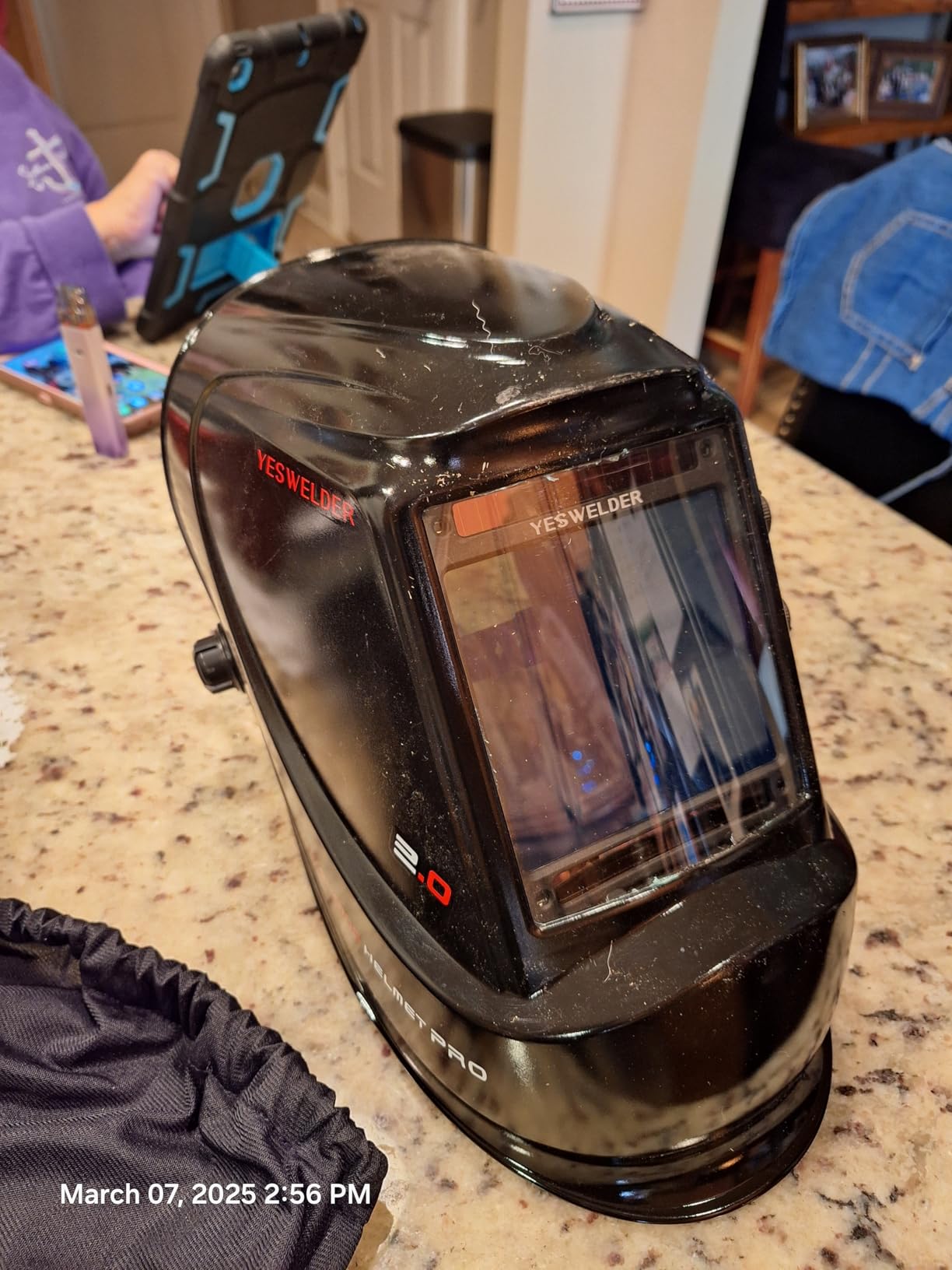
The M800H is the step up from the L600A in the one way that matters most for TIG: it quadruples the sensor count and more than doubles the window area. At 3.93 by 3.66 inches you can see both ends of a fill joint and the position of your hands without moving your head, which is where a lot of bad TIG beads come from.
Four arc sensors with 1/30000 second switching give it much better odds of catching a low amperage arc, and the adjustable DIN 3/5-9 and 9-13 shade settings let you hold a consistent filter value across TIG, MIG, stick, cutting and grinding. It carries a 4.4 average from more than 8,000 ratings, and it is the model that comes up most often in hobbyist TIG forum threads.
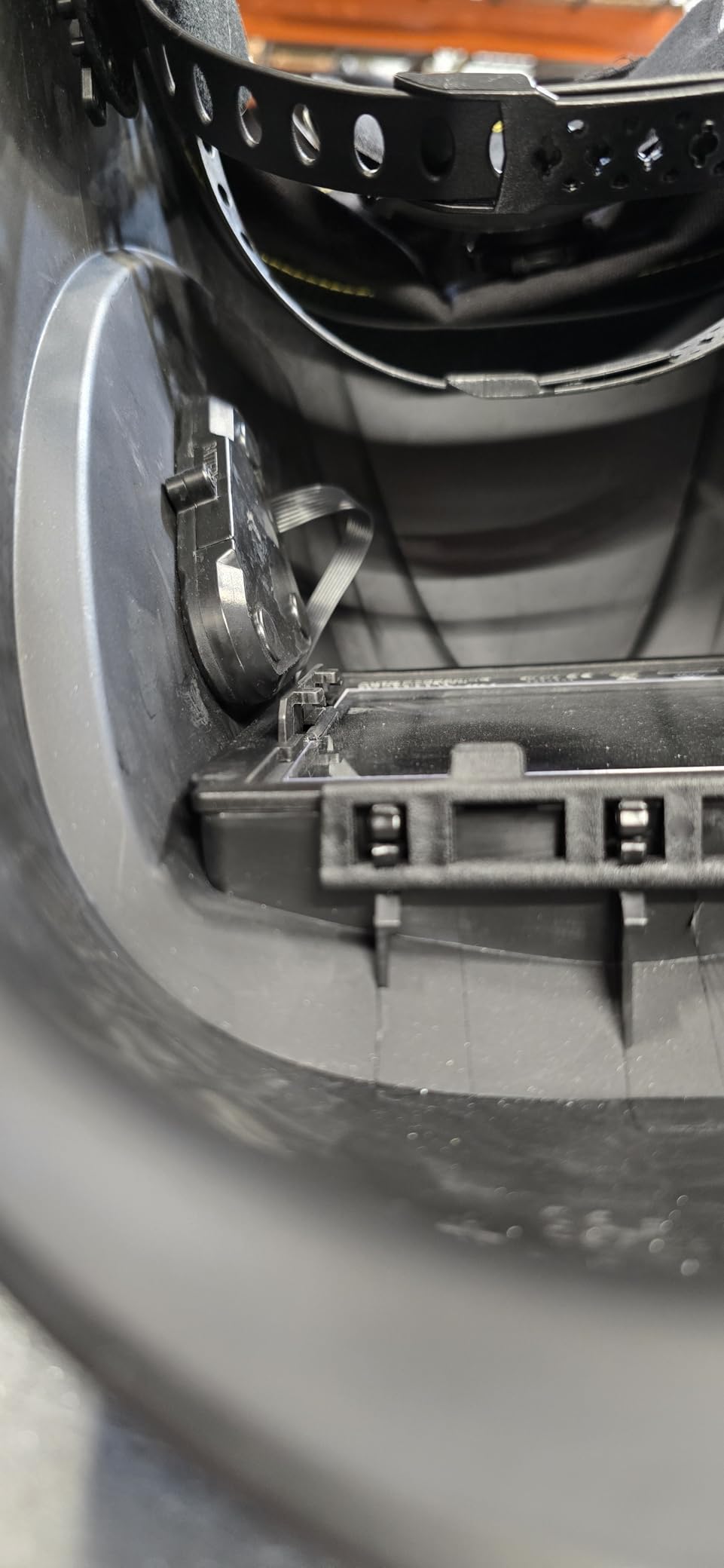
Physically it is a light helmet, listed at roughly 1.32 lb, with a reinforced hinge and adjustable headgear. The box includes a replacement lithium battery, a storage bag, two outer lenses and one inner lens, so consumables are covered for a while.
The recurring complaint from owners is not the optics or the sensors. It is the flip-up locking knobs, which need very tight tightening and can feel as though they may strip, plus headgear tension that creeps forward if you do not set it carefully.
Who the M800H suits
It suits anyone who spends real time in fit-up, because the wide window changes how you see a joint before you strike. It also suits the welder who has been fighting a two-sensor helmet and keeps losing the arc during a downslope.
For anyone welding 0.035 inch thin wall at low amperage, four sensors plus full external shade control is a meaningfully better starting point than two sensors and a menu-driven interface.
Where the M800H falls short
The build is light duty. The shell and headband are described as plastic, and they will not survive being dropped off a scaffold the way a nylon or polyamide professional hood does. Inner lens removal is also awkward, which matters because that is the lens that clouds first.
Its 4.4 average sits below the L600A and the Viking 3350, and the rating spread includes a six percent one-star share. Some of that is the shell, and some of it is the electronics on individual helmets.
3. Lincoln Electric Viking 3350 – Best Premium Helmet for Low-Amp TIG
- Very clear 1/1/1/1 4C optics
- Reliable on low amp TIG
- X6 headgear comfort
- Standard cheap cover lenses
- 5 year warranty
- Internal shade switch must be set first
- Occasional first-strike lag
- Premium cost
The Viking 3350 is the reference helmet in this category, and 89 percent of its more than 3,100 ratings are five star. The 4C lens technology delivers 1/1/1/1 optical clarity across a 12.5 square inch viewing area, which is the largest window here, and the arc renders small and controlled rather than blown out.
For low amperage TIG this is the one owners single out most often. Beginner TIG welders report moving to it specifically because they were fed up with flickering budget hoods, and the sensor package holds up on the low-amp downslope where cheaper filters fail. The X6 headgear distributes weight across the skull and the ratchet knob fits 6 1/2 to 8 hat sizes.
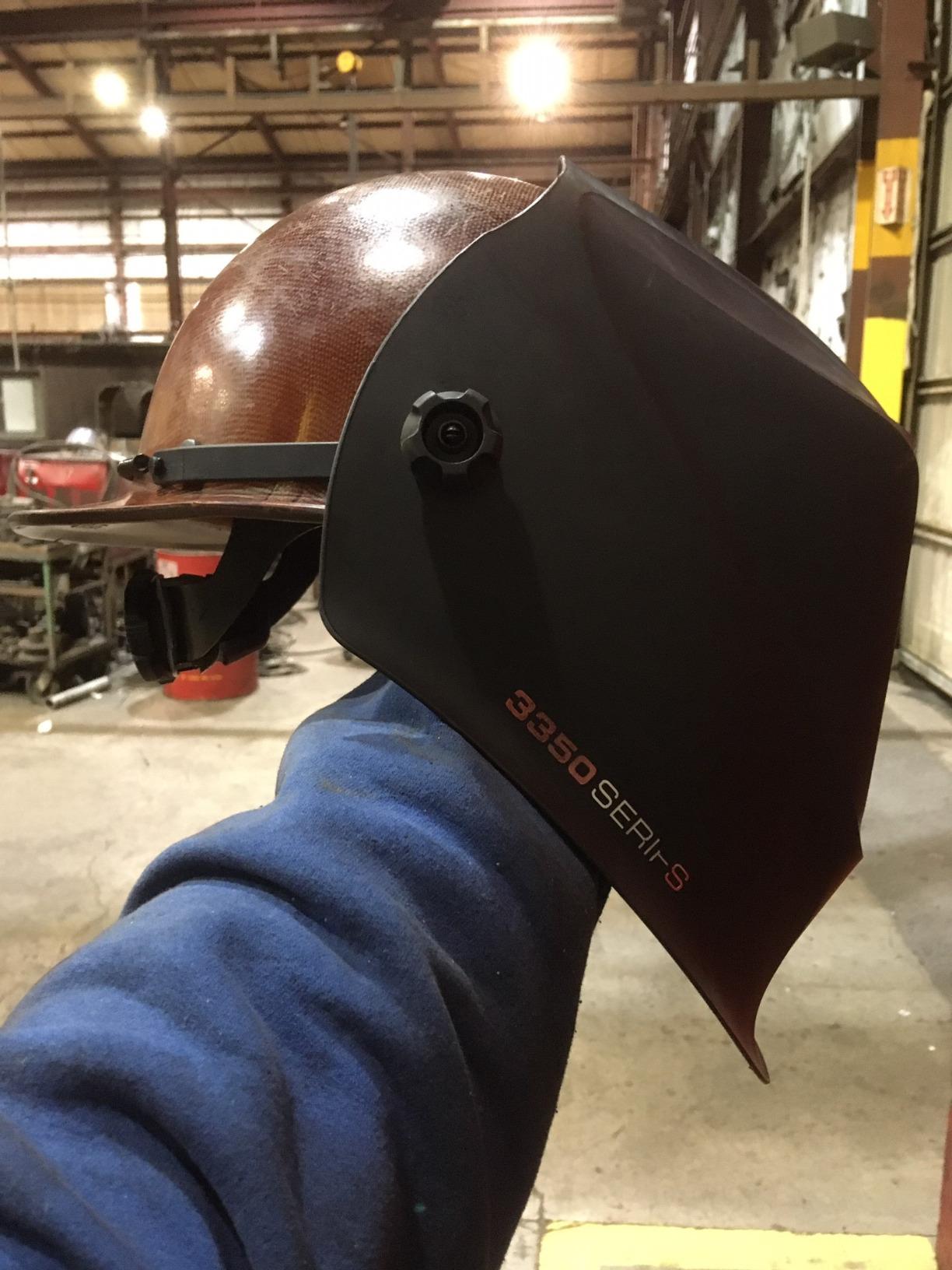
Two practical details matter more than the marketing here. First, it uses standard, inexpensive cover lenses, so a year of grinding and TIG spatter will not run up a consumables bill. Second, it carries a five year hassle-free warranty, which is the longest in this roundup. The box alone contains five outside cover lenses and two inside lenses.
It weighs 1.4 pounds, and while that is light, the shell is nylon and some fabricators find it minimal for heavy work. The internal shade switch also has to be set correctly before first use, which is the single most common setup complaint.
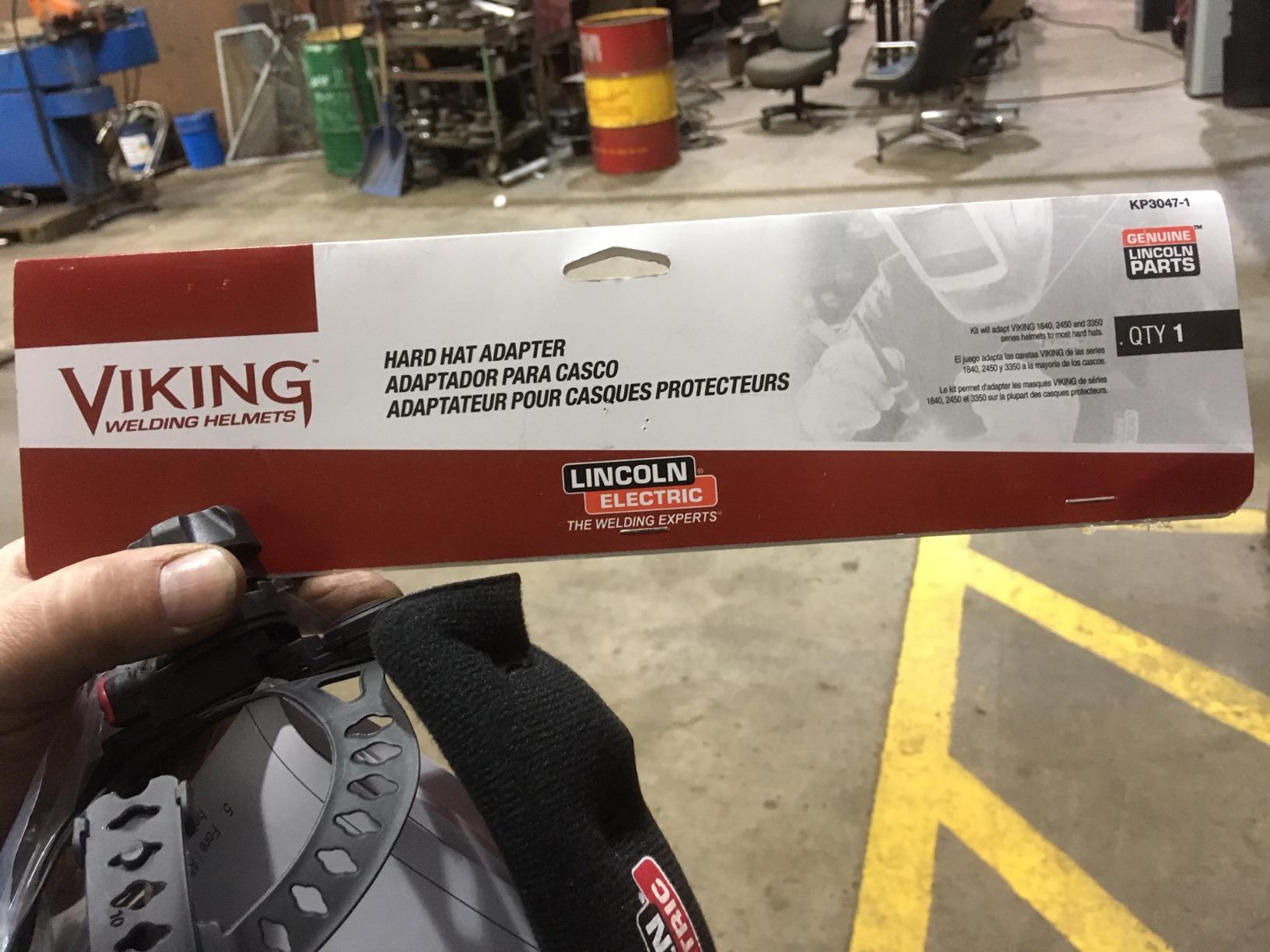
Who the Viking 3350 suits
It suits a fabricator or a serious hobbyist who welds thin stainless and aluminum and refuses to chase a flickering lens. It also suits anyone who wears prescription safety glasses, since the 12.5 square inch window means you can keep glasses on and still see the joint.
It suits anyone who grinds as well as welds, because the cheap standard cover lenses mean you will actually replace them when they cloud instead of putting up with a hazy view.
Where the Viking 3350 falls short
It is not priced for the hobby market, and that is the honest limitation. A welder putting two hours a month on a 0.035 inch tube does not get proportionally more value out of it than someone spending eight hours a day at the bench.
Owners report occasional slow response at arc strike even with sensitivity turned up, and the internal shade switch catches people out. If you are switching between stick and TIG mid-task, the external knobs on the YESWELDER models are faster.
4. YESWELDER LYG-Q800D – Best 180 Degree Helmet for Tight TIG Joints
YESWELDER Auto Darkening Welding Helmet with LED, 180° View, LYG-Q800D
- Roughly 180 degrees of coverage
- Four sensors for low current
- External shade and grind controls
- Solar plus replaceable battery
- Heavier than smaller models
- Side window is fixed shade
- Lower average rating than L600A
The Q800D exists for one reason: peripheral vision. Its main window is 3.94 by 3.23 inches with 1/1/1/1 true color, and a fixed DIN 5 side window extends coverage to roughly 180 degrees, so you can see the far side of a tube or the back of a joint without turning your head.
That matters in TIG more than in any other process, because filler rod hand position is a leading cause of inconsistent bead placement. Four arc sensors switch in 1/30000 second, and the shade range of 3/5-9/9-13 covers TIG, MIG, stick, cutting and grinding. A blue light blocking outer lens is a real plus on long AC TIG sessions.
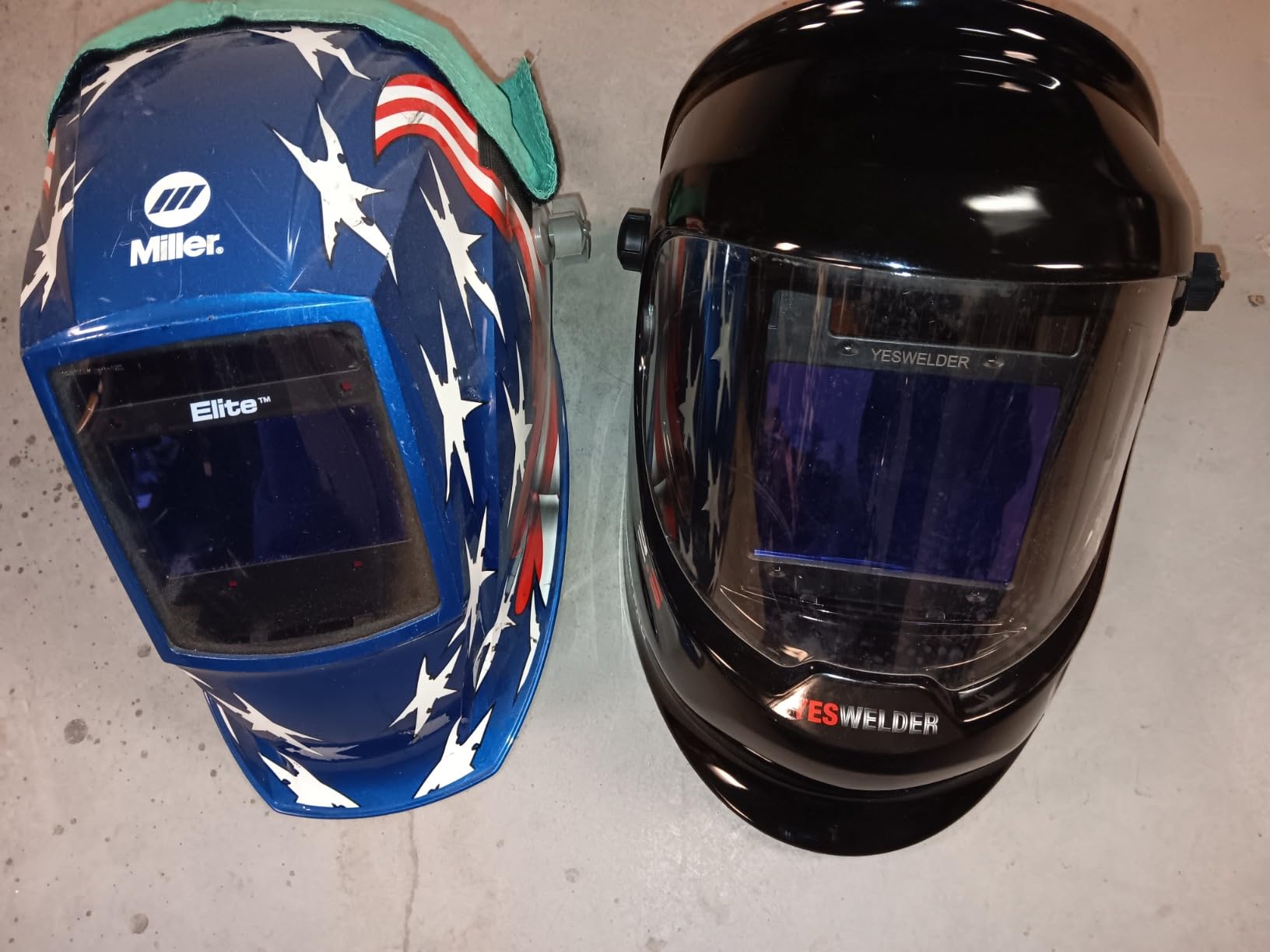
The control set is entirely external, so you can move between weld and grind without lifting the hood. Power comes from a solar panel with a replaceable CR2450 lithium backup, and the box includes a spare battery, a storage bag and three replacement lenses.
At a listed 2.2 pounds it is the heavier option here, and the panoramic shell is the reason. Its 4.4 average from roughly 2,900 ratings sits below the L600A and M800H, and five percent of owners gave it a single star.
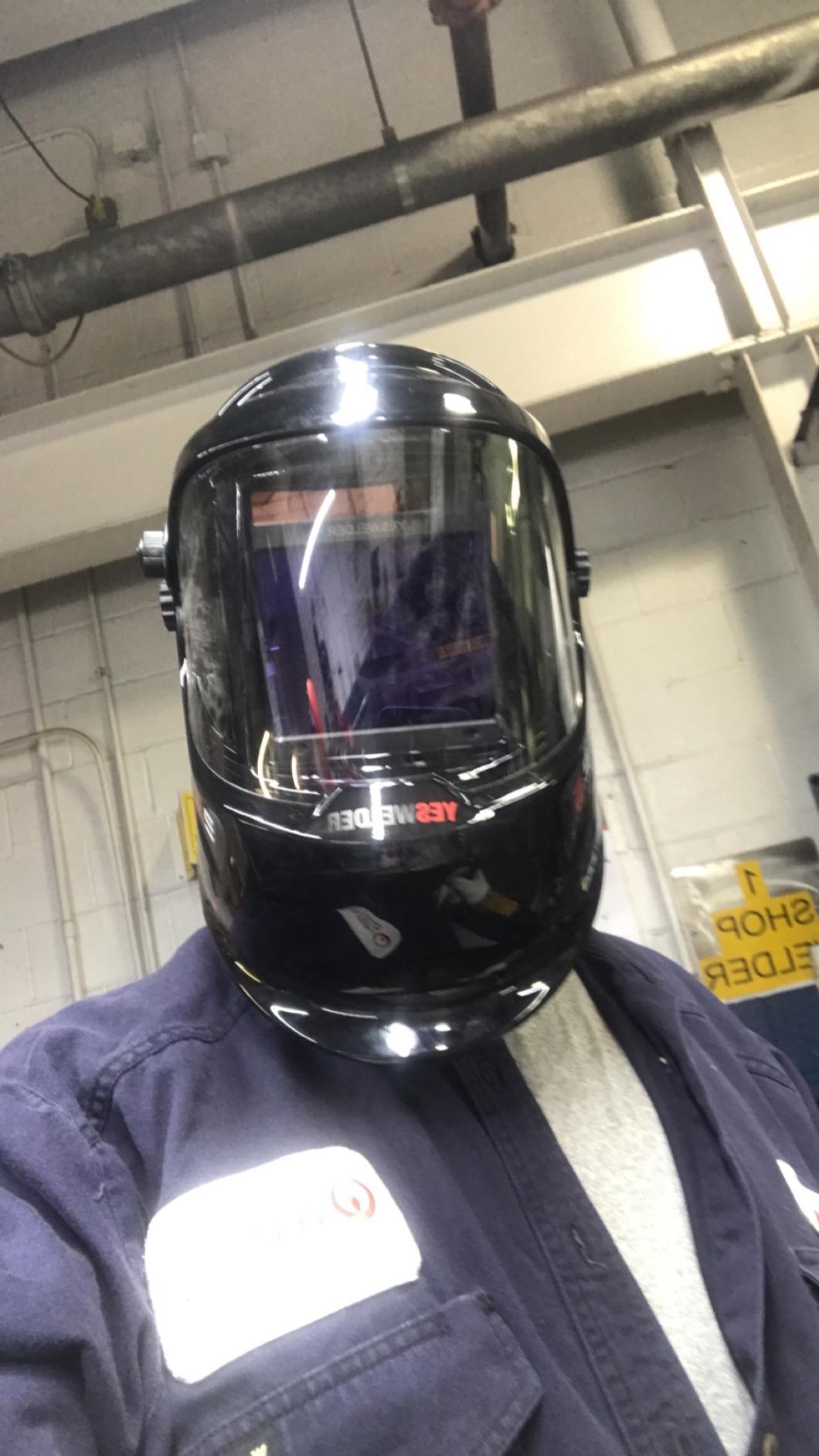
Who the LYG-Q800D suits
It suits anyone welding round tube, pipe or box sections where a three-quarter view hides the joint you are about to fill. If your TIG work involves reaching around a fixture, the side window removes the neck gymnastics.
It also suits welders who keep the hood down between welds, since the external grind mode and shade controls mean you are not flipping the helmet off and on for every task.
Where the LYG-Q800D falls short
The side window is a fixed DIN 5 shade and does not auto-darken, so it is a fit-up window, not a welding window. Do not expect protection from it during a strike.
The weight is real on a long shift, and the reinforced plastic shell plus headgear are described as light duty. If you are not gaining something from the peripheral view, the M800H gives you the same sensor count for less weight.
5. ARCCAPTAIN HSH-S800 – Best Budget Helmet for Studio TIG
ARCCAPTAIN Welding Helmet Auto Darkening, 1/25000s Response, Shade 4/9-13
- Clear 1/1/1/1 lens for the tier
- About 1 lb with padded headband
- Grind mode keeps the hood on
- Three replacement lenses included
- Small viewing area
- Slow first response reported
- 180 day warranty only
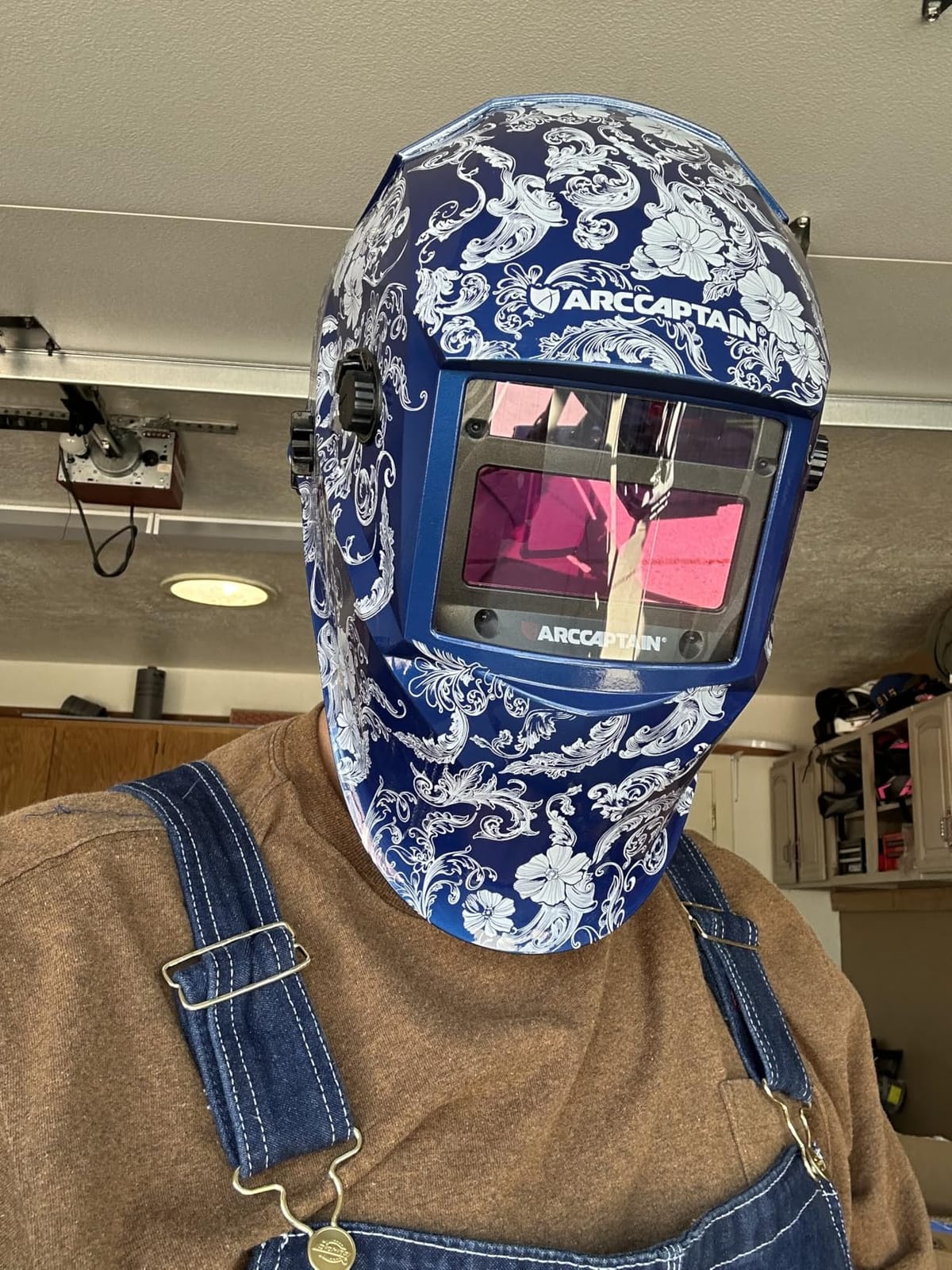
The HSH-S800 is the odd one out in this list, and that is why it earns a place. It puts four arc sensors and a 1/1/1/1 true color lens into a shell weighing about 1 pound, and it holds a 4.6 average across more than 3,000 ratings. Several long-time welders describe it as the clearest lens they have used at this level.
The 12-in-1 smart filter carries automatic DIN 16 UV and IR protection, and the dark state of 4/9-13 covers TIG, MIG and arc work. It is certified to ANSI Z87.1-2010, CSA Z94.3, DIN EN 175 and DIN EN 379, which is a broader standards list than most of the budget tier.
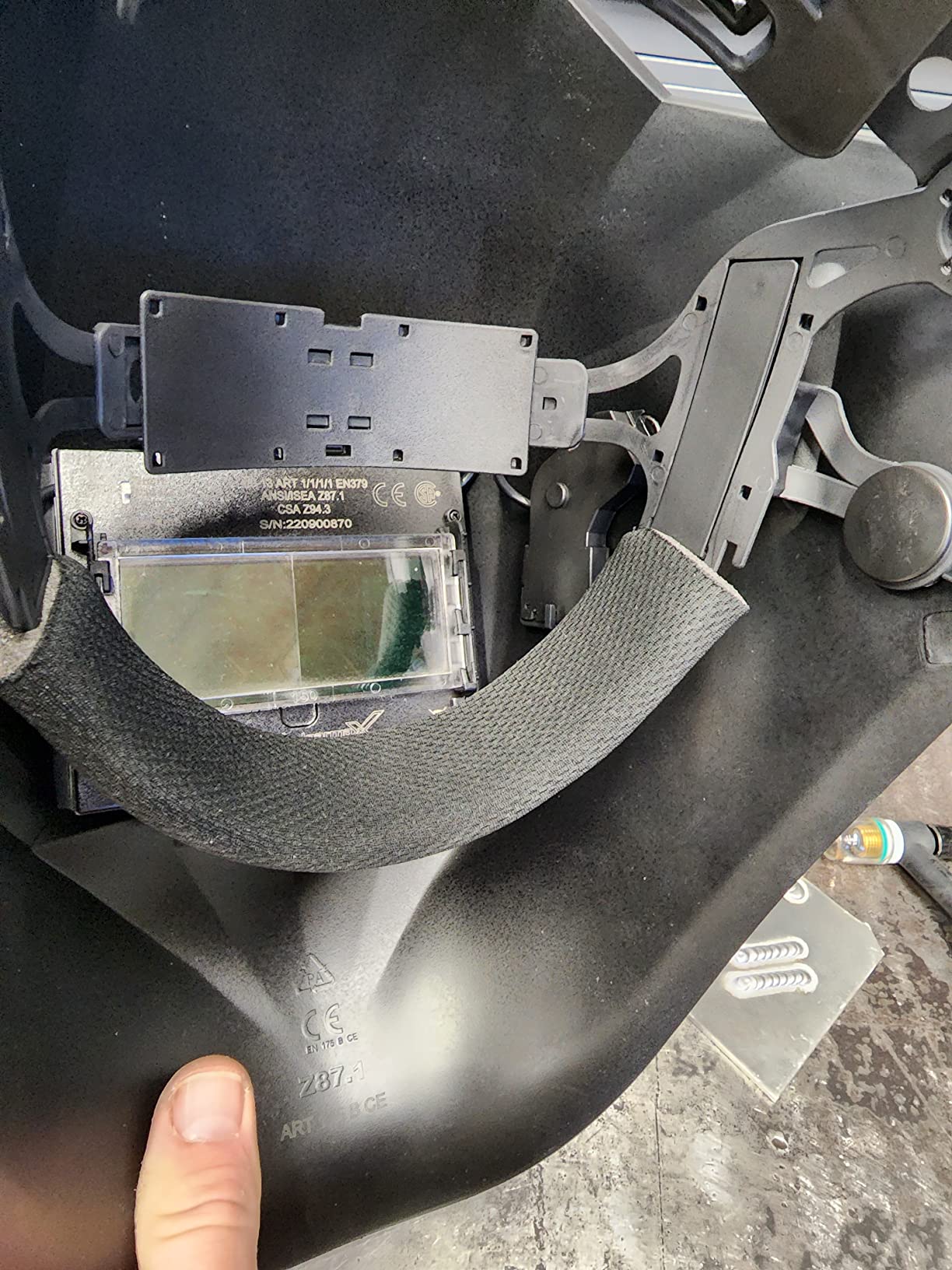
The shell is a reinforced PA material rated to 120 MPa tensile strength, with a breathable padded adjustable headband. Three replacement lenses and a user manual are in the box, and grind mode means you keep the helmet on between tasks instead of flipping it off.
Response time is 1/25000 second rather than the 1/30000 second you get from the YESWELDER units. In practice the difference is hard to see on a stable arc, but it is a real spec difference when the current is dropping.
Who the ARCCAPTAIN HSH-S800 suits
It suits a student, hobbyist or small shop that wants true color optics and four sensors without spending real money. A 1 pound shell and a padded headband make it a good choice for someone welding all afternoon in a home garage.
It suits anyone who grinds between welds, since the external grind mode is one of the few at this level. It also works with cheater lenses, which helps welders who need magnification.
Where the HSH-S800 falls short
The 3.86 by 1.69 inch window is narrow, and several owners cite situational awareness as the first thing they notice. Negative reviews also cluster around slow initial response on individual helmets and occasional loss of sensitivity after a few months.
The warranty is 180 days, which is a meaningful gap against the Viking 3350. If you weld every day, electronics fatigue on a budget shell is a real risk rather than a hypothetical one.
6. ARCCAPTAIN XK-LY800H – Best Helmet With a Work Light for TIG
ARCCAPTAIN Auto Darkening Welding Helmet with Light, 3.94″X3.66″ Large View
- LED work light for dark shops
- Very wide viewing screen
- 1 lb padded shell
- Three replacement lenses
- LED light not installed in the box
- 1/25000s response
- PP shell less rigid
- 180 day warranty
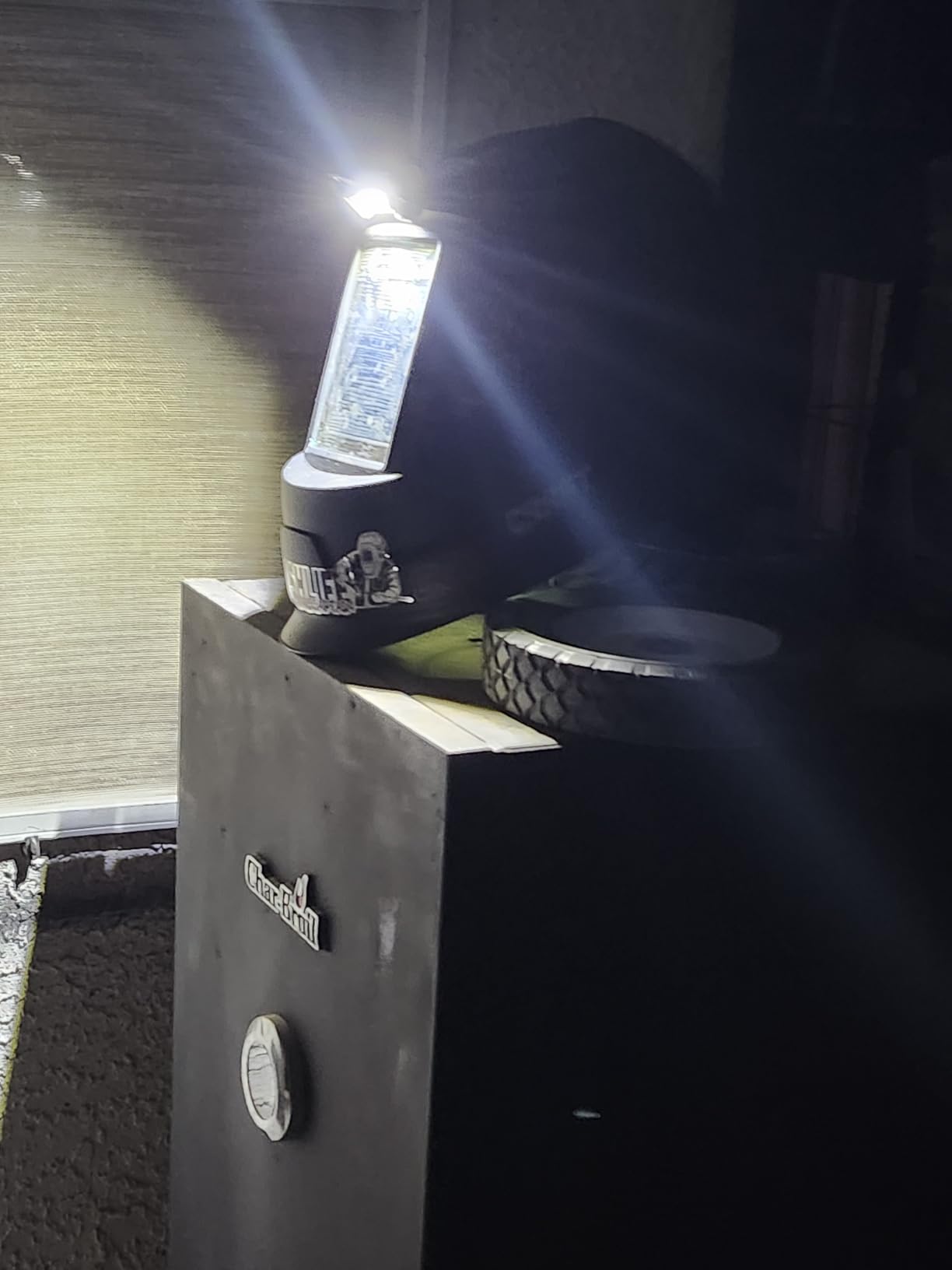
The XK-LY800H solves a specific TIG problem: you cannot tack a joint you cannot see. Its USB-powered LED welding light has two brightness levels and clips onto the shell, and owners single it out as genuinely useful in dark shops and under vehicles, where the light state of any helmet goes nowhere.
The viewing screen is 3.94 by 3.66 inches with 1/1/1/1 optical clarity and true color, which makes it one of the widest in this roundup at the low end. Four arc sensors switch in 1/25000 second, and the dark state of 4/5-8/9-13 covers stick, MIG, TIG, grinding and cutting.
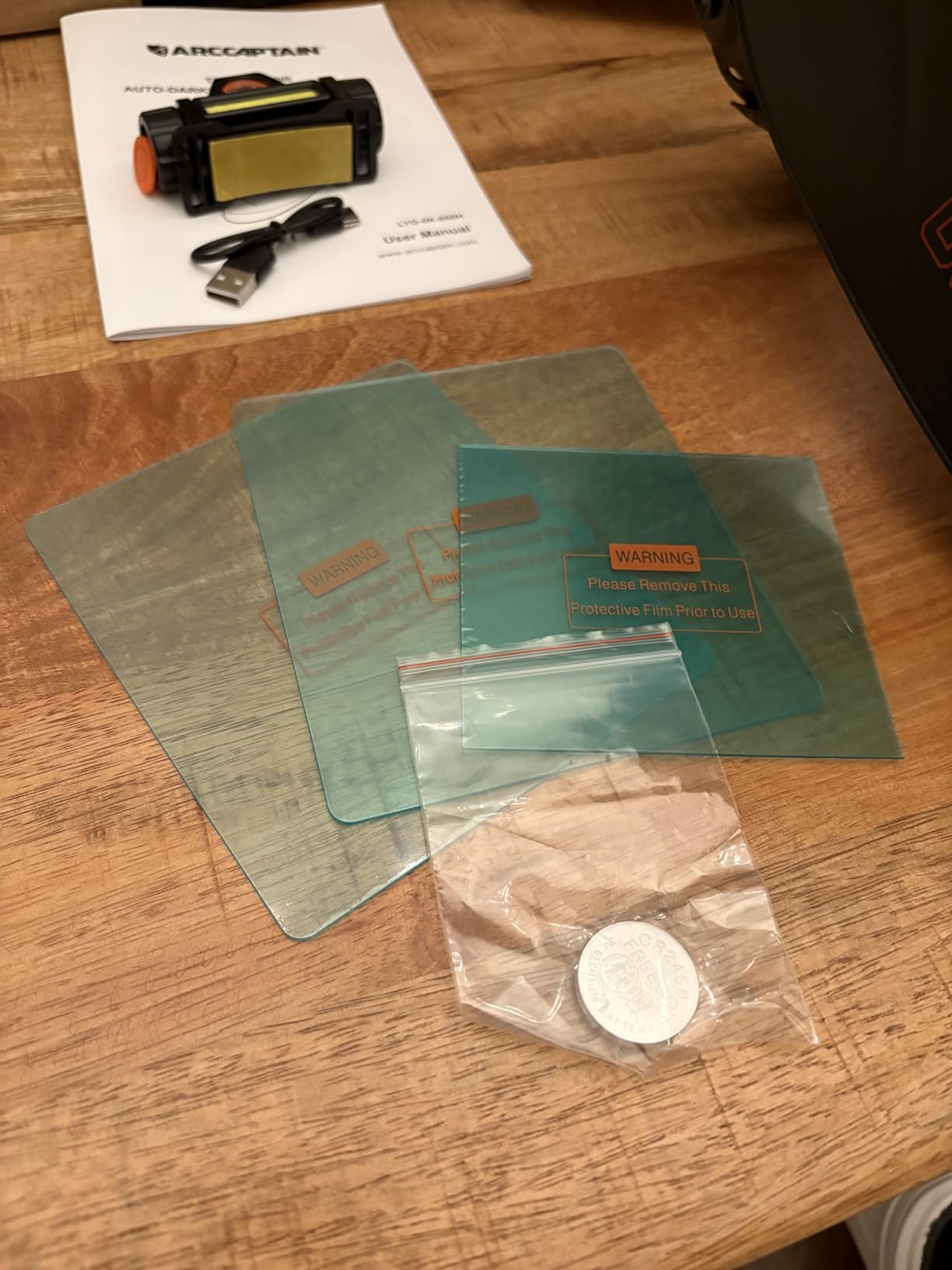
Dual front solar panels sit alongside a replaceable CR2450 lithium battery, and the 12-in-1 smart filter again carries automatic DIN 16 UV and IR protection. The shell is a 1 lb PP unit with ergonomically designed padded headgear, and three replacement lenses are included.
Two details cost it points. The LED light is not installed when you open the box, so budget a few minutes to mount it, and the PP shell is less rigid than the PA-bodied competitors.
Who the XK-LY800H suits
It suits anyone doing night work, garage welding with the overheads off, or pipe work inside a vessel where no light gets in. The two brightness levels let you match the light to the fit-up distance.
It also suits anyone who wants a wide window and four sensors on a mid budget. The screen is a step up in size from the HSH-S800 without the panoramic weight of the Q800D.
Where the XK-LY800H falls short
Its 4.4 average from roughly 1,000 ratings is more mixed than the HSH-S800, with a seven percent three-star share pointing at build feel and response speed rather than optics.
Response is 1/25000 second, which is the second slowest figure in this roundup, and the warranty is again 180 days. If your TIG is thin-gauge and heavily pulsed, test the downslope before you commit.
7. TOOLIOM E600A – Best Lightweight Helmet for Out-of-Position TIG
TOOLIOM Auto Darkening Solar Powered Welding Helmet for TIG MIG ARC with Light
- Light 1.14 lb shell for long shifts
- External weld and grind knob
- 1/1/1/1 true color
- Blue light blocking lens
- Cheater lens slot undersized
- Unpadded rear headband
- Small viewing area
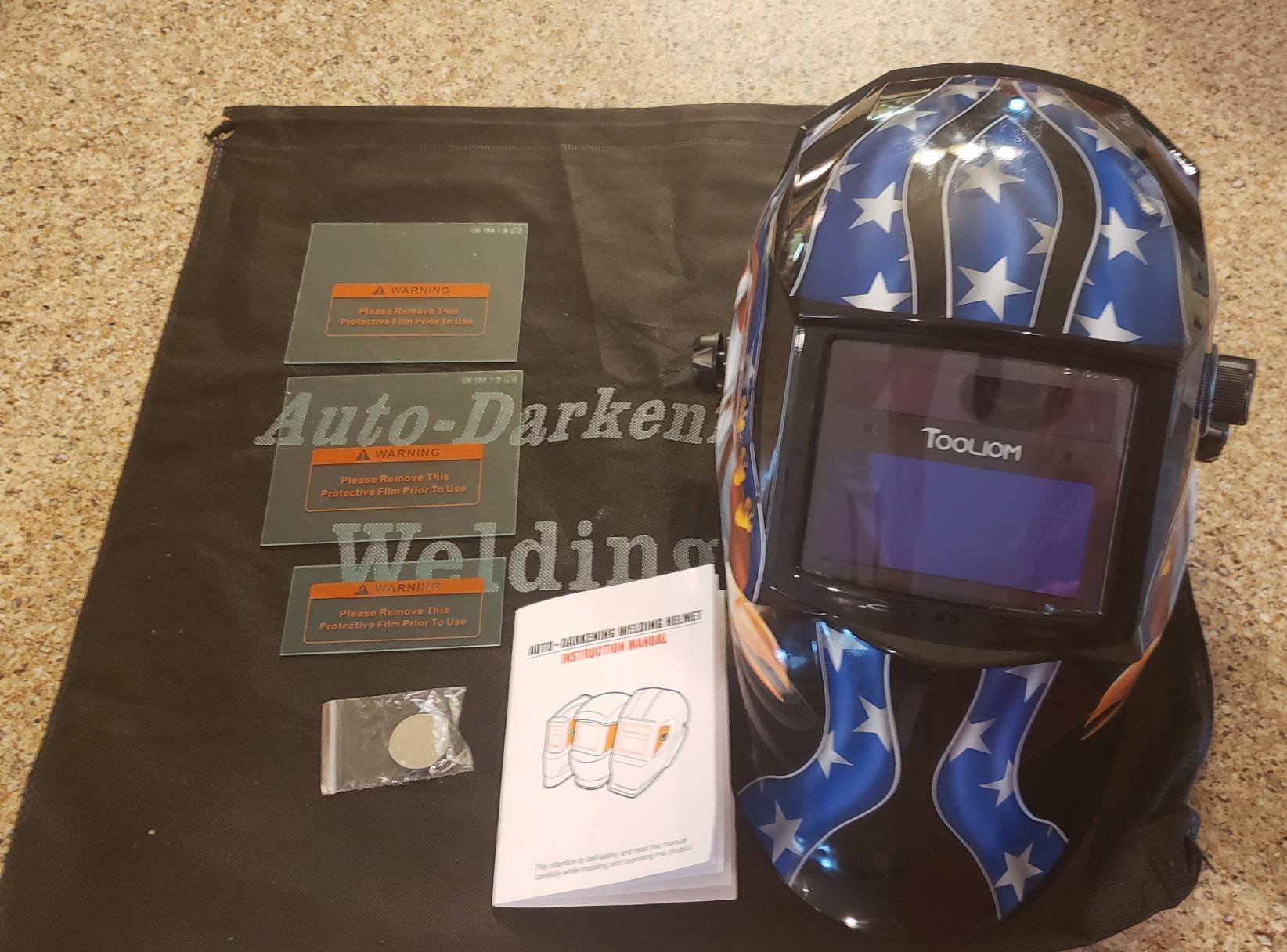
The TOOLIOM E600A weighs 1.14 lb and is built around one premise: staying out of your own way while you weld out of position. When you are over a tank, inside a frame or above a workpiece, neck fatigue is the thing that ruins a session, and a lighter shell is a real ergonomic advantage rather than a spec-sheet nicety.
The external control knob switches between weld and grind mode with gloves on, and the DIN 3.5/9-13 shade range covers TIG, MIG, MMA and plasma cutting. A blue light blocking outer lens reduces the end-of-shift arc flash that welders complain about most, and the adjustable PE headgear with a breathable sweatband holds position even when welding inverted.
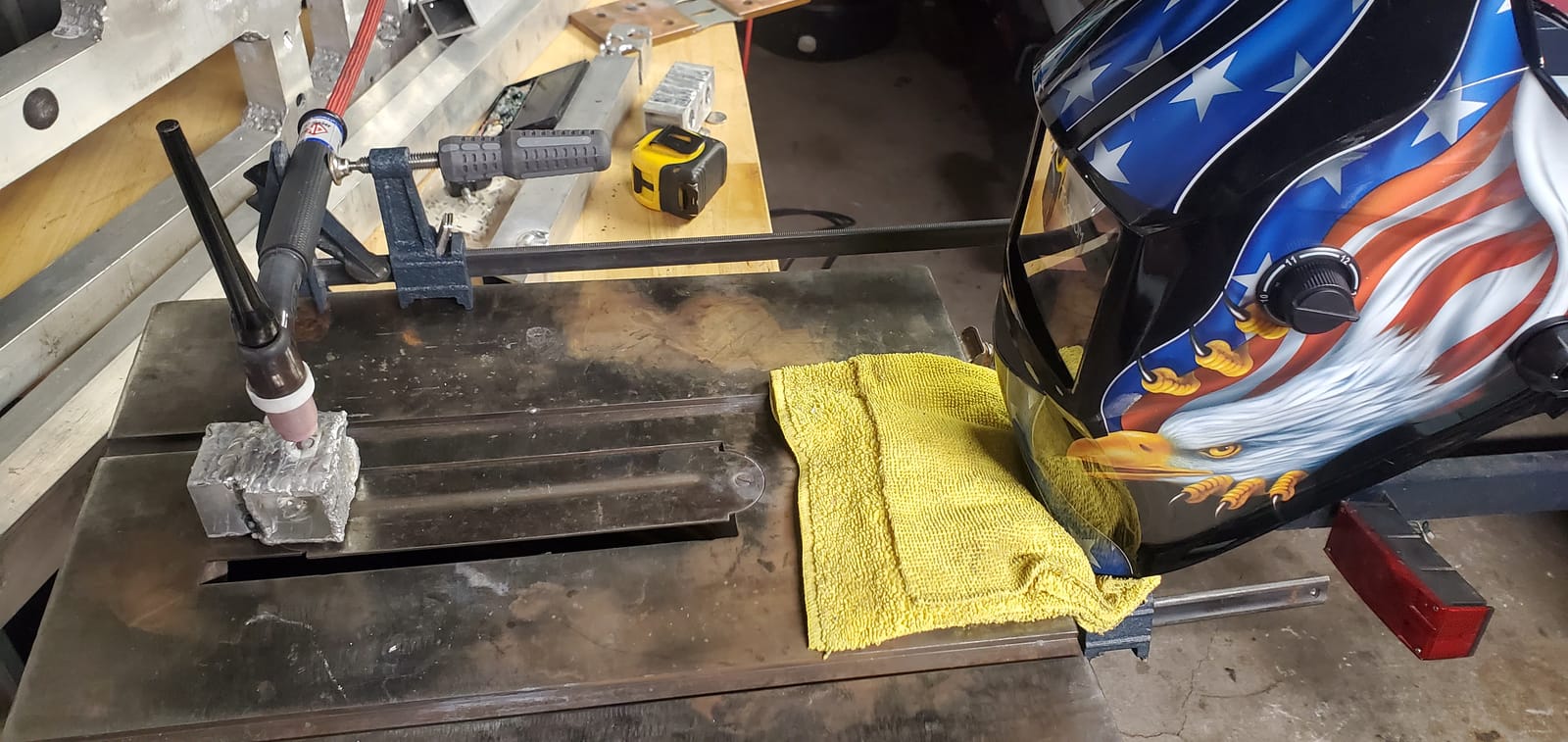
Optically you get 1/1/1/1 true color across a 3.64 by 1.67 inch window. Detection runs at 1/25000 second with adjustable sensitivity and delay, and a low-battery indicator tells you before the solar panel fails you. A replaceable battery and three replacement lenses are included, and the shell meets ANSI Z89.1.
Who the TOOLIOM E600A suits
It suits pipe fitters, field crews and anyone welding above shoulder height for a full shift. It also suits a welder who already wears glasses and wants magnification, though check the cheater slot first.
The external grind-mode knob makes it a good fit for a shop that alternates between welding, cutting and grinding all day, since you are not lifting the helmet for every changeover.
Where the TOOLIOM E600A falls short
The cheater lens holder is slightly too small for standard 4.25 inch lenses, which is an odd thing to get wrong on a helmet aimed at long sessions. The rear plastic headband is also unpadded and can dig in over hours.
Its 1/25000 second detection is slower than the 1/30000 second YESWELDER units, and the small window clouds quickly with welding smoke. The manual also leaves the external darkening knob unexplained, so budget time to set it up.
8. Hobart 770890 – Best Widescreen Helmet for Shop TIG
- Large widescreen viewing area
- Simple analog knobs
- Weld to Grind switching
- 2 year warranty
- Hobart brand backing
- Bulky shell for a large window
- Analog controls lack presets
- CR2 battery not CR2450
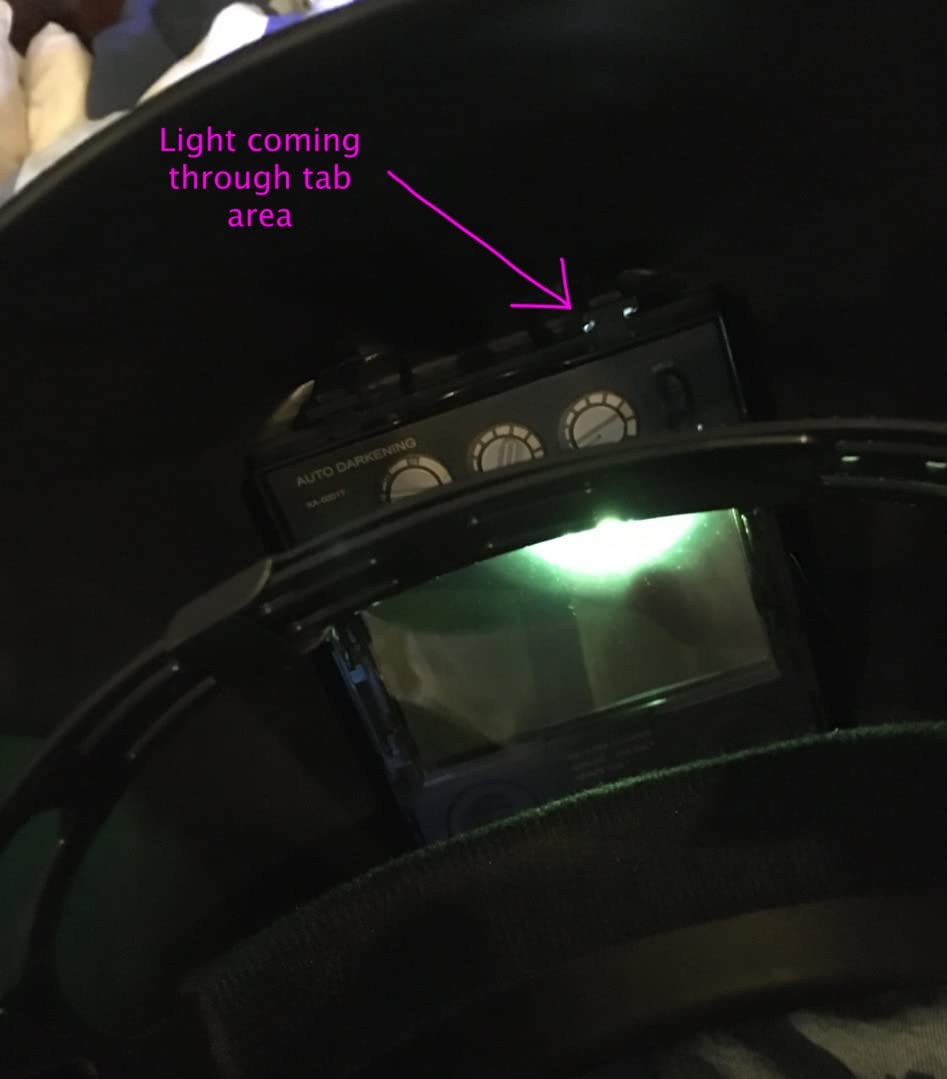
The Hobart 770890 is the one helmet here backed by a major consumables manufacturer, and that matters if you already buy wire, gas and rods from Hobart. Its PureColor lens technology covers a 9.3 inch widescreen viewing area, and four independent arc sensors handle detection on low amperage TIG.
The controls are analog rather than digital, with physical knobs for shade, sensitivity and delay. Some welders see that as an advantage because you can adjust it with a gloved hand and feel the detent, while others find it limited. Auto-on and auto-off power control triggers the filter at arc strike, so there is no switch to remember.
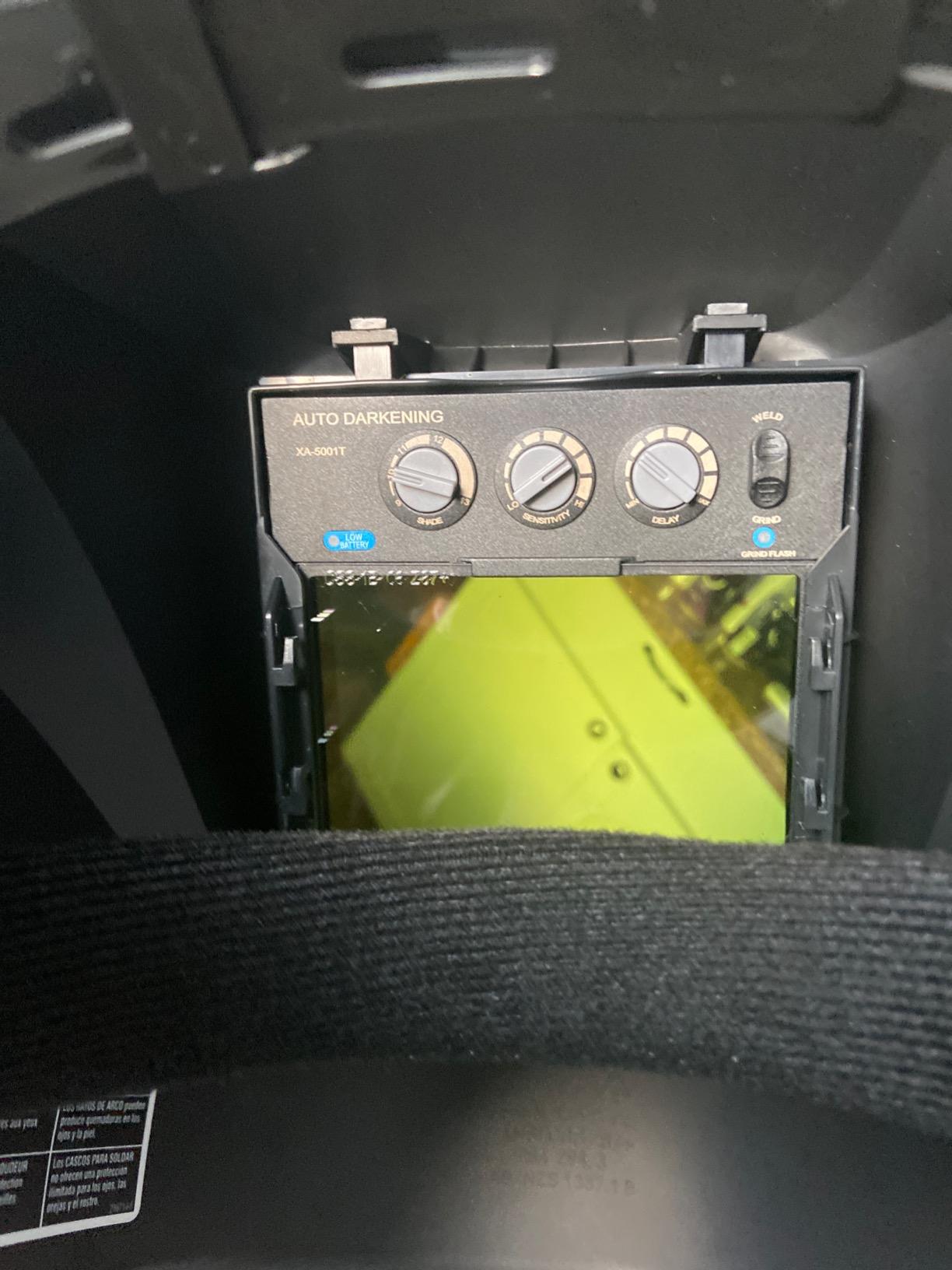
The polyamide nylon shell is more substantial than the plastic budget options, and seamless Weld to Grind switching avoids changing helmets mid-task. A CR2 lithium battery is included rather than the more common CR2450 coin cell, which is worth knowing before you order spares.
It carries a 4.7 average across 880 ratings, with 83 percent five star, on a smaller review base than the YESWELDER and Lincoln models. Amazon returned no written customer review text for this listing, so the consensus here is inferred from the rating distribution and the published features rather than from review prose.
Who the Hobart 770890 suits
It suits a working shop that runs one helmet across TIG, stick, MIG, cutting and grinding, and it suits anyone who values simple physical controls over digital presets. The limited two year warranty is respectable for the mid tier.
It also suits a welder moving between brands who wants the same company behind the hood and the consumables, which simplifies warranty claims in a way most listings do not.
Where the Hobart 770890 falls short
The 9.3 inch widescreen area comes with a bulkier shell than compact hoods, so it is less pleasant in a tight corner. Analog controls mean no memory of your last setting and no half-shade steps.
The CR2 battery is a less common cell than the CR2450 that most of this roundup uses, and the light state is a shade darker than the newest 4.0 lenses in bright shop lighting. There is also no published minimum TIG current for this model.
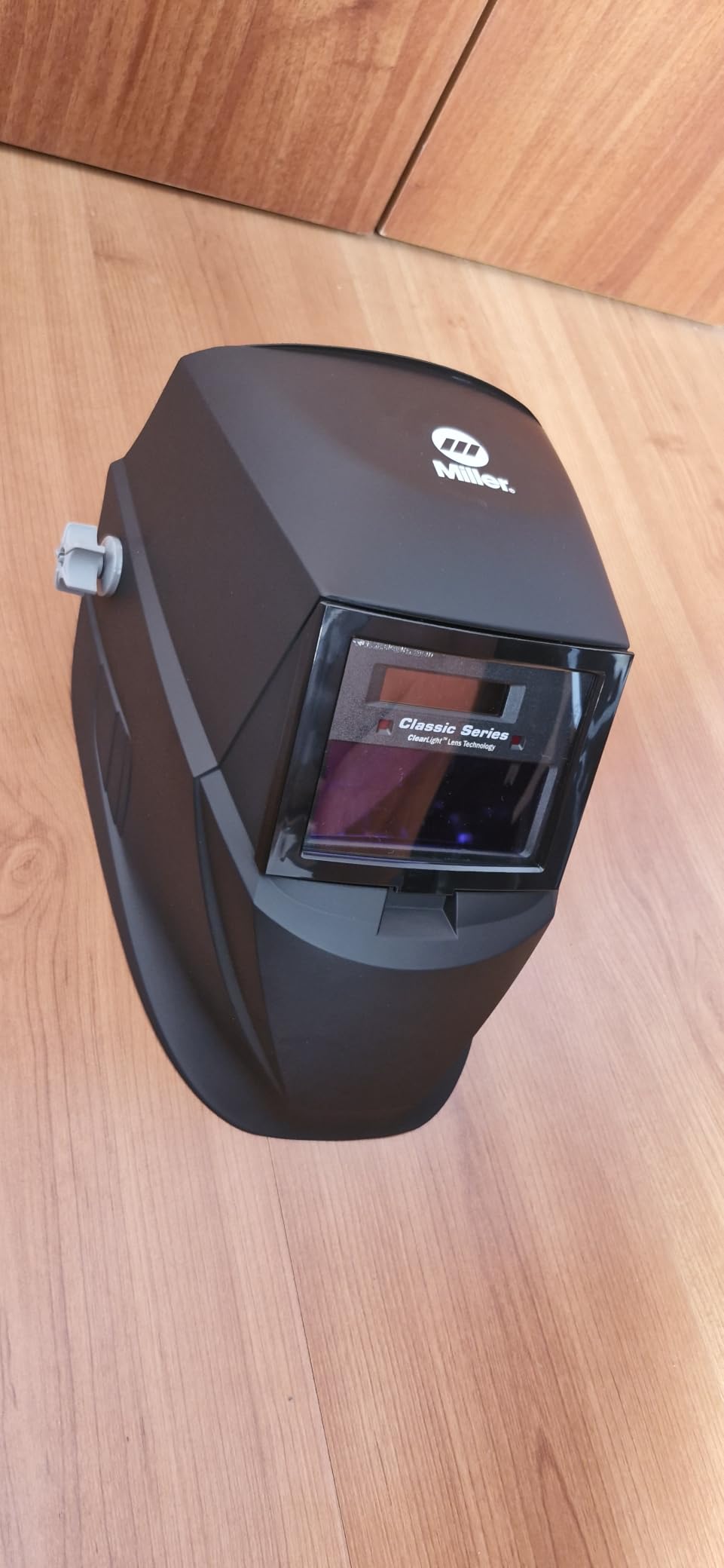
9. Miller Classic Series ClearLight – Best Entry Helmet Rated for 5 Amp TIG
Miller Classic Series Welding Helmet, ClearLight™, Shade 8-13, Black
- Published 5 amp TIG floor
- ClearLight high definition optics
- Variable shade 8-13 weld and 5-8 cut
- 3 year warranty
- Two arc sensors only
- 6 sq inch view is small
- 3.0 light state is darker
- Light duty nylon shell
The Miller Classic Series ClearLight is the only helmet in this roundup that publishes a minimum TIG current, and it is rated for precision welding at five amps or below. That single line of copy is worth more to a thin-gauge TIG welder than a page of marketing language, because it is the one number you can hold a seller to.
Optically you get ClearLight high definition lenses in a 6 square inch viewing area, which is small by modern standards. The shade setup is properly segmented for TIG work: variable 8-13 for welding, 5-8 for cutting and shade 3 for grinding, on adjustable digital controls for shade, delay and sensitivity.
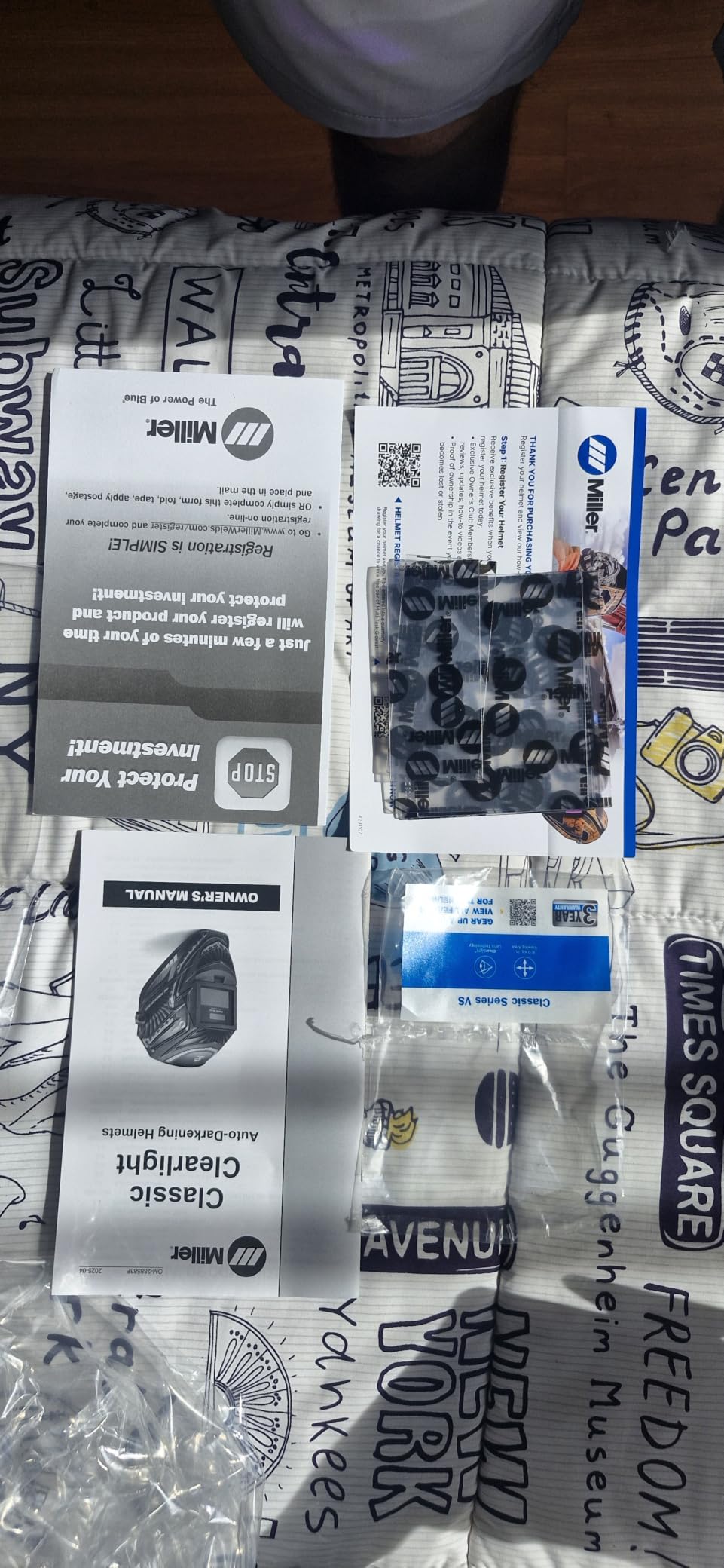
Ratchet headgear and a 3.0 light state let you keep the hood down between welds, which is useful for tack welding. Two arc sensors switch in 1/23000 second, and the helmet is ANSI Z87.1+, CSA and CE compliant with a three year warranty and three year spare part availability.
Its 4.7 average comes from 613 ratings, the smallest review base here, and Amazon returned no written review text for this listing, so sentiment is inferred from the 4.7 score and the 86 percent five-star share rather than from review text.
Who the Miller Classic suits
It suits anyone buying a first TIG machine who will be running 5 to 20 amps on thin stainless, because the published floor means the lens is specified for the range you are actually in. It also suits anyone who wants Miller support at a mid-tier price.
It suits a welder who tacks constantly, since the 3.0 light state and ratchet headgear make it practical to work in the hood rather than flipping it constantly.
Where the Miller Classic falls short
Two arc sensors is the weakest detection package in this roundup, and two is exactly the number that loses the arc when your torch blocks the light. If you weld in tight corners, the four-sensor alternatives are safer bets.
The 6 square inch viewing area is dated, and a 3.0 light state is darker than newer 4.0 lenses in shop lighting. The nylon shell is also light duty compared with a professional hood.
10. Jackson Safety Insight – Best Helmet for Pipe and Confined-Space TIG
Jackson Safety Insight Auto Darkening Welding Helmet, ADF Hood – ANSI Z87.1
- Extremely light 6 ounce shell
- Low profile for pipe work
- Standard cover lenses and hard hat adapter
- Multi year battery life reported
- Dark light state in bright shops
- Sensitivity easy to over-adjust
- Less rugged than premium hoods
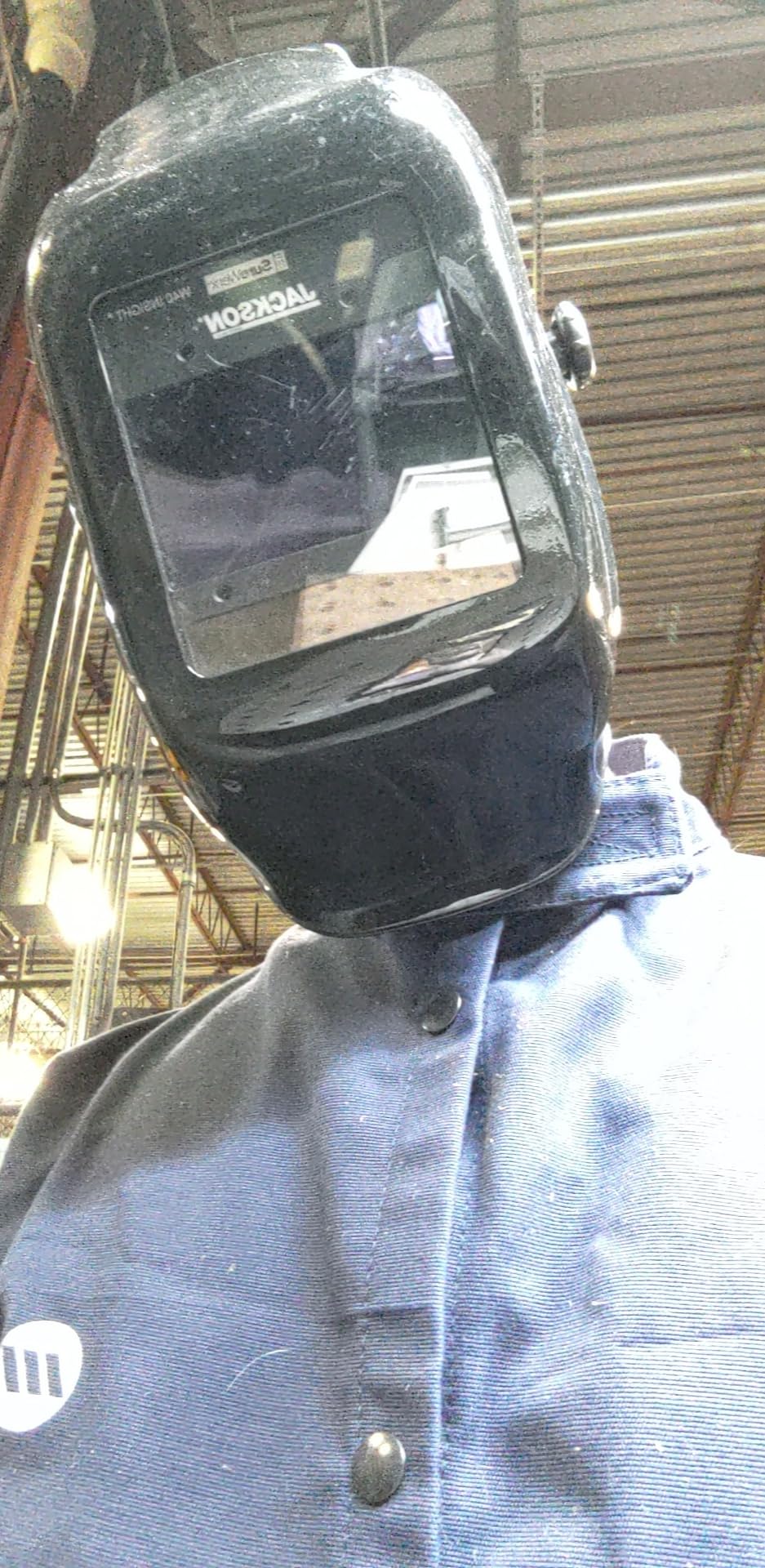
The Jackson Safety Insight weighs six ounces. That is less than most of a welding cap shell, and it is the reason this helmet is the pick for pipe and confined-space work, where a bulky shell catches on the work and a heavy one pulls your head off the weld axis.
The viewing area is 3.94 by 2.36 inches with 1/1/1/1 optical clarity and TrueColor optics, and four arc sensors are placed around the lens specifically to reduce sensor blockage. Digital controls offer Weld, Torch and Grind modes across variable shades 9 to 13, and the Torch mode is a genuine convenience for TIG work.
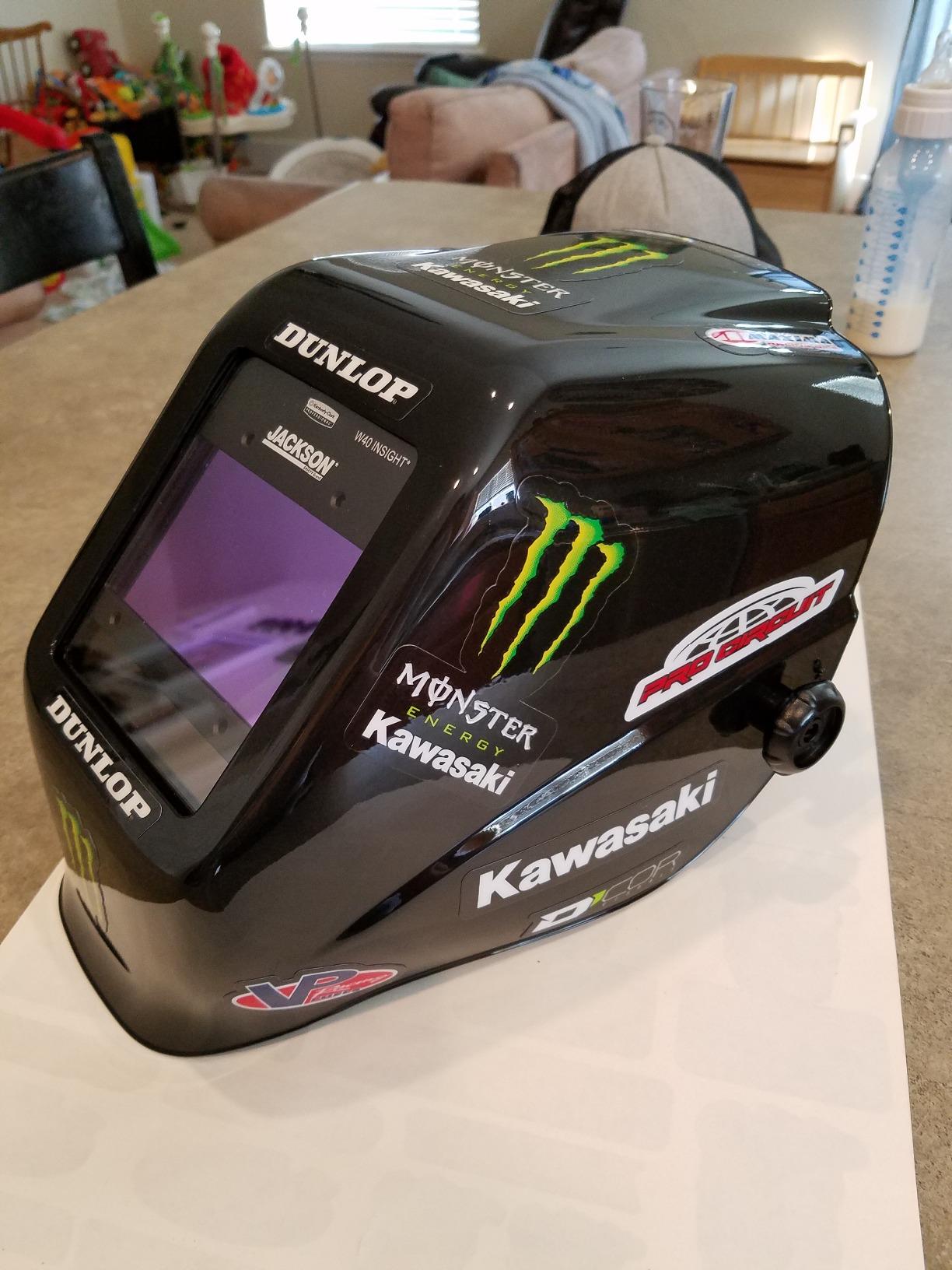
Headgear is the patented 370 Speed Dial ratcheting design with a Qwik-Fit rear swivel headband, plus an up-detent that holds position when you look up. Several owners report five or more years of service on the original batteries, it takes standard 4 1/2 by 5 1/4 inch clear cover lenses, and it adapts to a hard hat.
Who the Jackson Safety Insight suits
It suits pipe fitters, stainless tank builders and anyone welding in a vessel, boiler or other space where the helmet has to be small and light. It also suits multi-process welders who want a torch mode rather than a shade slider.
It suits anyone who needs standard cover lenses, because the 4 1/2 by 5 1/4 inch format is the cheapest and most widely available one.
Where the Jackson Safety Insight falls short
The light state is darker than some competitors in bright shop lighting, which makes fit-up slower. And the sensitivity dial is easy to over-adjust, with owners reporting the lens darkening from reflected shop light on aluminum.
The shell is also less rugged than a premium hood in heavy field service, and the modes need to be read from the manual. In some cases you have to lift the helmet to adjust settings, which interrupts fit-up flow.
How to Choose a Welding Helmet for TIG Welding
Minimum TIG current and sensor count come first
Start with minimum TIG current, and accept that most sellers will not give you the number. Where it is published, as it is for the Miller Classic at five amps and below, treat it as a hard specification. Where it is not, use the arc sensor count as the proxy: four sensors is meaningfully more forgiving than two.
Sensor placement matters as much as the count, because the most common cause of a lens that stays light during TIG is the torch or the fixture blocking the sensors. That is a body-position problem, not a helmet defect, and no filter on the market solves it.
Optical clarity, light state and shade selection
A 1/1/1/1 classification means a first digit of 1 for optical clarity in the visible range, which is what removes the green tint and lets you read the leading edge of the puddle. A 2/1/2 lens is acceptable but noticeably greener. If color perception matters to your weld quality, this is the second most important spec after the TIG floor.
Light state is the brightness of the lens when there is no arc, and it decides whether you can fit up with the hood down. A shade 3.0 light state is usable in dim shops, a 4.0 is better in bright ones, and TIG work alternates constantly between fit-up and welding.
For shade selection, OSHA guidance is a shade 8 minimum for gas tungsten arc welding below 150 amps, and darker is warranted across parts of that range per ANSI and AWS recommendations. A low available shade number on the dial is not permission to under-protect.
Comfort, headgear and weight over a full shift
Weight is the spec that separates a usable helmet from an uncomfortable one. Published shell weights in this roundup run from six ounces on the Jackson Insight through about one pound on the budget models to 1.4 pounds on the Lincoln Viking 3350, and that spread is irrelevant for an hour and decisive for ten. The headgear system matters more than the shell weight, so look for ratchet adjustment, a rear swivel band and multiple adjustment points.
Balance is the hidden variable. The X6 headgear on the Viking 3350 is designed to distribute weight and hold the centre of gravity close to your head rather than out in front of it. If you are buying in person, wear the helmet with your actual hat size and look for forward tilt.
Power source, cover lenses and total cost
Solar with a replaceable coin cell is the sweet spot. The solar panel handles the bulk of a working day and the CR2450 backup covers cold mornings and dark shop conditions. Most of the budget models here follow that pattern, while the Hobart 770890 uses a CR2 lithium cell, which is worth noting before you buy spares.
Cover lens cost is the number that decides total cost of ownership. The Lincoln Viking 3350 uses standard non-proprietary lenses, and the Jackson Insight takes the common 4 1/2 by 5 1/4 inch format, so both are cheap to maintain. Watch for the inside lens specifically, because it is the one that clouds from TIG spatter and it is the one people mistake for a bad filter.
Before you buy, check that the certification is stated. ANSI Z87.1 and CSA Z94.3 are the ones to look for, and the ARCCAPTAIN HSH-S800 additionally lists DIN EN 175 and DIN EN 379.
Do not confuse near-identical model numbers
This is the single biggest source of buyer regret in this category, and it is worth a paragraph of its own. Helmets from the same family are frequently sold with different auto-darkening filter revisions under the same product name, and sellers reuse old photographs with new descriptions. The filter, not the helmet name, is what you are buying.
Our best advice, borrowed from how we handle gear roundups on ski helmets and road cycling helmets, is to check the sensor count and the minimum TIG current in the specification block, then confirm the auto-darkening filter version. If a listing will not tell you the filter revision, treat the minimum TIG current as unverified.
Setting Up Your Helmet for TIG: Sensitivity, Delay and Shades
Most complaints about a TIG helmet are setup complaints, not hardware complaints. The sequence below takes about five minutes on a new helmet and saves an entire afternoon of a lens that will not stay dark.
First, fit the headgear before anything else. Set the ratchet snug and tilt the helmet so the window sits slightly below your line of sight, then confirm you can see the joint without moving your head. If you cannot, no amount of sensor quality will help.
Second, check the cover lenses. A clouded inside lens looks exactly like a failing filter. Hold the helmet up to a light source and inspect the inside plate for spatter pits or haze, and clean the outside lens before you blame the electronics.
Third, set the battery. Solar models with a CR2450 backup should be checked before first use, because a coin cell installed backwards is a common return reason. Then power the unit on so the solar panel has a baseline charge.
Fourth, set sensitivity. Start in the middle of the range, strike a short arc at the amperage you actually use, and step sensitivity up one notch at a time. If the lens stays light as you ease off the pedal, raise sensitivity before you raise delay. Budget helmets on forums often need sensitivity at maximum for 30-50 amp pulsed DC TIG.
Fifth, set delay. For TIG, a longer delay of roughly 0.2 to 0.5 seconds keeps the filter dark through the gap between passes and stops the lens flickering between beads. Set shade last, starting at 8 to 13 depending on amperage, and never lower it below what the job requires for fit-up visibility.
If your lens still goes light mid-weld after all that, work through the physical causes. The torch is blocking the sensors, the fixture is blocking the sensors, the torch angle needs rotating a few degrees, or the inside cover lens is clouded and the filter is being fooled. Moving your head a few inches is often a faster fix than changing helmets.
Frequently Asked Questions
What is the best helmet setting for TIG welding?
Start with sensitivity in the middle of the range and delay around 0.2 to 0.5 seconds, then step sensitivity up one notch at a time until the lens holds dark as you ease off the foot pedal. Set shade last: 8 to 13 covers most gas tungsten arc work, and OSHA guidance calls for a shade 8 minimum below 150 amps. Raise sensitivity before you raise delay when the lens goes light on a downslope.
What is the best true color welding helmet?
Our Editor’s Choice, the YESWELDER LYG-L600A, is the strongest all-round answer for TIG, with 1/1/1/1 true color optics, external shade controls and a 4.6 average across more than 13,900 ratings. If you want the widest view and the highest rated optics, the Lincoln Electric Viking 3350 adds 4C lens technology across a 12.5 square inch viewing area and a 4.8 average. At the budget end, the ARCCAPTAIN HSH-S800 also delivers 1/1/1/1 true color optics with four arc sensors.
What color lens is best for TIG welding?
A 1/1/1/1 lens is best, because the first digit of 1 means full optical clarity in the visible range, which removes the green tint and lets you read the leading edge of the puddle. A 2/1/2 lens is usable but noticeably greener and harder to judge by. For fit-up, pair it with a light state of 3.0 or 4.0 so you can keep the hood down between welds.
What is the rule of 33 in TIG welding?
The rule of 33 is a setup shortcut, not a helmet spec. It holds that the amperage you need is roughly 1 amp per 0.001 inch of material thickness, then adds a 10 percent cushion, multiplied by 33 for stainless steel and roughly 75 for aluminum. It matters to helmet choice because it tells you the amperage range your filter has to track.
Why does my welding helmet go light while TIG welding?
Four causes account for almost all of it. The torch or fixture is blocking the arc sensors, which is a body-position problem. Your sensitivity is set too low, so raise it a notch at a time. The inside cover lens is clouded with spatter and the filter is being fooled, which looks identical to a failing lens. Or the amperage has fallen below the sensor threshold during a downslope, which is what the published minimum TIG current spec exists to prevent.
Is solar or battery better for a TIG welding helmet?
Solar with a replaceable coin cell is the better combination for most welders. The panel handles a working day on its own and the CR2450 backup covers cold mornings and dark shop conditions where the panel draws little. A fixed-battery-only design is fine if you remember to change cells, and note that the Hobart 770890 uses a less common CR2 lithium cell rather than the standard CR2450.
Final Verdict: Which TIG Welding Helmet Should You Buy
The best welding helmets for TIG welding come down to two numbers: minimum TIG current and arc sensor count. Our pick, the YESWELDER LYG-L600A, is the one most TIG welders should buy first: 1/1/1/1 true color optics, external shade controls you can work with a glove on, and the deepest verified owner base in the category. Step up to the Lincoln Electric Viking 3350 if you weld every day and want the widest view and the highest rated optics available. Choose the YESWELDER LYG-M800H if the wide window is what changes how you see a fill joint, and the Miller Classic Series ClearLight if you need a published five amp TIG floor.
Whichever you pick, set the sensitivity and delay before your first weld rather than after your first complaint. That five minutes is the difference between a helmet that works and one that gets blamed.