
Most anglers ask the wrong question first. They want to know which brand wins. The real answer is that sealing and drag smoothness decide whether a reel survives salt water, and size decides whether you can cast it at all. A spinning reel with shielded stainless bearings, a sealed or water-resistant drag, and a rigid body will outlast a fancier reel with open bearings, every single season.
That is the filter we used across the 12 reels in this guide. We compared the body material, the bearing protection, the drag stack, the maximum drag, the gearing, and the size range for every model below, then matched each one to the water and species it actually suits. Ten of the twelve are standard spinning reels, with one round baitcaster and one baitfeeder platform mixed in, because the first real decision a saltwater angler makes is reel type, not brand.
Everything here is a saltwater-capable design: sealed or double-shielded stainless steel bearings, stainless steel main shafts, anodized aluminum or corrosion-resistant graphite bodies, and carbon fiber or felt drag stacks rated well past what inshore fish demand. Use the buttons below to check current listings rather than trusting numbers you remember from last season. We have also linked our broader spinning reel guide and baitcasting reel guide if you are outfitting from the rod up.
Table of Contents
Top 3 Picks for Saltwater Fishing Reels

KastKing Sharky III 4000
- Graphite body and rotor
- K.I.S.S. water resistant sealing
- Triple disc carbon drag to 39.5 lb
- 10+1 shielded stainless bearings

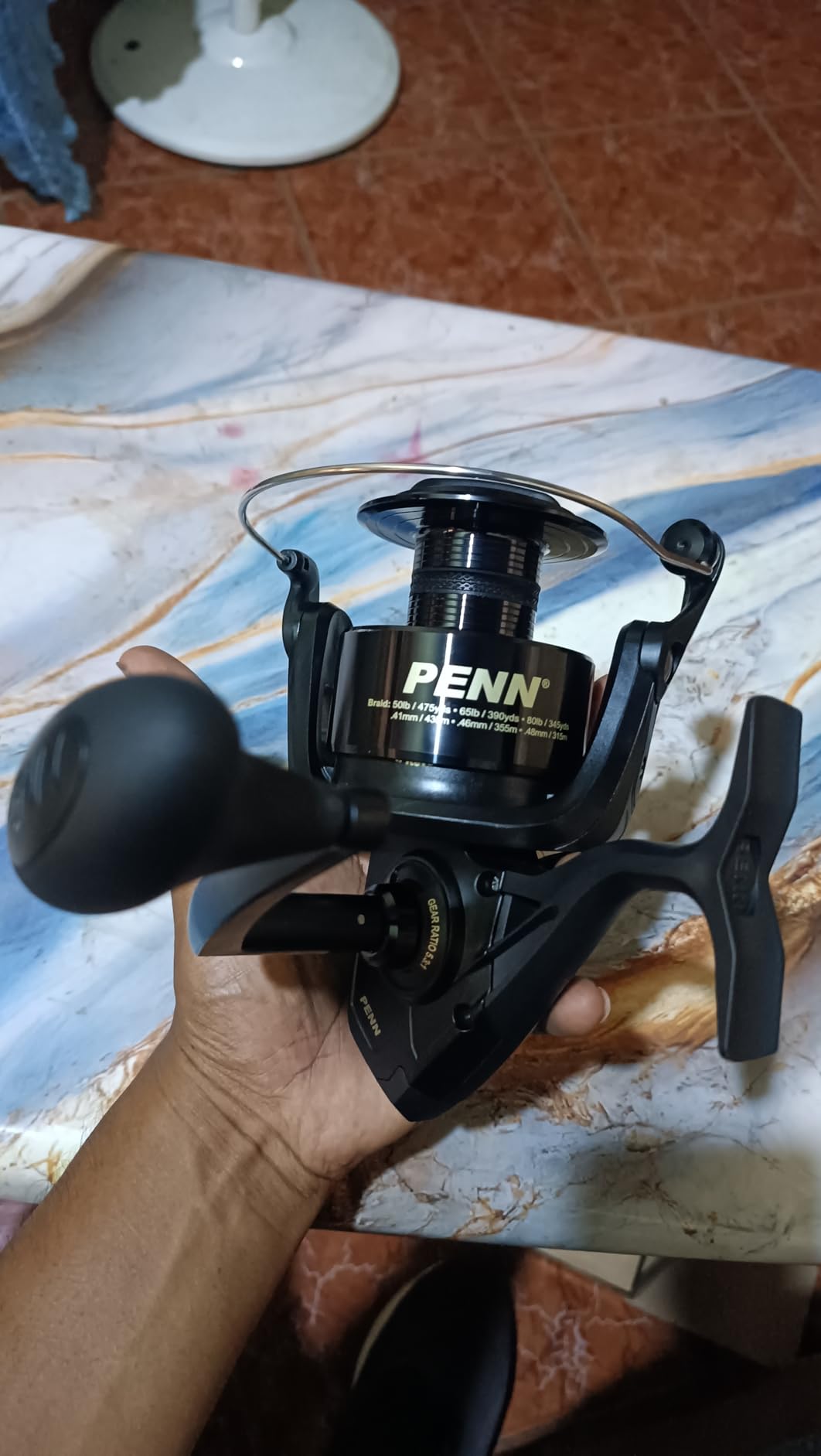
Penn Battle IV 3000
- Forged and machined aluminum body
- HT-100 carbon fiber drag
- 6.2:1 ratio
- 35 inch class retrieve

Piscifun NautiX 5000
- Full aluminum body with carbon rotor
- IPX5 water resistance
- Carbon drag to 33 lb
- 8+1 shielded bearings
Our top three represent three different answers. The Sharky III is the one-reel answer for someone who wants the least fuss and the widest owner base behind it. The Battle IV is the rigid metal workhorse that shrugs off surf abuse. The NautiX is the one to reach for when the drag number matters more than the badge.
Best Saltwater Fishing Reels at a Glance
| Product | Specifications | Action |
|---|---|---|
| KastKing Sharky III 4000 |
|
Check Latest Price |
 KastKing Megatron 4000 KastKing Megatron 4000 |
|
Check Latest Price |
| Penn Battle IV 3000 |
|
Check Latest Price |
 KastKing Spartacus II 3000 KastKing Spartacus II 3000 |
|
Check Latest Price |
 Piscifun Chaos XS Round Baitcaster Piscifun Chaos XS Round Baitcaster |
|
Check Latest Price |
 Penn Wrath II 4000 Penn Wrath II 4000 |
|
Check Latest Price |
 Okuma Avenger ABF 4000 Okuma Avenger ABF 4000 |
|
Check Latest Price |
 Big Game Surf 8000 Spinner Big Game Surf 8000 Spinner |
|
Check Latest Price |
 Accuretta 4000 Spinner Accuretta 4000 Spinner |
|
Check Latest Price |
 Shimano Stradic FL 2500 Shimano Stradic FL 2500 |
|
Check Latest Price |
| Piscifun NautiX 5000 |
|
Check Latest Price |
 Penn Spinfisher VI 3500 Penn Spinfisher VI 3500 |
|
Check Latest Price |
Every reel above clears the bar we set: shielded or sealed stainless bearings, a stainless main shaft or brass gear train, and a body material that resists corrosion. What separates them is drag strength, sealing depth, and how well the size fits a given rod.
1. KastKing Sharky III 4000 – The Best All-Round Saltwater Spinner
- Exceptionally smooth and quiet retrieve
- Strong carbon fiber drag that gives line without surging
- Lightweight graphite build that is easy to fish all day
- Braid-ready aluminum spool removes the need for backing
- K.I.S.S. sealing helps keep water and sand out
- No spare spool included
- Occasional reports of drag washers needing adjustment
- A small number of buyers report quality-control issues on individual reels
The Sharky III is the reel we keep handing to people who ask for the one decision. Our team compared it against the other eleven models in this guide on the only two things that matter in salt: how it behaves after a dunking, and how the drag feels when a fish pulls hard. It came out ahead on both, and it carries the largest owner base of anything here at over 5,000 reviews.
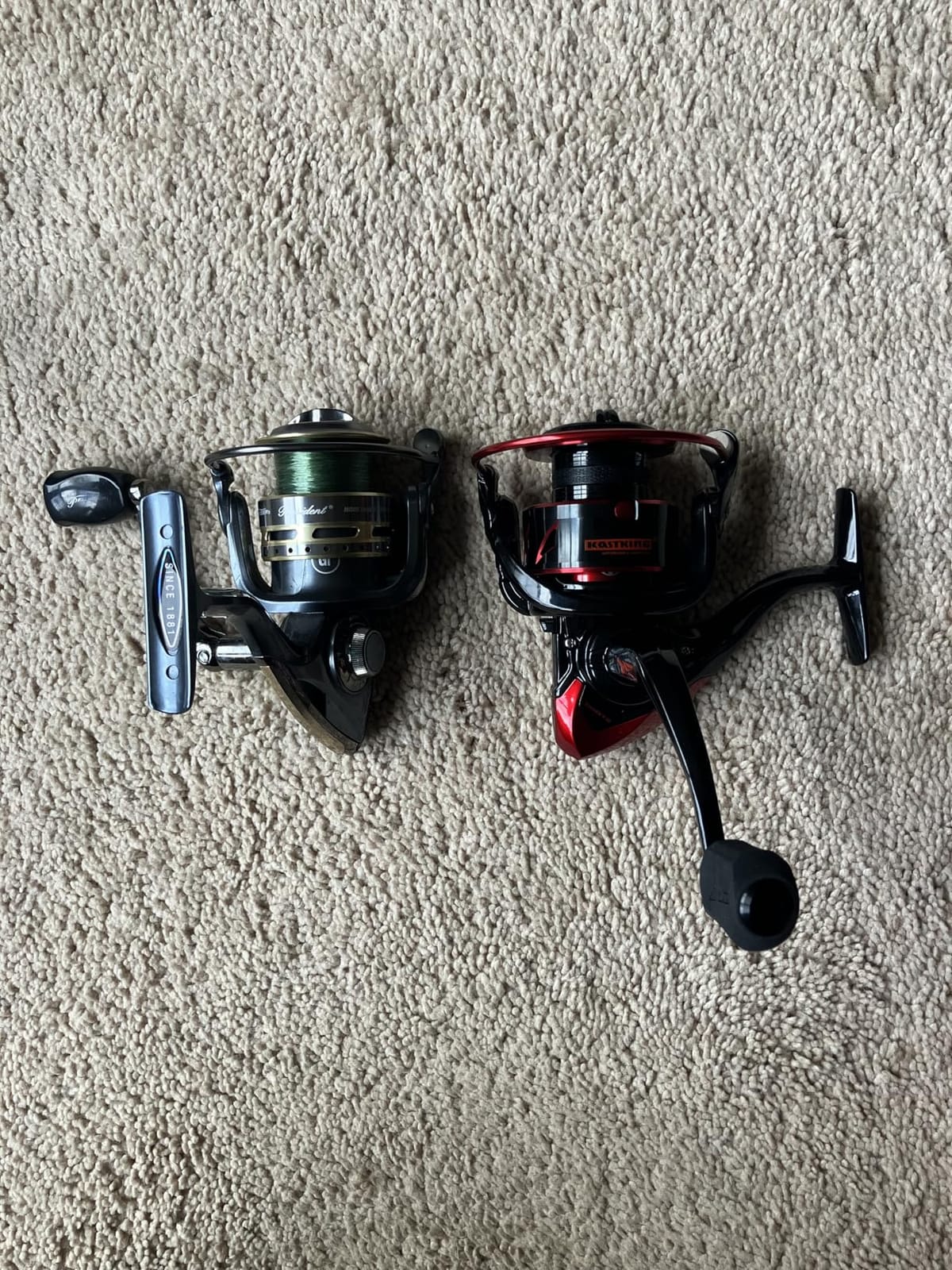
The build is a high percentage fiber reinforced graphite body and rotor with 10+1 double-shielded stainless steel ball bearings and an oversized stainless steel main shaft. K.I.S.S. sealing covers the spool, body, and rotor, which is not the same as full immersion sealing but is far more than a budget reel offers.
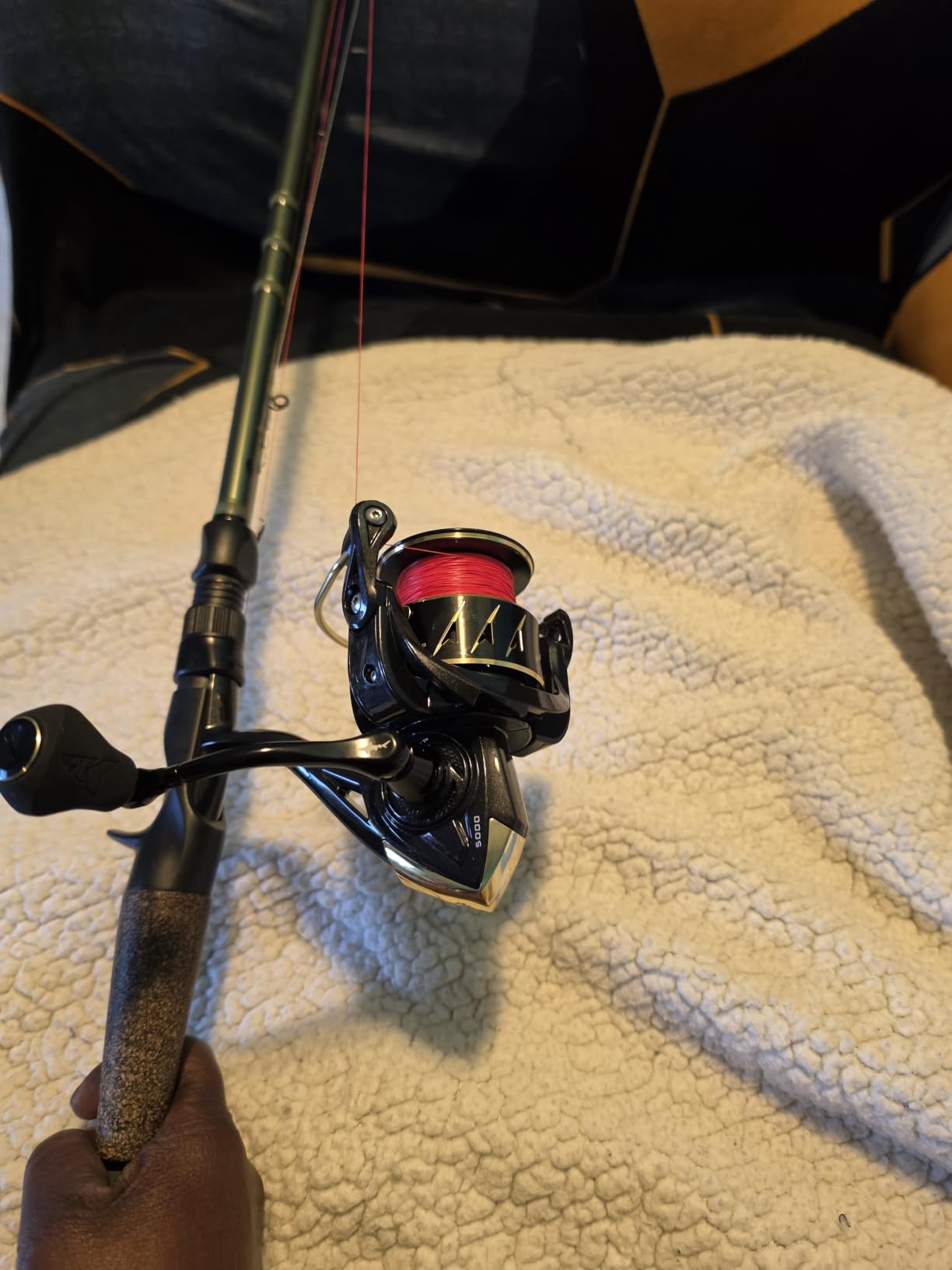
The 39.5 lb triple disc carbon fiber drag is genuinely oversized for the class. Plenty of anglers set it far lower, but the headroom means that when a bluefish or a small shark commits, the drag gives line at a controlled rate instead of stalling. The braid-ready aluminum spool takes line directly with no backing required, which removes the most common source of line slip and spool failure on surf reels.
Size 4000 is the sweet spot for general saltwater use: light enough for a 7 foot inshore rod, spooled deep enough for a 9 foot surf rod. The listed weight of 1.1 pounds is the reason it stays comfortable through a full day of casting.
What you get for the money
At the entry level, this reel undercuts most of the field on bearing count alone. Ten shielded stainless bearings with an instant lock anti-reverse is a spec that mid-range reels often struggle to match, and shielded is the important word: it means salt and grit stay out of the races rather than grinding through them.
The braid-ready spool is the second quiet advantage. Most anglers buy a surf reel and immediately add a hundred yards of backing line, which adds diameter, adds stretch, and adds a failure point. This one does not need it.
Where it falls short
The missing spare spool is the obvious gap. A second spool roughly doubles the life of a reel that sees constant salt exposure, and rivals at this level often include one. If you fish a lot of mono, buy a spare spool separately or budget for replacing the whole reel in a few seasons.
Reviewers also report occasional drag washer adjustment needs, and a small number of quality-control complaints on individual reels. That is a manufacturing reality at this volume, not a design flaw, and it is worth checking the reel the day it arrives rather than on the first trip.
2. KastKing Megatron 4000 – Best Metal-Bodied Reel Under Every Other Tier
- Rigid full metal skeletal frame that resists flex under load
- Smooth carbon fiber drag with no start-up hesitation
- CNC aluminum spool and well machined gears for smooth cranking
- Works in salt and freshwater with double-shielded bearings
- Heavier feel than most spinners at this level
- Listed 4.4:1 ratio retrieves slower than typical spinners
- Some anglers want more drag punch for heavy saltwater species
The Megatron solves the failure mode that anglers on fishing forums complain about most with budget reels: frame flex. A graphite body that bows under load loses cranking power and knocks as the rotor loads up. A full metal skeletal frame does not. The Megatron is built around a 7075-style aerospace aluminum alloy frame with a zinc alloy main gear and a solid brass pinion, and you feel the difference the moment a fish pulls hard.
That rigidity is paired with a CNC machined T6061 aluminum spool and a triple disc carbon fiber drag delivering over 30 lb. The drag starts clean with no hesitation at low settings, which matters when you are trying to feel a subtle take from a flounder or a pompano.
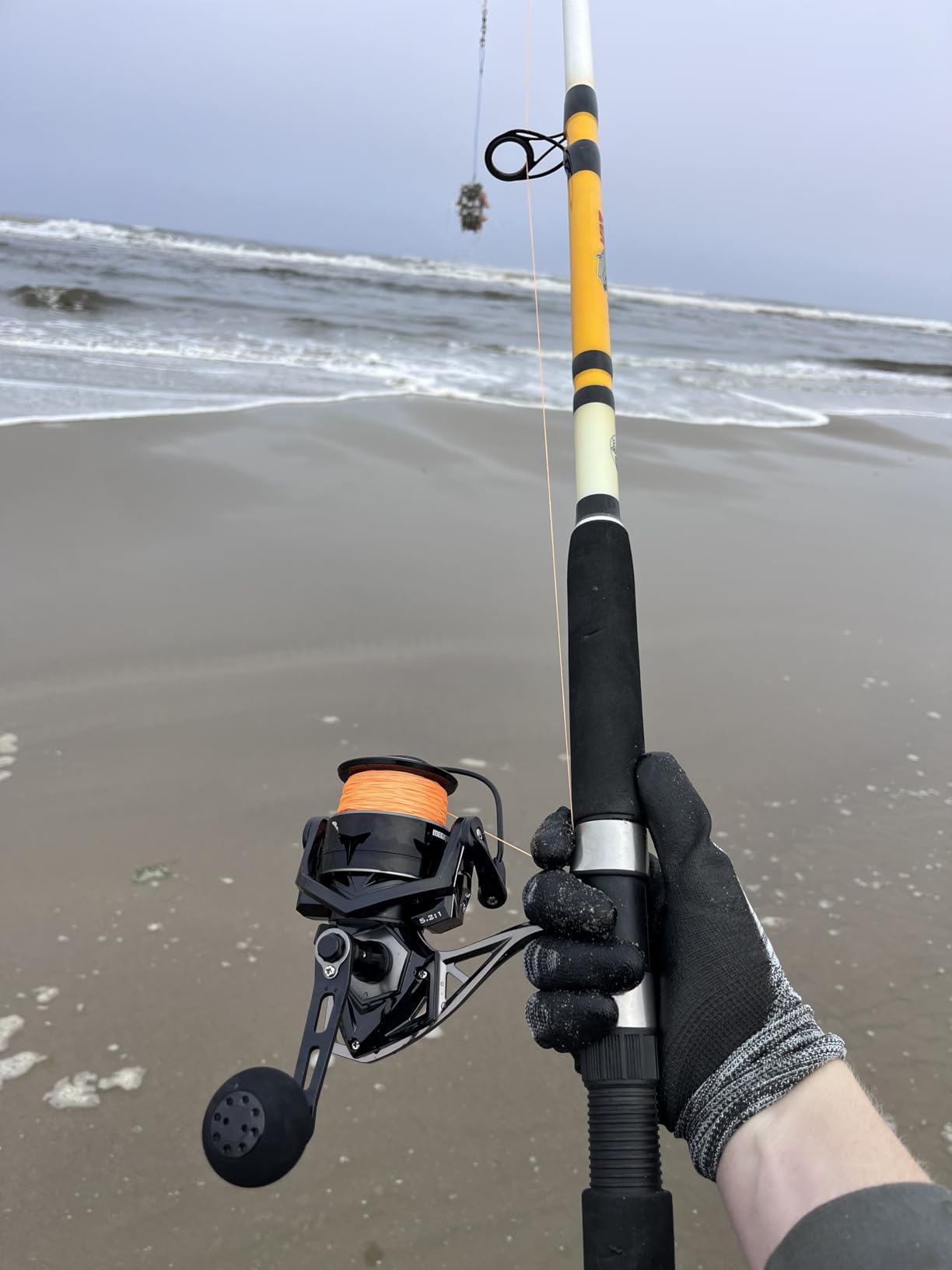
What the metal construction costs you is weight. At 12.34 ounces it is a noticeably heavier reel in the hand than most of its competitors, and anglers fishing a full day of wade-fishing or standing on a jetty will notice that by hour six.
The other trade is gearing. The listed gearbox ratio for this model is 4.4:1, which is slower than the 5.2 to 6.2 range most spinners run. That is fine for bottom fishing and slow bottom bouncing, and wrong for anyone working a metal jig or a fast retrieve lure where you want more line per crank.
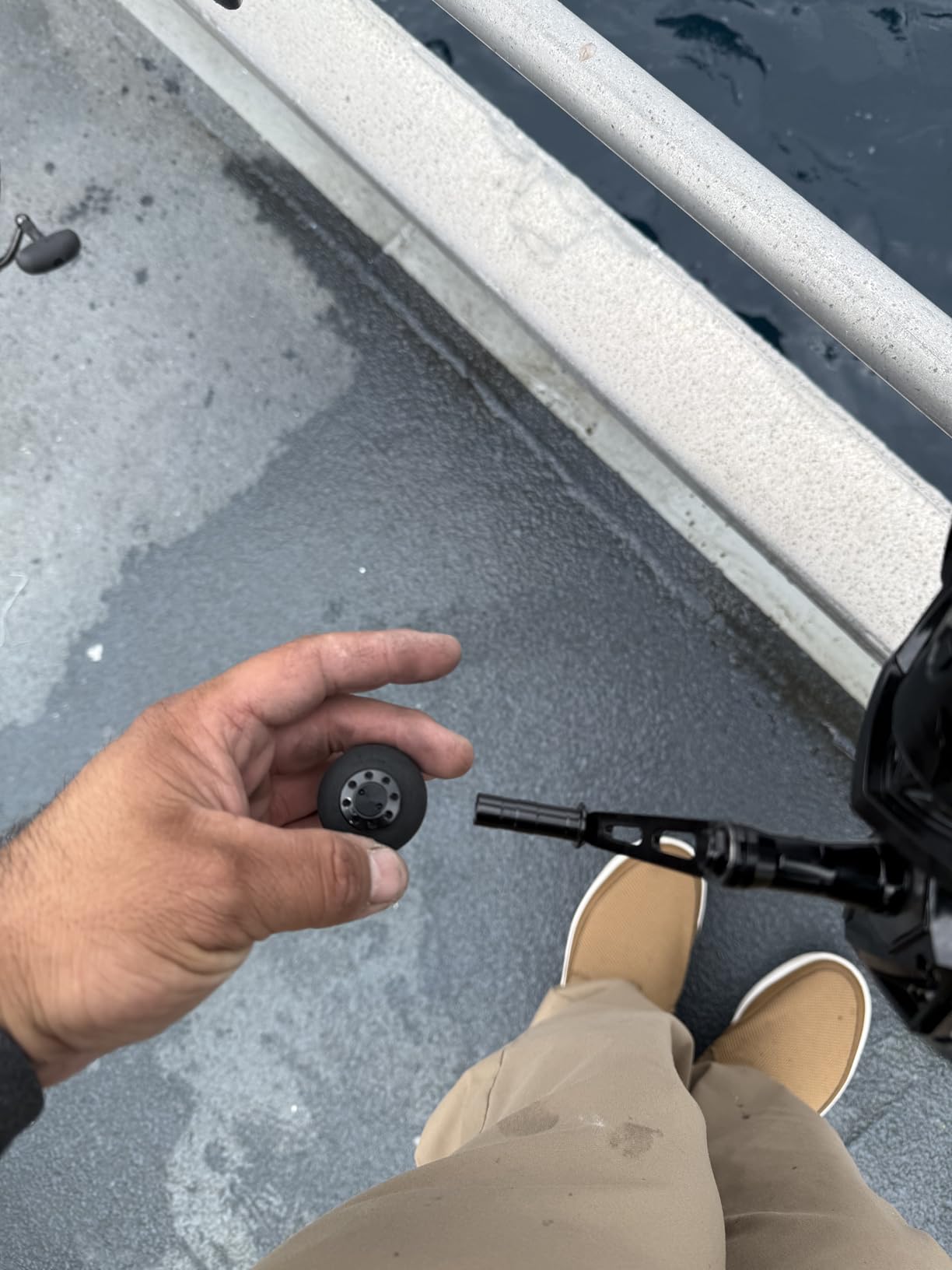
Why the metal frame is worth the weight
Rigidity translates directly into cranking power under load. When a twenty pound grouper hits the bottom and the rod is bent into the blank, a rigid frame keeps the pinion and main gear meshed square. A flexing frame lets the gear mesh wander, which shows up as judder and a gritty feel that gets blamed on the bearings.
The gear train itself is a good sign: a zinc alloy main gear driving a solid brass pinion is a combination that resists the galling and pitting you get from aluminium teeth against salt water. Seven double-shielded stainless bearings plus the anti-reverse keep the crank smooth.
Who should skip it
If your priority is the lightest reel you can fish all day, look at the Sharky III or the Spartacus II instead. The roughly twelve ounce class is a real cost over a full day of surf casting, and a lighter rig is easier to hold up at your rod tip when a wave hits.
The other reason to pass is gearing. If your target is jigging or a fast lure retrieve, a 4.4:1 ratio asks you to crank more for the same line. This is a bottom-fishing and power-drag reel first and foremost.
3. Penn Battle IV 3000 – Best Rigid Workhorse for Surf and Rocks
- Very smooth well-balanced retrieve and effortless casting
- Aluminum body and sideplates that hold shape in surf and salt
- HT-100 carbon fiber drag is smooth and consistent
- Sizes from 1000 to 10000 cover any surf or inshore job
- Holds up to heavy abuse when routinely rinsed
- Not fully sealed so saltwater intrusion can cause a squeak that needs disassembly
- Thin crosswind bar has been reported to crack on some units
- Heavier than lighter weight saltwater spinners
The Battle series is the most widely proven saltwater spinner in this list, and for a simple reason: a forged and machined aluminum body and sideplates do not flex and do not corrode the way a graphite shell can. For anglers working rocky shoreline or a jetty where gear gets knocked, that rigid construction is the entire point.
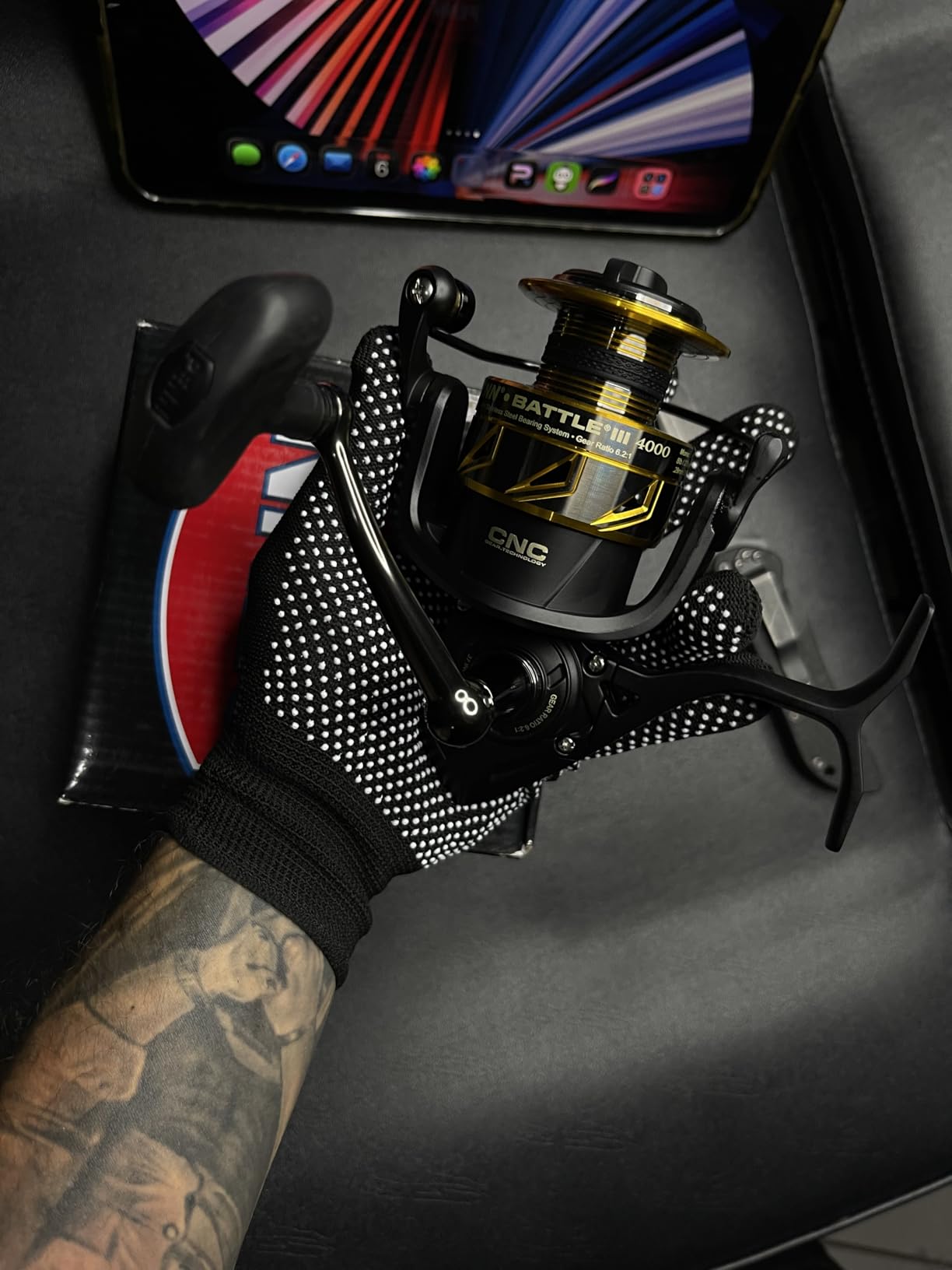
At 6.2:1 with 35 inches of line per crank, the retrieve is fast enough for light jigs and topwater work while still having enough torque for bottom fishing. The CNC machined gear technology and brass main gears are what give this reel its reputation for a smooth crank year after year.

Size 3000 is the most versatile member of the range. Penn builds the series from 1000 through 10000, so this platform covers a 7 foot inshore rod and a 10 foot surf rod without you changing reel families. The 11.6 ounce weight is a fair compromise between the aluminum durability and a light feel.
The HT-100 carbon fiber front drag is rated to 15 lb. That is plenty for striped bass, redfish, drum, and surf species, but it is not a big game drag, and the reel is not sold as one.
What the aluminum actually buys you
Aluminum bodies have two advantages in salt. They do not flex, so the gear mesh stays aligned under load, and they take a beating without cracking. When a rogue wave puts your rod tip through the rocks, a graphite rotor can crack where an aluminum sideplate just dents.
Line Capacity Rings on the spool are a small detail that matters more than they sound. They let you spool down to exactly the line your rod expects without guessing, which keeps the spool balanced and the drag tracking true.
Where it falls short
It is not fully sealed. Reviewers document that heavy saltwater exposure can produce a squeak that requires disassembly and cleaning, and that is the maintenance reality of an open bearing architecture. The reel is not going to die from a season of surf fishing if you rinse it, but it will ask for more attention than a sealed design.
Some buyers have also reported a thin crosswind bar cracking, and at 11.6 ounces it is not the lightest reel in this guide. Plan on a freshwater rinse after every trip, not at the end of the season.
4. KastKing Spartacus II 3000 – Best Lightweight Budget Spinner
KastKing Spartacus II Spinning Fish Reels, Freshwater/Saltwater, 3000 Size
- Smooth easy to tune drag that needs no large adjustments
- Very light for its size class at roughly 9 ounces
- Crisp responsive bail with positive feedback
- Sizes from 500 to 5000 cover ultralight through inshore
- Clean low profile matte finish
- Some reports of the anti-reverse mechanism failing after a few months
- Drag strength on the smaller sizes is light for larger saltwater species
- Max drag figures vary between the listing text and specifications
The Spartacus II answers a question anglers ask constantly on fishing forums, which is which saltwater reel a beginner can pick up and actually use. It is light, the drag is easy to tune, and the bail gives clear feedback so you know when a fish has picked up the bait. Nothing about it demands a steep learning curve.
The reinforced graphite body and rotor are paired with an oversized stainless steel main shaft, a ceramic line roller, and a sealed spool. Hamai cut precision gears with a brass pinion keep the crank quiet, and the K.I.S.S. system covers the spool, rotor, and body for water and dirt resistance.
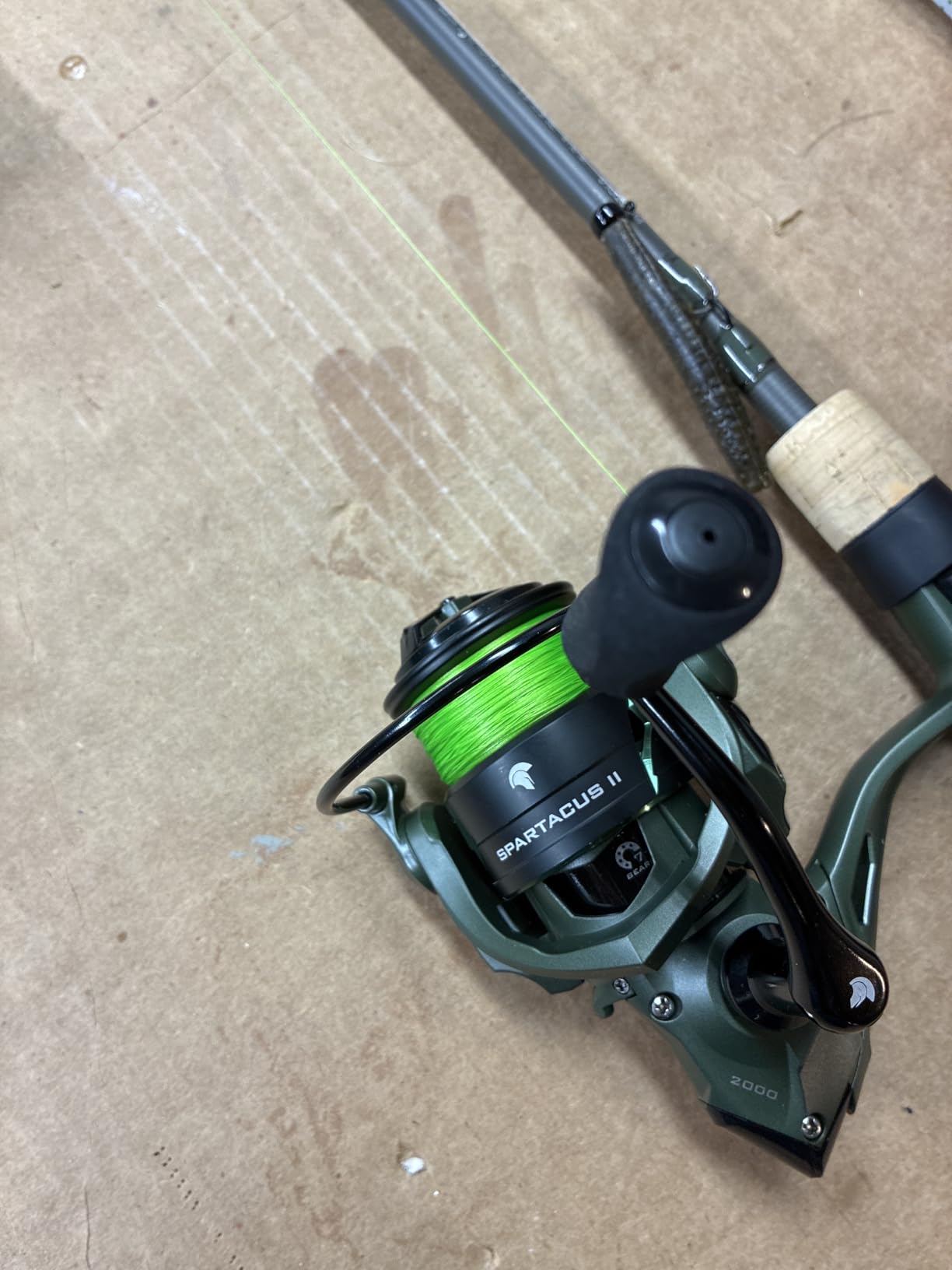
Weight is where this reel separates itself. At 358 grams, roughly 9 ounces in size 3000, it is one of the lightest options here, and for long wade-fishing days or for anglers with any shoulder issues, that is not a minor detail.
The size range runs from 500 through 5000, all sharing the same 5.2:1 ratio. That range is genuinely useful: a 2500 or 3000 covers speckled trout and redfish in the bay, while a 4000 or 5000 steps up for nearshore structure work without a different reel family.
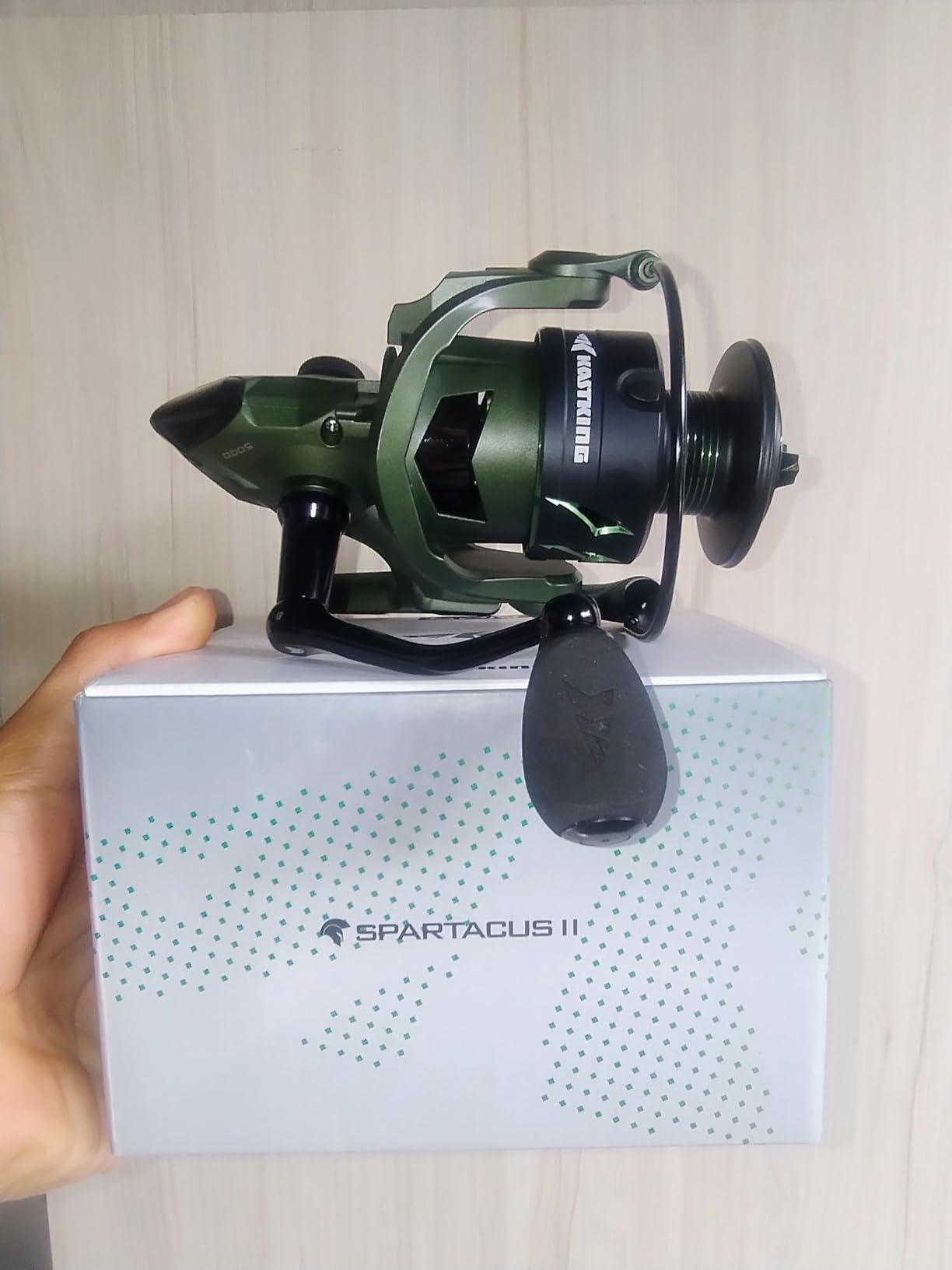
Why the drag is easy to live with
The triple disc carbon fiber drag is rated at roughly 17.6 to 22 lb depending on size, and more importantly it starts smoothly and holds a setting. An easy-to-tune drag matters more than a high maximum number, because most anglers set their drag well below the rating and never come close to it.
The ceramic line roller is a small upgrade that shows up in wire-tooth scenarios. When you are pulling a rig up through a rocky bottom or a shell bed, a smooth roller keeps the line from cutting itself.
Where it falls short
The drag ceiling is the honest limitation. In the smaller sizes this reel simply does not have enough stopping power for heavy surf species, so if your targets are drum and large striped bass you want to step up to a 4000 or a reel with a higher rated drag.
There are also isolated reports of the anti-reverse mechanism failing after a couple of months, and the published maximum drag figures are inconsistent between the listing text and the specification sheet. Judge the drag by feel rather than by the printed number, and set it with a scale if you are fishing anything heavy.
5. Piscifun Chaos XS Round Baitcaster – Best Casting Distance on a Bait Platform
Piscifun Chaos XS Round Baitcasting Reel, Blue 50 Right Hand
- Excellent casting distance with very little backlash once tuned
- Smooth solid retrieve with a strong carbon fiber drag for its class
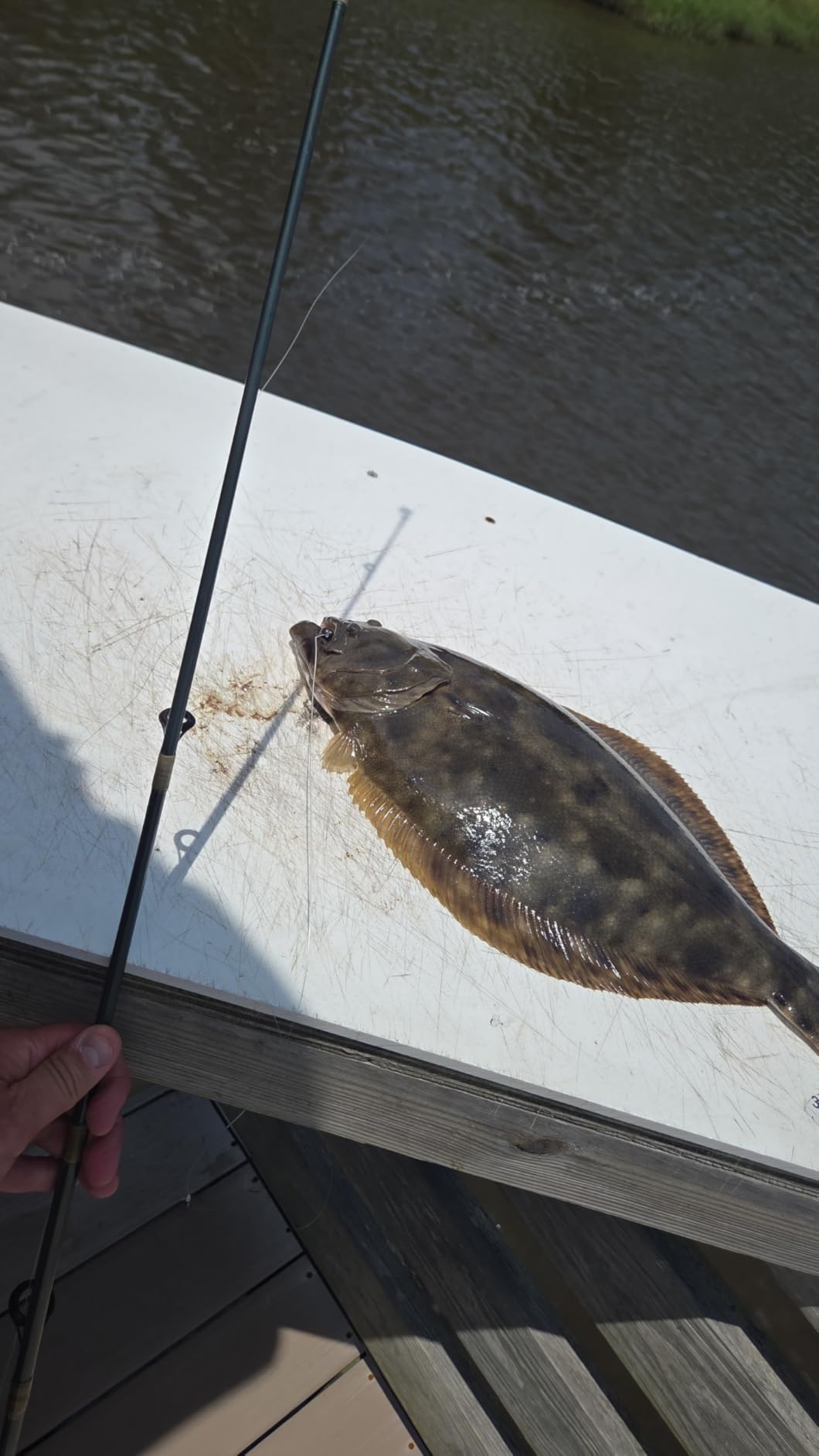
- Handles halibut bluefish and catfish
- Recessed reel foot makes it easy to palm and cast
- Sizes and retrieve options for different hands
- Some heavy users report a reel failing within about a year
- The thumb bar on the bait-runner can disengage and allow free spooling
- Bait clicker is quiet on some reels
- Not a replacement for a serviced ABU for heavy long-term work
Everything else in this guide is a spinning reel, so this one earns its place by solving a problem spinners cannot. When you need to punch a bucktail or a teaser past a breaker or into a current, a low-profile baitcaster puts the line on a smaller diameter spool, casts further, and gives you feathering control that a spinning bail never will.
The 7075 aircraft grade aluminum frame cuts weight by roughly 10 percent against a comparable frame, and the CNC caved anti-line-skip aluminum spool is the part that actually produces the casting distance. Combined with the centrifugal braking system, it casts long and clean once the brakes are dialled in.
Precision cut brass gears, stainless steel bearings, and a premium carbon fiber drag rated up to 22 lb give it more than enough stopping power for halibut, bluefish, and catfish from a pier or a jetty. Six double-shielded stainless steel bearings keep the crank smooth, and the recessed reel foot makes the reel easy to palm when you need both hands on the rod.
The oversized non-slip rubber grips and easy-access thumb bar are small quality of life touches that matter in hot weather with wet hands. Line capacity on this model is listed at 10/200, which suits braided line and heavy leader work.
How to get the most from a baitcaster
Start with the spool tension knob barely snug and the centrifugal brake near maximum, then back both off in small turns until a lure lands without a backlash. The caved spool is designed to keep line from jumping the spool, but a spool loaded with thin fluorocarbon leader will still tangle if the tension is too loose.
Use the clicker. It tells you when a fish takes the bait without you having to watch the rod tip, which is how you hook up on live bait rigs and dragging baits for flounder and striped bass from a pier.
Where it falls short
Be honest about longevity. Some heavy users report a reel beginning to fail within about a year, and the thumb bar on the bait-runner version can disengage and let the spool run free at the worst possible moment. This is a reel for anglers who fish hard but who are comfortable with occasional component quirks.
If you are putting this on a boat and towing a big rod for a full season of offshore work, a serviced ABU or a modern sealed low-profile reel is the better long-term buy. Piscifun customer service is praised for replacing faulty reels quickly, which mitigates but does not erase the concern.
6. Penn Wrath II 4000 – Best Quiet Budget Reel for Mangroves and Grass
PENN Wrath II Saltwater Spinning Fishing Reel, Size 4000, Right/Left Handle Position, Corrosion-Resistant Graphite Body, Machined Anodized Aluminum Spool
- Smooth sensitive action with a well adjusted drag
- Reliable in saltwater with minimal maintenance when rinsed after trips
- Quiet operation and smooth casting
- Corrosion-resistant graphite body and anodized aluminum spool
- Sizes suited to inshore mangrove and surf work
- Felt drag rather than carbon fiber so it wears sooner
- Modest 2+1 bearing count against similarly priced rivals
- Not sealed so regular freshwater rinsing is required
The Wrath II is the quiet one. Owners repeatedly single out how little noise it makes, which matters more than it sounds when you are working redfish under a mangrove canopy in low light and trying to feel a bite instead of listening to your own reel.
The 6.2:1 ratio with 37 inches of line per crank is the fastest retrieve in this guide, and the machined anodized aluminum spool with Line Capacity Rings keeps the spool balanced. The graphite body is listed as corrosion-resistant, which is the correct standard for a budget saltwater reel, and the anodizing on the spool is what actually does the work against salt spray.
The felt front drag is rated to 15 lb and behaves differently from a carbon fiber stack. Felt grabs fast, which is genuinely useful for live bait fishing and for hooking a fish that hits hard and stops. It also wears sooner than carbon, so expect to service it more often over the life of the reel.
With 2 shielded stainless steel bearings plus one instant anti-reverse bearing, this is the lowest bearing count here. It smooths out over a few oilings, but it is not the specification you buy on.
Where a felt drag actually earns its place
Felt drag washers have a higher coefficient of friction than carbon fiber, so the drag grabs at a much lower setting. For anglers targeting live bait, or hooking fish that pick up and run hard, that fast grab helps you set the hook before the fish has time to reject the bait.
For pure lure fishing where you want a long smooth glide, the carbon fiber reels here do that better. The Wrath II is a live-bait and mangrove reel that happens to cast well.
Where it falls short
Two shielded bearings is modest for a modern reel, and it is the reason the drag can feel gritty after heavy use until it is cleaned. The reel is also not sealed, so the freshwater rinse is not optional. Reviewers who rinse after every trip report it holding up well in salt, and reviewers who do not, do not.
If you want longevity over low weight, the Megatron in the same general size class is built from metal and will outlast this one. Choose the Wrath II for quiet handling and fast drag grab, not for heirloom durability.
7. Okuma Avenger ABF 4000 – Best Baitfeeder Reel for Live Bait
OKUMA FISHING TACKLE Avenger Baitfeeder ABF-40b Graphite Spinning Reel- ABF-40b , 11.3,Silver
- On and off baitfeeding system is simple and effective for live bait work
- Corrosion-resistant graphite with airflow for faster drying
- Rotor equalizing system gives crisp well-balanced cranking
- Quick Set anti-reverse removes handle back play for solid hook sets
- Felt multi-disc drag is less durable than carbon fiber
- 13 lb maximum drag is modest for surf and larger species
- Baitfeeder reels are bulkier and less versatile than standard spinners
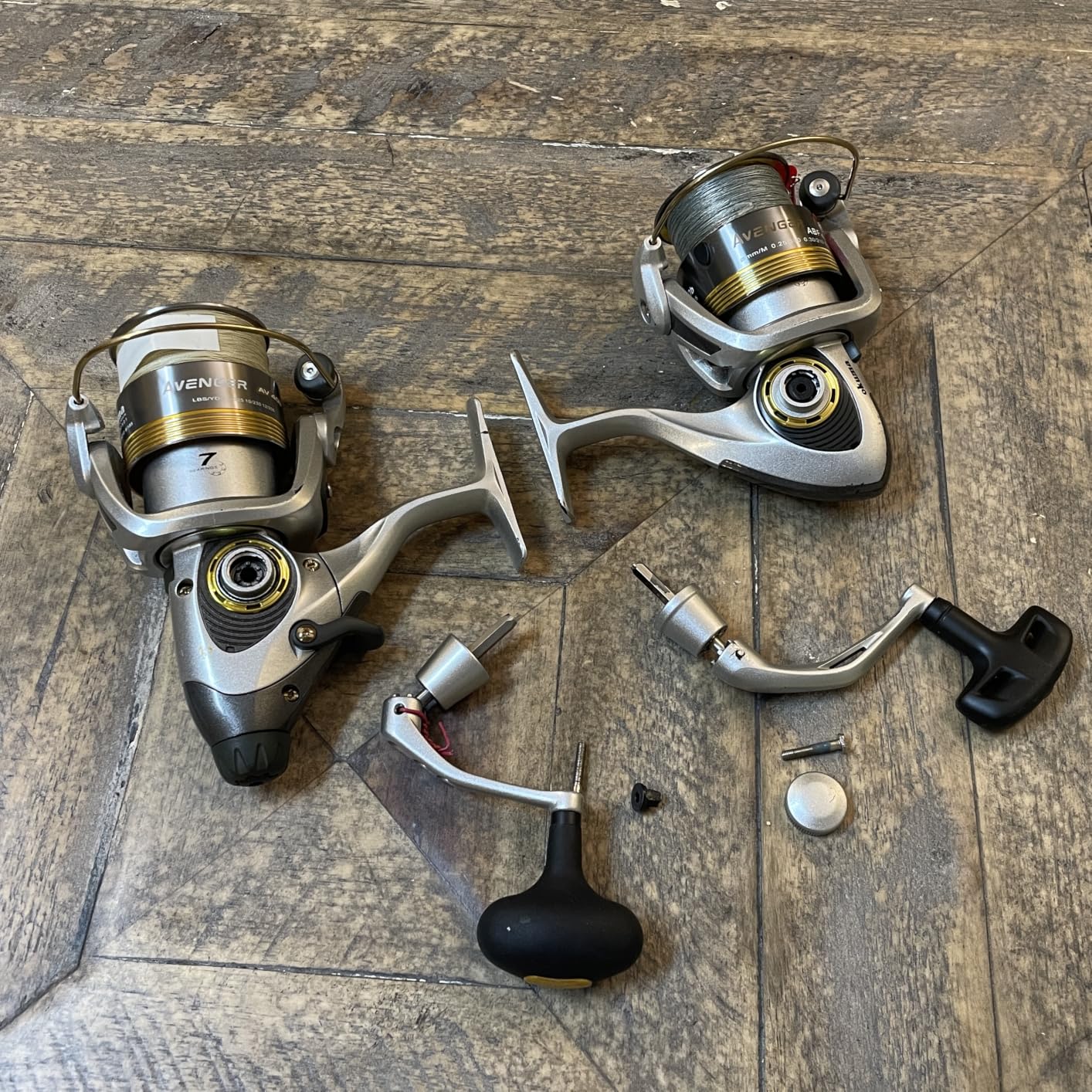
Most of the mistakes new saltwater anglers make come from rigging a spinning reel for live bait and fighting the bail the whole trip. The Avenger ABF removes that problem. Its on and off auto-trip baitfeeding lever lets you disengage the spool, let a live bait swim free, and re-engage with one movement of your thumb.
For pompano, sheepshead, or anything you are dropping to bottom on a live bait, that is a genuine change in how the trip goes. You stop thumbing the spool, which also means you stop burning the drag washers early.
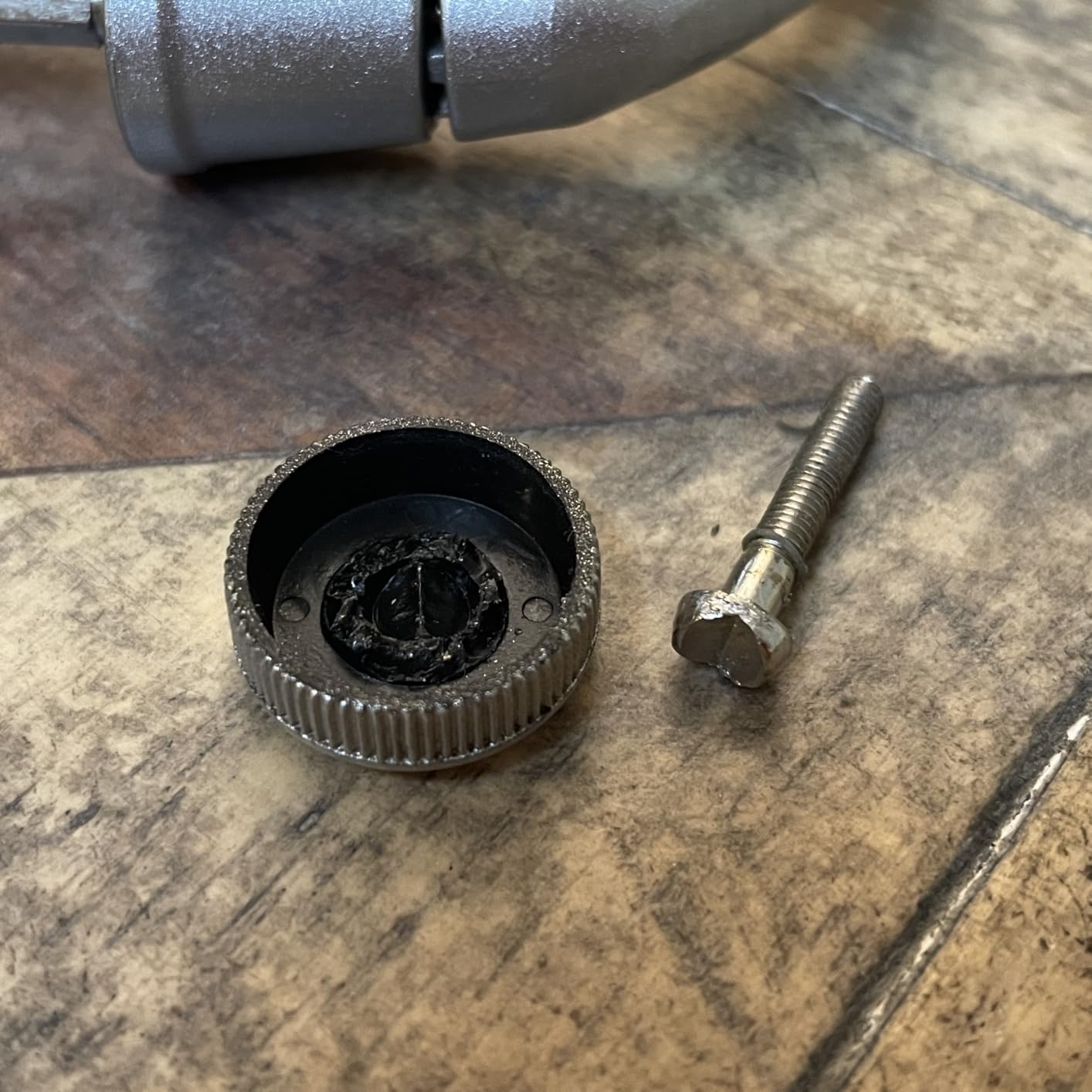
The corrosion-resistant graphite body and rotor are paired with Cyclonic Flow Rotor technology that moves more air past the spool, and that airflow is the reason this reel dries faster after a wet session. Faster drying is a real corrosion defence, not a marketing phrase. The rotor equalizing system with computer balanced weight gives a crisp, even crank.
The Quick Set anti-reverse roller bearing gives instant handle engagement with no back play, which means a hook set transfers straight into the rod instead of spinning through the rotor.
What the baitfeeder layout changes
A baitfeeder spool sits further from the rod than a standard spinning spool, which changes the balance on the reel. On a light rod that is a noticeable adjustment, and it is the reason anglers who switch to one usually move up a rod weight rather than down.
The 6 ball bearings plus one roller bearing drive system with a precision machined brass pinion is a solid count, and the multi-disc oiled felt drag is smooth and easy to set. At 12.8 ounces, this is a substantial reel in the hand, which suits bottom fishing more than casting.
Where it falls short
Thirteen pounds of maximum drag is the limiting spec. That is fine for pompano, trout, drum, and inshore structure fishing, and it is not enough for a heavy surf fish that runs hard at the end of a drag set. Reviewers are clear that this reel is built for lighter inshore work rather than big game.
It is also the least versatile reel here. If you want one reel for everything from casting topwater to dropping live bait, a standard spinning design is a better buy, and one of the full spinners on this list will serve you across more trips.
8. Big Game Surf 8000 – Biggest Spool for Long-Range Surf Casting
Big Game Surf Spinning Fishing Reel, 44Lbs Max Drag Saltwater Fishing Reels
- Very smooth silky retrieve with a linear drag from zero to maximum
- Casts long distances cleanly with magnetic braking that limits tangles
- High line capacity in the large sizes for surf and big game
- Well-balanced for extended surf sessions
- Affordable relative to other big game surf spinners
- Durability reports are mixed with one heavy user reporting seizure after about three weeks
- Spool bail gap can trap line and cause tangles on a loose cast
- Screws can loosen and the drag clicker has been reported to break
- Bent spool and inoperable drag reported at high drag pressure
- No manufacturer warranty
This reel exists for one job: putting a lot of line on a spool and casting it a long way from a beach. At size 8000 with a high line capacity spool, it is the largest reel in this guide by a wide margin, and that capacity is what lets you back a long leader onto a surf or offshore target.
The carbon fiber drag washers are rated to 44 lb, which is the highest number in the guide, and the top grade aluminum alloy frame gives it a solid feel in the hand. The magnetic casting control system provides adjustable braking that noticeably reduces tangles on a long cast.
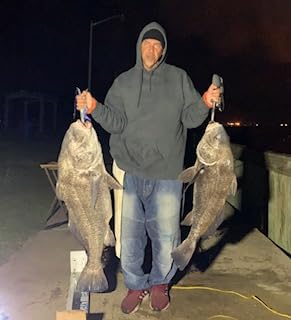
Owners praise the drag linearity specifically. A drag that goes smoothly from zero to maximum with no jump means you can back down on a running fish without the settings collapsing, and with a drag this large there is enough range to tune precisely to the line you are using.
At 5.1:1, the retrieve is a middle-of-the-road compromise: slow enough to put a big bait or a heavy bottom rig down cleanly, fast enough that a surface strike is not a marathon.
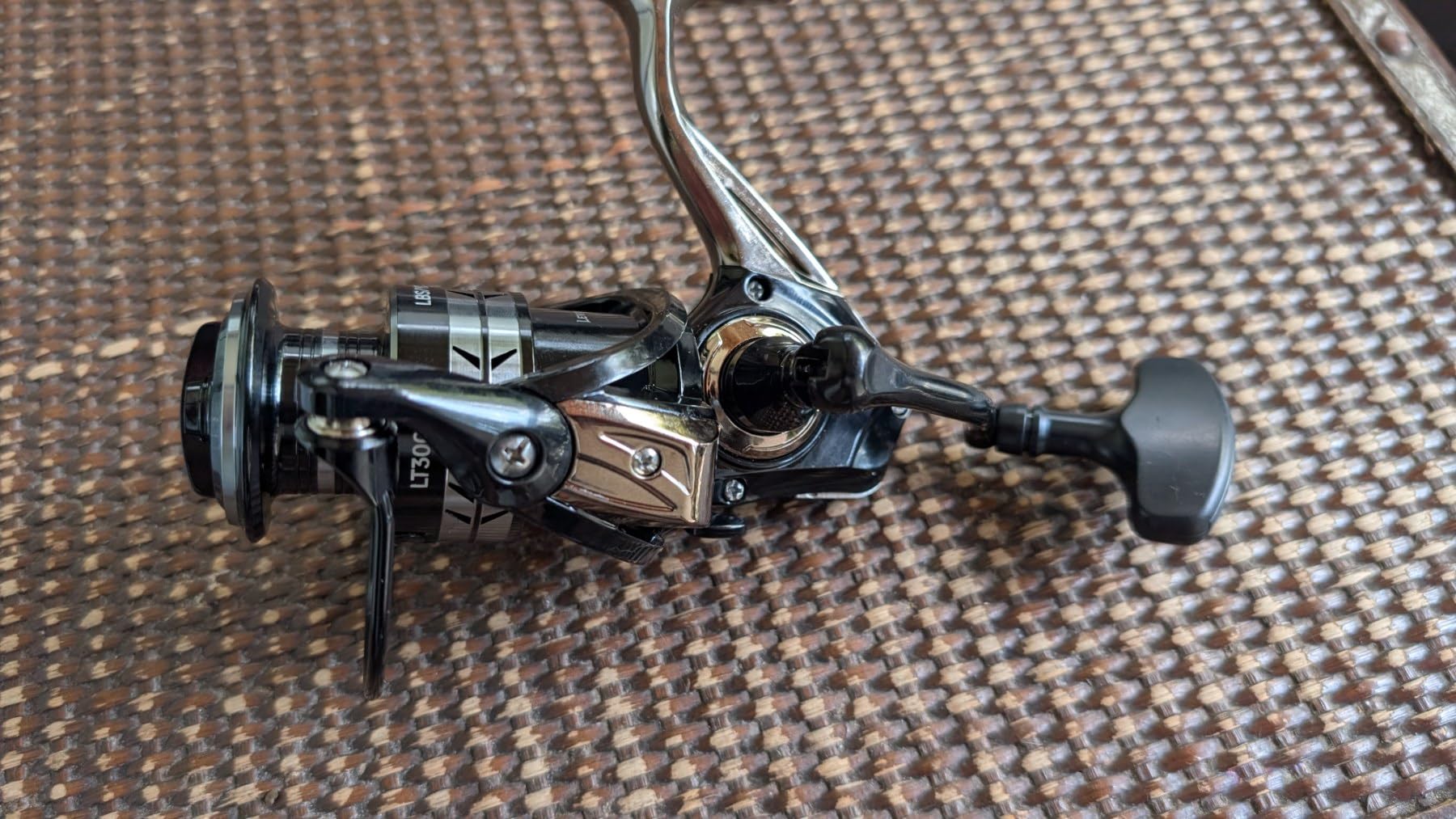
Why a 8000 size spool earns its place
Line capacity is the whole argument. When you are targeting fish that run 200 yards or more, or you are casting a heavy sinker to a specific offshore structure, capacity stops being a nicety and becomes the difference between landing the fish and spooling on the first run.
The oversized non-slip handle grip reduces fatigue across a long surf session, and the zinc alloy gear with a stainless steel main shaft and metal reel seat is a sensible material mix for a reel that will sit in wet sand.
Where it falls short
We have to be direct here. The 4.2 rating is the lowest in this guide, and it reflects real reports: one heavy saltwater user had a reel seize and corrode beyond repair after roughly three weeks, and there are reports of a bent spool and an inoperable drag at high drag pressure. There is also no manufacturer warranty listed.
That does not make it a bad reel, but it does mean this is a reel to buy with a backup plan, and one you are willing to rinse and inspect after every trip. Anyone who wants big capacity with a stronger track record should look at the Penn Spinfisher VI or the Piscifun NautiX, both of which have sealed spool protection and longer owner histories.
9. Accuretta 4000 – Best Budget Reel for Sealed Bearings and Dunking
Saltwater Spinning Reel, 13+1BB Smooth Saltwater Fishing Reels, Carbon Drag
- Smooth crank bail and drag action for a reel at this price
- Strong carbon fiber drag that holds braid without surging
- Sealed stainless steel bearings and silicone rings at key points
- Casts well and handles both boat and shore fishing
- Finish that buyers compare favourably to far costlier reels
- Main rotor bearing is unsealed and can grind after repeated dunking
- Paint chips easily with normal use
- Anti-reverse switch is awkward and frequently criticised
- 5.2:1 ratio is slower for lure fishing than some alternatives
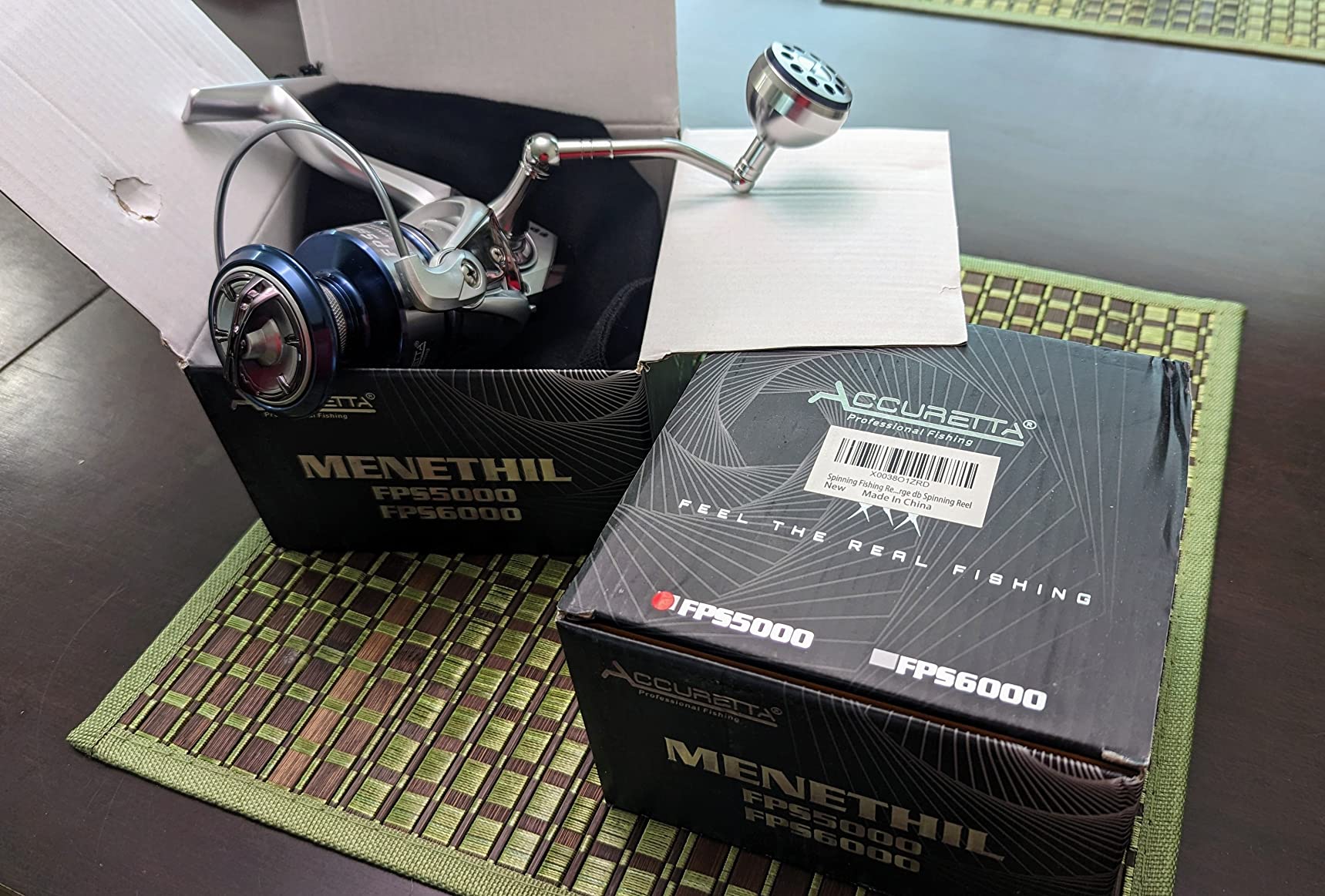
The Accuretta is unusual in this list because it publishes thirteen plus one sealed stainless steel bearings and silicone waterproof rings at six key positions. On paper that is the most aggressive sealing package at this level, and it is why the reel holds up for anglers who dunk bait directly.
The machined anodized aluminum alloy spool with chamfered edges and anti-skid grooves is a well-executed piece, and the precision machined zinc alloy tooth plate with a brass tooth bar is a gear train that should hold up to a heavy braid setup without excessive wear.
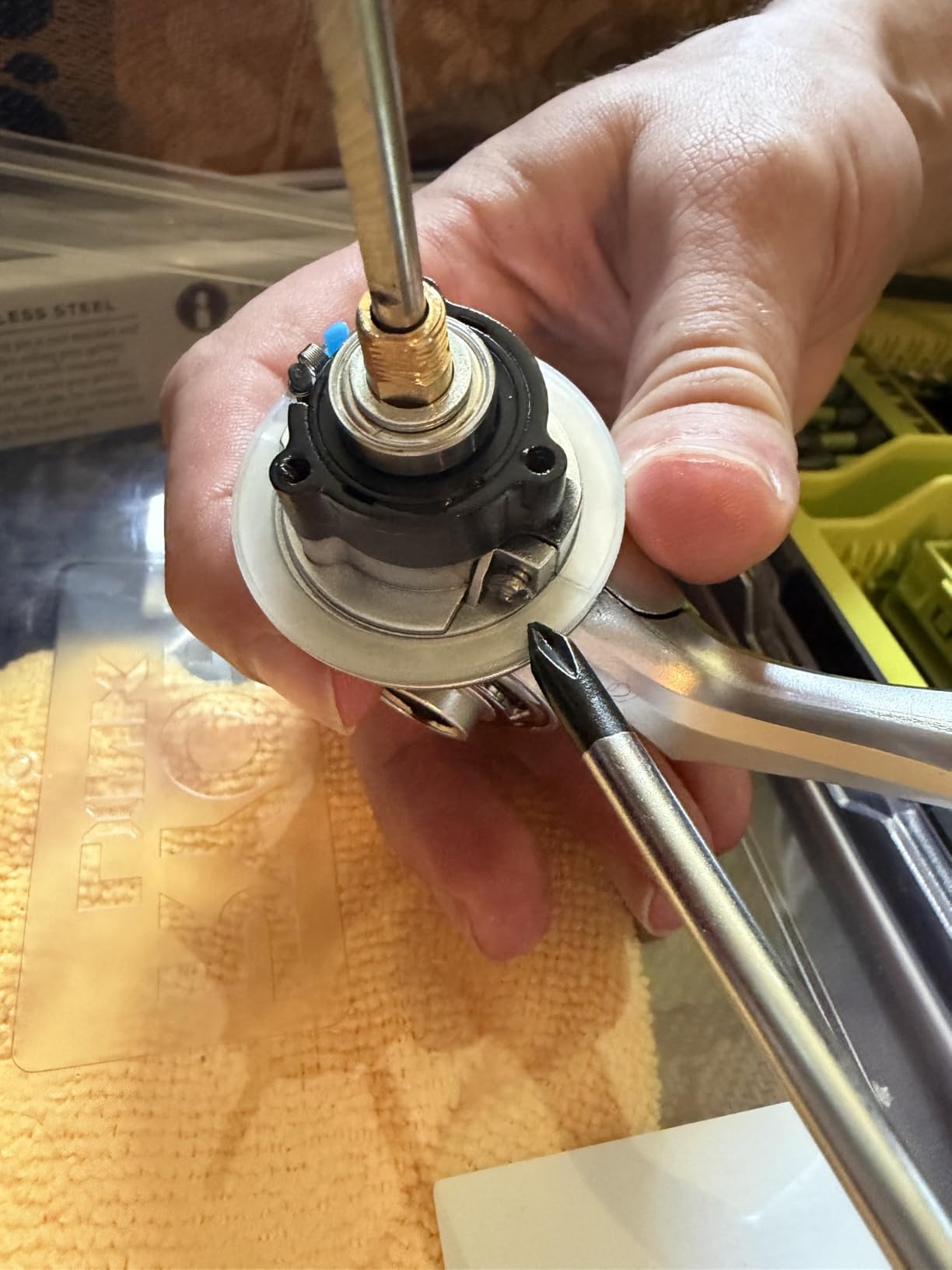
At 11.01 ounces it is one of the lighter reels here, and the triple disc carbon fiber front drag is listed up to 26 lb in the technical description, with a 22 lb figure in the product specifications. Either way it is more drag than most saltwater fish require at the drag setting you would actually use.
It accepts braided, fluorocarbon, monofilament, and wire line, which is rare in this class and makes it a genuinely flexible reel to own.
Dunking versus immersing
There is a difference between a reel that handles spray and a reel that handles being deliberately submerged. Sealed bearings and silicone ring positions address the second case, which is why this reel comes up in conversations about fishing mackerel or bonito with a sabiki rig where the spool goes under on every drop.
If your fishing involves repeated dunking rather than occasional submersion, the sealed bearing count is the spec to buy on. If your fishing is cast and retrieve, bearing counts matter less than drag smoothness and body rigidity.
Where it falls short
The main rotor bearing is unsealed, and that is the reported weak point: after repeated dunking some owners report grinding. The paint also chips with normal use, which is cosmetic but tells you the finish is not a marine coating.
Two smaller annoyances: the anti-reverse switch is awkward and frequently criticised, and the 5.2:1 ratio is slower than the 6.2:1 options here for lure work. Judge it on drag feel and sealing, not on retrieve speed.
10. Shimano Stradic FL 2500 – Best Rigid Metal Body for Inshore Precision
- Exceptionally smooth accurate casting and retrieval
- Rigid HAGANE metal body that resists flex under load
- SA-RB sealed bearings and CrossCarbonDrag perform well in salt
- G Free Body balance reduces casting fatigue
- Build quality owners expect to last with annual servicing
- Felt drag fitted to the 2500 and smaller sizes which some owners replace with carbon
- Premium price point
- Handedness is fixed on this variant so check it suits you
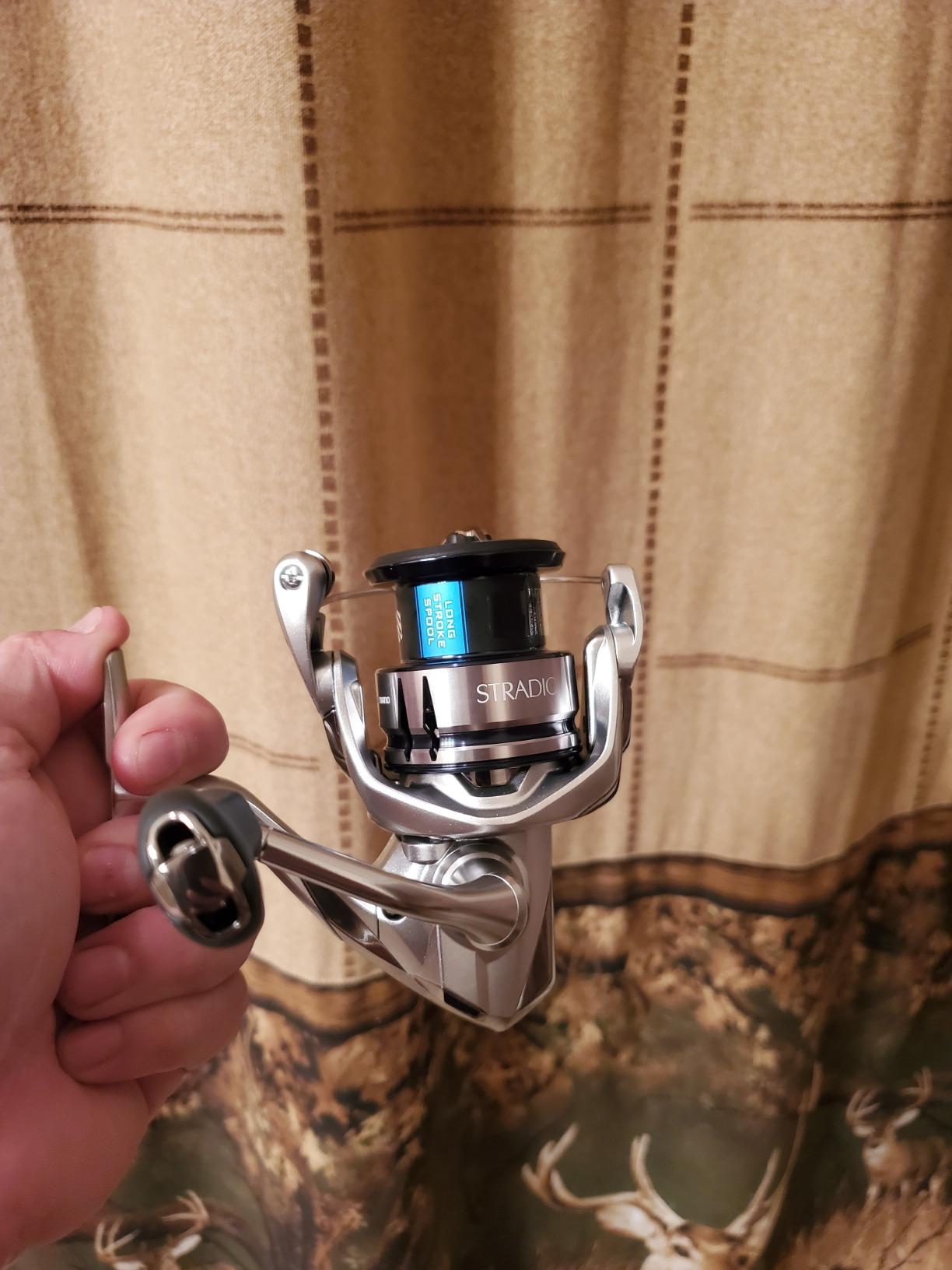
The Stradic FL is one of the two highest rated reels in this guide at 4.8, and the reason is not a headline spec. It is that Shimano builds the body on HAGANE metal construction with X-Ship gear design, which supports the pinion on both ends so the gear stays aligned under load. That is a durability argument, and it is why owners describe this as a reel they expect to keep for years with annual servicing.
The SA-RB bearings are shielded on both sides to resist salt and sand, and the CrossCarbonDrag provides a wide, very smooth drag range. On a 2500 with a listed maximum drag of 20 lb, that combination gives you fine control for speckled trout, flounder, and inshore bottom work.
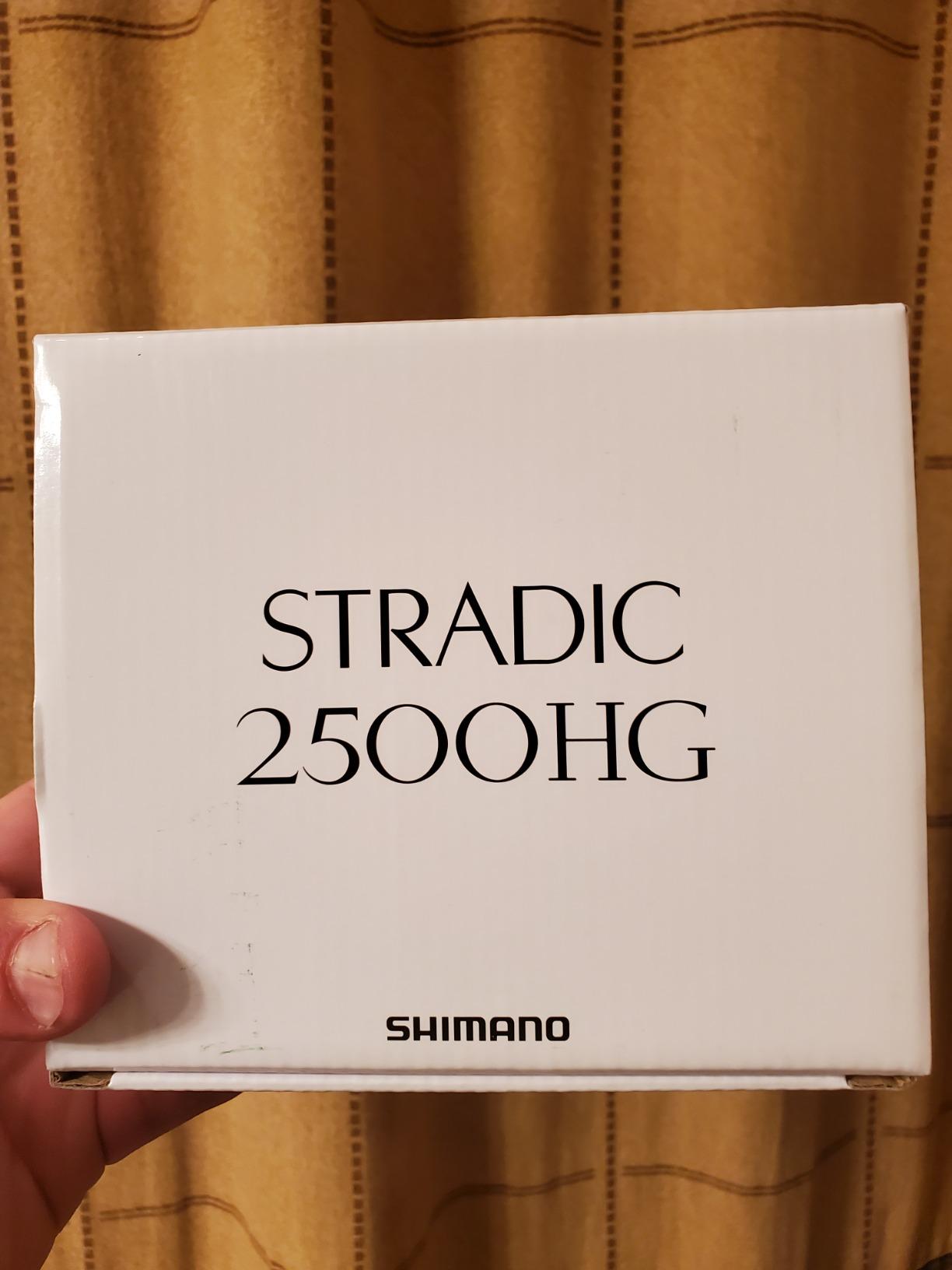
At 6.0:1 and 12.3 ounces, the gearing is a sensible all-rounder: enough speed for light lures, enough torque for bottom fishing. The G Free Body design shifts the centre of gravity toward the rod, which reduces casting fatigue over a long session, and the 2500 size pairs naturally with a 6 or 7 foot inshore rod.
Line capacity is listed at 8/140 and 15/145 for this size, which is the right shape for inshore mono or a braid with a leader.
What X-Ship gear changes
On a conventional gear train, the pinion is supported at one end only, and heavy load can let it lean out of alignment. That leaning shows up as a crank that feels notchy under pressure. Supporting the pinion at both ends keeps the mesh square, which is exactly what you feel when you are pulling a fish straight down at you in 10 feet of water.
The HAGANE body is the second part. A rigid metal body means the frame does not absorb cranking power, so a small reel can fish a heavier line than its size suggests it should.
Where it falls short
The 2500 and smaller sizes ship with felt drag, and some owners replace it with carbon fiber. Felt grabs fast, which is fine, but it wears sooner and it is a compromise in a reel at this level.
This is also the most expensive reel in the guide by a wide margin, and that cost is harder to justify for someone who fishes two or three times a year. Handedness is fixed on this variant, so verify it matches the hand you crank with before you commit.
11. Piscifun NautiX 5000 – Best Aluminum Spinner for Offshore Jigging
Piscifun NautiX Spinning Reel, Aluminum Body, 33lb Max Drag, 5000 Size
- Full aluminum body and carbon rotor give a light strong saltwater build
- Very smooth transmission from 8+1 shielded ball bearings
- Up to 33 lb of maximum drag on the 5000 and 6000 sizes
- CNC aluminum handle and EVA grip for firm handling
- Backed by a 2 year manufacturer warranty
- Newer model with a smaller review base than the established spinners here
- Line capacity figures are published in metric only
- Carbon rotor needs careful handling to avoid damage
The NautiX is the reel we would put on a jigging rod. A full aluminum main body with a carbon rotor is a construction recipe you normally see much higher up the range, and it is what lets the reel hold 33 lb of drag in the 5000 and 6000 sizes without the frame complaining.
Drag is the headline. The upgraded triple disc carbon drag is rated to 26 lb on the 3000 and 4000 and 33 lb on the 5000 and 6000. For vertical jigging where you drop a metal jig to 300 feet and a tuna comes up, that is the difference between a drag that holds and one that fails.
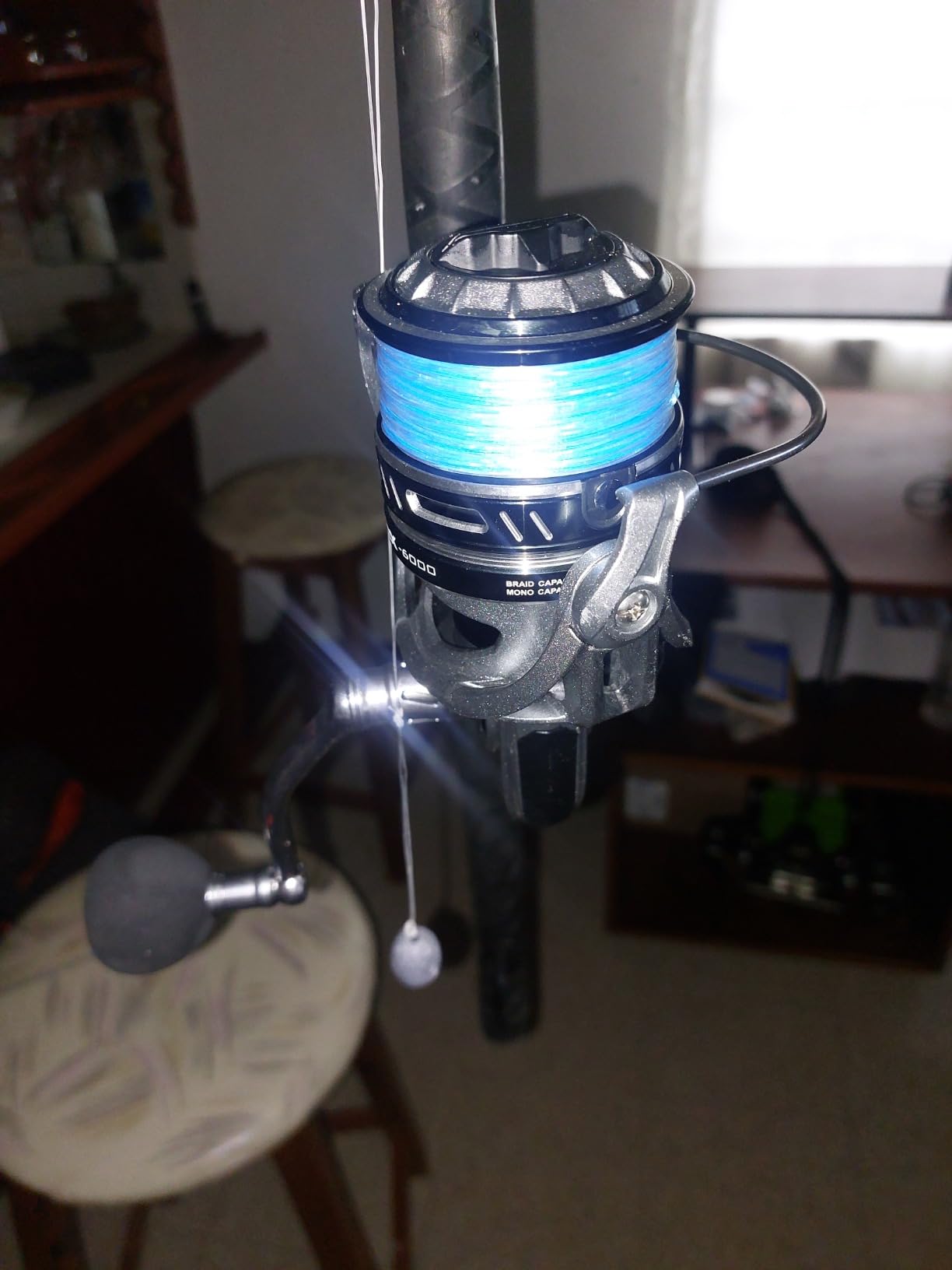
The IPX5 water resistance rating, aluminum alloy dust cover, and four rubber rings are what make this the most clearly sealed design in the guide for offshore work. IPX5 is a water resistance rating rather than an immersion rating, and combined with the 8+1 double shielded stainless steel bearings it is one of the best protected packages here.
At 10.8 ounces with a carbon rotor, it is light for a reel with this much drag. The spherical spool interior is a clever detail: it keeps the carbon drag washers sitting flat, and flat washers mean a smoother, more consistent drag and cleaner casting.
Why jiggers like this build
Offshore jigging punishes reels in two specific ways. It applies a constant heavy load while you drop, then a spike load when a fish arrives, and it does this for hours. An aluminum body with a carbon rotor gives you the strength to handle both, and the carbon rotor keeps the weight down where a full aluminum rotor would make the reel tiring to hold at your rod tip.
The stainless steel main shaft and CNC aluminum drive gear are the corrosion-critical parts, and both are the right material. The HRB 90 brass pinion paired with a metal oxidation treated CNC aluminum main gear is a sensible gear train for repeated high load.
Where it falls short
Honesty about track record: this is a newer design with a smaller body of long-term owner reports than the Sharky III or the Battle IV, and 311 reviews does not tell you what year five looks like. That is the main reason we do not put it first overall despite a 4.8 rating.
Line capacity is published in metric only, which is an annoying detail when you are spooling in yards. And a carbon rotor, while light, needs more care than a graphite one: a hard knock against a gunwale is not the event you want to have with this reel.
12. Penn Spinfisher VI 3500 – Best Saltwater Protection for the Money
PENN Spinfisher VII 3500 Saltwater Spinning Reel, Right/Left Handle Position, IPX5 Seal, HT-100 Front Drag, Superline Spool, Precise CNC Gear Technology
- IPX5 sealed spool gives noticeably better salt protection than unsealed spinners
- Smooth operation from 5 stainless ball bearings and a CNC gear
- HT-100 carbon fiber drag is smooth and durable
- Superline spool makes switching to braid simple
- Huge size range including live liner and long cast variants
- 15 lb maximum drag limits it to inshore and light surf rather than big game
- Priced above most entry-level saltwater spinners
- Fiberglass body feels lighter than the aluminum Battle series
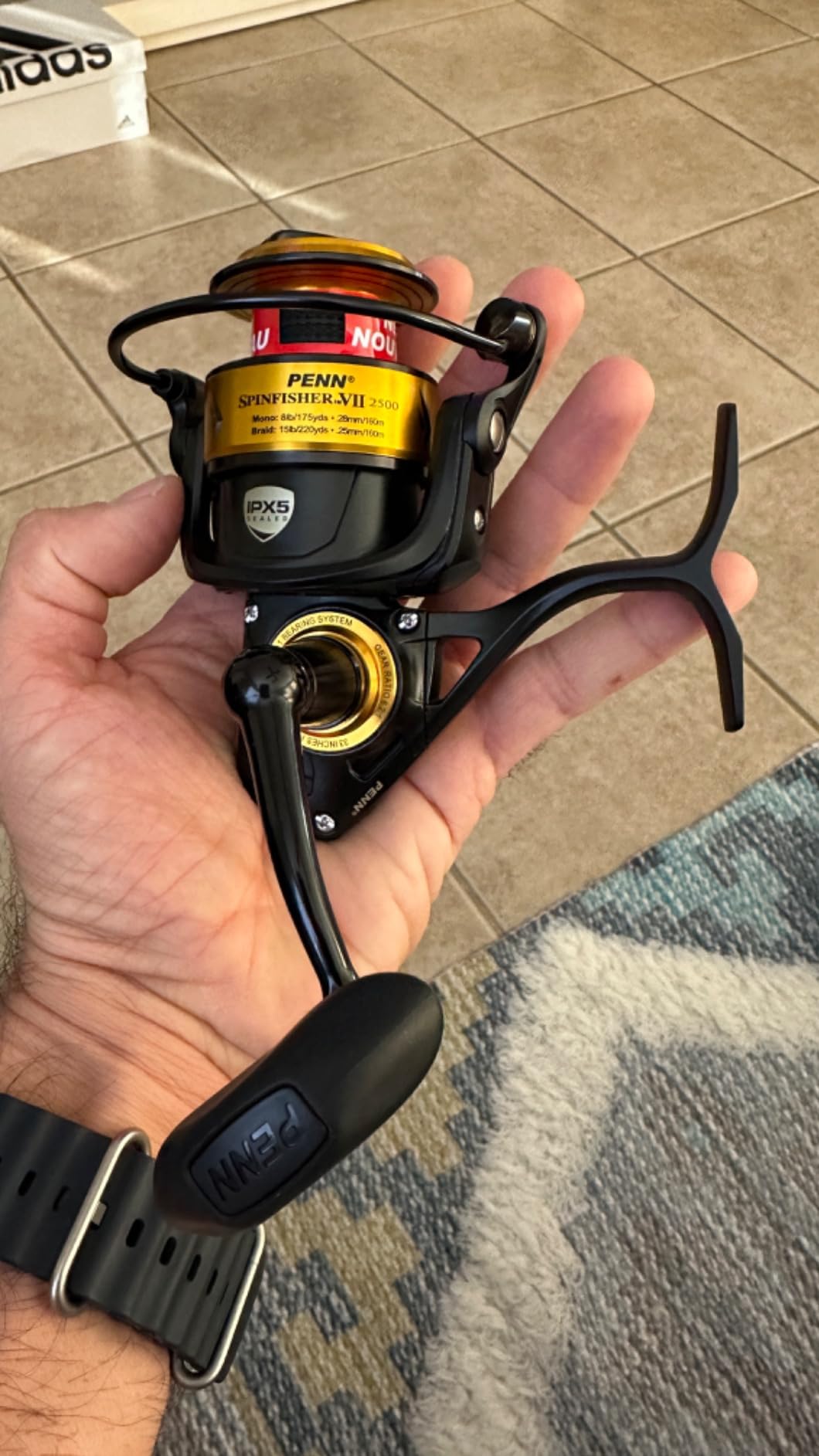
The Spinfisher VI is the answer for an angler who wants meaningful sealing without moving up to a metal-bodied flagship reel. The IPX5 sealed aluminum reel spool is the part that matters, because it protects the gearbox and the drag from the saltwater that would otherwise creep in through the spool seam.
Owners consistently report that the sealed spool reduces corrosion compared with unsealed spinners of similar size, and that is a claim we can pass along because it is the recurring theme across the review history rather than a spec sheet promise.
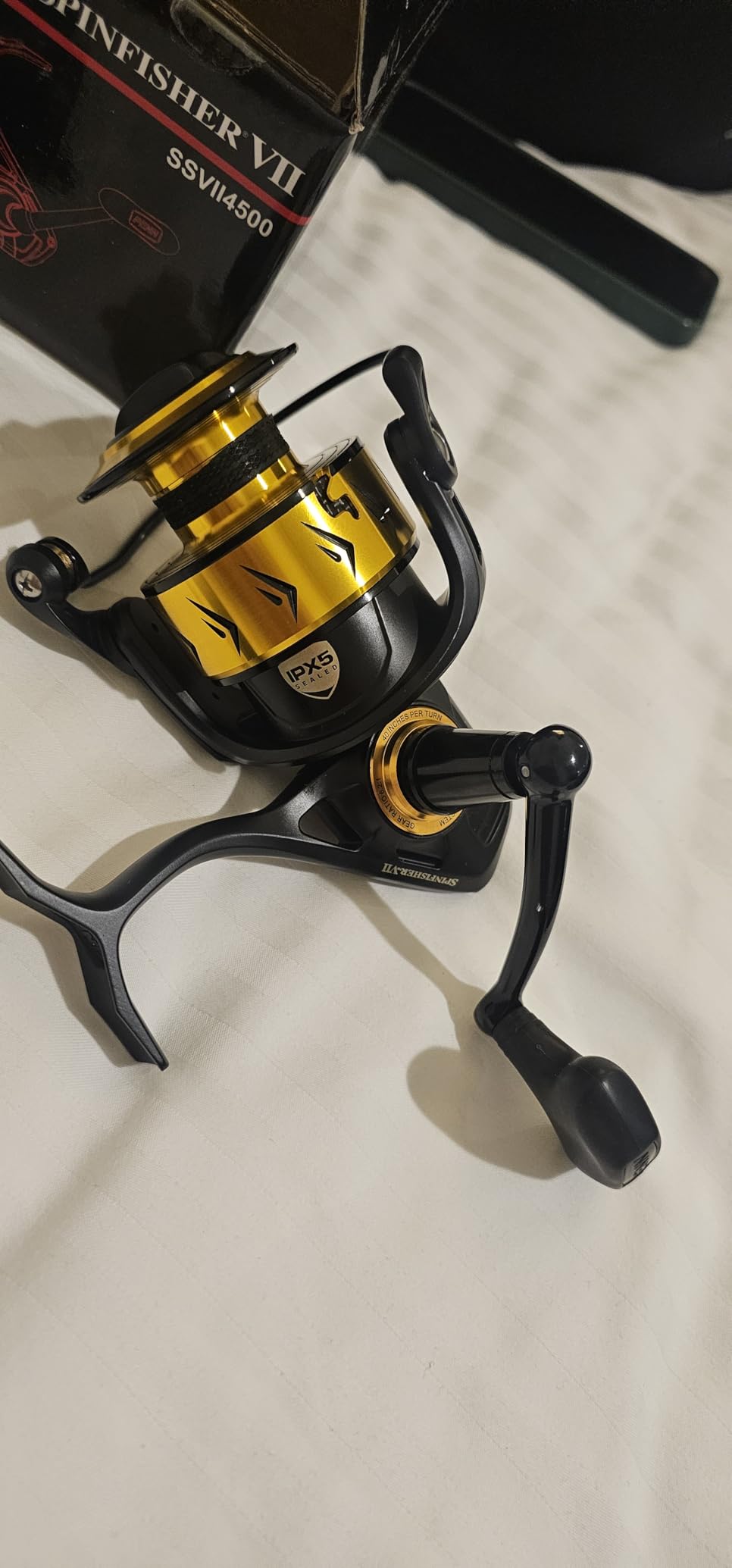
Size 3500 sits between the classic 3000 and 4000 conventions and is a smart all-round choice for a 7 to 9 foot rod. The precision CNC gear recovers 36.7 inches of line per crank at 6.2:1, so it retrieves fast enough for light jigging, and the brass main gear is specified for extended service life.
The superline spool makes switching to braid straightforward, and the listed capacity is generous for the size: mono to 360/6, 285/8, and 220/10, with braid to 310/10 and 270/15. That is a lot of line for an inshore reel.
What IPX5 actually means for a reel
IPX5 is a water ingress rating, not an immersion rating. It means the reel is protected against water jets from any direction, which covers spray, wash, and heavy rain. It does not mean you can leave the spool in the surf overnight and expect the same result.
Even with a sealed spool, the freshwater rinse after every trip is the single most important habit. Anglers who rinse and oil consistently report these reels running for many seasons; those who skip the rinse report the drag and bearings going first.
Where it falls short
Fifteen pounds of maximum drag is the ceiling, and that positions the Spinfisher VI firmly in the inshore and light surf category. It is not the reel for a large striped bass at a drag setting near its limit, and it is not a big game reel.
It also sits above most entry-level saltwater spinners, which makes the value argument less obvious. The fiberglass body feels lighter than the aluminum Battle series, and some anglers find the balance less solid when the spool is loaded with heavy braid. If you want the aluminum feel and you already like the Battle, that is the better buy.
How to Choose a Saltwater Reel
Spinning, baitcasting, or conventional: the first decision
Spinning reels make up this list for a reason. They are the most forgiving saltwater platform, they handle a live bait or a drifting line without tangling, and they are the easiest place to start. A conventional trolling reel is for off-plane, heavy line, and long-distance bottom dragging, and it is a specialist purchase rather than a general one.
Reach for a round baitcaster when casting distance or lure control is the point: bucktails, teasers, heavy plugs that need to get past breakers. The tradeoff is backlash, the learning curve of spool tension, and the fact that a baitcaster needs two hands on the rod at times when a spinning reel does not. If you have not fished one before, our baitcasting reel guide covers the setup.
There is a third option for live bait specifically: the baitfeeder reel in this list. Its spool sits away from the rod and it has a lever that disengages the spool, which is the closest thing saltwater fishing has to a dedicated live bait platform.
Reel size: what 2500 through 8000 actually means
Size numbers are spool volume, and they are not standardised across brands. A 3000 from one manufacturer may hold noticeably more line than a 3000 from another, so treat the size guidance above as a guide rather than a law.
A 2500 is for 6 and 7 foot rods, light jigs, and inshore species like speckled trout and snook. A 3000 is the most versatile size in saltwater and pairs well with a 7 to 8 foot rod for redfish, flounder, and striped bass from shore or a bay boat. A 4000 sits on 8 and 9 foot rods and handles nearshore jigging, live bait bottom fishing, and surf work. A 5000 steps up for heavier nearshore work and larger live bait. An 8000 is a long-range surf or offshore reel with the capacity to back a long leader onto a running fish.
For a striped bass angler fishing a 10 or 11 foot surf rod, a 4000 is the usual answer, and a 3000 is on the light side for surf casting. For redfish and speckled trout in the bay, a 2500 or 3000 is right, and forum consensus across saltwater threads lands in the same place: 2500 to 3000 inshore, 5000 and up for nearshore and offshore.
Drag, line, and backing for toothy fish
Set your drag somewhere between a quarter and a third of the line’s breaking strength, and set it with a scale rather than by feel. Striped bass and bluefish wear through thin backing quickly, and the reason is abrasion rather than breaking strength. On a reel with a braid-ready spool, you can skip backing entirely and use a short mono or fluorocarbon leader, which removes the failure point.
On a reel that is not braid-ready, use a solid rubber or wire backing and fill the spool with a solid line instead of tying backing on. Solids are far more abrasion resistant than a thin multi-strand, and this is the single most common surf casting mistake we see.
Beyond backing, the drag stack matters. Carbon fiber drag washers give a longer, smoother, more controllable drag curve than felt. Felt grabs faster and wears sooner. For heavy offshore fish where you are backing down at high pressure, carbon fiber is the better choice, and four of the reels in this guide use it.
Gear ratio and what it feels like in the hand
Gear ratio is line retrieved per turn of the handle. A 5.2:1 reel gives you a moderate retrieve that suits bottom fishing and slower lures, while a 6.2:1 reel gets more line per crank and suits fast lures and jigging. Going much beyond that, toward 7.5:1, mainly helps anglers using very light lures, and it increases the torque needed to turn the handle against a bent rod.
Rather than chase a number, pick the ratio that matches your technique. If you bottom fish with a heavy rig, slower is easier on your wrist. If you vertical jig or work a metal jig, faster saves you cranking. Everything in this guide sits between 4.4:1 and 6.2:1, which covers nearly all saltwater techniques.
Body material, sealing, and the brand question
Saltwater fails reels at the bearings and the drag first, not the housing. So look at bearing protection before anything else: shielded or sealed stainless steel bearings keep salt and grit out of the races, and more protected bearings is a real specification rather than a marketing number. Then look at sealing around the spool, the bail, and the main shaft.
Body material comes next. Metal bodies resist flex under load and handle knocks better, which is why the Penn Battle IV, the KastKing Megatron, and the Piscifun NautiX are the picks for heavy structure and big fish. Graphite bodies are lighter and cheaper and are perfectly adequate for inshore fishing, provided the reel is not the type that flexes and knocks under load.
On the Daiwa or Shimano question specifically: the honest answer is that the big brands have deeper parts support and better serviceability, so long-term ownership tends to be easier, and forum consensus treats Shimano and Daiwa as the safer default picks. But construction beats the badge. An aluminum body with shielded stainless bearings from any manufacturer will outlast a graphited, open-bearing reel with a more famous name on the side of it.
Matching the reel to your rod
A reel that is too large for its rod will overload the blank and make it hard to keep the lure in the water, and a reel that is too small will not have the cranking power or the capacity you need. If you are buying a new rod and reel together, the size guidance above is the right place to start, and then check the rod’s stated power rating against the target species.
Also pay attention to how the reel feels balanced once it is loaded. A big empty spool feels different once it is spooled with braid, and the line diameter you choose changes the balance more than most anglers expect. Where a spillover is a concern, our wading gear guide covers staying warm and dry through a full day of fishing, which matters more to most people than any spec on this list.
Breaking In and Maintaining a Saltwater Reel
Nothing on this list needs anything complicated. Anglers who rinse consistently report reels running for many seasons, and the reason is simply that salt crystallises and grinds if you leave it in place. A freshwater rinse after every trip is the habit that matters, and it takes a couple of minutes.
Start by rinsing the reel in a bucket of fresh water with the spool and bail open, and loosen the drag completely so water can reach the drag washers. Then pull the spool off, wipe the shaft and the bail arm, and look at the drag washers for any salt crystal or grit. A soft brush and a little warm fresh water will lift salt without scratching anything.
Next, shake out the loose water and let the reel air dry with the spool off, away from direct heat. Drying with a closed spool traps moisture, which is exactly the condition that causes corrosion, so leave the reel open until it is properly dry before reassembling it.
Once it is dry, put a small amount of reel oil on the main shaft and the handle bearing, and work the handle a few turns so it distributes. Do this every trip or every few trips depending on how often you fish, and set a reminder to do a deeper clean and oil every six months if you fish hard.
For a brand new reel, break it in gently before you take it into salt water. Fill it with the line you intend to fish, set the drag in the range you will actually use, and crank it under light load on the beach a few times. The drag washers seat in during this process, and doing it in fresh water means the first trip into the salt is not also the first time the drag is under real pressure.
Frequently Asked Questions
What type of reel is best for saltwater fishing?
A spinning reel is the best all-round choice for saltwater because it is the most forgiving platform, handles live bait and drifting line without tangling, and is the easiest place for a new angler to start. Choose a reel with shielded or sealed stainless steel bearings, a sealed or water-resistant drag, and a rigid aluminum or corrosion-resistant graphite body. A round baitcaster is worth the extra effort if casting distance matters, and a conventional reel only makes sense for heavy off-plane bottom dragging.
What is a 4000 size reel good for saltwater fishing?
A 4000 size reel suits 8 to 9 foot rods and nearshore work, including vertical jigging, live bait bottom fishing, and surf casting for striped bass, drum, and redfish. It holds more line than a 3000 while staying light enough to cast all day. If your targets are speckled trout or small redfish from a bay boat, a 3000 is lighter and more comfortable, and if you are casting from a long beach rod, step up to a 5000 for line capacity.
Is a 3000 size reel good for saltwater fishing?
Yes. The 3000 is the most versatile saltwater reel size and the one we recommend to most people as a first saltwater purchase. It pairs well with a 7 to 8 foot rod, handles redfish, speckled trout, flounder, pompano, and inshore striped bass, and spooled with braid it still casts comfortably from a shore or pier setup. Most of the reels in this guide are built in a 3000 or 4000 size for exactly that reason.
Are Daiwa or Shimano reels better for saltwater fishing?
Both are safe default choices, and the honest reason is serviceability: the major brands have deeper parts support and easier long-term servicing, so a ten year old reel is more likely to be repairable. That said, construction beats the badge. A reel with a rigid metal body, shielded stainless steel bearings, and a sealed drag will outlast an open-bearing graphite reel regardless of which company built it. Check the bearing protection and the drag stack before you check the name on the spool.
Why does my saltwater spinning reel stop dragging smoothly?
Nearly always because of salt, sand, or grit in the drag washers and bearings. Open the drag fully, rinse the reel in fresh water, pull the spool, and clean the drag stack and the shaft with a soft brush. If the drag is still gritty after cleaning, the carbon fiber or felt washers have worn and need replacing, which is a cheap part. A knock in the handle when you turn it under load points to the bearings rather than the drag, and that is a sign the reel needs a service before it fails on a fish.
Final Verdict on the Best Fishing Reels for Saltwater
The best fishing reels for saltwater come down to three picks, and each one is a different answer to a different question. If you want the one reel that covers most saltwater situations with the least fuss, take the KastKing Sharky III 4000: a graphite body, 10+1 shielded stainless steel bearings, a 39.5 lb carbon fiber drag, and a braid-ready spool behind the largest body of owner reports in this guide.
If you are working rocks, surf, or anything that can put your gear against structure, the Penn Battle IV 3000 is the more durable choice, with a forged and machined aluminum body that will not flex or crack. If you are dropping a jig offshore and need a drag that holds, the Piscifun NautiX 5000 gives you 33 lb of rated drag, IPX5 protection, and an aluminum body at 10.8 ounces. Whichever one you choose, the last step is the same: rinse it in fresh water after every trip, and it will still be spinning when you want it.
For fly fishing on the same water, our fly reel guide covers the stripper and bonefish setups that need an entirely different drag philosophy.