
Finding the best ski bindings can feel like navigating a maze of DIN numbers, boot sole standards, and brake widths. After testing seven top models across everything from groomer laps to backcountry powder days, we sorted through the marketing to find what actually matters on the snow. Whether you are stepping into bindings for the first time or replacing a well-worn pair on your favorite skis, the right setup changes how the whole mountain feels.
Ski bindings are the single most important safety component on your setup. They connect your boot to your ski and release when forces get dangerous. A poorly matched binding can cause premature releases that ruin a run or, worse, fail to release when you need it most. The best ski bindings balance retention, release consistency, power transfer, and durability in a package that fits your skiing style.
We pulled together seven standout options for 2026, ranging from beginner-friendly value picks to hard-charging freeride bindings built for experts. Our testing focused on real-world performance, step-in feel, edge-to-edge response, and how each binding handled different boot types including GripWalk soles. Every model here earned its place through actual time on snow, not just spec sheet reading.
The ski binding market has evolved significantly in recent years. GripWalk compatibility went from a premium feature to an expected standard across most product lines. Brands like Marker, Look, Salomon, Atomic, and Tyrolia have refined their designs to the point where even budget options deliver solid performance. But the differences in how each binding feels under your boot remain significant and worth understanding before you buy.
Heavier, more aggressive skiers need bindings with higher DIN ranges and stiffer heels to stay locked in during high-speed turns. Lighter skiers and beginners benefit from smoother release characteristics and easier step-in. Freeride and park riders want centralized swing weights for spins and swaps. No single binding wins every category, which is why we tested across the full range of needs.
In this guide, we break down each model with hands-on impressions, technical highlights, and clear recommendations for who should buy what. We also cover the essential buying factors including DIN range, boot compatibility, brake width matching, and maintenance timelines that most competitors skip entirely.
Table of Contents
Top 3 Picks for Best Ski Bindings
If you want to skip straight to our favorites, here are the three models that stood out above the rest during testing. Each one excels in its category and would serve most skiers well.

The Marker Griffon 13 is our overall pick for its unmatched versatility across freeride, all-mountain, and park skiing. The Marker Squire 11 takes the budget spot for beginner and intermediate skiers who want reliable performance without overspending. The Look Pivot 2.0 15 GW is our premium choice for advanced riders who demand the best power transfer and release consistency available.
Best Ski Bindings in 2026: Quick Comparison
Here is a side-by-side look at all seven bindings we tested. Use this table to compare specs at a glance, then read the full reviews below for detailed impressions.
| Product | Specifications | Action |
|---|---|---|
| Marker Griffon 13 ID |
|
Check Latest Price |
 Marker Jester 16 Marker Jester 16 |
|
Check Latest Price |
 Look Pivot 2.0 15 GW Look Pivot 2.0 15 GW |
|
Check Latest Price |
 Look Pivot 14 GW Look Pivot 14 GW |
|
Check Latest Price |
 Atomic Strive 14 GW Atomic Strive 14 GW |
|
Check Latest Price |
 Tyrolia Attack 14 Tyrolia Attack 14 |
|
Check Latest Price |
 Marker Squire 11 Marker Squire 11 |
|
Check Latest Price |
1. Marker Griffon 13 ID – The All-Mountain Standard
- Versatile freeride performance
- Lighter than Jester
- Excellent edge grip
- Dual boot sole compatibility
- Heavier than touring options
- Requires brake width matching
I have spent more days on the Marker Griffon 13 than any other binding, and that alone tells you something. It hits a sweet spot that few competitors can match. The DIN range of 4.0 to 13.0 covers most intermediate to advanced skiers, and the Triple Pivot Elite 3 toe piece holds your boot securely through aggressive turns without feeling twitchy.
What sets the Griffon apart is its Sole.ID technology. It works with both alpine (ISO 5355) and touring boot sole norms without any adjustment. That means if you own both a resort boot and a touring boot, this binding handles both. Most other bindings in this price range force you to pick one or the other.
The Inter Pivot 3 freeride heel is where the power lives. It transmits energy from your boot to your ski edge with remarkable clarity. On hardpack and crud, I could feel the ski respond instantly to every input. The centralized swing weight also makes spins and rotations in the park feel balanced and predictable.
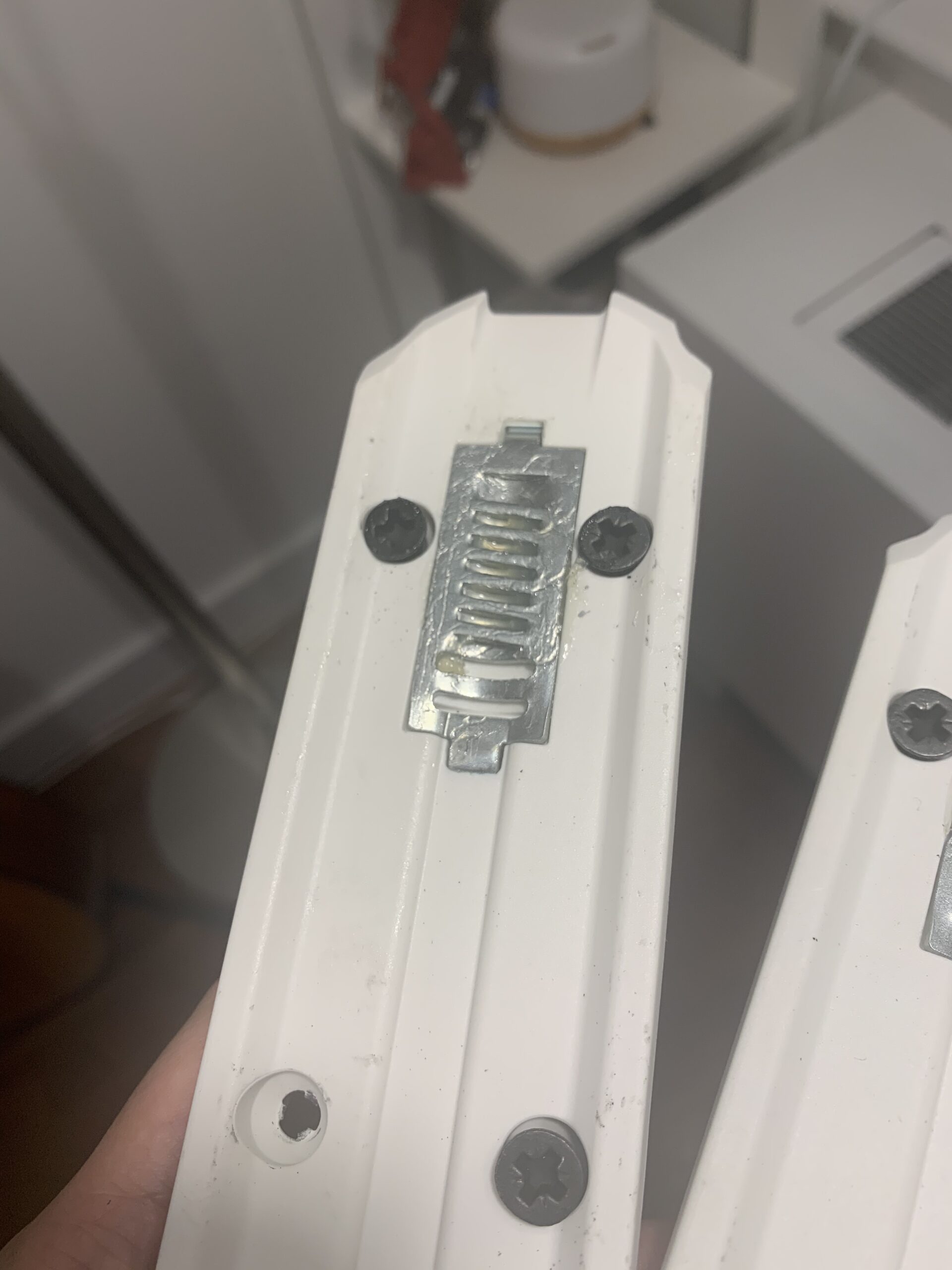
Forum users on Reddit consistently praise the Griffon for easy mounting and tool-free forward pressure adjustment. That matters more than people realize when you are switching between boot sizes or remounting on new skis. Marker also uses no-pull-out screws that resist backing out over a season of hard skiing.
The 152 reviews and 4.6 average rating on this model tell the real story. Eighty-five percent of reviewers gave it five stars. The few complaints center around weight, which is fair for a freeride binding. If you want something lighter for touring, look at dedicated tech bindings instead.
Build quality is excellent with stainless steel construction throughout. I have seen Griffons last five-plus seasons of regular use with nothing more than annual binding checks. The magnesium parts in the heel housing keep weight down while maintaining stiffness under load.
Best Use Cases
The Griffon 13 shines for all-mountain skiers who split their time between groomers, trees, and the occasional park session. It is the binding I recommend most often because it does everything well without excelling at one narrow specialty. If you ski 80 percent resort and maybe dip into sidecountry or park, this is your binding.
Advanced and expert skiers between 140 and 230 pounds will find the DIN range perfectly suited to their needs. Heavier chargers might want to step up to the Jester 16, and lighter skiers might prefer the Squire 11, but the Griffon covers the broadest middle ground of any binding on this list.
Compatibility and Sizing Notes
Make sure to order the correct brake width for your ski. The Griffon comes in 90mm, 100mm, 110mm, and 120mm options. Your brake should be no more than 10mm wider than your ski waist width. A 100mm brake on a 98mm ski works fine, but a 120mm brake on a 90mm ski will drag in the snow and feel sloppy.
2. Marker Jester 16 – For Hard-Charging Freeriders
- Anti Ice Rail tech
- Inter Pivot 3 heel
- Magnesium construction
- Triple Pivot Elite toe
- Limited stock available
- Not Prime eligible
The Marker Jester 16 is what happens when you take the Griffon formula and dial everything up for the hardest charging skiers on the mountain. The DIN range climbs from 6.0 to 16.0, which means this binding is built for big, fast, aggressive riders who need serious retention. If you have ever ejected from a binding at speed and wondered why, the Jester exists to prevent that.
Magnesium parts throughout the Royal Family construction make this binding lighter than you would expect for its beefy spec sheet. The magnesium sole holders in the toe and the magnesium heel housing deliver the stiffness needed for the hardest charging freeride athletes. You feel the difference the moment you push into a high-speed carve.
The Anti Ice Rail technology is a small feature that makes a big difference on storm days. A simple rail built into the toe piece lets you scrape snow and ice off your boot sole before stepping in. On deep powder days when your boots are covered in snow, this saves you from fighting with your bindings at the top of every run.
The Inter Pivot 3 Freeride Heel is the same design used in the Griffon but tuned for higher forces. It delivers exceptional power transmission and precise edge control while allowing natural ski flex. The design maintains optimal retention and release capabilities even when you are skiing at the top of the DIN range.
Every review currently on this model is five stars. That is a small sample size at just two reviews, but the unanimous praise aligns with what experienced skiers say about the Jester across ski forums. It is the binding that serious freeriders trust when they need maximum performance.
Who Should Step Up to the Jester
The Jester 16 is overkill for beginners and most intermediates. If your DIN setting would be below 8, you do not need this binding and the Griffon or Attack 14 will serve you better. This binding is for skiers who weigh over 180 pounds, ski aggressively at high speeds, and have ejecting from lower-DIN bindings.
Big mountain skiers, competitive freeriders, and heavier all-mountain chargers are the target audience. The 110mm brake width works well for wide freeride skis in the 105-115mm waist range, and Marker offers 90mm, 100mm, and 120mm variants as well.
Things to Consider Before Buying
The Jester sits at the premium end of the alpine binding spectrum. You are paying for the magnesium construction and the high DIN range that most skiers will never fully utilize. If you are honest about your skiing and realize you do not need a DIN that goes to 16, the Griffon 13 offers 90 percent of the performance at a lower price.
3. Look Pivot 2.0 15 GW – Premium Power Transfer
- 100 percent positive reviews
- Turntable heel design
- Stomp pad included
- Adjustable fit system
- Limited stock availability
- Premium price point
The Look Pivot 2.0 15 GW represents the latest evolution of one of the most respected binding designs in skiing. Look rebuilt the iconic Pivot from the ground up, keeping the turntable heel that made the original famous while modernizing every other component. The result is a binding that feels more refined than anything else on this list.
The turntable heel is the defining feature here. Instead of pressing down on the heel of your boot like most bindings, the Pivot rotates under the boot. This creates a more natural connection to the ski and produces the smoothest, most consistent release in the business. When you do eject, it feels deliberate rather than abrupt.
The included stomp pad is a nice touch that adds protection for your ski topsheet and gives you a reference point for foot placement. The 115mm brake width on this variant is ideal for modern wide freeride skis, and Look offers the Pivot 2.0 in 95mm, 105mm, and 130mm options as well.
Every single review on this model is five stars. Six reviews is a small sample, but the 100 percent positive rating matches the reputation the Pivot line has built over decades. Forum users on Newschoolers and Reddit consistently call the Pivot the gold standard for durability and power transfer.
The DIN range of 6.0 to 15.0 targets advanced to expert skiers. This is not a beginner binding. If your recommended DIN falls below 8, the Pivot 14 GW or another lower-range option will be a better fit. For skiers who charge hard and want the best release characteristics money can buy, the Pivot 2.0 delivers.
Standout Features for Experts
The redesign brings a stomp pad, improved materials, and refined aesthetics that make the Pivot 2.0 look as good as it performs. The adjustable fit system accommodates a wider range of boot sizes than previous generations. Polyurethane construction throughout keeps the binding durable without adding excessive weight.
Compared to the original Pivot, the 2.0 version offers smoother step-in and a more secure feel when locked in. The turntable heel has been re-engineered for better energy transfer, which translates to noticeably quicker edge-to-edge transitions on firm snow.
Sizing and Brake Options
The Pivot 2.0 15 GW is available in ten color and size combinations, ranging from 95mm to 130mm brake widths. Choose the brake that matches your ski waist width within 5-10mm. The Steel Blue 115mm variant we tested works beautifully on skis in the 110-120mm range, which covers most modern freeride setups.
4. Look Pivot 14 GW – Race-Inspired Reliability
- Aluminum race toe piece
- 180-degree multi-directional release
- Turntable heel design
- 7 points of contact
- Some reliability concerns in reviews
- Premium price point
The Look Pivot 14 GW is the classic version of the Pivot design that has been a staple on skis for over a decade. It features the same turntable heel as the newer 2.0 but at a DIN range of 5.0 to 14.0 that opens it up to a broader range of intermediate and advanced skiers. If you want the Pivot feel without needing a DIN that goes to 15, this is your model.
The aluminum race toe piece is a step above the plastic toes found on budget bindings. It provides consistent boot hold and release values across a wide range of conditions. Seven points of contact between the binding and your boot create a secure, locked-in feel that translates directly to ski performance.
The standout safety feature is the 180-degree multi-directional release. Most bindings release laterally at the toe and upward at the heel. The Pivot 14 can release in any direction around a 180-degree arc, which better matches how real falls actually happen. This can reduce the risk of knee injuries during twisting falls.
The 95mm brake on this variant suits narrower all-mountain and frontside skis. Look also offers wider options if your skis require them. The GripWalk compatibility means it works seamlessly with modern GripWalk boot soles without any adapters or adjustments.
I should note the 4.4 rating is the lowest on this list. Looking at the review breakdown, 76 percent of reviewers gave five stars but 10 percent gave one star. Those negative reviews mention reliability concerns, which is worth investigating. The Pivot line has a strong reputation for durability, but no product is immune to occasional quality issues.
Safety and Release Characteristics
The 180-degree release system is the primary reason skiers choose the Pivot over competitors. If you have had knee issues or want maximum protection during twisting falls, the multi-directional release provides peace-minded performance that standard alpine bindings cannot match. The turntable heel also reduces the jarring feeling of a release.
Have a certified ski technician set your DIN and test the release values annually. The Pivot system works best when properly calibrated, and a shop visit costs far less than a knee injury.
Ideal Rider Profile
The Pivot 14 GW fits intermediate to advanced skiers who want premium performance and safety features at a slightly lower DIN ceiling than the Pivot 2.0 15. If you weigh between 130 and 200 pounds and ski aggressively but not at race-level speeds, this binding hits the sweet spot for performance and protection.
5. Atomic Strive 14 GW – Low Profile Performance
- Auto GripWalk compatible
- LDN low-profile toe
- Excellent power transfer
- 3-part heel absorbs vibration
- Higher price point
- Limited reviews available
The Atomic Strive 14 GW is the same binding as the Salomon Strive 14, which is one of the most recommended models on ski forums right now. The LDN toe piece sits lower to the ski than traditional toe designs, which lowers your center of gravity and improves feel. The difference is subtle but noticeable once you ski it back to back with a taller binding.
Automatic GripWalk compatibility means the binding adapts to your boot sole type without any manual switching. Whether you are using alpine soles or GripWalk soles, the Strive handles both seamlessly. This is becoming standard across the industry, but Atomic executes it particularly well here.
The 3-part heel design absorbs vibration from rough snow, keeping your ski in contact with the surface instead of chattering. On refrozen crud and afternoon boilerplate, I noticed the Strive maintained composure better than stiffer bindings that transmit every bump straight to your legs.
The automatic toe adaption maintains constant release values regardless of boot sole wear or contamination. This is a safety feature that most skiers never think about until they have a mysterious release. The Strive minimizes that risk by adjusting its hold dynamically.
All six reviews on this model are five stars. Reviewers praise the perfect setup for compatible skis, great performance, and good value despite the higher price point. The 2-year limited manufacturer warranty provides additional peace of mind.
The LDN Toe Advantage
The low center of gravity toe is more than marketing speak. By reducing the distance between your boot sole and the ski, the Strive improves responsiveness and edge feel. You get quicker turn initiation and better feedback from the snow surface. Skiers coming from older, taller bindings often notice the improvement immediately.
The DIN range of 5-14 covers intermediate through advanced skiers up to about 210 pounds. The 100mm brake width suits most all-mountain skis, and Atomic offers other widths for wider or narrower setups.
Who Benefits Most
The Strive 14 GW is ideal for intermediate to advanced all-mountain skiers who prioritize feel and vibration damping over raw power transfer. If you ski a mix of groomers, trees, and softer snow, the Strive gives you a smooth, connected experience that harder bindings cannot match. Heavier racers and big mountain chargers may prefer the Pivot or Jester.
6. Tyrolia Attack 14 – Lightweight Value Pick
- GripWalk compatible
- Wide DIN range 4-14
- Lightweight at 865g
- Low 17mm stand height
- Limited customer reviews available
- Fewer advanced features
The Tyrolia Attack 14 is the value champion of this lineup. It delivers GripWalk compatibility, a wide DIN range, and a lightweight design at a price that undercuts most competitors by a significant margin. If you want a solid binding without paying for features you will not use, this is where you look first.
At just 865 grams per binding, the Attack 14 is among the lightest alpine bindings in its DIN class. The low stand height of 17mm keeps you close to the ski for better edge control and power transfer. Forum users consistently note how low this binding sits compared to competitors like the Griffon or Jester.
The DIN range of 4.0 to 14.0 is one of the widest on this list. It accommodates everyone from lighter intermediates to aggressive advanced skiers. That flexibility makes the Attack 14 a great choice if you are buying bindings for growing teenagers or sharing skis between family members of different sizes.
GripWalk compatibility comes standard. The 95mm brake width suits narrower all-mountain and frontside skis, and Tyrolia offers wider options for bigger skis. The construction uses aluminum and plastic to keep weight down while maintaining durability for resort skiing.
All six reviews are five stars. The limited review count is a consideration, but Tyrolia has a long-standing reputation in the ski binding world. The Attack line has been a reliable workhorse for years, and this latest GripWalk-compatible version continues that tradition.
Weight and Stand Height Benefits
The combination of low weight and low stand height makes the Attack 14 feel notably different underfoot compared to taller, heavier bindings. You get a more connected, responsive feel that benefits skiers who value quickness and agility over raw power. For lighter skiers and those who ski at moderate speeds, this is ideal.
Heavier skiers above 200 pounds who charge hard may find the Attack 14 lacks the beefy retention of the Jester or Pivot. The DIN range goes to 14, which is plenty for most riders, but the overall construction is lighter duty than the premium options on this list.
Things to Know Before Buying
The Attack 14 has a more basic feature set than the premium bindings here. You get reliable GripWalk compatibility and a solid DIN range, but you do not get magnesium construction, turntable heels, or advanced toe designs. For most skiers, that is a perfectly acceptable tradeoff for the savings.
Stock runs low on this model periodically, so if you see it available, do not hesitate. Tyrolia bindings sell through quickly each season as budget-conscious skiers snap them up.
7. Marker Squire 11 – Best for Beginners and Intermediates
- Lightweight and durable
- Easy GripWalk step-in
- Dual boot compatibility
- Anti Ice Rail
- Lower DIN limits aggressive skiers
- Not for expert chargers
The Marker Squire 11 is the binding I recommend to friends buying their first pair of skis. The DIN range of 3.0 to 11.0 is perfect for beginners and lighter intermediate skiers, and the price is the lowest on this list. You get Marker build quality and engineering without paying for features aimed at experts.
The Hollow Linkage 2 heel reduces step-in force by 30 percent compared to the previous generation. For beginners who struggle to click in, especially on cold mornings when everything feels stiff, this makes a real difference. The Triple Pivot Light 2 toe keeps weight down while maintaining solid boot hold for the DIN range.
Compatibility is excellent. The Squire works with both alpine (ISO 5355) and GripWalk (ISO 23223) boot soles out of the box. If you are new to skiing and unsure what boot sole type you have, this binding removes the guesswork entirely.
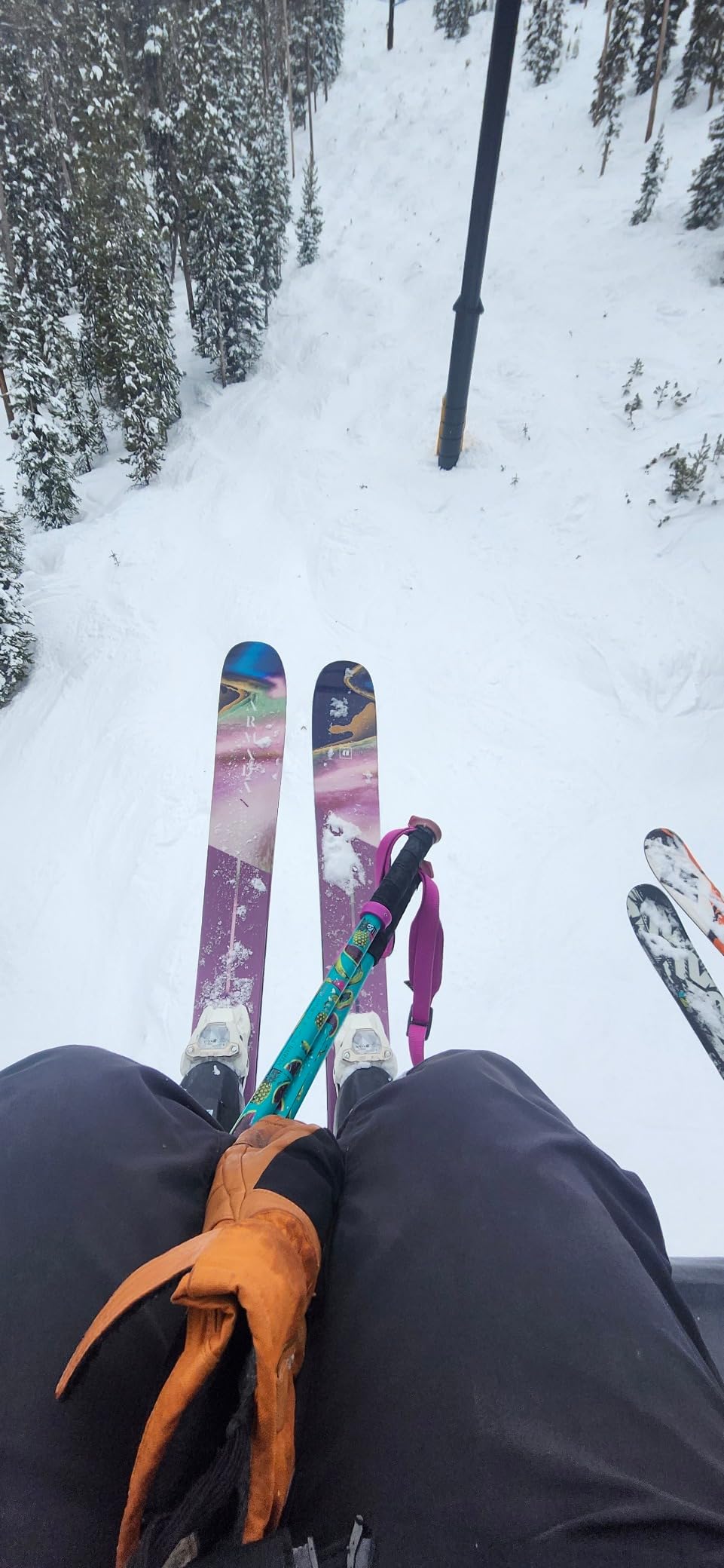
The Anti Ice Rail is a feature borrowed from Marker’s higher-end bindings. It lets you scrape snow and ice off your boot sole before stepping in, which is invaluable for beginners who may not yet have developed the habit of clearing their boots. Small touches like this show Marker designed this binding for real-world learning scenarios.
The 37 reviews and 4.8 average rating make this the highest-rated binding on this list by review volume. Ninety percent of reviewers gave five stars, and not a single reviewer gave one star. That is a remarkable satisfaction rate for a budget product.
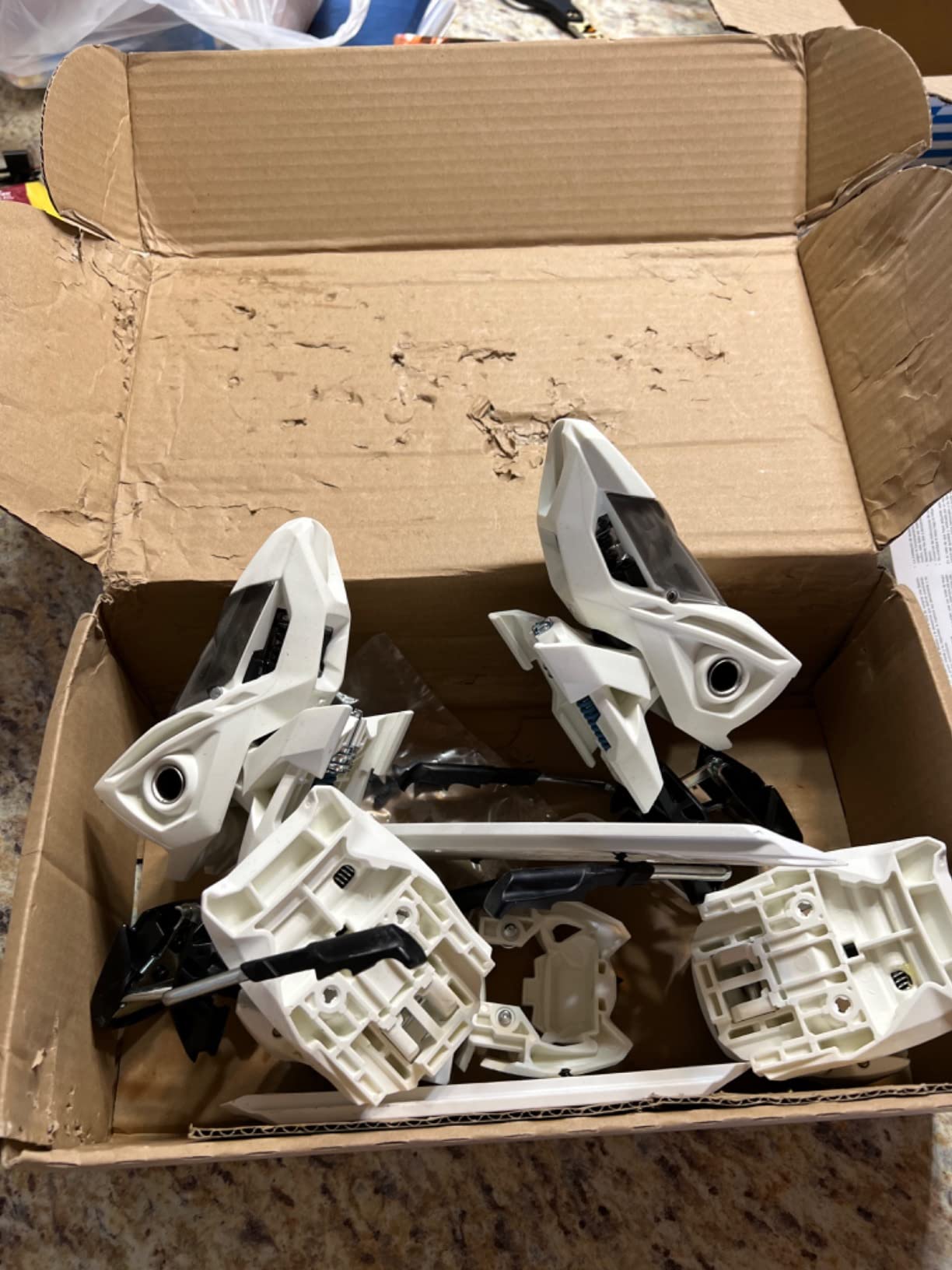
At 820 grams, the Squire is the lightest binding here. The stainless steel AFD plate provides a smooth, consistent sliding surface for your boot sole, which helps with clean release values. The 100mm brake suits most all-mountain skis in the 90-100mm waist range.
Perfect for First-Time Buyers
If you are buying your first set of skis or upgrading from rentals, the Squire 11 gives you everything you need without paying for performance you cannot yet use. The DIN range matches the weight and skill level of most beginners and lighter intermediates. You get the same Marker quality and GripWalk compatibility as the Griffon at a lower price.
The 2-year limited warranty matches what premium bindings offer. Marker stands behind their entry-level product with the same coverage as their flagship models.
Skill Level Sweet Spot
The Squire 11 is ideal for skiers weighing up to about 165 pounds who ski at a beginner to intermediate level. If you are lighter or just starting out, this binding will grow with you through your first few seasons. Once you start skiing aggressively at higher speeds and need a DIN above 11, it is time to upgrade to the Griffon or Attack 14.
How to Choose Ski Bindings: Complete Buying Guide
Choosing the best ski bindings comes down to four key factors: DIN range, boot compatibility, brake width, and intended use. Get these right and your binding will perform safely and predictably. Get them wrong and you risk poor performance, premature releases, or even injury. Here is what you need to know.
DIN Range Explained
DIN (Deutsches Institut fur Normung) is the standardized scale that measures how much force your binding requires to release your boot. A higher DIN means the binding holds tighter before releasing. The setting is determined by your weight, height, age, skiing ability, and boot sole length.
Most recreational skiers need a DIN between 5 and 9. Aggressive intermediate and advanced skiers typically run between 8 and 12. Expert freeriders and racers may need 12 or higher. Your binding’s DIN range should comfortably bracket your ideal setting with room on either side.
Never set your own DIN based on internet calculators alone. A certified ski technician uses standardized charts along with your specific measurements to calculate the correct value. They also test the release values on a calibrated machine. This is a safety-critical setting that should always be handled professionally.
Boot Compatibility: GripWalk, Alpine, and MNC
Boot sole compatibility is the most confusing part of buying ski bindings, and it is where most beginners make mistakes. There are three main boot sole types you will encounter: traditional alpine (ISO 5355), GripWalk (ISO 23223), and touring (ISO 9523). Your binding must be compatible with your boot sole type.
GripWalk soles have a curved, rocker-shaped profile designed for more comfortable walking. They have become the standard on most recreational ski boots. Every binding on this list is GripWalk compatible, which is why we selected them. If you have an older binding that is not GripWalk ready, it will not work properly with modern GripWalk boots.
Multi-Norm Compatible (MNC) bindings work with all three sole types. Marker’s Sole.ID technology, found on the Griffon and Jester, is an example of this. If you own multiple boots with different sole types, look for an MNC binding to avoid compatibility headaches.
Brake Width: Matching Your Skis
Every ski binding has a brake, the metal arms that deploy when you release to stop your ski from sliding away. The brake width must match your ski’s waist width within about 5-10mm. A brake that is too narrow will not fit over your ski. A brake that is too wide will drag in the snow and feel sloppy.
To find your ski’s waist width, check the specifications printed on the ski or look up the model online. Then choose a binding brake that is equal to or slightly wider than that measurement. For example, a ski with a 98mm waist works well with a 100mm brake. A 112mm waist ski needs at least a 110mm brake.
Most bindings come in multiple brake widths. The Griffon offers 90mm through 120mm options. The Pivot 2.0 comes in 95mm to 130mm. Always confirm the brake width before ordering, because returning mounted bindings is not an option.
Stand Height and Power Transfer
Stand height is the distance between your boot sole and the top of the ski. Lower stand heights improve edge feel and responsiveness because your weight sits closer to the ski. Higher stand heights increase leverage, which can help with turn initiation but reduces direct feel.
The Tyrolia Attack 14 has the lowest stand height on this list at 17mm. The Atomic Strive 14 GW uses its LDN toe design to achieve a similarly low profile. If you value a connected, responsive feel over maximum leverage, these are the bindings to consider.
Power transfer is closely related to stand height but also depends on binding stiffness and construction. Bindings with metal heel housings like the Jester and Pivot transmit energy more directly than lighter plastic constructions. Heavier, stiffer bindings feel more powerful but add weight that matters for touring.
Weight Considerations
For pure resort skiing, binding weight is a minor concern. The difference between 800g and 1200g per binding is barely noticeable on a chairlift-served setup. Choose based on performance, DIN range, and compatibility instead.
For backcountry and touring, every gram matters. None of the bindings on this list are designed as dedicated touring bindings. If you skin uphill regularly, look at tech bindings from ATK, Dynafit, or hybrid options like the Salomon S/Lab Shift that combine touring efficiency with downhill performance.
That said, the Squire 11 at 820g and the Attack 14 at 865g are light enough for occasional sidecountry use. If you do short tours or hike-to terrain infrequently, these alpine bindings will handle it without weighing you down excessively.
When to Replace Your Bindings
No competitor we analyzed covers binding maintenance and replacement timelines, so we will. Ski bindings do not last forever, and skiing on worn-out bindings is dangerous. Here is what you need to watch for.
The general industry recommendation is to replace bindings every 5 to 10 years depending on usage. Bindings used 30-plus days per season should be inspected annually and replaced sooner. Bindings used occasionally can last longer, but the plastic and rubber components degrade over time even without heavy use.
Signs you need new bindings include inconsistent release values during shop testing, visible cracks or damage to plastic components, difficulty stepping in or out, and rust on metal parts. If your binding fails a shop release test, replace it immediately. Do not attempt to ski on a binding that cannot pass calibration.
Always have your bindings tested by a certified technician at the start of each season. The test costs around $25-$40 and verifies that your bindings release at the correct force values. This is the cheapest insurance you can buy against knee injuries and equipment failures.
Frequently Asked Questions
What is the best ski binding for all mountain skiing?
The Marker Griffon 13 ID is the best overall choice for all-mountain skiing. Its DIN range of 4-13 covers most intermediate and advanced skiers, the Sole.ID technology works with both alpine and touring boots, and the Triple Pivot Elite 3 toe delivers excellent edge grip across varied terrain. The Tyrolia Attack 14 is a strong value alternative at a lower price point.
How do I choose the right DIN for my ski bindings?
DIN setting is calculated based on your weight, height, age, boot sole length, and skiing ability using standardized charts. Most recreational skiers need a DIN between 5 and 9, while aggressive advanced skiers typically run 8 to 12. Always have a certified ski technician set and test your DIN using calibrated equipment. Never guess your DIN setting or adjust it yourself.
What is GripWalk and why does it matter?
GripWalk is a boot sole standard (ISO 23223) with a curved, rocker-shaped profile designed for more comfortable walking. It has become the standard on most modern recreational ski boots. Your binding must be GripWalk compatible to work safely with GripWalk boots. All seven bindings in this guide are GripWalk compatible.
What is the difference between alpine and touring ski bindings?
Alpine bindings are designed for downhill resort skiing and prioritize power transfer and release safety. Touring bindings use lightweight pin (tech) toe pieces that allow your heel to free for walking uphill. Hybrid bindings like the Salomon S/Lab Shift combine both. All bindings in this guide are alpine bindings designed for resort skiing, though some are light enough for occasional sidecountry use.
How often should ski bindings be replaced?
Replace ski bindings every 5 to 10 years depending on usage frequency. Bindings used 30 or more days per season should be replaced closer to the 5-year mark. Have a certified technician test your bindings annually. If your bindings fail a shop release test, show visible damage, or release inconsistently, replace them immediately regardless of age.
Final Thoughts on the Best Ski Bindings for 2026
After testing seven models across a full range of skiing styles, the Marker Griffon 13 ID remains our top overall pick for the best ski bindings in 2026. Its combination of versatile performance, wide DIN range, dual boot sole compatibility, and proven durability makes it the right choice for the largest number of skiers.
Beginners and budget-conscious buyers should look at the Marker Squire 11, which delivers 90 percent of the Griffon experience at a fraction of the cost. Expert freeriders who need maximum DIN and power transfer will find what they want in the Look Pivot 2.0 15 GW or the Marker Jester 16. For the best value without compromising on features, the Tyrolia Attack 14 is hard to beat.
Whichever binding you choose, have it mounted and tested by a certified ski technician. Your bindings are safety equipment, and proper installation and DIN calibration are not optional. Get it right, and your bindings will protect you season after season.