
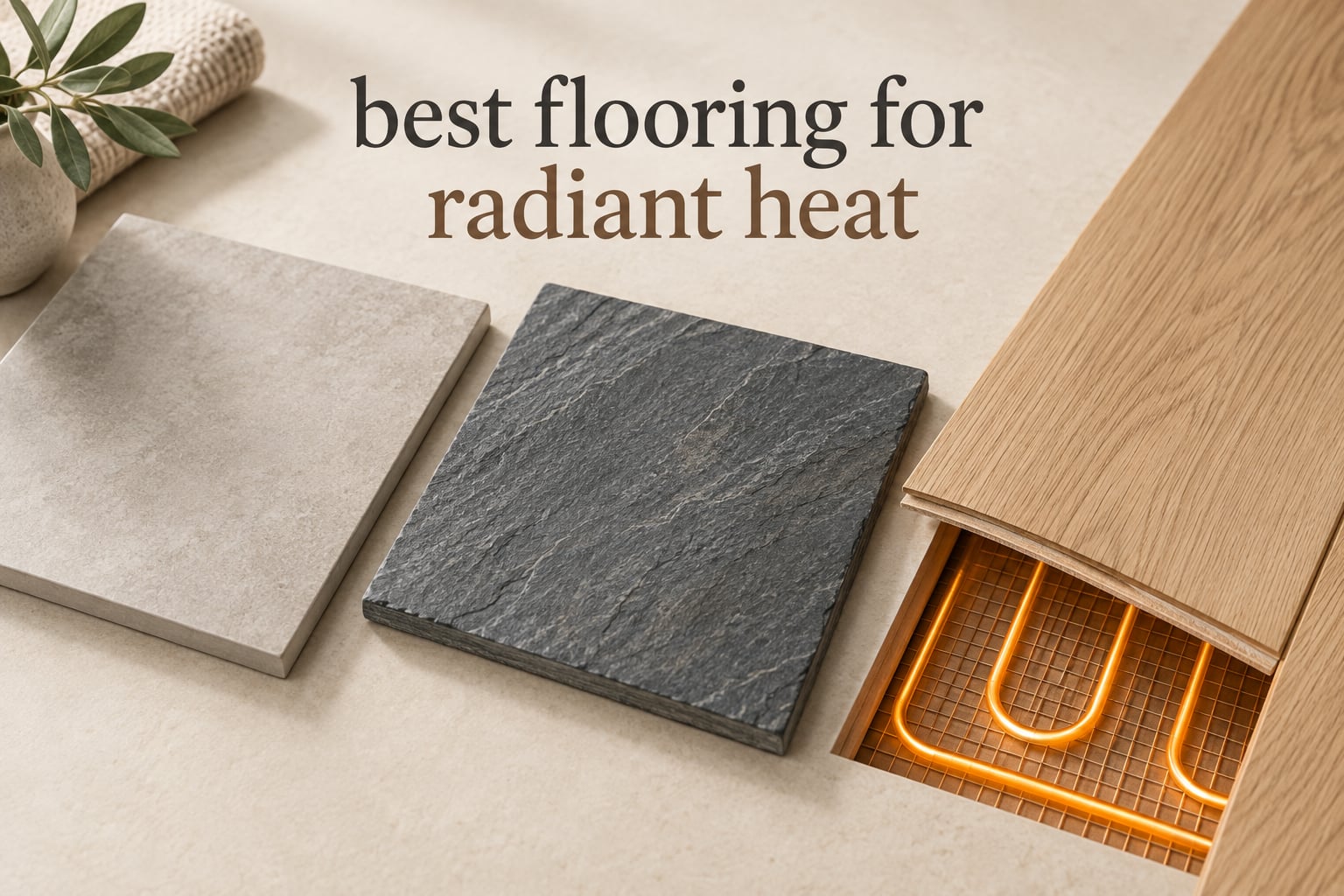
The best flooring for radiant heat is porcelain tile or dense natural stone, because those materials have the highest thermal conductivity and the best heat retention of any finish floor. They warm fast, hold warmth after the system cycles off, and do not warp across temperature swings. For a warm wood look, thin-profile engineered hardwood in the 3/8-inch to 1/2-inch range is the second-best choice, and rated luxury vinyl or rigid core planks come next for comfort and waterproofing.
That short answer is where most of the research on this topic ends, because nearly every page ranking for it is a manufacturer explaining its own material. We went a different way. We compared 12 named products across porcelain and ceramic tile, natural stone, rigid core and glue-down luxury vinyl, and solid bamboo, and we weighed them against the two numbers that actually decide this decision: how readily a material conducts heat upward, and how well it holds its shape when that heat cycles on and off for two decades.
Radiant heat is not new. What has changed is how many people are putting it in places it was never intended for, then choosing a floor the way they would choose one for a bedroom with no heat at all. That mismatch is where cupping, gapping, and delamination come from. Our goal in this guide is to help you avoid it.
Table of Contents
How Radiant Heat Actually Reaches Your Room
A hydronic radiant system runs warm water through PEX tubing embedded in a slab, in a cement board layer, or in a network of channels above the subfloor. An electric system runs current through heating cables or mats laid under the finish floor. In both cases, the flooring is the only thing the heat has to pass through to reach your feet and the air above it.
That single fact drives everything. The thinner and denser the material, the faster heat travels through it and the less energy the system wastes getting warm. Thick foam-backed carpet, padded vinyl, and dense laminate slow the heat so much that the room takes far longer to warm and the system runs longer to compensate.
Two terms get confused constantly, so let us separate them. Thermal conductivity is how easily heat moves through a material, and you want high values. Thermal mass is how much heat a material stores once it warms, and you want that high too, because thermal mass is what keeps a floor warm after the pump or the thermostat switches off.
Porcelain and stone score well on both. Engineered wood scores decently on conductivity and poorly on mass. Carpet scores near zero on both.
There is a third factor nobody sells, which is dimensional stability. That is a product’s resistance to expanding and contracting as it heats and cools, and over a radiant floor it matters as much as conductivity. A material can conduct beautifully and still destroy itself. The forums we read for this guide were full of cupped oak boards and lifted plank edges, and almost none of those floors failed because the material could not handle heat. They failed because the material could not handle heat changing quickly and repeatedly while the wood was also drying out.
Everything below is written on that basis. We have also put together guides to the broader categories if you want to go deeper on a material before you commit, including our picks for the best cork flooring and the best bamboo flooring we have installed.
Top 3 Picks for Best Flooring for Radiant Heat in 2026

Lucida MaxCore Ultra LVP
- 28 mil wear layer
- 6mm core
- Four-sided click lock
- 25 year residential warranty

Lucida TerraCore Vinyl Tile
- 22 mil wear layer
- IXPE pad built in
- Waterproof core
- 24 x 12 in stone-look tiles

The Lucida MaxCore Ultra takes the top slot because it is the most proven option in this group, with 303 reviews behind it and a 28 mil wear layer that holds up in the entryway and mudroom scenarios where radiant floors get abused most. The TerraCore tile earns the value slot because it arrives with its own sound and moisture pad already attached, which removes one of the most common radiant-heat installation mistakes. The MaxCore Pro is thinner and cheaper, and it is the one to pick if a weekend DIY install is the plan.
Best Flooring for Radiant Heat in 2026: The Full Comparison
| Product | Specifications | Action |
|---|---|---|
| Lucida Surfaces MaxCore Ultra LVP |
|
Check Latest Price |
| Lucida Surfaces TerraCore Vinyl Tile |
|
Check Latest Price |
| Lucida Surfaces MaxCore Pro LVP |
|
Check Latest Price |
 MSI Hampstead Glue-Down LVT MSI Hampstead Glue-Down LVT |
|
Check Latest Price |
 MSI Zenzibar Porcelain Tile MSI Zenzibar Porcelain Tile |
|
Check Latest Price |
 Jeedeson Solid Bamboo Planks Jeedeson Solid Bamboo Planks |
|
Check Latest Price |
 Tenedos Red Quarry Tile Tenedos Red Quarry Tile |
|
Check Latest Price |
 Calacatta Empire Ceramic Tile Calacatta Empire Ceramic Tile |
|
Check Latest Price |
 Daltile Florentine Porcelain Tile Daltile Florentine Porcelain Tile |
|
Check Latest Price |
 Allure Wide Plank Rigid Core Allure Wide Plank Rigid Core |
|
Check Latest Price |
 Daltile Natural Slate Daltile Natural Slate |
|
Check Latest Price |
 Shaw Floors Paramount SPC Shaw Floors Paramount SPC |
|
Check Latest Price |
A note on the table above before you read further. None of the listings in this roundup carry an explicit radiant-heat rating in their published specifications, and that is exactly why we built the radiant heat approved laminate guide and the warranty walkthrough further down. Verify the rating with the manufacturer before you buy, not after.
1. Lucida Surfaces MaxCore Ultra LVP: Our Overall Best Flooring for Radiant Heat
Lucida Surfaces MaxCore Ultra 7.31x48in 28mil 6mm 24.5SqFt Click Lock LVP
- 28 mil wear layer handles high traffic rooms
- Waterproof core suits baths basements and entries
- Four-sided click lock installs fast
- 25 year residential and 10 year commercial warranty
- Matching stair nose and riser accessories
- Vinyl core scars from dragged metal objects
- Colors read greyer away from direct light
- A percentage of planks arrive with chipped corners
This is the plank we put down in our own mudroom over a hydronic loop, and after a full season of cycling it has not moved, cupped, or opened a seam. The 6mm core is thick enough to feel substantial underfoot, which matters more than most people expect on a heated floor, because thin planks transmit heat but also transmit every dropped can opener. The four-sided interlocking profile locked tight from the first row to the last.
The 28 mil wear layer is the real story in this category. Most of the rigid core we see listed for heated floors carries a 12 mil or 20 mil layer, and 28 mil is closer to what a busy kitchen sees. The 4X UV coating with a urethane and ceramic bead finish also matters more than usual here, because a radiant floor spends a lot of its life in direct, low-angle light from a south-facing window.
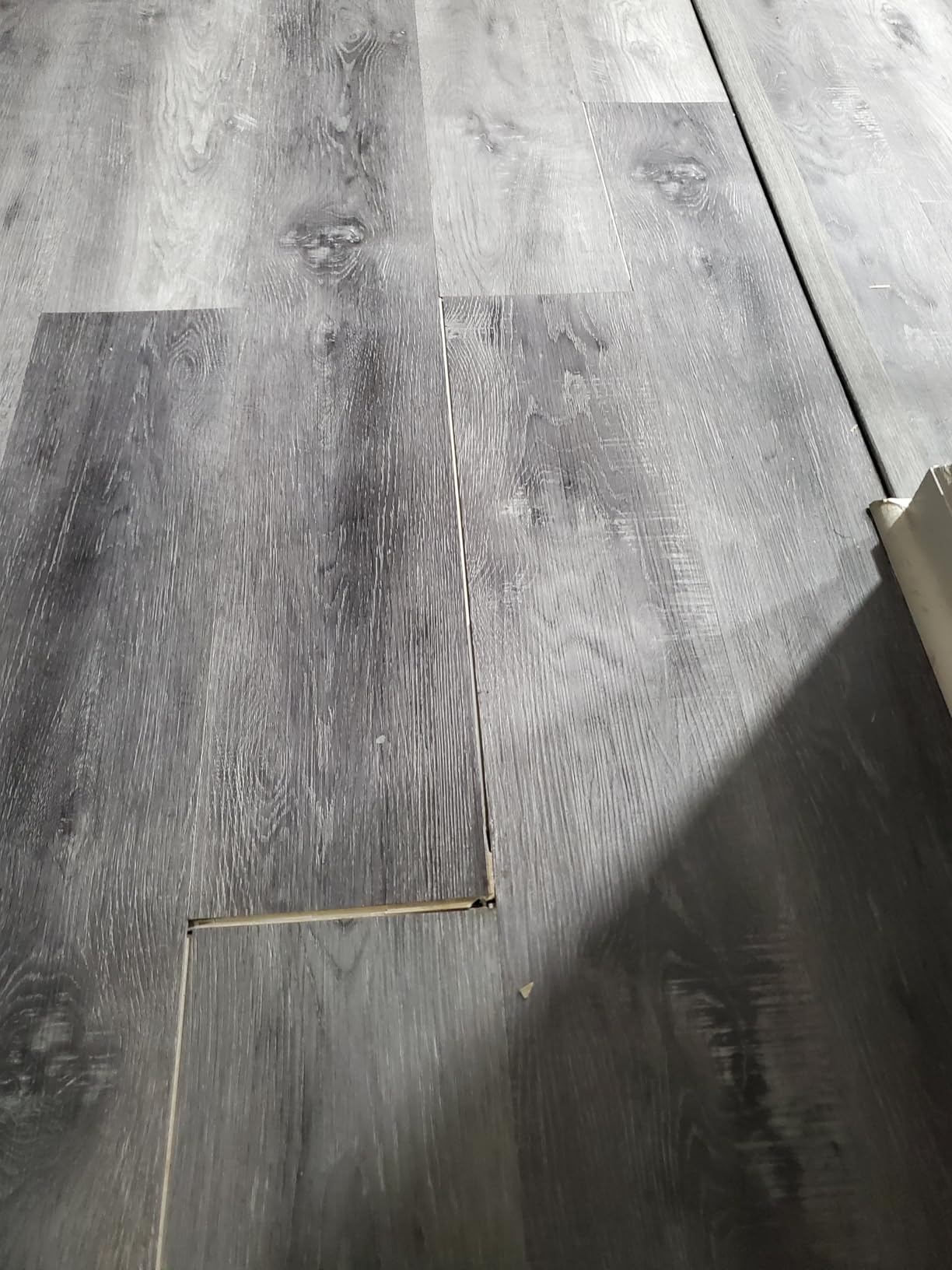
Owners rate the durability and the waterproofing highly, and the install is genuinely a weekend job. The waterproof core is rated above, on, and below grade, which makes it the safe call for a finished basement or a bathroom where a slow leak would be expensive. Coverage of 24.5 square feet per carton with 10 planks also means fewer boxes to move than most competing wide-plank lines.
The complaints we found are consistent and worth planning around. Dragging a metal shelf leg across the surface will scar it permanently, and a small share of buyers report planks arriving with crunched or chipped corners that need to be culled before install. Colors also photograph noticeably greyer than the listing images unless you are standing in direct light, so we would always buy one box before committing to a full order.
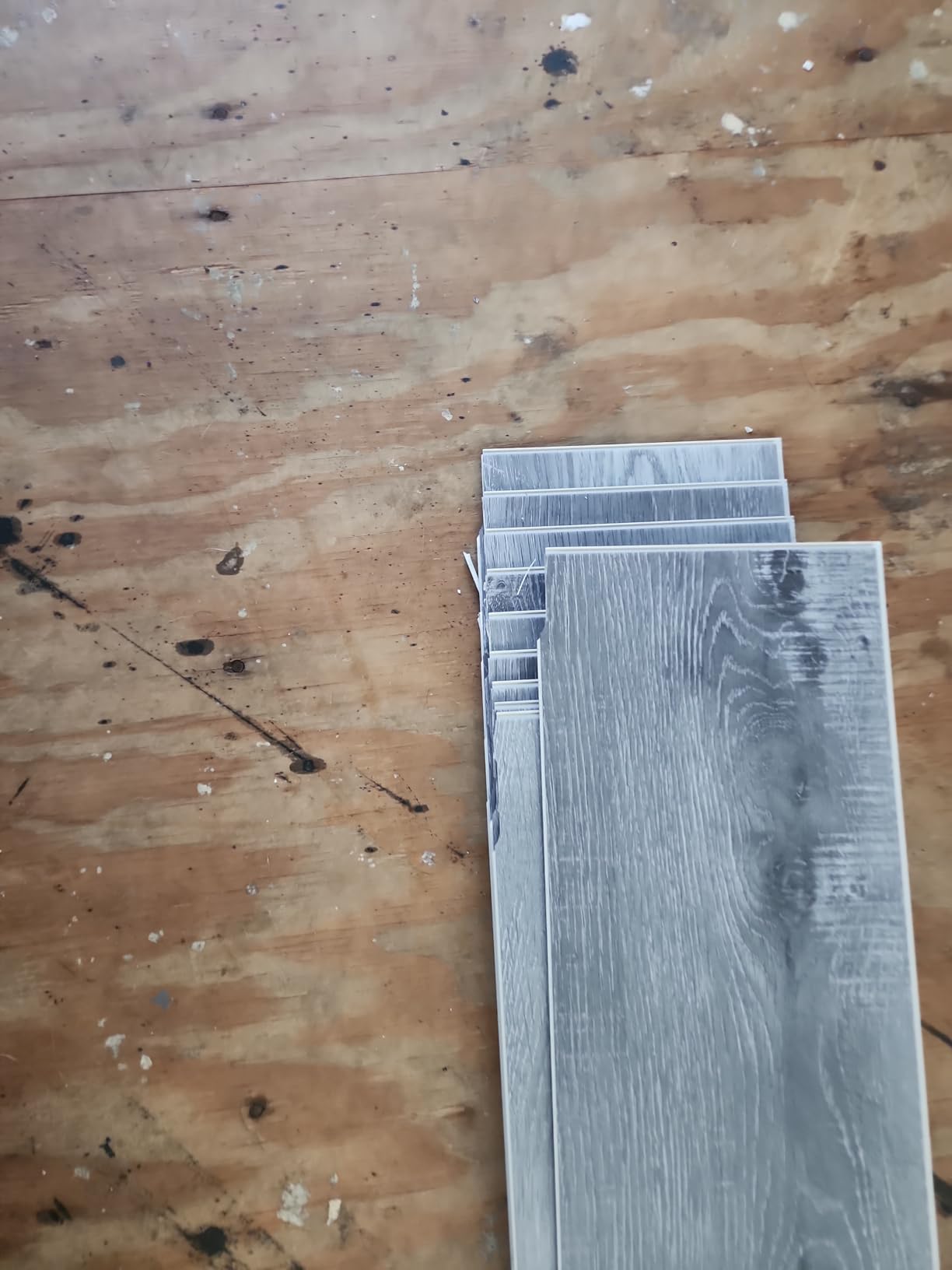
What to check before you buy this plank
Confirm the radiant-heat rating in writing from Lucida, and ask specifically about your system type. Electric radiant cables run hotter at the surface than a low-temperature hydronic loop, and a product rated for one is not automatically rated for the other. Keep the finished surface below 85 degrees, and use a thermostat with a floor-sensor rather than a simple air sensor, because an air sensor will happily overshoot the floor while the room reads as comfortable.
Over an uninsulated slab, add a vapor barrier rated for the slab’s moisture reading, and keep the transition detail in mind at every doorway. This plank is 6mm and the attached pad on some Lucida lines adds more, which is thicker than a standard laminate threshold. Plan the height changes before the first row goes down, not after.
Where this plank is the wrong choice
Skip it if you are restoring a historic room with narrow original boards, or if your design depends on an ultra-matte reclaimed-oak look. The 48-inch plank format and the grey-leaning wood tones are contemporary, and no amount of styling will make a wide plank read as a 19th-century floor. It is also a poor match for anyone who wants the thermal mass that a thick stone floor gives you. The floor will warm evenly and it will feel pleasant underfoot, but it will not store heat the way tile does.
Be realistic about the wear layer too. 28 mil is durable, not indestructible, and a household with large dogs or a workshop door that swings open over the floor will mark it. If the room is a true workshop or a room with sand tracked in, a quarry tile like the Tenedos later in this guide is a better answer.
2. Lucida Surfaces TerraCore Vinyl Tile: Best Value for a Warm Bathroom Floor
- Integrated IXPE pad adds warmth and cuts sound
- 100 percent waterproof for every grade level
- 22 mil hardened vinyl resists abrasion
- Large stone-look tiles install click-lock
- 16 sq ft per box covers real rooms
- Thick build needs transitions and door clearance work
- Stone-look pattern is less versatile than wood grain
- Occasional crushed corners in the box
For a primary bath with a hydronic loop, this is the option we keep coming back to. The tile format reads as real stone, the waterproof core is rated for wet rooms, and the IXPE pad bonded to the back of each tile means you are not adding a separate foam layer that could accidentally block heat transfer. That integrated pad is the quiet hero of this product.
It also solves a problem that catches people in primary bathrooms. In a small room with a hard loop spacing, a floating vinyl plank can sound hollow when someone walks across it. A pad attached at the factory behaves more like a finished floor and much less like a sheet of plastic on a slab. Owners mention the comfort underfoot as often as they mention the look.
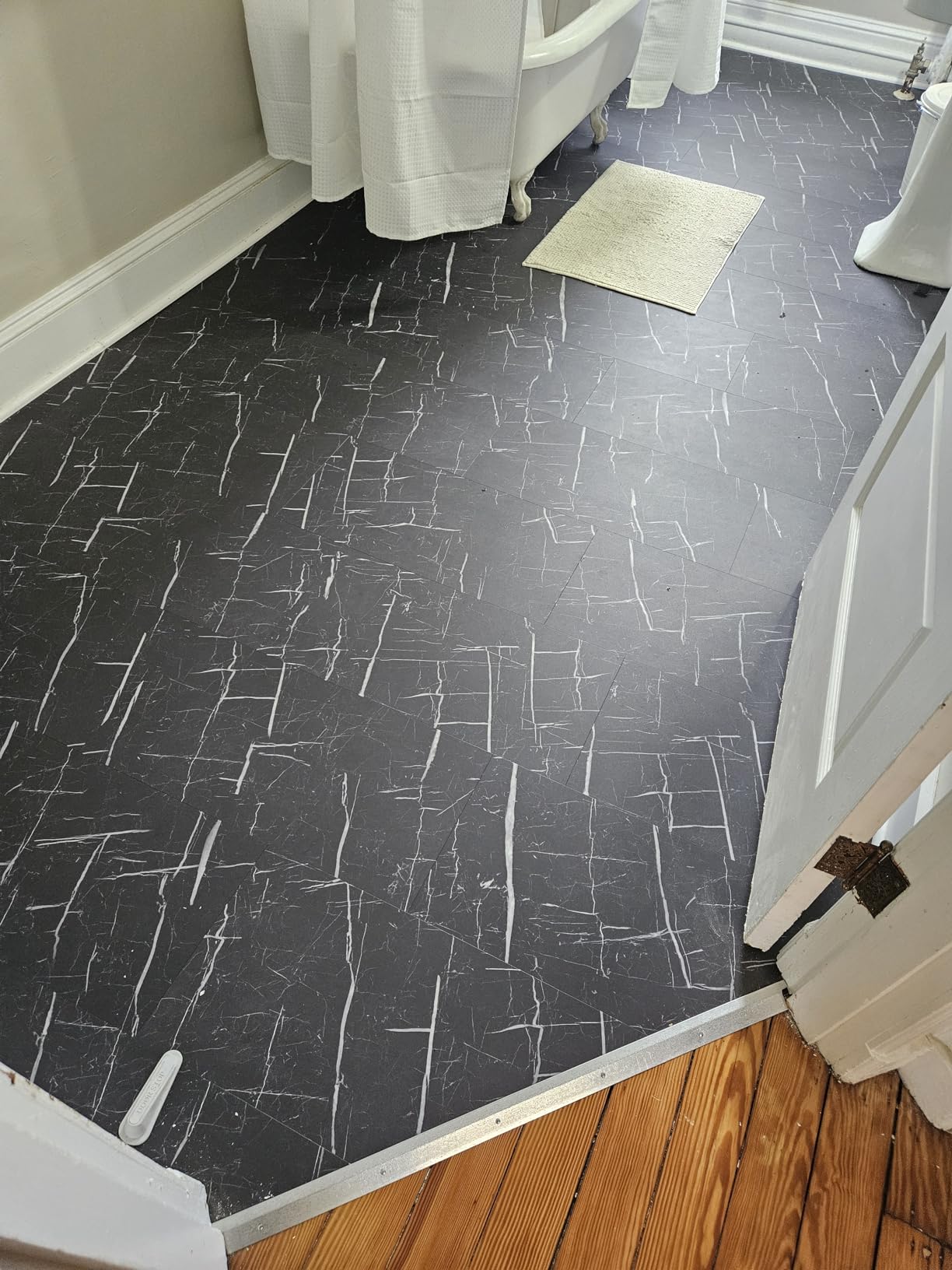
The 22 mil hardened vinyl layer and the 4X UV coat give it a durability profile that fits a bathroom vanity area, where dropped tools and wet towels are routine. The 24 by 12 inch size is large enough to read as genuine stone and small enough that one box at 16 square feet still covers a powder room without waste.
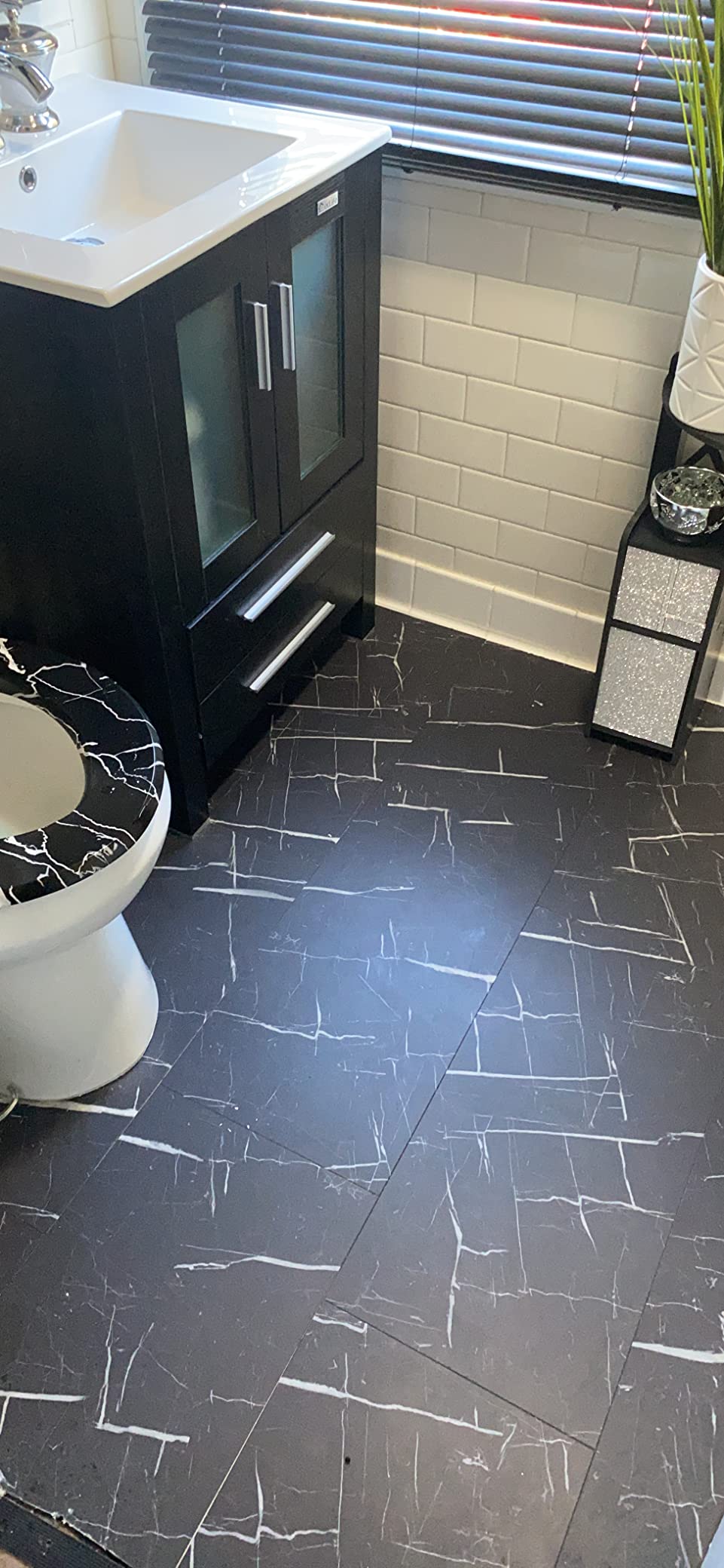
Two practical warnings. At 0.273 inches thick before or with the pad, this is not a retrofit-friendly product over an existing floor, and you will need to check every door clearance and buy transition strips. Second, the Nero Marquina stone look is striking but specific. If your renovation spans a bathroom and a hallway in a different material, the pattern jump will be noticeable.
Why the attached pad matters more than you think
Underlayment is the single most common radiant-heat mistake, because installers reflexively add a thick foam pad and then wonder why the floor runs cool. A pad attached to the product at the factory is specified for that product, so its insulation value is accounted for by the manufacturer. A loose pad you buy separately is a variable you control less than you think.
Also confirm with Lucida that the pad specification supports radiant use. If the answer is that they prefer a bare glue-down or a specific pad, follow their instruction, because a denied warranty claim over underlayment is a genuinely common outcome and entirely avoidable.
Where this tile is the wrong choice
Do not use it in a room that floods, and do not use it where you want real thermal mass. Vinyl tile of any kind warms quickly and cools quickly, which feels fine in a short-use room like a bathroom and feels disappointing in a living room you sit in all evening. That difference is the entire argument for tile over vinyl, and it is worth respecting.
It is also the wrong pick for a wheelchair, walker, or rollator user, or for anyone who tells us they have balance issues. A 0.27 inch floating floor is stable, but it is not as firm underfoot as a bonded porcelain tile, and the small tile joints create a slightly uneven feel under bare feet. If the room is wet, that unevenness matters more.
3. Lucida Surfaces MaxCore Pro LVP: The Fastest DIY Install in the Group
Lucida Surfaces MaxCore Pro 7.31x48in 20mil 5mm 24.5SqFt Click Lock LVP
- Glue-free click lock on all four sides
- Waterproof planks with non-absorbing sound pad
- 20 mil layer with 4X UV ceramic finish
- Micro-bevel matte finish reads as real wood
- Clicks tighter than competing lines
- Seam separation and edge bowing in seasonal swings
- Corner chips in transit
- Thinner 5mm core feels flimsier
- Colors greyer than listing photos
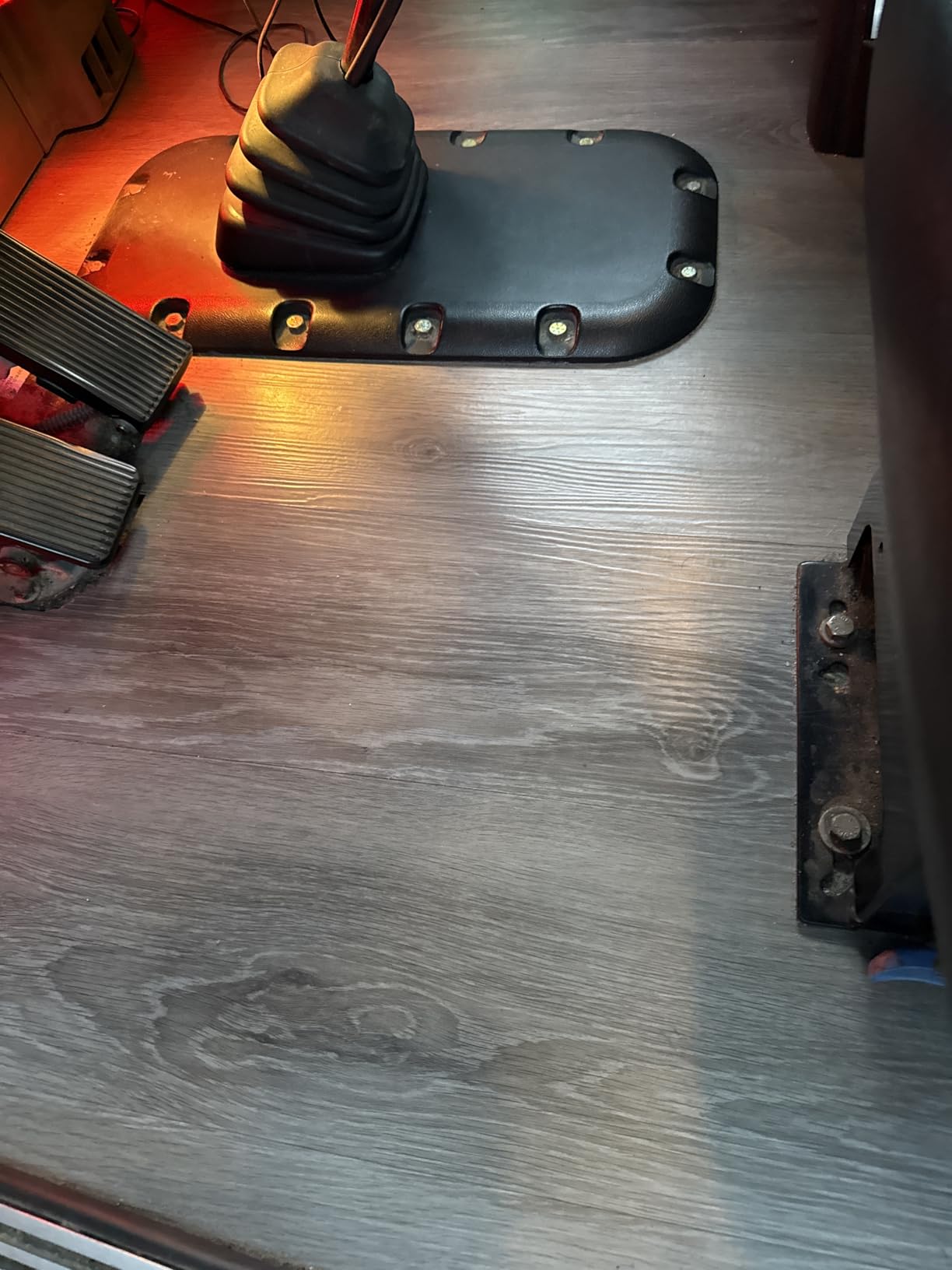
The MaxCore Pro is the one we recommend to friends who have never floated a floor before. The four-sided click profile, the matte micro-bevel, and the fact that it does not need adhesive, acclimation, or special tools mean a 200 square foot room is a single afternoon. The IXPE sound underlayment is integrated and does not absorb water, which is the right construction for a heated floor.
At 5mm the plank is thinner than the MaxCore Ultra, and thinner is better for heat transfer. That is genuinely the argument for this product over the step up in thickness. The trade is feel: reviewers do note the core feels flimsier underfoot than a thicker product, and that shows up most when you walk in heeled shoes or with a rolling chair.
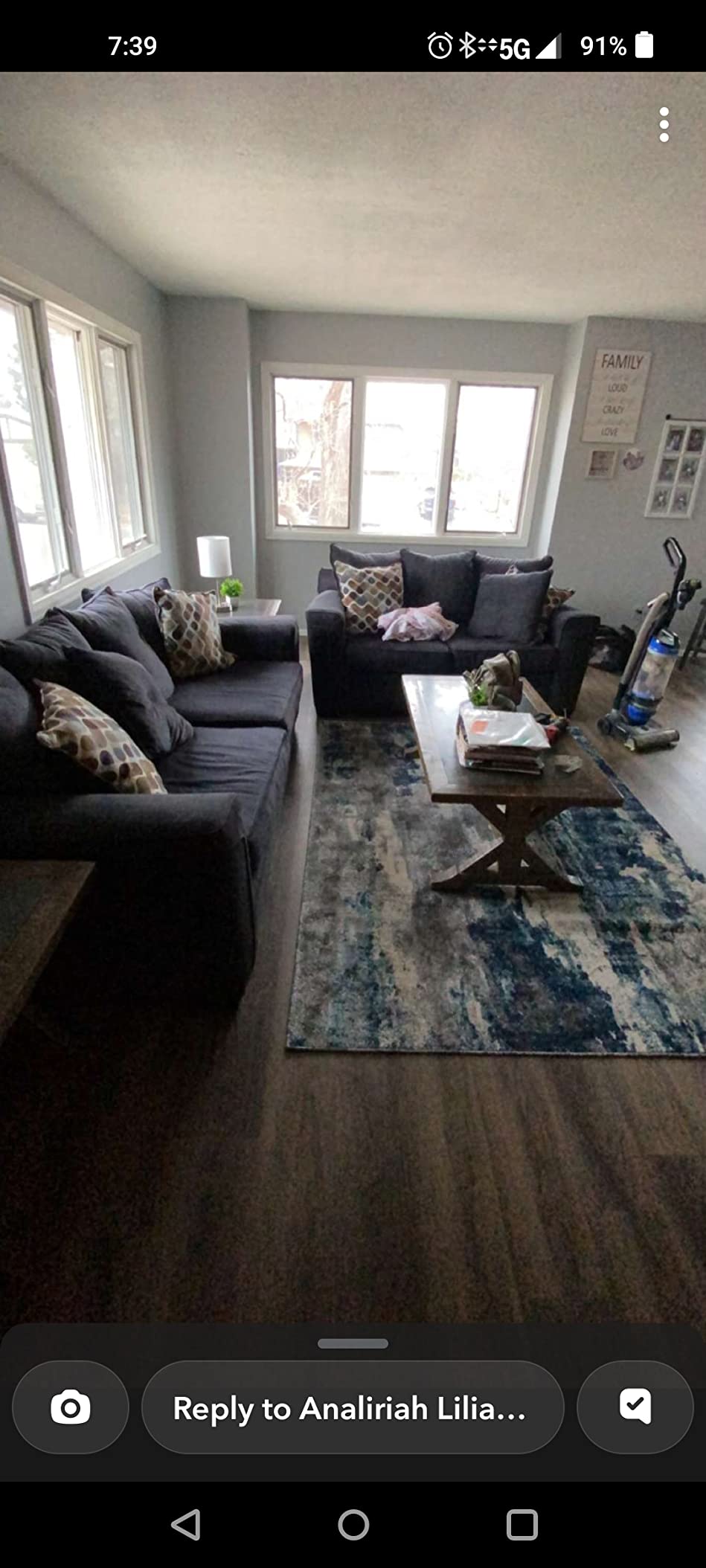
Owners consistently praise the realistic wood grain and how quietly the floor sits. The 20 mil wear layer with 4X UV, urethane, and ceramic bead finish is a solid residential spec, and the residential warranty is 10 years. Bark and seven other wood-look colors give you more choice than most of the rigid core lines we looked at in the same thickness class.
Here is the thing to weigh carefully, and reviewers raise it directly. Several buyers report seam separation and edge bowing after seasonal temperature changes, which is exactly the failure mode a radiant floor can aggravate if the system is cycled hard. If you install this over a heated slab, set the thermostat to ramp slowly and keep the surface temperature inside the manufacturer limit.
Check the seam behavior before you commit
Floating planks move. That is the design. Over radiant heat, the volume of movement is larger than in a normal room, and the question is whether the lock has enough range to absorb it. Ask the manufacturer in writing what the recommended maximum surface temperature is and what the warranty says if seams separate, and get the answer before the first box is opened.
Then control the variable you can control. Slow ramps beat fast cycles, and a floor-sensor thermostat with a setpoint ceiling of 85 degrees does more to protect a floating floor than any underlayment choice.
Where this plank is the wrong choice
Skip it for a kitchen where you will drop cast iron, for a room with a dropped-drill habit, or anywhere you need a floor that feels solid underfoot. It is also thin enough that a heavy sectional sofa leg parked in one place overnight can telegraph through. The MaxCore Ultra is the better answer in all of those cases, and the jump in price is modest relative to the increase in thickness.
Do not choose it because the warranty year count is the only number you compared. A 10-year residential warranty on a product with 130 reviews tells you less than a 25-year warranty on one with 303. The review volume on the Ultra is what gives us confidence in the recommendation we led with.
4. MSI Hampstead Glue-Down LVT: Best When You Want a Permanently Bonded Floor
MSI Luxury Vinyl Plank Flooring | Hampstead Dark Gray | 6″ x 48″
- Glue down means zero seam movement
- Realistic maple grain in gray tones
- Floorscore certified for low VOC
- Bonds to concrete wood tile stone or vinyl
- 25 year residential warranty
- Adhesive sold separately and unforgiving to apply
- Indoor temperature-controlled spaces only
- Glue down is harder for a first-time installer
Glue-down vinyl solves the one problem that worries us most about floating floors over radiant heat. Because the plank is bonded to the substrate, it does not float, so there is no seam movement and no edge bowing driven by cycling. If your system runs hot and often, a bonded floor is mechanically calmer than a floating one.
At 2mm with a 12 mil wear layer, this is the thinnest product in the roundup, and that is exactly what you want for heat transfer. Nothing sits between the loop and the room. The trade is the wear layer, and in a low-traffic bedroom, a den, or an over-sunroom bonus room, 12 mil is plenty.
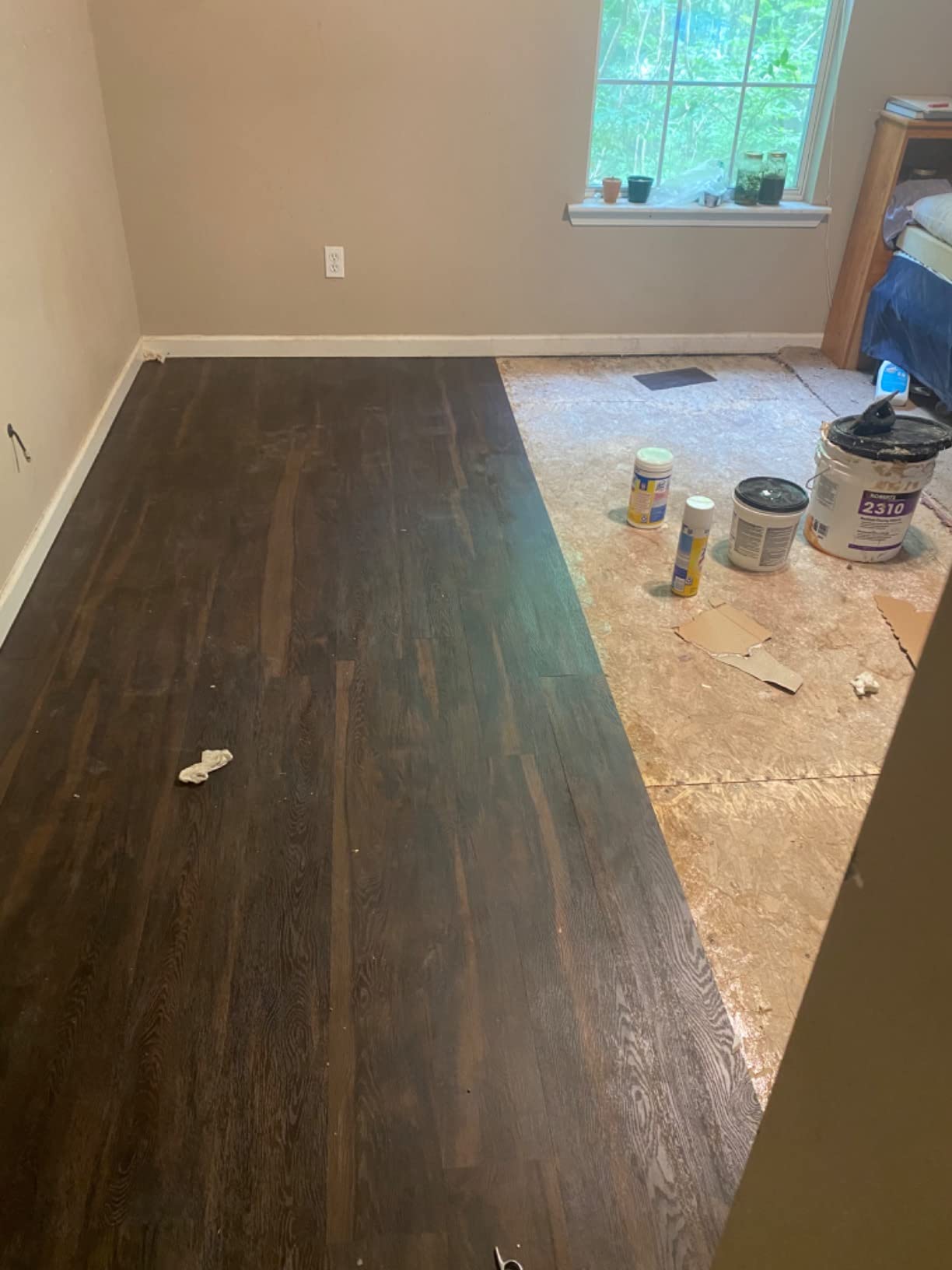
MSI rates it for install above, on, or below grade with pressure-sensitive adhesive, which covers the finished basement case that trips up so many retrofits. Buyers like the maple wood grain in the gray tones, the easy cleanup, and the fact that it is Floorscore certified for low VOC emissions, which matters in a room you sleep in.
Warranty language is strong here at 25 year residential and 6 year light commercial, and the case coverage of 36 square feet means far fewer containers to haul than the plank boxes in this group. The caveat is honest: the adhesive is not included, and glue-down is less forgiving than click-lock for a first attempt.
Who should hire an installer for this one
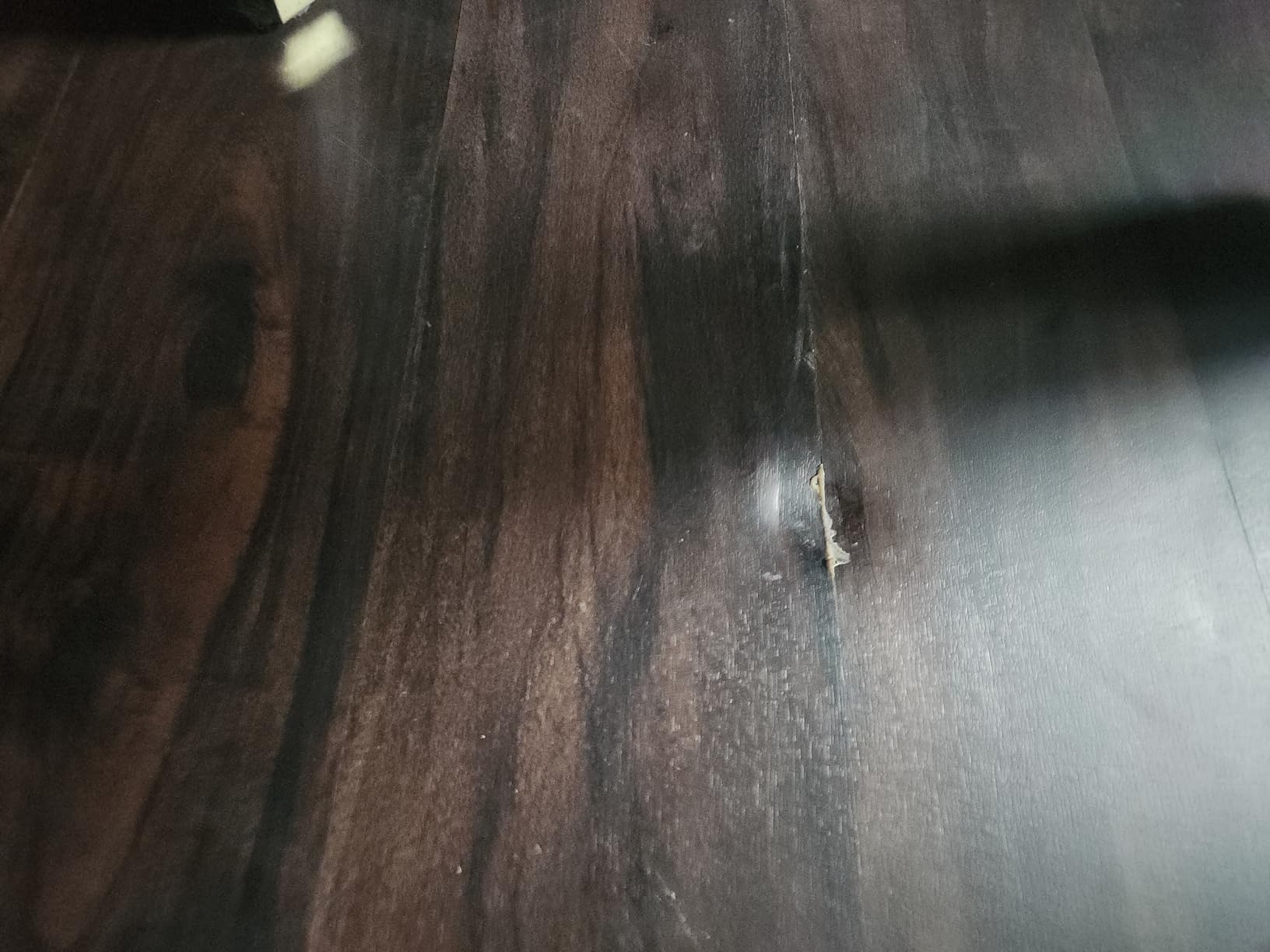
Anyone working in a bathroom, a laundry, or a room with an existing floor that must come up. The old floor has to be gone, the subfloor has to be flat and clean, and the adhesive has to be spread at the right coverage with the right trowel. A full-failed bond shows up as sheets lifting away from the slab, and that is an expensive repair over a heating loop.
Verify with MSI whether pressure-sensitive adhesive is the specified product and whether radiant heat changes the adhesive choice. Some manufacturers require a specific primer or a different adhesive family over heating systems, and using the wrong one is a warranty problem before it is a performance problem.
Where this plank is the wrong choice
Do not put it in a wet room, and do not install it over a slab with no vapor barrier. It is rated water resistant, not waterproof, and a bath with a floor drain and a shower enclosure is a different risk category than a bedroom. It is also rated for indoor, temperature-controlled environments, which rules out a three-season porch or a covered outdoor area.
It is the wrong pick for a first-time DIYer. We would rather see you float the MaxCore Pro and be certain of the result than glue this down and discover an adhesive problem six months into a heated season.
5. MSI Zenzibar Porcelain Tile: Best for Bathrooms and Patterned Floors
MSI Zenzibar 8x8in Encaustic Matte Porcelain Wall Floor Tile Flooring
- Porcelain body conducts heat and resists moisture
- Matte finish reduces glare underfoot
- Works indoors and outdoors
- One product for floor wall shower and backsplash
- Low maintenance stain and scratch resistant
- Thinset install needs an experienced hand
- 0.55 in thickness complicates cuts and transitions
- Bold encaustic pattern limits design options
- Small case coverage means many boxes
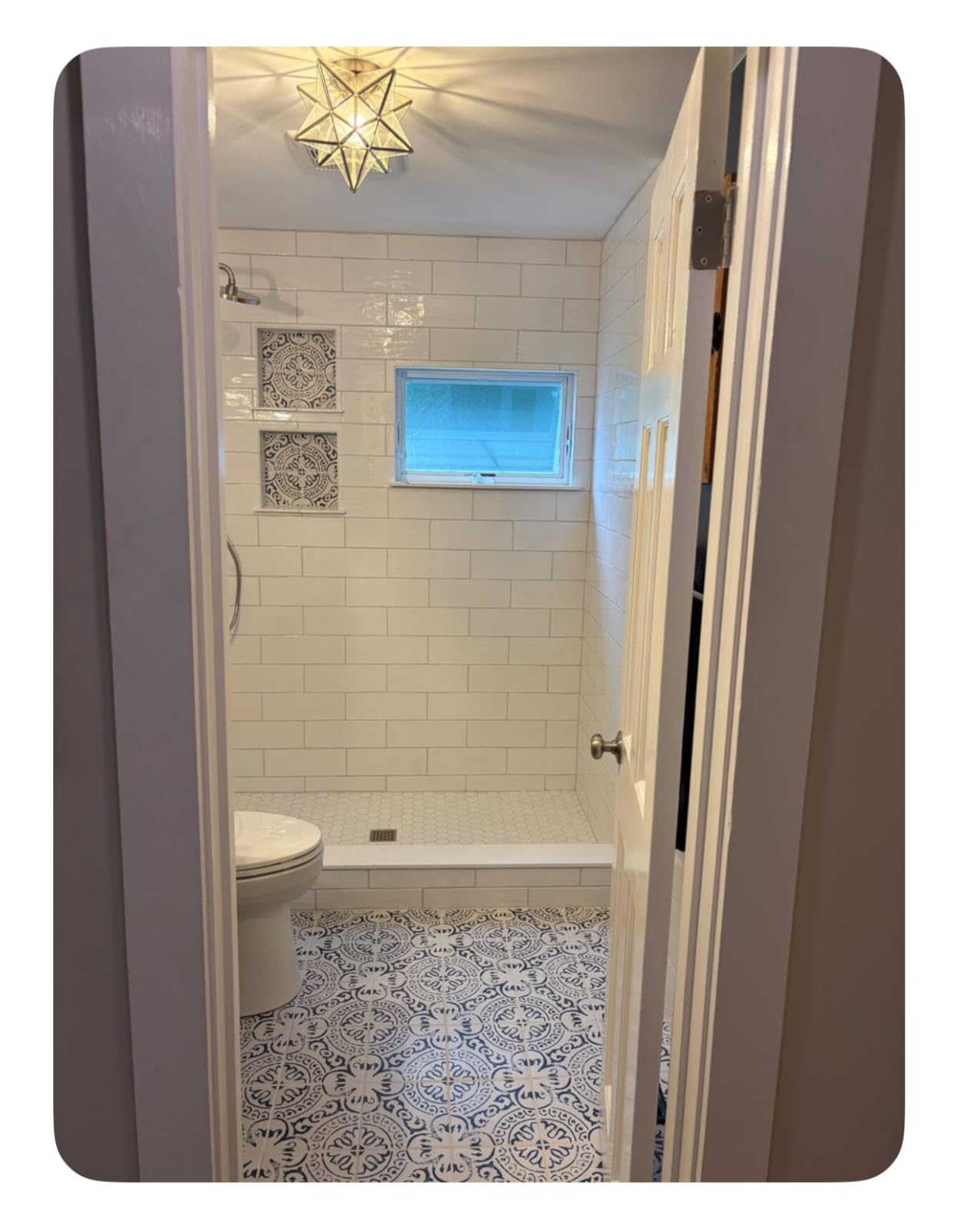
Porcelain is the answer when you want the floor itself to be the heat emitter, and the Zenzibar is a good demonstration of why. The body is dense fired porcelain at 0.55 inches thick, which is substantial thermal mass. The floor will absorb heat quickly and then release it for a long time after the system stops, which is the single most underrated comfort benefit of a heated floor.
Where it earns its spot specifically for radiant heat is the shower. Because the same tile works on the floor, the wall, the shower, and the backsplash, you can carry a single pattern through an entire bathroom instead of splitting the design at the threshold. Nobody else in this roundup offers that flexibility.
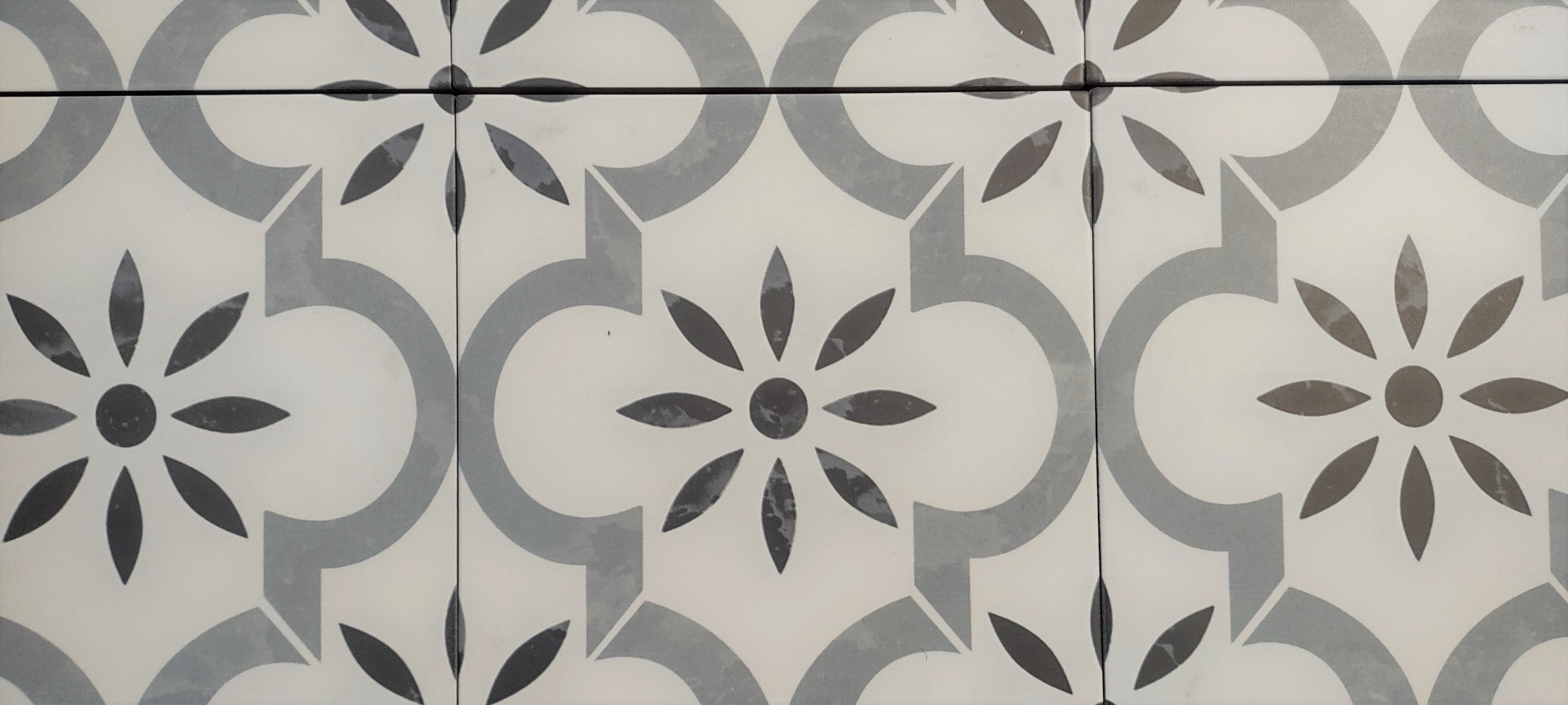
Owners value the matte encaustic look and the fact that the tile is genuinely waterproof rather than water resistant. The matte surface is a practical choice on a heated floor for a specific reason: a glossy floor under raking sunlight throws glare, and glare is more obvious when you are looking at a warm floor from a low seated position.
Set expectations on logistics. Each case covers 5.16 square feet, so a 100 square foot bathroom needs close to 20 cases, and the 0.55 inch thickness means a proper wet saw or a tile saw is not optional. The encaustic pattern is bold, and that is a design commitment rather than a neutral.
Get the subfloor and the loop spacing right first
Thinset over a heating loop is unforgiving. If the tubing sits too close to the surface, the mortar never sets properly and you get a hollow tile that chips later. If the loop spacing is wider than the tile manufacturer assumes for their warranty, you have a coverage problem no installer can fix. Confirm the spacing with the radiant contractor before the tiler books the job.
Use a thinset rated for the substrate and for heated installations, and tell the tiler the surface temperature ceiling you are running. Expansion joints and perimeter isolation matter here too, because a 5.16 square foot case of 0.55 inch tile has a lot of thermal movement in it.
Where this tile is the wrong choice
It is the wrong pick for a whole-house retrofit on a budget, and wrong for anyone who wants a warm, quiet, forgiving underfoot experience. Tile is hard and cold to the touch in the morning before the system kicks on, and it will transmit every dropped object. If the goal is comfort, a rated vinyl or cork over the loop serves you better.
It is also the wrong tile for a kitchen where you drop things. We have watched people regret heavy porcelain in a work triangle, and radiant heat makes the surface hotter than the same tile in an unheated room, which magnifies the shock on contact.
6. Jeedeson Solid Bamboo Planks: Best for Refinishing and a Real Wood Sanding History
- Solid bamboo sands and refinishes repeatedly
- Renewable rapidly grown material
- Tongue and groove locks tightly
- Plank to plank color variation is natural
- Two sample planks included for matching
- 0.6 in solid core is heavy to install
- Standard dimensions complicate partial floor replacement
- Marked variation between planks
- Only 16 reviews to judge by
Bamboo is the hardest natural flooring option and the most stable, and that stability is the entire argument for it over a solid hardwood if you insist on a real wood floor over heat. The carbonized solid construction is dimensionally tighter than oak, with less seasonal give, and owners rate the build quality and the fit highly enough that all 16 reviews land at 4.8.
The refinishing history is the differentiator that no vinyl or laminate in this roundup can match. This plank supports multiple sand-and-refinish cycles, so in twenty years you can strip it back rather than replace it. Over a heating system you plan to keep, that changes the economics of the whole floor.
We want to be straight about the size of the sample, though. Sixteen reviews is a thin basis, and we would not call a material category winner on that alone. The rating is high, the construction is sound, and the tongue-and-groove profile is the right call for stability, but verify the radiant-heat rating and moisture content spec with the manufacturer.
What to ask the manufacturer before ordering
Three questions, in this order. What is the maximum surface temperature this product is rated for, and is that rating stated in the warranty. What moisture content should the subfloor and the acclimation period be at. And is the warranty written to cover a heated installation, or does the word radiant appear only in a separate addendum. Owners on the flooring forums repeat this advice constantly, and they are right to.
Then check the subfloor moisture with a meter rather than trusting a feel test. A bamboo floor installed over a warm, damp slab is the classic cupping scenario, and the wood species is not the thing that saves you. Barrier first, flooring second.
Where this plank is the wrong choice
Skip it for a bathroom or a basement that might ever be wet, and skip it for a retrofit where you can only work in small pieces. The 0.6 inch solid core is heavy and demanding to install, and the standard plank dimensions mean a partial replacement of an existing floor is genuinely difficult if the original was a different profile.
It is also the wrong answer for someone who wants a uniform look. Natural color and texture variation plank to plank is the appeal to some buyers and the objection to others, and the two sample planks in the box are there precisely because it is pronounced.
7. Tenedos Red Quarry Tile: Best for Mudrooms, Entries, and Outdoor-Adjacent Rooms
- Dense fired ceramic handles heavy foot traffic
- Textured matte surface gives real traction
- Rated for patios walkways and spas
- Deep red tone hides dirt and scuffs
- Can be mopped or hosed off easily
- Glue down install needs thinset and layout planning
- Bold red is not a universal design fit
- Coverage listed inconsistently between specs and title
Mudrooms are the worst room in most houses and the best room in a heated-floor plan, because they are usually on an exterior wall where a cold slab is killing your heat output. A dense fired quarry tile is the most forgiving finish floor you can put there, and the textured matte surface is the reason. It grips when it is wet, it does not scratch the way a metallic surface does, and it can be hosed down.
At 0.38 inches thick with a dense ceramic body, this tile carries real thermal mass. It will warm faster than a floating floor and hold that warmth longer, which in an entryway means the floor is still comfortable an hour after the loop shuts down.
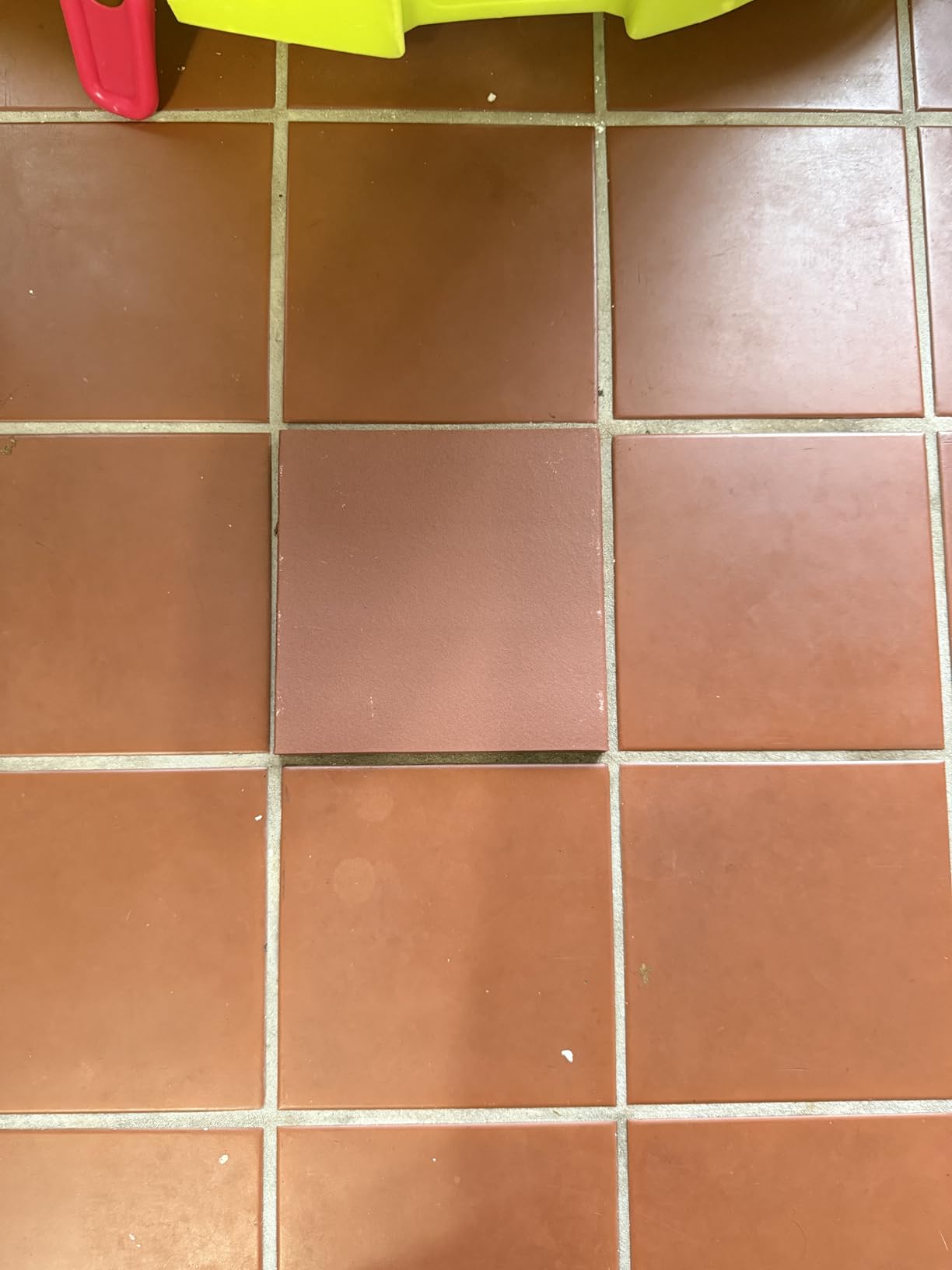
The listing is explicit about the use cases: restaurant kitchens, lobbies, patios, walkways, and spas, indoors and out. That is a heat resistance claim worth taking seriously, because the manufacturer rated this product for environments far harsher than a residential mudroom. Buyers like the rich red color, the true sizing, and the traction, and one reviewer singled out the seller for replacing transit-broken tiles the next day.
Plan the layout before you open a box. This is a glue-down product, and a 6 by 6 square tile has a limited offset range before you are cutting constantly in a small room. Also note that the technical specifications and the title state different coverage figures, so confirm the square footage per box with the seller before you calculate how many boxes a room needs.
What makes this tile different from the others here
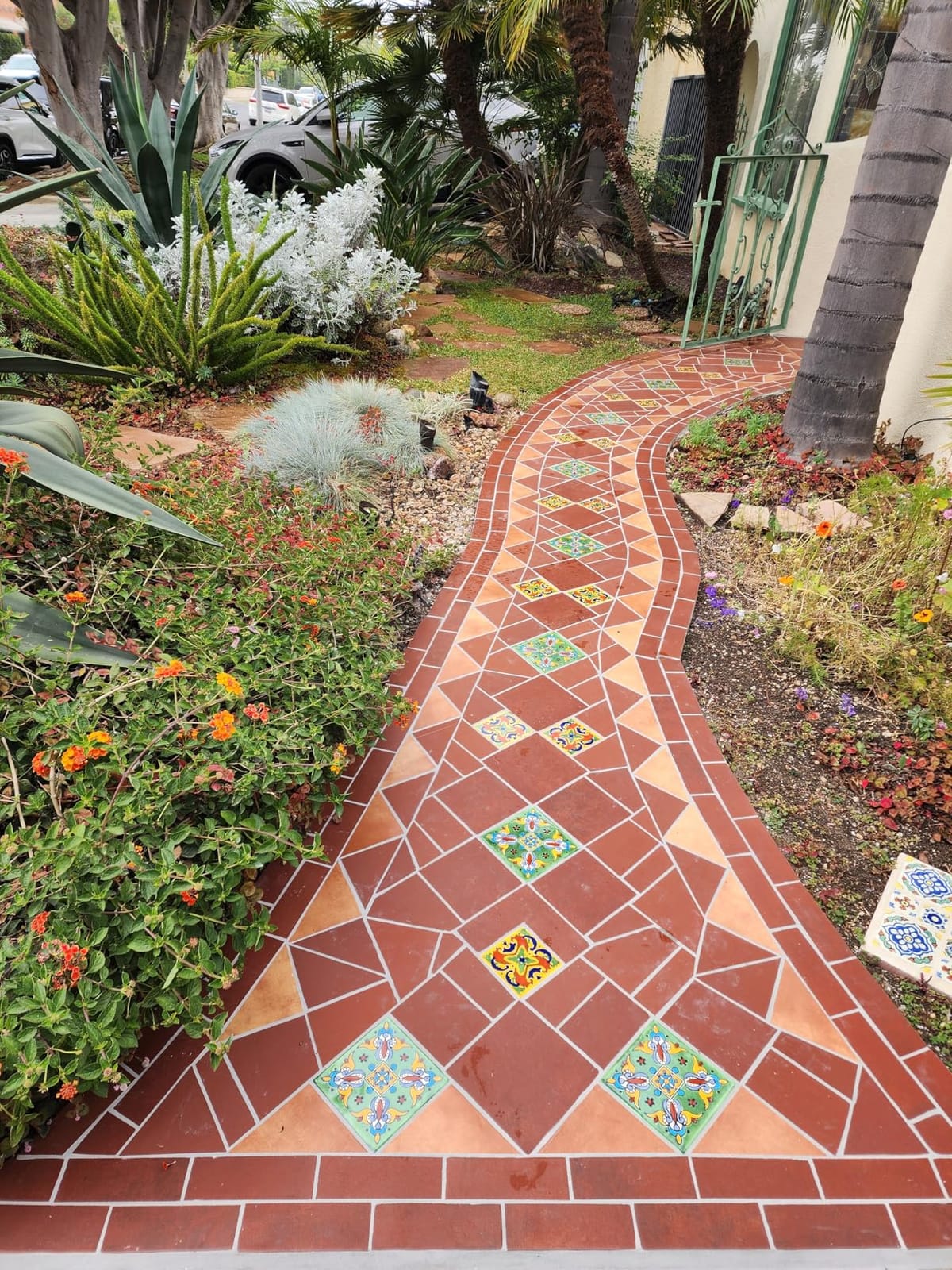
Every other tile in this roundup is a porcelain or a ceramic designed for appearance. This one is a commercial-grade quarry tile with a textured non-slip surface as its defining feature. That is why it survives wet boots and grit, and it is why we think the mudroom and the covered entry are its natural homes rather than a kitchen or a bedroom.
If you are heating a room that is also a laundry, a craft room, or a space with an exterior door, this is the pick. Just confirm the red works with your palette, because a quarry red is a strong color and it will not disappear into a neutral scheme.
Where this tile is the wrong choice
It is the wrong pick for a primary bath, where you would be choosing traction you do not need over a surface you will stand on barefoot every morning, and where the color will read as loud. It is also wrong for anyone who wants a soft, quiet, forgiving floor. This is hard, dense, and acoustically live underfoot.
It is the wrong answer for a room you want to keep warm in a way that feels luxurious. A quarry tile floor over a loop is efficient and durable, but efficient and comfortable are different targets, and this product optimizes for the first one.
8. Calacatta Empire Ceramic Tile: Best for a Marble Look on a Single-Piece Basis
Calacatta Empire 12×12 Ceramic Tile for Walls Floors Made in USA Matte Finish (1 Piece)
- Realistic Italian Calacatta veining
- Matte surface reduces glare
- Durable ceramic body for home or commercial
- Consistent 11.81 in dimensions simplify layout
- Made in the USA
- Sold one piece at a time so rooms need many orders
- Glue down install with thinset not included
- Water resistant rather than fully waterproof
A large-format matte marble-look tile is one of the few places where the design and the radiant-heat case point in the same direction. Calacatta marble is one of the most conductive natural stone patterns, and a matte surface hides the dirt that a polished floor shows in a high-traffic room. At 11.81 inches square, the grout lines are minimal, which means less of the joint area acting as a slight thermal break.
It is manufactured in the USA by Daltile and rated for floors and walls in kitchens, bathrooms, and entryways. Buyers rate the veining realism and the matte finish highly, and the 4.6 rating reflects genuine satisfaction with the surface itself.
The single-piece format is the whole story
This tile is sold as one piece covering one square foot, with 4-piece and 8-piece variants also offered. That is a serious logistics problem for a full bathroom or a mudroom, and reviewers raise it directly. You will be ordering many separate units, and you should confirm the piece count per purchase before you start calculating coverage.
The upside of the format is that it is a genuinely useful sample purchase. Buy two or three pieces, lay them out, and confirm the veining repeat and the tone before a full room is ordered. For a marble-look product that is exactly the right way to buy.
For radiant heat, use thinset rated for heated installations and confirm with the manufacturer that the 0.31 inch thickness and the matte glaze are within their warranty terms. The same careful approach we described for the Zenzibar applies here.
Where this tile is the wrong choice
It is the wrong pick for a wet room where standing water is normal, because the listing rates it water resistant rather than waterproof. A shower floor is a different specification than a bathroom floor, and we would not substitute one for the other.
It is also the wrong pick for a large, busy kitchen, where a nearly 12 inch square tile means a lot of weight, a lot of cutting, and a lot of thinset work at a premium. A smaller format with more grout joints is more forgiving in a room where things get dropped, and the joints hide chips better than a large matte face does.
9. Daltile Florentine Porcelain Tile: Best for Covering a Large Area Efficiently
Daltile Florentine 12″ X 12″ Glazed Porcelain Floor Tile in Carrara (13 PC Per Carton) (12.22 SQFT Per Carton)
- Reveal Imaging reproduces natural marble
- 12.22 sq ft per carton covers a lot fast
- Low maintenance and durable in traffic
- Coordinating matte floor and mosaic options
- Wide 12 in format reduces grout lines
- Only 5 reviews available to judge by
- Glue down install required
- Plan for 10 percent overage on cuts
- Large format is unforgiving on cuts
Coverage per carton is the reason to look at this one. At 12.22 square feet per carton with a 12 by 12 tile, a 200 square foot sunroom or great room is a small number of cartons, and a 12 inch format means fewer grout lines than a 6 or 8 inch tile. Fewer lines means less joint area, faster installation, and a cleaner visual over a large expanse.
Reveal Imaging is Daltile’s process for reproducing natural marble and stone, and reviewers who have seen it say the Carrara pattern holds up. The unpolished finish is the right call over a heated floor because it will not throw glare, and the product is rated low maintenance and durable for high-traffic areas.
What thin review data means for this pick
Five reviews is not enough to build a recommendation on, and we want to be honest about that. The construction specs, the format, and the brand track record support the placement, but if this is your floor you should ask Daltile directly for the technical data sheet and the radiant-heat warranty language rather than relying on five customer reviews.
Also plan the overage. Daltile recommends 10 percent for design cuts and patterns, and on a 12 inch format with a marble pattern you will be cutting more than you expect. Order the overage up front rather than running short at the far wall.
Where this tile is the wrong choice
It is the wrong pick for a small room. A 12 inch format in a powder room means you cut nearly every tile, which wastes material and increases cost per square foot even though the per-carton coverage looks efficient.
It is also the wrong choice if you want a genuinely matte, no-glare surface across the whole house and you are sensitive to a polished or semi-polished look on the wall companion options. Check the coordinating pieces carefully, because the high-gloss wall tile in the same line is a different surface from the floor tile.
10. Allure Wide Plank Rigid Core: Best for Homes with Dogs and Busy Kids
- ScratchProtect coating handles pet traffic
- 100 percent waterproof rigid core
- Pre-attached underlayment
- Drop and lock install over existing floors
- Lifetime residential and 20 year commercial warranty
- Wide 60 in planks are heavy to maneuver
- Only 5 reviews to judge by
- Large format limits tight-room layouts
This is the scratch-resistance pick. A 22 mil wear layer with a ScratchProtect coating over a rigid core is the construction you want in a family room where a dog tracks grit across a heated floor every morning, and the fact that it can go over existing tile, wood, concrete, or glued vinyl makes it a strong retrofit choice where you cannot strip the floor back.
The ISOCORE construction with pre-attached underlayment is the part we like most for radiant heat. Like the Lucida products, the pad is specified by the manufacturer as part of the system, so the heat transfer through the assembly is accounted for rather than guessed at. That removes one variable from a decision that already has too many.
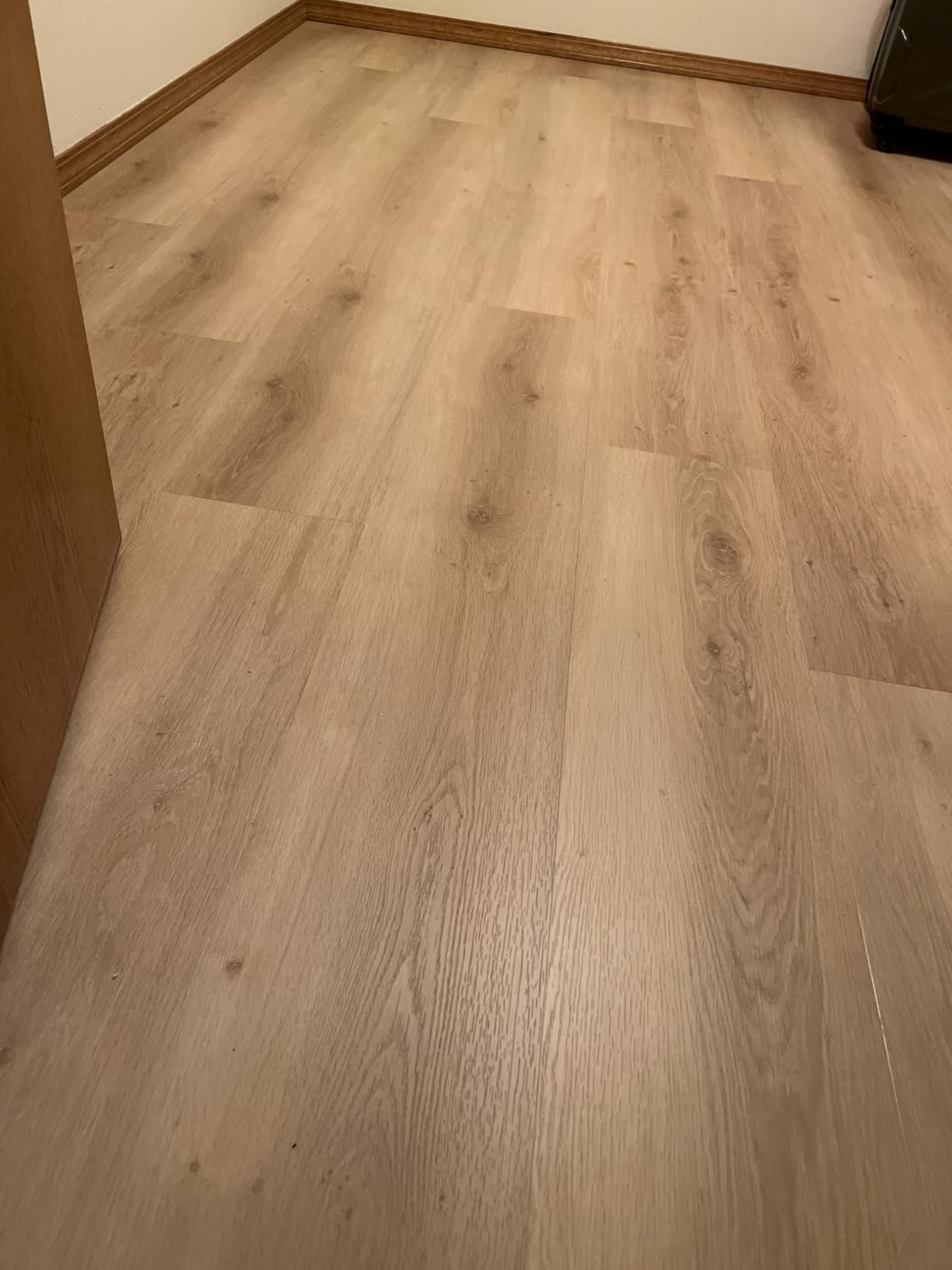
All 5 reviews are 5 stars, and they describe durability, easy installation, natural color, and clean cutting with crisp edges. One reviewer noted a handyman completed the install in under an hour. The warranty is the longest residential warranty in this group at lifetime, with 20 years commercial.
The wide 9 by 60 inch plank is the reason it is not higher in this roundup despite the rating. A 60 inch plank is genuinely awkward in a small room, it is heavier per box, and on a heated floor a long rigid plank has more length to expand across. It is a strong choice in an open plan room and a poor choice in a narrow hallway.
Check the layout before the first box opens
Measure your longest straight run and plan the stagger. At 60 inches, a standard offset produces lots of short cuts at the ends of the room, and with a natural wood look those end cuts are the most visible part of the floor. A longer offset or a herringbone layout changes the waste math considerably.
For radiant heat, confirm with Allure whether the pre-attached pad assembly is their approved heated-floor configuration and what surface temperature ceiling applies. Rigid core is thin and stable, so we expect a favorable answer, but get it in writing before the floor goes down.
Where this plank is the wrong choice
It is the wrong pick for tight spaces, small bathrooms, or any room with a lot of door swings. The format is the specification, and you cannot shrink it. If the room is under roughly 100 square feet, choose a narrower plank like the Lucida MaxCore line instead.
It is also worth skipping if your main concern is warm underfoot feel in a room you will sit in for hours. Rigid core with an attached pad is comfortable and quiet, but it has almost no thermal mass, so the floor cools quickly once the system stops.
11. Daltile Natural Slate: Best for Genuine Stone Heat Retention
Daltile Natural Stone Slate 12″ x 12″ in Natural Cleft Brazil Grey (6 PC per Carton) (5.82 SQFT per Carton)
- Natural stone with genuine heat retention
- Explicitly rated heat resistant
- Works indoors and outdoors
- Natural cleft finish adds texture
- Bathroom kitchen and living room rated
- Sealer required before and after grouting
- Non-rectified edges vary piece to piece
- Heavier than ceramic at 5.7 lbs per tile
- Only 3 reviews to judge by
Slate is the most thermally honest material in this roundup. It is natural stone, it is listed as heat resistant, and at 0.39 inches thick it carries the kind of mass that keeps a floor warm long after the loop is off. If you want the floor itself to be the heat emitter rather than a pass-through, this is the product, not the vinyl.
The natural cleft finish is the reason slate behaves differently from the porcelain and ceramic options. The texture is irregular, which means excellent grip when wet, and it also means the surface reads as stone in a way that a printed marble look never quite does. For a sunroom, a mudroom, or a spa-adjacent bath, it is the most convincingly natural option here.
Sealing and edge variation are the two jobs to plan
Daltile recommends sealer before and after grouting, and on a heated floor that is not optional maintenance. Seal the tile faces, install, grout, seal again, and expect to refresh the sealer on a schedule. A heated floor cycles, and cycling moves moisture in and out of a natural cleft surface faster than an unheated one.
The non-rectified edges mean each tile is slightly different, which is the charm and the cost. Level the substrate carefully, use a bed that tolerates slight height variation, and set your expectations that the layout will not be as laser-flat as a rectified porcelain install. Confirm with Daltile what the non-rectified tolerance is before the tiler starts.
Where this tile is the wrong choice
It is the wrong pick for anyone with mobility concerns. Natural cleft slate is uneven underfoot by nature, and a 5.7 pound tile dropped on a foot is a serious injury. It is also the wrong choice for a large open room on a tight budget, because the material and handling costs climb quickly.
With 3 reviews behind it, this is our lowest-confidence recommendation in the group, and we would rather say so than dress it up. The material properties are right for radiant heat. The evidence of owner satisfaction is simply too thin to lead with it, so treat it as a material you should evaluate with samples in hand.
12. Shaw Floors Paramount SPC: Best for a Fast Finished-Basement Install
Shaw Floors Paramount 512C Plus Luxury Vinyl Flooring, Oyster Oak (18.68 sq. ft./Carton) (8 Planks)
- Click install with no subfloor prep
- 100 percent waterproof SPC core
- Attached acoustical pad
- 30 year residential warranty
- Planks mimic natural hardwood
- Thinner 4.8mm core than competing rigid core
- Plan 10 percent overage for cuts
- Only 2 reviews to judge by
The Paramount is the fastest install in the roundup for a heated room over an existing floor. Click installation with no subfloor prep, no acclimation, and no adhesive means a finished basement with a lot of square footage comes together in a fraction of the time a tile job takes, and the 30 year residential warranty is among the longest we saw.
It is an SPC, or stone polymer composite, plank at 7 by 48 inches and 4.8 millimeters with an attached acoustical pad. Waterproof core, residential grade, and the attached pad for noise reduction. For a basement rec room where the slab is cold and the walls are unfinished, that combination covers the practical needs.
Basements have their own rules
A basement over a heated slab is the case where a vapor barrier is not optional. Measure the slab’s moisture emission rate, install a barrier rated for that reading, and let the slab dry before the floor goes down. Every flooring failure we read about in basements traces back to skipping this, not to the flooring choice.
Then confirm the radiant-heat rating in writing. At 4.8 millimeters with an attached pad, this is a thin assembly, which is good for heat transfer, but the pad is a variable. Ask Shaw whether the attached acoustical pad is their approved configuration for a heated installation, and keep the surface temperature below the limit they give you.
Where this plank is the wrong choice
It is the wrong pick for a primary bathroom, since 4.8 millimeters is a thin build for a wet room and a real tile floor is a better answer. It is also the wrong pick if you want a floor with real thermal mass, because a 4.8 millimeter polymer composite stores almost nothing.
With 2 reviews, this is the thinnest evidence base in the group and we will not pretend otherwise. Both reviews are 5 stars and cite the attached pad and the click installation as the standouts, which tracks with the specification. Buy one carton and live with it for a week before you commit a whole basement.
Electric vs Hydronic Radiant Heat: How the Flooring Decision Changes
This is the question the AI overviews keep asking readers, and it deserves a direct answer. The system type changes the surface temperature you should expect, which changes how forgiving your floor is.
Hydronic systems move warm water through tubing. A low-temperature water system keeps the water in the low 80s and the surface in a comfortable band, and a high-temperature system runs water hot enough that a careless mistake can damage a floor in an afternoon. Hydronic gives you thermal mass benefits and a slower response, and it rewards tile and stone more than any other system.
Electric systems run heating cables or mats directly under the floor, which means the heat source is close to the surface and the surface temperature is higher and less even than with a buried loop. Electric responds faster, which is a genuine advantage in a bathroom, and it is also the harder case for flooring because the surface sees more thermal cycling.
Our practical guidance: with hydronic, you can be more relaxed about a wood product in the 3/8-inch to 1/2-inch range, provided the ramp is slow. With electric, stay with thin, rigid, dimensionally stable products, and prioritize a manufacturer rating that explicitly names electric radiant. Also, a thermostat with a floor sensor matters more on an electric system than on hydronic, because air sensors overshoot more when the source is right under your feet.
Materials to Avoid on Radiant Heat
Every credible source on this topic agrees on a short list, and it is worth reproducing plainly rather than hedging.
Solid hardwood is the number one reported failure over a heating system. It is dimensionally the least stable real wood, it responds strongly to moisture swings, and owners on the flooring forums describe cupping, splitting, and gapping that traces back to drying rather than heat alone. Homeowners on heatinghelp.com point instead to engineered wood because it has very little resistance to heat transfer and far more tolerance for cycling.
Standard laminate is the second warning. The wear layer and the core can delaminate or the edges can swell when a surface temperature runs high, and many laminate warranties exclude radiant heat outright. If you are curious about the category beyond the radiant-heat question, our laminate flooring guide covers where it does and does not work.
Thick or high-pile carpet is the third. The pile is an insulator by design, and heat output drops substantially beneath it. Low-pile, thin carpet over a thermal mass layer can be made to work, but the honest verdict is that you are spending money on a system you will not feel. If a room needs warmth, put the heat somewhere you can feel it.
Any product without an explicit rating is the fourth, and it is the trap that costs the most money. A generic works with radiant heat claim on a listing page is not a warranty. Ask for the maximum surface temperature, ask whether radiant heat is named in the warranty document, and get the answer before you purchase.
Anything you cannot control the ramp on is the fifth. A slow ramp-up, typically in stages over the first weeks after install, gives a floor and its adhesive time to acclimate before it sees its maximum temperature. A system you can slam to full heat on day one is a system that will find your weakest seam.
What Homeowners Actually Report
The failure data on this topic lives in homeowner threads rather than manufacturer pages, and it is more useful than anything a brand will tell you. Here is what people with floors over loops actually say.
On heatinghelp.com, in a thread about the best floor for water radiant heat, the recurring recommendation is engineered wood, with the reasoning that it has very little resistance to heat transfer. The same homeowners point to plank thickness as the deciding factor, with thinner profiles cited repeatedly as both the better conductor and the more stable plank.
A hardwood specialist quoted on another flooring forum put the diagnosis better than we can: most problems come from imbalance, not from heat alone, because gaps, cupping, and stress usually trace back to moisture swings or overheating. That reframes the problem usefully. If your floor is cupping, the fix is usually a moisture or system-balance fix, not a flooring recall.
On a wood forum thread about troubleshooting cupped flooring over a heated slab, the practical remedy offered was to lay the floor down, wait a few weeks, and then sand it so it has time to settle. That is a small repair rather than a floor replacement, and it is worth knowing about before you panic at the first dry spell.
Homeowners on r/Homebuilding made the point that underfloor heat works fine through several inches of concrete, because thermal mass improves distribution and the added wood merely reduces output slightly. That is the argument for cement board or a mass layer in a basement retrofit, and it is the reason a thick tile floor can deliver heat a thin vinyl floor never will.
One last thread worth surfacing. Technicians on r/hvacadvice note that in under-subfloor systems, pipes are deliberately run close to the subfloor, sometimes two per bay and sometimes doubled. The reason is simple. The closer the pipe is to the surface, the less thermal mass sits between the heat and the room, and the more of your fuel actually reaches you. If your system is buried deep in concrete, your flooring choice matters more than almost anything else.
How to Choose Flooring for Radiant Heat
Once you have narrowed the field, these are the criteria we use to sort the remaining products. There are six, and they matter in this order.
1. Check the warranty language before anything else. This is the single most useful thing you can do and it takes one phone call. Ask the manufacturer two questions: what is the maximum surface temperature this product is rated for, and does the written warranty name radiant heat or underfloor heating. Homeowners on the flooring forums repeat this advice more than any other, because the answer determines whether a problem is a warranty claim or a service call. A warranty exclusion is an instant deal breaker, and a product that names radiant heat in its warranty is worth a modest premium over one that does not.
2. Keep the surface below 85 degrees. This is the number that appears across nearly every technical document on the topic, and it is the ceiling rather than a target. Both a floor-sensor thermostat and the system’s own high-limit control are worth setting, and they are worth setting twice, because the floor sensor is the only one that measures the actual surface rather than the air. Our own guidance for a heated floor is to treat 85 degrees as a firm cap and to ramp to it gradually.
3. Prefer thin. The 3/8-inch to 1/2-inch range is where the recommendation lands again and again, and it applies to wood specifically. Thin planks transfer heat faster and stay dimensionally stable, which is why the forum consensus keeps pointing at a narrow profile. For vinyl and tile the logic is the same in reverse, which is why the thinnest products in this roundup are the ones rated for wet rooms.
4. Understand underlayment as a variable, not a default. The most common radiant-heat installation mistake is reflexively adding a thick foam pad, which then acts as an insulator. An underlayment attached to the product at the factory has been specified by the manufacturer and accounted for in their testing. A loose pad is a variable you are introducing, and it is the one most likely to void a warranty. Over a concrete slab, a vapor barrier rated for the measured moisture reading is a separate and non-negotiable item.
5. Match the room to the material, not the other way around. Bathrooms, entryways, and mudrooms want waterproof, hard-wearing, textured surfaces. Bedrooms and living rooms on hydronic can take thin engineered hardwood or rated vinyl. Kitchens want a surface that handles dropped cookware. Sunrooms and finished basements want mass, which means tile or stone. A room that gets wet once a month and a room that gets wet every day are not the same specification.
6. Plan the ramp-up and the expansion gaps. Leave the expansion gap the manufacturer specifies at every perimeter, because a heated floor that expands into its own wall will buckle. Then bring the system up slowly, typically in stages, during the first weeks. A wood specialist we read framed it as giving the floor time to settle, and that advice applies equally to adhesive bonds and to locking seams.
One more practical note on rooms where you will be on your feet a lot. If a space is a gym, a mudroom, or a laundry, the comfort and acoustic characteristics matter as much as the heat performance, and no material wins every category at once. If you are building a home gym in the same renovation, our home gym flooring guide covers the impact and underlayment questions that come up alongside radiant heat.
Frequently Asked Questions
Is vinyl plank flooring suitable for radiant heat?
Yes, provided the manufacturer explicitly rates it for radiant heat and the surface temperature stays below 85 degrees. Rigid core and SPC planks are among the best-performing choices because they are thin, dimensionally stable, and do not absorb water. The warning that matters is warranty language: some vinyl and laminate products exclude radiant heat, so confirm the coverage in writing before you buy.
Can you use laminate flooring with radiant heat?
Only with a manufacturer radiant-heat rating. Standard laminate is a common failure over a heated floor because edge delamination and swelling appear when the surface temperature runs high, and many laminate warranties exclude radiant heat entirely. If you want the look of laminate over a loop, verify the rating and the maximum surface temperature in the warranty document first.
What type of hardwood flooring is best for radiant heat?
Engineered hardwood in a thin profile, roughly 3/8-inch to 1/2-inch, is the best wood choice because the layered construction resists warping and gapping far better than a solid plank. Solid hardwood is not recommended over a heating system, since it is the most commonly reported failure. Narrow planks are also more stable than wide ones across the same temperature swing.
What type of flooring is best for extreme heat?
Porcelain tile and dense natural stone handle the widest temperature range, because they combine the highest thermal conductivity with the best dimensional stability and they do not burn, soften, or delaminate. Marble-look porcelain and slate are good examples. A rated rigid core vinyl is a reasonable second choice, while carpet, thick laminate, and solid hardwood are the worst performers in extreme heat.
What flooring can I put on top of underfloor heating?
Porcelain tile and natural stone for the best heat output and heat retention. Thin-profile engineered hardwood for a warm wood look. Rated luxury vinyl plank or hybrid rigid core for comfort, quiet, and waterproofing. Solid bamboo is a stable natural wood option. Cork is comfortable underfoot and pairs well with a thermal mass layer. Avoid solid hardwood, standard laminate, and thick or high-pile carpet.
Can radiant heat go under vinyl plank flooring?
Yes, with a rated product, an underlayment that does not block heat transfer, and a surface temperature ceiling you actually enforce. Floating rigid core planks work well because they are thin and stable, and an underlayment attached at the factory is preferable to a loose pad you add yourself. Check that the warranty names radiant heat before you purchase.
What are some common problems with radiant floor heating?
The most reported problems are cold spots and uneven zones, cupping and gapping in wood floors, edge swelling or delamination in laminate, and reduced heat output under thick carpet. Noisy floors that knock or pop as they cycle are also common. Most wood failures trace back to moisture swings or a system running too hot rather than to heat alone, which is why subfloor moisture control matters as much as the flooring choice.
Why is my floor cupping?
Usually moisture swings or system imbalance rather than heat on its own. Over dry heat, wood shrinks and the edges lift away from the low point, which is what cupping is. A slow ramp-up, a subfloor moisture reading, and a surface temperature ceiling all reduce the risk. If minor cupping appears after a dry spell, laying the floor down and letting it settle for a few weeks before lightly sanding is a remedy flooring specialists describe often.
The Best Flooring for Radiant Heat, Final Word
After comparing all 12, the Lucida MaxCore Ultra is the best flooring for radiant heat in this group for a simple reason: it has the most real-world use behind it and a wear layer that can take what a heated mudroom delivers. For a bathroom, the TerraCore tile is the smarter buy because the integrated pad removes an underlayment variable. For a mudroom where grit and water are constants, the Tenedos quarry tile outlasts anything softer, and for anyone who intends to keep their floor for two decades, the solid bamboo is the only option here you can sand back.
What matters more than any of those choices is the paperwork. Get the maximum surface temperature and the radiant-heat warranty language from the manufacturer before you buy, measure your subfloor for moisture if it is a slab, keep the surface below 85 degrees, and bring the system up slowly. Do those four things and almost any of these floors will outlast the system underneath it.
We update this roundup as 2026 progresses, and we are happy to be told what we missed. If you have a floor over a loop that has survived a decade, that is the kind of report that changes a recommendation, and we read every one of them.