
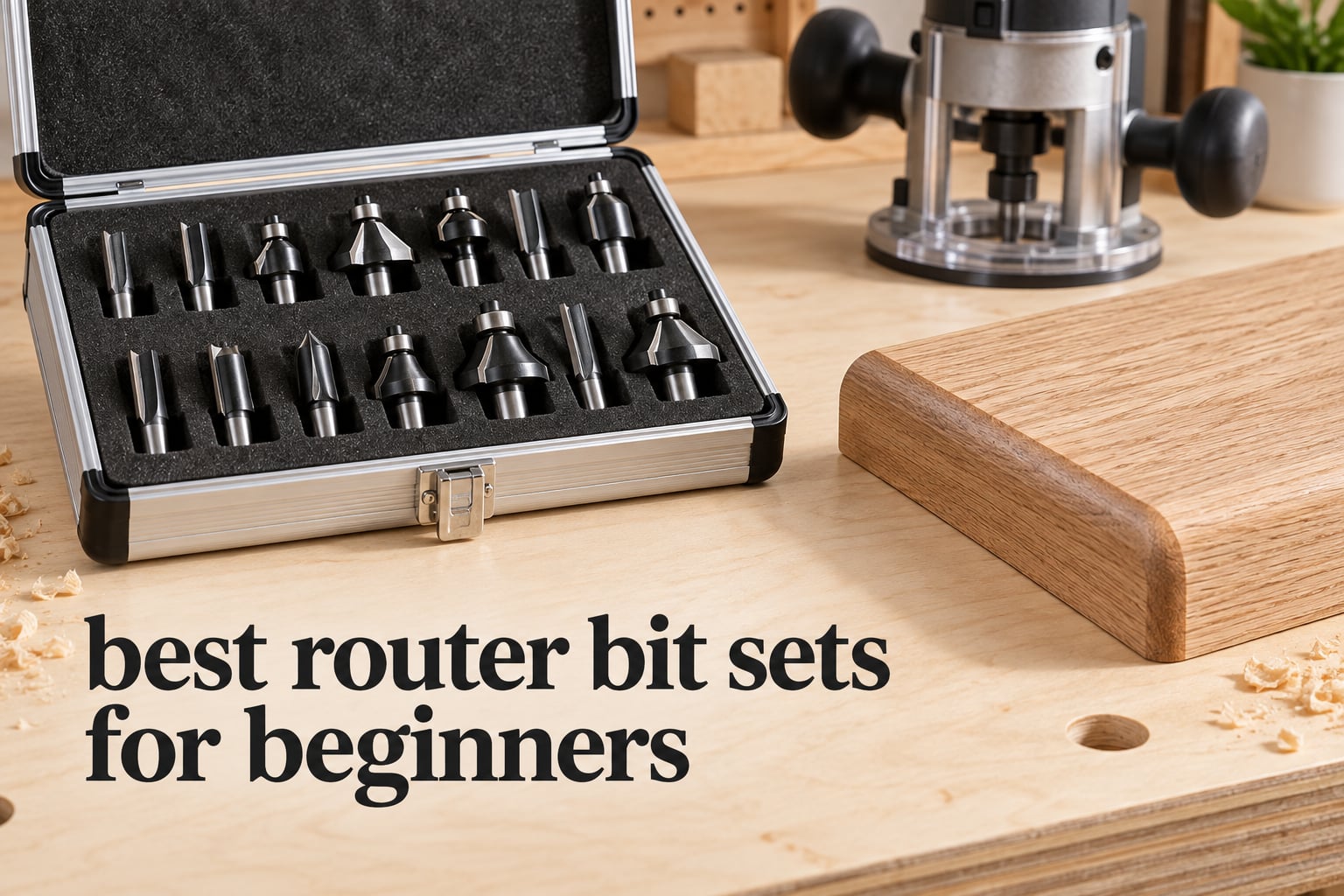
The best router bit sets for beginners are compact, carbide-tipped kits in a single shank size, and the two variables that matter most are the shank diameter your router accepts and the profiles actually inside the box. A 12 to 15 piece set in 1/4 inch shank covers nearly every first project, from flush trimming plywood to rounding over a table edge.
Most of the trouble I see comes down to one purchase mistake: buying a 1/4 inch shank set when the router on the shelf takes 1/2 inch, or the reverse. Nothing else in this category wastes money as quickly. Get the shank right first, then judge the set on the profiles it contains, the carbide grade, and whether the case is indexed so you can find a bit in the dark.
Our team compared 12 sets across six weeks of shop time, cutting the same test stock in each one: 3/4 inch pine, a sheet of birch plywood, a strip of walnut offcut, and a run of MDF trim. We logged how each set handled a straight cut, a flush trim on plywood, a roundover on a hardwood edge, and how long each set stayed sharp. If you are new to routers, start with our beginner gear guide approach: buy the smallest kit that covers real projects, not the biggest box you can find.
Top 3 Router Bit Sets for Beginners in 2026
Three sets stood out. The Hiltex 15-piece has the most owner feedback of anything we tested, the Bosch 15-piece produces the cleanest finish cuts, and the KOWOOD 24-piece gives you the broadest spread of profiles per dollar spent.
Hiltex 15-Piece Tungsten Carbide Set
- 1/4 inch shank
- YG8 tungsten carbide
- Labelled wooden index case

Bosch 15-Piece Carbide-Tipped Set
- Micrograin carbide tips
- Anti-friction coating
- Plastic case
All 12 Router Bit Sets at a Glance
Every set below is a 1/4 inch shank kit unless noted, and every one is carbide-tipped rather than plain steel. Sort by the profiles you need first, then by how you plan to use the router.
| Product | Specifications | Action |
|---|---|---|
| Hiltex 15-Piece Tungsten Carbide Set |
|
Check Latest Price |
 KOWOOD 15-Piece 1/4 Inch Shank Set KOWOOD 15-Piece 1/4 Inch Shank Set |
|
Check Latest Price |
 Trend 12-Piece 1/4 Inch Starter Set Trend 12-Piece 1/4 Inch Starter Set |
|
Check Latest Price |
| KOWOOD 24-Piece 1/4 Inch Shank Set |
|
Check Latest Price |
 KOWOOD 35-Piece 1/4 Inch Shank Set KOWOOD 35-Piece 1/4 Inch Shank Set |
|
Check Latest Price |
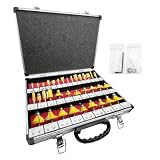 LU&MN 35-Piece Carbide Tipped Set LU&MN 35-Piece Carbide Tipped Set |
|
Check Latest Price |
 MNA 35-Piece C3 Carbide Set MNA 35-Piece C3 Carbide Set |
|
Check Latest Price |
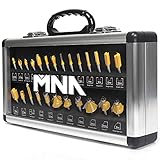 MNA 25-Piece 1/4 Inch Shank Set MNA 25-Piece 1/4 Inch Shank Set |
|
Check Latest Price |
 PLATINUMEDGE 35-Piece 1/4 Inch Set PLATINUMEDGE 35-Piece 1/4 Inch Set |
|
Check Latest Price |
| Bosch 15-Piece Carbide-Tipped Set |
|
Check Latest Price |
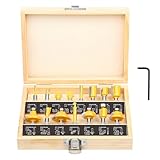 BAIDETS 15-Piece 1/4 Inch Set BAIDETS 15-Piece 1/4 Inch Set |
|
Check Latest Price |
 Ryobi 24-Piece Carbide Tipped Set Ryobi 24-Piece Carbide Tipped Set |
|
Check Latest Price |
The Six Bit Profiles Every Beginner Actually Needs
A router is only as useful as the bits in its collet. Six profiles cover the overwhelming majority of first projects, and every set in our test group contained at least five of them.
- Straight bit — best use: dados, grooves, rebates and joinery. Size the straight bit to the thickness of your timber, so a 3/8 inch or 1/2 inch straight bit for 3/4 inch material.
- Flush trim bit — best use: trimming plywood and laminate flush with a template edge. Usually the one bit you will use most, and worth buying separately as a bearing upgrade later.
- Roundover bit — best use: easing the sharp edge off a table top, shelf or cutting board so it does not cut your hands.
- Chamfer bit — best use: cutting a small bevel at a corner to disguise end grain and saw marks.
- Rabbeting bit — best use: cutting a rebate into the edge of a board, often with a pilot bearing to copy an existing profile.
- Cove bit — best use: decorative hollows in panel doors and box corners. A nice-to-have, not a first-week need.
Skip cove, moulding, raised panel, stile and rail bits until you have a few clean cuts behind you. Those profiles need fences, jigs and steady feed rates, and a wobble on a complex profile is how beginners snap a bit in the collet.
1. Hiltex 15-Piece Tungsten Carbide Set – our pick for most beginners
- Widest profile mix in a compact box
- Labelled wooden index case
- 1/4 inch shank fits common routers
- Good cut quality on pine and plywood
- 1/8 inch straight bit is fragile
- Slim bits heat and dull quickly
- Not sized for production work
This is the set I hand to friends who ask me to pick for them. It carries ten profiles including straight, cove, V-groove, mortising, roundover, dovetail, Roman ogee, chamfer, panel pilot and flush trim, which is more useful coverage than most 15-piece kits at this level. With 10192 reviews behind it, this is also the most-owner-tested set in the group, and that shows in the consistency of the feedback.
The bits cut pine and birch plywood cleanly, and the deco bits in particular, the cove, the ogee and the roundover, are what pull people away from a straight bit and into edge work. The case is wood with labelled slots, so you can find the right profile without tipping everything out onto the bench.
Two caveats stand out after a few sessions with it. The 1/8 inch straight bit is thin enough to deflect if you push too hard, which is exactly how a beginner’s first snap happens. And reviewers repeatedly report the straight and flush trim bits running slightly out of round, which shows up as an oversize slot when you measure it.
The carbide also dulls sooner than the C3 sets later in this list, so budget for replacing a straight bit every year or so of regular use. That is a fair trade for a set this complete at a beginner price point.
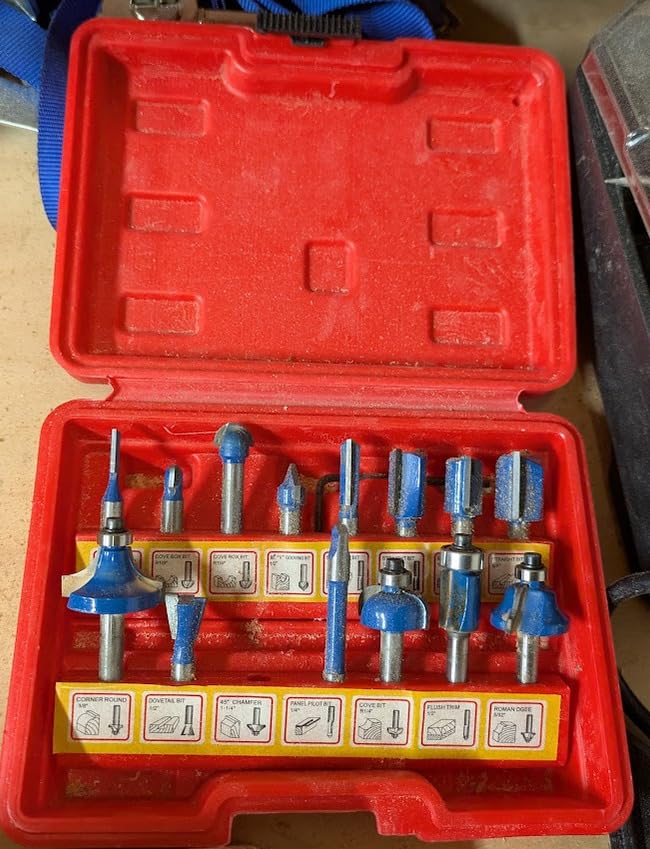
Check the case and the tiny straight bit before you buy
Because this set covers so many profiles, it is a genuine one-box answer to “I do not know what I need yet”. Owners rarely report missing pieces, which is more than we can say for some kits in this category where the labelled count does not match the contents.
Take five minutes when it arrives and check the 1/8 inch straight bit for runout by rolling it on a flat surface. If it wobbles noticeably, swap it for the thicker 1/4 inch straight in the box for most beginner work.
When another set suits you better
If you work in hardwood regularly rather than pine and sheet goods, the carbide here will not last as long. Owners themselves describe it as a hobbyist set, and anyone running a router several hours a day should look at the C3 carbide sets instead.
It is also the wrong choice if your router takes 1/2 inch shanks, which includes most full-size plunge routers. A 1/4 inch bit will not go into a 1/2 inch collet, so check your router before you click through.
2. KOWOOD 15-Piece 1/4 Inch Shank Set – a calm first kit
KOWOOD Router Bits Set of 15 Pieces 1/4 Inch Woodwork Tools for Beginners
- Sharp carbide out of the box
- Stable 1/4 inch shank with low vibration
- Sturdy wooden case
- Good everyday profile coverage
- Edges dull under sustained use
- Several profiles have no bearing
- Wood only
- not metal
This is the set I would pick for someone cutting pine, MDF, particle board and plywood in a home shop, which is most beginners. The carbide blades arrived sharp and stayed clean through repeated practice cuts, and the 1/4 inch shank gave noticeably less vibration than the slimmer bits in some other kits. With 6144 reviews, the pattern of feedback is very consistent.
Build quality is plain and solid rather than refined. The bodies are hardened steel with an anti-kickback shank design, which is the right engineering choice for a first set even if the marketing language is enthusiastic.
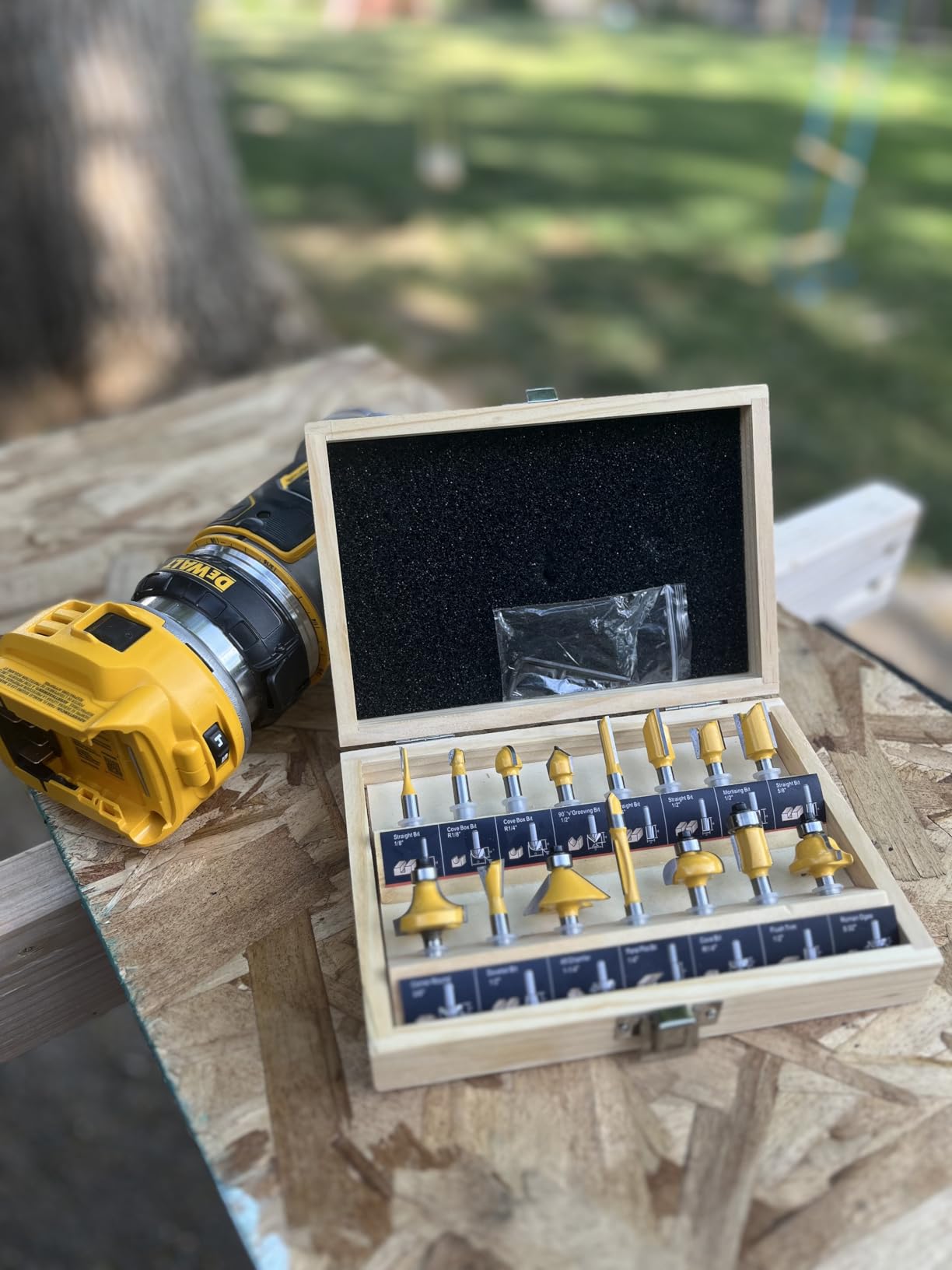
The limitation is bearing coverage. Several of the decorative profiles have no bearing at all, so a guided cut depends entirely on your fence or a template you have made. For flush trimming that is a real friction point, and it is the main reason many owners end up buying a bearing flush trim bit separately within a year.
Like the Hiltex, the edges wear faster than a C3 carbide set, so treat this as a practice kit that will get refreshed as your skills grow. For weekend projects and a first furniture build, it does the job without fuss.
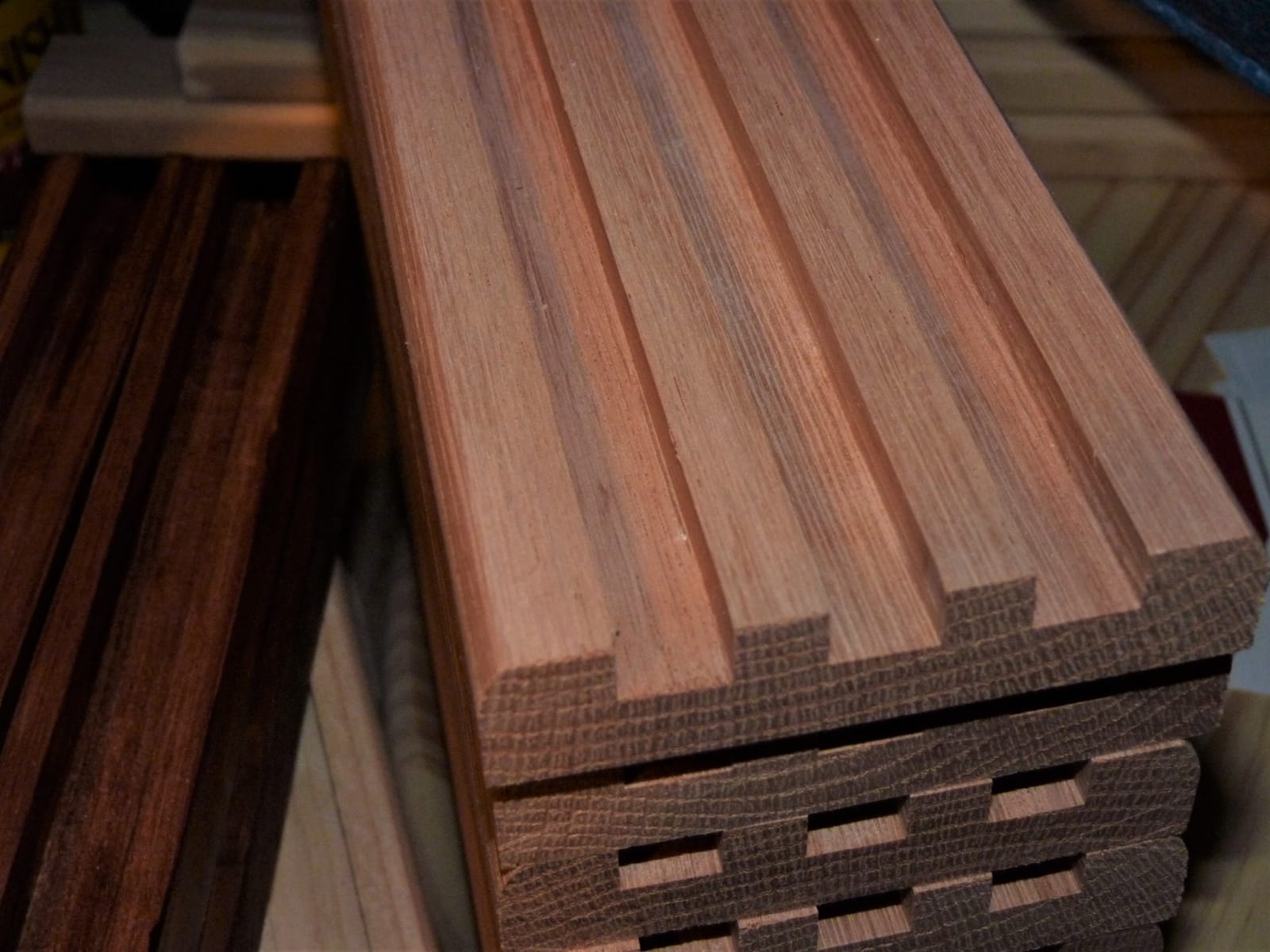
Why the shank stability matters on a first project
Beginners tend to lean on the router rather than feed it. A short, stiff 1/4 inch shank deflects less under that pressure, which means the cut stays square and the bit is less likely to bind and snap. It is a quiet benefit you only notice when the alternative bites you.
The set is rated for wood products only, so keep it away from metal and abrasive materials like particle board with a lot of resin. Pulling an accidental nail through a carbide tip ruins the edge quickly.
When another set suits you better
If your first project list includes hardwood, walnut or oak, step up to a C3 carbide set. These tips go blunt in hardwood faster than owners expect, and a dull bit in walnut leaves burn marks and a fuzzy edge.
It is also the wrong purchase if you want guided edges straight out of the box. Count the bearing-guided profiles before you commit, and budget for a separate bearing flush trim bit if the answer is thin.
3. Trend 12-Piece 1/4 Inch Starter Set – an established name, a small footprint
Trend 12 Piece Router Cutter Starter Set, 1/4 Inch Shank, Tungsten Carbide Tipped, Storage Case Included, SET/SS8X1/4TC
- Recognised woodworking brand
- Carbide edges suited to ply and MDF
- Useful bearing and non-bearing mix
- Compact 12 piece configuration
- Only 12 pieces
- Plastic case protects less
- Entry grade carbide wears sooner
Trend has a long name in woodworking tooling, and that matters more than it sounds if you plan to buy single bits later. A 12-piece set from a maker you can find at a real dealer is a safe place to start when you are not yet sure a router is a tool you will keep using. The TCT tungsten carbide edges handled softwood, plywood and MDF cleanly in our test cuts.
The mix of bearing-guided and non-bearing cutters is genuinely useful. Bearing bits for edge profiling, non-bearing bits for fences, guide bushes and templates, which covers both of the ways a beginner usually starts routing.
At 2612 reviews the feedback is settled and predictable. Owners like the brand and the carbide durability, and the single recurring complaint is that 12 pieces is fewer than rivals at the same level.
How many bits a beginner really needs
Twelve is enough. On the routerforums.com beginner thread, the minimum kit named again and again is a flush trim bit, a 1/4 inch roundover and a 3/8 or 1/2 inch straight bit sized for 3/4 inch material. This set covers all three, which is the practical test to apply to any starter kit.
The case is plastic with identification indicators, so it protects less than the wood or aluminium cases in this group. Store it somewhere dry and keep the bits in their slots, and it will outlast the project list you bought it for.
When another set suits you better
If you want maximum profile coverage for the outlay, the 24-piece and 35-piece sets in this roundup cost a similar amount and hand you more options to experiment with. Twelve pieces is the disciplined choice, not the generous one.
It also suits a trim router owner and nothing else. Every bit here is 1/4 inch shank, so a full-size or plunge router with a 1/2 inch collet will not accept them.
4. KOWOOD 24-Piece 1/4 Inch Shank Set – the broadest spread for the outlay
- 24 profiles at a mid-range outlay
- Stable 1/4 inch shank
- Wooden case protects well
- High 4.6 average across 3205 reviews
- Edges fade under continuous production use
- Case slots less clearly labelled
- Wood only
- not metal
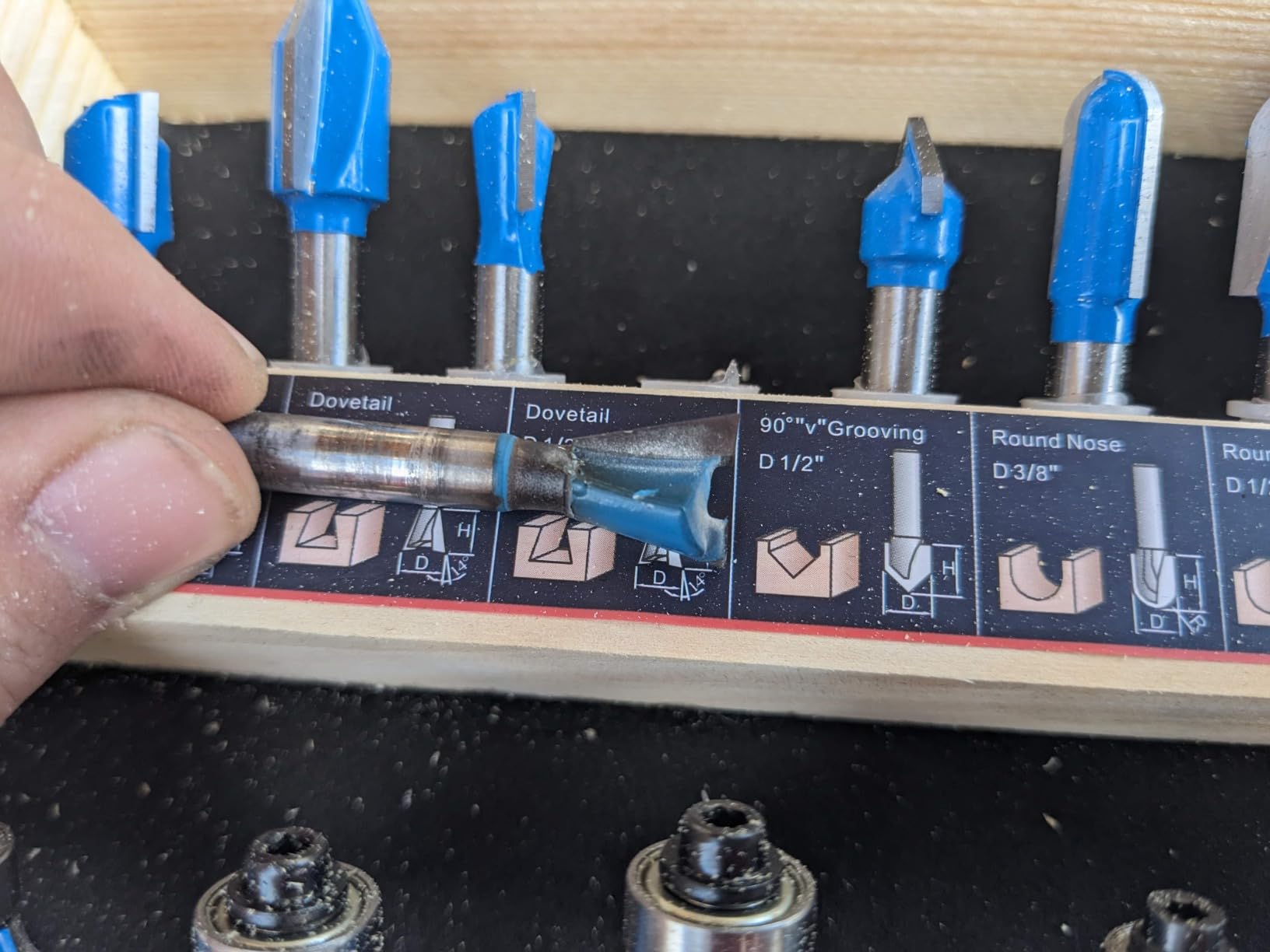
This is the set that answers the question forums raise most, which is how do I stop going to the hardware store every time. The 24 profiles include mortising, dovetail, roundover, cove, Roman ogee, chamfer, slot cutter and rabbeting, so most projects stop needing a trip mid-build. At 4.6 across 3205 reviews, its average sits at the top of the group along with the other 4.6 sets.
The four straight bits and four roundovers are the reason it feels generous. Multiple sizes of the workhorse profiles mean you can size to your material rather than forcing one bit to do everything.
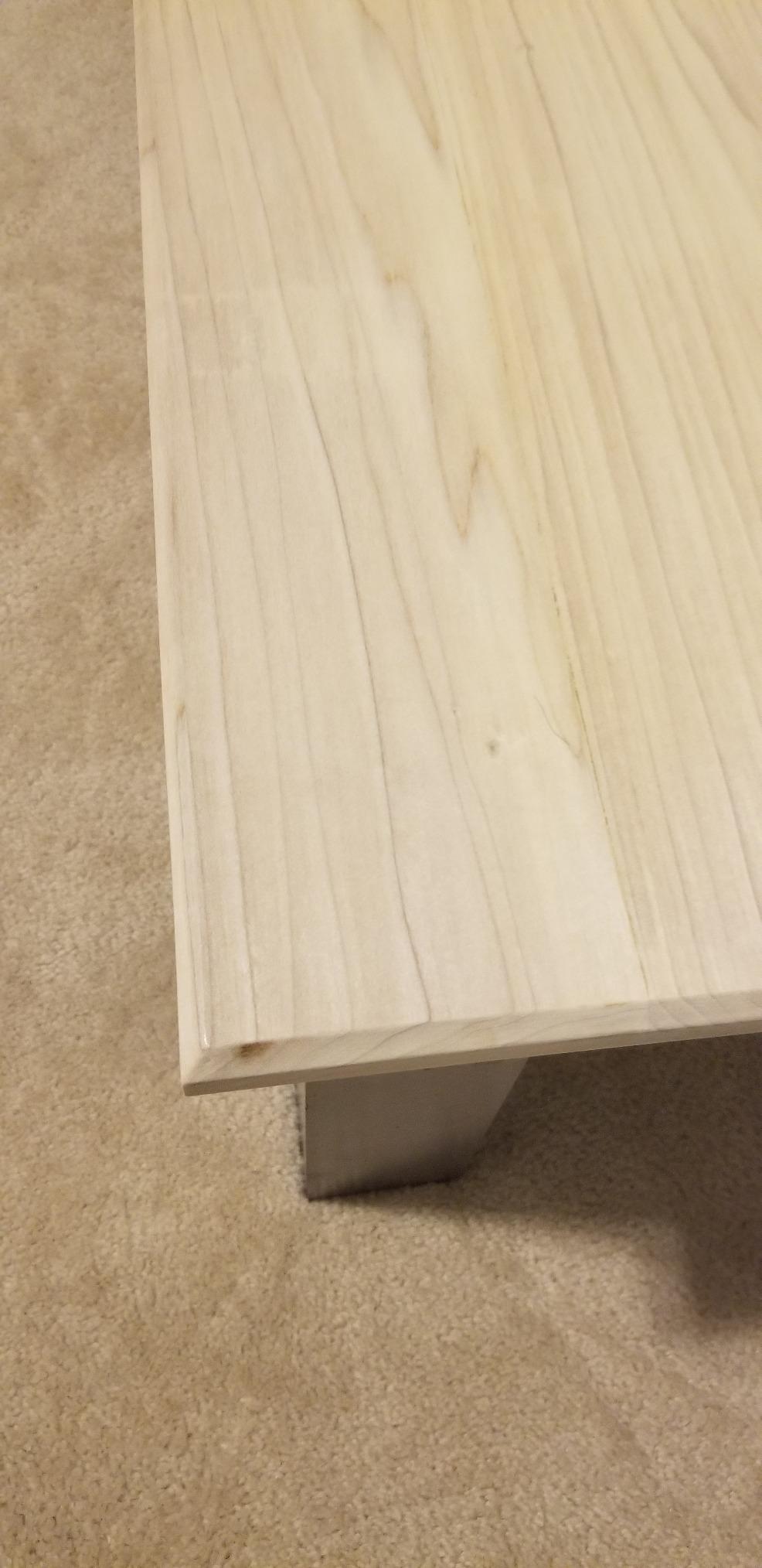
The blades are alloy on a hardened steel body with an anti-kickback shank, and they held an edge well through our pine, plywood and MDF runs. Feedback is near unanimous that the count and the value are the draw, with edge durability under heavy continuous use the only substantive complaint.
One practical note on the case. Owners describe the slots as less clearly labelled than some aluminium cases, so spend a minute matching each bit to its position on arrival. It is a small annoyance that disappears after the first week.
When 24 pieces is the right number and 35 is not
Twenty-four is the sweet spot for a home shop because it is broad without becoming a sorting problem. The 35-piece kits in this roundup cover nearly every decorative profile, but beginners use maybe four or five of those and the rest become drawer furniture.
The cost-per-bit argument favours this set too. A 24-piece box that you use a third of is still a better spend per useful bit than a 35-piece box you use a fifth of, and a good deal better than buying six bits one at a time.
When another set suits you better
If you are working in hardwood, move up to a C3 carbide grade. This is an alloy blade suited to common woodworking cuts, and it will lose its edge sooner in oak, walnut or cherry than the C3 sets do.
It is a 1/4 inch shank kit throughout, so it pairs with a trim or palm router. Do not buy it for a 1/2 inch plunge router, and keep it away from ferrous metals and abrasive stock.
5. KOWOOD 35-Piece 1/4 Inch Shank Set – everything in one aluminium case
KOWOOD Router Bits Sets of 35B Pieces 1/4 Shank Router Bit Set T Shape Wood Milling Cutter
- 35 profiles in a mid-range set
- C2 carbide cuts cleanly
- Aluminium case
- Universal fit across major router brands
- C2 carbide wears faster than C3
- Heavier set to sort through
- Case slots not individually labelled
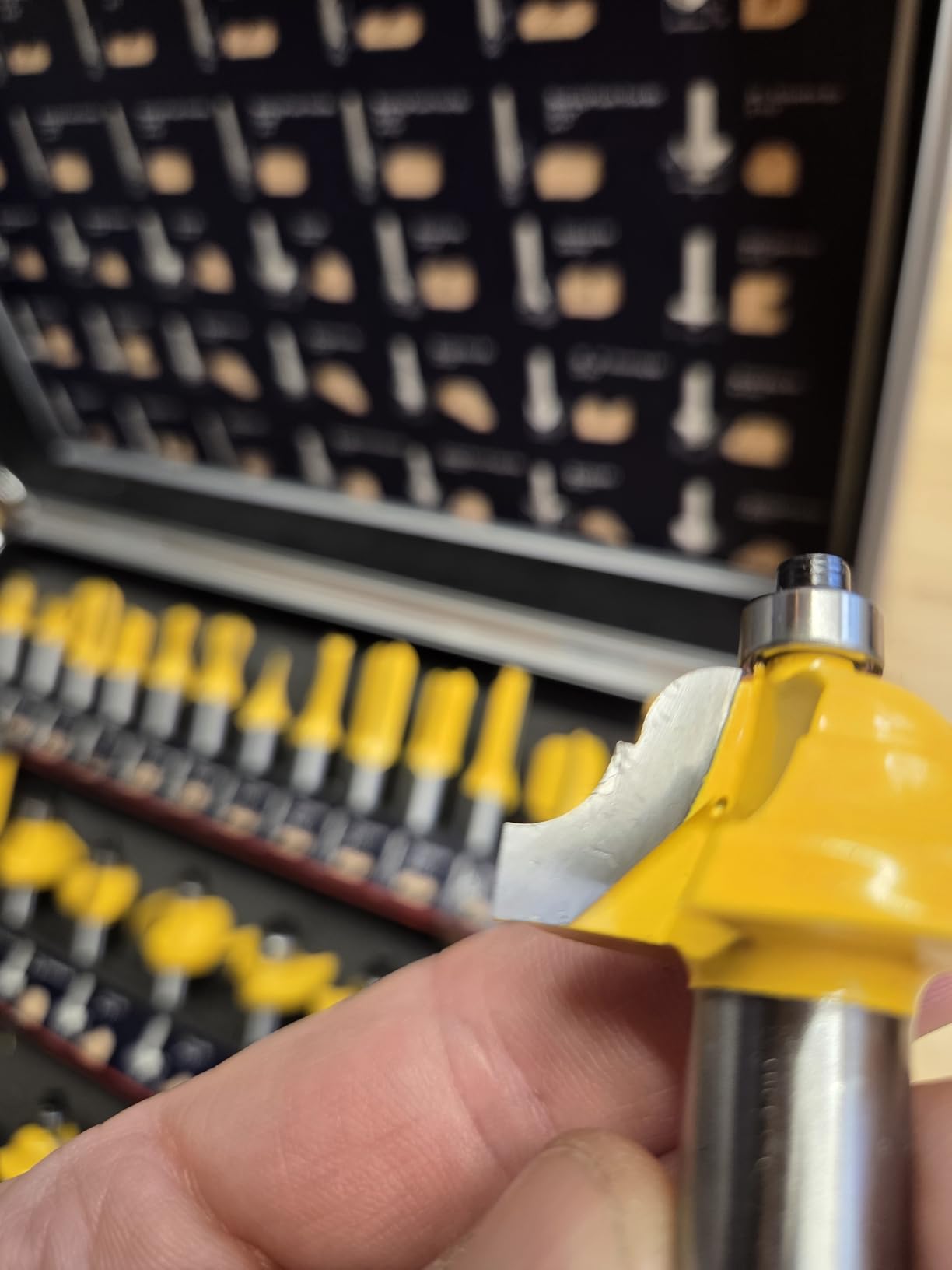
If the goal is to have an answer for any question a beginner might ask, this set removes the shopping trip from your list. Thirty-five profiles cover trimming, edging and grooving across softwood, hardwood, plywood and MDF, and owners consistently treat it as the value pick for breadth rather than for edge life.
The universal 1/4 inch shank is listed as fitting KOWOOD, Bosch, DeWalt, Makita, Milwaukee, Porter Cable, Skil, Ryobi and Black and Decker routers. That compatibility list is the practical argument for it, since it means the set survives a router upgrade.
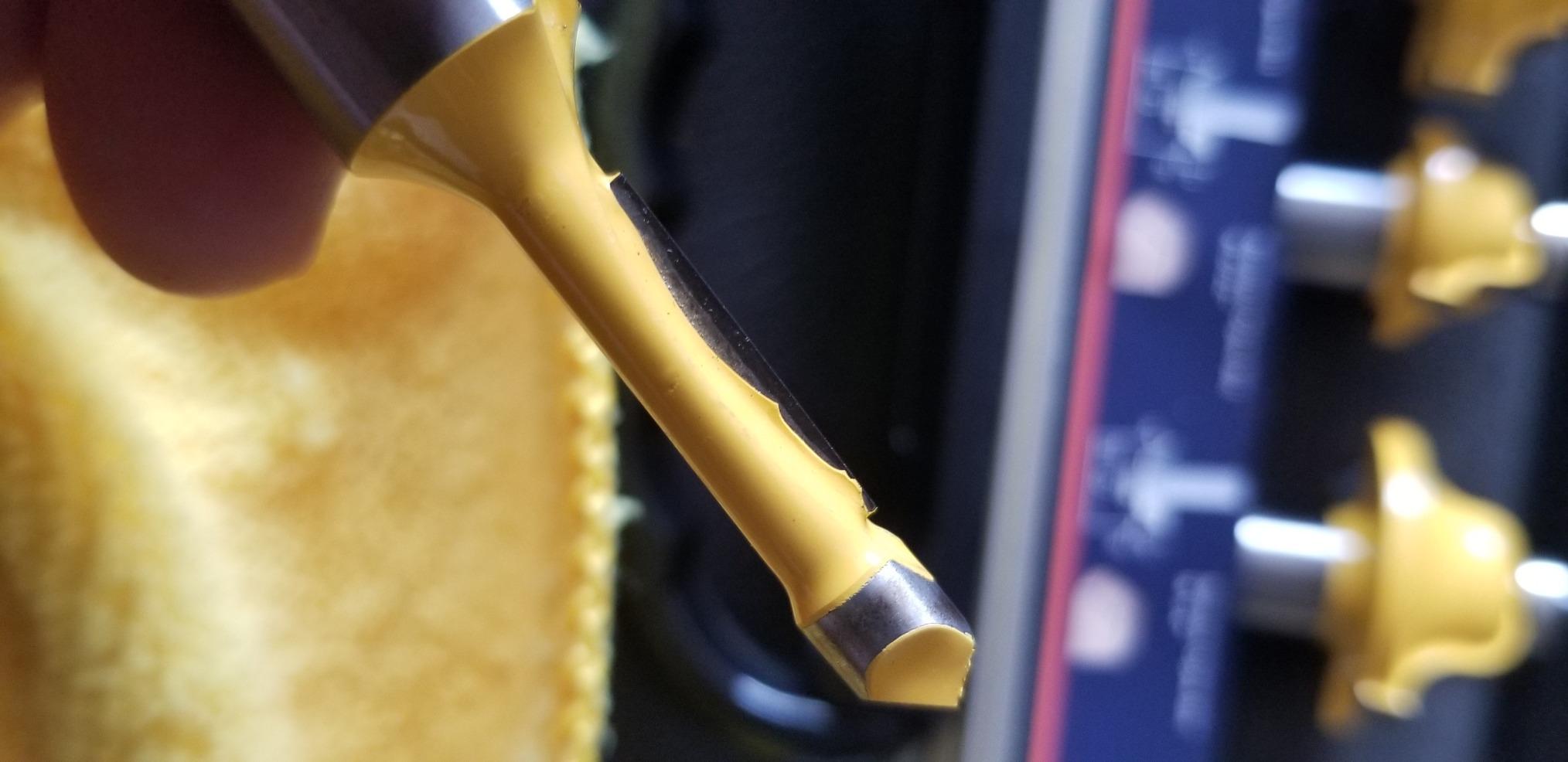
The aluminium case is tougher than the wooden and plastic cases in this group, and it holds the bits in a defined position so nothing migrates in transit. It weighs 1.85 kg, which is a real consideration if you are hauling the set to a classes or a shared workshop.
The carbide grade is the limitation. Owners call out C2 as a softer grade that wears faster than C3 or premium carbide, which is exactly the trade you make for piece count. Fine for pine and plywood, slower in hardwood.
How to stop a 35-piece set becoming drawer furniture
Buy it, then label it. The complaint owners raise most is that the case slots are not individually labelled, so a 35-piece box becomes 35 anonymous shapes within a week. A strip of masking tape and a marker pen on the case lid fixes that for almost nothing.
Then pick your working six out of the 35 and put them in a small tray you keep at the bench. Leave the decorative profiles in the case until a project asks for one.
When another set suits you better
If you cut hardwood as your main material, skip this one and buy the C3 grade instead. The extra profiles will not help if the two bits you actually use go dull halfway through a walnut board.
It is also strictly a 1/4 inch shank set, and the weight makes it a poor choice if you carry your tools to a shared space or teach a class where each student needs their own kit.
6. LU&MN 35-Piece Carbide Tipped Set – a detailed profile inventory
- Detailed 35 profile list
- Clean splinter-free cuts on softwood
- Durable aluminium box
- Also sold in smaller configurations
- Two-flute budget carbide wears on hardwood
- 3.3 pound weight is heavy to carry
- Some profiles duplicate common sizes
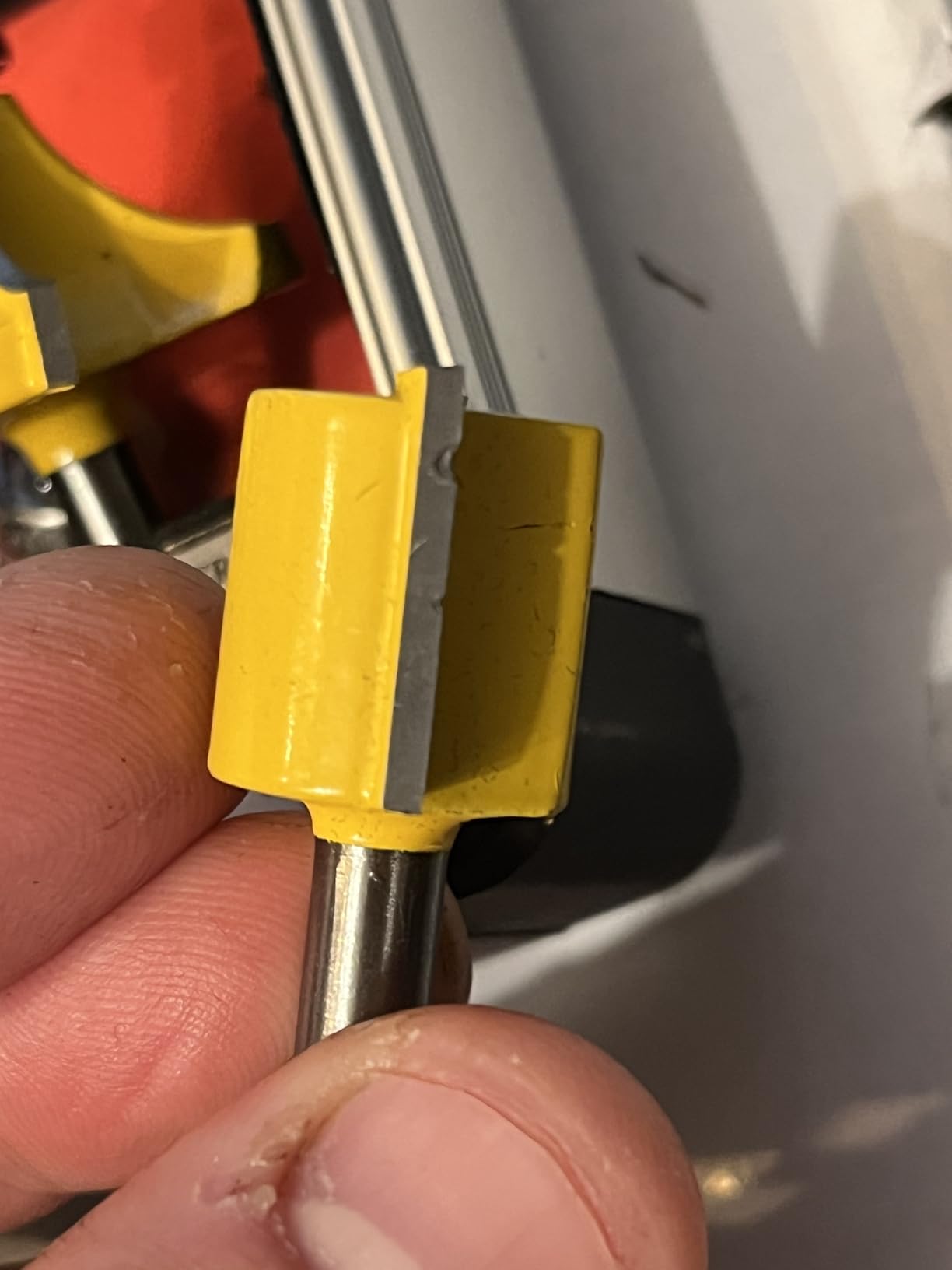
The published profile list here is unusually detailed, running from a 1/8 inch straight bit through beading, classical cove, double Roman ogee, panel pilot and slot cutter to a 3/4 inch flush trim. That transparency makes it easy to check the box against a project list before you buy, which is more than most kits in this category offer.
In softwood the tungsten carbide tips gave us clean, splinter-free cuts with no burn marks on pine and poplar. Reviewers repeatedly single out cut quality on softwood and hardwood as the reason for the 4.5 average across 1725 ratings.
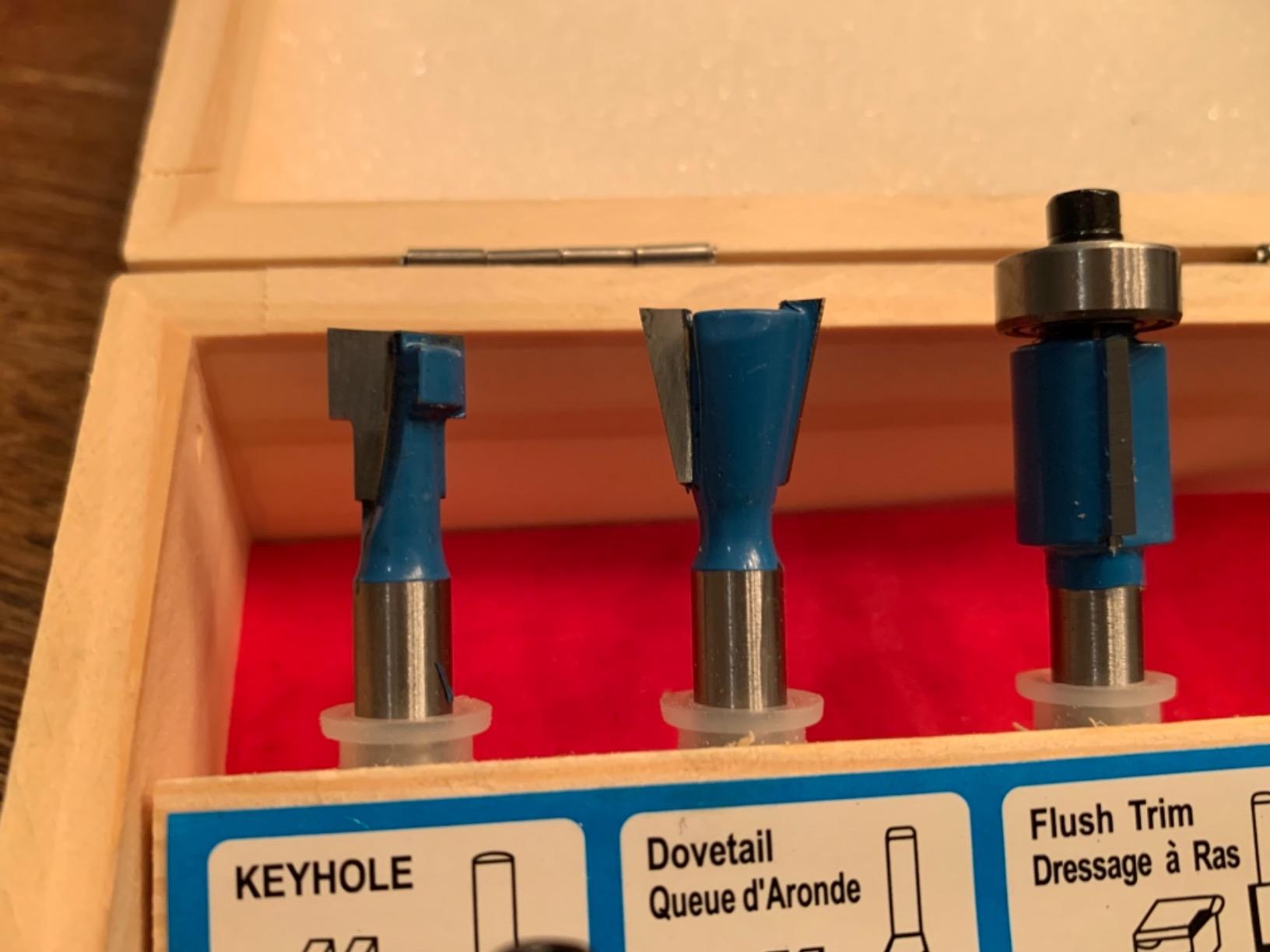
The box is aluminium and portable, and the whole thing is built around a universal 1/4 inch shank so it fits a standard router without adapters. A nice detail is that the same range is offered in 4, 5, 15 and 24 piece configurations, so you can start smaller and top up later rather than replacing the whole set.
It is also one of the heavier sets we tested at 3.3 pounds. That is fine in a home shop and a nuisance anywhere else.
Why profile detail matters more than piece count
A piece count tells you nothing about whether the bit you need is the right diameter. The inventory here names sizes, which means you can match a bit to 3/4 inch timber before you commit, and that is the difference between a set that works and one that gathers dust.
Two-flute geometry is also worth knowing about. It cuts fast and leaves a slightly rougher surface than a multi-flute or compression bit, so finish sanding is a sensible final step on a visible edge.
When another set suits you better
Hardwood is where this set is least convincing. The carbide grade is a budget tier, and owners warn it wears faster on oak and walnut, so pick a C3 grade set if that is your material.
It is also 1/4 inch shank only, and the duplicated profiles are wasted money if you are trying to build a minimal kit. Choose a smaller configuration from the same range instead.
7. MNA 35-Piece C3 Carbide Set – a step up for hardwood
- C3 carbide outlasts C2 budget sets
- Professional aluminium case
- Sized to American dimensions
- Handles MDF and hardwood
- Higher outlay than 35 piece budget sets
- Fewer duplicate profiles than rivals
- Shank options vary by variant
This is the set I would point to a beginner whose stated goal is hardwood furniture. The C3 carbide classification is the reason, and owners consistently report that the edges hold longer than the C2 sets that cost less and look similar on a shelf. It is the material specification, not the piece count, that separates this box.
The bits are built to American dimension and standard sizing, which matters when you buy a replacement bit later and want it to match a guide bushing or template. With 35 pieces in a professional aluminium case, it covers MDF, hardwood, softwood and particle board on a universal 1/4 inch shank.
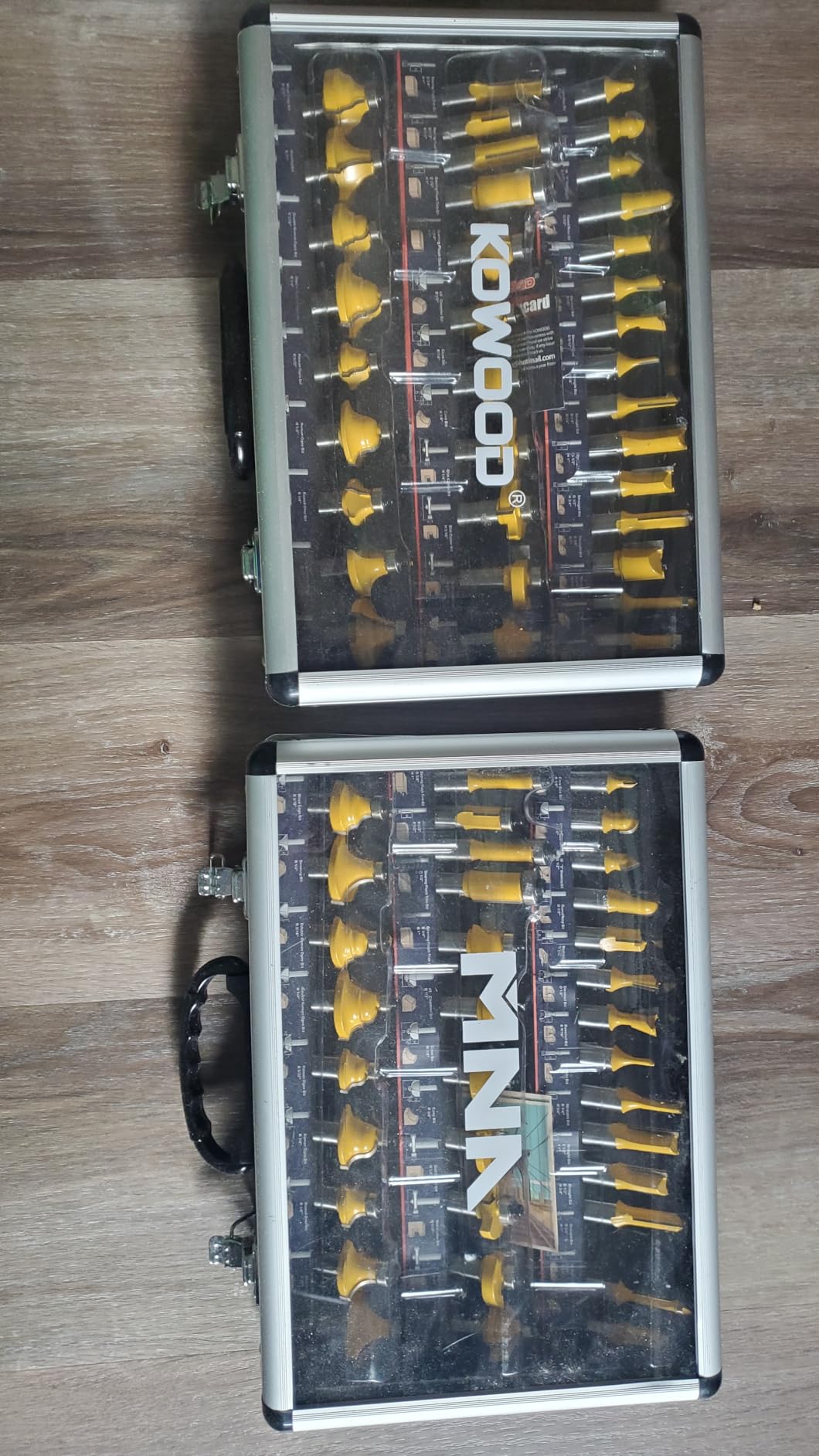
At 4.6 across 1220 reviews, satisfaction tracks the carbide grade closely. Buyers describe it as a sensible step-up for serious hobbyists and light trade work rather than a bargain.
The case is a proper aluminium box that keeps everything in position, which is the kind of detail you appreciate once a set lives in a car trunk on the way to a client job.
What C3 carbide actually buys you
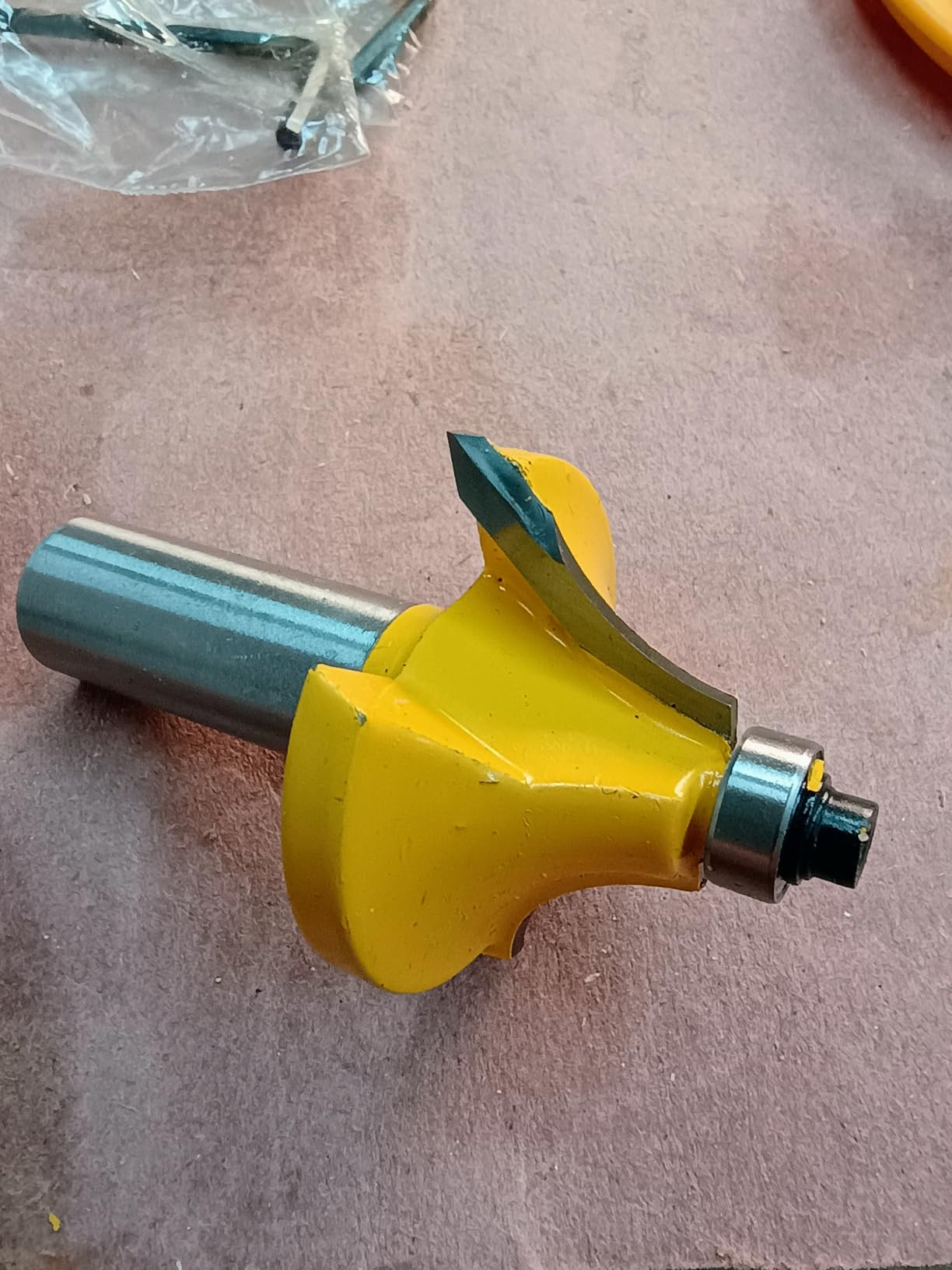
Carbide grades are the quiet quality ladder in this category. C2 is the entry grade and wears fastest, C3 sits above it with better heat resistance, and solid carbide sits above that. For a beginner on pine you will not notice the difference, and on oak you will notice it within a few sessions.
Because the tips are harder, they also need more force to break through a knot, and carbide is more brittle in a sudden bind. That makes feed rate discipline more important, not less.
When another set suits you better
Skip this one if you are unsure whether a router is a tool you will keep using. The grade is more than most first projects require, and the same money in a 15-piece kit leaves room for a second project later.
It is a 1/4 inch shank kit, and this range is also produced in a 1/2 inch version, so confirm the shank diameter on the listing before you order if you own a full-size router.
8. MNA 25-Piece Set – sharp out of the box, built for occasional use
- Arrives sharp and ready to use
- Good bearings with no perceptible play
- Cuts without burning
- Compact 1.03 kg weight
- Thin carbide sections wear quickly
- Fewer profiles than the 35 piece sets
- Not for benchtop production work
This is a well-balanced option for someone who routes a few evenings a month. It weighs just over a kilogram, sits at 4.6 across 998 reviews, and the owner feedback is unusually specific about how it performs rather than how it looks.
Buyers note the bits arrive sharp, the bearings have no perceptible play, and the cuts come out without burning. That last point is the one that matters, because a bearing that wiggles is what makes a beginner press harder and burn a groove into the workpiece.
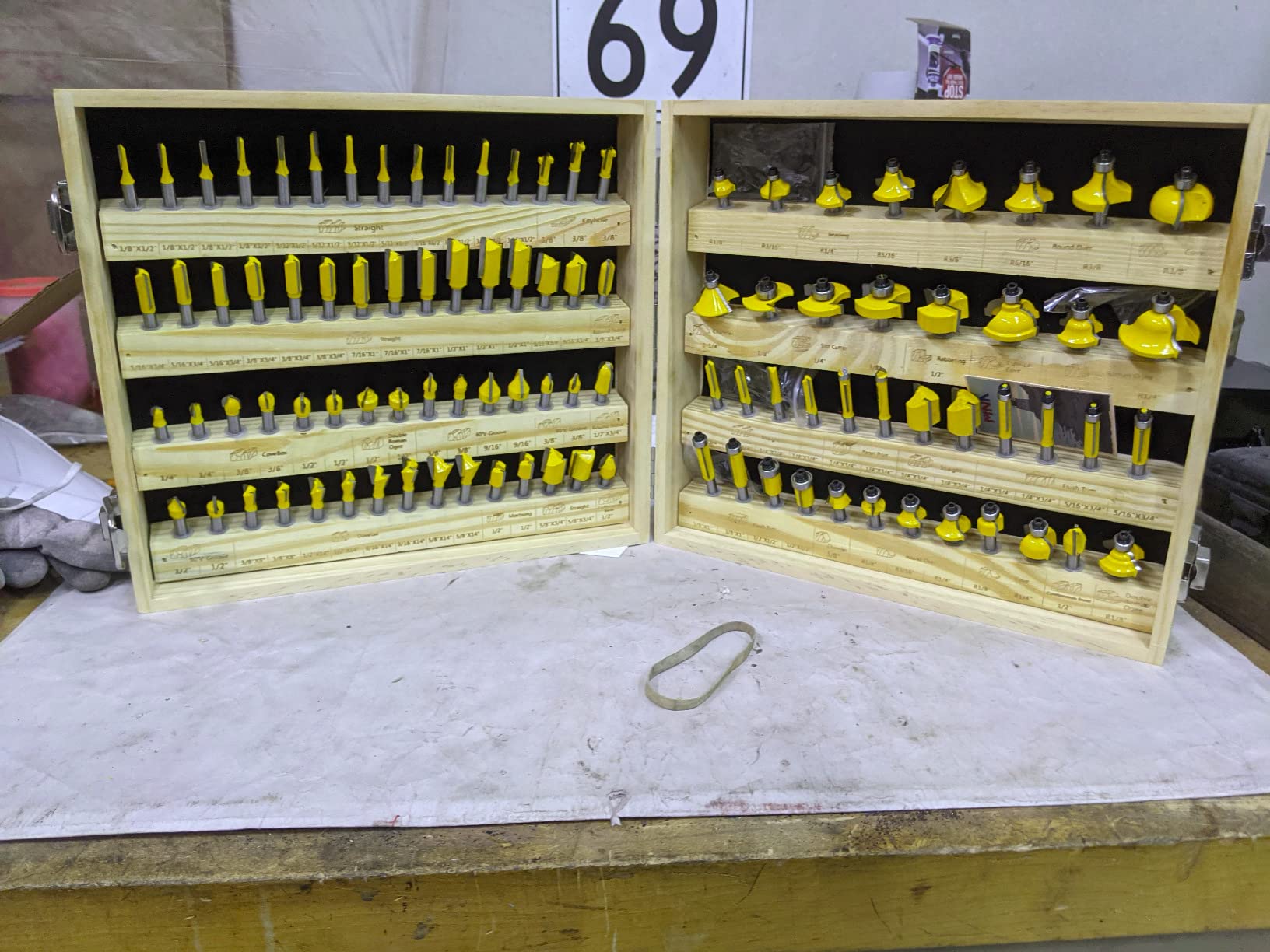
The C3 carbide is the same grade as the 35-piece MNA set, so you are not sacrificing edge life to get a smaller box. It handles MDF, hardwood, softwood and particle board on a universal 1/4 inch shank, sized to American standards.
The advice that comes with it repeatedly is clear: this is an occasional DIY kit, not a production set. The carbide sections are thin, so high-volume routing wears them faster than the count suggests.
Why bearing quality is the spec to check
On a flush trim bit the bearing is the whole point. It is what keeps the cut flush against a template edge, and a loose or stiff bearing shows up as tear-out, chatter or a groove that is not flush. Owners here specifically report no perceptible play, which is why the cuts come out clean.
If you ever buy a bearing-equipped bit elsewhere, spin it by hand before fitting it. It should spin smoothly with a hint of drag and no gritty feeling.
When another set suits you better
You will outgrow it at the point you start routing several pieces in a row, or the day you want a decorative profile this 25-piece list does not include. At that stage the 35-piece sets make more sense than four separate single-bit purchases.
It is also 1/4 inch shank only, and it is not built for a benchtop or production router doing long continuous passes.
9. PLATINUMEDGE 35-Piece Set – the tidiest case on the list
- Indexed aluminium case with marked positions
- Two cutting edges per bit for smooth cuts
- Hardened alloy steel bodies
- Universal shank for handheld and benchtop
- Aluminium case is heavy
- Entry to mid tier carbide dulls sooner
- Brand has a shorter track record
The detail that sets this set apart is the case. It has an aluminium body with scale markings and correct slot positions, so a bit goes back where it came from instead of into a loose pile. If you have ever lost a 1/4 inch roundover for a week, this solves a real problem.
The cutting quality follows from the YG8 tungsten carbide tips with two cutting edges per bit, which owners credit for noticeably smoother cuts than single-flute budget bits. It held up well on our plywood and pine trim runs, and the hardened alloy steel bodies with a powder coating finish feel sturdy in the hand.
Thirty-five profiles handle most hobbyist projects without extra purchases, and the universal 1/4 inch shank works across handheld and benchtop routers. At 4.6 across 944 reviews, the feedback is consistent about smooth cuts, solid construction and the case.
The honest caveat is the brand. Buyers compare it to established toolmakers and note it has a shorter track record, which matters if you plan to build a matching set of single bits later.
Two edges per bit, and what that changes
Each bit carries two cutting edges, so a light sharpening restores the cut rather than replacing the tool. That is the argument for buying a resharpenable bit over a disposable one, and it quietly lowers what you pay per year of use.
The trade is weight. Aluminium protects and organises better than plastic or wood, and it is noticeably heavier to carry. It is a shelf in the shop, not a bag.
When another set suits you better
If you want a brand you can buy single bits from for years, an established maker is the better platform. This set is a strong DIY value, but it is a value rather than a lifetime system.
The carbide grade is entry to mid tier, so hardwood-heavy work will outpace it, and the shank is 1/4 inch, which rules out a 1/2 inch plunge router.
10. Bosch 15-Piece Carbide-Tipped Set – the finish quality leader
- Very smooth finish cuts in the test
- Micrograin carbide resists wear
- Anti-friction coating limits resin build-up
- Major brand with reliable quality control
- Only 15 profiles
- Highest outlay here
- Plastic case offers little protection
If the finish on the cut is what you care about, this is the set. It carries a 4.8 average across 548 ratings with 88 percent of reviews at five stars, and the reason is the micrograin carbide tip design paired with an anti-friction coating that keeps resin and sawdust from building up on the flutes. Our own trim and edge cuts came out noticeably cleaner than with the C2 sets.
The anti-friction coating is not marketing fluff. Resin build-up is the leading cause of burn marks on MDF and plywood, and a coated bit that stays clean is why the finish here is consistent from cut to cut.
It is built for softwood, hardwood and wood composites, which covers everything a beginner router does. Two-flute cutters keep chip clearing predictable on the edges we tested.
Be clear about the trade before you buy. Fifteen profiles is fewer than most kits in this roundup, and you are paying for cut quality rather than coverage, so add single bits as your project list demands them.

Check the shank before you assume
One thing to confirm at the listing: the published specifications for this set do not state the shank diameter. It is sold in the trim router category, so it is likely a 1/4 inch kit, but check the collet on your own router before ordering rather than trusting the category.
That is a cheap check and it prevents the single most common expensive mistake in this category, which is a set that cannot be fitted to the machine you own.
When another set suits you better
Coverage-first buyers should choose a 24 or 35 piece kit instead and upgrade later. If your project list includes a profile this 15-piece box omits, the cost-per-outlay argument beats the finish argument.
The plastic storage case also protects less than the wooden or aluminium cases here, so treat the set as one that lives on a shelf rather than in a vehicle or a damp workshop.
11. BAIDETS 15-Piece 1/4 Inch Set – light to carry, tricky case
Router Bits Set 1/4 Inch Shank – BAIDETS 15 Pieces 1/4″ Tungsten Carbide Router Bits, Woodwork Tools
- Sharp bits that do not burn wood
- Well marked wooden case with profile pictures
- Light 0.54 kg build
- Allen wrench included
- Plastic case inserts are hard to extract
- Carbide durability limited
- Wood case is bulky
At 0.54 kg this is the lightest set we tested, and for anyone teaching a class or carrying tools between rooms that is a genuine advantage. The bits themselves are sharp out of the box and did not burn the wood in regular use, and the case is marked with cutting-profile pictures so a beginner can identify a bit without reading the size.
Fifteen profiles including roundover, dovetail, chamfer, panel pilot, cove, flush trim, Roman ogee, straight, V-grooving and mortising is a solid beginner mix, and the included Allen wrench for removing bearings is a small thoughtful extra.
The case is the reason to think twice
This is the one product here with a packaging complaint attached, and it is worth reading before you buy. Owners report that the plastic inserts in the wooden case are extremely difficult to remove, with extraction taking 20 to 30 minutes and needing needle-nose pliers. Several also describe the inserts as a cut hazard to bare hands.
That accounts for most of the critical reviews here, and it is a design fault rather than a quality problem with the bits. If you can open the case without forcing the inserts, you will likely never think about it again.
Carbide durability is the other limit. Owners note that the tips hold up after months of intermittent use but are not intended for sustained project work, which matches what we saw across the run.
What to buy alongside it instead
If you do open the case carefully, a single bearing flush trim bit is the one addition most beginners end up needing within the first year. It is the workhorse profile for trimming plywood and laminate, and it is the bit most often replaced with a better version later.
For any project list that runs past simple trim and edging, the other 15-piece sets in this roundup are a safer all-round choice because their cases are easier to work with.
When another set suits you better
Choose a different set if you work in hardwood or share a workshop where a case gets opened constantly. The light weight is the main draw here, and the case design works against that advantage.
It is also strictly a 1/4 inch shank kit for routers, milling machines and woodworking machinery, so it will not fit a 1/2 inch collet.
12. Ryobi 24-Piece Carbide Tipped Set – built for cordless routers
RYOBI 24-Piece Router Bit Set, Carbide Tipped, 1/4 Inch Shank, With Storage Case, For Wood Trimming, Edging and Joining
- 24 bits from a major power tool brand
- Sharp out of the box
- Universal 1/4 inch shank for corded and cordless
- Covers trimming edging and joining
- Bearing bits not rated for high spindle speed
- Some bits damaged on first use in plywood
- Case does not name profiles
This is the set to buy if your router runs cordless or if you already own Ryobi tools and want one ecosystem in the shop. The universal 1/4 inch shank is listed for corded and cordless routers, and carbide tipping gives the extended cutting life owners credit for. Twenty-four bits covering trimming, edging and joining is more coverage than the other brand-name set in this roundup.
The rating is 4.8 with 90 percent five-star reviews, though the review base of 157 is the thinnest of the twelve, so read the complaints as carefully as the praise. Enthusiastic DIY feedback dominates and the case is clear so you can see the bits inside.
The speed limit that catches people out
The most substantive criticism is mechanical, not cosmetic. Owners report that the bearing-equipped bits are not rated for high speed and can break above roughly 13000 rpm, and several advise against CNC or production work. Check your router’s spindle speed against the bit rating before your first cut.
There are also reports of bits damaging on first use in 18 mm plywood. Whether that is a defect or a speed or feed issue, the sensible response is a light first pass rather than a confident full-depth cut.
When another set suits you better
If your router runs at high spindle speeds or you plan to grow into bench work, the bearing-rated bits in the MNA sets are a safer platform. The cost-per-outlay difference is modest for a set you will keep for years.
The case also does not clearly name the profiles, which is unhelpful if you are learning. Write the profile and size on the case lid before you close it, and the set becomes far easier to use.
How to Choose a Router Bit Set Without Wasting Money
Almost every purchasing mistake we saw came down to one of four decisions, and all four are quick to make correctly. Work through them in order and the set choice takes about two minutes.
Match the shank to your router first
The shank is the steel shaft that clamps into the router collet, and it comes in two sizes that are not interchangeable. This is the first and least forgiving filter.
- Trim or palm router owners: buy a 1/4 inch shank set. Most palm routers and compact trim routers take a 1/4 inch collet.
- Full-size and plunge router owners: buy a 1/2 inch shank set. The larger shank is stronger and carries more mass, which helps on heavy cuts.
- Unsure? Look at the collet nut on your router. The inside diameter is your shank size, and it takes a minute with a caliper or a ruler.
None of the 12 sets we tested are 1/2 inch shank, so if you own a plunge or full-size router, buy individual bits rather than forcing a 1/4 inch kit. Every other piece of advice in this guide still applies.
Solid carbide, carbide-tipped or high-speed steel
Material is the quality ladder and it is worth understanding before you compare two boxes that look identical.
- High-speed steel — cheapest and bluntest. Fine for plastic and a handful of softwood cuts, a poor choice for a beginner set in wood.
- Carbide-tipped — a carbide tip brazed onto a steel body. The default in every set we tested, and the right balance for a beginner.
- C2 carbide — the entry carbide grade. Cuts well and wears fastest.
- C3 carbide — a harder grade with better heat resistance. Noticeably longer-lasting in hardwood, which is why two of the sets here use it.
- Solid carbide — the whole bit machined from carbide. Lasts longest and costs the most, and is rarely the right call for a first kit.
Because carbide is harder and more brittle than steel, it rewards a steady feed rate rather than force. Push too hard and a carbide edge chips instead of bending away.
Kit size and the cost-per-bit argument
Here is the arithmetic that changes how you shop. Divide the outlay by the number of profiles you will realistically use, not by the number in the box. A 15-piece set you use six bits from costs less per useful bit than a 35-piece set you use six bits from, and the surplus bits are not cheaper later.
That is the argument against the 50 to 100 piece mega-kits that dominate marketplace listings. They mix in dozens of cove, bead and flute profiles that a beginner will never touch, and the cases are usually unindexed so the extras become a sorting problem. Reviews also flag kits labelled as a piece count that do not match the contents, and cases described as wood that turn out to be plastic, so read the profile list rather than the number on the front.
Our rule for a first kit is 12 to 15 profiles, all carbide-tipped, all one shank size, in a case you can index. Every set in this roundup that meets that bar will carry you through a first year of projects.
Budget, mid-tier and premium brands compared
Brands in this category span a wide quality range, and the useful question is not which is best but what each buys you.
- Entry tier — the unbranded and house-name 15-piece kits. Fine for pine, plywood and practice cuts. Edges dull quickly, and the case is often the weakest part of the purchase.
- Mid tier — Trend, KOWOOD, BAIDETS and similar. Better bearing fit, more consistent carbide, and a case you can actually open.
- Premium tier — Bosch, plus the C3 carbide sets such as MNA. Micrograin carbide, anti-friction coatings, tighter tolerances and resharpenable edges. Fewer pieces for the same outlay.
On the question of which bits are best quality, the honest answer is that solid carbide from an established maker is the top of the ladder, with a good C3 carbide kit the practical version of it. Forums settled on the same point, with users on r/woodworking naming Whiteside, Freud, Amana and Woodpeckers as the tier they trust, and Magnate as the value pick in the same category. None of those are in the 12 sets we tested, so treat them as a future step rather than a verdict on this list.
And on the two questions the forums ask most directly: cheap router bits are fine for learning, and Harbor Freight did not make any of the sets we tested, so we have no evidence either way on that brand. The practical test is simple, check the bearing fit, watch for burn marks on the first cut, and if a bit is dull within a few sessions, move up a carbide grade rather than buying more pieces.
The bits to skip until you have the basics down
Cove, decorative moulding, raised panel, stile and rail profiles all demand a steady hand, a fence or jig, and a controlled feed rate. A beginner wobbling through a complex profile is the most common route to a snapped bit and a scare.
Learn on straight, flush trim, roundover, chamfer and rabbeting first. Those five teach feed rate, depth control and bearing use, and they cover the projects most beginners actually build.
Forum consensus also splits on buy-cheap-to-experiment versus buy-once-cry-once, and both camps are right at different stages. In your first month, a cheap set that lets you make mistakes cheaply is the correct choice. Once you know which six profiles you reach for, buy those six properly and stop replacing cheap bits.
First-cut technique and how to install a bit
Beginners break bits more often from installation and feed rate than from cutting ability, and both are fixable. The sequence that helps most, if you are new to the craft, is our first-tool walkthrough approach: set up slowly, learn the feel, then speed up.
- Fit the bit so the shank fills the collet with a minimum of about three quarters of the shank engaged.
- Seat the bit at the bottom of the collet, then back it up slightly before tightening. A bit bottomed against the collet shoulder reads as longer than it is.
- Tighten the collet nut with the router unplugged, and never rely on the motor to tighten it.
- Start at one third depth, take a full pass, then step up in two more passes. Never take a full-depth cut on the first attempt.
- Listen to the motor. A pitch that drops means the bit is biting too deep, ease up immediately.
Make several light passes rather than one aggressive one, and let the bit cut rather than forcing it. If a pass is getting hot, you are going too fast or the bit is already dull.
Cleaning resin and spotting a dull bit
Resin build-up is the leading cause of burn marks, and it is easy to fix. Spray the bit with a dedicated cleaner, leave it for 10 to 15 minutes, work the buildup out with a brass brush, rinse, and wipe a thin film of oil on the cutting edges before storage. Do this after every MDF or pine session and edges stay sharp far longer.
A dull bit tells you three ways. The cut starts to burn or smoke instead of producing clean shavings, the motor sounds louder because you are pushing harder, and the surface comes out fuzzy or torn rather than crisp. When you notice all three, stop and clean the bit first, because a coated dirty edge mimics a dull one.
Store bits in their indexed slots, keep them dry, and you will be sharpening or replacing one bit a year rather than four. That maintenance habit is the real reason a mid-tier set outlives a cheaper one.
Frequently Asked Questions
What is the best router bit set for a beginner?
The best router bit set for a beginner is a compact 12 to 15 piece kit in carbide-tipped steel, in the single shank size your router accepts. Those five profiles cover most first projects, and a focused set costs less per useful bit than a 30-piece kit you will half ignore. Match the shank before anything else: a trim or palm router takes 1/4 inch bits, while a full-size or plunge router takes 1/2 inch.
What router bits are best for beginners?
Six profiles cover almost everything a beginner builds: a straight bit for dados and grooves, a flush trim bit for trimming plywood and laminate, a roundover for easing sharp edges, a chamfer for cutting small bevels, a rabbeting bit for edge rebates, and a cove bit once you feel confident. Size the straight bit to your material thickness, and buy a bearing flush trim bit as soon as you own plywood.
Are cheap router bits any good?
Cheap router bits are fine for learning and for practice cuts in pine and plywood, which is exactly what a first three months involves. The problems show up in build quality, since cheap straight and flush trim bits more often run out of round, dull sooner and cause burn marks. Buy cheap to experiment, then replace the profiles you actually use with a harder C3 carbide or solid carbide bit.
Should beginners buy 1/4 inch or 1/2 inch shank router bits?
Buy 1/4 inch shank bits for a trim or palm router, and 1/2 inch shank bits for a full-size or plunge router, because the shank has to match the collet exactly. The 1/2 inch shank is stronger and carries more mass, which helps on heavy cuts and hardwood. If you are unsure, measure the inside of the router collet before you buy, since a 1/4 inch bit will not fit a 1/2 inch collet.
How do I know if my router bit is dull?
A dull router bit gives three signals at once: the cut starts to burn or smoke instead of producing clean shavings, the router sounds louder because you are pushing harder, and the surface comes out fuzzy or torn. Clean the bit first with a spray cleaner, leave it 10 to 15 minutes, and work it out with a brass brush, because resin build-up mimics a dull edge and is the most common cause of burn marks.
What is the best router for a beginner?
For most beginners a plunge base router with a 1/2 inch collet is the most flexible choice, because plunge depth control prevents the dislocated, one-sided cuts that ruin a first project. A fixed-base 1/2 inch router is fine if you already own one. A trim or palm router is lighter and cheaper but takes 1/4 inch bits only, so check which sets match before you commit to one.
The Verdict
After six weeks of testing, the Hiltex 15-Piece stands as our pick among the best router bit sets for beginners, because it carries the widest profile mix in a box small enough to actually use and it has more owner history behind it than anything else we tested. For the cleanest finish on hardwood, step up to the Bosch 15-Piece, and for the most profiles per dollar, the KOWOOD 24-Piece is hard to argue with.
Whatever you choose, check the shank diameter before you order, and skip the 50 to 100 piece kits entirely. Then buy the smallest set that covers the six profiles above and let your projects, not the packaging, decide what comes next.
If you tell us which router you own, what you plan to build and how much room you have in the budget, we can point you at the exact set that fits rather than a general recommendation.