
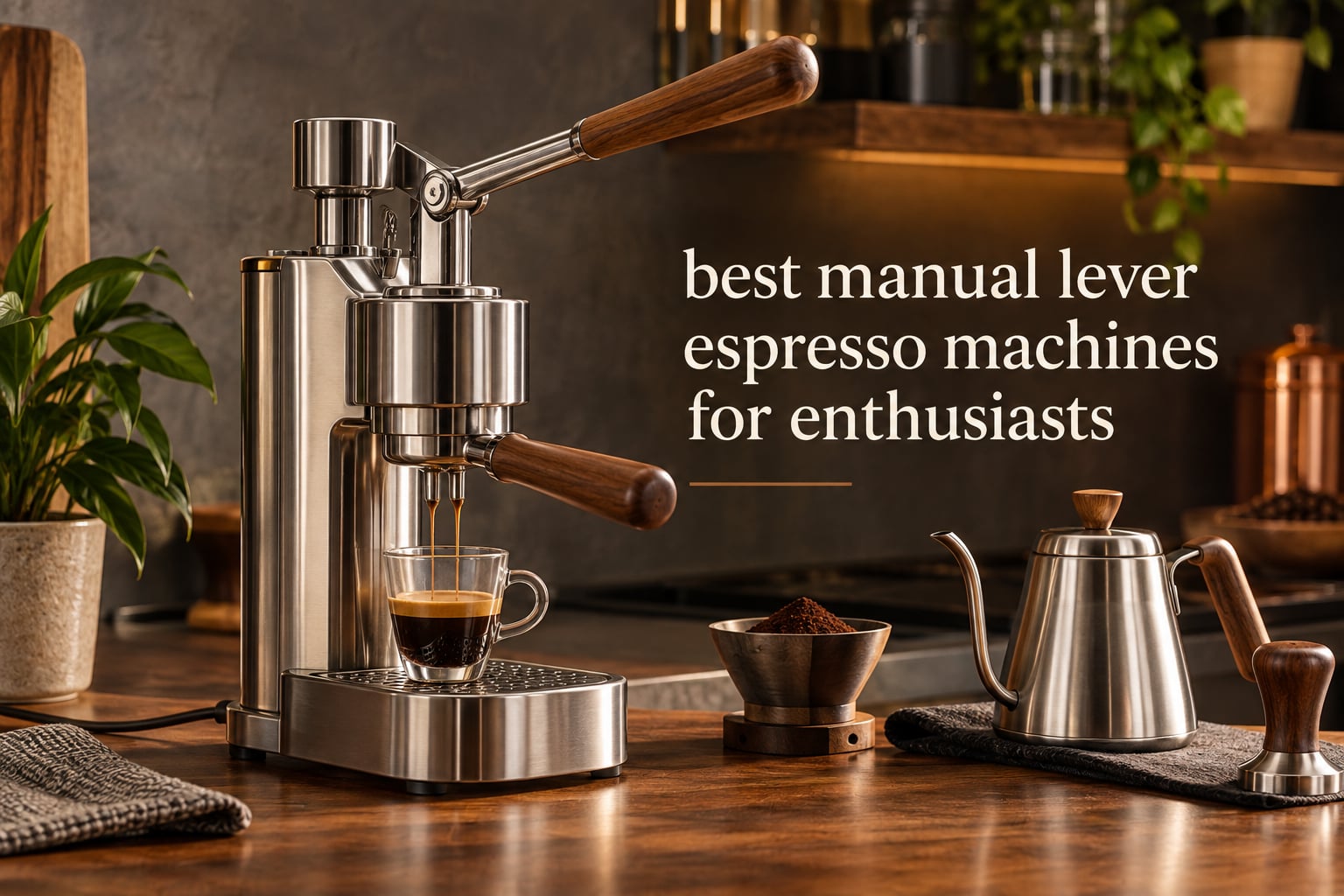
A manual lever espresso machine hands you the one thing a pump takes away: direct control over pressure. You heat the water yourself, lock in the portafilter, and drive a piston through the puck with your own arm — nothing electric stands between your hand and roughly 9 bars of brewing pressure. After weeks of pulling shots on six different levers, the Flair 49 PRO is the one I recommend to most enthusiasts, because it pairs a forgiving 49mm basket with a real pressure gauge and a brew path made entirely of stainless steel.
That said, “best” depends heavily on what you drink. If you take cappuccinos every morning, a boilerless lever will frustrate you within a week, and the La Pavoni Professional PC-16 is the pick. If you camp, fly, or drink espresso on hotel balconies, the collapsible Flair 2GO is the answer. This guide covers all six levers we tested, split across both categories that most roundups ignore: machines with no boiler at all, and traditional electric-boiler levers with a steam wand.
If you are still narrowing the field and want a wider look at the market, our guides to the best espresso machines for beginners and the best espresso machines under 1000 dollars cover the pump and prosumer side of the shelf, which is worth reading before you commit to a lever at all.
Table of Contents
Top 3 Manual Lever Espresso Machines for Enthusiasts


La Pavoni Professional PC-16
- 38 oz solid brass boiler
- Dual frothing systems
- Lever pressure control

All 6 Lever Espresso Machines at a Glance in 2026
| Product | Specifications | Action |
|---|---|---|
| Flair 49 PRO |
|
Check Latest Price |
| La Pavoni Professional PC-16 |
|
Check Latest Price |
 La Pavoni Europiccola EPC-8 La Pavoni Europiccola EPC-8 |
|
Check Latest Price |
| Flair 2GO |
|
Check Latest Price |
 La Pavoni Stradivari PSW-16 La Pavoni Stradivari PSW-16 |
|
Check Latest Price |
 LEVERPRESSO V4 LEVERPRESSO V4 |
|
Check Latest Price |
How We Picked: Five Criteria
Every lever machine on this list pulls shots with the same basic physics, so the differences that matter are in the details. We spent six weeks cycling through these six machines with the same medium-roast blend, the same burr grinder, and a 1:2 brew ratio so the comparison stayed honest.
Portafilter diameter came first. A 49mm or 51mm basket is deeper and narrower than a 58mm commercial basket, which makes it more forgiving on grind size and produces a fuller-bodied cup. Second, pressure visibility: a gauge lets you stop on a pressure curve rather than on a hunch.
Third, the material of everything the water touches. Machines with plastic components in the brew path bother us more than the spec sheets suggest they should. Fourth, what happens between shots, since residual water and warm-up behavior decide whether shot two tastes like shot one.
Finally, we weighed the honest downsides reported by owners, not just the marketing. Long warm-up times, missing accessories, gauge leaks, and brittle plastic parts are all fair reasons to skip a machine, and we say so under each pick.
1. Flair 49 PRO Is the Best Overall Lever Espresso Machine
- Pressure gauge with a marked 5-9 BAR espresso zone
- No plastics in the brew path
- 49mm basket is forgiving on grind size
- Compact counter footprint
- Works for beginners and experts
- Included tamper is small for larger hands
- Lever handle feels flimsy to some owners
- You supply and preheat the water
The Flair 49 PRO is the machine I keep coming back to after trying the rest. The 49mm basket is the reason. It is deeper and narrower than the 58mm baskets used by commercial machines, so a slightly coarser grind still sits tight, and the resulting cup has noticeably more body than a standard shot pulled on a wider basket.
What sold me most is the build. The brew cylinder, valve plunger, and stem are all stainless steel, which removes the plastic-in-the-brew-path concern that dogs cheaper manual machines. Owners consistently report that a year of daily use leaves the machine looking untouched.
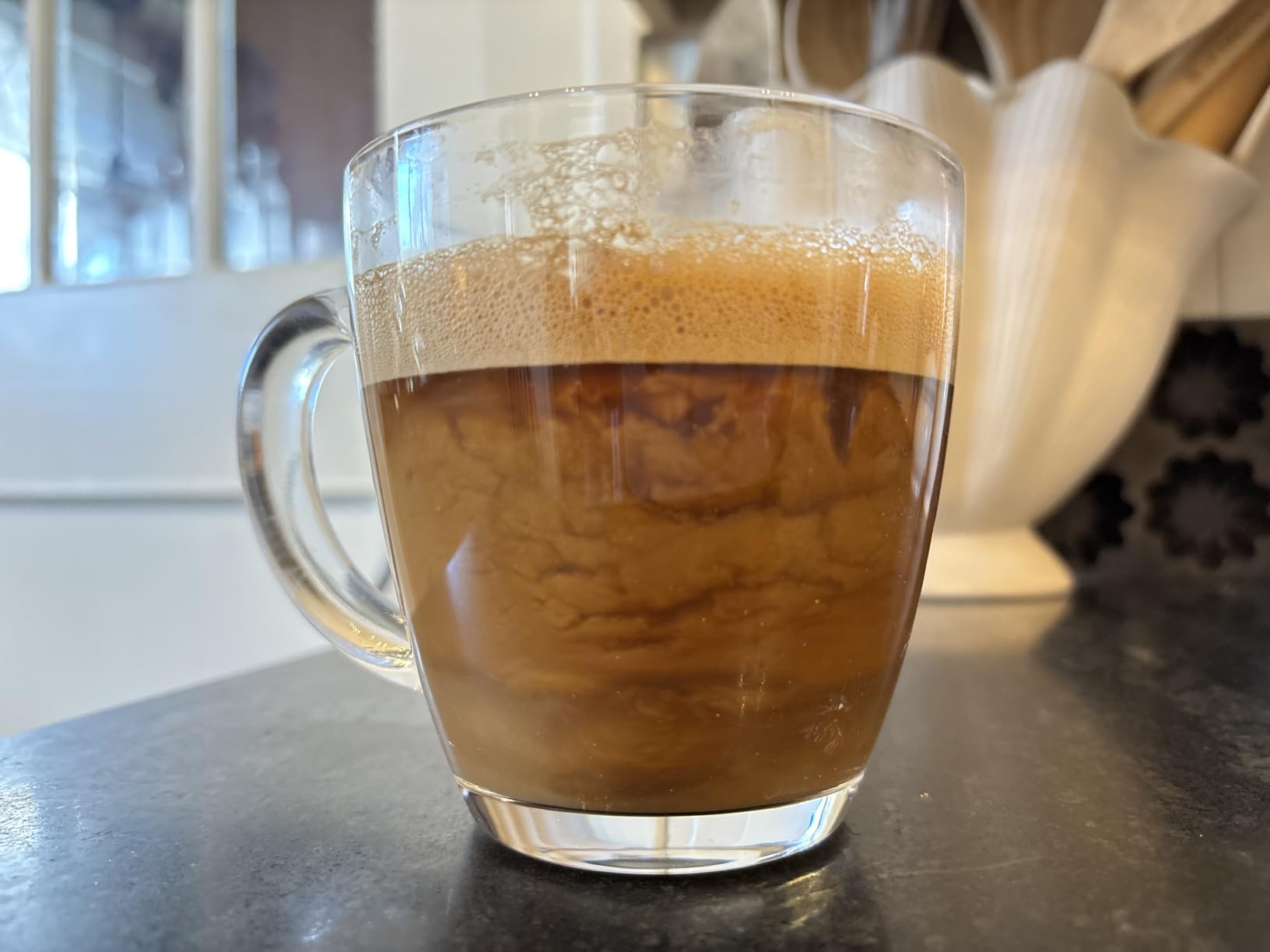
The integrated gauge is the other quiet advantage. It has a custom espresso zone marked between 5 and 9 BAR, and watching the needle climb and settle is genuinely how you learn to read a pressure profile. My first few weeks were spent pulling shots to a stopwatch; by the third month I was stopping on the gauge instead, and the cup quality difference was obvious.
Preheat still matters, and this machine has no built-in element. Run water from a temperature-controlled kettle through the chamber for a minute before locking in, and flush it. Skipping that step on a light roast is the fastest route to a sour, thin shot on any boilerless lever.
Who the 49mm basket suits best
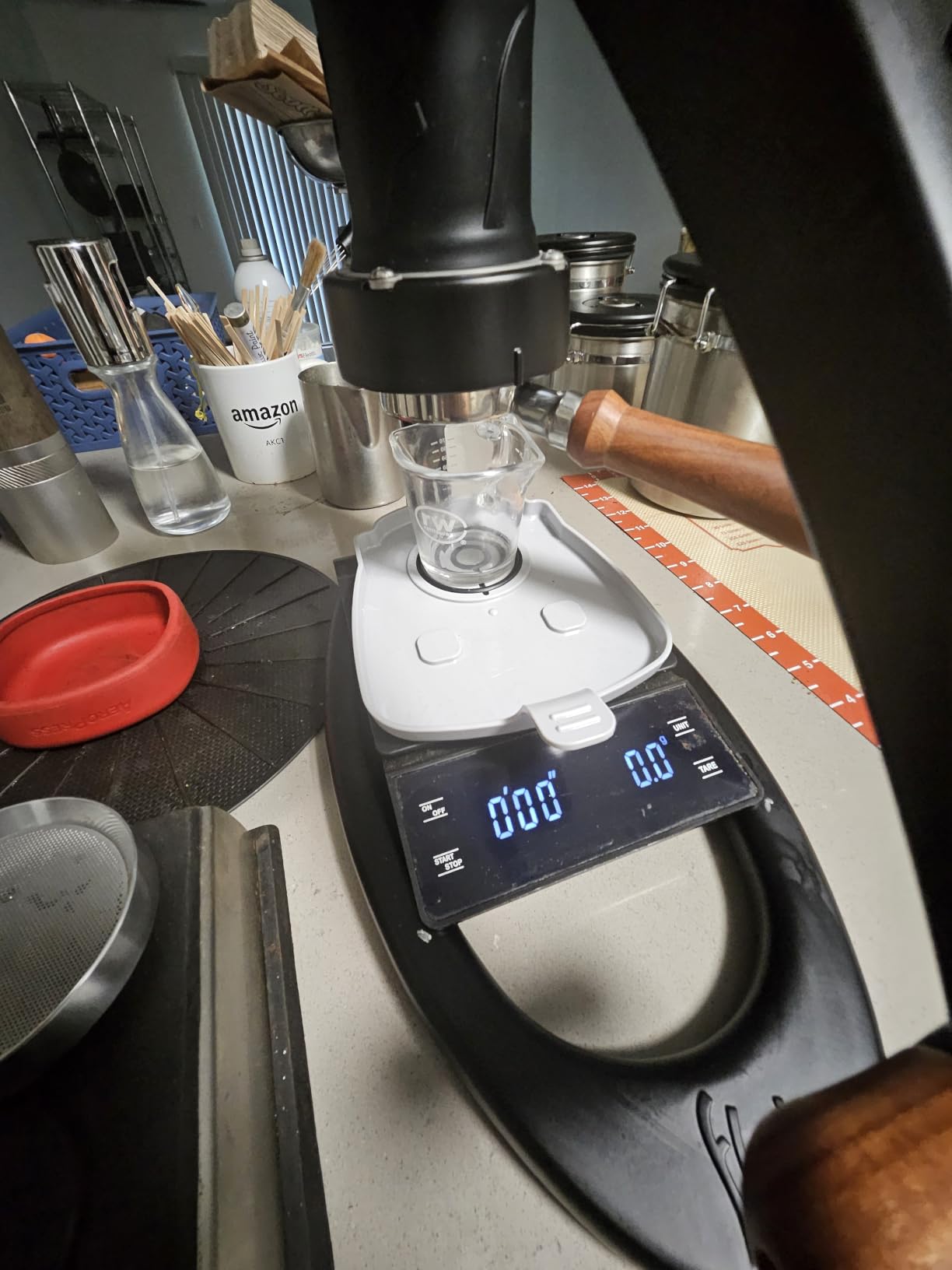
If your grinder is not a dedicated espresso grinder, the 49mm basket buys you patience. Minor grind inconsistencies get absorbed by the narrower chamber, and the pressurized basket included with the machine will produce a drinkable doppio before you have learned to tamp properly.
It is also the easiest of the six to use two-handed at a cramped counter, since the whole unit is roughly a foot long by eight inches wide. That makes it the pick for small kitchens and for anyone pulling shots while guests are in the room.
Where the 49 PRO falls short
The included tamper is small, and several owners with larger hands report inconsistent tamping until they swapped in a spring-loaded tamper and a WDT tool. The lever handle also reads as thin to some reviewers, though nothing in the reviews reports structural failure.
One mechanical issue does appear repeatedly: the mast can twist slightly in the base when the portafilter is locked in, and some owners needed shims to stop wobble. It is a small fix, but it is a fix. And of course, there is no heater and no steam wand, so milk drinks need a separate frother.
2. La Pavoni Professional PC-16 Is the Best Lever for Milk Drinks
- Large boiler holds heat for several drinks
- Dual frothing systems handle cappuccinos and lattes
- Chrome body doubles as a display piece
- Lever gives direct pressure control
- Detailed instructions and video included
- Some variants arrive without a pressure gauge
- Long boiler warm-up time
- Plastic tamper and three-hole steam tip are weak
The Professional PC-16 is the only machine in this lineup that does what a café machine does. It holds 38 ounces of solid brass boiler capacity, which means you can pull a shot, steam milk, pull another shot, and steam again without waiting for a full reheat cycle. If your household actually drinks cappuccinos, no boilerless lever can compete with that.
Beyond the boiler, the dual frothing systems are genuinely useful. One is the classic articulated steam wand for cappuccinos; the other is a bulk frother for larger milk volumes. The lever itself works the same piston action the original Faema-style designs used, so you control pressure by feel and by gauge rather than by pump curve.
Owners consistently value how good this machine looks in a kitchen. The chrome and black finish is the traditional Italian espresso-machine silhouette, and for a lot of buyers that presentation value is a genuine part of the purchase. It is also heavy at 14 pounds, which sounds like a complaint but in practice means it never wanders across the counter.
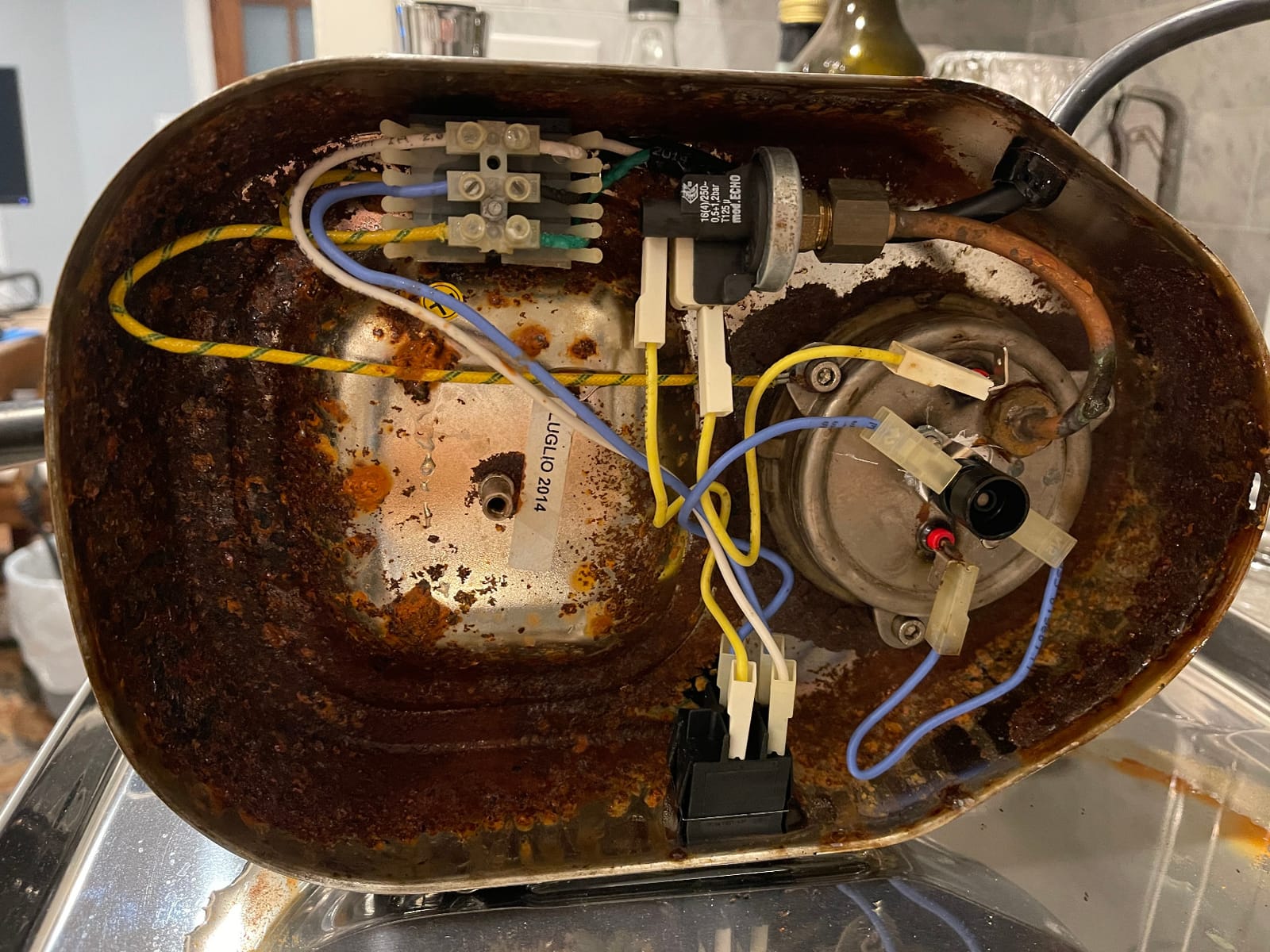
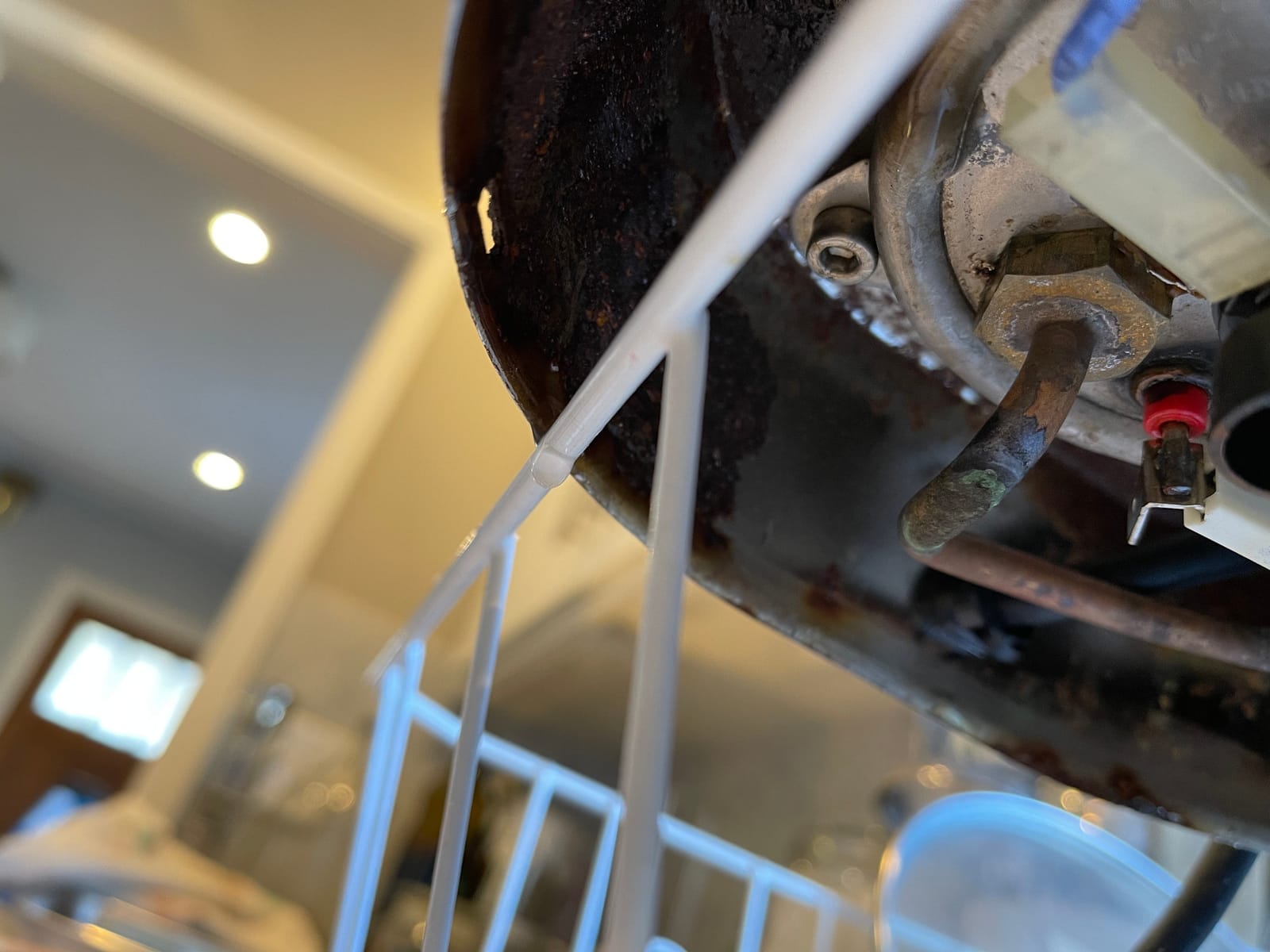
Expect a real warm-up. The 38-ounce boiler takes noticeably longer to reach temperature than the smaller La Pavoni models, and the first shot after power-on is rarely representative. Owners who report great results generally power on, wait, and pull their first serious shot well after the machine settles.
When the PC-16 earns its counter space
Two or more milk drinks a day is the threshold. Below that, you are paying for boiler capacity and warm-up time you will not use, and a boilerless lever plus a handheld frother serves the same habit for less money and less fuss.
It also suits anyone who wants a lever but worries about durability. Brass boilers, chrome plating, and a body that has essentially not changed in decades are the opposite of a device with a software lifecycle.
What the reviews flag as problems
The most-cited complaint is the accessories. The plastic tamper and the three-hole steam tip are both widely criticized, and most owners replace them early. More seriously, some variants arrive without a pressure gauge despite the listing showing one, so check the specific unit before you order.
The 3.8 average also reflects quality control. Owners describe occasional issues that feel like support or assembly problems rather than design flaws. Treat the included gauge question and the accessory quality as the two things to verify on arrival.
3. La Pavoni Europiccola EPC-8 Is the Best Value Boiler Lever
- No pump or electronics to fail
- Long-term owners report 12 to 21 years of service
- Wide availability of gaskets and portafilters
- Excellent espresso once dialed in
- Compact 11 by 7 by 12 inch body
- No pressure gauge on this model
- Steep learning curve
- Plastic tamper and steam tip inadequate
- Very hot to the touch
The Europiccola EPC-8 is the most mechanically honest machine here. There is no pump and no electronics, just a lever, a piston, a boiler, and heat. Owners report units running for 12 to 21 years of continuous service, which is a durability claim no pump machine in this price range can match.
It is also the one most likely to frustrate a first-timer. First shots on the Europiccola are frequently disappointing, not because the machine is bad but because the group head is temperature-sensitive and the included accessories are not good enough. The formula owners converge on is unremarkable but specific: fresh beans, a real burr grinder, a group-head thermometer, and shots pulled between 15 and 25 minutes after power-on.
Where the EPC-8 shines is part availability. Replacement gaskets, portafilters, and other parts for La Pavoni levers are easy to source, which matters enormously if you plan to own this for a decade. A machine that is easy to service is a machine you will keep.
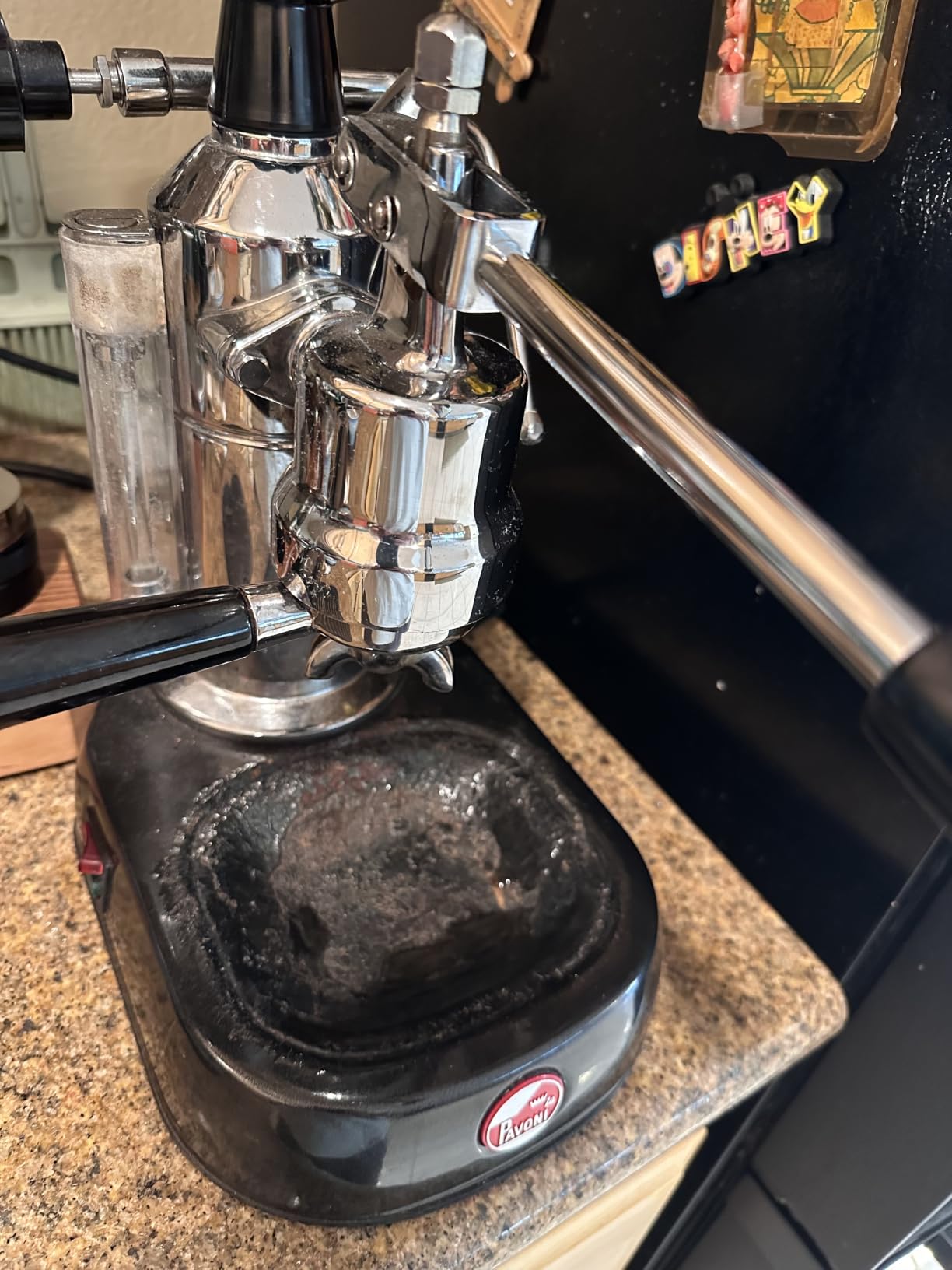
Size is another quiet win. At 11 inches deep, 7 inches wide, and 12 inches tall with a 14-pound weight, it takes up less counter than the PC-16 and it does stay put. The 0.8 L water capacity suits one or two cups at a time, which is how most people actually drink espresso at home.
Who should buy the Europiccola
Buy it if your plan is a long-term relationship with manual espresso and you enjoy the process of dialing in. This is a machine you learn rather than a machine you operate, and owners describe a dramatic improvement in cup quality over the first few months of ownership.
It is a strong second machine for someone who already has a lever at home and wants a boiler-backed option for milk drinks, since its smaller footprint and lower capacity complement rather than duplicate the PC-16.
Why the rating sits where it does
At 3.6, this is the lowest-rated machine on the list, and the reason is accessories and expectations rather than the espresso itself. There is no pressure gauge on this model, and retrofitting one can affect the warranty. The included plastic tamper and three-hole steam tip get replaced by most owners immediately.
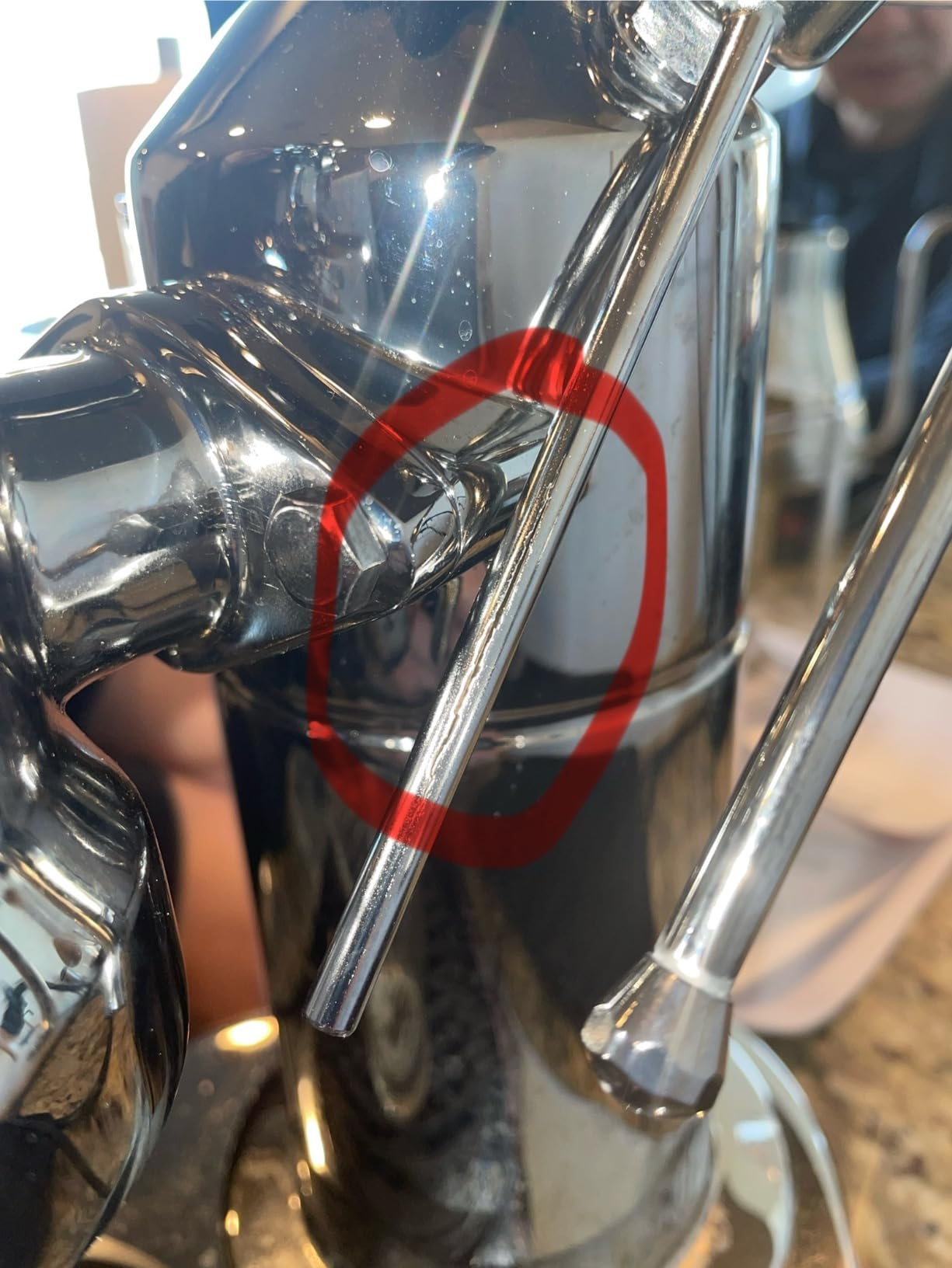
Owners also report that the safety valve can occasionally fail to reseat, causing continuous steam and no operating temperature, and that the machine must be depressurized before refilling. The manual workflow also does not reproduce identical shots back to back, which surprises people expecting button-machine consistency.
4. Flair 2GO Is the Best Lever Espresso Machine for Travel
Flair 2GO: Portable, Collapsible Lever Espresso Machine for 9BAR Espresso Anywhere (Grounds Model)
- Only foldable lever machine in this lineup
- Packs into a 9.5 x 5.25 x 4 inch case
- Brews between 6 and 9 BAR with a gauge
- Bottomless 2-in-1 portafilter included
- Roller can sit off-center and bind the piston
- Included plastic plunger is a weak point
- Etched screen traps grinds
- Fewer accessories than the countertop models
The Flair 2GO exists because no other lever does. It folds along six pivot points into a case measuring 9.5 by 5.25 by 4 inches and weighs under four pounds, which means it fits in a carry-on or a backpack without becoming the thing you resent packing. It is the only genuinely collapsible lever espresso machine in this lineup.
Brew performance is closer to the countertop Flair machines than the dimensions suggest. It brews between 6 and 9 BAR, has an integrated pressure gauge, and the Grounds model includes a bottomless 2-in-1 portafilter that works with or without a spout. The frame and stainless steel brew cylinder feel robust in the hand.
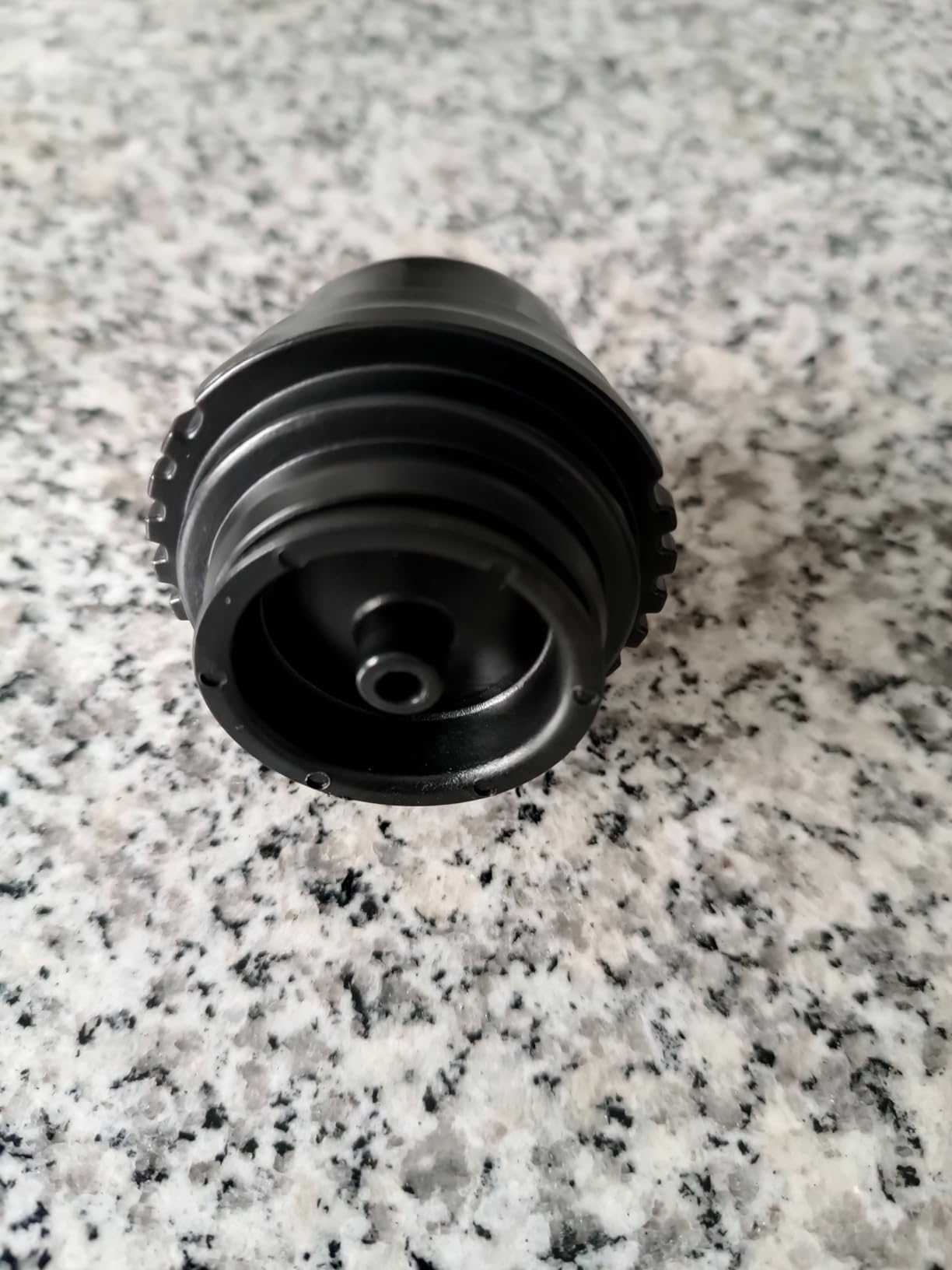
It is also backwards compatible with Flair Neo Flex baskets, the plunger, and the cylinder, which means accessories you already own still work. For a traveler who wants one system rather than a separate travel rig, that compatibility is worth more than any single spec.
The workflow is where travel levers earn their keep. Heating water with a small kettle, folding the frame, dialing in, and pulling takes real setup time, so this is a weekend-and-vacation machine rather than a hotel-desk machine if you need a shot in four minutes.
What the 2GO does better than anything else here
Crema quality on the road. Owners consistently report that the shot pulls with visible crema and, for many, better than a moka pot or an aeropress-style brewer. If crema is the point of espresso to you, this machine delivers it anywhere there is hot water.
It is also the only machine here that works equally well at home and away, so a buyer does not have to choose between a travel tool and a daily driver. For a small kitchen, the collapsed footprint is a genuine advantage too.
Where it disappoints
Durability is the weak point, and it shows up in the 4.1 rating. Owners report the roller sitting off-center on the piston, causing binding and eventual cylinder failure on some units, plus a plastic section around the seals that cracks. The included plastic plunger is widely replaced with a stainless steel version.
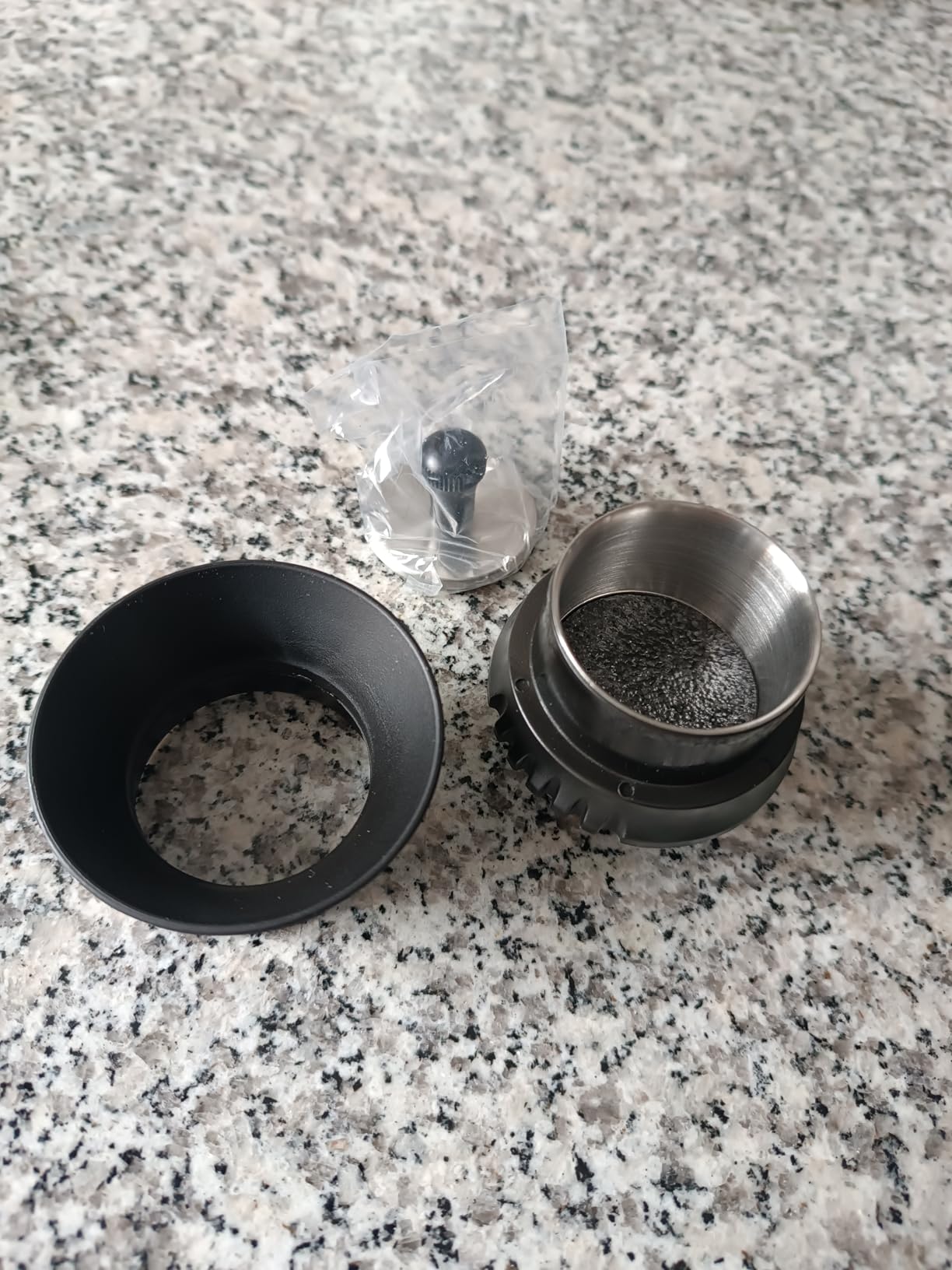
Accessory selection is thinner than on the countertop Flair machines, with no flow control basket, dosing cup, or pre-heat cap in the box, and the etched dispersion screen traps individual grinds and is harder to clean. Owners also note the folding frame scratches when deployed.
5. La Pavoni Stradivari PSW-16 Is the Best Lever for Presentation
- Stradivarius-inspired curves and wood handles
- 38 oz solid brass boiler triple-plated in chrome
- Boiler handles up to 16 two-ounce servings
- Dual frothing systems for lattes and macchiatos
- Full manual control of each extraction
- Very large counter footprint near 20 inches tall
- Weighs 13 pounds
- Steep grind
- tamp and temperature learning curve
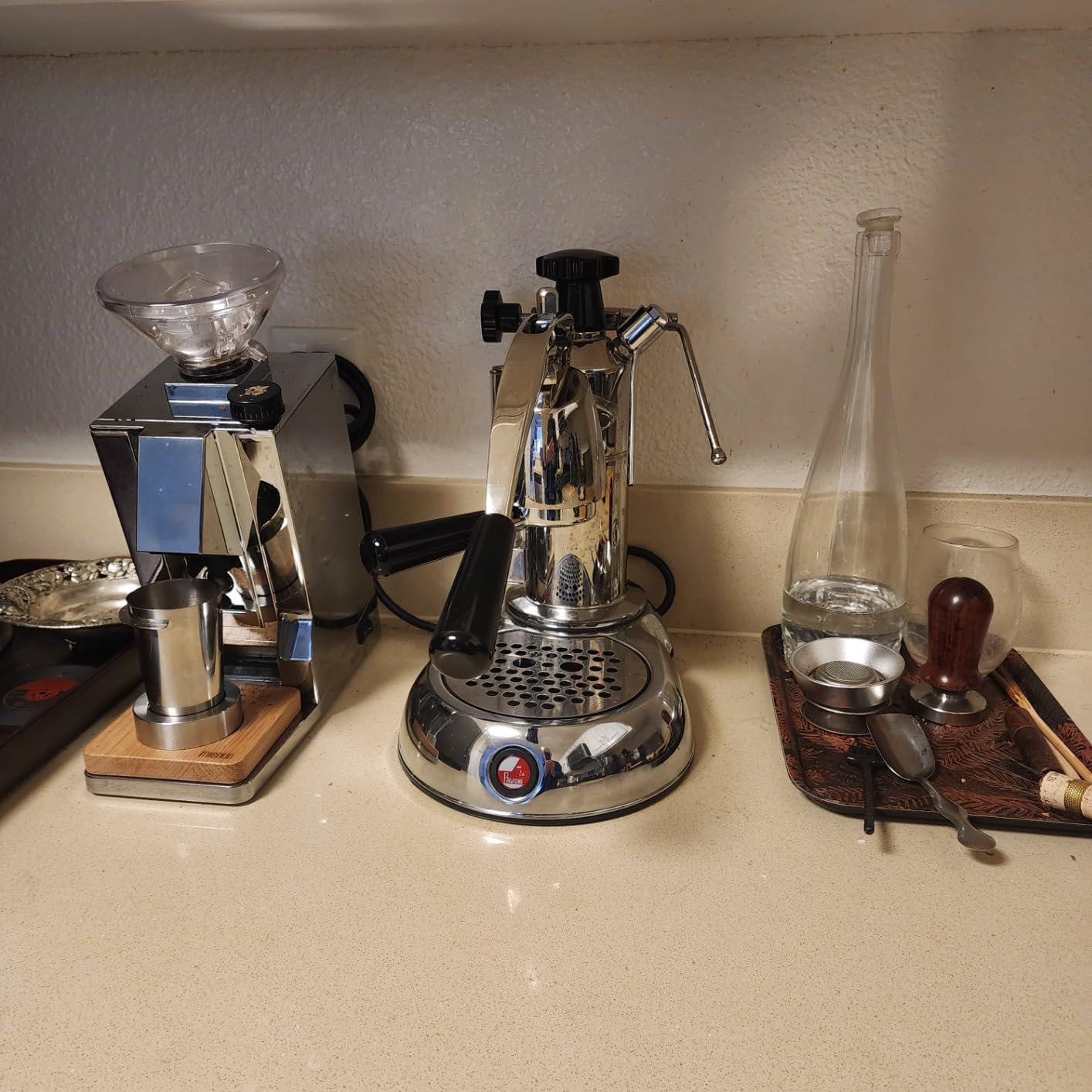
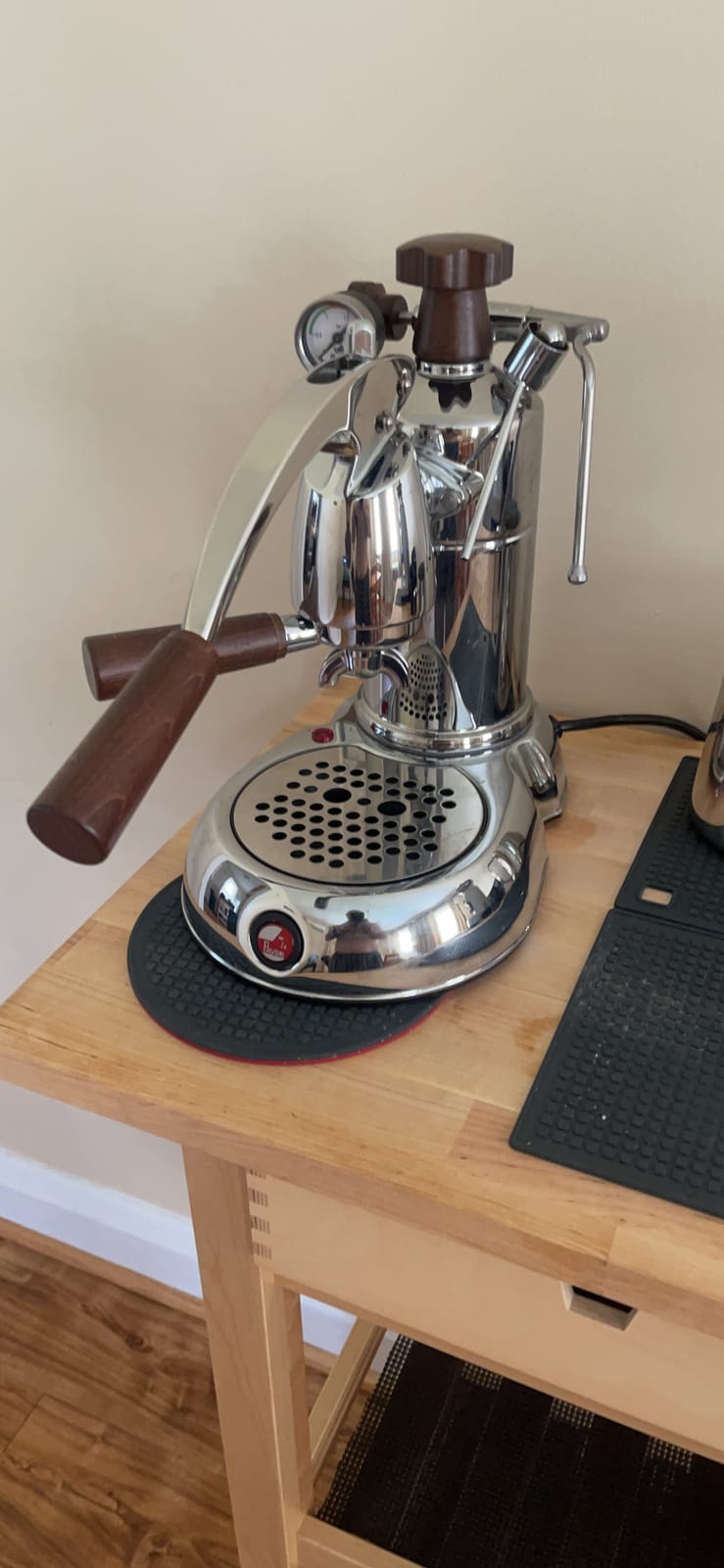
The Stradivari is the one to buy when the machine is as much a display object as a brewing tool. The curves were designed to echo a Stradivarius violin for La Pavoni’s centenary, and with wood handles and knobs on the lever and steam wands, it is the most striking machine in this guide. Few coffee machines start conversations the way this one does.
Underneath the styling, the working parts are the familiar La Pavoni lever layout. A 38-ounce solid brass boiler triple-plated in chrome, steel construction, a traditional piston lever, and dual froathing systems for cappuccinos, lattes, and macchiatos. The boiler handles up to 16 two-ounce servings per fill, though you would still brew one or two cups at a time in practice.
The heating behavior is what you would expect from a boiler this size. It warms up more slowly than the smaller La Pavoni models, and the machine wants time to settle before the first genuinely good shot. Plan for that, because a rushed first cup will not represent the machine.
With only 47 reviews, the audience here is narrower and more enthusiast-driven than for the other picks. Ratings cluster at 4 stars, with a large share of five-star reviews focused on the design and the feel of the lever as much as on the espresso itself.
Reasons to pick the Stradivari
If your kitchen is visible and you want a machine that reads as a serious coffee object, this is the clear answer in the lineup. The wood accents and chrome finish are the kind of detail that makes a daily ritual feel like a daily ritual, not a chore.
It also suits a buyer who plans to keep one machine for a long time. A brass boiler, a mechanical lever, and a design with no screen to fail are a combination that ages well, and the standard manufacturer warranty is a modest but reasonable commitment.
Reasons to look elsewhere
Size is the honest drawback. At nearly 20 inches tall and over 15 inches deep, it needs real counter space, and the 13-pound weight means it stays exactly where you put it. In a small kitchen this is a genuine sacrifice of workspace.
A quality tamper and a bottomless portafilter are additional purchases rather than included items, and the lever workflow carries the same grind, tamp, and temperature learning curve as every other La Pavoni lever here. The style is the differentiator, not a shortcut to better shots.
6. LEVERPRESSO V4 Is the Best Lever for First-Time Owners
LEVERPRESSO V4 Manual Espresso Machine – Portable Lever Espresso Maker, No Electricity, 9 Bar Pressure, Pressurized 51mm Basket, 590g, for Travel, Camping & Home
- Dual-lever system builds 9 bar with no electricity
- Weighs under 600g and fits any bag
- Pressurized basket accepts standard 51mm baskets
- Pulls a 60 ml double in about 3 minutes
- Hand-washes in seconds
- Messy
- with many parts to disassemble after each cup
- Fine grinds clog the pressurized basket
- Water level is hard to see
- Only 15 reviews so durability is unproven
The LEVERPRESSO V4 is the gentlest introduction to lever extraction on this list, and the highest rated at 4.3 stars. The reason is the pressurized 51mm basket. It works with pre-ground coffee from a supermarket bag, so you can pull a respectable double shot before you own a grinder, which removes the single biggest barrier to learning manual espresso.
The mechanism is a dual-lever design that builds up to 9 bars entirely by hand, with no electricity, no batteries, and no pump. It weighs under 600 grams, measures 3.9 by 3.9 by 7.09 inches, and pulls up to 60 ml of double espresso in roughly three minutes.
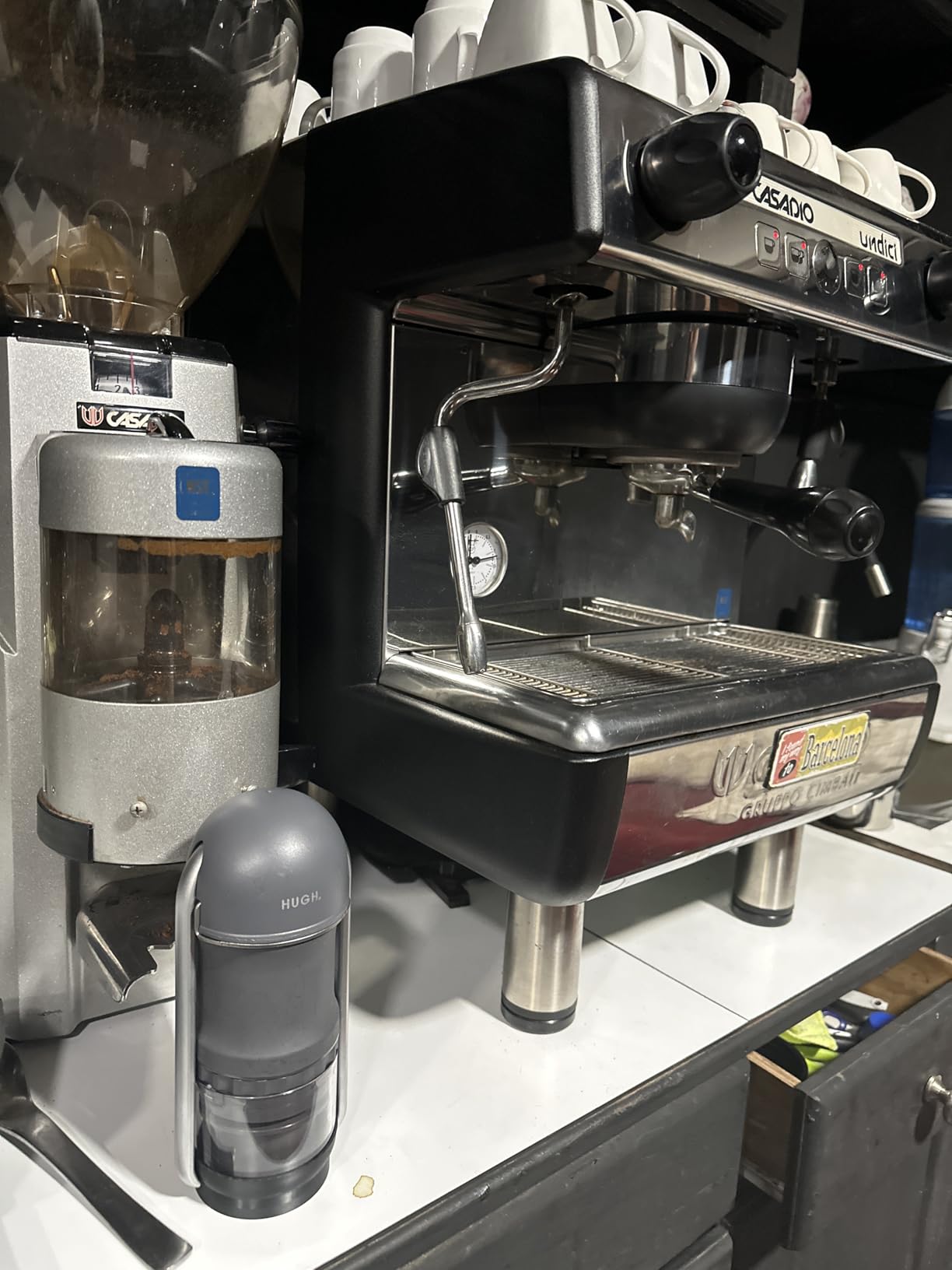
Owners report being genuinely surprised by the cup. Several describe espresso quality comparable to much larger machines, and many use it as a travel companion alongside a professional machine at home rather than as a replacement for one. For a first lever, that is a very reasonable way to find out whether you enjoy the process.
It is also built from BPA-free plastic, stainless steel, and aluminum, with no circuit boards or pumps to fail. That simplicity is the selling point, and it is genuinely useful in a hotel room or on a campsite where the nearest plug is a long walk away.
What the V4 gets right for new owners
The pressurized basket is the headline. Because it does not demand a precise grind, it forgives the kind of dose distribution mistakes that ruin a first shot on a bottomless portafilter, and it will still produce crema while you learn.
Cleaning is fast, which sounds trivial until you compare it to flushing a boiler. There is no descaling cycle and no water circuit to service, and the whole thing washes in seconds under a tap after a shot.
What first-time owners report
The messiness is the biggest complaint. Many parts must be disassembled and cleaned after every cup, and the water level is hard to see, so overfilling can push hot water out and cause a burn. The diffuser is also poorly threaded and has been reported falling into the coffee cup.
Grind sensitivity is the second issue. Fine grinds clog the pressurized basket and make the levers very hard to push down, so this is a coarser-grind tool than the 49mm and 58mm machines. Finally, with only 15 reviews, long-term durability is largely unproven, and one owner reported a stripped thread within a month. Treat it as a learning tool, not a lifelong machine.
Lever Mechanism Types Explained in Plain Language
The word lever covers several different mechanisms, and the type decides how much force you apply and how the shot feels. This is the part most roundups skip, and it is the fastest way to narrow a shortlist.
Single direct lever is the simplest design. The force you put into the handle goes straight into the piston with little mechanical advantage, which means you feel the pressure curve directly in your arm. The Flair 49 PRO and the Flair 2GO both use this, and it is the purest expression of manual control.
Dual-lever designs split the work across two arms, multiplying your input force. That makes them easier to push, which matters for a pressurized basket or a beginner’s grip. The LEVERPRESSO V4 is built this way.
Spring levers use a calibrated spring to hold pressure and let the lever disengage once the target pressure is reached, so the machine does the work and you mainly start and stop the shot. They are more expensive, and enthusiasts argue about whether the extra cost buys a meaningfully better cup or just a faster morning.
Boilerless versus electric boiler is the other axis, and it matters more for daily use. A boilerless machine has no heater and no steam wand; you supply hot water from a kettle. A boiler machine heats water on its own, holds heat for a while, and steams milk. That is the entire difference between a weekend ritual and a household espresso corner.
How to Choose a Manual Lever Espresso Machine
Portafilter diameter. You will see 49mm, 51mm, and 58mm in this roundup. Smaller baskets are deeper and narrower, which makes them more forgiving and produces fuller body. 58mm is the commercial standard, which matters only if you plan to share baskets with a prosumer machine.
Pressure gauge. A gauge turns extraction from guesswork into a decision. The Flair 49 PRO, the PC-16 (on some variants), and the Flair 2GO all include one. The Europiccola EPC-8 does not, which is a real drawback for learning.
Preheat requirements. Boilerless machines need a hot-water flush through the chamber before you pull, and this is the step beginners skip. Light roasts are noticeably harder to get right on a cold chamber, which is the most common technical complaint in owner reviews of boilerless levers.
Dose capacity and output. Small baskets limit experimentation. The V4’s 60 ml output and the Flair 2GO’s 60 ml capacity are single-double-shot tools, while a 38-ounce boiler can serve several people before reheating.
Steam wand and milk. Only the La Pavoni boiler machines here can steam milk. If cappuccinos and lattes are part of the routine, a boilerless lever plus a handheld frother is the alternative, and it is the configuration most boilerless owners settle on.
Portability. If you want one machine for home and road, the Flair 2GO is the only foldable lever in this guide. If the machine lives on a counter, weight matters less than it seems, since a heavy machine is a machine that stays put while you work.
Parts and longevity. This is the criterion enthusiasts underrate. A machine with widely available gaskets, portafilters, and group parts will outlive one with a proprietary system. Before buying any lever, check that the wear parts you will replace most, mainly gaskets and baskets, are easy to source for that exact model.
Our guides to the best dual boiler espresso machines and the best espresso machines under 500 dollars are worth a look if the boiler-backed lever idea appeals to you but the price gap is a concern, since a dual boiler gives you similar temperature stability through a different mechanism.
Lever Machine or PID Prosumer: Which One Should You Buy?
This is the most common objection we see from people considering a lever, and it deserves a straight answer. A Silvia or Rocket with PID control is often cheaper, faster, and more forgiving than a lever machine. If your priorities are speed, volume, and milk drinks, the prosumer machine wins and you should buy that instead.
The case for the lever is specific. You control pressure by hand, so you can deliberately profile a shot, slow the flow for a light roast, or push harder for a syrupy body in a dark roast. That degree of manual control is the reason enthusiasts stay with these machines for years.
Time is the real currency. A prosumer shot is roughly 30 seconds from button press to cup. A lever shot involves heating or flushing water, dosing, distributing, tamping, leveling, and pulling, and several of those steps happen on every single shot rather than once a week. For one or two drinks a day, the difference is pleasant. For four guests, it is a problem.
Our rule of thumb after six weeks with these machines: buy a lever if you already have a decent grinder, drink straight espresso, and enjoy the process. Buy a prosumer PID machine if any of those is false. If you want both eventually, start with the prosumer machine and add a boilerless lever later, which is also how several owners in our testing set approached it.
The Real Cost of a Boilerless Lever Setup
A boilerless lever machine is a component, not a system, and the missing pieces add up faster than most buyers expect. If you are pricing a setup from scratch, budget for a temperature-controlled gooseneck kettle, a grinder capable of espresso, a small scale, and a milk frother if you drink anything but straight espresso.
The grinder is the non-negotiable line item. Across owner reports, a poor grind is the leading cause of channeling and bad shots, and no amount of lever technique compensates for it. This is also the single most common piece of advice repeated across enthusiast communities, ahead of any machine recommendation.
That reframes the comparison. A modest boilerless lever plus a proper grinder and kettle can cost more than a mid-range prosumer machine that includes its own grinder and heating, which is why enthusiasts who are starting from nothing often buy the prosumer machine first and the lever second. Our best super automatic espresso machines guide is a useful counterpoint if you want everything automated instead.
The other running cost is time, and it does not show up on any receipt. Budget a few weeks of inconsistent shots before you judge any of these machines, and buy replacement gaskets and baskets as part of the purchase rather than as a surprise expense later.
Frequently Asked Questions
Are lever espresso machines worth it?
They are worth it if you enjoy the ritual, already own a good burr grinder, drink mostly straight espresso, and do not mind spending a few minutes on each shot. They are not worth it if you need a shot in under a minute, serve several guests at once, or drink milk drinks daily, since a boilerless lever cannot steam milk and a boiler lever needs a long warm-up.
Which is the best manual espresso machine?
The answer depends on use case rather than a single name. The Flair 49 PRO is the best all-round manual lever espresso machine for most people, the La Pavoni Professional PC-16 is the choice if you steam milk, and the Flair 2GO is the pick if you want one machine for home and travel.
Who makes the best lever espresso machine?
Each maker owns a different niche. Flair leads in portable and boilerless 49mm and 58mm-style systems, La Pavoni dominates traditional electric-boiler levers with a steam wand, and brands like Cafelat, ROK, Profitec, and Elektra are widely discussed among enthusiasts for spring levers and prosumer builds respectively.
What are the best manual coffee machines for home use?
For a home counter, the most practical manual lever picks are the ones with a real pressure gauge, a basket that forgives an imperfect grind, and a footprint you can live with. On that basis the Flair 49 PRO leads the boilerless category, while the La Pavoni Europiccola EPC-8 and Professional PC-16 cover the boiler-backed option for milk drinks.
Which brand of espresso machine is the most reliable?
Reliability tracks how much electronics a machine has. Boilerless levers such as the Flair 49 PRO and Flair 2GO have no pump and no circuit boards, so there is very little to fail. The La Pavoni levers add a boiler and a steam system, which are both serviceable, and their gaskets and portafilters are widely available. The wear items to budget for on any lever are the piston gasket and the basket.
Which Manual Lever Espresso Machine Should You Buy?
Buy the Flair 49 PRO if you want one lever that handles everything from learning to dialing in a light roast. It is the best manual lever espresso machine for most enthusiasts because the 49mm basket is forgiving, the gauge is real, and the brew path is all stainless steel. If your coffee routine includes milk drinks every morning, step up to the La Pavoni Professional PC-16 and accept the warm-up time. If you travel, the Flair 2GO is the only foldable lever worth the luggage space.
Whatever you choose, buy a proper grinder before you buy anything else. That is the piece that decides whether your shots work, and it is the one part of a manual lever setup where spending more reliably pays off. Our 2026 testing notes for these six machines are based on daily use over roughly six weeks, and we will update this guide as models change.