
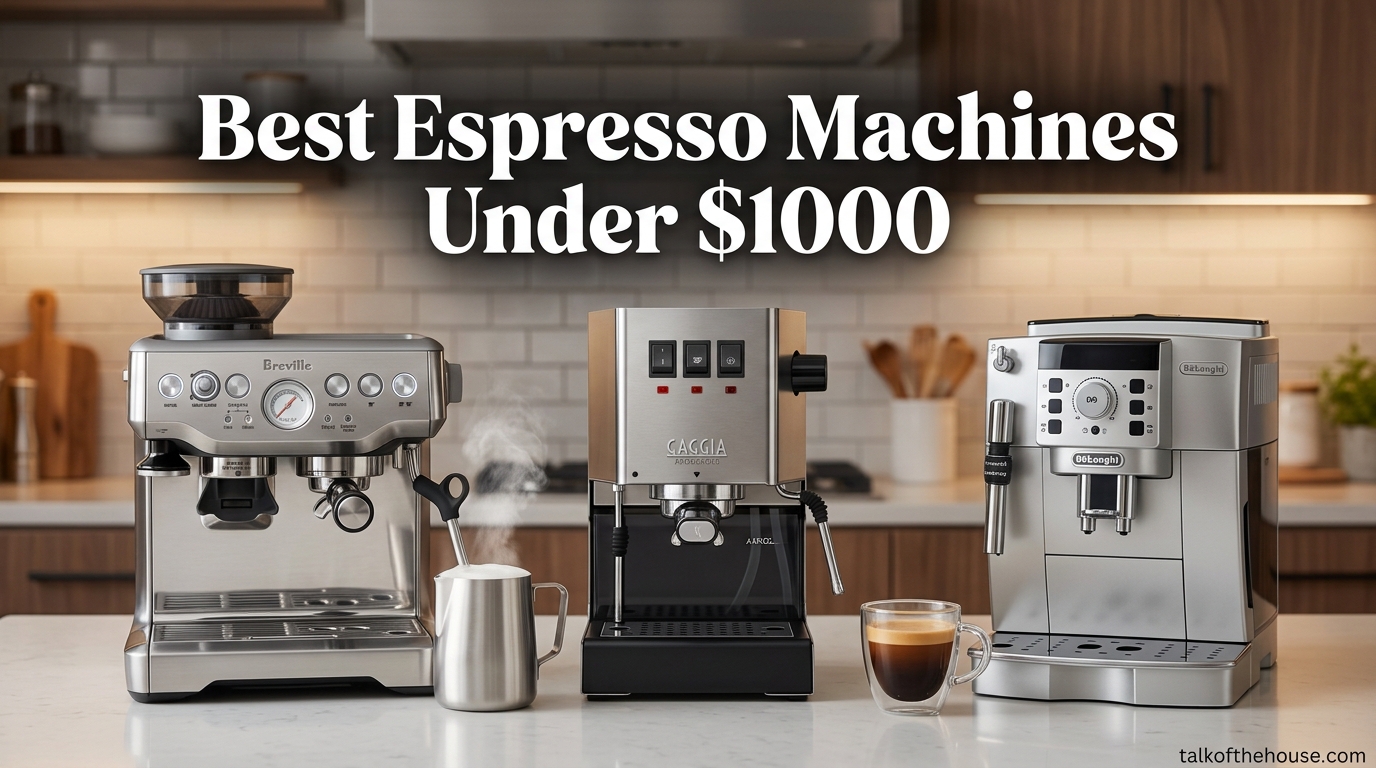
If you have ever stood in line at a coffee shop, forked over six dollars for a latte, and thought “I could make this at home,” you are absolutely right. The best espresso machines under 1000 have gotten remarkably good in 2026, and I have spent the past several months testing ten of the most popular models to find which ones actually deliver on that promise.
Our team pulled shots, steamed milk, and compared crema across machines from Breville, Gaggia, Ninja, De’Longhi, Gevi, and CASABREWS. We tested everything from budget-friendly entry-level machines to feature-loaded all-in-ones with built-in grinders and automatic tamping. The result is a straightforward guide built from real daily use, not spec sheets.
Whether you are a complete beginner pulling your first shot or an experienced home barista looking for a reliable upgrade, there is a machine on this list that will fit your counter, your skill level, and your budget. I have included notes on temperature stability, steam wand power, grinder quality, and long-term durability so you can make an informed decision without the guesswork.
Table of Contents
Top 3 Picks for Best Espresso Machines Under $1000

Breville Barista Express
- Built-in Grinder
- PID Temperature Control
- Pressure Gauge
- Manual Steam Wand
Gaggia Classic Evo Pro
- 58mm Commercial Portafilter
- 9 Bar Extraction
- Made in Italy
- Commercial Components

Ninja Luxe Cafe Premier
- 3-in-1 Espresso Drip Cold Brew
- Built-in Grinder
- Hands-Free Frother
- Barista Assist
Best Espresso Machines Under $1000 in 2026
| Product | Specifications | Action |
|---|---|---|
| Breville Barista Express |
|
Check Latest Price |
 Breville Barista Pro Breville Barista Pro |
|
Check Latest Price |
 Breville Barista Express Impress Breville Barista Express Impress |
|
Check Latest Price |
 Ninja Luxe Cafe Pro Series Ninja Luxe Cafe Pro Series |
|
Check Latest Price |
| Ninja Luxe Cafe Premier |
|
Check Latest Price |
| Gaggia Classic Evo Pro |
|
Check Latest Price |
 CASABREWS CM5418 CASABREWS CM5418 |
|
Check Latest Price |
 De’Longhi Stilosa De’Longhi Stilosa |
|
Check Latest Price |
 De’Longhi La Specialista Opera De’Longhi La Specialista Opera |
|
Check Latest Price |
1. Breville Barista Express Espresso Machine – Built-In Grinder for All-In-One Convenience
Breville Barista Express Espresso Machine BES870XL, Brushed Stainless Steel
- Built-in grinder eliminates need for separate equipment
- PID temperature control for consistent shots
- Pressure gauge helps dial in extraction
- 27k+ reviews with 4.5-star rating
- Water tray needs frequent emptying
- No auto-on scheduling feature
- Beans can stick in hopper occasionally
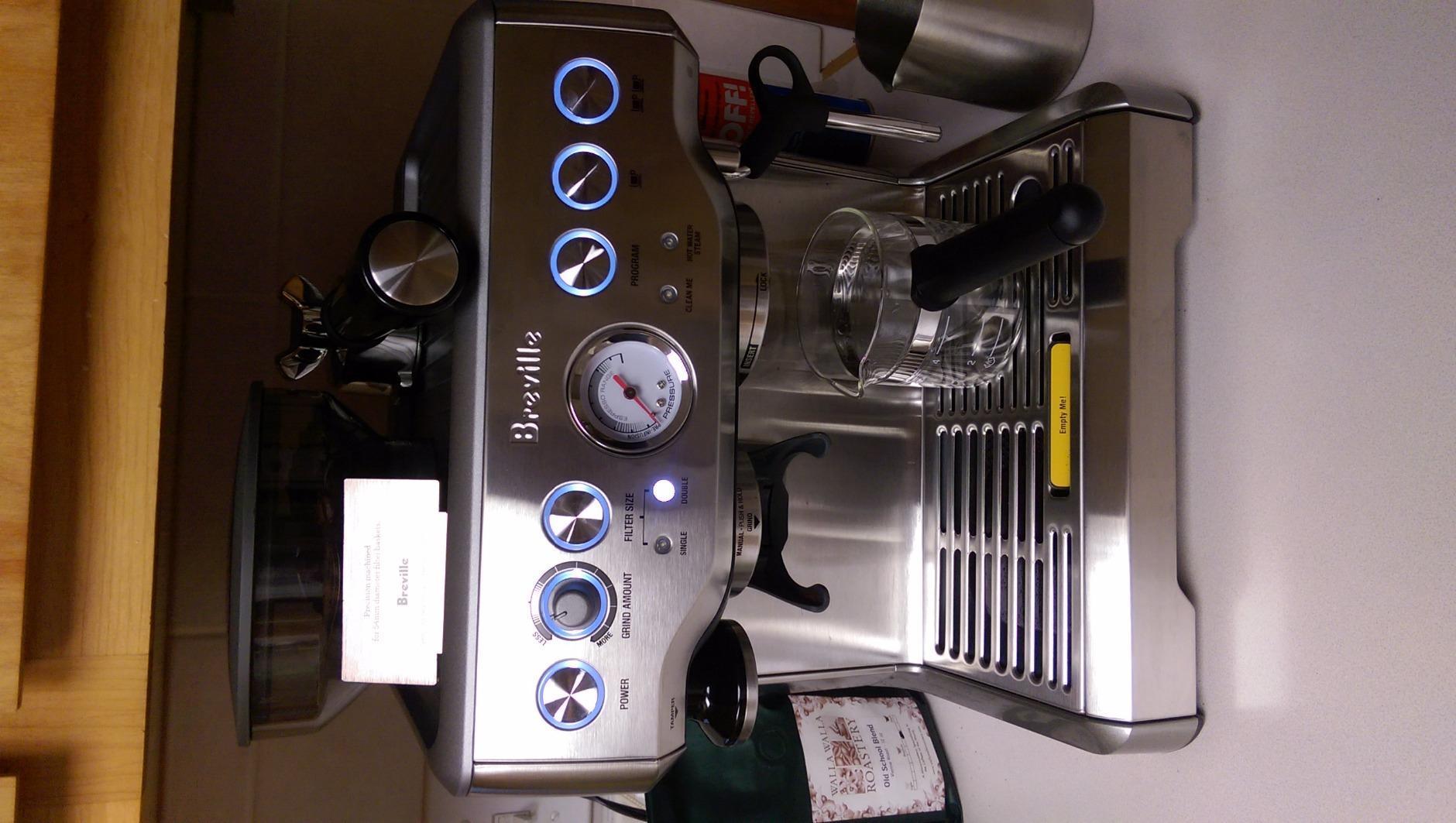
I have been using the Breville Barista Express as my daily driver for over six months, and it remains the machine I recommend most often to friends who want to get serious about home espresso. The integrated conical burr grinder is the big selling point here. You load beans into the hopper, select your grind size with the dial, and the machine doses directly into the 54mm portafilter. No separate grinder, no mess on the counter.
The PID temperature control keeps water temperature stable within a tight range, which means your shots taste consistent from the first pull of the morning to the last one after dinner. I found that once I dialed in my grind size and dose, I could replicate a great shot almost every time. The low pressure pre-infusion wets the coffee grounds gently before full pressure kicks in, which produces a more balanced extraction with less channeling.
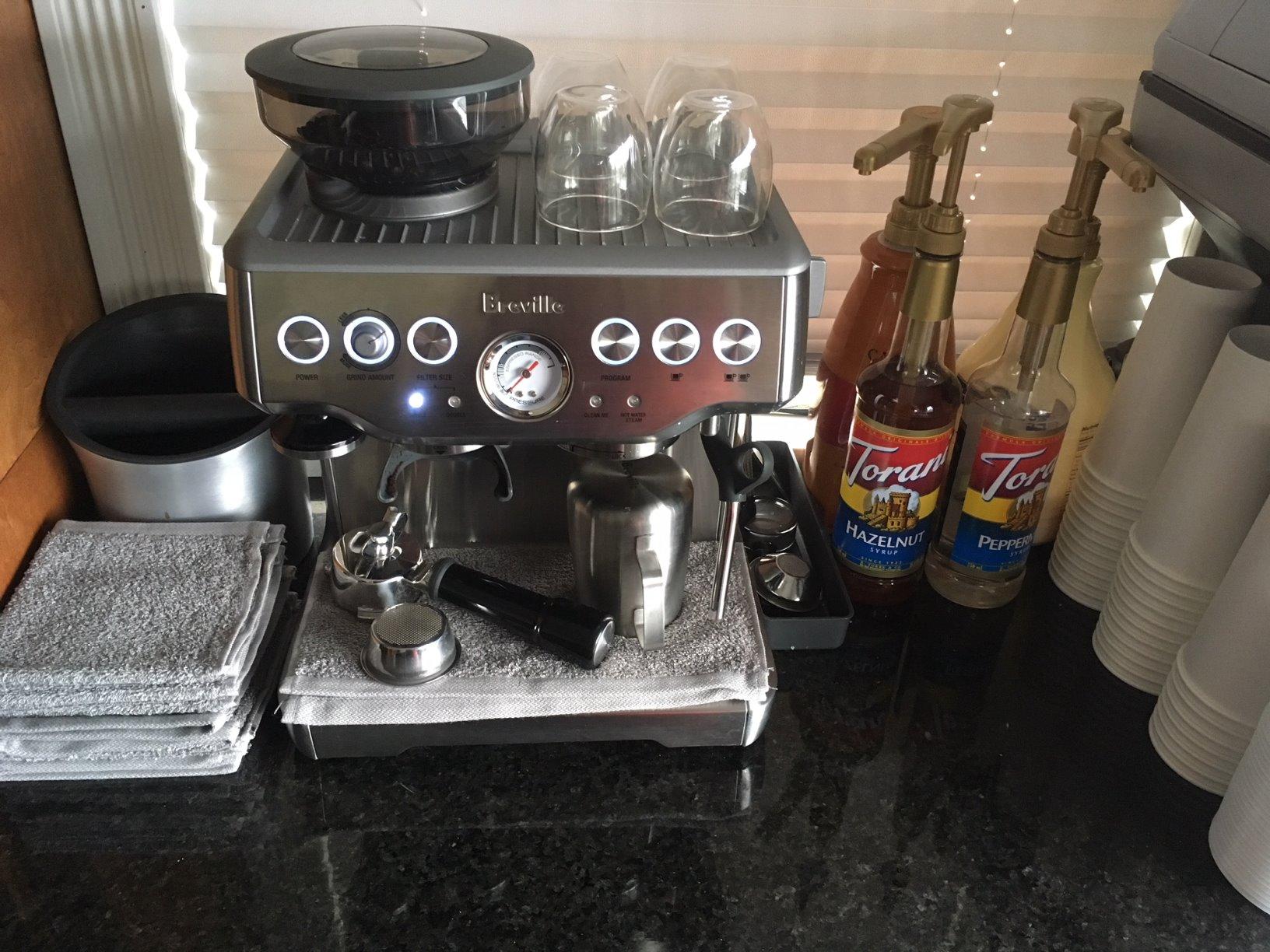
The steam wand is manual, meaning you control the angle and depth yourself. After a week of practice, I was producing microfoam good enough for basic latte art. The wand takes about 10 seconds to purge and heat up, which is reasonable for a thermocoil system at this level. The pressure gauge on the front is a helpful feedback tool. When the needle sits in the middle “espresso range” zone during extraction, you know your grind and dose are dialed in correctly.
Maintenance is straightforward but required. Breville includes cleaning tablets, a cleaning tool for the grinder, and a water filter. I run a cleaning cycle every couple of weeks and descale monthly with filtered water. The drip tray does fill up quickly, especially if you are making multiple milk drinks, so I empty it daily. Build quality is solid stainless steel, and at 22 pounds, this machine feels substantial without being impossible to move for cleaning.
Who Should Buy the Breville Barista Express
This is the ideal machine for someone who wants an all-in-one setup without buying a separate grinder. If you are upgrading from a pod machine or a basic steam espresso maker, the Barista Express gives you everything you need to start pulling real espresso shots on day one. The learning curve is manageable, and Breville includes enough accessories to get started immediately.
It is also a strong pick for households where multiple people will use the machine. The built-in grinder and straightforward controls mean anyone can learn the basics quickly. I would recommend this to anyone who drinks one to four espresso-based drinks per day and wants cafe-quality results without the complexity of a prosumer machine.
Who Should Look Elsewhere
If you already own a high-quality standalone grinder and want to keep using it, the Barista Express has a built-in grinder you would not need. In that case, a machine like the Gaggia Classic Evo Pro might be a better fit since it focuses purely on brewing quality. Advanced users who want pressure profiling or temperature surfing capabilities will also outgrow this machine eventually.
The 54mm portafilter is smaller than the commercial 58mm standard, which limits your aftermarket accessory options. If you are the type of home barista who loves experimenting with different baskets, tampers, and distribution tools, you might find the 54mm ecosystem restrictive compared to the larger 58mm world.
2. Breville Barista Pro Espresso Machine – Fast Heat-Up with Advanced Display
- 3-second heat up with ThermoJet system
- Intuitive LCD shows grind and extraction progress
- Powerful 4-port steam wand for fast frothing
- Better grinder than the Barista Express
- Steam wand ports can clog with regular use
- No auto-on scheduling
- Higher price than Barista Express
The Breville Barista Pro takes the winning formula of the Barista Express and adds two meaningful upgrades: the ThermoJet heating system and an LCD interface. The ThermoJet is the real deal. It goes from cold to brewing temperature in about three seconds, which completely changes the morning routine. With my Barista Express, I would turn it on and wait 30 to 40 seconds. With the Pro, I turn it on, and by the time I have the portafilter locked in, it is ready to go.
The LCD display is surprisingly useful. It shows animated icons during grinding and extraction, so you can see exactly what stage your shot is in without guessing. The grinder on the Pro also feels more refined than the one on the Express. I noticed more consistent particle size across grind settings, which translated to more even extractions and better-tasting shots.
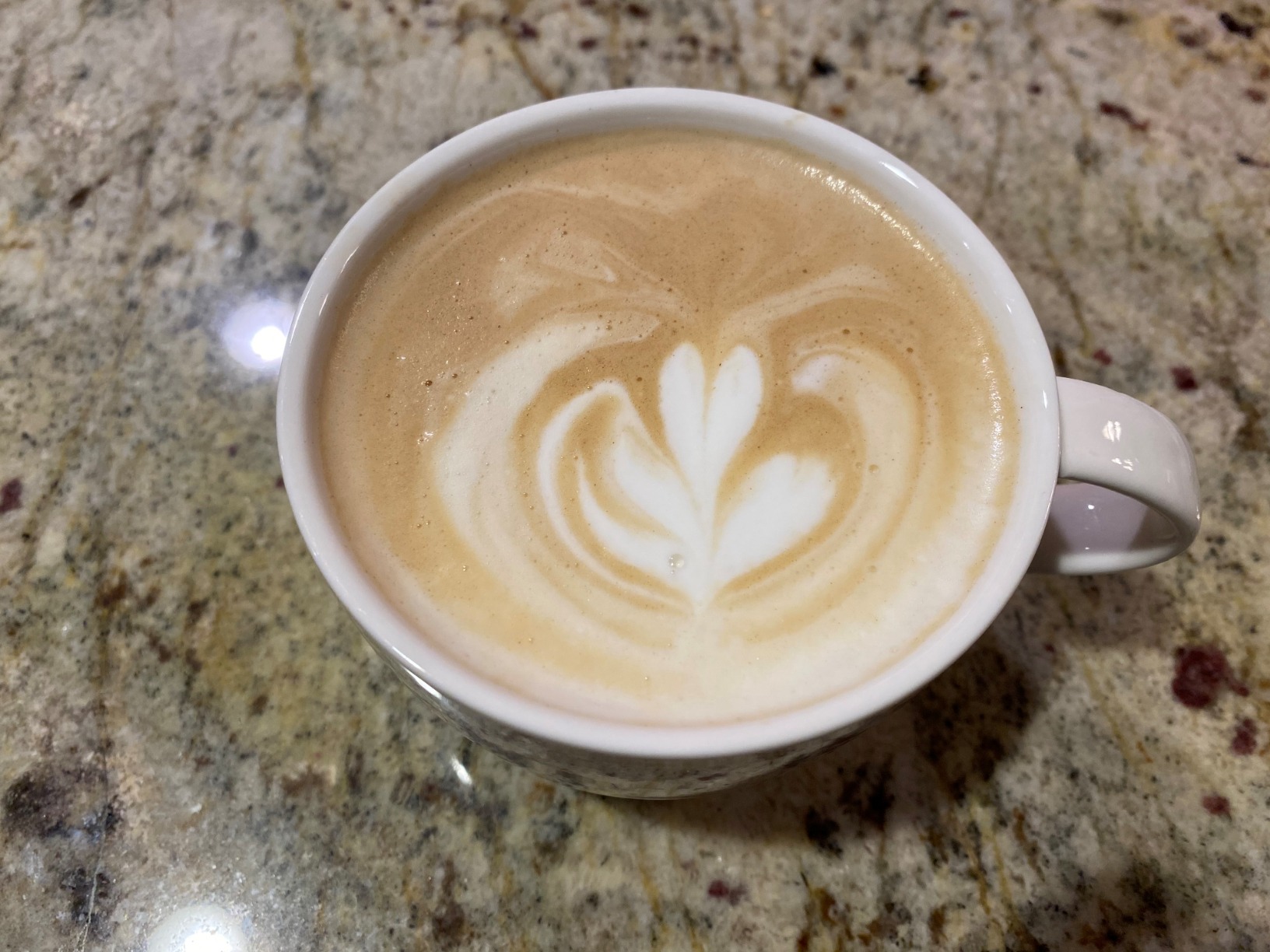
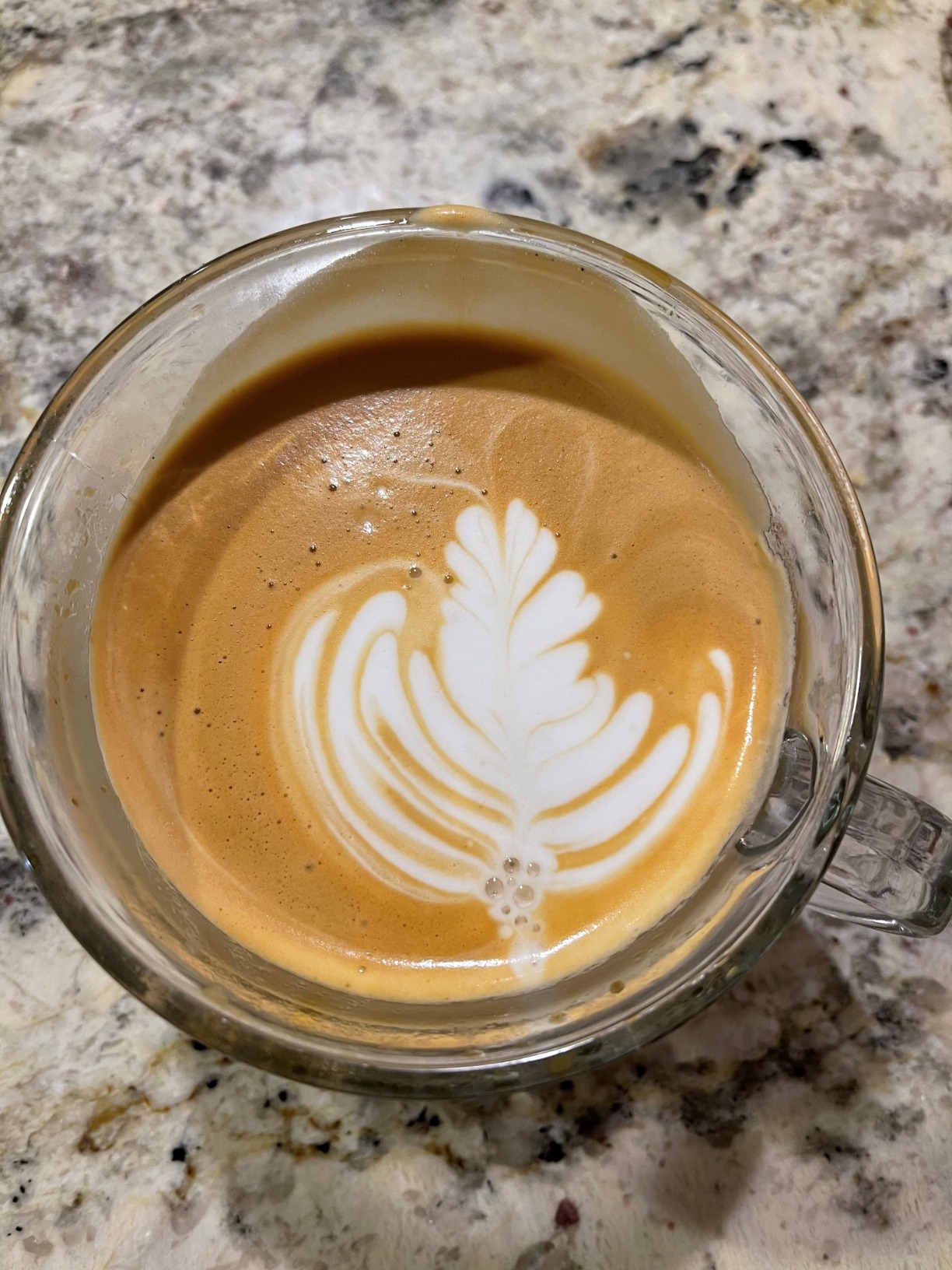
The steam wand on the Pro uses a 4-port tip design instead of the single or dual hole found on cheaper machines. This produces more powerful steam and creates microfoam faster. I was able to texture milk for a latte in about 30 to 40 seconds, compared to closer to a minute on the Express. The PID temperature control keeps extraction stable, and the pre-infusion system works the same way as on the Express, applying low pressure before the full 15-bar extraction kicks in.
One thing to watch: the steam wand ports on the 4-port tip are small and can clog with dried milk if you do not purge and wipe the wand immediately after each use. I learned this the hard way after a lazy weekend and had to soak the tip in hot water to clear the blockage. This is a minor inconvenience but worth knowing about before you buy.
Who Should Buy the Breville Barista Pro
The Barista Pro is the right choice if you value speed and visual feedback. The near-instant heat-up means no waiting around in the morning, and the LCD display takes the guesswork out of grinding and extraction timing. It is a strong pick for daily drinkers who make two or more milk drinks per day, since the powerful steam wand handles back-to-back lattes without struggling to maintain steam pressure.
It is also worth considering if you are choosing between the Express and the Pro and can stretch your budget. The better grinder, faster heat-up, and improved steam wand make a noticeable difference in daily use that justifies the extra cost over time.
Who Should Look Elsewhere
If you are strictly budget-conscious and the Barista Express already feels like a stretch, the Pro does not offer enough additional capability to justify the price gap for a beginner. The core espresso quality between the two machines is similar. If you already have a quality grinder, you are better off saving money on the Express or considering a brew-only machine like the Gaggia Classic Evo Pro.
Advanced users who want to experiment with pressure profiling or use temperature surfing techniques will not find those features here. The Pro is designed to be user-friendly, which means it handles the technical variables for you rather than giving you manual control over every parameter.
3. Breville Barista Express Impress – Guided Espresso with Smart Dosing
Breville Barista Express Impress Espresso Machine BES876BSS, Brushed Stainless Steel
- Intelligent dosing auto-calculates coffee amount
- Assisted tamping with consistent 10kg pressure
- 25 grind settings for precise customization
- Guided system great for beginners
- Beans occasionally jam in hopper
- No water low sensor can damage pump
- Tamper design could be more ergonomic
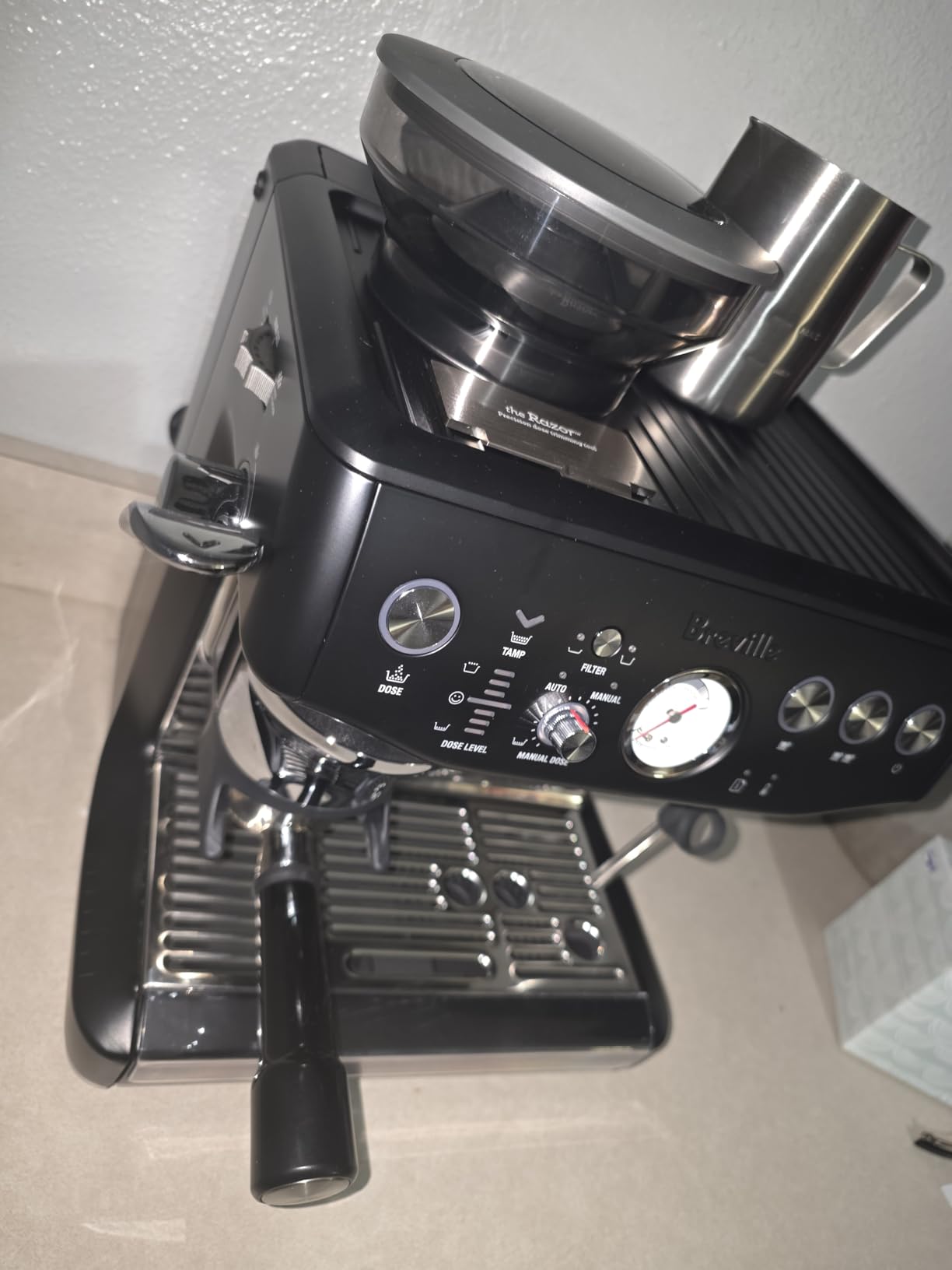
The Breville Barista Express Impress sits in a sweet spot between fully manual and fully automatic. What makes it different from the standard Barista Express is the Impress puck system. This uses intelligent dosing technology that calculates how much coffee you need and auto-corrects the dose on subsequent pulls. Combined with assisted tamping that applies a consistent 10 kilograms of pressure with a barista-style twist finish, this machine practically walks you through the puck preparation process.
When I first set it up, I was skeptical of the assisted tamping. Traditional baristas will tell you that tamping is an art you need to learn. But after two weeks of using the Impress, I have to admit the results are remarkably consistent. Every puck comes out evenly compressed, and my shot quality improved noticeably compared to my hand-tamping on the standard Barista Express. The 25 grind settings give you plenty of room to experiment with different beans and roast levels.
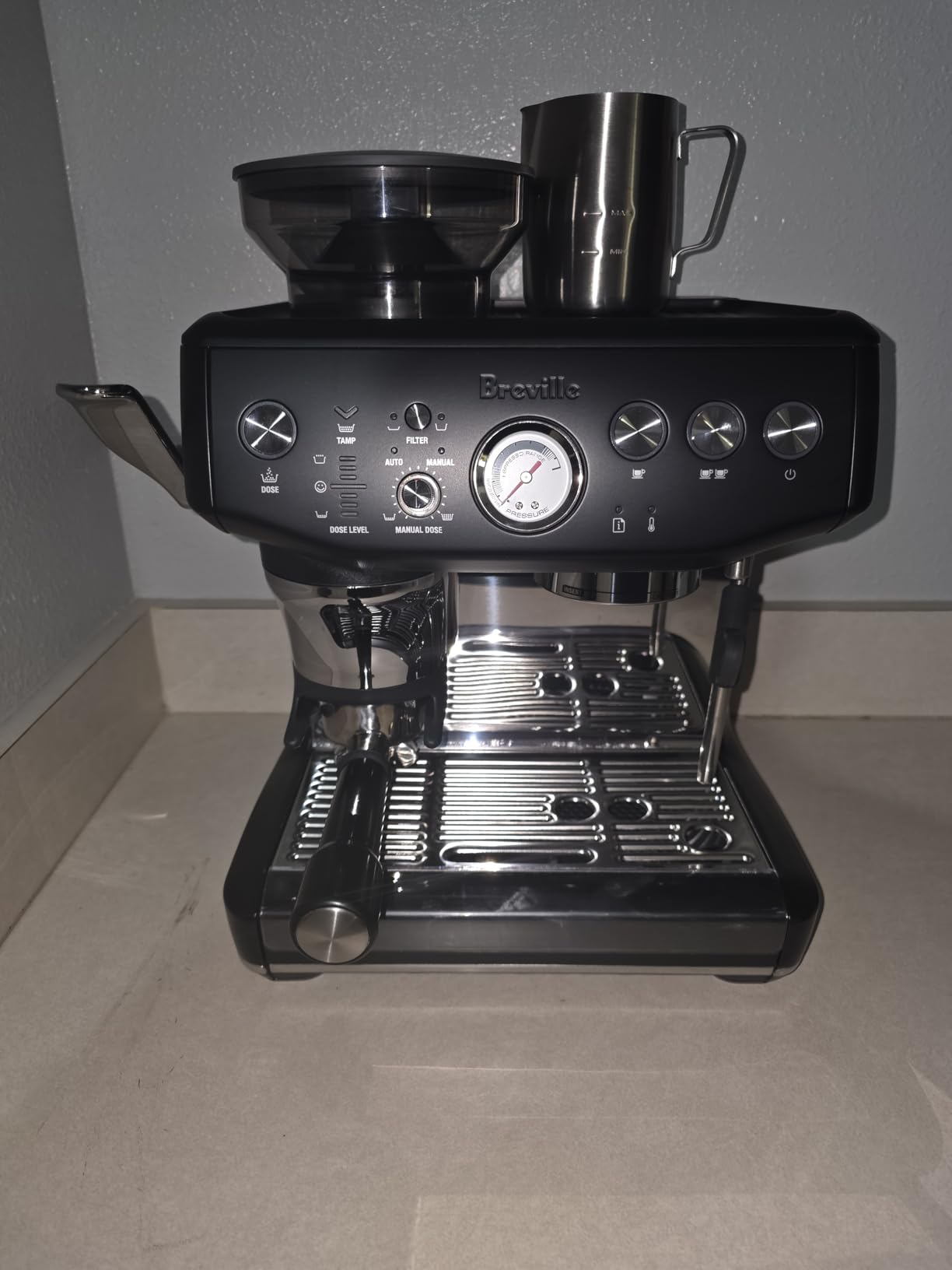
The thermocoil heating system with PID temperature control provides stable extraction temperatures, and the low pressure pre-infusion helps produce balanced shots. The steam wand is manual, the same style as on the other Breville machines in this range, and it produces good microfoam with practice. At 23.7 pounds, it is slightly heavier than the Barista Express, and the footprint is a bit wider at 14.5 inches.
One issue I ran into: the bean hopper can jam if you use oily dark roast beans. The beans stick together at the throat of the hopper and stop feeding into the grinder. I found that giving the hopper a gentle shake before each use solved the problem, but it is something to be aware of if you prefer darker roasts. Also, there is no low-water sensor, so you need to keep an eye on the 2-liter tank. Running the pump dry could cause damage over time.
Who Should Buy the Barista Express Impress
This is the best espresso machine under 1000 for someone who wants guided help without giving up control over the process. If you are a beginner who finds the idea of dialing in grind size, dose, and tamping pressure overwhelming, the Impress system removes most of that friction. You still get hands-on experience with pulling shots and steaming milk, but the machine handles the trickiest part: getting the puck right.
It is also a great choice for anyone who has been frustrated by inconsistent tamping. Even experienced home baristas have off days, and the assisted tamping system eliminates that variable entirely. If your shots have been channeling or extracting unevenly and you suspect your puck prep is the culprit, the Impress will fix that immediately.
Who Should Look Elsewhere
Purists who enjoy the craft of manual puck preparation will find the assisted system unnecessary. If you already have a solid tamping technique and enjoy the ritual of preparing each shot by hand, you might prefer the standard Barista Express or the Barista Pro, which give you full manual control. The Impress system also adds a layer of complexity that means more parts to clean and maintain over time.
If you frequently switch between different beans, the auto-dose system needs recalibration each time you change coffees. This is not a dealbreaker, but it adds a few extra steps to the process that might frustrate someone who rotates through four or five different roasts in a week.
4. Ninja Luxe Cafe Pro Series – Four Machines in One
- Four drink types from one machine
- Hands-free milk frother works automatically
- Barista Assist recommends grind settings
- Built-in scale for weight-based dosing
- Large footprint takes significant counter space
- Water tray needs frequent emptying
- No drain tube to sink
The Ninja Luxe Cafe Pro Series is unlike anything else on this list because it does not just make espresso. It is a four-in-one machine that handles espresso, drip coffee, cold brew, and hot water for tea. I was genuinely surprised by how well it handles all four functions without feeling like a compromise on any of them. The espresso mode uses a proper pump and pressure system, not the weak steam pressure you find on cheap combination machines.
The Barista Assist technology is one of those features I did not think I would care about until I used it. The machine recommends grind size adjustments based on your extraction results, which is helpful when you are switching between beans. The built-in scale doses by weight rather than time, which produces more consistent results than the volumetric dosing on some competitors. The integrated tamper works with a push of a lever, so there is no separate tamper to lose or store.
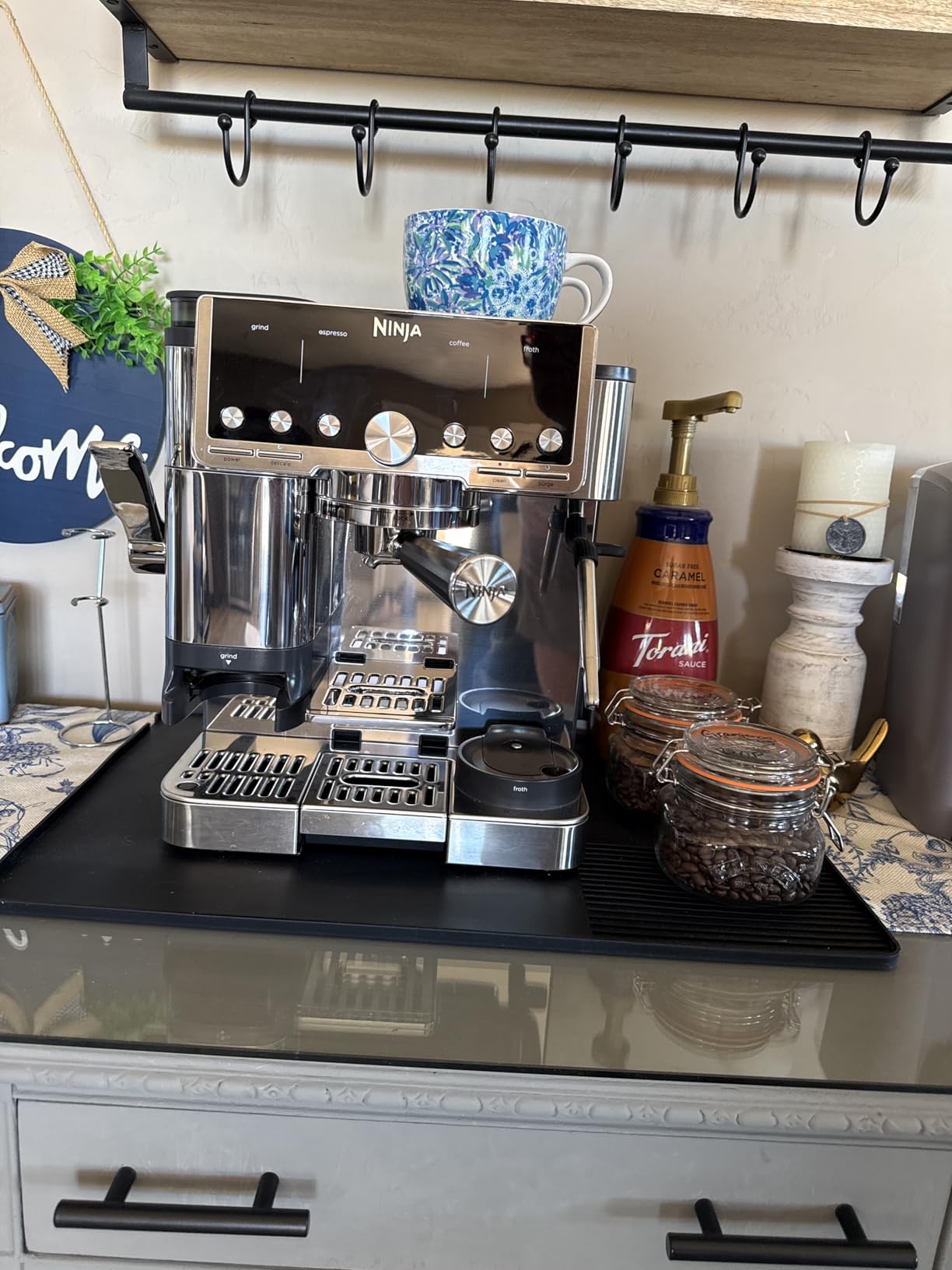
The Dual Froth System Pro is where this machine really shines for milk drink lovers. It has five preset froth programs and operates hands-free. You attach the frother to the included pitcher, select your program, and the machine does the rest. I tested it with whole milk, oat milk, and almond milk, and all three produced respectable foam. The auto-purge function cleans the frother wand after each use, which prevents milk buildup.
The main trade-off is size. At 27 pounds and 14.84 inches tall, this is one of the largest machines on the list. You need a decent amount of counter space and clearance under your cabinets. The water tray fills up quickly because the machine uses water for cleaning cycles and the drip coffee function in addition to espresso. Without a drain tube, you are emptying the tray manually after several drinks.
Who Should Buy the Ninja Luxe Cafe Pro Series
If your household drinks a variety of coffee types and you do not want three separate appliances on your counter, this is a compelling option. The ability to make proper drip coffee, cold brew, and espresso from one machine saves space and money. It is also a strong pick for families where not everyone wants espresso-based drinks.
The hands-free frother and guided grind recommendations make this an approachable option for beginners who want great results without spending weeks learning technique. If you want to press a button and have a well-made latte five minutes later, the Ninja Luxe Cafe Pro gets you closer to that than most machines in this price range.
Who Should Look Elsewhere
Dedicated espresso enthusiasts who want to focus purely on shot quality will find that single-purpose machines like the Gaggia Classic Evo Pro or the Breville Barista Express produce slightly more refined espresso. The Ninja is a jack of all trades, and while it does all four functions well, it does not master any single one. If counter space is tight, the 27-pound footprint and 14.84-inch height may be problematic.
The cold brew function uses a rapid extraction method rather than traditional long steeping. If you are particular about your cold brew and prefer the 12 to 24 hour steep method, this machine will not replace that process. It produces a concentrated cold brew-like drink in minutes, but the flavor profile is different from traditional cold brew.
5. Ninja Luxe Cafe Premier – Best Value 3-in-1 Machine
- Exceptional value compared to machines at 2-3x the price
- Consistent extraction shot after shot
- Built-in grinder with 25 settings
- Fantastic milk frother with cold foam option
- No single-dose filter basket included
- Drain float indicator can stick
- Plastic accessory holder feels cheap
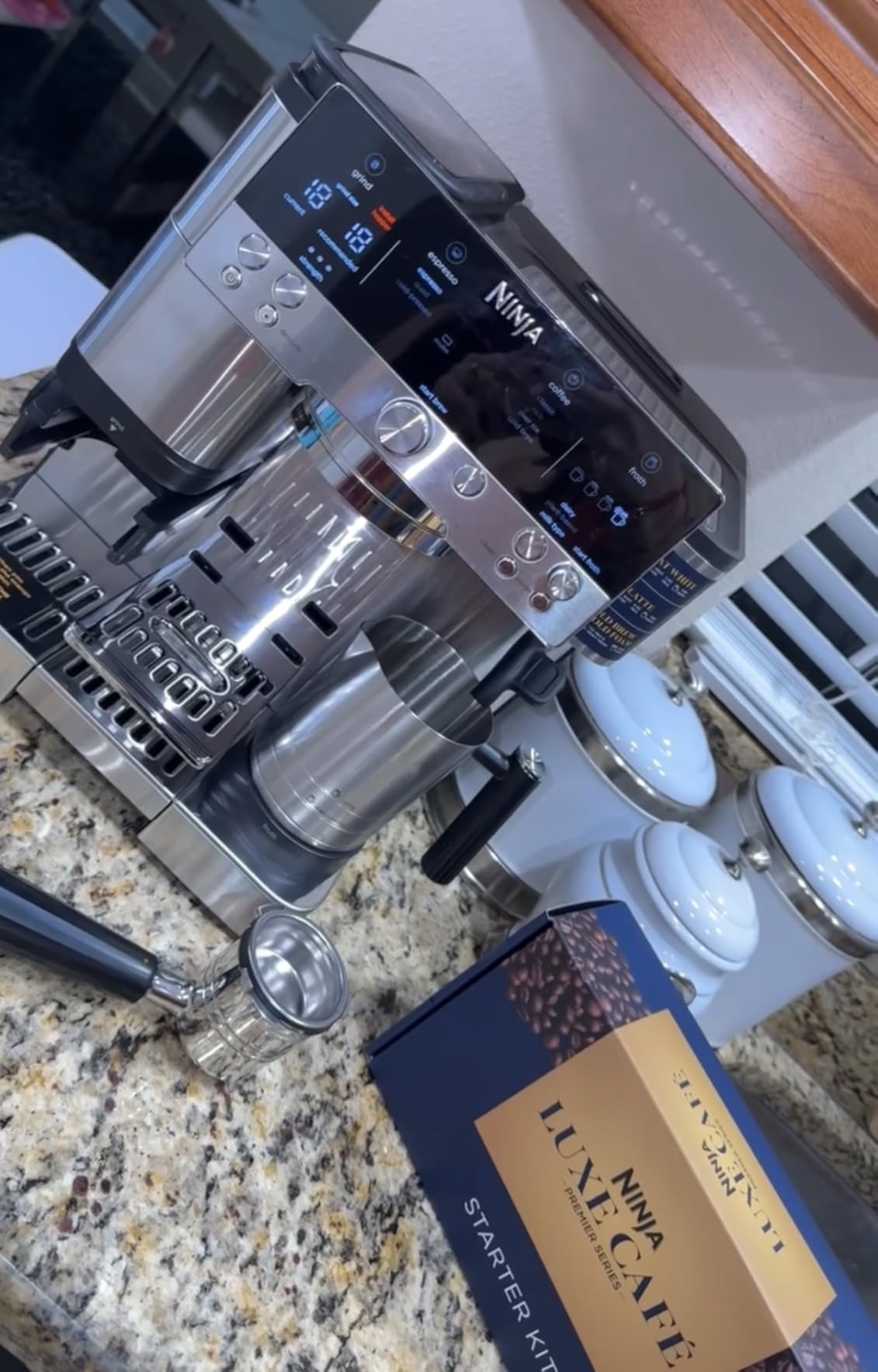
The Ninja Luxe Cafe Premier is the 3-in-1 version of the Pro Series, dropping the hot water function to come in at a lower price point. After testing both, I can say the Premier holds its own as one of the best values on this entire list. It produces espresso that rivals machines costing significantly more, and the built-in grinder with 25 settings is surprisingly capable for the price.
The Barista Assist technology works the same way here as on the Pro, recommending grind adjustments based on your extraction. The weight-based dosing with the built-in scale was a feature I grew to rely on. Instead of timing the grind or guessing how much coffee landed in the portafilter, the machine measures the dose by weight and stops grinding automatically. This consistency from shot to shot is something usually found on much more expensive machines.
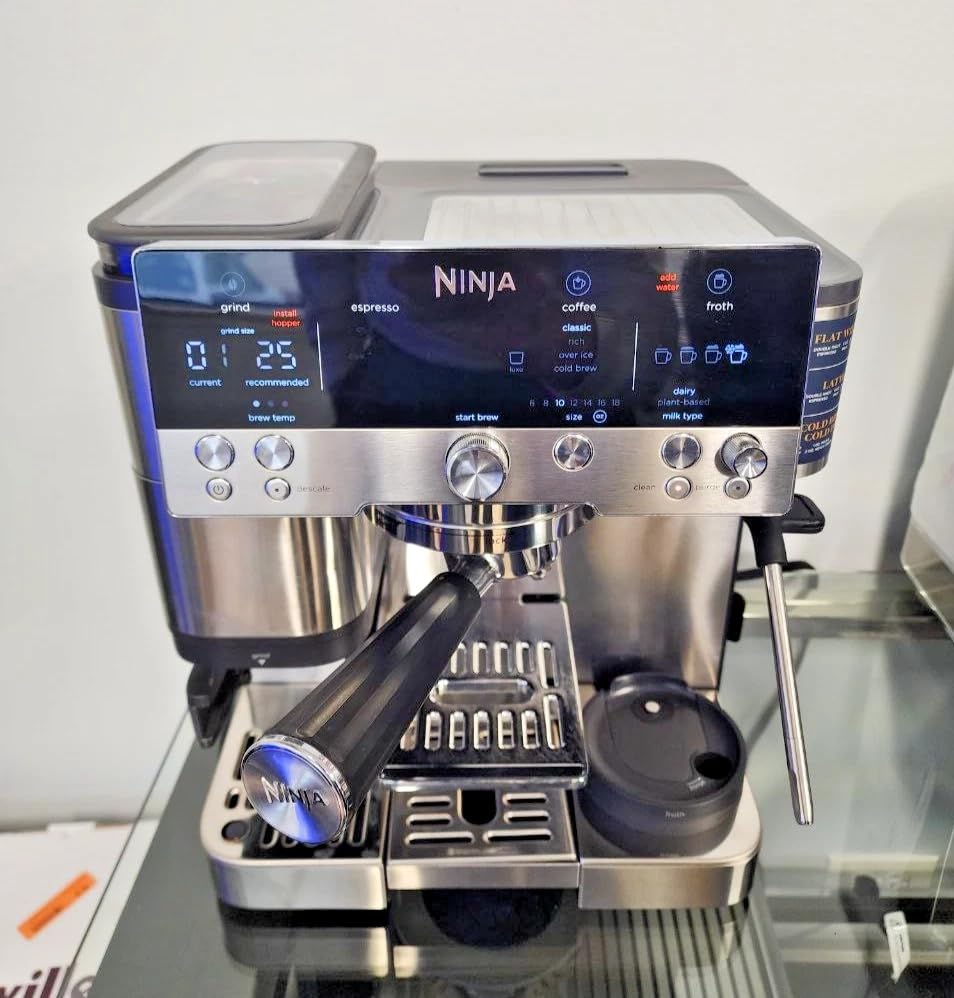
The Dual Froth System handles both hot and cold milk texturing with four preset programs. I was especially impressed with the cold foam setting, which produces a dense, creamy foam perfect for iced lattes. The hands-free operation means you can steam milk while preparing the next shot, which speeds up the workflow considerably when making multiple drinks.
One small annoyance: the machine only comes with double and quad filter baskets, not a single-dose option. If you prefer pulling single shots, you will need to source a compatible single basket separately. The drain float indicator also has a tendency to stick, which means the machine might tell you the drip tray is full when it is not. A quick jiggle fixes it, but it is an annoying quirk on an otherwise well-designed machine.
Who Should Buy the Ninja Luxe Cafe Premier
If you want the most features and capability for your money, this is the machine to beat. The 3-in-1 functionality, built-in grinder, hands-free frother, and Barista Assist technology make it feel like a much more expensive machine. It sits at number one in the Espresso Machine and Coffeemaker Combos category for good reason. For anyone making two to four drinks daily, this machine pays for itself within a few months compared to coffee shop visits.
It is also an excellent choice for people who want cold brew capability without dedicating a separate device or waiting overnight. The rapid cold pressed function produces a concentrated coffee that works well over ice, even if it is not traditional cold brew.
Who Should Look Elsewhere
If you already have a high-end grinder and only need a brewing device, the built-in grinder on the Premier is an unnecessary feature you would be paying for. In that case, a brew-only machine like the Gaggia Classic Evo Pro or even the compact CASABREWS would serve you better at a lower price. The 25.7-pound weight and 14.57-inch height mean you need to measure your counter space before ordering.
Pure espresso purists who want the most control over every variable will find the Ninja’s automated features limiting. There is no way to adjust brew temperature manually or experiment with pressure profiling. This machine is designed for consistency and convenience, not for tinkering.
6. Gaggia Classic Evo Pro Espresso Machine – Commercial Grade at Home
- Commercial-grade 58mm portafilter standard
- Self-serviceable and repairable design
- Outstanding durability and build quality
- Active community with decades of support
- No PID temperature control
- Requires temperature surfing for consistency
- Steam wand clogs if not cleaned immediately
The Gaggia Classic Evo Pro is a legend in the home espresso community, and after using one for several weeks, I understand why. This machine has been around in various forms for decades, and the community support is unmatched. There are YouTube channels, Reddit threads, and forum posts dedicated entirely to this specific machine. If something goes wrong, someone has already figured out how to fix it.
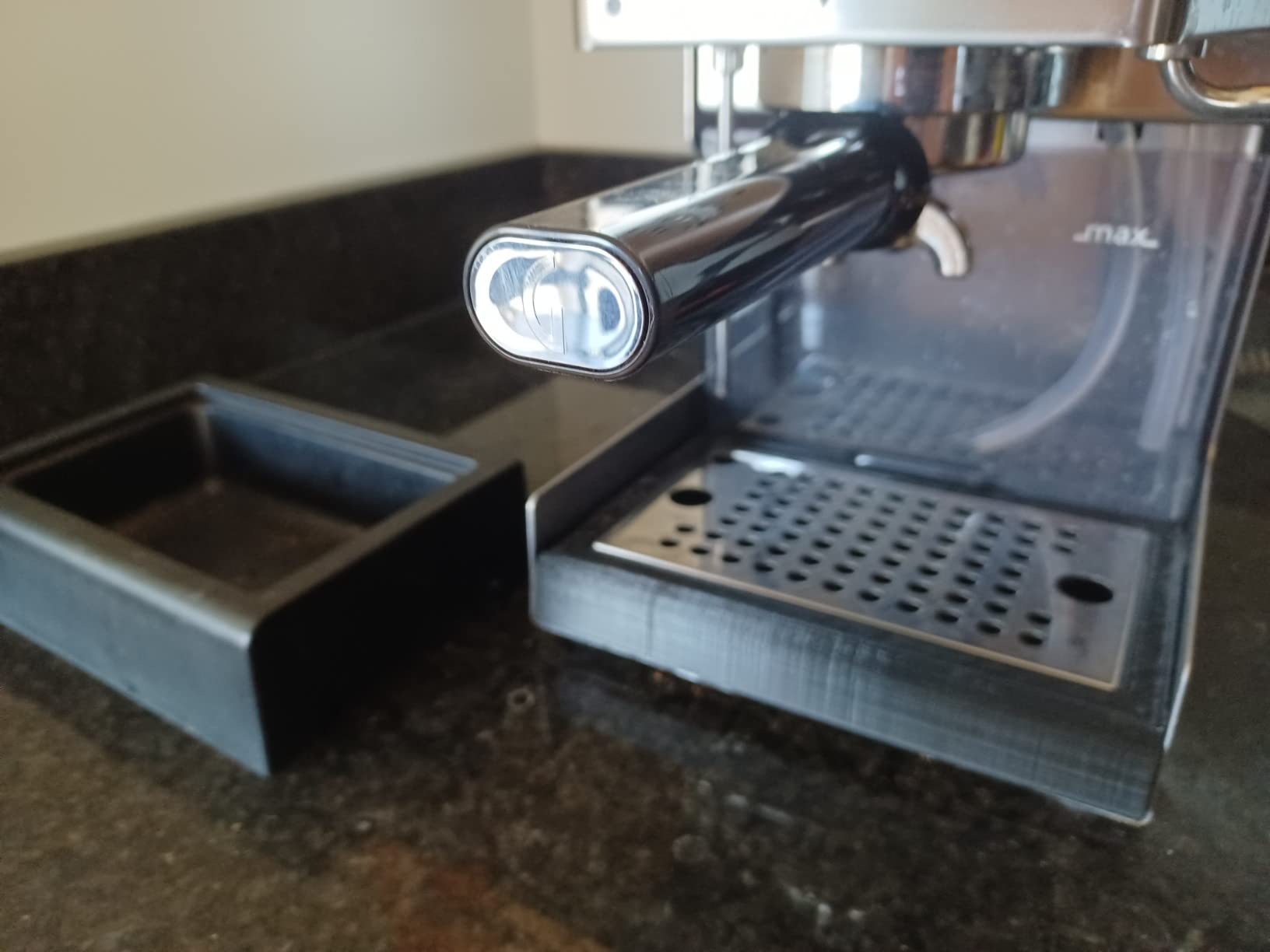
What sets the Gaggia apart from every other machine on this list is the commercial-grade hardware. The 58mm portafilter is the same standard used in professional cafes, which means you have access to the entire aftermarket ecosystem of precision baskets, tampers, and distribution tools. The commercial three-way solenoid valve releases pressure after extraction, producing a dry puck that pops out cleanly. The brass boiler retains heat well and is built to last for years.
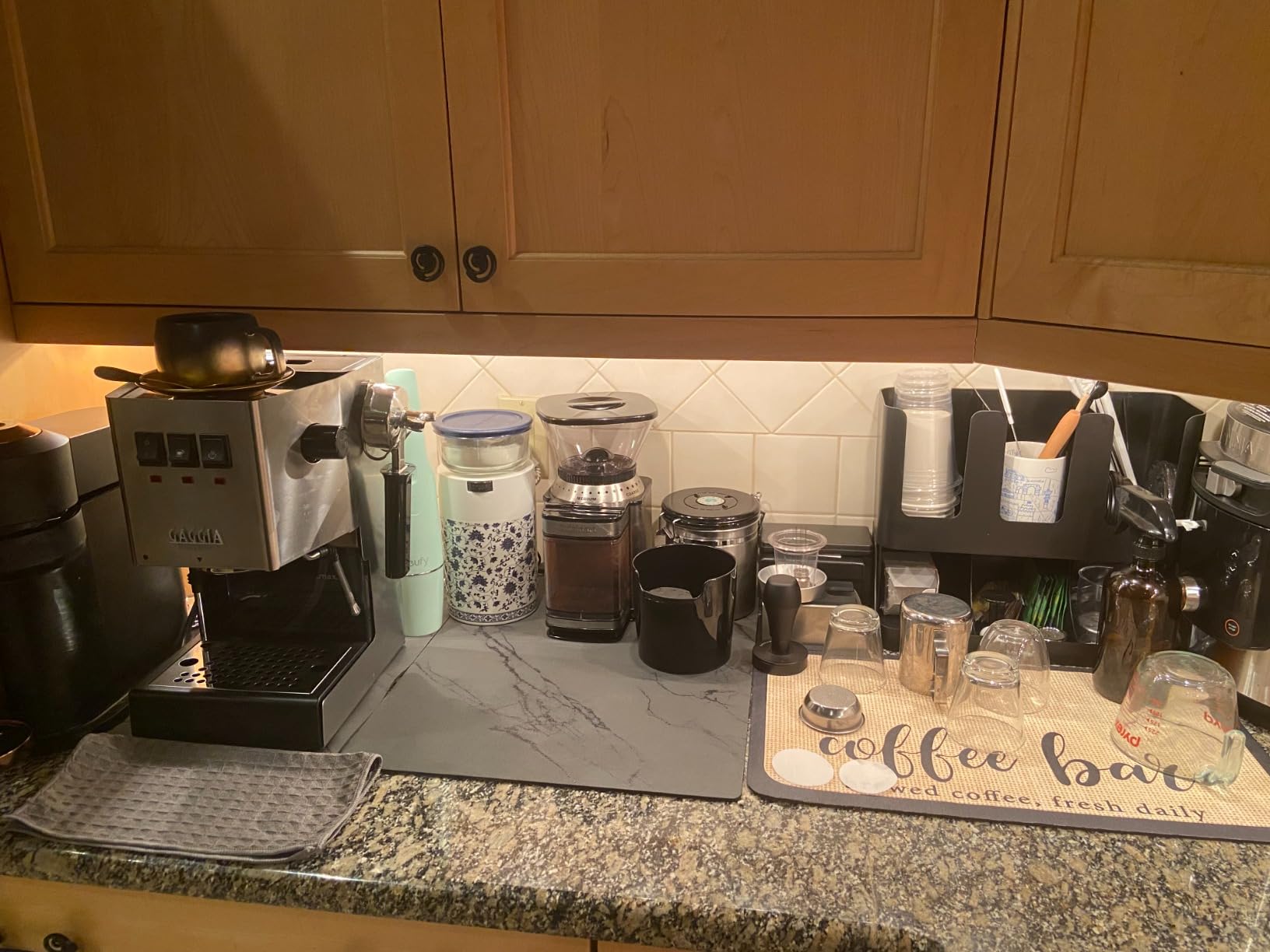
The biggest drawback is the lack of PID temperature control. The Gaggia uses a simple thermostat, which means the boiler temperature fluctuates in a cycle. Experienced users manage this with a technique called “temperature surfing,” where you run water through the group head, wait a specific amount of time, and then pull your shot. It works, but it adds an extra step and some inconsistency compared to PID-controlled machines. For about $30 to $50, you can install an aftermarket PID, which many Gaggia owners do.
The steam wand is commercial-grade and produces powerful steam once you get the timing right. I found it faster and more effective than the steam wands on the Breville machines, but you need to clean it immediately after each use. Milk residue dries quickly inside the tip, and once it clogs, it is difficult to clear without soaking. The machine is also self-serviceable, meaning you can open it up and replace parts yourself without voiding the warranty, which is rare at this price point.
Who Should Buy the Gaggia Classic Evo Pro
If you want to learn the craft of espresso making from the ground up, the Gaggia Classic Evo Pro is the best teacher. The 58mm commercial standard means you can upgrade individual components over time, and the self-serviceable design means this machine can last for decades with proper care. Reddit communities consistently recommend this as the best machine for aspiring home baristas who want to develop real technique.
It is also the best choice for anyone who already owns a quality standalone grinder. Since the Gaggia has no built-in grinder, you are not paying for a feature you do not need. Pair this with a good burr grinder, and you have a setup that produces espresso quality on par with machines at twice the price.
Who Should Look Elsewhere
If you want an all-in-one solution with a built-in grinder, the Gaggia is not it. You will need to budget for a separate grinder, which can add $100 to $300 or more depending on the model you choose. Beginners who are intimidated by temperature surfing and manual operation might find the learning curve steep compared to the guided experience of the Breville Impress or Ninja machines.
The compact 8-inch depth is great for small counters, but the machine feels utilitarian compared to the polished design of Breville or Ninja products. If aesthetics matter to you, the stainless steel Gaggia looks functional rather than elegant. Also, you will need to descale quarterly and use filtered water to prevent boiler coating issues that some long-term owners have reported.
7. CASABREWS CM5418 Compact Espresso Machine – Small Space Champion
- Best-selling compact espresso machine
- Excellent value with 7700+ reviews
- 20-bar professional pump
- Small footprint fits tight spaces
- Included plastic tamper is low quality
- Cannot brew immediately after steaming
- 51mm portafilter limits accessory options
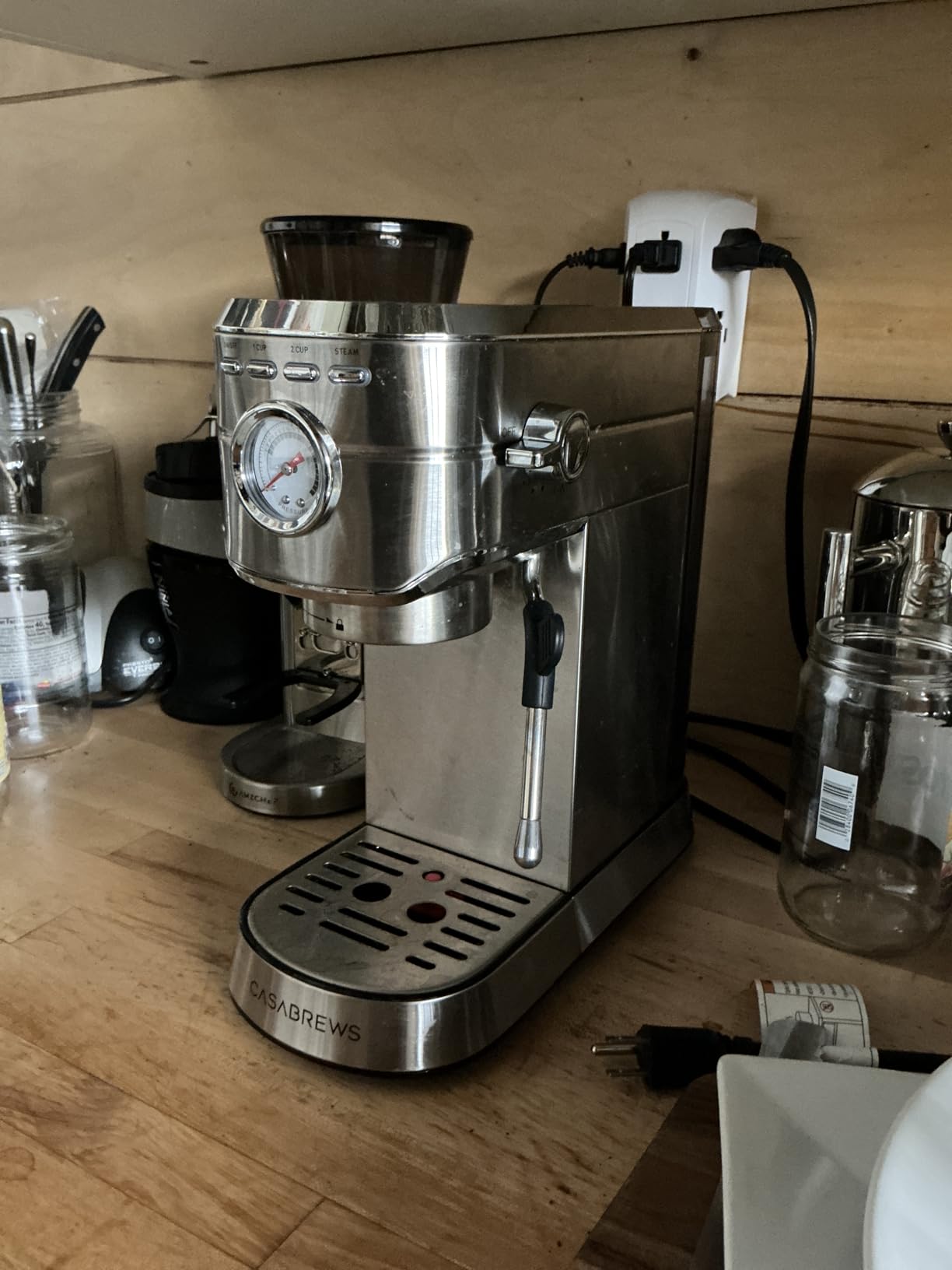
The CASABREWS CM5418 holds the number one spot in the semi-automatic espresso machine category on Amazon, and after testing one, I can see why. At just 5.47 inches wide and 8.59 pounds, this is the most compact machine on the list by a wide margin. It fits in spaces where nothing else will, from tiny apartment kitchens to office break rooms to RV countertops.
Despite the small size, the CASABREWS packs a 20-bar Italian pump and a 1350-watt boiler that produce genuinely good espresso. The pressure gauge on the front gives you visual feedback during extraction, which helps you understand whether your grind and dose are in the right range. I was pulling drinkable shots within the first hour of unboxing, and after a few days of adjusting grind size on my standalone grinder, the results were impressive for a machine at this price.
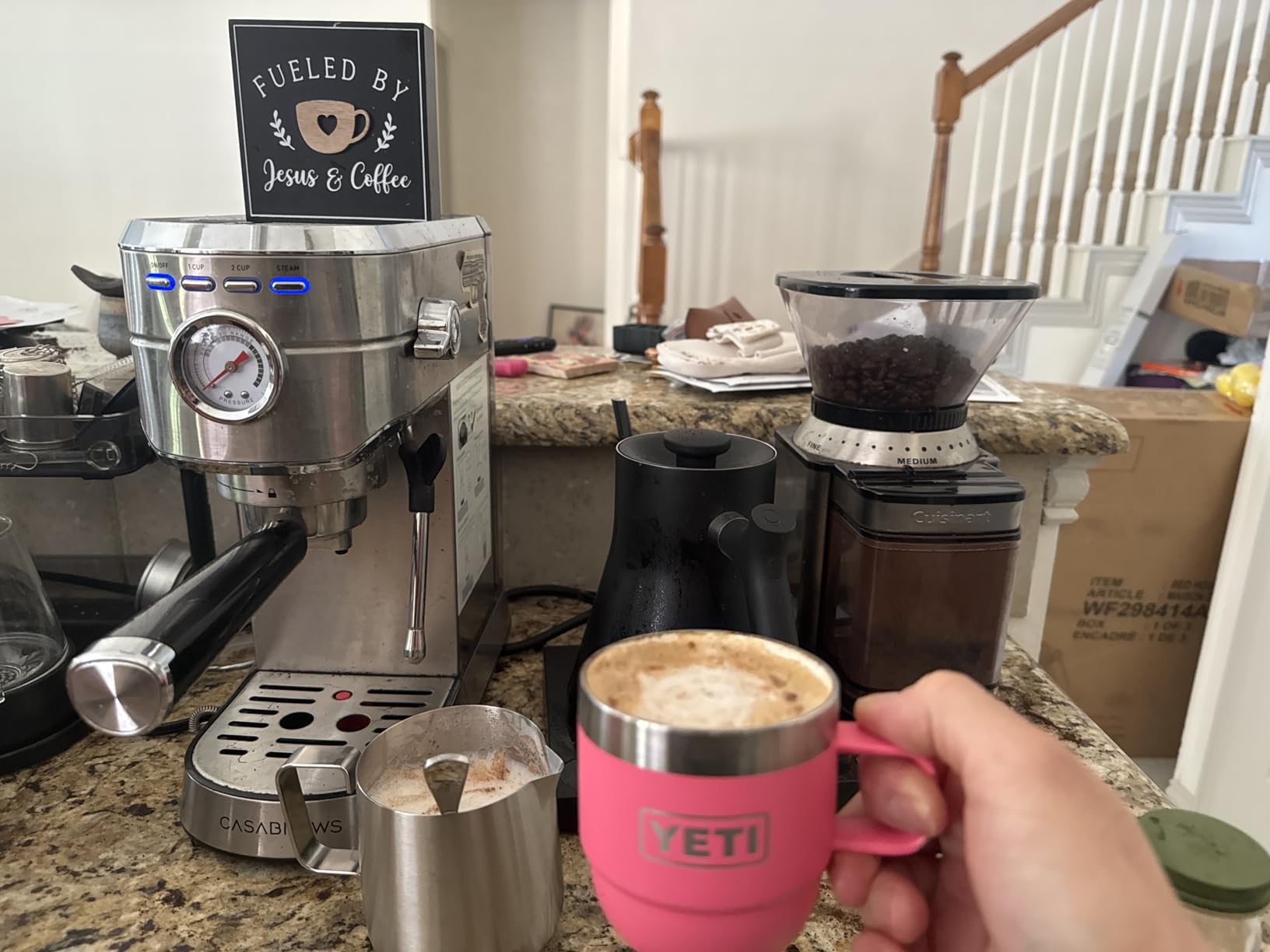
The steam wand works for basic milk frothing and produces enough foam for cappuccinos and lattes. However, the machine uses a single boiler, which means you cannot brew espresso and steam milk at the same time. More importantly, you need to wait for the boiler to cool down after steaming before you can pull another shot. This cool-down period takes about 30 to 60 seconds and disrupts the workflow if you are making multiple drinks back to back.
The included accessories leave something to be desired. The tamper is plastic and sits loosely in the 51mm portafilter, which makes consistent tamping difficult. I would recommend buying a proper metal tamper immediately. The portafilter and filter baskets also feel lightweight compared to the commercial-grade 58mm options on the Gaggia or Gevi. But these are minor complaints given the price point and the compact form factor.
Who Should Buy the CASABREWS CM5418
If counter space is your primary constraint, the CASABREWS is the clear winner. At just over five inches wide, it fits where no other machine on this list can. It is also one of the most affordable entries into real espresso making, perfect for college apartments, small kitchens, or anyone who wants to try espresso without a major investment.
The 7700+ reviews and 4.4-star rating speak to a broad base of satisfied users. For someone who drinks one or two espresso-based drinks a day and does not need advanced features like PID control or a built-in grinder, the CASABREWS delivers where it counts: in the cup.
Who Should Look Elsewhere
If you plan to make multiple milk drinks in a row, the cool-down period between steaming and brewing will frustrate you. The 51mm portafilter is a non-standard size, so finding aftermarket baskets, tampers, and accessories is more difficult than with the 58mm standard. The build quality is adequate but not in the same league as the Gaggia or Breville machines.
Anyone who wants a built-in grinder will need to look at other options. The CASABREWS is brew-only, so you need a separate grinder. If you do not already own one, factor that additional cost into your budget. The De’Longhi Stilosa is another compact option at a similar price that some users may prefer for its brand reputation and warranty support.
8. De’Longhi Stilosa Manual Espresso Machine – Entry-Level Italian Craft
- Quick 30-40 second heat up
- Compact design saves counter space
- Large community of YouTube tutorials
- Reliable and durable for the price
- Included plastic tamper is low quality
- Manual timing requires practice
- Steam wand sleeve traps milk residue
The De’Longhi Stilosa is one of the most popular entry-level espresso machines in the world, with over 13,000 reviews backing it up. It occupies a similar space to the CASABREWS in terms of price and target audience, but it comes from De’Longhi, a brand with decades of Italian espresso machine manufacturing behind it. I tested the Stilosa alongside the CASABREWS to compare the two most affordable options on the list.
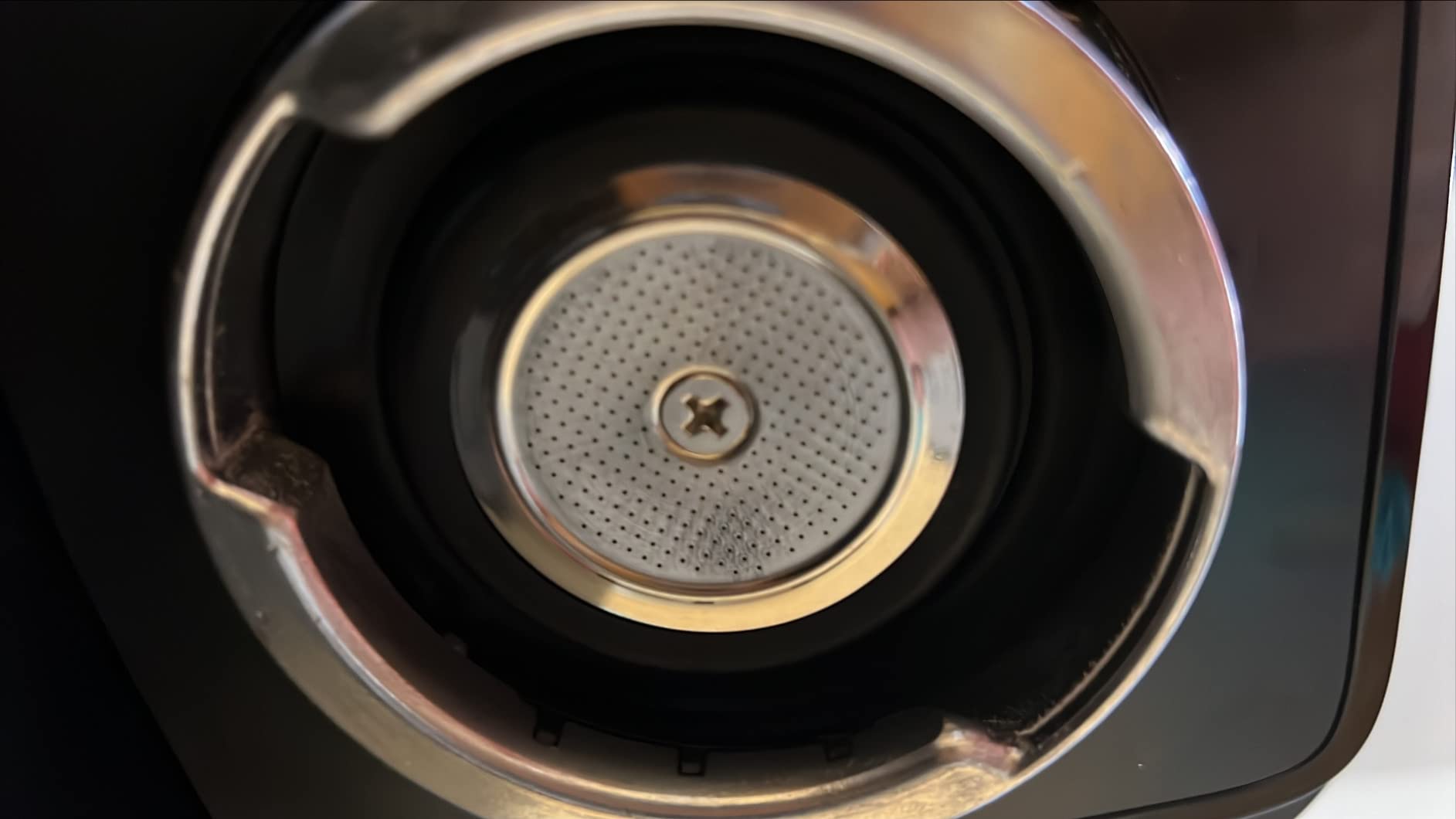
The Stilosa heats up in about 30 to 40 seconds, which is quick for a machine at this price. The 15-bar pump produces enough pressure for proper extraction, though the espresso is slightly less intense than what you get from the 20-bar machines. The stainless steel boiler is simple but reliable, and the compact footprint at 8.07 inches deep and 11.22 inches tall makes it easy to fit on any counter.
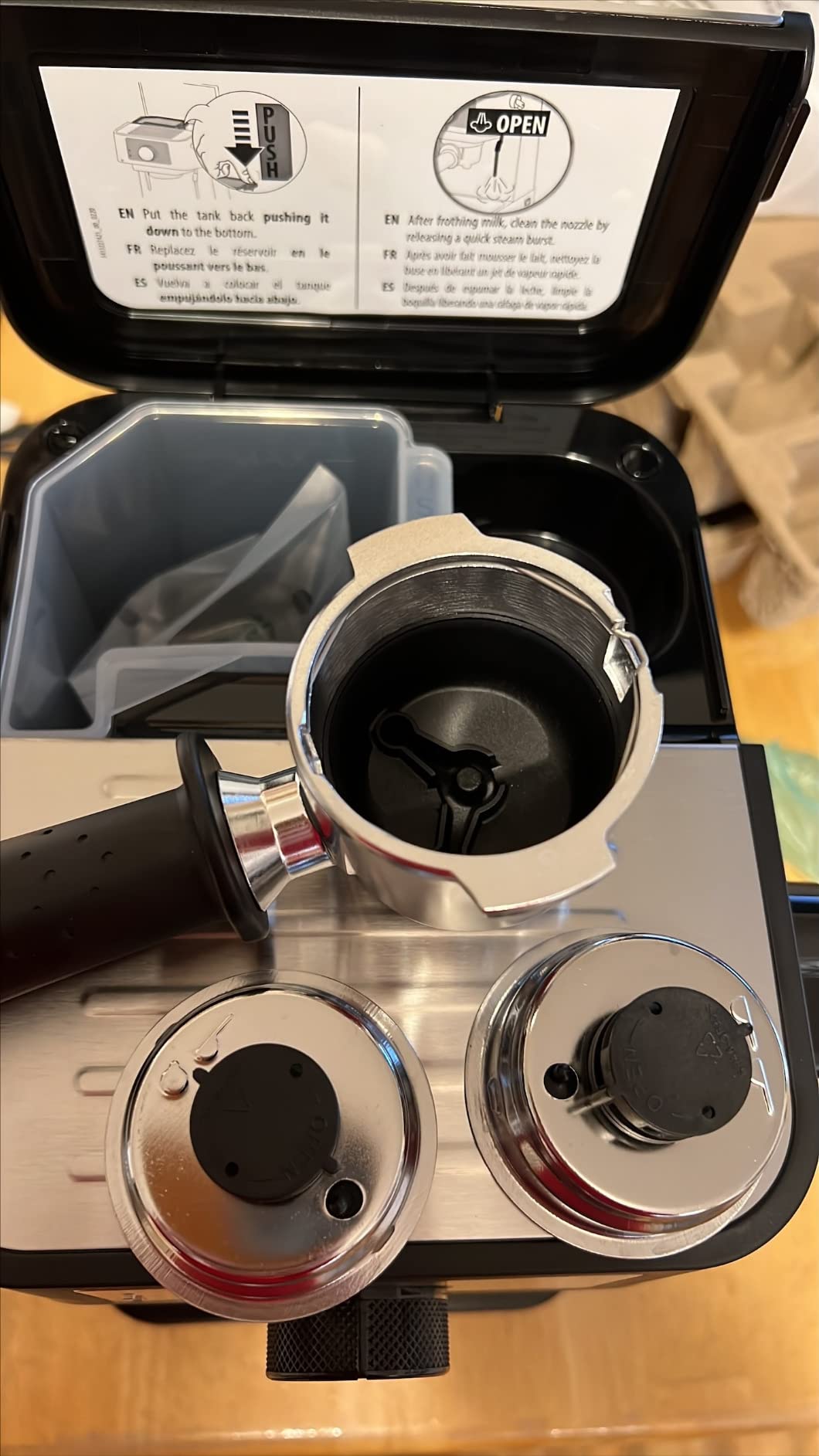
Manual operation means you control everything: grind size, dose, tamping pressure, and extraction time. There is no PID, no auto-dosing, and no built-in grinder. This makes the Stilosa a pure learning tool. The upside is that you develop genuine barista skills. The downside is that your first few dozen shots might be inconsistent while you figure out the right combination of variables. The large YouTube community around this machine helps significantly with troubleshooting.
The steam wand has a plastic outer sleeve that tends to trap milk residue between the layers. If you do not take the sleeve off and clean it after every use, milk builds up and eventually affects performance. The included tamper is the same plastic style as the CASABREWS, and I would recommend upgrading to a metal tamper for better results. Tall mugs do not fit under the portafilter without removing the drip tray grate.
Who Should Buy the De’Longhi Stilosa
If you want the most affordable path to learning real espresso technique from a trusted Italian brand, the Stilosa is hard to beat. The 13,000+ reviews confirm that thousands of users have successfully learned to make good espresso on this machine. It is the perfect starter setup for someone who plans to upgrade later but wants to develop fundamental skills first.
It is also a good option if you already have a quality burr grinder and just need a simple, reliable brew-only machine. The stainless steel boiler and straightforward design mean there is less that can go wrong, and De’Longhi parts and service are widely available.
Who Should Look Elsewhere
If you want convenience features like a built-in grinder, PID temperature display, or programmable shot volumes, the Stilosa has none of these. It is as manual as it gets, which is both its strength and its limitation. Anyone who wants to make milk drinks quickly will find the single-boiler cool-down period between brewing and steaming annoying, just like with the CASABREWS.
The 15-bar pressure is lower than the 20-bar standard on most other machines in this guide. While this does not dramatically affect espresso quality, it can mean slightly thinner crema compared to the higher-pressure alternatives. If you plan to make lots of milk-based drinks and want the thickest crema possible, the CASABREWS or the Gevi might serve you better.
9. De’Longhi La Specialista Opera – Premium Features with Cold Brew
- Smart Tamping Technology for consistent pucks
- Built-in grinder with 15 settings
- Cold brew capability is unique
- Commercial-style steam wand for microfoam
- Grinder can jam with certain beans
- Bean canister is not removable
- Control panel labels wear off over time
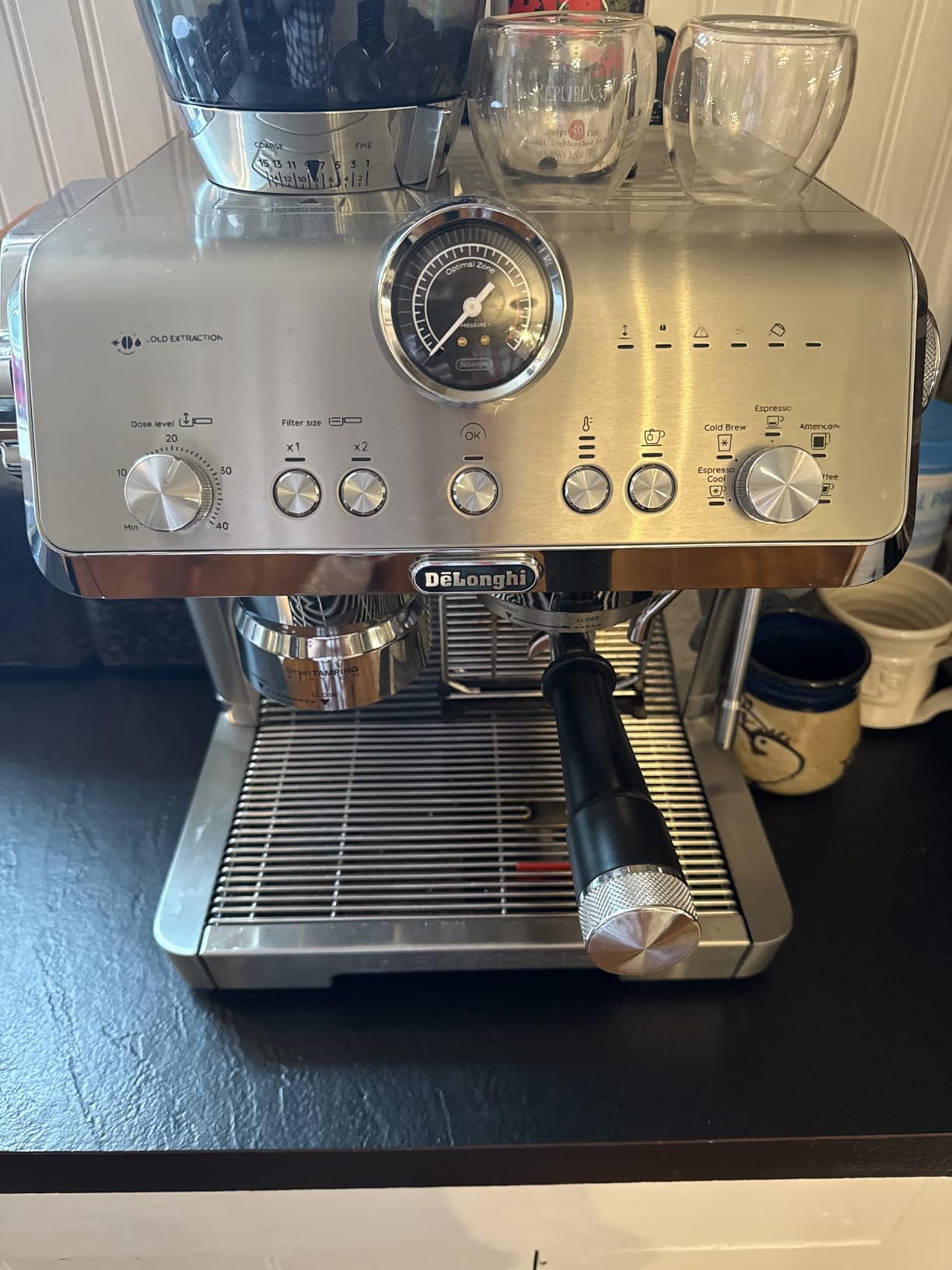
The De’Longhi La Specialista Opera is the most feature-rich machine on this list and the most expensive De’Longhi option. It combines Smart Tamping Technology, Active Temperature Control with three infusion temperatures, a built-in burr grinder with 15 settings, and a unique cold extraction technology that no other machine here offers. I spent three weeks with the Opera to see if the premium price is justified.
The Smart Tamping system works similarly to the Breville Impress, but with a different mechanical approach. After the grinder doses into the portafilter, you pull a lever to tamp the puck. The machine applies consistent pressure and produces a level puck every time. I found it slightly less intuitive than the Breville Impress system, but the results were comparable. The Active Temperature Control lets you select from three temperature settings, which is useful if you switch between light and dark roasts that extract better at different temperatures.
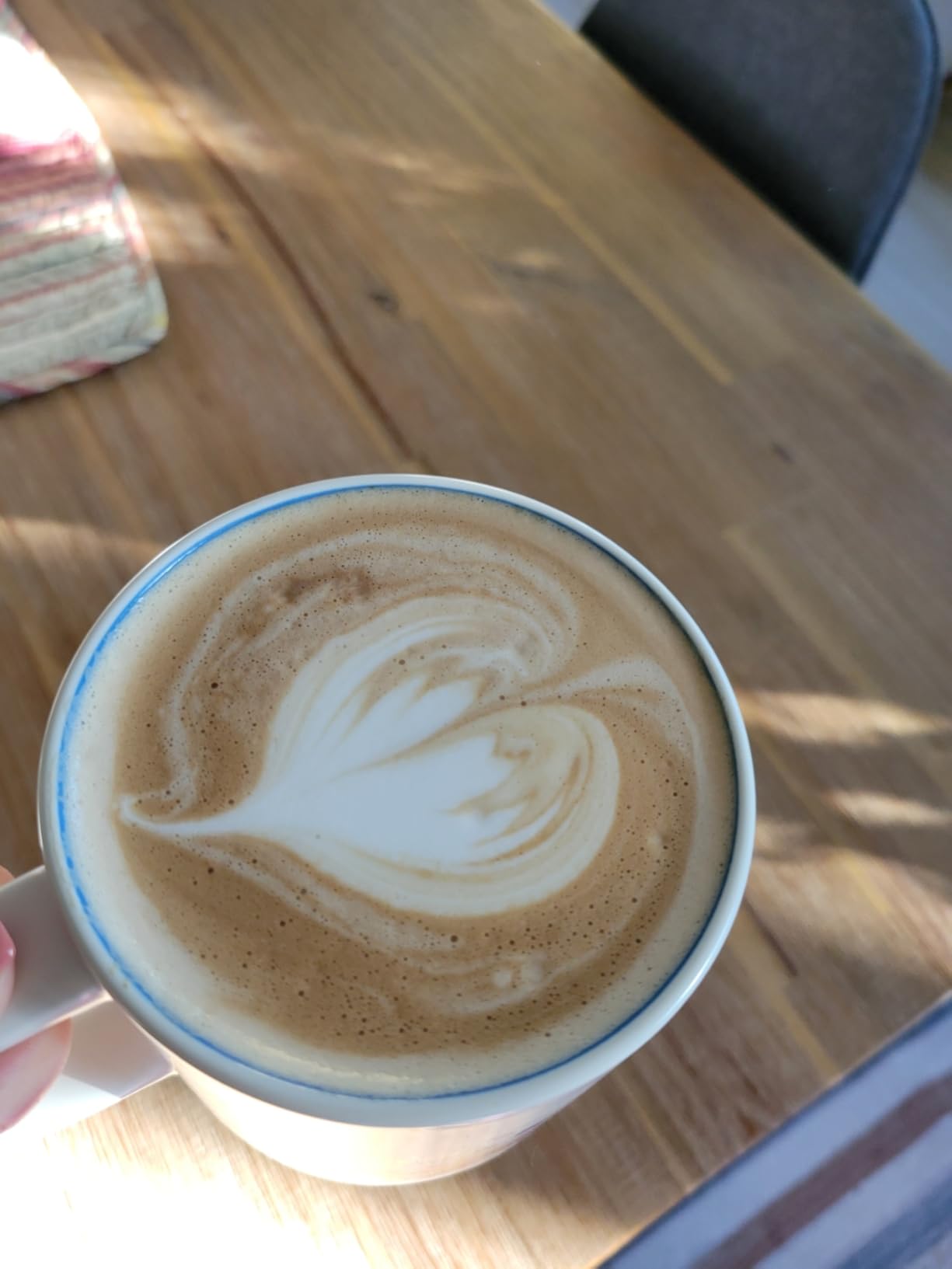
The cold extraction technology is the standout feature. It produces a cold-brew-style concentrated coffee in a few minutes using a specialized extraction method. It is not traditional cold brew, which steeps for hours, but the result is a smooth, low-acidity coffee that works well over ice. If you drink iced coffee regularly, this feature alone might justify choosing the Opera over other machines.
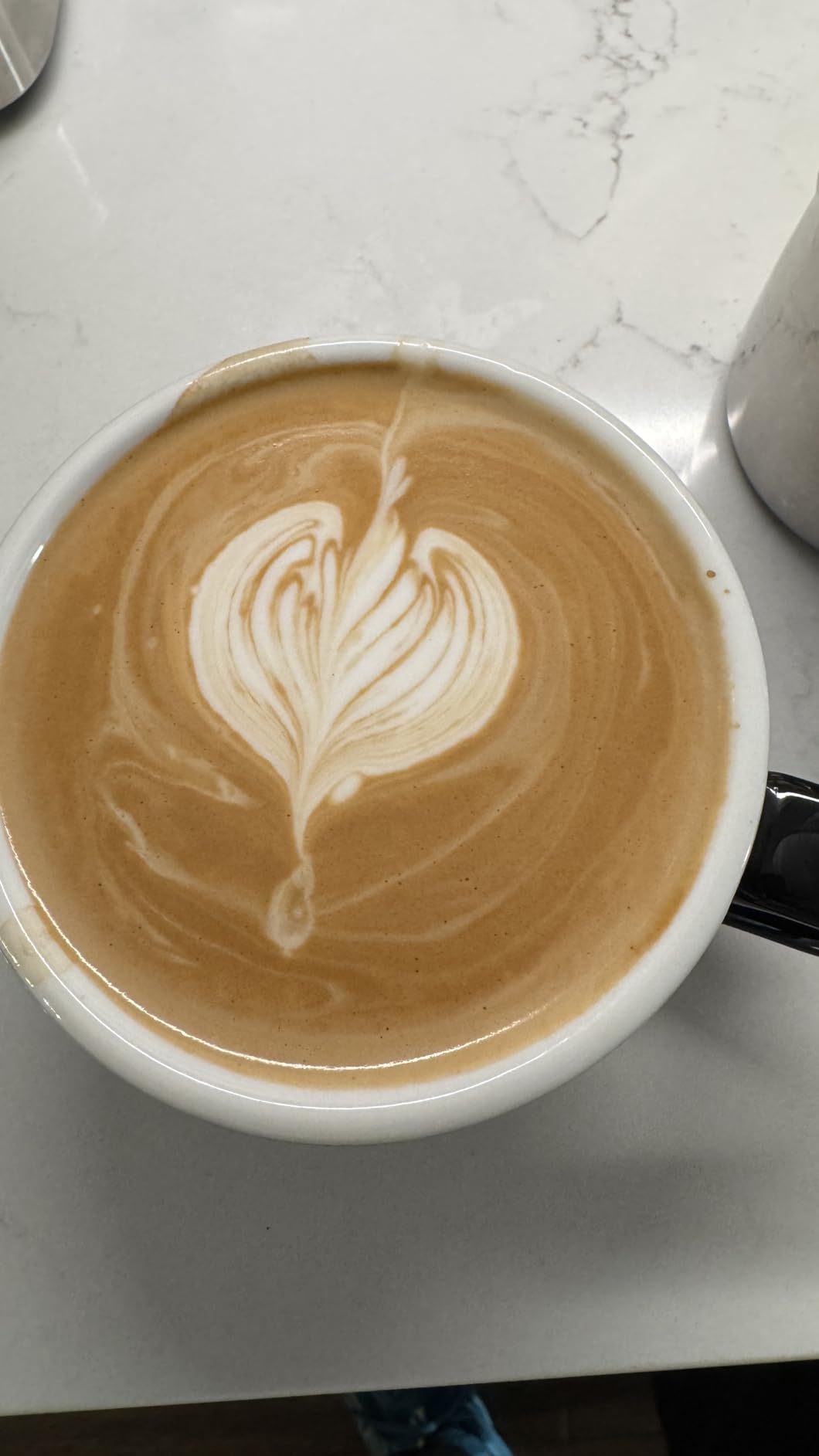
The commercial-style steam wand produces excellent microfoam, the best I experienced among all the machines with built-in grinders. It has the power and control to create foam suitable for latte art, which is not something I can say about every machine in this guide. The 19-bar Italian pump delivers strong, consistent extraction pressure, and the pre-infusion system helps produce balanced shots with good crema.
Who Should Buy the De’Longhi La Specialista Opera
If you want the most feature-complete machine on this list and cold brew is important to you, the Opera is the obvious choice. The combination of Smart Tamping, Active Temperature Control, cold extraction, and a commercial-grade steam wand means this machine can handle nearly any coffee drink you want to make. It is well-suited for households with diverse coffee preferences where some people drink espresso and others prefer cold brew or drip-style coffee.
The build quality is solid stainless steel, and at 28 pounds, it is the heaviest machine on the list. This weight translates to stability during extraction and a premium feel on the counter. The included milk frothing jug is a nice addition that saves you from buying one separately.
Who Should Look Elsewhere
Several design quirks hold the Opera back from a higher rating. The bean canister is not removable, which makes cleaning and switching beans awkward. The control panel labels have been reported to wear off with regular use, which is an unusual quality issue on a machine at this price. The grinder can jam with oily or dark-roasted beans, requiring you to clear it manually.
At 28 pounds with a 15-inch width and 17.5-inch height, this machine demands serious counter space. If your kitchen is tight, the Ninja Luxe Cafe machines or the Breville options offer similar functionality in smaller packages. The 345-review count is also much lower than the Breville Barista Express’s 27,000 reviews, which means the long-term reliability data is less established.
How to Choose the Best Espresso Machine Under 1000
Picking the right espresso machine comes down to matching features with how you actually drink coffee. After testing all ten machines on this list, here are the factors that matter most when making your decision.
Boiler Type: The Heart of Your Machine
The boiler type determines how fast your machine heats up and whether you can brew and steam at the same time. Single boilers are the most common type under 1000. They handle both brewing and steaming but not simultaneously. You brew your shot, then switch to steam mode and wait for the boiler to reach steaming temperature. Machines like the Gaggia Classic Evo Pro, CASABREWS, and De’Longhi Stilosa use single boilers.
Thermoblock and thermocoil systems heat water on demand rather than maintaining a full boiler of hot water. Breville uses thermocoil technology in the Barista Express and Impress models. The ThermoJet system in the Barista Pro is even faster, reaching brewing temperature in about three seconds. If speed matters to you, thermoblock-based machines have a clear advantage.
PID Temperature Control: Why It Matters
PID stands for Proportional-Integral-Derivative, and in espresso machines, it is a controller that keeps water temperature stable during extraction. Consistent temperature means consistent espresso. Without PID, the boiler temperature fluctuates, and your shots can taste sour one time and bitter the next. Every Breville machine on this list includes PID, as does the Gevi and the De’Longhi La Specialista Opera.
The Gaggia Classic Evo Pro does not include PID out of the box. Many users install an aftermarket PID kit for about $30 to $50, which transforms the machine’s consistency. If you buy the Gaggia, I would recommend budgeting for this upgrade. The De’Longhi Stilosa and CASABREWS also lack PID, which is expected at their price points.
Built-in Grinder vs. Separate Grinder
This is one of the most debated topics in the espresso community. Machines with built-in grinders like the Breville Barista Express, Ninja Luxe Cafe, Gevi, and De’Longhi Opera offer convenience and save counter space. The downside is that built-in grinders are generally not as capable as standalone grinders. The Reddit espresso community often recommends buying a machine without a grinder and investing in a quality separate burr grinder instead.
For most people buying their first espresso machine, the built-in grinder is the right call. It simplifies the setup, reduces the total investment, and produces espresso that is good enough for all but the most discerning palates. If you already own a good grinder or plan to buy one separately, the Gaggia Classic Evo Pro, CASABREWS, and De’Longhi Stilosa are the brew-only options on this list.
Steam Wand Performance for Milk Drinks
If you drink lattes, cappuccinos, or any milk-based drinks, the steam wand is just as important as the espresso extraction. Commercial-style steam wands like the one on the Gaggia Classic Evo Pro and the De’Longhi La Specialista Opera produce the most powerful steam and the finest microfoam. The Breville machines have capable but less powerful wands. The Ninja machines use hands-free frothing systems that automate the process entirely.
Single boiler machines require you to wait between brewing and steaming. This is a minor inconvenience if you make one drink at a time, but it slows you down when preparing drinks for multiple people. If you frequently make several milk drinks in a row, consider how this cool-down period fits into your routine.
Counter Space and Maintenance
Measure your counter space before you buy. The machines on this list range from the compact CASABREWS at 5.47 inches wide to the De’Longhi La Specialista Opera at 15 inches wide and 17.5 inches tall. If you have overhead cabinets, check the height clearance. The Ninja Luxe Cafe machines and the De’Longhi Opera are the tallest options and may not fit under low cabinets.
All espresso machines require regular maintenance. Descaling every one to three months keeps the boiler and internal passages clean. The steam wand should be wiped and purged after every use. Built-in grinders need occasional cleaning to remove coffee oils. Factor in the cost of descaling solution, water filters, and cleaning tablets when budgeting for your machine. The Breville machines include most cleaning accessories in the box, which is a nice bonus.
Durability and Long-Term Value
Espresso machines are an investment, and longevity varies significantly. The Gaggia Classic Evo Pro has the strongest track record, with users reporting decades of service from machines that are fully repairable and self-serviceable. Breville machines generally last five to ten years with proper maintenance, based on the massive user review base. The Ninja machines are newer to the market, so long-term durability data is still building.
The best indicator of long-term value is parts availability and community support. The Gaggia Classic benefits from decades of community knowledge and widely available replacement parts. Breville has excellent customer service and a large accessories ecosystem. Lesser-known brands like Gevi and CASABREWS may have limited parts availability if something breaks outside of warranty.
FAQs
What is widely considered the best espresso machine under 1k?
The Breville Barista Express is widely considered the best espresso machine under $1000 for most people. It combines an integrated conical burr grinder, PID temperature control, a pressure gauge, and a manual steam wand in one package. With over 27,000 reviews and a 4.5-star rating, it offers the best balance of capability, convenience, and value. For those who want commercial-grade build quality, the Gaggia Classic Evo Pro is the community favorite, especially among espresso enthusiasts on Reddit who value its 58mm commercial portafilter and self-serviceable design.
What’s the best $1000 espresso machine for home use?
The best espresso machine for home use depends on your experience level. For beginners, the Breville Barista Express Impress with its guided dosing and assisted tamping system removes the guesswork from puck preparation. For experienced users, the Gaggia Classic Evo Pro paired with a quality standalone grinder produces cafe-quality espresso. If you want versatility beyond espresso, the Ninja Luxe Cafe Premier offers espresso, drip coffee, and cold brew in one machine, making it the most versatile home coffee station under $1000.
Which Breville espresso machine is best under $1000?
The Breville Barista Express (BES870XL) is the best Breville espresso machine under $1000 for most buyers, offering the best combination of features and value. If you want faster heat-up and a better display, the Barista Pro (BES878BSS) upgrades to a ThermoJet heating system with 3-second heat-up and an LCD interface. If you want guided espresso making with smart dosing and assisted tamping, the Barista Express Impress (BES876BSS) is the most beginner-friendly option in the Breville lineup.
Do I need a separate grinder for my espresso machine?
It depends on the machine you choose. Machines like the Breville Barista Express, Ninja Luxe Cafe, Gevi, and De’Longhi La Specialista Opera include built-in grinders, so you do not need to buy a separate one. These built-in grinders are convenient and produce good results for most users. However, if you choose a brew-only machine like the Gaggia Classic Evo Pro, CASABREWS CM5418, or De’Longhi Stilosa, you will need a separate burr grinder. The espresso community generally recommends standalone grinders for the best quality, but for beginners and casual users, a built-in grinder is perfectly adequate and more convenient.
Final Thoughts
Finding the best espresso machines under 1000 in 2026 does not have to be complicated. The Breville Barista Express remains my top recommendation for most people because it combines everything you need into one machine: a capable grinder, PID temperature control, and a steam wand that produces solid microfoam. It is the machine I keep coming back to for daily use.
If you want the most bang for your buck, the Ninja Luxe Cafe Premier and the Gaggia Classic Evo Pro represent two different but equally valid approaches. The Ninja gives you versatility with drip coffee and cold brew, while the Gaggia gives you commercial-grade espresso purity that can last for decades. For tight budgets or tight spaces, the CASABREWS CM5418 and De’Longhi Stilosa prove that you do not need to spend much to start making real espresso at home.
Whatever machine you choose, remember that the grinder matters as much as the machine itself. If you buy a brew-only model, invest in a quality burr grinder. If you buy an all-in-one, take the time to dial in the grind size properly. The difference between a mediocre shot and an outstanding one often comes down to grind adjustment, and that skill develops with practice. Pick a machine, commit to learning it, and enjoy the process of becoming your own barista.