
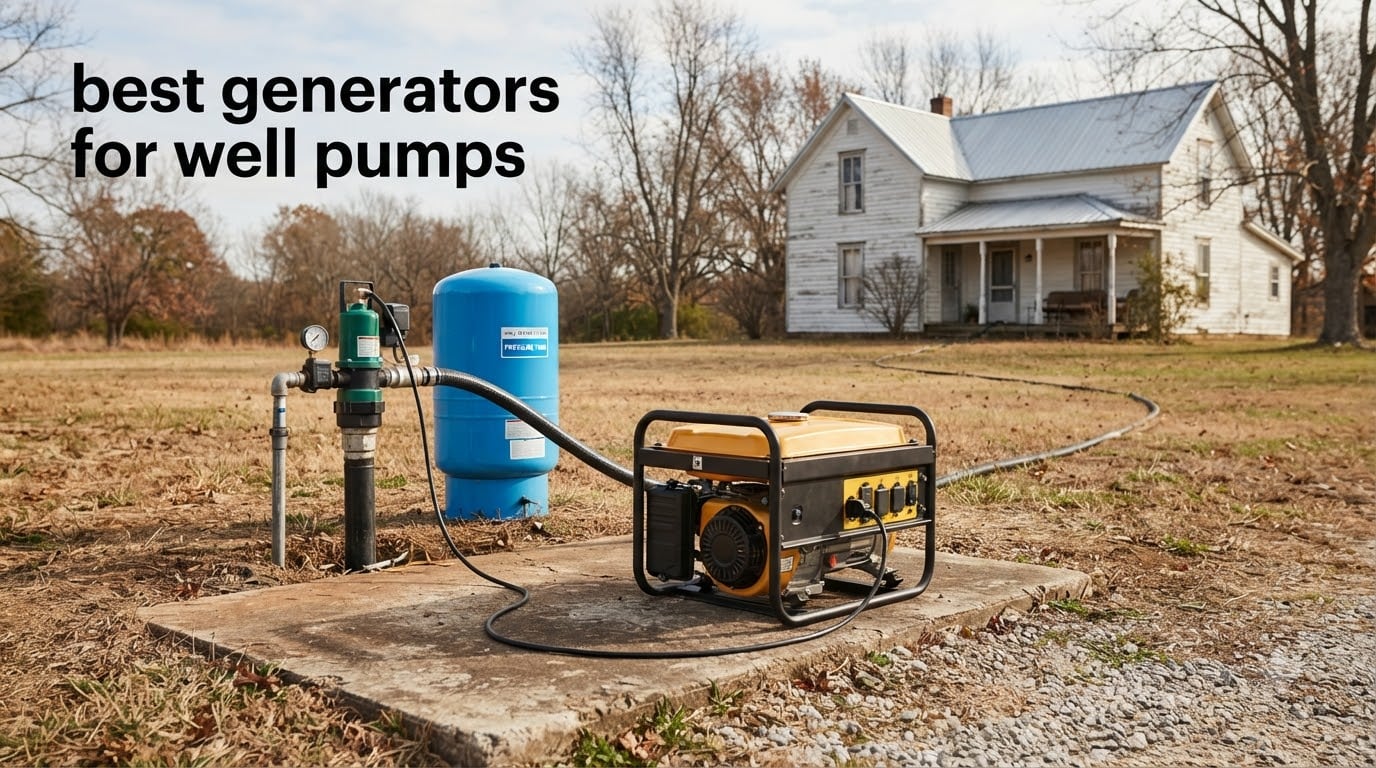
When the power goes out, a home on a private well does not lose convenience, it loses water. No pressure tank, no showers, no flushing, and if the property runs on an aerobic septic unit, the system itself stops working. That is why the search for the best generators for well pumps keeps coming up in outage season every year, and why people keep buying the wrong machine for it.
We spent weeks reading the motor data, the spec sheets and thousands of owner reviews for this roundup. What we found is more useful than a simple list: the biggest mistake in this category is not buying too little power, it is buying a generator that cannot produce the voltage your pump actually needs.
Here is the catch that most roundups skip. Most well pumps are hardwired 240V appliances, and many of the compact inverter generators people buy in a panic ship with 120V outlets only. They will happily run a refrigerator and a lamp, and they will fail the moment the pressure switch calls for water. We flag that clearly for every product below, because it is the single fact that decides whether a generator works for you at all.
This guide covers ten portable generators that show up again and again in well-pump conversations, ranked by what actually matters: surge capacity, voltage support, fuel flexibility and the noise floor if you have close neighbors. Updated for 2026, and it picks up alongside our guides to the best portable generators and the best inverter generators if you want the broader picture.
Top 3 Picks for the Best Generators for Well Pumps in 2026

Champion 4000W Dual Fuel
- 3000 running watts on gas
- 4000 starting watts
- Dual fuel with included LPG hose
- CO Shield auto shutoff

DuroMax XP13000EH 13,000W
- 13000 peak watts
- 10500 running watts
- True 240V with 50 amp outlet
- Gasoline or propane

PowerSmart 4000W Inverter
- 4000 starting watts
- 3200 running watts
- Under 3 percent THD clean power
- 30A twist-lock outlet
The Champion 4000-Watt takes our top slot because it balances the three things that decide a well pump matchup: real surge headroom, fuel flexibility and a noise level that does not start a dispute with the neighbors. It is also the only machine in the top three that runs on stored propane for a week if you need it to.
The DuroMax XP13000EH is the only true 240V generator in this entire roundup, and it is the only one here that can power a 2 HP two-wire pump alongside a refrigerator and a sump pump. If your pump is large, that single fact outweighs everything else on the list.
The PowerSmart 4000W is the value answer. It is 120V only, so it serves a smaller 120V pump or a lighter load, but it delivers clean inverter power under 3% THD and weighs just over 50 pounds.
All 10 Generators Compared for Well Pumps in 2026
| Product | Specifications | Action |
|---|---|---|
| Champion 4000W Dual Fuel RV Ready Inverter |
|
Check Latest Price |
| DuroMax XP13000EH Dual Fuel |
|
Check Latest Price |
| PowerSmart 4000W Portable Inverter |
|
Check Latest Price |
 Oxseryn 4400W Open Frame Inverter Oxseryn 4400W Open Frame Inverter |
|
Check Latest Price |
 Champion 4250W Dual Fuel Open Frame Champion 4250W Dual Fuel Open Frame |
|
Check Latest Price |
 WEN DF451i 4500W Dual Fuel Inverter WEN DF451i 4500W Dual Fuel Inverter |
|
Check Latest Price |
 Champion 4500W Electric Start Dual Fuel Champion 4500W Electric Start Dual Fuel |
|
Check Latest Price |
 Pulsar PGD40ISCO 4000W Inverter Pulsar PGD40ISCO 4000W Inverter |
|
Check Latest Price |
 maXpeedingrods 4000W Inverter maXpeedingrods 4000W Inverter |
|
Check Latest Price |
 Oxseryn 5000W Open Frame Inverter Oxseryn 5000W Open Frame Inverter |
|
Check Latest Price |
Two columns in that table deserve a second look. First, nine of these ten units are 120V, so they pair with a 120V pump circuit or with a step-down arrangement rather than a hardwired 240V submersible. Second, the wattages cluster tightly between 4,000 and 5,000 watts, which tells you the market has settled on a single idea of what a well pump needs.
What Size Generator Does a Well Pump Need?
You need roughly three times your pump’s running watts in starting capacity, and you need to know whether the pump is a 120V or 240V circuit before you look at any generator. Here is the five-step process we use.
Step 1: Find the pump horsepower. Look at the nameplate on the motor or on the well casing. Most household submersible pumps sit between half a horsepower and 2 HP, with 3/4 HP and 1 HP being the most common sizes on residential wells.
Step 2: Confirm the voltage. Three-wire pumps are almost always 230V and need a generator with a true 240V twist-lock output. Two-wire and single-phase pumps below half a horsepower are frequently 115V and can run from a standard household outlet circuit.
Step 3: Multiply the running load for everything else. A refrigerator adds roughly 150 watts running and 1200 watts starting. A sump pump adds about 400 running and 1300 starting. An aerobic treatment unit adds a continuous aerator load that never switches off, so treat it as pure running watts rather than surge.
Step 4: Add the locked rotor requirement for the pump. This is the number that trips people up. A motor draws a large inrush for a fraction of a second at startup, and Franklin Electric’s motor documentation is the reference most of the industry uses for those figures. Budget the generator at or above the combined starting load of the pump plus anything else that may start at the same moment.
Step 5: Leave headroom. Generators run most efficiently below their full rating, and voltage regulation gets sloppier when a machine is pinned. Our rule is that the unit should have at least 20 to 25 percent more starting capacity than your worst-case calculated surge.
Worked example: a 1 HP 230V three-wire pump with a refrigerator on essential power. If Franklin Electric’s locked rotor figure puts that pump’s starting demand several times its running current, the generator needs a starting capacity well north of what a 4,000-watt portable can deliver. That is the scenario the DuroMax XP13000EH exists for.
Starting Watts vs Running Watts: The Surge Reality
Starting watts matter because a well pump motor’s locked rotor amperage can run three to seven times its steady-state draw for a fraction of a second. Size on running watts and your generator will stall every single time the pressure switch kicks in.
For two-wire pumps, industry sizing guidance commonly applies a 50 percent allowance above the motor’s full load current. Three-wire pumps demand more headroom because of how the control box and capacitor stage the startup, and that is exactly the category people underestimate.
Voltage dip is the quieter problem. A generator that is technically big enough but sags under a surge can drop the voltage at the well head far enough that the control box refuses to switch, or the motor runs hot over time. On a long run from the house to a well casing 200 feet away, add conductor loss to the equation before you trim the budget.
Total harmonic distortion, or THD, is the other half of the story. A conventional open-frame generator running a motor load can push THD high enough to cause erratic behavior. Inverter units in this roundup publish figures under 3% THD, which is the reason clean sine wave output is worth paying for when a submersible pump and a control box are the loads.
Two details show up again and again in the forums we read. First, floating neutral on some portable units leaves 240V circuits behaving strangely, and a bonding plug solves it. Second, restarting the pump in stages after an outage, well pump first, then everything else, gives the machine time to recover its speed before the next load hits.
Two-Wire vs Three-Wire Pumps: How to Tell Which You Have
If there is a control box mounted on the wall near your pressure tank, you have a three-wire pump. If the motor has just two power wires and no separate control box, you have a two-wire or single-phase pump. That single test changes your generator requirement more than anything else you can check.
Three-wire pumps use a separate starting capacitor and relay to boost the motor at startup, which means higher starting current and a higher continuous voltage requirement. Two-wire pumps are simpler and more forgiving.
A third category worth knowing about is the 3-wire motor with a separate control box that contains a solid-state control. Some of these are marketed as being inverter friendly, but the control box still needs stable 240V to behave predictably. If the box has a display or relay board, budget for a true 240V source rather than a modified sine wave substitute.
240V Power, L14-30R Outlets and Transfer Switches
You need a generator with a 240V twist-lock output if your pump is a 230V three-wire circuit, and only one product in this roundup provides it: the DuroMax XP13000EH with its transfer switch-ready 50 amp outlet. Every other unit here is 120V only.
The connector you are looking for is the NEMA L14-30R, a four-prong twist-lock that combines two 120V legs into 240V. A plain 14-50R household dryer outlet looks similar but is a different pattern entirely, and forcing the wrong plug into it is how people damage receptacles.
Two other outlet types show up constantly in this category. The NEMA L5-30R and TT-30R RV outlets are 120V twist-lock connectors, useful for powering a pump control box or a portable transfer switch without an extension cord, but they do not deliver 240V. If you see an RV outlet on a generator, it is a 120V connection and nothing more.
On connection method, a manual transfer switch installed by a licensed electrician is the cleanest and most code-compliant route. An interlock kit on the main breaker is the common homeowner alternative and costs far less, but it still needs a proper inlet box and a permit in most jurisdictions. Never backfeed a panel through a dryer outlet or any other receptacle, and never rely on a male-to-male cord to create a path back to the utility line.
The 10 Best Generators for Well Pumps in 2026
1. Champion 4000-Watt Dual Fuel RV Ready Inverter Generator – Our Top Pick
- Easy first-pull starting and simple controls
- Clean inverter power under 3 percent THD
- Quiet for its class and light enough to carry by hand
- Dual fuel switching between gasoline and propane is fast
- Overload reset lets it keep running after a brief spike
- Louder than smaller Champion inverters
- Heavier than smaller dual fuel Champion models
- Some examples need a break-in run on gasoline before propane works reliably
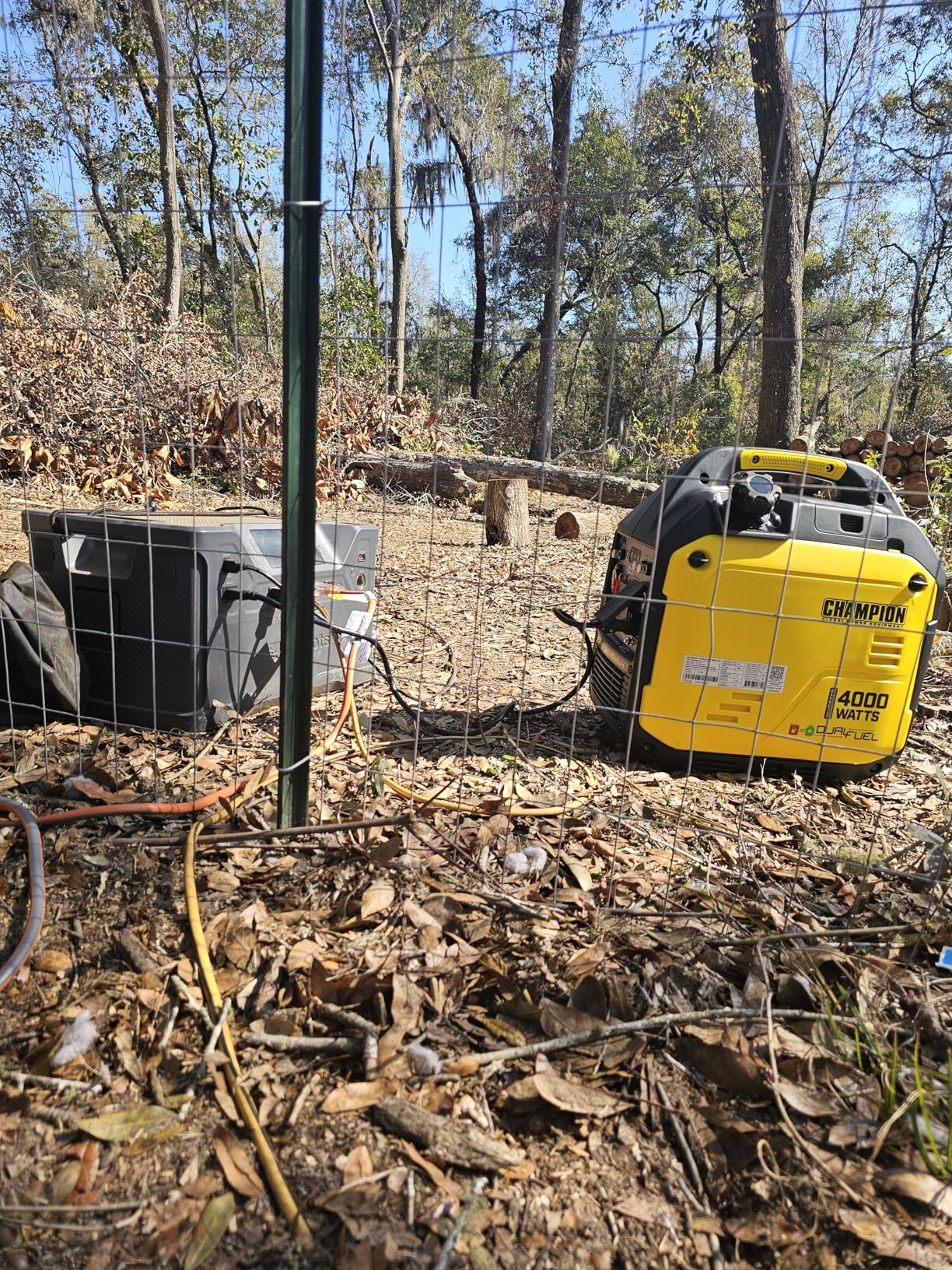
This is the unit we keep coming back to because it does not ask you to trade anything away. It carries 4000 starting watts and 3000 running watts on gasoline, which covers a smaller submersible pump plus a refrigerator without drama, and the inverter output stays under 3% THD so the pump control box sees clean power.
The dual fuel setup matters more than the spec sheet suggests. Gasoline in a stored can degrades within months, while propane keeps indefinitely, so a machine that can switch to propane gives you a fallback when your fuel rotates out. Champion includes the LPG hose in the box, so there is nothing extra to buy.
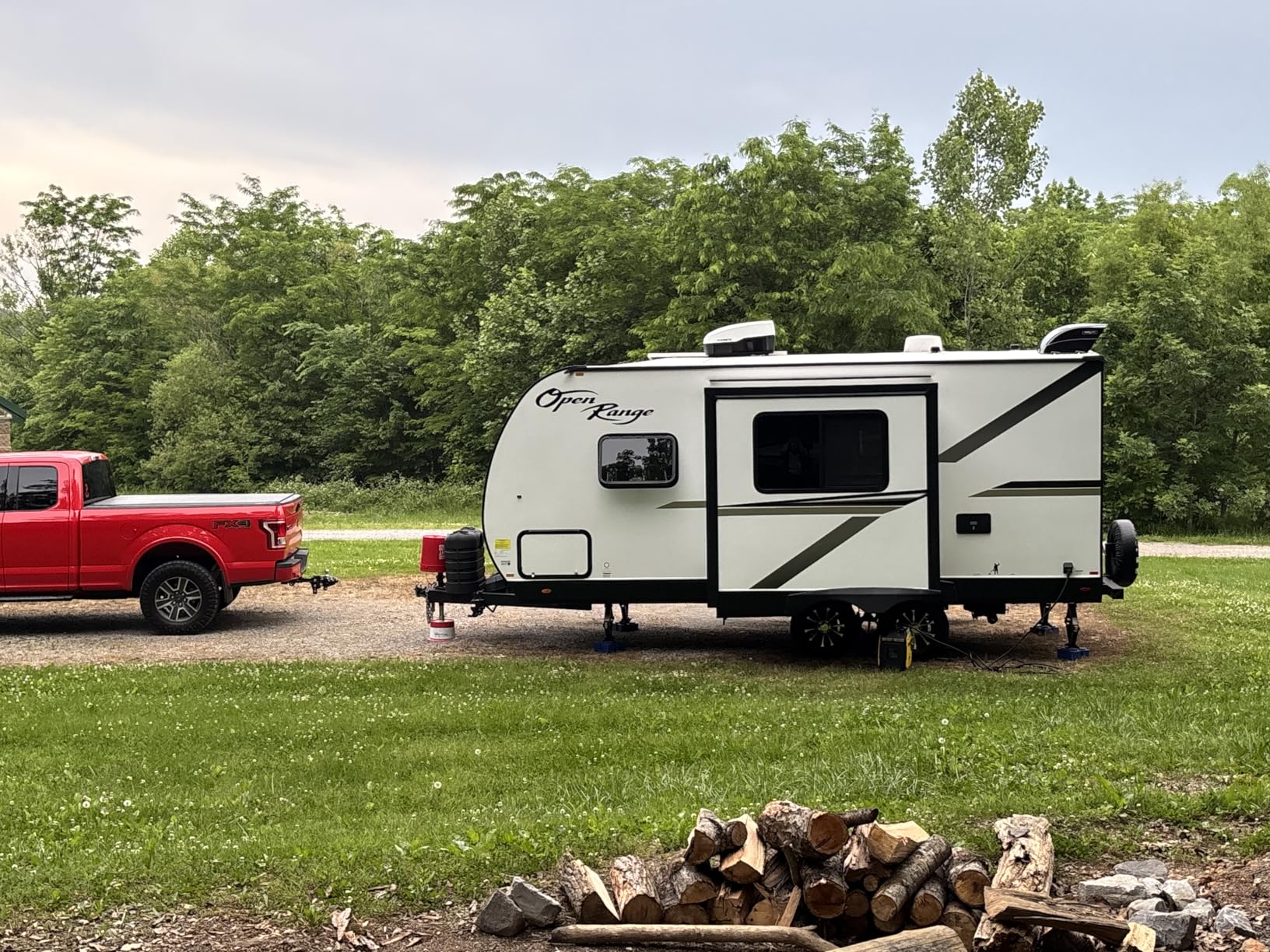
The honest limitation is the outlet configuration. This generator is 120V with a 25 amp TT-30R RV outlet, a 120V duplex and a 12V socket. There is no 240V output here, so if you have a 230V three-wire pump this is the wrong tool and no amount of surge capacity will fix it.
Runtime is another real strength. Owners report eight to ten hours per tank under a normal load and closer to 25 hours on propane at the lower propane rating of 2700 running watts, which covers most overnight outages with refills spaced far apart.
What to check before you buy it
Confirm the voltage of your pump first. If it is a 120V circuit or a two-wire pump, this machine is a strong match. Also check where you will run it, because 64 dBA at 23 feet is fine in a rural setting and a problem four houses down.
Where it falls short
It is 120V only, and the CO sensor is sensitive enough that some owners report shutdowns in semi-enclosed spaces like a truck bed or a garage with the door cracked. Give it open air and it behaves.
2. DuroMax XP13000EH 13,000-Watt Dual Fuel Generator – The Only True 240V Option Here
- Huge surge capacity handles multiple large motor loads
- All-metal frame and copper windings feel solidly built
- Electric push button start works reliably
- Fuel type changes at the panel in seconds
- Wheels and foldable handle make it rollable
- Very heavy at 234 pounds
- Does not come with engine oil
- Choke sticker and manual are reversed
- Small fuel tank means short run time under heavy load
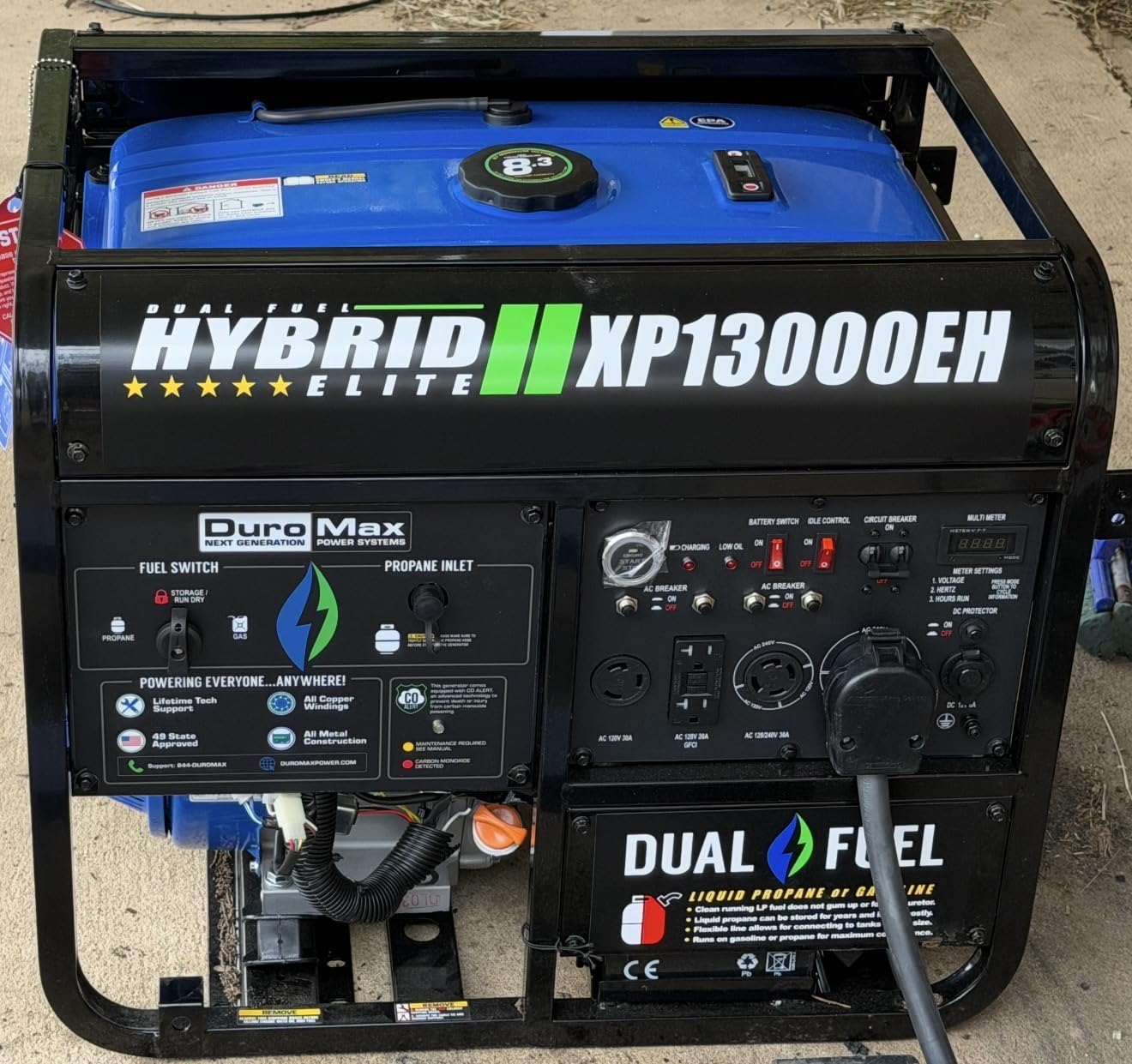
This is the answer for anyone whose pump is 2 HP and 230V. At 13,000 peak watts and 10,500 running watts with a genuine 240V 50 amp outlet, it is the only machine in this roundup that can carry a large three-wire pump at the same time as a refrigerator, a freezer and a sump pump. There is no configuration trick required.
Reviewers with years of whole-home backup setups describe the power as unremarkable in the best way, meaning it starts whatever it is asked to start. The all-metal frame and copper windings also hold up better in a damp well house than plastic-bodied units.
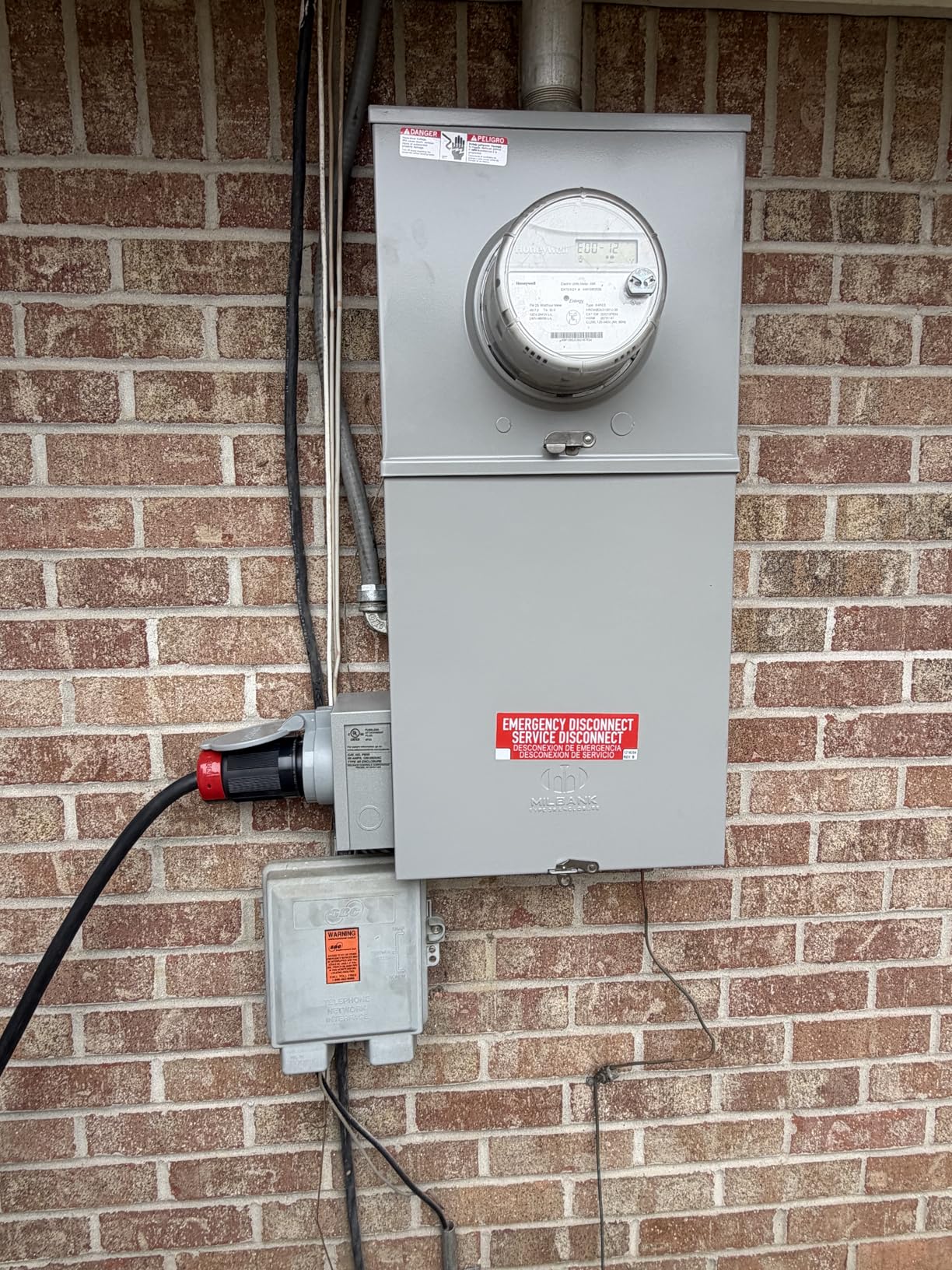
The weight is the price of that capability. At 234 pounds this is a two-person lift, and while the wheel kit and foldable handle make it rollable, you are not carrying it to a porch in a hurry. Plan its location before the outage, not during it.
Two smaller annoyances come up repeatedly. The generator arrives without engine oil, and the choke labeling on the sticker and manual is reversed from normal convention, which catches people out the first time they start it cold.
What to check before you buy it
Confirm that you actually need 240V. If your pump is 120V or you only want a refrigerator and a few lights through an outage, this machine is far more than the job requires and the weight becomes a daily nuisance.
Where it falls short
The small fuel tank translates to roughly three hours of runtime under a heavy load, so a multi-day outage means refilling often or switching to propane. A minority of owners also report early engine failures with loss of compression or heavy oil use, and total harmonic distortion runs higher than premium inverter brands.
3. PowerSmart 4000 Watt Portable Inverter Generator – Best Value for 120V Setups
- 4000W starting capacity covers pump starting inrush
- Under 3 percent THD safe for sensitive electronics
- Very quiet under 59 dBA
- 30A twist lock plus 20A duplex and USB ports
- Parallel ready to double output
- ABS plastic enclosure rather than an all metal frame
- 2-year warranty is shorter than Champion and WEN
- Gasoline only with no propane option
- 1.3 gallon tank limits run time
For a 120V pump or a light essential-loads setup, this is the most efficient machine here. It delivers 4000 starting watts from a 145cc engine, stays under 3% THD, and at just over 50 pounds it is easy for one person to move to the well house when the outage starts.
The 120V 30A L5-30R twist-lock outlet is the feature that separates it from cheaper units of similar size. That outlet lets you feed a control box or a load-distribution box with a proper locking connection rather than a household extension cord.
It is a gasoline-only machine, so if your outage plan depends on stored fuel that will still be usable in six months, this does not serve that plan. Propane capability is the one feature the pick-above-it has and this one lacks.
Runtime of up to eight hours from a 1.3 gallon tank is adequate for a typical overnight event but means frequent refills during a multi-day grid failure. Owners also point out that the ABS plastic body is less rugged than the steel frames used by higher-end competitors.
What to check before you buy it
Verify your pump runs on 120V. If you have a 230V three-wire circuit, keep reading. If you are powering a 120V submersible plus a refrigerator, this has the surge headroom and the outlet type to do both.
Where it falls short
The 2-year warranty is the shortest among the premium-tier machines here, and the small tank plus gasoline-only design limit you on long outages. It is also parallel ready, but the kit to pair two units is a separate purchase.
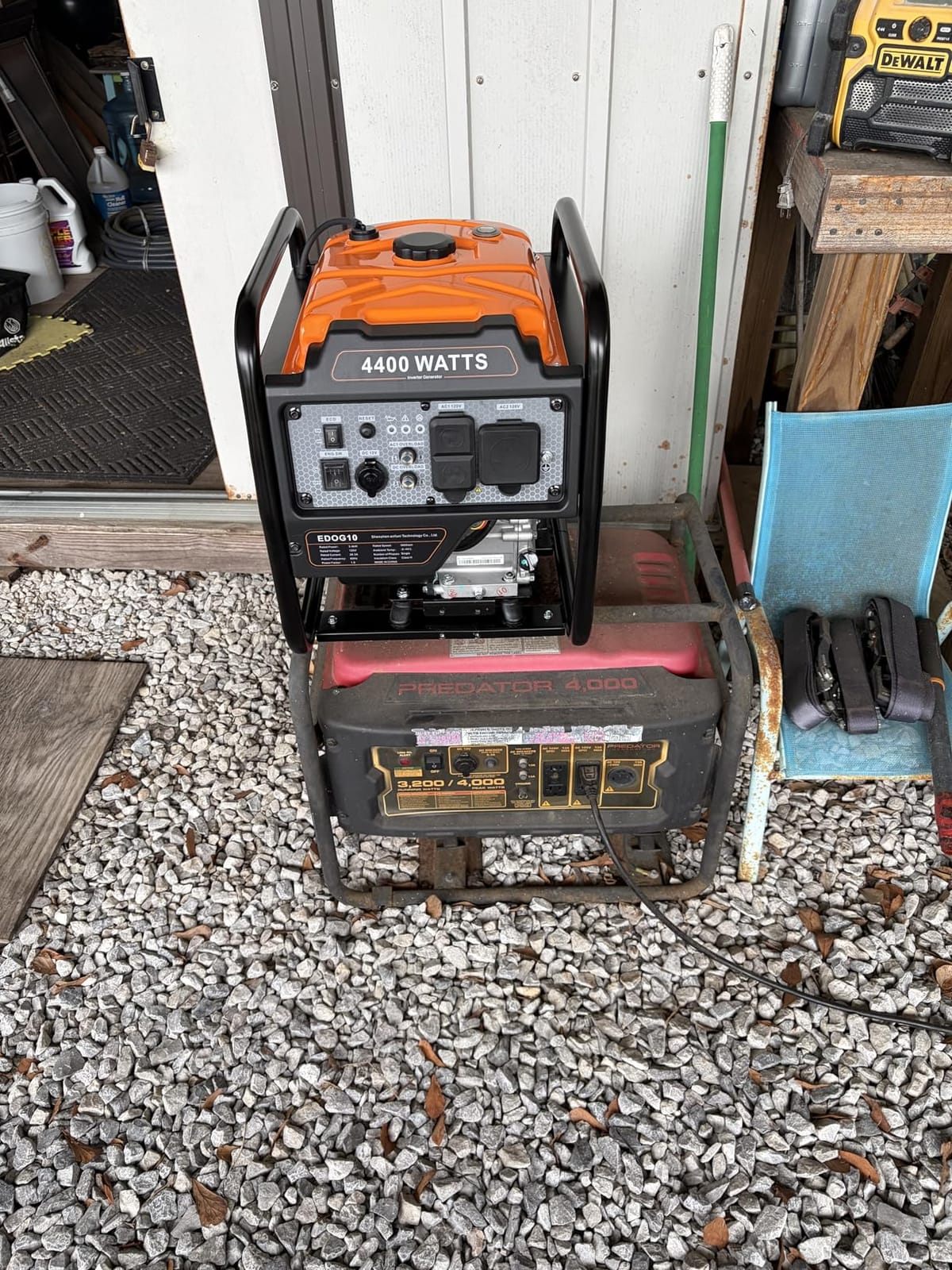
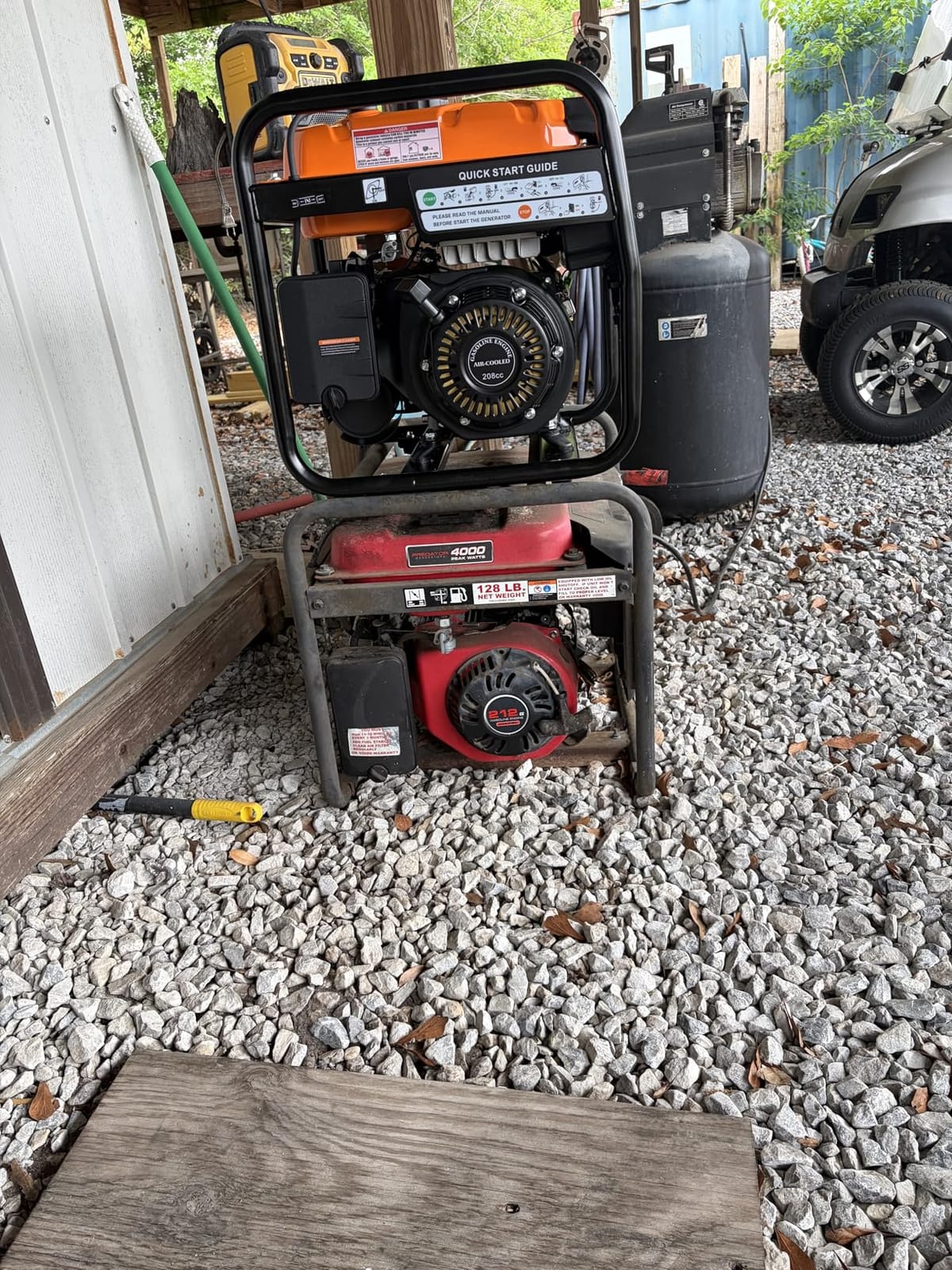
4. Oxseryn 4400 Watt Open Frame Inverter Generator – Longest Run Time for a Single Gallon Class
- 4400W peak and 3400W running headroom
- Up to 14 hours runtime at 25 percent load in ECO mode
- 2-gallon tank with built-in fuel gauge
- Open metal frame with RV ready outlet and 12V DC
- Light at 56 pounds for one person to move
- Noisier at 72 dBA than the inverter units in this roundup
- Gasoline only with no propane capability
- Only a 1-year manufacturer warranty
- Open frame is less weather protected than an enclosed cabinet
The distinguishing feature here is endurance rather than peak power. A 2-gallon tank with up to 14 hours of runtime at 25 percent load means fewer refills during an extended outage, and the built-in fuel gauge lets you check the level without opening the frame.
At 3400 running watts it is adequate for a 120V pump on its own with modest additional load, and owners commonly pair it with a refrigerator and a sump pump. The open metal frame is straightforward to service, which matters if you are maintaining it yourself between uses.
Runtime figures like 14 hours assume ECO mode at a quarter of rated load. Push the pump to a hard start on a cold morning and you will be closer to the shorter end of the range, so treat the headline number as a best case rather than a promise.
Note also that it arrives with a faint smell of gas, which owners generally attribute to factory testing rather than a defect, but it is worth airing the unit before first use if you are sensitive to that.
What to check before you buy it
Decide whether quiet matters more to you than run time. At 72 dBA from 23 feet this is one of the louder machines here, and it is a poor fit for a close neighbor or an HOA with noise rules.
Where it falls short
There is a one-year warranty, which is the shortest on the list, and no propane option. The outlet set is 120V only, including an RV port that does not give you 240V.
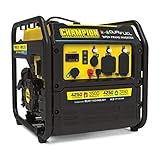
5. Champion 4250-Watt Dual Fuel Open Frame Inverter Generator – Best for Long Runtime
Champion 4250-Watt Dual Fuel Portable Open Frame Inverter Generator, CARB
- 4-gallon tank gives up to 22 hours on gasoline
- 4250W surge headroom for pump and tool startup
- Gasoline or propane with included LPG hose
- RV ready 30A outlet plus two 20A household outlets
- Quiet enough at 64 dBA for RV and job site use
- Open frame is louder and less protected than an enclosed cabinet
- Weighs 79 pounds so it is a two-person lift
- Larger footprint than suitcase style units
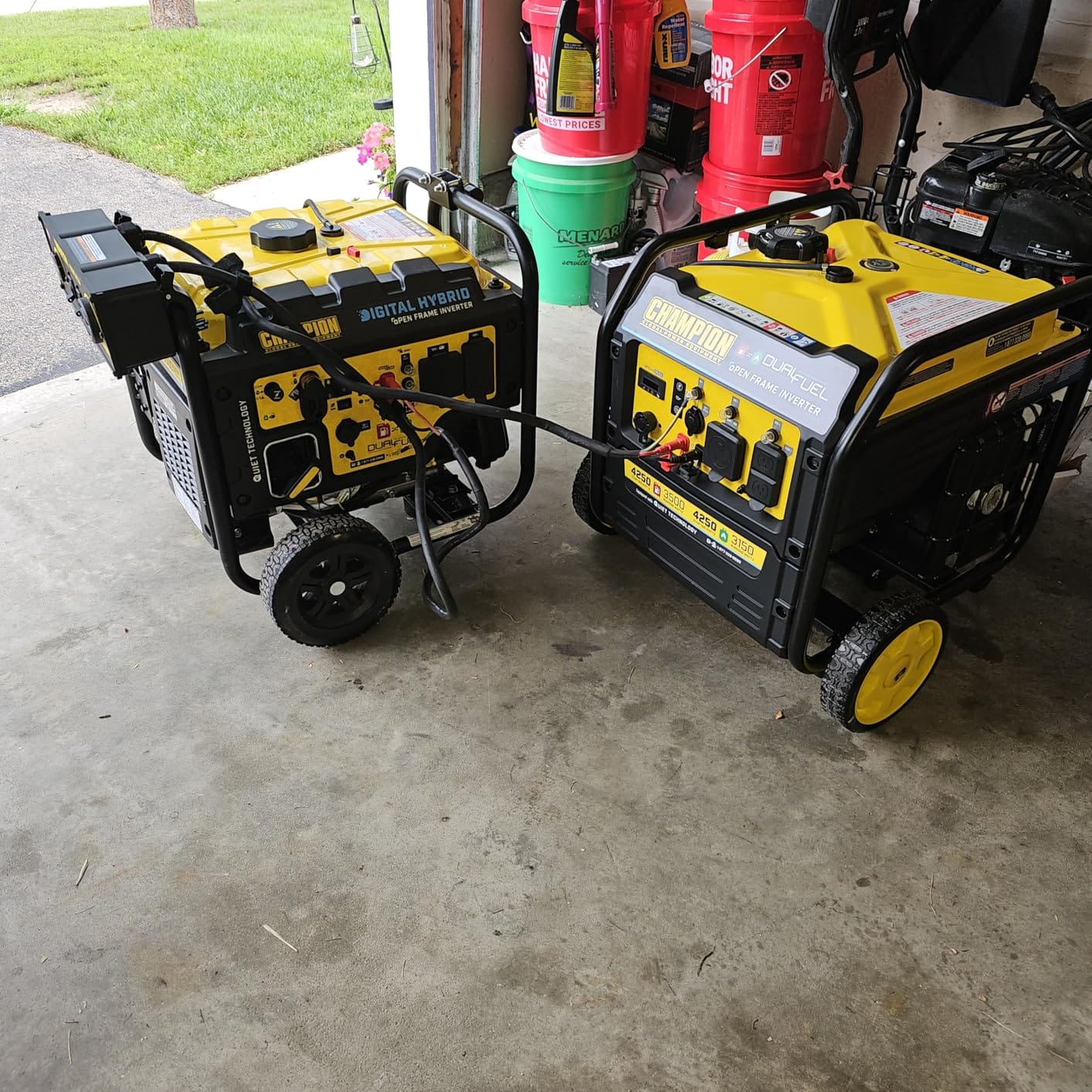
A 4-gallon tank giving up to 22 hours on gasoline is the longest endurance figure in this roundup, and for a multi-day outage that is the feature that matters. You can run the pump overnight, refill in the morning and go again without hunting for fuel cans.
At 4250 starting watts and 3500 running, it has the surge headroom for a 120V pump plus a modest appliance load, and the RV-ready 30A outlet gives you a locking connection for a control box. It is parallel ready through an optional kit.
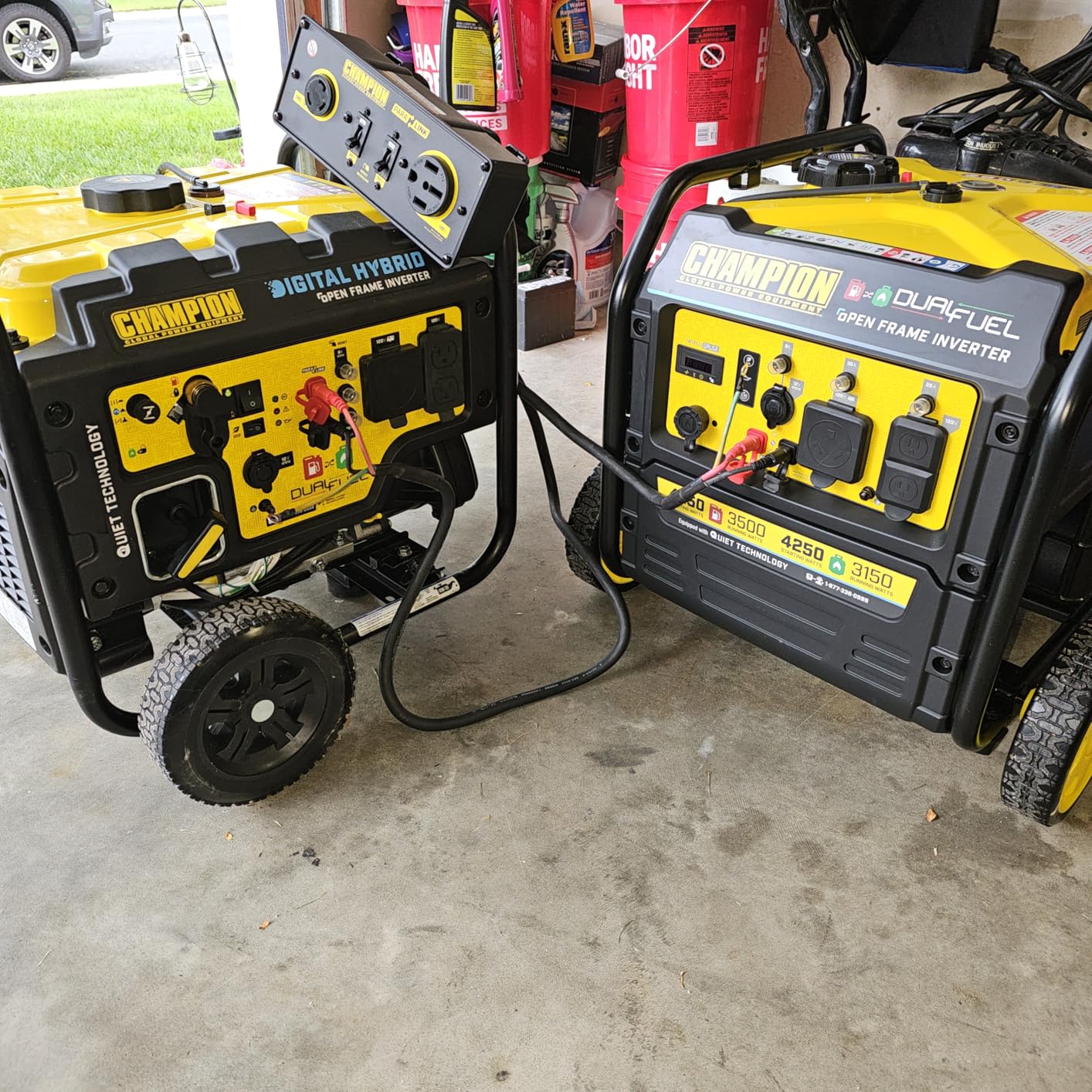
Like the Champion in our top spot, it runs on gasoline or propane with the hose included, which lets you rotate fuels for storage stability. The 3-year warranty and lifetime technical support are also better than most of the value-tier options in this list.
The trade-off is form factor. At 79 pounds with a 27.9 by 23.4 inch footprint, this is bulkier and louder than an enclosed suitcase inverter, and it is a two-person lift for most people.
What to check before you buy it
Measure where it will live. The footprint matters in a small well house, and open frames need weather cover if rain can reach them. Check the panel details too, since the fuel gauge is less refined than the digital Intelligauge models.
Where it falls short
It is 120V only, so a 230V three-wire pump rules it out entirely. The open frame is also more exposed to weather and more audible at night than an enclosed inverter cabinet.
6. WEN DF451i 4500-Watt Electric Start Dual Fuel Inverter Generator – Easiest to Start
WEN DF451i Super Quiet 4500-Watt Electric Start Dual Fuel RV-Ready Portable Inverter Generator with Fuel Shut-Off
- 4500W surge watts give headroom for pump starting current
- Very quiet at 58 dBA at quarter load
- Keyless electric start with back-up recoil starter
- Auto fuel selection moves from propane to gasoline
- Digital load and fuel display
- Long propane run time for its size
- Very heavy at 100 pounds so it is a two-person lift
- Oil fill port is low and awkward to access
- Some examples show a red indicator with no output on first power-up
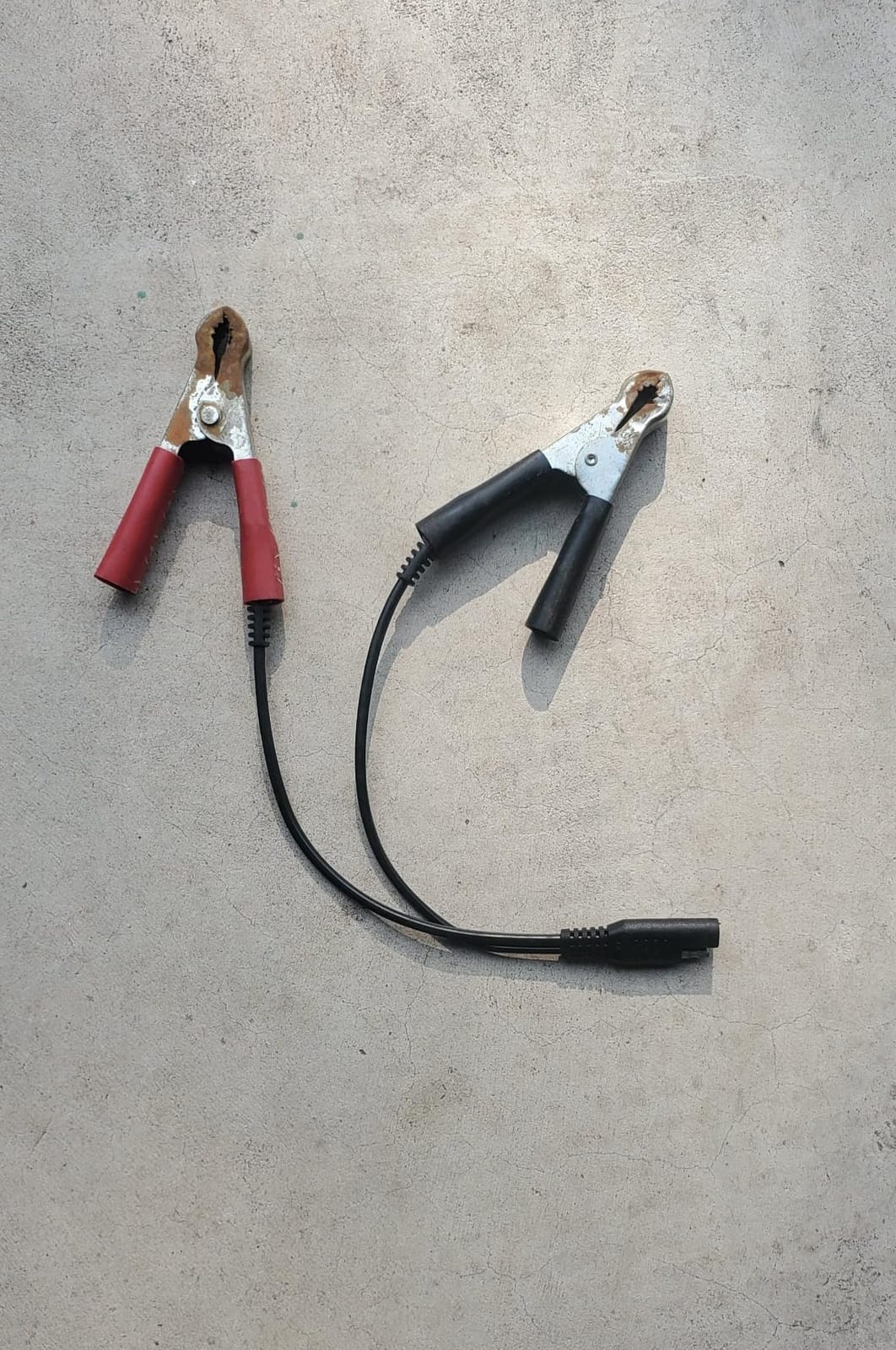
- Battery hookup instructions are inaccurate
The keyless electric start is what separates this one in an outage. When you are dragging a machine out in the dark with one arm on a flashlight, a button press is a meaningful upgrade from a pull cord, and the recoil starter stays on board as backup.
Auto Fuel Selection Technology moves the unit from propane to gasoline on its own for longer run time, and the 58 dBA quarter-load figure puts it at the quiet end of this roundup in practical operating conditions.
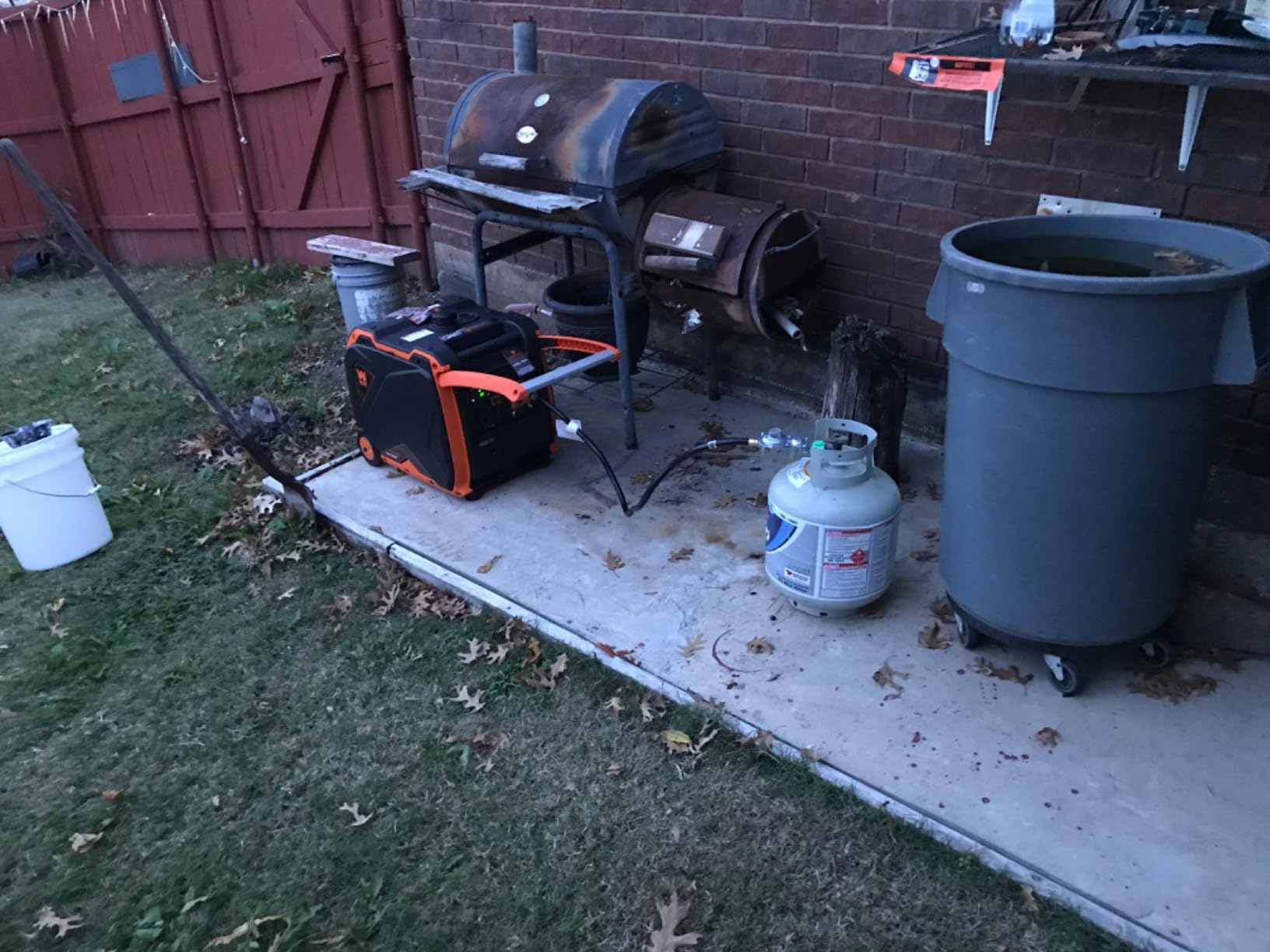
Note the two different ratings: 3500 watts on gasoline and 3150 on propane. Plan your surge headroom against the lower figure, because the fuel you have stored during a long outage may well be propane.
At 100 pounds it is the second-heaviest unit in the roundup after the DuroMax, and the onboard wheels help more with repositioning than with the initial move out of storage.
What to check before you buy it
Confirm 120V supply is enough for your setup, and consider the fuel transition behavior. If you plan to sit on propane for a multi-day event, read how the auto switchover behaves when the tank runs dry, since owners report sputtering in that situation.
Where it falls short
The oil fill port sits low on the frame and is awkward to reach, and a handful of owners report the unit producing no output on the first power-up until it is cycled. There is no 240V output.
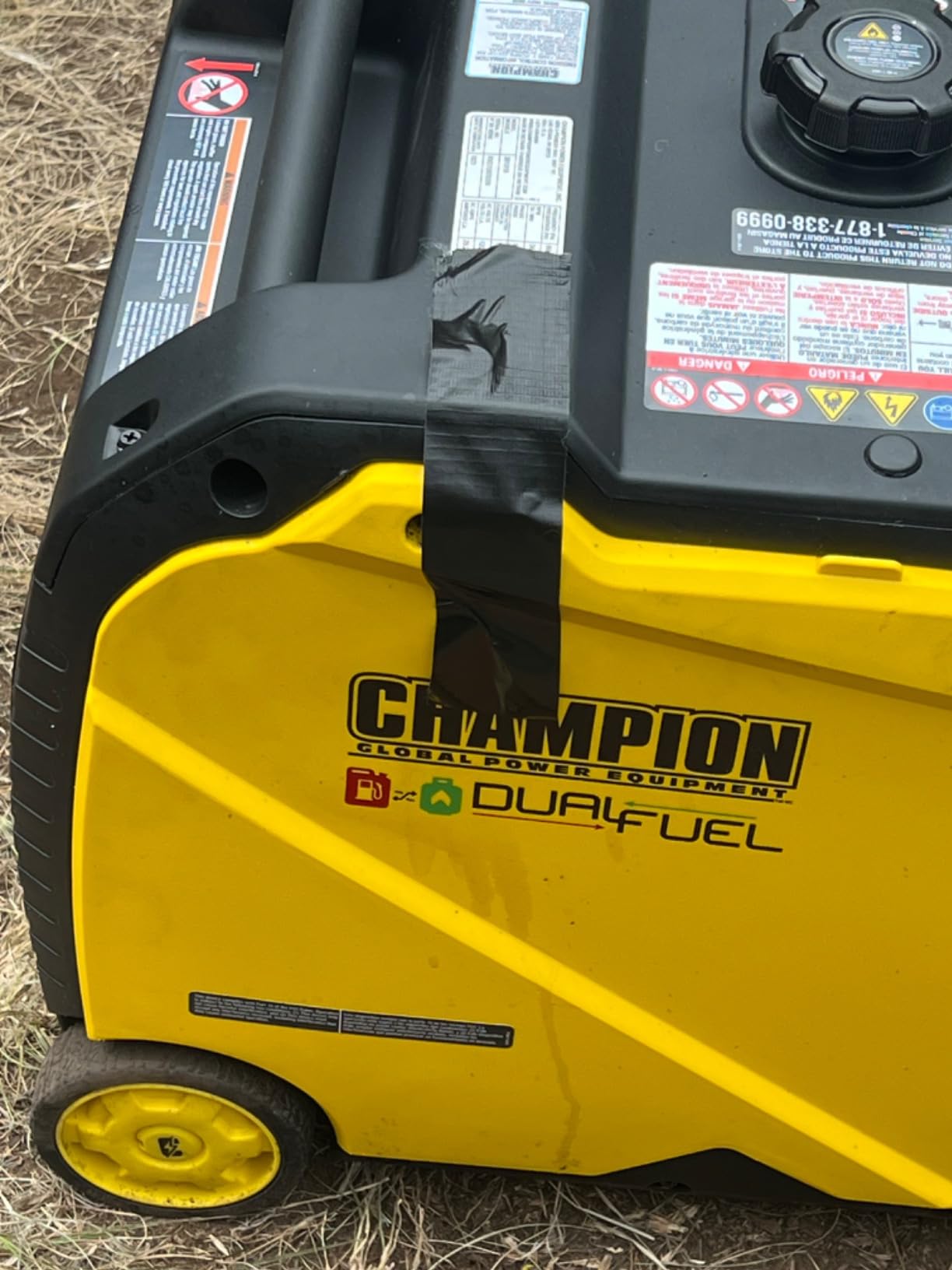
7. Champion 4500-Watt Electric Start Dual Fuel Inverter Generator – Best for Quiet Operation
Champion 4500-Watt Electric Start Dual Fuel Portable Inverter Generator
- Starts on a single pull per multiple owners
- Genuinely quiet at around 60 dBA
- 4500 starting watts covers pump and appliance loads
- 14 hours on gasoline and 21 on propane
- Intelligauge power meter tracks voltage and hours
- Heavy at 99.2 pounds needing two people
- CO Shield sensor can shut it down in a truck bed
- Some reports of oil leakage and hard starting out of the box
- Service may require a long trip to an authorized shop
This is the configuration we would pick for a rural property where noise rules or neighbors matter. At 61 dBA it runs quietly enough for a close campsite or a homesite, and owners running food trucks and off-grid setups report steady output over long duty cycles.
Fuel flexibility is a real strength here, with up to 14 hours on gasoline and up to 21 hours on propane. The Intelligauge power meter monitors voltage, frequency and operating hours, which is genuinely useful for tracking how long the pump motor has been running.
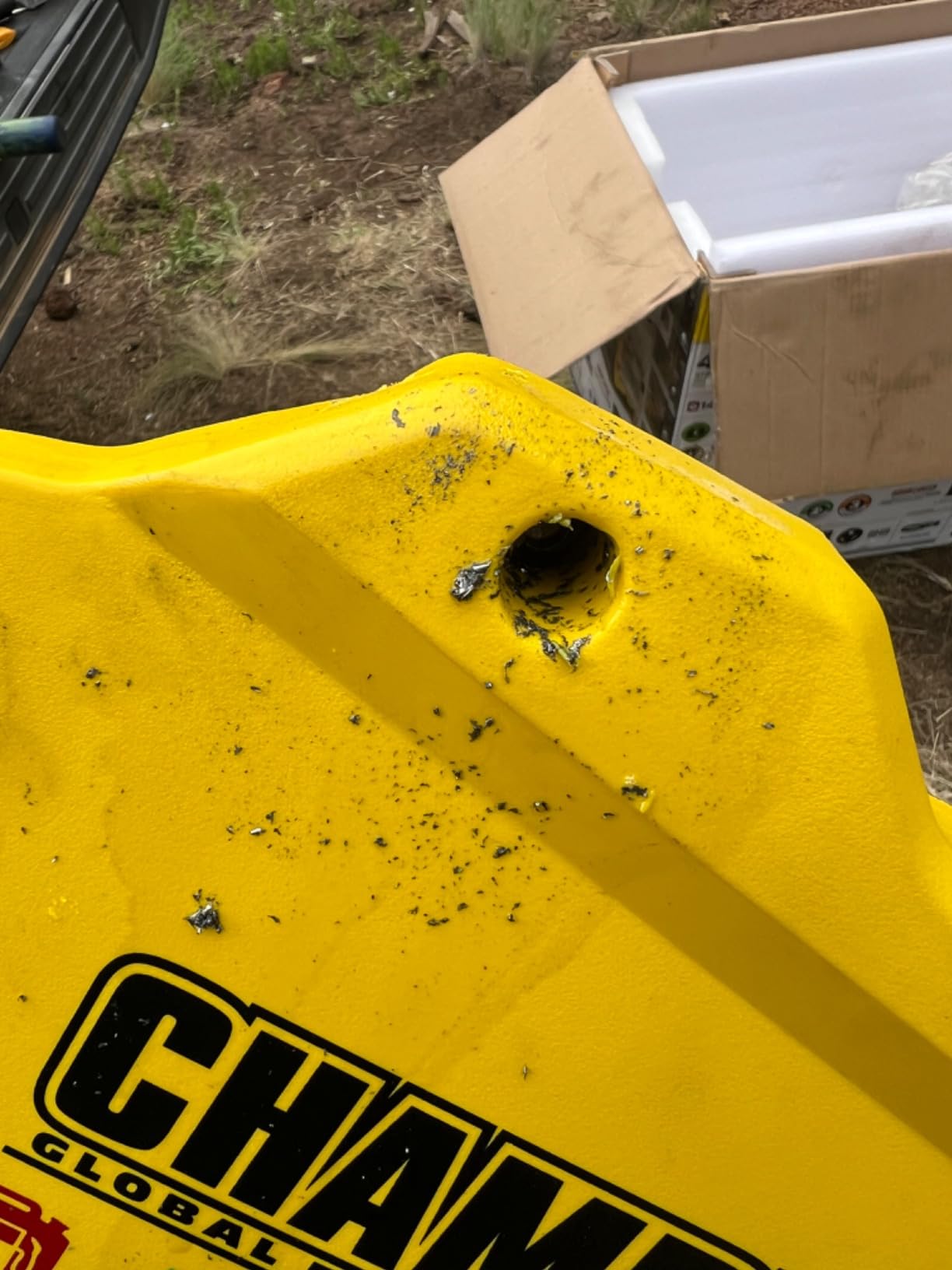
Keep the CO Shield sensor in mind. Several owners report the unit shutting itself down in a truck bed or other partially enclosed space, which is the sensor working as designed but is confusing if you have not read the manual.
At just under 100 pounds, plan for a two-person lift, and if something does need service, the nearest authorized shop may not be close.
What to check before you buy it
Think about where it will physically sit. The EZ Start Dial and power meter make it easy to run, but the unit needs open air and stable ground, and the CO sensor will tell you if it does not get it.
Where it falls short
It is 120V only, and a small number of owners report oil leakage or difficulty starting a new example straight out of the box. Service access can be a hassle outside metro areas.
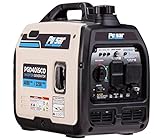
8. Pulsar PGD40ISCO 4000W Quiet Inverter Generator – Best for Lightweight Handling
Pulsar PGD40ISCO Ultra Light Quiet 4000W Portable Gas Inverter Generator, white
- Very light at 47.3 pounds for a 4000W inverter
- 4000W peak output covers pump and AC startup surge
- Quiet 59 dB operation
- Compact closed form factor that stores easily
- Parallel ready to double capacity
- Handles air conditioning up to 13500 BTU
- Only a 1-gallon tank giving about 4 hours at half load
- Gasoline only with no propane capability
- Small 145cc engine has less sustained headroom
- 1-star reviews run higher than most premium units here
At 47.3 pounds this is the easiest machine here to move, and that matters more than it sounds when the generator lives in a shed twenty feet from the well house and you are doing it in the rain. The closed form factor also stores without taking over a shelf.
The 4000 watt peak output is enough for a 120V pump and small motor loads, and the 59 dB operating level keeps it in the quiet category. Parallel readiness lets you pair it with a matching unit if you ever need more headroom.
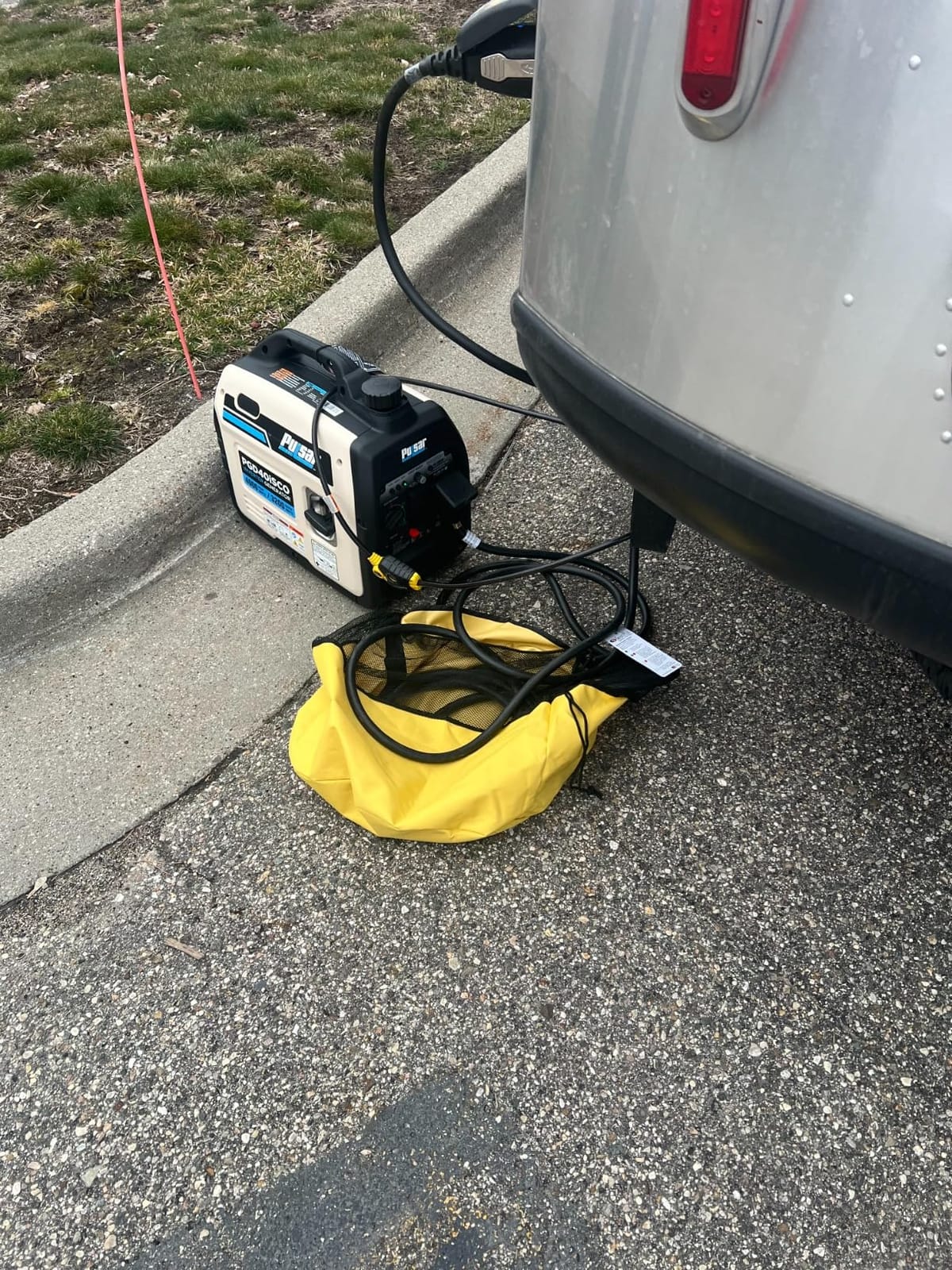
The 1-gallon tank is the real constraint. Owners report about four hours of runtime at half load, which covers an evening comfortably but means a refuel every few hours through a multi-day outage.
It is also the smallest engine in the roundup at 145cc, so it has less sustained headroom than the 200cc-plus machines above it. If your pump sits at the top of the 120V range, that matters.
What to check before you buy it
Ask yourself how long the outage usually lasts. If it is a few hours, the small tank is a non-issue. If your area has multi-day grid failures, this is the wrong shape of machine.
Where it falls short
No propane capability, no 240V, and roughly 9% of its reviews are one-star, driven mainly by starting difficulty and rough running on a few examples. Buying it means accepting a little more variability than the premium units.
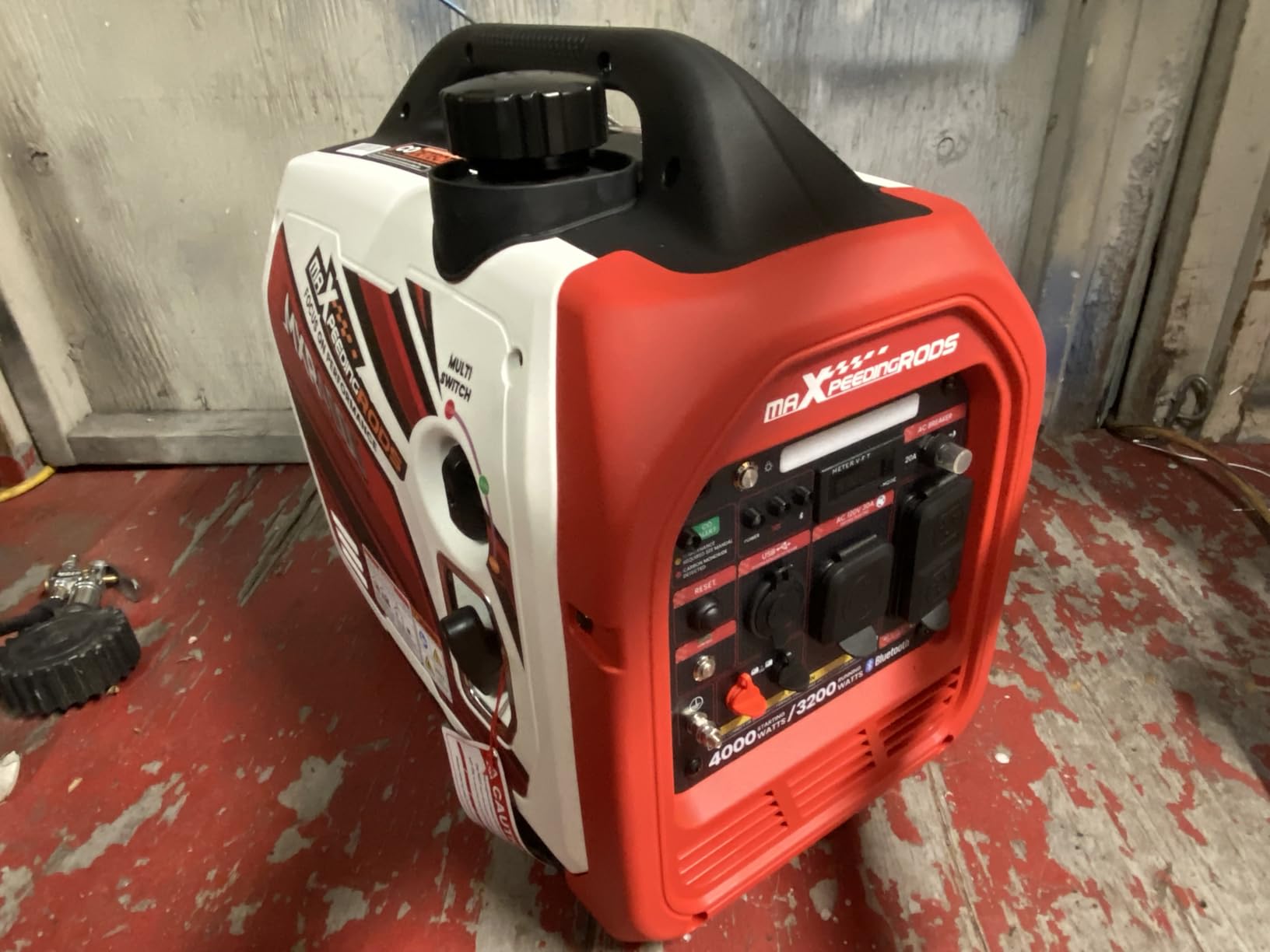
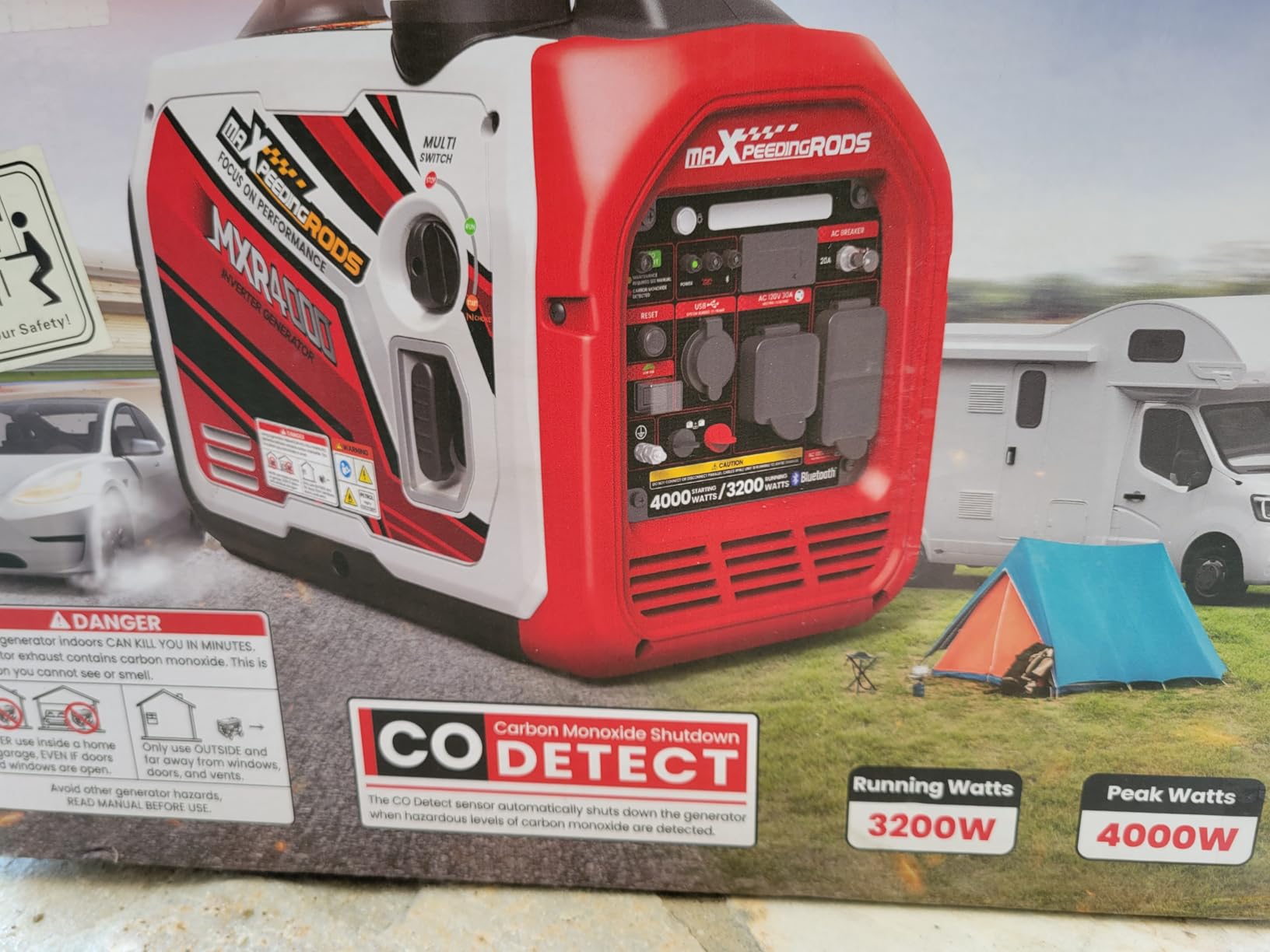
9. maXpeedingrods 4000 Watt Inverter Generator with Bluetooth App Monitoring
maXpeedingrods 4000 Watt Inverter Generator, Bluetooth® App Data Monitor
- Bluetooth app shows output
- fuel level
- voltage
- frequency and run time
- NEMA L5-30R RV outlet with adapter included in the box
- 4000 peak watts gives surge headroom for pumps
- Light at 48.5 pounds
- Parallel cables and dust cover included
- Lowest average rating in the group at 4.2 with 13 percent one-star reviews
- Short runtime for the tank size
- Recoil start only with no electric start option
- Build leans on plastic and aluminum rather than steel
The Bluetooth app is genuinely useful for a setup where the generator sits away from where you are. You can check output, fuel level, voltage, frequency and accumulated run time from your phone, and toggle ECO mode remotely, which is helpful when the machine is near a well head rather than the house.
Everything you need for a 120V pump connection is in the box, including the L5-30R outlet, a TT-30R adapter, parallel cables and a dust cover. At 48.5 pounds it is one of the lighter units in the roundup.
What gives us pause is the ratings spread. A 4.2 average with 13% one-star reviews is the most polarized response set here, and the complaints cluster around short runtime and durability rather than a single fault.
Recoil start is also the only starting method, and the build leans on plastic and aluminum rather than the steel frames used by the machines above it. If it lives outside in damp conditions, that is a real consideration.
What to check before you buy it
Decide whether app monitoring is a feature you will actually use. If you will, it is a genuine advantage. If you will not, you are paying for a gimmick and should compare against the PowerSmart at a similar weight.
Where it falls short
It is the lowest-rated unit in the roundup at 4.2, the tank size is listed at about an hour of runtime in the spec data, and there is no electric start or 240V output. It is 120V only.
10. Oxseryn 5000W Open Frame Inverter Generator – Most Starting Headroom Under 5000 Watts
Oxseryn 5000W Inverter Generator Gas Powered, Portable Open Frame Generator
- 5000 peak and 4000 running watts with real pump startup headroom
- Starts on the first or second pull consistently
- Good fuel economy in ECO mode
- 30A RV port for a locking connection
- Light at 59 pounds and easy for one person to lift
- Arrives without oil so it needs a fill before first start
- Noisier than enclosed inverter models
- Choke labeling is reversed from normal convention
- Only a 1-year warranty and no electric start
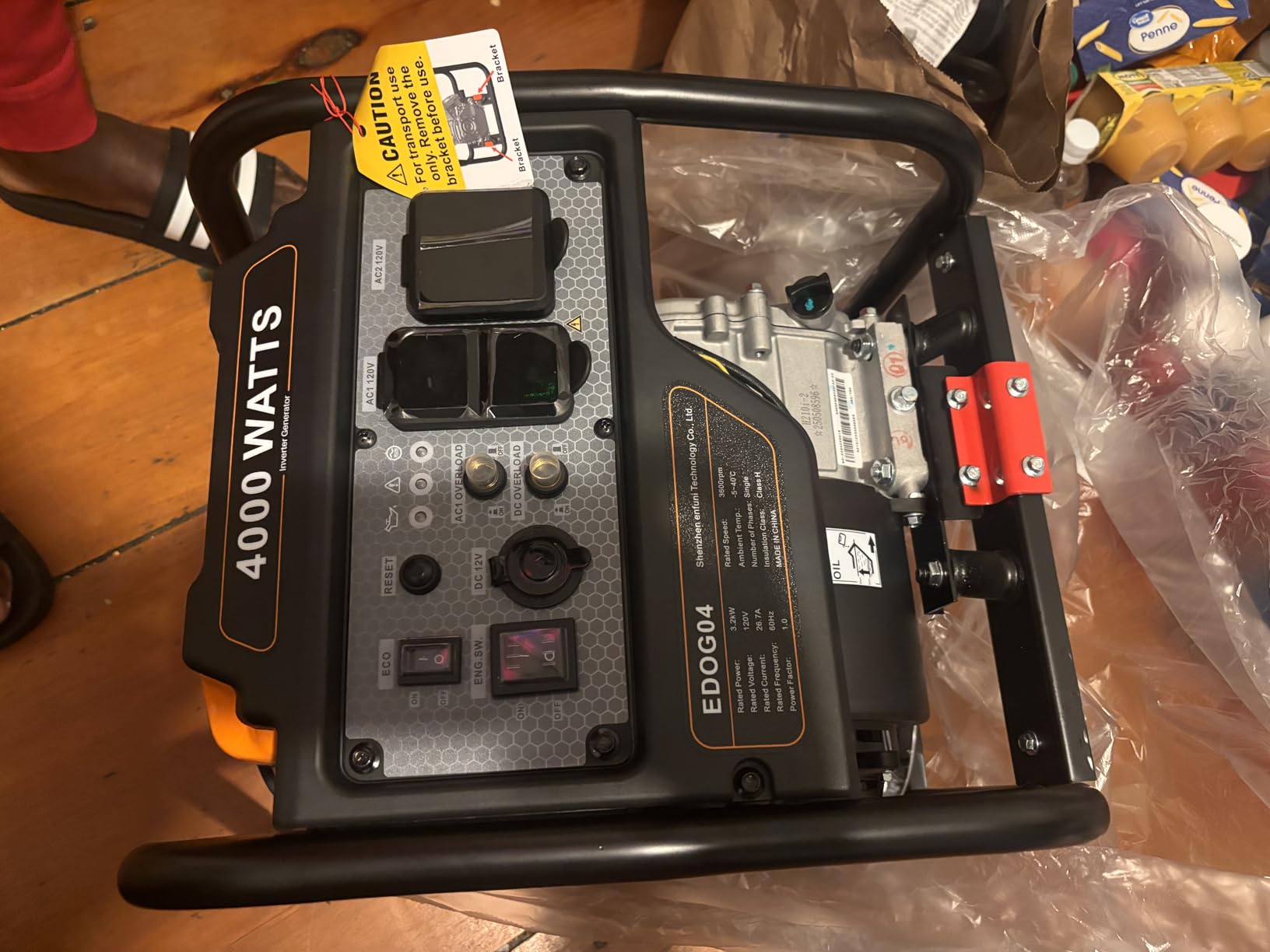
This is the most starting headroom you can get below the DuroMax, and at 4000 running watts it is the only unit here that pairs comfortably with a larger 120V pump plus a refrigerator and a sump pump. The 223cc engine is also the biggest in the value group.
Owners report consistent first-pull or second-pull starting and good fuel economy in ECO mode, with some running considerably longer than the rated 10 hours at 25% load. The built-in fuel gauge is a small convenience you notice during a long event.
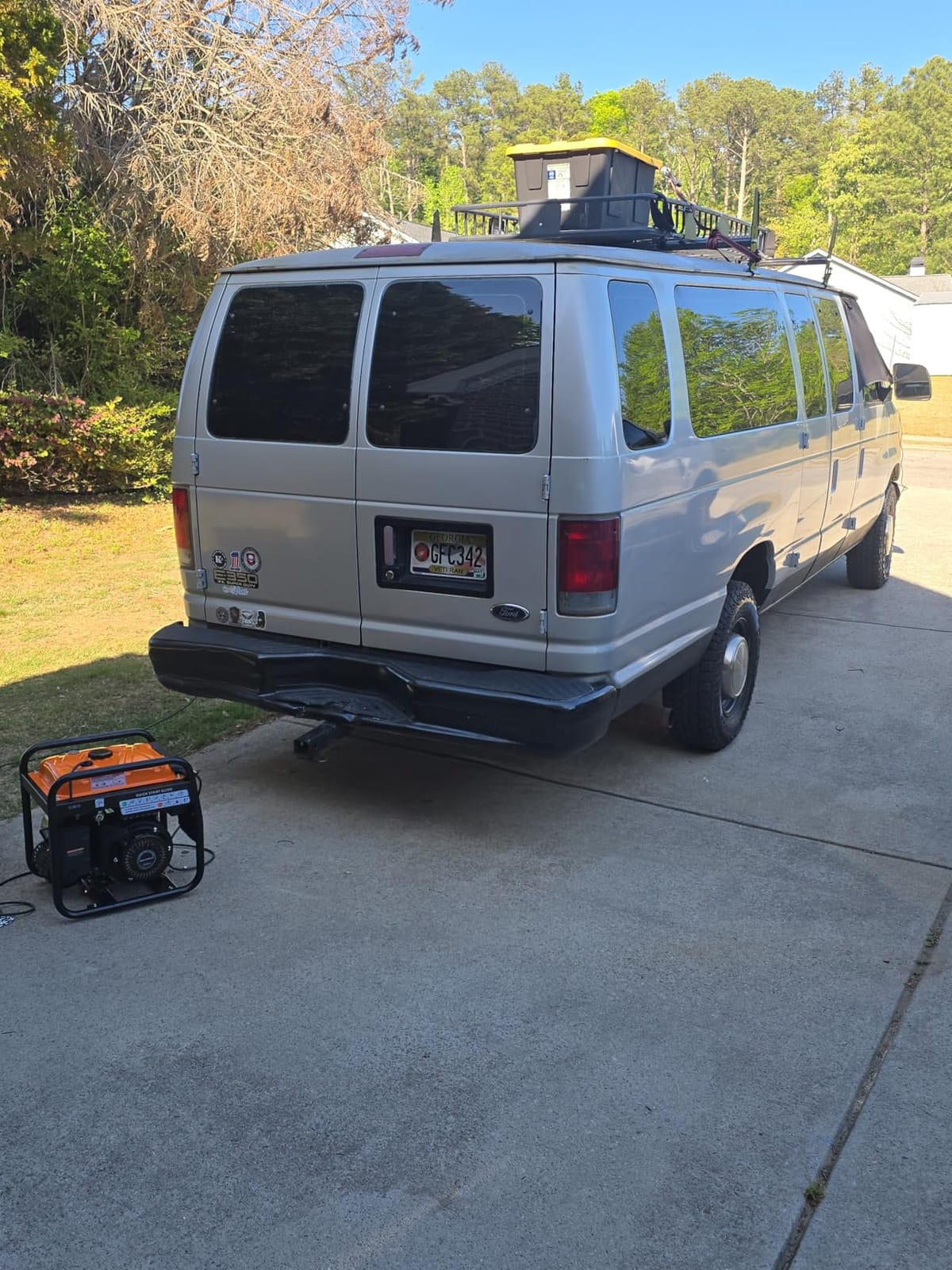
The one setup step people forget is the oil. This generator arrives with an empty crankcase, and starting it without a fill is a good way to damage an engine on day one.
It is 120V only, has no electric start, and carries a one-year manufacturer warranty, which is the shortest on the list. At 70 dBA from 23 feet it is audible at night.
What to check before you buy it
Verify that your pump and any other essential loads stay under 4000 running watts. One owner observed output falling short of the rated figure, so if your pump sits right at that ceiling, the WEN DF451i or the Champion 4500W is a safer margin.
Where it falls short
The open frame is louder and less weather protected than an enclosed cabinet, there is no 240V output for a 230V three-wire pump, and the one-year warranty offers less protection than the three-year coverage on the Champion and WEN models.
How to Hook Up a Generator to a Well Pump Safely
You connect a generator to a well pump through a transfer switch, an interlock kit, or a manual transfer device, and all three must keep utility power and generator power electrically isolated. The method determines cost, permit requirements and how automatic your recovery is.
Transfer switch: The most robust option, installed by a licensed electrician next to your panel. It isolates the two sources by design and can be automatic or manual. This is the right answer for a house with an aerobic septic system, where you want the aerator and spray pump to restart without anyone thinking about it.
Interlock kit: A mechanical and electrical interlock fitted to the main breaker so the two power sources physically cannot be connected at the same time. Combined with a proper inlet box, this is the most common homeowner approach and generally costs far less than a full transfer switch, but it still needs a permit and electrician work in most jurisdictions.
Extension cord to a load-distribution box: Acceptable for a portable setup feeding a pump control box over a short run, provided the cord is correctly rated for the load. Never use a male-to-male cord or a dryer outlet to backfeed the panel.
Four safety rules apply to every method. Run the generator outdoors, at least twenty feet from the house and away from open windows. Never run it in a garage, basement, shed or enclosed porch, and never in a truck bed or other semi-enclosed space, which is where CO sensor shutdowns come from. Keep a battery-operated CO alarm inside as a backup. And store fuel in approved containers away from the running machine.
When utility power returns, restart in stages. Confirm the generator is off and the transfer switch is back on utility power first, then restart the well pump and let it reach full speed before bringing on anything else. A pressure tank that starts cycling during a brownout can be what damages a pump motor.
Buying Guide: Choosing the Best Generator for Well Pumps
The 20/20/20 rule. Many buyers follow three guidance points: roughly 20 percent of a home’s typical running load as a starting baseline, 20 percent extra headroom for motor starting, and staying within about 20 percent of a common capacity class rather than buying the smallest that technically works. Applied to a well pump, this means sizing for the pump’s surge demand and then adding a margin, not splitting the difference.
Fuel strategy for extended outages. Gasoline degrades within months, so a dual fuel machine lets you run on stored propane indefinitely while rotating your gasoline supply. Five of the ten models here are dual fuel capable. If you will only ever run on gasoline, the field opens up to lighter, cheaper machines.
Noise and neighbor considerations. The spread here runs from 58 dBA on the WEN DF451i to 72 dBA on the Oxseryn 4400W. Sound carries further than people expect, and an open frame radiates more noise than an enclosed inverter cabinet at the same rated output. If you have an HOA or a close property line, weight the quiet end of this list heavily.
Aerobic septic loads. If your property runs an aerobic treatment unit, the aerator and spray pump draw continuous power and the system stops working the moment the power does. Add that load as pure running watts, never as surge, and consider whether a standby unit is a better fit than a portable. Our guide to the best standby generators covers that side of the decision.
Maintenance for readiness. A generator that has not run in a year is an unreliable asset. Run it under load for fifteen minutes monthly, rotate the fuel in your can and the tank, check the oil level, and clean the air filter. Keep a spare spark plug and oil on the shelf. If fuel storage is your weak point, our picks for the best solar generators are worth a look for a small 120V pump circuit, though the surge demands of a three-wire 230V pump still favor a combustion unit.
One more regional note. In areas that experienced Winter Storm Uri or Hurricane Beryl, portable generator demand spikes hard and the popular 4000-watt classes disappear from shelves for weeks. If you are in a storm-prone region, deciding early matters more than optimizing the choice.
Frequently Asked Questions
What size generator is needed to power a well pump?
Size on starting watts, not running watts. A typical residential well pump falls between half a horsepower and 2 HP, and its locked rotor inrush can run three to seven times the steady running draw for a fraction of a second. Multiply the pump’s running watts by three for a rough starting estimate, add the starting load of anything else on the same circuit such as a refrigerator or sump pump, then add 20 to 25 percent headroom. A 230V three-wire pump needs a generator with a true 240V output, such as the DuroMax XP13000EH.
Can I run my well pump with a generator?
Yes, provided the voltage and surge capacity line up. A 120V two-wire or single-phase pump can run from a standard 120V generator circuit. A 230V three-wire pump with a control box needs a generator with a 240V twist-lock output, and enough starting watts to carry the motor’s inrush. In both cases the generator must be connected through a transfer switch or interlock kit so utility and generator power are never joined.
How many watts do you need to run a well pump?
For a small 115V pump, a 3000 to 4000 watt running capacity with matching surge is usually enough for the pump alone. For a 1 HP 230V three-wire pump, you are looking at a machine in the 8000 watt class or above, and the 13,000 peak watt DuroMax XP13000EH is the only unit in our roundup that covers it. Add roughly 150 running watts and 1200 starting watts for a refrigerator, and 400 running plus 1300 starting for a sump pump.
Will an 8000 watt generator run a well pump?
For a 1 HP three-wire 230V pump, an 8000 watt class generator is the common recommendation because the motor’s locked rotor demand sits close to that ceiling. For a half horsepower 120V pump it is far more than you need, and a 4000 watt unit with clean inverter output will be quieter, lighter and easier to fuel. Judge any 8000 watt unit by the same rule we use: starting capacity first, then voltage, then noise.
What is the 20/20/20 rule for generators?
It is a buying guideline, not a specification. It suggests that you start with about 20 percent of your home’s typical running load, add roughly 20 percent for motor starting surge, and buy within about 20 percent of a common capacity class rather than the smallest unit that technically works. For a well pump, the surge component dominates, so the rule mainly reinforces the same advice: buy for starting watts and leave headroom.
Do I need a transfer switch to run a well pump on a generator?
Yes, for any setup that sends generator power into your electrical panel. A transfer switch or an interlock kit is what physically prevents utility and generator power from ever being connected together, which is a lethal backfeed risk and a code violation. Feeding a pump control box directly from the generator with a properly rated cord avoids the panel entirely and needs no interlock, but that only works while the house is still on utility power.
Conclusion: Our Best Generators for Well Pumps in 2026
The Champion 4000-Watt Dual Fuel RV Ready Inverter is our pick for the best generators for well pumps because it balances the things that actually decide whether a generator works during an outage: real starting headroom, the ability to run on stored propane, clean inverter power and a noise level most neighborhoods tolerate. It is the one we would put on a truck bed and start without thinking twice.
If your pump is 230V and larger than 1 HP, choose the DuroMax XP13000EH instead and accept the weight. It is the only machine here with a genuine 240V 50 amp outlet, and no surge capacity on a 120V unit substitutes for that.
For everything in between, the PowerSmart 4000W is the value pick, the WEN DF451i if you want an electric start and quiet operation, and the Champion 4250W if run time between refills matters most. Check the voltage on your pump nameplate first, then check your pump’s starting demand against the generator you are considering. That one step eliminates most of the wrong purchases in this category before you spend anything.