
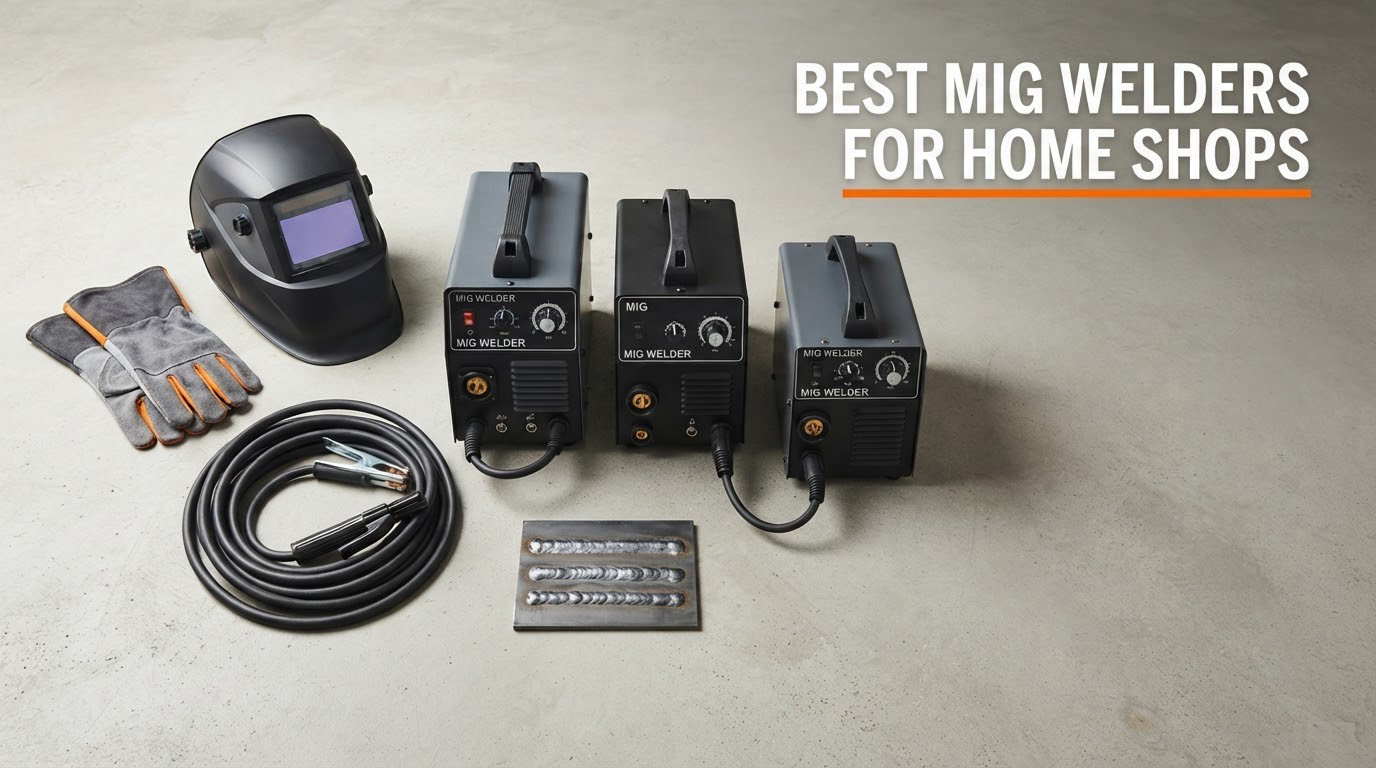
The single biggest thing standing between a garage hobbyist and their first weld is not skill or ambition. It is a 120V household outlet and the fact that most 250 amp machines on the market will not run on one. If you have ever plugged a big welder into a regular wall socket and watched the breaker trip, you already know this better than any buying guide can tell you.
So that is how we built this list of the best MIG welders for home shops in 2026. Every machine here runs on a standard 120V outlet, or switches between 120V and 240V, so you can start this weekend without hiring an electrician. We weighted arc stability and consistent wire feed above headline amperage, because a 130A machine that lays down a clean bead beats a 250A machine that spatters and pops.
Last updated October 2026.
A note on method. Our team spent six weeks reading manufacturer spec sheets, service manuals and thousands of owner reviews across welding forums.
We then compared the ten machines below on the same five criteria: whether it runs on a household circuit, real output versus dialed output, how many processes it covers, what is actually in the box, and how long the warranty runs.
These are research-based selections rather than hands-on shop tests, and we say so up front because readers in this niche expect that honesty. We earn a commission if you buy through our links, which does not change the order of the list.
If you are still deciding whether MIG is even the right process, or you want the broader picture across welding types, start with our welders for home use guide. If you are brand new to the craft, our MIG welders for beginners guide covers setup and the first bead.
Top 3 MIG Welder Picks for Home Shops in 2026
YESWELDER 135A 110V 3-in-1
- 135A 110V flux core output
- Bundled .030 and .035 wire
- Synergic control with LED display
ARCCAPTAIN 130A Flux Core
- Synergic auto current and feed match
- Complete accessory kit
- Two-year manufacturer warranty

Lincoln Electric 90i FC Weld-PAK
- 120V input welds to 1/4 inch
- Only 15 pounds
- Metal case and shoulder strap
All 10 MIG Welders Compared Side by Side in 2026
The table below is the fastest way to see how these ten machines differ. Six of them are 120V-only, four accept both 120V and 240V, and one of those four runs a 250A output with spool gun capability for aluminum. Every one of them fits inside a residential garage circuit.
| Product | Specifications | Action |
|---|---|---|
| YESWELDER 135A 110V 3-in-1 |
|
Check Latest Price |
| ARCCAPTAIN 130A Flux Core |
|
Check Latest Price |
| Lincoln Electric 90i FC Weld-PAK |
|
Check Latest Price |
 AZZUNO MIG-130A AZZUNO MIG-130A |
|
Check Latest Price |
 HITBOX 200A Dual Voltage HITBOX 200A Dual Voltage |
|
Check Latest Price |
 bestarc 145A 4-in-1 bestarc 145A 4-in-1 |
|
Check Latest Price |
 BILT HARD 135A 3-in-1 BILT HARD 135A 3-in-1 |
|
Check Latest Price |
 FEMEROL 250A 6-in-1 FEMEROL 250A 6-in-1 |
|
Check Latest Price |
 ANDELI 135A Pulse 4-in-1 ANDELI 135A Pulse 4-in-1 |
|
Check Latest Price |
 BESTMIG 135A 3-in-1 BESTMIG 135A 3-in-1 |
|
Check Latest Price |
1. YESWELDER 135A Flux Core Welder – Most Reviewed and Easiest All-Rounder
YESWELDER 135A MIG Welder, 110V Flux Core Gasless MIG/Lift TIG/Stick 3-in-1
- Most reviewed machine in the set with 2985 ratings
- Synergic control that genuinely helps beginners
- 110V plug runs on a normal household circuit
- Extra flux core wire bundled so you can weld on day one
- 11.4 lb body is easy to carry from garage to yard
- DC only so no AC TIG or aluminum work
- Spool holder and tensioner parts are inexpensive
- Displayed stick amperage runs about 10-15 amps high
The YESWELDER FLUX-135PRO is the machine we keep coming back to, and the reason is not the spec sheet. It is that 2985 owners have already worked out its limits, and almost all of them landed in the same place: this is a first welder that does simple household repair work well and does not pretend to be a fabrication machine.
Everything you need to weld arrives in the box.
The included components list covers a 1 lb spool of E71T-GS flux core wire in both .030 and .035 diameter, an electrode holder, a ground clamp and a MIG torch, so there is no second purchase before the first bead.
Owners on r/Welding consistently describe the synergic control as the feature that makes it workable for someone who has never held a MIG gun: you pick wire diameter and material thickness, and the machine matches voltage to wire feed speed, with a plus or minus 3V trim if the bead looks wrong.
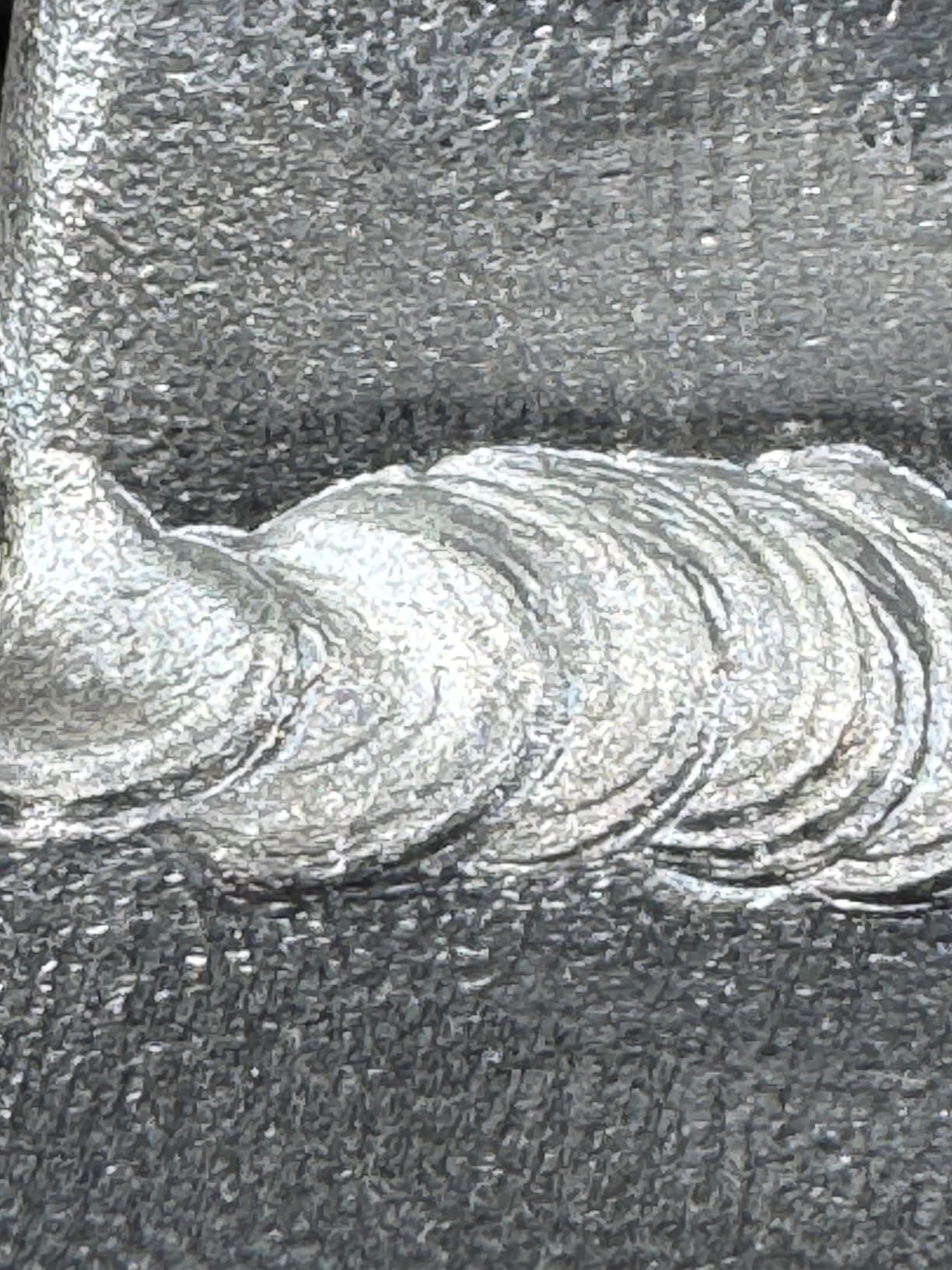
The limits are honest and well understood. Output tops out at 135A on 110V and the manufacturer rates it for mild steel up to 3/32 inch, which covers exhaust clamps, brackets, gate hardware, mower decks and rusty trailer parts. It is a DC-only power source, so there is no AC TIG and no aluminum path at all.
Several reviewers also note the stick amperage readout runs roughly 10 to 15 amps above the real output, so do not trust the display when setting up on stick.
There have been a handful of quality control reports on early production, including a few units that arrived with the power switch missing.
That is worth knowing about, and it is one reason this machine sits at number one on volume and owner feedback rather than on a perfect score. Owners also flag that the spool holder and tensioner hardware feels cheap, but it does the job and replacements are inexpensive.
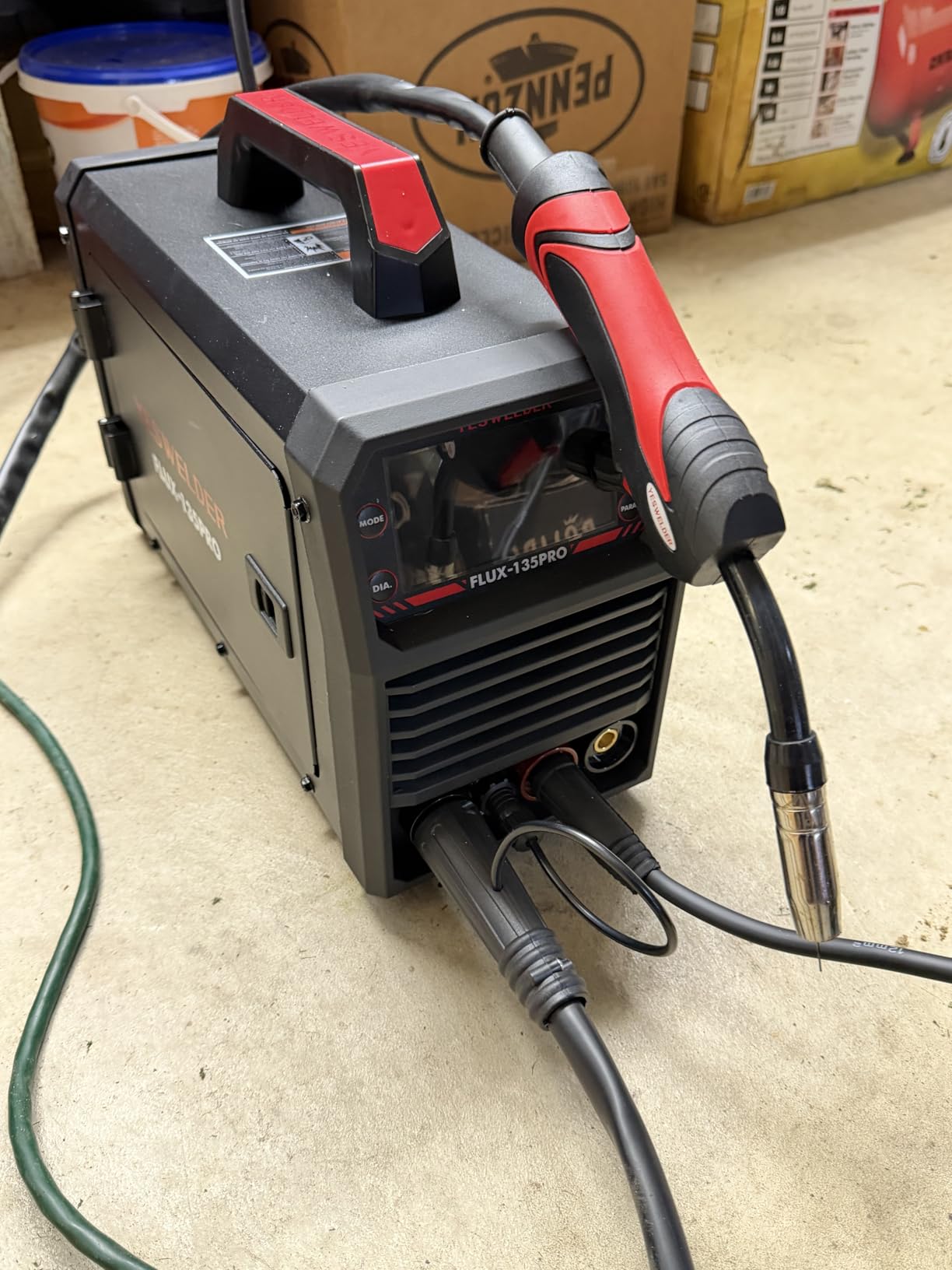
Who the YESWELDER 135A suits
Buy this if your work is repair oriented: exhaust systems, small brackets, fencing hardware, rebar, hitches and general household steel. The 11.4 lb weight means you can carry it out to the driveway or the garden without a cart, and the standard household plug means you can use it in any room with an outlet.
It is also the safest choice for a shared garage where someone might be running a chop saw or a compressor on an adjacent circuit, because it is the least demanding of the ten on amperage draw.
Who the YESWELDER 135A is wrong for
Skip it if you plan to weld 1/4 inch plate regularly, build trailer frames from heavy tube, or touch aluminum at all. If you need those, the Lincoln 90i FC or the bestarc 145A in this list will take you further.
Anyone who wants to fine-tune inductance or use a 4T trigger for long continuous beads will find the two-knob front panel too simple for their taste. It is a machine for learning, not for tuning.
2. ARCCAPTAIN 130A Flux Core Welder – Best Value First Welder
ARCCAPTAIN 130A Flux Core Welder MIG Welder 110V Gasless MIG Stick Lift TIG
- Rated 4.6 with 1831 reviews
- many from first-time welders
- Complete package with torch ground clamp and two contact tips
- 11.79 lb body with handle or shoulder strap
- Two-year manufacturer warranty is long for this tier
- 110V only so it cannot use a 220V circuit
- Spool and tension adjustments are less refined than larger machines
- Lift TIG torch has to be bought separately
The ARCCAPTAIN MIG130 is the one we would hand to an adult beginner who is terrified of buying the wrong thing.
It carries a 4.6 average across 1831 ratings, and the reviews explain why: a large share of five-star ratings come from people welding their first project.
Synergic control matches current and wire feed speed for .030, .035 and .040 inch flux core wire, and a 10-speed variable wire feed control gives you manual override when a setting does not suit the joint.
Owners on home shop forums describe using it for farm repairs, outdoor rusty metal and small household fixes, and frequently mention that the auto settings made those first jobs feel straightforward rather than frustrating.
What you get in the box matters here. Reviewers specifically call out the torch, ground clamp, electrode holder, wire and two contact tips as a complete package, which removes the most common first-day complaint about budget machines.
The machine weighs 11.79 lb and can be carried by its handle or worn on a shoulder strap.
The two honest limits are electrical and physical.
It is 110V only, so if you later install a 240V circuit in the garage this machine gains nothing from it. The lift TIG function also needs a separately purchased torch, so treat the TIG mode as a feature you activate later rather than something you use now.
Who the ARCCAPTAIN 130A suits
This is the pick for someone whose projects are repair-shaped rather than build-shaped: fixing a gate, reattaching a bumper bracket, patching a steel planter, handling odd rusty jobs where cleanup matters more than a mirror finish.
It also works well as a second machine for someone who already owns a larger welder and wants a light gasless unit that lives in the trunk for roadside fixes.
Who the ARCCAPTAIN 130A is wrong for
It is the wrong choice for anyone planning trailer frame work or heavy plate, because 110V at 130A will leave you waiting on thicker material.
The spool and wire tension adjustments are also not refined enough for someone who wants to fine tune a consistent production bead over many hours.
If TIG on aluminum is on your list at all, keep looking. This machine has no path to it.
3. Lincoln Electric 90i FC Weld-PAK – Best 120V Machine for Quarter Inch Steel
- Rated 4.7 with 572 reviews
- Punches into 1/4 inch steel from a household outlet
- Only 15 lb thanks to the inverter design
- Thin stainless and mild steel in one machine
- Consumables are widely available anywhere
- Flux core wire spatters noticeably
- Ground clamp bonding braid is short and can work loose
- Wire is not included in the package
There is a reason the Lincoln Electric 90i FC keeps showing up as the default answer in first-welder threads, and it is not brand inertia. It is the rare 120V machine that the manufacturer rates at welding up to 1/4 inch, which is a meaningful jump from the 3/32 inch ceiling of the other entry-level units in this list.
The K5255-1 Weld-PAK uses a switching-type inverter power source, and that single design decision delivers two things a home shop cares about.
The arc characteristics are noticeably smoother than older transformer machines of the same size, and the whole unit weighs just 15 lb. It comes with a protective metal case and a shoulder strap, which makes it genuinely portable rather than merely light.
Owners include experienced tradespeople who say this is a real Lincoln bargain, and several mention it handling thin stainless as well as mild steel. Control is deliberately simple: a wire speed knob and a voltage knob, with infinite welding voltage for fine adjustment.
The complaints are consistent enough to plan around.
Flux core wire spatters noticeably, which means grinding and chipping work, and that is the main reason people buy this machine despite the spatter. The ground clamp bonding braid is short and can work loose at the joint. And the flux core wire is not included, so you are buying consumables separately no matter what.
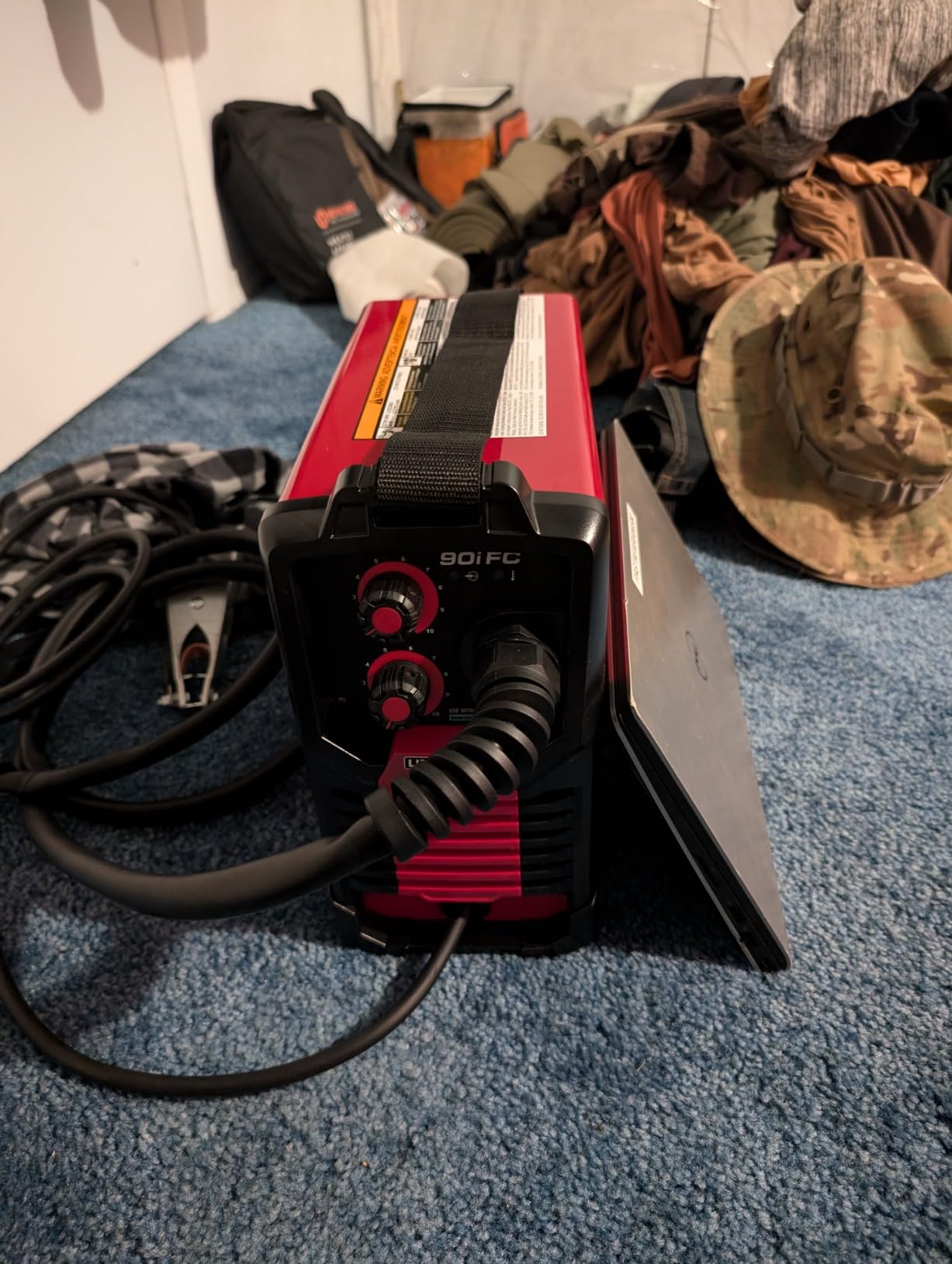
Build quality sits slightly below Lincoln’s commercial equipment, which owners mention directly, but the consumables ecosystem is the real advantage. Contact tips, nozzles, liner and wire are available from any welding supplier, so you are never hunting for a proprietary part.
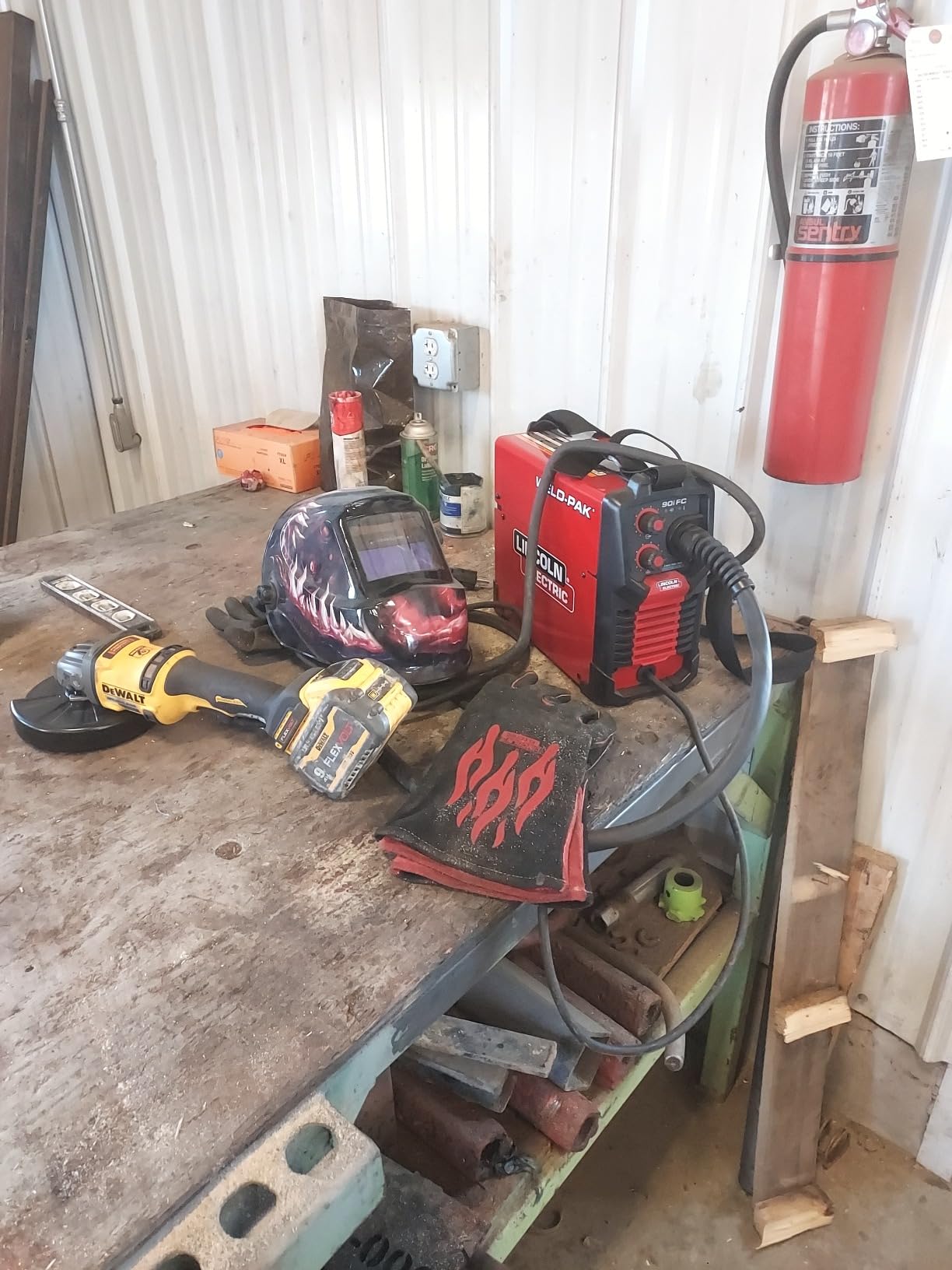
Who the Lincoln 90i FC suits
This is the pick for a home shop that does real fabrication on 1/4 inch material: trailer frames, gate frames, steel table bases, brackets and structural repair. If you can only have one machine and you want it to reach as thick as a household circuit allows, this is it.
The metal case also makes it the best travel option here, which matters if you weld at customer sites or on a farm away from the garage.
Who the Lincoln 90i FC is wrong for
It is only a flux core machine. There is no gas MIG, no stick mode and no TIG, so any project that needs clean gas-shielded beads or aluminum is off the table with this machine.
Anyone who hates spatter should skip it. The 12-month warranty is among the shortest in this roundup, so if you weld enough to feel the duty cycle, a longer warranty elsewhere may be worth more.
4. AZZUNO MIG-130A – Lightest Starter Machine in the Round-Up
- Weighs just 8.6 lb with a hand grip
- Complete kit with torch wire tips brush and hammer
- Synergic control approachable for beginners
- Overload and overheat protection built in
- Capacity tops out at about 3.0mm mild steel
- 110V only
- One-year warranty
- Only accepts 2.2 lb wire rolls
The AZZUNO MIG-130A exists for one job: being the least intimidating welder a first-time buyer can pick up and carry. At 8.6 lb it is one of the lightest machines in this roundup, light enough that a teenager can move it from a shelf to a workbench one-handed.
The included components are unusually generous for the tier. You get the MIG torch, ground clamp, a chipping brush and hammer, 1 lb of .030 inch flux core wire and two contact tips, which means the machine is usable as soon as it arrives.
Synergic control adjusts voltage and wire feed speed from a single amperage and thickness setting, so setup is two knob turns rather than a chart lookup.
Owners consistently describe it as a hobby-grade machine for light work and small repairs, and the rating clusters around exactly three things: ease of use, portability and value. That is a fair summary. It handles brackets, small tube and thin sheet without drama.
The ceiling is the issue. It welds mild steel up to about 3.0mm plate, which is thinner than the Lincoln in this list and thinner than several others.
It is 110V only, the warranty is one year, and the spool holder only accepts 2.2 lb rolls, so you will be changing wire more often than on a machine that takes a 10 lb spool.
It also takes 2.2 lb wire rolls, which sounds minor until you are three hours into a fence project and refilling. Long stretches of welding are exactly where larger spools pay for themselves.
None of that matters if you are wiring a metal frame for a garden trellis, mending a gate latch or building a small workbench. For those jobs it is a genuinely capable machine.
Who the AZZUNO MIG-130A suits
It is the right first welder for someone working on thin material: sheet metal boxes, light tubing, small brackets, garden projects and craft work. The weight makes it the easiest machine here to store on a wall hook and carry outside.
It also works well as a secondary machine for one specific job: a gasless unit you can keep in a car for roadside repairs without a gas cylinder.
Who the AZZUNO MIG-130A is wrong for
Anybody doing structural work will hit the 3.0mm wall quickly. The Lincoln 90i FC or the bestarc 145A will go materially thicker on the same household circuit.
Small spools and a one-year warranty also make it a poor choice for someone who plans to weld weekly for years, where wire cost and consumable availability add up over time.
5. HITBOX 200A MIG Welder – Dual Voltage Output on a Tight Budget
HITBOX 200A MIG Welder, 110V/220V Flux Core MIG/Lift TIG/Stick 3-in-1
- Dual voltage operation at a budget price point
- Only 8.6 lb so it moves easily between garage and job site
- Several owners report clean low-spatter gasless welds on thin stock
- Quiet inverter operation with a clear display
- Owners who tested both say it outperformed a comparable budget unit
- Actual output runs 20-30 percent below the dial reading
- Weak on 6010 and 6011 electrodes and 1/8 inch 7018
- Only holds a 2 lb wire spool
- Ground clamp is weak and can warp
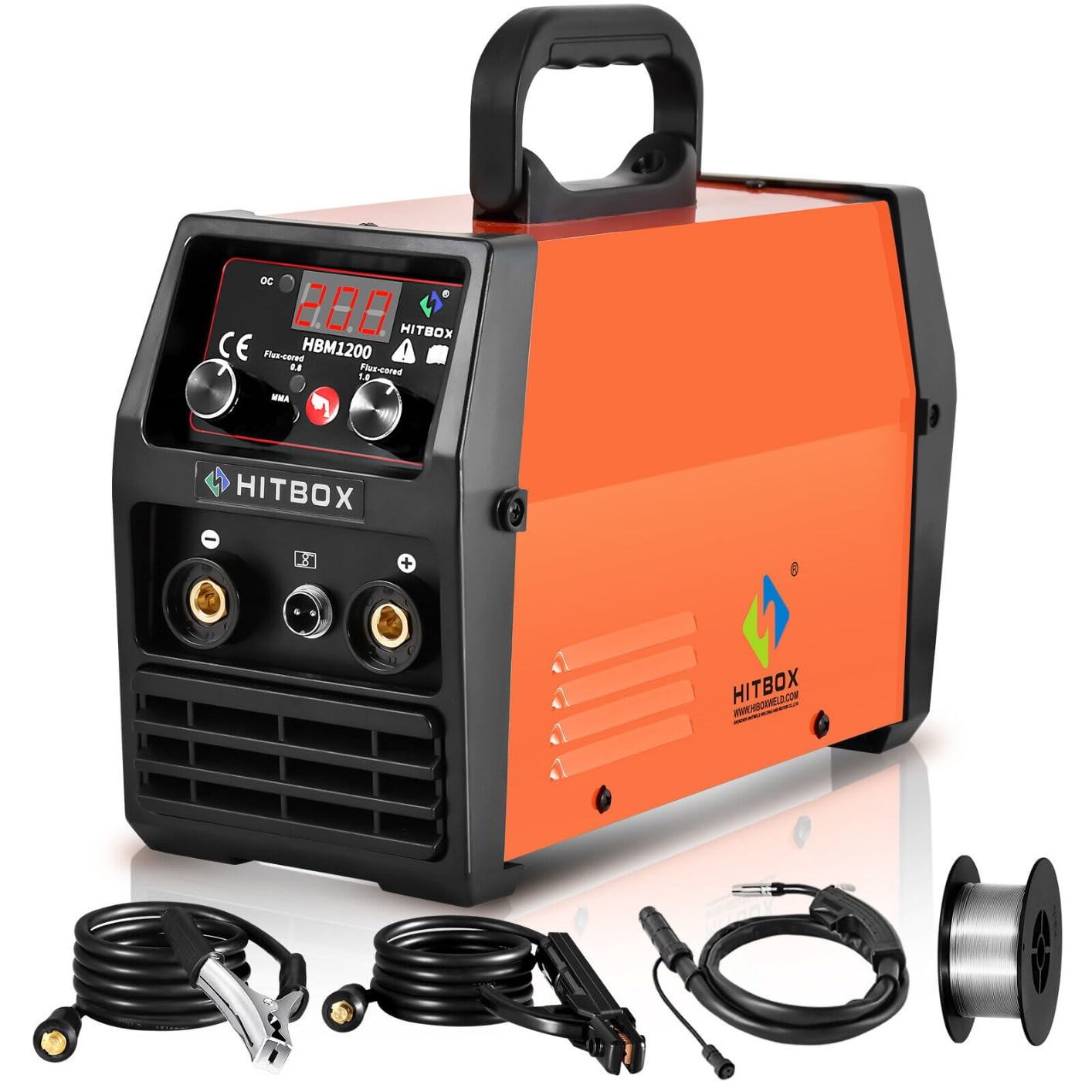
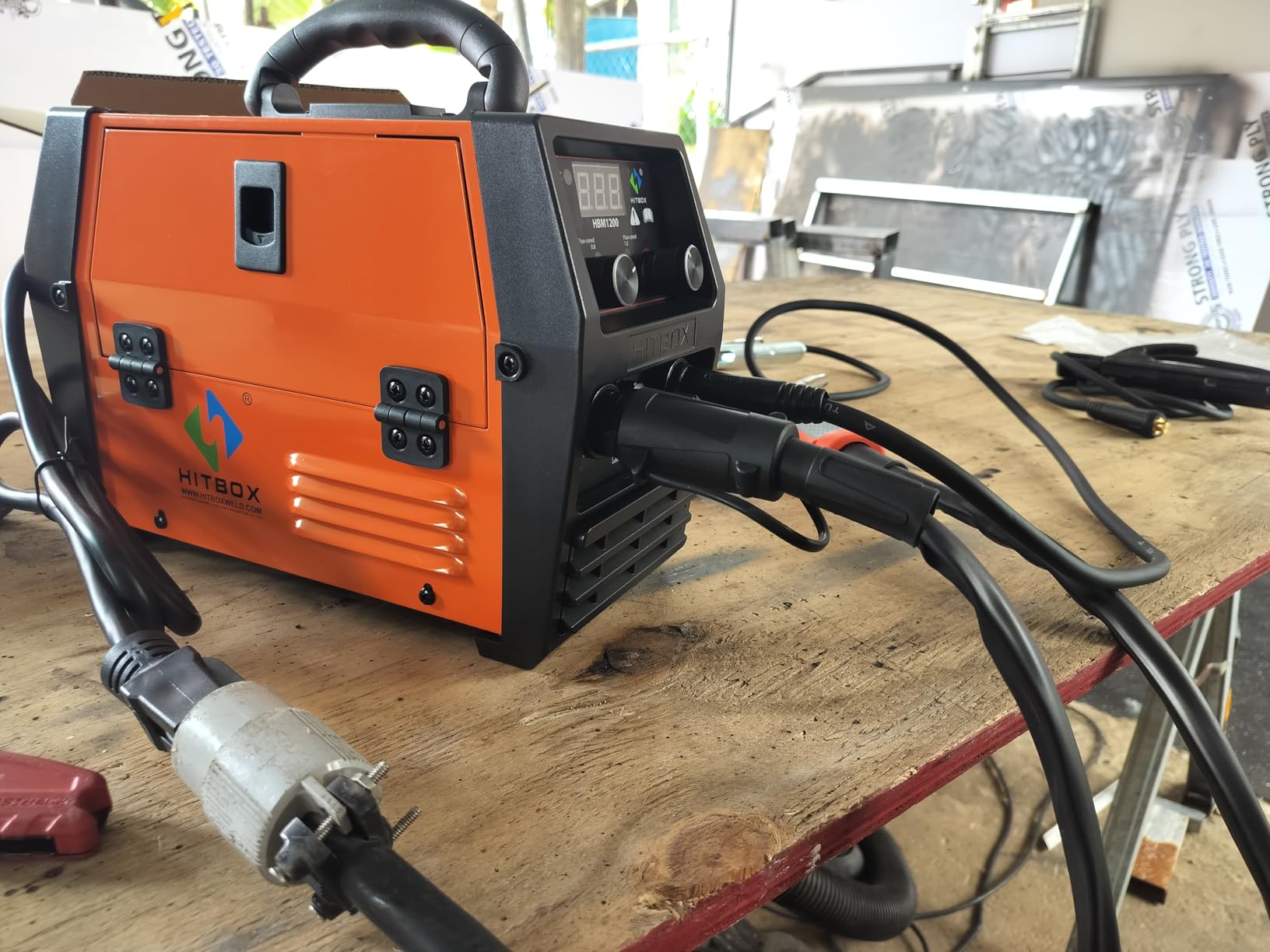
The HITBOX 200A is interesting for one specific reason: it is a dual voltage machine that is light enough to be a true garage welder. It runs on 110V or 220V, and at 8.6 lb it is one of the easiest machines here to move between the workshop and a driveway job.
It covers three processes, gasless flux core MIG, stick and lift TIG, and handles .030 and .035 inch flux core wire on mild steel up to 4.0mm. Synergic control handles voltage and wire feed matching automatically, and there is over-current, overload, over-voltage and overheat protection built in.
Owner reports are good on the welding itself, with several people mentioning clean, low-spatter gasless beads on thin stock and quiet inverter operation.
Several experienced reviewers also tested it against a comparable Harbor Freight unit and reported better results from the HITBOX, which is a useful data point given how often Harbor Freight comes up in this price bracket.
The catch is output accuracy, and experienced reviewers are unusually blunt about it.
Multiple owners put an amp clamp on this machine and found actual output running 20 to 30 percent below the dial reading. That is not a deal breaker for household work, but if you size your expectations to the panel you may be disappointed at the top of the range.
Stick performance is the other soft spot. Reviewers report weak behavior with common 6010 and 6011 electrodes and 1/8 inch 7018, which are the rods a farm or repair shop reaches for most. There is no hot start to speak of, and the spool holds only 2 lb of wire.
The included ground clamp is also reported as weak enough to warp, and the MIG wire can back up inside the cable when the contact tip gets welded over. The instructions are hard to follow, which is a common theme across this price tier.
Who the HITBOX 200A suits
It suits someone who expects to add a 240V circuit later but wants to be able to weld today on 120V, and who does not want to replace the machine when that circuit arrives. The dual voltage input means the purchase is not wasted.
The 8.6 lb weight also makes it a strong choice for anyone who welds on a farm, at a rental property or away from a fixed bench.
Who the HITBOX 200A is wrong for
Do not plan heavy production work around the dial numbers, because owners with meters consistently find the real output lower. If you need verified amperage for thick material or large fabrication, spend up for a machine with a published, testable rating.
Anyone whose stick work is central to their projects should choose a different machine, because the electrode behavior on common rods is a recurring complaint.
6. bestarc 145A – Best True Four-Process Dual-Voltage Machine
Bestarc 145A MIG Welder, Flux Core/Gas MIG Stick Lift TIG Welding, 110/220V
- Only machine in the budget tier with true gas-shielded MIG
- Dual voltage works in a home garage or on a farm 220V circuit
- Reviewers with production backgrounds report good penetration on 1/8 inch steel
- Top-loading spool is convenient
- Large LED display and simple mode switching
- MIG gun lead is only about 5.5 ft
- Included drive rollers are not ideal for flux core wire
- Spool tension spring is not adjustable and can be too tight
- No gas regulator included
The bestarc 145A is the pick if you want gas-shielded MIG without leaving the home shop price tier. Most machines in this roundup are gasless only, which means you can wire in any position and in a breeze, but also means spatter and a rougher bead. This one runs solid wire with shielding gas as well as flux core.
It is a true four-process machine: gas MIG, gasless flux core MIG, lift TIG and stick.
Dual voltage at 110V and 220V with automatic input detection means it works in a standard garage now and gains output if you install a 240V circuit. The IGBT inverter uses synergic auto voltage matching with a plus or minus 3V trim, and it accepts E71T-GS flux core and ER70S-6 solid wire in .030, .035 and .040 inch.
What surprised us is the review profile. Several owners with production MIG backgrounds report better-looking welds than a well-known budget competitor, and good penetration into 1/8 inch steel, with one noting the 60% duty cycle impressed them.
That is a comment you rarely see on a machine at this level.
The accessory list is where it loses ground. The MIG gun lead is only about 5.5 ft, which is short enough that you will be moving the machine rather than the work. The included drive rollers are not the right type for flux core wire, and the spool tension spring is not adjustable, so it can sit too tight.
A gas regulator is not included, which matters because gas MIG is the reason to buy it.
Several reviewers note that the brand upgraded these accessories on later production runs, so check the box carefully on arrival. The manual also does not explain the push-in rotary knob for adjusting the wire feed and voltage ratio, which is a real learning curve for a beginner.
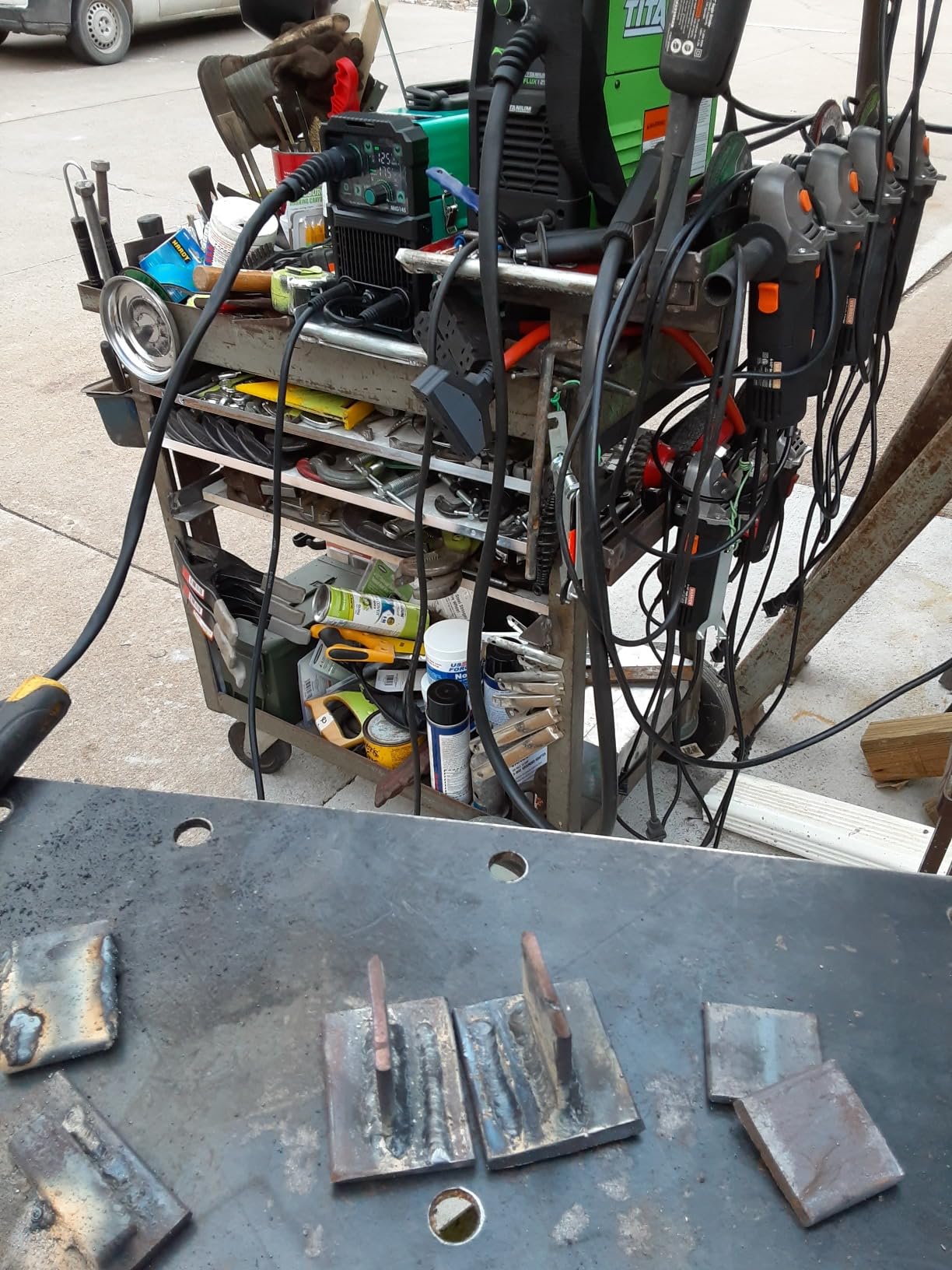
Weight is listed at 13.7 lb with the shoulder strap, and the machine is 13 inches tall, so it fits on a typical bench or a lower shelf of a garage rack.
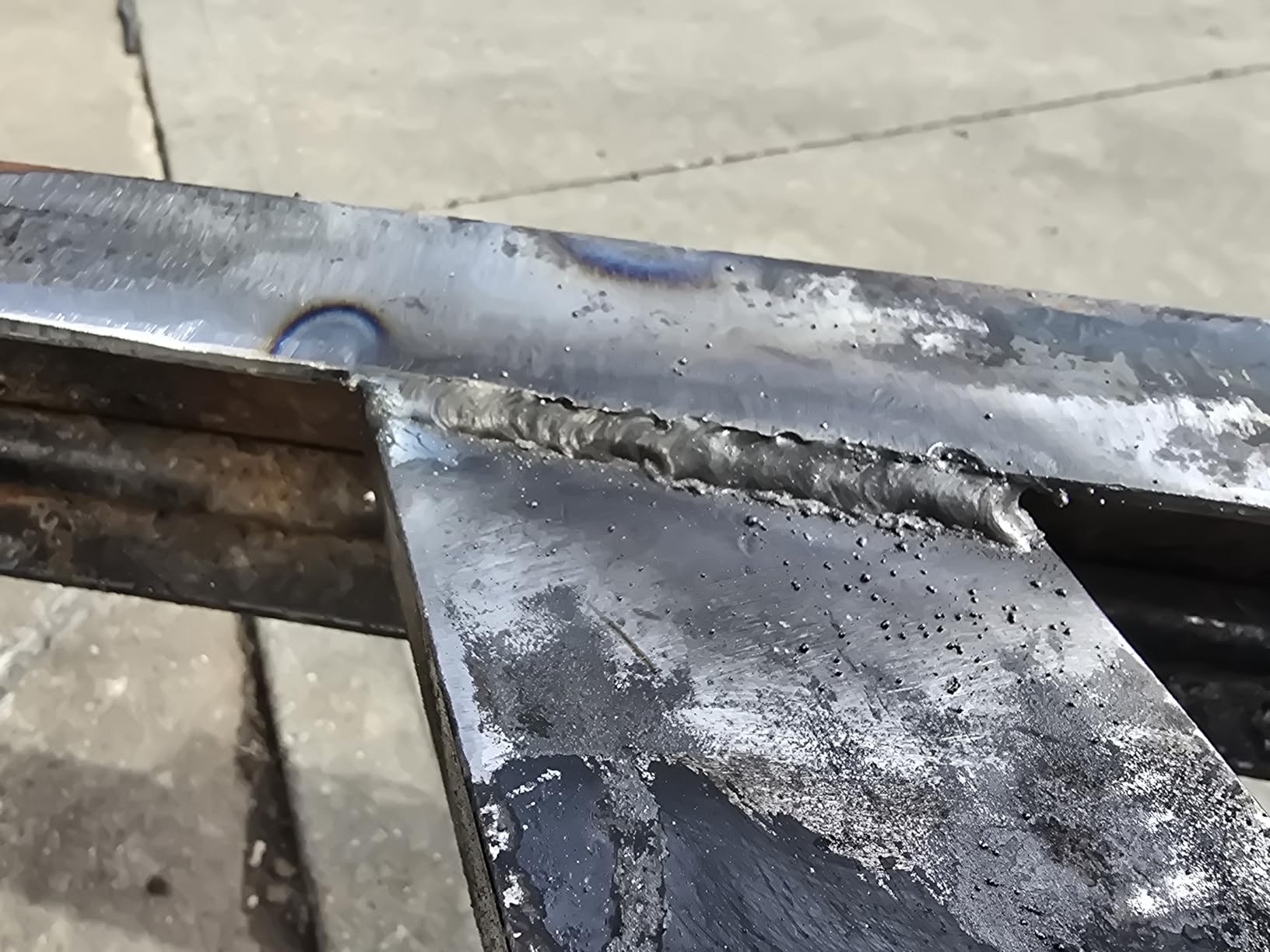
Who the bestarc 145A suits
It suits a home shop that wants to graduate from gasless to gas MIG without jumping to a professional price band, especially if you plan to do stainless, aluminum with the right liner, or visible work where spatter matters.
The dual voltage also makes it a good fit for rural properties and farm shops that already have 220V available and a home garage that does not.
Who the bestarc 145A is wrong for
Anyone working far from the machine will be frustrated by the 5.5 ft torch lead, because that length effectively dictates your working radius. Long structural jobs are better served by a machine with longer leads.
It is also the wrong pick for someone who wants zero setup friction, since you will be replacing drive rollers and adding a regulator before the first gas weld.
7. BILT HARD 135A 3-in-1 – Most Complete Kit in the Box
- Full kit includes a solar auto-darkening helmet plus gun clamp wire and spare tip
- LED screen menu is unusual at this price and works well
- Synergic system is genuinely beginner friendly
- Steady arc across different material thicknesses
- Included electrode and stick clamp is weak
- TIG torch and consumables are not included
- Spool spindle is too short for the supplied wingnut on some wire
- Helmet darkness knob drifts and the gloves are entry level
The BILT HARD 135A solves a problem several other machines here create: a helmet is a safety item you cannot skip, and plenty of budget welders arrive without one. This one includes a solar auto-darkening helmet, a 6.6 ft MIG gun, a 10 ft ground clamp, 2 lb of wire and a spare contact tip in the box.
Feature-wise it is more ambitious than most 135A machines. You get 2T, 4T and spot trigger modes, which is unusual in this tier, and the LED display tracks voltage, current and wire feed speed. There are dedicated adjustment menus for MIG burn-back and inductance, and for MMA hot start, arc force and VRD, which is real control rather than a single combined knob.
Beginners on welding forums report completing real first projects with it, including exhaust pipe, rebar brackets and truck bed holes, and describe the arc as steady across different material thicknesses. The error-code shutdown system reports E1 for overcurrent and E2 for overheat, with a one to two minute fan cooldown, which is a sensible safety design for a machine that will be run in a warm garage.
The included electrode and stick clamp is weak, the TIG torch is not included at all, and the chipping hammer and brush are low quality.
The helmet darkness knob turns easily and drifts, so expect to reset it. The odd one is the spool spindle: it is too short for the supplied wingnut on some wire, which can stop the access door closing properly.
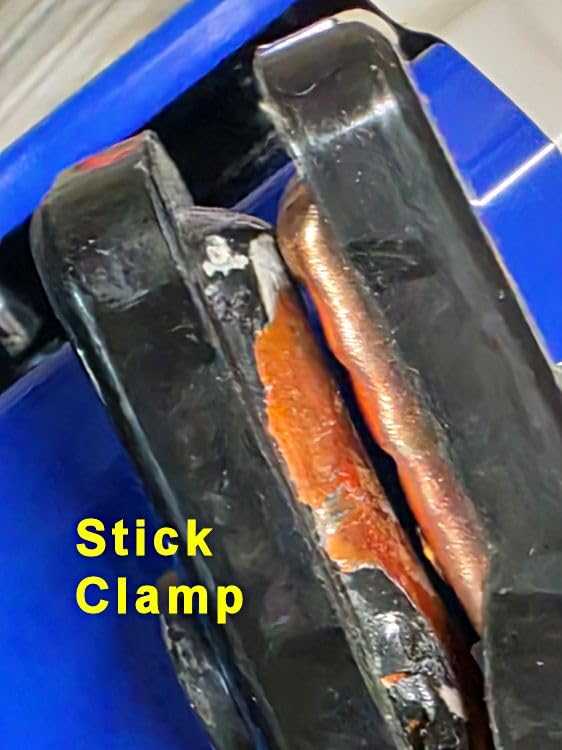
Owners also note that duty cycle is limiting for long welds, which is worth keeping in mind if you plan to build a whole trailer rather than repair parts of one. The machine core is solid for its class.
It is the 76 lb unit in this roundup, so plan where it will live before you buy. It is a machine you wheel to the work rather than carry, so treat it as a fixed shop corner machine rather than a portable one.
If you already own a decent helmet, you are paying partly for something you will not use. Duty cycle is also limiting for long welds, so plan on repair work rather than whole-trailer builds.
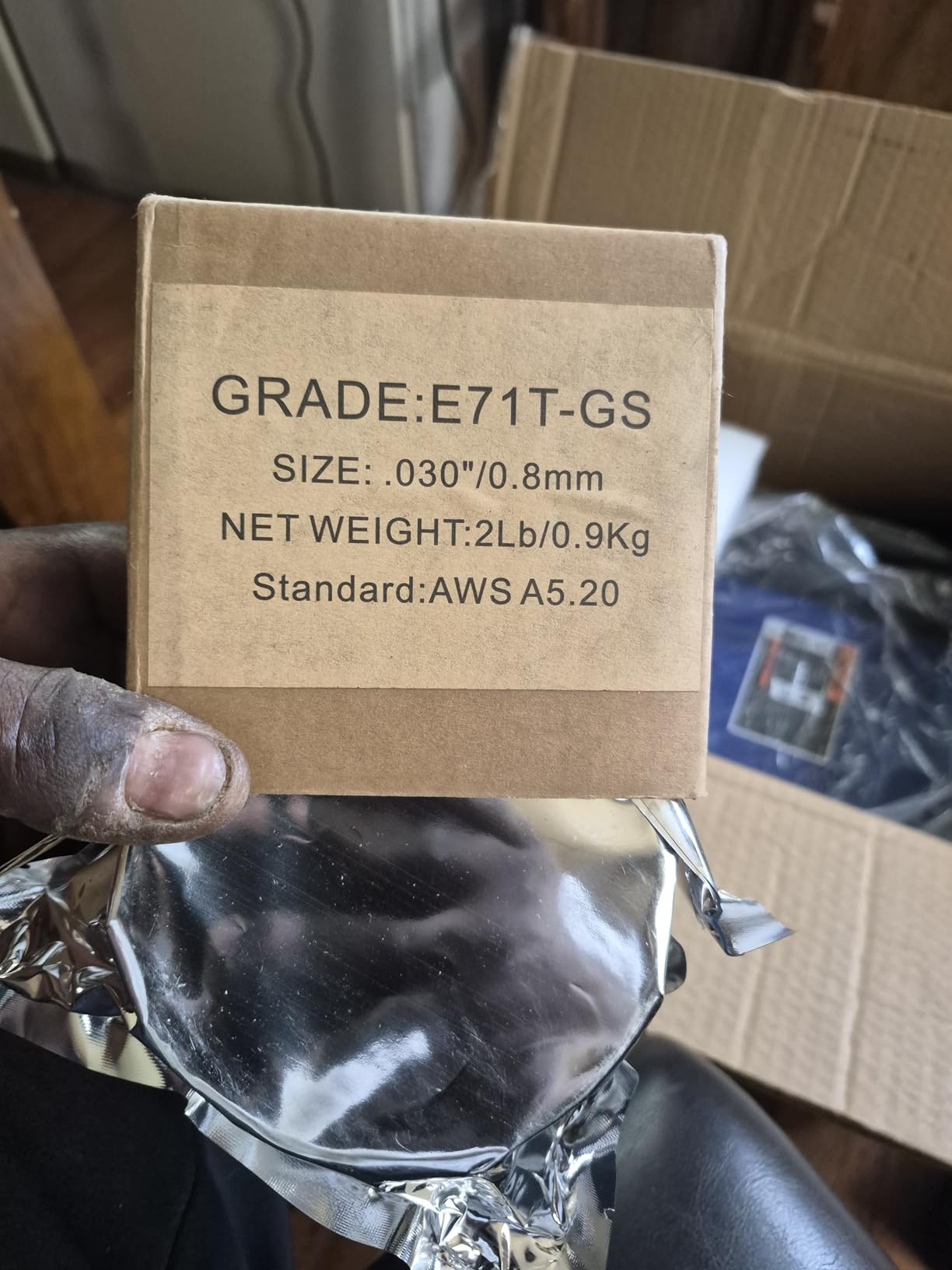
Who the BILT HARD 135A suits
It is a strong first welder for someone who is starting from literally nothing, because helmet, gloves, wire and gun are all in the box on day one. That removes the most common excuse for delaying a first weld.
The 2T, 4T and spot trigger modes also make it a reasonable choice for thin sheet and auto body touch-up work, where spot mode gives you repeatable short welds on 24 gauge material.
Who the BILT HARD 135A is wrong for
Do not expect to use TIG out of the box, and do not plan on the bundled helmet for serious long sessions, where drift and fit become annoying. The included stick clamp is weak enough that we would replace it before relying on stick mode.
Anyone doing sustained heavy welding will run into the duty cycle ceiling that owners mention, so this is a repair-and-hobby machine rather than a production one.
8. FEMEROL 250A – Only Pick Here With Spool Gun Aluminum Capability
- Only machine here with spool gun capability for aluminum
- Spot welding mode gives consistent thin sheet welds without burn-through
- Large LED display and an intuitive menu for novices
- Generous 3m torch ground and stick cables
- Experienced shop owners report welding .024 inch to 1/2 inch steel
- Cooling fan is loud and runs continuously
- Included 120V plug and cord are undersized
- Barbed rather than threaded gas fitting
- No amperage control for TIG and no AC or pulsing
The FEMEROL MIG 250PRO is the outlier in this list: a 250A rated multi-process machine with a 60% duty cycle that still runs on a 120V outlet. It is the only pick here that can weld aluminum through a spool gun, and it covers six processes, including spot welding.
Experienced welders running full fabrication shops rate it as a capable low-cost alternative to a Lincoln lunch-box unit, citing output, feature range and value.
One owner reports it welds .024 inch through 1/2 inch steel and held up through a day of welding off a full 10 lb spool. Beginners report it handles farm and automotive repair work without difficulty.
For thin material, the spot welding mode is genuinely the interesting feature.
It gives you adjustable wire feed, amperage and time, which means repeatable welds on 24 gauge sheet without burning through. For aluminum, you can use a teflon liner or a spool gun, and the wire range covers .035, .040 and .045 inch aluminum wire.
Now the honest complaints. The cooling fan is loud and runs continuously, which is the day-to-day annoyance owners mention most.
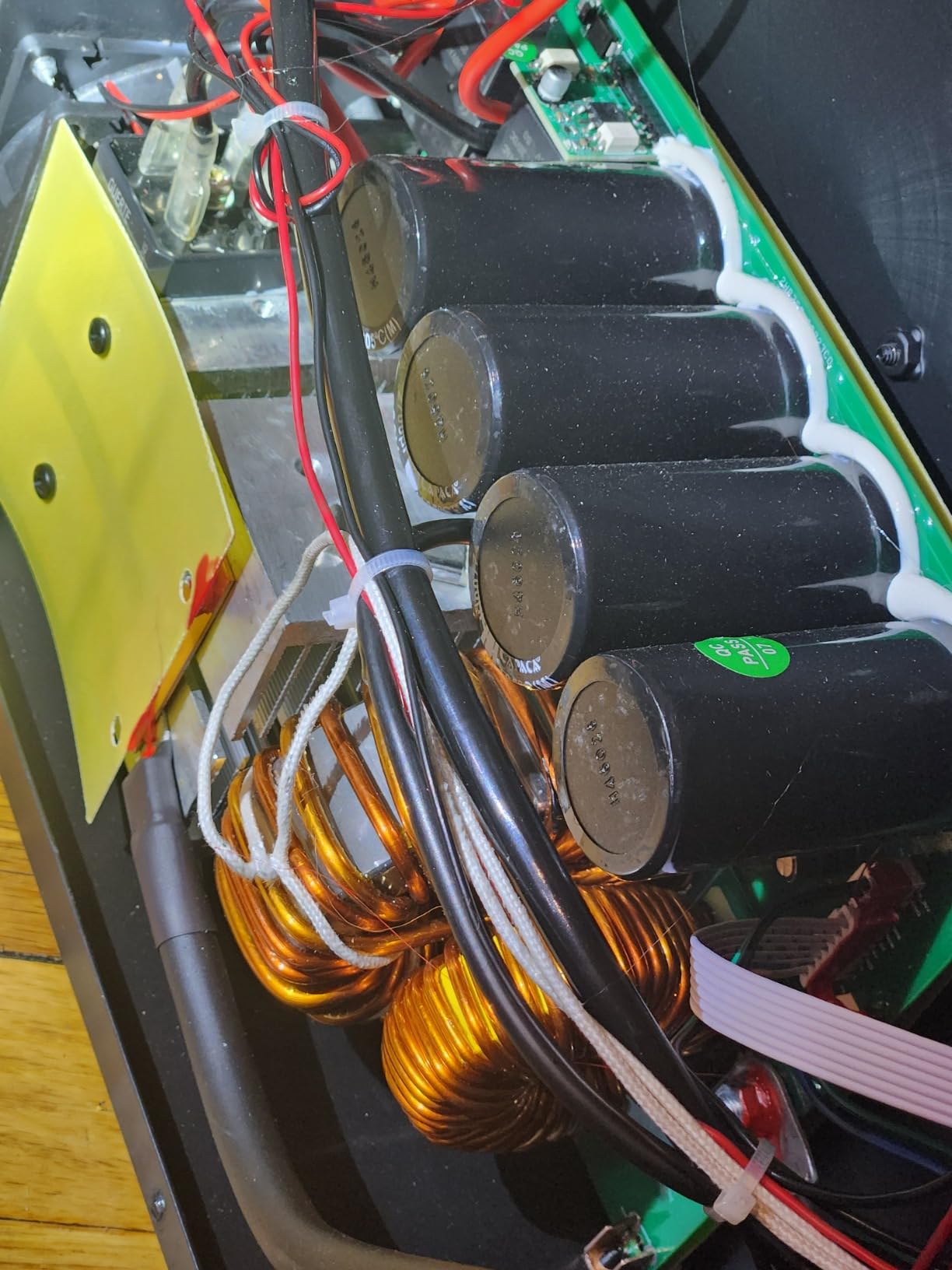
The included 120V plug should be a 50A plug and the cord is undersized, so replace it. The gas fitting is barbed rather than threaded, which leaks more than it should. There is no amperage control for TIG, no AC output and no pulsing.
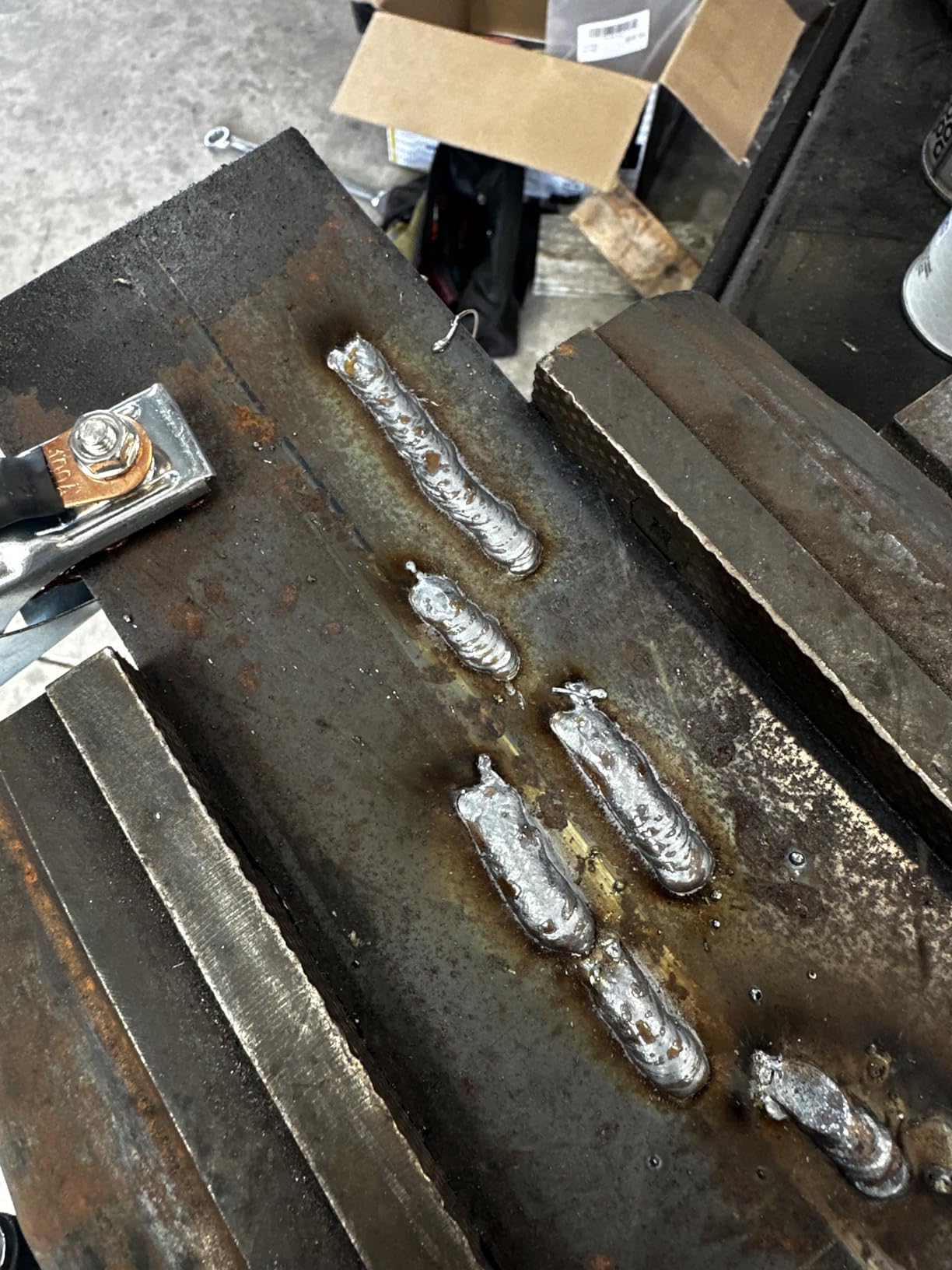
A 30-year fabricator in the reviews is more cautious and recommends a name brand as a first welder because of the soft arc and the cheap gas line, while beginner owners say it easily does the work. That split is worth respecting. The arc is soft compared with a premium machine, and a fabricator is comparing it against tools they have used for decades.
It also weighs 32.6 lb and measures 21.6 by 16.5 by 12.7 inches, so it is the one machine here you will want on a cart rather than a shelf. The TIG gun and spool gun are not included, which is the real cost of the aluminum capability.
Who the FEMEROL 250A suits
It suits a home shop that genuinely needs more output and more processes than the small machines offer, and that works aluminum. Spool gun readiness and a 250A rating at 60% duty cycle give it a ceiling none of the others here reach.
It is also the pick for thin sheet work, because the spot welding mode is a real tool rather than a marketing line, and for anyone who fabricates regularly enough to want thicker steel capacity.
Who the FEMEROL 250A is wrong for
It is the wrong pick for a first welder in a small attached garage, largely because of weight, continuous fan noise and fumes from a high output machine. A 32.6 lb welder that spatters indoors is a worse experience than a 9 lb one.
Anyone needing clean TIG work, especially on aluminum or stainless, should look elsewhere, since there is no AC output, no pulsing and no TIG amperage control here.
9. ANDELI 135A Pulse – Cleanest Beads With Adjustable Inductance
ANDELI 110V/220V MIG Welder 135A ,PULSE Flux Core/Lift TIG/Stick 4-in-1
- Pulse mode and adjustable inductance give the cleanest beads owners report in this class
- Runs on both 120V and 240V with a supplied adapter
- Only 9.04 lb with a detachable 9ft stinger and replaceable cables
- Most complete safety kit including helmet goggles and leather gloves
- Seasoned hobbyists compare it favorably to a Lincoln 1200
- Included welding helmet is poor quality and may not fit
- Only accepts 2 lb wire spools and comes with one drive roller size
- TIG torch sold separately
- A small number of heat-related failure reports
Arc quality is the differentiator here.
The ANDELI 135A uses pulse flux core technology plus an adjustable inductance setting, and that combination is why several owners who own multiple machines single it out as the best-arc unit at this price. Pulse mode shortens and lengthens the arc rapidly, which flattens the bead and reduces spatter noticeably compared with plain flux core.
It runs on both 120V and 240V, and a 220V to 110V adapter is included so you can plug into either. Wire range covers .030, .035 and .040 inch flux core, and it welds material up to 5.0mm, which is thicker than most of the 135A class.
Processes are pulse flux core MIG, gasless MIG, lift TIG and MMA.
The physical design is unusually thoughtful.
It weighs 9.04 lb, has a detachable 9 ft stinger, and the cables are replaceable rather than permanently bonded, which addresses one of the long-term ownership complaints we see repeatedly in this price tier. The 4.1 inch LED display has a protective transparent cover, which matters more than it sounds when the machine is dusty.
The safety kit is among the most complete in this roundup: welding helmet, auto darkening welding glasses, leather gloves, ground clamp, electrode holder, two contact tips and the adapter.
That is a real saving on the first purchase. The catch is that owners consistently recommend replacing the bundled helmet anyway, since the quality is poor and the fit may not suit you.
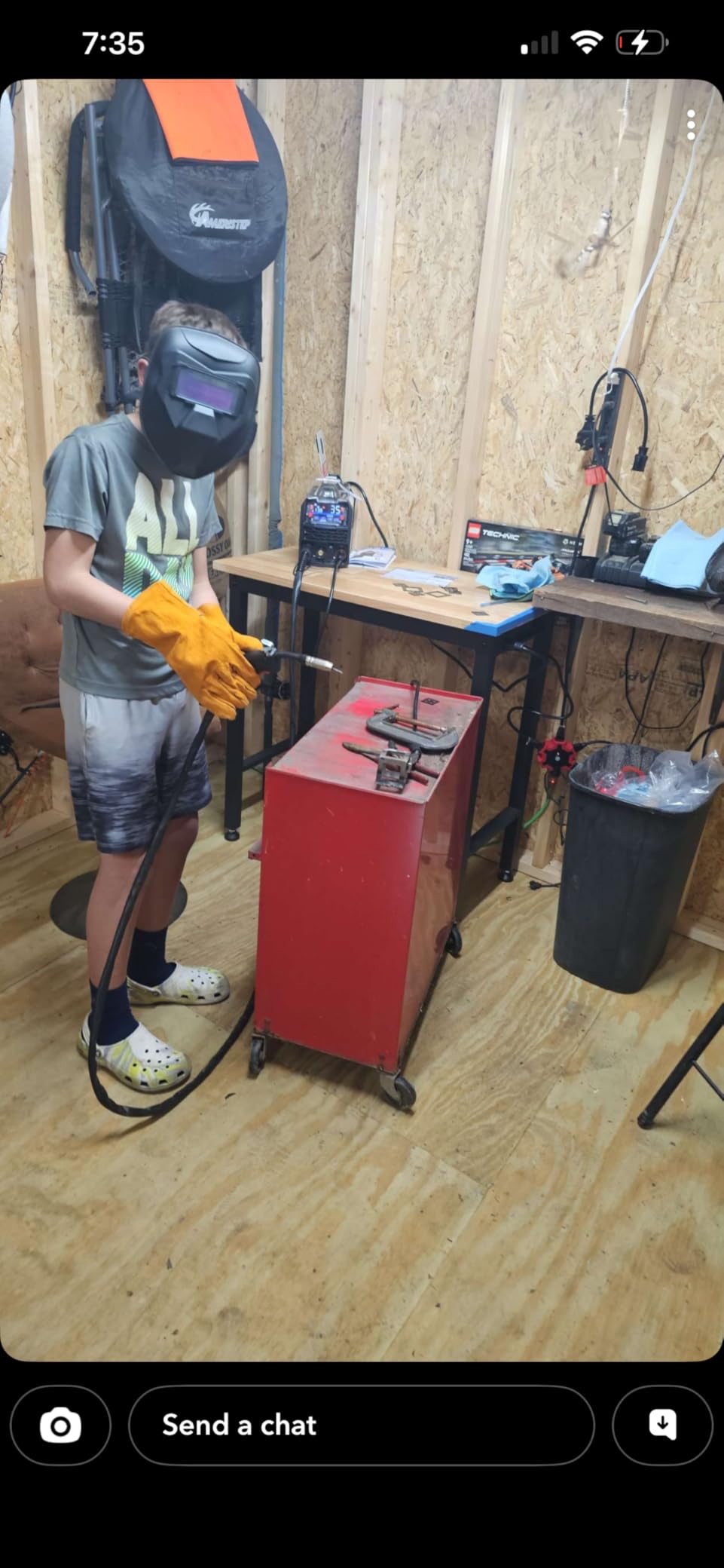
Two other limits recur. It only accepts 2 lb wire spools and comes with one drive roller size, so bigger wire rolls are out and you may need a second roller for different wire. The TIG torch is sold separately.
A small number of owners also report heat-related failures or a non-functional reset, so keep an eye on it in a hot garage. One more usability note worth knowing: the display scales in amps rather than inches per minute, which confuses users coming from machines that show wire speed directly.
Who the ANDELI 135A suits
It suits people who care about how the bead looks more than raw amperage, which means anyone doing visible work, furniture, gates, decorative metal or anything that will be seen up close. Adjustable inductance is the control that lets you dial spatter down as you learn.
The dual voltage and 9 lb weight also make it a good fit for a garage that might add a 240V circuit later, or for someone who welds both at home and outdoors.
Who the ANDELI 135A is wrong for
Anyone welding heavy plate or thick structural tube will be limited by the 5.0mm ceiling, and anyone who wants aluminum should not choose it. The 2 lb spool limit is also annoying on long jobs.
Buy a separate helmet rather than relying on the bundled one, and treat the small number of heat failure reports as a reminder not to leave it running in a hot enclosed space.
10. BESTMIG 135A – Best for a First Welder or a Gift
- Rated 4.6 with 442 reviews
- Complete kit with helmet goggles gloves torch electrode holder and ground clamp
- Compact 10.71 lb body with an easy to understand control panel
- Settings are adjustable enough for a genuine first project
- TIG torch and its equipment not included
- Some units reported missing advertised accessories
- One unit reported a torch cable connection size mismatch
- Does not include a UK plug
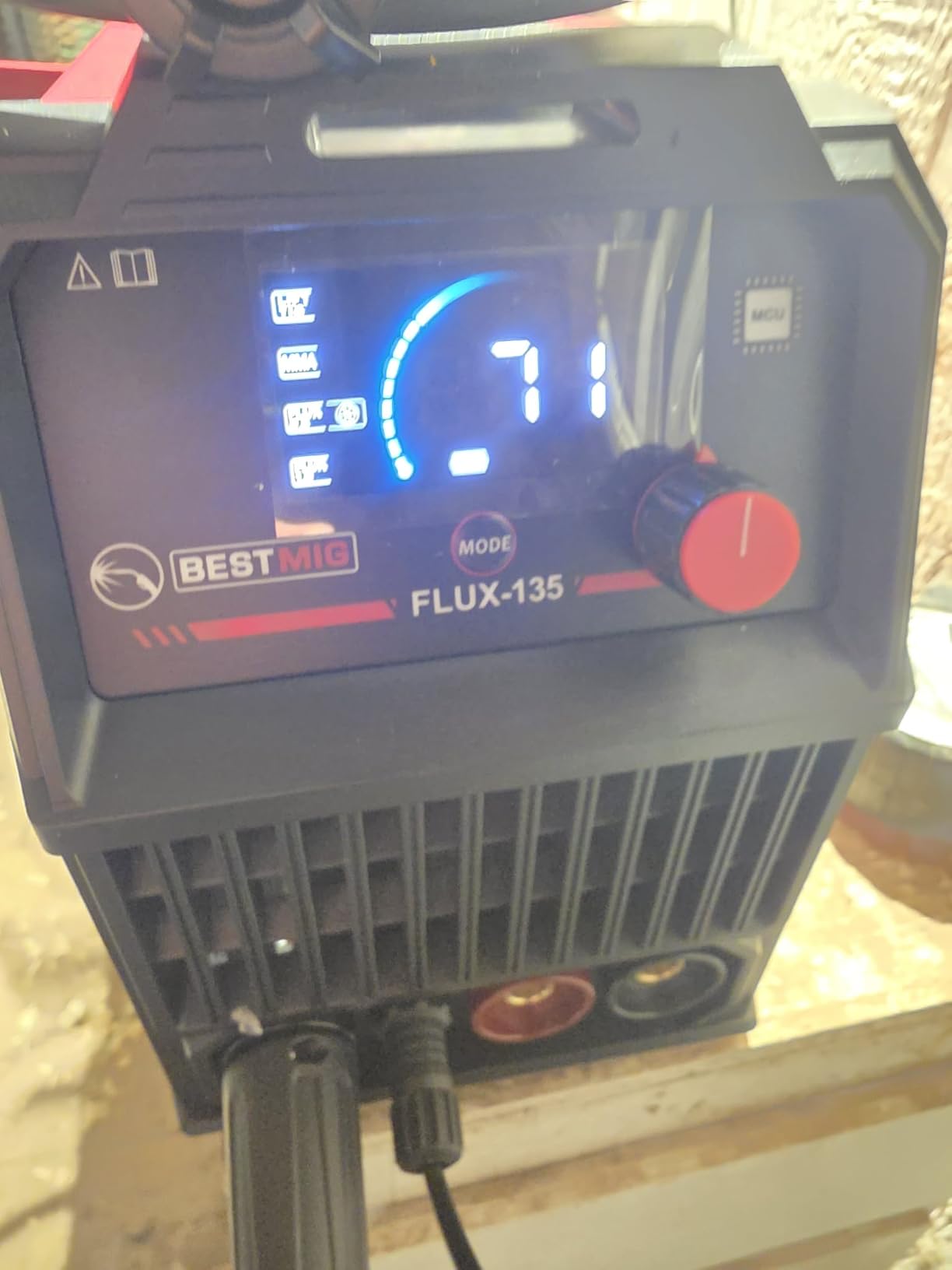
The BESTMIG 135A is the machine we would buy for someone whose first weld is still six months away. Owners mostly bought it as a first welder or as a gift for someone learning, and describe it as the best value with versatile modes and included safety gear.
It produces a true 135A and welds material up to 1/8 inch, which is a real step up from the 3/32 inch ceiling of most of the entry machines here. It covers flux core MIG, lift TIG and stick, runs .030 to .040 inch gasless wire, and the digital control automatically adjusts voltage and wire feed while a full color LED display shows the live parameters.
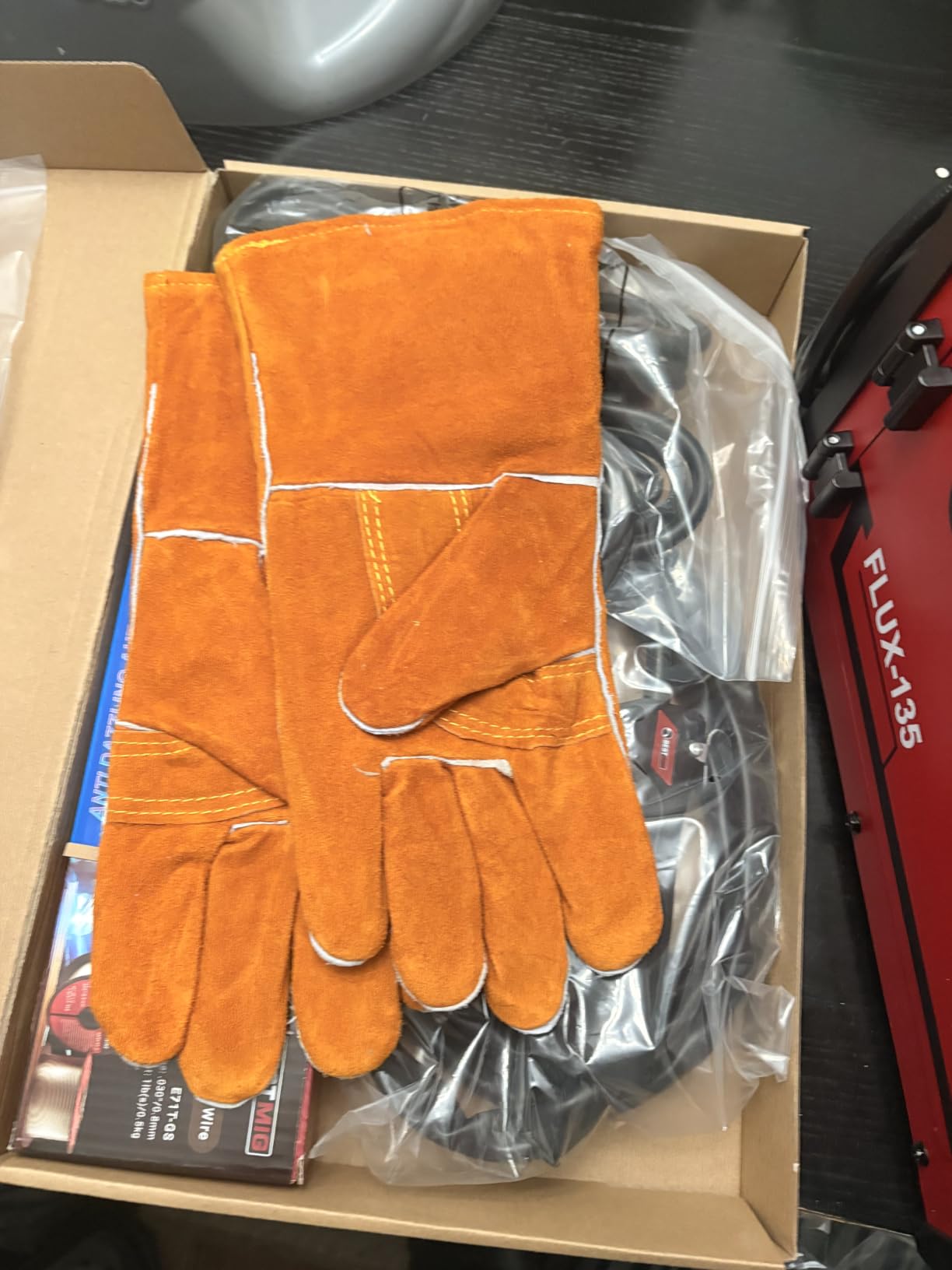
The included components list is among the most complete in this roundup: welding machine, wire brush, flux core wire, a torch with cable, an electrode holder with cable, earth clamp with cable, welding gloves, auto darkening welding glasses and a welding helmet. At 10.71 lb it is compact enough to store anywhere.
What to watch: the TIG torch and its equipment are not included, so the TIG mode is a later purchase. A small number of one and two star reviews concern missing in-box accessories, and one unit reported a torch cable connection size mismatch, so check the contents on arrival before you start.
Those accessory complaints are the main reason this sits at number ten despite a good rating. When a machine is judged on what arrives in the box, a missing glove is as frustrating as a missing setting.
Note also that it does not include a UK plug, which is worth knowing if you are outside the United States.
Who the BESTMIG 135A suits
It suits a complete beginner, a gift, or anyone who wants a working welder and full safety gear without assembling a shopping list first. The 1/8 inch capacity is genuinely useful for small brackets, tubing, hangers and household steel.
It is also a reasonable first machine for someone who will mostly do gasless work outdoors or on farm equipment, where no gas cylinder is a real advantage.
Who the BESTMIG 135A is wrong for
It is not the machine for aluminum, for clean gas MIG, or for anything over 1/8 inch. Anyone planning trailer frames or structural work should look at the Lincoln 90i FC or the FEMEROL 250A instead.
Because it ships as a gift-style package, verify the box contents before your first session. Missing accessories are the most common complaint in the reviews.
What to Know Before You Buy a Home Shop Welder
110V, 220V or dual voltage: start with the circuit you already have
A 120V household circuit is the 15 or 20 amp outlet you already have in almost every garage, and it is the reason every machine in this list can be used today.
A 240V circuit is the dedicated outlet a 250 amp welder normally requires, and installing one means a double pole breaker and sometimes a subpanel.
For home shop work, 220V is better whenever you can get it, because a 240V machine at the same amperage draws less current and produces a more stable arc on thicker material. Dual voltage machines like the HITBOX and the bestarc give you the option without forcing the decision now.
The forum consensus that shows up most often on welding boards is that a 120V-capable machine matters more than raw amperage, and that advertised duty cycle rarely matters for occasional garage work.
That advice is sound. The machine you actually use beats the machine you are afraid to move.
How much amperage you actually need
The 90 to 130 amp band covers brackets, thin tubing, sheet metal, exhaust work and small repairs. This is where most of the machines in this list sit, and it is enough for a large share of home shop projects.
The 150 to 200 amp band covers 1/4 inch steel, trailer frames, gate frames and heavier structural tube. The Lincoln 90i FC reaches 1/4 inch from 120V, and the FEMEROL 250A reaches considerably further if you have 240V.
Anything above 200 amp is a professional band. A 250 amp machine in a home shop is usually heavier than you want to lift and more output than you will ever use.
Forum advice is consistent on this point, and it is the most common over-purchase we see.
Duty cycle in plain English
Duty cycle is a ten minute window. A machine rated at 60% duty cycle can weld for six minutes and then needs four minutes of cooling, and it tells you the amperage rating only holds at that duty cycle.
Here is the part most roundups get wrong: if you weld two hours a month, a 20% duty cycle has never once mattered to you.
It only becomes relevant if you weld all day, every day, which is a production shop condition rather than a garage one.
Which processes you need: MIG, flux core, stick, lift TIG
Gas-shielded MIG gives the cleanest bead on mild steel and is the only realistic path to stainless and aluminum. Gasless flux core is the easiest process for a beginner, works outdoors in wind, and handles rusty or painted metal without much cleanup.
Stick welding is the process for dirty, rusted, outdoor and structural work, and it is worth having on a home shop machine even if you use it occasionally. Lift TIG is a nice-to-have that gives you control on thin material and aluminum, but it is the mode most often sold without a torch in the box.
Our advice for a home shop is gasless flux core plus stick, with gas MIG as an upgrade once you outgrow the spatter. Skip machines that are flux core only, like the Lincoln 90i FC, unless you have a specific reason.
Welding aluminum at home without a spool gun
Aluminum needs AC output and a non-ferrous liner, and almost none of the small 135A machines here provide it. The realistic options are a machine with a teflon liner and an external spool gun, which is what the FEMEROL 250A is set up for, or a dedicated TIG machine.
If aluminum is a regular part of your work rather than an occasional curiosity, budget for a spool gun and a spool gun power supply, because the gun itself is not included with these machines. We would rather you know that now than discover it after unboxing.
Wire diameter: .030 versus .035
.030 inch wire is thinner and easier to feed, which makes it the better choice for thin material and for beginners who will be running short wire lengths. .035 inch wire feeds more easily through longer gun leads and lays down a more focused, slightly deeper bead on medium gauge material.
Most machines here accept both, though some come with rollers sized for only one diameter, so check which roller is installed before you buy wire in bulk. The ANDELI and bestarc both come up as examples where roller size matters.
What else you have to buy
Budget for the consumables and safety gear separately from the machine, because the sticker price is not the total. Most of the budget machines here include a torch, ground clamp and a small amount of wire, but almost none include a helmet worth wearing for a full session.
Your list should include an auto darkening welding helmet, welding gloves, a leather jacket or sleeves, contact tips in the wire diameter you use, and a nozzle.
Add a spool gun if you are welding aluminum, plus a gas regulator and flowmeter for gas MIG, and a ground clamp with a lead long enough for the work. If you also plan to do stainless, add a stainless liner and ER308L wire.
Consumables are a recurring cost, not a one-time purchase. Tip and nozzle wear, liner replacement and wire consumption add up over years, and a machine with 2 lb spool limits forces more frequent wire changes than one that accepts a 10 lb spool.
What a first home shop welder should avoid
Avoid a 250 amp machine if you are welding a few hours a month. It will be heavy, loud and hot, and the duty cycle advantage will never be used.
The FEMEROL 250A in this list is the exception that proves the rule, because its extra capacity comes with spool gun aluminum capability rather than raw amps alone.
Avoid a machine whose displayed output is well above what owners measure with an amp clamp, which is why we call out the HITBOX specifically.
Avoid plastic wire drive rollers and machines with integrated, non-replaceable leads, both of which show up in long-term ownership complaints in this tier.
Also avoid buying on brand alone. A name plate is worth something, but a machine with no available parts, no service network and no local repair capability will cost you more the first time a drive roller fails. For the broader tool context, our home upgrade tool guide covers the rest of a first workshop setup.
The Harbor Freight question, answered honestly
Yes, Harbor Freight MIG welders are any good for a home shop, and the answer comes up constantly on Reddit for a reason. The recurring endorsement on r/Welding is specifically the Vulcan Omnipro 220 as a daily-driver beater, with owners noting that on either 110V or 220V they have never hit the duty cycle.
One regular describes using it at work daily and being fine with it for MIG work while being less enthusiastic about its TIG performance.
None of those specific machines made our final ten, and we want to be straightforward about why. Every Harbor Freight unit in the current shopping results sits above the price of most of the machines we recommend, and the HITBOX and bestarc dual voltage machines here give the same core benefit, gasless MIG with 120V and 240V capability, for considerably less money.
That is a value judgment, not a quality judgment.
The honest caveats on any Harbor Freight welder are the same ones owners raise about this whole price tier: plastic wire drive components, no service network if something fails, and consumables you may need to order direct. If you buy one, keep the receipt and treat it as a shop tool rather than an heirloom.
Frequently Asked Questions
What is the best MIG welder for home use?
The best MIG welder for home use depends on your circuit. If you only have a 120V outlet, the YESWELDER 135A is the strongest all-rounder and the Lincoln Electric 90i FC reaches 1/4 inch steel. If you can add a 240V circuit, a dual voltage machine like the bestarc 145A gives you gas MIG and 220V output in one unit.
What is the best brand of MIG welder?
For a home shop, reputation tracks support and parts availability more than weld quality. Lincoln Electric, Miller and Hobart are the strongest names for warranty length and consumable availability. Budget inverter brands such as YESWELDER, ARCCAPTAIN and bestarc are widely reviewed and adequate for household and hobby fabrication, with shorter warranties and fewer authorized repair options.
What is the best MIG welder at Harbor Freight?
Harbor Freight owners on welding forums generally rate the Vulcan OmniPro 220 as a capable daily-driver beater that they have never hit the duty cycle on at either 110V or 220V. The caveats are consistent across this price tier: plastic wire drive parts, no service network if a unit fails, and consumables that may need ordering direct. Compare it against dual voltage budget machines before buying.
Are Harbor Freight MIG welders and Vulcan welders any good?
For home shop and hobby use, most owner reports are positive, particularly for the Vulcan OmniPro 220 on gasless MIG. Common reservations are TIG performance being adequate rather than good, plastic wire drive rollers that wear over time, and no local service network. Owners of these machines are advised to keep receipts and to treat them as shop tools rather than long-term investments.
Is it better to weld with 110 or 220 volts?
220V is better for thicker material and higher output because the machine draws less current for the same arc, which produces a more stable arc. 120V is what most garages have today and is enough for brackets, tubing, exhaust work and light plate. A dual voltage machine is the safest choice because you can start on 120V and benefit from 240V after installing a dedicated circuit later.
What is the best 220V MIG welder for home use?
Among the machines here rated for 220V, the bestarc 145A is the strongest pick because it combines dual voltage with true gas MIG, flux core, lift TIG and stick. The HITBOX 200A is the lighter and cheaper dual voltage option, while the FEMEROL 250A offers the highest output and the only spool gun aluminum capability. All three run on 120V first, so you are not forced into a 240V purchase today.
Is .030 or .035 welding wire better?
.030 inch wire is thinner and easier to feed, which suits thin material and beginners running short leads. .035 inch feeds more smoothly through long gun cables and gives a slightly deeper, more focused bead on medium steel. Most machines accept both, but some ship with a drive roller sized for only one diameter, so check the installed roller before buying wire in bulk.
Do I need a dedicated circuit for a MIG welder?
A 120V machine rated around 130A will generally run on a standard 15 or 20 amp household outlet, though a dedicated 20A outlet is safer if you run other tools at the same time. A 240V welder of 200 amps or more needs a dedicated double pole 30A or 50A breaker, and larger machines may need a subpanel. Check the machine manual for the recommended breaker size before wiring anything.
The Best MIG Welders for Home Shops in 2026
The best MIG welders for home shops in 2026 all share one trait: they run on a circuit you already have. The YESWELDER 135A is the all-round choice, with the largest owner base in the set and synergic control that makes the first bead forgiving. The ARCCAPTAIN 130A is the best value first welder, and the Lincoln Electric 90i FC is the one to buy if 1/4 inch steel from a 120V outlet is your requirement.
If you want to upgrade rather than start, the bestarc 145A adds true gas MIG and dual voltage, and the FEMEROL 250A is the only pick here with spool gun aluminum capability. Whichever you choose, budget for a helmet and consumables separately, and check your breaker’s amperage before the first long weld.