
Ask ten home baristas what ruined their morning latte and most will point at the milk, not the coffee. A shot can pull beautifully and still land in a flat, dull cup if the foam is coarse, overheated or thin enough to disappear. That is the whole reason we built this guide around frothing systems first and pressure ratings second.
Over six weeks we lived with twelve espresso machines that all claim to make lattes, from a manual piston machine small enough for a studio flat to a super-automatic that dispenses cold foam at a button press. We steamed whole milk and oat milk on each one, poured and attempted latte art, and cleaned the milk circuits afterwards, because the second part of the equation is where most machines quietly disappoint.
This guide to the best espresso machines with milk frothers for lattes breaks the field into three frothing families: manual steam wands, automatic steam wands with temperature and texture control, and hands-off carafe systems. For each machine we note what the milk system actually did, who it suits, and where it falls short. If you would rather start with the frothers themselves, our picks for the best milk frothers for lattes and the best milk frothers overall cover the standalone options that sit alongside any of these machines.
Table of Contents
Top 3 Espresso Machines With Milk Frothers for Lattes

Breville Barista Express
- Manual steam wand for microfoam
- Integrated conical burr grinder
- PID temperature control

Breville Bambino Plus
- Auto steam wand with texture control
- 3 second heat-up
- 7.7 inch width
The Barista Express takes the top slot because it is the one machine here where the grinder, the PID-controlled shot and the steam wand are all strong at once. The Mr. Coffee Cafe Barista wins on effort: one press gives you a latte with no technique at all, which is the right answer for a lot of households. The Bambino Plus takes the latte art slot because its automatic wand removes the single hardest variable, pitcher angle, from the equation.
One thing worth saying before the reviews: none of these machines is the best at everything. A manual wand and a carafe system fail in opposite directions, and the honest comparison is between frothing styles rather than a straight ranking. What follows is organised around who each machine suits, not around a score.
All 12 Machines at a Glance in 2026
| Product | Specifications | Action |
|---|---|---|
| Breville Barista Express |
|
Check Latest Price |
| Mr. Coffee Cafe Barista |
|
Check Latest Price |
 De’Longhi Stilosa De’Longhi Stilosa |
|
Check Latest Price |
 CASABREWS CM5418 CASABREWS CM5418 |
|
Check Latest Price |
 Philips 3200 Series LatteGo Philips 3200 Series LatteGo |
|
Check Latest Price |
 Breville Barista Touch Breville Barista Touch |
|
Check Latest Price |
 CASABREWS 3700 Essential CASABREWS 3700 Essential |
|
Check Latest Price |
 Chefman 6-in-1 Chefman 6-in-1 |
|
Check Latest Price |
 De’Longhi Magnifica Duo De’Longhi Magnifica Duo |
|
Check Latest Price |
| Breville Bambino Plus |
|
Check Latest Price |
 De’Longhi Classic Signature De’Longhi Classic Signature |
|
Check Latest Price |
 Nespresso Vertuo Pop+ Deluxe Nespresso Vertuo Pop+ Deluxe |
|
Check Latest Price |
Two columns deserve attention before you read further. Frothing type predicts everything about the learning curve, and the water tank size predicts how often you refill during a morning of hosting. Machines with small tanks need refilling mid-session, which matters more for milk drinks than for plain espresso because every refill is also a chance for the milk circuit to cool.
The 12 Best Espresso Machines With Milk Frothers, Reviewed
1. Breville Barista Express: the benchmark all-in-one for milk drinks
Breville BES870XL Barista Express Espresso Machine, Brushed Stainless Steel
- Integrated precision conical burr grinder
- Manual steam wand produces smooth microfoam
- PID temperature regulation
- Pressure gauge for dial-in
- Hot water dispenser for Americanos
- Small water tank needs frequent refills
- Plastic panels wear over time
- Grinder dose fluctuates at the finest setting
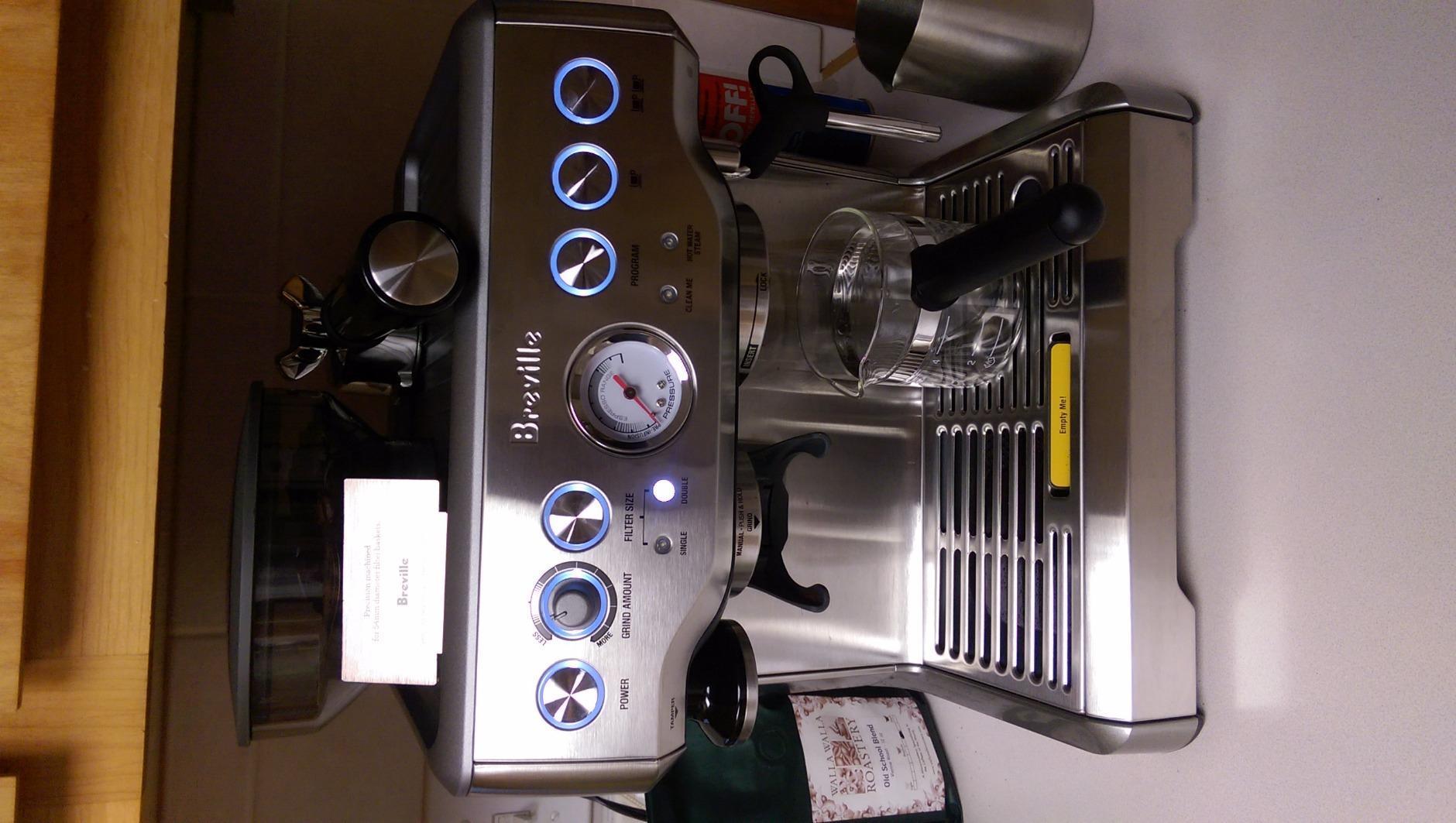
This is the machine our team kept coming back to. It weighs 22.1 pounds, which tells you everything about how it is built, and it measures 13.8 inches deep by 12.5 inches wide by 15.9 inches tall, so plan the counter space before you unbox it. The integrated conical burr grinder with a half-pound hopper is the part that changed how I brew, because grinding and brewing happen in one motion without a second device to dose wrong.
For lattes the manual steam wand is the reason to buy it. It is a proper angled wand, not a plastic panarello, and with cold whole milk in the included stainless steel jug it produced a glossy, wet-paint microfoam that held a rosetta without a single visible bubble. That result came after roughly two weeks of practice, which is normal for a manual wand and part of why people buy it.
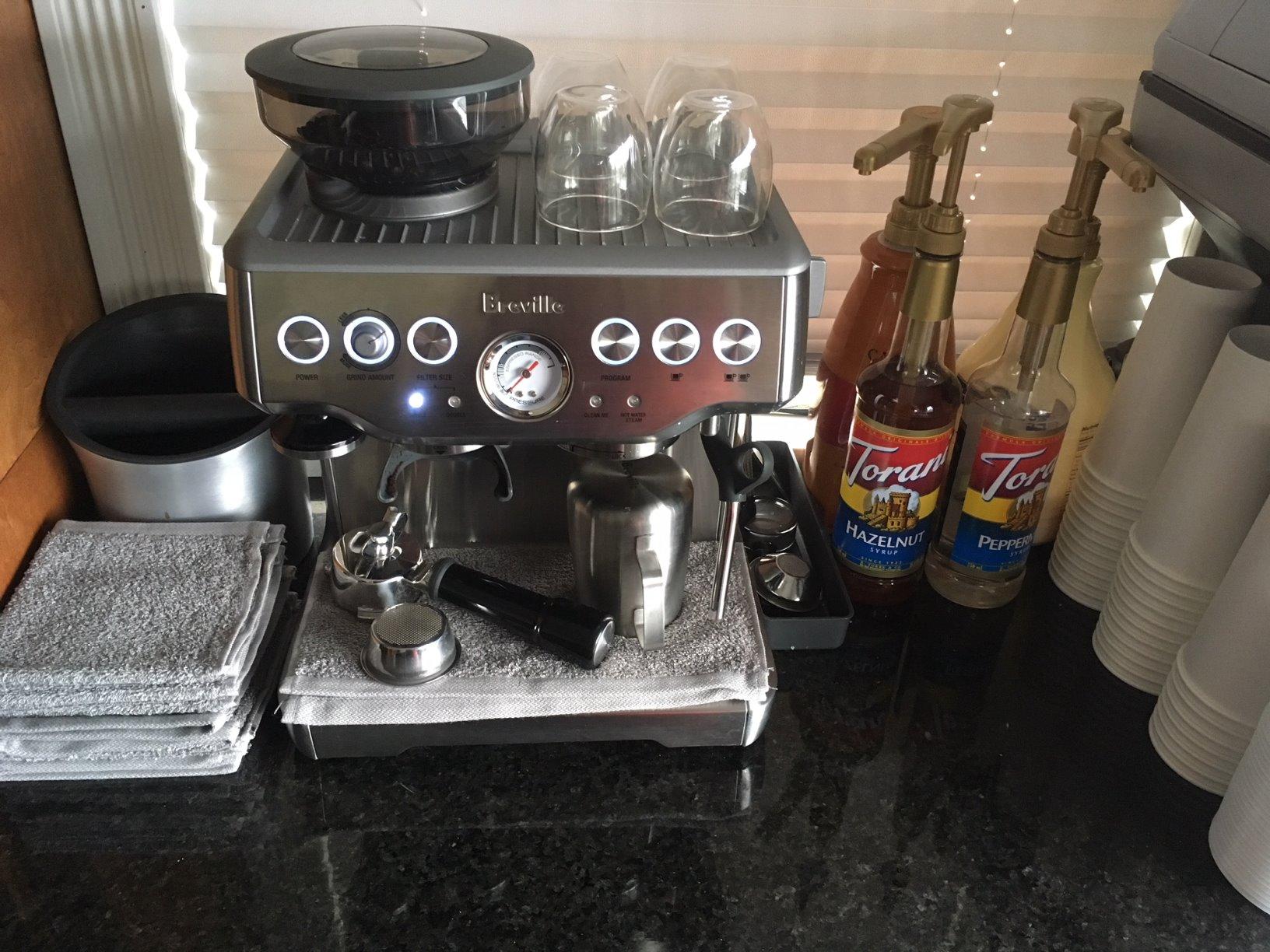
The extraction side is unusually refined for a machine at this level. Low-pressure pre-infusion ramps up gradually, PID digital temperature regulation holds the brew temperature steady, and the pressure gauge on the front gives you a number to read while the shot runs. The included Razor dose trimming tool and 54mm stainless portafilter are genuinely usable, and both single and double baskets come in the box.
Cleaning is the price of admission. It needs regular backflushing, descale cycles and water filter changes, and the small 67 oz tank means I refill it more often than I would like. Owners also report the plastic top and lower side panels pick up wear, and a few units develop solenoid valve leaks or buzzing after extended use. None of that changed my daily routine, but it is a machine you maintain rather than forget.
Who the Barista Express suits
It suits households that drink several milk-based drinks a day and want a single appliance to cover grinding, brewing and steaming. It also suits anyone willing to spend a weekend learning manual steaming, because the wand rewards practice in a way an automatic never will.
If you already own a decent standalone grinder, the built-in one is a convenient backup rather than an upgrade. Our general rule across this whole roundup is that a separate burr grinder usually beats any integrated grinder, and that rule matters here more than the machine itself.
Who the Barista Express does not suit
It does not suit anyone who wants zero effort before 7am. Purging, grinding, tamping, extracting, steaming and backflushing is a real sequence, and skipping steps shows up in the cup.
It suits a home where a 12.5 inch wide, 22 pound machine is a commitment to the counter. If counter space is tight, look at the compact models further down before settling here.
2. Mr. Coffee Cafe Barista: the least effort path to a latte
- Automatic frother needs no technique
- One-touch panel for latte and cappuccino
- Removable tank and milk container
- Compact footprint
- Milk clean cycle included
- Froth is coarser than a manual wand
- New units can brew too cool until descaled
- Noticeably noisy during operation
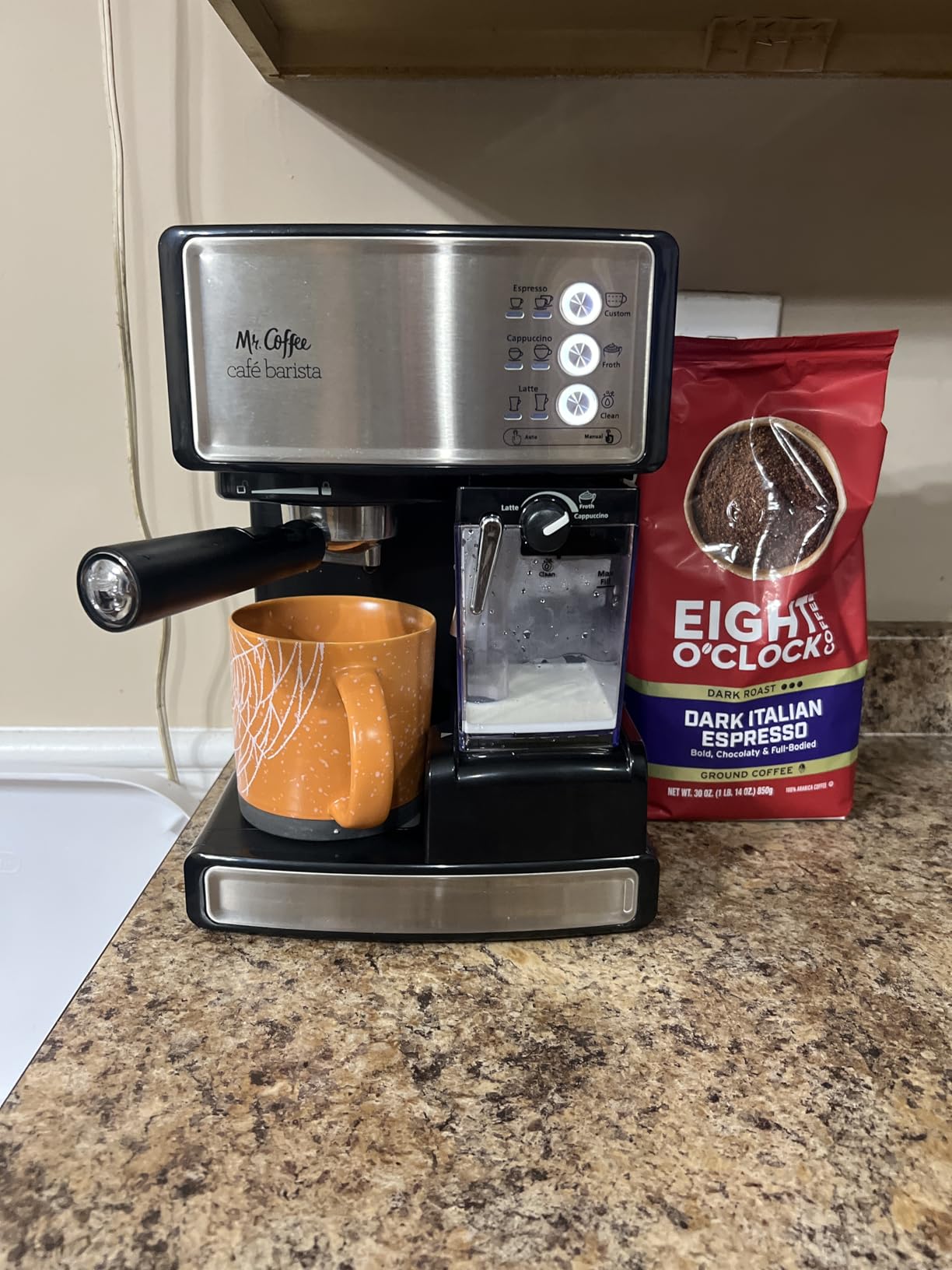
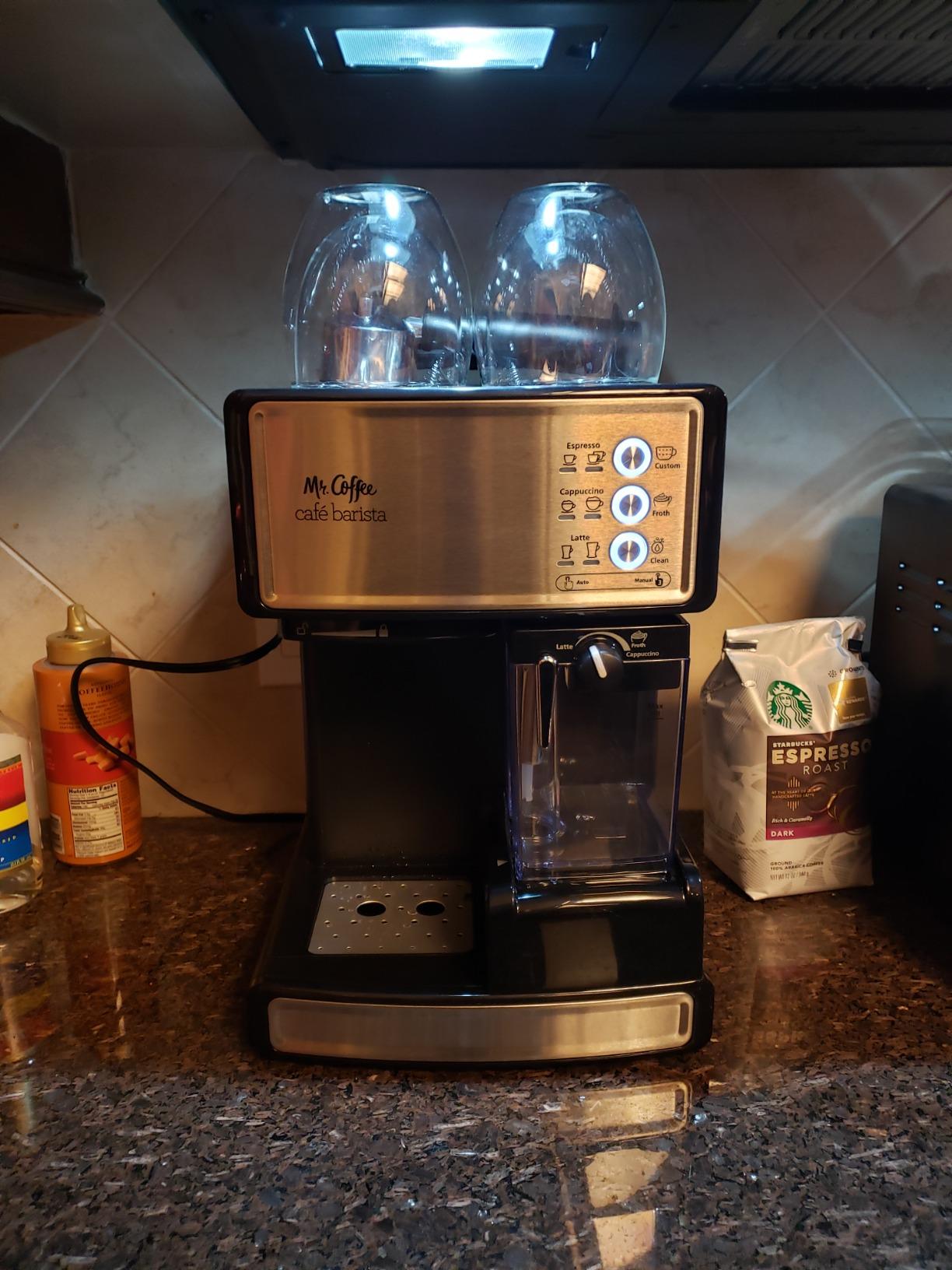
This is the machine we recommend to anyone who wants lattes without learning to steam. It weighs 10.4 pounds and takes up 8.86 by 11.22 by 12.6 inches, which is a genuinely small appliance, and the whole workflow is three buttons: pick the drink and the machine dispenses the milk, froths it and pulls the shot. The removable tank and milk container lift out and can live in the fridge between uses.
The 15-bar pump produces shots with visible crema, and the one-touch panel covers espresso, cappuccino and latte directly. What you give up is control. The automatic froth is coarser than anything you would get from a wand, so latte art is effectively out of reach. Reviewers describe the foam as acceptable in a cup, never as something you would pour a design into.
One piece of practical advice appears again and again in the reviews: run the descaling or vinegar cycle early. New units are widely reported to brew at a lower temperature than expected until they have been through a cleaning cycle, and the difference in taste afterwards is noticeable. The cleaning cycle itself has to be restarted rather than left to run continuously, which is mildly irritating but manageable.
It is also the lowest-wattage machine in this group at 1040 watts, which means less brewing power and more noticeable operation noise than the larger machines here. The included plastic tamper is thin, so replace it early. If you want a manual wand later, our beginner espresso machine guide covers the steps up.
Who the Cafe Barista suits
It suits busy mornings, shared households and anyone who measures coffee in cups rather than grams. Two people can make back-to-back drinks without learning anything technical, and the milk system cleans on a cycle rather than by hand.
It also suits a first machine, because the controls are simple enough that there is nothing to set wrong, and reviewers do not raise long-term reliability as a recurring concern with it.
Who the Cafe Barista does not suit
It does not suit anyone chasing latte art, because the automatic cycle decides the texture for you. Nor does it suit a drinker who cares about the intensity of the espresso, since the machine uses pre-ground coffee and has no grinder to dial in.
It also does not suit someone who wants Americanos or tea on the same appliance. There is no separate hot water dispenser here.
3. De’Longhi Stilosa: manual frothing on a genuinely small budget
- Manual steam wand for real microfoam
- Stainless steel boiler rated for long service
- Very compact and light
- Dial controls with no electronics
- Portafilter and filters included
- Manual pumping and frothing need practice
- 1000 ml tank is small
- Mostly plastic build
- No grinder included
At 8.6 pounds the Stilosa is one of the lightest machines here, and it makes espresso with a manual piston rather than a pump you press down. That sounds like a step backwards, but it is also part of why the machine is inexpensive and why there is so little in it that can go wrong. There are no electronics to fail, just a stainless steel boiler engineered for a long service life and a manual steam wand you control yourself.
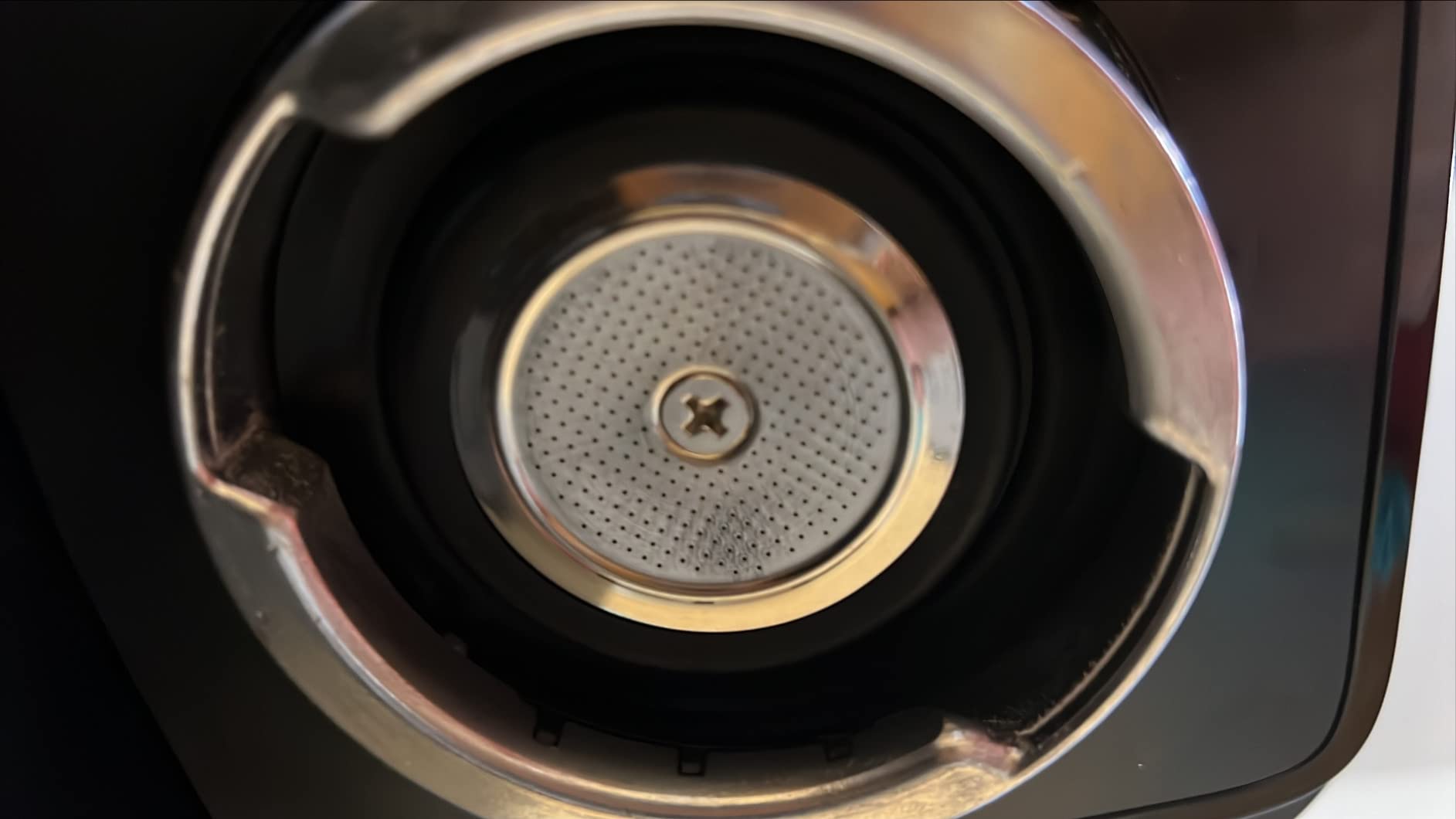
The wand is the important part for this guide. It is a real wand, not an automatic attachment, and with practice it produces proper microfoam rather than the large-bubble froth that cheap auto systems give you. You pump the shot by hand, which is a genuine skill, and the included portafilter, measuring scoop and single and double filters cover everything you need on day one.
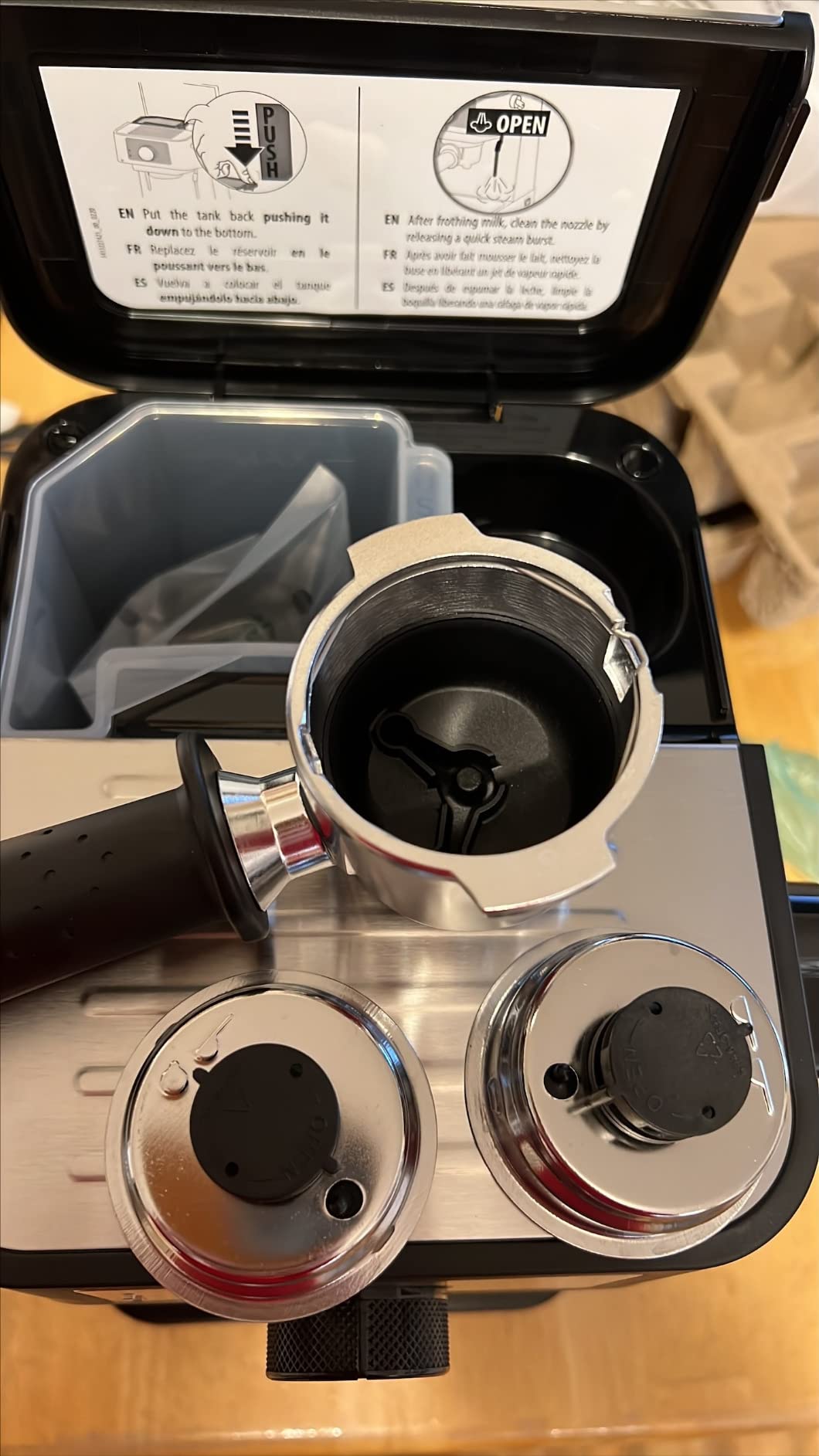
The trade-offs are honest ones. The 1000 ml water tank is one of the smallest in this roundup, which limits drink size and means refilling between pulls. The body is largely plastic, so the perceived quality is modest even though the boiler underneath is steel. And there is no grinder, so you are buying pre-ground coffee and living with whatever freshness it has when you open the bag.
Reviewers are consistent about the upgrade path. A proper burr grinder and a heavier tamper change the results more than any other purchase at this level, which is why we keep repeating the same advice. If you are starting with the smallest budget, the under 500 dollar guide shows what else fits the same envelope.
Who the Stilosa suits
It suits learners who want to understand espresso mechanics instead of automating them away. Pumping a shot by hand teaches you pressure, dose and timing in a way no automatic will.
It also suits small kitchens and anyone who wants a second machine for occasional use, because it is light and stores away easily.
Who the Stilosa does not suit
It does not suit mornings where you cannot afford two minutes of manual work per drink. Pumping, tamping and frothing all happen by hand, every time.
It also does not suit anyone making large drinks or serving more than one or two people at once, because of the tank size and the single-boiler style workflow.
4. CASABREWS CM5418: budget steam power with a real pressure gauge
CASABREWS CM5418 Compact Espresso Machine with Milk Frothing Steam Wand
- 20-bar pump with a built-in pressure gauge
- Steam wand makes silky microfoam for latte art
- Very slim 5.47 inch width
- 34 oz detachable tank
- Works well with a separate burr grinder
- Must cool down before brewing after frothing
- Included plastic tamper and light portafilter are low quality
- No milk pitcher included
- Noisy and vibrates
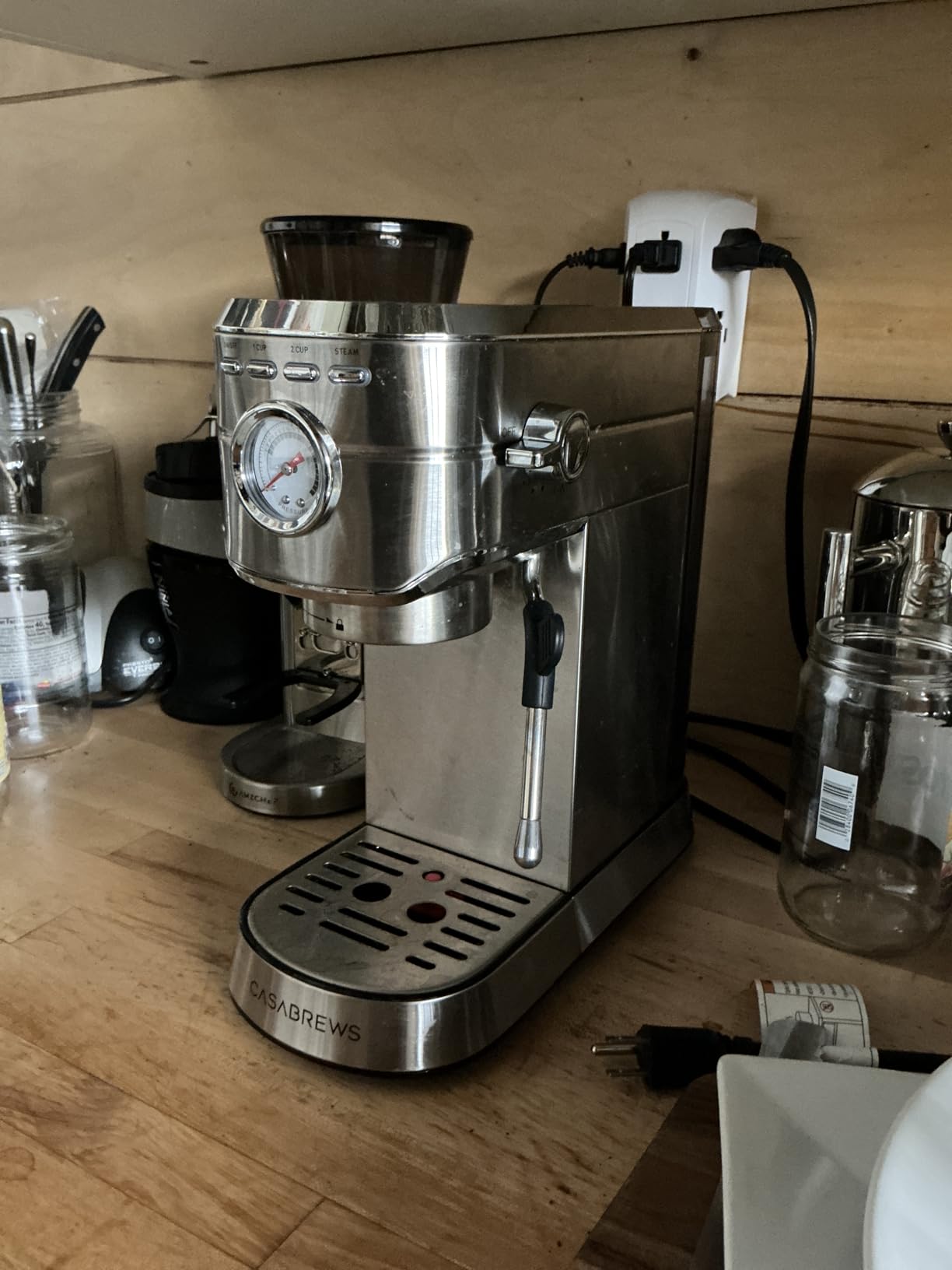
The CM5418 is only 5.47 inches wide, narrower than any other machine here, which makes it a genuine answer to small kitchens. At 8.6 pounds it is easy to move, and the 34 oz detachable tank holds enough water for several drinks before a refill. There is also a hot water function on a side knob, which the narrowest options usually skip.
The steam wand is where the value shows. It is a manual wand with enough power to produce silky microfoam once your technique settles, and owners regularly report café-style cappuccinos from a machine this small. The 20-bar pump and 1350W boiler back it up, and the built-in pressure gauge is a rarity at this level, letting you watch pressure while the shot runs instead of guessing.
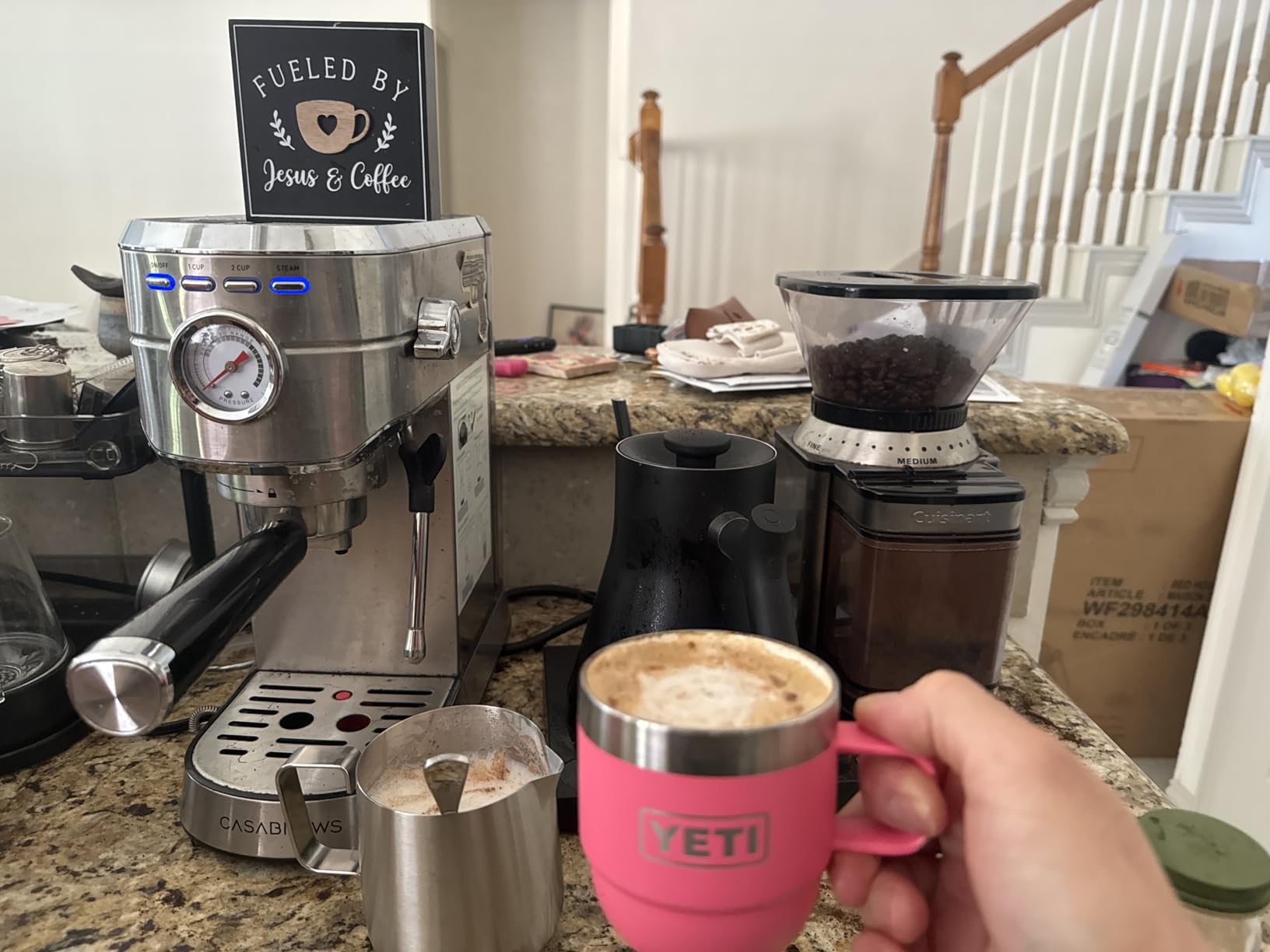
There is one workflow rule that catches new owners out, and it is printed in the product guidance: you cannot brew straight after frothing. The machine enters overheating protection and needs a cooldown cycle, so froth first, drink, then brew. Plan the order of your morning around it and it stops being a problem at all.
Other drawbacks are upgradeable rather than fatal. The included plastic tamper and light portafilter are low quality and worth replacing, and no milk pitcher is included. The machine also runs noisy and vibrates, and the grind tolerance is narrow, so shots stay inconsistent until you fine-tune with a separate grinder.
Who the CM5418 suits
It suits renters and anyone with a narrow counter who still wants a real steam wand rather than an automatic attachment. The pressure gauge also makes it a good teaching machine for anyone learning what pressure does to a shot.
It suits people who already own, or plan to buy, a separate burr grinder, since the machine is designed to accept one.
Who the CM5418 does not suit
It does not suit anyone who wants to pull a shot immediately after finishing a latte without waiting out the cooldown. That delay is the single most common complaint in the reviews.
It also does not suit households wanting quiet morning operation, because the noise and vibration are among the loudest here.
5. Philips 3200 Series LatteGo: the machine you forget about and it just keeps working
- LatteGo two-part milk system with no tubes
- Cleans in about 15 seconds or in the dishwasher
- Ceramic grinder with Aroma Extract control
- Five drink types on a touch display
- AquaClean filter cuts descaling
- Plastic body feels less premium than expected
- Small water tank needs frequent refills
- Limited manual control over extraction and texture
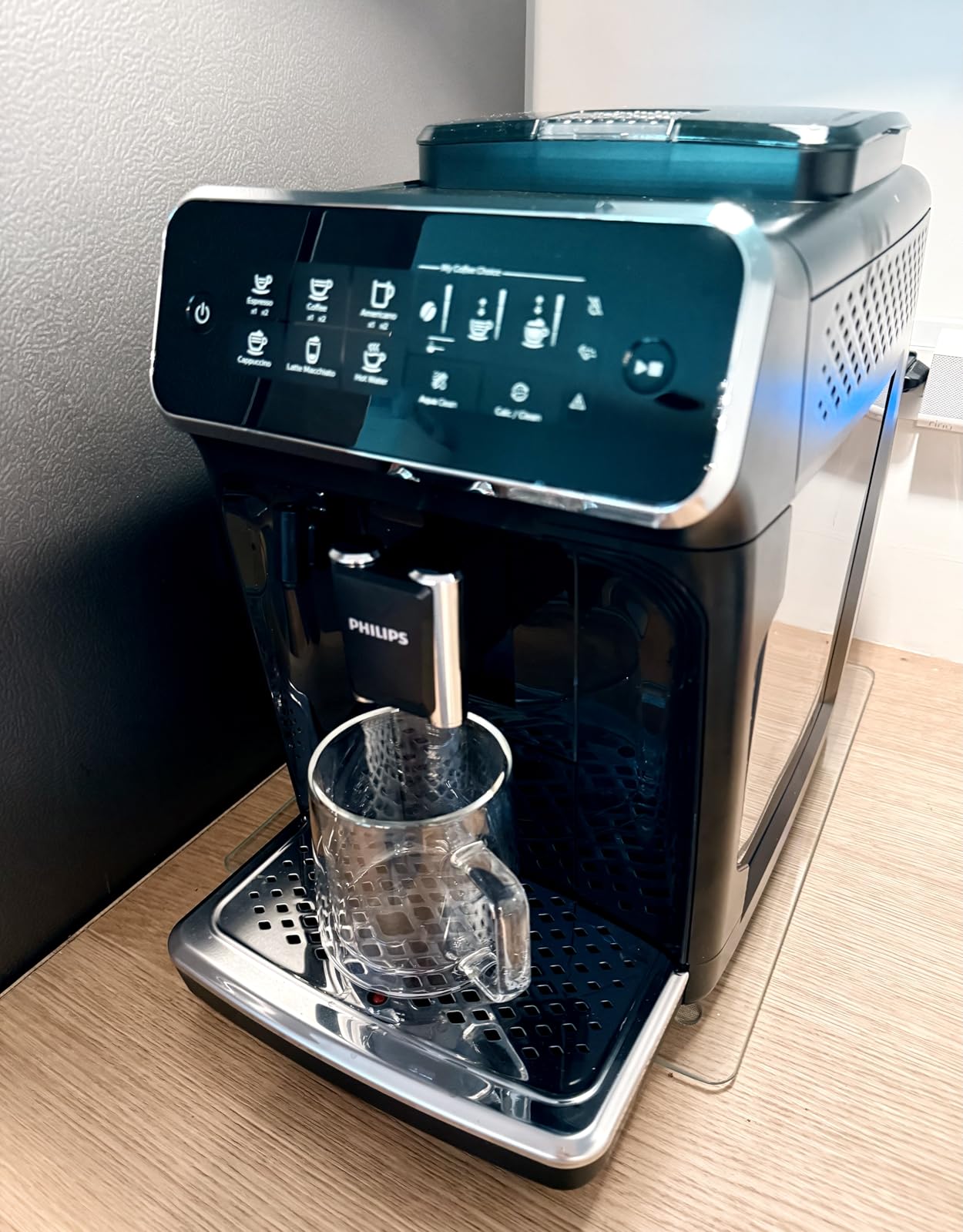
This is the machine I recommend to anyone who makes two or three milk drinks a day and refuses to clean a frother afterwards. The LatteGo system has no tubes and no hidden parts; it is two pieces, the carafe twists off and both halves rinse or go straight in the dishwasher. Owners put the cleaning time at roughly fifteen seconds, and no other milk system in this roundup rinses that quickly.
The brewing side is a 100 percent ceramic grinder with the Aroma Extract system balancing temperature and aroma, and the touch display covers espresso, coffee, americano, cappuccino and latte macchiato. The AquaClean filter means descaling is not needed for up to 5000 cups, which removes the single most common cause of machine failure at home.
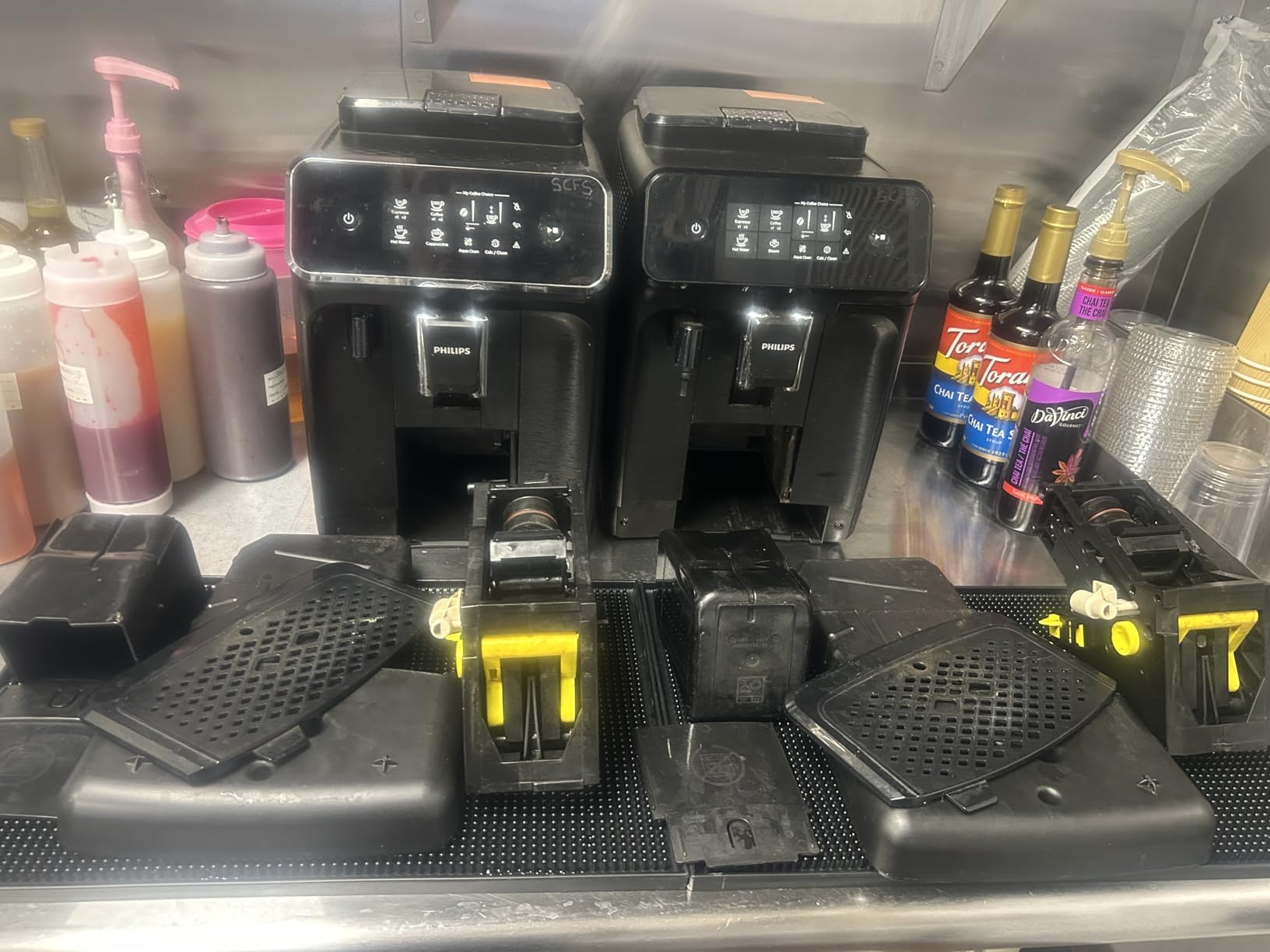
Two limitations shape who buys this. The LatteGo milk volume is modest, so a large latte may need two cycles, and the fully automatic format removes your control over extraction and texture. You get consistency, not craft. If latte art is a goal rather than a curiosity, this is not the machine, and no fully automatic design will be.
The body is plastic with a glossy finish, which does not match what the specification suggests it should feel like, and the water tank is small enough that we refilled it more than once in a session. The two-year warranty is longer than most here. We cover the wider middle ground in our espresso machines under 1000 dollars guide.
Who the Philips 3200 suits
It suits households where the milk system, not the coffee, is the thing that stops people making drinks. If the cleanup takes fifteen seconds, people keep making lattes.
It also suits anyone tired of descaling and keen to set beans grinding away without touching a dial.
Who the Philips 3200 does not suit
It does not suit latte art practice or anyone who wants to change the recipe mid-cup. Five presets is the entire menu.
It also does not suit people who drink large mugs, since the milk carafe output means two cycles for one big drink.
6. Breville Barista Touch: programmable milk drinks with a touchscreen
Breville BES880BSS Barista Touch Espresso Machine, Brushed Stainless Steel
- Automatic wand adjusts milk temperature and texture
- Touchscreen stores up to 8 custom coffees
- ThermoJet reaches brew temperature in 3 seconds
- Integrated burr grinder with dose control
- PID temperature regulation
- Large and heavy at 21.8 pounds
- Still single-boiler so brewing and steaming cannot overlap
- Touchscreen adds complexity
- Costs more than most beginners spend
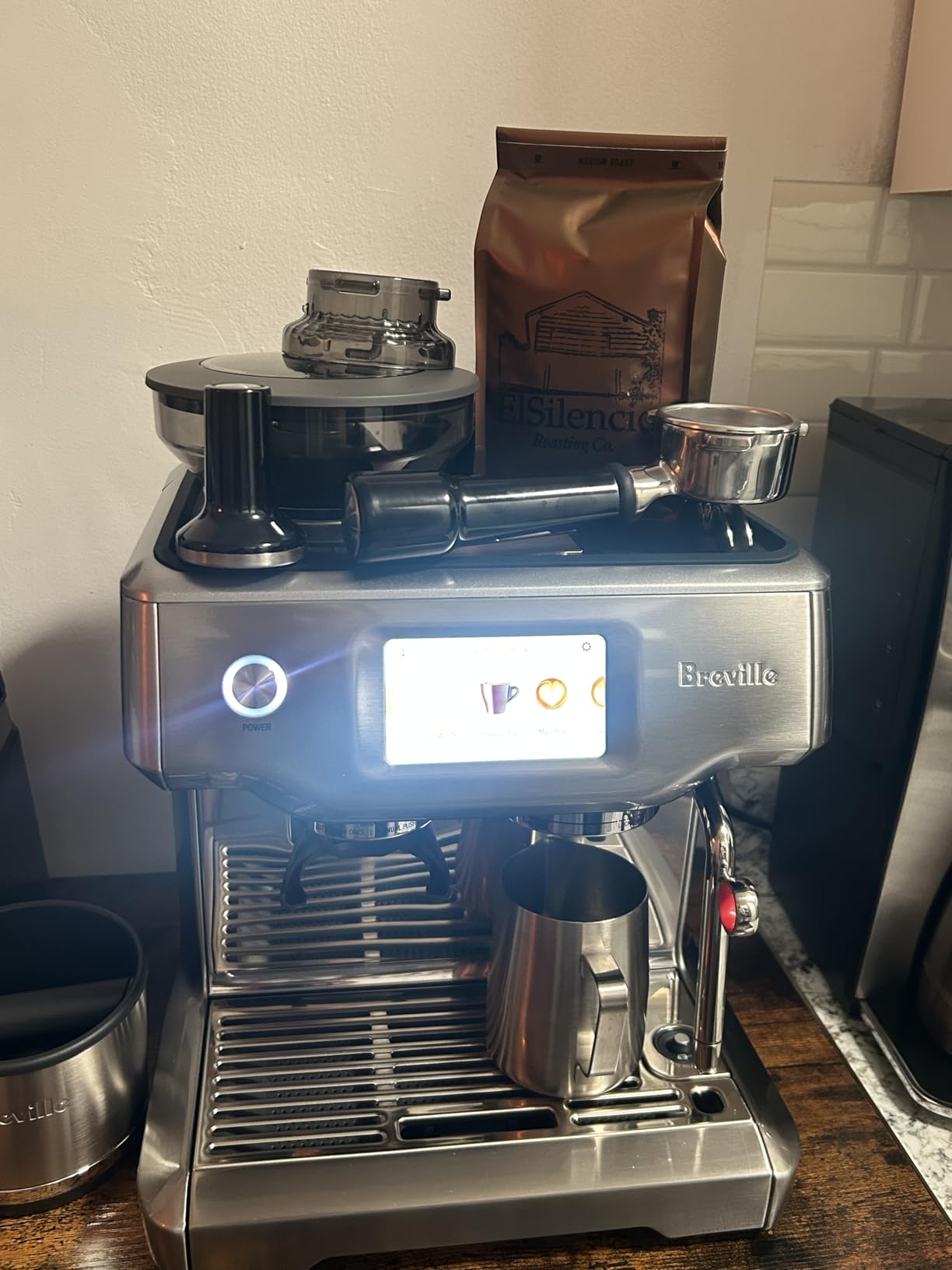
The Barista Touch is the machine for someone who wants to make a different drink every morning without thinking about it. The touchscreen breaks brewing into grind, brew and milk steps, holds five pre-programmed favourites and stores up to eight custom coffees, and the milk settings are programmable by temperature and texture. For lattes that means one drink is a single sequence rather than four separate operations.
ThermoJet heating reaches extraction temperature in three seconds, and the half-pound bean hopper feeds an integrated precision conical burr grinder with dose control. PID temperature regulation and low-pressure pre-infusion handle extraction. The box includes a 54mm stainless portafilter, 480ml jug, ClaroSwiss water filter and water hardness test strip, and the warranty runs two years.
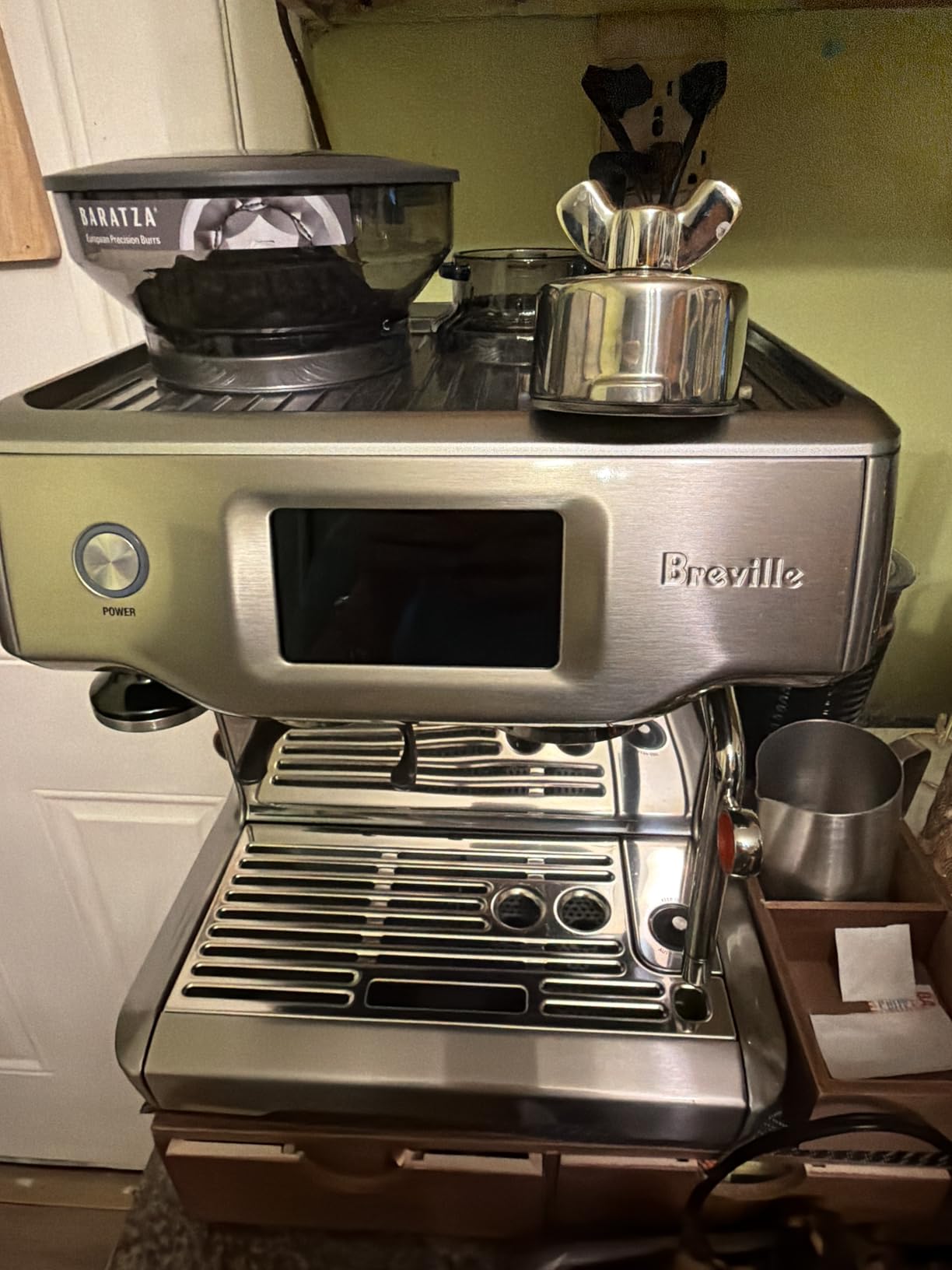
The physical footprint is the main warning. At 21.8 pounds and 15.5 inches wide by 16 inches tall, it takes more counter space than most machines here, and reviewers raise size and weight before they raise anything else. It is also still a single-boiler design, so you cannot pull a shot and steam milk at the same time. For one or two drinks that hardly matters.
The touchscreen is a real trade-off. New users describe the menus as more complex than a dial-only machine, and a control panel with icons is slower to operate once you have learned it. If your drink list is five options, this is overkill.
Who the Barista Touch suits
It suits a household where different people want different drinks, because eight stored profiles solve the morning negotiation. It also suits anyone moving up from a simple machine who wants a faster heat-up than a boiler can offer.
It suits latte drinkers who want repeatable texture at different temperatures, such as one person who likes their milk hot and another who does not.
Who the Barista Touch does not suit
It does not suit small kitchens or anyone who plans to move the machine regularly. A 21.8 pound machine and a tall body rule out tight cabinets and low shelves.
It also does not suit complete beginners on a tight budget, since the price sits well above most first machines and the interface asks for patience you may not have yet.
7. CASABREWS 3700 Essential: the simplest steam wand setup here
CASABREWS 3700 Essential Stainless Steel Espresso Machine with Steam Wand
- 20-bar pump with a 1350W heating system
- Steam wand creates creamy microfoam for latte art
- Compact 5.7 inch width suits small kitchens
- 43.9 oz detachable tank and removable drip tray
- Fast heat-up and solid construction
- No pressure gauge so dial-in is guesswork
- Combo plastic scoop and tamper is poor quality
- Single boiler means a wait between brewing and steaming
The 3700 Essential is the stripped-back version of the CM5418 and, for many buyers, the better first machine. It is 8.1 pounds, 5.7 inches wide and 12.5 inches tall, with a 43.9 oz detachable water tank that is among the largest in this roundup. That tank size matters more than it sounds, because a full tank gets you through a whole morning of milk drinks without a refill.
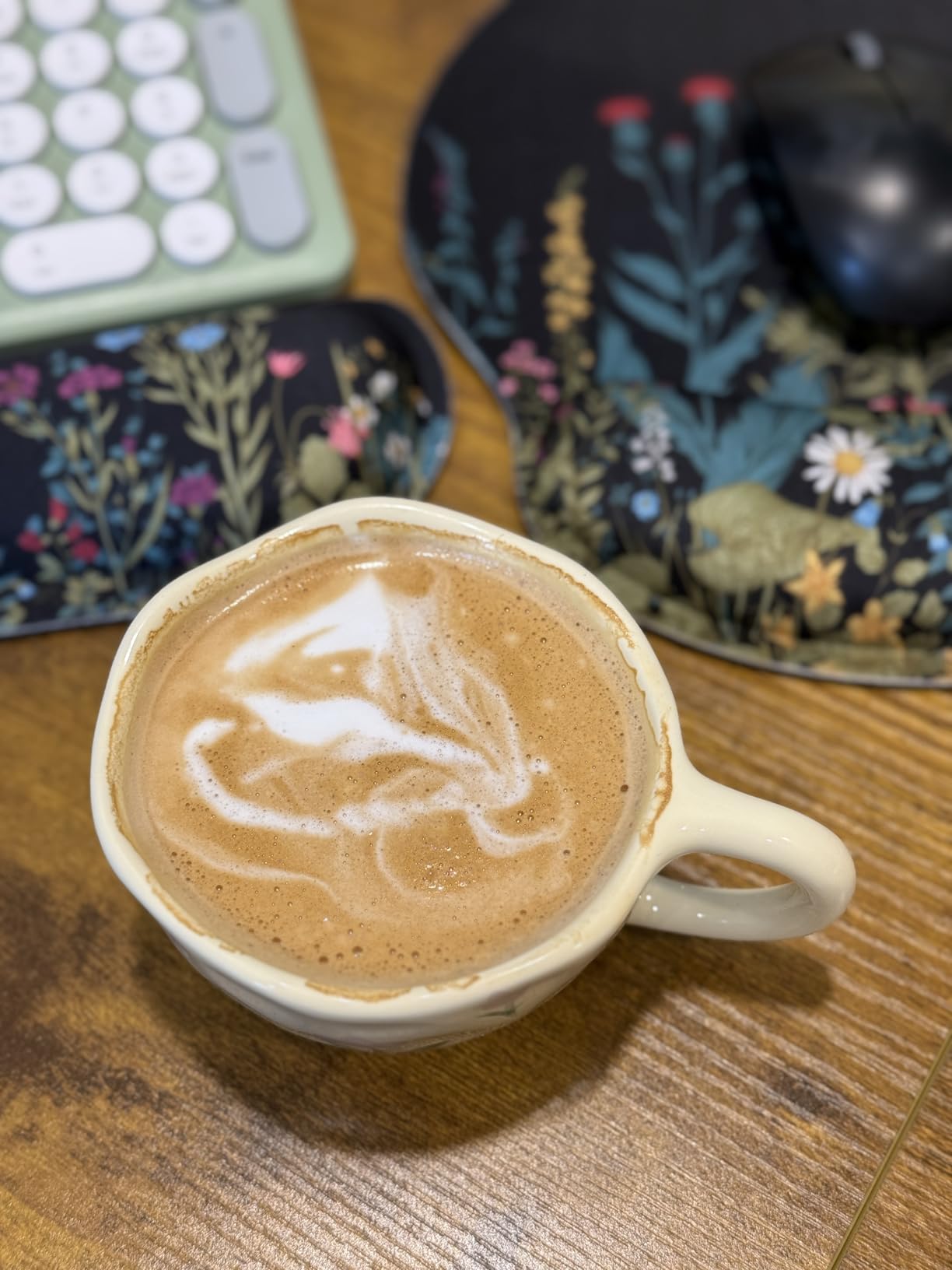
Steam performance is the surprise. The wand creates creamy microfoam suitable for cappuccinos and lattes, and the 20-bar pump with a 1350W heating system produces shots with good crema. Owners often describe it as outperforming machines several times its cost, which matches what we saw in terms of the finished drink.
What is missing is the pressure gauge. Without one, dial-in becomes guesswork, and the reviews reflect that with reports of inconsistent extraction tied closely to grind size. The bundled combo plastic scoop and tamper is the weakest accessory in this roundup and should be replaced. Some users also report a steam control dial that drifts open under pressure and a limited continuous run time before the wand needs to cool.
It is a single boiler, so a short wait sits between brewing and steaming. A slight burnt-plastic smell can appear on first use until the machine is flushed, and the guidance asks you to remove a rubber plug at the bottom of the tank before the first cycle.
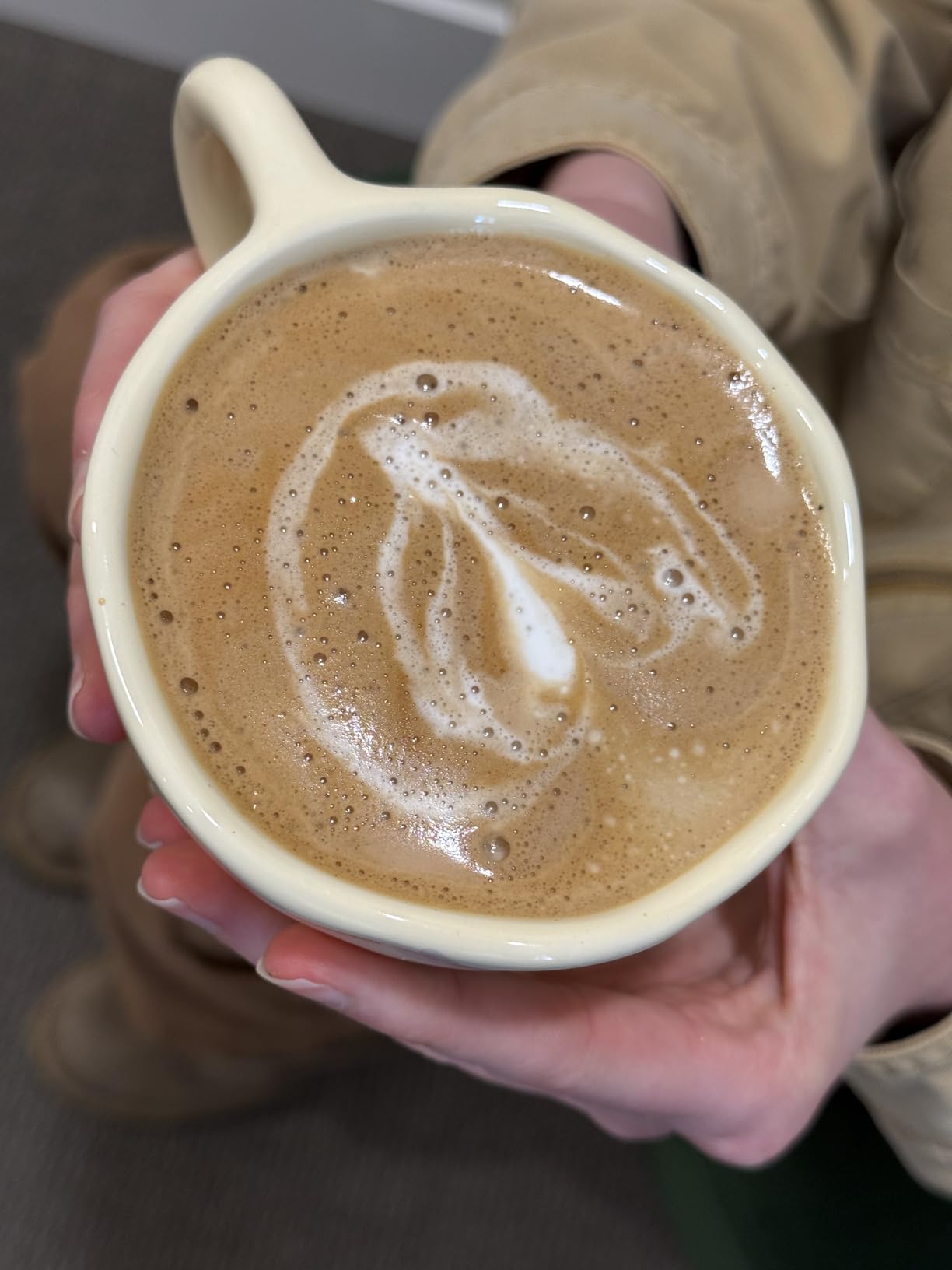
Who the 3700 Essential suits
It suits small kitchens where 5.7 inches of width is the difference between fitting the machine and not. The large tank offsets the missing gauge by reducing interruptions.
It also suits anyone moving up from a pod machine who wants a real wand for a modest outlay, and people making one or two drinks a day rather than several.
Who the 3700 Essential does not suit
It does not suit anyone who wants to understand and adjust pressure. Without a gauge you are reading the shot by time and taste alone.
It also does not suit hosts making back-to-back drinks for guests, because the single boiler forces a wait between the last brew and the next froth.
8. Chefman 6-in-1: the largest water tank in the roundup
- Built-in frother with a reservoir that stores in the fridge
- 1.8 L reservoir covers multiple cups
- One-touch touchscreen for single or double shots
- Self-cleaning function
- Compact space-saving body
- Fixed auto frother gives little texture control
- Espresso output less refined than dedicated machines
- Included tamper is basic
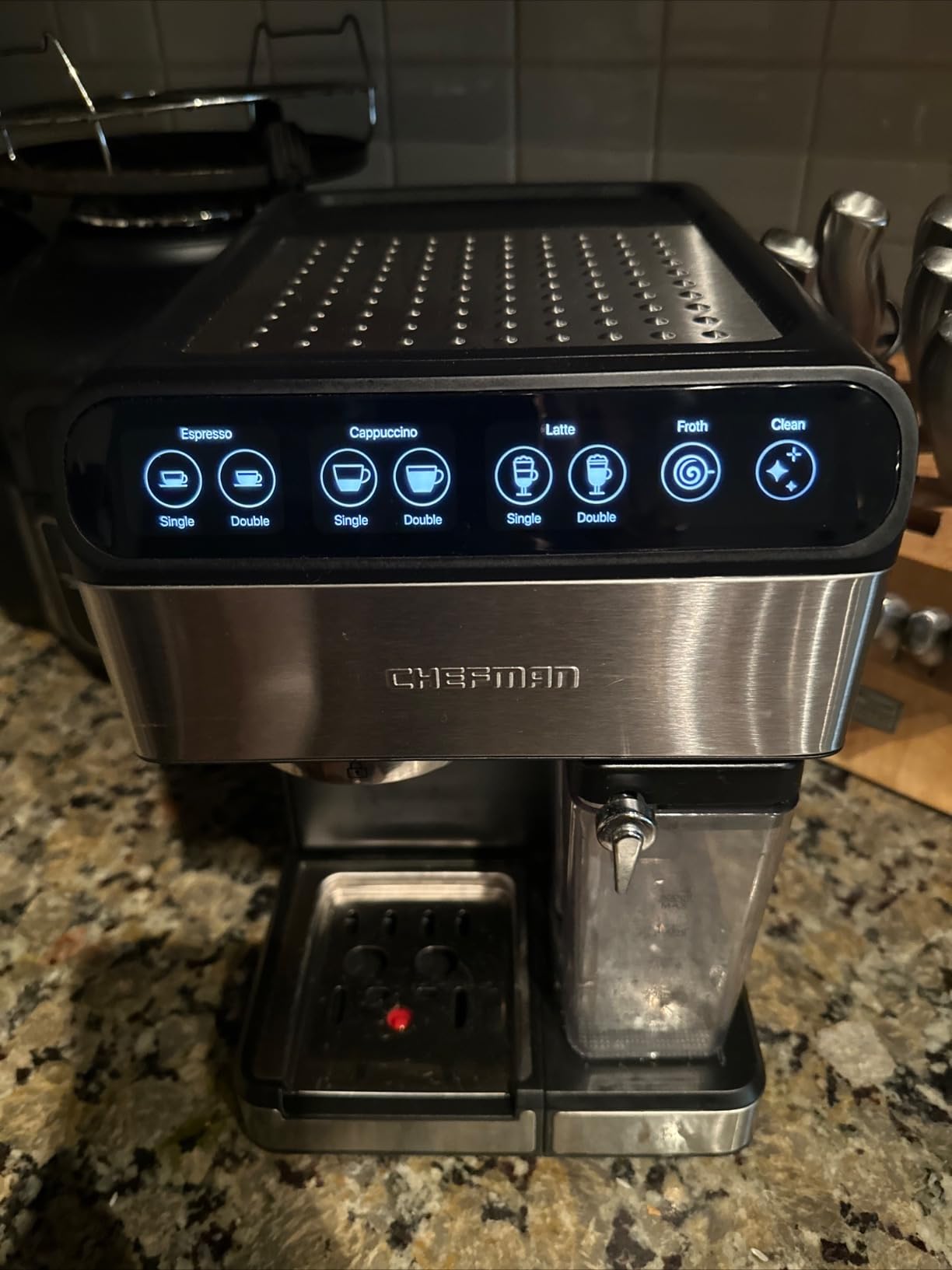
The Chefman solves a specific problem: the small water tank. Its 1.8 litre reservoir is the largest here, which means fewer refills across a session and less chance of the machine stalling mid-recipe. The body is only 8.3 inches deep and 11 inches wide, so the capacity does not come at the cost of a large footprint, and a self-cleaning function helps keep the milk system fresh.
Operation is a one-touch touchscreen for a single or double shot, with a 15-bar pump and reusable filter. The milk reservoir is removable and can live in the fridge, which is the design detail we liked most: milk stays cold until someone actually wants a latte, rather than sitting warm in a carafe on the counter all day.
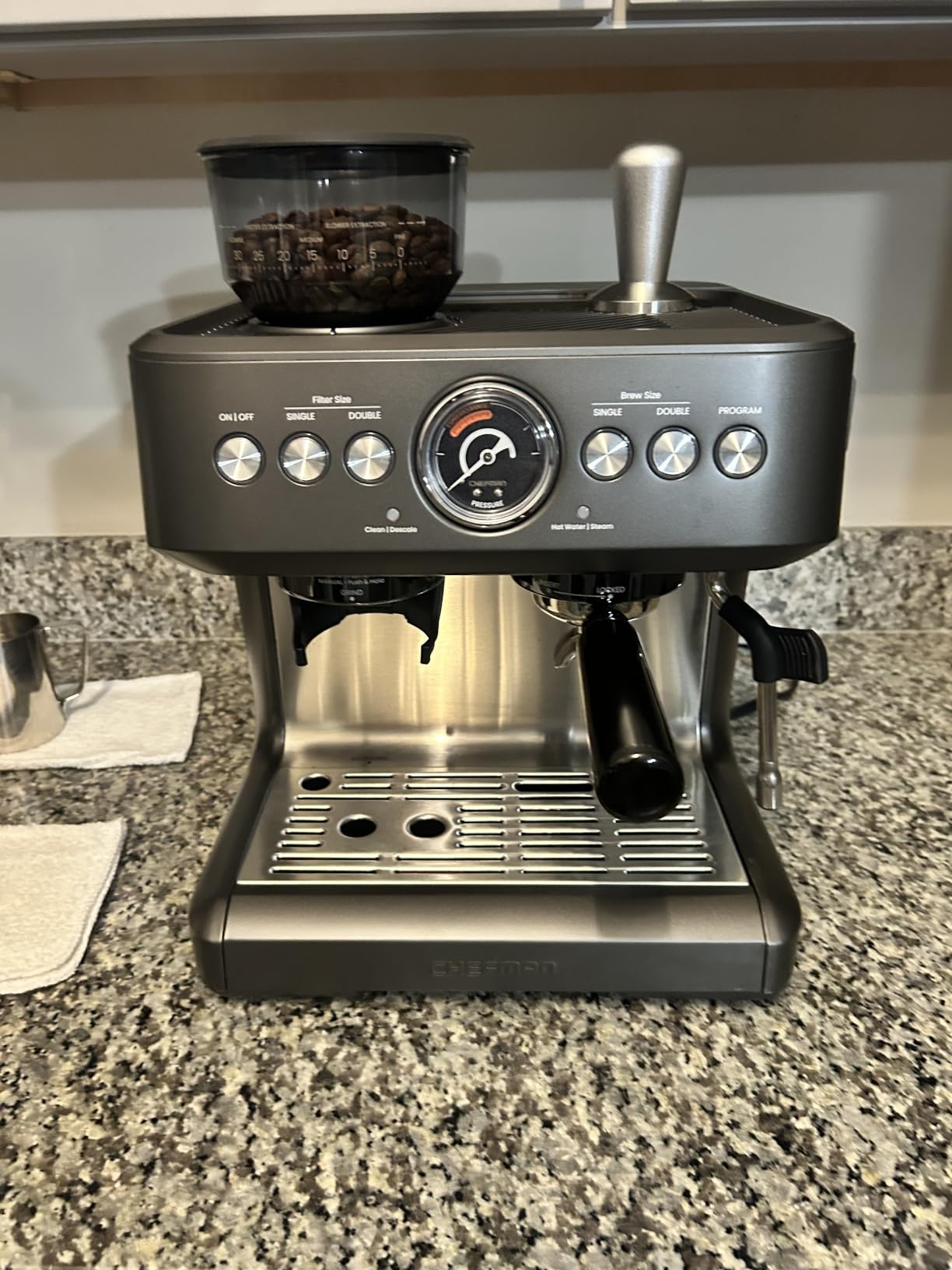
The compromise is texture. This is a fixed automatic frother, not a wand, so you get foam at the press of a button but no way to adjust it while pouring. Espresso output is also less refined than machines built purely for espresso, because the pump works against generic pre-ground coffee with no grinder to work with. The included tamper is basic.
With a 4.0 rating and feedback centred on convenience and value rather than coffee quality, it works best as a second machine or a shared-office unit where the priority is throughput rather than craft.
Who the Chefman 6-in-1 suits
It suits an office, a guest room or a household where several people make drinks in a short window and nobody wants to refill a tank mid-morning.
It also suits anyone making plant-based milk drinks regularly, since the removable reservoir moves to the fridge instead of sitting warm on the counter.
Who the Chefman 6-in-1 does not suit
It does not suit anyone learning latte art, because the fixed frother gives you no texture control at all. It also does not suit a drinker who cares most about shot intensity and consistency.
It does not suit people who want a single machine to cover guests, since a fixed automatic cycle cannot be stretched to a large milk order.
9. De’Longhi Magnifica Duo: the only machine here for cold foam lattes
De’Longhi Magnifica Duo Automatic Espresso Machine, Milk Frother, Silver
- LatteCrema Hot and Cool handles dairy and plant milks
- 20 hot and iced recipes including cold brew
- Integrated conical burr grinder
- Self-cleaning milk system
- Warranty of 2 years plus one extra on registration
- Large footprint and 20.8 pound weight
- Software blocks custom drink mixes
- Milk dispenser must be cleaned immediately
- Drip coffee can be slow and strong
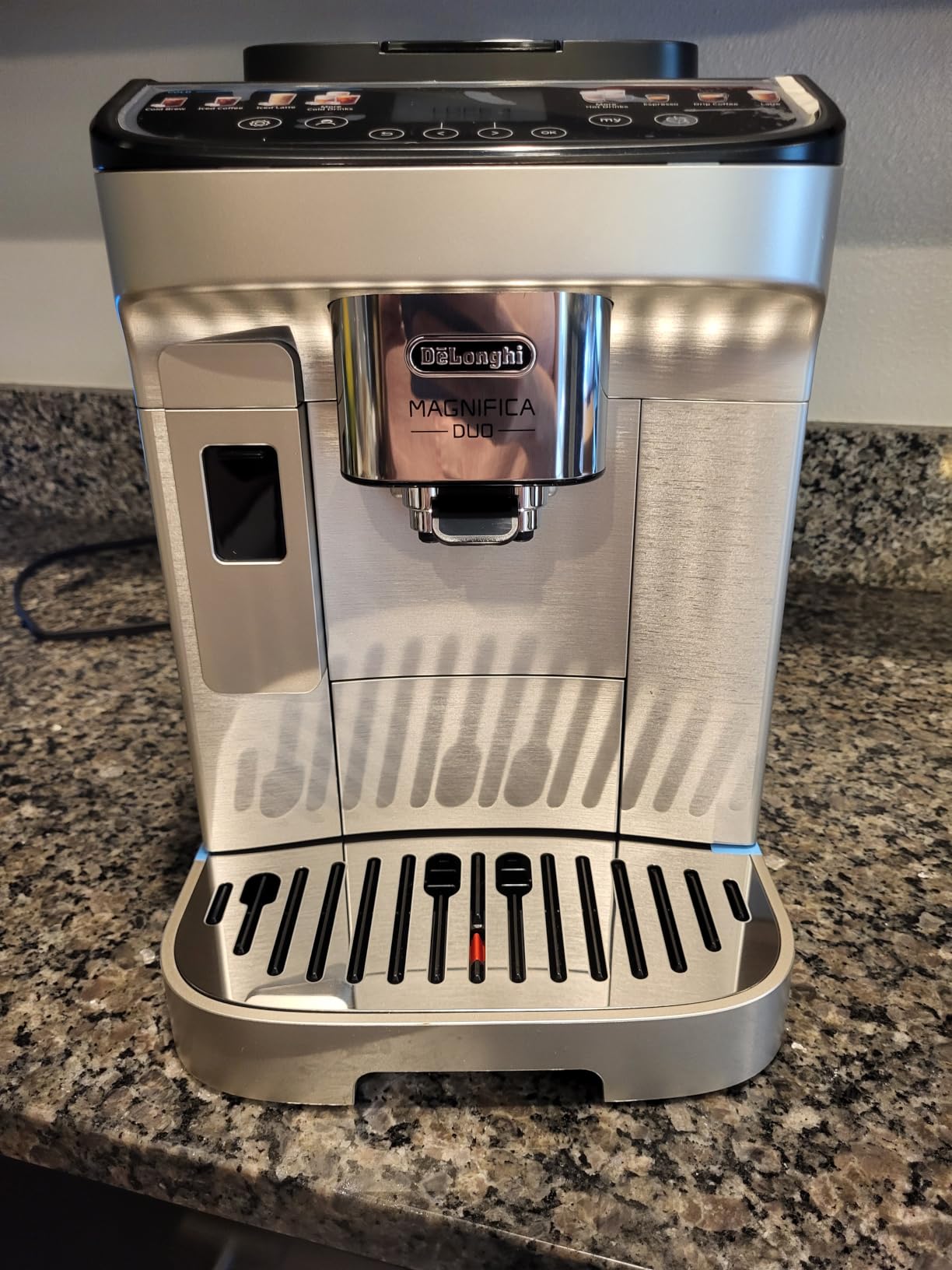
This is the machine we asked for cold-foam drinks specifically, and it is the only one here with a carafe that froths hot and cold from the same removable, dishwasher-safe system. LatteCrema Hot and Cool produces velvety hot or cold foam from dairy or plant-based milk. Cold brew comes out in under three minutes through the cold extraction technology, and there are 20 preset hot and iced recipes in total.
The integrated conical burr grinder is built for long-lasting performance and handles oily beans consistently, which is where many cheaper integrated grinders struggle. Its 4.6 rating is the highest average here, though it comes from a much smaller pool of reviews than the Breville machines, and owners frequently report that it replaced a separate manual setup entirely rather than sitting alongside it.
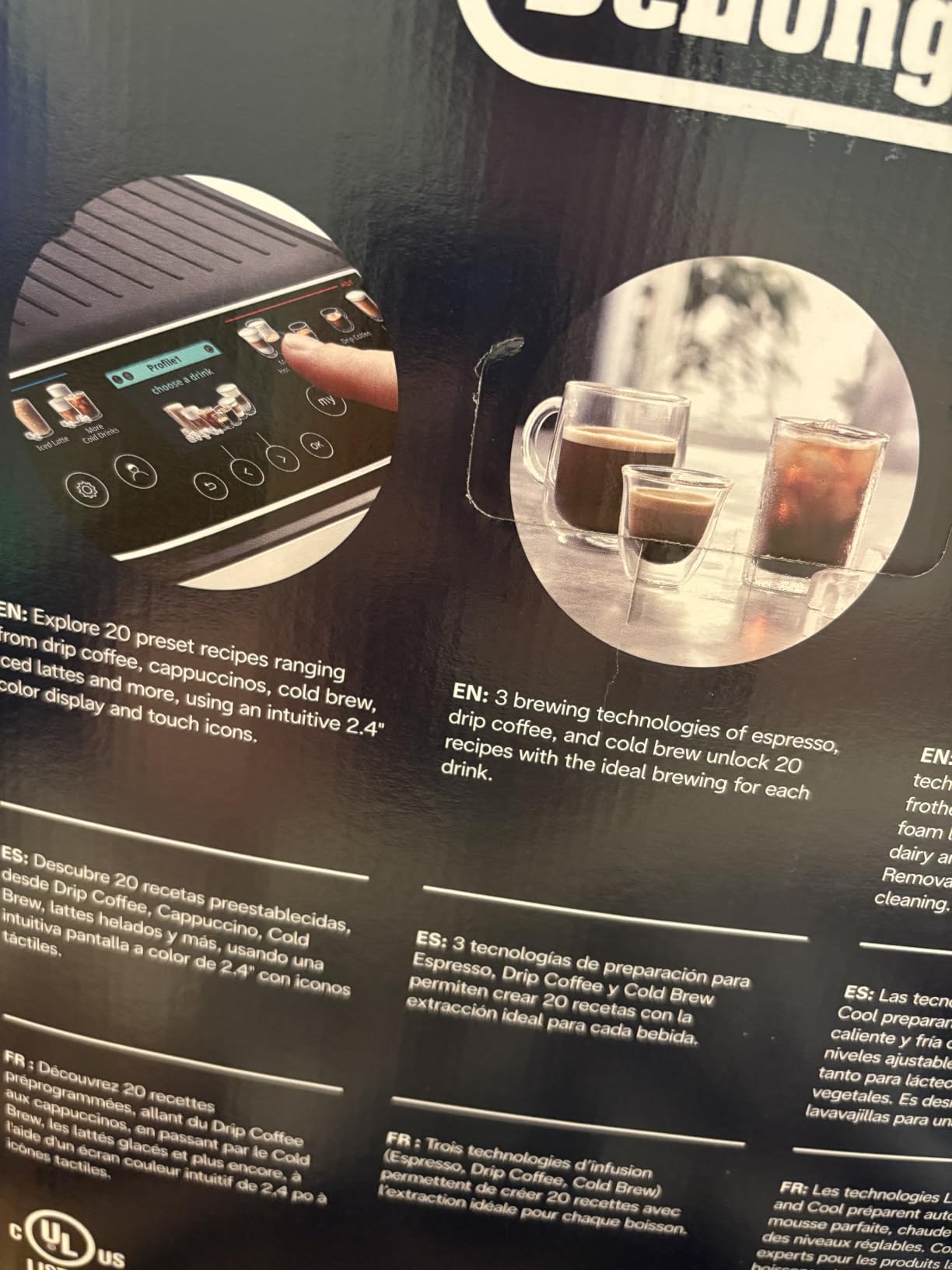
Its size is the reason to hesitate. At 20.8 pounds and 19.69 inches deep by 12.2 inches wide by 16.14 inches tall, it has the deepest body in this roundup and needs a dedicated stretch of counter. It also runs noticeably loud during grinding, and the milk dispenser has to be cleaned immediately after each milk drink rather than at the end of the session.
Two software limits are worth knowing. Custom drink mixes are locked out, so you are restricted to the 20 presets, and drip coffee can take a long time and arrive stronger than expected even at low settings. The warranty is 2 years plus an extra year with registration, the longest coverage in this group.
Who the Magnifica Duo suits
It suits households that drink iced lattes and cold foam drinks as often as hot ones, because no other machine here froths cold foam from a carafe the way this one does. It also suits anyone moving entirely to beans with no interest in manual technique.
It suits people who make plant-based drinks, since the LatteCrema system is described as working with dairy and plant-based milk alike.
Who the Magnifica Duo does not suit
It does not suit small kitchens. Nearly 20 inches of depth is more counter than most kitchens spare, and the 20.8 pound weight is difficult to reposition.
It also does not suit drinkers who want to build their own recipes, because the software blocks custom mixes.
10. Breville Bambino Plus: the easiest route to a latte worth looking at
Breville BES500BSS Bambino Plus Espresso Machine, Brushed Stainless Steel
- Auto steam wand adjusts milk temperature and texture
- ThermoJet reaches brew temperature in 3 seconds
- 7.7 inch width fits tight countertops
- Auto-purge after steaming
- PID control with low-pressure pre-infusion
- Fixed plastic insert inside the portafilter traps residue
- No low-water indicator
- Auto wand cycle splatters milk and wastes water
- Cleaning cycle runs frequently
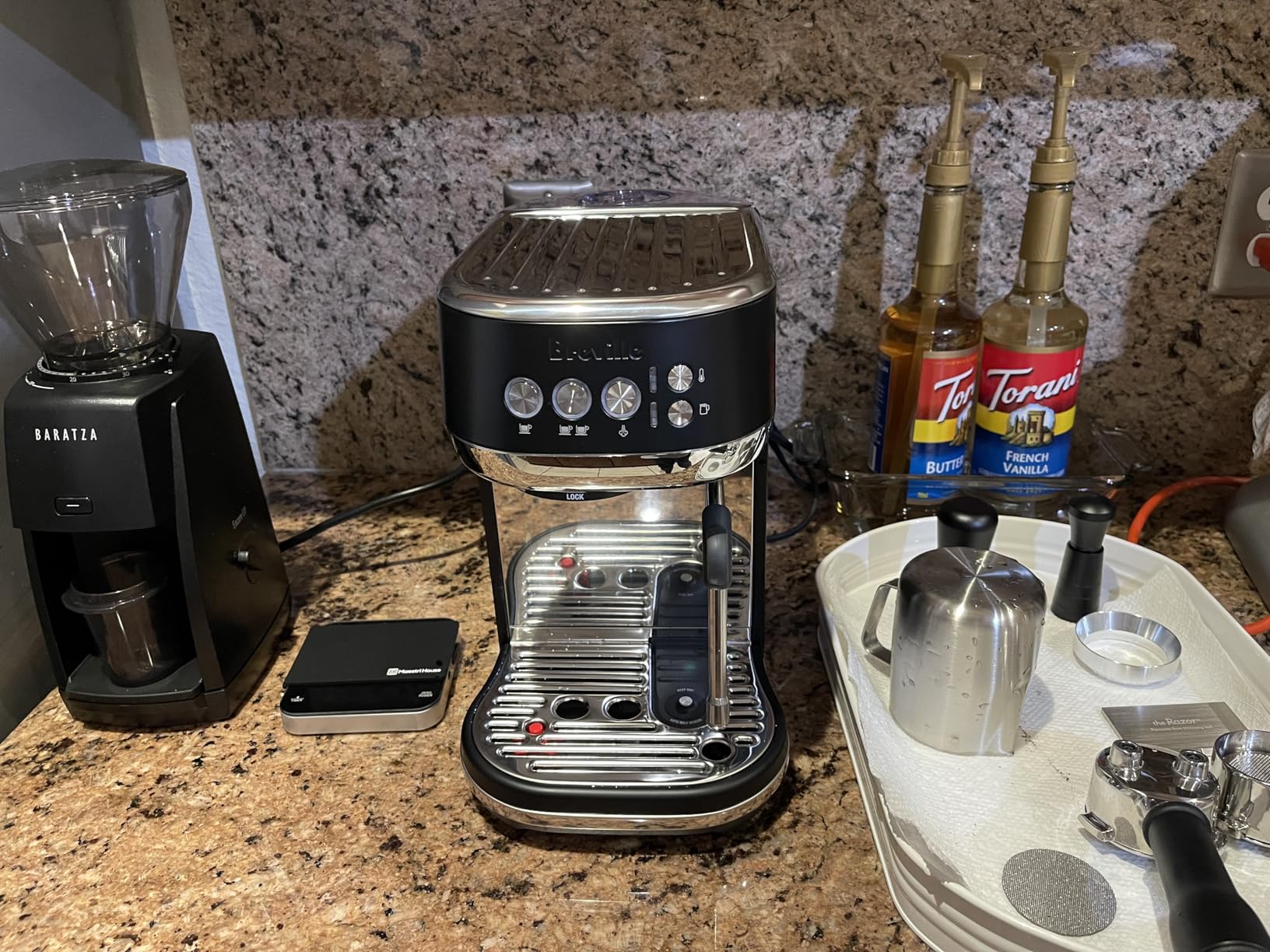
The Bambino Plus is the machine we point people toward when the question is how do I get microfoam without learning pitcher technique. The automatic steam wand adjusts milk temperature and texture, so it makes the two decisions beginners get wrong. In our testing it produced a fine, even foam that poured flat whites and simple hearts cleanly, and reviewers widely treat it as the standard entry point for exactly that reason.
ThermoJet heating reaches extraction temperature in three seconds, the 54mm portafilter doses 19 grams, and PID temperature regulation with low-pressure pre-infusion handles the shot. At 7.6 inches deep and 11 pounds it also fits counters where bigger machines do not, and the 2-year limited warranty is generous.
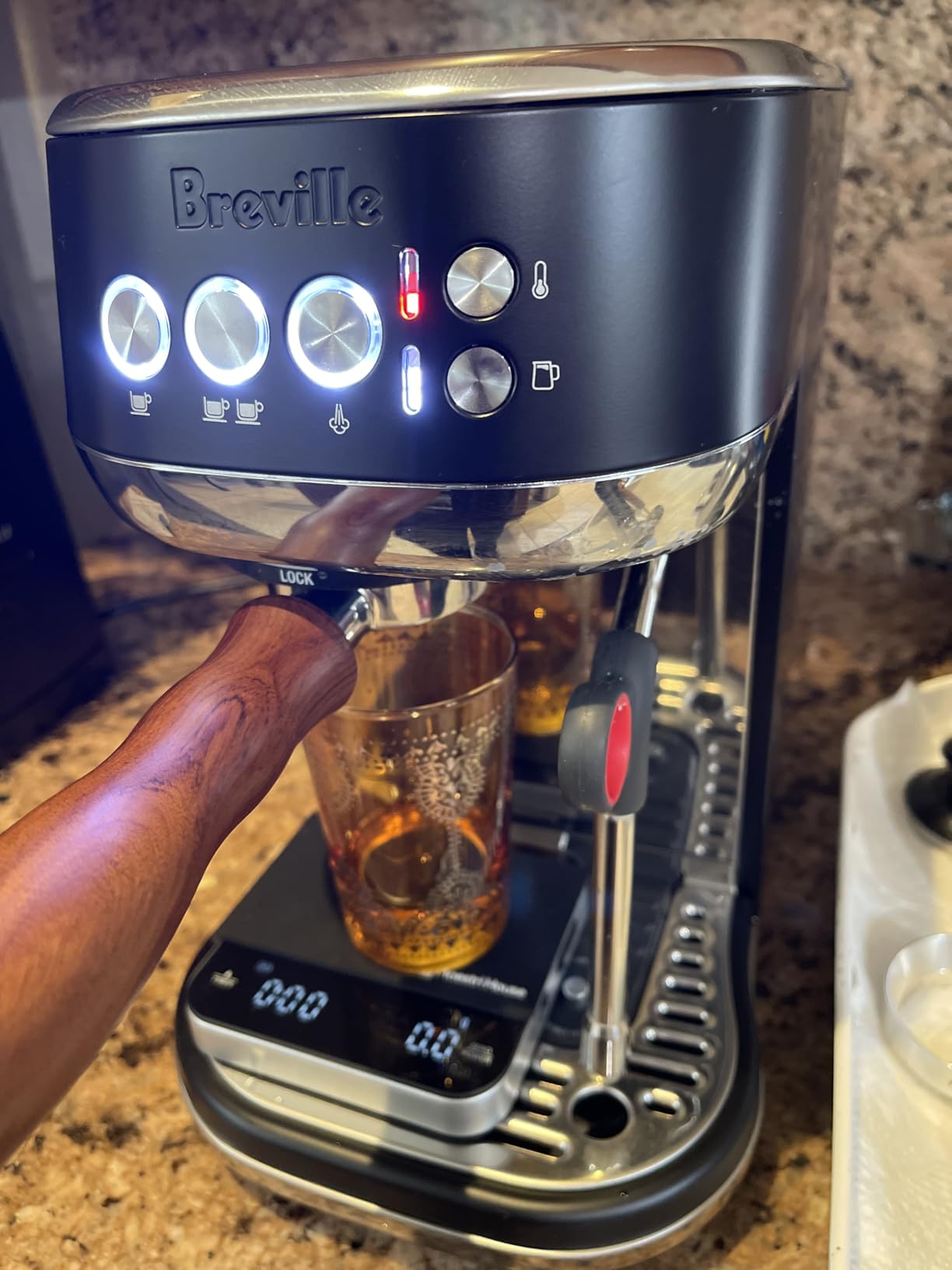
There are quirks, and they are worth knowing before you buy. The portafilter has a fixed plastic piece inside that cannot be removed and traps residue. There is no low-water indicator, so the buttons simply fail to light when the tank is empty, which is alarming the first time. The auto-purge cycle after steaming splatters milk and wastes water, and the cleaning cycle is needed more often than the manual suggests.
Only the supplied 480ml stainless jug works reliably with the temperature sensor, and there is no built-in grinder, so a separate burr grinder is required for shots worth drinking. Reviewers also warn about a steep initial dial-in period, which is normal but catches people out.
Who the Bambino Plus suits
It suits anyone whose goal is latte art in a small kitchen with a limited budget, because it removes the technique barrier without removing the ability to practise. It also suits anyone who wants fast heat-up between drinks.
It suits households that already own or will buy a separate grinder, since the machine is built around external grinding.
Who the Bambino Plus does not suit
It does not suit people who want manual control of milk texture, because the wand decides the temperature and texture for you. The auto-purge cycle also wastes water and milk, which some people dislike.
It does not suit anyone who wants a grinder included, and it does not suit large households making several drinks at once, since it is a single-boiler design with a modest water tank.
11. De’Longhi Classic Signature: fast thermoblock heat-up with a two-setting wand
De’Longhi Classic Signature Espresso Machine, Adjustable Milk Frother
- Thermoblock ready to brew within seconds
- Adjustable two-setting steam wand for warming and microfoam
- 15-bar pump with persistent crema
- Pressure gauge for monitoring extraction
- Compact stainless steel body
- No built-in grinder so pre-ground coffee required
- Mostly plastic and light body
- Steam wand can foam before milk is heated
- Included plastic tamper is light
The Classic Signature is one of the fastest machines here to be ready. Thermoblock technology heats fast and holds temperature stably, and the 15-bar Italian pump produces espresso with a persistent crema. It weighs 9 pounds and measures 11.2 by 9 by 12 inches, with a 1.7 litre removable reservoir marked with level indicators, which is among the more generous tanks in this roundup.
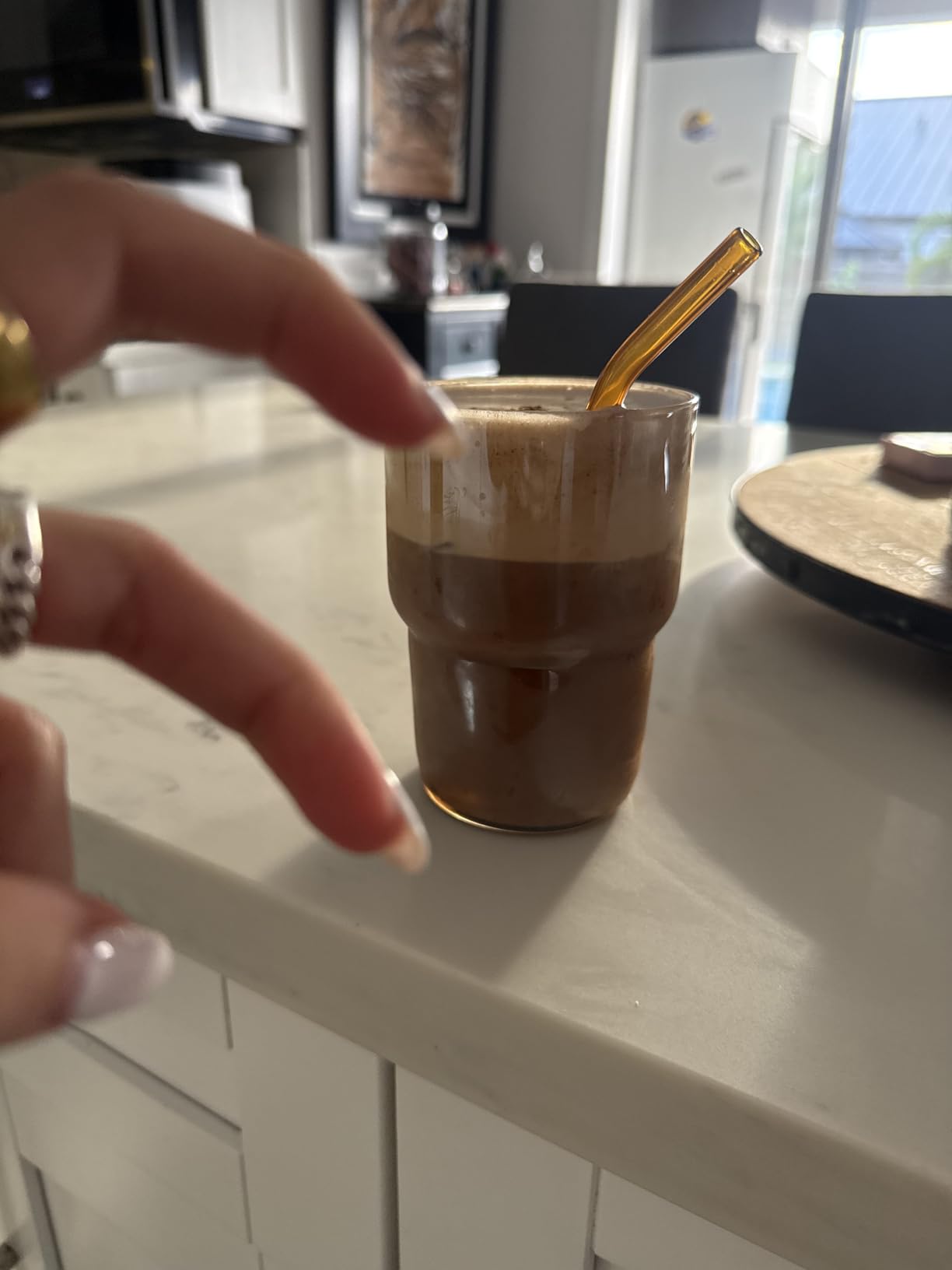
The steam wand has two settings, which is more control than a single fixed auto cycle but less than a fully manual wand. The lower setting warms milk, and the upper produces velvety microfoam good enough for latte art in the right hands. Reviewers are consistently surprised by what a wand at this level can do, and the pressure gauge helps you watch extraction while it happens.
Two limitations come up repeatedly. On some settings the wand starts foaming before the milk is fully heated, which gives a drink that is warm but not hot and a foam that finishes thin. There is also no built-in grinder, so you are working with pre-ground coffee, and that is the main reason to spend your next upgrade on a burr grinder rather than a better machine.
The body is largely plastic and light enough to slide on the counter, the included tamper is light, and a new-machine smell needs curing as the manual describes. It is an espresso machine only, so it will not produce a standard cup of drip coffee.
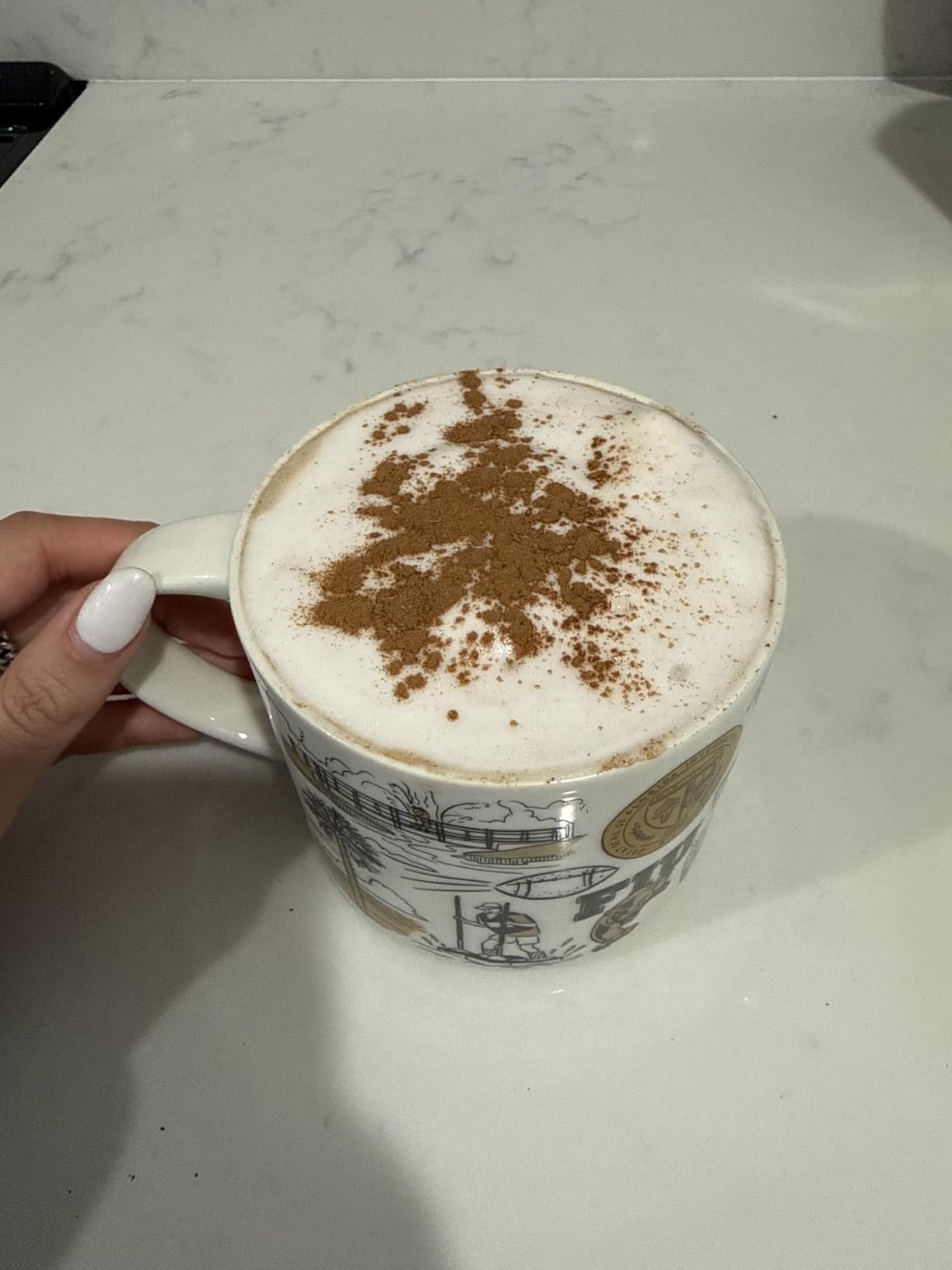
Who the Classic Signature suits
It suits anyone who wants a fast, compact first machine with a real wand and a gauge to learn from. Two wand settings make it a gentler introduction to manual frothing than a fully manual machine.
It also suits small kitchens, since 9 inches wide and 9 pounds is one of the easier footprints to place.
Who the Classic Signature does not suit
It does not suit households drinking large amounts of coffee, because a single espresso machine without a grinder means a second purchase before the drinks are good.
It also does not suit people who want drip coffee from the same appliance, or anyone who finds a wand that foams before the milk heats frustrating during a rush.
12. Nespresso Vertuo Pop+ Deluxe: capsules with a separate frother
Nespresso Vertuo Pop+ Deluxe Coffee Machine with Frother, Matte Black Gold
- Aeroccino3 frother included for hot or cold foam
- One-touch capsule brewing in seconds
- Compact body with side-mounted tank
- Descaling alert and adjustable drip tray
- Starter capsule set included
- Capsule cost per cup adds up over time
- No standalone hot water function
- Plastic body feels less premium
- Drinks come out only moderately hot
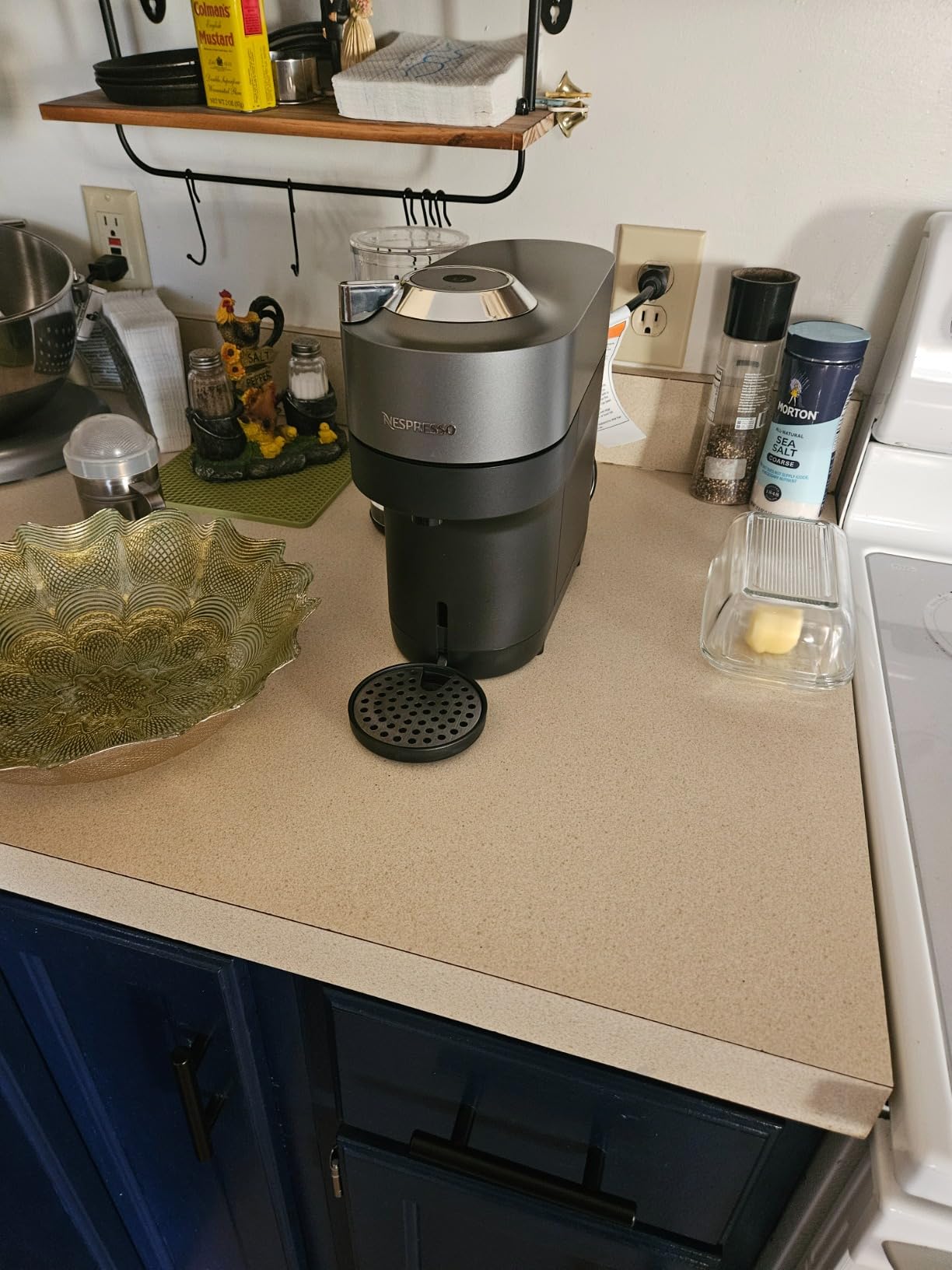
The Vertuo Pop+ is the odd one out here because the frother is separate. The included Aeroccino3 does hot or cold foam with one touch, and it is genuinely good at it for a standalone device, which is why the machine still earns a place in a frothing guide. Everything else is capsule convenience: one-touch brewing, six cup sizes covering 5, 8, 12 and 18 ounce coffees plus single and double espressos, and a 30 second heat-up.
It is compact at 14 by 8.6 by 10.4 inches, with a side-mounted removable 25 fluid ounce tank and an adjustable drip tray. A descaling alert takes the guesswork out of maintenance, and a starter capsule set is included alongside access to 40-plus permanent Vertuo blends.
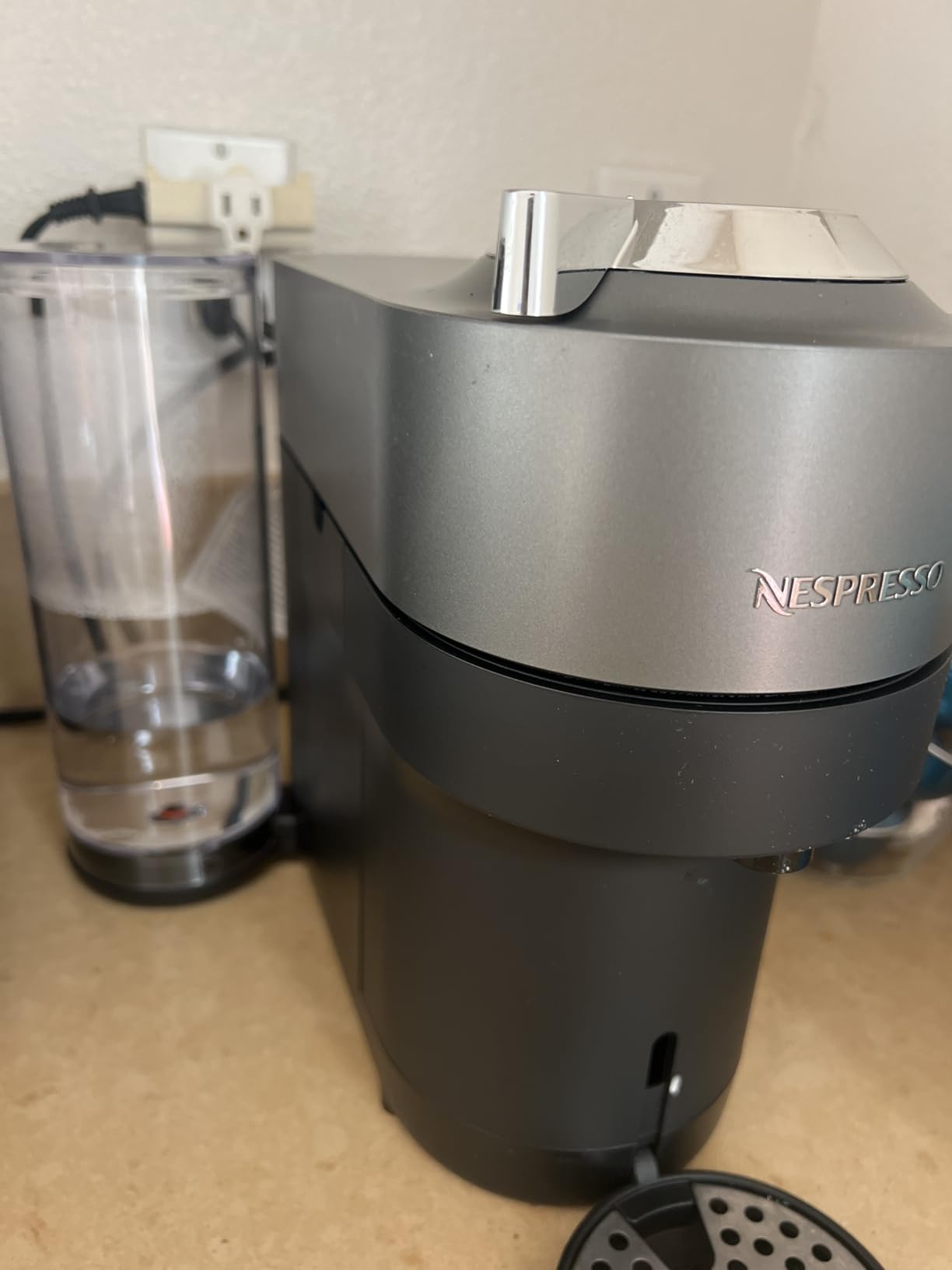
Here is the honest arithmetic. A capsule costs a fixed amount per cup, and for a household drinking several drinks daily that adds up over a year in a way ground coffee does not. There is also no standalone hot water function, so the machine cannot make tea, and the plastic body does not feel like the specification implies it should.
Some units have reported coffee diverting inside the machine and leaking from base holes, and drinks come out only moderately hot, which matters for milk drinks since cooler liquid dulls the foam. Owners do frequently note that the setup pays for itself quickly against shop purchases, so the decision depends on how many drinks a day you actually make.
Who the Nespresso Vertuo Pop+ suits
It suits occasional drinkers, offices and anyone who wants lattes with no technique and no maintenance routine at all. The descaling alert and adjustable drip tray mean there is no cleaning to remember.
It also suits small kitchens and anyone who wants to try latte drinks without committing to a grinder.
Who the Nespresso Vertuo Pop+ does not suit
It does not suit heavy daily drinkers, because per-cup capsule costs outweigh ground coffee quickly at volume. It also does not suit anyone who wants to make tea, since there is no hot water function.
It does not suit latte art practice, because the separate frother makes hot or cold foam rather than barista microfoam.
How to Choose an Espresso Machine With a Milk Frother
Decide how much control you want over the milk
The single question that decides most purchases is whether you want to control milk texture yourself. A manual steam wand gives you full control and demands practice. An automatic steam wand makes the temperature and texture decisions for you, which is why the Bambino Plus reaches usable microfoam with almost no practice while a manual wand takes a couple of weeks. A carafe system gives you almost no control but cleans in seconds and needs no technique at all.
Whichever you pick, the deciding factor is practice, not hardware. Reviewers who report turning out excellent microfoam on inexpensive machines are the same reviewers who describe two weeks of adjustment before the foam looked right.
Choose your boiler type before the wand
Boiler choice decides how fast the machine is ready and whether you can brew and steam at the same time. Thermoblock heating reaches temperature in seconds and is what makes the De’Longhi Classic Signature so quick. ThermoJet systems in the Breville machines hit brew temperature in three seconds. Traditional boilers are slower but hold heat well, and a single boiler means you wait between brewing and steaming.
If you make one or two drinks a day, a single boiler costs you little. If you entertain, every extra minute of waiting between the shot and the milk shows up in the experience.
Size the portafilter and baskets to your habits
Portafilter size is not a marketing number. The 54mm baskets used by the Breville machines hold a 19 gram dose, the 51mm baskets in the CASABREWS machines hold less, and the difference is visible in the cup as a weaker or more bitter shot if you use the wrong basket for the machine.
Pressurized baskets mask grind and tamping problems and make bad shots taste acceptable, which is useful when you are starting out. Non-pressurized baskets, and bottomless portafilters on some models, show you what the coffee is actually doing. Most buyers in this roundup add a bottomless portafilter later, and several reviews say that upgrade mattered more than a new machine.
Budget for a grinder before you upgrade the machine
The most consistent piece of advice across the reviews we read is simple: put more money into the grinder than the machine if you have a choice. A separate burr grinder fixes sour shots, channeling and weak crema immediately, and it works with any machine that takes ground coffee.
Integrated grinders are convenient, and the Barista Express and Barista Touch use good ones, but dose amounts fluctuate at fine settings and the grind range is narrower than a standalone machine. If you plan to use ground coffee in one of the wand machines on this list, budget for a grinder from the start.
Check water quality and maintenance before buying
Hard water is the most common reason home machines fail early, and the fix is simple: use filtered water, change the filter on schedule, and descale before the machine asks. The Philips AquaClean filter is the extreme of this approach, removing the need to descale for thousands of cups.
On the milk side, count how long cleaning takes on the machine you are considering. A wand takes a wipe and a purge, an automatic wand needs a cycle that may waste water and splatter, and a carafe needs a rinse. Our guides to the best milk frothers and the best frothers for lattes specifically cover what to do when the machine’s own system is not enough.
Know which machine type you are buying
Four formats cover everything in this roundup, and each one changes what happens to your milk. Manual piston machines like the Stilosa push the shot by hand and give you a wand you control completely, which is the cheapest way to learn and the hardest way to serve guests. Semi-automatic machines like the Barista Express, the Bambino Plus and the two CASABREWS models use a pump and give you buttons, a pressure gauge and a separate milk step.
Super-automatics like the Philips 3200 and the Magnifica Duo grind, brew and froth in one press. The milk never reaches a wand you are holding, so texture is fixed by the software, and your cleaning routine moves from a wipe to a rinse or a cycle. Capsule machines like the Nespresso Vertuo Pop+ split the job entirely, with a standalone frother sitting beside the brewer.
The frothing consequence is the same in every format: the more of the process the machine handles, the less you can change the result. That is not a flaw in the automation, it is the trade you are making for speed.
Measure the footprint and the tank
Counter depth is the most common surprise in this category. Widths here run from 5.47 inches on the CASABREWS CM5418 to 17 inches on the Philips 3200, and depths range from 7.6 inches on the Bambino Plus to nearly 20 inches on the Magnifica Duo. Measure the cabinet, not the open counter, and check clearance above the machine for filling the hopper.
Tank size decides interruptions. The Chefman’s 1.8 litre reservoir is the largest here, the De’Longhi Classic Signature’s 1.7 litres is close behind, and the Nespresso’s 25 fluid ounce tank is the smallest. For daily single-drink use the difference barely registers. For a household hosting four people it is the difference between one refill and three.
Frequently Asked Questions
What is the best coffee machine with milk frother?
The Breville Barista Express is the best overall choice here because it pairs a manual steam wand that produces real microfoam with an integrated grinder and PID temperature control. If you want zero technique instead, the Mr. Coffee Cafe Barista makes a latte with one button press, and the Breville Bambino Plus gives you adjustable texture without manual pitcher work.
Which espresso machine is best for latte art?
Latte art needs microfoam, which means a manual steam wand or an automatic wand with texture control. The Breville Barista Express and Breville Bambino Plus are the two strongest choices, one manual and one automatic. The manual wand gives you the most control, while the automatic wand on the Bambino Plus removes the pitcher angle problem that beginners hit first.
Do automatic milk frothers work for latte art?
They can get you partway. Automatic systems produce foam rather than a pourable microfoam, so simple shapes are possible but designs are not. The Breville Bambino Plus and Barista Touch are exceptions because their automatic wands adjust milk temperature and texture specifically to reach microfoam consistency.
Is De’Longhi or Breville better for lattes?
Breville’s range spans the compact Bambino Plus to the touchscreen Barista Touch, and its automatic wands are tuned for microfoam. De’Longhi offers more manual control at lower levels, with the Classic Signature’s two-setting steam wand and the Stilosa’s fully manual wand. Choose Breville for automation and presets, and De’Longhi for hands-on frothing.
Can a super-automatic machine make a real latte?
Yes, though texture control is limited. The De’Longhi Magnifica Duo is the strongest example, with LatteCrema Hot and Cool frothing for dairy and plant milks and 20 hot and iced recipes. The Philips 3200 Series is faster to clean by far, since its LatteGo carafe has no tubes and rinses in about 15 seconds.
What is the absolute best home espresso machine for lattes?
There is no single winner because the milk system matters more than the coffee. For manual control the Breville Barista Express leads. For hands-free microfoam the Bambino Plus leads. For cold foam and iced drinks the Magnifica Duo leads. Our testing covered twelve machines and none of them won on every axis, which is why we match machines to drink habits rather than ranking them on one number.
Which Espresso Machine With a Milk Frother Should You Buy?
The Breville Barista Express is our pick of the best espresso machines with milk frothers for lattes because it is the only machine in this group where the shot, the grinder and the steam wand all work together. Its manual wand produces genuine microfoam, its PID control and pressure gauge make the coffee repeatable, and 28k reviews describe that combination holding up over years of daily use.
Match the machine to your habits instead. Want latte art with no technique, take the Bambino Plus. Want one button and no learning curve, take the Mr. Coffee Cafe Barista. Want cold foam and iced lattes, take the Magnifica Duo if you have the counter depth. Want the smallest footprint with a real wand, take the CASABREWS CM5418. Want fast cleanup on a schedule you will actually keep, take the Philips 3200.
Whatever you choose, budget for a burr grinder before you budget for a better machine. Fresh, evenly ground coffee fixes more problems than any other purchase in this category, and it is the one upgrade owners most often say they wish they had made first.