
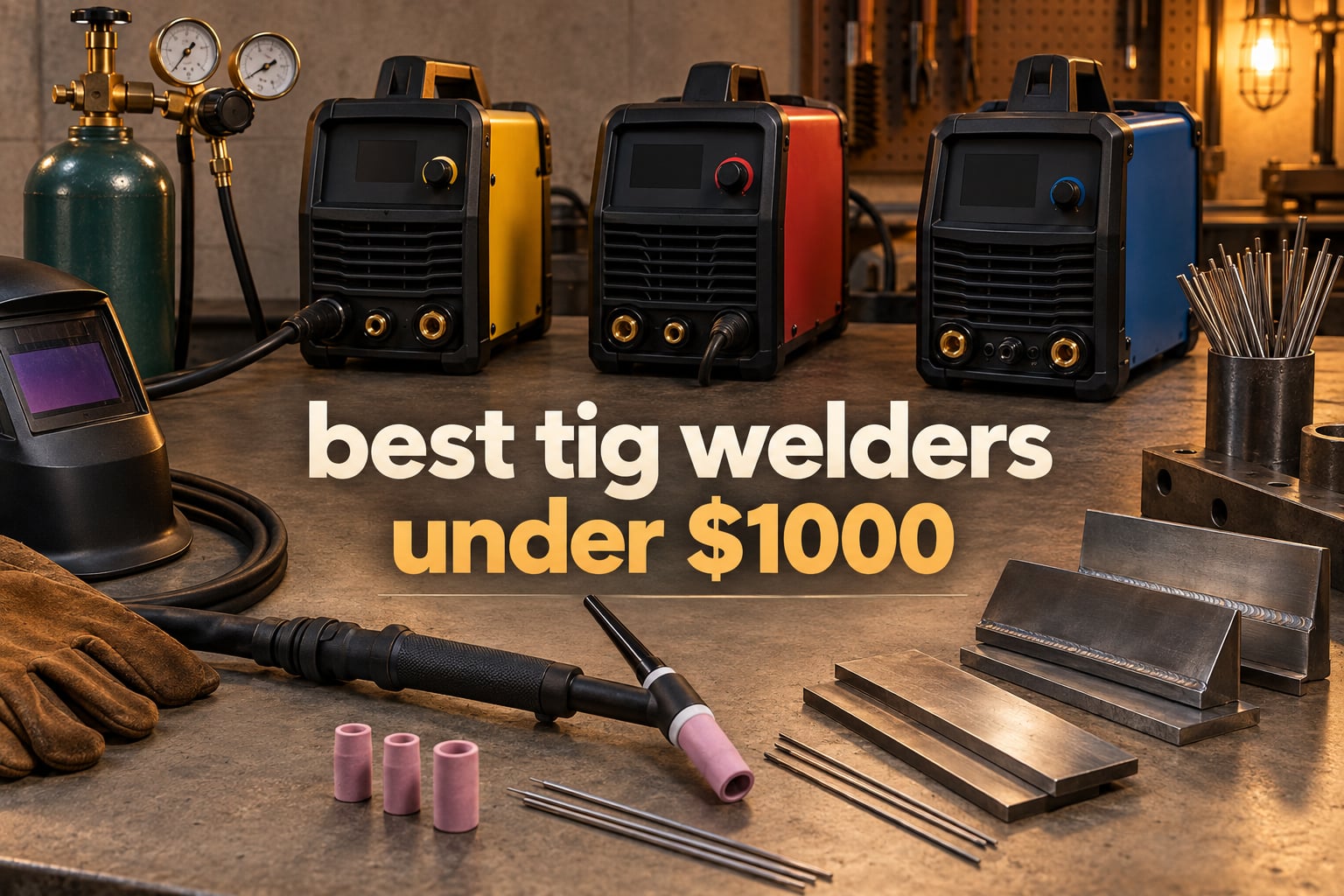
Searching for the best TIG welders under 1,000 dollars is harder than it looks, because most machines in this price tier share the same headline number and none of them tell you the whole truth. After putting twelve of them side by side on specs, included accessories, warranty terms and real owner feedback, the PRIMEWELD TIG225X comes out on top: 225 amps of AC/DC TIG and stick output, pulse control up to 200 Hz, a genuine CK Worldwide Superflex torch in the box, and a 4.8 average across more than 1,400 reviews. That is the machine I would put in a home garage in 2026.
The catch is what the box does not say. Foot pedals are missing from some of the strongest-looking machines, regulators are almost never included, and a 200-amp headline means something very different on a 110V kitchen circuit than it does on a 220V shop circuit. Buying the wrong one shows up as a frustrating afternoon, not a wasted purchase, as long as you know which three specs actually matter before you click buy.
This guide covers every TIG welder we could justify in that bracket, from a bare-bones DC-only stick machine that weighs about 20 pounds to a 225-amp AC/DC unit with a pro torch. If you are still deciding between process types entirely, start with our guide to the best welders for home use first. If your real goal is a solid machine for thick steel and not aluminum, our beginner MIG welder picks may be the smarter money.
Top 3 Picks for the Best TIG Welders Under 1,000 in 2026
Three machines stood out once I started reading the fine print. One wins on raw capability and proof, one wins on feature count, and one wins because it bundles more of what you need in the box.

PRIMEWELD TIG225X
- 225A AC/DC TIG and stick with pulse
- 200 Hz pulse and AC frequency
- 1/4 inch aluminum and 3/8 inch mild steel
- CK Worldwide Superflex torch and hose included

Weldpro 200A 5-in-1
- 5 modes including AC pulse TIG and DC pulse TIG
- 0.5-200 Hz pulse with upslope and downslope
- Foot pedal and full accessory kit included
AHP AlphaTIG 203Xi
- 203 amps AC/DC TIG and stick with pulse
- Argon regulator and 25 ft foot pedal cord included
- Three-year warranty and responsive support
The Weldpro is the feature-packed option, with five welding modes, adjustable AC balance and frequency, and a full accessory kit that includes the foot pedal several machines here leave out. The AHP is the value pick, bundling an argon regulator, a 25-foot pedal cord and a consumable kit so you are not buying a machine and then immediately buying everything to feed it. Our full reasoning for each pick is below.
Every Machine Side by Side for 2026
Twelve machines, one table. Everything in this list falls under the 1,000-dollar ceiling and is available with a TIG process, but they are far from interchangeable. Read the AC and DC columns together, because that single letter decides whether you can weld aluminum at all.
| Product | Specifications | Action |
|---|---|---|
| PRIMEWELD TIG225X |
|
Check Latest Price |
 S7 200A TIG Welder S7 200A TIG Welder |
|
Check Latest Price |
| Weldpro 200A 5-in-1 |
|
Check Latest Price |
| AHP AlphaTIG 203Xi |
|
Check Latest Price |
 TOOLIOM 200A TOOLIOM 200A |
|
Check Latest Price |
 YESWELDER TIG-205P YESWELDER TIG-205P |
|
Check Latest Price |
 LOTOS TIG200ACDC LOTOS TIG200ACDC |
|
Check Latest Price |
 ARCCAPTAIN TIG200 ARCCAPTAIN TIG200 |
|
Check Latest Price |
 HZXVOGEN HVT250P HZXVOGEN HVT250P |
|
Check Latest Price |
 Sunstac 250A Sunstac 250A |
|
Check Latest Price |
 Everlast PowerTIG 185DV Everlast PowerTIG 185DV |
|
Check Latest Price |
 FEMEROL MTC200PRO FEMEROL MTC200PRO |
|
Check Latest Price |
1. PRIMEWELD TIG225X – Best Overall for Aluminum and Steel
PRIMEWELD TIG225X 225 Amp IGBT AC DC Tig/Stick Welder with Pulse CK17 Flex Torch and Cable
- Handles aluminum
- stainless and thinner metals at 225 amps
- CK Worldwide Superflex torch and hose included
- Pulse frequency up to 200 Hz for precise heat control
- 4.8 average across more than 1400 reviews
- Pulse control lacks fine grain on very thin material
- Weighs 90 lb so it is not grab and go
This is the machine I keep coming back to because the spec sheet and the owner reports agree. You get 225 amps of TIG and stick output, pulse frequency and AC frequency adjustable up to 200 Hz, and a stated capacity of 1/4 inch aluminum and 3/8 inch mild steel. It welds 7018 and 6013 electrodes, runs on 110 or 220 volts, and uses IGBT inverter technology with pulse width modulation.
Owners in welding forums describe it in plain terms, one reporting that it works fine for them at about two years with no problems at all. That is the kind of sentence you rarely find under a machine at this price. Reviewers also single out the torch: the included CK Worldwide 17 Series Superflex torch with a flex head and Superflex hose is a genuine pro-grade consumable, and the CK DINSE connector is made in the USA.
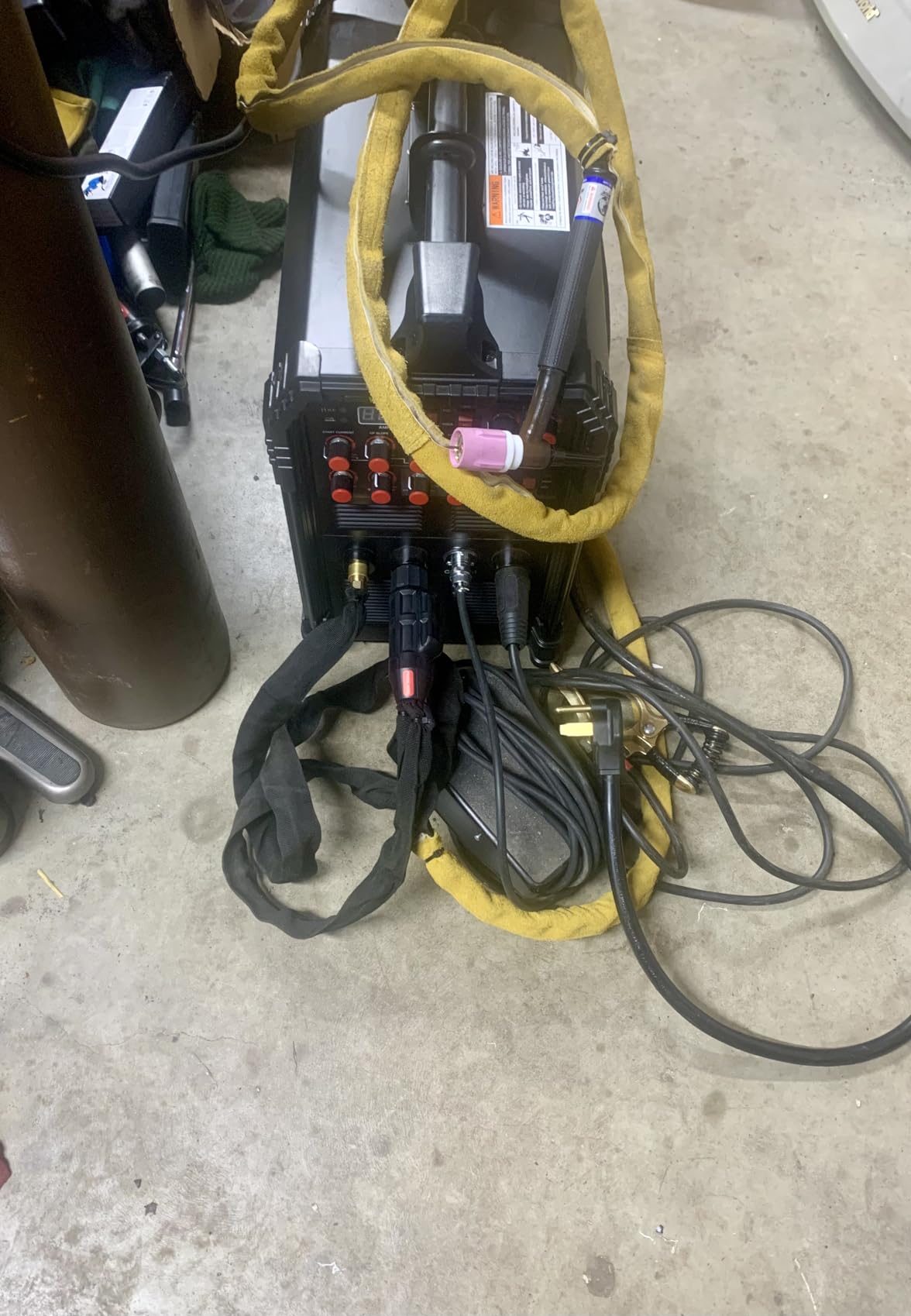
Heat control comes from both directions. You get HF start hand torch control for starting the arc without touching the workpiece, plus precise foot pedal heat control for the actual weld. That combination is why this one handles thin material and heavy plate from the same box, and why it works for a beginner learning heat control as well as for someone chasing cleanup on a 1/4 inch aluminum boat hull.
The honest drawback is weight. At 90 pounds this is not a machine you carry to a job site or lift onto a bench without thinking about it. If you need something you can grab and move, look further down this list.
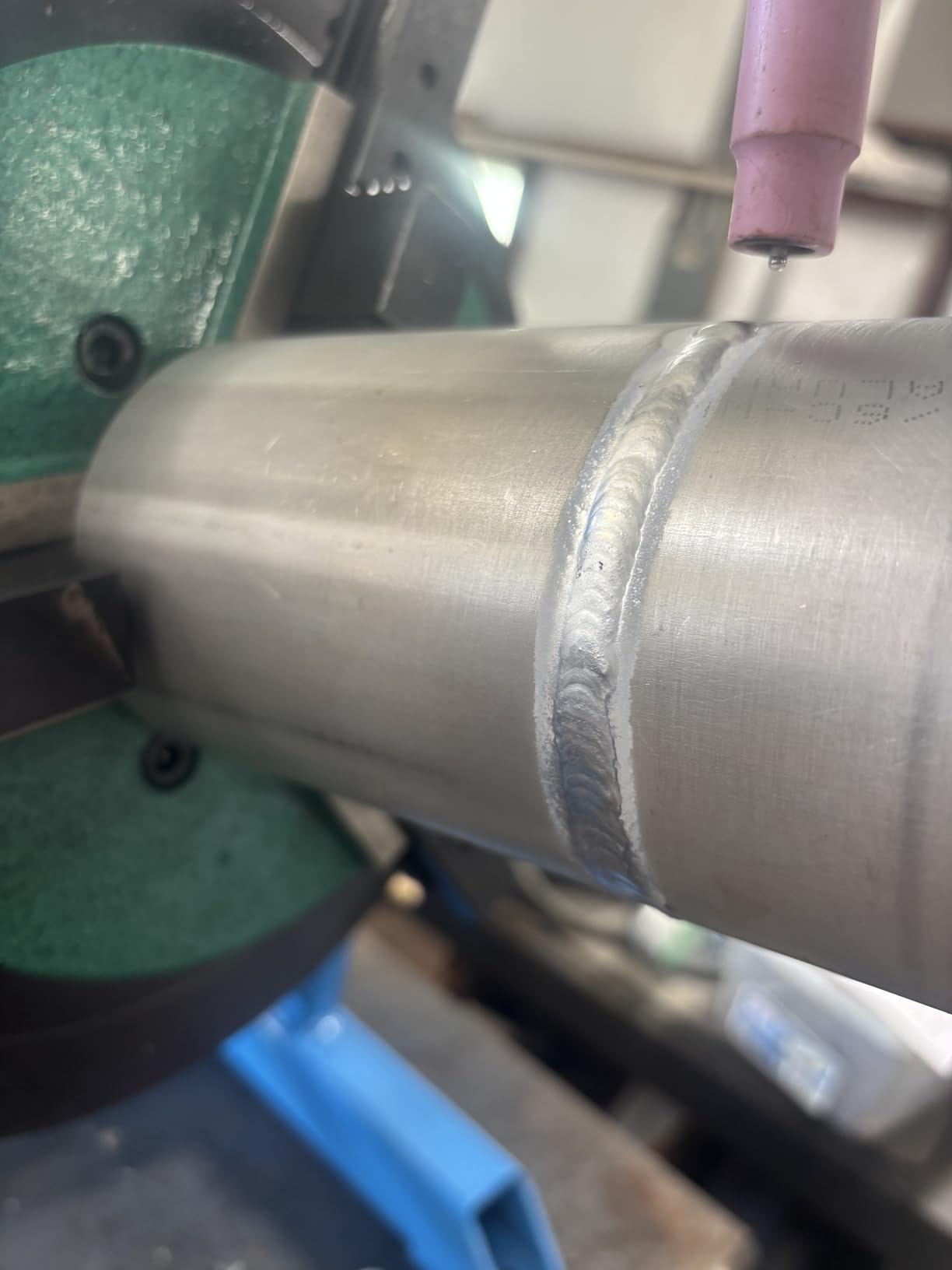
Where the TIG225X earns its price
The case for this machine is aluminum. Most rivals in this bracket are DC-only, which means DC TIG, which means you cannot clean the oxide layer off aluminum and you cannot weld it cleanly at all. The TIG225X has genuine AC output, and at 200 Hz of AC frequency control you get a wide range of cleaning widths to tune for thicker or thinner aluminum.
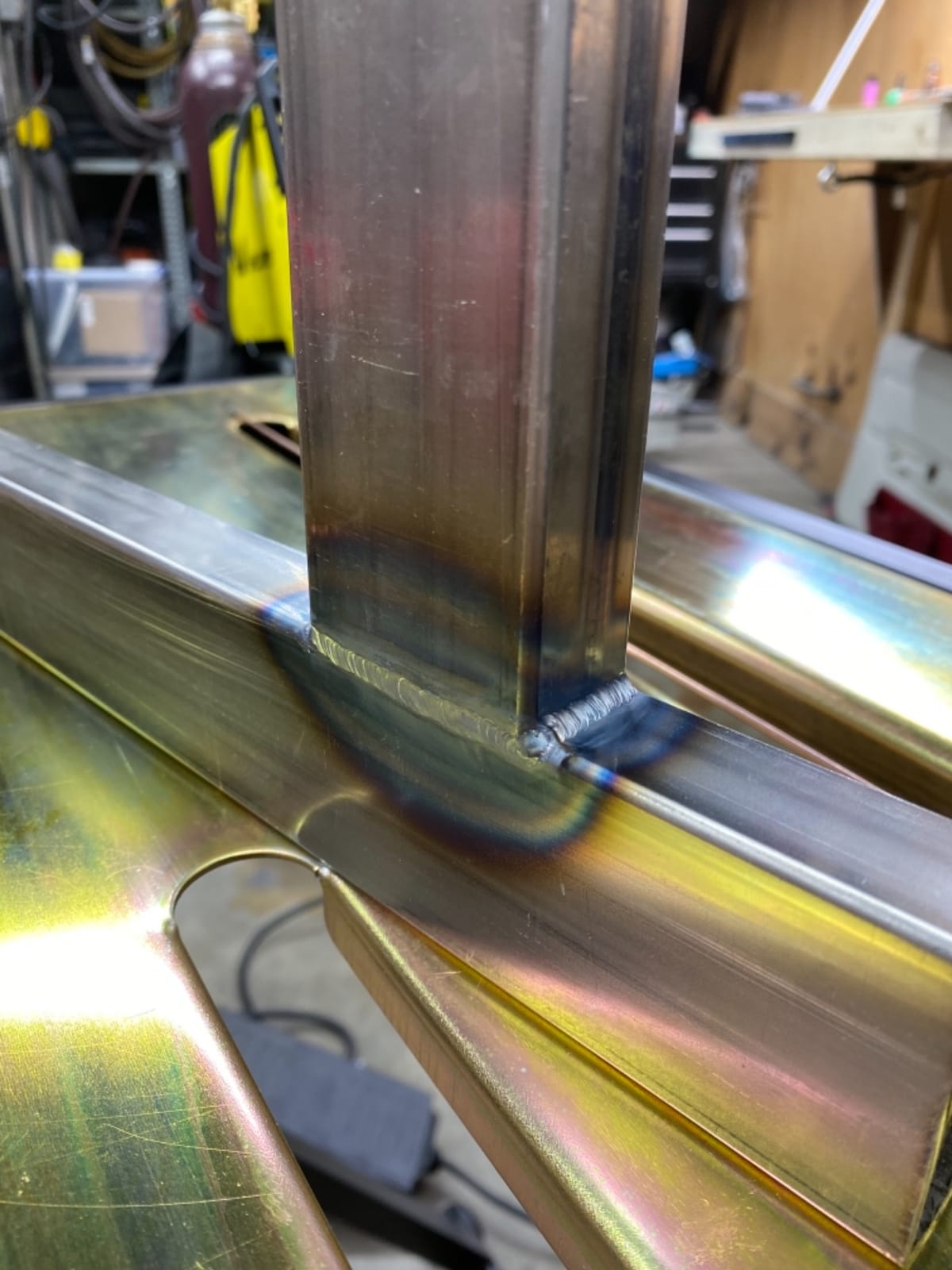
Stainless steel is the other sweet spot. The pulse function lets you average down heat input on 16-gauge tubing for exhaust work, where a solid DC-only machine will burn through before you can correct.
Where it will disappoint you
Pulse on very thin material is where the budget tier runs out of resolution. Some owners note the fine-grain control on whisper-thin sheet is not as granular as a machine with a dedicated pulse dial per parameter. If you plan to weld 26-gauge material all day, that matters more than the 225-amp headline.
Also expect to add your own argon tank and regulator. Those are not included, and you will want a proper one before the first weld.
2. Weldpro 200A AC/DC 5-in-1 – Best Feature Set Under 1,000
- Full-featured 5-in-1 multiprocess design
- Adjustable AC balance and frequency
- Foot pedal included for amperage control
- Large high-contrast LED display
- Complete accessory kit out of the box
- 61.8 lb is heavy for this class
- Digital menu settings are less tactile than analog knobs
This machine has more parameter control than most in this bracket, and the package includes a foot pedal, which several of the machines here do not. One Weldpro owner called it all the bells and whistles for what it costs, with customer service worth calling. Five modes are covered: HF AC TIG, DC TIG, AC pulse TIG, DC pulse TIG, and stick MMA.
For aluminum, the controls that matter are AC balance and AC frequency, both adjustable here, along with 0.5 to 200 Hz pulse frequency with peak amperage control. You also get 2T and 4T trigger modes plus upslope and downslope adjustment, which is the full complement of heat shaping tools. The machine detects 110V and 220V automatically, so you are not flipping a switch.
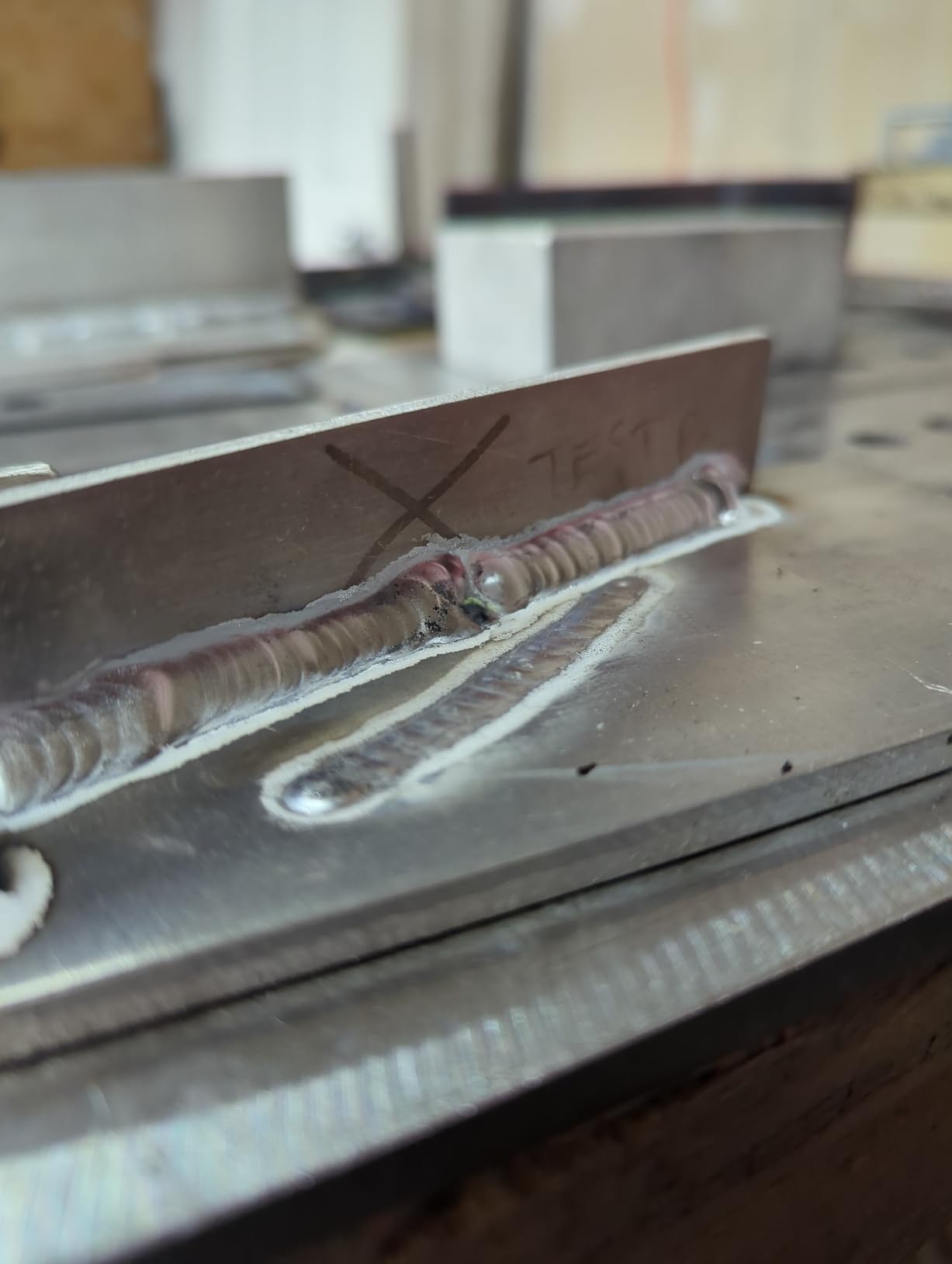
Duty cycle is the number to remember here: 40 percent at 200 amps, protected by overheat, over-current, over-voltage and under-voltage circuits. That rating is a real constraint, and it is worth planning around if you are doing production work rather than weekend fabrication.
The accessory kit is unusually complete. You get a flow meter, foot pedal, gas hose, ground clamp and TIG torch, which is everything you need to connect the machine other than the argon tank itself. The included components list is long for a machine in this tier.
Check the interface before you commit
The large HD LED display is easy to read, but the settings are menu-driven rather than arranged on separate knobs. Buyers who like dialing in a setting report a learning curve on the digital interface. If you learned to TIG on a machine with a row of physical dials, the muscle memory takes a week to rebuild.
For a first machine, that friction is worth it, because the parameters you can reach are the ones you would otherwise need to buy up to.
Who should skip it
At 61.8 pounds and 17.6 by 7.9 by 16.2 inches, this is a stationary machine. It is not going to a fence, a trailer or a customer’s driveway. If you need one box that goes everywhere, the lighter options later in this list handle that better.
It is also a 200-amp machine, not a 225-amp one, so if you plan to run heavy plate regularly, check the duty cycle before you settle.
3. AHP AlphaTIG 203Xi – Best Value Bundle
NEW 2024 AHP AlphaTIG 203Xi Amp IGBT AC DC Tig/Stick Welder with PULSE 110/220v 3 YEARS WARRANTY
- Excellent duty cycle for its class
- Very smooth stick arc
- On par with a Lincoln Square Wave for TIG quality
- Argon regulator and 25 ft foot pedal cord included
- Responsive support
- Digital readout does not match the knob in 120V mode
- Does not cap output on 120V so breakers can trip
- Minimum output of 10 amps
- Included ground clamp is cheap
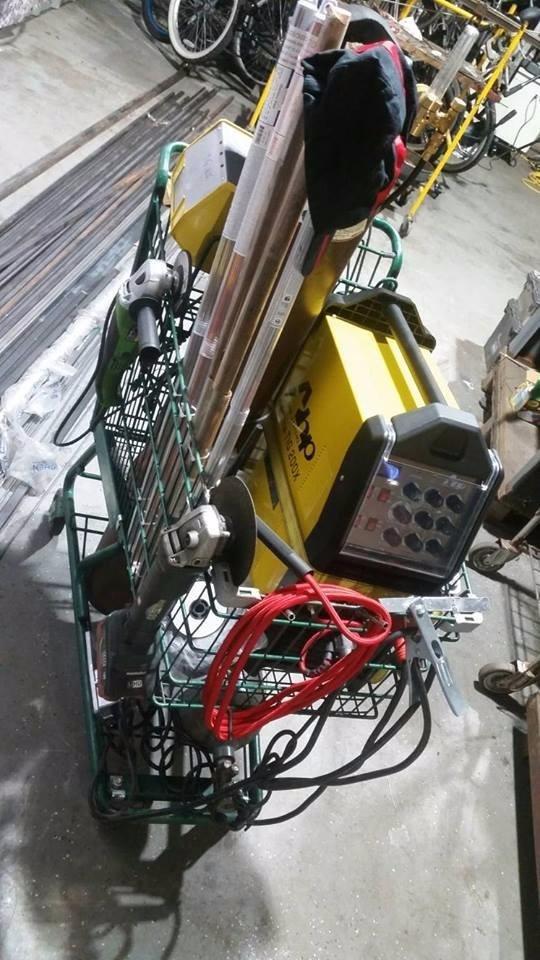
Look at what is in the box before you compare machines anywhere else. The AHP AlphaTIG 203Xi ships with a 240V to 120V plug adapter, a 250A stick electrode holder on a 9-foot lead, a consumable kit, a floating ball type brass argon regulator, a foot pedal with a 25-foot cord, a 9/17 TIG torch at 12.5 feet, and a work clamp. That is a full setup, not a starter bundle.
Under the covers it is a 203-amp AC/DC TIG and stick machine with pulse, rated for 1/4 inch aluminum and 3/8 inch mild steel, operating on 110 or 220 volts with the included NEMA adapter. Owners with real shop time behind them report sustained welding hours without trouble, and one recurring comparison in reviews is that the TIG quality is on par with a Lincoln Square Wave, which is a machine most of this bracket cannot touch.
The arc start deserves a mention. This model uses HV Start, a solid-state simulated high-frequency ignition with no point gap, so the arc starts without a scratch strike that would contaminate the tungsten or the workpiece. The high-visibility LCD screen and the adjustable foot pedal control round out a machine that feels considered rather than cost-cut.
Warranty is three years, which matters more in this tier than any feature on the spec sheet. A machine with a one-year warranty and no service path is a gamble; a three-year warranty with responsive support is a real signal.
Watch the 120V readout
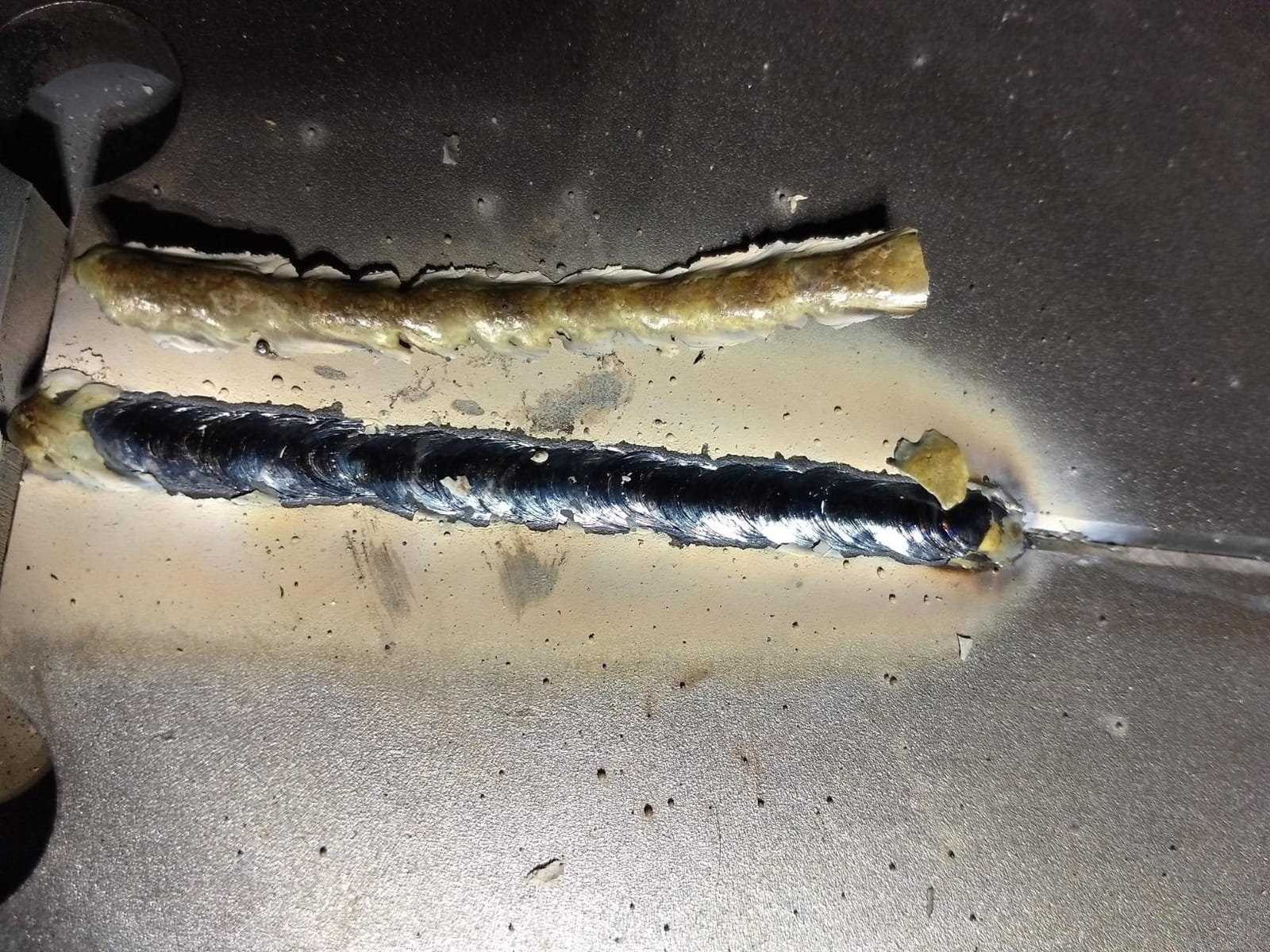
The most common complaint in long-form reviews is not about welding quality, it is about the display. On 120V the digital readout does not always match what the knob is set to, so you are calibrating by eye and by the arc instead of by the number. Budget a few weeks of that learning curve.
Related: the machine does not cap its output on 120V, so pushing high amperage on a 15A circuit can trip the breaker. On a 20A circuit with a proper cord you are fine.
Where the low end bites
Minimum output is 10 amps, which makes very thin material harder to hit. If you work at the thickness of a soda can wall or thinner, a machine with finer low-end resolution is a better fit.
The included ground clamp is also the cheap part of the bundle. It works, and you will want to replace it eventually.
4. S7 200A – Budget Pick Learning TIG
- Very accessible entry point with 1530 reviews averaging 4.4 stars
- Portable at 18 lb
- High frequency start works reliably on thin stainless tubing
- Post-gas dial for timed gas flow
- Dual 110V and 220V
- DC only so no aluminum welding
- Included leads and torch accessories are basic
- On/off trigger instead of variable amperage
- Instructions are thin for beginners
If your goal is to learn TIG on stainless tubing and mild steel, this is the most direct route in this bracket without buying a toy. It is a 200-amp DC TIG and stick welder with 110V and 220V dual voltage input, a digital current display, and simple controls with nothing hidden behind a menu. The category ranking is strong for what it is: number 54 in TIG welding equipment.
Reviewers consistently praise the value for light hobbyist and repair work. The high frequency start works reliably on thin stainless tubing, which is the most common first TIG project. The post-gas dial for timed gas flow after the weld is a nice touch at this level, since it reduces the crater and the oxidation at the end of a bead.
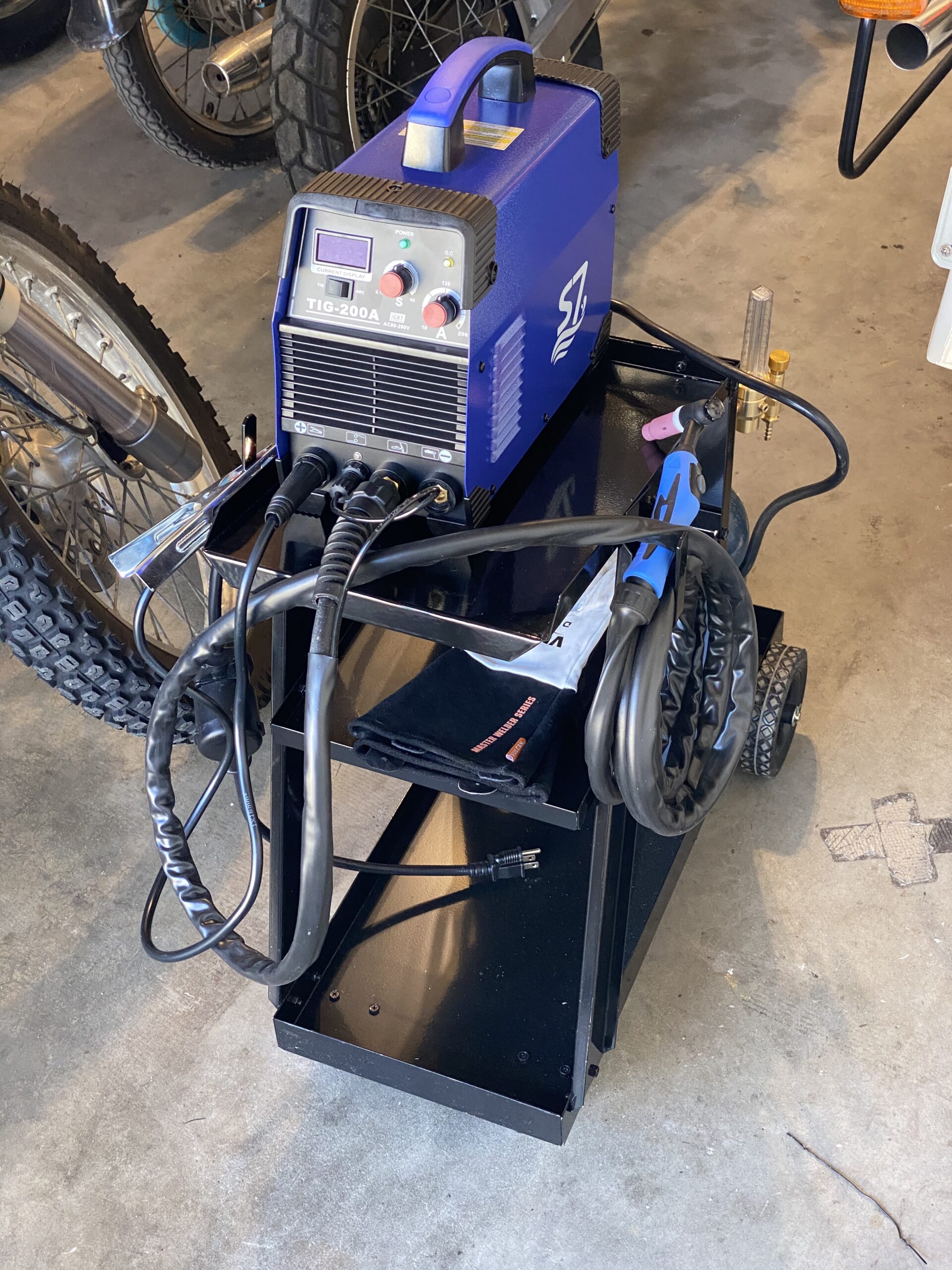
Portability is a genuine strength here. At 18.01 pounds and 17 by 10 by 13 inches, this is a machine you can carry to a neighbor’s garage or bring out to a repair without planning around it. Built-in overheat and overload protection means the fan and thermal management do their job without you thinking about it.
It works with standard TIG consumables, which is the practical benefit: tungsten, ceramic cups, collets and nozzles from any supplier fit it, so you are never locked into one brand’s spares.
What you give up for the price
This is a DC-only machine. That is not a small limitation in a category where aluminum is a deciding factor for many buyers, and the marketing here does not pretend otherwise. If aluminum is on your project list at all, look at the AC/DC machines instead.
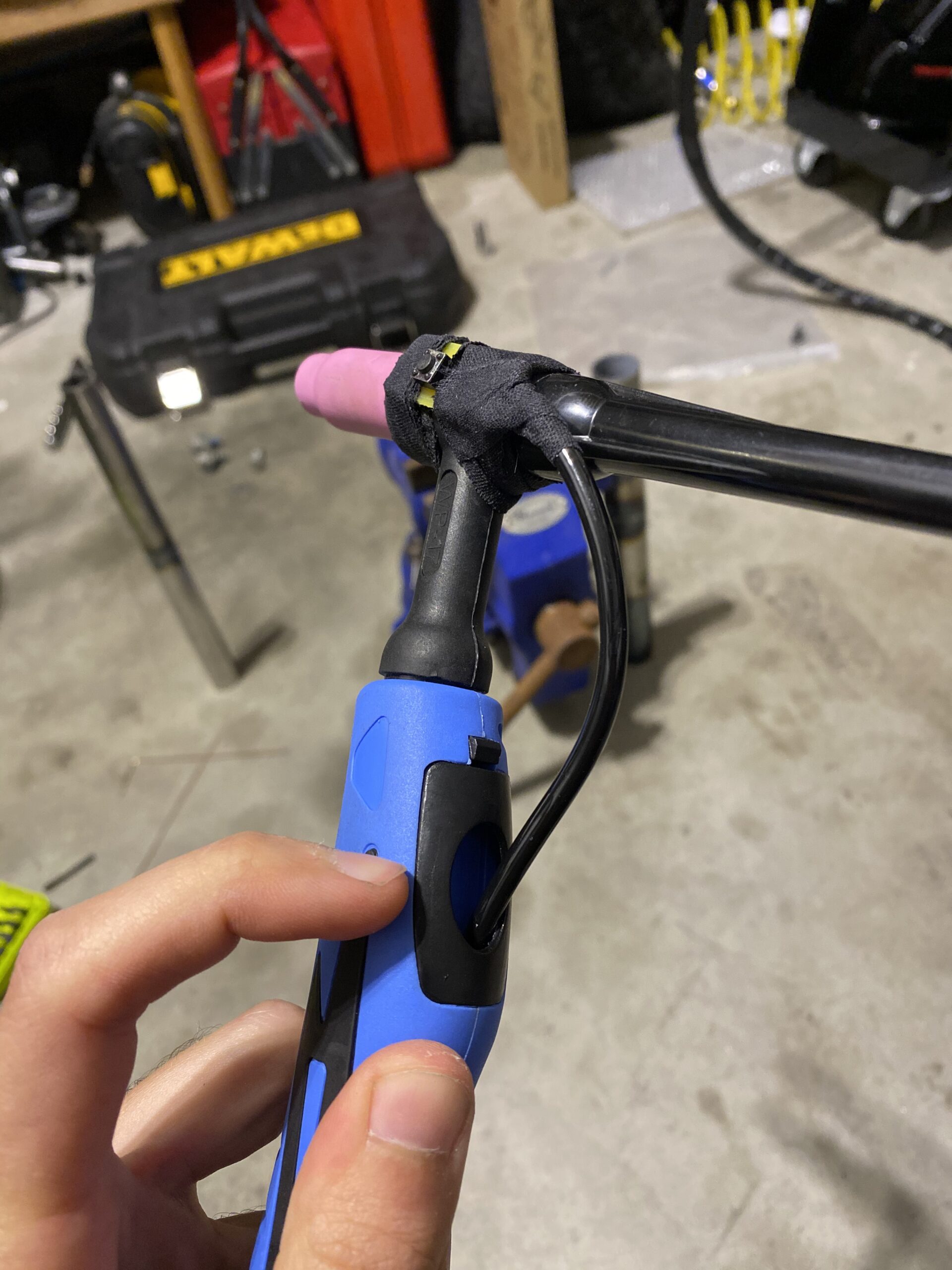
The torch trigger is on and off rather than variable amperage, so you do not get the same fine control from the torch that a foot pedal gives you. For short beads that is manageable.
Set aside before the first weld
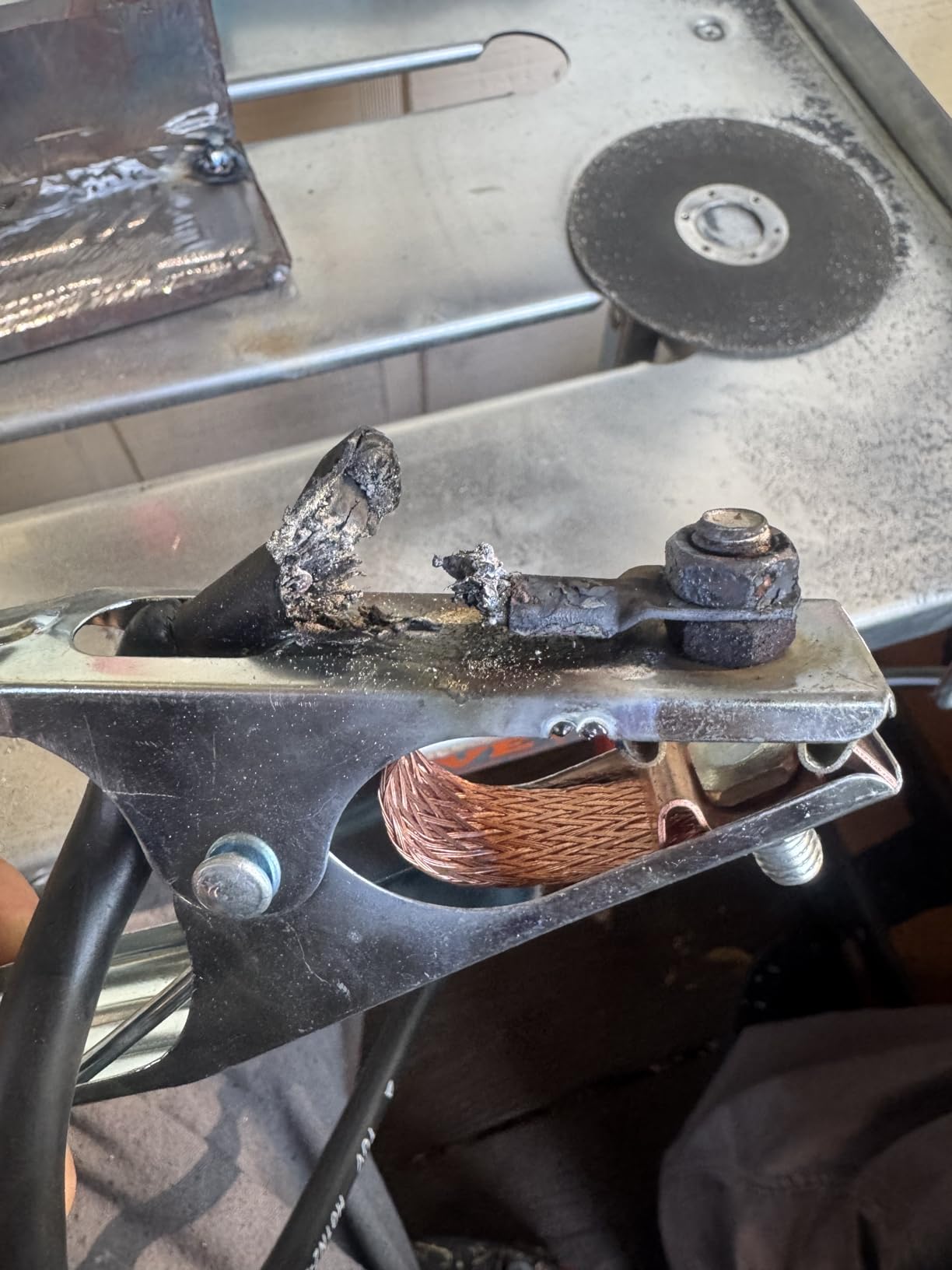
Argon bottle and regulator are sold separately, and the included leads and torch accessories are basic. Plan to replace the ground clamp early, because the cheap ones cause arc wandering that beginners often blame on the machine.
The instructions are thin. Budget an evening with a general TIG setup guide before your first bead rather than trying to learn from the manual alone.
5. YESWELDER TIG-205P – Best for Portable Steel Work
YESWELDER 205A Tig Welder Pulse STICK/DC TIG/PULSE TIG 3 in 1 TIG-205P
- Only 10.7 lb and easy to carry
- Large LED display with auto memory of settings
- Auto-sensing 110V and 220V needs no manual switching
- Independent pulse frequency
- duty and current control
- Cannot weld aluminum
- 5-pin foot pedal not included
- About 6 percent of reviews are one-star
Ten point seven pounds is the number that separates this one. It is a 3-in-1 machine covering stick MMA, DC TIG and pulse TIG, putting out up to 200 amps with auto-sensing 110V and 220V input, and it ranks 18th in TIG welding equipment, which is a strong position for a machine in this bracket.
The pulse controls are independent, meaning separate frequency, duty cycle and current rather than a single blended setting. For someone working thin-gauge mild steel, that independence is the difference between dialing in a repeatable bead and chasing settings that shift when you adjust one thing.

Other details worth knowing: high frequency non-contact arc starting, hot start, arc force and anti-stick in stick mode, and 2T, 4T and spot operation. The large LED display is clear, and auto memory recalls your last settings, which removes the single most annoying part of restarting a project after a break.
At 16.7 by 13.4 by 11.1 inches as packaged, it is small enough to store on a shelf and light enough that a shoulder strap or a single hand carry is realistic.
Confirm the model number before you order
There is a live confusion risk in this brand’s naming. YESWELDER rebrands mid-cycle and the listing you read in a review may not be the machine that arrives. Verify the exact model on the product page, and note that the TIG-205P is explicitly not rated for aluminum. That limitation is stated by the manufacturer, so treat it as a hard stop for any aluminum project.
Good for and not good for
This is a thin-gauge steel and stainless machine. Shop brackets, small tube, hardware and general repairs are exactly its lane. If you need to weld aluminum, castings or anything heavier than about 1/8 inch of steel regularly, this is the wrong tool and no amount of accessories will fix it.
The foot pedal port is reserved but the pedal is not included, so factor that into your setup if you want amperage control from the floor.
6. LOTOS TIG200ACDC – Best Budget AC/DC Machine
- Square-wave AC output delivers real aluminum capability
- Foot pedal and argon regulator included in the box
- Automatic dual voltage and dual frequency
- Deep weld pool and stable stick arc
- Three-year limited warranty and 30-day money-back guarantee
- 37 lb chassis is heavier than compact units
- Older listing with lower search visibility
This is the machine we point people toward when they ask the most common question in this category: can I actually weld aluminum without spending near a grand. The TIG200ACDC is a 200A AC square-wave inverter with 10 to 200 amps of AC/DC TIG output and 15 to 200 amps of DC stick output with adjustable hot striking arc current, at 80 percent power efficiency.
Square-wave AC is the right waveform for aluminum because it balances penetration and cleaning without the drift of a sine wave. On a budget machine, that is the difference between a bead you can grind smooth and one you cannot.
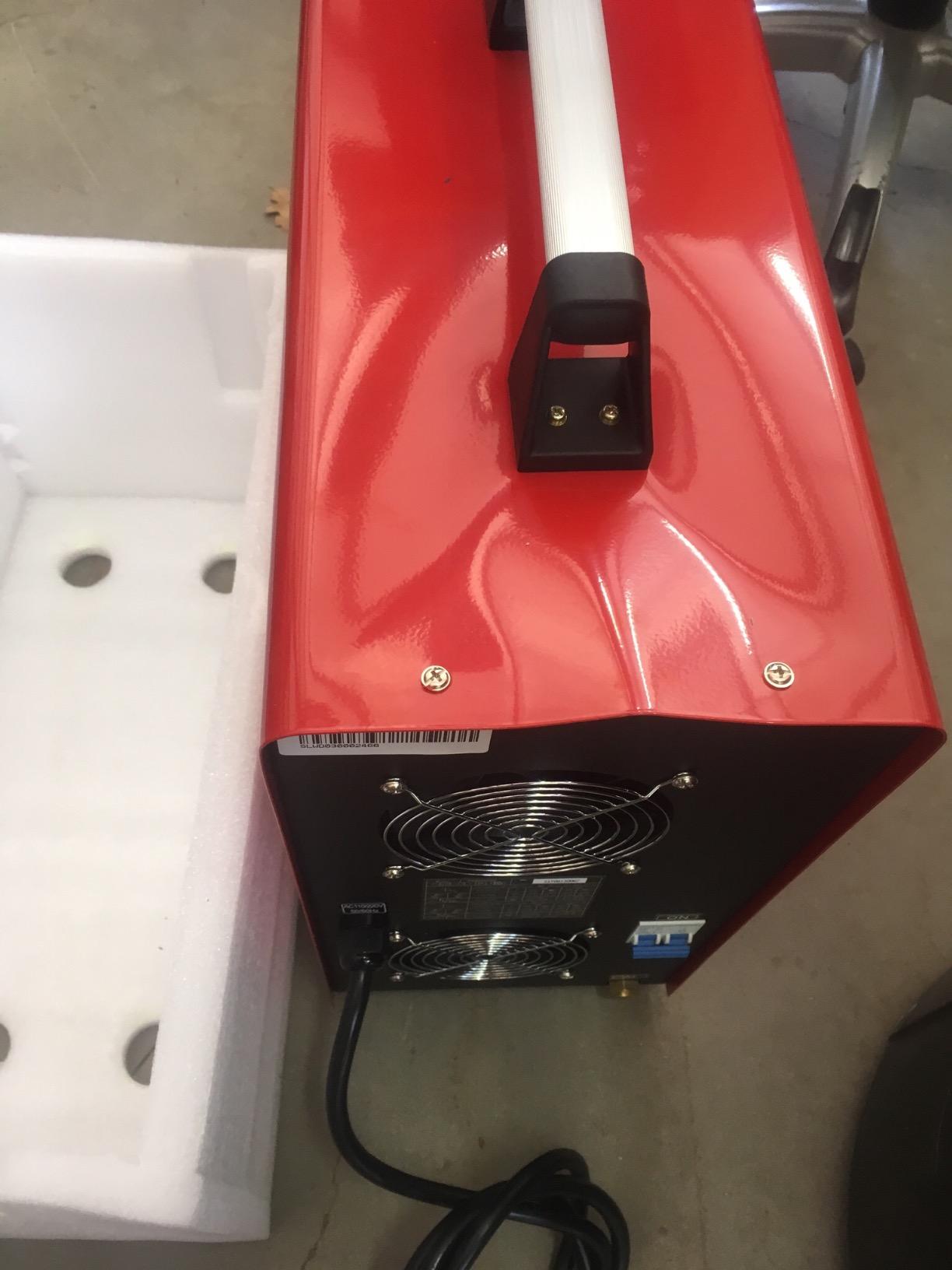
The package is where this one wins outright. You get the power supply, TIG torch, MMA clamp, foot pedal, argon regulator, a converter pigtail for voltage changes, ground clamp and a consumable set. That is a starter package that lets you weld the day it arrives once you add a tank of argon, and several of the DC-only machines here include neither a regulator nor a pedal.
Voltage and frequency handling is automatic across 110/120V and 220/240V at 50/60Hz. You get HF start hand torch control plus foot pedal heat control, and the 30-day money-back guarantee with a three-year limited warranty is one of the stronger support commitments in this bracket.
The honest case for buying here
If your project list is mostly mild steel and stainless with occasional aluminum brackets or a trailer repair, this machine covers it and the included regulator and pedal remove the two most common surprise purchases. Reviewers describe it as a solid step up from DC-only machines, which is exactly what it is.
At 37 pounds it is not a carry machine, but it is not a shop brick either.
Where the budget shows
There is no pulse control on this unit, so heat control on thin material depends entirely on the foot pedal and your technique. That is workable but slower than a pulsed machine.
Its 4.4 average across 278 reviews is solid rather than exceptional, and as an older listing it does not get the visibility newer machines do, which makes it easier to miss and easier to find at a better number.
7. ARCCAPTAIN TIG200 – Best for Job Site and 220V Work
ARCCAPTAIN 200A TIG Welder, 110V/220V TIG/Stick 2 IN 1 Welding Machine
- Very portable at under 12 lb while still 200A capable
- HF start
- post-gas and down-slope are rare at this price
- Strong 220V output for the class
- Works acceptably on generator power
- Customer service repeatedly singled out as excellent
- 110V output is much weaker and can trip 15A breakers
- Included torch is heavy and not swivel
- No AC aluminum capability
- Ground cable can overheat with extended use
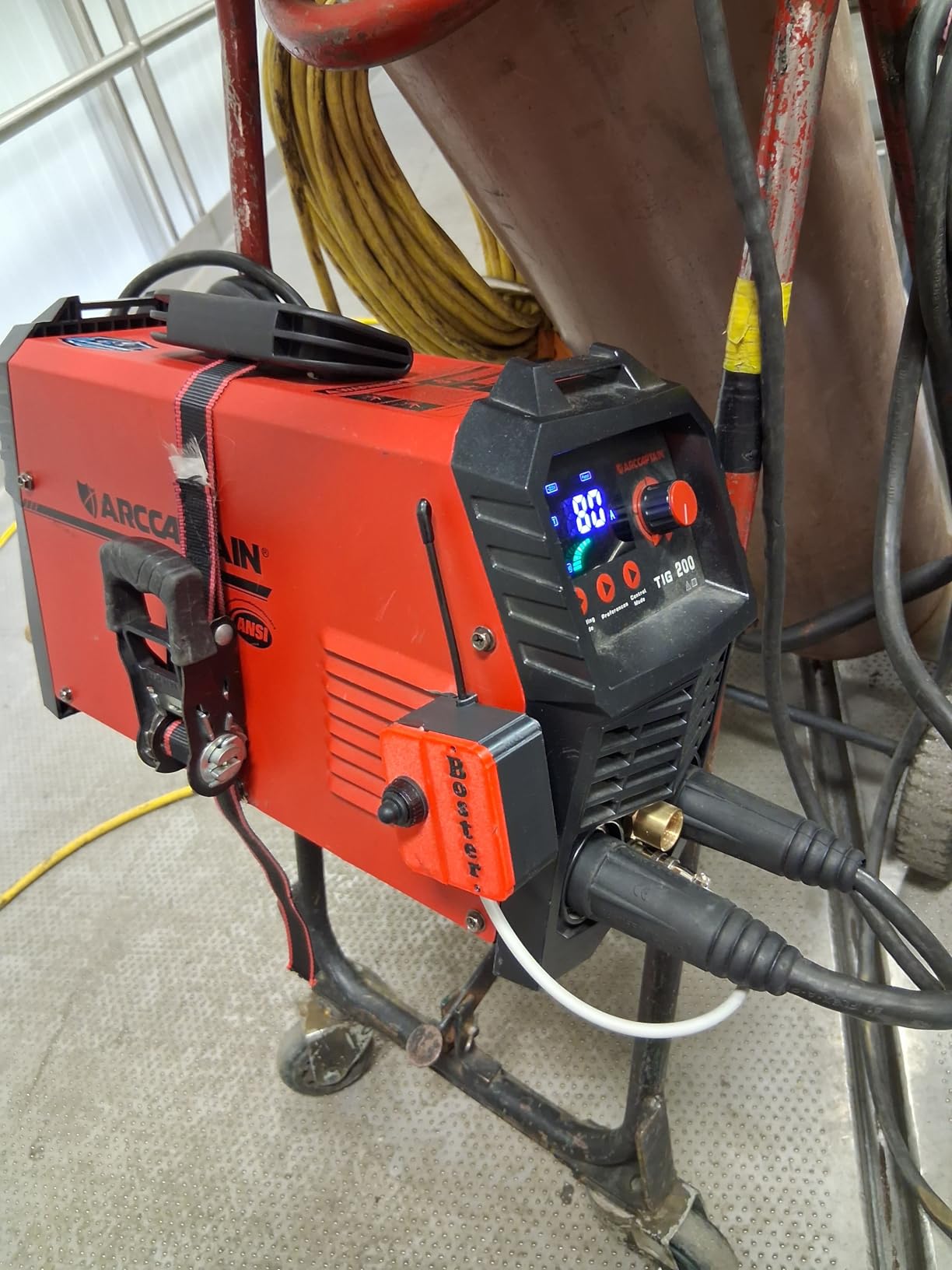
The ARCCAPTAIN TIG200 is a 200A HF TIG and stick 2-in-1 built around a non-contact high-frequency arc start and MCU-controlled IGBT inverter digital control. At under 12 pounds with the handle or the included shoulder strap, this is one of the few machines in this list you can genuinely carry to the work, and it still delivers 200 amps.
The timing controls are unusually good for the class. Post gas runs 1 to 10 seconds, down-slope runs 0 to 10 seconds, and 2T and 4T trigger modes cover both short welds and long continuous work. Safety circuits include VRD plus over-current, over-voltage, overload and overheat protection. Owners report it still performing like new after a year or more of use, and customer service comes up repeatedly as a reason people recommend the brand.
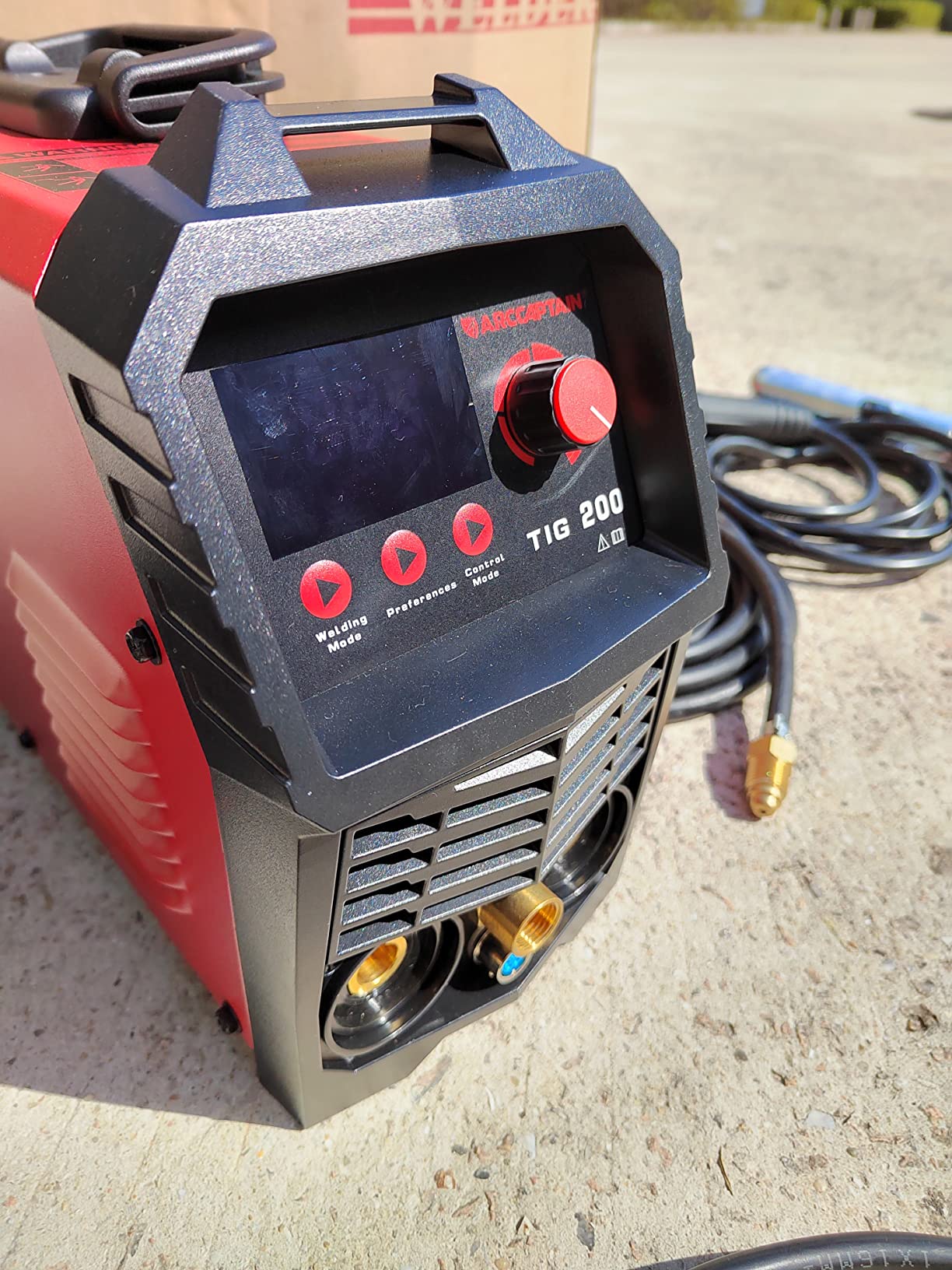
The large LED display gives an accurate data readout, which is more than many machines at this level offer. Combined with the wide post-gas and down-slope ranges, it is a good platform for stainless tubing and exhaust work where you want to control the tail of the weld.
It also handles generator power acceptably, which is the practical test that matters for field repair work.
Plan on 220V for anything serious
This is the machine to buy if you have a shop circuit, and the one to think twice about if you do not. Output on 110V is much weaker than the 200-amp headline suggests, and it can trip a breaker on a 15A circuit. On 220V the performance is strong for the class.
It is a DC TIG machine, so aluminum is not on the table in this base model. That is the deciding factor for a lot of buyers, and it is the reason this sits below the AC/DC machines in our ranking despite solid specs.
Two small hardware complaints
The included TIG torch is heavy and awkward, and it is not swivel or bendable, which makes routing a torch into a tight joint harder than it should be. The ground cable can also overheat with extended use, so upgrade the clamp before a long production day.
8. TOOLIOM 200A – Best for Thin Sheet and Spot Work
- Four modes in one budget machine including TIG spot
- Large readable digital display
- Automatic 110V and 220V sensing
- Low spatter and reliable arc start
- 4.3 average with about 6 percent one-star reviews
- Foot pedal not included despite the 5-pin port
- Lower output class than premium pulse machines
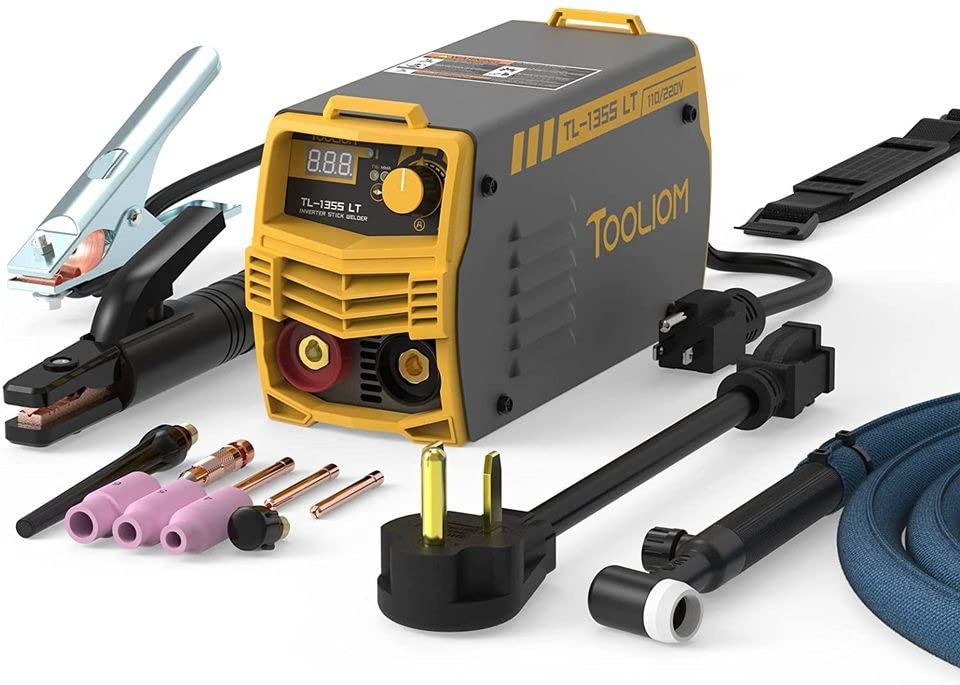
The combination worth noticing here is TIG spot mode alongside independent pulse control. Spot TIG welds a fixed-duration spot at a set current, which is how you tack a sheet in place or plug a hole without burning a ring around it. Paired with pulse TIG, that makes this a capable machine for thin sheet and body-panel-adjacent work.
Output is 200 amps with low spatter and a reliable arc start. The 4-in-1 mode set covers stick MMA, DC TIG, pulse TIG and TIG spot, with independent pulse frequency, duty cycle and current control. HF ignition works in 2T, 4T and spot operation.
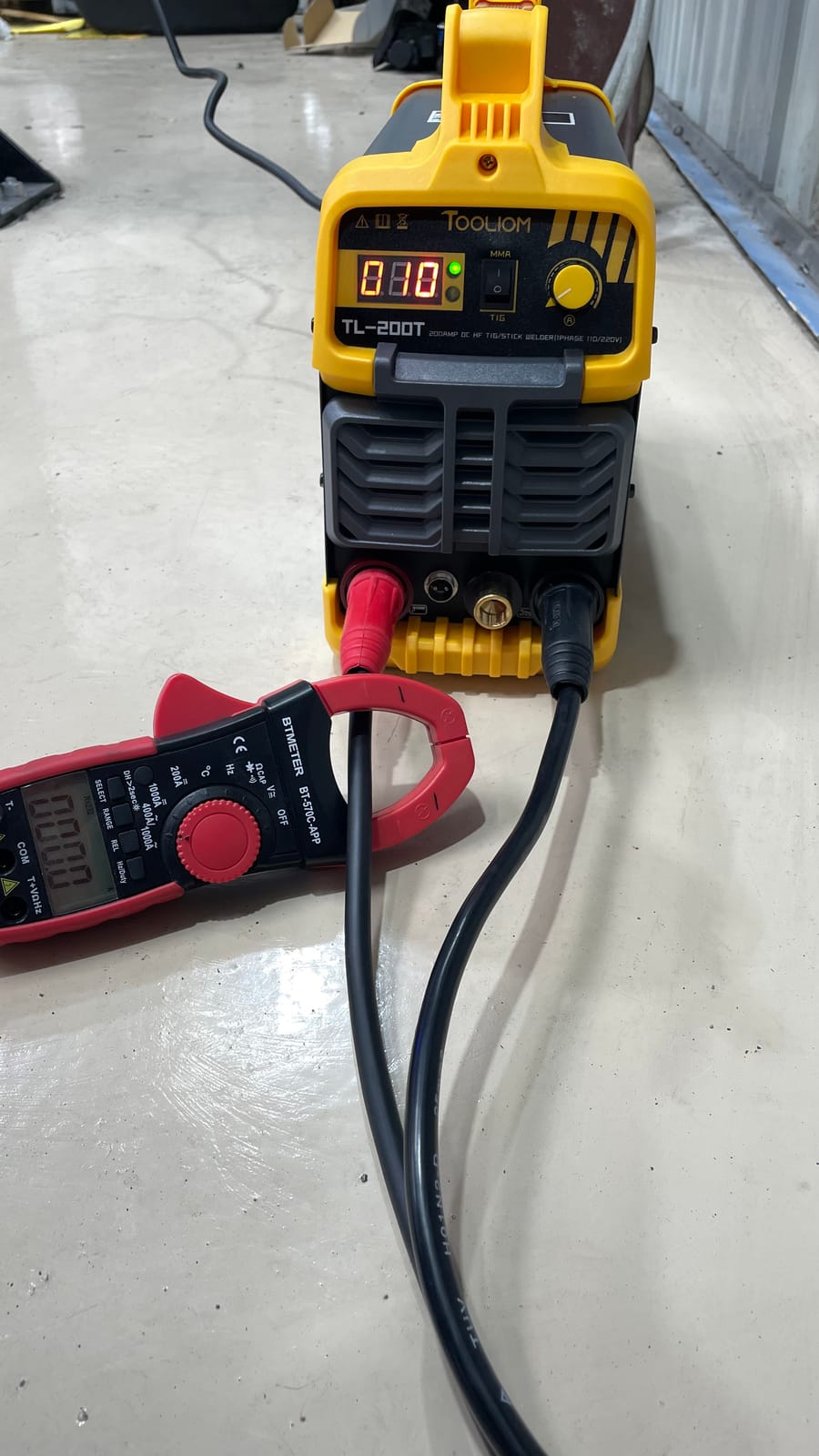
Setup is simple. Automatic 110V to 220V smart sensing means no manual voltage switching, and the large digital display shows amperage, welding mode and parameters at a glance. Built-in thermal protection shuts the machine down on overheating or current overload, which is a sensible safeguard given the compact chassis.
For stick mode you also get hot start, arc force and anti-stick, so it is a usable backup stick machine and not just a token second process.
Read the rating spread carefully
The 4.3 average across 489 reviews comes with about 6 percent one-star feedback, which points to build variation between examples rather than a single design flaw. Owners like the feature density for the money, but if you get a bad unit you may be dealing with a return rather than a setting change.
This is DC only, so like the other non-AC machines here, aluminum is out.
Buy the pedal with the machine
The 5-pin foot pedal interface is reserved and ready, but the pedal itself is not included. Pair it with the machine when you order. The output class is also lower than the premium pulse machines, so treat the 200A figure as a maximum rather than a working point.
9. Sunstac 250A – Best for Thicker Aluminum
Sunstac 250A Aluminum TIG Welder with Pulse ACDC Foot Pedal Control
- Highest amperage class in this group
- 7 welding modes including both AC and DC spot
- Dual voltage handles 6mm aluminum at 220V
- LCD screen and parameter saving improve repeatability
- Long 118 inch 300A rated cables
- Lowest average rating here at 4.1 with 15 percent one-star
- AC mode current measurement is inaccurate per the manufacturer
- Foot pedal not included
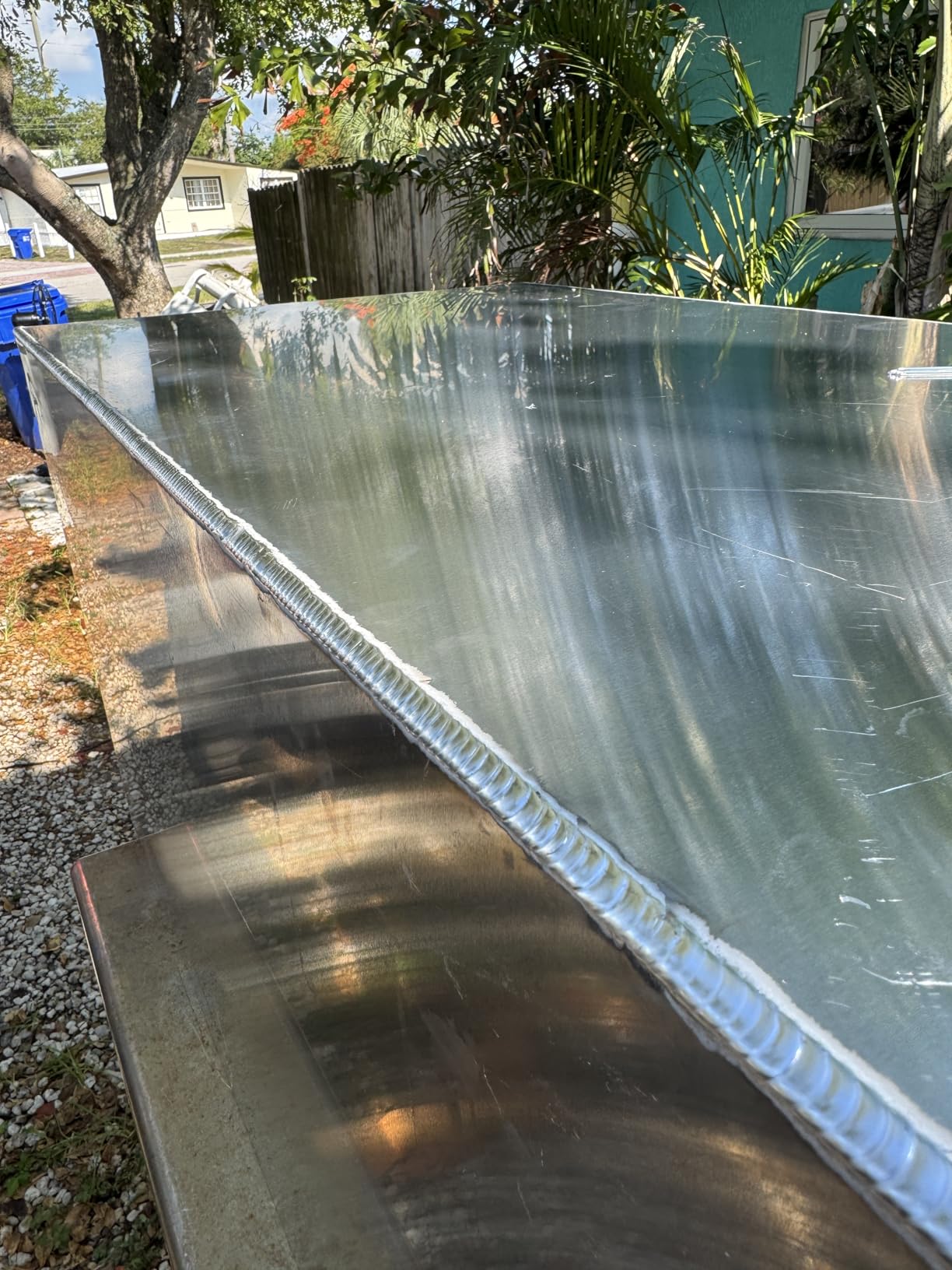
The 250-amp ceiling is the reason to look at this machine. If you are welding aluminum plate thicker than most of this list can touch, more amps is the honest answer. Output runs up to 250A AC/DC on 110/220V dual voltage.
Published capacity is 5/32 inch (4mm) aluminum at 110V and 6/25 inch (6mm) at 220V, which tells you something important immediately: this is a machine that expects a 220V circuit to do its real work.
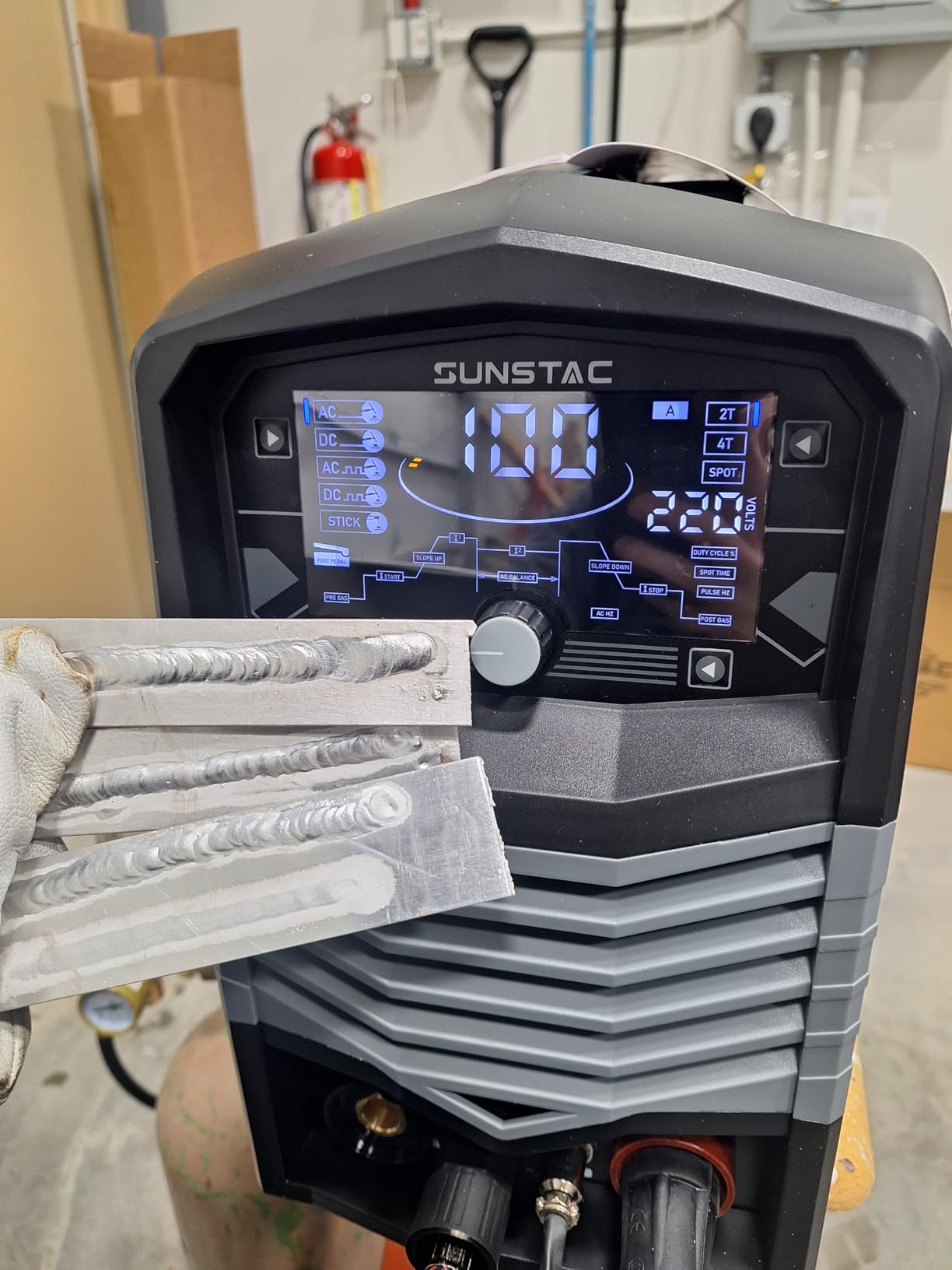
Seven modes are covered, including HF AC, HF DC, pulsed AC, pulsed DC, AC spot, DC spot and stick. The LCD display is designed to be read with a welding helmet on, which sounds like a small detail until you are trying to set amperage in a dark shop with a helmet down. Intelligent parameter saving restores your previous settings between jobs.
The work clamp and electrode holder cables are 118 inches and rated to 300 amps, which is unusually generous lead length for this tier and useful for larger workpieces.
Check the ratings before you commit
This machine has the lowest average rating in our group at 4.1, with a 15 percent one-star share, which is a meaningful gap. The manufacturer also states plainly that AC mode current measurement is inaccurate. On an aluminum machine that is a real limitation, because your amperage reading on AC is your main reference for heat input.
We are comfortable recommending it for thick aluminum specifically. We would not recommend it as a first TIG machine, where a reliable reading matters more than maximum output.
What to add
Foot pedal remote control is supported through an input, but the pedal is not included. On an aluminum machine where you are constantly riding the heat, that pedal changes the experience more than any other accessory.
10. Everlast PowerTIG 185DV – Best for Arc Consistency
2021 Everlast PowerTIG 185DV AC/DC TIG Stick Welder 110/220 Volt Inverter-Based Dual Voltage 185Amp with Pedal Package
- Established brand with a strong arc quality reputation
- Two fixed pulse frequencies at 1 Hz and 50 Hz
- Dual voltage for home shops and the road
- Pedal package included
- Only two pre-programmed pulse settings limits tuning
- 185 amps is below the 200-250A competitors
- Small review base of 77
Everlast is the established name here, and buyers choose it for one reason: arc consistency. The PowerTIG 185DV uses a digitally controlled IGBT inverter to deliver a smooth, steady arc, and it comes as a combo set with a pedal package for TIG heat control. At 40 pounds it is portable enough for a small shop without being a carry machine.
It runs 185 amps of AC/DC TIG and stick on 110V or 220V. What it does not do is give you much to tune. Pulse is limited to two pre-programmed settings, 1 pulse per second and 50 pulses per second, operated through simple controls with an LED display.
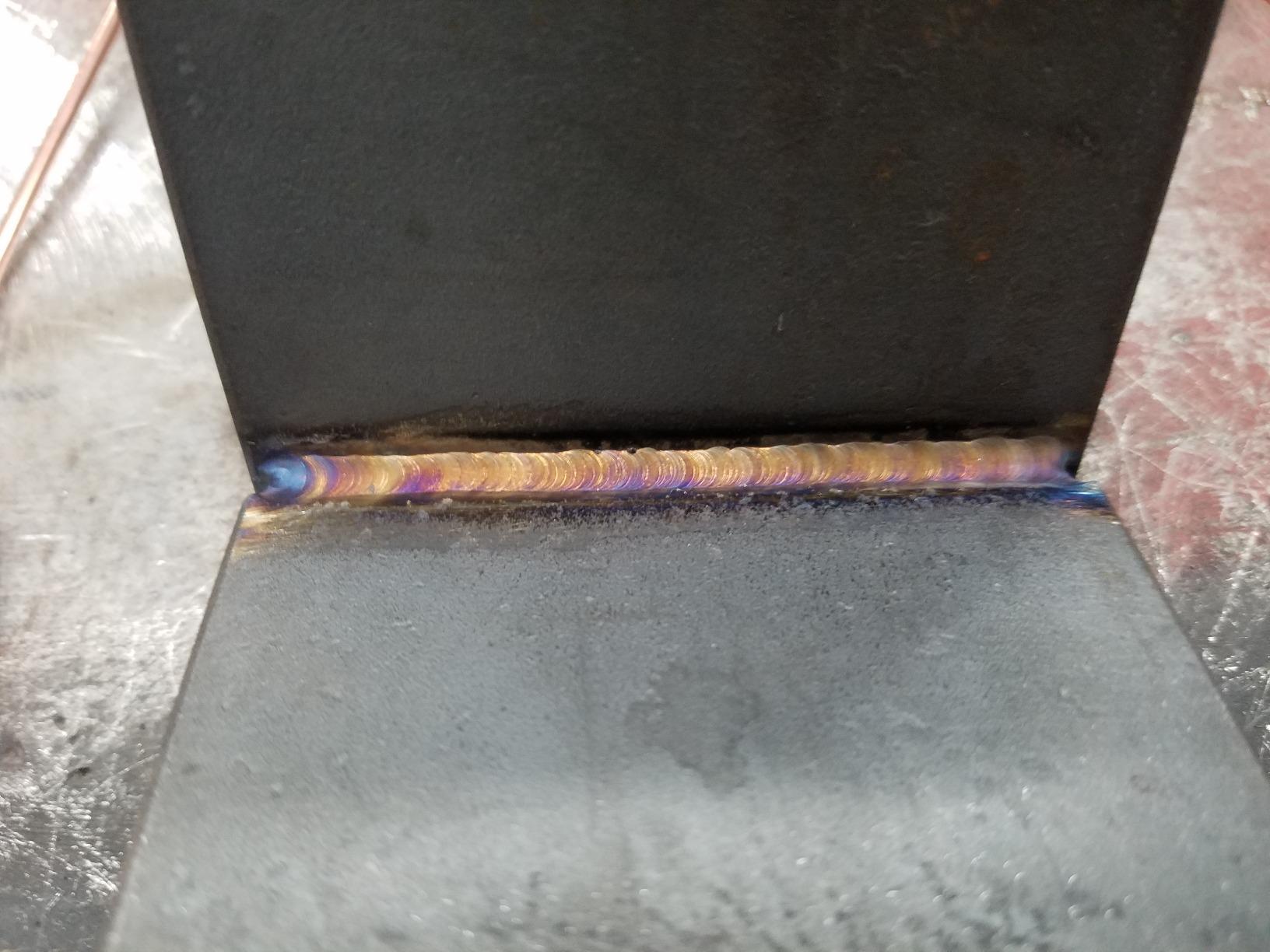
That simplicity is the point. On a machine where a beginner cannot accidentally wander into an unstable parameter, the two fixed pulse settings cover low-frequency work and high-frequency work and nothing in between. Experienced welders who value a repeatable arc over deep programmability tend to like it for the same reason.
Reviews reflect a 4.5 average, valued for arc consistency and straightforward analog operation rather than feature depth.
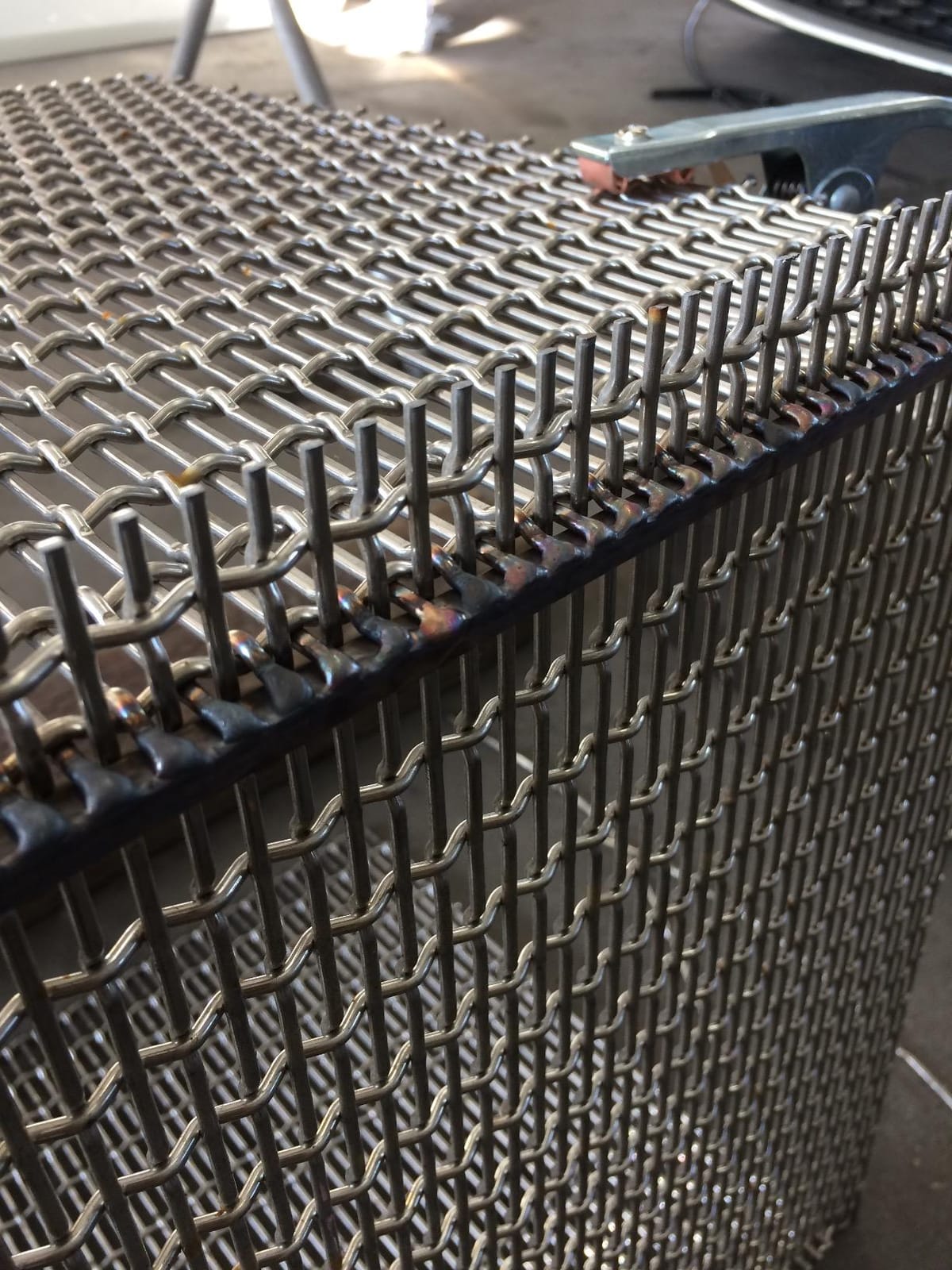
Why 185 amps is enough for a lot of work
Most home garage TIG work is thin-gauge stainless, exhaust tubing, brackets and small aluminum pieces. Those jobs live well under 185 amps. The machines rated higher are buying headroom for thick plate and continuous production, which is a different use case entirely.
If your work is occasional rather than production, the widest adjustment range in the world will not help you more than a consistent arc will.
Know which PowerTIG this is
Model naming in this family causes real confusion: the PowerTIG 185DV, the 255EXT and the 210EXT are different machines at very different prices. Check the exact model number before ordering.
The 77-review base is small, which makes the rating less predictive than for heavily reviewed machines. The brand reputation carries most of the weight here.
11. HZXVOGEN HVT250P – Best for Parameter Control
H HZXVOGEN TIG Welder AC DC with Pulse, 200A Aluminum TIG Welder with Square Wave 220V IGBT Inverter HF TIG/Pulse TIG/Stick Welder Machine
- Deep parameter control including upslope
- peak current and post-gas timing
- Lightweight 15.6 lb chassis with a deep feature set
- 2T and 4T modes plus VRD safety protections
- AC output breaks through surface impurities on aluminum
- Only 23 reviews so long-term reliability is unproven
- 220V only with no 110V operation
- Very low sales rank indicates limited market presence
- About 12 percent three-star reviews
This machine gives you a separate control for every stage of the weld cycle. Pre-gas time, start current, uphill slope, peak current, AC frequency, pulse frequency, down-slope and after-gas time are all independently adjustable, with 2T and 4T trigger modes on top. Listing every one of those as a discrete control is rare in this bracket.
Output is up to 200 amps on 220V. DC handles carbon steel, stainless, low alloy and copper, while AC is there for aluminum and exotic alloys, and the AC output is what breaks through surface impurities on aluminum.
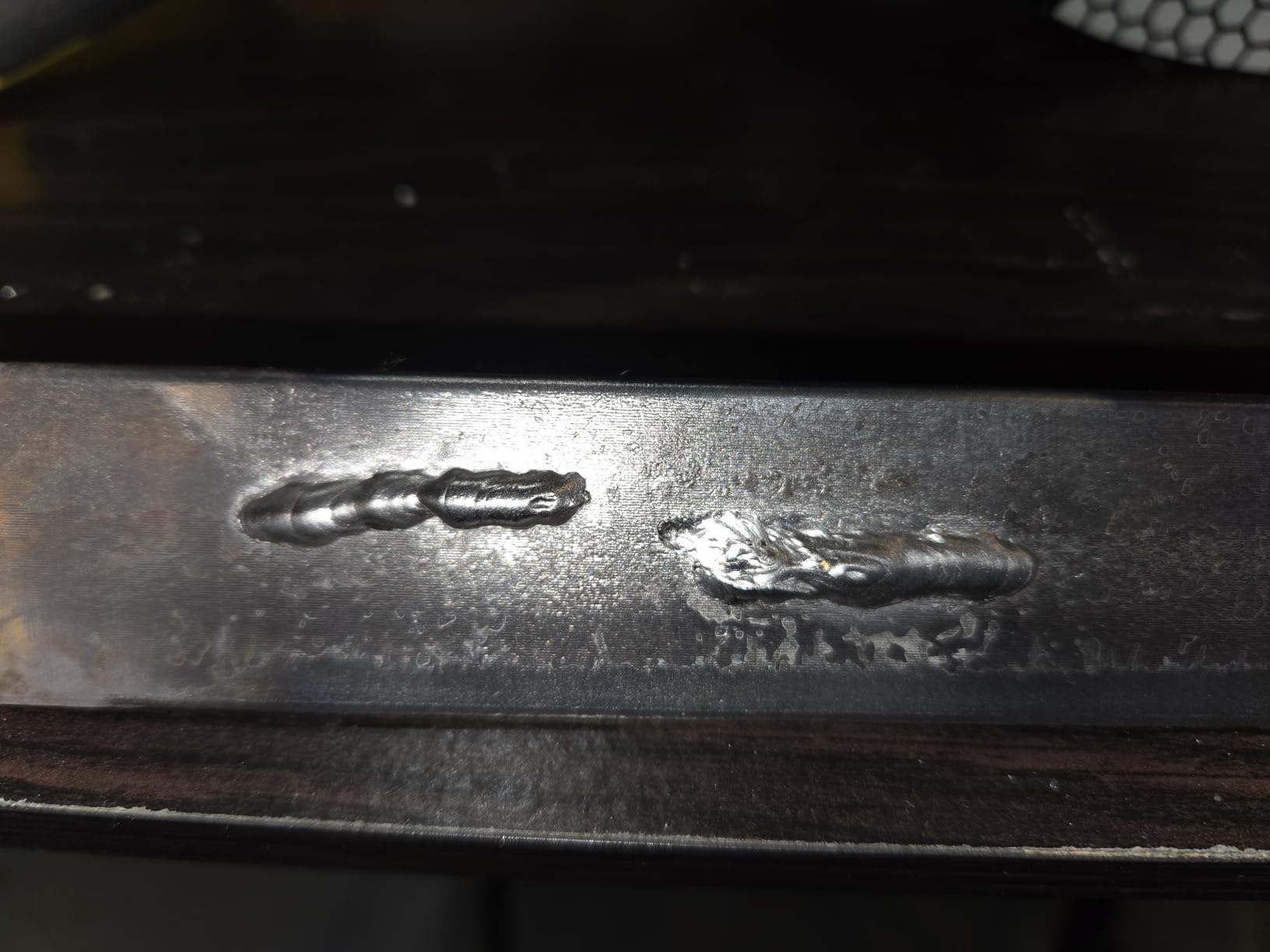
The chassis is 15.6 pounds at 15.74 by 5.9 by 12.99 inches, which is light for a machine with this feature set. Safety systems include VRD plus over-voltage, over-current, overload and overheat protection, backed by an active cooling system.
The included components list covers a TIG torch, electrode holder, earth clamp, manual and accessories, so you are not starting from nothing.
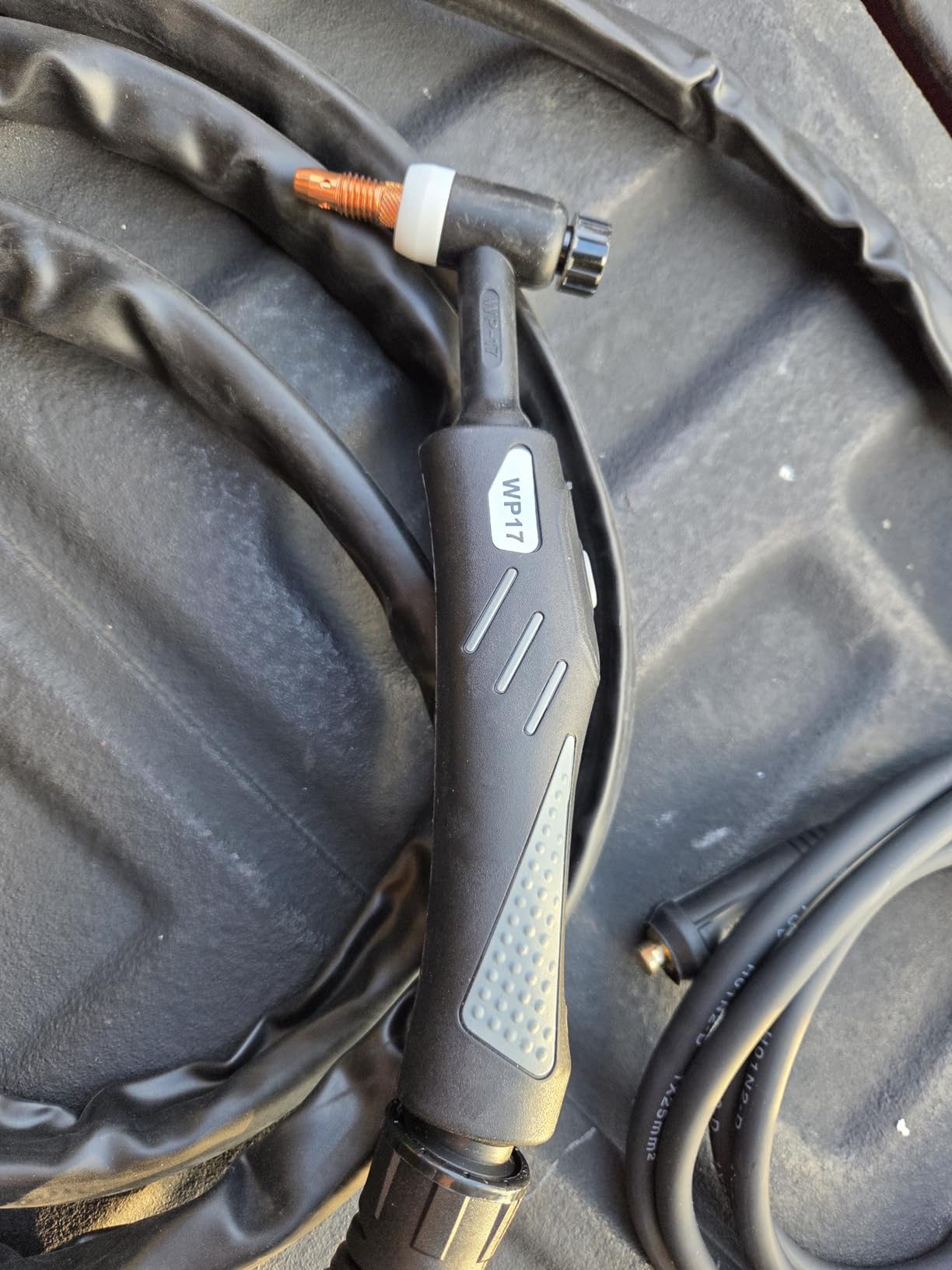
The 220V requirement is not negotiable
This machine is 220V only. There is no 110V mode, which rules it out for a garage with only household circuits unless you install a dedicated outlet. That is a real cost when you add it up, and it is the reason this sits lower in the ranking despite excellent specs.
The same applies to the review base. Twenty-three ratings is too small a sample to project reliability over years, and roughly 12 percent three-star feedback hints at some inconsistency.
Who should buy it anyway
If you already have a 220V circuit, weld aluminum regularly, and want to shape the entire weld cycle rather than just the amperage, the control depth here is the reason to choose it. Buyers who just need DC TIG and stick have cheaper, better-reviewed options.
12. FEMEROL MTC200PRO – Best 6-in-1 System with Plasma Cutting
- Adds plasma cutting to MIG
- flux-core
- TIG
- stick and spot
- Synergic digital MIG makes setup fast with manual override
- HF TIG arc start is smoother than lift TIG
- Professional welders report it held up over long sessions
- Dual voltage with included adapter
- Plasma arc start is difficult and leaves heavy slag
- Settings jump between adjustment scales
- Gas line fittings undersized for standard regulators
- About 10 percent one-star reviews
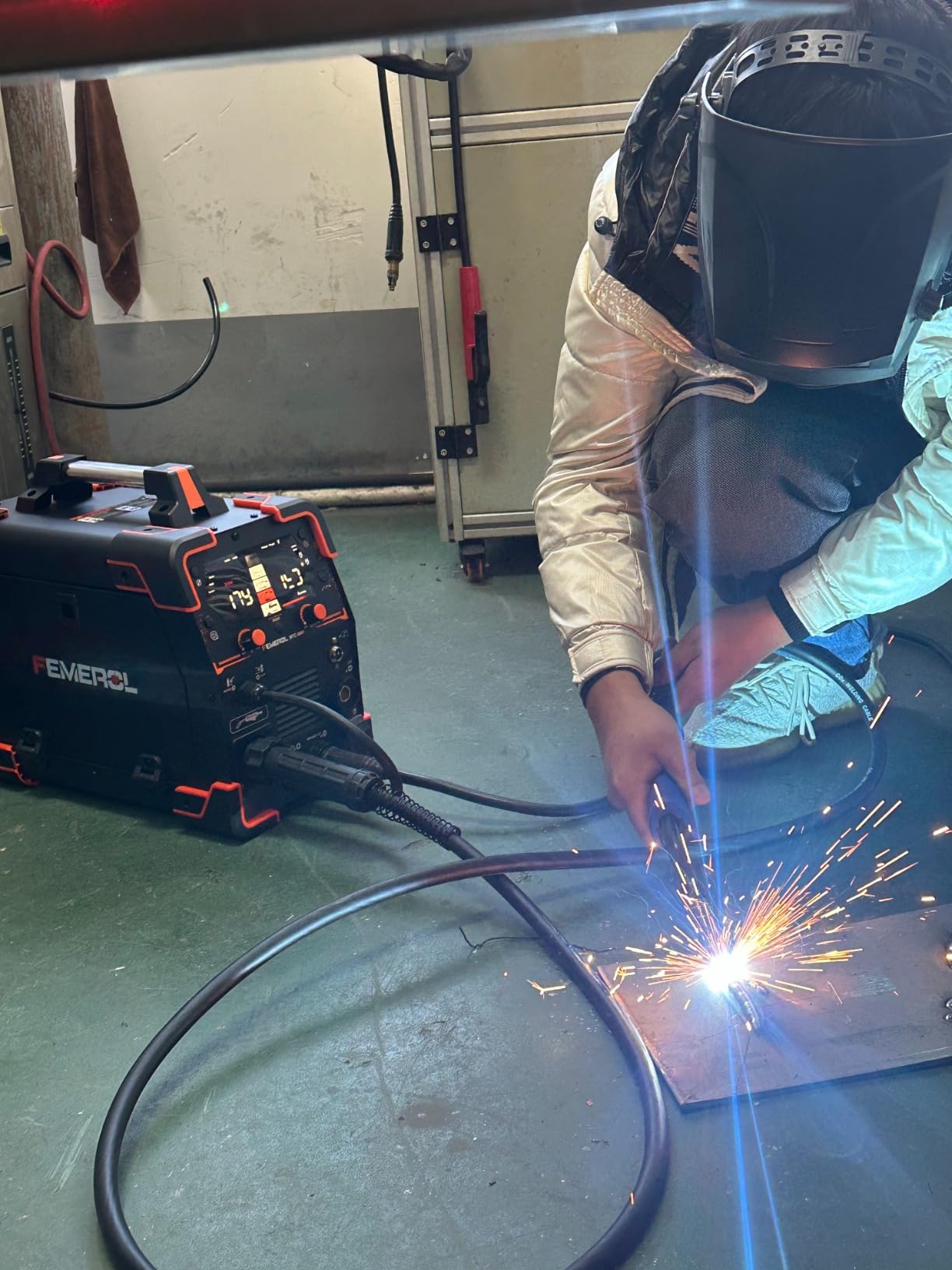
No other machine on this list cuts metal. The MTC200PRO is a 6-in-1: flux-core MIG, gas MIG, plasma cutting, HF TIG, stick and spot welding. If you were going to buy a welder and a separate plasma cutter, this consolidates them into one 42-pound box.
The cutting specs are the headline: a 10mm ideal clean cut and a 16mm maximum severance cut at 220V, running compressed air to slice stainless, alloy steel, mild steel, copper and aluminum. The stated duty cycle is 60 percent, which is among the higher figures in this bracket.
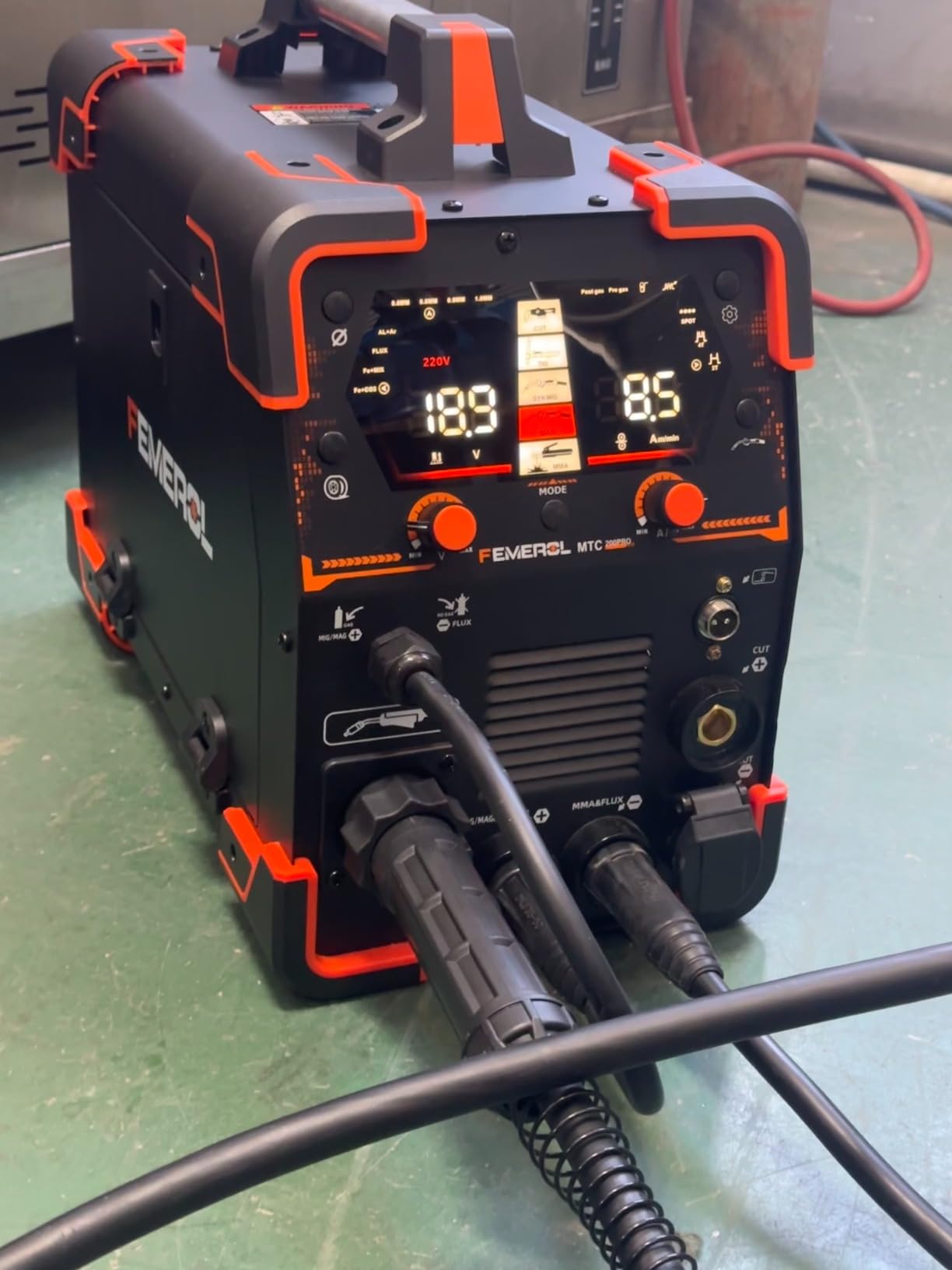
On the welding side, the synergic digital MIG control auto-matches current and wire feed speed, then lets you override manually. That is what makes it approachable: a beginner gets a good setting on the first try, and someone who knows what they are doing can still dial past it. TIG uses high frequency non-contact arc initiation to reduce tungsten consumption.
The package is thorough: 15AK MIG torch, plasma cutting torch with consumables, air filter regulator, TIG torch with consumables, chipping hammer, gas hose, ground clamp, electrode holder, Teflon liner and a 110V to 220V adapter.
The plasma side is the weak side
Owners report the plasma arc start is difficult to initiate on some examples and leaves heavy slag that needs grinding off. On a 10mm cut that slag is significant, so budget cleanup time into your process.
Settings are another problem: the knobs and display jump between adjustment scales, which makes a good weld hard to reproduce the second time. For repeat production work that frustration compounds quickly.
When it makes sense
If your fabrication mix genuinely needs cutting, this saves you a second machine and a second power supply. If you only need to weld, an AC/DC TIG-focused machine will do the welding part better. Also note the gas line connection fittings are undersized for standard argon regulators, and some packages arrive without tungsten.
How to Choose a Budget TIG Welder Without Guessing
Ignore the headline amps for a moment. Four decisions actually determine whether you will be happy with the machine, and each one eliminates options fast.
Decide AC or DC first
DC TIG makes a deep, controllable puddle with excellent penetration on mild steel, stainless and copper. AC TIG alternates polarity, and the positive half-cycle breaks up the oxide layer that forms instantly on aluminum and magnesium. Without AC, you cannot weld aluminum cleanly at any price point.
So the question is not which kind is better. It is whether aluminum appears anywhere in your next two years of projects. If yes, DC-only machines are off the list entirely, no matter how good their ratings are. If no, a DC-only machine like the S7 or the ARCCAPTAIN gives you a lighter, cheaper, simpler tool.
Understand what 110V really means
A 200-amp machine on 220V is a 200-amp machine. The same machine on a 110V household circuit delivers substantially less, because the power source is capped by the circuit. A 15A circuit gives you roughly 90 to 110 amps of usable output; a 20A circuit gets you to about 125 to 140 amps. Published 110V/220V dual voltage capability means the machine will run on both, not that it performs identically on both.
The practical failure is a tripped breaker mid-weld. Several of the machines here do not cap output on 120V, so a high amperage setting can push past what the circuit allows. If your only option is a household outlet, either plan your work to 110 amps and below, or install a 220V circuit before you buy. Use a heavy-gauge cord with a proper range plug, not a long 16-gauge extension.
Read the duty cycle, not the max amps
Duty cycle is the percentage of a 10-minute cycle the machine can weld at its rated output. A machine rated 40 percent at 200 amps can produce 200 amps for four minutes, then needs six minutes to cool. In a budget machine, this is usually the real limiter on what you can actually do in a session.
Match it to your honest work rhythm. Occasional weekend repair work never reaches the limit. Production shop work hits it in the first hour. The Weldpro’s published 40 percent at 200 amps and the FEMEROL’s 60 percent are useful numbers, and they are documented rather than hand-waved.
Know what pulse, AC balance and HF start do
Pulse TIG rapidly switches current between a peak and a base value, averaging down the heat going into the workpiece. That is what prevents burn-through on thin stainless and gives you control on small aluminum pieces. Independent control of frequency, duty cycle and current is what you want; a single blended pulse setting is what you get otherwise.
AC balance, sometimes called cleaning width, sets the ratio of electrode-positive to electrode-negative time on aluminum. More cleaning action defeats oxide; more penetration digs in. Machines like the Weldpro and the PRIMEWELD give you that control, and it is the feature that most improves an aluminum weld on a budget machine.
HF start lights the arc without touching the workpiece, which keeps the tungsten clean and lets you start on delicate work without a scratch strike. Lift TIG starts by scraping the electrode, which risks contaminating the tungsten and the workpiece. Every machine on this list offers HF start, and that is worth keeping.
Treat the foot pedal and warranty as quality signals
A foot pedal is the most important accessory for TIG. It lets you control amperage by how hard you press, which is how you manage the puddle without taking your hand off the torch. Several machines here reserve a 5-pin pedal port but do not include the pedal, and that is the single most common surprise at checkout. If you plan to weld anything longer than a few beads, buy the pedal.
Warranty length is a proxy for whether the brand expects to stand behind the machine. The LOTOS carries a three-year limited warranty with a 30-day money-back guarantee, and the AHP carries three years with support that reviewers describe as responsive. Community consensus in welding forums treats a one-year warranty as a deal breaker for a first machine, and that is fair, because a dead power source means shipping a heavy box back and waiting.
What You Still Need to Buy Before Your First Weld
The welder is one line item. Here is the rest of the setup, and the order it matters in.
1. Argon tank. Pure argon for mild steel and stainless, and for most aluminum work. A mixed argon and helium blend only becomes necessary for very thick aluminum where you need more penetration and a hotter pool.
2. Regulator and flow meter. A decent brass regulator with an adjustable flow meter is the piece most worth spending on. An overly generous flow on argon will blow the arc apart on thin material. The AHP AlphaTIG 203Xi and the LOTOS TIG200ACDC both include one; most machines here do not.
3. Foot pedal. If it is not in the box, buy it. Confirm it is the matching 5-pin pedal for your machine, since the pinout is not universal.
4. Tungsten electrodes. Use 2% lanthanated in DC for steel and stainless, and 2% lanthanated or ceriated on AC for aluminum. Zirconiated is a traditional pure-DC tungsten that holds up well on AC aluminum but is more brittle for DC work. Buy a mix of 3/32 inch for thin material and 1/16 inch for general work, and grind the tip before every session.
5. A decent ground clamp. The cheap included clamps cause arc wandering that beginners blame on the machine. A brass or copper clamp on a lead that reaches comfortably across your workpiece fixes most mysterious arc problems.
6. PPE and ventilation. A welding helmet with the right shade, welding jacket and gloves, and somewhere with extraction or a fan. Welding fume contains metals you do not want in your lungs, and an open garage door is not always enough. Check local requirements if you are welding indoors more than occasionally.
When 1,000 Is the Wrong Ceiling
Sometimes the honest answer is that this bracket is wrong for you, and it is worth saying so plainly.
If you weld a few times a year and mostly on steel, a quality stick welder will serve you better than a TIG machine and leave money for the consumables. TIG rewards practice in a way stick does not; on an infrequent schedule you spend more time re-learning settings than welding.
If you plan regular production work on thick plate, the duty cycles here will frustrate you. Above this bracket you get higher sustained output, better thermal design and support structures that do not require a 220V install to be useful.
If you want to buy from a US brand with a long warranty and easy service, community experience on welding forums generally points to established makers for a first machine, and budget imports for people who already weld and want capability cheaply. The Eastwood TIG 220 AC/DC, which owners discuss as growing with a beginner and running on 120V or 240V, is the sort of position that trade exists in, though it sits above this bracket.
And if aluminum is the only thing you want to weld, buying an AC/DC TIG machine in this tier is still the correct move. No amount of spending elsewhere changes that the oxide problem requires alternating current.
Frequently Asked Questions
Who makes the best TIG welder for the money?
Among the machines under the 1,000-dollar ceiling, the PRIMEWELD TIG225X is the strongest overall pick: 225 amps of AC/DC TIG and stick output, pulse and AC frequency control to 200 Hz, a CK Worldwide Superflex torch included, and a 4.8 average across more than 1,400 reviews. If you want the deepest feature set instead, the Weldpro 200A 5-in-1 covers five modes and bundles a foot pedal.
What is the best budget TIG welder?
The best budget option depends on material. For aluminum, the LOTOS TIG200ACDC gives you square-wave AC output and bundles both a foot pedal and an argon regulator, which is rare at this level. For learning on stainless and mild steel, the S7 200A is the cheapest honest way in, and the TOOLIOM 200A adds TIG spot mode for thin sheet.
What is the best budget AC/DC TIG welder?
The LOTOS TIG200ACDC is the cheapest AC/DC machine on this list that genuinely works on aluminum, with 200 amps of square-wave AC, 10 to 200 amps of AC/DC TIG output, and a three-year limited warranty. If your budget stretches further, the PRIMEWELD TIG225X and the Weldpro 200A give you AC frequency and balance control on top of the AC output.
What is the best TIG welding machine for home use?
For a home garage, the deciding question is whether you have a 220V circuit. With one, the PRIMEWELD TIG225X or the AHP AlphaTIG 203Xi handle aluminum, stainless and mild steel with room to spare. With only household power, expect roughly 90 to 140 amps of usable output and choose based on AC or DC accordingly.
Is the PrimeWeld TIG225x worth the money?
Yes, for most buyers in this bracket. It is one of the few machines here that combines real AC output for aluminum, 200 Hz pulse and AC frequency control, dual 110V and 220V operation, a genuinely pro CK Worldwide Superflex torch in the box, and a large review base reflecting long ownership. The main compromises are its 90-pound weight and pulse resolution on extremely thin material.
Are Harbor Freight TIG welders any good?
Harbor Freight did not place a machine in this roundup’s picks, and the reason is warranty rather than capability. Owners in welding forums describe Harbor Freight machines as capable but with the shortest warranty of any option, and a warranty under one year is widely treated as a deal breaker for a first machine. If you buy one, confirm the current warranty length in writing before you commit.
Is a foot pedal necessary for TIG welding?
For anything beyond short beads, yes. A foot pedal controls amperage by pressure, letting you increase and decrease heat without lifting your hand off the torch or taking your helmet off. Several machines here reserve a 5-pin pedal port but do not include the pedal, so check the package contents carefully and add the matching pedal when you order.
Can you weld aluminum with a DC-only TIG welder?
Not cleanly. Aluminum forms an oxide layer that DC cannot break, and a DC arc on aluminum is inconsistent and hard to control. Alternating current solves it because the electrode-positive half-cycle cleans the surface. If aluminum is in your project list, choose an AC/DC machine such as the PRIMEWELD TIG225X, the LOTOS TIG200ACDC or the Weldpro 200A.
The Verdict
Buy the PRIMEWELD TIG225X if you want one machine that handles aluminum, stainless and mild steel with real control and comes with a torch worth keeping. It carries the highest rating and more than 1,400 reviews behind it, the second-largest review base in this bracket, and owner reports describe years of trouble-free service.
Buy the Weldpro 200A 5-in-1 if you want the most features and the included foot pedal, and you can handle a 62-pound stationary machine with a menu-driven interface. Buy the AHP AlphaTIG 203Xi if you would rather not spend the following week buying a regulator, a pedal and a torch to get started.
If your work is steel only and you are still learning, the S7 200A or the YESWELDER TIG-205P are honest, affordable starting points. Whichever you choose, budget for argon, a regulator, a proper ground clamp and a foot pedal, and check the voltage of the circuit you plan to plug into before the machine arrives. Those four details decide whether your first month is productive or frustrating.