
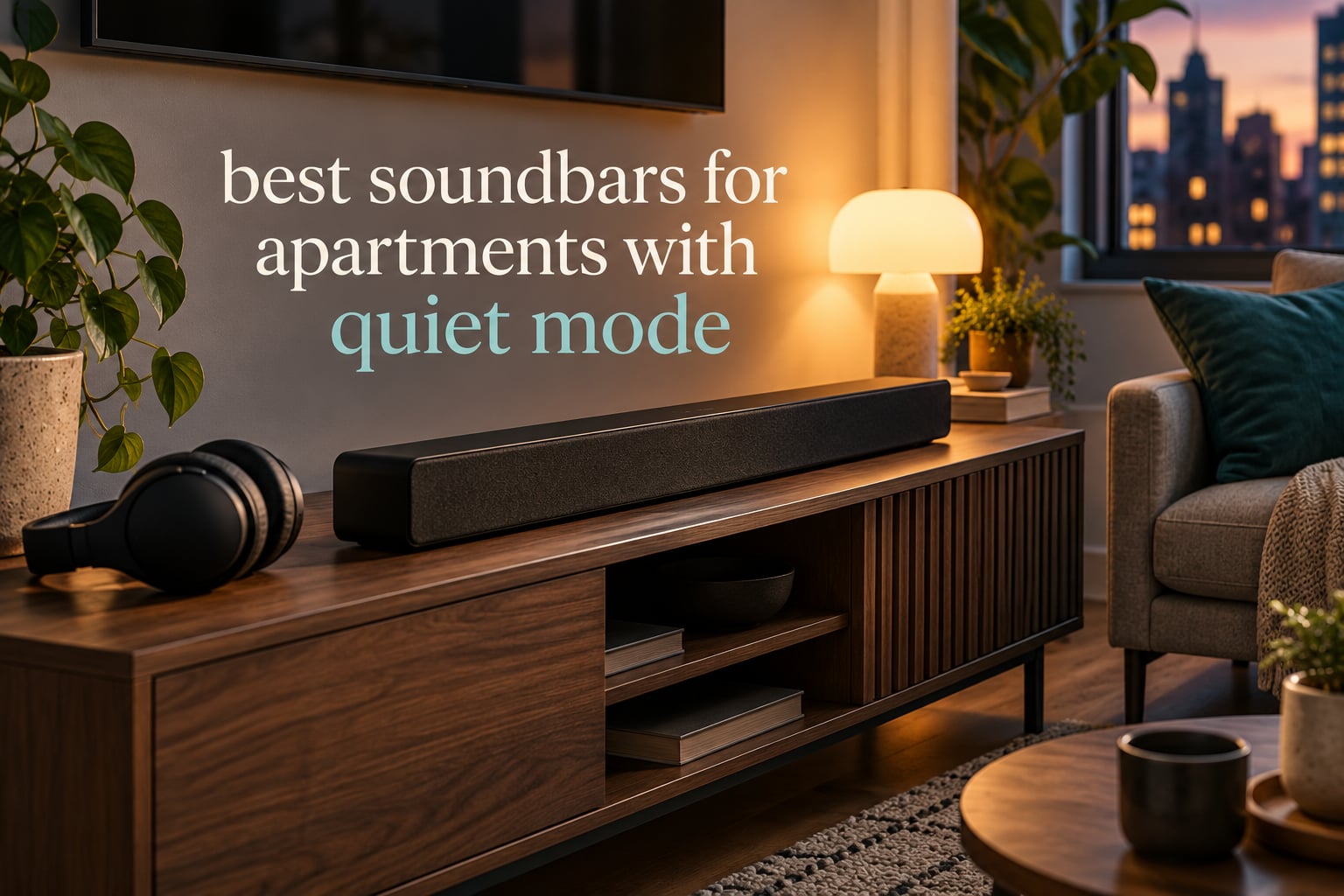
The best soundbars for apartments are not the loudest ones. They are the ones that let you sit at 30 or 40 percent volume and still follow every line of dialogue, because that low-volume capability is the entire reason a soundbar belongs in a rental at all.
Here is the loop almost everyone in a flat gets stuck in. Built-in TV speakers are quiet and thin-sounding, so you turn the volume up to compensate. Once it is loud enough to hear comfortably, the bass has already travelled through the party wall. A thread on r/Soundbars titled Selling my Q800A due to angry neighbors is the most honest description of this I have read, and the highest-rated advice in it is not a product recommendation. It is a setting.
So we treated this roundup as a neighbour-sensitivity test rather than a loudness test. Every bar here was judged on one question: can you hear the conversation without pushing the level up. Our wider soundbar roundup for every budget covers the general case. This one is for thin walls, shared ceilings and late nights.
First, the definition nobody gives you. There is no standard feature called quiet mode. Brands do not agree on the term, and no two of them implement it the same way. What they actually ship is a family of related controls: night mode, which compresses dynamic range so an explosion is not ten times louder than a whisper; dialogue mode, also sold as dialogue enhancement, speech enhancement, AI voice clarity or voice enhance, which lifts the vocal band; and sub level adjustment, which cuts the bass that physically passes through walls and floors. Some bars have all three, some have one, and some expensive flagships have none at all. We verified per model rather than assuming from brand tier.
Our selection criteria, in order: dialogue intelligibility at low listening volume, then a bass control you can genuinely turn down, then a footprint that fits a small room without driving a shared wall, then a named night or dialogue mode. We deliberately de-prioritised channel count, wattage claims and Dolby Atmos badges, and we skipped flagship 11.1.4 systems with large subwoofers entirely. Those are the wrong answer for apartments, and a general best-of list will happily tell you otherwise.
This roundup is for renters, shared-wall dwellers, bedroom TV watchers, open-plan homes where kitchen noise competes with dialogue, and anyone who has already had a conversation with a neighbour about volume. It is not for a dedicated media room, and it is not a fix for a genuine dispute. No soundbar stops someone who has already decided to complain. Updated for 2026.
Table of Contents
Top 3 Soundbars for Apartments With Quiet Mode
These three carry the quiet-listening features in their most usable form. The Fire TV Soundbar Plus wins overall because it combines a dedicated centre dialogue channel, a real night mode and built-in bass in one box with no separate subwoofer to manage.

Fire TV Soundbar Plus
- 3.1 channels with built-in subwoofer
- Dedicated center dialogue channel
- Dolby Atmos and DTS:X decoding
- Night mode for low-volume listening
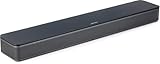
Bose TV Speaker
- 23.38 inch compact body
- Remote dialogue mode
- 35 watts and two angled drivers
- Bluetooth 4.2 with HDMI ARC and optical
- Expandable with Bose Bass Module 500 or 700

Samsung HW-S60D
- 5.0 channels with built-in subwoofers
- Adaptive Sound and Active Voice Analyzer
- Night mode cuts wall-transmitting bass
- SpaceFit Sound Pro room calibration
- Q-Symphony with Samsung TVs
The Bose TV Speaker is the most proven bar in the group, with more than fourteen thousand reviews behind it and a body just over two inches tall. The Samsung HW-S60D is the one to buy if your specific problem is bass crossing an interior wall, because its night mode is described in plain terms as reducing bass that would transmit through a wall.
Best Soundbars for Apartments in 2026: Quick Overview
| Product | Specifications | Action |
|---|---|---|
| Amazon Fire TV Soundbar Plus |
|
Check Latest Price |
| Bose TV Speaker |
|
Check Latest Price |
 Bose Smart Dolby Atmos Soundbar Bose Smart Dolby Atmos Soundbar |
|
Check Latest Price |
 Roku TV Wireless Soundbar Renewed Roku TV Wireless Soundbar Renewed |
|
Check Latest Price |
 Bose Smart Ultra Dolby Atmos Soundbar Bose Smart Ultra Dolby Atmos Soundbar |
|
Check Latest Price |
| Samsung HW-S60D |
|
Check Latest Price |
 Sonos Ray Sonos Ray |
|
Check Latest Price |
 TCL S45H TCL S45H |
|
Check Latest Price |
Amazon Fire TV Soundbar Plus: the most complete quiet-listening toolkit we found, with a dedicated centre dialogue channel, a night mode and built-in bass in a single box.
Bose TV Speaker: the safest compact choice, and the only bar here with a two-control remote where one button does dialogue and the other does bass.
Bose Smart Dolby Atmos Soundbar: the best streaming flexibility, with Chromecast, AirPlay 2, Spotify Connect and A.I. Dialogue Mode in a 27-inch body.
Roku TV Wireless Soundbar: the most direct route to clear speech, if you own a Roku TV and accept renewed condition with a 90-day warranty.
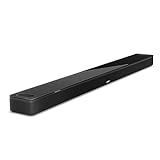
Bose Smart Ultra Dolby Atmos Soundbar: the widest and heaviest bar here, at 41 inches and 12.7 pounds, so it needs a long console and a solid shelf.
Samsung HW-S60D: the highest rated bar here, and the one whose night mode is explicitly aimed at bass travelling through an interior wall.
Sonos Ray: the smallest and lowest-power option, and the one that drops into an existing Sonos multi-room system most cleanly.
TCL S45H: the widest range of inputs and the best connection value, though it has no named night or dialogue mode.
1. Amazon Fire TV Soundbar Plus – Best Overall Soundbar for Apartments
Amazon Fire TV Soundbar Plus (newest model) with built-in subwoofer, 3.1 channel, Dolby Atmos, clear dialogue
- Dedicated center dialogue channel sharpens speech
- Night mode is tuned for low-volume late-night listening
- Built-in bass removes the separate subwoofer box
- Included HDMI cable and simple single-cable setup
- Movie Music Sports and Night content modes
- Fire TV one-remote control is limited to select models
- No optical or auxiliary input listed alongside HDMI and Bluetooth
- 3.1 channel layout gives limited height effects
This is the bar I keep coming back to for a flat. It is a 3.1 channel all-in-one with the subwoofer built into the chassis, so there is no separate box to place against a shared wall and no sub level slider to fight with at midnight. Everything runs from one HDMI cable that is included in the box.
What makes it the strongest apartment pick of the eight is the combination rather than any single spec. A dedicated centre dialogue channel handles the speech, the Night mode handles the dynamic range, and the built-in bass handles the low end without a floor-standing subwoofer next to your neighbour’s bedroom wall. If you only buy one, this is the one.
The centre channel is the piece apartment dwellers notice first. Owners consistently report that conversations pull forward and become easy to follow at a level where the effects do not dominate, which is exactly the low-volume behaviour the rest of the room needs. Pair it with the Night mode and the bar becomes a late-night device rather than a weekend cinema speaker.
Night mode is the setting that earns its name here. Rather than simply turning everything down, it rebalances the mix so the loud moments are closer in level to the quiet ones. That means an action sequence no longer arrives as a jump scare in volume that carries through the building, while the dialogue underneath stays audible. Movie, Music and Sports modes sit alongside it in the same list.
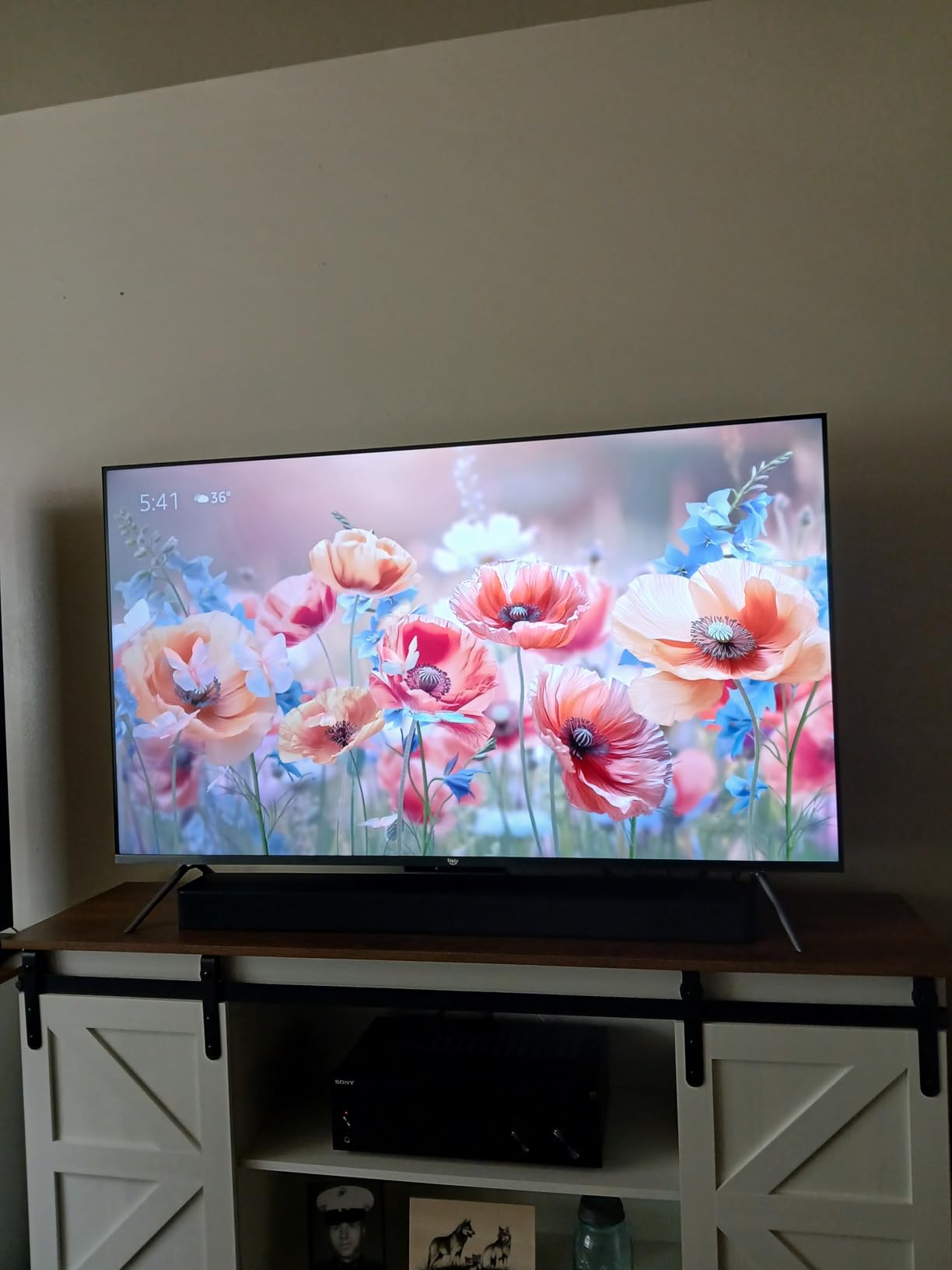
Connectivity is deliberately simple: HDMI eARC or ARC plus Bluetooth for phone streaming. That simplicity is also its main limitation. There is no optical input and no auxiliary input listed, so if your television predates eARC, or you rely on a wired streaming dongle, you are stuck with HDMI or Bluetooth audio.
What the Night mode and dialogue channel actually do
Night mode compresses the gap between the loudest and quietest parts of a mix, and the dedicated centre channel lifts speech into the foreground. Together they are why this bar works at a volume that would not carry through an interior wall. If you watch after 11pm with someone asleep in the next room, these two features are the whole argument.
Neither control is numerically adjustable as far as the documentation shows, so you are choosing on and off rather than dialling a value. The Samsung later in this list gives you a more explicitly wall-aware night mode if you want a control built around that exact problem.
Where it fits in a small apartment
The all-in-one design is the apartment argument. No separate subwoofer means one object to place, and you can keep it away from a party wall or a hollow cabinet that would resonate. The trade-off is height: a 3.1 layout with virtualised Dolby Atmos does not produce genuine overhead sound the way a bar with dedicated upward-firing drivers does.
Fire TV owners get one-remote control through Fire TV audio settings, though that only works on select models. If your television is mixed-brand, the remote stays two remotes and nothing else changes.
2. Bose TV Speaker – Best Value Compact Bar for Small Rooms
- Very compact body just over 2 inches tall
- Remote dialogue mode reliably lifts voices
- Balanced sound that also works well for music
- Plug-and-play optical or HDMI ARC with no subwoofer needed
- Only two controls to learn
- Bluetooth 4.2 with no multi-device pairing
- No HDMI cable included and only an optical cable in the box
- Short power cable and side-mounted power connector
- Subwoofer expansion locked to Bose Bass Module 500 or 700
With more than fourteen thousand reviews, this is the most proven bar in the group and the one I suggest to anyone who is not going to read this whole page. It measures 23.38 inches wide and 2.21 inches tall, which means it fits in front of a television, on a narrow shelf, or wall-mounted without dominating a small room.
The design philosophy here is that a soundbar should have no audio menu. You get a remote with two functions, and one of them is dialogue. Press it and the vocal band lifts out of background music and effects. The other gives a bass boost. That is the entire control surface, and for apartment listening it is exactly enough.
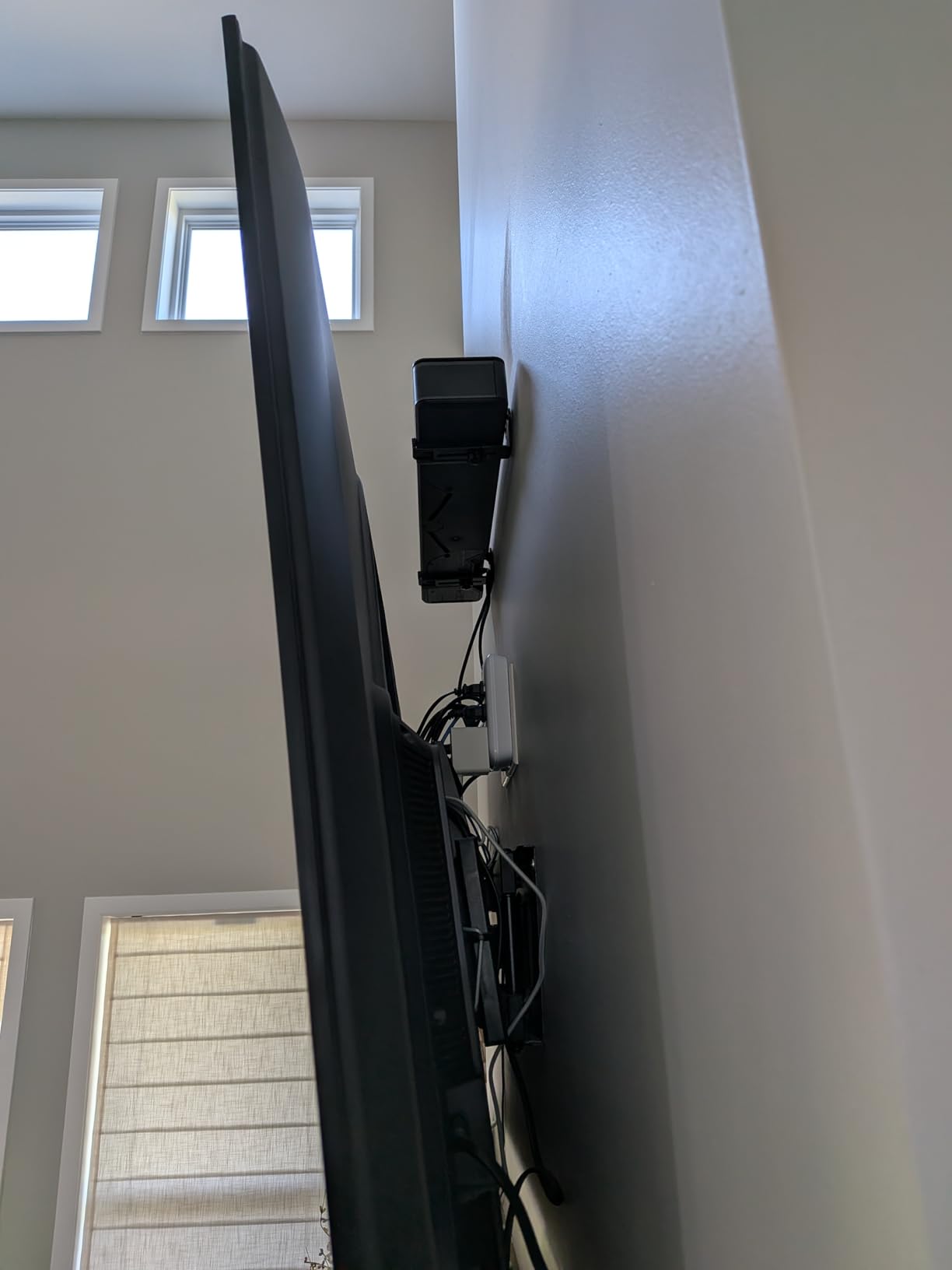
Dialogue mode here is a remote-controlled lift of voices and pronunciation, which is the single most useful feature on any bar in an apartment. Owners in bedrooms and small rooms report being able to follow speech at a comfortable level, and several mention that the sound is balanced enough that they use it for music as well as television.
The stereo configuration uses two angled full-range drivers, and reviewers frequently comment on how wide the soundstage seems for a bar this size. The 5.6 cm dynamic drivers put out 35 watts, which is modest but sufficient in a small room, and you do not want more headroom in a flat.

Connectivity covers Bluetooth 4.2, HDMI ARC, optical input and AUX, with a 30 foot Bluetooth range. It will accept up to three devices, and it is plug-and-play over either optical or HDMI ARC. Note that the box includes an optical cable but not an HDMI cable, so plan for that if your television is HDMI-only.
It can be expanded with the Bose Bass Module 500 or 700, sold separately, and the connection is by cable or a 3.5 mm lead. We would advise against adding one in a flat. The value of this bar is that it needs nothing else.
How well dialogue mode holds up at low volume
It is the most reliable one-button answer to quiet speech here, backed by the largest review base in the roundup. Because the lift is a fixed adjustment rather than a menu you can mistune, it cannot be left in a bad state. Press it when the scene gets busy, leave it off when it does not.
The honest limit is that it is a vocal lift, not a dynamic range compressor. A loud explosion will still be louder than a conversation. For content with big swings, the Samsung later in this list handles that more directly.
What to check before you buy it in a rental
The body is compact and the height allows wall mounting, which matters in a flat where the television sits on a small console. But the power cable is short and the connector is mounted on the side, so you need clear space beside the unit rather than tucked flush against a wall.
Two smaller irritations: the front power LED and the silver Bose logo are both front-facing and lit, which some people dislike in a dark bedroom, and the remote runs on a coin cell that can be lost. Bluetooth 4.2 is also dated and does not multi-pair, so you will be reconnecting your phone more often than on newer bars.
3. Bose Smart Dolby Atmos Soundbar – Best for Streaming Flexibility
- A.I. Dialogue Mode is tuned to keep voices intelligible over surround effects
- Compact 2.21 inch tall body houses five transducers including upward-firing drivers
- TrueSpace upmix widens non-Atmos content
- Bluetooth AirPlay 2 Spotify Connect and Chromecast built-in
- Works well in small-to-medium rooms without a subwoofer
- Lowest average rating in this group at 4.1 stars with 9% one-star reviews
- Compact enclosure limits how much low bass it makes on its own
- Personal Surround requires Bose Ultra Open Earbuds sold separately
- No numeric on-screen readout for the dialogue adjustments
This is the bar to buy if your apartment television is also your streaming television. It carries Bluetooth, AirPlay 2, Spotify Connect and Chromecast built in, plus Alexa with Bose Voice4Video for controlling a television or cable box by voice. No phone app is required for the basics.
It measures 27.34 inches wide and 2.21 inches tall, so the footprint is manageable in a small living room, and the same shallow profile that lets it sit in front of a screen also makes it straightforward to wall mount. HDMI and optical cables are both in the box, along with the remote.
A.I. Dialogue Mode is the apartment-relevant feature and it works differently from a simple vocal lift. Rather than boosting the centre, it balances voices against the surround and height channels, so speech stays intelligible even when the room-filling effects are active. In a small room where the effects and the dialogue occupy the same space, that balance matters.
Bose TrueSpace is the other half of the argument. It analyses stereo or 5.1 signals and upmixes them into a multi-channel presentation, which is useful in a flat where you will not run surround speakers. Five transducers, including two upward-firing drivers, sit inside a 6.9 pound chassis.
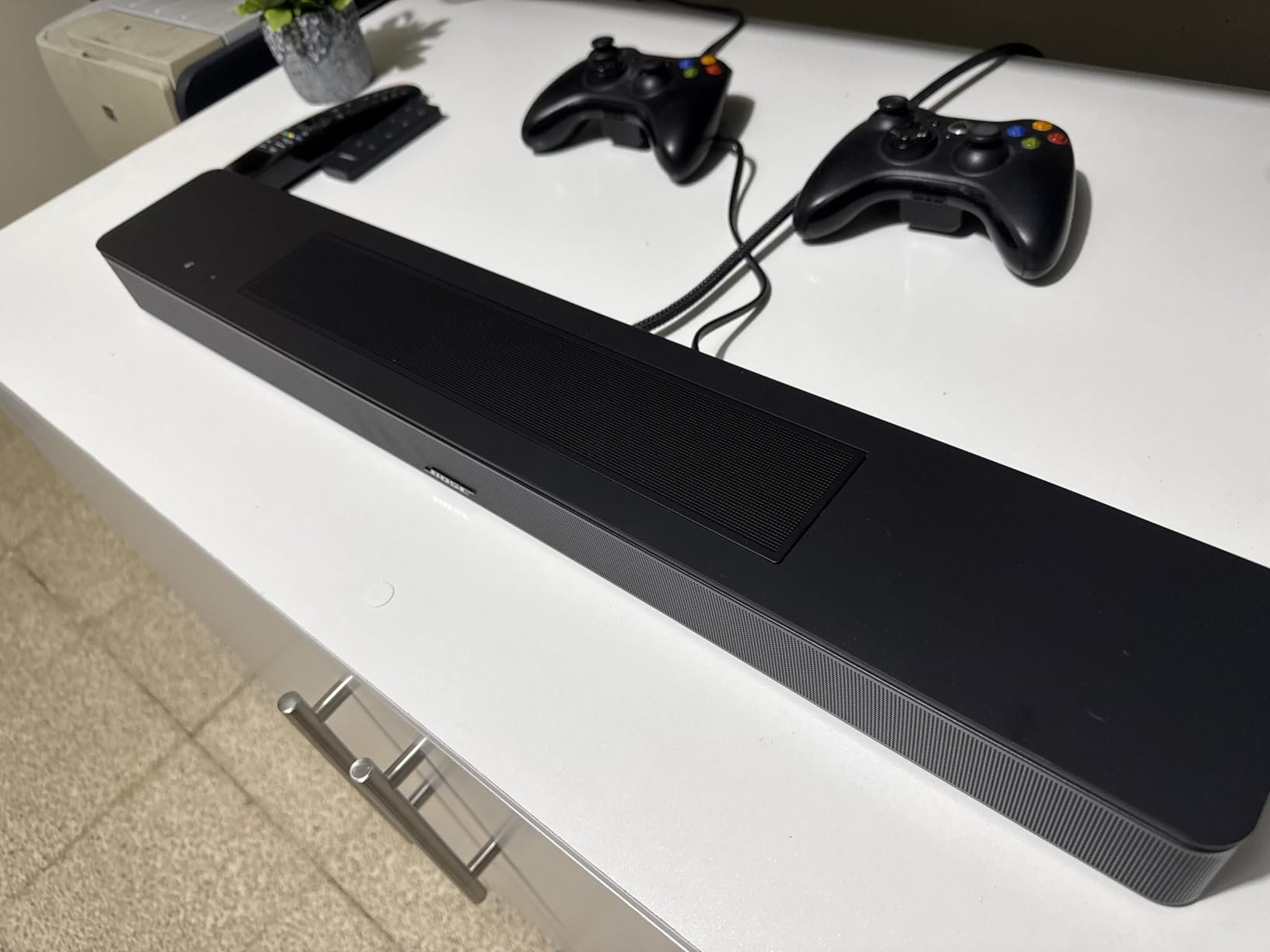
There is no separate subwoofer and none is included, which keeps the neighbour profile clean. The trade-off is that a compact enclosure cannot produce much low bass on its own, and several reviewers single out bass as the limitation at this level of the range. If deep bass matters to you, this is not the bar.
One feature to know about before you buy: Personal Surround pairs the bar with Bose Ultra Open Earbuds to act as rear surround speakers, which is a genuinely clever late-night option because it lets you keep the low volume in the room and put the surround in your ears. The earbuds are sold separately.
Why dialogue mode matters more in a small room
In a small room, surround and height effects are not separated from the dialogue in space. They arrive from roughly the same place, which is why voices get buried even though the system has more channels. A.I. Dialogue Mode rebalances that mix, and in a compact room that correction does more work than the same feature would in a large one.
The honest drawback here is the 4.1 star average, the lowest of the eight bars, with nine percent of reviews at one star. Those critical reviews focus on bass limits and on whether the feature set earns the cost. The dialogue performance itself is rarely the complaint.
Who should buy it and who should not
Buy it if you watch on a smart television, want voice control, and stream from mixed services without juggling inputs. It is a strong fit for a bedroom or a small open-plan living room where the television and the sound system are the same wall.
Skip it if bass is the reason you are buying, or if you need a feature you can see and set numerically. The dialogue adjustments here have no on-screen level readout, so you are trusting the processing rather than tuning it. If you want control, look at the Samsung instead.
4. Roku TV Wireless Soundbar (Renewed) – Best for Roku TV Owners
Roku TV Wireless Soundbar 2023 | Soundbar Exclusively for RokuTV with Enhanced Stereo Sound, Clear Dialogue, and Simple Wireless Setup,Black (Renewed)
- Night-listening optimization and automatic commercial level-downing in one settings panel
- Clear Dialogue boost helps listeners with reduced hearing
- Wireless pairing to a Roku TV with wall-mount hardware included
- Works with the existing Roku TV remote so there is no second remote
- Renewed condition keeps the cost down versus the equivalent new bar
- Only works with Roku TVs which limits compatibility in mixed-brand homes
- Does not pair with Roku Wireless Speakers only the Wireless Bass module
- Two-channel presentation means no real surround separation
- Bluetooth pairing occupies the soundbar wireless audio connection
This one is conditional and we want to be clear about the condition. If you own a Roku TV, this is the most direct route to clear speech we found, and the settings panel quietly does the two things that matter in a flat: it boosts voices and it optimises for night listening.
It also levels down loud commercials automatically, which sounds trivial until you live with a neighbour on one side. A sudden volume spike from an advert is the kind of thing that gets a knock on the door, and the bar handles it without you touching the remote.
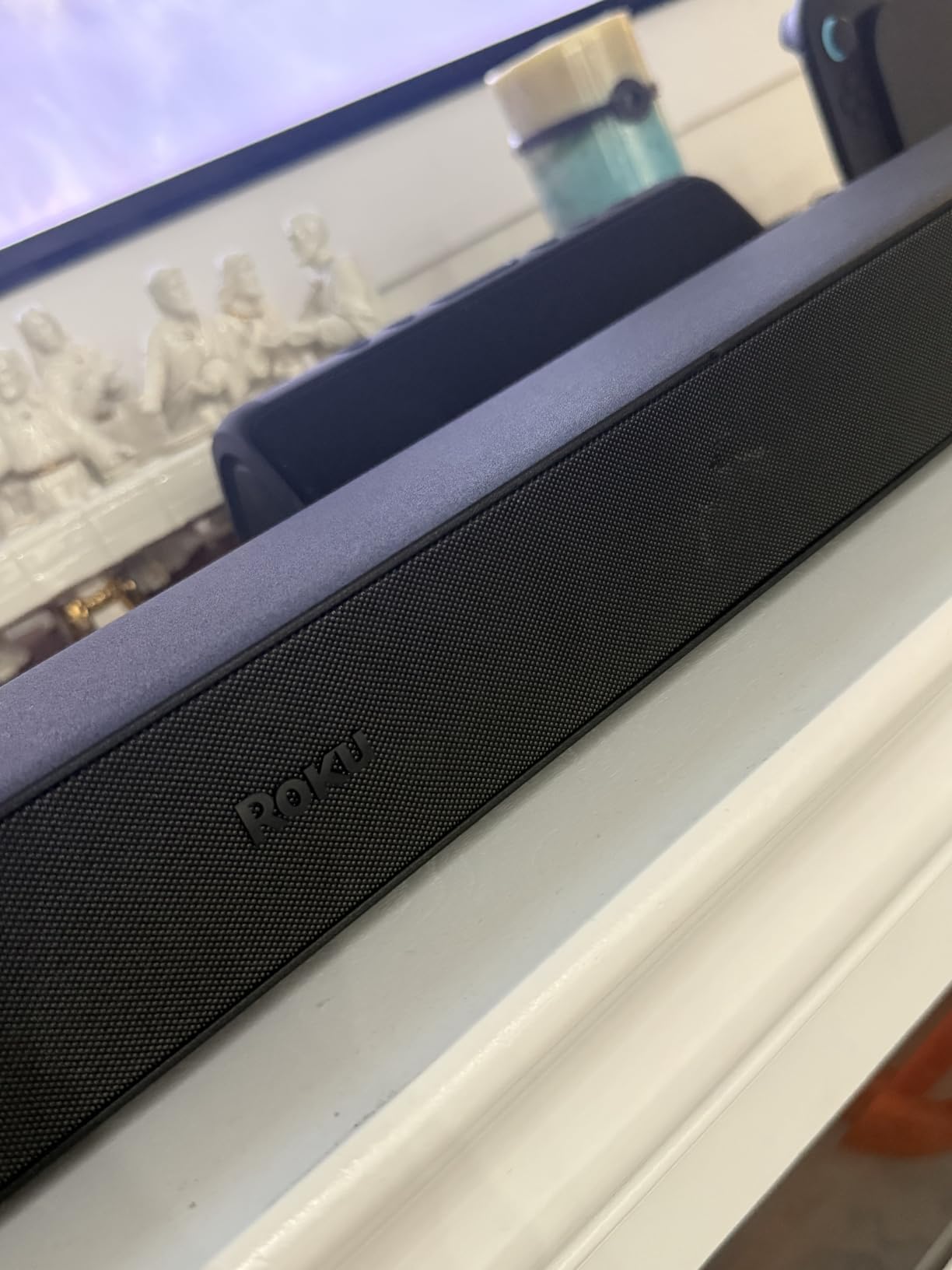
The Clear Dialogue boost is reported by owners as a genuine help, particularly for listeners with reduced hearing. The bar is listed at 120 watts across a 4.1 channel arrangement in a 6.5 pound polycarbonate enclosure, and it maintains audio to video sync with the picture as you would expect.
Setup is the strongest argument. It connects wirelessly to a Roku TV with only power plugged in, so there is no cable to route along a skirting board in a rental, and it uses the Roku TV remote you already have. Wall-mount hardware is included if you would rather put it above the screen.
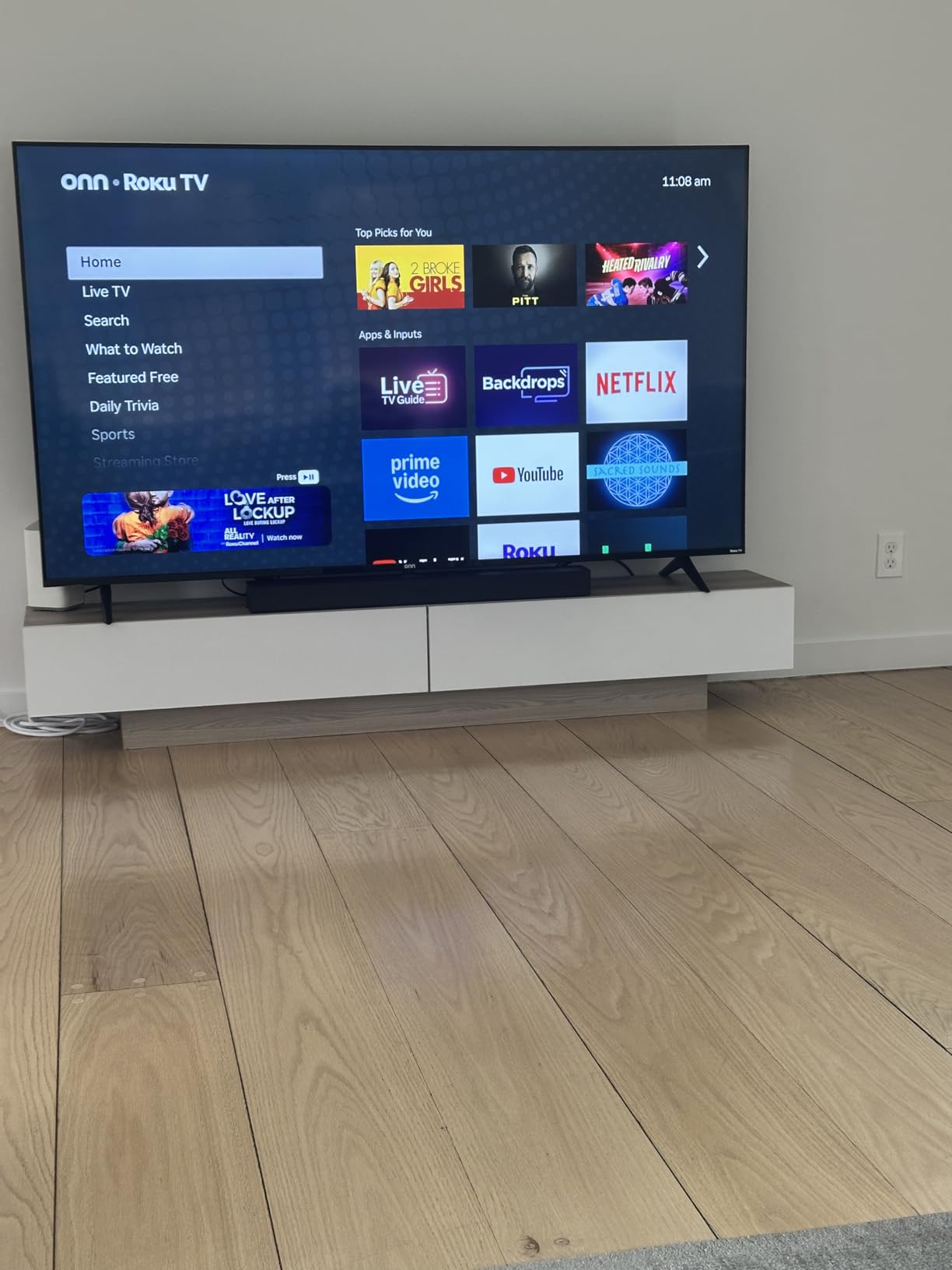
The renewal matters more than anything else here. This listing carries a 90-day limited warranty rather than a full year, and the review base of 147 is the smallest in the group. Buying a soundbar on that basis is a reasonable trade for a secondary television, and a poor one for a set you care about.
Bluetooth streaming is supported, but note it occupies the wireless audio connection, so pairing a phone can interrupt the Roku link. It also will not pair with Roku Wireless Speakers, only the Wireless Bass module, which disappoints owners upgrading from an earlier Roku bar.
What the dialogue and night settings actually do
Clear Dialogue boosts the volume of voices, and the night-listening option optimises the sound for low-level listening. The commercial level-down is a separate automatic function. All three sit in the same simple settings panel, so the bar is genuinely usable without learning an interface.
There is no separate subwoofer included and none is expected, which is the right neighbour profile. What you give up is any sense of surround separation, since the presentation is effectively two-channel with a wider claim on paper.
Who this suits and who it does not
It suits anyone whose television is a Roku TV and who wants speech clarity rather than cinema. A bedroom, a holiday let or a secondary living room television are all sensible targets, and the wireless connection suits rentals where running an optical cable is a negotiation.
It does not suit a mixed-brand household, and it is a poor choice if you want to expand it into a real surround system later. The 90-day warranty is the other reason we would keep this off a main television. For those reasons it sits fourth despite a competitive 4.3 star average.
5. Bose Smart Ultra Dolby Atmos Soundbar – Best for Private Headphone Listening
Bose Smart Ultra Dolby Atmos Soundbar, All-in-One Surround Sound System for TV, A.I. Dialogue Mode, Alexa and Google Voice Control, HDMI eARC, Black
- A.I. Dialogue Mode gives the clearest vocal presentation of the Bose range
- TrueSpace plus six transducers including upward-firing dipole drivers
- SimpleSync switches the same audio to Bose headphones for private low-volume listening
- Plug and play with optical and HDMI eARC cables plus the ADAPTiQ calibration headset
- 2.29 inch height keeps the 41 inch body visually slim
- Widest body in this group at 41.14 inches and hard to place on a narrow shelf
- Heaviest unit here at 12.7 pounds
- Most expensive unit here with no subwoofer in the box
- 11% one-star reviews show a meaningful share of dissatisfied buyers
This is the flagship of the group and, in a small apartment, frequently the wrong one. At 41.14 inches wide and 12.7 pounds it is a large object to find space for, and the cost assumes a room that can use it. We include it because the private-listening feature is genuinely relevant to apartment life.
SimpleSync pairs the bar with select Bose headphones, so you can hand the same audio to a pair of earbuds or over-ear cans and keep the room silent. For late-night viewing in a flat where you cannot turn the volume down, that is the most neighbour-proof feature on any bar in this roundup.

On sound, A.I. Dialogue Mode is described by owners as the clearest vocal presentation in the Bose line, and TrueSpace places sounds around the room from six transducers including two upward-firing dipole drivers for overhead effects.
ADAPTiQ calibration ships with a headset in the box and tunes the output to your room, which in a small, acoustically reflective flat is more useful than the name suggests. At 2.29 inches tall, the body presents as a slim bar on a console despite the width. Optical and HDMI eARC cables are included, and there is also Bluetooth and Wi-Fi with a 33 foot range.
There is no subwoofer in the box at this level, and the three-point-one channel layout relies on the upward-firing drivers rather than a separate bass module. Bass is present but not the reason to buy this. Eleven percent one-star reviews point to buyers disappointed by value at this level rather than by performance.
Amazon Alexa is built in with Bose Voice4Video for controlling a television or cable box. The remote is included. SimpleSync also works with other Bose Bluetooth speakers, so you can group it with a small speaker in another room rather than disturbing anyone.
When a 41 inch bar is the wrong answer
A bar this wide needs a console at least that wide, and a shelf that size is rare in a flat. Owners in small rooms report the body being hard to place, and a wide chassis sitting close to a wall can push low-frequency energy into that wall. If your media unit is narrow, choose something under 27 inches and save yourself the fight.
The second reason to skip it is weight. Twelve pounds on a slim console or a hollow cabinet is asking for resonance, and resonance is the thing that travels to your neighbour as a knock rather than as sound.
When private listening makes it worth it
If you already own Bose headphones, or you are prepared to buy them, SimpleSync turns this into the quietest late-night solution in the roundup without a wire across the room. The room stays silent, the dialogue is as clear as the bar would make it, and the person next door hears nothing at all.
Pair that with A.I. Dialogue Mode and the practical result is a soundbar that solves the apartment problem by removing the volume requirement entirely. That is worth a lot in the right home, and nothing at all in the wrong one.
6. Samsung HW-S60D – Best Night Mode for Shared Walls
- Adaptive Sound and Active Voice Analyzer keep dialogue easy to follow at low levels
- Night mode knocks down bass that would carry through an interior wall
- All-in-one 5 channel design with built-in subwoofers removes a separate box
- Highest average rating in this group at 4.4 stars with 73% five-star reviews
- Up-firing drivers give real room-filling effects from a compact body
- No 3.5mm aux input so wired-only streaming dongles cannot connect
- Wi-Fi features need a 2.4GHz network which most modern routers disable by default
- No numeric on-screen indicator for volume and tone changes
- Q-Symphony and Game Mode Pro only work with a Samsung Q-series TV
If your specific problem is bass crossing an interior wall, this is the bar to read this article for. Its night mode is described in plain language as reducing bass that would transmit through an interior wall, which is the most on-the-nose apartment feature we found across eight products. The bar carries the highest average rating here as well, at 4.4 stars from 466 reviews.
It is also a genuine all-in-one. Five channels with built-in subwoofers means there is no separate subwoofer to place, no sub level slider to set to an awkward value, and one object to move away from a party wall if you need to. The body is 26.3 inches wide and 2.4 inches tall, which is a sensible size for a small living room.
Two separate systems work on speech here and they are not the same thing. Adaptive Sound analyses scenes in real time and surfaces the most important audio so voices remain intelligible at low volume. The Active Voice Analyzer breaks down room noise so on-screen voices are not drowned by it, which in an open-plan flat with kitchen and street noise is the more useful of the two.
SpaceFit Sound Pro analyses the room environment and optimises the output, and the up-firing drivers produce genuine left and right height effects from a 6 pound chassis. Owners report the sound staying clean at very low volume without the low-frequency cut-out that some earlier soundbars showed.
Connectivity is HDMI eARC plus Bluetooth with a 10 meter range and Wi-Fi, and wireless Dolby Atmos means you can skip the cable clutter. Built-in Alexa, Chromecast and AirPlay 2 are all present. A wall-mount kit, an HDMI cable and a remote are in the box.
Two practical notes. The Wi-Fi features require a 2.4GHz network, and most modern routers default to 5GHz, so you may need to change a router setting. And there is no 3.5mm aux input, so a streaming dongle with a wired-only output cannot connect.
Why this night mode is built for a shared wall
Because it targets bass specifically rather than lowering the whole mix. Dialogue mode lifts voices; night mode reduces the low frequencies that carry through structure. If your complaint is not that the bar is too loud but that the low end is arriving next door, this is the feature to buy for.
Stack it with Adaptive Sound and you have the two halves of the apartment problem covered at once: speech stays clear at a low volume, and the frequencies that travel are pulled down. Reviewers in small rooms and bedrooms single out exactly these features.
What to know before it reaches your shelf
Its width of 26.3 inches means it may not fit between or behind the feet of a smaller television, so check your stand before ordering. It is also worth knowing that the marquee features are brand-locked: Q-Symphony, which pairs the bar with your Samsung television as one system, and Game Mode Pro both need a Samsung Q-series set.
There is no numeric on-screen readout for volume or tone changes, so you set these by ear. And the printed instructions are unhelpful, meaning the SmartThings app and online guides are part of the setup rather than a nicety. Our broader guide to soundbars with Dolby Atmos covers what that badge is and is not worth.
7. Sonos Ray – Best for Multi-Room Sonos Setups
- Smallest and lowest-power unit here at 22 inches wide in a 10 watt stereo configuration
- Clearer more powerful sound than most compact bars
- Surprisingly wide soundstage for a two-channel design
- Zero-stress setup with only two cables and in-app guidance
- Multi-room and app control through the Sonos ecosystem
- No built-in voice assistant and no dedicated dialogue-enhance or night mode reported
- Low 10 watt maximum output leaves little headroom at higher levels
- Stereo only with no height channels or surround processing
- Optical-only digital audio input for the television
The Ray is the physical opposite of a cinema soundbar and that is exactly why it belongs in this list. It is 22 inches wide, 2.79 inches tall and weighs about 4.3 pounds, which makes it easy to place on a small console or a narrow shelf. The whole point is that it is unobtrusive.
It runs a stereo configuration of two tweeters and two woofers, with the tweeters measuring 2.76 inches, rated at 10 watts maximum output. That is a low number and reviewers say so. In a flat it is enough, because the low-volume case does not need headroom. It needs clarity.
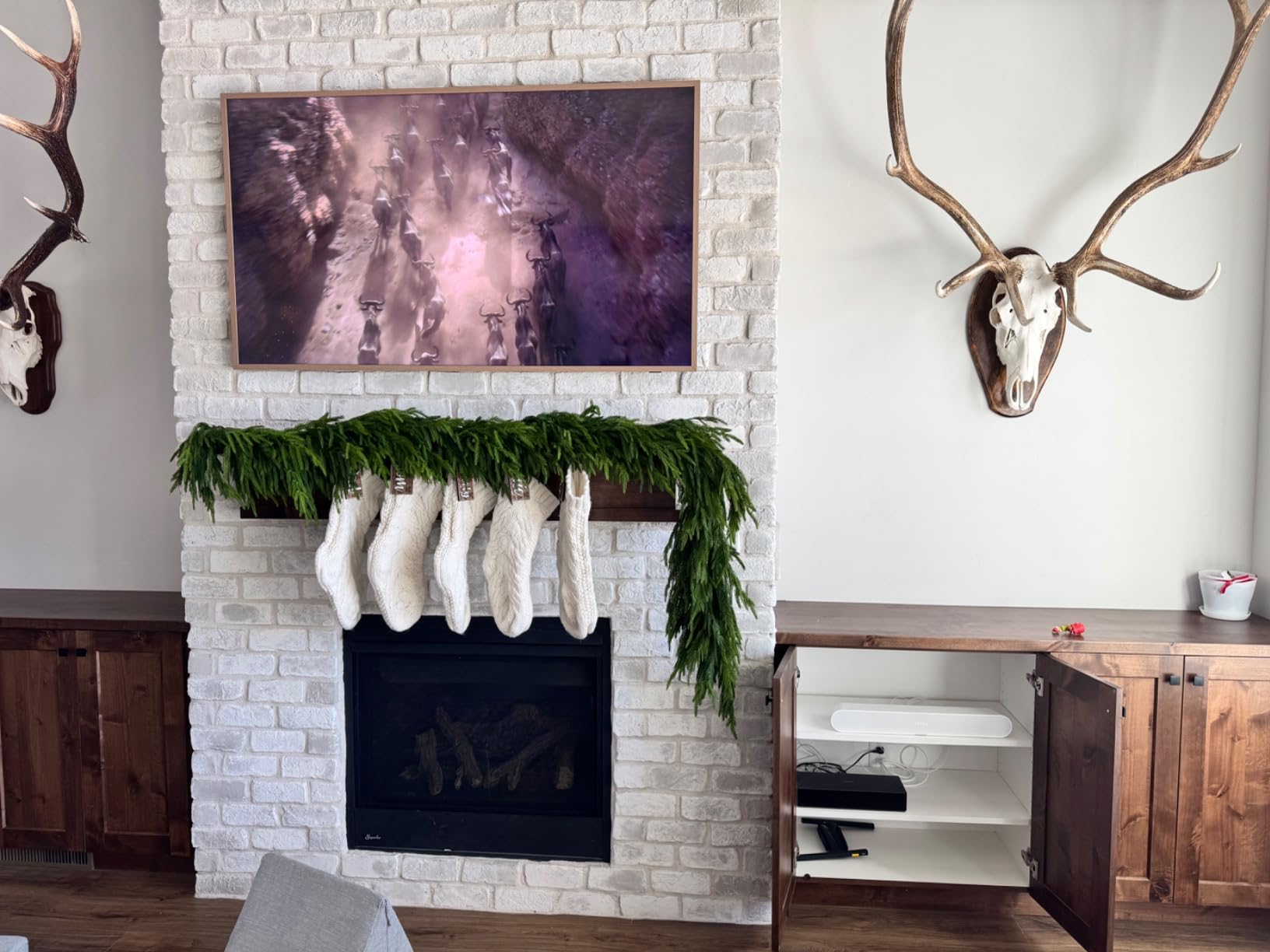
The soundstage is wider than the two-channel format suggests, and owners generally report clearer and more powerful sound than they expected from a bar this small. The tuning suits both television and music, which matters if the same bar does duty in a living room during the day and a bedroom at night.
Setup is about as simple as it gets. Two cables, an optical cable and a power cable in the box, and the Sonos app walks you through it. Streaming runs over Wi-Fi with AirPlay 2 and Spotify Connect, and the app gives you multi-room grouping if you have other Sonos speakers.
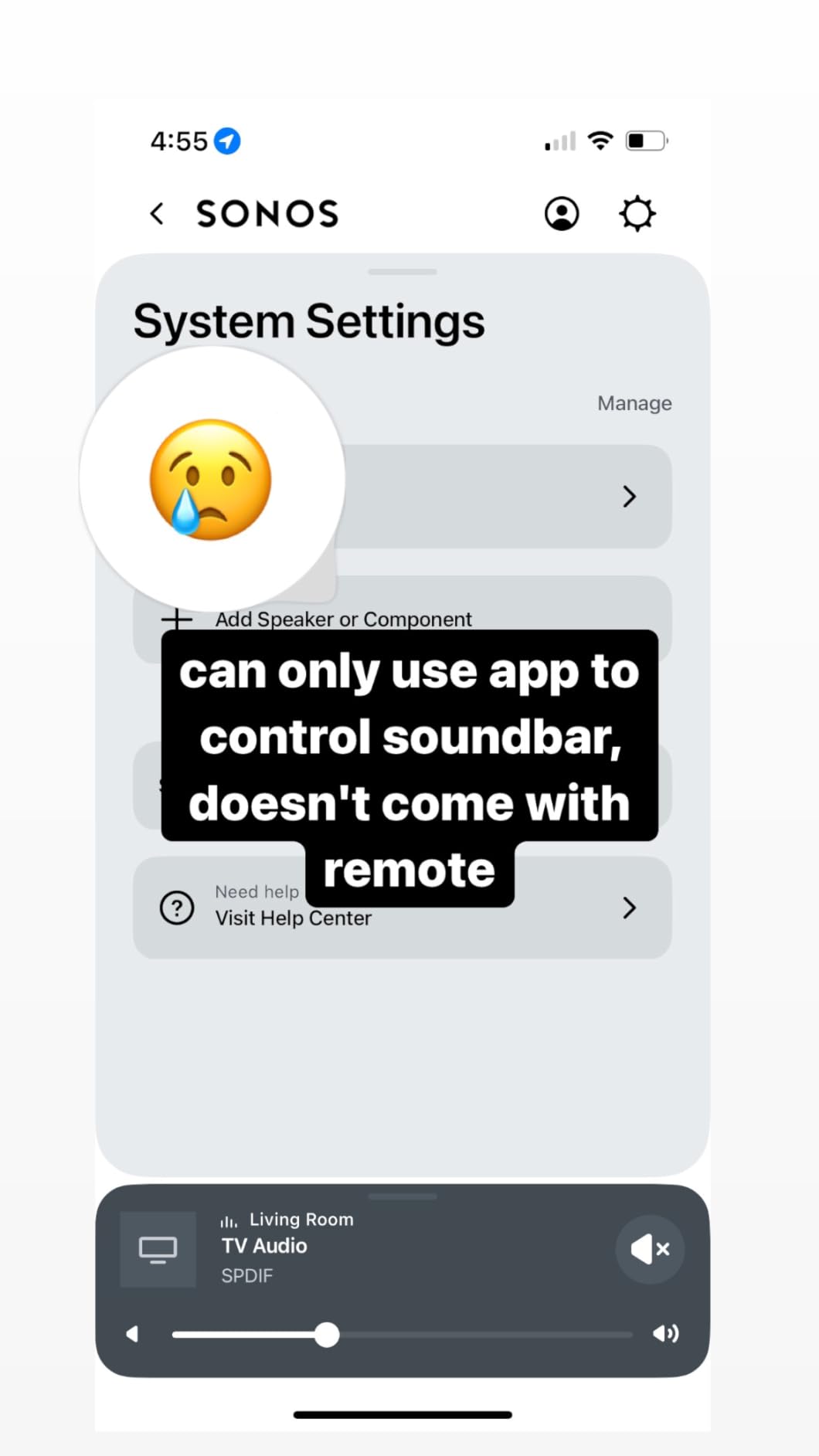
Here is the honest drawback, and it is a meaningful one for this query. There is no built-in voice assistant and no dedicated dialogue-enhance or night mode is reported on this model. You are relying on the natural balance of a well-tuned stereo pair rather than on processing.
Connection to the television is optical only, and you can add a Sonos Sub wirelessly if you want more bass, though we would not in a flat. The trade-off against the Bose TV Speaker is the Sonos ecosystem, which is worth paying for only if you already own other Sonos speakers.
How the Ray handles dialogue without a dialogue mode
It does it with balance rather than processing. A well-tuned stereo pair with a clean midrange makes speech intelligible at low volume without needing a vocal lift, and that is why the Ray holds a 4.2 star average across more than twelve hundred reviews. It simply does not exaggerate the effects around the voice.
The limitation is content. In a scene with a loud score under whispered dialogue, there is no mode to lean on, and the 10 watt output gives you less room to raise the level before the neighbours hear it. If you watch a lot of quiet, dialogue-heavy material, this is a fine bar. If you watch action films at night, look elsewhere.
Who should buy the Ray in an apartment
Buy it if you already run Sonos in the home, or you want the smallest footprint available with an app that handles the settings. A bedroom television or a small flat where every centimetre of console matters is the ideal target.
Skip it if the phrase quiet mode on the box is the reason you are shopping. The absence of a dedicated dialogue or night mode is a real gap in an article about quiet listening, and it is why this sits below three Bose and Samsung options that do have one. The Ray is the neighbour-friendly choice, not the neighbour-proof one.
8. TCL S45H – Best for Connection Options on a Budget
TCL S45H 2.0 Sound Bar for Smart TV | Dolby Atmos DTS:X Auto Room Calibration| 100W Power Wireless Bluetooth Home Theater Audio | App & Remote Control | Latest Model
- AI Sonic room calibration personalises the sound to your listening position through the TCL app
- Owners in small apartments report clear conversation rendering
- Wall-mount kit plus HDMI cable and a remote with batteries in the box
- Broadest input selection here with HDMI eARC optical Bluetooth AUX and USB
- Low profile 2.36 inch height keeps it discreet on a console
- No dedicated night or dialogue-enhance mode reported unlike most others in this group
- No subwoofer included and only fair 2.0 channel separation in small spaces
- Settings indicators are only visible when looking down at the bar
- No user-adjustable EQ and a few owners report intermittent audio cut-outs
The TCL S45H is the value entry here and the only one that gives you a choice of physical inputs. It has HDMI eARC and ARC, optical, Bluetooth, AUX and a USB port. In a rental with a mixed television and streaming box, that flexibility solves real problems that a single-HDMI bar creates.
It runs a 2.0 channel configuration rated at up to 100 watts, and it is 31.89 inches wide by 2.36 inches tall by 3.86 inches deep. That width is a consideration in a small room, and the wall-mount kit is included if your console cannot take it.
The apartment-relevant feature is AI Sonic auto room calibration, which adjusts the audio to your layout and listening position through the TCL app. Owners in small apartments and bedrooms report that it renders conversation clearly enough to replace TV-speaker-only listening, which is the basic requirement for this category.
Dolby Atmos and DTS Virtual:X are decoded and virtualised from a 2.0 chassis, giving some height and surround effect without extra speakers. Owners are candid that the virtualisation is hard to distinguish in this configuration, and we would treat the badge as a description of the decoding rather than a promise of overhead sound.

The 60 Hz frequency response is modest, and no subwoofer is included. With no bass management and no night mode, this is the one bar here where controlling what travels through the wall is entirely up to where you put it and how far you turn it up. Keep the level low and the 2.0 layout is an advantage.
Two annoyances to know about. The settings indicators on the bar are only visible when you look down at it from above, which is awkward on a console, and there is no user-adjustable EQ reported. A few owners also report intermittent audio cut-outs.
What you get without a night mode
Clarity rather than compression. The 2.0 layout with a clean midrange and no subwoofer produces less low frequency energy than the all-in-one options in this roundup, which is genuinely an advantage when the wall is shared.
What you lose is the ability to tame a sudden loud moment. Without night mode or dynamic range compression, an action sequence will have peaks that carry. That is a fair trade for a small room, and a poor one for late-night viewing of anything violent.
Who the TCL S45H is for
It suits a first soundbar, a bedroom, or a rental where you need optical and AUX as well as HDMI. It is also the sensible pick if your television is older and lacks eARC, since the optical input is right there. The included remote, HDMI cable and wall-mount kit mean nothing else needs buying.
It is not the choice if you want to grow into a system, or if you want the tuning tools that the app-driven bars give you. For a one-room, set-and-forget apartment setup, though, the input flexibility is hard to argue with at this level. Our guide to soundbars across the wider price range is the place to compare tiers.
Making Any Soundbar Apartment-Quiet: Settings That Actually Work
The single most useful piece of advice in apartment soundbar discussions is procedural, not a product recommendation, and it comes from the r/Soundbars thread about selling a system because of angry neighbours: disconnect the subwoofer from power, turn up the bass on the soundbar itself, or lower the sub level to -3 and try, and enable voice enhance. That is a repeatable procedure, and it works on hardware you may already own.
The reasoning behind it is physics rather than preference. Forum consensus is consistent that bass, not midrange or treble, is what neighbours hear, because low frequency energy transmits through walls and floors while higher frequencies are absorbed by furniture and soft surfaces. In a flat, cutting the low end is worth more than turning the whole system down.
- Drop the subwoofer level to about -3 dB. This is the most commonly recommended starting value in forum practice. It removes most of what carries through structure while leaving enough low end that the soundbar still sounds like a soundbar.
- If -3 is not enough, disconnect the sub entirely and raise the soundbar’s own bass instead. This is the advice given most often in the neighbour-complaint thread, and it trades a little impact for a lot of quiet.
- Turn on voice enhance or dialogue mode before anything else. If you can follow the conversation at a lower level, you never need to reach for the volume, and volume is what causes the problem in the first place.
- Use the app’s bass EQ rather than the master volume. Turning the whole system up to fix a quiet line is what broadcasts into the next room. Adjusting the tonal balance keeps the level constant.
- Decouple the hardware from the floor. Isolation pads or feet under the bar and any sub stop low frequency energy being driven into the floor slab, which is the standard structural fix recommended on AVS Forum for condo installations.
- Move it away from the shared wall and off hollow furniture. Not in a corner, not on a glass shelf, and not on a cabinet that resonates. Placement changes the transmission more than most settings do.
One warning about wall mounting. Forum users report hard-mounted bars buzzing audibly above roughly seventy percent volume, so if you mount it in a rental, check the wall material and the mount. In a flat you will rarely be above seventy percent once the dialogue settings are doing their job, but it is worth knowing before you drill anything.
There is one more honest caveat. A renter in a well-built building can reduce a genuine noise dispute to nothing. A renter in a thin-walled building cannot, and no setting changes that. If someone has already complained, the honest options are headphones, a later schedule, or a conversation with them. The same principle governs every low-noise purchase, including our guide to quiet fans for warm months.
What Actually Makes a Soundbar Apartment-Friendly
Rank the criteria honestly and most of the marketing falls away. Dialogue intelligibility at low listening volume comes first, because it is the only feature that lets you turn the volume down. Everything else supports that one goal.
Second is a bass control you can genuinely turn down, whether that is a separate subwoofer level, a night mode that reduces low frequencies, or an all-in-one with no separate sub at all. Third is a subwoofer that can be removed or disconnected. Fourth is a compact width that does not dominate a small room or drive a shared wall, and fifth is a named night or dialogue mode.
What we would ignore when choosing for an apartment: channel count, wattage on the box, Dolby Atmos badges and any room-size claim on the packaging. Channel counts describe how the manufacturer wired the box, not how the sound behaves at ten o’clock at night in a flat. Our guide to soundbars that include subwoofers covers the hardware side if you want the full picture, but for a rental the sub is the part to think hardest about.
Night Mode vs Dialogue Mode vs Bass Roll-Off: What the Names Mean
These three solve different problems, and most confusion comes from treating them as the same thing. Night mode compresses dynamic range. Dialogue mode lifts the vocal band. Bass roll-off cuts a frequency range outright. You will usually want the first two, and the third is a blunt instrument you reach for only when the first two are not enough.
Night mode reduces the gap between the loudest and quietest parts of a mix, so a car crash does not arrive ten times louder than the line of dialogue underneath it. On the Amazon Fire TV Soundbar Plus it sits alongside Movie, Music and Sports modes and is aimed at low-volume late-night listening. On the Samsung HW-S60D it is described specifically as reducing bass that would transmit through an interior wall, which makes it the most apartment-targeted implementation in this roundup. On the Roku TV Wireless Soundbar the night-listening optimisation is bundled into the same simple settings panel as the automatic commercial level-down.
Dialogue mode, sold as speech enhancement, dialogue enhancement, AI voice clarity or voice enhance depending on the brand, does something narrower: it lifts the vocal frequency band so speech is easier to follow. The Bose TV Speaker puts it on the remote as a single button, the Bose Smart and Smart Ultra bars run it as A.I. Dialogue Mode that balances voice against surround effects rather than simply boosting it, and the Samsung pairs Adaptive Sound with an Active Voice Analyzer that separates room noise from on-screen voices.
Bass roll-off is the blunt version. It removes low frequency energy outright, which is exactly what the -3 dB sub level trick does manually. It costs you some of the impact that makes films feel cinematic, so it is the third thing to try, not the first.
The practical order, then: turn on dialogue mode first because it costs you nothing, add night mode second because it costs you a little impact, and reach for sub level or roll-off only if you still have a bass problem. The Sonos Ray and the TCL S45H in this roundup have no named night or dialogue mode, which is the honest limitation of both.
Do You Need a Subwoofer in an Apartment?
For most renters, no. Or yes, but disconnectable. Bass is the frequency range that travels through walls and floors, which is the technical justification for the entire apartment argument, and forum users are unambiguous that it is the specific thing that irritates a neighbour.
There are three configurations and they are not equally risky. A separate external subwoofer placed against or near a party wall is the highest risk, because a floor- or wall-adjacent position directly couples the driver to the structure. A subwoofer you can unplug is a manageable version of the same thing, and that is exactly the advice the top of the neighbour thread gives. Built-in subwoofers in an all-in-one chassis, like the Fire TV Soundbar Plus and the Samsung HW-S60D, are lower risk because the driver is coupled to the bar’s own enclosure rather than to the floor, and no sub goes near the shared wall.
No subwoofer at all, as on the Bose TV Speaker, the Bose Smart bar, the Sonos Ray or the TCL S45H, is the lowest risk and also the lowest impact. In a small room that is a reasonable trade. Our honest recommendation is to buy without a sub, add one only if you miss the bass, and keep it in a position you can disconnect in ten seconds.
How Wide Should a Soundbar Be for a Small Room?
Compact options run roughly 22 to 27 inches wide, and that is the range we would stay inside for most flats. The Sonos Ray at 22 inches and the Bose TV Speaker at 23.38 inches are the reference points at the small end, with the Bose Smart bar at 27.34 inches as the upper limit of comfortable.
Wider is not better in a small room. A wide chassis sits closer to whatever is behind it, and low frequency energy driven into a wall or a hollow cabinet comes back as vibration you can feel through the shelf. Comparing the two extremes in this roundup, the 31.89 inch TCL S45H and the 41.14 inch Bose Smart Ultra, shows the problem clearly: both are capable bars, and both are harder to place without a long console.
Height matters less than width but still counts. Anything under about 2.5 inches will sit in front of a television without blocking the screen, and five of the eight bars here are between 2.21 and 2.4 inches tall. If you are wall mounting in a rental, check whether the mount hardware is included before you plan on it.
Frequently Asked Questions
Are soundbars too loud for apartments?
No. A soundbar is not louder than your television, and the reason people blast audio is that TV dialogue is unintelligible at low level. A soundbar lets you turn the volume down because speech stays clear at a lower setting, which is the opposite of a neighbour problem. Bass is what travels through walls, so manage that specifically rather than worrying about overall level.
What is the best soundbar for a small apartment?
The Amazon Fire TV Soundbar Plus is our top pick for a small apartment, because a dedicated centre dialogue channel, a night mode and built-in bass sit in one all-in-one box with no separate subwoofer to place near a shared wall. For the smallest rooms, the 22 inch Sonos Ray or the 23.38 inch Bose TV Speaker take up less console space.
Why are voices so quiet on my soundbar?
Your soundbar is reproducing the mix as it was recorded, and most film dialogue sits underneath music and effects. Turn on dialogue mode, speech enhancement or voice enhance, which lifts the vocal band. Also check that your subwoofer level is not masking speech, and raise the centre channel if the bar has one.
What does night mode do on a soundbar?
Night mode compresses dynamic range so the loudest parts of a mix sit closer in level to the quietest, meaning an explosion is not dramatically louder than the dialogue under it. It is different from dialogue mode, which lifts the vocal band. Night mode is for the spikes; dialogue mode is for the voices.
What is the purpose of Night Mode on a Samsung soundbar?
On the Samsung HW-S60D, night mode reduces bass that would transmit through an interior wall, which makes it the most apartment-targeted night mode in this roundup. Combined with Adaptive Sound and the Active Voice Analyzer, it handles both halves of the problem: speech stays clear at low volume and the low frequencies that carry through structure are pulled down.
Is a subwoofer too loud for an apartment?
It can be, because bass is the frequency range that travels through walls and floors, and a sub placed against a party wall couples directly to the structure. The usual advice from soundbar forums is to lower the sub level to about -3 dB, or disconnect the sub entirely and raise the soundbar’s own bass instead. Built-in subwoofers in an all-in-one chassis are lower risk than a separate box.
How can I hear TV dialogue better without turning up the volume?
Turn on dialogue mode or voice enhance first, then set your subwoofer level to about -3 dB so bass is not masking speech. Use the app’s bass EQ instead of the master volume, and add isolation feet so the bar is not driving energy into the floor. Moving the bar away from the shared wall and off a hollow cabinet usually helps more than any further setting.
Will a soundbar stop my neighbours complaining?
Not entirely, and anyone who promises otherwise is selling. What it does is remove the reason they complained: if you can follow dialogue at a low level, you do not need to turn the volume up. Combine that with a reduced sub level, a 2.0 or all-in-one design, and careful placement, and the problem usually disappears in a well-built building. In a thin-walled one, headphones are the only complete answer.
Conclusion: The Best Soundbar for an Apartment Is One You Can Turn Down
Everything in this roundup comes back to one reframe. In an apartment you are not optimising for peak loudness, you are optimising for intelligibility at low volume, and the soundbar that wins is the one that makes a lower setting sufficient. Turning the volume up is what leaks through walls, so a bar that lets you leave it where it is solves the actual problem.
If you only buy one, take the Amazon Fire TV Soundbar Plus. The dedicated centre dialogue channel, the night mode and the built-in bass in a single box make it the most complete answer to the brief, with no separate subwoofer to place against a shared wall. Buy the Bose TV Speaker if you want the smallest, most proven body and a one-button dialogue control. Buy the Samsung HW-S60D if bass crossing an interior wall is your specific complaint.
Then do the settings work, because the best soundbar for apartments with quiet mode is partly a configuration job. Drop the sub level to about -3 dB, disconnect the sub if that is not enough, turn on dialogue mode, keep the bar away from the party wall and off a hollow cabinet, and add isolation feet. Updated for 2026, and worth revisiting whenever a new bar lands with a night mode that finally gets the naming right.