
If you only want one answer: the Forceatt 2 and 3 Person 4-Season Tent is the best all-round pick here for winter camping, because it pairs a 3000mm PU coating and welded floor with 7001-series aluminum poles at 5.5 lb, and it holds a 4.6 rating across more than 1,900 reviews. For family shelter pick the 4-person GEERTOP, and for heated setups pick the Naturehike Dune.
We spent six weeks sorting through specs, owner reports and failure complaints on twelve four-season tents to build this list. The result covers the full range of winter trips, from a solo snow-shoe weekend to a heated base camp for four, and every tent below carries a stated season rating, a real waterproof number, and a published packed weight so you can compare them honestly.
A quick definition before we start. A 4-season tent is built with stronger poles, a fly that reaches close to the ground, less mesh, and a higher-denier floor so it can carry snow loads and block wind-driven snow in sub-freezing weather. That is the whole distinction from a three-season tent, and it matters more than any brand name on the label.
One misconception gets repeated constantly in camping forums: a 4-season tent does not make you warmer. It sheds snow, blocks wind, and holds off precipitation. Your sleeping bag temperature rating and your sleeping pad R-value do the actual work of keeping you warm, and no shelter on this list changes that. A well-chosen 4-season tent just means you can sleep comfortably at the temperature your sleep system was built for.
If you are still working out the basics, our guides to backpacking tents with serious weather protection and fast-setup inflatable tents are worth a look before winter season arrives.
Top 3 Winter Camping Tents in 2026

Forceatt 2 and 3 Person 4-Season
- 3000mm PU coating
- 7001 aluminum poles
- 5.5 lb packed weight
- Two doors and two vestibules

GEERTOP 2 Person 4-Season
- 210T ripstop fly
- Extended snow skirt
- Dual vestibules
- 6.9 lb packed weight

camppal 1 Person 4-Season Tent
- 4000mm waterproofing
- 3.75 lb packed weight
- Three-minute single-pole pitch
- CPAI-84 fire retardant
All 12 Winter Tents at a Glance
| Product | Specifications | Action |
|---|---|---|
| Forceatt 2 and 3 Person 4-Season |
|
Check Latest Price |
| GEERTOP 2 Person 4-Season |
|
Check Latest Price |
| camppal 1 Person 4-Season |
|
Check Latest Price |
 OneTigris TEGIMEN Hammock Hot Tent OneTigris TEGIMEN Hammock Hot Tent |
|
Check Latest Price |
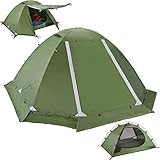 Clostnature 4 Season 2 Person Clostnature 4 Season 2 Person |
|
Check Latest Price |
 OneTigris Stella 4 Season OneTigris Stella 4 Season |
|
Check Latest Price |
 Underwood 1/2 Person 4-Season Underwood 1/2 Person 4-Season |
|
Check Latest Price |
 GEERTOP 4 Person Family Tent GEERTOP 4 Person Family Tent |
|
Check Latest Price |
 Naturehike Dune Hot Tent Naturehike Dune Hot Tent |
|
Check Latest Price |
 Naturehike Massif Hot Tent Naturehike Massif Hot Tent |
|
Check Latest Price |
 POMOLY Chalet 70 Pro Hot Tent POMOLY Chalet 70 Pro Hot Tent |
|
Check Latest Price |
 VEVOR Canvas Bell Yurt VEVOR Canvas Bell Yurt |
|
Check Latest Price |
1. Forceatt 2 and 3 Person 4-Season Tent: Best Overall
- Three-minute setup with included aluminum poles
- 3000mm waterproof rating with welded floor and full-coverage fly
- Light 5.5 lb packed weight for a two-person shelter
- Two D-shaped doors and two vestibules for gear storage
- Mesh window plus two ceiling vents ease condensation
- Two-person floor is snug for two adults with gear
- No stove jack so warmth depends entirely on your sleep system
- Lightweight fabric and slim poles are not built for heavy snow loads
The thing that stood out to us with this tent is how little it compromises for a 2026 winter list. It is a dome with 7001-series aluminum poles on a clip-attachment frame, a full-coverage rainfly, and a welded floor rated at 3000mm. Those are the three components that decide whether a tent holds up when the wind finds the seams, and all three are present in a 5.5 lb package.
Pitch speed was the first surprise. Owners consistently report three minutes from unpacked to standing, and the two ceiling vents plus a large mesh window give you real airflow options on a mild day. It is genuinely a sleep-system shelter rather than a heated base camp, which is exactly what a lot of winter hikers actually want.
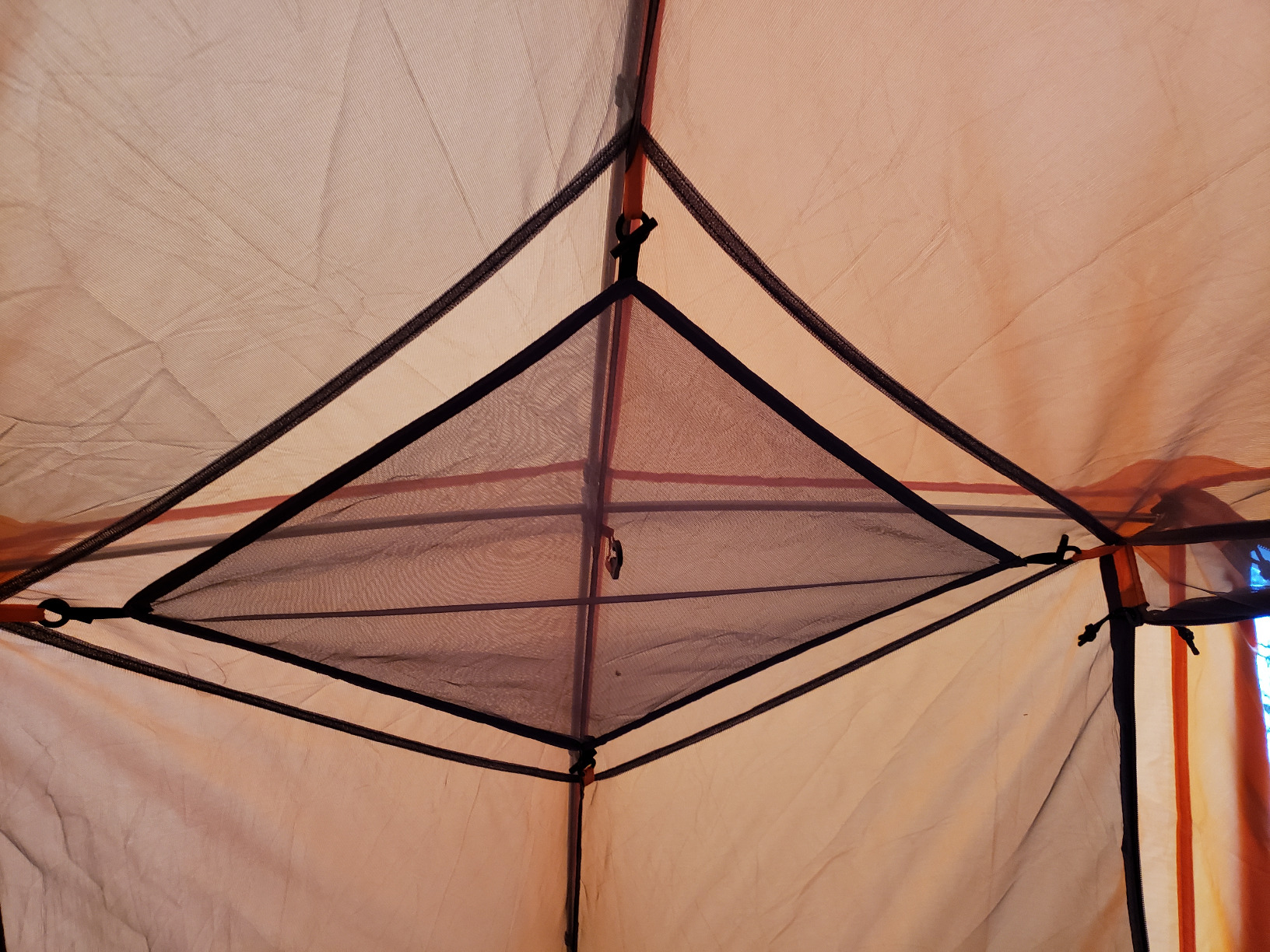
The interior measures 88.6 by 53.1 inches with a 43.3 inch peak, and that is the honest catch. Two adults with packs and boots will feel it, particularly in a long week where gear accumulates. One owner per thousand or so notes that the two vestibules are the difference, since wet gear and packs stay outside the sleeping area.
Owner reports on durability are honest about the limits. The fabric is light, the pole diameter is modest, and nobody in our research claimed this tent shrugs off heavy snow load. What it does well is rain, spindrift and moderate wind, which covers shoulder-season winter and most overnight winter backpacking below treeline.
What you should check before buying
Measure your sleeping bags laid flat and add a few inches. If you carry camera gear, a stove or a dog, order the three-person version rather than planning to squeeze the two-person. The extra width matters more in winter than in summer because everything is wet and heavier than you expect.
Decide honestly whether you will be pitching in snow. If snow accumulation is likely, the stakes and guy lines included are adequate but you will want to add your own snow anchors. They are not a limit of the tent, just of the kit.
Who should skip it
If you plan to run a wood stove or a propane heater inside, this is the wrong shelter. There is no stove jack, and the full-coverage fly is designed to keep outside air out rather than let combustion fumes vent safely.
Also skip it if you are heading above treeline in serious wind. This is a capable three-to-four-season backpacking dome, not an expedition shelter. Our family camping tent guide covers the larger formats if that is your frame of reference.
2. GEERTOP 2 Person 4-Season Tent: Best Reviewed
- Ripstop fly with PU3000mm coating
- taped seams and extended snow skirt
- Roomy 82.6 x 55 x 45 in interior with dual vestibules
- Pitches in five to eight minutes on a two-pole frame
- Double-wall design with mesh panels for airflow
- Compact 17 x 7 x 7 in carry bag
- 6.9 lb is heavy against lighter two-person options
- Uninsulated fabric means warmth comes from your sleep system
- Aluminum poles are thin and can bend in strong gusts
This is the most heavily reviewed tent in our group, with a 4.6 average across more than 2,500 owner reports, and the volume of long-term feedback is what convinced us it belongs on any winter list. Owners describe it as a dependable year-round backcountry shelter that has handled thunderstorms, snow, and motorcycle trips without drama.
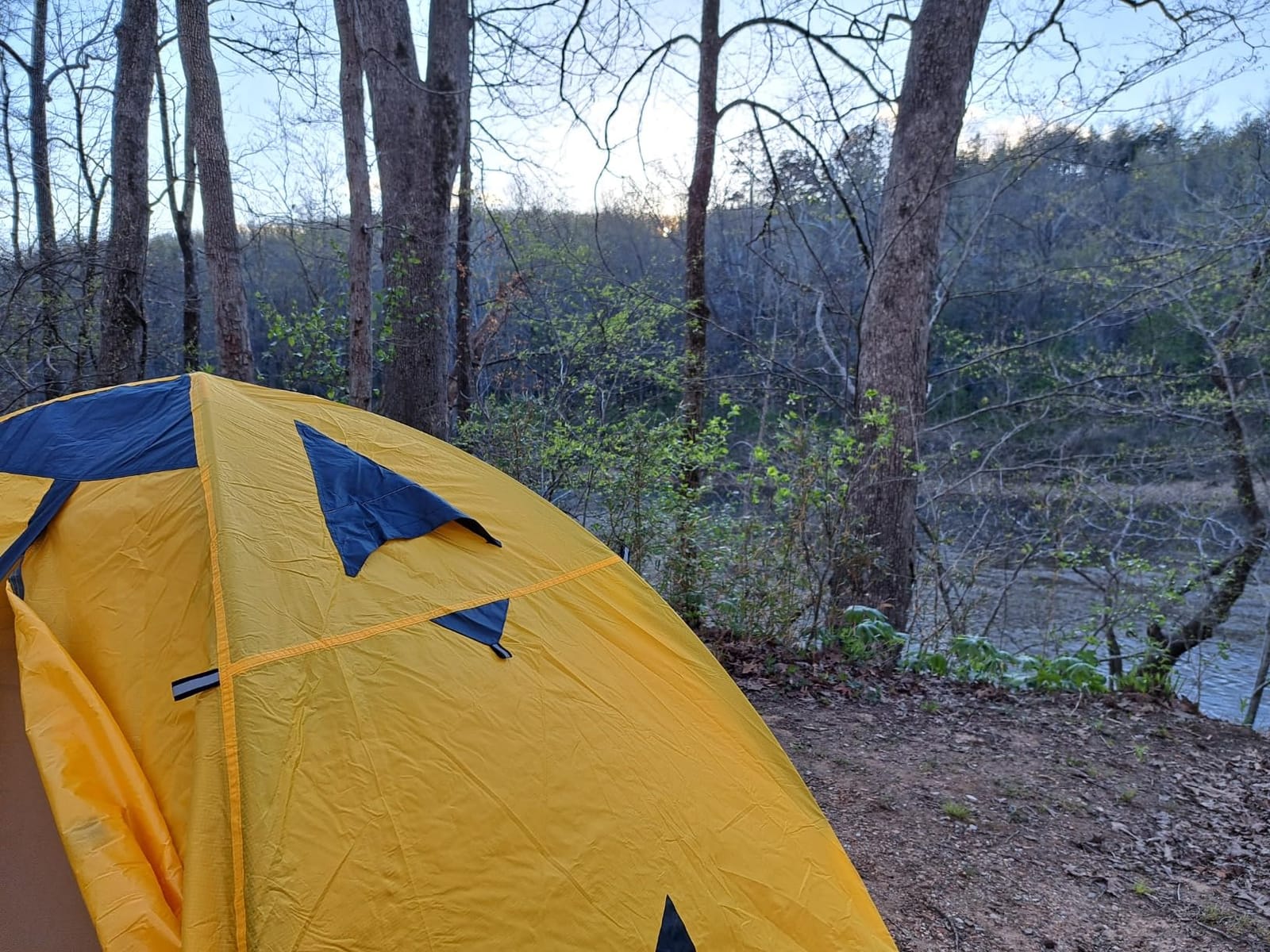
Construction details are the reason. The fly is 210T ripstop polyester with a PU3000mm coating, seams are fully taped, and there is an extended snow skirt around the base to block wind-driven snow. Dual vestibules mean you can keep muddy boots and packs out of the sleeping space, which is one of the quietest wins in cold weather.
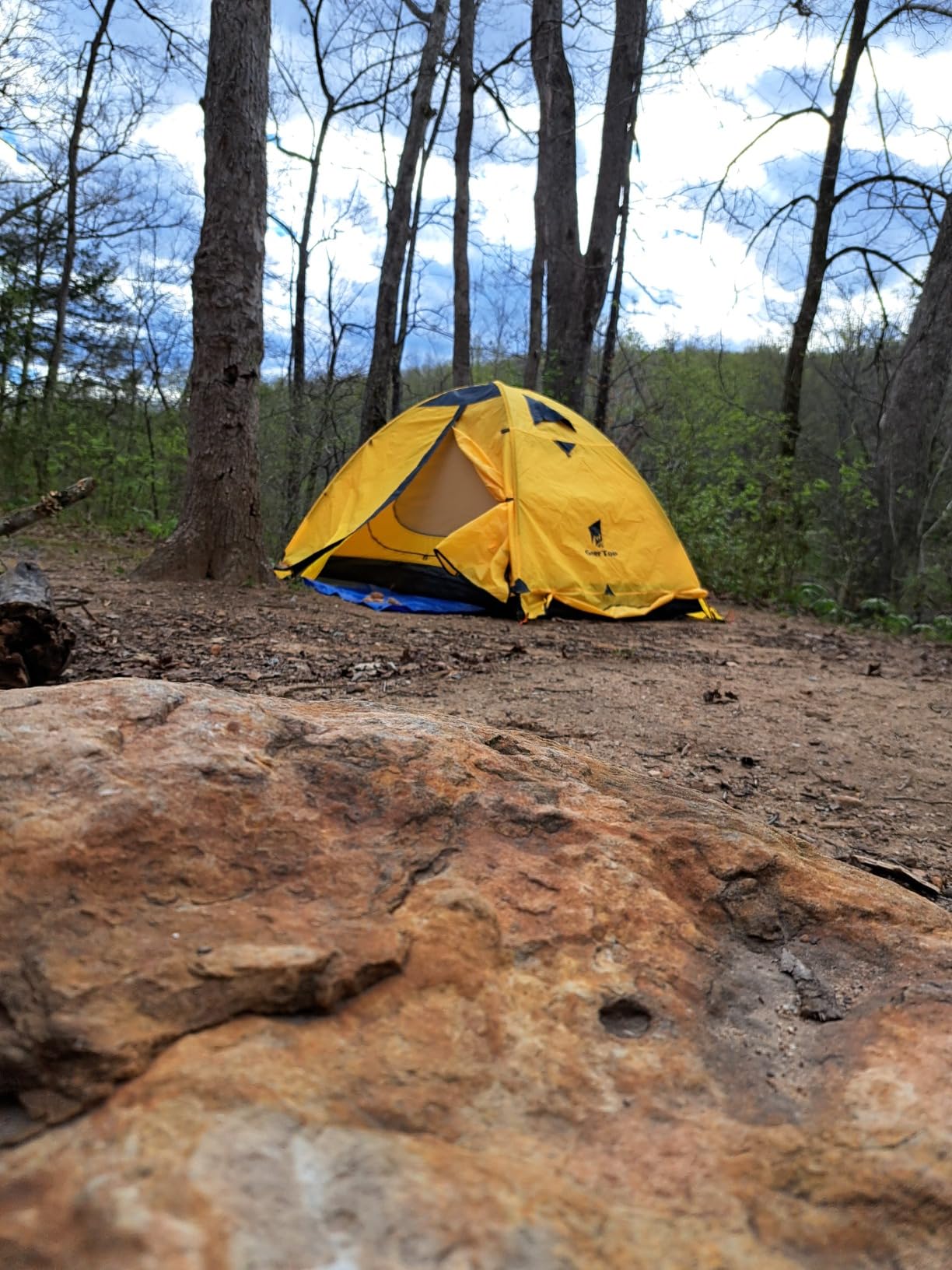
The floor is 82.6 by 55 inches at a 45 inch peak, which is roomier than most two-person four-season tents we looked at. The freestanding structure pitches in five to eight minutes using a simple two-pole clip-on frame, and the whole thing packs to 17 by 7 by 7 inches, small enough for a motorcycle pannier or a side pouch on a big pack.
The recurring complaint in reviews is weight. At 6.9 lb it is the second-heaviest two-person tent here, and owners moving daily will feel that on a long approach. The other thread that comes up is thin aluminum poles flexing in gusty conditions, which matters more in exposed terrain than the rating suggests.
What you should check before buying
Do the weight math against your trip type. For car camping, a winter trail at a developed campground, or a motorcycle setup, 6.9 lb is a non-issue and this is a strong choice. For a multi-day snow-shoe traverse where you move camp daily, lighter options will serve you better.
Bring your own stakes and guy lines if you are on frozen or rocky ground. The included set is fine on ordinary soil, and the thin poles justify extra guying in exposed sites.
Who should skip it
Skip it if you are a fast-and-light purist who counts every ounce, or if you expect sustained wind above what a two-pole dome handles comfortably. It also has no stove jack, so heated winter setups are out of the question here.
Those shopping in a different format can see our canvas tent picks for breathability-first winter base camps.
3. camppal 1 Person 4-Season Tent: Budget Pick for Solo Trips
- Very light at 3.75 lb for a one-person four-season shelter
- 3500-4000mm fabric with sealed zipper seams and taped floor corners
- Three-minute pitch on a single ridge pole
- Extended 8.2 ft floor suits taller campers and gear storage
- CPAI-84 fire retardant fabric
- Interior is coffin-like and tight beyond one person and a pack
- Not freestanding so it must be staked out
- Condensation builds in warm conditions and netting dries slowly
- One reviewer reported a seam hole and unclear paper instructions
For a solo winter camper who counts grams, this is the most efficient shelter on the list. At 3.75 lb with 3500-4000mm waterproofing, there is very little wasted weight, and motorcycle and long-distance hikers in the reviews single out exactly those two numbers when explaining why they keep using it.
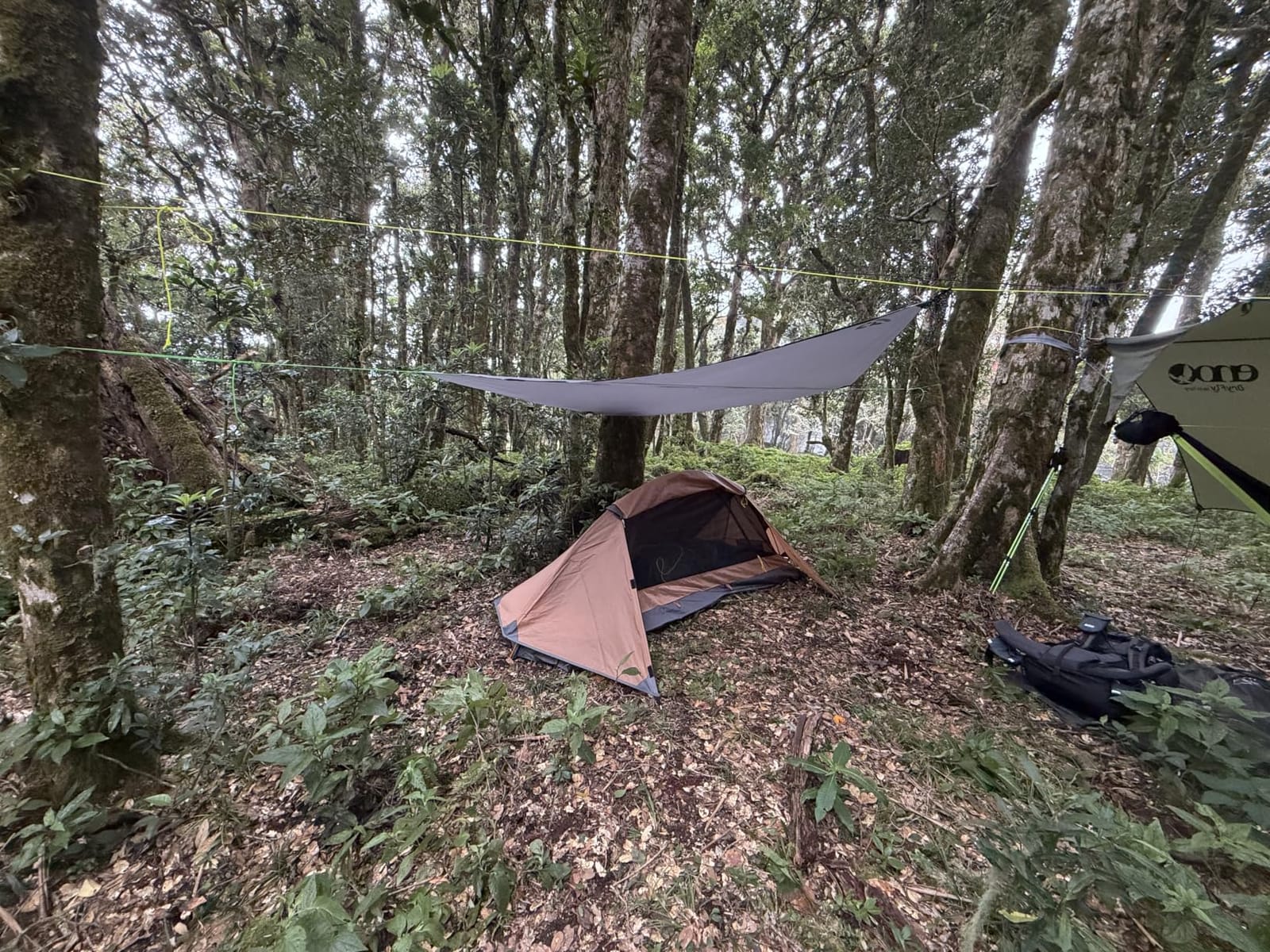
The design is an A-frame with a single ridge pole that pitches in about three minutes. Seams are taped at the zippers and at all four bottom corners, which are the leak points that usually fail first in a budget shelter. CPAI-84 fire retardant fabric is a genuine plus for anyone winter camping near a fire ring or a wood stove setup outside.
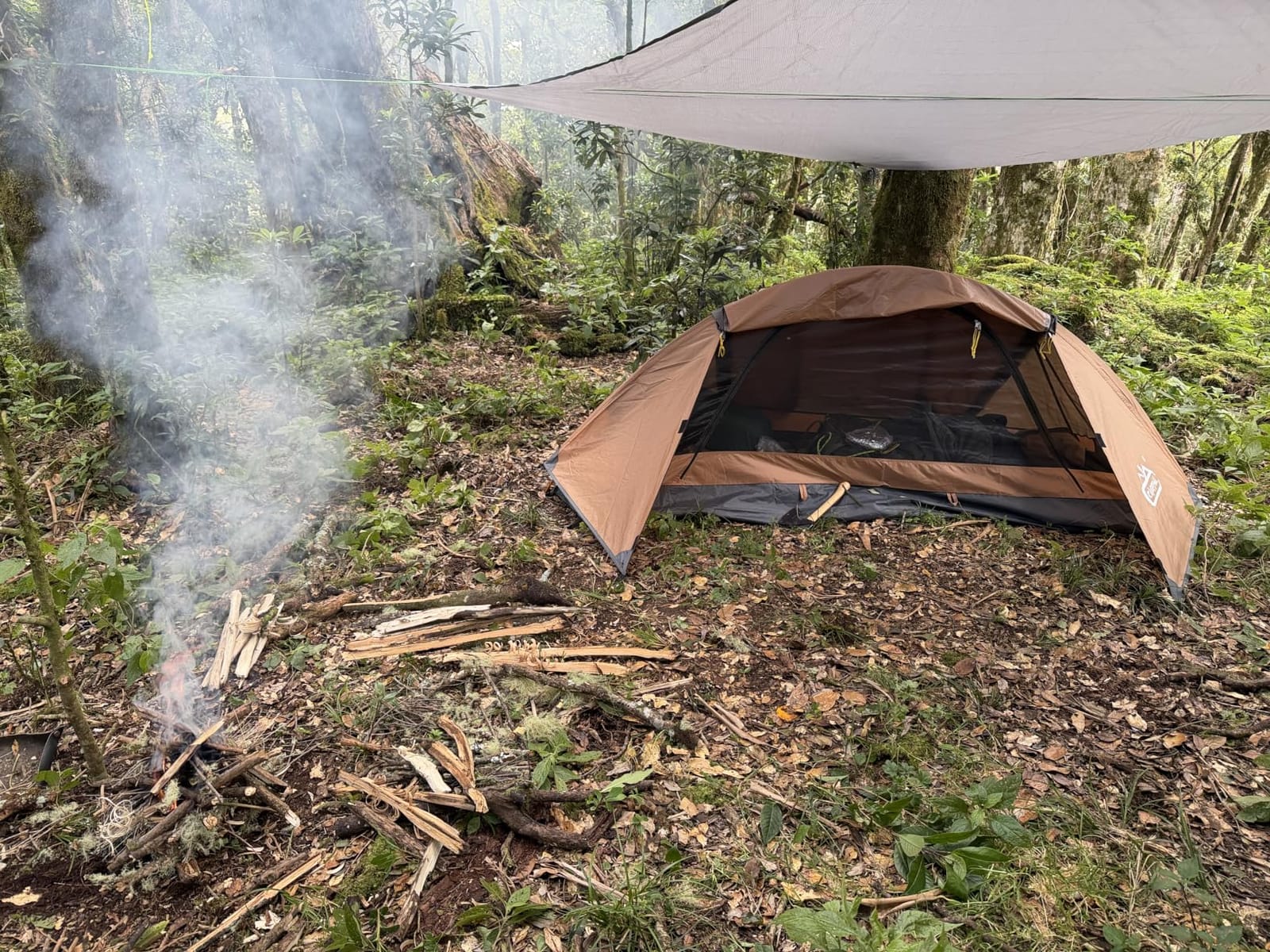
The 8.2 foot length is the standout number. Most one-person tents are around seven feet, and the extra length lets taller campers sleep flat and still store a pack at the foot. Seams are reinforced and the aluminum pole construction is described as solid in the durability reports we read.
Be prepared for the trade-offs. It is not freestanding, so you need proper stakes and practice, and the interior is narrow enough that reviewers call it coffin-like. Condensation collects in warm conditions and the netting takes time to dry, which is a normal winter trade rather than a defect.
What you should check before buying
Check your height against the 8.2 foot floor and your shoulder width against the 2.95 foot interior. If you carry a large pack, the length helps but the width is the constraint, and you may prefer a wider two-person design at a similar weight.
Inspect seams and zipper tape the moment it arrives. A small number of owners reported finding a hole along a seam on delivery and unclear paper instructions, so a ten-minute check protects you from a wet first night.
Who should skip it
Skip it if you want a freestanding tent you can throw up on rocky ground in a storm, or if you are pitching in deep snow where stake-out is slow. There is also no vestibule to speak of and a single door, so wet gear goes inside with you.
4. OneTigris TEGIMEN Hammock Hot Tent: Best for Hammock Winter
OneTigris TEGIMEN Hammock Hot Tent, 4 Person Tent with Stove Jacks
- Two stove jacks for different chimney angles
- Spacious 12.5 x 6.6 x 6.2 ft interior with stand-up height
- 70D ripstop nylon rated 3000mm
- Wind-proof sod skirt for heat retention
- Works as a hammock shelter or pole-supported wall tent
- Floorless so snow and bugs need a separate floor
- Floorless design plus limited ventilation means heavy condensation
- Included stakes are light and insufficient for a full pitch
- No poles included
This is the most interesting shelter in the group for anyone moving from a tarp to a tent. Two stove jacks, one on the roof and one on a side wall, let you run a stove at an angle that suits your pipe. Owners report sleeping comfortably with a stove going, and the 6.8 lb packed weight is remarkable for something you can stand inside.
The interior is 12.5 by 6.6 by 6.2 feet, which is big enough for a hammock plus two cots, or a table and chairs with sleeping space. It works three ways: as a floorless hammock shelter, as a propped wall tent with separate poles, or as a fully framed structure. Setup kit includes 14 stakes, 10 guy lines and two stove jack inserts.
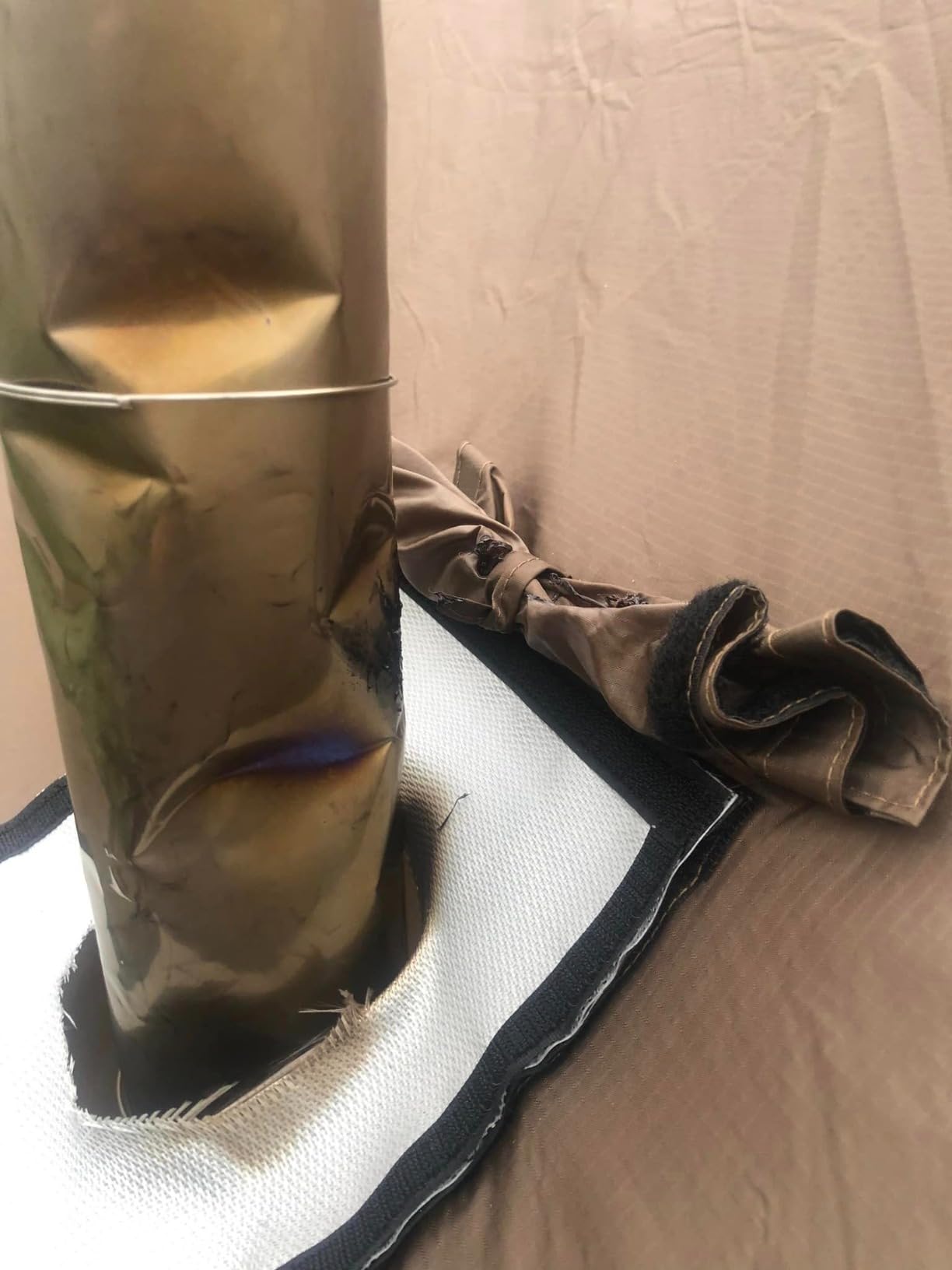
Fabric is 70D ripstop nylon rated at 3000mm, with a wind-proof sod skirt around the base for heat retention and YKK zippers on the dual side openings that the hammock ropes pass through. Owners running this in high wind and heavy rain report that it has held.
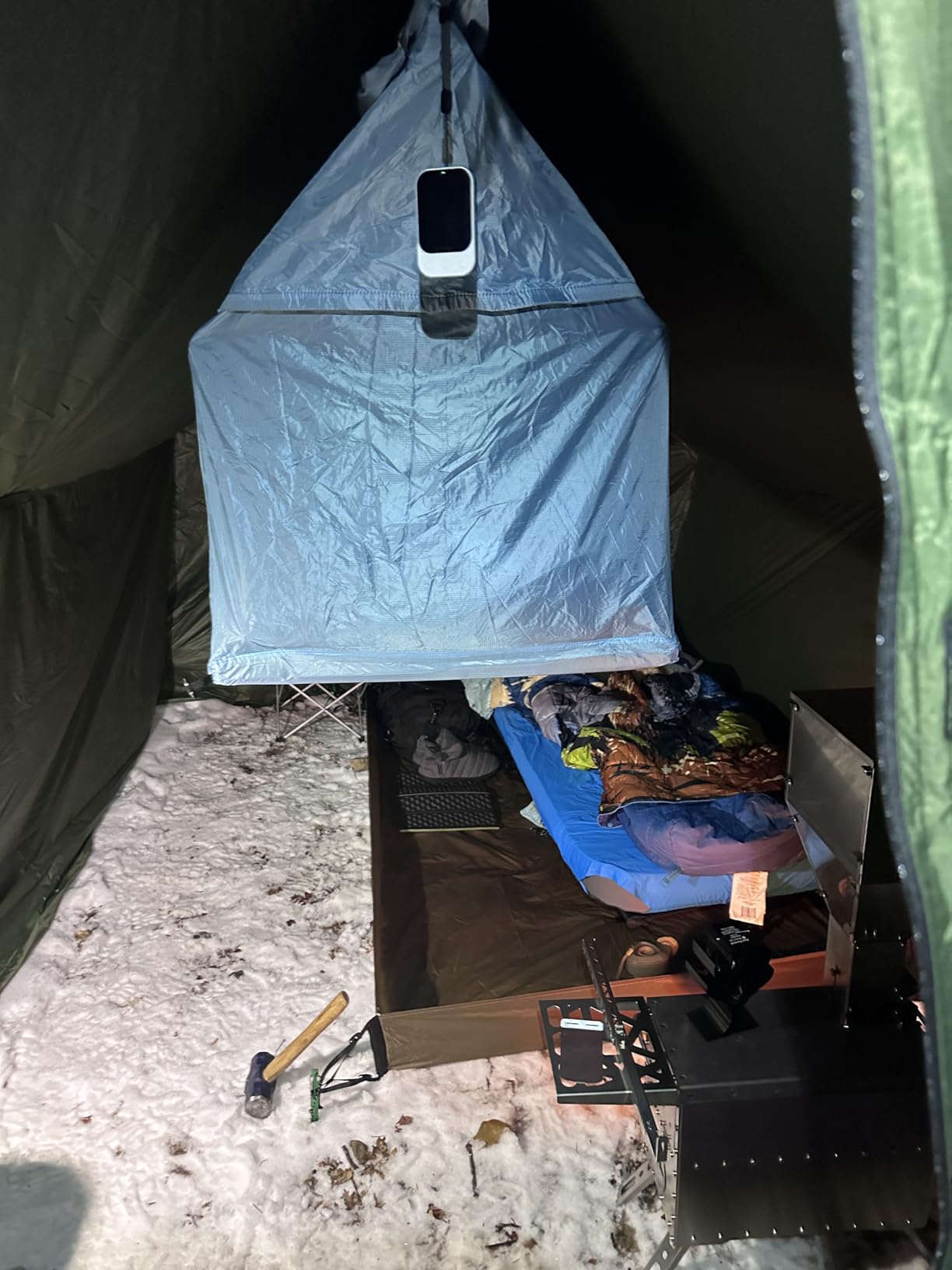
The warnings are consistent across reviews and worth taking seriously. It is floorless, so snow and insects need a separate footprint or tarp. Condensation builds fast once a stove is lit and the ventilation is limited. The included stakes are light duty, and the supplied stuff sack is too small for the packed tent, which is a small annoyance rather than a problem.
What you should check before buying
Budget for a floor. A ground tarp, a snow floor, or a bug net changes how this tent performs more than any other purchase decision here. Owners who added one describe a completely different experience, particularly in cold ground.
Buy your own stakes and poles. The 14 included pegs are enough to sketch an outline, not enough for a properly tensioned pitch in wind. Factor in the cost of a stove and a fireproof mat before you commit to the heated setup.
Who should skip it
Skip it if you dislike condensation, because a floorless single-layer design with a stove running is the worst-case scenario for moisture. It is also a poor fit for anyone who needs a sealed, bug-proof sleeping space without extra purchases.
And treat any stove as a comfort measure, not a survival tool. Never cook inside a tent, and keep the stove jack cover from rolling back onto a hot chimney.
5. Clostnature 4 Season Backpacking Tent: Best for Cold Rain
Clostnature 4 Season Backpacking Tent – 2 Person Cold Weather Winter Tent
- Keeps campers warm and dry at 20F and in freezing rain
- PU 5000 bathtub floor and sealed seams resist wet ground
- Freestanding two-pole design pitches in minutes
- Two doors so neither camper disturbs the other
- Good for scouting groups outfitting multiple tents
- Rain fly is thin and tears if handled roughly
- Included stakes are flimsy and bend in hard soil
- No floor tarp included
- Fly often will not fit back in the stuff sack
Among the reviews for this tent, the most repeated line is that people stayed warm and dry at 20F and in freezing rain across multiple trips. That is the honest test of a winter shelter, and it is also where the 5000mm PU coating on the fly, groundsheet and bathtub floor earns its place. This is the joint-highest waterproof rating among the non-hot tents here.
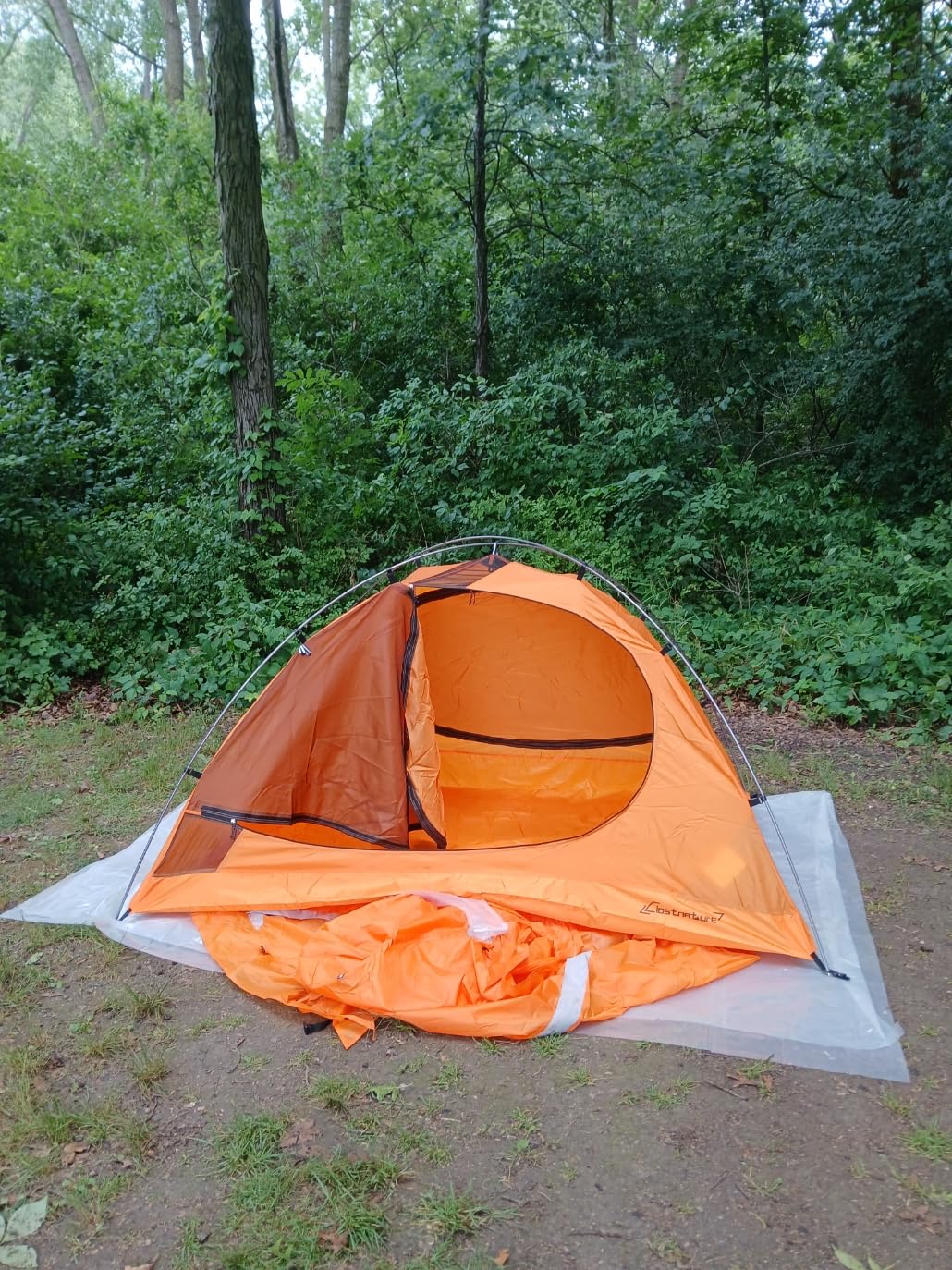
The frame is freestanding, two-pole and aluminum, and owners mention pitching it quickly even solo and in the dark. The interior is 86.6 by 59 inches at 45.8 inches, with two D-shaped double-layer doors, two vestibules and two windows, so two campers can come and go without crossing the tent.
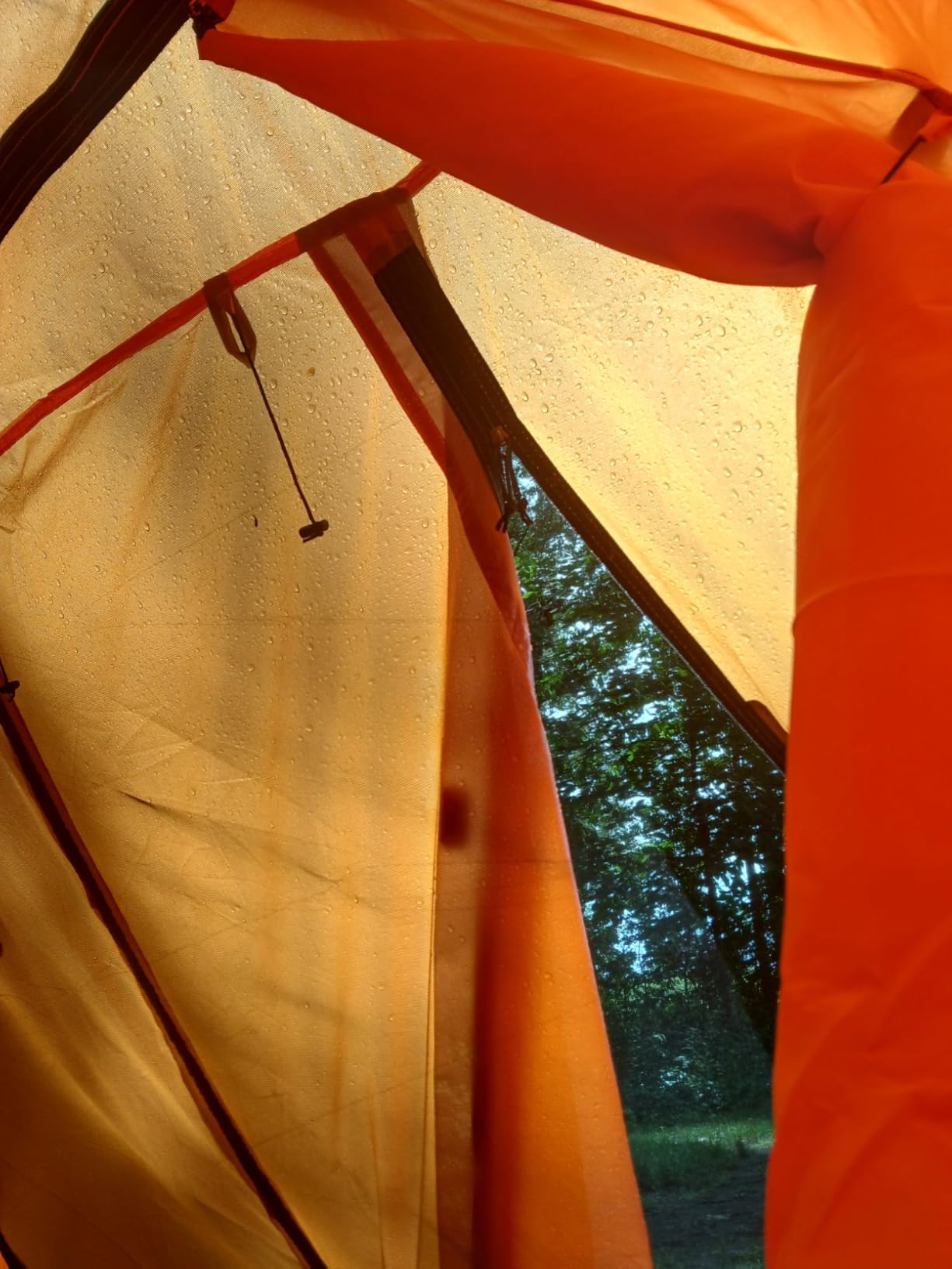
Snow flaps seal out spindrift, which is a small feature that matters when snow is blowing across the site. Ceiling vents give real ventilation when propped, and the double-layer doors let you manage moisture without stripping the whole tent. It packs to 16.5 by 5.9 by 5.9 inches, with a 5.33 lb minimum trail weight.
The quality-control notes are worth weighing. The fly is thin and tears if grabbed roughly, the included stakes bend in hard soil, and no floor tarp is included so standing water can soak the bottom from beneath. Scouting families and motorcycle campers who buy several of these at once are the most enthusiastic owners in the reviews.
What you should check before buying
Add a footprint and better stakes to your order. Those two additions address most of the negative reviews, and neither is expensive relative to the tent. A thin pack cloth under the bathtub floor does the same job as a dedicated tarp.
Check that 45.8 inch peak against your sitting height. It is enough to sit up, not enough to stand, which is the correct expectation for this class of lightweight dome.
Who should skip it
Skip it if you handle fabric roughly, or if you camp on hard rock where the included stakes will fold. There is no stove jack, so it cannot be used as a heated shelter, and it traps heat enough to turn into a sauna in summer.
6. OneTigris Stella 4 Season Tent: Best for Blackout Sleeping
OneTigris Stella 4 Season Camping Tent Backpacking 2 Person Waterproof Lightweight Easy Setup Instant 3000mm Waterproof Rating Outdoor Hiking Tent
- Removable blackout outer with 3000mm waterproofing
- Light at 4.8 lb for a two-person four-season tent
- Three-minute setup with crossing flexible poles
- Mesh inner gives airflow in humid conditions
- Silicone-coated 20D nylon is durable and easy to pack
- Interior is 6.9 x 4.1 ft so two campers pack in tight
- No stove jack for sub-freezing trips
- Blackout fabric blocks daylight and needs vent management
The Stella has a feature none of the other four-season domes on this list offer: a removable blackout outer tent. For winter campers sleeping in a wall-to-wall cabin tent at a campground, that solves the problem of a 6am sunrise waking you long before your alarm.
Underneath, it is a straightforward lightweight dome. The outer is 20D nylon with a single-layer silicone coating rated at 3000mm, the bottom is 40D nylon, and four flexible aluminum poles cross at the dome top and anchor at all four corners. Setup is about three minutes, and the mesh inner gives airflow in humid conditions.
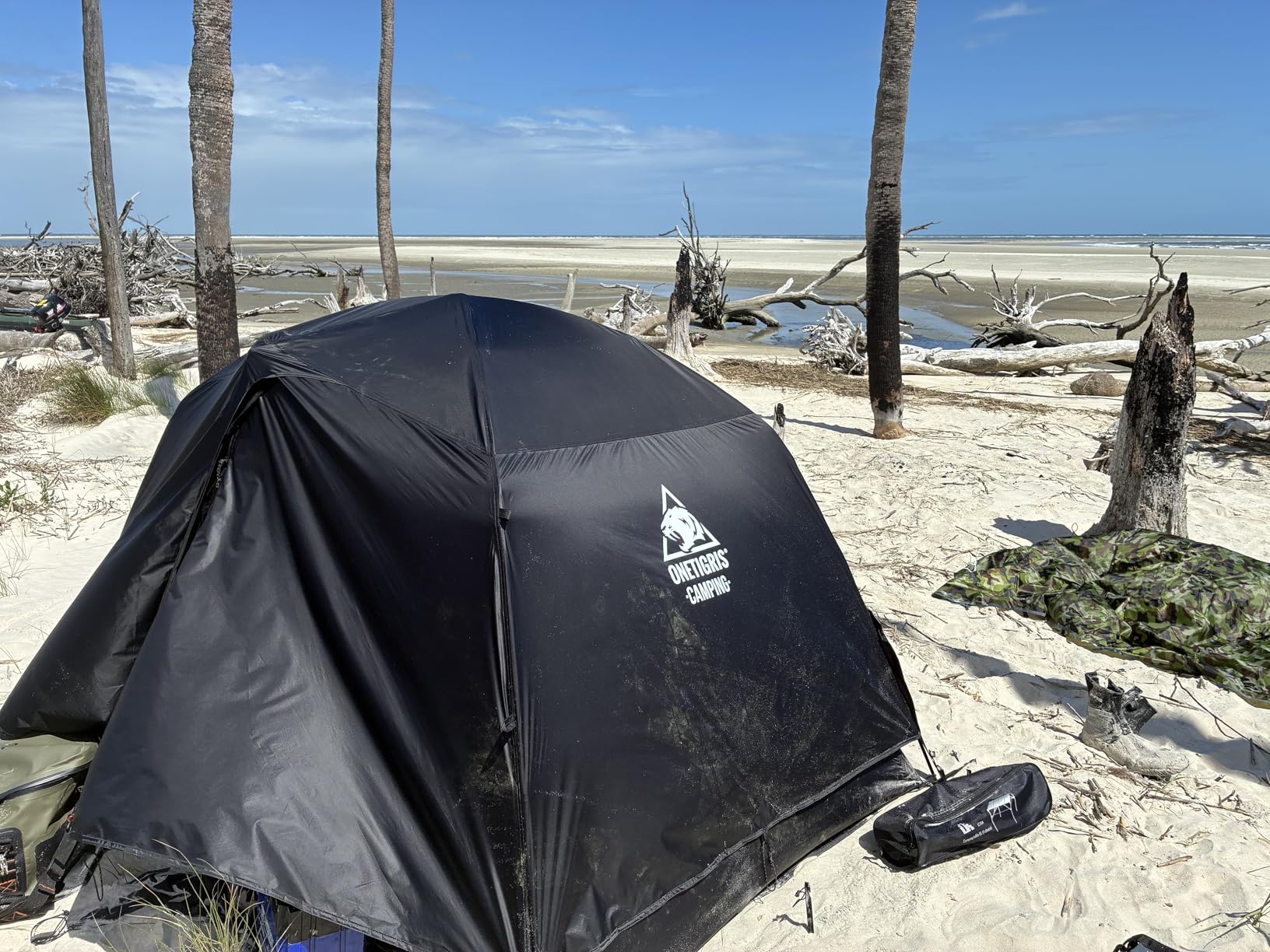
At 4.8 lb it is the second-lightest two-person shelter in the group, and it packs to 21.7 by 6.3 inches. The setup kit covers the essentials: poles, 10 stakes, four 8.2 foot guy lines and a storage bag. One-person and black variants of the same model are also produced.
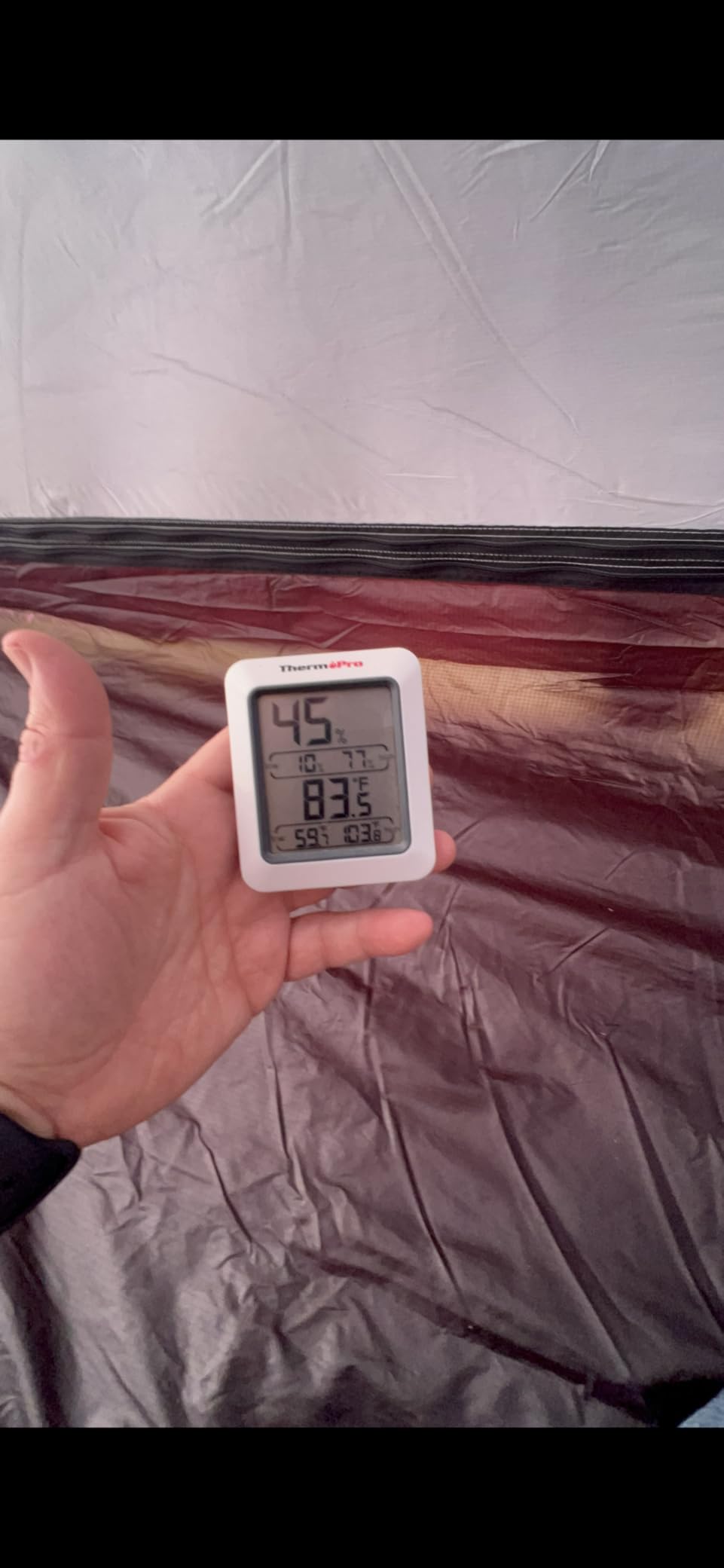
The floor is the constraint. At 6.9 by 4.1 feet, this is a tight two-person tent, and reviewers are consistent that two campers pack in closely. The blackout layer also cuts daylight completely, so you need to open doors and vents during the day or you will wake up in a dark tent with condensation running down the walls.
What you should check before buying
Lay out your sleeping bags and pads. If the pair of you needs more than 40 inches of width, this is not the tent, and the larger dome options in this roundup will serve you better. The length is fine for anyone under about six feet.
Decide whether you want to carry the blackout layer in winter. Many owners use it in autumn and leave it at home midwinter, when darkness is not the problem and weight is.
Who should skip it
Skip it if you are tall and wide, or if you plan a stove setup. There is no stove jack, and the tight interior leaves nowhere to put one anyway. Blackout sleeping is also a poor fit if you camp in exposed sites where you need daylight to find gear in poor weather.
7. Underwood 1/2 Person 4 Season Tent: Best Value
- PU 5000mm fly kept campers dry in rain and snow to freezing
- Light and compact at 5.73 lb
- Stakes included do not bend in rocky soil
- Mesh body and double-layer door ventilate well
- Completed multi-day treks in Patagonia
- Low peak height makes it a crouch-over shelter
- Polyester floor needs a ground sheet in wet ground
- Fly does not tension fully and can wet through
- Door zipper is hard to close once fully staked
A 5000mm coated full-coverage rainfly at this weight is unusual, and it is the reason this tent holds a 4.6 across hundreds of owner reports. Reviewers describe keeping dry in rain and snow down to freezing, and one owner used it for multi-day treks in Patagonia, which is a serious test for a shelter at this level.
Winter-specific details include a roll-away snow skirt for sealing the base and double-layered reinforced corners for high wind. Aircraft-grade aluminum poles attach with duraflex fasteners, the structure is freestanding, and there is a camping light hook plus an interior mesh pocket. Twelve stakes and two guy lines come in the kit.
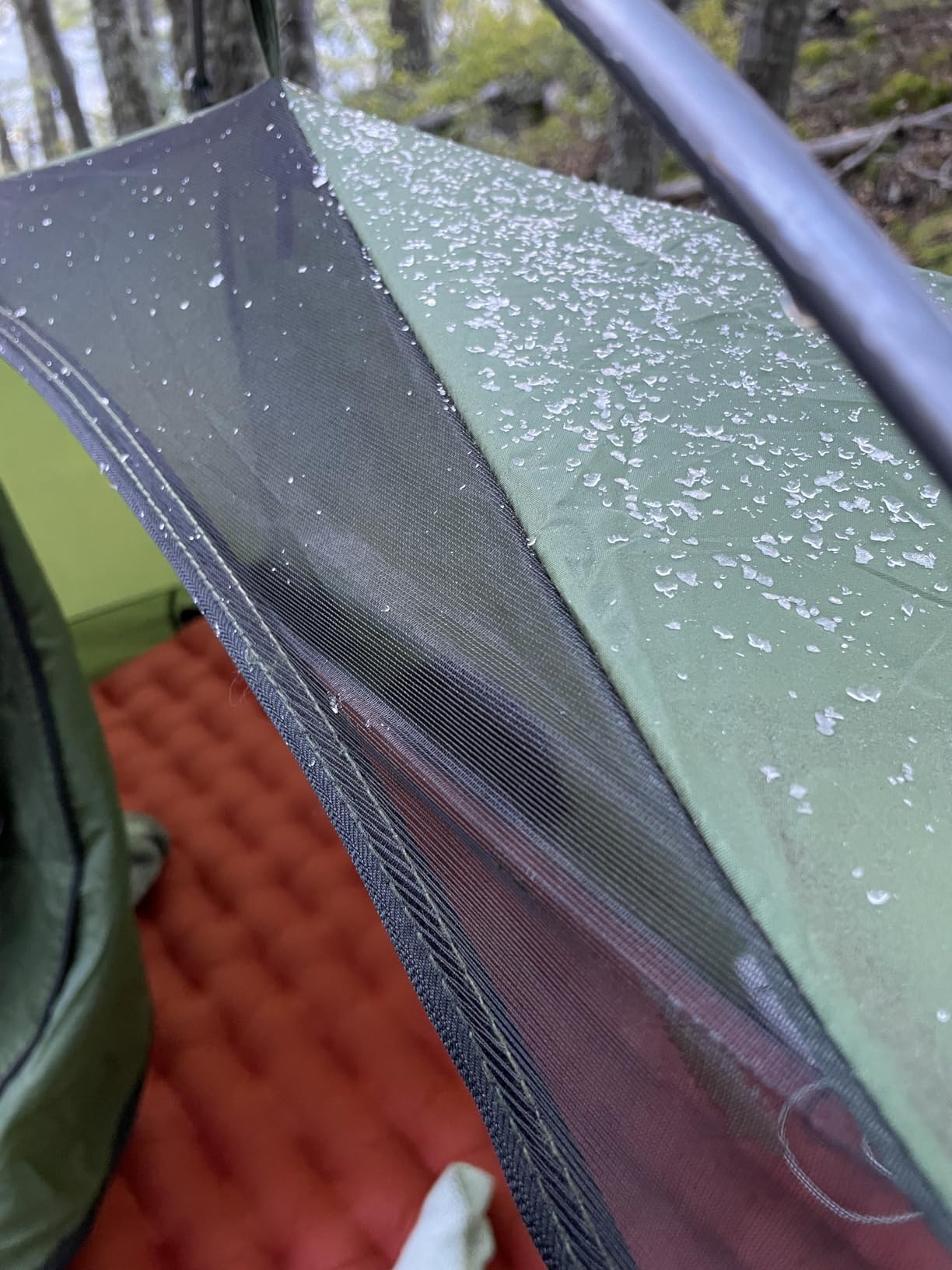
The floor is 86.6 by 59.1 inches with a 45.3 inch center height, and the tent packs small. Family buyers often order two, and motorcycle campers like the compact footprint. One and two-person variants come in several colors, so it is easy to match the size to the trip.
Where it falls short is height and fly tension. The low peak makes it a crouch-over shelter rather than a sit-up tent, and the polyester floor is not tarp material, so wet ground reaches you without a ground sheet. Reviewers also note the fly can wet through where it rests against the tent and does not tension completely.
What you should check before buying
Measure your seated height against the 45.3 inch peak, and buy a ground sheet if the ground will be wet or snow will melt under you. Both are quick additions that solve the two most common complaints.
Consider whether you will be fully staked and taut. Several owners report the door zipper becomes hard to close once the tent is at full tension, so leave a little slack when pitching or use the inner door for most of the night.
Who should skip it
Skip it if you need genuine sitting room, if you plan to use a stove inside, or if you are pitching on snow where stake-out is awkward. It is a good value shelter, not a comfortable living space.
8. GEERTOP 4 Person 4 Season Family Tent: Best for Families
- Held ground through 60 mph wind and heavy rain
- Roomy enough for a couple
- a large dog
- or two adults plus a cot
- PU3000mm fly and PU5000mm Oxford floor keep it dry
- Integrated snow skirt and good airflow for year-round use
- Quick to pitch in cold or dark conditions
- Sleeps about two adults comfortably despite the four-person label
- Aluminum poles have buckled under wind and bend easily
- Thin fabric including the floor
- Plastic rainfly clips look cheap and break
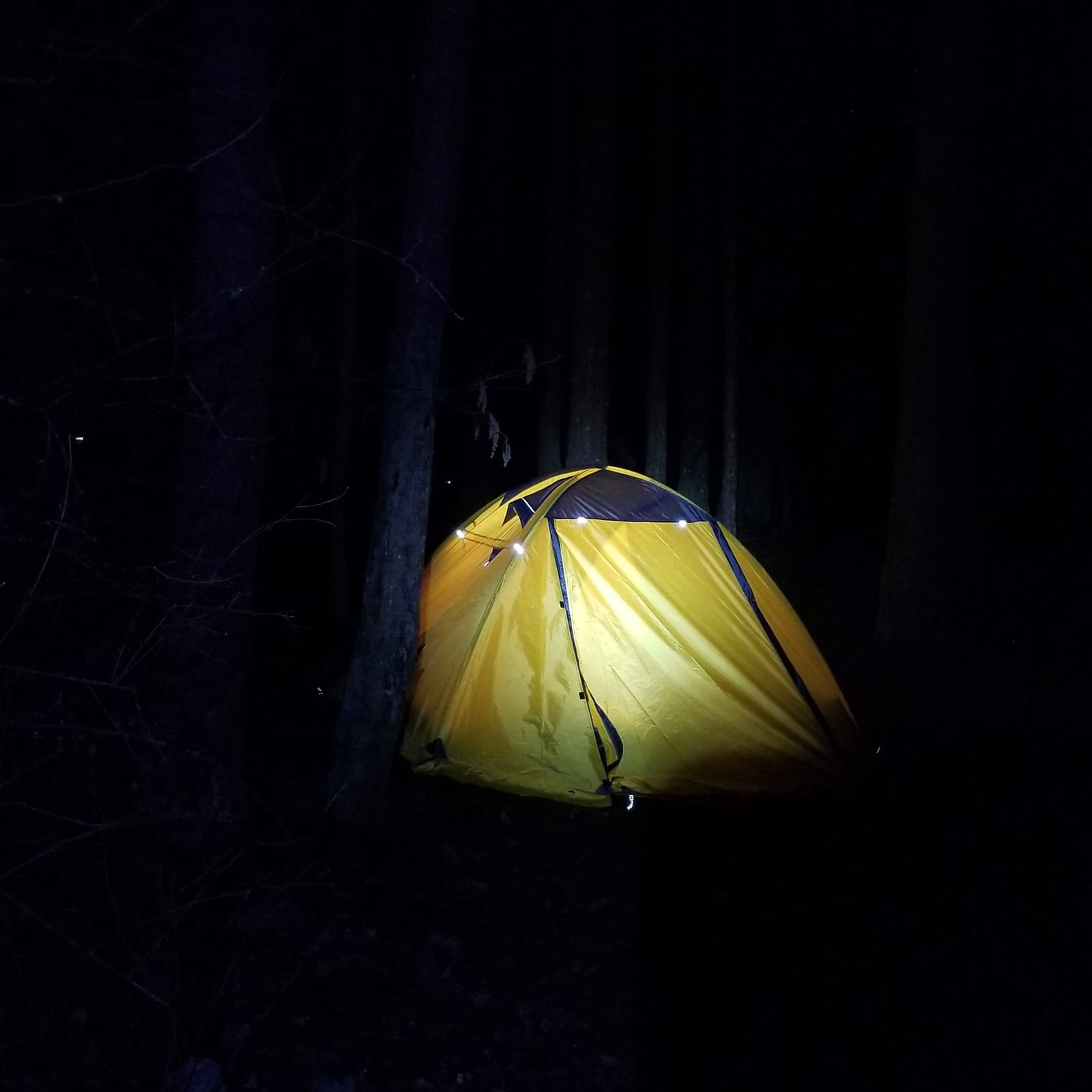
Family and group winter shelter is the biggest gap in the wider search results, and this is the option we would put in front of a household of three or four. The interior floor is 82.7 by 94.4 inches with a 55 inch peak, so there is room for two adults plus a cot, or a couple with a large dog, and the peak is high enough to change clothes standing up.
Weather performance is where owners report the most satisfaction. One account describes the tent holding its ground through 60 mph wind and heavy rain while neighbouring tents leaked or collapsed. Construction is double-wall with fully taped seams, a PU3000mm rainfly over a PU5000mm Oxford floor, and an integrated snow skirt that blocks wind, blowing snow and dust.
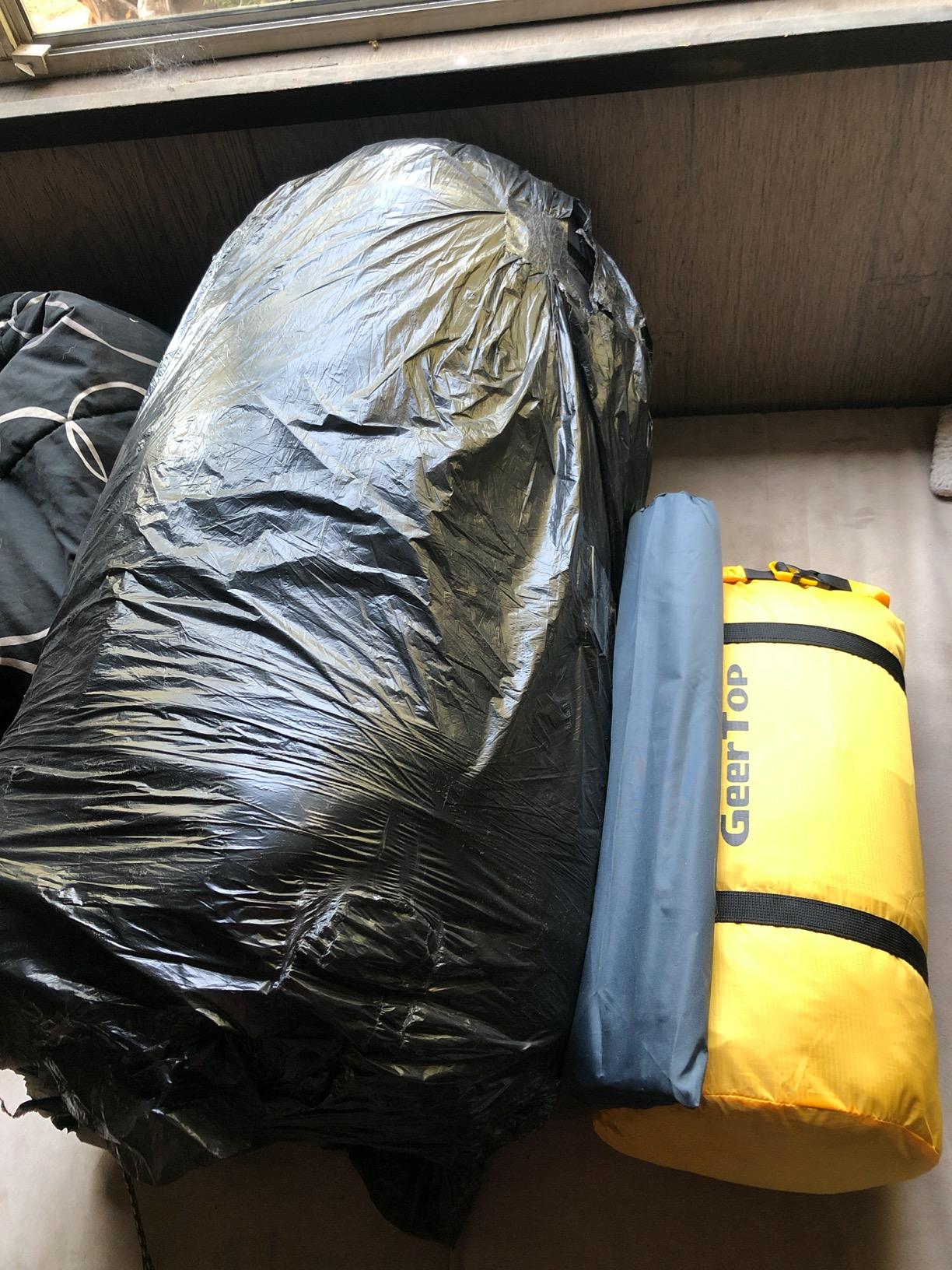
Two large doors, dual ventilation windows and breathable mesh panels keep it usable across seasons rather than only in deep winter. A front vestibule can be propped open with trekking poles, which is a genuinely useful place for wet boots and gear, and the freestanding aluminum structure pitches in minutes even in the cold.
Two caveats from the reviews matter. Despite the four-person label, owners describe it as comfortably sleeping about two adults. And the aluminum poles have buckled under wind, bending easily, with replacement parts that are hard to source. The fabric is thin overall, and one owner wore through the floor in sandy dirt.
What you should check before buying
Do not take the capacity label at face value. For three adults or two adults and two children, budget for a second tent or a much larger shelter, because the useful floor area for sleeping and dressing is well under what four nominal occupants need.
Carry your own stakes, snow anchors and a repair sleeve for poles. At 9.1 lb this is a car or motorcycle camping weight anyway, so adding a stronger stake set costs you nothing you will feel.
Who should skip it
Skip it if you need true four-person sleeping capacity, or if you will be exposed to sustained high winds where bucklable poles are a real risk. It also does not include a footprint, and the thin floor benefits from one in wet ground.
9. Naturehike Dune Hot Tent: Best for Stand-Up Hot Tents
Naturehike Dune Hot Tent with Stove Jack,Double Layer 4 Season Tent,Waterproof 2-4 Person Tents for Camping
- Silver-coated fly and 70.8 in peak height make it a stand-up winter hot tent
- Stayed dry in multi-day rain
- heavy snowfall and hail with 50 mph winds
- Reflective inner holds stove heat well in 10F weather
- Four double-layer doors and roof vents give excellent airflow
- Removable inner lets you use the fly alone as a living space
- 16.5 lb is a car or motorcycle camping weight
- Two-person version fits one camper with a cot
- stove and table
- Stove jack sits close to the inner tent
- First setup takes 20-30 minutes for one person
This is the one we would recommend if your winter camping picture involves sitting upright in a heated shelter while snow falls outside. The peak height is 70.8 inches, which means you can stand, and the silver-coated 75D polyester fly reflects heat back into the tent. Owners report the interior holding warmth in 10F weather with a stove running.
It is also the sturdiest hot tent in this group on paper. The fly is rated 3000mm with a UPF50+ coating, the floor is 150D oxford with taped corners at 4000mm, and the 7001 aluminum alloy poles cross in an X structure for wind resistance with eight wind ropes in total. Four double-layer doors on all sides plus roof vents give real ventilation options.
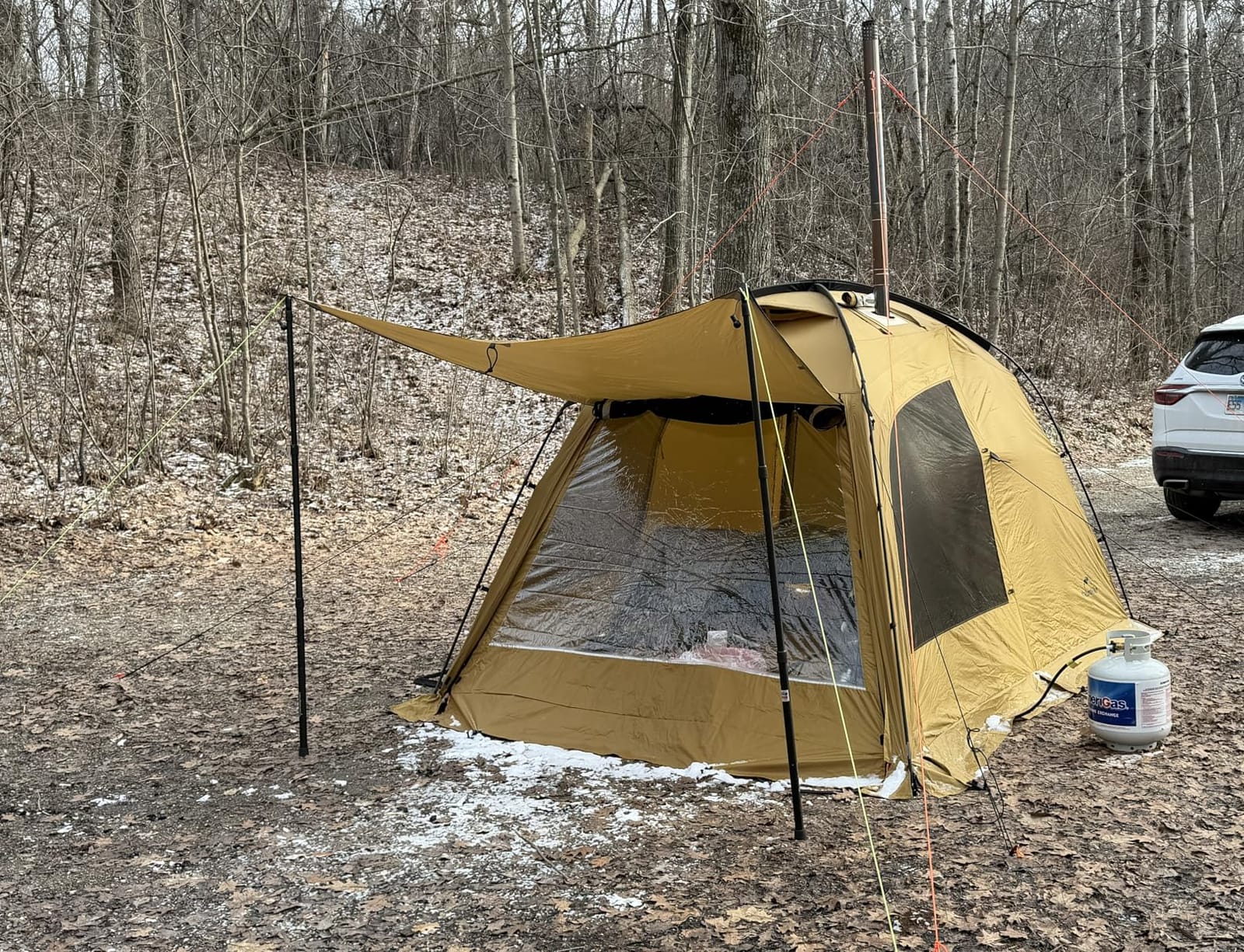
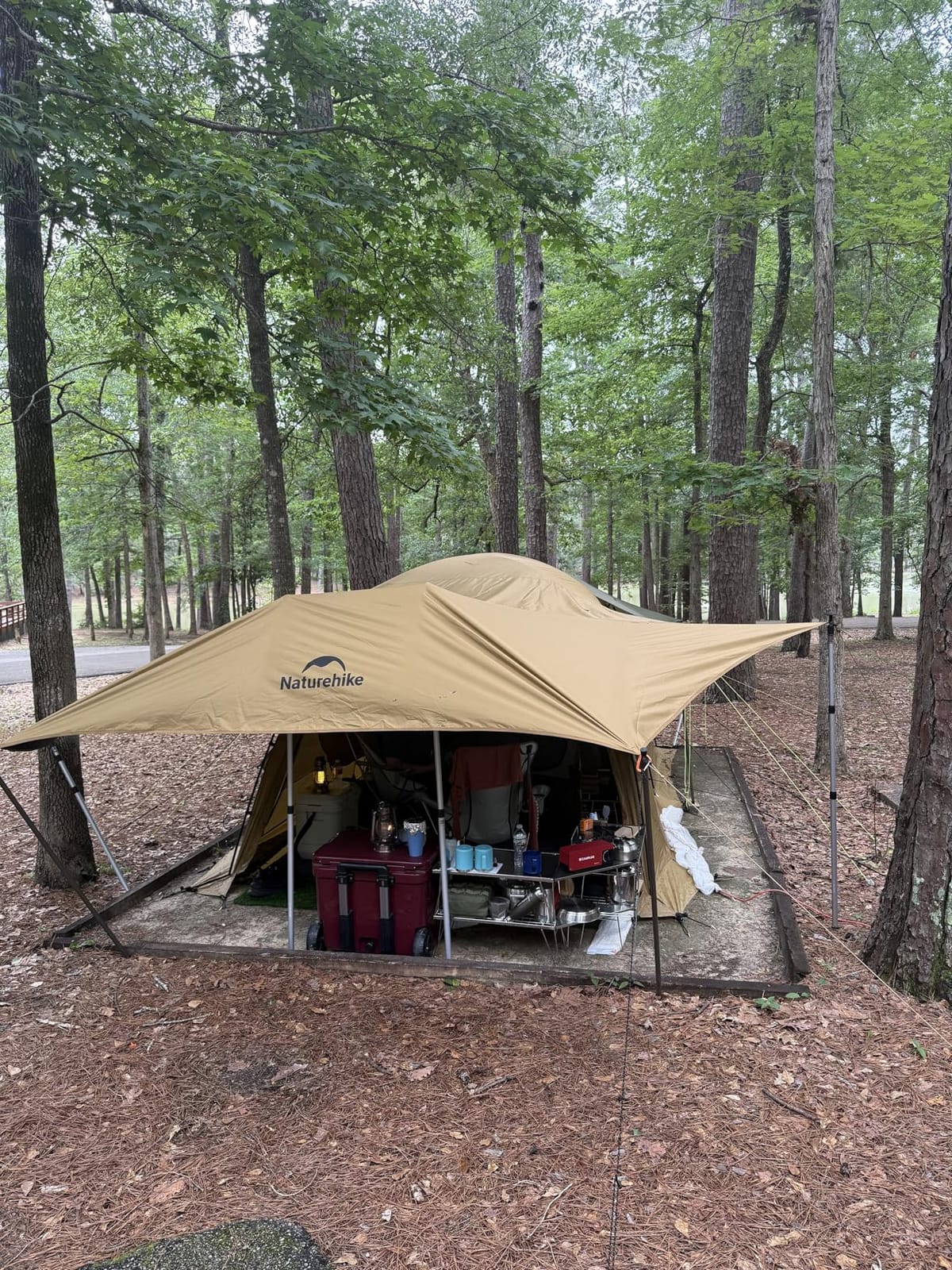
The removable inner tent is the design centrepiece. Leave it in and you have a bug-proof four-season shelter at 86.6 by 59 by 63 inches. Take it out and the 126 by 94.5 by 70.8 inch fly becomes a living space with a stove, table and chairs. Owners describe it surviving multi-day rain, heavy snowfall and hail with 50 mph winds.
Weight is the honest cost of all that room at 16.5 lb, and it packs to 24.8 by 11.8 by 8.6 inches. Two reviewers note the stove jack sits close to the inner tent, so you need to use a fireproof mat or remove the inner. The first pitch is genuinely difficult and takes 20 to 30 minutes solo.
What you should check before buying
Budget a dedicated vehicle for the 16.5 lb and plan the first pitch with a friend. The X cross structure and the wind ropes are the difference between a good pitch and a frustrating one, and two sets of hands cut that time in half.
Add a fireproof mat and decide in advance whether the inner tent stays in. The stove jack placement makes that decision important for safety, not just comfort.
Who should skip it
Skip it if you have to carry it any distance, if you want a bug-proof enclosed tent without a separate inner, or if your winter trips are solo and you will not have help with the pitch. Two- and four-person versions exist, so size is a choice, but every version carries real weight.
10. Naturehike Massif Hot Tent: Best for Heated Vestibules
Naturehike Massif Hot Tent with Stove Jack, Waterproof Windproof 4 Season Tent, 2/4 Person Cold Weather Winter Tents for Camping
- Retains stove heat well
- around 45F inside at 11F outdoors
- Stove jack plus large vestibule creates a usable heated living area
- Vestibule fits a chair and table with room to change
- Withstood 30+ mph gusts and mountain snowstorms
- Color-coded poles make single-person setup easy
- Only three tie-down options for a large sail area
- Some poles bent or snapped in strong wind
- 70D inner floor let damp ground moisture through
- Snow collects above the sleeping area and drips
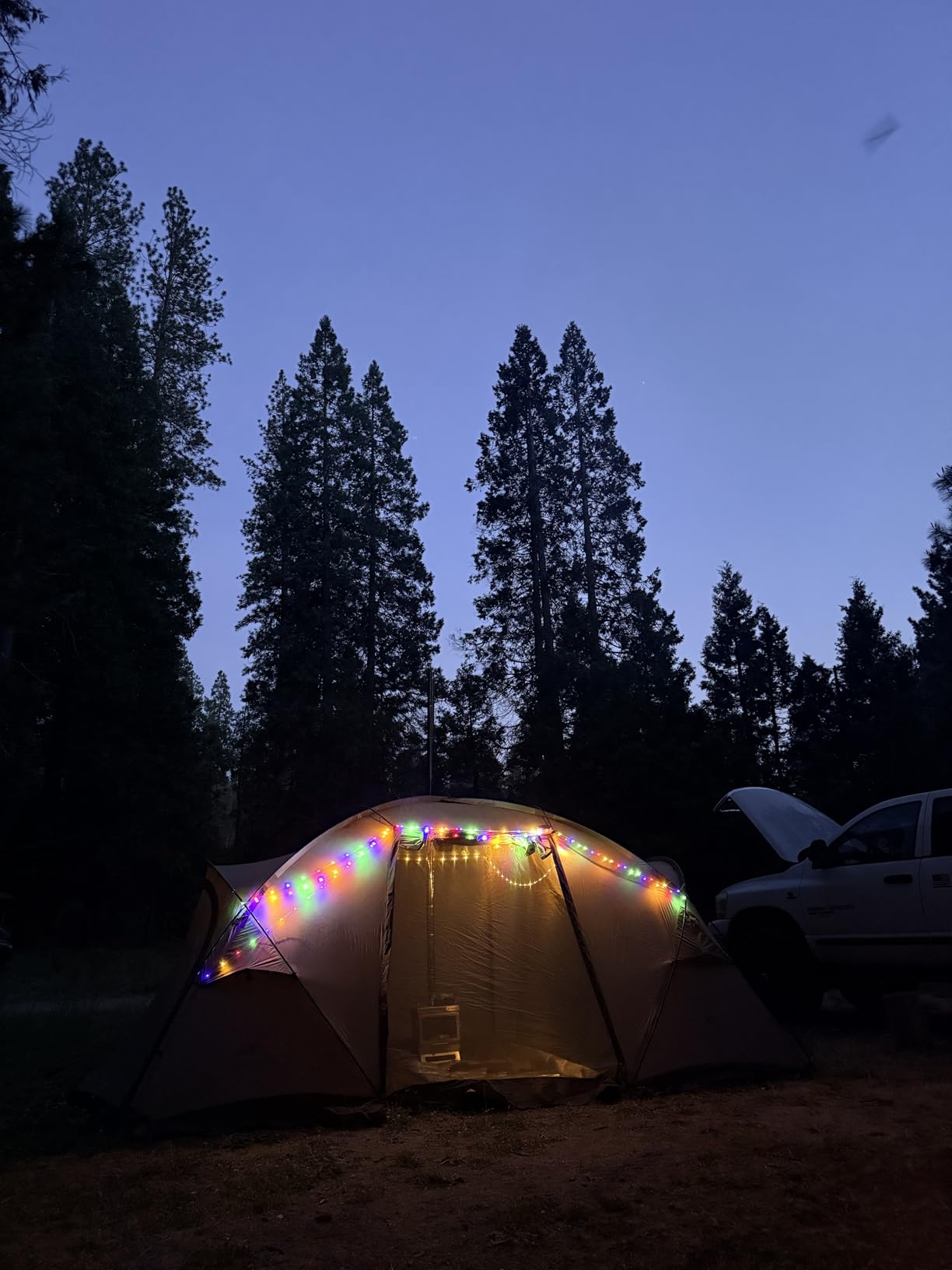
The layout is what separates this from other hot tents. Rather than one open space, it is divided into a room, a hall and a vestibule, with two doors between them. Owners use the vestibule as a heated living and cooking area with a chair and table and enough room to change clothes out of wet gear, which is a real comfort difference in winter.
Heat performance is the strongest part. One owner measured roughly 45F inside while it was 11F outside with the stove running. The fly is 30D polyester with a silicone coating at 3000mm, the inner and floor are 70D nylon, and the mesh inner is designed not to touch the outer walls, which reduces condensation compared with a tight single-wall.
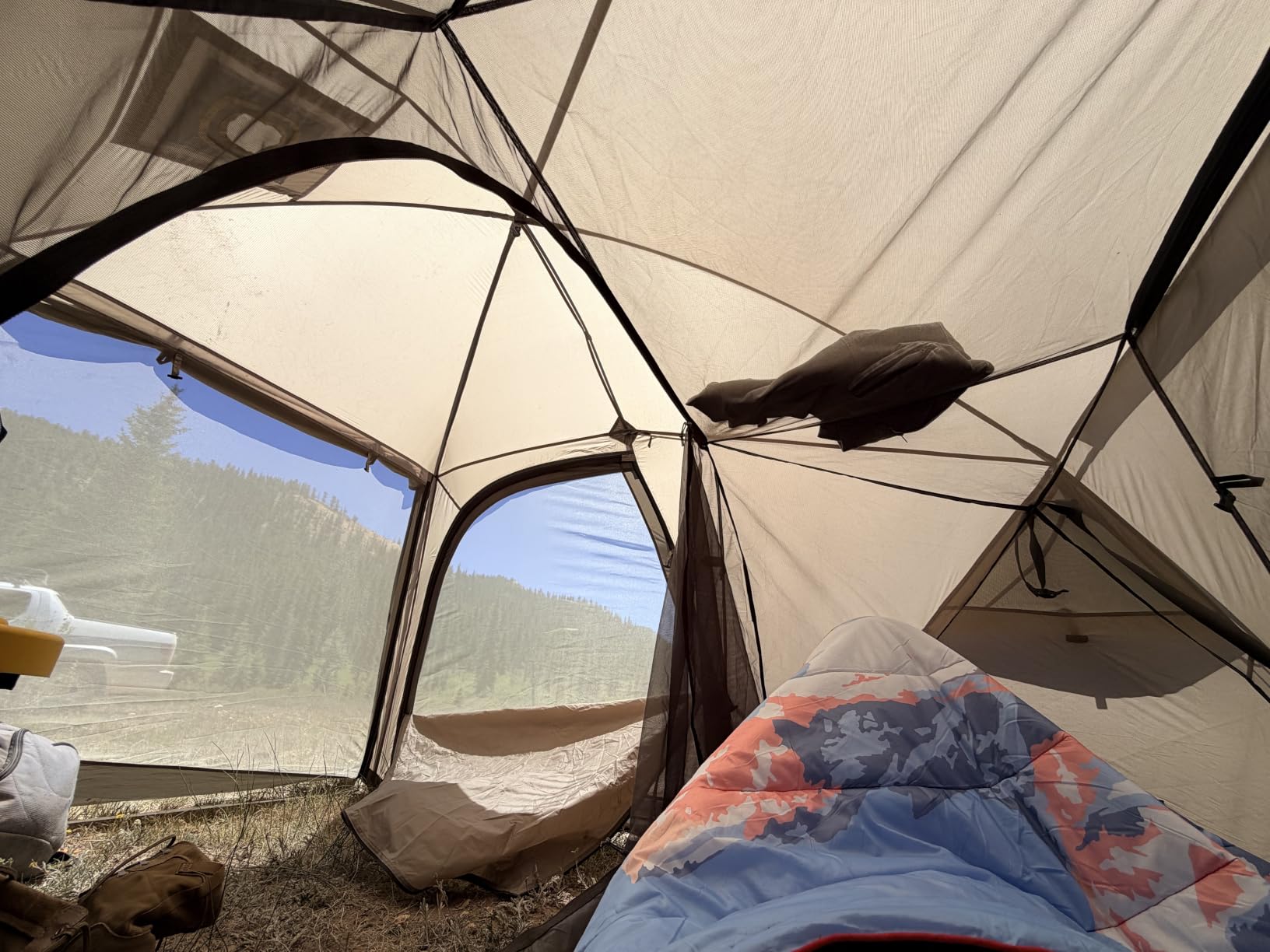
Setup is friendlier than the Dune. Color-coded pole sleeves and a large mesh inner mean one person can get it standing, and it packs smaller than the interior volume suggests at 20.5 by 9 by 6.7 inches. Total weight is 10.47 lb, or 7.3 lb minimum trail weight, with a seven-foot-plus length and about 89 square feet of floor area.
There are three structural concerns. With only three tie-down options for a sail area that size, it needs full guying to feel secure, and some owners report poles bending or snapping in strong wind. The 70D inner bathtub floor let moisture through from damp ground, and snow that collects above the sleeping area can drip condensation at night.
What you should check before buying
Count your tie-down and guying options against the wind exposure of your sites. If you camp above treeline or in open valley wind, add more guying points or choose a structure with a tighter pole layout, because the large fly area is the weak point here.
Add a separate ground tarp under the inner floor. Several owners specifically trace moisture problems to the 70D bathtub floor sitting on damp ground, and a tarp removes that variable for the cost of a small item.
Who should skip it
Skip it if you need to backpack it, if you camp in exposed high-wind sites, or if you want a fully sealed single-room tent rather than a divided one. Seven pounds of trail weight is real, and a lot of people who want this layout want the larger stand-up version instead.
11. POMOLY Chalet 70 Pro Hot Tent: Best for Safe Stove Use
POMOLY Camping Hot Tent Cabin Tent, Chalet 70 Pro Portable Wall Tents with Stove Jack and Two Poles for 2-3 Person Hiking, Backpacking (M)
- Built-in fireproof floor and ember mat matter with a wood stove
- Two 7001 aluminum poles make setup among the simplest
- Two opposing doors make entry and exit easy around a stove
- Held up in 20F and 0C conditions
- Packs down small and reports no pinhole seams
- Solid fabric door covers have no zipper so cold air enters
- No high vents so condensation builds during stove use
- Included stakes are oversized and heavy
- Not truly waterproof under several inches of snow
Fire safety is the reason to shortlist this one. The ground sheet is an integrated silicone and fiberglass cloth, and an ember mat is included for heat and spark protection. With two 7001 aluminum main poles and eight tie-down points across two sets of guy lines, this is also one of the simplest hot tents here to pitch, which matters if you are pitching in the dark in cold weather.
Owners report holding up in 20F and 0C conditions, and two opposing doors on separate sides make moving around a stove sensible rather than hazardous. The fabric is 100% 70D plaid ripstop polyester rated at 2500mm, the lowest rating in this group, and side rain curtains on both doors help block driven rain.
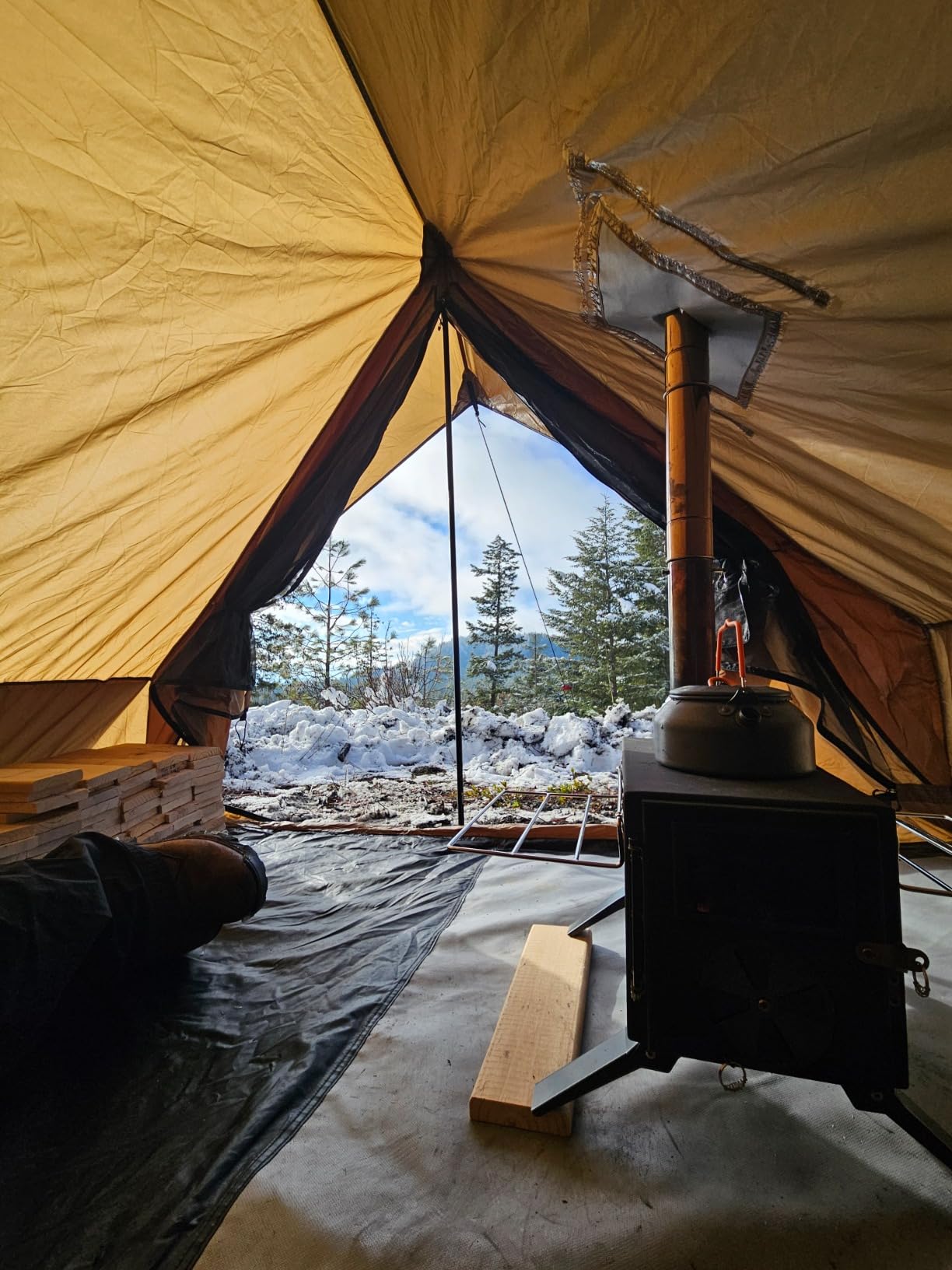
The interior is 8.2 by 6.56 by 4.9 feet, about 54 square feet, with a separate footprint tarp weighing 8 ounces available as a separate item. Medium and Large variants exist, and owners report the tent packs down smaller than the interior volume would suggest.
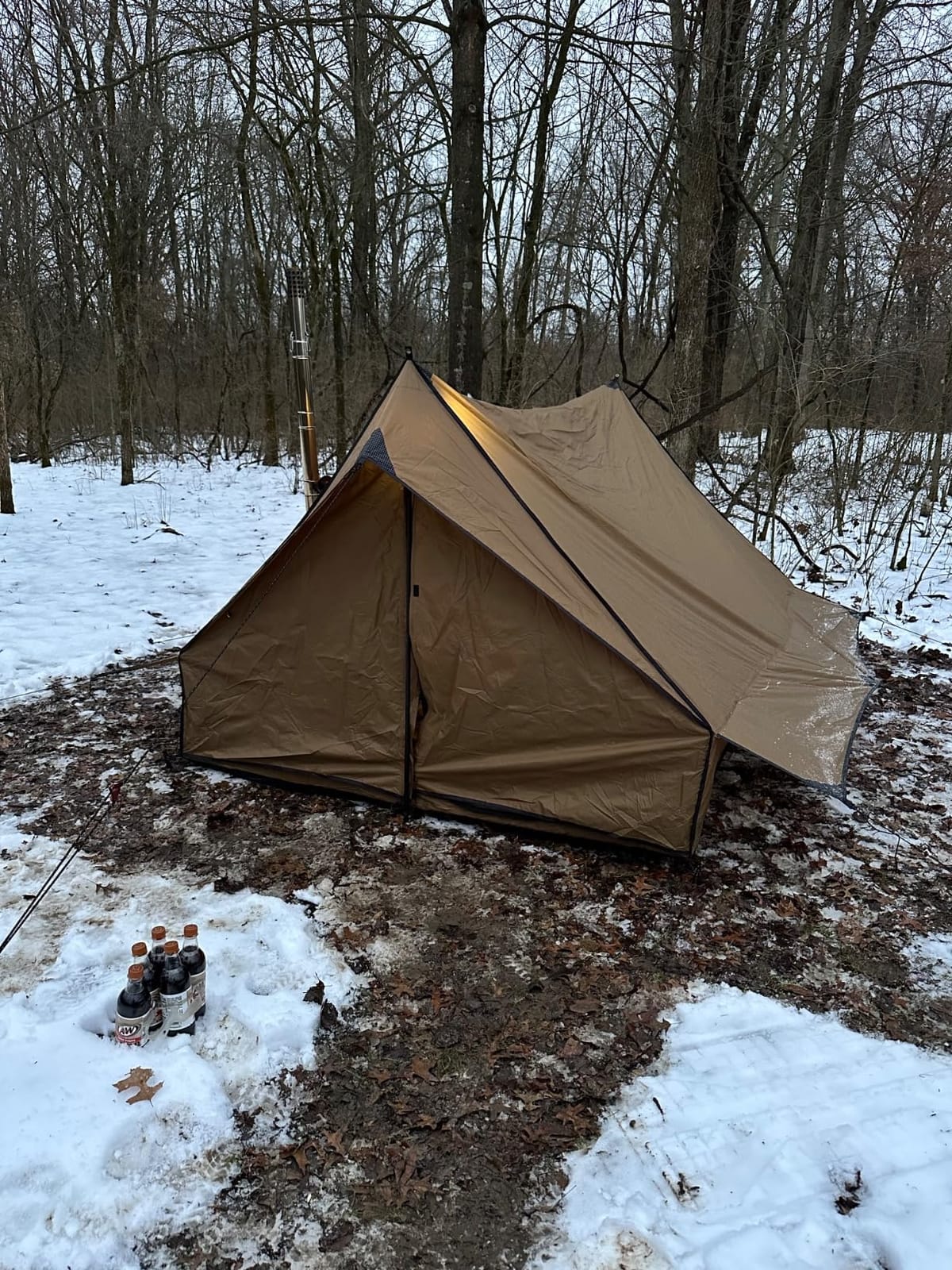
Two design issues come up repeatedly. The solid fabric door covers have no zipper, so wind and cold air enter freely even when the mesh door is closed. And there are no high vents, which means condensation builds intensely during stove use, particularly with a fabric that does not insulate. One owner also reported a pole pushed through the shell under four inches of snow.
What you should check before buying
Treat this as a three-season-plus shelter rather than a storm shelter. The 2500mm rating and thin fabric mean moderate rain and cold are fine, while heavy snowfall and sustained wind are not, and a pole failure under load is a real reported outcome.
Replace the included stakes. Owners describe them as oversized and heavy, and a proper winter stake set makes a much larger difference to stability than anything else you can add.
Who should skip it
Skip it if you need genuinely waterproof winter shelter, if you cannot manage the unzippable solid door covers, or if you run a stove and cannot open doors in cold weather. Condensation management is the deciding factor for most buyers who pass on it.
12. VEVOR Canvas Bell Yurt: Best for Breathable Base Camps
VEVOR Canvas Bell Tent, 4 Seasons 3 m/9.8ft Yurt Tent, Canvas Tent for Camping with Stove Jack, Family Camping Outdoor Hunting Party
- Spacious 9.8 ft diameter interior that genuinely sleeps four
- Breathable cotton blend reduces condensation
- Three-inch stove hole with flame-resistant flap
- Multiple mesh windows for ventilation and insect control
- Complete kit with 20 stakes
- 10 ropes
- tensioners
- rain cap and hammer
- 37.7 lb is far too heavy to carry
- Uncoated cotton handles only light to moderate rain
- Cotton gives little insulation so extreme cold is not advised
- Single door and cone shape reduce usable floor space
If your winter camping happens in one spot for a week, breathability matters more than packability, and a canvas bell yurt changes the condensation picture completely. The fabric is a TC cotton blend, 65% polyester and 35% cotton, with a water-repellent finish and no PU coating, so vapour moves through the walls instead of pooling on them.
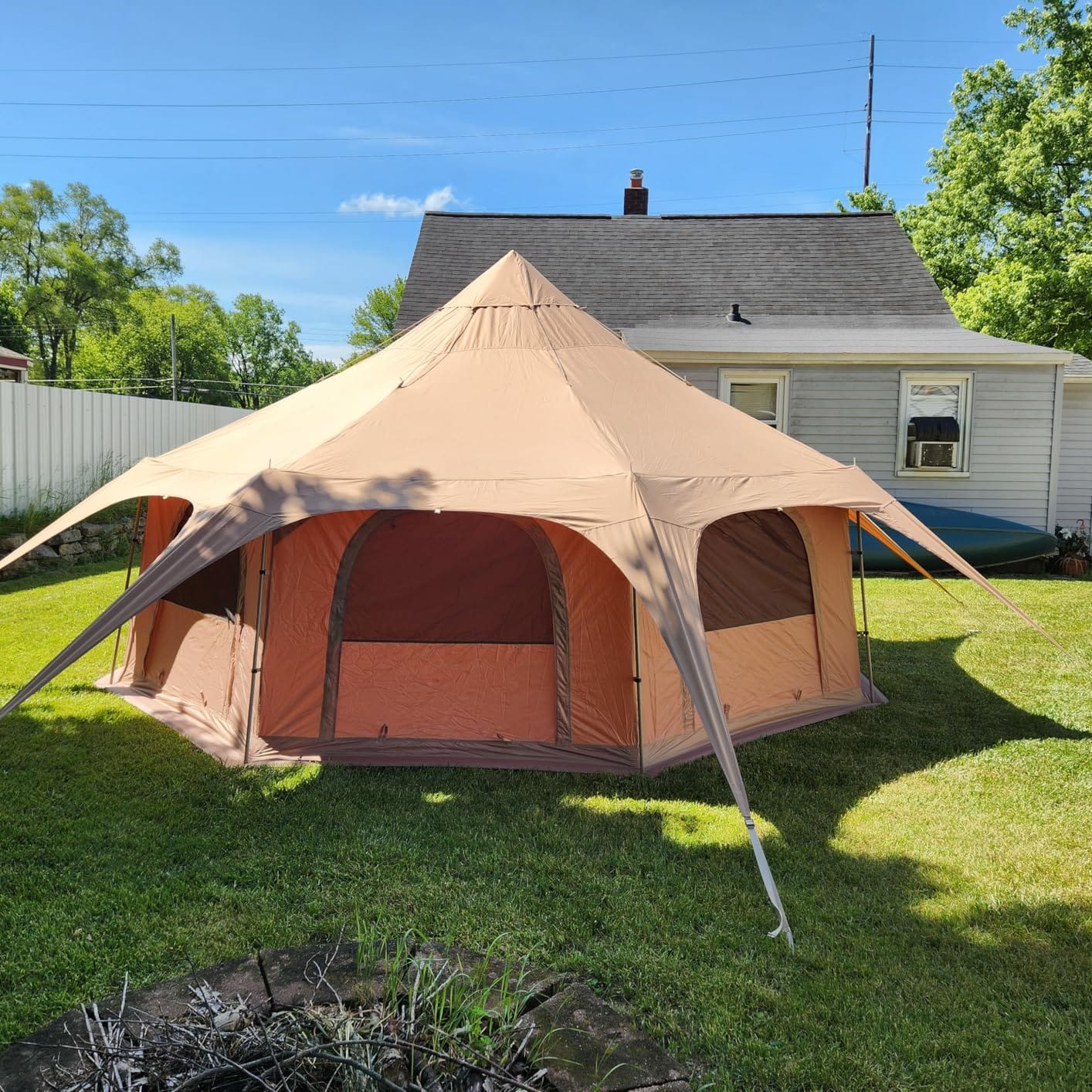
It is genuinely a four-person shelter. The floor is a 9.8 foot diameter, about 7.07 square metres, with a 78.74 inch height, and owners confirm that four people genuinely fit. A three-inch stove hole with a flame-resistant flap allows indoor heating, and multiple mesh-covered windows provide ventilation while keeping insects out.
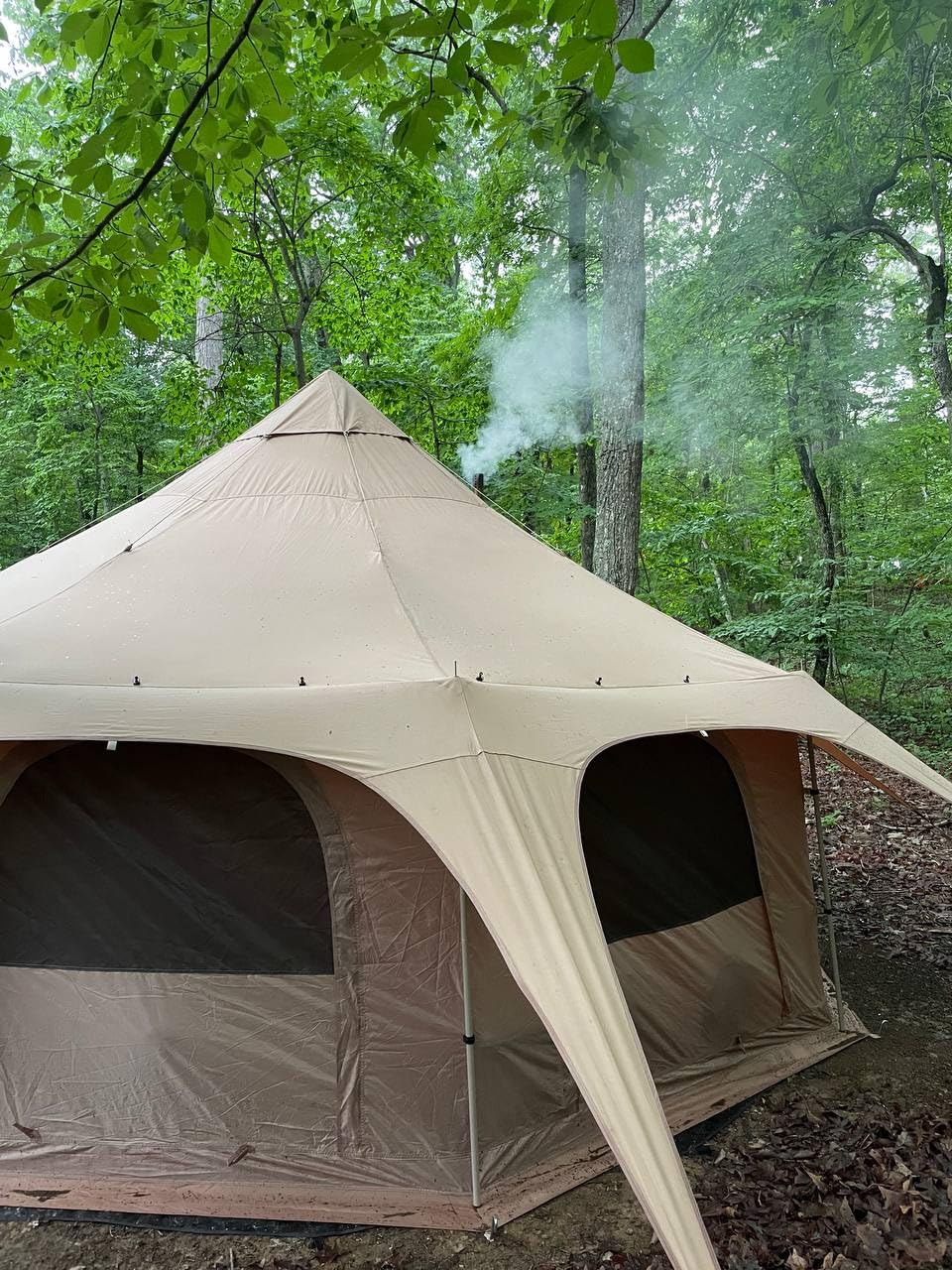
The structure is a galvanized iron centre pole and door poles with a rain cap, 10 nylon reflective guy ropes and 10 aluminum alloy tensioners. The kit is unusually complete, including a hammer, tent bag, two storage bags and 20 ground stakes, so you are not making a separate shopping list for a first pitch.
Weight settles the question of who this is for. At 37.7 lb it is a car or truck camping shelter and nothing else. The uncoated cotton handles light to moderate rain only, and cotton provides very little insulation, so owners rightly point out that extreme cold is not its use case.
What you should check before buying
Measure your vehicle cargo area before you commit, and confirm you can pitch the centre pole with two people. The hammer is included because the single centre pole needs proper anchoring, and that is a two-person job in most weather.
Plan around the single door. A cone shape with one entry is fine for a settled base camp, and less fine if everyone is moving through in the dark at 5am.
Who should skip it
Skip it if you have to carry it at all, if your trips involve sustained rain, or if you are camping in genuinely cold conditions where insulation matters more than airflow. It works best as a shoulder-season and mild-winter base camp, which is a different claim from deep winter shelter.
How to Choose a Winter Camping Tent
Match the tent class to your forecast low
The single most useful question is not about brands. It is what the temperature does overnight, because that sets the tent class you need. Think in bands rather than exact figures, and let your sleep system set the actual limit.
Mild frost, roughly 40F down to 32F: a good three-season dome with a full fly will handle it if you are dry and sheltered. A 4-season tent is overkill here, and the extra weight is dead weight on your hips.
Cold, roughly 32F down to 20F: this is where the lightweight 4-season domes on our list earn their place. Full-coverage fly, taped seams, sealed floor and aluminum poles are enough. Watch condensation carefully, because the same sealed construction that keeps warmth in also traps moisture.
Severe, below 20F to 0F: you need a 4-season tent plus a real sleep system, and a hot tent becomes a genuine option if you can manage a stove safely. Consider snow flaps, a roll-away or integrated snow skirt, and 4000mm or higher waterproofing.
Alpine and above treeline: wind is the deciding factor, not temperature. You need a shelter with strong aluminum poles, multiple guying points, a low aerodynamic profile, and enough guy lines that you are not relying on a handful of stakes. None of the two-person domes here is designed for that, and it is worth saying plainly.
Your sleeping bag rating and pad R-value set the real ceiling. A tent will not keep you alive in conditions your sleep system was not rated for, and forum advice is consistent on this point: a stove is for comfort, not for avoiding hypothermia.
Understand 4-season versus 3-season construction
A 4-season tent differs in five specific ways, and you can check all five on a product page. Stronger poles, usually aluminum rather than fiberglass, because fiberglass becomes brittle and can snap in freezing temperatures. A fly that reaches close to the ground to block wind-driven snow. Less mesh, since mesh leaks heat all night. A higher-denier, coated floor. And snow skirts or flaps that seal the base.
Can you use a three-season tent in winter? Sometimes. For dry, still, above-freezing nights, yes. For snow accumulation, sustained wind or freezing rain, no, because a partial fly lets wind-driven snow inside and mesh walls dump your heat. A 3-season tent is not warmer, which is the most common misconception in this entire category.
Decide freestanding versus semi-freestanding
Freestanding tents stand on their own and can be moved before staking, which matters enormously in bad weather. Semi-freestanding and A-frame designs need proper stake-out but often use fewer, stronger poles and hold up better under load. The camppal A-frame in this list is the clearest example of a tent you must peg out first, and it pitches in three minutes once you know the sequence.
Manage condensation before it manages you
Condensation soaking gear and sleeping bags is the most repeated winter complaint in camper forums, and it is a shelter problem as much as a behaviour problem. Six steps handle most of it.
1. Vents open whenever you are in the tent, even briefly. Every tent on this list has some form of vent, and the ceiling vents on the Forceatt and Clostnature are the most usable.
2. Store wet gear in the vestibule, never the sleeping area. Dual vestibules are standard here for exactly this reason, and they are worth real money in winter.
3. Cook outside. Never cook inside a tent, and never run a stove unattended. A hot tent changes this, but only with a fireproof floor, an ember mat, and a chimney that cannot roll back onto itself.
4. Keep the inner tent from touching the outer. The Naturehike Massif inner is designed with a gap for this reason, and it measurably reduces condensation.
5. Sleep in the right order. If you wear damp base layers overnight, you will wake up cold even in a perfect shelter. Change into dry sleep clothes before you get in.
6. Air out in the morning. Ten minutes with doors open while you break camp prevents yesterday’s moisture becoming today’s cold spot.
Pitch for snow, not just for flat ground
Snow anchoring is a top recurring question and worth planning before the first pitch. On deep snow, bury anchors rather than hooking them at surface level, fill the footprint area with snow or vegetation for insulation, and stake the skirt corners down hard. Walk the perimeter once to check guy line tension, and re-check after a night of wind and settling.
Choose your site before you choose your pitch. Look for existing snow banks, treeline or terrain that blocks wind, and avoid the valley floor where cold air pools. Established campgrounds with vehicle access are the underrated option for a first winter trip, because a bad pitch is a small problem when help is twenty minutes away.
Pick a footprint, and pick a sleep system
A footprint is a cheap upgrade. It protects the tent floor from abrasive ground, from standing water, and from cold ground conducting away your pad’s insulation. It matters most on the polyester and Oxford floors in this roundup, and it is optional on the floorless hot tents, which need a ground tarp or snow floor for a different reason.
Pair the tent with a sleep system rated for the coldest night of your trip, not the average. If you are buying both, do the maths together, because a light tent with a marginal bag and a low R-value pad is a cold trip no matter what the shelter does.
Frequently Asked Questions
What is the best tent for camping in cold weather?
For most winter campers the Forceatt 2 and 3 Person 4-Season Tent is the best all-round choice. It pairs a 3000mm PU coating and welded floor with 7001-series aluminum poles at 5.5 lb, and it holds a 4.6 rating across more than 1,900 reviews. Families should look at the 4-person GEERTOP, and anyone wanting a heated shelter should start with the Naturehike Dune hot tent.
Who makes the best 4-season tent?
It depends on the trip more than the brand. GEERTOP, OneTigris, Naturehike and Clostnature build the strongest 4-season lines available at accessible price points, and between them they cover every format from a 3.75 lb solo A-frame to a 70.8 inch stand-up hot tent. Pick on the specs that match your forecast low, your trip length, and whether you carry a stove.
Are 4-season tents worth it?
Yes, if you will see snow accumulation, sustained wind or freezing temperatures. A 4-season tent uses stronger poles, a fly that reaches near the ground, less mesh and a higher-denier floor, which is what keeps wind-driven snow out and stops heat leaking away. If your nights stay above freezing and dry, a good three-season tent is lighter and cheaper for the same result.
What temperature is too cold for tent camping?
There is no single number, because the tent is not what keeps you warm. Your sleeping bag rating and sleeping pad R-value set the limit, and forum advice is consistent that a stove is for comfort rather than for preventing hypothermia. Above about treeline, altitude, wind and forecast rather than temperature become the deciding factors, so plan a descent route and a bail-out before you pitch.
How can I keep my tent warm during winter camping?
Open the vents whenever you are inside, keep wet gear in the vestibule rather than the sleeping area, and maintain a gap between the inner and outer tent so moisture does not condense on fabric touching fabric. Pitch the fly taut, use a footprint to insulate the ground, and sleep in dry base layers. Sealed 4-season construction traps heat and moisture together, so ventilation is the counterweight.
Which 4-season tent with a stove jack is best?
The Naturehike Dune is the strongest heated shelter here, with a silver-coated 75D fly, a 70.8 inch peak height, a 150D oxford floor rated at 4000mm, and a removable inner so the fly can serve as a heated living space. It is 16.5 lb, so it suits vehicle and motorcycle camping rather than backpacking.
Conclusion
Twelve shelters, one clear answer. The Forceatt 2 and 3 Person 4-Season Tent is our pick for the best tents for winter camping in 2026 for most people, because it puts a welded 3000mm floor, aluminum poles and dual vestibules into a 5.5 lb package with a long owner record behind it. The GEERTOP 2 Person is the alternative if you want more interior room and can accept the extra pound, and it carries the largest owner base in our research.
Match the rest to your trip. Solo and light go to the camppal one-person or the OneTigris Stella. Families and dogs go to the 4-person GEERTOP. Cold rain and freezing conditions suit the Clostnature with its 5000mm bathtub floor. For heated shelter, the Naturehike Dune for stand-up height and a heated vestibule, the Naturehike Massif for a divided living area, and the POMOLY if a fireproof floor is your priority.
Whatever you choose, buy the sleep system to match the coldest night on your calendar, vent the tent every time you climb inside, and check the current details before you commit.