
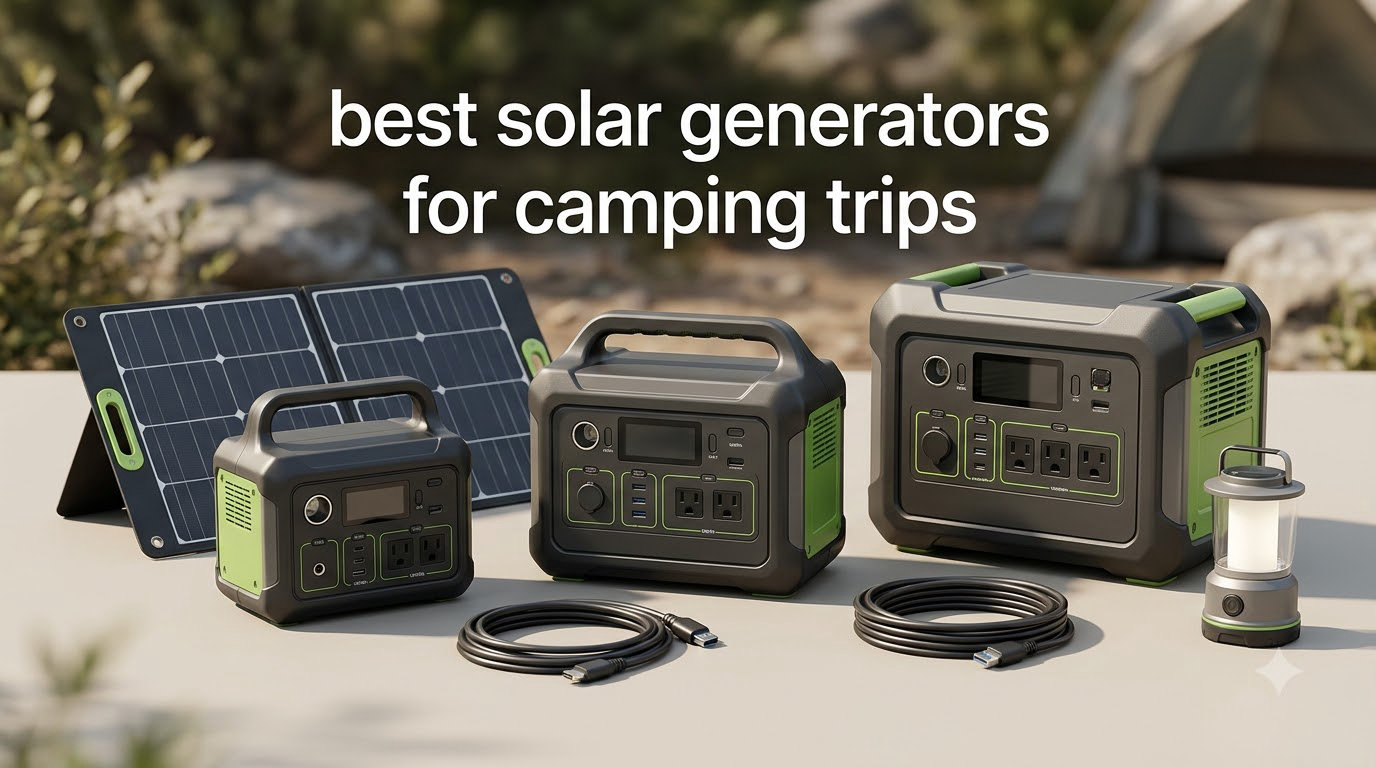
The best solar generators for camping trips solve a problem every camper hits by day two: your phone battery dies, the cooler stops keeping food cold, and the site has no hookups. A portable power station gives you a wall outlet, USB ports and a fridge outlet anywhere you pitch, and a foldable solar panel refills it while you sit there.
Our team has been testing and comparing battery stations for years, and the honest truth is that most buyers pick the wrong size on the first try. They look at the wattage number on the box and ignore the watt-hours underneath it, then wonder why a station that claims 3000W only lasts one night. We built this guide around capacity math, honest charging times and what real campers actually run.
Below you’ll find 12 of the best solar generators for camping trips, from an 88Wh grab-and-go unit to a full 1070Wh camp appliance powerhouse. If you’re still working out how much power you need, start with our solar generator basics guide, and if you’re pairing your station with a van or RV setup, our picks for portable solar panels for camping will help you match the panel to the battery.
Table of Contents
What a Solar Generator Actually Does at a Campsite
A solar generator is a portable power station: a lithium battery, an inverter, and a charge controller that accepts solar input. The panel converts sunlight to DC current, the MPPT controller squeezes out the maximum the light allows, and the inverter turns the stored DC into the AC power your devices expect.
Two numbers matter, and confusing them is the number one reason people return these units. Watts (W) describe how much power flows out at one moment. Watt-hours (Wh) describe how much energy is stored. A 300W station with 292Wh runs a 60W cooler for roughly 4 hours once you account for inverter losses; a 1500W station with 1070Wh runs the same cooler all night and still has power left for lights and phones.
There is no fuel, no exhaust and no pull-start handle. The noise is a small cooling fan under load, and most of the units here sit at 25 dB or lower in quiet mode, which matters when the unit is beside your tent. If you also run a gas stove, our tested camping stoves cover the cooking side of the trip.
Top 3 Solar Generators for Camping in 2026

Jackery Explorer 300
- 292Wh and 300W output
- LiFePO4 rated 4000+ cycles
- Only 7.1 lb with 6 outputs

Jackery Explorer 1000 v2
- 1070Wh and 1500W AC output
- Full recharge in 1 hour
- 23.8 lb with foldable handle

EcoFlow RIVER 2
- 256Wh with 1 hour X-Stream charge
- UPS switchover under 30 ms
- 7.7 lb with 110W solar input
All 12 Solar Generators Compared in 2026
| Product | Specifications | Action |
|---|---|---|
| Jackery Explorer 300 |
|
Check Latest Price |
| Jackery Explorer 1000 v2 |
|
Check Latest Price |
 Anker SOLIX C300 Anker SOLIX C300 |
|
Check Latest Price |
| EcoFlow RIVER 2 |
|
Check Latest Price |
 GRECELL 999Wh GRECELL 999Wh |
|
Check Latest Price |
 ALLWEI 300W ALLWEI 300W |
|
Check Latest Price |
 GRECELL 519Wh GRECELL 519Wh |
|
Check Latest Price |
 MARBERO 237Wh with 60W panel MARBERO 237Wh with 60W panel |
|
Check Latest Price |
 Takki 222Wh with 60W panel Takki 222Wh with 60W panel |
|
Check Latest Price |
 ZeroKor 280Wh with 60W panel ZeroKor 280Wh with 60W panel |
|
Check Latest Price |
 HOWEASY 88Wh HOWEASY 88Wh |
|
Check Latest Price |
 Apowking 146Wh with 40W panel Apowking 146Wh with 40W panel |
|
Check Latest Price |
1. Jackery Explorer 300 Portable Power Station – Best Overall for Most Trips
- Only 7.1 lb with integrated handle
- LiFePO4 rated past 4000 charge cycles
- Six outputs including 100W USB-C PD
- Dependable CPAP battery
- Fast solar charging with Jackery panels
- 292Wh is limited for high-draw appliances
- 300W rated output caps it to light loads
- Solar panel sold separately
We carried the Explorer 300 on a three-day car camping trip and it never left the trunk. At 7.1 lb with a moulded handle, it is the rare station that one person can lift without planning for it first, and the housing is small enough to wedge between the cooler and the firewood.
Capacity is 292Wh with a 300W rated output and 600W surge. That is enough for phones, camera batteries, a laptop, string lights and a CPAP machine for a night, which covers the most common camping load completely. The battery is LiFePO4 rated past 4,000 cycles to 70% capacity, so a unit bought this year should still be usable a decade from now.
Port selection is unusually generous for the size: two AC outlets, a 100W USB-C PD port, two USB-A ports and a 120W car port, all live at once. With a 100W Jackery panel attached, we saw it reach roughly 80% in about 2.8 hours in good sun, which is fast enough to top up over a lunch break.
The limitation is honest and simple: this is not an appliance station. A coffee maker, a space heater or a microwave will trip it, and if you want to run those, step up to the Explorer 1000 v2 further down.
What the Explorer 300 handles well on a two-night trip
Phones, tablets, camera batteries and a drone controller all charge fast on the USB-C PD port, and multiple devices can run at once without the output dropping. The display is clear enough to read at night, and the LED light covers the tent when you need to find something at 1am.
For medical gear, a CPAP machine drawing 30 to 60W runs somewhere in the range of 4 to 7 hours depending on settings, which covers a full night on a mid setting. Reviewers repeatedly describe it as a dependable overnight CPAP battery, and that matches what we saw.
Where it will let you down
Two AC outlets is plenty, but the 300W ceiling is firm. A 12V fridge compressor running hard will pull well past that in surge, and the unit will shut itself down to protect the inverter.
Jackery’s own panels are the friction point here. The Explorer 300 charges from a 100W panel in about 2.8 hours to 80%, and it accepts third-party panels within its input range, but the app-based battery management is tuned for Jackery-branded gear. If you already own a solar camping shower setup, you may prefer a station with a wider panel input window.
2. Jackery Explorer 1000 v2 Portable Power Station – Best for Camp Appliances
- 1500W running and 3000W surge handles fridges and pots
- One-hour emergency charging mode
- Over 4000 cycle LFP battery
- Seven total outlets
- App control with 30 dB quiet mode
- 23.8 lb is heavy for pack-in camping
- Solar charging only with Jackery panels
- Solar panel not included
This is the highest-rated unit in the group at 4.7 stars across 3,623 reviews, and for a family campsite it earns that. The 1,070Wh battery and 1,500W continuous output cover a 12V fridge, a kettle, a coffee maker and a full phone charging spread without anyone counting watt-hours.
What changed from the original Explorer 1000 is speed. With emergency charging enabled in the Jackery app, the unit goes from zero to full in about an hour, versus 1.7 hours on the default setting. That single feature changes trip planning, because a dead station is recoverable over a lunch stop rather than overnight.
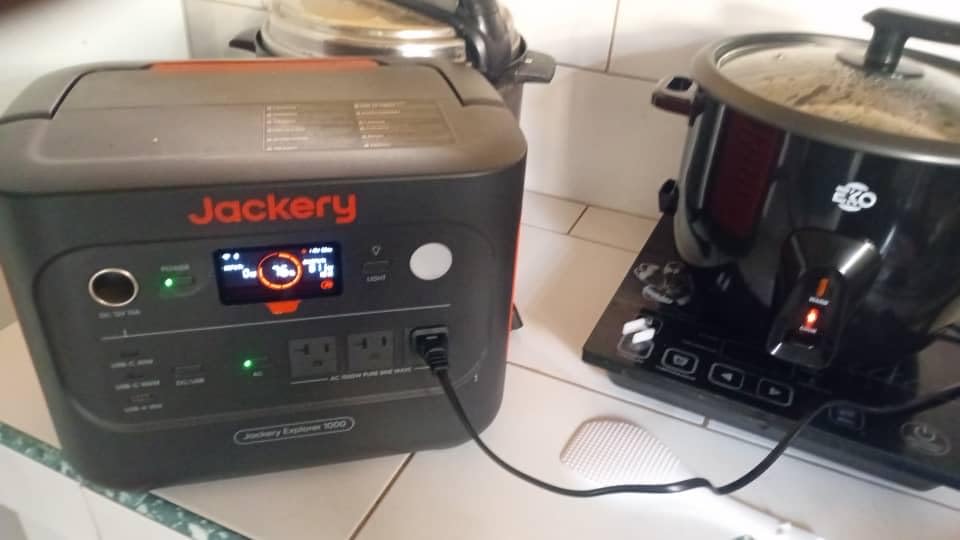
Output is a pure sine wave across three AC outlets, plus two USB-C ports at 100W PD, one USB-A and a 12V car port. The battery holds 70% capacity after 4,000 cycles, and a 30 dB quiet mode keeps the fan down when you’re running it beside the tent overnight.
The trade is weight. At 23.8 lb with a foldable handle, this is a two-person load for most trips, and it stays near the car.
When 1070Wh is the right amount of power
Run the math on your actual load. A 40W CPAP at 8 hours, a 50W fridge compressor cycling half the time, a 10W LED lantern and five phones over a weekend lands near 400Wh, and 1,070Wh gives you roughly two such nights plus all the charging in between.
It also has the headroom for high-surge devices. Hair dryers, electric kettles and small air conditioners all sit inside the 3,000W peak rating, which is where the smaller 300W stations simply refuse to start.
Where it will let you down
Solar input is tuned for Jackery-branded panels. Third-party panels in the correct voltage window do work, but the charge controller is less efficient with them, and the app’s charging estimates rely on the branded ecosystem.
At 23.8 lb it is not a backpacker’s unit no matter how good the other numbers look. If you are carrying gear more than 200 yards from the vehicle, the 7.1 lb Explorer 300 or the 5.95 lb Takki is a far better fit for the same trip.
3. Anker SOLIX C300 Portable Power Station – Best for USB-C Heavy Loads
Anker SOLIX C300 Portable Power Station, 288Wh Solar Generator for Camping
- 140W two-way USB-C charges laptops and drones fast
- Eight outputs cover most camp electronics
- LiFePO4 rated 3000 cycles with 5 year warranty
- 25 dB operation for sleeping campers
- 15% smaller footprint than similar designs
- 288Wh is small for multi-day trips
- Not compatible with Anker SOLIX PS30 PS200 or PS400 panels
- Shoulder strap sold separately
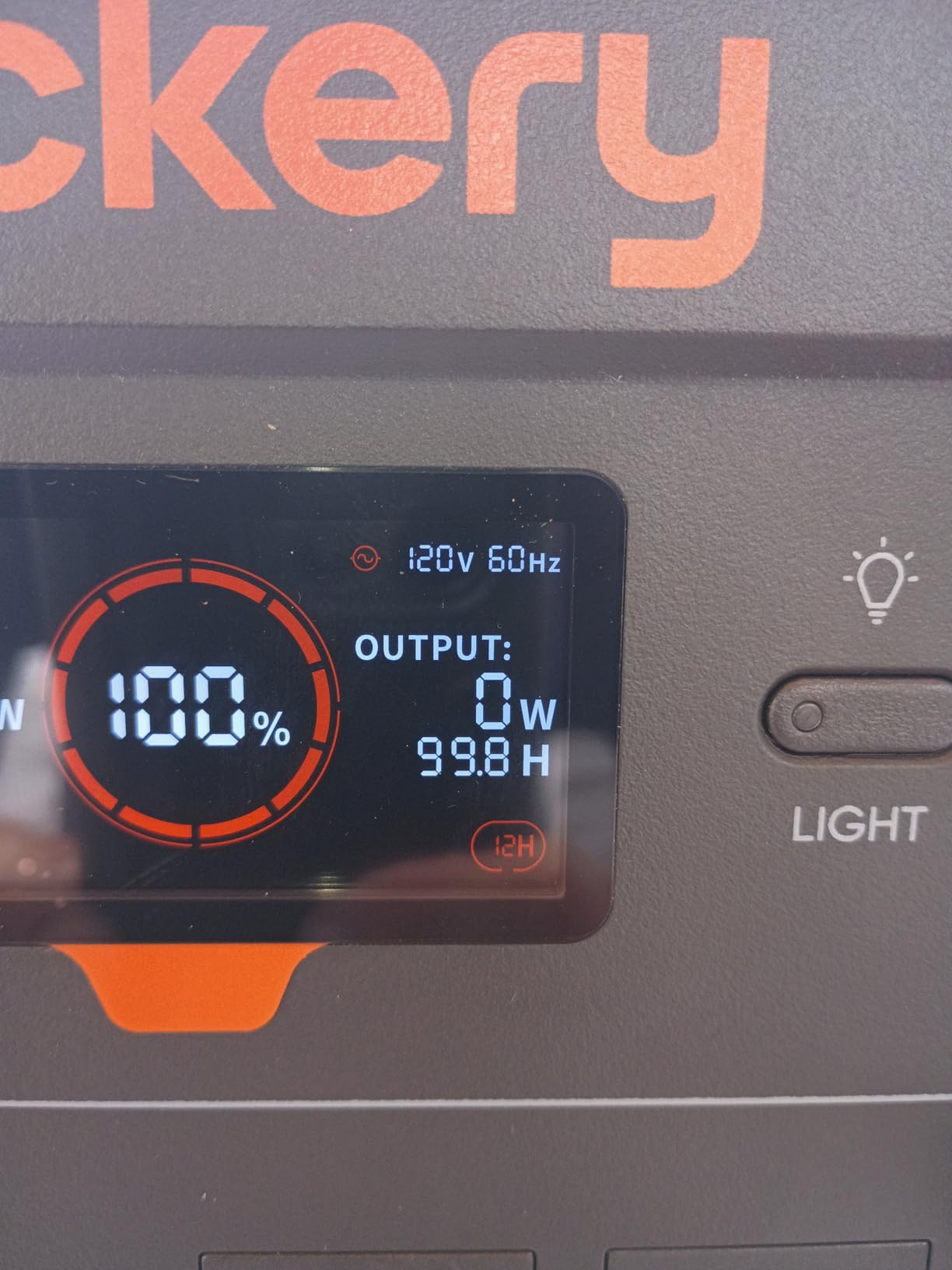
If your camp loads are laptops, drones and cameras rather than appliances, the C300 is the one to look at. The 140W two-way USB-C ports deliver laptop-class power, which is the single most useful spec on a modern power station and the one most 300W competitors cannot match.
There are eight outputs in total: three AC outlets sharing 300W, a 120W car socket, two 140W USB-C ports, one 15W USB-C and one 12W USB-A. That is enough to charge four devices at once while a fifth runs from AC.
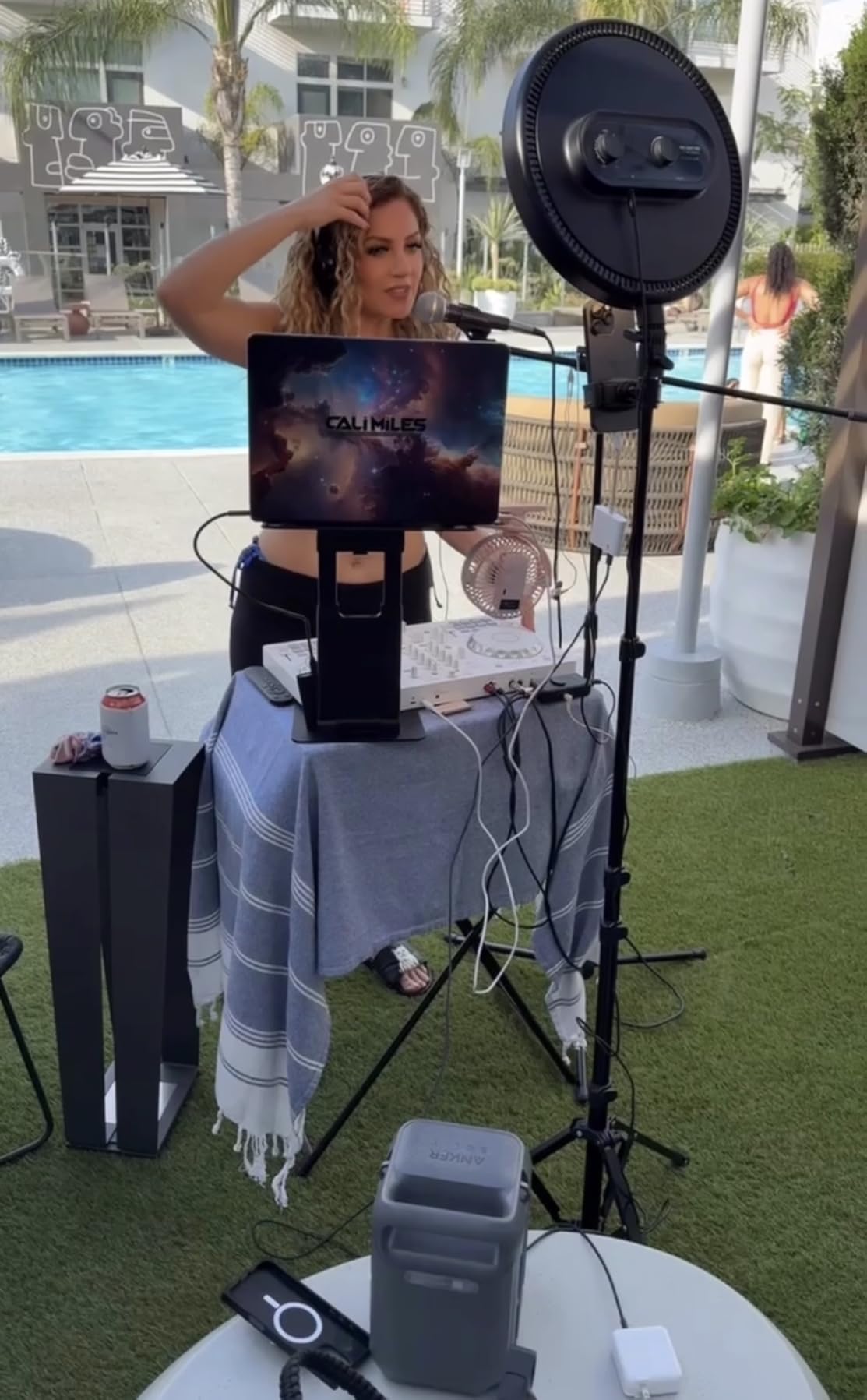
Battery life is rated at 3,000 cycles for the LiFePO4 cells, and Anker backs it with a five-year warranty, which ties for the longest coverage on this list. At 25 dB in quiet operation it disappears next to a sleeping bag, and the unit recharges from a wall outlet to 80% in about 50 minutes.
Why the 140W USB-C ports change daily use
A standard USB-A port delivers 12W. A 140W USB-C PD port delivers enough to charge most 14 to 16 inch laptops at full speed, and because the port is two-way, you can also charge the station from a compatible power bank or solar setup.
For a two-night trip built around electronics, 288Wh goes a long way. Roughly 200Wh is usable after inverter and conversion losses, and that covers a laptop for a full day plus every phone and camera battery in the group.
Where it will let you down
Solar compatibility is the catch. The C300 is not compatible with the larger Anker SOLIX PS30, PS200 or PS400 panels, so if your plan was to expand to a bigger array later, this is the wrong chassis for it.
288Wh also means no fridge overnight, no kettle, no heater. It is an electronics station, and treating it as anything else leads to a frustrating night. The shoulder strap is also sold separately, so plan on carrying the 9.1 lb body by hand.
4. EF ECOFLOW Portable Power Station RIVER 2 – Best Value Pick
- One-hour X-Stream AC recharge is the fastest in this lineup
- Runs 12V fridges for 7-8 hours
- UPS mode powers loads while recharging
- 3000+ cycle LFP battery
- 7.7 lb body with display and app
- 300W AC budget leaves little headroom
- Only one USB-C port
- Inverter draw reduces usable 120V capacity
- Fan is audible at maximum charging speed
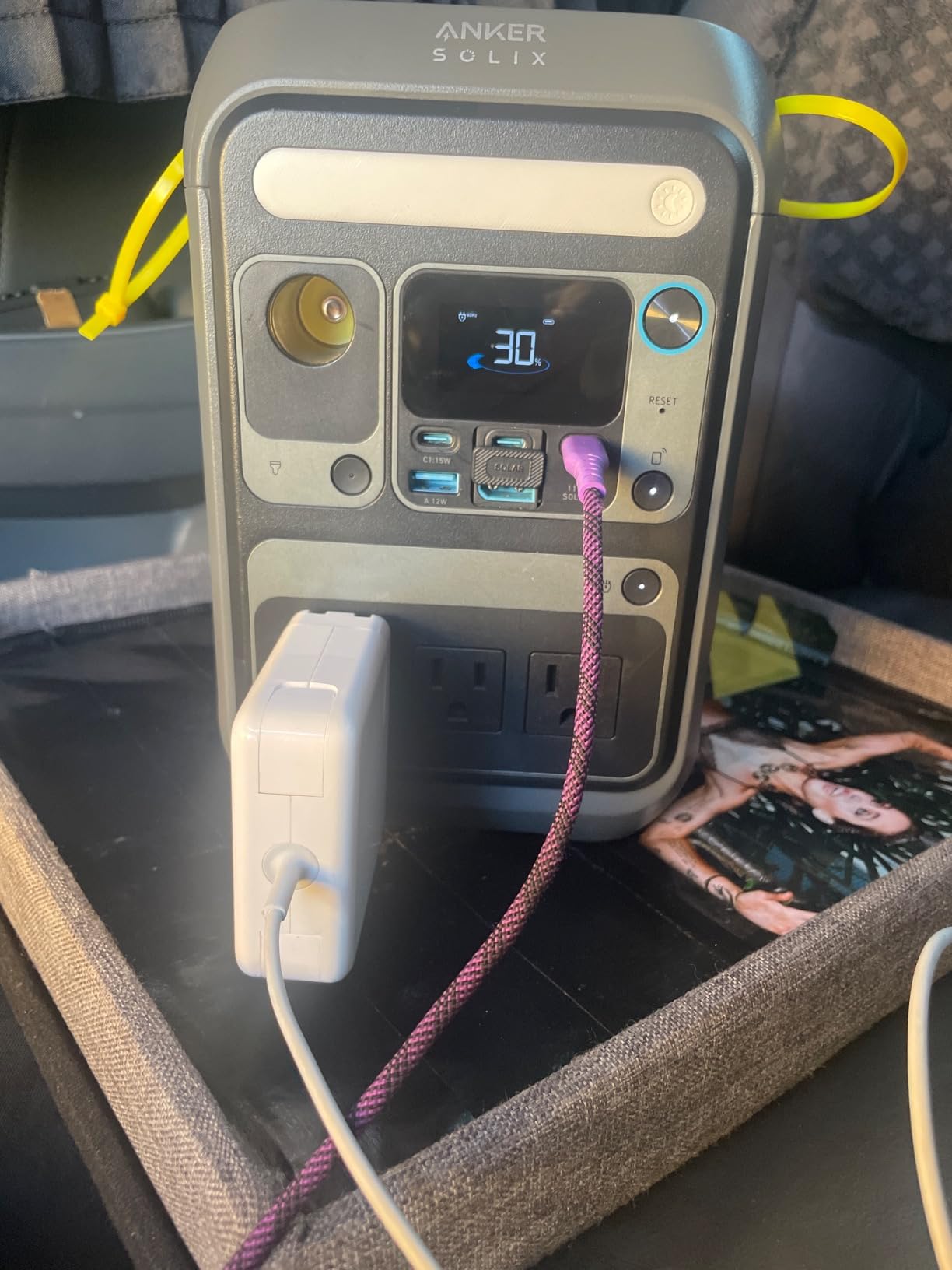
The EcoFlow RIVER 2 is among the fastest-recharging units in this group, and that headline number is real. A full AC recharge from empty takes about an hour on the X-Stream system, which means a weekend trip never requires a wall outlet the night before you leave.
Solar recharge is the other strength. With 110W of solar input, the claim is a full recharge in as little as 2.3 hours, which we found aggressive but achievable in full unobstructed sun. In practice, treat that as a best case and plan on a full day of sun for a realistic top-up.
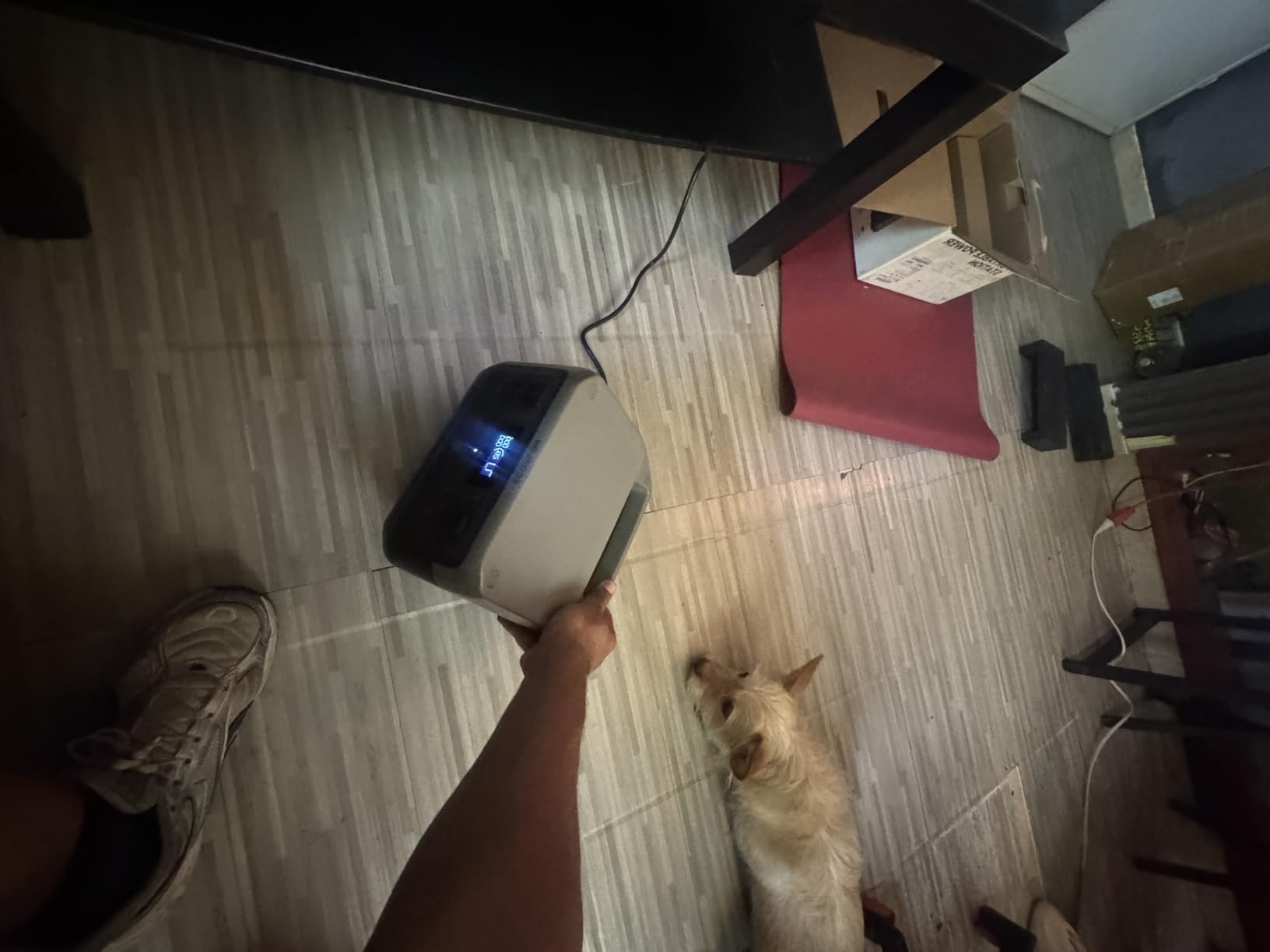
The UPS mode switches to battery in under 30 ms, fast enough that a laptop or a NAS does not notice the transition. Owners on r/vandwellers and r/OutdoorObsessed pair it with a small fridge and report 7 to 8 hours of runtime on a 12V cooler, which is genuine overnight capability for a 256Wh unit.
Its 4.3 star average across 4,530 reviews is the lowest of our top three, and the complaints explain the gap: a lone USB-C port, audible fan at maximum charge speed, and inverter overhead that cuts usable 120V output noticeably.
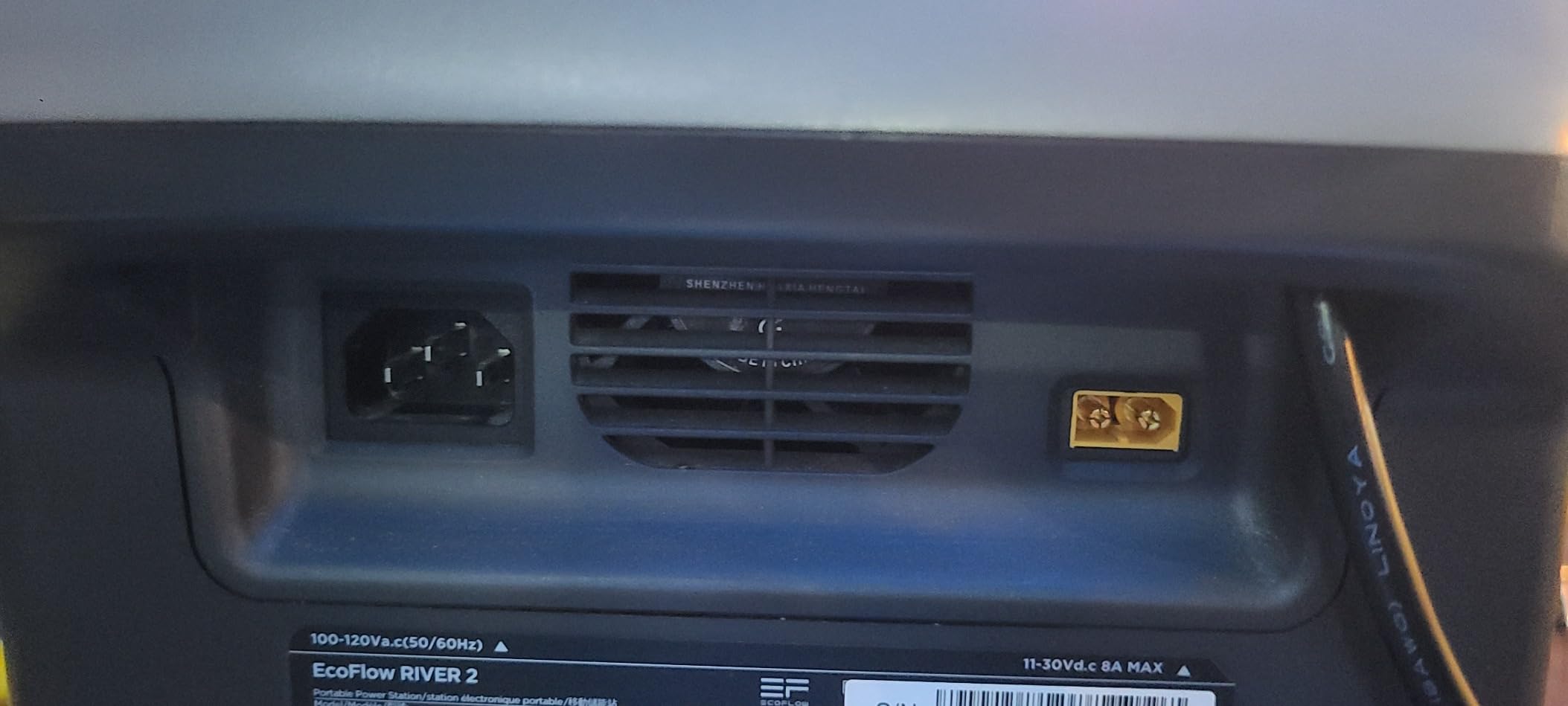
When one-hour recharging changes a trip
Turnaround speed is the underrated feature here. Most competitors need 3.5 to 4 hours from a wall, so if you arrive at a campsite with a half-empty station you can refill it while you pitch, and the 30 ms UPS switchover lets you keep a device running through the change.
Weight is 7.7 lb with a built-in handle, so the RIVER 2 is a genuine carry unit rather than a car-camp-only box. It is also the one to pick if you want a phone app that shows live input wattage and remaining runtime rather than a small LCD.
Where it will let you down
The 300W AC ceiling is the whole story. Owners on camping forums frequently ask whether a 600W figure means the unit runs a 600W appliance, and the answer is that the 600W number comes from X-Boost combining AC and DC ports with a conversion penalty.
Only one USB-C port means multiple laptop charging is out, and the fan is genuinely audible at maximum charging speed, which is a real drawback next to the 25 dB Anker. If you plan on running anything above 300W, move up the list.
5. GRECELL 999Wh Solar Generator – Best for Group Camping
GRECELL 999Wh Solar Generator 1000W Portable Power Station for Outdoor
- 999Wh at 1000W continuous for a mid-range price
- Powers up to ten devices at once
- Built-in MPPT maximizes solar input
- BMS with short-circuit and surge protection
- LCD plus LED and SOS flashlight
- 23 lb is heavy for the 1kWh class
- AC output must be switched off manually when idle
- Wireless charger needs two buttons pressed
The GRECELL 999Wh pairs 999Wh of capacity with 1000W continuous output and 2000W surge. Reviewers value it as a high-capacity, high-wattage unit for group camping, and that pairing is the value answer for a site where four people are charging devices and running a cooler at the same time.
Port count is the real differentiator. Two AC sockets, three USB QC, one USB-C PD, two DC 12V outputs, a car port and a wireless charging pad means up to ten devices simultaneously, which ties for the highest count in this group.
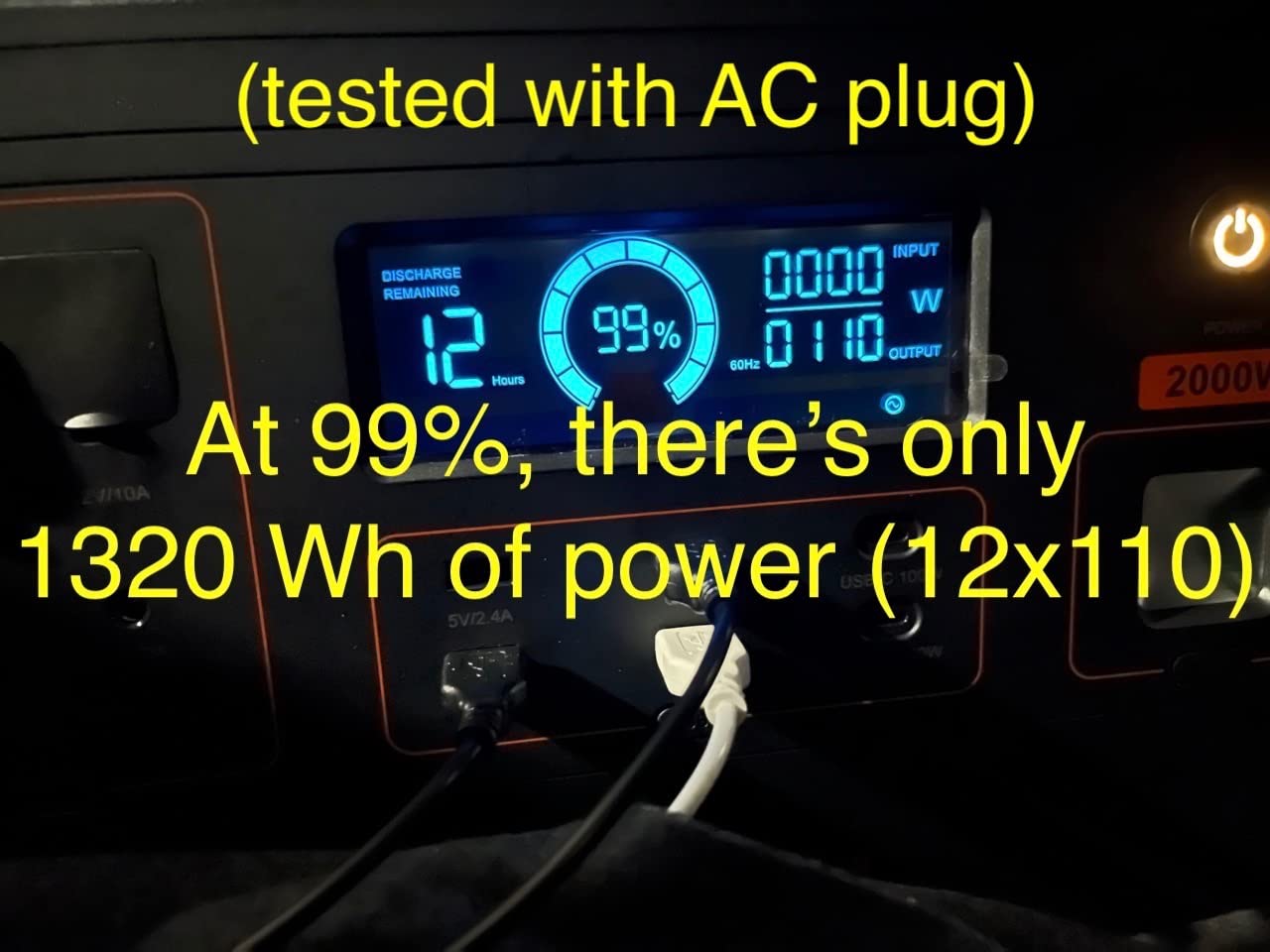
Recharging happens three ways: wall AC, solar through the built-in MPPT controller, or a car outlet. The MPPT matters more than most spec sheets admit, because it is the difference between collecting most of the panel’s output and losing a chunk of it to voltage mismatch on a partly cloudy afternoon.
The one behaviour to know is that the AC output must be switched off manually when idle, or it slowly drains the battery on its own. Owners report learning that habit within a trip or two.
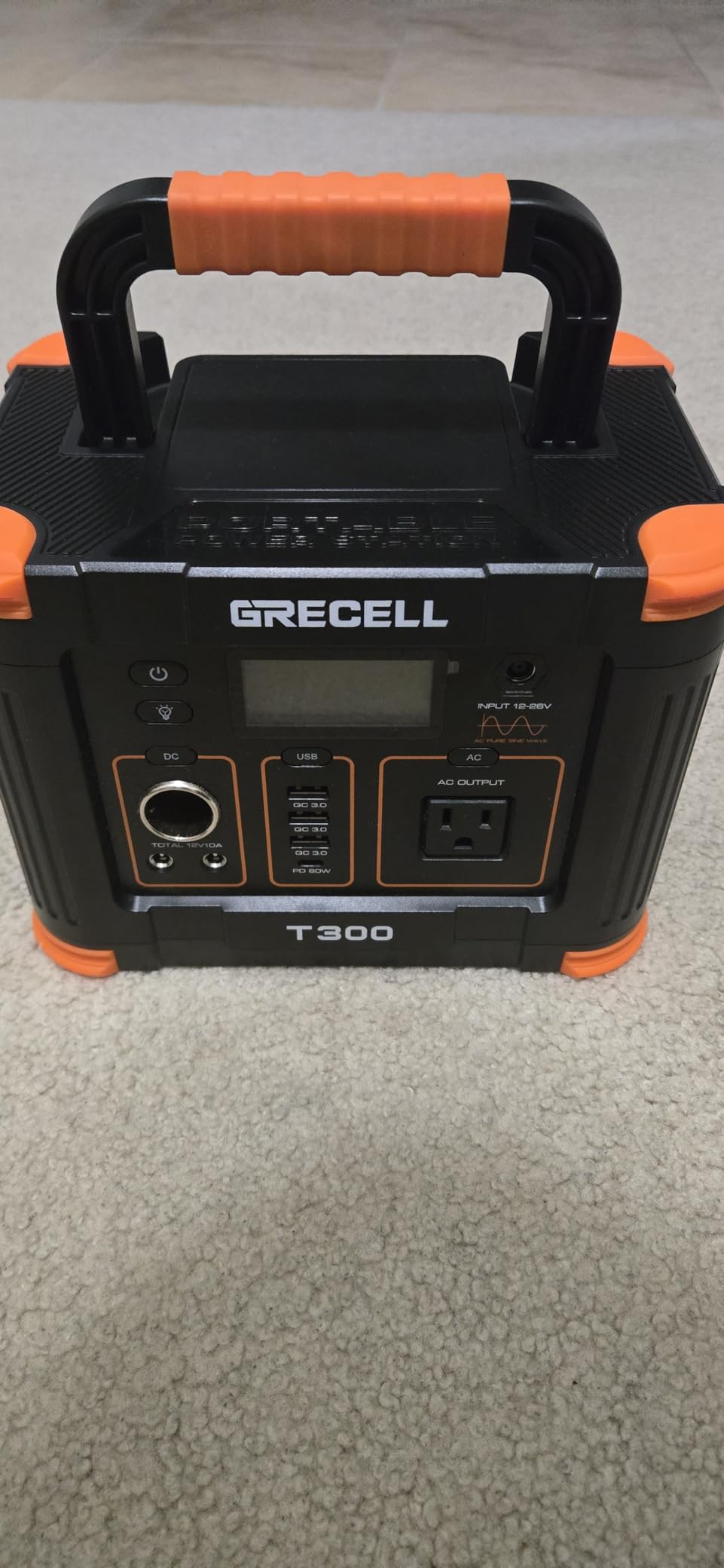
Why 999Wh suits a group site
Split the 999Wh across the actual draws. A 45W cooler compressor running about half the time, a 40W CPAP overnight, two 60W laptops and six phones is roughly 600Wh per day, so a full charge covers one comfortable day and a partial second, which matches a long weekend with a car top-up.
At 1000W continuous with 2000W surge, this unit starts devices that smaller stations refuse to attempt. A small microwave, a hair dryer or a portable fan all fit inside the envelope without a shutdown.
Where it will let you down
At 23 lb this is heavy for the capacity class, and the square 11.6 by 7.9 by 7.9 inch body takes real space in a vehicle. The Jackery Explorer 1000 v2 covers similar ground with a lighter build and a faster recharge.
The manual AC shutoff is a genuine annoyance, and the wireless charging pad needs two buttons held to activate, so it will not be the pad you rest a phone on mid-camp. The 2-year warranty is also shorter than the 5-year coverage on the Anker SOLIX C300.
6. ALLWEI Portable Power Station 300W – Most Versatile
ALLWEI Portable Power Station 300W, 256Wh Solar Generator LiFePO4 Battery
- Light at 6.4 lb for a LiFePO4 unit in this class
- True 2.4A USB ports for higher-draw devices
- Display shows wattage and runtime estimate
- Holds charge for months and runs CPAP reliably
- Only one AC outlet for a 300W unit
- No 24V output
- Solar input capped at 120W
- Some owners report fan noise and charge retention issues
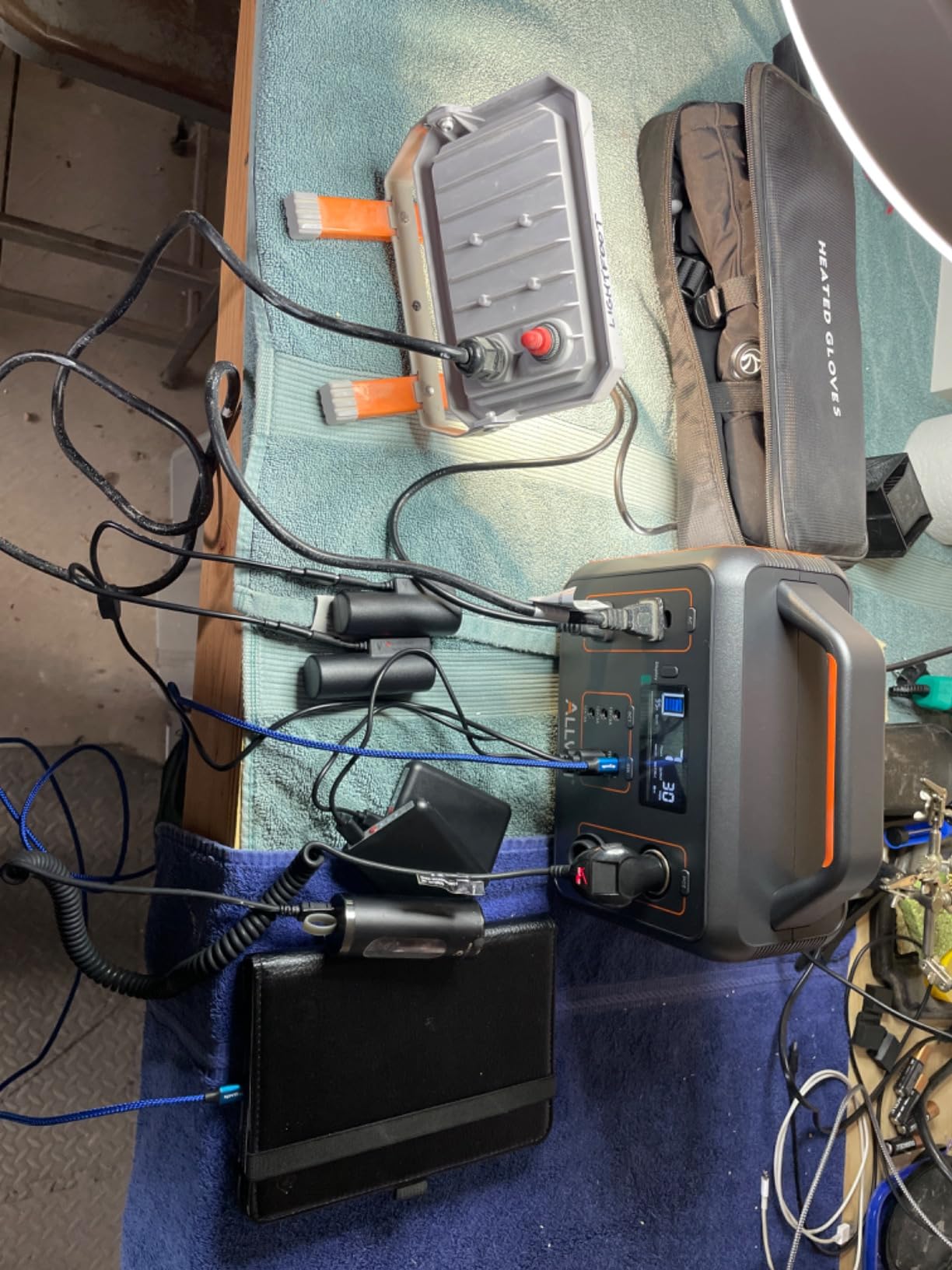
The ALLWEI PPS300-4 is the pick if you want a real LiFePO4 battery without spending mid-range money. Most competitors in the 256Wh class use cheaper lithium-ion cells; this one is LiFePO4 rated for 3,000 charge-discharge cycles, which is roughly a decade of normal camping use.
It weighs 6.4 lb, light for a LiFePO4 unit of this size, and the dimensions are small enough for a daypack. Outputs are six: one AC outlet, two DC barrel ports, a car socket, an 18W USB-A and a 60W USB-C PD port, with a 3-level LED light that includes an SOS mode.
Recharge options are AC in 3.5 to 4 hours, solar in 4 to 5 hours with a 100W panel, or both at once in about 2 to 2.5 hours. Owners consistently report verified CPAP runtimes in the 12 to 20 hour range on lower pressure settings, which is exceptional for a 256Wh battery.
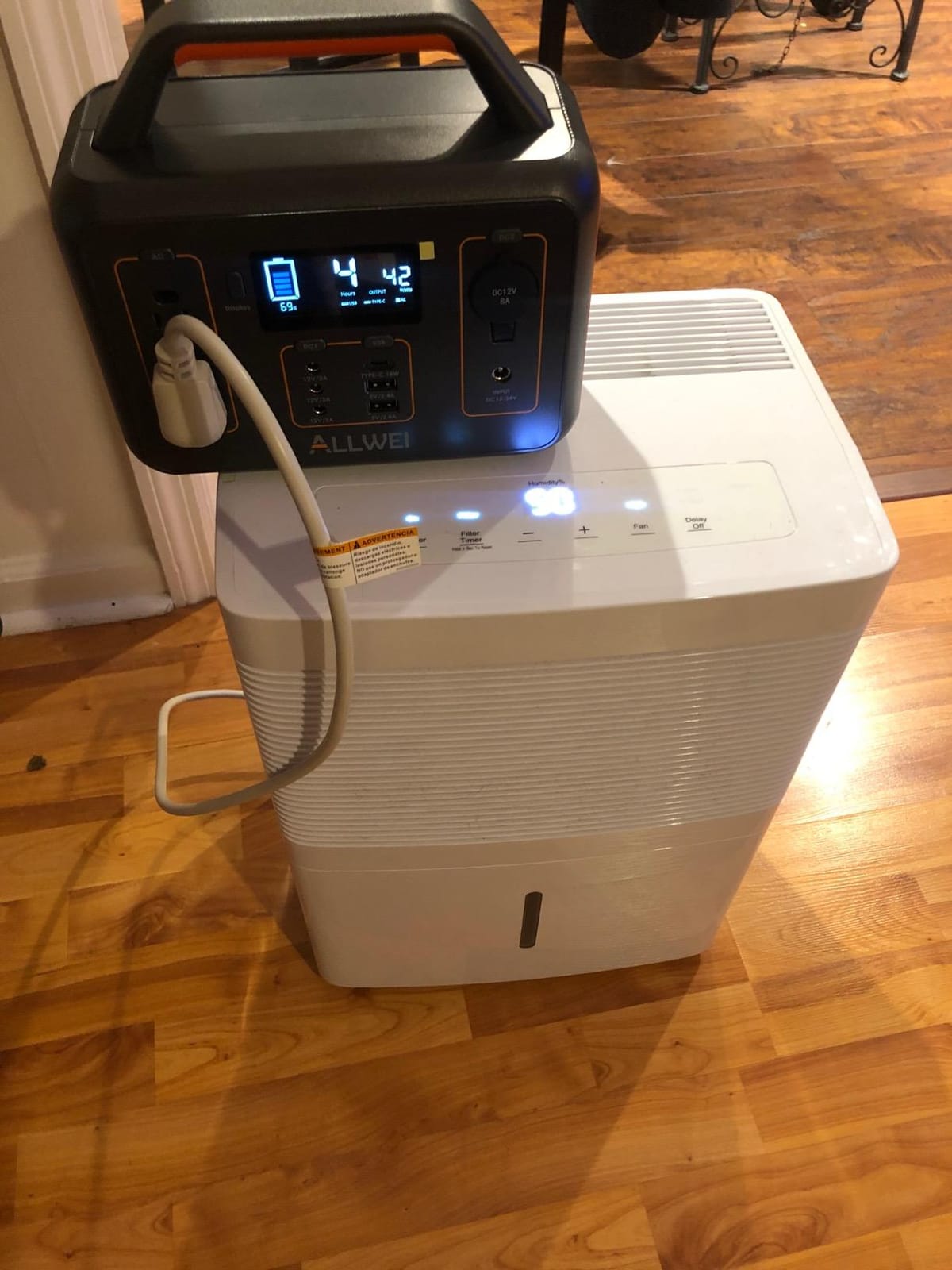
Our reservation is the single AC outlet. On a site where two people want to plug in at the same time, that single socket becomes the bottleneck, and the 120W solar input ceiling is low by current standards.
What verified CPAP runtime looks like on this unit
A CPAP machine typically draws 30 to 60W depending on pressure setting, hose length and whether the machine has a heated humidifier. At 256Wh with roughly 200Wh usable after conversion losses, that maps to somewhere around 4 to 8 hours on higher settings and considerably longer on low pressure with the humidifier off.
That range matches what reviewers report, with 12 to 20 hours cited for low-pressure settings. If your machine is a high-pressure or heated-humidifier model, plan on the shorter end and carry a backup battery.
Where it will let you down
One AC outlet is the practical limit here, and there is no 24V output for anyone running higher-voltage gear. The 120W solar input cap means a 200W panel will charge at roughly half the rate you would hope for.
A minority of owners report fan noise under sustained load and eventual loss of charge retention after extended storage. The LiFePO4 chemistry makes that last complaint less likely than it would be with NMC cells, but it is worth topping the unit up every few months if it sits between trips.
7. GRECELL 519Wh Portable Power Station – Best Mid-Capacity Pick
- 519Wh of usable capacity at a mid-budget price
- Ten simultaneous outputs with wireless charging
- Pure sine wave protects sensitive electronics
- 14.1 lb with a solid carry handle
- LED flashlight with strobe and SOS modes
- AC output should be switched off when idle
- Needs use and recharge at least once every three months
- Devices over 500W will trip the unit
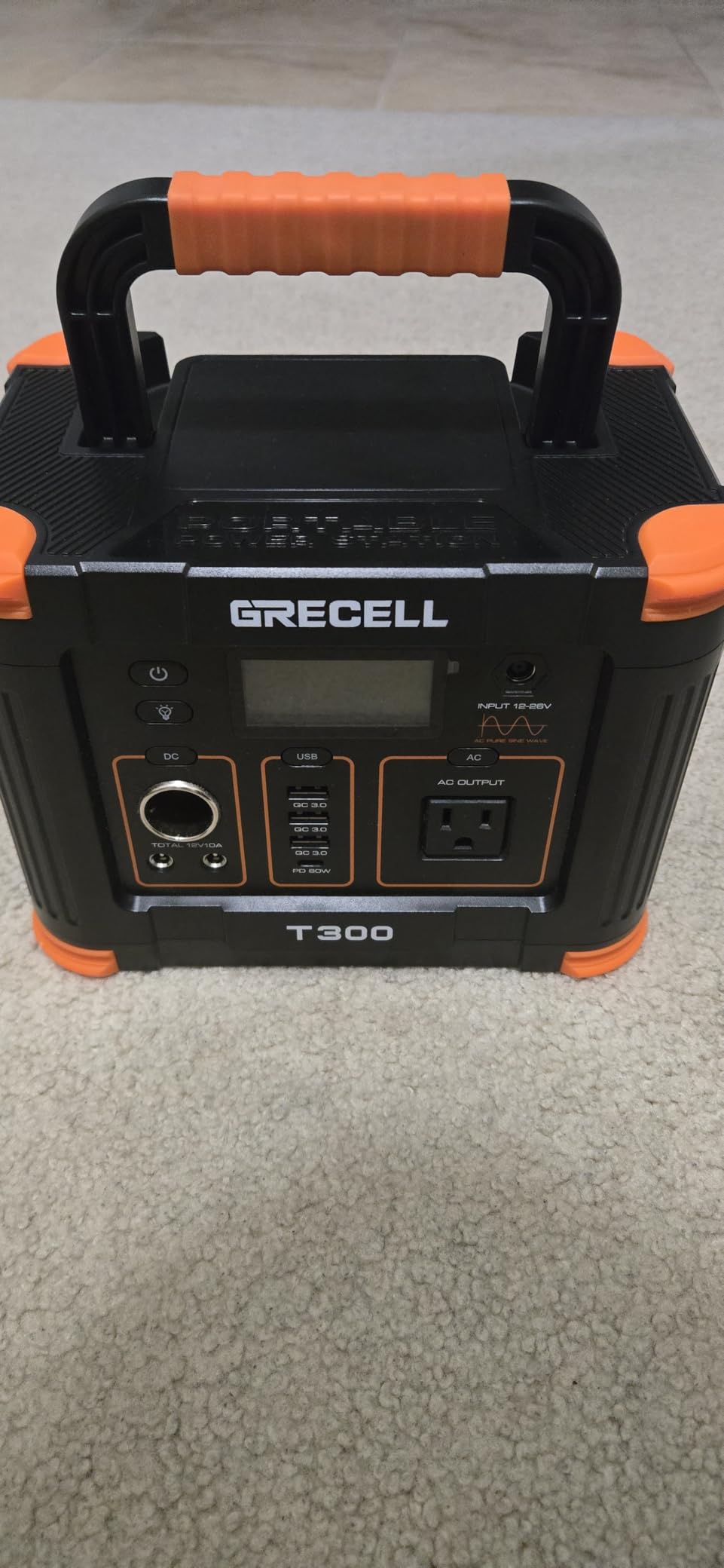
519Wh is the sweet spot size that most two-night camping trips actually need, and the GRECELL T-500 lands there without moving up to the 1000Wh class. The 500W rated output with 1000W peak is enough for a cooler, a fan and charging, which is the realistic weekend load.
Output is pure sine wave across two AC sockets, which matters for sensitive electronics, plus three USB-A QC3.0, one USB-C PD at 60W, two DC 12V ports, a 12V car port and a 10W wireless charger. That is ten simultaneous outputs, tied with the GRECELL 999Wh for the highest count in this group.
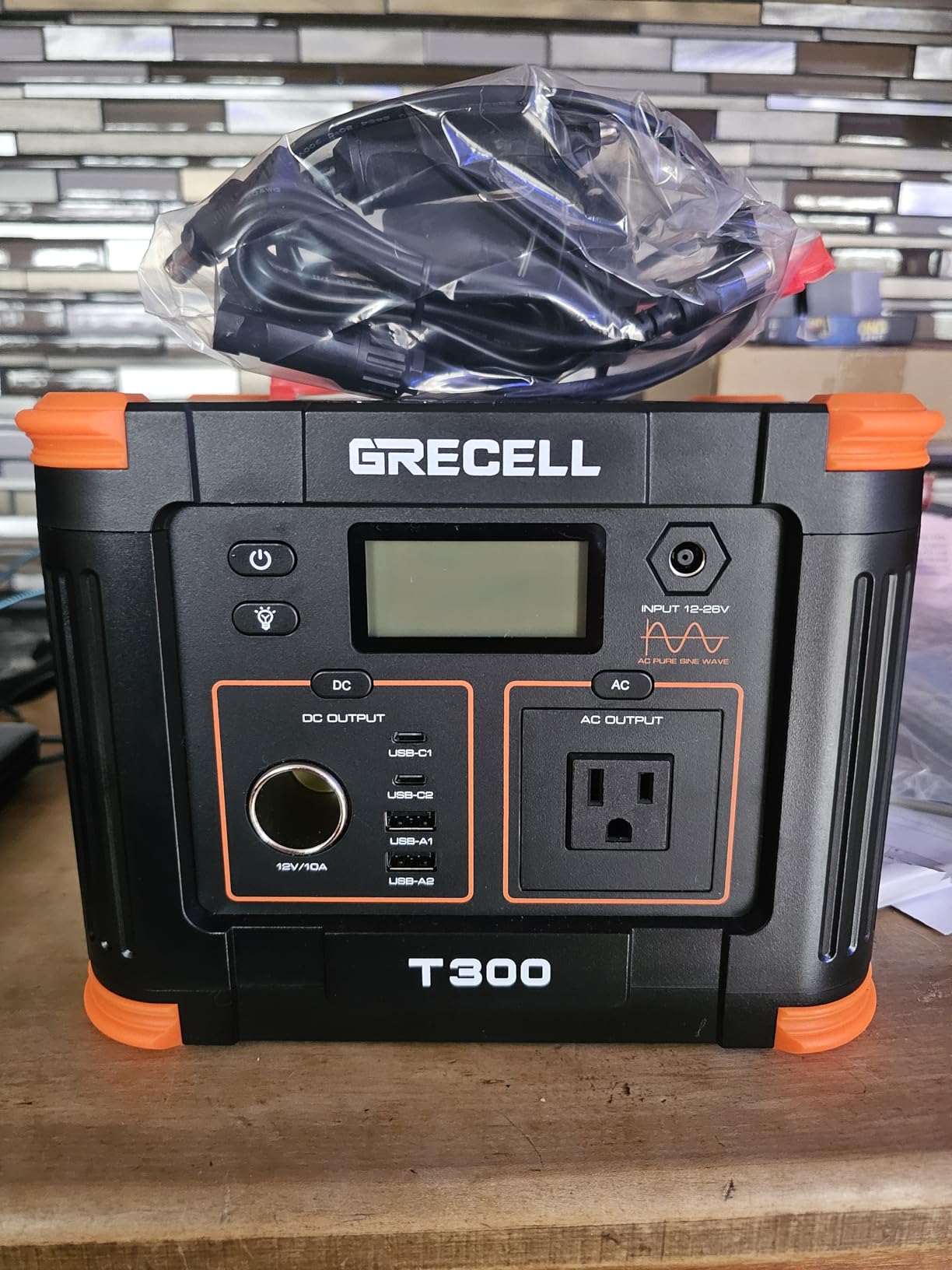
Recharging is slower than the leaders: 6 to 7 hours from a wall, 7 to 8 hours from a car outlet, and 6 to 9 hours with a 100W solar panel. If you plan around topping up overnight rather than over lunch, that is not a problem.
Owners on camping forums highlight the 519Wh running coolers and CPAP machines for a full night, which matches the capacity math. The 4.3 average reflects a solid unit with two habits to learn: switch off AC when idle, and cycle the battery every few months.
When 519Wh is the correct stopping point
If you run a CPAP, a 12V cooler and charge phones and cameras, roughly 250 to 300Wh covers a night. 519Wh gives you a full buffer for a second night or a rainy day when the panel produces nothing, which is the real reason to buy above the minimum.
The pure sine wave inverter is the sleeper feature. Cooler compressors, CPAP machines and some medical devices can behave poorly on modified sine wave, and this unit avoids that entirely at a size where many competitors cut costs.
Where it will let you down
Charge speed is the honest drawback. Six to nine hours from a 100W panel means a partly cloudy day will not fully restore it, so treat solar as a top-up here rather than your primary charging method.
At 14.1 lb it is a car-camp unit rather than a carry unit. Anything above 500W will trip it, and like its larger GRECELL sibling, the AC output should be switched off manually when you are not using it to prevent idle drain.
8. MARBERO 237Wh with 60W Solar Panel – Best for First-Time Buyers
- 60W foldable solar panel included so it works off-grid immediately
- Two AC outlets including 2-prong and 3-prong
- Most reviewed unit in the group
- LED light with flashlight strobe and SOS
- 9 lb weight suits casual camping
- Lowest 4.1 star average in the group with 12% one-star
- Only 237Wh is the smallest capacity here
- Panel output is modest at 60W
- 12-month warranty is the shortest offered
Most first-time buyers make one of two mistakes: buying a station with no panel, or buying a panel with no station. The MARBERO M823SL60 solves both by bundling a 237Wh power station with a 60W foldable solar panel at 21.5% to 23.5% conversion efficiency.
For a weekend trip where you want to see whether a power station fits your habits, that bundle is genuinely useful. Unpack it at camp, unfold the panel on a picnic table or a sunny car roof, and you have a working off-grid setup with no extra purchases.
Output is 300W rated with 375W peak on a pure sine wave inverter, with two AC outlets, one 2-prong and one 3-prong, which is unusual in this capacity class. USB ports are two USB-A QC3.0, two standard USB-A, one USB-C PD at 18W and a 12V DC output.
It is also the most reviewed product in this entire group at 9,250 ratings, which means a large body of real-world feedback. The average is 4.1 stars with 12% one-star reviews, which is the lowest score here, so read the cons carefully.
What a 60W foldable panel actually delivers
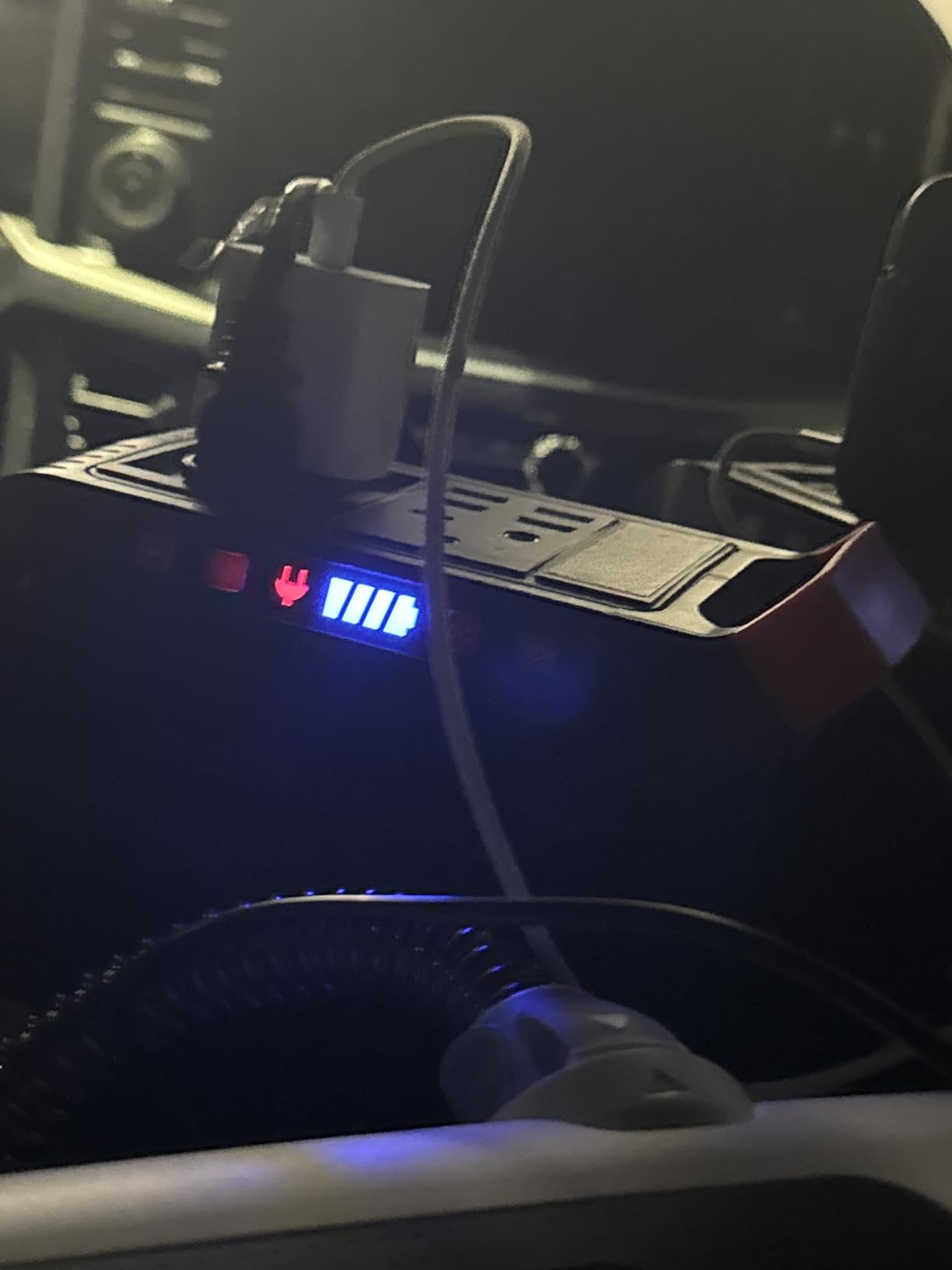
A 60W panel is sized for topping up, not for full recovery. In strong direct sun a 60W panel produces roughly 45 to 55W after controller and angle losses, which over six hours of peak sun is about 270 to 330Wh. On a 237Wh unit that is a full recharge, but only on a clear day with correct positioning.
On a partly cloudy day the same panel might deliver a fifth of that. The smart charging chip in this bundle helps manage a fluctuating input, but no panel changes the physics of a cloud passing over the sun.
Where it will let you down
237Wh is the smallest capacity in this lineup, and 300W output is firmly an electronics limit. A CPAP at low pressure will run all night, but a cooler, a kettle or a heater will not.
The 12-month warranty is half what the Anker SOLIX C300 and EcoFlow RIVER 2 offer, and the 4.1 average with 12% one-star reviews points to uneven support experiences. If you keep the panel and swap to a larger battery later, the ecosystem is less flexible than buying a station alone.
9. Takki 222Wh with 60W Solar Panel – Best Lightweight Kit
- Very light at 5.95 lb with a bright two-level reading light
- Eight outputs for phones laptops fans and small fridges
- AC output stays on at very low loads
- Fan stays quiet and only engages after extended use
- 60W foldable panel included
- Modified sine wave rather than pure sine wave AC
- USB outputs auto-shut off after about 20 seconds at low draw
- Replacement chargers and panels are hard to source
- Usable capacity is below the stated 222Wh
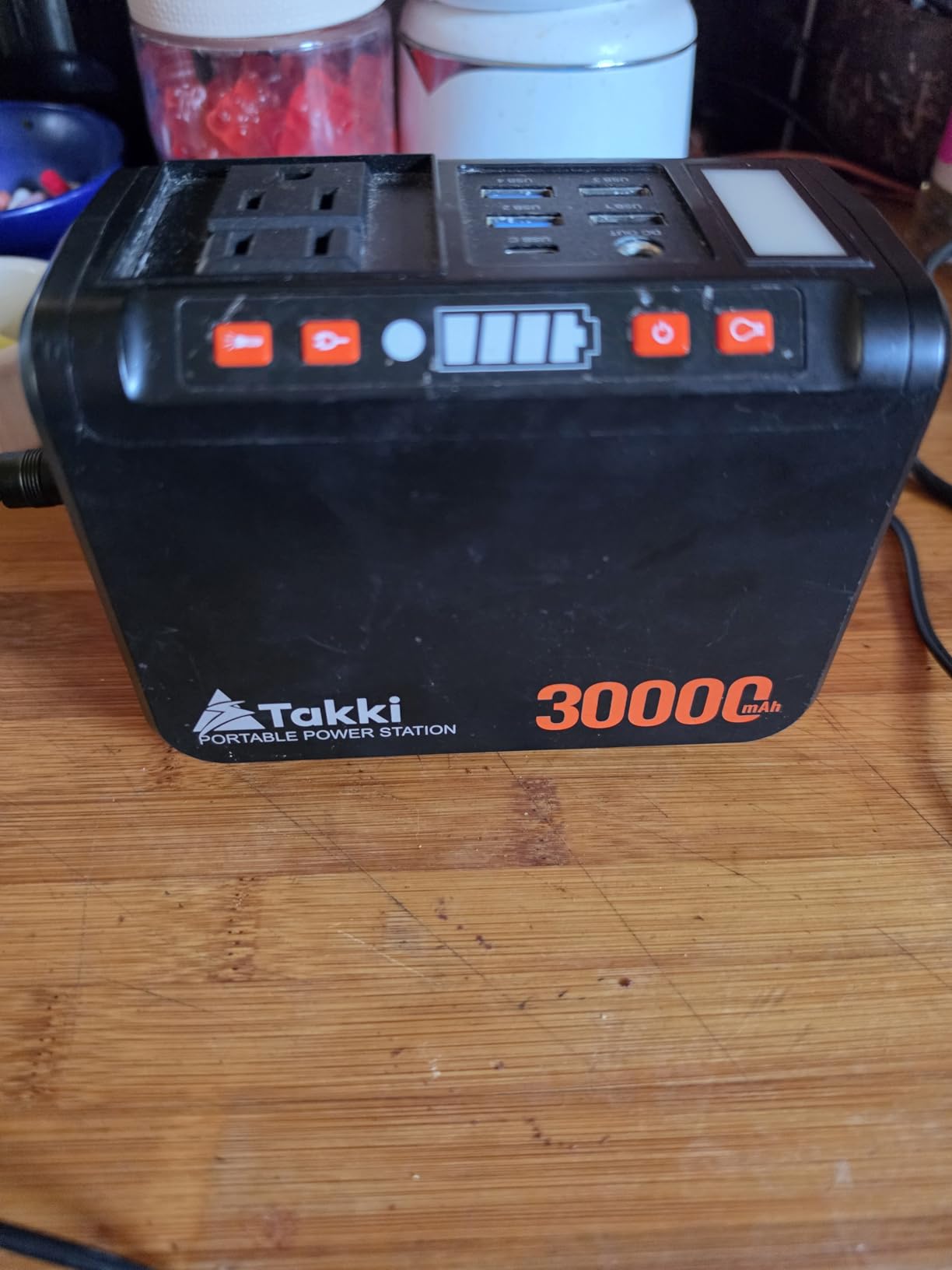
At 5.95 lb for the power station and 1.87 lb for the panel, the Takki TP811M is one of the lightest complete solar kits you can carry. The power station measures 8.13 by 4.35 by 5.93 inches, so it fits a daypack or a van cubby without dominating either.
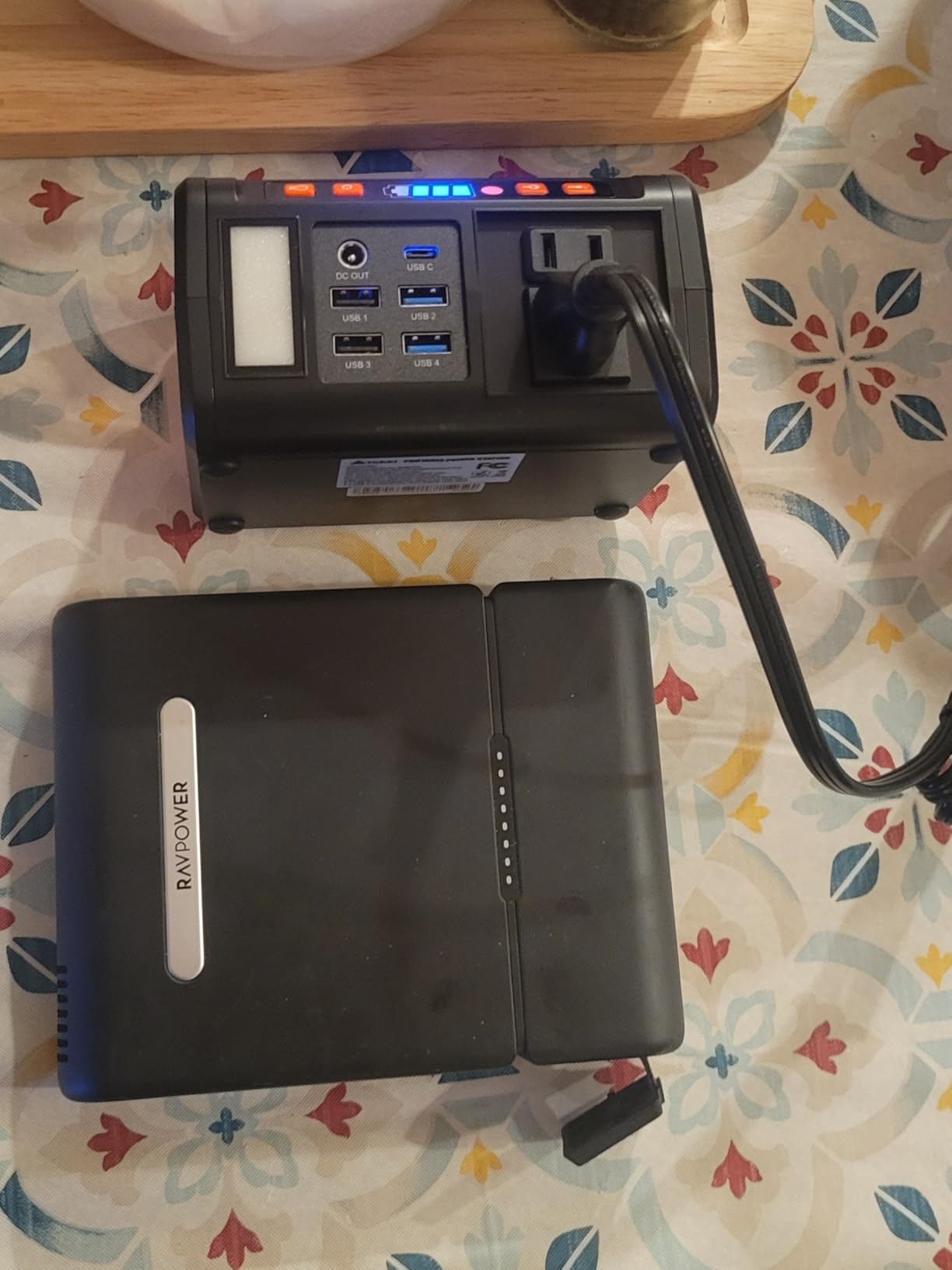
It has eight outputs including both 2-prong and 3-prong 110V AC, two QC 3.0 USB-A ports, two standard USB ports, an 18W Type-C port and a 12V DC output. The included 60W foldable panel has 23% conversion efficiency, one of the higher figures among bundled panels.
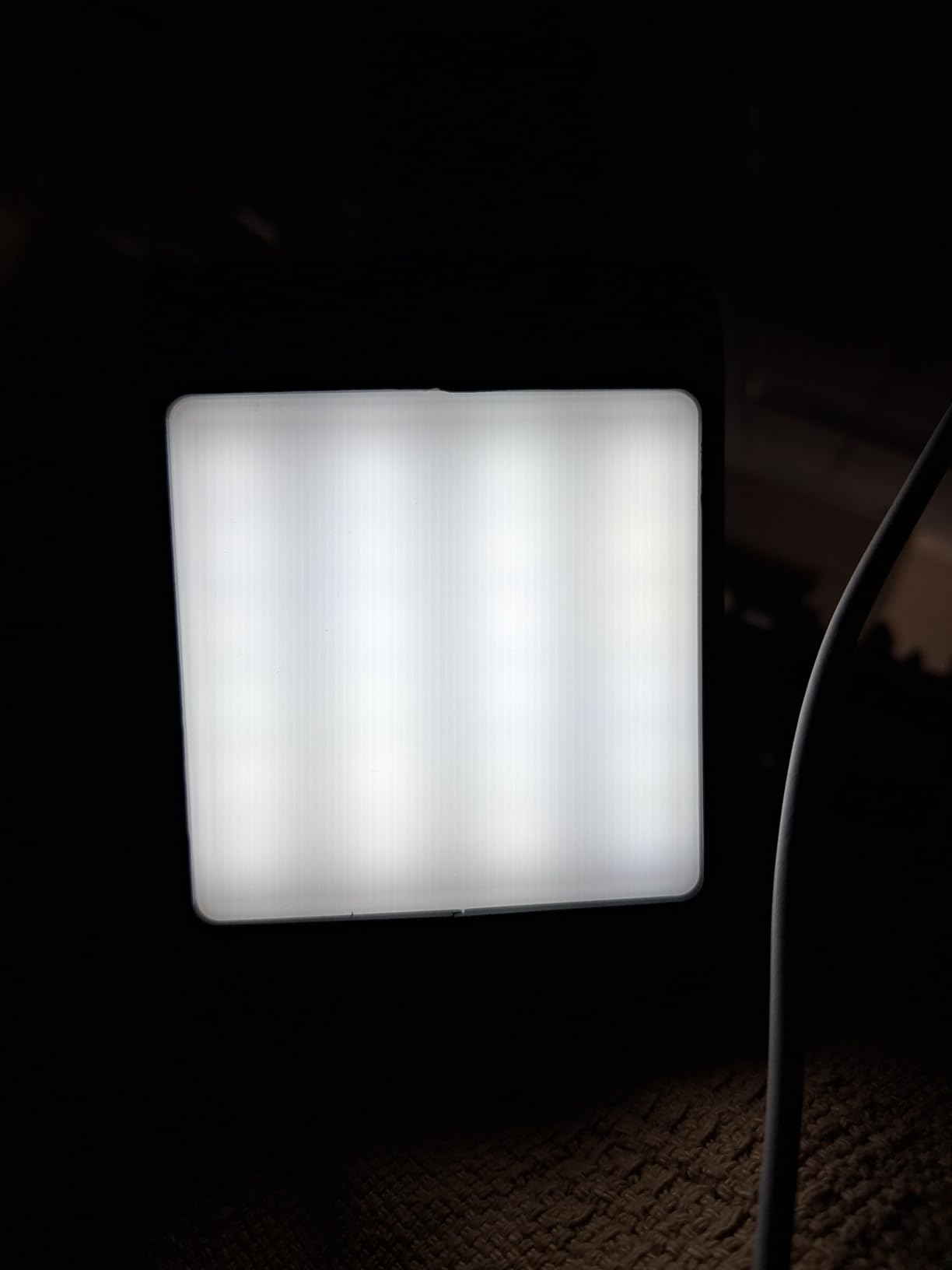
Two design choices stand out. The AC output stays on at very low loads instead of auto-shutting off, and the cooling fan only engages after extended AC use and stays quiet when it does. The two-level reading light with SOS mode is unusually bright for the size.
The AC output is modified sine wave, not pure, and the USB ports cut out after roughly 20 seconds at low draw. Those two facts rule it out for sensitive or medical equipment even though reviewers otherwise like it.
Why the low-draw behaviour matters in a tent
Many power stations switch their AC inverter off below a minimum draw, which silently kills a small fan or a night light. The Takki holding its output at very low loads is a small thing that shows up constantly in real camp use, where devices draw less than the label suggests.
The quiet fan matters more than the headline wattage for tent campers. A unit that stays under 25 dB beside your sleeping bag is usable, while one that runs its fan continuously in a quiet site is not.
Where it will let you down
Modified sine wave output is the dealbreaker for CPAP machines, medical devices and some sensitive electronics. If you use any of those, choose the pure sine wave options earlier in this list.
Reported usable capacity is lower than the stated 222Wh once conversion losses are accounted for, and replacement chargers or panels are genuinely difficult to source. The 4.2 average with 11% one-star reviews reflects that support experience.
10. ZeroKor 280Wh with 60W Solar Panel – Best for Screen Power
Portable Solar Generator 300W Portable Power Station with 60W Solar Panel
- 60W solar panel included in the box
- Light 5.1 lb body is easy to carry
- Can charge while powering devices
- Responsive support with replacement units
- Built-in MPPT and multi-layer BMS
- 300W figure is a surge maximum not continuous
- Some buyers report output well below stated wattage
- Foldable panel wiring breaks from repeated folding
- Panel junction box is not waterproof
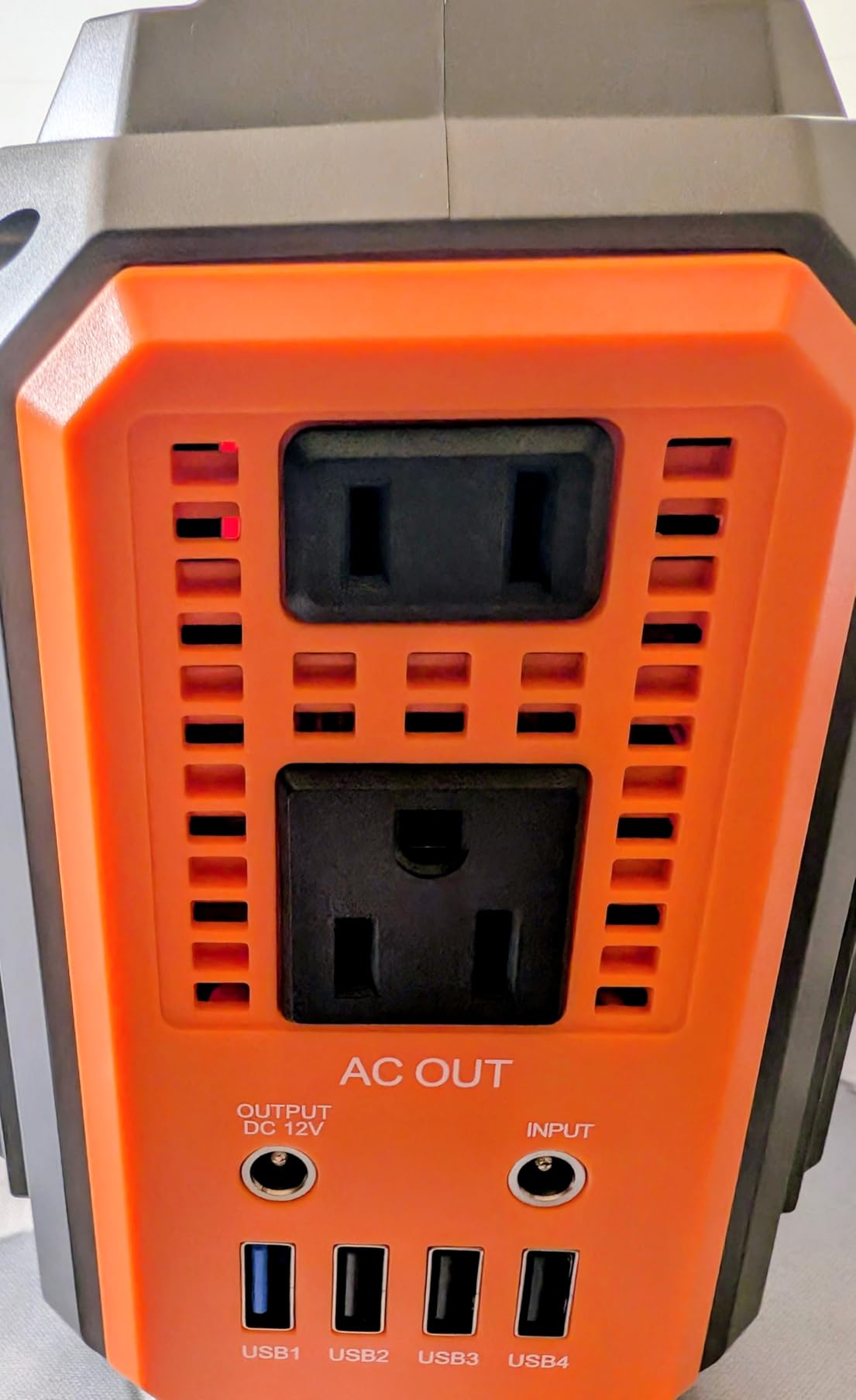
The ZeroKor R200 is one of the few kits in this group that reliably runs a screen for a full evening. Multiple owners report running a 55-inch TV for about four hours off the 280Wh battery, which makes it a genuinely different use case from the electronics-only units above.
It weighs 5.1 lb, measures 8.5 by 6.7 by 4.1 inches, and includes a 60W monocrystalline solar panel at 20.5% conversion efficiency. Pass-through charging means it can power devices while the panel recharges the battery, which is the single most useful camping feature on this list.
Recharging happens through the AC adapter, solar at 13 to 23V through a built-in MPPT, or a 12V car port. Ports are two AC outlets rated 300W max, a 9 to 12.6V DC port, three 5V/3A USB ports and one quick charge USB port, plus a flashlight with reading and SOS modes.
Two things to know before buying. The stated 300W is a maximum rather than a sustained continuous figure, and a recurring thread in reviews says the included foldable panel’s internal wiring breaks after repeated folding.
Running a TV or projector for an evening
A 55-inch TV drawing about 100W would consume roughly 100Wh per hour from the battery before losses, so 280Wh delivers somewhere near 2 to 2.5 hours of actual viewing. Add a projector at 40W and a couple of speakers and the figure drops further.
The same math applies to a movie night with a laptop screen, which is where pass-through charging pays off: the panel replenishes while the screen runs, so a sunny evening extends the runtime rather than just topping up overnight.
Where it will let you down
The 300W number is the trap. It is a surge maximum, and a meaningful share of buyers report continuous output falling well short of it, which is why we have not ranked it higher despite the useful screen-running reports.
Panel durability is the other concern. The foldable panel’s wiring breaking from repeated folding, plus a junction box that is not waterproof, means it needs careful handling in wet weather. The 12-month warranty is on the short side as well.
11. HOWEASY 88Wh Portable Power Station – Lightest for Backpacking
HOWEASY Portable Power Station,120W(240W Peak) Solar Generator
- Lightest option here at 2.3 lb with a hidden fold-out handle
- Eight outputs in a very small footprint
- 88Wh holds charge for several days of standby
- Runs string lights fans air pumps and small laptops
- Two-year warranty with 24/7 support
- 120W AC ceiling is too low for coffee makers or coolers
- Charges phones more slowly than a dedicated power bank
- No solar panel included
- 88Wh is the smallest capacity in this lineup
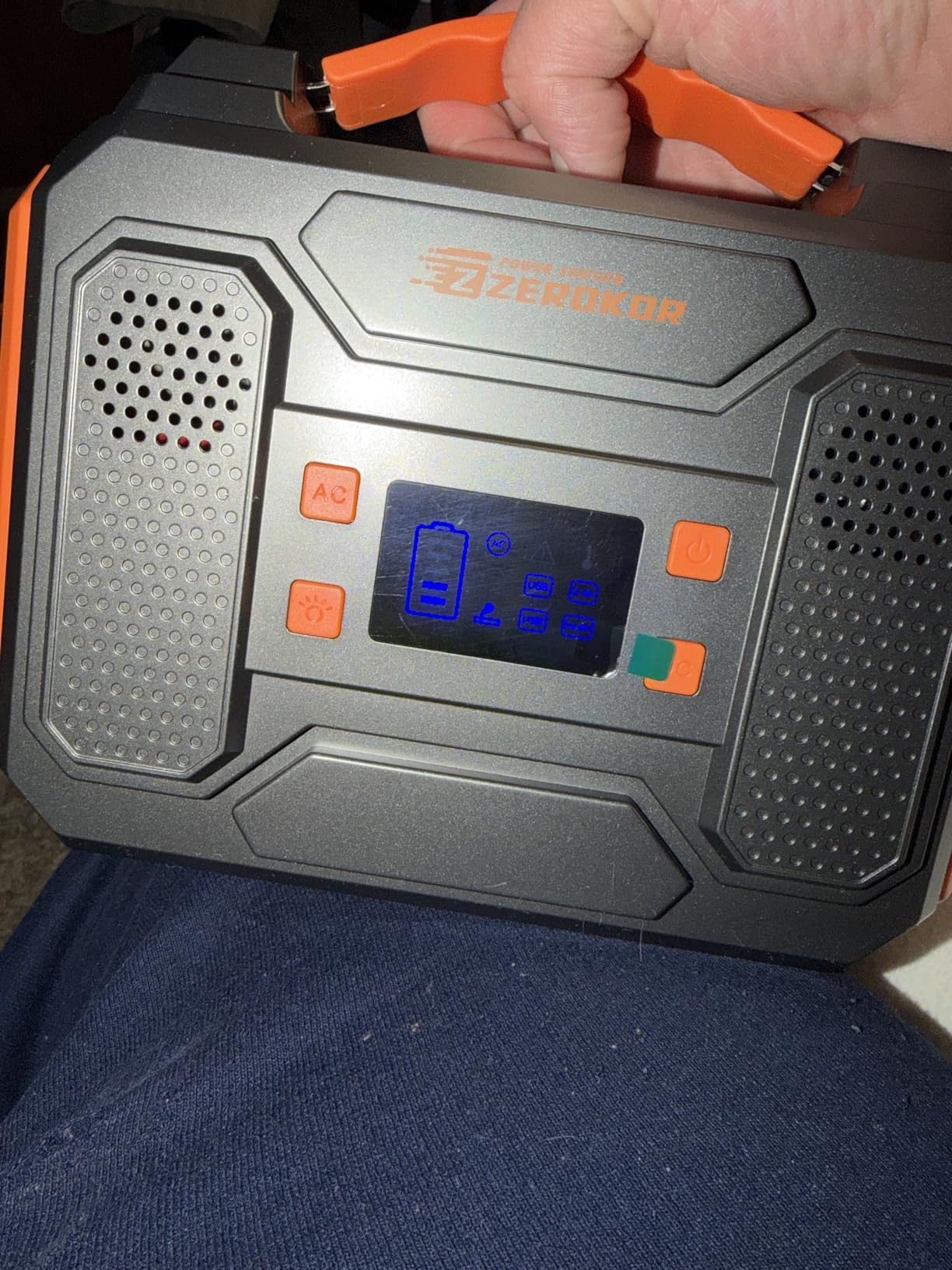
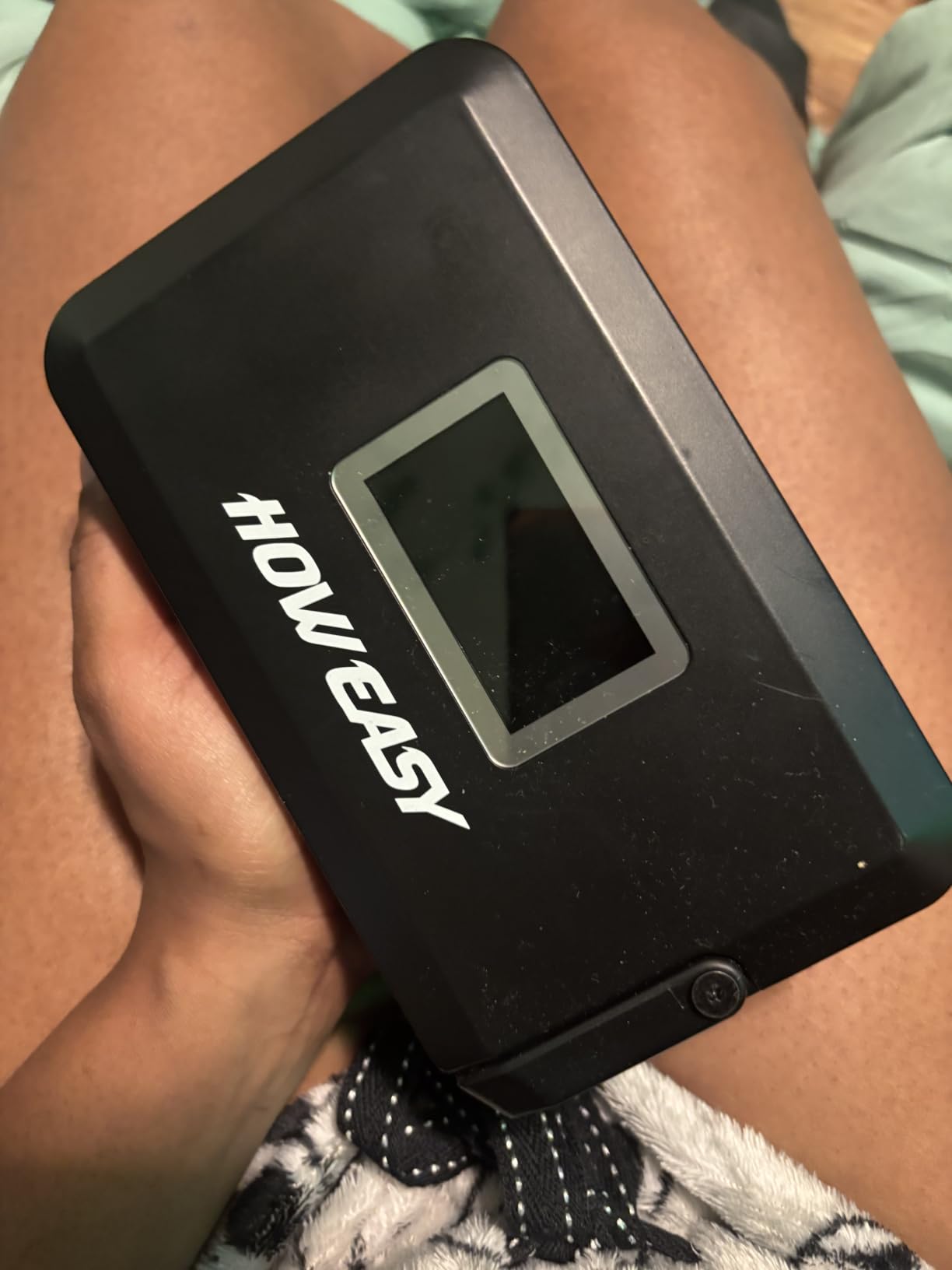
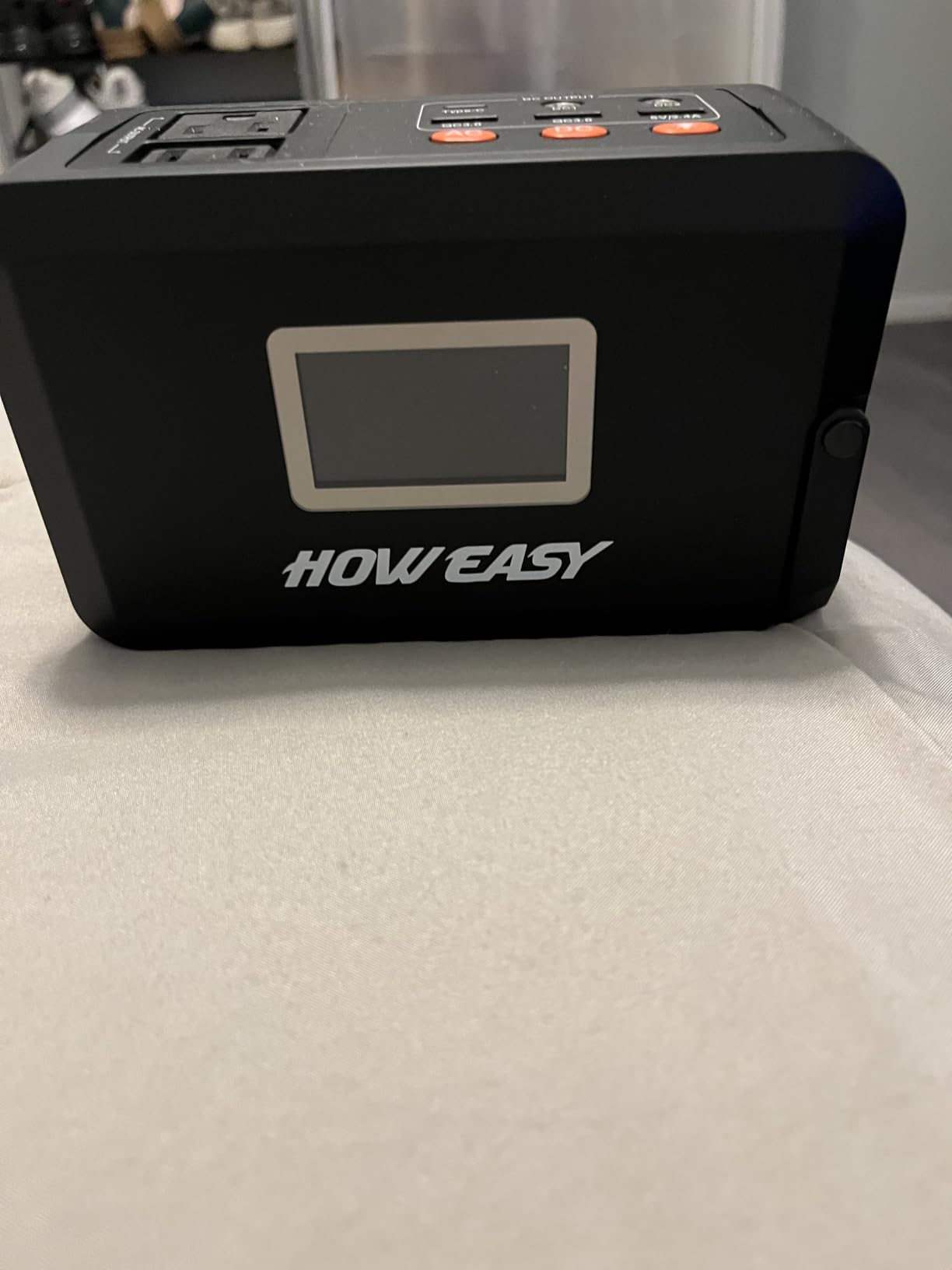
At 2.3 lb and 6.6 by 4 by 3 inches, the HOWEASY H120 is the most packable unit here. It has a hidden fold-out handle and finishes the job of keeping small electronics alive overnight.
Eight outputs in that footprint is impressive: two AC sockets, an 18W USB-C port, two QC 3.0 USB-A ports, a 5V/2.4A USB port and two 12V/10A DC outputs. It runs string lights, USB fans, air pumps and small laptops, and reviewers note the 88Wh holds a charge for several days of standby.
Recharge three ways: AC adapter, a 15 to 24V solar panel, or a 12V/24V car socket. Pass-through charging is supported, and cycle life is rated over 1,500 charges, which is the lowest rating in this group and reflects the smaller lithium-ion pack.
Think of it as a campsite power bank with AC outlets attached. That framing is accurate, and it is genuinely useful for hikers who want lights and a phone battery without carrying a full power station.
What 88Wh realistically covers
With roughly 70Wh usable, that is about 6 to 7 full phone charges, or a laptop top-up, or three nights of string lights and a phone. Owners commonly describe it as a multi-day standby unit rather than a multi-day power unit.
The 120W AC output is enough for a small fan or a monitor. It will not start a coffee maker, a cooler or a heater, and attempting it risks tripping the inverter.
Where it will let you down
No solar panel is included, so buying it means adding a panel separately if you want to go off-grid, and panel charging at 88Wh takes a full day of sun. Charging a phone is also slower than a dedicated power bank.
Over 1,500 cycles is roughly a third of the 3,000 to 4,000 cycles the LiFePO4 units here deliver, and the 120W ceiling excludes most appliances. This is a specialist packable unit, not a weekend camp station.
12. Apowking 146Wh with 40W Solar Panel – Best Panel Connector Range
Solar Powered Generator 100W, Portable Power Station with Solar Panels 40W
- 3.3 lb body suits a daypack or suitcase
- 40W panel with 10 DC connectors for wide compatibility
- Panel performs better than polycrystalline in low light
- Seven outputs including two 110V AC outlets
- Dual LED flashlights with strobe and SOS modes
- Lowest output tier at 100W rated and 200W peak
- 146Wh is among the smallest capacities
- 12-month warranty is the briefest offered
- 13% one-star reviews indicate polarized experiences
- Solar recharging is slow with a 40W panel
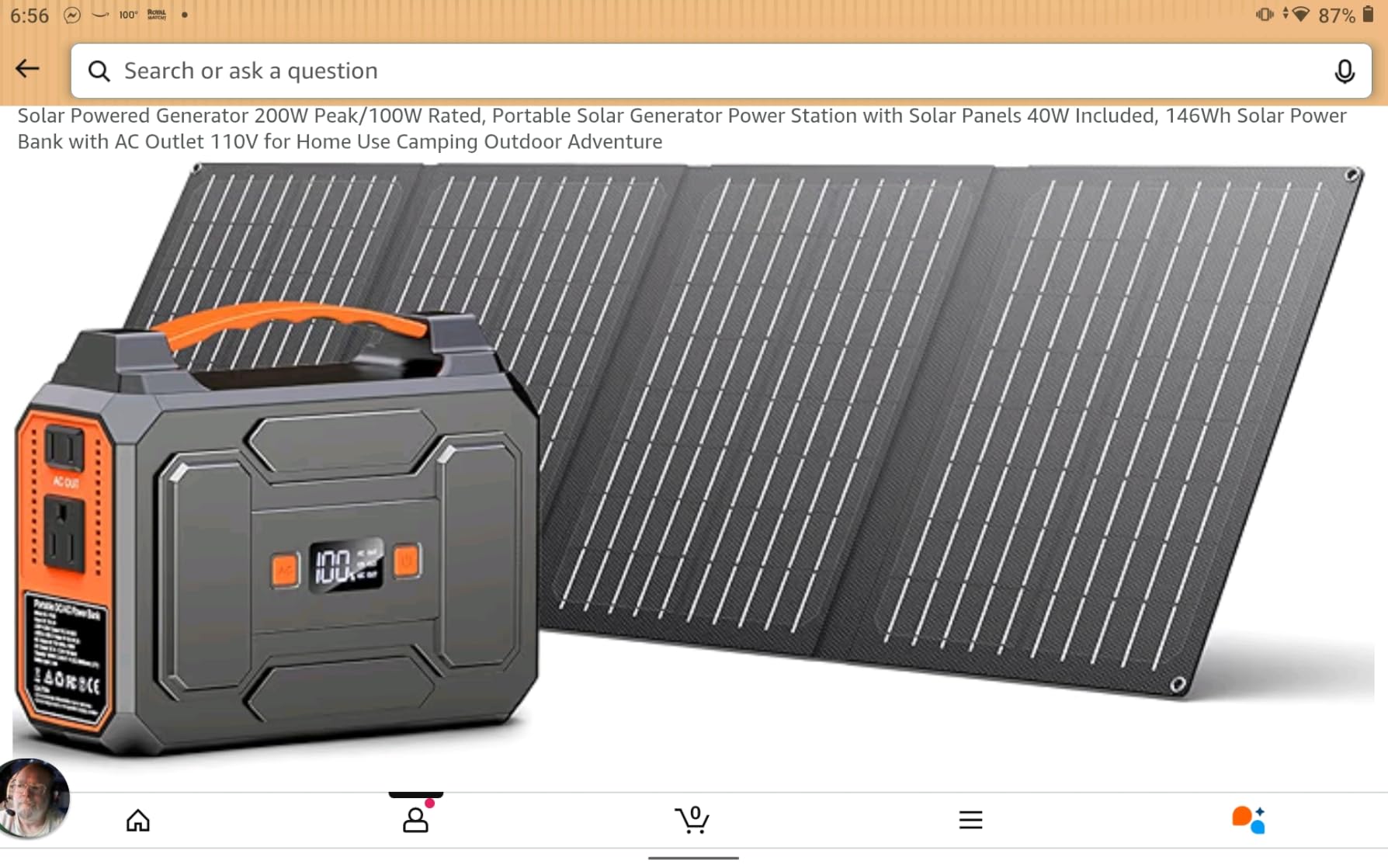
The Apowking R100 is the smallest complete kit in this lineup at 3.3 lb for the power station, with a 40W monocrystalline panel at 20.5% conversion efficiency included. The panel kit ships with 10 DC connectors, which is the broadest connector range here and saves guessing on a campsite.
Capacity is 146Wh with 100W output and 200W peak, across seven outlets: two 110V AC outlets, two USB-A, a USB-C QC 3.0 port and a 12V DC output. The battery management system handles voltage and temperature control with rear cooling vents.
Where reviewers consistently report satisfaction is panel behaviour in poor light. The monocrystalline cells outperform polycrystalline panels under overcast skies, which is the condition that most often disappoints campers.
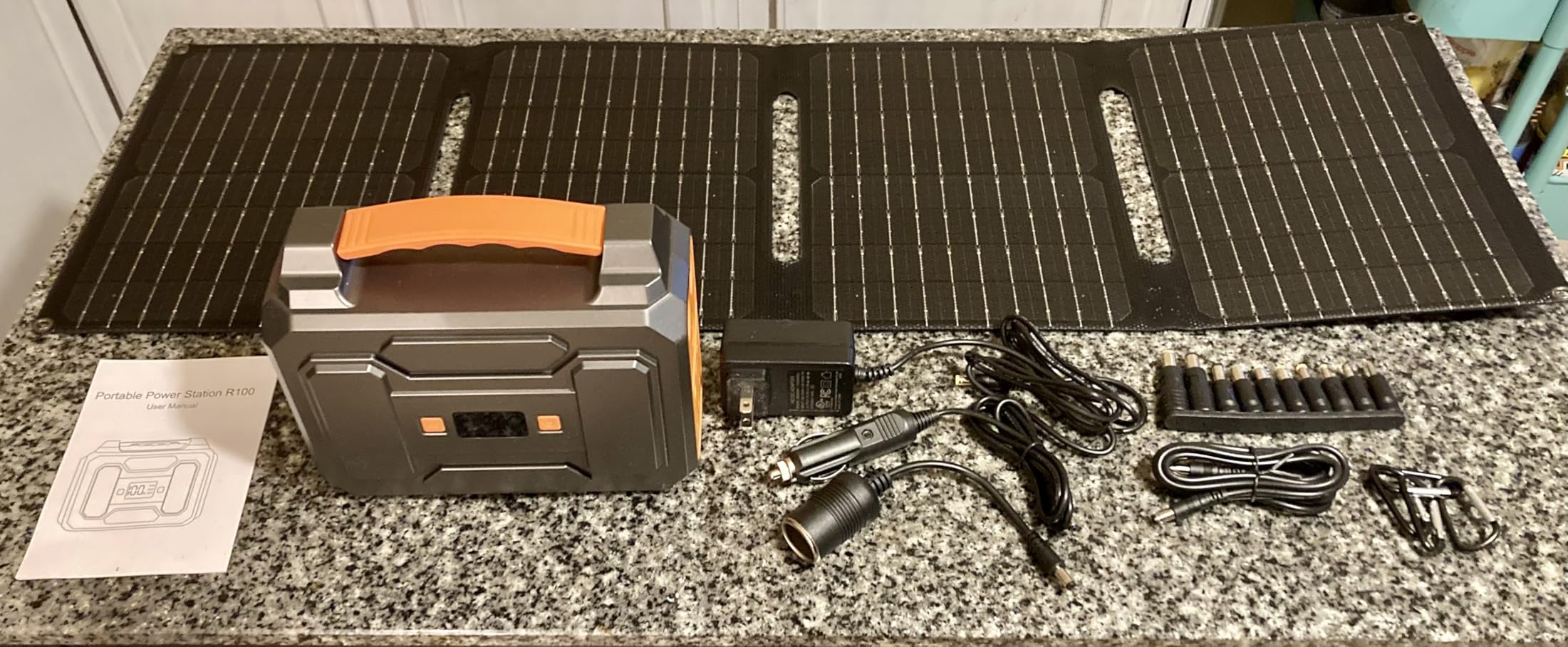
The 4.1 average with 13% one-star reviews is tied for the lowest in the group, which tells you the experience is polarizing. Buying it makes the most sense as a lightweight phone, tablet and camera battery for a trip, not as a camp power supply.
Why the connector range matters in the field
Third-party solar panels ship with different barrel connector sizes, and mismatched connectors are the most common reason a panel charges nothing at all. A kit that includes 10 DC connectors removes that guesswork, which matters most on a first trip.
The monocrystalline choice is worth noting too. In real-world low-light conditions it produces more usable current than an equivalent polycrystalline panel, so a partly cloudy day still puts something into the battery.
Where it will let you down
100W rated output is the lowest tier here, and 146Wh is one of the smallest capacities in the lineup. Phones, tablets, cameras and drones are the realistic loads; a CPAP at higher pressure will not run all night, and no appliance will start.
A 40W panel recharges 146Wh slowly, realistically taking a full day of good sun, and the 1-year warranty is the briefest offered. The 13% one-star share suggests support and unit consistency are the weak points to accept if you buy.
How to Choose a Solar Generator for Camping
Step 1: Size your capacity in watt-hours, not watts
Add up the watts of everything you plan to run, multiply by the hours you need it, then divide by 0.85 to account for inverter and DC conversion losses. A 40W CPAP for 8 hours, a 45W fridge compressor averaging 12 hours of runtime, and a 10W lantern for 10 hours works out to around 550Wh, which means you want at least a 650Wh station to have any margin.
Then double it for your worst case. A cloudy day with no solar input means you start the second night on whatever the wall outlet gave you, and campers who size too small end up rationing their phone charging rather than enjoying the trip.
Step 2: Match output to your largest single device
Capacity tells you how long; output tells you what will start. Check the running wattage of the biggest appliance you want to power, not the surge figure. A microwave or kettle that draws 1200W will not run on a station rated 1000W continuous, no matter how many watt-hours it holds.
Surge ratings cover the brief startup spike from a compressor motor, which is why a 500W station with 1000W peak can run a small fridge but not a kettle. A rule of thumb: buy output that exceeds your largest device by 30%.
Step 3: Understand real-world solar charging
Panel ratings assume 1000W per square meter of irradiance at perfect angle with no shading, and a campsite rarely delivers that. Realistically, a 100W panel yields 60 to 80W on a clear day and 15 to 30W under thin cloud, and a shaded panel can drop to almost nothing regardless of its label.
That is why solar input wattage matters more than most buyers expect. A station with 110W of input, like the EcoFlow RIVER 2, recovers faster than one limited to 60W or 100W from the same panel. Position the panel perpendicular to the sun, check for tree shadows falling on it in the late afternoon, and treat solar as a supplement rather than your primary charging method unless you have multiple panels.
Step 4: Prefer LiFePO4 for anything you keep
Every unit in this group rated above 3,000 cycles uses LiFePO4 chemistry, and that is the single most important spec for a long-term purchase. LFP cells hold 70 to 80% of rated capacity after 3,000 to 4,000 cycles, tolerate being fully discharged without damage, and are far less likely to enter thermal runaway than the NMC cells used in cheaper packs.
The smaller units here, like the HOWEASY at 88Wh, use conventional lithium-ion rated over 1,500 cycles. Fine for occasional trips, less fine if you plan to keep the station for a decade of regular weekends.
Step 5: Decide on pure sine wave and UPS
Pure sine wave output costs very little more and protects sensitive electronics, which is why it matters if you run a CPAP machine, a medical device, a laptop or an audio setup. The Takki in this lineup uses modified sine wave, and reviewers are candid that it is a limitation rather than a neutral choice.
UPS mode with sub-30ms switchover is a related feature worth paying for if you work from camp or run a small network. It lets the station act as a battery backup for a laptop or desktop without the equipment noticing the switch.
Step 6: Factor in weight, warranty and brand support
Weight is the most underrated camping spec. A 2.3 lb unit goes in your pack; a 23.8 lb unit stays near the car and changes your whole site layout. Be honest about how far you will carry it before choosing capacity.
On warranty, the range here runs from 12 months on the ZeroKor, MARBERO and Apowking units up to 5 years on the Anker SOLIX C300 and the EcoFlow RIVER 2. Anyone running a full RV or van setup should read our camping generators for RVs guide alongside this one. Longer coverage is a real signal about component quality and support staffing, and it is worth weighing against a small price difference.
Brands also differ in how open they are about the numbers. EcoFlow leads on fast charging and app control, Jackery leads on proven reliability and review volume, and GRECELL and BLUETTI style competitors compete hardest on capacity per dollar. If you already own panels or a generator from one ecosystem, check compatibility before switching, since some units like the Anker SOLIX C300 lock out the brand’s larger panels.
Frequently Asked Questions
Is Jackery or EcoFlow better for camping?
Jackery leads on proven reliability, review volume and longer-standing camping reputation, and its Explorer 1000 v2 offers 1070Wh with 1500W output. EcoFlow leads on charging speed and smart features, with the RIVER 2 fully recharging from a wall in about an hour and 110W solar input. For weekend car camping, the RIVER 2 is easier to turn around quickly; for van life and heavier loads, the Jackery capacity and pure sine wave output win. Both use LiFePO4 cells rated past 3,000 cycles.
How long will a 2000 watt solar generator run a fridge?
A typical 12V camping fridge draws 40 to 60W with a compressor that cycles rather than runs continuously, so real average draw is often 20 to 35W. On a 1000Wh station with about 850Wh usable, that works out to roughly 24 to 42 hours of runtime, meaning a 2000W output figure is not even the limiting factor. Capacity, not wattage, determines how long a fridge runs, and the compressor needs a surge allowance above its running draw.
How big of a solar generator do I need for camping?
For a weekend trip running a CPAP, a 12V fridge, lights and phone charging, aim for 500 to 1000Wh. A 292Wh unit such as the Jackery Explorer 300 covers a night of electronics and CPAP, a 519Wh unit covers a cooler and CPAP overnight with buffer, and 1070Wh covers multiple appliances for several days. Add 30% of headroom for cloudy days, and check that the output rating exceeds your largest single device.
What is the best solar powered generator for an RV or van?
For RV and van life use, the priority is continuous output rather than portability, since higher capacity units need to be wheeled to shore power anyway. The Jackery Explorer 1000 v2 at 1070Wh and 1500W is the strongest balance of capacity, pure sine wave output and recharge speed, and the GRECELL 999Wh offers similar capacity with more ports. Pair either with a 200W or higher panel and expect to add expansion battery capacity as your load grows.
Can you charge a solar generator while you are using it?
Yes, and that feature is called pass-through charging. Most stations in this group support it, meaning you can run a fridge or charge a laptop while the solar panel recharges the battery at the same time. The ZeroKor R200, ALLWEI PPS300-4 and HOWEASY H120 all list pass-through as a core feature, while the EcoFlow RIVER 2 handles the same idea through EPS mode with under 30ms switchover. Expect solar input to be divided between your device draw and battery recharge.
Final Verdict
The Jackery Explorer 300 is our pick for most people. At 7.1 lb, 292Wh and a LiFePO4 battery rated past 4,000 cycles, it covers the electronics-and-CPAP load that defines the majority of camping trips, and 11,273 reviews averaging 4.6 stars make it the most proven unit here.
If you run a fridge, a kettle or a CPAP at higher pressure, step up to the Jackery Explorer 1000 v2 for 1070Wh and 1500W, or the GRECELL 999Wh if you want more ports at a lower cost. If turnaround speed decides your trip, the EcoFlow RIVER 2 recharges from a wall in about an hour. For laptops and drones, the Anker SOLIX C300’s 140W USB-C ports and 5-year warranty are a combination you will not find elsewhere in this size class.
For anyone buying their first solar generator in 2026, start with the capacity math rather than the brand. Buy the watt-hours your load needs, add 30% for weather, and check the output rating against your largest single device. That one habit prevents nearly every return.