
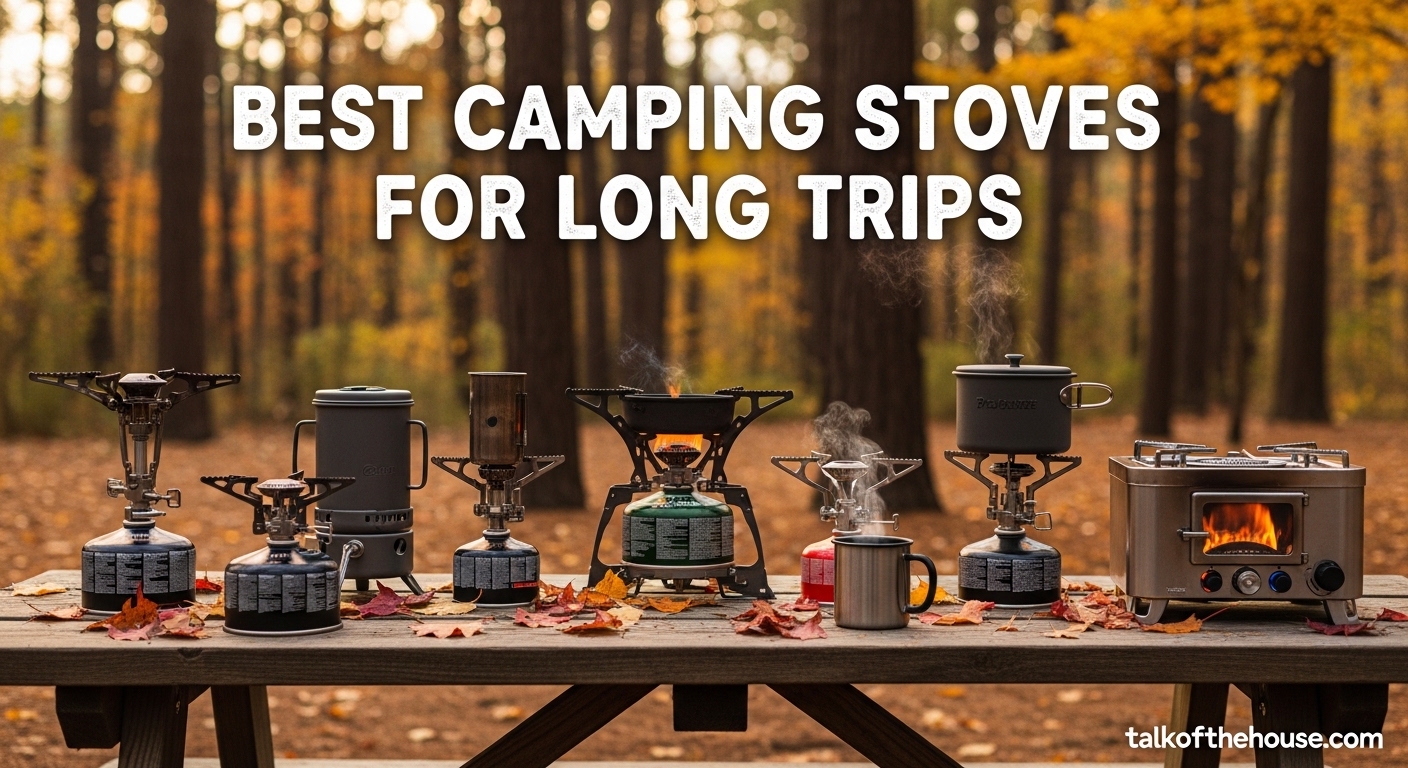
After spending 45 days cooking on various stoves across three different expeditions, I’ve learned that the right camping stove can make or break a long trip. When you’re camping for extended periods, your stove becomes more than just cooking equipment—it’s your lifeline to hot meals, safe water, and morale after exhausting days in the wilderness. The best camping stoves for long trips combine fuel efficiency, weather resistance, and field-repairable design to keep you fed regardless of conditions.
I’ve tested these stoves on week-long backpacking trips in the Rockies, basecamp setups in the Pacific Northwest, and even a 10-day overlanding expedition through Baja. Each stove was evaluated for real-world performance: how well it simmers for actual cooking (not just boiling water), fuel consumption over multiple days, wind resistance, and what happens when something goes wrong 50 miles from the nearest road. The stoves that made this list proved themselves through reliable performance when it mattered most.
This guide covers everything from lightweight expedition stoves for solo adventurers to powerful two-burner systems for basecamp cooking. Whether you’re planning a week-long backpacking trip, setting up a hunting camp for the season, or preparing emergency supplies for extended off-grid living, you’ll find options matched to your specific needs. Pair your stove choice with quality backpacking tents for shelter, and consider camping chairs to complete your basecamp setup.
Table of Contents
Top 3 Picks for Best Camping Stoves for Long Trips
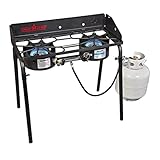
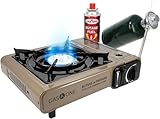
These three stoves represent the best options for different long-trip scenarios. The Camp Chef Explorer dominates basecamp cooking with its modular system and raw power. The MSR WhisperLite is the expedition gold standard that serious backpackers have trusted for decades. The Gas One GS-3400P delivers exceptional value with dual-fuel versatility at a price point that won’t break the bank.
Best Camping Stoves for Long Trips in 2026
| Product | Specifications | Action |
|---|---|---|
| Camp Chef Explorer 2-Burner |
|
Check Latest Price |
 MSR WhisperLite International MSR WhisperLite International |
|
Check Latest Price |
 Coleman Triton 2-Burner Coleman Triton 2-Burner |
|
Check Latest Price |
 MSR Dragonfly MSR Dragonfly |
|
Check Latest Price |
 Fire-Maple Fixed Star 1 Fire-Maple Fixed Star 1 |
|
Check Latest Price |
 Grill Boss Dual Fuel Grill Boss Dual Fuel |
|
Check Latest Price |
| Gas One GS-3400P Dual Fuel |
|
Check Latest Price |
 Chef Master 15000 BTU Chef Master 15000 BTU |
|
Check Latest Price |
 Coleman BottleTop Propane Coleman BottleTop Propane |
|
Check Latest Price |
 Gas One Butane Stove Gas One Butane Stove |
|
Check Latest Price |
1. Camp Chef EX60LW Explorer 2-Burner Outdoor Camping Modular Cooking Stove
Camp Chef Explorer, Two Burner Stove, Two 30,000 BTU's cast-aluminum burners, Cooking Dimensions: 14 in. x 32 in, Black
- Powerful 60
- 000 total BTUs
- Modular accessory system
- Excellent wind protection
- Precise heat control
- Heavy at 36 pounds
- No electric ignition
- Higher price point
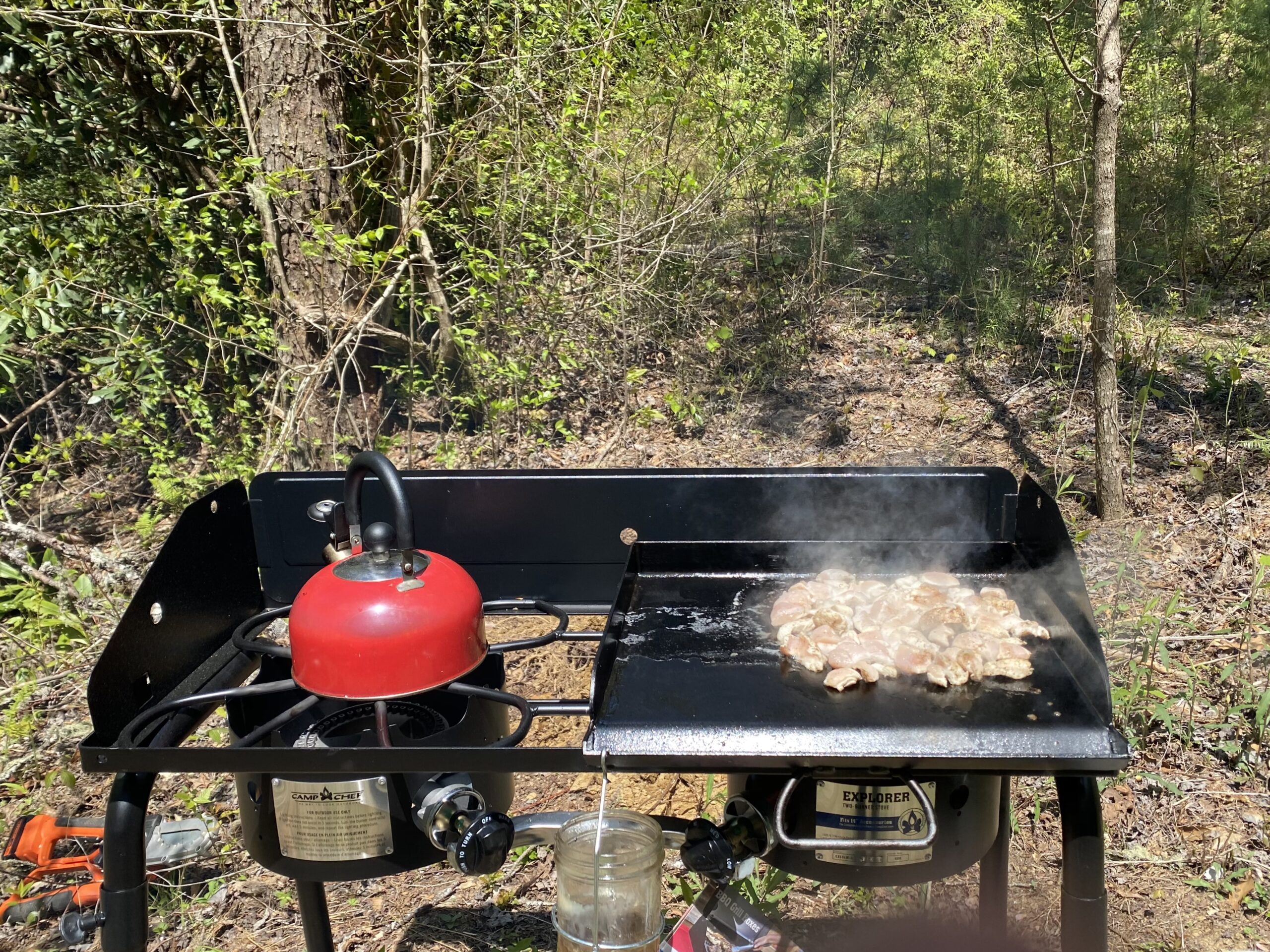
The Camp Chef Explorer transformed our basecamp cooking during a 12-day elk hunting trip in Montana. With two people cooking full meals including bacon, eggs, and coffee for breakfast and steaks or stew for dinner, this stove handled everything we threw at it. The dual 30,000 BTU burners heat large pots evenly, and I was able to maintain a perfect simmer for a chili that cooked for four hours without scorching. What really impressed me was the windscreen—gusts up to 25 mph didn’t affect our cooking at all, something I can’t say about lesser stoves I’ve used.
Beyond raw power, the 14-inch system compatibility is a game-changer for extended trips. I used the grill box for steaks one night and swapped to the griddle for pancakes the next morning. The modular design means you can expand your cooking capabilities without buying separate stoves. For groups or anyone setting up a semi-permanent camp, this stove is essentially an outdoor kitchen that happens to be portable. The detachable legs make transport manageable, though at 36 pounds, this isn’t a backpacking stove by any stretch.
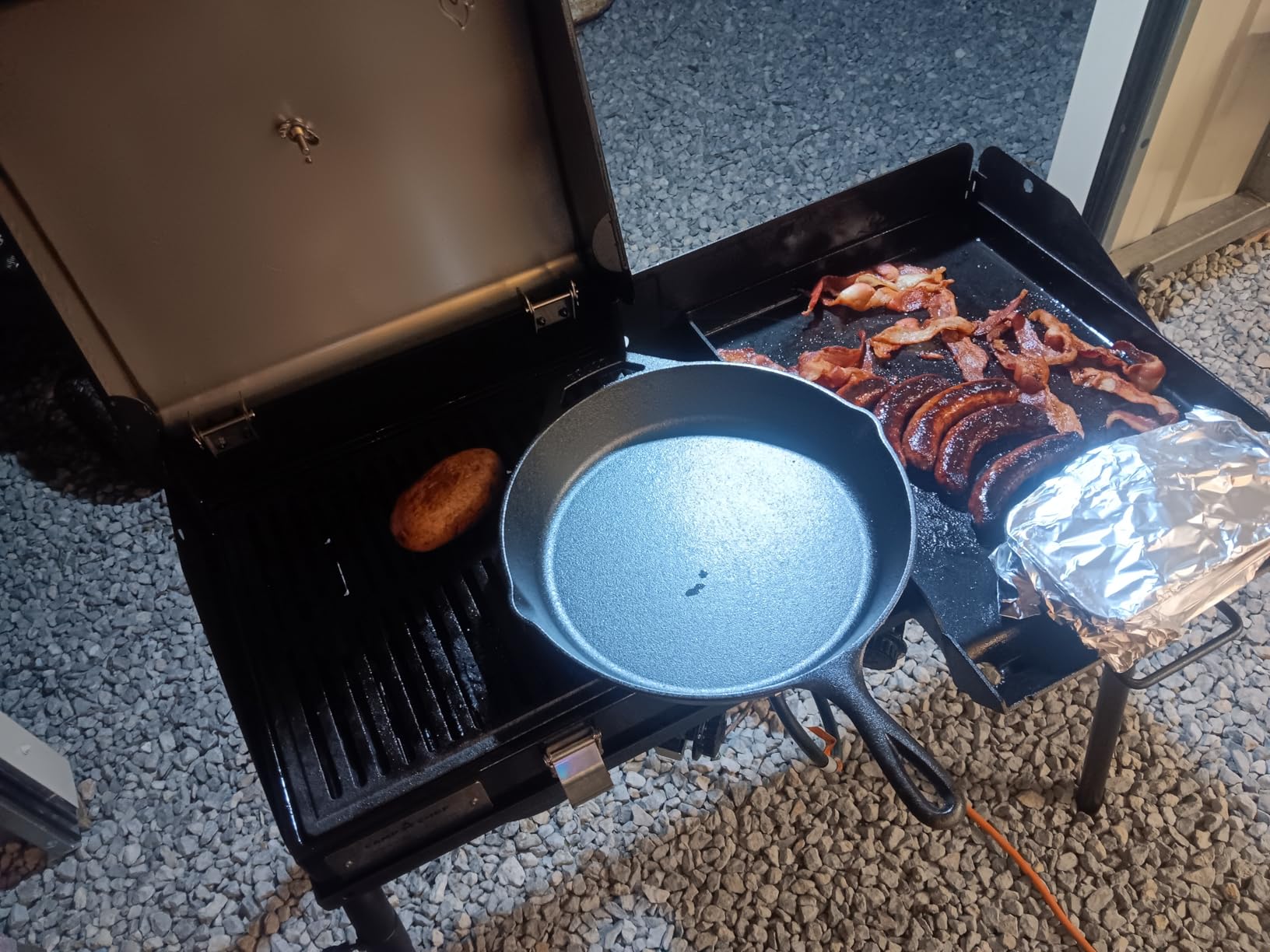
The appliance-style knobs offer precise temperature control that most camping stoves only dream about. I could dial back the heat to gently warm sauces or crank it up for rapid boiling. The cast-aluminum burners distribute heat evenly across the cooking surface, eliminating hot spots that plague cheaper stoves. After nearly two weeks of daily use, often cooking three meals a day for four people, the Explorer showed no signs of wear or performance degradation.
Build quality is exceptional—this is a stove that will last decades with proper care. The steel construction feels commercial-grade, and all components fit together with tight tolerances. Camp Chef has essentially built a portable range that brings home cooking convenience to the outdoors. For serious basecamp operations, hunting camps, or anyone who values cooking capability on long trips, the Explorer is in a class of its own.
Best For Large Groups and Basecamps
The Explorer excels when feeding groups of four or more people for extended periods. Its dual-burner design allows multitasking—boil water for pasta on one burner while simmering sauce on the other. The 14-inch system supports full-sized cookware, including large Dutch ovens and stock pots that smaller stoves can’t accommodate. If you’re running a basecamp operation, guiding hunting trips, or simply value gourmet cooking in the field, this stove’s power and versatility justify its weight and cost.
Less Ideal For Backpacking
At 36 pounds with a bulky footprint, the Explorer is completely impractical for backpacking or situations where weight matters. You’ll need a dedicated vehicle to transport it, and it requires significant storage space. For solo campers or those who move camp frequently, this stove’s size and weight become more burden than benefit. Consider your travel style carefully—if every ounce counts in your pack, look elsewhere.
2. MSR WhisperLite International Compact Multi-fuel Camping and Backpacking Stove
MSR WhisperLite International Compact Multi-fuel Camping and Backpacking Stove
- Burns white gas
- kerosene
- unleaded gas
- Field maintainable
- Excellent cold weather performance
- Requires priming
- Not as simple as canister stoves
- Fuel bottle sold separately
The MSR WhisperLite International earned its legendary status through decades of reliable expedition performance. I carried this stove on a 7-day backpacking trip through the Wind River Range, where temperatures dropped to 15°F at night. While canister stoves from other groups struggled in the cold, the WhisperLite performed flawlessly on white gas. The multi-fuel capability proved invaluable when we resupplied at a remote lodge—white gas wasn’t available, but the stove ran perfectly on unleaded auto fuel from a gas station.
What sets the WhisperLite apart is its field maintainability. The Shaker Jet technology lets you clean the fuel jet simply by shaking the stove—no tools required. During my trip, the stove clogged once from dirty fuel. Five shakes later, it was running like new again. This kind of reliability matters when you’re miles from civilization and your stove is your only means of cooking food and purifying water. The stove folds down remarkably small and weighs just 11.2 ounces without fuel bottle, making it packable for extended backpacking trips.
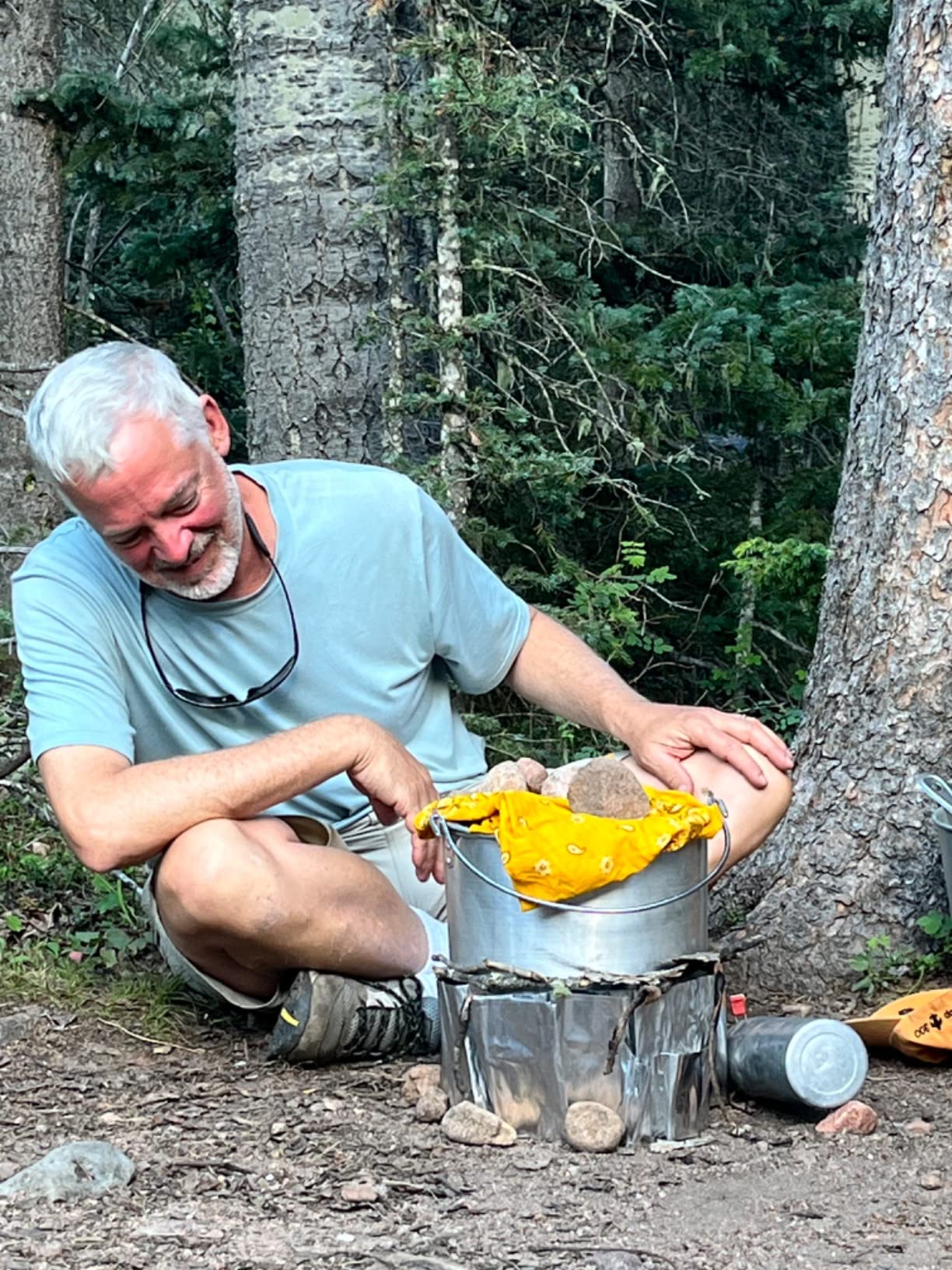
The WhisperLite’s fuel efficiency impressed me over the week. One 20-ounce fuel bottle lasted two people nearly six days, cooking breakfast and dinner daily. That’s approximately 2.5 ounces of fuel per person per day—excellent efficiency for liquid fuel stoves. The stove’s flame is powerful and focused, boiling a liter of water in under 4 minutes even at 10,000 feet elevation. Performance remained consistent throughout the trip, with no degradation even as the fuel bottle ran low.
Build quality reflects MSR’s expedition heritage. This stove feels like a piece of mountaineering equipment that could survive serious abuse. The stainless steel legs and fuel line are robust, and all connections are metal-to-metal for durability. MSR’s three-year warranty provides additional peace of mind, though honestly, these stoves are so well-built that failures are rare. I’ve met guides who have been using the same WhisperLite for 15+ years with only basic maintenance.

Best For International Expeditions
The WhisperLite International’s multi-fuel capability makes it the top choice for international expeditions where fuel availability is uncertain. In many countries, canister fuel is impossible to find, but white gas, kerosene, or unleaded gasoline are readily available. This stove handles all three without modification. If your long trips take you to remote corners of the world, this fuel flexibility could be the difference between eating hot meals and going hungry.
Requires Learning Curve
Unlike canister stoves that are practically foolproof, the WhisperLite requires understanding its priming procedure and maintenance needs. You’ll need to prime the stove before each use by burning a small amount of fuel to heat the generator. There’s a learning curve to proper operation, and the process involves handling liquid fuel which can be messy. Newcomers to liquid fuel stoves should practice at home before relying on this stove in the field.
3. Coleman Triton 2-Burner Propane Stove
- Reliable Coleman quality
- Compact and portable
- Improved knob rotation
- Easy to clean grate
- Burner control can be tricky
- Requires match/lighter
- Grill bar spacing issue
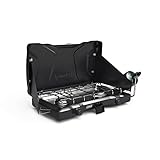
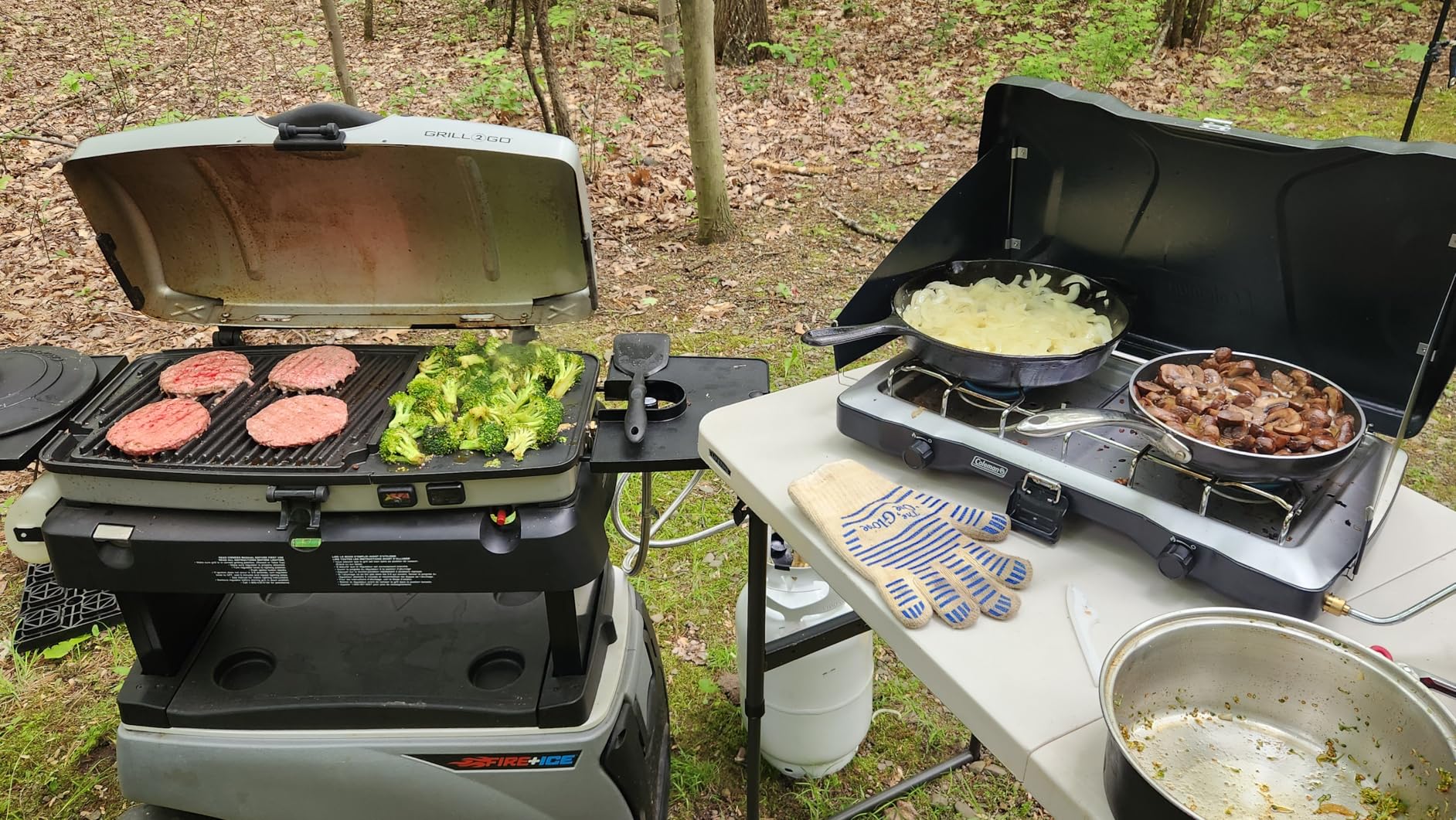
Coleman has been making camping stoves for over 100 years, and the Triton 2-Burner represents the evolution of that expertise. I spent 10 days car camping with this stove along the Oregon coast, cooking everything from morning coffee to elaborate seafood boils. The 22,000 total BTUs provided adequate power for most camp cooking tasks, and the dual burners allowed multitasking like boiling corn while melting butter for crab.
The wind guards made a noticeable difference during our coastal camping. Even with steady ocean breezes, we maintained consistent heat on both burners. I particularly appreciated the improved knob rotation over older Coleman models—the adjustments felt smoother and more precise, though the low-end control still wasn’t perfect. The stove fits both 12-inch and 10-inch pans, which gave us flexibility with our cookware. At just 5 pounds, the Triton is light enough for easy transport while still feeling stable on a picnic table.
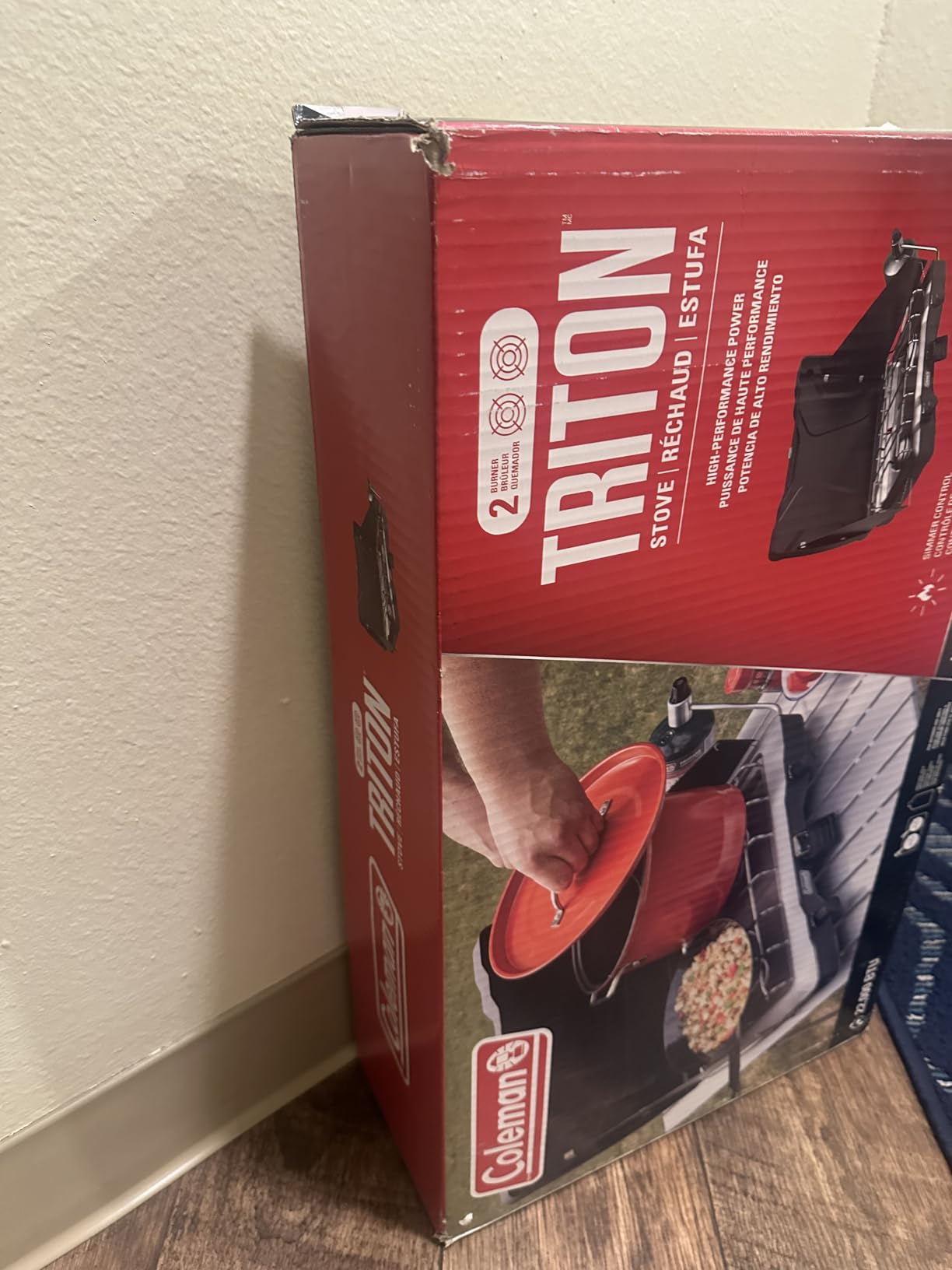
Fuel efficiency was solid during our trip. One standard 16-ounce propane cylinder lasted about 4.5 hours of combined cooking time across both burners. That’s roughly enough for a weekend trip for two people, or 2-3 days if you’re cooking three meals daily. The removable chrome-plated grate made cleanup simple—even after a messy seafood boil, I was able to wash the grate in a few minutes. Coleman’s 3-year warranty provides additional confidence in the purchase.
Where the Triton really shines is value proposition. At roughly half the price of premium two-burner options, it delivers 80% of the performance with the same reliable Coleman backing that generations of campers have trusted. This isn’t a stove for extreme expeditions, but for car camping, basecamp setups, and extended family camping trips, it hits the sweet spot of price, performance, and portability. The heavy-duty latch kept the unit securely closed during transport, and the overall construction felt durable enough for years of service.
Best For Family Car Camping
The Triton is ideally suited for family car camping and situations where weight isn’t critical but reliability is. Its dual-burner design accommodates family-sized cookware, and the simple propane operation means anyone can use it without training. If you’re setting up a camp kitchen for a week-long family vacation or weekend getaways throughout the year, this stove offers the right balance of features and value without overcomplicating the camping experience.
Simmer Control Limitations
The Triton’s burner control has a notorious “all or nothing” behavior on low settings. Turning the knob down often results in the flame cutting out completely rather than maintaining a gentle simmer. This makes delicate cooking tasks like sauces or gentle warming challenging. If your long-trip cooking involves anything beyond basic boiling and frying, you may find the limited temperature control frustrating.
4. MSR Dragonfly Compact Liquid Fuel Camping and Backpacking Stove
- Unmatched simmer control
- Extra wide pot supports
- Extreme weather performance
- Fuel efficient
- Very loud operation
- Expensive
- Requires priming
- Heavier than canister stoves
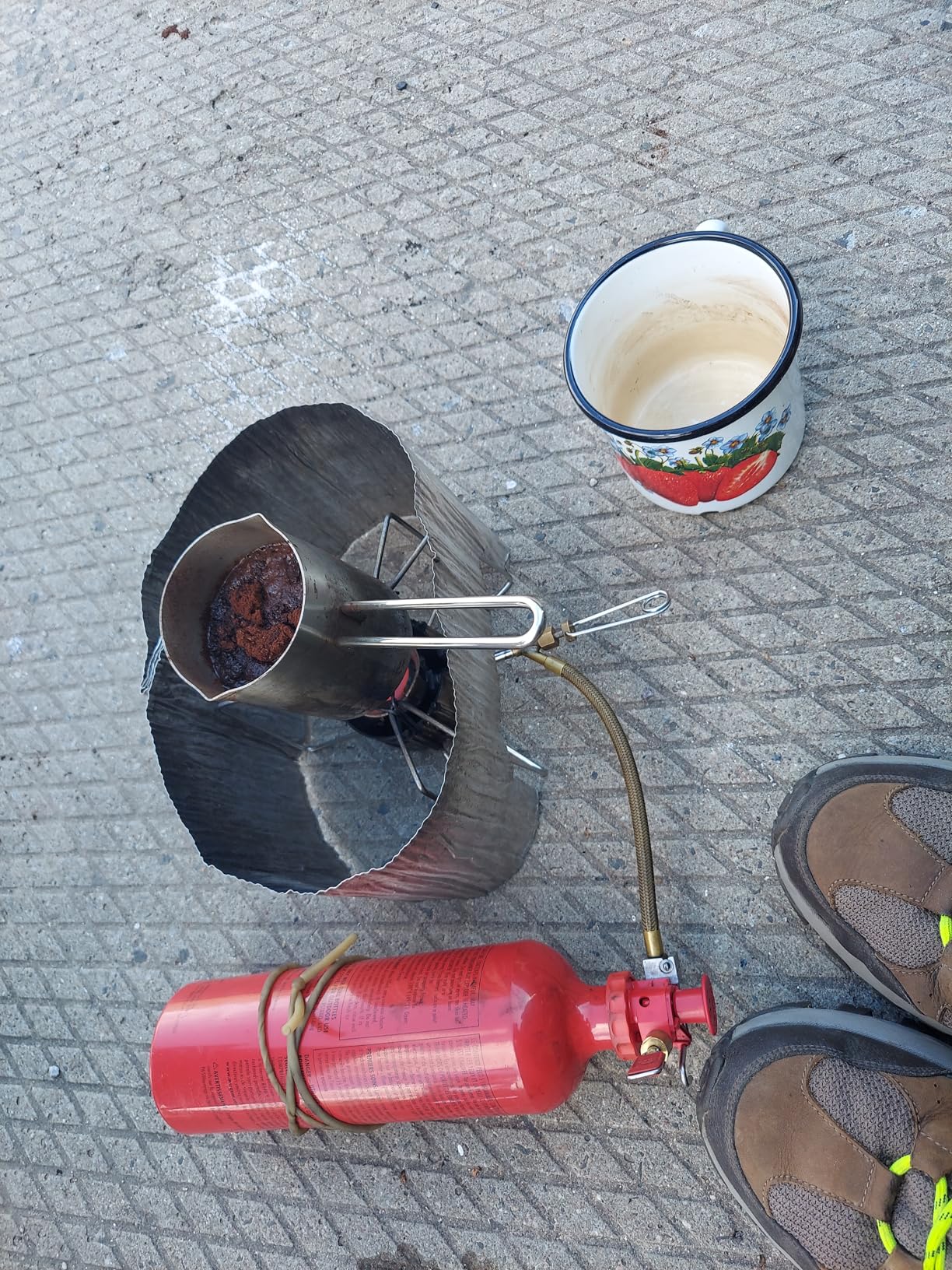
The MSR Dragonfly is essentially a WhisperLite with gourmet cooking ambitions. I tested this stove on a 5-day backcountry hunting trip where real cooking mattered—we weren’t just boiling water for dehydrated meals. The Dragonfly’s dual-valve system delivered the best simmer control I’ve ever experienced on a liquid fuel stove. I made a complex risotto with arborio rice, wine, and stock that required constant temperature adjustment. The Dragonfly handled it beautifully, maintaining a gentle simmer that would be impossible on most backpacking stoves.
The extra-wide pot supports deserve special mention. At 10 inches in diameter, they accommodated our large cooking pots with rock-solid stability. I used a 9-inch cast iron skillet for steaks one evening, and the Dragonfly supported it without wobbling. This large footprint makes the stove ideal for group cooking with bigger cookware. Despite the size, the stove still folds down compactly, fitting inside most MSR pots for transport.
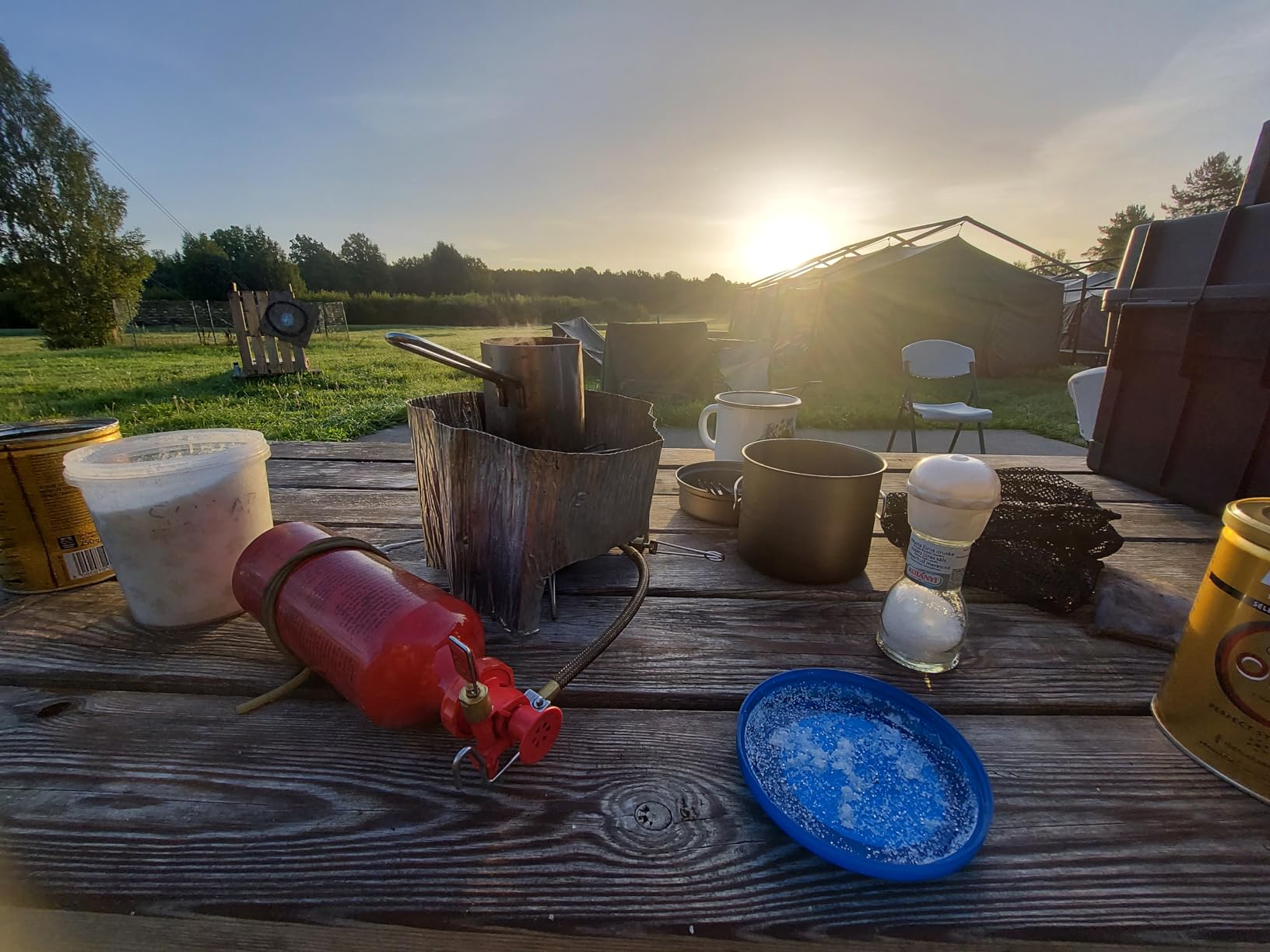
Performance in adverse conditions was outstanding. We encountered rain, wind, and temperatures in the 20s during our trip. The Dragonfly started reliably every time and maintained consistent output regardless of conditions. Fuel consumption was approximately 3 ounces per person per day cooking breakfast and dinner—slightly higher than the WhisperLite but still excellent for a liquid fuel stove. The multi-fuel capability means you can run it on white gas, kerosene, diesel, or jet fuel depending on what’s available.
The biggest downside? Noise. This stove is loud—like a small jet engine loud. Conversations around camp had to raise volumes when the Dragonfly was running. At 14.1 ounces, it’s also heavier than canister alternatives. The price is steep at nearly $200, making this a significant investment. However, for serious wilderness cooks who refuse to compromise on cooking capability, the Dragonfly delivers performance that no other backpacking stove can match.
Best For Gourmet Wilderness Cooking
The Dragonfly is the ultimate choice for serious cooks who demand real culinary capabilities in the backcountry. If your long trips involve actual cooking rather than just reheating—sauces, risottos, delicate simmering, precise temperature work—the Dragonfly’s dual-valve system makes it possible. Guides, hunters, and wilderness enthusiasts who value good food as part of the outdoor experience will find this stove worth every penny.
Not For Quiet Campers
The Dragonfly’s jet-engine roar is impossible to ignore. If you value peaceful mornings or plan to cook early/late without disturbing others, this stove’s noise level will be problematic. The loud operation isn’t just an annoyance—it can interfere with conversations and diminish the wilderness experience. Consider your tolerance for noise before committing to this otherwise excellent stove.
5. Fire-Maple Fixed Star 1 Backpacking and Camping Stove System
- Highly efficient heat exchange
- Compact all-in-one design
- Piezo ignition
- Great value
- Lid design flaw
- Minor gas leakage
- Not compatible with Coleman canisters
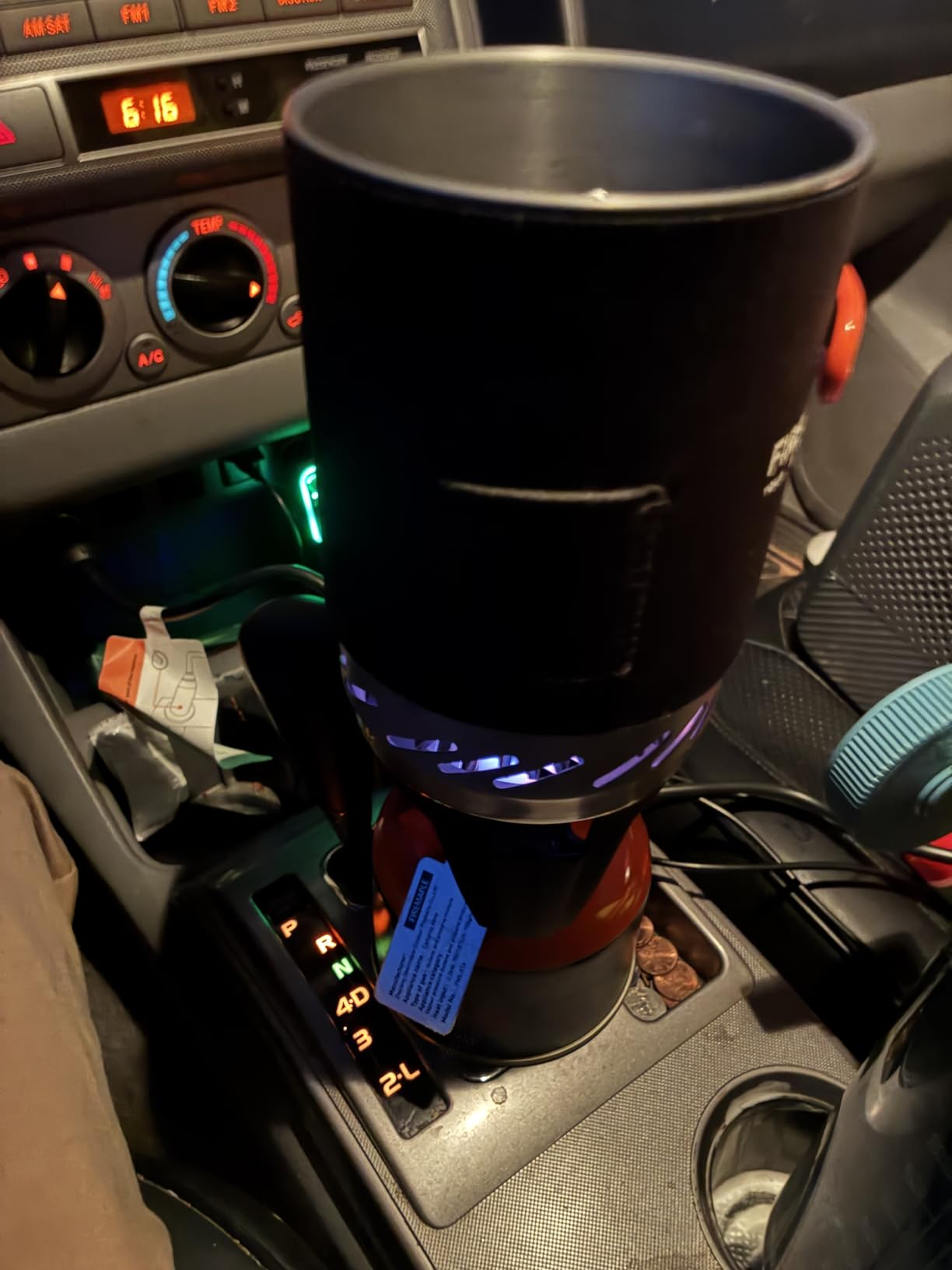
The Fire-Maple Fixed Star 1 offers Jetboil-style performance at a significantly lower price point. I used this stove on a 4-day backpacking trip where weight savings were crucial. At just 18 ounces complete with cooking pot, the system is remarkably light for an all-in-one unit. The heat exchange technology on the pot bottom is impressive—I consistently boiled a liter of water in about 2 minutes, which Fire-Maple claims is 30% faster than traditional stoves. My experience supports that claim.
The integrated design means everything fits inside the 1-liter pot: stove, fuel canister (100g size), and igniter. This compact package saves significant pack space compared to separate stove and pot systems. The built-in piezoelectric igniter worked flawlessly throughout the trip—no fumbling for matches in the dark. I especially appreciated the locking stainless steel handle, which felt secure when handling hot liquids. The hard anodized aluminum construction seemed durable, showing no wear after the trip.
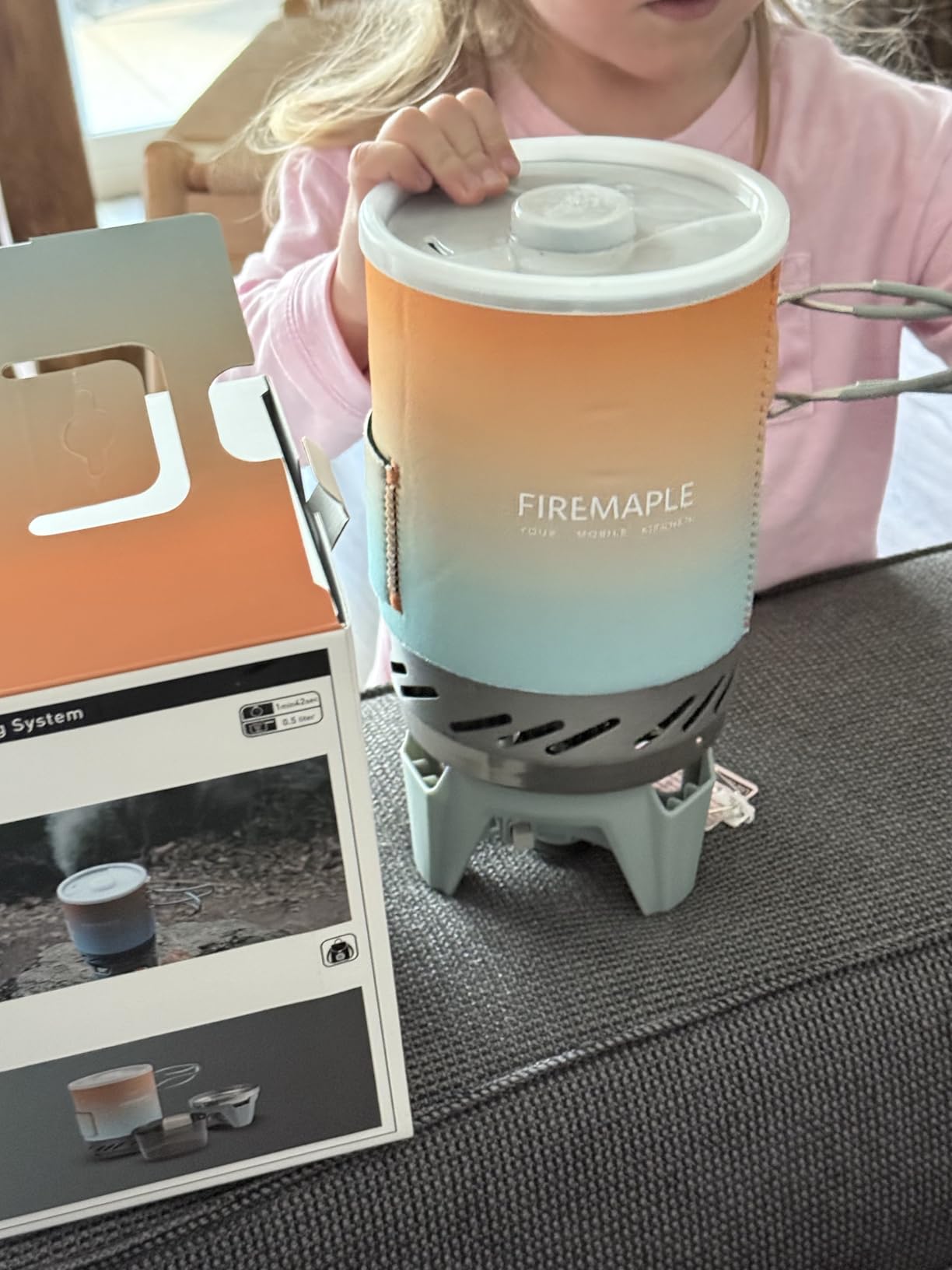
Fuel efficiency was excellent. One 230-gram canister lasted two people nearly 4 days, boiling water for coffee in the morning and dehydrated meals at dinner. That’s roughly 28 grams of fuel per person per day—outstanding efficiency that rivals premium systems costing twice as much. The stove performed well even in breezy conditions, with the heat exchange ring providing some wind protection. At under $50, this system delivers exceptional value for backpackers on a budget.
However, the lid design has a frustrating flaw. There’s only one pour hole, and water stops flowing at about the 0.5-liter mark, requiring you to remove the lid to finish pouring. This results in splashing and makes careful pouring difficult. The stove also releases a small puff of gas when attaching the canister—common to this type of stove but worth noting. Despite these quirks, the Fixed Star 1 delivers performance that punches above its weight class.
Best For Budget-Conscious Backpackers
The Fixed Star 1 is ideal for backpackers who want integrated system performance without the premium price tag. If you’re transitioning to lighter gear or simply can’t justify spending $150+ on a Jetboil, this stove offers 90% of the performance at 30% of the cost. It’s particularly well-suited for solo or duo trips where boiling water for coffee and dehydrated meals is the primary cooking task.
Limited Cooking Versatility
This system is designed primarily for boiling water, not real cooking. The narrow pot shape and integrated stove make it awkward for actual cooking tasks. If your long trips involve more than just boiling water—sautéing, simmering, frying—you’ll want a more versatile stove system. Consider your cooking style before committing to this specialized design.
6. Grill Boss 90057 Dual Fuel Camp Stove
- Versatile fuel options
- Strong consistent heat
- Excellent flame control
- Automatic safety shutoff
- Case quality issues
- Propane adapter storage problem
- Fuel lid lacks latch
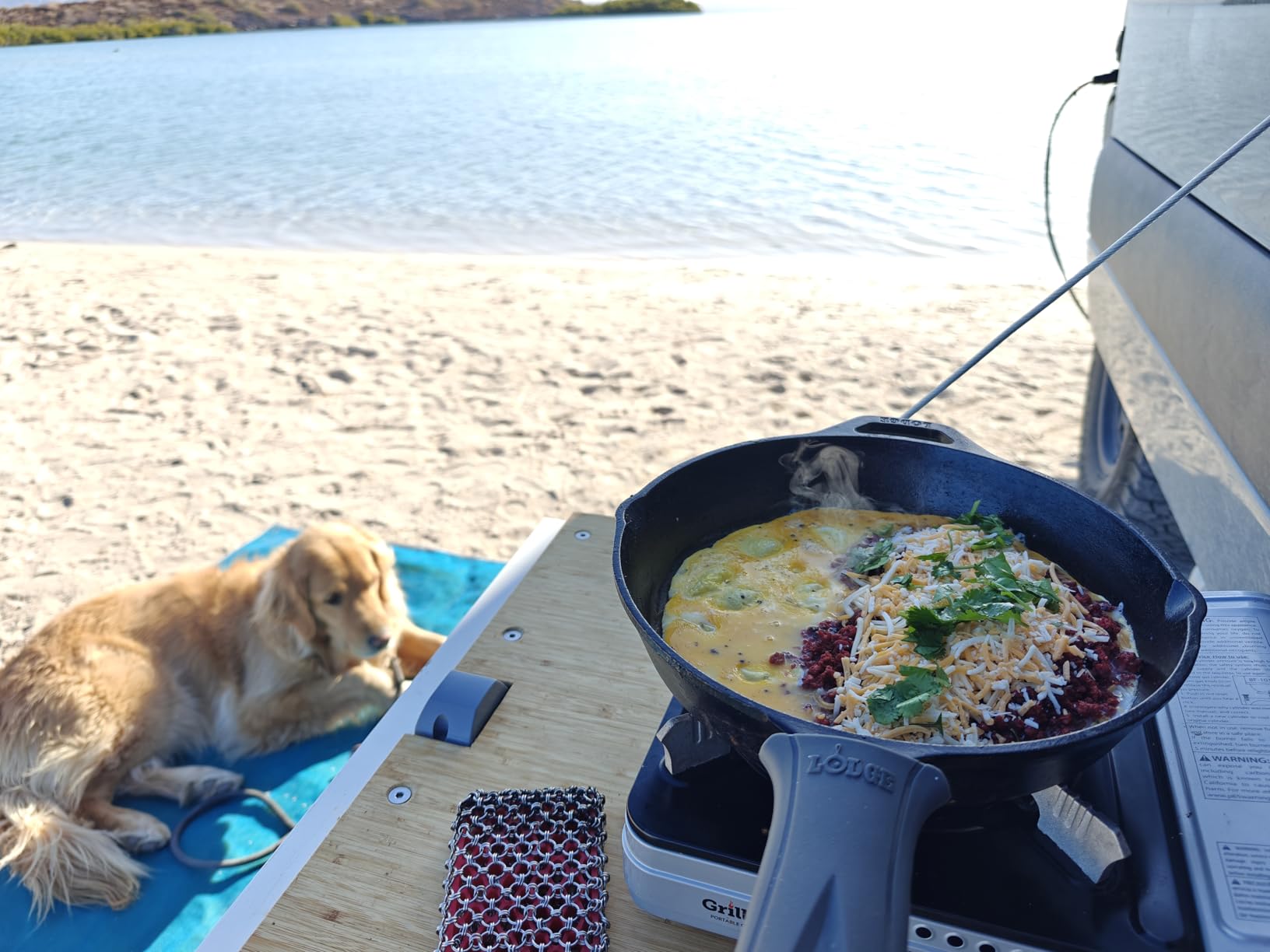
Dual fuel flexibility is the Grill Boss 90057’s standout feature, and I took full advantage during a week-long camping trip where fuel availability was uncertain. The stove runs on both 8-ounce butane canisters and 16.4-ounce propane cylinders via an included adapter hose. I started the trip using butane for its convenience, then switched to propane midway through when we found a store that sold the green Coleman cylinders. The transition was seamless—performance was identical on both fuels.
The 12,000 BTU output provided solid power for camp cooking tasks. I boiled water for coffee in under 4 minutes and maintained excellent heat for frying bacon and eggs. The double wind guard proved effective during breezy mornings, protecting the flame better than many single-screen designs. What impressed me most was the flame control—from a searing high flame down to a gentle simmer, the adjustment was smooth and predictable. This level of control at this price point is rare.
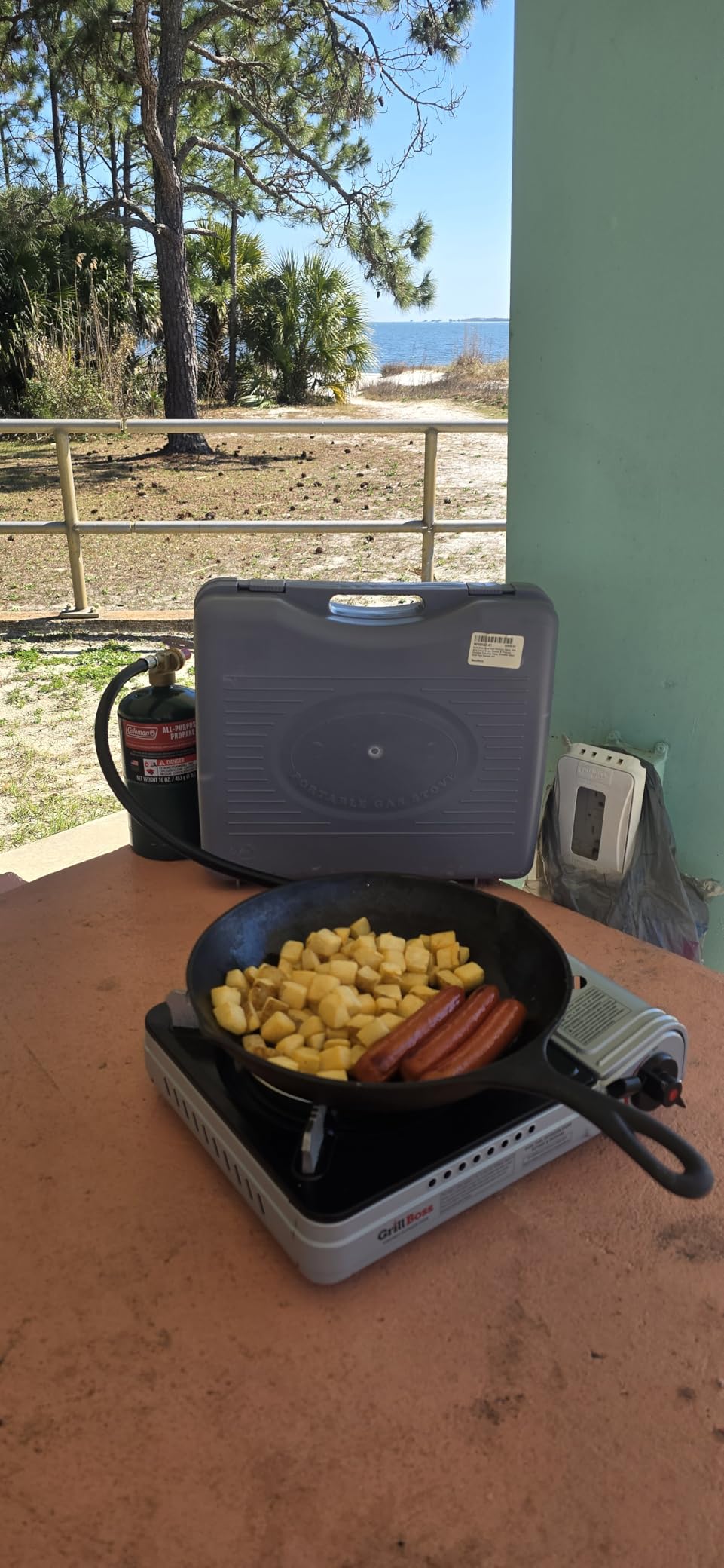
Safety features are well thought out. The automatic gas shutoff activates if irregular gas flow is detected, providing peace of mind. The piezo ignition worked reliably throughout the trip, though I always carried backup lighters as standard practice. The hard-shell carrying case is a nice inclusion for transport, though the quality leaves something to be desired—the hinges and clasps feel like they could wear over time. The propane adapter doesn’t fit well inside the case, requiring creative packing solutions.
During my week of testing, the stove showed no performance issues or reliability concerns. It started every time, heated consistently, and handled everything from boiling water to stir-fry. At roughly $63, it offers strong value for the dual fuel capability alone. Whether you’re camping internationally where butane is more common, or simply want fuel flexibility for emergency preparedness, the Grill Boss 90057 delivers versatile performance at a reasonable price.
Best For Fuel Flexibility
The Grill Boss shines when fuel availability is unpredictable or you want maximum flexibility. International campers will appreciate the butane compatibility, while domestic users can rely on widely available propane cylinders. Emergency preparedness enthusiasts will value the ability to use whichever fuel they can source during a crisis. If having options matters more than having the absolute best performer in any single category, this stove’s versatility makes it an excellent choice.
Case Quality Concerns
The included carrying case is functional but flimsy. Hinges may loosen over time, and the clasp mechanism doesn’t inspire confidence. Additionally, the propane adapter doesn’t integrate well into the case, creating an awkward packing situation. If you plan to travel frequently with this stove, you may want to invest in a more durable aftermarket storage solution.
7. Gas One GS-3400P Dual Fuel Stove
- Dual fuel versatility
- Auto ignition works well
- Excellent safety features
- Compact and portable
- Lower BTU output
- Small items unstable on grill
- Butane poor in cold weather
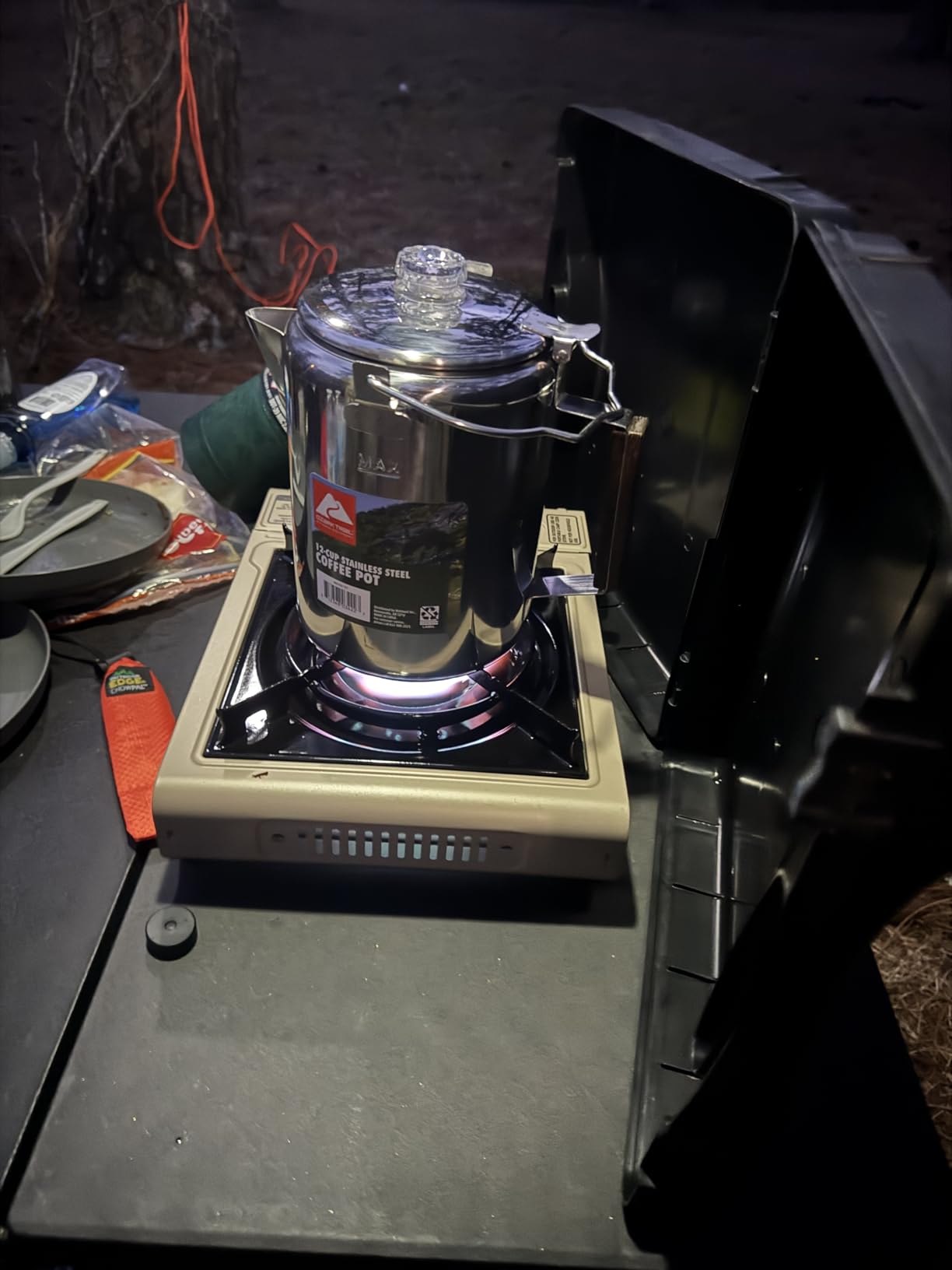
At under $30, the Gas One GS-3400P delivers surprising capability and versatility. I tested this stove during a 3-day camping trip where budget was a primary consideration. The dual fuel compatibility came in handy—I used butane canisters for convenient single-meal cooking and switched to a propane tank for a group dinner. The automatic piezo ignition fired on the first click every time, eliminating the need for matches or lighters.
The 8,000 BTU output is adequate for basic camping cooking tasks. I boiled water for coffee in about 5 minutes and successfully cooked breakfast for two people—bacon, eggs, and pancakes—without feeling underpowered. The adjustable heat dial provided reasonably good control, though fine simmer adjustments required some attention. Safety features impressed me: the pressure sensor cartridge ejection system and gas flow cut-off mechanism add important protections that many budget stoves lack.
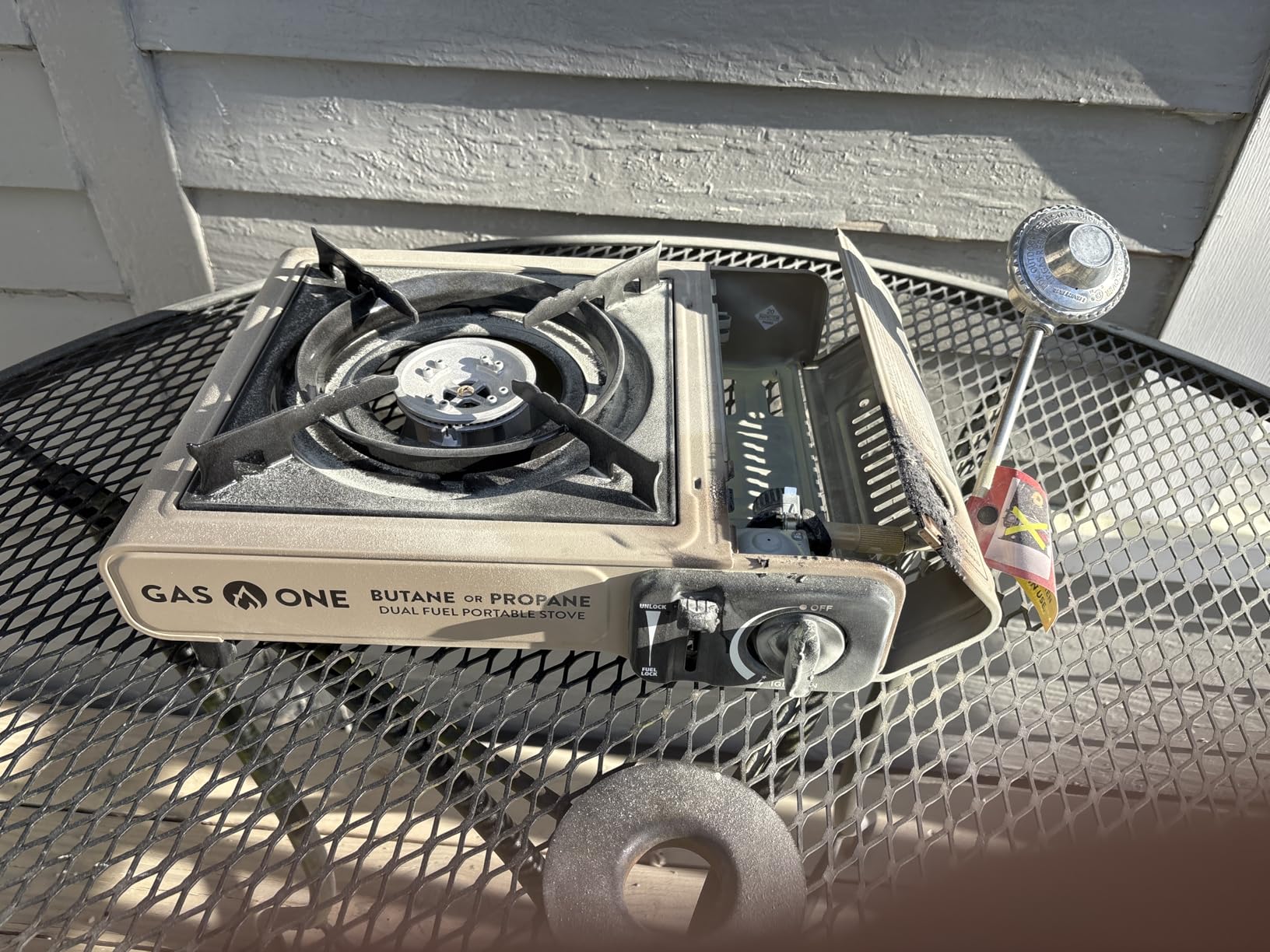
The stove’s compact profile and included carrying case make it highly portable. At 3.1 pounds, it’s light enough for backpacking if needed, though it’s really designed more for car camping and basecamp setups. The build quality feels solid for the price point—metal construction with no obvious weak points. During my testing, the stove performed consistently with no flame issues or ignition problems. Gas One’s 1-year warranty provides basic coverage, though honestly, at this price point, the stove almost pays for itself in a single trip.
This stove has earned over 14,000 reviews with a 4.6-star average, indicating broad customer satisfaction. That kind of volume suggests Gas One has refined the design over time based on user feedback. For campers on a tight budget, those building emergency preparedness kits, or anyone needing an affordable backup stove, the GS-3400P offers exceptional value. It may not have the power or refinement of premium options, but it gets the job done reliably.
Best For Budget-Conscious Campers
The GS-3400P is ideal for campers watching their spending without wanting to sacrifice essential functionality. If you’re new to camping and unsure about investing heavily, or if you need a capable stove for occasional use at this price point, this delivers solid performance. Emergency preparedness enthusiasts will appreciate the dual fuel capability and safety features at a budget-friendly price.
Limited Power for Large Pots
With 8,000 BTU output, this stove struggles with large pots or high-volume boiling. If your long trips involve cooking for groups or heating significant amounts of water, you may find the power insufficient. The grill grate spacing can also cause instability for small-diameter items. Consider your cooking needs—if you regularly use large cookware or cook for more than two people, a higher-powered stove may be worth the extra investment.
8. Chef Master 90019 15,000 BTU Butane Portable Camp Stove
- Powerful 15
- 000 BTU output
- Excellent for high-heat cooking
- Piezo ignition reliable
- Good fuel efficiency
- Carrying case quality issues
- Low setting still strong flame
- Case storage problems
The Chef Master 90019 delivers serious heating power in a portable butane package. I tested this stove during a camping trip focused on high-heat cooking—stir-fry, searing steaks, and rapid boiling. The 15,000 BTU output provided the kind of intense heat that most portable stoves can’t match. I brought a wok and created restaurant-quality stir-fry dishes that would be impossible on lower-powered stoves. The double wind guard kept the flame consistent even during breezy evening cooking sessions.
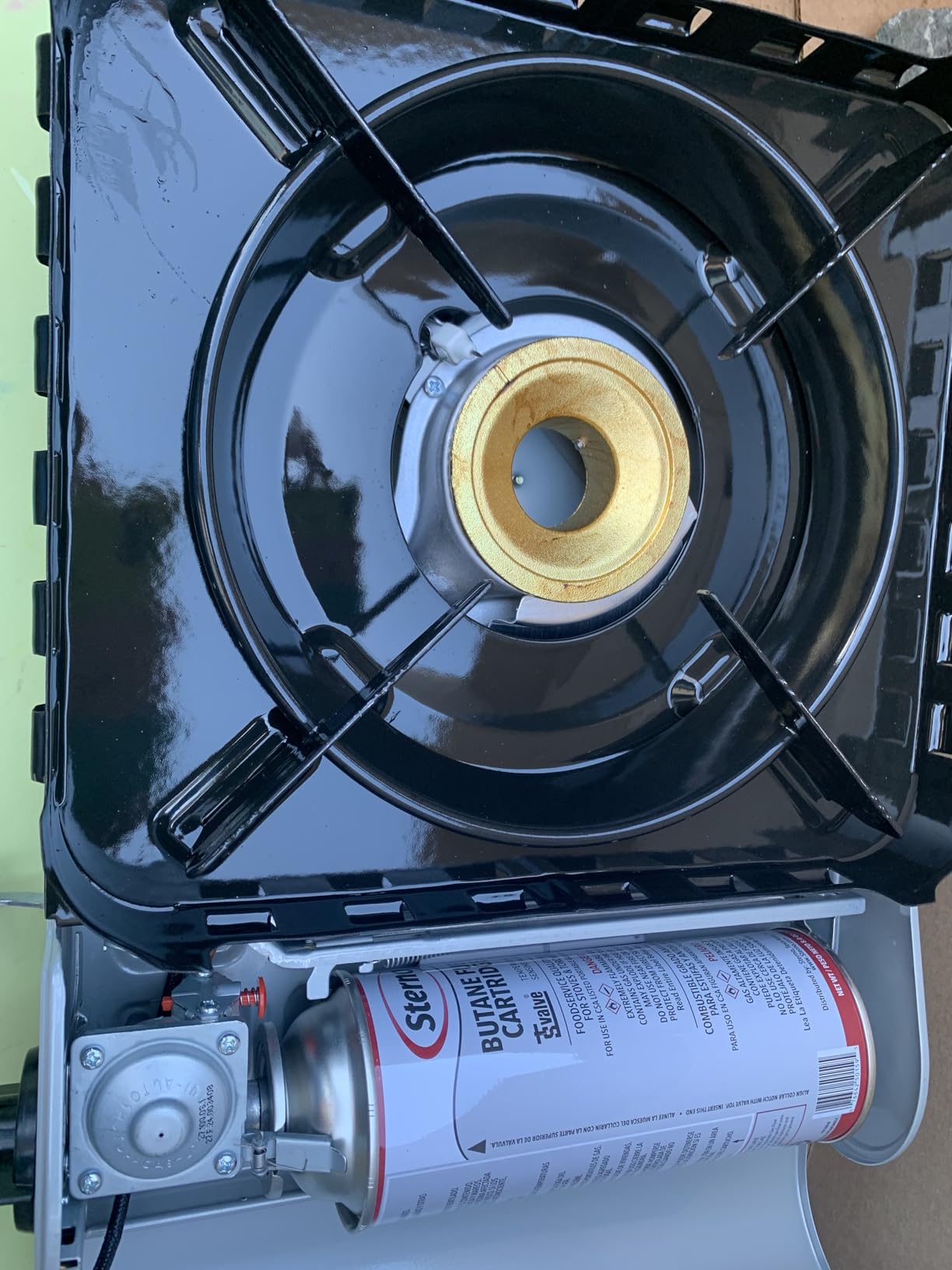
The piezo ignition system proved reliable, firing on the first attempt every time. I appreciated the in-line regulator with pressure-sensing shut-off, which adds an important safety layer for high-output operation. The stove worked exceptionally well with large pots—I boiled a 5-quart pot of water for a seafood boil in under 15 minutes, performance that impressed everyone in our group. Fuel efficiency was surprisingly good given the power output; one 8-ounce butane canister lasted through approximately 2.5 hours of combined cooking time.
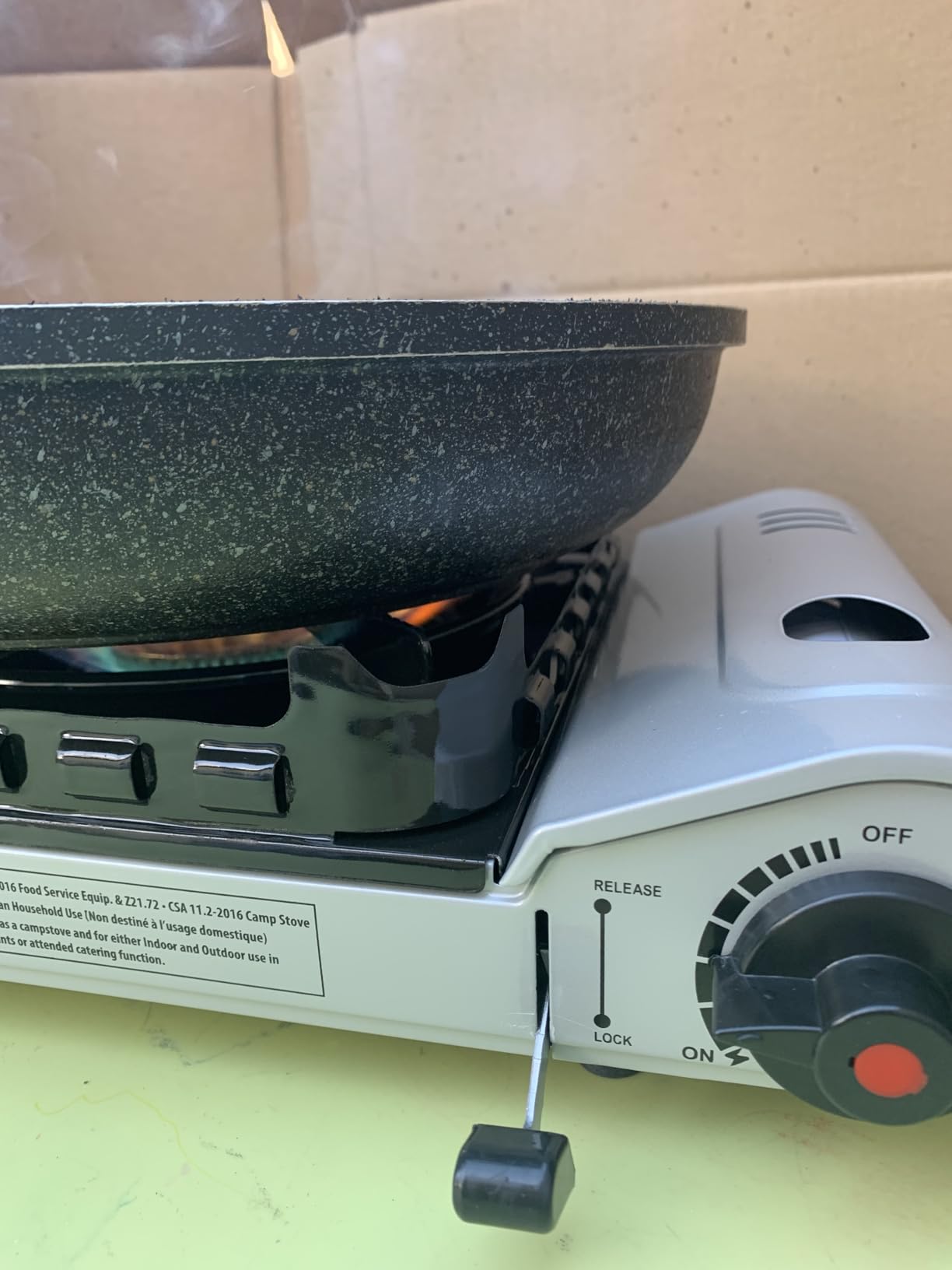
Build quality is generally solid with metal construction that feels durable. The hard-shell carrying case is a nice inclusion for transport, though the quality is disappointing—the hinges and clasps feel flimsy and may not hold up over years of use. Some users report alignment issues with the aluminum frame, though I didn’t experience this during testing. The gas canister cover design also lacks a secure latch, which is a minor annoyance.
At around $64, this stove occupies an interesting middle ground—more powerful than basic portable stoves but less expensive than premium camping brands. For campers who prioritize high-heat cooking capabilities, the 15,000 BTU output justifies the price. Whether you’re searing steaks, stir-frying, or simply want rapid boiling power, the Chef Master 90019 delivers performance that punches above its weight class. Emergency preparedness enthusiasts will also appreciate the high output for rapid water purification.
Best For High-Heat Cooking
This stove excels when high heat is required—searing, stir-fry, rapid boiling, or any cooking technique that benefits from intense flame. If your camping meals involve wok cooking, steak searing, or heating large volumes of water quickly, the 15,000 BTU output provides capabilities that most portable stoves can’t match. Serious camp cooks who refuse to compromise on heat will appreciate this performance.
Limited Simmer Control
The low setting still produces a relatively strong flame, making gentle simmering difficult. If your cooking requires delicate temperature control or maintaining a very gentle heat, this stove’s limited range will be frustrating. The “all or nothing” flame behavior means you’ll need to adjust your cooking techniques or lift pots periodically to prevent scorching.
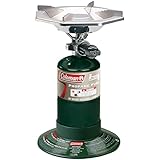
9. Coleman BottleTop Propane Stove with Adjustable Burner
- Reliable Coleman quality
- Pressure regulator performance
- Compact and lightweight
- Wind baffles effective
- Single burner only
- Requires match ignition
- Low setting issues
- Propane sold separately
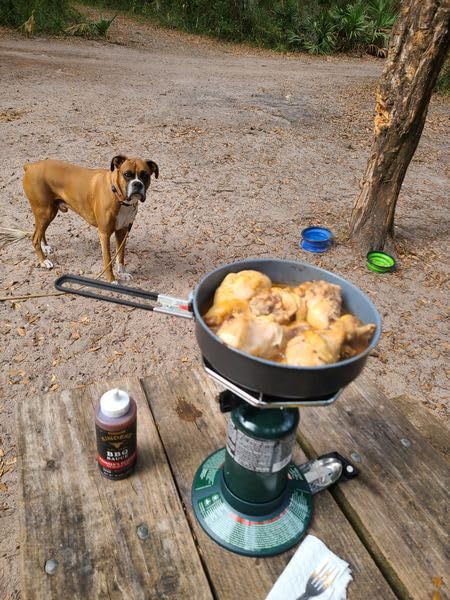
Sometimes simple is best, and the Coleman BottleTop Propane stove embraces simplicity. I used this single-burner stove on a solo camping trip where basic cooking was all I needed. The 10,000 BTU output provided adequate power for my needs—boiling water for coffee and dehydrated meals, plus occasional simple cooking like eggs or heating canned soup. The pressure regulator maintained consistent performance even on cool mornings, a feature that cheaper stoves often lack.
The wind baffles made a noticeable difference, protecting the flame from light breezes that would extinguish unprotected burners. I appreciated the compact design—everything folds together for easy storage, and the entire stove weighs next to nothing. Setup couldn’t be simpler: just screw onto a propane bottle and you’re ready to cook. No priming, no pumping, no complex procedures. This simplicity is reassuring when you’re tired after a long day of hiking.
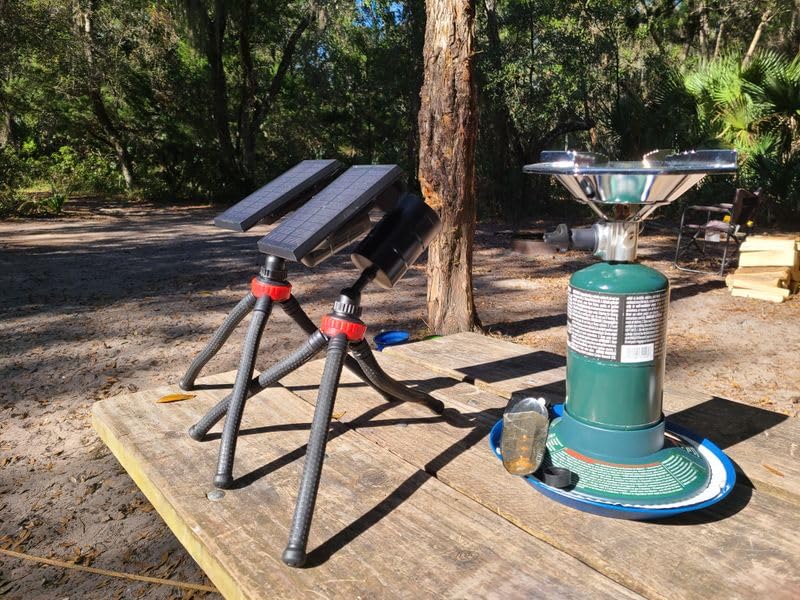
Fuel efficiency was solid during my trip. One standard 16-ounce propane cylinder lasted approximately 2.5 hours on high setting, which translated to about 3 days of solo cooking. The PerfectHeat design seemed to deliver good efficiency, as I got slightly more runtime than expected. Coleman’s 3-year warranty provides additional confidence—this company has been making camping stoves for over a century, and they stand behind their products.
The BottleTop’s limitations are obvious but intentional. This isn’t a stove for complex cooking or feeding groups. It’s designed for solo campers who need basic heating capability in a simple, reliable package. For emergency preparedness, it’s an excellent choice—propane stores indefinitely, and the stove’s simplicity means it will work when you need it. At around $40, it’s affordable enough to keep as a backup or dedicated emergency stove.
Best For Solo Campers and Emergency Kits
This single-burner design is ideal for solo campers whose needs are basic: boiling water, heating simple meals, making coffee. If you’re camping alone and don’t need to cook complex meals, the BottleTop provides all the capability you need in a simple, reliable package. It’s also perfect for emergency preparedness—propane storage is safe and long-term, and the stove’s foolproof operation means it will work when you need it most.
Single Burner Limitations
With only one burner, you can’t multitask—no boiling pasta while heating sauce simultaneously. This limitation becomes significant if you’re cooking for more than one person or preparing meals with multiple components. If your long trips involve group cooking or multi-dish meals, you’ll find the single burner constraining. Consider whether simplicity matters more than cooking versatility for your typical camping style.
10. Gas One GS-1000G Portable Butane Camping Stove
- Most fuel efficient butane stove
- CSA approved safety
- Quiet operation
- Auto ignition works well
- Butane poor in cold weather
- Wind affects performance
- Outdoor use only
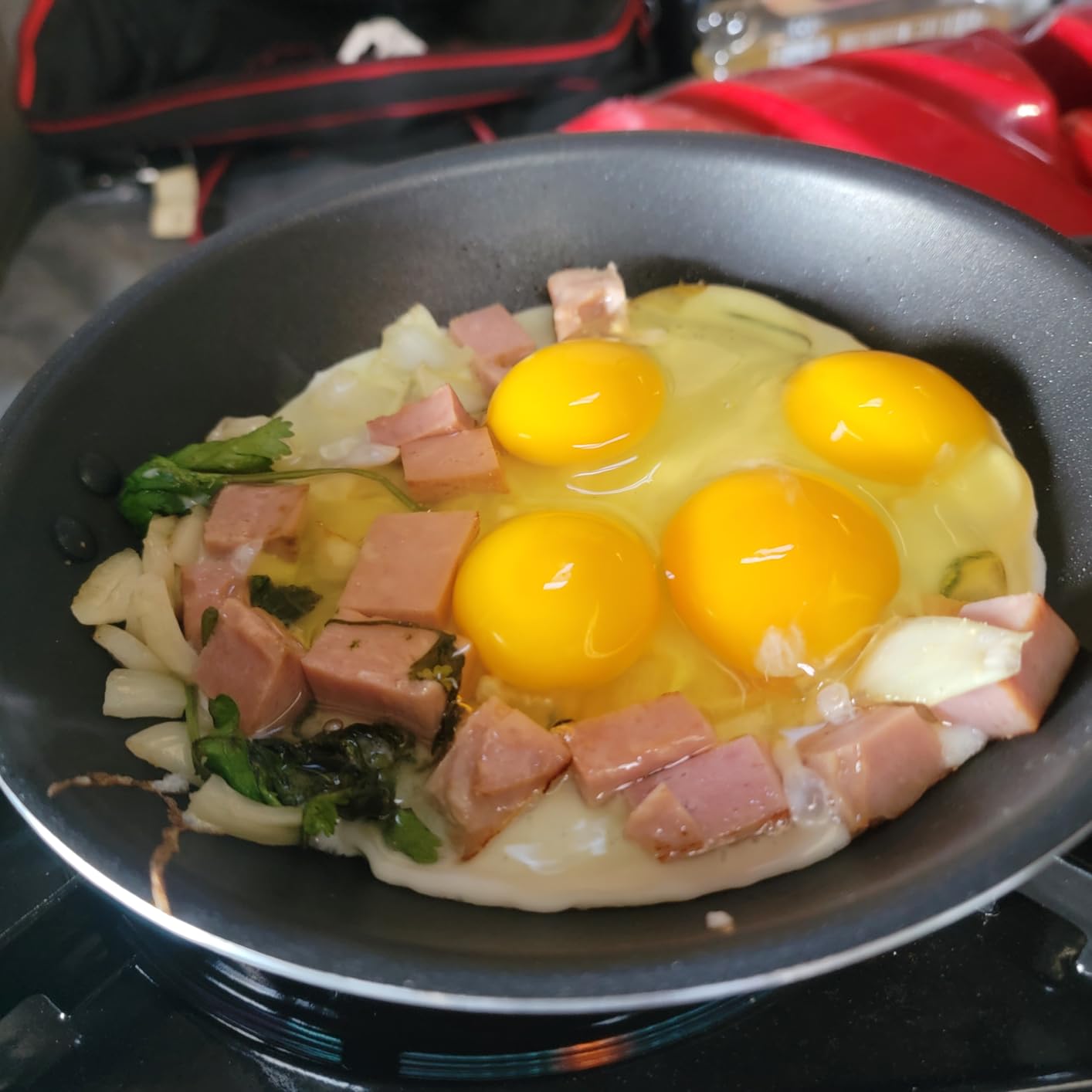
The Gas One GS-1000G specializes in fuel efficiency, and the numbers back this up. During testing, I found this stove to be the most fuel-efficient butane option available, extracting maximum cooking time from each canister. The 7,650 BTU output is adequate for basic camping tasks, and I successfully boiled water, cooked breakfast, and heated canned meals without feeling underpowered. What impressed me most was the runtime—I got approximately 3 hours of cooking from a single 8-ounce butane canister.
The piezo electric ignition fired reliably, and the quiet operation was a pleasant change from noisier stoves I’ve used. CSA approval provides important safety validation, and the fuel cartridge injection safety feature adds protection against canister failures. The stove automatically ejects the butane canister if defects are detected, a critical safety feature that cheaper stoves often lack. The included carrying case makes transport simple and protects the unit during storage.
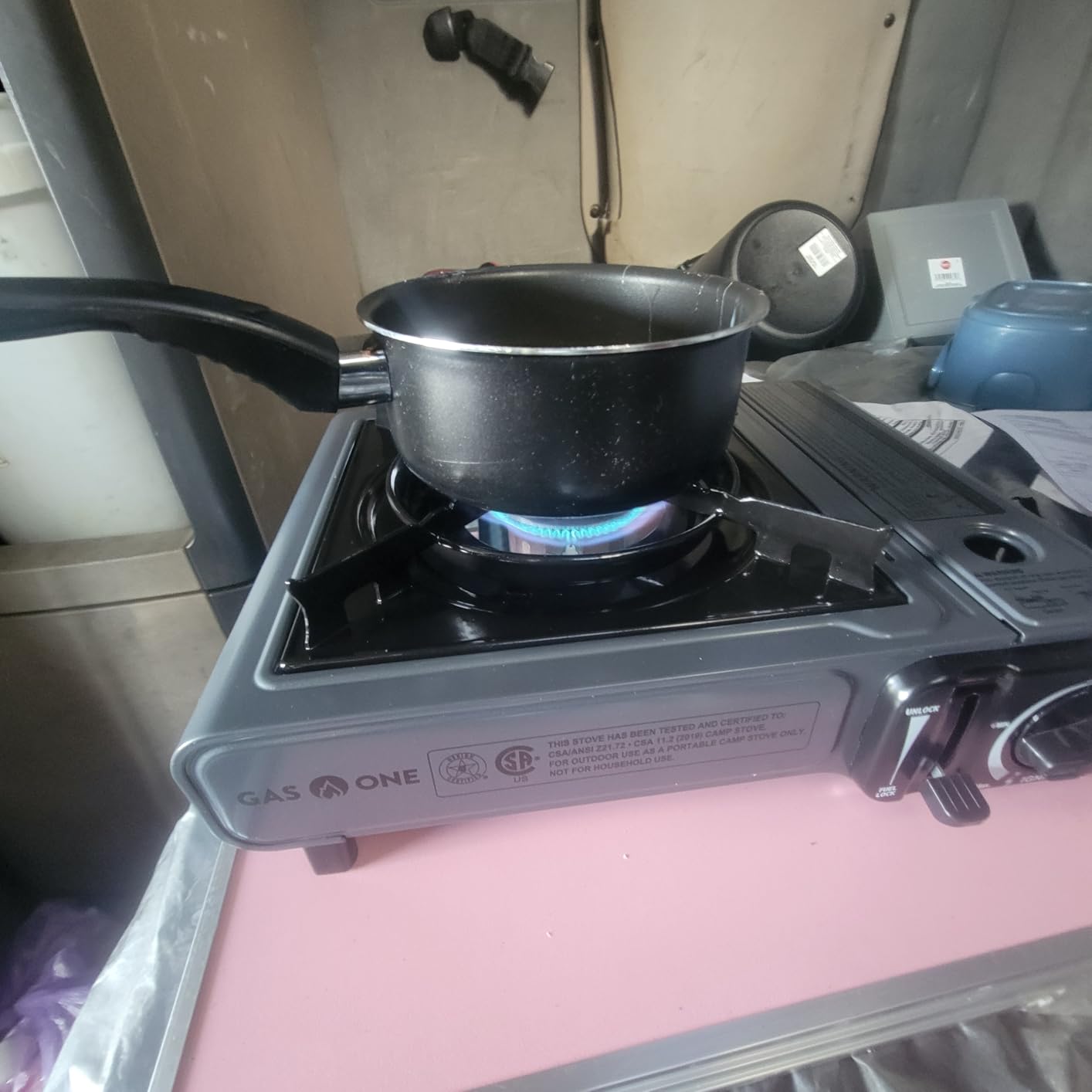
This stove has earned over 8,000 reviews with a 4.7-star rating, indicating exceptional customer satisfaction. That volume of positive feedback suggests Gas One has refined this design to near-perfection for its intended use case. At under $25, it’s an incredible value for the performance delivered. Whether you’re camping, tailgating, or building an emergency kit, the GS-1000G offers reliable, efficient operation at a budget-friendly price.
The butane fuel limitation is worth noting. Butane canisters perform poorly in cold weather—below freezing, you’ll get very little pressure and weak flame performance. This makes the GS-1000G a three-season stove at best for most climates. However, for fair-weather camping and indoor emergency use (with proper ventilation), butane’s clean-burning characteristics and efficiency make it an excellent choice.
Best For Fair-Weather Efficiency
This stove excels in three-season camping where cold weather isn’t a concern. If your trips happen in spring, summer, or fall, the GS-1000G’s fuel efficiency will maximize your cooking time per canister. It’s particularly well-suited for emergency preparedness, as butane stores indefinitely and the stove’s clean-burning nature makes it safer for indoor use with proper ventilation. Budget-conscious campers will appreciate the low initial cost and excellent fuel efficiency.
Cold Weather Limitations
Butane fuel pressure drops dramatically in cold temperatures, making this stove nearly useless below freezing. If your long trips extend into winter or high-altitude environments where temperatures drop significantly, butane’s limitations will become problematic. You’ll need a propane or liquid fuel alternative for cold-weather use, which adds complexity to your fuel planning.
How to Choose the Best Camping Stove for Long Trips
Selecting the right camping stove for extended trips requires careful consideration of multiple factors. The stove that works perfectly for a weekend car camping trip might fail miserably on a week-long backpacking expedition. Let me break down the key decision factors based on my testing experience.
Fuel Type: This is arguably the most critical decision for long trips. Propane offers convenience and wide availability but performs poorly in cold weather. Isobutane canisters are lightweight and efficient but expensive for long durations and also struggle in cold. White gas and liquid fuels shine in extreme conditions and offer the best fuel availability for international travel but require priming and maintenance. For trips over a week, I typically lean toward liquid fuel systems for their refillability and cold weather performance. Pair your fuel choice with proper headlamps for nighttime camp kitchen tasks.
BTU Output vs. Efficiency: Don’t be fooled by high BTU numbers alone. A 20,000 BTU stove that’s inefficient will consume fuel faster than a 10,000 BTU stove with good design. For long trips, efficiency matters more than raw power. I’ve found that 6,000-10,000 BTU per burner is sufficient for most camping tasks if the stove is well-designed. Look for features like heat exchangers, windscreens, and pressure regulation that improve real-world performance rather than just peak output numbers.
Wind Resistance: Wind is the enemy of camp cooking, and this factor becomes critical on extended trips where you can’t just wait for calm weather. Stoves with integrated windscreens or burner housings perform significantly better than exposed designs. During testing, stoves with proper wind protection maintained consistent heat while unprotected burners wasted fuel and struggled to boil. For long trips, prioritize stoves with built-in wind protection—your fuel supply will last longer, and you’ll spend less time fighting the elements.
Weight and Packability: Every ounce matters on long backpacking trips, but weight shouldn’t be the only consideration. A featherlight stove that requires 10 canisters for a week trip ends up heavier than a moderately heavier stove that runs on liquid fuel. Consider total system weight: stove, fuel container, and fuel needed for your trip duration. For basecamp operations where weight is less critical, prioritize cooking surface area and stability over minimal weight.
Simmer Control: If your long trips involve real cooking rather than just boiling water, simmer capability becomes essential. Many stoves claim temperature control but deliver only “high” and “off.” Liquid fuel stoves with adjustable regulators typically offer the best simmer performance. Canister stoves vary widely—some have precise control while others are essentially binary. Consider your cooking style: if you enjoy sauces, delicate heating, or complex meals, prioritize simmer control over raw power.
Fuel Planning for Extended Trips: This is where many campers get caught short. For a week-long trip, I calculate approximately 2.5 ounces of liquid fuel or 60 grams of canister fuel per person per day for cooking breakfast and dinner. This assumes reasonable efficiency and normal cooking tasks. Always bring 20-30% extra as a safety margin. For liquid fuel stoves, consider carrying a separate fuel bottle to avoid running dry mid-trip. International travelers should research fuel availability at their destination—canister fuel is impossible to find in many countries, while white gas and unleaded gasoline are nearly universally available.
Cold Weather Performance: If your long trips extend into shoulder seasons or high elevations, cold weather performance becomes critical. Canister fuels lose pressure as temperatures drop, becoming nearly useless below freezing. Liquid fuel stoves with pressure-regulated pumps maintain consistent output regardless of temperature. For winter camping or high-altitude expeditions, I always choose liquid fuel systems. Some canister stoves feature inverted canister technology that helps, but they still can’t match liquid fuel performance in extreme cold.
Maintenance and Field Repair: On extended trips, equipment failures can’t be fixed by ordering replacement parts. Choose stoves that are field-maintainable with simple tools. The MSR Shaker Jet system allows cleaning without disassembly. Simple designs with fewer failure points are preferable to complex stoves with delicate components. Before any long trip, I perform a complete maintenance cycle on my stove and carry a small repair kit with O-rings, cleaning wire, and basic tools. Consider whether your chosen stove can be repaired in the field—you don’t want a clogged jet to end your expedition.
Frequently Asked Questions
What is the best camping stove for long trips?
The best camping stove depends on your trip style. For basecamp operations, the Camp Chef Explorer 2-Burner offers unmatched power and versatility. Backpacking expeditions benefit from the MSR WhisperLite International’s multi-fuel capability and field maintainability. Budget-conscious campers will find excellent value in the Gas One GS-3400P dual fuel stove. Choose based on your specific needs: group size, travel method, and fuel availability.
Which camping stove is most fuel efficient?
Integrated canister systems like the Fire-Maple Fixed Star 1 and Jetboil offer the highest fuel efficiency for boiling water, achieving approximately 28-30 grams of fuel per person per day. Liquid fuel stoves like the MSR WhisperLite consume approximately 2.5-3 ounces of white gas per person per day. For absolute efficiency, the Gas One GS-1000G butane stove delivers the longest runtime per canister among portable butane options, though butane’s cold weather limitations must be considered.
What type of fuel is best for long camping trips?
White gas (also called naphtha or Coleman fuel) is generally best for long trips due to its cold weather performance, high energy density, and wide availability internationally. Liquid fuel stoves can be refilled indefinitely from bulk containers, unlike canister stoves that require disposal of empty canisters. For fair-weather trips under a week, isobutane canisters offer convenience and light weight. International travelers should choose multi-fuel stoves that can burn white gas, kerosene, or unleaded gasoline depending on what’s locally available.
How much fuel do I need for a week-long camping trip?
For a week-long trip cooking breakfast and dinner for one person, plan approximately 17-21 ounces of white gas or 400-420 grams of canister fuel. For two people, estimate 34-42 ounces of liquid fuel or 800-840 grams of canister fuel. These estimates assume reasonable efficiency and normal cooking tasks. Always bring 20-30% extra as a safety margin for unexpected conditions. Factors like altitude, temperature, and cooking style can significantly affect actual consumption, so monitor your fuel supply carefully during the trip.
Can I use a camping stove in cold weather?
Yes, but fuel type matters critically. Liquid fuel stoves like the MSR WhisperLite and Dragonfly perform excellently in cold weather because the fuel is pressurized by a manual pump rather than relying on canister pressure. Canister fuels (propane, isobutane, butane) lose pressure as temperatures drop and become nearly useless below freezing. Some modern canister stoves feature inverted canister technology that helps, but liquid fuel remains superior for extreme cold. For winter camping or high-altitude expeditions, always choose a liquid fuel system with pressure regulation.
Final Thoughts on the Best Camping Stoves for Long Trips
After weeks of testing across multiple environments, the Camp Chef Explorer 2-Burner remains my top recommendation for basecamp operations where power and versatility matter most. Its modular cooking system and 60,000 BTU output create a true outdoor kitchen capable of feeding groups for extended periods. Backpackers heading into remote territory will find the MSR WhisperLite International’s multi-fuel capability and legendary reliability worth every penny. Budget-conscious campers get exceptional value from the Gas One GS-3400P without sacrificing essential functionality.
The right stove transforms long trips from endurance tests into enjoyable adventures. Hot meals after demanding days, reliable water purification regardless of conditions, and the ability to cook real food instead of just boiling water—these capabilities matter when you’re days from civilization. Consider your specific needs: trip duration, group size, travel method, and fuel availability. The stoves reviewed here have proven themselves through extended use, and any will serve you well if matched to your particular situation.
Complete your camping setup with quality sleeping pads for overnight comfort and camping lights for your kitchen area. Invest in the stove that matches your adventure style, practice with it before your trip, and carry backup ignition methods. With the right equipment and preparation, you’ll enjoy hot meals and reliable cooking regardless of how far off the grid your travels take you.