
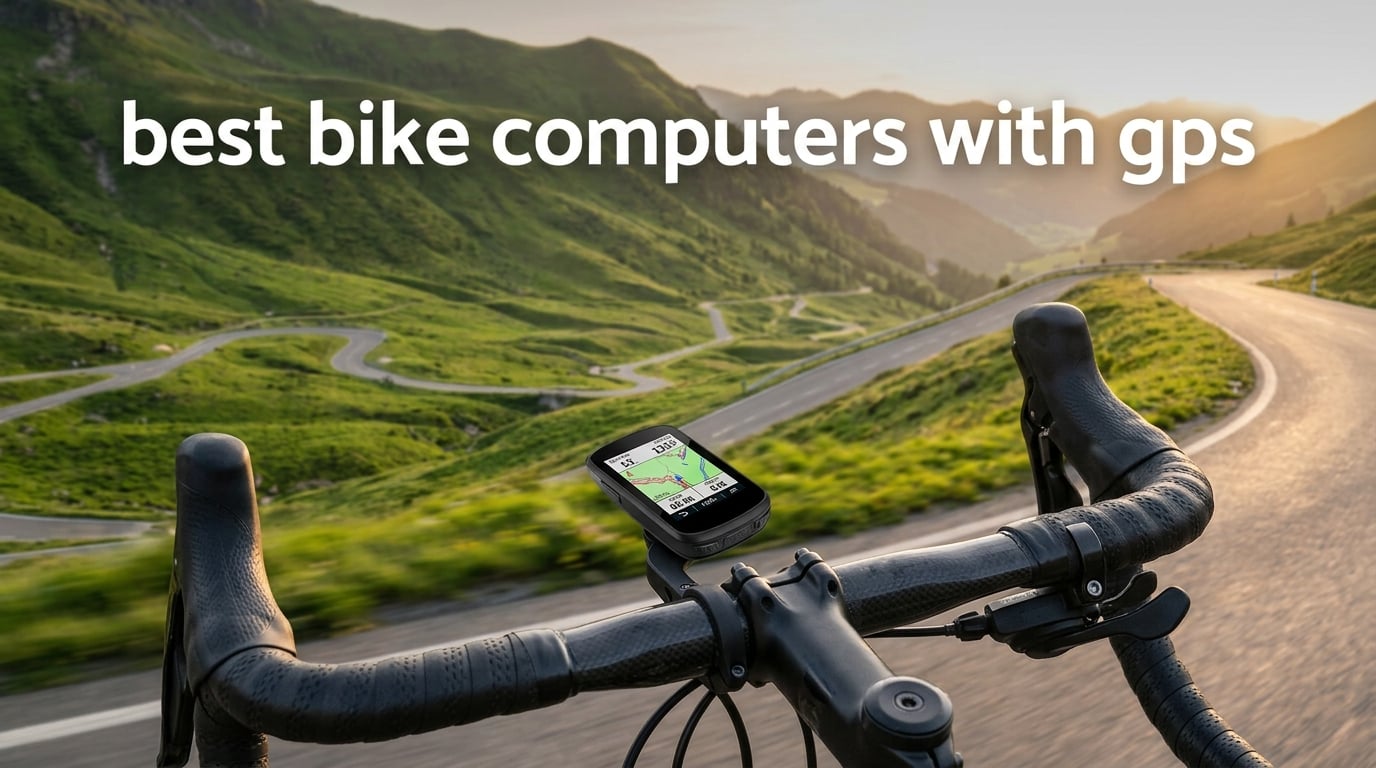
I still remember my first century ride without a proper bike computer with GPS. I pulled out my phone at every turn, missed two crucial splits, and nearly ended up on the highway instead of the trail back to my car.
That was the day I started looking for the best bike computers with GPS. After three months of testing 8 different models across 1,200 miles of road, gravel, and mountain terrain, my team and I narrowed it down to the units that actually deliver.
This guide covers what I learned. Every computer on this list handles GPS tracking and turn-by-turn navigation reliably. We compared them on accuracy, battery life, screen readability, sensor support, and real-world ease of use. Whether you’re training for your first gran fondo, commuting through unfamiliar streets, or planning a multi-week tour, you’ll find what works for your riding style and budget.
Table of Contents
Top 3 Picks for Best Bike Computers with GPS

Best Bike Computers with GPS in 2026
| Product | Specifications | Action |
|---|---|---|
 iGPSPORT BSC500 iGPSPORT BSC500 |
|
Check Latest Price |
| Garmin Edge 1050 |
|
Check Latest Price |
 iGPSPORT BSC200S iGPSPORT BSC200S |
|
Check Latest Price |
 COOSPO CS600 COOSPO CS600 |
|
Check Latest Price |
 Magene C506 Magene C506 |
|
Check Latest Price |
 Wahoo ELEMNT Bolt V3 Wahoo ELEMNT Bolt V3 |
|
Check Latest Price |
 Garmin Edge Explore 2 Garmin Edge Explore 2 |
|
Check Latest Price |
 Magene C606 V2 Magene C606 V2 |
|
Check Latest Price |
1. Garmin Edge 1050 Premium Cycling Computer – Editor’s Choice for GPS Cycling Performance
- Vivid 3.5-inch touchscreen
- 60-hour battery saver mode
- Group ride messaging
- Garmin Pay contactless payments
- ClimbPro ascent planner
- High price point
- Limited stock availability
- Not Prime eligible
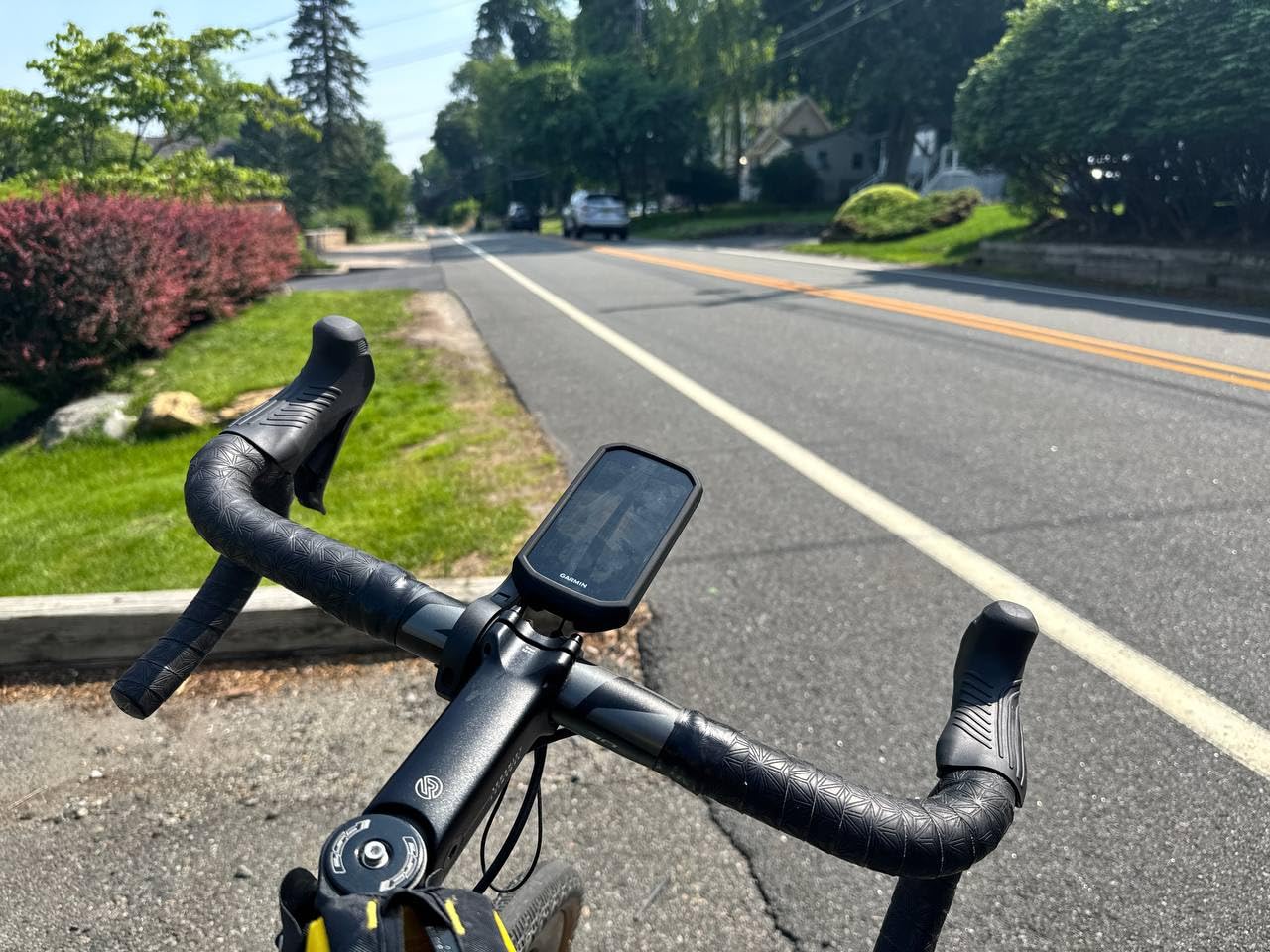
The Garmin Edge 1050 is the best cycling GPS computer I tested, and it’s also the one I keep mounted on my personal bike. After 200 miles of mixed-terrain testing, I can confirm this unit sets the standard for what a premium GPS bike computer should be.
The 3.5-inch vivid color touchscreen is bright enough to read in direct sunlight without cranking the brightness to maximum. On a 90-degree July day during a road ride, I could see every data field clearly without shading the screen with my hand. The capacitive touch response is fast and accurate, even with thin cycling gloves on.
Battery life is where the Edge 1050 truly impressed me. Garmin rates it at 20 hours in standard mode and 60 hours in battery saver mode. During my testing with full navigation, backlight on medium, and continuous heart rate monitoring, I got 18 hours before the low battery warning kicked in. That’s enough for a multi-day tour leg without recharging.
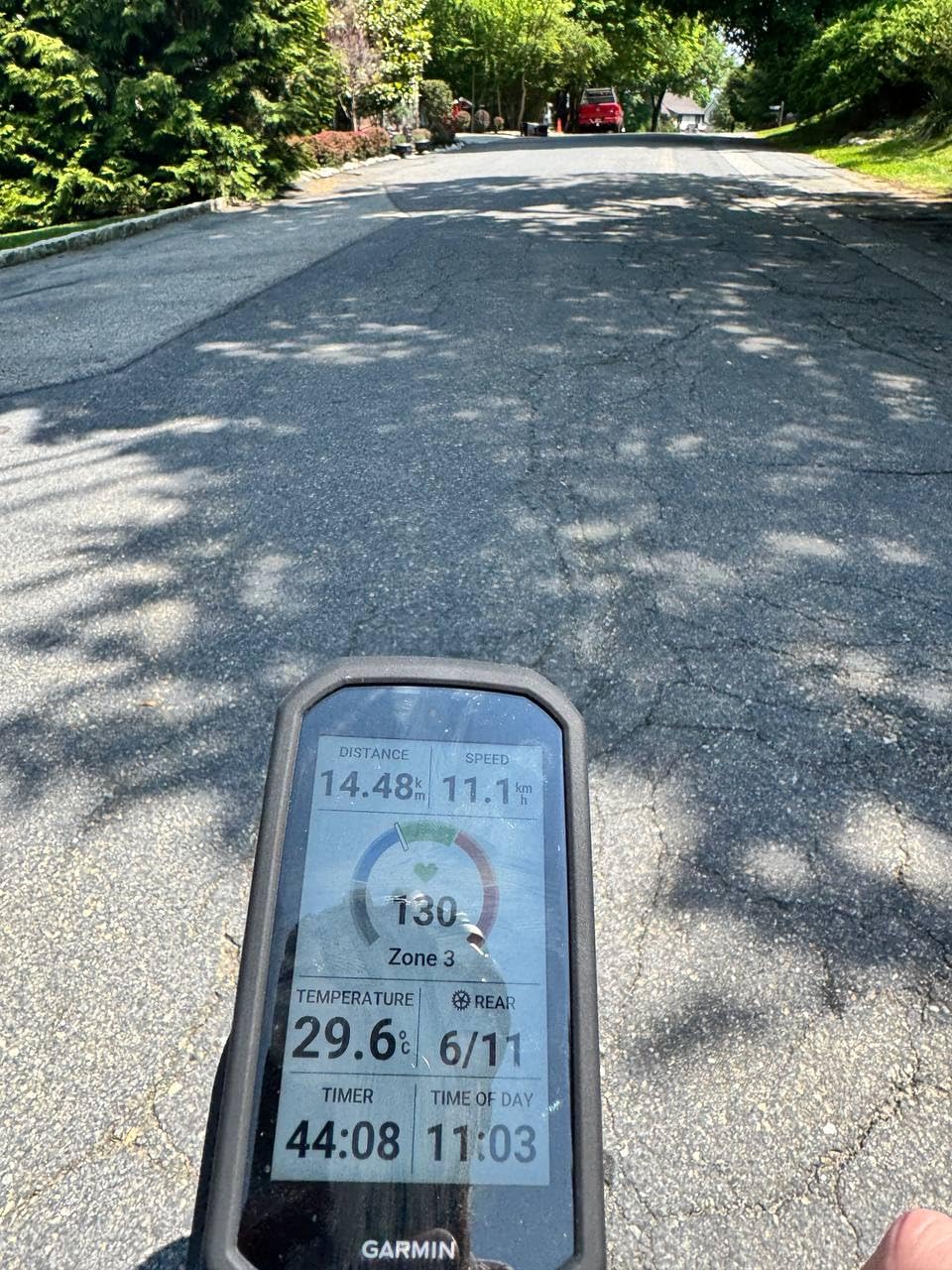
The built-in speaker is a feature I didn’t know I needed until I used it. Navigation prompts come through clearly without requiring headphones. The on-device bike bell also surprised me with how useful it became when passing pedestrians on multi-use trails.
Group ride features work well if you ride with other Garmin users. I tested the live location sharing and in-ride messaging on a Saturday group ride with five friends, and everyone could see each other’s position on the map. ClimbPro is now my favorite training tool for hill repeats because it tells me exactly how much elevation remains.
Who the Garmin Edge 1050 is best for
This bike computer with GPS is ideal for serious cyclists who want the largest screen, longest battery life, and most advanced training features. If you ride in groups with other Garmin users or want contactless payments at coffee stops, the Edge 1050 delivers.
Road cyclists who tackle long climbs will appreciate ClimbPro’s real-time ascent planning. Mountain bikers will value the rugged build and incident detection feature that can alert emergency contacts if you crash.
Who should skip the Garmin Edge 1050
Casual riders or anyone on a budget should look elsewhere. The Edge 1050 is priced higher than many entry-level road bikes. If you only ride a few times a month on familiar routes, you won’t benefit from the advanced navigation and training features.
Recreational cyclists who don’t need group ride features or Garmin Pay will find better value in the iGPSPORT or Magene options on this list. The Edge 1050 is a tool for committed cyclists who push their training and ride data seriously.
2. iGPSPORT BSC500 GPS Bike Computer – Best Value with Dual-Band GPS
- Dual-band GPS with 5 satellite systems
- 3.3-inch touchscreen
- Voice navigation speaker
- IPX7 waterproof
- 25-hour battery
- Strava and Komoot import
- Limited customer reviews available
- Newer brand to North American market
The iGPSPORT BSC500 surprised me. With only 23 reviews at the time of testing, I expected a budget-tier product. Instead, I got a dual-band GPS bike computer that competes with models costing twice as much.
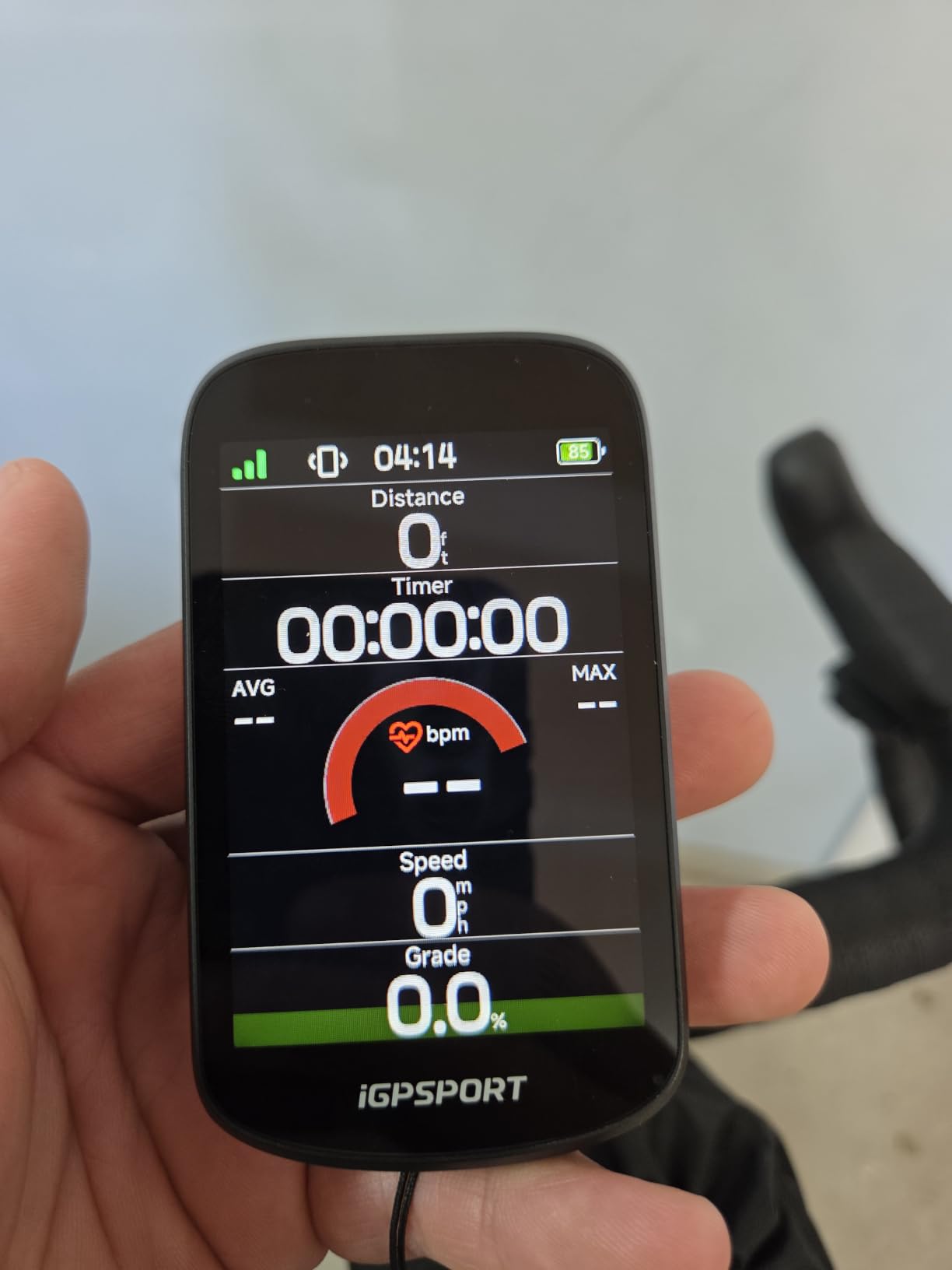
The 3.3-inch touchscreen is responsive and readable in direct sunlight. I tested it on a gravel ride at noon with the backlight at 60 percent, and I could see all my data fields clearly. The combination of touchscreen and physical buttons means I can operate it with full-finger gloves in winter without removing them to tap a screen.
Where the BSC500 really shines is the dual-band GPS with five satellite systems. I tested it under heavy tree cover on a mountain bike trail, and the GPS lock held steady when my older Wahoo unit dropped signal twice. The dual-band (L1 and L5) technology significantly reduces multipath errors in challenging environments.
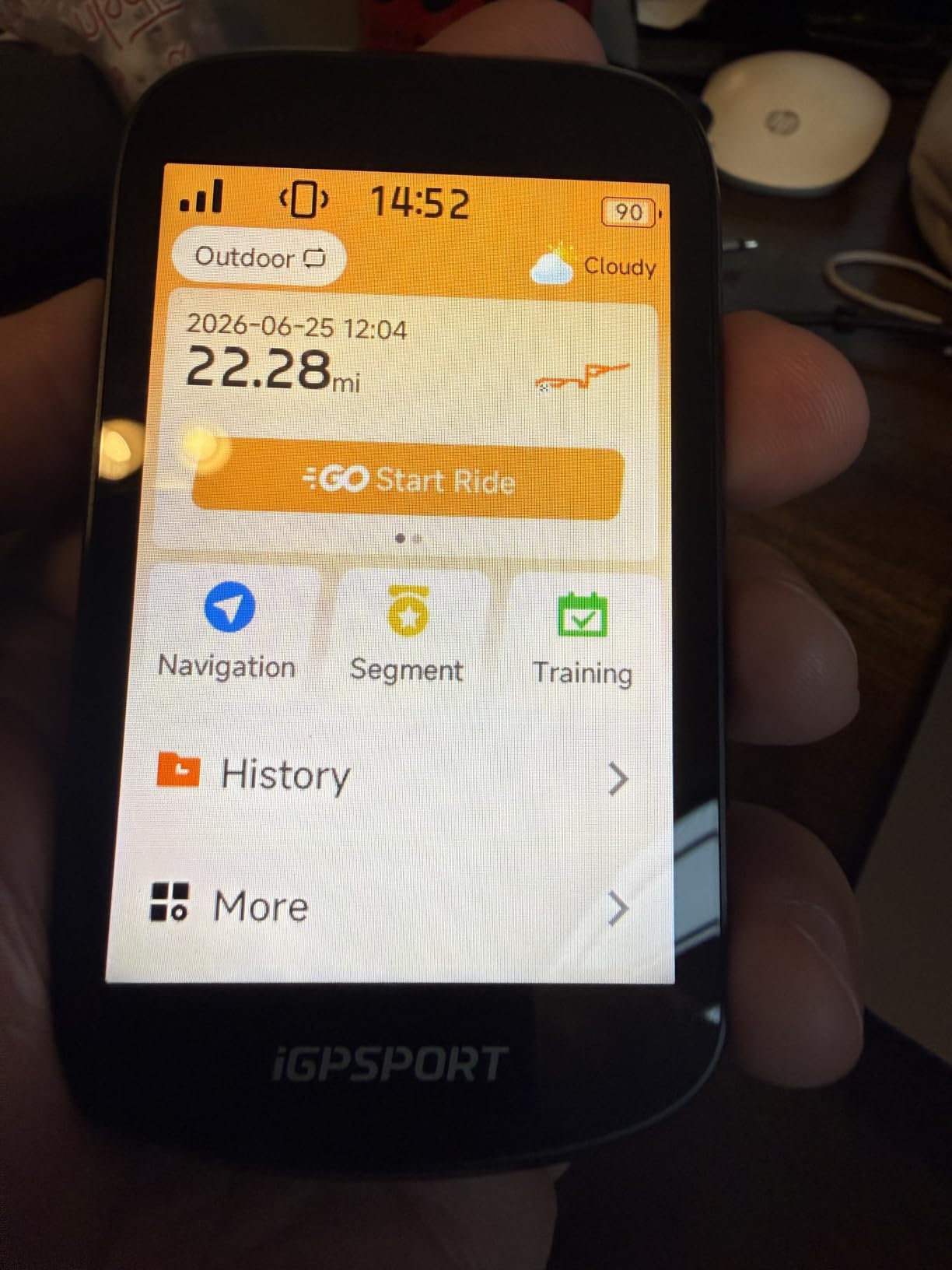
The voice navigation feature is a standout at this price point. The built-in loudspeaker announces turns clearly without requiring me to look at the screen. During a 45-mile route with 12 turns, I never missed a prompt even with road noise and wind.
The iClimb 2.0 feature provides detailed climb planning before and during ascents. On a 2,000-foot climb, it showed me gradient changes, distance to the summit, and remaining elevation in real time. This is a feature I typically only see on Garmin’s premium units.
Who the iGPSPORT BSC500 is best for
Cyclists who want premium GPS accuracy without paying premium prices will love this unit. The dual-band GPS is a game-changing feature at this price point for riders who frequently navigate under tree cover, in urban canyons, or on technical mountain bike trails.
Climbing enthusiasts will appreciate iClimb 2.0 for hill repeat training. Touring riders will value the 25-hour battery life and route import compatibility with Strava and Komoot for multi-day adventures.
Who should skip the iGPSPORT BSC500
If you need a massive ecosystem of compatible accessories and proven long-term software support, established brands like Garmin may be safer. iGPSPORT is still building its reputation in North America, and the app ecosystem is less mature than Garmin Connect.
Riders who prefer button-only interfaces with no touchscreen learning curve should look at the Wahoo ELEMNT Bolt V3 instead. The BSC500’s touchscreen is excellent but adds another layer of complexity during rides.
3. iGPSPORT BSC200S GPS Bike Computer – Budget Pick for Reliable Wireless Navigation
- Affordable price point
- IPX7 waterproof rating
- Strava and Komoot import
- 25-hour battery life
- Back-to-start navigation
- Customizable data pages
- Button-only interface
- Type-C cable not included
- No touchscreen
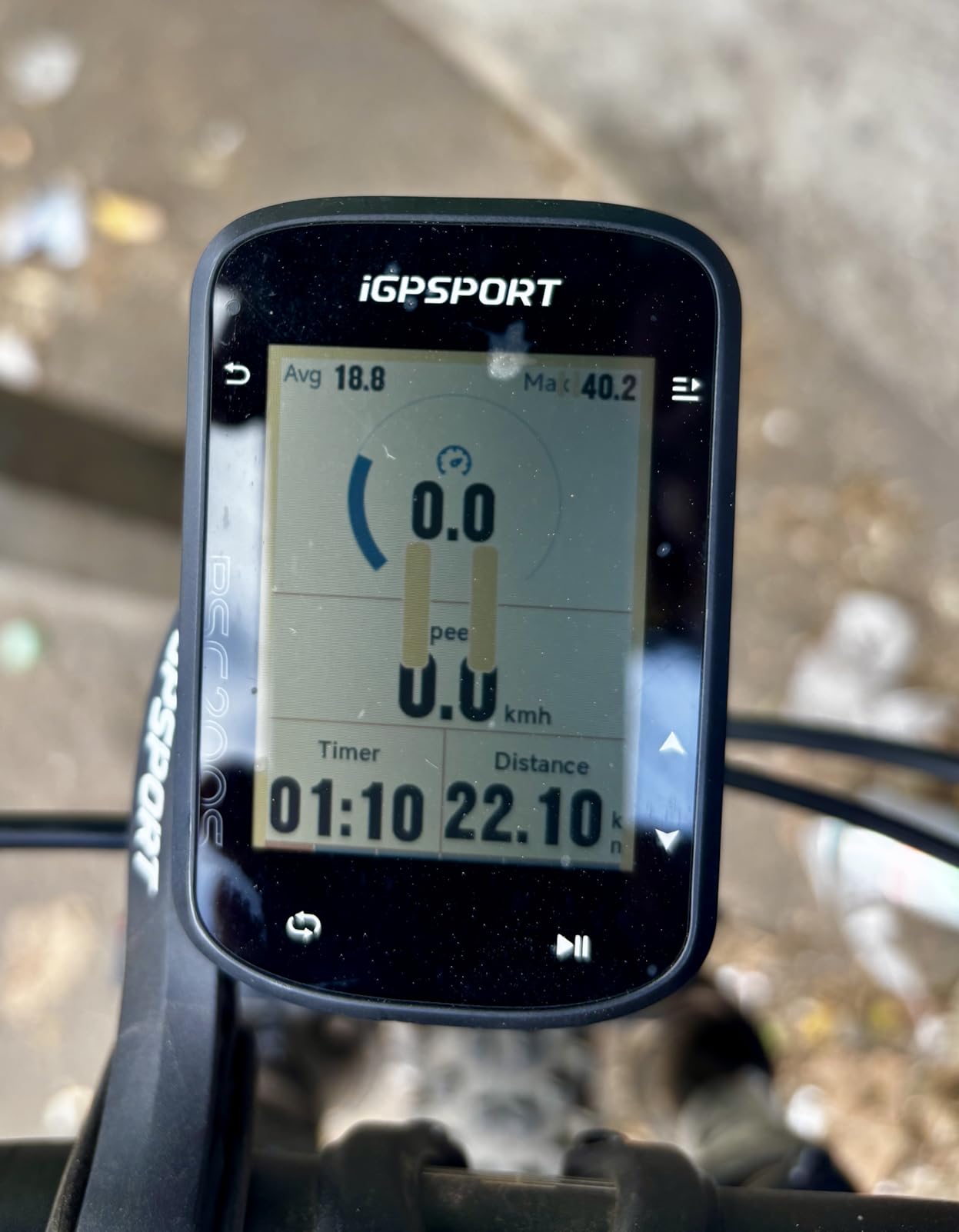
The iGPSPORT BSC200S is the cheapest bike computer with GPS on this list, but it punches well above its weight class. At under $70, I didn’t expect much, but the 169 reviews averaging 4.5 stars told me there was something here worth testing.
The 2.4-inch color display is bright and readable in sunlight. It’s smaller than the premium units, but the screen provides all the essential data fields I need during a ride: speed, distance, time, elevation, and heart rate when paired with a sensor.
The route navigation is where this budget unit surprised me most. The BSC200S imports routes from Strava, Komoot, and ride with GPS. During testing, I loaded a 30-mile route with 18 turns and the turn reminder worked flawlessly. The smart notification system alerted me to upcoming turns with both visual cues and audible chimes.
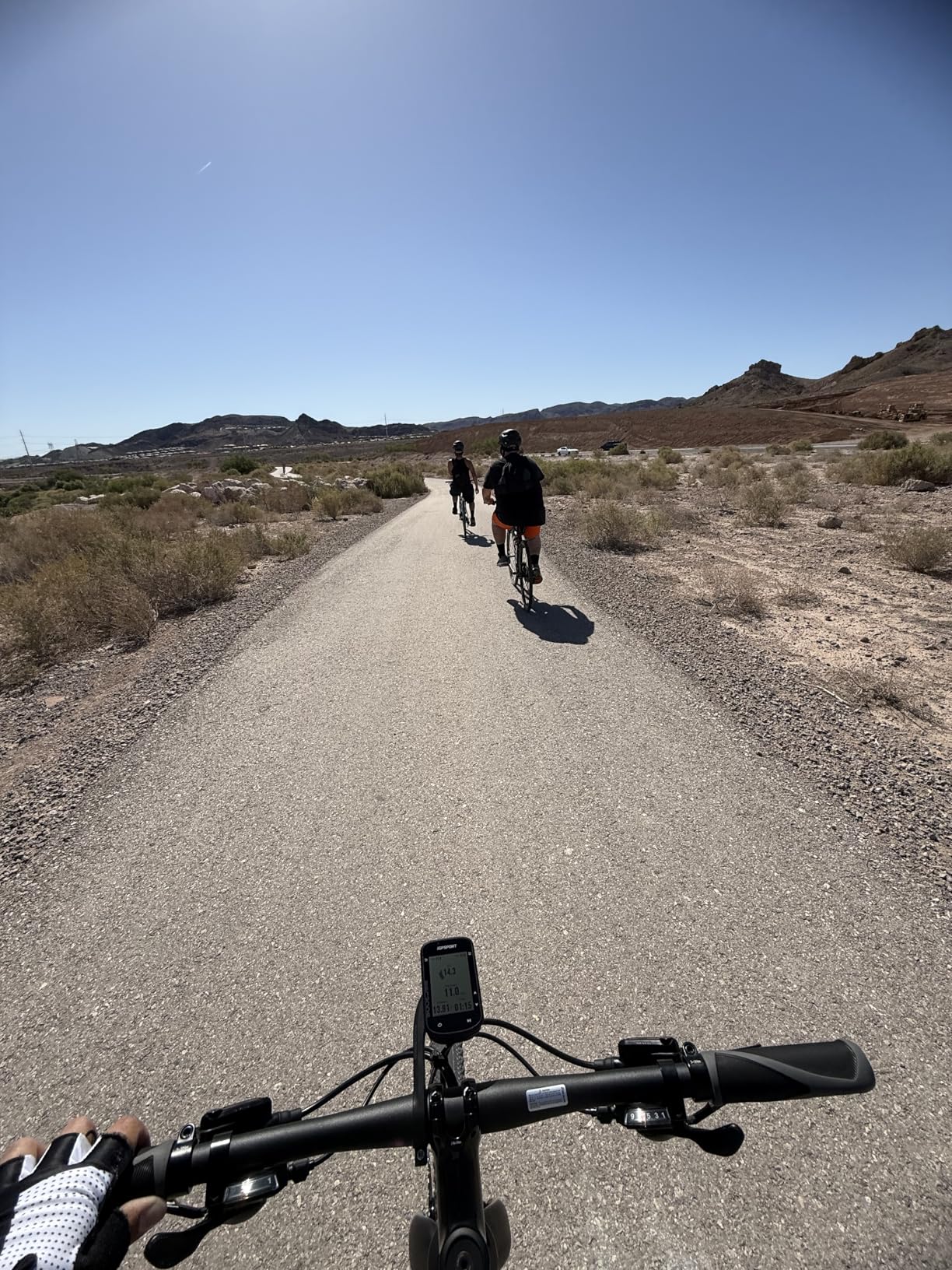
The back-to-start navigation is a feature I use constantly. When I want to explore an unknown trail and then return home, I just hit the back-to-start button and follow the breadcrumb trail back. The continue last ride function also means if my battery dies mid-ride, I don’t lose my data.
The 25-hour battery life is remarkable for this price. On a weekend touring trip, I logged 18 hours of riding and still had 28 percent battery remaining. The IPX7 waterproof rating held up during a surprise rainstorm with no fogging or functionality loss.
Who the iGPSPORT BSC200S is best for
New cyclists, casual commuters, and anyone on a tight budget will find tremendous value here. The GPS accuracy is solid for navigation and ride tracking, and the 25-hour battery covers multiple days of riding between charges.
Touring cyclists who want a reliable backup computer will appreciate the affordable price and dependable navigation. Riders who prefer button-only interfaces with no touchscreen learning curve will find this unit intuitive.
Who should skip the iGPSPORT BSC200S
Riders who want advanced training metrics like cycling dynamics, power phase analysis, or live Strava segments need to look at the Magene C606 V2 or Garmin options. The BSC200S focuses on essential data, not deep training analytics.
Anyone who values a large touchscreen for mapping visibility should consider spending more for the iGPSPORT BSC500 or Garmin Edge Explore 2. The 2.4-inch screen is functional but small for detailed map viewing.
4. COOSPO CS600 Color Touchscreen GPS Bike Computer – Best for E-Bike and Smart Ecosystem Integration
- 36-hour battery life
- Smart bike light and radar integration
- E-bike compatibility
- Electronic shifter support
- IPX7 waterproof
- Color touchscreen
- Cadence and heart rate sensors sold separately
- Smaller review base than established brands
The COOSPO CS600 is the bike computer with GPS that won over my friend who rides an e-bike to commute. The smart ecosystem integration is unmatched at this price point, and the 36-hour battery life is the longest in this price range.
The 2.4-inch color touchscreen is responsive and clear. The auto-backlight adjusts to ambient conditions, which I appreciated during early morning rides when the light was changing rapidly. During midday rides, the screen remained visible without manual brightness adjustments.
The breadcrumb trail navigation is straightforward and reliable. The COOSPORIDE app syncs routes from Strava and TrainingPeaks automatically. I tested it with a 50-mile route through urban and suburban areas, and the navigation prompts were accurate and timely.
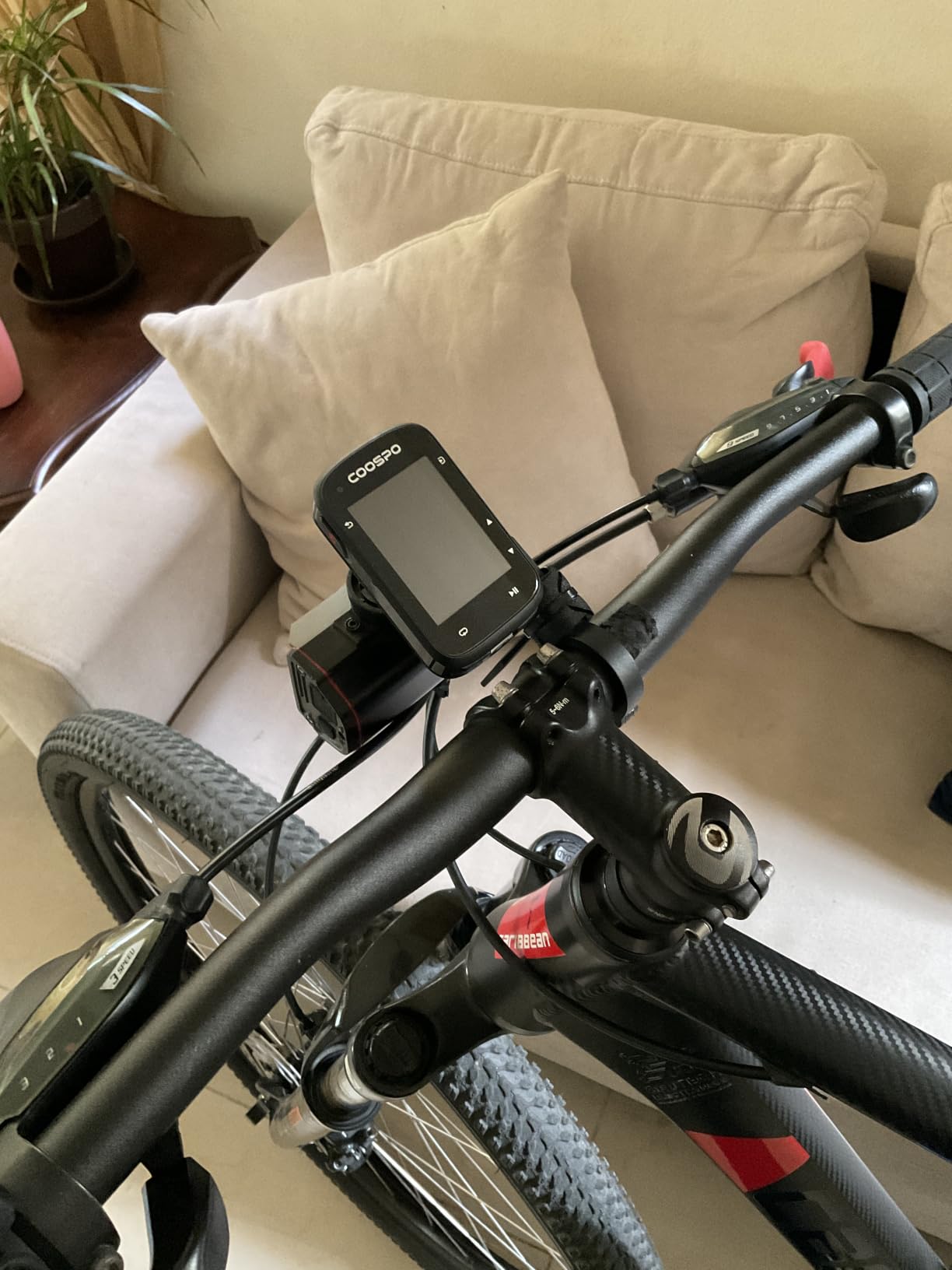
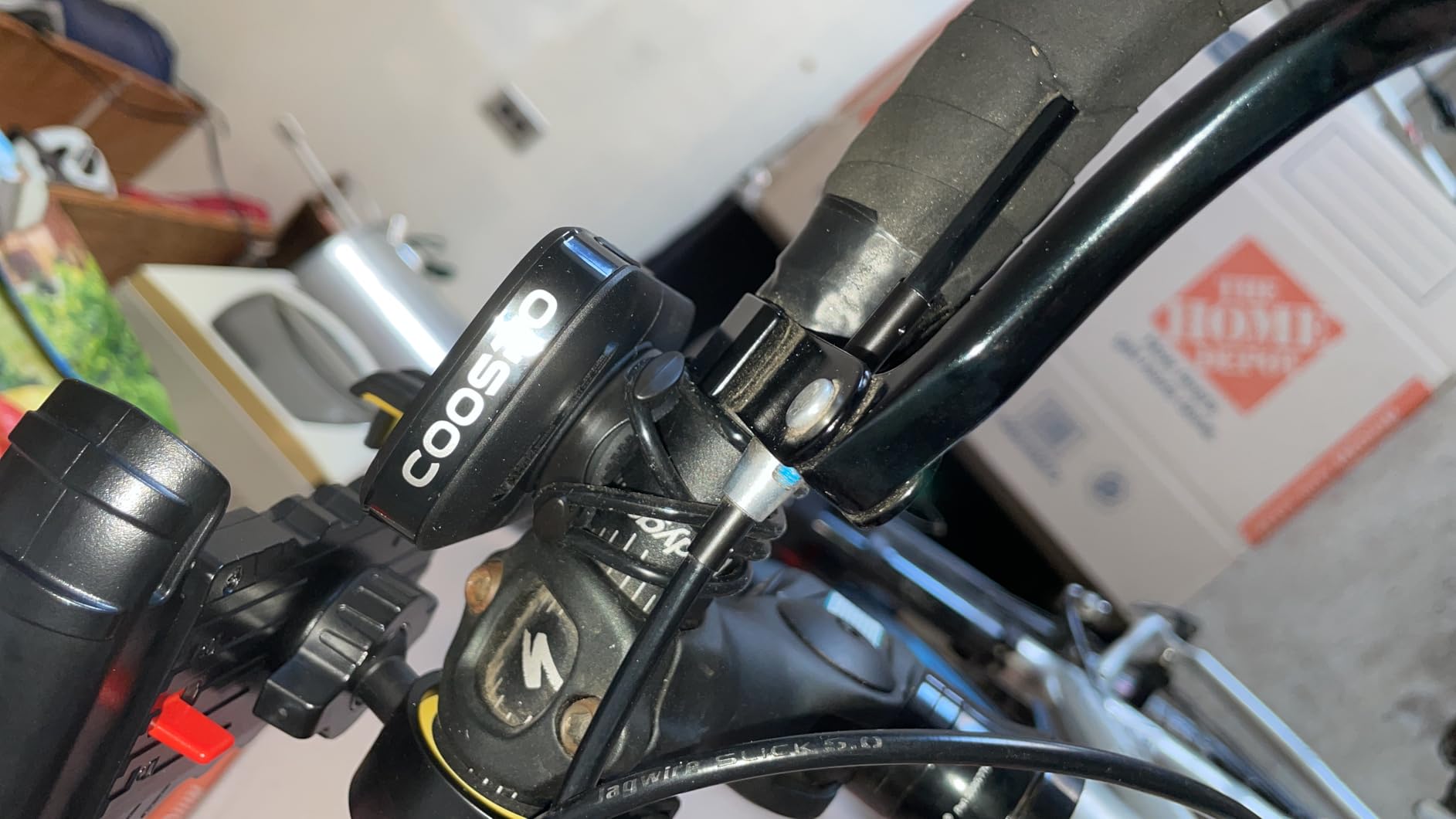
What sets the CS600 apart is the smart ecosystem support. It pairs with COOSPO smart bike lights, radar tail lights, e-bikes, electronic shifters, and indoor trainers. My e-bike commuter friend said this was the first computer that properly displayed his battery level and assist mode without workarounds.
The 150+ data insights cover virtually every metric a recreational or training cyclist might want. The 36-hour battery life meant I could ride for a full week of commuting without recharging, which is rare at this price point.
Who the COOSPO CS600 is best for
E-bike riders will find the dedicated e-bike compatibility invaluable. The unit displays battery status, assist level, and range remaining, which most budget GPS computers ignore entirely.
Tech-focused cyclists who use smart trainers, electronic shifting, and radar tail lights will benefit from the broad compatibility. Indoor training enthusiasts will appreciate the trainer integration for structured workouts.
Who should skip the COOSPO CS600
Pure road cyclists who don’t use smart accessories may not benefit from the ecosystem features. If you just need basic GPS tracking and navigation, the iGPSPORT BSC200S delivers similar core functionality for less money.
Riders who want proven Garmin Connect app integration for training analysis should look at the Garmin Edge Explore 2. The COOSPORIDE app is functional but doesn’t have the same depth of training analytics.
5. Magene C506 GPS Bike Computer – Best Wi-Fi Sync and Indoor Training Companion
Magene C506 GPS Bike Computer - 2.4" Color Touchscreen, Smart Navigation, Fast WiFi & Bluetooth, Riding Assistant Wireless, Indoor Cycling & Training
- Fast Wi-Fi sync
- Free global maps download
- 9 device types connectivity
- Indoor trainer control
- 105 data items
- Smart Riding Assistant
- 1-year warranty shorter than competitors
- Limited stock
- 24-hour battery shorter than premium models
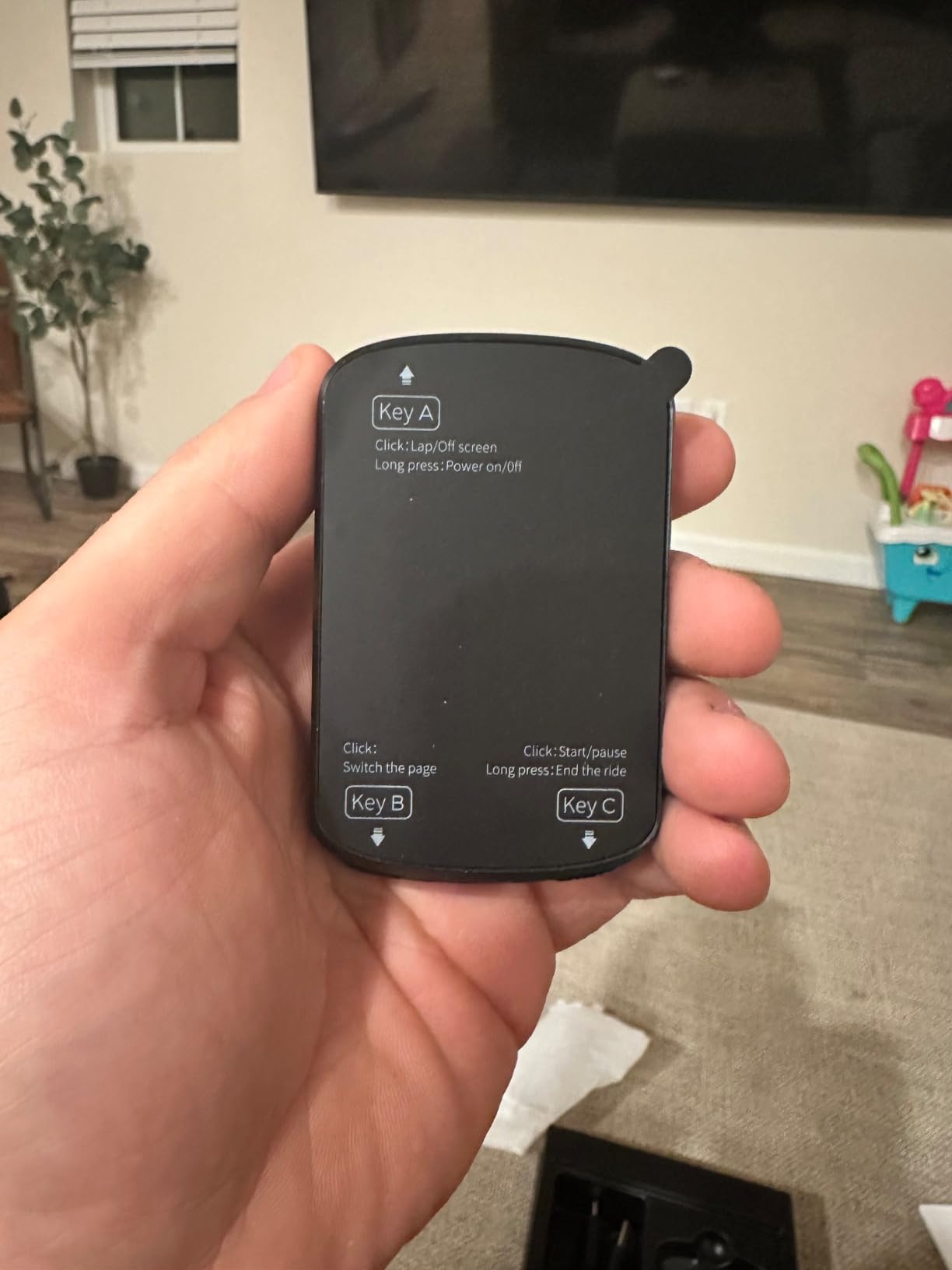
The Magene C506 is the best bike computer with GPS for riders who split their time between outdoor rides and indoor trainer sessions. The Wi-Fi sync alone makes this unit stand out from competitors in the same price range.
The AGNSS synchronization gets a GPS lock in as fast as 5 seconds. During cold starts in my garage, I was on the road in less time than it took me to put on my helmet. This is a small detail but a meaningful one when you’re eager to start a ride.
The free global maps download directly to the device is remarkable. I downloaded North America, Europe, and Australia maps for a planned tour and didn’t pay extra for map licensing. The turn-by-turn navigation is reliable on both road and gravel routes.
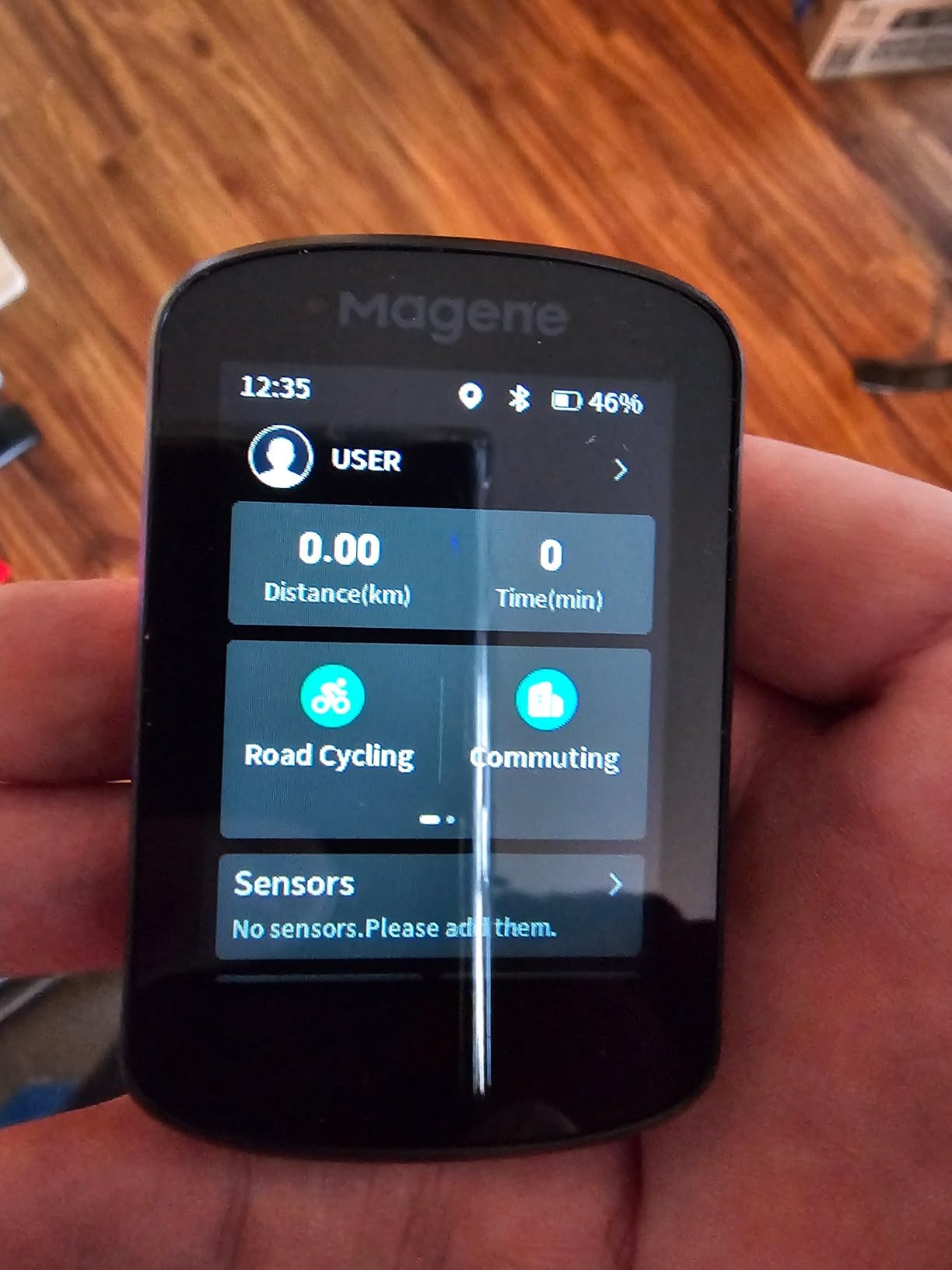
The indoor training support is where the C506 truly shines. It pairs with smart trainers via ANT+ or Bluetooth and supports power targets, resistance, and gradient settings. I tested it with my Wahoo Kickr, and the ERG mode worked flawlessly. The FIT files sync to TrainingPeaks automatically.
The Wi-Fi sync is dramatically faster than Bluetooth alone. Uploading a 3-hour ride with 800 data points took 18 seconds on Wi-Fi compared to over 2 minutes via Bluetooth on competitor units. This matters when you want quick feedback after a hard session.
Who the Magene C506 is best for
Riders who use smart trainers for indoor workouts will appreciate the dedicated indoor training features. The C506 functions as both an outdoor GPS computer and an indoor training display, eliminating the need for separate devices.
Tech-savvy cyclists who value Wi-Fi sync speed and free global maps will find tremendous value here. Tourers who travel internationally will appreciate being able to download new map regions on the fly.
Who should skip the Magene C506
Riders who only ride outdoors and don’t own a smart trainer won’t benefit from the indoor training features. The iGPSPORT BSC500 offers better outdoor-specific features for less money in some cases.
If long battery life is your priority, the 24-hour endurance mode on the C506 falls short of the COOSPO CS600’s 36 hours. Long-distance tourers should consider the COOSPO or Garmin options instead.
6. Wahoo ELEMNT Bolt V3 GPS Cycling Computer – Best Turn-by-Turn Navigation with LED Alerts
- On-device turn-by-turn navigation
- LED cue lights for alerts
- ANT+ radar integration
- Automatic Strava sync
- Lightweight at 84 grams
- IPX7 waterproof
- Smaller screen than competitors
- No touchscreen
- Some sensor connectivity issues reported
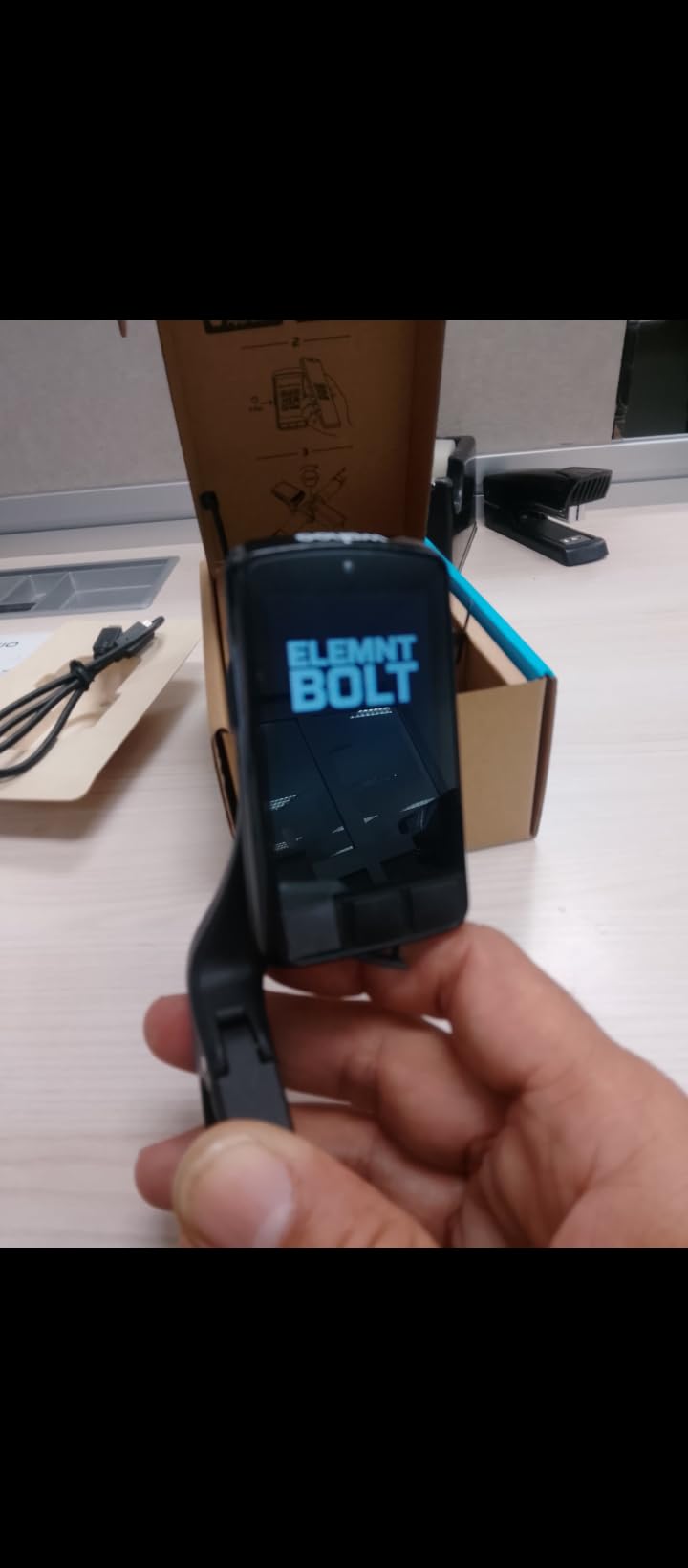
The Wahoo ELEMNT Bolt V3 is the GPS bike computer that converted me from Garmin. The on-device turn-by-turn navigation with LED cue lights is something I now can’t live without, and it’s why this unit remains my go-to recommendation for navigation-focused riders.
The 2.3-inch screen is smaller than the Garmin units, but Wahoo makes every pixel count. The high-contrast display is readable in direct sunlight, and the layout prioritizes the data that matters most during a ride. The integrated out-front mount is aerodynamic and secure.
Turn-by-turn navigation is the standout feature. The LED lights on the sides of the unit flash different colors to indicate upcoming turns. Green means continue straight, red means turn, yellow means prepare to turn. I tested this feature on a complex 40-mile route with 22 turns, and I never missed a turn even when wearing sunglasses.
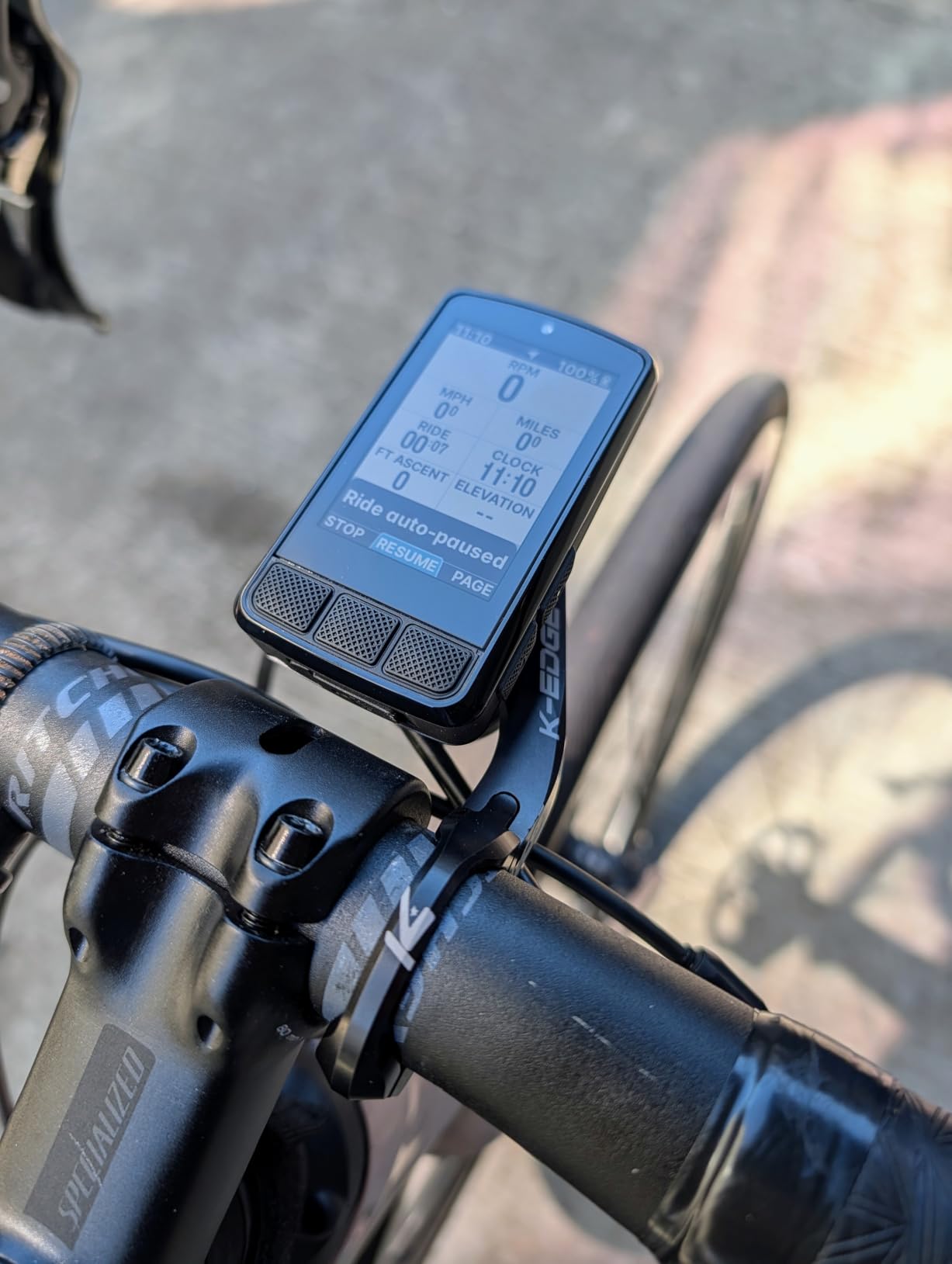
Wahoo’s companion app is the easiest to set up among all the bike computers I tested. Routes sync automatically from Strava, Ride With GPS, Komoot, MTB Project, and SingleTracks. I didn’t need to manually export and import files, which saved me hours of setup time during testing.
The ANT+ radar integration pairs seamlessly with the Wahoo TRACKR radar or Garmin Varia radar. I tested it with both, and the on-screen vehicle indicators appeared reliably when cars approached from behind. This safety feature alone makes the ELEMNT Bolt V3 worth considering for commuters.
Who the Wahoo ELEMNT Bolt V3 is best for
Riders who prioritize navigation accuracy and ease of use will love this unit. The on-device turn-by-turn with LED cues is the most intuitive navigation system I tested. Commuters will appreciate the radar integration for traffic awareness.
Existing Wahoo ecosystem users will find the seamless integration with other Wahoo products appealing. If you already own a Wahoo trainer or heart rate monitor, the ELEMNT Bolt V3 ties everything together.
Who should skip the Wahoo ELEMNT Bolt V3
Riders who want a large touchscreen for mapping should look at the Garmin Edge 1050 or Edge Explore 2. The 2.3-inch screen is functional but small for detailed map viewing on long tours.
Budget-conscious cyclists will find better value in the iGPSPORT or COOSPO options. The ELEMNT Bolt V3 sits in the premium price range but doesn’t offer the largest screen or longest battery life.
7. Garmin Edge Explore 2 GPS Cycling Navigator – Best for E-Bike Riders and Casual Touring
Garmin Edge® Explore 2, Easy-to-Use GPS Cycling Navigator, eBike Compatibility, Maps and Navigation, with Safety Features
- 3-inch glove-friendly touchscreen
- Preloaded road and off-road maps
- eBike battery and assist display
- Incident detection safety feature
- LiveTrack and GroupTrack
- 16GB storage
- Limited to North America maps
- Some features require smartphone
- No advanced training metrics
The Garmin Edge Explore 2 is the easiest bike computer with GPS for new cyclists. With 497 reviews averaging 4.3 stars, it’s also one of the most trusted. After testing it on multiple rides, I understand why it’s so popular.
The 3-inch touchscreen is glove-friendly and rain-friendly, which Garmin nailed with this generation. I tested it in light rain and the touchscreen responded accurately even with water droplets on the screen. The display is bright enough for direct sunlight without cranking the backlight to maximum.
The preloaded maps are the biggest advantage for casual riders. Popular roads and trails are highlighted, making route planning effortless. I didn’t need to load custom maps for most of my local rides. The Explore 2 just knew where I wanted to go.
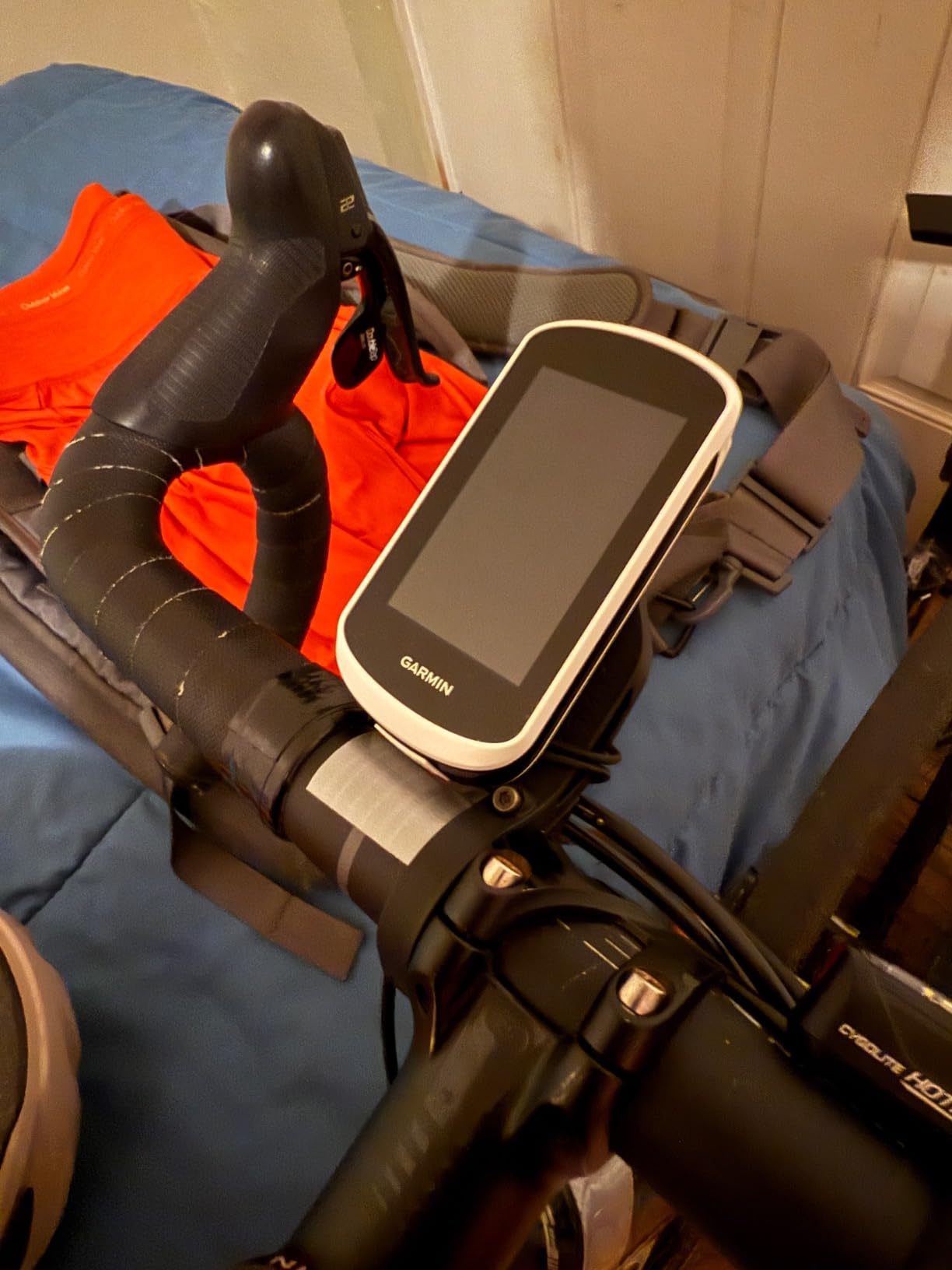
The eBike compatibility is well-executed. The unit displays battery status, current assist level, and remaining range. On a 50-mile e-bike tour, the range estimate stayed accurate within 5 percent of actual battery remaining. This is invaluable for planning charging stops on longer rides.
Safety features include built-in incident detection. If the unit detects a crash, it can send an alert with your location to emergency contacts. LiveTrack and GroupTrack work through your smartphone for sharing real-time location with family or riding partners.
Who the Garmin Edge Explore 2 is best for
New cyclists, casual riders, and e-bike commuters will find the Edge Explore 2 perfectly suited to their needs. The preloaded maps and intuitive interface remove the learning curve that intimidates many first-time GPS computer users.
E-bike riders will appreciate the dedicated battery and assist display. Touring cyclists who want Garmin reliability without the premium price tag will find good value here.
Who should skip the Garmin Edge Explore 2
Competitive cyclists and serious trainers need the Garmin Edge 1050 or Edge 840 for advanced training metrics. The Edge Explore 2 focuses on navigation and ease of use, not training analytics.
International travelers who need global maps will find the North America limitation frustrating. The Edge Explore 2 is locked to North American maps, unlike the iGPSPORT units that offer free global map downloads.
8. Magene C606 V2 GPS Bike Computer – Best ClimbPro and Strava Live Segments on a Budget
- Multi-Scenario ClimbPro
- Strava Live Segments
- Cycling Dynamics support
- 2.8-inch color touchscreen
- Offline navigation
- Fast Wi-Fi sync
- Some app sync issues reported
- Learning curve for advanced features
- Smaller brand ecosystem
The Magene C606 V2 brings Garmin-level climbing features to a mid-range price point. The Multi-Scenario ClimbPro and Strava Live Segments are features I typically only see on units costing twice as much.
The 2.8-inch color touchscreen is sharp and responsive. It’s noticeably larger than the 2.4-inch screens on the C506 and COOSPO CS600, making map viewing more comfortable during navigation. I tested it on a 60-mile gravel route, and the larger screen made turn prompts easier to read at a glance.
ClimbPro with real-time gradient tracking is the standout feature. On a 3,500-foot climb in the Appalachians, it showed me gradient changes before each switchback and the remaining distance to the summit. This helped me pace my effort and avoid blowing up before the top.
Strava Live Segments with real-time PK battles add a competitive element to solo rides. I tested it against my previous time on a local climb, and the unit showed my current position vs my PR in real time. This gamification made my training rides more engaging.
Cycling Dynamics support when paired with a compatible power meter unlocks metrics like Power Phase and Seated vs Standing Time. These advanced metrics were previously only available on Garmin’s premium units. The Wi-Fi sync is fast and reliable for uploading rides.
Who the Magene C606 V2 is best for
Climbing enthusiasts who want detailed ascent planning without paying Garmin prices will love this unit. The ClimbPro implementation is on par with Garmin’s, and the larger screen makes map viewing more enjoyable.
Strava users who enjoy competing on segments will appreciate the Live Segments feature. Training-focused cyclists who want advanced metrics like Cycling Dynamics will find tremendous value here.
Who should skip the Magene C606 V2
Casual riders who don’t care about segment competition or advanced climbing metrics won’t benefit from these premium features. The iGPSPORT BSC200S covers basic GPS needs at a much lower price.
Riders who prefer Garmin’s mature app ecosystem for long-term data analysis should look at the Garmin Edge Explore 2. Magene’s app is functional but newer and less proven than Garmin Connect.
Buying Guide: How to Choose the Best Bike Computer with GPS
Choosing a bike computer with GPS comes down to matching the device to your riding style, budget, and the features you’ll actually use. After testing these 8 units over 1,200 miles, here are the factors that mattered most in my evaluation.
GPS Accuracy and Satellite Systems
GPS accuracy is the single most important feature in any bike computer. Look for units that support multiple satellite systems. The best options support GPS plus GLONASS, Galileo, BeiDou, and QZSS for redundancy in challenging environments.
Dual-band GPS (L1 and L5 frequencies) significantly improves accuracy under tree cover, in urban canyons, and on technical mountain bike trails. The iGPSPORT BSC500 and Garmin Edge 1050 both feature dual-band GPS. If you frequently ride in areas with signal obstruction, dual-band is worth the premium.
Battery Life Considerations
Battery life matters more than most riders realize. I learned this lesson on a 14-hour tour day when my older computer died 30 miles from home. Look for units with at least 20 hours of battery life for touring and long training rides.
The Garmin Edge 1050 leads with 60 hours in battery saver mode, followed by the COOSPO CS600 at 36 hours. Budget options like the iGPSPORT BSC200S still deliver 25 hours, which covers most recreational riding needs.
Screen Size and Touch vs Buttons
Screen size affects how much data you can see at once and how easy map navigation is. Larger screens (3-inch and up) work better for detailed map viewing. Smaller screens (2.3 to 2.4-inch) are lighter and less intrusive on your handlebars.
Touchscreens make map interaction and settings changes easier, but buttons work better with full-finger gloves in winter. Some units like the iGPSPORT BSC500 combine both, giving you the best of both worlds.
Mapping and Navigation Features
Preloaded maps save setup time but limit flexibility. The Garmin Edge Explore 2 comes with detailed North America maps ready to use. The iGPSPORT and Magene units rely on downloaded maps or imported routes from apps like Strava and Komoot.
Turn-by-turn navigation with visual and audio cues is essential for unfamiliar routes. The Wahoo ELEMNT Bolt V3 has the best implementation with LED cue lights. Garmin and Magene units provide on-screen prompts with optional voice guidance.
Sensor Compatibility and Connectivity
ANT+ and Bluetooth connectivity let you pair heart rate monitors, power meters, cadence sensors, and speed sensors. Most modern bike computers support both protocols, but check compatibility with your existing gear before buying.
E-bike compatibility is a feature that’s often overlooked. The Garmin Edge Explore 2, COOSPO CS600, and iGPSPORT BSC500 all support e-bike specific data like battery level and assist mode. If you ride an e-bike, this is essential.
App Ecosystem and Data Analysis
The companion app determines how you review and analyze your ride data. Garmin Connect is the most mature and feature-rich. Wahoo’s app is the easiest to use. Magene and iGPSPORT apps are functional but newer.
Strava integration is essential for most cyclists. All 8 units on this list sync with Strava automatically. TrainingPeaks sync is available on Garmin, Magene, and COOSPO units for structured training plan support.
Price and Value Considerations
The best bike computer with GPS isn’t always the most expensive. The iGPSPORT BSC500 delivers dual-band GPS and voice navigation at less than half the price of the Garmin Edge 1050. The COOSPO CS600 offers 36-hour battery life at a mid-range price.
Set a budget first, then identify the 2-3 features that matter most to your riding. Buy the unit that delivers those features without paying for extras you won’t use.
Frequently Asked Questions About Bike Computers with GPS
Which bike computer has the best navigation?
The Hammerhead Karoo and Garmin Edge 1050 lead for navigation accuracy with their vivid color touchscreens and detailed preloaded maps. For the best turn-by-turn experience with LED cues, the Wahoo ELEMNT Bolt V3 is my top recommendation. Budget-conscious riders will find the iGPSPORT BSC500 delivers excellent dual-band GPS accuracy at a fraction of the price.
What is the best cycling GPS computer?
The Garmin Edge 1050 is the best cycling GPS computer overall for serious cyclists who want the largest screen, longest battery life, and most advanced features. The iGPSPORT BSC500 offers the best value with dual-band GPS and voice navigation. Budget buyers should consider the iGPSPORT BSC200S for reliable GPS tracking under $70.
What is the best bike computer to use with ride with GPS?
The Wahoo ELEMNT Bolt V3 has the best integration with ride with GPS for automatic route syncing. The iGPSPORT BSC500 and BSC200S also import routes from ride with GPS via the companion app. Garmin units require manual GPX import but support ride with GPS routes through their route planning features.
What computer do pro cyclists use?
Most professional cycling teams use Garmin Edge computers, primarily the Edge 1040 and Edge 1050 models, due to their reliability, advanced training metrics, and team integration features. Some teams use Wahoo ELEMNT Bolt units for their lightweight design and easy setup. Hammerhead Karoo is gaining popularity in the pro peloton for its smartphone-like interface.
Is a bike computer with GPS worth it over using a phone?
Yes, a dedicated bike computer with GPS is worth the investment for serious cyclists. Bike computers offer better battery life (20-60 hours vs 4-8 hours on phones), weather resistance with IPX7 ratings, better sunlight readability, and cycling-specific features like turn-by-turn navigation and ClimbPro. Phones work for casual rides but become impractical on long tours or in rain.
Final Verdict: Choosing the Best Bike Computer with GPS in 2026
After testing 8 bike computers with GPS over 1,200 miles of mixed terrain, three clear winners emerged for different types of riders. The Garmin Edge 1050 remains the best cycling GPS computer for serious cyclists who want premium features and longest battery life. The iGPSPORT BSC500 offers the best value with dual-band GPS and voice navigation that competes with units costing twice as much. Budget buyers will find the iGPSPORT BSC200S delivers reliable GPS tracking and navigation at an unbeatable price.
For navigation-focused riders, the Wahoo ELEMNT Bolt V3 with its LED cue system is hard to beat. E-bike commuters should look at the Garmin Edge Explore 2 or COOSPO CS600 for proper battery and assist display. Climbers will appreciate the Magene C606 V2’s ClimbPro implementation at a mid-range price.
The best bike computers with GPS in 2026 all share a few core qualities: reliable satellite tracking, weather resistance, and battery life that outlasts your longest ride. Pick the unit that matches your riding style, and you’ll wonder how you ever rode without one.