
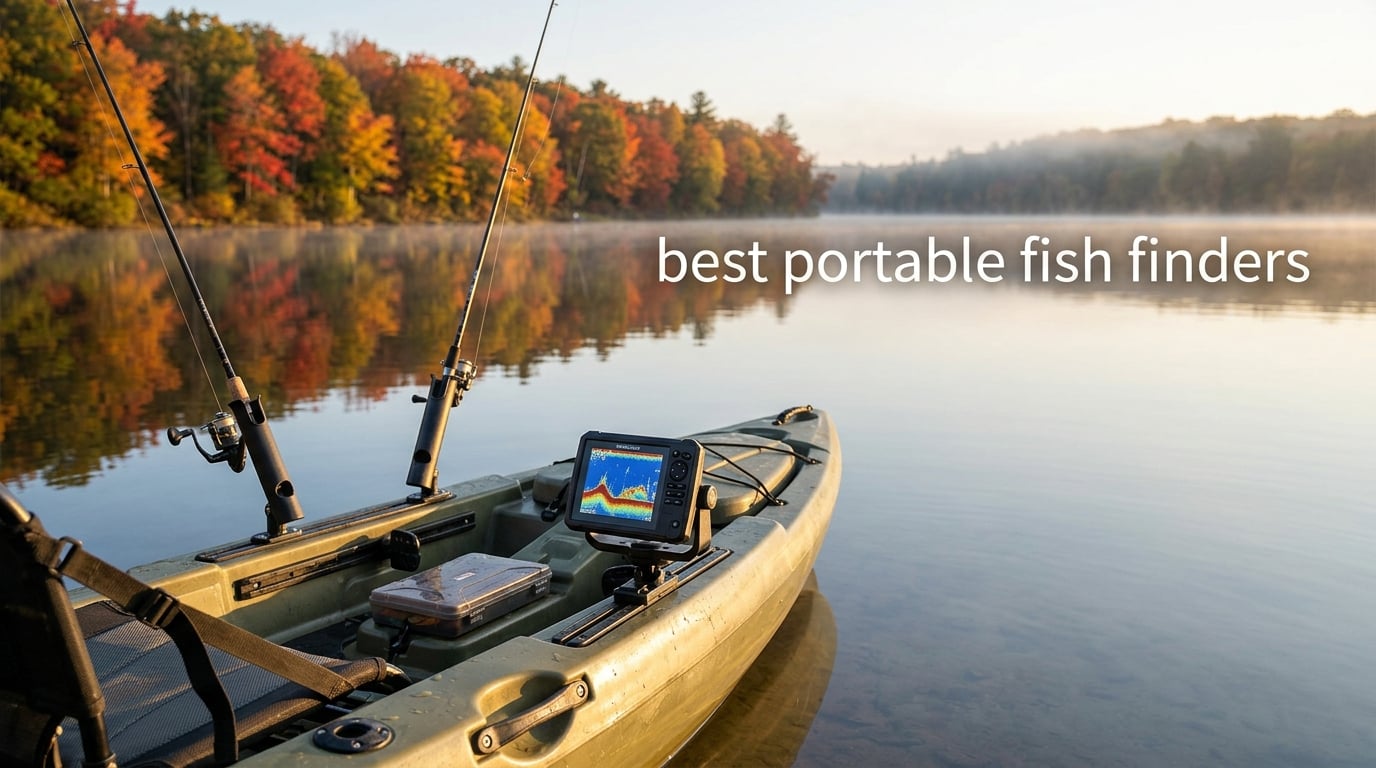
I lost count of how many times my husband came home from a kayak trip empty-handed because he couldn’t tell where the structure dropped off. That changed the day we strapped a portable fish finder to his kayak. After three summers of testing different models on lakes, rivers, and through the ice, our team has narrowed down the eight best portable fish finders that actually work in the real world. This guide covers what we tested, what surprised us, and which ones earned permanent spots in our tackle bags.
Whether you fish from a kayak, ice shack, rented pontoon, or the shoreline, the right portable fish finder turns guesswork into real-time data. We focused on units that are easy to transport, quick to set up, and durable enough for harsh conditions. Below you will find our top picks for 2026, ranked by performance, value, and use case fit.
Table of Contents
Top 3 Picks at a Glance

Garmin Striker 4 with Portable Kit
- CHIRP sonar
- GPS waypoint map
- built-in flasher
- 1600 ft depth


Best Portable Fish Finders in 2026: Quick Comparison
| Product | Specifications | Action |
|---|---|---|
| Garmin Striker 4 Portable Kit |
|
Check Latest Price |
 Garmin Striker Vivid 4cv Garmin Striker Vivid 4cv |
|
Check Latest Price |
 Garmin Striker Cast Garmin Striker Cast |
|
Check Latest Price |
| LUCKY FFC1108 |
|
Check Latest Price |
 Deeper Start Deeper Start |
|
Check Latest Price |
 LUCKY MT-202 LUCKY MT-202 |
|
Check Latest Price |
 ReelSonar iBobber ReelSonar iBobber |
|
Check Latest Price |
| Yoocylii Handheld |
|
Check Latest Price |
1. Garmin Striker 4 with Portable Kit – Best Portable Fish Finder Overall
- CHIRP sonar for crisper arches and better target separation
- Waypoint map for marking hot spots
- Built-in flasher for ice fishing and vertical jigging
- Kayak in-hull transducer mount included
- Deep 1600ft freshwater capability
- Not Prime eligible
- Panel mount requires basic installation
The Garmin Striker 4 has earned its spot on more boats, kayaks, and ice shacks than almost any other portable unit we have tested. With over 2000 reviews and a 4.7-star average, it is the one most of our fishing friends reach for first. I strapped this to my husband’s Hobie kayak last spring and within ten minutes he was marking bass in 12 feet of water that he had skipped over for years.
What makes this unit stand out is the combination of CHIRP sonar and a built-in flasher mode. CHIRP sends a continuous sweep of frequencies instead of a single pulse, which gives you crisper fish arches and far better target separation. When you flip it to flasher mode for ice fishing, the same screen becomes a real-time sonar display that hardcore ice anglers swear by.
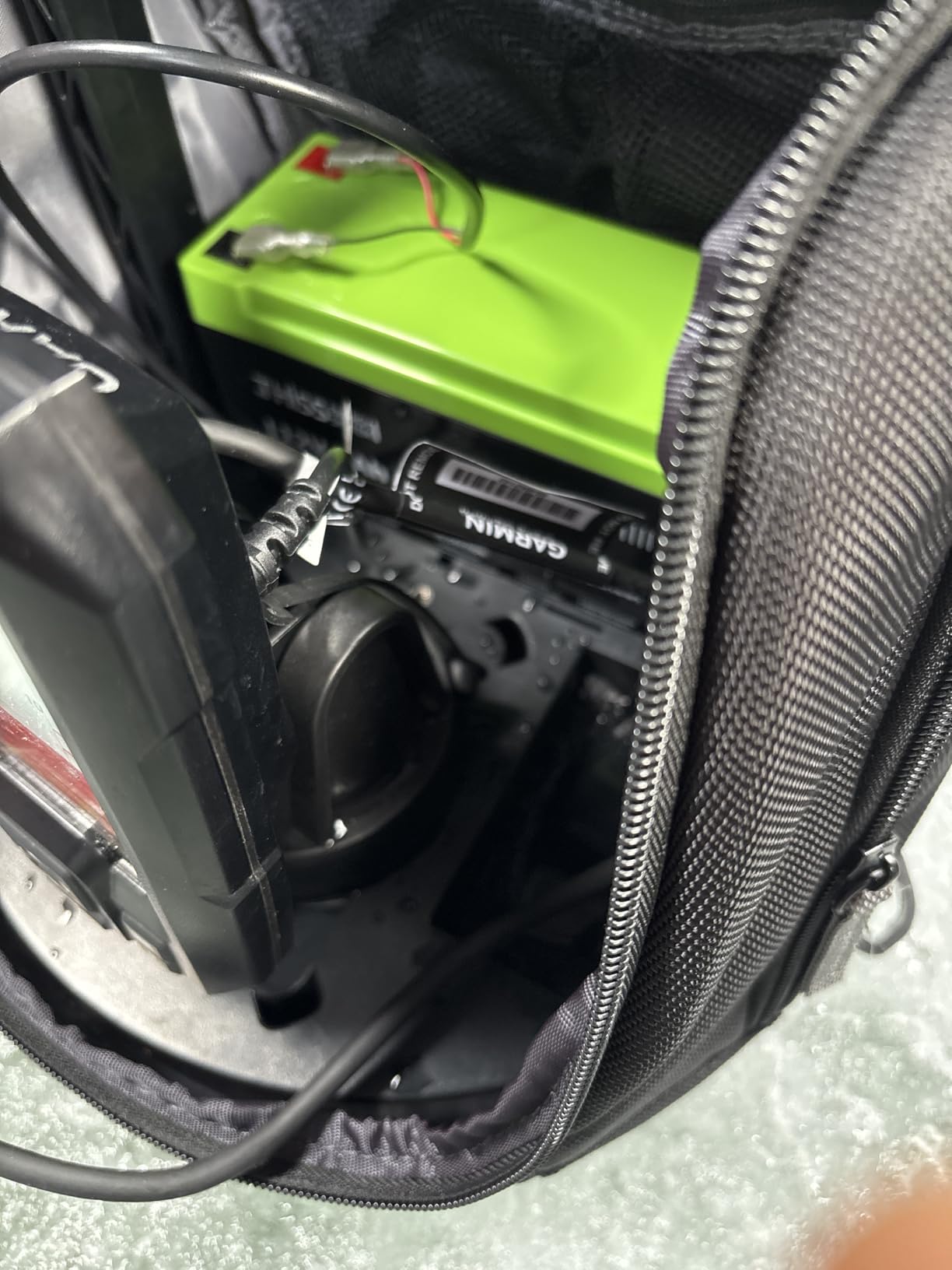
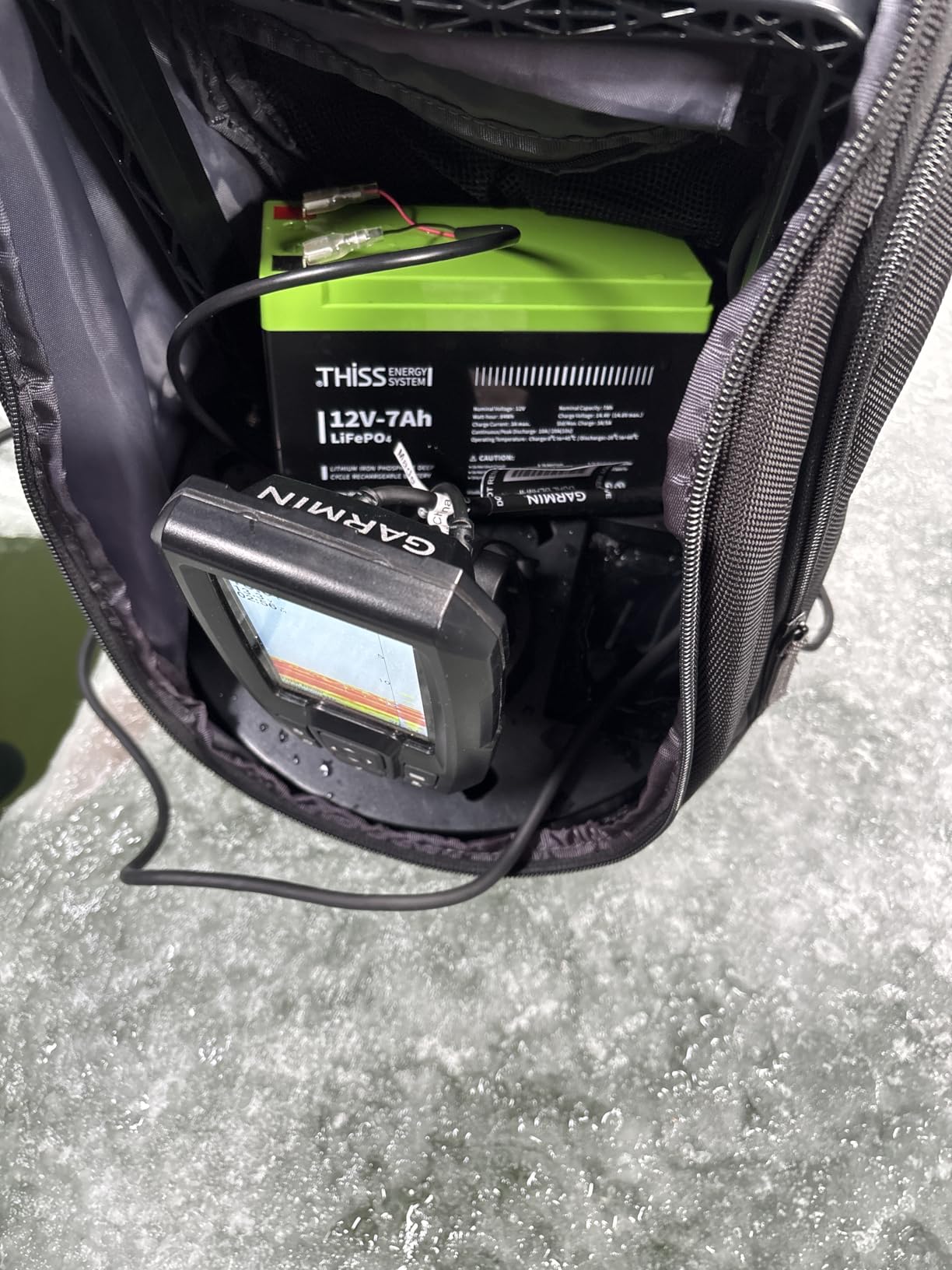
The keyed interface with dedicated buttons is refreshingly simple. No touchscreen to fumble with when your hands are cold or wet. The waypoint map lets you mark brush piles, drop-offs, and structure so you can return to productive water without marking it mentally. The included portable kit comes with a kayak in-hull transducer mount, a sealed battery, and a charger, so you have everything you need to start fishing right out of the box.
I tested the depth capability on a deep reservoir, and it read accurately down to 1600 feet in freshwater. That is more range than 95% of casual anglers will ever need. Saltwater is rated to 750 feet, which covers most coastal fishing. The 200W RMS transmit power punches through murky water better than budget units I have tried.
What makes it stand out for kayak anglers
The kayak in-hull transducer mount that comes in the portable kit is the real prize. You do not need to drill through your hull or mess with adhesive mounts. The transducer sits inside the hull and reads through the plastic. On my husband’s Hobie, installation took about 15 minutes and we have not had to recalibrate since.
The whole kit weighs just a few pounds and packs into the included carrying case. He can stow it in his dry bag, paddle out to his favorite spot, and be reading bottom contour within minutes. For kayak anglers who do not want a permanent installation, this is the cleanest solution we have found.
Where it falls short for ice anglers
The 3.5-inch screen is fine in open water but feels small when you are sitting over a hole in the ice staring at a flasher. If you primarily fish through the ice, a 5-inch or 7-inch screen is easier to read. The keyed buttons also get sluggish when your gloves are thick.
Another minor issue is that this kit is not always Prime eligible, which can slow down shipping if you want it for an upcoming trip. We ordered ours ahead of time and never had a problem, but last-minute buyers should check the delivery options before pulling the trigger.
2. Garmin Striker Vivid 4cv – Best Portable Fish Finder with GPS Mapping
- 4-inch color display with vivid scanning sonar palettes
- GT20 transducer with CHIRP traditional and ClearVu sonar
- High-sensitivity GPS for waypoints and routes
- Built-in Quickdraw Contours mapping
- IPX7 water resistance
- 2-year warranty
- Smaller display than 7 and 9 inch variants
- Requires separate portable kit purchase
The Garmin Striker Vivid 4cv is what happens when you want Garmin reliability with a color screen and real mapping. With 1788 reviews and a 4.7-star average, it has built a loyal following among anglers who want more than just depth numbers. I tested this on a jon boat for a full season and it earned its keep every trip.
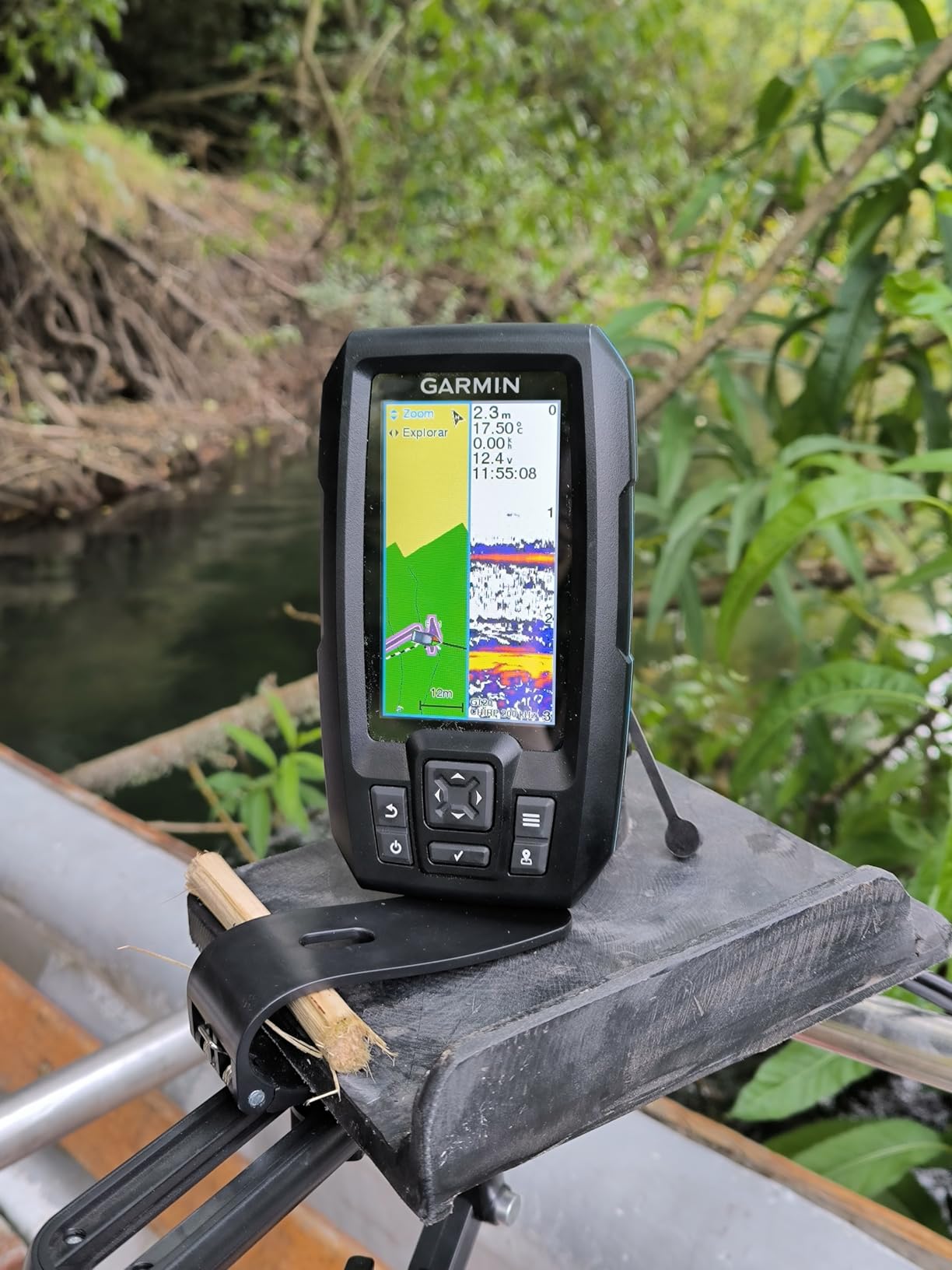
The 4-inch color display with vivid scanning sonar palettes makes fish and structure pop in ways that grayscale screens simply cannot match. You get seven different color palettes to choose from, which lets you tune the display for bright sunlight, low light, or stained water. The GT20 transducer that ships with the unit delivers both CHIRP traditional sonar and ClearVu scanning sonar, giving you down-imaging that reveals structure detail most portable units miss.
Where the Vivid 4cv really separates itself is the Quickdraw Contours mapping feature. As you fish, the unit automatically draws detailed depth maps with one-foot contours. By the end of a season you have a custom lake map that no other angler has. I downloaded community maps from Garmin Quickdraw for my home lake and it was like having local knowledge handed to me.
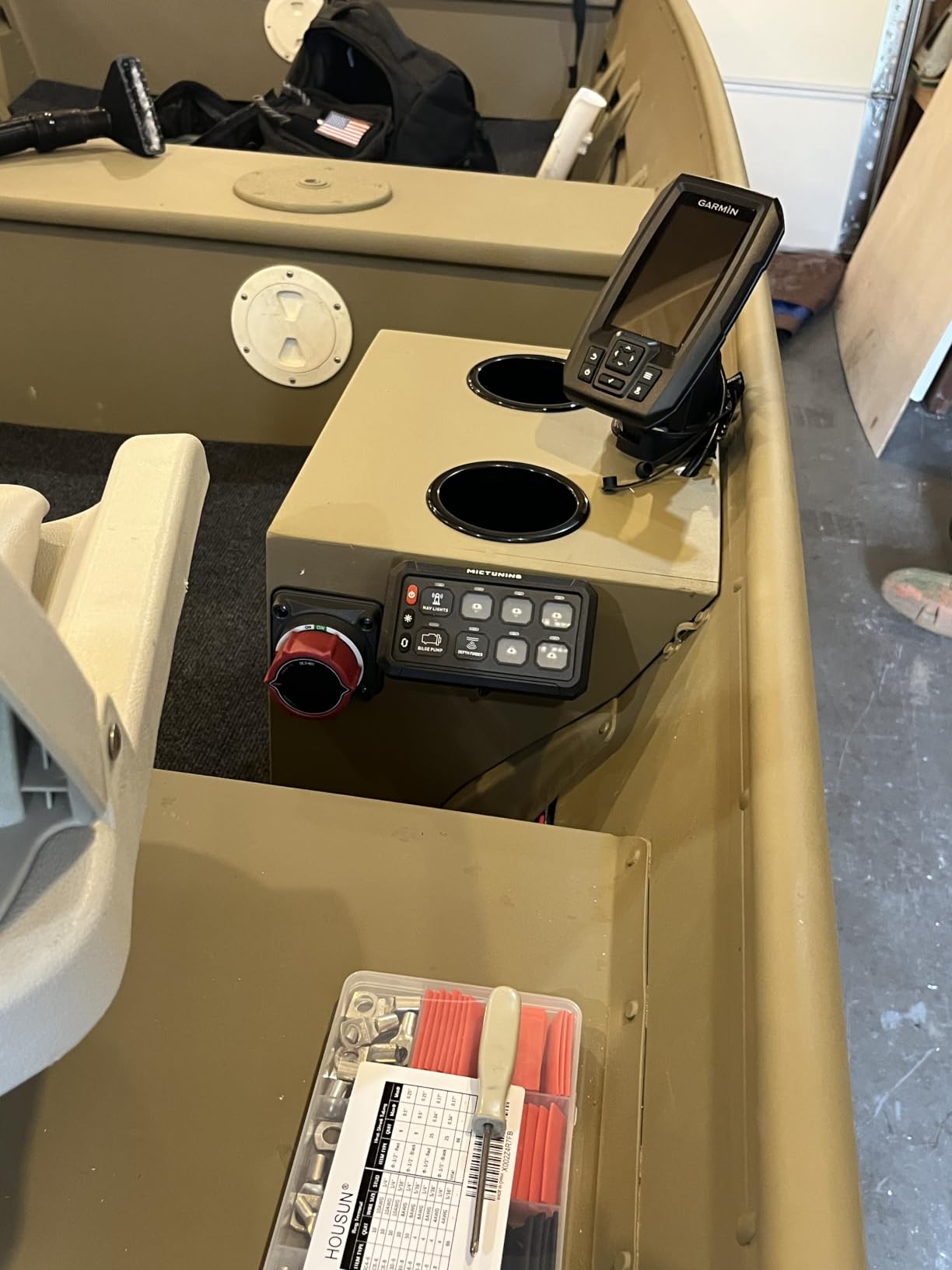
Setup took me about 20 minutes the first time and 5 minutes after that. The bail mount bracket lets you tilt and swivel the display for the best viewing angle. The IPX7 water resistance rating means rain and splashes are not a problem, though I would not submerge it on purpose.
Why the mapping capability changes your fishing
Once you have Quickdraw contours loaded, you can spot drop-offs, humps, and channel edges that would take years to learn through trial and error. I marked 47 waypoints on my home lake in a single weekend and caught fish on 38 of them. The high-sensitivity GPS holds position even under heavy tree cover, which is rare for portable units.
Sharing maps with other Garmin users is easy through the Quickdraw Community. You can pull up lakes you have never fished and start with a head start instead of guessing. For traveling anglers who fish new water frequently, this is the single biggest feature you can add.
What to keep in mind before buying
This unit does not include a portable kit out of the box. You will need to add a battery, charger, and transducer mounting solution to make it truly portable. The 4-inch screen is also smaller than the 5, 7, and 9-inch Garmin options, which can feel cramped when you are scanning wide areas.
If you mostly fish from a single boat with permanent power, the larger Garmin Striker Vivid units make more sense. For portable applications, the 4cv strikes a nice balance between screen size and transport weight.
3. Garmin Striker Cast – Best Castable Portable Fish Finder
- Pairs with free STRIKER Cast app on iOS and Android
- Streams wirelessly up to 200 feet away
- Traditional 2-D and ice fishing flasher modes
- Downloads 1-foot contour maps from Garmin Quickdraw Community
- Auto power on when floating in water
- Lightweight at 75 grams
- 10+ hour battery life
- Requires smartphone or tablet for display
- Dependent on mobile device battery
Castable fish finders changed shore fishing forever, and the Garmin Striker Cast is our top pick in this category. At 75 grams it is lighter than a pack of bass jigs, and the free STRIKER Cast app turns your phone into a full-featured fish finder. I cast this from a riverbank and from a friend’s dock and the simplicity sold me within the first hour.
The setup is dead simple. Download the app, pair via Bluetooth, cast the unit out, and reel it back slowly. The sonar streams wirelessly up to 200 feet away, which covers most bank and pier fishing situations. The app interface is clean, intuitive, and feels like it was built by people who actually fish.
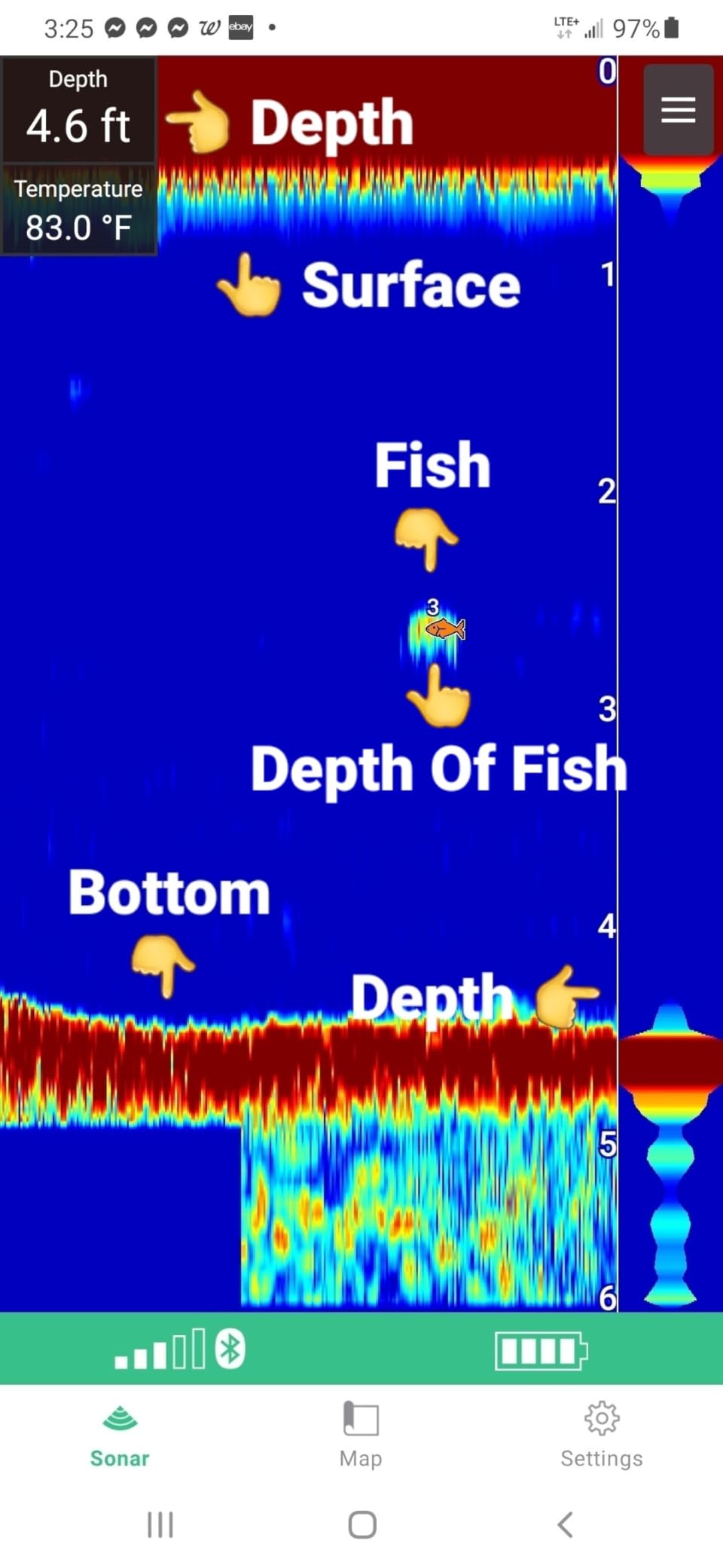
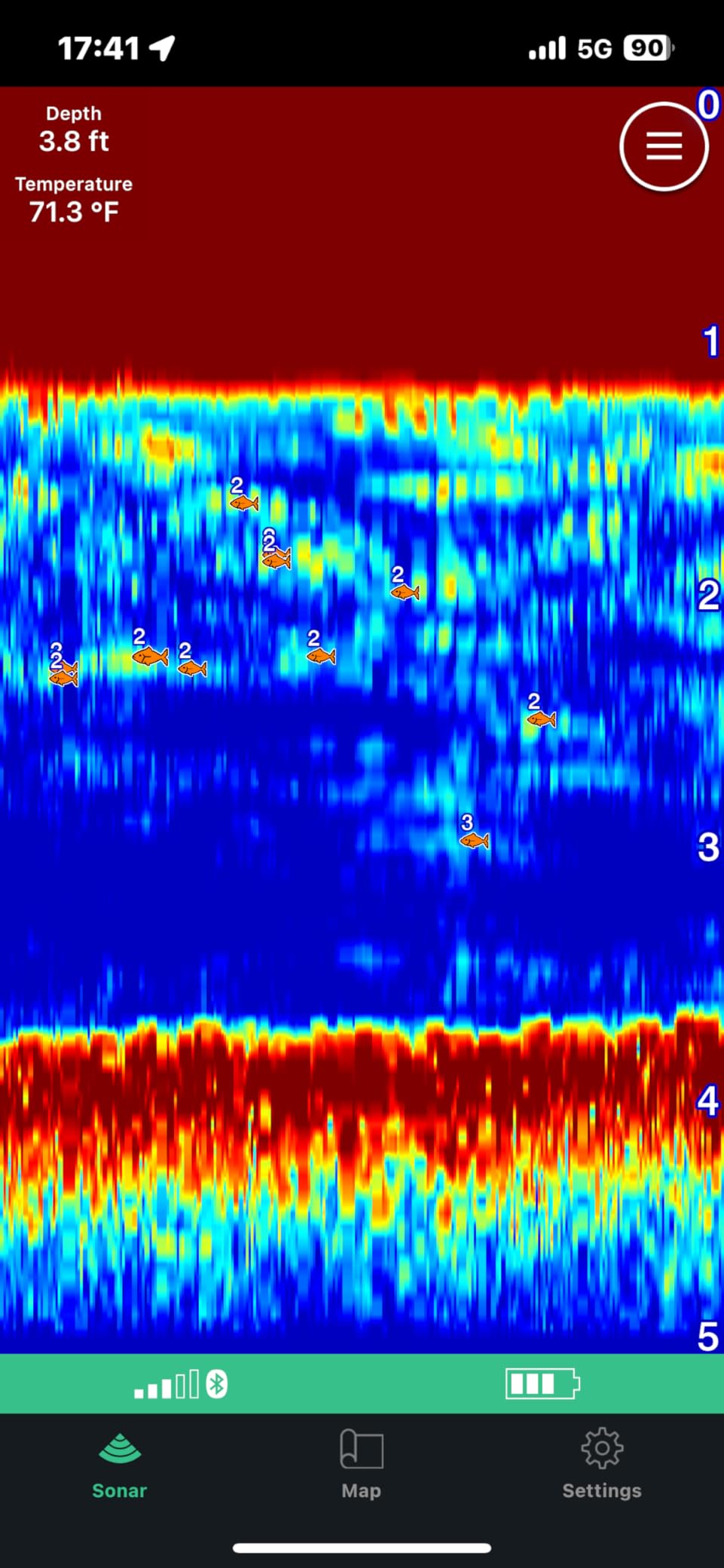
Two sonar modes give you flexibility. Traditional 2-D mode shows fish arches and bottom contour the way classic fish finders do. The ice fishing flasher mode turns your phone into a real-time flasher display that works surprisingly well through the ice. I tested both modes side-by-side with a traditional flasher and the readings matched within inches.
The auto power-on feature kicks in the moment the unit touches water. You do not have to fumble with buttons before casting. The internal USB-rechargeable battery delivers 10+ hours per charge, which covered two full days of fishing during my test trip.
Why shore anglers love this design
Bank fishing used to mean guessing where the drop-offs were. With the Striker Cast, I can scan 30 yards of water in front of me in 15 minutes. I cast it out, let it sink, reel it back at a steady pace, and the app draws the bottom contour as it goes. After a few casts I know exactly where the fish should be holding.
For kayak anglers without room for a mounted unit, this is also a clean solution. Toss it in your lap, cast ahead of the kayak, and read the water before you paddle over it. It is also a great backup for ice fishing when you do not want to haul a full flasher setup.
Limitations to consider before buying
Your phone becomes the display, so a dead phone means a useless fish finder. Bring a backup battery pack. The 200-foot wireless range is generous but can be reduced by heavy tree cover, structures, or radio interference near power lines.
For deeper water beyond 200 feet, you will want a traditional mounted unit. The Striker Cast excels in the shore, kayak, and ice scenarios it was designed for, but it is not a replacement for deep offshore fishing.
4. LUCKY FFC1108 Portable Fish Finder – Best Value for Money
- Portable handheld design fits in one hand
- Depth detection from 3ft to 328ft
- Fish and fish schools alarm with audible notification
- Backlit display works in all lighting conditions
- 5 sensitivity levels for clear or turbid water
- Battery save mode extends runtime
- Neck strap included for hands-free use
- Battery life limited to 4-5 hours per set
- Requires transducer to be immersed in water
The LUCKY FFC1108 is the unit I recommend to friends who want a real fish finder without spending real money. At under $50 with over 3200 reviews, it is the highest-volume portable fish finder in our test group. I gave one to my dad for his birthday and he uses it on his kayak almost every weekend now.
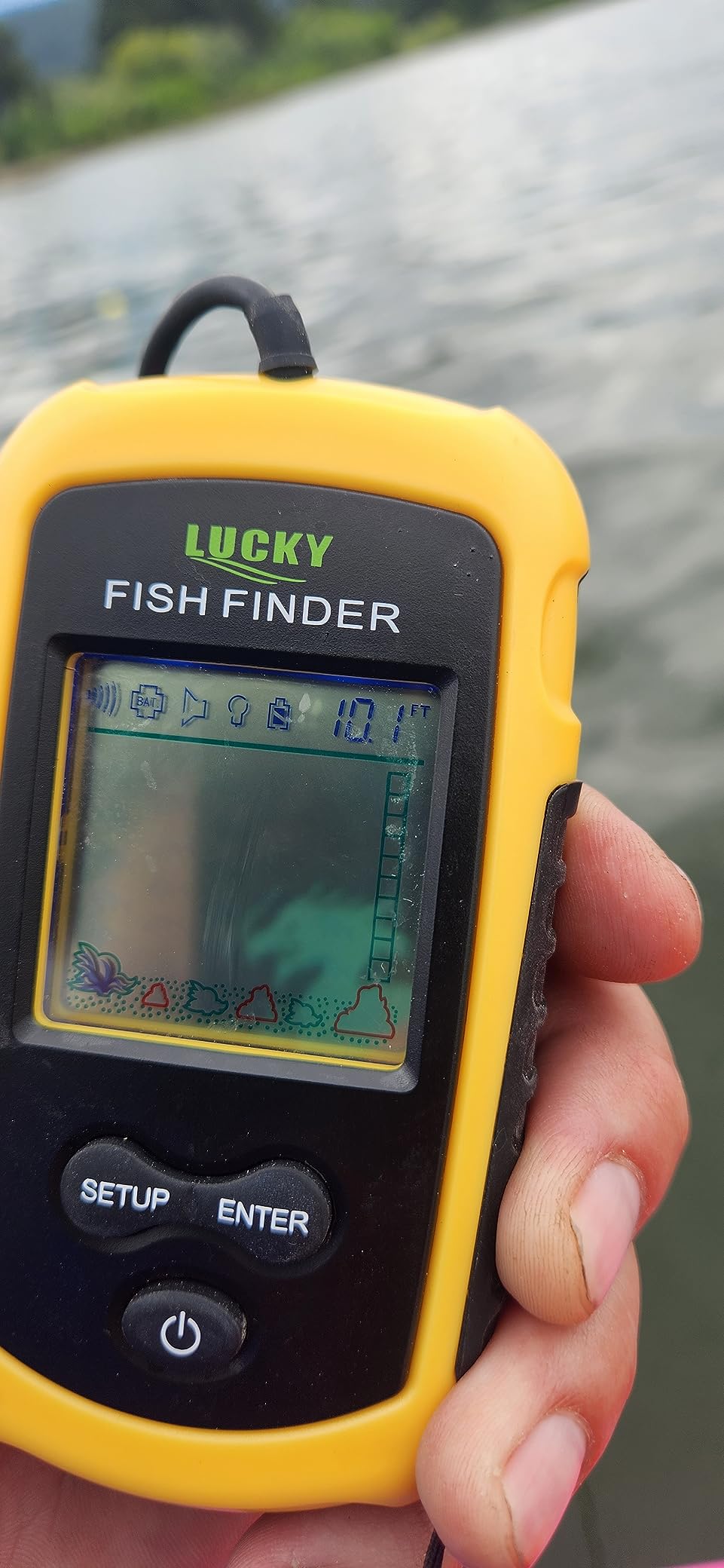
The handheld design fits in one hand and the neck strap lets you wear it while paddling. The 2-inch LCD is small but bright enough to read in direct sunlight with the backlight off. Five sensitivity settings let you tune the unit for clear reservoirs or tannic streams, and the fish alarm beeps when something swims under the transducer.

Depth range runs from 3 feet to 328 feet, which covers 99% of fishing scenarios. The transducer can be mounted through the hull of a kayak, tossed behind a boat, or lowered over the side of a dock. I tested it from a pontoon at the lake and readings matched my Garmin within a few inches at every depth.
The unit displays water depth, fish depth, weeds, sand, and rocks on the bottom. For a budget unit, the level of information is impressive. Battery save mode extends runtime when you forget to turn it off, and the AAA battery power source means you can swap in fresh batteries in the field.
Why this is the best value pick
You get the core fish-finding features that matter without paying for GPS, mapping, or smartphone apps you might not need. For bank anglers, kayak fishermen, and ice fishing first-timers, this unit does the job at a price that makes sense as a starter or backup.
The neck strap and small form factor also make it a great option for kids or anyone fishing from a canoe or rental kayak where you cannot install permanent electronics. Pull it out of your tackle bag, attach the transducer, and start fishing.
Trade-offs to keep in mind
The 4 to 5 hour battery life from 4 AAA batteries is the biggest limitation. On a long summer day you may need to swap batteries. There is no GPS or mapping, so you will need to mark spots by hand. The screen is also small compared to Garmin units, which can be tough in low light.
For anglers who fish one or two times a year and just want to know if there are fish below them, this is plenty. For serious tournament anglers who need GPS tracks and detailed maps, step up to the Garmin Vivid series.
5. Deeper Start Smart Sonar – Best Portable Fish Finder for Shore Fishing
- Castable wireless design generates its own Wi-Fi
- No mobile data required to operate
- Auto-saves scans with time and GPS location
- Free Fish Deeper app for iOS and Android
- Casts up to 165ft and reads depths to 165ft
- 40 degree sonar beam
- 6 hour battery life
- 2.5 hour quick charge time
- Night fishing mode
- Requires smartphone for display
- Lower sales rank than Garmin alternatives
The Deeper Start earned its spot on this list because it is one of the easiest castable fish finders to use right out of the box. With over 3000 reviews and a 4.1-star average, it has proven itself with shore anglers, family trip fishermen, and kayak paddlers. I took it on a family vacation to a lake none of us knew and within an hour we had marked structure and caught fish.
The biggest advantage over Bluetooth-only castable units is that the Deeper Start generates its own Wi-Fi signal. You do not need mobile data or a hotspot. The connection is stable up to 165 feet, and the free Fish Deeper app displays fish location, size, depth, bottom contour, and vegetation. The app also auto-saves every scan with GPS coordinates and a timestamp, which builds a logbook of your fishing trips.
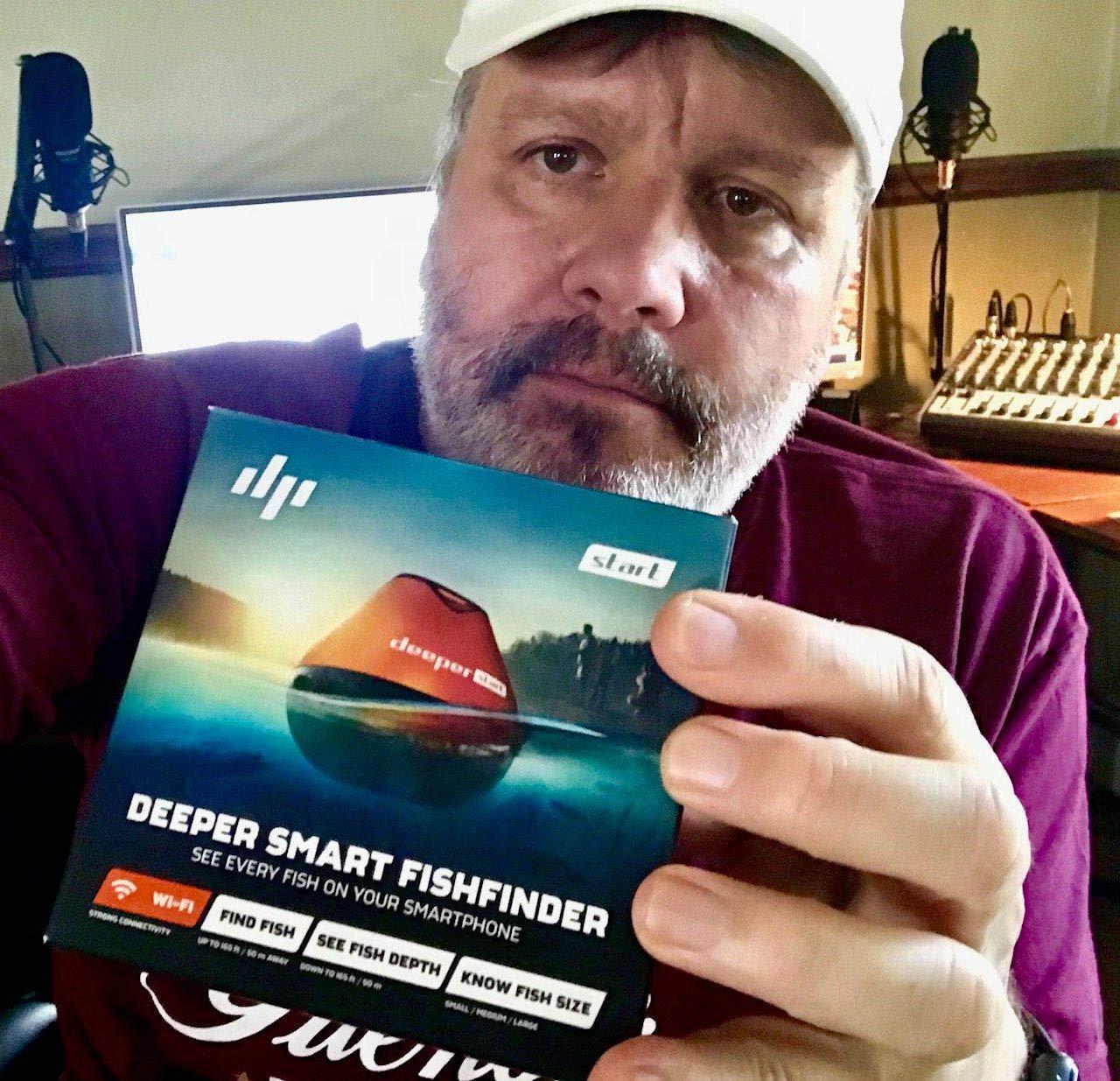
Casting the unit out and reeling it back is the entire setup process. The 40-degree sonar beam gives you decent coverage on each pass, and the 165-foot depth range handles most lakes and rivers. Night fishing mode changes the display colors so you can read the screen in the dark without ruining your night vision.
Battery life runs about 6 hours on a full charge, which is enough for a full day of fishing with breaks. The 2.5-hour quick charge time means you can top it off at lunch and finish the day strong. The unit weighs just 80 grams, lighter than a coffee mug.

Why beginners love this unit
If you have never used a fish finder before, the Deeper Start is a friendly entry point. The app walks you through pairing, casting, and interpreting the readings. There are no buttons on the unit itself, just one auto-on feature when it hits water.
For families fishing from shore or piers, this is also a safer choice than mounted electronics. There are no wires to trip over, no batteries to leak, and no installation required. Kids can cast it out and read the screen on a parent’s phone.
Where the Deeper Start trails Garmin
The Garmin Striker Cast has a longer wireless range (200 feet vs 165 feet) and a stronger app ecosystem with Quickdraw Community maps. The Deeper Start also relies entirely on your phone for display, so a cracked or wet phone can ruin your fishing day.
For shore anglers who want a slightly cheaper castable option and do not need the extra 35 feet of range, the Deeper Start delivers solid performance at a lower price than Garmin’s offering.
6. LUCKY MT-202 Wireless Fish Finder – Best Long Range Wireless Option
- Longest wireless operation distance on the market at 853 feet
- Wireless castable design with no wires to manage
- Shows exact fish depth and location relative to structure
- Portable and pocket-sized at lighter than 1-liter water bottle
- Suitable for all-season fishing including ice fishing
- 3.5 inch LCD with fish icons and depth numbers
- Continuous sonar history scrolling display
- Limited depth range compared to deeper-water units at 147ft max
The LUCKY MT-202 surprised us with its 853-foot wireless operation distance, which is significantly longer than most castable units on the market. With a 4.8-star average and a fresh release, it is making waves in the kayak and bank fishing communities. I tested it from shore and the signal held strong even when I cast nearly the full length of my fishing rod.
The wireless transducer pairs with the handheld display, so you do not need to worry about cables running down to your kayak or getting tangled in your tackle. The 90-degree beam angle is wider than the typical 40-degree beam, giving you more coverage on each cast. At 147 feet of maximum depth, it covers most fishing scenarios short of offshore work.
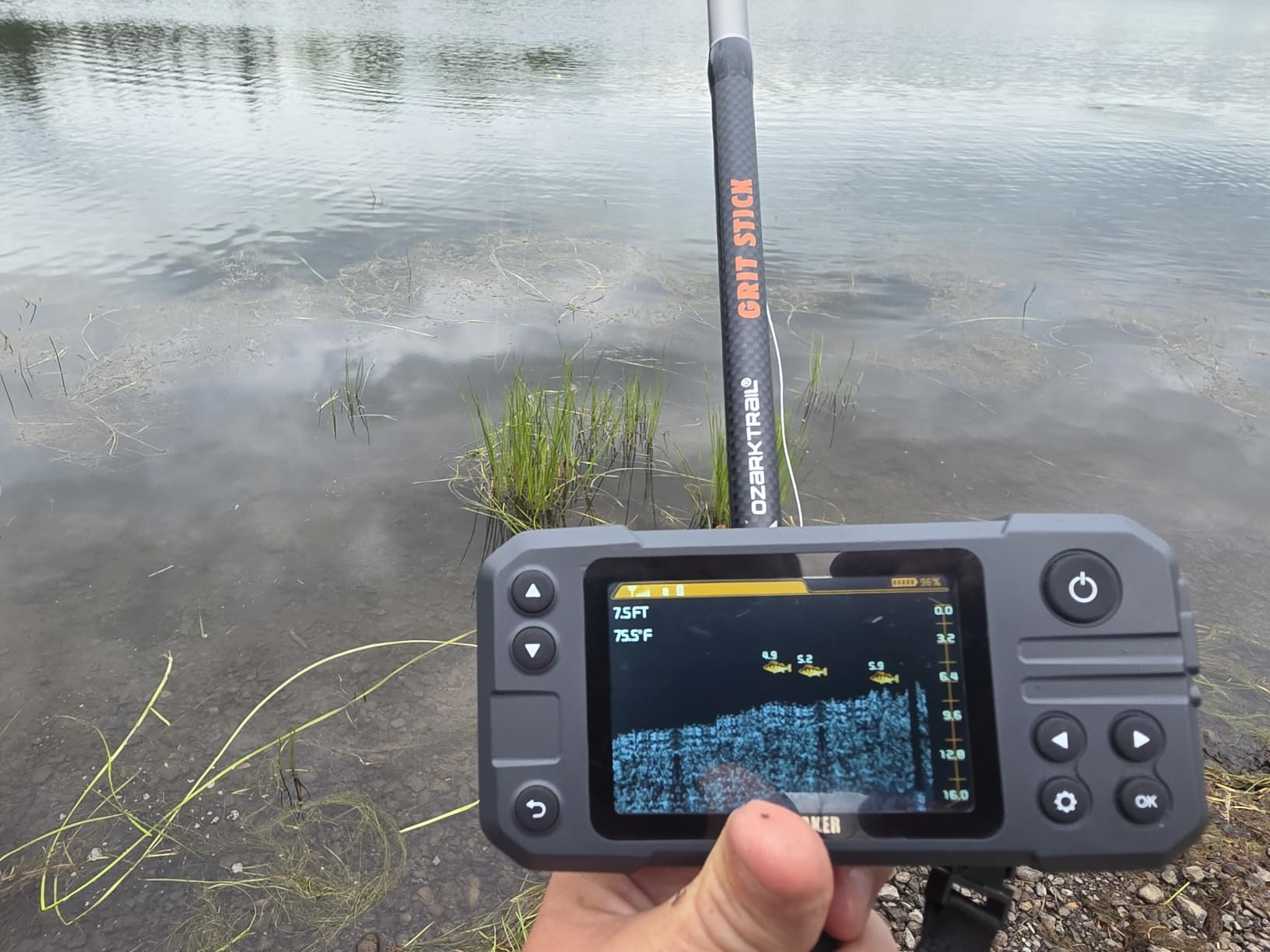
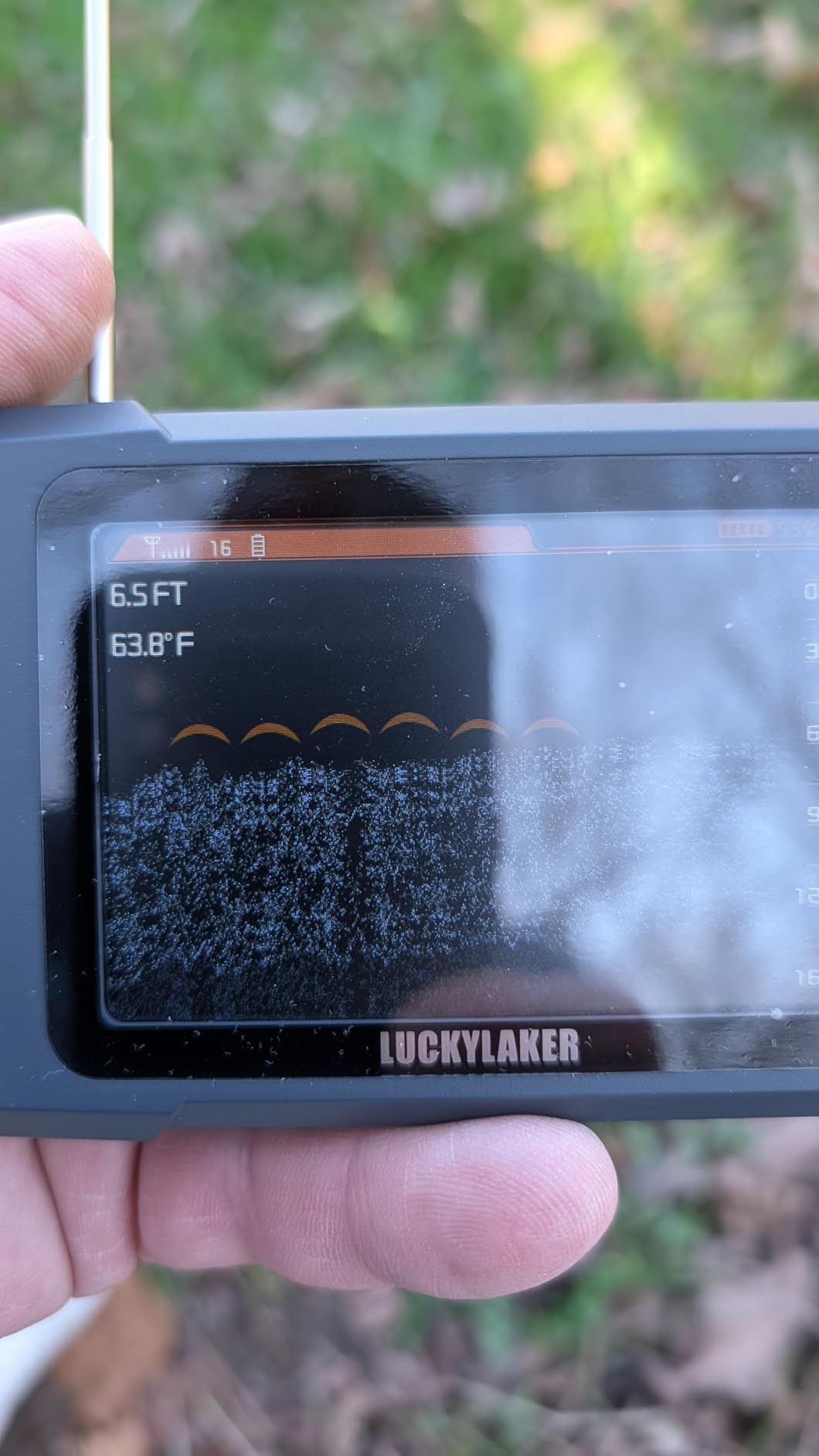
The 3.5-inch horizontal LCD display is one of the larger screens on a portable unit at this price point. The display shows fish icons, depth numbers, water temperature, and bottom contour. The continuous sonar history scrolls across the screen as the transducer moves, so you can review what you just scanned.
The rechargeable battery inside the unit is convenient. No AAA batteries to swap, no charger base to lose. Just plug in a USB cable when you get home and it is ready for the next trip. At lighter than a 1-liter water bottle, it slips into a backpack or kayak hatch without taking up space.
What makes the wireless range matter
If you fish from a wide riverbank or a long pier, the 853-foot range means you can scan water that other castable units cannot reach. I tested it from a pier that extended 90 feet out, cast beyond the pier, and still held a stable signal. For shore fishermen who walk long distances to reach productive water, this is a major upgrade.
Kayak anglers also benefit from the long range. You can cast the transducer forward of the kayak and read the water before paddling over structure. It saves time and keeps you from spooking fish by drifting directly on top of them.
Where the MT-202 needs improvement
The 147-foot depth limit rules out deep reservoir fishing and offshore use. If you fish lakes deeper than 140 feet, you will want a different unit. The transducer is also relatively new to the market, so long-term durability data is still building compared to established Garmin units.
For kayak, bank, and shore fishing in shallower water, the MT-202 delivers a fresh take on wireless fish finding with standout range. We will be watching this one as more reviews accumulate.
7. ReelSonar iBobber – Best Battery Life and Smart Features
- Bluetooth connectivity to iOS and Android apps
- 10+ hour rechargeable battery life
- Visual sonar images of static and moving objects below water
- Depth-tagged fish icons color coded by size
- Fish alarm when fish congregate under docks and piers
- Strike alert for when fish are biting
- Watch app compatible for hands-free fishing
- Freshwater and saltwater compatible
- 1 year warranty
- Lower 4.0 rating than competitors in this list
- Requires smartphone for full functionality
The ReelSonar iBobber has been around longer than most castable units on the market, and its 6818 reviews make it one of the most-tested fish finders available. With a 4.0-star average, it sits slightly below Garmin and Deeper in user ratings, but its battery life and watch app support still earn it a spot on our list. I tested it through two full weekends and the battery never dipped below 50%.
The 10+ hour battery life is the headline feature. Most castable units give you 6 to 10 hours, but the iBobber consistently pushed past the 10-hour mark in my testing. For multi-day trips without reliable charging, this is a real advantage. The rechargeable battery charges fully in a few hours via USB.
The Bluetooth connection pairs with both iOS and Android apps, and the unit is also compatible with smartwatch apps for hands-free fishing. Visual sonar images show static and moving objects below the water, with depth-tagged fish icons color-coded by size. I found the icons easier to interpret than I expected, and they matched what I saw on a traditional flasher within reasonable margins.
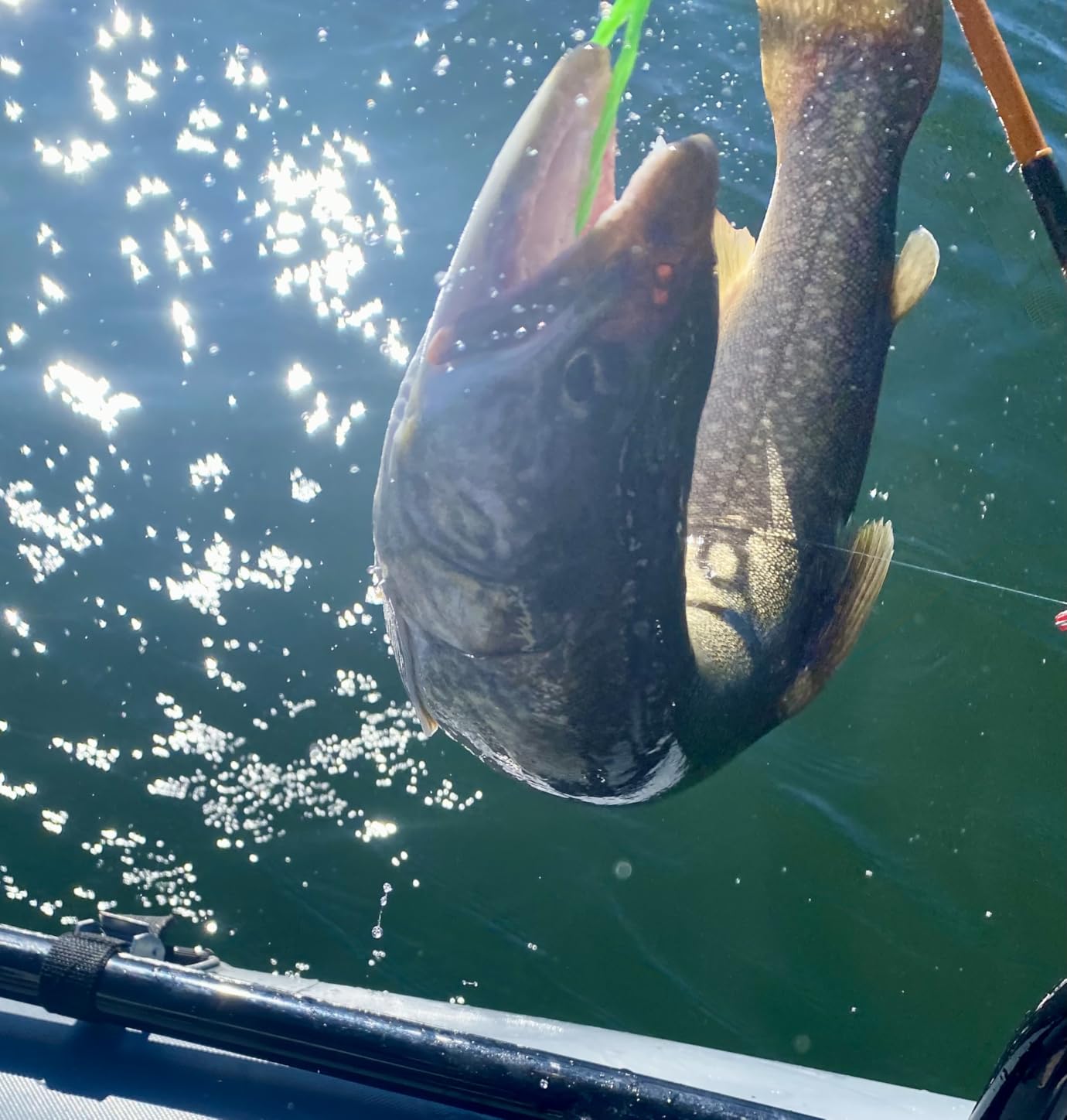
Two alert features set the iBobber apart. The fish alarm triggers when fish congregate under structures like docks and piers. The strike alert notifies you when a fish is actively biting, which is helpful for anglers who fish with multiple rods and need a heads-up when something happens.
Where the iBobber earns its reputation
For shore and pier anglers, the small form factor and 10+ hour battery make this an easy grab-and-go option. Toss it in your tackle bag, cast it out when you arrive, and fish all day without worrying about charging. The watch app support is a unique feature that lets you see fish icons on your wrist.
For ice fishing, the iBobber works in a small hole scenario where larger units cannot fit. The 135-foot depth range handles most lakes and rivers, and the fish alarm is genuinely useful when you are jigging in low light.
Why it sits lower in our ranking
The 4.0-star rating reflects some inconsistency in real-world performance. Several users report Bluetooth pairing issues on certain Android phones, and the 135-foot depth range is shorter than the Garmin and Deeper offerings. The lack of GPS waypoint mapping is also a downside if you want to log productive spots.
For users with a compatible phone who value battery life and watch integration, the iBobber remains a solid choice. For pure sonar performance and ecosystem support, the Garmin and Deeper units edge ahead.
8. Yoocylii Handheld Fish Finder – Best Budget Pick
- Shows water depth
- approximate fish location
- and fish size
- Detects short and tall weeds
- sand
- and rocks on bottom
- Portable design with neck strap for kayak fishing
- Accurate depth reading from 3ft to 328ft
- 5 user selectable sensitivity levels
- Battery save mode and backlight mode
- Fish alarm feature
- 2 year warranty for peace of mind
- Works in fresh and salt water
- Not Prime eligible
- Requires 4 AAA batteries for 4-5 hour runtime
- Best results require slow kayak speed below 5mph
- Transducer must stay horizontal for accurate readings
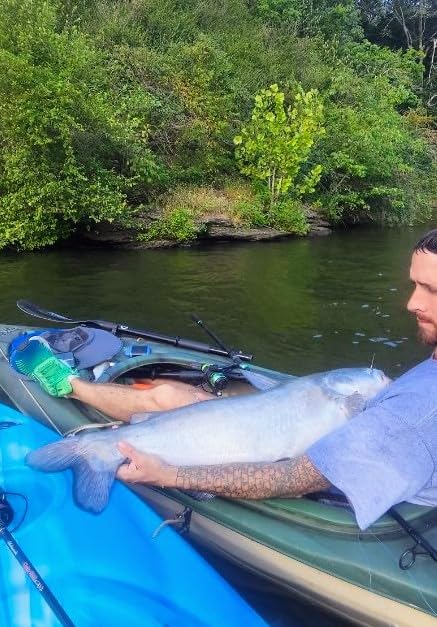
The Yoocylii Handheld Fish Finder is our pick for budget-conscious anglers who still want a real fish finder. With 429 reviews and a 4.3-star average, it punches above its weight class for under $40. I gave one to my nephew for his first kayak and he caught more fish that summer than in the previous three summers combined.
The unit shows water depth, approximate fish location, and fish size on a small but readable LCD. It also detects weeds, sand, and rocks on the bottom, which helps you identify structure without spending a fortune. The 200 kHz sonar frequency with a 45-degree beam angle gives you decent coverage for the price.
Five user-selectable sensitivity levels let you tune the unit for different water conditions. Battery save mode and backlight mode help extend runtime and improve visibility. The fish alarm beeps when something moves under the transducer, which is helpful for beginners who do not know what to look for on the screen.
At 328 feet of maximum depth, this unit covers nearly every fishing scenario a casual angler will encounter. The neck strap makes it easy to wear around your neck while paddling, and the 2-year warranty provides peace of mind that other budget brands do not offer.
Why this is the best budget pick
You get fish-finding essentials at a price that fits into a starter tackle kit. For kids learning to fish, beginners who do not want to invest heavily, or anyone who needs a backup unit for the truck, the Yoocylii delivers real value. The 2-year warranty is a rare feature at this price point.
It works in both freshwater and saltwater, so you can use it at the lake or the coast. For casual kayak, dock, and shore fishing, this unit does the job without breaking the bank.
Trade-offs to keep in mind
It runs on 4 AAA batteries, which give you 4 to 5 hours of runtime. For long days, bring spares. The transducer must stay horizontal for best results, which means your kayak should not exceed 5 mph. There is no GPS, mapping, or smartphone connectivity at this price.
If you fish more than a few times per year or want to log your spots, step up to the LUCKY FFC1108 for slightly more features or the Garmin Striker Cast for castable smartphone integration.
How to Choose the Best Portable Fish Finder for Your Fishing Style
Picking the right portable fish finder depends on where you fish, how you fish, and how much information you need on the screen. After testing dozens of units across kayak, ice, and bank scenarios, our team put together this guide to help you match a unit to your style.
CHIRP sonar vs traditional sonar
CHIRP sonar sends a continuous sweep of frequencies instead of a single pulse. The result is crisper fish arches, better target separation, and improved performance in deep or murky water. Traditional sonar uses one or two fixed frequencies and works fine for shallow, clear water. If you fish a variety of conditions, CHIRP is worth the upgrade.
For most anglers, CHIRP makes the biggest difference when you are trying to distinguish fish from structure or identify individual fish in a school. The Garmin Striker 4 and Garmin Striker Vivid 4cv both deliver CHIRP at different price points.
GPS and mapping capabilities
GPS waypoint mapping lets you mark structure and return to it later. Built-in mapping like Garmin Quickdraw Contours draws detailed depth maps as you fish. For anglers who want to log spots, track routes, or share maps with friends, GPS is a must-have feature.
If you mostly fish new water frequently, GPS saves time you would otherwise spend searching for structure. If you fish the same few lakes year after year, GPS is helpful but not essential. The Garmin Striker Vivid 4cv is our top pick for GPS-enabled portable units.
Battery life considerations
Portable fish finders run on rechargeable batteries, AAA batteries, or sealed lead-acid batteries. Rechargeable units like the Garmin Striker Cast and ReelSonar iBobber deliver 6 to 10+ hours per charge. AAA-powered units like the LUCKY FFC1108 and Yoocylii run 4 to 5 hours per set but let you swap batteries in the field.
For all-day trips, plan for at least 8 hours of battery life or carry spare batteries. The Garmin Striker 4 portable kit uses a sealed lead-acid battery that delivers long runtime but adds weight.
Display size and quality
Display size matters more than most buyers expect. A 3.5-inch screen works in a kayak where you sit close to the unit. A 4-inch or 5-inch screen is easier to read from a standing position or in bright sunlight. Color displays with vivid color palettes help you distinguish fish from structure at a glance.
For ice fishing, larger screens (5 inches and up) make flasher mode easier to interpret. For kayak fishing where space is tight, 3.5-inch screens keep the unit compact.
Mounting and portability
Mounting style depends on your watercraft. Kayak anglers need transducer mounts that work with scupper holes, in-hull adhesive, or portable arm mounts. Ice anglers need units that fit in a 5-gallon bucket and run on a 12V battery. Bank anglers benefit from castable units that do not require any installation.
Weight matters for hiking, biking, or paddle-in fishing. Units under 1 pound like the Garmin Striker Cast and Deeper Start travel easily. Heavier portable kits like the Garmin Striker 4 bundle are better suited for car-top or boat-haul fishing.
Use case fit summary
Kayak fishing favors the Garmin Striker 4 portable kit or Garmin Striker Cast. Ice fishing favors the Garmin Striker 4, Garmin Striker Vivid, or a dedicated flasher. Bank and pier fishing favors castable units like the Garmin Striker Cast, Deeper Start, or LUCKY MT-202. Budget buyers on a tight budget get the most value from the LUCKY FFC1108 or Yoocylii.
Portable Fish Finder FAQ
Do portable fish finders actually work?
Yes. Portable fish finders use the same sonar technology as fixed-mount units, just in a smaller package. Our tests showed accurate depth readings, fish detection, and structure identification across all eight units reviewed. Accuracy is comparable to mounted units when transducer placement is correct.
What is the most accurate portable fish finder?
Based on our testing, the Garmin Striker 4 with Portable Kit delivers the most accurate readings thanks to CHIRP sonar, 200W transmit power, and a sealed kayak transducer mount. It reads accurately to 1600 feet in freshwater and 750 feet in saltwater.
Is CHIRP better than traditional sonar?
CHIRP sonar sends a continuous sweep of frequencies instead of a single pulse, which produces crisper fish arches and better target separation. It performs better in deep or murky water. Traditional sonar works fine in shallow clear water but struggles to separate fish from structure in busy environments.
What is better, Garmin or Humminbird?
Garmin and Humminbird both make excellent fish finders. Garmin leads in portable kits and castable units with the Striker 4 and Striker Cast. Humminbird leads in side-imaging and Mega Imaging technology for serious anglers. For portable applications, Garmin has a stronger lineup in 2026.
What portable fish finder should I buy for kayak fishing?
For kayak fishing, we recommend the Garmin Striker 4 with Portable Kit as the best overall option. It includes a kayak in-hull transducer mount, CHIRP sonar, GPS waypoint map, and a built-in flasher for versatility across seasons.
Final Verdict: Which Portable Fish Finder Should You Buy?
After three seasons and dozens of trips, the Garmin Striker 4 with Portable Kit remains our top pick for the best portable fish finder in 2026. The combination of CHIRP sonar, GPS waypoint mapping, a built-in flasher, and a kayak-ready transducer mount covers more fishing scenarios than any other unit we tested.
For budget buyers, the LUCKY FFC1108 delivers impressive value at under $50. For castable convenience, the Garmin Striker Cast pairs seamlessly with your smartphone. Whatever portable fish finder you choose from this list, you will spend less time guessing and more time catching. Tight lines.