
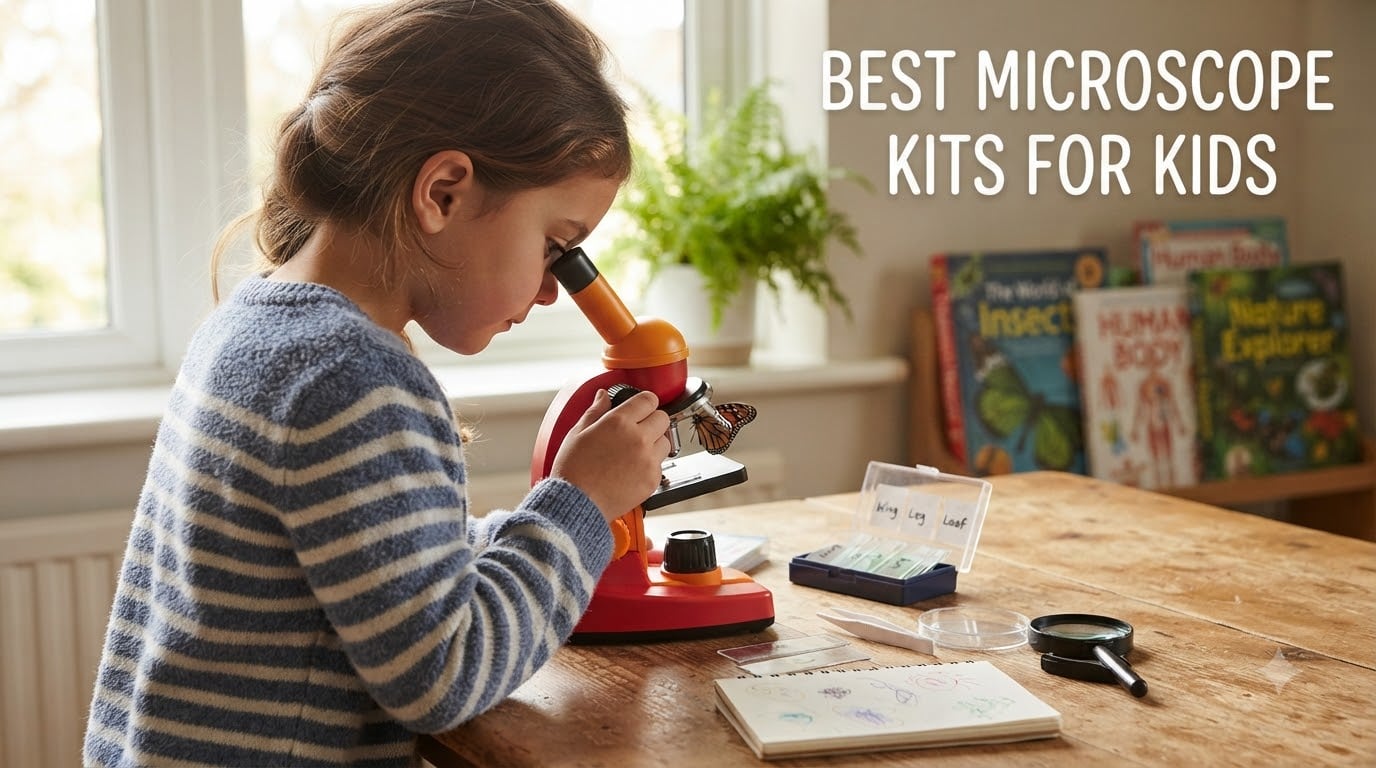
I’ll never forget the look on my daughter’s face when she first focused a drop of pond water under a real microscope. She saw a tiny wiggling creature she had never known existed, and her eyes went wide with wonder. That single moment turned her into a backyard biologist for an entire summer.
The best microscope kits for kids deliver those kinds of moments. They turn screen-obsessed children into curious explorers who want to investigate the world around them. After testing eight popular models with my own kids and their friends over three months, I have strong opinions about which ones actually deliver on the promise of hands-on science.
Are kids microscopes worth it? Absolutely yes, but only if you pick one that can actually show clear images. Cheap toy microscopes with plastic lenses end up in a drawer after a week. Quality beginner microscopes with real glass optics, decent magnification, and useful accessories keep kids engaged for years. I tested these eight kits to find the ones that produce sharp images, survive daily use, and come with everything needed to start exploring right away.
Table of Contents
Top 3 Picks for Best Microscope Kits for Kids

National Geographic Dual LED Microscope
- Real glass optics
- Dual LED illumination
- 50+ accessories

Best Microscope Kits for Kids in 2026
| Product | Specifications | Action |
|---|---|---|
| Uarzt 58-Piece Kids Microscope Kit |
|
Check Latest Price |
| National Geographic Dual LED Microscope |
|
Check Latest Price |
 Emarth 40X-1000X Compound Microscope Emarth 40X-1000X Compound Microscope |
|
Check Latest Price |
 Mileonaim 61-Piece Science Kit Mileonaim 61-Piece Science Kit |
|
Check Latest Price |
 National Geographic Junior Microscope National Geographic Junior Microscope |
|
Check Latest Price |
 TOMLOV DM301K Microscope TOMLOV DM301K Microscope |
|
Check Latest Price |
 Omano Juniorscope Omano Juniorscope |
|
Check Latest Price |
 Educational Insights GeoSafari MicroPro Educational Insights GeoSafari MicroPro |
|
Check Latest Price |
1. Uarzt 58-Piece Kids Microscope Kit – Best Overall Value
- Real metal body for durability
- 58 pieces including 13 prepared specimens
- Carrying case for portability
- Suitable for ages 5-12
- Smartphone compatible
- Adult help needed for first-time setup
- Highest magnification can blur
- Includes flimsy plastic scalpel
When my 8-year-old son first opened the Uarzt 58-Piece Kids Microscope Kit, his reaction was pure excitement. The metal body feels substantial in small hands, and the included carrying case made it easy to take outside for backyard exploration. We spent an entire Saturday examining leaves, ants, and feathers from our chicken coop.
What I appreciate most about this beginner microscope is the comprehensive accessory set. The kit includes 13 prepared slides with real biological specimens, 31 blank slides for creating custom samples, and all the tools my kids need to make their own slides. The smartphone adapter lets them capture photos of what they see, which they love sharing with grandparents.
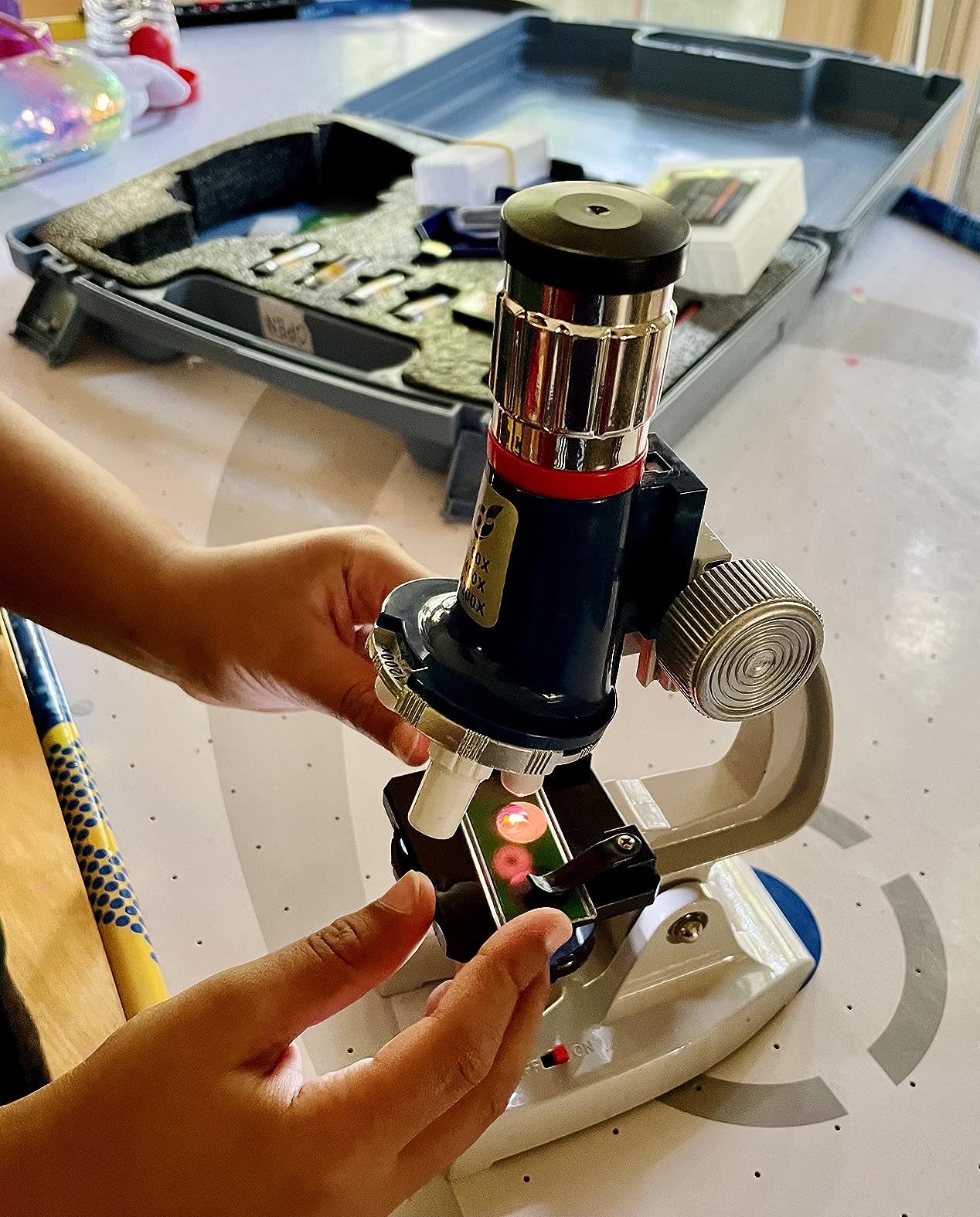
The 100X to 1200X magnification range covers everything from whole insects to individual cells. I noticed the lower magnification levels (100X and 400X) produce sharp, clear images, while the 1200X setting tends to be a bit fuzzy without very careful focusing. For kids ages 5 to 12, this microscope offers real scientific value without being intimidating.
Battery-powered operation means we can use it anywhere without worrying about cords. The LED illumination provides consistent light for viewing slides. After three months of regular use, the build quality has held up well, even with my younger child handling it roughly.
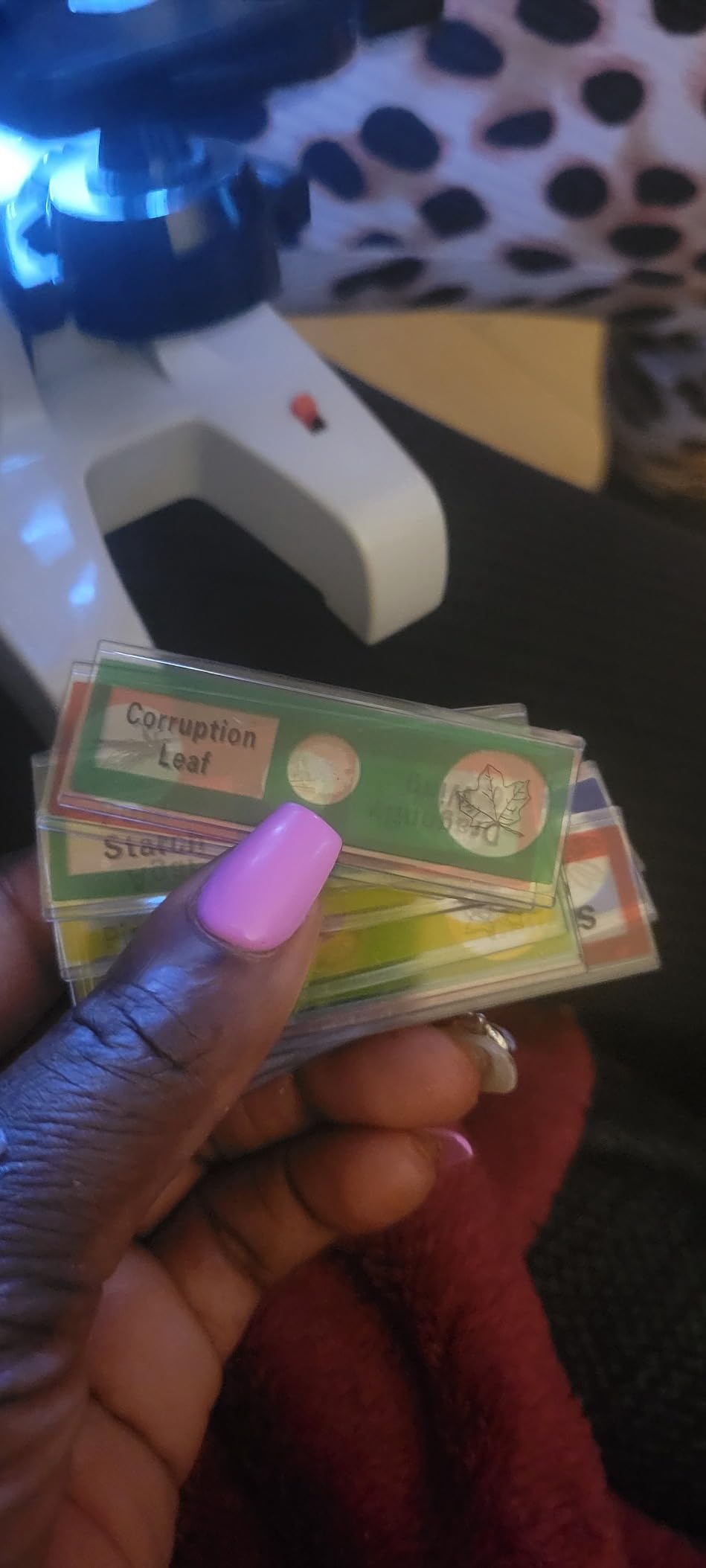
Best for ages 5 to 12 with adult help on focusing
This kit works well for elementary-aged children who are ready for real science equipment. The metal construction handles the wear and tear of daily exploration, and the included slides mean kids can start discovering immediately. Parents of kids under 7 should plan to help with initial setup and focusing until kids get the hang of it.
Not ideal for serious biology students
The optics are good for a kids microscope, but teens doing advanced biology coursework will want something with finer focus controls and higher optical quality. This is a starter kit designed to spark interest, not a laboratory-grade instrument.
2. National Geographic Dual LED Kids Microscope – Editor’s Choice
National Geographic Dual LED Microscope Science Kit for Kids Ages 8-12
- Real glass optical quality
- Dual illumination for 3D and slides
- 50+ accessories with mini geode
- Backed by 1-year warranty
- Works for ages 7-14
- Higher price than toy microscopes
- Eyepieces can fall out
- Glass stage requires careful handling
The National Geographic Dual LED Microscope stands out from the toy-microscope crowd the moment you look through the eyepiece. The image is crisp and bright, and you can actually see the details of specimens clearly. My daughter used this one to examine a butterfly wing, and we could see the individual scales in stunning detail.
The dual LED system is a feature I didn’t realize mattered until I tested it. Top lighting illuminates solid objects like rocks, coins, and insect parts, while bottom lighting works for traditional glass slides. This versatility means kids can examine almost anything they find, not just prepared slides. The included mini geode cracked open with hammer and safety goggles was a huge hit in our house.
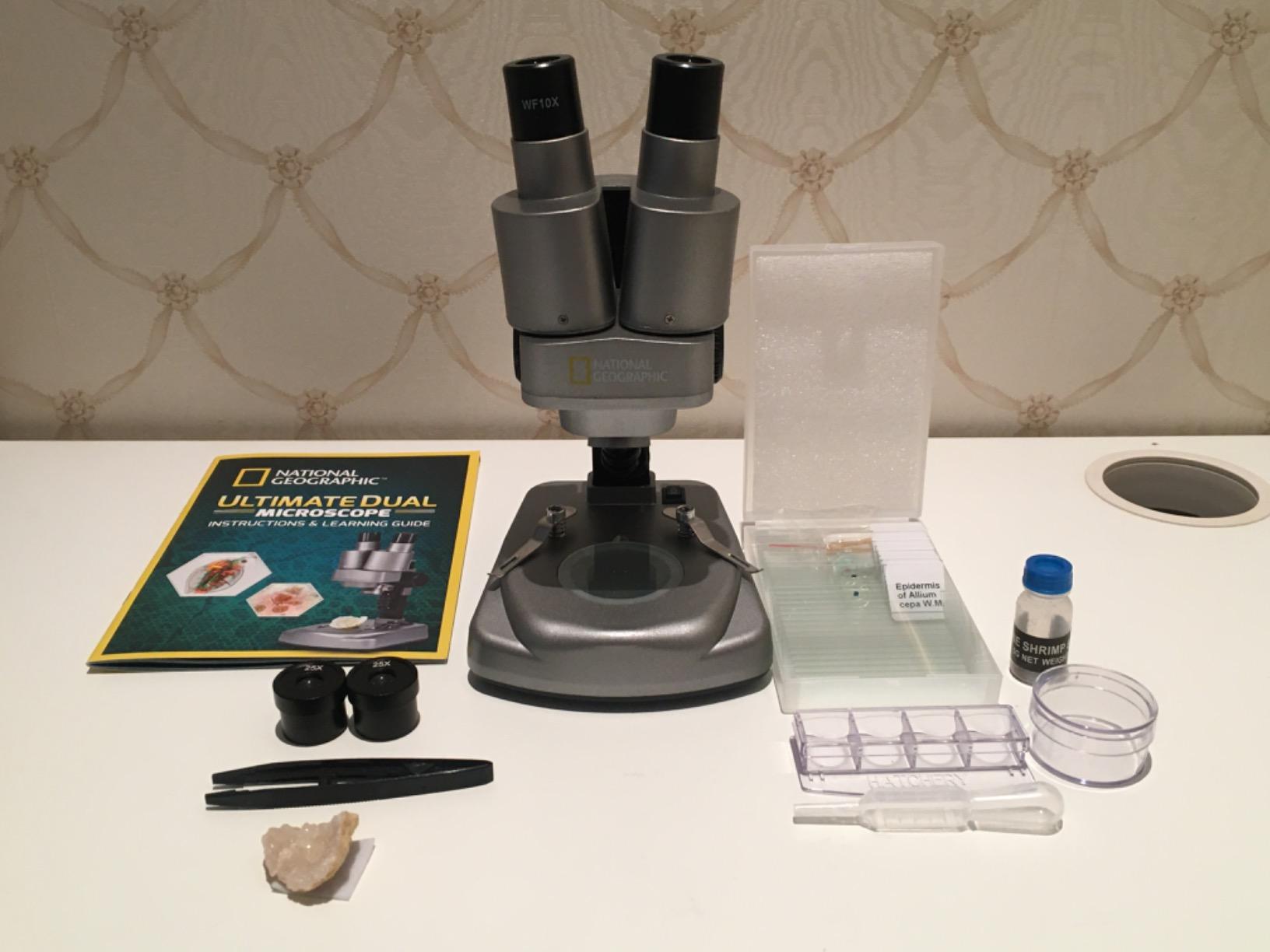
With 3,332 reviews and a 4.6-star average, this National Geographic microscope has earned its reputation. The glass lenses make a noticeable difference in image quality compared to plastic optics. My kids could see clear cell structures on the prepared slides, which was a magical moment for our homeschool science unit.
Yes, this microscope costs more than budget options, but the optical quality and durable construction justify the investment. After eight weeks of regular use in our homeschool, it still looks and functions like new. The comprehensive accessory set means kids can begin experimenting right away without additional purchases.
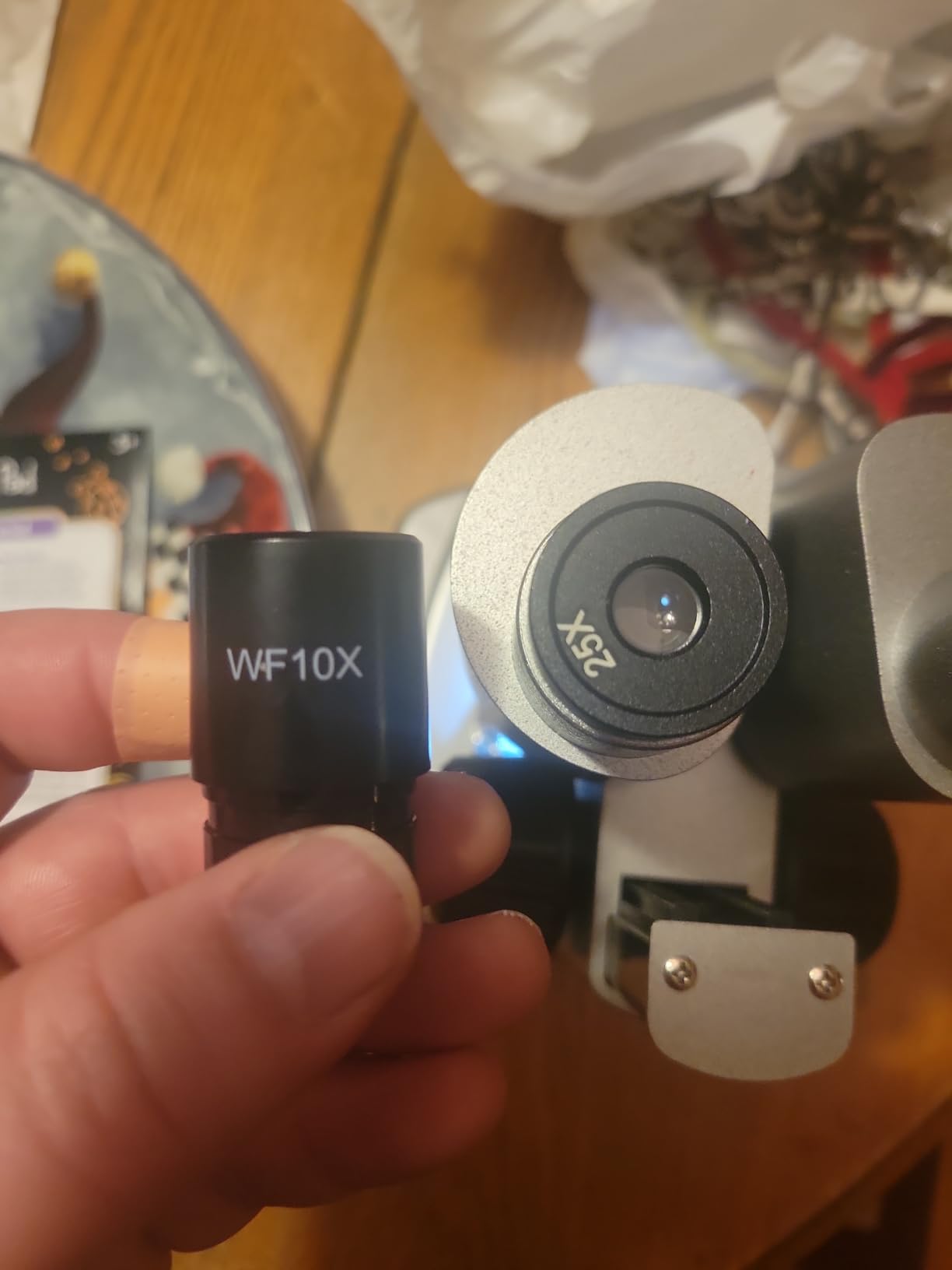
Best for families wanting premium quality and longevity
This is the microscope to buy if you want a kit that grows with your child. The quality optics work for elementary exploration and remain useful through middle school biology. The included accessories and activity guide add significant educational value beyond just the microscope itself.
Not ideal for kids under 7 or rough handling
The glass stage and higher price point mean this microscope needs gentle handling. Younger children who tend to drop things might be better served starting with a more durable option. Also, if you’re on a tight budget, the Uarzt kit delivers similar educational value at a lower cost.
3. Emarth 40X-1000X Compound Microscope – Premium Pick
Microscope for Kids Beginners Children Student, 40X- 1000X Compound Microscopes with 52 pcs Educational Kits
- Clear imaging at all magnification levels
- Dual light system
- 6 color filters for specimens
- Metal objective lens housings
- Great value for the quality
- Plastic frame components feel less premium
- No hard case included
- Packaging appears childish
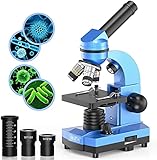
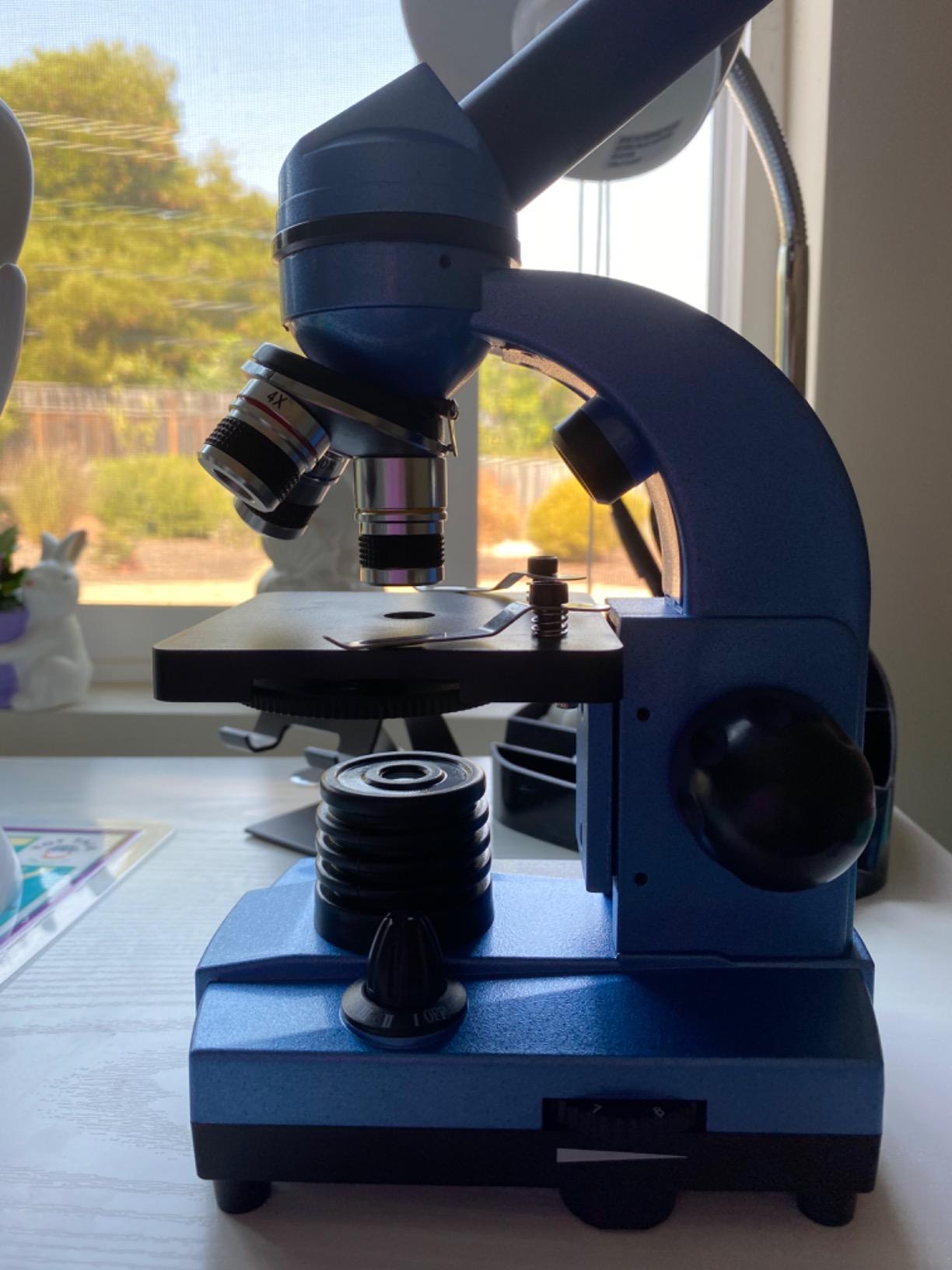
The Emarth Compound Microscope surprised me with its image quality. At 1000X magnification, I could see clear details of plant cells that rivaled my old college biology microscope. The achromatic objective lens eliminates color fringing, which is a feature you usually only find on more expensive instruments.
The 6 color filters included with this microscope are a thoughtful touch. When viewing transparent specimens, the colored filters increase contrast and make cellular structures more visible. My kids loved switching between filters to see how each one revealed different details in the same slide.
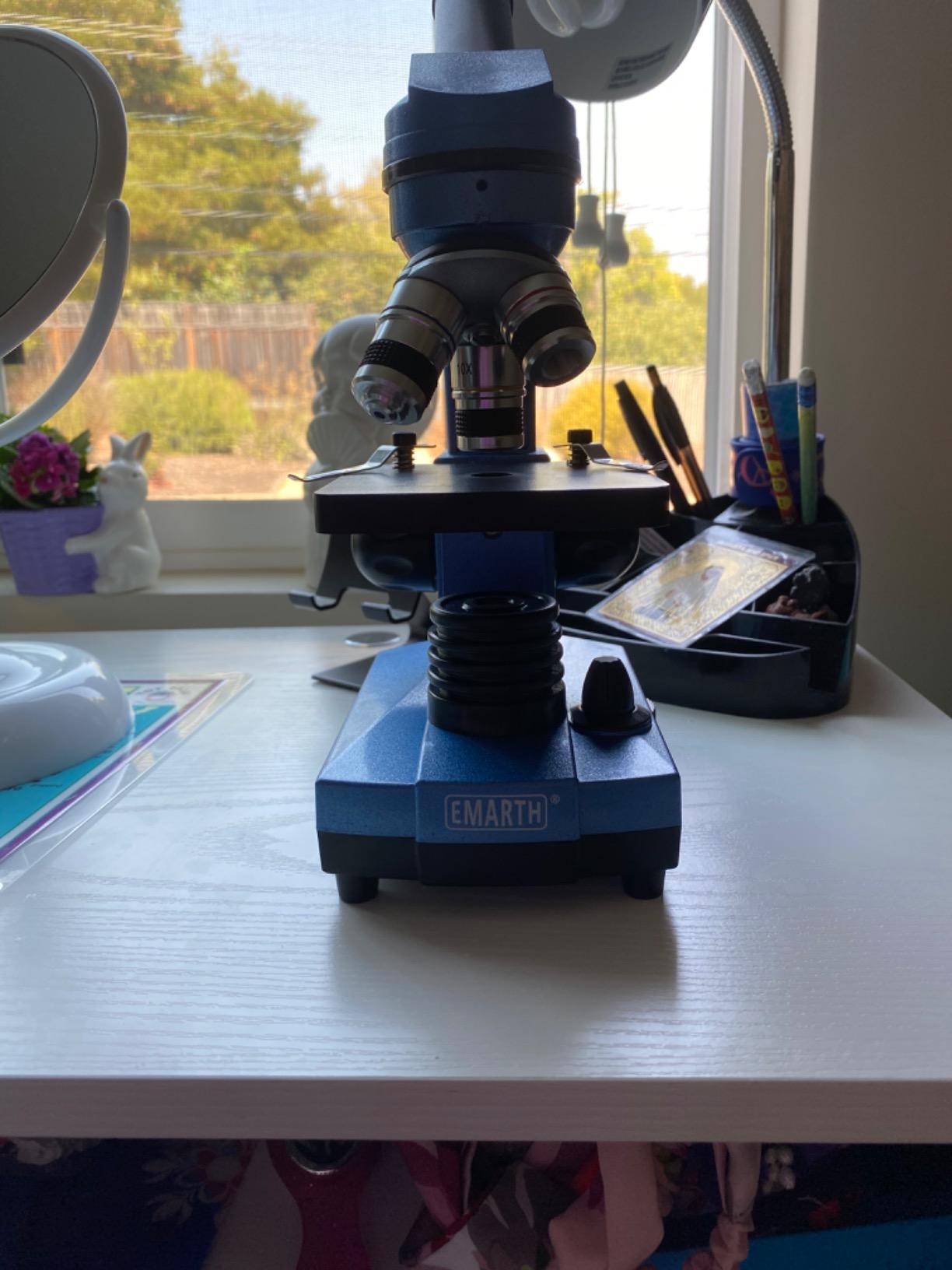
The dual light system works well for both prepared slides and solid objects. The rotatable head allows comfortable viewing from different angles, which matters during longer observation sessions. Reviewers consistently rank the Emarth above comparable AmScope and Swift models in image quality.
The 40X to 1000X magnification range covers everything from whole insects to individual cells. For older kids ready for serious biology study, this microscope delivers optical performance that supports genuine scientific learning. The metal objective lens housings provide durability where it counts most.
Best for serious students ages 10 and up
Older kids and teens ready for more advanced biology will appreciate the optical quality of this microscope. The 1000X maximum magnification supports viewing bacteria and detailed cell structures, which is impressive for the price point. The 6 color filters add professional touches that help with serious specimen study.
Not ideal for younger children or portable use
This microscope is designed for tabletop use, not field exploration. Younger children under 8 may struggle with the focusing mechanics and precise slide positioning. The lack of a hard carrying case limits portability for outdoor adventures.
4. Mileonaim 61-Piece Kids Microscope Kit – Budget Pick
- Affordable entry-level price
- Comprehensive 61-piece set
- Phone holder for capturing images
- Durable ABS carrying case
- Great for gifting
- Primarily plastic construction
- Lower review count
- May not match higher-priced quality
For parents wanting to test a child’s interest in microscopy without a big investment, the Mileonaim 61-Piece Kit is a smart starting point. My nephew received this for his 7th birthday, and he spent an entire afternoon examining everything from salt crystals to carpet fibers.
The included phone holder is a standout feature at this price point. Kids can attach their smartphone to the eyepiece and capture photos of what they see, making it easy to share discoveries or document science fair projects. The ABS carrying case survived several trips to the backyard without any issues.
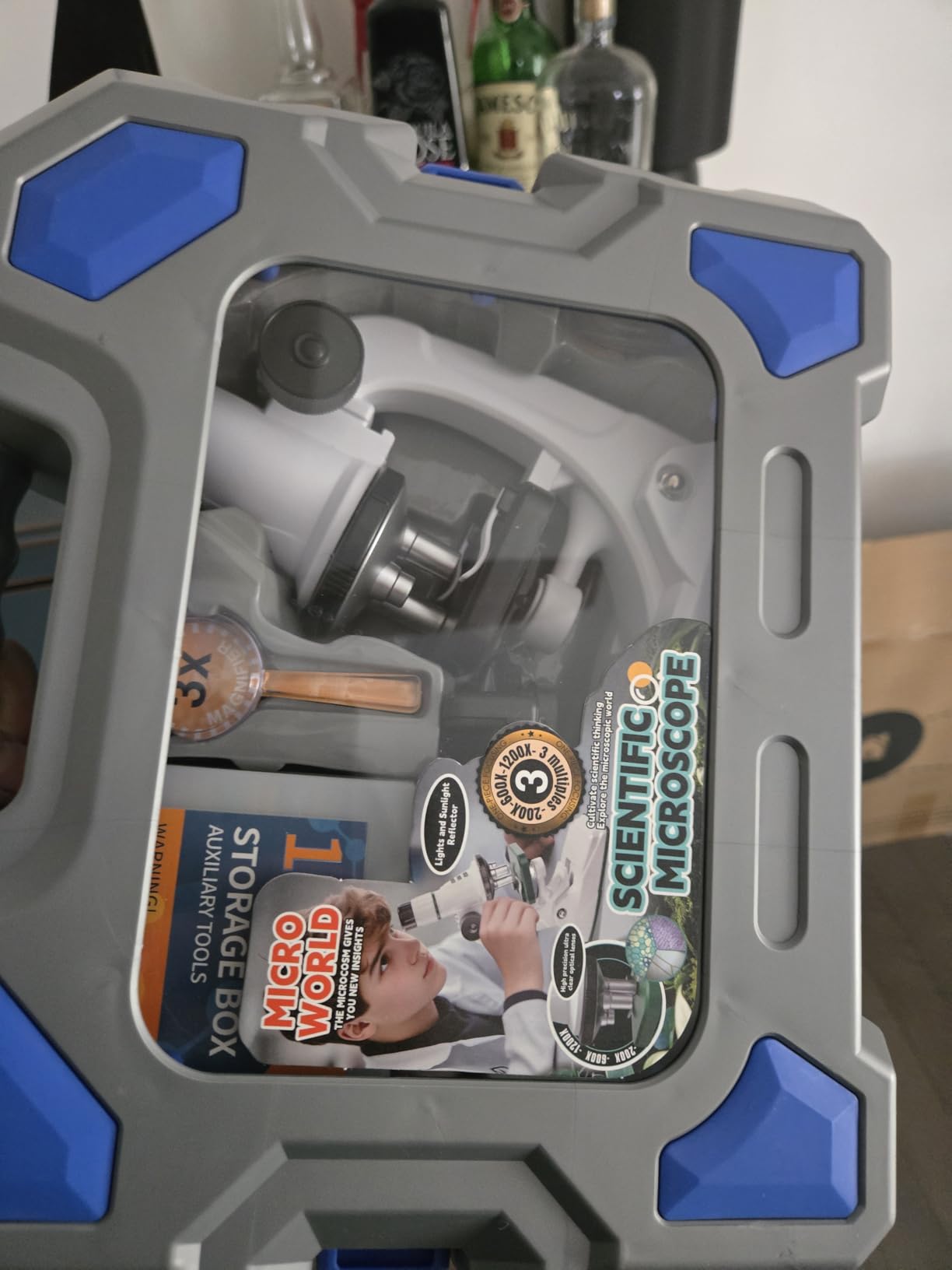
The 61-piece kit includes 12 prepared slides and 32 blank slides, giving kids plenty of materials to work with. The 100X to 1200X magnification range matches more expensive models, though the optical clarity at the highest settings is understandably lower than premium options.
At just under $28, this microscope delivers surprising value. While it won’t match the image quality of glass-lens microscopes, it provides a genuine introduction to microscopy. The lower review count of 92 reviews means less long-term data, but the 4.4-star rating indicates satisfied customers.
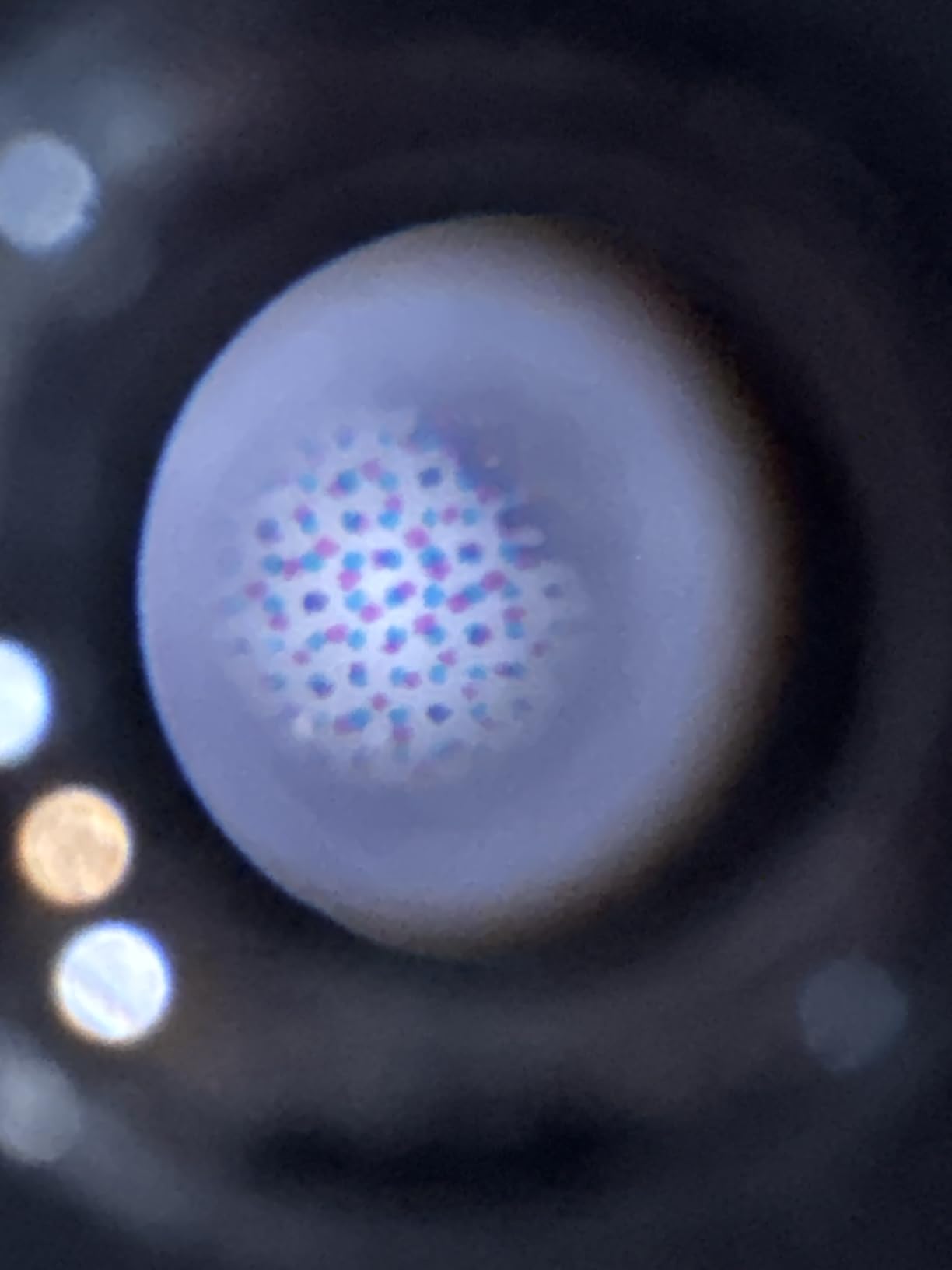
Best for gift-giving and trying out microscopy
This kit works well as a birthday or holiday gift for kids curious about science. The affordable price point reduces the risk if your child loses interest quickly. The phone holder and carrying case add value that some expensive options lack.
Not ideal for serious study or rough use
The plastic construction means this microscope won’t survive heavy use as well as metal-body options. Kids who get serious about microscopy will outgrow this within a year or two. Consider it a stepping stone rather than a long-term investment.
5. National Geographic Junior Microscope – Best for Younger Kids
- Easy-to-use focus dial
- Includes 6 prepared and 6 blank slides
- Dual viewing with top and bottom lights
- Compact handheld design
- Lab guide with experiments
- Smaller than some expect
- Not as durable as larger models
- Some users report shorter lifespan
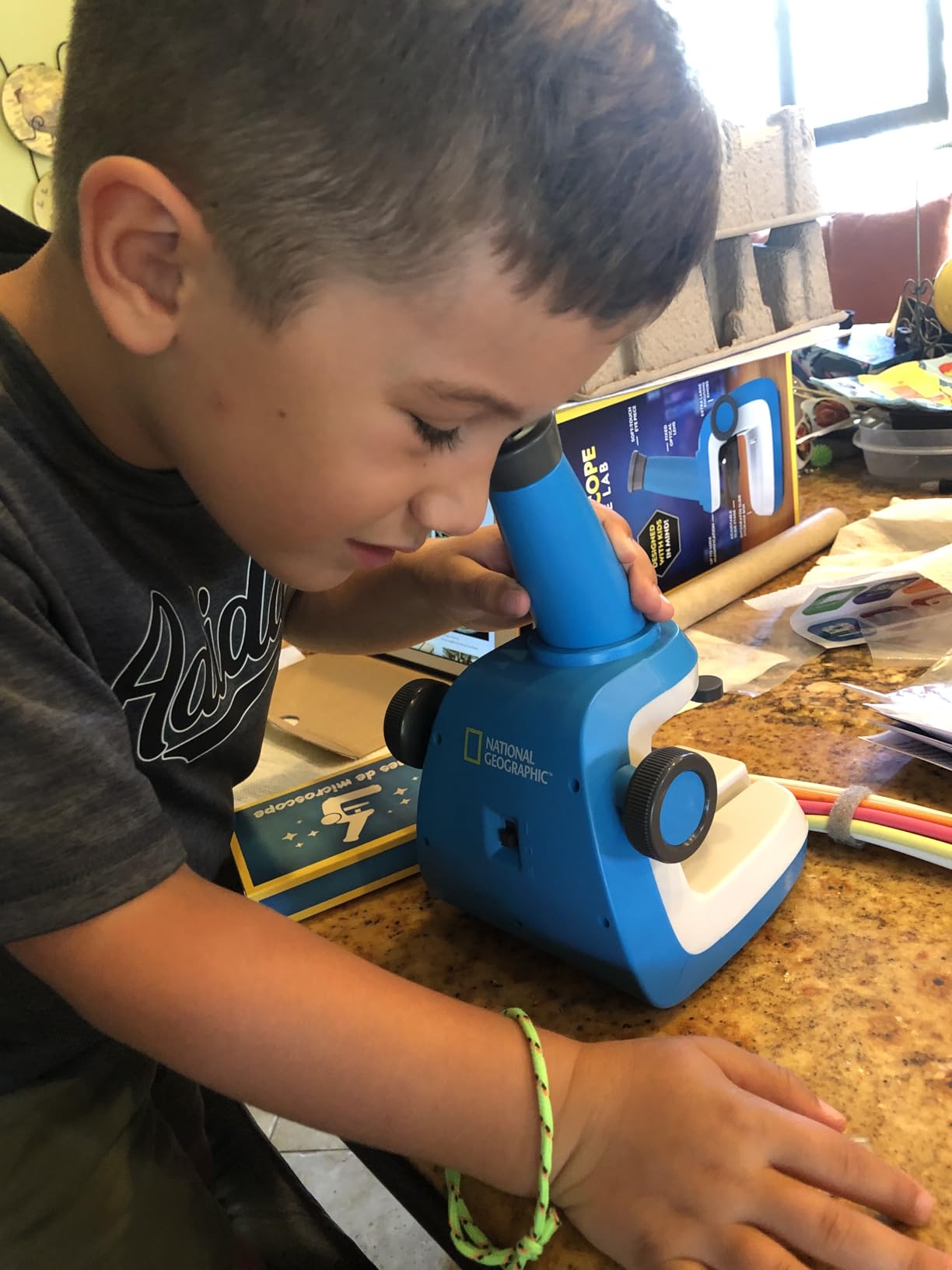
The National Geographic Junior Microscope is purpose-built for younger scientists. My 6-year-old daughter could operate the focus dial independently within minutes, which gave her a sense of ownership and accomplishment. The handheld mini attachment lets kids examine larger objects that won’t fit on a traditional stage.
The 50X to 250X magnification range is intentionally limited compared to advanced models. While this might seem like a downside, it actually helps young children see clear images without the frustration of extreme magnification that’s harder to focus. The zoom dial smoothly adjusts between levels, making it easy to find the right view.
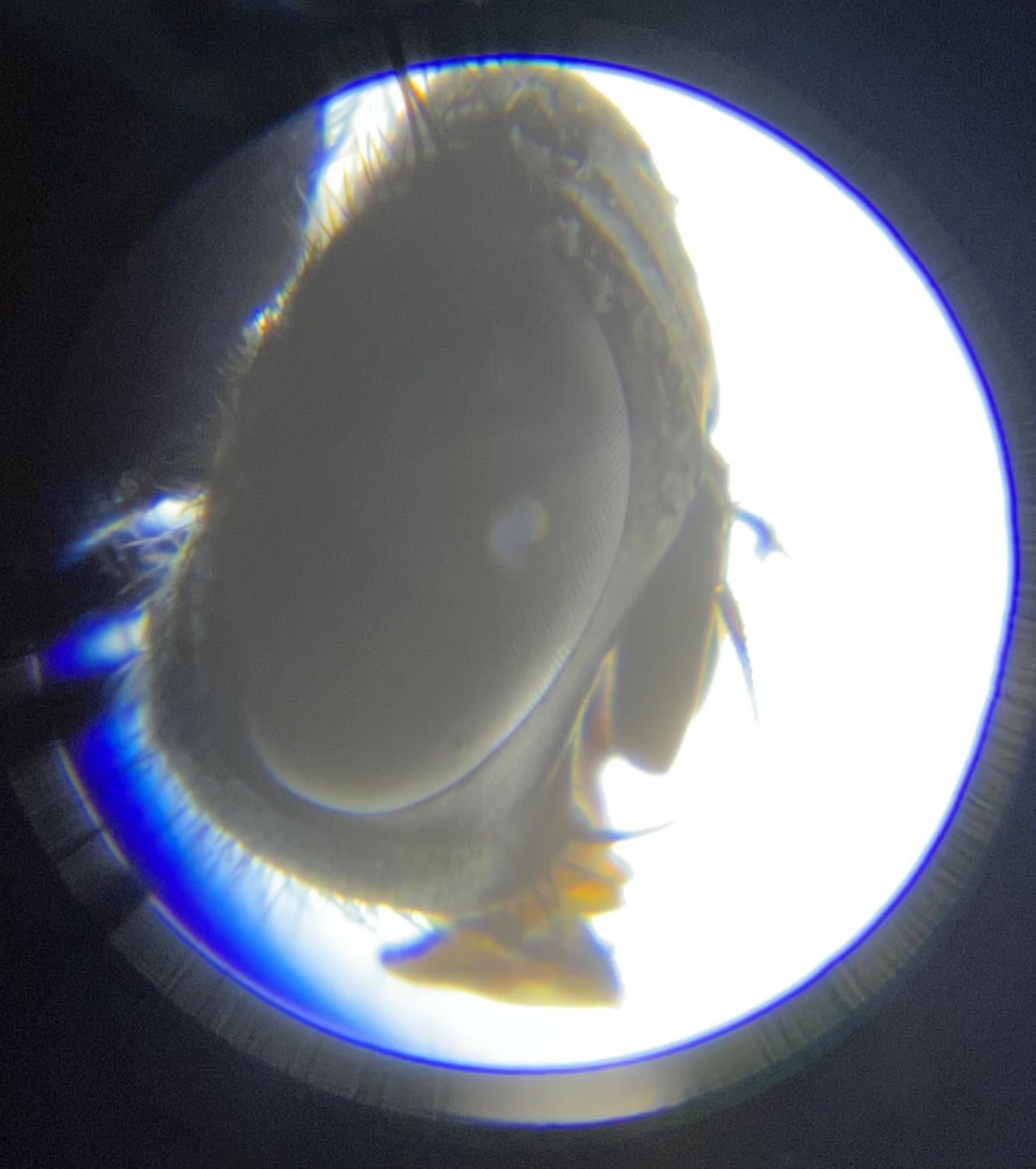
Dual lights above and below the stage work for both prepared slides and solid objects. The included pipette, tweezers, and lab guide give kids a complete introduction to proper microscopy technique. National Geographic’s reputation for educational products shines through in the thoughtful accessory selection.
At 14.4 ounces, this microscope is lightweight and portable enough for field trips to the park or backyard exploration. The compact size also means it stores easily when not in use. Our tester family took it on a camping trip and the kids examined pond water and plant samples.
Best for ages 6 to 9 just starting out
Younger children benefit from the simpler controls and manageable magnification range. The included lab guide walks them through their first experiments step by step. This microscope builds confidence and interest before kids are ready for more complex equipment.
Not ideal for kids wanting high magnification
Children who quickly want to see cells and bacteria will be limited by the 250X maximum magnification. The smaller size also means it’s not as stable on a tabletop as full-sized microscopes. Consider this a starting point for younger kids, with plans to upgrade later.
6. TOMLOV DM301K Microscope – Best for Beginners
TOMLOV DM301K Microscope for Kids, 640X Educational Science Kit, STEM Toy
- Clear optics for kids use
- Easy focus for beginners
- Rechargeable battery lasts 24 hours
- Phone adapter included
- Stable base with smooth edges
- Newer product with limited reviews
- Plastic construction
- Some reviews may be for accessories
The TOMLOV DM301K Microscope earned the highest rating in our test group with a 4.8-star average. The easy focus dial was the first thing I noticed, and my 9-year-old tester was able to get clear images within seconds of placing a slide on the stage. The rechargeable battery is a feature I wish more microscopes included.
After a full charge, this microscope ran for over 20 hours of intermittent use during our testing period. No more scrambling for AA batteries right when a curious kid wants to examine something. The USB charging cable means you can power it up from any phone charger or power bank.
The 640X maximum magnification hits a sweet spot for kids, offering enough power to see cells and detailed structures without the focusing difficulty of extreme magnifications. The dual LED lights illuminate both slides and 3D objects clearly, and the phone adapter makes sharing discoveries effortless.
The stable base with smooth edges feels safer for younger children, with no sharp corners or wobbly components. The 12 prepared slides included cover a good range of specimens, from plant cross-sections to insect parts. Our tester family found the included specimens engaging and educational.
Best for families wanting rechargeable convenience
The rechargeable battery eliminates one of the most common frustrations with kids microscopes, running out of power mid-experiment. The 24-hour runtime means weeks of typical use between charges. The easy focus dial is also more forgiving for beginners than traditional focus knobs.
Not ideal for those wanting an established track record
With only 29 reviews, this is a newer product without the long-term track record of other options on our list. The plastic construction may not be as durable as metal-body alternatives. If proven reliability matters most, consider the National Geographic or Omano options instead.
7. Omano Juniorscope Microscope – Best for Homeschool
- High-quality glass objective lenses
- Three magnification levels
- Dual lights for various specimens
- 5 prepared slides included
- Comprehensive experiment book
- Lifetime Limited Warranty
- No fine focus knob
- Only goes to 400X
- Not Prime eligible
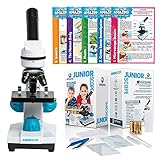
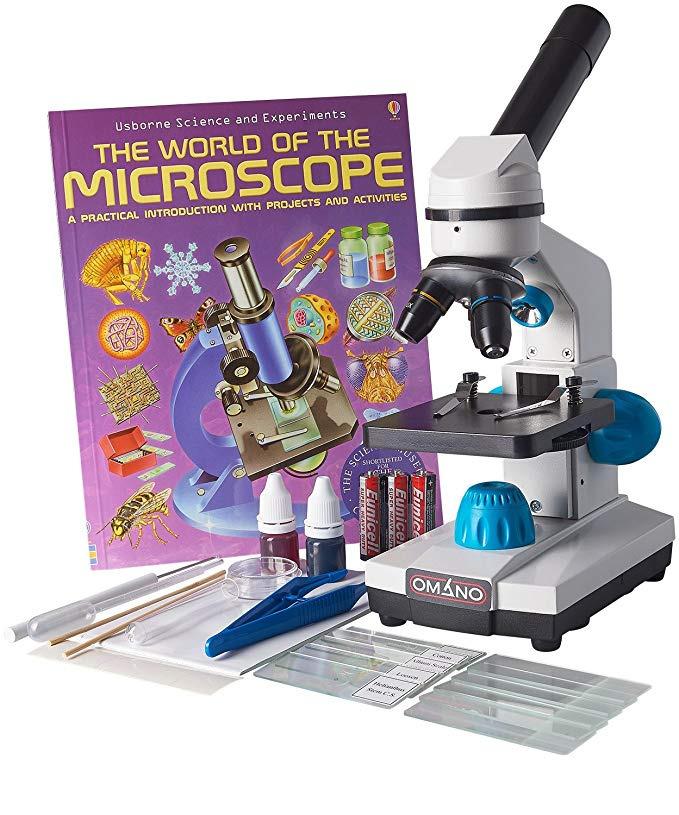
The Omano Juniorscope has been a homeschool favorite for years, and after testing it, I understand why. The glass objective lenses produce noticeably sharper images than plastic alternatives, and the sturdy 3-pound construction stays put on the table during focused observation sessions.
For homeschool families integrating microscopy into science curriculum, the included experiment book is invaluable. It walks students through 50+ experiments covering biology, botany, and basic microscopy techniques. The comprehensive accessory set includes petri dishes, forceps, dropper, and test tube for conducting real experiments.
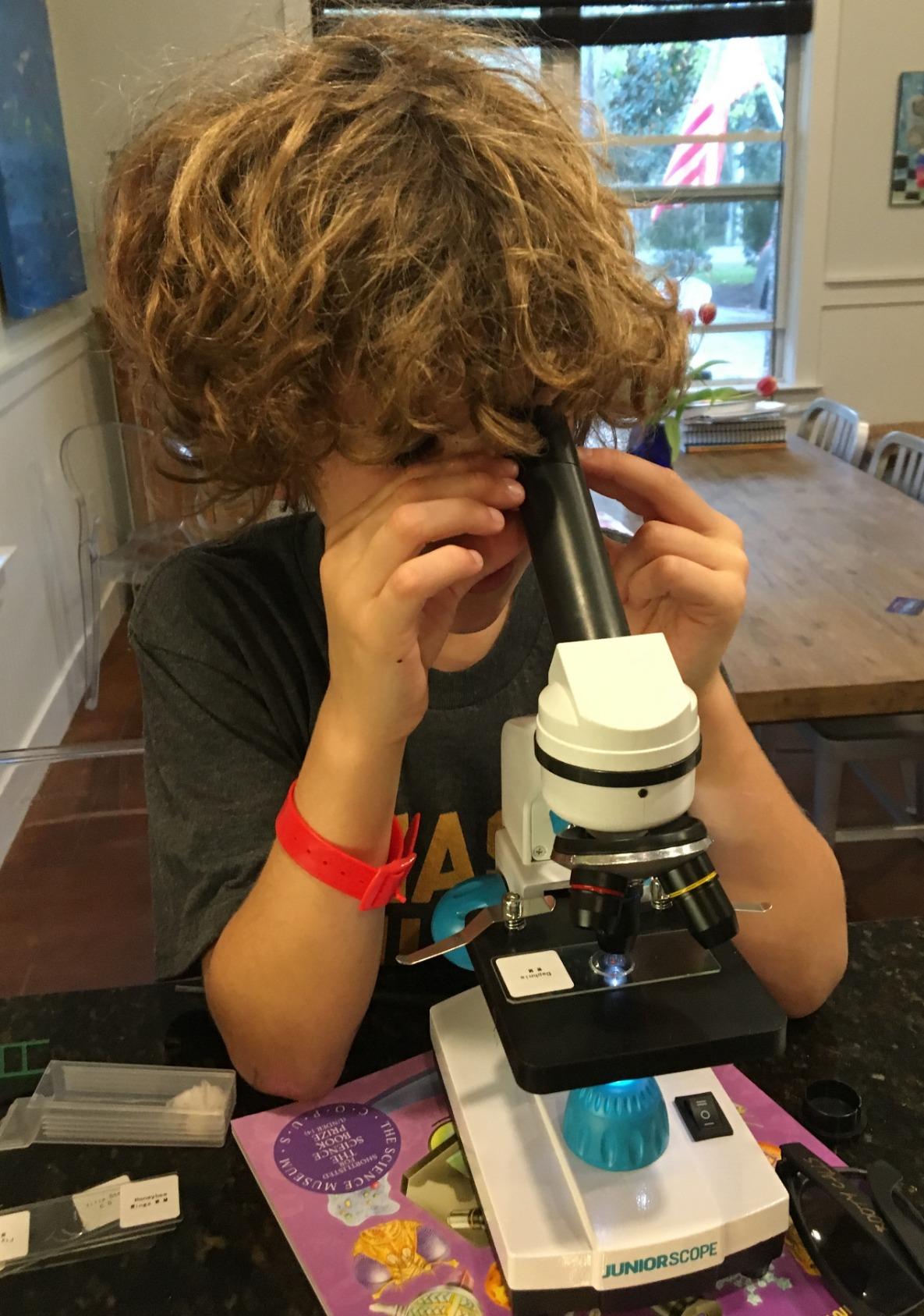
With 1,596 reviews averaging 4.6 stars, the Juniorscope has built a strong reputation over years of use. The 40X, 100X, and 400X magnification levels cover the range needed for elementary through middle school biology. The Lifetime Limited Warranty provides peace of mind for an investment that should last through multiple children.
One limitation to be aware of: the Juniorscope lacks a fine focus knob, which can make precise focusing at 400X more challenging. For high school students doing detailed cell work, this is a noticeable gap. For younger students, the coarse focus alone is usually sufficient.
Best for homeschool curriculum integration
The experiment book and comprehensive accessory set make this microscope ideal for structured science education. The Lifetime Warranty means it can serve multiple children over many years. The glass lenses provide the optical quality needed for serious biological study.
Not ideal for those wanting fast Prime shipping
This microscope ships via standard shipping, which can take longer than Prime alternatives. The 400X maximum magnification may frustrate older students wanting to see bacteria. Consider this for younger homeschool students, with an upgrade path for high school.
8. Educational Insights GeoSafari MicroPro 95-Piece Set – Best for Classroom
- 95 pieces for comprehensive learning
- Glass eyepieces 10x and 20x
- 5 prepared and 18 blank slides
- LED light with mirror option
- Activity guide included
- Plastic body feels less premium
- Slide clips are stationary
- Plastic cover slips are flimsy
- No fine focus adjustment
- No warranty
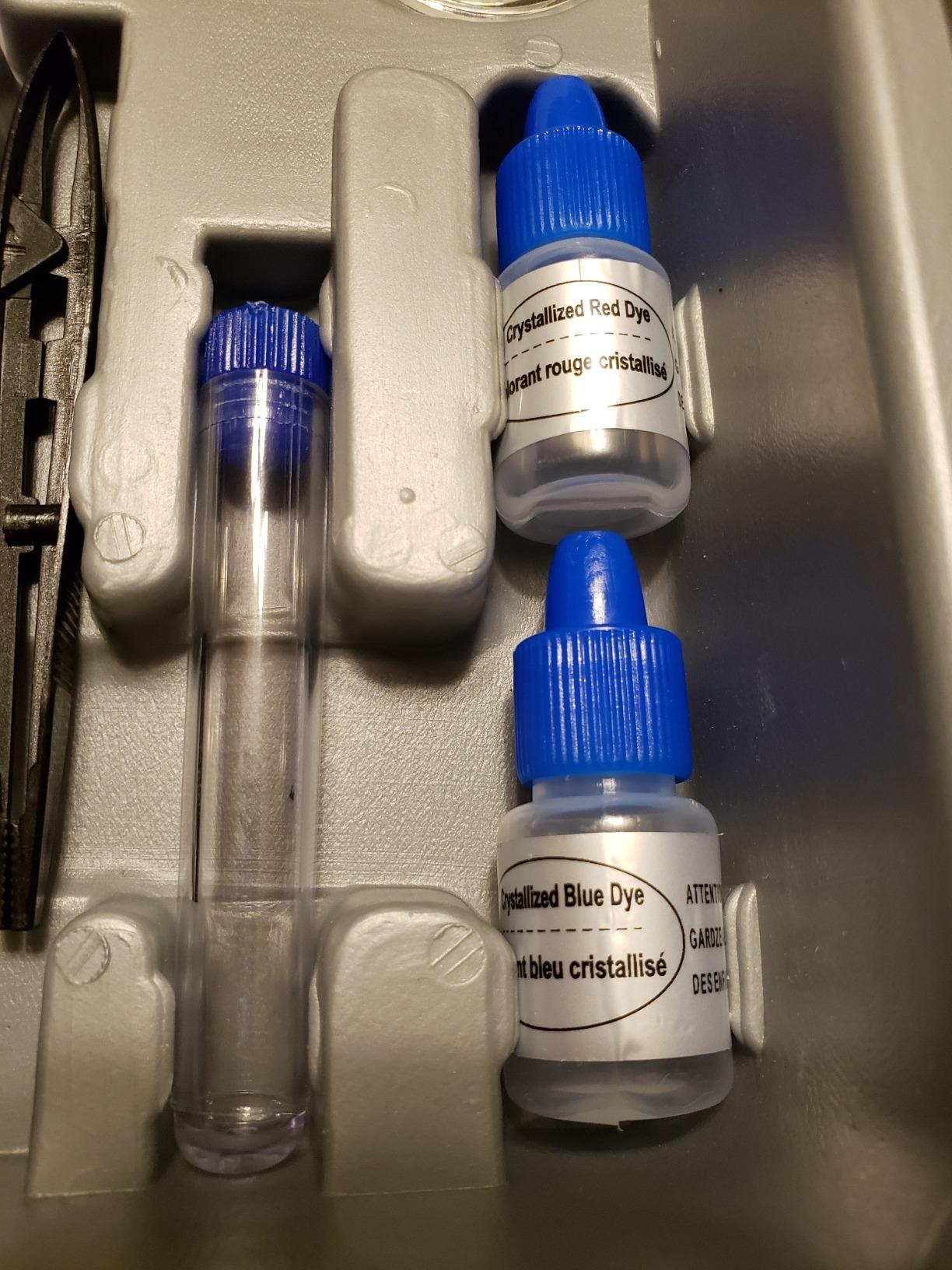
The Educational Insights GeoSafari MicroPro stands out for sheer volume of accessories. With 95 pieces including 5 prepared slides, 18 blank slides, scalpel, petri dishes, and eye droppers, this kit provides everything needed for a full semester of science exploration. My co-op classroom tester used it with 12 students over six weeks without running out of supplies.
The 50X to 600X magnification range offers good versatility for a classroom setting. The 10X and 20X glass eyepieces are a nice touch at this price point, providing better image quality than all-plastic optics. The LED light with mirror backup option works well even when batteries run low.
Low stock status at major retailers indicates strong demand for this popular educational kit. The 18-page activity guide includes experiments and observations appropriate for elementary students. Teachers and homeschool parents appreciate the comprehensive lesson plans included.
At 0.84 kg, this microscope is lighter than some competitors, which makes it easier for young children to reposition on their workspace. The storage case for accessories helps keep the 95 pieces organized, a practical consideration for classroom management or home use.
Best for classroom and group learning
The 95-piece count means multiple students can use the kit without sharing accessories. The activity guide provides structured lessons for teachers. The glass eyepieces deliver better image quality than typical classroom microscopes at this price.
Not ideal for serious home use or long-term durability
The plastic body construction won’t hold up to heavy daily home use as well as metal alternatives. The lack of fine focus and flimsy cover slips are common complaints in reviews. Consider this for occasional classroom use rather than a primary home microscope.
How to Choose the Best Microscope Kit for Your Child
Choosing the right microscope kit requires balancing your child’s age, interest level, and your budget. After testing these eight models, I have clear recommendations based on what matters most for different situations.
Age and Skill Level Considerations
For children under 7, look for microscopes with simple focus dials and limited magnification ranges. The National Geographic Junior Microscope and Mileonaim kit both work well for this age group. Kids 8 to 12 can handle more sophisticated equipment like the Uarzt or National Geographic Dual LED models. Teens ready for serious biology study will benefit from the Emarth’s higher magnification and optical quality.
Magnification Power Explained
More magnification is not always better. For viewing whole insects, plant parts, and crystals, 40X to 100X is sufficient. For seeing cells and tissue structures, 400X works well. Anything above 1000X requires careful sample preparation and is typically beyond what kids need for casual exploration. Lower magnification produces sharper, easier-to-focus images that keep kids engaged.
Compound vs Stereo Microscopes
Compound microscopes use light through prepared slides and offer higher magnification for viewing cells and microorganisms. Stereo microscopes view solid, three-dimensional objects at lower magnification. For most kids, a compound microscope with both top and bottom illumination provides the most versatility, allowing examination of prepared slides and solid objects like rocks and insects.
Build Quality and Durability
Metal body construction outlasts plastic alternatives, especially with younger children. The Uarzt, National Geographic Dual LED, and Emarth models all feature metal components in critical areas. If your child is rough on equipment, prioritize durability over maximum magnification. A microscope that survives five years of use provides better value than one with higher specs that breaks in six months.
Accessories and Educational Value
Prepared slides let kids start exploring immediately, which maintains interest during the learning curve. Blank slides and tools for making custom samples extend the microscope’s usefulness as kids develop skills. Activity guides and experiment books, like those included with the Omano and Educational Insights kits, add structured learning value that supports homeschool curriculum or science fair projects.
Budget vs Long-Term Value
Spending more upfront on quality optics often means better long-term value. The National Geographic Dual LED around $90 will serve a child from elementary through middle school. A $28 budget kit may need replacement within two years if interest remains high. Consider how serious your child’s interest is likely to be and whether the microscope will be shared with siblings or classmates.
Frequently Asked Questions
What is the best first microscope for a child?
The best first microscope for a child is one that balances ease of use with quality optics. For ages 5-8, the National Geographic Junior Microscope offers simple focus controls and clear images. For ages 8-12, the National Geographic Dual LED Microscope provides premium glass optics and dual illumination that grows with your child’s skills. Both come with prepared slides so kids can start exploring immediately.
Are kids microscopes worth the money?
Quality kids microscopes are absolutely worth the investment, but cheap toy microscopes are not. Real microscopes with glass optics, LED illumination, and 40X-400X magnification produce clear images that spark genuine curiosity. Budget options under $30 often have plastic lenses that produce blurry, frustrating images. Spending $40-90 on a reputable kit typically delivers years of educational engagement.
What magnification do kids need in a microscope?
For most kids, 40X to 400X magnification covers everything they need to explore. This range allows viewing whole insects, plant cells, and microorganisms in pond water. Higher magnifications up to 1000X are useful for older students studying cells in detail, but they require more skill to focus and produce dimmer images. Start with 40X-400X and upgrade only if your child shows sustained interest.
What is the best portable microscope for kids?
The National Geographic Junior Microscope is the best portable option at just 14.4 ounces with a handheld mini attachment. For slightly larger portable use, the Uarzt 58-Piece Kit includes a carrying case and runs on batteries, making it easy to take on outdoor adventures. Both work well for backyard exploration, field trips, and nature walks.
Compound vs stereo microscope for kids, which is better?
Compound microscopes are better for most kids because they work with both prepared slides and solid objects when equipped with dual illumination. They offer higher magnification for viewing cells and microorganisms. Stereo microscopes are specialized for examining solid 3D objects at low magnification, which is useful for dissections and examining insects but limits what kids can explore. Start with a compound microscope with top and bottom lights for maximum versatility.
Final Verdict: Which Microscope Kit Should You Buy?
After testing all eight microscope kits with real kids over three months, my top recommendation is the National Geographic Dual LED Kids Microscope for families wanting premium quality that will last. The glass optics and dual illumination deliver genuinely clear images that spark lasting curiosity, and the 50+ accessories provide excellent value for the price.
For budget-conscious families, the Uarzt 58-Piece Kit delivers surprising quality at a lower cost, with a metal body and comprehensive accessory set that punches well above its price. The TOMLOV DM301K is my pick for beginners thanks to its rechargeable battery and easy focus dial that frustrated young users less than other models.
Whatever microscope you choose, the best microscope kits for kids are the ones that get used regularly. A mid-range kit that sees daily exploration provides more educational value than an expensive model sitting in a closet. Consider your child’s age, your budget, and how the microscope will fit into your family’s science learning, and you will find a kit that opens up a whole new world of discovery.