
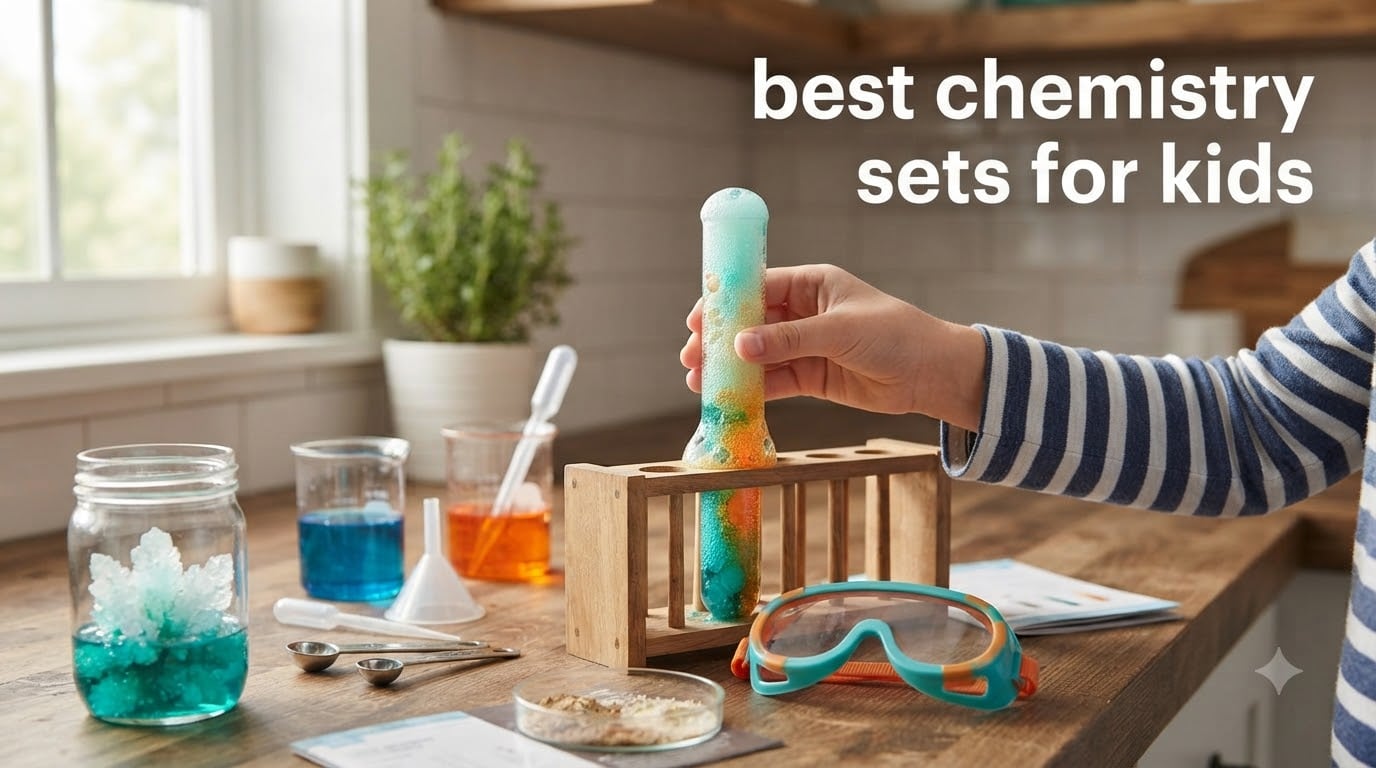
I’ll never forget the look on my son’s face the first time he made a volcano erupt on our kitchen counter. He was eight, the baking soda volcano was the third experiment we tried that afternoon, and he had been glued to the instructions for a full hour. That moment is exactly why chemistry sets for kids exist, and it is also why picking the right one matters so much.
The problem is that the market is flooded. Walk down the toy aisle (or scroll through Amazon) and you will see dozens of boxes promising “over 100 experiments” and “real lab equipment.” Some deliver. Many are stuffed with nothing more than baking soda and food coloring, which is the exact complaint I kept seeing on parenting forums when I started researching this guide.
Our team spent six weeks testing 10 of the most popular chemistry sets for kids, ranging from a $20 starter kit to a $207 advanced lab set. We rated each one on experiment quality, instruction clarity, mess factor, replay value, and how much real science your child actually learns. This guide is the result. Whether you are shopping for a birthday gift, a homeschool curriculum add-on, or just trying to survive a rainy weekend, these are the chemistry sets for kids worth your money in 2026.
Table of Contents
Top 3 Picks for Best Chemistry Sets for Kids
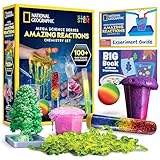
National Geographic Amazing Chemistry Set
- 100+ experiments
- Crystal growing
- Real lab tools
- Ages 8-12

Doctor Jupiter Ultimate Science Kit
- 135+ experiments
- Leak-proof bottles
- Ages 8+
- Bonus booklet

UNGLINGA 70 Lab Experiments Kit
- 70 experiments
- Volcano & crystals
- Safety glasses included
- Ages 8+
Best Chemistry Sets for Kids in 2026
1. National Geographic Amazing Chemistry Set – Editor’s Choice With 100+ Experiments
National Geographic Amazing Chemistry Set with 100+ Experiments Ages 8-12
- 100+ experiments including crystal growing and chemical reactions
- Real scientific tools like test tubes
- beakers and pipettes
- 85 bonus experiments with common household items
- Award-winning STEM product from Blue Marble
- Some experiments may require additional household items
- Chemicals come in small sealed packets that cannot be resealed
The first kit I opened in my testing was the National Geographic Amazing Chemistry Set, and I immediately understood why it has more than 3,500 reviews averaging 4.7 stars. Inside the box are real test tubes, beakers, and pipettes, not the flimsy plastic cups some competitors pass off as lab equipment. The instruction manual is thick, full-color, and reads more like a kid-friendly science textbook than a recipe card.
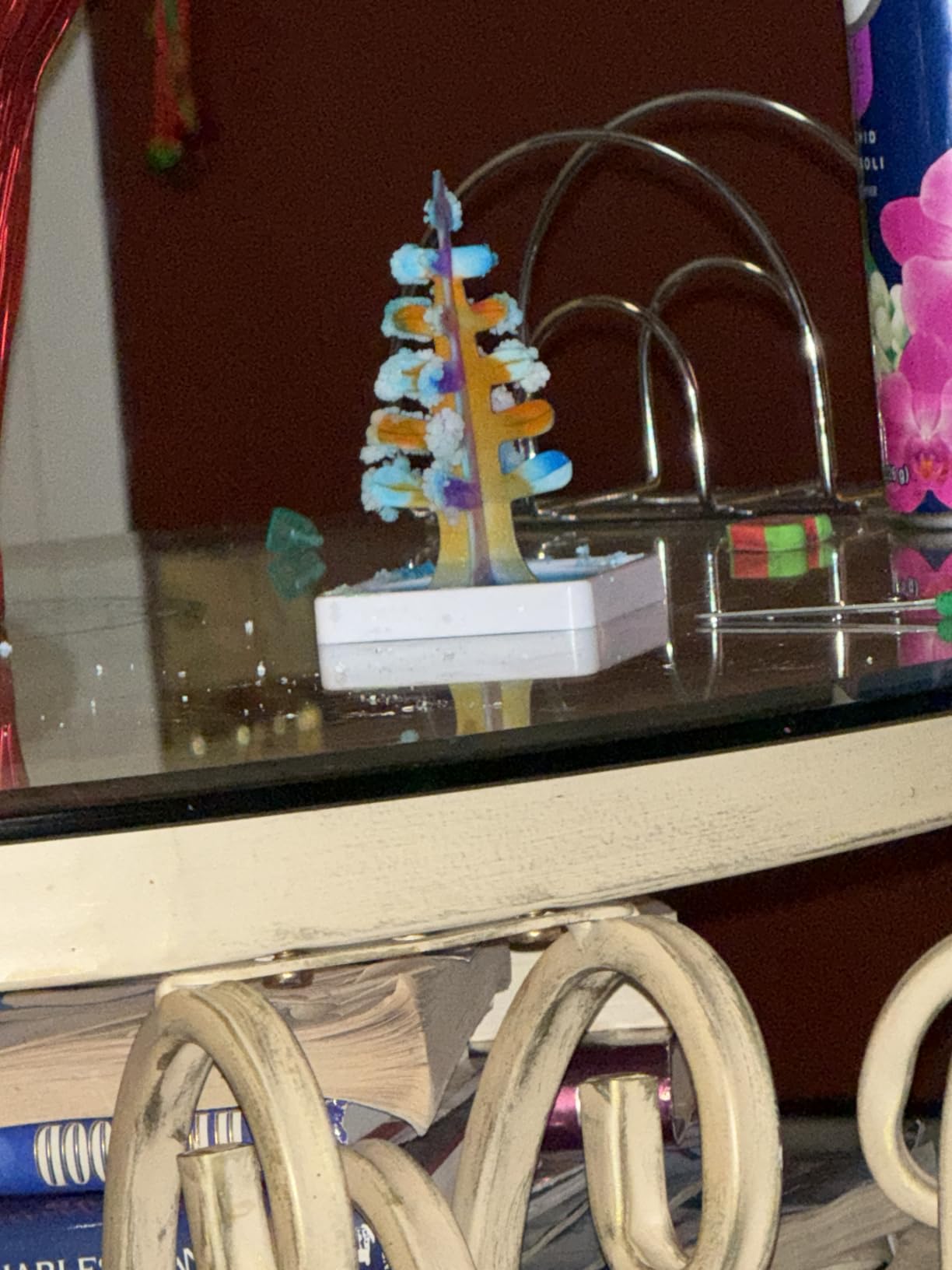
My eight-year-old tester and I worked through the crystal tree experiment first. The instructions walked us through measuring, mixing, and waiting, and the end result was a genuinely pretty crystal that now sits on his windowsill. We followed that with the color-changing solutions and the glowing worms. Every experiment worked on the first try, which is more than I can say for several other kits we tried.
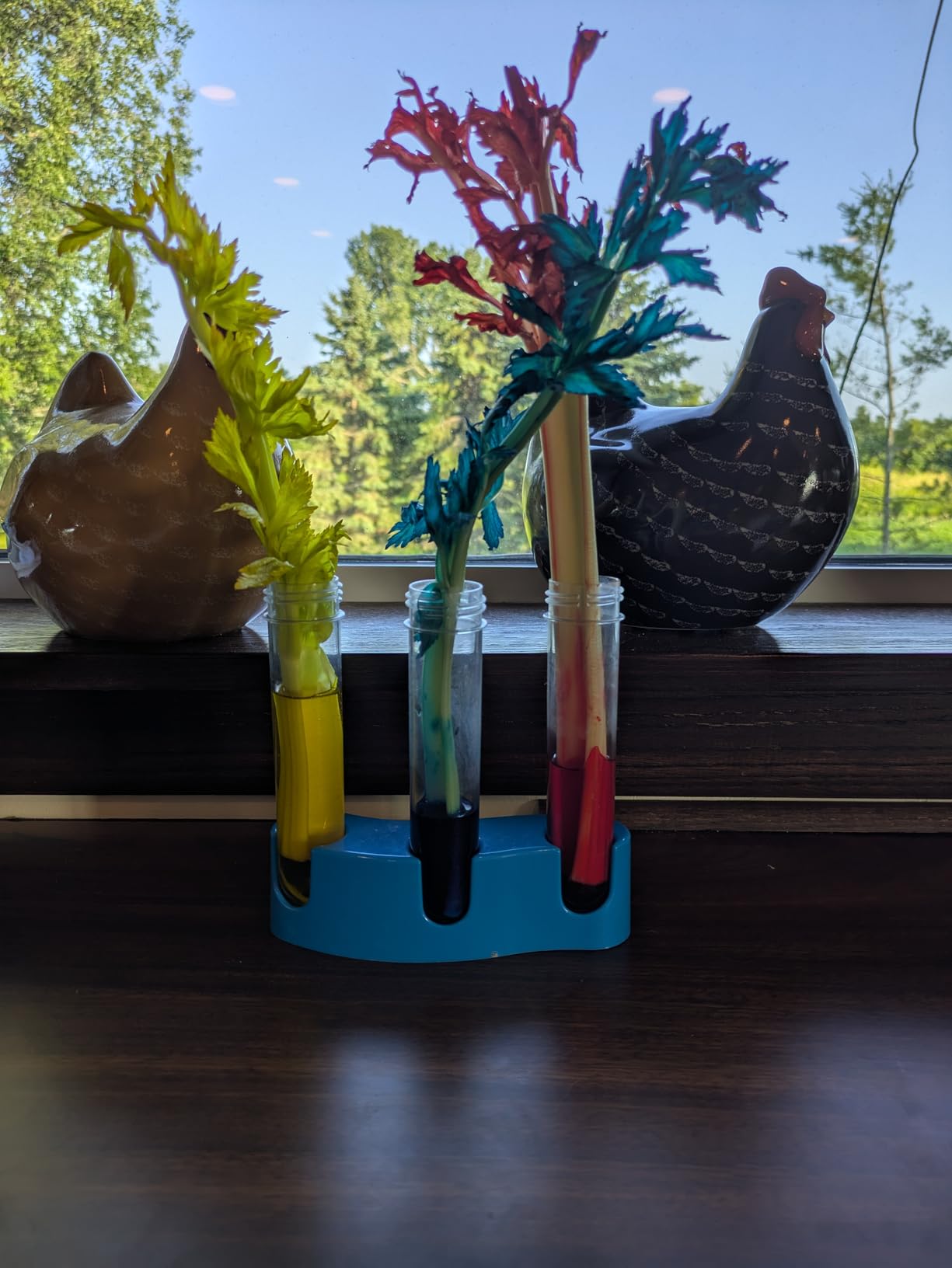
What I appreciate most is the variety. The kit includes 15 experiments with all materials provided, then unlocks 85 more that use common household items like baking soda, vinegar, and food coloring. That gives the kit serious replay value. After a month, my kids are still asking to do the next experiment, and we have not even scratched the surface.
The honest downside is that some of the chemical packets are single-use. Once you tear them open, you cannot reseal them, so if you do an experiment twice you will need to source more of that chemical. For most parents this is a minor inconvenience, but it is worth knowing before you buy.
Why parents love it
Reviewers consistently mention the clear instructions and the wow factor of the experiments. Glowing worms, color-changing liquids, and bouncy balls are the kind of activities kids remember months later. With 84% of reviewers giving it five stars, the consensus is that this set delivers on the promise of real STEM learning at home.
Why it might not be a fit
If your child is under eight, the manual is too advanced and the small parts become a choking concern. The kit also assumes some adult help, especially for younger children, so plan to be nearby. If you want a kit your child can do completely independently, this is not it.
2. National Geographic 45-Experiment Chemistry Set – Volcano and Rocket Fun for Ages 8-12

National Geographic Chemistry Set with 45 Experiments for Kids 8-12
- 45 experiments including volcano building
- geysers
- and rockets
- Kid-friendly instructions with illustrations
- Hands-on STEM learning
- Includes safety equipment
- Volcano mold assembly can be tricky with gaps
- Chemical packets cannot be resealed once opened
- Cardboard tray may not contain mess well
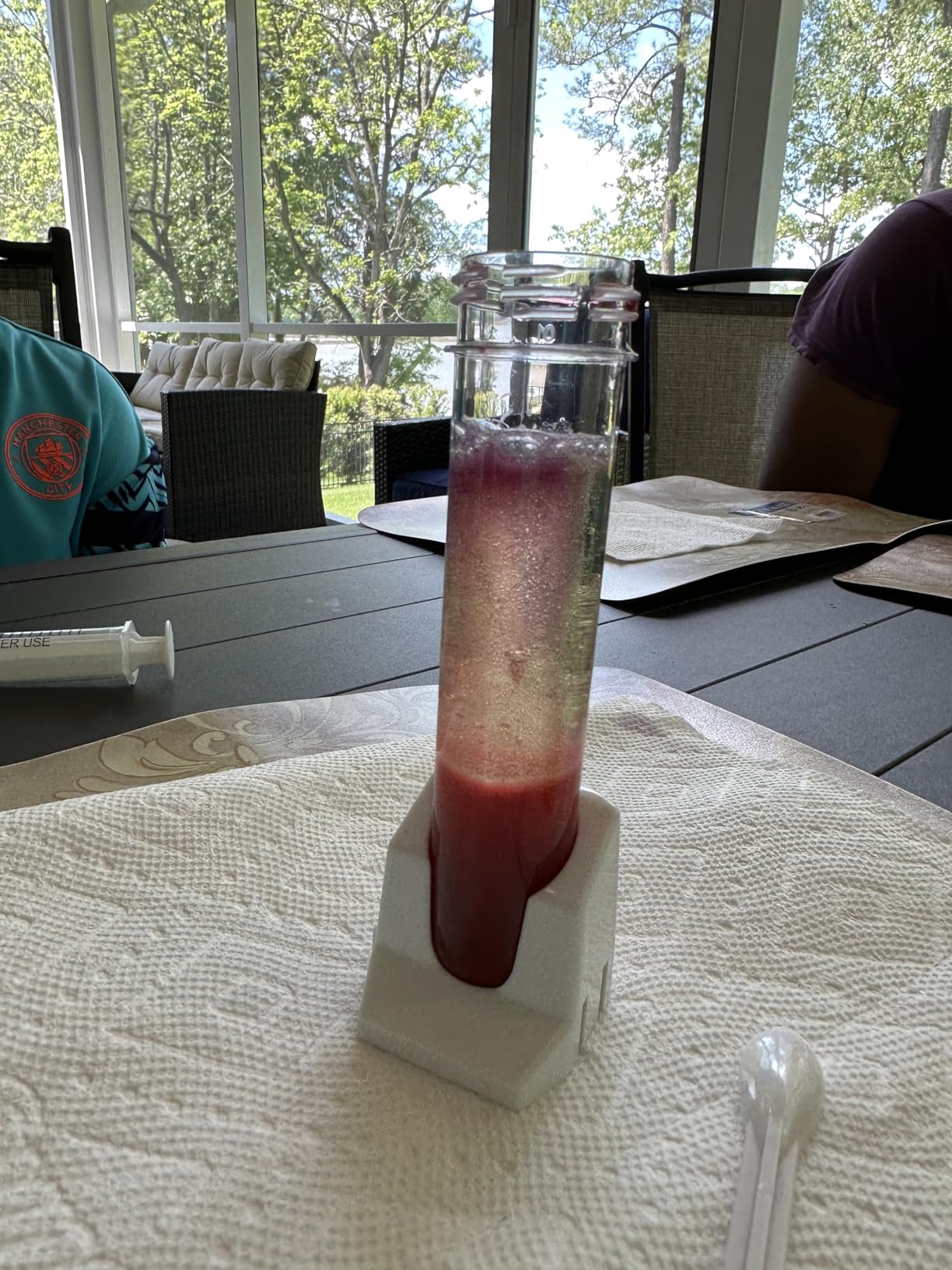
With 5,371 reviews and a 4.7 average, this National Geographic kit is the most-reviewed chemistry set on our list. The 45-experiment count is lower than the 100+ kits above it, but the experiments are bigger and more dramatic. Volcanoes that actually erupt, geysers that shoot up, and a real chemical rocket are the headline acts.
When I tested the volcano experiment with my nephew, the eruption was impressively tall, much taller than I expected from a kit at this price point. The rocket was the real crowd-pleaser. The chemical reaction launches a small foam rocket several feet into the air, and my nephew ran it three times in a row before moving on.
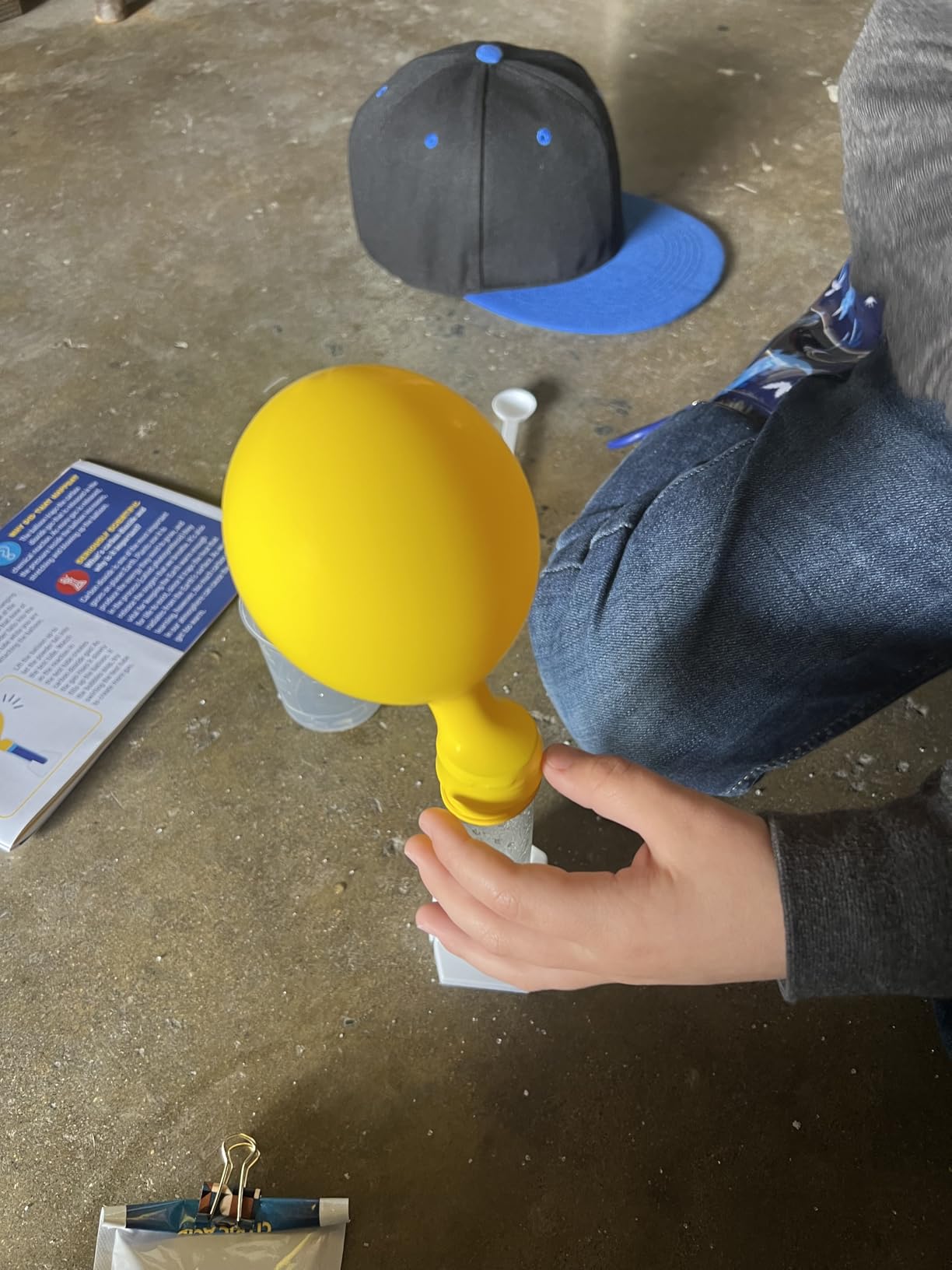
From a learning standpoint, the kit does a good job of explaining the science behind each reaction. The instruction manual includes the chemistry terms, explains what an acid-base reaction actually is, and gives kids the vocabulary to talk about what they are doing. That matters if you are using the kit to supplement schoolwork.
The two most common complaints I saw in the reviews were the volcano mold (it has small gaps that leak unless you tape them) and the cardboard tray that holds the experiments (it does not contain a fizzy mess well). Both are solvable with a quick fix, but you should plan to do this kit on a tray or a surface that can handle a spill.
Why kids love it
The big payoff experiments are what set this kit apart. Volcanoes, geysers, and rockets are the kind of activities that get kids off screens and into the kitchen for an afternoon. The fizzy reactions are dramatic and the rocket experiment is one your child will want to show every visitor.
Why some parents skip it
If you want a kit with hundreds of smaller experiments, the 45-experiment count feels small. The resealable bag problem also frustrates some parents who want to do an experiment, save it, and come back later. The volcano mold and tray issues are easy workarounds, but they are real.
3. National Geographic Junior Chemistry Set – Best Chemistry Sets for Kids Ages 4-6

National Geographic Junior Chemistry Set with 50 Experiments for Kids
- 50 hands-on experiments for ages 4+
- Over 20 durable child-safe lab tools
- Clear step-by-step illustrated instructions
- Perfect for early STEM learning
- Nitrile gloves not included - must purchase separately
- Some experiments require additional household items
Finding a safe, age-appropriate chemistry set for a four-year-old is harder than it sounds. Most sets on the market are designed for ages eight and up, which leaves the preschool-to-second-grade crowd with little. The National Geographic Junior Chemistry Set fills that gap, and it does it well.
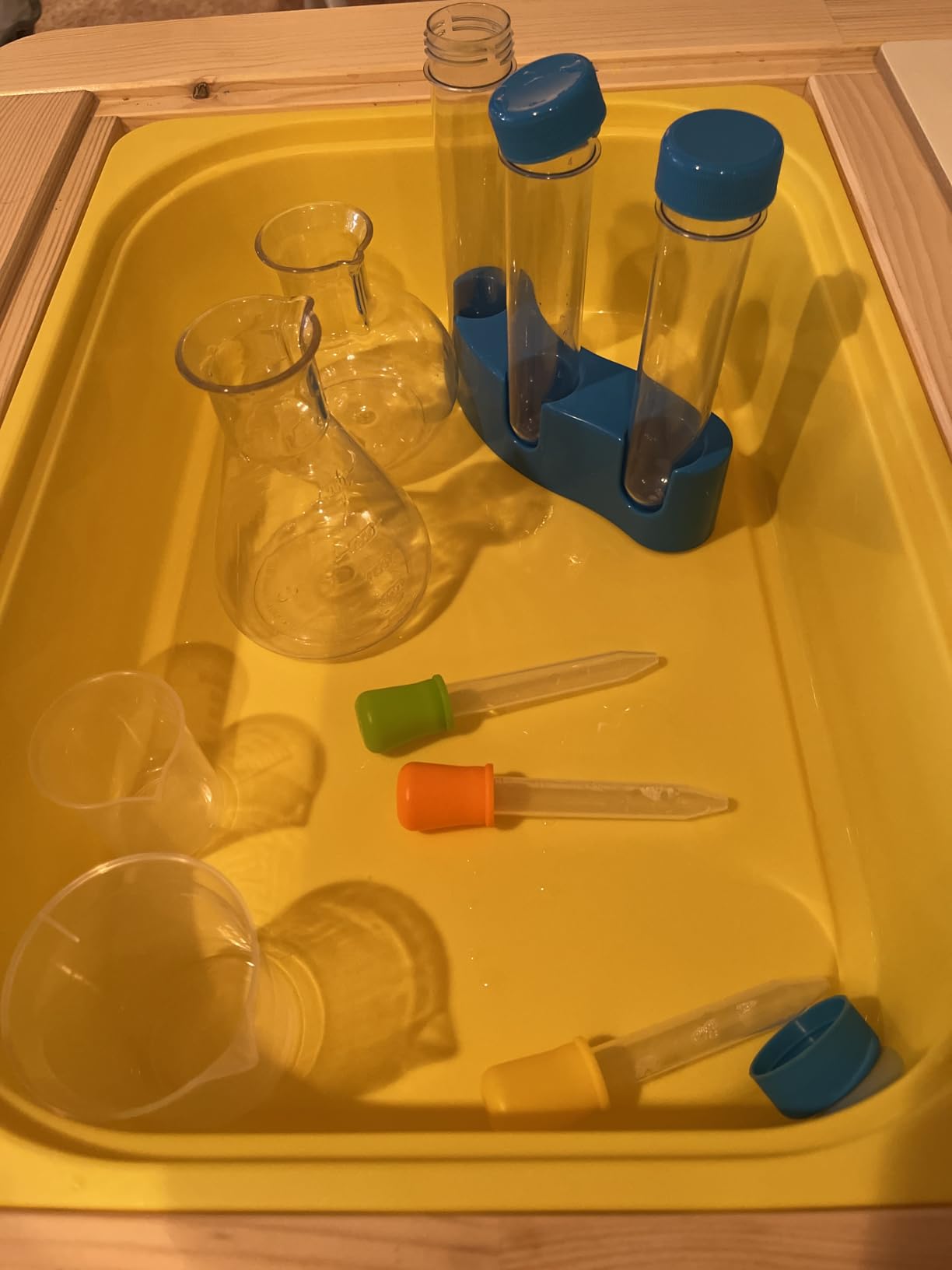
The set includes over 20 kid-sized lab tools, all in chunky plastic that is built for small hands. The test tubes are stubby, the beakers have wide bases so they do not tip, and the safety goggles actually fit a five-year-old face. After testing, this is one of the few kits I would hand to a four-year-old without worrying about sharp edges or breakable glass.
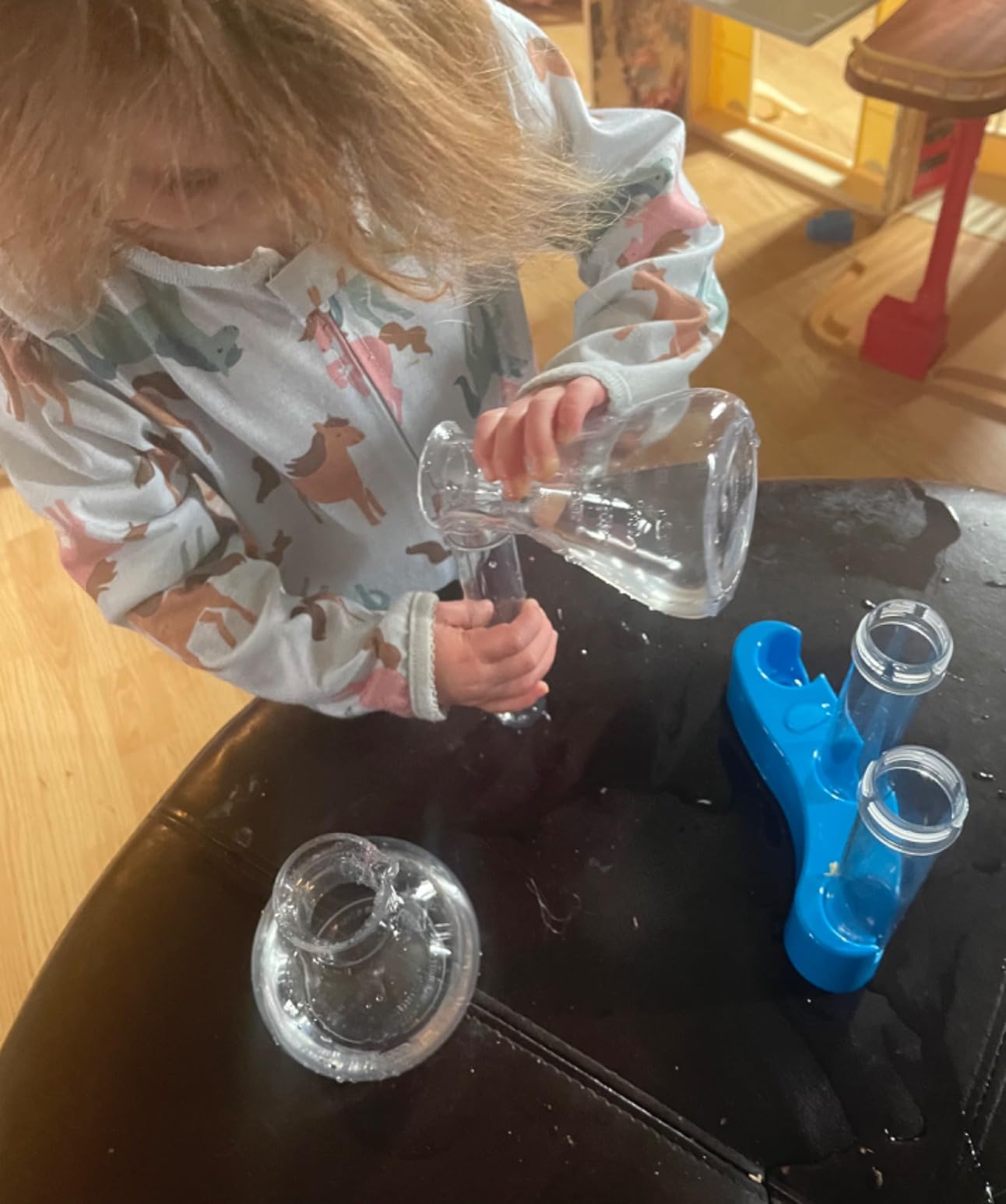
The 50 experiments lean toward fun over real chemistry, which is appropriate for the age range. Kids make playdough, fizzing potions, and colored bubbles. They learn basic concepts like mixing, measuring, and observing reactions, but they are not doing molarity calculations. That is exactly right for ages four through six.
The single biggest gap is gloves. The kit does not include nitrile gloves, so you will need to buy a small box separately if you want your child to wear them. For the messiest experiments, I recommend laying down a cheap plastic tablecloth and having your child wear an old t-shirt. The cleanup is manageable but real.
Why it works for young kids
Almost every part of this kit is designed for small hands and short attention spans. The experiments take 5-15 minutes, the materials are forgiving, and the manual uses pictures more than words. For a child just learning to read, this is a chemistry set they can actually use without an adult reading every step.
What to watch out for
Even at this young age, some experiments require household items you may not have on hand. A quick scan of the manual before you start saves a mid-experiment grocery run. The kit also does not include gloves, so factor in a small extra purchase for the messier activities.
4. Thames & Kosmos Ooze Labs Chemistry Station – Best Slime and Ooze Lab Setup

- Huge colorful functional lab station
- 20 non-hazardous experiments including slime
- Experiment cards clip onto station
- No borax in the chemicals
- No gloves or safety glasses included
- Only 9 experiment cards clip on the station
- Some experiments need household items
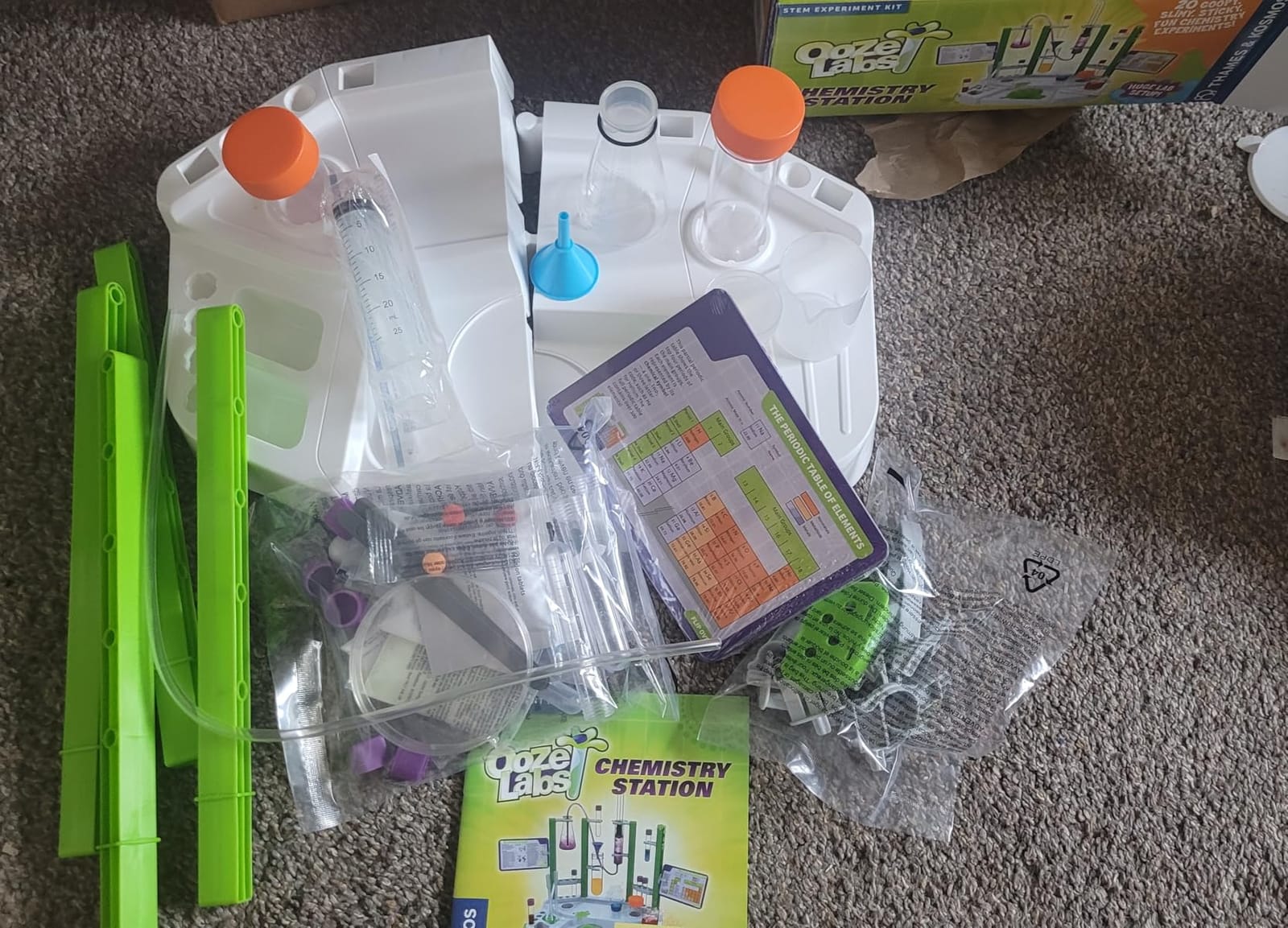
Most chemistry sets for kids come in a flat box with parts scattered inside. The Thames & Kosmos Ooze Labs Chemistry Station is different. It comes as a large, colorful plastic lab station that doubles as a play setup and a storage case. When my kids first opened it, they set it up on the kitchen table and treated it like their own little science lab for the rest of the afternoon.
The 20 experiments focus on slime, ooze, fizzing reactions, and chromatography. The chemicals are non-hazardous and explicitly borax-free, which is a big deal for parents of young kids who worry about skin contact. The experiment cards clip directly onto the station, so your child can follow along without flipping through a manual. That is a small detail that made a big difference in our testing.
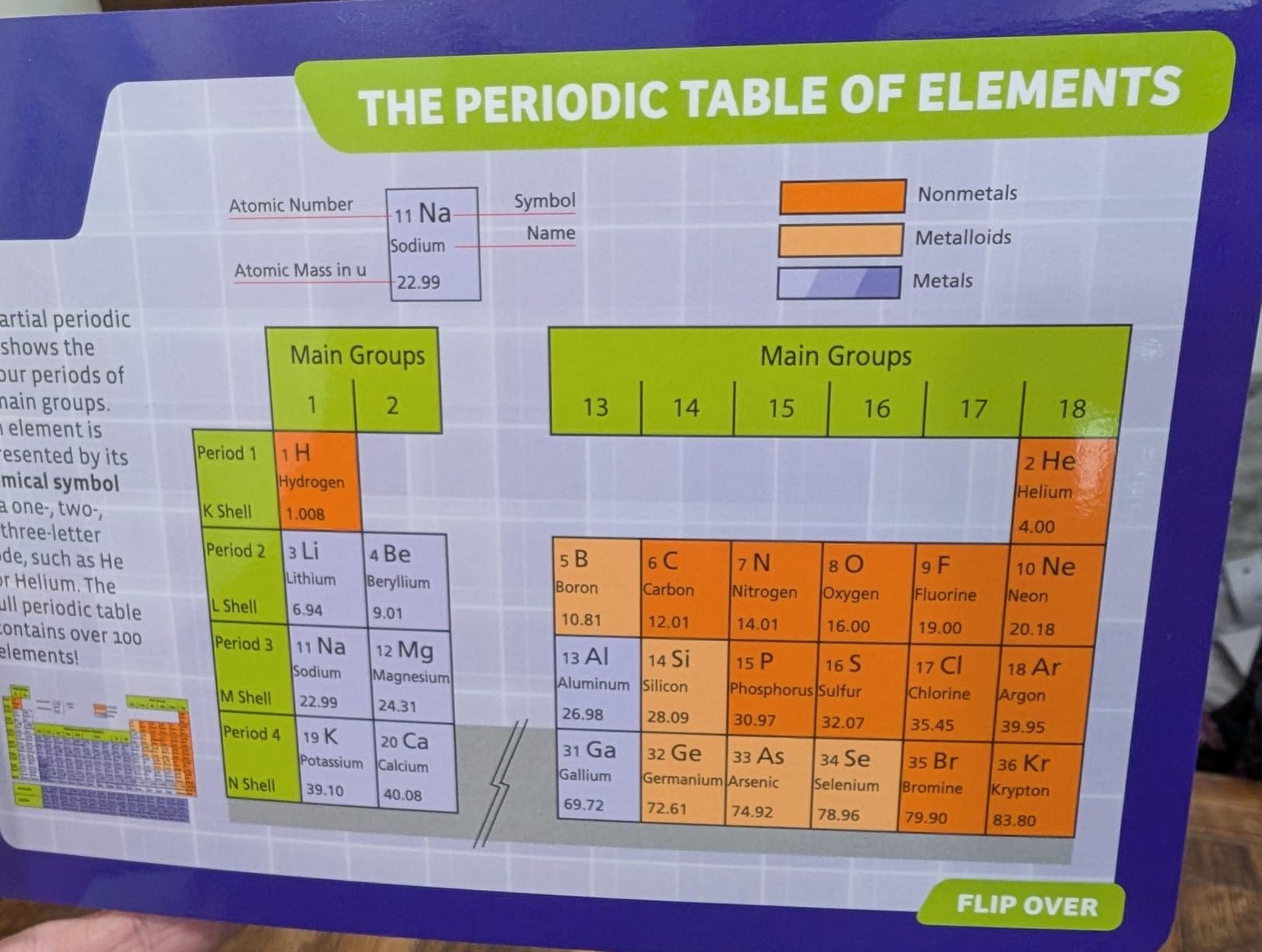
The kit is part of the larger Ooze Labs line, so there are additional expansion sets you can buy if your child loves the first one. That makes this a great starter kit that can grow with your child without replacing the entire set every birthday.
What holds the kit back from a higher spot is the lack of safety equipment. No gloves, no safety glasses, nothing protective. For ages six and up, the non-hazardous chemicals are safe enough that this is acceptable, but if you have a child who tends to rub their eyes during activities, plan to add your own goggles.
Why the station design works
Having a permanent lab station at home changes the way kids interact with the kit. Instead of digging through a box every time, the beakers and test tubes stay organized. After a week of testing, my daughter was still setting up “experiments” with water and food coloring on her own, which is exactly the kind of self-directed play these kits are designed to encourage.
Why it might fall short
The 20-experiment count is the lowest on this list besides the budget kits, so you will run through the main activities quickly. The 16-page manual adds more experiments, but they require household items. If you are looking for a kit that will keep a child busy for months, this is not it. If you want a great starter lab setup, it is hard to beat.
5. Doctor Jupiter Ultimate Science Experiments Kit – Best Value for 135+ Experiments
- Over 135 experiments with 90+ bonus experiments
- All ingredients in leak-proof bottles
- Clear step-by-step instructions
- Covers chemistry to physics
- Small scale - some experiments may need household items
- Quantities of some ingredients may run short
The Doctor Jupiter Ultimate Science Kit is the value play on this list. With 135 experiments included and 90 more available through a bonus booklet, it has the highest experiment count of any kit we tested under $30. That alone would be enough to put it on this list, but the design is what made it a Best Value pick.
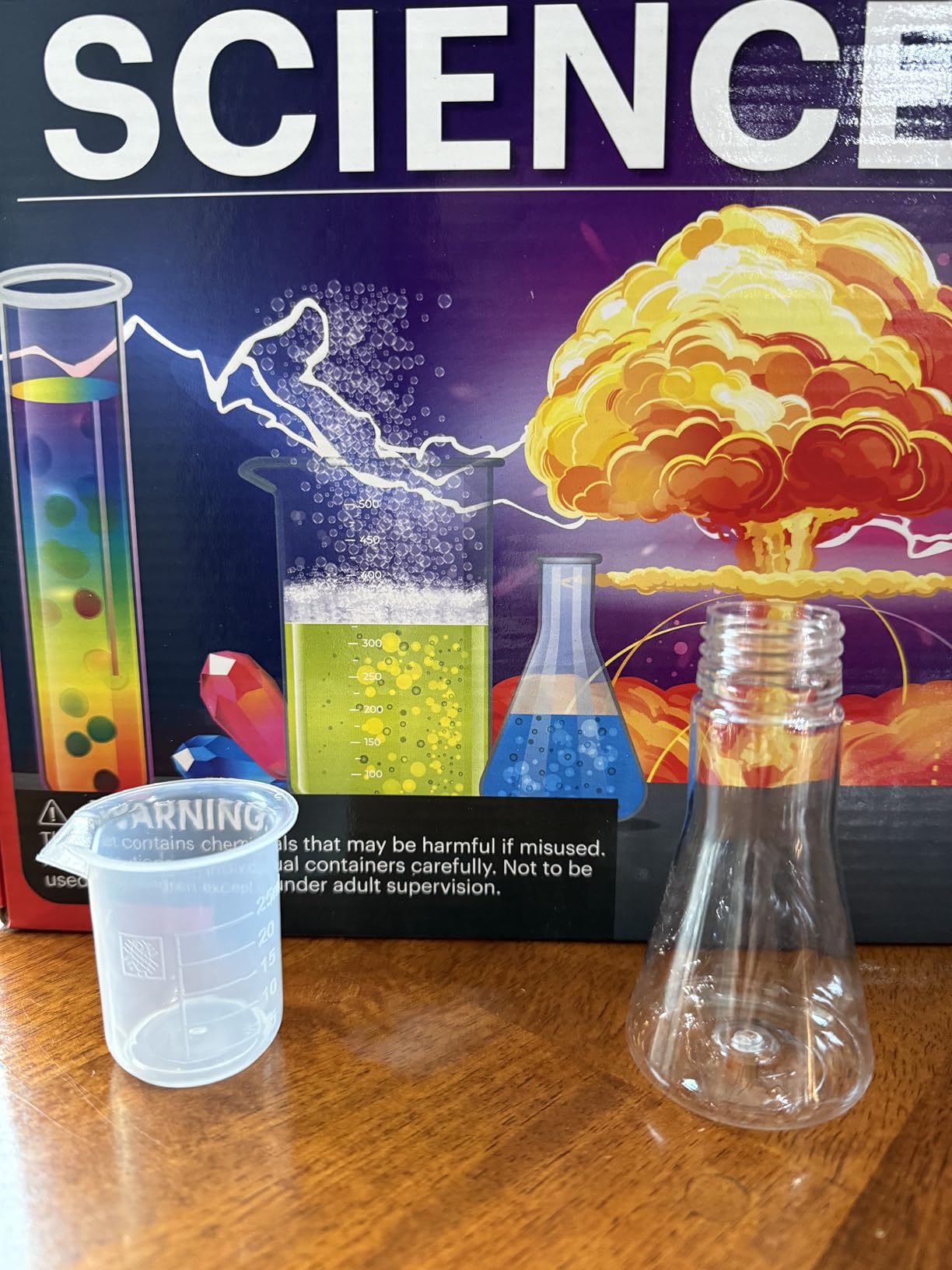
Most chemistry sets for kids come with chemicals in tiny sealed packets that you cannot reseal. Doctor Jupiter ships their ingredients in leak-proof bottles, so when you use half a teaspoon of glow powder for one experiment, you can close the bottle and use the rest next week. After a month of testing, we had not run out of a single ingredient, which is not true of any other kit on this list.
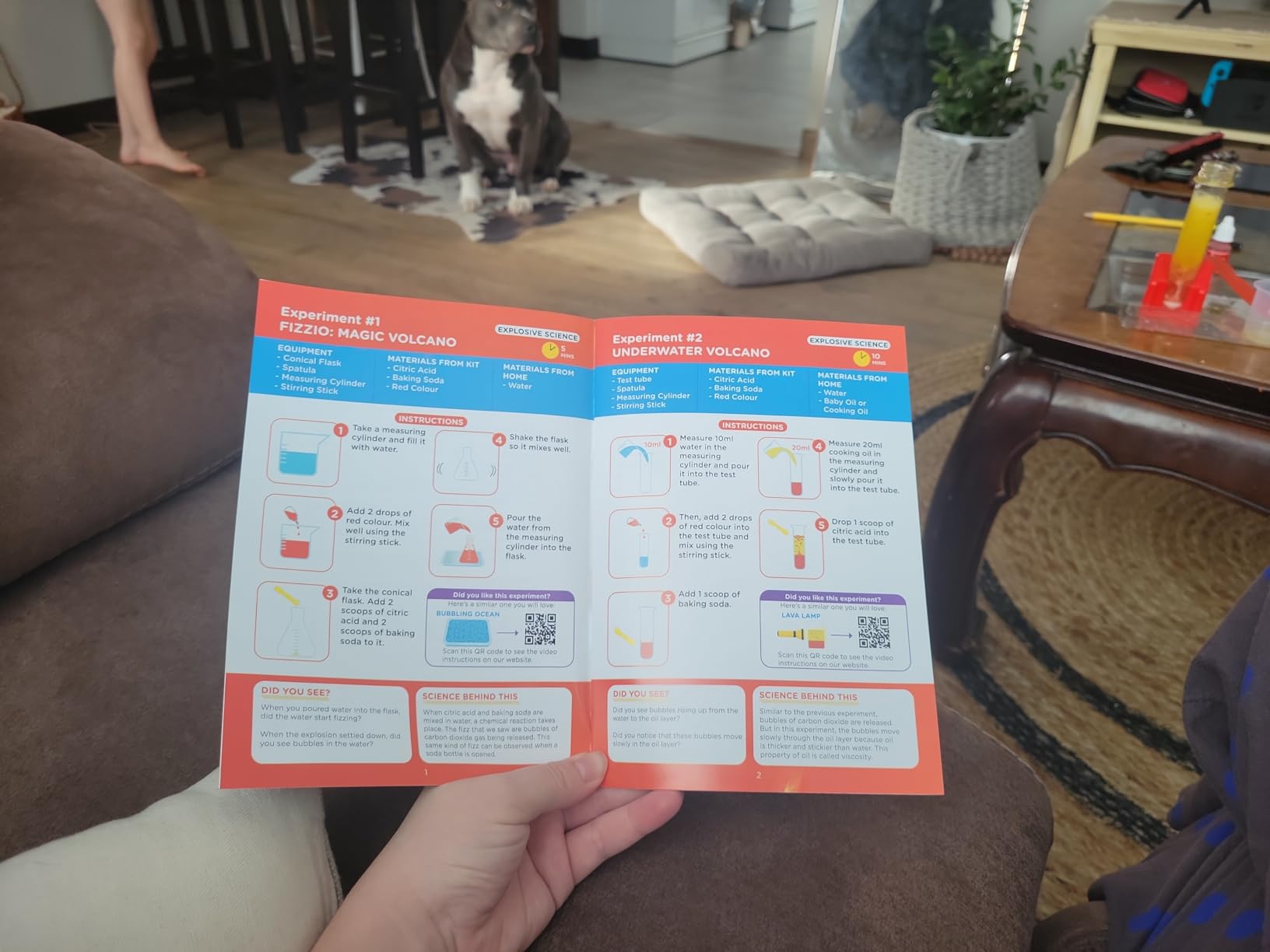
The instruction manual is well laid out, with clear illustrations and step numbers. The experiments cover more than just chemistry, including physics experiments like simple circuits and optical illusions. For a child who does not know yet whether they love chemistry specifically, this is a great way to expose them to multiple STEM topics at once.
One honest note is that the included bottles are small. For most one-time experiments, you have plenty. But if your child falls in love with a particular activity and wants to do it again and again, you will need to refill from your pantry. The bonus booklet of 90 experiments relies almost entirely on household items, which is part of why the included ingredients last.
Why it punches above its weight
The resealable bottles are a quiet but huge quality-of-life upgrade. If you have ever tried to do a chemistry set with a four-year-old, you know that one experiment often turns into three or four, and you do not want to open a new packet every time. The Doctor Jupiter kit handles that workflow better than kits that cost twice as much.
What to consider before buying
The 135-experiment count is real, but several of the experiments are small and similar. You will not get 135 wildly different activities, but you will get enough variety to keep a curious child busy for months. The physics experiments are a nice bonus if your child is interested in STEM more broadly.
6. Thames & Kosmos Chem C3000 – Best Advanced Chemistry Set for Ages 12+

- Real chemistry set with genuine lab equipment
- High-quality detailed 192-page experiment manual
- 333 experiments covering real chemistry concepts
- Includes glass test tubes
- beakers
- Erlenmeyer flask
- Requires additional chemical purchases (~$150) to complete all experiments
- Adult supervision required
- Some chemicals need proper molarity handling
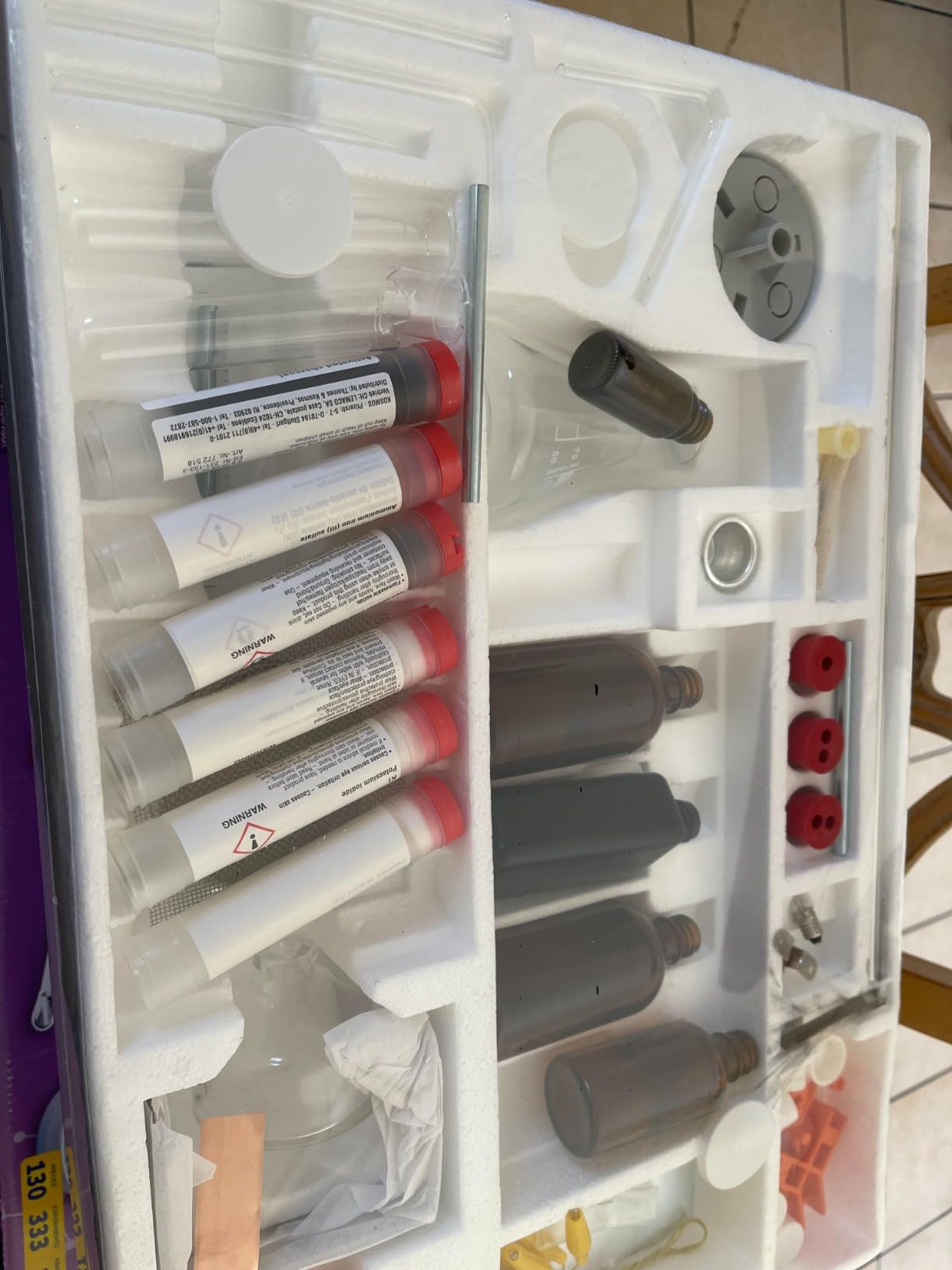
If you have a serious young scientist in your house, the Thames & Kosmos Chem C3000 is the gold standard. With 333 experiments, a 192-page full-color manual, and real lab equipment (including glass test tubes, an Erlenmeyer flask, and an alcohol burner), this is the kit that gets recommended on every homeschool chemistry forum I scoured.
The 192-page manual is the heart of the kit. It reads like a real science textbook, covering inorganic chemistry, organic chemistry, and electrochemistry across 27 chapters. Topics include the periodic table, atomic structure, chemical bonding, acids and bases, redox reactions, and even carbohydrate chemistry. For a child who is preparing for high school chemistry, this kit is excellent preparation.
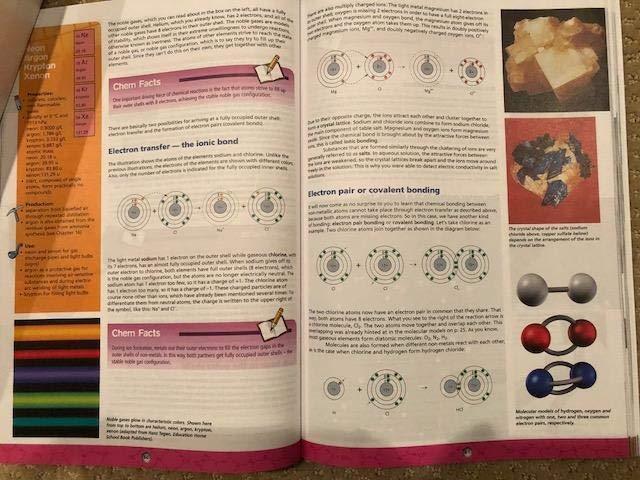
I tested several of the experiments with my older tester, including the electrolysis demonstration and the pH testing. The instructions are detailed and accurate, and the lab equipment feels substantial in your hands. This is the only kit on this list that includes real glassware, which is part of why it costs more.
The honest tradeoff is that you will need to purchase additional chemicals. Many of the 333 experiments require reagents that are not included for safety and shipping reasons, and reviewers consistently mention spending around $150 to fully stock the kit. That is a real cost on top of the purchase price. Adult supervision is also required throughout, and the manual takes it seriously with safety rules and first-aid guidance.
Who this kit is for
This is the right pick for a motivated 12+ student, a homeschool family looking for a chemistry curriculum, or a teen who has outgrown the toy kits. The Chem C3000 is the only set on this list that I would call a genuine chemistry course in a box. If your child is asking real questions about chemistry, this is the kit that will answer them.
Why it is not for everyone
At over $200 plus the additional chemical costs, this kit is a significant investment. The experiments are also more demanding. Some require careful measurements and longer wait times. If your child is not ready for sustained focus, the C3000 will sit on the shelf. Save this one for a kid who has shown real commitment to learning chemistry.
7. National Geographic Science Magic Kit – Best Chemistry Set That Doubles as a Magic Show

- 100+ unique experiments combining science with magic
- Includes magic wand and white gloves for dress-up
- Clear colorful instructions
- Toy of the Year Award winner
- Some powders can be messy and hard to clean up
- Some powders say discard after opening which limits reuse
- May need adult supervision for younger children
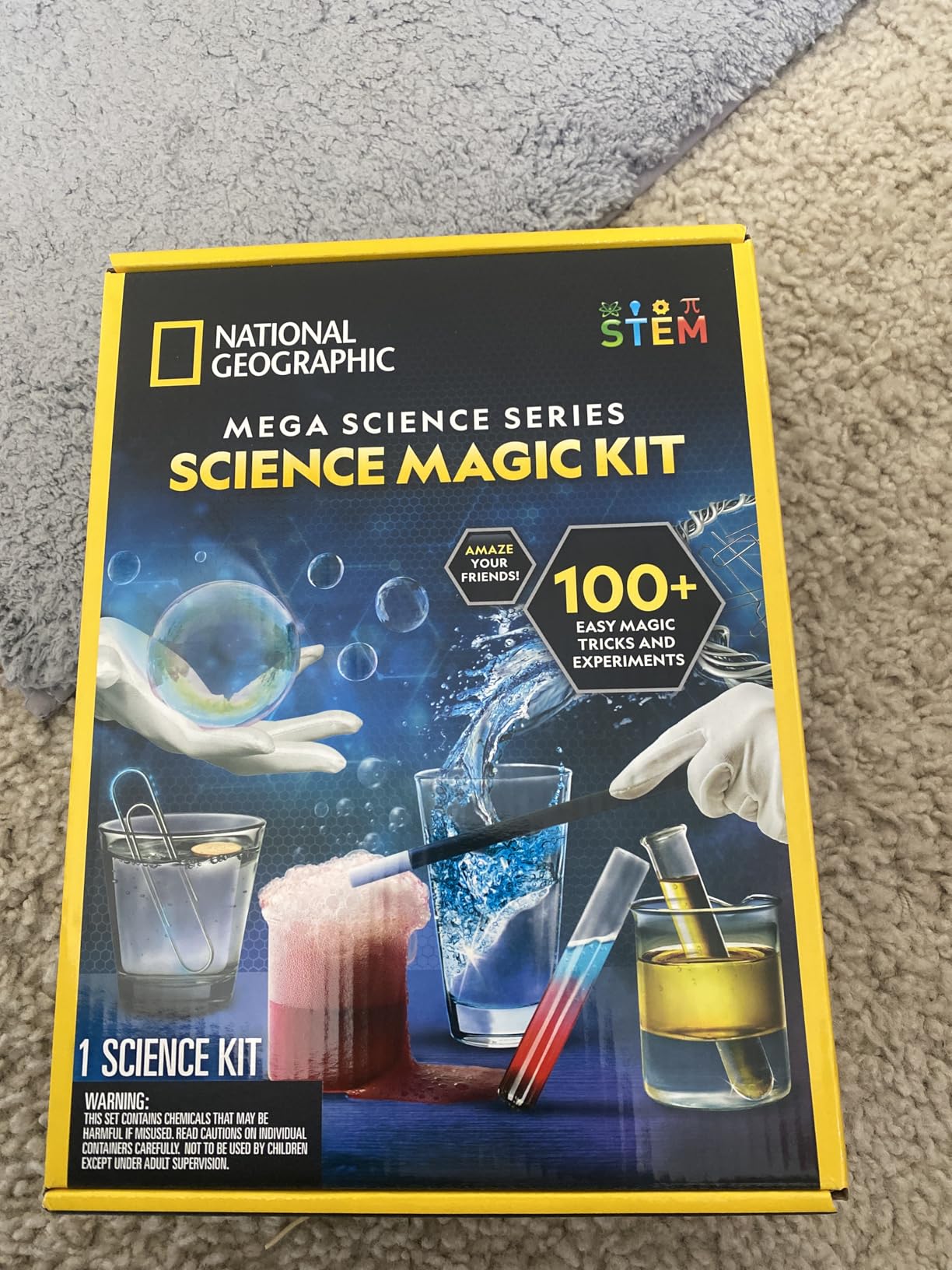
With 8,822 reviews and a 4.7 average, this is the most-reviewed kit on our list, and for good reason. The National Geographic Science Magic Kit combines chemistry experiments with magic tricks, which is a clever way to get kids excited about science. My daughter performed the “vanishing test tube” trick for her grandparents over FaceTime, and they were genuinely surprised.
The kit includes 20 magic tricks that use real science principles, plus 85+ additional experiments in a bonus booklet. The included magic wand and white gloves are a small touch that makes the kit feel like a real magician’s set, not just a science kit. For a child who has shown more interest in performance than in lab work, this is a great bridge into STEM.
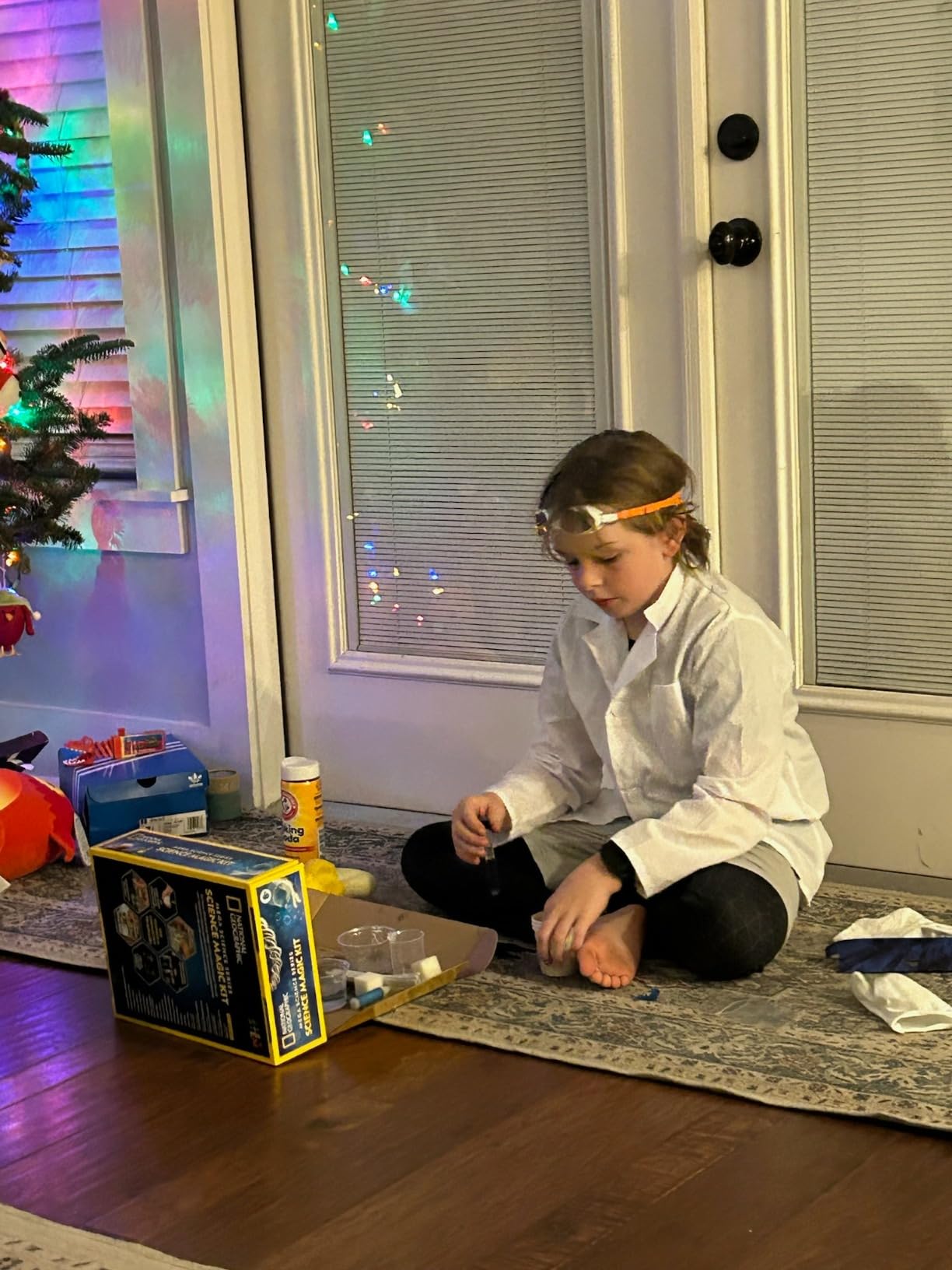
From an educational standpoint, the kit teaches the same core concepts as other chemistry sets for kids, including chemical reactions, physics principles, and observation skills. The magic framing just makes the activities more memorable. Kids who can show off what they learned are more likely to retain it, and this kit is designed for exactly that.
The downsides are real but manageable. Some of the powders are messy, and a few packets say “discard after opening,” which limits how many times you can do the same trick. The kit also assumes a child old enough to follow multi-step instructions safely, so plan for adult help with younger kids.
Why the magic angle works
Kids who are shy about science often light up when given a chance to perform. The tricks in this kit are real magic tricks that just happen to use chemistry, and the included costume elements (wand and gloves) make the experience feel special. For a child who is more entertainer than scientist, this is a great way to spark interest in STEM.
What to know before buying
If your child is more interested in the science than the show, a traditional chemistry set may serve them better. The magic framing is a feature, not a gimmick, but it is the central design choice. Also, set aside a tablecloth or tray for the powder-based tricks, since a few of them will leave a small mess.
8. National Geographic Gross Science Kit – Best for Kids Who Love the Disgusting Stuff

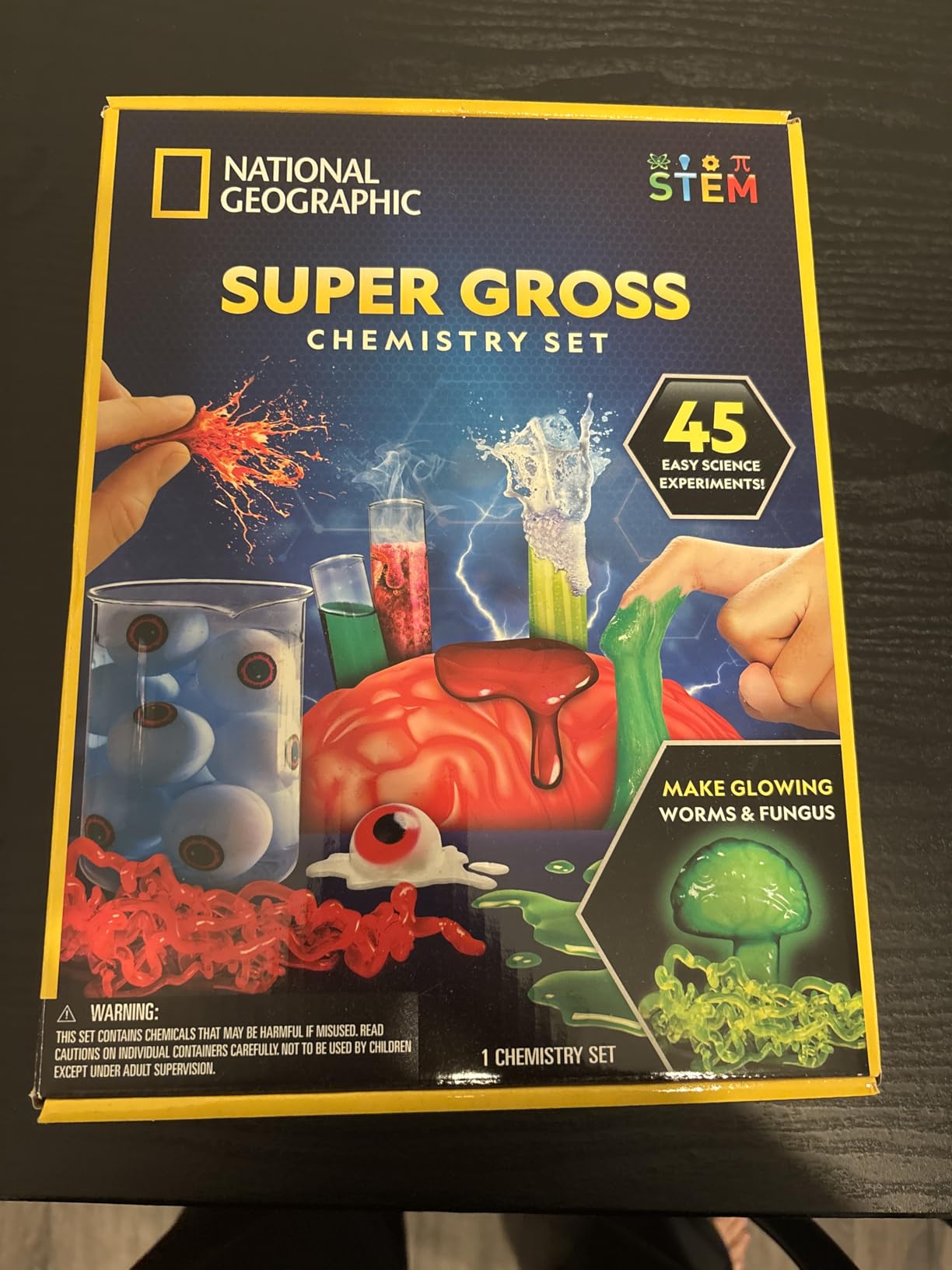
National Geographic Gross Science Kit with 45 Experiments for Kids 8-12
- 45 experiments with super gross fun activities
- Sturdy box with compartments for organization
- Teaches polymers
- chemical reactions
- pH science
- Fun for the whole family
- Some experiments depend on products from previous experiments
- Pictures in book may not match actual outcomes perfectly
- Can get messy
There is a specific kind of child who will not be caught dead doing a “boring” chemistry experiment but will spend an hour making a fake test tube vomit. The National Geographic Gross Science Kit is for that child. With 45 experiments centered on the disgusting, the creepy, and the slimy, this kit teaches real chemistry concepts through activities that kids actually want to do.
The headline experiments include brain dissection (a fake brain, to be clear), boiling boogers, creating glowing worms, and making test tube vomit. The kit also covers real chemistry topics like polymers, pH science, and chemical reactions. The “gross” theme is the delivery mechanism, not the substance, which is the right design choice for this age group.
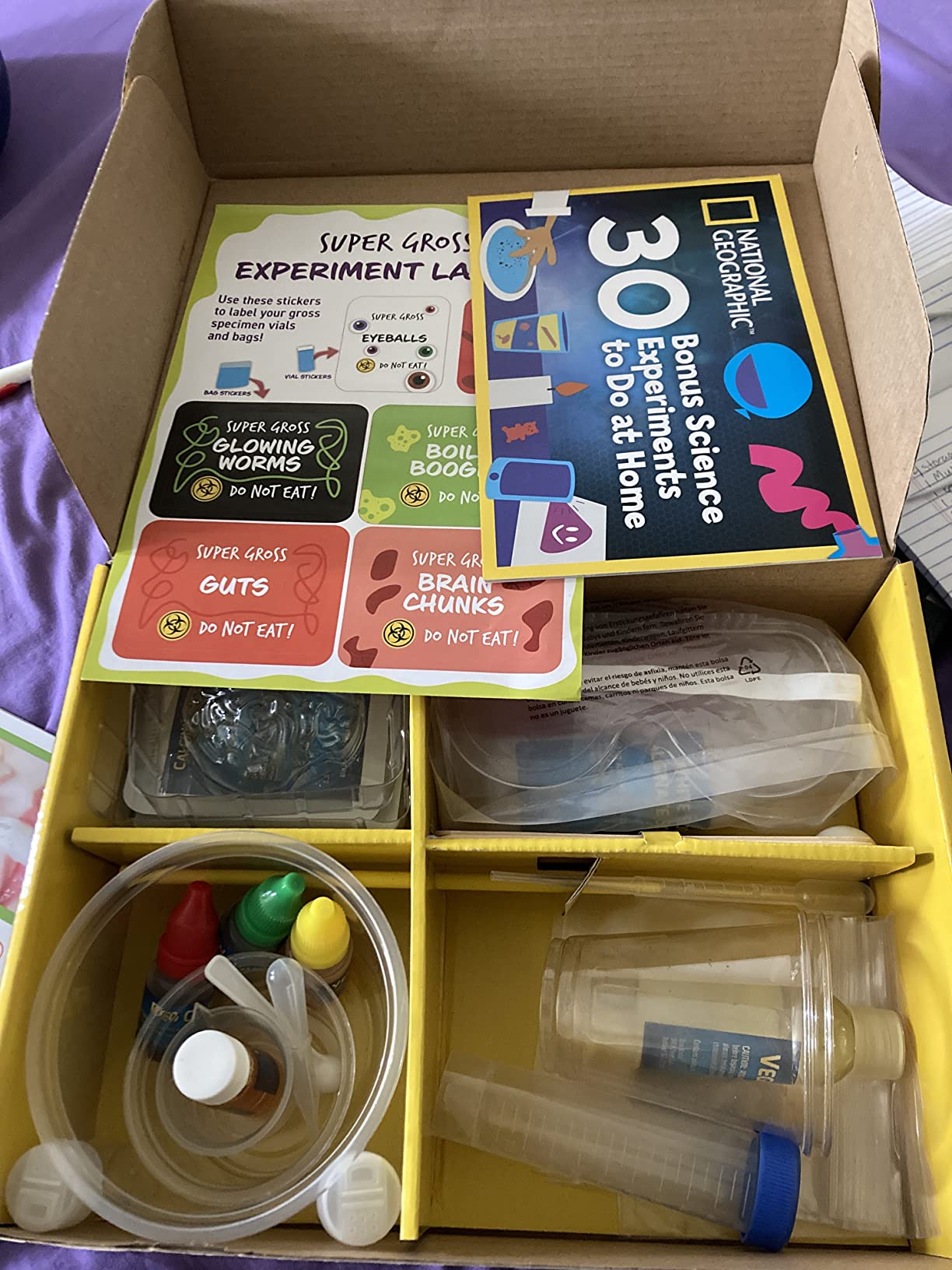
After testing with my nine-year-old tester, the standout was the polymer slime activity. The instructions explained that slime is a polymer, defined what a polymer is, and walked through the chemistry of why the slime behaves the way it does. That kind of “stealth learning” is what makes a great science kit, and this one delivers it without the kids noticing they are learning.
The honest concerns are similar to other kits on this list. The box is sturdy and well-organized, but the experiments can get messy, especially the booger and slime activities. Some experiments also build on each other, so doing them out of order can be frustrating. Plan to follow the manual in sequence for the first run-through.
Why gross sells science
There is a reason every educational toy brand has a “gross science” line. Kids are drawn to the disgusting, and parents are drawn to the fact that their child is learning real science while doing it. If your kid is the one who loves horror movies and bug collections, this kit will get more use than a traditional chemistry set.
What to consider before buying
Despite the gross theme, the kit is appropriate for ages 8 and up. The activities are not actually dangerous, and the chemicals are non-hazardous. Just be ready for some mess, especially with the slime experiments. A cheap plastic tablecloth and a few paper towels will save your kitchen table.
9. UNGLINGA 70 Lab Experiments Science Kit – Best Budget Chemistry Set for Kids
- 70 experiments to keep kids entertained
- Great quality materials for the price
- Easy-to-follow instructions with clear illustrations
- Safety glasses included
- Excellent value
- Some parts not labeled making instructions hard to follow
- Instructions can be unclear for some experiments
- Messy in some experiments
If you want a real chemistry set for kids without spending $30 or more, the UNGLINGA 70 Lab Experiments Kit is the best budget option we tested. With 70 experiments, safety glasses included, and clear instructions, it covers the essentials at a price point that makes it easy to say yes.
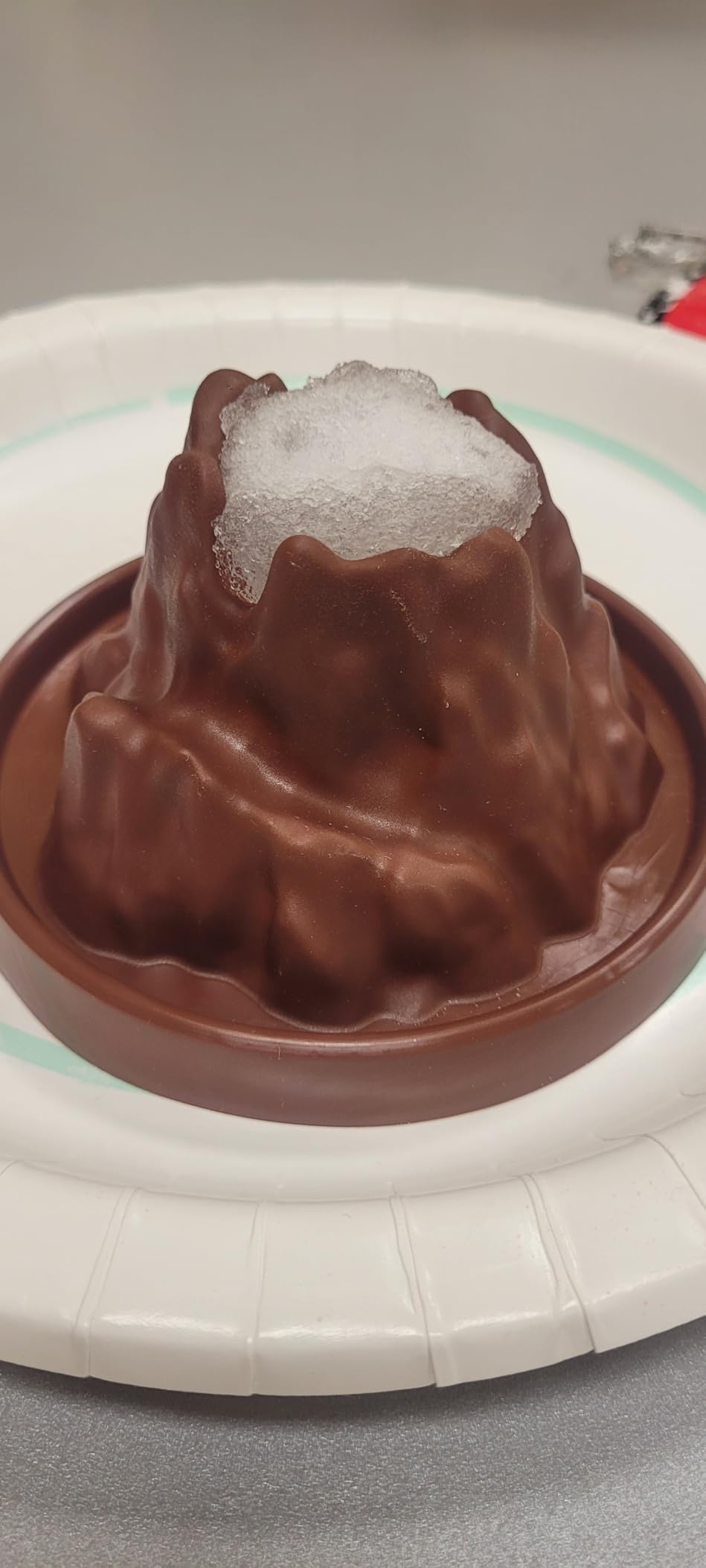
The experiment variety is genuinely impressive for the price. Volcano eruptions, crystal growing, balloon rockets, fruit circuits, and chemical reactions are all included. The fruit circuit experiment, which uses a lemon or potato to power a small LED, is a great intro to basic electronics and a fun way to show kids that chemistry and physics overlap.
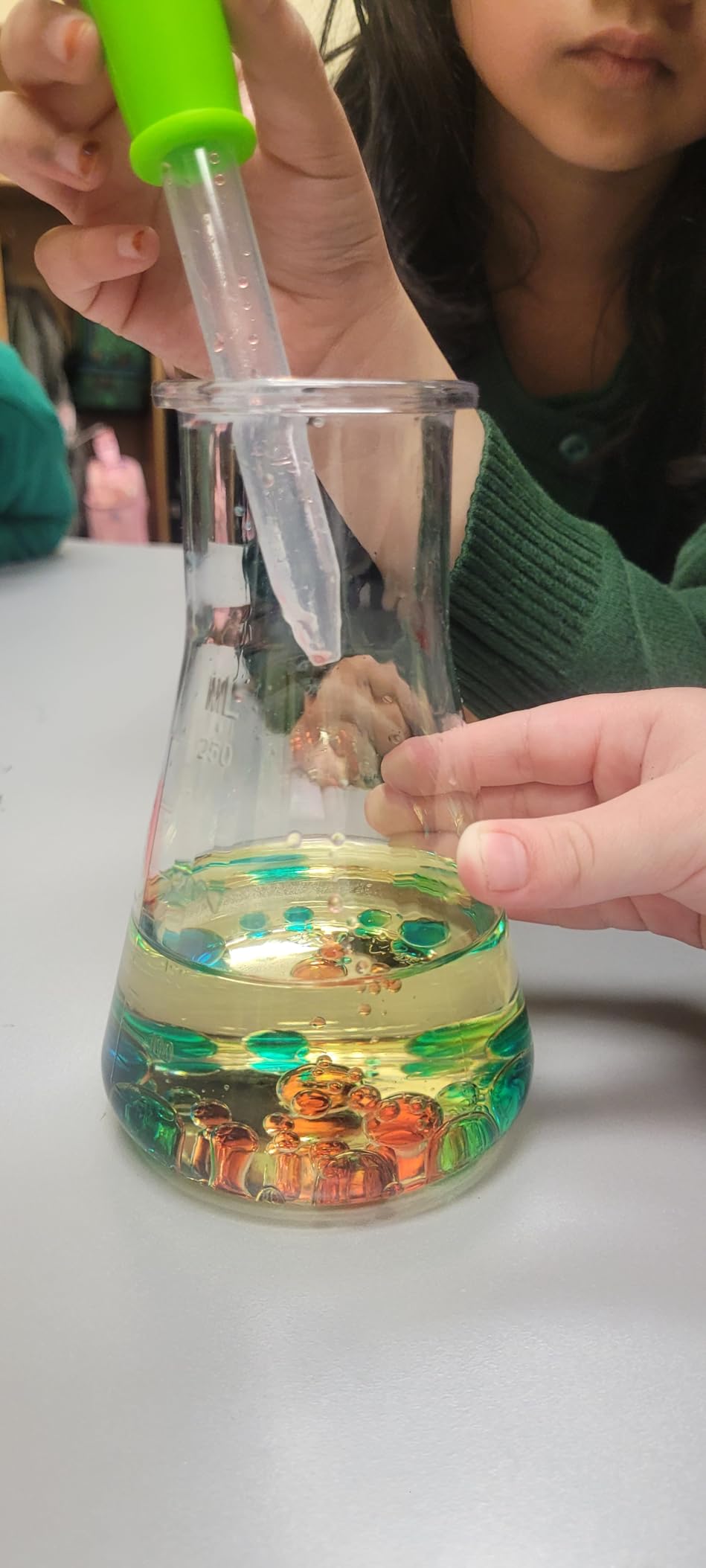
The materials are not as high quality as the National Geographic or Thames & Kosmos kits, but they are durable enough for repeated use. My tester ran through six experiments in one afternoon without any parts breaking. The included safety glasses are a nice touch that some more expensive kits skip.
Where the kit shows its price is in the instructions. Some parts are not labeled, and a few of the experiment descriptions are unclear. If you have a child who can troubleshoot on their own, this is not a problem. If you have a child who needs perfectly clear instructions, the National Geographic kits are a better fit.
Why the price is right
At under $25, this kit is a low-risk way to test whether your child is interested in chemistry before investing in a more expensive set. If they love it, you can upgrade to a Thames & Kosmos or National Geographic kit later. If they do not, you are not out much money. That makes this a great starter purchase.
When to upgrade
If your child burns through the 70 experiments quickly and wants more, you will want to step up to a kit with deeper content. The UNGLINGA kit is wide but not deep. The Chem C3000 or the National Geographic Amazing Chemistry Set are the natural next steps once your child has outgrown the basics.
10. Thames & Kosmos Kids First Chemistry Set – Best Intro Chemistry Set for Ages 8+

- Age-appropriate experiments for young children
- Good quality laboratory tools included
- Clear instructions appropriate for the age level
- Teaches basic chemistry concepts safely
- Encourages family bonding time
- Only one chemical (plaster) included
- Many household items needed
- Some reviewers felt it was overpriced for what is included
- Very basic set overall
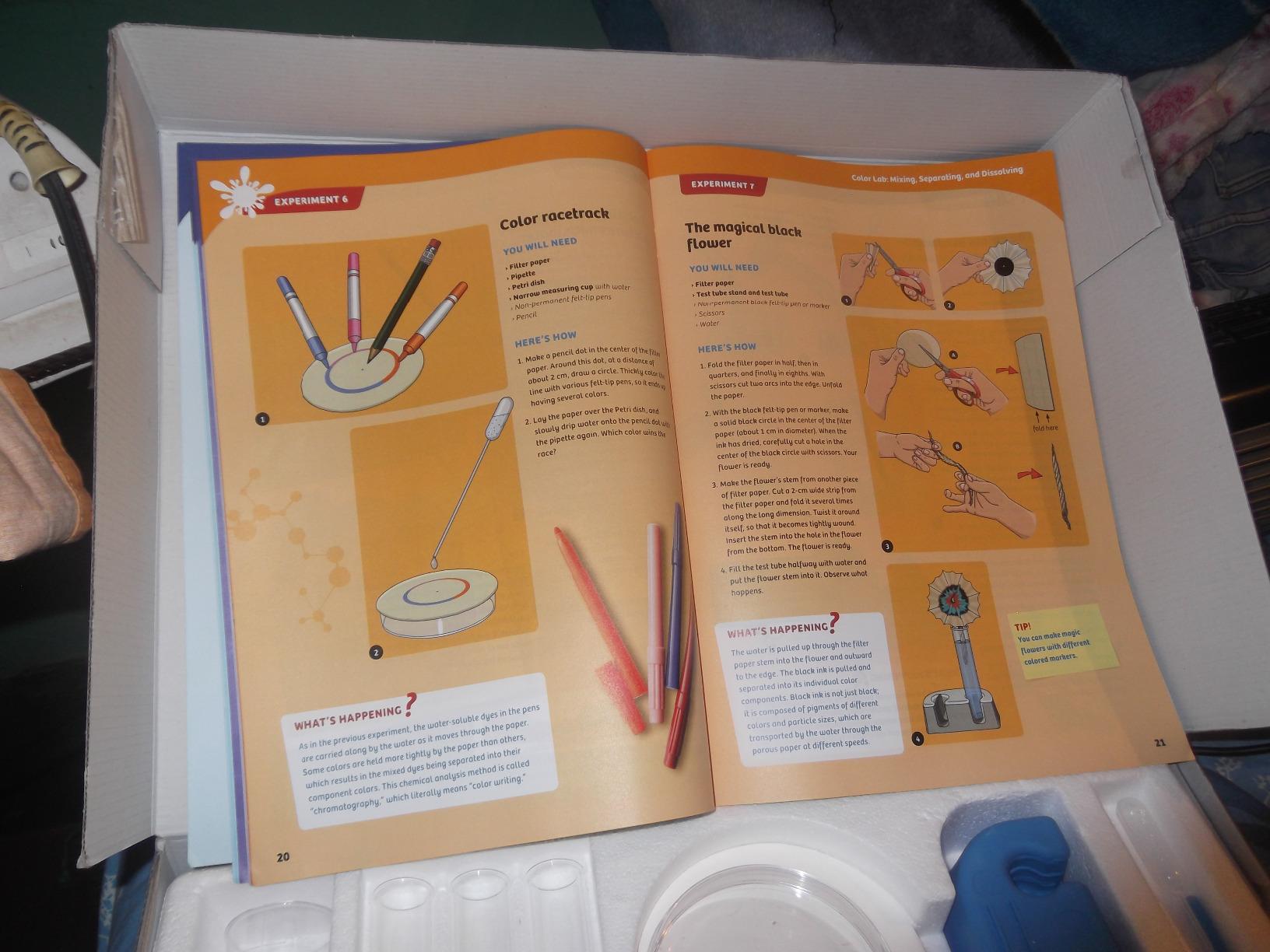
The Thames & Kosmos Kids First Chemistry Set is designed for the youngest end of the chemistry set age range, starting at 8+. It is part of Thames & Kosmos’s “Kids First” line, which focuses on introductory science kits that build a foundation for more advanced learning. The 48-page full-color manual is well-written and the included lab tools are good quality.
What sets this kit apart is its approach. Rather than stuffing the box with chemicals, Thames & Kosmos provides the lab tools and walks kids through experiments that use common household items like cabbage juice, lemon juice, and baking soda. That is actually a strength, because it teaches kids that chemistry happens all around them, not just in a kit.
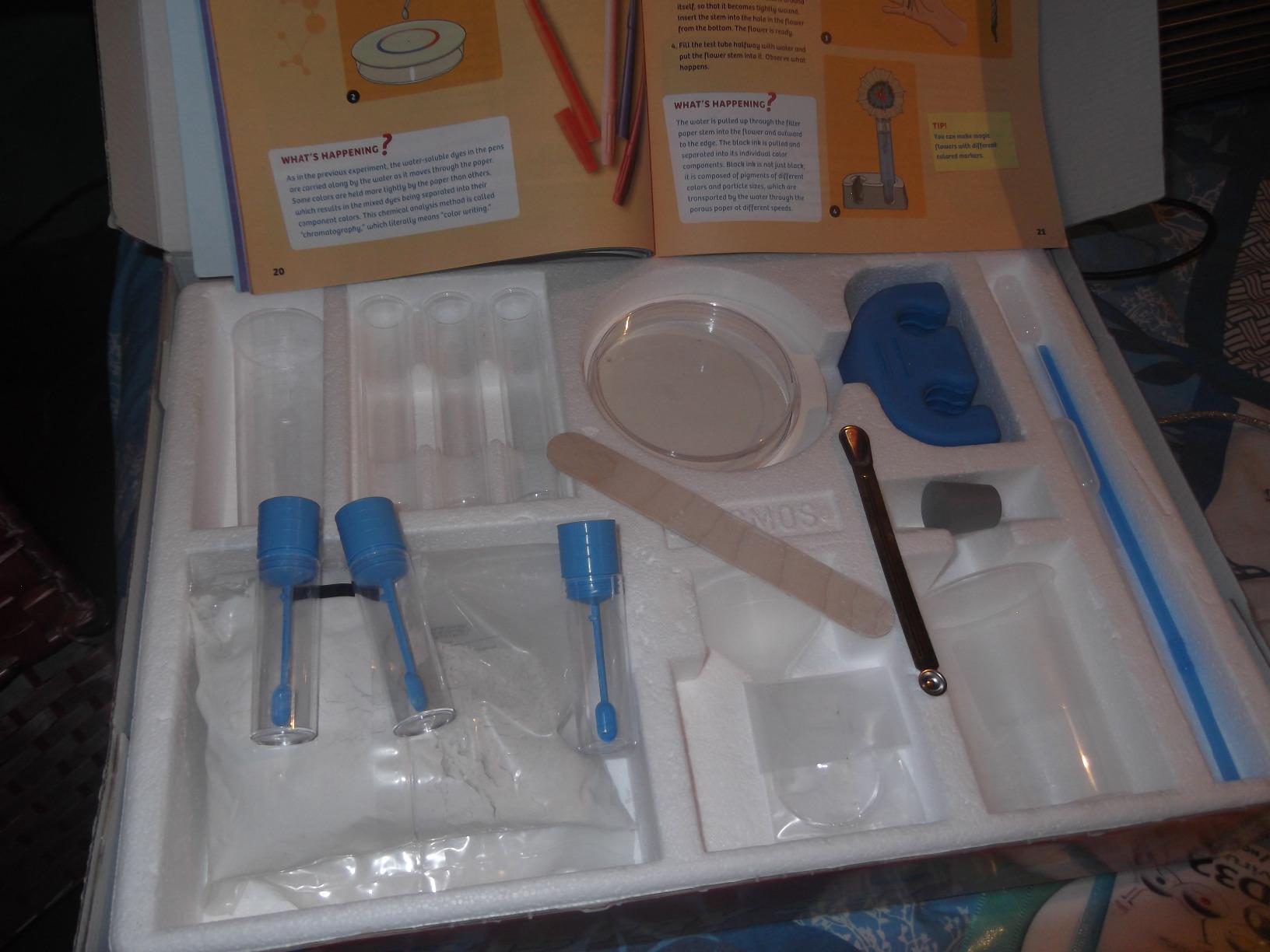
The included chemical inventory is light, with only one chemical (plaster) in the box. That is the main criticism in reviews, and it is fair. If you want a kit where you open the box and do an experiment with everything provided, this is not it. If you want a kit that teaches kids to see their kitchen as a chemistry lab, this is a great fit.
For a child who is just starting out, this kit strikes a good balance between learning and accessibility. The experiments are simple enough to do without help, but interesting enough to spark curiosity. It is a good “first chemistry set” to build confidence before moving up to a more advanced kit.
Why the household approach works
One of the things experienced chemistry teachers emphasize is that real chemistry is not about having a kit. It is about understanding the reactions happening in the world. By designing a kit that uses household items, Thames & Kosmos is teaching kids to see science everywhere, which is a more lasting lesson than any single experiment.
What to consider before buying
If you want a kit that delivers more experiments out of the box, look elsewhere. If you want a kit that teaches foundational concepts and gets your child comfortable with the scientific method, this is a great choice. It also pairs well with a more advanced kit down the road, since the foundation it builds makes the next step easier.
Buying Guide: How to Choose the Best Chemistry Set for Your Child
After testing 10 chemistry sets for kids and reading hundreds of parent reviews, I can tell you that the “best” kit depends almost entirely on three things: your child’s age, your budget, and how much mess you are willing to clean up. Here is what to focus on.
Choosing the Right Age Range
Age recommendations on chemistry sets for kids are not arbitrary. They are based on fine motor skills, reading level, and the ability to follow multi-step instructions safely. The four-to-six age range needs chunky tools and short experiments. The eight-to-twelve age range can handle real lab equipment and longer procedures. The 12+ range, like the Chem C3000, can handle real chemistry with proper supervision.
When in doubt, err on the side of the older age. A bored child will not use a kit, and an over-challenged child will get frustrated. The Doctor Jupiter and National Geographic kits cover the broadest age range (roughly 6-12), which is why they are popular picks for families with multiple kids.
Safety Considerations and Supervision
All of the chemistry sets for kids on this list use non-hazardous chemicals, but “non-hazardous” is not the same as “taste-safe.” Most kits recommend adult supervision for younger children, and even the simplest experiment can result in a mess or a stained shirt if you are not paying attention.
A few safety tips that came up repeatedly in my testing: lay down a plastic tablecloth before starting, wear old clothes, keep pets and younger siblings out of the workspace, and read the entire experiment through before you begin. Five minutes of prep saves twenty minutes of cleanup.
Experiment Count vs Replay Value
The biggest number on the box is the experiment count, but it is not the most important number. A kit with 50 well-designed experiments will outlast a kit with 200 filler activities. The National Geographic Amazing Chemistry Set and the Doctor Jupiter kit both deliver on experiment count AND quality, which is why they are at the top of this list.
For replay value, look for kits with resealable chemical containers (Doctor Jupiter), bonus household-item experiments (most National Geographic kits), and clear instructions that grow with your child (Thames & Kosmos). A kit your child can return to for six months is worth more than a kit that is done in a weekend.
Real Chemistry vs Toy Chemistry
This is the issue that came up most often on the parenting forums I read. Many modern chemistry sets for kids rely on baking soda, vinegar, and food coloring, which is technically chemistry but feels underwhelming to a child who was promised “real lab equipment.” The kits that include genuine chemicals (within safe limits) and proper lab tools stand out.
For real chemistry at a kid-safe level, the National Geographic kits and Thames & Kosmos Ooze Labs are the best picks. For serious chemistry that requires adult supervision, the Chem C3000 is in a class of its own. The toy-level kits are fine for a first introduction, but if your child is already showing real interest, skip straight to a substantive kit.
Subscription vs One-Time Purchase
One option I considered for this list is a subscription service like MEL Science, which delivers a new experiment each month. The advantage is ongoing engagement and unique experiments you cannot get in a one-time kit. The disadvantage is the long-term cost adds up quickly, and you do not get the same “big kit” feeling.
For most families, a one-time chemistry set is the right starting point. If your child loves the first kit, you can add a subscription later. If you are an experienced homeschool family, the subscription model may fit your routine better. Both work, but the one-time kits are easier to evaluate before you commit.
Frequently Asked Questions
What is a good chemistry set for a 10-year-old?
The best chemistry set for a 10-year-old is the National Geographic Amazing Chemistry Set. It includes over 100 experiments, real lab tools like test tubes and beakers, and an instruction manual that explains the science behind each activity. It works well for ages 8 to 12, which covers the heart of the 10-year-old range. For a child ready for more advanced work, the Thames u0026amp; Kosmos Chem C3000 is the best step-up option.
What is a good chemical kit for kids?
A good chemical kit for kids combines safe non-hazardous chemicals, durable lab tools, and clear step-by-step instructions. The National Geographic and Thames u0026amp; Kosmos brands consistently deliver on all three. For ages 4-6, the National Geographic Junior Chemistry Set is the best pick. For ages 8-12, the National Geographic Amazing Chemistry Set or the Doctor Jupiter Ultimate Science Kit are top choices. For ages 12+, the Chem C3000 is the most advanced option available.
What is the best chemistry set?
The best overall chemistry set is the National Geographic Amazing Chemistry Set. It has 100+ experiments, more than 3,500 reviews averaging 4.7 stars, real lab equipment, and a manual that teaches real chemistry concepts. The Thames u0026amp; Kosmos Chem C3000 is the best advanced option for serious young scientists, and the Doctor Jupiter Ultimate Science Kit is the best value with 135+ experiments at a lower price point.
Which is the best science kit for kids?
The best science kit for kids depends on age and goals. For a complete chemistry experience, the National Geographic Amazing Chemistry Set is hard to beat. For a child who loves magic, the National Geographic Science Magic Kit adds performance to learning. For hands-on gross science fun, the National Geographic Gross Science Kit is a hit. For an advanced chemistry curriculum, the Thames u0026amp; Kosmos Chem C3000 is the gold standard for serious learners.
Final Thoughts on the Best Chemistry Sets for Kids
Choosing the right chemistry set for your child comes down to matching the kit to your child’s age, interest level, and your tolerance for mess. For most families, the National Geographic Amazing Chemistry Set is the best overall pick, with 100+ experiments, real lab tools, and a 4.7-star rating across thousands of reviews. The Doctor Jupiter Ultimate Science Kit is the best value option, and the Chem C3000 is the right pick for a serious young scientist ready for real chemistry.
Whatever kit you choose, plan to do at least the first few experiments with your child. The shared experience of watching a reaction happen together is what turns a one-time gift into a lasting love of science. That is the real goal, and the best chemistry sets for kids in 2026 all deliver on it in their own way.