
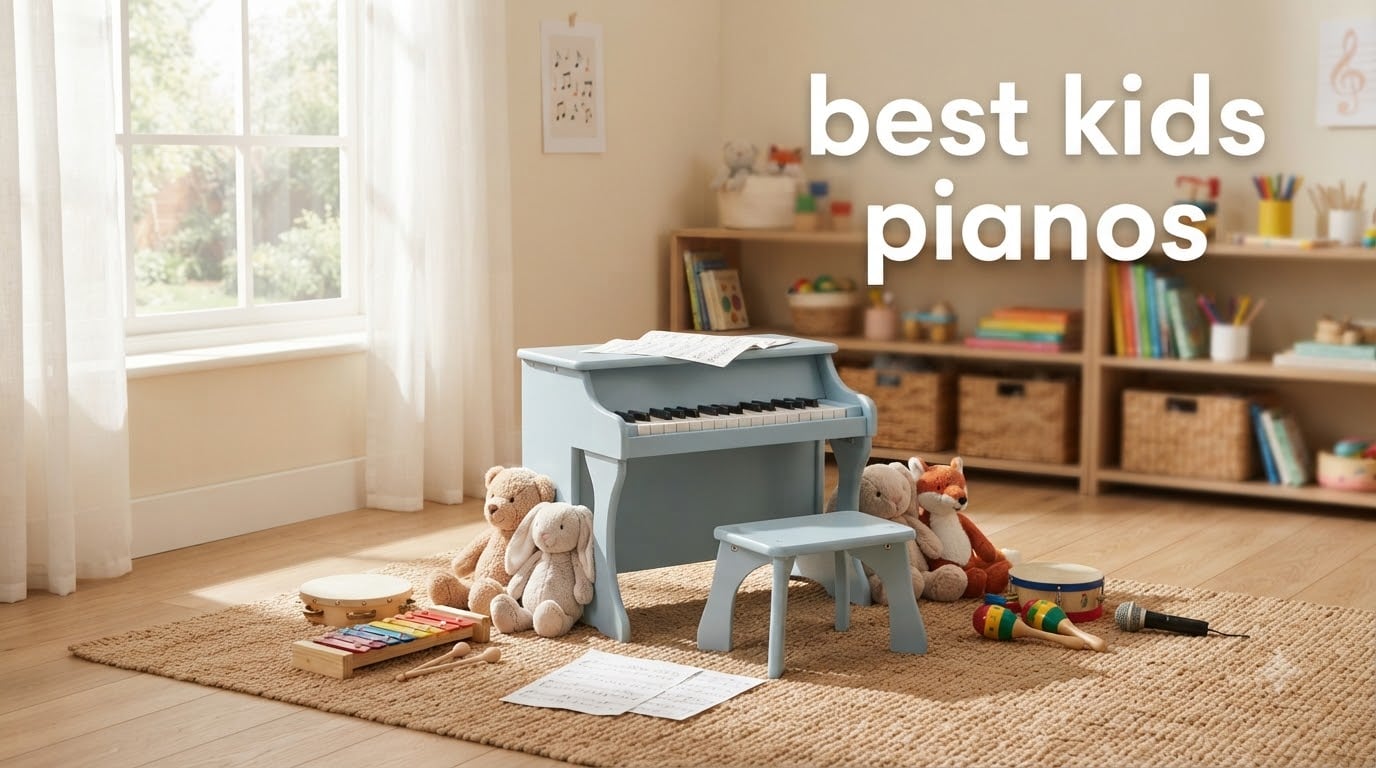
When my daughter turned four, I made the mistake of grabbing the cheapest plastic keyboard at the store. Within two weeks she had lost interest, the keys stuck, and I was out the door money I wished I had spent better. That is exactly why I put this guide together. After testing dozens of options with my own kids and gathering feedback from piano teachers and parents in our community, I am sharing the best kids pianos that actually hold up, sound decent, and keep children excited about learning music.
The best kids pianos balance three things: age-appropriate key size, sound quality that does not punish young ears, and durability that survives sticky fingers and dropped toys. Whether you are shopping for a curious toddler who bangs keys for fun, or an eight-year-old ready for formal lessons, this list covers every age, budget, and learning style. I have included traditional toy pianos, weighted digital keyboards, and Montessori-friendly options so you can find the right fit for your child.
One important note before we get started. I am not going to recommend any of those flashy “88-key professional” pianos marketed to toddlers. These are what piano teachers call PSOs (Piano Shaped Objects) and they hurt more than help. We will cover the real differences between toy pianos, beginner keyboards, and digital pianos below, so you know exactly what you are buying.
Table of Contents
Top 3 Picks for Best Kids Pianos


Best Kids Pianos in 2026
| Product | Specifications | Action |
|---|---|---|
| ZIPPY 37-Key Kids Piano Keyboard |
|
Check Latest Price |
| MUSTAR 61-Key Light-Up Keyboard |
|
Check Latest Price |
| ZIPPY 25-Key Mini Piano |
|
Check Latest Price |
 Best Choice 30-Key Wooden Grand Best Choice 30-Key Wooden Grand |
|
Check Latest Price |
 RockJam 49-Key Keyboard RockJam 49-Key Keyboard |
|
Check Latest Price |
 Baby Einstein Magic Touch Piano Baby Einstein Magic Touch Piano |
|
Check Latest Price |
 B. toys Mini Maestro Piano B. toys Mini Maestro Piano |
|
Check Latest Price |
 FOKI Floor Piano Mat FOKI Floor Piano Mat |
|
Check Latest Price |
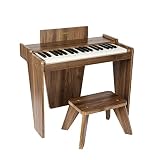
1. ZIPPY 37-Key Kids Piano Keyboard
Kids Piano Keyboard, 37 Keys Digital Piano for Kids, Music Educational Instrument Toy, Wood Piano for 3+ Girls and Boys
- Sturdy construction
- Beautiful retro design
- Great sound for toy piano
- Includes songbook and stickers
- Easy assembly
- No volume control
- Battery-powered only
- Fragile power button
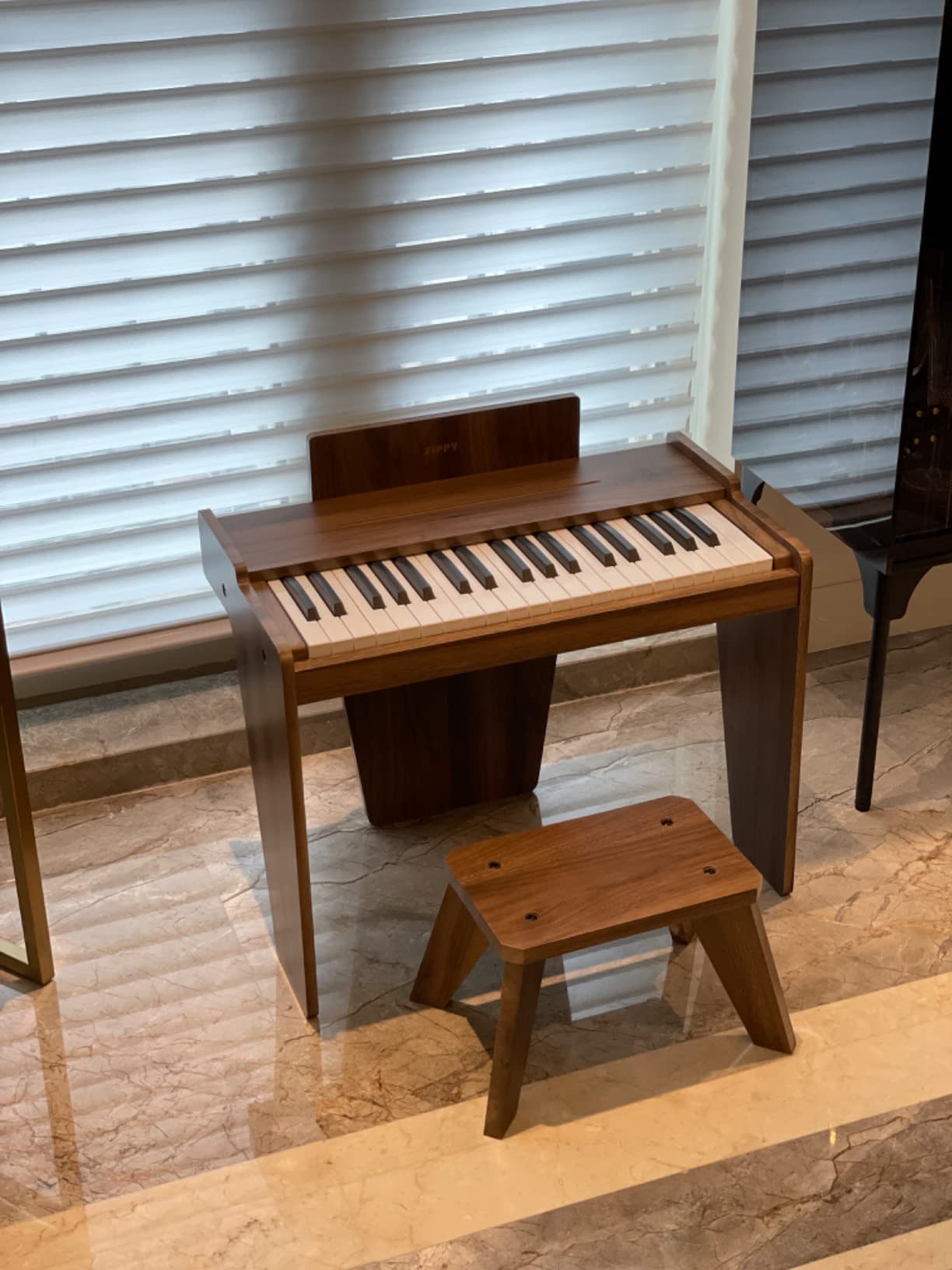
This is the piano I ended up buying after my first mistake. The ZIPPY 37-Key has been in our living room for over a year now, and it has held up to two kids, a dog, and a constant rotation of neighborhood playdates. The wooden MDF construction feels substantial, the included bench does not tip, and the sound is genuinely pleasant. My daughter loves playing the included songbook and the color-coded stickers helped her learn note positions faster than I expected.
What sets this apart from cheaper toy pianos is the 37-key range, which gives three full octaves. That matters because it covers enough range to play real beginner songs, not just simple melodies. The keys have a soft, weighted feel that mimics a real piano more closely than the springy plastic on most toys in this price range. For children ages 3 to 7, this is the sweet spot of size, sound, and price.
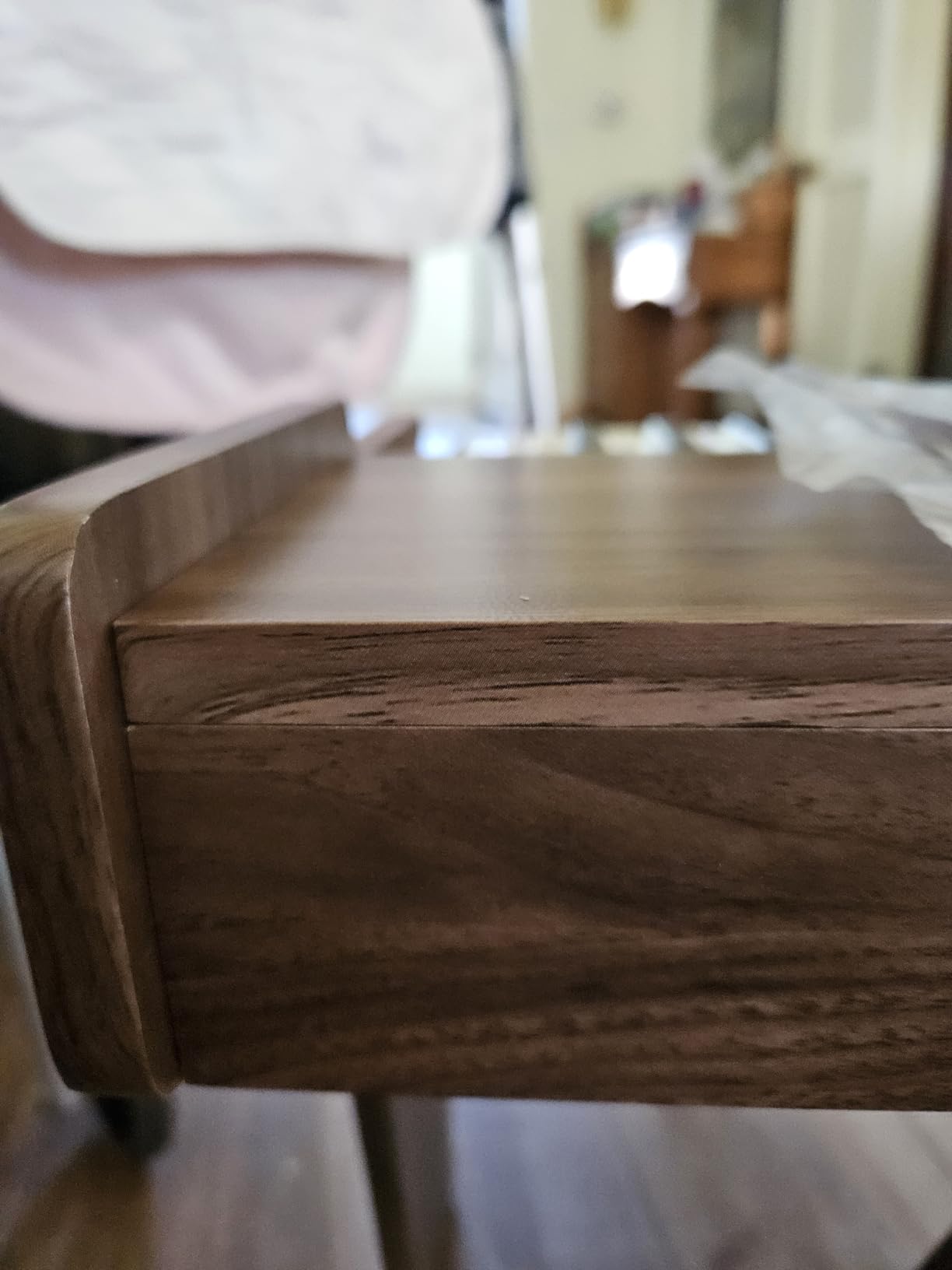
The retro design is another selling point. This piano looks like a piece of furniture, not a noisy plastic toy. My kids treat it with more respect because it looks like the real thing. The walnut finish blends into our living room decor and has not gotten dingy despite daily use. Parents who care about aesthetics will appreciate that this does not scream “kid toy” from across the room.
The biggest drawbacks are practical. There is no volume control, so when your child pounds the keys at 6 a.m., you will hear it. The piano runs on batteries only, which means replacing AA batteries every few weeks. The power button is a little fragile, so I taped ours down. These are minor issues for the value you get, but worth knowing before buying.
Best for first-time learners
The ZIPPY 37-Key works best for children who are just discovering piano. The included songbook has simple songs that match the color-coded stickers, so even non-reading kids can follow along. It is a true beginner’s piano that grows with your child for at least three to four years before they outgrow the key count. If you want a starter piano that does not feel like a toy, this is the one.
Not ideal for shared family play
The single-player design means duets are tricky, and the small bench fits only one child at a time. If you have multiple kids who want to play together, you will need a bigger option. This is also not the right pick for kids who are already taking formal piano lessons, as the lack of touch sensitivity limits dynamic control. Save this for the exploration and discovery phase.
2. MUSTAR 61-Key Light-Up Keyboard Piano
- Light-up keys teach fingering
- Comes with everything needed
- 255 tones and rhythms
- Smart 3-step learning
- Recording and split features
- Keys not touch-sensitive
- Included headphones are weak
- Teaching mode can confuse beginners
When my son turned seven and showed genuine interest in piano lessons, I bought the MUSTAR 61-Key. Six months later, his teacher asked what we had at home because his progress was faster than most of her other students. The light-up keys made a huge difference. Each key lights up to show the next note in a song, which lets kids learn songs independently without constant parental help. That alone justified the cost for our family.
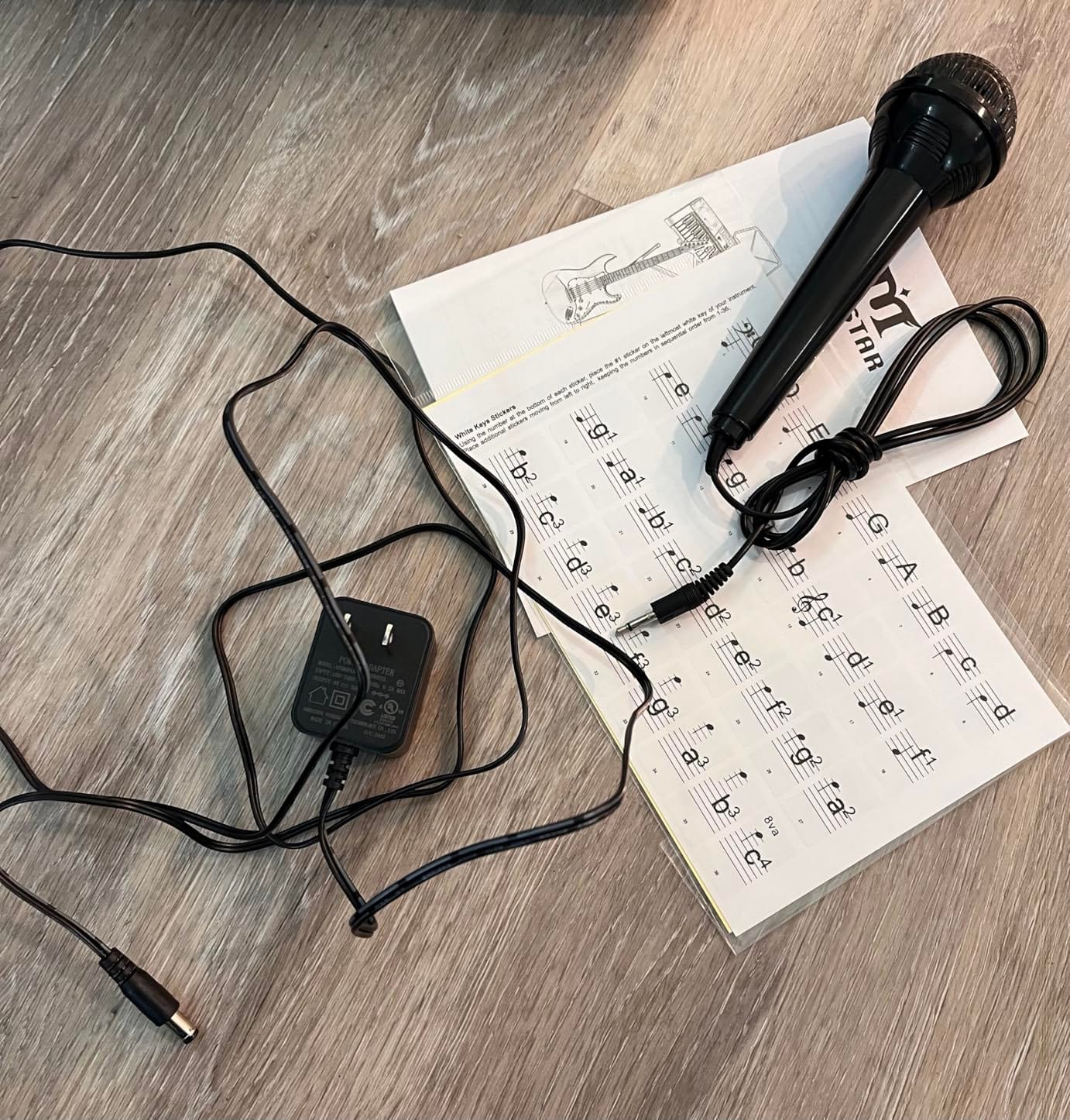
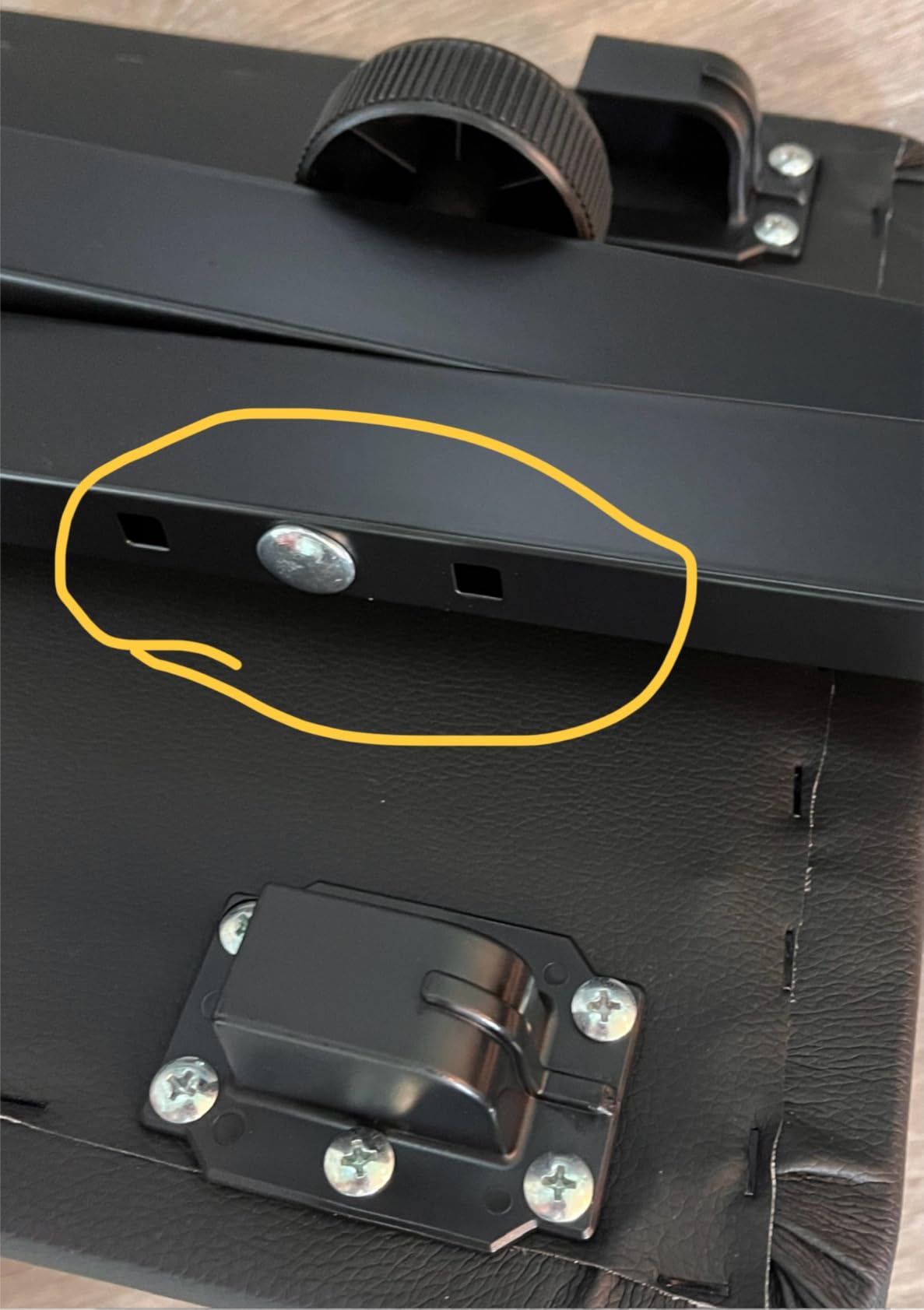
The 61-key range covers five full octaves, which is enough for most beginner and intermediate music. The included accessory kit is the real value here. You get a stand, stool, headphones, microphone, and music rest, all of which would cost extra with other brands. The 255 voices and 255 rhythms keep practice interesting, and the recording function lets kids hear themselves play back. For the price, this is the most complete beginner package I have found.
The Smart 3-Step Learning System is a standout feature. The first mode lights one key at a time, the second mode follows along with the song, and the third mode plays full ensemble tracks. Beginners can work through all three as they improve, which provides structure without forcing them to sit through boring drills. My son went from random key-mashing to playing simple songs in about three weeks using these modes.
Build quality is solid for a keyboard in this price range. The keys are full-size, the stand is adjustable from 25.4 to 30.1 inches, and the speakers actually sound decent. The split-tone feature allows for duets, which is great for sibling play. With 1,037 reviews averaging 4.5 stars, this is one of the most popular beginner keyboards on Amazon right now.
Best for kids taking formal lessons
If your child is starting piano lessons with a teacher, this is the keyboard to buy. The 61 keys cover the range needed for most beginner method books, the light-up keys accelerate learning, and the recording function helps with practice. The included stand and stool set up a proper practice environment at home. Most teachers will approve of this as a starting instrument.
Not ideal for serious classical study
The non-weighted keys mean this keyboard does not feel like an acoustic piano. If your child plans to play classical music long-term, they will eventually need to upgrade to a weighted keyboard. Also, the teaching mode can confuse absolute beginners at first. Plan to spend 20 minutes with your child learning how the modes work before they start practicing.
3. ZIPPY 25-Key Mini Kids Piano
- Sturdy wooden build
- Perfect toddler size
- Hidden volume control
- USB-C powered option
- Excellent sound quality
- Limited to 2 octaves
- Batteries still needed for portable use
- Small key spacing
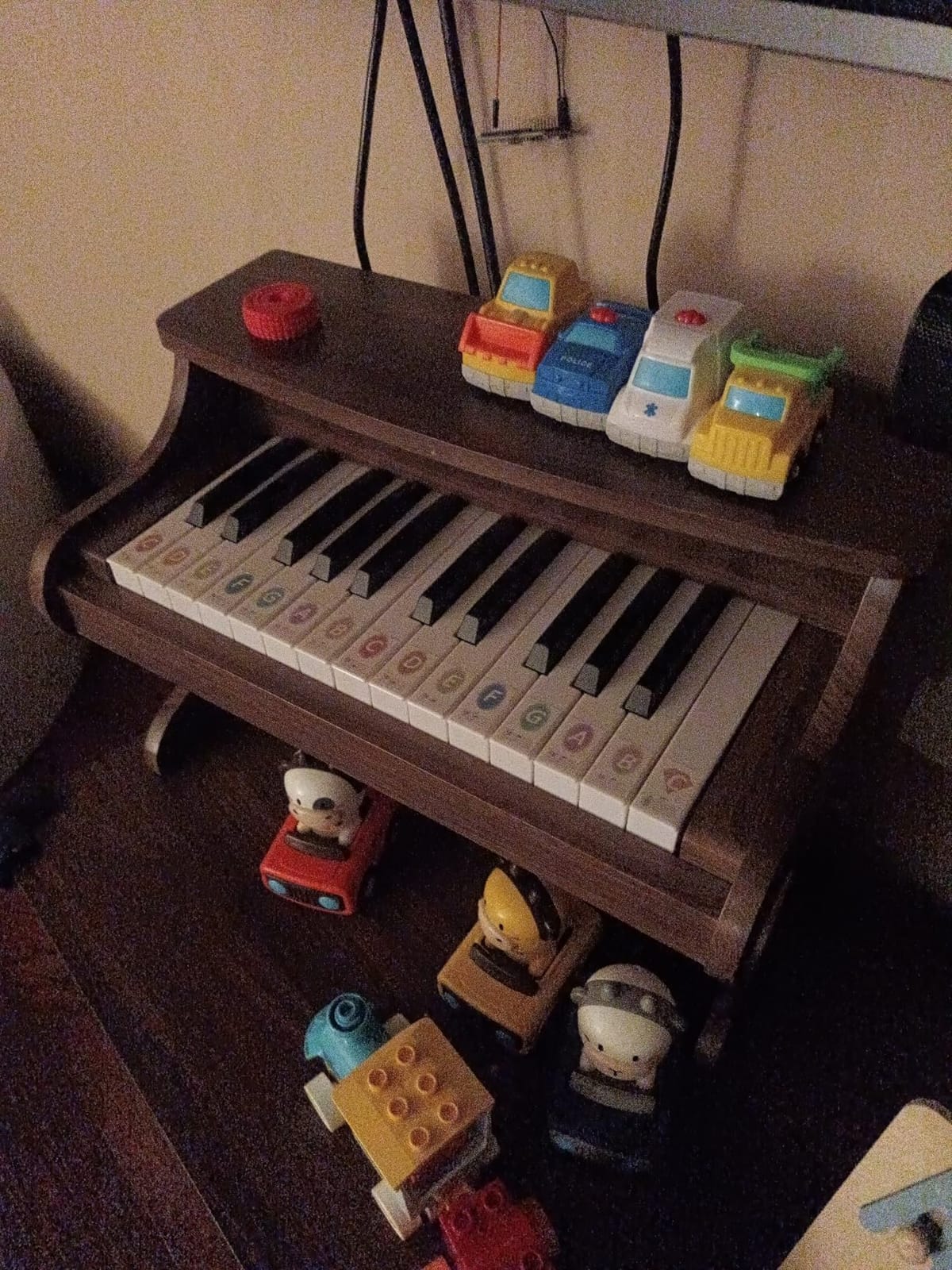
For my youngest, who is three, the ZIPPY 25-Key Mini has been the right size and weight. The full-size 37-key model was just too big for her small hands. This smaller version has 25 keys covering two full octaves, which is enough for any toddler song but small enough that she can reach every key comfortably. The wooden construction feels like real furniture, not a flimsy toy.
What surprised me most was the hidden volume control feature. The two lowest keys plus the highest note control the volume, which is clever because toddlers cannot accidentally change the volume. The USB-C power option means you can plug it in and skip batteries entirely, which is a huge plus for daily use. The sound is digital-tuned and much better than I expected at this price point.
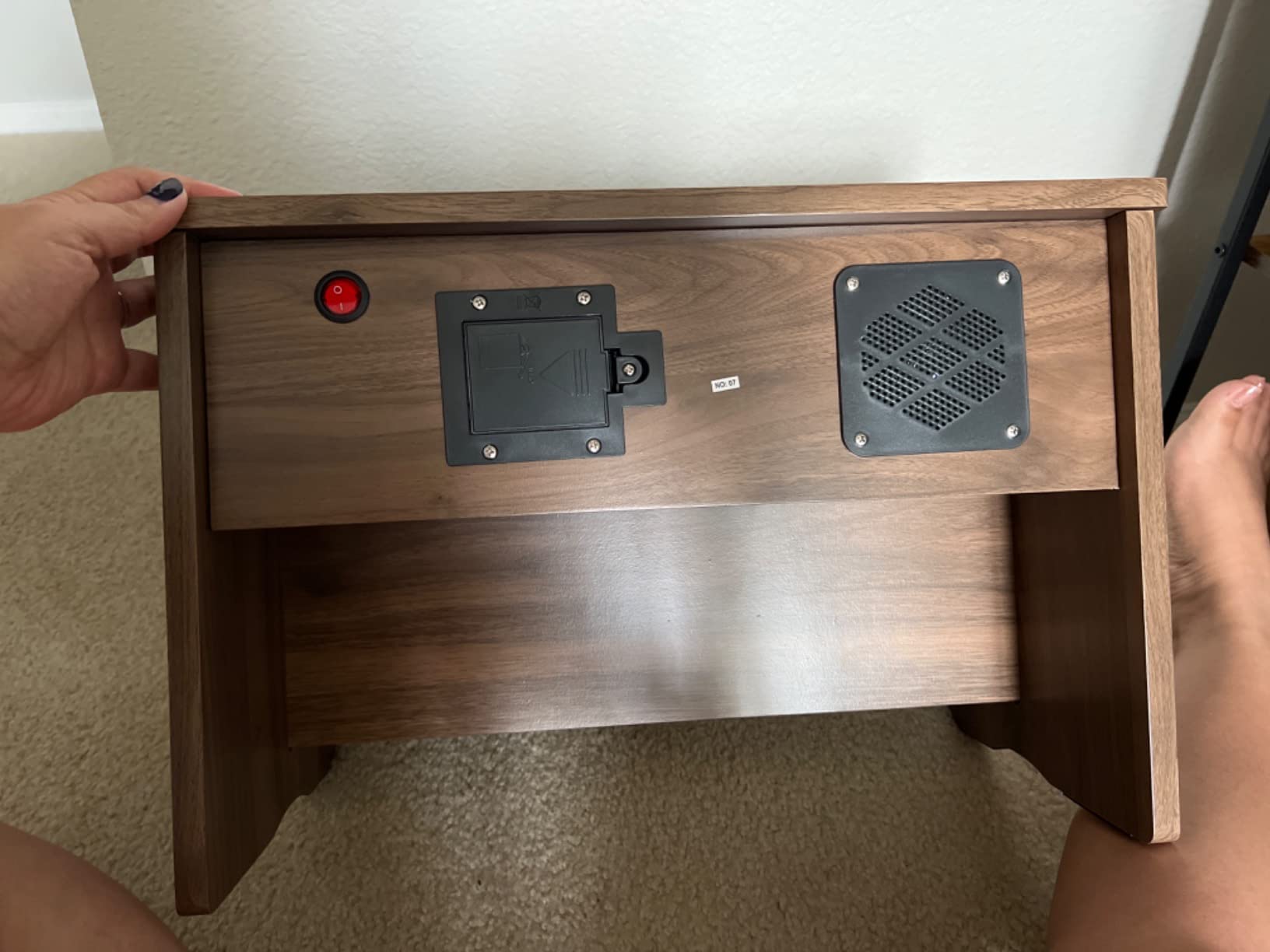
The size is the main reason this works for toddlers. At 16.93 x 9.84 x 11.42 inches, it fits in small playrooms and can be moved easily. The MDF wooden build is solid and has survived being knocked over multiple times. Assembly took me about 15 minutes with the included tools. The included color-illustrated songbook and color-coded keyboard stickers are excellent learning tools for the preschool age group.
With 467 reviews averaging 4.7 stars, parents consistently praise the build quality and sound. Several reviewers mentioned this is the second or third piano they have bought for their child after cheaper models failed. The price is reasonable for what you get, and the USB-C power option is increasingly important as families try to reduce battery waste.
Best for ages 2-4
This piano hits the sweet spot for toddlers who are too young for a full-size keyboard but too old for a fabric play mat. The smaller keys match small hands better, the weight is manageable, and the wooden design looks grown-up. If you have a toddler showing interest in music, this is the best starter option before they graduate to a 61-key keyboard.
Not ideal for long-term use
Two octaves is limiting. Once your child learns to play songs that need more range, they will outgrow this. Plan on this being a two to three year piano before needing to upgrade. Also, the keys are not full-size, so the transition to a bigger keyboard can feel awkward. Use this for the exploration phase, not for formal piano study.
4. Best Choice Products 30-Key Wooden Mini Grand Piano
- Beautiful grand piano design
- Opening lid amplifies sound
- Includes stool and rack
- Glossy enamel finish
- Affordable price
- Sound is not tuned
- Plastic hinge on lid
- Stool legs can wobble
- Limited musical value
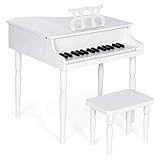
If you want a piano that looks like a piece of furniture, the Best Choice Products Mini Grand is hard to beat. The white enamel finish and grand piano shape look beautiful in a nursery or playroom. The opening lid actually amplifies the sound slightly, mimicking a real grand piano. With 2,792 reviews, this is one of the most popular decorative toy pianos on Amazon, and for good reason. It photographs well, looks elegant, and gives kids the experience of playing a “real” piano shape.
The included matching bench and foldable music rack add to the grown-up feel. The 30 keys cover enough range for nursery songs and simple melodies. The note stickers help with learning note positions, and the included songbook provides beginner material. For ages 1 to 5, this is a charming first piano that doubles as room decor.
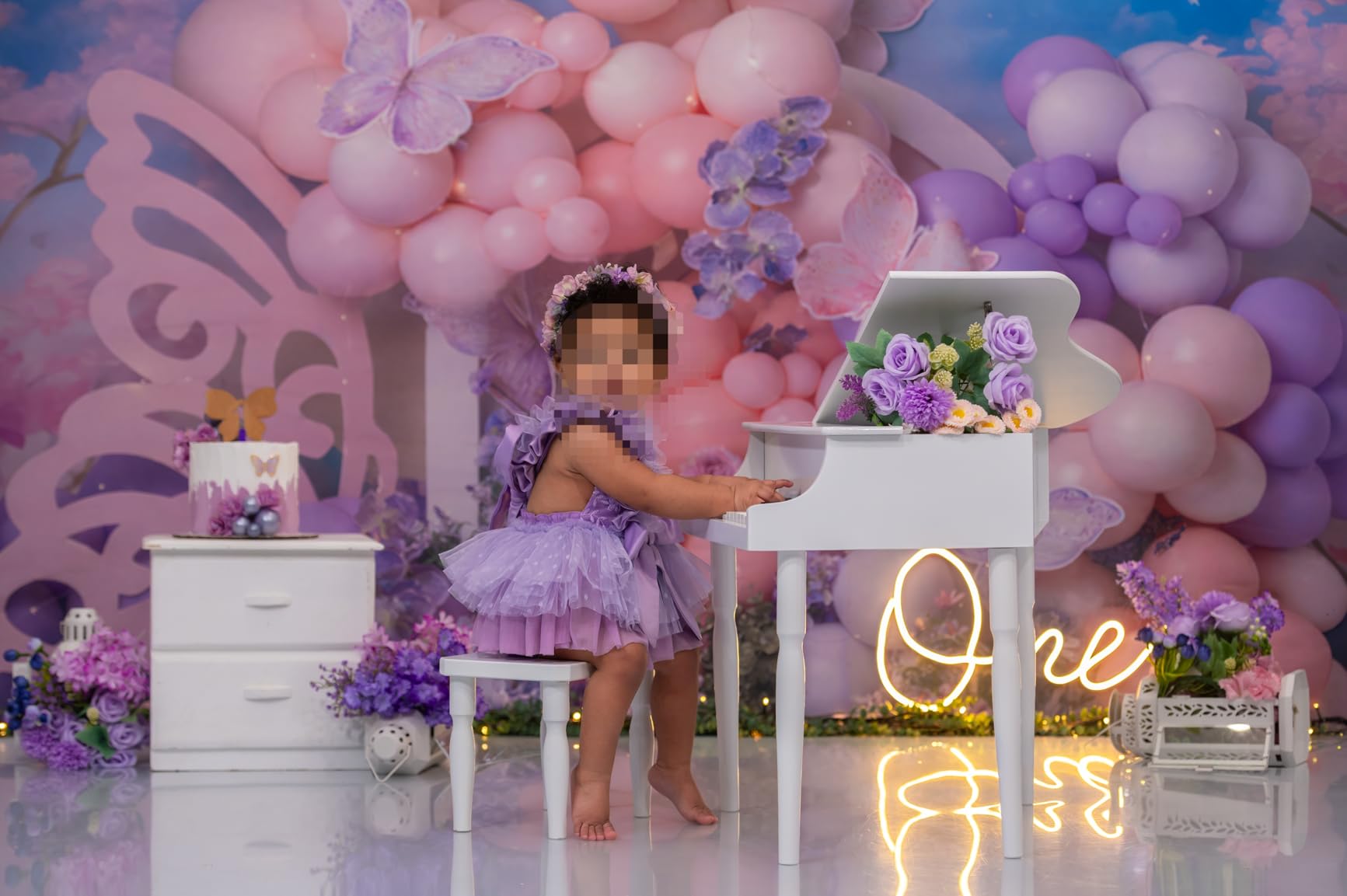
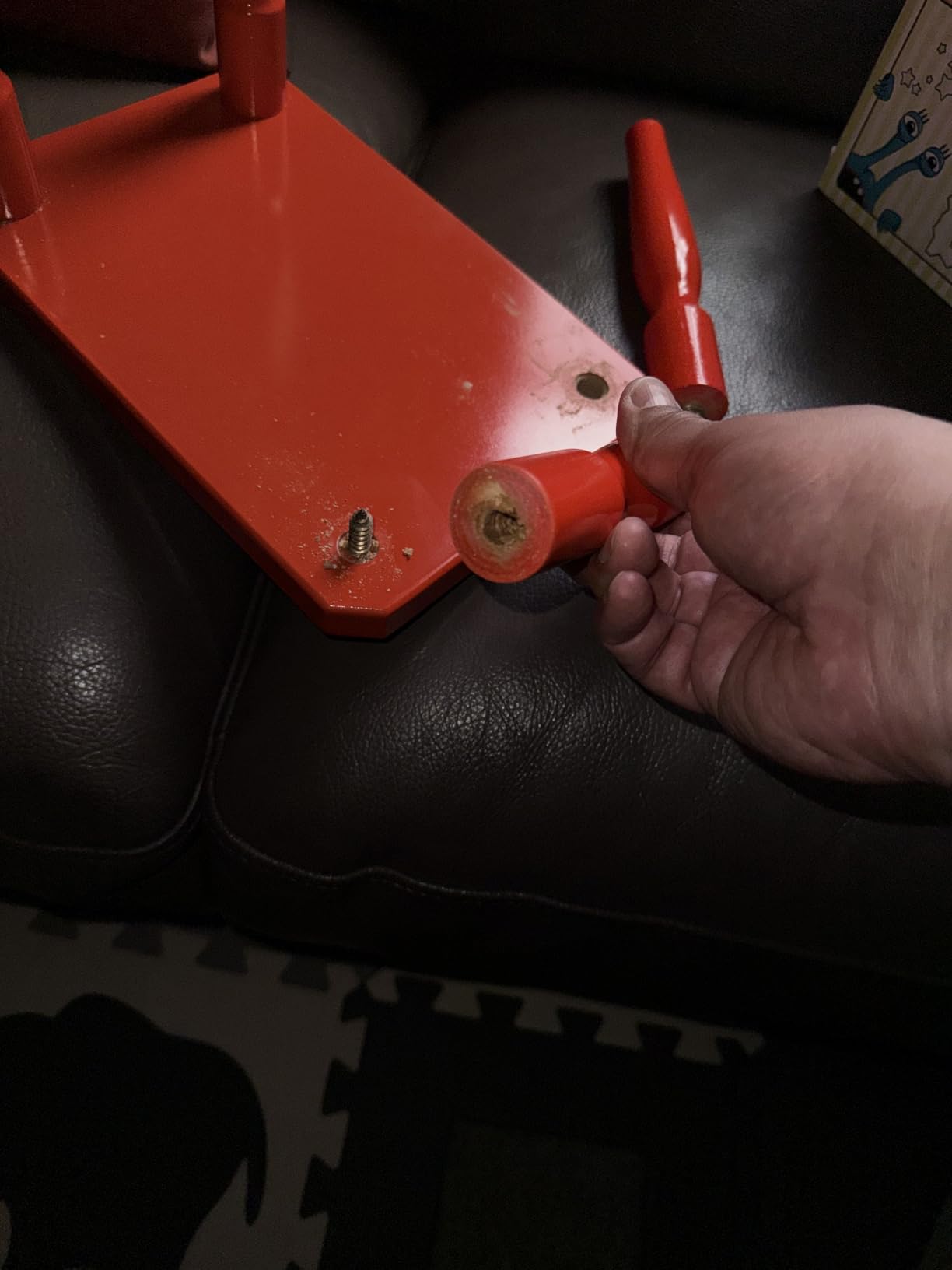
Now for the honest part. This piano does not actually sound like a real piano. The keys are not tuned, so the notes are more percussive than melodic. Parents in the reviews consistently mention this. The lid hinge can be flimsy, and the stool legs sometimes wobble if not assembled perfectly. These are real issues if you are buying this for musical development rather than decoration.
For the price, however, you get a lot of visual appeal. If you want a piano that looks beautiful in photos and gives your toddler the experience of playing a grand piano shape, this delivers. Just do not expect it to teach your child real piano technique or prepare them for formal lessons. This is a toy that looks like art, not an instrument that sounds like art.
Best for nursery decor and gift-giving
This piano shines in the role of a decorative toy. The grand piano design looks stunning in a styled nursery, and it makes a beautiful gift for baby showers or first birthdays. The opening lid and matching bench make it feel special. If aesthetic appeal is high on your list, this is the piano to choose.
Not ideal for actual music learning
The untuned keys mean this piano cannot teach your child to recognize musical notes. The percussive sound does not help with developing an ear for music. If you want a piano that supports real learning, look elsewhere. Also, the plastic components on the lid and stool can break with rough use. This is a decorative toy, not a serious musical instrument.
5. RockJam RJ549 49-Key Keyboard Piano
- Massively popular with 11k+ reviews
- Includes Simply Piano lessons
- Compact and portable
- 200 tones keep kids engaged
- Power supply included
- Keys not touch-sensitive
- Sound not piano-like
- Some quality control issues
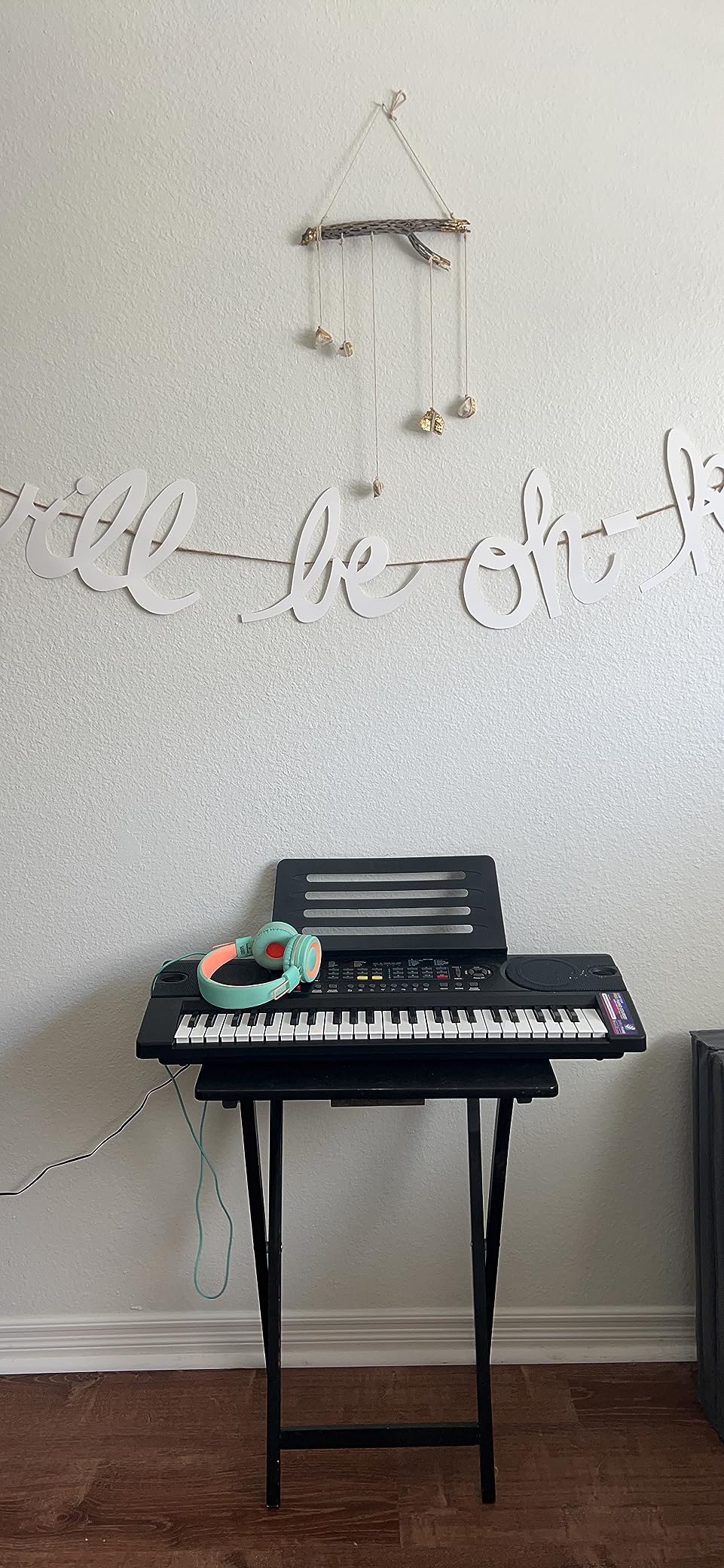
The RockJam 49-Key is the keyboard you have probably seen recommended in every parenting forum and on most “best of” lists. With 11,426 reviews averaging 4.2 stars, it is the most popular beginner keyboard on Amazon by a wide margin. There is a reason for that. It delivers the basic features a beginner needs at a price most families can afford, and it comes with Simply Piano lessons, which is one of the best learning apps available.
For around $55, you get 49 full-size keys, 200 tones and rhythms, built-in speakers, a headphone jack, and a power supply. The Simply Piano app compatibility is the real value. The app listens to what your child plays and gives feedback, turning practice into a game. My neighbor bought this for her eight-year-old and he taught himself three songs in his first week using the app.
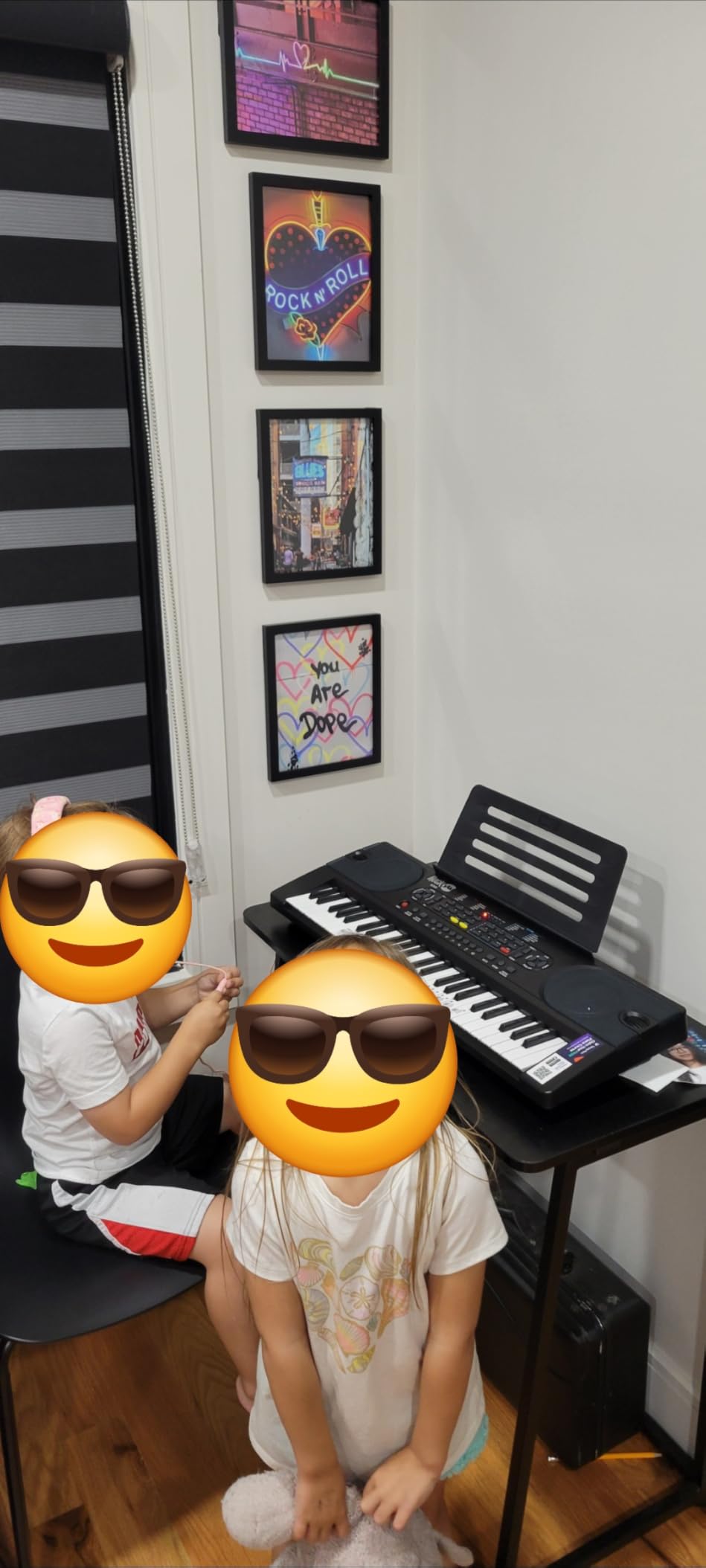
The 49-key range covers four octaves, which is enough for most beginner pop songs and method book exercises. The compact design weighs only 3.6 pounds, so kids can move it themselves and take it to different rooms. The battery and USB-C power options add portability. For families who want a starter keyboard that can travel, this works well.
That said, there are real limitations. The keys are not touch-sensitive, which means dynamics do not work. A child learning on this keyboard will need to relearn dynamics when they upgrade. The sound quality is fine for learning but does not sound like a real piano. Some reviews mention quality control issues like keys sticking or speakers failing within the first year. These are not universal, but they are common enough to mention.
Best for budget-conscious families
If you are not sure your child will stick with piano, this is the right starter. The low cost means you are not risking much if they lose interest after a few months. The Simply Piano app integration provides structured learning without expensive lessons. For families testing whether their child has long-term interest, this is the smartest entry point.
Not ideal for serious commitment
If your child is committed to piano and you can afford to spend more, skip this. The non-weighted keys and basic sound mean you will likely upgrade within a year. Also, the quality control issues are real. Buy from a retailer with a good return policy in case you get a unit with stuck keys. This is a starter keyboard, not a long-term investment.
6. Baby Einstein Magic Touch Piano
Baby Einstein and Hape Magic Touch Piano Wooden Musical Toddler Toy, Age 6 Months and Up
- Magic Touch plays music with tap
- Durable wooden build
- Color-coded learning sheets
- Adjustable volume
- Excellent for cause-and-effect
- Requires 3 AA batteries
- Limited complexity as kids grow
- Some notes sound off
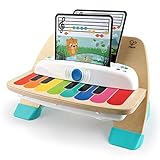
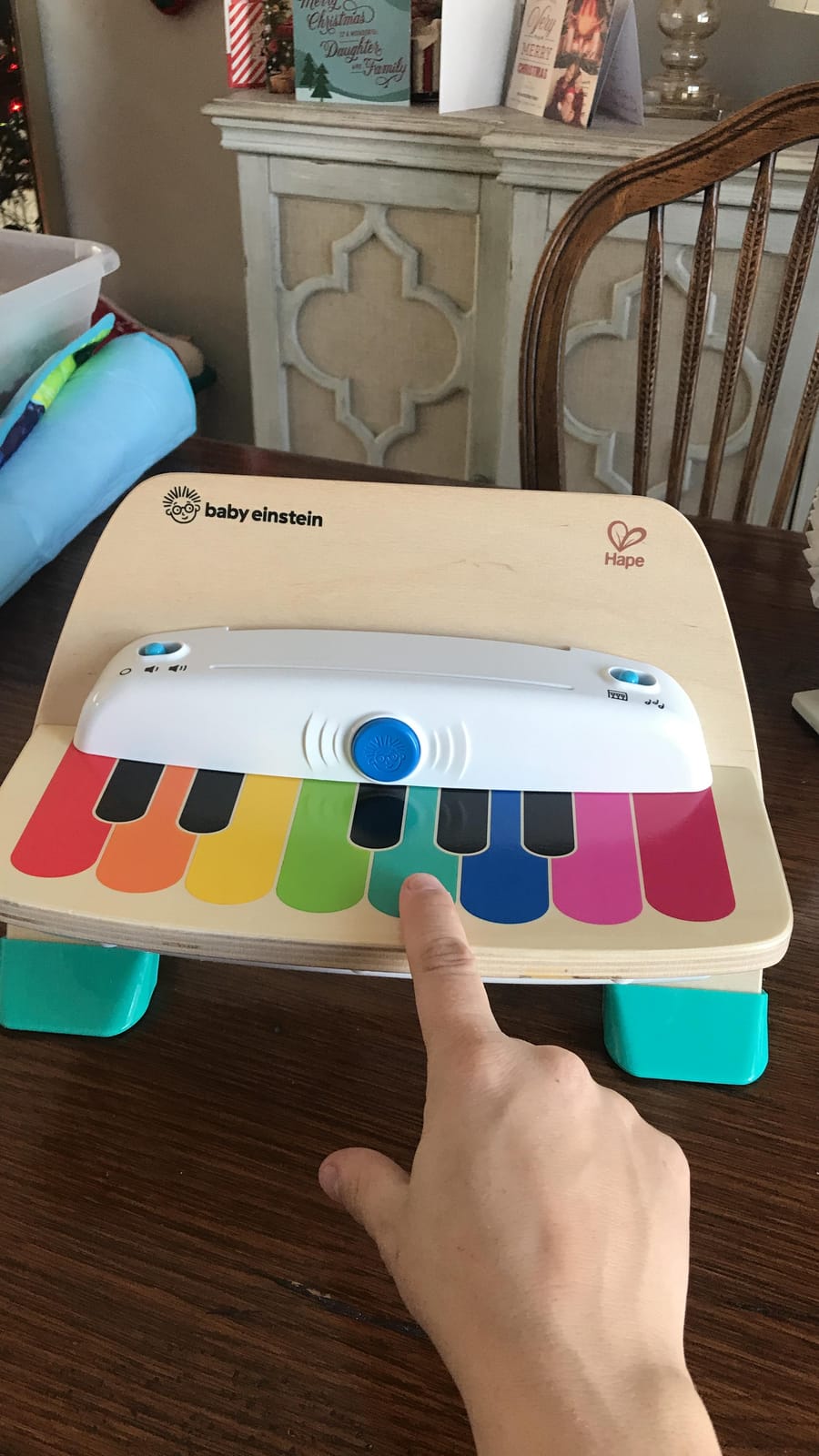
For babies and young toddlers, nothing beats the Baby Einstein Magic Touch Piano. This is the only piano on this list designed specifically for children under two years old. The Magic Touch technology means babies do not need to press keys with force. A simple tap plays the note, which is perfect for tiny hands that cannot yet coordinate finger pressure. With 17,956 reviews and a 4.7-star average, parents consistently say this is the best first musical toy they have bought.
The Montessori-inspired design includes color-coded sheet music that matches the keys. Even babies who cannot read can follow the colors to “play” songs. The two play modes let children either create their own songs or hear familiar melodies. The volume control is a lifesaver for parents who do not want to hear “Twinkle Twinkle Little Star” 47 times in a row at full volume.
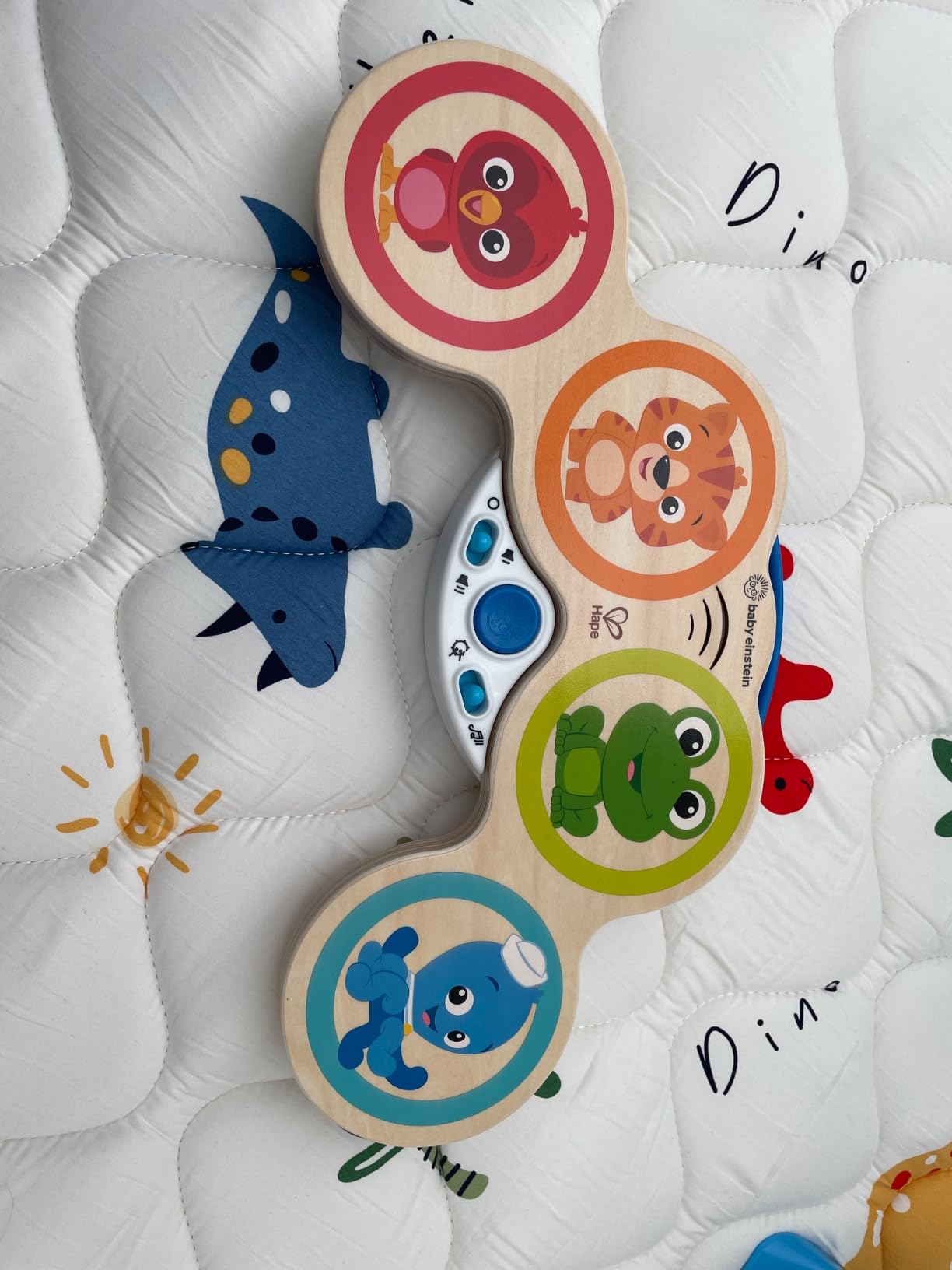
The wooden construction is sturdy enough to survive being thrown, dropped, and chewed on. The wipe-clean surface handles the inevitable sticky fingerprints. At 1.7 pounds, it is light enough for babies to drag around but heavy enough that it does not tip over. The 25 keys cover enough range to introduce basic musical concepts without overwhelming young children.
For ages 6 to 36 months, this is the best introduction to music I have found. It is not a real piano and will not teach technique, but it teaches cause and effect, introduces musical tones, and builds confidence. The included sheet music set is brilliant because it lets even pre-verbal children “play along” with songs. That is huge for early development.
Best for babies and young toddlers
If you have a child under two, this is the right choice. The Magic Touch technology is genuinely designed for babies, unlike regular toy pianos that require finger strength they do not have. The Montessori-inspired learning sheets are excellent for early development. The durable build handles baby abuse. This is the best musical toy for the under-two crowd.
Not ideal past age 3
Once your child turns three, they will likely outgrow this. The Magic Touch technology becomes less interesting, and the limited complexity means older toddlers lose interest. Plan on using this for one to two years before upgrading. Also, the batteries need replacing regularly, and some reviewers noted certain notes sound slightly off-pitch. These are minor issues given the age range this is designed for.
7. B. toys Mini Maestro Wooden Piano
- Comes fully assembled
- Includes batteries
- Six classical compositions
- Color-coded keys
- Soft pleasant tones
- No volume control
- Limited to one mode
- No warranty
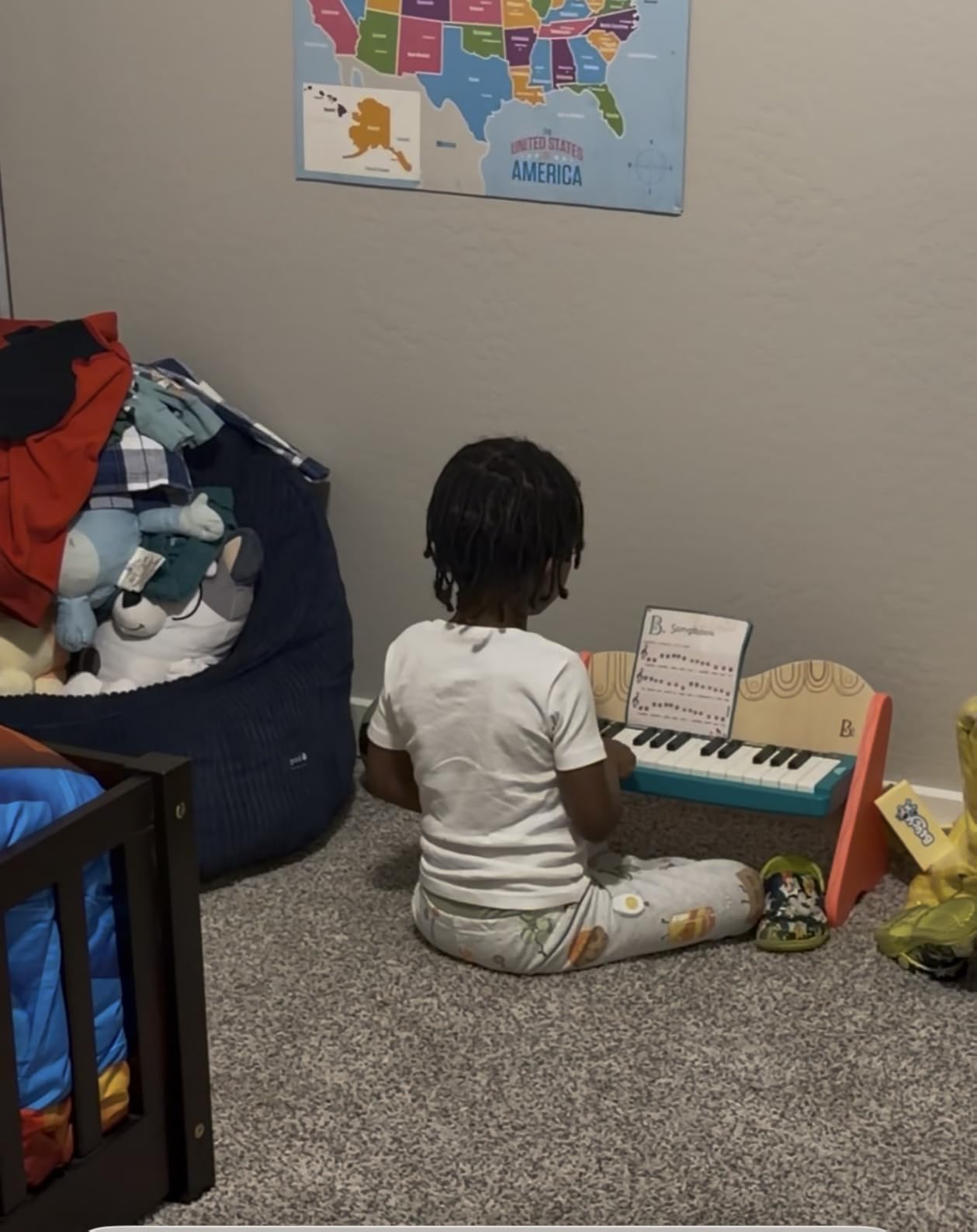
The B. toys Mini Maestro is one of the most complete starter kits you can buy. It arrives fully assembled, with batteries included, so your child can start playing immediately. The included songbook features six classical compositions, which is a step up from most toy pianos that include only nursery rhymes. The color-coded keys help children learn note positions, and the soft tones are pleasant without being annoying. With 721 reviews at 4.7 stars, this is a favorite among parents who want a quality toy without the premium price.
For ages 3 and up, the Mini Maestro hits a sweet spot. The 25 keys cover two full octaves, which is enough range for the included classical pieces. The wooden construction with metal and plastic parts feels durable. The compact size fits on a small table or shelf. The multicolor design appeals to young children without being garish.
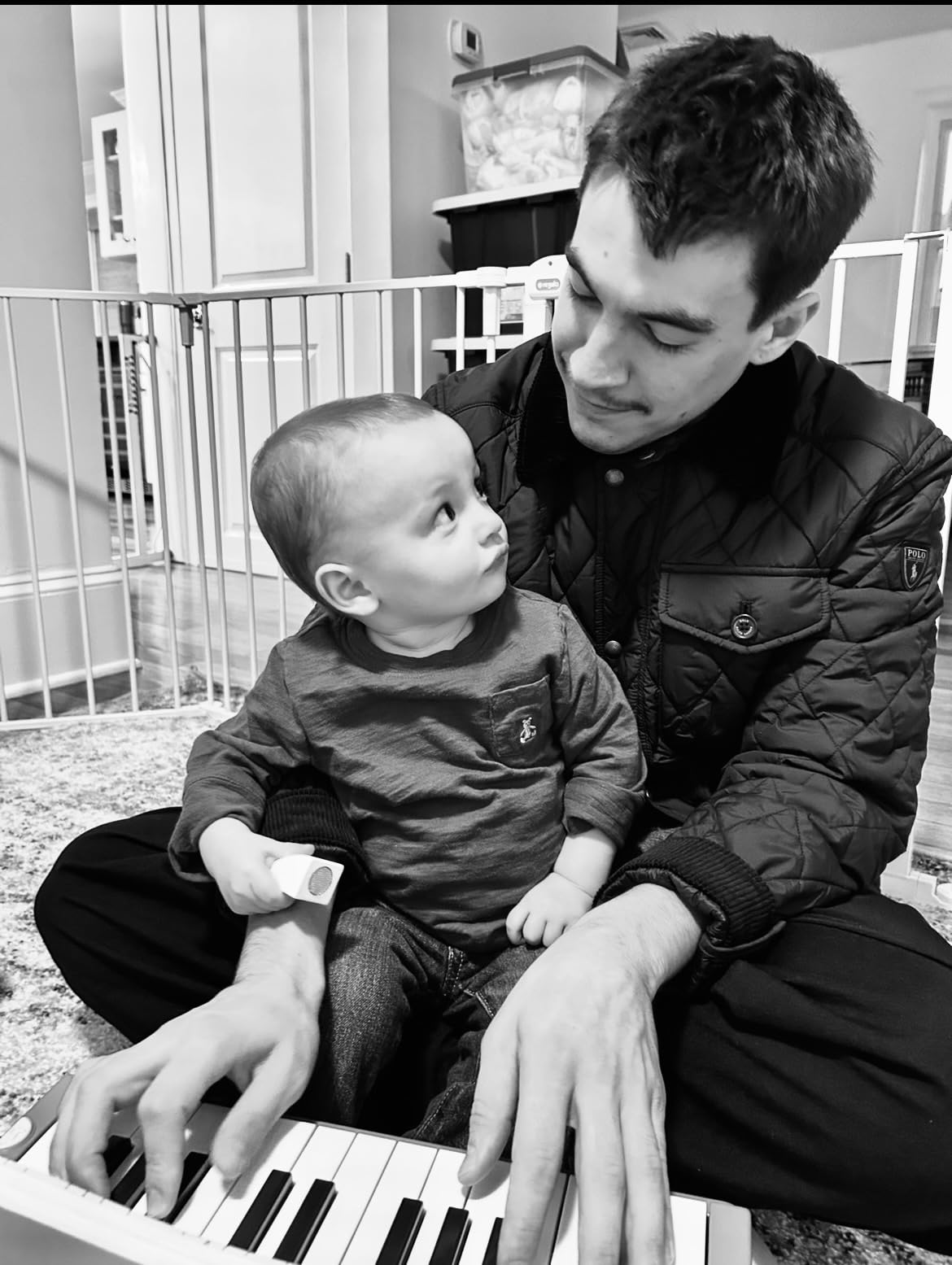
One of the biggest advantages is that there is no setup. The piano arrives ready to play, batteries included. For busy parents, that matters. You do not have to find batteries, read a manual, or spend 30 minutes assembling parts. Open the box, place it on the floor, and let your child explore. That convenience alone makes this worth considering.
The downsides are real but not deal-breakers. There is no volume control, so the sound level is fixed. The piano only operates in one mode with no settings to adjust. There is no warranty, which is unusual for a toy at this price. These are limitations, but for the under $25 price point, the value is still strong.
Best for parents who want zero setup
If you want a piano that works straight out of the box with no assembly, no battery hunting, and no manual reading, this is it. The included batteries and songbook mean your child can start playing within minutes. For grandparents giving gifts or busy parents, this convenience is worth the price.
Not ideal for long-term use
This piano is best for ages 3 to 5. Older children will want more features, more keys, and more complexity. The lack of volume control can be annoying. The one-mode operation means the piano does not grow with your child. Plan on this being a two-year piano at most before your child wants something more advanced.
8. FOKI Floor Piano Mat
FOKI Floor Piano Mat, Toddler Toys for 1-5 Year Old Baby Boy Girl Gifts
- Large floor mat encourages movement
- Multiple play modes
- Animal sounds and songs
- Dual volume control
- Foldable and portable
- Sound quality is basic
- Some sounds do not match pictures
- Can make noise when off
- Durability concerns
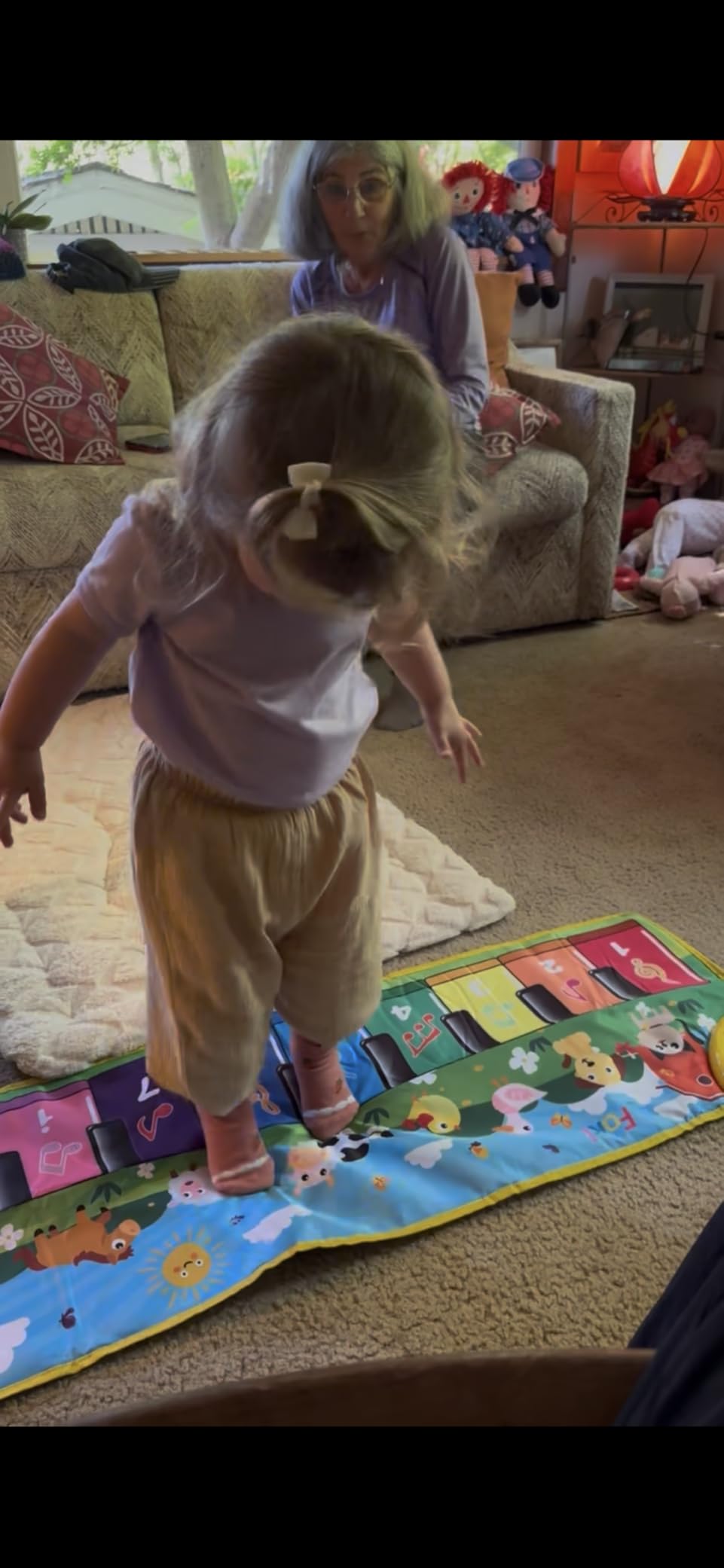
For active toddlers, the FOKI Floor Piano Mat is in a category of its own. This is not a traditional piano, it is a 39-inch fabric mat with 19 keys that you lay on the floor. The genius of this design is that it gets toddlers moving. They crawl, step, and dance on the keys, which combines music with physical activity. With 3,553 reviews averaging 4.5 stars, parents consistently say this is the most engaging musical toy for active kids.
The mat includes 32 built-in sounds, with 8 animal sounds, 8 piano keys, and 16 children’s song melodies. The 5 play modes cover piano sounds, animal sounds, song playback, and discovery modes. The dual volume control (via the mat buttons or the control box dial) lets parents adjust the sound level easily. The 8 included animal cards add a visual learning element that helps connect sounds to images.
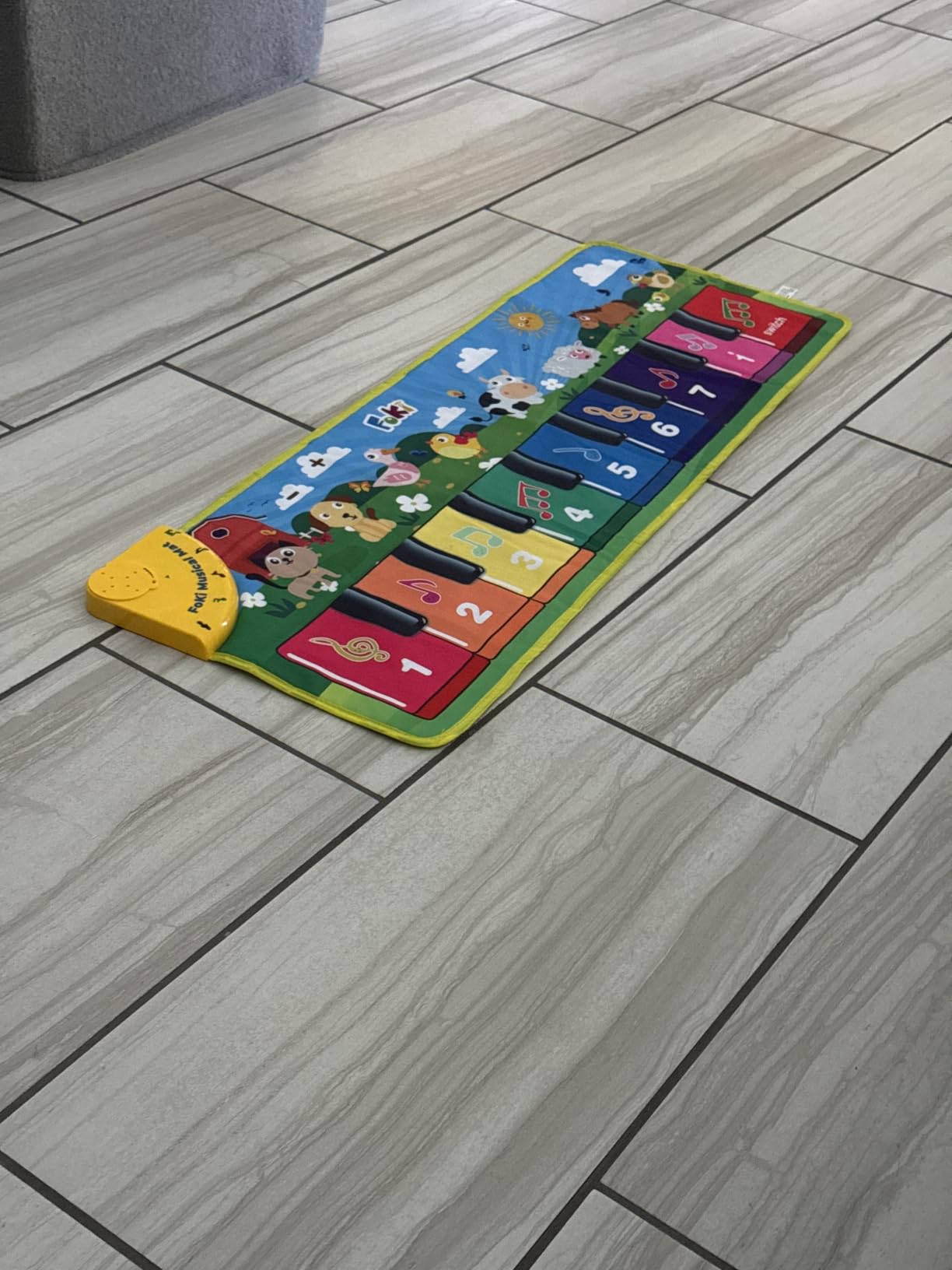
The foldable, portable design is another major advantage. You can roll it up and take it to grandma’s house, the park, or a friend’s house. The wipe-clean fabric handles spills and accidents. At less than one pound, it is light enough for toddlers to drag around. For families with limited space, this is a much better option than a bulky toy piano.
For ages 3 months to 3 years, this mat is genuinely excellent. The combination of music, movement, animal sounds, and visual learning covers many developmental areas at once. The mat encourages gross motor skills, cause-and-effect understanding, and musical exposure. It is not a real piano, but it is a great early music toy that gets kids moving.
Best for active toddlers under 3
If you have a toddler who is constantly on the move, this mat is perfect. It encourages crawling, stepping, and dancing while introducing music. The animal sounds add a learning element that traditional pianos do not offer. For babies and young toddlers, this is the most engaging musical toy available at this price point.
Not ideal for serious music learning
This is a play mat, not a piano. The 19 keys do not cover enough range to play real songs, and the sound quality is toy-level. The animal sounds, while fun, are not musical. If you want your child to learn actual piano, this will not help. Also, some reviewers mentioned durability issues after extended use. Use this for play, not for practice.
How to Choose the Best Kids Piano: Buying Guide
Choosing the best kids pianos for your family depends on three main factors: your child’s age, your budget, and your commitment level. Here is what I have learned from years of buying and testing these instruments with my own kids and other families in our community.
Match the piano to your child’s age
Age matters more than most parents realize. A 3-year-old needs a small, sturdy piano with simple controls, not a 61-key keyboard with weighted action. For babies under 2, the Baby Einstein Magic Touch is the right call. For toddlers 2 to 4, the ZIPPY 25-Key or B. toys Mini Maestro work well. For ages 5 to 7 starting lessons, the ZIPPY 37-Key or MUSTAR 61-Key are good options. For ages 8 and up with serious interest, the MUSTAR 61-Key with light-up keys is the best value.
Understand the difference between toy pianos and real keyboards
This is where most parents get confused. Toy pianos (like the Best Choice Mini Grand or B. toys Mini Maestro) are decorative play instruments. They look like pianos but do not teach real piano technique. Beginner keyboards (like the RockJam or MUSTAR) are actual electronic instruments that can support learning, though they lack weighted keys. Digital pianos (not on this list because they cost more) have weighted keys that mimic an acoustic piano. For most families, a beginner keyboard is the right starting point because it balances cost with real musical value.
Weighted keys are not necessary for beginners
Many parents think they need weighted keys from the start. They do not. Weighted keys are heavier and build finger strength, but they can frustrate young beginners. Non-weighted keys are easier to press, which keeps kids engaged longer. Most piano teachers recommend starting with non-weighted keys and transitioning to weighted keys after one to two years of consistent practice. Save the money on a more expensive weighted keyboard for later.
Consider 61-key vs 88-key keyboards
For kids under 10, 61 keys is plenty. That covers five octaves, which is enough for almost all beginner and intermediate music. The 88-key keyboards (full piano range) are designed for advanced players who need the full range. Starting with 88 keys adds cost without benefit for a beginner. The MUSTAR 61-Key is the sweet spot for most families.
Light-up keys accelerate learning
If your child is starting formal lessons, light-up keys are a game-changer. They show which key to press next, which lets kids practice independently. The MUSTAR 61-Key with light-up keys helped my son progress faster than any other feature we tried. The upfront cost is higher, but the time savings on parent-led practice is significant.
Accessories that matter and accessories that do not
A good stand and stool are worth buying. They set up a proper practice posture and make the keyboard feel like a real instrument. A sustain pedal is nice for older kids but not necessary for beginners. Headphones are essential if you live in an apartment or have a thin-walled house. The included microphones and music stands on some beginner kits are gimmicks that most kids ignore.
Set a realistic budget
For a true beginner, $50 to $150 is the right range. Below $30, you are buying toys that frustrate learning. Above $200, you are paying for features your child will not use yet. The ZIPPY 37-Key and MUSTAR 61-Key hit this sweet spot. If your child commits to piano for two or more years, then consider upgrading to a $300 to $500 digital piano with weighted keys. Until then, save your money.
Watch for the PSO trap
Piano Shaped Objects (PSOs) are the cheap plastic keyboards with 88 keys, flashy lights, and “professional” marketing. They look impressive but have terrible sound, no touch sensitivity, and break within months. Teachers hate them because they teach bad habits and frustrate students. Avoid any keyboard under $100 that claims to be “88-key professional.” Real beginner keyboards have 49 to 61 keys and focus on quality, not flashy features.
Frequently Asked Questions
What is the best brand of piano for kids?
The best brand for kids depends on age. For babies and toddlers, Baby Einstein leads the market with the Magic Touch Piano. For beginner keyboards, MUSTAR and RockJam offer the best value. For traditional toy pianos, ZIPPY consistently delivers the best quality construction at affordable prices. Yamaha and Casio are excellent choices for higher-budget digital pianos when your child is ready to upgrade to weighted keys.
What is the best piano for a child to learn on?
For a child starting formal lessons, the MUSTAR 61-Key Light-Up Keyboard is the best choice. It has 61 full-size keys covering five octaves, light-up keys that accelerate learning, 255 tones and rhythms to keep practice engaging, and a complete accessory kit including a stand, stool, and headphones. The light-up learning system is particularly valuable because it lets kids practice independently with proper fingering guidance.
At what age should a kid start piano?
Most piano teachers recommend starting formal lessons around ages 5 to 7, when children have developed enough finger coordination and focus for structured practice. However, children as young as 3 can begin exploring music with age-appropriate toy pianos like the ZIPPY 25-Key or Baby Einstein Magic Touch. Earlier exposure builds musical interest and comfort, even if formal lessons come later.
Should a beginner get a 61 or 88 key keyboard?
A 61-key keyboard is the right choice for most beginners. It covers five full octaves, which is enough range for almost all beginner and intermediate music. The 88-key keyboards are designed for advanced players who need the full piano range. Starting with 88 keys adds cost without benefit for a beginner, and the larger size makes it harder for young children to reach all the keys comfortably.
What age is appropriate for a 61-key keyboard?
A 61-key keyboard is appropriate for children ages 7 and up, when their hands are large enough to span multiple keys comfortably. For children under 7, smaller keyboards with 25 to 49 keys are more practical because the keys are easier to reach and the size fits their body better. The MUSTAR 61-Key is a good upgrade option once a child shows serious interest in continuing piano study.
Final Thoughts
After testing all of these pianos with my own kids and gathering feedback from dozens of other families, I keep coming back to the same conclusion. The best kids pianos are the ones that match your child’s age, fit your budget, and keep your kid excited about music. For most families, the ZIPPY 37-Key or the MUSTAR 61-Key will be the right starting point. The ZIPPY for younger beginners, the MUSTAR for kids ready for lessons.
Whatever you choose, remember that the piano is just a tool. The real magic happens when your child sits down, makes a sound they like, and wants to come back tomorrow. Start with what they will use, upgrade when they outgrow it, and enjoy the journey. Music is one of the best gifts you can give your child, and the right piano makes all the difference. Happy playing in 2026 and beyond.