
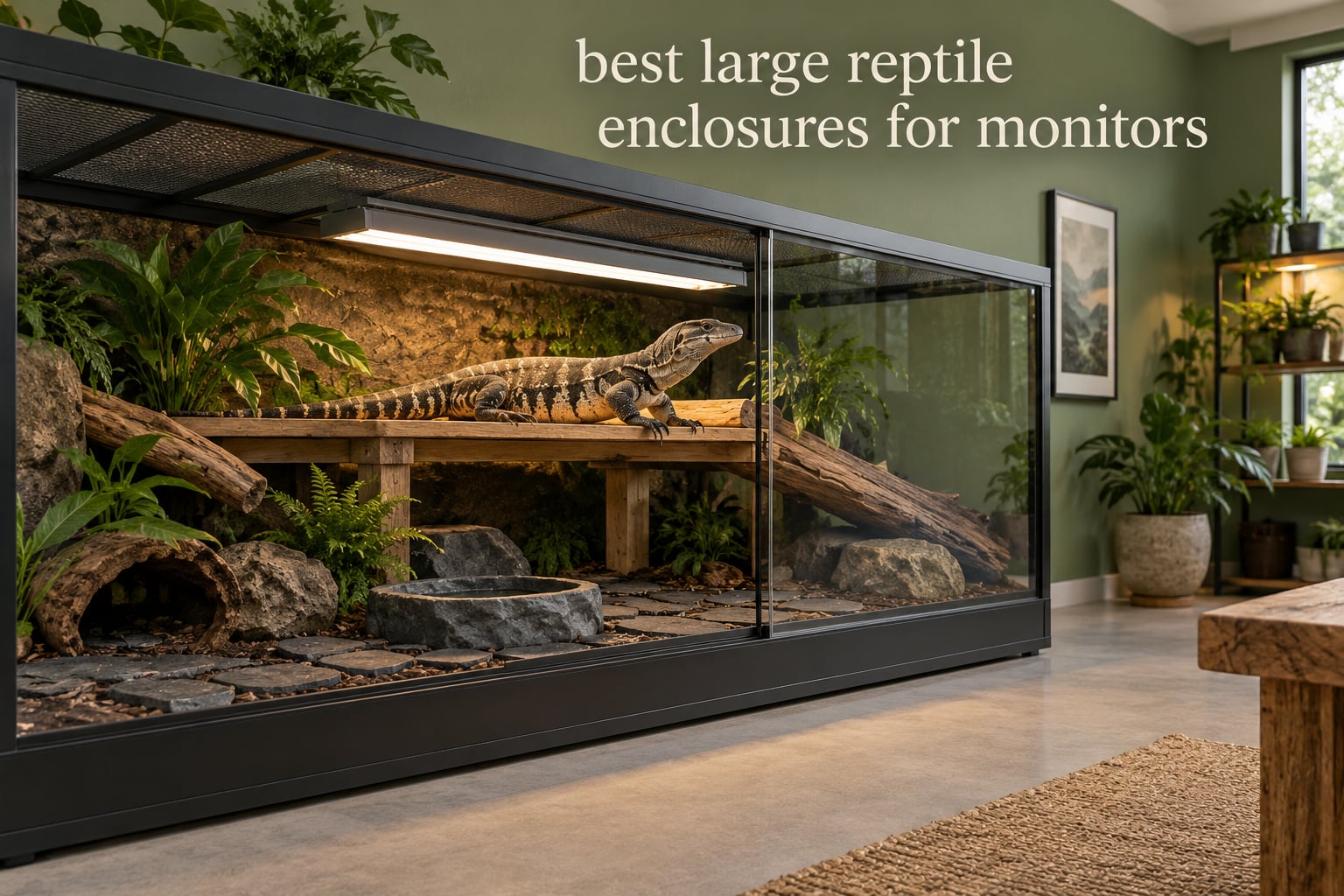
Monitors grow fast and they do not forgive an undersized cage. A year-old Ackie that looked enormous in a 20-gallon tank suddenly needs three times the floor space, and a Savannah or Argus at full size will nose the doors of a 4x2x2 open in a matter of weeks. Meanwhile almost everything ranking for this query is a brand store page or a forum thread, so nobody is laying the options side by side. That is what this roundup does: we worked through twelve of the largest enclosures currently available and sorted them by the things that actually matter when a monitor is involved, which is interior footprint, panel material, door security, mesh top layout and how the thing gets into a house.
Before the picks, here is the short version most people arrive here for. The sizing standard that keeps coming up in keeper communities is a minimum of two times your adult monitor’s snout-to-vent length in length, and one times that measurement in both width and height. Applied to real animals, that lands an adult Ackie in roughly a 4x2x2, a Savannah or Argus in a 4x2x3 or larger, and a Nile or Asian water monitor in an 8x4x4 or something built from it. This roundup covers what is on the market today across that whole range, from a 4x2x2 PVC cage you can carry up the stairs to a five-foot enclosure with more floor space than most people have wall left to put it on.
A note on how we chose. Every product here has a published specification sheet, a rating and a review history, and we only wrote about numbers we could confirm from those. Where owners report the same annoyance repeatedly, we said so plainly, because a door that does not latch or a base that leaks will ruin a bioactive setup no matter how good the panel material is. We also flagged the enclosures that are simply the wrong shape for a monitor even though they are excellent products for other reptiles.
If you are still building out the rest of the habitat, our general reptile enclosure picks cover the smaller sizes, and our ball python enclosure guide goes deep on single-door security for strong diggers. For the humidity side of a tropical monitor habitat, see our misting system roundup.
Table of Contents
How Big an Enclosure Does a Monitor Lizard Actually Need?
An adult monitor needs at least twice its snout-to-vent length in enclosure length, one times its snout-to-vent length in width, and one times its snout-to-vent length in height. For arboreal species that height figure doubles. Most keepers land on a 4x2x2 as the practical floor and a 8x4x4 as the target for anything full grown.
Snout-to-vent length is simply the distance from the tip of the nose to the base of the tail, so you can measure it yourself in about ten seconds. A 24-inch adult Savannah monitor has a snout-to-vent length near 24 inches, which means a minimum enclosure around 48 inches long, 24 inches wide and 24 inches tall, and in practice most keepers buy the next size up because monitors are climbers as well as diggers.
Sized by adult length, the usual matchups look like this. An adult Ackie monitor at roughly 24 inches snout-to-vent does well in a 4x2x2, and the commonly cited minimum is 5 feet long by 2.5 feet wide by 4 feet tall with a deep substrate section up front. A Savannah monitor wants 4x2x3 or larger, and most owners end up with a 4x2x4. An Argus monitor is a heavier-bodied animal for its length and generally needs more width, so 4x2x3 or bigger works better than a flat 4x2x2. A Nile monitor is a semi-aquatic climber that will use every inch of height you give it, and keepers generally treat 8x4x4 as the practical target. An Asian water monitor is the one to plan around, with 8x4x4 as a sensible minimum and custom 10- or 12-foot builds common among people who have already moved up once.
The next question is always about whether a smaller cage is acceptable in the short term. A juvenile will do fine in a 4x2x2 or even a 40-gallon with a tight-fitting lid, as long as the floor area is genuinely large and the animal can climb. But monitors grow quickly and an adult kept in a small cage ends up with poor muscle tone, constant escape attempts and clipped toes from pacing, so plan to move up once or twice rather than trying to buy the final size at the end.
Top 3 Picks for Large Monitor Enclosures

New Age Pet ECOFLEX 60 inch
- Largest ready-made footprint here
- Moisture-resistant composite panels
- Ten-year warranty

Reptile Habitats 4x2x2 V3
- PVC panels with aluminum frame
- Heavy duty screen top
- Cable pass-through holes
The Best Large Reptile Enclosures for Monitors in 2026
All twelve enclosures below are in the size range that monitor keepers actually consider. The columns worth reading first are the true exterior dimensions, because several manufacturers list interior space that runs about an inch smaller on every side, and the panel material, because that decides how well the enclosure holds heat and humidity once your heating and misting equipment is running.
| Product | Specifications | Action |
|---|---|---|
| New Age Pet ECOFLEX 60 Inch Mojave |
|
Check Latest Price |
 Zoo Med Reptibreeze 24x24x48 Zoo Med Reptibreeze 24x24x48 |
|
Check Latest Price |
 Phailozoo 120 Gallon 4x2x2 Phailozoo 120 Gallon 4x2x2 |
|
Check Latest Price |
 REPTI ZOO 67 Gallon Tall Glass REPTI ZOO 67 Gallon Tall Glass |
|
Check Latest Price |
| Reptile Habitats 4x2x2 V3 |
|
Check Latest Price |
 WACOOL 50 Gallon Vertical WACOOL 50 Gallon Vertical |
|
Check Latest Price |
 unipaws 110 Gallon Wood Style unipaws 110 Gallon Wood Style |
|
Check Latest Price |
 REPTI ZOO 120 Gallon PVC REPTI ZOO 120 Gallon PVC |
|
Check Latest Price |
 Zilla QuickBuild 65 Gallon Zilla QuickBuild 65 Gallon |
|
Check Latest Price |
 PROLEE 82 Gallon PROLEE 82 Gallon |
|
Check Latest Price |
 Reptile Habitats 5x2x2 150 Gallon Reptile Habitats 5x2x2 150 Gallon |
|
Check Latest Price |
 Oiibo 135 Gallon Vertical Oiibo 135 Gallon Vertical |
|
Check Latest Price |
1. New Age Pet ECOFLEX 60 Inch Mojave – the Largest Ready-Made Footprint You Can Move Indoors
- Largest usable footprint among ready-made enclosures
- Ten-year manufacturer warranty
- Assembles in 20 to 30 minutes
- Mesh top handles heat and UVB fixtures
- Lockable sliding front doors
- Front viewing glass reduced versus earlier versions
- Top does not open without full removal
- Panel seams not factory sealed
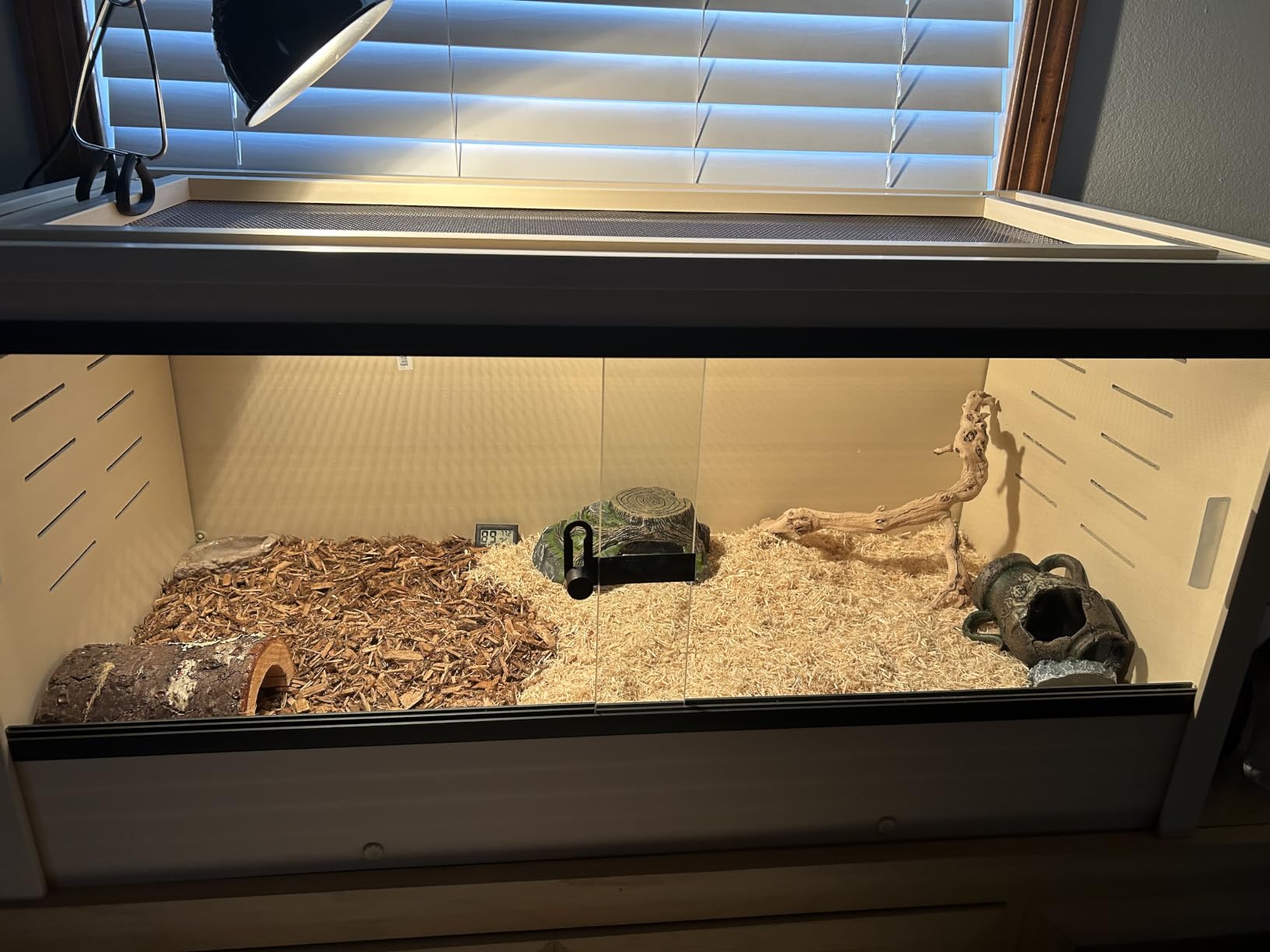
We put this one first because it solves the problem most monitor keepers actually hit, which is not choosing a bad enclosure but running out of wall. At nearly five feet of interior length and just over 22 inches wide and tall, it holds an adult Savannah or a young Argus with room to run, dig and climb, and at 54.2 pounds it is still something two people can carry up a staircase without planning a route first.
The ECOFLEX composite panels are built as a dual-layer with an air gap, and that is where the heat retention comes from. In a room with big seasonal temperature swings, owners report the internal temperature drifting far less than it would in a comparable glass tank, which means your thermostat is working less and the basking spot stays usable longer into the evening.
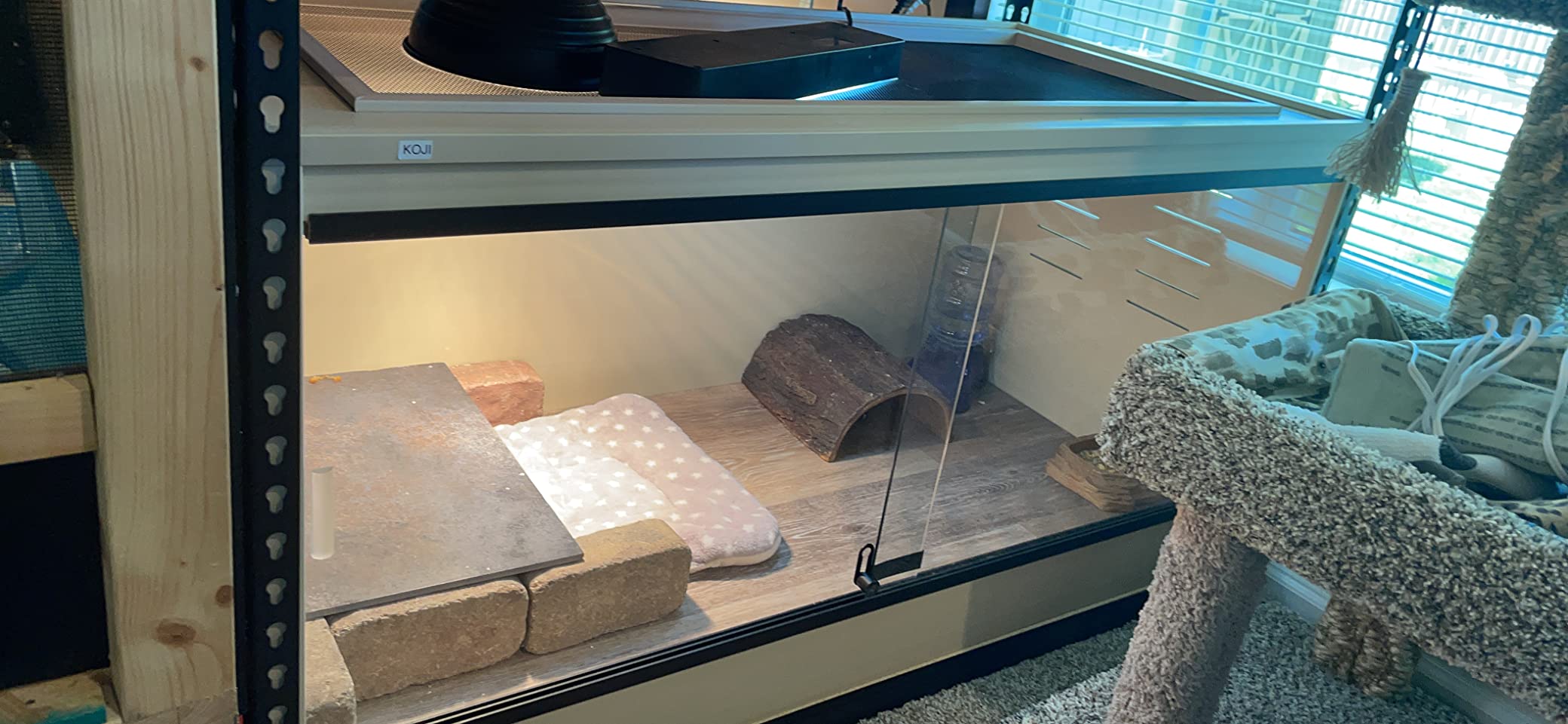
The vented side panels and the large mesh screen top give you room to mount fixtures above the enclosure rather than inside it, which keeps deep heat lamps and UVB tubes at a safe distance. The wire grommets are present on this 60-inch size, so thermostat probes and mister lines route cleanly through the side rather than through the door gap. Assembly is genuinely quick, with most owners reporting 20 to 45 minutes using the included hardware and printed instructions.
One honest drawback, and it is a real one: the top panel does not open. You have to remove the whole thing to reach anything at the back of a deep enclosure, which matters a lot more when a Savannah has dug a burrow down 12 inches than it does for an arboreal chameleon. The seams between panels are also not factory sealed, so if you plan to run small feeder roaches as a cleanup crew, you will want to run a bead of silicone along the joins first.
Check the interior dimensions, not the listing size
The exterior is listed at 60 by 24 by 22.8 inches while the usable interior is 58.43 by 21.97 by 20.16, so roughly an inch comes off each face. If you are sizing to a strict 2x snout-to-vent rule, measure the interior figure rather than assuming you get the full listed length. For a 24-inch Savannah that still clears the standard comfortably.
The height is worth thinking about too, because 20 inches of interior height suits a ground-dwelling monitor well but leaves less climbing room than a taller cage. If your animal is a climber, factor in a substrate that adds vertical depth rather than relying on the enclosure height alone.
Decide early whether you need deep top access
The fixed top is the biggest recurring complaint among owners, and it is fair. Any enclosure you plan to fill with a thick bioactive layer, deep water dishes or a large basking structure will be far harder to service. Owners who work around it often build a partial hinged lid or simply accept that heavy maintenance happens through the front doors.
Against that, the ten-year warranty is the longest in this group and the 60-inch size is the most reviewed enclosure we looked at, which usually means replacement parts are easier to source if something does crack. For a first permanent adult enclosure, that combination is worth a lot.
2. Zoo Med Reptibreeze 24x24x48 – Best for Open-Air Arboreal Setups
- Extremely light at 10 pounds
- Maximum possible airflow
- Bottom door for substrate removal
- Hardware included
- Corrosion-resistant frame
- No insulation at all
- No solid surfaces for humid setups
- Listed dimensions do not match the cage
This cage is the opposite of everything else in the roundup, and that is exactly why it is here. At 10 pounds it is the one enclosure here you can move between rooms by yourself, and at 48 inches tall it gives a climbing species far more vertical space than almost any other cage that fits through a standard door frame.
The entire body is black anodized aluminum screen, which means airflow is effectively unlimited and light penetration from outside fixtures is excellent. The large front door plus a separate bottom door make cleaning and substrate changes straightforward, and assembly needs a screwdriver and nothing else.
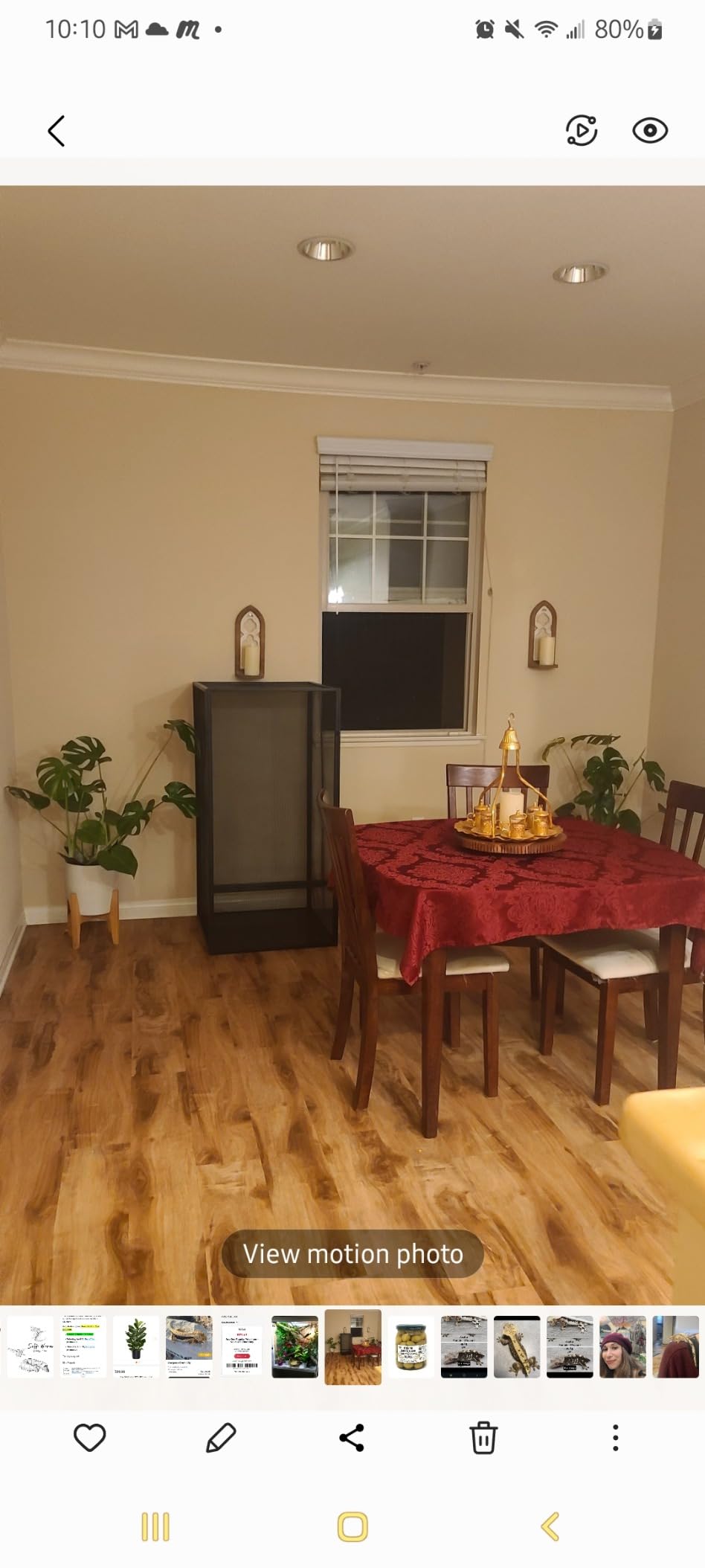
For a monitor this is a temporary arrangement, not a home. There is nothing to hold humidity and nothing to hold heat, so every enclosure in this category demands two or more heat sources and very careful thermostat placement, and a tropical species will never settle in it. The lack of solid surfaces also means no substrate retention, which rules out a bioactive setup entirely.
Worth knowing before you order: the listing dimensions show 24 by 24 by 24 while the cage in the title and the product line is a 24 by 24 by 48. Buyers confirm the cage really is the taller version, so check what arrives before you plan your shelving around it.
Is this big enough for a juvenile monitor
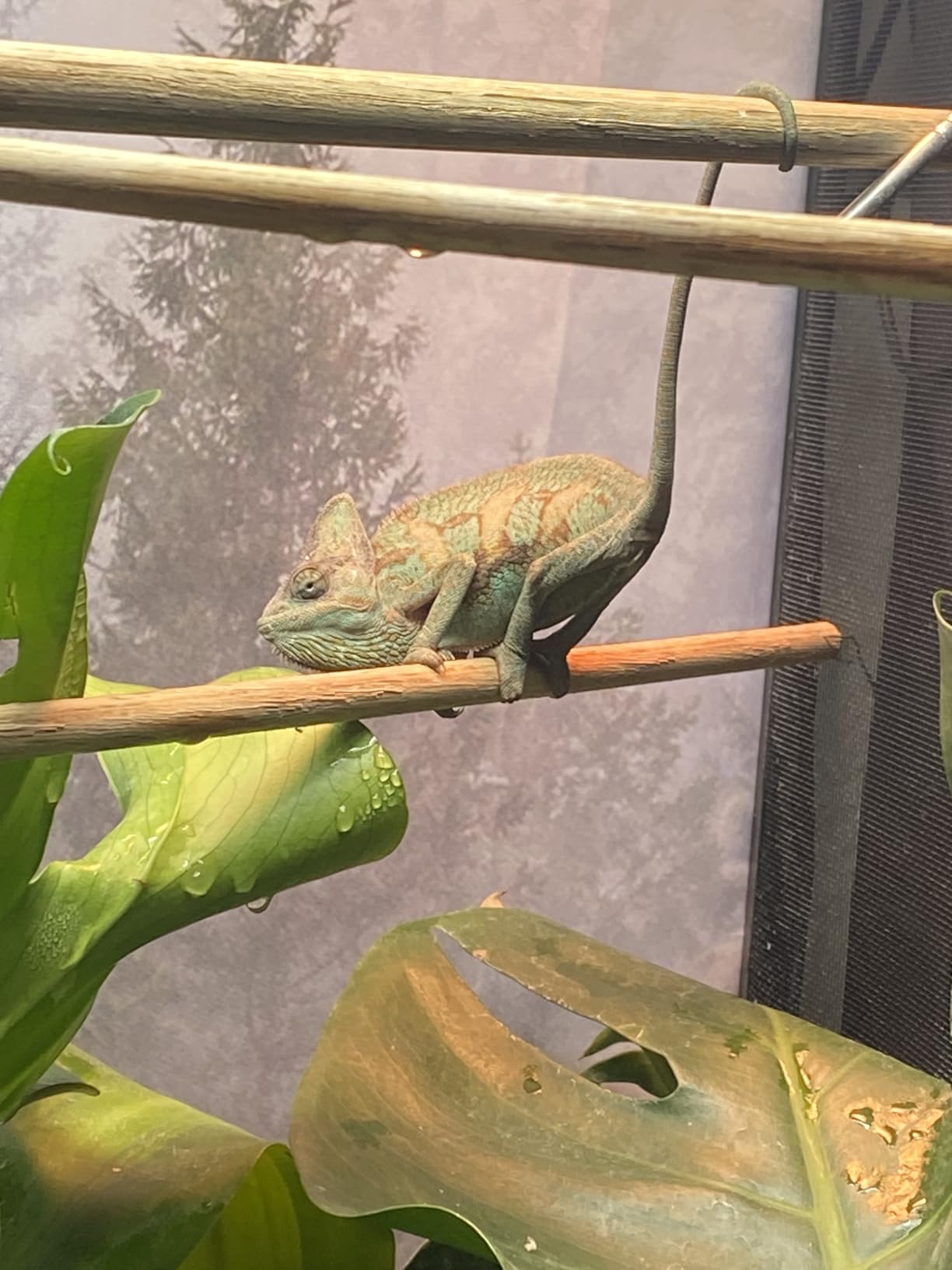
As a temporary home for a young monitor it is defensible on area, with 4 square feet of floor space, but the lack of any solid surface is the bigger issue than the floor count. Owners in practice use it with a substrate tray or plastic liner to catch waste and to give the animal something to dig into, which partially fixes the problem.
Expect to outgrow the fit quickly. The 48-inch height is wasted on a ground-dwelling animal, and the same vertical space would buy far more floor area in a horizontal PVC cage of similar width.
Know exactly what supplemental heating this requires
All-screen construction has no heat retention whatsoever, which in practice means higher wattage fixtures running more often. Owners pair it with overhead dome lamps and rely on a thermostat with the probe mounted in the basking zone, not at the top of the cage where the reading will mislead you.
Because there is no humidity reservoir, any misting has to be frequent and short. For a semi-arid species like a Savannah that is fine. For an Asian water monitor it simply will not work, no matter how much equipment you add.
3. Phailozoo 120 Gallon 4x2x2 – True 4x2x2 With Metal Hardware
- True 4x2x2 rather than reduced interior
- Metal bolts instead of plastic screws
- Metal side braces add rigidity
- Assembles in about 15 minutes
- Exceptional packaging
- No integrated door lock
- Seams need silicone for bioactive use
- Instructions clearer as a video
This is the enclosure we would hand to somebody who wants a straight 4x2x2 with nothing to think about, and it carries the highest average rating in the group at 4.6 across 758 ratings. The difference that matters is that it is a true 4x2x2 exterior, so you are not losing an inch on every side the way you do with several competitors in this size class.
The build is PVC side panels and base with tempered glass sliding front doors, and the hardware is metal bolts rather than plastic screws. Owners consistently report that this feels noticeably more rigid after assembly, and the metal side braces add a layer of support you do not get on lighter cages. It goes together in around 15 minutes for most people, and the packaging is among the best we have seen, with the glass arriving intact.
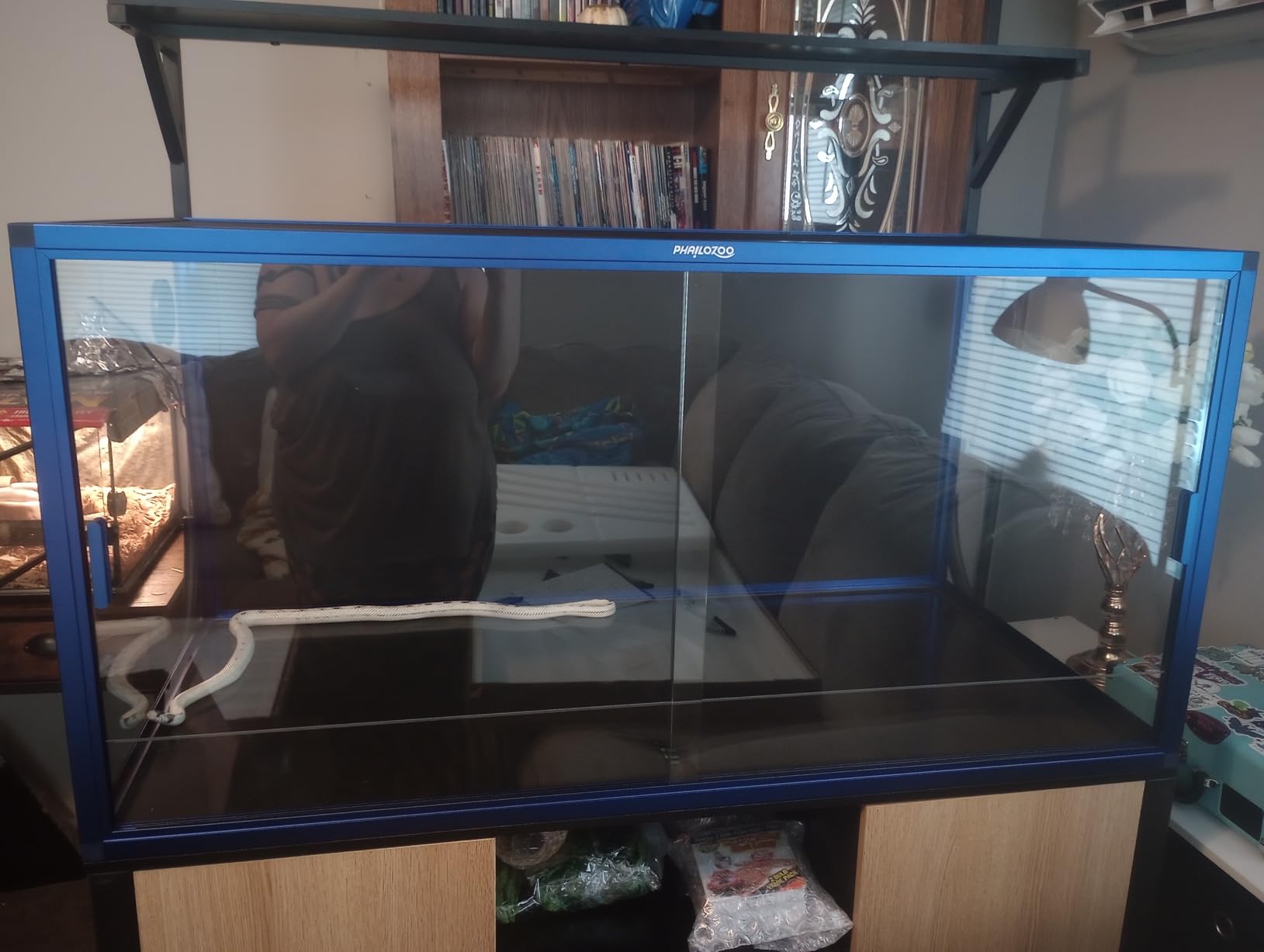
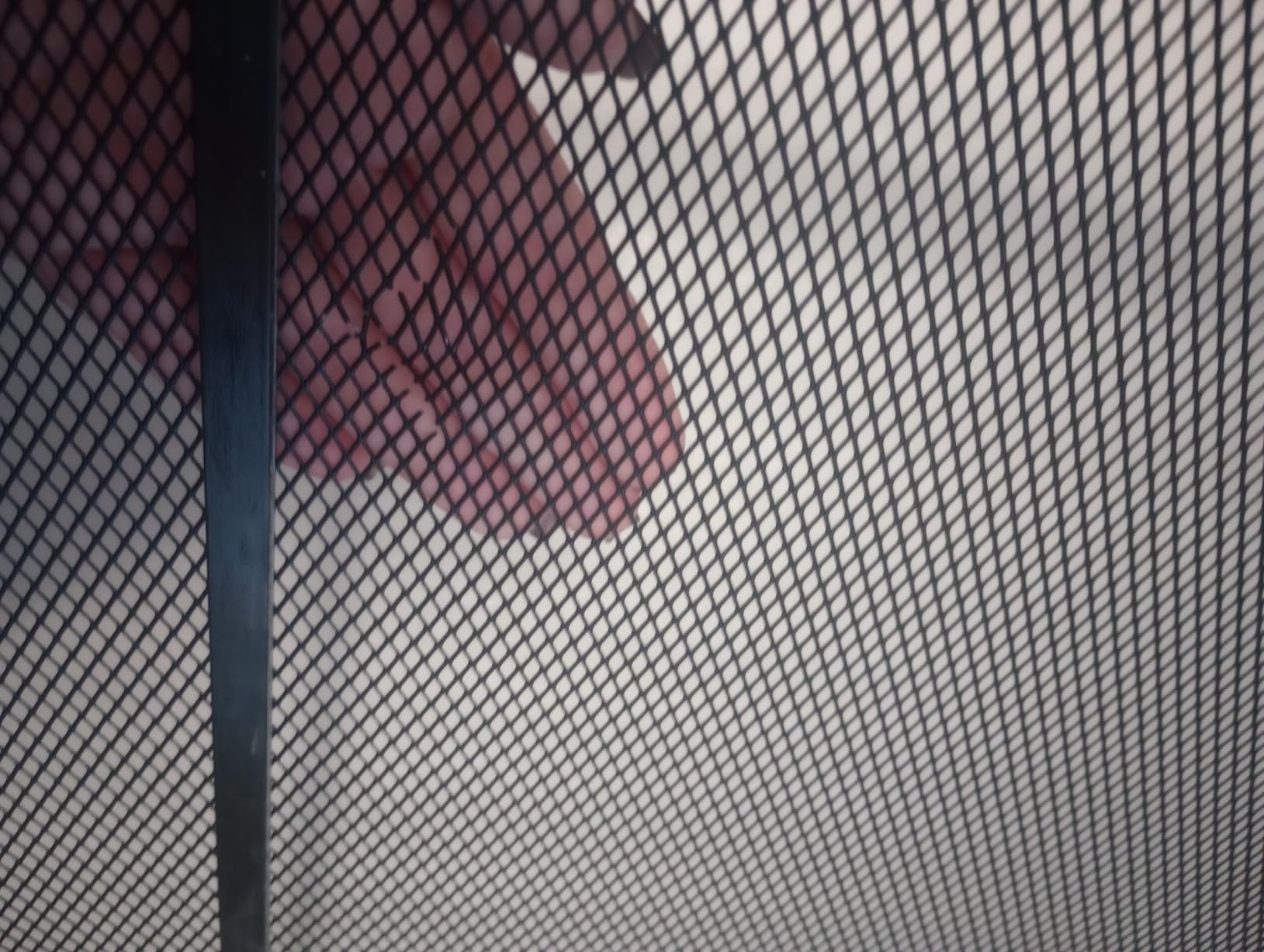
The heavy duty rust-proof mesh top has 28 percent blockage, a useful figure because it means UVB passes through while some heat stays in, and there are side ports for routing cords. It also stacks with matching V2 stackers, so if you later want vertical volume for a climbing monitor you can double up rather than replace the whole cage.
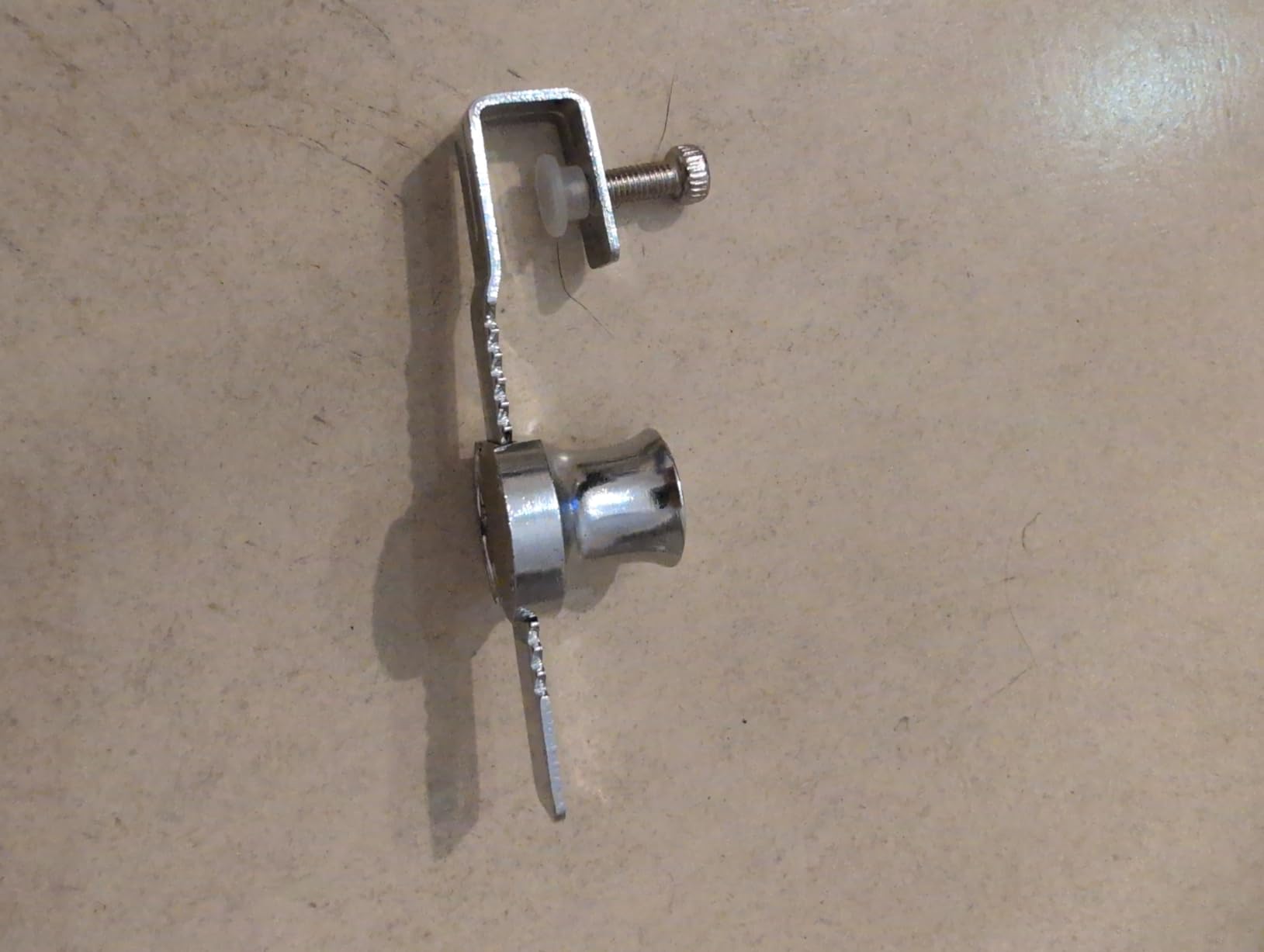
The drawback owners mention most is the lack of an integrated lock on the sliding doors. For a monitor this is a smaller problem than it is for a snake, but heavy adult tegus have been reported nosing doors open, so most owners add adhesive clip locks to the track. The base is silicone sealed for strength and not for waterproofing, so a deep bioactive setup needs a proper bead of sealant before you pour substrate in.
Why true exterior dimensions matter for sizing
When two enclosures both say 4x2x2 and one measures 48.03 by 24.02 by 24.02 while the other lists a smaller interior inside the same exterior, the animal gets meaningfully less usable space in the second. Sizing guides are written against usable floor area, so matching the exterior figure is what keeps you honest against the two times snout-to-vent rule.
The practical gain here is about eight extra inches of floor length than a reduced-interior cage of the same class, which is often the difference between meeting the standard and missing it by a foot.
Plan for a lock and a sealant before the animal arrives
Both of these are small jobs that are much easier to do on an empty enclosure. Adding clip locks to the door track takes a few minutes and closes the most reported security gap. Running silicone along the base seams is what turns this from a dry desert setup into something you can actually run bioactive.
Owners also suggest watching a short assembly video first, because the written instructions leave a couple of the brace positions ambiguous and it is easier to get right the first time.
4. REPTI ZOO 67 Gallon Tall Glass – Best for Humid Tropical Housing
REPTI ZOO 24″ x 18″ x 36″ Reptile Tall Glass Terrarium Rainforest Habitat Double Hinge Door with Screen Ventilation 67 Gallon Reptile Terrarium Easy Assembly
- Sides switch between glass and mesh
- Locking double-hinge doors
- Removable mesh top for UVB
- Waterproof raised base
- Flat-packed and compact to carry
- Actual height nearer 35 inches
- Seams not fully sealed against water
- Segmented glass lets the frame flex
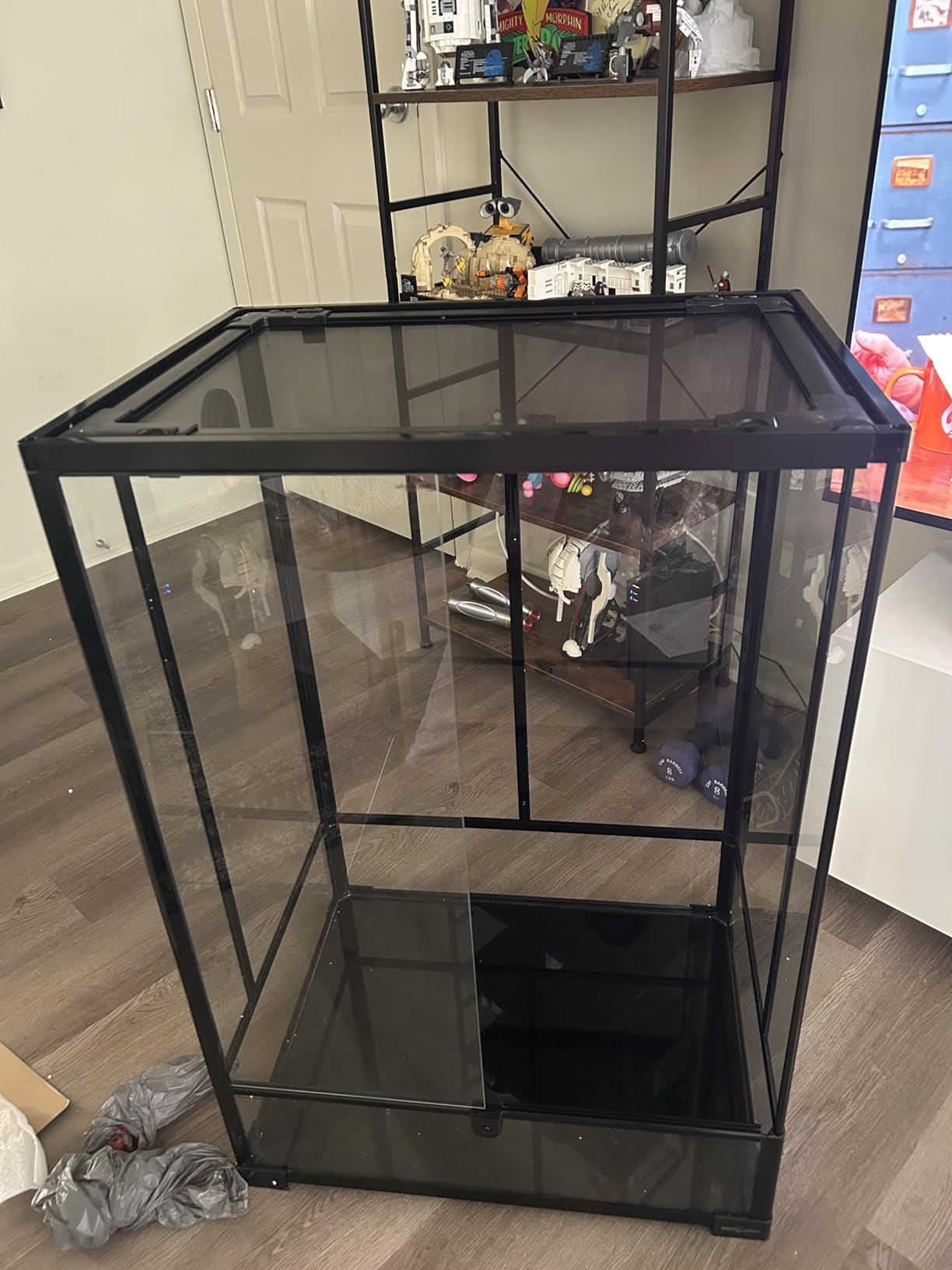
This is the tall glass option in the group, and its selling point is the switchable sides. Each side panel can be configured as glass, mesh or a mix of both, which means you can start with solid walls for humidity and swap a side to mesh when the animal needs more ventilation. Very few enclosures at any price let you change that after the fact.
The front doors are double-hinge with a real locking mechanism, and the top screen lifts out completely so dome lamps and UVB fixtures sit above the enclosure. The raised base is genuinely water-tight, tested for leaks, and clears a substrate heater or heat cable underneath.
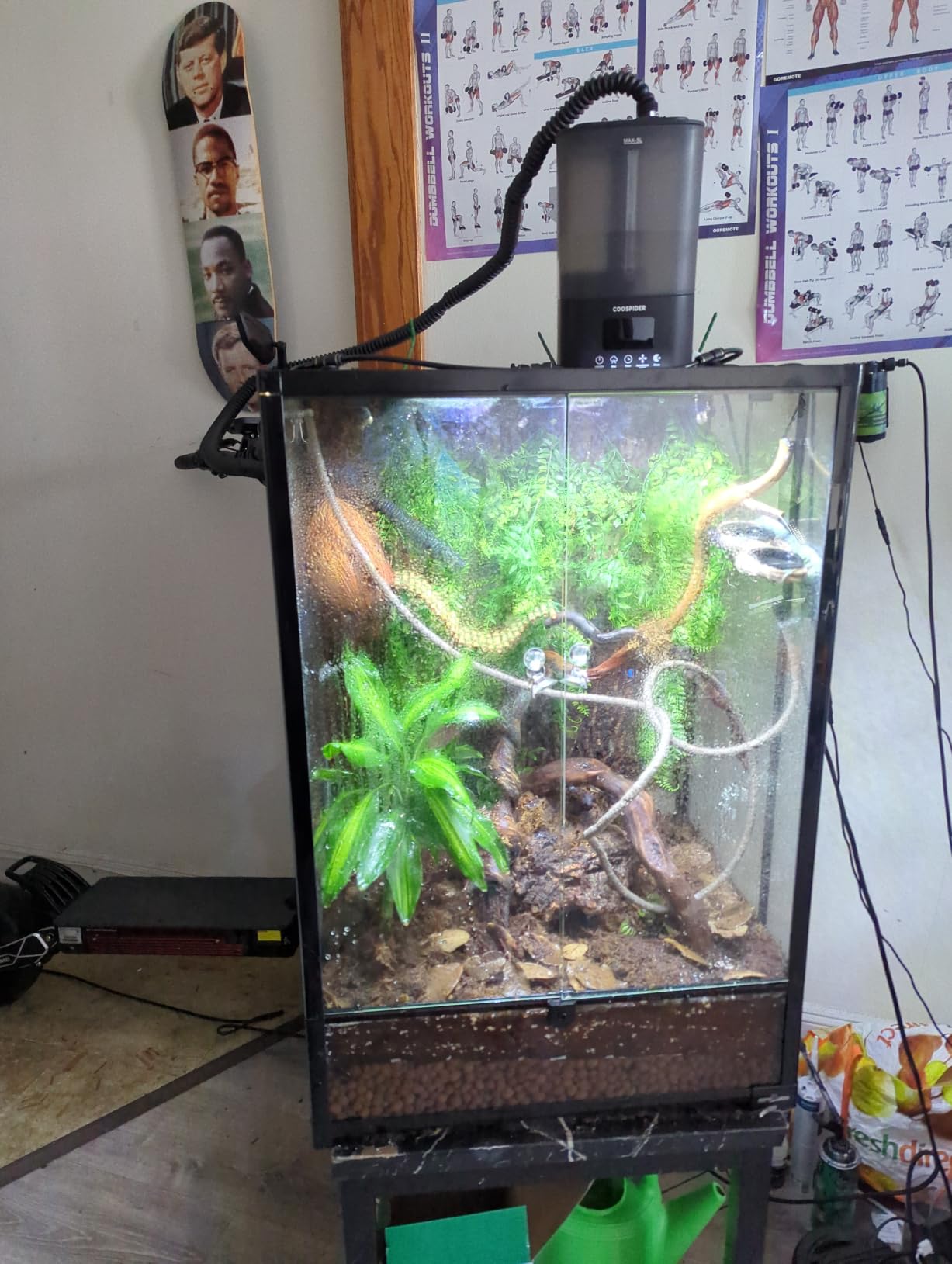
There is a real limitation to plan around. At 24 by 18 inches the floor area is only about 3 square feet, so this works for a juvenile or a smaller adult monitor but it is not where an adult Savannah belongs long term. The height compensates with climbing space, not with running room, and monitors are mostly ground animals.
Second, the glass-to-frame seams are not fully sealed, so persistent misting or a waterfall feature will eventually find a way out. Sealing them yourself with aquarium-grade silicone is a straightforward afternoon job and worth doing before you set up a tropical bioactive system.
Decide between glass, mesh or mixed sides before assembly
Because the side panels are interchangeable, the choice matters. Glass on both sides holds humidity and warmth better. Mesh on both sides vents heat effectively and suits a semi-arid species in a warm room. The mixed configuration is the compromise most keepers settle on, with one solid wall and one ventilated wall to create a usable gradient across the width.
Whichever you pick, fit them before the decor goes in. Swapping a panel on an enclosure already full of branches and substrate is a much worse afternoon than fitting it on a bare frame.
Understand the glass flexibility issue
Because the viewing area is built from several smaller panes rather than one large sheet, the frame can flex slightly, and owners report a small amount of give when pressure is applied at the corners. It is not a structural failure and the enclosure stays square in normal use, but it does mean less resistance than a single-panel PVC wall.
For an adult animal that likes to push against its enclosure, that consideration matters more than the weight figure would suggest. Weight here is 60 pounds, so treat it as a two-person move and plan where it will sit before it arrives.
5. Reptile Habitats 4x2x2 V3 – Best Value 4x2x2 With an Aluminum Frame
- Strong 4.6 rating across 350 ratings
- Aluminum frame adds real rigidity
- Side cable holes fit lighting inside
- Removable doors for cleaning
- Light enough to move with a dolly
- No printed instructions in the box
- Top is fixed rather than hinged
- Bottom seams leak without silicone
The V3 4x2x2 is the one we would describe as properly engineered rather than merely adequate. PVC panels wrapped in an aluminum frame with heavy duty screen on top gives it more structural rigidity than most cages in its class, and at 36 pounds it is light enough for one person to reposition with a furniture dolly once it is built.
Owners rate durability highly after months of use, and the removable front glass doors make cleaning far quicker than sliding panels do. The side cable pass-through holes are a genuinely useful detail because they let you mount a UVB fixture inside the enclosure at a proper distance for a tall animal, which a mesh top alone cannot always solve.
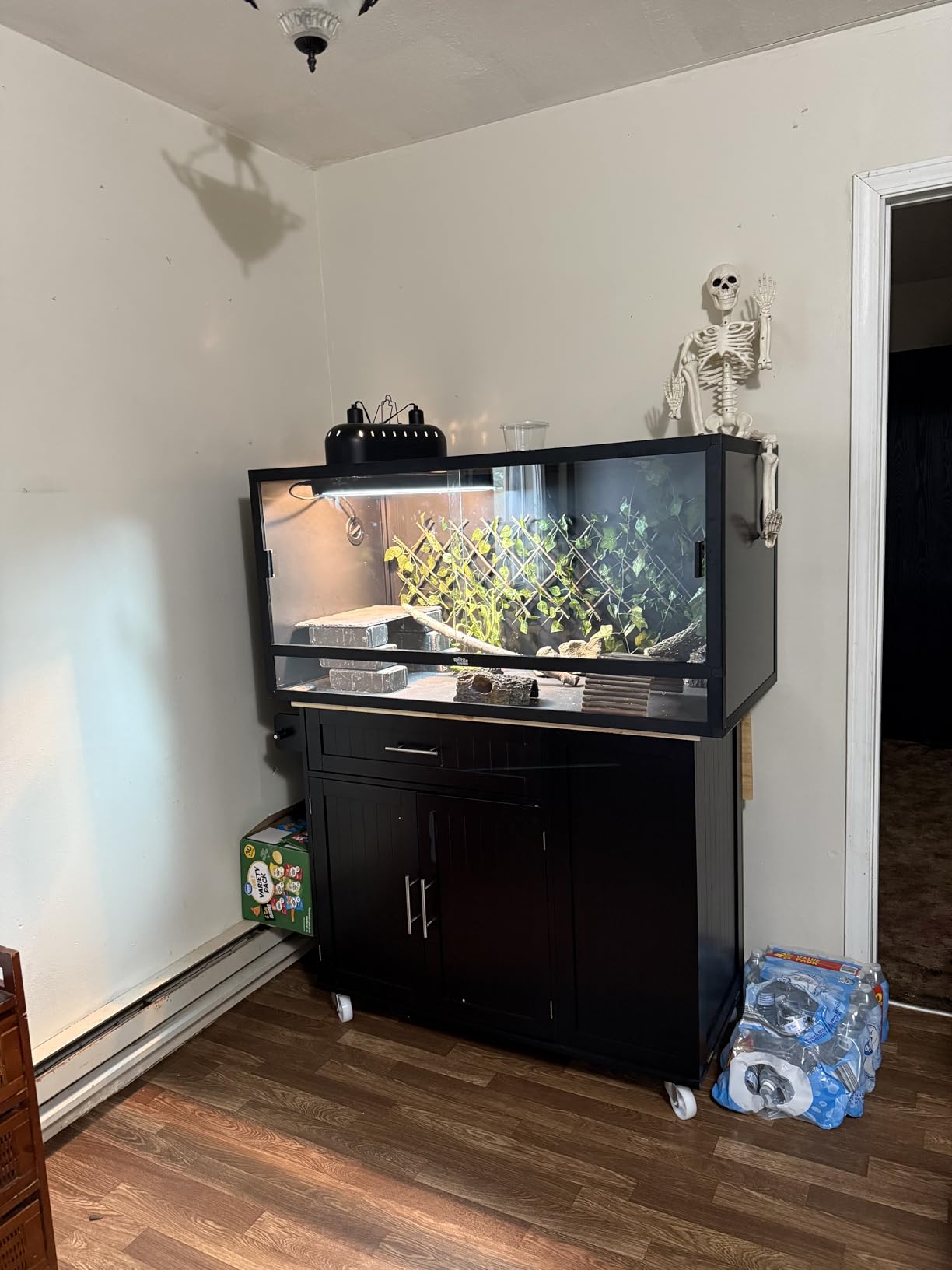
The main ownership friction is documentation. There are no paper instructions in the box, and instead there is a QR code linking to an assembly video. Watch it before you start and the build goes smoothly; owners who try to work from the panels alone report confusion about brace placement. Assembly itself takes under half an hour for most people.
Second, the top is completely fixed rather than hinged, which limits access from above for deep substrate work. The bottom seams are not sealed, so water added for a misted or bioactive setup will migrate out of the base until you add a silicone liner. Replacement screws, if you break one during assembly, are not cheap to source.
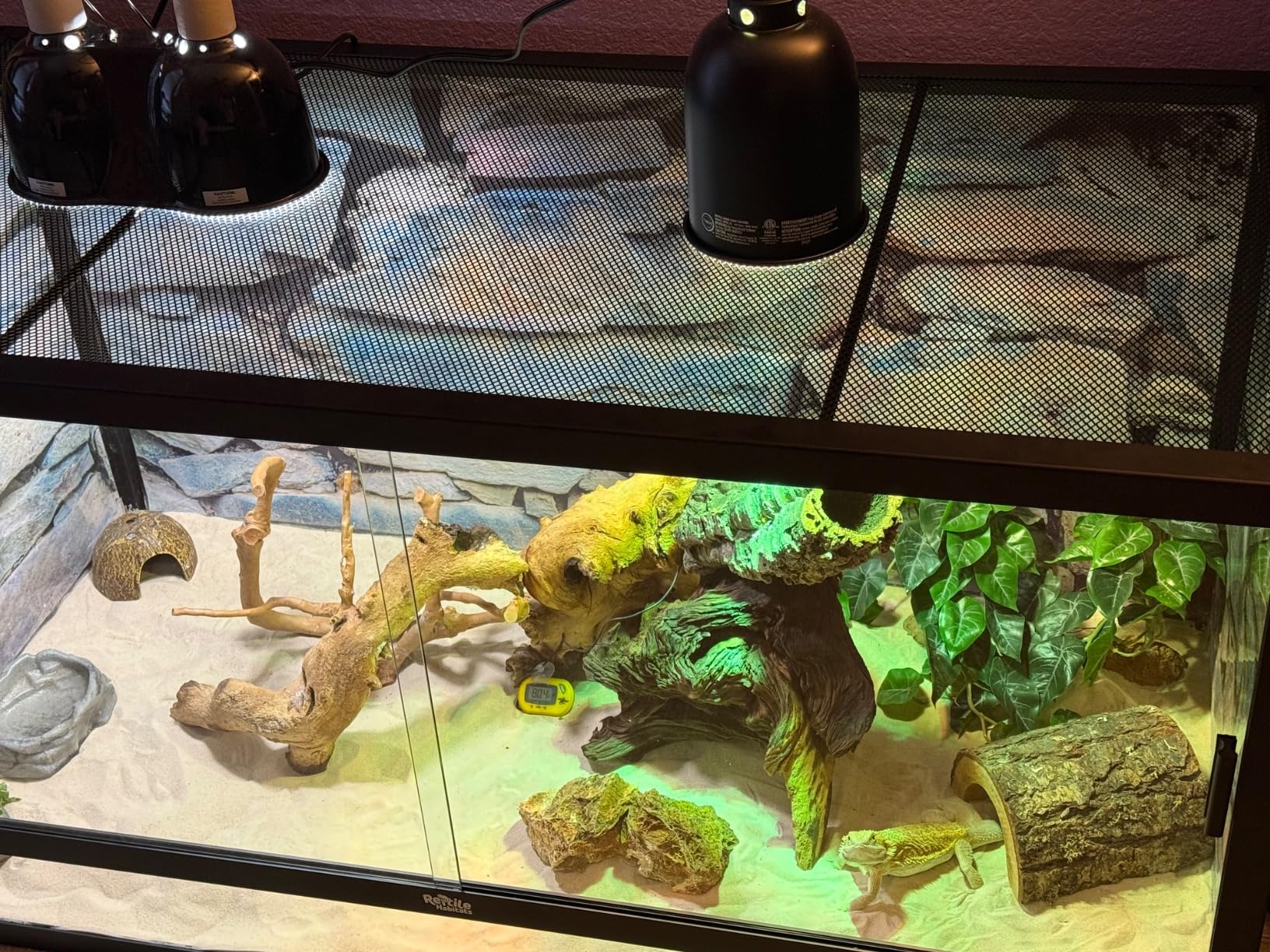
Why the aluminum frame is the deciding detail
Frame rigidity is what separates this from cheaper PVC cages, and it is not a cosmetic difference. A braced aluminum frame resists racking, which matters when a full-grown monitor leans its body weight against a wall or tries to climb the corners repeatedly. Over a year of daily pushing, panels in a floppy frame can shift where they meet, and shifted panel edges are where escape gaps appear.
For a keeper housing an adult animal for years, the frame is the part of the build that keeps paying off, and it is a large part of why this model holds a 4.6 average.
Watch the video first and plan your silicone work
Two jobs go much better on an empty enclosure. Watch the linked assembly video before taking anything out of the packaging, and then decide whether you are running a dry desert-style setup or something wetter, because that determines whether you line the base before the substrate goes in.
Owners who seal the bottom themselves report that the cage then works fine for a bioactive system. Owners who skip it find out later from the floor of the room.
6. WACOOL 50 Gallon Vertical – Best for Chameleons and Arboreals
WACOOL 50 Gallon Reptile Tank, Front Opening Chameleon Cage 18″ x 18″x 36″, 3-in-1 Side Design (Glass or Mesh+Glass), Bio Deep Base 10″ Vertical Reptile Cage for Frog Iguana
- Tall vertical space in a narrow footprint
- Three side panel configurations
- Deep waterproof base holds 10 inch of water
- Quick five minute knock-down assembly
- Handles up to 4 cables
- 18 inch width is narrow for terrestrial species
- Deep base cuts into climbing space
- Background not included
This is not a monitor enclosure in the way the rest of this list are, and we want to be clear about that. At 18 inches wide it is far too narrow for an adult terrestrial monitor, which needs horizontal room above all else. What it is, is one of the best vertical cages in the group, and some juvenile or semi-arboreal monitors do use vertical space well.
The 3-in-1 side design is the reason it earns a place. Each side can be all glass, all mesh, or a glass-and-mesh combination, which lets you tune ventilation and humidity on a per-side basis and change it as the season changes. The deep waterproof base holds 10 inches of water, so it doubles as a paludarium-style setup with a raised water feature.
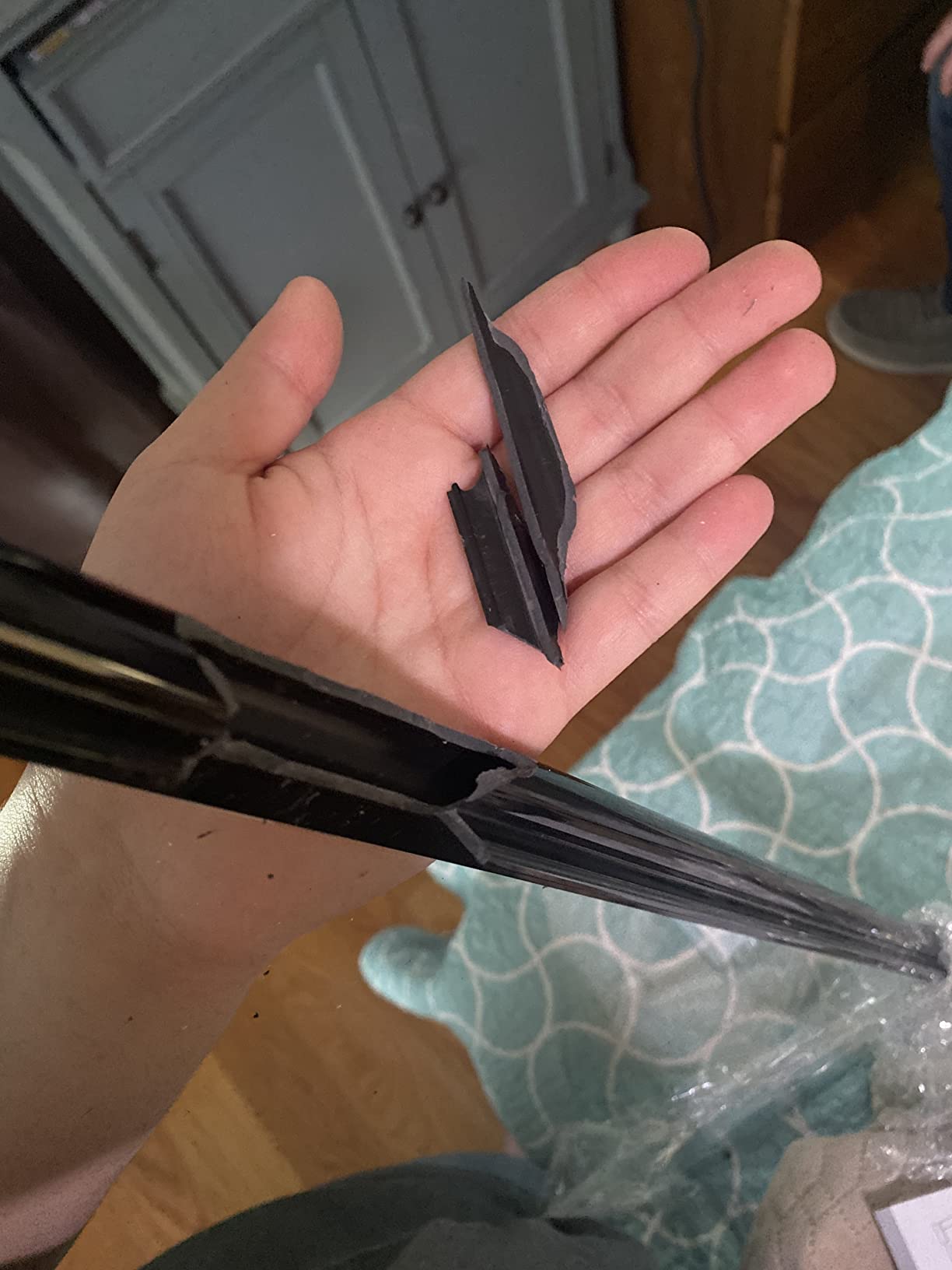
Full tempered glass on four sides means excellent viewing and good scratch resistance, and the front doors open independently with a security lock. There is also a security buckle on the lid, closable wire inlets that take up to four cables, and an assembly time of about five minutes because the whole thing knocks down flat for storage.
The trade-offs are real for monitors. The 18-inch width gives a heavy-bodied animal very little room to turn, and the 10-inch base takes that space away from climbing height unless you build up substrate. Owners also note that a full-glass configuration limits ventilation compared with an all-mesh build.
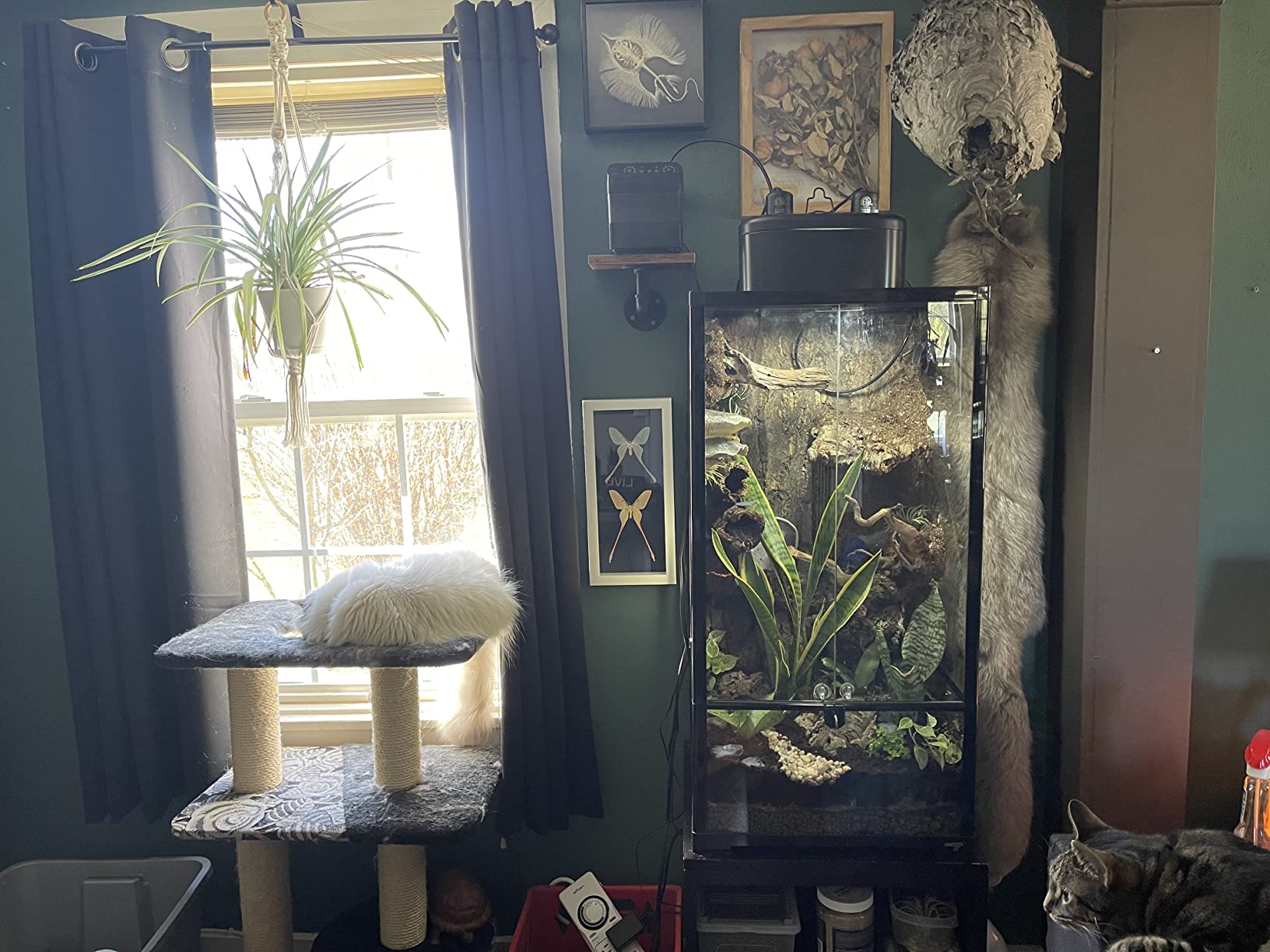
Match the side configuration to the climate you actually keep
The side panels are the adjustable part of this cage, so set them before the animal moves in. All glass holds heat and humidity and suits tropical setups. All mesh moves air quickly and suits a hot room or a semi-arid species. The mixed configuration is the most flexible option because you get one insulated wall and one ventilated wall in the same enclosure.
Whatever you choose, the closable wire inlets matter more than they sound, because they let you keep the enclosure sealed while still routing four cords to heating, lighting and monitoring equipment.
Know when this shape is the wrong shape
If your monitor is a ground-dweller, vertical space is not a substitute for floor space. An 18-inch-wide cage that is 36 inches tall gives an adult Savannah about a third of the running room it needs, and repeated pacing in a narrow space is exactly the behaviour enclosure size is meant to prevent.
Where it does shine is a young monitor that climbs, a semi-arboreal species, or a chameleon sharing the household. For those, the quick knock-down assembly also makes deep cleaning painless.
7. unipaws 110 Gallon Wood Style – Best for Arid Desert Species
unipaws 110 Gallon Reptile Tank for Lizards, Bearded Dragon Enclosure Cage
- Strong heat retention for desert species
- Lockable doors with silicone gap bars
- Rotating cable holes take 4 cables
- Furniture style black wood grain finish
- Spacious 110 gallon floor area
- Not for high humidity or aquatic setups
- Stackers sold separately
- Heavier than PVC cages of the same size
This is the one enclosure here designed explicitly around heat. The wood-style panels retain warmth far better than an all-glass aquarium of the same volume, which matters when you are running a desert gradient with a high basking temperature and a cool side. For a Savannah or an arid tegu, that is a real operational advantage.
Security details are unusually good. The sliding glass doors carry a proper metal lock and silicone gap-seal bars that close the tracks, and the rotating cable holes on the side panels accept up to four cables while keeping the enclosure sealed. That combination is what most keepers add aftermarket to other cages.
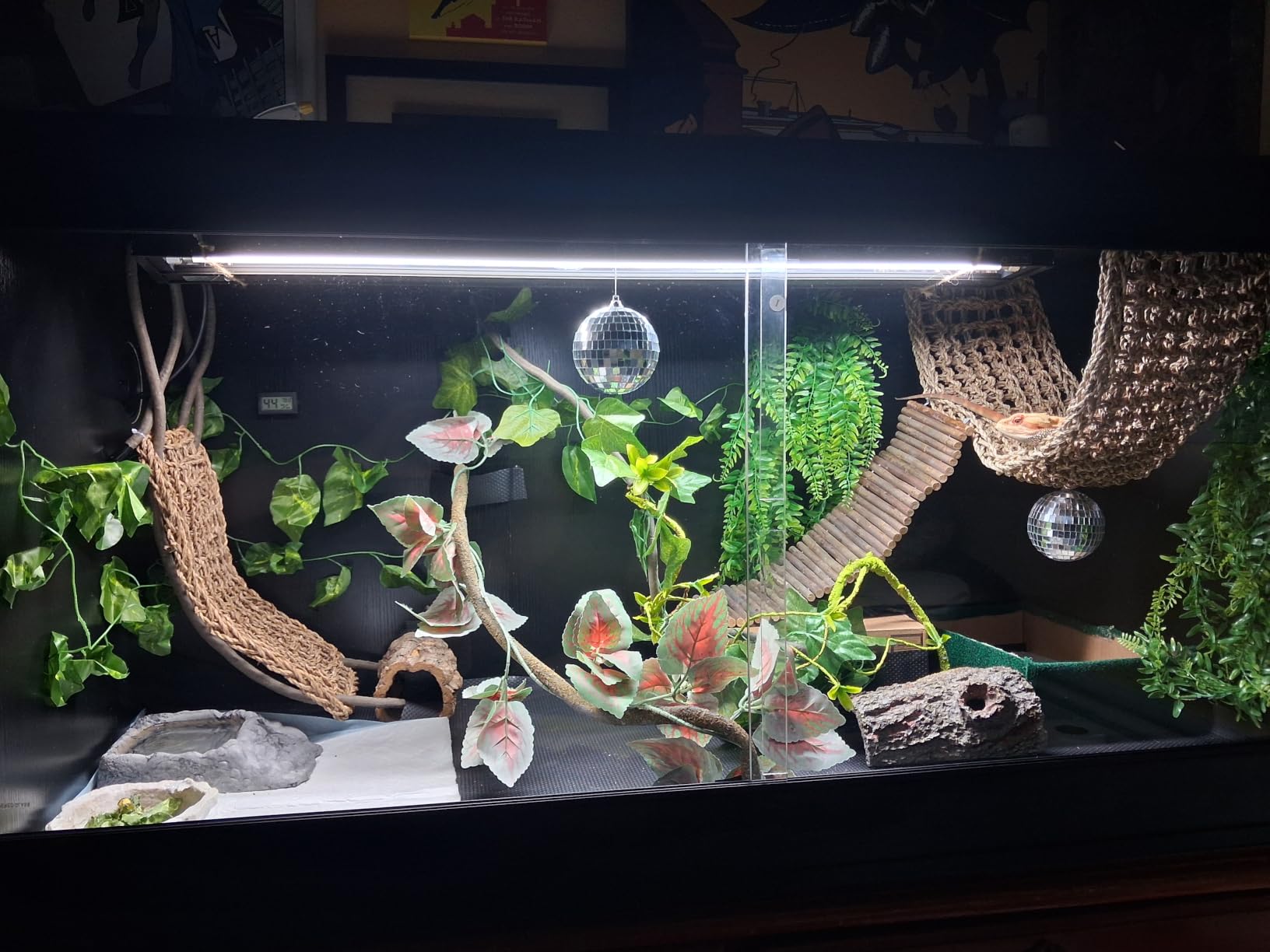
The black wood grain finish is the other selling point in a house rather than a reptile room, since it reads as furniture instead of black plastic. Floor area is about 7.7 square feet, which sits between the 4x2x2 PVC cages and the 5-foot unit at the top of this list, and it stacks with an optional matching stacker if you later want a second level.
The honest drawback is humidity. The manufacturer states plainly that this is not for high-humidity or aquatic setups, and the wood-style panels are more vulnerable to sustained moisture than PVC. If your monitor is a tropical or semi-aquatic species, this is the wrong cage. It is also heavier than PVC of the same size at 57.32 pounds, and the stacker is a separate purchase.
Check the humidity figure for your species before buying
Target humidity is the deciding number. Semi-arid species that sit comfortably in a dry room will love how well this holds heat and how much less often a thermostat has to fire. Tropical species that need a persistently humid enclosure will find wood-style panels are the wrong material, and fighting that with a misting system alone is a constant battle.
Owners who did pair this with a wetter setup report early signs of moisture damage at the panel edges, so the factory guidance is not a formality.
Budget for the stacker and for moving weight
If your plan involves a second level, add the stacker to your cost calculation before you commit, because it is a separate accessory and the enclosure is designed around it. That is a reasonable trade if you are building vertical space for a climbing monitor over time.
At 57.32 pounds empty, plan the final position before it arrives. This is a two-person move, and sliding it across a hard floor is easier than pivoting it in place.
8. REPTI ZOO 120 Gallon PVC – Best First Tank for a Subadult Monitor
- PVC insulates better than glass
- Thicker PVC than many rivals
- Interior ledges add climbing surfaces
- Lockable sliding door works smoothly
- Mesh top detaches for UVB and IR
- Light leaks between panels
- Base is not sealed
- Fasteners can crack during assembly
This is a straightforward 120-gallon PVC tank, and for a keeper moving up from a 40-gallon or a 75-gallon glass aquarium it is a sensible step up without moving to a completely different format. The interior ledges on the upper and lower walls add seclusion and climbing surfaces that many budget cages leave out.
Insulation is the main argument. PVC walls hold heat and humidity better than glass, which means a steadier gradient and less thermostat cycling. The detachable mesh top lets UVB and IR through for overhead fixtures, and the tempered sliding door has a lock that owners report operating smoothly.
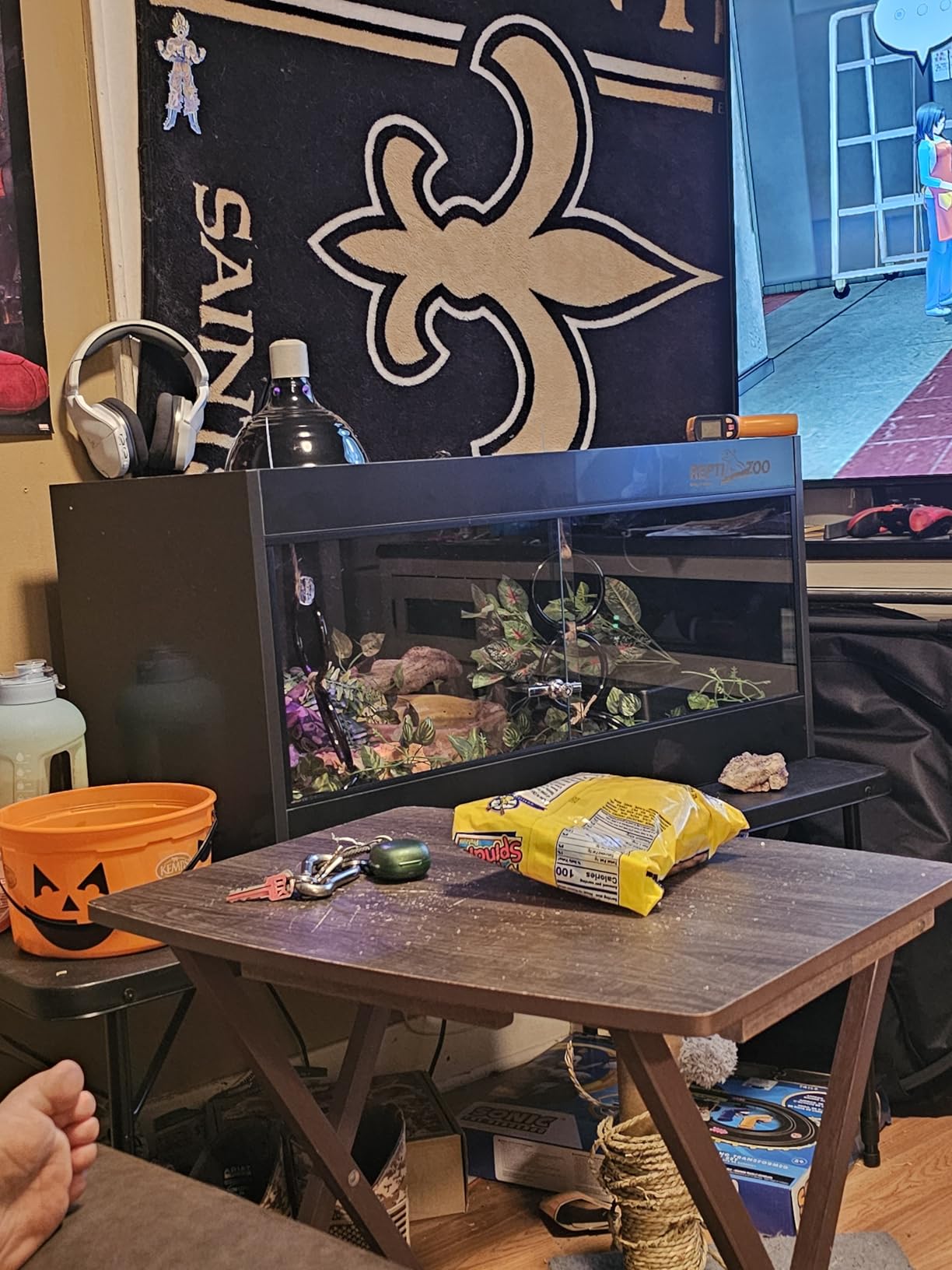
Quality control is the weakness. Owners report visible light gaps between panels that undercut the insulating benefit, and some report fasteners cracking or dropping out during assembly, which forces panels to come back apart. The base is also unsealed, so it is a dry setup until you add silicone yourself.
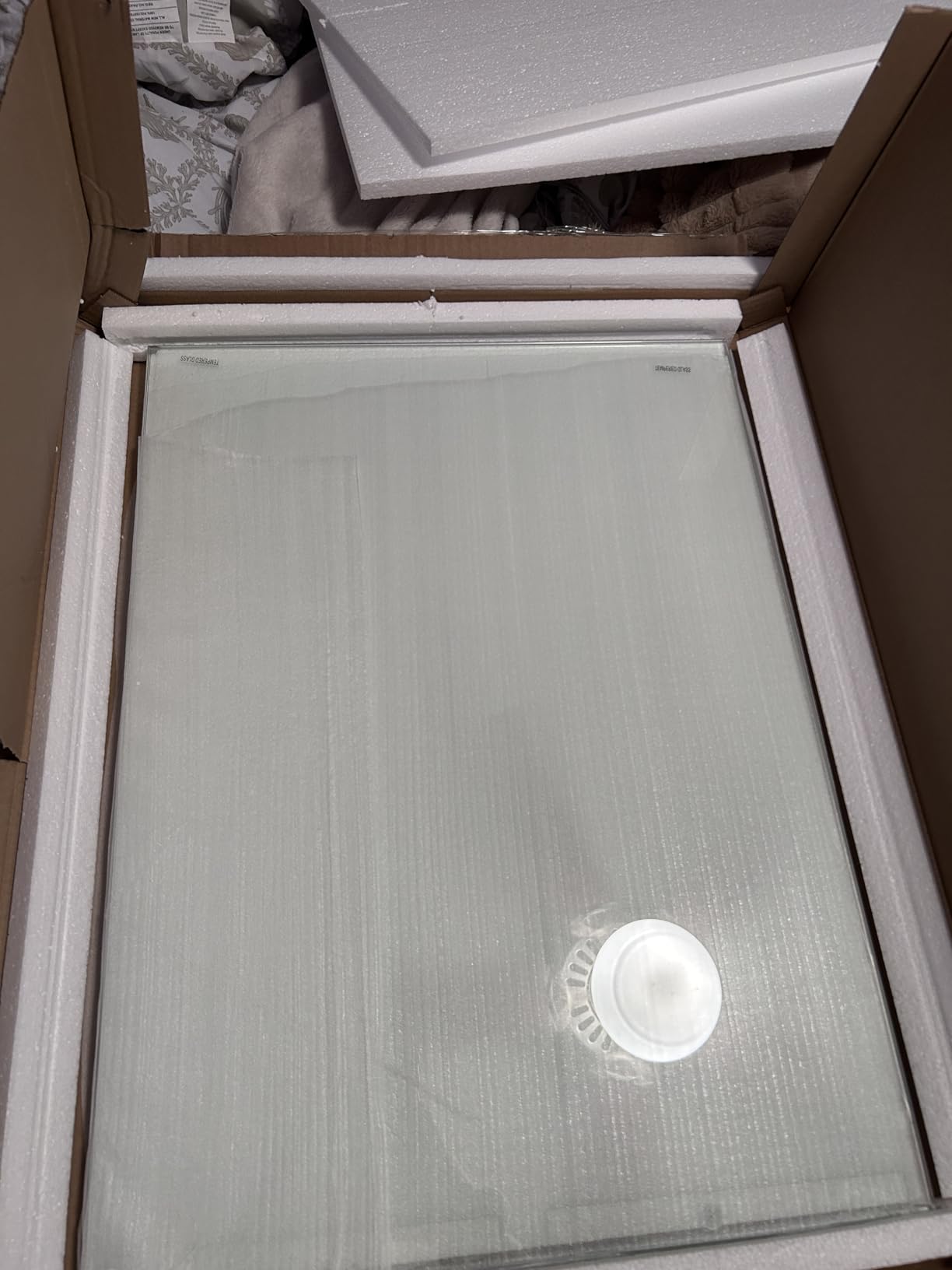
Glass panels are harder to clean than PVC and can crack if the enclosure is moved while assembled, so this is a build-it-where-you-want-it product at 66.14 pounds. Owners who pack panels carefully report everything arriving scratch-free.
Inspect every panel seam before you add substrate
Light gaps are the single most reported issue and they are easy to fix while the enclosure is empty. Run your hand along each seam and check for daylight, then add a thin bead of clear silicone along any gap you find. Owners who do this report that the insulation problem largely disappears.
Do the same inspection on the base before deciding whether the setup is bioactive. If water is going to be involved at all, the base needs sealing first, and it is much easier on an empty tank.
Build it in place, not on the floor
At 66.14 pounds and made largely of glass, moving this once assembled is a two-person job with a real risk of cracking a panel. Decide the final location first, including where the doors will swing and how close the basking spot will sit to a wall, then assemble it there.
That also makes the assembly issues less painful, because you can work on it in stages without trying to manoeuvre a finished tank through a doorway.
9. Zilla QuickBuild 65 Gallon – Best Lockable Glass Access
Zilla QuickBuild Reptile 65 Gallon Glass Terrarium, 48″ x 18″ x 18″
- Front doors plus hinged top screen
- Lockable top screen with feeding port
- Assembles in 10 to 20 minutes
- Grippy gloves included
- Stackable modern design
- Key required to unlatch the doors
- Side mesh vents cut humidity retention
- Heavy glass on a plastic support frame
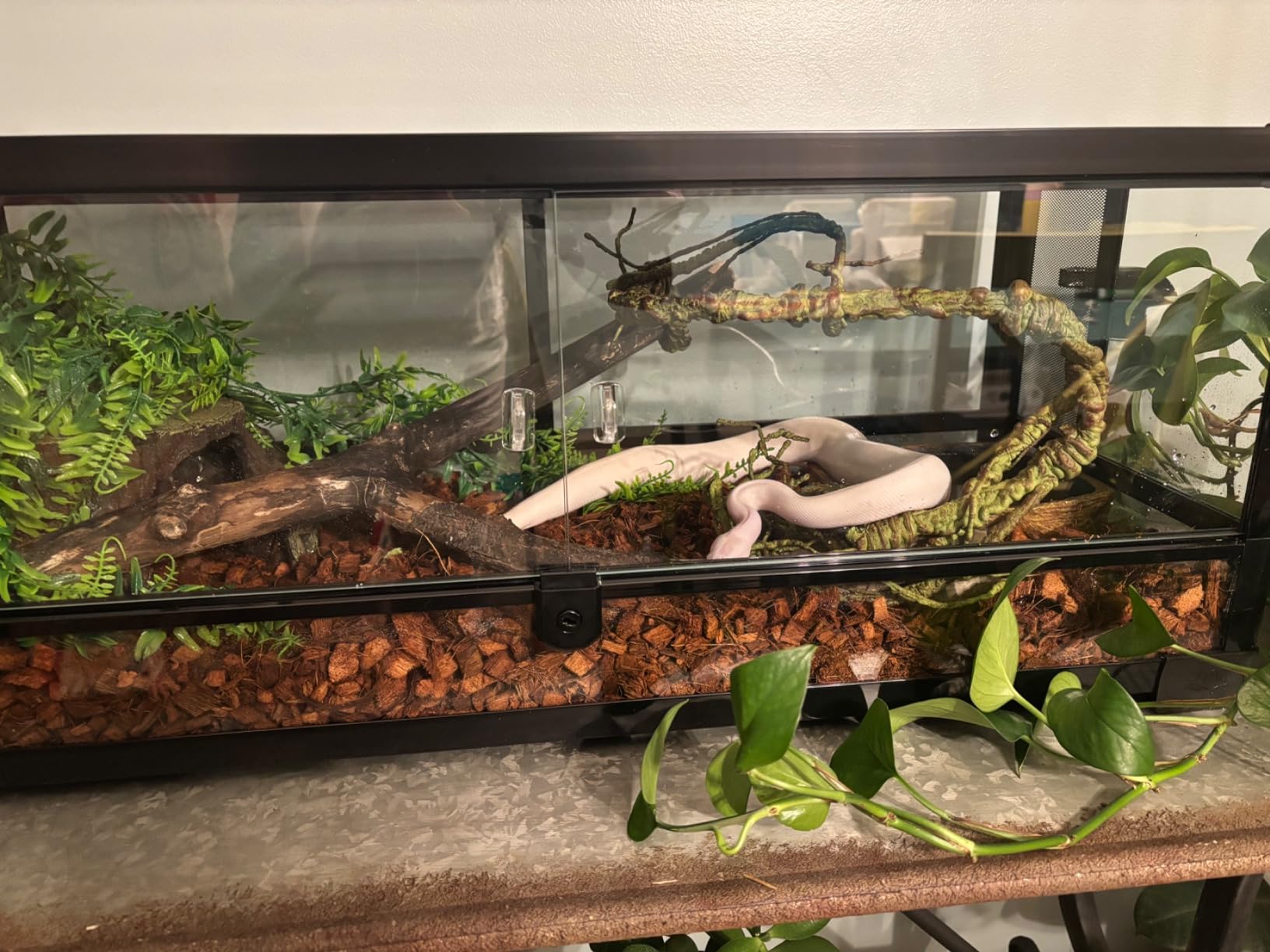
The access design here is the best in the group for hands-on husbandry. You get front-opening doors plus a double-hinged top screen, which means feeding, spot cleaning and reaching a high basking spot all happen from the front rather than from a ladder. There is even a feeding port in the top screen.
Everything is lockable, including the top screen, which closes the escape route that most cages leave open. Assembly is reported at 10 to 20 minutes for two people, and the box includes grippy gloves, which is the detail that tells you the manufacturer expects broken glass to be the main risk.
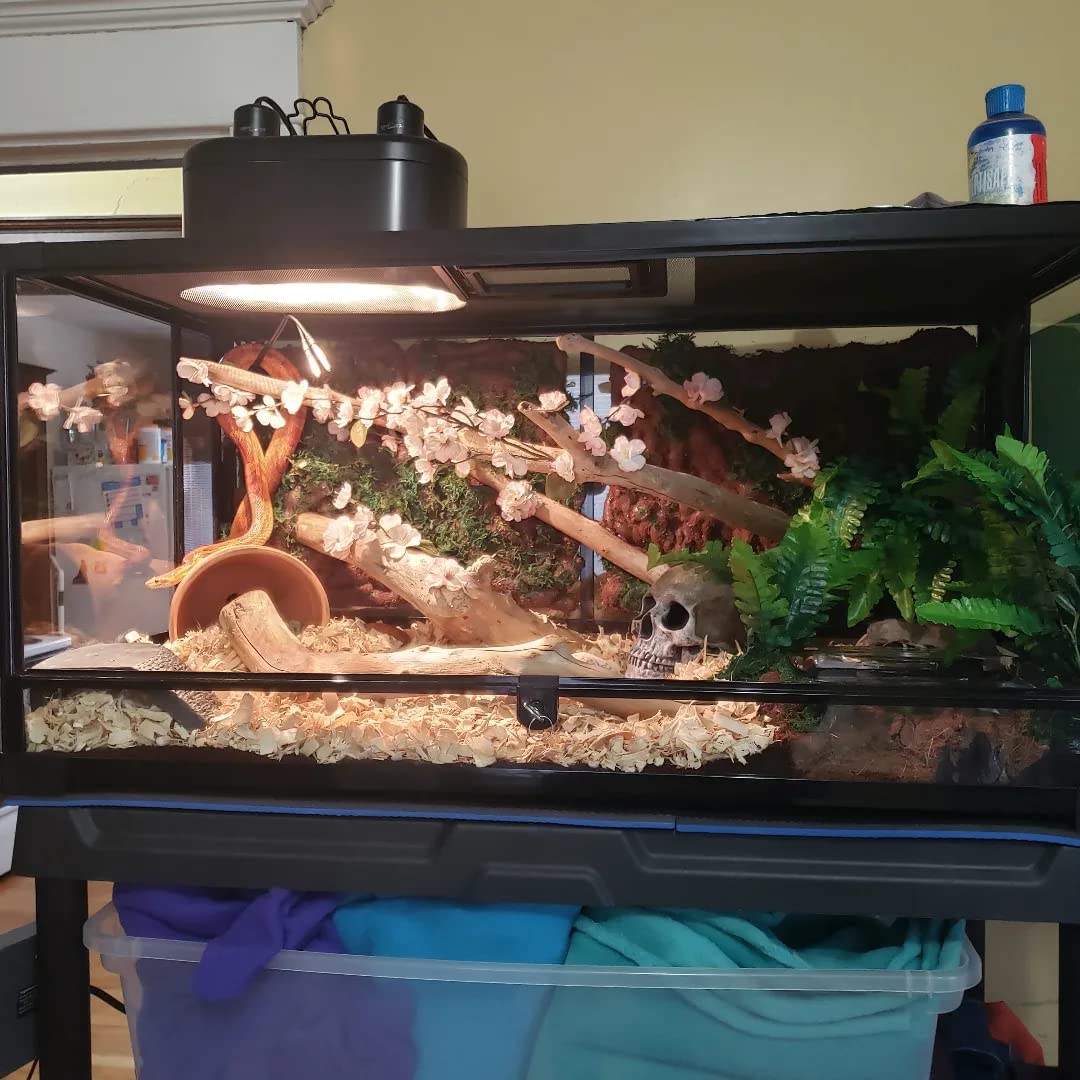
The tempered glass itself is clear and sturdy once built, and you can choose either a solid water-holding base or a removable bedding tray depending on whether you are running a wetter or drier setup. The stackable format means a second unit can sit above later.
Two things to know. The lock requires a key to latch and unlatch, so do not lose it. And the side mesh vents make humidity harder to hold, which is a real consideration if you are aiming at a tropical setup. The glass sits on a plastic support frame, and heavy decor on top should be avoided.
Keep the key somewhere you will find it
Owners consistently mention the keyed lock as both the best security feature and the most annoying one. Nothing gets in or out without that key, which is exactly what you want with a determined adult animal and exactly what turns into a late-night problem if it is sitting in another room.
Keep it on the same key ring as your enclosure tools. It is a small habit that saves a genuinely stressful evening.
Compare the footprint honestly against a 4x2x2
At 48 by 18 inches this gives roughly 6 square feet of floor area, which is a full square foot less than a 4x2x2. For a monitor that spends most of its day on the ground, that is a meaningful difference in whether the animal can pace a straight line rather than walk in circles.
Where this one wins is height gain from stacking and the superior front and top access. If you plan to run a second level for a climbing species, the combination of hinged top and stackable format is hard to beat.
10. PROLEE 82 Gallon – Best Furniture-Style Finish for a Living Space
- Lowest cost per gallon of the large enclosures
- Coffee table wood finish suits home decor
- Tempered glass on all four sides
- Acrylic liner makes cleaning easy
- Lockable double sliding doors
- Interior is smaller than a 4x2x2 PVC cage
- Coated wood degrades in sustained humidity
- Designed for terrestrial species only
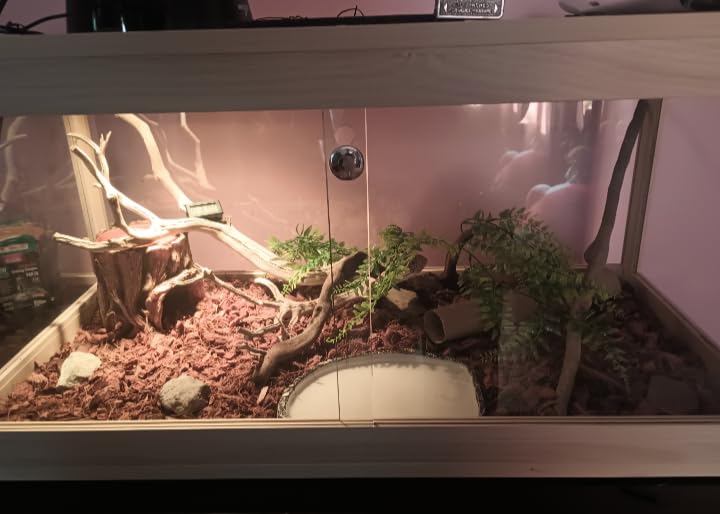
If your enclosure has to live in a living room rather than a spare room, finish is the deciding factor, and this one is built to be looked at. The frame is solid wood with a water-repellent polyester coating in a dark stain that reads like furniture rather than reptile equipment, and tempered glass wraps all four sides.
The practical design is sound for a terrestrial species. Double sliding front doors lock, the metal mesh top accepts heat lamps and UVB fixtures directly above the animal, and the acrylic liner tray pulls out for cleaning so you are not scrubbing the base of the enclosure.
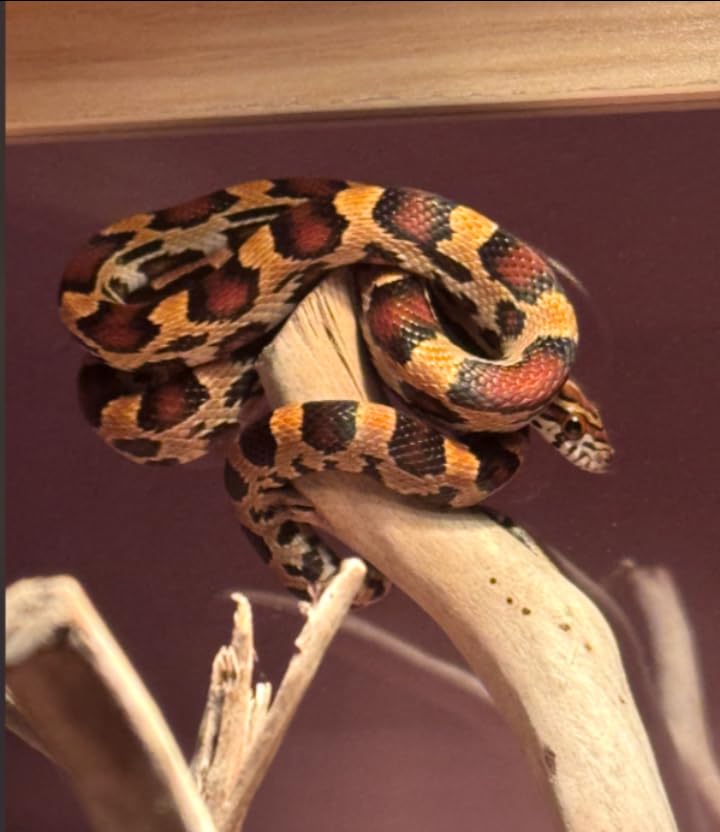
The honest limitation is interior volume. At 48 by 19.5 by 19.5 inches the usable space is smaller than a 4x2x2 PVC cage with the same outside dimensions, and the coating will degrade with prolonged high humidity. The manufacturer is explicit that this is for terrestrial reptiles and not for aquatic setups, and lighting and decor are not included.
Owners consistently highlight the value at this volume, so for a first adult enclosure for a smaller monitor on a strict budget it holds up well. Just do not expect it to match a true-footprint cage.
Measure usable interior space, not exterior dimensions
The difference matters more here than on most enclosures in the list. The exterior reads as roughly a 4x2x2 but the interior is closer to 46 by 17.5 by 17.5 once the frame and liner are accounted for, which puts it below the standard for an adult Savannah or Argus.
That is fine for a subadult or a smaller species such as an Ackie, and it is the honest way to think about this cage. It is a good-looking, well-made enclosure that happens to be one size class below what the biggest monitors need.
Keep humidity in a range the coating can handle
The polyester coating is water-repellent rather than waterproof, so a persistently wet enclosure will eventually show it around the frame edges. Semi-arid species at normal room humidity are no problem at all, and a desert setup is what this is built for.
If you are housing a tropical monitor, choose PVC or HDPE instead. Those panels shrug off humidity in a way no coated wood surface can match.
11. Reptile Habitats 5x2x2 150 Gallon – Best for a Larger Floor Area
Reptile Habitats 5x2x2 (150 Gallon) Reptile Enclosure V3, Features PVC Panels, Glass Doors, Lightweight, Easy to Assemble, Heavy Duty Screen, Aluminum Frame
- Widest floor area among ready-made cages
- Humidity resistant PVC panels
- Aluminum frame with heavy duty screen
- Light enough to reposition once built
- Only 28 ratings so far is thin feedback
- Published dimensions are inconsistent
This is the widest ready-made floor area in the roundup at 5x2x2, giving about 10 square feet of floor space, and it is the closest thing here to a single-piece move toward the 8-foot builds that most giant monitor keepers end up ordering custom. On paper it is the single most effective upgrade for a ground-dwelling adult.
The construction follows the same proven recipe as the smaller V3 model: PVC panels that are unaffected by humidity, a heavy duty screen in a sturdy aluminum frame for ventilation and structural support, and glass doors for viewing. Owners describe it as light enough to reposition once it is built.
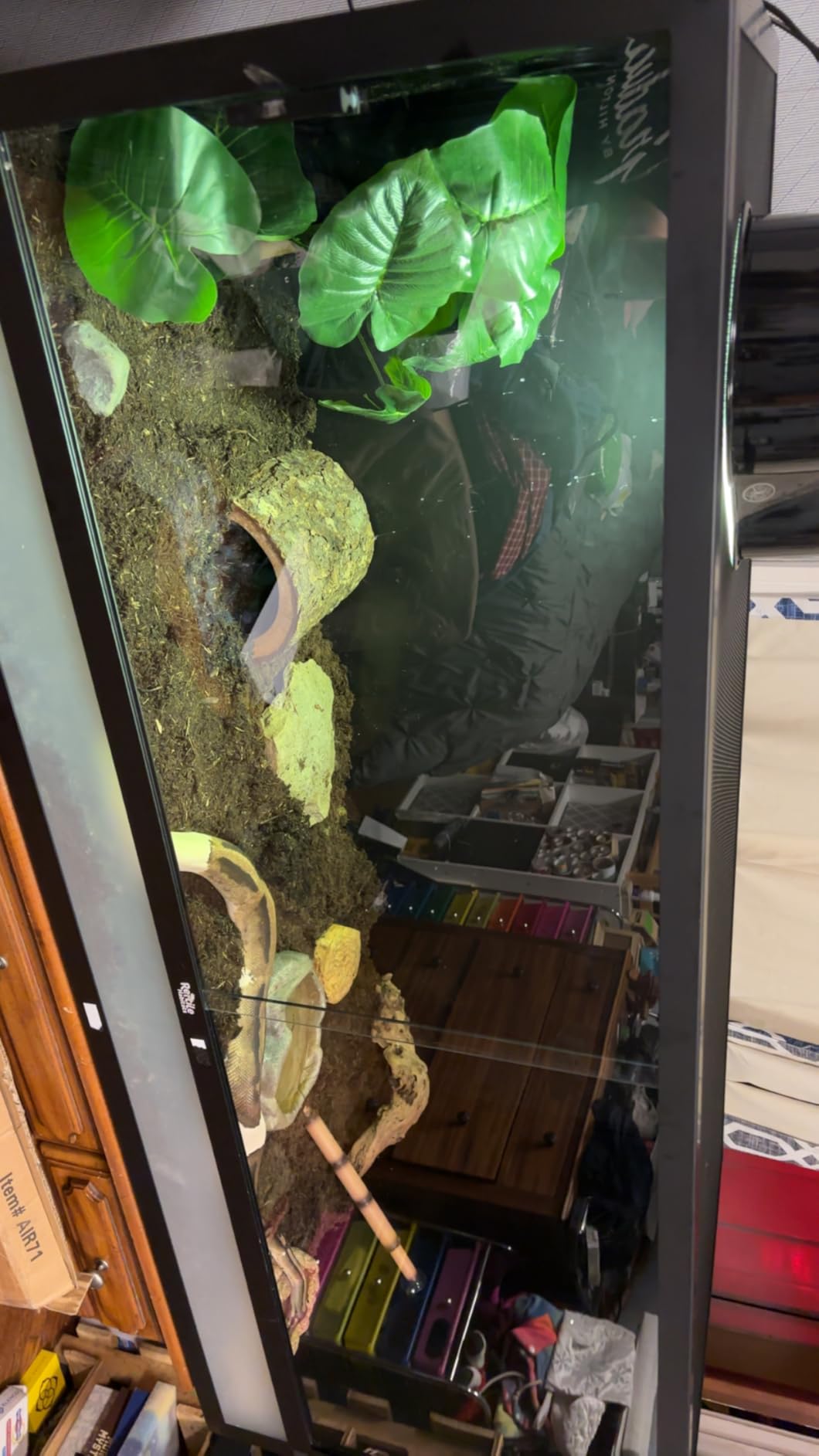
Be aware of how little owner feedback exists on this one. Twenty-eight ratings is a thin sample compared with the thousands behind the enclosures at the top of this list, so treat the design claims as promising rather than proven in the way a heavily reviewed model is.
The published dimension entry is also internally inconsistent for a 5x2x2 enclosure, so confirm the actual interior measurement with the manufacturer before you order if your animal is close to the sizing threshold. That matters more here than on other cages because the width is the whole reason to buy it.
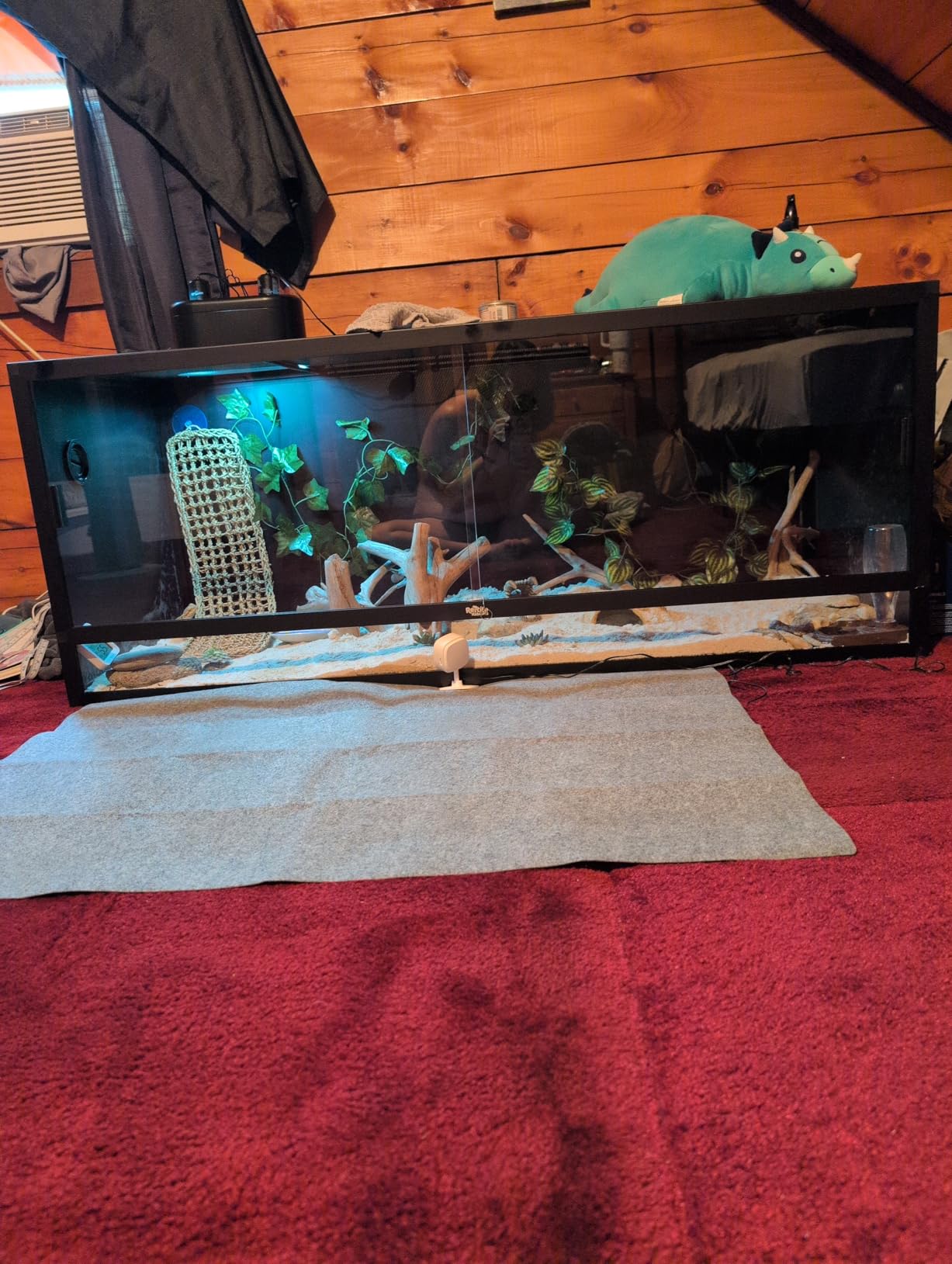
Width is the upgrade that matters for a terrestrial monitor
Monitors pace. They run a route, they patrol a perimeter, and they dig. A 2-foot-wide cage forces that route into a narrow corridor, while a 2.5-foot-wide one lets the animal actually turn around mid-stride. For a heavy-bodied Savannah or Argus, that small change in width improves the enclosure more than an extra few inches of height does.
Which is why this model earns its place in the roundup despite the thin review count. The specification answers the sizing question more directly than anything else that is currently ready-made.
Confirm the real dimensions before it is built around your plan
With a limited number of owners reporting on this cage, the published specification is doing most of the work in the decision. Before ordering, ask for the interior measurements rather than relying on the exterior listing, and confirm the door and screen layout will work with the wall you plan to use.
If your animal is a Nile or Asian water monitor, treat this as an intermediate step rather than a final home. Both climb heavily and both will use height you do not have here.
12. Oiibo 135 Gallon Vertical – Best for Vertical Climbing Space
- Tall 36 inch climbing space in a deep footprint
- Thick hardened glass base tested for leaks
- 12 wiring holes simplify cable routing
- Double locks on both front doors
- Flat-packed drop-tested packaging
- Very heavy at 117 pounds
- Takes two people to assemble
- Support poles install backwards easily
This is the tallest enclosure in the roundup at 36 inches, and it is the right shape for the climbing half of the monitor world. An Asian water monitor or a Nile monitor uses vertical space more than almost any other large reptile, and a 48-inch-wide footprint gives real horizontal room as well.
The glass is thick and high hardness throughout, and the raised base is tested for leaks while clearing a substrate heater or heat cable underneath. It will hold up to 5.5 inches of water, which makes it usable for a paludarium-style setup if your monitor species tolerates it.
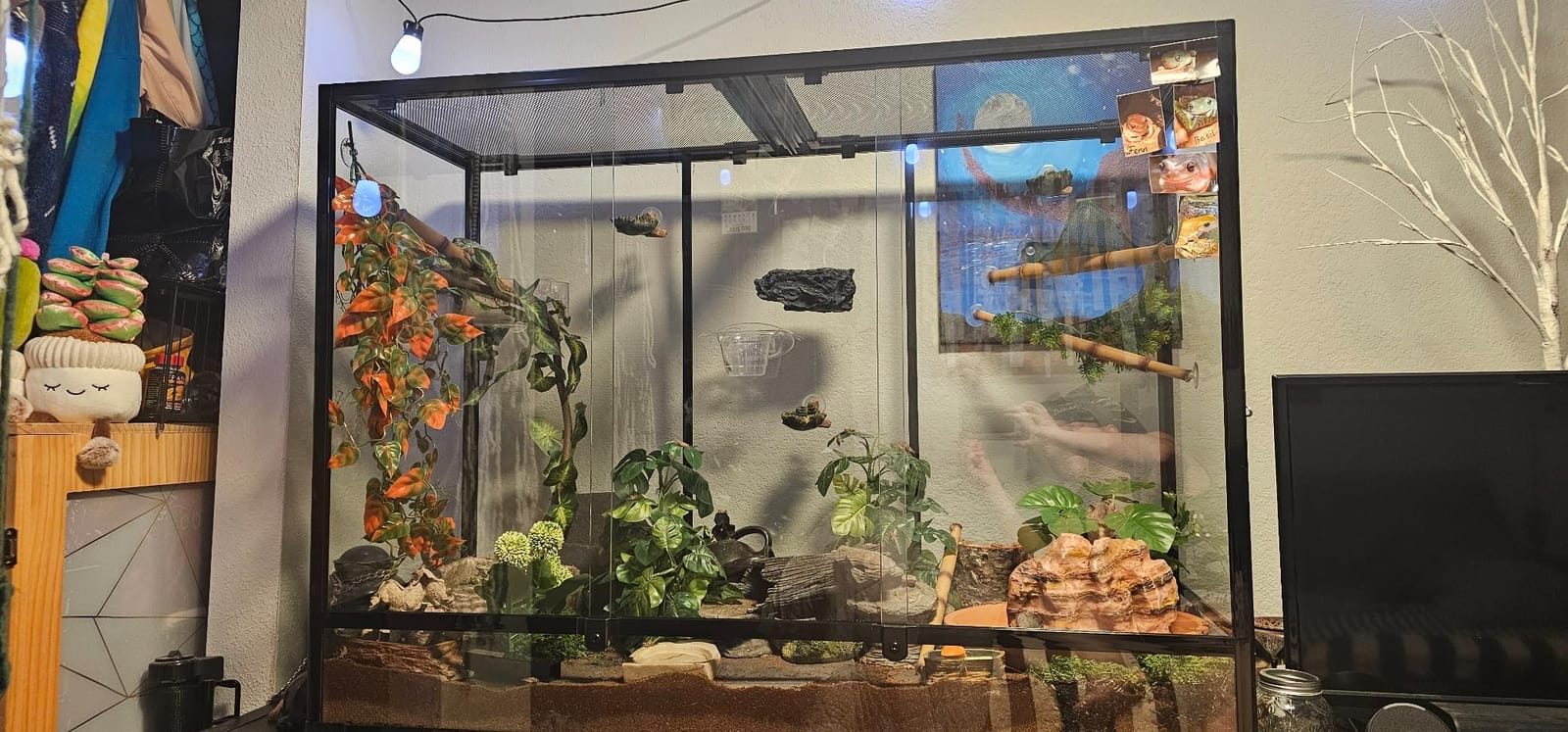
Access features are thoughtful: double front sliding doors with two locks, a top screen that passes UVB and infrared, and 12 wiring holes in the lid so heating, lighting and monitoring cables route without leaving the enclosure open. The packaging is flat-packed and drop-tested, and owners generally report parts arriving intact.
The weight is the catch. At 117 pounds this is by far the heaviest enclosure here, it takes two people to assemble, and it must be disassembled to move. Owners also report the vertical support poles go in backwards more easily than they should, and that a small lid gap remains until the top frame is fully tightened.
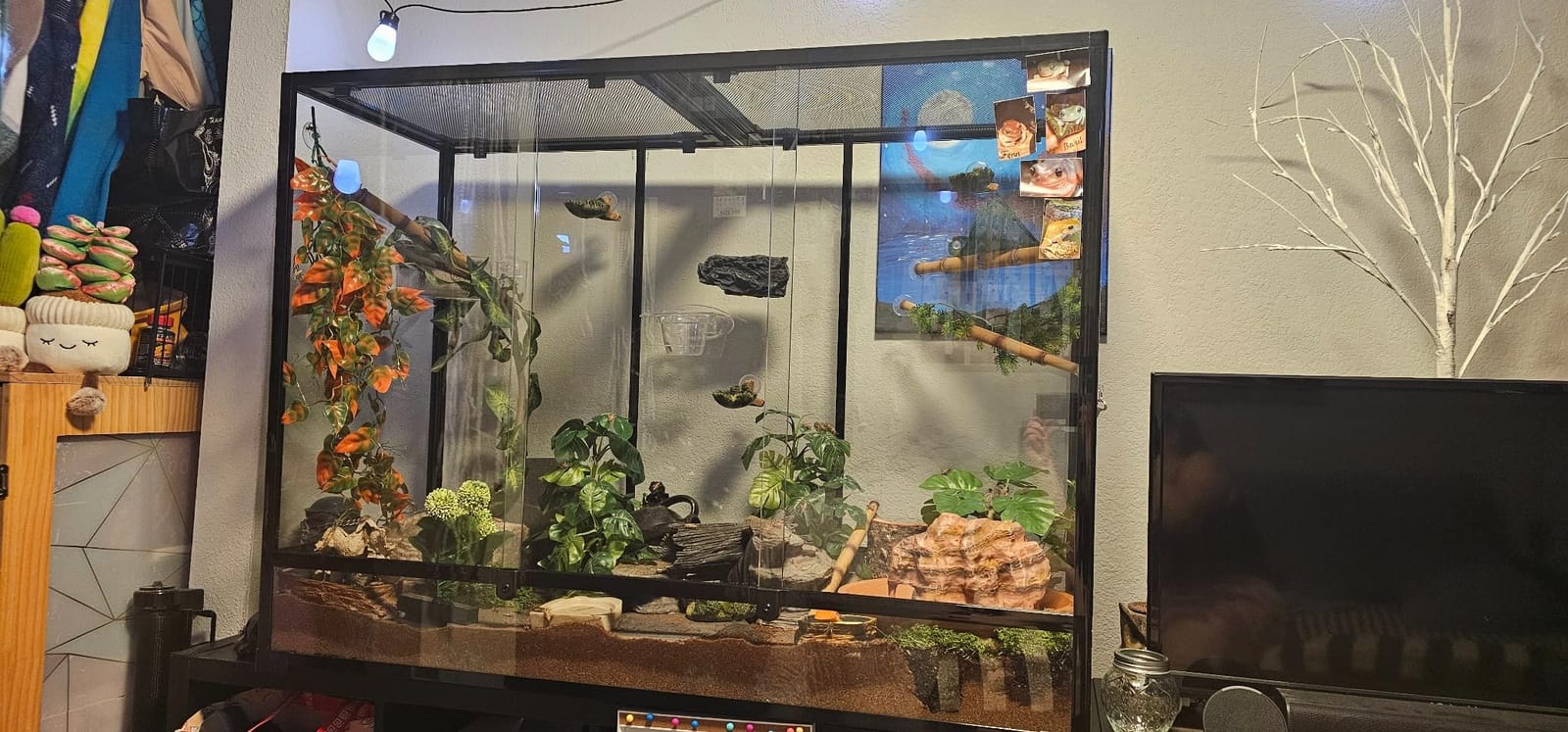
Plan the two-person assembly and the final position
At 117 pounds, this is not a job for one person and it is not a cage you shuffle around once it is built. Set the final location first, clear the route from the door to that spot, and lay out the panels in the order you will need them. The tip owners give is attaching the vertical support poles before the glass goes in, which avoids the awkward backward-install problem entirely.
Two people with an hour is a realistic estimate. Budget more if the floor is carpeted, because the frame will not sit flat and that is where most of the fiddly alignment work comes from.
Confirm the 18 inch depth suits your species
The 48-inch width is generous but the 18-inch depth is not deep, so this works best for a climbing animal that uses the front-to-back dimension for basking and descending rather than pacing. Check that your monitor does not need a deeper foraging area before committing, particularly with heavy-bodied species.
Our general larger enclosure picks cover the alternative shapes, and if you are housing this species outdoors part of the year our outdoor enclosure guide covers secure run options.
How to Choose a Large Reptile Enclosure for Monitors
Material is the first decision, and it is the one hardest to change later. Glass is the traditional default and the most common source of disappointment, because it conducts heat away from the animal and offers nothing to hold humidity. PVC and HDPE panels are the opposite: lighter than glass, warmer to the touch, and far better at holding a stable climate once your heating equipment is running. That is why most of the enclosures we recommend for adult monitors are PVC-based.
HDPE is the tougher relative of PVC. It handles heat and impact better and is used in the custom builds that serious giant monitor keepers order, which is why it shows up in heavy-duty and oversized designs rather than budget ones. Glass still has one genuine advantage, which is scratch resistance, and it stays the right choice when viewing clarity matters more than climate stability. Aluminum-framed screen, like the Zoo Med cage above, is the extreme end of the ventilation spectrum and belongs in a warm room with a semi-arid species.
Mesh top versus solid top is the second decision. A mesh top lets heat lamps and UVB fixtures sit above the enclosure, which is what you want for a large animal because the fixture can stay at a safe distance without needing to be mounted inside. It also vents heat well. The cost is humidity: a mesh top needs partial covering to hold moisture for a tropical species, and covered mesh reduces light output, so the UVB distance has to be recalculated.
Substrate depth is the third, and it drives a lot of the structural questions. Monitors dig, and a proper bioactive setup wants a deep layer, which is why every enclosure needs a substrate dam built from foam board around the base to stop the substrate flowing under the panels. Keep the arithmetic in mind: a cubic foot of soil weighs roughly 40 to 50 pounds, so a 4x2x2 with 12 inches of depth is a lot of weight sitting on the base panel. On an 8x4x4 or larger, floor loading becomes a genuine concern and you should check the load rating of the base or plan a custom base platform.
Stacking is worth planning for even if you do not stack on day one. Cages designed with a spacer or stacker system let you add vertical space later as an animal grows, which is much cheaper than replacing a whole enclosure. Two 4x2x2 cages side by side on a shared base give you an 8-foot run, which is a common way for keepers to reach a large footprint without going fully custom. The catch is that you need a base wide and level enough for both, and you need to check that the doors of the cage beside the wall still open fully.
Custom builds are the other route and they change the budget conversation. Beyond the enclosure itself, a custom or oversized unit often travels by freight with a liftgate, and the delivery window needs to be planned for. Lead time is longer than a ready-made cage and the range of custom pricing in this niche is wide, so get a written quote before you commit to a design. Owners of very large units commonly build their own caster base afterward so the enclosure can be rolled rather than lifted, which is worth budgeting for if you will ever need to change rooms.
Price tiers are a useful calibration. At the entry level you get a glass tank with a plastic frame, mesh top and no real insulation, which is acceptable for a first monitor and will be replaced. The standard tier is where the strong recommendations sit: a PVC or composite 4x2x2 or larger with sliding glass doors, a proper lock and a mesh top. The luxury tier is a made-to-order HDPE or PVC build, and what you are paying for there is custom sizing, thicker panels and hardware that survives a full-grown animal leaning on it.
Finally, an honest word about who these enclosures are not for. If you are in a small apartment with no wall space for five feet of cage and a stand, the honest answer is that a giant monitor is a difficult animal to house well, and a smaller species such as an Ackie in a 4x2x2 will be far happier than a Nile in an undersized setup. Budget DIY options like walk-in greenhouses with solid polycarbonate walls are a real keeper favourite for permanent housing, but they are a compromise on security and insulation, and they are not covered in this roundup.
Frequently Asked Questions
How big should an enclosure be for a monitor lizard?
At minimum, double the adult monitor’s snout-to-vent length in enclosure length, and use that same measurement for width and height, doubling height again for arboreal species. In practice an adult Ackie fits a 4x2x2, a Savannah or Argus wants 4x2x3 or larger, and a Nile or Asian water monitor needs an 8x4x4 or a custom build from that footprint.
Are PVC reptile enclosures better than glass?
For monitors, yes in most cases. PVC panels are lighter than glass, hold heat and humidity more steadily, and resist moisture damage, which means a more stable gradient with less thermostat cycling. Glass stays clearer and resists scratching better, but it conducts heat away from the animal and gives you nothing to hold humidity. Most of the enclosures we recommend for adult monitors are PVC or composite.
What is the best 4x2x2 reptile enclosure for a monitor?
Among the ready-made options we reviewed, the Phailozoo 120 gallon stands out for a true 4x2x2 exterior rather than a reduced interior, metal bolt hardware and metal side braces, and a 28 percent blockage mesh top. The Reptile Habitats V3 is the better value pick, with an aluminum frame and side cable pass-throughs, and the New Age Pet ECOFLEX 60 inch wins on total floor area.
Can I keep a large monitor in a glass terrarium?
You can, but it is the hardest material to control. Glass gives you excellent viewing and strong scratch resistance while giving back nothing in insulation, so a large monitor in glass works harder to hold temperature and humidity and your thermostat runs more. A 4x2x2 glass unit is a reasonable first home for a subadult; for a full-grown animal we would move to PVC or HDPE panels.
What substrate depth do I need for a bioactive monitor enclosure?
Plan for a deep layer because monitors dig, and build a foam board substrate dam around the base so substrate cannot migrate under the panels. Remember the weight: a cubic foot of soil weighs roughly 40 to 50 pounds, so 12 inches of depth in a 4x2x2 is a considerable load. Seal the base seams with silicone before adding substrate, since most ready-made cages are sealed for strength only.
Can two 4x2x2 enclosures be combined into one longer cage?
Yes, placing two 4x2x2 units side by side on a level, wide base gives you an 8-foot run, which is a common way to reach a large footprint without ordering custom. Check that the doors of the cage nearest the wall still open fully, that the base is level across both, and that the seam between the two cages cannot be nosed open by a determined adult.
Final Verdict
For most monitor keepers, the New Age Pet ECOFLEX 60 inch is the best large reptile enclosure for monitors you can buy today, because it pairs the largest ready-made footprint we found with panels that hold heat, a ten-year warranty and an assembly time most people finish in under an hour. The Phailozoo 120 gallon is the better-built 4x2x2 if your animal is smaller and you value rigidity over footprint, and the Reptile Habitats V3 is the pick when you want a true 4x2x2 with an aluminum frame for less.
Beyond that, match the shape to the species and be honest about wall space. A Savannah or Argus wants width, a climbing water monitor wants height, and a semi-arid species cares far less about humidity than a tropical one does. Re-measure your animal against the two times snout-to-vent rule before you order, because that one habit prevents more enclosure mistakes than any brand does. Our picks for enclosures for other large reptiles are worth a look if you are housing more than one species.