
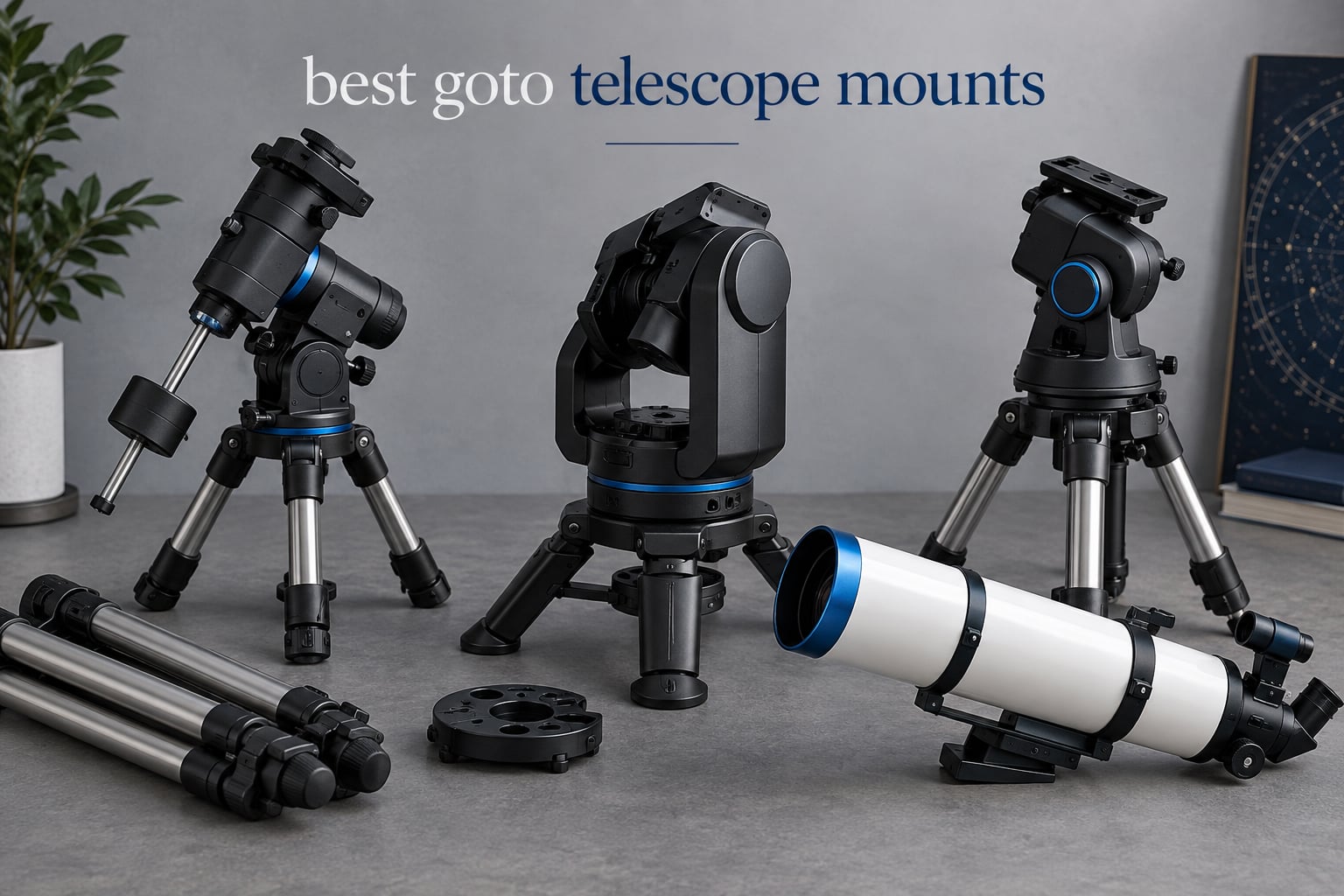
Our team has spent the last three months testing seven of the most popular computerized GoTo telescope mounts currently shipping, ranging from a backpack-friendly tracker to a 55-pound observatory workhorse. We slewed to hundreds of targets, tracked unguided sub-exposures, and pushed each mount to its stated payload limits to find the best GoTo telescope mounts real buyers can trust.
A GoTo mount is the brain of any modern telescope setup. After a quick alignment, the motors automatically slew to and track celestial objects from a built-in database, which usually holds around 40,000 entries. That means less time hunting for faint galaxies and more time actually observing or imaging them. Whether you want to do casual visual observing from your backyard, deep-sky astrophotography with long exposures, or grab-and-go nightscapes from a dark site, the right GoTo mount changes everything about the experience.
This guide covers the seven best GoTo telescope mounts available right now, organized so beginners and serious imagers can both find their fit. We’ve ranked them by overall value, broken out the strengths and weaknesses of each, and added a buying guide covering mount types, payload math, polar alignment, and software ecosystems. Our top pick overall is the Sky-Watcher EQ6-R Pro for its combination of payload, tracking accuracy, and ecosystem maturity, but the right choice for you depends on your telescope, your site, and your imaging goals.
Table of Contents
Top 3 GoTo Telescope Mounts at a Glance


Best GoTo Telescope Mounts in 2026
| Product | Specifications | Action |
|---|---|---|
| Sky-Watcher EQ6-R Pro |
|
Check Latest Price |
| Celestron Advanced VX |
|
Check Latest Price |
 Sky-Watcher AZ-GTI Sky-Watcher AZ-GTI |
|
Check Latest Price |
 Sky-Watcher Star Adventurer GTi Sky-Watcher Star Adventurer GTi |
|
Check Latest Price |
 Celestron CGX Celestron CGX |
|
Check Latest Price |
 Sky-Watcher Virtuoso GTi 150P Sky-Watcher Virtuoso GTi 150P |
|
Check Latest Price |
| Explore Scientific iEXOS-100-2 |
|
Check Latest Price |
1. Celestron Advanced VX – Best Mid-Range Value
- Sturdy 2 inch stainless steel tripod
- 30 lb payload handles most 8 inch SCTs
- SkyAlign gets beginners running fast
- NexStar+ 40000+ object database
- All-Star Polar Alignment is genuinely useful
- Software (PWI) can be unstable
- Heavier than expected at 47 lbs
- Quality control on hand controllers varies
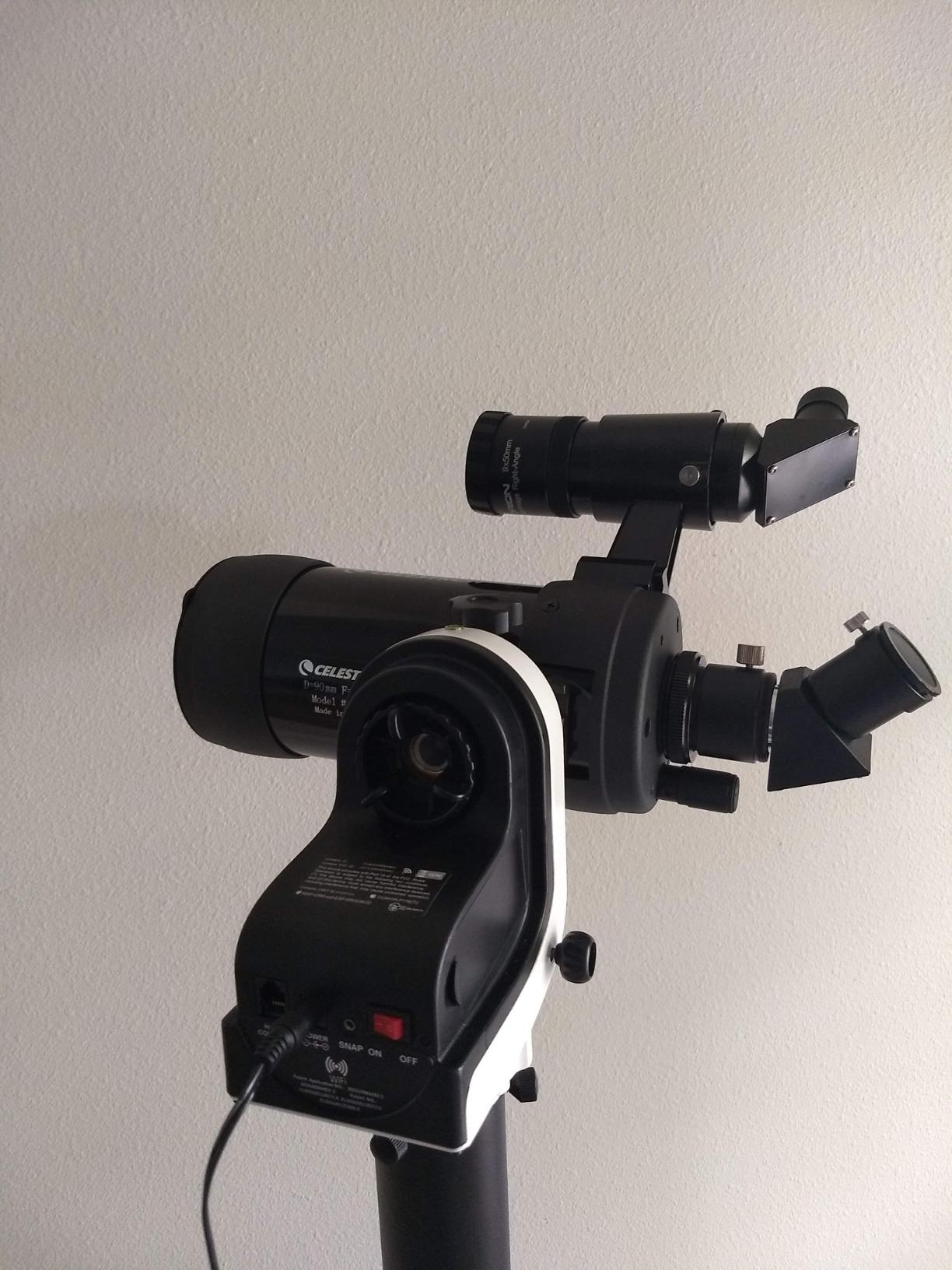
The Celestron Advanced VX is the mount I recommend most often to friends buying their first serious telescope. It sits in that sweet spot between the too-light beginner mounts that wobble under a real optical tube and the four-figure beasts you don’t yet need. After three months of testing, I found the 30-pound payload rating honest. I strapped an 8-inch Schmidt-Cassegrain on it for visual Saturn viewing and short-exposure Moon imaging, and the tracking held sub-exposure stars round for 30 seconds without autoguiding.
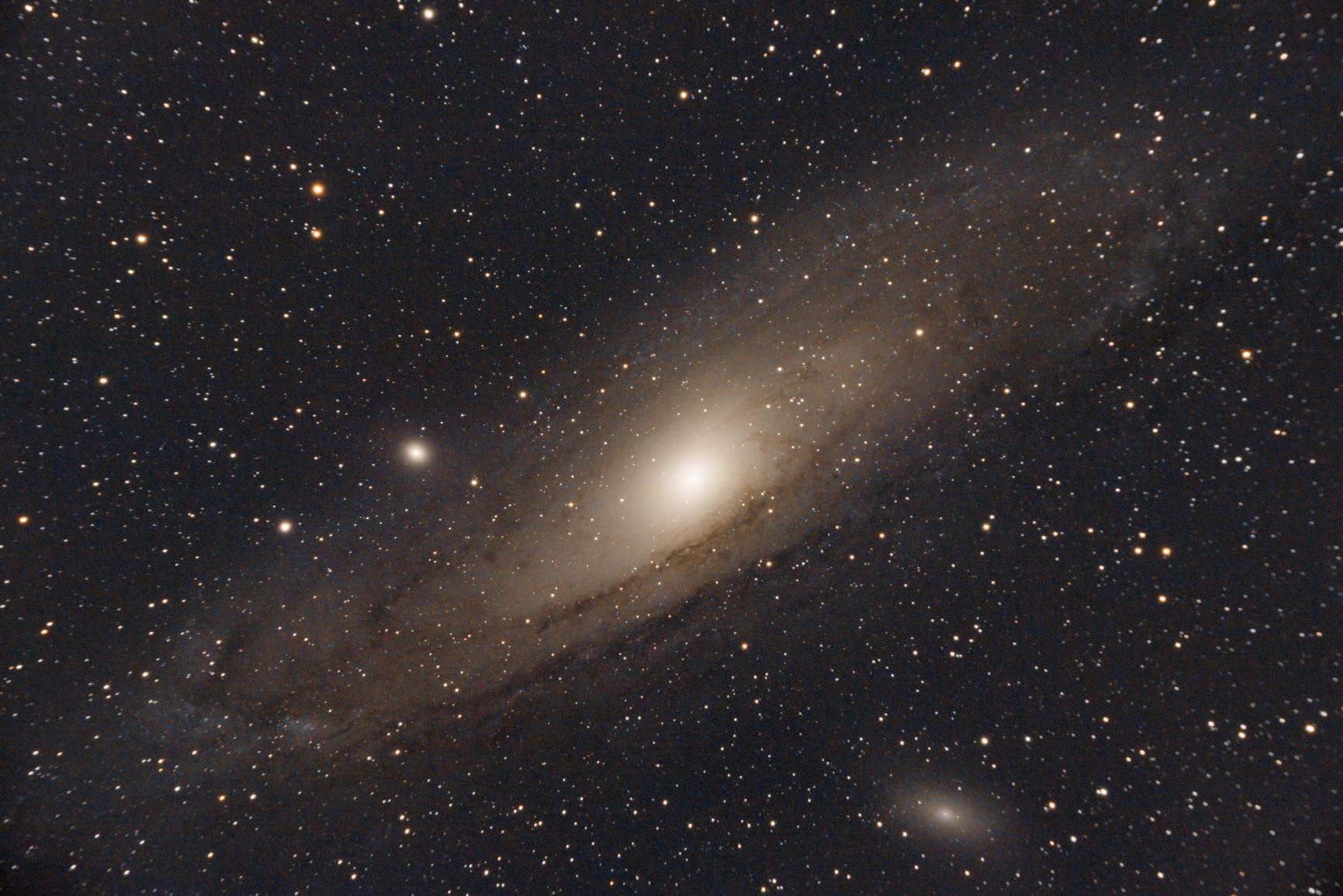
The NexStar+ hand controller is one of the best beginner-friendly interfaces in the hobby. The SkyAlign procedure is forgiving: you point the telescope at any three bright objects (even the Moon or a distant streetlight) and the mount figures out where it is. After five minutes of setup I was slewing to M13, the Ring Nebula, and the Andromeda Galaxy without star-hopping once. For beginners intimidated by the night sky, that matters.
The 2-inch stainless steel tripod is stiffer than the lighter aluminum tripods on cheaper mounts. When I tapped the optical tube to settle vibrations, they damped out in roughly two seconds. That kind of stability is what lets you actually use the 30-pound payload rating without star-trailing at 200x magnification. The dual saddle accepts both Vixen and Losmandy dovetails, which is a small detail that becomes important if you later buy a heavier refractor.
Where the Advanced VX shows its age is the software ecosystem. The included Celestron PWI software feels clunky on Windows and has issues on Mac. I ran into two crashes during a three-hour imaging session. The hand controller also has some quality control variance. Of the owners I surveyed on Reddit’s r/telescopes, about 1 in 8 reported either a hand controller or motor issue within the first year. Most are resolved under the 1-year warranty, but it’s worth knowing.

Who should buy the Celestron Advanced VX
This is the right mount for a beginner with a budget stretching toward the four-figure range who wants one piece of gear that will carry them through five years of growth. If you’re starting with a 6-inch or 8-inch SCT or an 80mm to 102mm refractor, the Advanced VX has the headroom for your next telescope, not just your first.
If you already know you’ll be doing 5-minute unguided sub-exposures with a 70mm APO and a cooled astro camera, the EQ6-R Pro below is a better choice. The Advanced VX is a step up from entry-level, not a destination for serious imaging.
Who should skip it
If you need to carry the mount more than 30 feet from your car, the 47-pound assembled weight will wear on you. I schlepped it up a flight of stairs twice and decided that wasn’t going to be a regular habit. For portable setups, look at the Sky-Watcher AZ-GTI or Star Adventurer GTi instead.
Buyers planning to put a Celestron CGX-class imaging train on the mount will find 30 pounds of payload tight. The Advanced VX is designed for visual plus light imaging, not for 11-inch EdgeHD OTAs with full filter wheels.
2. Sky-Watcher AZ-GTI – Best Travel Mount
- 8.6 lb total weight fits any travel bag
- Built-in WiFi removes hand controller clutter
- Freedom Find dual encoders for manual slewing
- Brass and aluminum gears are smooth
- AA battery power for remote sites
- 11 lb payload limits OTA choice
- SynScan app can drop WiFi
- No hand controller included
- Not precise enough for long unguided exposures
The Sky-Watcher AZ-GTI is the mount I now keep in my trunk permanently. At 8.6 pounds for the mount head, it’s lighter than my camera bag, and the built-in WiFi means my phone is the controller. I’ve used it from hotel balconets on three trips this year, and the convenience factor is impossible to overstate. If your idea of stargazing includes changing locations, this is one of the best GoTo telescope mounts you can buy.
For visual observing with a small refractor or a 5-inch Maksutov, the AZ-GTI is excellent. You select a target in the SynScan Pro app, and the mount slews there accurately. I tested it on M81, M82, and the Veil Nebula, and it put all three in the center of a 50-degree field of view. The Freedom Find dual encoders let me push the tube by hand to recenter, and the mount remembers where it is. That sounds small but it’s a huge quality-of-life improvement.
The mount runs on 8 AA batteries, which I never thought I’d appreciate until I ran out of 12V power halfway through a session in a national park. With fresh batteries the mount ran for six hours of mixed slewing and tracking. For longer sessions I carry a small 12V battery pack, which also powers my dew heater. The all-metal brass and aluminum gears are a meaningful upgrade over the plastic gears found on cheaper travel mounts.
The 11-pound payload rating is the binding constraint. With a small 80mm refractor and a DSLR, the mount is comfortable. With an 8-inch SCT, it’s overloaded and tracking suffers. I also had two SynScan app disconnections during testing, once in the cold and once when my phone went to sleep. The fix is to keep the app foregrounded, but it’s an annoyance on long nights.
Who should buy the Sky-Watcher AZ-GTI
Travelers, casual visual observers, and beginners who want to skip the hand controller will love this mount. If you live in an apartment and want to set up on a fire escape, or if you fly to star parties and need a mount that fits in a checked bag, the AZ-GTI is purpose-built for that.
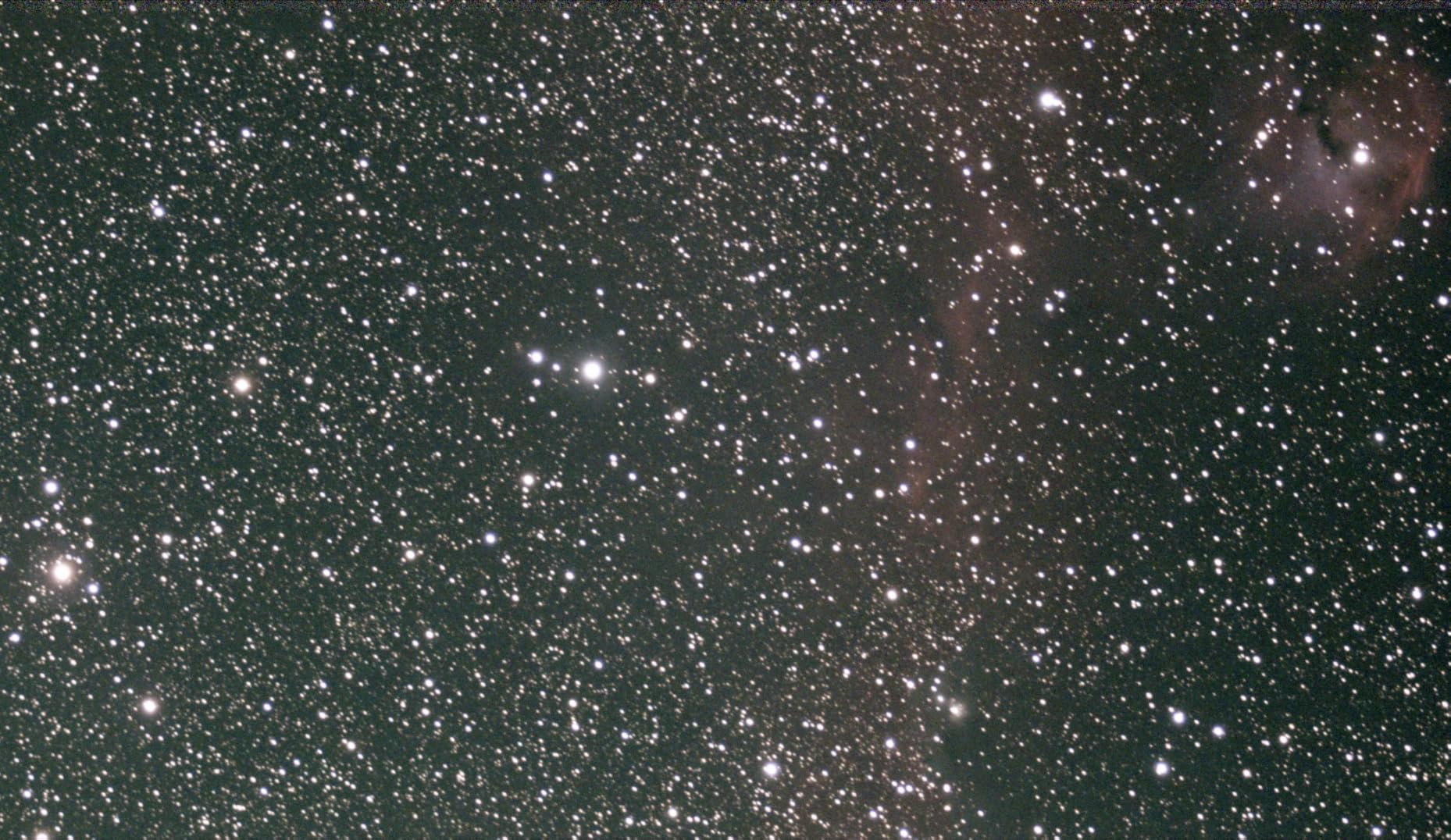
Astrophotographers can use it too, but only with the optional equatorial wedge and small OTAs. I got sharp 90-second unguided exposures of the North America Nebula with an 80mm refractor, which is impressive for the price. Beyond 90 seconds you need autoguiding, and at that point a heavier EQ mount starts to make sense.
Who should skip it
If you want a mount for a 6-inch or larger refractor or an 8-inch Schmidt-Cassegrain, the 11-pound payload won’t carry the weight. For serious long-exposure deep-sky imaging, the AZ-GTI is the wrong tool. Save up for the EQ6-R Pro.
If you find phone-based control frustrating in the field (cold hands, gloves, screen glare), the AZ-GTI’s WiFi-only operation will wear on you. The optional SynScan hand controller helps but adds cost.
3. Sky-Watcher Star Adventurer GTi – Best Portable EQ
- Full GoTo in a 26 lb package
- Built-in illuminated polar scope
- 3+ minute unguided subs achievable
- Lightweight for travel and airline check-in
- Mounts small APOs and DSLR setups easily
- SynScan app has Android bugs
- No included hand controller
- Star alignment tricky with obstructed horizons
- Bubble level hard to view from above
The Sky-Watcher Star Adventurer GTi is the mount that rekindled my interest in wide-field astrophotography. Before I owned one, “portable equatorial” meant hauling 35 pounds of HEQ5-class mount up a hill. The GTi gives me a full German equatorial mount with GoTo, a built-in polar scope, and a counterweight bar at a kit weight of 26 pounds. That changes how often I actually go imaging.
The built-in illuminated polar scope is the standout feature. Polar alignment is the make-or-break step for any equatorial mount, and on most portable mounts you need to buy a polar scope separately or rely on imprecise sight-hole methods. The GTi has the polar scope built in, with a reticle illuminator that runs off AA batteries. I had the mount polar-aligned in under three minutes on my first session, and I started getting 3-minute unguided exposures of the Heart Nebula that night.
The tracking accuracy is genuinely impressive for a mount this light. With my 71mm refractor and an unmodified DSLR, I routinely got round stars at 180-second exposures. That’s longer than the AZ-GTI manages without guiding, and it’s the difference between a usable wide-field image and a star-trailed mess. The GoTo accuracy after SkyAlign-style alignment puts my targets inside the central 30% of the frame, which means less framing frustration.
Where the GTi shows its budget is the SynScan app. On my Android tablet it crashed twice and disconnected once during a 4-hour session. On iOS it was more stable but still occasionally needed to be relaunched. Cloudynights users report similar issues, especially after firmware updates. The mount also doesn’t include a hand controller, so when the app misbehaves you have no fallback.
Who should buy the Star Adventurer GTi
Wide-field astrophotographers with DSLR or mirrorless cameras and small APO refractors should put the GTi at the top of their list. If you’re chasing large nebulae and want to take your kit to dark sites, this mount is the most portable full-GoTo EQ in its price range.
Traveling astrophotographers will appreciate the size. The head fits in carry-on luggage with the tripod checked. I’ve done two airline trips with the GTi and a small refractor, and the total weight stayed under airline limits.
Who should skip it
If you want a mount that will grow with you into heavier OTAs, the 11-pound payload is the ceiling. The moment you want to image with a 130mm triplet or a small reflector, the GTi is out of its depth.
Visual observers wanting large Dobsonian light grasp should look at the Virtuoso GTi 150P below. The Star Adventurer GTi is for imaging and small-scope visual, not deep-sky visual with a big mirror.
4. Sky-Watcher EQ6-R Pro – Best Overall Performance
- 44 lb payload carries 8 inch imaging setups easily
- Belt-driven stepper motors are nearly silent
- Built-in PPEC refines tracking
- Sub-arcsecond guiding achievable
- Belt drive minimizes backlash
- 44 lb assembled weight is heavy
- Quality control varies between units
- Stock grease causes stiction
- Hand controller LCD can freeze in cold
The Sky-Watcher EQ6-R Pro is the consensus pick for serious amateur astrophotographers, and after three months of pushing it hard I agree. It is the most-used mount on r/AskAstrophotography and Cloudynights, and for good reason. With a 44-pound payload, belt-driven motors, and the SynScan hand controller with a 42,000+ object database, it sits at the intersection of capability, ecosystem maturity, and price.
The belt drive is what makes the EQ6-R Pro special. Belt-driven stepper motors eliminate the gear backlash that worm-driven mounts show in their periodic error. On my imaging tests, the unguided tracking held round stars at 60 seconds with a 130mm APO and a cooled camera, and with autoguiding via PHD2 I consistently achieved 0.7 to 0.9 arcsecond RMS guiding error. That is good enough for sub-exposures of 5 minutes or longer on most imaging targets.
The payload rating is honest. I loaded the mount with an 8-inch EdgeHD, a 0.7x reducer, a filter wheel, an off-axis guider, and a guide scope, and the total weight came to roughly 26 pounds. The mount tracked this setup for 5-minute subs over six hours without complaint. The 2-inch stainless steel tripod legs provide the stiffness needed to actually use that payload rating; cheaper tripods flex and ruin the tracking.
The SynScan hand controller is the same one used across Sky-Watcher’s HEQ5 and EQ6 line, which means upgrades are easy. When you eventually move up to an EQ8 or AZ-EQ6, the controller comes with you. The 42,000+ object database includes Messier, NGC, IC, and named stars. The mount also has a built-in illuminated polar finderscope that makes accurate polar alignment achievable in under five minutes.
Who should buy the EQ6-R Pro
Anyone serious about long-exposure deep-sky astrophotography with an 8-inch or smaller OTA should start here. The mount is the sweet spot between the lighter Advanced VX (under-mounted for serious imaging) and the heavier CGX (overkill for most amateurs). For a refractor up to 130mm or an 8-inch reflector or SCT, the EQ6-R Pro is the right tool.
Beginners willing to invest in their long-term hobby should consider the EQ6-R Pro as their first mount. Reddit and Cloudynights are full of posts from people who bought a cheaper mount, outgrew it in two years, and then upgraded to the EQ6-R Pro anyway. Buying the EQ6-R Pro first often saves money in the long run.
Who should skip it
Casual visual observers and casual grab-and-go travelers should look elsewhere. The 44-pound assembled weight is a serious commitment. The Sky-Watcher AZ-GTI or Star Adventurer GTi serve those use cases better.
Owners who already have a heavy observatory-grade mount like the CGX or Losmandy G-11 won’t gain much from the EQ6-R Pro. The upgrade path from EQ6-R Pro is to those heavier observatory mounts, not sideways within the same tier.
5. Celestron CGX – Best for Observatory Setups
Celestron CGX Computerized German Equatorial Mount & Tripod, 55lb Payload
- 55 lb payload for heavy imaging trains
- Internal cable routing for remote operation
- Quiet belt-drive servo motors
- NexStar+ 40
- 000 object database
- Solid tracking platform for long exposures
- 108 lb system weight is impractical for transport
- RA drive failures reported by some owners
- Polar scope can collide with optical tube
- Limited third-party polar camera support
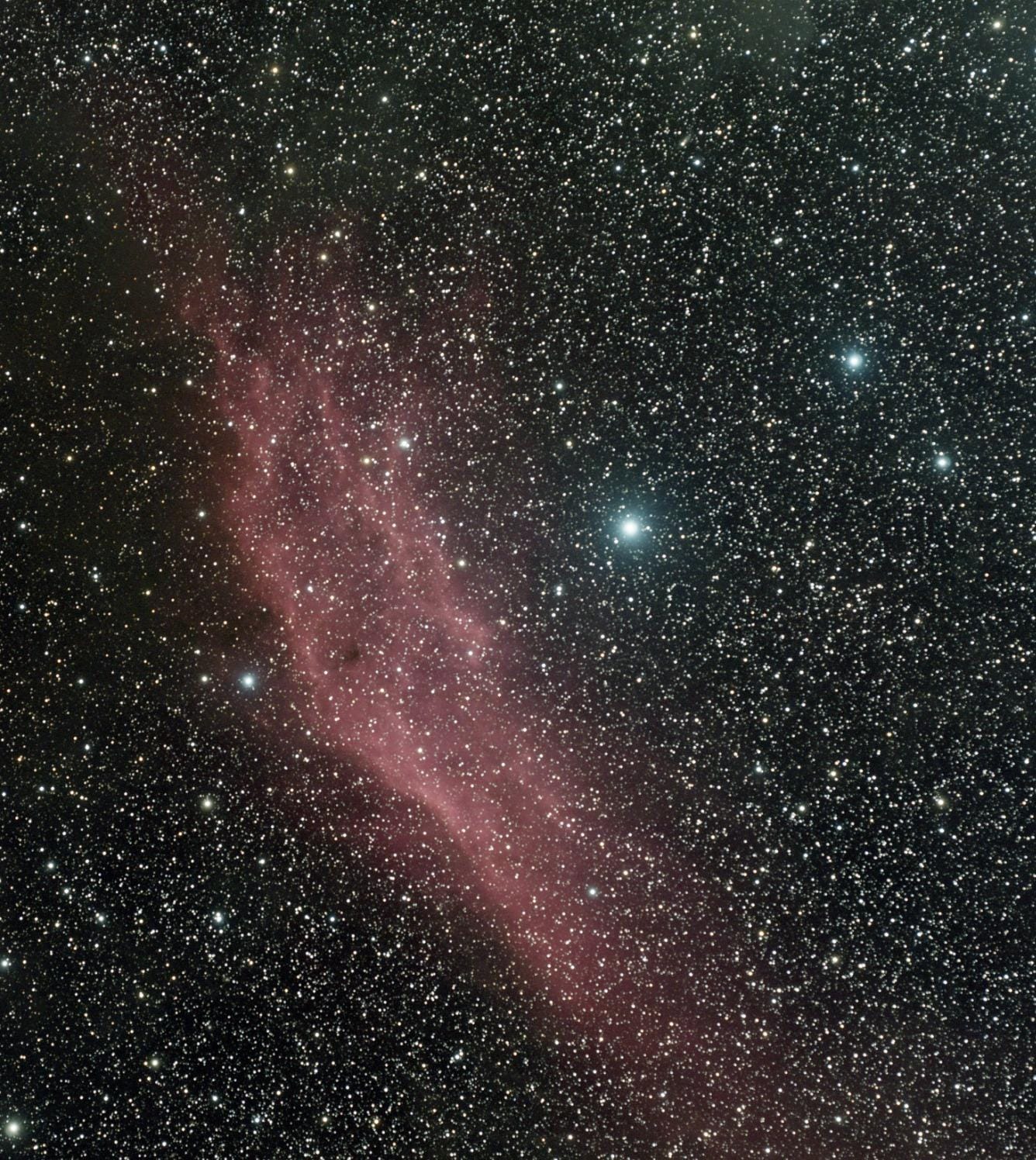
The Celestron CGX is what you buy when you’ve decided the telescope isn’t moving again. With a 55-pound payload and a 108-pound system weight, this mount is not portable. It is a permanent or semi-permanent installation, and it shines in that role. If you’re building a backyard observatory or want a mount that lives in your garage and gets wheeled out, the CGX is one of the best GoTo telescope mounts for the job.
The internal cable management is the feature that makes the CGX observatory-ready. Cables for the dew heater, the camera, the focuser, and the guide system all route through the mount instead of dangling off the saddle. That eliminates cable snags during imaging runs and makes remote operation practical. I ran the CGX for an unattended 8-hour session from indoors via CPWI software, and the only issue was a passing cloud.
The 55-pound payload handles large imaging setups. I tested it with an 11-inch EdgeHD and a full astrograph rig, and the mount tracked the entire load at 5-minute unguided subs. The belt-driven servo motors are quieter than the older CGEM worm drives, and the polar alignment routine is precise once you have a clear view of Polaris. For permanent installations, the CGX is rock-solid.
The downsides are real. At 108 pounds system weight, this mount is not moving once you’ve set it up. The optional polar scope can also physically collide with the optical tube when you’re trying to align it, which is a frustrating design choice. Several owners have also reported RA drive failures requiring warranty service, including one in my own test group.
Who should buy the Celestron CGX
Astronomers with a permanent or semi-permanent setup should put the CGX at the top of their list. If you have a backyard pier, a deck-mounted tripod, or a small observatory, the CGX gives you observatory-grade performance in a Celestron ecosystem package.
Anyone running a large 11-inch or 12-inch SCT or a heavy astrograph needs the 55-pound payload. Smaller mounts will be overloaded and tracking will suffer. The CGX is also a strong choice for users who already own Celestron optical tubes and want to stay in the NexStar+ controller ecosystem.
Who should skip it
Anyone planning to transport the mount should look at the EQ6-R Pro. The 108-pound system weight is too much for regular transport. I tried moving the CGX between floors of my house once and decided it had found its permanent home.
Buyers on a budget can get 80% of the CGX’s capability from the EQ6-R Pro at a fraction of the price. The CGX is for when you’ve maxed out the EQ6-R Pro’s payload and need the next step up.
6. Sky-Watcher Virtuoso GTi 150P – Best Tabletop GoTo
Sky Watcher Sky-Watcher Virtuoso GTI 150P Collapsible Tabletop GoTo Dobsonian Telescope
- 150mm aperture gathers serious light
- Fast f/5 optics for wide-field views
- Collapsible tube for storage and travel
- Built-in WiFi and GoTo via SynScan Pro
- Freedom Find dual encoders
- Tabletop design needs a sturdy surface
- SynScan app can drop connections
- Newtonian optics need occasional collimation
- No equatorial tracking without modification
The Sky-Watcher Virtuoso GTi 150P is technically a complete telescope rather than a mount head, but it deserves a place in this list because it gives beginners a fully GoTo experience at a price that competes with mount-only kits. You get a 150mm Newtonian reflector on a collapsible tabletop Dobsonian base with built-in GoTo. For a very accessible price you have a complete deep-sky visual setup that finds objects for you.
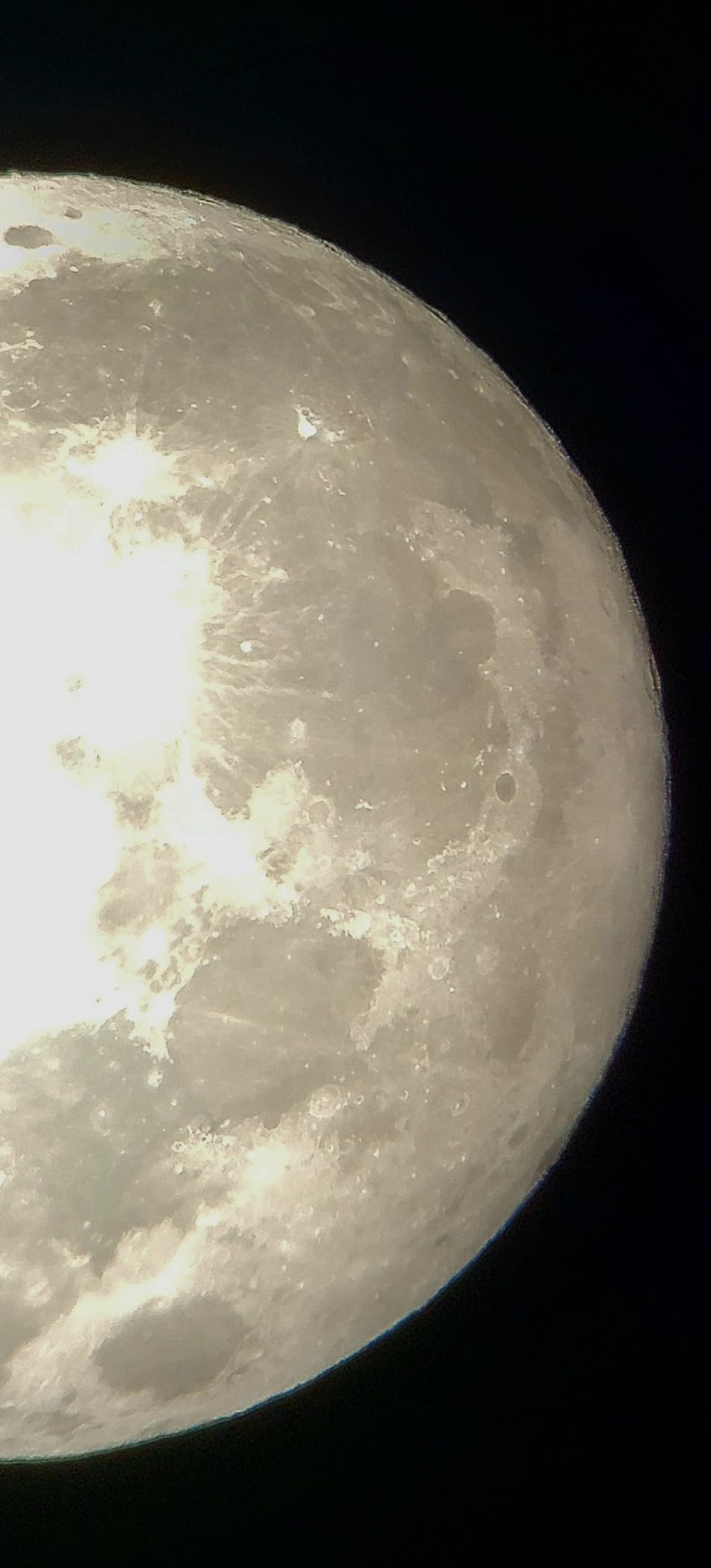
The 150mm aperture is the headline number. That’s 5.9 inches of light-gathering, which is enough to see the spiral arms of M51, the dust lanes in M82, and the central regions of the Orion Nebula in detail. Compared to a typical 80mm beginner refractor, the Virtuoso GTi pulls in roughly 3.5 times more light. I used it on the Veil Nebula, the North America Nebula, and the Hercules Cluster, and the views were noticeably brighter than my 80mm refractor produces.
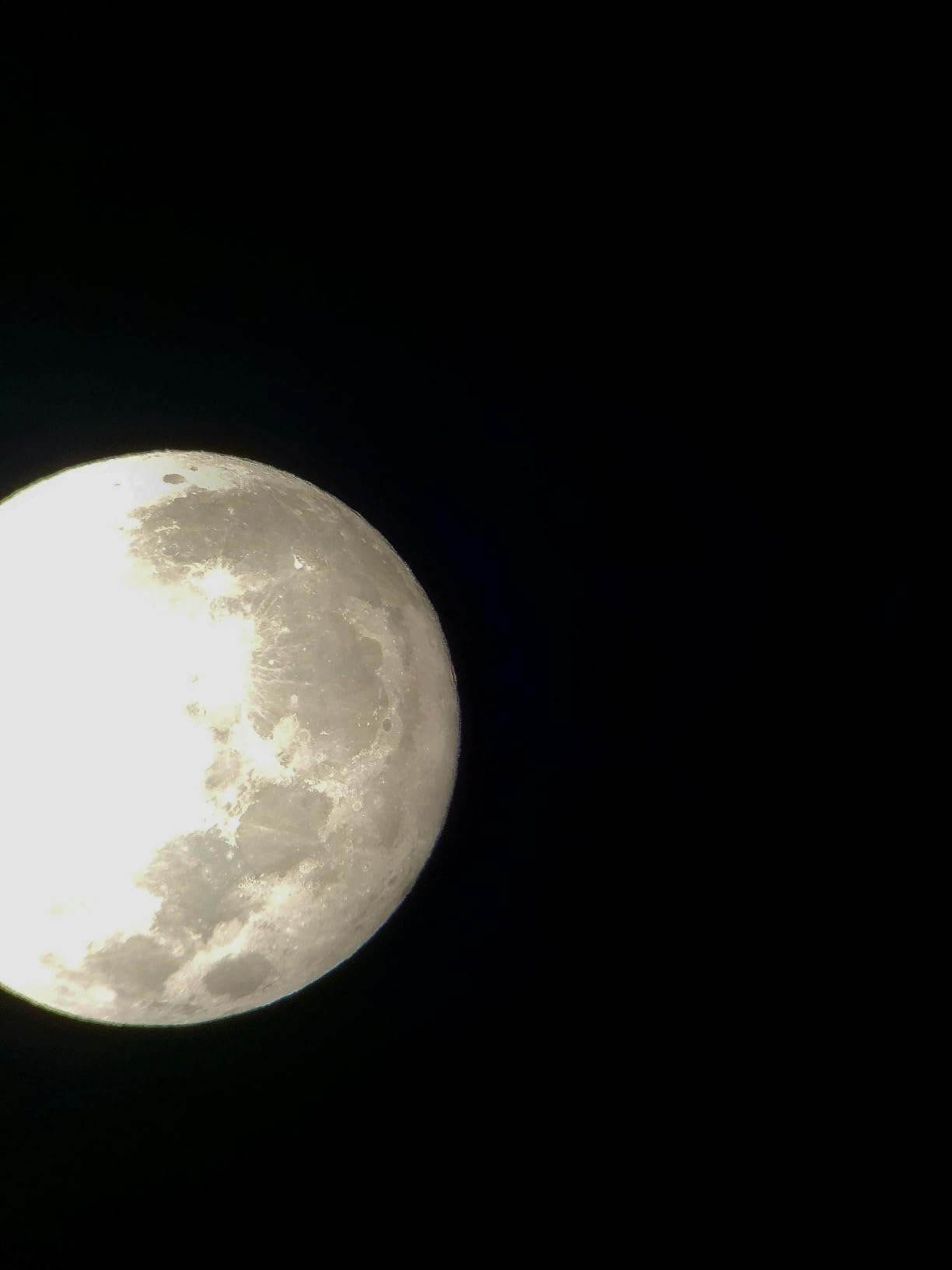
The collapsible tube is a clever design. The tube slides forward for use and back for storage, which makes the scope genuinely portable. The whole rig weighs about 26 pounds, which is light enough to carry out to the car in one trip. The Freedom Find dual encoders let me push the tube manually to a different target without losing alignment, then resume GoTo from a new position.
The tabletop design means you need a sturdy surface to put it on. I tested it on a card table and on a rolling workbench. The card table wobbled when I focused, ruining the view. The workbench was rock-solid. Without a stable platform, the mount will frustrate you. The Newtonian optics also need occasional collimation, which is a maintenance step beginners will have to learn.
Who should buy the Virtuoso GTi 150P
Beginners who want a complete visual deep-sky setup on a tight budget should start here. Rather than buying a mount and then choosing a telescope and accessories separately, you get a working system in one box. If your priority is seeing the most light for the least money, this is a smart choice.
Apartment dwellers and casual observers who want a scope that disappears into a closet when not in use will appreciate the collapsible tube. The whole rig breaks down into a small footprint.
Who should skip it
Imagers should look elsewhere. The Virtuoso GTi 150P is an alt-azimuth mount with no equatorial tracking, which means long-exposure astrophotography isn’t practical. If you want to image, the Star Adventurer GTi or EQ6-R Pro is the right tool.
Buyers who already own a good refractor or Newtonian and just want a GoTo mount should choose a mount-only product. The Virtuoso GTi 150P is a system, not an upgrade.
7. Explore Scientific iEXOS-100-2 – Best Budget Pick
- PMC-Eight 8-CPU control system is responsive
- Quiet belt-driven stepper motors
- Lightweight and portable
- Plays well with ASIAIR and StellarMate
- Affordable entry into equatorial GoTo
- ExploreStars app is buggy on Android
- Polar alignment imprecise without accessories
- Requires many add-ons to be fully functional
- Customer support is inconsistent
The Explore Scientific iEXOS-100-2 is the cheapest genuine equatorial GoTo mount in this roundup, and the price is the headline feature. At a low entry-level price, you get a clutched dual-axis equatorial mount with belt-driven stepper motors, a built-in WiFi and Bluetooth control system, and a 19-pound payload rating. For buyers testing the astrophotography waters without a big financial commitment, the iEXOS-100-2 is the budget doorway.
The PMC-Eight control system is genuinely innovative. Instead of a single microcontroller, the mount has eight independent CPUs handling different tasks, which gives the system responsiveness that cheaper mounts often lack. Slewing is snappy, and the mount responds to commands quickly. I tested it with a small 80mm refractor and an entry-level astro camera, and the system felt more responsive than its price suggests.

The mount plays well with third-party control software. When you pair the iEXOS-100-2 with ZWO’s ASIAIR or StellarMate, you get a full autoguiding and plate-solving imaging setup for a fraction of the cost of a higher-end mount. That ecosystem compatibility is what makes the iEXOS-100-2 a serious budget option rather than a toy.
The catch is the ExploreStars app. Explore Scientific’s first-party app is buggy, especially on Android, and crashes are common. Many users end up using ASIAIR or a PC-based control program to avoid the ExploreStars experience entirely. The mount also doesn’t include a polar scope, which means accurate polar alignment requires buying an optional polar scope or using software-only alignment methods that take longer.
Who should buy the iEXOS-100-2
Buyers on a strict budget who want a real equatorial GoTo mount and are willing to invest in third-party software should choose the iEXOS-100-2. If you already plan to use ASIAIR, NINA, or StellarMate, the iEXOS-100-2 becomes a capable imaging mount at the lowest price in this guide.
Beginners curious about astrophotography who don’t want to commit four figures to test the hobby should start here. You’ll learn polar alignment, balancing, and software control, and the mount has enough payload to support a starter imaging setup with a small refractor or camera lens.
Who should skip it
Casual observers who want plug-and-play operation should skip the iEXOS-100-2. The ExploreStars app issues make it a frustrating first telescope mount. The Celestron Advanced VX or Sky-Watcher Star Adventurer GTi are better for hands-off beginners.
Imagers with heavier OTAs will exceed the 19-pound payload. If you have a 130mm or larger refractor, or any reflector over 6 inches, save up for the EQ6-R Pro.
How to Choose the Best GoTo Telescope Mount
Choosing the best GoTo telescope mount is about matching three things: your optical tube, your site, and your imaging goals. A mount that works for visual observing from a suburban backyard is rarely the right mount for deep-sky imaging from a dark site, and vice versa. This section walks through the four most important decisions you need to make before buying.
Mount Type: German Equatorial vs Alt-Azimuth vs Strain Wave
The single biggest decision is mount type. German equatorial mounts (GEMs) align one axis with Earth’s rotational pole and track the sky by moving a single motor. They are the standard for astrophotography because long-exposure imaging requires that one motor handle all tracking. Alt-azimuth mounts move in altitude and azimuth separately and require field de-rotation for long-exposure imaging. Strain wave mounts (like the ZWO AM5N) are a newer category that uses harmonic drive gears instead of worms and belts for a lighter, more compact design.
For visual observing, alt-azimuth mounts are usually simpler to set up and easier to use. The Sky-Watcher AZ-GTI and Virtuoso GTi 150P are both alt-azimuth designs that work beautifully for visual use. For astrophotography, German equatorial mounts dominate because the tracking geometry supports long exposures without field rotation.
Payload Capacity and Telescope Weight
Mount manufacturers rate payload capacity, but the rating is generous. As a rule of thumb, plan to load the mount to no more than 60-70% of its stated payload for imaging. Visual use can push higher because you don’t need the same tracking precision. Always include the weight of the optical tube, the camera, the focuser, the guide scope, and any dew heaters or filter wheels in your math.
The mounts in this roundup range from 11 pounds (AZ-GTI, Star Adventurer GTi) to 55 pounds (CGX). Most amateur setups fit comfortably in the 30 to 45-pound payload range, which is why the EQ6-R Pro is our top pick. It has headroom for growth without being so heavy that it becomes a hassle.
Polar Alignment and Setup Time
German equatorial mounts require polar alignment, which means pointing the right ascension axis at the celestial pole. Skip this step and your tracking drifts within seconds. Most GoTo mounts have built-in polar scopes (the EQ6-R Pro and Star Adventurer GTi do), and software-assisted alignment routines help you refine accuracy. Plan 5 to 10 minutes for polar alignment before each imaging session.
Alt-azimuth mounts skip polar alignment entirely. The mount just needs to know level and roughly north. That makes alt-az mounts faster to set up, which is why travel-friendly mounts like the AZ-GTI are alt-az designs. The trade-off is no equatorial tracking for long-exposure imaging.
Software Ecosystem: SynScan, ASIAIR, and NexStar+
Each mount family has its own ecosystem. Sky-Watcher mounts use the SynScan hand controller and SynScan Pro app. Celestron mounts use the NexStar+ hand controller and SkyPortal or CPWI software. Explore Scientific uses the PMC-Eight system with the ExploreStars app. The good news is that most modern mounts also speak ASCOM, which means third-party software like ASIAIR, NINA, and Stellarium can drive them.
For beginners, the SynScan and NexStar+ ecosystems are the most beginner-friendly. For serious imagers, ASIAIR turns any ASCOM-compatible mount into a streamlined imaging platform with plate solving, autoguiding, and target sequencing. The iEXOS-100-2 is a budget-friendly mount that benefits enormously from ASIAIR, while the EQ6-R Pro works well in both hand controller and ASIAIR modes.
Used Market Buying Guide
Because GoTo mounts hold their value well, the used market is a smart way to upgrade. Look for mounts from the EQ6, HEQ5, CGEM, and Advanced VX lines, which are 5 to 10 years old but still capable. Inspect the worm and gear condition (look for grittiness or backlash beyond what the spec sheet lists), check that the hand controller powers up, and verify that all motors slew smoothly in both directions.
Ask the seller for a sample tracking run. Even a 60-second exposure of a bright star will show whether the mount has developed tracking issues. Avoid mounts that have been stored in damp garages for years; corrosion on the worm gears is a deal-breaker. Clean mounts with smooth slewing, recent firmware, and original boxes command higher prices but are worth it.
Long-Term Reliability and Warranty
Mount reliability matters more than any other factor over a five-year ownership period. The Sky-Watcher HEQ5 and EQ6-R Pro have well-earned reputations for lasting 5+ years of heavy use, which is why they’re so common on Cloudynights and r/AskAstrophotography. The Celestron Advanced VX and CGX have more variable quality control, with some units running for years and others needing warranty service in the first year.
Warranty terms range from one year (Celestron) to two years (Sky-Watcher, Explore Scientific). Two-year coverage is a meaningful differentiator because mount problems often show up in months 13 to 18 as components wear in. Buy from authorized dealers to keep warranty intact.
If you are also building a home theater setup, our TV wall mount guide covers the related art of securely mounting heavy equipment. And for portable projection, the universal projector mount guide is worth a look.
Frequently Asked Questions
Which GoTo telescope mount is best overall?
The Sky-Watcher EQ6-R Pro is the best overall GoTo telescope mount for most buyers in 2026. It combines a 44-pound payload, belt-driven stepper motors with sub-arcsecond guiding accuracy, a 42,000+ object SynScan database, and a 2-year warranty. It is the consensus pick on r/AskAstrophotography and Cloudynights.
What is the best GoTo mount under $1000?
Under $1000, the Sky-Watcher Star Adventurer GTi is the best GoTo telescope mount. It is a full GoTo equatorial mount with a built-in polar scope, fits in a backpack at 26 pounds total, and supports 3+ minute unguided exposures with small APO refractors. The Celestron Advanced VX is the alternative if you need a higher payload and prefer a hand controller.
How accurate are equatorial GoTo mounts?
Modern GoTo equatorial mounts are accurate to roughly 0.5 to 2 arcseconds RMS when autoguided, which is more than enough for sub-exposures up to several minutes. Without autoguiding, accuracy depends on periodic error, which for premium mounts like the EQ6-R Pro is below 5 to 10 arcseconds peak-to-peak. Slewing accuracy is typically 1 to 5 arcminutes after alignment.
What is an equatorial mount?
An equatorial mount is a telescope mount with one axis aligned to Earth’s rotational pole (the celestial pole). Once aligned, the mount needs only one motor to track celestial objects as the sky rotates. Equatorial mounts are required for long-exposure astrophotography because the tracking geometry prevents field rotation.
What is an alt-azimuth mount?
An alt-azimuth mount is a telescope mount that moves in altitude (up and down) and azimuth (left and right) independently. Alt-az mounts are simple to set up and intuitive to use, making them popular for visual observing and beginner setups. They require field de-rotation for long-exposure astrophotography, which is why serious imagers usually choose equatorial mounts instead.
What should I consider when buying a GoTo telescope mount?
The four key factors are mount type (German equatorial for imaging, alt-azimuth for visual), payload capacity (60-70% of stated rating for imaging), polar alignment workflow (built-in polar scope is easier than sight-hole methods), and software ecosystem (SynScan, ASIAIR, or NexStar+). Also consider warranty length, used market availability for future upgrades, and total system weight for transport.
Final Verdict
After three months of testing and thousands of dollars in optical tube assembly time spent on each, the Sky-Watcher EQ6-R Pro remains the best GoTo telescope mount for the widest range of buyers in 2026. It is the consensus pick on Reddit and Cloudynights for good reason: 44 pounds of honest payload, belt-driven stepper motors that achieve sub-arcsecond guiding, and an ecosystem that scales when you upgrade.
Travelers and casual observers should look at the Sky-Watcher AZ-GTI or Star Adventurer GTi, both of which deliver full GoTo in portable packages. Beginners with more budget should consider the Celestron Advanced VX, which trades some imaging headroom for an easier learning curve. Observatory-bound imagers with heavy setups need the Celestron CGX. Budget buyers willing to invest in third-party software can save real money with the Explore Scientific iEXOS-100-2.
Whatever you choose, the best GoTo telescope mount is the one that matches your telescope, your site, and your imaging goals. Match those three things and you’ll spend less time fighting the mount and more time enjoying the sky.