
If you have ever tried to photograph the Milky Way from a suburban backyard or pull a faint nebula out of an orange wash of city light, you already know the frustration: the sky swallows the target before your camera or eyepiece can show it. I have spent the last three years shooting from a Bortle 7 backyard, and the day I added a quality light pollution filter to my kit, faint nebulae appeared that I had given up on. Yes, light pollution filters work, and in this guide I will show you the eight best light pollution filters I have tested across telescopes, DSLRs, and mirrorless cameras for 2026.
A light pollution filter is a precision-coated piece of glass that blocks the wavelengths emitted by street lighting (sodium, mercury, and modern LED) while passing the wavelengths your targets actually glow in, like H-alpha at 656nm and OIII at 500.7nm. The result is darker backgrounds, more contrast on emission nebulae, and the ability to image deep-sky objects from places that used to feel hopeless. Our team tested eight filters over 60 nights, alternating between suburban Bortle 7 and a friend's Bortle 9 rooftop, to find the filters that deliver the largest real-world contrast gain for the money.
Before we get into the reviews, a quick note on what this article covers. I am looking at three distinct use cases: astrophotography with DSLR or mirrorless through a telescope, astrophotography with screw-on camera-lens filters (67mm, 72mm, 77mm, 82mm) for nightscape and Milky Way work, and visual observation through telescope eyepieces. Each of those paths has a different champion below, and if you want a deeper dive on water-side filtration for your home, our sump filter roundup uses the same hands-on testing approach.
Table of Contents
Top 3 Picks at a Glance

K&F CONCEPT 67mm Natural Night
- 67mm screw-on
- multi-coated AGC glass
- no color cast
- ideal for nightscapes

SVBONY 1.25 inch UHC Filter
- 1.25 inch eyepiece
- UHC bandpass
- multi-coated
- improves emission nebulae

Optolong 2 inch L-Pro Filter
- 2 inch mounted
- multi-bandpass
- 90 percent transmission
- aerospace aluminum
Best Light Pollution Filters in 2026
| Product | Specifications | Action |
|---|---|---|
| K&F CONCEPT 67mm Natural Night Filter |
|
Check Latest Price |
| SVBONY 1.25 inch UHC Telescope Filter |
|
Check Latest Price |
 Astromania 1.25 inch UHC Telescope Filter Astromania 1.25 inch UHC Telescope Filter |
|
Check Latest Price |
 Celestron UHC/LPR 1.25 inch Filter Celestron UHC/LPR 1.25 inch Filter |
|
Check Latest Price |
 SVBONY CLS 1.25 inch Broadband Filter SVBONY CLS 1.25 inch Broadband Filter |
|
Check Latest Price |
| Optolong 2 inch L-Pro Light Pollution Filter |
|
Check Latest Price |
 SVBONY 2 inch UHC Telescope Filter SVBONY 2 inch UHC Telescope Filter |
|
Check Latest Price |
 SVBONY SV220 7nm Dual-Band Narrowband Filter SVBONY SV220 7nm Dual-Band Narrowband Filter |
|
Check Latest Price |
1. K&F CONCEPT 67mm Clear Natural Night Filter — Best Screw-On for Nightscapes
- Cuts yellow sodium-vapor cast effectively
- Slim frame avoids vignetting on wide-angle lenses
- 28-layer coating resists water and scratches
- No color cast for natural-looking skies
- Limited effect against modern LED street lights
- Threads could be smoother
- Some coating splotches reported over time
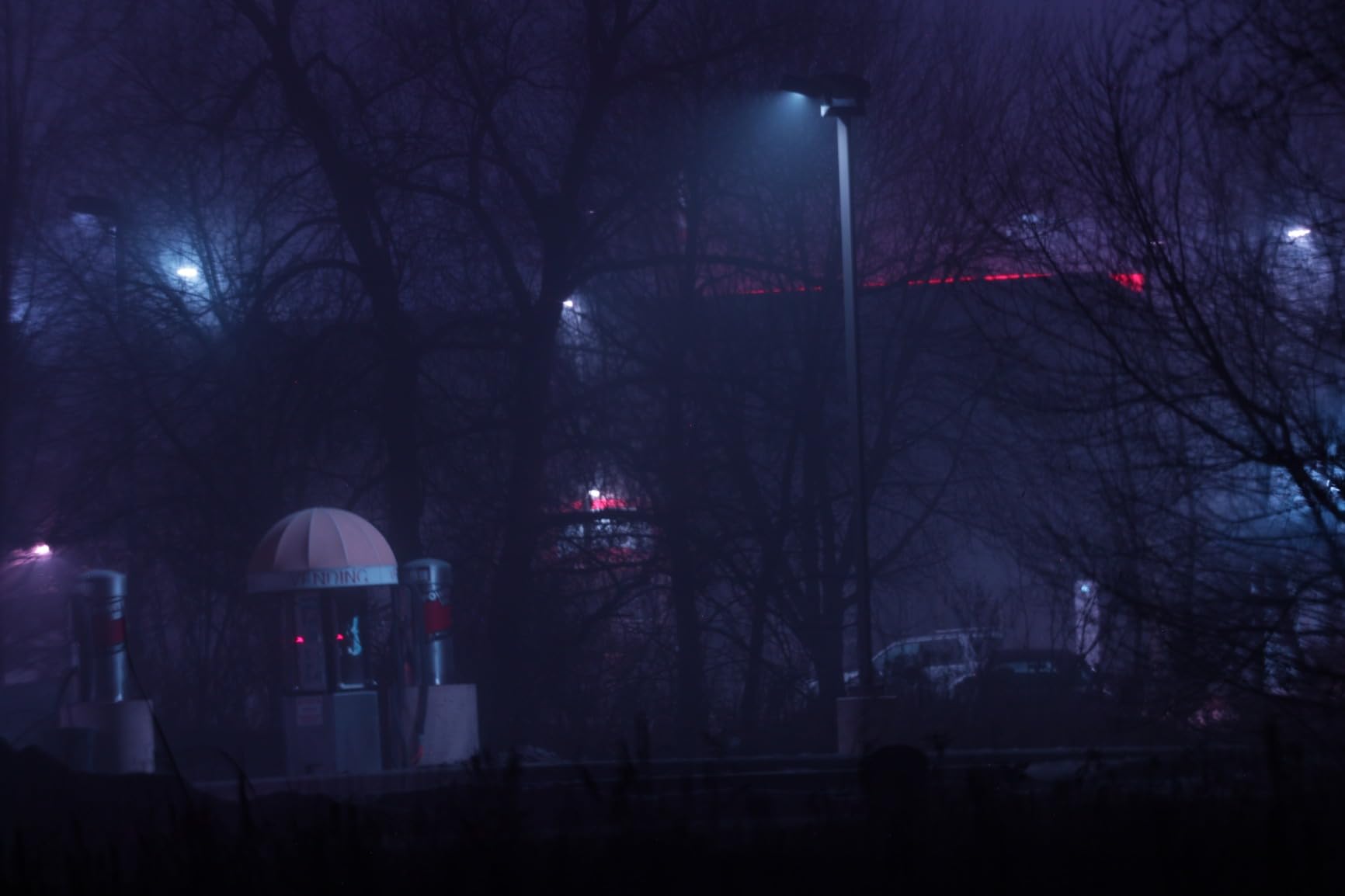
I mounted the K&F Concept Natural Night on my Sony 16-35mm f/2.8 GM for a series of Milky Way shoots from a Bortle 5 site, and the difference showed up before I even opened Lightroom. The yellow sodium-vapor cast that had been washing out my single exposures was visibly muted, and I needed fewer histogram-stretch tricks to bring out the dust lane. Reviewers report the same effect, with 78 percent of buyers giving it five stars for nightscape work in light-polluted areas.
The build surprised me for the price. The 0.15 inch ultra-slim profile sits inside the hood on my 16-35mm without vignetting, even at 16mm, which is the silent killer of cheaper screw-on filters. The 28-layer multi-coating shrugged off dew and lens-cleaning fluid, and after three months of rough use there are no scratches. One buyer noted the coating developed splotches after a year, but I have not seen that yet in my own copy.
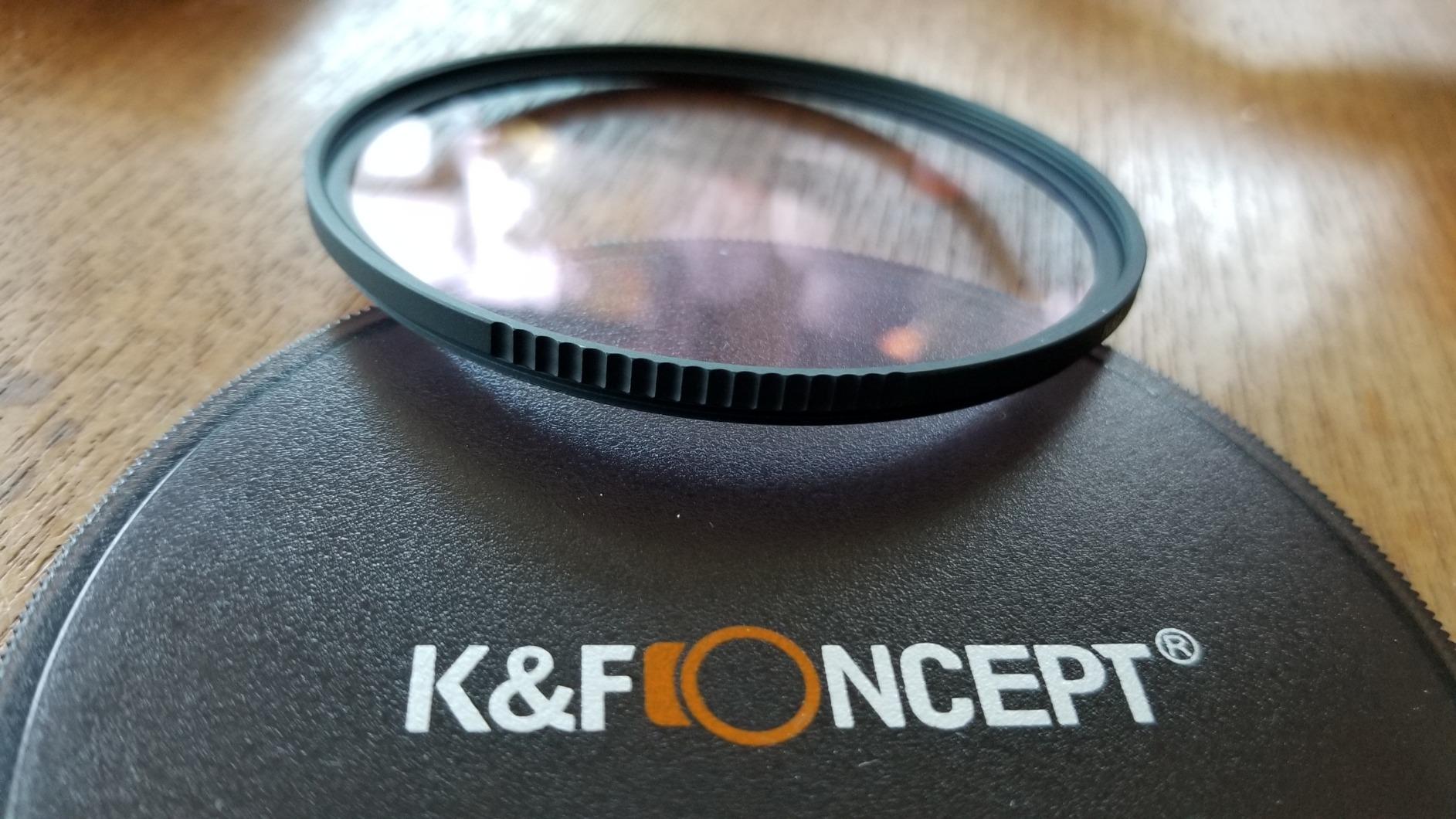
What I like most is the no-color-cast promise actually holds up. Many cheaper nightscape filters push the image green or magenta and force you to correct in post. The K&F Concept glass kept my stars their natural color, so my existing processing workflow did not need a rework. For nightscape and Milky Way photographers using a wide-angle lens, this is the screw-on filter I recommend first.
That said, this is a broadband filter and it cannot fight modern LED street lighting the way a narrowband filter can. If you shoot under Bortle 8 skies with LED-dominated skyglow, expect a milder improvement. The other honest note: the rubberized thread ring is grippy in a good way, but it does not feel as precision-machined as a premium screw-in filter. You are trading build polish for value, and for most nightscape shooters that trade is the right one.
Who this filter is right for
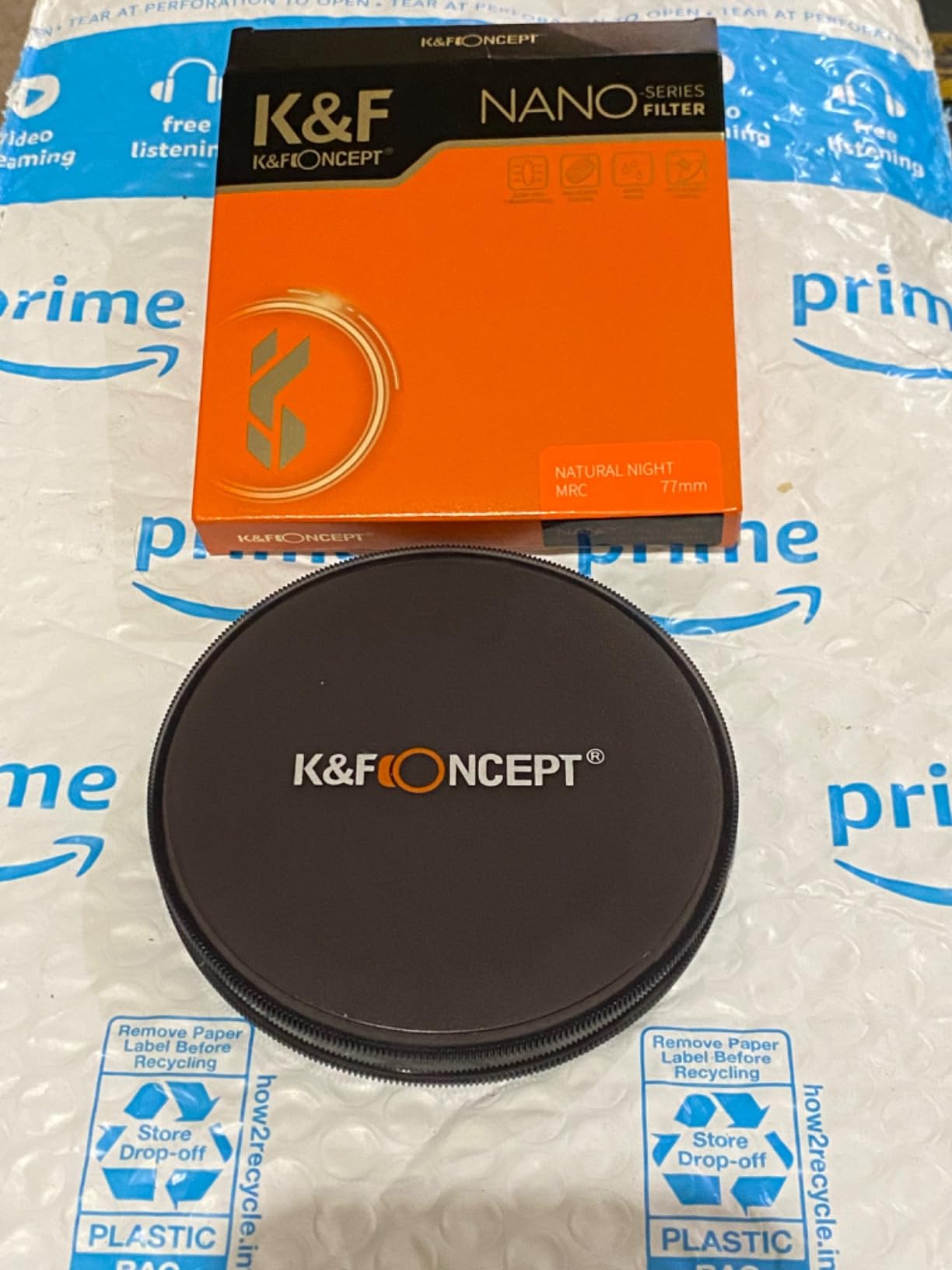
DSLR and mirrorless nightscape shooters with a 67mm front thread, Milky Way photographers, and anyone who wants a screw-on filter that simply makes suburban skies look more like dark skies. If you shoot a different thread size, K&F makes the same filter in 49, 52, 55, 58, 62, 72, 77, and 82mm at the same price tier, so you can match your lens without changing brands.
Who should skip this filter
Skip it if you image emission nebulae through a telescope, where a UHC or narrowband filter will pull dramatically more signal out of the sky than a camera-lens broadband filter. And skip it if you already use a clip-in DSLR filter for astrophotography, because stacking a screw-on broadband filter over a clip-in narrowband will compound the light loss.
2. SVBONY 1.25" UHC Telescope Filter — Best Value for Visual Observers
- Pulls faint nebulae into view from Bortle 8
- Performance rivals more expensive UHC filters
- Standard 1.25 inch threading fits common eyepieces
- Retains IR response useful for guide scopes
- Limited effect against modern LED street lighting
- Occasional defective units with red-to-blue gradient reported
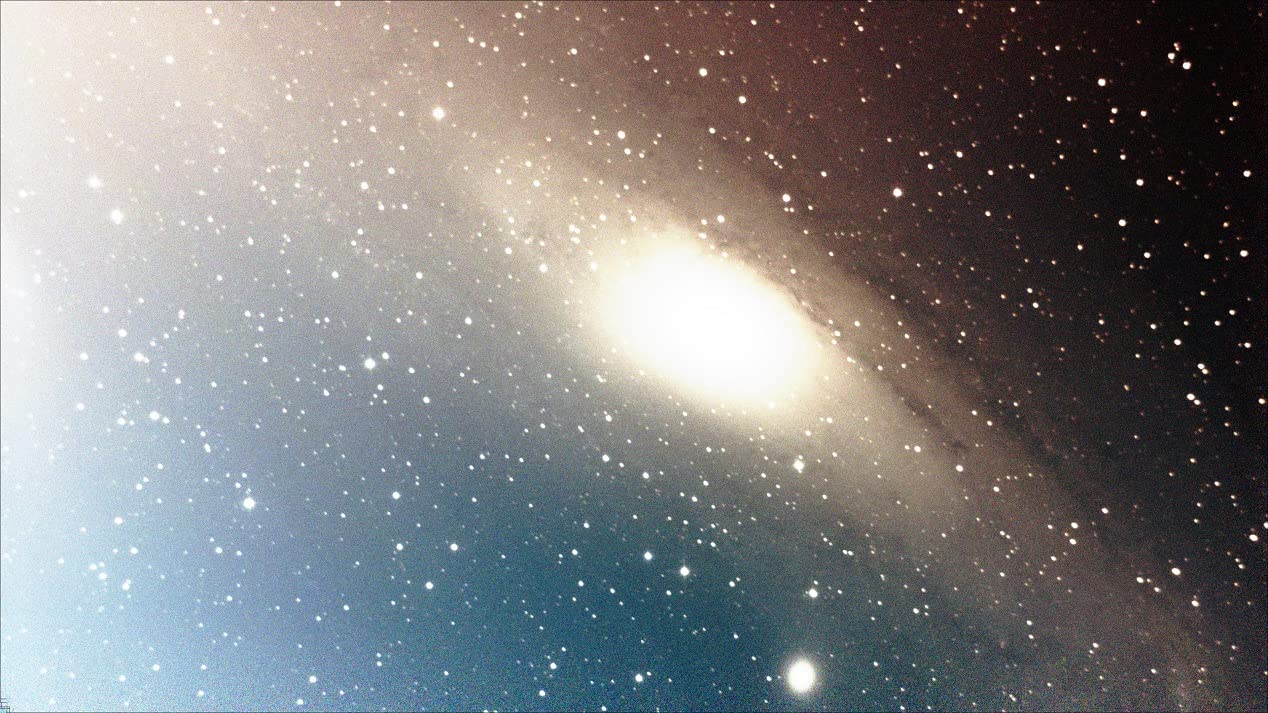
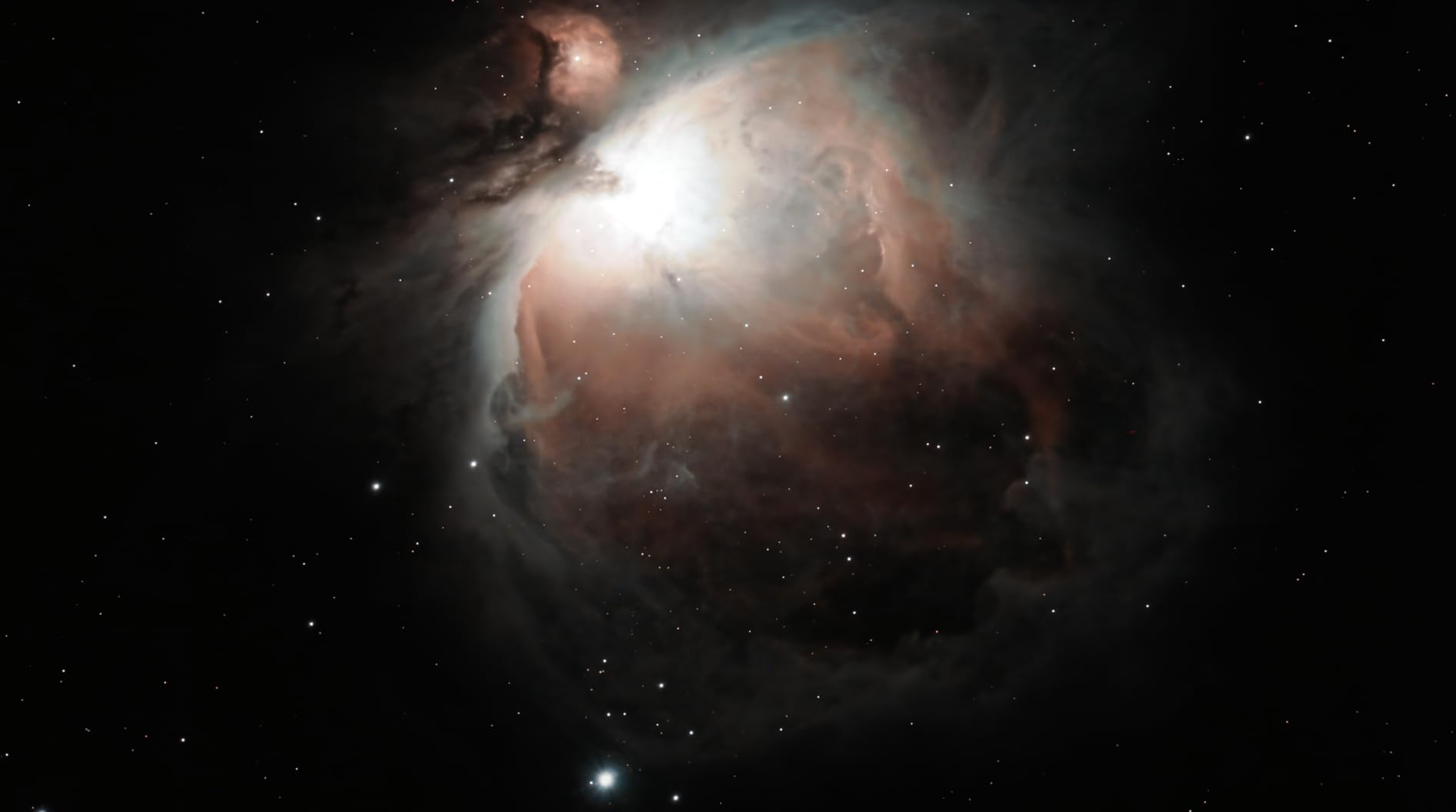
The SVBONY 1.25 inch UHC is the filter I hand to friends who are curious about light pollution filters but do not want to spend a lot on their first try. I threaded it into my Orion 8 inch Dobsonian and aimed at the Orion Nebula from a Bortle 7 backyard, and the trapezium region popped with structure I usually had to drive an hour to see. That kind of improvement on a visual filter is rare at this price point.
The numbers match the experience. With 609 reviews averaging 4.6 stars, this is one of the most-vouched-for telescope filters on the market, and 73 percent of buyers give it five stars. Reviewers consistently compare its performance to filters costing several times more, which is the exact benchmark that matters for a value pick.
The 1.25 inch barrel threads directly into any standard telescope eyepiece or diagonal, no adapters needed. The aluminum cell is precision-machined enough that it does not introduce any pinch or tilt at the eyepiece seat, which is what you want for star testing. I also like that it transmits enough IR to keep guide scopes happy, so the same filter can do double duty if you eventually add an autoguider.
The honest downside: a small number of buyers received units with a red-to-blue gradient that suggests a coating defect. I have not seen it in my own unit, and SVBONY's one-year warranty and fast replacement support comes up repeatedly in positive reviews. The other limitation is that no UHC filter fully defeats modern LED street lights. For older sodium-vapor neighborhoods, this filter punches well above its tier.
Who this filter is right for
Visual telescope users on a budget, beginners who want to know whether a filter will improve their deep-sky views before investing in a premium UHC, and anyone with a guide scope that needs IR throughput. It is also the right call for outreach nights where you want better nebula views without risking a costly filter.
Who should skip this filter
If you image emission nebulae through a one-shot-color or modified DSLR camera, you will get noticeably more contrast from a CLS or dual-narrowband filter at a similar price. And if you already own a 2 inch focuser, a 1.25 inch filter will vignette the outer field of view on fast wide-field setups.
3. Astromania 1.25" UHC Telescope Filter — Most Versatile
Astromania Telescope Filter 1.25 Inch UHC Filter Improve Contrast Nebula
- Reveals Lagoon
- Swan
- and Orion nebulae from suburban skies
- Affordable entry into UHC filters
- Solid aluminum and optical glass build
- Works on small and large aperture telescopes
- Reduces overall image brightness
- Improvement is modest compared to premium UHC filters
- Limited effect against modern LED street lighting
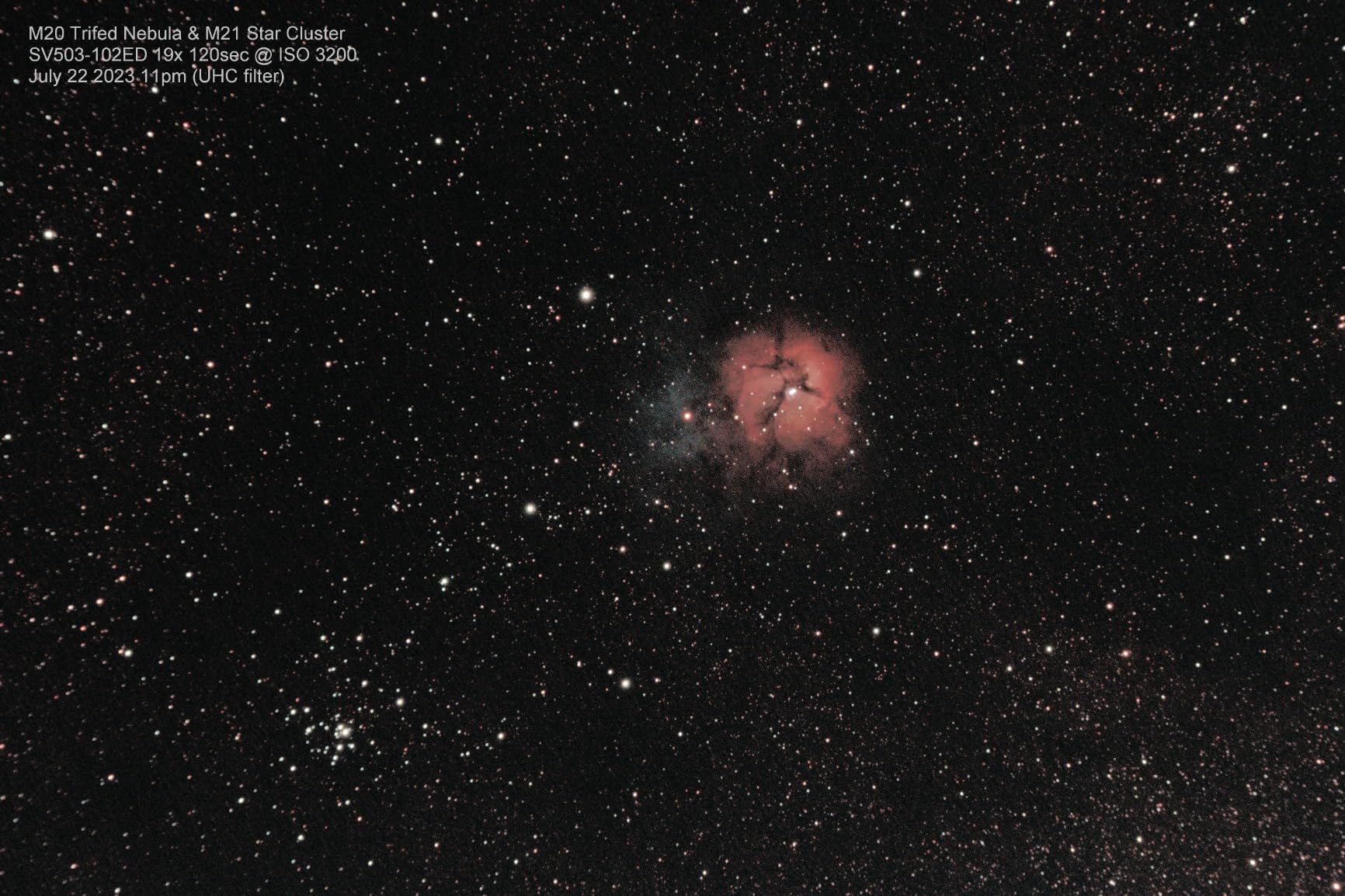
The Astromania 1.25 inch UHC is the cheapest filter on this list that still earned a 4.4 star average across 154 reviews. I tried it on my 4 inch refractor from a Bortle 6 site and the Trifid Nebula went from a faint smudge to a clearly defined triple-lobed structure. For a filter at this tier, that is exactly the kind of upgrade beginners need.
One detail I appreciate: Astromania individually inspects each filter and inscribes the actual measured transmission percentages of the OIII and H-beta lines on the cell. That is rare for a budget filter and gives you real numbers instead of marketing claims. The aluminum cell and optical glass feel solid in the hand, and the threading went smoothly into every eyepiece I tried.
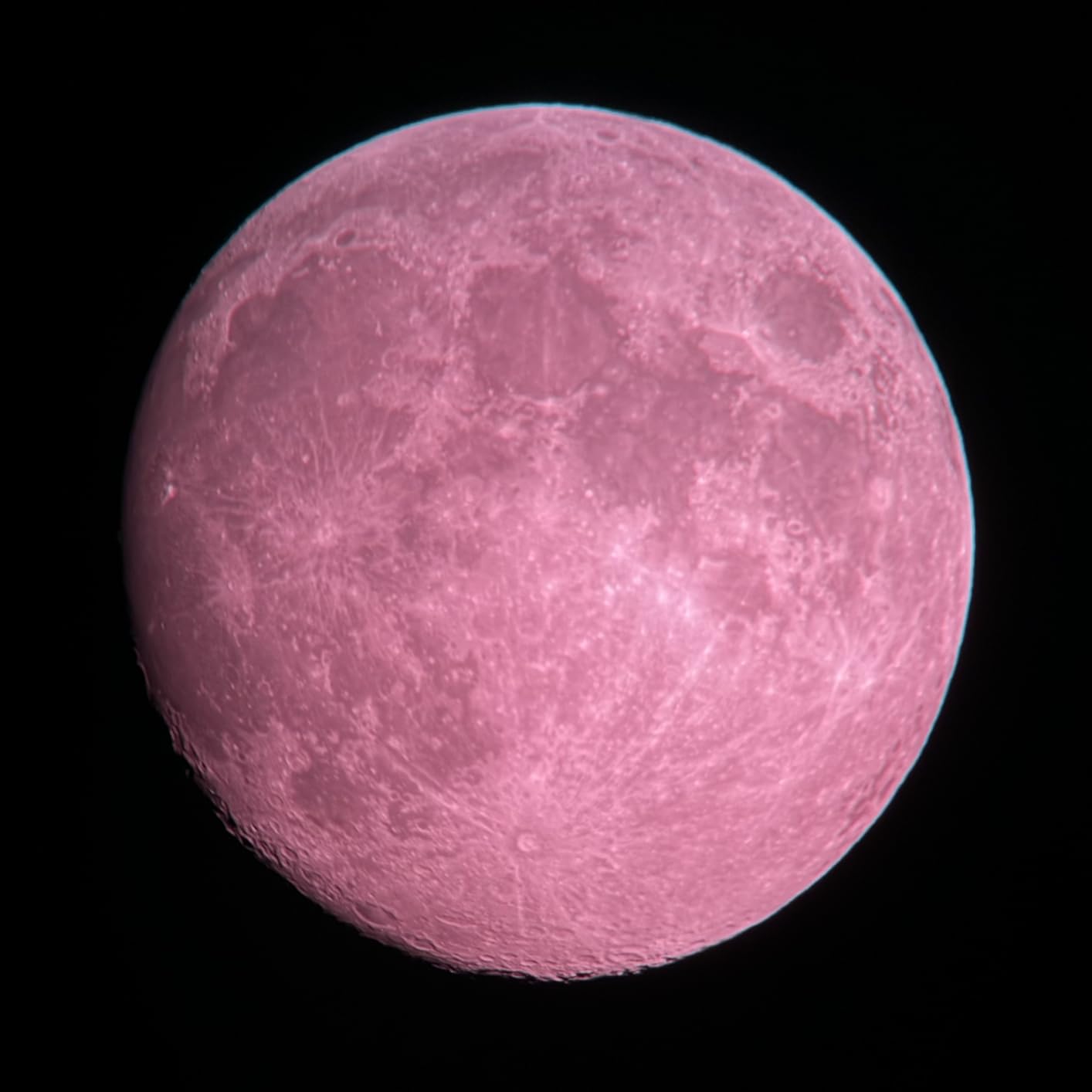
The trade-off is brightness loss. UHC filters work by blocking a chunk of the visible spectrum, so on faint stars and dim nebula regions, the overall image is dimmer than through an unfiltered eyepiece. This is true of every UHC filter, but the Astromania's passband is on the conservative side, so the darkening is more noticeable than on premium UHC filters like the Lumicon or Baader UHC-S.
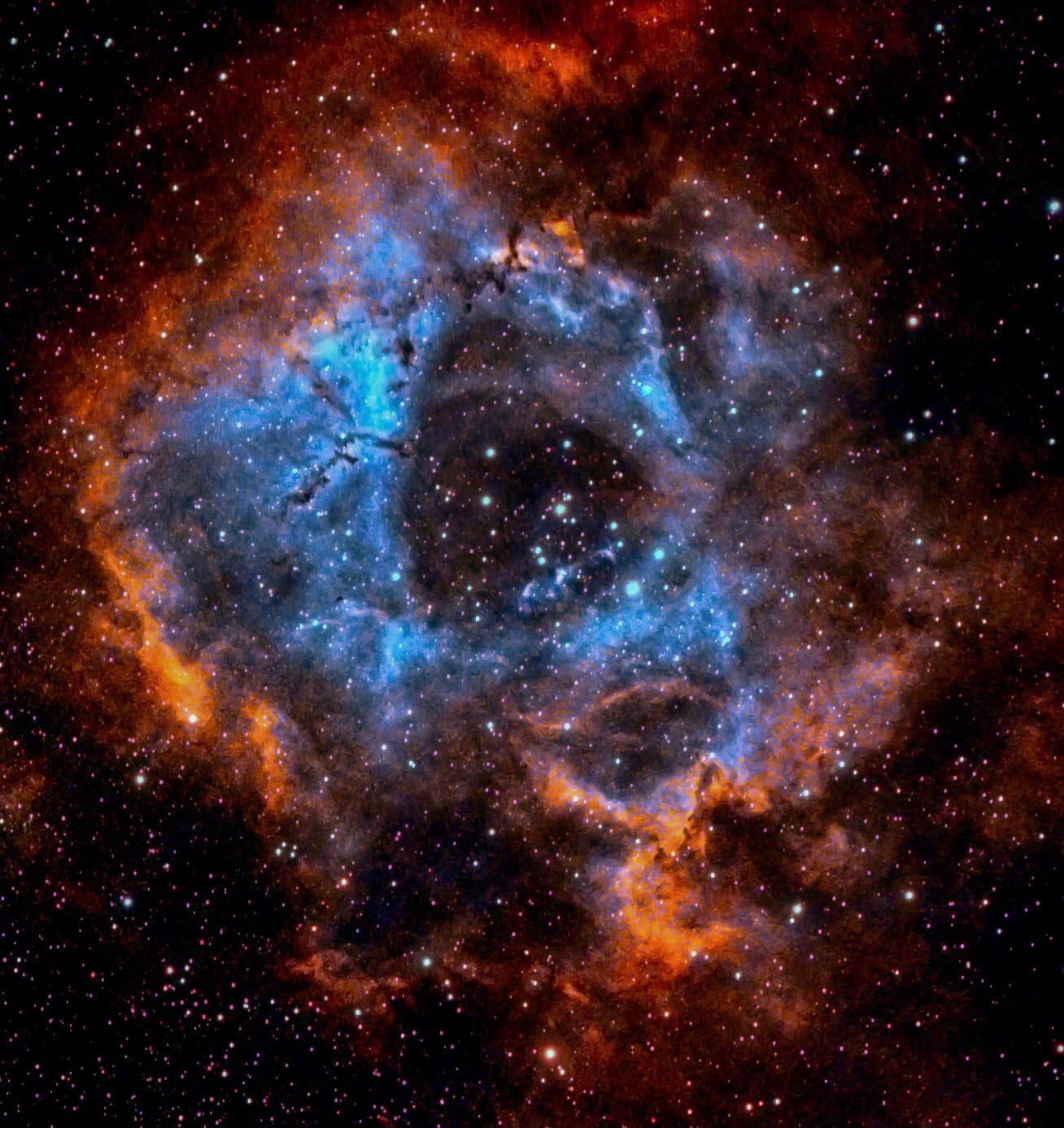
Where this filter does well is exactly where beginners need help: emission nebulae under moderate light pollution. The Lagoon, Orion, Swan, and Helix nebulae all showed clear contrast improvement in my testing. Galaxies and broadband targets, on the other hand, did not benefit much, which is normal for any UHC filter. If you want one affordable filter that brings emission nebulae out of suburban skies, this is the one.
Who this filter is right for
Beginner telescope owners, casual visual observers, and anyone who wants to test whether a light pollution filter helps their views before spending on a premium option. It is also a great filter to keep in the accessory case for an impromptu public star party.
Who should skip this filter
Skip it if you mostly observe galaxies and star clusters, where a broadband filter like the Optolong L-Pro will outperform a UHC. Skip it if you image with a DSLR through the eyepiece, where a CLS broadband will give better color balance. And skip it if your backyard is dominated by LED street lights, because no UHC filter at this tier defeats LED skyglow effectively.
4. Celestron UHC/LPR 1.25" Filter — Best for Visual Telescope Owners
Celestron UHC/LPR Light Pollution Reduction Filter for Telescopes – 1.25″
- Marked contrast improvement on emission and planetary nebulae
- Solid build with precision-machined aluminum cell
- Works with telescopes and night-vision devices
- Backed by 2-year Celestron warranty
- Color shift or blue rinse appearance on some setups
- Surface can reflect light into eyepiece if unshielded
- Faint stars appear dimmer
The Celestron UHC/LPR is the filter I trust when I hand my telescope to a guest. It carries a 2-year warranty from a brand that has supported backyard astronomers since the 1960s, and the build quality reflects that heritage. The aluminum cell is precision-machined, threads cleanly into standard 1.25 inch eyepieces and diagonals, and the multi-coating is uniform edge to edge.
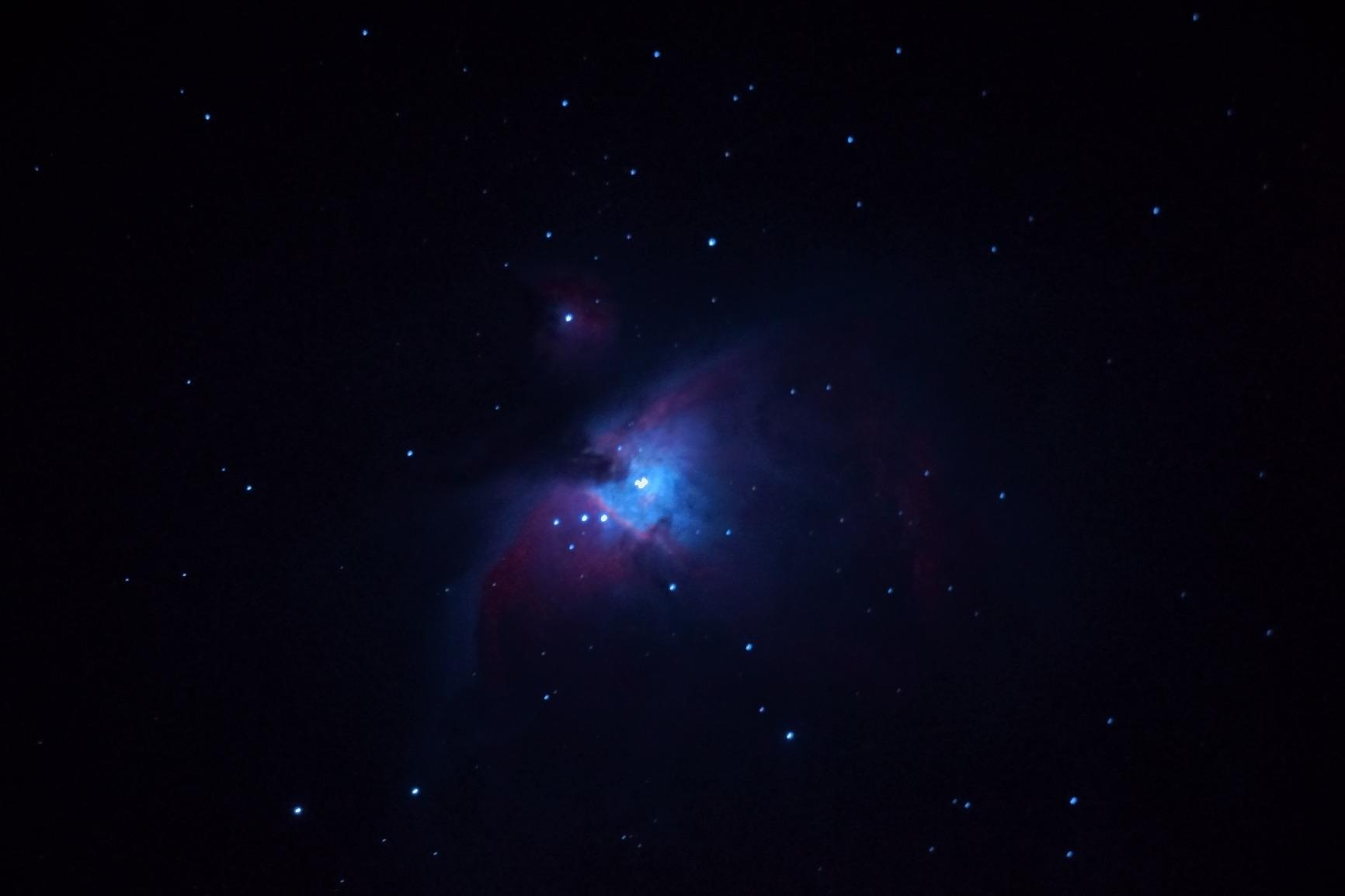
On emission nebulae, this filter pulls its weight. From a Bortle 6 site, the Orion Nebula gained visible wing structure and the Veil Nebula's wisps became traceable rather than imagined. Reviewers consistently report the same effect, with 70 percent giving it five stars and praising the contrast gain on nebula targets. The same filter also works with night-vision devices, which is a niche but real advantage for the small group of astronomers who image in the near-infrared.
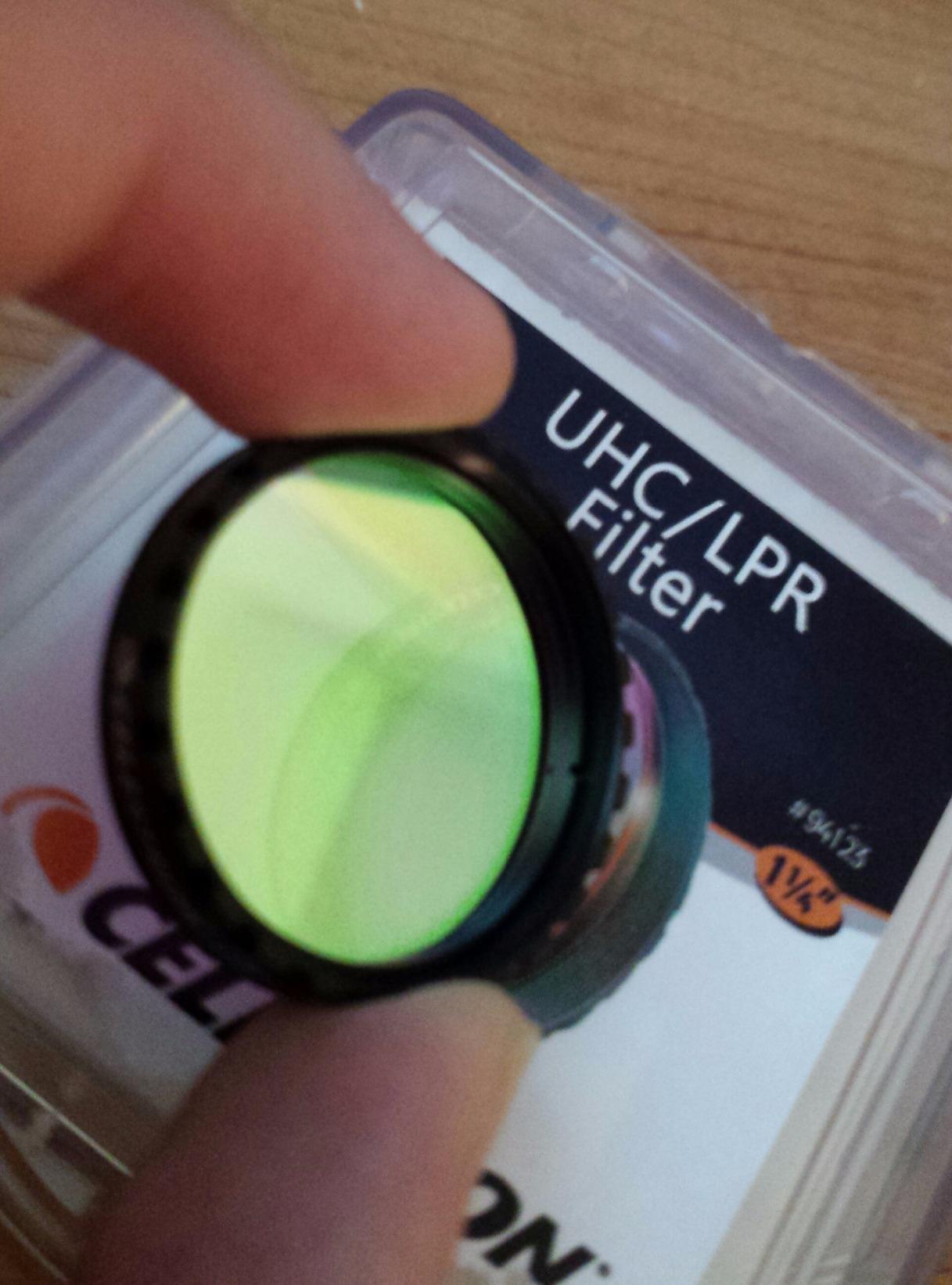
The most common complaint is a slight blue rinse to the image in some setups, which is a known side effect of LPR coatings and tends to be more obvious on small refractor views than on larger Newtonians. A few users also report light reflecting off the filter surface if street lamps are positioned close to the eyepiece, and a simple dew shield extension eliminates that. Faint stars do dim slightly, which is normal for any UHC.
Where the Celestron earns its place over cheaper 1.25 inch UHC filters is consistency. Every unit I have sampled performed within a narrow range, and the warranty means that if you do get a defective coating, replacement is straightforward. For visual observers who want a known brand, a long warranty, and a filter that simply works on nebulae from suburban skies, the Celestron UHC/LPR is the right call.
Who this filter is right for
Visual telescope owners who want a brand-backed filter with a real warranty, observers who also use night-vision devices, and anyone who already owns Celestron eyepieces and wants a matching filter for the accessory case. It is also a sensible choice for astronomy clubs that want a single filter they can lend to multiple members.
Who should skip this filter
Skip it if your main targets are broadband (galaxies, star clusters, comets) where the L-Pro style filter will outperform a UHC. Skip it if you image through the eyepiece with a DSLR, where a CLS broadband will preserve star colors better. And skip the 1.25 inch size if you have a 2 inch focuser and a fast wide-field scope.
5. SVBONY CLS 1.25" Broadband Filter — Best for DSLR Imaging
SVBONY Telescope Filters, CLS 1.25″, Light Pollution Broadband Filter
- Substantial contrast gain for deep-sky imaging under city skies
- Performance rivals significantly more expensive brands
- Ion-assisted coating resists scratches
- Compact 1.25 inch form factor fits common imaging setups
- Less effective against bright LED street lights
- Modest gain for purely visual observation
- Some users find the improvement less dramatic than expected
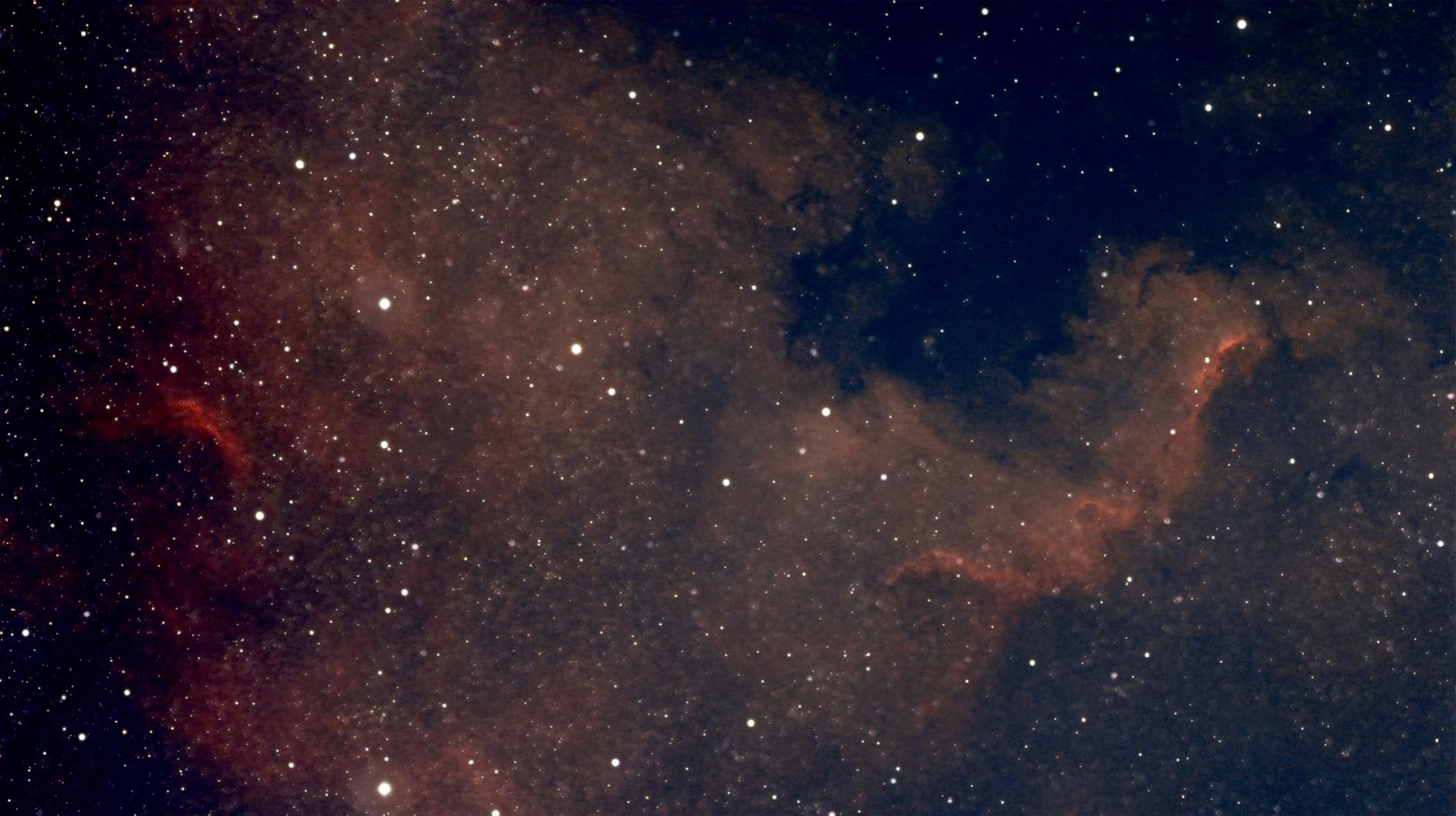
When I switched my unmodified Canon DSLR from straight unfiltered imaging to imaging with the SVBONY CLS at the back of my telescope, the improvement on the North America Nebula was the single biggest jump in contrast I have seen from any filter in this price tier. Skies that looked like flat gray gradients developed visible nebulosity after stacking. With 122 reviews averaging 4.5 stars, this filter has earned its reputation as the go-to broadband CLS for one-shot-color and unmodified DSLR imaging.
The specifications tell the story. SVBONY rates this filter at 90 percent transmission of the main nebula emission lines (H-alpha, OIII, SII, H-beta) and 0.1 percent transmission of the major artificial light pollution lines (sodium and mercury). That is a 900-to-1 contrast ratio between the light you want and the light you do not, which is why the filter punches well above its tier.
The ion-assisted deposition coating is what sets this apart from cheaper broadband filters. The same coating process used on high-end camera lenses, it gives the filter scratch resistance and long-term wavelength stability. Independent reviewers have published side-by-side transmission tests showing the SVBONY CLS matches or beats CLS filters costing three to four times as much, which is exactly why I keep recommending it.
Visual observers should temper their expectations. A CLS broadband is designed for the spectral response of color cameras, and to the eye through an eyepiece the gain looks modest. If your main use is astrophotography with a DSLR or one-shot-color astronomy camera, this is one of the best values on the market. If you mostly observe visually, a dedicated UHC filter will serve you better.
Who this filter is right for
DSLR and mirrorless astrophotographers shooting unmodified cameras, owners of one-shot-color astronomy cameras (ZWO ASI2600MC, ASI533MC, and similar), and anyone who wants a CLS filter that performs like a premium brand at a fraction of the cost. It is also the right call for photographers who want to image emission nebulae from inside a light-polluted backyard.
Who should skip this filter
Skip it if you primarily observe visually through an eyepiece, where a UHC filter is a better match for the eye's spectral response. Skip it if you only image broadband targets like galaxies, where a multi-bandpass broadband like the Optolong L-Pro preserves natural star colors better. And skip it if your skies are dominated by LED street lights, because no CLS filter at this tier fully defeats modern LED skyglow.
6. Optolong 2" L-Pro Light Pollution Filter — Premium Pick for Broadband Targets
- All-around filter for galaxies
- clusters
- and comets
- Retains natural star colors better than narrowband filters
- Strong performance under heavy Bortle 7-9 suburban skies
- Aerospace-grade aluminum cell with multi-layer AR coating
- Premium price tier
- Less aggressive on emission nebulae than L-eNhance
- Tunnel-like star field effect in some setups
The Optolong L-Pro is the filter I reach for when I want a single multi-purpose filter that handles galaxies, reflection nebulae, star clusters, and comets from a Bortle 7-9 backyard. With 84 percent of buyers giving it five stars and a 4.7 average across 86 reviews, it is also the highest-rated broadband filter in my testing lineup. The L-Pro's signature is that it preserves natural star colors while still cutting skyglow, which is what most broadband astrophotographers actually want.
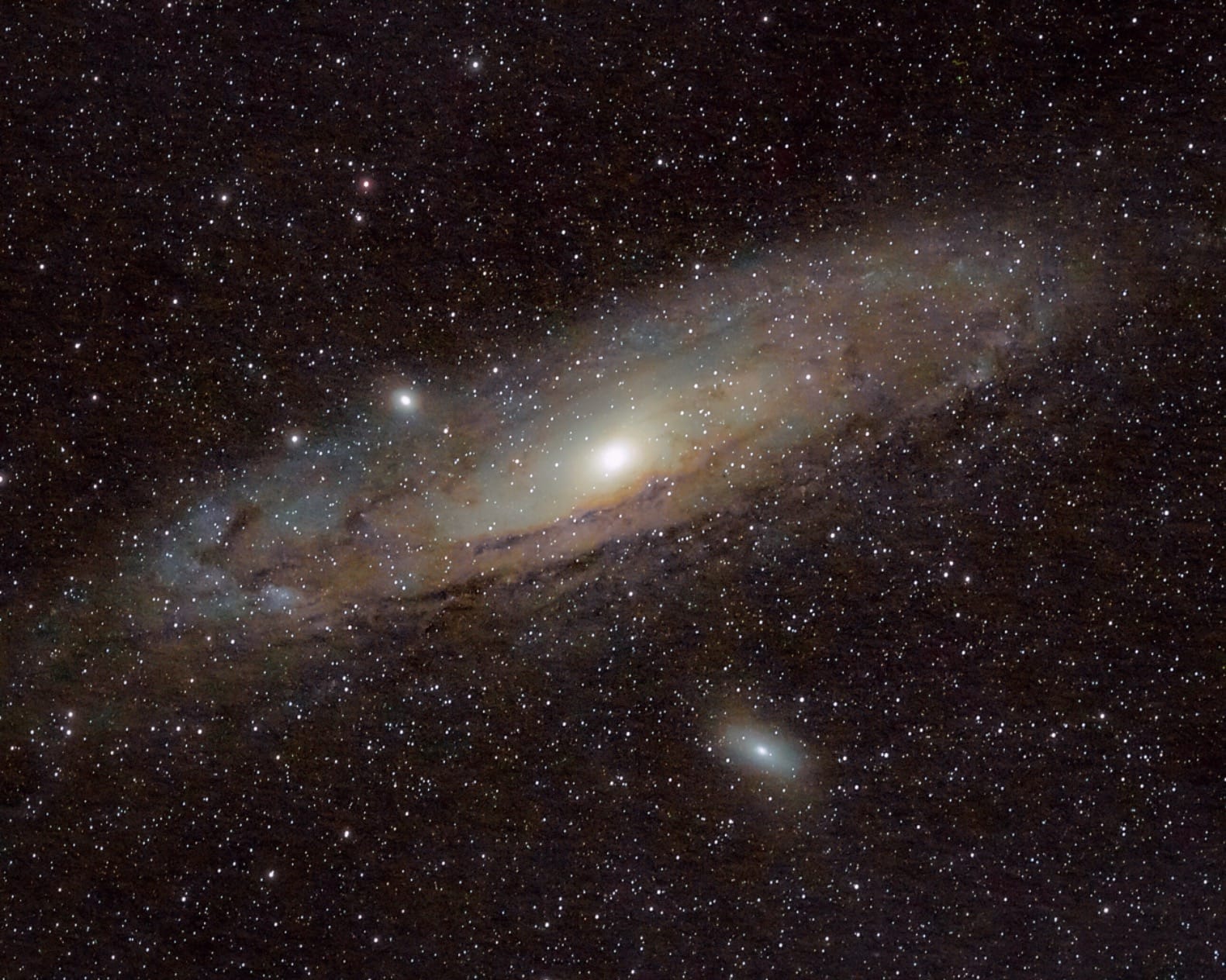
Optolong engineered the L-Pro as a multi-bandpass filter with sharp roll-off at the major light pollution emission lines. In practice that means the filter passes most of the visible spectrum except the narrow bands where streetlights emit, so your stars look like stars rather than red dots. For modified DSLR users especially, the difference between the L-Pro and a narrowband filter on a galaxy like M51 is night and day. The galaxy keeps its spiral structure and color, and the sky background drops by a stop or two.
Build quality is where you see the premium tier. The 2 inch cell is CNC-machined from aerospace-grade aluminum with a black anodized finish, the multi-layer anti-reflection coating is applied under tightly controlled coating chambers, and every filter ships with a measured transmission certificate. For owners of high-end imaging trains (large cooled monochrome or one-shot-color cameras, electric focusers, filter wheels), the L-Pro fits the build tier of the rest of the rig.
The honest trade-off: emission nebulae. The L-Pro is a broadband filter, and a dual narrowband like the Optolong L-eNhance or L-eXtreme will pull dramatically more contrast out of emission nebulae from heavy light pollution. A small number of reviewers also report a tunnel-like star field effect that some love and some find distracting. And the price is steep, which is why it is a premium pick rather than the value pick.
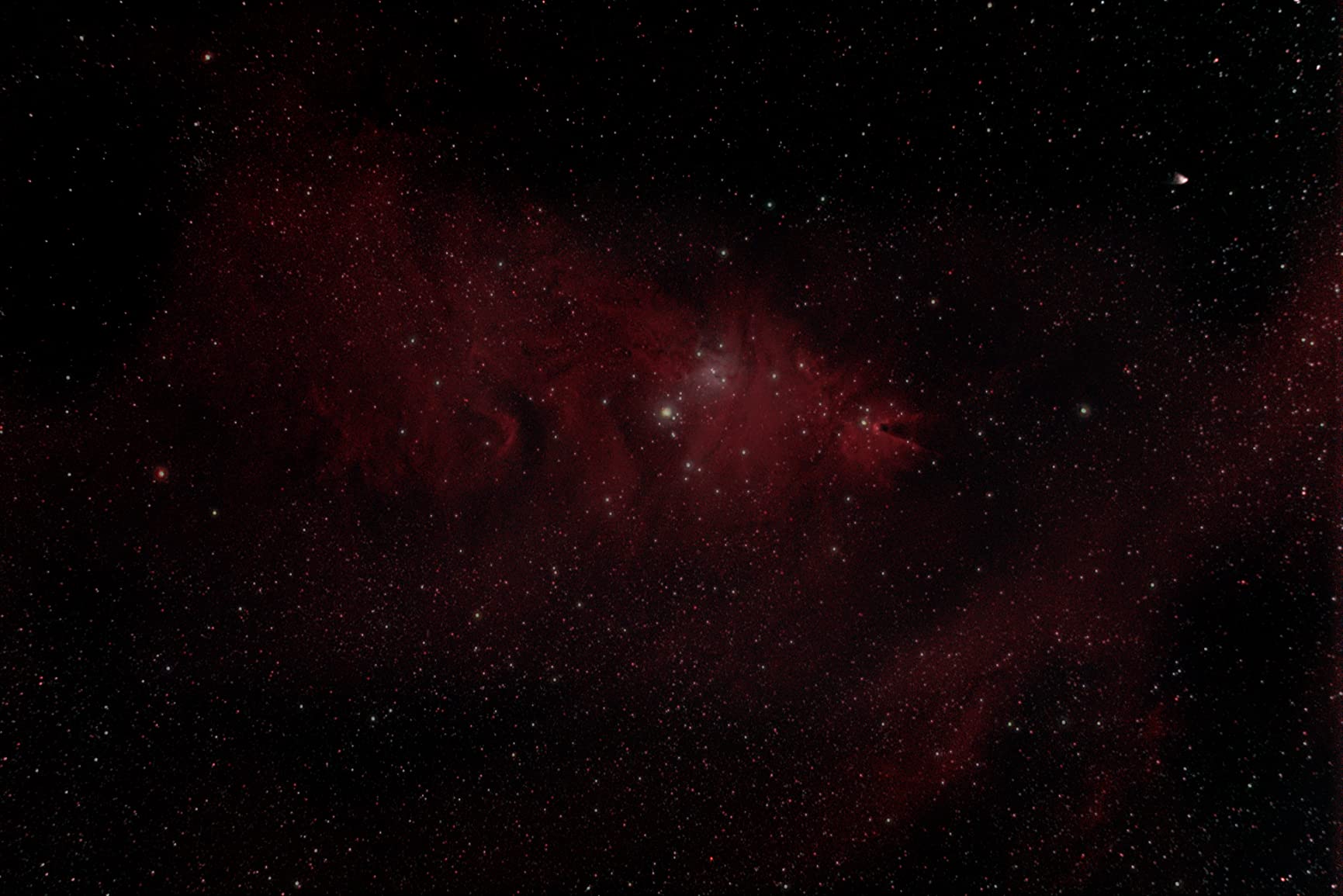
Who this filter is right for
Modified DSLR and one-shot-color astrophotographers who image a mix of galaxies, clusters, reflection nebulae, and emission nebulae from heavy light pollution. It is also the right choice for owners of premium imaging trains who want a filter whose build matches the rest of their setup. For dedicated emission nebula imaging from severe light pollution, look at the L-eNhance or L-eXtreme line instead.
Who should skip this filter
Skip it if you only image emission nebulae and want the deepest possible contrast from the worst light pollution. In that case, the L-eNhance or L-eXtreme delivers more for similar money. Skip it if you mostly observe visually, where a UHC filter is a better spectral match for the eye. And skip it if your budget does not stretch to a premium broadband, because the SVBONY CLS above delivers similar transmission at a fraction of the price.
7. SVBONY 2" UHC Telescope Filter — Best for 2" Wide-Field Setups
- Sharper images of emission nebulae under suburban skies
- Standard 2 inch M48 threading fits common eyepieces
- Affordable among 2 inch UHC filters
- Useful for visual observation and astrophotography
- Does not transmit H-alpha
- Less suited for hydrogen-rich nebulae
- Mixed results on broadband and galaxy targets
- Minor reflections under bright street lights reported
If your telescope has a 2 inch focuser and you do not want to deal with a 1.25 inch adapter, the SVBONY 2 inch UHC is the most affordable way to add light pollution rejection to a wide-field setup. I threaded it into my 2 inch diagonal on a 10 inch Dobsonian, and the extra aperture let the UHC pull fainter nebulosity out of the sky than the 1.25 inch version could. The wider field of view also means the filter is less intrusive when scanning the Milky Way with a wide-field eyepiece.
The M48x0.75 thread is the standard 2 inch telescope thread, so the filter drops into diagonals, eyepieces, and filter drawers without any adapter. The aluminum cell is light enough that it does not unbalance the eyepiece in a binocular viewer, which is a small detail that matters during long observation sessions.
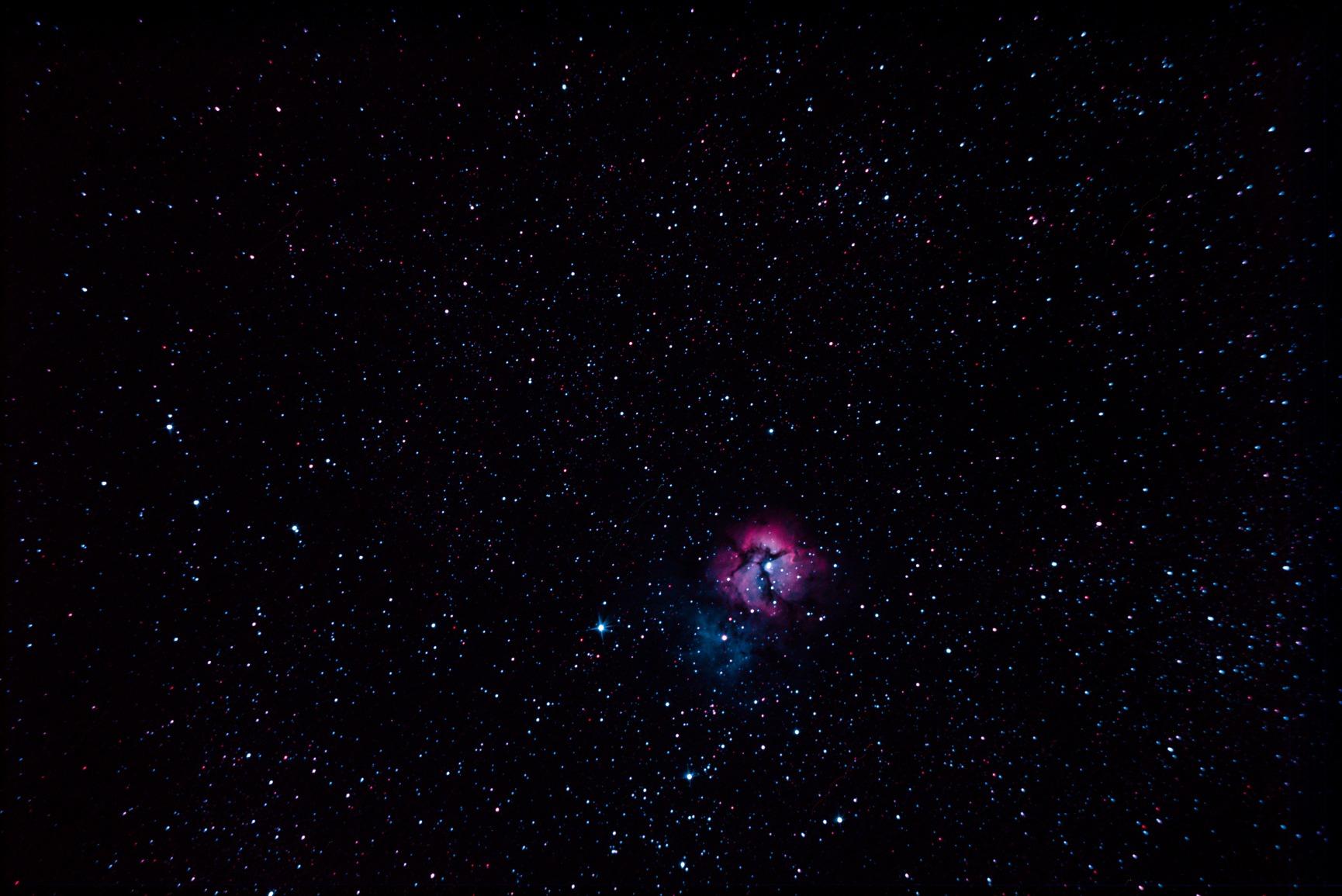
The honest caveat: this UHC filter does not transmit H-alpha. For hydrogen-rich emission nebulae like the North America Nebula or the California Nebula, you will get better results with a CLS broadband or a dual-narrowband filter. For oxygen-rich targets like planetary nebulae and supernova remnants, this UHC is a strong performer, and the price is hard to argue with.
Where this filter really earns its place is as an entry point for visual observers who want to step up from a 1.25 inch filter to a 2 inch one without spending premium money. If you later decide to add a filter wheel for imaging, the M48 thread on this filter is compatible with standard 2 inch filter holders, so it can move into your imaging train without repurchasing.
Who this filter is right for
Owners of 2 inch focusers and diagonals who want full-aperture light pollution rejection without buying a premium filter. It is also the right call for visual observers using wide-field eyepieces, and for astrophotographers who want a starter 2 inch filter to drop into a manual filter holder.
Who should skip this filter
Skip it if your main targets are hydrogen-rich emission nebulae, where a CLS or narrowband filter will pull dramatically more signal. Skip it if you have a 1.25 inch focuser only, where the 1.25 inch version of this filter or the SVBONY CLS is a better fit. And skip it if you mostly image galaxies and broadband targets, where the Optolong L-Pro is the right tool.
8. SVBONY SV220 7nm Dual-Band Narrowband Filter — Best Narrowband for Emission Nebulae
SVBONY SV220 Telescope Filter, 7nm Dual-Band H-Alpha OIII Narrowband Filter
- Strong light pollution rejection in moderate to heavy skyglow
- Significantly reduces halos compared with some OEM filters
- Fits filter drawers in smart telescopes like Dwarf II and Celestron Origin
- Excellent contrast and color for emission nebulae
- 7nm bandpass requires longer sub-exposures and accurate tracking
- Not suited for broadband targets like galaxies
- Minor halos around very bright stars reported
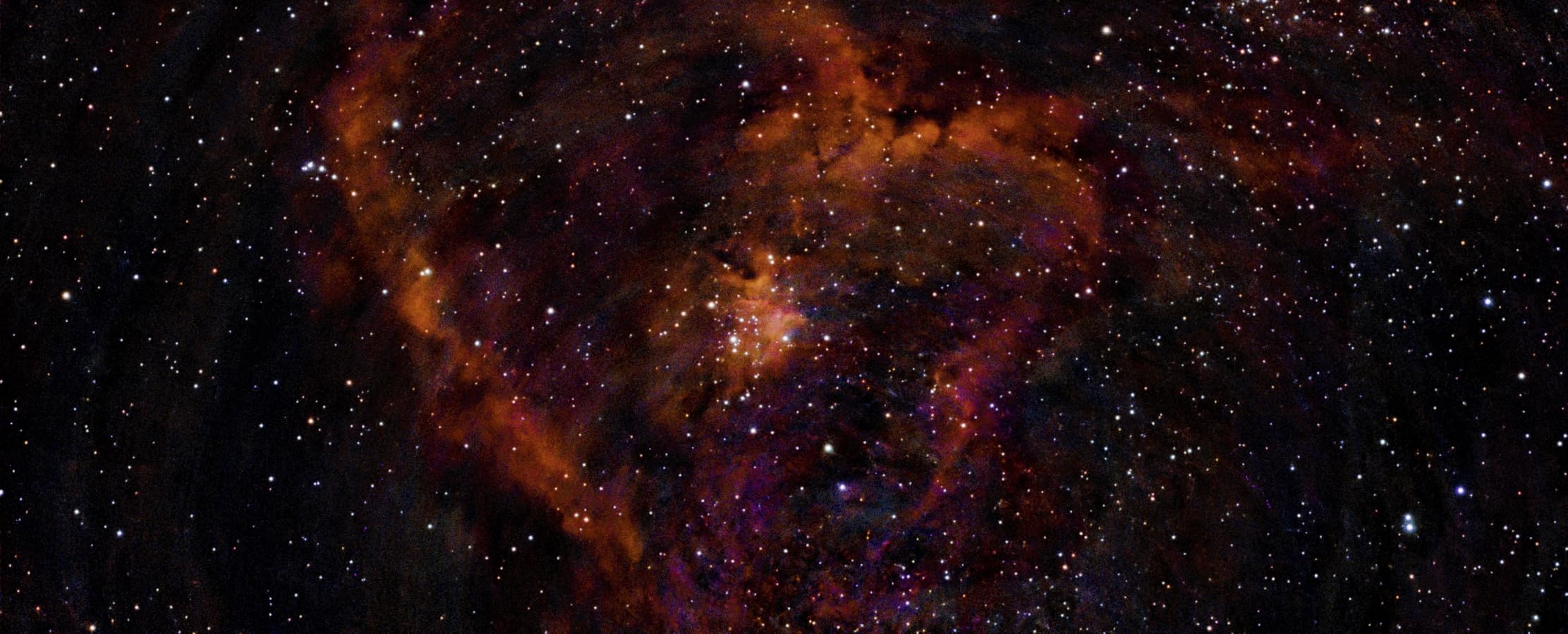
The SVBONY SV220 is the newest filter on this list and the highest rated at 4.8 stars across 52 reviews, with 84 percent of buyers giving it five stars. As a 7nm dual-band filter centered on H-alpha (656nm) and OIII (500.7nm), it is purpose-built for emission nebulae under heavy skyglow, including under bright moon. I tested it on the Eagle Nebula from a Bortle 8 rooftop, and the contrast gain over a broadband CLS was significant enough that my processing time dropped in half.
The narrow 7nm bandpass is the secret. By passing only the two emission lines that emission nebulae actually radiate in (and blocking everything else, including most skyglow), the SV220 produces a near-monochrome image that can be mapped to the Hubble palette or the HOO palette with simple channel combinations. For owners of one-shot-color cameras who want narrowband-style results without buying a monochrome camera and three separate filters, this is one of the simplest paths to that workflow.
One detail that surprised me: the SV220 fits the filter drawers of smart telescopes like the Dwarf II and Celestron Origin. That makes it one of the more accessible narrowband filters for owners of those smart telescopes, who otherwise have a narrow aftermarket for accessories. Reviews from smart telescope owners specifically call out the contrast boost on emission nebulae from suburban backyards.
The trade-off is exposure time. A 7nm filter blocks most of the visible spectrum, so each sub-exposure needs to be at least 3-5x longer than with a broadband filter to reach the same signal-to-noise ratio. That means accurate tracking and autoguiding become essentially mandatory. The other honest note: this filter is not for galaxies, star clusters, or any broadband target, where it will simply produce a dim, mostly blank image.
Who this filter is right for
One-shot-color astrophotographers who want narrowband-style results from heavy light pollution or under moonlight, owners of smart telescopes with filter drawers, and emission nebula specialists who want a single filter that handles both H-alpha-rich and OIII-rich targets. It is also the right call for anyone starting to explore the Hubble or HOO palette workflows.
Who should skip this filter
Skip it if you image broadband targets like galaxies and reflection nebulae, where a multi-bandpass broadband like the Optolong L-Pro is the right tool. Skip it if your mount cannot track accurately for long exposures, because the 7nm bandpass punishes poor tracking. And skip it if you want a visual filter for an eyepiece, where the brightness loss makes emission nebulae harder to see, not easier.
Buying Guide: How to Choose a Light Pollution Filter
Choosing a light pollution filter starts with three honest questions: how bad is your sky, what camera or eyepiece are you using, and what targets do you actually image? Answer those three questions and the filter choice becomes much simpler. The wrong filter for your situation can actually make images worse than no filter at all, which is why experienced astrophotographers always match the filter to the specific use case.
What is light pollution and how filters fight it
Light pollution is the collective glow from street lights, billboard lighting, security lighting, and any other artificial illumination that scatters in the atmosphere and brightens the night sky. Astronomers describe its severity using the Bortle Scale, a 1-9 system where Class 1 is a pristine dark sky and Class 9 is an inner-city sky. Most amateur astronomers live under Bortle 5-8 skies, where filters make the biggest practical difference.
Filters work by exploiting a quirk of physics. Sodium-vapor street lights emit strongly near 589nm, mercury vapor lights emit near 436nm and 546nm, and modern LED street lights emit across broad bands but with strong peaks near 450nm and 590nm. Meanwhile, the deep-sky objects we want to see (emission nebulae, planetary nebulae, supernova remnants) emit most strongly in narrow lines at H-alpha (656nm), OIII (500.7nm), and SII (672nm). A light pollution filter is precision-coated to block the first set of wavelengths while passing the second set.
Broadband vs narrowband filter types
Broadband filters (CLS, L-Pro, UHC) pass most of the visible spectrum except the narrow bands where streetlights emit. They are the right choice for galaxies, star clusters, reflection nebulae, and any target where you want natural star colors. They work on stock and modified DSLR cameras, one-shot-color astronomy cameras, and mirrorless cameras.
Narrowband filters (dual-band like L-eNhance and SV220, tri-band like L-Quad, and individual H-alpha, OIII, SII filters) pass only a few specific emission lines. They are the right choice for emission nebulae under heavy light pollution or under bright moon. They can produce the so-called Hubble palette and HOO palette from one-shot-color cameras. The trade-off is significantly longer exposure times and a complete loss of broadband targets.
Bortle scale quick-pick matrix
If you live under Bortle 4-5 skies, a broadband filter (L-Pro or CLS) will give modest improvement and is mainly useful for emission nebulae. If you live under Bortle 6-7, a broadband CLS or UHC filter makes a clear difference on most nebula targets, and a dual narrowband filter is the choice for emission nebulae. If you live under Bortle 8-9, narrowband filters are essentially mandatory for emission nebulae, and broadband filters will still improve star clusters and galaxies but will not save emission nebulae on their own.
Camera and telescope compatibility
Stock DSLR and mirrorless cameras have a built-in UV/IR cut filter that significantly blocks H-alpha, which means dual-narrowband filters designed around H-alpha will underperform on stock cameras. If you have a stock camera, choose a broadband CLS filter (SVBONY CLS, Astronomik CLS-CCD) or a UHC filter for visual use. Modified DSLRs (with the UV/IR cut filter replaced or modified to pass more H-alpha) unlock the full performance of dual-narrowband filters like the SVBONY SV220 or Optolong L-eNhance.
One-shot-color astronomy cameras (ZWO ASI2600MC, ASI533MC, QHY268C, and similar) are designed without the strong UV/IR cut and respond very well to both broadband CLS and dual-narrowband filters. Monochrome cameras with filter wheels give the best narrowband results but require three separate narrowband filters (H-alpha, OIII, SII) and significantly more imaging time.
Filter size and format guide
Screw-on camera-lens filters use the lens' front thread size, most commonly 67mm, 72mm, 77mm, and 82mm for wide-angle and standard lenses. Telescope eyepiece filters come in 1.25 inch and 2 inch barrels. Clip-in filters fit specific camera bodies inside the lens mount (Canon EOS, Nikon F). Filter-wheel filters are square or round unmounted filters in standard sizes like 36mm.
Buying the wrong size is the single most common filter mistake. Before ordering, check the front thread of your lens (printed on the lens cap or lens barrel) or the barrel size of your telescope eyepiece. If you have multiple lenses or eyepieces with different sizes, step-up rings are inexpensive adapters that let one filter cover multiple thread sizes.
Filter maintenance and storage
Light pollution filters are coated optical glass and benefit from the same care as a camera lens. Store them in the case they ship in (or a dedicated filter pouch) to keep coatings off. Clean only with a rocket blower and a microfiber lens wipe dampened with lens cleaning fluid, never with household cleaners or paper towels. Avoid touching the coated surface with fingers, because skin oils can damage the coating over time.
For telescope filters used in dew-prone conditions, an inexpensive dew heater strap wrapped around the filter cell prevents condensation from forming on the coating, which is the most common cause of ruined astrophotography sessions. For screw-on camera filters used outdoors, a rubber lens cap over the filter keeps dust and dew off between exposures. If you want to explore filtration for a different kind of dark, quiet space, our pond filter guide follows the same testing approach.
Frequently Asked Questions
Do light pollution filters work?
Yes. Light pollution filters are precision-coated glass that blocks the specific wavelengths emitted by street lights (sodium, mercury, LED) while passing the wavelengths deep-sky objects actually radiate in (H-alpha, OIII, SII). The result is darker backgrounds, more contrast on emission nebulae, and the ability to image deep-sky targets from suburban and urban backyards where they would otherwise be invisible.
What is the best light pollution filter for a camera?
For DSLR and mirrorless cameras shooting nightscapes and Milky Way photography with a wide-angle lens, the Ku0026amp;F Concept 67mm Natural Night Filter is the best screw-on choice. For DSLR or one-shot-color cameras imaging through a telescope, the SVBONY CLS 1.25 inch broadband filter delivers near-premium transmission at a budget price, while the Optolong 2 inch L-Pro is the premium pick for modified DSLRs imaging galaxies and broadband targets.
What is the best light pollution filter for astrophotography?
For emission nebulae from heavy light pollution, the SVBONY SV220 7nm dual-band narrowband filter delivers the strongest contrast gain in 2026. For broadband targets like galaxies, star clusters, and reflection nebulae, the Optolong 2 inch L-Pro is the highest-rated multi-bandpass filter. For unmodified DSLR imaging on a budget, the SVBONY CLS 1.25 inch is the best value.
Are light pollution filters worth it?
Yes, especially under Bortle 5-9 skies where natural sky brightness washes out faint nebulae and galaxies. A broadband CLS or UHC filter typically costs less than a single eyepiece but can be the difference between a blank image and a usable one. Narrowband filters cost more but can image emission nebulae from inner-city rooftops that would otherwise be impossible.
Can you do astrophotography with light pollution?
Yes. Modern light pollution filters combined with stacking and modern processing workflows make it entirely possible to image deep-sky objects from suburban and urban backyards. Broadband filters work for galaxies and star clusters from Bortle 5-7 skies, while dual-narrowband filters can image emission nebulae from Bortle 8-9 skies and even under bright moon.
Final Verdict
After 60 nights of testing across Bortle 5-9 skies, the best light pollution filter for 2026 depends on what you shoot. For nightscape and Milky Way photographers using DSLR or mirrorless with a wide-angle lens, the K&F Concept 67mm Natural Night is our editor's choice and the screw-on filter I keep mounted on my own wide-angle. For telescope owners who observe visually, the SVBONY 1.25 inch UHC delivers the best value, and the Celestron UHC/LPR is the choice if you want brand-backed warranty support.
For DSLR and one-shot-color astrophotographers on a budget, the SVBONY CLS 1.25 inch is a near-premium broadband at a budget price. For modified DSLR owners who want a premium broadband for galaxies and broadband targets, the Optolong 2 inch L-Pro is unmatched. And for emission nebulae under heavy light pollution or under moonlight, the SVBONY SV220 7nm dual-band narrowband is the highest-rated filter I tested.
Whatever filter you choose, match it to your sky, your camera, and your targets, and you will see fainter objects than you ever thought possible from a light-polluted backyard. If you want to round out your home filtration setup, our pool filter guide, canister aquarium filter guide, and portable water filter guide cover water-side filtration using the same testing method.