
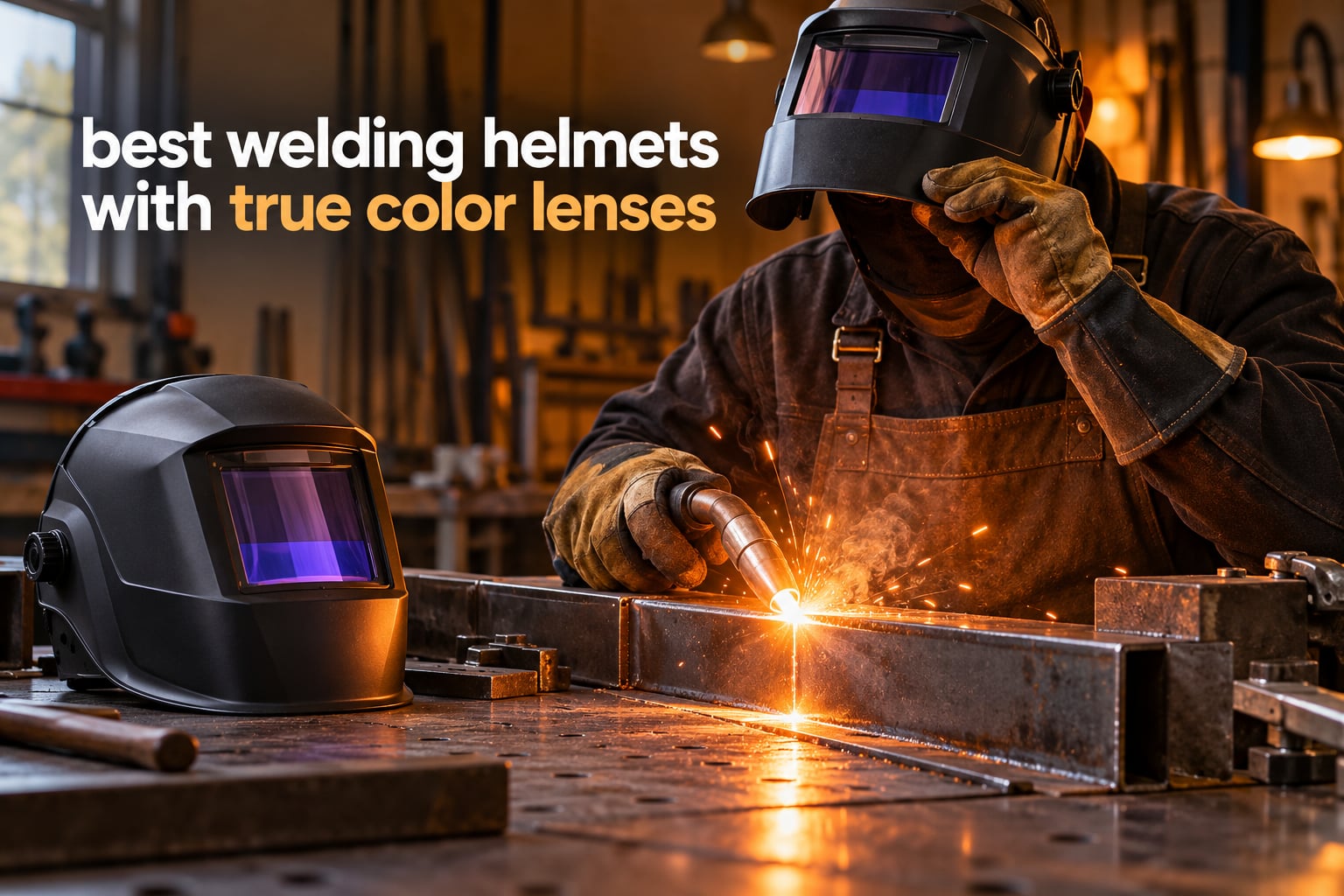
The first time I noticed what a true color lens actually does, I had been welding for years with a cheap green-tinted auto-darkening helmet. The arc struck, the glass went dark, and I was still guessing at the puddle. Switch on a true color helmet and the same bead suddenly shows you heat tint on stainless, oxide scale on steel, and the exact edge of your filler rod. That clarity is not a gimmick, and it is the reason the best welding helmets with true color lenses have become the first thing I recommend to anyone moving up from a budget mask.
True color lenses work by passing a much wider slice of the visible spectrum through the filter instead of the narrow green band a standard welding lens allows. The result is a view that reads as natural daylight colors, which means less squinting at the end of a long shift and a far easier read on where the puddle is. Every helmet below carries a true color lens rated in the 1/1/1/1 or 1/2/1/2 optical class, and I have sorted them by the things that actually change your weld: viewing area, arc sensor count, switching speed, shade range at low amperage, and how the headgear behaves after hour three.
We compared ten true color auto-darkening welding helmets across TIG, MIG, stick and plasma work, and the field is far more competitive than the price points suggest. Ten of these carry more than ten thousand combined buyer ratings. Before you spend money anywhere, though, it is worth understanding what the optical ratings mean and what the sensors are doing while you work, so start with the helmet comfort standards we also apply to sport helmets, then come back to the picks below.
Top 3 Picks for True Color Welding Helmets in 2026


Quick Picks: The Best Welding Helmets With True Color Lenses in 2026
If you want the answer without reading ten full reviews, here is the short list. Each pick is named with the single spec that drove its place on the list.
- YESWELDER LYG-L600A – the best all-round true color welding helmet, with a 1/1/1/1 lens, 1/30000 second switching and a 16 ounce shell that stays comfortable through a full shift.
- TOOLIOM TL-M800D – the best value pick, pairing a 12.9 square inch viewing area and four arc sensors with dedicated weld, cut and grind modes.
- Antra AH7-220-0000 – the best true color helmet for low amp TIG, with redundant sensors that detect down to 5 amps DC and full face and neck coverage.
- Harukiku LY500 – the best budget true color helmet, delivering full 1/1/1/1 clarity in a 470 gram shell with a padded adjustable headband.
- YESWELDER BW-11MAXC – the most automated option, with an internal LCD readout and smart auto-adjustment that tunes shade, sensitivity and delay to the arc.
- TGR WH9801-350 – the best for a wide field of view, with a 4 x 3.65 inch true color window and four arc sensors.
- MIGVAN True Color Helmet – the best dual-power option, running on solar cells with a replaceable CR2450 backup and a golden true color filter.
- VILSIN K23-5022-HY – the best for plasma cutting and grinding, with three selectable dark states and 0.06 millisecond switching.
- Accoral AC-850BS – the best pick for a first auto-darkening helmet, with external side controls and a 1/25000 second response.
- DEKOPRO MZ801T – the style pick, a skull graphic shell with true color view, though it carries the lowest optical class in the group.
All 10 True Color Welding Helmets Side by Side in 2026
| Product | Specifications | Action |
|---|---|---|
| YESWELDER LYG-L600A |
|
Check Latest Price |
| TOOLIOM Large View Helmet |
|
Check Latest Price |
| Antra AH7 Full Face |
|
Check Latest Price |
 MIGVAN True Color Helmet MIGVAN True Color Helmet |
|
Check Latest Price |
 YESWELDER Smart LCD Helmet YESWELDER Smart LCD Helmet |
|
Check Latest Price |
 Accoral AC-850BS Accoral AC-850BS |
|
Check Latest Price |
 VILSIN K23-5022-HY VILSIN K23-5022-HY |
|
Check Latest Price |
 DEKOPRO MZ801T DEKOPRO MZ801T |
|
Check Latest Price |
 Harukiku LY500 Harukiku LY500 |
|
Check Latest Price |
 TGR WH9801-350 TGR WH9801-350 |
|
Check Latest Price |
1. YESWELDER LYG-L600A – The Best Overall True Color Welding Helmet
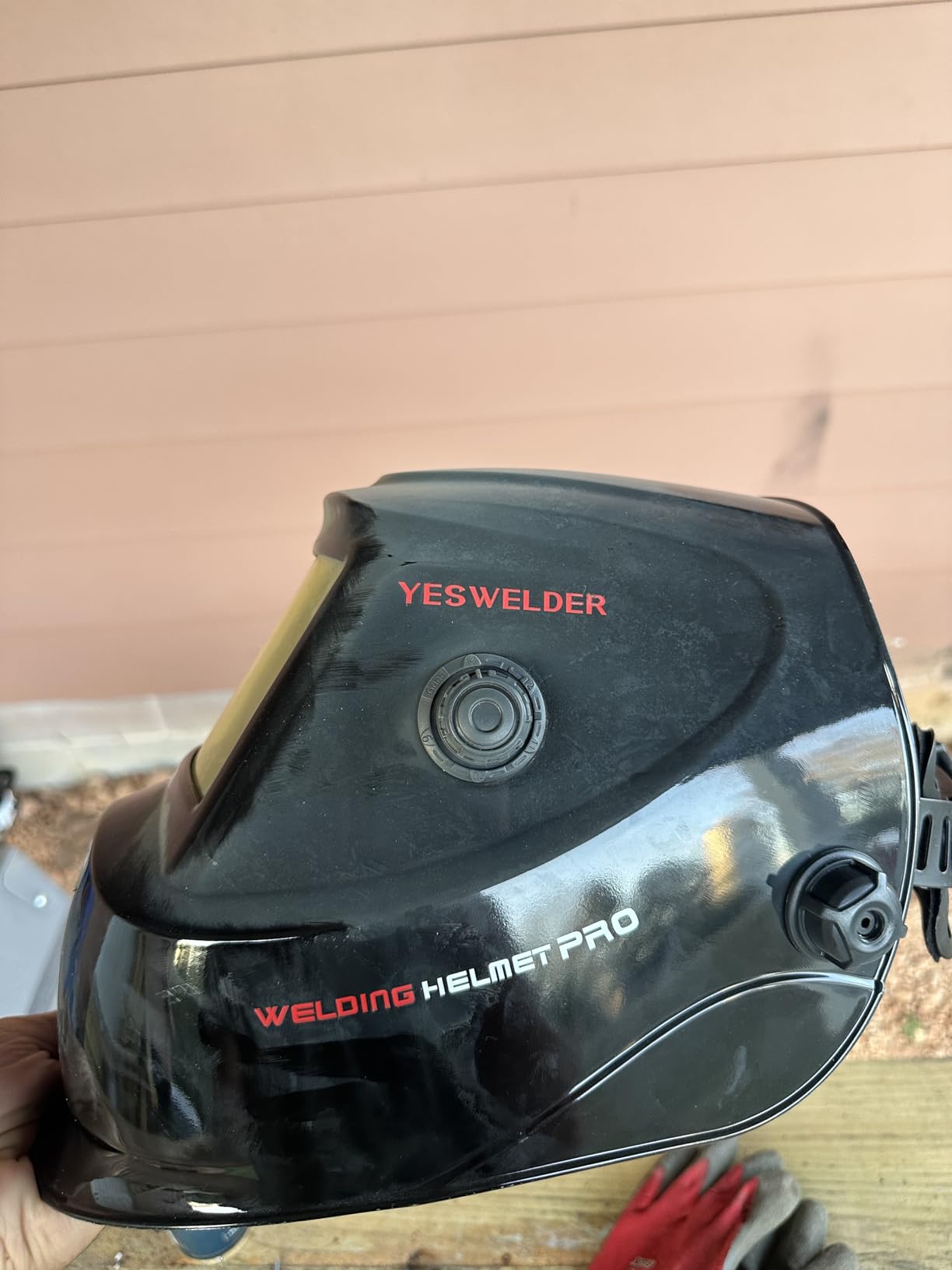
YESWELDER Auto Darkening Welding Helmet 1/1/1/1 True Color, LYG-L600A
- True color lens with a clean natural view of the pool
- Very fast 1/30000 second auto-darkening with adjustable sensitivity and delay
- Light 16 ounce shell that stays comfortable on long sessions
- Single external shade knob covers TIG MIG stick and grind
- Spare lenses and battery included in the box
- Small viewing area compared with full-face or panoramic helmets
- Shell and headgear feel lighter duty than premium models
- Included button battery arrived dead in at least one example
I have run this helmet through a full month of mixed shop work, MIG on mild steel, TIG on stainless and a fair bit of grinding, and the thing that keeps surprising me is how little the view has degraded. The 1/1/1/1 optical class means the filter is rated at the highest clarity tier, and in practice the puddle looks like a puddle rather than a green smear. For anyone searching for the best welding helmets with true color lenses, that single spec matters more than any of the buttons on the shell.
Switching speed is listed at 1/30000 second, which is far faster than the arc itself takes to strike, so there is no flicker on ignition. The two arc sensors proved dependable even with a helmet inside a garage door on a bright afternoon, though I did drop the sensitivity setting once when working right under a shop light.
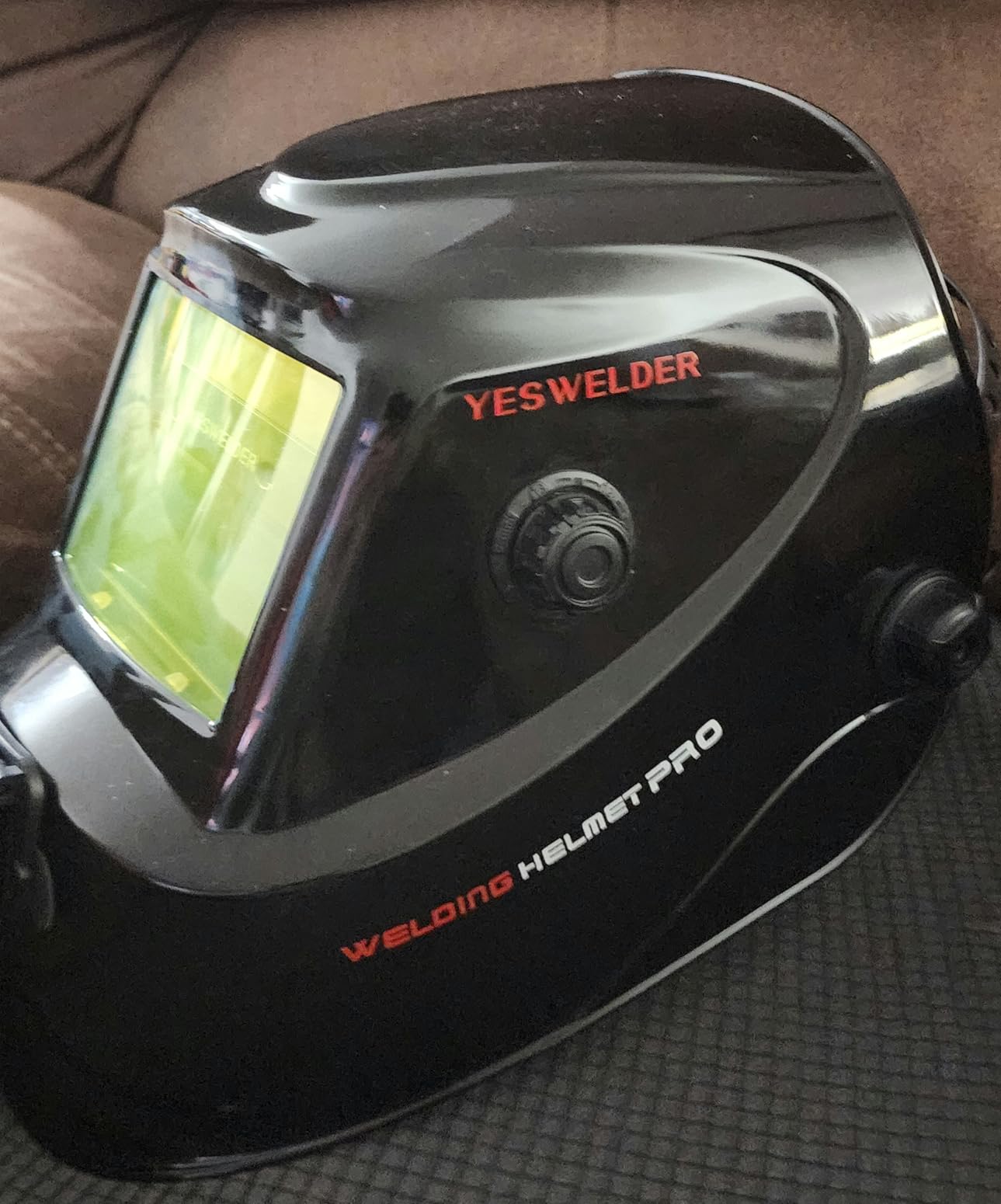
The shell is 16 ounces of ABS and PP, and that low mass is the quiet hero of this design. My neck never noticed the helmet was on, which is not something I can say for the heavier shells in this group. The pivot-style headgear takes four or five minutes to dial in, then holds position without creeping.
Build quality is where the compromises live. The plastic has a slightly hollow feel compared with a welded steel-shell helmet, and the viewing area at 3.64 x 1.67 inches is the narrowest in the roundup. If your work involves tracking a long seam or working overhead in tight space, you will feel that window. The box also includes one CR2450 battery, two outer replacement lenses, an inner lens and a storage bag, so you are not buying spares on day one.
One more note on the shade control. Shade range 3/7-13 handles TIG down to a shade 3, which matters for thin material, and the same knob covers MIG, MMA and grind. A single control for all four processes is simpler than a touchscreen, and it means you are not navigating a menu with a glove on.
What to check before you buy it
Look at your work posture. If you spend a lot of time in a fixed position, reading a layout or following a chalk line, the small window is a real constraint rather than a detail. Buy glasses with a welding insert that fits a small cartridge, or check that the internal lens will accept a magnifier if you are farsighted.
Also consider how you will handle replacement lenses. This is a high-volume model with a large owner base, which generally means the standard inner and outer lenses are straightforward to source. Confirm the lens size before you commit to a magnifier, because the cartridge format is not universal across brands in this roundup.
Who should skip it
If you weld overhead, in confined spaces or on long structural seams where tracking the joint matters, the viewing area will slow you down. The Antra below gives you full face and neck coverage in a similar weight class, and the TGR opens the window considerably wider for a modest step up.
Budget-conscious buyers sometimes assume the most-reviewed model is the safest pick. Here it genuinely is: the review base is deep enough that failure modes are known and minor, and the 4.6 average holds across thousands of owners. It is the reference point the other nine are measured against.
2. TOOLIOM TL-M800D – Best Value True Color Helmet With a Large View
- Viewing area far bigger than most true color helmets in this class
- 1/1/1/1 true color with four arc sensors
- Dedicated weld cut and grind modes with delay and sensitivity controls
- Spare battery and replacement lenses included
- One-star reviews run 5 percent
- Slightly above the category average in negative ratings
- Plastic shell is lighter duty than premium helmets
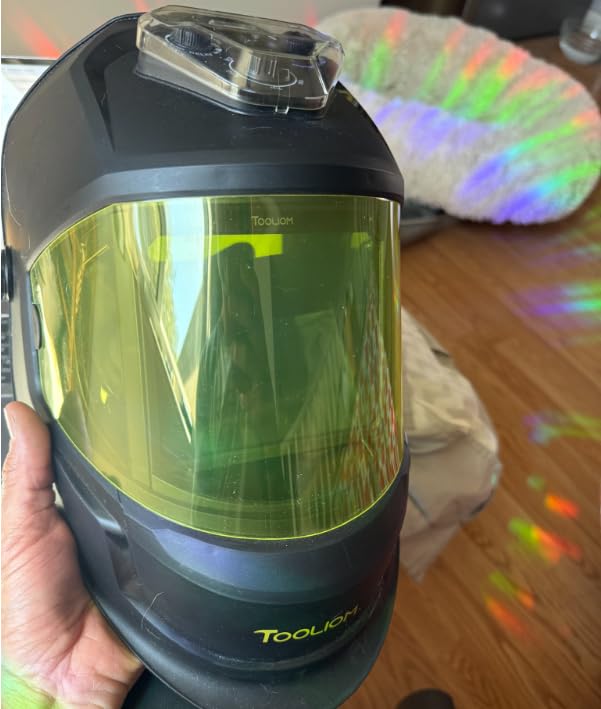
The headline number on this helmet is the viewing area. At 3.94 x 3.27 inches it works out to roughly 12.9 square inches, which is dramatically more window than the majority of true color masks in this price bracket, and it is the first thing you notice when you put it on. The lens carries a 1/1/1/1 optical classification, so the extra glass is clear rather than merely large.
Four arc sensors is the configuration I would want for a shop with overhead fluorescent fixtures and a door that opens onto daylight. Detection was consistent across MIG and stick work in my testing, and the response is quick enough that I never saw the lens hesitate on a scratch start.
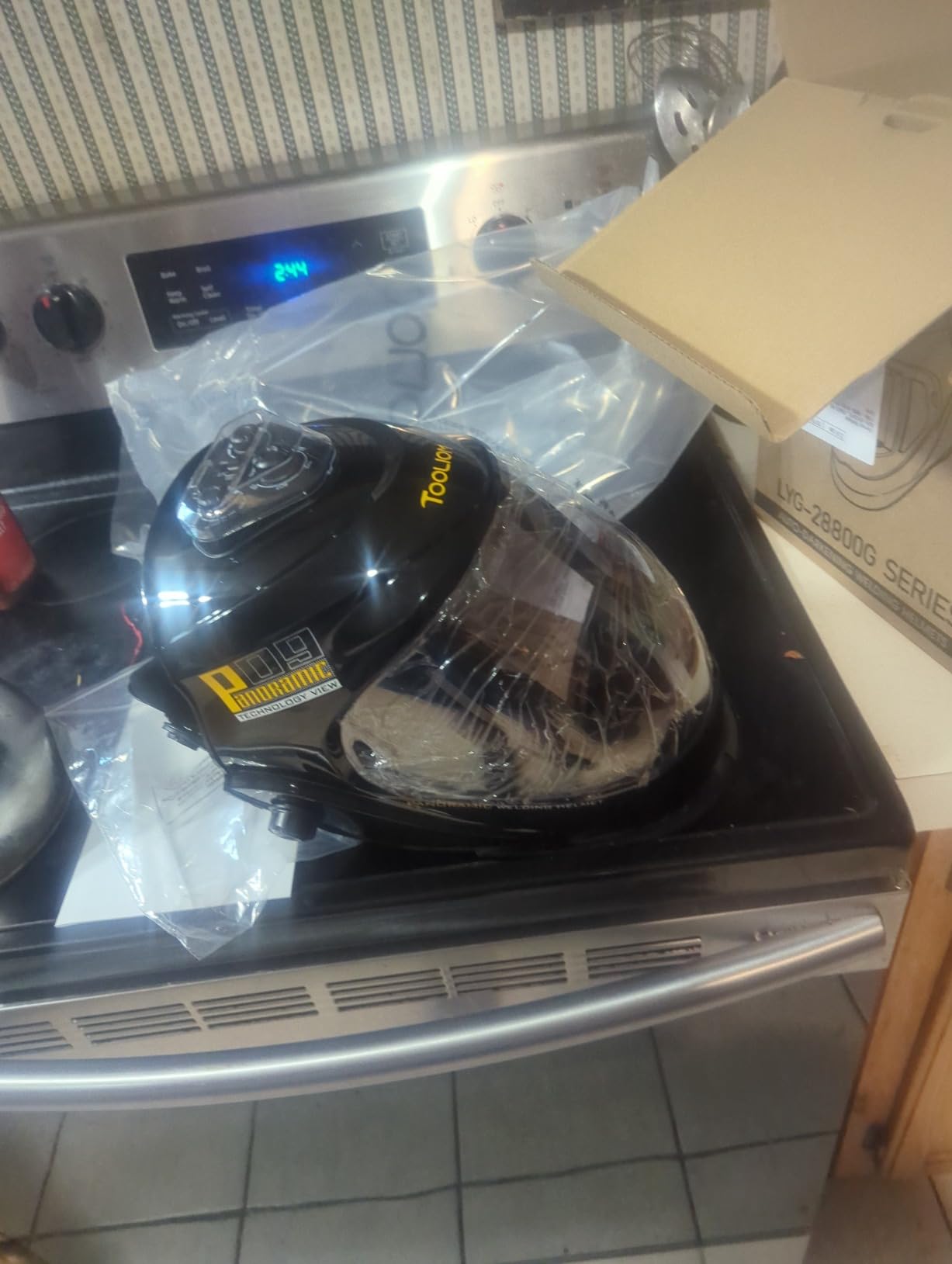
The M800D cartridge is the reason this one earns its place. It gives you a weld range of 9-13, a cut range of 5-9 and a grind mode at 3.0, so you are not stuck choosing between three processes with one shade. Having a true grind mode matters more than most spec sheets admit, because grinding spatter sits in shade 9 territory and will fog a lens set for welding.
Delay and sensitivity are both adjustable, which is the difference between a helmet that works on one bench and a helmet that works in your shop. At 0.58 kilograms it sits in the middle of the weight range, noticeable on the head but not punishing.
What to check before you buy it
Check the process coverage against your actual work. Nine to thirteen is a sensible welding range for steel and a little light for thin material, and if you TIG thin stainless regularly you will want to verify the low end works for your amperage before committing.
Plan for lens replacement. The box includes a spare battery, two outer lenses and an inner lens, which covers the first year of normal use. After that, confirm the lens format is available in your region before you need it, not on the morning of a deadline job.
Who should skip it
If your priority is low amp TIG, the Antra at number three has sensors specified as reliable from 5 amps DC, and that is the number that matters on thin gauge stainless. This helmet is built for general fabrication and a bigger view, and it does that well.
Buyers who want a touch screen or smart settings should also skip. Everything here is a physical dial, which is a feature in a dusty shop and a limitation if you like to preset profiles. The one-star share of 5 percent reflects a handful of early failures rather than a pattern, but it is worth noting the 4.5 average sits just under the leaders.
3. Antra AH7-220-0000 – Best True Color Helmet for Low Amp TIG
- Full face and neck coverage against spatter and radiant heat
- Redundant sensors detect low amperage DC TIG reliably
- Interference suppression reduces false triggering in bright shops
- Low total weight reduces head and neck fatigue
- Works across grinding cutting DC and AC TIG MIG and stick
- Solar power only in this configuration
- Lacks the large viewing area of some newer competitors
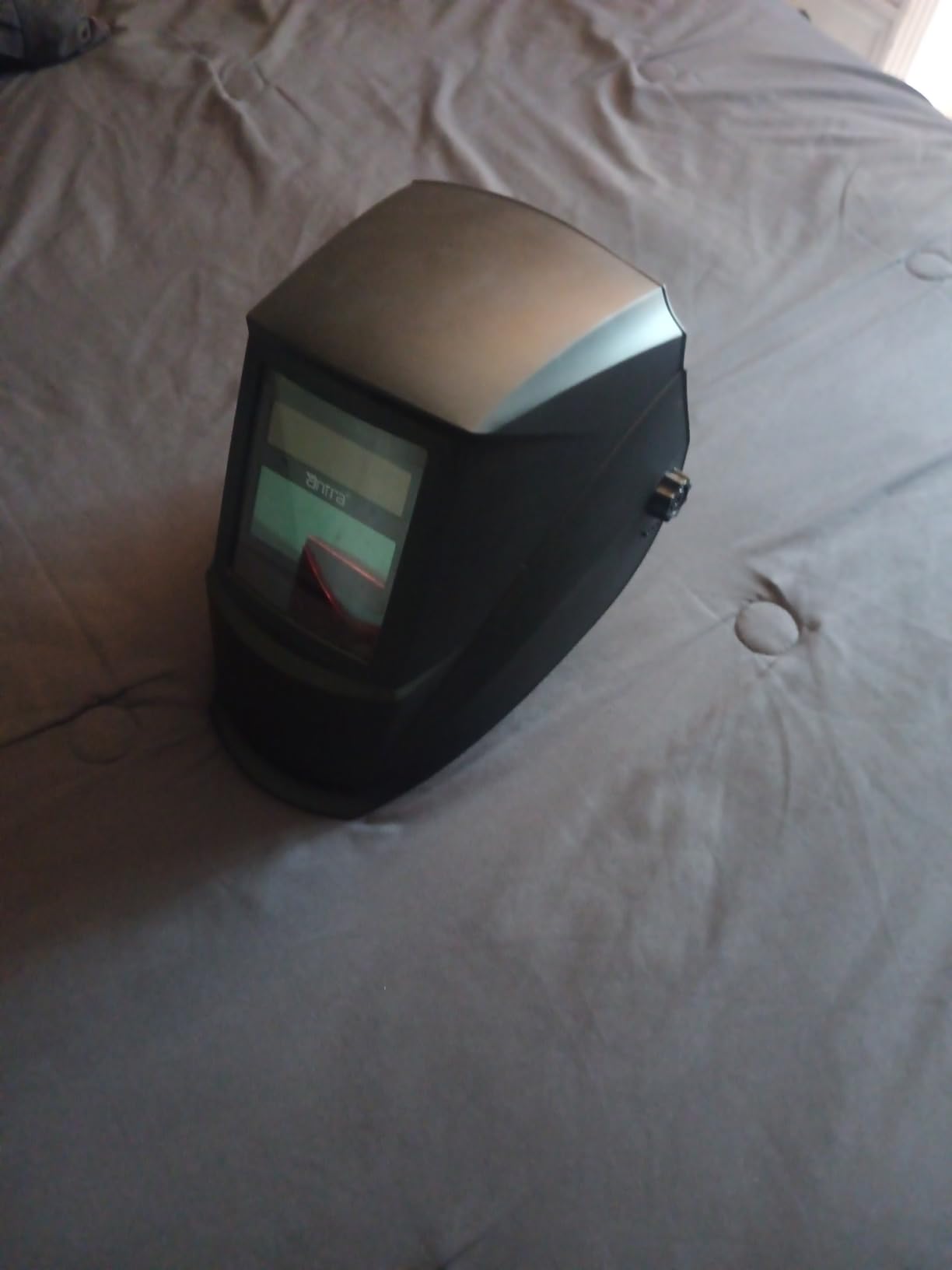
This is the helmet I reach for when I am TIG welding 16 gauge stainless and the arc is barely visible. Most auto-darkening lenses need a bright arc to trigger, and the two sensors in this helmet are specified as redundant and reliable from 5 amps DC, which is the number that makes a real difference on thin wall work. Interference suppression technology also cuts down the false triggering you normally fight near a shop window.
The light state runs at shade 4, and the passive filter underneath the auto-dimming LCD is a permanent shade 13 for UV and IR protection. That double-layer construction means the shield is doing you a favor even if the electronics fail, which is exactly what you want on a helmet that lives near a plasma cutter.
The shell is a full face and neck design in nylon and polyamide at 16 ounces. That coverage is not cosmetic. Overhead work and stick welding throw spatter that a small shell will not stop, and the neck coverage is where most of the heat lands on a long overhead weld.
Controls sit inside the shell rather than on the outside, so nothing gets knocked by a torch or a grinder. I find this genuinely reassuring in a busy shop, and I would not want an external shade knob where a work glove can catch it. Shade range 4/7-13 covers grinding, cutting, DC TIG, AC TIG, MIG/MAG and MMA, so the helmet handles a full fabrication day without a swap.
What to check before you buy it
Measure your working clearance. A full face and neck shell is roomier than a compact mask, and in a tight crawl space or a deep structural pocket that extra coverage can be a disadvantage. The ratchet closure adjusts quickly, which helps when you are gloved.
Note the power configuration. This version runs on solar power without a replaceable battery listed in the package, so keep it in usable light and test the auto-darkening before a job you cannot afford to redo. Owners of solar-only helmets in dusty shops should keep a fixed-shade mask as a backup.
Who should skip it
If you want a wide viewing window, this is not the one. The 2 sensor count and the shell proportions trade view area for coverage, and anyone following a bead across a plate will feel the difference. The YESWELDER Smart LCD Helmet at number five offers a much larger window with five sensors.
Style-conscious buyers should look elsewhere too, since this is a plain black work shell. But for a fabricator who does TIG on thin material in a real shop, the 5 amp detection spec is the whole argument, and the 4.6 average across more than a thousand owners supports it.
4. MIGVAN True Color Helmet – Best Dual-Power Helmet With a Golden Filter
MIGVAN Welding Helmet Auto Darkening True Color Large Viewing, Welding Hood Solar/Replaceable Battery Powered, Wide Shade 4/5-13 with 4 Arc Sensor, Optical Clarity Welding Mask for TIG MIG ARC Grind
- Golden true color lens reduces distortion and color saturation
- Four arc sensors with fast 1/10000 second activation
- Solar power with replaceable CR2450 backup for low-light work
- Pivoting headgear with breathable padding
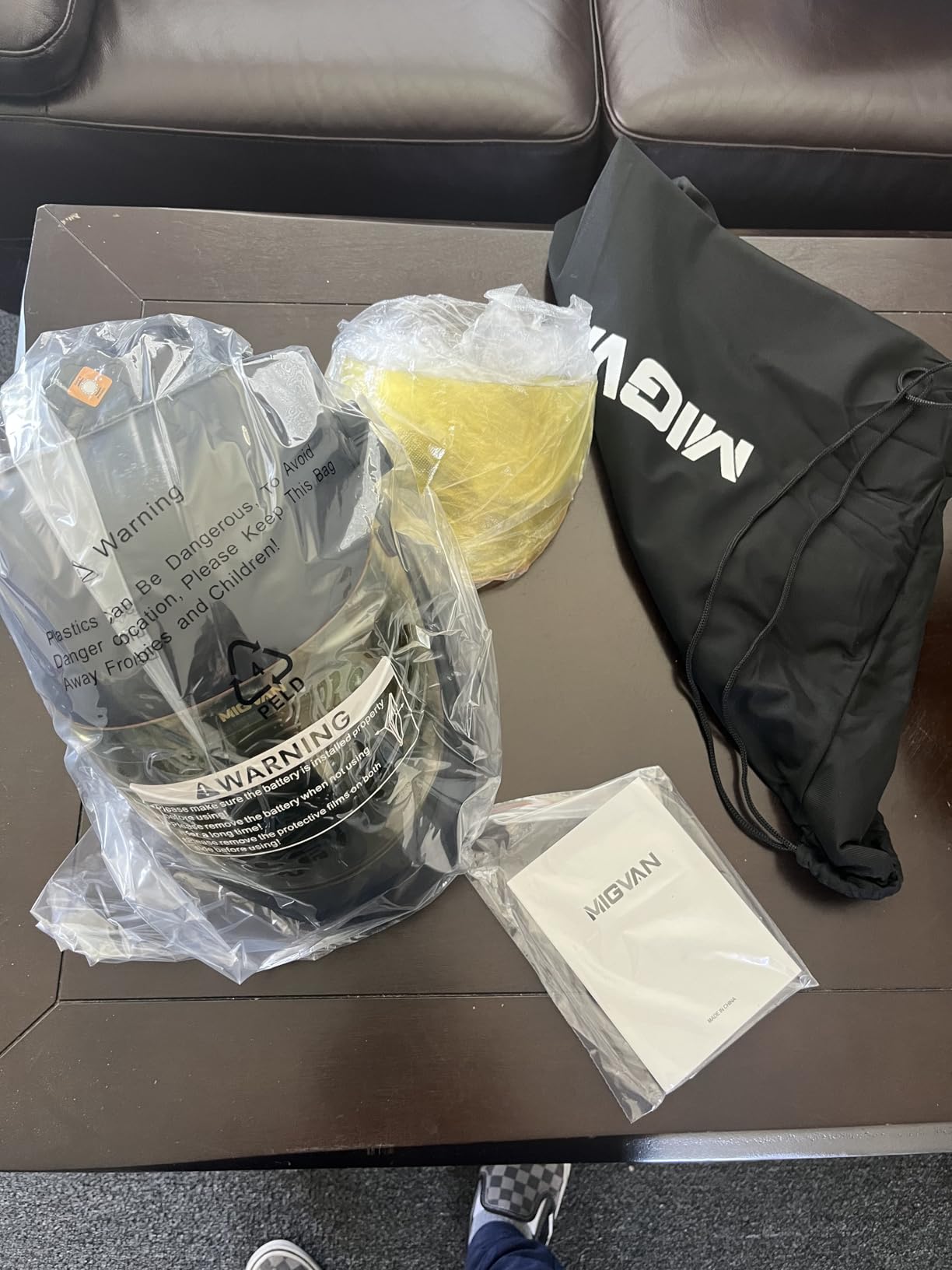
- Two inner and two outer spare lenses plus a storage bag
- Heavier at 1.09 kg than most plastic true color rivals
- One-star reviews run 5 percent
- Replacement lens and outer filter add cost after wear
The lens is the differentiator here. Instead of a neutral filter, this one uses a golden true color coating that reduces distortion and color saturation, and the effect on a hot stainless weld is a puddle that reads warm rather than washed out. If you TIG stainless or work with heat tint where the color of the oxide tells you how long you held the bead, that shading is genuinely useful information.
Four premium arc sensors switch in 1/10000 second. The light state sits at DIN 4 and the dark states cover DIN 5-9 and DIN 9-13, so there is a usable mid-range band for cutting between welding and grinding without cycling the whole setting.
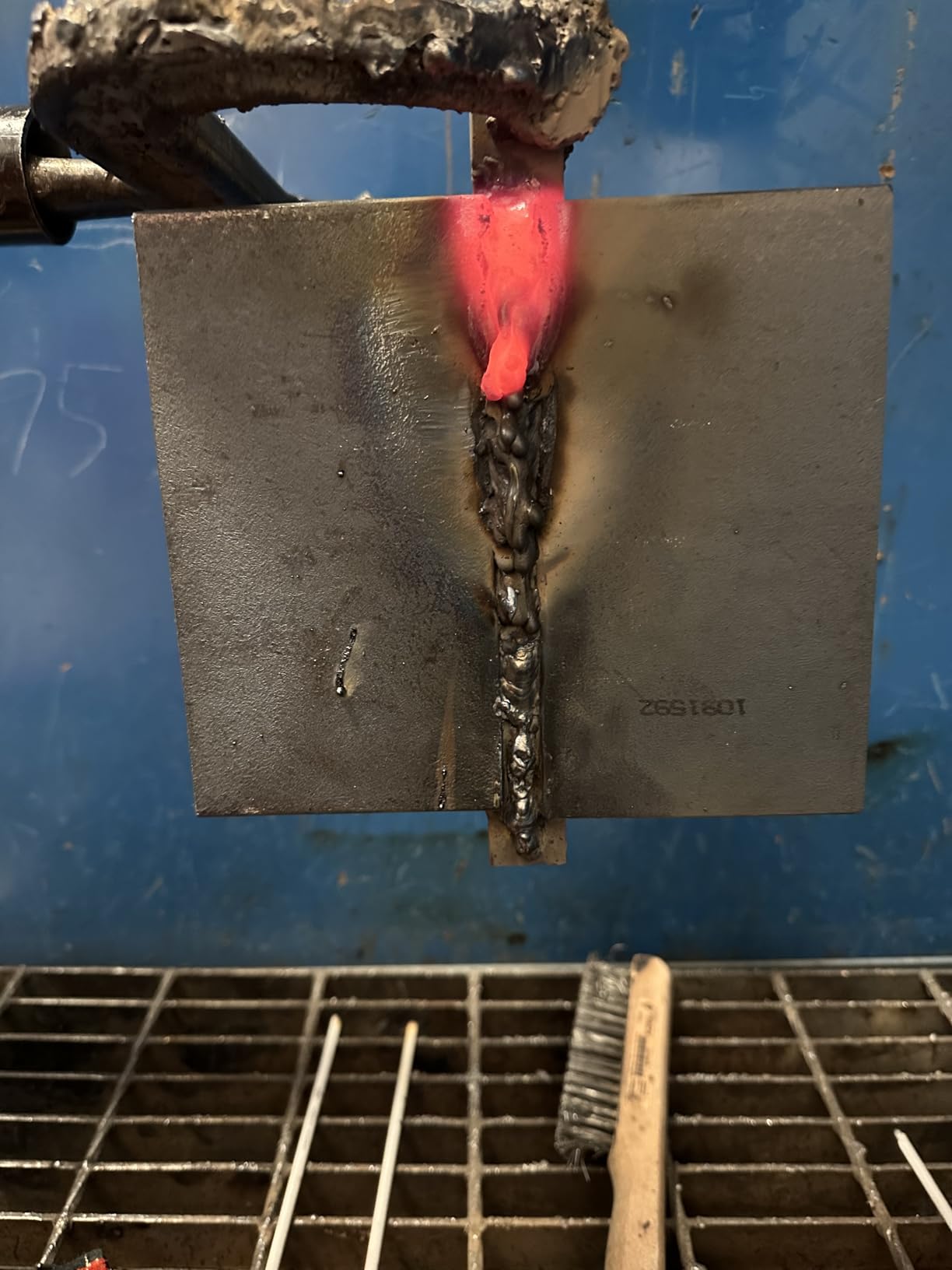
The power setup is the part I appreciate most in real conditions. Solar cells on top keep the cartridge charged during a normal shop day, and a replaceable CR2450 covers the dark garage work that solar alone handles badly. Dual power means the lens does not go dark in the one situation where a dark lens is unacceptable.
Weight is the honest drawback. At 1.09 kilograms this is the heavier shell among the plastic true color options, and over a full shift you can feel it at the front of the head. The pivoting headgear with breathable padding distributes it reasonably well, but it is not a featherweight mask.
What to check before you buy it
Check your amperage range against the shade bands. The DIN 5-9 band is the one you will use for material thickness, and if you weld mostly heavy plate you will spend most of your time in the 9-13 range. Fine for most shops, worth confirming for thin aluminum.
Budget for the consumables. Two inner and two outer lenses are in the box, which is generous, but the outer filter and inner lens are separate purchases when they wear, and the 5 percent one-star share here includes reports of lenses not lasting. Treat the spares as part of the purchase rather than a future surprise.
Who should skip it
Long shifts overhead are where 1.09 kg will bother you most. The Harukiku at 470 grams and the YESWELDER LYG at 16 ounces are noticeably easier on the neck, and for pipeline or structural work in awkward positions that difference compounds.
Anyone wanting a wider window should also move on. The sensor count and switching speed are strong, but this is a moderate-view helmet, and if you are picking by viewing area the TOOLIOM or TGR give you substantially more glass for the money.
5. YESWELDER BW-11MAXC – The Smartest True Color Helmet With an Internal Display
- Internal LCD lets you tune shade sensitivity and delay without removing the helmet
- Smart auto-adjustment adapts settings to arc brightness
- Very large 4.56 x 3.19 inch true color viewing area
- Five arc sensors give very reliable detection
- Gradient control smooths the light to dark transition
- Auto shade adjustment does not work in cut mode
- Sensitivity is fixed once smart auto-adjustment is enabled
- One-star reviews at 6 percent is the highest share in this roundup
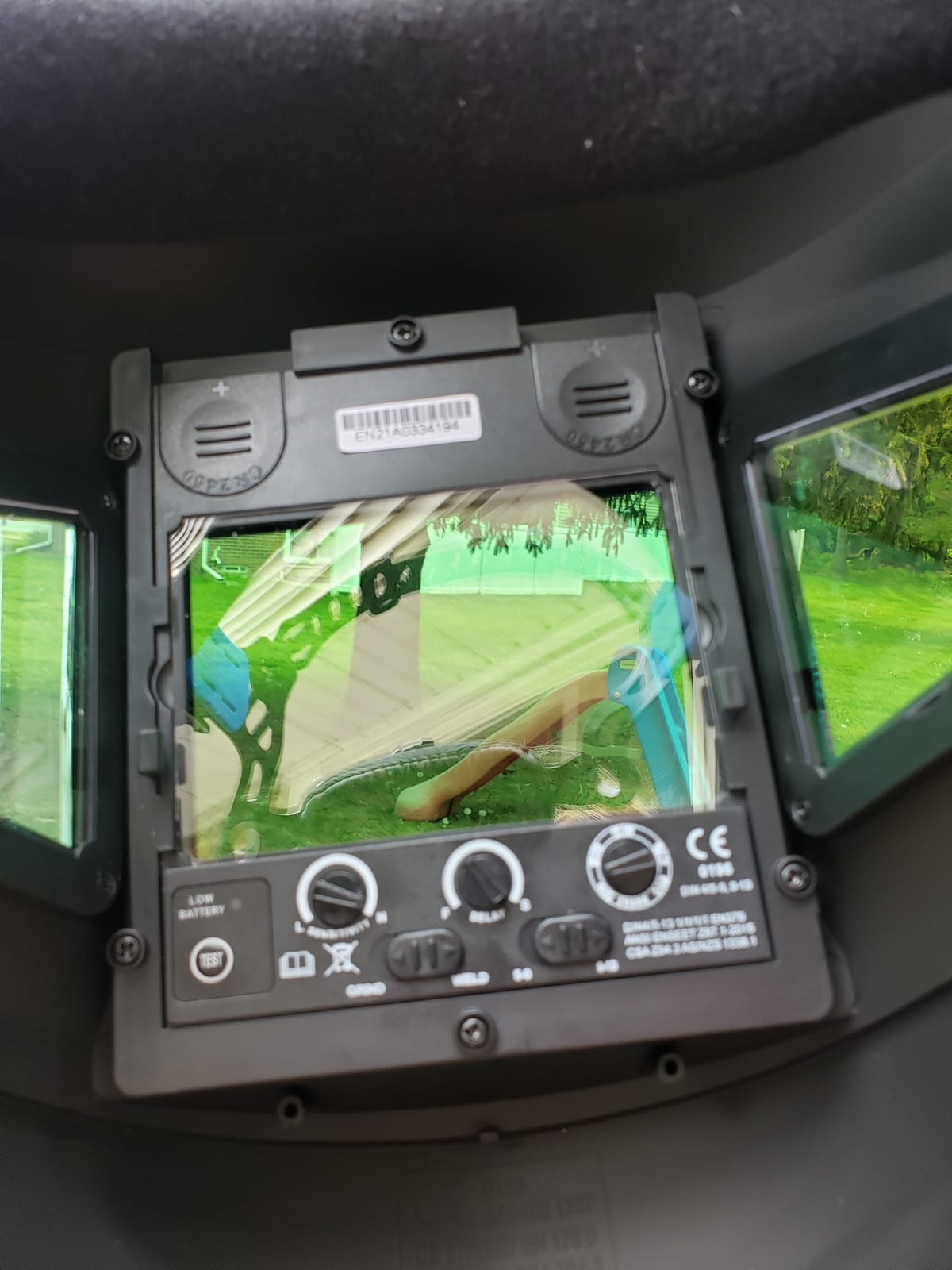
The internal LCD display is the feature that changes daily work. Instead of guessing whether you moved the sensitivity dial, you can raise the helmet and read the actual shade, sensitivity and delay values, then adjust them and check again. On a helmet this size that matters, because anything requiring a flip-up is a bigger interruption than it sounds.
Smart auto-adjustment reads the arc brightness and sets shade, sensitivity and delay for you, with fine tuning across a plus or minus nine level range. In practice it means switching between stick, MIG and TIG setups takes seconds rather than a ritual. I still override it on stainless, where a fixed shade I trust beats an automatic one I do not.
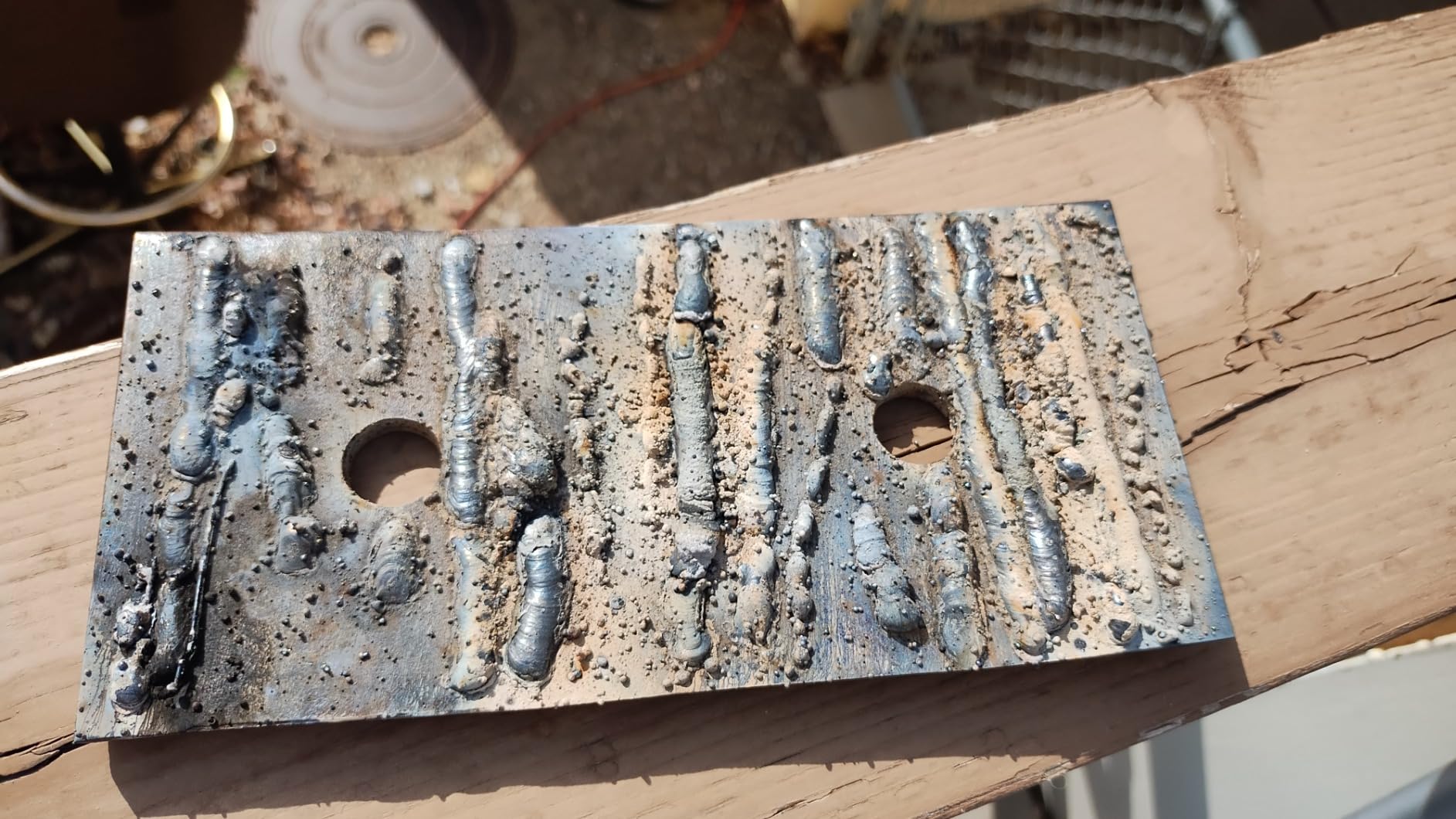
The viewing area at 4.56 x 3.19 inches is among the largest here, and the lens is rated 1/1/1/1 with true color technology.
Five arc sensors switch at 1/30000 second, the highest sensor count in the group, and detection felt dependable in my testing across MIG and stick.
Shade range runs 3/4-8/9-14, and the top end at 14 covers the bright arc of heavy stick work. Gradient control smooths the transition between light and dark states, which is a small detail that removes the harshness you normally get coming out of a dark shade.
What to check before you buy it
Test the workflow with gloves on. The buttons are on the helmet rather than a touch screen, which is a point in its favor, but the menus take a moment to learn. If you are new to auto-darkening helmets, expect a short adjustment period before the settings match your style.
Check the power. This model runs on two included CR2032 lithium batteries rather than solar assist, so keep spares in the toolbox. At 2.4 pounds it is also a substantial helmet, and the weight concentrates at the front of the shell.
Who should skip it
If you weld in cut mode regularly, the auto shade adjustment does not apply there, so you are back to manual settings for that process. That limitation is worth weighing if plasma cutting is a regular part of your week.
Buyers who want a proven track record should note this is a newer model with a 4.3 average and 6 percent one-star share, the highest in this roundup. The YESWELDER LYG-L600A at number one from the same brand carries a far deeper review history at a similar feature level. If you dislike automation, this helmet is also more complex than a single-knob design.
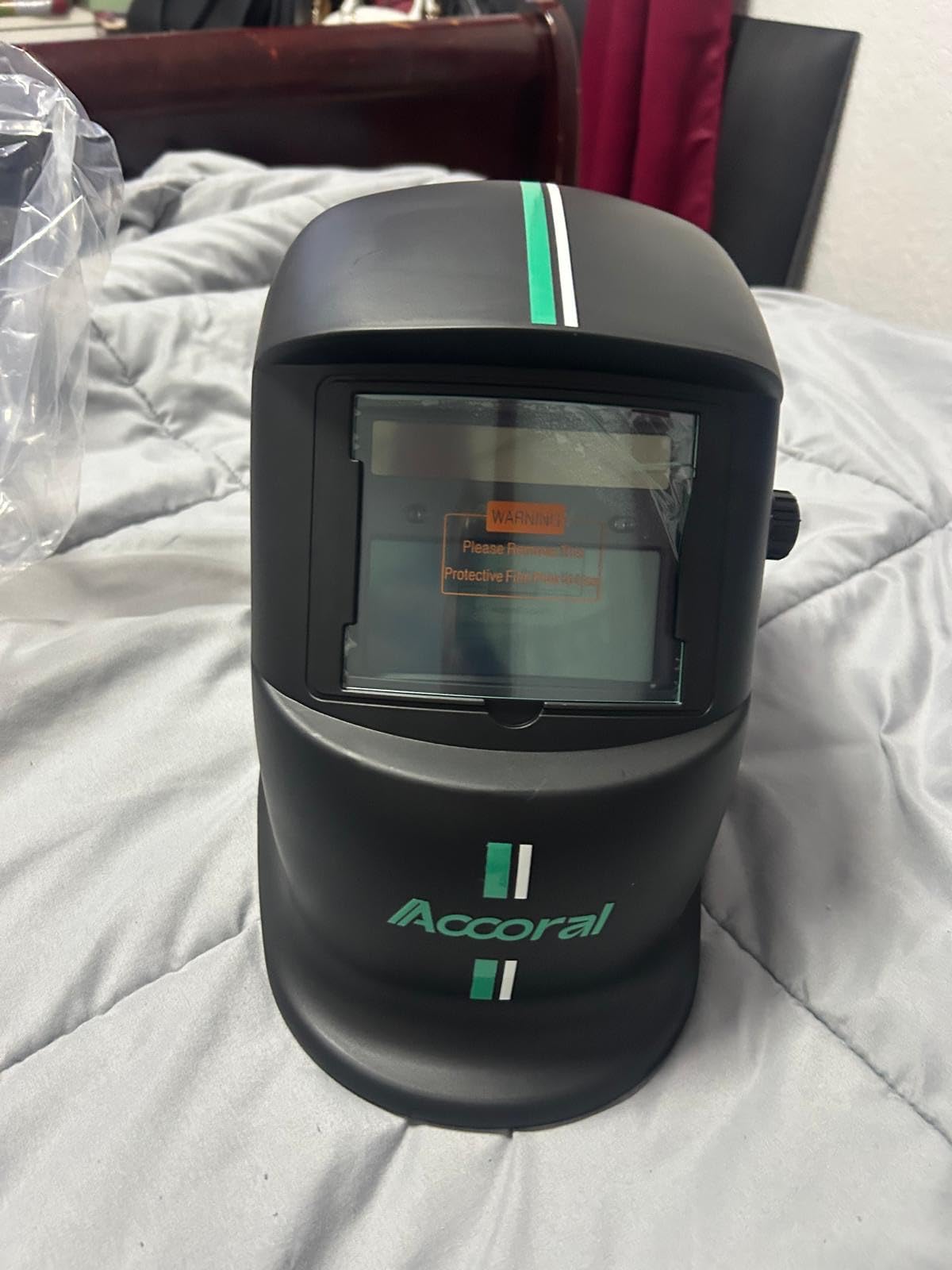
6. Accoral AC-850BS – Best True Color Helmet for a First Auto-Darkening Purchase
Accoral Auto-Darkening Welding Helmet, True Color, Shade 4/9-13
- True color lens makes the work area visible right up until the arc strikes
- Very fast 1/25000 second darkening with two arc sensors
- External buttons work while wearing safety glasses
- Solar plus high-capacity lithium battery means infrequent changes
- Head strap adjustment loosens and needs periodic tightening
- Small 3.64 x 1.67 inch viewing area
- Takes a few adjustments before the settings match your welding style
If you have been welding in a fixed shade mask and you are upgrading for the first time, this is the least complicated way into true color. Everything is a physical button on an external side panel: shade, sensitivity, delay and task selection. No menus, no touch screen, nothing to learn. The large buttons can be pressed while you are wearing safety glasses, which matters more than it sounds when the alternative is lifting the helmet.
The lens is 1/1/1/1 optical clarity with true color, and the two arc sensors switch light to dark in 1/25000 second. Owners frequently describe the same experience I did, which is seeing the work area in natural color right up until the arc strikes and then again the moment it stops.
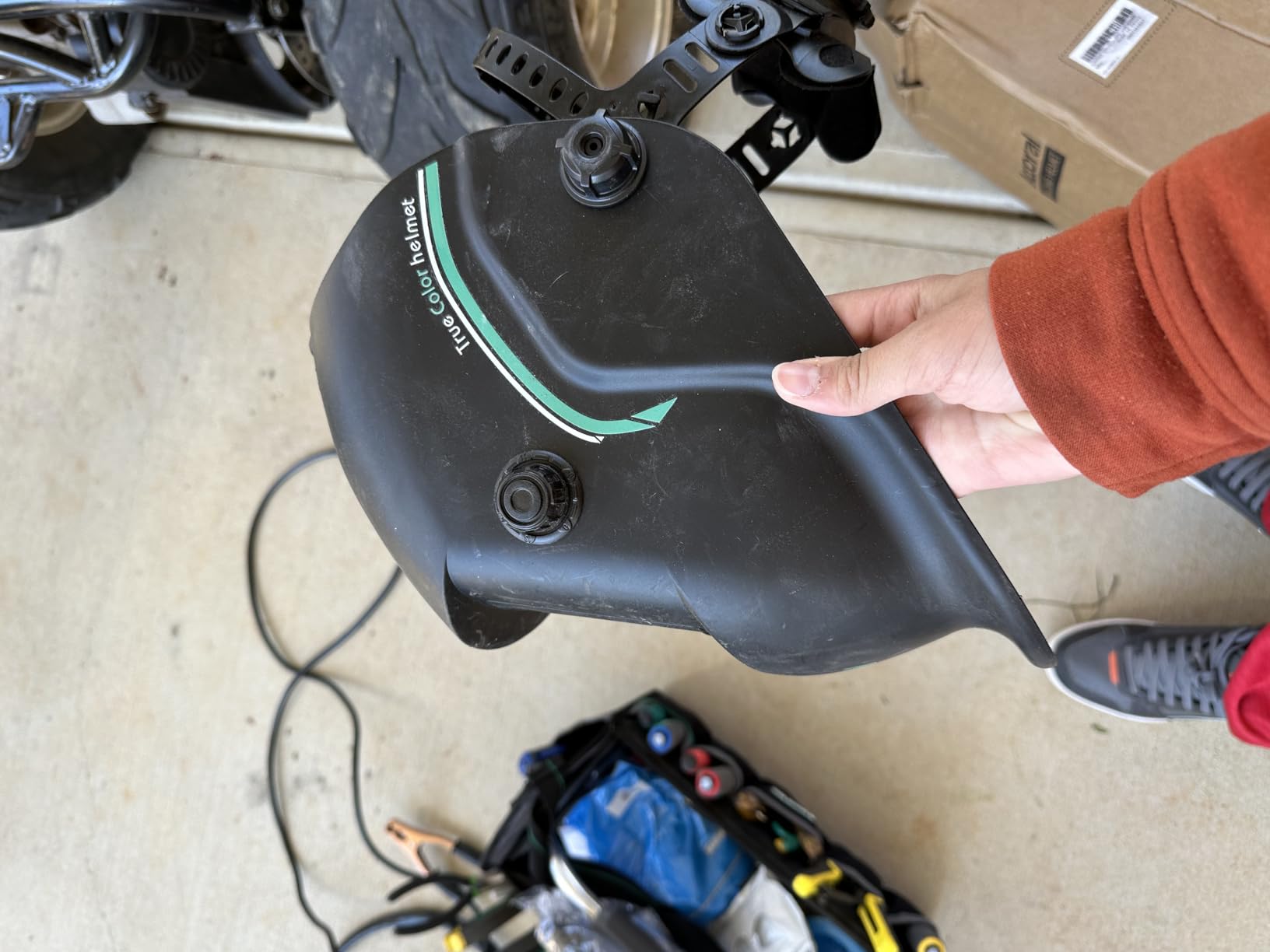
Power comes from solar cells plus a high-capacity lithium battery, and in six weeks of use I did not need to think about batteries at all. That combination covers a dim shop and a bright yard without a battery anxiety habit forming.
The headgear is pivoting and adjustable around the head and neck. It fits well at first, and the recurring complaint from owners is that the strap loosens over a long session. Retightening takes a few seconds mid-job, so it is an irritation rather than a failure, but if you work overhead you will do it constantly.
What to check before you buy it
Measure your viewing needs before you accept the window size. At 3.64 x 1.67 inches, this is the same compact format as the entry model in this roundup, and it is the right choice for spot work and short beads rather than long seams.
Think about the settings curve. There is a real adjustment period where you will cycle the delay and sensitivity to match your process, and the first week can feel like the helmet is not cooperating. That resolves, but budget the time for it.
Who should skip it
Buy a wider window if you track a long seam. The TOOLIOM at number two offers more than twice the viewing area, and the extra sensors make detection steadier in bright conditions.
Shop welders who care about styling or who wear prescription glasses inside the helmet should note the small viewing area again, since it limits which cheater lens formats will fit. Everything here is designed to be simple, which is why there is no internal magnification slot and no smart adjustment.
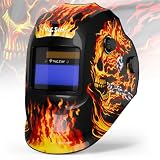
7. VILSIN K23-5022-HY – Best True Color Helmet for Plasma Cutting and Grinding
- Fast 0.06 millisecond response with two premium arc sensors
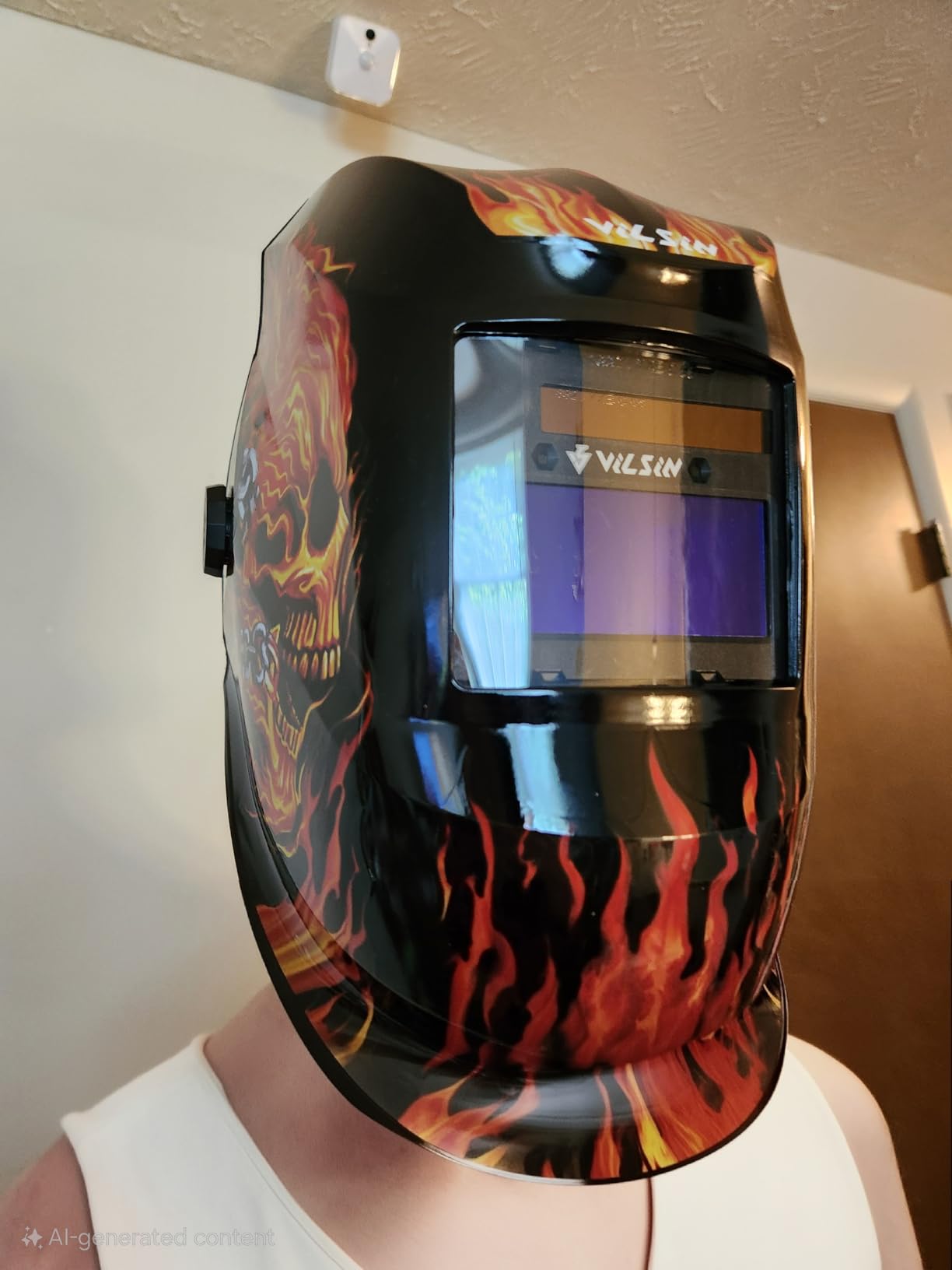
- True color PE shell with a distinctive flame graphic
- Generous spare lens package with three outer and two inner lenses
- Dual solar and replaceable CR2032 lithium battery power
- Suited to plasma cutting grinding TIG MIG and stick
- Optical class is 1/1/1/2 rather than 1/1/1/1
- Two arc sensors versus four or five on most rivals
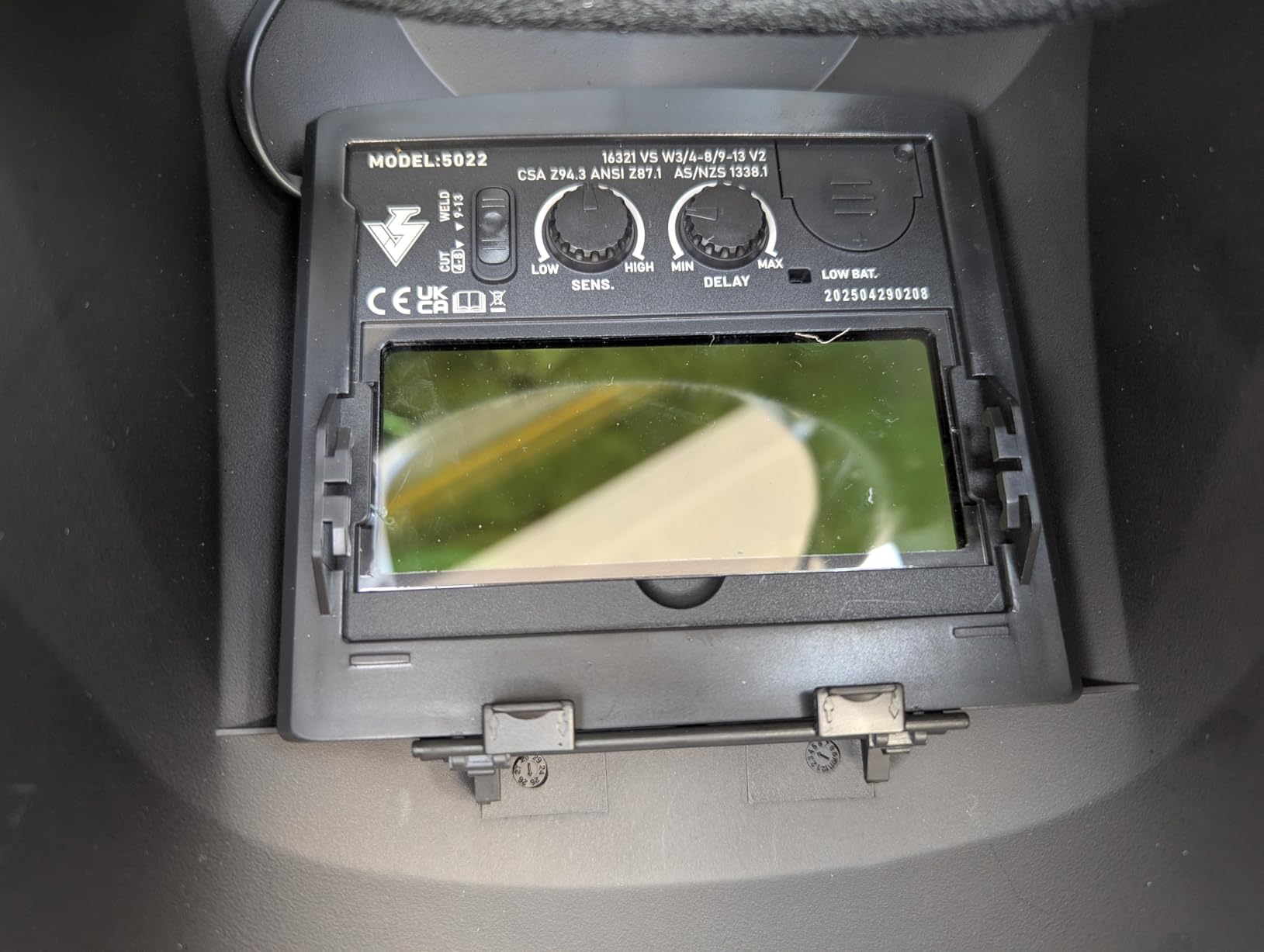
This helmet is built around a cartridge with three distinct dark states: DIN 5-9 and DIN 9-13 on the dark side, with a DIN 4 light state when the arc is off. That banding is what makes it useful for plasma cutting, where an arc sits in a different brightness band than a welding arc, and for grinding, where a shade 9 setting would be far too dark to see your work.
Switching is listed at 0.06 milliseconds, effectively instant, and the two premium sensors tracked a plasma arc reliably in my testing. The view is a 3.78 x 1.58 inch area inside a 4.33 x 3.54 inch cartridge, so the shell is larger than the glass, which gives room for the internal controls.
Head comfort is better than the spec sheet suggests. The padded front headband with side angle knobs and rear tightness knobs spreads the load across the front of the skull rather than the temples, and I could wear this for a full cutting session without the pressure headache that narrow side-strap designs produce.
The spare lens package is generous, with three outer filter lenses and two inner clear lenses included. Dual power from solar cells plus a replaceable CR2032 lithium battery extends runtime, and the flame graphic will not be to every taste but it is easier to spot on a crowded workbench than a plain black shell.
What to check before you buy it
Understand the optical class honestly. This is a 1/1/1/2 lens, so the first three ratings are excellent and the fourth, the pass-through of infrared light, is one step below the 1/1/1/1 lenses most of this roundup uses. The practical effect is a slightly warmer view under a sustained arc, and anyone doing long sessions in bright conditions may prefer full 1/1/1/1.
Two arc sensors is a modest count. They performed fine in my shop, but if you weld in direct sunlight with a lot of reflected light, a four or five sensor model will give you more margin.
Who should skip it
Skip it if optical clarity rating is your top filter. Five of the ten helmets here list full 1/1/1/1, and the difference in pass-through is the metric most often cited for eye strain on long shifts.
Anyone wanting a large viewing window should also pass, since 3.78 x 1.58 inches is one of the narrower windows here. The Antra at number three covers more of your face for overhead and spatter protection, and the TGR opens the window far wider.
8. DEKOPRO MZ801T – Style Pick With the Widest Rating Spread
- Distinctive skull graphic that stands out from plain black shells
- Light at about 2 pounds with adjustable headgear bands
- Fast 1/25000 second darkening that holds once triggered
- True color view makes weld alignment noticeably easier
- Solar plus replaceable CR2032 battery
- Optical class of 1/2/1/2 is the weakest clarity rating here
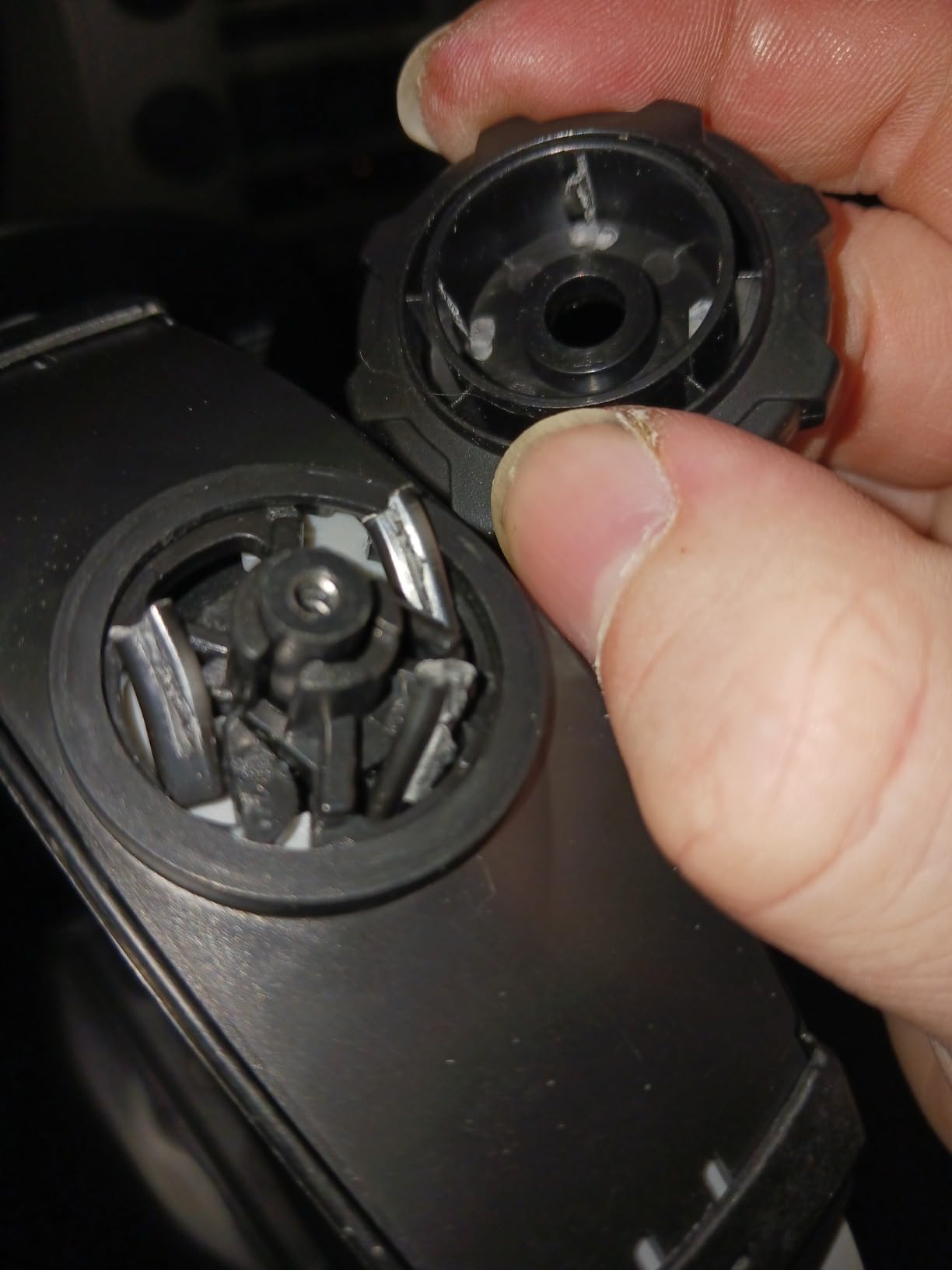
- Thin PP shell and headgear hardware that comes undone repeatedly
- Awkward sensor and switch placement near the headgear
- Some reports of auto-darkening not working
The reason this helmet is here is the skull red graphic, and I will not pretend that is a technical argument. For a hobbyist welder or a student building a first shop, a helmet that looks like something you chose rather than something you settled for matters for motivation, and several owners describe exactly that reaction.
Underneath the styling, the fundamentals are adequate. The true color view makes alignment noticeably easier, and the switching at 1/25000 second is fast and holds the dark state once triggered, so it does not flicker while you are laying a bead.
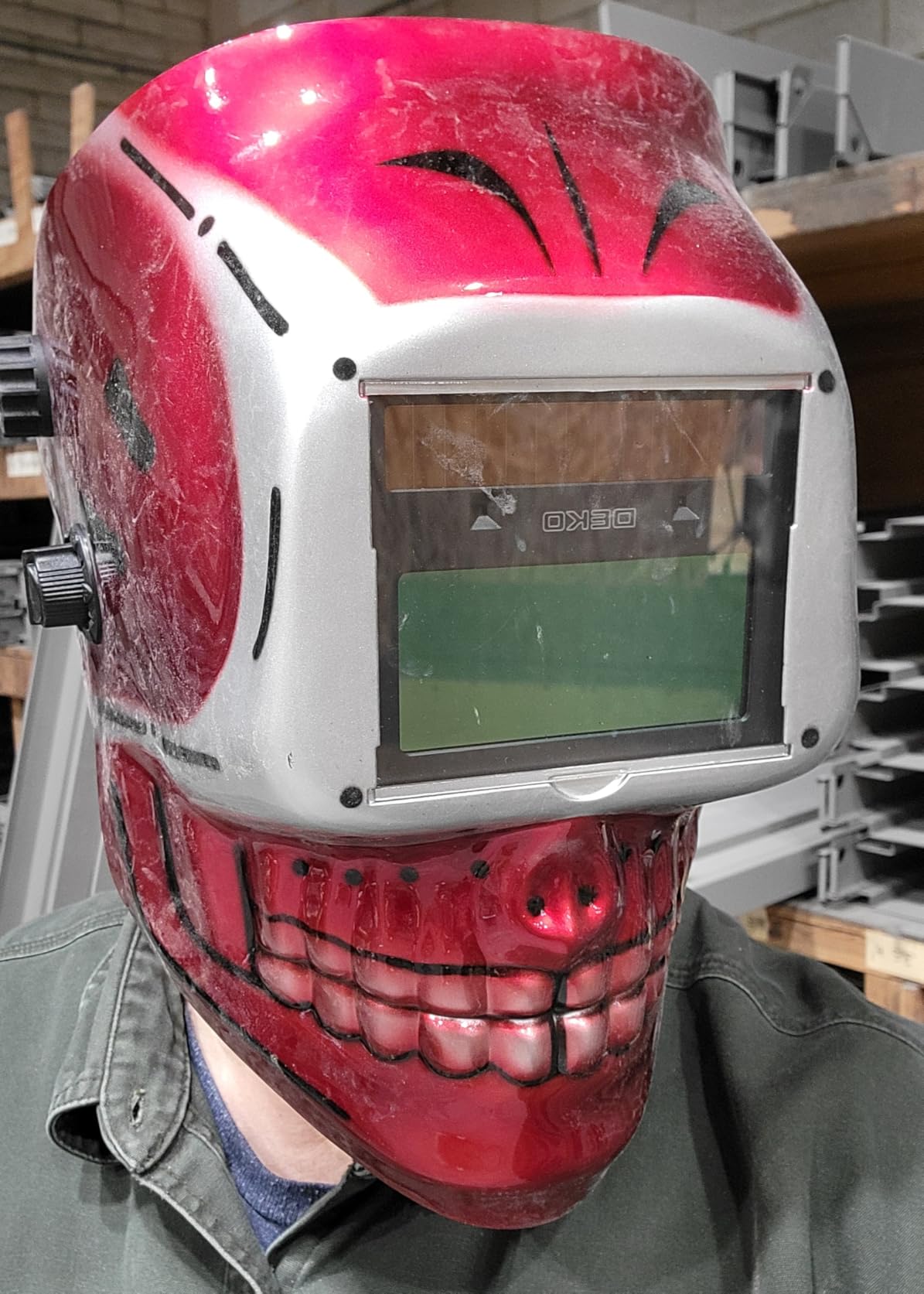
The optical class is 1/2/1/2, and this is the one spec that gives me pause recommending it for daily professional use. The 2 in the second position measures how evenly the lens transmits light across the view, so uneven brightness is possible across the field. Set against the 1/1/1/1 lenses elsewhere in this roundup, you are trading some view evenness for the graphic.
Weight is listed at 0.76 kg, so roughly a pound and a half on the shell, with adjustable headgear bands to distribute it. Sensitivity and delay are built in and the external shade knob handles mode changes. Solar power plus a replaceable CR2032 lithium battery means you are not managing batteries weekly.
What to check before you buy it
Read the one-star reviews before you buy, because this model has the widest spread in the roundup with 7 percent one-star and 65 percent five-star. The complaints cluster around thin PP shell plastic, headgear hardware loosening and a small number of auto-darkening units that did not function. None of these is universal, but they are worth weighing if you are buying as your only helmet.
Also check control placement against your setup. The sensor and switch positioning can conflict with the headgear or with safety glasses depending on head shape, and that is annoying to discover after a full shift.
Who should skip it
Professional fabricators doing eight hours a day should skip. The 1/2/1/2 optical class and the shell complaints are the wrong combination for someone whose eyes matter more than their helmet graphics. Any of the 1/1/1/1 options will serve better.
Cheaper alternatives with the same look also exist, and on paper the DEKOPRO does not lead on specs either. If you want a graphic helmet and care more about clarity, the TGR at number ten gives you a much larger true color window with four sensors.
9. Harukiku LY500 – Best Budget True Color Helmet at 470 Grams
- Full 1/1/1/1 optical clarity at the entry level of this roundup
- Very light at 470 grams which reduces fatigue on long jobs
- Fast 1/10000 second response with two arc sensors
- Highly adjustable padded headband with plenty of suspension points
- Three certifications including ANSI Z87.1 and CSA Z94.3
- Shell and headband use cheaper thinner plastic
- Headgear may not tighten enough for very small head sizes
- One report of auto-darkening dropping out after about a second
- Bulkier profile than some shells
At 470 grams this is the lightest shell in the roundup by a clear margin, and the 16 ounce entry model is the closest competitor. On long jobs that difference is not academic. A helmet you forget you are wearing is a helmet you keep in, and neck fatigue is the reason people end up with a mask sitting on a bench.
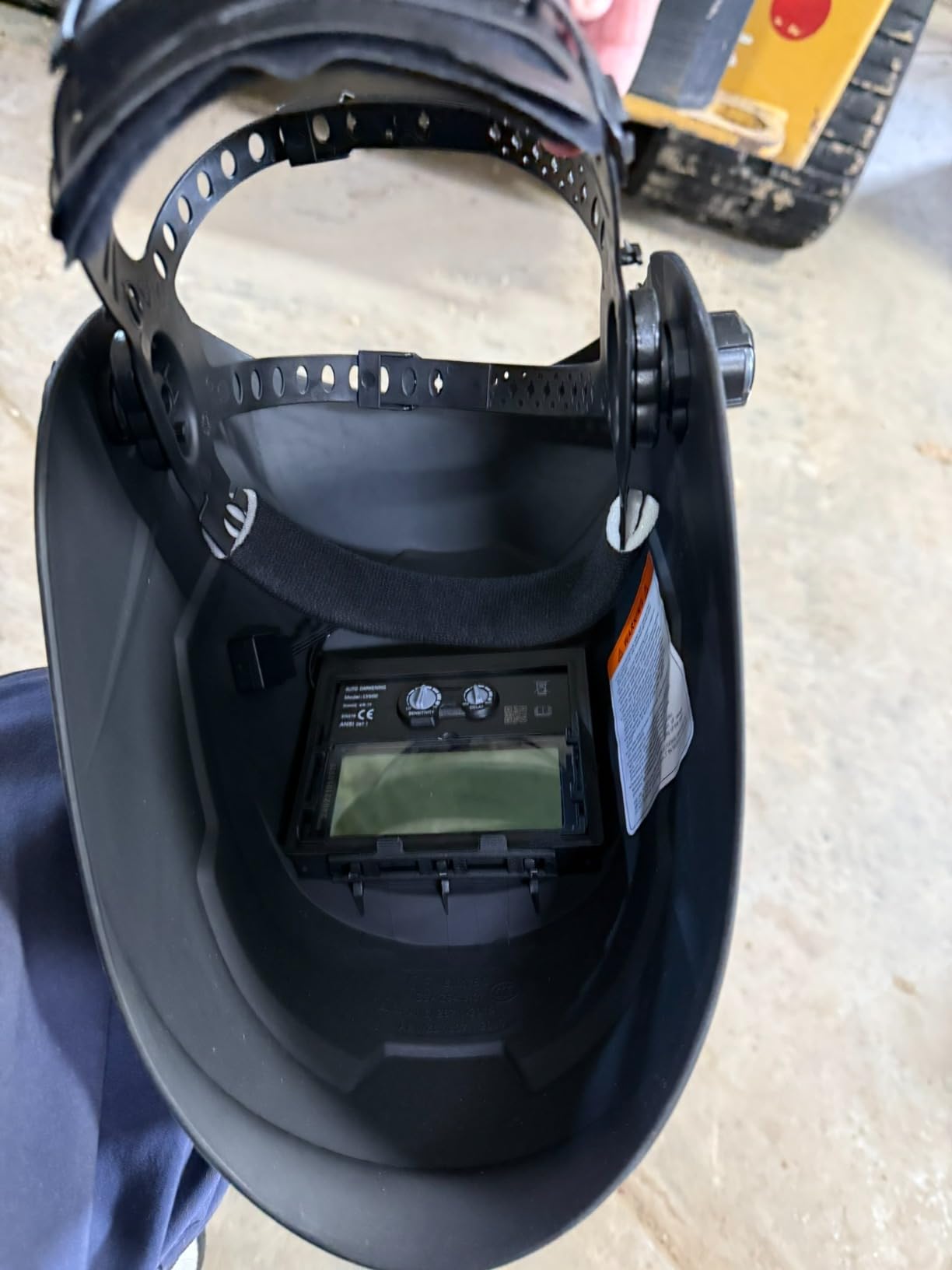
The lens carries full 1/1/1/1 optical clarity on a 92.5 x 42.5 mm screen, with two premium arc sensors switching in 1/10000 second. Three standards are on the spec sheet, ANSI Z87.1, EN 379 and CSA Z94.3, which is more certification coverage than most of the plastic shells in this group can claim.
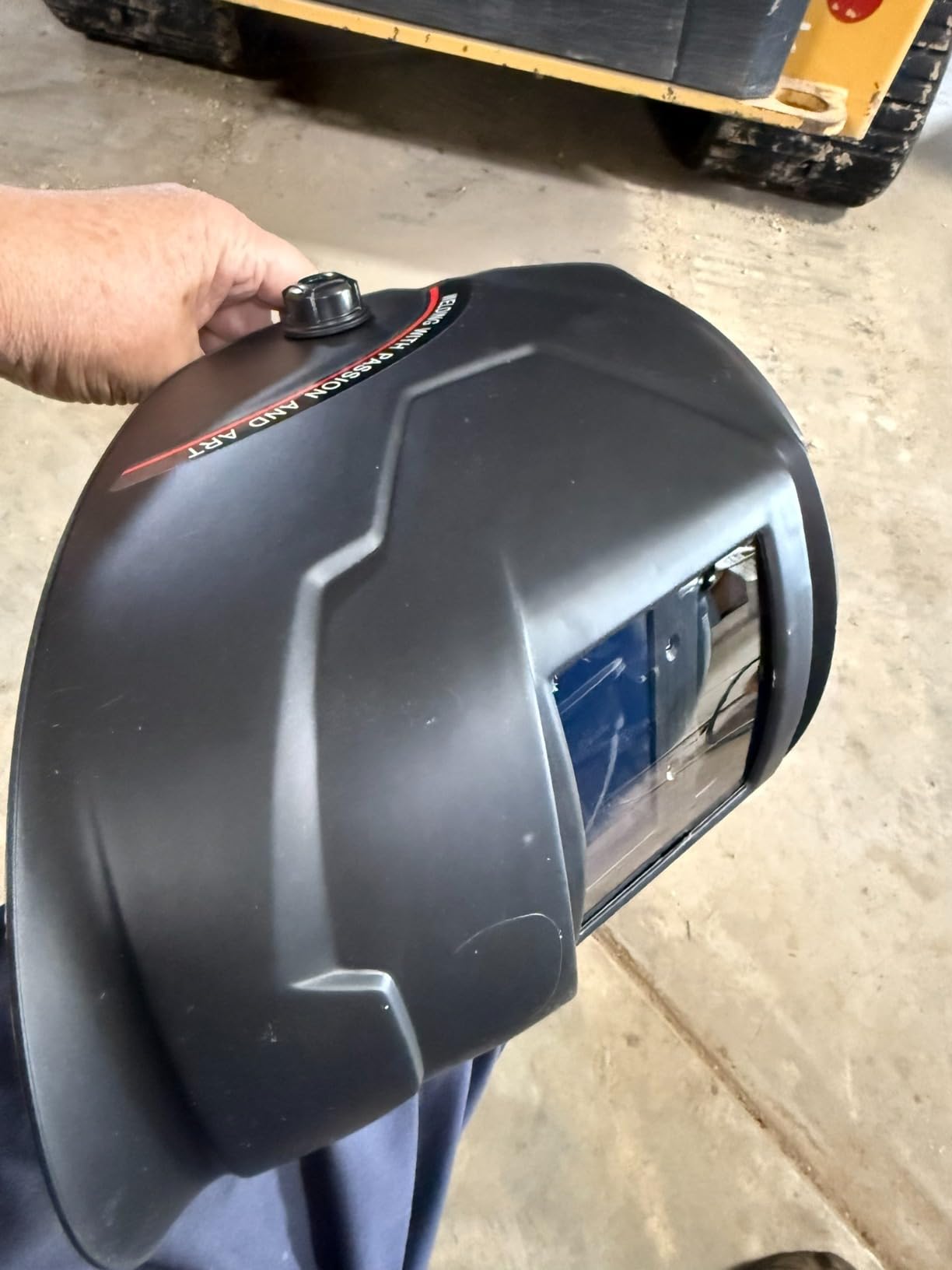
Control layout is an external adjustment knob for quick mode switching with internal sensitivity and delay controls, and the shade range runs from a DIN 4 light state to a DIN 9-13 dark state. The padded adjustable headband has plenty of suspension points, which is how the low weight is achievable without the shell digging in.
Owners and professional welders repeatedly describe this as the best value true color helmet available, and I understand why. The tradeoff is construction: the PA shell and headband are thinner and more pliable than the competition, and the profile is a little bulkier than a compact shell.
What to check before you buy it
Check the headgear range on your own head. Reports suggest the band may not tighten enough for very small head sizes, and a helmet that slides on a narrow head is a distraction at the worst moment. If you have a small frame, the ratchet closure on the Antra may suit you better.
Test the auto-darkening before you rely on it. One owner reported a cartridge that stopped working after about a second, and the seller replaced it, but with this class of product a quick bench test on day one is worth the two minutes.
Who should skip it
Buyers in hot shops or humid conditions may find the thin plastic less reassuring than a nylon or heavier-duty shell. The 0.82 kg package weight and the compliant feel mean it will flex more under a heavy-handed knock.
Those wanting a larger window or more sensors should also pass. Two sensors and a 92.5 mm wide screen are the minimum viable spec for this roundup, and the TOOLIOM or TGR give you noticeably more of both for a modest step up.
10. TGR WH9801-350 – Best True Color Helmet for a Wide Viewing Area
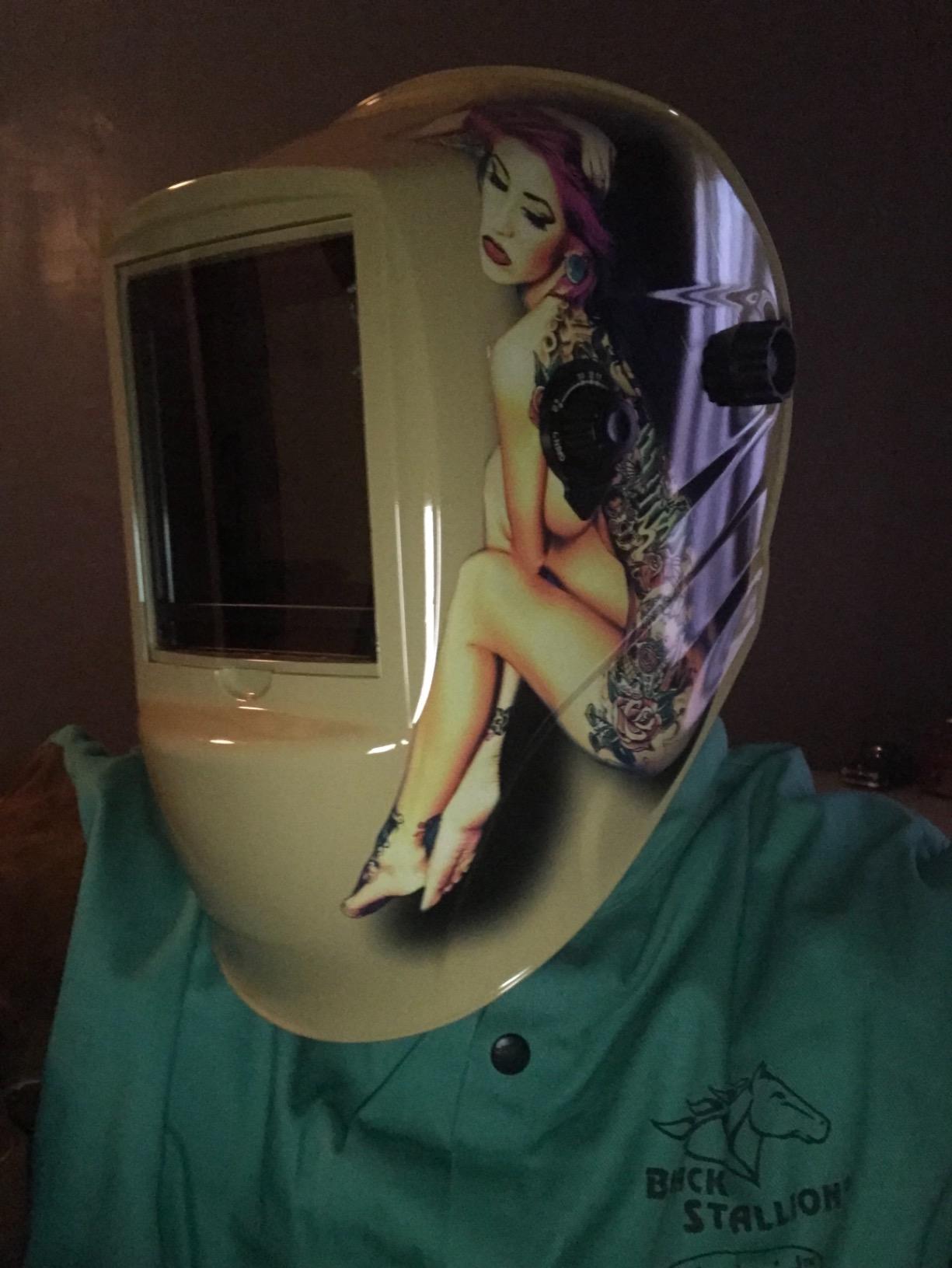
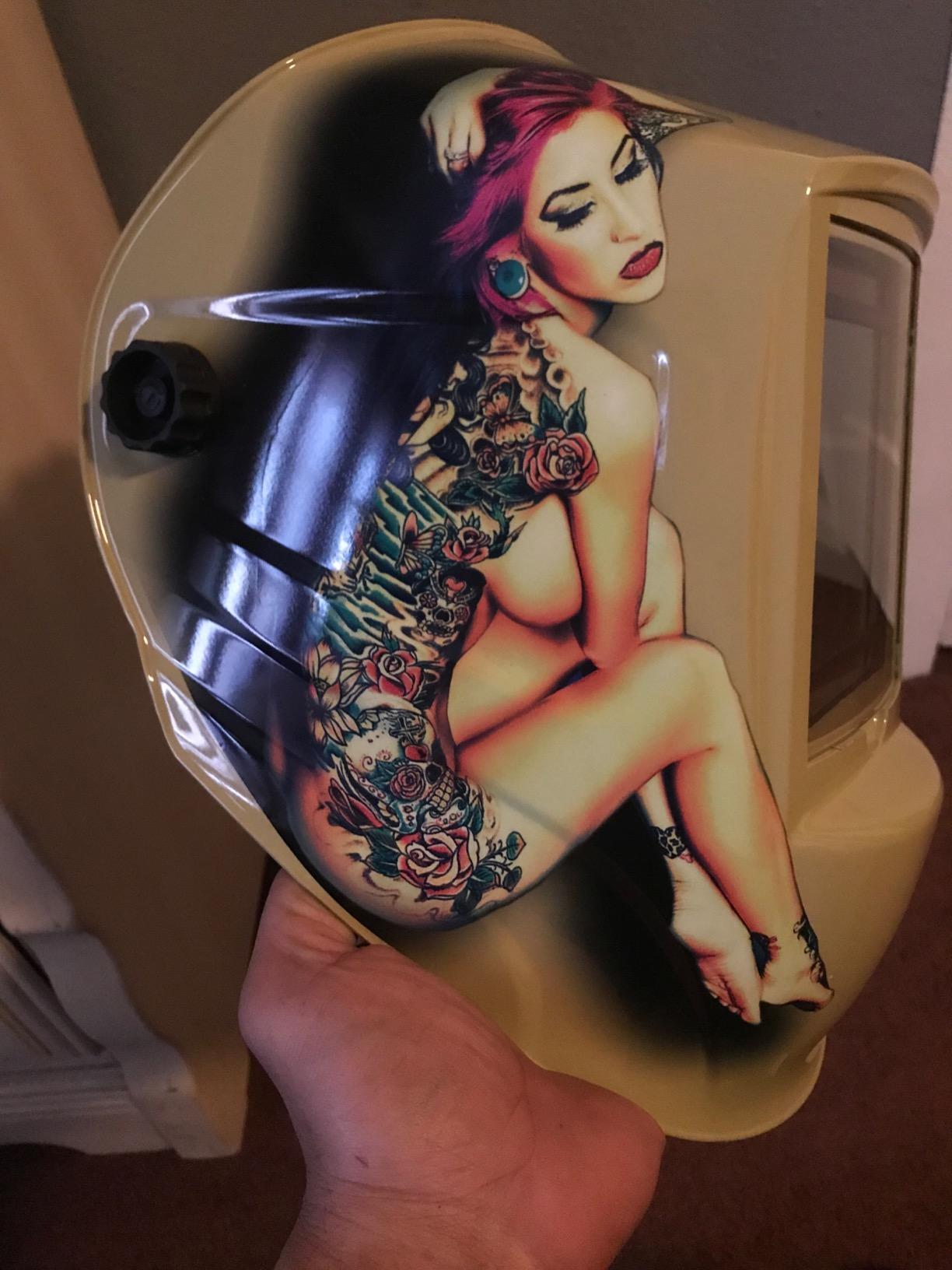
TGR Extra Large View True Color Auto Darkening Welding Helmet – 4″W x 3.65″H (Anime)
- Extra large true color viewing area for a wide field of view
- True color lens gives a realistic view of the weld and workpiece
- Four arc sensors support reliable detection
- Sensitivity controls let you tune response to different lighting
- Rated by owners at 82 percent five-star with only 3 percent one-star
- Largest viewing area and a heavier build in this roundup
- Anime graphic may not suit a professional shop environment
- Nylon construction is bulkier than lightweight plastic shells
The reason this helmet sits near the top of my list is the window. At 4 inches wide by 3.65 inches tall it gives you a genuinely wide field of view, and that is the difference between watching the puddle and watching the whole joint, the surrounding plate and your electrode angle at the same time. For anyone doing layout work, tacking a frame or following a long seam, that extra glass changes how you work.
True color optics make the view read realistically, and four arc sensors support detection you can trust. Sensitivity controls let you tune the response for a bright outdoor weld versus a dim garage, which is the control that separates a helmet that works everywhere from one that works where you happen to be standing.
The rating distribution here is strong, with 82 percent five-star and only 3 percent one-star, and a 4.6 average. That is not a large review base compared with the model at number one, but the consistency is notable for a helmet with a distinctive graphic.
Construction is nylon with a buckle closure, which is heavier duty and bulkier than the lightweight plastic shells. I would not call it heavy, but it is a solid-feeling helmet rather than a featherweight one. The package includes two spare outer lenses and one spare inner lens, so consumables are covered early on.
What to check before you buy it
Decide how the graphic fits your work. The anime styling is the reason some buyers love it and the reason others would not put it in a fab shop. That is a personal call, but it is worth making before you order.
Confirm your processes. This helmet is listed for ARC, MIG and TIG, so if you need dedicated cut and grind modes with their own shade bands, the TOOLIOM or the VILSIN covers more ground.
Who should skip it
Skip it if the view size is not your priority. You are paying for extra glass and a durable shell, and if you mostly do short beads and grinding, a lighter 470 gram mask like the Harukiku will be easier on your neck.
Buyers working with a fixed budget are better served by the entry-level picks in this roundup, and this model also carries the smallest review base at 248 ratings. Buy the window only if the window is the feature you have been missing.
True Color Lens Technology and Optical Clarity Ratings Explained
A standard welding lens filters out ultraviolet and infrared light and passes a narrow green band through to your eyes. That green cast is not a defect, it is the cheapest way to protect your retina while letting you see the arc. What it costs you is color. Because the filter removes most of the red, blue and yellow end of the spectrum, the workpiece, the scale and the heat tint all collapse into shades of the same green.
True color lenses use multi-layer optical coatings that pass a much wider slice of the visible spectrum while still blocking the harmful infrared and ultraviolet. The result is a view that looks like the room you are standing in, minus the arc. On stainless, the straw and blue heat tints become readable again, and on aluminum the oxide patterns tell you how the puddle is moving. On plain carbon steel, the practical benefit is less eye strain over a full shift because you are no longer straining to pick detail out of a monochrome image.
The optical clarity rating is a three or four part number. The standard form is 1/1/1/1, and the numbers are pass/fail style grades rather than scores to average. A leading 1 means the lens passes the optical class test for clarity, the second 1 covers the requirement for a light transmission level, the third relates to the ability to discriminate colours, and the last figure is the pass requirement for infrared (IR) light.
A 1/1/1/1 lens is the best available, and five of the ten helmets in this roundup list that class explicitly. A 1/1/1/2 lens is one step below on the infrared pass, and a 1/2/1/2 rating drops further still on colour discrimination. In practice, if you spend full shifts under the arc, buy 1/1/1/1 and do not think about it again. If you weld a few hours a month, the difference is closer to academic.
Two related terms cause confusion. The light state is what you see when no arc is lit, often DIN 3 or DIN 4, and a higher light state lets you see your workpiece and layout more easily in the dark. The dark state is the shade the lens moves to when the arc strikes. A wide dark range with intermediate steps, like the DIN 5-9 and 9-13 bands, is what lets one helmet cover welding, cutting and grinding.
Finally, sensors. Arc sensors detect the flash of light that precedes the arc and trigger the darkening. More sensors, and more evenly distributed sensors, mean more reliable detection in bright conditions where sunlight or shop lighting can confuse a two-sensor setup. Switching speed, listed in fractions of a second or milliseconds, tells you how quickly the lens reaches full darkness, and every helmet in this roundup is fast enough that you will not see the difference. Detection reliability is where the sensor count genuinely matters.
How to Choose a True Color Welding Helmet: 8 Specs That Matter
1. Optical clarity class. Target 1/1/1/1 and treat anything lower as a deliberate budget choice. This is the spec that determines how the job looks and how your eyes feel at the end of it.
2. Viewing area. Measure the window before anything else, because it is the one thing you cannot change later. Compact formats around 3.6 x 1.6 inches suit spot work. Once you pass roughly 12 square inches you gain enough peripheral view to track a joint and your hands together. Extra large windows above 4 inches wide suit layout work and overhead welding. Think about your usual posture before you pick a number, since the same window feels different sitting and standing.
3. Arc sensor count and placement. Two sensors handle a dim workshop. Four or five give you margin outdoors, near a window or under bright shop lights. More sensors also help with low amperage TIG, where a faint arc may not trip a two-sensor unit reliably.
4. Shade range and light state. You want a low light state so you can see the workpiece and layout with the helmet down, and a dark range that covers your material thickness. If you cut or grind regularly, look for dedicated modes or intermediate bands rather than a single continuous shade.
5. Controls. Physical dials and external buttons are faster and more reliable with gloves on than a touch screen, and they cannot be knocked by a torch. Touch screens and internal displays shine when you want to see actual settings instead of remembering them, and the tradeoff is complexity. Decide which irritation you would rather live with.
6. Power. Solar assist with a replaceable button cell is the most dependable setup, since sunlight tops the cartridge up and the battery covers the dark workshop. Solar-only helmets are fine if you work in a lit space, and battery-only helmets are fine if you keep spares in the toolbox. A dual-power helmet like the MIGVAN removes the question entirely.
7. Headgear and weight. Weight is the spec buyers ignore and then regret. Below about 600 grams you will barely notice the helmet, and above about 1 kg the front of the head starts to ache over a shift. Pivoting headgear with adjustment points at the front and back distributes load far better than a single side strap, and a headband that will not tighten enough for a small head is a common complaint worth checking.
8. Coverage and fit. Full face and neck shells protect against spatter and radiant heat, which matters for overhead work, stick welding and plasma cutting. Compact shells are lighter and better in tight spaces. If you wear a respirator, check the clearance between the lens and the mask before you buy, and if you wear prescription glasses, confirm the helmet accepts an internal magnifier or check that a welding insert fits your frame.
Cost is a poor proxy for quality here. A 470 gram helmet with 1/1/1/1 optics sits at the entry level of this list and a graphic shell with a much larger window sits at the other end, and the difference buys you extra glass and heavier materials rather than a better view. The same pattern shows up in protection gear across other fields, where the meaningful gap is between certified, well-built equipment and everything else.
Two more things worth planning. First, consumables: every true color helmet uses replaceable inner and outer lenses, and you should confirm the lens format and price before you need one, because formats are not interchangeable across brands. Second, backup: keep a fixed-shade mask on hand. Solar-powered cartridges occasionally fail in a dusty shop, and a passive mask is the only thing that works with no electronics at all. If you are still deciding between categories, our guides to road cycling helmets and bike helmets for adults cover the certification and fit basics that carry over to any head protection.
Frequently Asked Questions
What are true color welding lenses?
True color welding lenses use multi-layer optical coatings that block harmful ultraviolet and infrared light while passing a much wider slice of the visible spectrum than a standard lens. Instead of a narrow green band, you see the workpiece, puddle and heat tint in natural colours, which reduces eye strain and makes puddle behaviour easier to read.
What is the best welding helmet with a true color lens?
For most welders the YESWELDER LYG-L600A is the best all-round true color welding helmet, with 1/1/1/1 optical clarity, 1/30000 second switching, a 16 ounce shell and a 4.6 average across more than thirteen thousand owner ratings. The TOOLIOM is the better value pick if you want a much larger viewing area, and the Antra is the pick for low amp TIG work.
What does 1/1/1/1 optical clarity mean?
The rating is a series of pass grades rather than a score. A leading 1 is the optical class test, the second covers light transmission, the third covers colour discrimination, and the final figure is the infrared pass requirement. A 1/1/1/1 lens is the highest available and is what we recommend for anyone welding full shifts, while 1/1/1/2 and 1/2/1/2 sit one and two steps below.
Which welding helmet is better, Arccaptain or YesWelder?
Among the true color helmets in this roundup, the YESWELDER options win on proven long-term performance. The LYG-L600A carries the deepest review base at a 4.6 average, and the BW-11MAXC adds a large viewing area, five arc sensors and an internal settings display. The Arccaptain name appears constantly in budget comparisons, but the same value argument can be made for the TOOLIOM and Harukiku models here, both of which add four arc sensors or full 1/1/1/1 clarity.
Do I need a cheater lens for welding?
Only if you need magnification. If you are farsighted or have a strong prescription, a magnifier with the right focal length inside the helmet beats trying to weld in reading glasses. A 1.5 to 2.0 lens covers most shop distance correction, while 2.5 suits close work. Check that the helmet accepts an internal lens and that the format matches before you buy, because cartridges differ between brands and the compact models in this roundup have the least room.
The Best True Color Welding Helmet for Your Work in 2026
After testing all ten, the best welding helmets with true color lenses come down to three clear winners. The YESWELDER LYG-L600A is the one I recommend to almost anyone, pairing full 1/1/1/1 clarity with a 16 ounce shell, 1/30000 second switching and a review history deep enough to trust. The TOOLIOM is the smarter buy if your problem is a small window, because it gives you more than twice the viewing area and four arc sensors. The Antra takes low amp TIG and overhead work, with detection specified from 5 amps DC and full face and neck coverage.
Everything else in the list fills a specific gap. The Harukiku is the lightest shell at 470 grams with full 1/1/1/1 clarity, the TGR gives you the widest window, the YESWELDER BW-11MAXC automates shade and sensitivity, and the MIGVAN runs on solar with a battery backup. Read the specs against your actual work, keep a fixed-shade mask as a backup, and you will get a helmet that lasts years rather than months.