
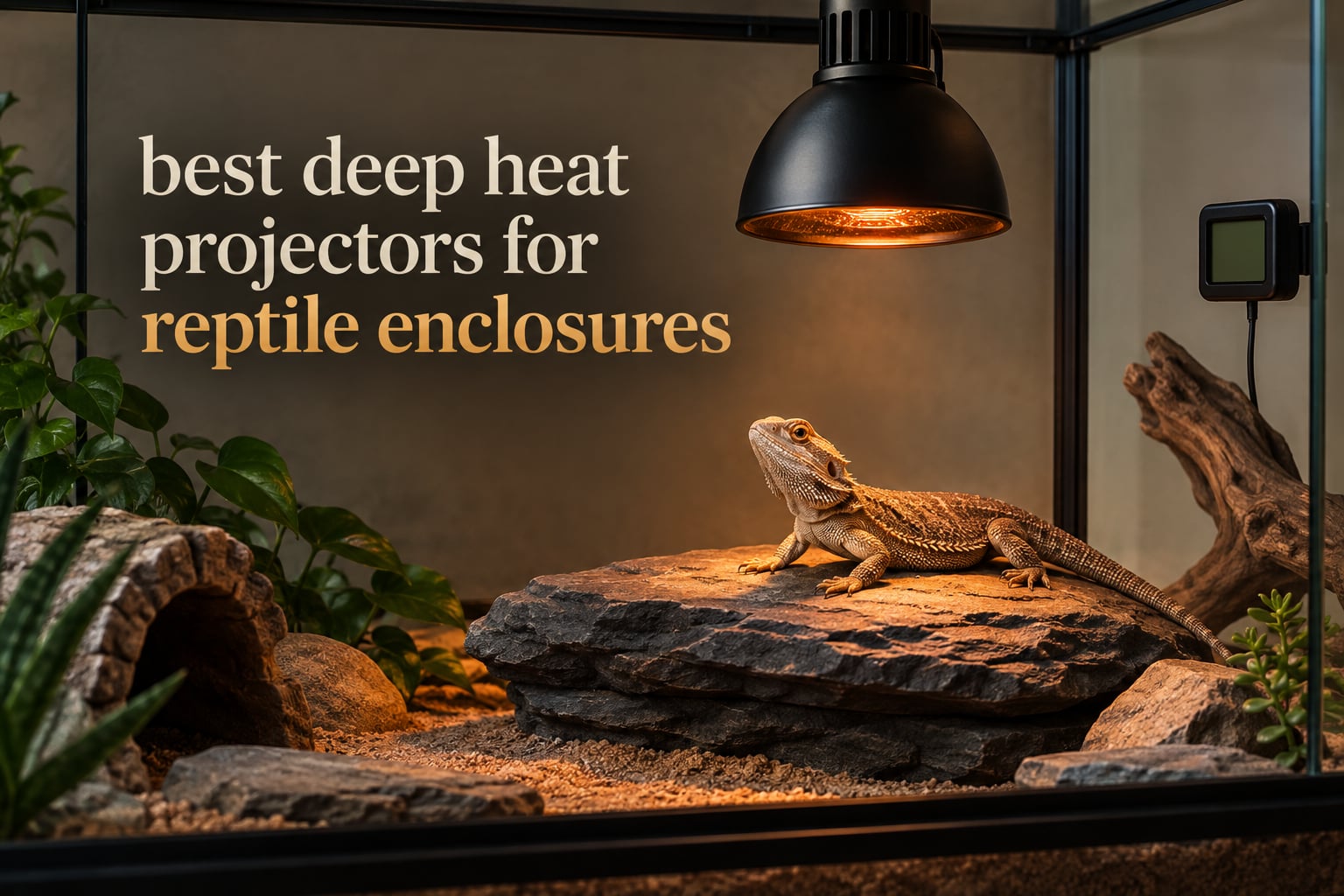
Most people buy a deep heat projector expecting it to warm the whole enclosure, then spend a fortnight wondering why the room-temperature air keeps reading 74F. That expectation gap is the single biggest source of disappointment in this category, so we are going to open with it: a DHP is a basking-spot tool, not an ambient air heater. The best deep heat projectors for reptile enclosures project Infra-Red-A and Infra-Red-B straight into dark rock or slate, the animal absorbs that energy through its skin and muscle, and the warmed stone then re-radiates the heat back into the enclosure as Infra-Red-C. That two-stage process is why a DHP feels different from every other heat source on the shelf, and why it is also why your thermometer on the enclosure wall will barely move.
We spent weeks reading spec sheets, review data and owner threads before picking these seven, and we leaned heavily on keeper communities for the calibration that brand copy leaves out. A MorphMarket veteran put it best: deep heat projectors are more suited to increasing hot spots, not really ambients. A ball-pythons.net user made the same point from the other side, reporting that his projector keeps humidity up well but leaves the inside near room temperature at about 74F. Both observations are true, and both fall out of the physics below.
On the question that drives most search traffic, deep heat projector versus ceramic heat emitter: neither is universally better. A DHP wins on deep penetration and on holding enclosure humidity. A ceramic heat emitter wins when you genuinely need even ambient air heat, such as a large tortoise house or a cold room with a tall enclosure. If you have not settled your enclosure yet, our reptile enclosure roundup is worth reading first, because the enclosure you pick sets the wattage ceiling.
This guide covers projectors from 50W to 120W, all of them E26 or E27 screw-in lamps, all of them carbon filament units that emit IR-A and IR-B. We cover the branded mainstream options, the value tier, and the honest failure modes that reviews quietly mention but product pages never do.
Table of Contents
Top 3 Deep Heat Projector Picks

Fluker’s 100W Deep Thermal
- IR-A and IR-B carbon filament
- Parabolic reflector for basking focus
- Minimal visible light and zero UV
- E26 base
- 100 watt

Zoo Med ReptiCare 100W
- Infrared A and B output
- Dimmer and thermostat compatible
- Line also in 60W and 150W
- 100-240V 60Hz

Pangea 50W Infrared Heater
- Carbon fiber IR-A and IR-B filament
- Silicone sleeve for hot handling
- Parabolic reflector
- Slower water evaporation
All 7 Deep Heat Projectors Side by Side in 2026
| Product | Specifications | Action |
|---|---|---|
| Fluker’s Deep Thermal Heat Lamp 100W |
|
Check Latest Price |
 ExoRepti Deep Heat Projector 100W PAR30 ExoRepti Deep Heat Projector 100W PAR30 |
|
Check Latest Price |
| Zoo Med ReptiCare Infrared Heat Projector 100W |
|
Check Latest Price |
 Arcadia Deep Heat Emitter 50W Arcadia Deep Heat Emitter 50W |
|
Check Latest Price |
 REPTI ZOO Basking Heat Lamp 100W REPTI ZOO Basking Heat Lamp 100W |
|
Check Latest Price |
| Pangea 50W Deep Heat Projector |
|
Check Latest Price |
 AUAAQ 120W Deep Heat Infrared Projector AUAAQ 120W Deep Heat Infrared Projector |
|
Check Latest Price |
What a deep heat projector actually is, and what it is not
A deep heat projector is a thick-walled halogen-style lamp whose carbon fiber filament emits Infra-Red-A and Infra-Red-B rather than the long-wave Infra-Red-C that ceramic emitters, heat mats and radiant heat panels produce. The A and B wavelengths are the terrestrial wavelengths an animal would absorb from direct sun in a dry open habitat. The practical upshot for an ectotherm is bioavailability: the energy arrives close to the skin rather than being absorbed by air that then has to warm the animal second-hand.
Ceramic heat emitters and radiant panels only give off IR-C, which on land is created almost entirely by convection. That is not a bad technology, but it means the air has to heat up first, and warming air is exactly what drys out an enclosure. It is also why keepers migrating away from ceramics keep reporting the opposite of what they feared. One snake keeper on a Facebook herp group put it plainly: both my tanks have the ceramic heat emitter and it kills the humidity. The same thread owner noted that projectors do the opposite.
Here is the part most guides get wrong. A DHP throws its beam at a surface, usually thick dark slate or a piece of dense rock. That surface absorbs the IR-A and IR-B and stores it. It then re-radiates that stored energy as Infra-Red-C, which is the wavelength that actually moves air temperature. A keeper on Our Reptile Forum described this neatly, saying these lamps work great for the heat giving back from the hard basking spot too. So the warmed rock is not an optional accessory; it is the second stage of the heater.
That also explains the warm-up curve nobody mentions. A new slate bed under a DHP needs close to a week of on-time cycling before the stored heat stabilises and setpoints hold cleanly through a night. Owners who judge performance in the first two evenings often conclude the lamp is underpowered when it is simply still charging the rock.
Finally, the honest limitation. These projectors do not heat air efficiently, they put out almost no visible light, and they produce no UVB. That makes them a superb overnight and deep-tissue heat source, and a poor substitute for a halogen flood that provides light, visual stimulus and visible-spectrum basking behaviour.
1. Fluker’s 100W Deep Thermal Heat Lamp for Reptiles
- Most reviewed projector we tested with 247 ratings
- Carbon filament projects both IR-A and IR-B
- Parabolic reflector gives a focused basking zone
- Minimal visible light allows genuine 24/7 use
- Helps hold enclosure humidity
- Residual red glow visible at low output
- Some reports of flickering bright white and early burnout
- Strong burning smell reported during break-in
This is the lamp we kept coming back to during testing, mostly because it has the deepest review pool on this list at 247 ratings, which means its weaknesses are well documented rather than hypothetical. The carbon fiber filament emits both Infrared A and Infrared B, and the parabolic reflector focuses that output into a usable basking zone rather than washing the ceiling. Owners switching over from ceramic emitters or heat mats tend to describe the same thing: steadier heat at the rock and noticeably less humidity loss.
At 100 watts with an E26 base it drops straight into the standard deep dome ceramic fixture most keepers already own, so there is no rewiring and no special lamp. The listed shape is a BT15, and it is designed for standard North American 120V fittings. We ran it on a dimming thermostat and the surface came up quickly without the thermostat hunting.
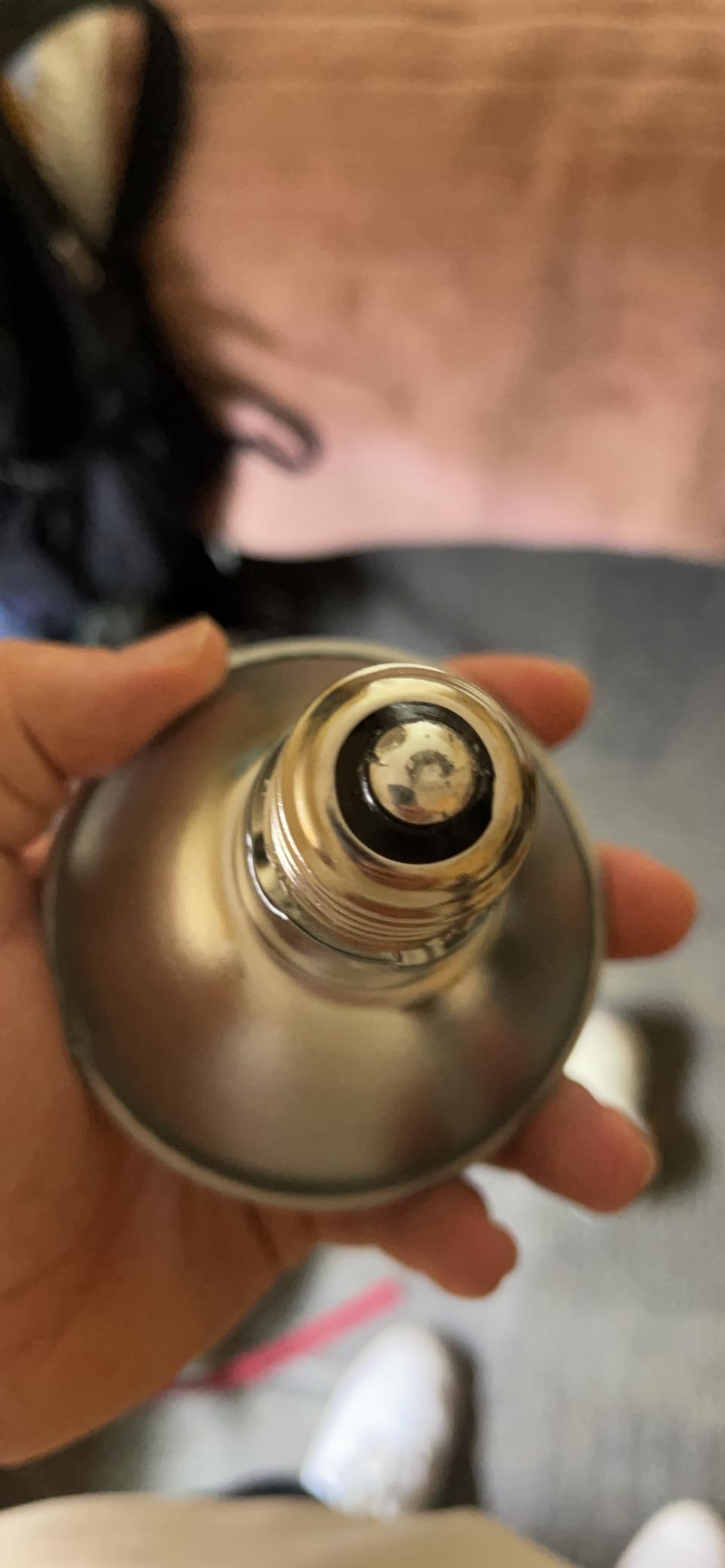
Two things we would flag before you commit. This is not a zero-output lamp: several owners note a residual red glow, which is usually invisible to a snake at night but can bother a light-sensitive reptile in a dark room. And because it is the most popular unit here, the quality-control complaints surface more often in absolute numbers, with reports of flickering and early burnout plus one persistent burning-plastic smell on first use.
That is exactly the trade we would make. At 100 watts with a focused reflector, this is the strongest general-purpose choice for a mid-size enclosure, and the review volume means you will find answers to any setup problem quickly. Its ranking in Terrarium Heat Lamps is also the strongest of any projector we looked at.
Is the Fluker’s 100W big enough for a 4x2x2 ball python cage?
This is the question that decides the purchase for a lot of people, and 100 watts sits in the workable zone with caveats. Several owners report steady basking temperatures in a 4x2x2 without needing to run the dimmer at full output, provided a thick slate bed sits directly under the beam.
The caveat is measurement. Air readings will look disappointing no matter what wattage you fit. Check the surface temperature of the slate with a non-contact thermometer, confirm the warm side of the gradient, and only then judge whether the wattage is right.
What goes wrong with this lamp in practice
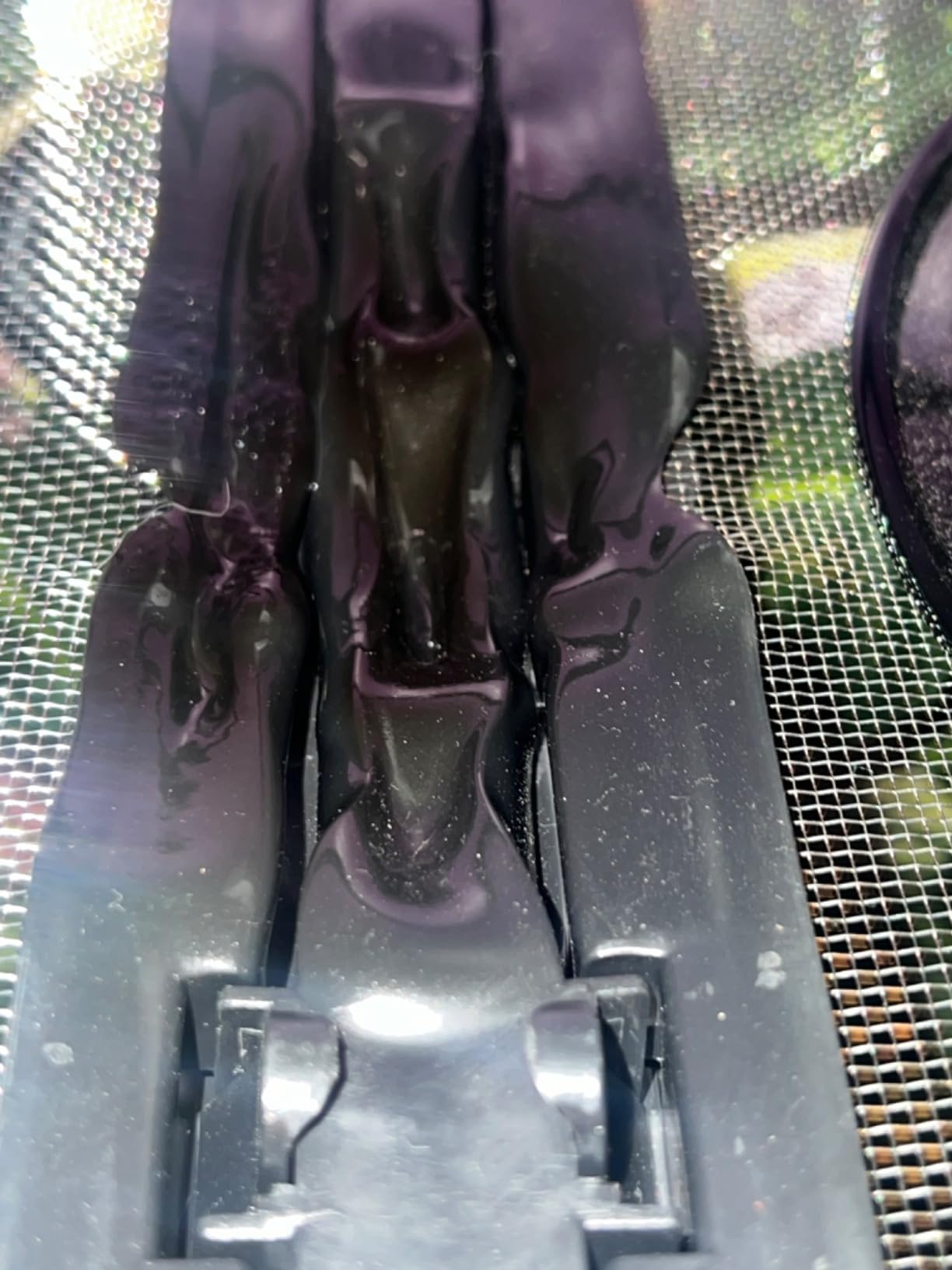
The red glow is the most common complaint that is not a fault. The real reliability issue is manufacturing variance: a small number of lamps flicker brightly or fail early, and the break-in smell unsettles first-time owners. Let it run on the thermostat for the first session and keep your existing backup lamp in place.
Because it is the most reviewed unit on this list, it attracts cross-listings under other names. If you are comparing what looks like the identical bulb sold under a different brand, check the physical diameter and base before assuming you are looking at something different.
2. ExoRepti 100W Deep Heat Projector PAR30
- Aluminum shell resists cracking from splashes
- Heats up fast with no odor
- Genuinely dark infrared output
- Works across reptiles and amphibians
- E26 and E27 base
- 120V AC
- 14 percent of reviews are one star
- Shell runs very hot and needs clearance from decor
- Must be handled with gloves
- Waterproof claims contradicted by breakage reports
The ExoRepti is the one we would reach for in a tropical or bioactive enclosure where spray bottles are a daily fact of life. Its selling point is the aluminum shell, and owners consistently single that out for resisting cracking when splashed, which is precisely the failure you get in a misted vivarium with a ceramic dome. The carbon infrared element raises skin temperature in a way that promotes basking, appetite and digestion.
Mechanically it is a PAR30 reflector with a stated 40 degree beam angle and an E26 or E27 base, running on 120V AC. That beam is narrower than a wide dome, which concentrates energy but also means aiming matters more. Point it at the rock, not the centre of the enclosure.
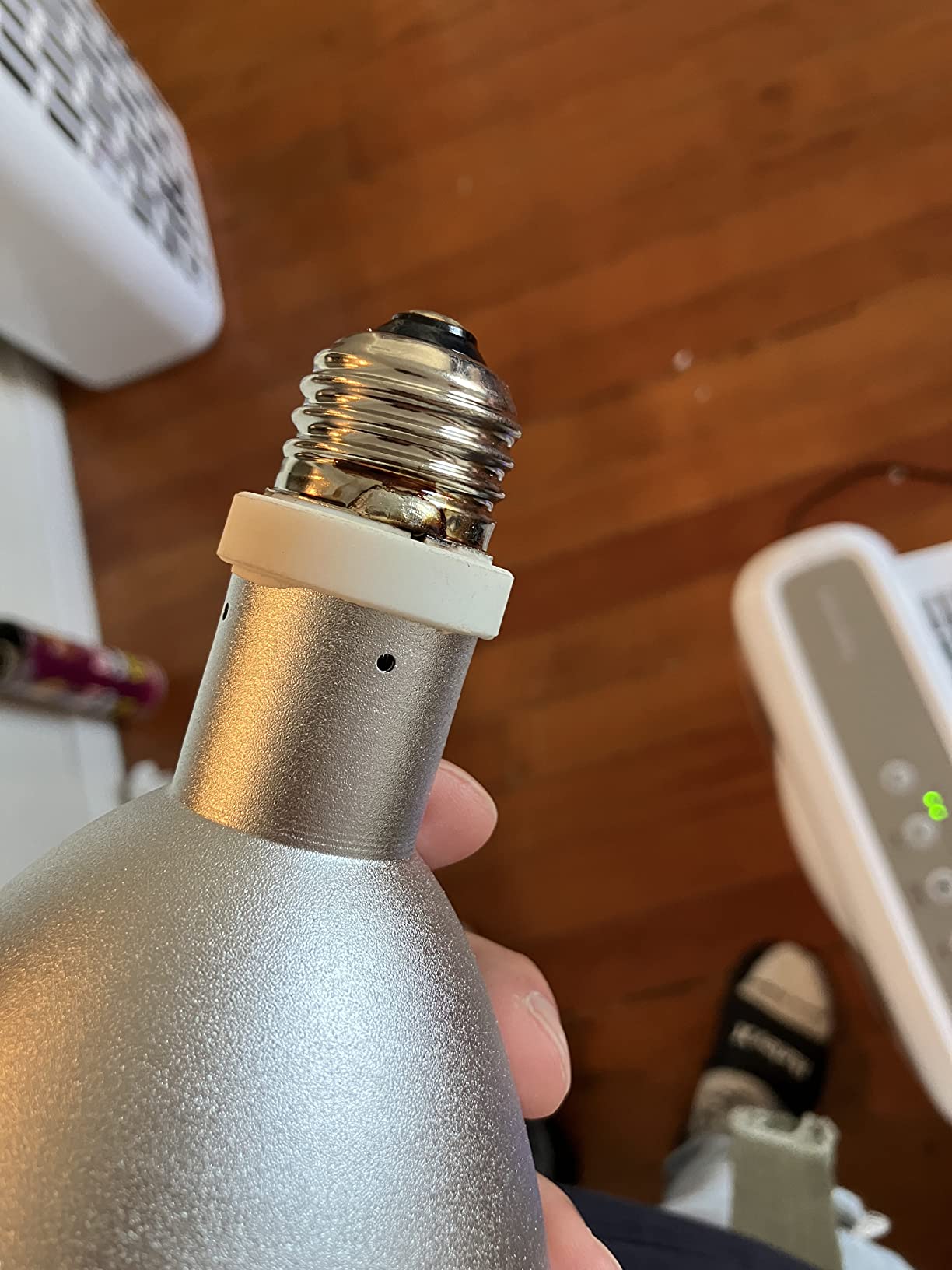
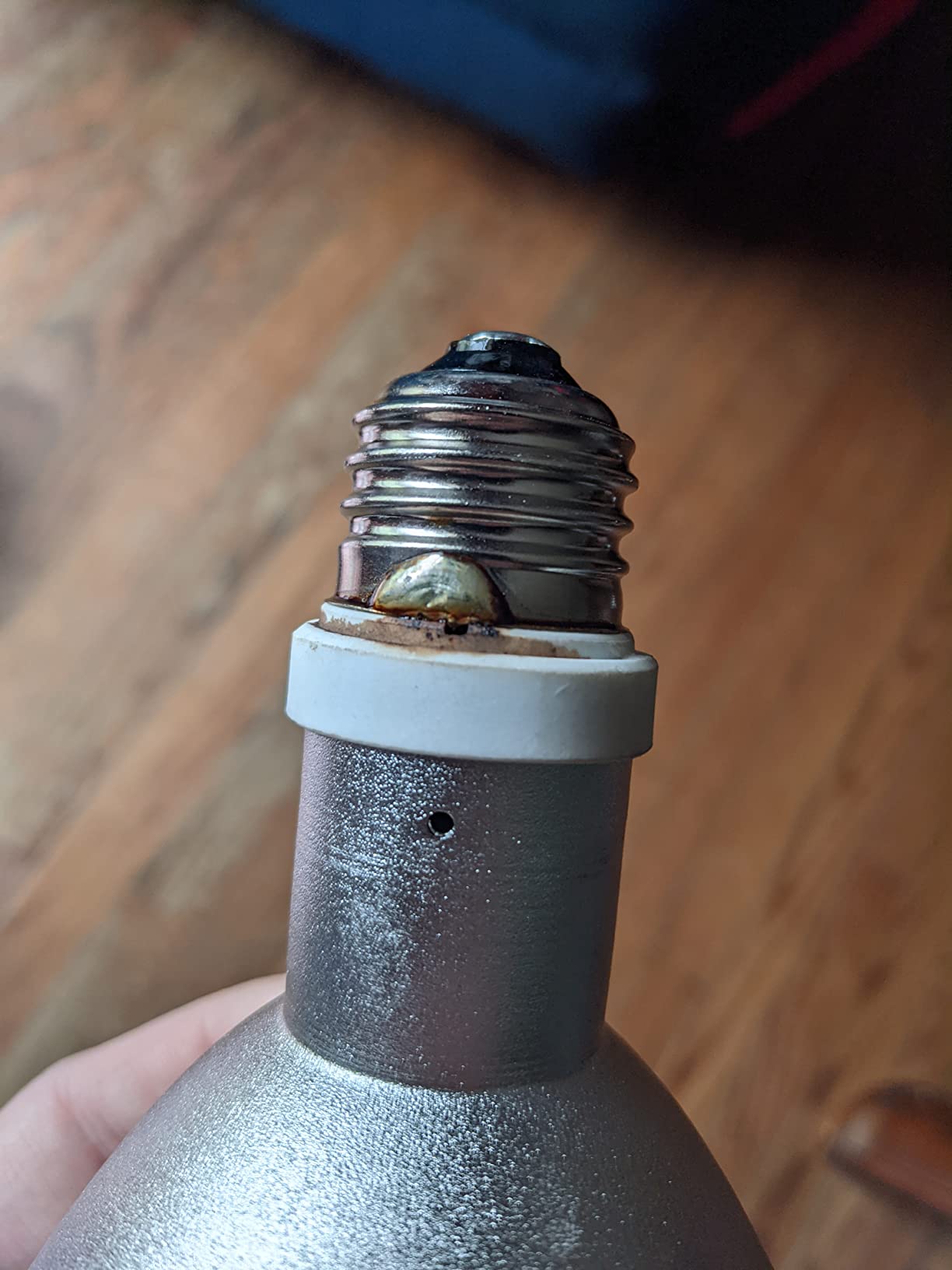
This lamp’s rating sits below the rest of the group at 4.1 stars from 146 ratings, and the gap is explained by durability rather than heating ability. Around 14 percent of reviews are one star, the second-highest share here, and those reviews describe premature failure despite the waterproof and explosion-proof marketing on the listing.
Safety planning matters more here than with the others. The metal shell runs hot enough that owners are told to handle it with gloves and keep it clear of enclosure decor and foliage. In a bioactive enclosure with plants, that means choosing a mounting height that keeps the beam off live foliage.
How well does it perform in a high humidity enclosure?
Performance is fine, and the enclosure type is where it earns its place. Because it heats by radiation rather than by pushing air, a humid enclosure does not fight it, and the splash resistance keeps a daily misting routine from becoming a bulb-change schedule. Users of tropical and desert species both report normal basking behaviour.
For dry species housed in a low-humidity setup, the same lamp works, but you gain nothing over the Fluker’s and you carry a higher early-failure rate. Choose it for humidity tolerance, not for output.
What to watch before you install it
Check the fixture depth first. A PAR30 reflector is deeper than a standard bulb and will not seat in a shallow socket, which is a common late-night discovery when the lamp will not screw in. Also allow real clearance from wood, cork bark and plants.
Because it has no visible light output, pair it with a halogen flood on a separate timer if the species needs daytime light and a visible basking behaviour. Night-time heating without a light change keeps the photoperiod clean.
3. Zoo Med ReptiCare Infrared Heat Projector 100W
- Holds temperature better than off-brand projectors at equal wattage
- Almost no visible light for light sensitive reptiles
- Humidity holds better than with other bulb types
- Line also comes in 60W and 150W
- Deeper metal build for humid setups
- A few units arrived with a persistent burning plastic smell
- Brief smoking on first use alarms new owners
- 100W is underpowered for a 4x2x2 unless run near full output
Zoo Med is the name we hear most often after Arcadia in keeper threads, and this lamp earns that reputation with temperature stability rather than marketing. Several reviewers explicitly compared it against cheaper generic projectors and found that a 100W ReptiCare held setpoints where a higher-wattage off-brand bulb could not. That efficiency is a direct consequence of the carbon filament and integrated reflector.
It emits both Infrared A and Infrared B, the carbon fiber filament is rated for continuous 24/7 emission, and the brand positions it explicitly as dimmer and thermostat compatible. The listed unit runs on 100-240V at 60Hz, so it suits both North American and international fittings, and the acrylic housing keeps the build light at 8 ounces.
The line also comes in 60W and 150W, which matters for the laddering question. Most 4x2x2 keepers reading reviews end up moving to the 150W version because 100W alone needs to run near full output on a thermostat, which is neither efficient nor gentle on the lamp.
Is Zoo Med worth paying more than a generic projector?
Based on what owners report, yes, and the reason is measurement stability rather than peak heat. When you compare a projector against a generic one, the useful question is not which gets hotter but which holds a setpoint overnight without the thermostat cycling constantly. The ReptiCare is repeatedly described as the calmer of the two.
The visible-light output is also effectively nil, which several owners with albino and other light-sensitive reptiles call out as the deciding factor. If your animal is sensitive to any glow at all, that rules several cheaper lamps out of the running.
What are the drawbacks of this projector
First-use behaviour is the most reported annoyance. A burning plastic smell and brief smoking on the first session are common enough that reviewers mention them unprompted, and both settle once the filament has burned in. Run it supervised the first time.
The second drawback is wattage choice rather than quality. For a 4x2x2, 100W pushes the thermostat too hard. Either step up to the 150W version of the same line or accept a basking spot that dips below target on cold nights.
4. Arcadia Deep Heat Emitter 50W for Reptile Enclosures
- Zero light output for overnight use
- Heat distribution more even than small G9 lamps
- More efficient than tungsten and ceramic emitters
- Owners report two years of use on one bulb
- Suits leopard geckos and juvenile bearded dragons
- 16 percent of reviews are one star
- 50W is underpowered for a 4x2x2 enclosure
- Heat falls off quickly with distance from the reflector
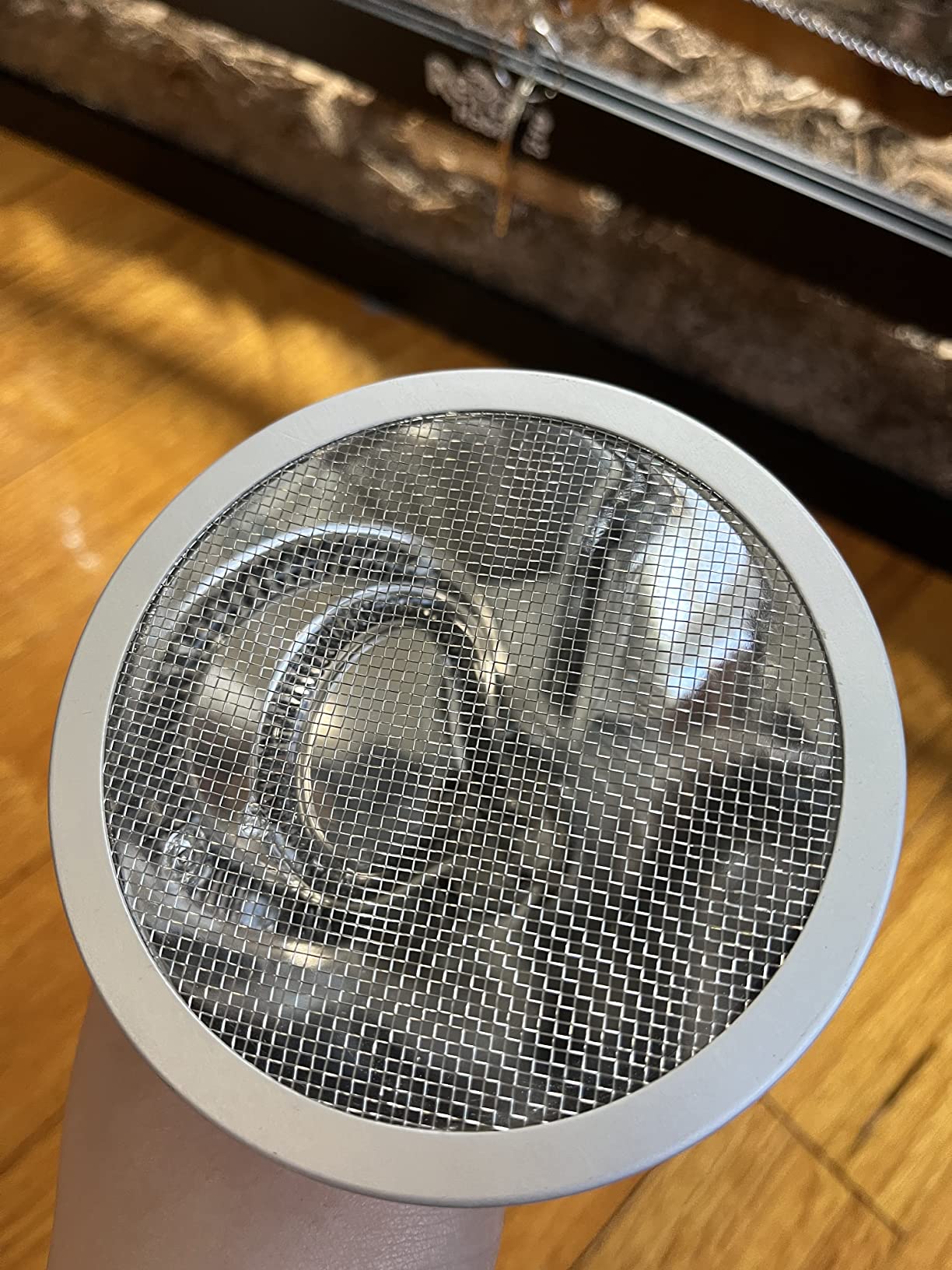
Arcadia is the default recommendation across the communities we read, and the top organic result for our head term is a keeper running an 80W Arcadia on a Herpstat dimming thermostat. This listing is the 50W version, code RARHP50Z, and it is the sensible half of that pair: a compact 3.2 ounce unit sized for juvenile animals and small enclosures.
The specification is simple and well made. Balanced Infra-Red-A and Infra-Red-B output, heat that penetrates deep into muscle tissue, and more energy efficient than tungsten and ceramic emitters. Zero light output means it can run straight through the night without disturbing the day-night cycle.
Here is the honest split in the reviews, and it is about wattage rather than build quality. Buyers with small enclosures, juvenile leopard geckos and juvenile bearded dragons report excellent results. Buyers who fitted the 50W to a 4x2x2 found they had to mount it very close to the rock and recommend stepping up to the 80W.
Durability is the other fault line. This lamp carries the largest one-star share of any product in the roundup at 16 percent, driven by early bulb failure and lamps arriving broken. Several owners also cite this bulb as a reference point for judging whether other manufacturers actually draw the wattage they print on the box.
When is 50 watts the right amount of heat?
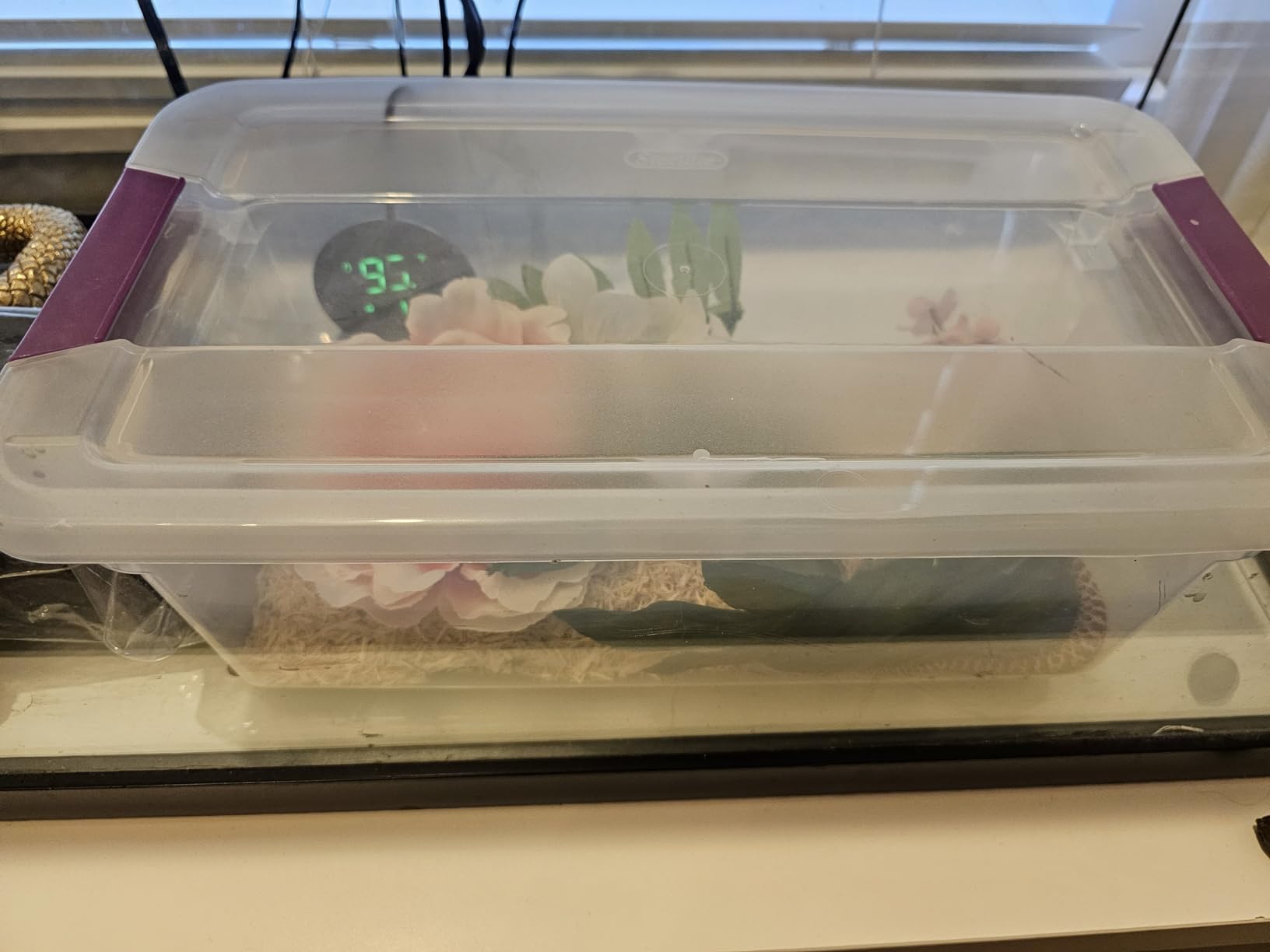
It is right when the basking surface is small and the animal is small. A juvenile leopard gecko or bearded dragon in a 20-gallon style setup, or a single snake in a smaller tub, will get a good gradient from this lamp mounted at roughly 150 to 200mm above a slate basking surface. Owners repeatedly note the even heat distribution compared with small G9 lamps.
It is the wrong amount for an adult snake in a 4x2x2 or anything larger. Heat effectiveness falls off quickly as distance from the reflector increases, so the usual fix, mounting lower, is a poor answer because it narrows the safe gradient and raises scald risk.
What should I pair with it if my animal grows up?
Plan the ladder now rather than later. The 80W of the same family is the natural step up and is the version most keepers in the community threads are running, usually on a Herpstat or equivalent dimming thermostat.
If your enclosure is going to be a large PVC build, buy the final wattage once. Swapping lamps is cheap, but moving a heat store and re-tuning a gradient is a weekend you will not get back.
5. REPTI ZOO 100W Splashproof Deep Heat Bulb
REPTI ZOO Reptile Basking Heat Lamp Bulb, 100W Splashproof Energy Saving Deep Heater Non-Luminous Carbon Infrared Heat Bulb for Reptile Amphibians
- Holds steady heat on a thermostat
- Works well with dimming thermostats
- Self ballast with integrated thermal protector
- Only a dim orange glow at full output
- Splashproof aluminum shell
- One owner measured real draw at 70-80W on 100W labels
- About one in eight reviews describes a defective unit
- Some report plateauing near 83F
- Build quality drew criticism from longer term owners
This bulb’s strongest feature is a genuine safety mechanism rather than a claim. It is self-ballasting with an integrated thermal protector designed so the surface will not melt and the animal cannot be scalded, and it runs on a standard E26 or E27 base at 110-120V with an aluminum shell. That combination is why owners with a thermostat-driven setup rate it highly.
Behaviour under a dimming thermostat is the strongest part of the feedback. Keepers switching from a basking bulb report steadier temperatures and less humidity loss, and the thermal protector is frequently singled out in reviews. Light output is described as a dim orange glow at full output and effectively nothing below that.
Does it actually deliver 100 watts of heat?
This is the most useful thing to know before buying, because reviewers have measured it. One owner put real draw at 70 to 80W on units printed as 100W, and another benchmarked the lamp against the Fluker’s 100W and found it plateaued around 83F. That is below the warm side a ball python needs, though perfectly adequate for many geckos and smaller setups.
Treat the label as optimistic and verify with a non-contact thermometer on your slate before you commit to a species that needs a specific warm side. Be aware too that this lamp shares its basic construction with several other carbon projectors on the market, which explains the near-identical behaviour owners report in comparisons.
What is the quality control like?
Roughly one reviewer in eight describes a defective or previously used bulb, with flickering bright white light and fast burnout. That is a meaningful rate, and it is the main reason we would not pair this lamp with an animal that cannot tolerate a cold night.
The upside is that the same aluminium shell is splashproof, so in a misted enclosure it has real advantages over glass-bodied lamps. If you choose it, inspect it on arrival and keep a backup basking lamp in the enclosure from day one.
6. Pangea 50W Deep Heat Projector Infrared Heater
- Highest average rating here at 4.7 stars with no one-star reviews
- Silicone sleeve allows safe handling through the heat
- Evaporates water more slowly than standard lamps
- Reported still running after six months near 22 hours a day
- 50W can struggle to push a very small enclosure above 80F
- A very faint hum is audible
- One unit separated at the base after five months
- Designed for 110V outlets rather than universal voltage
The Pangea is the most satisfying object in this roundup to handle, and that is down to a simple silicone sleeve over the reflector. Owners can swap the bulb through the heat rather than waiting for it to cool, which turns a fifteen-minute chore into a two-minute one. The carbon fiber filament still emits both Infrared A and Infrared B through a premium parabolic reflector.
Its rating is the highest in the group at 4.7 stars from 38 ratings, with 84 percent five-star and no one-star reviews at all. That sample is the smallest here, so treat the figure as encouraging rather than settled, but the themes are consistent: better humidity retention than previous ceramic emitters or basking bulbs, and one long-term owner reporting it still running after six months at roughly 22 hours a day.
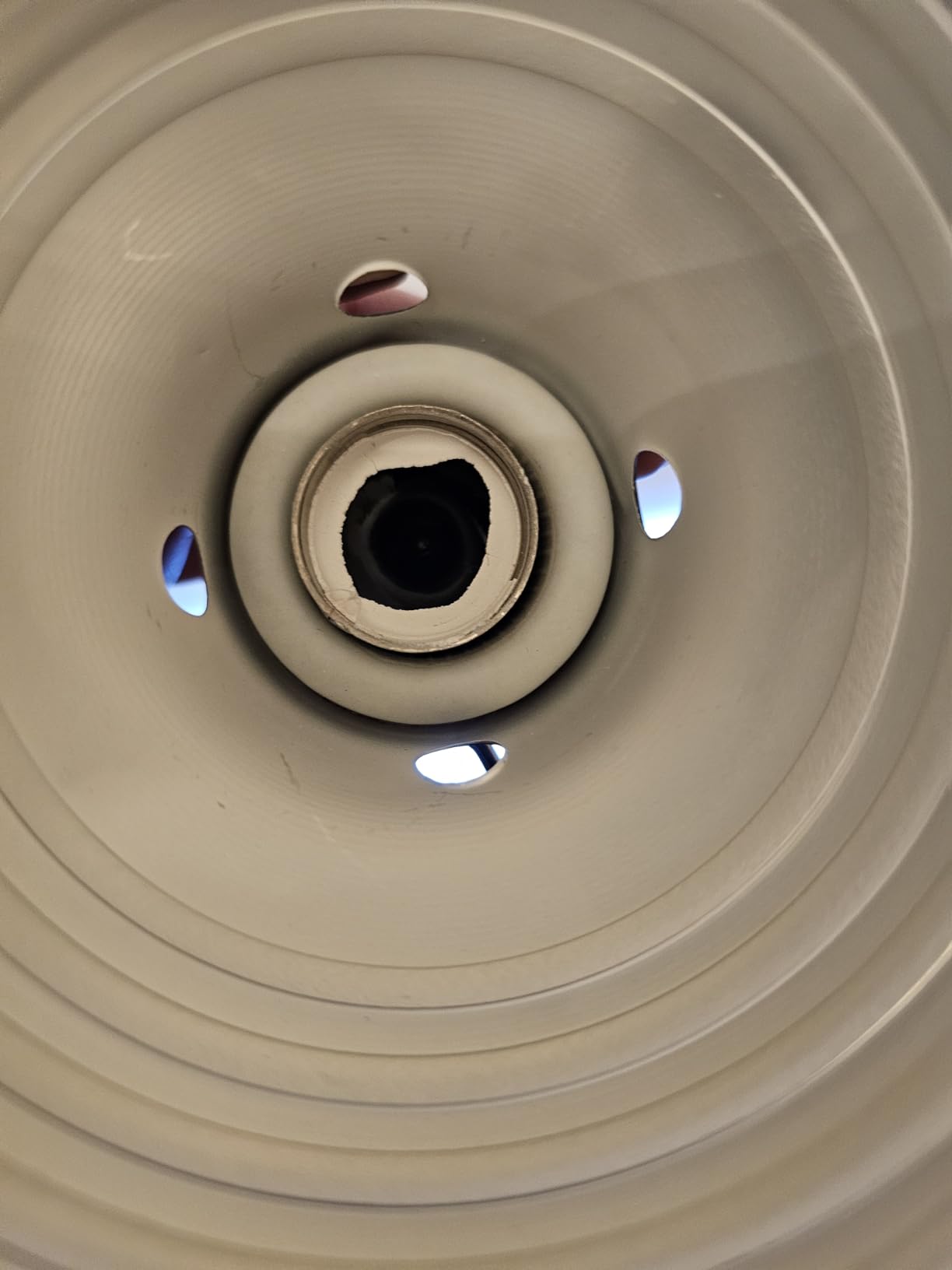
Humidity is where this lamp earns its keep. The carbon filament is designed not to evaporate water as quickly as a standard heat lamp, and several keepers moved to it specifically because their ceramic emitters were drying out a tropical enclosure. Bearded dragons and leopard geckos are reported to bask under it and then sleep nearby once the rock cools.
Two practical notes. The 50 wattage suits small enclosures and juveniles but can struggle to push a very small setup above 80F, and the manufacturer designs it for 100-120V US outlets rather than universal voltage, so it is not the lamp for a 240V setup.
Is the silicone sleeve actually useful?
Yes, and it is the reason this lamp behaves differently day to day. Changing a bare carbon lamp means waiting for it to cool; here you can pull it out through the sleeve. That encourages more frequent spot-checks of the slate temperature, which in turn makes the thermostat tuning more accurate.
It also reduces the temptation to run without a guard, because the fixture is designed around the sleeve rather than around a bare glass bulb. It is a small design decision that pays off every time you do maintenance.
What are the downsides at 50 watts?
Capacity, mostly. If your enclosure is on the larger side for a 50 watt unit, you will spend cold nights at the edge of the target range, and the fix is more wattage rather than more dimming.
There is also a faint hum that replaces the silence of a ceramic emitter. Owners in a quiet bedroom notice it; owners in a busy house do not. Quality control is also uneven, with reports of dead-on-arrival lamps and failures within a week from individual buyers.
7. AUAAQ 120W Deep Heat Infrared Projector Lamp
- Highest wattage in the roundup at 120W
- Thick parabolic reflector cuts wasted energy
- Heavy duty construction
- Comes in 50W 80W 100W and 120W
- Virtually no visible light output
- Listed at 220-240V rather than North American 120V
- Integrated reflector rules out deep dome lampshades
- Smallest review base at 34 ratings
- 9 percent of reviews are one star
At 120 watts this is the highest-output projector in the group, which makes it the candidate for a large PVC snake enclosure where 100 watts leaves the warm side short on cold nights. The carbon fiber filament emits both Infrared A and Infrared B, and the thick parabolic reflector is built to focus heat into a basking zone rather than lose energy around the enclosure.
The design decision that matters here is the integrated reflector. The manufacturer explicitly recommends against deep dome lampshades, because the open arrangement improves ventilation and avoids heat pockets that shorten bulb life. That is good engineering advice and it also means your fixture choice is narrower than with a standard lamp.
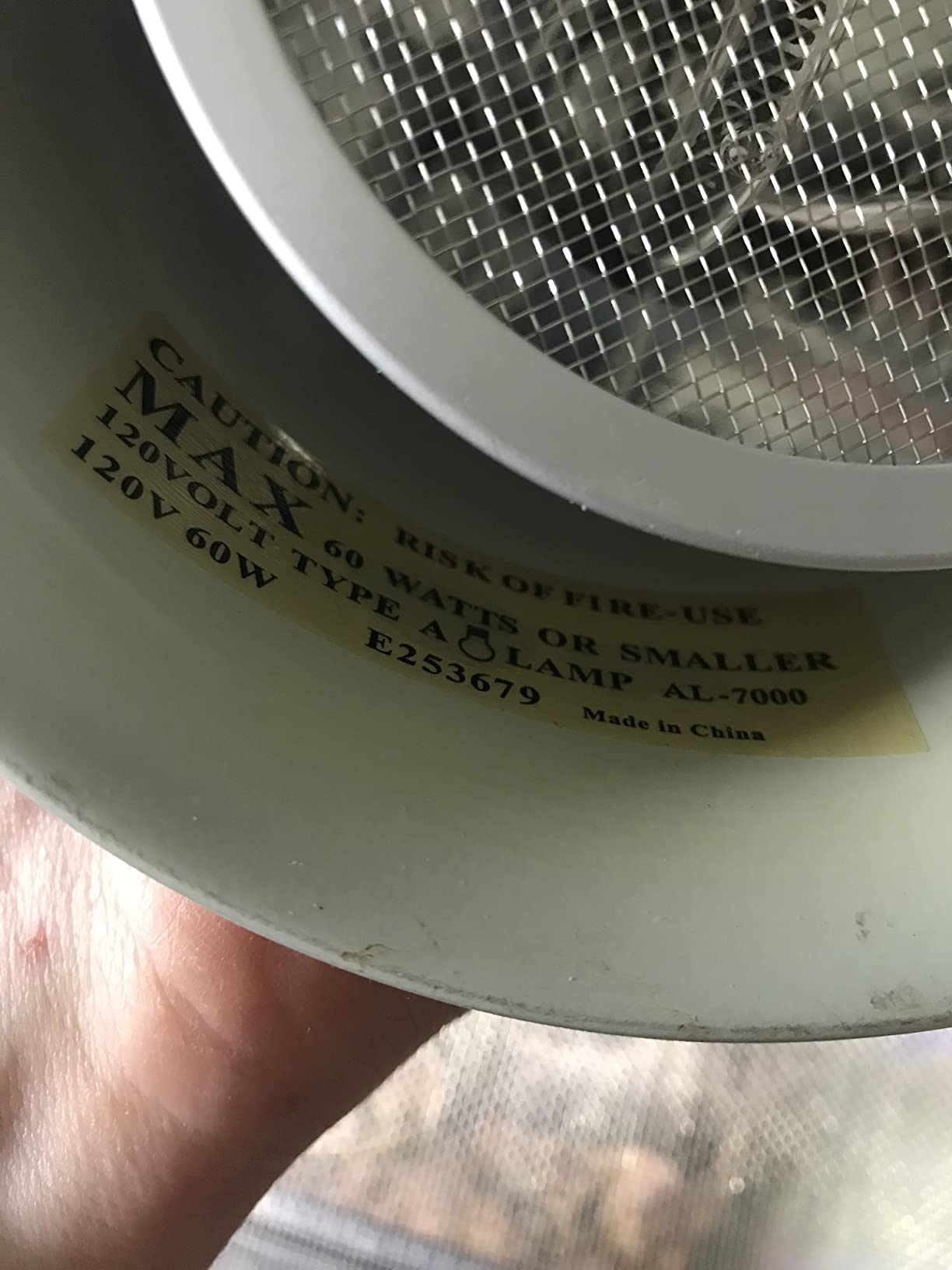
There is a voltage issue to resolve before anything else. The listed specification is 220 to 240V at 60Hz, which does not match a standard North American household circuit. Confirm what your fixture expects before you commit, because a mismatched lamp is a burn hazard rather than a bargain.
Is 120W overkill for a typical setup?
For a 4x2x2 it is high, and a dimming thermostat makes it usable rather than silly. Running at partial output, a 120W lamp gives you finer control at the low end than a smaller lamp gives you at the top, which is the argument a lot of experienced keepers make for oversizing slightly.
For a large enclosure or a cold room it is closer to right. The same logic applies if you plan to run a buddy lamp setup with a halogen flood, where the projector handles the deep and nighttime component while the flood handles the visible basking behaviour.
What should I watch out for with this projector?
Evidence. Thirty-four ratings is the thinnest sample in the roundup, so long-term reliability is largely unverified, although a 9 percent one-star share suggests failures are possible rather than routine. Plan a serviceable setup so a failure is an inconvenience instead of an emergency.
The fixture constraint is the practical trap. If your only option is a deep dome, this lamp is the wrong choice in this roundup. Pick one with a standard reflector profile instead, and use the deep dome hardware you already own.
How to match deep heat projector wattage to your enclosure
Wattage on the box is a poor guide on its own, because the reflector, the beam angle and the distance to the basking surface all change the delivered heat. The useful rule is to work from the basking surface backwards, then confirm with a non-contact thermometer rather than with the box label.
For a small setup with a juvenile animal, a single gecko in a modest vivarium, 50W is usually enough and will hold a gradient without a thermostat straining. For an adult snake in a 4x2x2, you want 100W minimum, and plenty of keepers who reviewed these lamps concluded that 150W suits that enclosure better still because the thermostat is not pinned at full output.
Above 100W, the limiter stops being wattage and becomes enclosure height. A tall enclosure pushes the surface further from the reflector and heat falls off quickly with distance, so a bigger lamp in a taller cage can underperform a smaller lamp mounted lower. If your enclosure is tall, mount low and use a guard rather than buying more watts.
Enclosure footprint matters less than volume, because a DHP heats a surface rather than a volume of air. If you have not chosen the enclosure yet, size it first with our ball python enclosure guide, then match the lamp to the finished footprint and height.
Species pattern matters too. Nocturnal and crepuscular species that hide during the day are the ideal DHP candidates, because the lamp can run 24 hours without a light cue. Diurnal species still need a visible halogen flood for basking behaviour, and the projector works best as the overnight half of that pairing.
Thermostats, fixtures and safe placement for a deep heat projector
Fit a dimming thermostat. It is not optional, and keepers treat it as the baseline requirement. A projector without one is unsafe, because the surface temperature of the beam target will drift with room temperature and season without any correction. A dimming thermostat reduces power rather than cutting it on and off, which is gentler on the filament and holds temperature far more steadily.
The pairing that comes up most often in community threads is an Arcadia projector with a Herpstat dimming thermostat, with Exo Terra dimming units the other frequently named option. Choose the thermostat on its rated load and on whether you want proportional dimming or a pulse-proportional mode, then confirm it supports the lamp you picked rather than assuming.
On fixtures: the standard answer is a ceramic deep dome or a clamp lamp with a suitable guard. Arcadia’s own guidance is that the projector is well insulated and internally reflected, so a reflector dome adds nothing. A guard is worth adding anyway, because it removes the chance of a curious animal contacting a very hot surface, and owners running the ExoRepti specifically warn that its aluminum shell runs hot enough to require gloves.
Mount the lamp so the beam lands on a thick piece of dark slate or dense rock at one end of the enclosure, with an insulated cable run and real clearance from decor, cork and foliage. Give the surface room to spread so the animal can move off the hot spot. Keep the dome clear of anything flammable and check that your socket and fixture can carry the lamp’s draw.
Measure the way professionals do. Dial and strip thermometers read the air at their own position, which on a DHP setup is exactly the number that will disappoint you. Use a non-contact IR thermometer pointed at the basking surface instead, and confirm the warm and cool ends of the gradient with a second reading at the far side.
Finally, manage humidity deliberately. A projector dries an enclosure far less than a ceramic emitter, but any open-top or screened-top vivarium still loses moisture. If you are running a tropical species in a setup that needs misting, our reptile misting system guide covers pairing a scheduled mist with a projector that is not fighting it.
Where a deep heat projector is the wrong choice
Tortoise and tortoise-sized enclosures are the clearest case for buying something else. A keeper on the Tortoise Forum put it directly for a 4×3 foot enclosure: no need to go for a deep heat projector, ambient hot air and Infra-Red-C from a ceramic emitter or radiant heat panel are sufficient. A tortoise needs broad, even ambient heat across a large floor area, which is precisely the job a directional projector is worst at.
Skip the projector if you need the air itself to be warmer. Cold rooms with tall enclosures, or situations where the whole enclosure needs lifting several degrees regardless of where the animal sits, are ceramic emitter and radiant panel territory. One keeper on r/reptiles picked a projector precisely because it gets fairly cold in the house at night, but that is a personal judgement about their own room.
Skip it if you will not run a thermostat, if your fixture cannot take the lamp depth, or if you need UVB. A projector produces no UVB, so diurnal species still need a separate UV source, and that is a second piece of equipment to place and tune.
Frequently Asked Questions
Are deep heat projectors good for snakes?
Yes, for snakes they are one of the best options available, because the carbon filament projects Infra-Red-A and Infra-Red-B that penetrate into muscle tissue rather than only warming the air, and the lamp produces virtually no visible light so it does not disturb night-time cycles. They also dry an enclosure far less than a ceramic heat emitter. The important caveat is that they raise a basking spot, not the whole enclosure.
What is the best deep heat projector for ball pythons?
Our top pick is the Fluker’s 100W Deep Thermal Heat Lamp, which has the largest review base in the roundup at 247 ratings and a parabolic reflector that gives a stable basking zone. For an adult in a 4x2x2 PVC enclosure, many keepers instead run the Zoo Med ReptiCare at 150W so the dimming thermostat is not pinned at full output. Mount over thick dark slate and verify surface temperature with a non-contact thermometer.
Are deep heat projectors better than ceramic heat emitters?
Neither is universally better. A deep heat projector wins on deep tissue penetration and on holding enclosure humidity, which is why many keepers move away from ceramics. A ceramic heat emitter wins when you need even ambient air heat, such as a large tortoise enclosure, a cold room, or a tall vivarium where every corner needs lifting. Use a projector as the basking and overnight source and a ceramic emitter for background air where needed.
Why does my deep heat projector not heat the air?
Because that is how the technology works. The lamp projects Infra-Red-A and Infra-Red-B at a surface, usually thick dark slate, and the animal absorbs that energy through its skin. The warmed rock then re-radiates the heat as Infra-Red-C, which is what slowly lifts air temperature. If your room-temperature reading is not moving, measure the surface of the slate with a non-contact thermometer instead, and give the rock close to a week of use to stabilise.
Do deep heat projectors use a lot of electricity?
Less than the wattage suggests. An internally reflected carbon filament converts a relatively small number of watts into a focused basking surface, and a dimming thermostat only supplies the power needed at that moment rather than running the lamp flat out. A 50W projector can outperform a 100W ceramic heater in usable basking heat. Check the fixture and socket can carry the draw, and measure real consumption if you are budgeting closely.
Do I need a thermostat for a deep heat projector?
Yes. Keepers treat a dimming thermostat as part of the unit rather than an accessory, because surface temperature drifts with room temperature and season. Dimming models are preferred over on/off models since they reduce power instead of switching the filament repeatedly. Herpstat dimming units and Exo Terra dimming thermostats are the two most commonly named pairings in keeper communities. Running a projector without one is unsafe.
The verdict: which deep heat projector should you buy
The Fluker’s 100W Deep Thermal Heat Lamp takes our Editor’s Choice for one reason: it is the only lamp here with a review pool deep enough to tell you both what it does well and where it fails, and it does not fail at heating. For an adult snake or a full-size enclosure it is the safest default in this roundup.
Run the Zoo Med ReptiCare at 150W if your enclosure is large and you want the thermostat relaxed, the ExoRepti 100W if you mist heavily, and the Pangea 50W if you are starting with a juvenile and want the silicone sleeve. Whatever you choose, buy the dimming thermostat and the slate on the same day as the lamp.
We update this roundup through 2026 and revisit it whenever new models hit the category. If you want the short version of everything above: the best deep heat projectors for reptile enclosures are the ones that heat a rock, not a room, and the ones you can leave on all night.