
Choosing smart smoke alarms for older houses is not mostly a shopping question. It is a question about what is already buried in your walls, whether the box on the ceiling has a neutral wire, and how many decade-old devices are still talking to each other. We spent weeks reading spec sheets, install guides and owner reviews across nine connected and interconnected alarms to work out which ones actually suit a house that was wired before most of these products existed.
Older houses fail smoke-alarm upgrades in predictable ways. The power is there but the interconnect is not, or the interconnect is there but the wire is a colour the new alarm does not recognise, or the existing alarms are so old that mixing a new model with them sets off a chorus of false alarms every time someone burns dinner. The fix is rarely a bigger box of features. It is picking a unit that matches the wiring you have and a sensor type that suits an open-plan kitchen.
Are smart smoke alarms worth it in a house like this? Yes, with one caveat: the smart features only help if somebody hears the phone. The 85 dB horn still does the life-saving work, and the app, voice alerts and interconnect are what tell you the alarm was in the basement rather than the hallway while you were out. If you are also updating other aging-in-place systems, our smart thermostat guide for older homes covers the same no-rewire logic.
Everything below was written for owners of pre-1980 houses, including the awkward ones. No roundup we found pairs product picks with a plain-language method for identifying the existing system, so we built that into the article. Last updated for 2026.
Top 3 Smart Smoke Alarms for Older Houses in 2026
These are the three we would put our own family in, given the wiring most 1920s-to-1970s houses actually have.

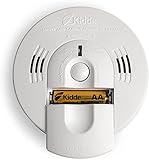
Kidde Smart Smoke and CO with Ring
- Smoke and CO in one unit
- Ring app alerts with no subscription
- Wire-free interconnectivity
Kidde Hardwired Smoke and CO with Voice
- Hardwired 120V AC with battery backup
- Interconnects up to 24 devices
- Spoken hazard alerts

First Alert BRK SC7010BV Talking Alarm
- Voice and location alerts
- Electrochemical CO plus photoelectric
- Interconnects with BRK alarms
All 9 Smart Smoke Alarms Compared in 2026
Every model below appears in this table, in the same order as the individual reviews that follow.
| Product | Specifications | Action |
|---|---|---|
| Kidde Smart Smoke and CO with Ring |
|
Check Latest Price |
 eufy Smoke Alarm E10 eufy Smoke Alarm E10 |
|
Check Latest Price |
 Heiman Wireless Interconnected 3-Pack Heiman Wireless Interconnected 3-Pack |
|
Check Latest Price |
 Heiman 6-Pack with Smart Gateway Heiman 6-Pack with Smart Gateway |
|
Check Latest Price |
 Kidde 30CUA10-V Hardwired Voice Alarm Kidde 30CUA10-V Hardwired Voice Alarm |
|
Check Latest Price |
| First Alert BRK SC7010BV Talking Alarm |
|
Check Latest Price |
 First Alert Hardwired Voice Alarm 3-Pack First Alert Hardwired Voice Alarm 3-Pack |
|
Check Latest Price |
 First Alert BRK 7020BSL Strobe Alarm First Alert BRK 7020BSL Strobe Alarm |
|
Check Latest Price |
| Kidde Hardwired Smoke and CO with Voice |
|
Check Latest Price |
First, Work Out What Your Older House Already Has
Before you read a single product page, open a junction box and answer four questions. The answers decide which half of this list is even relevant to you, and they take about ten minutes with a flashlight.
One: what powers the current alarms? If you can unscrew one alarm and the others stay quiet, the house runs on AC and the alarms are AC powered. If a battery slides out, the house is likely battery-only or has unpowered backup batteries.
Two: is there a neutral wire? This is the single biggest blocker in pre-1970 housing. A hardwired smart alarm needs a neutral inside the box. If the only conductors are a hot feed, a switched return and a red or orange interconnect, stop and read the electrician section below.
Three: how many conductors, and what colour? Two conductors means power only, and nothing you install will talk to anything else without extra wiring. Three conductors, with red or orange, means the old system was interconnected and a modern replacement can usually join that same wire.
Four: how old are the installed alarms? Look for a manufacture date on the back label or a side sticker. Every listed alarm has a 10-year service life, and once a system is past that on several devices, owners on Home Automation and DIY forums consistently report that replacing the whole set at once solves the false alarms that swapping single units never did.
Write your answers down before you shop. If the house is battery-only with no interconnect wire at all, skip every hardwired pick in this roundup and go straight to the wireless-interconnect options.
1. Kidde Smart Smoke and CO Alarm with Ring – app alerts with no monthly fee
- Smoke and CO detection in one unit
- Ring app alerts with no subscription
- Wire-free interconnectivity with other Kidde alarms
- Enhanced sensing reduces cooking nuisance alarms
- Works with Alexa
- 24/7 professional monitoring needs a separate Ring subscription
- Interconnect behavior depends on the setup in the user guide
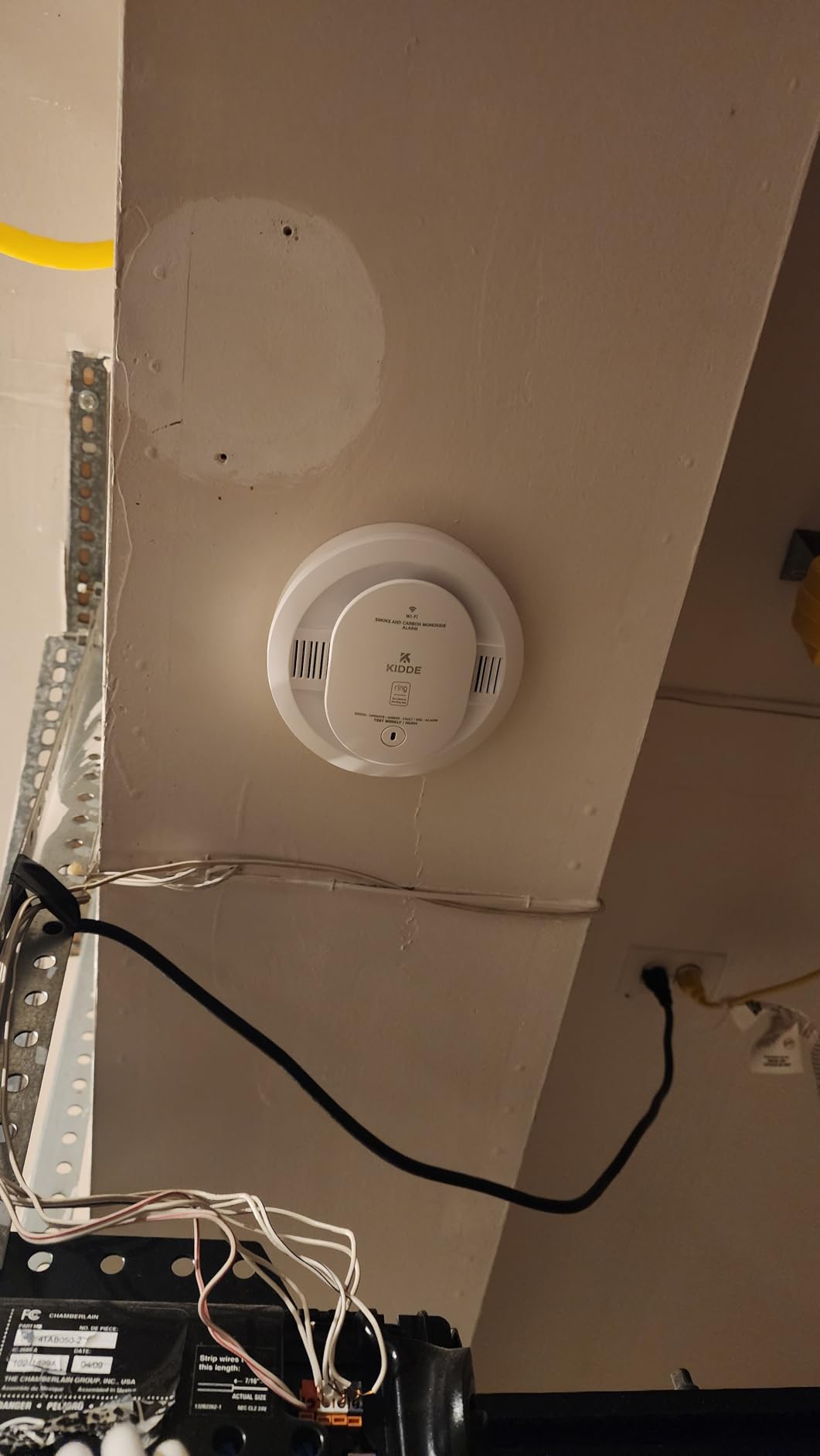
This is the unit we recommend first for a pre-wired-less house, because it does not ask anything of your wiring. Two AA batteries, no neutral, no bracket, no electrician. You screw it to the same ceiling screw your old alarm used, and the Ring app starts talking to your phone within a few minutes.
What convinced us is the subscription maths. Reviewers consistently single out the fact that the standard alerts, including smoke, carbon monoxide and low-battery warnings, arrive without paying anything. A professional monitoring tier exists, but nothing in the basic life-safety path is held hostage behind it.
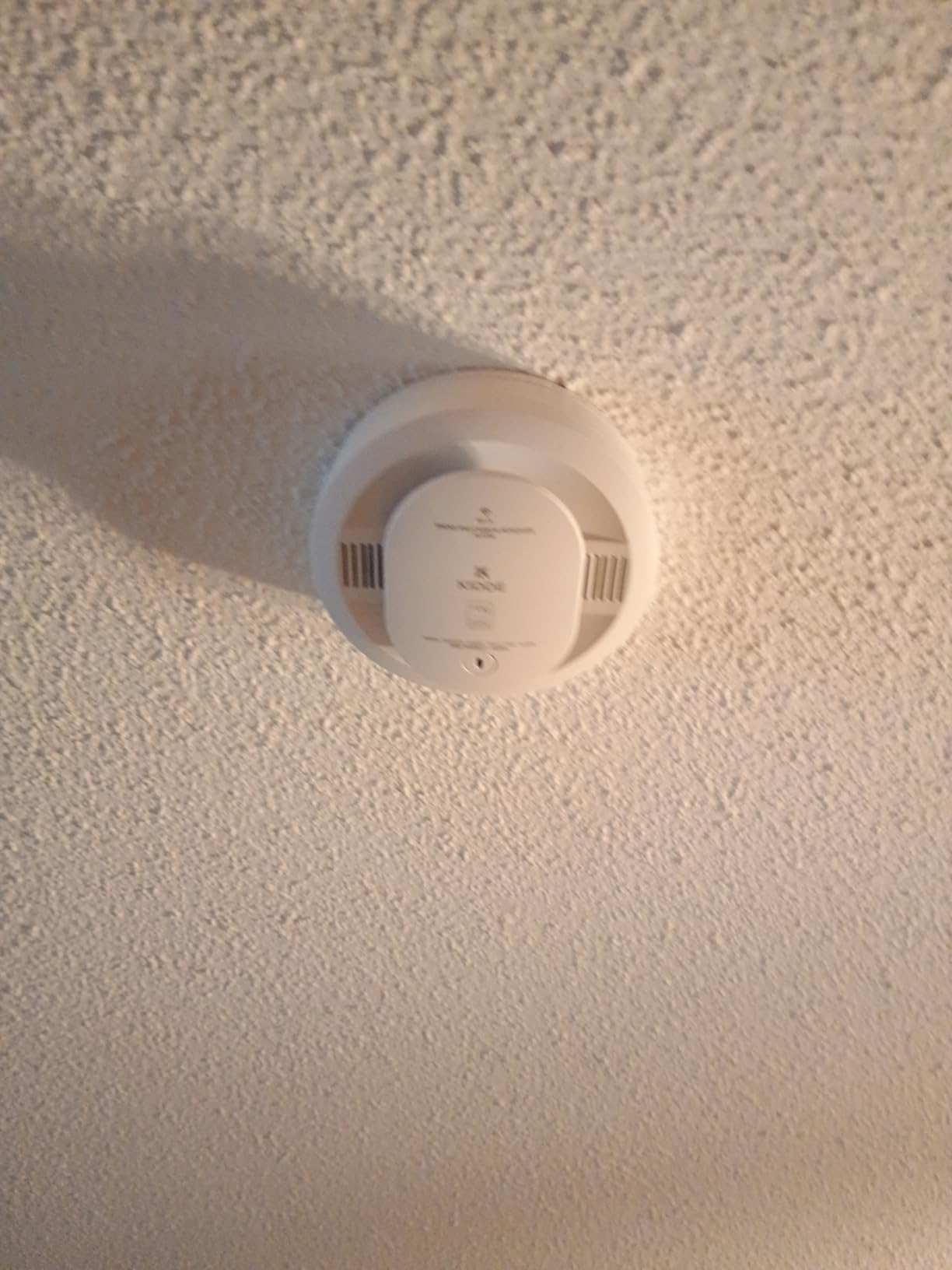
The second thing that convinced us is the interconnect. When a Kidde alarm trips, the others in the house sound with it over a wire-free link, and the app names the location. In a three-storey house with a stairwell nobody can hear from the top floor, that relay is the whole point.
Specs worth knowing: 2-in-1 smoke and CO detection, real-time Ring app notifications with no subscription required, and enhanced sensing designed to cut cooking-related nuisance alarms. The manufacturer also states detection over 25 percent faster than a leading competitor based on internal testing, which is a company claim rather than an independent result.
Alexa users can ask for voice notifications too, which makes it a natural fit alongside the rest of a Ring setup. Kidde also sells a smoke-only version of the same platform if carbon monoxide is not a concern in your rooms.
Why it works in an old house
Because it never touches the wiring. That single fact makes it the safe recommendation for knob-and-tube houses, boxes with no neutral, and rental units where the landlord has not approved an electrician.
Interchange it with other Kidde alarms in the home over the wireless link, and you can retire hardwired alarms one floor at a time instead of all at once. Home automation forum users without usable interconnect wiring pick this path precisely because it needs no new cable.
Where it falls short
It is a smart alarm in name and app, not a hub-based system. If your household runs Home Assistant and wants local-only control with no cloud dependency, the Ring app is a cloud service, and reviewers who moved away from cloud platforms flag that as the trade-off they accepted.
It also does not voice the room the way the hardwired talking units do, so on a two-storey layout the notification on your phone is doing the work the speaker would otherwise do.
2. eufy Smoke Alarm E10 – a 70 mm body for low ceilings
eufy Security Smoke Alarm E10, Smoke Detector, Ultra-Compact 70 mm Design
- Very small 70 mm body that blends into older-home ceilings
- 5-year sealed lithium battery removes low-battery chirps
- Long wireless range to HomeBase up to 656 ft
- UL 217 10th edition compliant
- Requires a separate eufy HomeBase hub to operate
- HomeBase must run a minimum firmware version
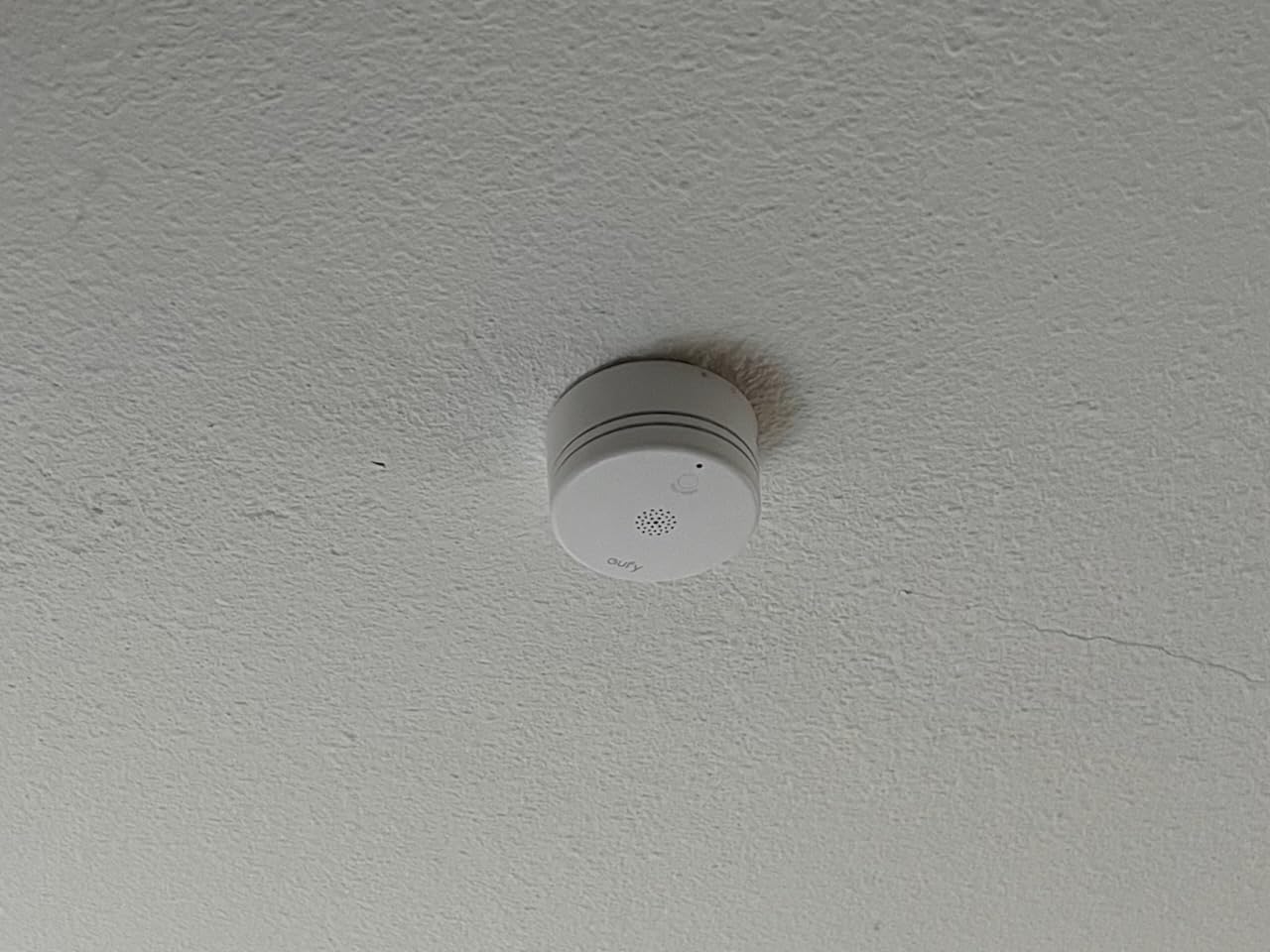
Older houses have low ceilings, odd angles and decorative plaster that a standard 6-inch disc looks wrong on. The E10 measures 2.75 by 2.75 by 1.08 inches and weighs 3.52 ounces, which is roughly a third of the footprint of a traditional alarm, and reviewers specifically call out how well it disappears into a hallway or an original moulding.
Detection is listed as compliant with UL 217 10th edition standards, the current smoke-alarm standard, and owners report a low false-alarm rate in practice. The 5-year built-in lithium battery removes the annual battery change and the midnight chirp that makes people disable alarms.
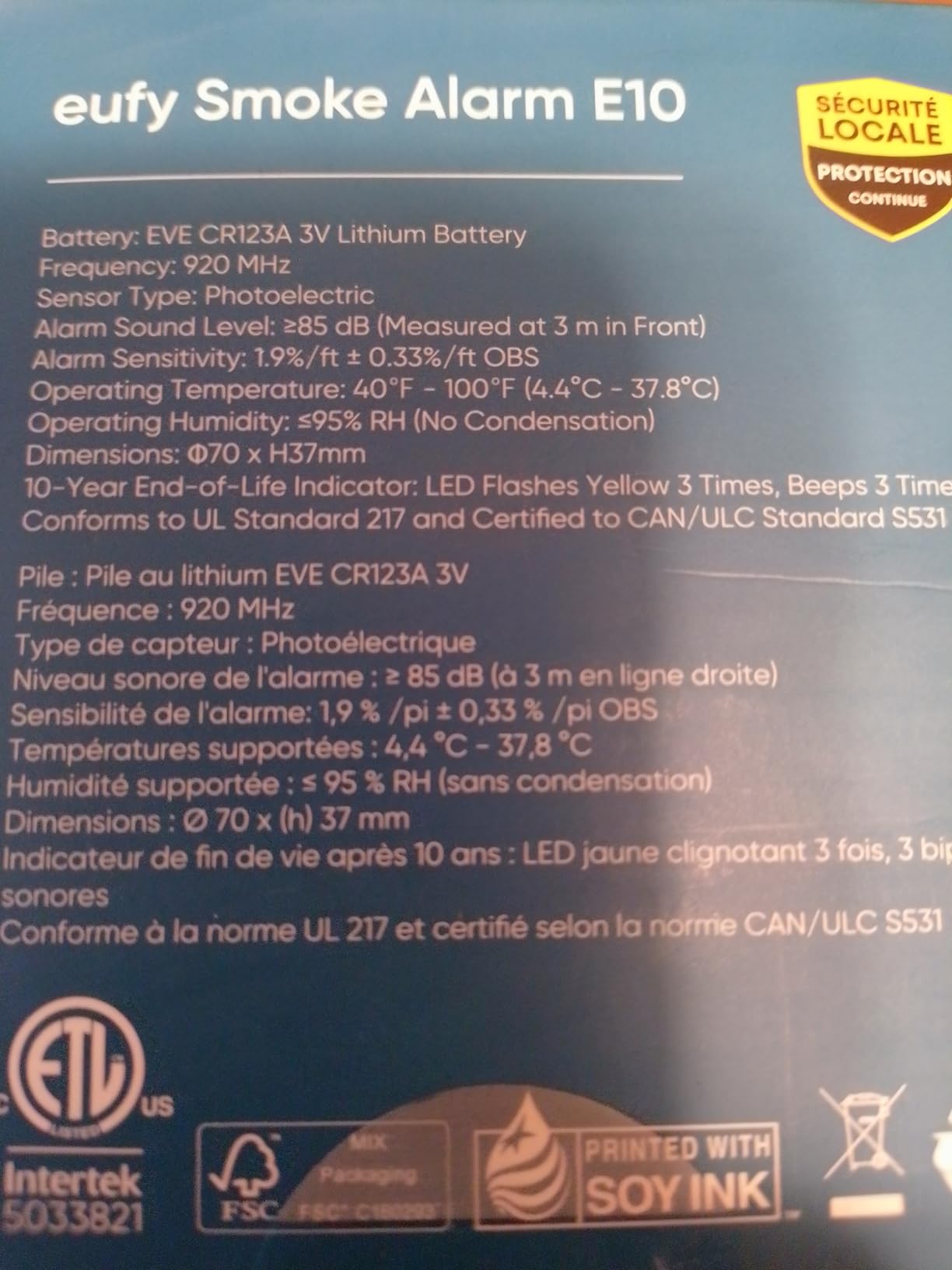
The wireless range figure is up to 656 feet in open air, which matters in a long, thin Victorian plan where the hub sits at one end of the house. Placement guidance from the manufacturer puts the antenna end of the unit in bedrooms, hallways, kitchens and living areas.
The catch is real and it is the same one every eufy owner mentions: this alarm does nothing without a HomeBase. Mini, 2, 3 or Pro are all supported, but only above certain firmware versions, which means an older hub sitting in a cupboard may need updating before the alarm will pair.
Treat that as part of the decision rather than an afterthought. If you are starting from a blank slate and want one app for cameras, doorbells and alarms, HomeBase is a genuine advantage. If you already run another hub, this is one more ecosystem to maintain.
Why it works in an old house
Wireless, battery, no wiring of any kind, and a body small enough not to fight with original plasterwork or a low ceiling. It is also the most discreet option here, which matters if the house is a rental or you are staging a property.
The 5-year sealed battery means you are not on a yearly ladder schedule, and a full set can be installed in a single afternoon without cutting a single hole.
Where it falls short
The HomeBase requirement is non-negotiable, and the minimum firmware versions are specific. Check your hub before you buy, not after.
It is a smoke alarm rather than a smoke and CO combo, so a house with a gas range, a gas fireplace or an attached garage still needs separate CO detection somewhere. HomeBase compatibility is also the only route to app alerts.
3. Heiman Wireless Interconnected 3-Pack – wire-free interconnection in an afternoon
Heiman Smoke Detector, Wireless Interconnected Smoke Alarm for Home, 3 Pack
- Alarms pair in about 30 seconds and all sound together
- Dual photoelectric sensors cut nuisance alarms
- Installs with screws or magnetic pads with no wiring
- UL 217 10th edition certified
- Compact size hides removed detector outlines
- No app or Wi-Fi connectivity in this pack
- Some reviewers report batteries dying well before a year
- Older paint outline may remain after removing a larger alarm
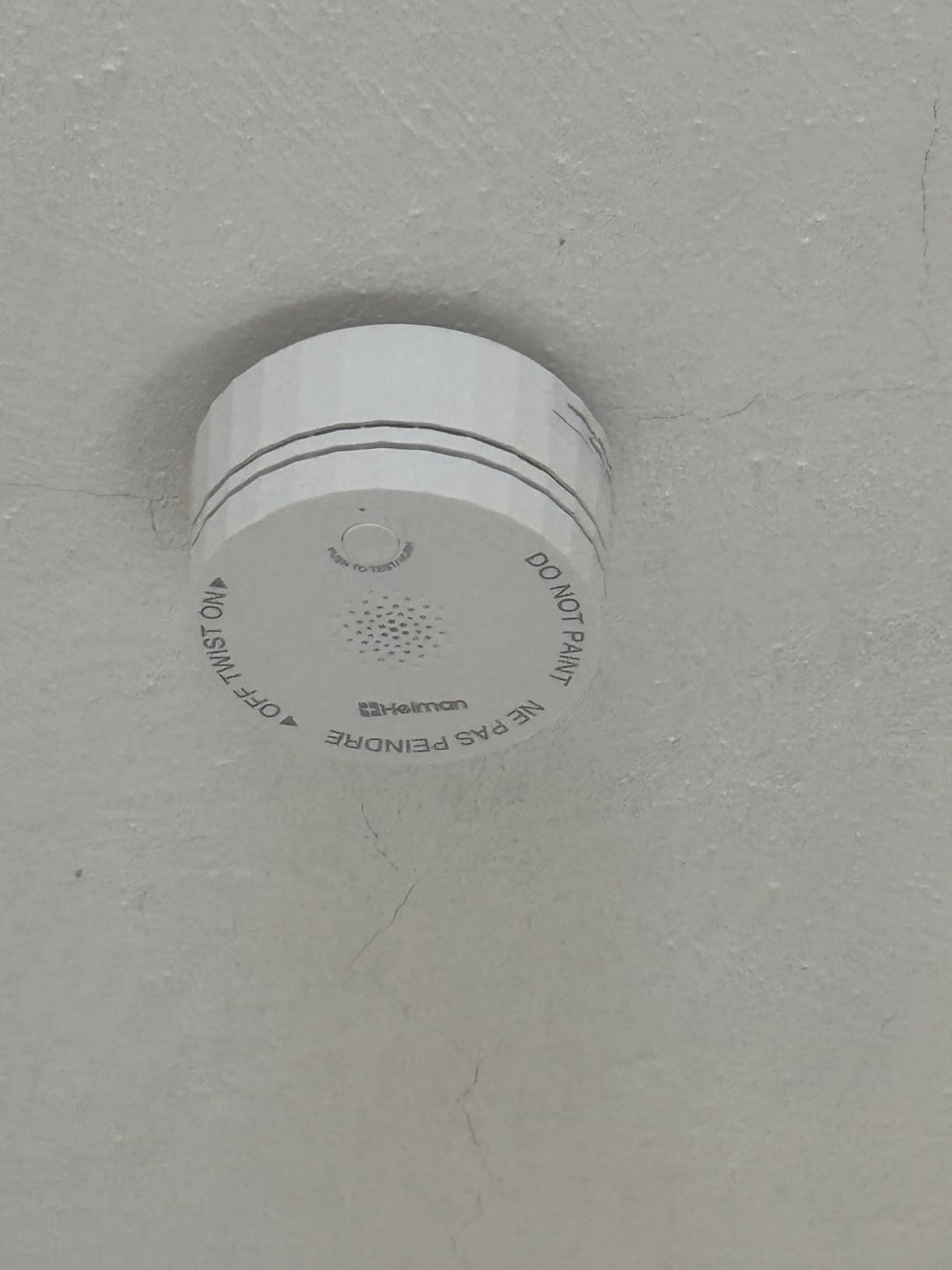
This is the pure retrofit answer. Three photoelectric alarms that link to each other over radio and nothing else. No hub, no app, no subscription, no account. Owners in older homes consistently pick this path because you can finish a whole floor in an afternoon without running a single cable.
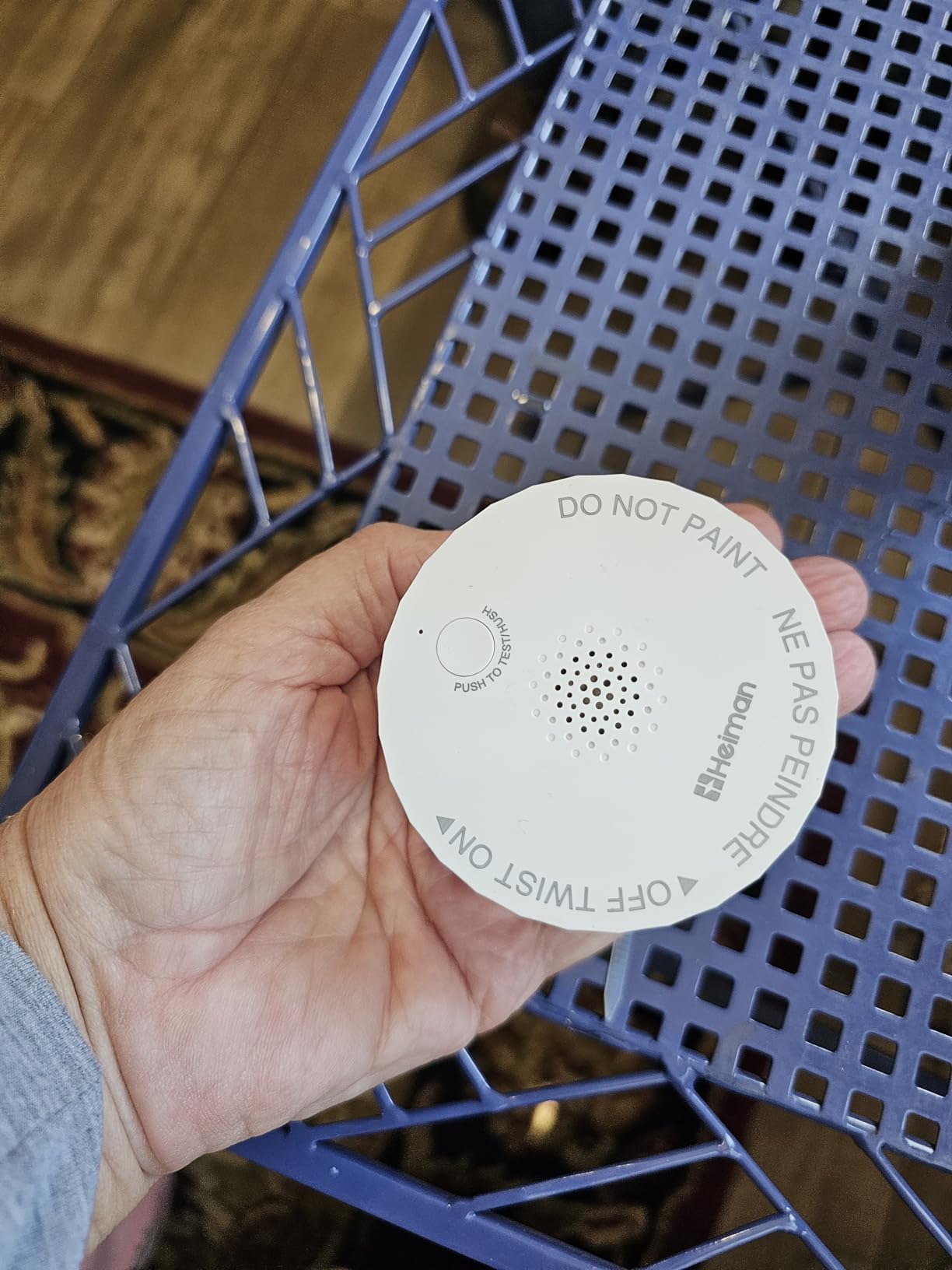
Pairing takes roughly 30 seconds per alarm, and once linked, the first alarm to trip brings the rest within seconds. The buzzer is rated at 85 dB at 10 feet with LED indicators, and the one-touch button doubles as test and silence with a 10-minute hush.
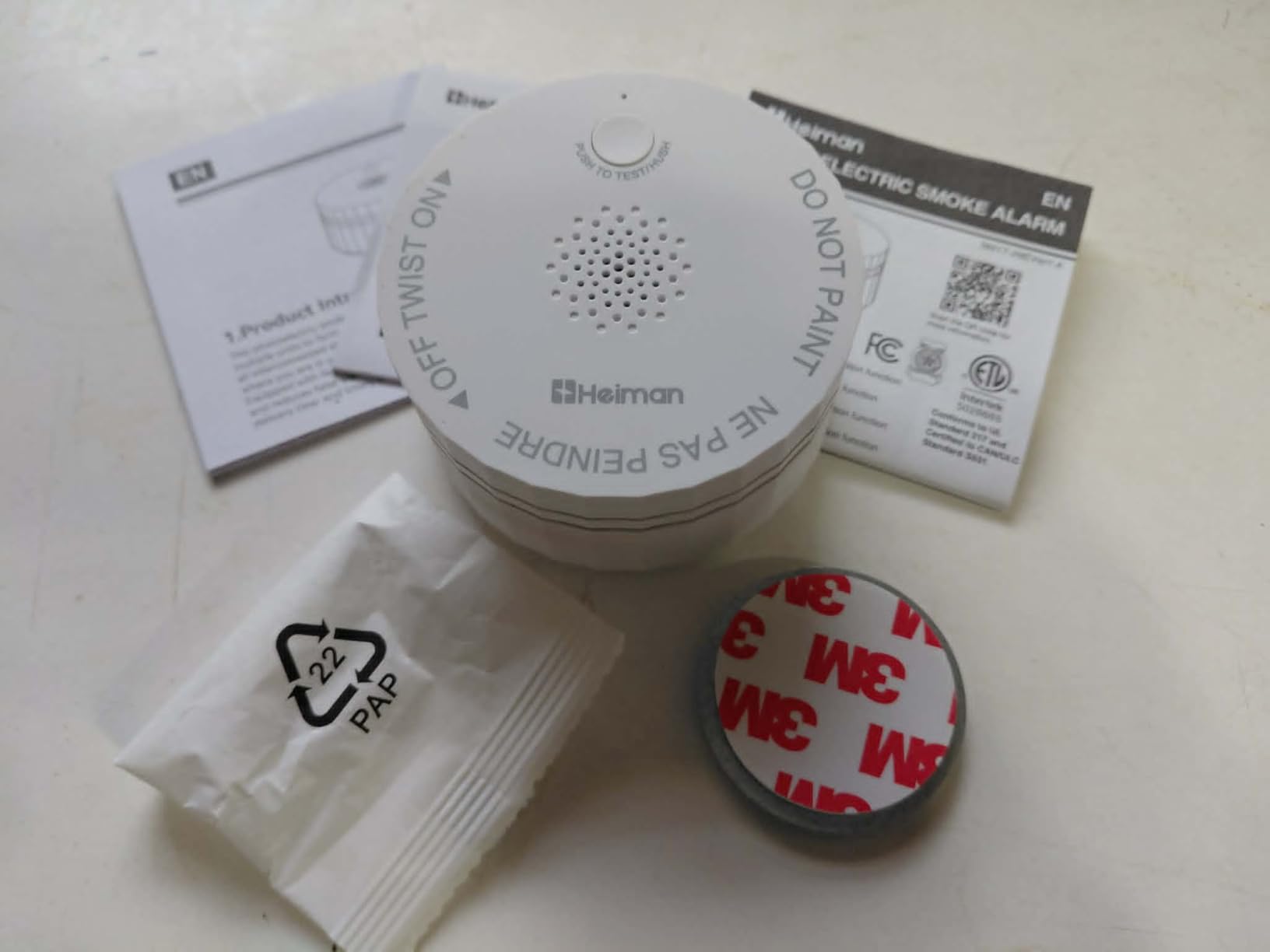
Two design choices make it good for old housing specifically. Magnetic adhesive pads mean you can mount without hunting for a joist or a box, and the 70 mm-class footprint means a painted patch left by a larger removed alarm is far less noticeable than it would be with a standard disc.
The dual-beam photoelectric sensing is tuned to faint and slow smoldering smoke, which is also why reviewers report fewer cooking and steam false alarms than with older generations. The enclosure is flame-retardant ABS and PC rated UL94 V-0, which is a good sign in a house full of original timber.
Operating humidity is 5 to 95 percent relative, and the upper temperature rating is 100 degrees Celsius. A Red Dot design award is not a safety credential, but it does suggest the manufacturer treated the enclosure as a design object rather than an afterthought.
Why it works in an old house
It asks nothing of the walls, and radio range up to 656 feet in open areas is more than enough for a typical two or three-storey house. Three alarms cover a main floor with bedrooms and a hallway, which is the most common first stage.
Because the pack has no app, it also cannot become a cloud problem later. If the internet drops or the vendor retires the service, the alarms still sound locally and still talk to each other, which is exactly what several Home Assistant users say they care about most.
Where it falls short
Reviewers point out the practical limit here: a linked siren only helps people who are already inside the building, so if nobody is home during the day this configuration tells you nothing.
Reviewers also raise concerns about battery longevity on some alarms, with claims of 10-year batteries failing after months to about two years. And if your old alarms were larger, the smaller replacement can leave a visible paint outline on the ceiling.
4. Heiman 6-Pack with Smart Gateway – whole-home coverage plus phone alerts
Heiman Smart Wireless Interconnected Smoke Detector, 6-Pack + Gateway, S1-R
- Six alarms and a gateway cover a whole multi-storey home
- Two modes: local interconnect or gateway alerts
- Gateway pairs with other Heiman safety sensors
- 10-year sealed battery removes low-battery chirps
- Dual-beam photoelectric sensing reduces cooking false alerts
- Gateway needs 2.4GHz Wi-Fi and will not connect to 5GHz
- Smart-home integrations require an extra compatible hub or setup
Where the three-pack is a floor, this is a house. Six detectors plus a gateway covers a two or three-storey older home in a single purchase, and the gateway is what turns a set of linked sirens into a monitored system.
You get two operating modes. Leave the gateway out and the six alarms interlink locally over radio. Add the gateway and you get real-time app, smartphone and email notifications through the Heiman Home app. That flexibility matters in an old house, because you can install the whole network first and decide later about connectivity.
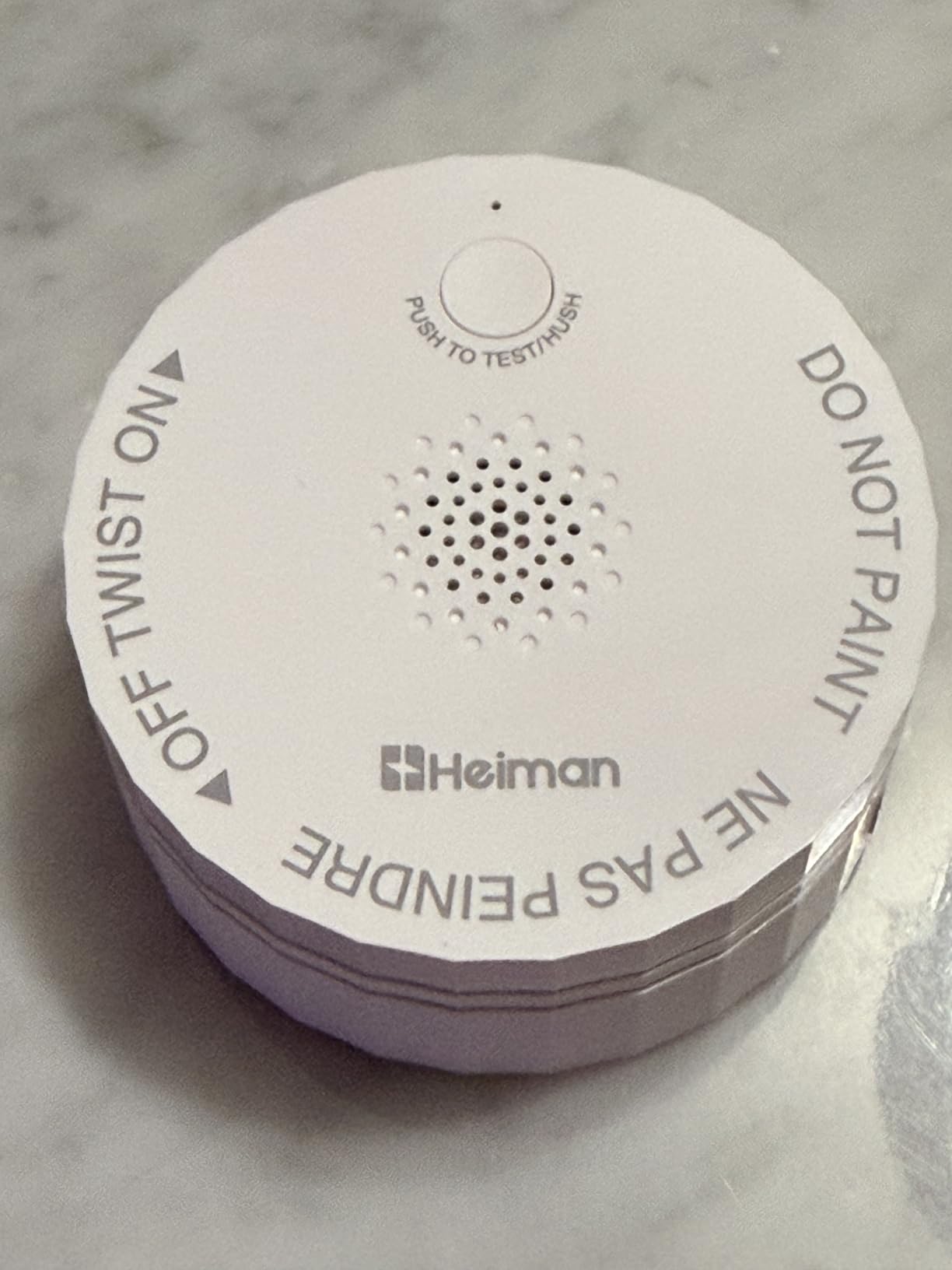
The group handles up to 24 interlinked alarms or gateway-linked devices, and the gateway can also pair with other Heiman sensors, including CO, water leak, door and window, and temperature sensors. The same radio mesh that links alarms can therefore carry leak alerts from a laundry room you do not hear from the kitchen.
Each alarm carries a 10-year CR123A lithium battery, which removes the low-battery chirp problem entirely. The 85 dB siren is backed by flashing visual LEDs and self-diagnostics, and the 10-year limited warranty covers replacement for non-artificial damage.
Compatibility is broad on paper: Home Assistant, IFTTT, Google Home and SmartThings are all listed. Home Assistant users in particular tend to favour exactly this kind of locally pairable hardware over cloud-only integrations.
Why it works in an old house
No new wire runs, and one purchase covers the whole building rather than piecemeal purchases floor by floor. Magnetic mounting and a 70 mm by 37 mm body keep the retrofit visually clean in a house with original ceilings.
Because local interworking works without Wi-Fi, a flaky router in an older house does not disable your smoke system. The gateway is an addition, not a dependency.
Where it falls short
The gateway is 2.4GHz only and will not connect to a 5GHz network, so check your router before buying. Some modern routers broadcast both, but plenty of older models do not.
The review base is small, which means less long-term evidence about battery claims and radio stability in real houses. And the smart-home integrations depend on a hub or ecosystem being configured on your side, so the app is not a turnkey experience.
5. Kidde 30CUA10-V Hardwired Voice Alarm – 10-year battery backup
Kidde Smoke and Carbon Monoxide Detector, Hardwired with 10-Year Battery Backup, Voice Alerts, LED, 85 dB, 30CUA10-V, 1 Pack
- Voice alert names whether the hazard is fire or CO
- 10-year sealed battery removes annual changes
- Interconnects with other Kidde alarms
- 85 dB horn plus red LED
- UL 217 10th edition and UL 2034 5th edition
- Third wire needed for interconnect or alarms run stand-alone
- Box includes no tools or connector adapters
- Sealed battery means the whole alarm is replaced at end of life
If your house is properly hardwired with an interconnect, this is the tidy answer. It is a 3-wire design on 120V AC with a 10-year sealed battery backup, so an outage does not take your protection with it, and the voice alert tells residents whether they are dealing with fire or carbon monoxide.
That distinction matters more than it sounds. In a waking-up-at-3am scenario, a person who knows there is no fire and only a CO warning behaves very differently from someone who assumes the worst. Reviewers describe the spoken hazard announcement as the feature that changes behaviour for older residents.
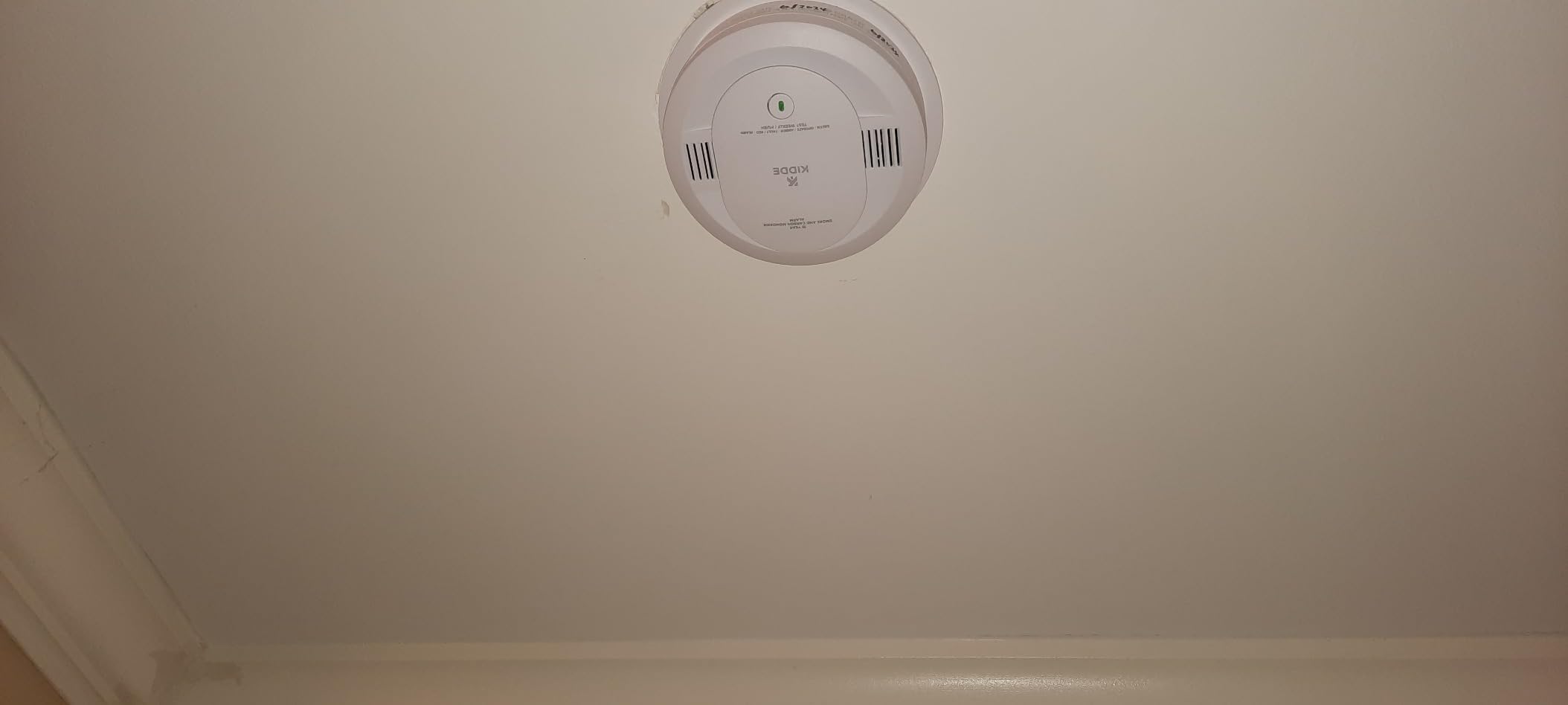
The certification is the strongest in this roundup: UL 217 10th edition for smoke, UL 2034 5th edition for carbon monoxide, plus FCC testing. Sensors are photoelectric for smoke and electrochemical for CO, and the manufacturer states detection over 25 percent faster than a leading competitor in internal testing.
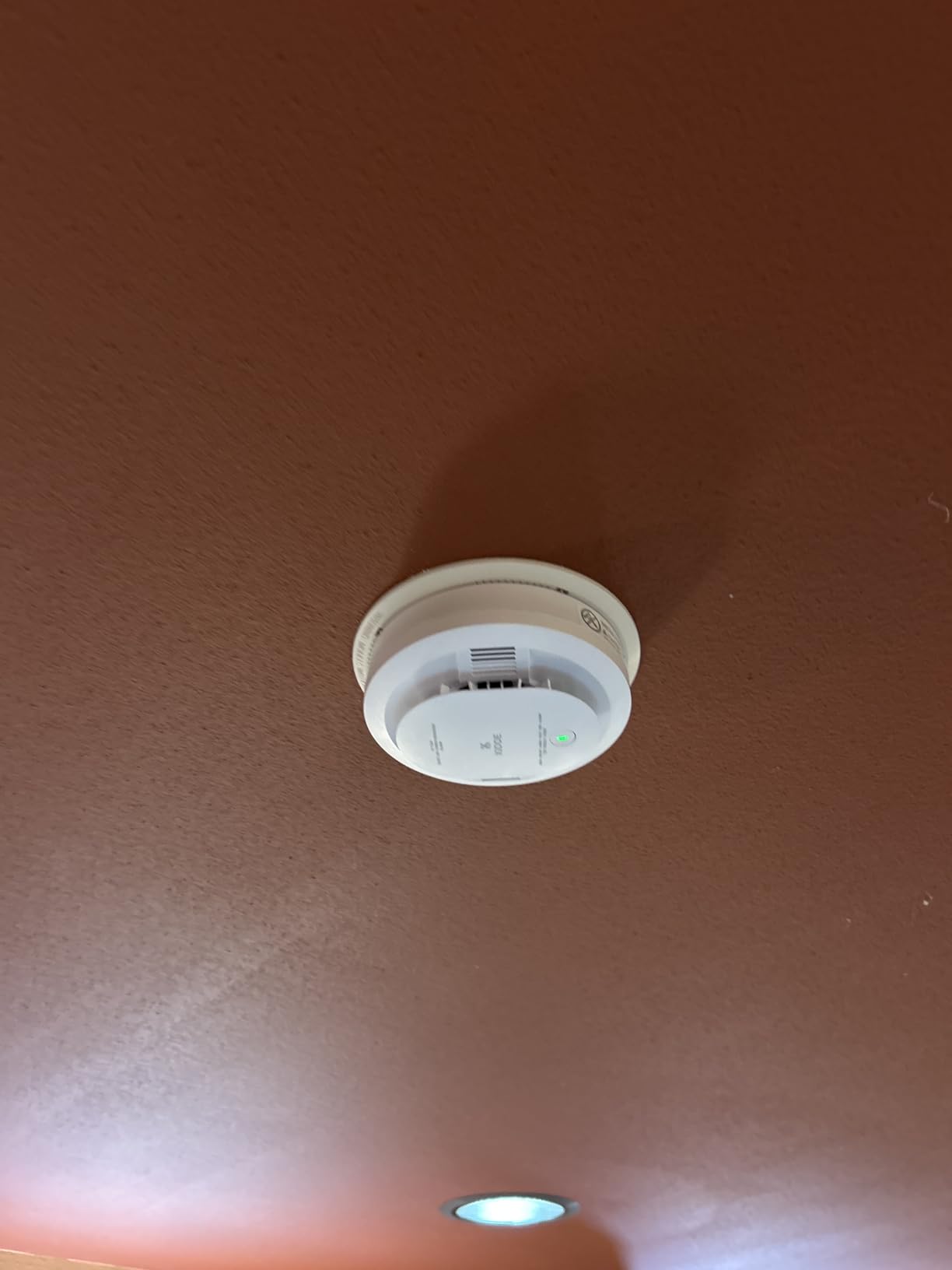
Mechanically it is friendly to a retrofit. Owners replacing decade-old alarms report that it fits existing Kidde mounting brackets, and in many cases the change is a pigtail swap rather than a rewiring job. The 10-year limited warranty is a genuine plus on a device that will sit in a ceiling for a decade.
One detail to plan around: it is a 3-wire connection, two for power and one for interconnect signalling. Houses wired with only two conductors get stand-alone operation, and you lose the whole-house relay that most people are buying this kind of unit for.
Why it works in an old house
It is designed for exactly the situation: an existing hardwired, interconnected system with a 10-year-old set of alarms that all need replacing now. The 10-year sealed backup battery ends the annual-change habit that causes people to ignore chirping.
Interconnect capability with other Kidde alarms means you can keep one brand through the house rather than creating a mixed system, which is the fastest way to invite false alarms.
Where it falls short
The box contains the alarm, mounting hardware and a user guide, with no tools and no connector adapters for amateur installers. If your existing pigtails are an unusual pattern, expect a hardware store trip.
Some reviewers report false alarms and alarms failing within months, and the sealed battery means there is no battery-only fix at end of life. The entire alarm has to be replaced as one piece.
6. First Alert BRK SC7010BV Talking Detector – tells you which room
FIRST ALERT Battery Powered BRK SC7010BV Hardwired Talking Photoelectric Smoke and Carbon Monoxide (CO) Detector , White
- Spoken room-specific alerts identify danger and origin
- Distinguishes smoke from CO for the right response
- Photoelectric sensing tuned to larger smoldering particles
- Interconnects with compatible BRK or First Alert detectors
- End-of-life chirp plus 10-year warranty
- Location announcements depend on units being programmed to matching locations
- No app or remote notification of any kind
The SC7010BV is the most thoroughly reviewed talking alarm in this group, with close to 4k ratings and 90 percent of them at four or five stars. It is hardwired, and the voice and location alerts name the danger among up to 11 preprogrammed locations, so the announcement is not just a siren, it is a direction.
In a three-storey older house, that is the feature that matters most. When the horn goes off at 2am on the third floor, hearing smoke detected in the basement gives the family seconds of head start rather than a search of the whole building.
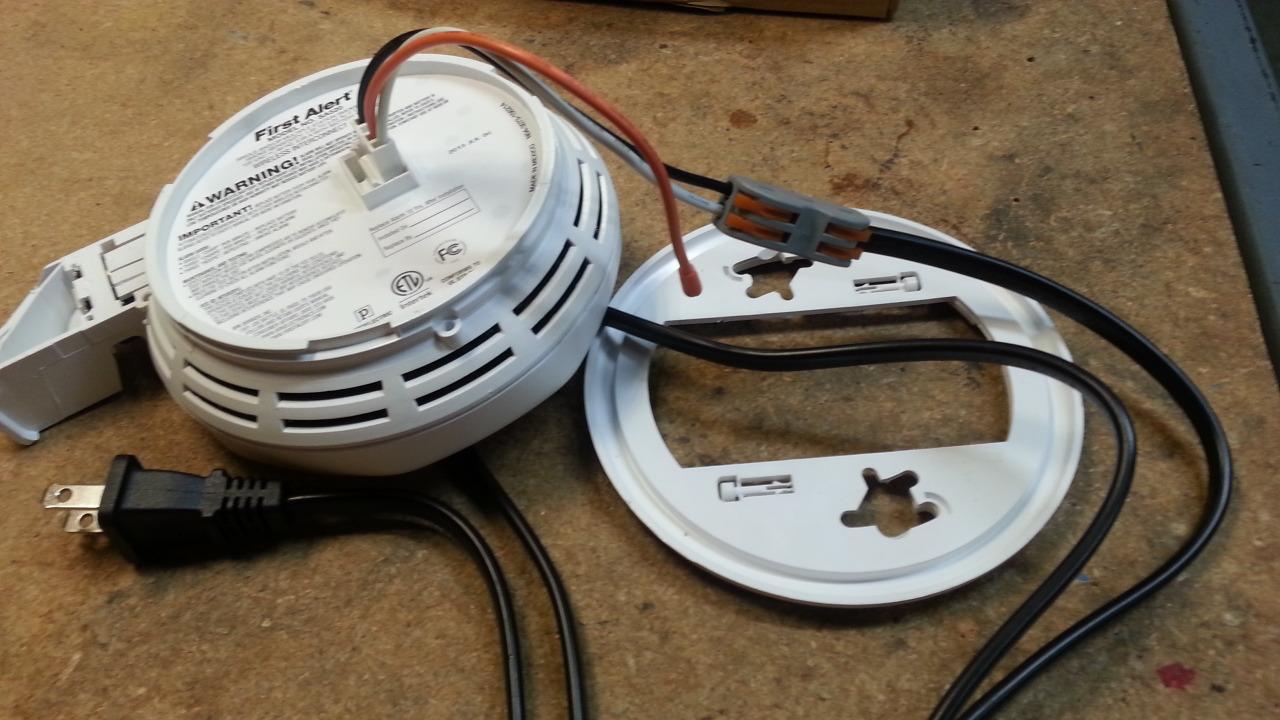
Detection is a photoelectric sensor tuned to larger smoldering particles paired with electrochemical CO sensing, so it covers both halves of a combo hazard. It connects to other compatible BRK or First Alert detectors, which matters because those two share a wiring ecosystem.
There is an end-of-life signal chirp, so the alarm tells you when it has reached the end of its service life rather than failing quietly. The warranty runs 10 years, matching the replacement cycle you should be planning for.
This is not a Wi-Fi alarm and it sends nothing to a phone. It is a wired talking alarm for people who want better in-home intelligibility without adding an app, a hub or a subscription to a life-safety device.
Why it works in an old house
Retrofit-friendly interconnect with other BRK or First Alert detectors, and a 10-year limited warranty. If your existing older house already has BRK or First Alert wiring, this is a like-for-like exchange that keeps the interconnect intact.
Owners of long-established systems describe it as the tried-and-true option, and the very large review base means the failure modes are well documented rather than mysterious.
Where it falls short
Programming is where people get disappointed. Location announcements only work if the alarms are configured to matching locations, and that setup step is the single most common complaint in the feedback.
There is no app and no remote notification, so anyone travelling, living in a different building, or caring for a parent who lives alone gets no benefit from this alarm beyond the in-home announcement.
7. First Alert Hardwire Smoke Alarm with Voice – the easiest bracket swap
- Voice and location alerts tell residents where the danger is
- Precision Detection sensing cuts cooking nuisance alarms
- Latching indicator shows which alarm initiated
- AA battery backup for outages
- Interconnects with most First Alert and BRK alarms
- Smoke-only with no carbon monoxide detection
- AA batteries need periodic replacement
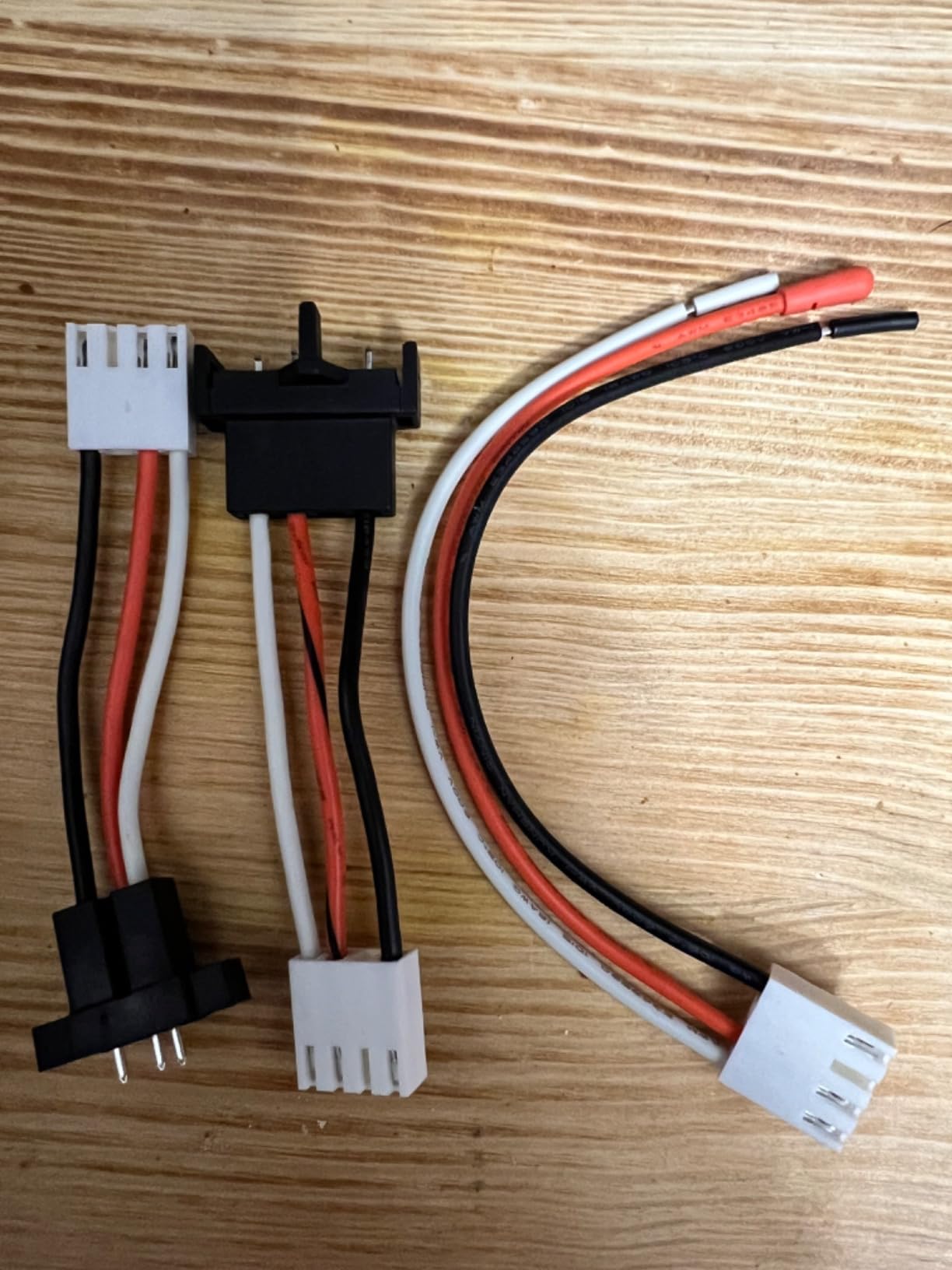
This is the least disruptive upgrade on the list. The Easy Adapter plug is included in the box, which is precisely the part that stops a homeowner swap halfway through, and the 3-pack covers the most common locations on a floor at once.
Precision Detection sensing is the technology claim here, and its purpose is nuisance-alarm suppression rather than raw sensitivity. In an open-plan older kitchen that doubles as a living space, that is the difference between an alarm that gets tolerated and one that gets taped over.
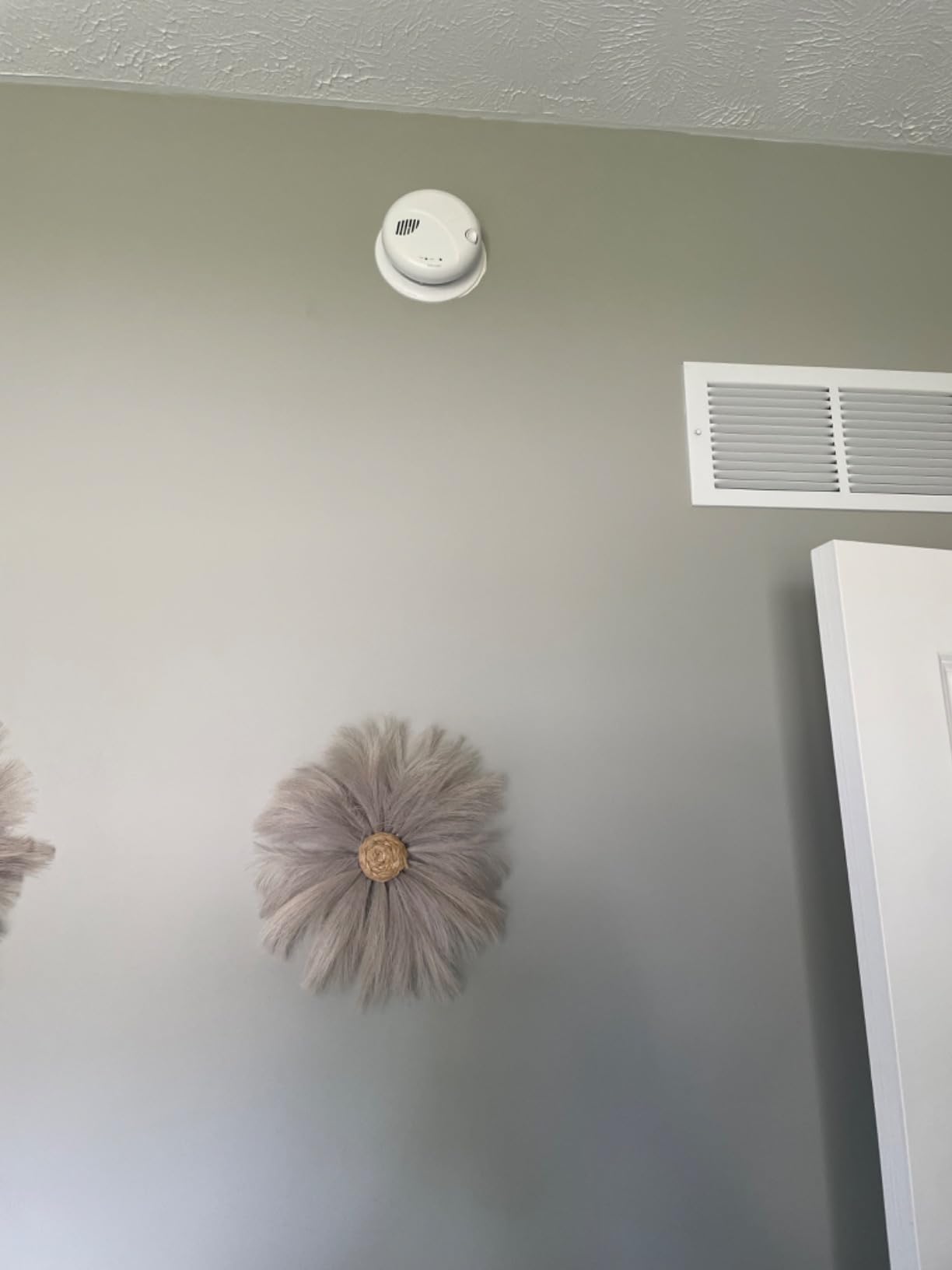
Interconnects with most existing First Alert and BRK alarms, which is the practical version of the instruction manual for anyone in a house with a decade-old mixed system. The latching alarm indicator shows which alarm started the event, so you find the problem instead of guessing.
Voice and location alerts do the same job as the SC7010BV, without the CO sensing. AA batteries back up the AC supply during an outage, which is a shorter horizon than a sealed 10-year cell but a lot cheaper to replace.
With close to 80 percent of ratings at four or five stars and a 12 percent one-star group, this is a well-liked middle of the market option that trades the very best sensor specification for an easier install.
Why it works in an old house
The included adapter plug and the broad BRK interconnect compatibility make it the shortest path from a fifteen-year-old detector to a talking one. For owners replacing several locations in one visit, the 3-pack is the efficient format.
It is also the one hardwired pick in this roundup that is straightforward to fit where an old box has already been disturbed, since it does not require a specific legacy pigtail pattern.
Where it falls short
It is smoke only. Any house with a fuel-burning appliance, a fireplace or an attached garage needs dedicated CO detection, and pairing this with a separate CO alarm doubles the ceiling hardware.
AA batteries need periodic replacement, so it does not deliver the forget-it-for-a-decade convenience of a sealed cell, and the 12 percent one-star group reflects some installation and false-alarm frustration.
8. First Alert BRK 7020BSL Strobe Alarm – for hard-of-hearing residents
First Alert BRK 7020BSL Hardwired Hearing Impaired Smoke Detector with LED Strobe Light , white
- 177 candela strobe gives a strong visual alert
- Alarm and strobe combined saves a second junction box
- AC powered with 10-year sealed battery backup
- Separate flash patterns distinguish smoke from CO
- Strobes synchronize across multiple installed alarms
- Visual alert only with no spoken announcement or app connectivity
- Front cover design may vary between alarms
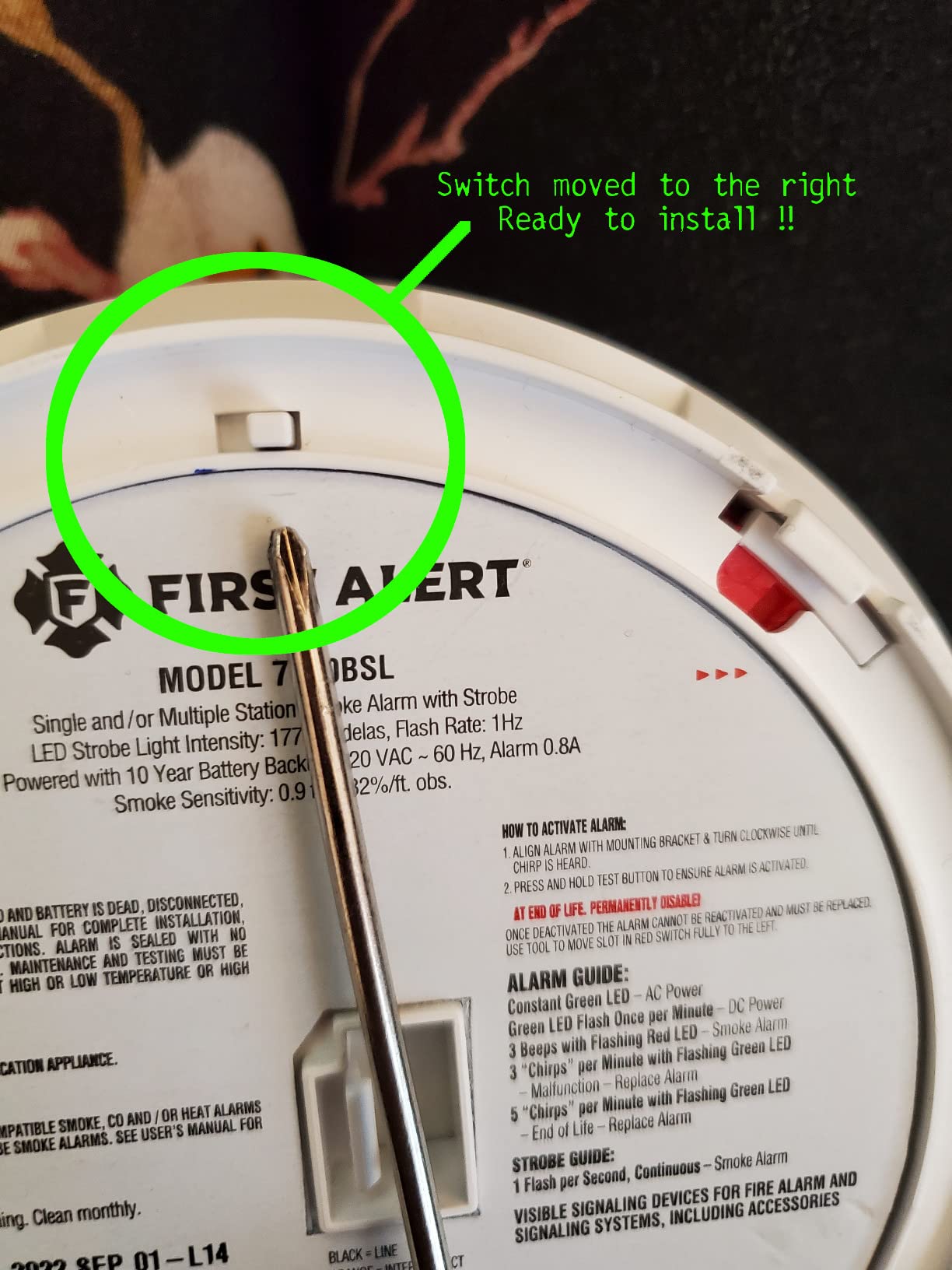
Most of this roundup assumes everyone in the house can hear an 85 dB horn at night. This is the one that changes the maths. The 7020BSL puts a 177 candela synchronised LED strobe in the same junction box as the smoke alarm, so a resident who cannot rely on hearing gets a visual alarm in the bedroom and hallway instead.
Combination devices like this matter more in an older house than a newer one. Deep-sleeping residents, upstairs bedrooms above a stairwell, and anyone with hearing loss are exactly the people a purely audible system fails quietly.
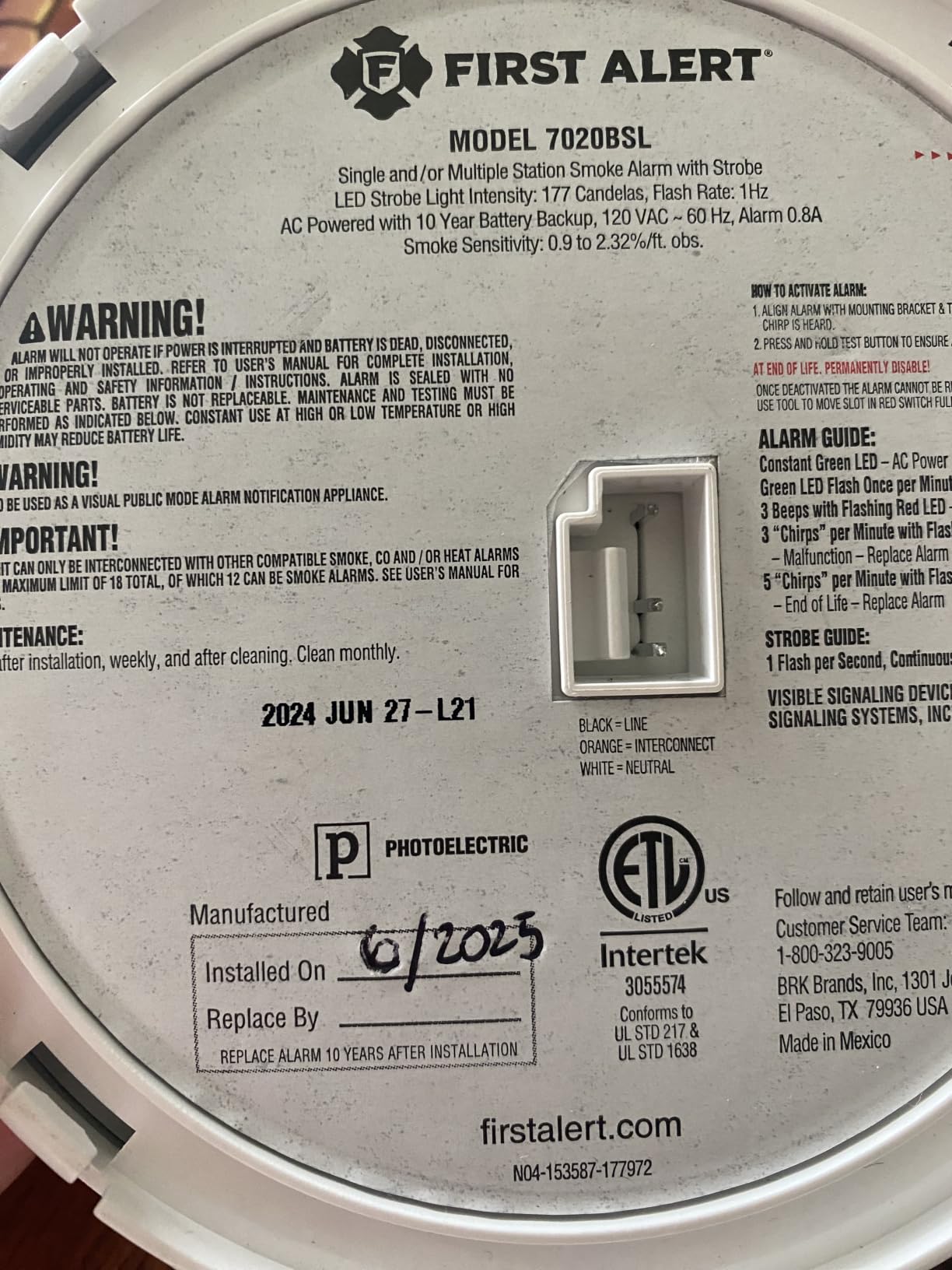
Separate flash patterns distinguish a smoke signal from a carbon monoxide signal, and the strobe signal synchronises across multiple installed alarms so the whole house flashes in unison rather than flickering in a random order. Synchronised visual output is the difference between a noticed alarm and an ignored one.
Installation is straightforward on paper: AC powered with a 10-year sealed battery backup, alarm and strobe combined in a single junction box, which halves the box count on a hardwired retrofit. Reviewers credit the 85 percent of four- and five-star ratings to the strobe being bright and genuinely visible from a bed.
Note that the sealed backup battery means the whole alarm is replaced at end of life rather than the battery alone, and the product is visual-first with no spoken announcement and no app connectivity.
Why it works in an old house
It drops into an existing hardwired ceiling box and replaces an old detector in one position, which is a major advantage where the ceilings are high, moulded, or difficult to patch. A second box for a strobe is never needed.
For a house where someone is aging in place or hard of hearing, the strobe also doubles as a wayfinding aid, because the synchronised flash pattern indicates the alarm type without anyone having to read a label.
Where it falls short
It is a visual alert with no spoken announcement, so a hearing-capable resident sleeping through a light-based warning gets no benefit at all. If the household is mixed, consider pairing rather than substituting.
There is no app, no remote alert, and no room-naming voice alert. And a note from the reviews: front cover design can vary between alarms, so if appearance matters in a period interior, check what actually arrives in the box.
9. Kidde Hardwired Smoke and CO Detector with Voice – the whole-home workhorse
- Spoken alerts state the specific hazard
- Ionization sensing with an 85 dB horn
- 2-AA battery backup for outages
- Interconnects with up to 24 Kidde devices
- Test-Hush and tamper resistance
- Ionization responds to fast-burning fires rather than smoldering smoke
- AA backup batteries need periodic replacement
By review volume this is the most proven alarm in the roundup, with more than 11,500 ratings and 91 percent of them at four or five stars. Owners cite the spoken hazard alerts, the whole-home interconnectability and the battery backup as the deciding factors for a hardwired retrofit, and it is UL certified with a 10-year limited warranty.
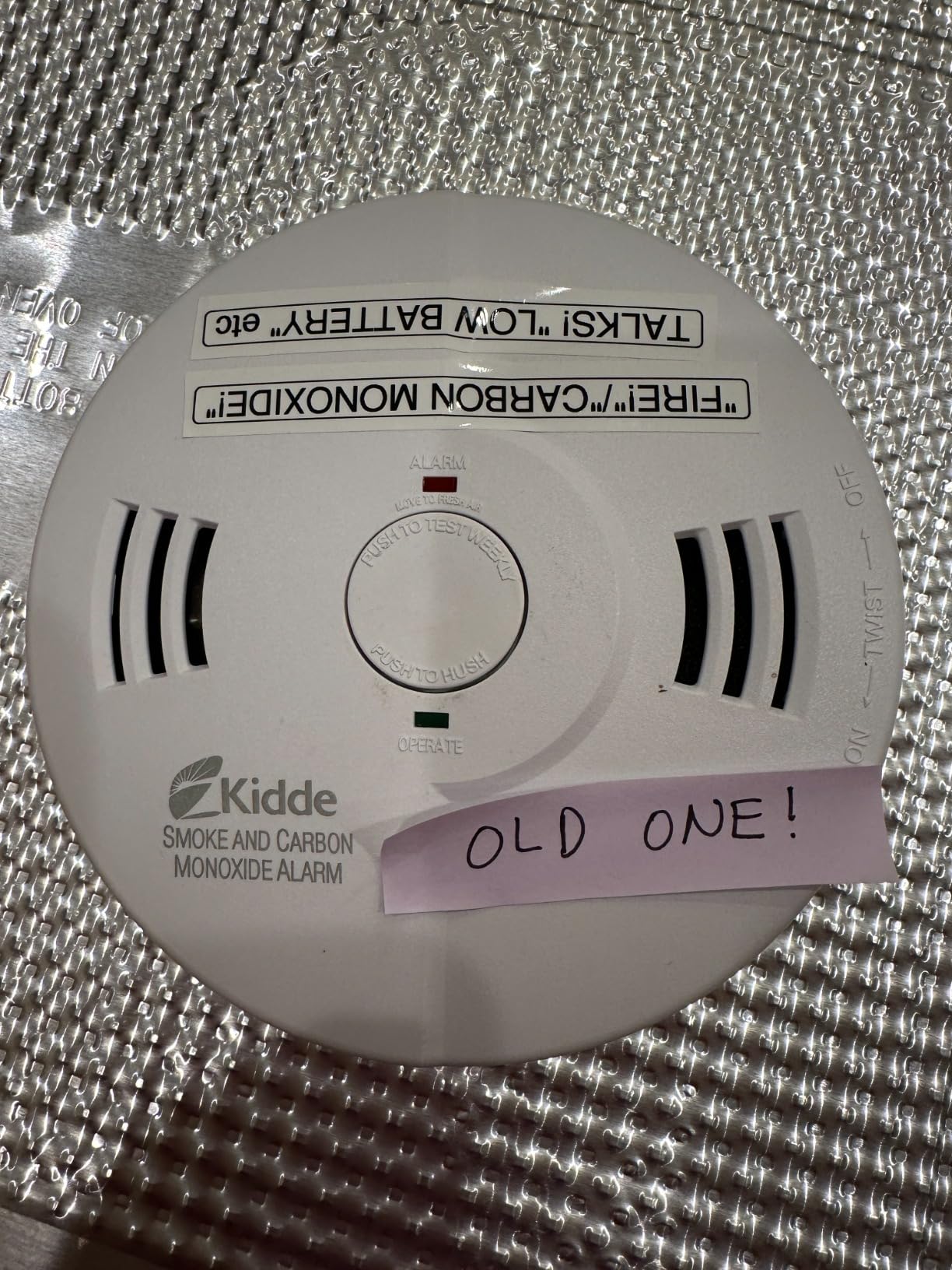
The voice alarm states Fire, Warning Carbon Monoxide, or Low Battery, so a resident who is not sure what is happening is told. Test-Hush silences the device for about nine minutes, and the tamper-resistant construction is worth having in a house where children or a visiting grandchild might press buttons.
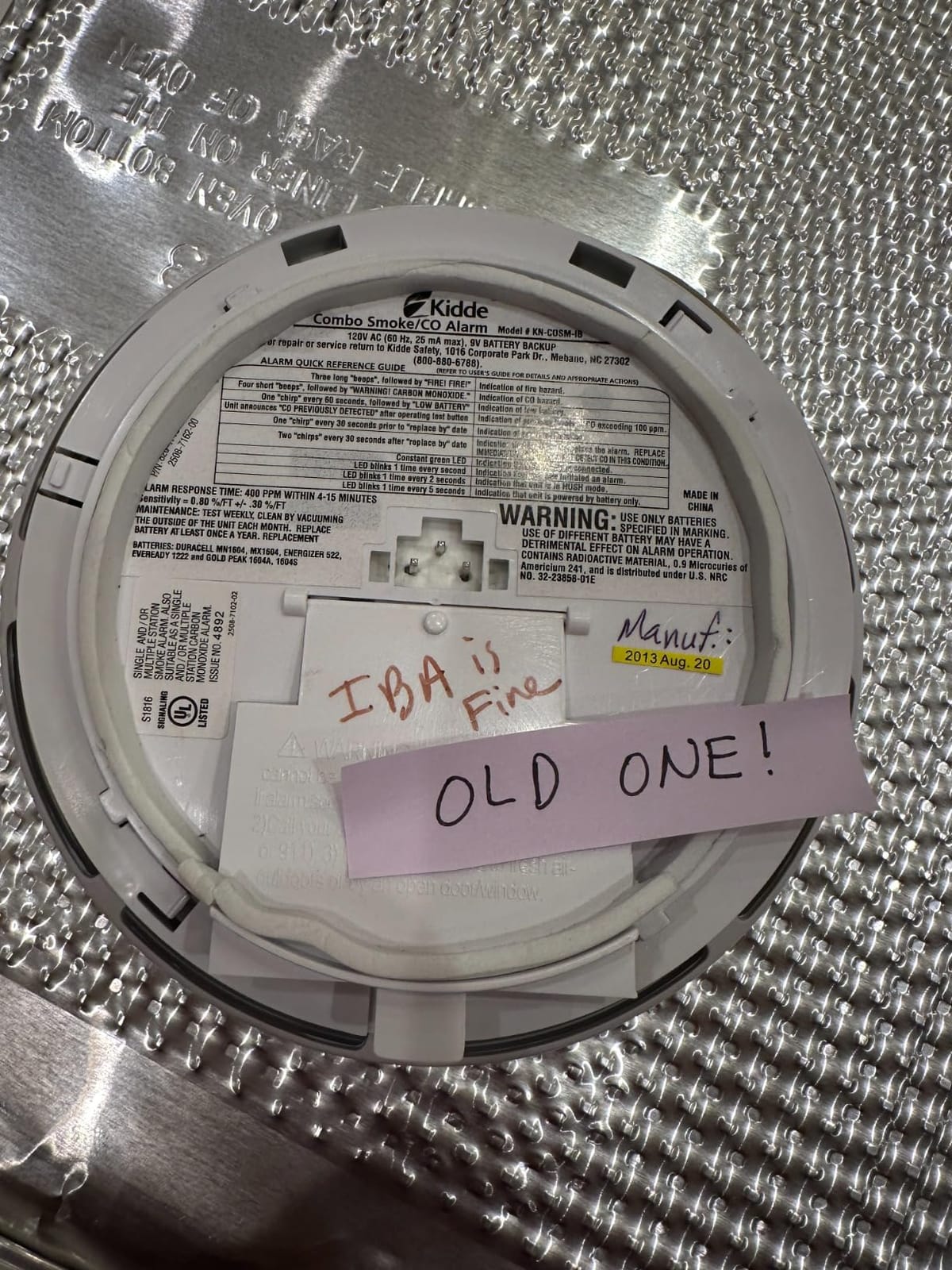
Interconnect capability is the headline spec for a large older house: up to 24 Kidde devices, of which 18 can initiate an alarm. It also interconnects with other KN-COSM-IBA models, so an existing Kidde system in the house can be extended rather than rebuilt.
Two AA batteries provide backup on loss of 120V AC, and the unit is rated 10 to 95 percent relative humidity. The 85 dB horn and LED warning indicators cover the audible and visible channels, which is how it handles a sleeping resident on another floor.
The trade-off is the sensor. Ionization sensing responds to the smaller particles produced by fast-burning fires rather than the smoldering smoke that a photoelectric unit targets, so it is a complement to a photoelectric alarm rather than a full substitute for one across the house.
Why it works in an old house
It is a direct replacement for the sort of hardwired, interconnected system most pre-1980 houses were built with, and a decade of owner feedback means the failure modes are documented. Buyers in hardwired retrofit threads treat it as the default choice for a reason.
With a 10-year warranty and a large installed base, a whole-house rollout can be staged over several years without mixing in an unknown device, which is what keeps false alarms out of the system.
Where it falls short
Ionization sensing covers fast-burning fires, not smoldering smoke, so a house with a kitchen and a living space in one open plan may still see cooking nuisance alarms. Reviewers who swapped from photoelectric units for that reason regret the change.
AA backup batteries need periodic replacement rather than living for a decade, and it offers no app or remote notification of any kind. It is a wired life-safety upgrade, not a connected one.
How to Choose Smart Smoke Alarms for an Older House
The best smart smoke alarm for an older house is the one whose power, interconnect method and sensor type match the wiring and cooking habits you already have. Anything else means a rewiring project, and rewiring projects are the point at which people abandon the upgrade and keep a fifteen-year-old alarm in place.
Hardwired, sealed battery, or wireless interconnect
Hardwired units give you continuous mains power, backup batteries and the ability to relay alarms through existing interconnect wire, which is why they remain the standard for a full retrofit. A sealed 10-year or 5-year battery unit removes maintenance entirely and still sounds an 85 dB alarm, but it cannot be interconnected with older wired devices. Wireless-interconnect battery alarms link to each other over radio and need no wire at all, which makes them the only realistic option in a house with no interconnect conductor or no neutral.
Owners of 1900s-to-1920s homes on home automation forums report that swapping hardwired alarms for newer hardwired models is straightforward when the box has a neutral, and the only wiring change is usually connecting the old red interconnect to the new orange. Where the neutral is missing, the wireless route is what they choose instead.
Why mixing old and new alarms causes false alarms
The complaint that comes up most often across owner threads about this upgrade is the same: adding a handful of new alarms to a house full of old ones produces nuisance alarms that nobody can trace. Modern alarms are more sensitive, and older generations were often designed to sit quietly alongside each other. The result is a system where every cooking event sets off four rooms at once, and residents start removing batteries to stop it.
The workable answer is a staged plan rather than alarm-by-alarm replacement. Find the manufacture date on every installed alarm, work out the oldest, and replace the whole interconnected group inside the same 10-year window. If the old alarms are not interconnected, you can often convert one floor at a time to a wireless-interconnect system, which is how the Heiman 3-pack in this roundup is used in practice.
Also check the interconnect wire colour. A legacy red conductor on an old unit has to land on the correct terminal of the new one, and a miswired interconnect shows up as chirping and units that refuse to link. If you are unsure which conductor is the interconnect, that is an electrician task, not a guessing task.
Photoelectric, ionization, or dual-sensor
Photoelectric sensors respond to the larger particles produced by smoldering fires, the fire type that produces the most smoke and the most deaths. Ionization sensors respond to the smaller particles from fast-burning fires and are less prone to cooking nuisance alarms, but they can miss a slow smoldering fire that starts in a sofa or a bed.
Most current residential codes expect either photoelectric or dual-sensor coverage throughout a dwelling, and the smart models in this roundup lean heavily photoelectric for that reason. If your older home has a gas range and an open kitchen, add a dedicated CO alarm or choose a smoke and CO combo for the room with the fuel-burning appliance.
UL 217, UL 2034 and local code
UL 217 is the standard for smoke alarms and UL 2034 is the standard for carbon monoxide alarms, and a listing from a recognised lab is the first thing to check on any product page. Homeowners consistently name certification as their number one buying criterion, ahead of app features.
Local building and fire codes can add requirements on top of the listing, particularly around interconnection, placement and bedroom coverage, so check with your local fire marshal or building department before a staged rollout changes the number or position of your alarms.
Do you need an electrician?
You do not need an electrician if the box has a neutral, the conductors are copper, the alarm is a like-for-like hardwired replacement, and you are comfortable turning off the circuit. You should call one if the box has no neutral, if the wiring is knob-and-tube or aluminium, if you need to run a new interconnect conductor, or if your local code requires a permit for the change.
Knob-and-tube and early cloth-sheathed wiring in a pre-1970 house are the two situations where we would not attempt a swap at all. Those conductors are not rated for modern alarm loads and the work involves working on the building wiring itself, which is beyond a homeowner swap.
For a battery or wireless-interconnect upgrade, no electrician is required at all. That is the quiet advantage of the no-wire route, and it is why it wins in rentals and in houses with wiring nobody wants to touch.
Design for aging in place
Voice alerts that name the room, strobes for residents who cannot rely on hearing, and caregiver phone notifications are the three features that change outcomes at night, and they are consistently cited by older homeowners and caregivers as the features that actually matter. A siren in another wing of an old house is not a warning if the person who needs to wake is asleep upstairs.
Plan the layout around the resident rather than the code minimum. Alarms in every bedroom, on every level, and in the room where the sleeping resident actually spends the night, with a voice or strobe alarm close enough to be perceived. If someone in the family travels regularly or an elderly relative lives alone, add at least one model with app notifications.
Staged rollouts, recalls and renters
Alarms have a 10-year service life and a sealed battery is not a spare part, so budget for replacement in stages rather than assuming a one-off purchase. Replace the oldest interconnected group first, then the next, and keep a note of the install date for each location.
Check your model against CPSC recall records before installing, not after something misbehaves. If you rent rather than own, you can legally install your own battery or wireless alarms inside the unit, but you should not disable or bypass an existing landlord-installed alarm, and hardwired replacements are usually the landlord’s responsibility.
If you are upgrading other parts of an older house at the same time, our guide to choosing exterior paint covers the repainting stage that tends to happen alongside an alarm rollout, and our wildfire smoke air purifier picks are worth a look if smoke outside is part of your risk picture.
Frequently Asked Questions
Are smart smoke alarms worth it in an older house?
They are worth it when the app, voice alerts and interconnect solve a problem your current system has. In an older house the usual problem is that nobody knows which alarm went off, or nobody hears it from another floor. The 85 dB horn still does the life-saving work, so check the UL 217 listing before the app features.
Do I need an electrician to replace hardwired smoke detectors?
Usually not, if the ceiling box has a neutral, the conductors are copper, and the new unit is a like-for-like hardwired replacement on the same bracket. Call a licensed electrician if there is no neutral, the wiring is knob-and-tube or aluminium, you need a new interconnect conductor run, or your local code requires a permit.
Can all hardwired smoke detectors be interconnected?
Only if the wiring supports it. Two conductors mean power only, so the alarms cannot signal each other. A third red or orange interconnect conductor allows compatible units to trigger one another. Mixing generations in the same interconnected loop is a common cause of nuisance alarms, so replace the whole group rather than single units.
What smoke alarms do firemen recommend?
Fire service guidance consistently points to listed, interconnected alarms on every level, inside every bedroom and on every level including the basement, with smoke and carbon monoxide coverage where fuel-burning appliances are used. Working smoke alarms cut the risk of dying in a home fire by roughly 60 percent according to the NFPA, and placement follows NFPA 72.
Which brand of smoke alarm is the most reliable?
Reliability comes down to the UL listing, the interconnect method and how well the unit matches your wiring, not the badge. First Alert and Kidde both dominate the hardwired interconnected category, with the deepest review histories. For wireless retrofit in an older house, Heiman and eufy are the common choices.
Do smart smoke detectors work without Wi-Fi?
Partly. The siren and the local interlink between units work without a network, so the alarm still sounds if the internet drops. Remote phone and email alerts need the network, and cloud-dependent apps stop sending notifications if the vendor service changes. Wireless-interconnect packs with an optional gateway are the most resilient option.
The Bottom Line for Older Homes
For most houses built before 1980, the decision comes down to one question: does your ceiling box have a neutral and a third interconnect wire? If it does, the Kidde hardwired smoke and CO detector with voice alerts is the proven choice, and the First Alert BRK talking unit is the better pick if you want the room named out loud. If it does not, our top pick, the Kidde Smart Smoke and CO Alarm with Ring, gives you phone alerts today with no monthly fee, and the Heiman packs let you build a linked system over the air.
Add the First Alert strobe alarm if anyone in the house is hard of hearing, and plan on replacing the whole interconnected group rather than one unit at a time. That single decision removes most of the false alarms that make people give up on the upgrade. Our best smart smoke alarms for older houses rankings are current as of 2026, and the checks in the first section take about ten minutes.