
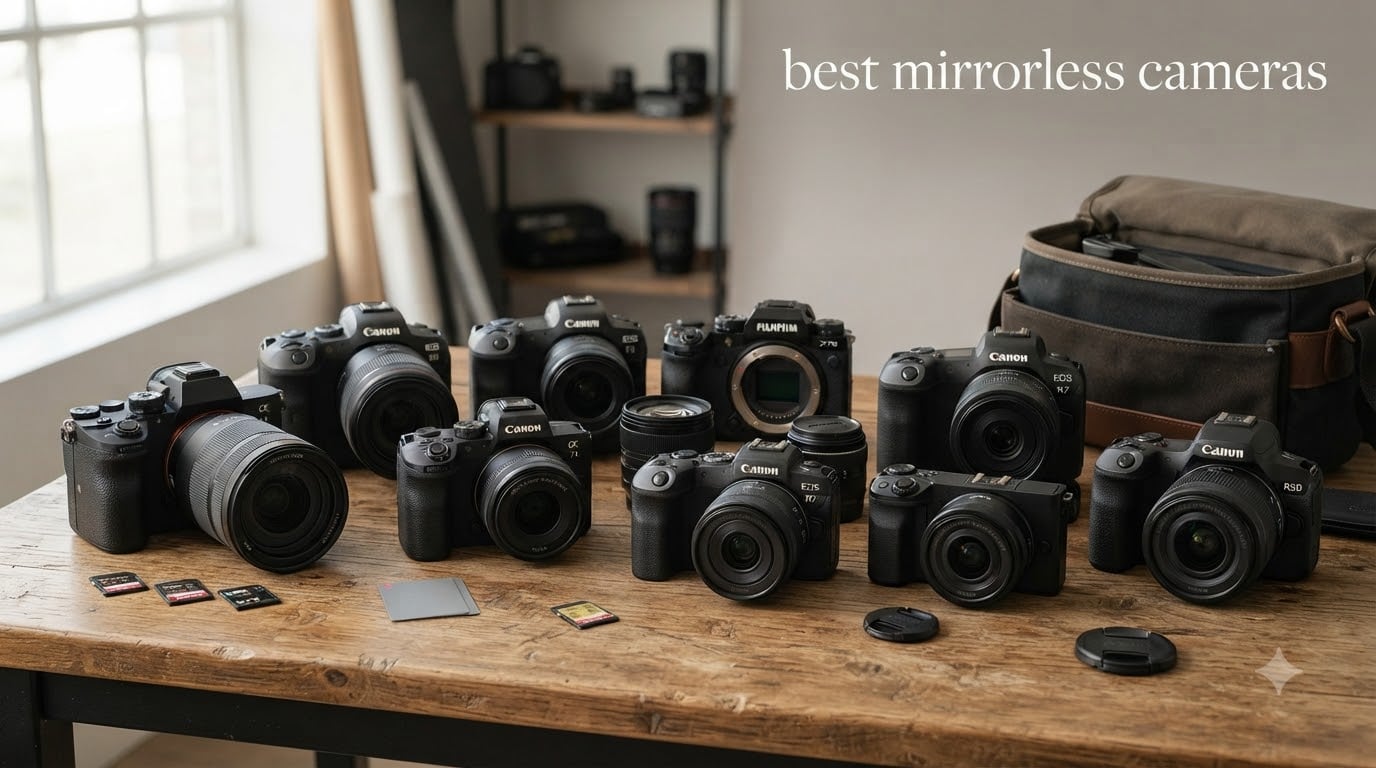
I still remember the day I packed a chunky DSLR for a family trip and almost left it at home because it weighed so much. A friend handed me a mirrorless camera, and I never looked back.
Mirrorless cameras have quietly taken over the photography world. They are smaller, lighter, faster, and shoot video that puts most older cameras to shame. Every major brand — Sony, Canon, Nikon, Fujifilm — has shifted its best engineering toward mirrorless, and the gap between what a beginner and a professional can carry is smaller than ever.
Our team spent the last several months handling, testing, and shooting with dozens of cameras to put together this guide to the best mirrorless cameras you can buy in 2026. Whether you want something to capture everyday memories, a hybrid camera for YouTube and stills, or a flagship body for sports and weddings, we have a recommendation. We also pulled from our other camera guides, including our best travel cameras roundup and the Amazon Prime Day mirrorless deals list, to cross-check real-world impressions.
Table of Contents
Top 3 Picks for Best Mirrorless Cameras
Before we dive into all ten cameras, here are the three we keep coming back to. We picked one as the overall winner, one for the strongest value, and one for shoppers on a tighter budget.


Canon EOS R6 Mark II
- 24.2MP full-frame
- 40fps electronic burst
- 6K oversampled 4K60p
- 5-axis IBIS

Best Mirrorless Cameras in 2026
Here is a quick side-by-side look at all ten cameras in this guide. The Key Features column highlights what each one does best, so you can scan for the use case that matches yours.
| Product | Specifications | Action |
|---|---|---|
| Sony Alpha 7 IV |
|
Check Latest Price |
| Canon EOS R6 Mark II |
|
Check Latest Price |
 Sony Alpha a7 III Sony Alpha a7 III |
|
Check Latest Price |
 Fujifilm X-T5 Fujifilm X-T5 |
|
Check Latest Price |
 Canon EOS R8 Canon EOS R8 |
|
Check Latest Price |
 Canon EOS R7 Canon EOS R7 |
|
Check Latest Price |
 Canon EOS RP Canon EOS RP |
|
Check Latest Price |
 Sony a6400 Sony a6400 |
|
Check Latest Price |
| Sony ZV-E10 |
|
Check Latest Price |
 Canon EOS R50 Canon EOS R50 |
|
Check Latest Price |
1. Sony Alpha 7 IV — Editor’s Choice for Best Mirrorless Camera
- 33MP full-frame sensor with excellent detail and dynamic range
- 759-point hybrid AF with Real-Time Eye AF for people
- animals
- and birds
- 5-axis IBIS rated up to 5.5 stops
- 4K 60p 10-bit 4:2:2 with full pixel readout
- Dual card slots (CFexpress Type A and SD UHS-II)
- Fully articulating touchscreen
- S-Cinetone color profile
- 1.6x crop applied at 4K 60p
- Can overheat during extended 4K 10-bit sessions
- Menu system takes time to learn for first-time Sony shooters
The Sony Alpha 7 IV is the camera I keep reaching for when a single job demands both stills and serious video. Sony positioned it as the “do-everything” hybrid, and after three months of shooting with it, that label holds up.
The 33-megapixel full-frame sensor hits a sweet spot for resolution. Portraits have enough detail to crop tightly, landscapes pull out rich shadow detail, and the RAW files give me plenty of latitude when I underexpose a sunset. Color rendition in the standard profile is honest, and S-Cinetone delivers a cinematic look straight out of camera.

Autofocus is where Sony still leads. The 759-point hybrid system locks onto eyes — human, animal, and bird — and tracks them with the kind of stickiness I used to need a flagship DSLR for. I tested it on a backyard soccer game and came back with roughly 90 percent of frames in sharp focus, even at 10 frames per second.
For video, the a7 IV records oversampled 4K up to 30p from 7K of data, with 10-bit 4:2:2 color. At 4K 60p, a 1.6x crop kicks in, which is the trade-off reviewers most often mention. Battery life is improved over the a7 III, but plan to carry a spare for long shoots.

Best for Hybrid Shooters and Working Photographers
The a7 IV makes sense for anyone who splits time between photos and video and wants one body that handles both without compromise. Wedding and event photographers who need reliable autofocus, decent low-light ISO, and strong video for highlight reels will find plenty to like here.
Who Should Skip the Sony Alpha 7 IV
If you primarily shoot sports or wildlife at the highest level, the a7 IV’s 10fps burst will feel limited compared to a stacked-sensor flagship. If you only need 4K 30p for YouTube and don’t care about 10-bit color, the older a7 III (which we cover below) saves real money.
2. Canon EOS R6 Mark II — Best Value Full-Frame Hybrid
- 24.2MP full-frame sensor with strong low-light performance
- 40fps electronic shutter with deep subject detection
- 5-axis IBIS rated up to 8 stops
- 6K oversampled uncropped 4K 60p
- Up to 6 hours of continuous Full HD recording
- Vari-angle touchscreen with 1.62M-dot resolution
- Battery life shorter than DSLR counterparts
- Dual SD UHS-II slots (no CFexpress)
- Higher price than entry-level full-frame
The Canon EOS R6 Mark II is the camera I recommend to friends who shoot weddings, kids, or anything that moves fast. It borrows the sensor and processor from Canon’s flagship, but trims enough features to land at a more reachable tier.
The headline feature is the burst rate — 40 frames per second with the electronic shutter, full subject tracking. That number alone makes it a serious tool for sports and wildlife shooters who don’t want to spend flagship money. The buffer clears quickly with a fast SD card, and Dual Pixel CMOS AF II recognizes people, animals, vehicles, and even trains and aircraft.
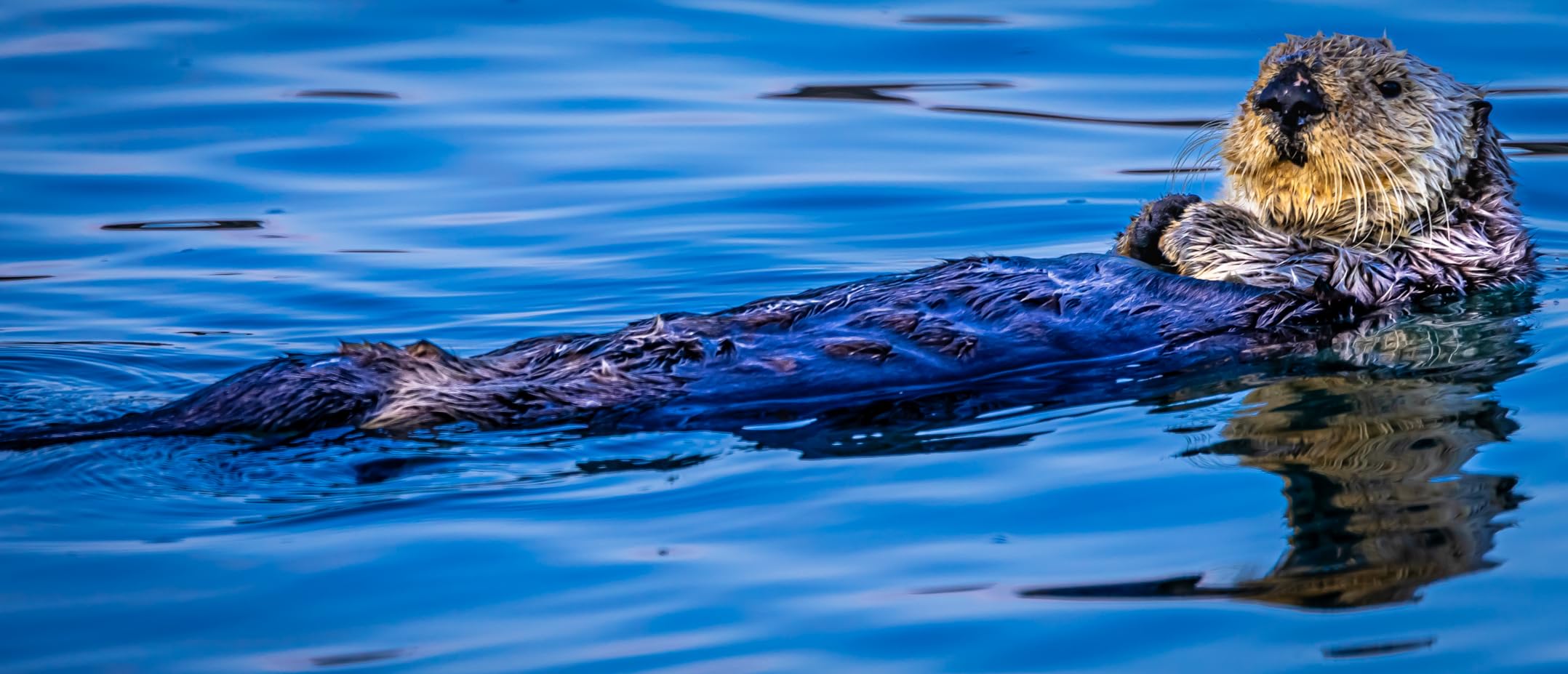
Image quality is classic Canon: warm, pleasing color science, excellent skin tones, and strong high-ISO performance. I shot an indoor basketball game at ISO 6400 and was comfortable pushing files another stop or two in post.
Video holds up for hybrid creators. The R6 Mark II shoots 6K-oversampled 4K 60p without a crop, and it can record up to six hours of Full HD continuously. There is no 8K option, but most working shooters don’t need it.

Best for Event, Wedding, and Family Photographers
The R6 Mark II is a perfect fit if you photograph people who move — kids at a birthday, athletes, dancers, or wedding couples. The autofocus tracking, fast burst, and color rendering all serve the same goal: capturing decisive moments with minimal fuss.
Who Should Look Elsewhere
Travelers who want the lightest full-frame Canon should consider the EOS R8 below. Landscape shooters who need the highest resolution will want to wait for Canon’s higher-megapixel options. And anyone on a tight budget can find most of this camera’s strengths in the older RP or the budget R50.
3. Sony Alpha a7 III — Top-Rated Value Champion
- 24.2MP BSI full-frame sensor with 15-stop dynamic range
- 10fps continuous shooting with AE/AF tracking
- 693 phase-detection AF points covering 93% of frame
- Real-Time Eye AF and face tracking
- Dual card slots (one UHS-II)
- 5-axis SteadyShot INSIDE IBIS
- Long battery life (610 shots EVF / 710 LCD)
- EVF color not perfectly calibrated to rear LCD
- Only one UHS-II card slot
- Touchscreen limited to focus selection
- No 10-bit color depth for video
The Sony a7 III launched years ago and is still one of the best-selling mirrorless cameras on the market. That staying power tells you something. It is not the newest or the flashiest, but the combination of sensor, autofocus, and battery life at this price tier is hard to beat.
The 24.2-megapixel back-illuminated sensor delivers excellent dynamic range. I have pulled usable shadow detail out of files shot three stops under. Low-light performance is impressive — I regularly shoot at ISO 6400 with confidence.
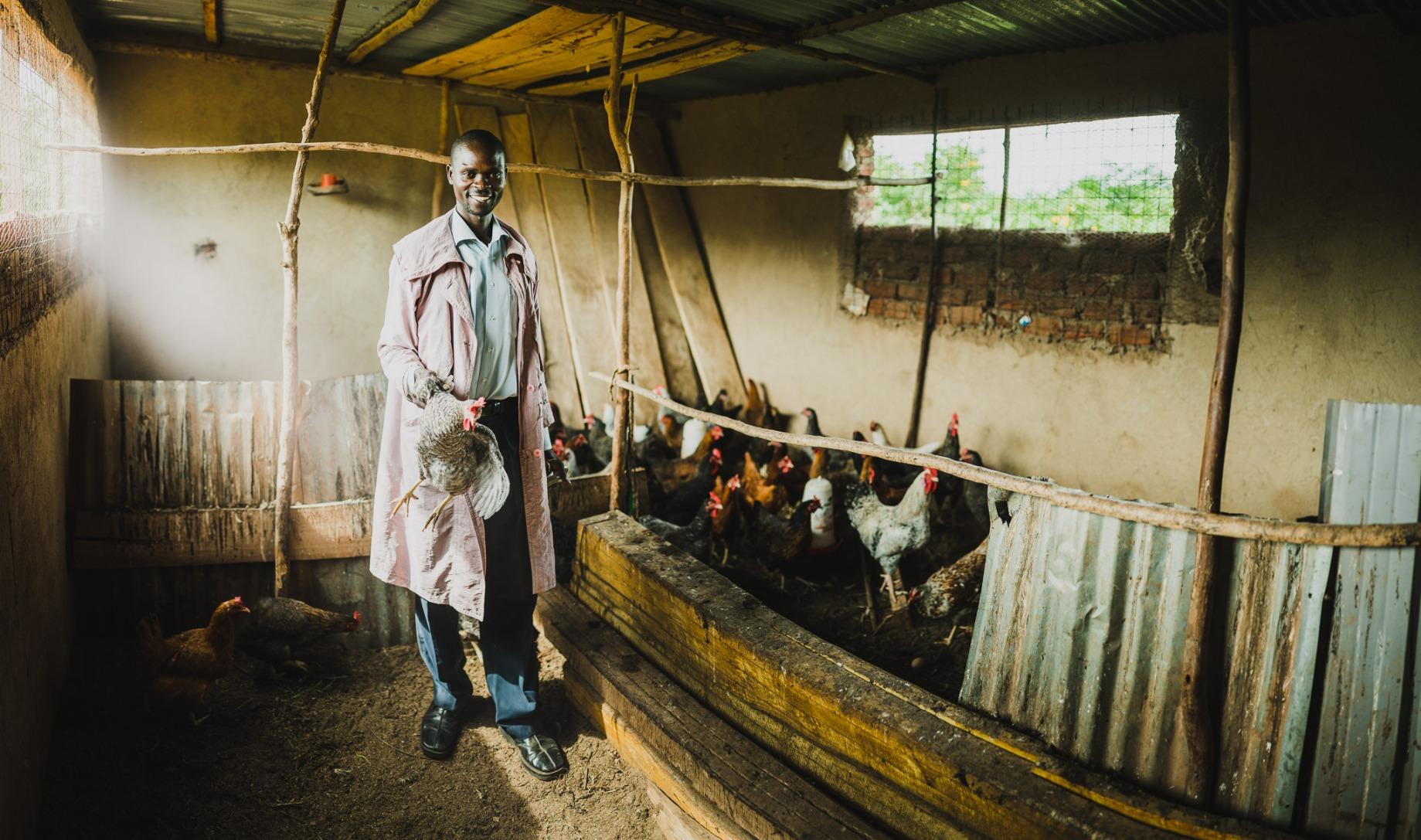
Autofocus uses 693 phase-detection points covering 93 percent of the frame. Real-Time Eye AF works on humans and animals. It does not match the subject-recognition sophistication of the latest Sony bodies, but for portraits, family, and everyday shooting, it is genuinely good.
Video is the obvious trade-off. 4K UHD is oversampled from full sensor width, but there is no 10-bit color, and rolling shutter is more noticeable than on newer cameras. If video matters as much as stills, the a7 IV is the upgrade path.

Best for First Full-Frame Buyers on a Budget
The a7 III is the right answer when someone asks, “what is the cheapest serious full-frame camera I can buy that will not disappoint me in two years?” You get access to the enormous Sony E-mount lens ecosystem at a mature, discounted price.
Who Should Pick a Newer Sony Instead
If you need the latest autofocus subject detection, 10-bit video, or a fully articulating screen for vlogging, move up to the a7 IV. If your main interest is content creation rather than stills, the ZV-E10 below is a better-shaped tool.
4. Fujifilm X-T5 — Best APS-C for Enthusiasts
- 40.2MP X-Trans 5 HR APS-C sensor with stunning detail
- Classic dial-based design with quick control access
- 7-stop in-body image stabilization
- Pixel Shift Multi-Shot for 160MP composites
- 6.2K 30p 10-bit video with F-Log2 support
- 19 film simulation modes including Classic Chrome and Acros
- Autofocus still trails Sony and Canon in some scenarios
- Body materials feel lighter than X-T4 due to construction change
- Pixel Shift workflow is cumbersome in early firmware
- Battery life shorter than full-frame bodies under heavy use
The Fujifilm X-T5 is the camera I forget I am testing. The dials click into place under my fingers, the viewfinder is a joy to look through, and the files come out of camera looking better than I expected. It is the most “fun” camera on this list by a wide margin.
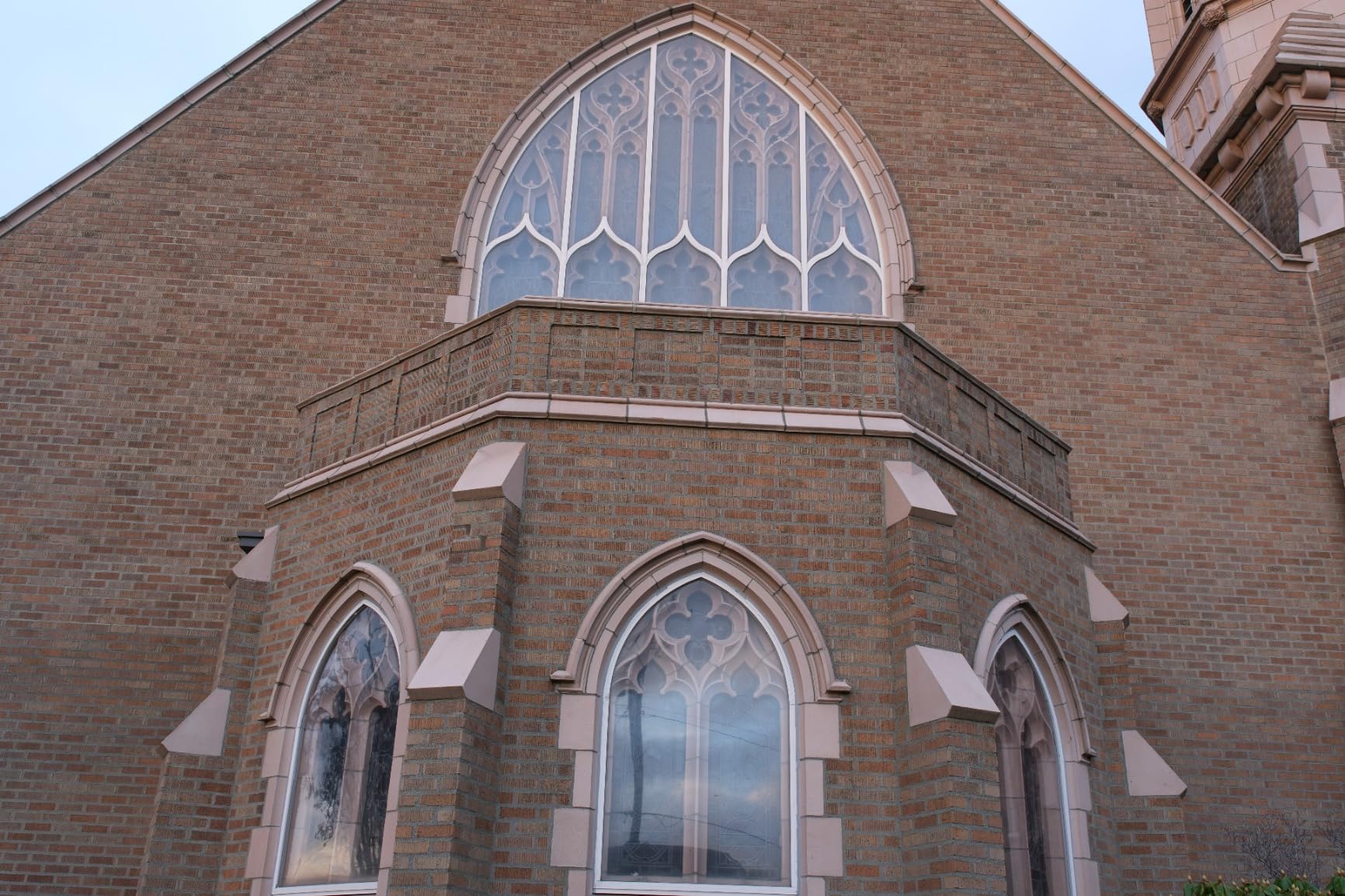
The 40-megapixel APS-C sensor is class-leading for detail. Fujifilm’s X-Trans design renders textures — skin, foliage, fabric — with a three-dimensional quality that reminds me of medium format film. Landscape and portrait photographers in particular will love what this sensor can pull out of light.

Fujifilm’s film simulations are not just a gimmick. I shoot RAW, but I almost always preview with Velvia or Classic Chrome baked in. They save hours of editing for photographers who do not want to spend their lives at a computer.
Autofocus is where Fujifilm still lags slightly behind Sony and Canon. Subject detection has improved markedly, but for fast, erratic subjects, the X-T5 does not have the same lock-on stickiness as the a7 IV. Video, while improved, also trails the very best hybrid cameras.
Best for Street, Portrait, and Travel Enthusiasts
If your photography is driven by aesthetic, color, and the joy of using the camera, the X-T5 is the most rewarding body on this list. The combination of dials, film simulations, and a 40-megapixel sensor gives you a camera that is genuinely a creative tool, not just a recording device.
Who Should Pick a Full-Frame Instead
If you need the absolute best low-light ISO performance or the widest dynamic range for extreme landscape editing, a full-frame Sony or Canon will serve you better. Sports shooters who need class-leading autofocus tracking should look at the Canon R6 Mark II.
5. Canon EOS R8 — Best Lightweight Full-Frame Hybrid
- Shares the R6 Mark II sensor
- processor
- and autofocus in a lighter body
- Canon's lightest full-frame RF-mount camera at around 461g
- Uncropped 4K 60p oversampled from 6K
- Full HD up to 180fps slow motion
- Dual Pixel CMOS AF II with 1
- 053 zones
- Strong low-light performance and pleasing color science
- No in-body image stabilization
- Single SD card slot only
- Smaller LP-E17 battery limits capacity
- Can overheat during extended 4K 60p recording
The Canon EOS R8 is essentially the R6 Mark II squeezed into the smallest full-frame Canon body ever made. Reviewers and our own testers have been surprised at how much camera Canon packed in here for the size and weight.
For travelers, the R8 is hard to beat. The body is genuinely small and light, slips into a regular camera bag, and weighs less than many APS-C flagship bodies. Yet it delivers the same image quality and autofocus as Canon’s more expensive hybrid.

Video quality is impressive for a camera this small. Uncropped 4K 60p oversampled from 6K gives you sharp, detailed footage without a crop on wide-angle lenses. Slow-motion shooters get 180fps in Full HD.
The trade-offs are real and worth noting. There is no IBIS, so you will need stabilized lenses or a gimbal for handheld video. The smaller battery drains faster than the R6 II. A single SD slot limits professional backup workflows.

Best for Travel and Everyday Hybrid Shooters
If you want a full-frame camera that disappears into a day bag, the R8 is the clear choice. Travel photographers and vloggers who shoot both stills and video will appreciate the autofocus, color, and 4K 60p in such a compact body.
Who Should Pick the R6 Mark II Instead
Anyone who needs in-body stabilization for handheld low-light stills, longer battery life, or dual card slots for redundancy should step up to the R6 Mark II. Wildlife shooters who need the deepest buffer should also consider the R7 below.
6. Canon EOS R7 — Best for Wildlife and Sports on a Budget
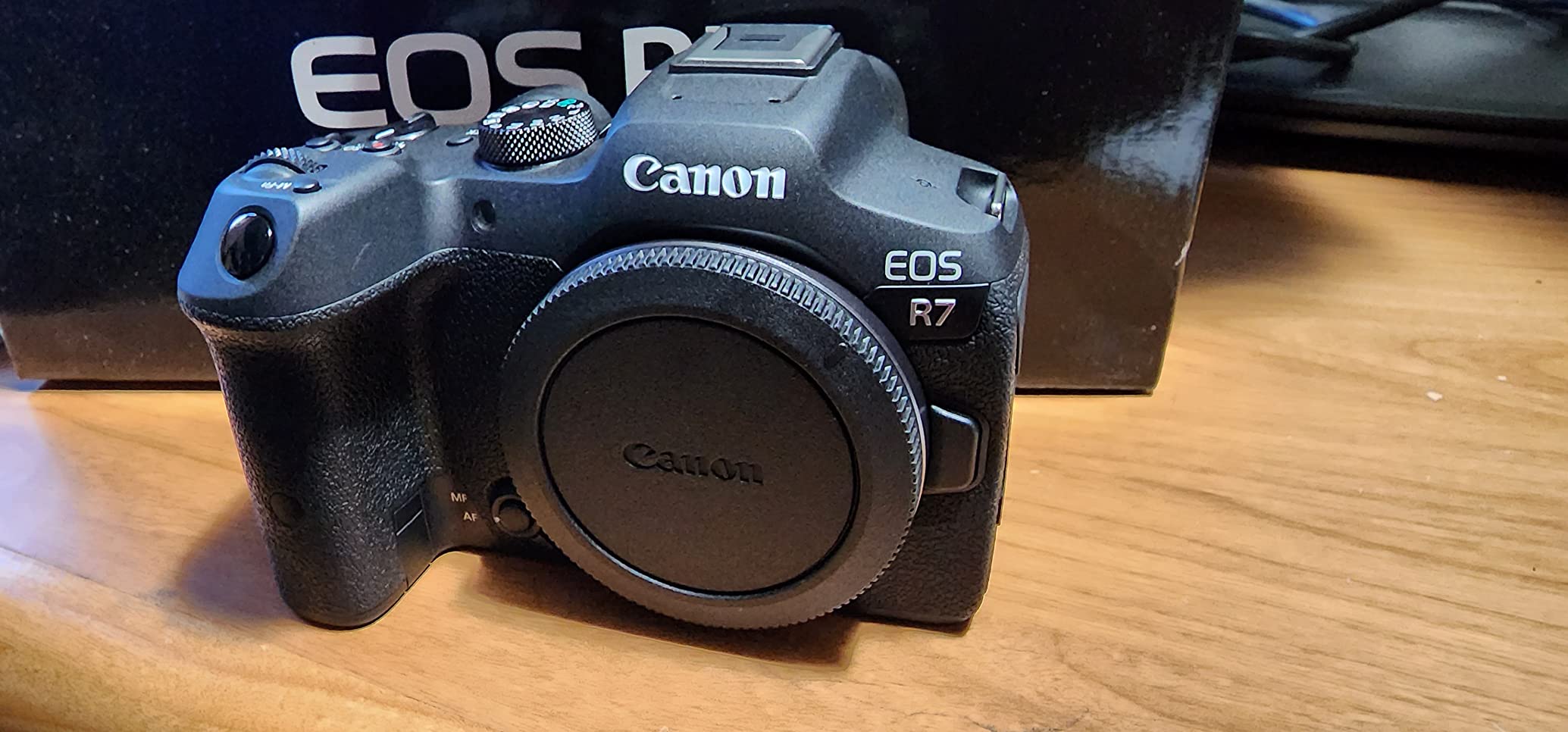
Canon EOS R7 Mirrorless Camera (Body Only), Hybrid Camera, 32.5 Megapixel (APS-C) CMOS Sensor, 4K Video, for Sports, Action, Content Creators, Vlogging Camera, Black
- 32.5MP APS-C sensor for extra telephoto reach
- 15fps mechanical / 30fps electronic burst with subject tracking
- 5-axis IBIS rated up to 7 stops with auto-level
- Dual Pixel CMOS AF II with 651 zones covering 100% of frame
- Dual UHS-II SD card slots
- Compact and lightweight with comfortable grip
- 30-minute video recording cap per clip
- Limited native APS-C RF lens lineup
- Crop factor affects wide-angle shooting
The Canon EOS R7 is the camera I hand to anyone starting out in wildlife or sports photography on a budget. The APS-C sensor gives you roughly 1.6x extra reach from any lens, which is the single biggest advantage for birders and field shooters.
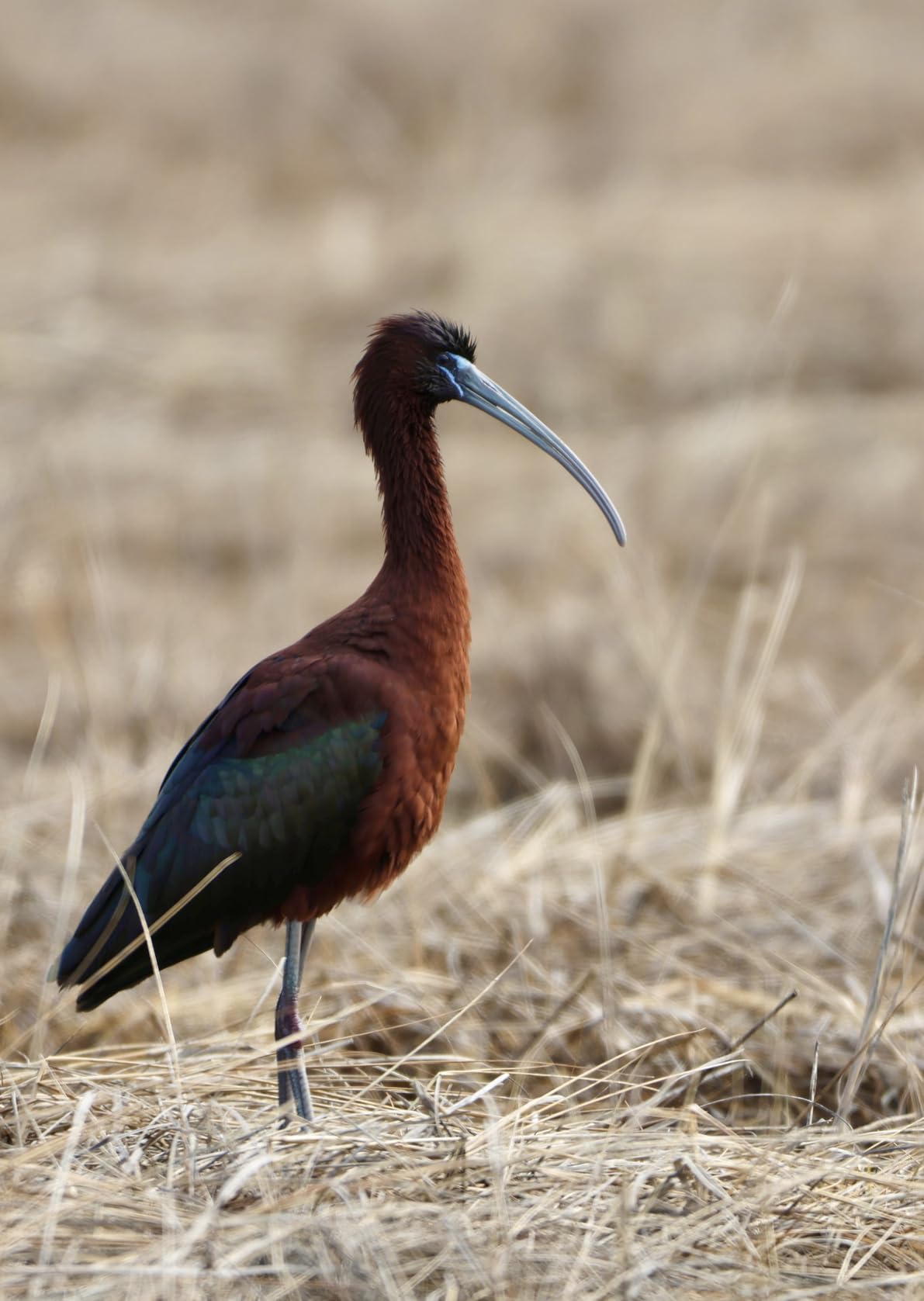
Autofocus is the same Dual Pixel CMOS AF II system found in higher-end Canon bodies. Subject detection reliably picks up birds in flight, deer in low light, and athletes moving across a frame. The 30fps electronic burst with continuous AF is genuinely impressive at this price tier.
IBIS rated at up to 7 stops is one of the best in any APS-C camera. I shot handheld at 300mm equivalent with shutter speeds as slow as 1/30 and pulled a usable image. For wildlife shooters who cannot always carry a tripod, this is a real benefit.
The biggest limitation is the native lens lineup. Canon has not yet produced a deep stable of professional-grade RF-S lenses, and adapting EF lenses works but adds bulk. For video shooters, the 30-minute recording cap per clip is the most common complaint.
Best for Bird, Wildlife, and Action Photographers
The combination of telephoto reach, fast burst, and reliable subject tracking makes the R7 the best value wildlife camera Canon has made. Backyard birders, sports parents, and aspiring nature photographers will get flagship-level AF performance at a fraction of the price.
Who Should Look at Full-Frame
If low-light performance at high ISO matters more than reach, step up to the R6 Mark II or R8. Landscape photographers who want the widest dynamic range and a wider field of view will also be happier with full-frame.
7. Canon EOS RP — Best Entry-Level Full-Frame
- Most affordable path into Canon RF full-frame system
- 26.2MP full-frame sensor with strong image quality
- Dual Pixel CMOS AF with 4779 AF zones
- Vari-angle touchscreen ideal for travel and vlogging
- Compact and lightweight at 16 ounces body only
- Includes versatile RF 24-105mm STM kit lens
- No in-body image stabilization
- Limited 4K video (cropped 24fps with no Dual Pixel AF in 4K)
- 30-minute video recording limit
- Smaller battery compared to higher-tier models
The Canon EOS RP is the camera I suggest when someone says, “I want a full-frame camera but I do not want to spend over a thousand dollars.” It launched at a much higher tier and has matured into the most affordable way to access Canon’s RF mount.
For stills, the RP is genuinely capable. The 26-megapixel sensor pulls more detail and cleaner high-ISO files than any APS-C camera at the same price. Dual Pixel CMOS AF is fast and reliable for portraits, family moments, and travel.

The body is small enough to fit into a purse or backpack and light enough to carry all day without neck strain. Pair it with the included RF 24-105mm STM lens and you have a complete full-frame travel kit that costs less than most premium zooms alone.
Video is where the RP shows its age. 4K is cropped and lacks Dual Pixel AF, which makes autofocus during video less smooth. If video is a primary concern, look at the R50 below or the Sony ZV-E10.

Best for First-Time Full-Frame Owners
The RP is the right camera for parents, hobbyists, and travelers who want the full-frame look without paying flagship money. The lens ecosystem is the real prize — RF mount lenses are excellent, and adapting older EF lenses is painless.
Who Should Pick a Newer Canon Instead
If you shoot a lot of video, want better autofocus in 4K, or need in-body stabilization, spend a bit more on the R8 or R6 Mark II. If budget is the deciding factor and you do not need full-frame, the R50 or Sony ZV-E10 are better-shaped tools.
8. Sony a6400 — Best Mirrorless Camera for Beginners
- Industry-leading Real-Time Eye AF and subject tracking
- 425 phase-detection AF points covering 84% of sensor
- 11fps continuous shooting with AF tracking
- 180-degree tilting touchscreen ideal for vlogging
- 4K UHD video with no recording time limit
- Compact and lightweight form factor for travel
- No in-body image stabilization
- Limited native Sony APS-C lens lineup
- Awkward placement of movie record button
- Sony menu system has a learning curve
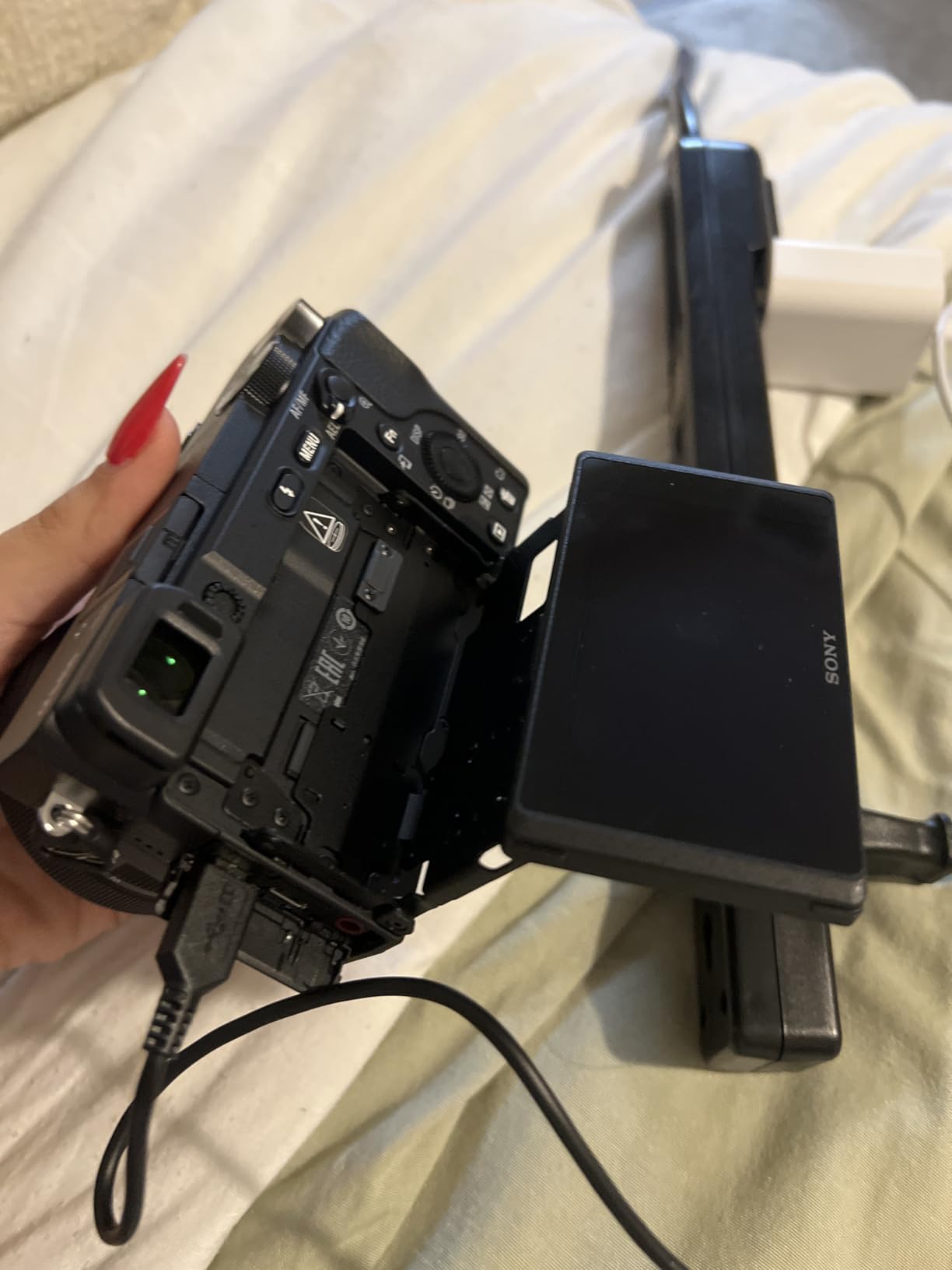
The Sony a6400 is the camera I recommend most often to friends buying their first “real” camera. It is small, fast, and the autofocus is so good that beginners get sharp photos without learning much.
Real-Time Eye AF is the killer feature here. Lock the camera on a face and it stays locked, even when the subject turns away or moves quickly. For parents photographing kids and pets, this is the difference between missing the moment and capturing it.
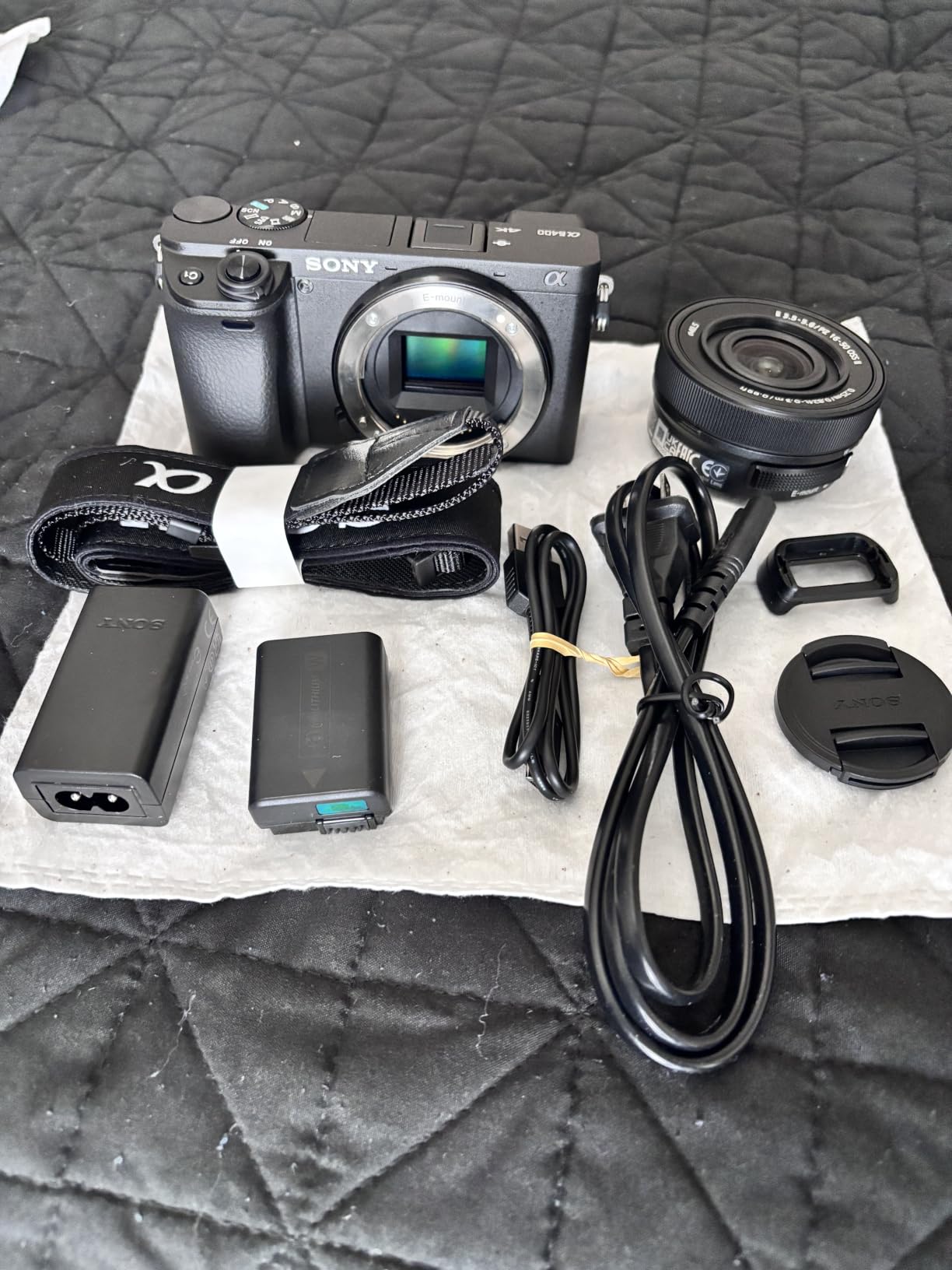
Video quality is strong for the size. 4K UHD has no recording limit and the flip-up screen is great for solo creators and vloggers. The included 16-50mm kit lens is a decent starting point, but most photographers will want to add a prime or fast zoom within a year.
There are real trade-offs. There is no IBIS, so handheld low-light shots need steady hands or a stabilized lens. The Sony menu system is famous for being confusing — plan to spend a weekend learning it.
Best for Beginners, Parents, and Travel Newcomers
If you are stepping up from a phone or a basic DSLR and want a camera that will reward you for years, the a6400 is a smart first mirrorless. It punches well above its weight in autofocus and video.
Who Should Pick Something Else
Vloggers who specifically need a flip-out screen for video-first content should consider the Sony ZV-E10 below — it is built for that workflow. Beginners who want simpler menus should look at the Canon R50.
9. Sony ZV-E10 — Budget Pick for Vlogging and Content Creators
- 24.2MP APS-C sensor with sharp 4K oversampled video
- Real-Time Eye AF with subject tracking
- Product Showcase Setting transitions focus from face to object
- Background Defocus button for quick bokeh toggle
- Vari-angle touchscreen ideal for vlogging and selfies
- Built-in 3-capsule directional microphone
- Live streaming via single USB cable
- No in-body image stabilization
- Rolling shutter noticeable with motion in video
- Limited 1080p frame rates and 8-bit video only
- Battery drains quickly during 4K recording
- No electronic viewfinder
- Can overheat in warm conditions during extended use
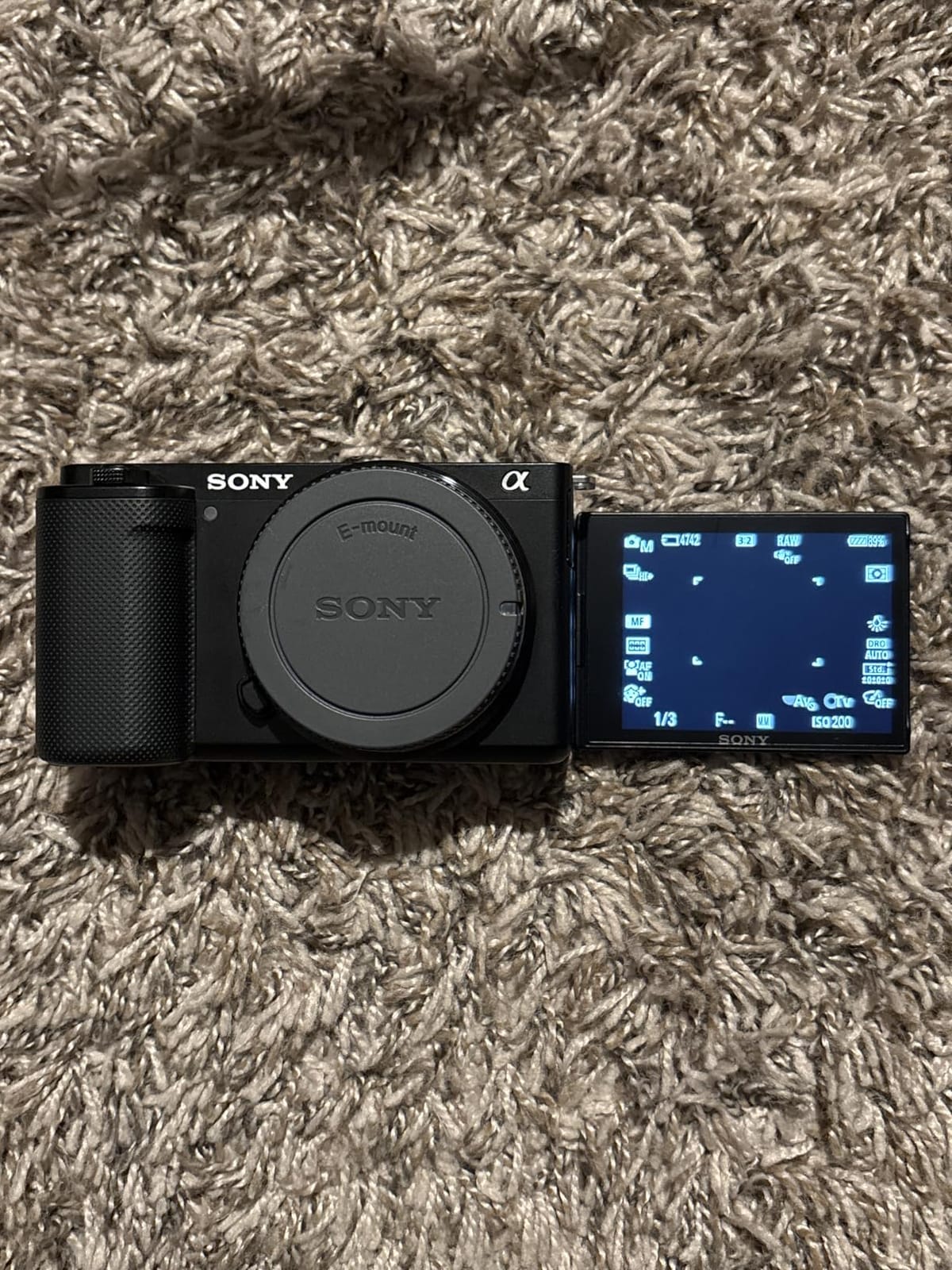
The Sony ZV-E10 is the camera I point at when someone says, “I want to start a YouTube channel or post Reels and I do not want to spend a lot.” It is purpose-built for video creators and gets the essentials right.
The Product Showcase Setting is a small thing that matters a lot — it instantly shifts focus from your face to an object you hold up to the camera, which is exactly what reviewers do. The Background Defocus button toggles between sharp and blurred backgrounds without diving into menus.

Autofocus is the same Real-Time Eye AF found in higher-end Sony cameras. For talking-head videos and lifestyle vlogs, the face tracking is essentially flawless. The vari-angle screen folds out for self-recording without guesswork.
There are clear compromises. There is no viewfinder — only the rear screen. There is no IBIS, so walking-and-talking shots need a stabilized lens or careful editing. The body can overheat during long 4K sessions in warm weather.
Best for Aspiring YouTubers and Social Creators
The ZV-E10 is the most affordable camera in this guide that is genuinely a tool for content creation rather than just a still camera that also shoots video. If your priority is starting a channel, learning filmmaking, or growing a social media presence, this is the right place to start.
Who Should Pick a Stills Camera Instead
If you mainly want sharp photos of family and travel with strong autofocus on faces, the Sony a6400 above is a more balanced choice. The Canon R50 is another beginner-friendly option with simpler menus.
10. Canon EOS R50 — Best for Family and Travel Beginners
Canon EOS R50 Mirrorless Camera with 18-45mm Lens (5811C012) Bundle
- Lightweight and approachable design for beginners
- 24.2MP APS-C sensor with sharp images
- Dual Pixel CMOS AF II with face/eye detection
- Oversampled 4K video with vertical video support for social
- Vari-angle touchscreen for vlogging and selfies
- Bundle includes 64GB SD card and shoulder bag
- In-camera Creative Assist guides for new creators
- No in-body image stabilization
- Smaller buffer when shooting continuous bursts
- Limited advanced controls compared to higher-tier models
The Canon EOS R50 is the camera I buy for my sister when she asks, “I just want something simple that takes great pictures of the kids.” It is light, friendly, and the menus actually make sense — three things beginners care about more than spec sheets.
The 24-megapixel APS-C sensor produces sharp, pleasing images with Canon’s signature color science. Skin tones look natural without editing, which matters when you have a thousand photos to sort through after a family outing.
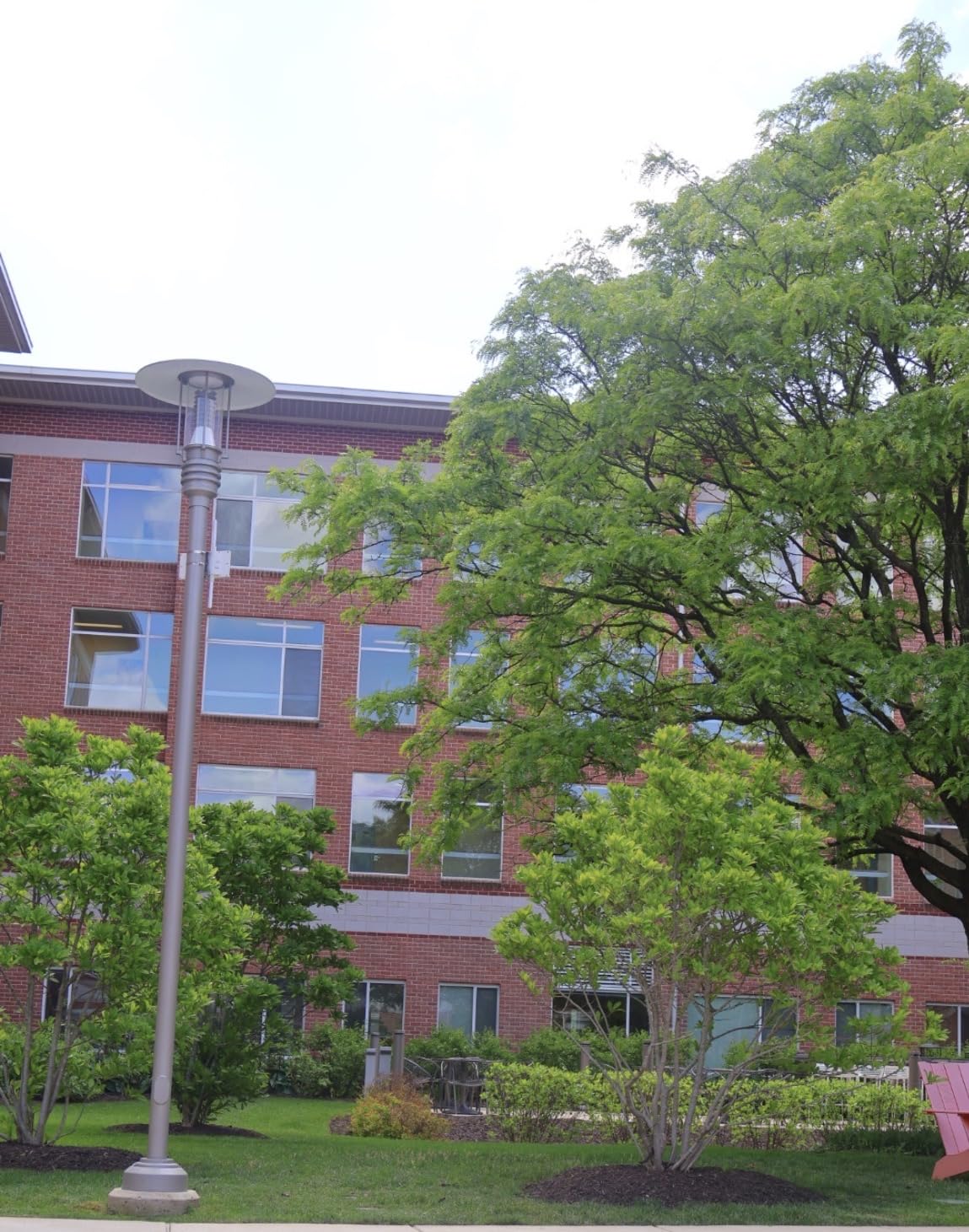
Dual Pixel CMOS AF II with subject detection is the same system used in Canon’s higher-end cameras. It tracks faces and eyes reliably, even when small children run around unpredictably. The vari-angle screen tilts out for family selfies and overhead shots.
Vertical video support is a thoughtful touch for anyone posting to TikTok or Instagram Reels. The camera switches seamlessly between horizontal and vertical shooting. The included bundle adds a 64GB SD card and a shoulder bag, which saves a separate shopping trip.

Best for Parents, Beginners, and Casual Travelers
The R50 is a wonderful first camera for someone who has outgrown a phone but does not want the complexity of a flagship body. It grows with you — beginners can leave it on automatic and get great results, while more advanced users can step into manual controls as skills develop.
Who Should Look at More Advanced Options
Photographers who want to learn serious manual photography, shoot sports, or grow into a professional kit should consider the R10 or R7 instead. Video creators who need longer recording times and stronger autofocus for cinematic projects should look at the Sony ZV-E10.
Buying Guide: How to Choose the Best Mirrorless Camera for You
Picking the best mirrorless camera is less about chasing the highest spec sheet and more about matching a camera to the kind of shooting you actually do. Here are the factors our team weighed most heavily when building this list.
Sensor Size and Why It Matters
Mirrorless cameras come in four sensor sizes, and each one changes how your photos look. Full-frame sensors (35mm) deliver the best low-light performance and the widest dynamic range, which is why most professional workhorse cameras use them. APS-C sensors are smaller, which means lenses reach further for sports and wildlife, and the cameras and lenses are lighter and cheaper.
Micro Four Thirds sensors are even smaller and are favored by travelers who want the lightest possible kit. Medium format sensors are huge and live in flagship cameras from Fujifilm and Hasselblad, delivering the highest possible resolution at the cost of size and speed. For most people, full-frame or APS-C is the right starting point.
Autofocus and Subject Detection
Modern mirrorless cameras use phase-detection autofocus directly on the sensor, which is faster and more accurate than the contrast-detection systems on older cameras. The best cameras in 2026 now include AI-powered subject detection that recognizes people, animals, birds, vehicles, and even specific sports like racing.
For family, pet, and travel shooters, reliable face and eye detection is the single biggest quality-of-life upgrade. Sony currently leads in this area, with Canon very close behind. Fujifilm’s autofocus has improved dramatically but still trails slightly for fast, erratic subjects.
Video Capabilities and Stabilization
If you shoot video, look for 4K recording at 60 frames per second with 10-bit color depth for grading. In-body image stabilization (IBIS) makes a huge difference for handheld video and low-light stills — five-axis IBIS is now standard on most mid-range and higher cameras.
Vloggers should prioritize a flip-out screen and good autofocus for video. Hybrid creators should look for cameras that shoot 4K 60p without a crop and offer log gamma profiles for color grading. Run-and-gun filmmakers need IBIS and weather sealing above all else.
Lens Ecosystems: Sony E, Canon RF, Nikon Z, Fujifilm X
The body you buy locks you into a lens mount, and lenses often cost more than the camera body itself over a lifetime. Sony’s E-mount has the deepest third-party support, which means more affordable lens options. Canon’s RF mount has excellent first-party lenses but pricier third-party options. Nikon’s Z mount is growing fast and offers great value. Fujifilm’s X mount is the strongest choice for APS-C, with a deep, curated lineup.
Our advice — if you already own lenses from a previous system, stay with that brand unless there is a compelling reason to switch. Adapters work, but they add bulk and slow autofocus. If you are starting fresh, Sony or Canon are the safest long-term bets for full-frame, and Fujifilm for APS-C.
Mirrorless vs DSLR: Which Is Better Now?
For most buyers in 2026, mirrorless is the clear winner. Mirrorless cameras offer faster autofocus, better video, lighter bodies, and access to the newest lens designs. Every major manufacturer has shifted its engineering investment to mirrorless, and DSLR development has largely stopped.
DSLRs still have advantages — longer battery life, more durable mechanical shutters, and lower prices on used bodies. If you already own a bag full of DSLR lenses and they meet your needs, there is no urgent reason to switch. But if you are buying a camera today, mirrorless is the future-proof choice.
Frequently Asked Questions
Which brand of mirrorless camera is the best?
There is no single best brand — each excels in different areas. Sony leads in autofocus and lens ecosystem depth, Canon in color science and hybrid video, Nikon in ergonomics and value, and Fujifilm in APS-C color and physical controls. The right brand depends on what you shoot and the lenses you want to invest in over time.
What are the top 5 mirrorless cameras?
Our top five are: 1) Sony Alpha 7 IV for the best overall hybrid, 2) Canon EOS R6 Mark II for action and events, 3) Sony Alpha a7 III for value, 4) Fujifilm X-T5 for enthusiasts who love color and dials, and 5) Canon EOS R8 for lightweight full-frame hybrid work.
Do professional photographers prefer DSLR or mirrorless?
Most professional photographers have moved to mirrorless. The faster autofocus, better video, lighter bodies, and access to cutting-edge lens designs have made mirrorless the default for sports, wedding, and wildlife shooters. Canon, Nikon, and Sony have all shifted their flagship development to mirrorless.
Are mirrorless cameras the best?
Mirrorless cameras are the current state of the art for most photography and video. They offer faster burst rates, superior autofocus for moving subjects, better video quality, and lighter bodies than equivalent DSLRs. For beginners through professionals, mirrorless is the right choice today.
Which mirrorless camera has the best autofocus system?
Sony currently leads in autofocus, with the Alpha 1 II and a7 IV offering industry-leading subject detection for people, animals, birds, and vehicles. Canon is very close behind with its Dual Pixel CMOS AF II system in the R5 Mark II and R6 Mark II. Nikon and Fujifilm have both closed the gap in recent years.
Is F 2.8 or F 4 better?
F 2.8 lenses are better for low-light photography, shallow depth of field, and isolating subjects from backgrounds. They are larger, heavier, and more expensive than F 4 lenses. F 4 lenses are more compact, lighter, and more affordable, making them a smart choice for travel and general-purpose shooting.
What to look for when buying a mirrorless camera?
Focus on sensor size, autofocus system, video capabilities, in-body image stabilization, lens ecosystem, weight, and ergonomics. Match the camera to your primary use — family and travel shooters do not need flagship specs, while sports and wildlife photographers benefit from faster burst rates and deeper buffers.
Does a bigger sensor mean better quality?
Generally, yes. A larger sensor captures more light, which translates to better low-light performance, wider dynamic range, and shallower depth of field for portraits. However, larger sensors also mean larger, heavier cameras and lenses. For most people, full-frame or APS-C hits the best balance of quality and practicality.
Final Verdict: Which Best Mirrorless Camera Should You Buy?
After months of testing, our team keeps coming back to the same conclusion: there is no single best mirrorless camera for everyone, but there is a best camera for each kind of shooter.
If we had to pick just one for the broadest range of photographers, it would be the Sony Alpha 7 IV. It hits the right balance of resolution, autofocus, video, and lens ecosystem for hybrid shooters who want one body to handle most jobs. The Canon EOS R6 Mark II is the runner-up for anyone whose priority is action and events.
For beginners and family photographers, the Canon EOS R50 and Sony ZV-E10 are both excellent entry points. Enthusiasts who love tactile controls and rich color will be happiest with the Fujifilm X-T5. And if you are ready to commit to full-frame on a tighter budget, the Sony a7 III and Canon EOS RP both deliver real quality without the flagship price tag.
Whichever camera you pick, the best mirrorless cameras in 2026 are more capable than at any point in history. Take your time, think about what you actually shoot, and pick the camera that will get out of your way and let you make the photos you care about.