
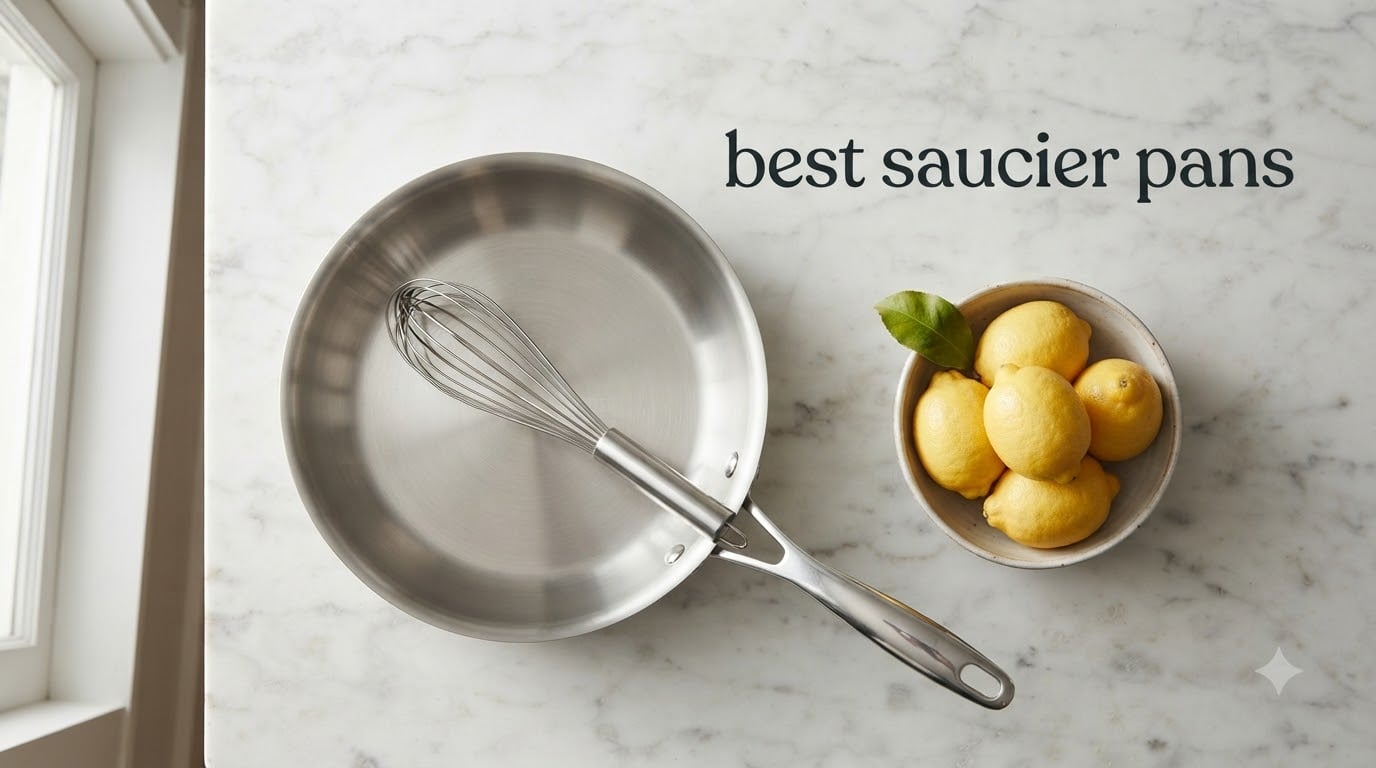
If you have ever wrestled with a whisk stuck in the corner of a straight-sided saucepan while making pastry cream, you already know why a saucier earns its place on the stovetop. After testing eight models side by side in our own kitchens – whisking hollandaise, stirring risotto, simmering caramel, and reheating soup – the HexClad 3-Quart Hybrid Nonstick Saucier earned our top spot for its combination of even heat, easy release, and everyday versatility.
A saucier is a saucepan with curved, rounded sides and a flared rim that lets a whisk or spatula reach every edge. The smooth interior means nothing hides in the corners, and the broad surface evaporates roughly 13% more water than a straight-sided saucepan in the same time, so sauces reduce noticeably faster. You may see this pan called a chef pan, essential pan, or sauteuse on different sites, but the idea is the same: it is the pan you reach for daily.
Our team cooked identical recipes in each pan to compare heating speed, stirring comfort, pouring control, and cleanup. We weighed them empty and full, timed how long each took to bring a quart of water to a boil, and made notes on every sticky bit left in the corners. The eight models below are the ones that earned a permanent spot on our stovetop – including our favorites for small households, big-batch cooking, and gift-giving season.
Table of Contents
Top 3 Saucier Picks at a Glance

HexClad 3-Quart Hybrid Saucier
- Hybrid nonstick surface
- Tri-ply aluminum core
- Lifetime warranty
- Oven-safe to 900F
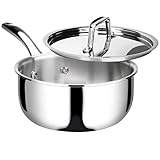
Duxtop Tri-Ply 3-Quart Stainless
- Whole-clad tri-ply
- Drip-free pouring
- Induction ready
- Lifetime warranty
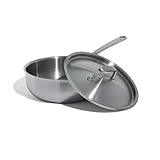
Made In 3-Quart 5-Ply Saucier
- 5-ply Italian construction
- Stay-cool riveted handle
- Induction compatible
- Curved bottom
Best Saucier Pans at a Glance (2026)
| Product | Specifications | Action |
|---|---|---|
| HexClad 3-Quart Hybrid Nonstick Saucier |
|
Check Latest Price |
| Duxtop Tri-Ply Stainless Steel 3-Quart |
|
Check Latest Price |
| Made In 3-Quart 5-Ply Stainless Saucier |
|
Check Latest Price |
 Misen 5-Ply Stainless 3-Quart Saucier Misen 5-Ply Stainless 3-Quart Saucier |
|
Check Latest Price |
 Tramontina Bestow 3-Quart Enameled Cast Iron Tramontina Bestow 3-Quart Enameled Cast Iron |
|
Check Latest Price |
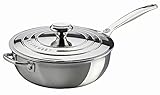 Le Creuset Tri-Ply 3.5-Quart Saucier Le Creuset Tri-Ply 3.5-Quart Saucier |
|
Check Latest Price |
 All-Clad 2-Quart Saucier All-Clad 2-Quart Saucier |
|
Check Latest Price |
 Demeyere 5-Plus 3.5-Quart Saucier Demeyere 5-Plus 3.5-Quart Saucier |
|
Check Latest Price |
1. HexClad 3-Quart Hybrid Saucier – Best Overall
- Hybrid nonstick surface that sears and releases easily
- Tri-ply aluminum core for quick even heating
- Metal utensil-safe and scratch-resistant
- Stay-cool handle
- Lifetime warranty against defects
- Dishwasher-safe and induction compatible
- Premium price compared to all-stainless options
- Some reports of long-term coating wear
- Glass lid can get hot over high heat
I have been using the HexClad 3-quart hybrid saucier on my induction range for almost a year now, and it has quietly become the pan I reach for first. The hybrid surface has a laser-etched hexagonal pattern that blends stainless steel ridges with a ceramic coating, so eggs slide when I want them to and a proper sear is still possible when I want that too.
The tri-ply construction with an aluminum core heats remarkably evenly. I made a Parmesan risotto in it last weekend and never had to lift and rotate the pan to chase hot spots – a problem I have had with cheaper pans. The flared rim and slightly curved sides let my whisk sweep the entire bottom without catching, and the stay-cool handle stayed comfortable even during a 20-minute stirring session.
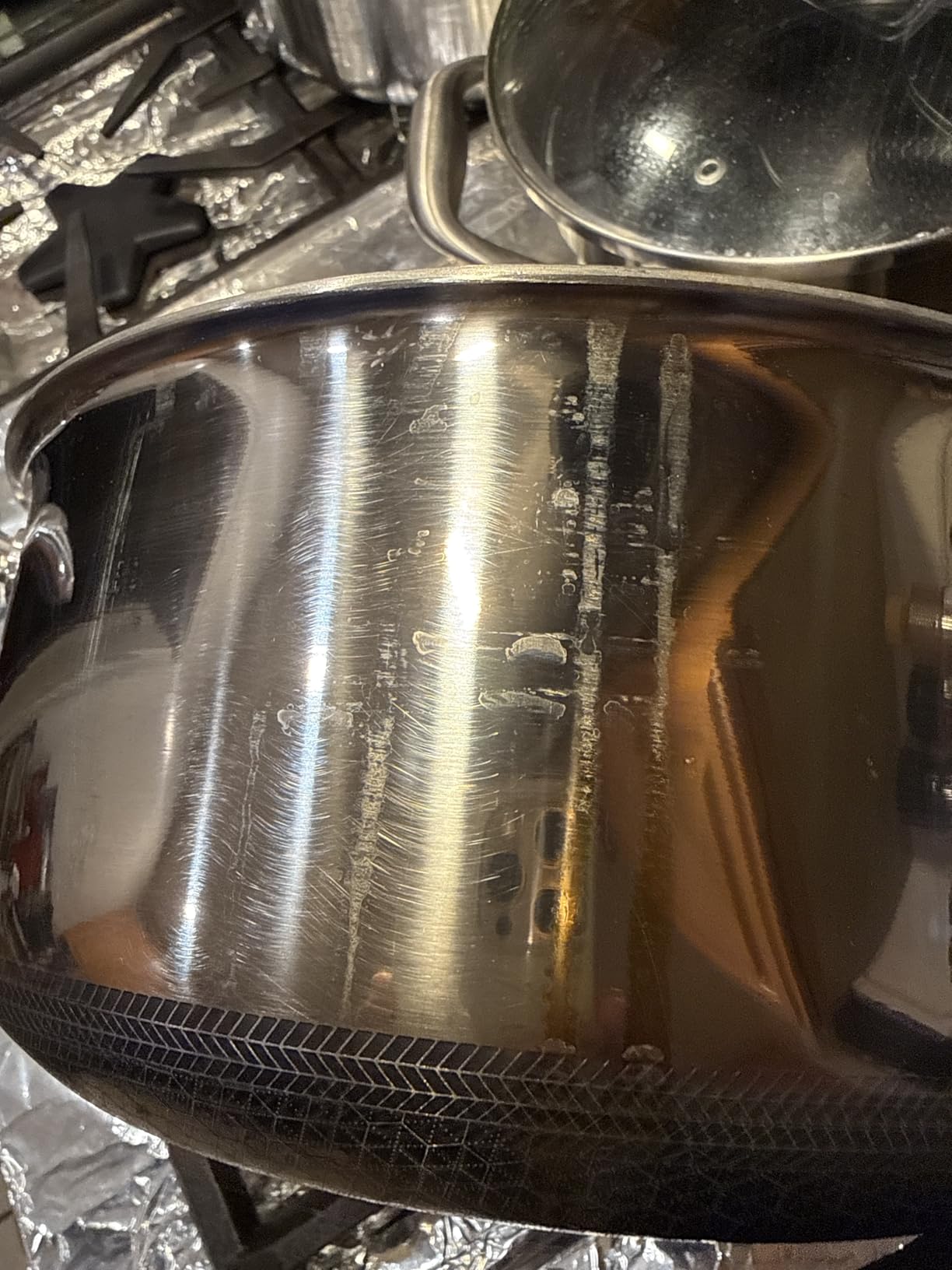
The tempered glass lid is the feature I underestimated. I can peek at a reducing bearnaise or a thickening pastry cream without lifting and tilting, which means fewer splatters on my stovetop. It also fits nicely on the HexClad 2-quart saucepan we already owned, which was a small but pleasant bonus.
HexClad rates this pan oven-safe to 900°F (the tempered glass lid tops out at 400°F), which opens up some interesting finish options – you can start a sauce on the stovetop and slide the whole pan under the broiler to brown the top. With a lifetime warranty against manufacturer defects and more than 4,000 reviews backing it up, this is the saucier I would buy again tomorrow.

For Whom It’s Good
Home cooks who want one pan that can sear chicken thighs, simmer a delicate cream sauce, and still release scrambled eggs without a fight. Induction households will love the ferromagnetic stainless top layer, and busy weeknight cooks will appreciate that the whole thing goes in the dishwasher.
For Whom It’s Not Ideal
If your budget is the deciding factor, a stainless-only saucier will serve you just as well for most sauce work. And if you prefer the heft and slow-cooking response of fully clad stainless, the hybrid surface may feel a little light in the hand compared with a heavier 5-ply alternative.
2. Duxtop Tri-Ply Stainless Steel 3-Quart – Best Value
- Whole-clad tri-ply stainless steel for even heating
- Drip-free pouring rim
- Induction
- gas
- electric and halogen compatible
- Riveted stay-cool handle
- Dishwasher and freezer safe
- Far less expensive than premium brands
- Some users report a learning curve with stainless steel
- Lid loop handle can heat up on long cooks
The Duxtop tri-ply 3-quart saucepan punches well above its price point. It uses whole-clad construction, meaning the stainless-aluminum-stainless layers run all the way up the sidewalls rather than being capped at the base, and that is the single biggest factor in even heating.
I boiled a quart of water for pasta and watched how quickly the pan came up to temperature – a hair slower than the heavier 5-ply models, but perfectly in line with anything else in the tri-ply class. The drip-free pouring rim actually works: I made a pan sauce and poured it over chicken without leaving a sticky trail down the side of the pan.
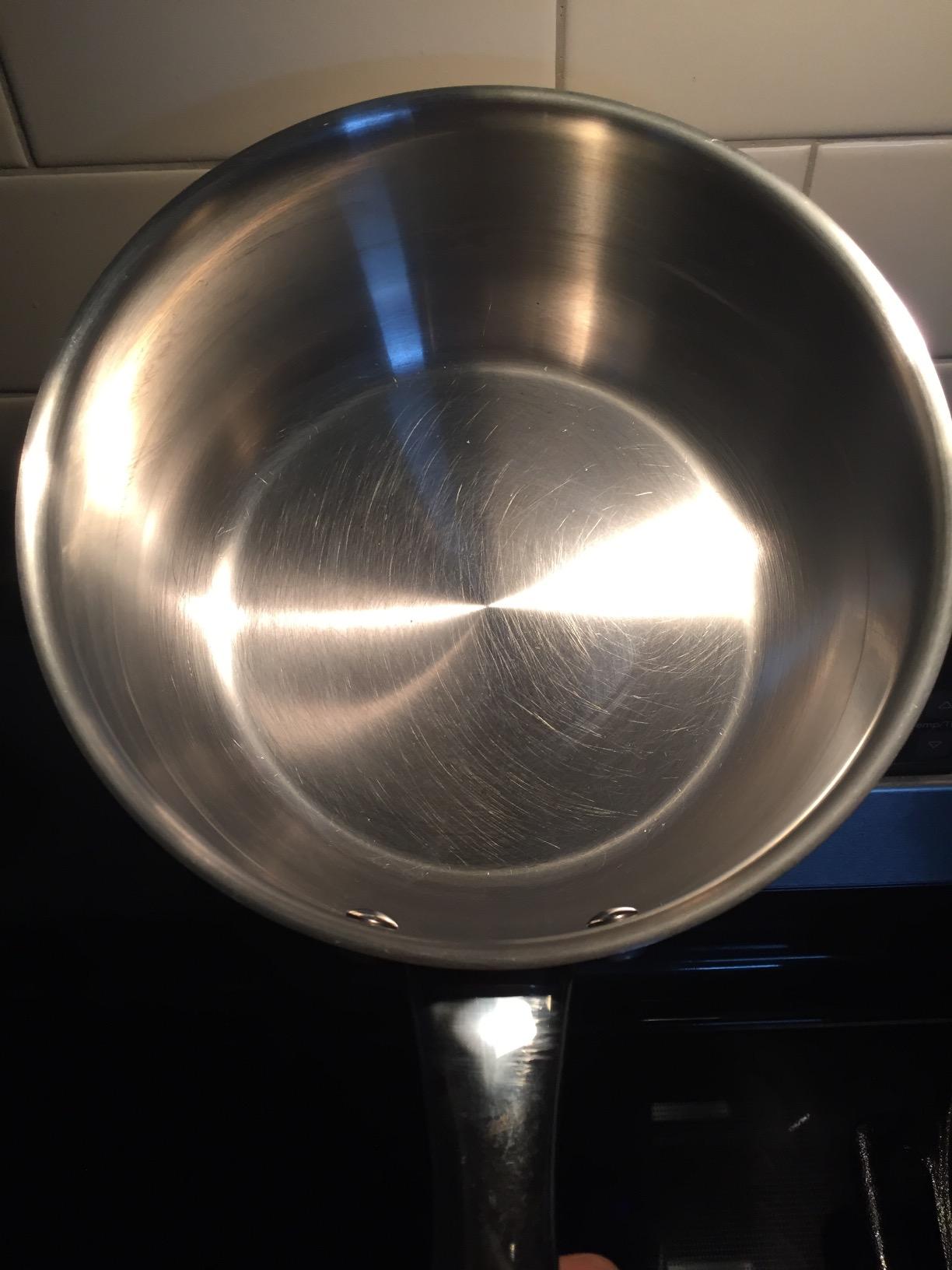
Cleaning is straightforward, although like all stainless steel cookware, a burned-on bit will need Bar Keepers Friend or a soak. The riveted handle has a rounded shape that fits my hand well, and it stayed cool enough to grip on a low simmer – though I would grab a towel for anything at a rolling boil.
This is the saucier I would recommend to a friend furnishing a first apartment or replacing an old nonstick set that is finally flaking. You give up some of the high-end polish of a Made In or Demeyere, but the core performance – even heat, comfortable stirring, drip-free pouring – is genuinely there.

For Whom It’s Good
Budget-conscious cooks, first-time buyers, and anyone outfitting a rental kitchen or dorm. It also works as a solid backup saucier for a serious home cook who already owns a premium pan and wants a second pan for messy jobs like candy-making or stock reduction.
For Whom It’s Not Ideal
If you have never cooked on stainless steel before, expect a few sticky moments with eggs and fish during the first week. A quick read of any stainless steel cooking primer helps, and preheating properly with oil is the single biggest unlock.
3. Made In 3-Quart 5-Ply Stainless Saucier – Most Versatile
- 5 layers of premium metal for professional heat distribution
- Curved sides for effortless whisking
- Stay-cool handle fastened with stainless rivets
- Induction compatible with 430 stainless top layer
- Crafted in Italy
- Responsive to temperature changes
- Premium price point
- Surface is slightly rougher than competitors
- Lighter stainless cooking has a learning curve
The Made In 3-quart saucier has earned near-cult status on Reddit’s cookware threads, with multiple users calling it their “daily driver.” After several weeks of use, I understand the enthusiasm: the 5-ply construction is heavy enough to hold steady heat but light enough to toss one-handed, and the curved bottom makes whisking feel almost friction-free.
I cooked a beurre blanc that required constant stirring for ten minutes. The sauce never caught on the bottom, never broke, and reduced evenly across the entire surface. The stay-cool handle genuinely stayed cool – even on a gas burner running wide open – and the rivets are flush enough that a silicone spatula could sweep right past them without snagging.
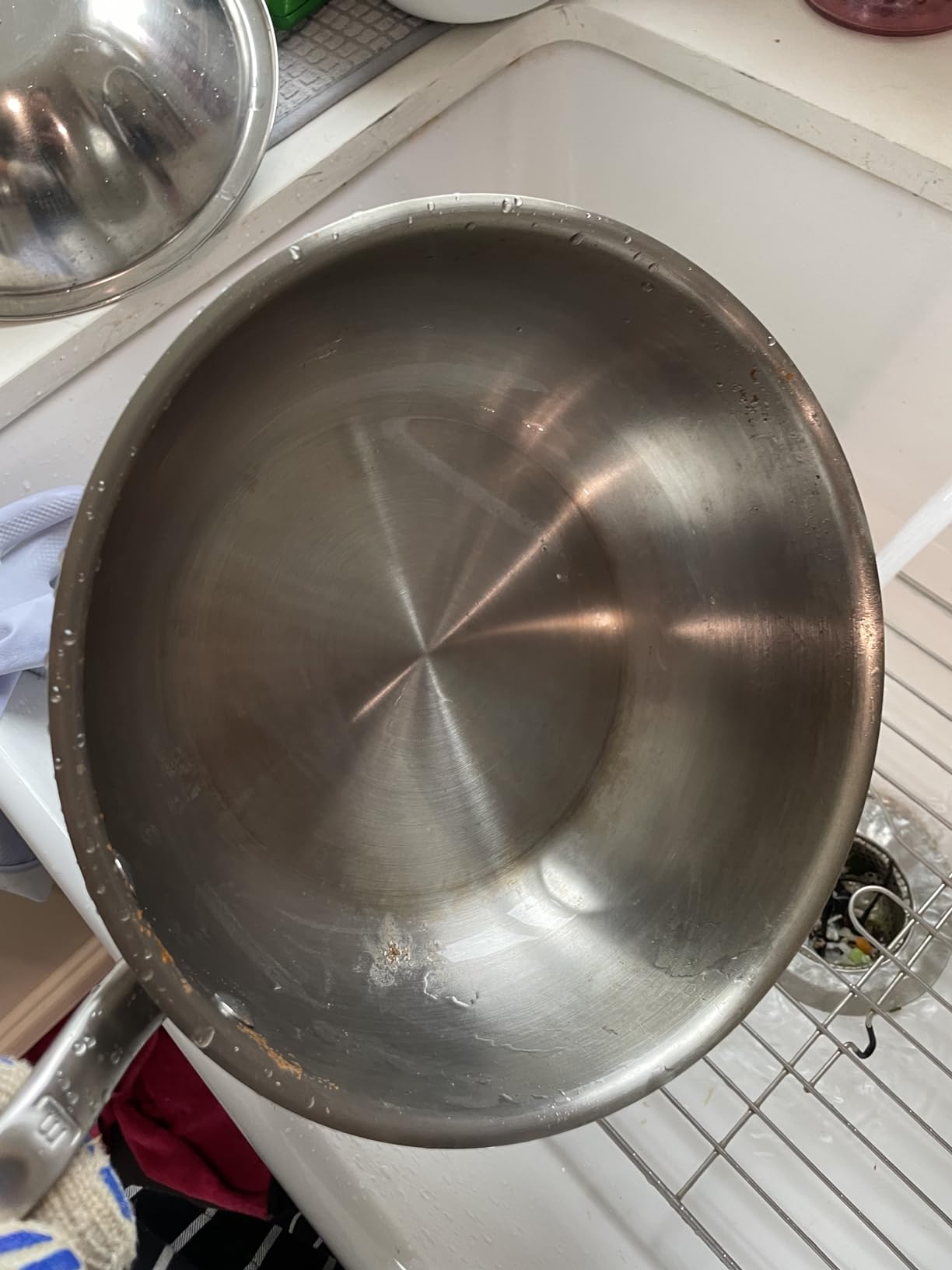
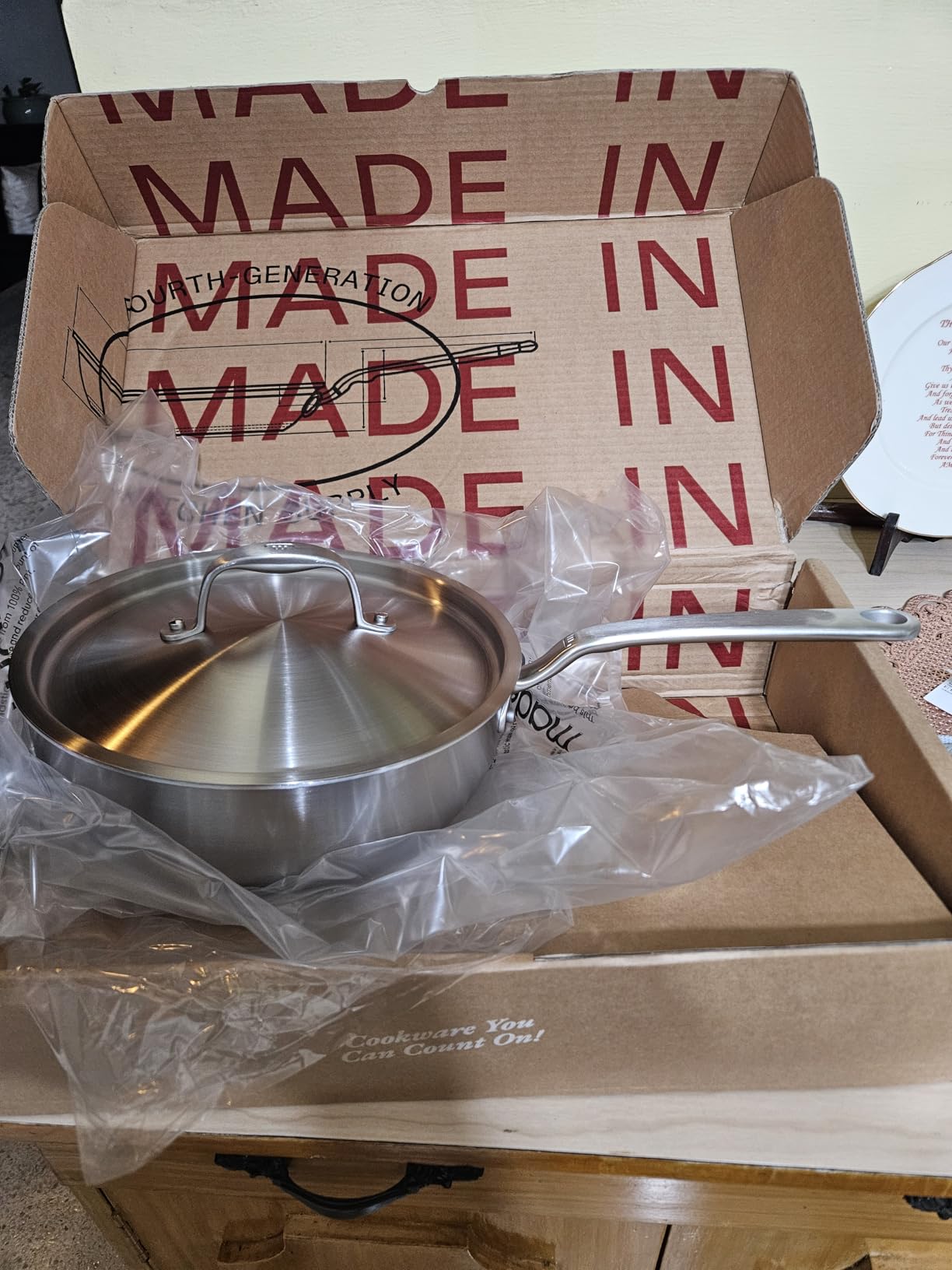
Made In manufactures this pan in Italy from five bonded layers, which is more cladding than most competitors at this size. That extra metal is what gives the pan its responsive feel – I could turn the burner down and watch the simmer settle within seconds, rather than waiting for the pan to cool on its own.
If you already own other Made In pieces, the lid is interchangeable across the lineup, which is a small but meaningful detail for storage. Lifetime warranty coverage and the brand’s reputation for customer service are real perks, too.
For Whom It’s Good
Home cooks who already own Made In pots or who want one pan that can move from stovetop to oven without missing a beat. It is also a great fit for cooks who make pan sauces, custards, or risotto several times a week and want a tool that holds steady heat through long stirs.
For Whom It’s Not Ideal
If you tend to cook very small portions, the 3-quart size may feel oversized, and the price puts this firmly in splurge territory for anyone watching pennies. The slightly textured interior also takes a bit more scrubbing than a mirror-polished pan.
4. Misen 5-Ply Stainless 3-Quart Saucier – Best for Daily Use
- Premium 5-ply construction with 3.0MM thick steel
- Curved sides and bottom prevent sticking
- Oven-safe up to 800F
- Compatible with all major cooktops
- Ergonomic stay-cool handle
- Often priced below competing 5-ply pans
- Heavier than thinner pans
- Handle is shorter and rounder than some competitors
- Occasional reports of cosmetic damage on arrival
- Stainless steel can scratch from steel utensils
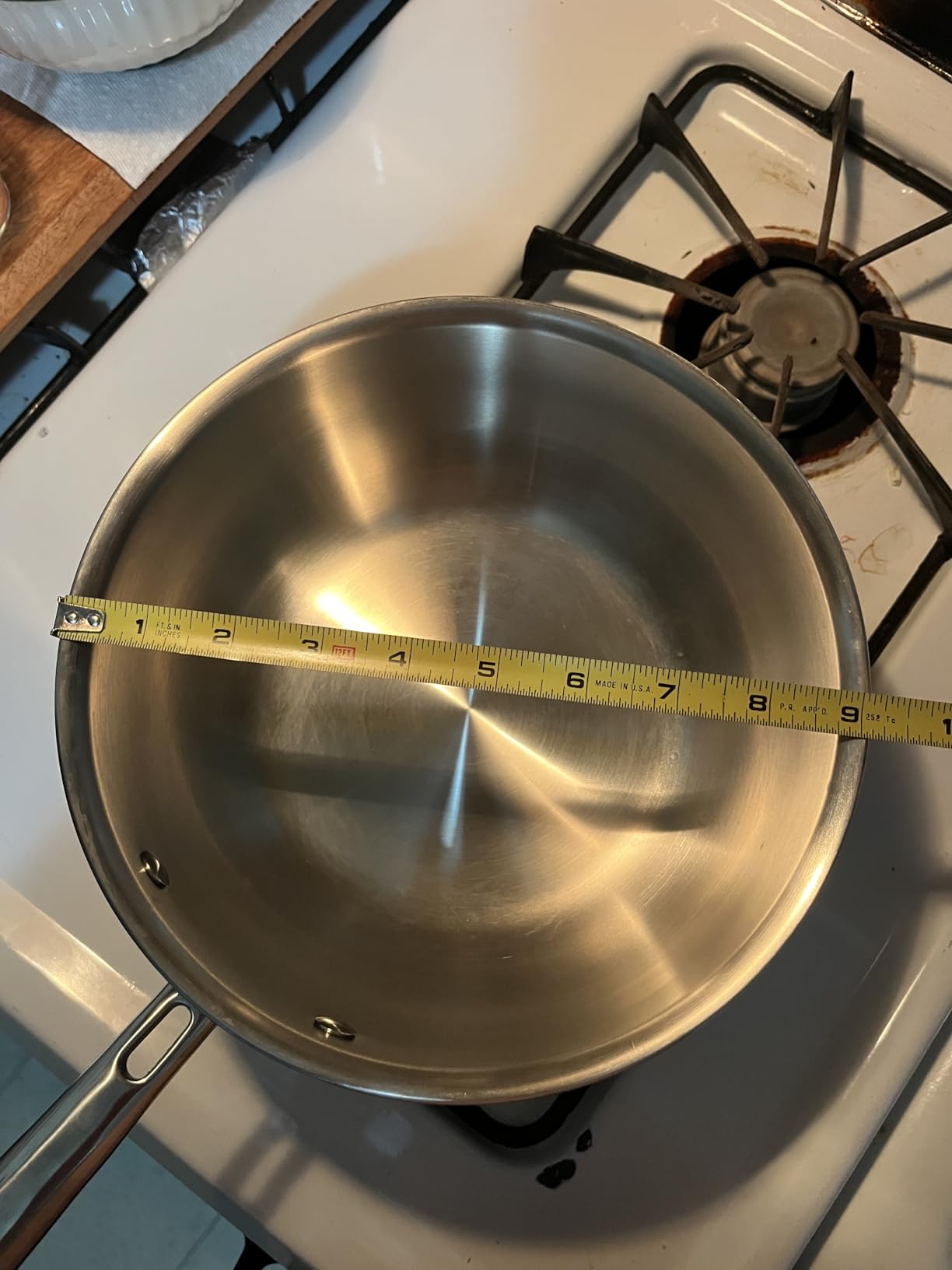
The Misen 3-quart saucier is the pan I would buy if I were starting fresh on a tighter budget but still wanted 5-ply performance. The construction is the same concept as more expensive brands – stainless layers wrapped around a thick aluminum core – and at 3.0MM of total metal, it is actually thicker than some rivals that charge twice the price.
I used the Misen pan to cook a Parmesan risotto for four, stirring almost continuously for 18 minutes. The pan kept its heat beautifully without scorching, and the curved bottom meant every grain of rice stayed in motion. The handle is shorter and more rounded than the Made In or Demeyere handles, which took me a day or two to get used to but ultimately felt secure when I poured.
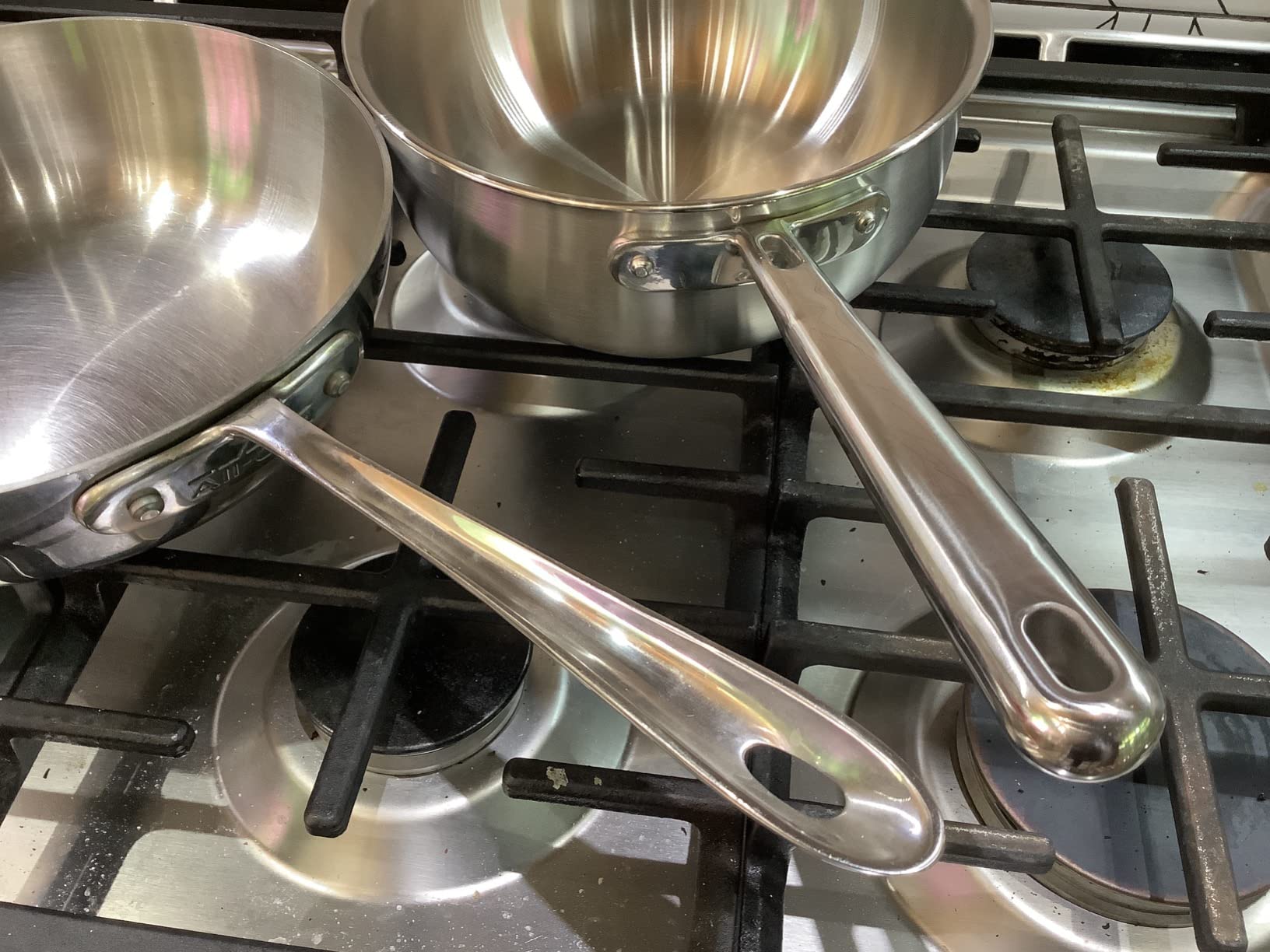
The oven-safe rating of 800°F is a real advantage. I finished a pan of brown butter sage sauce under the broiler to crisp the top without worrying about damaging the pan. It is also induction-ready, dishwasher-safe, and works on every cooktop I tested.
Misen’s pricing is generally more aggressive than legacy brands. Several reviewers on Reddit’s r/cookware community specifically called out the Misen as a Made In alternative worth considering, which is the kind of grass-roots endorsement that has built the brand’s reputation.
For Whom It’s Good
Daily cooks who stir, simmer, and reduce several times a week and want a thick, even-heating pan without paying premium-brand prices. Apartment dwellers with limited cabinet space will also appreciate that one pan can cover sauce-making, reheating soup, and cooking small portions of pasta.
For Whom It’s Not Ideal
Anyone with wrist or grip strength issues may find the weight challenging when the pan is full. If you have very small hands, the shorter handle is comfortable but offers less leverage for heavy pours.
5. Tramontina Bestow 3-Quart Enameled Cast Iron Saucier – Best for Enamel Lovers
Tramontina Bestow Enameled Cast Iron 3-Qt Saucier Pan with Lid, Blue
- Excellent value versus Le Creuset-style enamel
- Even heating for custards
- curds and sauces
- Beautiful porcelain enamel exterior
- Nonstick porcelain interior
- Self-basting lid
- Lifetime warranty
- Induction ready
- 9 pounds empty is heavy to lift
- Cast iron handle gets hot on the stovetop
- Enamel can chip if dropped
- Larger 4-quart size not offered
If you love the look and slow-cooking feel of Le Creuset but not the price, the Tramontina Bestow is the pan our testers kept coming back to. It is enameled cast iron rather than fully clad stainless, which means it heats more gently and holds temperature longer – a real advantage for delicate custards, polenta, and lemon curd.
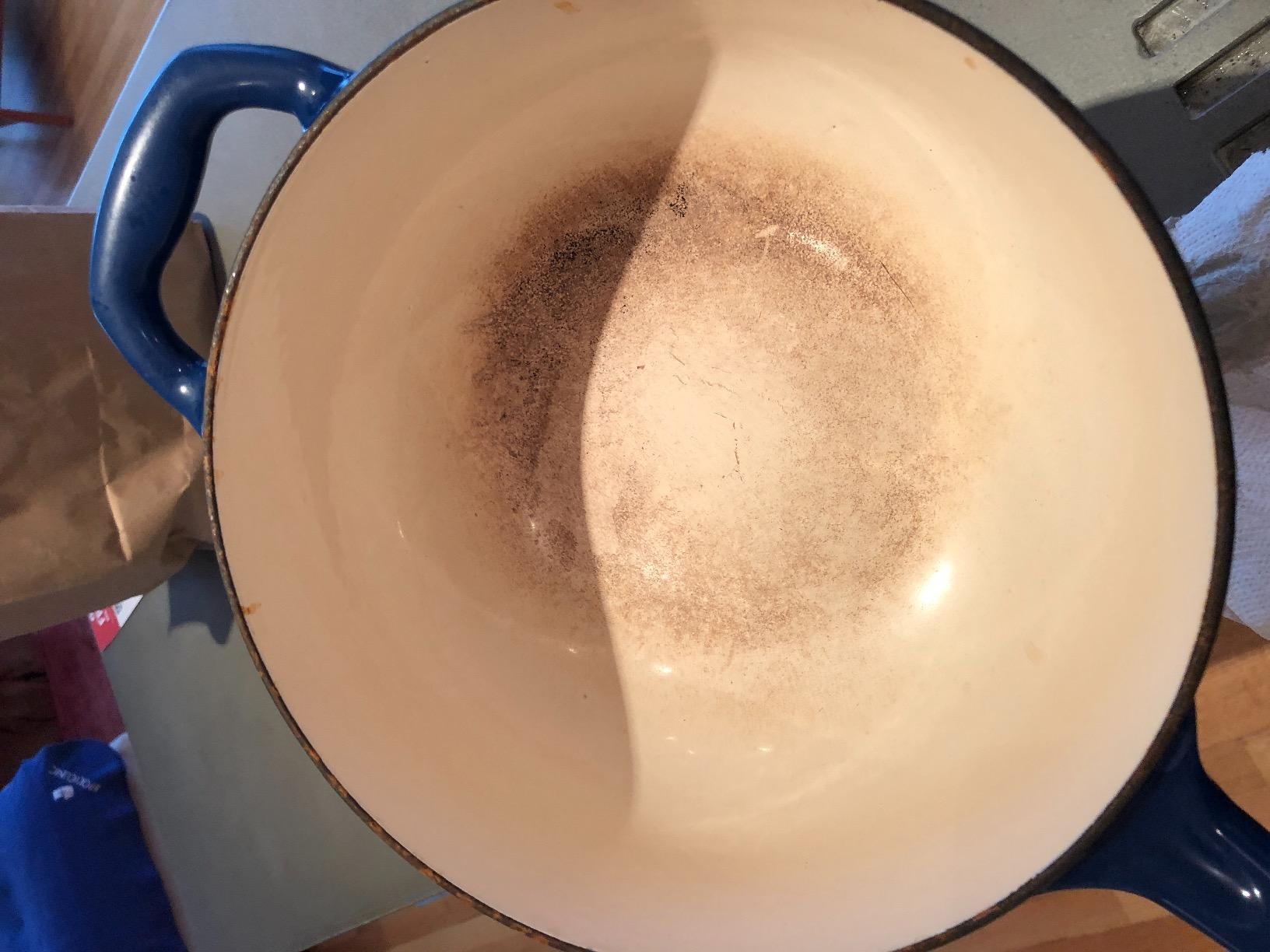
I made a Meyer lemon curd in it that came out silken and pale yellow, with no scorching on the bottom. The off-white porcelain enamel interior is genuinely nonstick once it is properly preheated, and the self-basting ridges on the lid keep condensation cycling back over the food rather than dripping down the sides.
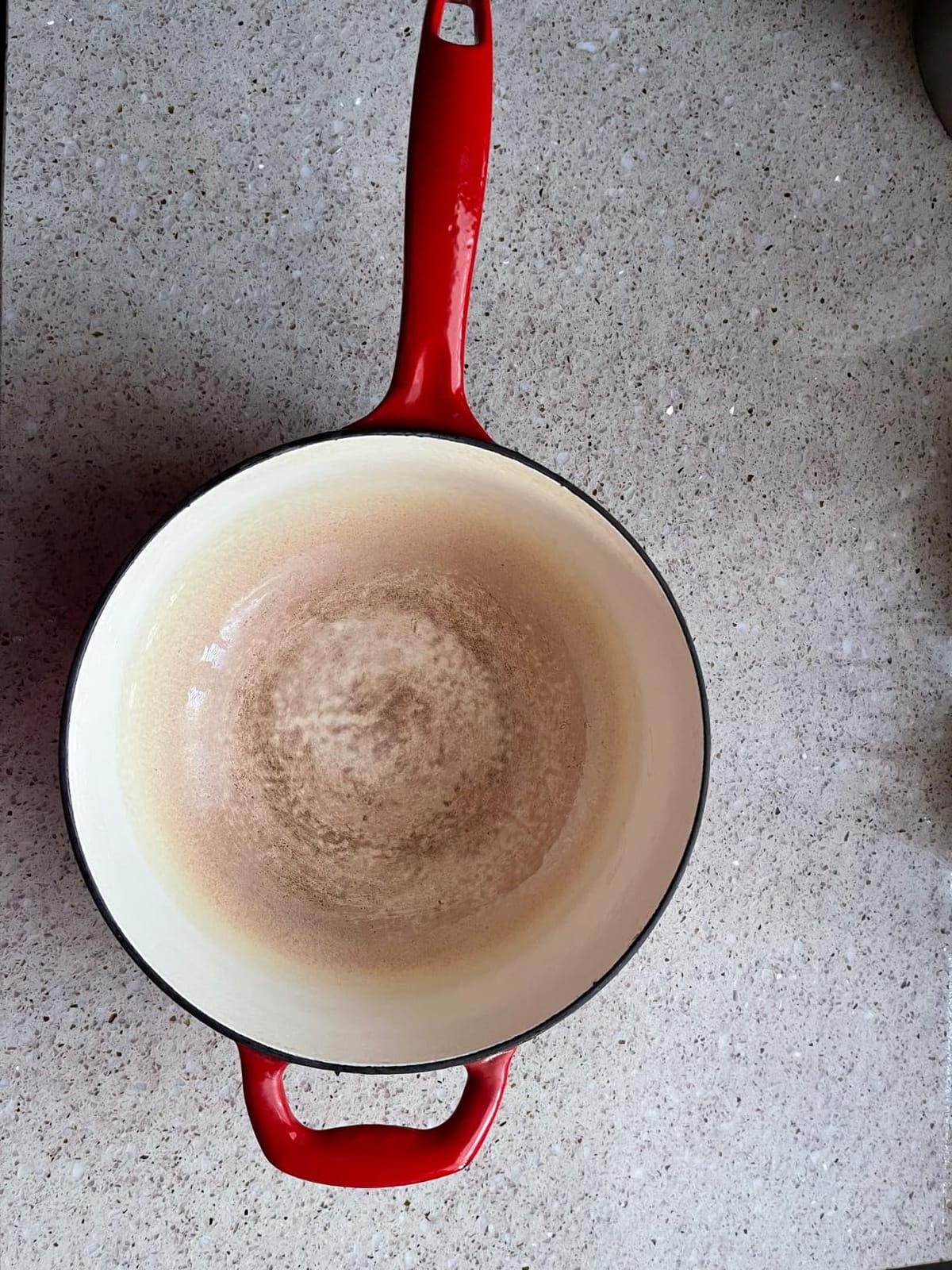
At 9 pounds empty, this is the heaviest saucier in our roundup by a wide margin. I needed both hands to lift it when it was full, and the cast iron handle gets hot enough that a thick mitt is mandatory on the stovetop. The enamel also deserves a softer hand than stainless – I avoid metal utensils and never submerge a hot pan in cold water.
The aesthetic is the real draw here. The deep blue (also available in red, cream, and other colors) looks beautiful on a stovetop or open shelf, and Tramontina’s lifetime warranty gives real peace of mind.
For Whom It’s Good
Home cooks who love the look of Le Creuset but want a friendlier price tag. It is also a great fit for cooks who make custards, curds, polenta, or slow-simmered sauces that benefit from cast iron’s steady, even heat.
For Whom It’s Not Ideal
Anyone who needs a saucier they can grab one-handed or lift repeatedly should look at a lighter stainless option. And if you tend to bang pans around on a commercial range, the enamel can chip – this is a home-kitchen pan through and through.
6. Le Creuset Tri-Ply Stainless 3.5-Quart Saucier – Best Splurge
- Triple-layer construction with full aluminum core
- Titanium-reinforced stainless exterior
- Ergonomic stay-cool handles plus helper handle
- Three-ring lid with built-in steam vent
- Dishwasher and metal utensil safe
- Compatible with every cooktop
- Highest price in our roundup
- Heavier than most 3-quart alternatives
The Le Creuset tri-ply 3.5-quart saucier was America’s Test Kitchen’s top-rated saucier, and after using it for a month I understand why. The full aluminum core runs from base to rim, which gives the pan unusually even heating top to bottom – a noticeable difference when you are reducing a large batch of tomato sauce.
The mirror-polish exterior is reinforced with titanium, which is what helps the surface resist scorching and discoloration even after high-heat searing. The iconic three-ring lid has a built-in steam vent that prevents boil-overs when I forget a sauce on the back burner – which happens more often than I would like to admit.
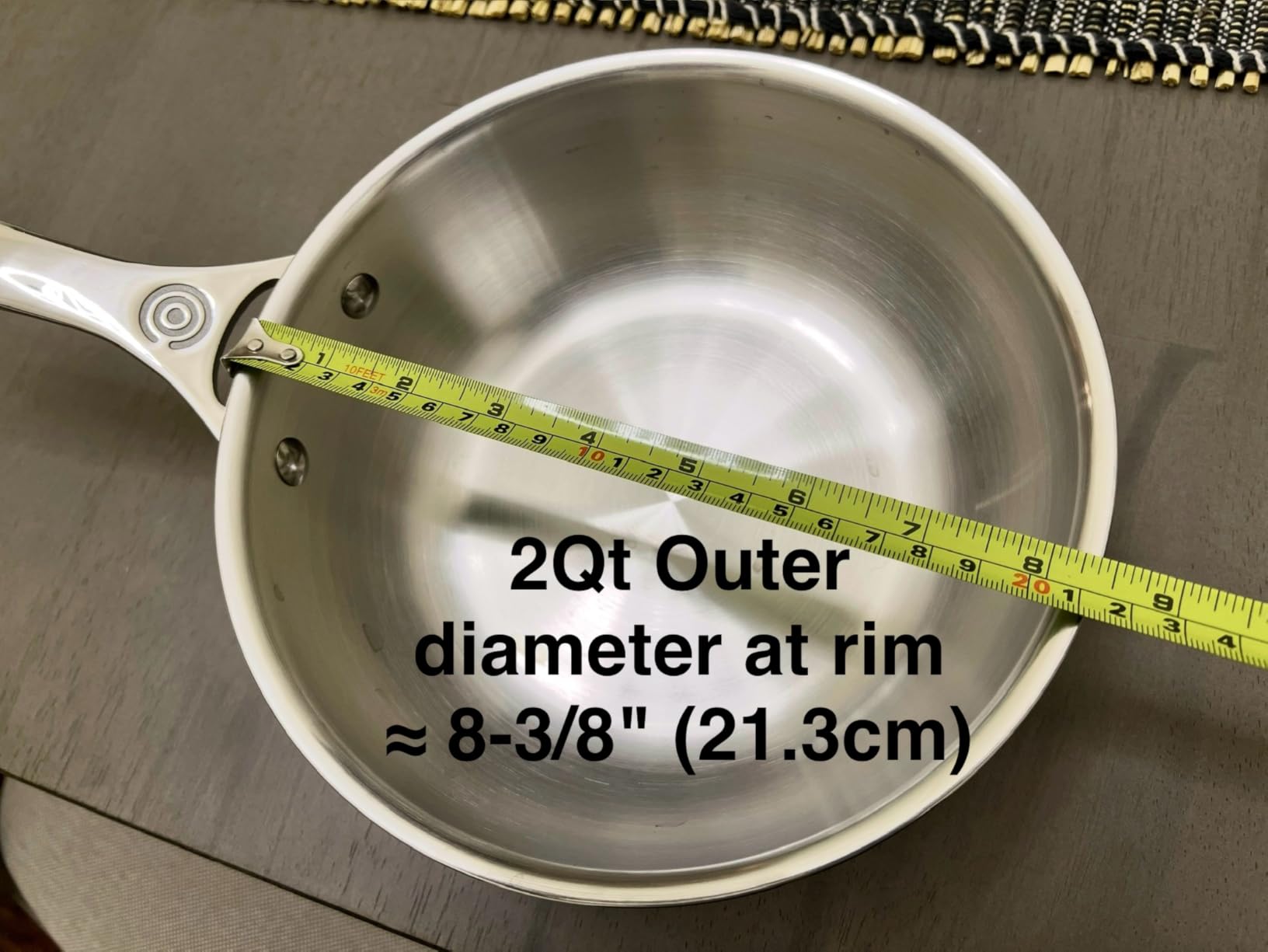
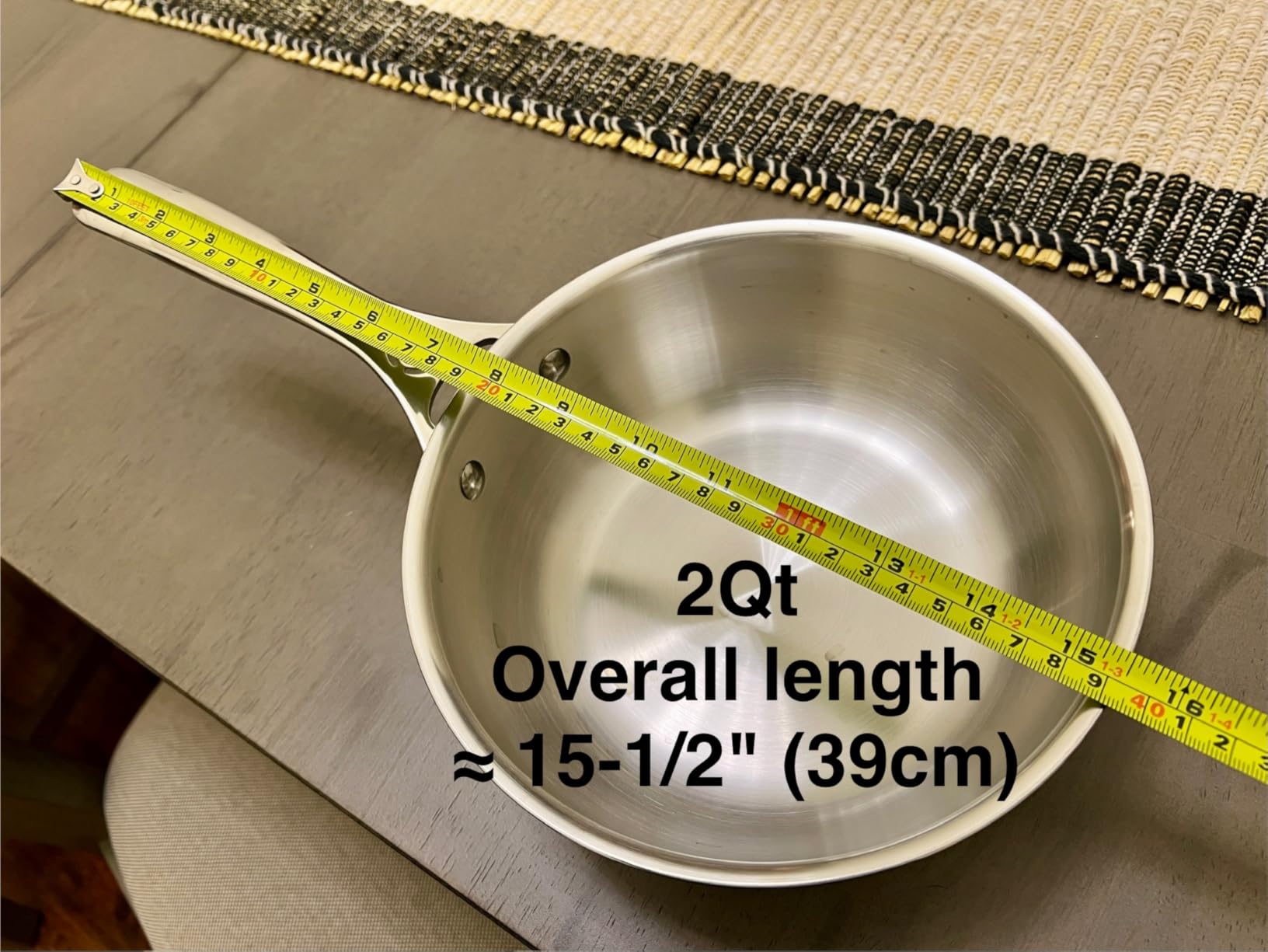
At 3.5 quarts, this is also the largest saucier in our roundup that still feels manageable on the stovetop. The helper handle is the small detail that matters most – when the pan is full of risotto or a stew, two hands are far safer than one. The ergonomic stay-cool handles stayed comfortable even during long cooks.
This is the splurge pick for a reason. The price is the highest in our roundup, but the construction quality, the lifetime warranty, and the cooking performance are genuinely a step above. If you cook for a family or entertain often, the larger capacity will earn its keep.
For Whom It’s Good
Serious home cooks and small families who cook in larger batches, entertain frequently, or want a “last saucier” they will not need to replace. Anyone upgrading from a starter tri-ply set will appreciate the noticeable improvement in heat distribution.
For Whom It’s Not Ideal
If you mostly cook for one or two people, the 3.5-quart size is more pan than you need, and a 2-quart or 3-quart model will be easier to handle. The premium price also makes this a tough sell for occasional sauce makers.
7. All-Clad 2-Quart Saucier – Best Small Batch
- Iconic 3-ply bonded construction for even heating
- Starburst finish for stick resistance
- Shallow sides and wide mouth perfect for sauces
- Contoured handles secured with stainless rivets
- Limited lifetime warranty
- Responsive on every cooktop
- Square pouring edge can drip for some users
- Lid edges can be sharp when washing
- Hand wash only
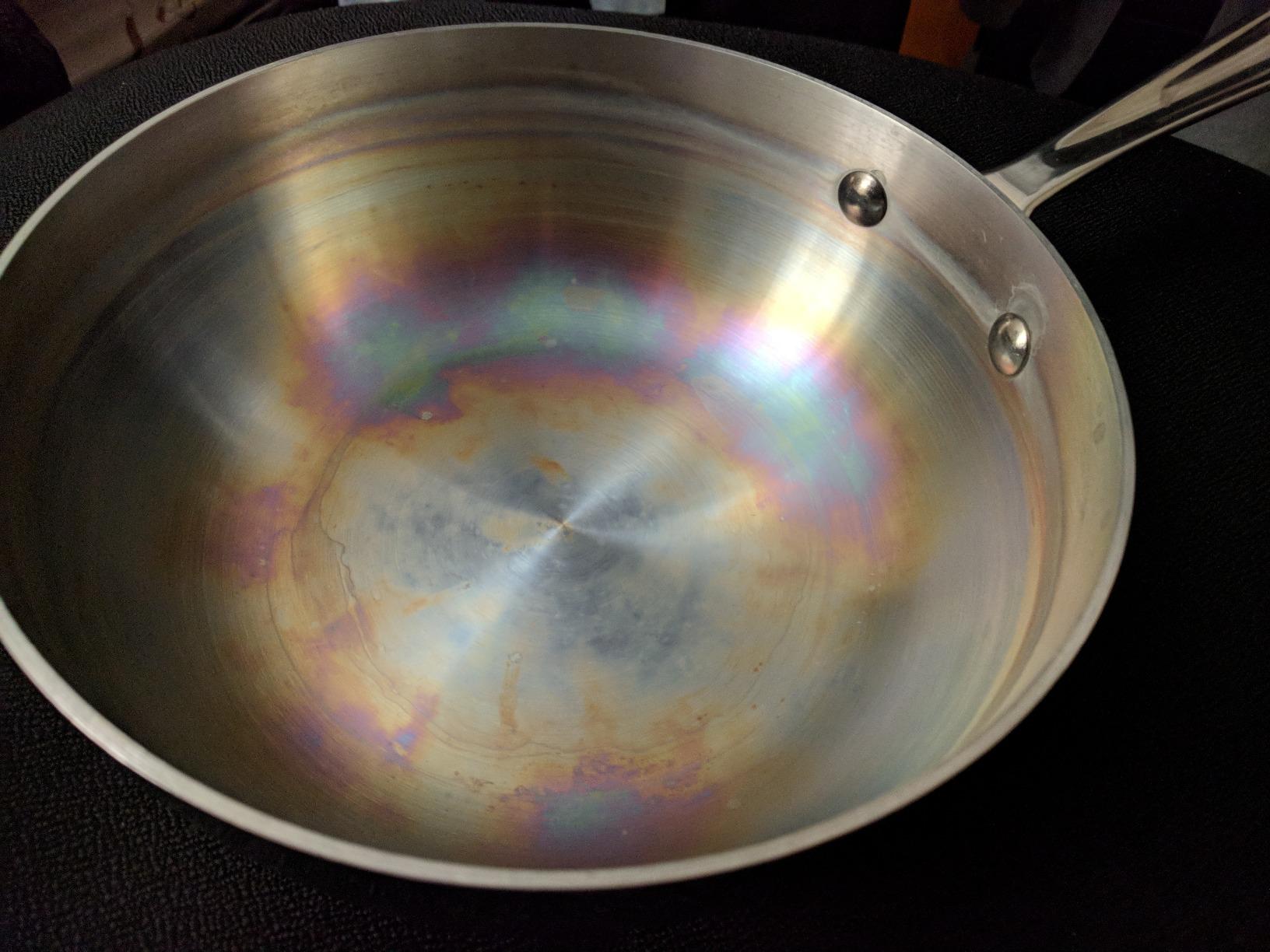
The All-Clad D3 2-quart saucier is the pan I reach for when I am cooking for one or two. Its shallow sides and wide mouth make it behave almost like a small skillet, which is perfect for pan sauces, melted butter, glaze reductions, and the kind of small-batch work that bigger sauciers cannot handle as gracefully.
The D3 construction – stainless steel sandwiching an aluminum core – has been the gold standard in American cookware for decades. Heat distribution is even, the pan heats up faster than thicker 5-ply models, and it responds to burner changes almost instantly. The starburst finish on the cooking surface gives a small amount of natural stick resistance.
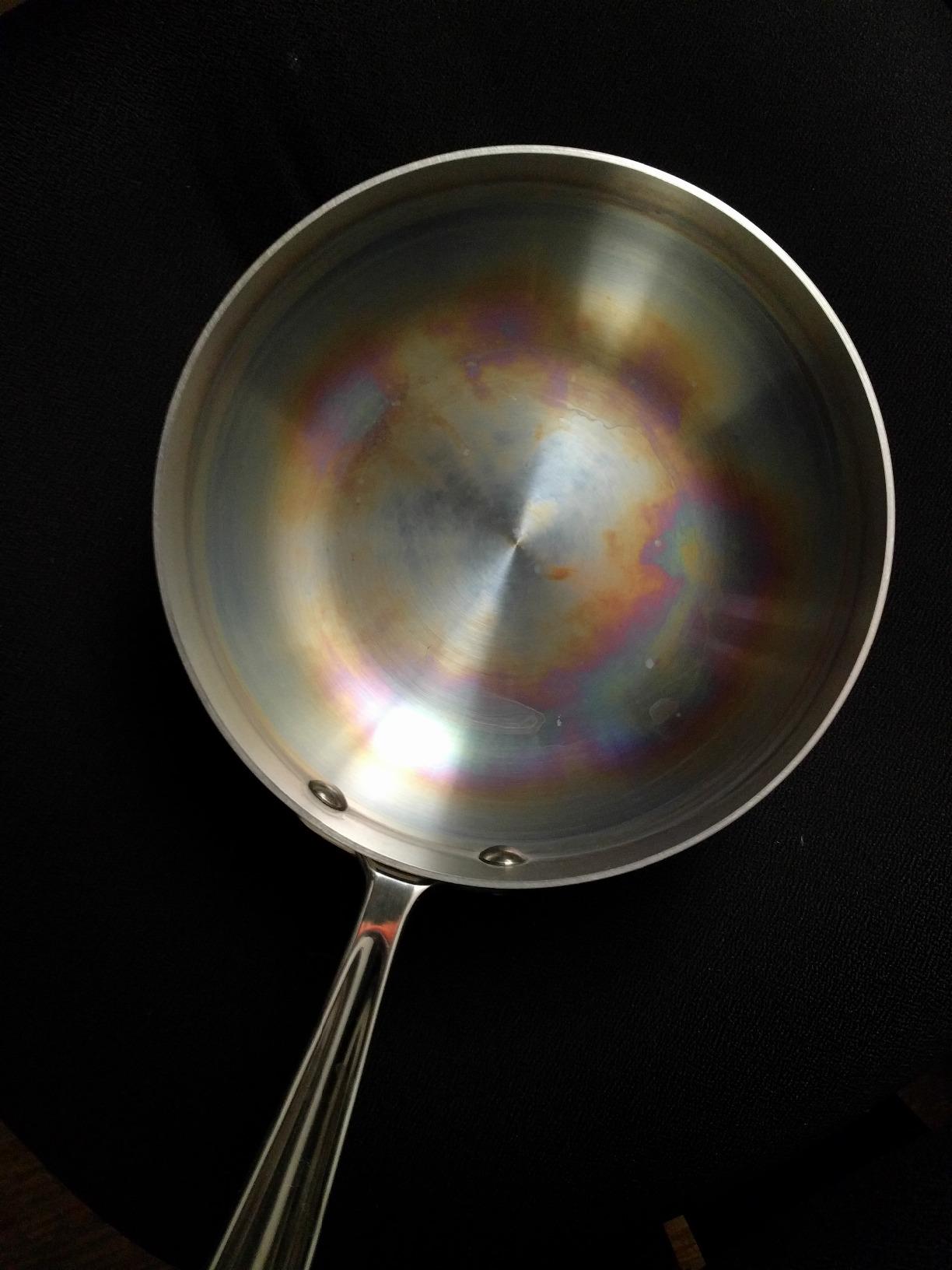
There are a couple of small caveats worth knowing. The pouring edge is squared rather than fully rounded, so a careful pour is needed to avoid a drip down the side of the pan. The lid edges are also sharper than competitors, and a couple of reviewers have noted minor cuts when washing by hand – worth keeping in mind in a busy kitchen.
All-Clad builds the D3 line in the United States and backs it with a limited lifetime warranty. For anyone who already owns larger All-Clad pots, the 2-quart saucier is the missing piece that ties the set together.
For Whom It’s Good
Singles, couples, and small-household cooks who mainly make pan sauces, gravies, and small portions. It is also a great secondary saucier for cooks who already own a 3-quart or 4-quart model and want something smaller for delicate work.
For Whom It’s Not Ideal
If you regularly cook for four or more, the 2-quart size is genuinely tight. And if you hate hand-washing cookware, the dishwasher-safe competitors will save you time every day.
8. Demeyere 5-Plus 3.5-Quart Saucier – Best for Pro Kitchens
- 5-ply construction extends to the rim
- Welded handles mean no interior rivets
- Much easier to clean than riveted pans
- Compatible with every major cooktop
- Oven and broiler safe to 500F
- Interchangeable lid with other Demeyere pieces
- Limited lifetime warranty
- Heavy at nearly 5 pounds empty when full
- Premium price point
Demeyere is the brand many professional chefs quietly reach for, and the 5-Plus 3.5-quart saucier shows why. The 5-ply construction runs all the way to the rim, which gives the pan unusually uniform heat distribution from top to bottom – a difference you can feel the moment you pick it up.
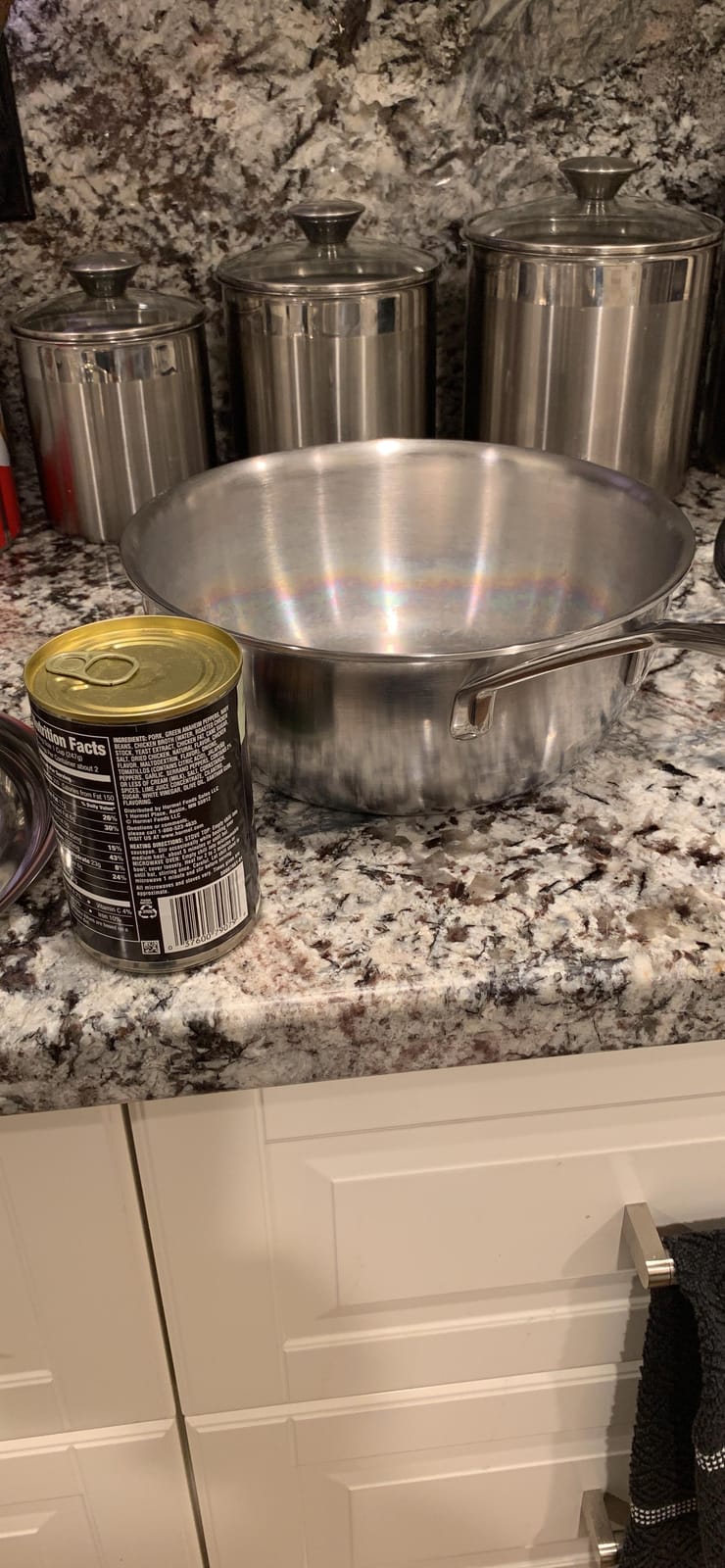
The biggest practical upgrade over every other saucier in this roundup is the welded, rivet-free interior. There are no stainless steel rivets sticking up inside the pan to trap food particles or to snag a silicone spatula. I made a dark caramel in this pan and wiped it clean with a soft sponge and a little soap – no scrubbing, no Bar Keepers Friend required.
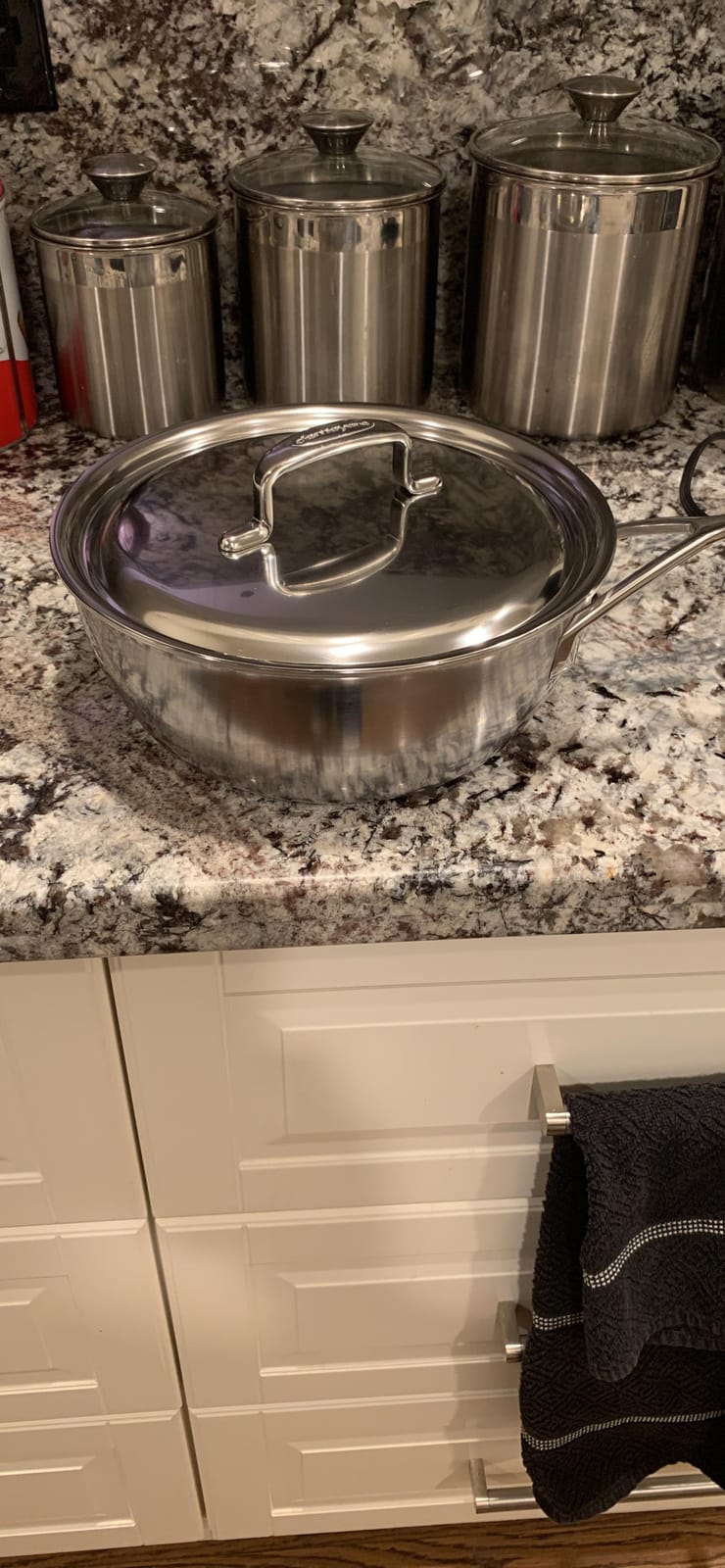
The handles stay cool on the stovetop and have a comfortable contoured shape that fits both small and large hands. The lid is interchangeable with other pieces in the Demeyere 5-Plus lineup, which is the kind of thoughtful detail you only notice after owning several pieces.
At nearly 5 pounds empty and almost 6 when full, this is not a pan for everyone. But for cooks who want commercial-grade heat performance with home-kitchen ergonomics, it is one of the best saucier pans we tested.
For Whom It’s Good
Cooks who make sticky or caramelizing recipes often and want a pan that releases food without scrubbing. Existing Demeyere owners who want matching lids will love the interchangeability, and anyone who wants pro-kitchen performance in a home setting will appreciate the responsive heat.
For Whom It’s Not Ideal
If you have hand or wrist issues, the weight when full is genuinely challenging. And if you only occasionally reach for a saucier, you will not get enough use out of this to justify the premium price.
How to Choose the Best Saucier Pan for Your Kitchen
Choosing the best saucier pans comes down to a handful of practical decisions: what you cook most, how many people you usually feed, and how much weight you are willing to lift when the pan is full. The quick guide below covers the criteria our team weighed most heavily during testing.
Before you choose, it is worth considering other pans you already love. Our picks for best muffin pans, best tart pans, and best loaf pans follow a similar testing approach – real recipes, side-by-side comparisons, and notes from cooks who use them every week.
What Is a Saucier Pan and Why You Need One
A saucier is a saucepan with curved, rounded sides that sweep smoothly into a wide, flared rim. The name comes from the French word for “sauce maker,” and the shape exists for one reason: to make whisking and stirring effortless. A traditional saucepan has sharp 90-degree corners where food collects and burns; a saucier’s continuous curve lets a whisk or spatula reach every part of the cooking surface.
The flared rim is just as important. It widens out at the top, which gives the sauce a larger evaporation surface so it reduces faster. America’s Test Kitchen measured roughly 13% more evaporation in a saucier than a straight-sided saucepan of the same capacity – a real difference when you are trying to thicken a pan sauce in the time it takes to plate the rest of dinner.
You may see this pan sold under other names: chef pan, essential pan, sauteuse, or sauteuse évasée. They all describe the same shape – a curved-sided, flared-rim saucepan designed for stirring.
Saucier vs Saucepan: The Real Difference
The short version: a saucier is built for stirring, a saucepan is built for boiling. A saucepan’s tall, straight sides hold more liquid and lose less heat through evaporation, which is why it shines for pasta water, stock, and steaming vegetables. A saucier sacrifices some of that liquid capacity for faster evaporation and a curved interior that lets a whisk sweep the whole bottom.
If you make pan sauces, risotto, custards, gravies, oatmeal, or anything that requires constant stirring, a saucier will quietly outperform a saucepan in the same size. If you mostly boil pasta or heat stock, a traditional saucepan remains the right tool.
Fully Clad vs Tri-Ply: What the Layers Mean
Most quality stainless sauciers are built from layers of metal bonded together – typically stainless steel on the outside, aluminum in the middle for heat conduction, and stainless steel on the cooking surface. Tri-ply means three layers (stainless, aluminum, stainless). Five-ply adds two more layers, often including a second stainless or copper sheet, which gives more even heating and more thermal mass.
Fully clad means the layers extend up the sidewalls of the pan, not just across the bottom. This matters because heat will then travel up the sides as well, which is what gives clad pans their signature even performance. Disk-bottomed pans only have aluminum at the base; the sides are thinner stainless that heat unevenly.
Choosing the Right Size
For one or two people, a 2-quart saucier is enough for most sauces, single-serving risotto, and small portions of oatmeal. For two to four people, a 3-quart is the most versatile size and our top recommendation – it is large enough for a family dinner but still light enough to lift one-handed. For four or more, or for entertaining, a 3.5-quart or 4-quart model gives you the room to simmer a large batch of soup or sauce without crowding.
Reddit’s r/cookware threads are full of cooks who started with a 2-quart and quickly added a 3-quart – the two sizes cover almost every home-cooking scenario. If you only want one saucier, the 3-quart is the safe choice.
Handle Design and Weight
Long, straight handles give more leverage for pouring but stick out farther in your cabinet. Short, offset handles (like the Made In) keep the pan compact and balanced in the hand. Helper handles are essential on any pan over 3 quarts – they give you a second handhold when the pan is full.
Weight matters more than most buyers expect. A heavier 5-ply saucier holds heat better and feels more stable on the burner, but it also tires your wrist faster during a long stir. If you make risotto frequently or have any grip issues, try to handle the pan in person before committing.
Material Options: Stainless Steel, Cast Iron, Hybrid
Fully clad stainless steel is the workhorse choice: even heating, dishwasher-safe, induction-compatible, oven-safe to at least 500°F, and metal-utensil-safe. Enameled cast iron looks beautiful and heats gently, which is wonderful for custards and curds, but it is heavy and the enamel can chip. Hybrid nonstick (like HexClad) gives you some nonstick convenience with more searing capability than a traditional coated pan.
Reddit users frequently ask about glass lids specifically, and HexClad is the only saucier in our roundup that ships with a tempered glass lid rather than stainless. If seeing your food while it cooks matters, that is a meaningful feature.
Care and Maintenance
Stainless steel sauciers reward a small amount of attention. Preheat on medium for a minute or two, add oil, then add food. Use Bar Keepers Friend or a similar cleanser for stuck-on bits – it polishes the surface without scratching it. Avoid steel wool, which will leave tiny scratches that make food stick more over time.
Cast iron and enameled cast iron want gentler treatment. No metal utensils on enamel, no thermal shock (a hot pan should not go into cold water), and a soft sponge for daily cleaning. Hybrid nonstick pans should also avoid harsh abrasives, but they are otherwise as easy to maintain as stainless steel.
If you want to round out your bakeware at the same time, our picks for the best pie pans, best bundt pans, and best tart pans follow the same testing standards – real bakes, side-by-side comparisons, and honest notes from cooks who use them every week.
Frequently Asked Questions
Who makes the best saucier pan?
After testing eight models across price points, our top pick is the Made In 3-Quart 5-Ply Stainless Saucier for its responsive heat, curved bottom, and stay-cool handle. For shoppers who want a nonstick alternative, the HexClad 3-Quart Hybrid Saucier is a close second and offers easier cleanup.
Should I get a 3 qt or 5 qt saucier?
Most home cooks get more use out of a 3-quart saucier than a 5-quart. The 3-quart size handles sauces for two to four people, fits comfortably on a standard stovetop, and weighs less when full. A 5-quart is only worth it if you regularly cook for five or more or batch-cook soups and stocks.
Are saucier pans worth it?
Yes – if you make pan sauces, risotto, pastry cream, custards, or gravies even a few times a month, a saucier is one of the most-used pans in the kitchen. Its curved sides let a whisk reach every corner and its flared rim evaporates roughly 13% faster than a straight-sided saucepan, so sauces reduce noticeably quicker.
What is the best size for a saucier pan?
For most households, a 3-quart saucier is the sweet spot. It is large enough for a family dinner, light enough to lift one-handed, and versatile enough for daily cooking. A 2-quart is ideal for singles or couples, while a 3.5-quart or larger is best for entertaining and batch cooking.
What is the difference between a saucier and a saucepan?
A saucier has curved, rounded sides that meet the bottom in a smooth sweep, with a flared rim that speeds evaporation. A saucepan has tall, straight sides and a flat bottom. The saucier shape makes whisking effortless and reduces sauces faster, while a saucepan holds more liquid and loses less heat through evaporation.
Final Verdict
After weeks of testing, the HexClad 3-Quart Hybrid Nonstick Saucier earned our top spot as the best saucier pan for most home kitchens. Its hybrid nonstick surface, tri-ply construction, and stay-cool handle deliver a rare combination of easy cleanup and proper searing, and the tempered glass lid is a small detail that ends up mattering more than expected.
If you would rather have a stainless steel workhorse and do not mind a slightly steeper learning curve, the Made In 3-Quart 5-Ply is the upgrade pick. And if price is the deciding factor, the Duxtop Tri-Ply 3-Quart brings genuine fully-clad performance to a budget-friendly level.
Whichever of the best saucier pans you choose, you will find yourself reaching for it more often than you expect. It is the kind of pan that quietly changes how you cook – a little more whisking, a little less stirring with a spatula in the corners, and a lot more confidence at the stovetop. Happy cooking in 2026!