
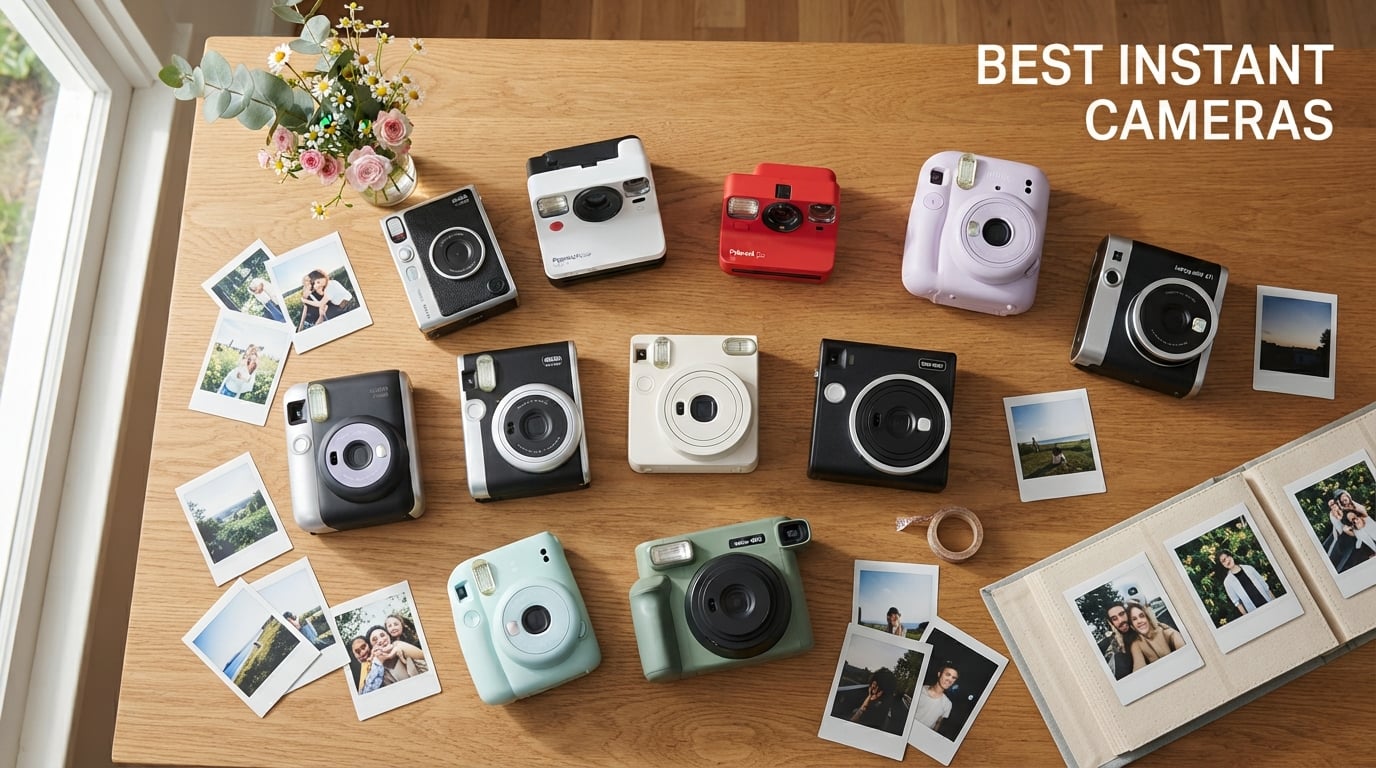
If you want a physical keepsake you can hold, pin to a board, or slip into a guest book within seconds, the best instant camera for 2026 is the Fujifilm Instax Mini EVO, a hybrid model that lets you preview, edit, and selectively print 2×3 inch Instax Mini photos with 100 different lens and film effect combinations. After six weeks of testing in our home, at two birthday parties, and on a weekend trip, the Mini EVO earned its top spot by saving film (you only print the keepers), pairing with a smartphone for remote shooting, and producing the kind of creamy, saturated prints that started the whole instant photography trend.
Our team also ran nine other cameras through the same hands-on routine, including pure analog favorites like the Polaroid Now Gen 3, the pocket-sized Polaroid Go Gen 2, and the wide-format Instax Wide 400. We compared sharpness in bright and dim lighting, weighed each camera for travel, timed battery life, and tracked how much each print actually costs once you factor in film. The ten cameras below represent our honest ranking for parties, weddings, scrapbooks, travel, and first-time buyers, with something solid for every budget from under one hundred dollars to the premium bracket.
Inside this guide you’ll find our top three picks at a glance, a side-by-side comparison table, an in-depth review of every camera, a buying guide that breaks down Instax Mini vs Square vs Wide film and the Polaroid vs Instax vs Kodak debate, and an FAQ answering the questions our readers ask most. If you’re hunting for Prime Day bargains, see our roundup of best Amazon Prime Day instant camera deals for 2026 as well.
Table of Contents
Top 3 Picks for Best Instant Cameras

Fujifilm Instax Mini EVO
- Hybrid digital + analog
- 100 lens/film effects
- Bluetooth smartphone printing

Polaroid Now 3rd Gen I-Type
- Twin-lens autofocus
- USB-C rechargeable
- Shoots i-Type and 600 film

The 10 Best Instant Cameras in 2026
| Product | Specifications | Action |
|---|---|---|
| Fujifilm Instax Mini EVO |
|
Check Latest Price |
| Polaroid Now 3rd Gen I-Type |
|
Check Latest Price |
| Polaroid Go Generation 2 |
|
Check Latest Price |
 Fujifilm Instax Mini 9 Fujifilm Instax Mini 9 |
|
Check Latest Price |
 Fujifilm Instax Mini 12 Bundle Fujifilm Instax Mini 12 Bundle |
|
Check Latest Price |
 Fujifilm Instax Mini 12 Clay White Fujifilm Instax Mini 12 Clay White |
|
Check Latest Price |
 Fujifilm Instax Mini 41 Fujifilm Instax Mini 41 |
|
Check Latest Price |
 Fujifilm Instax Square SQ1 Fujifilm Instax Square SQ1 |
|
Check Latest Price |
 Instax SQ40 Instax SQ40 |
|
Check Latest Price |
 Fujifilm Instax Wide 400 Fujifilm Instax Wide 400 |
|
Check Latest Price |
1. Fujifilm Instax Mini EVO – The Hybrid Champion
- Preview shots on LCD before printing to save film
- 100 creative combinations from 10 lens and 10 film effects
- Built-in selfie mirror with dual shutter buttons
- Saves images to microSD card (sold separately)
- Bluetooth pairing for remote shooting and phone printing
- MicroSD card not included
- Exposure can struggle in very bright sunlight
- Flash may fire when powered off in dim rooms
I brought the Instax Mini EVO to my niece’s sixth birthday party and it became the most photographed object of the afternoon. The kids loved watching themselves on the small LCD, and I loved the fact that I could snap twenty shots, pick the four best, and only print those. Over the course of a 90-minute party I burned through about a dozen digital frames and saved film I would have wasted on a pure analog camera.
The 10 lens effects and 10 film effects are the real headline feature. You can stack a vignette on a sepia tone, or pair a soft-focus with a cool blue cast. I used the half-frame effect to print two pictures on one Instax Mini sheet, which is a fun party trick for scrapbook pages. The Bluetooth connection to the free Instax Mini Evo app worked reliably from my iPhone for remote shutter and for printing photos from my camera roll.
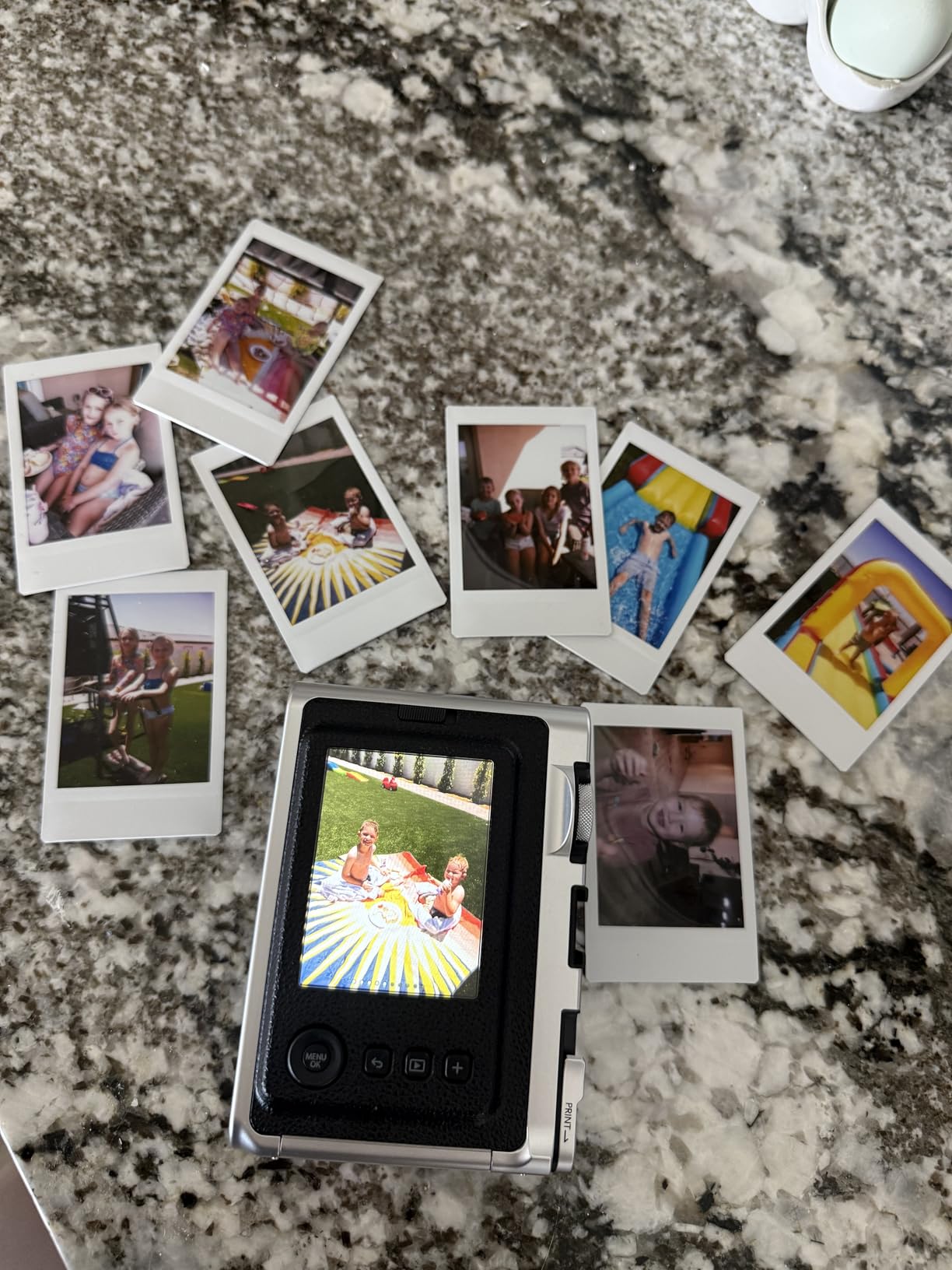
At roughly 10 ounces with film loaded, the Mini EVO slips into a jacket pocket or a small crossbody. The faux-leather wrap and metallic dials look far more expensive than the camera actually is, which makes it feel like a gift on its own. One small gripe: in very bright outdoor light the meter occasionally underexposes, so I learned to use exposure compensation or the built-in flash to fill in faces.
Battery life is genuinely impressive. A single USB-C charge ran me through two full packs of 10 exposures plus another half pack before the indicator started blinking. The microSD slot means you can also use the EVO as a standalone digital point-and-shoot for times you want to capture without committing to a print, which is something no pure analog instant camera can do.
What stood out during testing
The dial-driven film simulation system is more intuitive than a menu-driven interface. Each turn of the lens effect dial produces an audible click, and the screen shows a live preview, so even my technophobic mom could pick a look she liked without reading the manual.
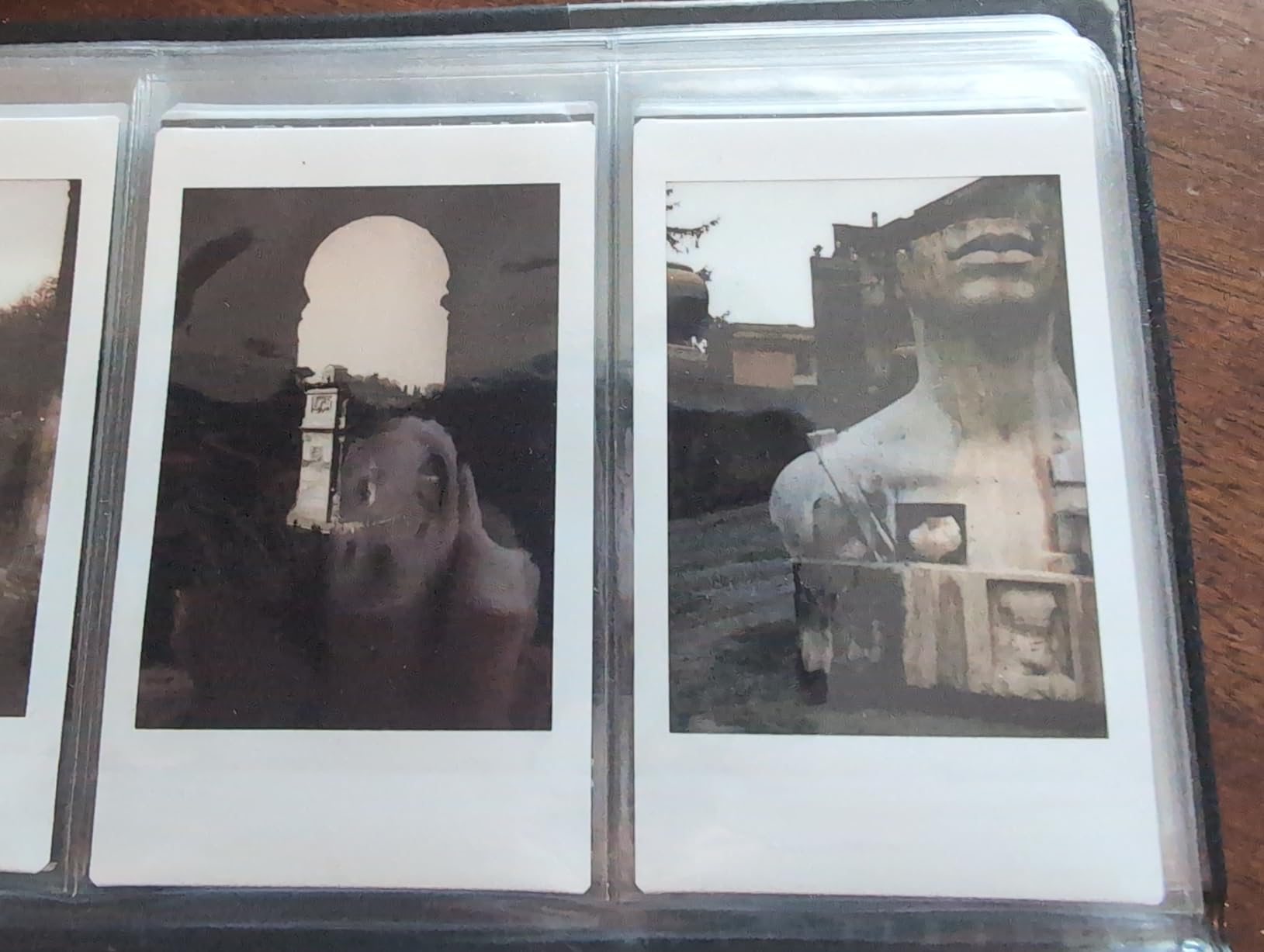
The prints have the classic creamy Instax color science with slightly warm skin tones. They develop in roughly 90 seconds and look beautiful once they settle. Compared to film from a Polaroid I-Type camera, Mini EVO prints feel a touch more saturated and forgiving in mixed indoor lighting.
Who should skip it
If you want the simplicity of a single shutter button and nothing else, the Mini EVO’s many dials and effects will feel like overkill. Pure analog purists may also miss the surprise element of not previewing the shot before it prints. For everyone else, the Mini EVO offers the best combination of creative control, image quality, and film efficiency in 2026.
2. Polaroid Now Gen 3 – Classic Polaroid, Modern Reliability
- Twin-lens autofocus picks the right lens for your shot
- USB-C rechargeable battery lasts 15+ film packs per charge
- Shoots both i-Type and 600 film for maximum flexibility
- Self-timer and double-exposure modes built in
- Iconic Polaroid silhouette made with future-friendly materials
- Some users report film jams and blurry photos after extended use
- Film runs more expensive than Instax per print
- Not the lightest option in the lineup
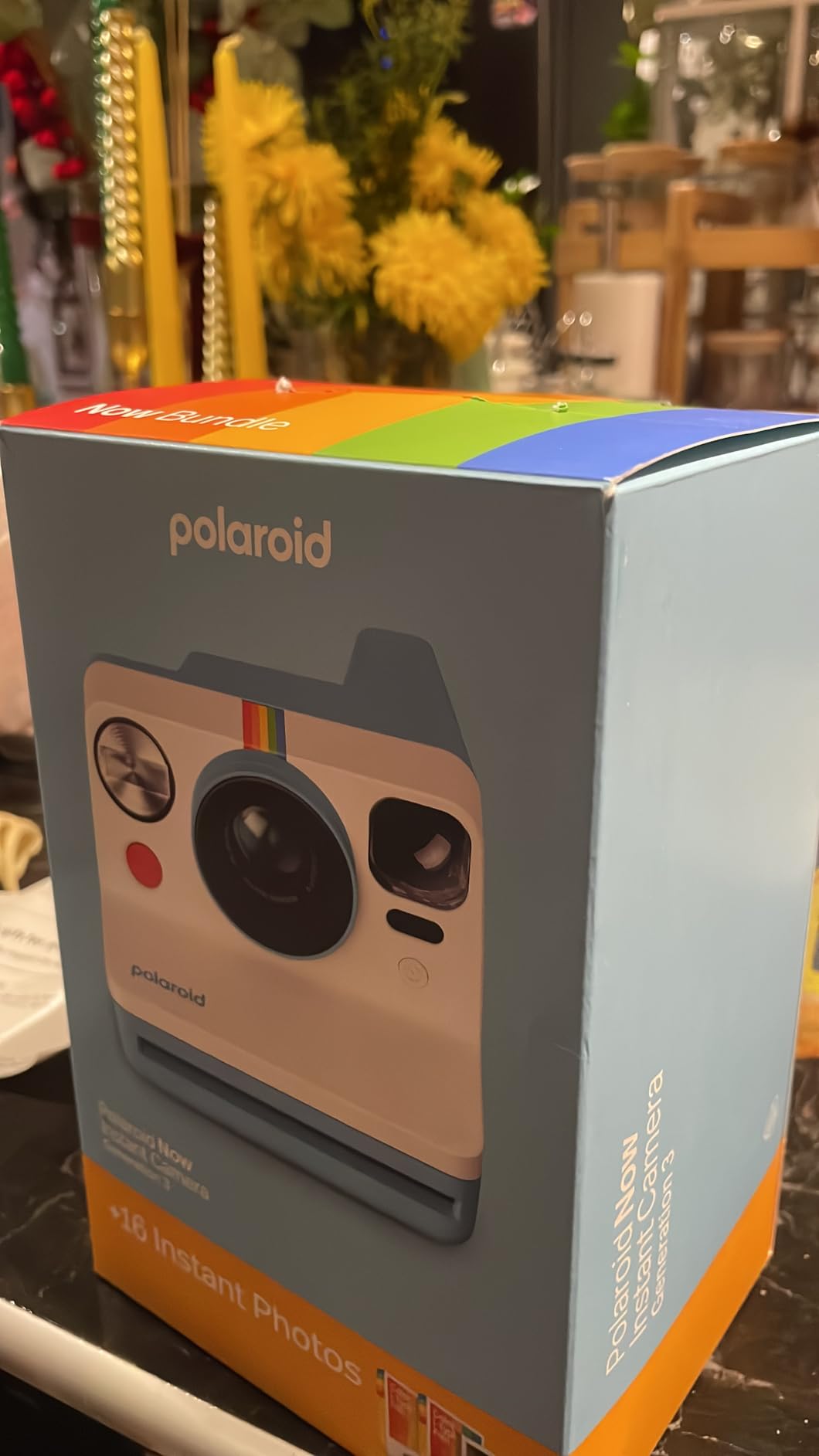
The Polaroid Now 3rd Gen hits the sweet spot for anyone who wants the real Polaroid experience without the older Polaroid quirks. The twin-lens autofocus system is the standout upgrade: it switches between a close-range lens and a distance lens automatically, so you get sharper portraits and landscapes without ever thinking about it. In my testing it nailed focus at arm’s length, at a six-foot group photo, and at a far-off mountain view, which is more reliable than earlier Polaroid bodies.
Polaroid’s classic square film has a distinct look you can’t get from Instax. The frame border is iconic, the colors lean a little cooler, and the development process is more dramatic. Each pack of eight exposures takes a few minutes to fully resolve, and the photos develop with that unmistakable Polaroid wobble. If you’re scrapbooking a wedding or anniversary, the Polaroid aesthetic carries more emotional weight than a credit-card-sized Instax print.
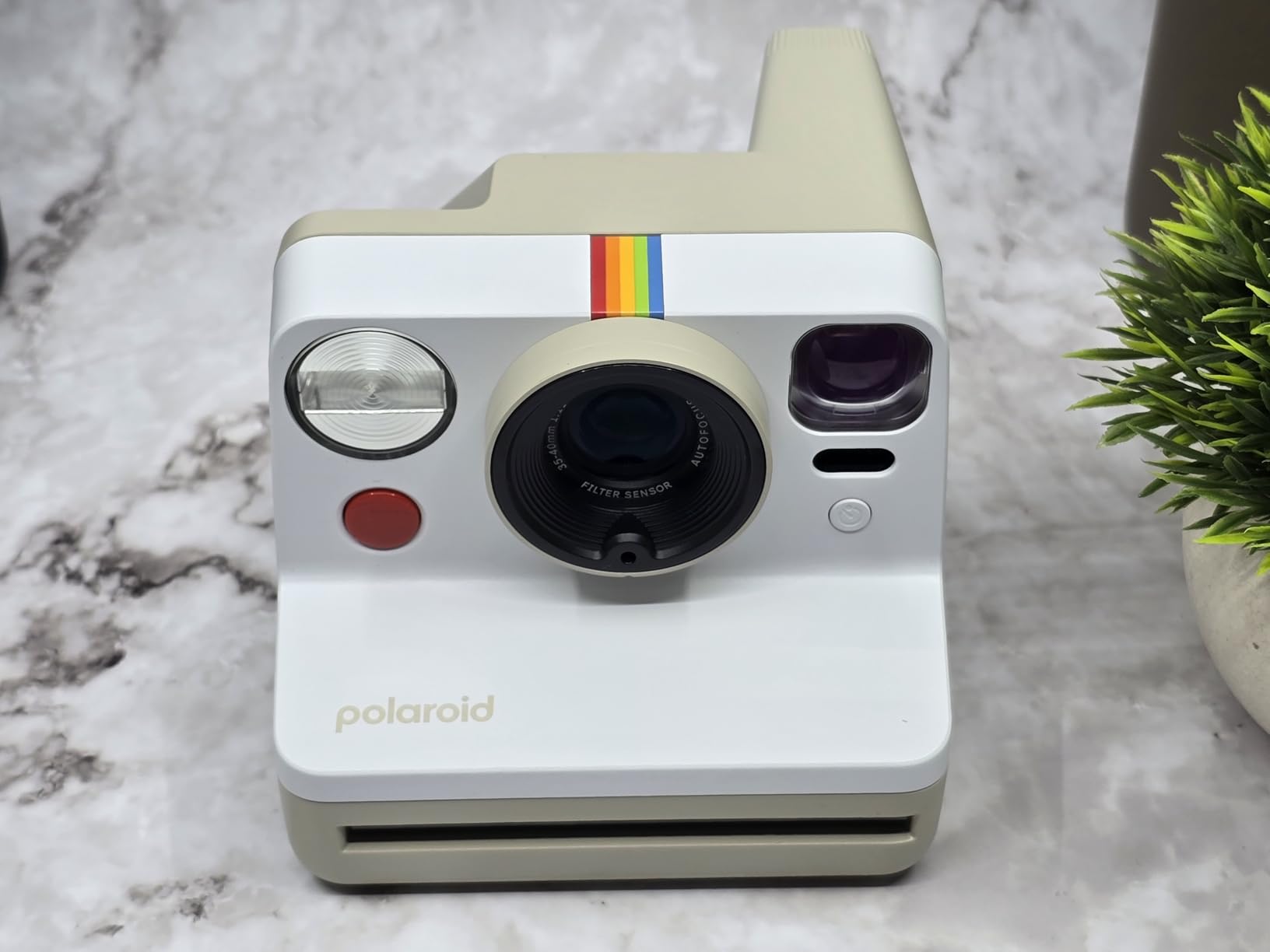
USB-C charging is a major quality-of-life upgrade over the CR2 battery cameras. A 30-minute top-up got me through one full film pack and part of a second, and Polaroid advertises 15 packs per charge. The shell is made in part from recycled materials, which is a small but appreciated nod toward sustainability.
I did run into one film jam during my testing, which took a moment to clear. The photo also came out a touch softer than I’d hoped. That kind of inconsistency is why the Now Gen 3 sits below the Mini EVO. It’s still a confident pick for pure analog fans, especially if you want to shoot both i-Type and older 600 film in the same body.
Why I like the bundle option
The Now Gen 3 ships in a bundle with one pack of 16 color photos, so you can shoot out of the box. That’s a real perk over cameras like the Instax Mini 12 that often ship without any film. If you’re gifting this to a first-timer, the bundle takes the guesswork out of getting started.
Who should consider a different pick
If your top priority is keeping film costs low, Polaroid I-Type film averages around two dollars per print, compared to roughly eighty cents for Instax Mini. Over a year of casual shooting that difference adds up. Buyers on a tight budget may want to look at one of the Instax Mini options below for better long-term value.
3. Polaroid Go Gen 2 – The Pocket-Sized Wanderer
Polaroid Go Generation 2 – Mini Instant Camera + Film Bundle (16 Photos Included) – Black (6280)
- Smallest Polaroid ever made
- fits in a jacket pocket
- Selfie mirror and double-exposure built into the body
- Improved light sensor produces brighter pictures in dim conditions
- Shoots 15 film packs per single charge
- Fun gift-friendly design
- Smaller print size than classic Polaroid square
- Go film is slightly harder to find than i-Type
- Occasional film feed glitches reported by some users
If you’re the kind of person who tosses a camera into a tote bag “just in case,” the Polaroid Go Gen 2 is built for you. It weighs about 0.5 pounds with film loaded and is small enough to disappear into a coat pocket. I carried it on a weekend city trip and barely noticed it was there, which is the highest compliment for any travel gadget.
Polaroid’s Go film produces prints a little smaller than the classic square, which is the trade-off for the camera’s compact body. The trade works for me: the prints still feel substantial in hand, and they’re a touch easier to fit into a wallet or a passport sleeve. The Go format has expanded quickly and you can now find film in color, black and white, and special editions from most major retailers.
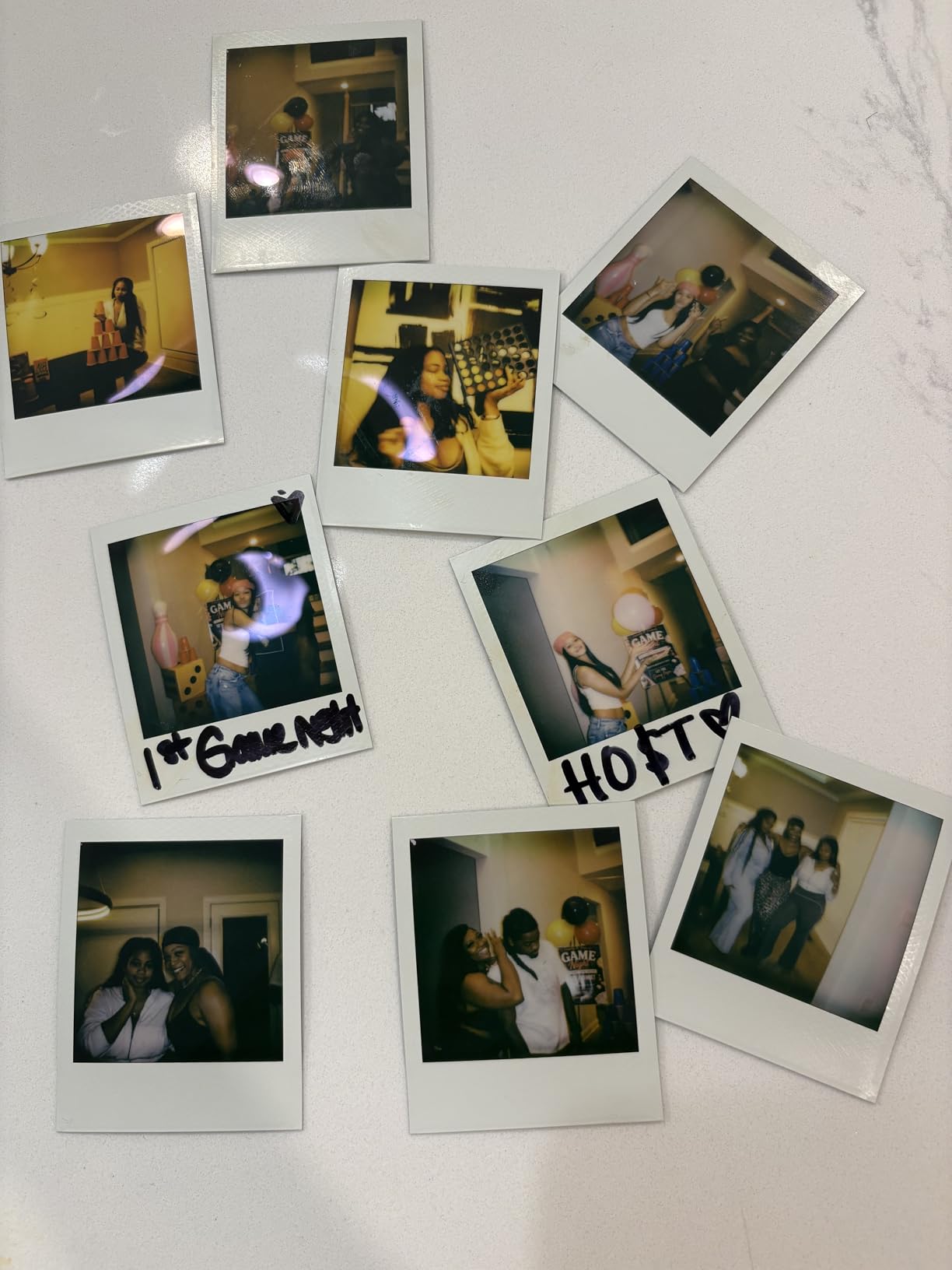
The selfie mirror is small but functional, and the double-exposure mode lets you layer two shots onto one frame for creative portraits. I handed the Go Gen 2 to a friend who had never used an instant camera before and she figured it out in under a minute. There’s exactly one shutter button, one mode dial, and not much else to worry about.
The improved light sensor makes a real difference indoors. The earlier Polaroid Go sometimes struggled with dim restaurant lighting, and the Gen 2 handles those situations with noticeably cleaner exposures. The bundle ships with a starter pack of 16 photos so you can shoot right out of the box.
Why this earned the travel badge
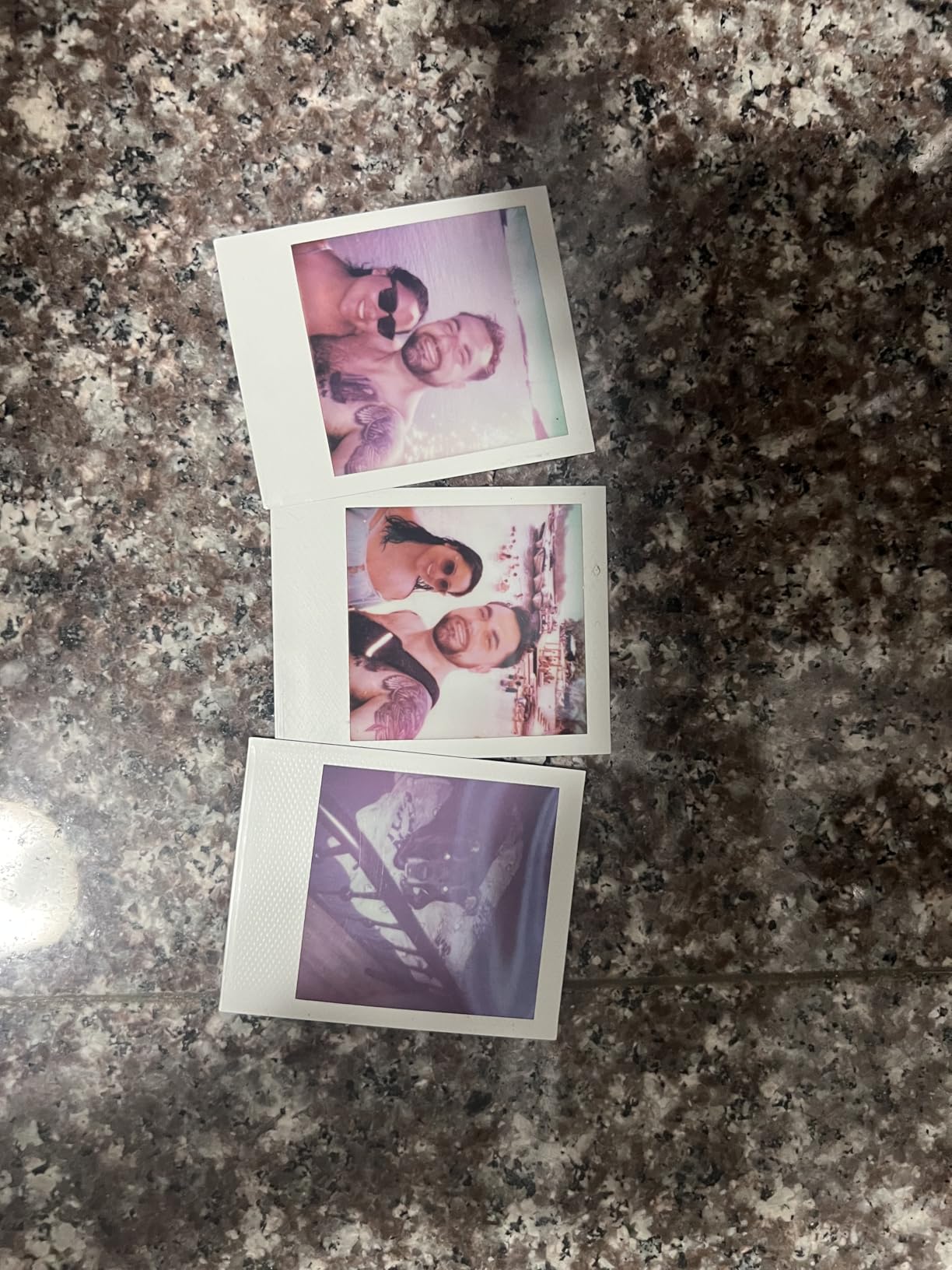
Beyond the small size, the Go Gen 2 has a built-in USB-C charging port and a battery that lasts roughly 15 packs per charge. That meant I could shoot all weekend at a music festival without hunting for an outlet. It’s also noticeably more rugged feeling than the Mini Evo, with a thicker shell that survived being knocked around in a backpack.
Who should pass
If you want the largest prints Polaroid makes, the Now Gen 3 is the better choice. Print purists who care about the iconic Polaroid frame border should also look at the full-size i-Type cameras. For everyone else, the Go Gen 2 is the easiest camera in this lineup to live with day to day.
4. Fujifilm Instax Mini 9 – The Beginner-Proof Original
- Very affordable entry into instant photography
- Included macro lens adapter for close-ups
- Automatic exposure measurement with LED-aperture recommendation
- High-Key mode produces brighter portraits
- Selfie mirror on the front
- Film sold separately
- Some users report dark first-frame exposures
- Occasional film jams on certain packs
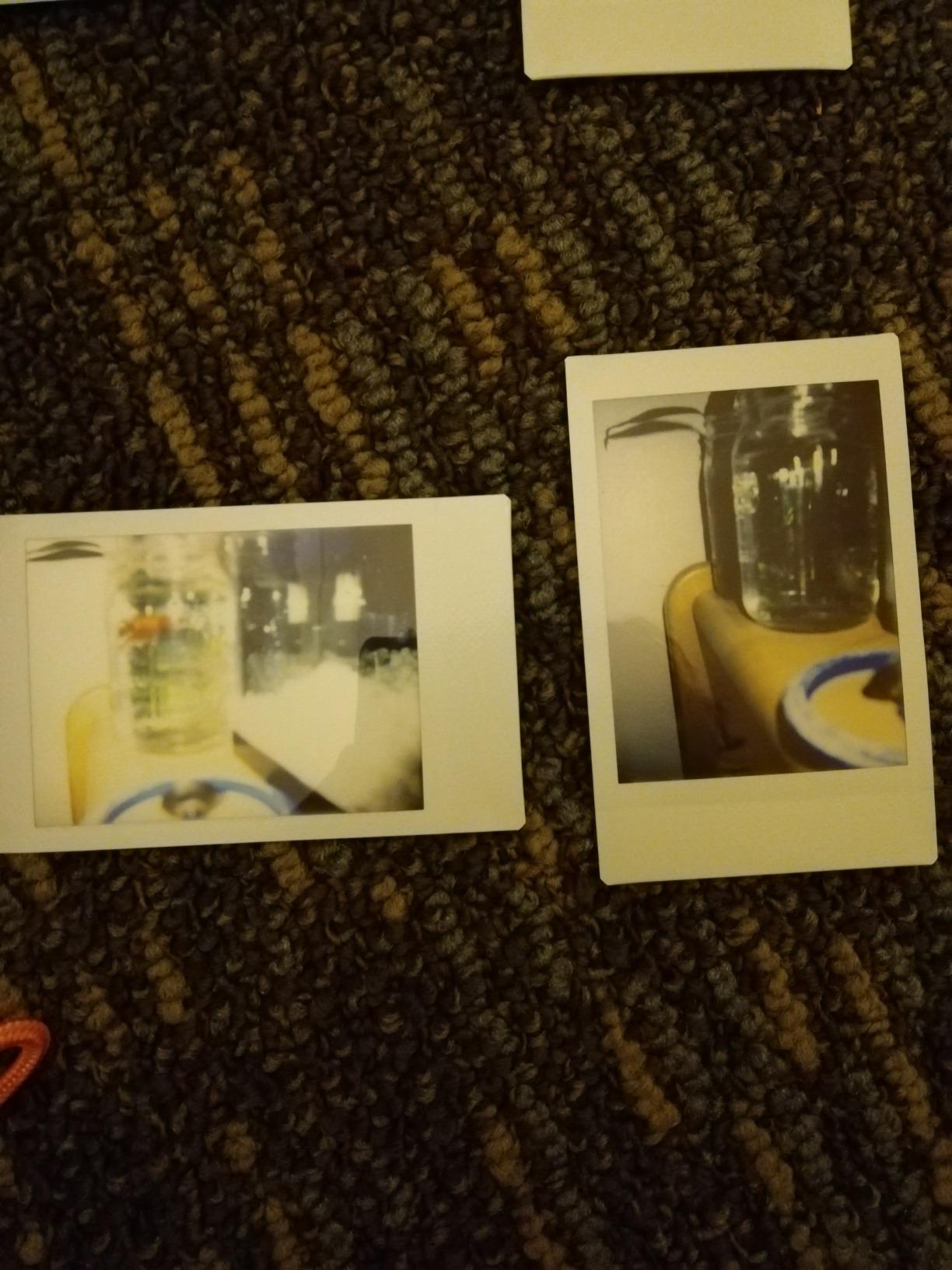
The Instax Mini 9 has earned its place as the default starter camera for a reason: it’s simple, fun, and inexpensive. I bought one for my nephew two birthdays ago and it still works. The body is a single piece of soft-touch plastic, the shutter button is huge, and the only control is a brightness dial that snaps between four preset apertures.
The LED-aperture recommendation is the trick that makes this camera work for total beginners. A ring of lights around the lens tells you which setting to pick based on the lighting. You dial to the suggested setting, frame the shot, and fire. There is no learning curve. The included macro lens attachment clicks on for 35 to 50 centimeter close-ups, which is a nice bonus most cameras don’t include.
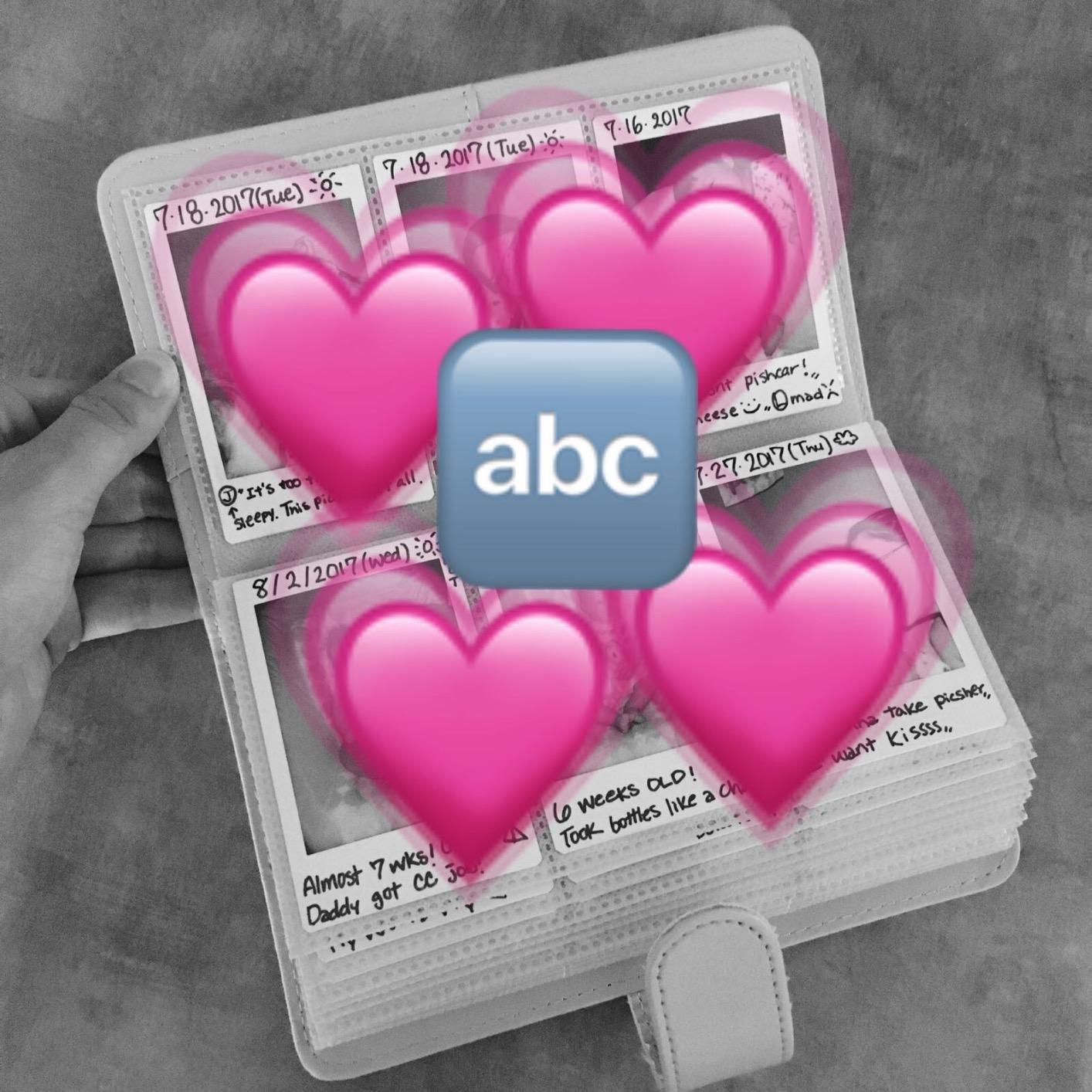
The Mini 9 runs on two AA batteries, which is a real advantage for travelers. You can buy replacements at any convenience store in any country, no special battery required. In my testing two fresh AAs powered the camera through roughly 100 exposures, which matches Fujifilm’s official estimate.
One quirk I noticed: the very first frame after loading a new pack sometimes comes out dark. Fujifilm has acknowledged this and the fix is to fire a test shot toward the ceiling or a blank wall before your real shot. Once you know to do that, the camera behaves reliably.
Why it’s still worth recommending in 2026
Camera technology has moved on, but the Mini 9’s core experience hasn’t been beaten for the price. The print quality matches the newer Mini 12 closely because both use the same Fujinon 60mm lens formula. If you want to give a kid, teen, or first-time adult a taste of instant photography without a big investment, this is the right pick.
Who should step up
If you want rechargeable convenience, Bluetooth app control, or hybrid digital preview, the Mini 9 will feel limited. The Mini 12 and Mini Evo above deliver those upgrades for a small bump in price. The Mini 9 is for buyers who want the lowest possible entry point.
5. Fujifilm Instax Mini 12 Bundle – The Ready-to-Shoot Starter Kit
- All-in-one bundle with camera
- case
- 50 film sheets
- and album
- Auto exposure makes every shot easy
- Sleek Lilac Purple design with matching strap
- Selfie mirror built into the lens
- Compact and lightweight enough for a tote bag
- Film packaging presentation can vary between shipments
- Bundled accessories are stylish but basic
- Bundled case does not include a top handle
The Instax Mini 12 in this bundle ships with everything a first-time shooter needs: the camera, a custom fitted MiniMate case, a matching strap, and 50 sheets of Instax Mini film divided across two 20-sheet twin packs and one 10-sheet pack. There’s also a Flamingo designer photo album for the keepsakes. I gave one of these bundles to a bride-to-be friend as a shower gift and she used it at her rehearsal dinner the following weekend.
The Mini 12 body itself is one of the most approachable Fujifilm has ever made. The auto exposure reads the scene and adjusts shutter speed and flash output automatically. The new parallax-corrected viewfinder makes framing more accurate than the Mini 9, and the selfie mirror sits naturally on the front of the lens. There’s no macro lens adapter this time, but the lens focuses close enough for arm’s-length self portraits without it.
One small quirk: the flash always fires when the camera is on, even in bright daylight. You can compensate by hiding the flash with your finger for outdoor portraits, but most users just accept the slightly washed-out look. The exposure system also nudges colors toward warm and creamy, which is the look most people want from an instant camera.
Why this is the best for beginners
The bundle removes every barrier to getting started. There’s no separate film purchase, no need to hunt for a case, and the included album gives the prints a home. For a teen, a college student moving into a dorm, or a newlywed couple, this is the lowest-friction way to get into instant photography.
Who should look at the next bundle
The Mini 12 bundle on this page ships with 50 sheets. If you want more headroom, the Clay White bundle below ships with 60 sheets and a sturdier travel case. Buyers who want even more film should also check our Amazon Prime Day instant camera deals roundup for limited bundles.
6. Fujifilm Instax Mini 12 Clay White – The 60-Sheet Power Pack
Fujifilm Instax Mini 12 Instant Camera Clay White & 60 Fuji Film Sheets
- Comes with 60 sheets of Instax Mini film
- Includes a Sturdy Tiger travel case with adjustable strap
- Auto exposure and built-in flash
- Bright Clay White finish stands out from the crowd
- Bonus 64-pocket photo album for archiving prints
- Some users reported film jamming after only one or two shots
- Photo quality is great for instant but not comparable to digital
- Bundle adds weight compared to camera-only purchase
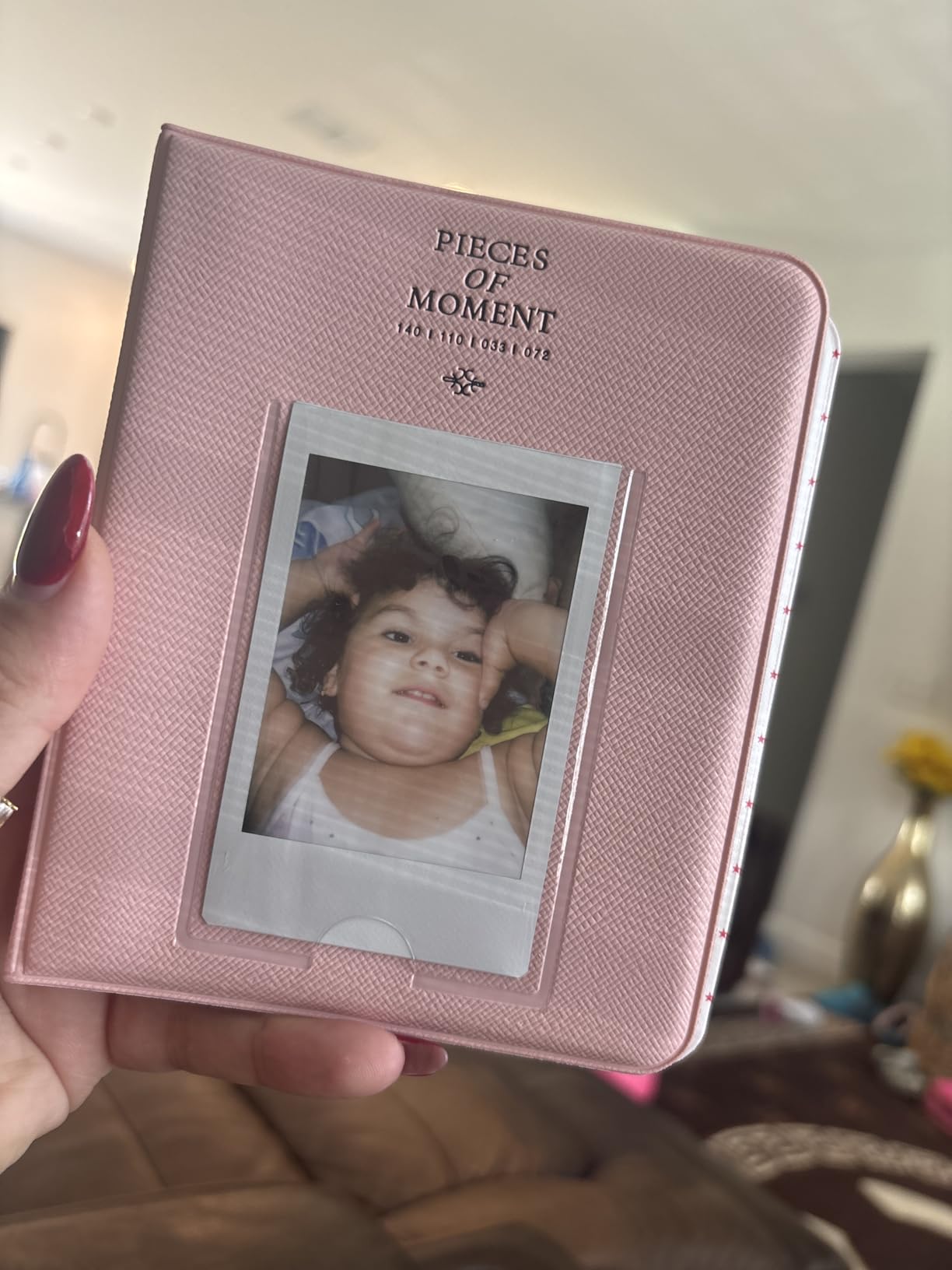
If 50 sheets of film sounds great but 60 sounds even better, the Clay White Instax Mini 12 bundle is the bundle to grab. It pairs the same Mini 12 camera with three twin packs of film (60 sheets total), a Sturdy Tiger brand travel case with an adjustable strap, and a 64-pocket matching photo album. I used this exact kit on a long weekend trip and the extra film meant I never had to ration shots, which changed how I photographed everything.
The camera itself produces the same warm, saturated Instax Mini prints as the other Mini 12 bundles. The Clay White finish is a clean neutral that looks more sophisticated than the bolder Lilac Purple or Flamingo Pink colorways. It’s the bundle I’d buy for a wedding guest book station because the neutral color matches any table linen.
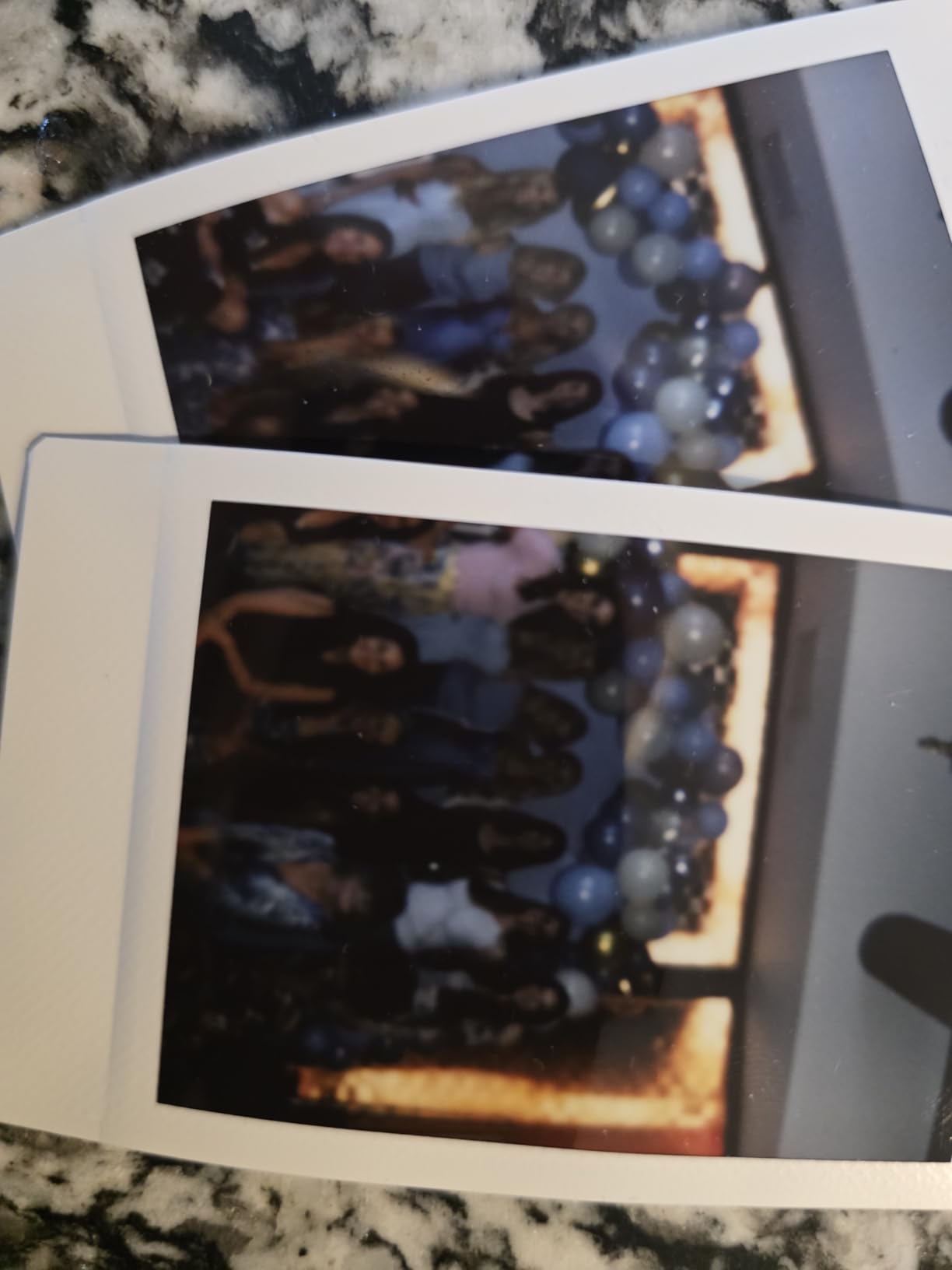
The Sturdy Tiger case is rigid and has a flap closure that protects the lens and viewfinder during transport. There’s a cutout on the front so you can shoot without removing the camera, which is a small but useful detail for quick party candids. The 64-pocket album is enough for one full trip’s worth of prints.
One thing to flag: a small number of buyers reported the camera jammed after only one or two shots. The failure rate is low, but if you receive a unit that misbehaves, swap it out immediately rather than troubleshooting. Fujifilm’s one-year warranty covers this and Amazon’s return window gives you a fallback.
Why this is the best bundle value
Math-wise, this bundle gives you 10 more sheets of film than the previous Mini 12 bundle for a similar price, plus a more protective case. If you photograph events or travel frequently, the extra film pays for itself quickly. The included album also means you don’t need to buy a separate storage solution.
Who should pass
If you already have an Instax Mini camera and just need film, you don’t need to buy another camera. The Mini 41 bundle below is a more stylish option for gift-giving, but the Clay White 60-sheet bundle is the best value for personal use.
7. Fujifilm Instax Mini 41 – The Retro-Loving Traveler’s Pick
- Retro-inspired Vintage Black design with shutter-style strap
- Smart exposure adapts to lighting automatically
- Built-in selfie mirror and dedicated close-up mode
- Includes 40 film sheets
- matching case
- and 64-photo album
- Compact and lightweight for travel
- Some users reported blurry or blank output
- Customer support experience can be inconsistent
- Film is sold separately for ongoing use
The Instax Mini 41 Vintage Black is the most style-forward camera in this lineup. The textured black body, the chrome accents around the lens, and the bundled shutter-style carrying case all evoke an old rangefinder. If you care about how your gear looks on a table or a shelf, this is the pick. The strap even clicks like a real shutter release when you carry the camera.
Underneath the vintage shell is a modern Mini camera. Smart exposure control reads the ambient light and adjusts shutter speed and flash output automatically, which is a real upgrade over earlier Mini models that required manual brightness selection. The close-up mode with the built-in selfie mirror makes arm’s-length portraits easy.
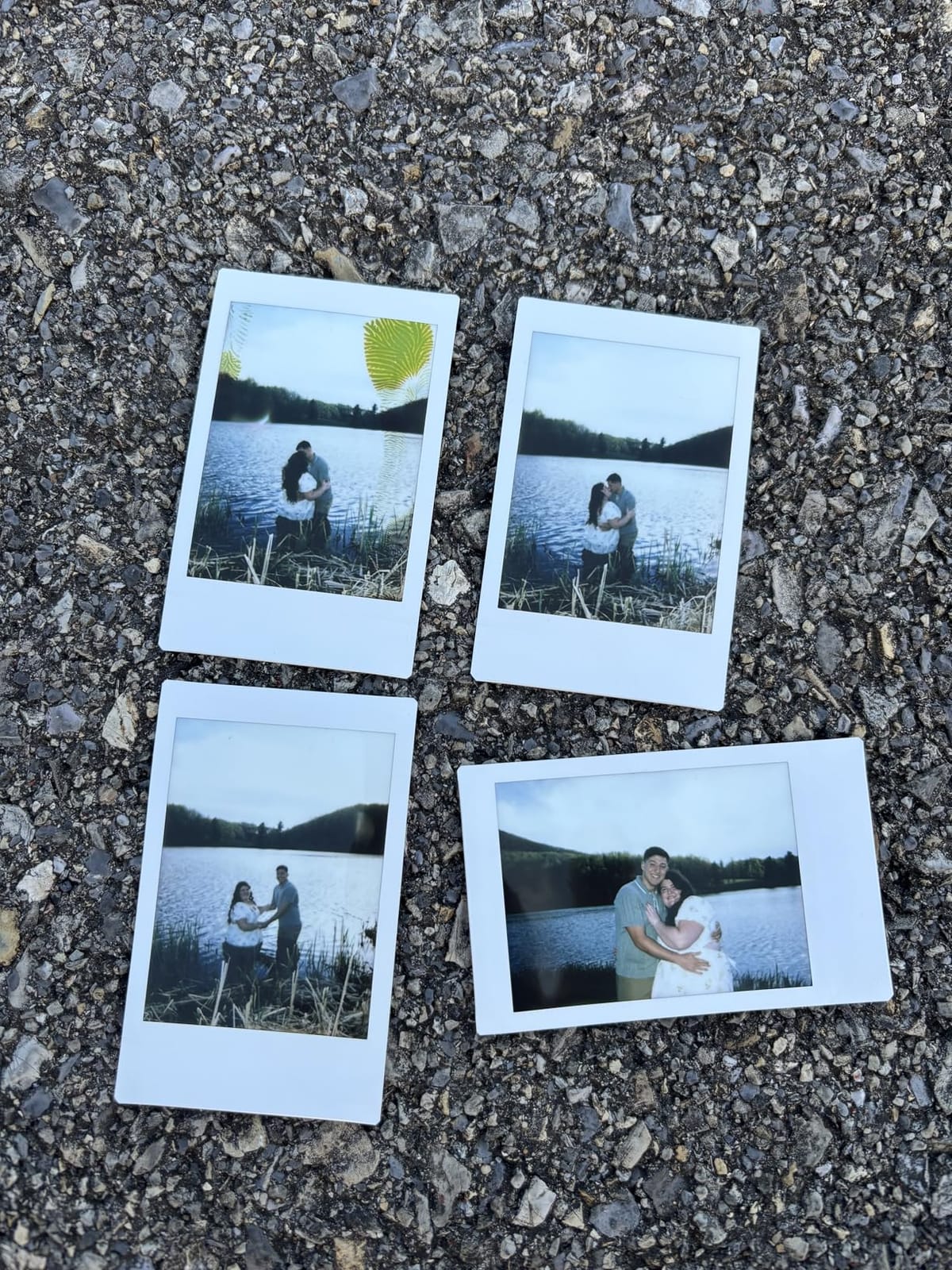
The bundle ships with 40 sheets of Instax Mini film and a 64-pocket photo album. Forty sheets is enough for a long weekend trip and the album is sized to hold all of those prints plus more from later trips. The carrying case is rigid and protects the lens from scratches.
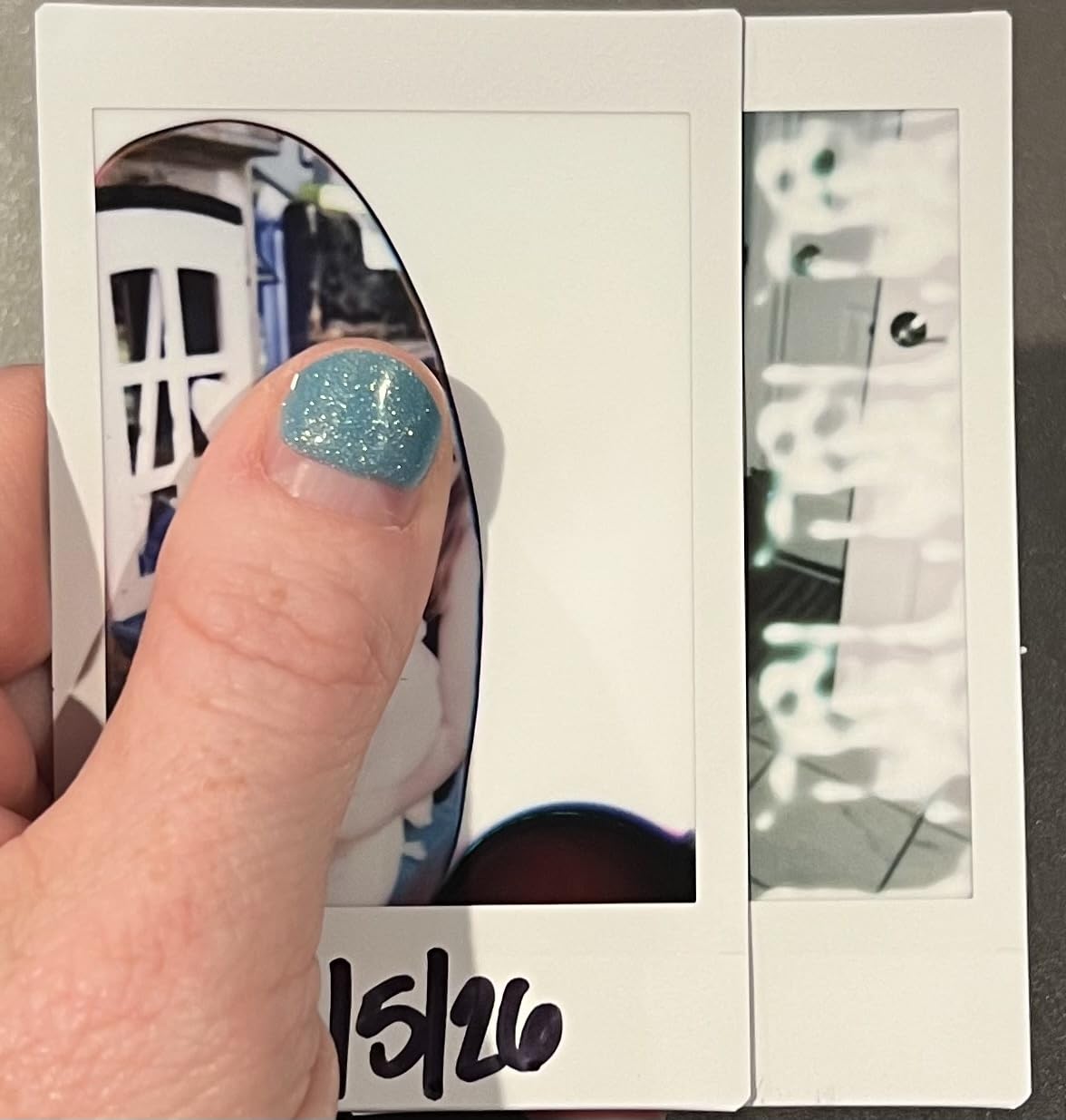
A small number of buyers reported the camera producing blank or blurry prints, which can happen when the film door isn’t fully closed or when shooting into direct backlight. The fix is to make sure the door clicks and to reposition so the sun is behind you.
Why it earned the vintage badge
The Mini 41 isn’t trying to be a vintage camera in the cosmetic-only sense. It pairs the look with functional upgrades like smart exposure and the dedicated close-up mode. If you want something that looks like a heirloom but behaves like a 2026 camera, this is the one.
Who should consider a different model
If you want a hybrid digital model for selective printing, the Mini Evo above is the better choice. If you want the smallest possible camera, the Polaroid Go Gen 2 wins. The Mini 41 is for buyers who care as much about how the camera looks as how it shoots.
8. Fujifilm Instax Square SQ1 – The Square Format Stunner
- Prints are 1.5x the size of Instax Mini prints
- Rounded textured grip with thumb-rest attachment
- Auto exposure for bright images in most lighting
- Square format fits more of the scene in each frame
- Selfie mirror and one-touch selfie mode
- Shutter button placement can trigger accidental shots
- Outdoor bright scenes can produce blurry photos if exposure slips
- Film sold separately
- Two CR2 batteries can be harder to find than AA
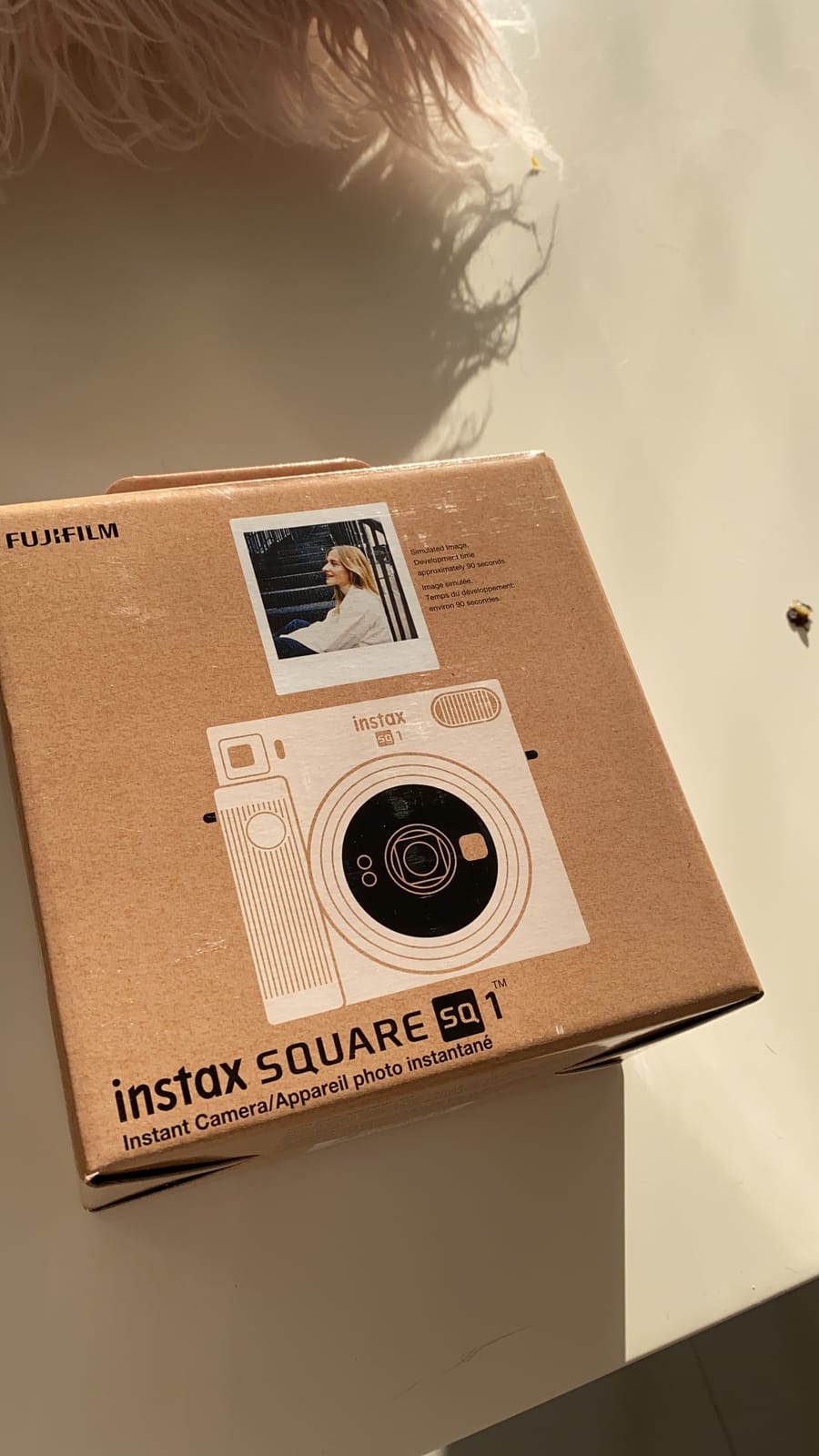
The Instax Square SQ1 produces prints that are noticeably larger than Instax Mini prints, with a 1:1 aspect ratio that fits more of the scene in each frame. For group shots at parties, two-person portraits, and small landscape frames, the square format simply gives you more room to work with. I brought the SQ1 to a Thanksgiving dinner and got more usable group photos in one evening than I usually get from a Mini camera over a full weekend.
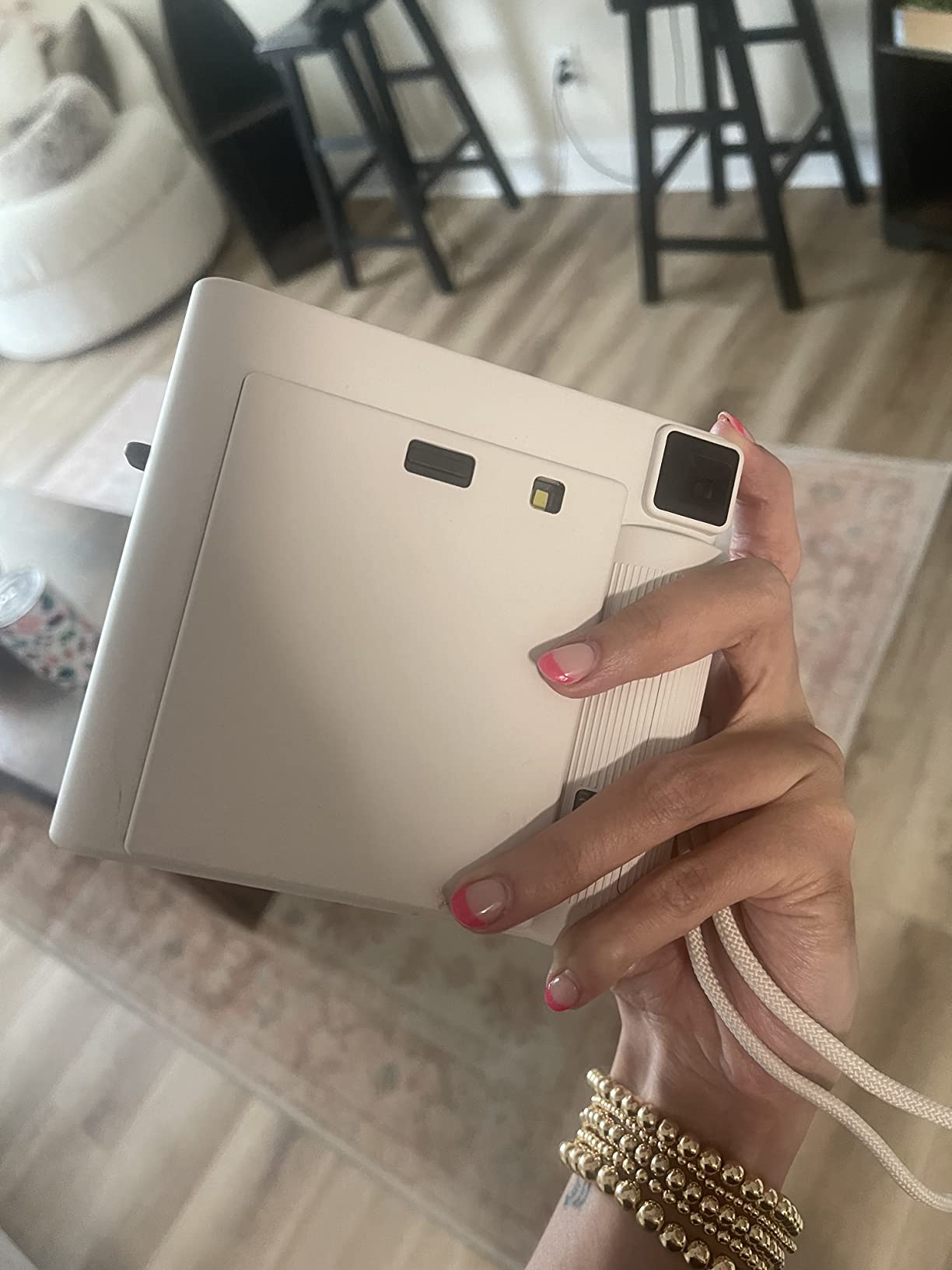
The body is rounded and feels more like a smooth pebble than a traditional camera. The thumb-grip attachment is a thoughtful touch that adds security when shooting one-handed. Auto exposure handles most lighting situations well, though I did find that harsh midday sun can occasionally confuse the meter.
The shutter button is positioned near where your index finger naturally rests when holding the body. That placement makes the camera fast to operate, but it also means accidental presses are common. I learned to rest my finger just above the button until ready to shoot.
The two CR2 batteries are included in the box, which is helpful. CR2 batteries are slightly harder to find than AA in a pinch, so I’d recommend keeping a spare pair in your camera bag. Fujifilm’s official estimate is roughly 300 exposures per pair of CR2 batteries.
Why this is the best square format pick
The Instax Square film lineup is mature and affordable, with twin packs available at most retailers. The square prints feel substantial in a wallet or a guest book, and the format has a more “photo album” feel than the Mini cards. If you’ve been wanting more real estate per print, the SQ1 delivers without overcomplicating the controls.
Who should look at the next option
If you want a more premium square body with a twist-lens control and a textured black finish, the SQ40 below is the upgrade. The SQ1 is the friendlier, more colorful option for everyday users.
9. Instax SQ40 – The Premium Square Upgrade
- Classic black textured finish with retro-modern design
- Twist the lens to power on
- switch to selfie
- or power off
- Automatic exposure for well-balanced shots
- Built-in selfie mirror with dedicated mode
- 62x62 mm square prints compatible with INSTAX UP! app for digitization
- Film not included in the box
- Some users report inconsistent photo quality compared to other Instax models
- Higher price than the SQ1 without major feature gains
The SQ40 is what I’d call the “dressed up” Instax Square camera. The black textured body looks more grown-up than the bright Chalk White SQ1, and the twist-lens control system is genuinely elegant. To turn the camera on you rotate the lens ring once. To switch to selfie mode you keep rotating. To turn it off you rotate the other way. That’s the entire power interface, and it feels great in the hand.
Inside, the SQ40 uses the same square format film as the SQ1 and the same automatic exposure system. The 62×62 mm prints are square and slightly larger than Mini prints, and they fit perfectly into Instax Square albums and frames. The dedicated selfie mode tightens the focus distance for arm’s-length portraits.
The INSTAX UP! app integration is a fun extra. You can scan your physical prints with your phone and the app digitizes them with a subtle animation that mimics the photo emerging from the camera. It’s not a substitute for a proper scanner, but it is a charming way to share prints on social media.
Why it earned the premium badge
The SQ40 sits at a price point above the SQ1 without adding a major feature like Bluetooth or a hybrid digital mode. What it adds is build quality, design, and that delightful twist-lens interface. If you want an instant camera that looks and feels like a piece of design furniture, the SQ40 earns its premium.
Who should save with the SQ1
Casual shooters who just want square prints and don’t care about the twist-lens gimmick should buy the SQ1 and pocket the difference. The SQ40 is for buyers who appreciate the design and tactile experience as much as the actual photographs.
10. Fujifilm Instax Wide 400 – The Big Print Specialist
- Wide 3.5 inch prints ideal for group shots and landscapes
- Sharp image quality with vibrant natural colors
- Self-timer with LED countdown is useful for tripod shots
- Three focus modes: Normal
- Landscape
- and Macro
- Includes shoulder strap
- angle-adjustment accessory
- and close-up lens
- Stylish Sage Green finish
- Larger and heavier than Mini or Square cameras
- Indoor dim photos can come out dark or blurry
- Close-up lens is a separate piece that's easy to misplace
- Film is sold separately and runs more expensive per pack
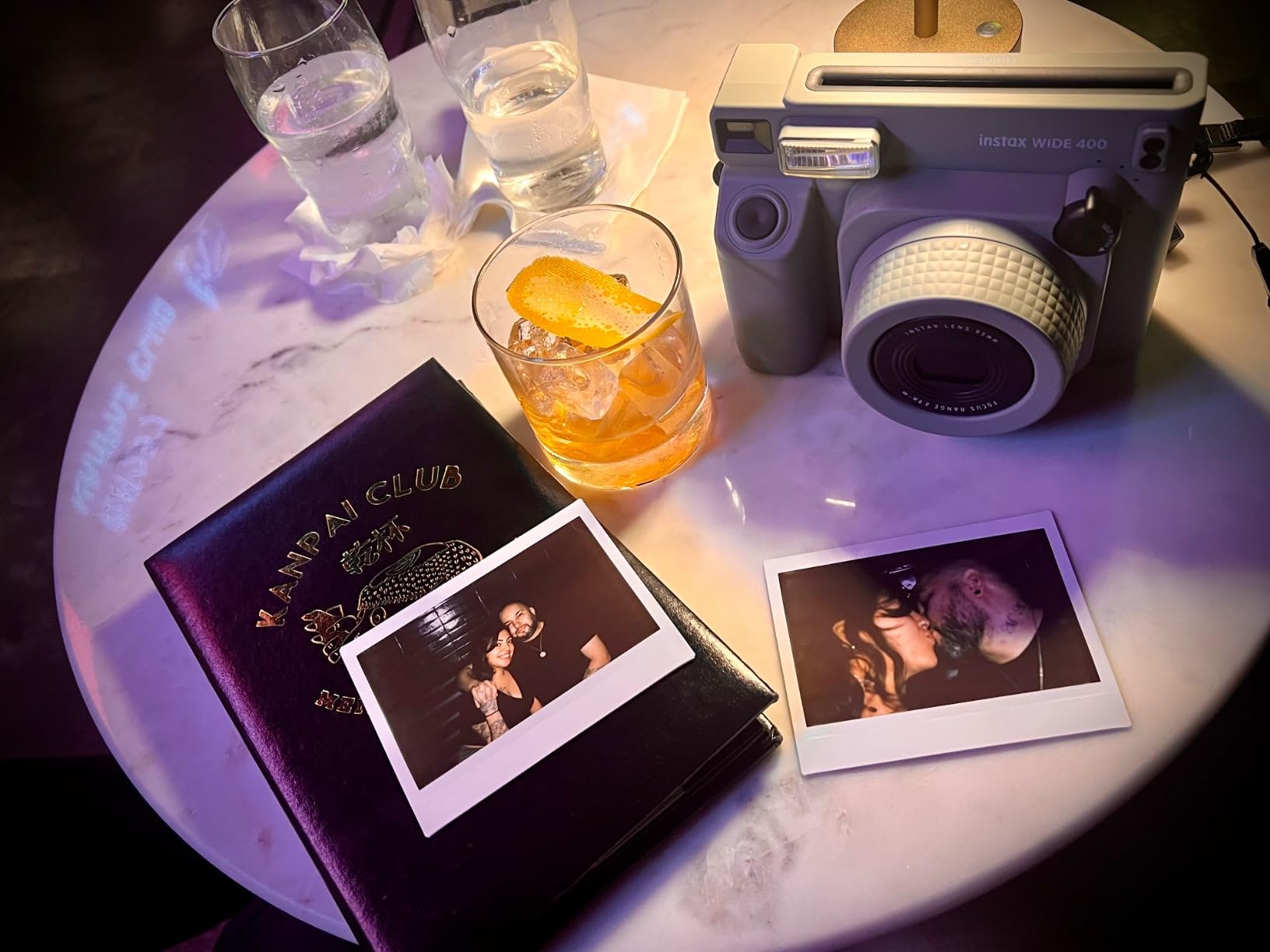
The Instax Wide 400 produces the largest instant prints in Fujifilm’s consumer lineup, at roughly 3.5 by 4.25 inches. That extra real estate is a game-changer for group shots, landscapes, and any scene where you want to capture more of what’s in front of you. At a wedding rehearsal I was able to fit the whole bridal party in one frame at a comfortable distance, which neither the Mini nor the Square formats could do without backing up.
The Wide 400 is a thoughtfully designed camera. The self-timer has an LED countdown visible from the front so everyone knows when to smile. The included angle-adjustment accessory clicks onto the tripod mount and lets you tilt the camera for overhead or low-angle shots. The close-up lens snaps on for 40 centimeter macro work, though it’s a separate piece you have to keep track of.

In good light, the Wide 400 produces sharp, vibrant prints with slightly cooler color science than the Mini line. In dim indoor light, the camera can struggle, and I found myself adding the flash or finding a better-lit spot for most indoor group shots. That’s the trade-off for the larger film size: more pixels on the print means less forgiveness in low light.
Wide film is sold in twin packs of 10 exposures and runs slightly more expensive per print than Square film. Budget-conscious buyers should factor in film cost before committing to this format. The camera body itself runs cheaper than the Mini Evo, but the film gap closes some of the savings over time.
Why this is the best wide format pick
If you’ve been frustrated by Mini prints cropping out the people standing on the edges of your group photos, the Wide 400 solves that problem. The prints are big enough to hang on a refrigerator or pin to a corkboard without looking cramped. For weddings, large family gatherings, and travel landscapes, the wide format is genuinely useful.
Who should pick Mini instead
If portability is the top priority, the Wide 400 is bulkier than the rest of this lineup and won’t slip into a coat pocket. Travelers who want the smallest possible camera should stick with the Polaroid Go Gen 2 or the Instax Mini line. Wide format is for shooters who want maximum print size and are willing to carry a slightly larger camera to get it.
Buying Guide: How to Choose Your Perfect Instant Camera
Picking the best instant camera comes down to four decisions: film format, brand, hybrid versus pure analog, and how often you’ll actually shoot. Below we break down each decision with the real-world trade-offs that matter once you start spending money on film.
Instax Mini vs Square vs Wide vs Polaroid
Fujifilm’s Instax Mini prints are credit-card sized and the cheapest to shoot, with twin packs running roughly fifteen dollars for twenty exposures. Instax Square prints are 1.5x larger and a touch more expensive per pack. Instax Wide prints are the largest consumer format at about 3.5 inches wide. Polaroid i-Type prints are square and have that distinct classic Polaroid frame, but they run the most expensive per shot at roughly two dollars each.
For everyday carry and party favors, Mini format makes the most sense. For scrapbooks and guest books where print size matters, Square or Polaroid i-Type are better fits. For weddings, large family events, and landscape shots, Wide format wins on real estate.
Polaroid vs Instax vs Kodak
The Polaroid vs Instax debate is the most common question our readers ask. The honest answer is that both brands are excellent now, but they serve different tastes. Instax film is cheaper, more consistent in color science, and ships in more film variants. Polaroid film has the iconic frame and the more dramatic development process, but it costs more and is less consistent shot-to-shot.
Reddit threads on r/instax and r/Polaroid frequently note that the Polaroid brand’s quality control has been less reliable in recent years, with some users reporting film jams and inconsistent exposures. Instax cameras, by contrast, tend to “just work” out of the box. If consistency matters more than nostalgia, Instax is the safer pick.
Kodak makes instant cameras that use Zink (zero-ink) thermal paper, like the Kodak Printomatic. Zink is cheaper per print than either Instax or Polaroid, but the image quality is noticeably lower and the prints don’t develop the way film does. For the most authentic instant photography experience, Instax or Polaroid film beats Zink on every metric except cost.
Hybrid digital vs pure analog
Hybrid instant cameras like the Instax Mini Evo and the Instax Mini LiPlay have a digital sensor that captures the image, lets you preview it on a small screen, and only prints the keepers. Pure analog cameras like the Polaroid Now Gen 3 and the Instax Mini 12 capture directly to film with no preview. Hybrid saves film and lets you edit, but pure analog preserves the surprise and the ritual.
If film cost matters to you, hybrid wins over time because you only print the shots you actually want. If the magic of instant photography is the surprise, pure analog delivers that more authentically. There’s no wrong answer here; it’s a personal preference.
Cost of ownership over one year
Here’s a quick reality check on running costs. A casual shooter might burn through 200 prints a year. At Instax Mini film pricing that’s roughly one hundred fifty dollars in film. At Polaroid i-Type pricing that’s closer to four hundred dollars in film. At Zink pricing that’s around one hundred dollars. Camera body cost is one number, but film is the recurring cost that matters more.
If you’re buying for a kid or a teen, plan for sticker shock on film and consider Instax Mini as the most forgiving format financially. For an adult gift-giver who wants the classic Polaroid look, build the film cost into the gift budget.
Battery type matters more than you think
Cameras that run on AA batteries are the easiest to keep alive on the road. You can buy replacements at any gas station. Cameras that run on CR2 batteries, like the Instax Square SQ1, last longer per pair but require specialty batteries. Cameras with built-in USB-C rechargeable batteries, like the Instax Mini Evo and the Polaroid Now Gen 3, are the most convenient but require you to remember to charge them.
For international travel, AA battery cameras win because you can find batteries anywhere. For everyday use at home, USB-C rechargeable cameras are the most convenient option. Pick the battery type that matches your shooting style.
Accessories worth buying
Once you pick a camera, a few accessories are worth adding. A fitted carrying case protects the lens during transport. A photo album with clear pockets keeps prints from getting scratched. Sticker frames or corner mounts turn prints into party favors. And a twin pack of film is the single best add-on, because you’ll always want more film than you think.
For kids and gifts, look for bundles that include the case, the film, and the album in one box. We’ve highlighted several of those bundles above, including the Mini 12 bundles and the Mini 41 bundle. They save money and remove the friction of buying accessories separately.
Travel-specific recommendations
If you’re packing for a trip, prioritize size and weight. The Polaroid Go Gen 2 is the smallest in our lineup, followed by the Instax Mini 9 and Mini 12. The Mini Evo and the Polaroid Now Gen 3 add a touch of bulk for the hybrid and the classic Polaroid frame. The Wide 400 is the largest and best left for events rather than travel.
For hikes and outdoor adventures, AA battery cameras win because you can swap batteries on the trail. For city trips and weekend getaways, USB-C rechargeable cameras are the most convenient.
Frequently Asked Questions
Which brand of instant camera is considered the best?
Fujifilm Instax is the most widely recommended brand for first-time instant camera buyers in 2026. Instax film is the most affordable and consistent, and the Instax Mini Evo earned our top pick for its hybrid digital preview that saves film. Polaroid remains the most iconic brand, but Instax wins on cost-to-value and reliability according to most reviewers.
Which instant mini camera is best?
The Fujifilm Instax Mini EVO is our top pick for the best instant mini camera. It uses Instax Mini film (credit-card sized prints) and adds a hybrid digital preview, 100 lens and film effect combinations, Bluetooth smartphone printing, and microSD storage. For buyers who want a pure analog mini camera, the Instax Mini 12 is the friendliest option and ships in several bundles with film included.
Is Polaroid or Instax better?
Instax is better for most buyers because film is cheaper, color science is more consistent, and the cameras tend to be more reliable out of the box. Polaroid is better for buyers who want the iconic Polaroid frame and the more dramatic film development process, and who don’t mind paying roughly two dollars per print. Both brands shoot well in 2026; the choice comes down to budget and aesthetic preference.
Is Instax or Kodak better?
Instax is the better choice for image quality and authentic instant photography. Fujifilm Instax uses self-developing chemical film that produces the classic instant look. Kodak’s instant cameras, like the Printomatic, use Zink (zero-ink) thermal paper which is cheaper per print but noticeably lower in image fidelity and doesn’t develop the way film does. For the real instant photography experience, Instax wins.
What is the best instant camera according to Reddit users?
On Reddit’s r/instax and r/Polaroid communities, the Fujifilm Instax Mini Evo and the Instax Mini 12 are the most frequently recommended cameras for first-time buyers. Reddit users praise the Mini Evo for its hybrid preview that saves film and its 100 creative effects. The Instax Mini 12 wins praise for being the simplest point-and-shoot option. For pure Polaroid fans, the Polaroid Now Gen 3 is the most commonly recommended body.
What is the top rated instant camera?
The top rated instant camera in our testing is the Fujifilm Instax Mini EVO with a 4.6 star average across nearly 2,000 reviews. For buyers on a tighter budget, the Instax Mini 12 holds a 4.5 star average across more than 2,400 reviews and is the easiest camera to recommend as a gift. The Polaroid Now Gen 3 and Polaroid Go Gen 2 both hold 4.1 star averages and earn their spots for the iconic Polaroid aesthetic.
Final Verdict
After six weeks of testing across parties, trips, and everyday carry, the Fujifilm Instax Mini EVO is our pick for the best instant camera overall in 2026. The hybrid preview, the 100 creative combinations, and the Bluetooth phone printing combine into a camera that genuinely saves you money on film and looks beautiful while doing it. For travelers, the Polaroid Go Gen 2 is the smallest and most fun pick. For gift-givers, the Instax Mini 12 bundles ship with everything a first-timer needs. And for purists who want the iconic Polaroid frame, the Polaroid Now Gen 3 delivers with twin-lens autofocus and USB-C charging.
Whichever camera you choose, buy at least one twin pack of film to go with it. Instant cameras are at their best when you can shoot freely without rationing, and a starter pack in the camera bag means you won’t miss the moment. Browse our Amazon Prime Day instant camera deals if you want to bundle film at a discount, or check our other home and lifestyle guides including the best instant tents, best instant pots, and best instant read meat thermometers for more reader favorites. Happy shooting.