
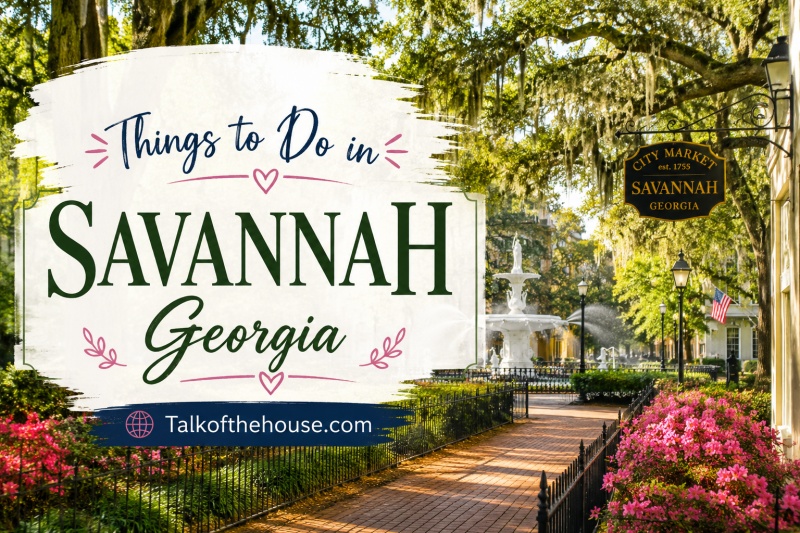
There’s something magical about Savannah that grabs hold of your heart the moment you arrive. I still remember my first morning in the historic district, walking beneath tunnels of Spanish moss draped over ancient live oak trees while the scent of jasmine filled the air. This isn’t just another Southern city; Savannah is a living museum where antebellum architecture meets modern Southern hospitality, creating an atmosphere unlike anywhere else in America.
When friends ask me about things to do in Savannah Georgia, I always start with this: Savannah rewards the curious traveler. The city was designed in 1733 as America’s first planned city, laid out in a perfect grid with 22 public squares that function as outdoor living rooms. Each square tells a story, each cobblestone street holds history, and every corner reveals something beautiful.
Our team has explored Savannah through every season, from steamy summer evenings to crisp spring mornings when the azaleas explode in color. We’ve walked the historic district countless times, sampled Lowcountry cuisine at dozens of restaurants, and discovered hidden gems that most tourists miss. This guide shares everything we’ve learned so you can experience the best of Savannah in 2026.
Table of Contents
What Not to Miss in Savannah
Before diving into the details, here are the absolute essentials you cannot skip. These are the experiences that define a Savannah visit and create memories that last a lifetime.
- Forsyth Park and its famous fountain – the most photographed spot in the city
- A leisurely walk through the historic district visiting at least five of the 22 squares
- River Street at sunset for river views and people watching
- Bonaventure Cemetery for its haunting beauty and Victorian monuments
- Wormsloe Historic Site and the breathtaking Avenue of Oaks
- A Southern food experience featuring shrimp and grits and fried green tomatoes
- Tybee Island for a beach day just 20 minutes from downtown
Savannah Historic District and the Famous Squares
The heart of Savannah beats in its historic district, a 2.5-square-mile area that remains one of the largest urban National Historic Landmark Districts in the United States. James Oglethorpe designed the city with 24 original squares, and 22 remain today as public gathering spaces surrounded by antebellum homes, churches, and gardens.
Walking the squares is the best free activity in Savannah. I recommend starting at Johnson Square, the largest and oldest, then working your way south through Madison Square, Monterey Square, and ending at Forsyth Park. Each square has its own personality. Chippewa Square features the bench where Forrest Gump sat, though the bench itself now lives in a museum. Madison Square offers views of the historic Sorrel-Weed House and the Green-Meldrim House, one of the finest examples of Gothic Revival architecture in the South.
The architecture surrounding these squares represents the finest collection of antebellum homes in America. You’ll see Federal, Georgian, Gothic Revival, and Greek Revival styles, often with elaborate ironwork balconies that were added in the 19th century. The live oak trees provide shade even on the hottest summer days, and the Spanish moss creates a dreamlike canopy that photographers chase.
Beyond the visual beauty, the squares serve as Savannah’s front porches. You’ll see locals reading on benches, children playing, and couples enjoying picnics. This is where Savannah’s famous Southern hospitality becomes tangible. Strike up a conversation with someone on a bench, and you’ll likely get recommendations for the best restaurants and hidden spots.
Forsyth Park and Its Iconic Fountain
No visit to Savannah is complete without Forsyth Park. This 30-acre green space anchors the southern end of the historic district and features the most photographed fountain in America. The white cast-iron fountain, installed in 1858, was modeled after fountains in Paris and Peru and has become the symbol of Savannah.
I recommend visiting Forsyth Park at different times of day. Early morning brings joggers, dog walkers, and the golden light photographers love. Midday attracts families and tourists gathered around the fountain. Late afternoon offers shade and cooler temperatures under the massive live oaks. The park’s Fragrant Garden, designed for visually impaired visitors, fills the air with jasmine, gardenia, and magnolia scents from spring through fall.
The path through the park connects directly to the historic district, making it easy to combine with your square-walking route. Bring a blanket and book, or simply sit on a bench and watch the world pass by. This is Savannah at its most peaceful and beautiful.
River Street and the Savannah Riverfront
River Street runs along the Savannah River and offers a completely different vibe from the genteel historic district. Here you’ll find converted cotton warehouses from the 1800s now housing restaurants, pubs, and shops. The cobblestone streets were originally ballast from ships, and they create a bumpy, historic surface that adds to the charm.
The riverfront comes alive at sunset. The riverboat cruises depart from here, offering dinner and entertainment with views of the working port. Container ships pass by regularly, reminding visitors that Savannah remains one of the busiest ports in America. Street performers line the walkway, and the outdoor patios fill with visitors enjoying the evening breeze.
During the day, River Street offers shopping for Savannah-specific souvenirs, from pralines at Savannah’s Candy Kitchen to honey tastings at the Savannah Bee Company. The Factors Walk, a series of iron bridges and walkways above River Street, connects to Bay Street and offers architectural interest with its old-world charm.
For the best experience, visit River Street twice: once during the day for shopping and exploring, and once at sunset for the atmosphere. The sunset views over the river, with the Talmadge Memorial Bridge in the distance, are worth planning your evening around.
Bonaventure Cemetery
Bonaventure Cemetery sits on a bluff overlooking the Wilmington River, about 20 minutes from downtown Savannah. This former plantation became a public cemetery in 1907 and gained fame from the book and movie “Midnight in the Garden of Good and Evil.” But Bonaventure deserves a visit regardless of your interest in the book; it’s simply one of the most beautiful cemeteries in America.
The Victorian monuments and sculptures here are works of art. Stone angels weep over graves, Celtic crosses rise among the live oaks, and elaborate mausoleums tell stories of Savannah’s prominent families. The cemetery covers nearly 100 acres, so comfortable shoes are essential. The live oak canopy creates a cathedral-like atmosphere, with Spanish moss filtering the sunlight into patterns on the ground.
I recommend joining a guided tour to learn the stories behind the monuments. The Bird Girl statue, featured on the cover of “Midnight in the Garden of Good and Evil,” now resides in the Jepson Center for safety reasons, but photos of her original location remain popular. The tours also share the history of notable figures buried here, including songwriter Johnny Mercer and poet Conrad Aiken.
Photography enthusiasts will find endless subjects, but remember this is an active cemetery where families visit loved ones. Respect and quiet voices are appreciated. Morning visits offer the best light and cooler temperatures, especially in summer months.
Wormsloe Historic Site
The Avenue of Oaks at Wormsloe Historic Site is one of the most photographed locations in Georgia, and for good reason. A mile-long drive lined with 400 live oak trees creates a natural cathedral that leads to the ruins of Noble Jones’s colonial estate. Jones arrived with James Oglethorpe in 1733 and built this tabby ruin, the oldest standing structure in Savannah.
Wormsloe sits about 15 minutes southeast of downtown and offers a different perspective on Savannah’s history. While the historic district preserves the 19th-century city, Wormsloe represents the colonial era. The museum and visitor center provide context about colonial life, and nature trails wind through the marshlands that defined this coastal settlement.
The site includes a colonial life demonstration area where costumed interpreters show how early settlers lived. You might see blacksmithing, cooking demonstrations, or musket firings depending on the day. The marsh views from the bluff are spectacular, especially at sunrise when the light hits the water.
I recommend arriving when Wormsloe opens to have the Avenue of Oaks to yourself. As the day progresses, the drive fills with visitors taking photos, and that peaceful morning solitude disappears. The entry fee is modest, and the experience is worth every penny for the photo opportunities alone.
Tybee Island Day Trip
When you need a break from historic architecture, Tybee Island offers sand, surf, and a laid-back beach town atmosphere just 20 minutes east of Savannah. This barrier island has served as Savannah’s beach since the 1800s and remains a popular escape for locals and visitors alike.
The main attraction is the beach itself, stretching for miles with hard-packed sand perfect for walking. The Tybee Island Light Station, Georgia’s oldest and tallest lighthouse, offers panoramic views from the top after you climb 178 steps. The adjacent museum shares the island’s history as a strategic military point during the Civil War and World War II.
Tybee’s pier and pavilion area forms the social center of the island, with shops, restaurants, and the popular waterfront. The island’s restaurants specialize in fresh seafood, and several offer waterfront dining with sunset views. For a unique experience, visit the Marine Science Center to learn about coastal Georgia’s ecosystem and see rehabilitated sea turtles.
Manage your expectations about Tybee; this isn’t a resort beach with high-rise hotels and luxury amenities. It’s a working-class beach town with a vintage Florida feel. The water can be murky due to the Savannah River outflow, but the atmosphere is authentically coastal Georgia. Visit on a weekday to avoid crowds, or come for one of the island’s events like the Pirate Festival in October.
Cathedral of St. John the Baptist
The Cathedral of St. John the Baptist dominates the skyline of downtown Savannah with its twin spires and Gothic Revival architecture. Built in 1876 and rebuilt after a fire in 1898, this Catholic cathedral serves as the mother church of the Roman Catholic Diocese of Savannah.
The interior rivals European cathedrals in its beauty. Sixty-one stained glass windows, imported from Austria, fill the space with colored light. The ceiling features painted frescoes of the Twelve Apostles, and the Italian marble altar stands as the centerpiece. Visitors of any faith are welcome to explore during non-service hours, and self-guided tours are free.
The cathedral offers a peaceful respite from the heat and crowds of Savannah. I recommend visiting mid-morning when the sun streams through the east-facing windows, illuminating the interior. Mass times are posted at the entrance, and visitors should avoid touring during services out of respect for worshippers.
The cathedral’s location on Lafayette Square makes it easy to combine with other historic district attractions. After visiting, grab lunch at one of the nearby restaurants on Bull Street or Congress Street, both within easy walking distance.
Ghost Tours and Haunted History
Savannah consistently ranks as one of America’s most haunted cities, and whether you believe in ghosts or not, the ghost tours offer an entertaining way to learn about Savannah’s darker history. The combination of yellow fever epidemics, Civil War battles, and historic cemeteries provides plenty of material for spooky storytelling.
Several tour companies operate in Savannah, each with its own style. Trolley-based tours cover more ground and work well for those with limited mobility. Walking tours offer more intimate experiences and access to locations vehicles can’t reach. Some tours focus on the “Midnight in the Garden of Good and Evil” story, while others explore Colonial Park Cemetery and its legends.
The quality of ghost tours varies widely, so reading recent reviews helps. The best tours combine historical facts with theatrical storytelling rather than relying solely on jump scares. Bonaventure Cemetery after dark offers a particularly atmospheric experience, though access is limited to guided groups.
For a different kind of evening entertainment, consider the Prohibition Museum or one of the comedy shows at Front Porch Improv. Savannah’s nightlife extends beyond ghost stories to include speakeasies, dueling piano bars, and live music venues. The Starland District, south of the historic district, has emerged as the local favorite for craft cocktails and indie music.
Southern Food and Lowcountry Cuisine
Savannah’s food scene blends traditional Southern cooking with coastal Lowcountry influences, creating flavors you won’t find elsewhere. This is the land of shrimp and grits, fried green tomatoes, pimento cheese, and sweet tea strong enough to stand a spoon in. After multiple visits and countless meals, I’ve developed strong opinions about where to eat.
For the quintessential Savannah experience, try shrimp and grits, the Lowcountry’s signature dish. Fresh local shrimp sit atop creamy stone-ground grits, often with bacon, mushrooms, and a savory sauce. Each restaurant prepares it differently, making it worth trying at multiple spots. Fried green tomatoes, another Southern classic, appear as appetizers or sides throughout the city.
Here’s where locals actually eat, based on our research and conversations with Savannah residents. Elizabeth’s on 37th serves refined Southern cuisine in a historic mansion and remains a local favorite for special occasions. Common Thread offers seasonal, locally-sourced dishes in a casual setting. Cotton and Rye has earned praise for its creative takes on Southern classics. The Collins Quarter, an Australian-inspired cafe on Bull Street, serves excellent brunch and coffee.
Now, a word about tourist traps. Mrs. Wilkes Dining Room and The Lady and Sons receive endless hype, but locals consistently tell us these are overrated experiences with long waits and mediocre food. Mrs. Wilkes requires standing in line for hours, and the family-style dining isn’t worth the time investment for most visitors. The Lady and Sons, Paula Deen’s restaurant, serves heavy, uninspired Southern food at premium prices.
Instead of waiting in those lines, explore the local favorites. Two Tides Brewing in the Starland District offers craft beer and casual food in a neighborhood setting. The Paris Market serves excellent macarons and coffee in a beautifully designed space perfect for a mid-afternoon break. For sweet tea and people watching, grab a seat at any of the cafes around the squares.
Hidden Gems and Local Favorites
Savannah rewards visitors who venture beyond the main tourist routes. These hidden gems offer authentic experiences without the crowds, and several are completely free.
The SCAD Museum of Art deserves more attention than it receives. The Savannah College of Art and Design transformed this former railroad depot into a stunning contemporary art museum, and admission is free. The exhibitions rotate regularly, featuring both student work and internationally recognized artists. The building itself, with its modern architecture integrated into historic brick, is worth seeing.
Skidaway Island State Park and Oatland Island Wildlife Center offer nature experiences just outside downtown. Both charge modest entry fees under $10 and provide easy walking trails through coastal Georgia’s unique ecosystems. You’ll see native wildlife, marsh views, and live oak canopies without traveling far from the city.
The Starland District, centered around Bull Street south of the historic district, has become Savannah’s creative hub. Here you’ll find Two Tides Brewing, local coffee shops, vintage stores, and the Starland Yard food truck park. This is where SCAD students and young locals spend their time, and it offers a completely different vibe from the formal historic district.
For shopping beyond the tourist shops on River Street, explore Broughton Street. The Paris Market and Brocante offers curated home goods and gifts with a French influence. ShopSCAD sells student and alumni artwork, giving you the chance to take home original pieces. The storefronts themselves are beautiful, with many housed in restored historic buildings.
Pinky Masters, a cash-only dive bar beloved by locals, offers the opposite of Savannah’s polished cocktail scene. This is where you go for cheap beer, colorful characters, and conversations with residents who know the city’s real stories. Just remember to bring cash; they don’t accept cards.
Practical Tips for Your Savannah Visit
Planning your trip to Savannah requires understanding the city’s rhythms and challenges. These practical tips come from our repeated visits and the mistakes we’ve learned from.
The best time to visit Savannah is March through May or October through November. Spring brings azalea and jasmine blooms that fill the air with fragrance. April is particularly magical when everything is in bloom. Fall offers comfortable temperatures and lower humidity than summer. Summer in Savannah is oppressively hot and humid; temperatures regularly hit 95 degrees with high humidity that makes walking uncomfortable. If you must visit in summer, plan indoor activities during midday and explore early morning or evening.
Parking in the historic district challenges every visitor. Street parking is limited to two hours and fills quickly. Several parking garages exist, but they charge hourly rates that add up. I recommend booking accommodations with parking included, or staying at hotels on the outskirts and taking pedicabs or rideshares into the historic district. Some visitors park at the visitor center and use the shuttle system.
Savannah is wonderfully walkable, which is part of its charm. The historic district spans only about 2 miles, and walking allows you to discover details you’d miss in a car or trolley. Comfortable walking shoes are essential; the cobblestones and brick streets punish inappropriate footwear. Pedicabs offer rides for tired feet, and the drivers often provide impromptu tours as they pedal.
Budget travelers should know that many of Savannah’s best experiences are free. Walking the squares costs nothing. Forsyth Park is free. Window shopping on Broughton Street and River Street costs nothing. The SCAD Museum is free. Bonaventure Cemetery and Wormsloe have modest entry fees, but most historic district experiences require only your time and comfortable shoes.
Frequently Asked Questions
What not to miss in Savannah?
You cannot miss Forsyth Park and its famous fountain, a walk through the historic squares to see antebellum architecture and Spanish moss-draped live oaks, River Street for cobblestone charm and river views, Bonaventure Cemetery for haunting beauty, and Wormsloe Historic Site for the stunning Avenue of Oaks. Add a Southern food experience and consider a day trip to Tybee Island for the complete Savannah visit.
What is the best month to visit Savannah, Georgia?
April is the best month to visit Savannah, with jasmine and azaleas in full bloom, comfortable temperatures averaging 70-75 degrees, and the famous Savannah Music Festival. March through May and October through November offer the most pleasant weather. Avoid June through August when heat and humidity make walking uncomfortable.
What is Savannah, GA best known for?
Savannah is best known for its 22 picturesque public squares surrounded by antebellum architecture, Spanish moss-draped live oak trees, Southern hospitality, historic River Street with cobblestone streets, and its status as America’s first planned city. The city also gained fame from the book and movie Midnight in the Garden of Good and Evil and its reputation as one of America’s most haunted cities.
What are some hidden gems in Georgia?
Hidden gems in Savannah include the SCAD Museum of Art with free contemporary exhibitions, the Starland District for local creative culture, Pinky Masters for authentic local bar atmosphere, Skidaway Island State Park for nature walks under $10, Oatland Island Wildlife Center for native animal encounters, and the lesser-known squares like Crawford Square or Troup Square that tourists often skip.
Plan Your Savannah Adventure
Savannah offers something rare in modern travel: a city that feels both historic and alive, beautiful and approachable, planned yet full of surprises. Whether you spend a weekend or a week, you’ll leave with photographs of Spanish moss and live oaks, memories of Southern flavors, and a desire to return.
Start planning your trip by deciding which season suits you best, then map out your must-see attractions. Remember that Savannah rewards slow exploration. Leave time for sitting on park benches, striking up conversations with locals, and discovering your own favorite corners of the historic district.
If you’re looking for more travel inspiration, check out our guide to other family-friendly destinations for your next adventure. Savannah belongs on every traveler’s list, and 2026 is the perfect year to discover why this Southern city captures hearts so completely.