
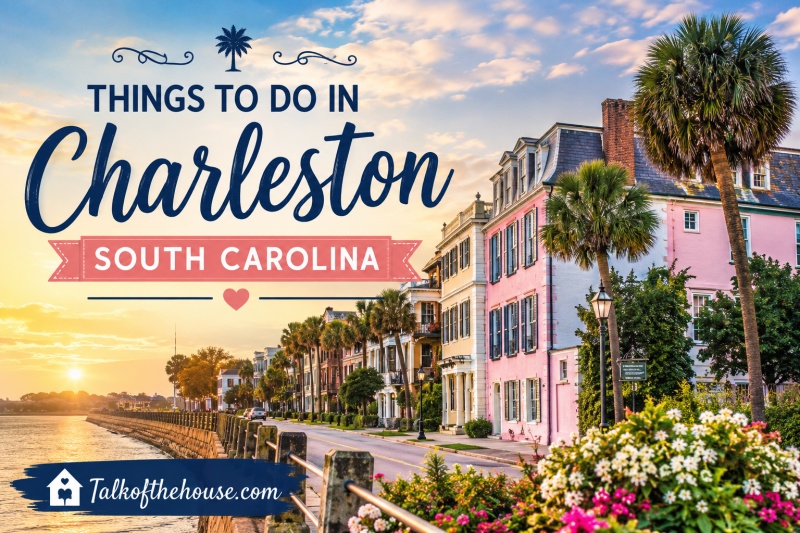
There is something almost magical about walking down a cobblestone street lined with pastel-colored homes, the scent of jasmine hanging in the warm air, and the distant sound of church bells echoing through moss-draped oaks. Charleston, South Carolina has a way of slowing time down just enough for you to notice the beauty in every detail. If you are planning a visit and wondering about the best things to do in Charleston South Carolina, you have come to the right place.
As someone who believes that travel should inspire how we live at home, I find Charleston endlessly inspiring. From the way locals welcome strangers into their homes to the effortless elegance of a Lowcountry boil shared with friends, this city offers lessons in hospitality that stay with you long after you leave. Whether you have a weekend or a full week, Charleston promises experiences that blend history, food, and coastal beauty into something truly unforgettable.
In this guide, I will share my favorite Charleston attractions and activities, including some hidden gems that locals treasure. I have organized everything to help you plan the perfect trip, whether you are a first-time visitor or returning to discover something new. Let us explore the Holy City together.
Table of Contents
What Not to Miss in Charleston
Before we dive into the details, here are the absolute must-see Charleston SC things that belong on every visitor’s list. These are the experiences that capture the essence of this special city:
- Rainbow Row – The iconic stretch of thirteen colorful historic homes on East Bay Street that has become the most photographed spot in the city. The pastel facades against the blue sky create an irresistible backdrop.
- The Battery and White Point Garden – Where the Ashley and Cooper rivers meet, offering stunning antebellum mansions, historic cannons, and the perfect spot for a sunset picnic under ancient oak trees.
- Charleston City Market – One of the oldest public markets in America, where you can browse sweetgrass baskets handmade by Gullah artisans, local artwork, and Southern specialties.
- King Street – The main thoroughfare for shopping and dining, stretching from historic homes to modern boutiques and some of the best restaurants in the South.
- Waterfront Park – Home to the famous Pineapple Fountain, symbol of Southern hospitality, with benches perfect for watching sailboats drift by.
Things to Do in Charleston South Carolina: Exploring the Historic District
The heart of Charleston beats in its Historic District, a compact area that rewards those who explore on foot. I recommend starting early in the morning when the streets are quiet and the light is perfect for photography. The cobblestone lanes and gas-lit streets feel like stepping into another era entirely.
Rainbow Row deserves its fame, but the real magic happens when you venture beyond the obvious. Walk down Stolls Alley, a narrow brick passage barely wide enough for two people to pass, lined with private gardens peeking through wrought-iron gates. This is where you will understand why Charleston is considered one of the most romantic cities in America. Bedons Alley offers another hidden corridor, leading you past historic homes that have stood for centuries.
Longitude Lane is perhaps my favorite discovery. This secluded path runs between Church and Meeting Streets, offering a glimpse into how Charleston residents have lived for generations. I always tell friends to get intentionally lost in the French Quarter, wandering without a map. Some of the best Charleston attractions are the ones you stumble upon unexpectedly, a tucked-away courtyard or a small gallery showcasing local artists.
The Battery promenade along the water’s edge provides both history and beauty. The antebellum mansions facing the harbor represent some of the finest examples of historic architecture in America. Take time to read the historical markers, sit on a bench beneath the live oaks, and watch the boats pass. White Point Garden at the tip offers shade and benches where you can rest while admiring the view of Fort Sumter in the distance.
For architecture enthusiasts, the Nathaniel Russell House and the Aiken-Rhett House offer fascinating glimpses into how wealthy Charleston families lived in the 1800s. The Russell House is particularly notable for its free-floating spiral staircase, an engineering marvel of its time. I always leave these tours with fresh inspiration for my own home, noting details like the proportion of windows to walls and the way gardens are designed to be enjoyed from interior rooms.
A Food Lover’s Paradise: Charleston’s Celebrated Dining Scene
If you love food as much as I do, Charleston will feel like paradise. The city has earned its reputation as a top American food destination by honoring Southern traditions while embracing innovation. What strikes me most is how food here is inseparable from hospitality. Meals are meant to be shared, stories are exchanged across tables, and every dish carries a sense of place.
You cannot visit Charleston without trying shrimp and grits, the signature Lowcountry dish that varies from kitchen to kitchen. At Husk, Chef Sean Brock has created a temple to Southern ingredients, where the menu changes daily based on what local farmers bring in. The experience here reminds me that the best entertaining starts with the best ingredients. Even if you cannot get a reservation, the bar area serves a memorable burger that rivals anything in the country.
Magnolia’s has been a Charleston institution for decades, serving upscale Southern cuisine in an elegant setting. Their fried green tomatoes with pork belly have inspired many of my own dinner party appetizers. For barbecue lovers, Lewis Barbecue brings Texas-style smoked meats to the South, with a festive atmosphere and some of the best brisket outside of Austin.
The Charleston City Market area spills over with food experiences. Marion Square Farmers Market operates on Saturday mornings, offering everything from fresh produce to prepared foods. I always recommend visitors spend a morning here, sampling local cheeses and picking up a jar of benne wafers or a bag of stone-ground grits to take home. These edible souvenirs let you bring a taste of Charleston back to your own kitchen.
For a true Lowcountry experience, seek out a restaurant serving she-crab soup, deviled crab, or a proper Lowcountry boil. The boil, also called Frogmore Stew, combines shrimp, corn, potatoes, and sausage in a communal feast that embodies the spirit of Southern gatherings. Many restaurants offer versions, but locals know that some of the best boils happen at backyard gatherings where recipes have been passed down through generations.
Sweetgrass Bakery and Cafe make appearances in many neighborhood guides, but do not overlook Callie’s Hot Little Biscuit for breakfast. Their tiny, buttery biscuits come with various toppings and make the perfect start to a day of exploring. I have been known to order a dozen to take back to my hotel room.
Coastal Escapes: Charleston’s Beautiful Beaches
While the Historic District gets most of the attention, Charleston’s coastal location means spectacular beaches are never far away. Each beach has its own personality, and choosing the right one depends on what kind of day you have in mind.
Folly Beach sits about twenty minutes from downtown and offers the classic beach town experience. The fishing pier extends far into the Atlantic, and the downtown area known as Center Street has surf shops, casual restaurants, and a laid-back vibe. I love coming here for sunset walks along the shore. The Washout on the east end attracts surfers, while families tend to gather near the pier where lifeguards are stationed.
Sullivans Island feels more residential and secluded, with narrower public access points and a quieter atmosphere. This is where locals often prefer to spend their beach days. Fort Moultrie sits at the island’s tip, offering both Revolutionary War history and beautiful views. The island has strict rules about commercial development, which has preserved its neighborhood feel. It is perfect if you want a peaceful beach experience away from crowds.
Isle of Palms offers wider beaches and more amenities, including the Wild Dunes Resort. The main commercial area has restaurants and shops within walking distance of the sand. This beach works well for families who want easy access to facilities and dining options.
For a truly unique experience, take a boat tour to Morris Island Lighthouse. The lighthouse stands offshore, accessible only by water, and the surrounding undeveloped beach feels like a step back in time. Several companies offer tours that include beachcombing and shell collecting. I recommend this for photographers and anyone seeking a more natural coastal experience.
Kayak eco-tours explore the tidal creeks and marshes that define the Lowcountry landscape. These guided trips teach you about the local ecosystem while offering chances to see dolphins, sea turtles, and countless bird species. The quiet of paddling through salt marshes at sunrise is one of my favorite Charleston memories.
Stepping Back in Time: Charleston’s Historic Plantations
No visit to Charleston is complete without exploring at least one plantation. These properties offer windows into the complexity of Southern history, showcasing both the architectural achievements and the difficult truths of the plantation economy. As a home enthusiast, I find endless inspiration in the gardens and house tours, though I always approach these visits with respect for the full history they represent.
Magnolia Plantation & Gardens holds the distinction of being the oldest public garden in America, opening its gates in 1870. The romantic-style gardens feature camellias, azaleas, and centuries-old live oaks reflected in black water ponds. The house tour and the extensive grounds could easily fill a full day. I particularly love the Barbados Tropical Garden and the Biblical Garden, both offering design ideas that translate beautifully to home landscaping projects.
Boone Hall Plantation is instantly recognizable as the setting for numerous films and television productions. The Avenue of Oaks, with its canopy of ancient trees draped in Spanish moss, creates one of the most dramatic entrances in the South. The plantation emphasizes the Gullah culture and the lives of enslaved people, offering a more complete picture of plantation history. The house itself dates from 1936, but the original slave cabins remain, providing important historical context.
Middleton Place represents the finest example of formal landscaping in America. The symmetrical butterfly lakes and precisely manicured terraces demonstrate classical garden design at its peak. The House Museum contains an extraordinary collection of family furnishings spanning generations. For anyone interested in garden design or historic preservation, Middleton Place is essential visiting.
Drayton Hall offers a different experience, presenting the plantation house in its original condition without modern furnishings or utilities. This approach allows visitors to appreciate the architecture without interpretation, a choice that some find stark but others find powerfully authentic. The conservation philosophy here focuses on preservation rather than restoration, which offers lessons for anyone who lives in or appreciates historic homes.
Charleston’s Best Kept Secrets: Hidden Gems Locals Love
The guidebooks cover the famous spots, but some of my favorite Charleston discoveries came from conversations with locals. These hidden gems offer experiences that feel special precisely because they are not overrun with tourists.
Caw Caw Interpretive Center sits just outside the city but feels worlds away from the historic district. This former rice plantation has been transformed into a wildlife preserve with miles of hiking trails through various ecosystems. The raised boardwalks cross swamps and marshland where you might spot alligators, waterfowl, and native wildflowers. I recommend this for anyone who wants to understand the natural landscape that shaped Charleston’s history. The bird watching here rivals any spot in the Lowcountry.
While most visitors know about the major music venues, the local music scene thrives in smaller clubs that showcase the region’s incredible talent. The Pour House on James Island hosts live music seven nights a week, with a focus on local and regional acts. The Music Farm downtown brings in bigger touring acts but maintains an intimate atmosphere. For a truly Charleston experience, visit during the Spoleto Festival USA, which transforms the city into an international arts destination every spring with opera, theater, dance, and music performances.
The Charleston Wine + Food Festival has grown into one of the premier culinary events in the South, but even outside festival season, the city’s food scene rewards exploration. Seek out the lesser-known Gullah restaurants serving traditional dishes like red rice, okra soup, and garlic crabs. These family-run establishments offer authentic flavors and warm hospitality that no tourist restaurant can replicate.
One of my favorite quiet moments in Charleston happens at the Edmondston-Alston House, where the second-floor piazza offers views of the harbor that rival anything at the Battery. The house itself is beautiful, but that view from the rocking chairs makes you understand why Charlestonians spend so much time on their porches.
Angel Oak Tree on Johns Island deserves mention as one of the most awe-inspiring natural wonders in the area. This ancient live oak is estimated to be between 400 and 500 years old, with branches that extend in every direction, creating a natural cathedral of shade. It is free to visit and offers a humbling reminder of the natural history that predates Charleston’s human history by centuries.
Planning Your Charleston Visit: Practical Tips
After multiple visits to Charleston, I have learned a few things that help make each trip smoother. The city rewards good planning, but it also rewards flexibility and a willingness to slow down.
- Getting Around: Charleston’s Historic District is extremely walkable, and walking is absolutely the best way to experience it. The cobblestone streets and narrow alleys are not designed for cars, and parking can be challenging and expensive. I recommend staying within the historic area if possible and using your feet to get around. For longer distances, the free DASH trolley connects major attractions, and rideshare services are readily available.
- Best Time to Visit: Spring brings azaleas and garden tours, making March through May the peak season. Fall offers milder weather and fewer crowds, with October and November being particularly pleasant. Summer can be hot and humid, though the beaches help compensate. Winter brings lower prices and a quieter atmosphere, though some plantation gardens are less spectacular outside growing season.
- Parking Tips: If you must drive downtown, look for parking garages rather than street parking. The City Market parking garage and the Aquarium parking garage offer reasonable rates and central locations. Many hotels charge for parking, so factor this into your accommodation budget.
- How to Spend One Day in Charleston: Start early with breakfast at Callie’s Hot Little Biscuit, then walk Rainbow Row and The Battery before the crowds arrive. Mid-morning, explore Charleston City Market and pick up a sweetgrass basket souvenir. Lunch at Husk or another downtown favorite, followed by an afternoon at one plantation or the South Carolina Aquarium. End with dinner on King Street and a sunset walk through Waterfront Park.
- Is Two Days Enough in Charleston? Two days lets you cover the highlights without rushing. Day one focuses on the Historic District, City Market, and dining. Day two adds a plantation visit and either beach time or a harbor cruise to Fort Sumter. You will leave wanting more, but you will have experienced the essence of Charleston.
- Avoiding Crowds: The spring garden tours and Spoleto Festival bring the biggest crowds. If you visit during these periods, book restaurants well in advance and start your sightseeing early in the morning. Consider visiting plantations on weekdays rather than weekends.
Frequently Asked Questions
What is the number one thing to do in Charleston, South Carolina?
Walking through the Historic District is the essential Charleston experience. The combination of Rainbow Row, The Battery, and the hidden alleys captures everything that makes Charleston special: historic architecture, Southern charm, and walkable beauty. Most visitors rank this as their favorite activity.
What not to miss when visiting Charleston?
Do not miss Rainbow Row for the iconic photo opportunity, The Battery for waterfront views and antebellum mansions, Charleston City Market for sweetgrass baskets and local crafts, and at least one plantation to understand the region’s complex history. Food lovers should prioritize trying shrimp and grits at a locally recommended restaurant.
What is Charleston best known for?
Charleston is best known for its Southern charm, well-preserved historic architecture, world-class food scene, and coastal location. The city is famous for Rainbow Row, historic churches, Lowcountry cuisine including shrimp and grits, and as the site where the Civil War began at Fort Sumter.
Is 2 days enough in Charleston?
Two days is enough to experience Charleston’s highlights, including the Historic District, a plantation visit, and several excellent meals. However, the city rewards longer stays with hidden alleys to discover, multiple beaches to explore, and a food scene that takes weeks to fully appreciate. First-time visitors can have a satisfying trip in two days but will likely want to return.
What are Charleston’s best kept secrets?
Charleston’s best kept secrets include the hidden alleyways like Stolls Alley and Bedons Alley, Caw Caw Interpretive Center for nature lovers, the local music scene at venues like The Pour House, Angel Oak Tree on Johns Island, and the local-favorite beaches at Sullivans Island and Isle of Palms which are less crowded than Folly Beach.
How to spend 1 day in Charleston, SC?
Start with breakfast downtown, then walk through the Historic District visiting Rainbow Row and The Battery. Explore Charleston City Market mid-morning. Have lunch at a celebrated restaurant like Husk or Magnolia’s. Spend the afternoon at a plantation or the aquarium. Enjoy dinner on King Street and end with a sunset walk at Waterfront Park to see the Pineapple Fountain.
Why Charleston Belongs on Your Travel List
Charleston has earned its reputation as one of America’s most beloved cities through a rare combination of history, beauty, and genuine hospitality. Every visit leaves me with new ideas for my own home and entertaining style. The way Charlestonians open their historic homes for tours, the pride they take in their gardens, and the joy they find in sharing a meal with strangers sets an example worth bringing back to your own community.
Whether you come for the architecture that inspires your next decorating project, the food that changes how you think about Southern cuisine, or simply the peace of walking quiet streets beneath ancient oaks, Charleston delivers. I hope this guide helps you discover your own favorite corners of the Holy City. The best things to do in Charleston South Carolina are waiting for you, and I have no doubt you will return home with stories worth sharing and inspiration worth keeping.
Have you visited Charleston? I would love to hear about your favorite discoveries in the comments. And if you are planning your first trip, feel free to ask any questions. There is always more to explore in this endlessly charming Southern city.