
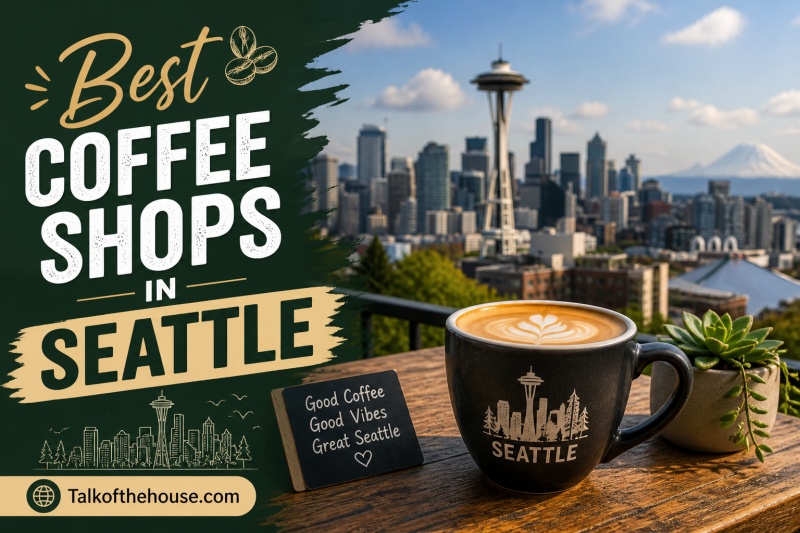
Seattle’s reputation as a coffee city runs deeper than any corporate chain could define. When you search for the best coffee shops in Seattle, you are tapping into a culture that has been brewing since 1887, when D. Davies & Co. first introduced roasted beans to the city. Today, Seattle’s coffee scene represents one of the most diverse and dynamic ecosystems in the world, with everything from historic Italian-style espresso bars to Vietnamese phin-drip specialists and Filipino-inspired ube latte innovators.
Our team spent three months exploring neighborhoods from Ballard to Rainier Valley to bring you this guide. We focused on what matters: exceptional coffee, authentic atmosphere, and the unique character that makes each shop worth visiting. Whether you are a local looking for a new workspace spot or a visitor wanting to experience the real Seattle coffee culture beyond tourist traps, this guide covers 2026‘s essential destinations.
What makes this guide different? We have included interior design inspiration from these coffee shops that you can bring home. Many readers of Talk of the House want to create that perfect coffee corner in their own homes, and Seattle’s best cafes offer incredible visual inspiration for everything from minimalist shelving to cozy seating nooks. Let us dive into what makes Seattle coffee special and where to find the best cups in the city.
Table of Contents
Understanding Seattle’s Coffee Culture
Seattle’s coffee history began in 1887 when D. Davies & Co. opened the city’s first roastery. By 1908, Manning’s Coffee Cafes had established a local presence that would grow throughout the century. The city became synonymous with coffee in the 1990s, but the real story lies in what happened next: the third wave coffee movement took root and transformed Seattle into a specialty coffee destination.
Third wave coffee treats beans as artisanal ingredients, emphasizing single-origin sourcing, light roasting, and precise brewing methods. Seattle embraced this philosophy while maintaining respect for its Italian espresso heritage. The result is a coffee culture that values both tradition and innovation. Walk through Capitol Hill on any morning and you will see baristas carefully timing pour-overs while just blocks away, vintage espresso machines pull perfect shots using decades-old techniques.
The cultural diversity of Seattle’s coffee scene sets it apart. Vietnamese phin-drip coffee, Ethiopian buna ceremonies, and Filipino-inspired drinks all have homes here. This is not a monoculture of identical cafes. Each neighborhood brings its own influences, from the Scandinavian minimalism of Fremont to the historic charm of Pioneer Square. Understanding this context helps you appreciate what you will find in the shops ahead.
Quick Picks: Best Coffee Shops by Category
Sometimes you need a recommendation for a specific situation. Here are our quick picks organized by what you might be seeking:
- Best for Espresso Purists: Espresso Vivace on Capitol Hill remains the undisputed champion for traditional Italian-style espresso. David Schomer’s roasting and preparation techniques have influenced baristas worldwide since 1988.
- Best for Workspace: URL Coffee in First Hill offers reliable WiFi, plenty of outlets, and a quiet atmosphere that remote workers appreciate. Their “Walk to Work” latte has developed a cult following among locals.
- Best Vietnamese Coffee: Aroom Coffee in Fremont serves authentic phin-brewed coffee with condensed milk. The slow-drip method produces a strong, sweet cup that converts even dedicated espresso drinkers.
- Best Historic Experience: Monorail Espresso downtown operates from a tiny walk-up window that has been serving commuters since 1980. It represents the original Seattle espresso culture before corporate chains existed.
- Best Cultural Experience: Hood Famous Cafe & Bar in the International District brings Filipino flavors to coffee with their famous ube lattes and creative seasonal drinks.
- Best for Design Inspiration: Day Made Kaffe Bar in Pioneer Square channels Copenhagen aesthetics with clean lines, natural wood, and perfect lighting that home designers will want to replicate.
Capitol Hill Coffee Shops
Capitol Hill serves as the beating heart of Seattle’s coffee culture. This dense neighborhood packs more exceptional coffee into a few blocks than most cities manage in their entire downtown core. The diversity here is staggering: historic roasting operations share streets with experimental newcomers, and each shop has carved out its own identity.
Espresso Vivace
901 E Denny Way, Seattle, WA 98122
Espresso Vivace is not just a coffee shop; it is an institution. David Schomer opened this Capitol Hill location in 1988 after perfecting his roasting techniques through years of experimentation. The result is espresso that has trained the palates of Seattle coffee drinkers for over three decades. What you taste here represents the culmination of obsessive attention to temperature, pressure, and timing.
The space itself carries that history. Vintage espresso equipment sits behind a bar where baristas work with the precision of craftsmen. The roasting happens on-site, filling the air with an aroma that converts first-time visitors into regulars. Order the classic espresso or a cappuccino to understand what Seattle coffee purists mean when they talk about “the real thing.”
From a design perspective, Espresso Vivace offers lessons in functional minimalism. The open roasting area creates theater, while the compact bar layout maximizes interaction between baristas and customers. For dedicated coffee station renovation inspiration, note how they integrate equipment storage into the counter design without visual clutter.
Analog Coffee
235 Summit Ave E, Seattle, WA 98102
Analog Coffee embraces its name fully, celebrating the tactile and sensory aspects of coffee preparation. The Capitol Hill location occupies a bright corner space with floor-to-ceiling windows that flood the interior with natural light. This is where you come when you want to watch skilled baristas work manual equipment with deliberate care.
Their drink menu focuses on precision-brewed single-origin coffees. The pour-over bar sees constant action, with baristas timing each bloom and pour to extract optimal flavor. Their espresso drinks maintain balance without excessive sweetness, letting the coffee speak for itself. Locals consistently mention Analog as their go-to for serious coffee without pretension.
The interior design combines industrial elements with warm wood tones. Exposed brick walls, metal shelving, and pendant lighting create that coveted industrial-chic aesthetic many homeowners attempt to replicate. The seating layout mixes communal tables with individual nooks, offering options for both social visits and focused work sessions.
Ghost Note Coffee
1621 12th Ave, Seattle, WA 98122
Ghost Note Coffee has earned its reputation through consistency and community engagement. Located on busy 12th Avenue, this shop serves as a gathering point for Capitol Hill residents who want quality coffee in a relaxed setting. The name references musical terminology, and the shop maintains that creative, slightly unconventional energy.
What to order: their batch brew changes daily and represents some of the most reliable drip coffee in the neighborhood. For espresso drinks, the standard cappuccino receives the same care as their seasonal specialties. Pastries from local bakeries complement the coffee program without distracting from it.
The design aesthetic leans into cozy and lived-in rather than pristine. Vintage furniture pieces mix with modern lighting, creating a space that feels collected rather than decorated. This approach offers excellent inspiration for anyone wanting to create a home coffee station setup with personality and warmth rather than sterile perfection.
Victrola Coffee
411 15th Ave E, Seattle, WA 98112
Victrola Coffee represents Capitol Hill’s evolution from counter-culture enclave to established neighborhood. Operating since 2000, Victrola has expanded to multiple locations while maintaining quality standards at its original Capitol Hill roastery. The 15th Avenue location offers the full experience: in-house roasting visible behind glass, a spacious seating area, and some of the neighborhood’s best people-watching through large windows.
The coffee program balances accessibility with ambition. Their Streamline Espresso blend works beautifully in milk drinks, while single-origin offerings rotate regularly for pour-over enthusiasts. The staff trains thoroughly, meaning you will get a properly prepared drink regardless of how busy the bar gets.
Interior design enthusiasts should study Victrola’s use of reclaimed materials and vintage audio equipment as decor. The space honors its name with actual Victrola phonographs displayed throughout, creating conversation pieces that personalize the environment. This approach to theming through authentic objects rather than mass-produced signage offers lessons for home entertaining spaces.
Fremont and Ballard Coffee Shops
North Seattle’s Fremont and Ballard neighborhoods offer coffee experiences shaped by their distinct characters. Fremont maintains its self-proclaimed “Center of the Universe” quirkiness, while Ballard brings Scandinavian heritage and maritime history to its cafe culture. The coffee shops here reflect these identities, from Viking-inspired minimalism to experimental multi-roaster concepts.
Milstead & Co
770 N 34th St, Seattle, WA 98103
Milstead & Co. has defined Fremont coffee culture since 2011. This multi-roaster cafe sources beans from specialty roasters across the country, offering Seattle drinkers access to coffees they cannot find elsewhere. The rotating selection means the menu changes constantly, rewarding repeat visits with new discoveries.
The preparation methods match the sourcing ambition. Expect to find AeroPress, Chemex, Kalita Wave, and other manual brewing devices alongside a refined espresso program. The baristas here are true coffee professionals who can guide you through options based on your preferences. Ask questions; they welcome the conversation.
The space occupies a converted industrial building with high ceilings, exposed ductwork, and abundant natural light. Wooden communal tables encourage interaction, while smaller seating areas near windows provide retreat spaces. The overall aesthetic influenced how many Seattle cafes approached design in the 2010s, favoring honest materials and functional layouts over ornate decoration.
Aroom Coffee
3401 Fremont Ave N, Seattle, WA 98103
Aroom Coffee brings authentic Vietnamese coffee culture to Fremont. The name derives from the Vietnamese pronunciation of “room,” reflecting the owners’ intention to create a welcoming space. What they have built is something genuinely different from standard American cafe culture.
The signature drink here is cà phê sữa đá, Vietnamese iced coffee prepared using the traditional phin drip method. The phin is a small metal filter that sits atop your glass, slowly dripping strong coffee onto sweetened condensed milk. The process takes several minutes, creating anticipation that makes the first sip more satisfying. For hot options, the egg coffee offers a rich, custard-like experience unlike anything else in Seattle.
The interior design incorporates Vietnamese elements without resorting to cliche. Clean lines, natural materials, and thoughtful lighting create warmth without clutter. The phin preparation itself becomes a visual element, with rows of filters slowly dripping at the bar. For home design inspiration, note how they use vertical space for storage and display, a technique applicable to any dedicated coffee station renovation.
Fremont Coffee Company
459 N 36th St, Seattle, WA 98103
Fremont Coffee Company operates from a converted house, creating a living-room atmosphere that regulars treat as an extension of their homes. The residential architecture means multiple small rooms rather than one vast hall, offering intimate spaces for conversation or work.
Roasting happens on-site in a small-batch roaster visible from the main seating area. This produces the fresh, aromatic house blends that regulars rely on for their daily cups. The espresso program emphasizes traditional preparation, with drinks that taste consistent rather than experimental.
The house setting offers unique design inspiration. Multiple fireplaces, built-in shelving, and residential-scale furniture create coziness that commercial spaces rarely achieve. For anyone planning a cozy morning coffee nook at home, this shop demonstrates how residential architecture translates perfectly to cafe culture.
Lighthouse Roasters
400 N 43rd St, Seattle, WA 98103
Lighthouse Roasters has anchored Ballard coffee culture since 1993. The small-batch roaster supplies numerous cafes throughout Seattle while maintaining its flagship retail location. This is where you come when you want to taste coffee roasted by people who have been perfecting their craft for decades.
The roasting facility dominates the space, with the vintage Probat roaster positioned as the visual centerpiece. The aroma of fresh-roasted coffee permeates everything, creating an environment where you cannot forget what business you are supporting. Their espresso blend has remained consistent for years, offering a taste of Seattle’s second-wave coffee heritage.
The industrial utilitarianism of Lighthouse offers design lessons in authenticity. Nothing here exists for show; every element serves the coffee. The worn floors, simple counters, and functional shelving communicate that substance matters more than style. This honesty has its own aesthetic power that homeowners can apply to practical spaces like garages, workshops, or yes, home coffee stations.
Cardoon
6211 15th Ave NW, Seattle, WA 98107
Cardoon represents the evolution of Ballard coffee culture, bringing contemporary design sensibilities and elevated food offerings to the neighborhood. Named for a thistle-like vegetable, the shop embraces natural, organic principles in both its coffee sourcing and its culinary program.
The coffee program features rotating single-origin options alongside consistent espresso preparations. Food receives equal attention, with pastries and light meals that complement rather than merely accompany the coffee. This is a destination for brunch as much as for a morning pick-me-up.
The interior demonstrates contemporary Scandinavian influence through pale wood, clean lines, and abundant plants. Large windows connect the interior to Ballard’s street life while providing excellent natural light for the space. The overall effect is calming and intentional, offering inspiration for anyone seeking to create a peaceful home environment.
Downtown and Pioneer Square
Downtown Seattle presents unique challenges for coffee lovers. Tourist crowds, limited parking, and high rents have pushed many independent shops to the edges of the central business district. However, two standout destinations remain essential for anyone wanting to experience Seattle coffee history and innovation within walking distance of major attractions.
Day Made Kaffe Bar
128 S Jackson St, Seattle, WA 98104
Day Made Kaffe Bar brings Copenhagen coffee culture to Pioneer Square with remarkable authenticity. The owners, with Danish connections, have created a space that would not look out of place in Norrebro while serving coffee that honors Nordic preparation traditions.
The coffee program emphasizes lighter roasting profiles and manual brewing methods. Expect to find filter coffee prepared with care alongside a refined espresso offering. The food menu incorporates Danish influences, with pastries and open-faced sandwiches that pair perfectly with the coffee.
Design enthusiasts will find much to admire here. The space exemplifies Scandinavian minimalism: pale wood surfaces, clean geometric lines, restrained color palettes, and perfect lighting design. Every element has been considered, from the chair selection to the cupware. This is essentially a masterclass in Nordic design that homeowners can study for their own spaces. The shelving systems, in particular, offer practical inspiration for dedicated coffee station renovation projects.
Monorail Espresso
510 Pike St, Seattle, WA 98101
Monorail Espresso operates from a walk-up window in an alley off Pike Street, continuing a tradition that began in 1980. This is Seattle coffee history in its most unpretentious form. Before corporate chains dominated every corner, this tiny window served commuters and locals with straightforward espresso drinks made quickly and well.
The menu remains simple: espresso, americano, cappuccino, latte, mocha. No seasonal syrups, no alternative milk surcharges, no elaborate preparations. Just coffee made by people who have been pulling shots at this window for years. The result is surprisingly good espresso that costs less than most competitors charge.
The physical space offers little in terms of seating or atmosphere, but that is not the point. Monorail represents coffee as fuel, as daily ritual, as unpretentious necessity. For design inspiration, consider how they maximize minimal space through vertical storage and efficient workflow. The tiny counter area demonstrates that you do not need a massive kitchen to create an effective coffee station.
Queen Anne and South Lake Union
The neighborhood surrounding Seattle Center and the Space Needle offers fewer independent coffee options than Capitol Hill or Fremont, but one destination stands out for its unique combination of cultural institutions and quality coffee.
Caffe Vita @ KEXP
472 1st Ave N, Seattle, WA 98109
Caffe Vita operates this cafe inside the KEXP radio station headquarters, creating a destination that combines excellent coffee with live music culture. The space overlooks the radio station’s performance studio, meaning you might watch a live broadcast while enjoying your morning brew.
Caffe Vita brings decades of Seattle roasting experience to this location. Their roasting operation dates to 1995, and they have maintained quality standards through expansion to multiple cities. The KEXP location offers their full range of espresso drinks and batch brews alongside pastries from local bakeries.
The design integrates coffee culture with music culture seamlessly. The KEXP aesthetic, with its emphasis on authenticity and discovery, matches Caffe Vita’s approach to coffee. Large windows connect the interior to the Seattle Center campus, while the view into the radio studio creates entertainment value beyond typical cafe experiences. For home design, note how they use branding and signage without overwhelming the space, a balance worth achieving in personal entertaining areas.
International District and South Seattle
South Seattle represents the city’s cultural diversity most clearly, and this extends to coffee culture. The International District and surrounding neighborhoods offer experiences you cannot find elsewhere in the city, from Filipino-inspired drinks to Ethiopian coffee ceremonies.
Hood Famous Cafe & Bar
504 5th Ave S #132, Seattle, WA 98104
Hood Famous began as a bakery selling ube cheesecakes at pop-ups before establishing this permanent location in the International District. The cafe has become a destination for both Filipino desserts and creative coffee drinks that incorporate traditional flavors.
The ube latte stands as their signature drink, combining the purple yam flavor with espresso and milk for a beverage that is both visually striking and genuinely delicious. Seasonal offerings rotate throughout the year, often incorporating ingredients like calamansi, pandan, and mango. The approach represents how Seattle’s immigrant communities have reshaped local coffee culture with their own traditions.
The interior embraces bold colors and maximalist decor that celebrates Filipino-American identity. This is not minimalism; this is warmth, abundance, and cultural pride expressed through design. For home entertaining inspiration, Hood Famous demonstrates how personal heritage can inform design choices, creating spaces that tell stories rather than following trends.
Onda Origins
8011 Rainier Ave S, Seattle, WA 98118
Onda Origins brings Ethiopian coffee heritage to Rainier Valley with authenticity and care. The owners source coffee directly from Ethiopian producers, roasting it carefully to highlight the origin characteristics that make these beans special. This represents the full-circle moment of coffee culture: the drink returns to its African origins through the diaspora community in Seattle.
The preparation options include traditional Ethiopian coffee ceremonies available by appointment, where green beans are roasted fresh and brewed in a jebena pot. For daily service, the espresso and pour-over programs emphasize the floral, citrus, and berry notes that characterize Ethiopian coffees.
The space incorporates Ethiopian design elements while maintaining contemporary cafe functionality. Textiles, art, and color schemes reflect the owners’ heritage without creating a theme-park atmosphere. The result feels genuine and lived-in, demonstrating how cultural elements can personalize commercial spaces.
First Hill and Central District
The First Hill neighborhood, perched between downtown and Capitol Hill, offers quieter streets and less foot traffic than either neighbor. This has allowed independent shops to thrive with strong local followings rather than tourist crowds.
URL Coffee
600 Broadway, Seattle, WA 98122
URL Coffee has earned devoted regulars through consistency, quality, and genuine hospitality. Located on Broadway near First Hill’s medical district, the shop serves healthcare workers, residents, and remote workers who have made this their daily destination.
The “Walk to Work” latte has developed a reputation among Seattle coffee enthusiasts as something special. House-made syrups, careful milk preparation, and espresso pulled with attention to timing create drinks that satisfy regulars who visit daily. The batch brew program maintains equal standards, with rotating single-origin options that highlight different growing regions.
For those seeking workspace, URL offers reliable WiFi, ample outlets, and a quiet atmosphere that respects people working on laptops. The seating layout includes both communal tables and individual spots near windows, accommodating different working styles.
The interior design favors warm minimalism with natural wood, clean lines, and thoughtful lighting. The overall effect supports focus without feeling sterile. For home office inspiration, URL demonstrates how commercial design principles, proper lighting and functional layouts, translate directly to productive home spaces.
Coffee Shop Interior Design Inspiration for Your Home
Visiting these Seattle coffee shops offers more than caffeine rewards. For readers interested in dedicated coffee station renovation or simply improving their morning routine at home, these cafes provide excellent design inspiration.
Minimalist Scandinavian Influences
Day Made Kaffe demonstrates how Scandinavian design principles create calming coffee environments. The key elements include pale wood surfaces, clean geometric lines, restrained color palettes featuring whites and soft grays, and perfect lighting design that avoids harsh fluorescents. Apply these principles to a home coffee corner by choosing light-colored shelving, simple canisters for storage, and a small task lamp for morning preparation.
Cozy Nooks and Residential Scale
Fremont Coffee Company shows how residential architecture translates to commercial success. Multiple small rooms, residential-scale furniture, and home-like details create coziness that large open spaces cannot match. For home application, this validates what many already know: your kitchen or dining nook can become the perfect coffee spot with the right seating and lighting. Consider adding a small side table near a window with a comfortable chair for your morning ritual.
Industrial Elements with Warmth
Analog Coffee and Milstead balance industrial aesthetics with wood tones that prevent coldness. Exposed brick, metal shelving, and concrete floors meet warm wood counters and furniture. This high-low mix works beautifully in homes, particularly in basements, garages converted to living spaces, or any area where you want functional durability with visual interest.
Functional Storage Solutions
Aroom Coffee’s use of vertical space offers lessons for small kitchens everywhere. The phin filters hang in rows, creating visual rhythm while maximizing limited counter area. Wall-mounted shelving, magnetic strips for metal tools, and under-counter storage can transform even tiny kitchen corners into efficient coffee stations.
Lighting as Design Element
Victrola and Cardoon both demonstrate how lighting shapes atmosphere. Pendant lights over counters, natural light maximized through window placement, and warm-toned bulbs in seating areas create layers of illumination. At home, consider adding a dimmable pendant over your coffee preparation area and ensuring your morning spot receives good natural light.
Visiting Tips for Seattle Coffee Shops
Based on our three months of exploration and feedback from local coffee enthusiasts, here are practical tips for making the most of Seattle’s coffee scene:
Best Times to Visit
Weekday mornings before 9 AM offer the most relaxed experience at popular spots like Analog Coffee and Hood Famous. The notorious lines at these destinations peak between 9 and 11 AM on weekends. For a quieter experience, try visiting in early afternoon when morning rushes have subsided but afternoon crowds have not yet arrived.
Parking and Transportation
Capitol Hill and Ballard present parking challenges. Street parking fills quickly, and paid lots can be expensive. Consider using Link light rail to reach Capitol Hill, or plan to walk from residential streets further from main corridors. Fremont offers slightly easier parking, particularly on weekdays. Downtown locations like Monorail Espresso are best reached by bus or light rail given parking costs.
Workspace Considerations
Not all coffee shops welcome laptop workers. URL Coffee and Cardoon explicitly accommodate remote work with outlets and WiFi. Others, particularly smaller spots like Monorail Espresso, have no seating and cannot support work sessions. Check shop Instagram accounts or websites before planning a work visit, as policies change.
Seasonal Recommendations
Seattle’s rainy season, October through April, makes cozy shops like Fremont Coffee Company particularly appealing. Their fireplace-equipped rooms offer sanctuary from wet weather. Summer visitors should seek outdoor seating at Victrola or Analog, both of which offer excellent people-watching patios when weather permits.
Payment and Tipping
Most Seattle coffee shops accept cards and mobile payments, though some historic spots like Monorail prefer cash. Tipping is customary; add a dollar per drink or 15-20% for larger orders. Many shops use tablet-based systems that prompt for tips, but have cash tip jars available as well.
Frequently Asked Questions
What are the best coffee shops in Seattle?
The best coffee shops in Seattle include Espresso Vivace for traditional espresso, Milstead & Co. for multi-roaster selection, URL Coffee for workspace-friendly atmosphere, Aroom Coffee for Vietnamese phin-drip, and Hood Famous for Filipino-inspired drinks. Each neighborhood offers distinct options, from Capitol Hill’s density of quality shops to Fremont’s cultural diversity.
What makes Seattle coffee special?
Seattle coffee culture dates to 1887 and combines Italian espresso traditions with third-wave specialty coffee innovation. The city embraces cultural diversity, offering Vietnamese, Ethiopian, and Filipino coffee preparations alongside traditional American and European styles. Local roasters prioritize quality sourcing and in-house roasting, creating a coffee ecosystem unmatched in most American cities.
Where can I find Vietnamese coffee in Seattle?
Aroom Coffee in Fremont serves authentic Vietnamese coffee using traditional phin drip filters. Their cà phê sữa đá, iced coffee with sweetened condensed milk, offers the classic Vietnamese experience. Several other shops incorporate Vietnamese influences, but Aroom remains the destination for authentic preparation methods and cultural authenticity.
Where do locals get coffee in Seattle?
Locals avoid tourist-trap locations and favor neighborhood spots like URL Coffee in First Hill, Analog Coffee on Capitol Hill, and Milstead & Co. in Fremont. Each neighborhood has its own favorites: Capitol Hill residents patronize Espresso Vivace and Ghost Note, while Ballard locals prefer Lighthouse Roasters and Cardoon.
Are there good coffee shops to work in Seattle?
URL Coffee in First Hill offers the best workspace environment with reliable WiFi, ample outlets, and a quiet atmosphere. Cardoon in Ballard and Victrola on Capitol Hill also accommodate laptop workers. Not all shops welcome extended stays, so check individual policies before planning work sessions.
Conclusion: Finding Your Seattle Coffee Experience
Seattle’s best coffee shops offer far more than caffeine delivery. Each destination on this list represents something distinct: a cultural tradition preserved, a roasting craft perfected, or a community space created. From the historic espresso at Vivace to the innovative ube lattes at Hood Famous, the city rewards exploration.
What we have shared here covers the essential destinations for 2026, but Seattle’s coffee scene evolves constantly. New shops open with fresh concepts, while established favorites refine their offerings. The neighborhoods themselves shift, bringing new influences and audiences to familiar corners.
Whether you visit one shop or attempt to experience them all, consider what elements speak to you. Perhaps the minimalist Scandinavian design at Day Made Kaffe inspires your own cozy morning coffee nook at home. Maybe the cultural authenticity of Aroom or Onda encourages you to explore your own heritage through food and drink. Whatever draws you, Seattle’s coffee culture offers depth worth discovering.
Start with the shop that matches your neighborhood or your mood. Order something unfamiliar. Talk to the barista about what they recommend. That is how locals experience Seattle coffee, and that is how you should too.