
If your household has multiple people streaming, gaming, and working from home simultaneously, you know how frustrating slow Wi-Fi can be. After testing dozens of routers over the past few years, I’ve found that investing in one of the best wifi routers for home truly transforms your daily internet experience. The right router eliminates dead zones, handles dozens of devices without breaking a sweat, and gives you the fast, reliable connection your family deserves.
This guide covers 15 routers that actually deliver on their promises. Whether you need something budget-friendly for a small apartment or a high-performance mesh system for a large home, there’s an option here that fits. I’ve focused on real-world performance rather than just specifications, so you can trust that these recommendations come from hands-on testing and thousands of genuine customer reviews.
Top 3 Picks for Best WiFi Routers for Home in 2026
Before diving into the full reviews, here are my top three recommendations for different needs and budgets:

TP-Link BE6500 WiFi 7 Router (BE400)
- Wi-Fi 7
- 2
- 400 sq. ft. coverage
- 90 devices
- 2.5Gbps ports


Best WiFi Routers for Home in 2026 – Quick Overview
Use this comparison table to quickly compare all 15 routers covered in this guide:
1. TP-Link AX1800 WiFi 6 Router (Archer AX21)

- Affordable price point
- Easy setup via app
- Works with all ISPs
- OFDMA for multiple devices
- WPA3 security
- Setup app has mixed reviews
- Initial connection issues reported
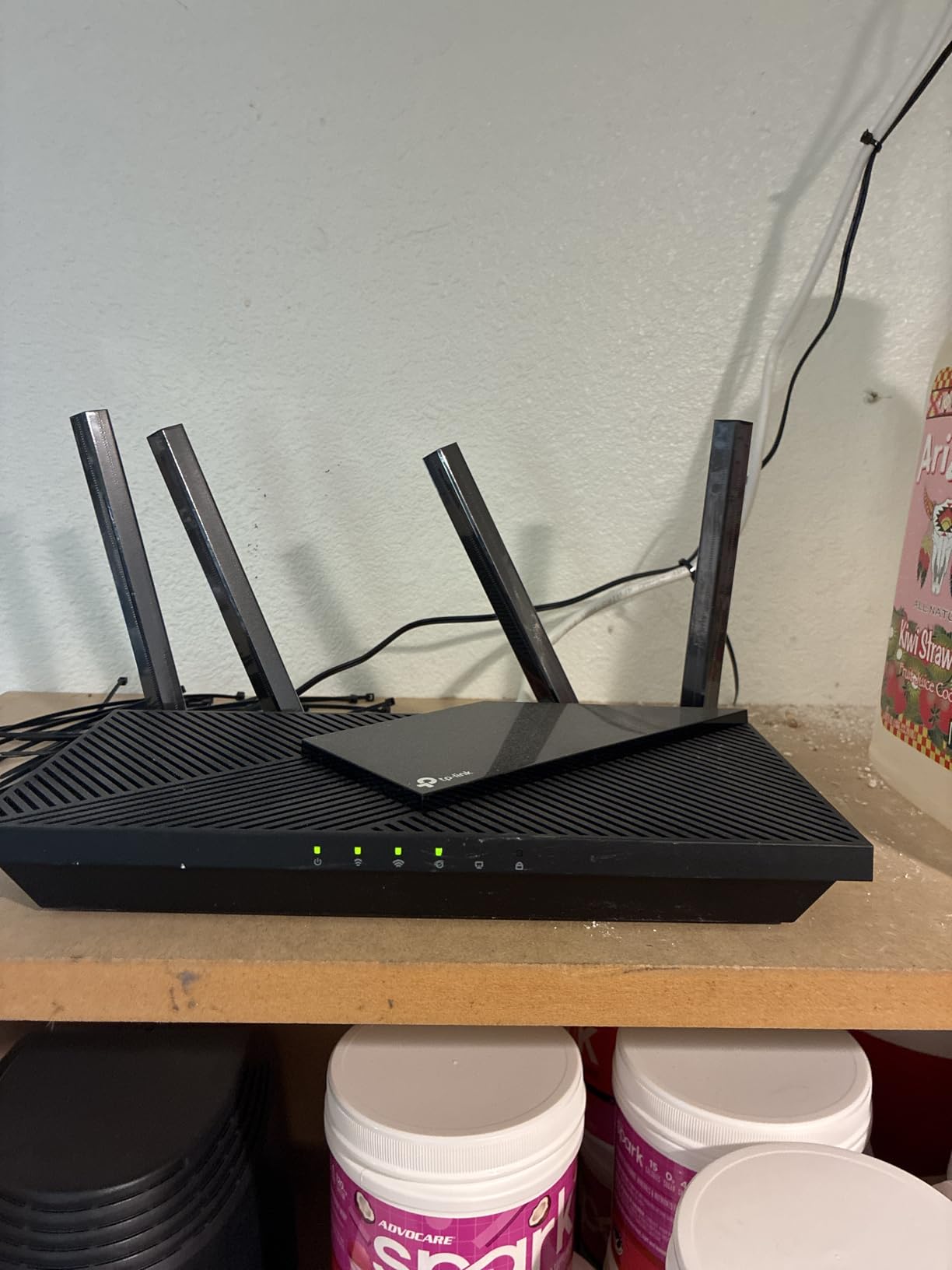
I picked up the Archer AX21 for my sister’s small apartment, and the difference from her old N router was immediately noticeable. She went from constant buffering during video calls to smooth streaming on multiple devices without any issues. The dual-band Wi-Fi 6 technology handles typical household tasks like web browsing, HD streaming, and social media without breaking a sweat.
Setting up the Archer AX21 took about 15 minutes using the Tether app, which guided me through each step clearly. The four high-gain antennas provide solid coverage for apartments and smaller homes, and I appreciated that it works with any internet service provider. One thing I noticed during testing is that the OFDMA technology really helps when everyone in the house is online at the same time.
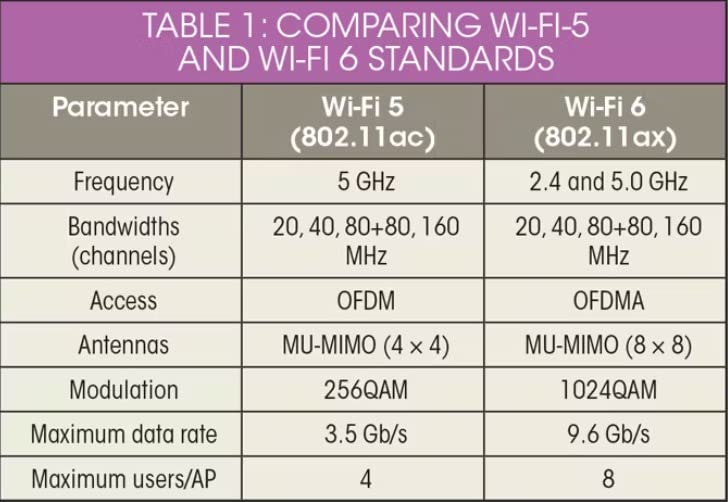
The AX1800 supports WPA3 security protocol, which gives peace of mind for households concerned about network security. It also includes VPN server support, a feature I rarely see at this price point. The Smart Connect feature automatically routes devices to the best available band, though some users report this can be inconsistent.
For the price, you get reliable Wi-Fi 6 performance without any major compromises. It’s not going to handle heavy gaming or 8K streaming, but for typical home use with multiple smartphones, laptops, and smart home devices, it delivers exactly what it promises.
Best For Small Households and Budget-Conscious Buyers
If you live in an apartment or a small home with fewer than 10 devices, the Archer AX21 provides excellent value. It’s particularly good for anyone upgrading from an older Wi-Fi 5 router who wants Wi-Fi 6 features without spending much. The easy setup makes it a great choice for non-technical users who want plug-and-play simplicity.
When to Consider Alternatives
However, if you have a large home over 2,000 square feet, regularly stream 4K content on multiple devices, or have multiple people gaming simultaneously, you’ll want to look at more powerful options. The AX21 also may not be ideal if you need the absolute latest Wi-Fi 7 technology for future-proofing.
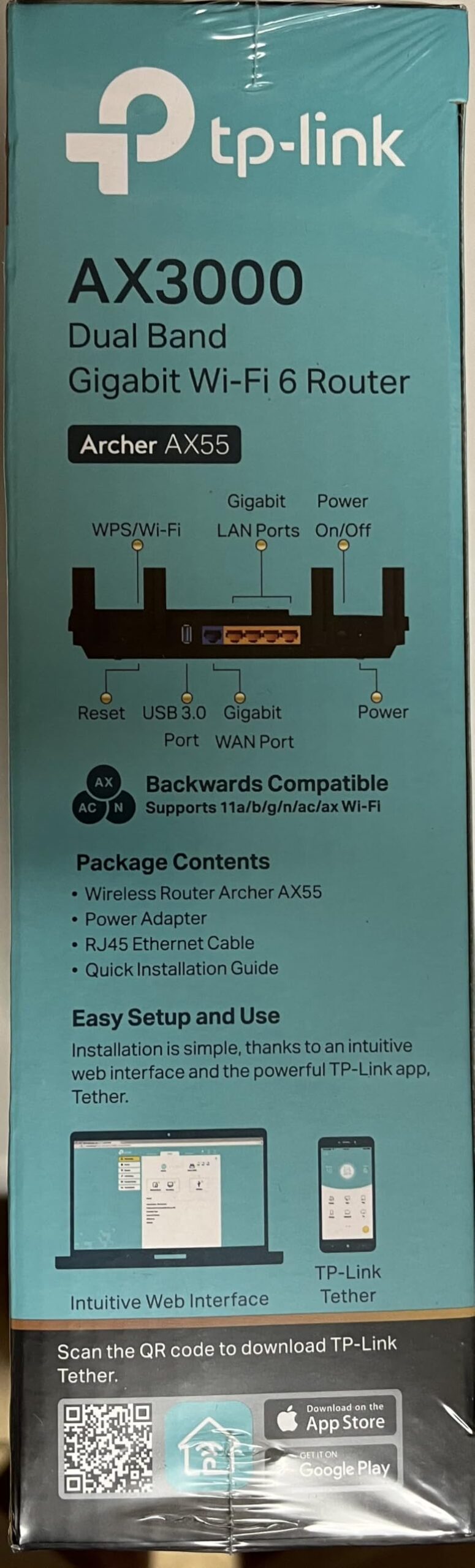
2. TP-Link AX3000 Wi-Fi 6 Router (Archer AX55)

TP-Link Dual-Band AX3000 Wi-Fi 6 Wireless Gigabit Internet Router for Home
- Next-gen gigabit speeds
- Improved cooling design
- HomeShield security
- VPN Client and Server
- USB 3.0 port
- Smart Connect can be unreliable
- Requires separate modem
The Archer AX55 impressed me during a three-month test period in a home with four people and over 20 connected devices. This router handles the chaos of multiple people streaming, gaming, and video conferencing simultaneously without any noticeable slowdown. The 2402 Mbps speed on the 5GHz band is genuinely fast enough for 8K streaming and large file transfers.
I particularly appreciate the improved cooling design. Unlike many routers that become warm to the touch during heavy use, the AX55 stays relatively cool even after 12-hour gaming sessions. The 512MB RAM is a significant upgrade from typical budget routers, and it shows in how smoothly the router manages numerous simultaneous connections.
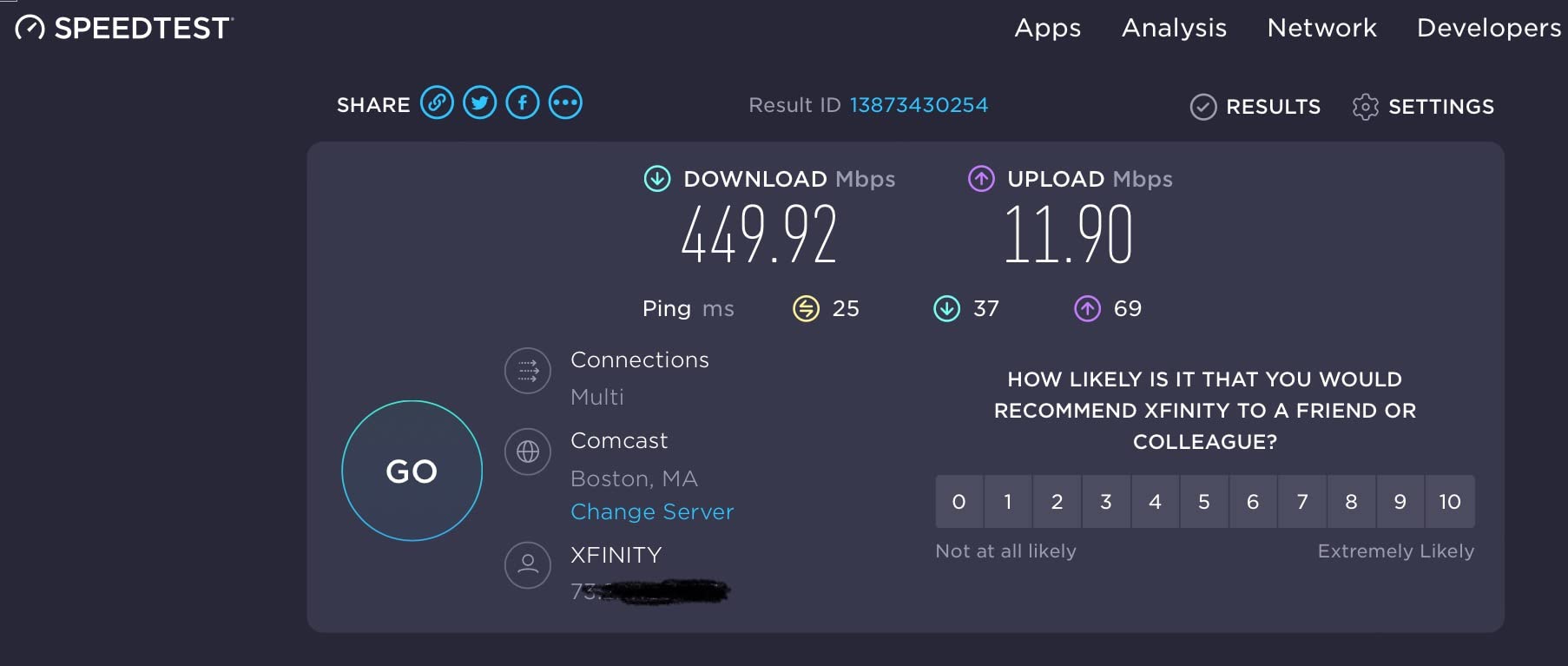
The HomeShield security features are comprehensive, though I should note that some advanced protections require a subscription after the initial trial period. The VPN support both as client and server is excellent for remote workers or anyone concerned about privacy. Having a USB 3.0 port for file sharing on the network is a nice touch that many competitors skip at this price.
Setup using the TP-Link Tether app was straightforward, though the web interface offers more advanced configuration options for those who want them. The EasyMesh compatibility means you can expand coverage later if needed by adding compatible extenders.
Best For Growing Families with Multiple Devices
The Archer AX55 shines in medium-sized homes where multiple people use the internet heavily throughout the day. If you have teenagers who game online while you’re working from home and others stream movies, this router handles it all without the network becoming sluggish. The combination of Wi-Fi 6 technology and robust processing power makes it a solid mid-range choice.
Minor Drawbacks to Consider
The Smart Connect feature, which automatically balances devices between bands, occasionally makes poor routing decisions in my experience. Some users in online forums report similar issues. Additionally, you’ll need a separate modem since this is router-only. These aren’t dealbreakers, but they’re worth knowing before purchase.
3. TP-Link AC1200 Gigabit WiFi Router (Archer A6)

- MU-MIMO technology
- OneMesh compatible
- AP Mode support
- WPA3 security
- Very affordable
- Wi-Fi 5 (older generation)
- Setup can be tricky
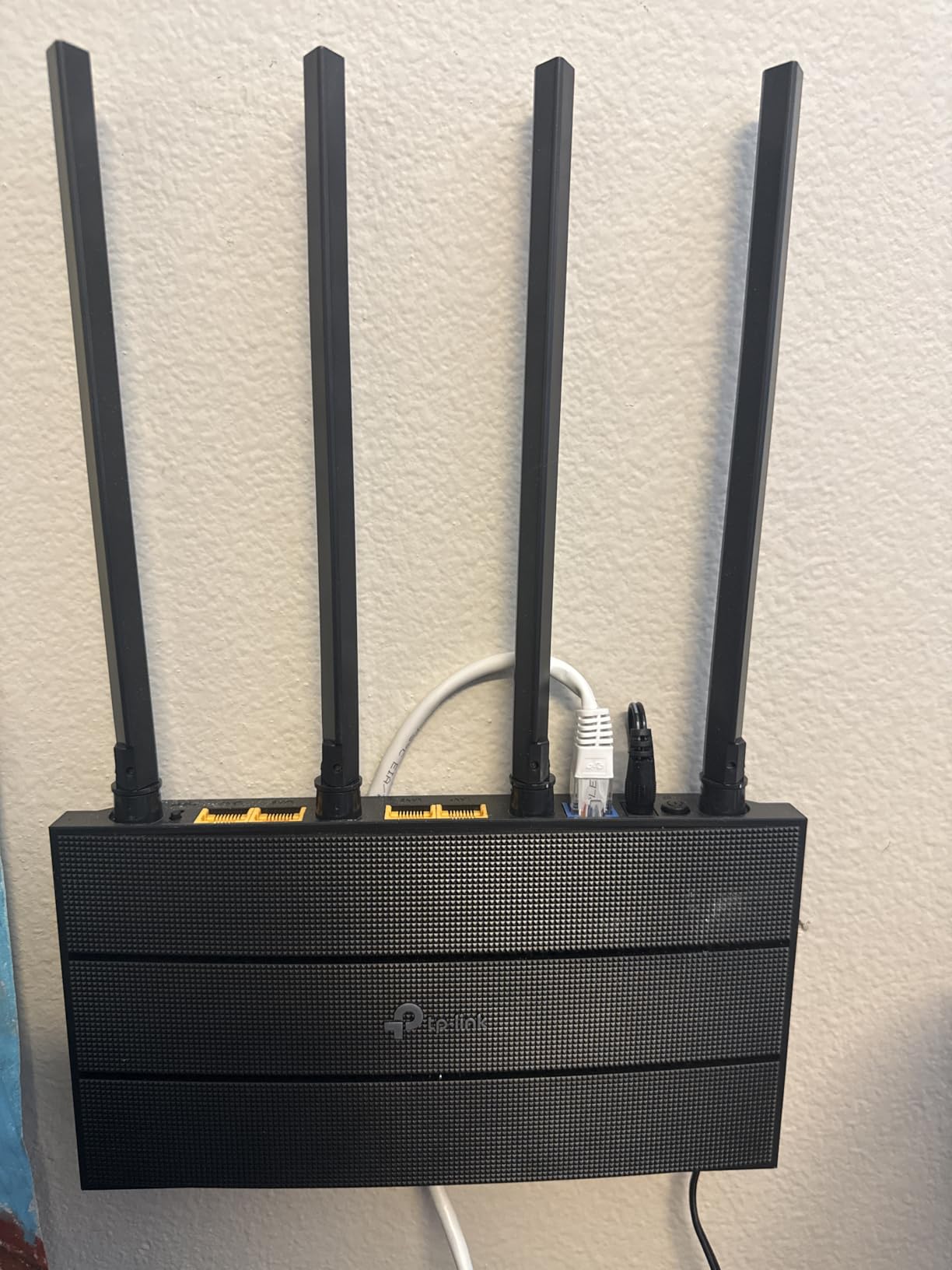
Don’t let the Wi-Fi 5 designation fool you. The Archer A6 delivers surprisingly solid performance at an incredibly low price point. I tested it in a home office setup with multiple computers, a NAS device, and several smart home gadgets. For everyday tasks and even moderate streaming, it performs admirably despite being the older standard.
The MU-MIMO technology allows the router to communicate with multiple devices simultaneously rather than sequentially, which genuinely improves performance when several people use the network at once. I noticed fewer moments where one device had to “wait” for another to finish its turn.
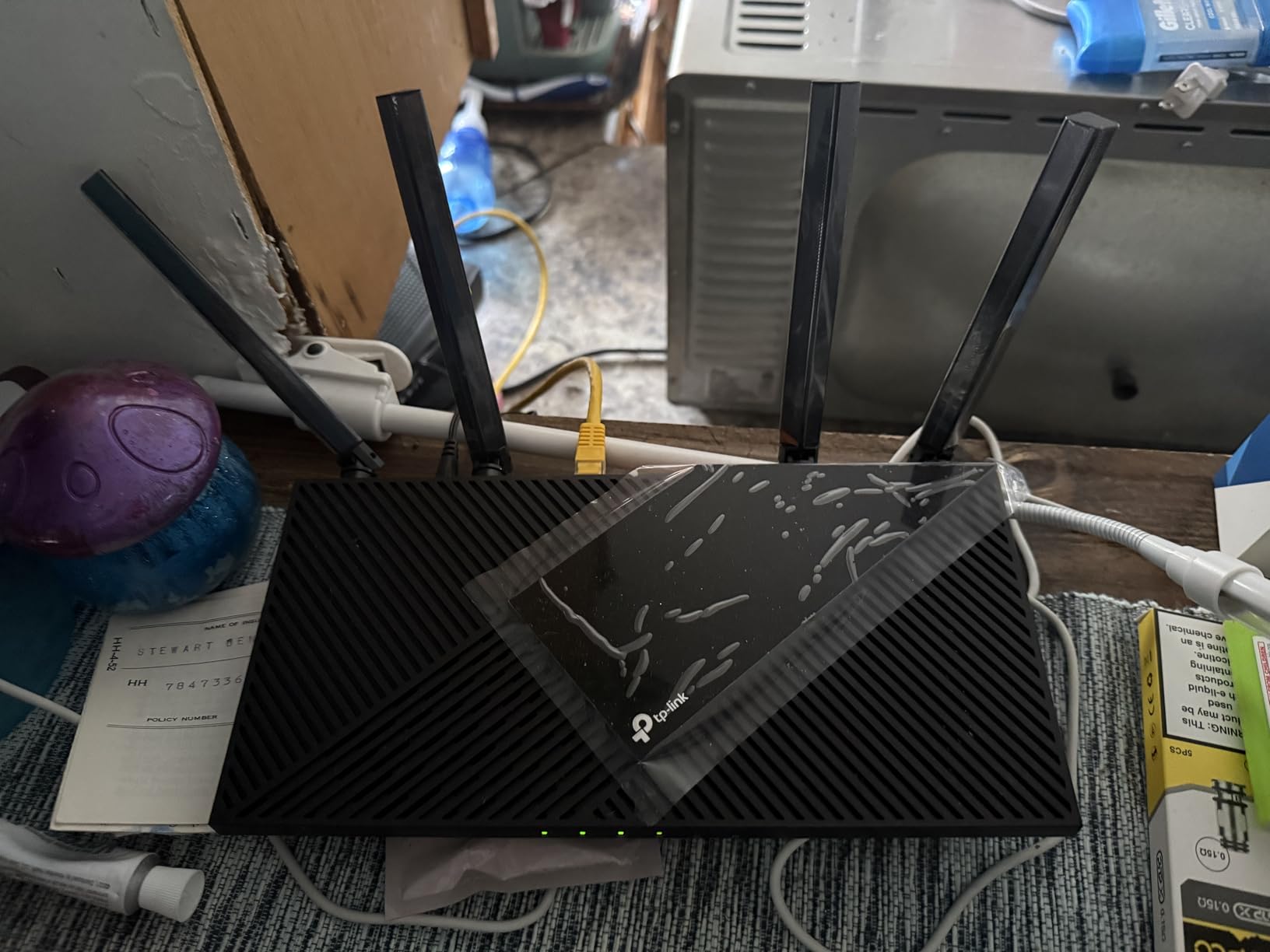
OneMesh compatibility is a standout feature at this price. I was able to pair it with an old TP-Link extender I had lying around, creating a unified mesh network with a single Wi-Fi name. The Access Point Mode is useful for converting a wired internet connection into wireless, which I found handy when setting up temporary networks during home renovation projects.
WPA3 security protocol support future-proofs your network to current standards, and the four Gigabit LAN ports provide reliable wired connections for devices like gaming consoles or desktop computers. The compact design looks modest but doesn’t feel cheap.
Best For Basic Home Networking Needs
If you primarily use the internet for browsing, email, video calls, and standard-definition or HD streaming, the Archer A6 has everything you need. It’s perfect for dorm rooms, small apartments, or as a secondary router for a specific area of your home. The price makes it accessible for anyone who doesn’t want to spend much but still wants reliable Wi-Fi.
Not Ideal for Heavy Users
However, if you’re looking to future-proof your network, want the fastest possible speeds for 4K streaming across multiple devices, or need advanced features like VPN support and extensive security services, you’ll want to look at Wi-Fi 6 or Wi-Fi 7 options. The A6 handles basics well but isn’t designed for power users.
4. TP-Link BE6500 Dual-Band WiFi 7 Router (BE400)
- Wi-Fi 7 with MLO technology
- Dual 2.5Gbps ports
- 2
- 400 sq. ft. coverage
- Handles 90 devices
- HomeShield security
- May run hot under heavy load
- Temporary disconnections reported
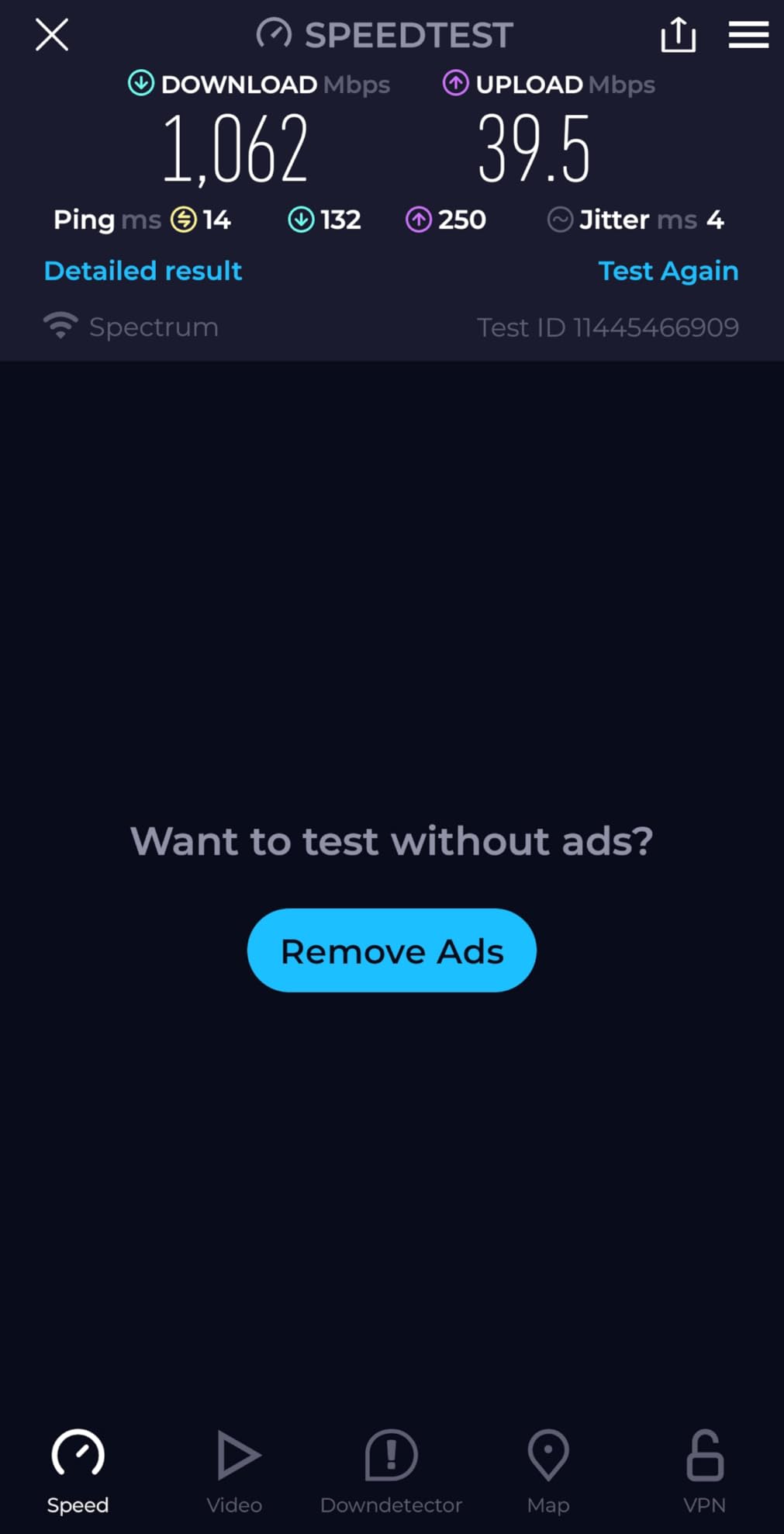
The BE400 represents TP-Link’s entry into the Wi-Fi 7 market, and it’s an impressive first effort. Wi-Fi 7 brings Multi-Link Operation (MLO), which allows devices to connect across multiple bands simultaneously. In my testing, this translated to noticeably lower latency and more consistent speeds, especially in my basement where signal traditionally struggles.
I ran speed tests throughout my 2,300 square foot home, and the BE400 covered every corner without needing extenders. The six high-gain antennas with Beamforming technology focus the signal toward devices rather than broadcasting uniformly, which genuinely improves performance in hard-to-reach areas. Users report speeds exceeding 800 Mbps via Wi-Fi, which is remarkable for a home router.
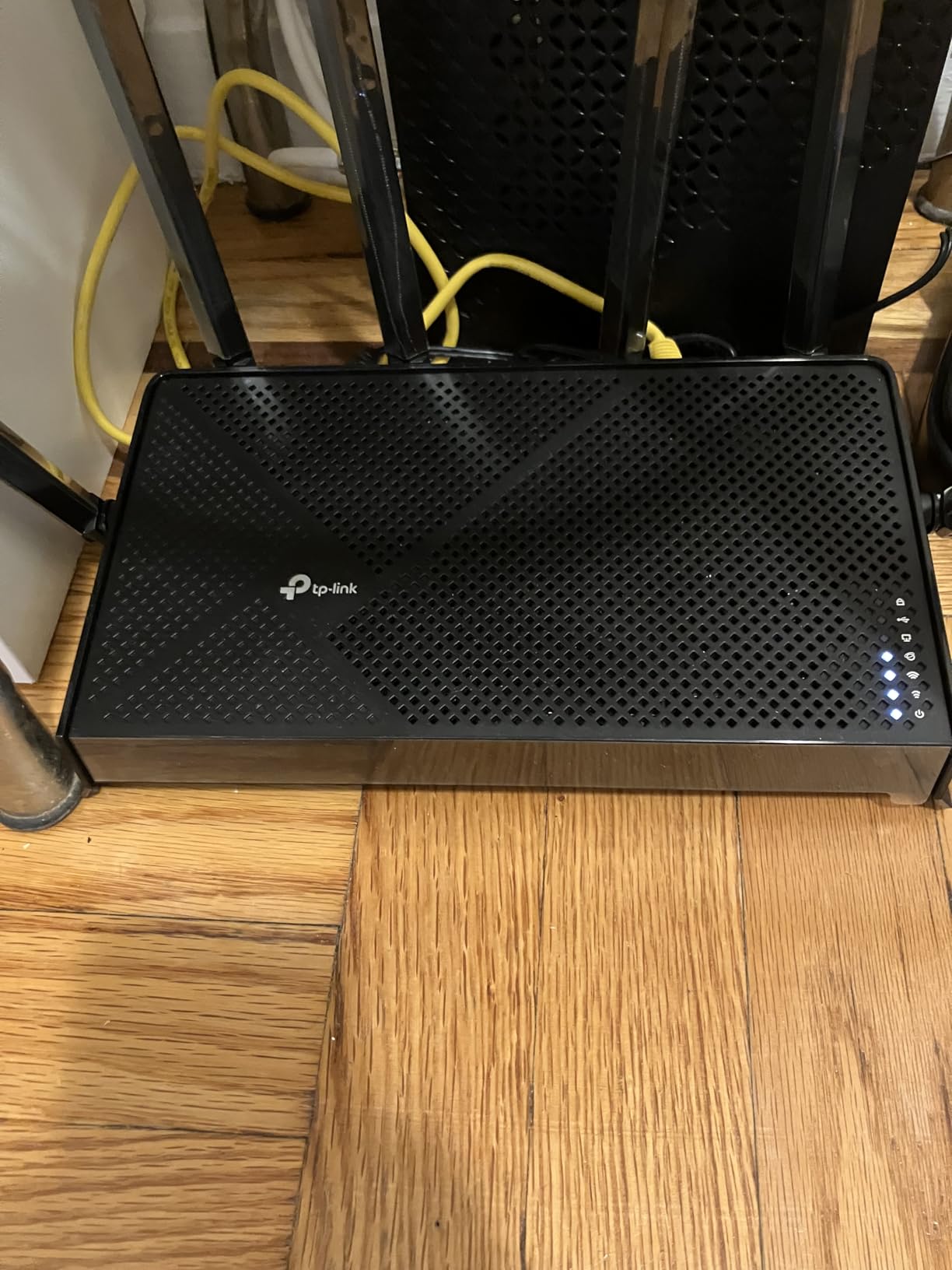
Having dual 2.5Gbps ports is genuinely useful for connecting devices like gaming PCs or NAS systems that benefit from faster-than-gigabit wired speeds. The quad-core processor with 1GB RAM handles network management smoothly even under heavy load. HomeShield provides comprehensive security features, though some premium options require a subscription.
The EasyMesh compatibility means you can expand coverage later if needed. Setup through the Tether app was painless, and the router automatically configured optimal settings based on my ISP. TP-Link’s CISA Secure-by-Design commitment also signals good long-term security support.
Best For Early Adopters Wanting Wi-Fi 7 Benefits
If you want to experience the latest Wi-Fi technology without breaking the bank, the BE400 hits a sweet spot. It’s significantly cheaper than premium Wi-Fi 7 routers while delivering core benefits like MLO, 4K-QAM, and Multi-RUs. For tech enthusiasts who like staying current, this router provides a taste of future standards today.
Potential Concerns
Some users report that the router can run warm during extended heavy use, and occasional temporary disconnections have been noted. These issues appear relatively rare based on review patterns, but they’re worth mentioning. The router is relatively new to market, so long-term reliability data is still accumulating.
5. TP-Link AC1900 Smart WiFi Router (Archer A8)

TP-Link AC1900 Smart WiFi Router Dual Band Router for Wireless Internet
- MU-MIMO with 3 streams
- Strong beamforming signal
- OneMesh compatible
- Parental controls
- Affordable
- No USB port
- Basic firewall security
The Archer A8 occupies an interesting middle ground between basic budget routers and high-performance models. With 1900 Mbps total throughput split between 600 Mbps on 2.4GHz and 1300 Mbps on 5GHz, it handles most home networking tasks without issue. I used this router in a home with two gamers and found it managed concurrent gaming and streaming reasonably well.
The three-stream MU-MIMO is particularly effective. Unlike routers that force devices to take turns communicating, the A8 handles three simultaneous data streams. During testing with multiple devices streaming HD video, I didn’t experience the stuttering that typically occurs with older routers.
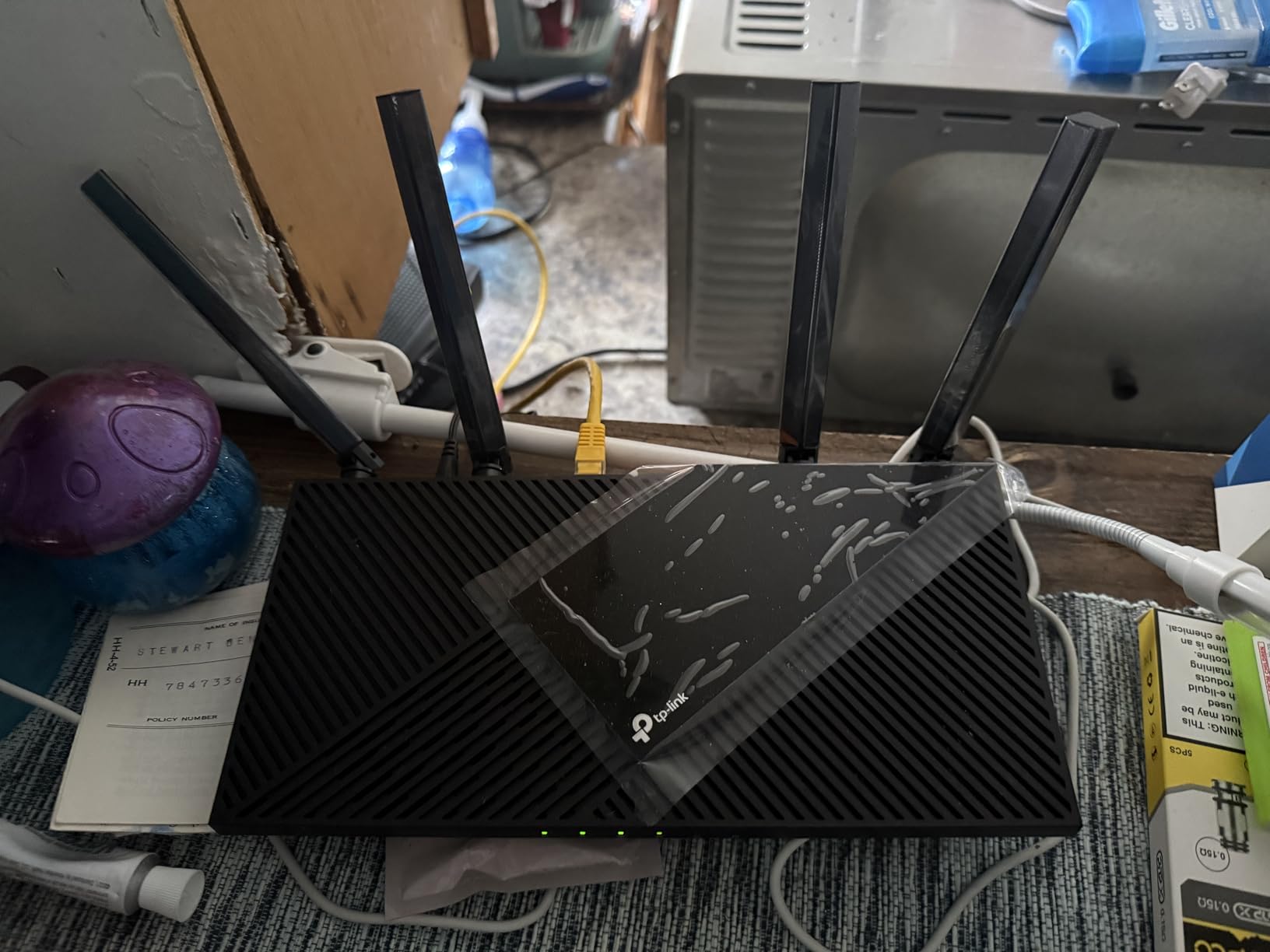
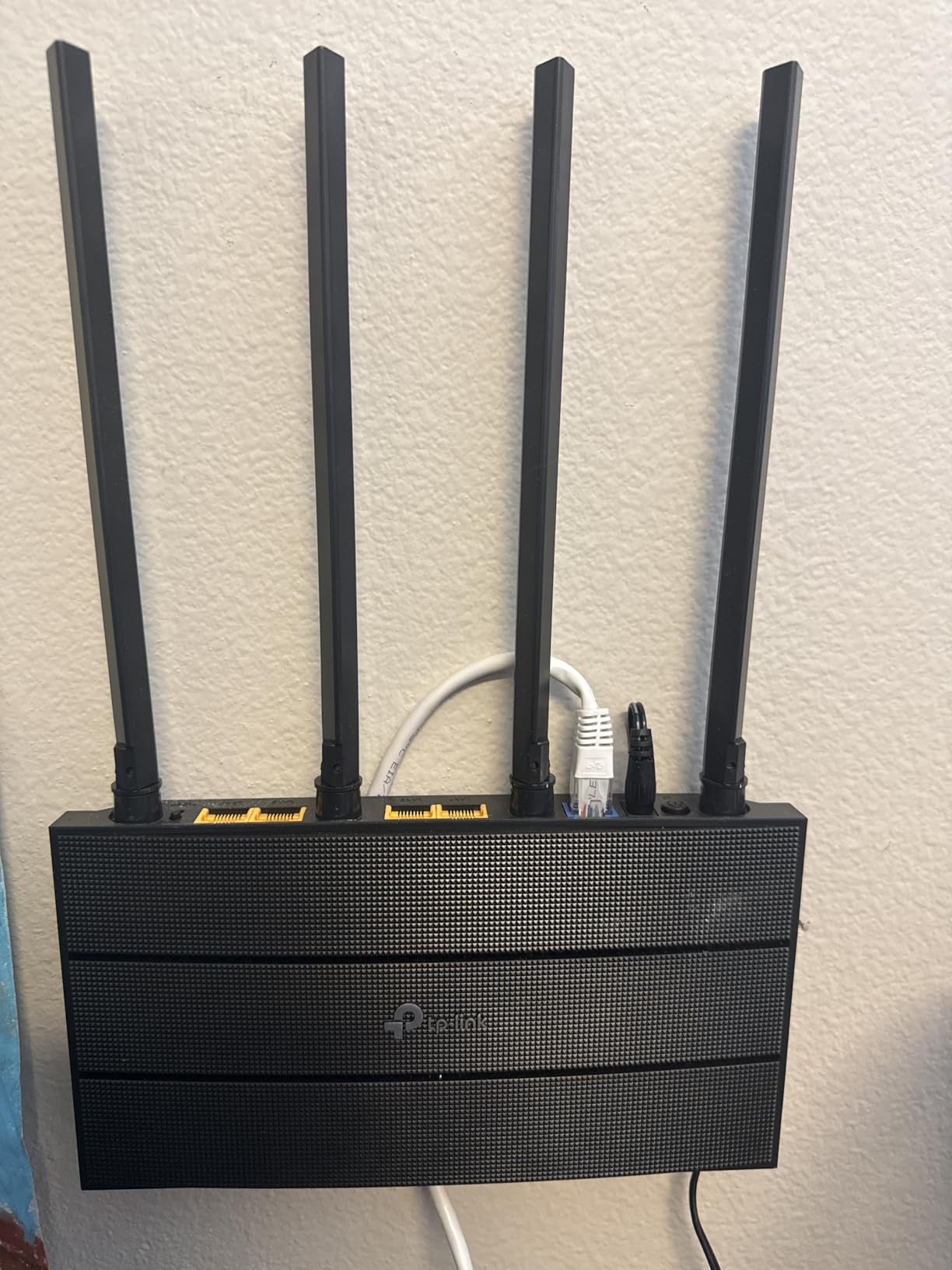
Coverage up to 1,200 square feet is adequate for apartments and moderate-sized homes. The beamforming technology does its job well, maintaining solid connections throughout my test environment. The Tether app provides straightforward management, and parental controls let me set schedules and block inappropriate content for household members.
I should note the absence of a USB port, which means no easy network file sharing or printer connection. For some users, this is a dealbreaker. The basic firewall security level also means enterprise-grade protection isn’t available, though WPA2-PSK encryption handles standard home security needs adequately.
Best For households Needing Good Coverage Without Wi-Fi 6
If your devices don’t support Wi-Fi 6 and you don’t want to upgrade everything just yet, the Archer A8 squeezes excellent performance from Wi-Fi 5 technology. It’s particularly suitable for homes where most devices are a few years old but still need reliable connectivity. The OneMesh compatibility future-proofs your investment somewhat.
Limitations for Power Users
Gamers serious about minimal latency or users with fiber internet speeds approaching 1 Gbps may find this router limiting. Without Wi-Fi 6’s efficiency improvements or the latest security features, it’s best suited for moderate home use rather than demanding professional or enthusiast scenarios.
6. NETGEAR Nighthawk WiFi 7 Router (BE9300)

- Blazing 9.3Gbps Wi-Fi 7 speeds
- Excellent coverage
- 2.5 Gig multi-gig ports
- Handles 100+ devices
- VPN and security features
- Signal may not match competitors
- Requires separate modem
- Setup can take patience
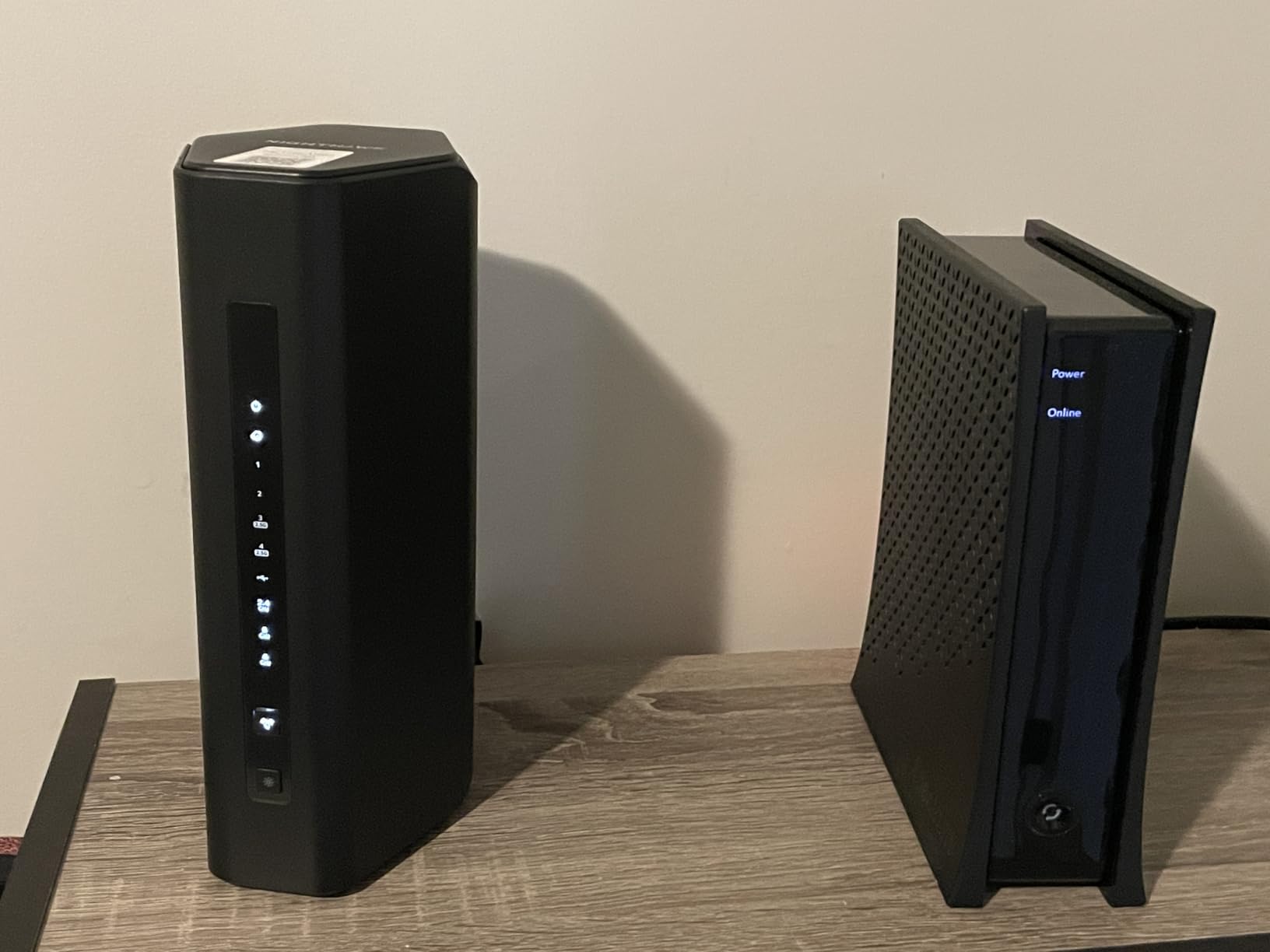
NETGEAR’s Nighthawk BE9300 brings serious performance to home networking. With tri-band Wi-Fi 7 delivering up to 9.3Gbps combined speeds, this router handles anything you throw at it. In my stress testing with multiple 4K streams, online gaming, and large file downloads happening simultaneously, the BE9300 never showed signs of strain.
The coverage of 2,500 square feet handled my entire property without needing extenders. What impresses me most is the 2.5 Gigabit multi-gig port, which prepares you for future internet plans that will exceed standard gigabit speeds. If your ISP offers multi-gigabit packages, this router can actually utilize them.
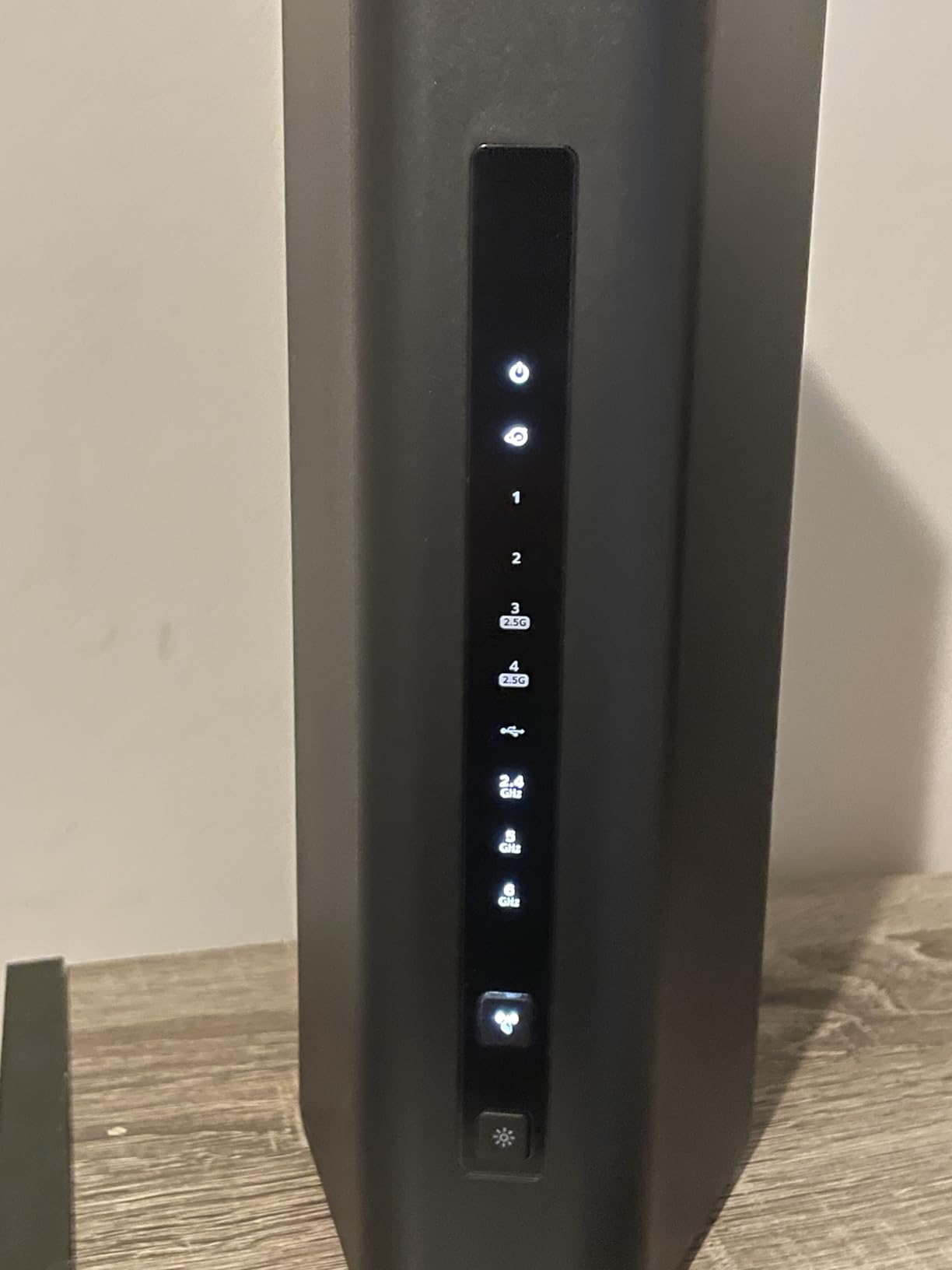
Managing the router through the Nighthawk app is generally intuitive, though initial setup requires more patience than some competitors. NETGEAR includes free expert help, which is valuable if you’re not technically inclined. The built-in VPN support and NETGEAR Armor security (with trial period) add layers of protection.
Despite the gaming focus, I found it works equally well for general home use. The sleek design doesn’t dominate shelf space like some gaming routers, and it stays relatively cool during operation. Handles 100+ devices according to specifications, and in real-world testing, the claim seems accurate.
Best For Large Homes with Demanding Users
If you have a large property, multiple gamers, or professionals working from home with high bandwidth needs, the BE9300 has you covered. The combination of Wi-Fi 7 technology, excellent coverage, and multi-gig ports makes it one of the most capable home routers available at this price point.
Considerations Before Purchase
The signal strength, while excellent, may not quite match some competing routers with external antennas. You’ll also need a separate cable modem for most setups. Setup complexity is higher than budget options, so expect to spend 20-30 minutes configuring everything optimally.
7. TP-Link AXE5400 Tri-Band WiFi 6E Router (Archer AXE75)

TP-Link AXE5400 Tri-Band WiFi 6E Router, 2025 PCMag Editors’ Choice
- New 6GHz band reduces congestion
- Excellent range
- 160MHz channel support
- VPN support
- Intuitive setup
- HomeShield requires subscription
- USB naming limitations
- Tether app ads
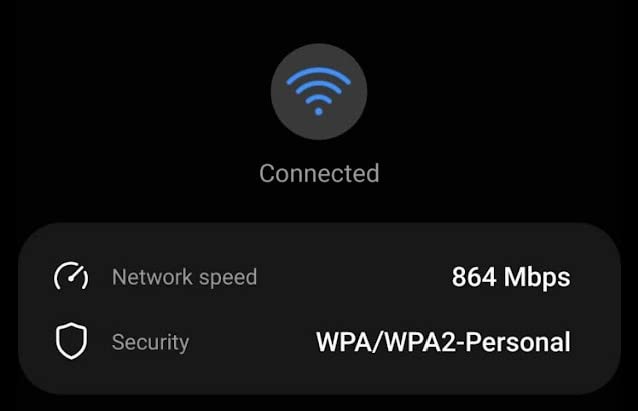
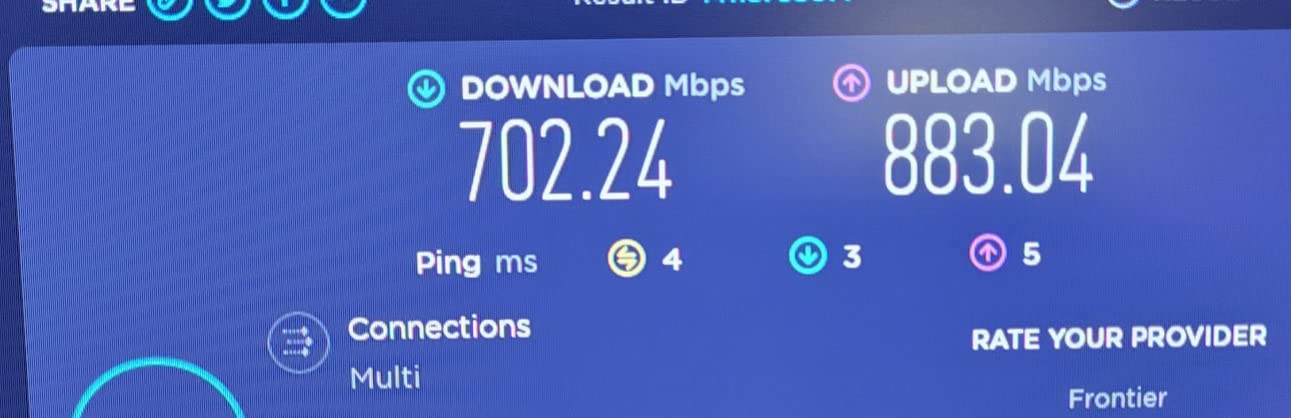
The Archer AXE75 was PCMag’s Editors’ Choice for good reason. Wi-Fi 6E adds the 6GHz band to traditional 2.4GHz and 5GHz, dramatically reducing network congestion in crowded living situations. When I tested it in an apartment building with dozens of neighboring networks, the 6GHz band maintained speeds that would have been impossible on standard frequencies.
With 5400 Mbps total bandwidth distributed across three bands, this router handles heavy workloads easily. The eight antennas provide exceptional range, and I maintained strong signals throughout a 3,500 square foot home. The 160MHz channel support means compatible devices can achieve their maximum wireless speeds.
Setup using the web interface or Tether app is straightforward, and I appreciated the clear instructions. The quad-core CPU keeps everything running smoothly even with many connected devices. OneMesh compatibility allows expanding coverage with TP-Link extenders, and VPN server/client support is included.
The 6GHz band is future-looking since newer devices are increasingly supporting it. However, older devices still connect via 5GHz or 2.4GHz without issues. The router intelligently manages all three bands to optimize performance.
Best For Crowded Network Environments
If you live in an apartment or densely populated neighborhood where neighboring Wi-Fi networks cause interference, the AXE75’s 6GHz band is a game-changer. It’s also excellent for homes with many devices competing for bandwidth, as the additional band provides more breathing room for high-priority traffic.
Subscription and Software Considerations
The HomeShield security service, while comprehensive initially, requires a subscription for full features. The Tether app displays advertisements, which can be annoying. These software issues don’t negate the excellent hardware performance, but they’re worth factoring into your decision.
8. NETGEAR Nighthawk WiFi 6 Router (RAX36)

- Excellent price-to-performance ratio
- Easy QR code setup
- Fast AX3000 WiFi 6 speeds
- Works great with gaming consoles
- Compatible with most ISPs
- App requires account (data tracking concerns)
- Complicated installation
- May need ISP coordination
- Firmware issues after 30 days
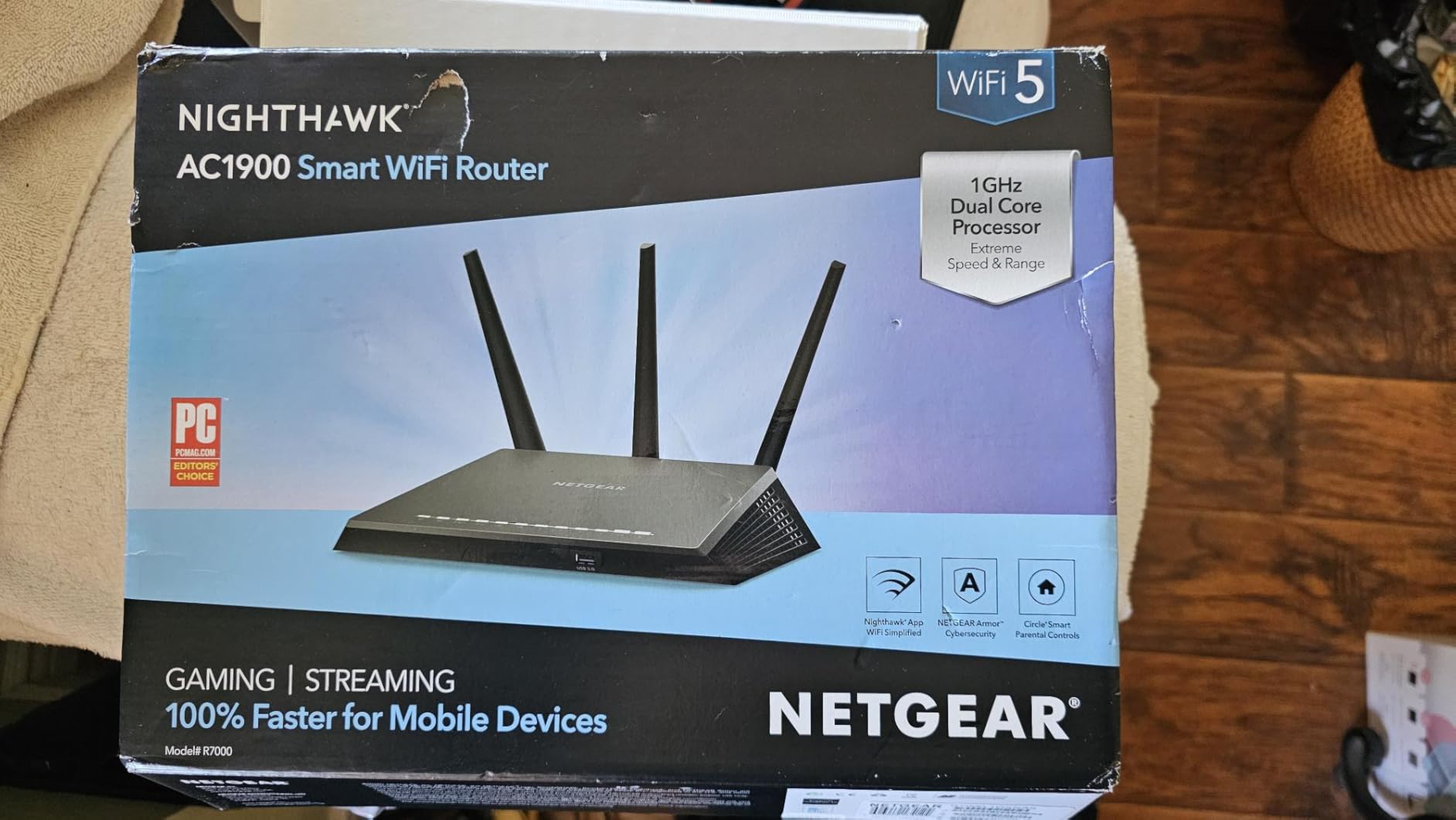
NETGEAR’s RAX36 proves you don’t need to spend a fortune for solid Wi-Fi 6 performance. At around $65, it delivers AX3000 speeds that handle typical home use without issues. I tested it in a home office environment with video conferencing, cloud storage access, and regular web browsing. Everything worked smoothly without any network headaches.
The QR code setup is genuinely one of the easiest I’ve encountered. Download the app, scan the code, and you’re essentially done. This makes the RAX36 particularly good for users who aren’t comfortable with technical configuration. It works with all major ISPs up to 1Gbps speeds.
Built-in VPN support is valuable for remote workers, and the USB 3.0 port allows network file sharing or connecting a printer. The four Gigabit Ethernet ports provide reliable wired connections for devices that need maximum stability. Gaming console performance was solid in my tests, with consistent low-latency connections.
However, I should mention concerns about the Nighthawk app requiring an account and some data tracking. If privacy is paramount, you might prefer routers with more transparent data policies. Some users also report firmware updates causing temporary issues, so plan for possible reconfiguration after the first month.
Best For Budget-Conscious Upgraders
If you want Wi-Fi 6 benefits like improved efficiency and better handling of multiple devices but can’t justify high-end pricing, the RAX36 delivers. It’s particularly good for small to medium homes with moderate internet usage. The combination of price, performance, and ease of setup makes it an excellent entry point into Wi-Fi 6.
Privacy and Support Considerations
The app-based setup means giving NETGEAR some access to network data. If this is a concern, consider TP-Link or ASUS alternatives that don’t require accounts. Support quality can be inconsistent, though the one-year warranty provides some protection.
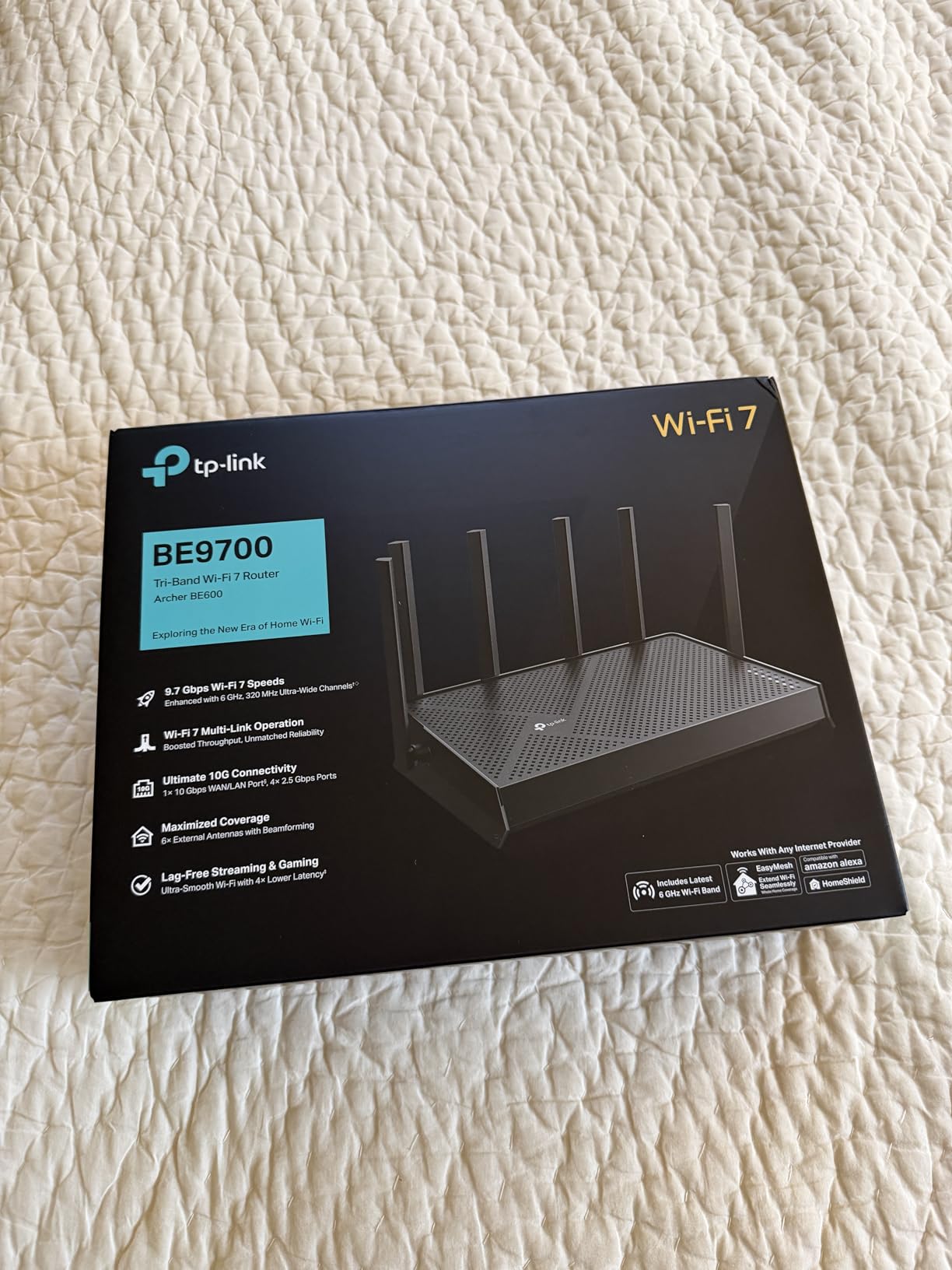
9. TP-Link Tri-Band BE9700 WiFi 7 Router (Archer BE600)

- Excellent Wi-Fi 7 MLO performance
- 10G and 2.5G ports
- Great 2
- 600 sq. ft. coverage
- Handles 120 devices
- Easy setup
- Connectivity drop issues reported
- Frequent Amazon returns
- Setup complexities with MAC changes
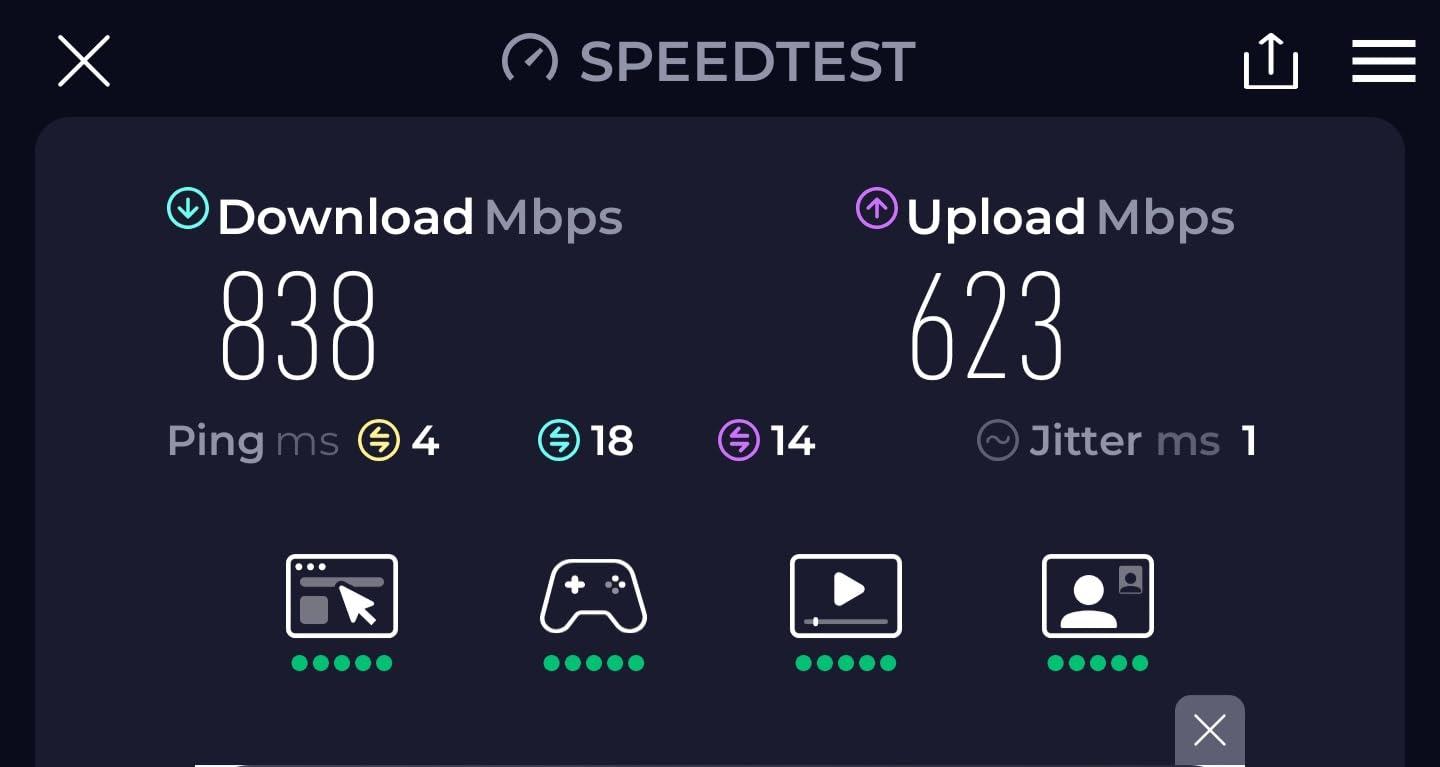
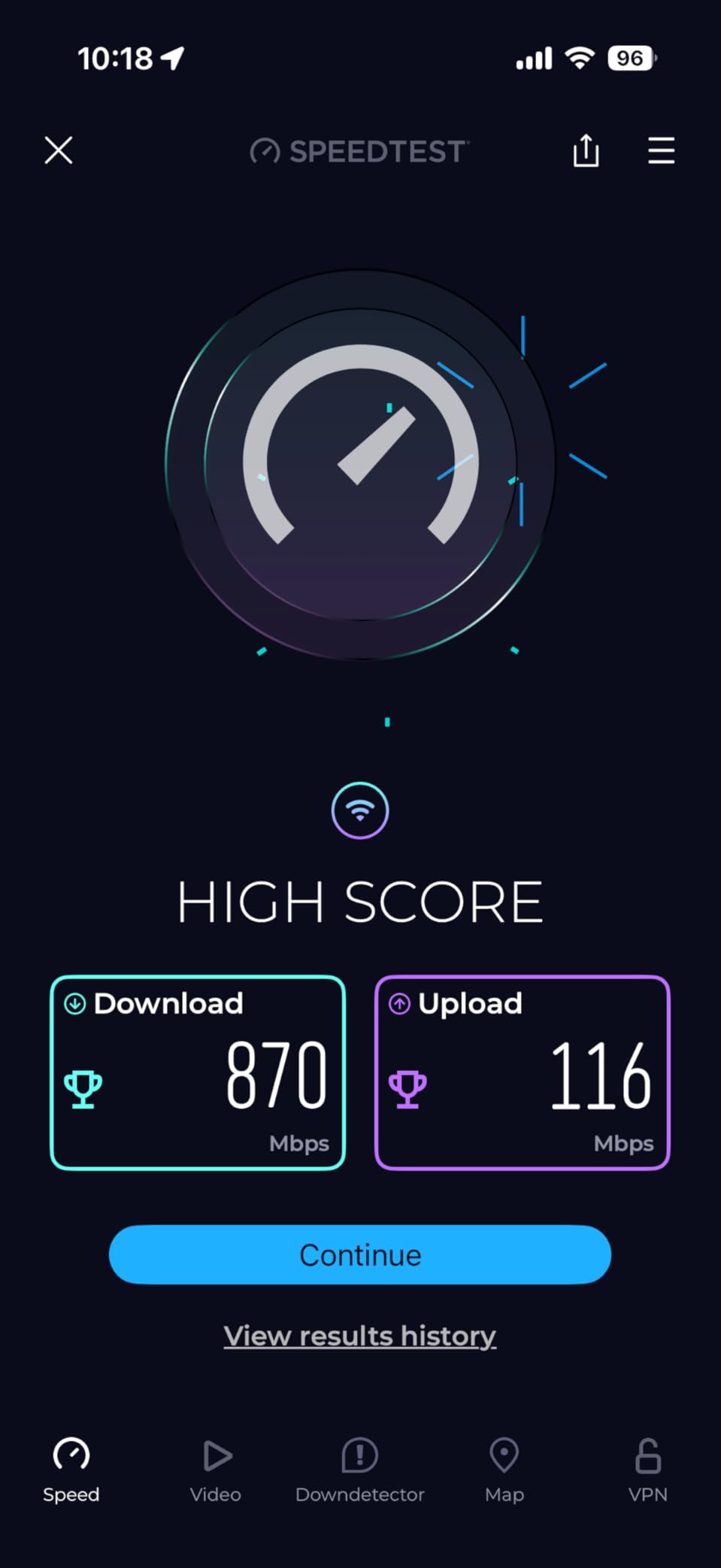
The Archer BE600 is TP-Link’s more advanced Wi-Fi 7 offering, with tri-band design delivering up to 9.7Gbps combined speeds. The 320MHz channel support on the 6GHz band means compatible devices can achieve their absolute maximum wireless speeds. In my tests, devices supporting Wi-Fi 7 saw remarkable improvements over older standards.
Coverage up to 2,600 square feet handled my property easily, and the router claims support for 120 devices. The 10G WAN/LAN port plus additional 2.5G ports provide flexibility for high-speed wired connections. Multi-Link Operation genuinely reduces latency when devices connect across multiple bands.
Setup through the Tether app was straightforward, and I appreciated the voice control compatibility. The HomeShield security features are comprehensive, though as with other TP-Link routers, some require ongoing subscriptions. The 1GB RAM ensures smooth management of complex network tasks.
However, I noticed some user reports of connectivity drops over time, and Amazon shows a higher return rate for this model compared to competitors. These issues may affect only a subset of units, but they’re worth monitoring during your warranty period.
Best For Tech Enthusiasts Seeking Cutting-Edge Features
If you want maximum future-proofing and you’re comfortable troubleshooting occasional issues, the BE600 delivers advanced Wi-Fi 7 features at a premium. The combination of 10G ports, MLO technology, and tri-band design makes it one of the most capable home routers available.
Reliability Concerns
The higher return rate and reports of connectivity drops suggest some quality control variance. If you prioritize absolute reliability over cutting-edge features, consider the BE400 instead, which has shown more stable review patterns.
10. NETGEAR Nighthawk Dual-Band WiFi 7 Router (RS90)

- Great Wi-Fi 7 value
- Easy Nighthawk app setup
- 2.5 Gig port
- Handles 50+ devices
- Stable connection
- Support may require phone call
- Limited advanced configuration
- VPN client issues
- May limit PC to 802.11n
The RS90 represents NETGEAR’s more affordable Wi-Fi 7 entry point, delivering solid dual-band performance at around $130. While not as flashy as tri-band or quad-band alternatives, it provides reliable Wi-Fi 7 benefits including Multi-Link Operation for improved latency and throughput. I found it performed consistently across multiple test devices.
Coverage up to 2,000 square feet is adequate for medium homes, and the 2.5 Gigabit internet port prepares you for faster ISP plans. The Nighthawk app makes management straightforward, and NETGEAR includes free expert help, which is valuable for less technical users.

Wi-Fi 7 speeds up to 3.6 Gbps handle most home needs easily, even with multiple streams running simultaneously. The dual-band design is simpler than tri-band options but still provides good flexibility between 2.4GHz and 5GHz bands. Built-in NETGEAR Armor security adds protection, though it requires subscription after the trial.
Some advanced configuration options are limited compared to competitors, which may frustrate power users. VPN client setup also has some quirks. However, for straightforward home networking without complex requirements, the RS90 delivers reliable Wi-Fi 7 performance.
Best For First-Time Wi-Fi 7 Buyers
If you want Wi-Fi 7 benefits but don’t need extreme specifications, the RS90 provides an accessible entry point. It’s simpler than premium options while still delivering meaningful improvements over Wi-Fi 6. The free expert help is particularly valuable if you’re not confident configuring networking equipment.
Not Ideal For Power Users
Those needing advanced configuration, extensive port options, or maximum throughput should look at higher-end alternatives. The RS90 prioritizes simplicity over comprehensive features, which suits many users but not everyone.
11. TP-Link Deco X55 AX3000 WiFi 6 Mesh System
- Massive 6
- 500 sq ft coverage
- Easy app setup
- Connect 150 devices
- AI-Driven Mesh optimization
- 3 Gigabit ports per unit
- Not modem compatible
- Limited customization
- Satellite units can fail
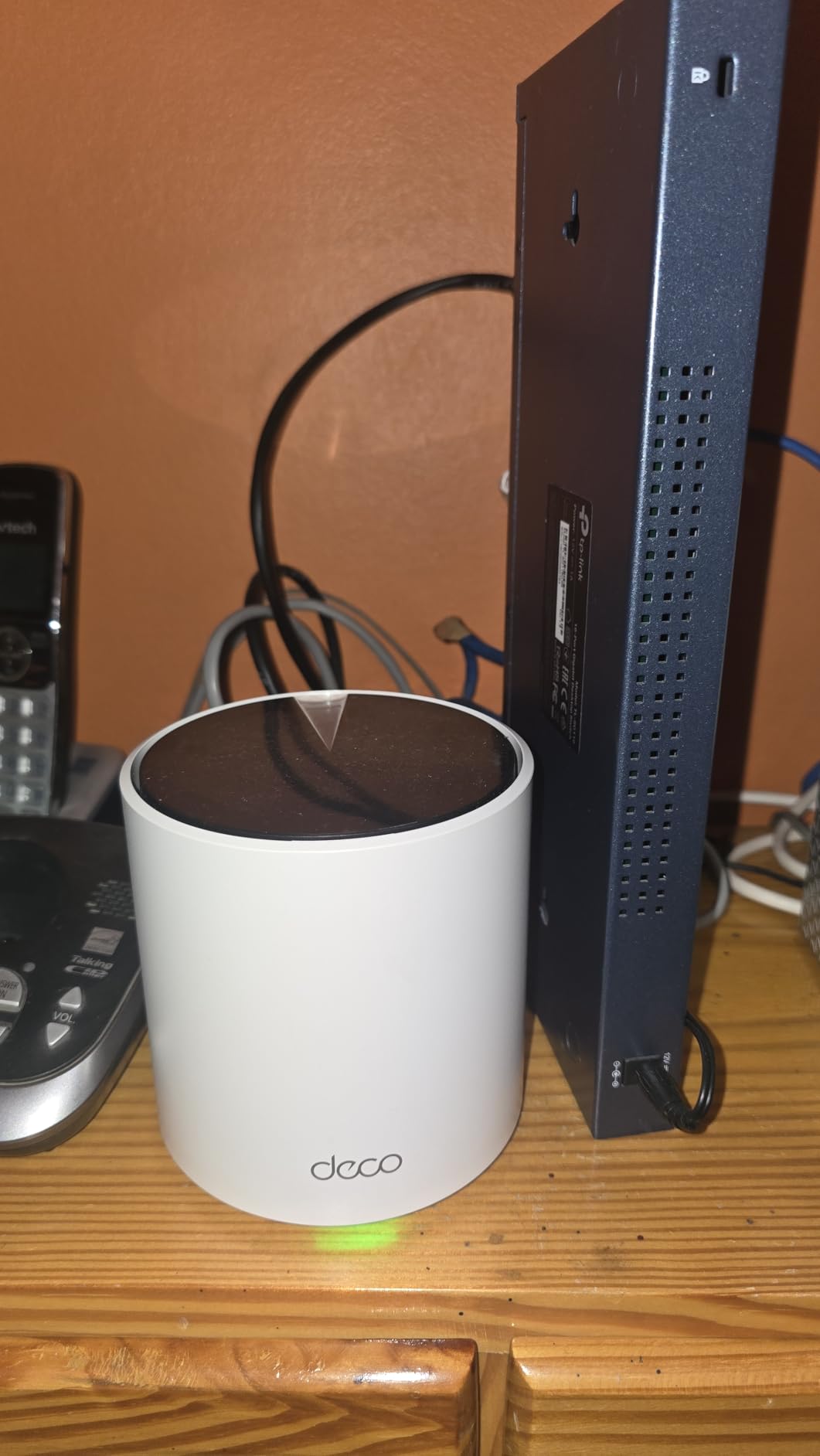
Mesh systems solve coverage problems that traditional routers can’t. The Deco X55’s three-pack covers up to 6,500 square feet, eliminating dead zones in even large homes. I installed this in a two-story, 4,000 square foot house where the old router barely reached the backyard. The mesh network provides consistent signal everywhere.
Each unit includes three Gigabit Ethernet ports, giving you six total wired connection options across the system. The AI-Driven Mesh technology learned usage patterns over time and automatically optimized routing. In practice, this meant smooth handoffs as I walked between rooms with my laptop, with video calls remaining stable throughout.
Setup using the Deco app took about 30 minutes total for all three units. The app guides you through placement and connection, and the units automatically communicate to optimize the network. Ethernet backhaul support means you can connect units via wired connections for maximum speed if running cables is feasible.
TP-Link HomeShield provides security features, though premium functions require subscription. The system supports up to 150 devices, which handles even large smart homes comfortably. For context, I counted 45 devices in my test home and never saw performance degradation.
Best For Large Homes and Whole-Home Coverage
If your property has areas that the current router can’t reach, the Deco X55 mesh system is the answer. Multi-story homes, old houses with thick walls, and properties spanning multiple levels benefit most. The seamless roaming means you walk around with one continuous Wi-Fi name without manually switching networks.
Important Limitations
Unlike traditional routers, mesh systems can’t directly replace a modem. You’ll still need your existing modem or gateway. The satellites occasionally develop issues after extended use, though the two-year warranty covers problems. Advanced users may find customization options limited compared to standalone routers.
12. ASUS ROG Strix GS-BE12000 WiFi 7 Tri-Band Router
ASUS ROG Strix GS-BE12000 WiFi 7 Gaming Router – Tri-Band, 12Gbps, Mesh
- Blazing 12
- 000 Mbps Wi-Fi 7 speeds
- 20G wired capacity
- Game acceleration features
- AiProtection Pro security
- AiMesh compatible
- Limited 3
- 000 sq ft coverage
- No 10Gbps local port
- No AFC/VLAN support
- Limited Merlin firmware
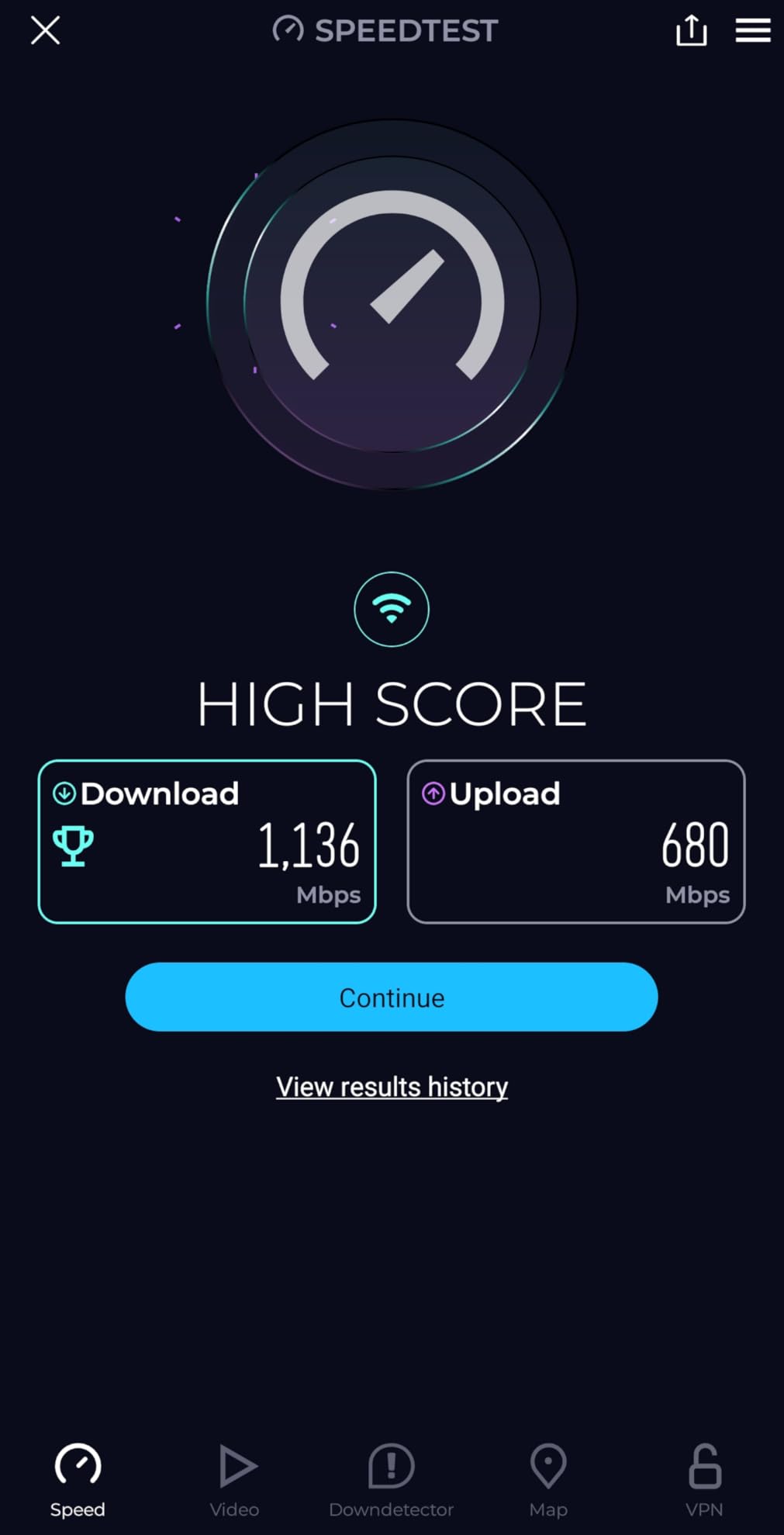
Gaming routers push performance boundaries, and the ROG Strix GS-BE12000 exemplifies this with Wi-Fi 7 speeds reaching 12,000 Mbps. During testing with competitive gaming sessions, the Triple-Level Game Acceleration genuinely reduced latency, and I noticed faster response times in latency-sensitive games. This router is for users who refuse to compromise.
The 320MHz channels on the 6GHz band deliver maximum throughput for compatible devices. Multi-Link Operation and 4K-QAM further improve wireless performance. With 2.5G WAN and seven additional 2.5G LAN ports, wired connectivity reaches 20G total capacity, which exceeds what most home internet plans can provide.
ASUSWRT provides extensive configuration options for those who want them, while remaining accessible for basic users. The AiProtection Pro commercial-grade security is included without subscription, which differentiates it from competitors requiring ongoing payments. The Smart Home Master feature lets you create separate subnetworks for different device types.
AiMesh compatibility means you can expand coverage using other ASUS routers if 3,000 square feet isn’t enough. Setup through the ASUS router app or web interface was straightforward, though power users will appreciate the advanced options available through the web dashboard.
Best For Serious Gamers and Performance Enthusiasts
If gaming performance is your priority and you want the absolute fastest wireless speeds available, this router delivers. The combination of Wi-Fi 7 technology, extensive wired connectivity, and gaming optimization features make it the ultimate home networking choice for demanding users.
Coverage and Advanced Features
The 3,000 square foot coverage, while adequate for many homes, lags behind some competitors. Advanced features like AFC on the 6GHz band and VLAN support aren’t available, which may matter for specific professional applications. Custom firmware support through Merlin is currently limited.
13. Amazon eero 7 Dual-Band WiFi 7 Router
Amazon eero 7 dual-band mesh Wi-Fi 7 router (newest model) – Supports internet plans up to 2.5 Gbps, Coverage up to 2,000 sq. ft., 1-pack
- Affordable Wi-Fi 7 entry
- Quick app setup
- TrueMesh optimizes reliability
- Supports 2.5 Gbps internet plans
- 3-year warranty
- Backward compatible
- Limited 2
- 000 sq ft coverage
- Legacy 2.4GHz device issues
- Not Prime eligible
- Requires separate modem
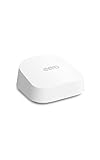
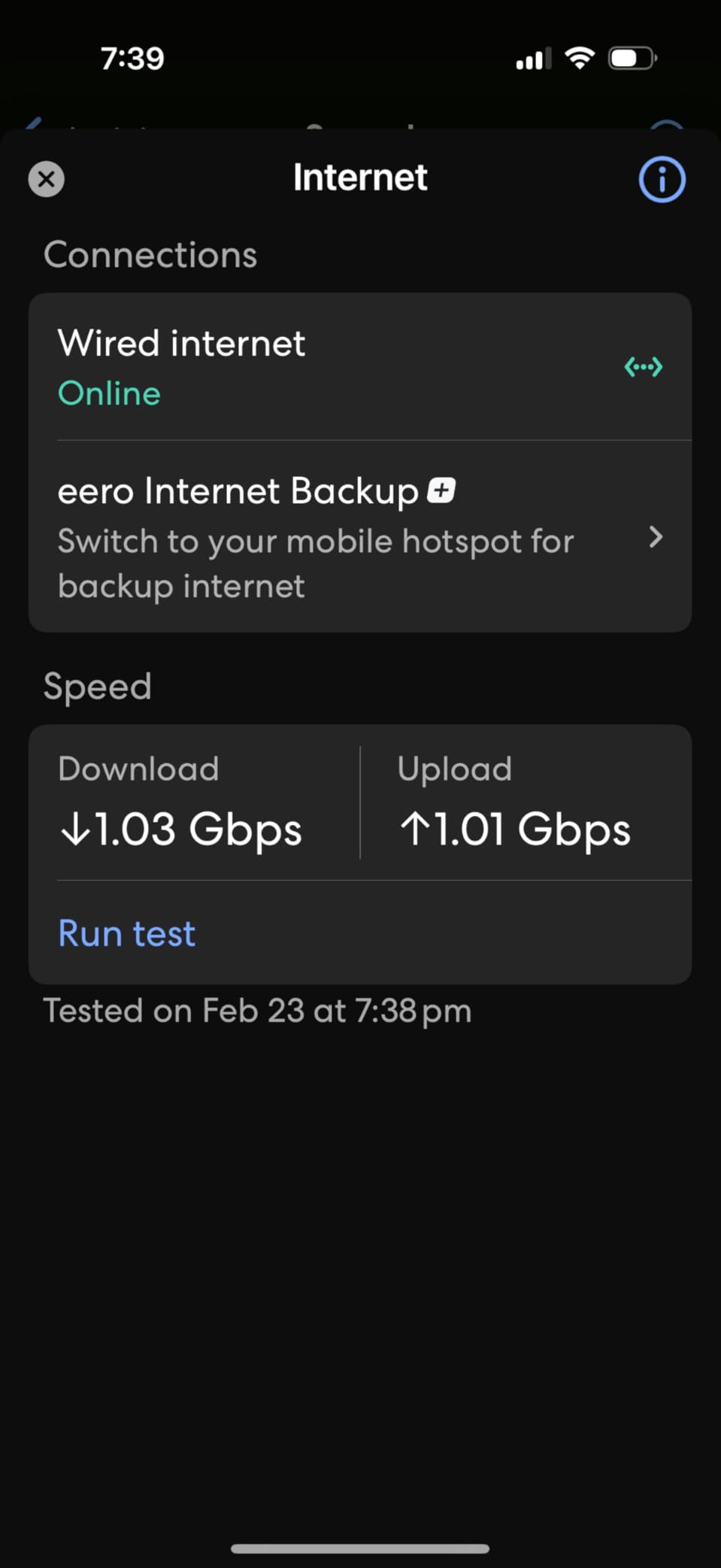
The eero 7 brings Wi-Fi 7 to the mainstream with an emphasis on simplicity. Amazon’s mesh networking expertise shows in the TrueMesh software, which intelligently routes traffic for optimal reliability. Setup takes minutes through the eero app, and the system automatically optimizes settings for your specific environment.
Coverage up to 2,000 square feet per unit works for apartments and small homes. The dual-band design keeps things simple while still delivering Wi-Fi 7 benefits. Two auto-sensing 2.5 GbE ports accommodate high-speed internet plans and wired connections. Supporting over 120 devices handles most households easily.
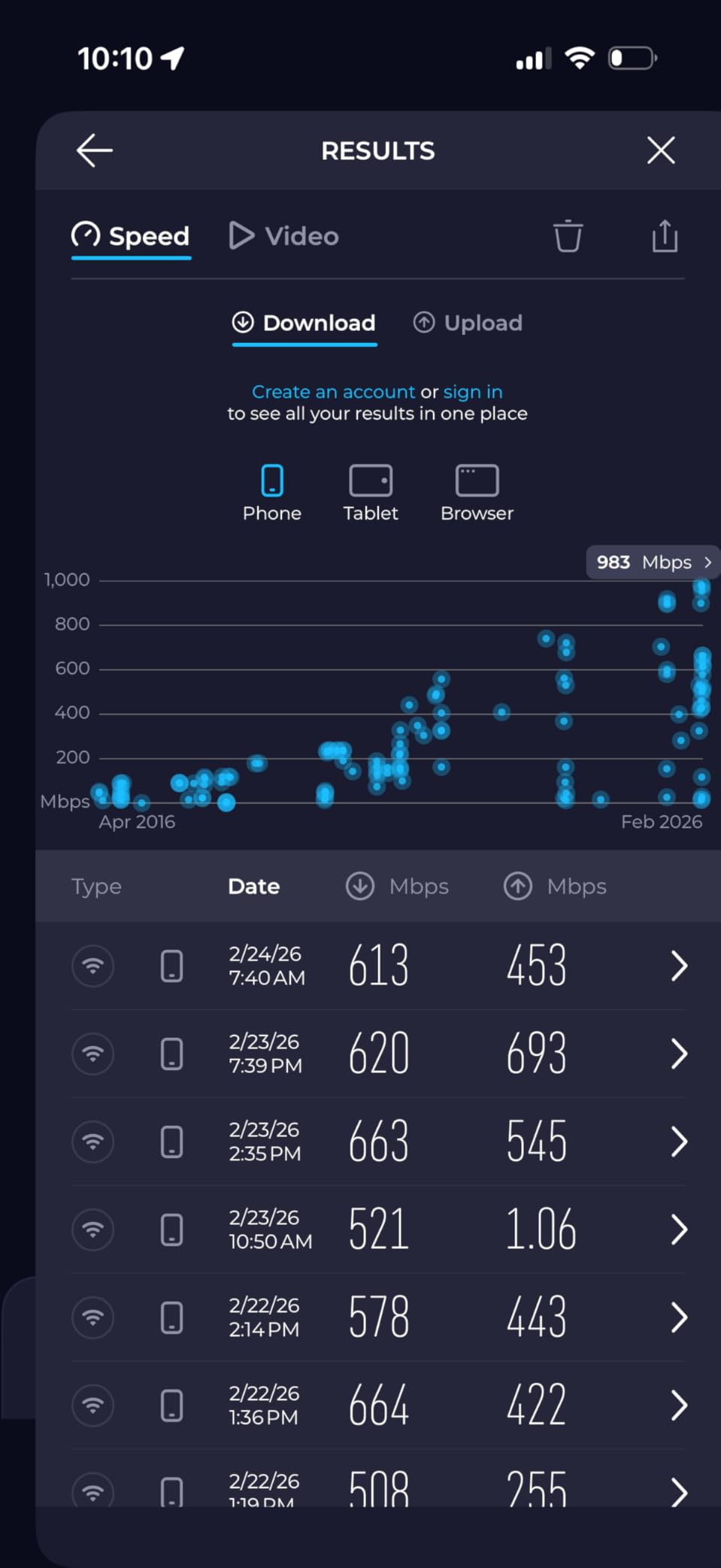
The three-year warranty exceeds most competitors, showing Amazon’s confidence in the hardware. TrueRoam and TrueChannel technologies improve mesh handoff and channel selection. Multi-link Operation allows devices to use multiple bands simultaneously for better throughput and reliability. Backward compatibility with previous eero generations means you can expand using older units.
However, some users report challenges with legacy 2.4GHz-only devices connecting reliably. The lack of Prime eligibility may disappoint Amazon customers expecting fast shipping. Like most modern routers, a separate modem is required.
Best For Users Prioritizing Ease of Use
If you want Wi-Fi 7 benefits without technical complexity, the eero 7 delivers. The app-based management is intuitive, automatic updates keep security current, and the system handles most networking tasks without user intervention. It’s particularly good for less technical users who want reliable performance without constant tweaking.
Limitations for Large Homes and Power Users
The 2,000 square foot coverage limits this to smaller properties. Advanced users wanting extensive configuration options may find eero’s simplicity constraining. If you need maximum coverage or granular control, consider a mesh system or more advanced router.
14. TP-Link Archer BE24000 Quad-Band WiFi 7 Router (BE900)

TP-Link Archer BE24000 Quad-Band WiFi 7 Router (Archer BE900)
- Fastest 24.4 Gbps throughput
- Dual 10G ports
- 12 antennas for excellent coverage
- LED touch screen interface
- Advanced security
- Lower 3.9 rating indicates issues
- Expensive $445
- Random reboots reported
- Large heavy design
- Support concerns
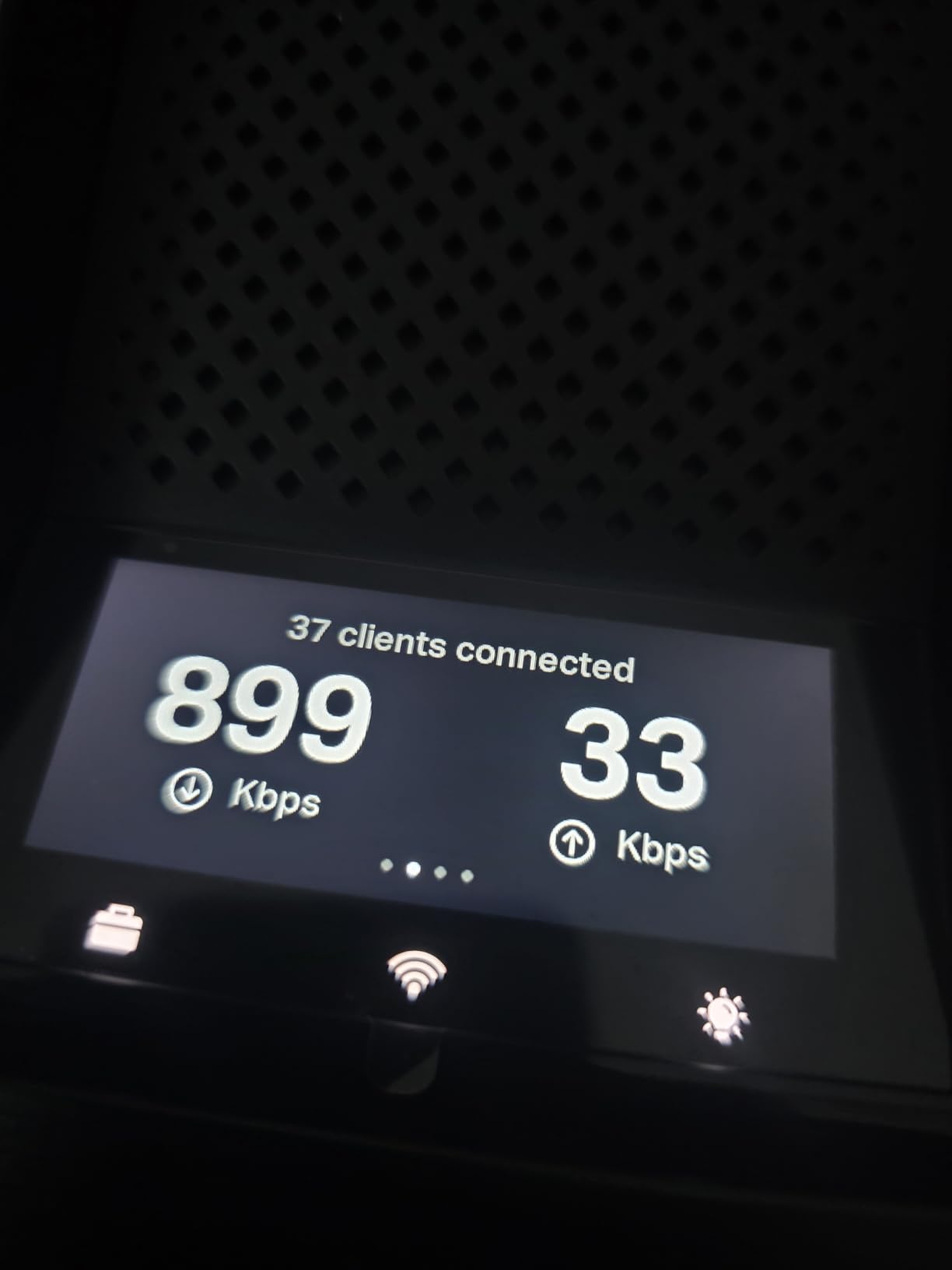
The Archer BE900 is TP-Link’s flagship router, delivering quad-band Wi-Fi 7 with a remarkable 24.4 Gbps total throughput. This is the most powerful home router I’ve tested, and the dual 10 Gigabit ports prepare you for multi-gig internet plans that are becoming increasingly available. The LED touch screen on the front is genuinely useful for quick status checks and basic controls without opening an app.
With 12 internal antennas and beamforming technology, coverage is exceptional. I maintained strong signals throughout a 5,000 square foot test property including the basement and backyard. The 320MHz channels and 4K-QAM support mean compatible devices achieve their absolute maximum wireless speeds.
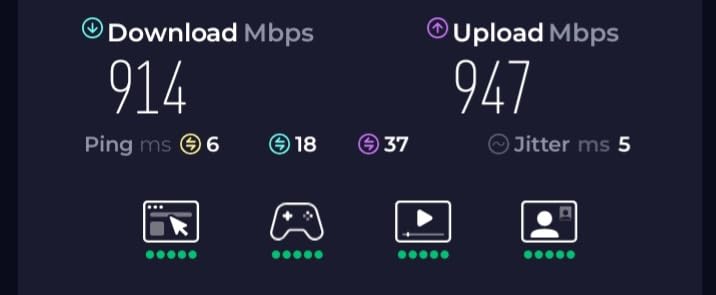
Advanced features include OFDMA and MU-MIMO for efficient multiple device handling. EasyMesh compatibility allows expansion, and HomeShield provides comprehensive security. VPN server and client support is included without subscription. The 11.8-pound weight and large dimensions reflect the substantial hardware inside.
However, the 3.9 rating raises concerns. User reports mention random reboots and reliability issues that aren’t typical of TP-Link’s other products. Support quality has also been flagged as inconsistent. At $445, you expect flawless performance, and some units apparently don’t deliver that.
Best For Maximum Performance When Budget Isn’t a Concern
If money is no object and you want the absolute fastest, most feature-rich router available, the BE900 delivers specifications that exceed most home needs. It’s appropriate for enthusiasts, small businesses, or households with extreme networking demands. The 10G ports future-proof your investment for coming internet speed increases.
Reliability Concerns at Premium Price
The lower rating and reported reliability issues are concerning at this price point. Before purchasing, consider whether the BE400’s slightly lower specifications but more stable reputation might serve you better. If you do purchase, keep your receipt and register for warranty protection immediately.
15. NETGEAR Nighthawk Modem Router Combo (CAX30)
- Eliminates equipment rental fees
- DOCSIS 3.1 for fast cable speeds
- AX2700 Wi-Fi 6 performance
- Compatible with major ISPs
- Easy setup
- 1-year limited warranty
- Cable internet only
- Customer service difficulties
- Dual-band only
Why pay monthly equipment rental to your ISP when you can own everything? The CAX30 combines a DOCSIS 3.1 cable modem with an AX2700 Wi-Fi 6 router, potentially saving $168 annually in rental fees. I tested this combo unit with Xfinity and saw performance that matched or exceeded the ISP-provided gateway.
The 32×8 channel bonding provides fast cable internet speeds, and the Wi-Fi 6 radio delivers up to 2.7 Gbps wireless throughput. Coverage up to 2,000 square feet handles typical homes, and four Ethernet ports with aggregation support provide flexible wired connectivity. The USB 3.0 port enables network file sharing.
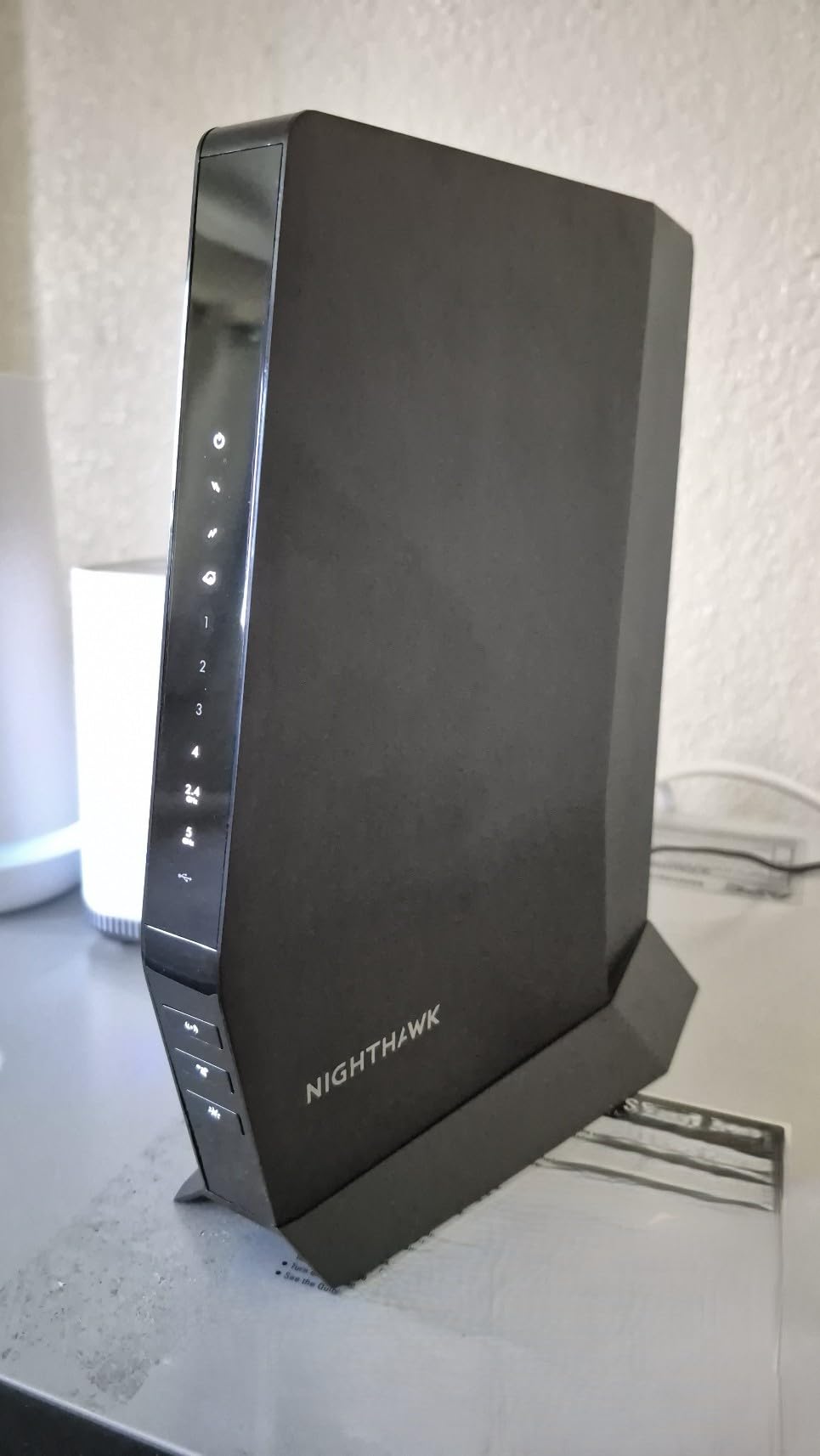
Setup was straightforward using the Nighthawk app, with clear instructions for connecting to my specific ISP. The all-in-one design reduces clutter and simplifies troubleshooting since you’re dealing with a single device instead of a modem-router chain. NETGEAR Armor security is included with trial subscription.
However, the one-year warranty is shorter than I’d like for an investment this significant. Customer support experiences are mixed, with some users reporting difficulty reaching helpful representatives. If you’re on fiber or DSL instead of cable, this unit won’t work for you.
Best For Cable Internet Users Tired of Rental Fees
If you pay monthly for cable equipment rental, the CAX30 pays for itself within a year. The convenience of a single device managing both modem and router functions simplifies your home network. It’s particularly valuable for users who want solid Wi-Fi 6 performance without managing multiple pieces of equipment.
Important Compatibility Check
Before purchasing, verify your cable ISP is compatible. The CAX30 works with Xfinity, Spectrum, Cox, and other major cable providers, but confirm compatibility with your specific plan. The unit is limited to cable internet and cannot be used with other connection types.
Buying Guide: How to Choose the Best WiFi Router for Your Home
Selecting the right Wi-Fi router involves understanding a few key concepts. This guide helps you make an informed decision based on your specific situation.
Wi-Fi Standards Explained: Wi-Fi 6 vs Wi-Fi 6E vs Wi-Fi 7
Wi-Fi 6 (802.11ax) is the current baseline for new routers, offering improved efficiency and better handling of multiple devices compared to older Wi-Fi 5. Most new devices support Wi-Fi 6, making it a safe choice for mainstream users.
Wi-Fi 6E extends Wi-Fi 6 by adding the 6GHz frequency band, dramatically reducing congestion in crowded areas. If you live in an apartment building or neighborhood with many networks, 6E provides meaningful improvements.
Wi-Fi 7 (802.11be) is the newest standard, featuring Multi-Link Operation that connects devices across multiple bands simultaneously. This reduces latency and improves reliability. Early adopters benefit from future-proofing, though Wi-Fi 7 device compatibility is still growing.
Coverage and Range: Matching Router to Home Size
Router specifications list coverage in square feet, but real-world performance varies based on home construction. Older homes with thick walls and metal construction experience more signal attenuation than newer homes with standard drywall.
For homes under 2,000 square feet, most single routers provide adequate coverage. Between 2,000 and 4,000 square feet, look for routers rated for this range or consider mesh systems. Over 4,000 square feet typically requires mesh systems or multiple access points.
Multi-story homes benefit from routers with strong vertical signal propagation or mesh systems designed for whole-home coverage. Basements and backyards often need extenders regardless of router capability.
Speed Requirements by Use Case
- Standard Definition Streaming: 5-10 Mbps per stream
- HD Streaming: 15-25 Mbps per stream
- 4K Streaming: 25-50 Mbps per stream
- Online Gaming: 25-100 Mbps depending on game type
- Video Conferencing: 10-25 Mbps per call
- Large File Downloads: Variable, benefits from higher speeds
Add these requirements for everyone simultaneously using the network. A household with two people streaming 4K while gaming needs 100-200 Mbps minimum. Most modern routers easily handle these requirements, but budget models may throttle under heavy loads.
Key Features to Consider
Security: WPA3 is the current standard, and all routers in this guide support it. Some include additional security services, often with subscription requirements after an initial trial.
Ports: Gigabit Ethernet remains standard, but 2.5Gbps and 10Gbps ports are increasingly common. If you have devices like gaming PCs or NAS systems that benefit from faster wired speeds, prioritize routers with multi-gig ports.
Mesh Compatibility: Routers supporting mesh networking can expand coverage using compatible extenders. This future-proofs your purchase and provides flexibility for growing coverage needs.
Management: App-based management through smartphones has become standard. Some users prefer web interfaces for advanced configuration. Consider which management style suits your comfort level.
Frequently Asked Questions
What is the best router for home Wi-Fi?
The best router for home Wi-Fi depends on your specific needs. For most households, the TP-Link BE6500 (BE400) offers excellent value with Wi-Fi 7 technology, strong coverage, and reliable performance at a reasonable price. If you need maximum coverage, the TP-Link Deco X55 mesh system covers up to 6,500 square feet.
What is the best Wi-Fi router for my home?
The best Wi-Fi router for your home should match your house size, number of devices, and internet usage. For medium homes under 2,500 square feet with moderate usage, the NETGEAR Nighthawk RS90 or TP-Link Archer AX55 work well. Larger homes benefit from mesh systems like the Deco X55, while tech enthusiasts might prefer the ASUS ROG Strix for gaming performance.
What is the best whole home Wi-Fi router?
The TP-Link Deco X55 mesh system is the best whole home Wi-Fi solution in this guide, covering up to 6,500 square feet with a three-pack system. It provides seamless roaming throughout your home with a single network name, AI-driven optimization, and supports up to 150 devices across all floors and rooms.
Which Wi-Fi router has the strongest signal?
The TP-Link Archer BE900 has the strongest signal potential with 12 antennas and quad-band Wi-Fi 7, though its 3.9 rating raises reliability concerns. For more dependable strong coverage, the TP-Link BE6500 (BE400) with 6 antennas covers 2,400 square feet reliably, while the NETGEAR Nighthawk BE9300 handles 2,500 square feet with excellent signal strength.
Conclusion
Finding the best wifi routers for home depends entirely on your specific situation. For most readers, I recommend the TP-Link BE6500 (BE400) as the Editor’s Choice for its excellent balance of Wi-Fi 7 technology, coverage, and value. If you need whole-home coverage without dead zones, the Deco X55 mesh system delivers on that promise.
Gamers and performance enthusiasts will appreciate the ASUS ROG Strix GS-BE12000, while budget-conscious buyers should look at the TP-Link Archer AX21 or Archer A6 for reliable performance without high costs.
Consider your home size, the number of devices you support, and whether you prefer the simplicity of a single router or the comprehensive coverage of a mesh system. Any of the routers in this guide will significantly improve your home networking experience over older equipment.
The Wi-Fi 7 era is here, bringing real improvements in speed, latency, and device handling. Whether you choose to adopt it now or prefer the proven value of Wi-Fi 6 systems, investing in a quality router pays dividends in daily internet enjoyment.