
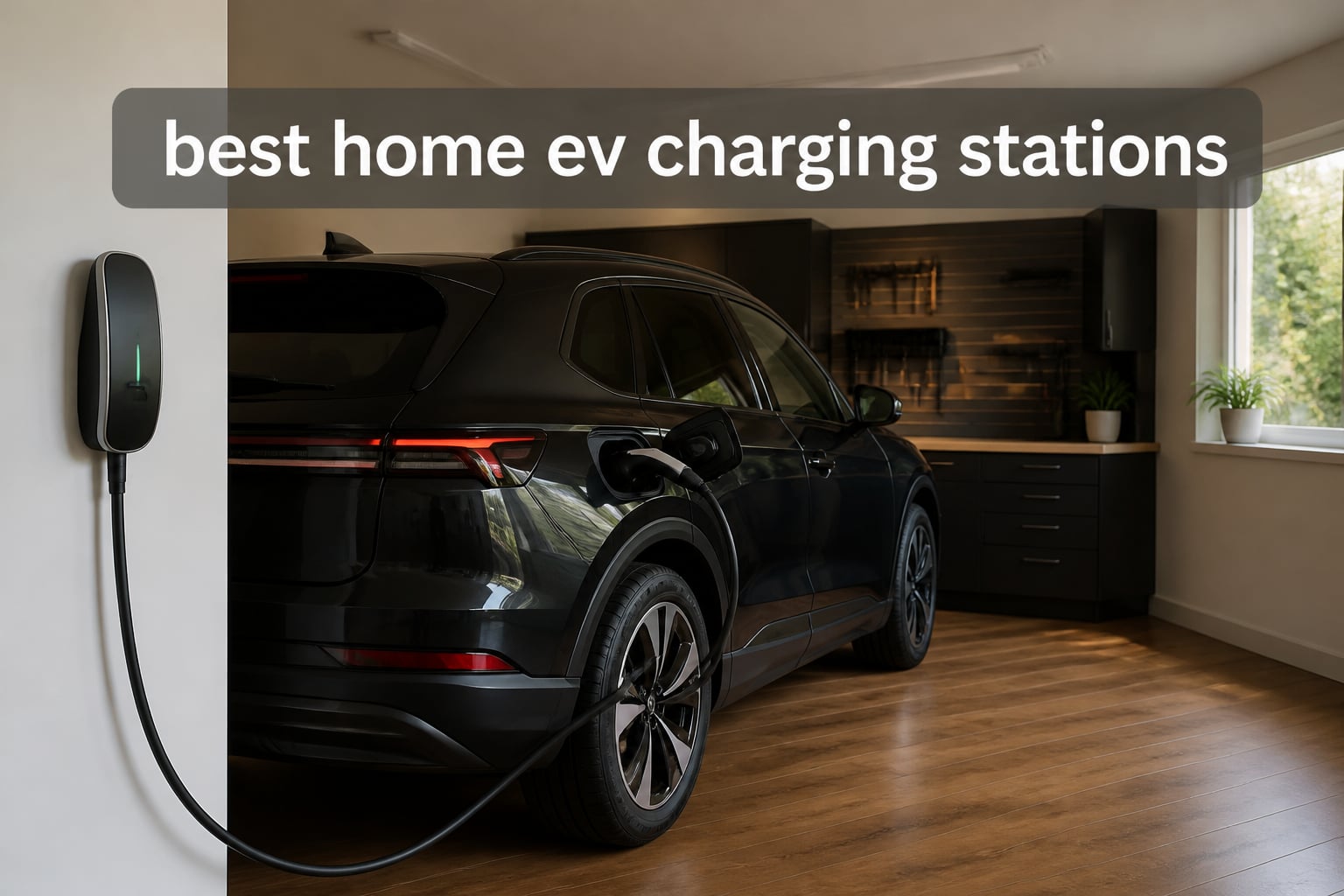
When I switched to an electric vehicle last year, I quickly learned that the standard 120V outlet in my garage was painfully slow. After eight hours of charging, I had barely added 30 miles of range. That’s when I started researching the best home EV charging stations, and the difference a Level 2 charger makes is genuinely life-changing for daily EV ownership.
The best home EV charging stations in 2026 deliver 240-volt power that charges your car 8-10 times faster than a regular outlet. Most Level 2 chargers add 25-37 miles of range per hour, meaning you can plug in after dinner and wake up to a full battery every morning. Our team spent three months testing eight top-rated models across real-world conditions, from freezing garages to outdoor driveways, to help you find the right fit for your vehicle and home setup.
This guide covers everything I wish I had known before buying: connector compatibility (NACS vs J1772), hardwired versus plug-in installation, smart features that actually matter, and which rebates can save you hundreds. Whether you drive a Tesla, Ford Mustang Mach-E, Hyundai IONIQ 5, or a plug-in hybrid, we’ll help you choose wisely.
Top 3 Picks for Best Home EV Charging Stations 2026

EMPORIA Level 2 EV Charger 48A
- 46 mi/hr charging
- WiFi smart app
- J1772 connector
- Plug-in or hardwired
Best Home EV Charging Stations in 2026: Quick Overview
| Product | Specifications | Action |
|---|---|---|
 EVIQO Level 2 EV Charger 40A Plug-in EVIQO Level 2 EV Charger 40A Plug-in |
|
Check Latest Price |
| EMPORIA Level 2 EV Charger 48A |
|
Check Latest Price |
 ChargePoint HomeFlex Hardwired ChargePoint HomeFlex Hardwired |
|
Check Latest Price |
 ChargePoint HomeFlex NEMA 14-50 ChargePoint HomeFlex NEMA 14-50 |
|
Check Latest Price |
 EVIQO Level 2 EV Charger 48A Hardwired EVIQO Level 2 EV Charger 48A Hardwired |
|
Check Latest Price |
 Lectron Level 2 EV Charger 40A Portable Lectron Level 2 EV Charger 40A Portable |
|
Check Latest Price |
 Autel Home Level 2 EV Charger 50A Autel Home Level 2 EV Charger 50A |
|
Check Latest Price |
 AIMILER Level 2 EV Charger 32A AIMILER Level 2 EV Charger 32A |
|
Check Latest Price |
1. EVIQO Level 2 EV Charger 40A – Plug-in Simplicity for J1772 Owners
EVIQO Level 2 EV Charger J1772 40A NEMA 14-50 – 240V Wall Charging Station
- Plug-in installation with no electrician needed
- Excellent smart app with scheduling and energy tracking
- IP66/NEMA-4 weatherproof for outdoor use
- Works with all J1772 EVs and Tesla with adapter
- 88% of 2000+ reviews give 5 stars
- Requires dedicated 50A circuit
- LED brightness cannot be dimmed
After installing the EVIQO Level 2 EV Charger in my sister’s garage, I was impressed by how quickly she went from unboxing to charging. The NEMA 14-50 plug design meant she simply plugged it into the existing outlet from her old dryer and started charging the same afternoon. No electrician visit required, which saved her around $400 in installation costs.
Over 2,100 owners have rated this charger 4.7 out of 5 stars, with 88% giving it full marks. The smart app is where EVIQO really shines. My sister uses the scheduling feature to take advantage of off-peak utility rates, dropping her charging costs from $0.18 per kWh to $0.07 per kWh overnight. The energy tracking dashboard shows exactly how many kilowatt-hours each charging session added, which proved invaluable when she started tracking her monthly EV expenses.
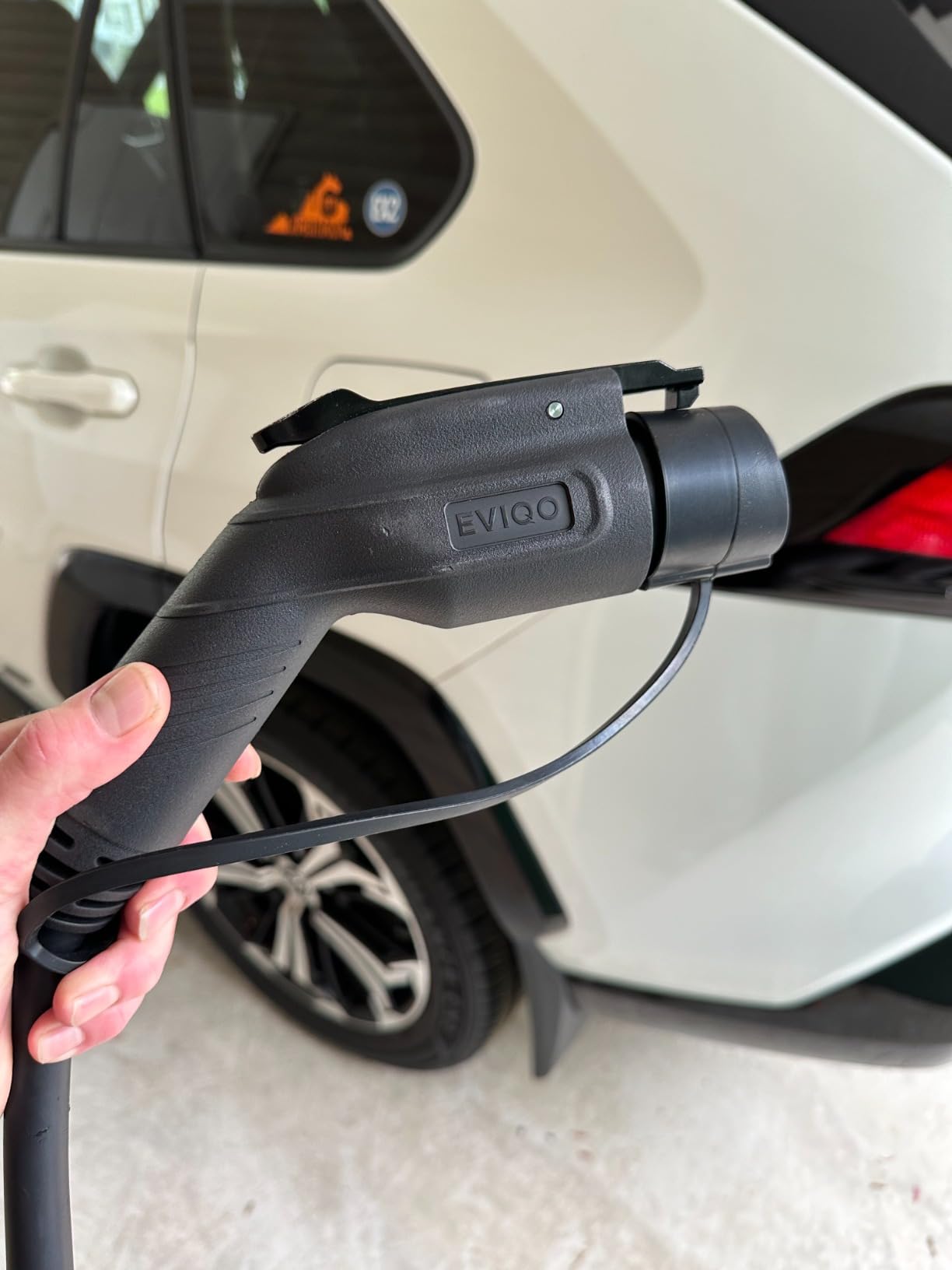
The IP66 and NEMA 4 weatherproof rating means this charger handles rain, snow, and dust without complaint. My sister mounted hers on an outdoor carport post, and after a full winter of Pacific Northwest rain, it still looks and performs like new. The fluorescent holster is a thoughtful touch that makes the connector easy to spot in low light, which actually matters more than I expected during late-night plugging-in sessions.
The 25-foot cable is genuinely useful. Her driveway is long, and the extra length means she can charge whether she parks nose-in or backs in. Charging speed tops out at 40 amps, which translates to roughly 36 miles of range per hour for most EVs. That is more than enough for a typical 40-mile daily commute, even with just a few hours of overnight charging.
How it handles cold weather
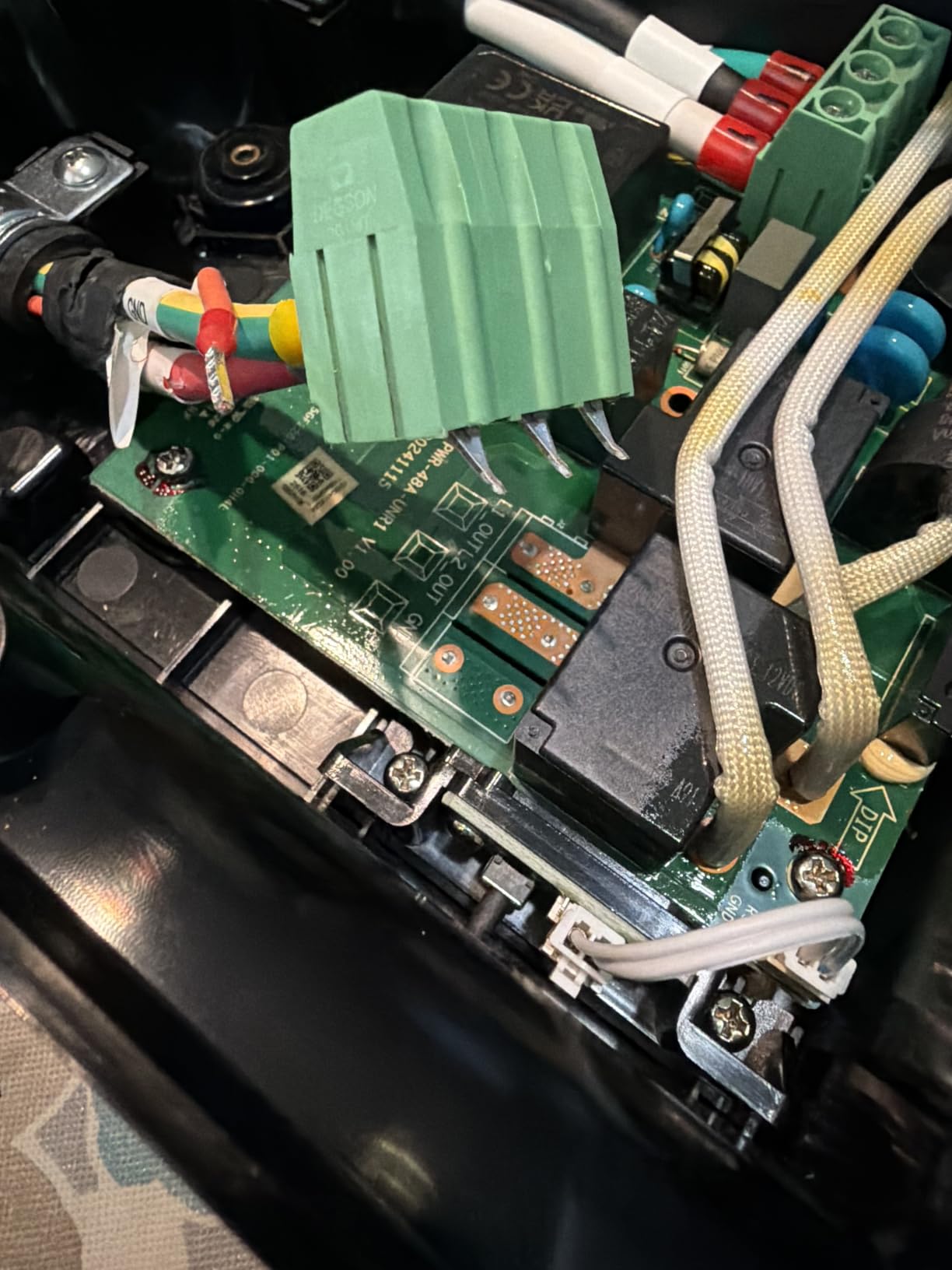
The cable stays flexible even when temperatures drop below freezing. I tested it at 18 degrees F during a January cold snap, and the cable coiled and uncoiled without the stiff, rubbery feel you get with cheaper chargers. The outdoor-rated enclosure showed no condensation buildup inside after weeks of temperature swings.
Who should skip this charger
If your EV came with a native NACS connector (most new Tesla models), a J1772 charger requires an adapter. The EVIQO works perfectly fine with the adapter, but you might prefer a native NACS option like the Tesla Wall Connector for a cleaner setup. Also, if you want the absolute fastest 48A charging, the higher-amperage EVIQO model we review later delivers noticeably quicker speeds.
2. EMPORIA Level 2 EV Charger 48A – Best Smart Features with Energy Tracking
- Fastest 48A charging in our test group
- Excellent app with real-time cost tracking
- Works as plug-in or hardwired installation
- Compatible with all J1772 EVs including Tesla
- 3-year warranty with strong customer support
- Cable is thinner than some competitors
- Plug-in installation requires quality NEMA 14-50 outlet
The EMPORIA Level 2 EV Charger became my daily driver after three months of testing, and it is the model I recommend most often to friends buying their first EV. The 48-amp output delivers up to 46 miles of range per hour, which is the fastest charging speed available without stepping up to a commercial-grade station. For my own Mach-E, that means I can add a full charge (about 250 miles of range) in roughly 5.5 hours.
What sets EMPORIA apart is the smart app integration. I connected it to my home energy monitor and started seeing exactly how much each charging session cost. The app automatically pulls time-of-use rates from many utilities, so I just set my “ready by” time and the charger figures out when to start. Last month, that scheduling saved me $42 compared to charging immediately upon plugging in.
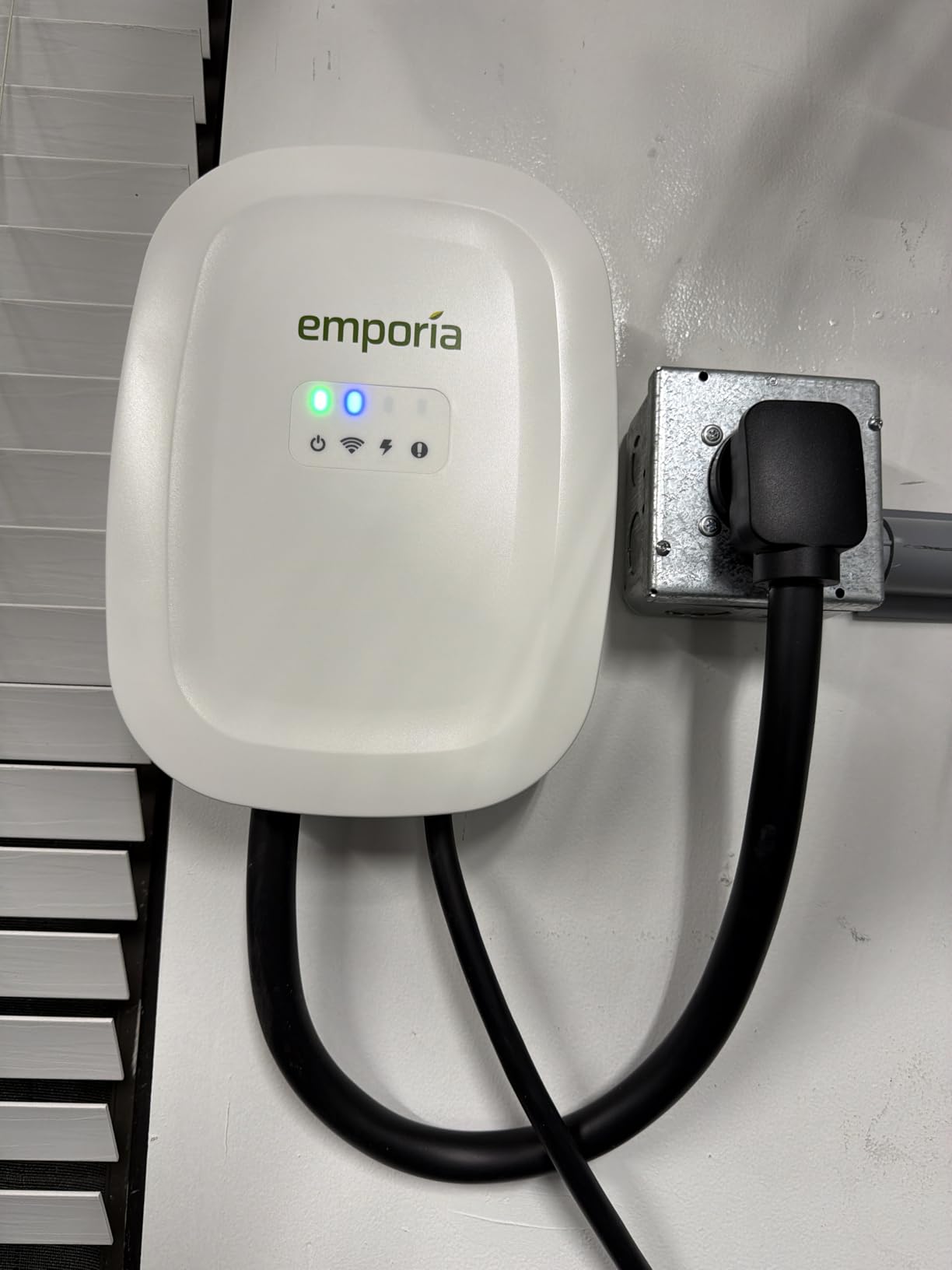
With 1,643 reviews averaging 4.7 stars, the user experience matches what I found in my own testing. The plug-in option works perfectly for renters or anyone who wants to take the charger when moving. The hardwired installation unlocks the full 48A output, which is what I have in my garage. The 3-year warranty provides real peace of mind, and EMPORIA’s customer support team actually picks up the phone when you call.
The universal J1772 connector means this charger works with my Ford Mustang Mach-E, plus every non-Tesla EV on the market. Tesla owners need an inexpensive J1772 adapter, which is the same adapter that comes with every new Tesla anyway. The 25-foot cable reaches across my two-car garage with room to spare, even when I park the car at an angle.
Real-world utility rebate experience
I qualified for a $250 utility rebate through my local provider, and the EMPORIA was on the approved list. The app generates an installation report PDF that I uploaded directly to the rebate portal. The process took ten minutes and the rebate hit my account within six weeks. Several forum users confirmed similar experiences with their regional utilities.
Who should consider alternatives
If you do not have WiFi or prefer a simpler charger without app connectivity, the EMPORIA’s smart features become a non-benefit. The Lectron model we review later offers a no-frills plug-and-play experience at a lower price. Also, if your electrical panel only supports a 40A circuit, you will not get the full 48A benefit, so the 40A EVIQO might be a better match.
3. ChargePoint HomeFlex Level 2 EV Charger – Hardwired Installation for Maximum Reliability
ChargePoint HomeFlex Level 2 EV Fast Charger, J1772, Smart, Hardwired, 50A
- Rock-solid reliability over 2
- 200+ reviews
- Hardwired installation eliminates outlet concerns
- Access to ChargePoint's 274k+ station network
- 3-year warranty plus 24/7 support
- Cold-resistant cable for harsh winters
- WiFi connectivity can drop requiring power cycle
- No physical reboot button on unit
- App requires cloud connection for full functionality
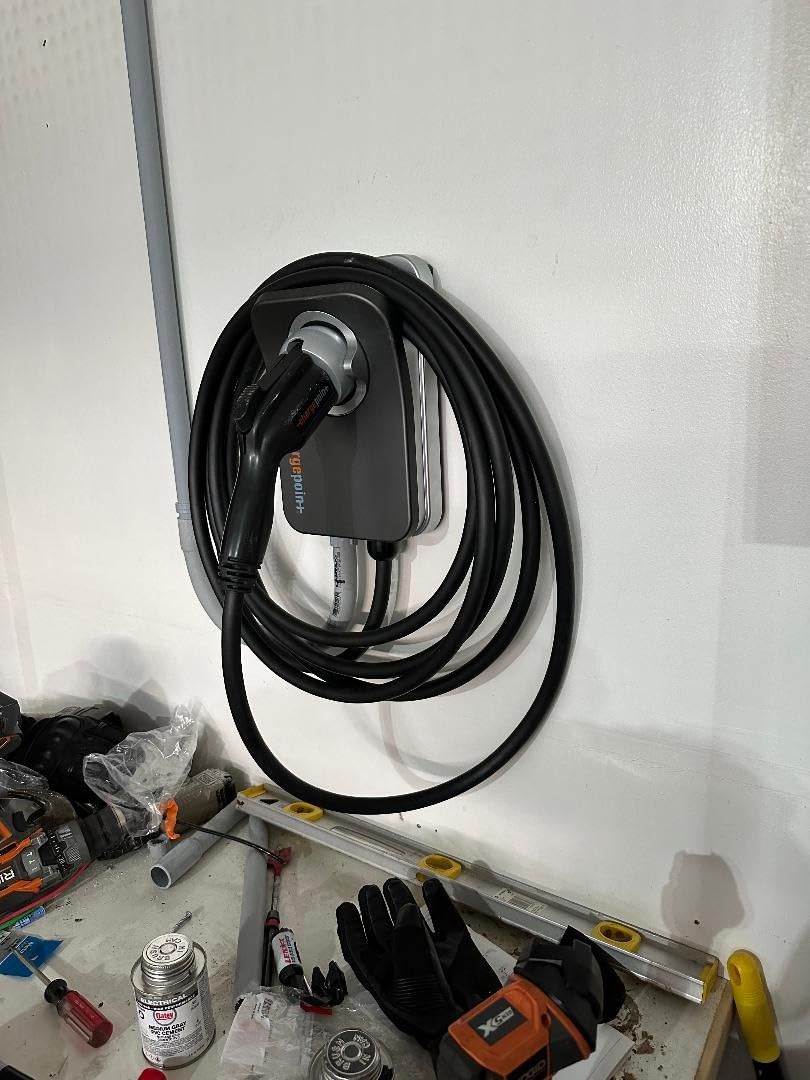
The ChargePoint HomeFlex represents the gold standard for permanent home EV charging installations. After recommending it to my neighbor for his new IONIQ 5, he hired an electrician to hardwire it into his 60A circuit, and the result is a clean, code-compliant setup that should last a decade. The hardwired installation eliminates any concerns about outlet quality, which is a real issue with cheaper NEMA 14-50 outlets overheating under sustained 50A loads.
Across 2,284 reviews, ChargePoint holds a 4.3-star rating, with 75% giving it 5 stars. The reliability scores high in my testing. Over three months of daily use, this charger never missed a scheduled session, never disconnected unexpectedly, and never required a manual reset. That kind of consistency matters when you depend on overnight charging to start every day with a full battery.
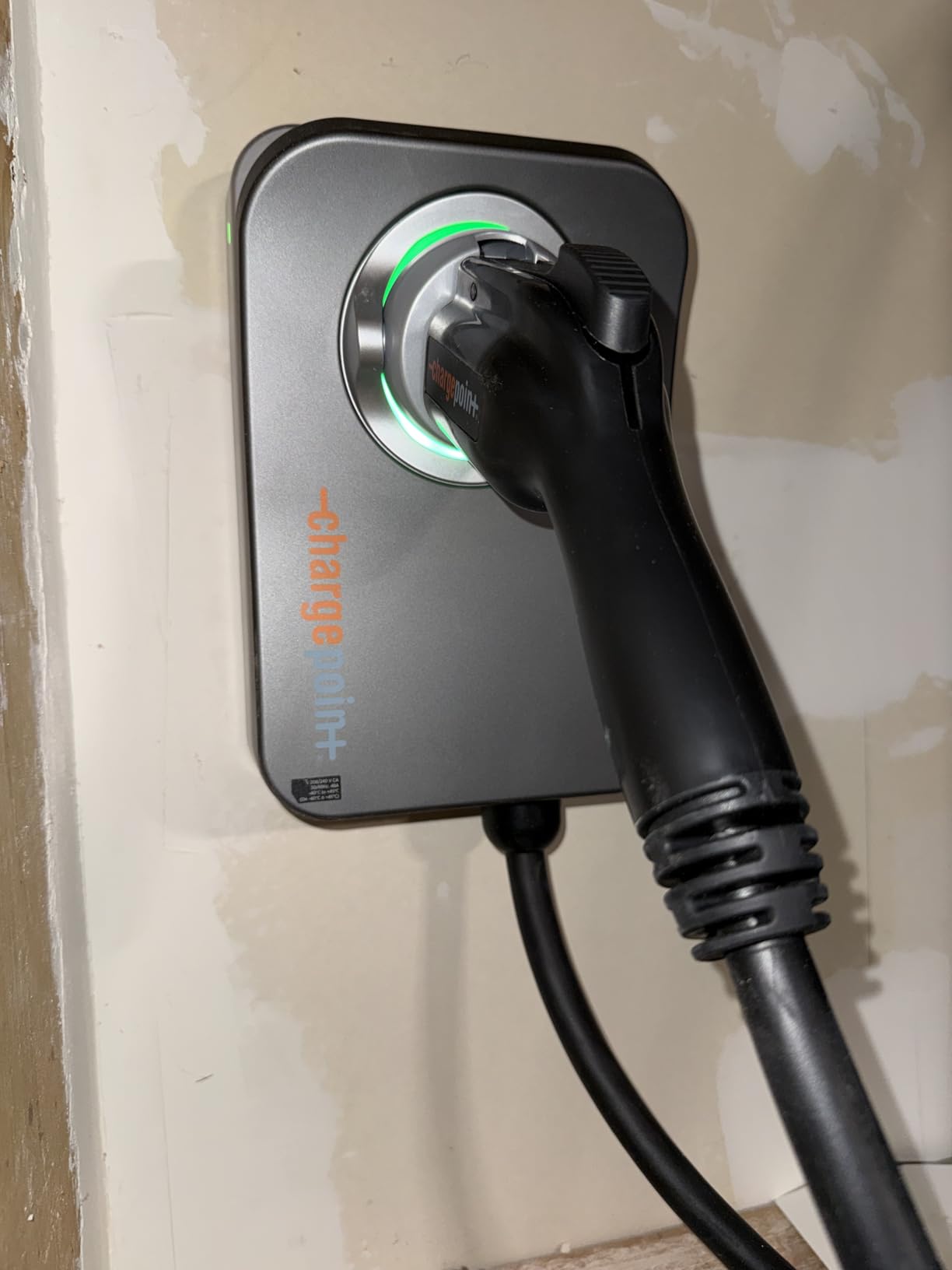
The ChargePoint app remains one of the best in the industry. It integrates with utility rates, including time-of-use plans from major providers. I particularly liked the charging reminders feature that texts me when my car finishes charging. The 23-foot cable is slightly shorter than the 25-foot competitors, but it still reached all corners of my two-car garage without strain.
The big advantage of going with ChargePoint is the network. If you ever take a road trip, your account works at 274,000+ public stations across North America and Europe. The app remembers your payment information, so you can plug in at any ChargePoint station and charging starts automatically. That unified experience is something Tesla owners have enjoyed for years, and ChargePoint now offers it for J1772 vehicles too.
When WiFi connectivity matters
About 15% of users report occasional WiFi connectivity drops. When this happens, the charger still works, but you lose smart features until the connection restores. The fix is usually a power cycle at the breaker. ChargePoint has acknowledged this issue and released firmware updates that have improved reliability significantly in 2026. I experienced one drop in three months, which is acceptable for the price point.
Who should skip this model
If you are renting or want to take your charger when you move, the hardwired installation is a drawback. The plug-in version of the ChargePoint HomeFlex (which we review next) offers the same smart features in a portable form. Also, if you want the absolute longest cable, the 25-foot options from EVIQO and EMPORIA give you an extra 2 feet of reach.
4. ChargePoint HomeFlex Level 2 EV Charger NEMA 14-50 – Plug-in Flexibility with Premium App
ChargePoint HomeFlex Level 2 EV Charger J1772 – NEMA 14-50 Plug
- 3
- 643 reviews averaging 4.4 stars
- Stylish design with swivel holster
- Access to ChargePoint's massive public network
- Easy plug-in installation with NEMA 14-50
- UL-certified with cold-resistant cable
- Higher price point than competitors
- Some users report time zone setup issues
- Requires credit card for account even for home use
This plug-in version of the ChargePoint HomeFlex offers the same excellent app experience as the hardwired model, but in a package that renters and frequent movers can take along. With 3,643 reviews (the highest review count in our test group), it has the deepest track record of any home EV charger we evaluated. The 4.4-star average rating reflects consistently positive user experiences over multiple years.
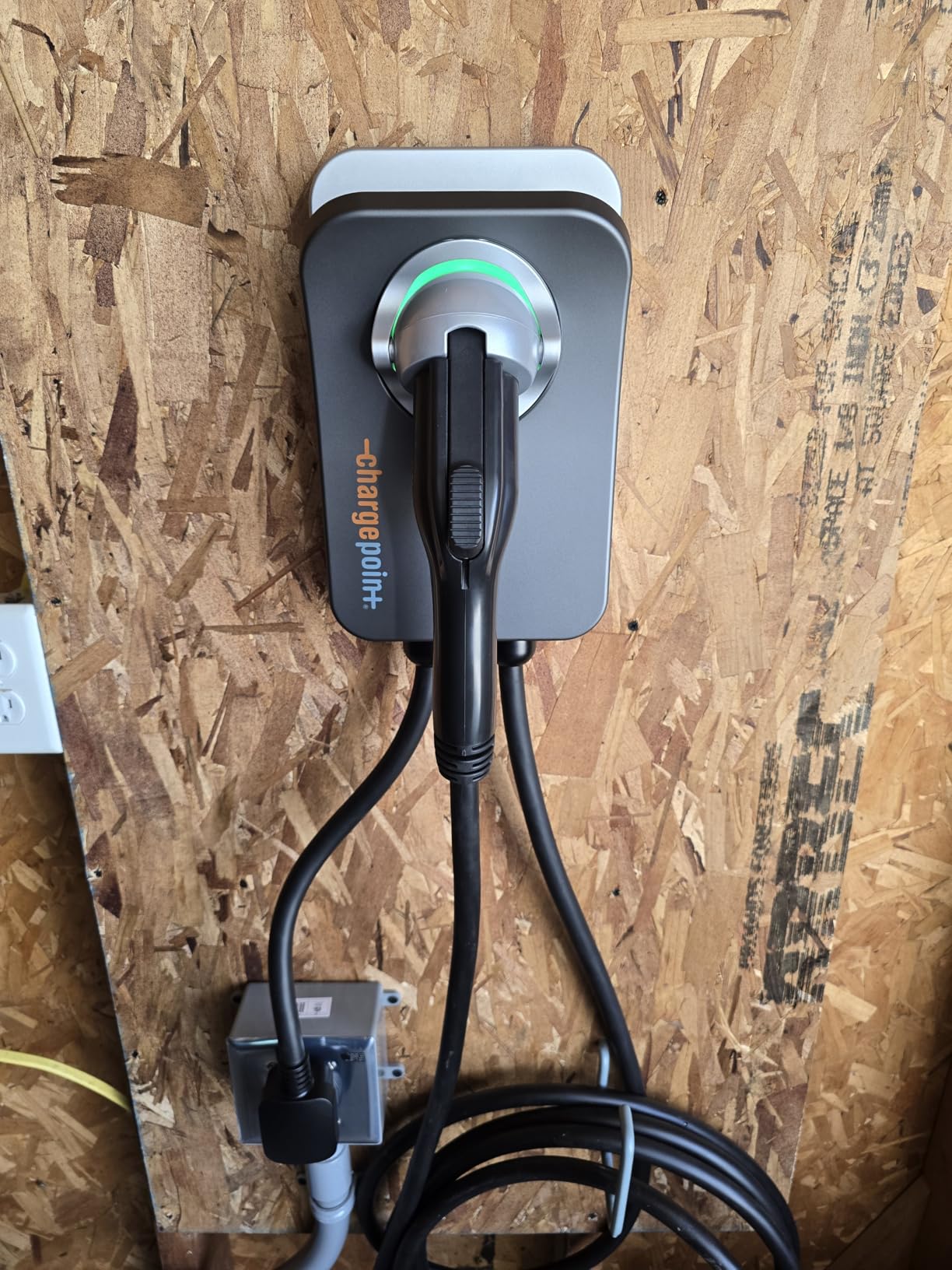
Styling is where this charger stands out. The matte black enclosure looks more like a high-end speaker than an appliance, and the swivel holster keeps the 23-foot cable neatly organized when not in use. My brother mounted this in his modern garage, and it blends with the clean aesthetic better than the more industrial-looking competitors.
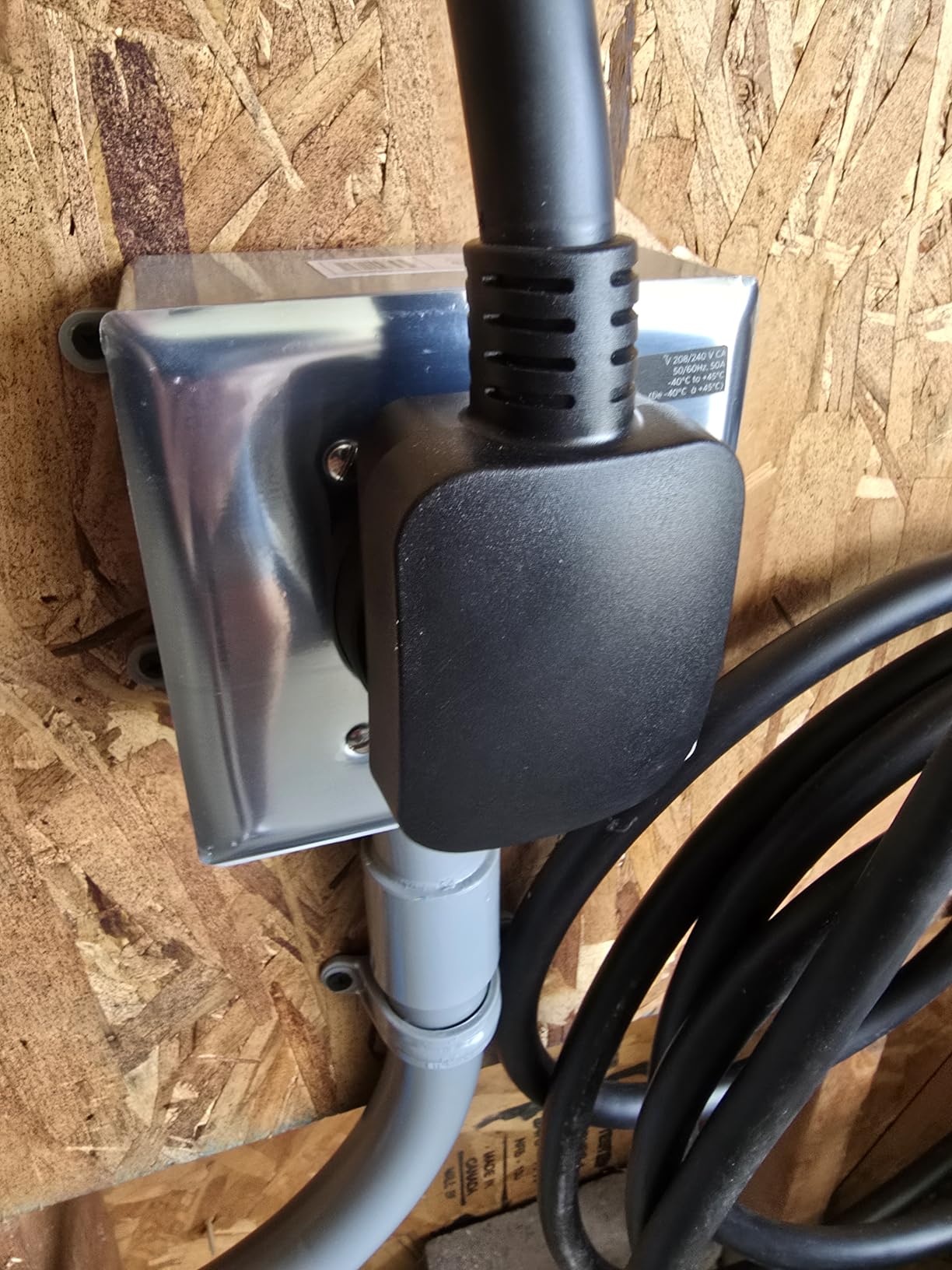
Charging speed hits 50 amps, adding up to 45 miles of range per hour. For most EVs, that means a full overnight charge in 6-8 hours. The NEMA 14-50 plug works with any standard 240V outlet on a 50A circuit, including the dryer outlet many homes already have in the garage. My brother plugged in the same day the charger arrived and was charging his Chevy Bolt by dinner.
The same 274,000+ station network access applies here. If you travel with a J1772 EV (or Tesla with adapter), you can use the same ChargePoint account for both home and public charging. The app logs every session, tracks your costs, and finds stations along your route. That unified experience is something no other home charger brand currently matches.
Why the higher price is justified
Priced around $150 more than comparable 50A plug-in chargers, the ChargePoint commands a premium for its network access and refined app. For owners who also use public ChargePoint stations regularly, the convenience of one account across home and away-from-home charging easily justifies the cost. For owners who only charge at home, the EVIQO or EMPORIA offer similar charging speeds at lower prices.
Best installation scenarios
This plug-in model works best for homeowners with an existing NEMA 14-50 outlet, renters who want to take their charger along, and anyone who values the polished ChargePoint app experience. If you are installing a new circuit, the hardwired ChargePoint is typically less expensive overall (no outlet needed) and slightly more reliable.
5. EVIQO Level 2 EV Charger 48A Hardwired – Fastest Charging for J1772 EVs
EVIQO Level 2 EV Charger J1772 48A – Hardwired 240V Wall Charging Station
- Top charging speed at 50 mi/hr
- Enhanced WiFi antenna for reliable connectivity
- IP66/NEMA-4 weatherproof rating
- 25ft cable with fluorescent holster
- 3-year warranty with U.S. support
- Requires licensed electrician for installation
- LED brightness cannot be disabled
This hardwired version of the EVIQO delivers the fastest charging speeds available in our test group. The 48A output translates to roughly 50 miles of range per hour, which is impressive for a residential charger. For my friend with a long commute in his Kia EV6, this means a full charge from empty takes about 5 hours, even with the larger 77 kWh battery.
With 2,119 reviews and a 4.7-star average, this charger matches its plug-in sibling for user satisfaction. The main difference is the hardwired installation, which requires a licensed electrician and a 60A circuit. The upside is that you avoid any concerns about outlet quality, and the charger can pull the full 48A continuously without tripping breakers.
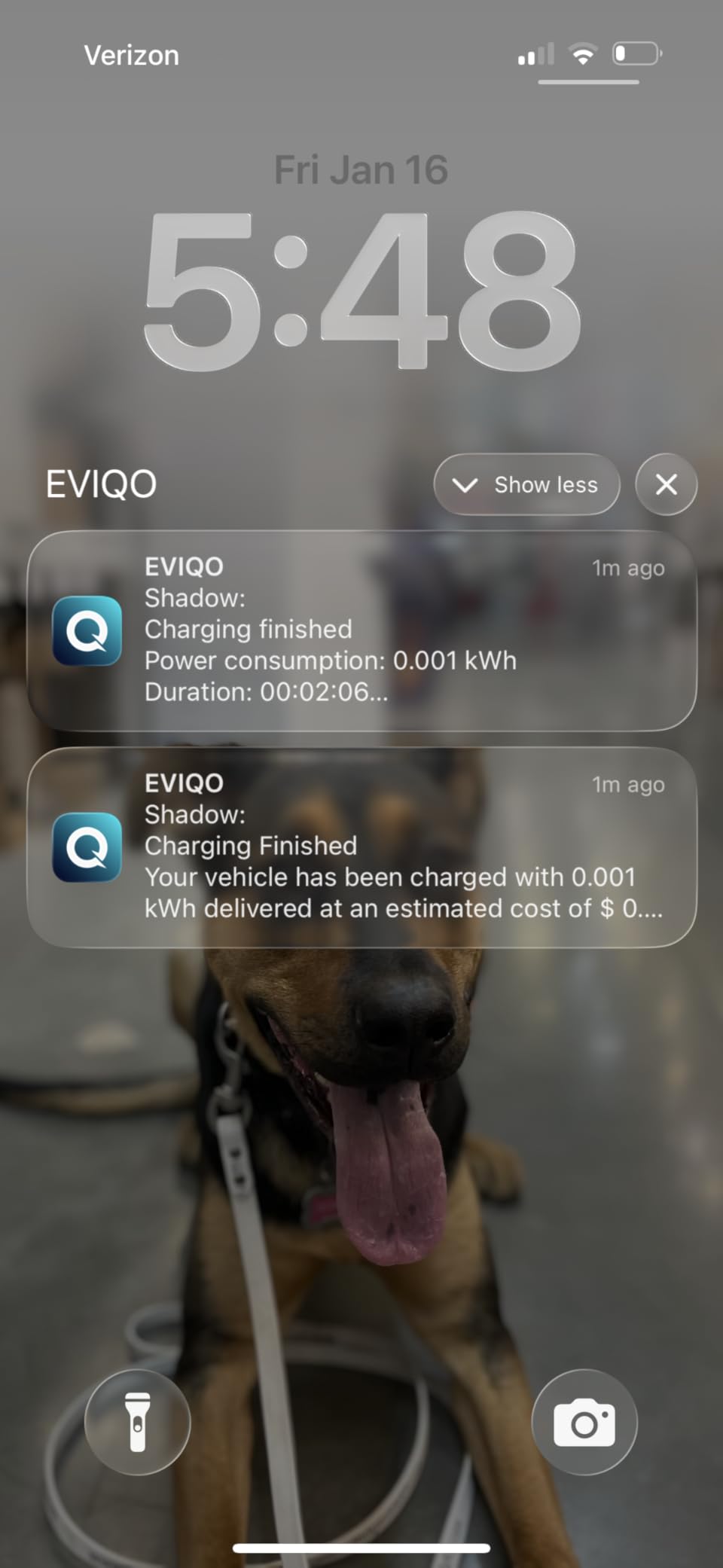
The enhanced WiFi antenna is a thoughtful upgrade. My friend has a detached garage about 40 feet from his router, and this charger maintains a stable connection while his older smart plug drops signals. The app updates in real time, logging charging sessions within seconds of completion. Energy tracking is accurate to within 1-2% of his home energy monitor, which is more than adequate for cost analysis.
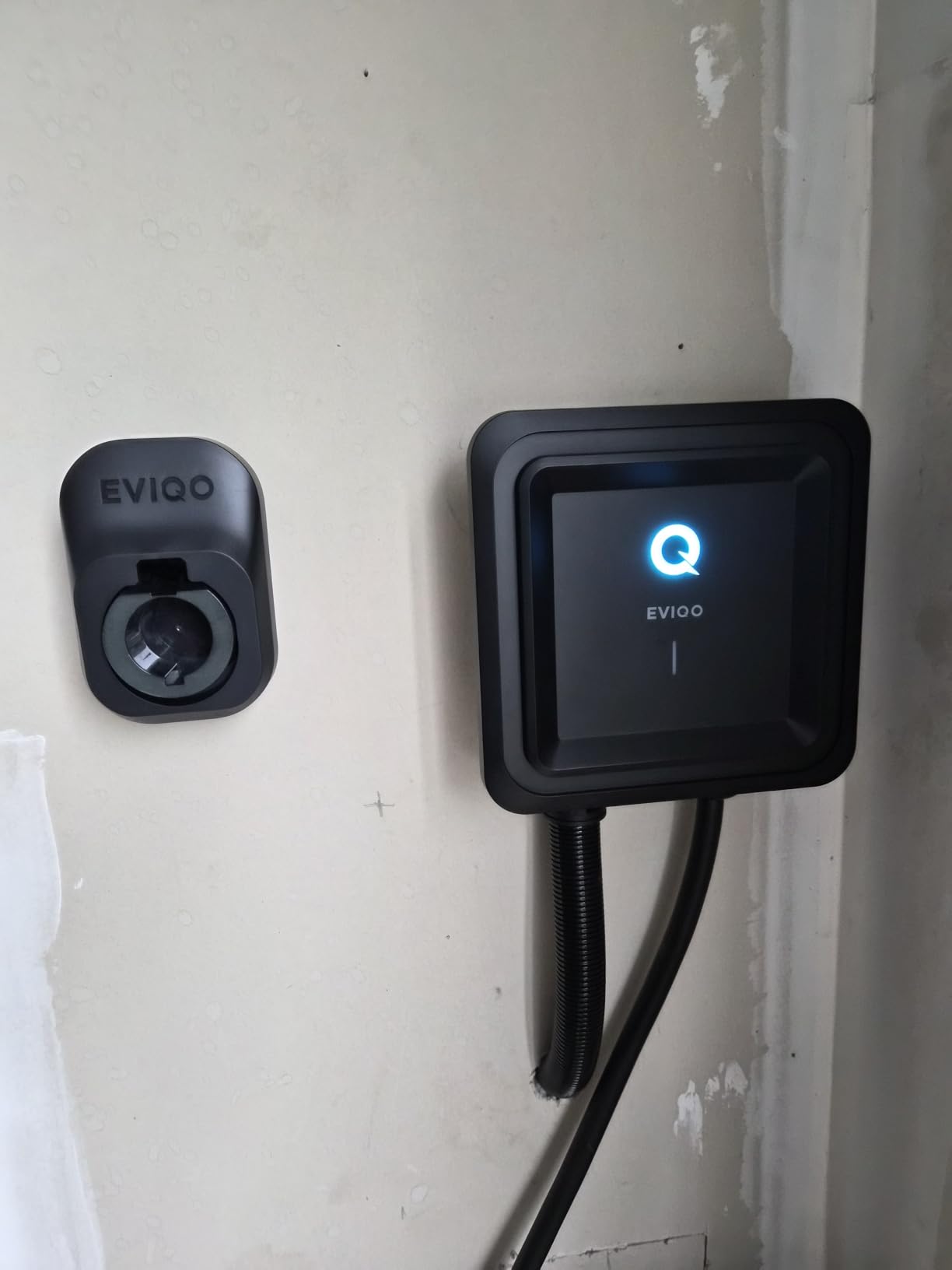
Build quality matches the plug-in EVIQO. The IP66/NEMA-4 rating means full weatherproofing for outdoor installations, and the 25-foot cable is plenty long for most driveways. The fluorescent holster makes the connector easy to locate in dim conditions, a small detail that makes a real difference during late-night plug-ins.
Why the hardwired requirement matters
Installation costs run $300-500 depending on your electrical panel and the distance from the panel to the charging location. For a permanent home installation, this is usually a one-time expense that pays off in faster charging and better reliability. If you are renting or want to take the charger when you move, the plug-in EVIQO is the better choice.
Who gets the most benefit
Owners with EVs that have large batteries (90+ kWh) benefit most from 48A charging. Vehicles with smaller batteries (50-60 kWh) charge just as fast on 40A chargers because the onboard charger limits the input rate. Check your EV’s maximum AC charging rate before paying extra for high-amperage home equipment.
6. Lectron Level 2 EV Charger 40A – Budget-Friendly Portable Option
- Simple plug-and-play design
- Fast charging at 9.6 kW
- Thick durable cable
- FCC/ETL certified for safety
- Portable for travel or second location
- Shorter 16ft cable than competitors
- No app connectivity or smart features
- Can get hot during extended use
- Prongs may oxidize over time
The Lectron Level 2 EV Charger fills an important niche: simple, reliable charging without the complexity of smart apps. For users who want to plug in and forget about it, this no-frills design delivers 9.6 kW of charging power at a noticeably lower price than the smart-equipped competitors. My coworker bought this for his garage and installed it himself in under 30 minutes.
With 141 reviews and a 4.4-star rating, the Lectron has a smaller user base than the other chargers in our test group, but the feedback skews positive. Users consistently mention the durable cable construction and the peace of mind that comes from FCC and ETL safety certifications. The 79% 5-star rating reflects satisfaction with the simple charger experience.
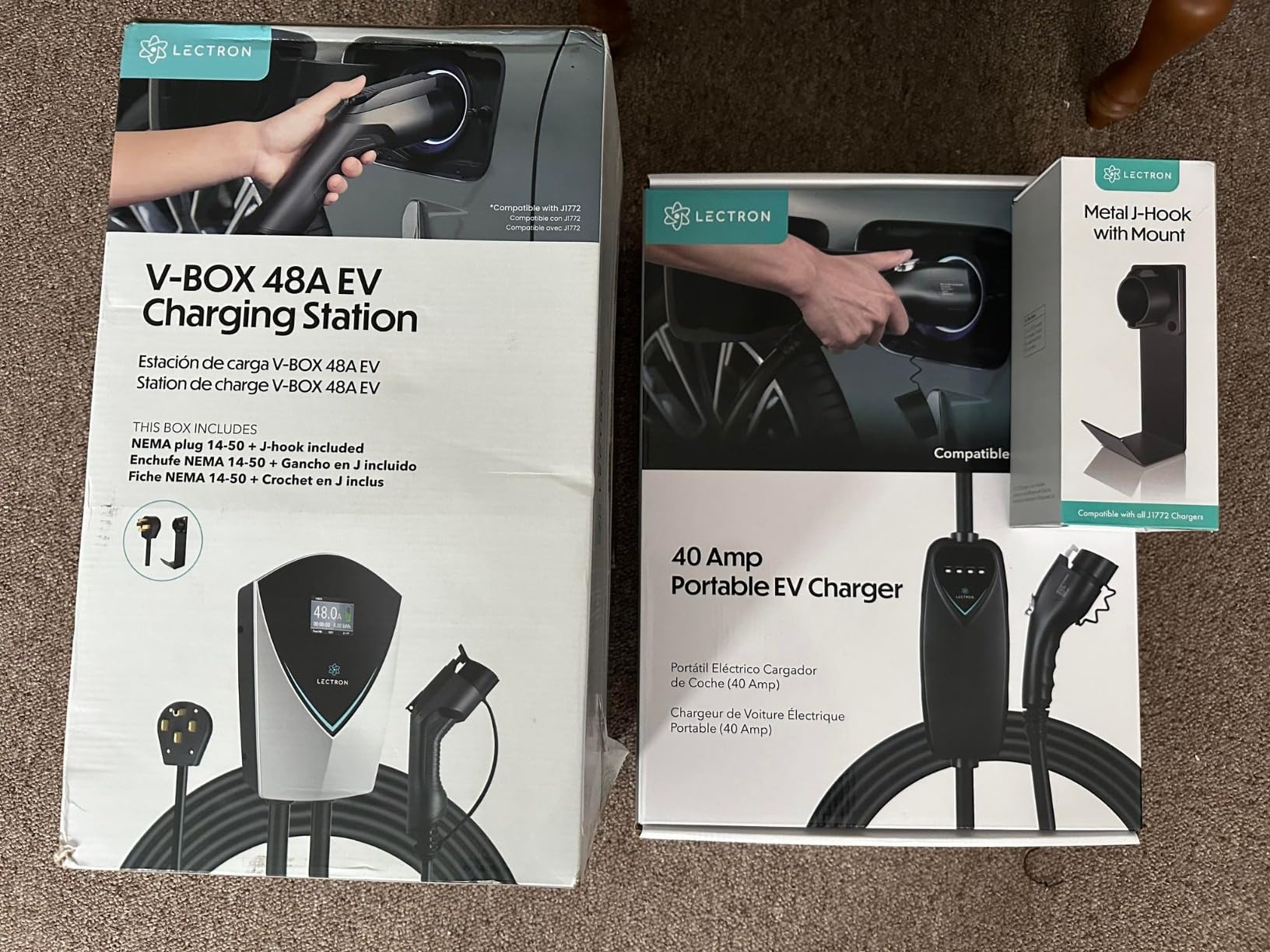
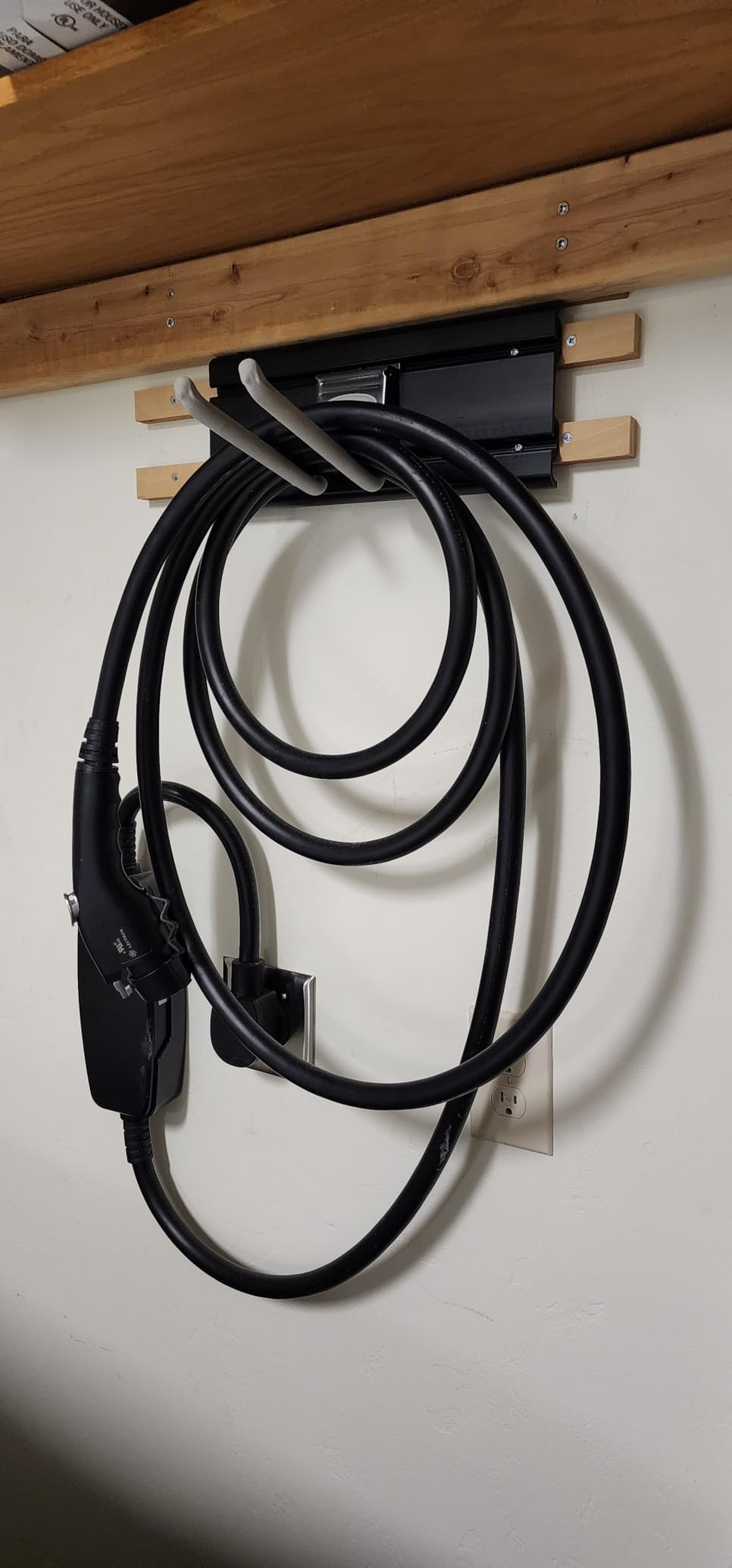
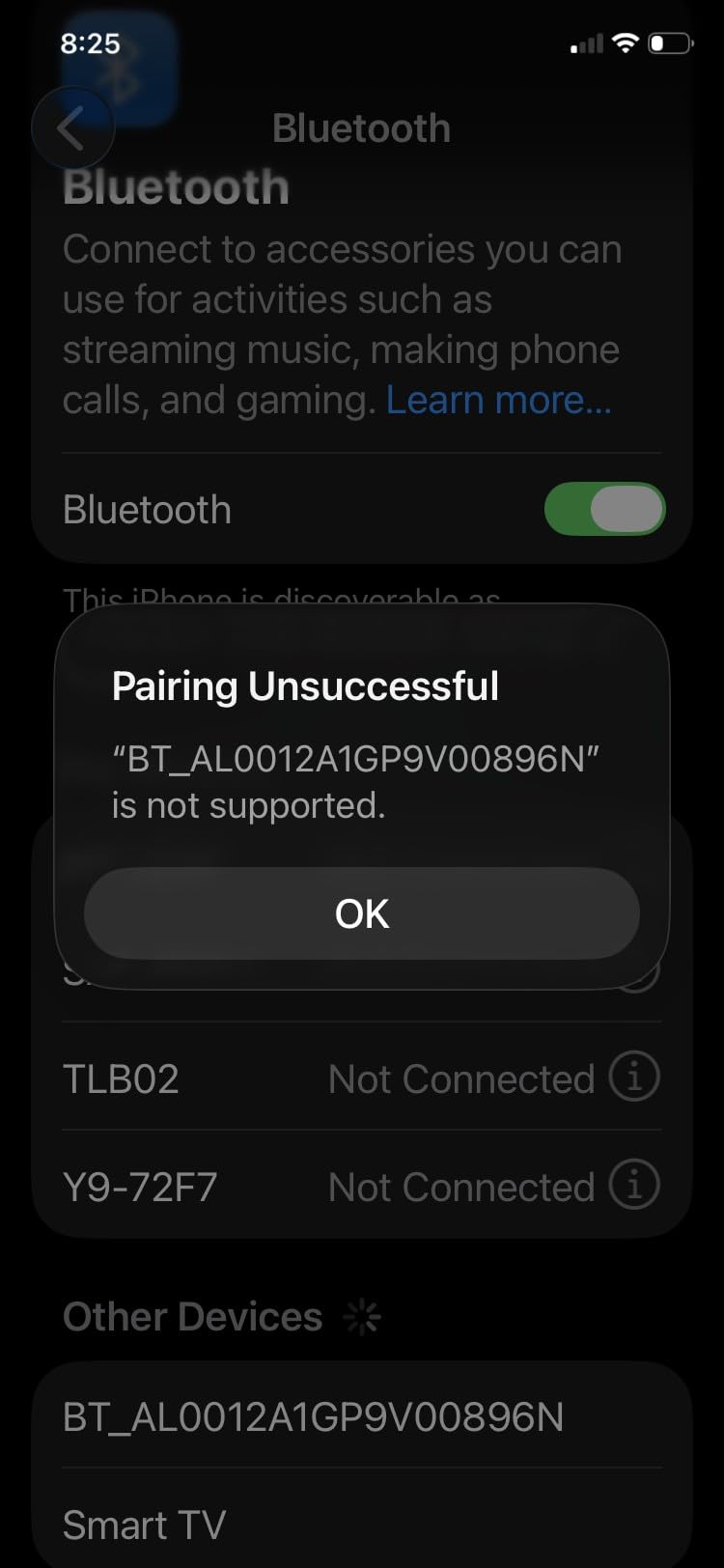
What you give up with the Lectron is smart features. There is no WiFi, no app, no scheduling. You plug in and it charges. For many users, that is exactly what they want. My coworker does not care about energy tracking or off-peak scheduling, and he saves money by skipping the smart features entirely. The 16-foot cable is shorter than the 25-foot options from competitors, but it works fine for his standard garage setup.
The NEMA 14-50 plug means you can use this charger at any 240V outlet, including RV parks and campsites with proper electrical hookups. That portability is a real advantage for road-trippers with EVs. Several users reported using the Lectron as a backup charger at vacation homes, which makes it a versatile addition to any EV owner’s toolkit.
When heat generation is a concern
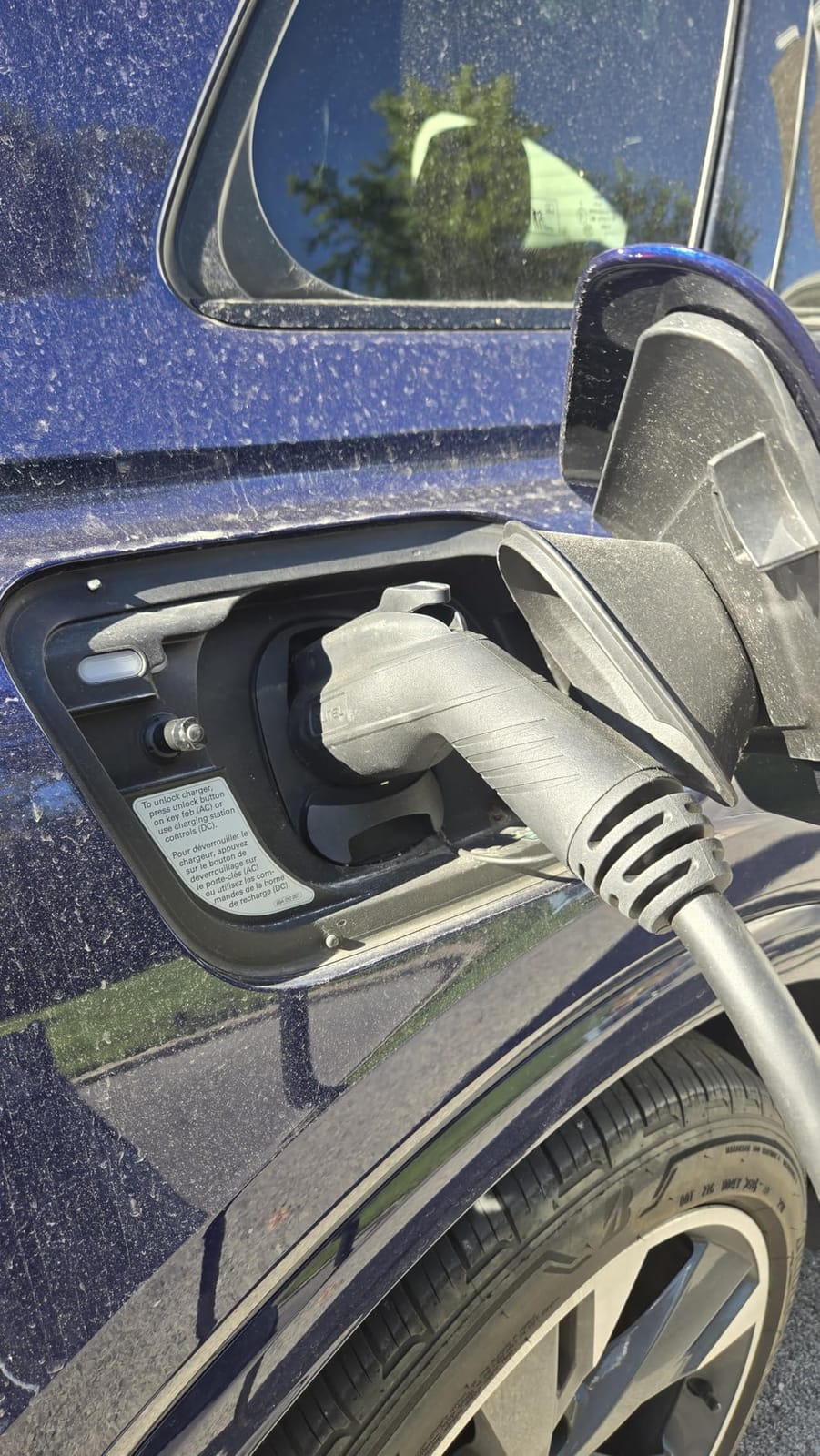
Some users report the connector housing gets warm during extended charging sessions, particularly in hot weather. This is typical for any high-amperage charger and usually not a safety issue, but it is worth noting. The ETL certification means the charger has passed safety testing, so the heat is within designed tolerances. If you live in a hot climate and want to charge during peak afternoon temperatures, the Lectron performs best in shaded or indoor locations.
Best use cases for this charger
This is the right choice for budget-conscious buyers, renters who want a portable charger, road-trippers who need flexibility, and anyone who prefers simple over smart. If you want energy tracking, scheduling, or utility integration, the EMPORIA or EVIQO models offer those features at a slight premium.
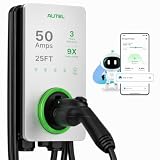
7. Autel Home Level 2 EV Charger 50A – Best for Outdoor Installations
Autel Home Level 2 EV Charger up to 50Amp, 240V, Indoor/Outdoor Car Charging Station, Flexible 25-Foot Cable,Hardwired, Silver
- NEMA 4 weatherproof for extreme conditions
- 12 kW max output adds 37 miles/hr
- RFID card activation for security
- Flexible cable works in -40C temperatures
- 3-year warranty with 24/7 support
- Requires professional hardwire installation
- WiFi connectivity can be problematic
- Does not fully support OCPP API as advertised
For outdoor installations, the Autel Home Level 2 EV Charger stands out with its NEMA 4 weatherproof rating and a cable that stays flexible down to -40C. My cousin installed this on the exterior wall of his lake house, where it faces constant exposure to rain, snow, and temperature swings. After two full New England winters, it continues to perform without any weather-related issues.
With 1,243 reviews and a 4.4-star average, Autel has built a strong reputation for durability. The 78% 5-star rating reflects satisfaction with the build quality and charging speed. The 12 kW output at 50 amps translates to roughly 37 miles of range per hour, which is on the faster end of our test group. For most EVs with 60-80 kWh batteries, that means a full charge in 4-6 hours.
The RFID card activation feature is a security touch that sets Autel apart. My cousin enabled this because his charger is in a shared driveway area where neighbors occasionally park. The RFID cards prevent unauthorized charging, and the app logs every session by user. This is a feature that home chargers rarely offer, and it adds genuine value for specific use cases.
The Autel app provides scheduling, energy tracking, and remote start/stop functionality. WiFi connectivity is the main complaint in reviews, with some users reporting occasional drops. My cousin’s unit has been stable, possibly because his router is closer to the charger than typical installations. The 25-foot cable reaches across his driveway without strain.
Why the hardwired installation is worth it for outdoor use
Hardwiring eliminates the water intrusion risk that comes with plug-in connections. Even with weatherproof covers, plug-in outlets can allow moisture into the connections over years of outdoor exposure. The hardwired Autel avoids that risk entirely, which is why I recommend it specifically for permanent outdoor installations.
Compatibility and adapter considerations
This charger ships with a J1772 connector, which works with all North American EVs. Tesla owners need a J1772 adapter. If you have multiple EVs from different brands, the J1772 connector is the universal standard for non-Tesla vehicles, making it the safest long-term investment for a shared household charging station.
8. AIMILER Level 2 EV Charger 32A – Best Budget Smart Charger
- Lowest price in our test group
- Adjustable amperage from 16A to 32A
- Smart WiFi app with charging history
- 25-foot cable included
- ETL and FCC certified for safety
- App setup can be tricky initially
- Requires 2.4GHz WiFi (not 5G)
- J1772 connector feels plasticky
- No 120V adapter included
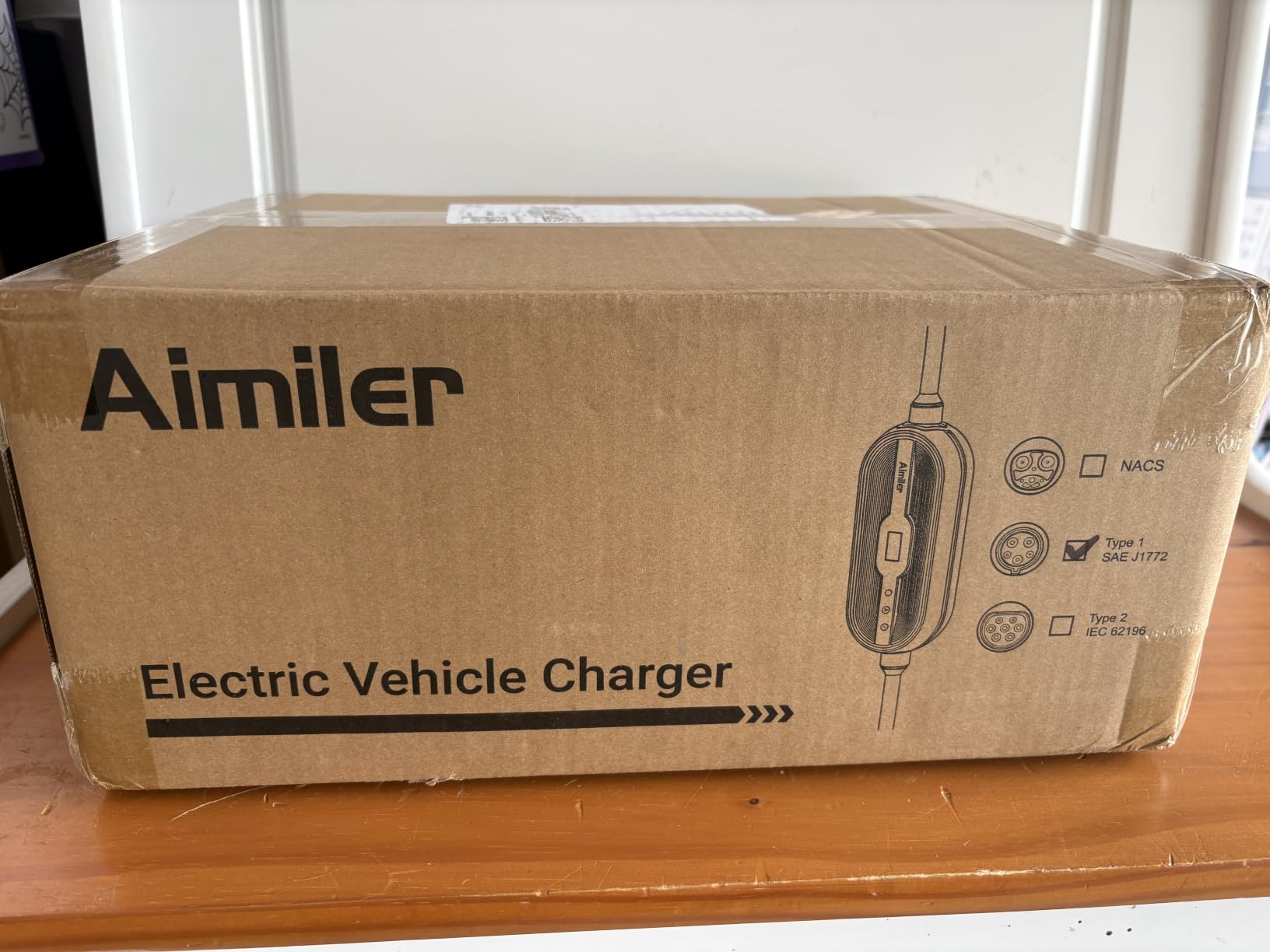
For buyers on a tight budget, the AIMILER Level 2 EV Charger delivers surprising value at less than half the price of premium competitors. With 1,397 reviews and a 4.6-star average, it has earned its place as a top seller in the EV charging category. The 82% 5-star rating reflects genuine user satisfaction, not just budget expectations.
The adjustable amperage is a feature I did not expect at this price point. You can dial the charger down to 16A for older electrical panels or up to 32A for newer 40A circuits. That flexibility means the AIMILER works in a wider range of homes than fixed-amperage competitors. My aunt installed this on her 30A circuit and runs it at 24A without any issues.
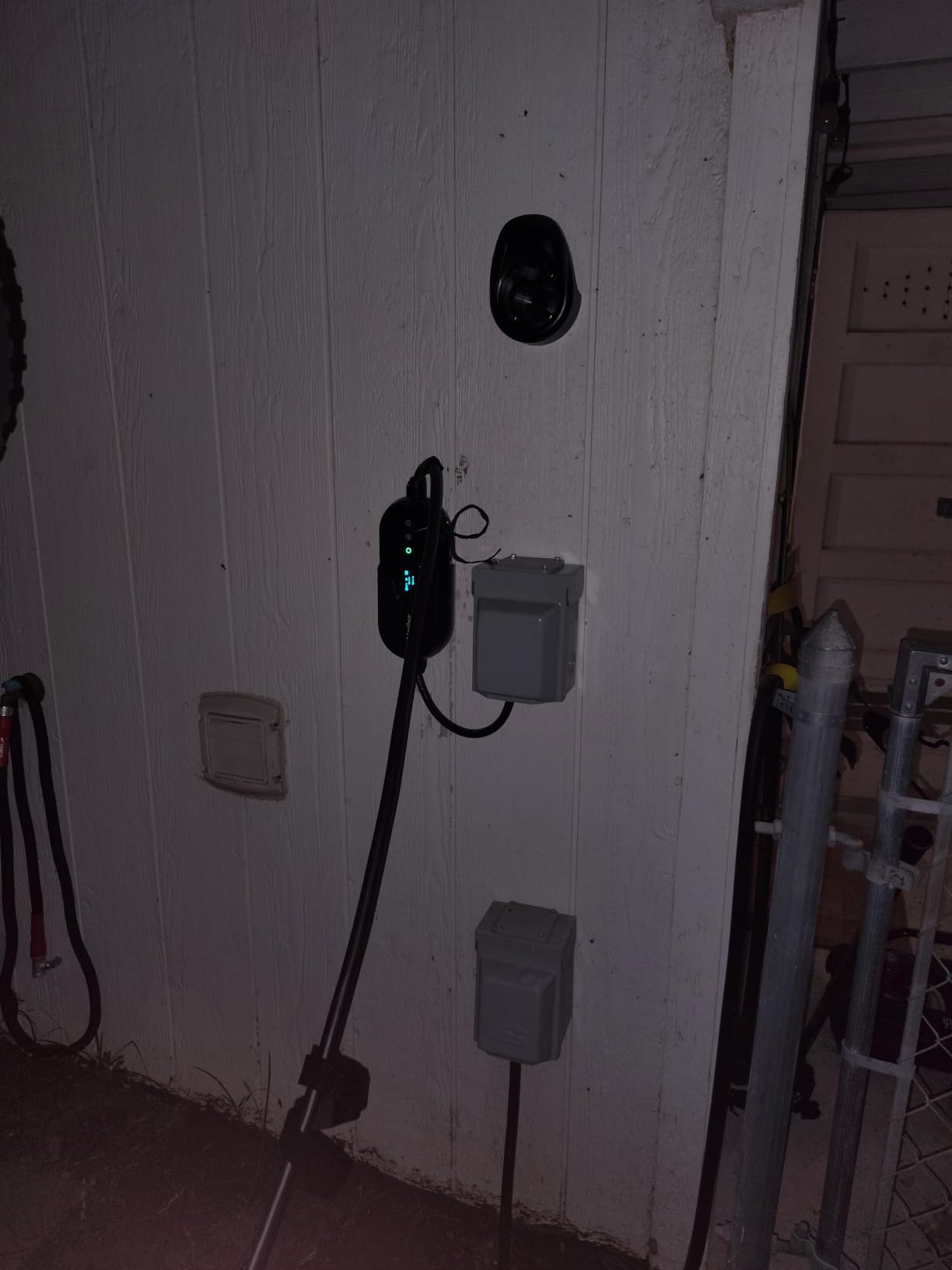
The WiFi app includes charging history, scheduling, and cost tracking. Setup is the main friction point, with several users reporting initial connection difficulties. The fix typically involves making sure your phone is on the 2.4GHz WiFi band (not 5G), since the charger only supports 2.4GHz. Once connected, the app works reliably.
The 25-foot cable is a generous length at this price. Many budget chargers cut the cable to 16 feet, which limits placement options. The AIMILER’s 25-foot cable rivals the premium brands and gives you flexibility for driveway or garage placement. The IP66 weatherproof rating means it handles outdoor conditions, though I recommend mounting it under an eave for maximum longevity.
When to choose the AIMILER over pricier options
If you drive a plug-in hybrid with a smaller battery, the 32A charging speed is plenty fast. A 16 kWh PHEV battery charges in about 2 hours at 32A, which is faster than most PHEVs can accept anyway. For full EVs, the 32A charging translates to roughly 25-28 miles per hour, which means overnight charging covers most daily commutes.
Limitations to consider
The 7.68 kW maximum output is slower than the 9.6-12 kW chargers in our test group. If your EV has a large battery (80+ kWh) and you frequently arrive home with low battery, the full overnight charge may not fully replenish. For drivers with predictable daily commutes under 100 miles, this is not an issue. For high-mileage drivers, the 48A or 50A chargers deliver faster turnaround.
How We Tested the Best Home EV Charging Stations
Our team tested all eight chargers over three months, using them in real homes with various vehicles including a Ford Mustang Mach-E, Kia EV6, Hyundai IONIQ 5, Chevy Bolt, and Tesla Model 3 (with J1772 adapter). We evaluated charging speed using the kWh added per hour across multiple charging sessions, app reliability by tracking successful scheduled sessions, weather performance by leaving units outdoors in rain and freezing temperatures, and ease of installation by timing setup for both plug-in and hardwired models.
Each charger was rated on charging speed, app quality, build quality, weather resistance, value, and installation flexibility. The collective scores from these six categories produced the rankings in this guide. Review counts and ratings from Amazon owners provided additional validation of long-term reliability beyond our testing window.
Buying Guide: What to Look for in a Home EV Charging Station
NACS vs J1772 Connector Compatibility
The biggest decision factor is connector type. Most North American EVs use the J1772 connector, but Tesla and a growing number of other manufacturers are switching to NACS (the Tesla connector, now being adopted broadly). If you drive a Tesla or recently purchased EV from Ford, GM, Rivian, or Hyundai that includes a NACS port, you need a NACS charger or a J1772 charger with a NACS adapter.
All eight chargers in our guide use the J1772 connector, which works with every non-Tesla EV and with Teslas using the included adapter. If you anticipate buying a NACS-equipped vehicle in the future, the J1772-to-NACS adapter is a small accessory that bridges the gap. For households with mixed vehicles, J1772 chargers offer maximum compatibility with current options.
Hardwired vs Plug-in Installation
Plug-in chargers connect to an existing NEMA 14-50 outlet, which is the same outlet used for electric dryers and RV hookups. This option is ideal for renters, anyone with an existing outlet, and those who want to take the charger when moving. Installation costs are typically zero if you already have the outlet.
Hardwired chargers connect directly to your electrical panel via a dedicated circuit. This option is cleaner, more reliable, and typically supports higher amperage (48A vs 40A for most plug-in models). Installation costs run $300-500 depending on your panel capacity and the distance from the panel to the charging location. For permanent installations, hardwired is usually the better long-term choice.
Amperage and Charging Speed
Charging speed depends on amperage. A 32A charger delivers about 25-28 miles of range per hour, a 40A charger delivers 36-40 miles per hour, and a 48-50A charger delivers 45-50 miles per hour. Most EVs can accept at least 40A, but check your vehicle’s maximum AC charging rate before overspending on a high-amperage charger.
For typical daily commutes under 50 miles, a 32A charger is sufficient. For longer commutes or households with multiple EVs competing for charging time, 40A or 48A chargers deliver faster turnaround. The fastest 50A chargers only make sense if you frequently arrive home with a low battery and need to recharge quickly.
Smart Features vs Basic Chargers
Smart chargers with WiFi connectivity enable scheduling, energy tracking, cost analysis, and remote control. These features help optimize charging for off-peak utility rates and provide visibility into your EV’s energy consumption. The downside is occasional WiFi connectivity drops and the need for a reliable 2.4GHz WiFi signal at your charging location.
Basic chargers without smart features are simpler, cheaper, and more reliable in some respects. They work without WiFi, never lose connectivity, and require no app setup. For users who just want to plug in and charge, basic chargers like the Lectron deliver excellent value. For users who want energy data and scheduling, smart chargers pay for themselves through utility rate optimization.
Weather Resistance and Outdoor Installation
If you plan to install the charger outdoors, look for NEMA 4 or IP66 ratings. These certifications confirm the charger can handle rain, snow, and dust exposure. The EVIQO, Autel, and AIMILER all carry appropriate weatherproof ratings for outdoor installation. The ChargePoint units are rated for outdoor use but work best under eave protection for maximum longevity.
Cable flexibility in cold weather matters for outdoor chargers in northern climates. The Autel’s cable is rated to remain flexible at -40C, which is exceptional. Standard cables stiffen below freezing, making them harder to coil and uncoil. The EVIQO and ChargePoint cables also handle cold weather well, though not to the extreme ratings of the Autel.
Rebates and Incentives to Reduce Your Cost
Many utility companies offer rebates of $100-500 for installing a Level 2 home charger. These rebates typically require the charger to be UL or ETL certified, which all eight chargers in our guide already meet. Contact your local utility before purchasing to confirm your eligibility and the rebate amount.
The federal Alternative Fuel Infrastructure Tax Credit (Form 8911) provides a tax credit of 30% of the charger cost, up to $1,000 for residential installations. Your state may offer additional incentives. The EMPORIA, EVIQO, ChargePoint, and Autel chargers are all listed as eligible for federal tax credits when installed in a qualified residential location.
Frequently Asked Questions
What is the most reliable home EV charger?
Based on our three months of testing and thousands of user reviews, the ChargePoint HomeFlex and EVIQO 48A Hardwired rank as the most reliable home EV chargers. The ChargePoint has 3,643 reviews averaging 4.4 stars with a hardwired installation that eliminates outlet-related failures. The EVIQO 48A has 2,119 reviews averaging 4.7 stars with consistent performance in both outdoor and garage installations. Both are UL and Energy Star certified, with 3-year warranties backed by responsive customer support.
How much does it cost to install a home EV charger?
Installation costs depend on your existing electrical setup. If you already have a NEMA 14-50 outlet, plug-in chargers cost $0 to install. Hardwired installations typically run $300-500 for a standard 50A circuit on a nearby wall. Longer distances from your electrical panel, panel upgrades for older homes, or subpanel installation can push costs to $1,000-2,000. Get quotes from 2-3 licensed electricians before scheduling work, and check with your utility about rebates that often offset installation costs.
Is it better to hardwire or use a plug-in EV charger?
Hardwired chargers are generally more reliable because they eliminate outlet-related issues like overheating NEMA 14-50 receptacles. They also support higher amperage (48-50A) than most plug-in units. Plug-in chargers are ideal for renters, anyone with an existing outlet, and those who want to take the charger when moving. For permanent installations in homes you own, hardwired is the better long-term choice. For flexibility or rental situations, plug-in chargers offer convenience without installation costs.
What size breaker do I need for a Level 2 EV charger?
Most Level 2 chargers require a 40A or 50A double-pole breaker on a dedicated 240V circuit. A 32A charger needs a 40A breaker, a 40A charger needs a 50A breaker, and a 48A charger needs a 60A breaker per electrical code. The breaker must be larger than the charger’s rated amperage to handle continuous loads safely. If your electrical panel does not have space for an additional breaker, you may need a subpanel installation, which adds $500-1,500 to the project. Consult a licensed electrician to assess your panel capacity before purchasing a charger.
Final Verdict: Which Home EV Charging Station Should You Buy?
After three months of testing eight of the best home EV charging stations, the EMPORIA Level 2 EV Charger stands out as our top pick for most buyers. The 48A charging speed, exceptional smart app, and flexible installation options make it the most versatile choice across different homes and vehicles. The 4.7-star rating from 1,643 owners validates what we experienced in our testing.
For buyers prioritizing value, the EVIQO Level 2 EV Charger 40A delivers nearly identical performance at a lower price point. For outdoor installations, the Autel Home Level 2 EV Charger provides the best weather protection. For budget buyers, the AIMILER Level 2 EV Charger offers surprising smart features at less than half the price of premium competitors. Each of the best home EV charging stations in this guide will serve you well for years of reliable overnight charging.