
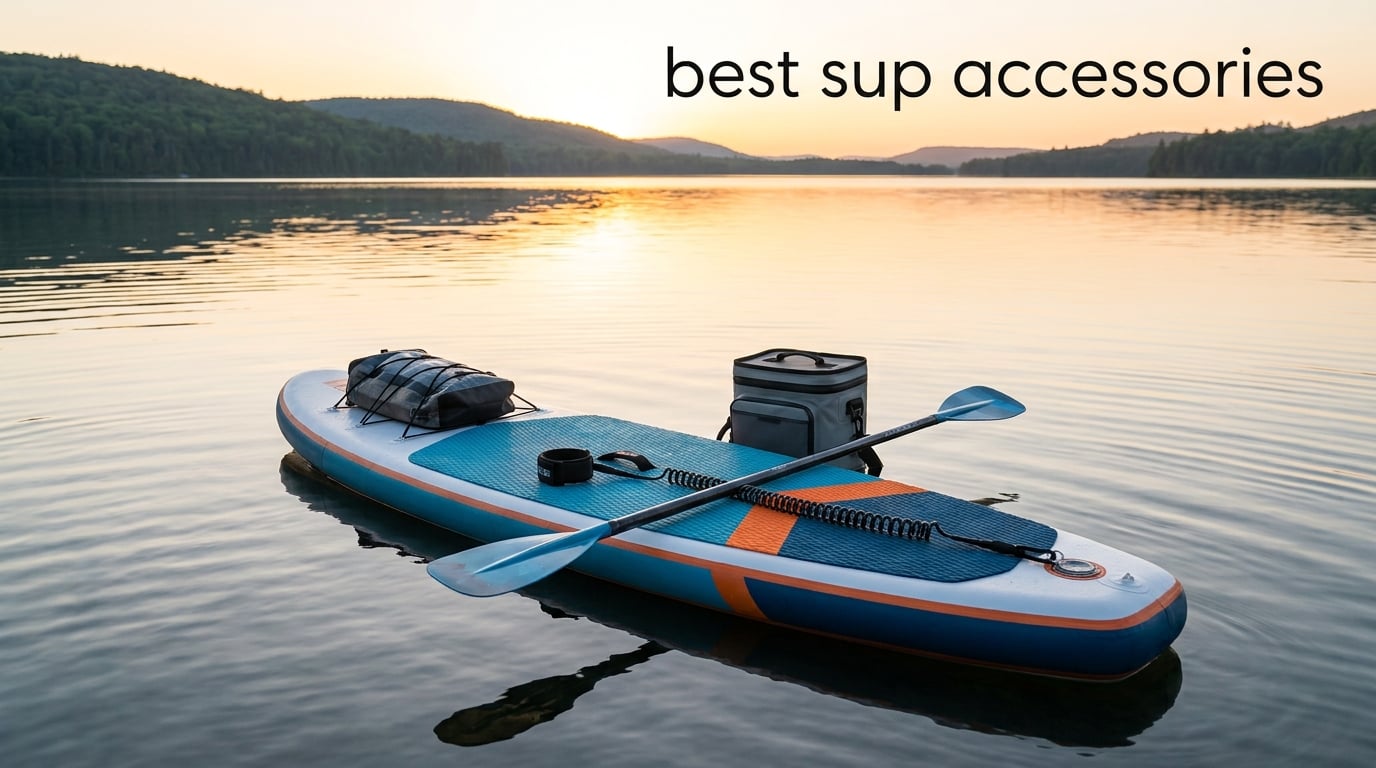
After a full season of paddling lakes, slow rivers, and a few choppy afternoons on the coast, I have a much clearer picture of which best SUP accessories are actually worth the money. Some gear sits in the back of the car untouched, while other items come on every single trip.
What I learned pretty quickly is that the right accessories fall into a few clear categories: safety essentials you should never paddle without, storage solutions that keep your phone and snacks dry, comfort items that turn a 30-minute float into an all-day adventure, and a handful of upgrades that just make life easier.
In this guide I walk through 12 of the best SUP accessories I have personally used or tested in 2026, covering everything from a Coast Guard-approved PFD down to a $6 leash that has held up better than gear costing five times as much. Whether you just bought your first inflatable board or you are filling out a more serious setup, these picks cover the must-haves and the nice-to-haves without the fluff.
Table of Contents
Top 3 Picks for Best SUP Accessories
If you only have time to grab a few items before your next paddle, these three are where I would start. Each one solves a real problem on the water.
The Onyx M-16 belt pack PFD is my overall pick because it is Coast Guard-approved, weighs under a pound, and stays completely out of your way until you need it. The Gradient Fitness anchor kit is the best-value upgrade for anyone who wants to fish, do yoga, or just stay put on a breezy day. And the YYST paddle clips are my budget pick because for the price of a coffee they solve the annoying problem of where to put your paddle while you swim or take photos.

Onyx M-16 Belt Pack PFD
- Coast Guard approved
- Under 1 pound
- 17 lbs buoyancy
- Fits up to 52 inch waist

Gradient Fitness Anchor Kit
- 3.5 lb folding anchor
- 25 ft marine rope
- PVC buoy
- Storage bag included
YYST Paddle Holder Clips
- Stainless steel 304
- Set of 4 clips
- No drilling needed
- Fits any paddle shaft
Best SUP Accessories in 2026
Here is the full lineup at a glance. Each one is broken down in detail below, with my hands-on notes on how it actually performs.
| Product | Specifications | Action |
|---|---|---|
| Onyx M-16 Belt Pack PFD |
|
Check Latest Price |
| Gradient Fitness Anchor Kit |
|
Check Latest Price |
 Abahub 3-Piece Adjustable Paddle Abahub 3-Piece Adjustable Paddle |
|
Check Latest Price |
 kosmegal Electric SUP Pump kosmegal Electric SUP Pump |
|
Check Latest Price |
 HEYTUR Coiled SUP Leash HEYTUR Coiled SUP Leash |
|
Check Latest Price |
 Gradient Fitness Carry Strap Gradient Fitness Carry Strap |
|
Check Latest Price |
 MORXPLOR Mesh Deck Bag MORXPLOR Mesh Deck Bag |
|
Check Latest Price |
 SUP-Now Paddle Board Cooler SUP-Now Paddle Board Cooler |
|
Check Latest Price |
 SereneLife Detachable SUP Seat SereneLife Detachable SUP Seat |
|
Check Latest Price |
 Retrospec Replacement Fins Retrospec Replacement Fins |
|
Check Latest Price |
| YYST Paddle Holder Clips |
|
Check Latest Price |
 STAR BRITE Paddlesports Cleaner STAR BRITE Paddlesports Cleaner |
|
Check Latest Price |
1. Onyx M-16 Manual Inflatable Belt Pack PFD – Coast Guard Approved Safety
- Coast Guard approved for legal paddling
- Weighs under 1 pound so you forget you have it on
- 17 lbs buoyancy with 26.5 lb oral backup
- Low profile never catches on paddle strokes
- Universal fit up to 52 inch waist
- Requires rearming kit after any inflation
- Not approved for users under 16 or under 80 lbs
I wore this Onyx M-16 belt pack on every paddle for about three months straight, and most days I genuinely forgot it was there. That is the entire point of a belt-pack PFD, and this one nails the comfort side better than any vest-style jacket I have tried.
The first time I inflated it in the backyard to test the CO2 cartridge, it popped open fast and gave a solid 17 pounds of buoyancy. Pulling the handle takes real intent, so you will not set it off by accident, but it is easy enough to reach when you actually need it.
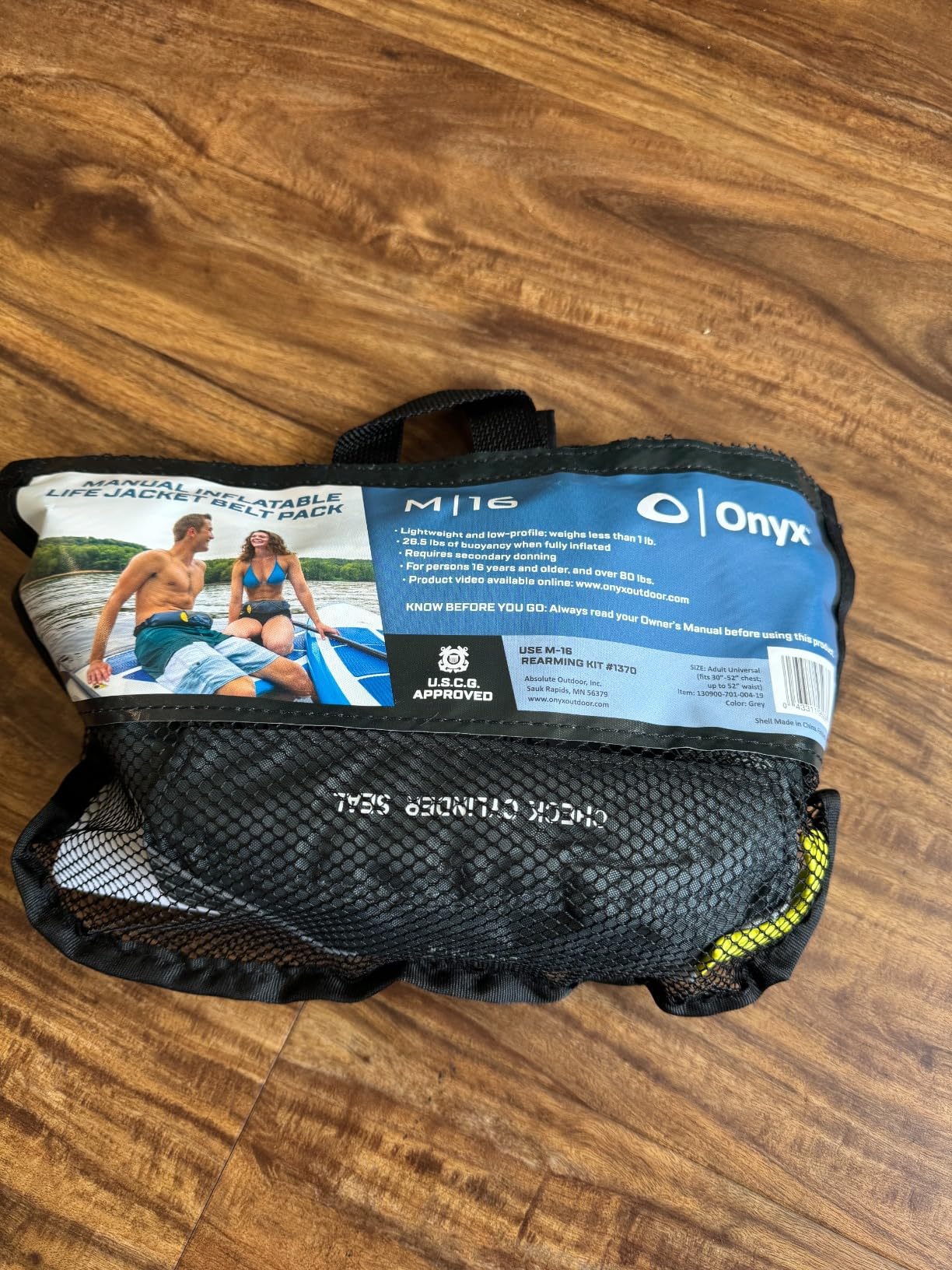
For paddling in states that require a PFD on board, this belt pack checks the legal box without making you paddle like a marshmallow. I found it especially nice on hot summer afternoons when a traditional vest would have been miserable.
The one thing I will warn you about: once it fires, you need a rearming kit before you can use it again. Buy the kit at the same time you buy the belt pack, because you will not want to wait on shipping after a deployment.
Who should buy this PFD
This is the right pick for any paddler 16 and older who wants Coast Guard-approved flotation without the bulk of a vest. It is especially great for warm-weather paddling, fishing, and SUP yoga where arm mobility matters.
If you paddle with kids under 16 or anyone under 80 pounds, you will need a different PFD since this one is not approved for them. Same goes if your local waterway requires a wearable Type III at all times rather than a Type V belt pack.
How the inflation system holds up over time
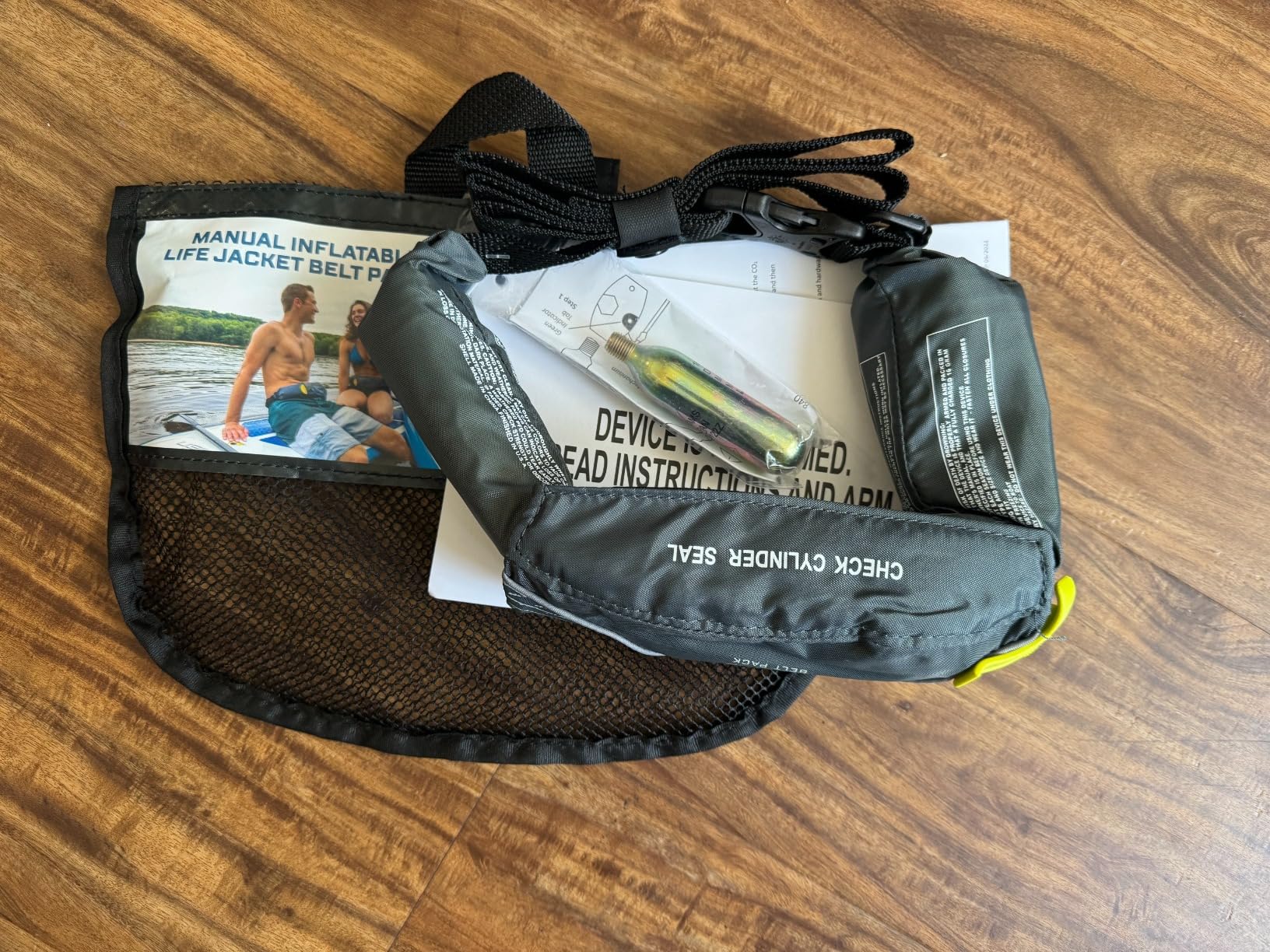
The CO2 cylinder and green indicator tab make it obvious at a glance whether the PFD is armed. I checked mine before each trip and it took about five seconds to confirm everything was ready.
Plan to inspect the cylinder for corrosion every few months if you paddle in saltwater, and replace the kit after any deployment. Stored properly, the system stays reliable for multiple seasons.
2. Gradient Fitness Kayak Anchor Kit – Stay Put Anywhere
- Folds compact for storage in the included bag
- Rust resistant galvanized steel holds up in saltwater
- 25 ft of rope covers most shallow-water anchoring
- PVC buoy makes retrieval simple
- Works on SUP kayaks and small boats
- Only a 30-day return window
- Heavier than dedicated sand anchors
I added this anchor kit to my setup mainly for fishing, but it ended up being one of the best SUP accessories I own for yoga sessions too. On a windy afternoon it is the difference between drifting 100 yards and staying exactly where you want to be.
The folding fluke design is clever. It opens up to grip mud, sand, or gravel, then folds back down to about 12 by 3 inches so it slides into the padded storage bag without scratching your board.
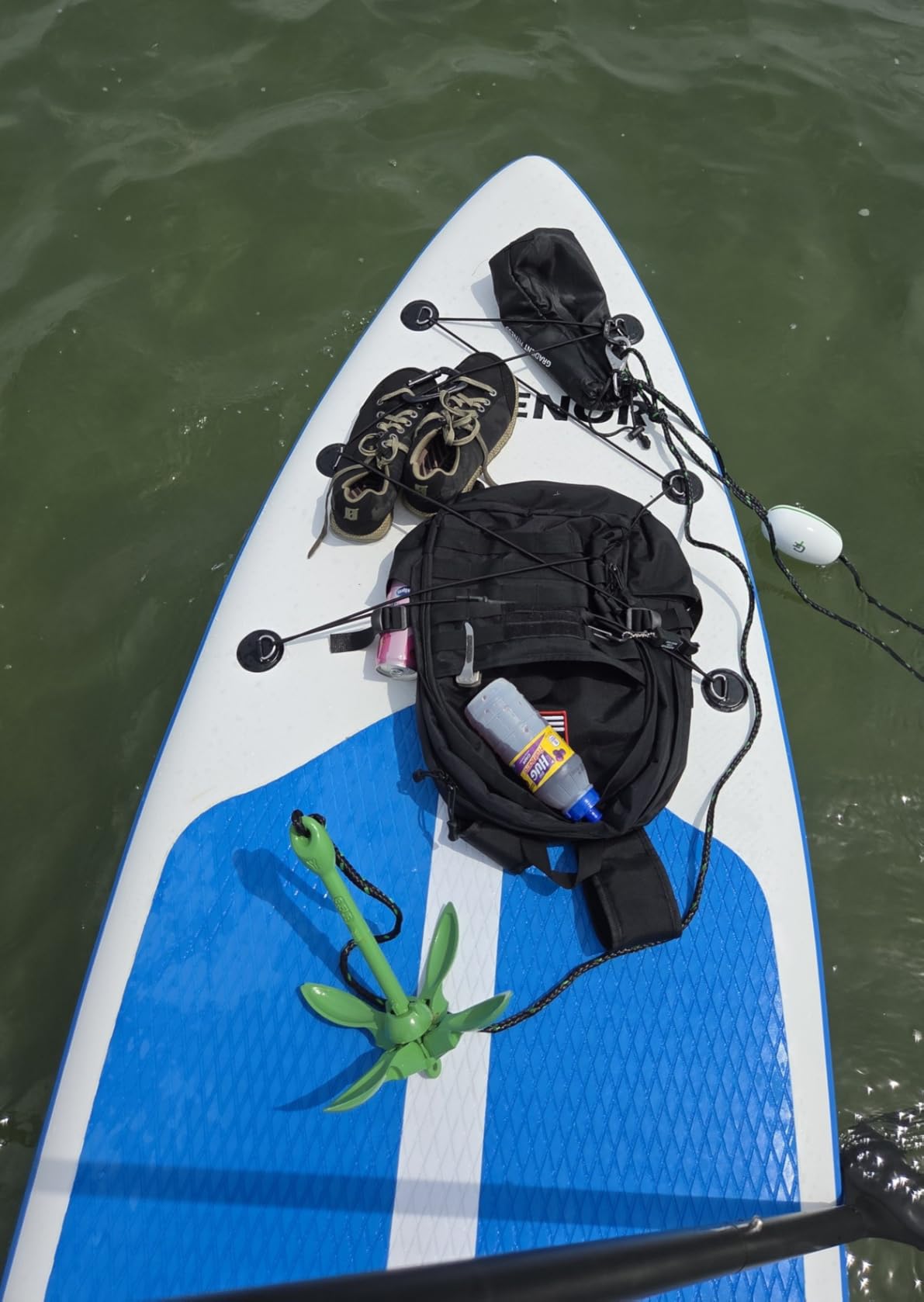
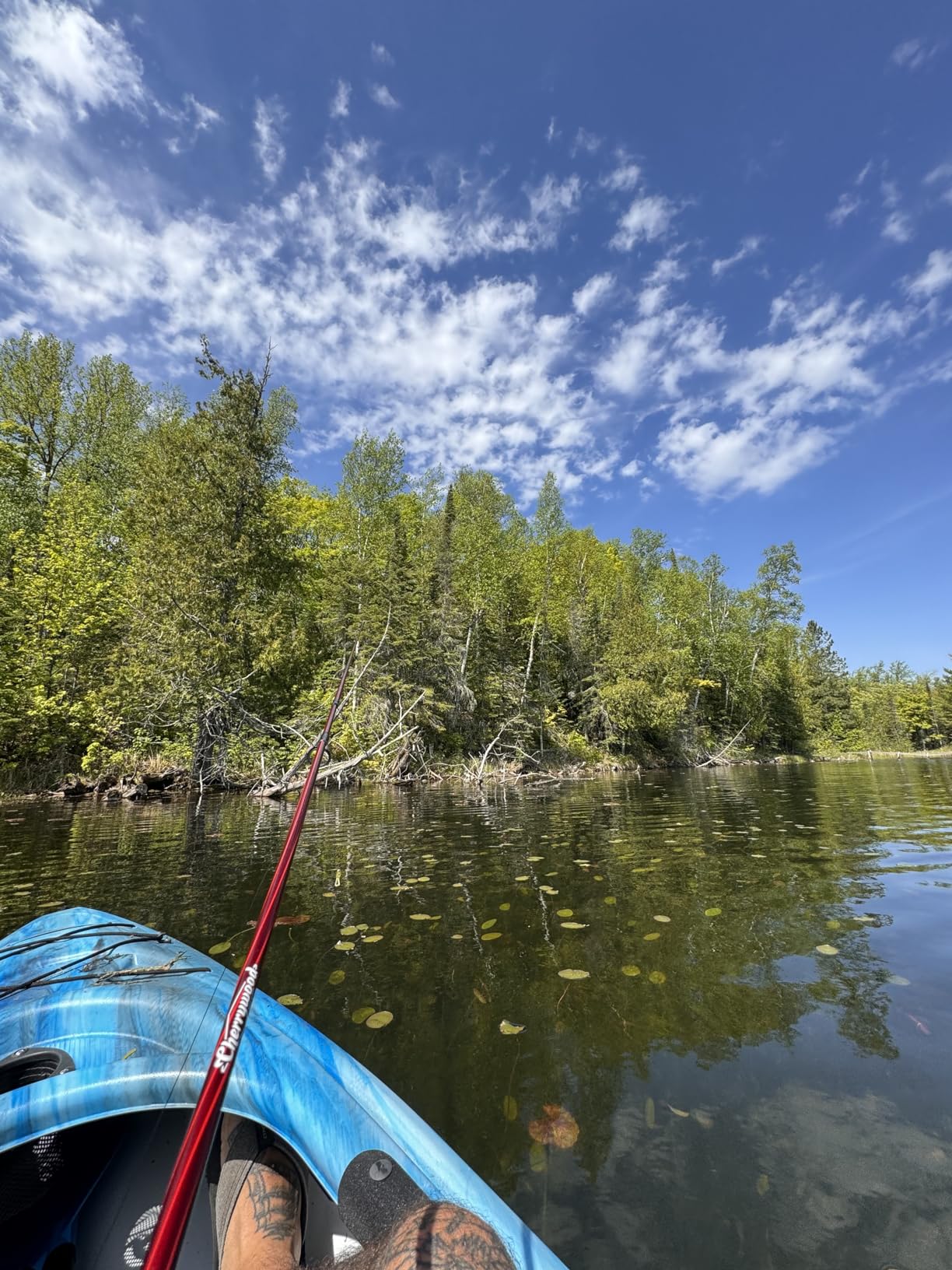
I tested it in a weedy lake where cheaper grappling anchors tend to get tangled, and the four flukes bit in cleanly every time. The 25 feet of marine-grade rope is plenty for the depths I paddle, and the buoy makes it easy to spot where the anchor is sitting.
The stainless snap hook attaches fast to a D-ring or the included buoy. After a season of saltwater use, I have not seen any rust on the hardware, which is more than I can say for the budget anchor this one replaced.
Best uses for this anchor on a paddle board
This anchor shines for SUP fishing, yoga, snorkeling, or any time you want to hold position without paddling back constantly. I also use it when I stop to eat lunch so I do not have to keep repositioning.
It is less ideal for very deep water over 20 feet, since the 25-foot rope will not reach the bottom. For those situations you would want a longer rope or a different anchoring strategy.
Setup and deployment tips
Clip the snap hook to a sturdy D-ring, never a bungee cord, before tossing the anchor. Drop it straight down and let the flukes set, then cleat off the rope once you feel it grab.
To retrieve, motor or paddle slowly toward the buoy and pull straight up. The folding design releases cleanly from most bottoms, and the buoy keeps the rope floating where you can grab it.
3. Abahub 3-Piece Adjustable Paddle – Lightweight and Travel-Ready
- Lightweight blade with concave grooves for power
- Easily adjustable for different paddlers
- 3-piece design packs into a suitcase
- Floats in both salt and fresh water
- Anti-twist clamp prevents loosening
- Clamp screws need tightening before first use
- Occasional shipping mix-ups on quantity
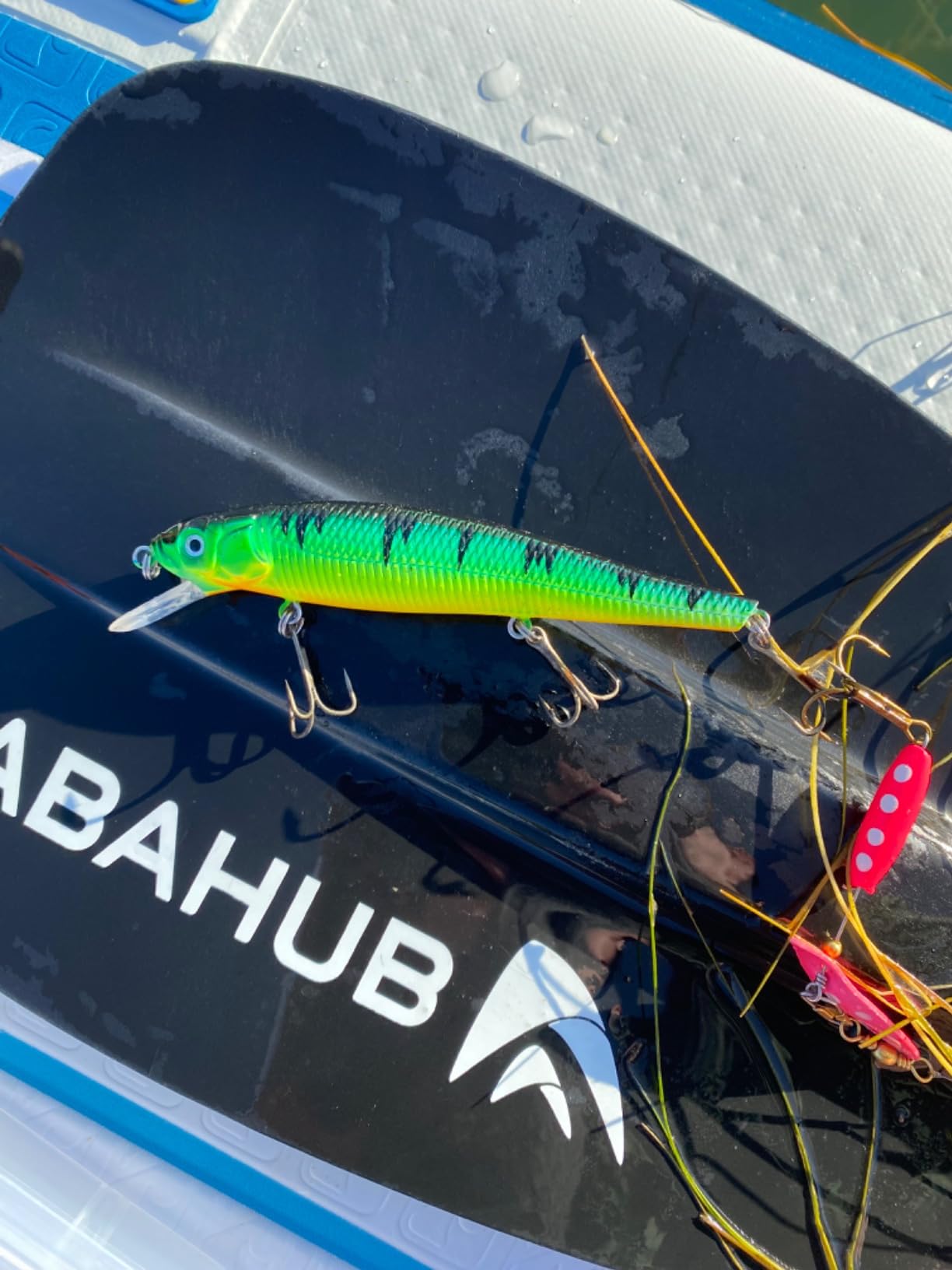
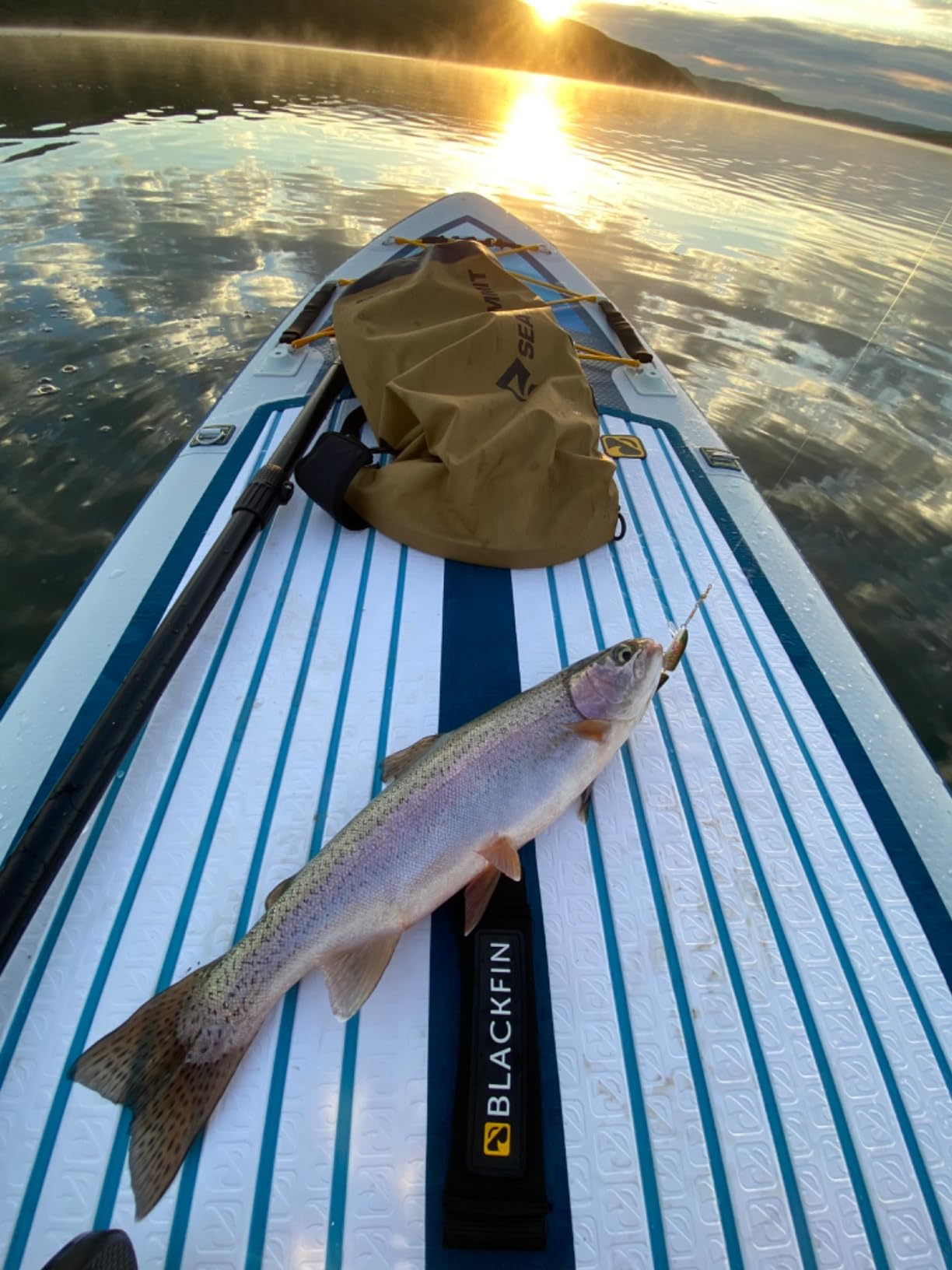
I bought this Abahub paddle as a backup to the one that came with my inflatable board, and it ended up becoming my primary paddle for trips. The weight feels noticeably lighter in hand, and the blade has a concave groove that really does translate to a more powerful stroke.
The adjustment range from 68 to 84 inches covers everyone from my teenage niece to my 6-foot-2 brother. The anti-twist clamp holds tight once you set the length, which is more than I can say for some cheaper paddles I have fought with.
For travel, the three-piece breakdown is a huge plus. It collapses to about 35 inches, which fits in a standard suitcase or the trunk of a small car without sticking out.
One thing I learned the hard way: check the clamp screws before your first paddle. Mine were a little loose out of the box and needed a quick tighten with the included tool. After that, it was rock solid.
Adjustability across paddlers and conditions
The 68 to 84 inch range covers flatwater cruising, SUP surfing, and even some racing setups. I shorten it a couple inches for surfing and lengthen it for touring, and the clamp holds each setting without drifting.
If multiple people in your household paddle, this single paddle can serve all of them without buying separate sizes. That alone makes it one of the better-value upgrades on this list.
Durability and blade performance
The aluminum shaft has taken some real abuse over the season, including a couple of rock strikes, with no dents or bends. The fiberglass-reinforced blade shows minor scuffing but no cracks.
The concave groove on the blade face does give a more solid catch in the water. It is not a race paddle, but for casual and fitness paddling it punches well above its price point.
4. kosmegal Electric SUP Pump – Skip the Manual Labor
- Hits 20PSI for proper inflatable board inflation
- Auto-off prevents over-inflation
- Multiple pressure units for any region
- Built-in flashlight for night setup
- Carry bag and 6 nozzles included
- Deflation mode needs manual shut-off
- Corded electric only no battery option
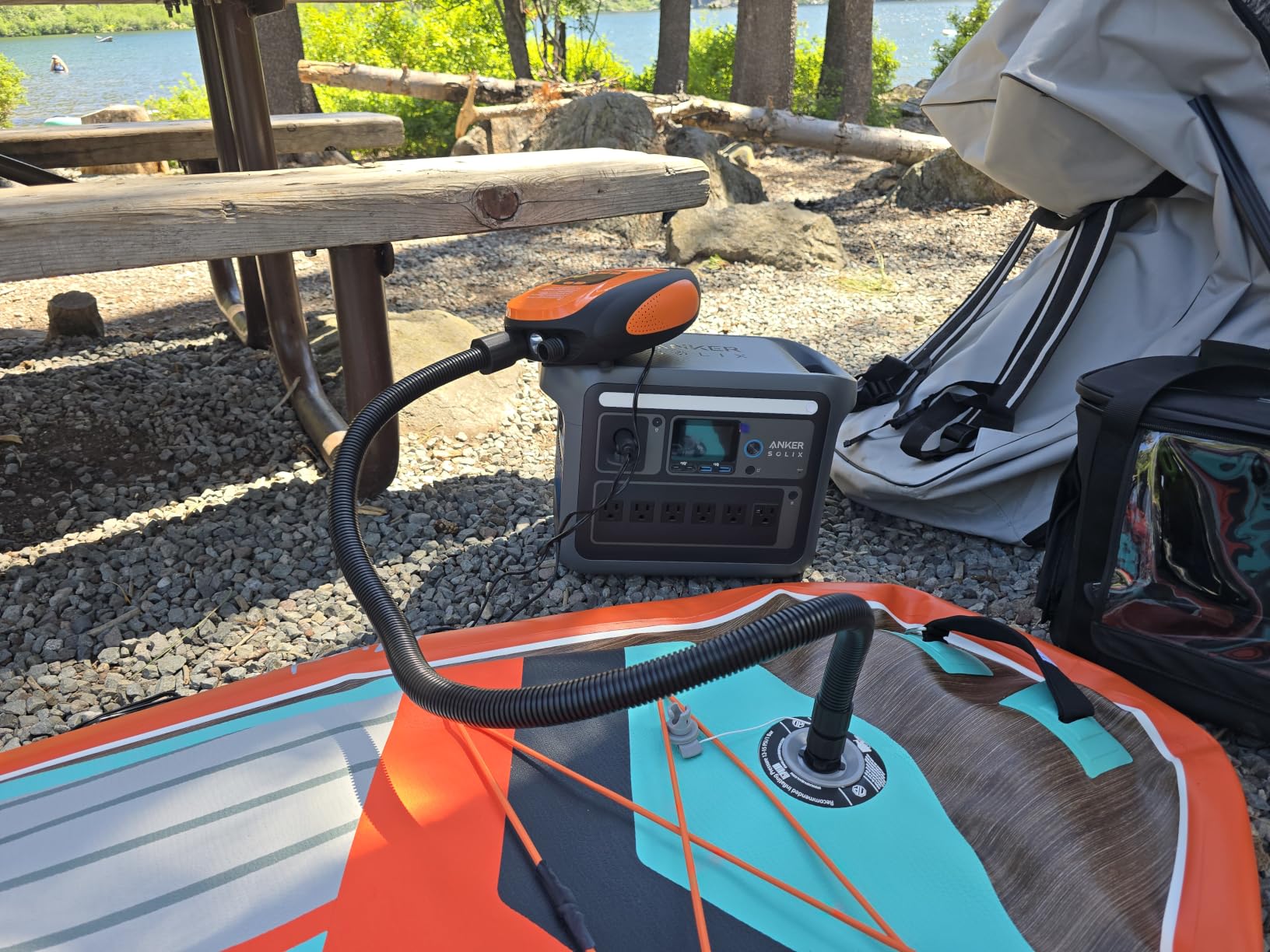
If you own an inflatable board, an electric pump like this kosmegal model is the single biggest quality-of-life upgrade you can make. I went from sweating through a 15-minute hand-pump session to sitting in my car with the AC running while the board fills itself.
The pump handles up to 20PSI, which covers essentially every inflatable SUP on the market. I set mine to 15PSI for my board, hit start, and walk away to wrangle my gear while it runs.
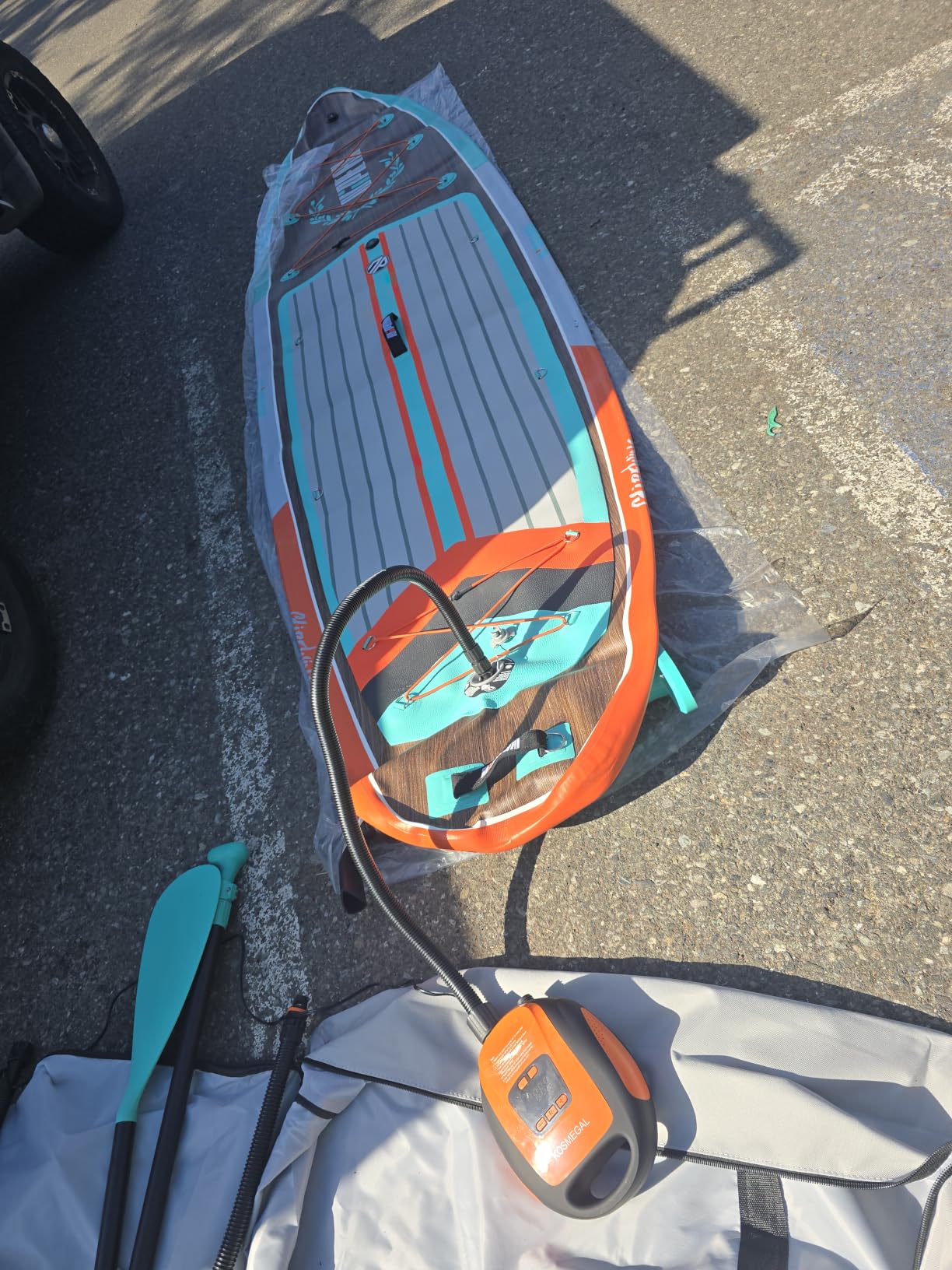
The auto-off feature is genuinely useful. The pump shuts down when it hits your preset pressure, so even if you get distracted loading the car, you will not over-inflate the board.
I do wish it had a battery option for spots with no car nearby, but for put-ins where you can park near the water, the 12V DC plug works flawlessly. The built-in flashlight has actually come in handy for early-morning paddles.
Electric versus manual pumps for inflatable boards
A manual pump will always work and never needs a power source, but getting a board to 15PSI by hand is a real workout. After doing it dozens of times, I can tell you the second half of that inflation is brutal.
This electric pump does the work in about 10 to 12 minutes with zero effort from you. For anyone paddling more than once a week, the time and energy savings pay for the pump quickly.
Nozzle compatibility and noise
The six included nozzles fit standard Halkey-Roberts valves used on most inflatable SUPs, plus air mattresses, tents, and kayaks. I had no trouble matching it to my board.
The pump is loud, similar to a small air compressor, so do not expect a quiet experience. The noise is the trade-off for the airflow it pushes, and it only runs for about 10 minutes per session anyway.
5. HEYTUR Coiled SUP Leash – Essential Safety on a Budget
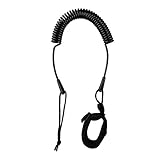
HEYTUR Coiled SUP Leash 10′ Surfboard Leash Sup Leg Rope Strap Stand Up Paddleboard Leash (5mm Black)
- Comfortable padded neoprene ankle cuff
- Durable 5mm urethane cord
- Coiled design stays on top of the board
- Works for SUP surfing and kayaking
- Incredible value for the price
- Not ideal for very small pets without modification
- Basic color options only
For around the price of a fancy coffee, this HEYTUR coiled leash is one of the most important pieces of safety gear you can own. I never paddle without a leash, and this one has been my go-to for casual flatwater sessions.
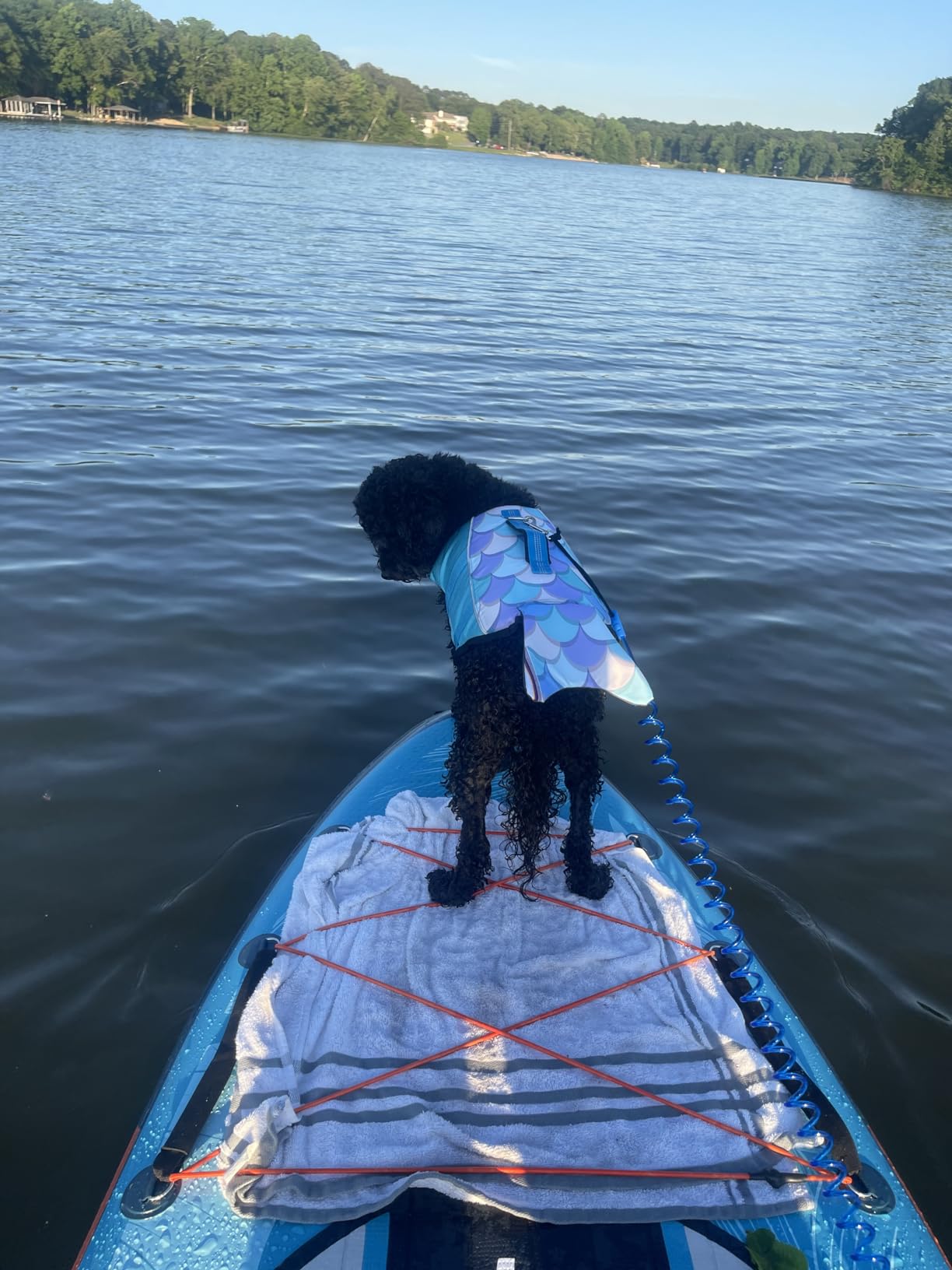
The coiled design keeps the cord up on the board instead of dragging in the water, which means less resistance while you paddle and less chance of snagging weeds or debris.
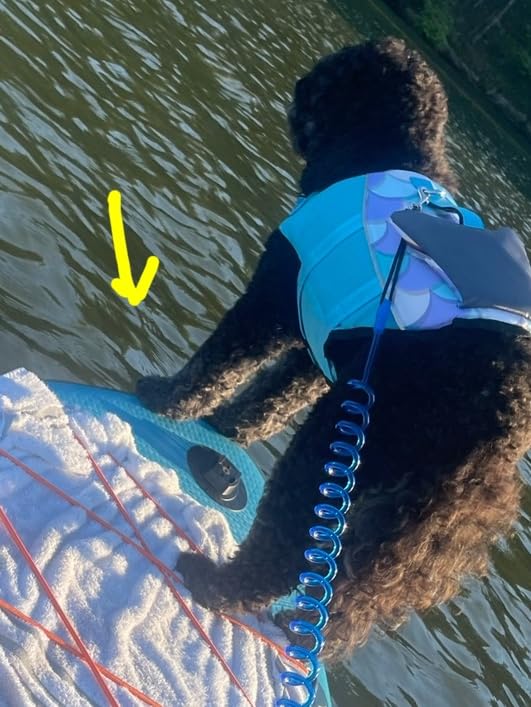
The 1.5-inch neoprene ankle cuff is surprisingly comfortable for the price. I have worn it for two-hour paddles with no chafing, and the quick-release tab makes it easy to detach when you step off.
The 5mm urethane cord has real stretch to it, so if you do fall, the board snaps back toward you rather than sailing away. In current or wind, that is the difference between a quick recovery and a long swim.
Coiled versus straight leashes for SUP
Coiled leashes like this one are best for flatwater, touring, and racing because they stay on the deck and reduce drag. They are my default for lake and slow-river paddling.
Straight leashes are the better choice for surfing, where you do not want the cord snapping back at you in the impact zone. If you primarily surf, look for a straight leash instead.
Fitting and attachment
Wrap the cuff snugly around your ankle or calf, just above the bone. Too loose and it can slip off in a fall, too tight and it gets uncomfortable on long sessions.
Attach the rail saver to the leash plug at the tail of your board, not a D-ring. The tail plug is the strongest attachment point and keeps the leash clear of your fins.
6. Gradient Fitness SUP Carry Strap – Hands-Free Board Transport
- Truly hands-free board carrying
- Padded shoulder strap protects your board
- Quick release buckles for fast on-off
- Separate paddle holders included
- Adjustable for different board widths
- Strap can dig in on very long carries
- May be too short for boards over 35 inches wide
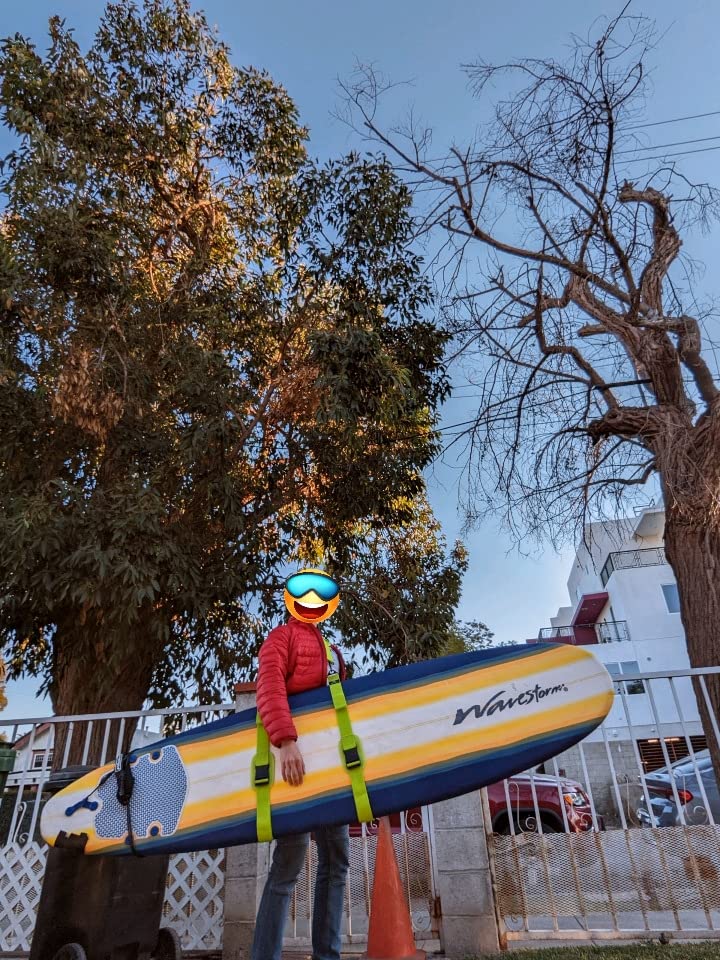
Carrying a paddle board any real distance without a strap is a shoulder workout you did not ask for. This Gradient Fitness carry strap turned my 200-yard walk from the parking lot to the launch into a non-event.
The padded shoulder sling distributes the board’s weight across your shoulder instead of concentrating it on one arm. I can carry my board, my paddle, and a dry bag all at once without juggling.
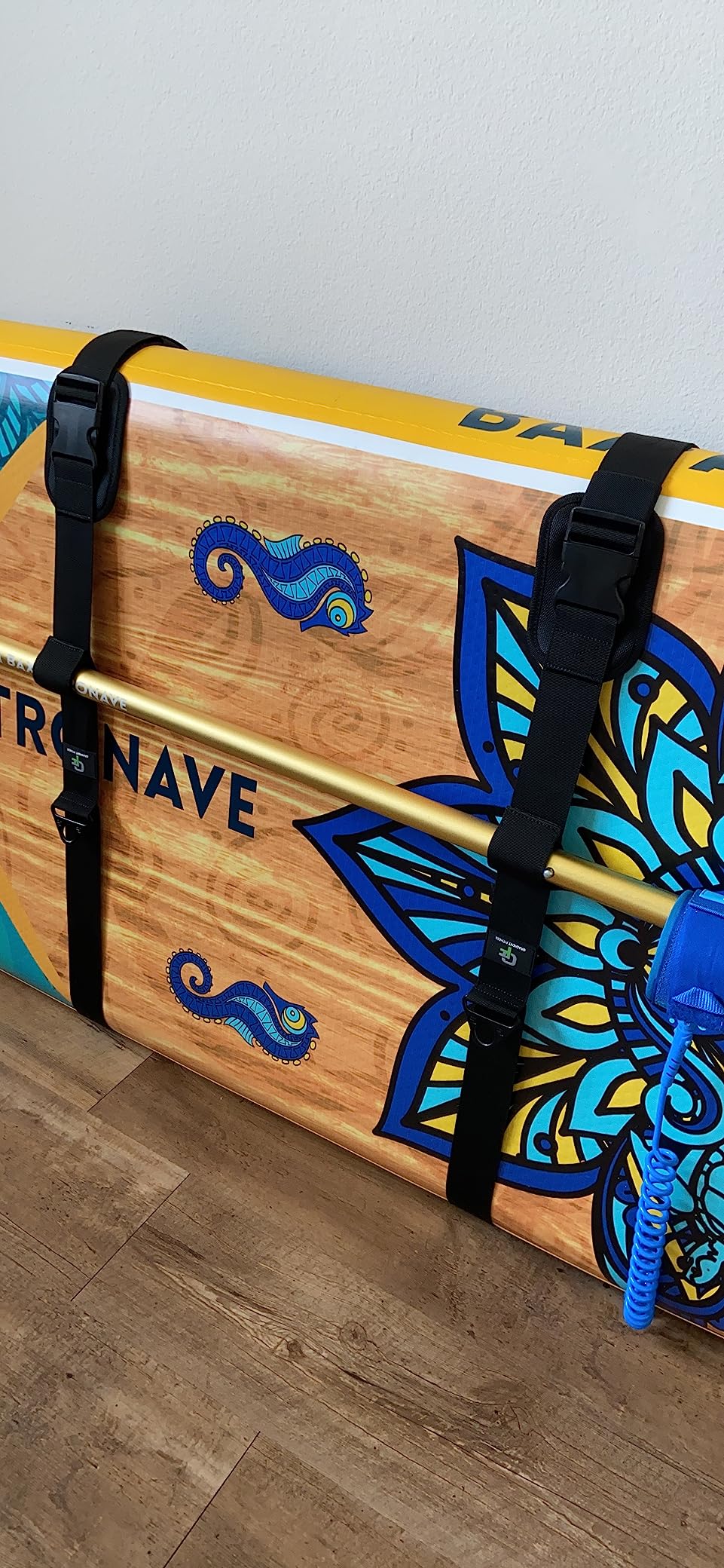
The quick-release buckles make it fast to load and unload. I clip it on at the car, walk to the water, pop the buckles, and I am paddling in under a minute.
The separate paddle holders are a small detail I really appreciate. They keep your paddle attached to the board during transport so your hands are completely free.
Adjustability for different board sizes
The tri-glide adjusters let you fine-tune the strap length to your board width. I use it on a 32-inch wide cruiser and a 34-inch fishing board, and it handles both without issue.
If your board is over 35 inches wide, double-check the strap length before buying. Some reviewers with very wide boards found the strap a touch short for a comfortable carry.
Comfort on longer carries
For trips under about 100 yards, the strap is genuinely comfortable. The padding does its job and the board feels secure against your side.
On longer portages, the strap can start to dig into your shoulder. I shift it between shoulders every few minutes, or wrap a small towel under the pad for extra cushioning on big carries.
7. MORXPLOR Paddle Board Deck Bag – Mesh Storage That Drains Fast
- Large enough for all daily essentials
- Mesh design drains and dries quickly
- 4 adjustable straps with 50 lb load rating
- Includes waterproof phone case
- Versatile D-ring attachment options
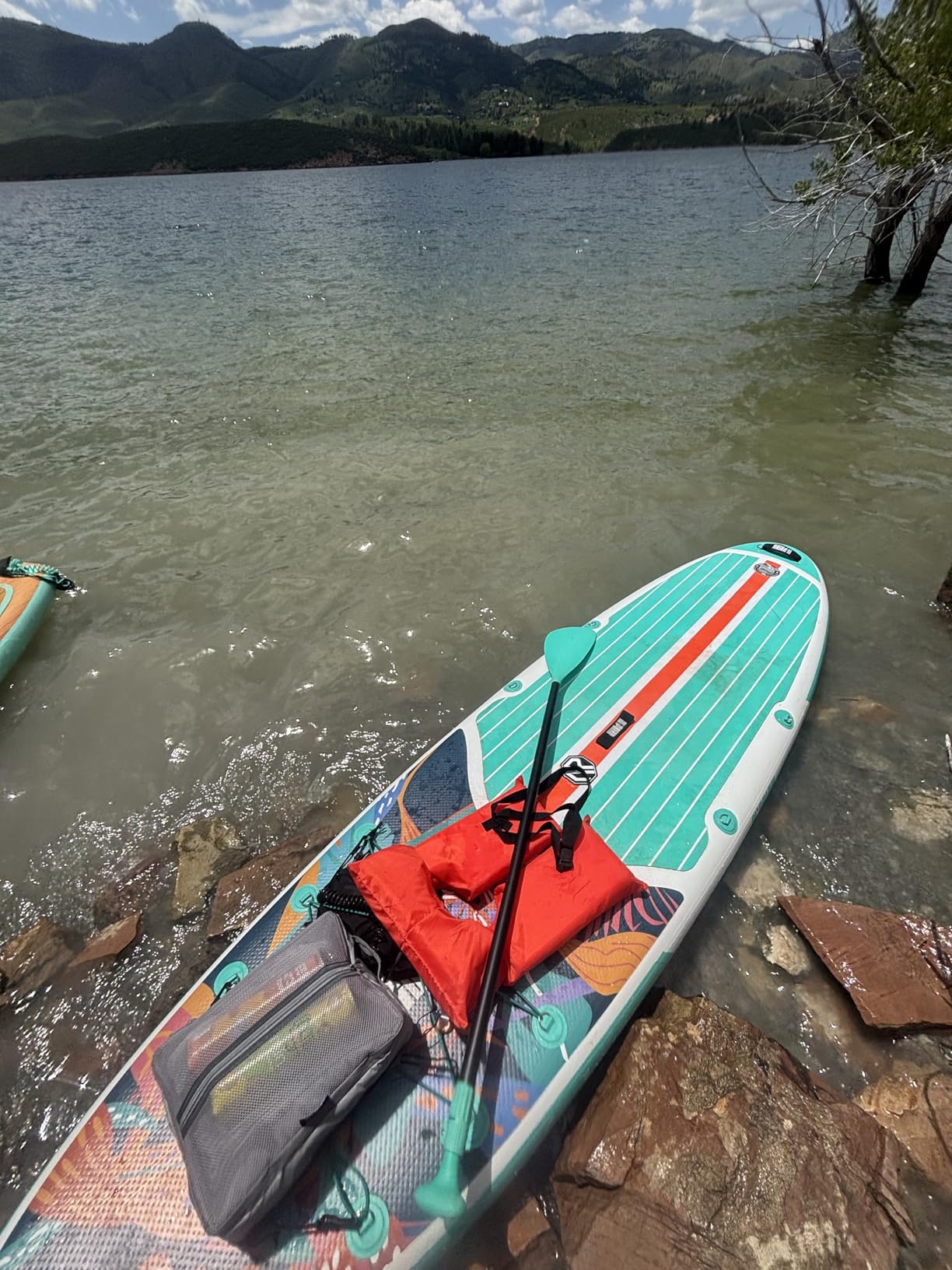
- Not fully waterproof due to mesh design
- Small items can shift or slip through mesh
I picked up this MORXPLOR deck bag to organize the chaos of sunscreen, water bottles, snacks, and sandals that used to roll around the front of my board. For the price, it is a fantastic little organizer.
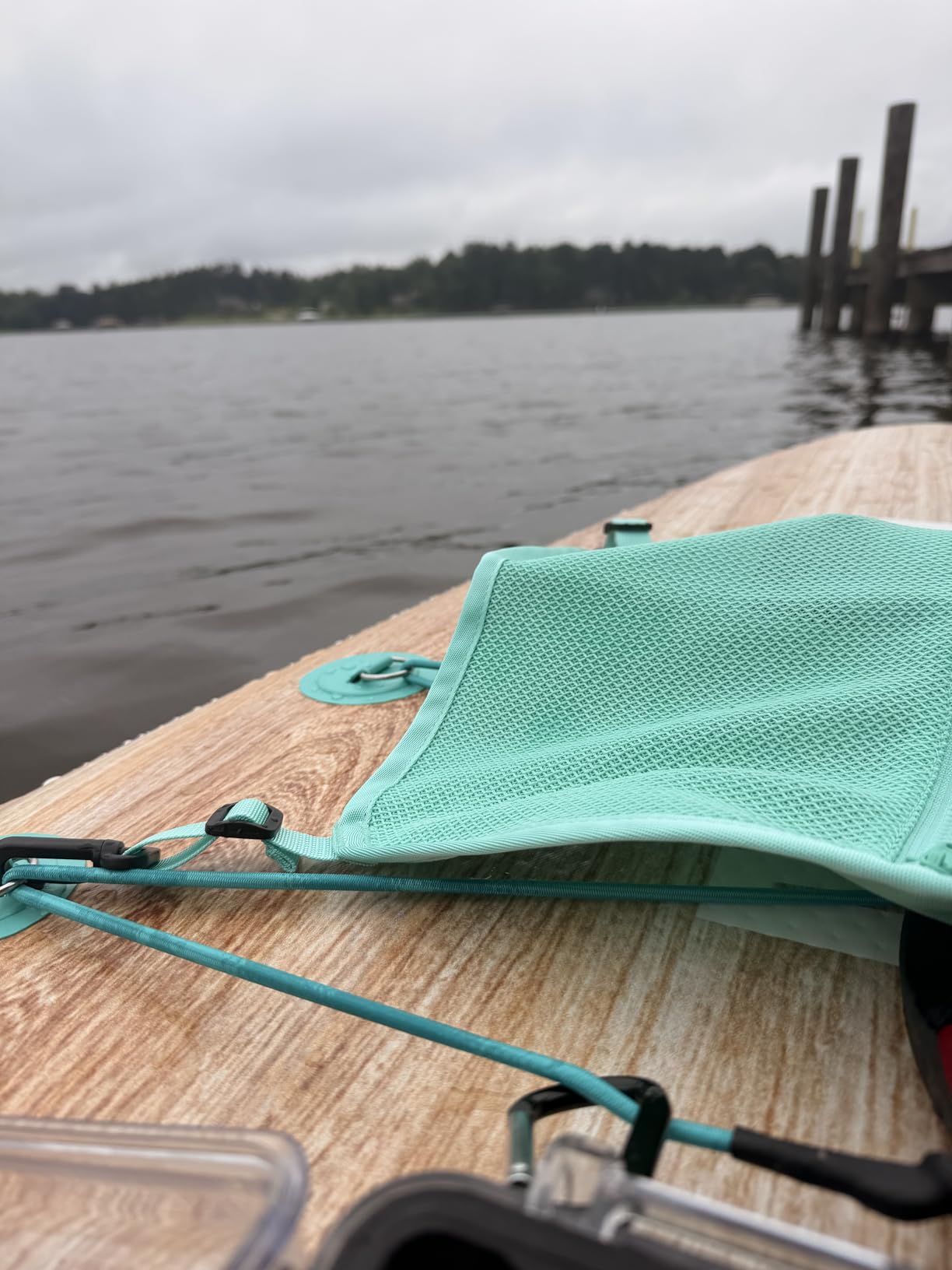
The mesh construction is the big selling point for me. When waves splash over the bow or a bottle leaks, the water drains right through instead of pooling in the bottom of the bag.
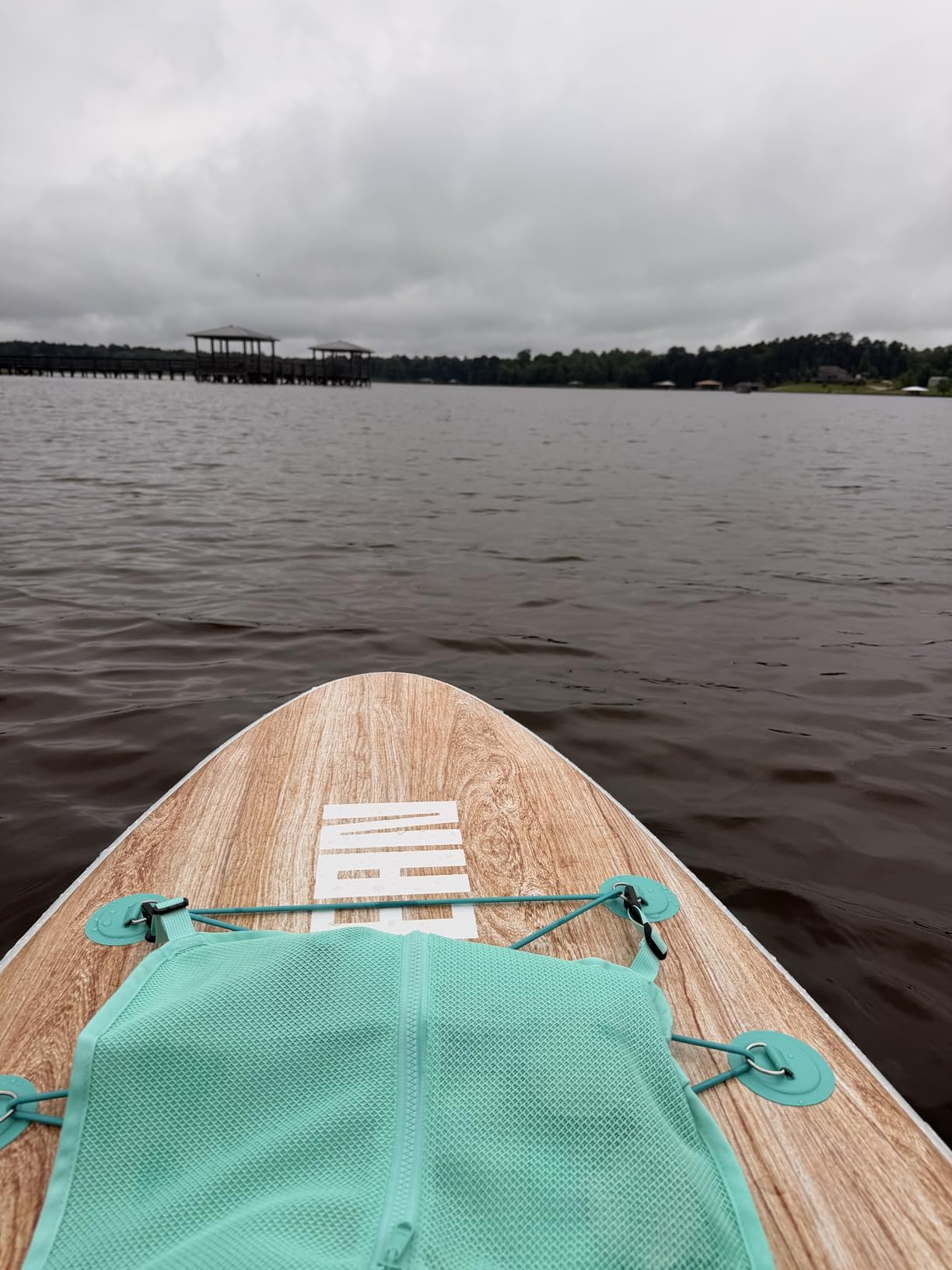
Inside, there are three elastic mesh pockets that keep small items from sliding around. I use one for sunscreen, one for my keys on the included hook, and one for snacks.
The four adjustable straps clip onto D-rings or bungee cords and have a 50-pound load rating. That is way more than I will ever need, but it means the bag stays put even when fully loaded.
What fits inside the deck bag
I regularly carry a phone, two water bottles, sunscreen, sunglasses, snacks, a small towel, and my sandals when I paddle barefoot. Everything fits with a little room to spare.
The included waterproof phone case is a nice bonus, though I would not trust it for snorkeling. For paddle splash protection on the deck, it does the job fine.
Limitations of the mesh design
Because the bag is mesh, it is not waterproof by design. If you capsize or take a big wave, anything inside will get wet unless it is in its own dry bag.
I keep my phone and keys in a separate dry bag inside this deck bag for double protection. The deck bag handles organization, and the dry bag handles waterproofing.
8. SUP-Now Paddle Board Cooler – Cold Drinks All Day
- Keeps drinks and food cold for hours
- Low profile does not interfere with paddling
- Clips attach easily to D-rings
- Lifetime warranty from US company
- Includes waterproof phone case
- Suction cups may not grip fiberglass boards
- Clips can be too large for recessed D-rings
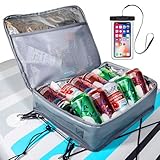
This SUP-Now cooler turned my paddling trips from short excursions into full-day adventures. Being able to pull a cold drink out of the cooler in the middle of a lake is a small luxury that makes a big difference.
The 11-liter capacity holds about six cans plus some snacks, which is plenty for a day trip. The polyurethane foam insulation kept my drinks cold for about three hours on a 90-degree afternoon.
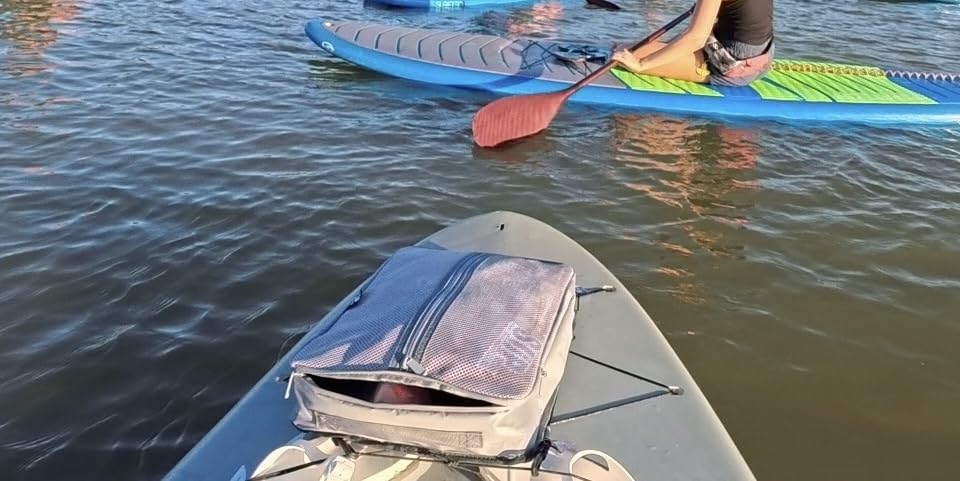
The low-profile design sits flat on the deck and never got in the way of my paddle strokes. I was worried it would feel top-heavy, but it barely affects the board’s balance.
Attachment is simple with the included clips and suction cups. The clips work great on my inflatable board’s D-rings, and the lifetime warranty gives me real confidence in the build quality.
Best foods and drinks for paddle board coolers
I stick to cans instead of glass for safety, and pre-freeze water bottles to act as extra ice packs. Sandwiches, fruit, and trail mix all travel well in the cool interior.
Avoid anything that melts into a mess, like chocolate, since the cooler can tip if you wobble. Hard cheeses, crackers, and cut veggies are reliable warm-weather options.
Attachment methods on different boards
On inflatable boards with D-rings, the clips are the way to go. They hold tight and you do not have to worry about a smooth deck surface.
On hard boards without D-rings, the suction cups can work but struggle on textured or fiberglass surfaces. I added a couple of adhesive D-rings to my hard board specifically for this cooler.
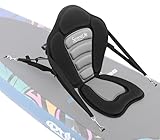
9. SereneLife Detachable SUP Seat – Comfort for Long Paddles
- High-back support relieves lower back fatigue
- Thick EVA foam cushioning for long sessions
- Corrosion-resistant copper hooks
- Adjustable straps for secure fit
- Universal compatibility with multiple watercraft
- Less comfortable on very long multi-hour trips
- Limited info on weight and dimensions
The SereneLife detachable seat changed how I think about long paddles. Instead of standing the whole time, I can sit and rest my legs when I get tired, then stand back up when I want to.
The high-back design gives real support, not just a flap of fabric. The thick EVA foam cushioning feels solid under you, and the form-fitting shape adapts as you shift around.
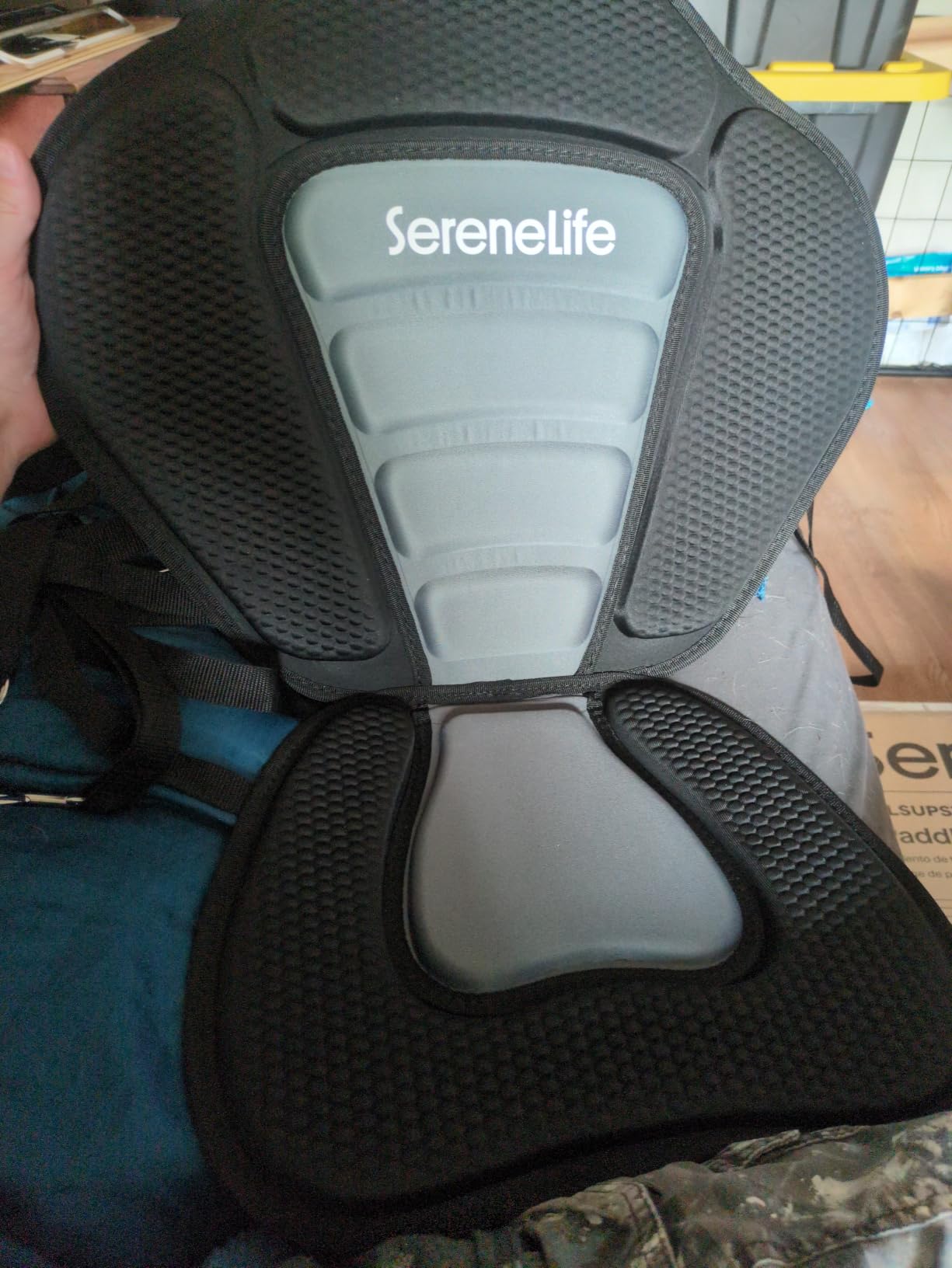
The copper metal hooks are corrosion-resistant, which matters if you paddle in saltwater. After a season of use, mine still clip smoothly with no signs of rust.
Installation is quick. The front and rear adjustable straps hook onto D-rings, and you can tighten them to get the seat angle just right for your body.
Compatibility with kayaks and paddle boards
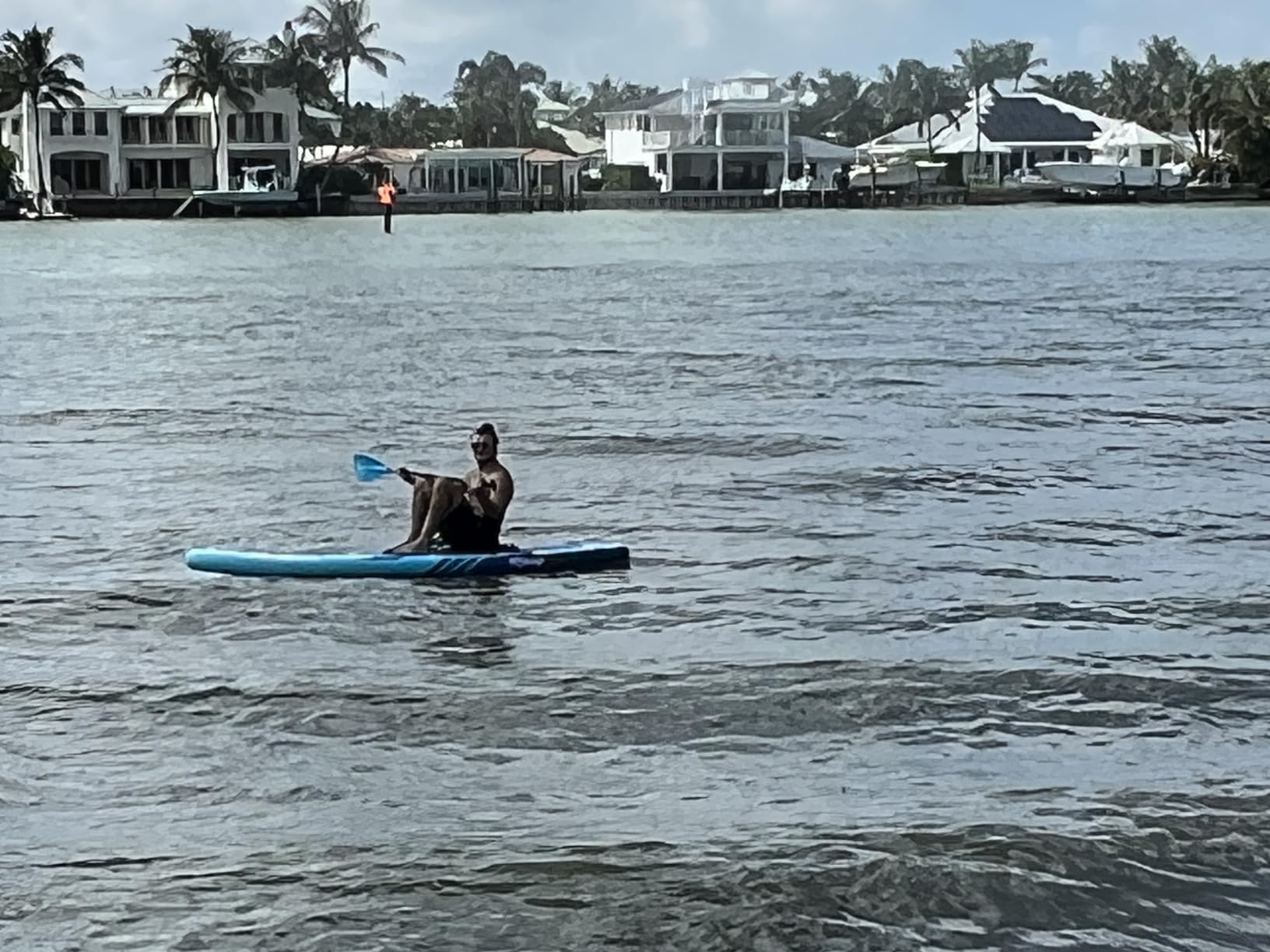
This seat works on any watercraft with four D-rings or attachment points in the right configuration. I have used it on my SUP and a friend’s sit-on-top kayak with no issues.
Make sure your board has D-rings positioned for a seat before buying. Most fishing and touring boards have them, but basic recreational boards may not.
When a detachable seat makes sense
If you paddle for fitness and always stand, you probably do not need a seat. But for touring, fishing, or just cruising with friends, the option to sit down is genuinely nice.
I especially appreciate it on windy days when standing is exhausting. I can sit, paddle kayak-style for a stretch, and conserve energy for the return trip.
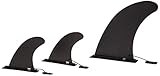
10. Retrospec Replacement Fins – Precise Steering Control
- Quick-change design for easy swaps
- Set of 3 for maximum stability and tracking
- Precise steering in calm and choppy water
- Compatible with several major board brands
- Durable plastic construction
- May not fit all paddle board brands
- Color looks more gray than black in person
When I lost a center fin in shallow water, I picked up this Retrospec three-fin set as a replacement. The difference in tracking and stability was immediately noticeable compared to the worn fins I had been using.
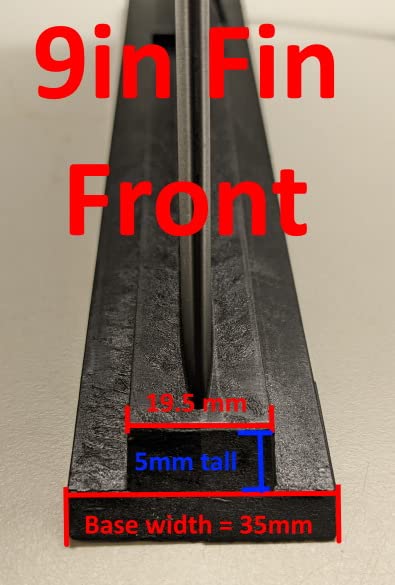
The 9-inch center fin gives you solid tracking in a straight line, while the 4.75-inch side fins help with carving and stability. Together they make the board feel planted and predictable.
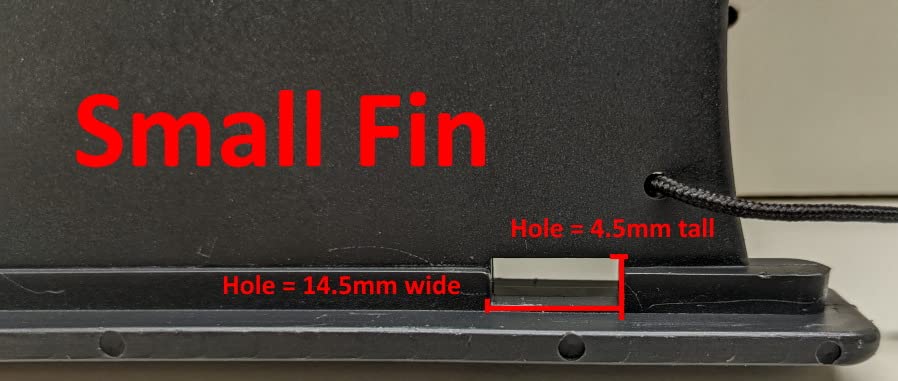
The quick-change design means no tools required. I swapped all three fins in under two minutes at the put-in, and they locked in securely with no wobble.
Compatibility is the main thing to check before buying. These fit Retrospec boards by default, but they also work with several other brands including FLYPARK, Scott Burke Yukon, and Costco Kino models.
Fin configurations and paddle board handling
A larger center fin like the 9-inch version here tracks straighter and is better for touring and flatwater. It resists the lateral movement that makes cheaper boards feel squirrely.
Smaller side fins help with turning and stability in chop. The three-fin setup is a versatile all-around configuration that handles most conditions well.
Compatibility check before buying
Before ordering, measure your fin box and confirm the slot type. Most inflatable boards use a standard US fin box, but some use proprietary systems that will not accept these fins.
If your board is on the compatibility list, you are good to go. If not, contact the manufacturer to confirm the fin box type before purchasing.
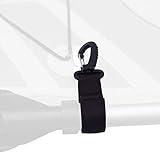
11. YYST Paddle Holder Clips – Keep Your Paddle Secure
YYST SUP Paddleboard Inflatable Boat Paddle Keeper Paddle Holder Paddle Clip,Set of 4. No D Ring Patch !
- Keeps paddle attached during transport
- Stainless steel clips resist rust
- Universal fit for any shaft size
- Snaps on D-rings or bungee cords
- Set of 4 provides good value
- No D-ring patches included
- Clips can loosen if not secured properly
These YYST paddle clips are one of those small accessories that solves an annoying problem for almost no money. I bought them on a whim and now consider them essential.
The problem they solve is simple: where do you put your paddle when you want to swim, take photos, or just float? Without clips, the paddle drifts away the moment you set it down.
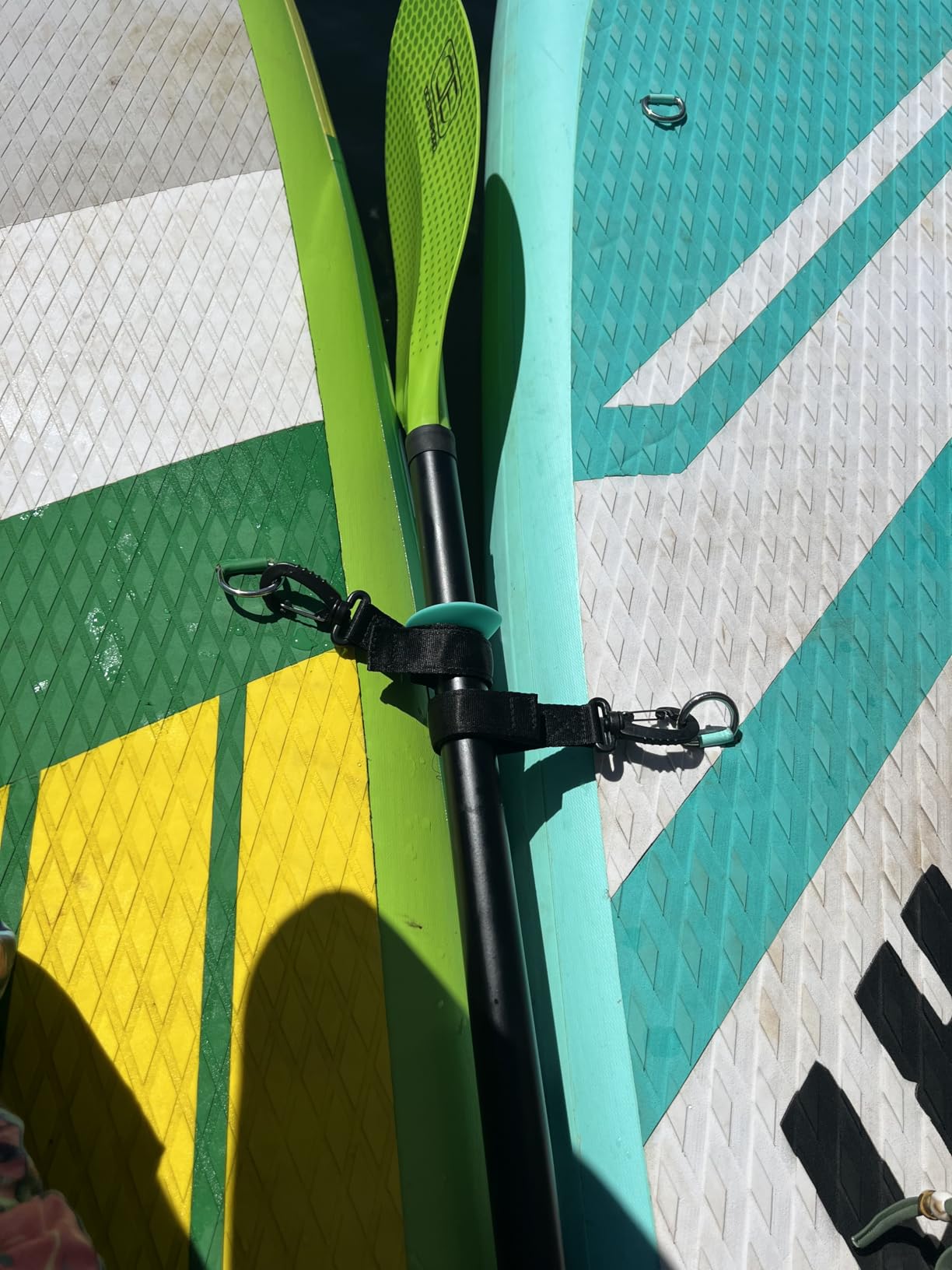
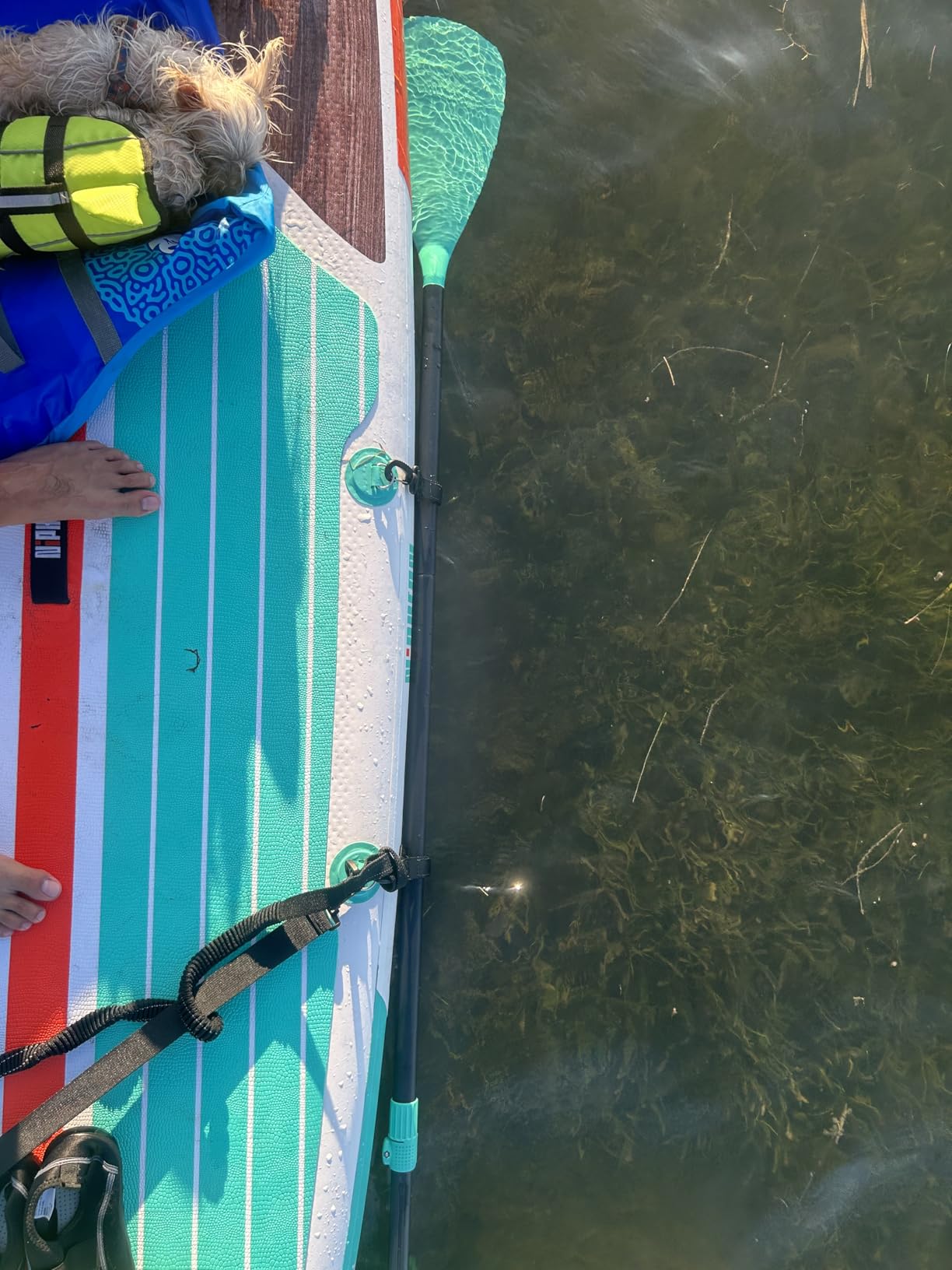
With two clips per paddle, the shaft snaps securely onto your D-rings or bungee cords. The paddle stays put through waves, wind, and the occasional bump from a passing boat.
The stainless steel 304 construction means no rust, even after months of saltwater use. The clips have held their spring tension and still grip tight on every trip.
Installation without drilling
These clips require no drilling or adhesive. They simply snap onto existing D-rings or weave through your bungee cords, which means you can move them between boards in seconds.
If your board has no D-rings or bungees, you will need to add them first. Most inflatable boards come with both, but some minimal hard boards do not.
Best uses beyond the paddle
I use the spare clips to hold a fishing rod, a dry bag strap, and even my anchor rope when I am moving spots. They are versatile little attachments.
The set of four lets you outfit two separate items or keep spares on hand. For the price, it is hard to beat the convenience.
12. STAR BRITE Paddlesports Cleaner – UV Protection for Your Board
- Removes grime dirt and salt deposits
- Provides UV protection against fading
- Pleasant grape scent
- Easy spray-on wipe-off application
- Works on fiberglass Kevlar and plastic
- Stubborn stains may need multiple applications
- Some packaging complaints about missing sprayers
Sun, salt, and dirt will slowly fade and degrade any paddle board. The STAR BRITE cleaner and protectant is what I use to keep my boards looking new after a full season of use.
The double-action formula cleans and protects in one step. Spray it on, wipe it off, and the board comes out looking noticeably brighter with a smooth protective layer.
The UV protection is the part that matters long-term. Boards left in the sun without protection fade and chalk over time, and this spray slows that process dramatically.
The grape scent is a small thing, but it makes the cleaning process actually pleasant instead of chemical-smelling. It also works on my kayak and canoe, so one bottle covers multiple pieces of gear.
How often to clean and protect your board
I wipe my board down with fresh water after every saltwater session, then use this cleaner about once a month during the season. That schedule keeps grime from building up.
For storage over the winter, give the board a full clean and protect treatment before putting it away. The UV inhibitors help prevent the fading that happens even in a garage.
Surfaces this cleaner works on
The formula is safe for fiberglass, Kevlar, and plastic rotomolded surfaces. That covers essentially every type of paddle board, kayak, and canoe on the market.
I have used it on my inflatable PVC board, a fiberglass hard board, and a plastic kayak with equally good results. Always test on a small area first if you are unsure.
Buying Guide: How to Choose SUP Accessories
Sorting through dozens of accessories is overwhelming when you are new to paddle boarding. This guide breaks down what actually matters so you can spend your money on gear that gets used.
Start with safety, then add comfort
The non-negotiable items are a PFD and a leash. These two pieces of gear keep you alive and connected to your board if something goes wrong, and in many states they are legally required.
A belt-pack PFD like the Onyx M-16 gives you Coast Guard approval without the bulk of a vest. A coiled leash like the HEYTUR keeps the board from drifting away in wind or current. Get these two first.
Match accessories to your board type
Inflatable boards benefit most from an electric pump like the kosmegal, since reaching 15PSI by hand is exhausting. Hard boards do not need a pump but benefit more from a board bag and roof rack pads.
If you paddle a fishing board with D-rings, accessories like the anchor kit, detachable seat, and deck bag become much more useful. Boards without D-rings limit what you can attach.
Think about how you actually paddle
Cruisers and tourers want storage and comfort. The deck bag, cooler, and carry strap are made for this group. The cleaner keeps a touring board looking good season after season.
Fishing paddlers need an anchor, rod holders, and a stable seat. The anchor kit and detachable seat cover the basics, and the paddle clips free up your hands for casting.
Fitness and racing paddlers care most about the paddle and fins. A lighter paddle and a larger center fin translate directly to speed and efficiency on the water.
Budget priorities for beginners
If you are starting from scratch, here is the order I would buy in. Leash first, then PFD, then a better paddle if the stock one feels heavy.
After those three, the carry strap and paddle clips are cheap upgrades that improve every single trip. Save the cooler, seat, and deck bag for when you know you will be doing longer sessions.
Quality signals to look for
Stainless steel hardware, UV-resistant materials, and reinforced stitching are the markers of gear that lasts. Cheap accessories often fail at the hardware, not the fabric.
Read reviews for mentions of rust, strap failure, and zipper problems. Those are the three most common failure points across all paddle board accessories.
Frequently Asked Questions
What are the best paddle board accessories?
The best paddle board accessories start with safety gear: a Coast Guard-approved PFD like the Onyx M-16 belt pack and a coiled leash. From there, an electric pump for inflatable boards, a deck bag or cooler for storage, and a carry strap for transport round out the essentials. Specialized gear like an anchor, detachable seat, or paddle clips depends on how you paddle.
What to get someone who likes paddleboarding?
Great gift ideas for paddle boarders include a coiled leash, paddle holder clips, a deck bag, a waterproof phone case, or a paddle board cooler. These items are useful, affordable, and work with almost any board. A board cleaner and protectant is another practical gift that extends the life of their gear.
Is a straight or coiled SUP leash better?
A coiled leash is better for flatwater, touring, and racing because it stays on top of the board and reduces drag. A straight leash is better for surfing because it does not snap back at you in the impact zone. Most recreational paddlers on lakes and rivers should choose a coiled leash.
Can I wear Crocs for paddleboarding?
Crocs can work for paddle boarding in calm conditions because they are easy to slip on and protect your feet on rocky launches. However, they are not ideal because they can slip off in moving water and offer poor grip on a wet deck. Water shoes with secure straps and grippy soles are a better choice for most paddlers.
How many calories do 3 hours of paddle boarding burn?
Three hours of recreational paddle boarding burns roughly 1,200 to 1,800 calories depending on your weight, intensity, and water conditions. Casual cruising burns around 400 to 500 calories per hour, while more vigorous paddling or surfing can push that number higher.
Final Thoughts
Finding the best SUP accessories does not have to mean buying everything at once. Start with a Coast Guard-approved PFD and a coiled leash, then add the storage, comfort, and convenience items that match how you actually paddle.
My personal essentials after a full season of testing are the Onyx M-16 belt pack for safety, the HEYTUR coiled leash for board retention, and the Gradient Fitness anchor kit for staying put. From there, the right upgrades depend on whether you fish, tour, or just cruise with friends.
Whatever your setup looks like in 2026, prioritize gear that gets used on every trip over gear that looks impressive in a shopping cart. The right accessories make paddle boarding safer, more comfortable, and a whole lot more fun.