
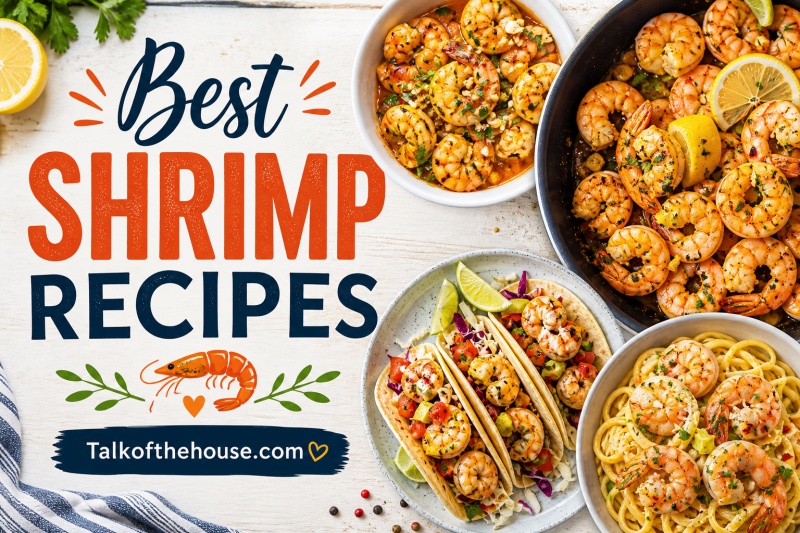
I still remember the first time I cooked shrimp for a dinner party. I was terrified I would turn those beautiful pink crustaceans into rubbery disappointments. Instead, I discovered what home cooks everywhere learn: shrimp might be the most forgiving protein in the kitchen when you know the secrets.
Fast forward fifteen years, and shrimp has become my go-to for everything from quick Tuesday dinners to elegant weekend gatherings. The best shrimp recipes share one quality: they cook in minutes yet taste like you spent hours in the kitchen. In 2026, shrimp recipes dominate search trends because busy families want delicious meals without the wait.
This collection draws from decades of home cooking, recipe testing, and countless meals around our table. Whether you are a seafood novice or a seasoned cook looking for fresh inspiration, these recipes will transform how you think about weeknight dinners. Let me share the twelve shrimp recipes our team returns to again and again.
Top 3 Shrimp Recipes to Try First in 2026
Before diving into the full collection, here are three standouts that deserve immediate attention. Each represents a different cooking style and flavor profile, giving you options no matter your mood.
- Classic Garlic Butter Shrimp remains the most requested recipe in our household. Ten minutes on the stove transforms simple ingredients into a restaurant-worthy dish. The key is using plenty of fresh garlic and finishing with a squeeze of lemon juice that brightens everything.
- Lemon Shrimp Scampi brings Italian-American comfort to your table in just fifteen minutes. The combination of white wine, butter, and garlic creates a sauce you will want to soak up with crusty bread. This dish proves that elegance does not require complexity.
- Cajun Shrimp Tacos add spice and fun to your dinner rotation. The blackening technique creates a flavorful crust while keeping the interior tender and juicy. Top with a quick slaw and you have a weeknight favorite that feels like a vacation.
12 Best Shrimp Recipes for Every Occasion
Our team tested dozens of shrimp recipes over three months to curate this collection. Each recipe earned its place through consistent results, broad appeal, and manageable ingredient lists. Here are the twelve best shrimp recipes you need in your repertoire.
1. Classic Garlic Butter Shrimp
This recipe anchors my weeknight meal rotation because it requires minimal effort and delivers maximum flavor. I use jumbo shrimp (21-25 count per pound) for this preparation because they stay plump and juicy even with high-heat cooking.
The technique could not be simpler. Heat olive oil and butter in a large skillet until shimmering. Add shrimp in a single layer, season with salt and pepper, then cook undisturbed for two minutes. Flip once, add minced garlic and red pepper flakes, then finish cooking for another minute until the shrimp turn opaque pink.
What separates good garlic shrimp from great comes down to timing. I pull the shrimp from the pan just before they look completely done. The residual heat finishes the cooking without pushing them into rubbery territory. Finish with fresh parsley and lemon juice.
Serve this over pasta, alongside crusty bread, or atop a bed of greens for a lighter option. The garlic butter sauce begs for something to soak it up. Total time from fridge to table: ten minutes.
2. Lemon Shrimp Scampi
Shrimp scampi represents Italian-American cooking at its finest: simple ingredients treated with respect. This version skips heavy cream in favor of a light, wine-based sauce that lets the shrimp shine.
Start by sautéing shrimp in olive oil until just pink. Remove them from the pan and build your sauce with butter, garlic, white wine, and lemon juice. The wine reduces to a silky consistency while the lemon provides brightness. Return the shrimp to the pan briefly to warm through.
I learned the hard way that scampi sauce breaks if you rush the reduction. Give the wine two to three minutes over medium heat to develop flavor. The sauce should coat the back of a spoon before you add the shrimp back.
Linguine is the traditional pairing, but angel hair or even zucchini noodles work beautifully. Garnish with lemon wedges and additional parsley. This dish comes together in fifteen minutes but tastes like you spent an hour.
3. Cajun Shrimp Tacos
These tacos bring Louisiana heat to your dinner table without overwhelming your palate. The blackened seasoning creates a crust that contrasts beautifully with cool, crunchy toppings.
Toss peeled shrimp with Cajun seasoning, making sure each piece gets coated. I make my own blend with smoked paprika, cayenne, garlic powder, onion powder, and dried thyme. Store-bought works fine, but homemade lets you control the salt and heat levels.
Sear the shrimp in a hot cast iron skillet for two minutes per side. The high heat activates the spices and creates that characteristic blackened exterior. Meanwhile, whip up a quick slaw with shredded cabbage, lime juice, and a touch of mayo or Greek yogurt.
Warm corn tortillas on a dry skillet until pliable. Layer with the blackened shrimp, slaw, sliced avocado, and a drizzle of hot sauce. The combination of spicy, cool, and creamy makes these irresistible. Cook time: twenty minutes.
4. Honey Garlic Shrimp
Sweet and savory combinations always win at my dinner table, and this recipe delivers both in spades. The sticky glaze coats each shrimp while the garlic provides depth that balances the sweetness.
Create the sauce by whisking together honey, soy sauce, minced garlic, and a splash of rice vinegar. The vinegar cuts through the sweetness and adds complexity. I sometimes add a pinch of red pepper flakes for heat, though you can skip this for milder palates.
Cook the shrimp halfway, then pour in the sauce. It bubbles and thickens almost immediately, creating a glossy coating. Work quickly here: the sauce reduces fast and can burn if you walk away.
Serve over white rice with steamed broccoli or snap peas on the side. The sauce drips down into the rice, creating the best bites. This recipe works equally well with chicken if you need to feed someone avoiding shellfish.
5. Grilled Shrimp Skewers
Grilling shrimp intimidates many home cooks because the small size makes them seem tricky. The secret lies in skewers and a flavorful marinade that protects the delicate protein.
Thread shrimp onto metal or soaked wooden skewers, leaving space between each piece. This ensures even cooking and makes flipping manageable. Marinate for fifteen to thirty minutes in olive oil, lemon juice, garlic, and your favorite herbs.
Preheat your grill to medium-high and oil the grates thoroughly. Shrimp stick mercilessly to dirty grates. Grill for two to three minutes per side until the exterior shows light char marks and the interior turns opaque.
These skewers shine at summer gatherings alongside grilled vegetables and corn on the cob. For a Mediterranean twist, brush with pesto after grilling. Total time including marination: under forty minutes, though active cooking takes just six.
6. Shrimp and Grits
This Southern classic deserves more attention outside its home region. Creamy, cheesy grits provide the perfect canvas for shrimp bathed in a savory gravy.
Start with stone-ground grits cooked low and slow in chicken stock and milk. Stir frequently to prevent sticking and add cheese at the end for richness. While the grits cook, prepare the shrimp topping.
Sauté shrimp with andouille sausage, bell peppers, and onions. Deglaze the pan with chicken stock and add a splash of heavy cream. The resulting sauce should be loose but flavorful, not thick like gravy.
Spoon the grits into shallow bowls and arrange the shrimp mixture on top. Finish with sliced green onions and hot sauce on the side. This dish takes thirty minutes but tastes like something from a Low Country restaurant.
7. Coconut Shrimp
Crispy, sweet coconut shrimp turns any meal into a celebration. While often served as an appetizer, I make a meal of these with a simple salad on the side.
The breading process requires three stations: flour seasoned with salt and pepper, beaten egg thinned with water, and a mixture of panko breadcrumbs and sweetened shredded coconut. Press each shrimp firmly into the coconut mixture for maximum coverage.
Fry in vegetable oil heated to 350 degrees Fahrenheit for two to three minutes until golden brown. Work in small batches to avoid crowding, which drops the oil temperature and creates soggy coating.
The traditional dipping sauce combines orange marmalade and horseradish, though sweet chili sauce provides an easier alternative. These shrimp stay crispy for about twenty minutes after frying, so serve immediately.
8. Shrimp Stir Fry
Stir fry represents the ultimate weeknight cooking method: fast, flexible, and endlessly variable. Shrimp cooks faster than chicken or beef, making this the quickest stir fry option.
Prepare all ingredients before turning on the heat. Slice vegetables uniformly so they cook evenly. Common choices include bell peppers, snap peas, carrots, and broccoli. The sauce combines soy sauce, rice vinegar, sesame oil, garlic, and ginger.
Heat a wok or large skillet over high heat until smoking. Cook the shrimp first, removing them when just pink. Add vegetables in order of cooking time, starting with harder vegetables like carrots. Return everything to the pan with the sauce and toss to coat.
Serve over jasmine rice or noodles. The entire process takes fifteen minutes from prep to plate. I double the sauce recipe because my family loves extra to pour over their rice.
9. Baked Shrimp with Feta
This Mediterranean-inspired dish brings sunny flavors to your oven with minimal effort. The feta cheese melts slightly while the tomatoes create a light sauce.
Arrange shrimp in a single layer in a baking dish. Scatter halved cherry tomatoes and crumbled feta around them. Drizzle with olive oil and sprinkle with dried oregano, garlic powder, and red pepper flakes.
Bake at 425 degrees Fahrenheit for twelve to fifteen minutes. The shrimp cook through while the feta softens and the tomatoes blister slightly. The resulting sauce is light but flavorful.
Serve with crusty bread for dipping and a simple green salad. This dish works equally well as a starter for a dinner party or a light weeknight meal. Total time: twenty-five minutes including prep.
10. Shrimp Fajitas
Fajitas traditionally feature steak or chicken, but shrimp brings its own magic to the sizzling skillet. The quick cooking time makes this perfect for busy evenings.
Slice bell peppers and onions into strips similar in size to the shrimp. This ensures everything finishes cooking simultaneously. Season everything with a blend of chili powder, cumin, paprika, and garlic powder.
Cook the vegetables first in a hot cast iron skillet until they soften and char at the edges. Push them to the sides and add the shrimp to the center. The shrimp need just three to four minutes total.
Warm flour tortillas and let everyone build their own fajitas with their choice of toppings. We like sour cream, guacamole, pico de gallo, and shredded cheese at our table. The whole meal takes twenty minutes start to finish.
11. Shrimp Caesar Salad
Adding shrimp to Caesar salad transforms a side dish into a satisfying main course. The protein boost makes this substantial enough for dinner while keeping things light and fresh.
Season shrimp simply with salt, pepper, and a touch of garlic powder. Sauté in olive oil for two minutes per side until just cooked through. Let them cool slightly while you assemble the salad.
Use hearts of romaine for the classic crunch, though kale works for a sturdier option. Homemade Caesar dressing beats bottled every time: mayonnaise, lemon juice, Worcestershire sauce, garlic, Parmesan, and anchovy paste whisked together.
Toss the lettuce with dressing, top with the warm shrimp, and add extra Parmesan shavings and croutons. The warm shrimp slightly wilt the lettuce in the most pleasant way. Total time: fifteen minutes.
12. Creamy Tuscan Shrimp
This restaurant-style dish features shrimp in a rich sauce with sun-dried tomatoes and spinach. It feels indulgent but comes together quickly on a weeknight.
Sear the shrimp in butter and remove them from the pan. Add minced garlic and sun-dried tomatoes to the same pan, then deglaze with chicken stock. Stir in heavy cream and let it simmer until slightly thickened.
Add fresh spinach and let it wilt into the sauce. Return the shrimp to the pan and warm through. Finish with grated Parmesan and fresh basil if available.
Serve over pasta, polenta, or with crusty bread to soak up every drop of sauce. This dish tastes like you spent an hour at the stove. Reality: twenty minutes.
How to Buy and Select the Best Shrimp
Quality ingredients make quality dishes. Understanding shrimp labels and terminology helps you make informed choices at the seafood counter.
Fresh vs Frozen Shrimp
Here is a secret most home cooks do not know: nearly all shrimp sold as fresh was previously frozen. Unless you live on the coast near shrimping operations, fresh shrimp means thawed shrimp sitting in the display case.
I buy frozen shrimp almost exclusively. Flash-frozen shrimp retain their texture and flavor better than thawed shrimp that sit for days. Look for individually quick frozen (IQF) shrimp that remain loose in the bag rather than frozen into a solid block.
Thaw frozen shrimp overnight in the refrigerator or in cold water for fifteen minutes before cooking. Never thaw at room temperature or in warm water, which creates food safety risks and damages texture.
Understanding Shrimp Sizes
Shrimp sizing follows a count-per-pound system rather than generic labels. A bag marked 21/25 contains twenty-one to twenty-five shrimp per pound. Lower numbers mean larger shrimp.
Extra colossal shrimp (U10) contain under ten per pound and work best for grilling or presentations where size matters. Jumbo (21/25) and extra large (26/30) suit most recipes. Medium (41/50) works for shrimp salad or pasta dishes where smaller pieces blend in.
Ignore meaningless terms like large or extra large on packaging. The count number tells the real story. I keep jumbo shrimp on hand for versatility across recipes.
Wild Caught vs Farmed
Wild caught shrimp generally offer superior flavor and firmer texture. They eat a natural diet and develop more complex taste profiles. However, wild shrimp cost more and have environmental considerations depending on catching methods.
Farmed shrimp provide consistent availability and lower prices. Look for certifications from organizations like the Aquaculture Stewardship Council, which ensures responsible farming practices. Avoid shrimp from regions with poor environmental track records.
I prioritize wild American shrimp when possible, particularly from the Gulf Coast or Atlantic waters. The flavor difference justifies the cost for simple preparations where shrimp quality shines through.
Essential Shrimp Cooking Tips
Shrimp cook quickly, which means they also overcook quickly. Master these techniques to achieve perfect results every time.
How to Tell When Shrimp is Done
Perfectly cooked shrimp transform from translucent gray to opaque white with pink undertones. The texture changes from soft and jiggly to firm and bouncy. Most importantly, the shape changes from straight to a loose C curve.
Look for that C shape. Straight shrimp need more time. If the shrimp curls tightly into an O shape, you have crossed into overcooked territory. Remove shrimp from heat just before they look completely done. Residual heat finishes the cooking.
Cut one open if you are unsure. The center should be white throughout with no translucent gray remaining. Practice makes perfect: cook a single shrimp as a test before committing the whole batch.
The Secret to Tender Shrimp
Chinese restaurants achieve that distinctive tender-crisp texture through a technique called velveting. You can replicate this at home with two simple ingredients: baking soda and salt.
Combine shrimp with a mixture of baking soda and salt, then refrigerate for fifteen to thirty minutes. Rinse thoroughly before cooking. The alkaline baking soda changes the shrimp’s pH, preventing muscle fibers from tightening excessively during cooking.
Use one teaspoon of baking soda per pound of shrimp. Do not skip the rinsing step or your shrimp will taste soapy. This technique works especially well for stir fry preparations where quick high-heat cooking risks toughness.
How to Devein Shrimp
The dark line running along a shrimp’s back is the digestive tract, commonly called the vein. While not harmful to eat, removing it improves appearance and eliminates any gritty texture.
Use kitchen shears or a sharp paring knife to cut along the back of the shell, exposing the dark line. Lift it out with the knife tip or rinse under cold water. Some find deveining easier after removing the shell entirely.
Pre-peeled and deveined shrimp save time but cost more. For recipes requiring presentation, the extra expense pays off. For weeknight stir fries or pasta, deveining yourself takes just a few extra minutes.
Common Mistakes to Avoid
Overcooking tops the list of shrimp mistakes I see in home kitchens. Set a timer and watch closely. Two minutes per side on medium-high heat cooks most shrimp through.
Crowding the pan creates steaming instead of searing. Cook in batches if necessary to maintain space between pieces. Pat shrimp dry with paper towels before cooking to ensure proper browning.
Under-seasoning also plagues shrimp dishes. The mild flavor needs salt, acid, and aromatics to shine. Taste and adjust seasoning before serving rather than relying solely on recipe measurements.
Butter vs Oil for Cooking
Both fats work beautifully with shrimp, but they behave differently. Butter provides rich flavor and browning through milk solids, but it burns at lower temperatures. Oil handles higher heat without smoking.
I use a combination for most recipes: oil to prevent sticking at high heat, then butter added at the end for flavor. This gives you the best of both worlds without scorching the butter.
Clarified butter (ghee) solves the burning problem by removing milk solids. Use it when you want pure butter flavor with high-heat cooking methods like grilling or blackening.
Frequently Asked Questions
What is the most popular way to cook shrimp?
Sautéing and pan-searing remain the most popular methods because they cook quickly and develop excellent flavor. Grilling comes second for outdoor cooking, while baking suits hands-off preparation. Most home cooks prefer stovetop methods for weeknight meals due to speed and easy cleanup.
Can heart patients eat shrimp?
Yes, shrimp can be part of a heart-healthy diet. While shrimp contains cholesterol, dietary cholesterol has less impact on blood cholesterol than previously believed. Shrimp is very low in saturated fat and provides omega-3 fatty acids. As with any food, moderation matters. Consult your doctor for personalized dietary advice.
Why put baking soda on shrimp before cooking?
Baking soda raises the pH of shrimp meat, which helps the proteins remain tender during cooking. This technique, called velveting, creates the tender-crisp texture found in Chinese restaurant shrimp. Mix one teaspoon of baking soda per pound of shrimp, refrigerate for fifteen to thirty minutes, then rinse thoroughly before cooking.
What not to mix shrimp with?
Avoid mixing shrimp with strong acidic marinades for extended periods, as acid can cook the shrimp prematurely (ceviche effect). Do not combine raw shrimp with cooked ingredients until final cooking. Avoid mixing different sizes of shrimp in the same batch, as they cook unevenly. Keep shrimp separate from strong-smelling foods in the refrigerator to prevent odor absorption.
What’s the secret to perfectly cooked shrimp?
The secret lies in watching the color and shape rather than following exact times. Cook just until the shrimp turn from translucent gray to opaque pink and curl into a loose C shape. Remove from heat immediately, as residual cooking will finish the process. Overcooked shrimp curl into tight O shapes and become rubbery.
How do Chinese restaurants get their shrimp so tender?
Chinese restaurants use a technique called velveting. They coat shrimp in a mixture of baking soda and sometimes cornstarch or egg white, then refrigerate briefly. The alkaline baking soda prevents the muscle fibers from tightening too much during the quick high-heat cooking. Rinse the shrimp thoroughly after velveting and before cooking to remove any baking soda taste.
What not to do when cooking shrimp?
Do not overcook shrimp, which makes them rubbery. Avoid crowding the pan, which causes steaming instead of searing. Never thaw shrimp at room temperature or in warm water. Do not skip patting shrimp dry before cooking, as moisture prevents browning. Avoid cooking shrimp straight from frozen unless the recipe specifically calls for it.
Is it better to use butter or oil when cooking shrimp?
Both work well for different purposes. Oil handles higher heat without burning, making it better for grilling, blackening, and high-heat searing. Butter provides richer flavor but burns easily. The best approach combines both: start with oil for cooking, then add butter at the end for flavor. For high-heat methods, clarified butter works beautifully without burning.
These questions reflect what home cooks ask most often about shrimp preparation. Understanding these fundamentals transforms your results from uncertain to confident.
Final Thoughts on the Best Shrimp Recipes
Shrimp belongs in every home cook’s repertoire. The protein cooks faster than any other, adapts to countless cuisines, and delivers restaurant-quality results with minimal effort. These twelve recipes represent just a starting point for your shrimp adventures.
Remember the fundamentals: buy quality shrimp, watch for the C-shaped curve, and do not walk away from the stove. Master these basics and every recipe becomes achievable. Whether you choose the simplicity of garlic butter or the complexity of shrimp and grits, your efforts will reward you with memorable meals.
Our team at Talk of the House believes cooking should bring joy, not stress. These best shrimp recipes deliver exactly that: delicious food with minimal fuss. Start with the garlic butter or scampi if you are new to shrimp cooking. Branch out to tacos or stir fry once you have confidence. By 2026, shrimp will be your weeknight secret weapon too.