
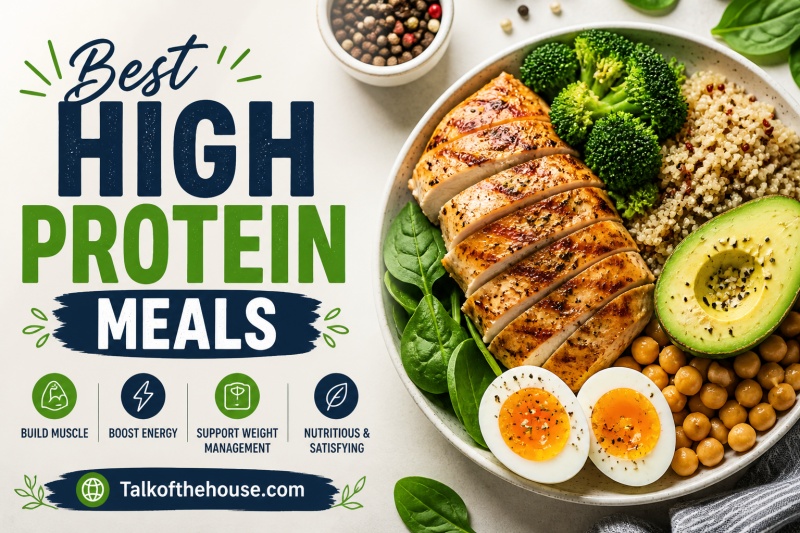
I have been experimenting with high protein meals for the past three years while training for half marathons and trying to maintain energy through busy workdays. What I discovered changed how I approach every meal. The best high protein meals do not require expensive supplements or complicated recipes. They simply combine lean protein sources with satisfying ingredients that keep you full for hours.
Research consistently shows that meals containing 25 to 40 grams of protein per serving deliver optimal satiety and support muscle maintenance. This matters whether you are an athlete, a busy parent, or someone trying to lose weight without constant hunger. I have organized this guide around the meals I actually cook weekly, complete with specific protein counts and realistic prep times.
Every recipe here delivers at least 25 grams of protein per serving. Many exceed 35 grams. You will find options for poultry, seafood, plant-based eaters, and beef lovers. I have also included breakfast options because starting your day with adequate protein sets the tone for sustained energy.
Table of Contents
Quick Picks: 3 Fastest High Protein Meals for Busy Days
Some days leave no time for elaborate cooking. These three meals deliver maximum protein with minimal effort and cleanup. I rely on them at least twice a week when deadlines stack up and hunger strikes hard.
1. Greek Yogurt Overnight Oats (22g protein, 5 minutes prep)
Combine rolled oats with Greek yogurt, chia seeds, and berries in a jar before bed. By morning, you have a ready-to-eat breakfast with 22 grams of protein. The yogurt provides complete protein with all essential amino acids, while chia seeds add extra protein and healthy fats.
2. Lemon Brown Butter Salmon (30g protein, 15 minutes)
Salmon fillets cook quickly in a hot skillet with butter and lemon. A six-ounce serving delivers 30 grams of high-quality protein plus omega-3 fatty acids. Serve with a simple side salad or microwaveable rice for a complete meal in under fifteen minutes.
3. Cottage Cheese Scrambled Eggs (24g protein, 10 minutes)
Whisk eggs with cottage cheese before scrambling for an ultra-creamy texture and significant protein boost. Half a cup of cottage cheese mixed with three eggs creates a breakfast with 24 grams of protein. Add spinach or tomatoes for extra nutrients without extra time.
High Protein Poultry Meals
Chicken and turkey provide versatile, affordable protein that works in countless preparations. These three meals represent my go-to options when I want something satisfying that reheats well for leftovers.
Greek Chicken Bowls (35g protein, 25 minutes)
Marinate chicken breast in lemon juice, olive oil, garlic, and oregano for ten minutes while you prepare vegetables. Sear the chicken in a hot skillet until golden, then slice and serve over quinoa with cucumber, tomatoes, red onion, and tzatziki sauce. A single bowl delivers 35 grams of protein from the chicken and quinoa combination.
The key to flavorful chicken is letting it rest after cooking. Five minutes of resting allows juices to redistribute, keeping every bite moist even when you reheat leftovers. I prepare a double batch on Sundays and portion into containers for three days of lunches.
Chicken Fajita Soup (31g protein, 30 minutes)
This one-pot soup combines the flavors of fajitas with the comfort of a warm bowl. Sautee sliced chicken breast with bell peppers and onions, then add chicken broth, black beans, diced tomatoes, and fajita seasoning. Simmer for twenty minutes and serve with avocado and cilantro.
Each bowl contains 31 grams of protein from the chicken and beans. Black beans provide fiber and additional protein, making this a nutritionally dense option that satisfies for hours. The soup actually improves overnight as flavors meld, making it ideal for meal prep.
Lemon Herb Chicken Thighs (40g protein, 35 minutes)
Chicken thighs offer more flavor and moisture than breast meat, plus higher protein density per serving. Season bone-in thighs with lemon zest, rosemary, thyme, salt, and pepper. Roast at 425 degrees until the skin crisps and the internal temperature reaches 165 degrees.
Two chicken thighs deliver approximately 40 grams of protein. The bone helps retain moisture during cooking, and the skin adds flavor without excessive calories if you eat it in moderation. Pair with roasted vegetables for a complete meal that requires only one sheet pan.
High Protein Seafood Meals
Fish and seafood provide complete protein with fewer calories than most meat options. They also deliver omega-3 fatty acids that support heart health and reduce inflammation. These two recipes became staples in my rotation after I noticed how much lighter yet satisfied I felt compared to heavier meat dishes.
Miso Salmon with Rice (32g protein, 20 minutes)
Spread white miso paste mixed with mirin and ginger over salmon fillets. Let them marinate for ten minutes while you prepare rice and vegetables. Broil the salmon for eight to ten minutes until the top caramelizes and the fish flakes easily.
A six-ounce serving provides 32 grams of protein along with heart-healthy fats. Miso adds umami depth without significant calories, and the fermentation provides beneficial probiotics. Serve over white or brown rice with steamed bok choy or spinach for a balanced plate that feels restaurant-quality yet comes together quickly at home.
Lemon Brown Butter Salmon (30g protein, 15 minutes)
This preparation emphasizes simplicity to highlight the salmon’s natural flavor. Melt butter in a skillet over medium heat until it turns golden brown and smells nutty. Add salmon fillets skin-side down and cook for four minutes. Flip, add lemon slices, and cook three more minutes.
The brown butter creates a rich sauce that makes the salmon feel indulgent despite being incredibly healthy. Each serving delivers 30 grams of protein plus vitamin D and selenium. I often prepare this on weeknights when I want something impressive without effort.
Plant-Based High Protein Meals
Plant-based eating has evolved far beyond boring salads. These meals deliver 25 to 28 grams of protein per serving using combinations of legumes, grains, and soy products. They prove that muscle building and vegetarian eating coexist perfectly.
Chickpea Buddha Bowls (25g protein, 20 minutes)
Roasted chickpeas form the protein foundation of this colorful bowl. Toss chickpeas with olive oil, cumin, and paprika, then roast until crispy. Serve over farro or quinoa with roasted sweet potato, shredded kale, pickled red onion, and tahini dressing.
The combination of chickpeas and grains creates a complete protein profile containing all essential amino acids. One bowl delivers 25 grams of protein plus significant fiber that supports digestive health. The variety of textures and flavors keeps this meal interesting even when eaten regularly.
Lentil Curry with Spinach (28g protein, 35 minutes)
Red lentils cook quickly and break down into a creamy curry base. Sautee onion, garlic, and ginger, then add curry powder, turmeric, and cumin. Stir in red lentils and vegetable broth, simmer for twenty minutes, then add fresh spinach until wilted.
One serving provides 28 grams of protein from the lentils, which also offer iron and folate. The spices provide anti-inflammatory benefits and make this dish deeply satisfying. Serve over rice or with naan bread for a comforting meal that happens to be incredibly nutritious.
Tofu Stir-Fry with Vegetables (26g protein, 15 minutes)
Firm tofu, when prepared correctly, provides excellent protein with a satisfying chewy texture. Press tofu for ten minutes to remove excess moisture, then cube and pan-fry until golden on all sides. Add vegetables like broccoli, bell peppers, and snap peas, then toss with soy sauce, garlic, and sesame oil.
A serving of this stir-fry contains 26 grams of protein. The key is using extra-firm tofu and getting it crispy before adding vegetables. This meal cooks so quickly that I often make it when I walk through the door hungry and need dinner in minutes.
Beef and Red Meat High Protein Meals
While I emphasize variety in protein sources, beef and turkey deliver unmatched protein density and heme iron that plant sources cannot match. These two meals satisfy serious protein goals while delivering deep, savory flavors.
Turkey Chili (28g protein, 45 minutes)
Ground turkey provides lean protein that works beautifully in chili. Brown ground turkey with onions and garlic, then add crushed tomatoes, kidney beans, black beans, chili powder, cumin, and broth. Simmer for thirty minutes to develop flavor.
Each bowl delivers 28 grams of protein with less saturated fat than beef chili. The beans add fiber and additional protein, creating a nutritionally complete meal. This chili freezes exceptionally well, so I always make a double batch and portion into freezer containers for future busy nights.
When considering perfect pairings for your protein-rich meals, a simple green salad or cornbread complements this chili without adding excessive calories.
Steak and Vegetable Skillet (42g protein, 20 minutes)
A lean sirloin steak seared in a cast-iron skillet delivers incredible protein density. Season steak generously with salt and pepper, sear three minutes per side for medium-rare, then let rest while you cook vegetables in the same pan with the steak drippings.
Six ounces of sirloin provide 42 grams of complete protein with all essential amino acids in optimal ratios. The iron content supports energy levels, particularly important for active individuals. Serve with mushrooms, onions, and bell peppers cooked in the steak drippings for maximum flavor without extra fat.
High Protein Breakfast Options
Starting your day with adequate protein sets a foundation for stable energy and reduced cravings. These two breakfast options deliver over 20 grams of protein each and require minimal morning effort.
Cottage Cheese Scrambled Eggs (24g protein, 10 minutes)
This combination might sound unusual until you try it. Whisk three eggs with half a cup of cottage cheese, salt, and pepper. Cook over medium heat, stirring gently, until soft curds form. The cottage cheese melts into the eggs, creating an incredibly creamy texture.
The result delivers 24 grams of protein with a texture unlike any other scrambled egg preparation. Cottage cheese adds casein protein, which digests slowly and sustains fullness longer than eggs alone. Add chopped chives or hot sauce for variety without significant effort.
Greek Yogurt Overnight Oats (22g protein, 5 minutes prep)
Combine equal parts rolled oats and Greek yogurt in a jar with chia seeds, honey, and berries. Refrigerate overnight. By morning, the oats have absorbed the yogurt, creating a pudding-like texture with 22 grams of protein.
This breakfast requires zero morning preparation, making it perfect for busy weekdays. The combination of complex carbohydrates from oats and protein from yogurt provides sustained energy without the crash of sugary cereals. Prepare three jars on Sunday for effortless breakfasts through Wednesday.
Meal Prep Tips for High Protein Success
Consistency matters more than perfection when building a high protein eating pattern. These strategies help me maintain protein goals even during chaotic weeks when cooking feels impossible.
Batch Cook Proteins on Sundays
I dedicate ninety minutes every Sunday to preparing proteins for the week. This might include roasting two sheet pans of chicken thighs, hard-boiling a dozen eggs, and cooking a pot of lentils. Having cooked proteins ready eliminates the biggest barrier to healthy eating on busy days.
Store cooked chicken in airtight containers and reheat gently to maintain moisture. Hard-boiled eggs keep for five days in the refrigerator. Cooked lentils and beans last four to five days and improve in flavor as they sit.
Storage and Reheating Guidelines
Most high protein meals keep for three to four days in the refrigerator. Store proteins separately from sauces when possible to prevent soggy textures. Reheat meats gently with a splash of water or broth to restore moisture lost during refrigeration.
Invest in glass meal prep containers with divided sections. They keep components separate until you are ready to eat, preserving textures and flavors better than mixing everything together in advance.
Freezer-Friendly Variations
Soups, stews, and chilis freeze exceptionally well for up to three months. Turkey chili, lentil curry, and chicken fajita soup all maintain quality after freezing. Portion into individual containers before freezing for grab-and-go convenience.
Avoid freezing meals with raw vegetables or dairy-based sauces, as textures suffer upon thawing. Instead, freeze the protein base and add fresh vegetables or yogurt when reheating for optimal results.
High Protein on a Budget
Eating high protein meals does not require expensive ingredients or specialty products. These strategies help me hit protein targets while keeping grocery bills reasonable.
Cost Per Gram of Protein
Eggs, chicken thighs, lentils, and canned tuna offer the lowest cost per gram of protein. A dozen eggs costs around three dollars and delivers 72 grams of protein total. Dried lentils cost pennies per serving while providing 18 grams of protein per cup cooked.
Frozen chicken thighs often cost half the price of chicken breasts while delivering more protein per serving. Canned beans and chickpeas provide affordable protein that requires no cooking time.
Money-Saving Strategies
Buy whole chickens and break them down yourself instead of purchasing pre-cut pieces. Use the bones to make broth, which adds protein and depth to soups at essentially no cost. Purchase dried beans and lentils in bulk rather than buying canned versions.
Eggs remain the most economical high-quality protein source available. Keep a dozen hard-boiled eggs in your refrigerator for instant protein snacks or additions to any meal. At roughly twenty-five cents per egg for six grams of protein, they cannot be beaten for value.
Frequently Asked Questions
What are the best high protein meals?
The best high protein meals deliver 25-40 grams of protein per serving while remaining practical for regular cooking. Top options include Greek chicken bowls (35g protein), salmon with rice (30-32g protein), lentil curry (28g protein), and steak with vegetables (42g protein). The ideal meal depends on your dietary preferences, budget, and available cooking time. Look for combinations of complete proteins like chicken, fish, eggs, or beef paired with fiber-rich vegetables and whole grains.
How to get 150g of protein a day?
To consume 150 grams of protein daily, distribute intake across five eating occasions: breakfast (30g), mid-morning snack (15g), lunch (40g), afternoon snack (15g), and dinner (50g). Sample day: Greek yogurt overnight oats (22g) plus two eggs (12g) for breakfast; cottage cheese (14g) as a snack; chicken fajita soup (31g) for lunch; protein smoothie (15g) in the afternoon; and steak with vegetables (42g) plus a small portion of quinoa (8g) for dinner. Consistency matters more than perfection track your intake for a week to establish patterns.
How can I get 30g protein every meal?
Achieving 30 grams of protein per meal requires including a substantial protein source in each eating occasion. For breakfast, combine three eggs (18g) with Greek yogurt (10g) or cottage cheese (12g). At lunch, include five to six ounces of chicken, fish, or lean beef. For dinner, prioritize larger protein portions of six to eight ounces, or combine smaller portions of meat with beans, lentils, or quinoa. Plant-based eaters can reach 30 grams by combining tofu, tempeh, lentils, and grains in the same meal.
How to get 100g of protein a day?
Consuming 100 grams of protein daily is achievable with three solid meals containing 25-35 grams each. Breakfast: cottage cheese scrambled eggs (24g). Lunch: salmon over greens (30g). Dinner: turkey chili with beans (28g). Add one high-protein snack like Greek yogurt (15g) or a handful of almonds (6g) to reach your target. This approach works well for smaller individuals or those with moderate activity levels. Track your intake using a simple food diary for the first week until the patterns become automatic.
Conclusion
The best high protein meals combine adequate protein with flavors you genuinely enjoy. Start with two or three recipes from this guide that appeal to your taste preferences. Master those before expanding your repertoire. Consistency with a few meals beats occasional perfection with dozens of untried recipes.
I have personally prepared every meal listed here at least ten times. They work because they balance protein content with practical preparation and satisfying flavors. Whether your goal is muscle building, weight loss, or sustained energy, these meals provide the nutritional foundation you need. And when you want to treat yourself after a week of healthy eating, an occasional indulgent dessert can be part of a balanced lifestyle.
Consider exploring perfect pairings for your protein-rich meals to build complete dining experiences. Start with the quick picks section if you need immediate solutions, then branch into the more elaborate preparations as your confidence grows. Your protein goals are achievable with the right meals and a bit of planning.