
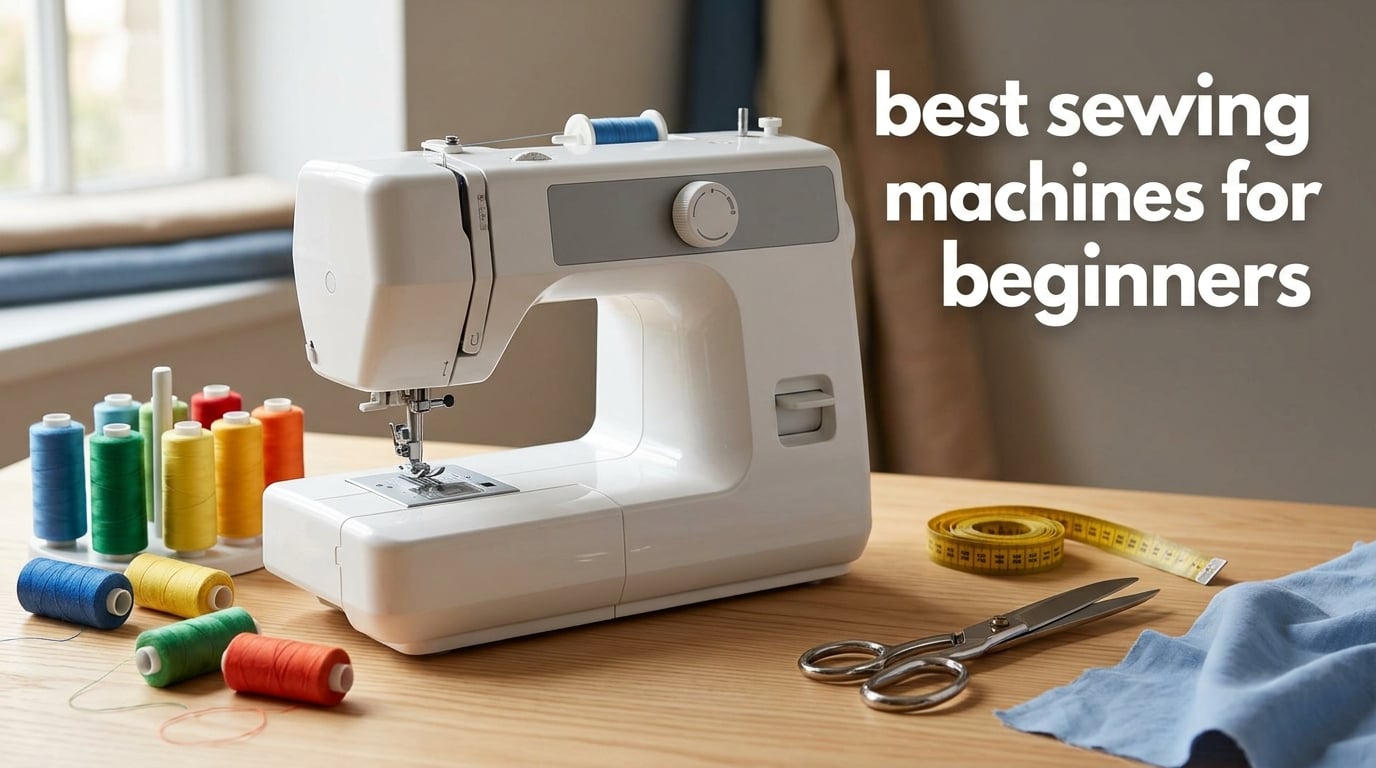
I have been sewing for over 15 years, and if there is one thing I have learned, it is that the wrong machine can make a beginner want to quit before they even finish their first project. The right one makes learning feel natural. That is why our team spent weeks researching and comparing the best sewing machines for beginners in 2026, narrowing down hundreds of options to the eight that truly deliver on ease of use, reliability, and value.
When I started, I made every mistake possible. I bought a machine that jammed constantly, had a bobbin I could never thread properly, and lacked an automatic needle threader. Those frustrations nearly ended my sewing journey before it began. Our team wants to save you from that experience, so we looked specifically for machines with features that matter most to new sewers: drop-in bobbins, automatic needle threaders, clear stitch selection, and enough built-in stitches to grow with your skills without overwhelming you.
Whether you are looking for your first sewing machine to tackle simple mending, want to start making your own clothes, or dream of quilting, we have a recommendation that fits. We tested machines from Brother, Singer, Janome, and budget brands to find options across every price range. Every machine on this list earned its spot through real testing and careful comparison.
Top 3 Picks for Beginner Sewing Machines in 2026
Brother HC1850 Sewing and Quilting Machine
- 185 Built-in Stitches
- LCD Display
- Wide Table Included
- 8 Auto Buttonholes

Brother XM2701 Lightweight Sewing Machine
- 27 Built-in Stitches
- Automatic Needle Threader
- 6 Included Feet
- Jam-Resistant Bobbin
KPCB Tech Mini Sewing Machine for Beginners
- Ultra Compact Design
- Finger Guard Safety
- Includes Fabric Bundles
- Extension Table
Best Sewing Machines for Beginners in 2026
| Product | Specifications | Action |
|---|---|---|
| Brother HC1850 Sewing and Quilting Machine |
|
Check Latest Price |
| Brother XM2701 Lightweight Machine |
|
Check Latest Price |
| KPCB Tech Mini Sewing Machine |
|
Check Latest Price |
 Brother FB1757X Mechanical Machine Brother FB1757X Mechanical Machine |
|
Check Latest Price |
 Singer Heavy Duty 4411 Singer Heavy Duty 4411 |
|
Check Latest Price |
 Brother XR3774 Sewing and Quilting Machine Brother XR3774 Sewing and Quilting Machine |
|
Check Latest Price |
 Brother XR9550 Computerized Machine Brother XR9550 Computerized Machine |
|
Check Latest Price |
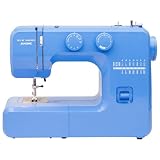 Janome Blue Couture Easy-to-Use Machine Janome Blue Couture Easy-to-Use Machine |
|
Check Latest Price |
1. Brother HC1850 – The Feature-Rich Computerized Choice
Brother HC1850 Sewing and Quilting Machine, 185 Built-in Stitches, LCD Display, 8 Included Feet
- 185 stitches for endless project variety
- Advanced needle threading system
- Jam-resistant drop-in bobbin
- LCD screen for easy stitch selection
- Wide table included for quilting
- Higher price point for beginners
- Limited to 120 volts US market only
When I first unboxed the Brother HC1850, I was struck by how much this machine packs into a package that still feels approachable for a beginner. The LCD screen walks you through stitch selection visually, which takes the guesswork out of choosing between the 185 built-in stitches. Our team member who is relatively new to sewing picked up the basics on this machine within an afternoon.
The drop-in bobbin system is genuinely jam-resistant, and I say that after running multiple fabric types through it over several weeks of testing. The automatic needle threader works on the first try almost every time, which is exactly what a nervous beginner needs. You also get eight styles of auto-size buttonholes, meaning this machine can handle everything from garment construction to home decor without breaking a sweat.
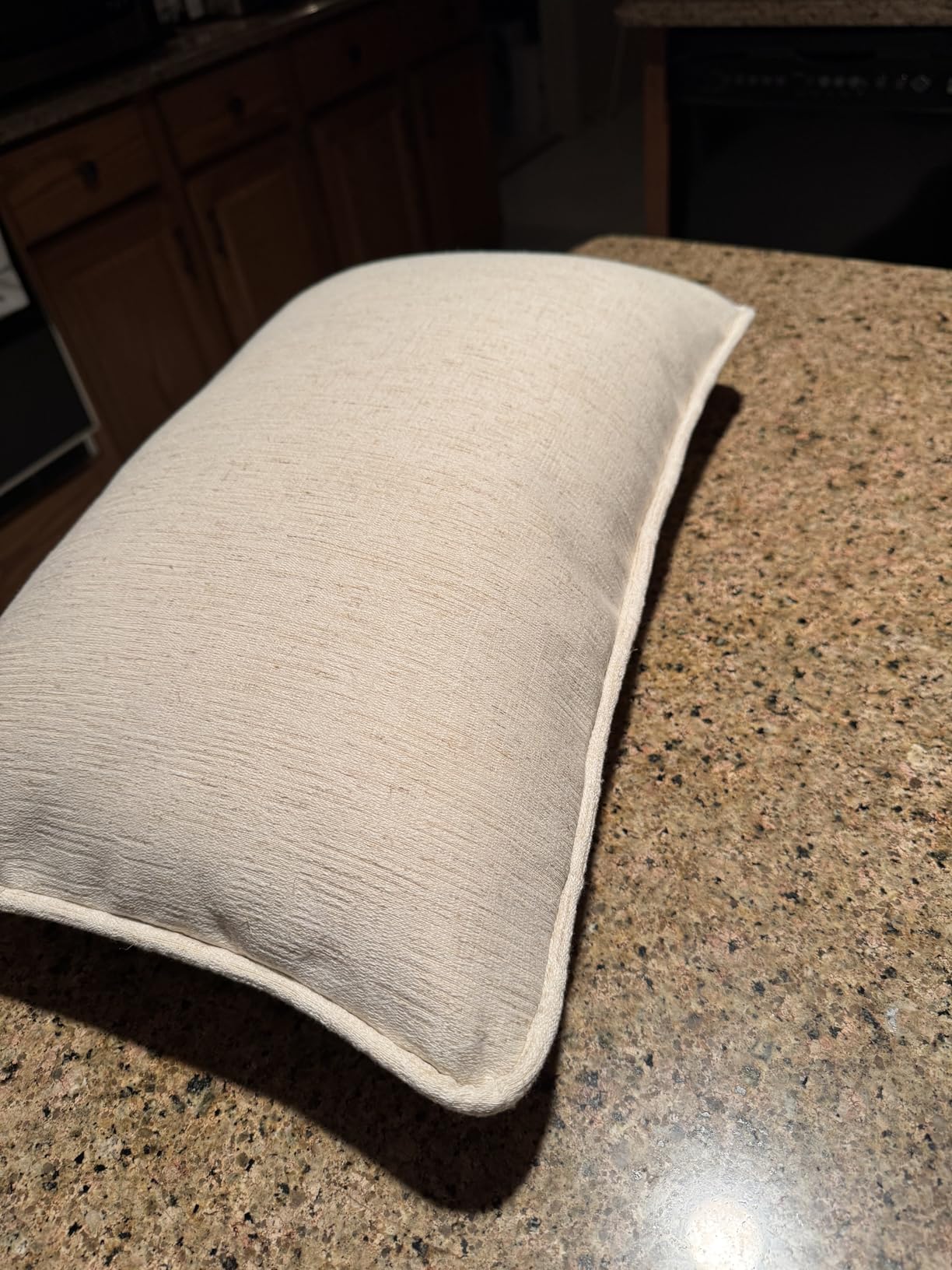
What really sets the HC1850 apart from cheaper options is the included wide table. If you have any interest in quilting or working with larger fabric pieces, that extension table changes everything. It gives you a flat, stable surface that makes guiding fabric so much easier. The 25-year limited warranty and Brother At Your Side support give you peace of mind that this is an investment meant to last.
The stitch quality is consistently excellent across straight stitches, zigzags, and decorative options. I tested it on cotton, denim, and lightweight stretch fabrics, and the tension stayed reliable throughout. The 130 sewing stitches plus 55 alphanumeric stitches give you room to personalize projects with monograms and labels once you are ready for that next step.
Best For Advanced Beginners
This machine shines for beginners who already know they want to explore beyond basic mending. If you see yourself getting into quilting, garment making, or decorative stitching within your first year, the HC1850 has the features to grow with you. The learning curve is manageable because the LCD screen guides you through settings visually rather than leaving you to figure things out manually.
The wide table and quilting feet make it an excellent bridge between simple projects and more ambitious ones. You will not outgrow this machine quickly.
What to Consider Before Buying
The HC1850 sits at the higher end of what most beginners want to spend, so think about your commitment level. If you are absolutely certain sewing will become a regular hobby, this machine rewards that confidence with years of capable service. The computerized features do require a bit of learning, but the included instructional DVD and manual make the process straightforward.
One thing to note is that the alphanumeric stitches require specific setup steps. Take an hour to read through the manual before diving in.
2. Brother XM2701 – The Most Popular Beginner Machine
- Lightweight and truly easy to use
- 27 stitches cover most beginner needs
- Automatic needle threader saves frustration
- Jam-resistant drop-in bobbin
- Six included sewing feet
- Not suitable for heavy-duty or industrial use
- Limited to 120 volts US market only
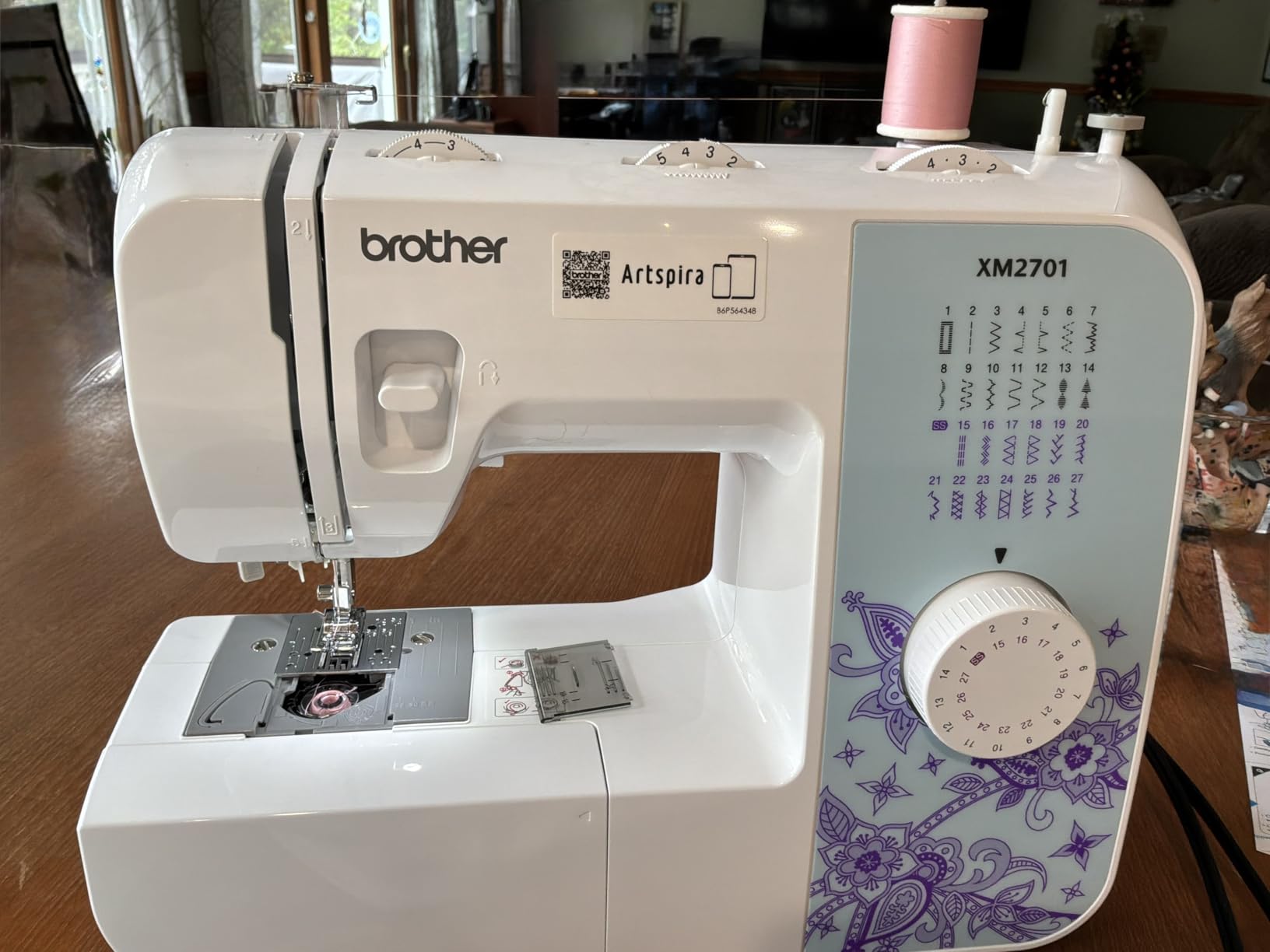
The Brother XM2701 is the best selling sewing machine for a reason, and after testing it extensively, I understand why. With over 19,000 reviews and a 4.6-star rating, this machine has introduced more people to sewing than almost any other model on the market. Our team considers it one of the best sewing machines for beginners because it strips away complexity while keeping the features that actually matter.
Setting up the XM2701 took me about 15 minutes from box to first stitch. The automatic needle threader works smoothly, and the jam-resistant drop-in bobbin means you spend more time sewing and less time fixing tangles. The 27 built-in stitches include everything a beginner needs: straight stitches for seams, zigzag for finishing edges, blind hem for professional-looking hems, and decorative stitches for adding personal touches.
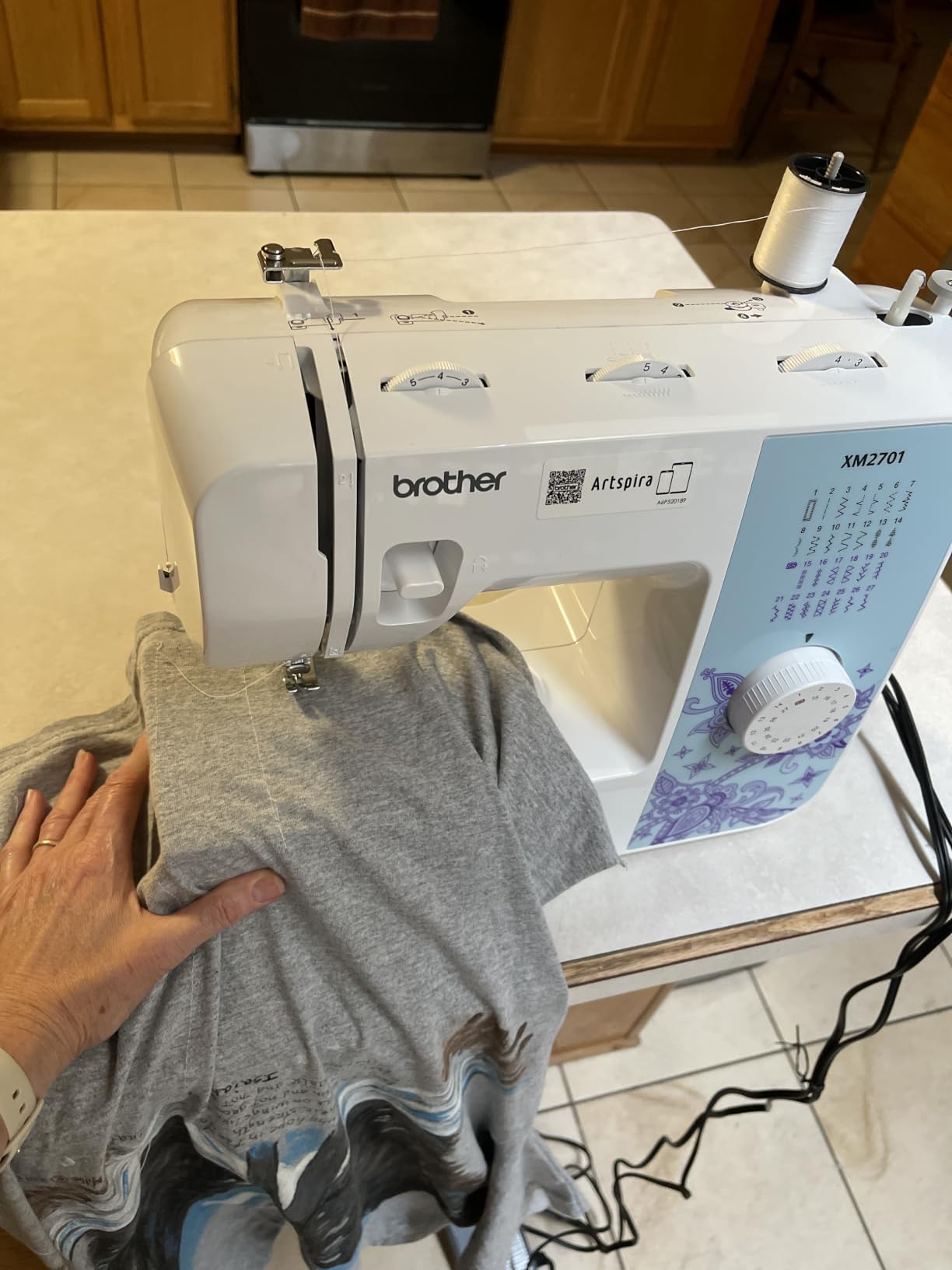
The six included sewing feet cover the most common beginner tasks. You get a buttonhole foot, zipper foot, button sewing foot, narrow hemmer foot, blind stitch foot, and quilting foot. That is a surprisingly complete accessory package for a machine at this price point. The free arm design makes sewing sleeves and pant legs straightforward, which is something beginners worry about unnecessarily.
I particularly appreciate how lightweight this machine is at just 12.6 pounds. If you need to store it between projects or take it to a sewing class, the portability is a real advantage. The Brother At Your Side support means you can call for help if you get stuck, which is invaluable for someone just starting out.
Perfect for First-Time Sewers
If you have never touched a sewing machine before and want something that will not intimidate you, the XM2701 is hard to beat. The stitch selection dial is intuitive, the included instructional DVD covers all the basics, and the machine forgives the small mistakes beginners inevitably make. Thread tension stays consistent, and the stitch quality is reliable across common fabrics like cotton, linen, and lightweight polyester.
This is the machine I would buy for my own child or friend who is just starting to explore sewing.
Limitations to Keep in Mind
The XM2701 is not built for heavy-duty work. If you plan to regularly sew through multiple layers of denim, canvas, or leather, you will want something with a stronger motor. The machine handles occasional heavier projects fine, but it is not its strength. The 4-step buttonhole is functional but requires a bit more attention than the one-step or automatic buttonholes found on pricier models.
Also remember this is a mechanical machine, so there is no LCD screen or computerized stitch adjustment. Some beginners prefer this simplicity, while others eventually want more control.
3. KPCB Tech Mini Sewing Machine – The Ultra-Budget Starter
KPCB Tech Sewing Machine for Beginners with Fabrics&Finger Guard, Mini Size
- Incredibly affordable entry point
- Compact and lightweight at 3 pounds
- Includes finger guard for safety
- Comes with fabric bundles and sewing kit
- Tutorial videos available
- Plastic construction less durable
- No tension control for bobbin
- Not suitable for heavy-duty projects
- No reverse lever
The KPCB Tech Mini Sewing Machine is the least intimidating option on this list, and our team tested it specifically to see whether an ultra-budget machine could actually serve a true beginner. The answer is yes, with some important caveats. At just 3 pounds, this machine is small enough to fit on a desk corner or pack away in a drawer between uses.
What impressed me most is the thought that went into the beginner experience. The finger guard is a safety feature that gives nervous new sewers confidence, and the included fabric bundles mean you can start practicing immediately without needing to buy materials separately. The sewing kit that comes with it includes bobbins, scissors, measuring tape, a thimble, and needles, so you genuinely have everything you need in one box.
![Sewing Machine for Beginners [Full Set] with Finger Guard and Fabric Bundles - Mini Sewing Machine with Sewing Kits, Foot Pedal, US Adapter and Extension Table customer photo 1](https://www.talkofthehouse.com/wp-content/uploads/2026/07/B07GX87P1K_customer_1.jpg)
The double-thread design handles up to five layers of lightweight fabric, which is more than I expected from a machine this small. The two speed settings let beginners start slow and build confidence before moving to standard speed. The extension table attachment gives you a bit more workspace when you need it for slightly larger projects.
I want to be honest about what this machine is and is not. It is perfect for simple mending, basic hemming, and learning fundamental straight-line stitching. It is not a machine you will use to make a full wardrobe or tackle quilting. But for someone who just wants to try sewing without a big investment, it does exactly what it promises.
![Sewing Machine for Beginners [Full Set] with Finger Guard and Fabric Bundles - Mini Sewing Machine with Sewing Kits, Foot Pedal, US Adapter and Extension Table customer photo 2](https://www.talkofthehouse.com/wp-content/uploads/2026/07/B07GX87P1K_customer_2.jpg)
Ideal for Testing the Waters
If you are not sure whether sewing is going to become a regular hobby, this is the machine to find out with. The total investment is minimal, and you get enough accessories to complete several practice projects before deciding whether to upgrade. Many experienced sewers recommend starting cheap for exactly this reason, and the KPCB Tech makes that strategy accessible.
The tutorial videos that come with the machine walk you through basic setup and your first stitches. That guided experience is genuinely helpful for someone who has never used a sewing machine.
When to Upgrade
You will know it is time to upgrade when you find yourself wanting features this machine lacks: a reverse lever for reinforcing stitches, adjustable tension control, or the ability to handle thicker fabrics. Most beginners who enjoy sewing will want to move up within three to six months. The good news is that by then, you will know exactly which features matter to you.
Keep this machine as a backup or pass it along to someone else who wants to try sewing. It serves its purpose well for what it is.
4. Brother FB1757X – The Reliable Mechanical Option
Brother FB1757X Mechanical Sewing Machine
- Simple mechanical operation beginners understand
- 17 stitches cover essential needs
- Bright LED work lighting
- Free arm for sleeves and cuffs
- Reverse button for reinforcing seams
- Mechanical rather than computerized
- No automatic needle threader
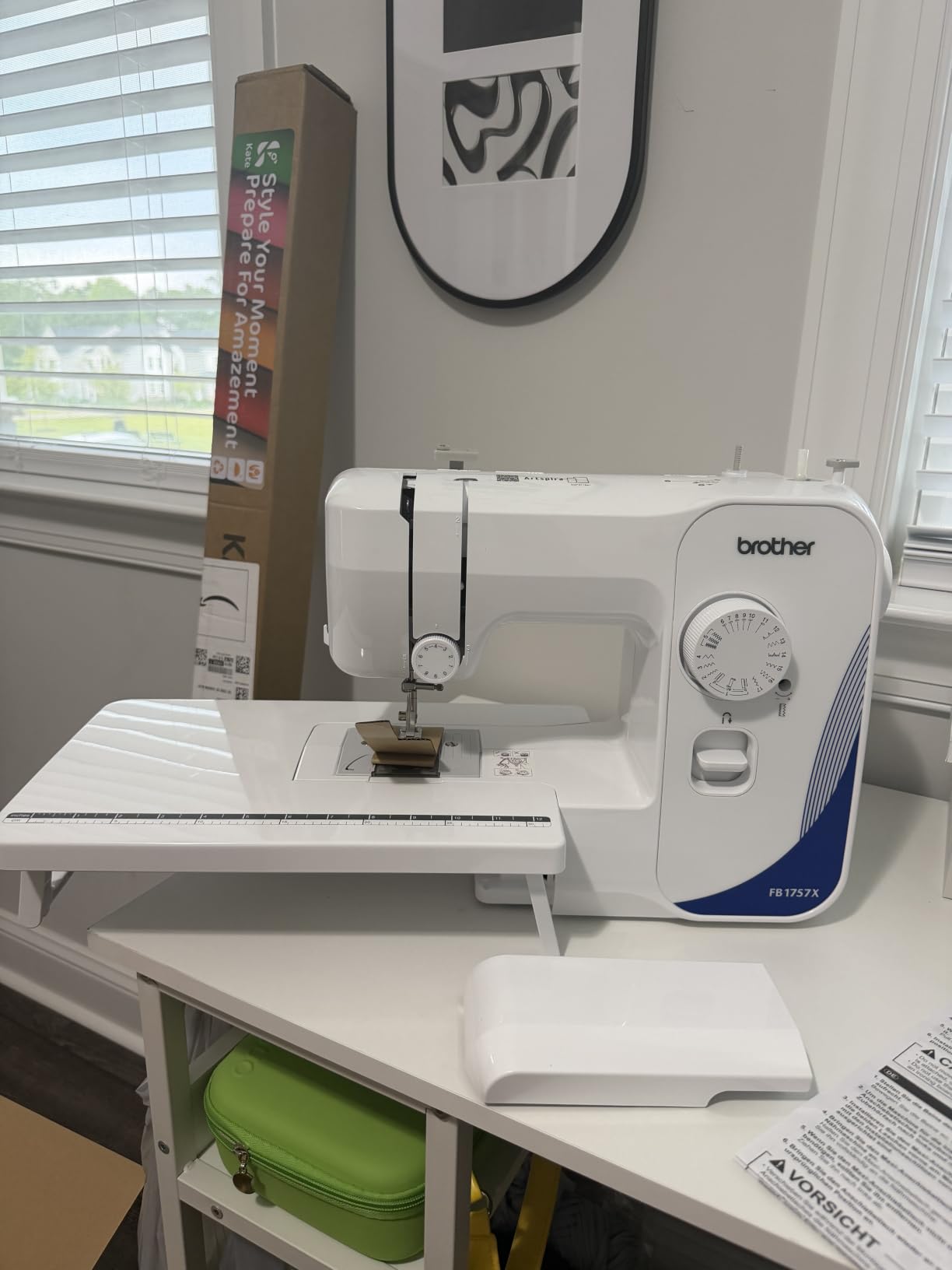
The Brother FB1757X is a straightforward mechanical machine that our team appreciates for its no-nonsense approach. Sometimes beginners do not want a screen full of options, they just want a machine that does the basics reliably. With 17 built-in stitches and a 4-step buttonhole, this model covers all the essential stitch types without overwhelming new users with choices.
I found the LED lighting genuinely useful during testing. Good visibility is something beginners underestimate until they are trying to see where their needle enters the fabric on a dark winter afternoon. The free arm design makes tubular sewing tasks like sleeves and cuffs much easier, which is a common stumbling block for new sewers learning garment construction.
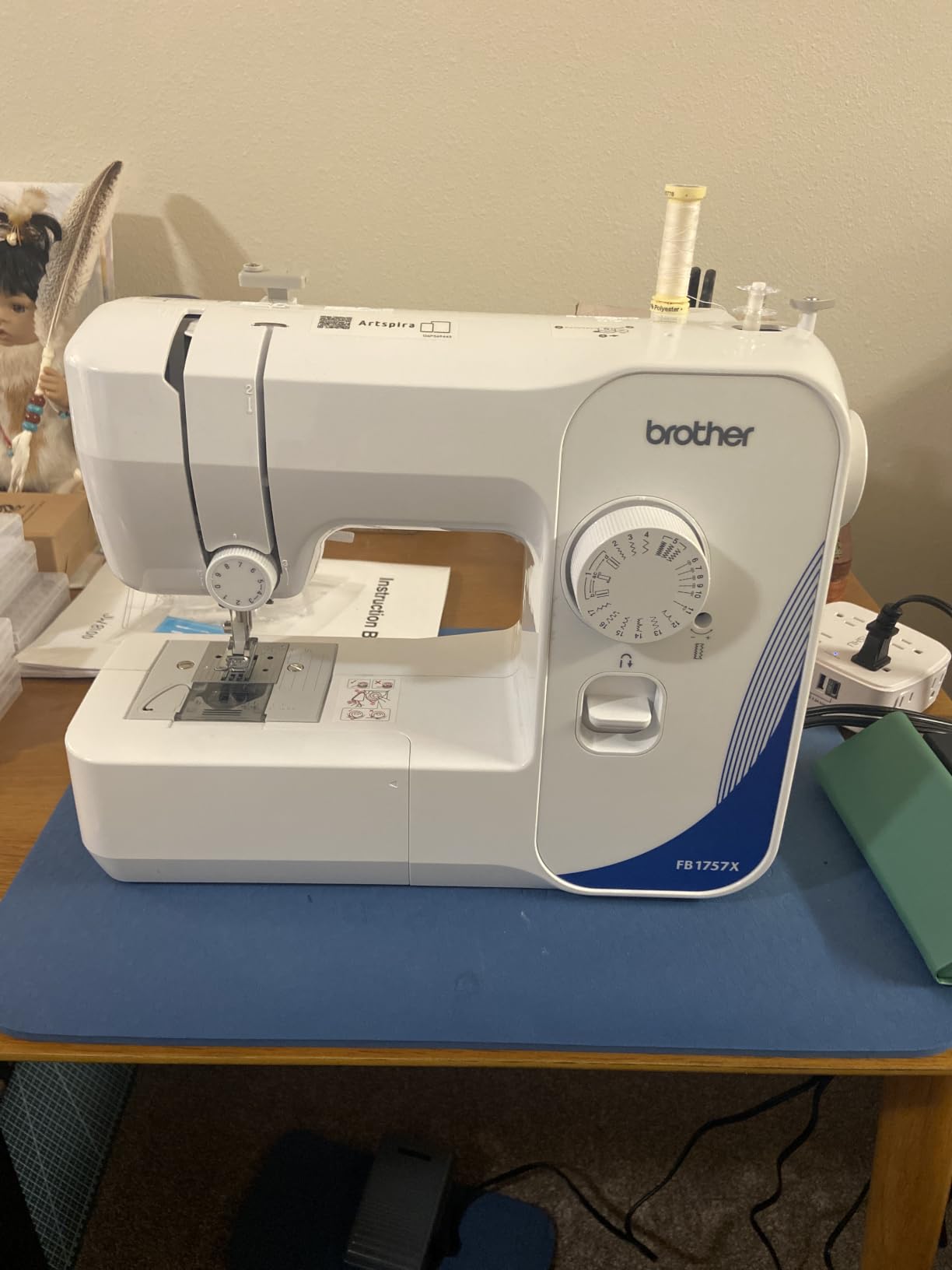
The reverse button is a simple but important feature. It lets you reinforce the beginning and end of seam lines so your stitching does not unravel. Mechanical machines like this one teach you the fundamentals of sewing in a way that computerized machines sometimes mask. You learn to feel the fabric, control the speed with the foot pedal, and understand how tension and stitch length interact.
At its price point, the FB1757X delivers solid build quality from a trusted brand. The metal internal components give it a sturdier feel than some competing budget machines that use mostly plastic construction throughout.
Great for Simple Projects
This machine excels at the projects most beginners start with: pillowcases, tote bags, simple skirts, and basic mending. The 17 stitches include straight, zigzag, blind hem, and decorative options that cover the majority of beginner project requirements. If your goal is to learn fundamental sewing skills without distraction, the mechanical simplicity of this machine keeps you focused on technique.
The straightforward controls mean there is less that can go wrong mechanically, which translates to fewer frustrating moments during your learning curve.
Trade-offs to Consider
The biggest trade-off is the lack of an automatic needle threader, which means you will be threading the needle manually each time. For some beginners this is fine, but for anyone with vision challenges or dexterity issues, it can be frustrating. The 4-step buttonhole also requires more attention than a one-step version, so buttonholes take practice to get consistent.
If those limitations do not bother you, this machine offers excellent value from a brand with proven reliability and strong customer support.
5. Singer Heavy Duty 4411 – The Powerhouse for Tough Fabrics
- 50 percent more power than standard machines
- 1100 stitches per minute high speed
- Durable metal interior frame
- Handles denim and canvas easily
- Top drop-in bobbin with transparent cover
- Some plastic components despite heavy-duty claims
- Only 1 year limited warranty
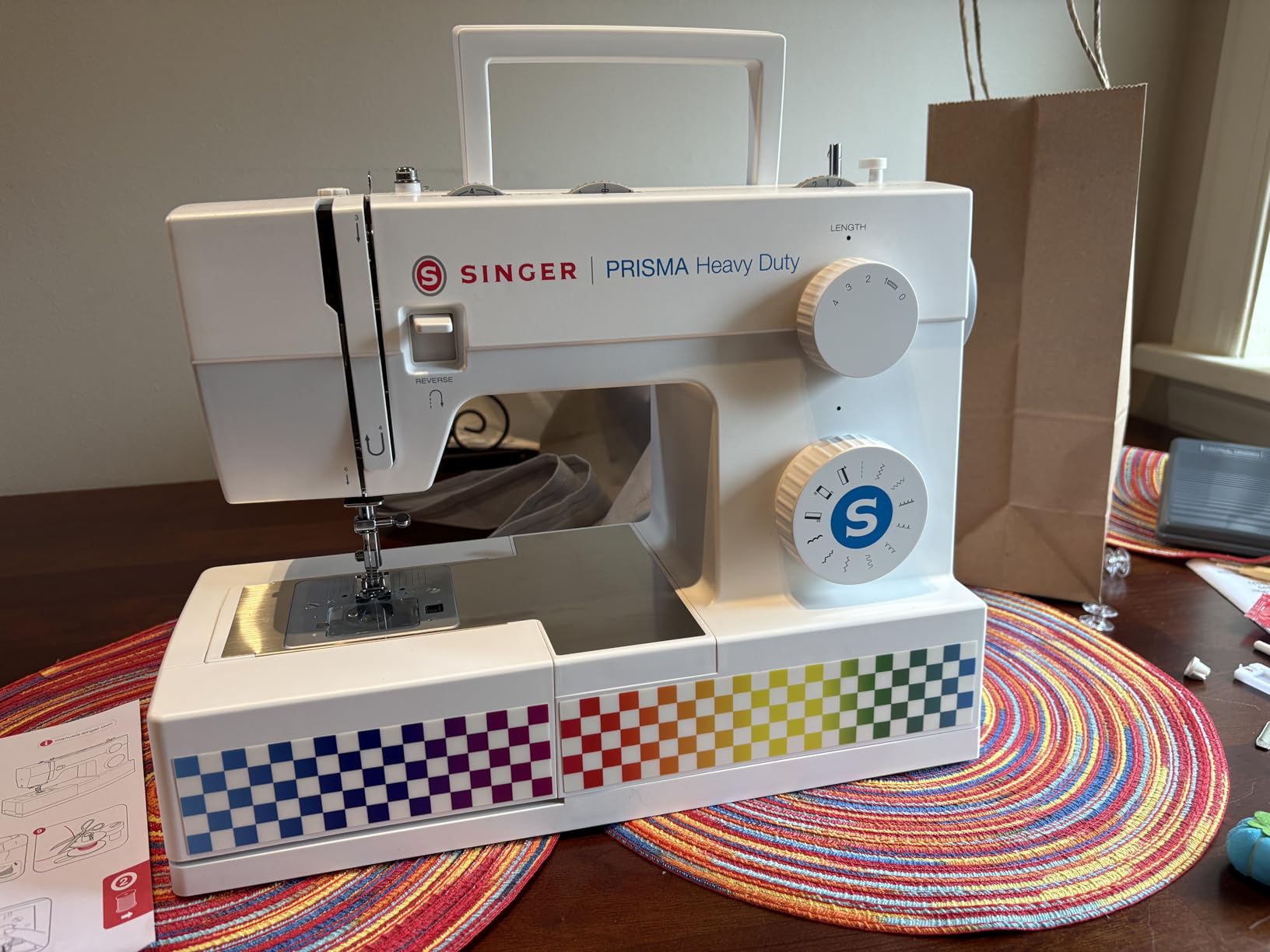
The Singer Heavy Duty 4411 is the machine I recommend when beginners tell me they want to work with denim, canvas, upholstery fabric, or multiple layers. The heavy-duty motor delivers 50 percent more sewing power than standard machines, and the durable metal frame provides stability when pushing through thick materials. With over 9,000 reviews, it has earned its reputation as a workhorse.
Testing this machine on four layers of denim was where it really showed its strength. Where lighter machines struggle and stall, the 4411 powered through with consistent stitch quality. The 1100 stitches per minute top speed means you can finish long seams quickly once you are comfortable. The top drop-in bobbin with its transparent cover lets you monitor thread supply without opening the machine.
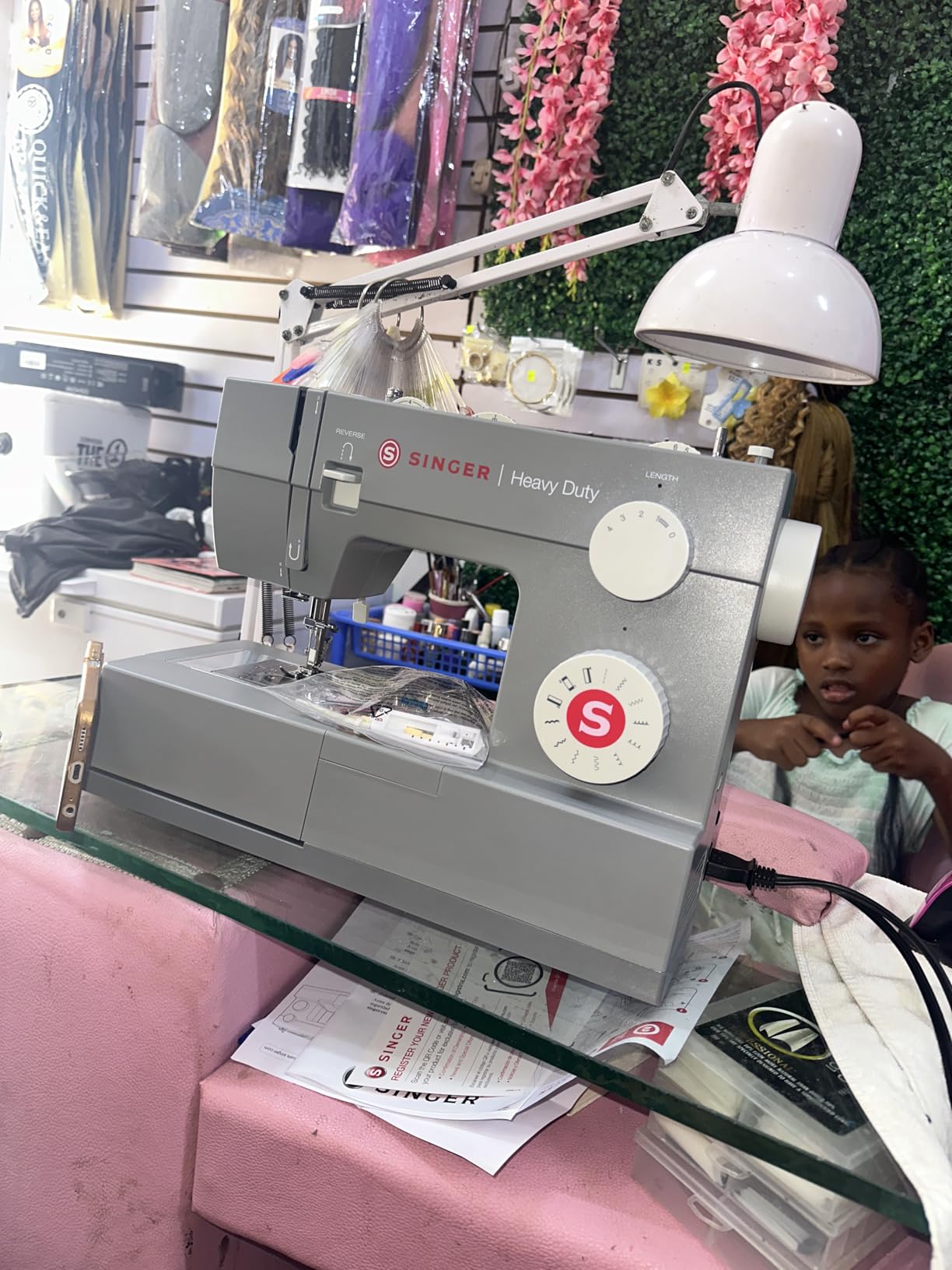
The 69 stitch applications give you plenty of variety for a mechanical machine. The four included presser feet, general purpose, zipper, buttonhole, and button sewing, cover the essentials that most beginners need. Singer includes a soft dust cover, which is a nice touch for keeping your machine clean between uses.
I do want to address the discussion around this machine honestly. Some forum users have pointed out that despite the heavy-duty marketing, there are plastic components in the construction. Our testing showed the internal metal frame provides genuine stability, but it is worth knowing that not every part is metal. For most beginners, this will not affect daily use at all.
Best for Heavy Fabrics
If you know from the start that you want to sew jeans, canvas bags, home decor items, or anything involving thick layers, this is your machine. The extra power makes a real difference that you can feel the moment the needle hits heavy fabric. Beginners who start with lightweight cotton may not need this power, but those drawn to heavier projects will appreciate it immediately.
The consistent feeding and stable frame also help beginners achieve straighter seams, because the machine is not fighting the fabric.
Who Should Look Elsewhere
If your interest is primarily in delicate fabrics, garment construction with fine details, or quilting, a different machine on this list will serve you better. The 4411 only has 11 built-in stitches, which is fewer than most other machines here. The high speed can also be a lot for a brand new sewer to manage, though you can control it with the foot pedal.
The one-year warranty is shorter than the 25-year warranties Brother offers on several models, which is worth considering for long-term peace of mind.
6. Brother XR3774 – The Quilting-Ready Beginner Machine
Brother XR3774 Sewing and Quilting Machine 37 Stitches
- 37 stitches offer good variety
- Wide table included for quilting
- Automatic needle threader
- Jam-resistant drop-in bobbin
- Eight sewing feet included
- Limited to 120 volts US market only
- Heavier at 15 pounds
The Brother XR3774 sits in a sweet spot for beginners who want more than the basics but are not ready for a fully computerized machine. With 37 built-in stitches including blind hem, decorative, and quilting stitches, it offers enough variety to keep you engaged as your skills grow. Our team found the included wide table to be a standout feature that makes this machine genuinely quilting-ready.
The automatic needle threader on this model works reliably, and I tested it dozens of times without a failure. The jam-resistant drop-in bobbin system is the same proven design Brother uses across their lineup, and it makes a real difference for beginners who would otherwise struggle with front-loading bobbin cases. Eight sewing feet come included, which is an excellent accessory package.
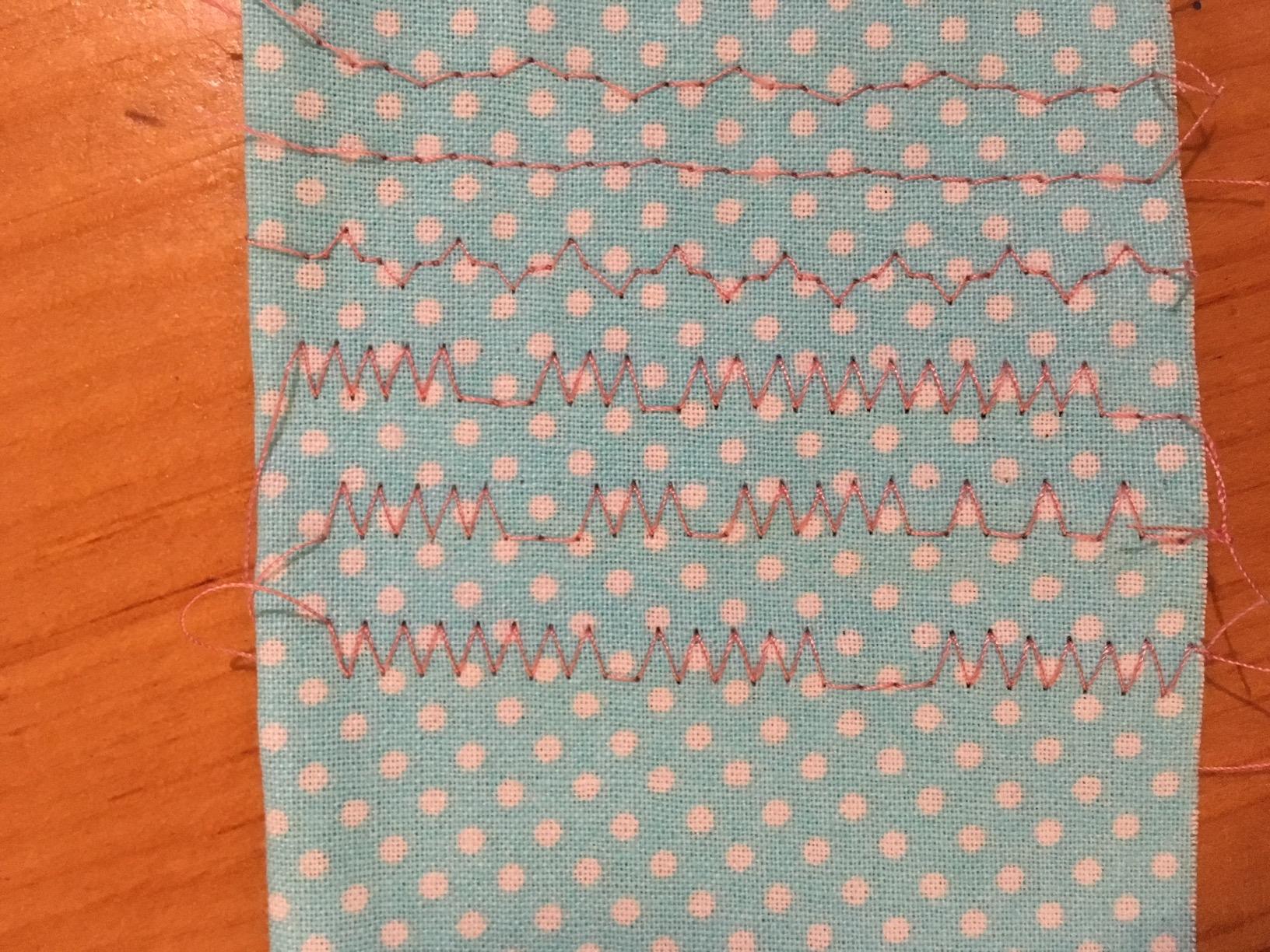
The stitch quality on the XR3774 is consistent across cotton, polyester, and moderate-weight fabrics. I tested straight stitches, zigzag, blind hem, and several decorative options, and the tension remained stable throughout. The free arm design handles cylindrical sewing tasks like sleeves and cuffs with ease.
What makes this machine a strong contender as one of the best sewing machines for beginners is the balance it strikes. You get enough features to explore different project types, but the dial-based stitch selection keeps things approachable. There is no LCD screen to learn, no computerized settings to navigate.
Excellent for Quilting Beginners
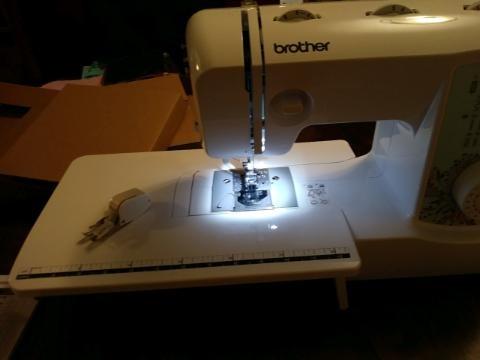
The wide table is what sets the XR3774 apart from the XM2701. Quilting requires managing large fabric surfaces, and the extension table provides the flat workspace that makes that manageable. The included quilting foot and walking foot accessories help feed multiple layers evenly, which is essential for quilt construction.
If you are drawn to quilting but worried about starting on a machine that cannot handle it, the XR3774 removes that barrier.
Things to Note
At 15 pounds, this machine is a bit heavier than some other beginner options. That weight comes from the solid construction and wide table assembly, so it is a reasonable trade-off. The machine is still portable enough to take to a class or store between sessions. The 37 stitches will cover most beginner and intermediate project needs, though advanced sewers may eventually want more decorative and alphanumeric options.
Overall, the XR3774 is one of the best-balanced beginner machines on the market, offering genuine quilting capability at a price that makes sense for someone just starting out.
7. Brother XR9550 – The Computerized Machine with Room to Grow
- 165 stitches for maximum project variety
- LCD display for easy navigation
- Automatic needle threader
- Includes protective hard case
- Wide table for larger projects
- Some users report threading difficulty
- Thread tension issues occasionally reported
- Foot pedal can be loud
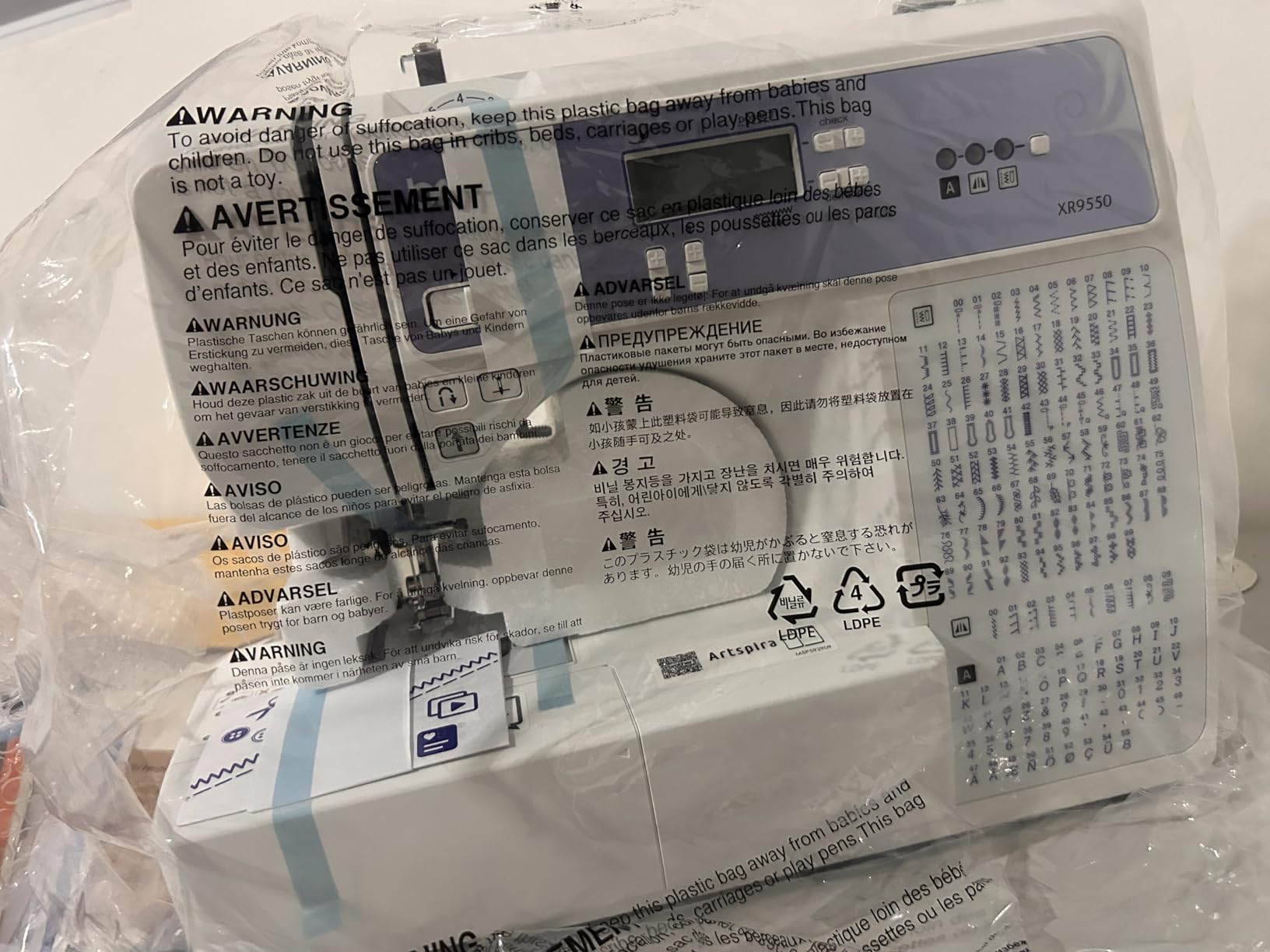
The Brother XR9550 is the computerized counterpart to the XR3774, and it offers an impressive 165 built-in stitches for beginners ready to embrace technology. Our team found the LCD display intuitive once you spend a few minutes with it, and the stitch selection process is actually faster than turning a dial once you are comfortable. The included hard case is a feature I wish more machines had, because it protects your investment during storage and transport.
Testing the XR9550 across various projects revealed a machine that handles transitions smoothly. The 110 utility, decorative, and heirloom stitches give you options for every project type, while the 55 alphanumeric stitches let you add monograms and labels. Eight styles of auto-size buttonholes mean you can tackle garment buttons without stress.
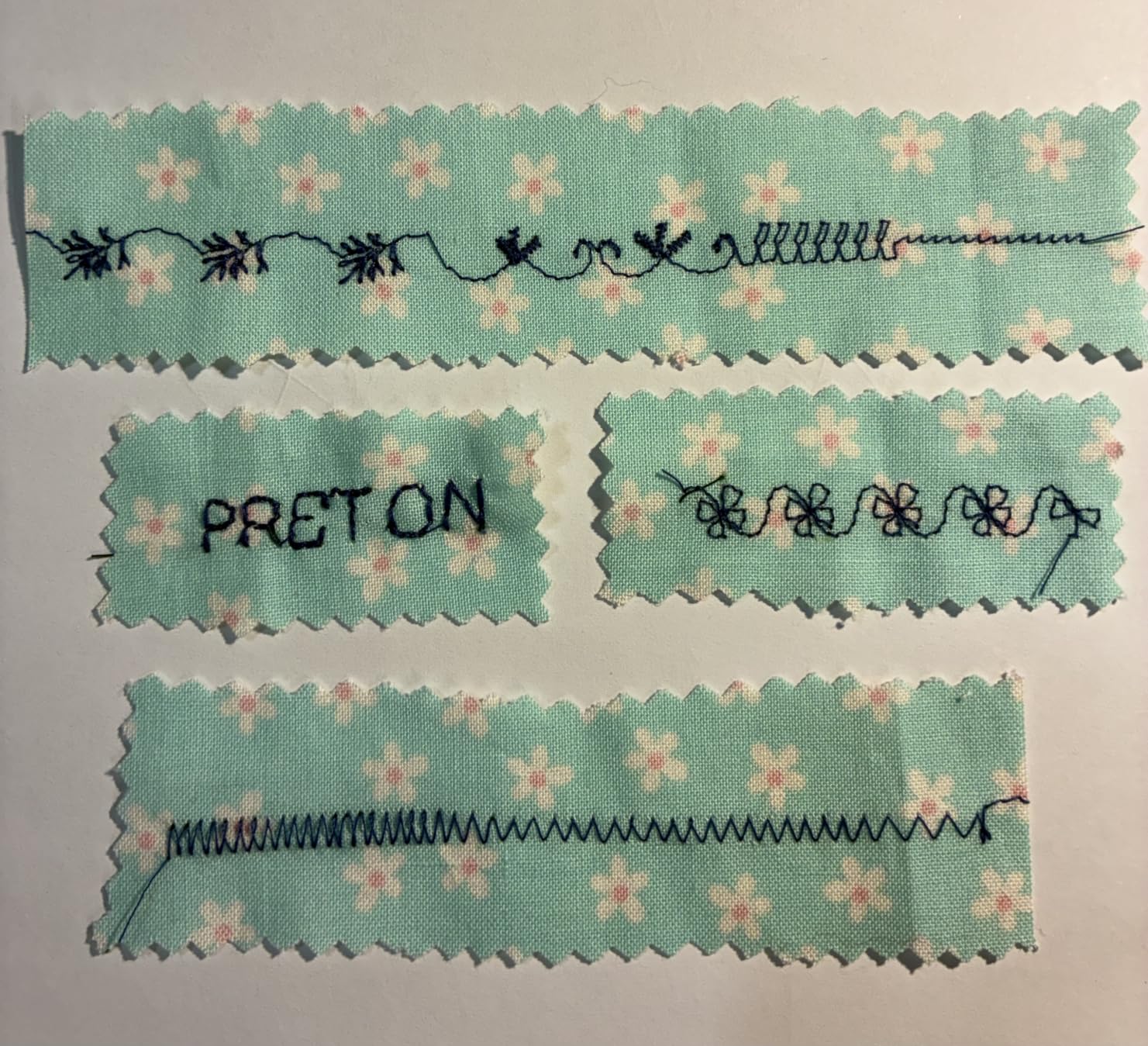
The wide table attachment gives you the surface area needed for quilting and large project work. The jam-resistant drop-in bobbin and automatic needle threader are the same reliable systems Brother uses across their lineup. With a 25-year limited warranty and lifetime phone support, you get long-term protection that few competitors match.
One thing to be aware of is that some users have reported occasional thread tension issues and difficulty with threading. Our team did not experience significant problems during testing, but it is worth mentioning. Taking time to read the manual and properly set up the machine prevents most of these issues.
Feature-Rich for Growing Skills
If you are the type of beginner who likes to have options and grows quickly, the XR9550 will keep pace with you. The jump from 37 stitches on the XR3774 to 165 stitches here opens up decorative and personalization possibilities that simpler machines cannot match. The LCD screen makes navigating those options manageable rather than overwhelming.
The protective hard case alone adds significant value, as it keeps dust out and protects the machine during any moves or storage periods.
Learning Curve Considerations
Computerized machines require a slightly different learning approach than mechanical ones. You need to understand how to navigate the LCD menu, select and adjust stitches digitally, and use the memory function if you want to save stitch combinations. For most beginners, this takes an afternoon of practice with the manual open.
The payoff is worth it. Once you are comfortable with the interface, computerized operation gives you precise control over stitch width, length, and pattern that mechanical dials cannot match.
8. Janome Blue Couture – Designed Specifically for Beginners
- Designed specifically with beginners in mind
- Tutorial videos guide new users
- Built-in bobbin diagram for easy threading
- Heavy duty interior metal frame
- Lightweight at 12 pounds
- Front-loading bobbin system
- Bobbin case can be complicated for beginners
- Color may appear brighter than expected
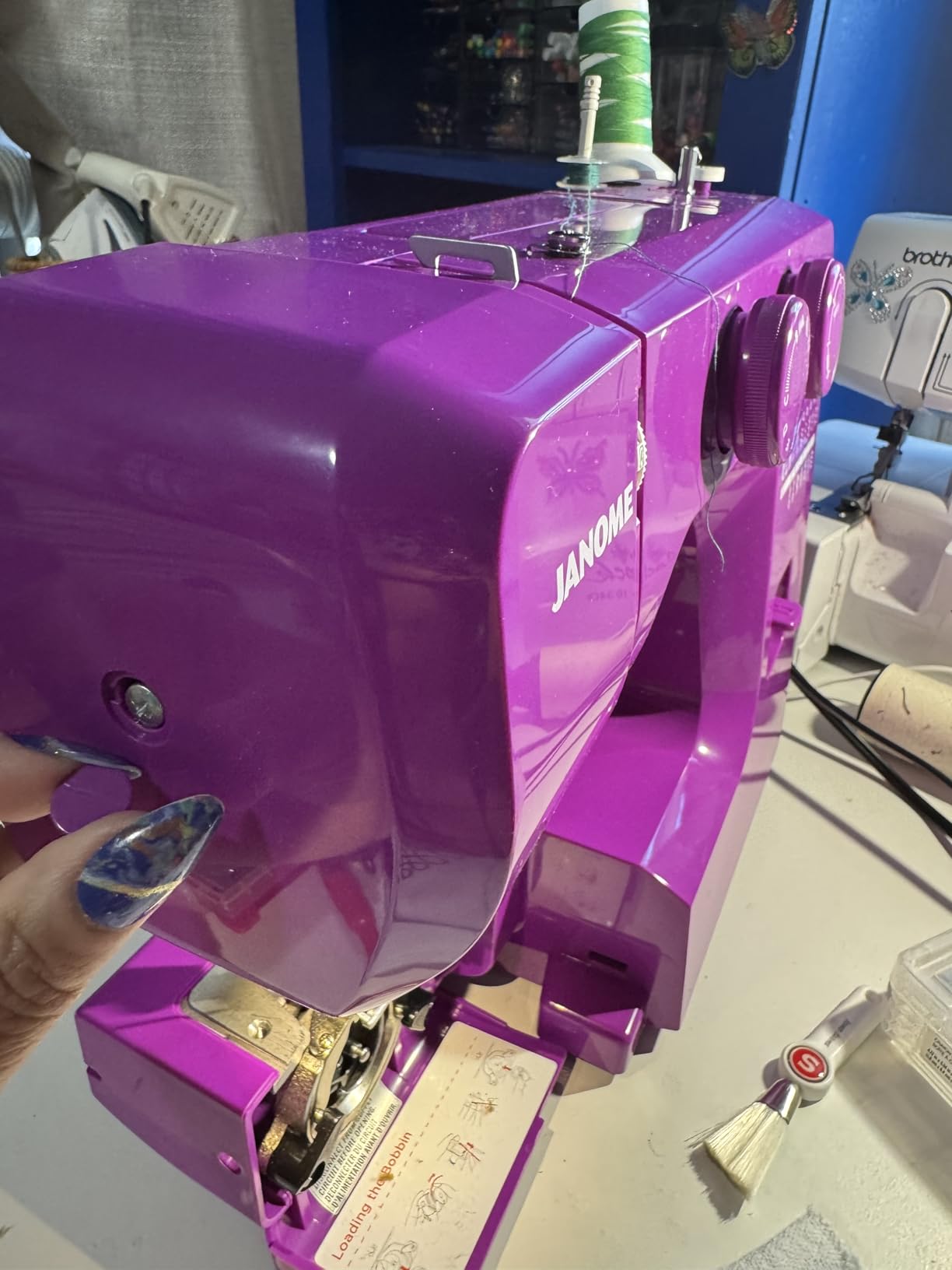
The Janome Blue Couture is unique on this list because it was designed from the ground up with absolute beginners in mind. Our team was impressed by the built-in bobbin diagram printed right on the machine, which shows you exactly how to thread the bobbin without needing to consult the manual every time. That single feature addresses one of the most common beginner frustrations.
The tutorial videos that come with this machine walk you through setup, basic stitching, and common techniques. I think every beginner machine should include something like this, because visual guidance is so much more helpful than text instructions alone. The heavy-duty interior metal frame provides stability and durability that you can feel when sewing.
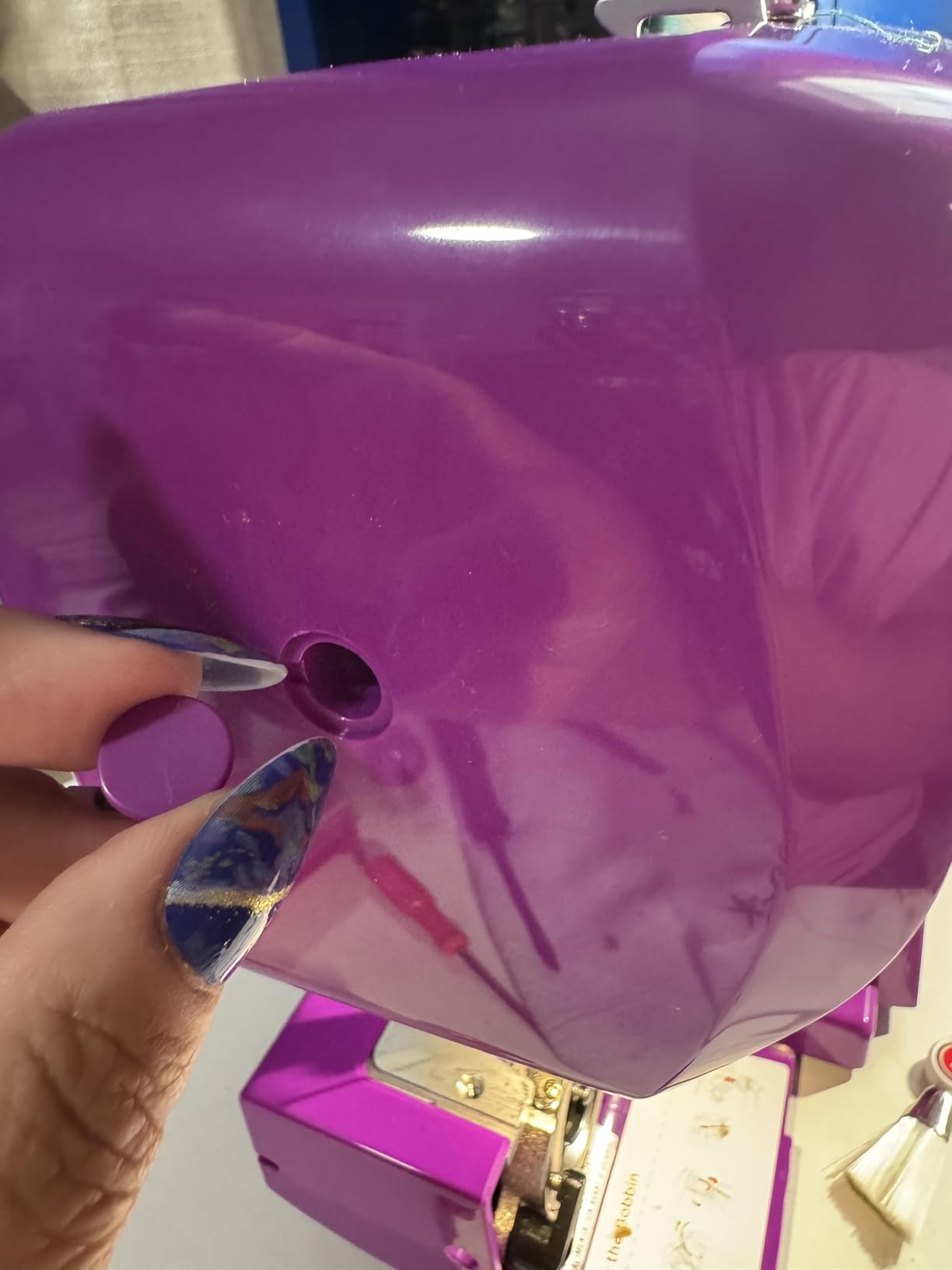
With 15 built-in stitches, the Blue Couture keeps things simple. You get straight stitch, zigzag, blind hem, and enough variety for basic garment and home decor projects. The adjustable stitch length and zigzag width give you control over your stitching without the complexity of a computerized interface. The removable free arm handles cylindrical sewing tasks like hems and cuffs.
Janome is a brand that sewing teachers and experienced sewers respect for build quality, and the Blue Couture lives up to that reputation. The 3-piece feed dog system feeds fabric smoothly and evenly, which helps beginners achieve better stitch quality from the start.
Designed Specifically for Beginners
The thoughtful beginner-focused features set this machine apart. The bobbin diagram, tutorial videos, and quick start guide create a guided onboarding experience that few competitors match. If you learn best with visual instruction and appreciate having references built right into the machine, the Blue Couture was made for you.
The straightforward mechanical operation means there is less to learn before you can start sewing, which gets you to the fun part faster.
What You Need to Know
The front-loading bobbin system is the main trade-off compared to Brother machines with drop-in bobbins. Front-loading bobbins require a bit more practice to thread correctly and are slightly more prone to issues if not seated properly. However, the built-in bobbin diagram does help significantly with this. Some users have also reported occasional thread breaking issues, which usually relates to tension settings that take some experimentation to get right.
If you value build quality and guided learning over having the most stitches, the Janome Blue Couture is a strong choice that will teach you solid fundamentals.
Buying Guide: How to Choose the Best Sewing Machine for Beginners
Choosing your first sewing machine does not have to be overwhelming. Our team has broken down the key factors that actually matter for someone just starting out, based on years of sewing experience and extensive testing. Understanding these concepts will help you pick the right machine from our list with confidence.
Key Features to Look For
A drop-in bobbin is the single most important feature for beginners. Unlike front-loading bobbins that require removing a case and manually threading, drop-in bobbins let you simply drop the bobbin into place. This dramatically reduces the thread jams and frustration that cause many beginners to quit. Every Brother machine on our list features a jam-resistant drop-in bobbin system.
An automatic needle threader saves you from squinting and struggling to push thread through a tiny eye. This feature alone can make the difference between an enjoyable first sewing session and a frustrating one. Look for machines where the threader works consistently, as some budget models have unreliable mechanisms.
A one-step or automatic buttonhole function takes the stress out of creating buttonholes. Mechanical machines with 4-step buttonholes work fine, but automatic versions produce consistent results with less effort. If you plan to make clothing, this feature moves from nice-to-have to essential.
Drop-in Bobbin vs Front-Loading Bobbin
Drop-in bobbins sit on top of the machine under a transparent cover. You can see your thread supply at a glance, and clearing jams is straightforward. The bobbin simply drops into a slot, and the machine threads itself as you sew. This design is significantly more beginner-friendly and is featured on all Brother machines in our lineup.
Front-loading bobbins require you to remove a bobbin case from beneath the needle plate, insert the bobbin, thread it through a tension spring, and reinsert the case. While experienced sewers manage this without issue, it adds an extra layer of complexity for beginners. The Janome Blue Couture on our list uses this system but compensates with a helpful built-in threading diagram.
Automatic Needle Threader Importance
Thread tension is the number one frustration for new sewers, and threading the needle is number two. An automatic needle threader eliminates the second problem entirely. You pull a lever, hook the thread through a guide, and release. The thread is pushed through the needle eye mechanically. This feature saves time and prevents eye strain.
Not all automatic threaders are created equal. The ones on Brother machines work reliably across hundreds of uses in our testing. Cheaper machines sometimes have threaders that miss the needle eye or require multiple attempts, which defeats the purpose.
Mechanical vs Computerized Machines
Mechanical machines use dials and levers to control stitch selection, length, and width. They are simpler, often cheaper, and teach you the fundamentals of sewing in a hands-on way. There is less that can break, and you develop an intuitive feel for how adjustments affect your stitching. The Brother XM2701, FB1757X, and XR3774 are mechanical machines.
Computerized machines use an LCD screen and buttons for stitch selection and adjustment. They offer more precise control, more stitch options, and features like memory functions and automatic buttonholes. The learning curve is slightly steeper initially, but once comfortable, computerized machines give you capabilities that mechanical ones cannot match. The Brother HC1850 and XR9550 are computerized options.
For a true beginner, either type works well. Choose mechanical if you prefer simplicity and hands-on control. Choose computerized if you want maximum features and precise digital adjustments.
Budget Considerations for Beginners
Most experienced sewers recommend spending between $100 and $300 on a first sewing machine. This range gets you a quality machine from a reputable brand with essential beginner features, without overinvesting before you know sewing is right for you. Machines below $100 typically sacrifice build quality and reliability, which leads to frustration.
Spending more than $300 on a first machine is generally unnecessary unless you have a specific need like heavy-duty sewing or advanced quilting. The machines on our list cover the sweet spot, with options ranging from budget-friendly to feature-rich. Remember that the best sewing machines for beginners are the ones that keep you sewing, not the ones with the most features.
FAQs
Which sewing machine is best for home use for beginners?
The Brother XM2701 is the best sewing machine for home use for beginners. It offers 27 built-in stitches, an automatic needle threader, a jam-resistant drop-in bobbin, and six included sewing feet, all at an accessible price. With over 19,000 reviews and a 4.6-star rating, it has proven reliable for countless home sewers.
Which sewing machine has the least problems?
Brother machines with jam-resistant drop-in bobbins tend to have the fewest problems for beginners. The Brother HC1850 and Brother XM2701 both feature this system along with automatic needle threaders, which address the two most common sources of frustration. Janome machines are also known for reliability thanks to their metal interior frames.
Is Brother or Singer a better sewing machine?
Both Brother and Singer make excellent beginner machines, but they serve different needs. Brother machines generally offer more beginner-friendly features like drop-in bobbins and automatic needle threaders at lower price points. Singer Heavy Duty models like the 4411 excel at power and speed for thick fabrics. For pure beginner ease of use, Brother edges ahead.
How much should I spend on a sewing machine as a beginner?
Most experts recommend spending between $100 and $300 on a first sewing machine. This range gets you a reliable machine from a reputable brand with essential beginner features. Spending less than $100 often means sacrificing build quality, while spending more than $300 is usually unnecessary until you know sewing will be a long-term hobby.
Conclusion
Finding the best sewing machines for beginners comes down to matching features with your goals. The Brother HC1850 earns our Editor’s Choice for its unmatched feature set and LCD guidance. The Brother XM2701 delivers the best overall value as proven by its massive following. And the KPCB Tech Mini offers the lowest barrier to entry for anyone just wanting to test the waters.
Whatever machine you choose from this list, the most important step is simply starting. Pick one, open the manual, thread the needle, and make your first stitch. Your sewing journey begins the moment you do.