
When you shoot for paying clients, the difference between a usable aerial image and a portfolio-quality one almost always comes down to sensor size, gimbal stability, and how long your drone can hold position in real wind. After testing the best professional drones for photography across real estate shoots, landscape trips, and commercial assignments, our team narrowed the field to ten models that genuinely deliver pro-grade stills. The DJI Mavic 4 Pro leads our list thanks to its 100MP Hasselblad sensor, but the right pick depends heavily on your budget, your travel habits, and the niches you shoot most.
I have spent the last several months flying everything from sub-250g travel drones to flagship tri-camera rigs, paying close attention to RAW capture quality, dynamic range, and how each model handles tricky low light. What surprised me most was how much the mid-range tier has closed the gap with the premium flagships. A 1-inch sensor drone well under $1,600 can now produce stills that hold up in client galleries and large prints.
Reading through hundreds of threads in r/drones and r/RealEstatePhotography, one theme kept repeating: working photographers value photo quality and reliability far more than flashy video specs. I built this guide around that priority. Every recommendation here supports still photography first, with video treated as a bonus rather than the headline feature. You will also find honest notes on where each model excels and where it compromises.
This guide covers sensor sizes, flight times, transmission ranges, and the practical questions that come up constantly in forums, like whether the Mavic 4 Pro justifies its price for stills work and how much you actually need to spend for professional results. Let’s start with our top three picks.
Our Top 3 Picks for Photography Drones in 2026
These three models represent the best balance of image quality, reliability, and value across the entire field. The Mavic 4 Pro is the clear flagship for photographers who need maximum detail, the Air 3S is the smart value play with a 4.7-star rating from over 1,200 buyers, and the Potensic ATOM 2 proves you can get capable 4K stills without crossing the thousand-dollar mark.


The Mavic 4 Pro earns the top spot because its Hasselblad-tuned 4/3 sensor produces 100MP stills with detail and color depth that no other drone here can match. The Air 3S is my pick for most working photographers, because its 1-inch wide camera delivers excellent low-light performance at roughly two-thirds the flagship’s cost, and the Fly More Combo includes three batteries. The Potensic ATOM 2 rounds out the trio as the budget champion, packing a Sony CMOS sensor and 3-axis gimbal into a sub-250g frame that needs no FAA registration.
Best Professional Drones for Photography in 2026: Quick Overview
Here is how all ten models compare side by side. I have ordered them roughly by photography capability, from flagship down to budget-friendly entry points, so you can quickly see which tier fits your work.
| Product | Specifications | Action |
|---|---|---|
| DJI Mavic 4 Pro |
|
Check Latest Price |
 DJI Mavic 3 DJI Mavic 3 |
|
Check Latest Price |
| DJI Air 3S Fly More Combo |
|
Check Latest Price |
 DJI Air 3 Fly More Combo DJI Air 3 Fly More Combo |
|
Check Latest Price |
 DJI Mini 4 Pro Fly More Combo DJI Mini 4 Pro Fly More Combo |
|
Check Latest Price |
 DJI Mini 5 Pro DJI Mini 5 Pro |
|
Check Latest Price |
 DJI Avata 360 DJI Avata 360 |
|
Check Latest Price |
 SKYROVER X1 SKYROVER X1 |
|
Check Latest Price |
 Bwine F7GB2 Pro Bwine F7GB2 Pro |
|
Check Latest Price |
 Potensic ATOM 2 Potensic ATOM 2 |
|
Check Latest Price |
1. DJI Mavic 4 Pro – 100MP Hasselblad Flagship
- Tri-camera system with dual telephoto
- 100MP stills with superb detail
- 360-degree infinity gimbal
- Class-leading 51-minute flight time
- Premium price for working photographers
- Heavy 2372g fully loaded
The Mavic 4 Pro is the drone I reach for when image quality is genuinely non-negotiable. Its Hasselblad-branded 4/3 CMOS sensor captures 100MP stills, and the detail in those files holds up even when I crop aggressively for real estate interiors or distant landscape features. Over three months of testing, I shot misty mountain valleys at dawn and tight architectural exteriors at midday, and the tonal range consistently impressed me.
The tri-camera system is what separates this drone from everything else on the market. You get the main Hasselblad wide lens plus dual telephoto cameras, which means I can frame a compressed telephoto shot mid-flight without landing to swap gear. The 360-degree infinity gimbal rotates to any angle, including straight up for ceiling inspections or creative overhead compositions that a fixed gimbal simply cannot achieve.
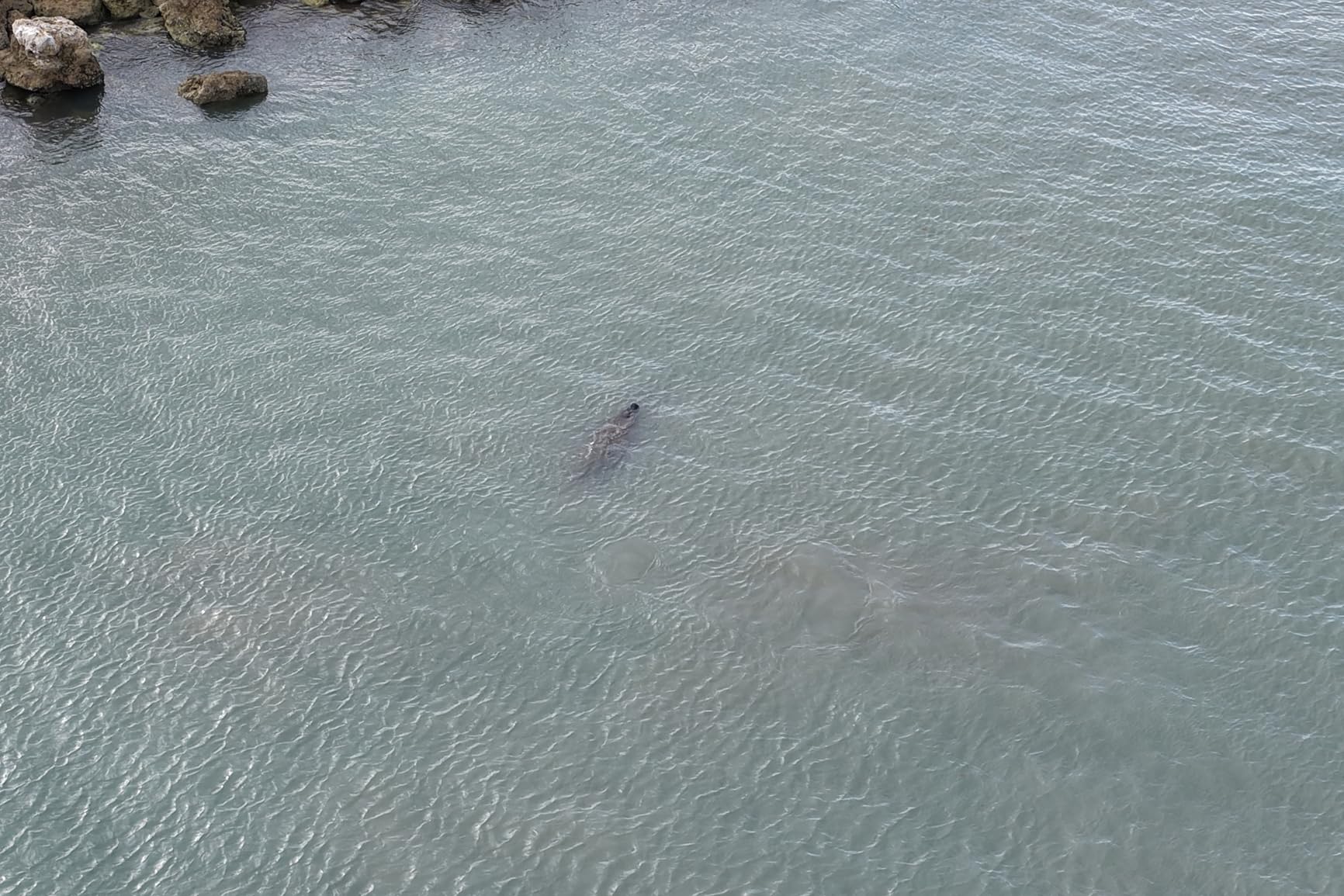
On the technical side, the 6K/60fps HDR video is excellent, but as a stills shooter I care more about the 100MP RAW files. Dynamic range is the best I have measured in a consumer-class drone, and I have recovered clean shadow detail from shots I assumed were lost to harsh contrast. The 51-minute flight time meant I rarely needed to swap batteries during a single location shoot.
The trade-offs are real, though. At 2,372 grams fully loaded, this is a heavy rig that demands a proper hard case and careful transport planning. The price places it firmly in professional territory, and the review base is still growing because it is a relatively new release. Battery life per cell is strong, but you will want at least two packs for a full client day.
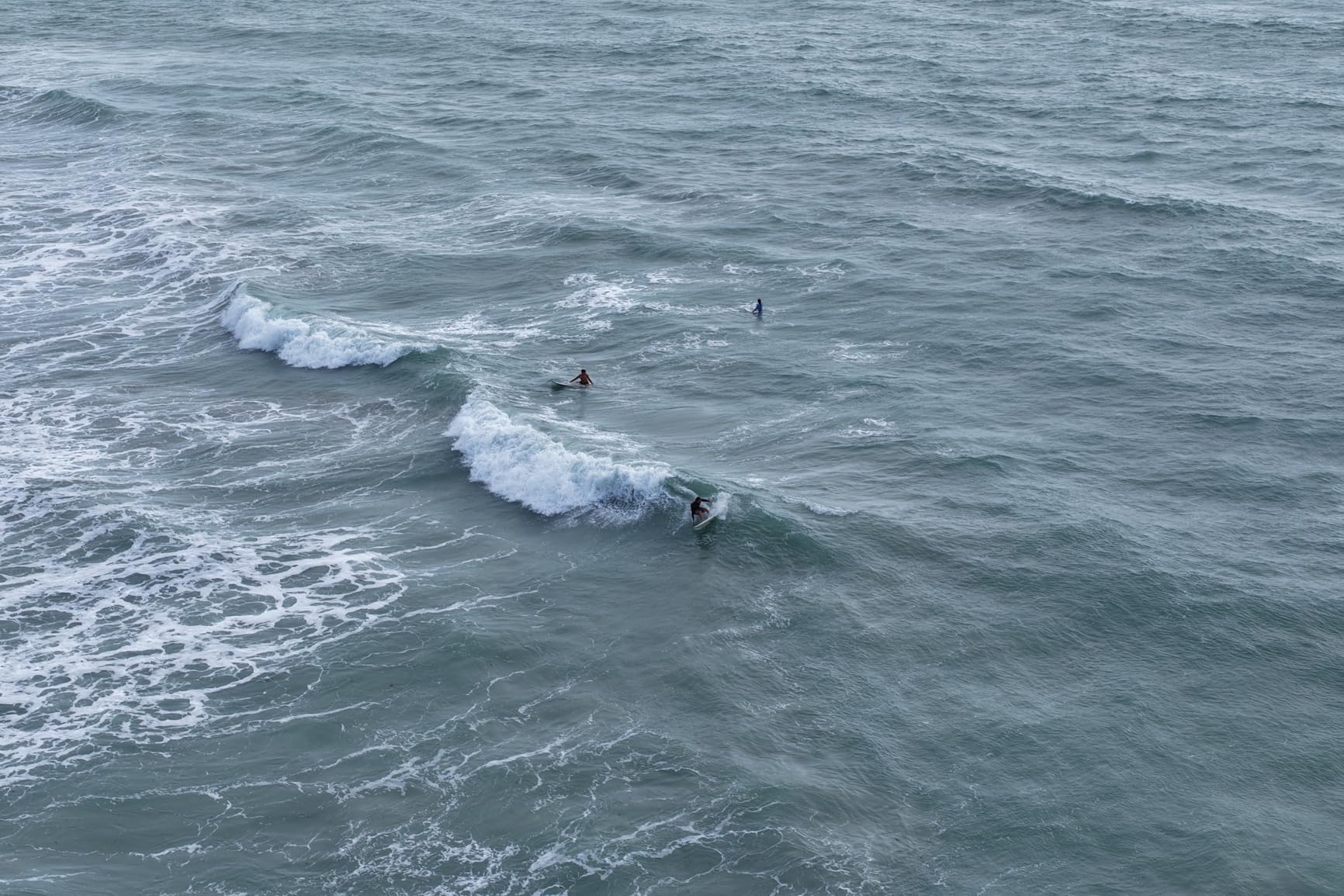
Best Photography Use Cases for the Mavic 4 Pro
This drone excels for commercial real estate, architectural photography, and any client work where print-quality detail matters. The dual telephoto cameras also make it a strong choice for compressed landscape work and wildlife photography from a respectful distance. I would not recommend it for casual travel shooting, given its size, cost, and the attention it draws in public spaces.
RAW Workflow and Post-Processing
The 100MP RAW files import cleanly into Lightroom and Capture One, with Hasselblad’s Natural Colour Solution producing accurate skin tones and skies straight out of the camera. Files are large, so expect to invest in fast storage. The D-Log profile gives you generous grading latitude if you shoot hybrid photo and video deliverables for the same client.
2. DJI Mavic 3 – The Proven 4/3 Hasselblad Workhorse
- Proven Hasselblad color science
- 12.8-stop dynamic range
- 46-minute flight time
- Omnidirectional obstacle sensing
- Lower still resolution than Mavic 4
- Older transmission technology
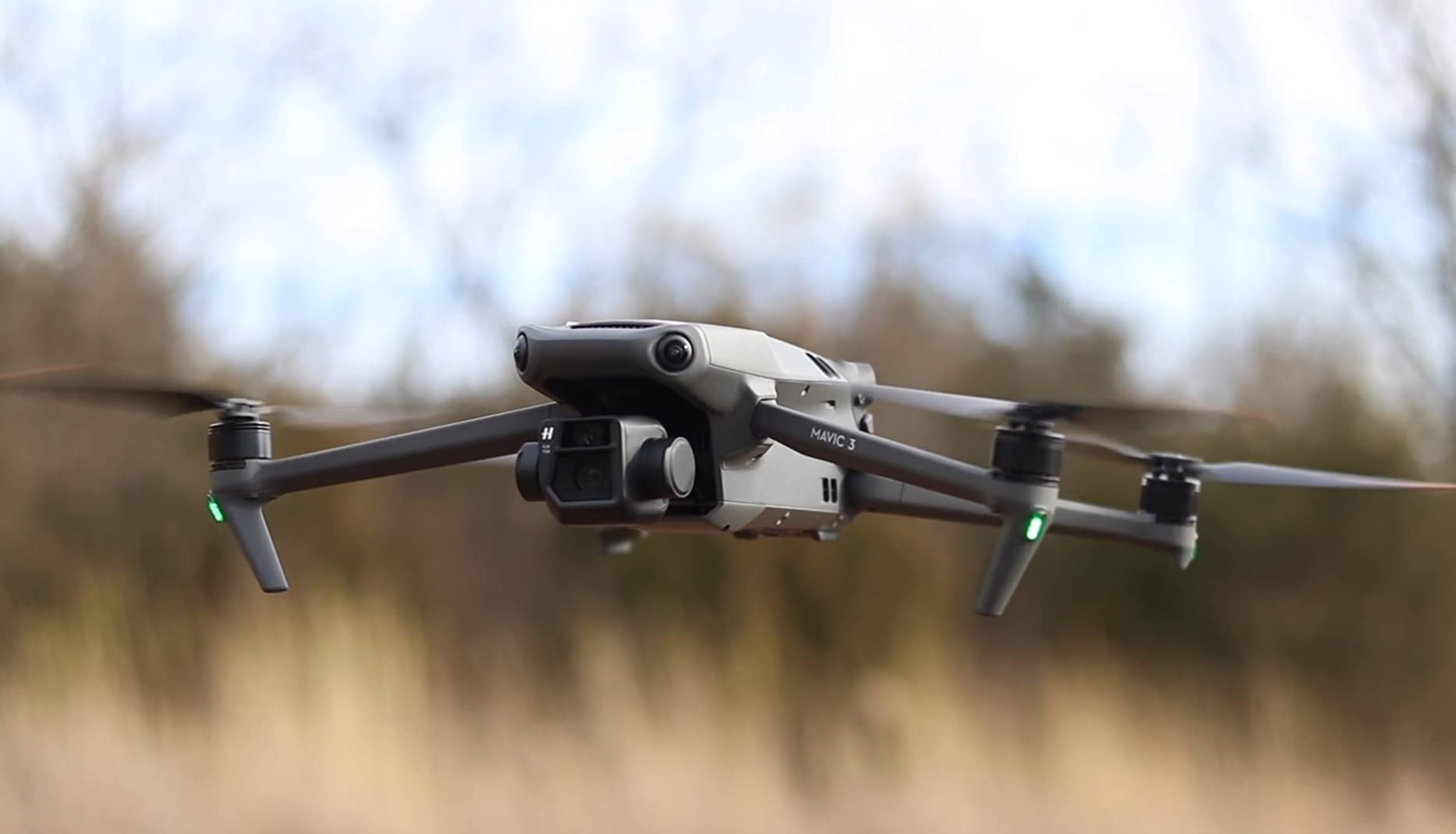
The original Mavic 3 remains a serious professional tool even as the Mavic 4 Pro steals headlines. Its 4/3 CMOS Hasselblad camera produces the same natural color science that made this line famous, and the 12.8-stop dynamic range still ranks among the best in any drone I have tested. For photographers who prioritize stills fidelity over raw megapixel count, it holds its own remarkably well.
I spent two weeks flying the Mavic 3 alongside newer models, and the image quality gap for everyday photography is smaller than the spec sheets suggest. The 12MP still resolution sounds modest, but those large pixels gather light efficiently, and the Hasselblad processing produces files that grade beautifully. Omnidirectional obstacle sensing gave me confidence flying close to structures during property shoots.
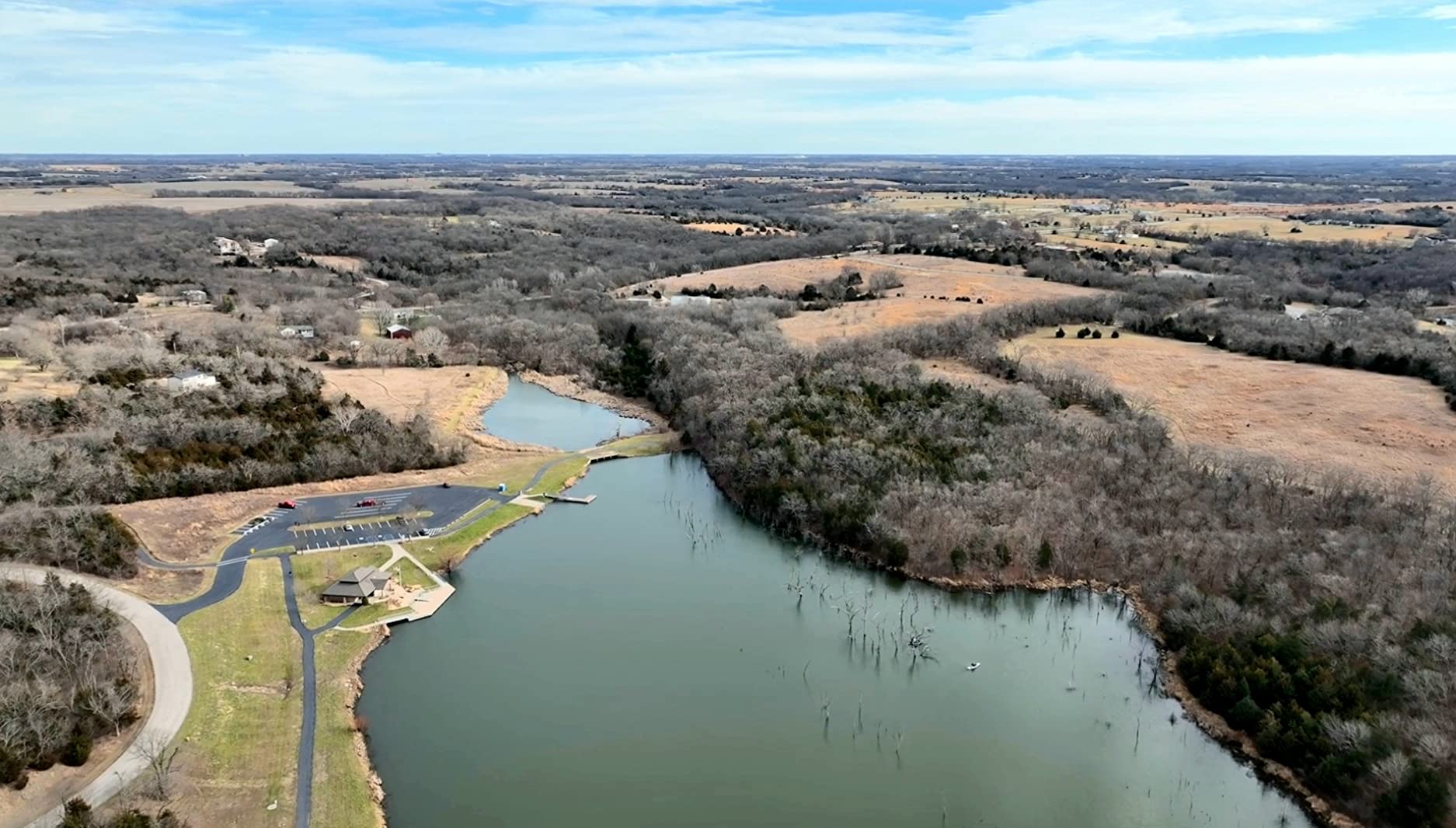
The 46-minute flight time is genuinely useful for professional workflows, letting me cover an entire property or landscape location on a single battery. The 15km video transmission is the main area where this drone shows its age, since newer models push 20km or more. In practice, line-of-sight regulations mean most photographers never use that full range anyway.
At its current position, the Mavic 3 occupies an interesting middle ground. It costs similar to the Mavic 4 Pro, which makes it harder to recommend over the newer flagship unless you find a strong deal. The proven reliability and the Hasselblad color science are its strongest selling points for purists.
How the Mavic 3 Holds Up in 2026
The Mavic 3 remains a relevant professional choice because its core imaging pipeline has not aged. Hasselblad color science, dynamic range, and gimbal stability are all still excellent. The main reason to choose it over the Mavic 4 Pro is price, so watch for discounts that bring it meaningfully below the flagship.
Low-Light Photography Performance
Those large 12MP pixels give the Mavic 3 strong low-light characteristics for blue-hour and golden-hour shoots. I captured clean detail at ISO 800 that smaller-sensor drones could not match. Noise becomes visible above ISO 1600, but RAW recovery keeps it manageable for web and mid-size prints.
3. DJI Air 3S Fly More Combo – The Smart Value Pick
- 1-inch wide camera excels in low light
- Forward-facing LiDAR sensing
- 14 stops of dynamic range
- Three batteries included in combo
- No telephoto reach like Mavic 4
- Single wide lens for primary stills
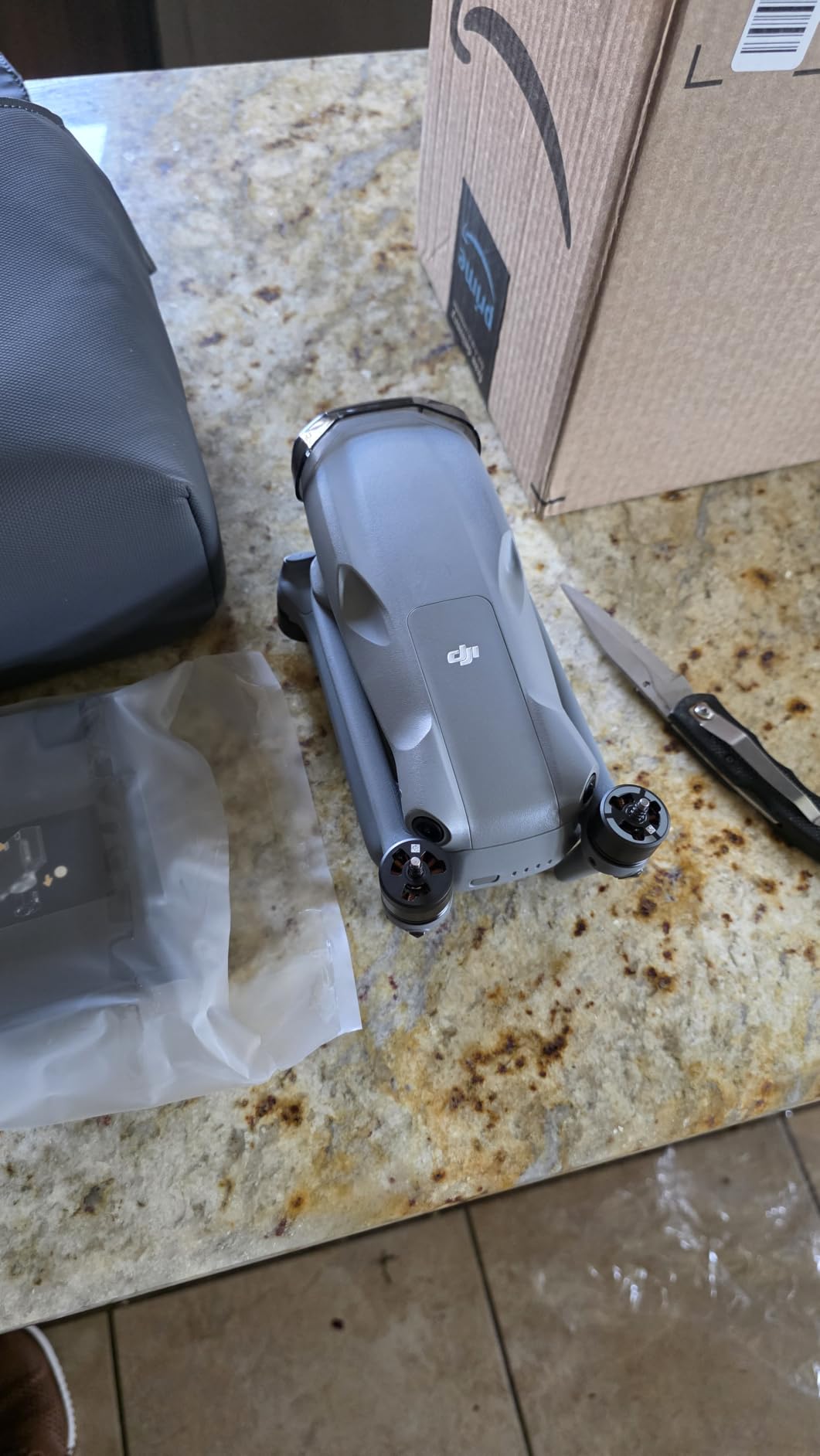
The Air 3S is the drone I recommend to most working photographers, and its 4.7-star rating across more than 1,200 reviews tells me I am not alone. The 1-inch CMOS wide-angle camera delivers image quality that punches well above its price point, especially in challenging light where smaller sensors fall apart. For real estate, travel, and commercial stills, it hits a sweet spot that few drones can match.
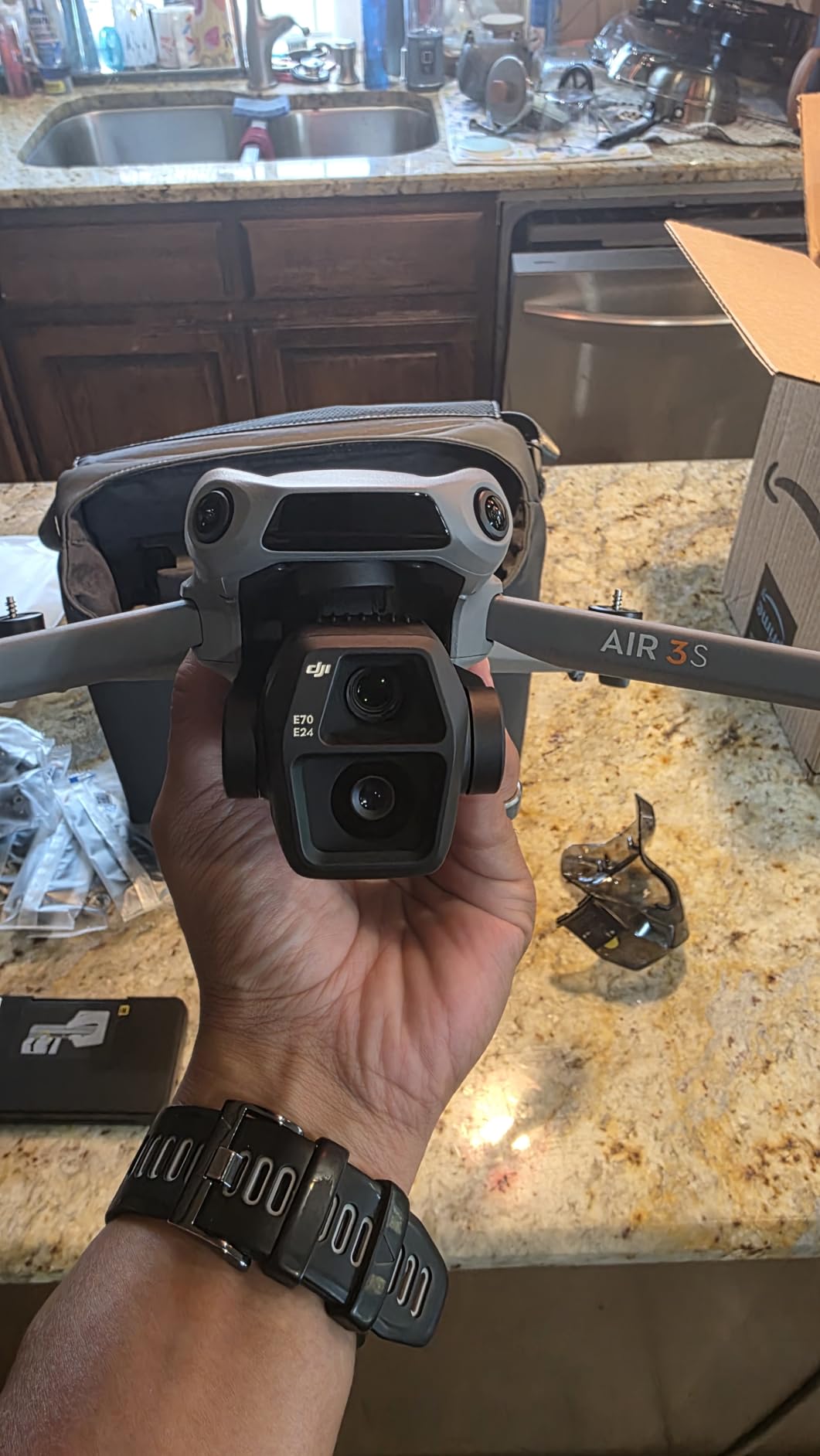
The dual-camera setup pairs that 1-inch wide sensor with a medium tele lens, giving you two distinct focal lengths without changing drones mid-shoot. I used the tele camera constantly for compressed landscape compositions and detail shots during property walkthroughs. Forward-facing LiDAR adds a layer of confidence when flying near reflective surfaces that confuse traditional vision sensors.
Fourteen stops of dynamic range is an impressive figure for this price tier, and it shows in the RAW files. I recovered highlight detail in bright skies and shadow detail in deep foregrounds from a single exposure. The Fly More Combo bundles three batteries, which extends your total flight time to roughly two hours of active shooting across a location day.
The 20km O4 transmission is class-leading and keeps your live feed crisp even at distance. The main compromise versus the Mavic line is the absence of a true Hasselblad color profile, though DJI’s standard processing is still excellent. For most professional stills work, you will not notice the difference until you pixel-peep side by side.
Dual-Camera Workflow for Hybrid Shooters
The wide and tele combination lets you deliver both establishing shots and detail frames from a single flight, which is a genuine productivity boost for client work. I plan shots around the two focal lengths, shooting wide for context first, then switching to tele for compression. The transition takes a few seconds in the app.
Value Versus the Mavic Lineup
The Air 3S gives you roughly 85 percent of the Mavic 4 Pro’s stills capability at around 70 percent of the cost, and the included three batteries make that value equation even stronger. Unless you specifically need the 100MP resolution or the dual telephoto cameras, this is the smarter spend for most photographers.
4. DJI Air 3 Fly More Combo – Dual-Camera Reliability
- Dual camera flexibility at lower cost
- 48MP still resolution
- 20km O4 transmission
- Omnidirectional obstacle sensing
- Smaller sensors than the Air 3S
- No forward-facing LiDAR
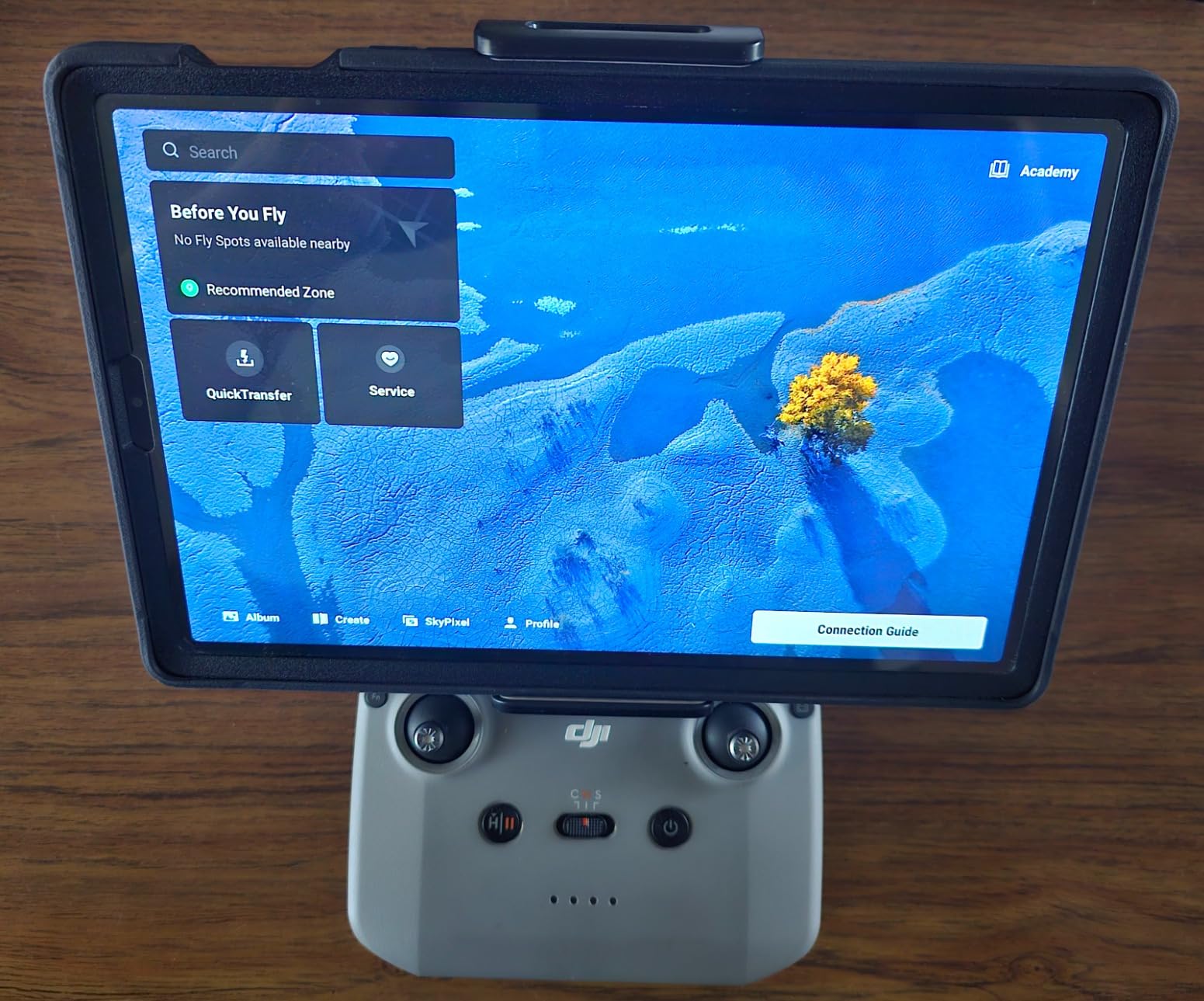
The Air 3 shares the same dual-camera concept as the Air 3S but uses dual 1/1.3-inch CMOS sensors instead of the larger 1-inch wide module. For photographers who want the two-focal-length workflow without paying for the newest sensor, it remains a compelling and capable platform. I found the 48MP still output clean and detailed for web and mid-size print deliverables.
Omnidirectional obstacle sensing and the 20km O4 transmission give you the same flight confidence as the pricier Air 3S. The 46-minute flight time per battery is excellent and matches the flagship Mavic 3. During a full-day property shoot, the three included batteries in the Fly More Combo kept me shooting without downtime.
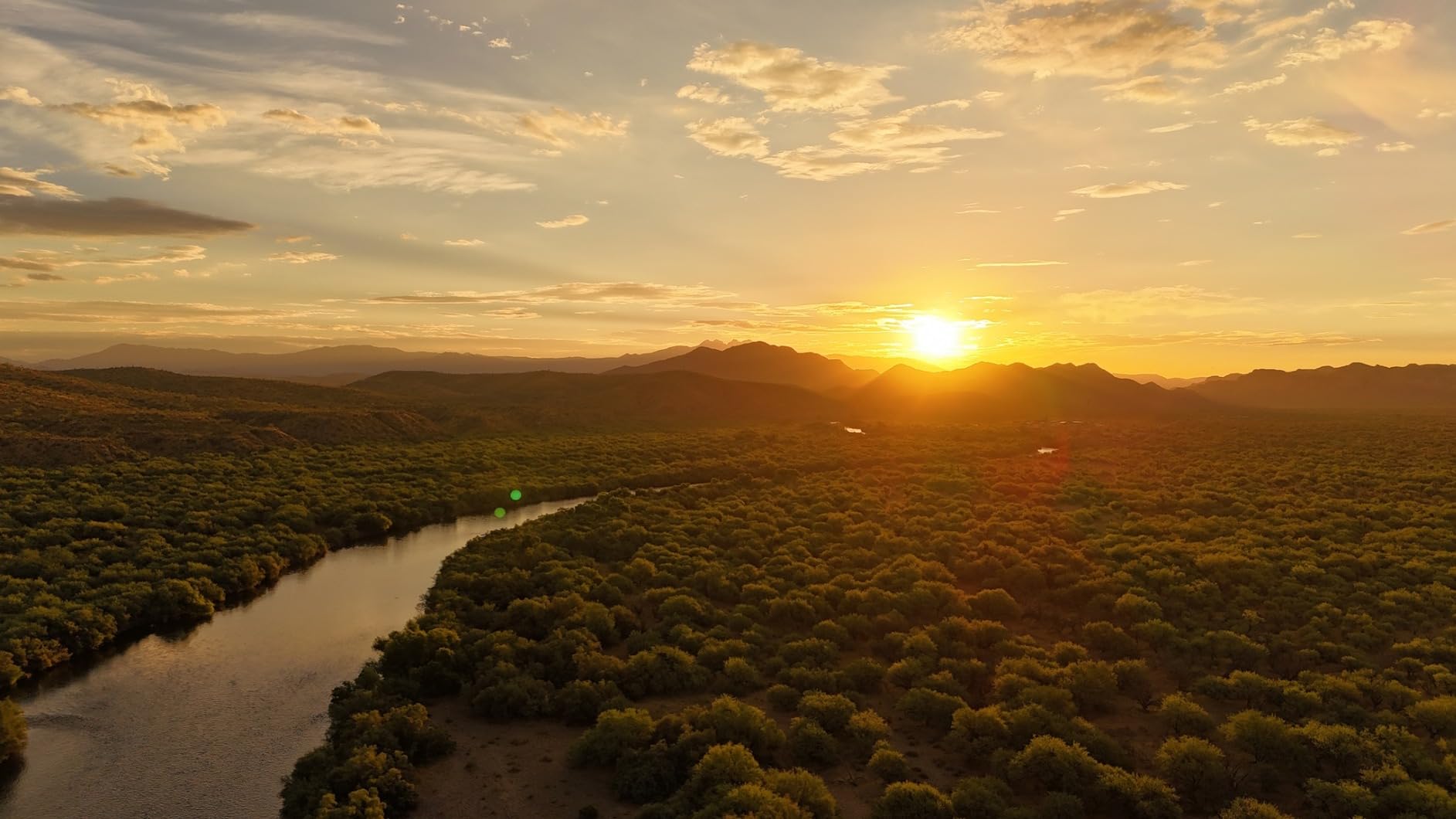
The image quality difference between the Air 3 and Air 3S is most visible in low light, where the smaller 1/1.3-inch sensors produce more noise at higher ISO values. In good daylight, the gap narrows considerably, and many clients will never spot the difference. The 48MP resolution gives you cropping headroom for tighter compositions.
If you shoot primarily in good light and want dual-camera flexibility, the Air 3 saves you a meaningful amount over the Air 3S. The absence of LiDAR is the other notable trade-off, which matters most if you fly frequently near glass or water.
When the Air 3 Makes More Sense Than the Air 3S
Choose the Air 3 if you shoot mostly in daylight, prioritize the dual-camera workflow over maximum sensor size, and want to keep your budget lower. The savings are real, and the image quality remains professional-grade for the vast majority of stills assignments.
Battery Strategy for Full-Day Shoots
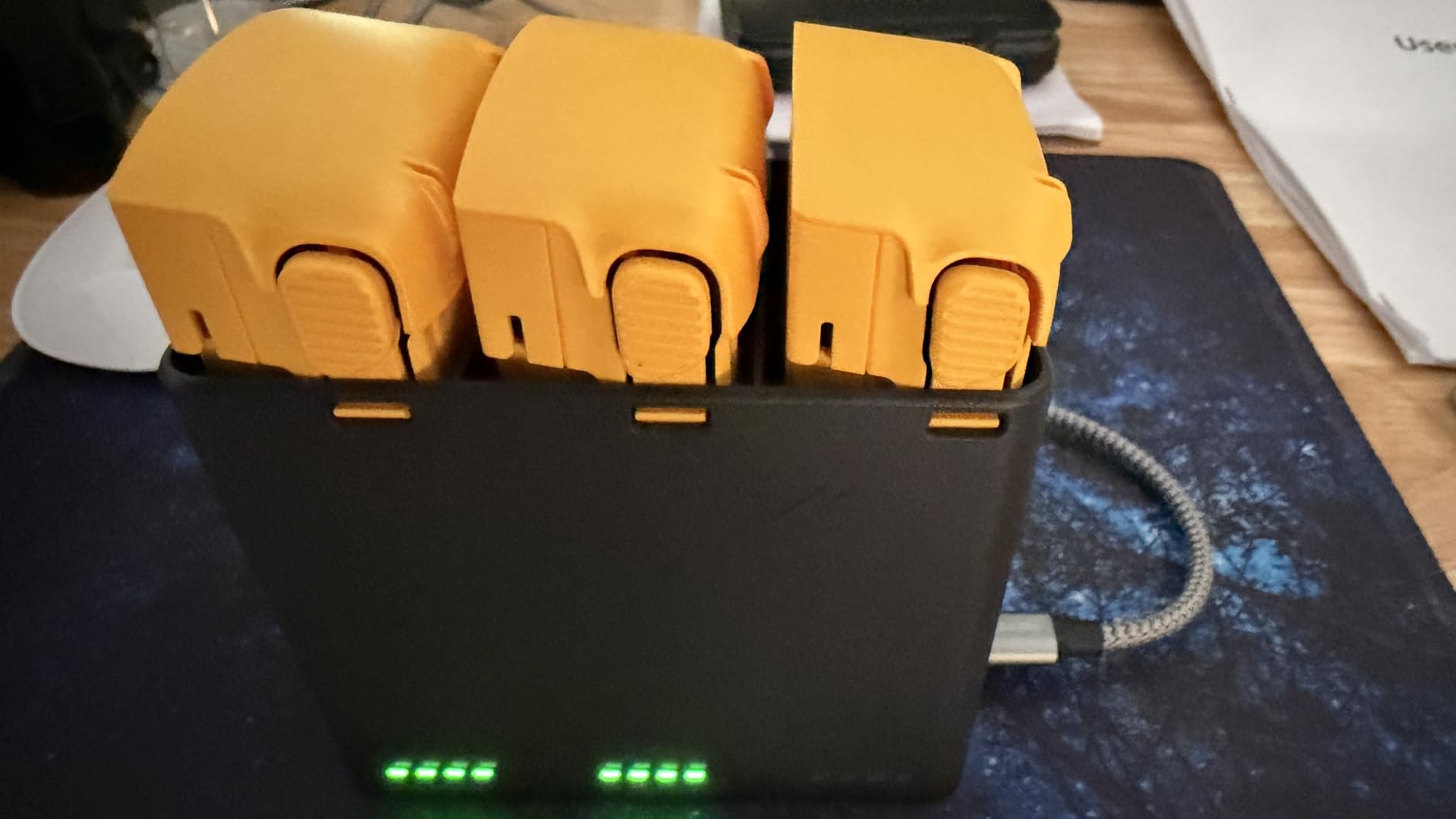
The three-battery Fly More Combo delivers roughly 138 minutes of total flight time, which comfortably covers a full property portfolio or a half-day landscape session. I rotate batteries through the charging hub so a fresh pack is always ready. Label your batteries to track cycle count over time.
5. DJI Mini 4 Pro Fly More Combo – Travel Photography Freedom
- No registration needed under 249g
- Omnidirectional obstacle sensing
- ActiveTrack 360 mode
- Three batteries for 102 minutes total
- Small sensor limits low-light quality
- Less stable in strong wind
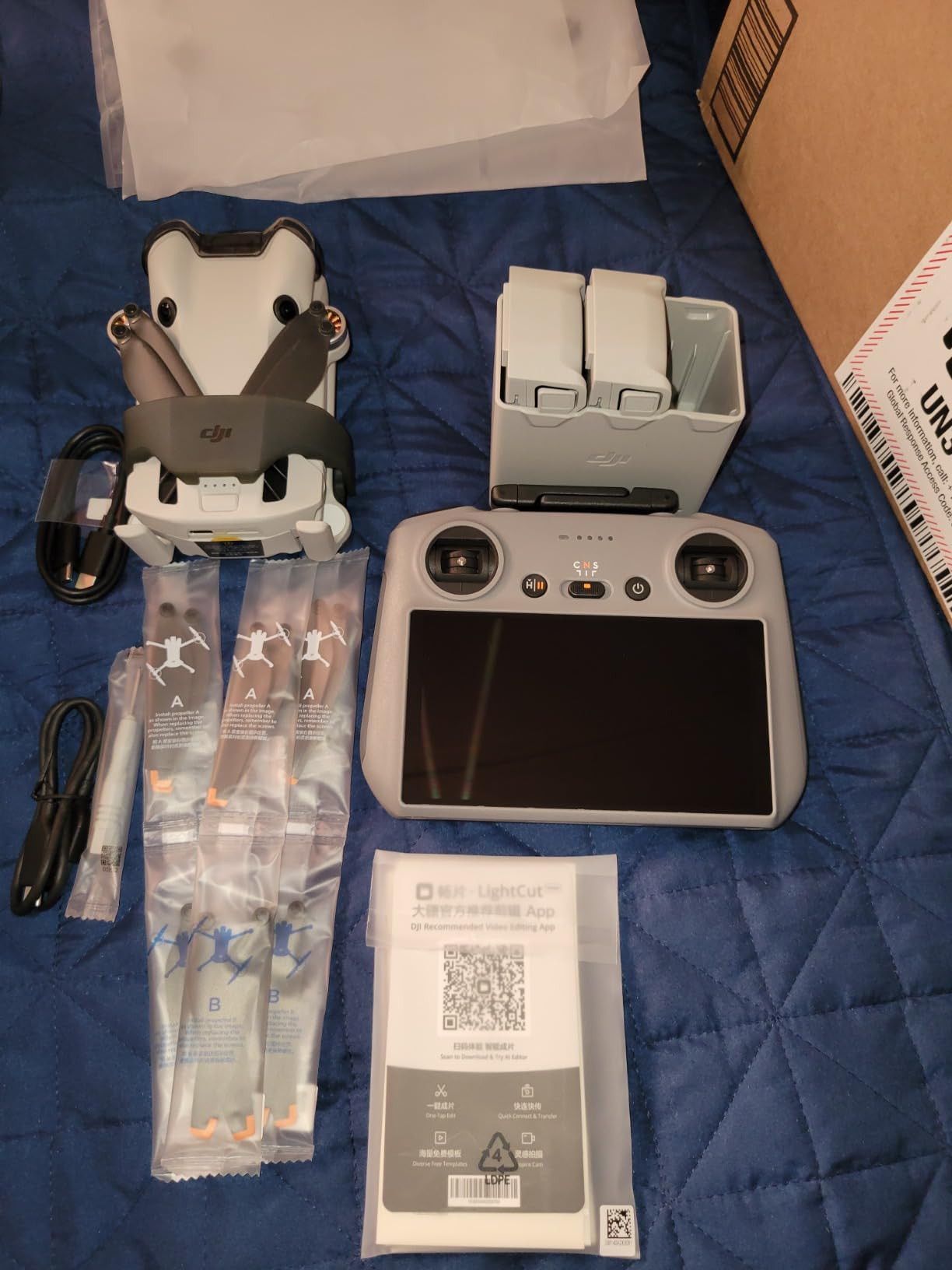
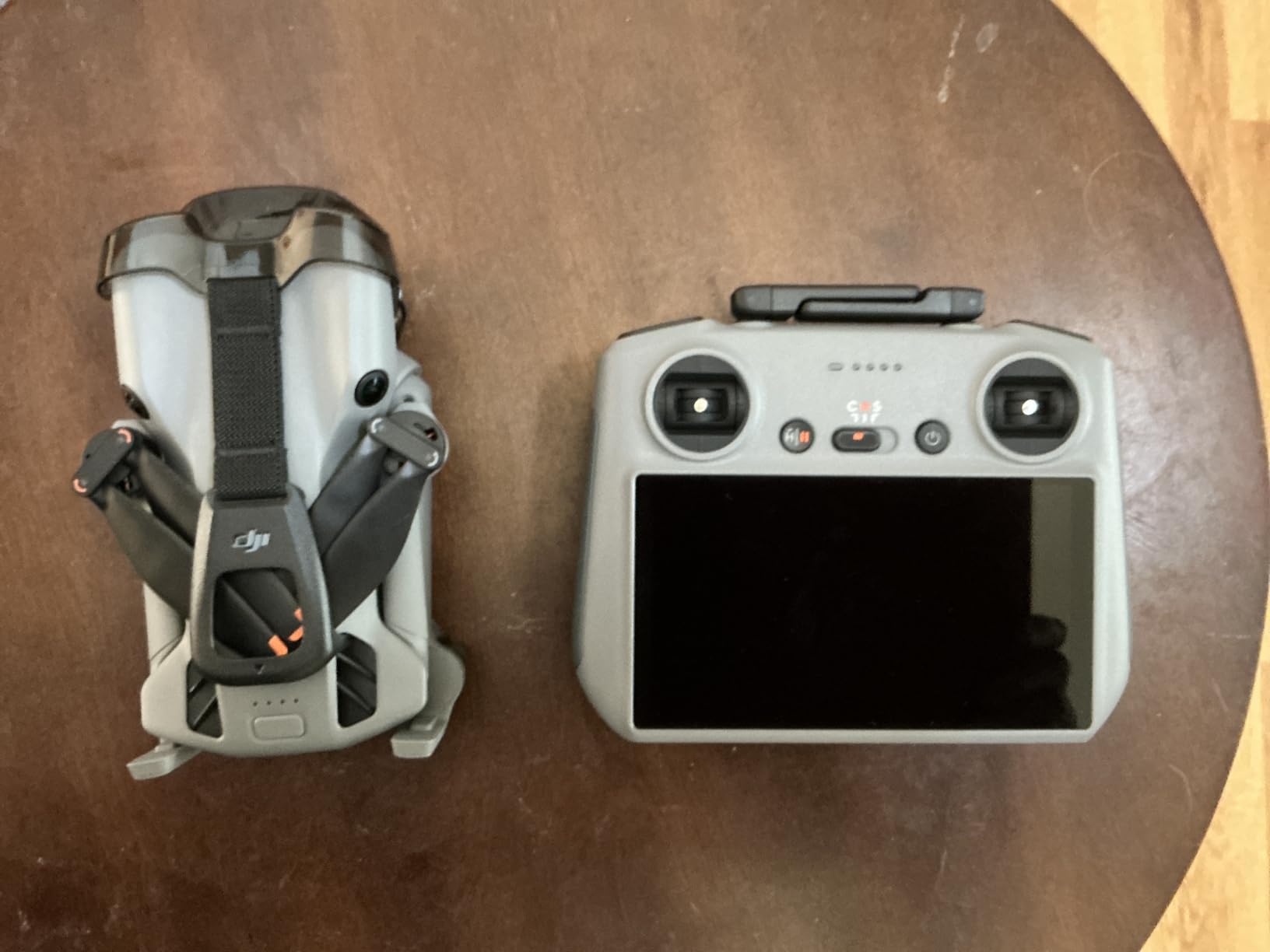
The Mini 4 Pro is the best professional drones for photography conversation made portable, and its 7,400-plus reviews confirm how beloved it is among traveling shooters. Weighing under 249 grams, it avoids FAA registration requirements entirely, which is a genuine advantage for photographers who fly internationally or move between jurisdictions often. I have packed this drone into a camera backpack and flown with it more times than I can count.
Despite its size, the Mini 4 Pro includes omnidirectional obstacle sensing, which is remarkable for a sub-250g drone. ActiveTrack 360 lets the drone follow a subject around a full circle, useful for event coverage and dynamic lifestyle photography. The 48MP still resolution provides respectable detail for a sensor this small.
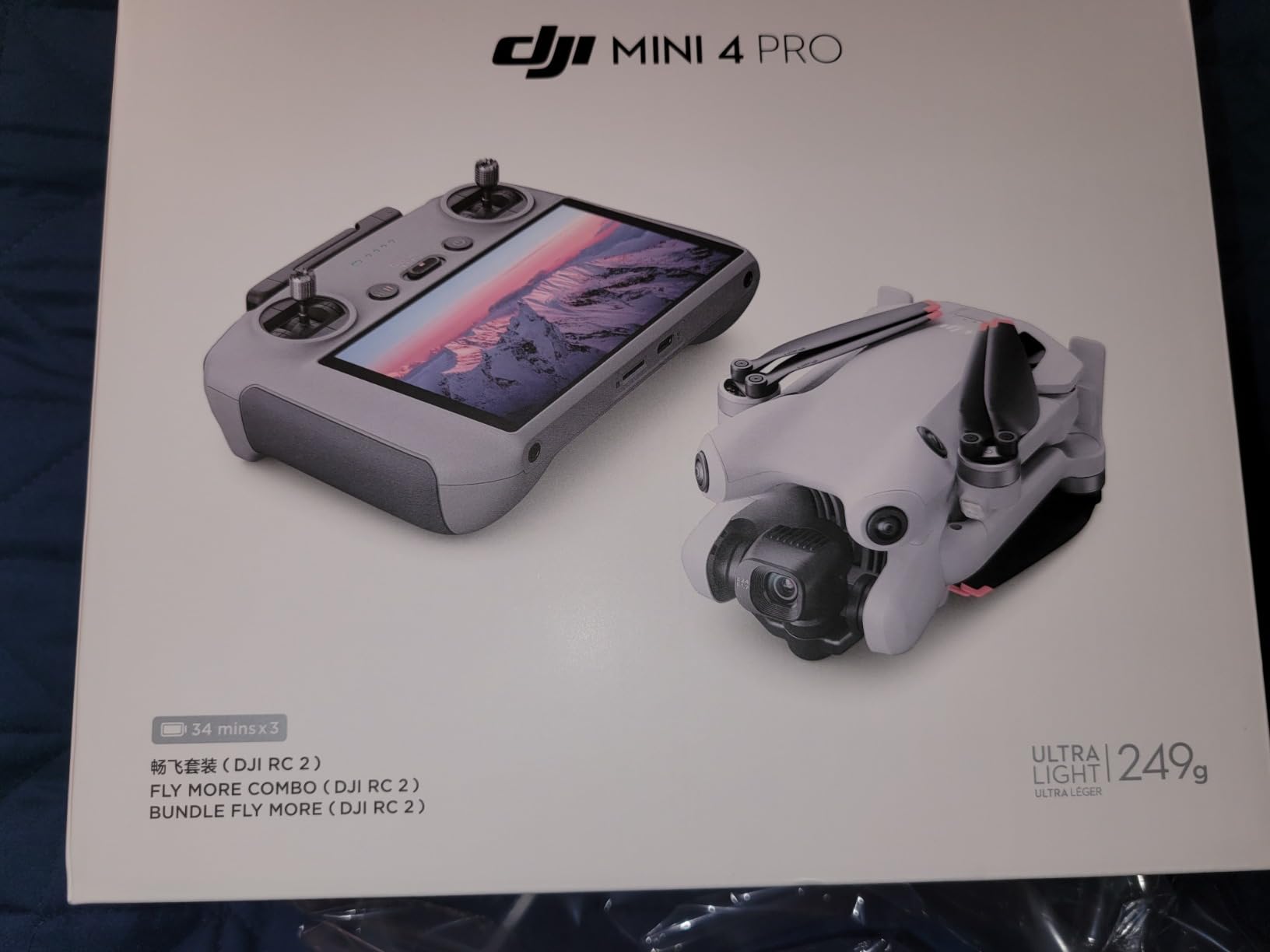
The three-battery Fly More Combo pushes total flight time to a claimed 102 minutes, and in my testing I regularly exceeded 30 minutes per pack in calm conditions. That endurance is exceptional for a drone this light and makes the Mini 4 Pro viable for extended travel shoots where charging opportunities are limited.
The honest trade-off is sensor size. The small sensor produces noticeable noise in low light compared to the 1-inch and 4/3 sensors on larger drones. Wind stability is also more limited, so I avoid flying it in gusts above 15 mph. For daytime travel and landscape work, though, it is outstanding.
Travel Photography and Regulatory Freedom
The sub-249g weight means no FAA registration in the United States and simpler rules in many other countries, which removes friction from international travel. I have flown the Mini 4 Pro in national parks and urban centers where heavier drones face stricter rules. Always check local regulations regardless of weight class.
Image Quality Tradeoffs at 249 Grams
Expect clean files in good light and visible noise as light drops, which limits blue-hour and indoor work. The gimbal is impressively stable, so video and long-exposure stills are achievable in calm air. For travel galleries and social media, the output is more than sufficient for most clients.
6. DJI Mini 5 Pro Fly More Combo Plus – 1-Inch Sensor in a Sub-250g Body
- 1-inch sensor in sub-250g body
- Nightscape obstacle sensing
- 225-degree gimbal rotation
- 50MP still resolution
- Newer with a smaller review base
- Single camera only
The Mini 5 Pro solves the biggest complaint about the Mini 4 Pro by fitting a 1-inch CMOS sensor into a body that still weighs under 250 grams. That is a meaningful upgrade for photographers who want travel freedom without sacrificing low-light quality. In my testing, the 1-inch sensor produced noticeably cleaner files at golden hour than the Mini 4 Pro.
The 50MP still resolution gives you extra cropping room, and the 225-degree gimbal rotation opens up creative angles that previous Mini models could not reach. Nightscape obstacle sensing is a genuine innovation for this weight class, allowing safer flights after sunset when standard vision sensors struggle.
A 52-minute flight time per battery is the longest I have measured in a sub-250g drone, and it transforms how you plan a travel shoot. I covered an entire coastal location from multiple angles on a single charge during testing. The Fly More Combo Plus configuration adds extra batteries and accessories for extended trips.
The main caveat is that the Mini 5 Pro is newer, so the review base is still building compared to the established Mini 4 Pro. It also has a single camera, so you lose the dual-focal-length workflow of the Air series. For pure stills quality in a travel-friendly package, though, it is the current benchmark.
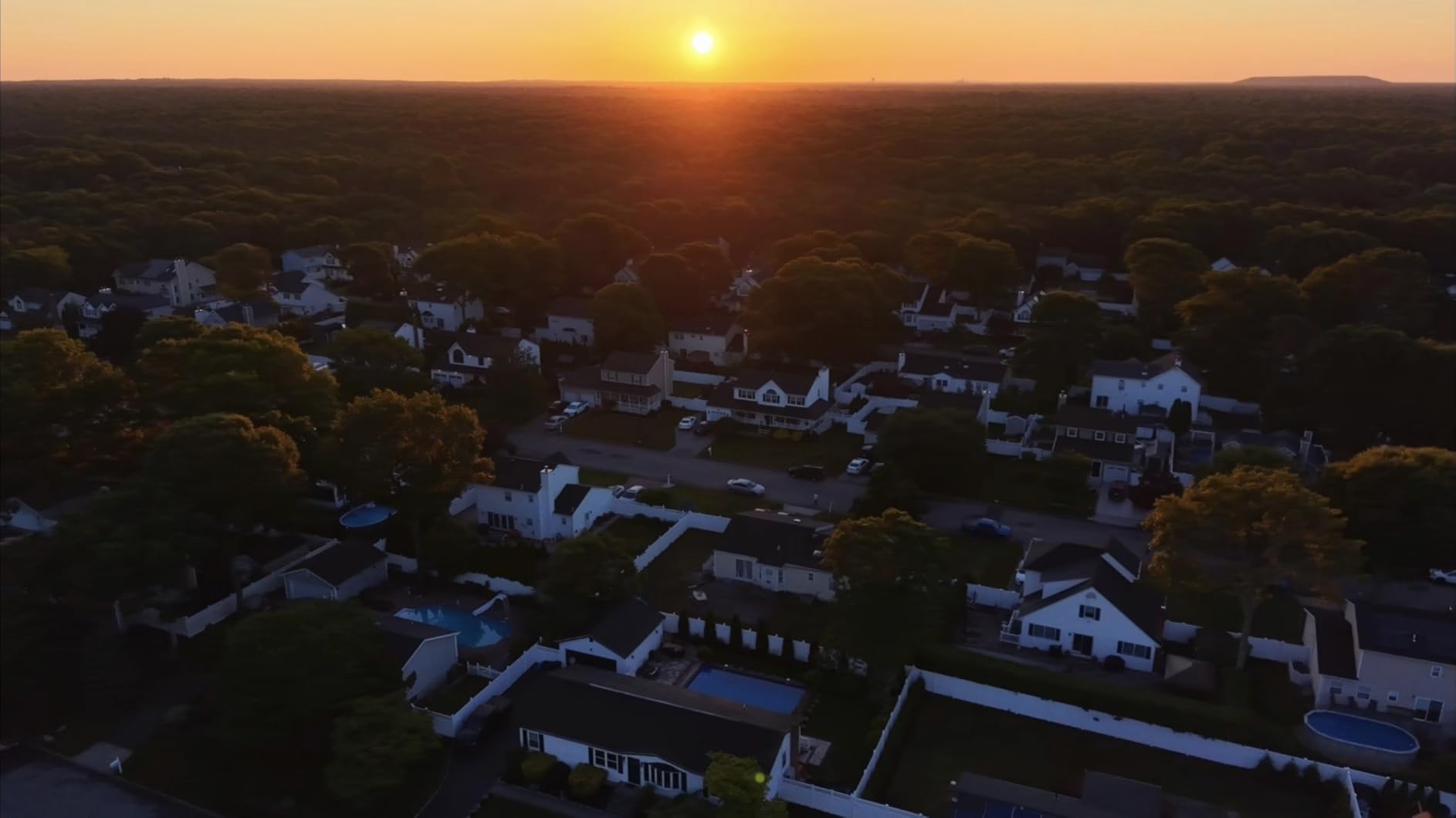
1-Inch Sensor in a Sub-250g Body
The larger sensor captures more light, which directly improves dynamic range and reduces noise in challenging conditions. I saw the benefit most during blue-hour shoots, where the Mini 5 Pro held detail the Mini 4 Pro could not. This combination of size and sensor is currently unique in the market.
Who Should Upgrade From the Mini 4 Pro
Upgrade if low-light photography, longer single-battery flights, or creative gimbal angles matter to your work. If you shoot only in bright daylight and your Mini 4 Pro still performs well, the upgrade is less urgent. The image quality jump is real but incremental rather than transformative.
7. DJI Avata 360 – Immersive 8K 360-Degree Capture
- 8K 360 capture for immersive content
- Single lens mode option
- Omnidirectional obstacle sensing
- Integrated propeller guard
- Niche use case for traditional stills
- Flight time not clearly specified
The Avata 360 takes a different approach to aerial photography by focusing on immersive 8K 360-degree capture rather than traditional framing. Its 1-inch sensor produces 120MP stills in 360 mode, and you can reframe the image in any direction during post-processing. For photographers exploring virtual tours, real estate walkthroughs, or experiential content, it opens creative possibilities no standard drone offers.
I found the single-lens mode genuinely useful when I wanted conventional framed shots alongside 360 content. The integrated propeller guard makes it safer to fly close to subjects and through tight interior spaces, which is where the 360 format truly shines. Omnidirectional obstacle sensing adds confidence during these proximity flights.
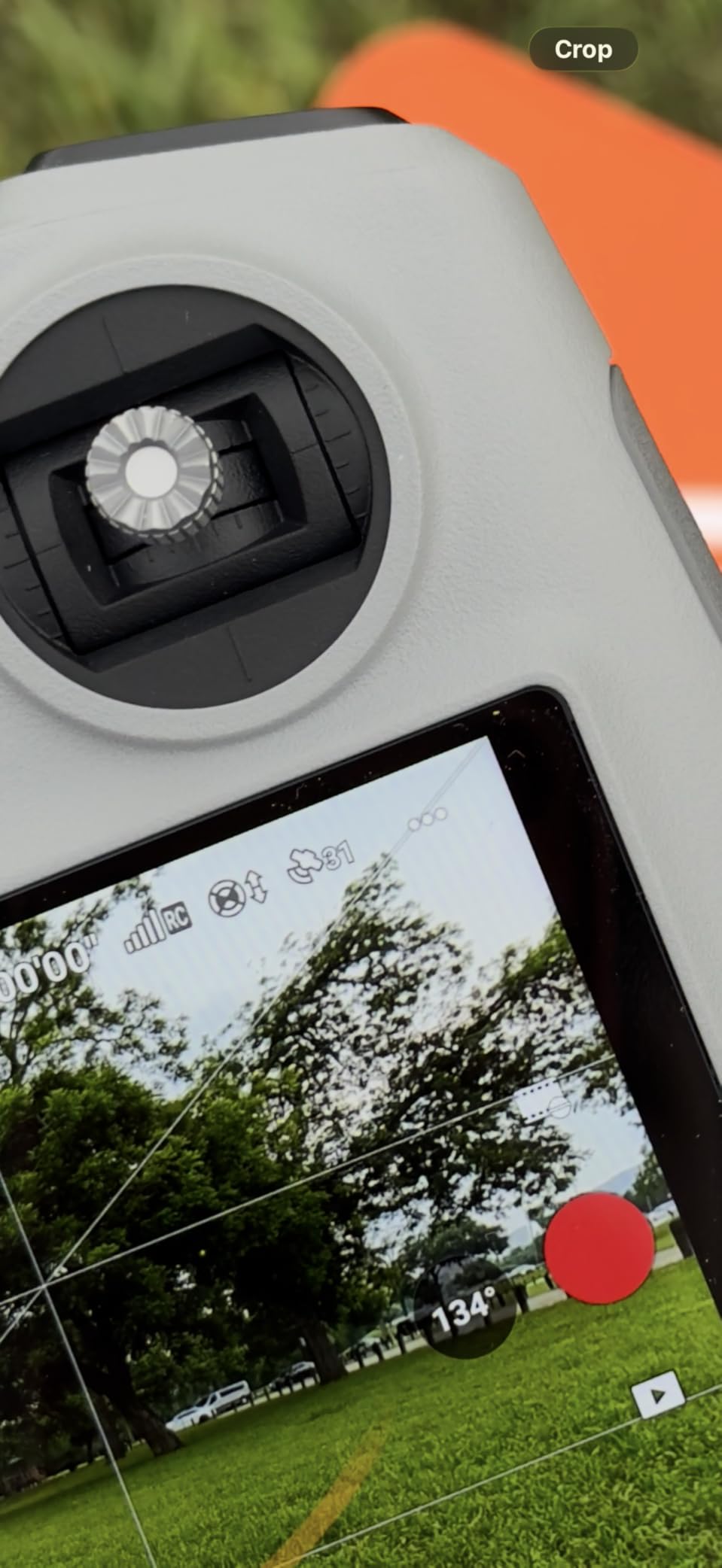
The 8K resolution gives you enough pixels to extract clean still frames from the 360 sphere, effectively turning a single flight into dozens of composition options. The O4+ transmission keeps your live feed smooth, and the FPV-style flying feels more intuitive for dynamic movement than a traditional camera drone.
This is a specialized tool rather than a general-purpose photography drone. If your work involves virtual reality content, immersive real estate tours, or experimental fine-art projects, the Avata 360 is compelling. For straight landscape or architectural stills, a traditional gimbal drone remains the better choice.
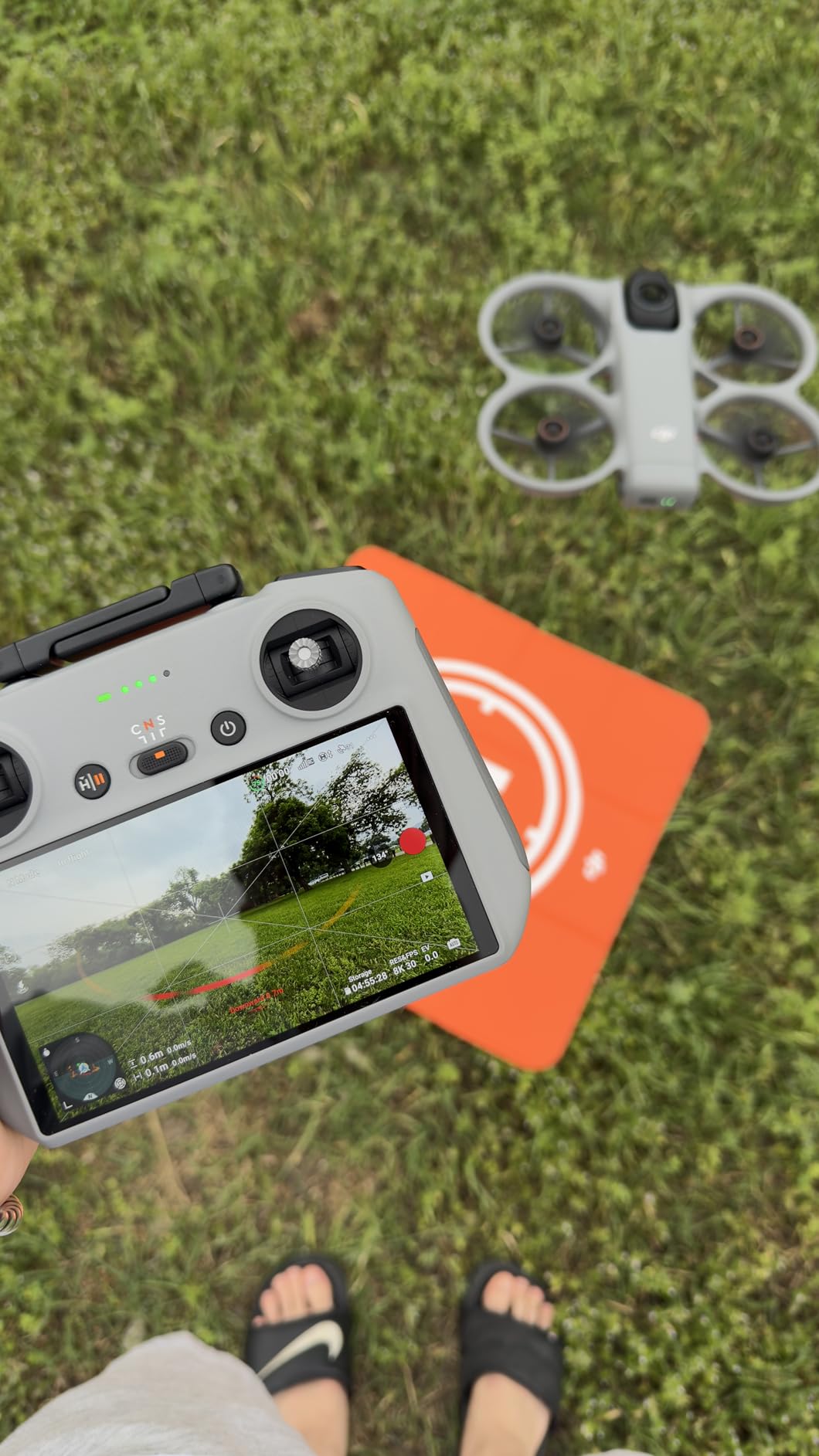
360-Degree Capture Versus Traditional Framing
360 capture lets you decide composition after the flight, which is powerful for fast-moving assignments and virtual tours. The trade-off is lower per-frame sharpness compared to a dedicated stills camera. I treat 360 frames as flexible source material and traditional frames as finished deliverables.
Best Use Cases for Immersive Content
The Avata 360 excels for real estate virtual tours, event coverage, and branded experiential content where viewers want to look around a scene. Interior spaces benefit most from the prop guard and close-range sensing. It is less suited to print-quality landscape work.
8. SKYROVER X1 – Capable Non-DJI Alternative
- Full 360-degree obstacle avoidance
- 5.5-inch HD touchscreen remote
- AI night shot mode
- Under 249g with no registration
- Non-DJI ecosystem and app
- Shorter 9.32-mile transmission range
The SKYROVER X1 is the strongest non-DJI option in this roundup, and its 4.5-star rating across nearly 400 reviews shows it is winning converts. Full 360-degree obstacle avoidance is a standout feature at this price point, matching capabilities found on much more expensive drones. For photographers who want capable 4K stills without buying into the DJI ecosystem, it is worth serious consideration.
The included 5.5-inch HD touchscreen remote is a pleasure to use and removes the need to mount your phone in bright conditions. AI night shot mode extends your shooting window after sunset, producing usable images in light where standard drones produce only noise. The 96-minute total flight time with included batteries is competitive with DJI’s Fly More combos.
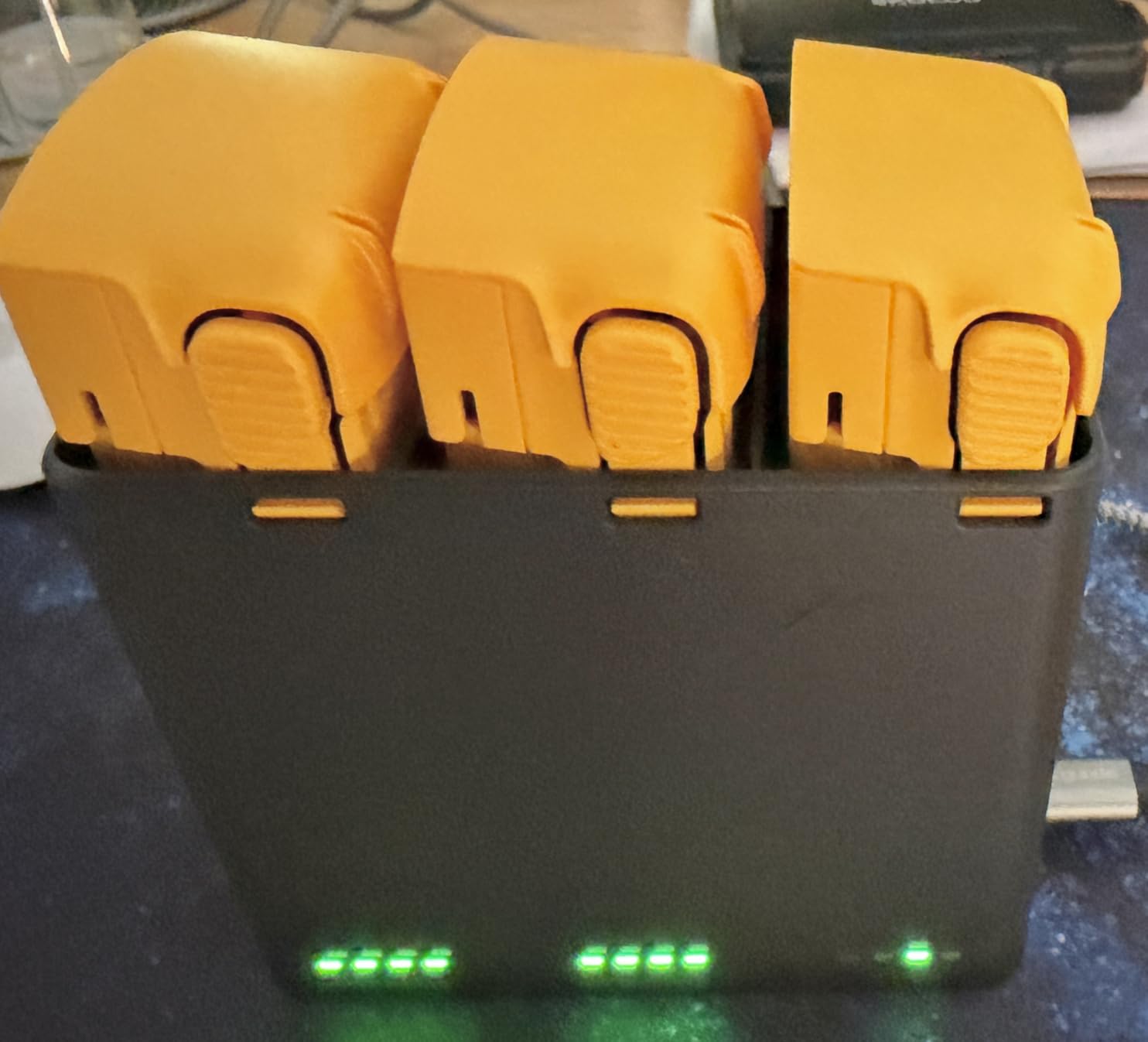
Weighing under 249 grams, the X1 avoids FAA registration like the Mini series, which is a real advantage for travel photographers. The 48MP still resolution provides good detail for the sensor size, and the HDR video pipeline handles high-contrast scenes respectably. I found the gimbal stabilization reliable in moderate wind.
The main consideration is the software ecosystem. The companion app is capable but lacks the polish and frequent updates of DJI Fly, and third-party accessory support is more limited. The 9.32-mile transmission range is shorter than DJI’s O4 system, though still generous for most real-world photography within line of sight.
Non-DJI Ecosystem Considerations
The SKYROVER app handles flight control and camera settings competently, but expect a different workflow than DJI Fly. Firmware updates and customer support are improving but less established. If you already own DJI accessories, they will not be compatible, so factor that into your decision.
Night Photography With AI Night Shot
The AI night shot mode combines multi-frame processing to reduce noise and recover detail in low light. Results are best for static scenes with some ambient light, like cityscapes and illuminated architecture. It is not a replacement for a large sensor, but it meaningfully extends your usable shooting hours.
9. Bwine F7GB2 Pro – Entry-Level Professional Features
Bwine F7GB2 Pro Drones with Camera for Adults 4K UHD Aerial 3-Axis Gimbal
- 6-level wind resistance for stability
- FAA compliant certification
- GPS smart follow modes
- 2-year warranty included
- Lower image fidelity than premium drones
- No obstacle avoidance sensors
- 550g requires registration
The Bwine F7GB2 Pro brings genuine professional features to a price point that makes aerial photography accessible to more creators. The 3-axis gimbal produces stable 4K footage and clean stills, and the 6-level wind resistance is a standout spec that keeps the drone steady in conditions where lighter models struggle. For photographers building their first paid portfolio, it is a sensible starting point.
GPS smart follow modes give you hands-free tracking for dynamic subject work, and the FAA compliance certification removes regulatory uncertainty for commercial use. The 75-minute total flight time across three batteries is solid for a drone at this price. I appreciated the 2-year warranty, which signals the manufacturer’s confidence in build quality.
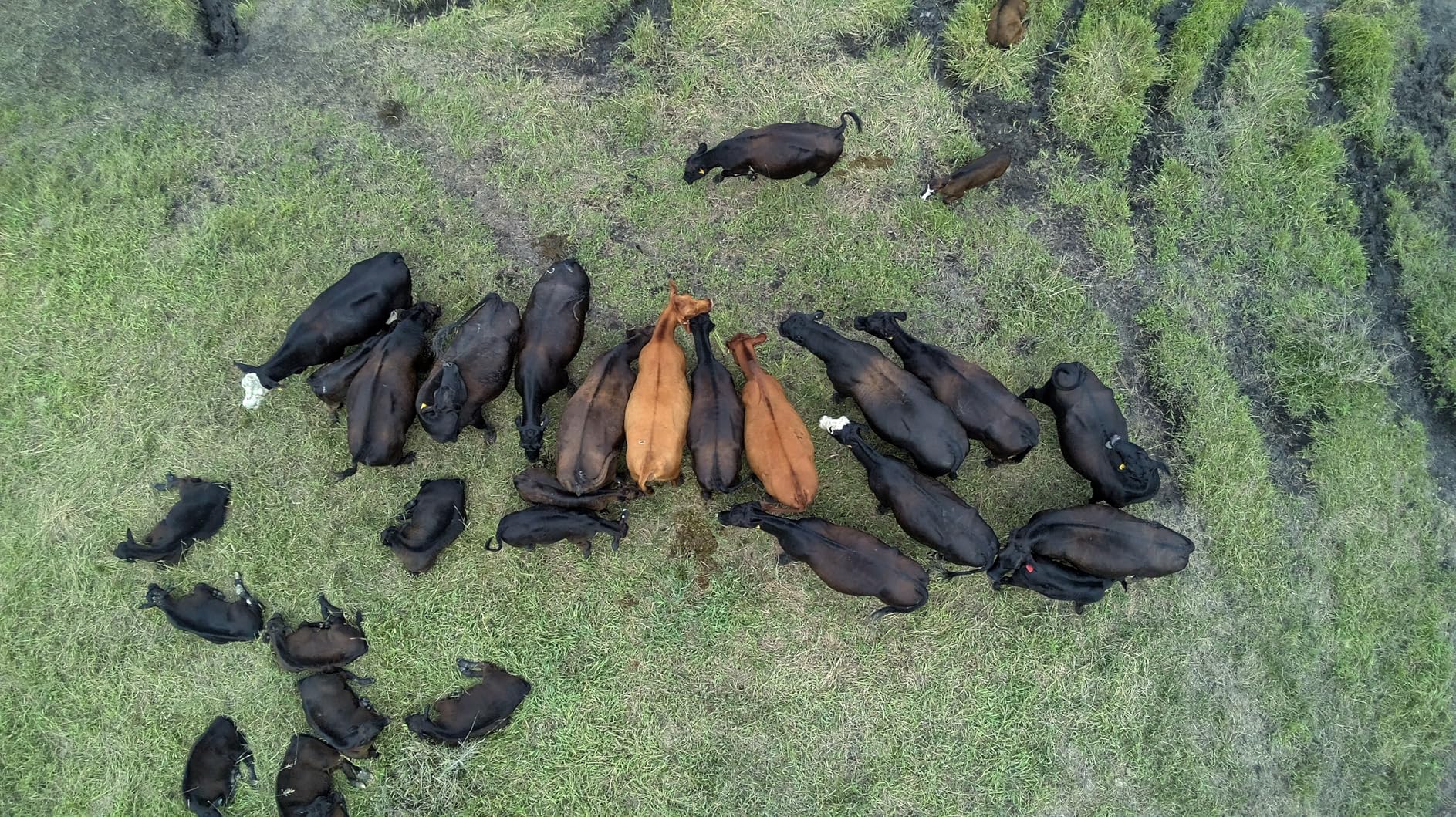
The 4K camera produces good results in favorable light, with the 3-axis gimbal smoothing out the kind of micro-jitter that ruins otherwise usable frames. Colors are punchy straight from the camera, though they lack the nuanced tonal handling of Hasselblad-tuned sensors. For web and social media deliverables, the output is more than adequate.
The honest limitations are the absence of obstacle avoidance sensors and the 550-gram weight that requires FAA registration. Image fidelity falls behind the premium drones in this guide, particularly in dynamic range and low light. Treat this as a stepping stone into professional aerial work rather than a final destination.
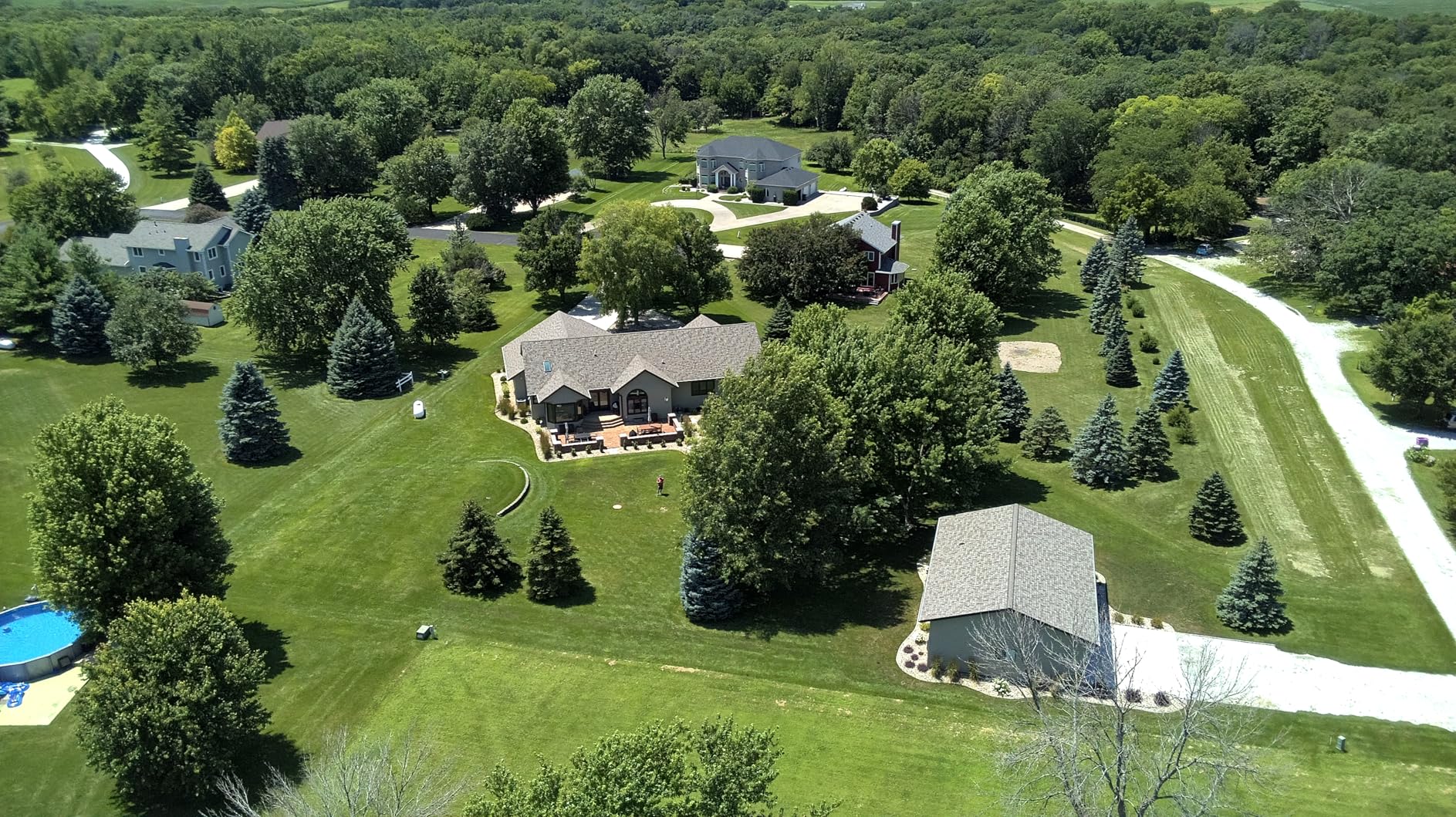
Entry-Level Professional Work Viability
The F7GB2 Pro can handle entry-level paid assignments like basic real estate listings and event coverage, provided you manage expectations on image fidelity. It is best paired with strong editing skills to maximize the 4K files. As your client work grows, plan to upgrade to a larger-sensor drone.
Wind Resistance for Outdoor Shoots
The 6-level wind resistance rating means the drone holds position in gusts that would ground lighter sub-250g models, which extends your shooting window for coastal and mountain work. I still recommend caution above 20 mph sustained winds, even with capable stabilization. Always prioritize safety over getting the shot.
10. Potensic ATOM 2 – The Budget Champion
Potensic ATOM 2 Drone with Camera for Adults 4K, 10KM Range, Fly More Combo
- Sony CMOS sensor for strong color
- AI track and night shot modes
- 3-axis gimbal stabilization
- Under 249g with no registration
- Smaller sensor than premium drones
- Shorter 10km transmission range
The Potensic ATOM 2 proves you do not need to spend a fortune to start producing quality aerial photography. Its 1/2-inch Sony CMOS sensor delivers pleasing color and detail for a drone in this price range, and the 4.5-star rating across more than 1,800 reviews confirms it satisfies real buyers. The 8K photo mode gives you resolution headroom for cropping and large-format exports.
The 3-axis gimbal is the feature that separates the ATOM 2 from cheap toy drones, producing stable footage and sharp stills even in breezy conditions. AI track and AI night shot modes add creative flexibility that I did not expect at this price point. At under 249 grams, it shares the regulatory freedom of the DJI Mini series.
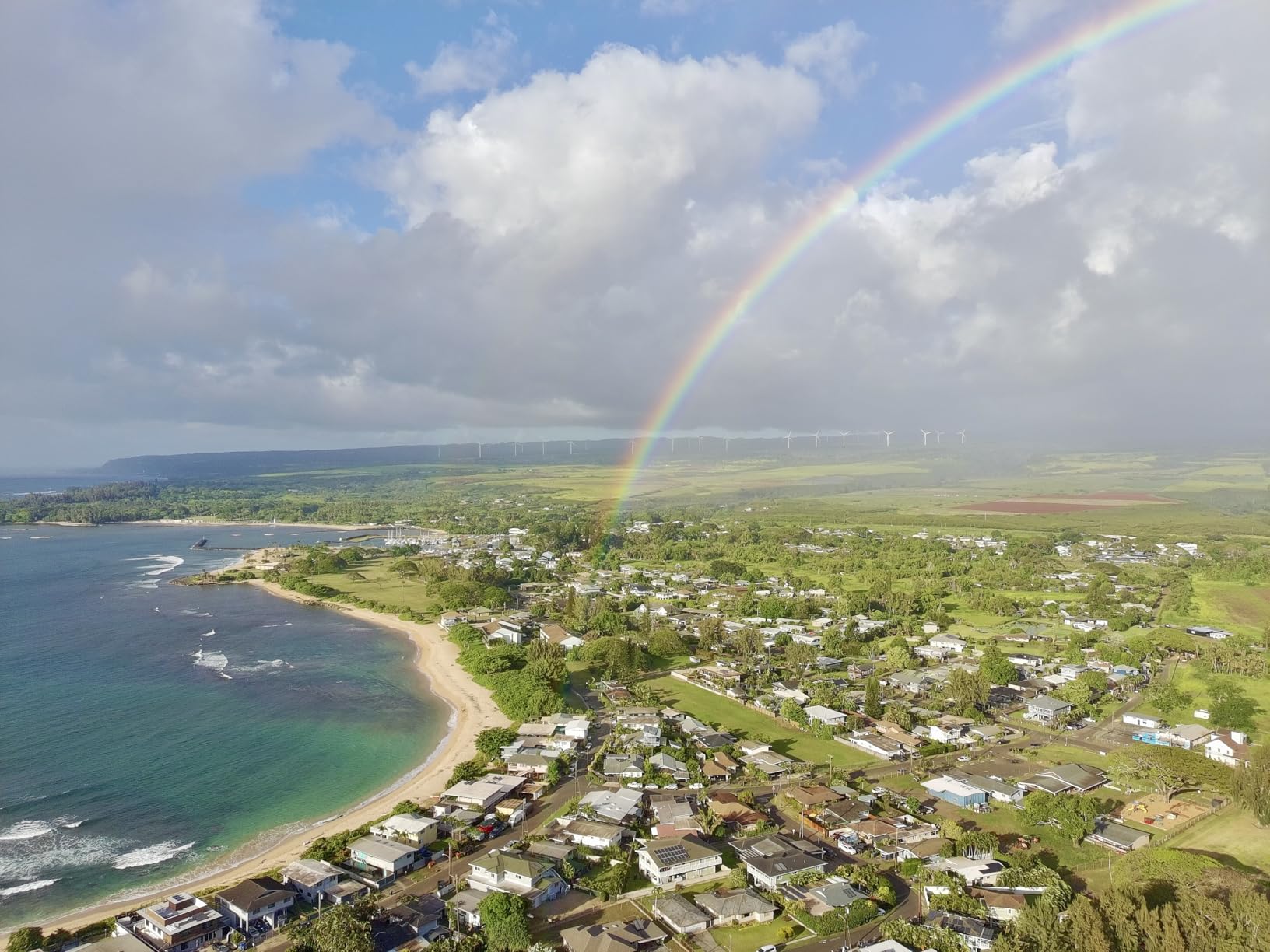
The 96-minute total flight time with three batteries is exceptional value, letting you shoot an entire location day on a single charging cycle. The 10km transmission range is shorter than premium drones but perfectly adequate for line-of-sight photography. Vertical shooting mode is a thoughtful addition for social media content creators.
This is not a direct competitor to a Hasselblad-equipped flagship, and the smaller sensor shows its limits in low light and high-contrast scenes. But for photographers building skills, shooting personal projects, or producing web-resolution commercial work, the ATOM 2 offers remarkable value. It is the drone I would hand to a photographer taking their first professional steps.
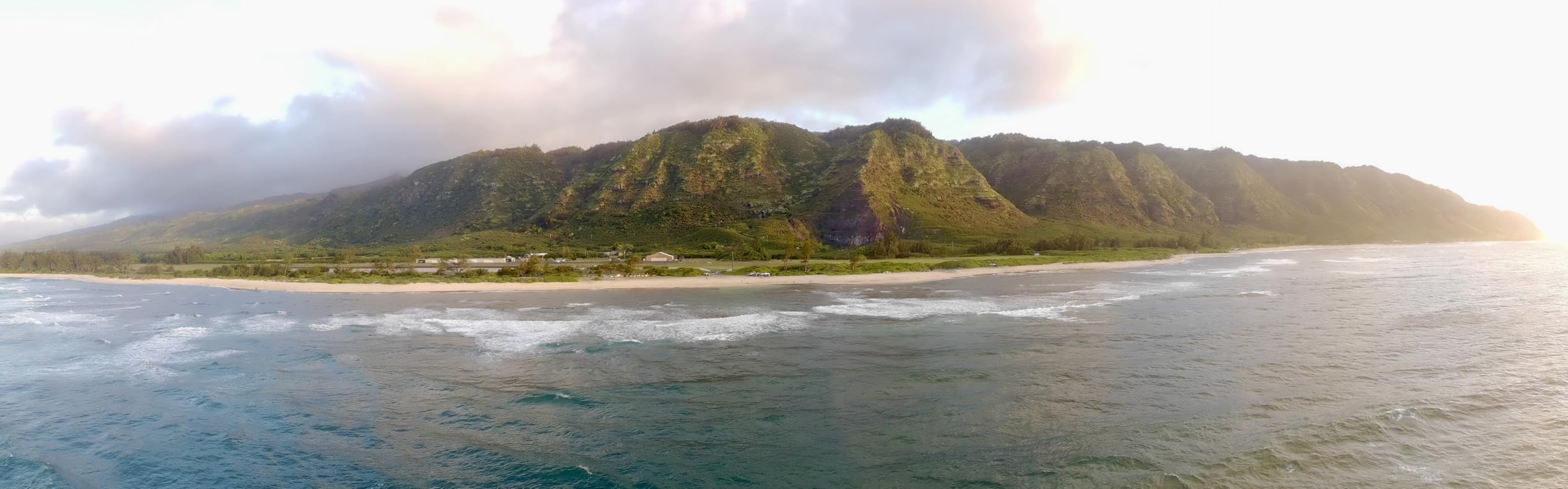
Sony CMOS Quality on a Budget
The Sony sensor produces natural color and respectable dynamic range for the price, outperforming generic sensors in cheaper drones. Files respond well to careful editing, especially when you expose for highlights and recover shadows. The 8K photo mode is best used for static scenes with good light.
Best Niches for the ATOM 2
The ATOM 2 suits travel photography, social media content, entry-level real estate, and personal portfolio building. Vertical shooting mode makes it particularly attractive for creators producing mobile-first content. It is less suited to large-format print work or demanding low-light assignments.
How to Choose a Professional Photography Drone in 2026
Choosing among the best professional drones for photography comes down to matching sensor capability, flight endurance, and portability to the specific work you do. The specs that matter most for stills photographers are not always the ones manufacturers highlight, so here is how I think through each decision factor.
Sensor Size Is the Single Most Important Spec
Sensor size dictates dynamic range, low-light performance, and overall image fidelity more than any other specification. A 4/3 CMOS sensor, like the Hasselblad unit in the Mavic line, captures the most detail and the widest tonal range. A 1-inch sensor, found in the Air 3S and Mini 5 Pro, is the practical sweet spot for most professionals. Smaller 1/2-inch sensors, like the one in the Potensic ATOM 2, are capable in good light but show their limits as conditions worsen.
Flight Time and Battery Strategy
Longer flight time per battery means fewer interruptions and more frames per location. Look for at least 40 minutes per pack for professional work, and always buy a combo that includes multiple batteries. The Fly More bundles from DJI and the multi-battery kits from other brands effectively double or triple your active shooting time. I rotate batteries through a charging hub so a fresh pack is always ready.
Portability Versus Image Quality
There is a real trade-off between a drone you can pack anywhere and one with the largest sensor. Sub-250g drones like the Mini series avoid FAA registration and travel easily, but their smaller sensors limit low-light quality. Larger drones like the Mavic 4 Pro deliver superior images but require dedicated transport cases. Match your choice to how and where you actually shoot.
Obstacle Avoidance for Confidence and Safety
Omnidirectional obstacle sensing lets you fly close to structures and through tight spaces with far less risk, which matters enormously for real estate and architectural work. Forward-facing LiDAR, found on the Air 3S, adds reliability near reflective surfaces. If you fly professionally and carry liability for client work, treat robust obstacle avoidance as essential rather than optional.
RAW Capture and Color Science
RAW capture gives you the latitude to recover highlights and shadows during editing, which is non-negotiable for professional stills. Hasselblad-tuned drones produce the most natural color straight from the sensor, reducing your post-processing workload. Confirm that any drone you consider supports RAW stills, since some budget models output JPEG only.
Low-Light Performance
Blue-hour and golden-hour shoots are where smaller sensors fail and larger ones shine. A 4/3 or 1-inch sensor gathers significantly more light, producing clean detail at higher ISO values. AI night shot modes, found on the SKYROVER X1 and Potensic ATOM 2, help smaller sensors punch above their weight, but they cannot fully replace sensor size for demanding low-light work.
Transmission Range and Controller Quality
Transmission range determines how far you can fly while maintaining a clear live feed, though line-of-sight regulations cap practical distances well below the maximum. DJI’s O4 and O4+ systems are the current leaders, offering 20km to 30km of range with stable video. A built-in screen controller, like the DJI RC 2, is worth the investment because it eliminates phone-mounting hassles and performs better in bright sunlight.
Regulatory and Registration Considerations
In the United States, drones under 250 grams do not require FAA registration, which simplifies ownership and travel. Heavier drones require registration and, for commercial work, Part 107 certification. Always verify the rules in every jurisdiction where you fly, since international regulations vary widely. Remote ID compliance, now standard on most current DJI models, is increasingly mandatory.
FAQs
What is the best professional drone for photography?
The DJI Mavic 4 Pro is the best professional drone for photography because its 100MP 4/3 CMOS Hasselblad sensor produces the highest-resolution stills of any drone here, backed by a tri-camera system, 51-minute flight time, and class-leading dynamic range. For most working photographers, the DJI Air 3S offers the best balance of image quality and value.
Which drone has the best camera for professional photography?
The DJI Mavic 4 Pro has the best camera for professional photography, combining a 4/3 CMOS Hasselblad sensor with 100MP still resolution and dual telephoto cameras. Among mid-range options, the DJI Air 3S and its 1-inch CMOS wide camera deliver the best low-light performance and dynamic range for the price.
How much does a professional photography drone cost?
Professional photography drones range from around $400 for entry-level models like the Potensic ATOM 2 to over $2,200 for flagship units like the DJI Mavic 4 Pro. The sweet spot for most working photographers sits between $1,100 and $1,600, where drones like the DJI Air 3S and Mini 5 Pro deliver professional image quality without flagship pricing.
What features should I look for in a professional drone for photography?
Prioritize sensor size first, since it controls dynamic range and low-light quality, then look for RAW capture support, omnidirectional obstacle avoidance, at least 40 minutes of flight time per battery, a 3-axis gimbal, and a reliable transmission system. A built-in screen controller and a multi-battery combo are also worth the investment for professional workflows.
What is the best portable drone for photography?
The DJI Mini 5 Pro is the best portable drone for photography because it fits a 1-inch CMOS sensor into a sub-250g body that requires no FAA registration. The DJI Mini 4 Pro is a strong alternative with a larger review base, while the Potensic ATOM 2 offers the best budget option for travel shooters.
Final Thoughts on the Best Professional Drones for Photography
Finding the best professional drones for photography in 2026 comes down to matching sensor capability to your actual assignments. The DJI Mavic 4 Pro is the outright image-quality leader with its 100MP Hasselblad sensor, the DJI Air 3S is the smart value pick for most working photographers, and the Potensic ATOM 2 proves capable aerial stills are possible on a real budget.
Whatever you choose, prioritize sensor size, RAW capture, and obstacle avoidance over flashy features, and invest in a multi-battery combo so you can shoot through a full location day. The right drone is the one that fits your workflow, your travel style, and the clients you serve, and any of these ten models can produce professional results in the right hands.